

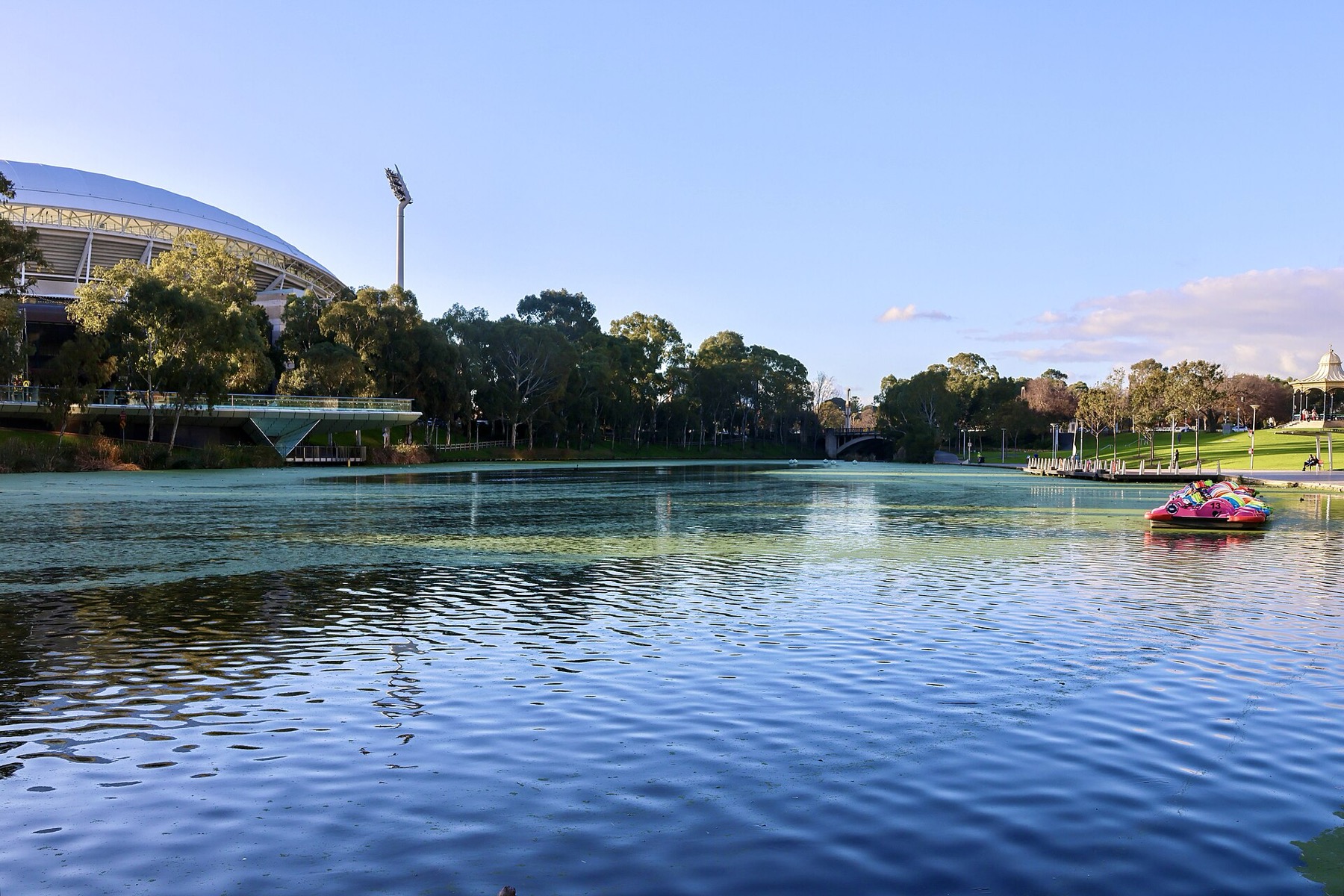
People from Sydney and Melbourne love to poke fun at Adelaide, Australia, teasing it as a sleepy big town. The irony is that those very same people come here for the best shopping, fantastic food, and to taste the finest wine in all of Australia. Adelaide is, after all, the uncrowned capital of festivals, gastronomy, and easygoing living, where nobody is in a rush to get anywhere. On top of that, it is the only place in the southern hemisphere where you can admire giant pandas.
The city is often given the nickname of a “20-minute city” because you can get everywhere incredibly quickly. Locals do argue these days about whether that still holds up in the morning rush hour, but as a visitor you will love how compact everything is. What’s more, the entire centre is wrapped in a beautiful ring of green parks, planned back in the nineteenth century by Colonel Light, which gives the city an incredible sense of calm.
If you are looking for a place where crowds won’t drive you crazy and the queue for coffee lasts two minutes at most, Adelaide is exactly what you’re after. While the rest of Australia occasionally struggles to keep up, South Australia holds on to its own relaxed rhythm, one you’ll fall in love with very easily.
TL;DR
- How many days to set aside: Two to three days at a slower pace are enough for the city itself. But if you also want to explore the famous wine regions or head to the coast, plan for at least five to seven days.
- When to go: The best weather is from March to May and again in autumn from September to November. January tends to be extremely hot, with temperatures topping forty degrees.
- Watch out for Mad March: March is the month of huge festivals. The city has an incredible atmosphere, but accommodation prices soar and you need to book everything many months ahead.
- Where to stay: For a first visit, the city centre (CBD) is best, ideally around the East End. If you want peace and quiet, choose North Adelaide, and for ocean lovers the seaside suburb of Glenelg is the obvious pick.
- What not to miss: A tasting at the Central Market, holding a koala at Cleland Wildlife Park, and a ride on the historic tram to the ocean.
- Getting around: Special buses and trams run completely free within the centre, which saves you a lot of money on tickets.
When to visit Adelaide, South Australia
The local climate is typically Mediterranean, which means hot, dry summers and mild, though occasionally rainy, winters. If you don’t enjoy extreme heat, definitely avoid January and February, when temperatures very commonly climb past thirty-five degrees and sometimes hit an uncomfortable forty. Winters in July and August, on the other hand, are fairly cool, with daytime highs around fifteen degrees, so ocean swimming really isn’t on the cards.
An absolute phenomenon is what locals call Mad March. During this period the city hosts several enormous festivals all at once, including the famous Adelaide Fringe and the musical WOMADelaide. The city pulses with energy at this time, with street performers, food stalls, and thousands of people everywhere. It’s probably the best time to come for culture and entertainment.
During festival season, hotels double or even triple their usual prices, and the best rooms disappear at incredible speed. So if you’re planning to soak up the festival atmosphere, you’ll need to book flights and a room at least two to three months ahead, otherwise you risk getting nothing at all or paying an absolute fortune for accommodation.
How to get around Adelaide
Getting around the centre itself is an absolute dream for every budget traveller. The city runs free City Connector buses numbered 98 and 99, which loop past the main sights and also take you to the North Adelaide suburb. On top of that, tram rides within the central zone are completely free too, so if you base yourself strategically, you won’t spend a cent on public transport inside the city.
Getting from the airport to the centre is completely hassle-free and very cheap. The best option is the JetExpress buses run by Adelaide Metro, which come roughly every fifteen minutes and take twenty to thirty minutes. A ticket costs you just a few dollars, usually around 4.55 AUD (about €2.60), which is peanuts compared to Sydney or Melbourne. If you have a lot of luggage, you can take a regular taxi, which costs around twenty to thirty Australian dollars to the centre.
Things get a little trickier once you want to head out of town to the famous vineyards. Public transport to the wine regions is unfortunately very limited and slow, so you can’t really rely on it. The ideal solution is to rent a car for a few days, as all three main wine regions lie within an hour’s drive of the centre. If you’d rather not drive, you’ll need to rely on organised trips and tours that pick you up right at your hotel.
Where to stay in Adelaide
💡 Tip for accommodation and experiences: We prefer to look for accommodation on Booking.com, where the cancellation terms tend to be the best. It’s then worth comparing and booking tickets, tours, and activities through GetYourGuide.
Choosing the right neighbourhood mainly depends on the type of holiday you prefer and how much time you’ll spend here. For a first visit, the central business district (CBD) is absolutely the best, as you can comfortably walk to most sights from there. I’d recommend looking for hotels around the East End, which is full of great cafés and boutiques. In the evening, on the other hand, it’s better to avoid Hindley Street, the hub of wild nightlife that can get rather rowdy.
If you’re after something a bit quieter but still within walking distance, take a look at North Adelaide. You’ll find beautiful historic houses, wide tree-lined streets, and plenty of excellent restaurants with a much more local feel. For beach lovers and families with kids, the coastal suburb of Glenelg is the obvious choice, reachable from the centre by historic tram and offering gorgeous sunsets over the ocean.
As for specific hotels, travellers rave about the luxurious Eos by SkyCity, right by the railway station on Festival Drive. A night here starts at around 352 AUD (about €200) and gets you a beautiful view and a huge, comfy bed. A great middle option is the Hotel Indigo Adelaide Markets on Market Street, right next to the famous market, where rooms go from 199 AUD (around €115). Very affordable and strategically located in the East End is the Majestic Roof Garden Hotel, offering spacious rooms from 202 AUD (roughly €115). All of these hotels can be booked very easily through Booking.
Where to eat in Adelaide
Adelaide is literally a paradise for every foodie, whether you’re after a fine-dining dinner or just a quick coffee with a perfect pastry. The dining scene here benefits from the proximity of the ocean and the fertile wine valleys, so there’s certainly no shortage of fresh ingredients.
If you’re looking for a great breakfast or brunch, head to Peter Rabbit, a cosy café tucked away in a garden on Hindley Street. For fans of modern Asian fusion, the restaurant Shōbōsho is a fantastic choice, serving up brilliant dishes cooked over an open fire. And vegetarians should definitely not miss Staazi & Co, a legendary vegan Greek bistro on Grenfell Street, whose pita yiros and perfectly crispy chips leave travellers full of praise.
Let’s not forget dinner with atmosphere either. I recommend Osteria Oggi, which will instantly transport you to Italy for a while with its pasta and gorgeous interior. And for the best burger or a slice of pizza on the go, head back to the Central Market, where there’s always something tasty to be found.
18 best things to see and do in Adelaide, Australia
So let’s get to it. Adelaide has more to offer than you might think at first glance.
1. Adelaide Central Market
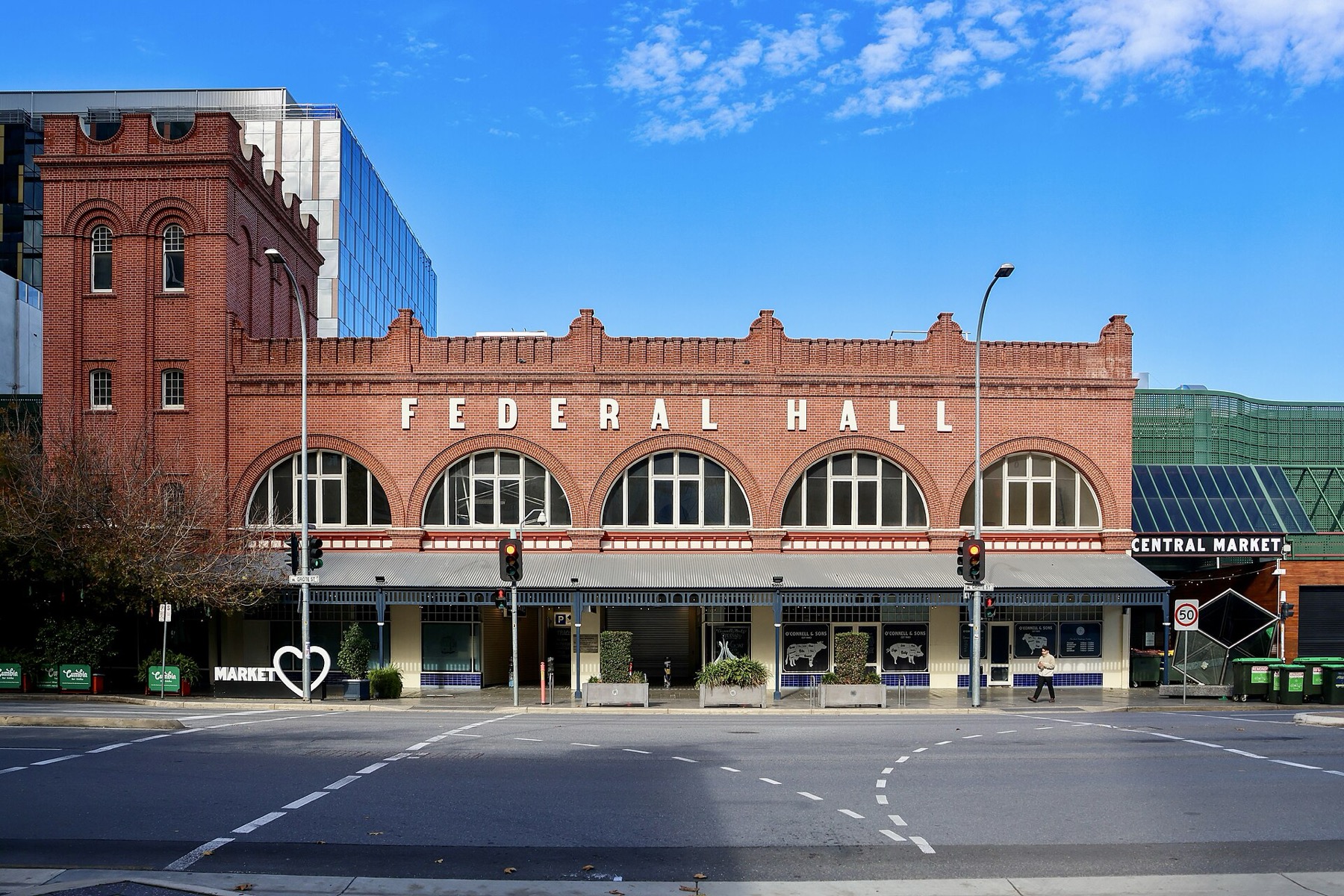
If you love good food, your first steps absolutely must lead to this culinary shrine. This historic market has operated on its original site since 1869, making it a real one-of-a-kind in all of Australia. You’ll find more than seventy different stalls under one roof, where the scents of freshly roasted coffee, ripe fruit, and exotic spices all blend together. It’s a place where locals don’t just spend time shopping, but mainly chatting and hunting for the best cheese from Smelly Cheese Co. or the fresh bread they’ve been waiting for all week.
The market is an absolute paradise for vegetarians and cheese lovers. Be sure to stop by stall number 44, home of the legendary Smelly Cheese Co., and let them recommend the finest local cheeses from South Australia. Besides that, you’ll discover plenty of small bakeries with fresh bread and stalls with excellent meat-free food. Friday evenings tend to be a bit calmer than the hectic Saturday rush, so if you want to enjoy the market in peace, ideally go before the weekend.
Before you start planning your visit, pay close attention to the opening hours. The market is completely closed every Sunday and Monday, which has caught out many unprepared travellers. It’s open Tuesday to Saturday, closing as late as nine in the evening on Fridays, but already at three in the afternoon on Saturdays. 💡 Tip: Combine your market visit with a late breakfast at one of the nearby cafés, and only then head off to explore the rest of the city.
2. North Terrace: gallery, museum, and library for free
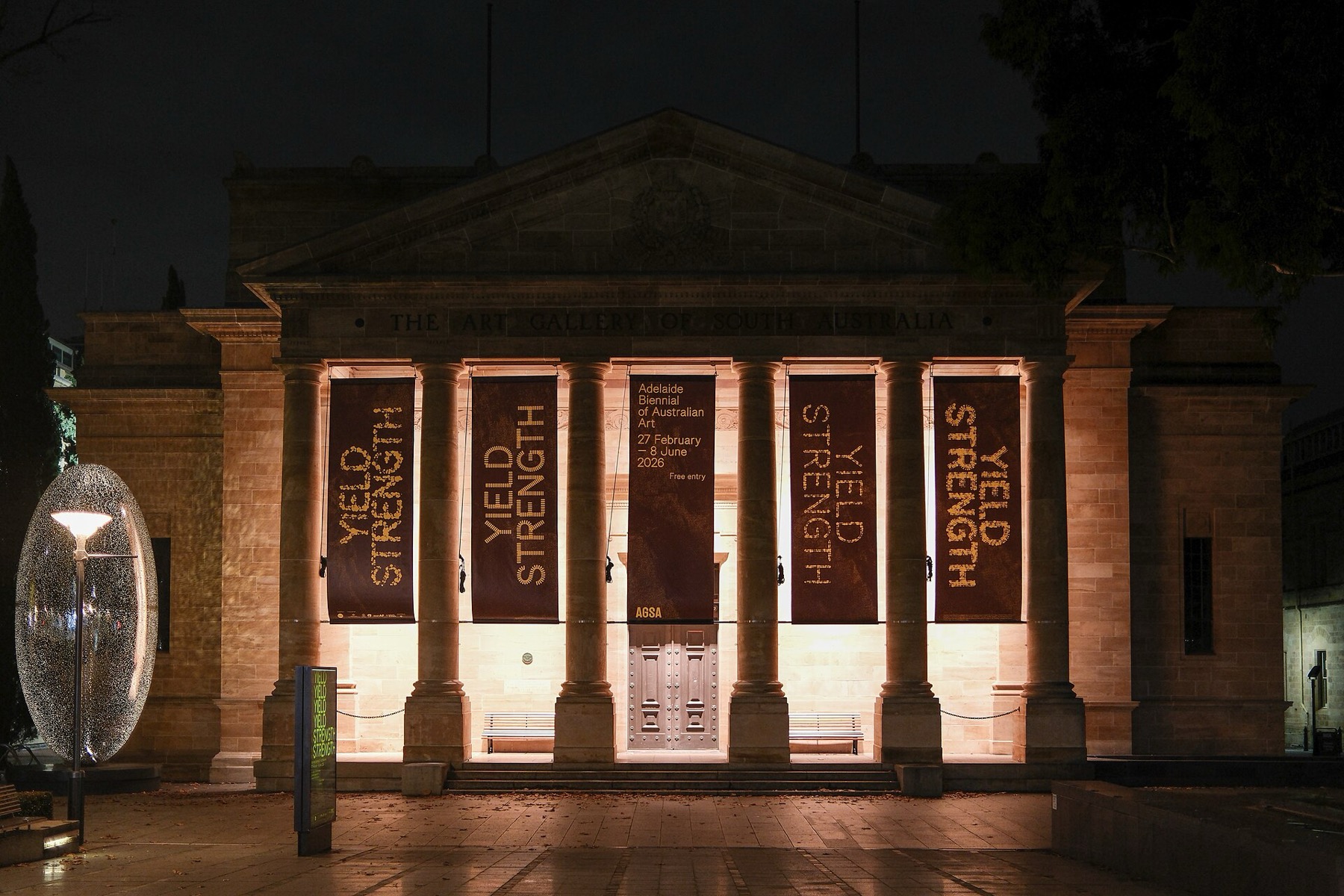
This wide, tree-lined boulevard is the cultural heart of all South Australia. You’ll find three absolutely essential institutions here, all with free admission year-round, which is great news for your travel budget. Your first stop should be the Art Gallery of South Australia, open daily from ten to five and home to an incredible forty-seven thousand works of art from around the world and by local artists.
Right next door is the South Australian Museum, which you definitely shouldn’t miss. It houses one of the largest and most comprehensive collections of Aboriginal culture in the world, numbering an impressive thirty thousand objects. Walking through the exhibitions that map the history and culture of the First Nations peoples is an incredibly powerful and eye-opening experience. The museum is open every day and offers plenty of interactive elements too, so you can easily spend a whole afternoon here.
The trio is completed by the State Library, specifically its historic wing known as the Mortlock Wing. This gorgeous space with wrought-iron balconies and antique clocks is often ranked among the most beautiful libraries in the world. It looks exactly like something out of the Harry Potter films, with a wonderful, reverent silence. It’s an ideal spot to hide from the summer heat for a while and simply admire the stunning Victorian architecture.
3. Adelaide Botanic Garden and the giant water lily
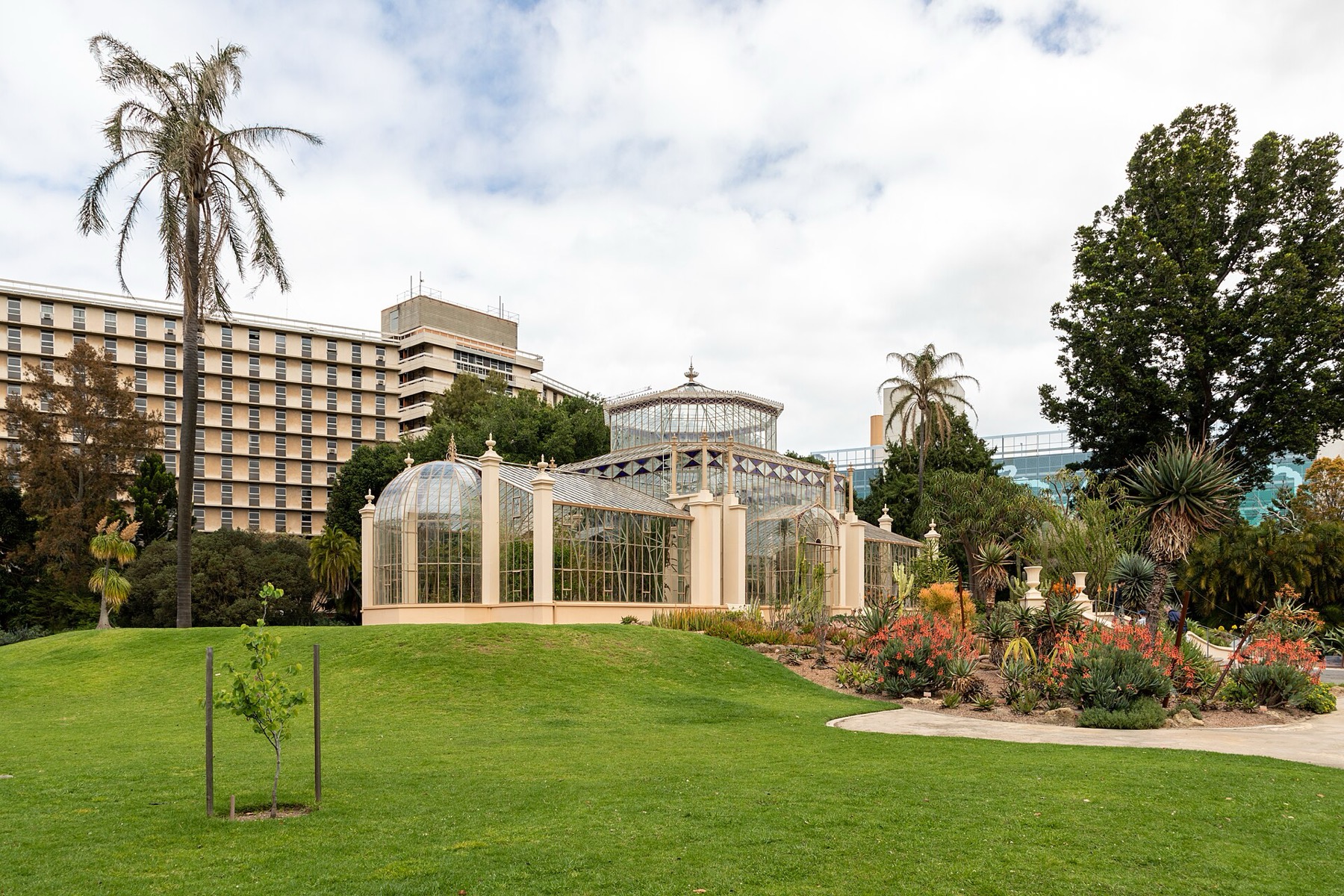
A short walk from the busy centre lies a huge oasis of greenery, where locals come to escape the bustle of the city. Entry to the Botanic Garden is completely free and you’ll find a vast number of themed sections, from rose gardens to dense fern forests. The garden is enormous, so you can easily wander for hours, constantly discovering new corners full of exotic and local plants.
The architectural gem of the whole garden is the historic Palm House from 1875. This greenhouse was shipped all the way from Bremen in Germany, and since 2024 it has also been decorated with a stunning glass chandelier by the famous glass artist Dale Chihuly. Right nearby stands the Museum of Economic Botany, open daily from ten to four and reportedly the last museum of its kind in the world. Inside you can view fascinating historic models of fruit and plants made from papier-mâché.
But for many visitors the biggest draw is the special Amazon Waterlily Pavilion. Here, from September to April, the majestic giant Amazon water lily blooms, its enormous leaves reaching up to 165 centimetres in diameter. Each flower blooms for just forty-eight hours, so seeing it in full glory is a little botanical miracle. 💡 Tip: Bring a blanket and something tasty to eat, as this is probably the most beautiful picnic spot in the whole city.
4. Adelaide Oval and the Bradman Collection
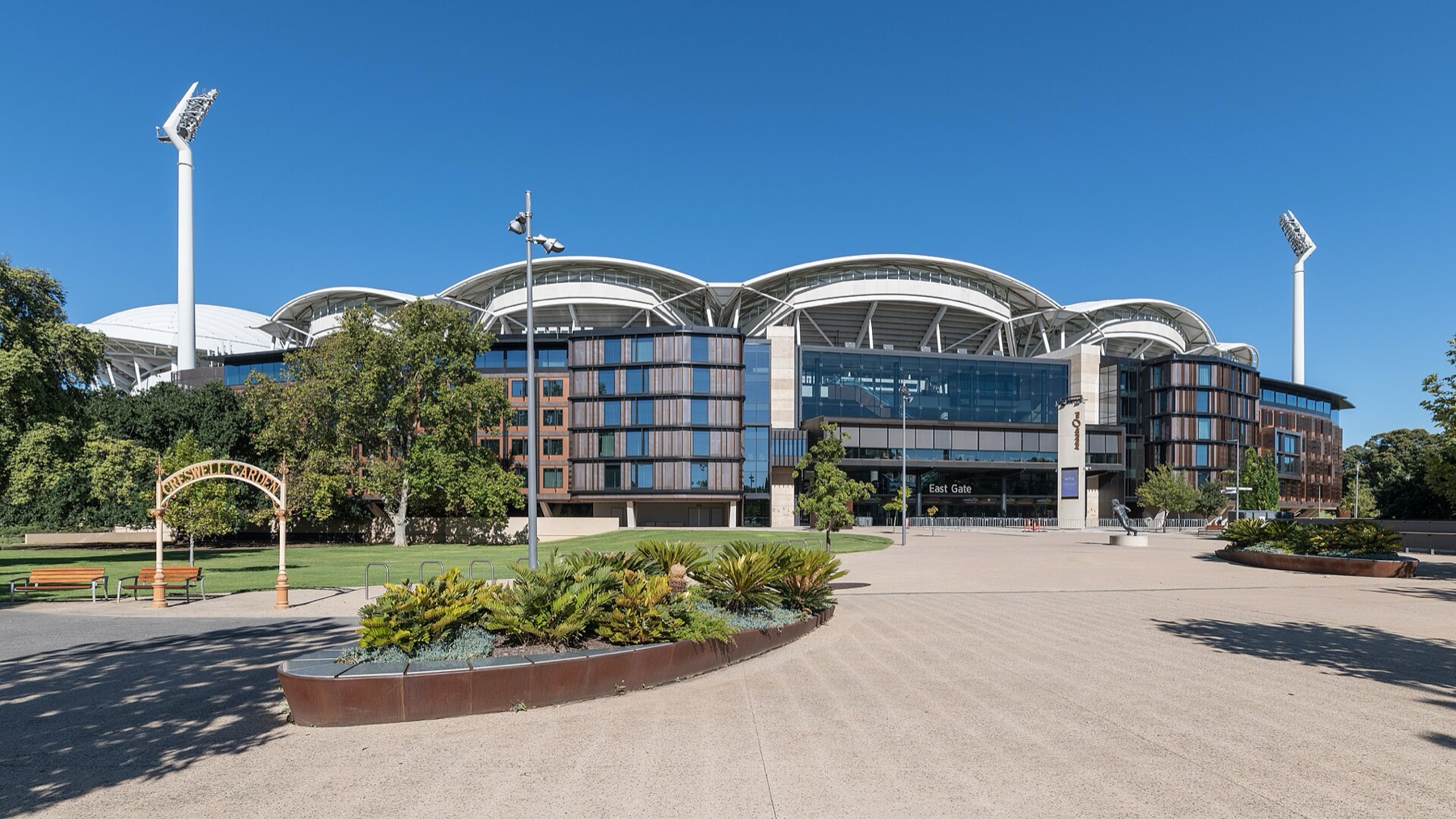
This stadium isn’t just an ordinary sports ground but a true shrine for every fan of cricket and Australian rules football. Even if you have no interest in sport at all, the beautiful architecture of the stadium set among greenery is sure to impress you. If you want a look behind the scenes, you can pay for a guided tour for around 17 AUD (about €10), which takes you into the historic dressing rooms and up to the iconic old scoreboard, still operated by hand.
For real adrenaline lovers there’s an experience called RoofClimb. You’ll be kitted out in special suits and set off to walk along the stadium roof, fifty metres above the pitch. From up there you’ll enjoy a breathtaking view over the whole city and the nearby coast. Prices vary by time of day, so it’s best to check the current offer directly on the official website of the attraction.
Inside the stadium there’s also a museum dedicated to the greatest legend of Australian cricket, Sir Donald Bradman. Entry to the Bradman Collection is completely free and you’ll find a huge collection of historic photographs, trophies, and personal items. The exhibition is done in a very modern and engaging way, so even if you don’t know the rules of cricket, you’ll easily understand why this sport is almost religiously important to Australians.
5. Popeye boats and Elder Park
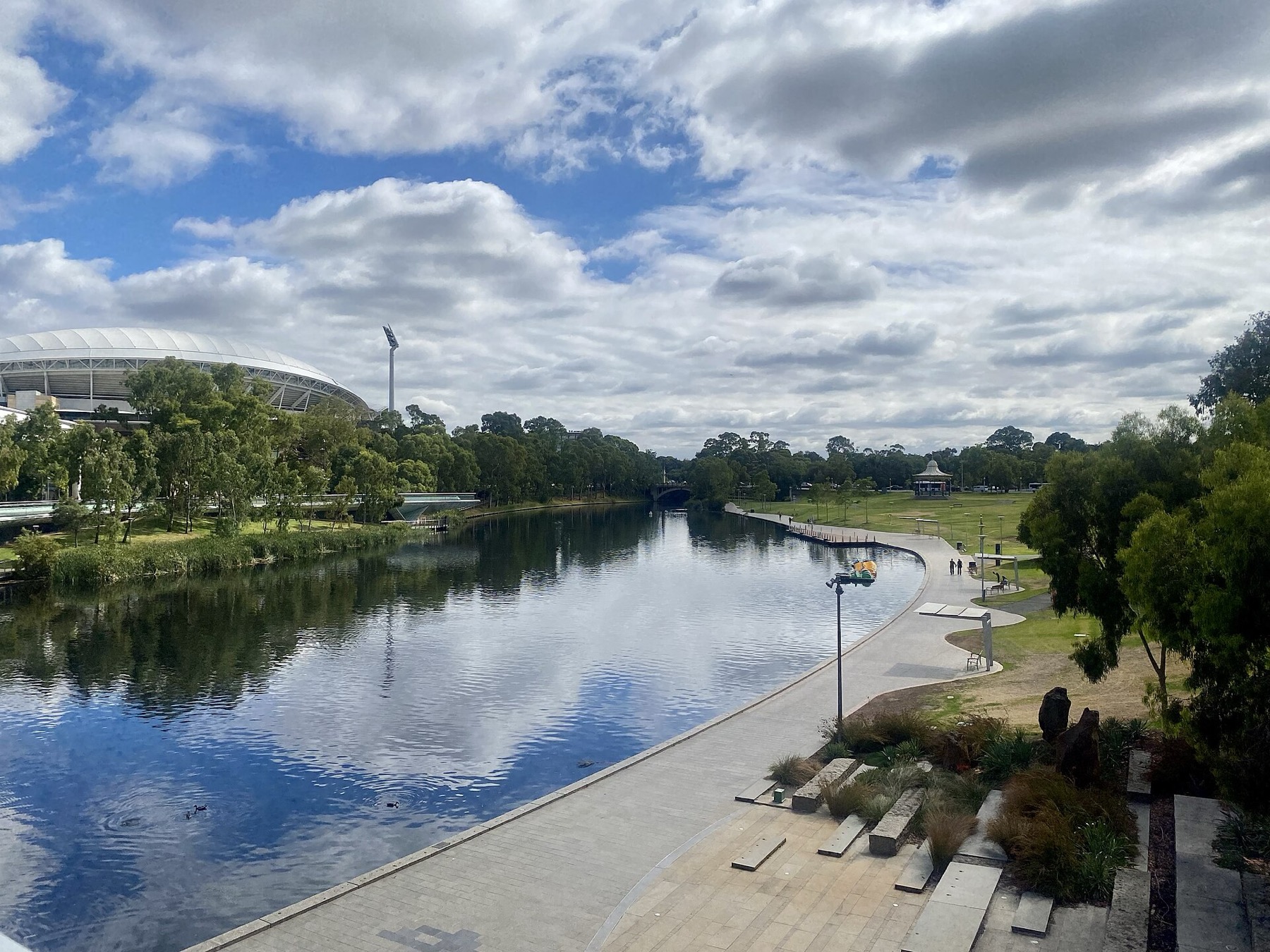
The River Torrens, which lazily flows past the edge of the centre, is an ideal spot for a slow afternoon. One of the most popular traditions is a cruise on the historic Popeye boats, which have been carrying tourists here since 1935. This fleet of adorable little vessels is so bound up with the city that even Queen Elizabeth II herself took a ride during her visit in 1977. You’ll find the current ticket prices on their website.
If you prefer your own power, hire a pedal boat right on the bank; they’ve been running since the sixties and are great fun for kids as well as for those looking for a touch of romance. The calm surface of the river, the modern skyline, and the surrounding parks together make for a surprisingly soothing experience.
All these watery pursuits start at the popular Elder Park. This sprawling park from 1882, with its typical historic rotunda, serves as a favourite meeting spot for locals. Various outdoor concerts, festivals, and community events are often held here. 💡 Tip: Stop at a nearby café, grab a coffee to go, and sit on the grass in the park watching the boats pass by; it’s the perfect way to relax.
6. Rundle Mall: bronze pigs and Haigh’s chocolate
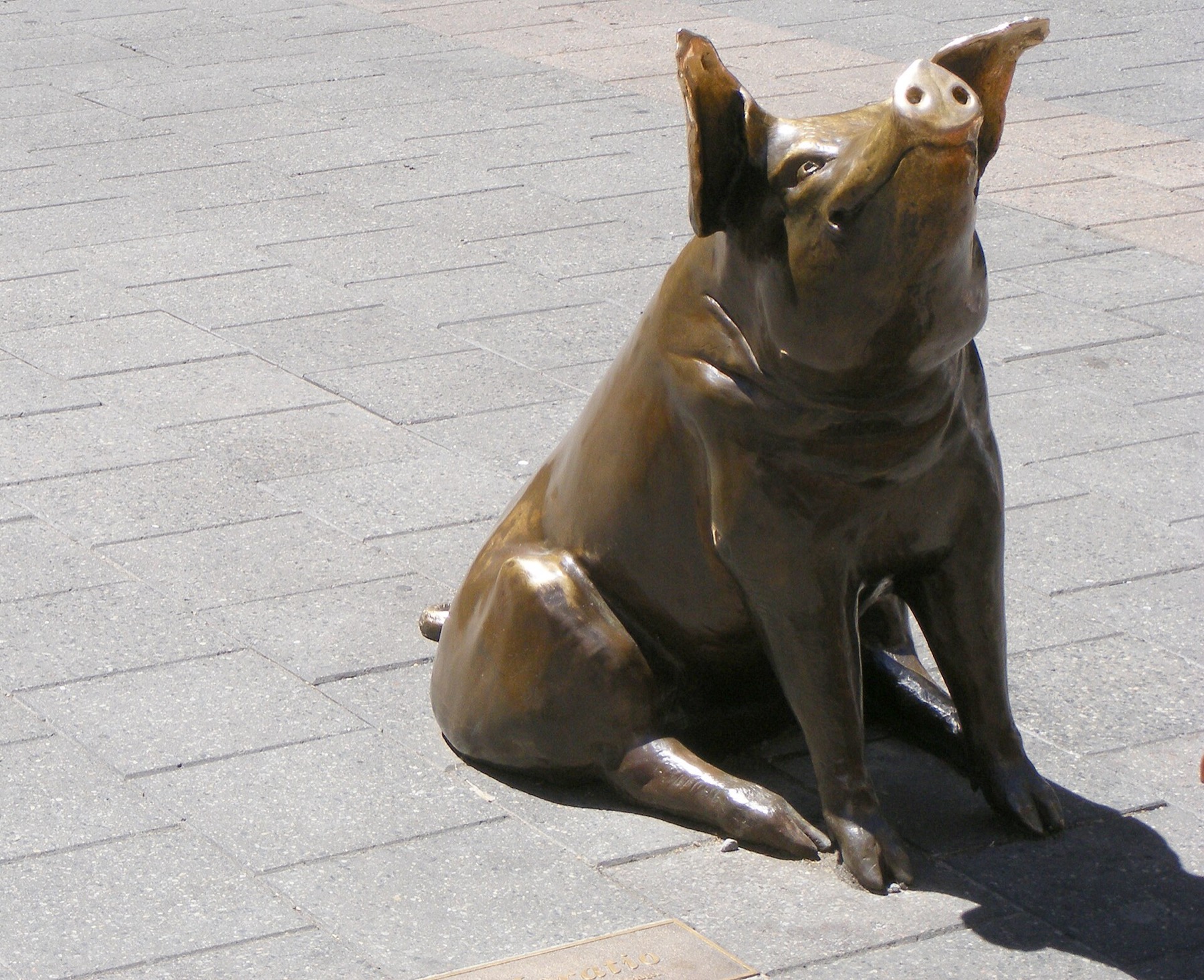
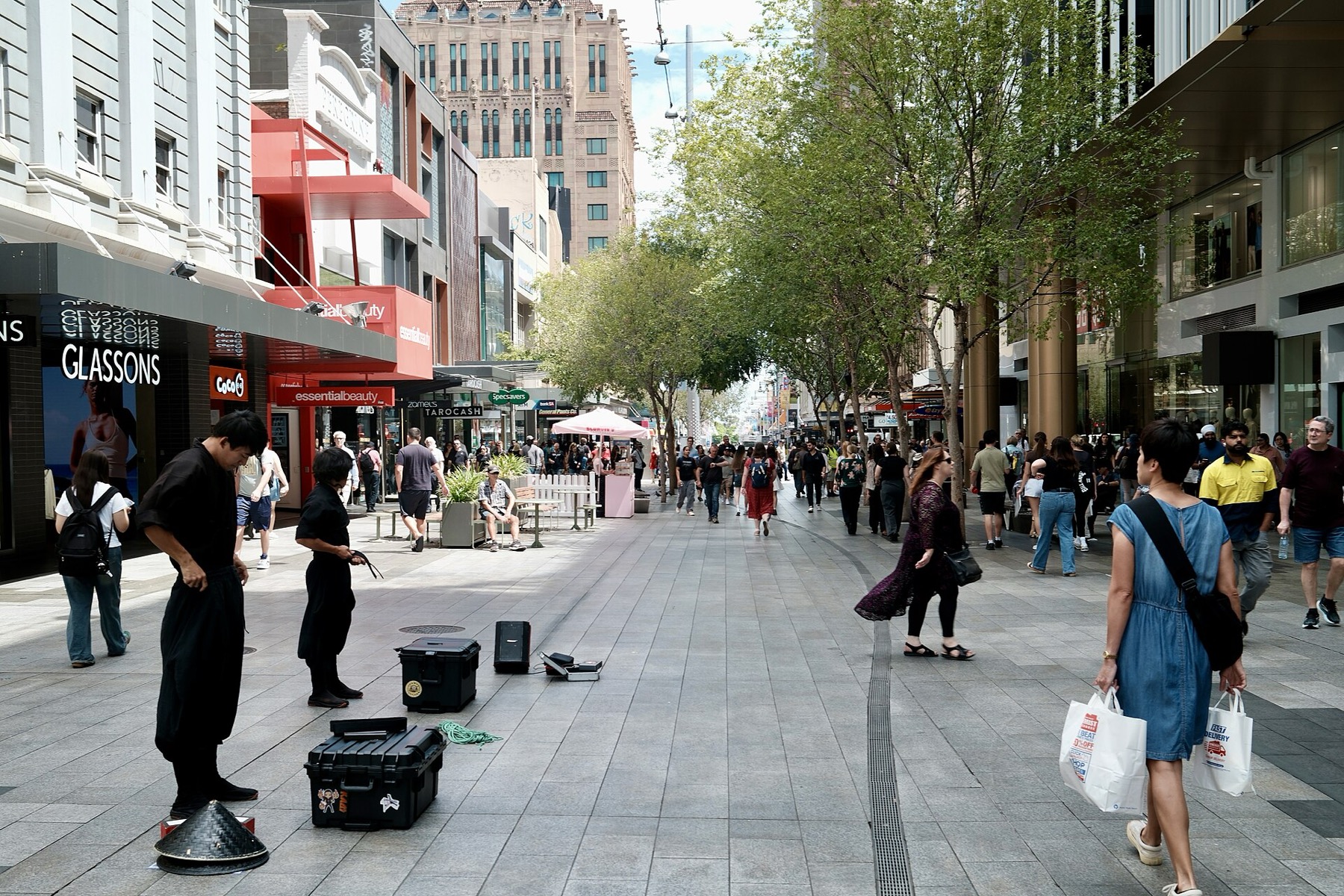
This pedestrian zone is the main shopping artery of the whole city and a place that’s always buzzing. Its biggest symbol is a quartet of bronze pigs named Horatio, Truffles, Augusta, and Oliver, which you’ll find casually “rummaging” through the bins right in the middle of the street. A short walk from them stands another iconic sculpture by Bert Flugelman, which locals only ever call “Mall’s Balls” and which serves as a popular meeting point.
As you stroll along the street, don’t miss the beautiful historic Adelaide Arcade from 1885. It was the very first retail building in all of Australia to be lit by electricity, and it has kept its refined Victorian charm to this day. 💡 Tip: On the upper level of this arcade hides the fantastic retro spot Two-Bit Villains, which makes absolutely perfect vegetarian and vegan burgers that even die-hard meat eaters will love.
On the corner of the pedestrian zone, known as Beehive Corner, you’ll find the flagship store of the famous Haigh’s Chocolates. This company has been making top-quality chocolate since 1915 and locals swear by it. Be sure to buy a few pralines for the road. If you’d like to see how the chocolate is made, the company offers free tours of its factory, but be careful, because these take place at the visitor centre in the Parkside suburb, not here in the centre.
7. Adelaide Zoo and the only pandas in the southern hemisphere
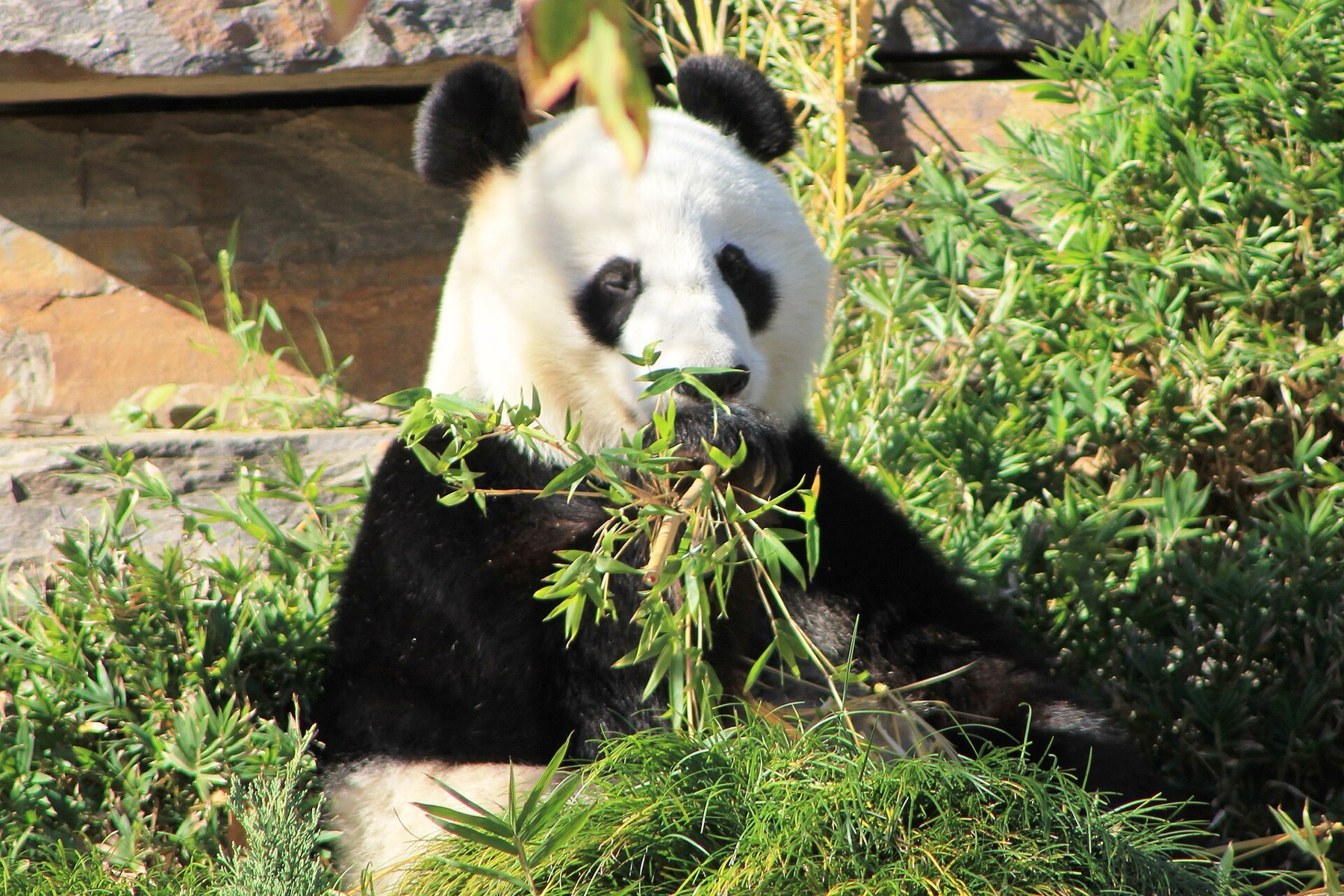
A short walk from the Botanic Garden lies the zoo, which isn’t among the largest in the world but definitely has plenty to offer. Its absolute biggest draw is undoubtedly the new pair of giant pandas, named Xing Qiu and Yi Lan. These gorgeous animals arrived here from China in 2024 and are the only pandas you can see in the entire southern hemisphere, which makes visiting them a truly exclusive experience.
The zoo is fairly compact, beautifully shaded by mature trees, and designed so you can get really close to many of the animals. Adult admission costs 49.50 AUD (roughly €29), but if you’re travelling with kids, a family ticket from 124 AUD (about €73) is worth it. Children under four also don’t pay anything at all, which will certainly please plenty of parents.
Besides pandas, you’ll of course find plenty of typical Australian animals here too, from kangaroos to colourful parrots. The zoo puts great emphasis on conservation of endangered species, so you leave with photos and with an understanding of why pandas keep eating bamboo and remain endangered anyway (spoiler: it’s complicated). 💡 Tip: Try to time your visit so you catch the commentated panda feeding; it’s an incredibly cute spectacle.
8. Himeji Japanese Garden and the parklands ring
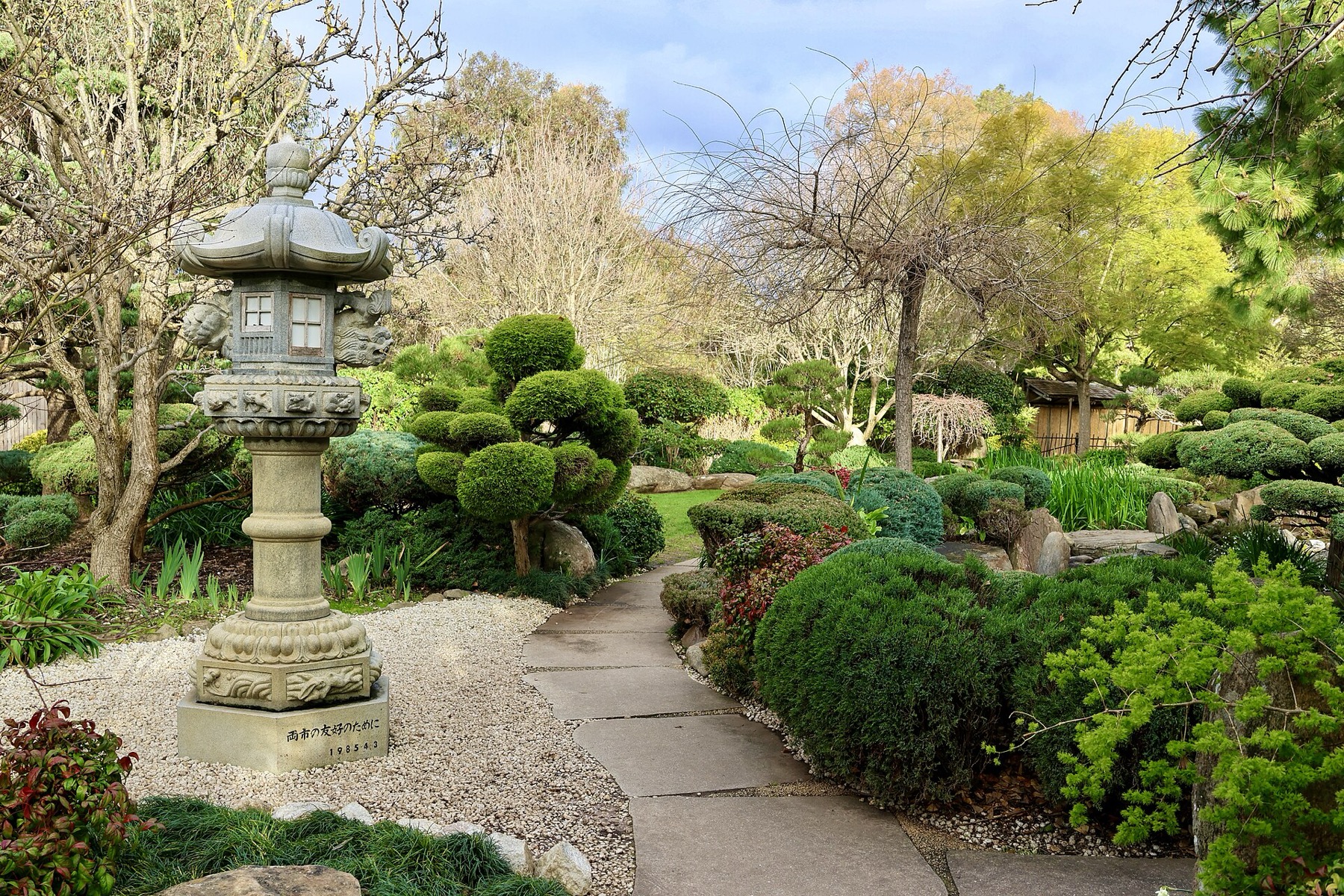
On the southern edge of the centre lies a small and often overlooked gem that you really shouldn’t miss. The Himeji Japanese Garden was gifted to the city in 1982 by its sister city in Japan, and it’s an incredibly peaceful place designed for quiet contemplation. The garden is laid out in the traditional kare-sansui style, that is, a dry garden with carefully raked sand, stones, and miniature ponds.
The garden really is tiny and you can walk through the whole thing in ten to fifteen minutes, but its magic lies precisely in that intimacy and silence it invites: entry is free, water bubbles over the stones, the trees cast pleasant shade, and the noise of the city barely reaches you, even though you’re still just a short walk from the main roads.
A visit to the garden is best combined with a longer walk through the so-called parklands. This enormous ring of greenery, which completely encircles the whole centre, is listed on the national heritage register. It was designed back in 1837 by the aforementioned Colonel Light, and thanks to it Adelaide is one of the greenest cities in the world. If you want to see the city from above, head to the Light’s Vision lookout on Montefiore Hill.
9. By tram to the beach at Glenelg
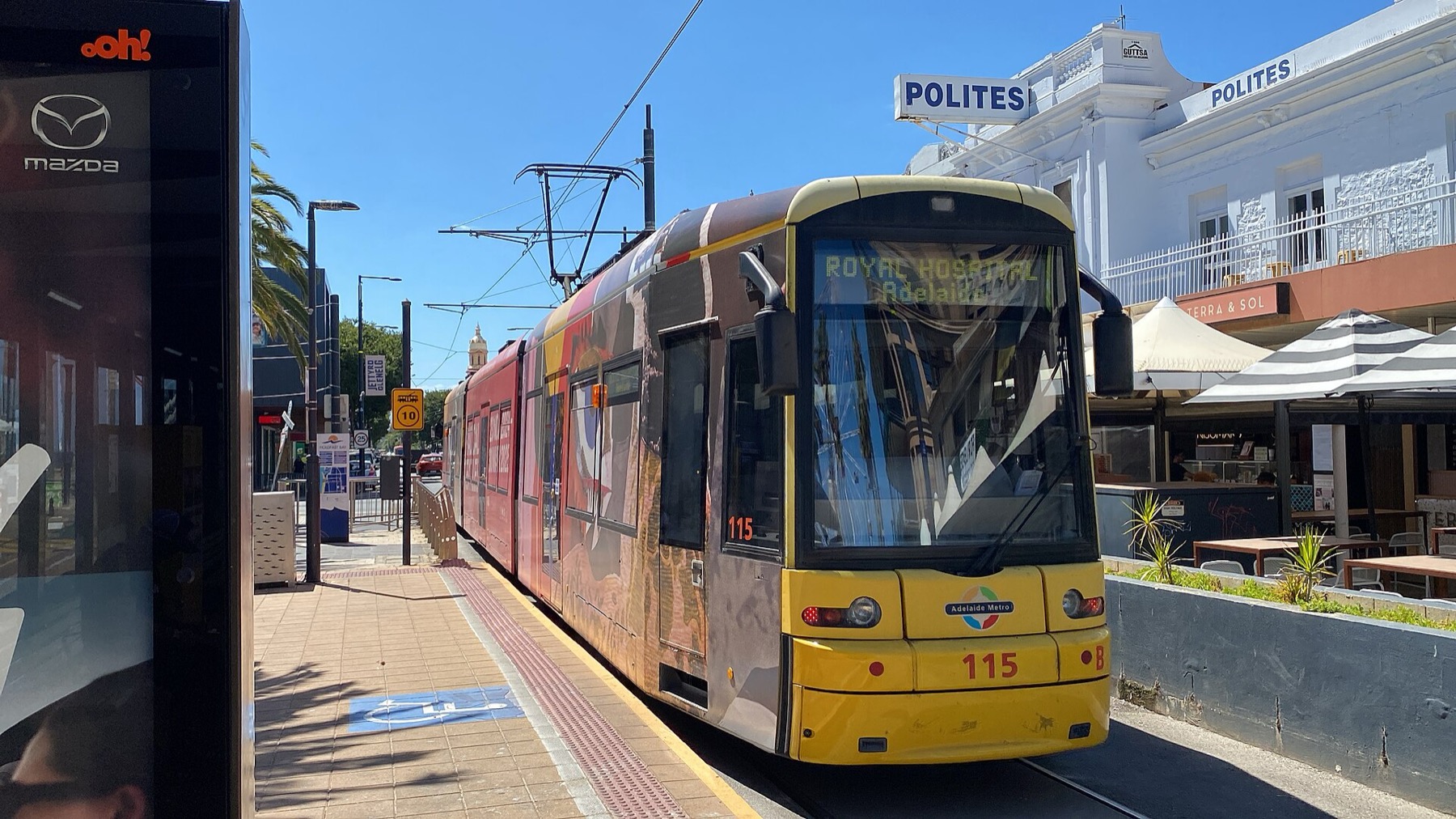
A trip on the historic tram to the ocean is an absolute classic that no visitor should miss. The original tram line has been running here since 1873, when steam cars operated, and in 1929 it was fully electrified. It’s actually the only tram line that survived the mass closures of the fifties, and today it’s a proud symbol of the city’s transport.
Boarding in the city centre is very simple, as the trams pass right through Victoria Square. While travel within the centre and along Jetty Road in Glenelg is free, the main stretch between the city and the beach is paid. The journey takes about half an hour and costs a standard fare (you’ll find the exact amounts on the Adelaide Metro website). Tickets can be paid simply with a contactless card right on board, so you don’t have to look for any machines.
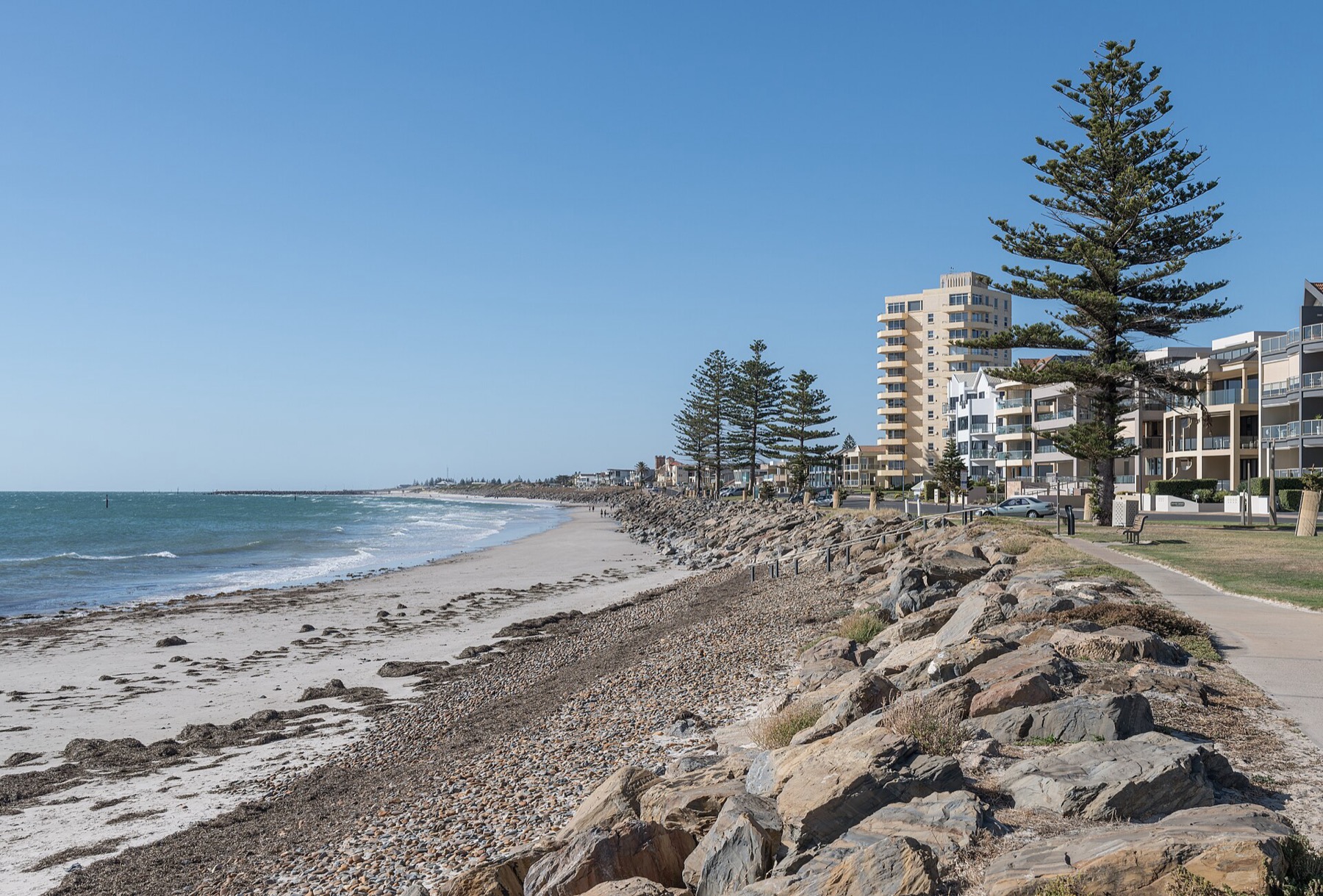
As soon as you get off at the final stop, you find yourself right by a beautiful sandy beach and a long jetty. The main street, Jetty Road, is full of great cafés, ice-cream parlours, and small shops, where you can spend money quite pleasantly. 💡 Tip: Stop here for dinner and enjoy the most beautiful sunset over the ocean, which turns the whole sky incredible shades of pink and orange.

10. Swimming with wild dolphins from Glenelg
Once you’re in the Glenelg suburb, you definitely have to head out to the animals that live in the local coastal waters. The local company Temptation Sailing runs fantastic cruises to see wild dolphins, which rank among the very best experiences in all of South Australia. This is no pool or enclosed bay; the animals live completely freely in the open ocean here and only come up to the boat when they want to.
You can choose between two types of tickets depending on how brave you are. The basic cruise with dolphin watching from the deck starts at 92 AUD (roughly €54), while if you want to swim with them in the water, budget around 154 AUD (about €90). The whole trip lasts about four hours and the crew does everything possible to avoid disturbing the animals and to respect their natural environment.
If you go for the swim, you’ll get a wetsuit and a snorkel and you’ll hold onto a special rope at the back of the boat. Dolphins are naturally very curious and often swim incredibly close to swimmers, so you’ll get unforgettable eye contact with them. And even if you decide to stay dry on deck, watching these gorgeous animals leaping in the boat’s bow wave is simply magic.
11. Port Adelaide: dolphin sanctuary and street art
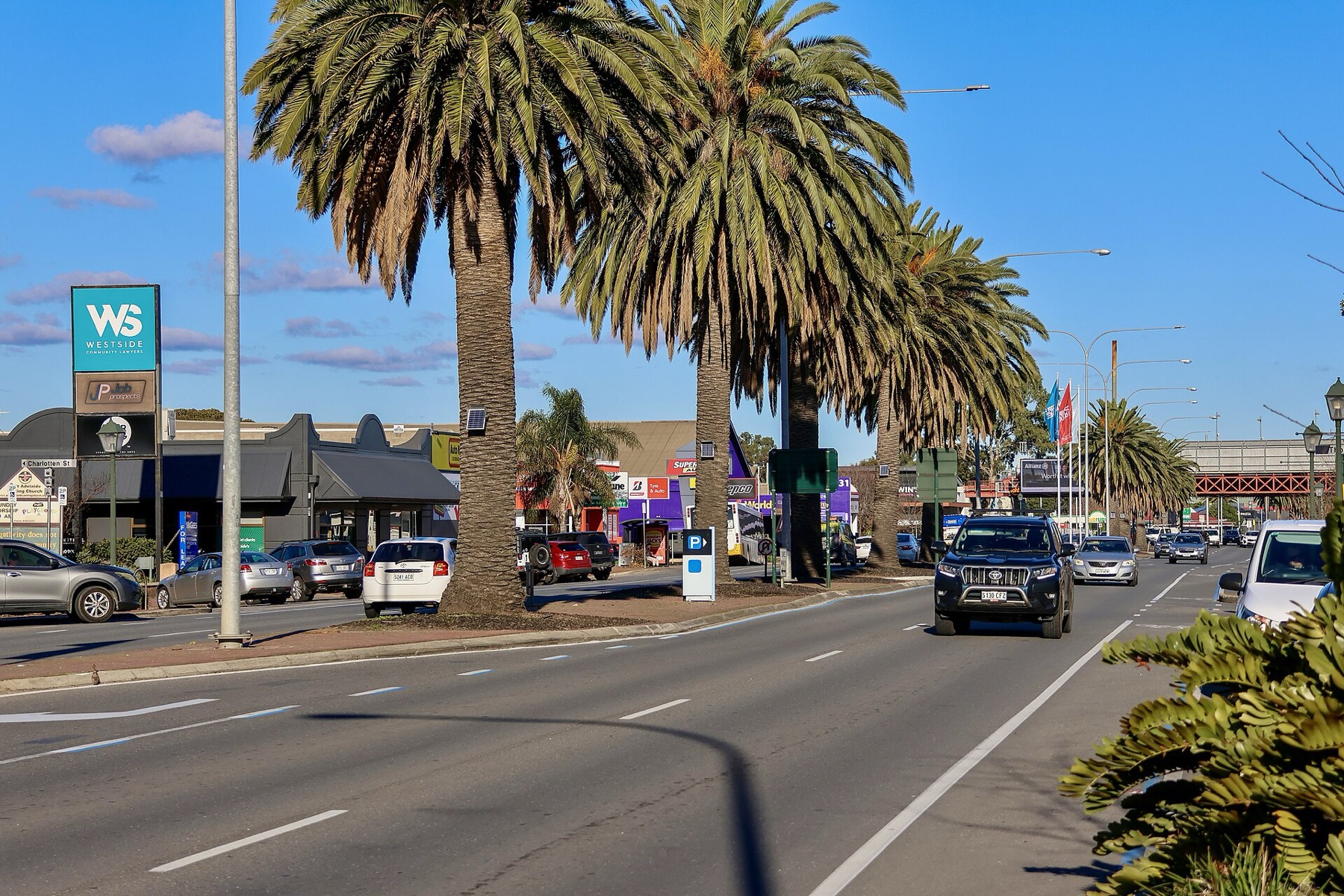
The harbour district of Port Adelaide has an incredibly raw and authentic atmosphere, completely different from the polished centre. The biggest attraction here is the Adelaide Dolphin Sanctuary, the very first urban dolphin sanctuary in the world. It was established in 2005, and over an area of more than one hundred and eighteen square kilometres a permanent population of dolphins lives here, which you can watch straight from the shore or from the deck of a cruise boat.
If you want to get out on the water, I recommend the services of Port River Cruises, where a ticket costs you around 55 AUD (about €32). During the cruise you’ll not only see dolphins at play, but you’ll also sail past a fascinating ships’ graveyard, where the rusty wrecks of old vessels jut out of the water, giving it an almost mysterious, slightly post-apocalyptic atmosphere that’s wonderfully photogenic.
Once you’re back on land, be sure to spend some time exploring the town itself. The old industrial buildings and warehouses here are decorated with huge, gorgeous murals from the Wonderwalls street art festival. Also worth a visit is the local South Australian Maritime Museum, with adult admission of 23.50 AUD (roughly €14), where you’ll learn all about the region’s maritime history and the harsh lives of the first settlers who arrived here from Europe.
12. Mount Lofty and the hike from Waterfall Gully
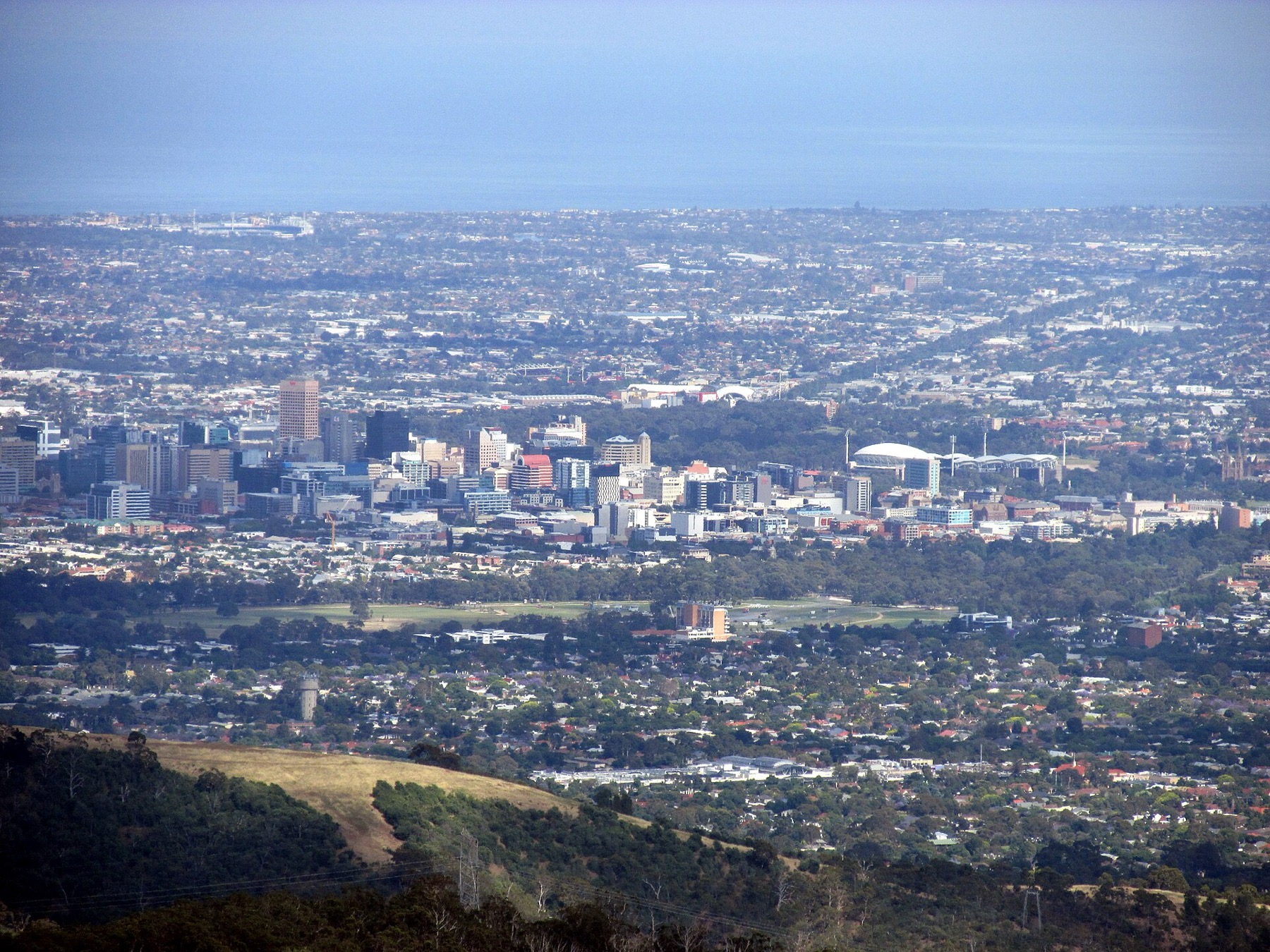
If you want a bit of a workout and to see the city from a bird’s-eye view at the same time, you have to head up to Mount Lofty. This peak rises to a height of seven hundred and ten metres, and on a clear day you can see across the whole city all the way to distant Kangaroo Island. Locals love coming here so much, though, that on weekends you have to elbow your way through the crowds. Access to the lookout itself is completely free, and it’s one of the most popular spots where locals come to clear their heads.
The biggest challenge, though, is the walk up to the summit, which starts in Waterfall Gully. The route is roughly four kilometres there and back, climbing about 470 metres in elevation, and takes you about an hour and a half to three hours, depending on your fitness. The trail is fairly steep and you’ll work up a proper sweat, but the feeling when you reach the top and look down into the valley is absolutely worth the effort.
On the way up you’ll also pass several smaller waterfalls and gorgeous nature full of old eucalyptus trees. 💡 Tip: Set off on the hike early in the morning or avoid weekends. The trail is hugely popular with local fitness enthusiasts, and on Saturday mornings endless lines of people sometimes form here, which slightly spoils that true sense of wild nature.
13. Cleland Wildlife Park: this is where you hold a koala
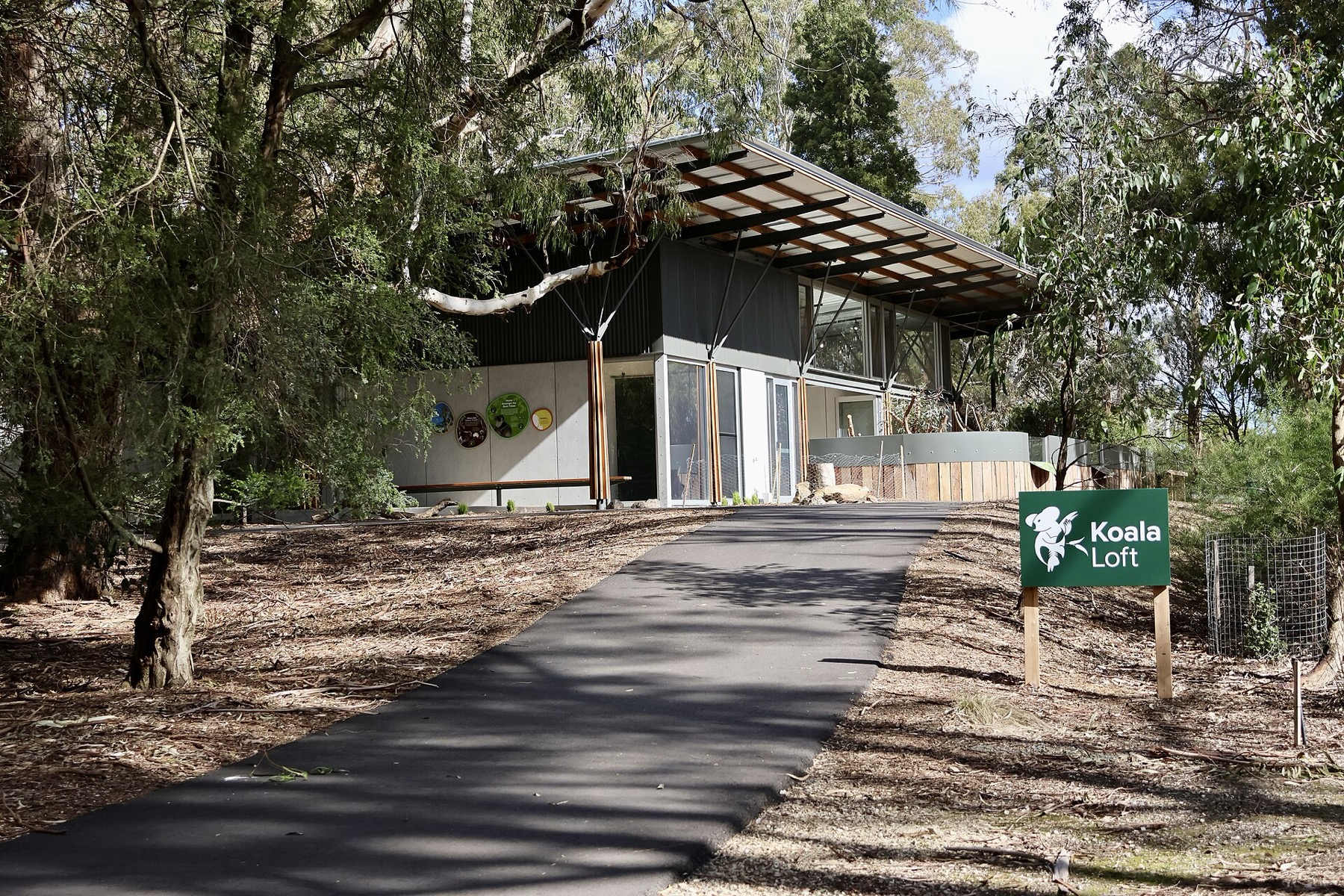
This is an absolutely key tip for anyone who dreams of cuddling a koala in Australia. Unlike Sydney or Melbourne, where holding koalas is strictly prohibited by law, in South Australia it’s still legal. Given that the famous Lone Pine park in Brisbane stopped this practice in 2024, Cleland is currently probably the most accessible place in the country where you can actually make this big dream come true.
The experience itself, called “Hold a Koala”, costs you 89.50 AUD (roughly €53) on top of the regular admission, which is 35.80 AUD for an adult and 20 AUD for a child. Capacity is extremely limited, though; the holding takes place only on Tuesdays and Saturdays at 2:30 pm and only four people over the age of thirteen can take part. You have to book it many weeks in advance, and be very careful: you must complete check-in at the ticket office no later than 2:00 pm, otherwise your ticket lapses without any refund!
If that seems expensive or hard to get, don’t despair. As part of the basic admission, the park offers a “Koala Close-up” experience every day between eleven and twelve, where you can at least see a koala up close and pet it. (This option is only cancelled on days when temperatures exceed thirty-two degrees.) In the huge park, which spans thirty-five hectares, you can also wander freely among hopping kangaroos and emus. The animals live wonderfully here and the visit is incredibly hands-on.
14. The German town of Hahndorf
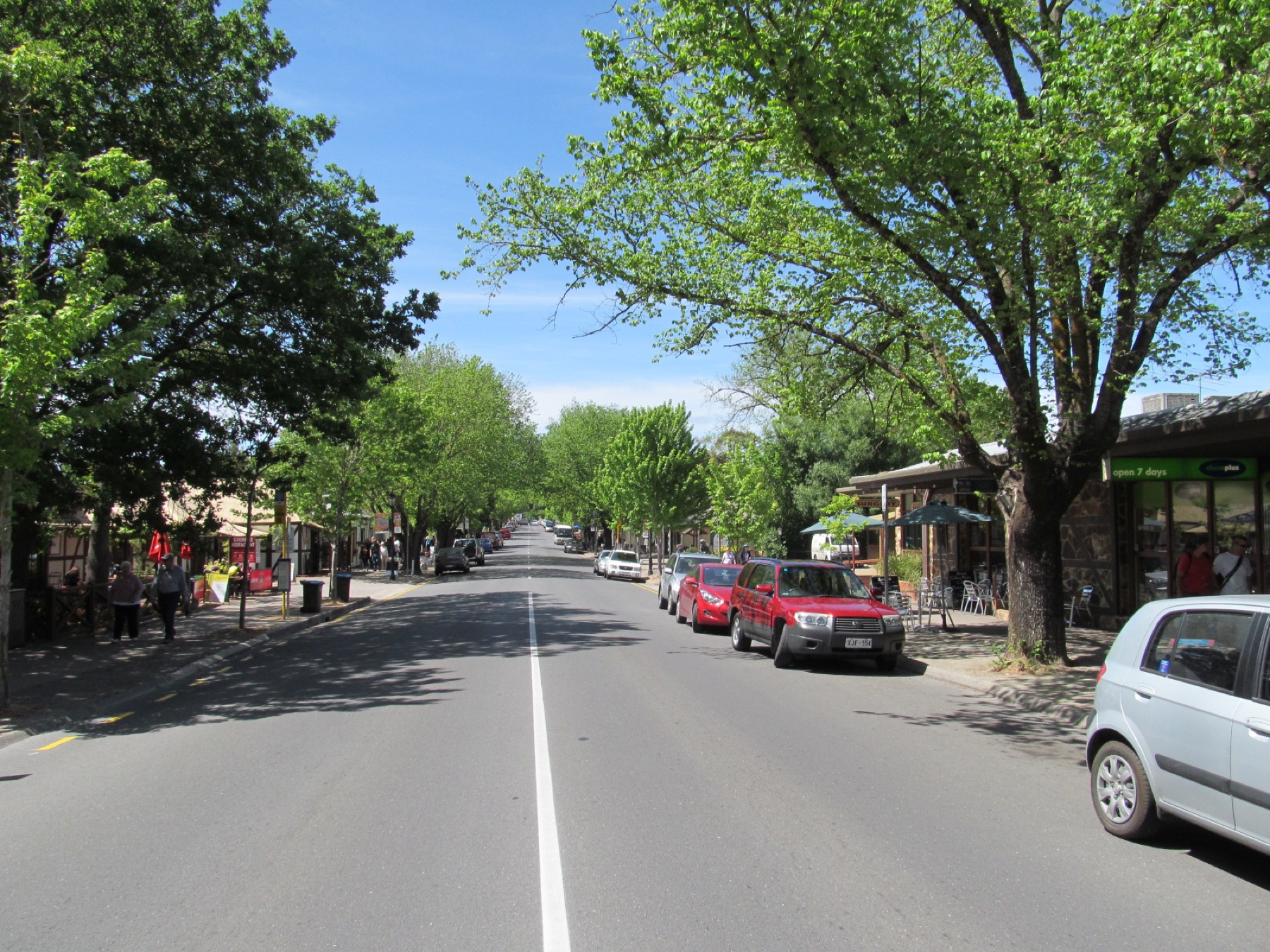
Just twenty-five minutes by car from the centre, you find yourself in a completely different world, one that resembles old Europe more than wild Australia. Hahndorf is the oldest surviving German settlement in the entire country, founded in 1839 by Prussian Lutherans under the leadership of the sea captain Hahn. The main street is lined with beautiful historic stone and brick houses, shaded by century-old trees, and there’s a very relaxed, almost festive atmosphere.
For art lovers, a visit to The Cedars estate, where the famous painter Hans Heysen lived, is an absolute must. Admission to this historic house from 1912 costs 25 AUD (about €15), and from summer 2026 a brand-new gallery, Heysen: A Shared Legacy, operates here. Walking through the artist’s original studio and the gardens that inspired him his whole life is a wonderfully poetic experience, one that even those who otherwise aren’t big on visual art will appreciate.
And what would a German village be without proper food. Most visitors praise the huge local meat specialities and sausages, but vegetarians will find plenty to enjoy here too. The local bakeries offer fantastic traditional pastries and an absolutely perfect apple strudel, which people come from far and wide to taste. Stop at one of the cafés, order a coffee and a warm strudel, and enjoy that lovely contrast between German tradition and Australian sunshine.
15. Barossa Valley and hundred-year-old wine
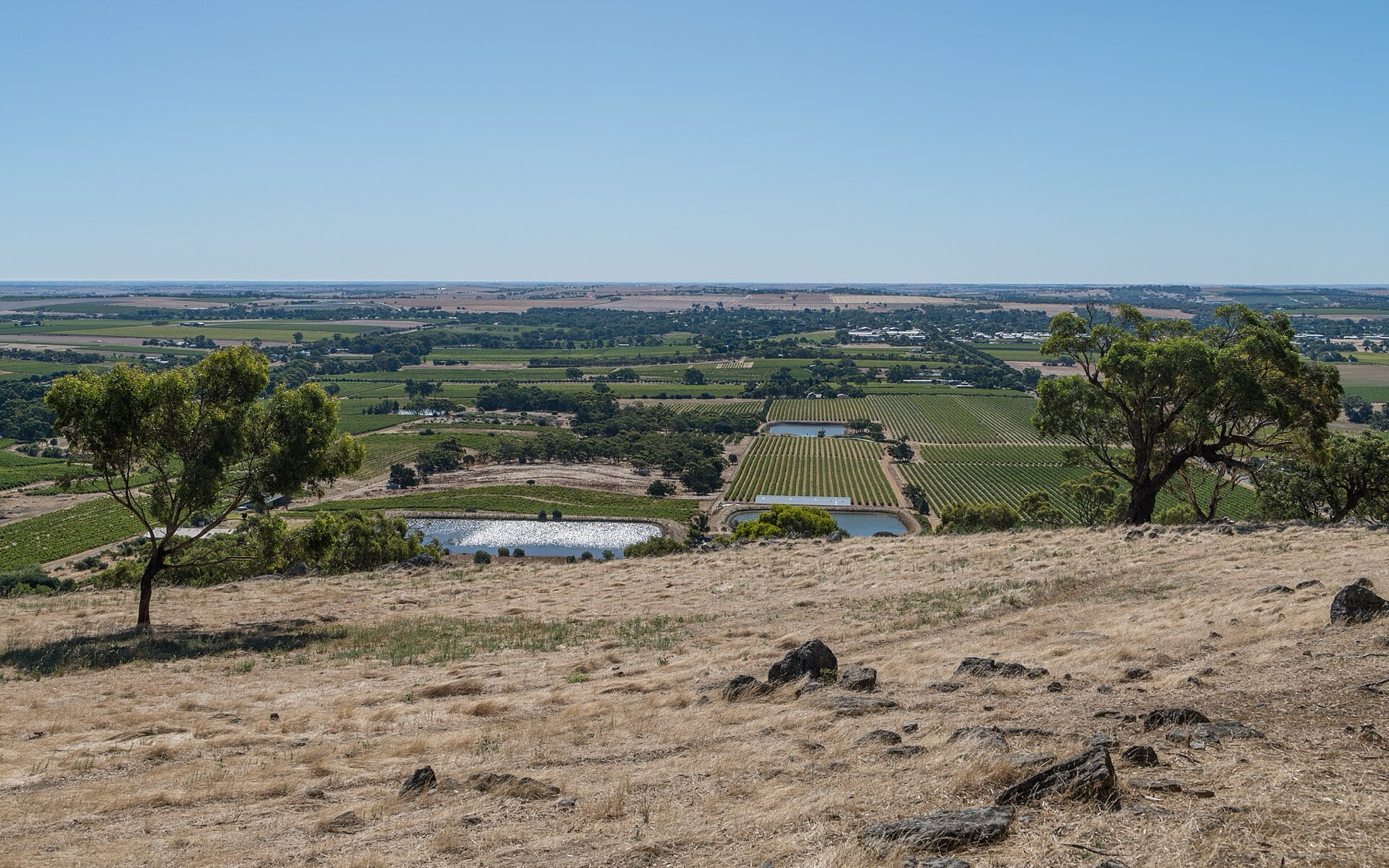
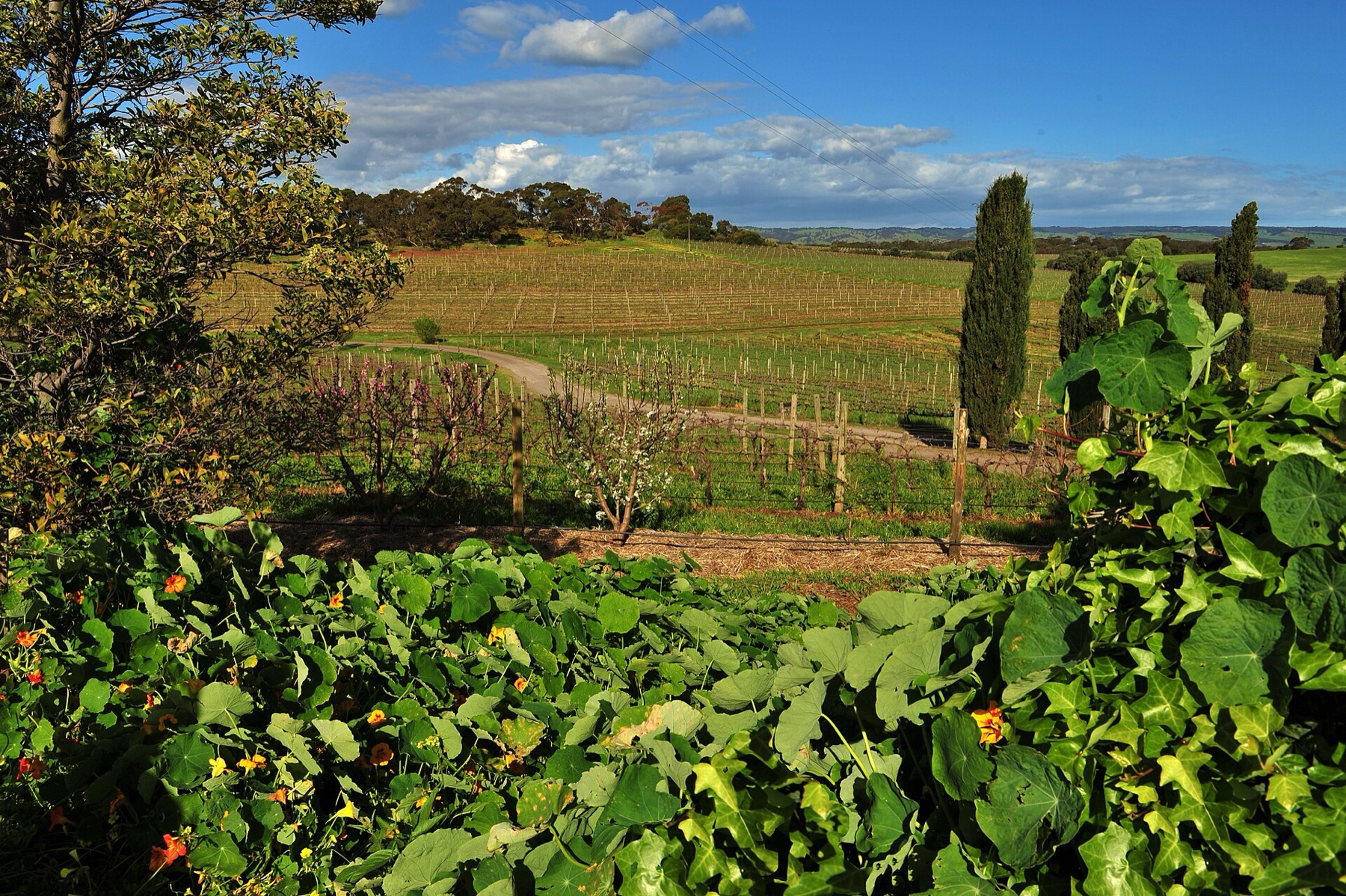
If any region is synonymous with Australian winemaking, it’s without a doubt the Barossa Valley, fifty minutes away. This region is world-famous above all for its heavy, full-bodied red wines, ruled by the Shiraz grape. The rolling hills covered in neat rows of vines look a bit like a Tuscan calendar in the morning light, except that instead of chianti you get Shiraz in your glass, fuller and darker than you’d expect. 💡 Tip: Stop at the Mengler Hill Lookout, where you’ll have the whole valley spread out before you.
By far the most unique experience here is offered by the historic Seppeltsfield winery and its Centennial Cellar from 1878. You can pay for the so-called A Taste of History Tour, during which you get to taste the Para Tawny fortified wine that aged in the barrel for exactly one hundred years. This half-hour experience costs you 185 AUD (roughly €108), but tasting a drink that was made a whole century ago is something you won’t easily manage anywhere else.
After all that tasting, you’re sure to work up an appetite. Travellers warmly recommend a stop at Maggie Beer’s Farm Shop, open daily from ten to half past four. Here you can buy various local jams, pâtés, and sauces, or simply sit down by the lake and enjoy a light picnic of local ingredients. You couldn’t wish for a better end to a day full of tastings.
16. McLaren Vale and the d’Arenberg Cube
South of the city, just under forty minutes away, lies another famous wine region with a somewhat more modern and playful atmosphere. In recent years the symbol of all McLaren Vale has become the stunning d’Arenberg Cube building, which looks like a giant Rubik’s Cube tossed right in the middle of the vineyards. The building, from 2017, cost an incredible fifteen million dollars, and besides tasting rooms it also houses a crazy museum of optical illusions. It’s best to check the admission on their official website before you go.
The region is hugely popular and gets quite busy on weekends. 💡 Tip: If you have the chance, head out for wine tastings on a weekday morning, when you’ll have much more peace and quiet and the staff at the wineries will have time to look after you personally and tell you stories about how the individual vintages came to be.
The area takes on a completely special atmosphere on weekends thanks to the farmers’ markets. If you come on a Saturday morning (careful, there’s no market on Sundays!), be sure to stop at the famous Willunga Farmers Market. Here you can buy absolutely fantastic fresh vegetables, cheeses, bread, and artisan products directly from local farmers. The atmosphere is wonderfully communal, and a breakfast made from what you’ve bought tastes simply divine.
17. Victor Harbor and the horse-drawn tram to Granite Island
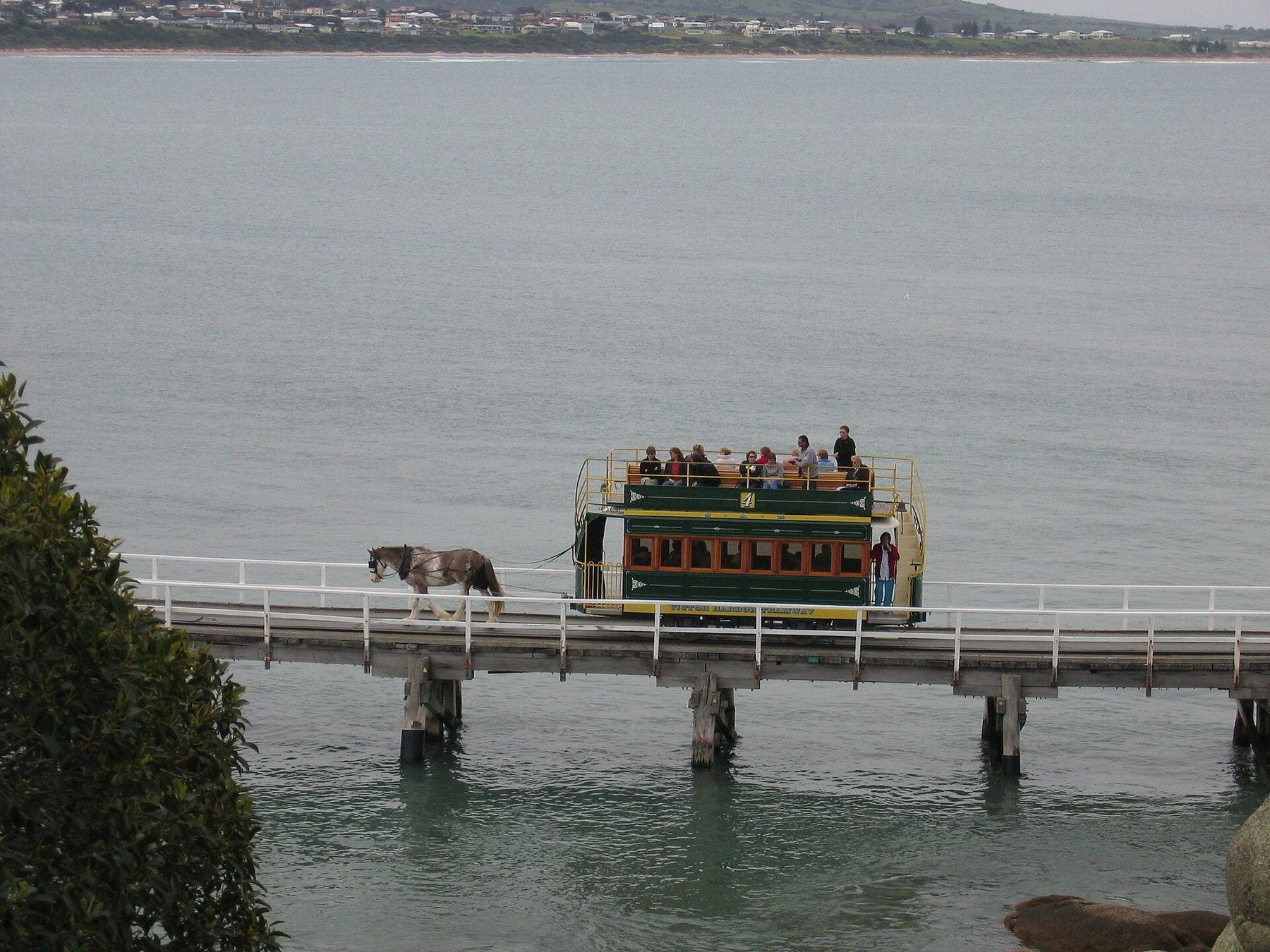
Once you’ve had your fill of wine and the city, head south to the ocean and the popular resort of Victor Harbor. The main attraction of this coastal town is the historic horse-drawn tram, which takes you across a long wooden causeway to nearby Granite Island. It’s one of the last trams of its kind in the world still in regular service. The draught horses are huge, gorgeous, and visibly well cared for, so a ride with them is a beautiful trip back in time (check the ticket price in advance on the website).
Granite Island is known for its dramatic rock formations, against which the ocean’s wild waves crash. But I have to honestly warn you about one thing: older guidebooks will lure you here with a colony of little penguins, but sadly they’re almost gone now. While in the nineties over five thousand of them lived here, today only about twenty-five individuals remain, so the chance of seeing them is absolutely minimal and it makes no sense to come here for them.
Instead of penguins, though, you can look forward to much larger marine residents. If you come here during the Australian winter (roughly from June to September), you have a huge chance of seeing southern right whales. These majestic cetaceans come to the warm waters to raise their calves, and you can often watch them with binoculars right from the cliffs along the coast, without having to pay for an expensive boat cruise.
18. Mad March: Adelaide Fringe and friends
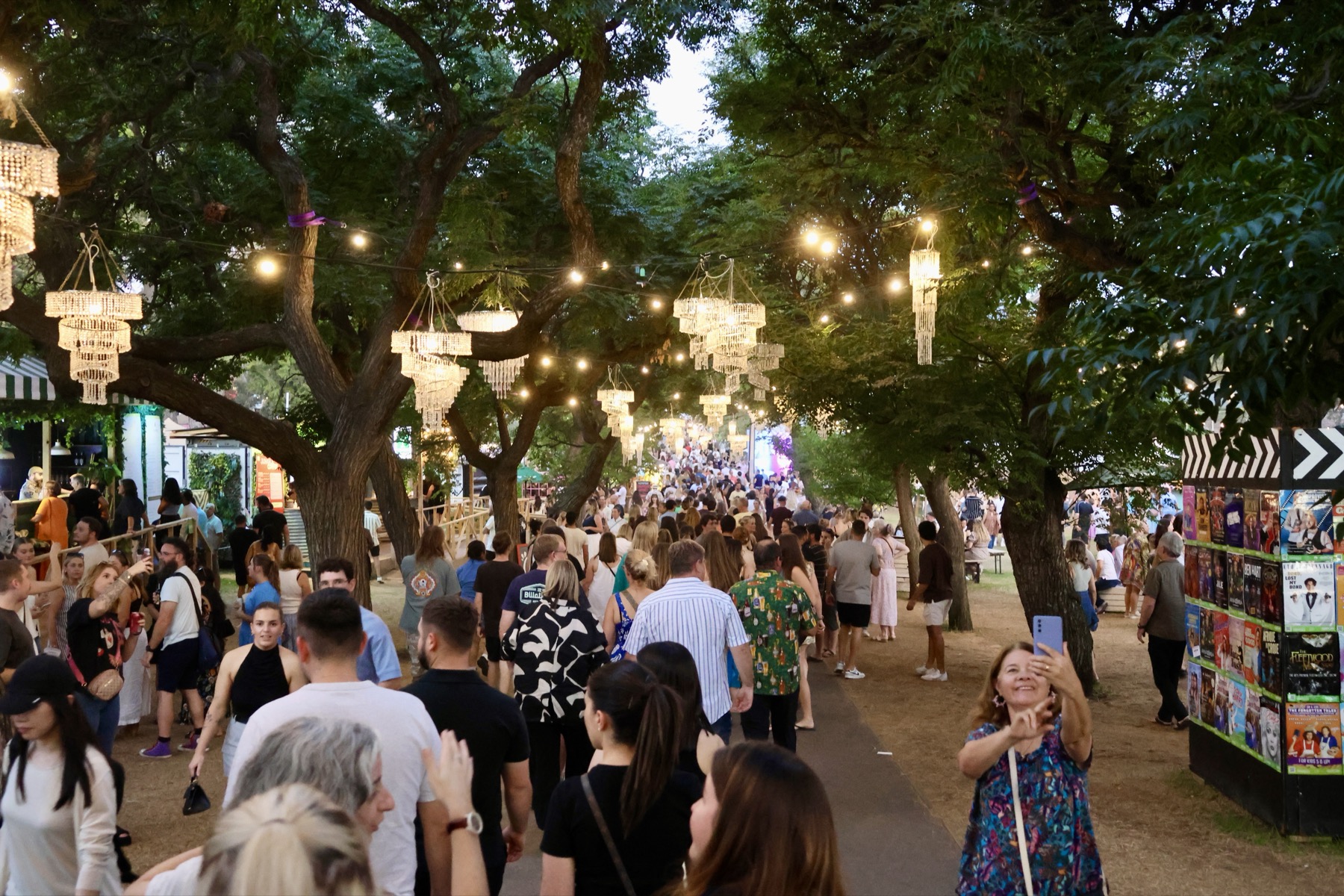
As we already mentioned in the intro, the end of February and March transform this peaceful city beyond recognition. The biggest star of this period is undoubtedly the Adelaide Fringe festival, the second-largest festival of its kind in the world, right after Edinburgh in Scotland. Over the course of several weeks, thousands of performances are held across the city, from stand-up comedy through theatre to breathtaking acrobatics and magic shows.
The whole city dresses up for this month. Huge tents, temporary bars made from shipping containers, and light installations spring up in the parks. Right after the Fringe comes the WOMADelaide music festival, which brings artists from all over the world and takes place in the gorgeous setting of the Botanic Garden. On top of that, the prestigious Adelaide Festival runs in the same period, focusing more on classical music and opera.
The atmosphere in the streets at this time is simply magical, and everyone is incredibly friendly and relaxed. In short, if peace and calm normally bore you within three days, March in Adelaide will convince you that there’s a laid-back atmosphere that simply can’t get boring. If you don’t mind higher accommodation prices and crowds of people, a visit during Mad March is the best experience you can take away from here.
Where to go next from Adelaide
Once you’ve explored the city and its immediate surroundings, South Australia still has a few more aces up its sleeve. The best-known trip is without a doubt untouched Kangaroo Island, a paradise for lovers of wild nature. Day trips are often organised here, but I have to tell you honestly that such a trip means a sixteen-hour marathon on a bus that will leave you utterly exhausted. The island is huge, and if you really want to enjoy it, set aside at least two to three days and rent a car.
If you have more time and the wild Outback tempts you, head north. Worth a visit is the fascinating underground town of Coober Pedy, where opals are mined and people live in caves because of the extreme heat. A short way from it you’ll then find the dramatic Flinders Ranges, offering amazing treks and scenery millions of years old.
If you’re planning a wider trip around Australia, read our other guides too:
- For an all-Australia overview, see the article Holiday in Australia: 30 most beautiful places + practical tips
- The nearest big city: Melbourne, Australia: 23 tips on what to see and do
- Sydney, Australia: 31 tips on what to see and do
- Perth, Australia: 18 tips on what to see and do
- Western Australia: a road trip itinerary
- A road trip around Australia: visas, routes, prices
- Holiday in Singapore: 21 tips on what to see and do
Frequently asked questions
If you’re heading to Adelaide for the first time, you probably have a lot of questions running through your head. It’s no ordinary destination, after all, and planning a trip requires plenty of information.
That’s why we’ve put together answers to the most common questions, to help you decide and make your preparations easier. From transport through safety to animals – here you’ll find everything nicely in one place. 😉
Is Adelaide worth visiting?
Absolutely. While it’s sometimes overlooked by residents of the east coast, travelers can’t praise it enough. It’s an incredibly laid-back city with a great quality of life, excellent food, and some of the world’s best wine regions, all without the crowds or prices inflated by mass tourism.
How many days should I allocate for a visit?
For the city center and main attractions, two to three days will be plenty. However, if you want to explore the surrounding wine regions like Barossa Valley or head to the ocean, definitely plan for at least five to seven days.
When is the best time to visit and what is Mad March?
Autumn and spring (March to May and September to November) are ideal. Mad March refers to the month of March, when the city hosts several huge festivals simultaneously (for example, Fringe). The atmosphere is fantastic, but hotel prices double and rooms sell out well in advance.
Is Adelaide cheaper than Sydney?
Yes and no. Accommodation and public transport are significantly cheaper here, which will give your wallet some relief. The surprising detail, however, is that spending in restaurants and on food will cost you slightly more here than in Sydney or Melbourne, according to statistics.
How do I get from the airport to the city center?
The easiest and cheapest option is the JetExpress buses operated by Adelaide Metro. They run approximately every fifteen minutes, the journey takes around twenty minutes, and a ticket costs a few dollars. A regular taxi to the city center usually costs around twenty to thirty dollars.
Do I need a car for winery trips?
If you want to explore the wineries on your own, a car is almost a necessity, as public transport to these regions is very limited. The alternative is to book an organized tour with a guide, or use special hop-on buses that run through areas like McLaren Vale.
Where can I actually hold a koala?
While it’s illegal in Sydney or Melbourne, it’s permitted in South Australia. The most accessible place is Cleland Wildlife Park near the city center. The experience costs 89.50 AUD, takes place only on Tuesday and Saturday afternoons, and spots disappear lightning-fast, so you need to book weeks in advance.
Can Kangaroo Island be done in one day?
Technically it’s possible through organized tours, but I don’t recommend it. It will mean an exhausting sixteen-hour day full of sitting on a bus. The island is huge and for a real experience of the local nature, you need at least two to three days.
What can you do in Adelaide with kids?
The city is perfect for families. Definitely don’t miss the zoo with its giant pandas, which kids gawk at with open mouths. Also great is a trip on the historic tram to the beach at Glenelg or a visit to the parks, where there’s plenty of space for running around.
Is Adelaide a safe city?
Yes, it ranks among the safest major cities in the world and during the day you don’t need to worry about anything at all. After dark, however, it’s better to avoid unlit sections of large parks and Hindley Street, which can get unnecessarily rowdy due to nightclubs and alcohol.
Tips and Tricks for Your Vacation
Don’t Overpay for Flights
Search for flights on Kayak. It’s our favorite search engine because it scans the websites of all airlines and always finds the cheapest connection.
Book Your Accommodation Smartly
The best experiences we’ve had when looking for accommodation (from Alaska to Morocco) are with Booking.com, where hotels, apartments, and entire houses are usually the cheapest and most widely available.
Don’t Forget Travel Insurance
Good travel insurance will protect you against illness, accidents, theft, or flight cancellations. We’ve had a few hospital visits abroad, so we know how important it is to have proper insurance arranged.
Where we insure ourselves: SafetyWing (simple monthly subscription) and TrueTraveller (for extra-long trips).
Find the Best Experiences
Get Your Guide is a huge online marketplace where you can book guided walks, trips, skip-the-line tickets, tours, and much more. We always find some extra fun there!


