

You may have read some worrying headlines lately claiming that the famous Great Barrier Reef is dying, and now you’re wondering whether it even makes sense to book those flights to Australia. Luckily, the answer from the latest scientific data is far more hopeful than you’d probably expect, which is exactly why a trip to this great barrier coral reef absolutely makes sense. The ecosystem is changing and going through a tough time, but the reef is enormous and still largely bursting with fascinating life.
What matters most, though, is exactly where you go and which boat you choose for your trip. The reef stretches for more than 2,300 kilometres and offers thousands of different sites, each of which looks completely different and delivers a totally distinct experience. Below you’ll find everything you need to know, from picking a port to what to pack in your bag, so you can avoid disappointment and tourist traps.
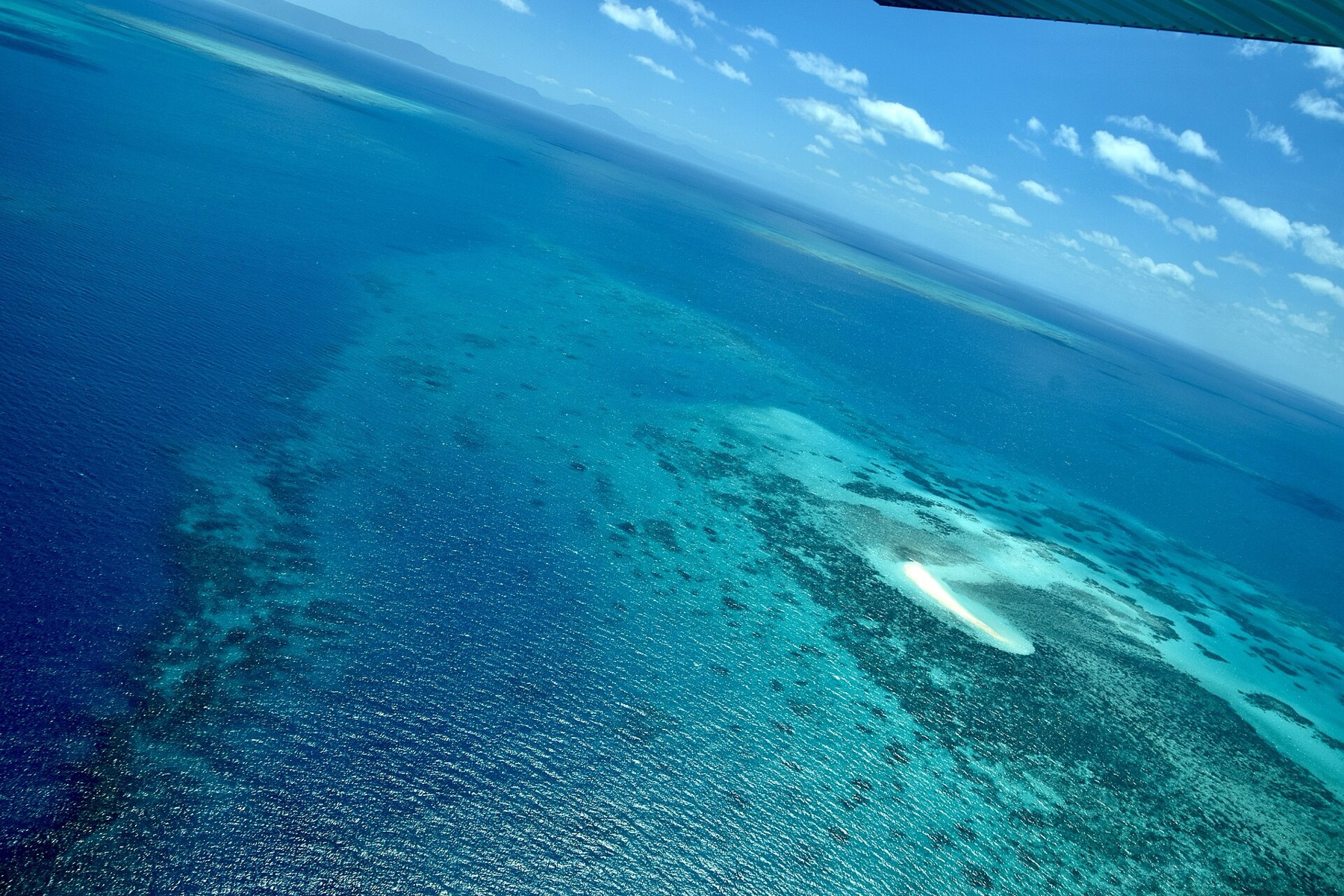
TL;DR
- Real trip cost: Advertised prices of around 300 AUD don’t include all the fees — in reality you’ll pay closer to 360 to 410 AUD (roughly €210 to €240).
- Where to depart from: Cairns offers the most options and best prices, Port Douglas is quieter, and the southern reef near Bundaberg delights travellers looking for remote spots without the crowds.
- When to go: The golden window for a visit is June and July, with great visibility, no stinging jellyfish and the chance to spot whales.
- Reef condition: The latest reports from August 2026 show a surprising recovery in the northern and central sections — the underwater life is still stunning, you just have to pick the right spot.
- Top tip: If you’re unsure about your swimming ability, choose a trip to a large family pontoon, where you’ll find underwater observatories and semi-submersibles.
How the reef is really doing
The question of coral bleaching is probably the first thing that pops into every traveller’s head when planning a trip to Australia, so let’s be honest from the very start. The fact is that since 2016 there has already been a sixth mass bleaching event, and in 2024 and 2025 this happened for the very first time in two consecutive years. Nature took a serious beating and ocean temperatures hit record highs, sparking a wave of very pessimistic newspaper articles around the world.
The latest monitoring report from the AIMS institute, published in August 2026, brings surprisingly good news. A monsoon summer dramatically cooled the water, giving the ecosystem room to breathe and partly regenerate. The numbers speak for themselves, as coral cover in the north rose from 30 to 35.1 percent, and the central section rose similarly from 28.6 to 31.6 percent.
In the south there was a slight drop to 26.4 percent, but overall scientists emphasise the huge inherent resilience of the entire system. The diving experience today is very uneven and depends on the specific site you visit. That’s exactly why below you’ll find concrete tips on where to head and with which company, so you can see the most beautiful, well-preserved parts.
Don’t expect the static, perfect postcard you know from old documentaries — instead, get ready to meet a living, changing ecosystem bravely fighting for its survival. What’s more, every boat ticket you buy directly funds the protection of this natural wonder, because the mandatory EMC fee goes straight into the hands of the national park managers.
If you’re wondering whether you should just stay home, the answer from local biologists and enthusiastic travellers alike is a clear no. A personal encounter with thousands of species of colourful fish and majestic sea turtles will absolutely blow you away and help you understand why we must protect this unique world at all costs.
Where to set off for the reef
Choosing your starting point is probably the most important decision of your whole Australian adventure, because it significantly shapes your overall experience. The most popular choice remains the tropical city of Cairns, which acts as the region’s main tourist hub and offers by far the widest selection of operators. This is where you’ll find the most affordable trip options and a huge variety of boats, which makes the city the ideal base for a first-ever visit to the reef or for travelling with kids.
If you prefer a slightly calmer atmosphere without the huge crowds of backpackers, I’d recommend considering nearby Port Douglas. This smaller resort feels much more intimate, and boats from here most often head to the gorgeous Agincourt Reef, which sits right on the very edge of the continental shelf. Travellers particularly value this area for its very high water quality and fantastic visibility, though you’ll pay a little extra for it on your boat ticket.
A completely different kind of experience is offered by the area around Airlie Beach and the famous Whitsunday Islands, where people mainly come for the dazzling white beaches. Trips here focus heavily on scenic flights over the iconic Heart Reef or visits to Whitehaven Beach, while the outer reef itself lies a bit further from the coast than in the northern areas. This region mainly appeals to romantic souls and those keen on sailing between the islands, though of course you’ll find full-blown diving trips here too.
An entirely special chapter is then the southern reef, accessible for example from the town of Bundaberg, from where boats head to the islands of Lady Musgrave or Lady Elliot. These parts are much more remote, you’ll encounter an absolute minimum of tour boats, and the logistics are overall more demanding on both time and money. Your reward, however, will be a very authentic experience in a peaceful setting, where you’ll often come across huge schools of giant manta rays and nesting sea turtles.
When making your final decision, you simply need to figure out whether you’re after cheap access from Cairns, quieter luxury in Port Douglas, or remote wilderness in the south. Each base has its own charm, and if you set aside more than a week for Australia, definitely try to combine at least two. The difference between Cairns and Port Douglas will surprise you.
How much a reef trip costs
Budgeting for an Australian holiday can often be quite a puzzle, especially when the advertising banners around town promise something different from the final receipt. The typical advertised price for a full-day trip from Cairns may look like you’ll pay around 300 Australian dollars, but the actual amount will end up closer to 360 to 410 dollars (roughly €210 to €240). The difference comes from all sorts of mandatory fees and hidden surcharges you simply have to factor in when planning your itinerary.
Every passenger must compulsorily pay the so-called EMC environmental fee of 7 to 8.50 dollars, which boat companies collect directly for the national park. Since April 2026, most operators have also introduced a new fuel surcharge of 10 to 25 dollars in response to constantly rising fuel prices. During the summer months you’ll also absolutely have to rent a protective stinger suit against jellyfish, which usually costs an extra 10 dollars.
If you long for beautiful underwater footage, renting a quality action camera right on the boat will cost you another 50 to 120 dollars, not to mention a possible surcharge for a special prescription mask (around 15 to 25 dollars). All these seemingly minor items add up very quickly over the course of a day, so it’s genuinely wise to have a decent buffer ready on your card.
Fortunately, there are also far cheaper alternatives for travellers on a tighter budget who don’t need to sail all the way to the distant outer reef. The cheapest option is a visit to Magnetic Island, where a return ferry including snorkel gear rental will cost you a lovely 59 dollars (about €35). For a very reasonable price of around 90 to 115 dollars you can also reach nearby Green Island, which is especially popular with families with small children.
The golden middle ground is then the islands of Fitzroy and Frankland, which offer a great value-for-money ratio and superb underwater life. A basic trip to Fitzroy Island costs about 119 dollars, while an organised expedition to the wilder Frankland Islands starts at 195 dollars. These island options save you a lot of money while still delivering a gorgeous experience without having to spend hours rocking on the open sea.
When to go to the reef
Choosing the right time for a trip to Queensland is absolutely crucial, because the weather and underwater conditions change very dramatically throughout the year. Generally speaking, you’ll enjoy the best underwater visibility from June to October, when the heavy rains ease off, the ocean clears up and the humidity drops to a bearable level.
A big bogeyman for all swimmers is the so-called stinger season, which usually runs from November all the way to May. In these warm months, very dangerous species of stinging jellyfish appear in the coastal waters, so swimming without a special protective suit is absolutely out of the question and very risky. Around the turn of the year, tropical cyclones also often reach the area, bringing strong winds that can completely wreck your sailing plans.
The experiences of travellers and biologists rarely agree, but they do here: the golden window for a visit opens during June and July. The water is a slightly fresher 23 to 24 degrees Celsius, but most quality companies will automatically lend you a warm wetsuit on the boat. In return for the cooler water you get crystal-clear visibility, complete safety from venomous jellyfish, and an overall very stable ocean.
This turn of the Australian winter also offers one more huge bonus, which draws nature lovers from all over the world. It’s precisely in June and July that fascinating whales migrate across the northern part of the reef, and with a bit of luck you can watch them straight from the deck of a catamaran. If you plan your trip within this golden window, you’re practically guaranteed to take home the best possible experience from Australia.
Where to stay: Cairns and Port Douglas
💡 Tip for accommodation and experiences: We prefer to look for accommodation on Booking.com, which usually has the best cancellation terms. For tickets, tours and activities it’s worth comparing and booking through GetYourGuide.
Your choice of accommodation depends mainly on which town you decide to set off from on your sea expeditions. In Cairns it’s definitely worth staying as close as possible to the harbour where boats depart early in the morning, so you avoid the needless stress of an early commute. If you’re just looking for somewhere to spend the night before an early departure, YHA Cairns Central is a reliable and cheap choice right by the harbour. For a more upscale category, go for Shangri-La The Marina — you’ll wake up looking straight at the boats you’ll soon be boarding.
If, on the other hand, you choose the quieter base of Port Douglas, you should definitely consider the gorgeous eco-resort Thala Beach Nature Reserve, set in the middle of a breathtaking forest. An excellent alternative for more demanding guests is the sprawling Pullman Port Douglas Sea Temple, which regularly earns very high ratings on Booking for its huge lagoon pool and top-notch service.
We’ve planned your Australia holiday for you
Tempted to follow exactly in our footsteps but dreading the hours spent planning? To make travelling as easy as possible for you, we’ve put together an entire trip. We’ve gathered our whole route, the best spots and all our tips into one clear itinerary. You can click through it in detail below, and if you like it, just a few clicks and you can set off without a single worry!
14 ways to experience the Great Barrier Reef
Deciding to head to Queensland is only the first step; the second, and much harder, one is choosing a specific trip. The local market offers dozens of different options, and for a newcomer, finding your way through the various companies’ offers can be quite exhausting. That’s why we’ve prepared a detailed list of the fourteen best ways to enjoy this natural wonder exactly according to your preferences and swimming ability.
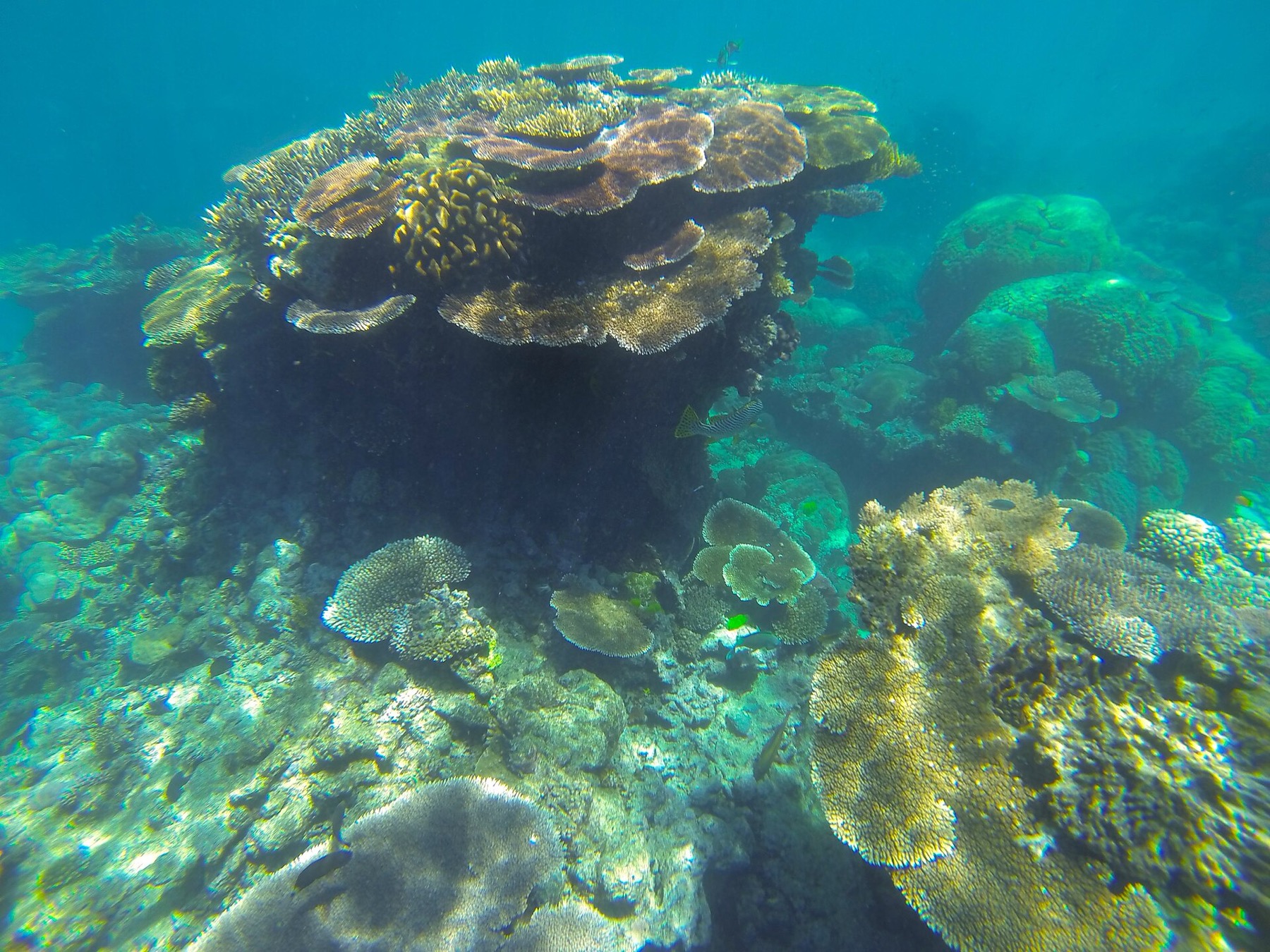
1. Full-day outer reef trip from Cairns
If you’re after the most classic way to explore this underwater wonder, a full-day outer reef trip from Cairns is a safe bet. The city acts as the main tourist hub of the whole area, which means the largest number of boats set sail from here every day. Boats of all sizes depart from Cairns, from intimate catamarans for twenty people to huge pontoons with a restaurant and a waterslide. The journey to the outer reef usually takes around one and a half to two hours of sailing.
During this typical trip, a modern catamaran takes you to two or three different dive sites, where you’ll have plenty of time to snorkel in the crystal-clear water. Companies like Passions of Paradise or Great Adventures offer great service, which as standard includes gear rental, expert commentary from marine biologists and a decent lunch on board.
When budgeting, count on the base price of such a trip being around 260 to 340 Australian dollars. To this you have to add the mandatory fees and possible wetsuit rental, so in reality you’ll pay closer to just under 400 dollars, which is roughly €235. 💡 Tip: I strongly recommend booking your spot on the boat well in advance, because in high summer season the best-rated companies are often sold out weeks ahead.
2. Agincourt Reef from Port Douglas
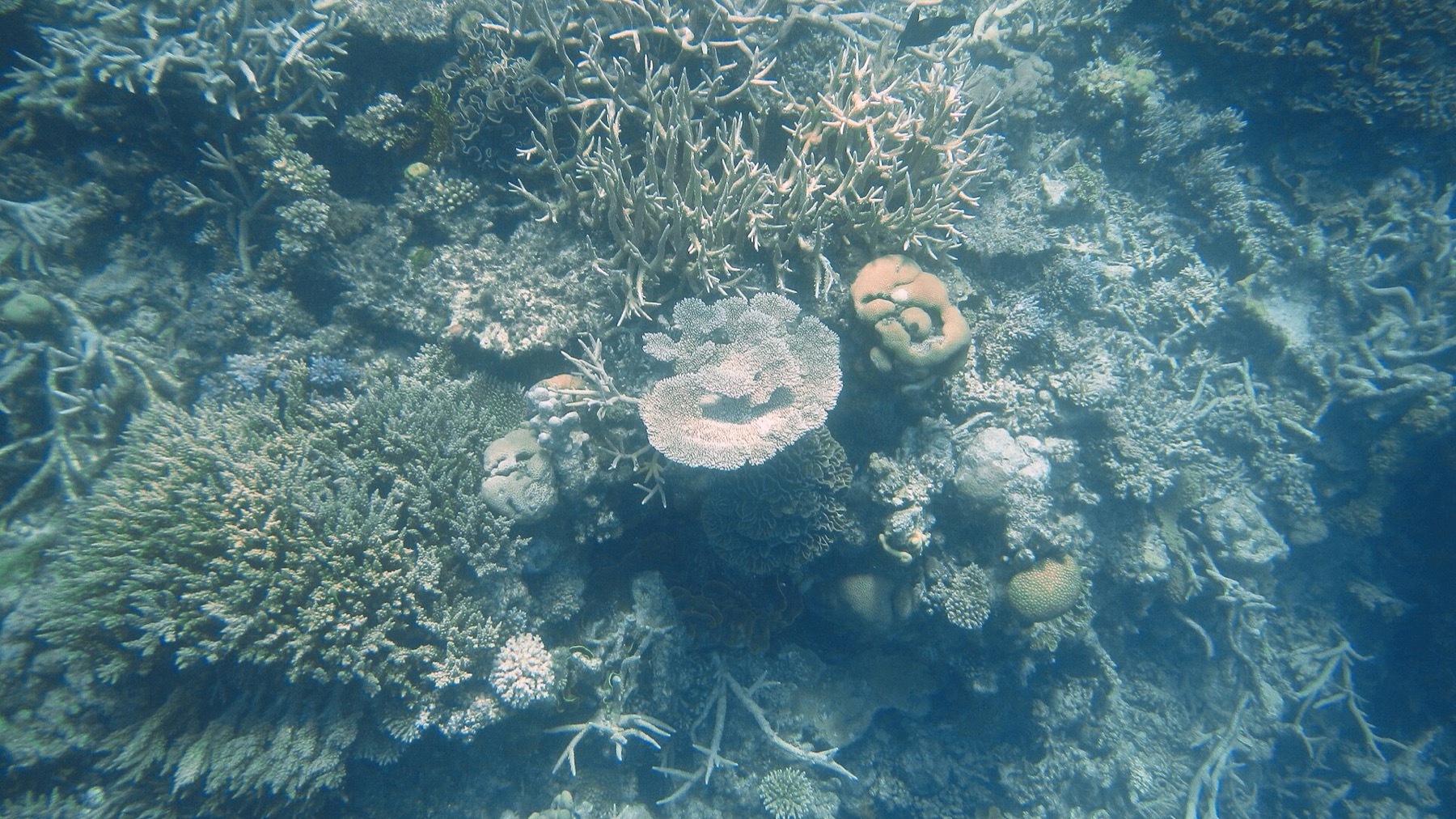
Travellers looking for a slightly more exclusive experience very often choose the smaller and quieter resort of Port Douglas, from where boats head to the fantastic system of reefs known as Agincourt Reef. This site sits on the very edge of the continental shelf, where clean water from the deep ocean pours into the shallow lagoons. The result is absolutely fantastic visibility, which usually far exceeds conditions at the coastal reefs near Cairns. The journey by fast catamaran from the local harbour usually takes around ninety minutes.
Agincourt Reef forms an extensive labyrinth of coral gardens, where you’ll come across an incredible number of colourful fish and very often peaceful reef sharks too. The local reefs shimmer with amazing colours, and biologists confirm that this marginal part of the ecosystem is recovering from recent bleaching at a very decent pace. The boat crews take perfect care of you throughout the day.
For this premium experience from Port Douglas you’ll pay a little more than in Cairns; prices with leading companies like Quicksilver hover around 338 Australian dollars. Don’t forget to add roughly 8.50 dollars for the environmental fee and the new fuel surcharge. 💡 Tip: If you suffer from seasickness, take a pill before boarding, because the journey to the very edge of the shelf can be quite bouncy in windy weather, and prevention is far better than the suffering that follows.
3. A pontoon for families and non-swimmers
Can’t swim perfectly, or travelling with small children and worried you won’t enjoy the rocking on the open ocean at all? In that case, a trip to a huge stationary pontoon is the absolutely ideal choice. These large floating platforms are permanently anchored at selected reefs, and boats simply bring passengers out in the morning to spend the whole day there. The pontoons are incredibly stable, don’t rock at all and offer a huge range of activities, even for those who don’t dare set foot in the water.
On the pontoons you’ll find truly everything: changing rooms, net-enclosed children’s pools and shade for those who need a break from the sun. The biggest draw for non-swimmers is the amazing underwater observatory, which you simply walk down to via the stairs and can watch fish through huge glass windows without getting wet. A great attraction is also a ride in a small semi-submersible, which takes you on a safe cruise just above the coral reefs while an expert guide tells you about life beneath the surface.
Companies like Reef Magic or Sunlover offer these well-designed pontoon trips at prices starting at roughly 312 Australian dollars, with the semi-submersible ride usually already included in the base price. Full-day catering is a given, with plenty of fresh salads and warm vegetarian treats. 💡 Tip: Sunlover also offers a fun waterslide straight into the ocean on its pontoon and works with elite Master Reef Guides, which makes the trip a huge hit for families with kids.
4. Your first breath underwater: the intro dive
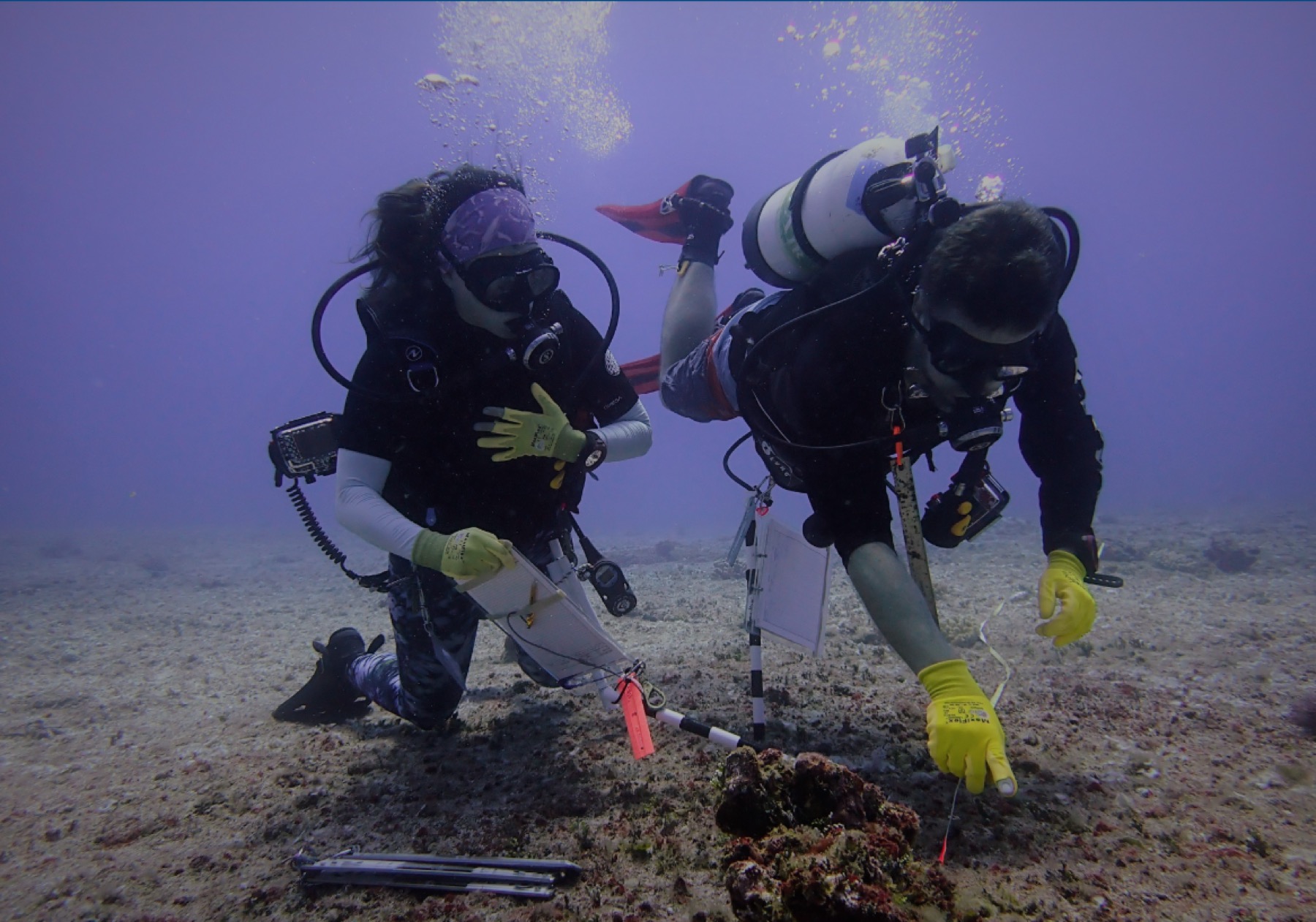
Watching fish from the surface is lovely, but you’ll only feel that truly magical sensation the moment you dive right in among them with a breathing apparatus. If you don’t have a diving licence, you can try a so-called intro dive with an instructor, which requires no prior experience. The Barrier Reef is absolutely ideal for this first step, because the local waters are beautifully warm, calm and full of life just a few metres below the surface, so there’s no stress about depth.
Before the dive there’s a half-hour briefing on board, where you learn how to breathe from the regulator and how to equalise the pressure in your ears, and then you go down in a tiny group with an instructor who takes care of everything else — you just float and watch the turtles.
This once-in-a-lifetime experience costs 205 Australian dollars with Quicksilver, on top of the base cruise price. You do, however, have to meet strict health conditions, with asthma, heart problems or even an ordinary bad cold meaning an immediate no-go. 💡 Tip: The intro dive is open to those aged twelve and up, so it’s a great opportunity for older kids too to fully experience the feeling of weightlessness in one of the planet’s most beautiful ocean environments.
5. For the certified: dives and liveaboards
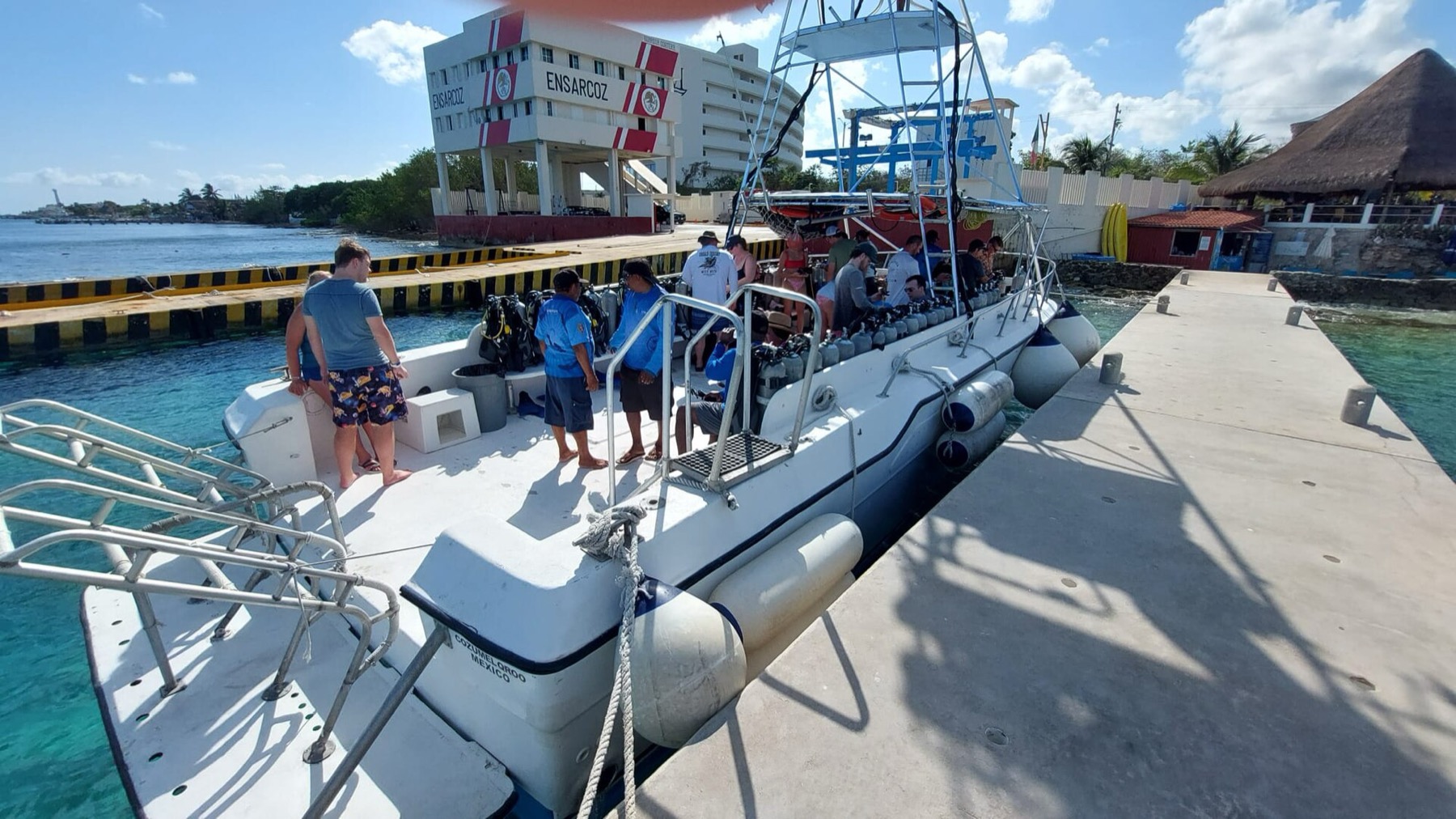
Experienced divers with a licence will get their money’s worth on the Australian reefs, because local operators offer absolutely top-notch service and a huge range of gorgeous sites to explore. During a regular full-day trip you can add diving packages, where one dive costs roughly 162 dollars and two dives 248 dollars. On board you’ll get complete quality gear, and you’ll be accompanied underwater by very experienced divemasters who know exactly which coral cave hides the most interesting rays.
But if you want to devote a substantial part of your holiday to diving, I recommend booking a spot on a so-called liveaboard, a special boat designed for multi-day stays out on the ocean. These boats move at night to very distant, undamaged reefs far beyond the reach of regular day trips. Between dives the crew takes amazing care of you, and the chefs prepare rich buffets full of vegetables, pasta and wonderful desserts so you have enough energy for the night dives, which tend to be absolutely fascinating.
Liveaboard prices from Cairns aren’t publicly posted by most operators like Pro Dive, but as a rough guide count on an amount from 900 to 1,500 Australian dollars for a two- to three-day expedition. More luxurious five-day cruises with the premium company Mike Ball then start at 2,047 dollars. 💡 Tip: A liveaboard usually offers the best possible value per dive, and you also avoid the daily morning commute from the harbour to the outer reef, which saves a lot of precious time.
6. Green Island: the easiest taster
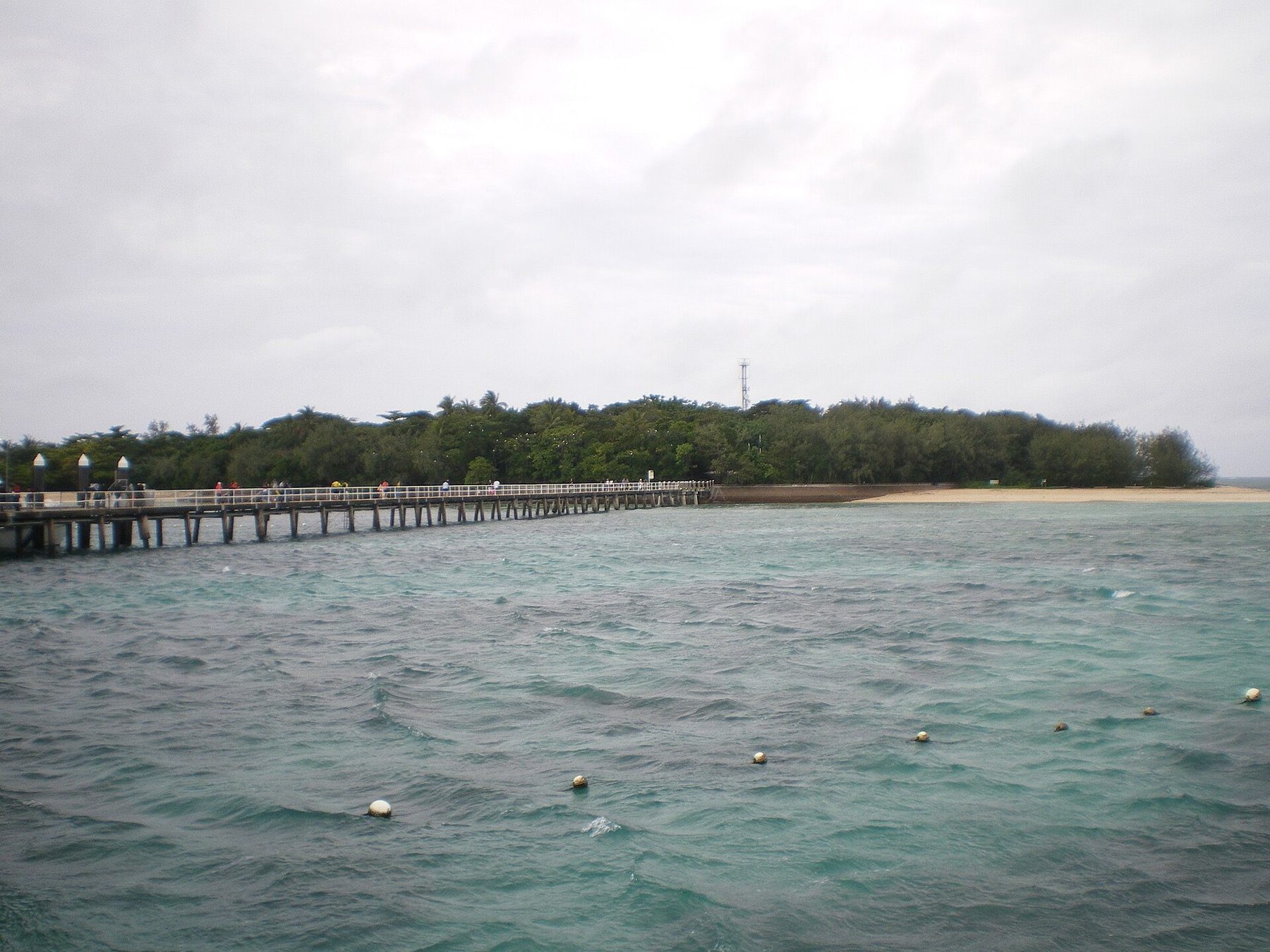
Not everyone has the time or money to sail out to the edge of the shelf, and it’s precisely for these cases that the gorgeous Green Island on the Great Barrier Reef makes a perfect alternative. This small coral island covered in dense rainforest lies just forty-five minutes’ sailing from the harbour in Cairns, which makes it the most accessible piece of the Barrier Reef for a quick half-day trip. It’s also the only place in the area where you can combine snorkelling in the sea with a walk beneath the canopy of huge tropical trees in a single day.
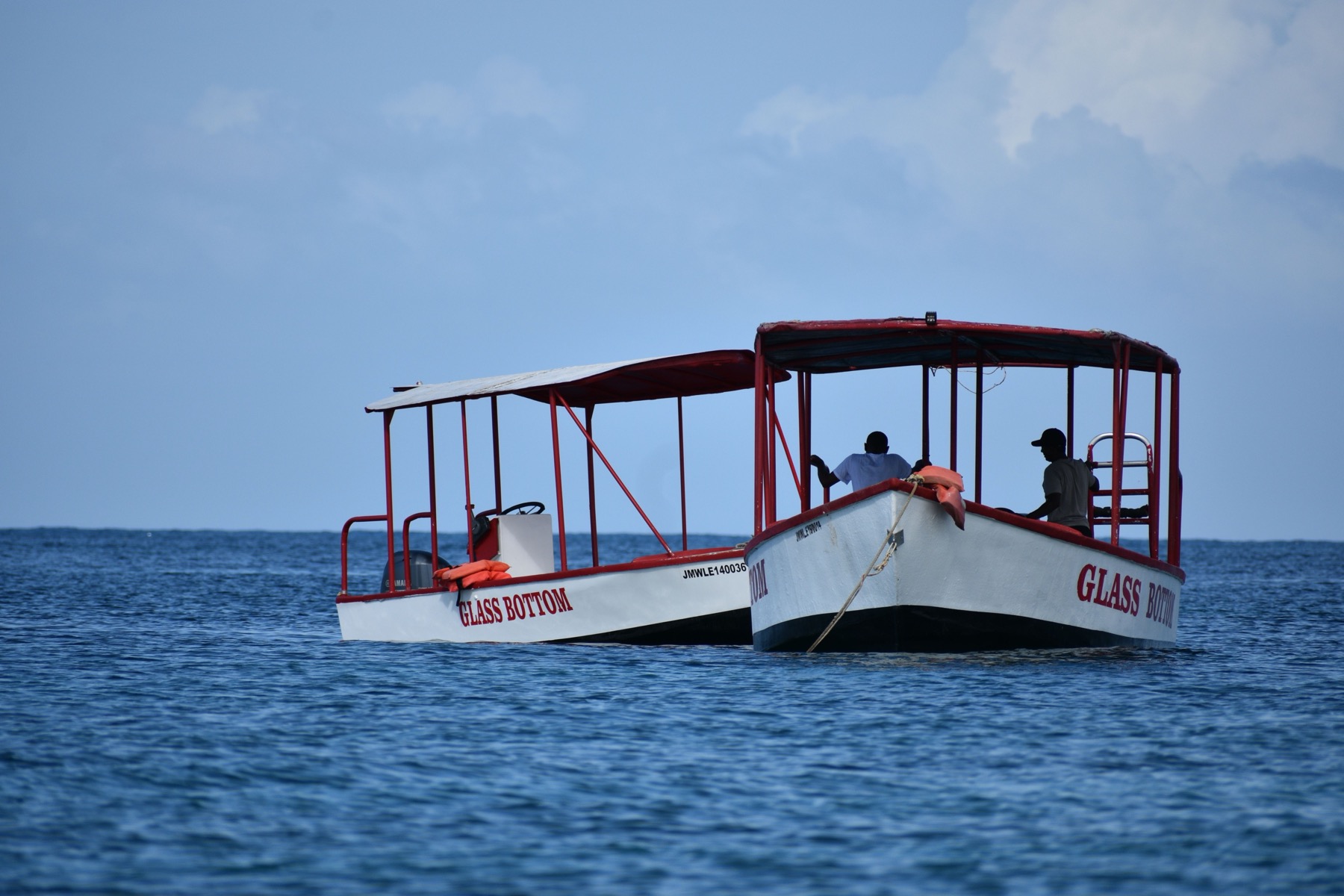
Thanks to the very shallow water around the shore and the beautiful sandy beaches, this spot is immensely popular especially with families with small children, who can safely play in the gentle waves. Besides snorkelling, there are also glass-bottom boats from which you can comfortably watch colourful fish being fed without ever putting on your swimsuit. For relaxing, the beach loungers or the local café work great, serving delicious vegetarian sandwiches, hot coffee and freshly squeezed fruit juices.
A trip to Green Island is one of the cheapest options in the whole area; a basic return ticket including a glass-bottom boat ride can be had from just 112 Australian dollars (roughly €65). For that price Green Island is a genuinely great deal, especially if you want to taste the reef without a full-day adventure on the open sea. 💡 Tip: Because it’s so accessible, the island can get quite busy, so I recommend heading out on the very first morning ferry so you can enjoy the best patches of beach before the biggest crowds arrive.

7. Fitzroy Island and Nudey Beach
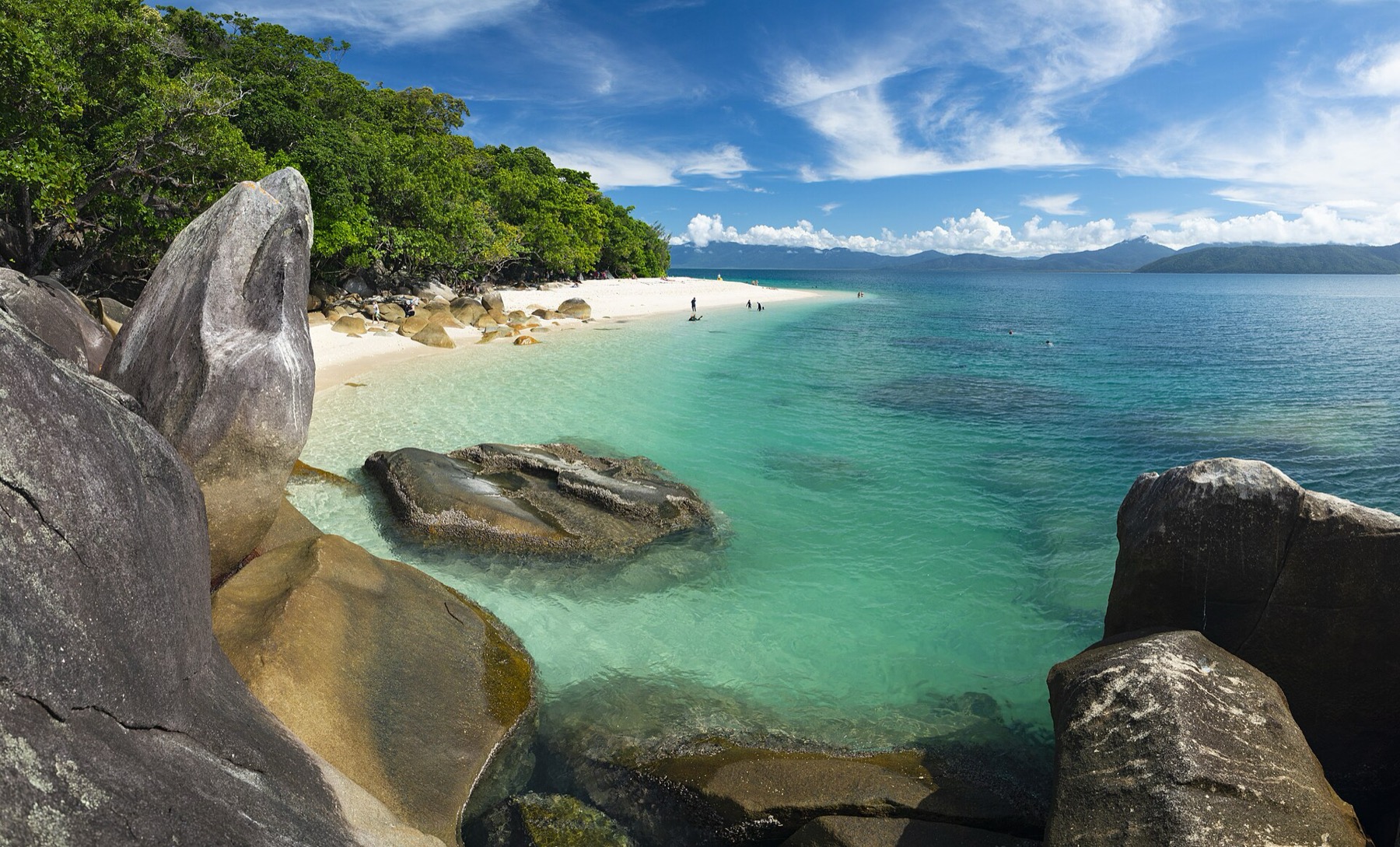
If you’re after a slightly wilder and hillier island alternative to the flat Green Island, you definitely mustn’t miss the fantastic Fitzroy Island. The ferry ride from Cairns takes about forty-five minutes, and right after disembarking you’ll be struck by the view of steep hills covered in dense jungle plunging into the turquoise ocean. The island offers several gorgeous hiking trails along which you can explore the interior and then cool off in water full of colourful fish and sea turtles.
The island’s greatest gem is undoubtedly the renowned Nudey Beach, which in 2018 was even officially named the best beach in all of Australia. Here you’ll find the iconic smooth boulders lining the edge of the white sand, creating an absolutely perfect scene for photography and relaxation. Snorkelling straight from this beach is very easy, and you’ll often come across small reef sharks or rays gliding just off the shore in the utterly crystal-clear, life-filled water.
A return ferry to Fitzroy Island will cost you roughly 119 Australian dollars (around €70), which makes it one of the most affordable island destinations in all of Queensland. On the island you can rent a mask and fins or have an excellent lunch at the local Foxy’s Bar restaurant, which makes great chips and veggie burgers. 💡 Tip: Don’t forget to bring sturdy shoes to the island, because the short hike to the lighthouse perched high on the hill offers an absolutely spectacular panoramic view over the surrounding reefs.
8. Frankland Islands: the wilder alternative
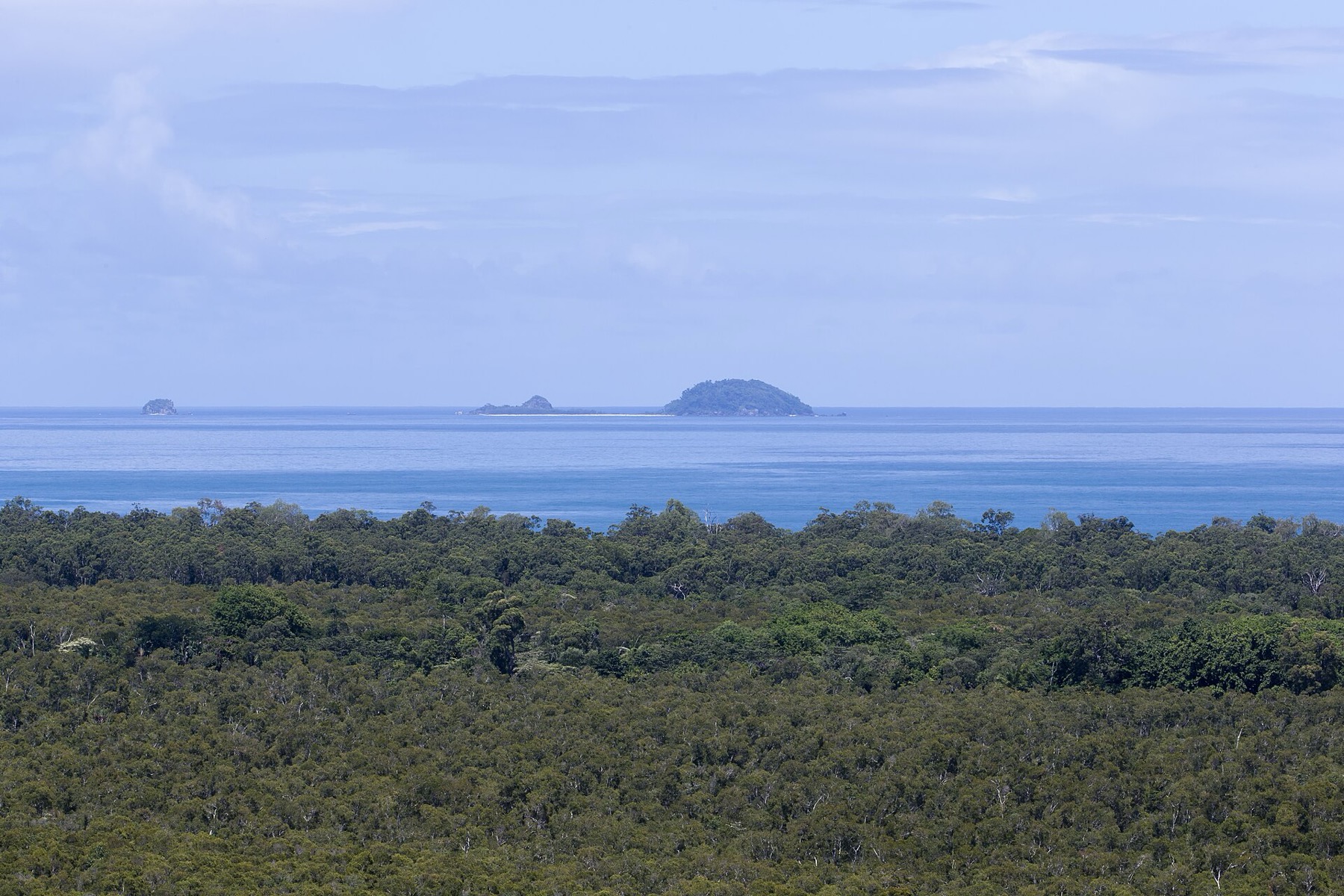
For those who want to escape mass tourism and experience truly untouched nature just off the mainland, the Frankland Islands are an absolute hidden treasure. This group of uninhabited islets lies a little south of Cairns, and only a strictly limited number of visitors is allowed to arrive here each day, which guarantees a wonderful sense of privacy. The journey begins with a tranquil river cruise lined with mangroves, after which the boat sets off on a short trip across the open sea all the way to the coral atolls themselves.
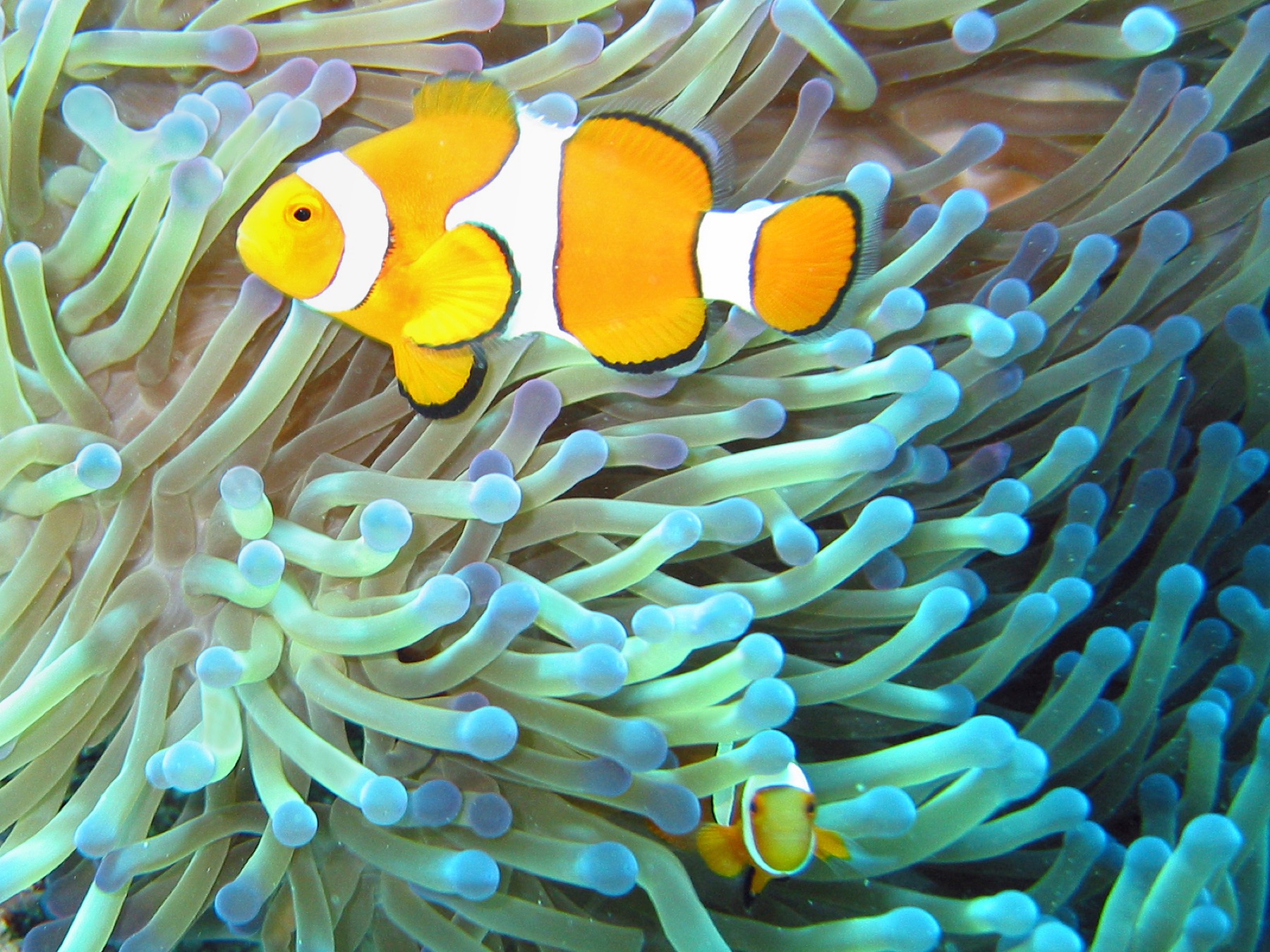
The underwater life around these islands is absolutely stunning, and the local coral gardens boast an enormous diversity of colours and shapes. Snorkelling here happens straight from the shore, which is a huge advantage for beginners, who can gradually get used to the water from the shallow sand. During your underwater exploration you have a great chance to see hawksbill turtles, octopuses, barracudas and, of course, the iconic clownfish hiding in their anemones exactly like in the animated film Finding Nemo.
The company serving these islands offers an Express option for 195 Australian dollars (roughly €115) or the popular All-inclusive package for 270 dollars, which includes a semi-submersible ride, a guided commentated walk and an excellent lunch on the beach. 💡 Tip: If you love collecting washed-up shells and watching tiny crabs in the tide pools, definitely join the organised coastal walk with a marine biologist, who’ll point out fascinating details you’d surely overlook on your own.

9. Low Isles from Port Douglas by sailing boat
Picture a romantic cruise on a beautiful wooden sailing boat, gliding silently across the ocean surface towards a small islet with a historic lighthouse. That’s exactly what a trip to the picturesque Low Isles offers, lying just an hour’s comfortable sailing from the harbour in the elegant resort of Port Douglas. This area forms a protected shallow lagoon that, thanks to its sandy bottom and the absence of strong currents, is absolutely ideal for families with kids, nervous swimmers and lovers of complete calm without huge tour boats.
The islet is home to a huge number of sea turtles, which gather here to feed and often drift just below the surface, so you can watch them from a glass-bottom boat at close range. The sandy cay itself is surrounded by incredibly rich coral growth, which you can dive into straight from the white beach under the watchful eye of experienced lifeguards. On the Sailaway boat you’re also served a delicious vegetarian lunch full of local vegetables and fresh fruit, which you eat right on deck with a view of the sea.
Prices for this exclusive sailing trip aren’t published across the board, but be ready for a higher amount, because the boats only take very small groups of passengers, guaranteeing a premium and intimate experience. 💡 Tip: The atmosphere on the island is very relaxed and there’s no rush at all, so don’t forget to pack a good book and enjoy an hour of sunbathing on the beach in the shade of the huge trees, listening only to the gentle lapping of the waves and the cries of seabirds.
10. Scenic flight over Heart Reef
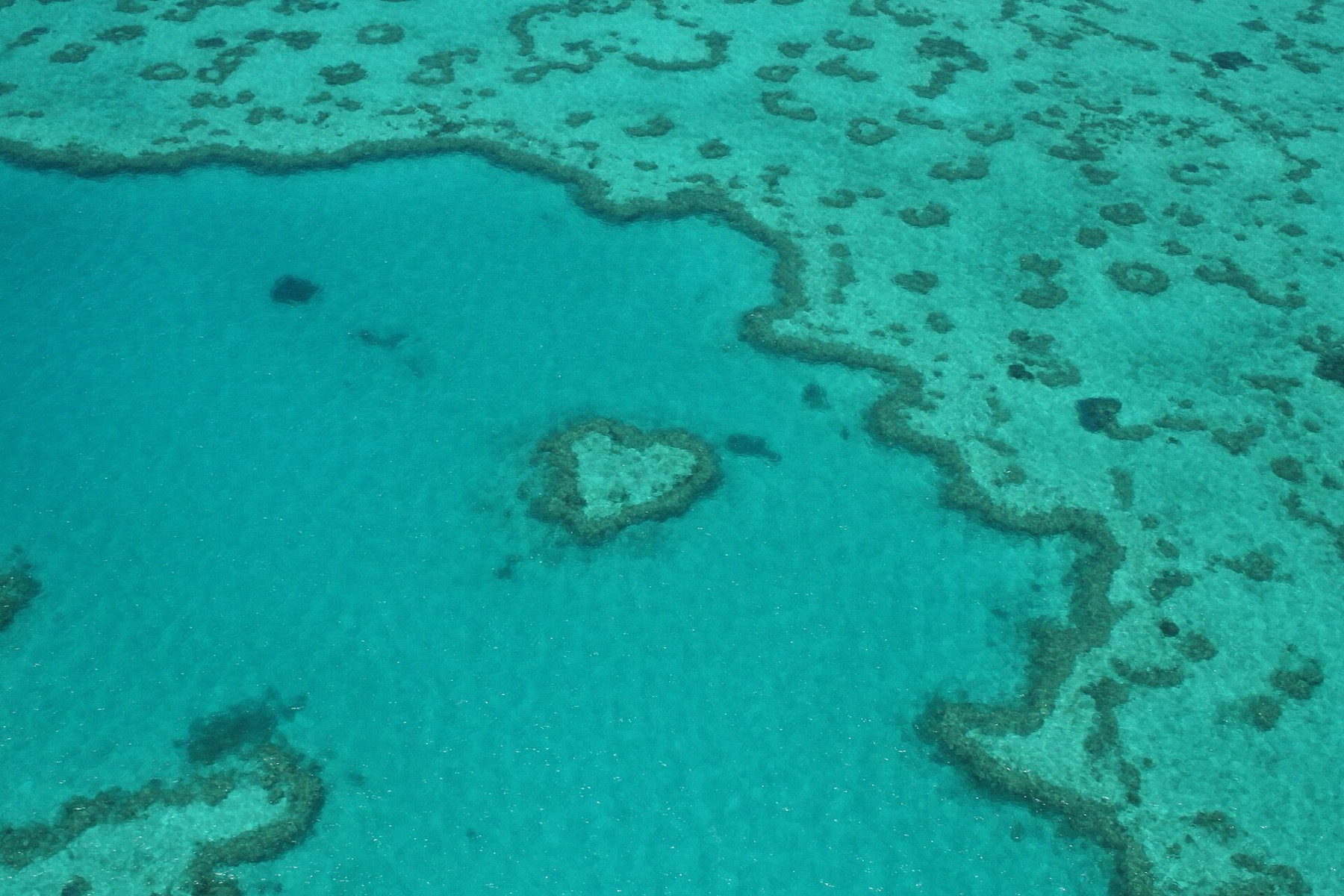
Seeing the whole enormous mosaic of turquoise lagoons and deep blue depths from a bird’s-eye view is an experience that will completely change how you perceive the sheer scale of the reef. From the base in Airlie Beach, small helicopters and seaplanes take off daily, heading for the most photographed spot in all of Australia. The famous Heart Reef is a small coral atol in the shape of a perfect heart, around which planes may only circle at a precisely set altitude so as not to disturb the surrounding life while offering passengers the most beautiful angle for photos.
Scenic flights often combine the aerial view with a subsequent landing on the gorgeous Whitehaven Beach, where you can rest on incredibly fine white sand. The colours of the ocean from above look almost unreal, and only from several hundred metres up will you fully grasp why this UNESCO-listed natural wonder is visible even from space. Experienced pilots provide engaging commentary during the flight and deliberately bank the aircraft to both sides so every passenger has exactly the same chance to capture the perfect shot of the famous heart.
The Helireef company offers a fantastic Whitehaven Escape package for 550 Australian dollars (around €325), while the extended Fly/Cruise option with a thirty-minute flight over Heart Reef and snorkelling costs 720 dollars. 💡 Tip: If you feel unwell flying in a small aircraft, definitely eat only very lightly beforehand and make sure you sit as close to the window as possible, because watching the horizon reliably helps stave off any nausea.
11. A night beneath the surface in ReefSuites
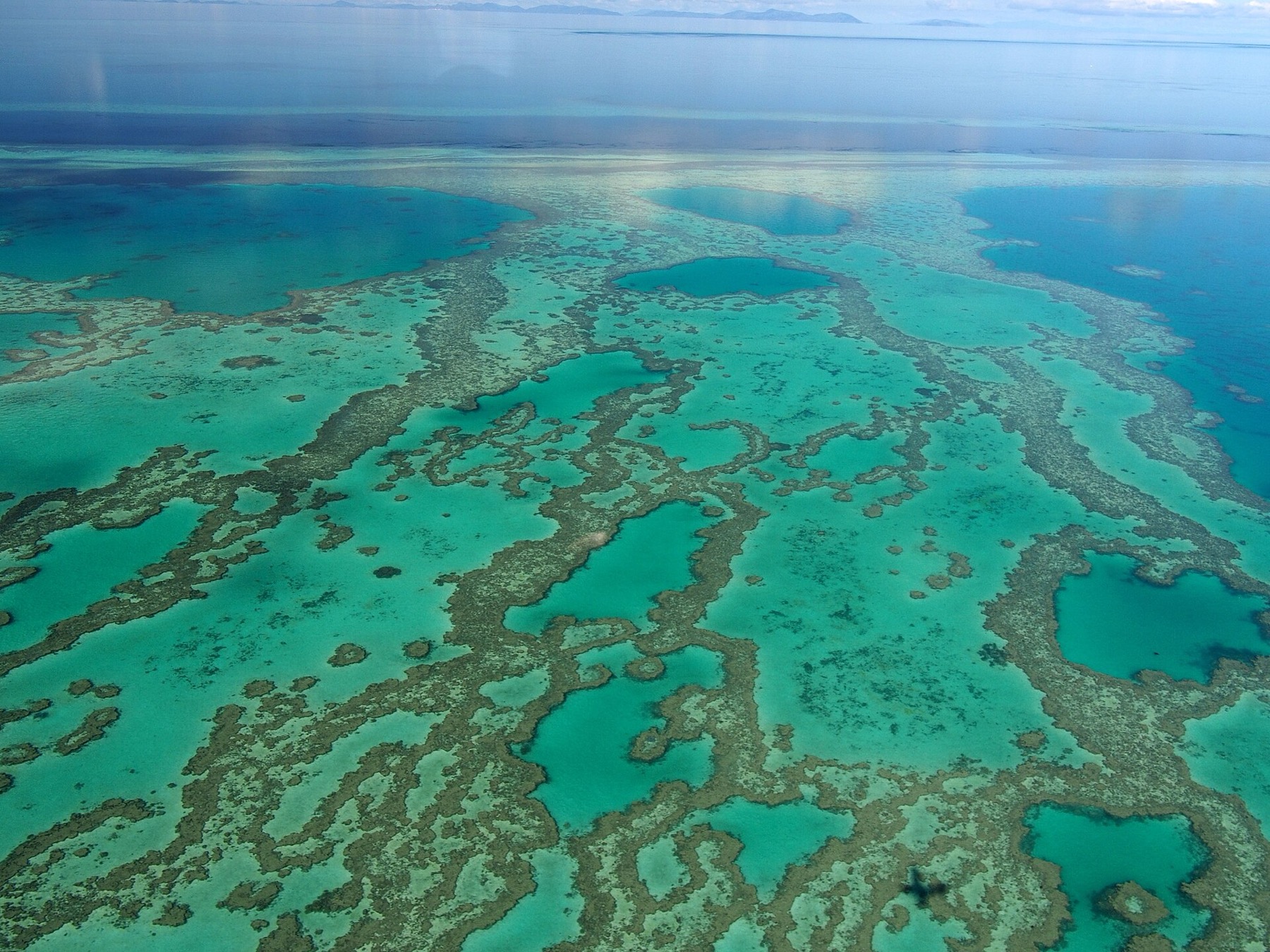
If you’re after the absolute peak of luxury and long for an experience you’ll still be telling your grandchildren about, you have to try spending a night right beneath the ocean surface. The company Cruise Whitsundays operates the huge Reefworld pontoon on the distant Hardy Reef, in whose lower deck unique hotel rooms are hidden. ReefSuites are Australia’s first underwater accommodation, where you have a huge glass window instead of a wall, so you can watch the illuminated corals and passing marine predators all night straight from your comfy bed.
The experience begins with a cruise to the pontoon, where during the day you enjoy guided snorkelling, but the real magic only comes once the day-trippers have left. You stay here with just a handful of other guests and the crew, who serve you dinner under a starry sky. It sounds like a cliché, but here it truly holds true. After sunset the reef transforms hugely, giant trevallies come out to hunt, and you watch it all in a bathrobe, glass in hand, from the complete privacy of your underwater room.
This absolutely spectacular and exclusive experience starts at 1,495 Australian dollars per person (roughly €880), with all food, selected drinks and a special snorkelling safari with a marine biologist included in the price. 💡 Tip: The rooms are often sold out many months in advance, so if you want to make this dream come true, you have to book your date with a really huge amount of notice, especially if you’re planning your trip during the popular summer months.
12. The southern reef: Lady Musgrave and Lady Elliot
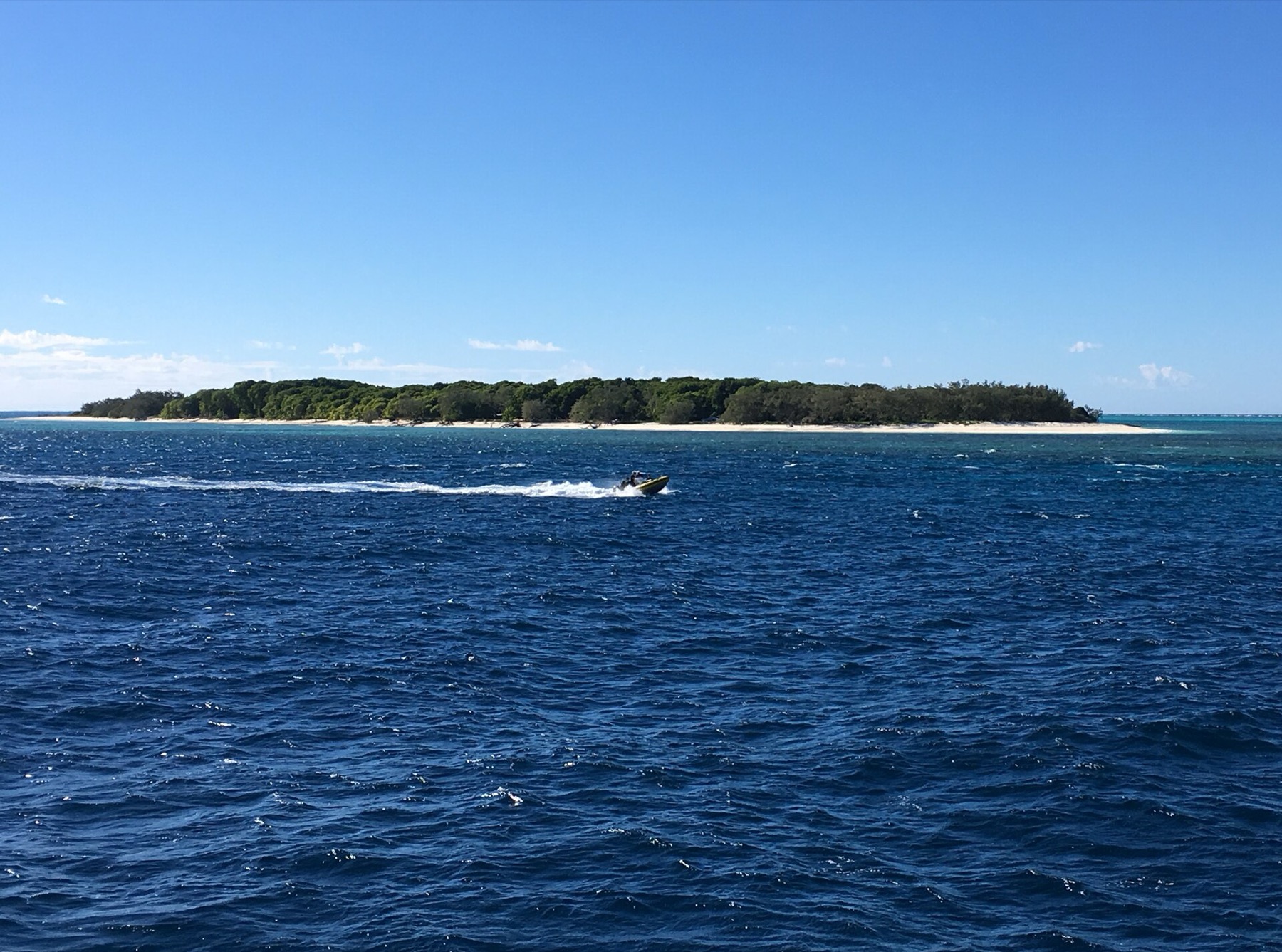
Travellers who long to discover completely untouched places without mass tourism should definitely head to the southern tip of the reef near the town of Bundaberg. From here you set off for the remote coral atolls of Lady Musgrave and Lady Elliot, which offer a completely different kind of adventure than the busy north. This area is famous for far fewer tour boats, so you often have huge stretches of coral gardens practically to yourself and can enjoy complete peace in a wonderful connection with pristine nature.
You can only reach Lady Elliot Island aboard a small plane, which in itself is a great experience, and moreover this place is renowned as home to huge manta rays. Giant manta rays occur here year-round, and swimming alongside these majestic rays, which move through the water with the grace of ballet dancers, is one of the region’s biggest highlights. Trips to Lady Musgrave, meanwhile, run on a large catamaran from the Bundaberg Port Marina, where a glass-bottom boat ride led by an experienced marine biologist awaits you.
Prices for these trips aren’t publicly advertised by operators and you have to request them individually, but generally speaking, because of the remoteness and air transport they’re among the pricier items. 💡 Tip: The Lady Musgrave Experience company boasts all three highest levels of ecological certification, so if nature protection is a priority for you, by buying a ticket you’ll support an operator that looks after the region’s sustainability in an absolutely exemplary way.
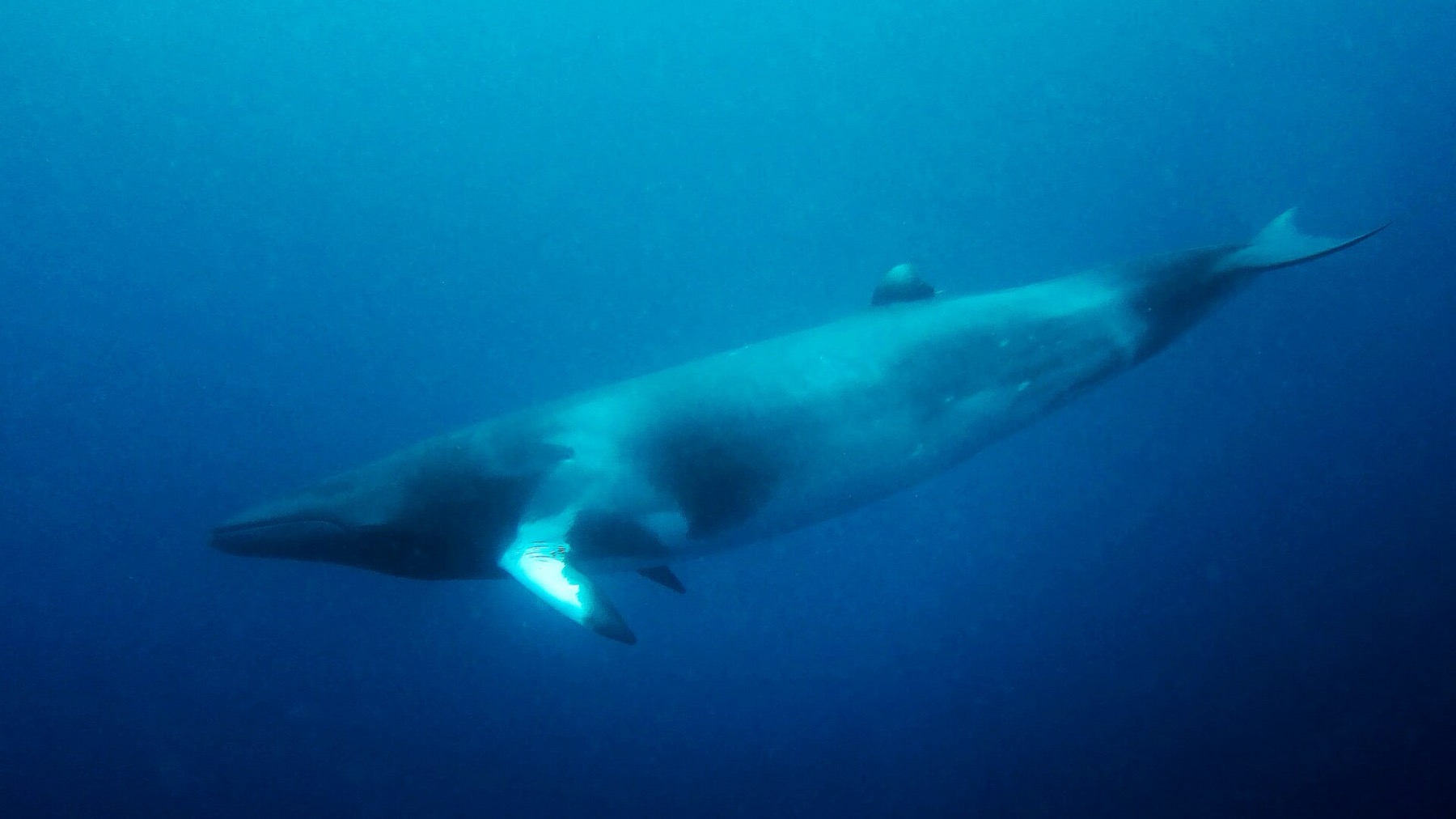
13. Swimming with dwarf minke whales
Lovers of large marine mammals should plan their trip to Queensland for a very specific and short period that offers one of the rarest experiences on the planet. From June to July, gorgeous dwarf minke whales gather in the northern waters, and the area around the Ribbon Reefs is the most famous place in the world where you can safely swim with them. The encounter happens under extremely strict rules, where divers hold a special rope stretched out from the boat and wait for the whales to swim up to them out of curiosity of their own accord.
This incredible spectacle takes place mostly as part of multi-day liveaboard expeditions that set sail from Cairns and head far north to the remote reefs. The minke whales grow up to eight metres long, and their presence in the water commands enormous respect, even though they are very curious and completely peaceful creatures. Travellers often describe the experience of a huge animal looking you straight in the eye and gracefully gliding past just a few metres away as the single most powerful moment of their lives.
These specialised expeditions logically rank among the priciest experiences, and prices for a multi-day cruise with the renowned company Mike Ball start at roughly 2,900 Australian dollars. 💡 Tip: If you head to the northern reefs, be prepared that whale watching in the wild can never be one hundred percent guaranteed, but if you come in June or July your chance is really high — the whales head here regularly and the guides know exactly where to go.
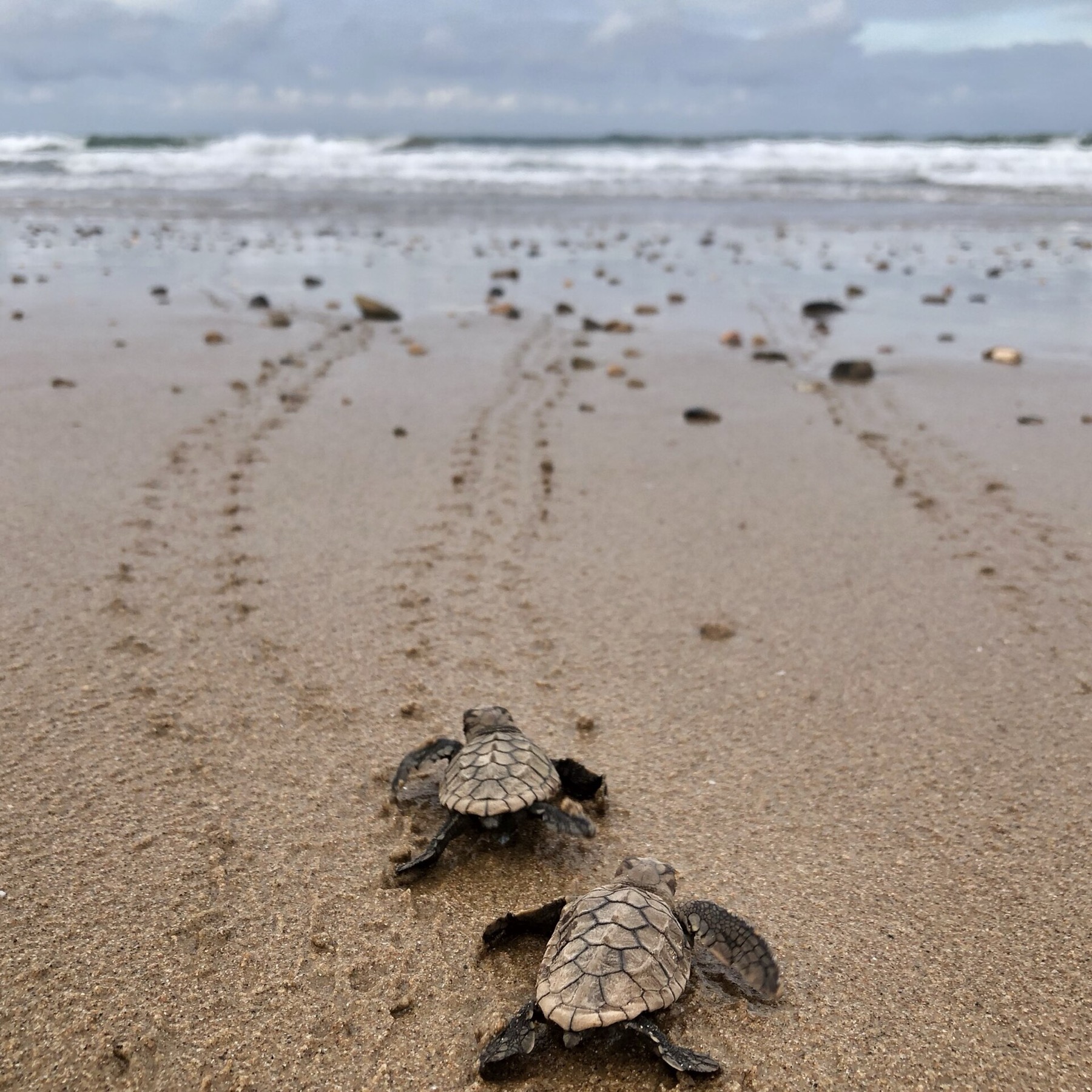
14. Turtles at Mon Repos near Bundaberg
Our final tip won’t take you out onto the open sea, but it will offer you one of the most natural and most emotional experiences in all of Queensland. The protected area of Mon Repos near Bundaberg on the mainland serves as the largest nesting site for endangered loggerhead turtles on Australia’s entire east coast. From November to March, huge female turtles gather here after dark to lay their eggs in the deep sand, and from January onwards you can watch the freshly hatched babies bravely dashing towards the ocean waves.
This whole natural miracle takes place exclusively under the strict supervision of state rangers, who organise very considerate night tours for small groups of visitors. The rangers make sure tourists don’t disturb the animals in any way, don’t use camera flashes and keep a safe distance, which lends the whole experience an enormously intimate and respectful atmosphere. Seeing with your own eyes how a tiny, vulnerable turtle digs itself out of the sand and touches the seawater for the first time will absolutely grab your heart and move you to tears.
Given the enormous interest in nature conservation, you have to book these night tours well in advance directly through the official QPWS national parks website. 💡 Tip: Bear in mind that the tours take place late at night and you often have to wait a long time in silence on the beach until the turtles emerge from the ocean, so don’t forget to bring a warm hoodie and be ready for a very late return to your hotel room.
Where to eat
Finding good food after a whole day of swimming in the sea can sometimes be tricky, especially when you’re still dripping with salt water and ravenously hungry. Luckily, the coastal towns of Queensland offer plenty of great options where you can eat well and recharge for another day full of snorkelling.
In Cairns you definitely mustn’t miss Ochre restaurant, which makes fantastic local dishes using native Australian ingredients, while seafood lovers head to the popular Prawn Star, a small fleet of fishing boats turned into a bistro right on the water. If you’re staying in Port Douglas, I warmly recommend making a reservation at Salsa Bar & Grill. It’s incredibly popular and laid-back there, so after a full day of sunbathing you’ll feel right at home. And for coffee lovers and fans of proper breakfasts there’s The Little Larder café, where locals go for the very best morning toasts in town.
Rules that keep the reef alive
So that we can enjoy this incredible beauty in the future too, every visitor must unconditionally follow a few basic and very strict rules. The absolute most important law underwater is that you must not touch any corals and under no circumstances may you stand on them, not even when you need to shake water out of your mask. Coral polyps are incredibly fragile organisms, and a single careless kick of a fin can destroy a structure that took many decades to grow.
Another huge topic is the use of sunscreens that contain toxic substances causing coral bleaching. Although in Queensland the law doesn’t directly require reef-safe creams, operators very strongly recommend packing them and ideally applying them long before entering the water. A much better solution, however, is to rely on physical protection and swim in a thin lycra top or wetsuit, which will also reliably protect you from possible stings by tiny jellyfish.
The national park management takes protecting the whole area extremely seriously, which is why more than thirty percent of the reef is designated as a protected green zone where all fishing is strictly forbidden. On selected boats you may also meet great professionals labelled Master Reef Guides, an elite programme for the best guides who’ll introduce you fantastically to the workings of the ecosystem.
Let me add one more very practical warning for travellers who suffer from the rocking of the waves. You have to take your seasickness pills ideally an hour before departure, because on board only prevention is sold, and once you start feeling sick no pill will save you anymore.
⚠️ What’s more, if you’re planning your itinerary and find a tip in old guidebooks about the famous Reef HQ aquarium in Townsville, cross it off your plans right away. This giant tank has been closed for a massive renovation since 2021, and its reopening is planned, according to the authorities, only for 2029.
Where to next
If you’re tempted to explore Australia’s other cities and natural wonders too, I recommend reading our detailed guide Holiday in Australia: 30 most beautiful places + practical tips, where you’ll find plenty of inspiration. For detailed planning of transfers and car hire, the article Road trip around Australia: visas, routes, prices will come in very handy. And if you’re planning to visit the big coastal cities too, definitely don’t miss our tips in the articles Sydney, Australia: 31 tips on what to see and do, the highlights of Melbourne, Australia: 23 tips on what to see and do and, finally, Brisbane, Australia: 20 tips on what to see and do.
Everything about the actual base for reef trips, about the Daintree rainforest and about where to safely swim in the tropics can be found in the article Cairns and Daintree: 18 tips on what to see in the gateway to the tropics.
Frequently asked questions
Planning a trip to the other end of the world brings plenty of uncertainties, especially when it comes to such a specific experience as visiting coral reefs. Here you’ll find a summary of the most common questions that will probably cross your mind before buying your flights.
Is the reef destroyed by bleaching?
The reef is going through a difficult period and has experienced a sixth mass bleaching event since 2016, but reports from August 2026 indicate an increase in coral cover in the north and centre. The ecosystem is changing, but it’s definitely not dying. The diving experience depends heavily on the specific site, so choosing the right boat is absolutely crucial.
How much does a trip cost?
Basic full-day trips from Cairns are advertised at around 300 AUD, but you’ll realistically pay closer to 360 to 410 AUD (approximately €210 to €240). That’s because the price doesn’t include the mandatory EMC environmental fees, fuel surcharges introduced in April 2026, or the rental of protective stinger suits against jellyfish.
Where’s the best place to go from?
Cairns is the best departure point for beginners, as it offers the most tours at the most accessible prices. However, if you’re looking for a more intimate atmosphere and crystal-clear water on the shelf edge, head out from Port Douglas, while the southern reef near Bundaberg attracts visitors with more remote sites without the big tourist crowds.
Snorkelling or diving?
Snorkelling is included in the basic tour price and is absolutely sufficient to see the beautiful colours and turtles in the shallow waters. But if you’re craving more adventure, definitely try an intro dive with an instructor, which doesn’t require a diving licence and costs around 200 AUD extra.
Can kids handle it?
Absolutely without any problems, because lots of huge stable pontoons head out to the reef that are specifically designed for families. You’ll find safe children’s pools enclosed by nets, giant slides into the ocean, and underwater observatories where the youngest travellers can safely watch fish, so they won’t get bored.
What about non-swimmers?
Even if you can’t swim a single stroke, you’ll definitely enjoy the trip if you choose a boat heading to a large pontoon or small coral island. You can take a ride in a comfortable semi-submersible, board a glass-bottom boat, or simply walk around in the dry underwater observatory.
When’s the best time?
The golden window for visiting opens during June and July, when the water is a bit cooler (around 23 °C), but offers fantastic visibility. Plus, during this winter period you’ll completely avoid the dangerous stinger season of venomous jellyfish and you might spot passing whales.
How to deal with seasickness?
The voyage to the outer reef takes over an hour and the ocean can sometimes be quite rough, so prevention is absolutely essential. Take a tablet at least thirty minutes before departure, position yourself in the middle section of the boat on deck where there’s the least rocking, and keep your eyes constantly fixed on the horizon.
How many days should I set aside?
For most regular travellers, one full-day catamaran trip is absolutely enough, during which you’ll comfortably visit two to three different sites. But dedicated divers should reserve a multi-day liveaboard cruise for two to three days, so they can reach more distant reefs and enjoy night dives.
What should I bring?
The basics are quality swimwear, a towel, sunglasses, and a hat for protection from the harsh Australian sun. Don’t forget to pack a warmer jumper for the return afternoon voyage in the air-conditioned boat and ideally your own reef-safe sunscreen that won’t harm the sensitive corals.
Tips and Tricks for Your Vacation
Don’t Overpay for Flights
Search for flights on Kayak. It’s our favorite search engine because it scans the websites of all airlines and always finds the cheapest connection.
Book Your Accommodation Smartly
The best experiences we’ve had when looking for accommodation (from Alaska to Morocco) are with Booking.com, where hotels, apartments, and entire houses are usually the cheapest and most widely available.
Don’t Forget Travel Insurance
Good travel insurance will protect you against illness, accidents, theft, or flight cancellations. We’ve had a few hospital visits abroad, so we know how important it is to have proper insurance arranged.
Where we insure ourselves: SafetyWing (simple monthly subscription) and TrueTraveller (for extra-long trips).
Find the Best Experiences
Get Your Guide is a huge online marketplace where you can book guided walks, trips, skip-the-line tickets, tours, and much more. We always find some extra fun there!


