If you’re drawn to whale watching in Tromsø, Norway, every winter more of them swim into the fjords near Skjervøy chasing giant herring shoals than this tiny northern Norwegian town has residents. Norway is one of the very few places in Europe where you can watch these fascinating marine mammals from the deck of a boat, just a few dozen metres away. If you’re planning a trip above the Arctic Circle, a whale safari will be one of the most powerful experiences you’ll bring home from your holiday. I’ve put together a detailed guide to help you figure out exactly where to go and in which month you’ll have the best chance of success.
And so the Arctic frost doesn’t catch you off guard, below you’ll also find advice on what to wear, tips against seasickness, and the reason you really shouldn’t wait to book. You’ll also learn how much this Arctic spectacle costs and why the famous Lofoten Islands actually aren’t the best choice for whale watching.
TL;DR
- Two main locations: For whale watching in Norway you head either to the Tromsø and Skjervøy area, or to the Vesterålen archipelago and the town of Andenes.
- Winter orcas and humpbacks: Enormous herring shoals gather around Skjervøy, drawing in hundreds of orcas. The high season here runs from mid-October to the end of January.
- Year-round sperm whales: From Andenes you sail out to a deep underwater canyon where giant sperm whales hunt all year. The most comfortable season here is from May to mid-September.
- Safari prices: For a full-day trip on a modern boat you’ll pay roughly 1,690 NOK to 1,990 NOK in the 2026/2027 season (about €150 to €175).
- High success rate: With reputable operators, the chance you’ll actually see whales runs above an impressive 95 percent.
- The weather rules everything: Trips out on the open sea can be cancelled due to strong wind, so always keep at least one or two spare days in your itinerary as a buffer.
The full destination guide: Norway — guide and what to see
Where to Stay in Tromsø and Vesterålen
💡 Tip for accommodation and experiences: We prefer to look for accommodation on Booking.com, which usually has the best cancellation terms. It’s worth comparing and booking tickets, tours and activities through GetYourGuide.
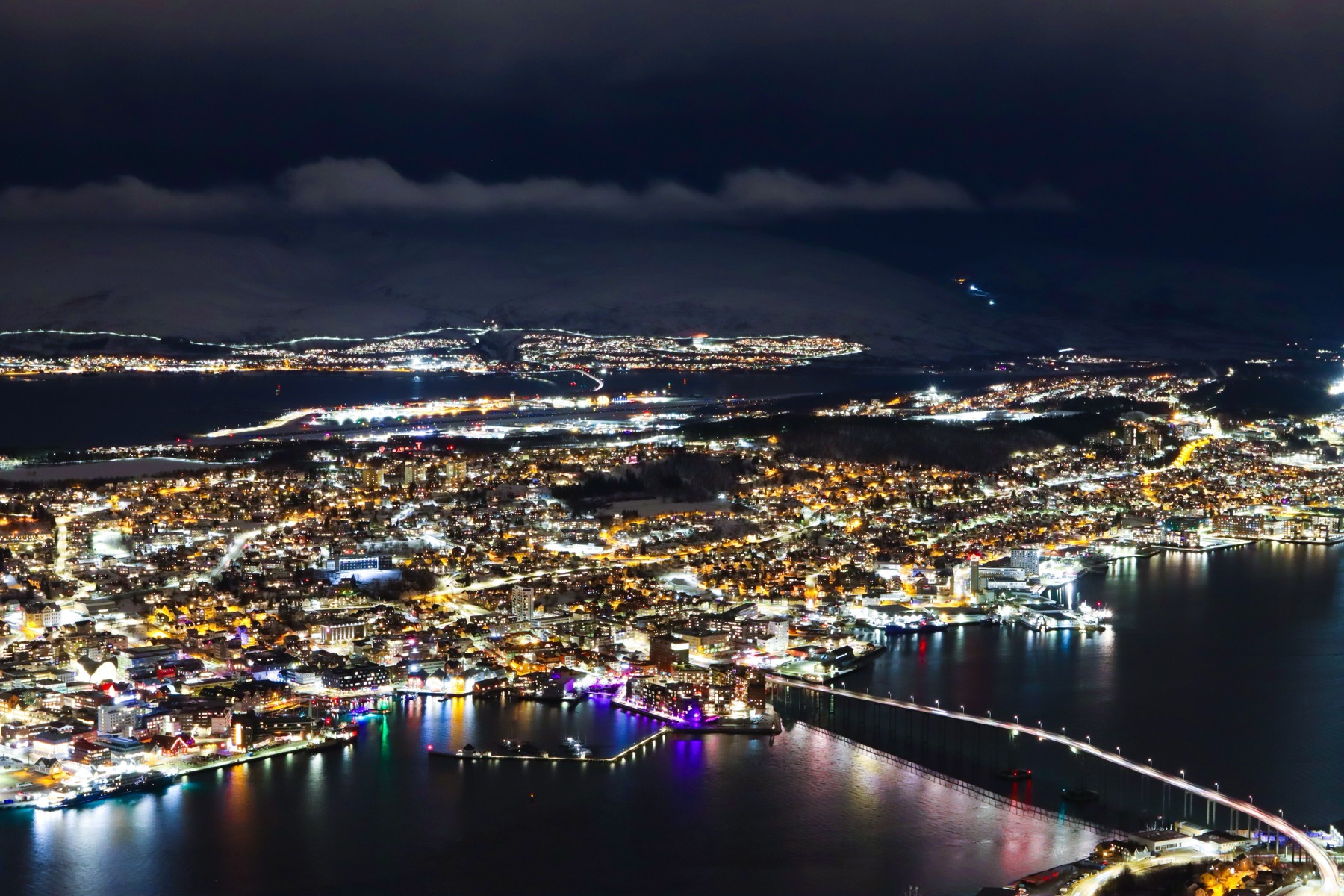
If you’re heading out on a winter safari for orcas, the best strategic base is the city of Tromsø, where the large catamarans set sail, or where buses run straight to the harbour at Skjervøy. Tromsø is a very lively Arctic hub, and staying right by the harbour makes those early mornings incredibly easy. A great option right in the centre by the water is the Clarion Hotel The Edge. It offers modern rooms, and its breakfast is apparently one of Norway’s hotel highlights, at least according to every other review on Booking.com 😁. Best of all, you’ll be just a few steps from where the boats depart. On a freezing polar morning you’ll definitely appreciate not having to trek anywhere far.
If you’d rather stay closer to the whales, you can reach the town of Skjervøy itself from Tromsø by car or express boat in roughly three to four hours. Most people, though, prefer a base in Tromsø, since it offers far more options for evening northern lights hunting and has fantastic restaurants.
For both summer and winter sperm whale trips you have to head to the Vesterålen archipelago, specifically to its far northern tip in the town of Andenes. Keep in mind that it takes quite a while to get here from the popular Lofoten Islands. The drive from Svolvær takes about three and a half to four hours, including the ferry between Fiskebøl and Melbu. Very pleasant accommodation right in Andenes is offered by the Andrikken Hotel. It’s clean and spacious, but its biggest added value is the staff. They’ll simply tell you straight in the morning whether the boats are sailing today or not, and that’s priceless.
If you prefer something more traditional, try the iconic red rorbu cabins at Grønnbua Rorbu Hotel. This place breathes genuine fishing-village atmosphere, and you get an ocean view straight from your room window. The harbour is right around the corner too, which makes it an absolutely ideal starting point for your voyage to the nearby underwater canyon.

Where to Eat
When you spend a whole day out on the freezing sea, a proper hot meal is simply a must. Norwegian restaurant prices can be frightening, but after an Arctic day the investment in a warm bowl of soup counts double. Vegetarians fare best in the north at cafés and with fish-free soups; the choice tends to be smaller, but it’s there.
If you drop anchor in Tromsø, the classic right by the harbour is the restaurant Fiskekompaniet, famous for its seafood. In Andenes you can warm up after your safari at the spots around the harbour and lighthouse, where fish soup is on the menu practically everywhere.
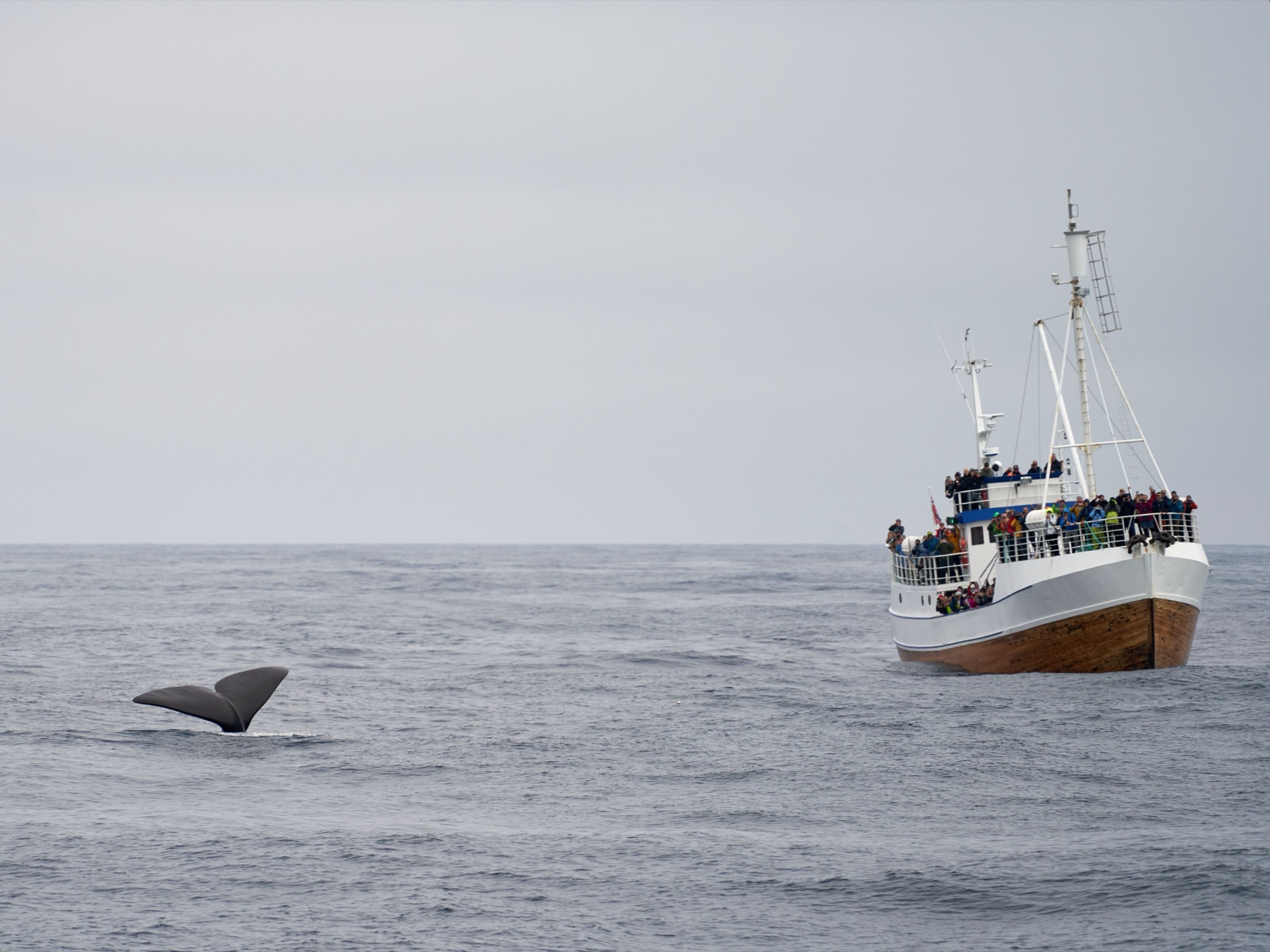
10 Things You Must Know About Whale Watching in Norway
A whale safari is a once-in-a-lifetime experience, but it comes with its own Arctic specifics. I’ve put together ten things you should definitely know before your trip. You’ll save yourself a lot of stress and money, and above all you won’t be needlessly freezing on the wrong boat.
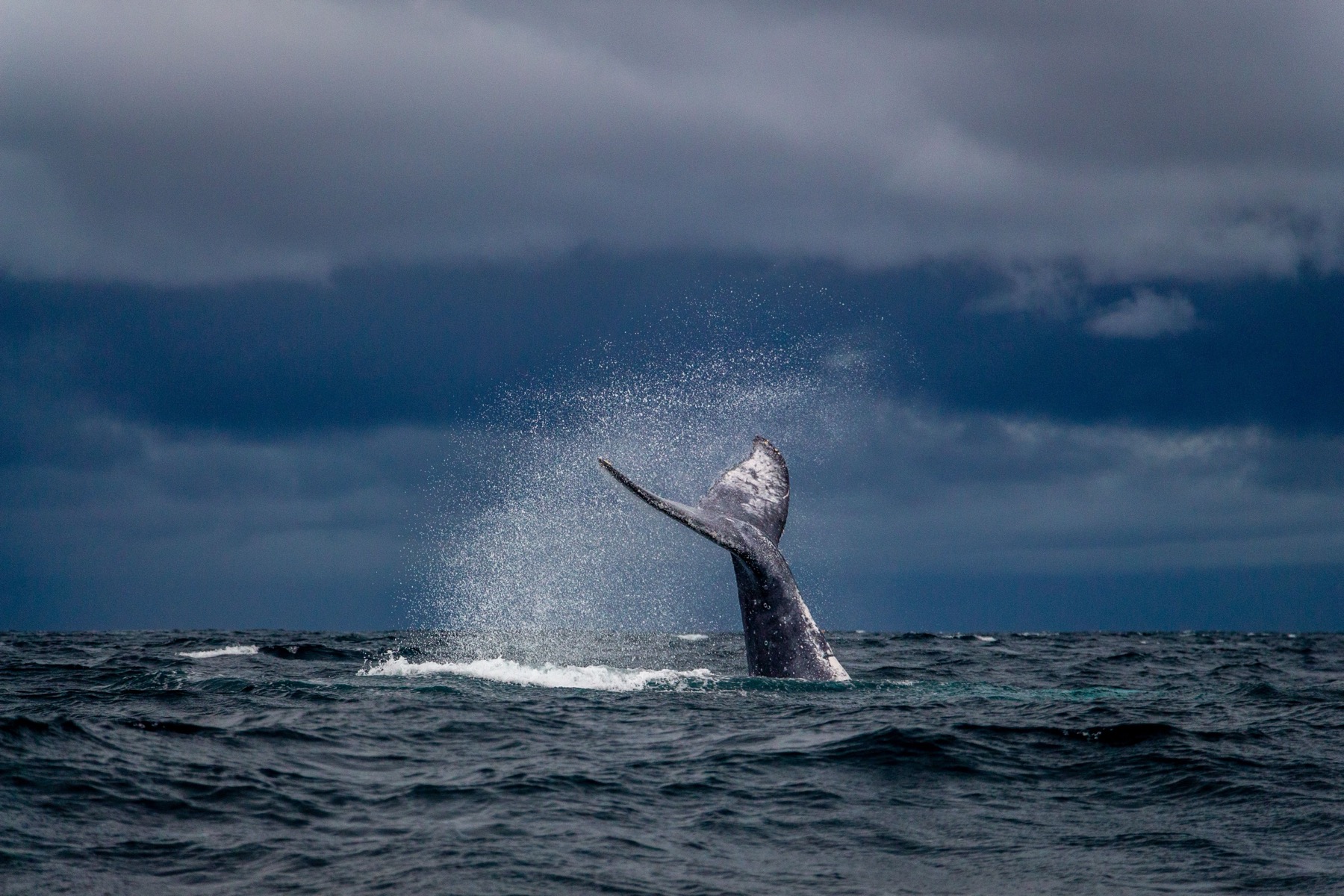
1. Where and When You’ll See Whales in Norway
Norway has two completely distinct main destinations for watching the giants of the sea, and they differ not only in season but also in the species of whale you’ll encounter. The first area is the northern tip of the mainland around the city of Tromsø and the fjords near Skjervøy, which you only visit in winter. The second key location is the Vesterålen archipelago, specifically the town of Andenes and the fishing village of Stø, where you can find whales year-round.
A common mistake many travellers make is believing they can easily do a whale safari from the famous Lofoten Islands or from the city of Bodø. But there’s no permanent operator on Lofoten, because whales appear in those waters only irregularly and by chance. Bodø, meanwhile, is better known for eagle watching and sea currents; whales stray there only in the rarest of cases.
So if you’re spending your holiday on Lofoten and want certainty, you have to take a drive north to Vesterålen and Andenes. The journey from Svolvær takes about four hours of driving, including the ferry. It’s definitely worth planning at least one overnight stay in Andenes so you don’t have to rush anywhere and can enjoy the trip in peace.
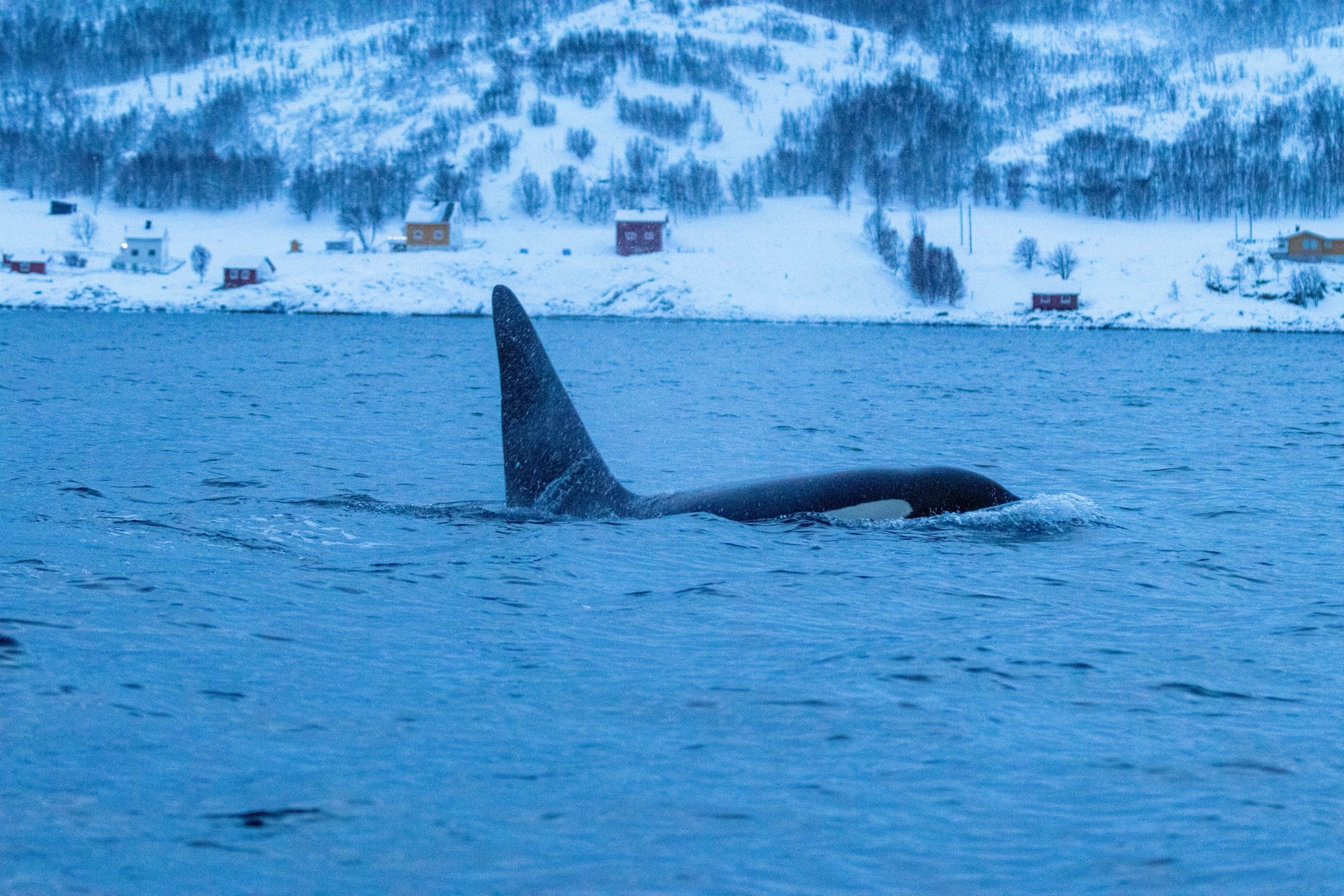
2. Tromsø and Skjervøy: A Paradise of Orcas and Humpbacks
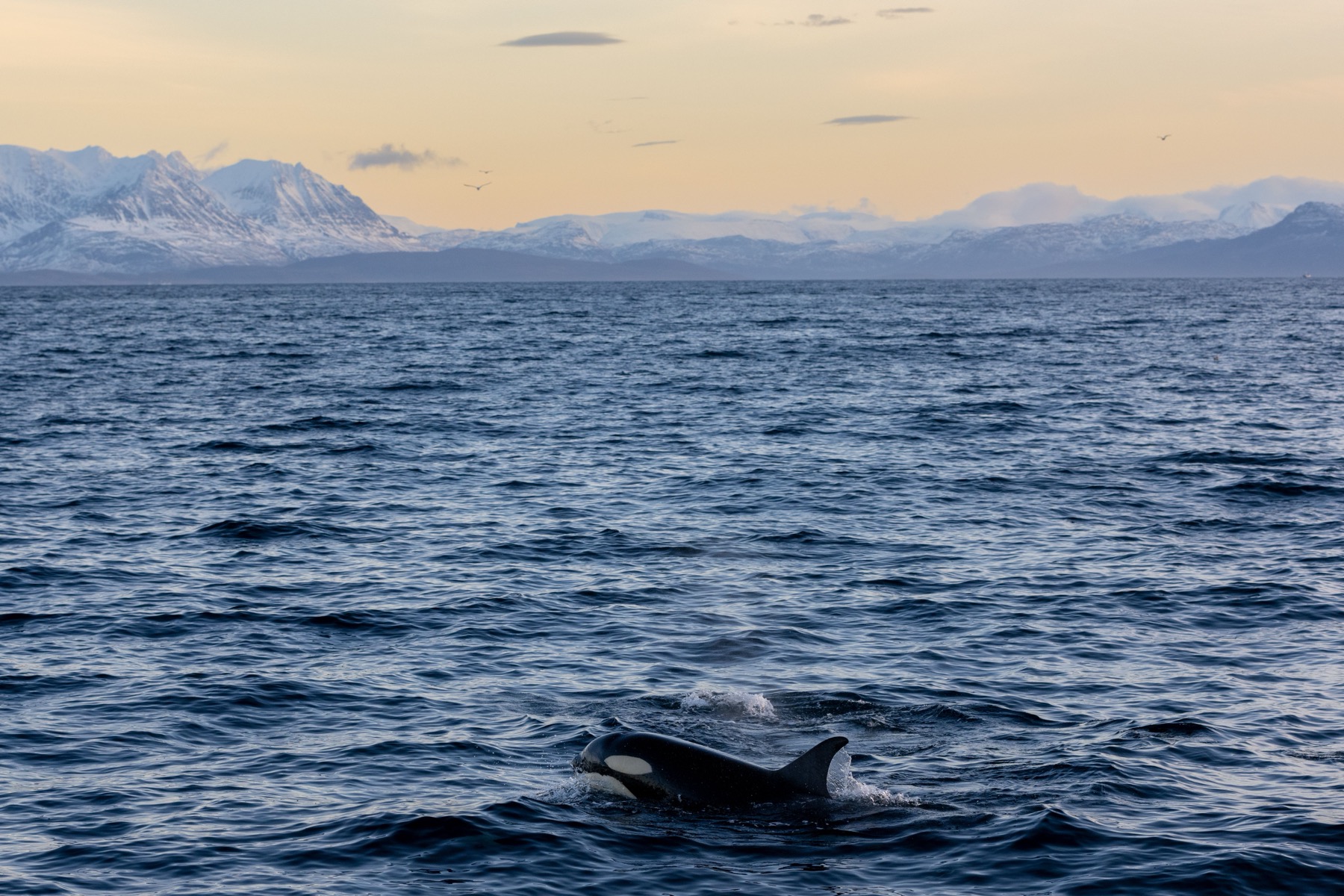
The area around Tromsø experiences an incredible natural phenomenon every autumn, when enormous herring shoals gather to overwinter in the deep fjords around the town of Skjervøy and Kvænangen. Interestingly, the herring only chose this particular spot around 2019; before that they wintered a bit further south. Chasing this easy meal, hundreds of predatory orcas and giant humpbacks arrive and hold an unbelievable fish feast here.
The high season begins here around mid-October. For example, the popular operator Brim Explorer runs its winter voyages from exactly 16 October until the end of January. During February the herring head back out to open water, and the whales naturally follow them back into the deep ocean.
This winter spectacle has one big peculiarity: the polar night. From roughly 27 November to mid-January the sun doesn’t rise above the horizon in Tromsø at all. Whale watching therefore takes place in a magical blue-and-pink twilight, which gives the whole experience an utterly unrepeatable Arctic atmosphere. Just be prepared that the days are very short, and the boats have to set off early in the morning to make the most of those few hours of usable light.
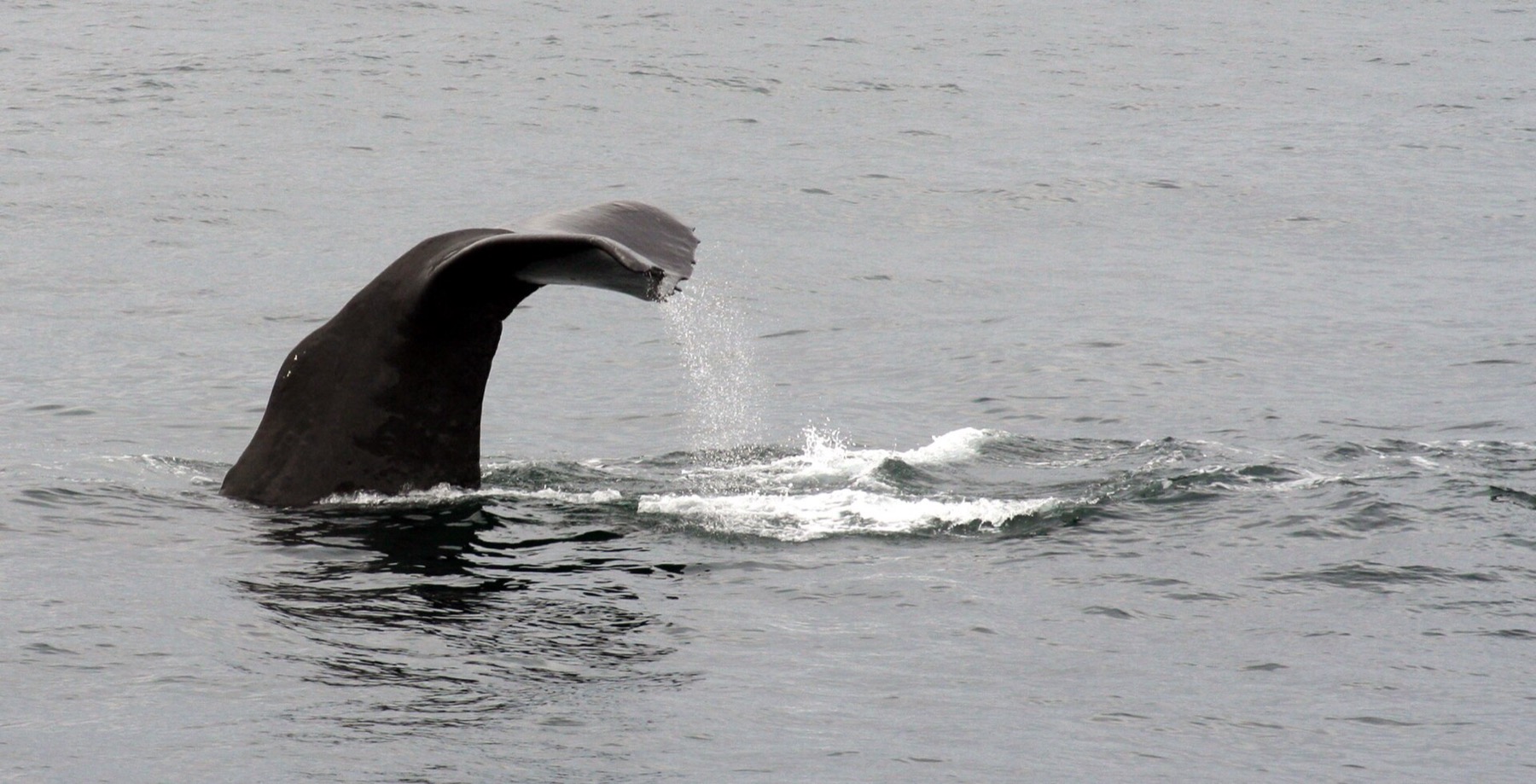
3. Andenes and Vesterålen: Sperm Whales Year-Round
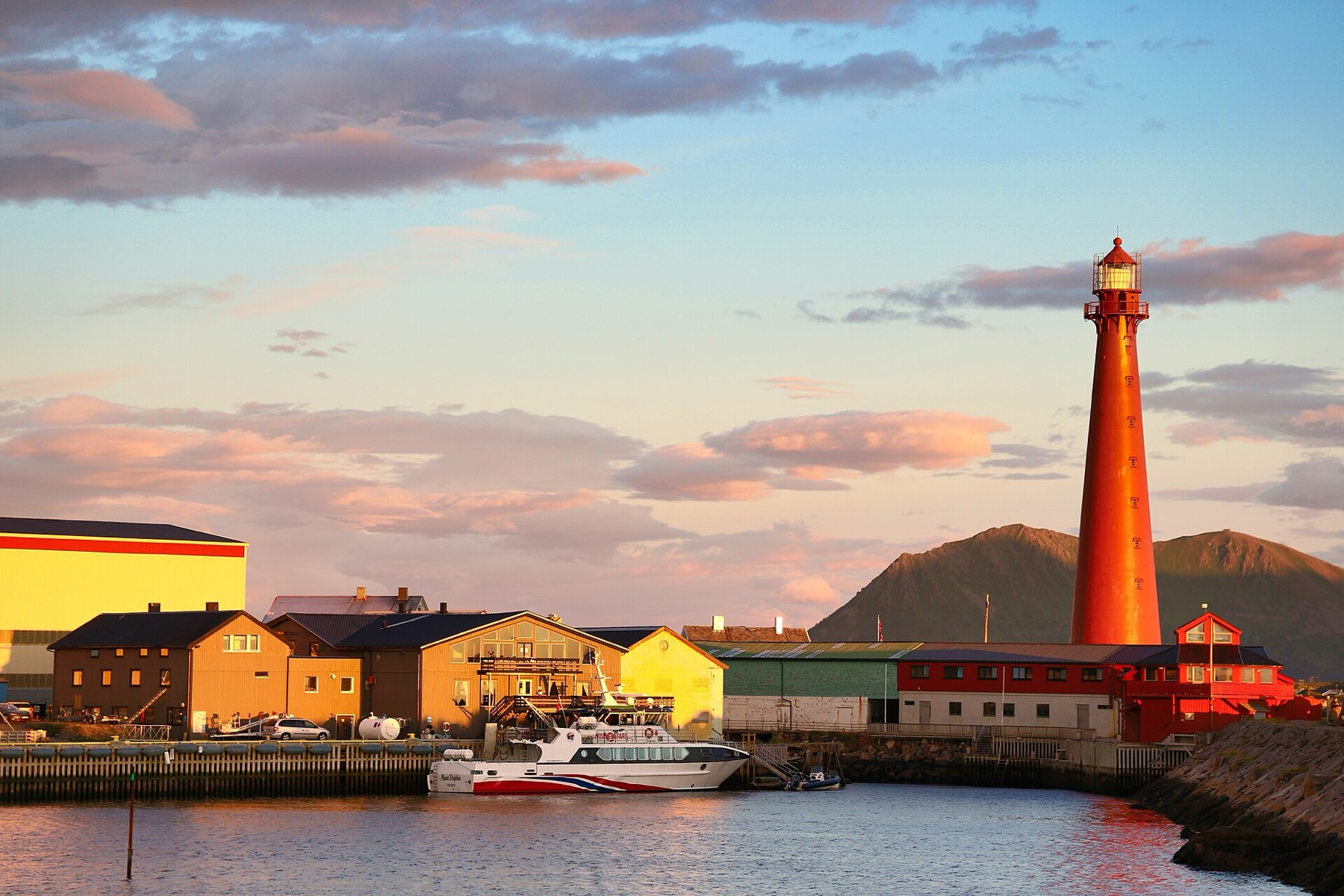
The town of Andenes in the north of Vesterålen has an absolutely unique location, because just a few kilometres off the coast the underwater Bleik Canyon begins. The seabed here plunges sharply to depths of over a thousand metres, creating ideal conditions for deep-sea squid. And squid are the main food of the giant male sperm whales, which stay here all year thanks to the abundance of food. It’s actually one of the few places in Europe where such an encounter is even possible.
Even though you can see sperm whales near Andenes in the middle of winter, the most reliable and by far most comfortable season runs from May to mid-September. The sea is much calmer in summer, temperatures are more pleasant, and thanks to the midnight sun safaris run without any trouble even in the evening hours.
A great option is to combine the voyage with birdwatching. Some operators offer special summer midnight trips for around 2,080 NOK (about €180), on which you’ll see both sperm whales and adorable puffins on the nearby islands. A standard ticket also often includes a visit to the local science centre, The Whale Centre, where you’ll learn plenty of fascinating details about the lives of these mammals.
4. What a Day on the Boat Looks Like: Hybrid Boats vs. RIB Boats
When choosing a safari you’ll most often come across two types of vessel. Very popular these days are the modern hybrid-electric catamarans run, for example, by Brim Explorer out of Tromsø. These boats offer enormous comfort, a heated lounge with panoramic windows, and you can buy hot food or coffee on board. A trip from Tromsø typically lasts eight to nine hours, because the boat has to travel a fairly long distance to reach the whales, and it usually sets off before eight in the morning.
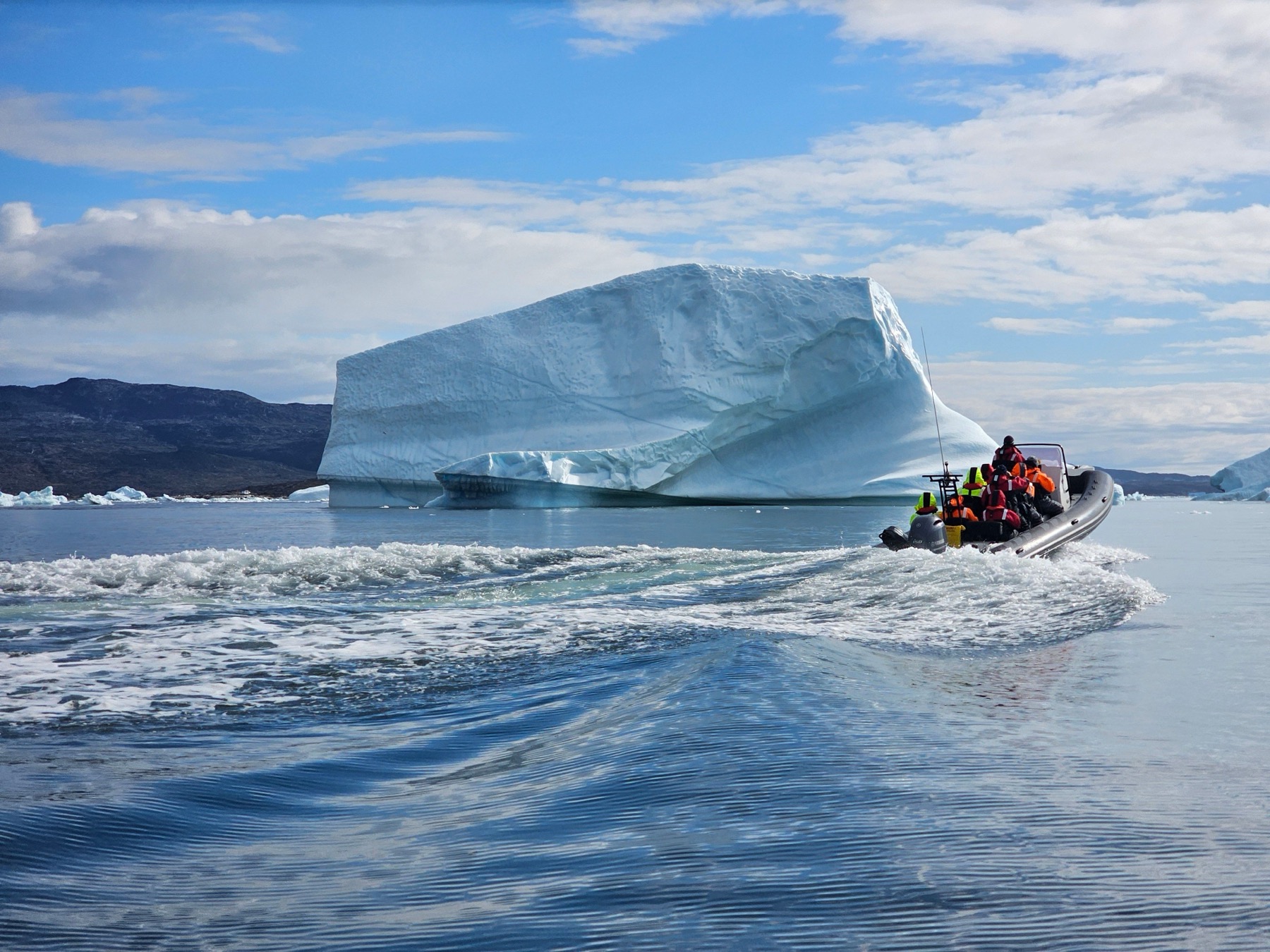
The second option is the fast inflatable RIB boats, which set out mainly from Andenes or straight from Skjervøy. On a RIB boat you sit astride right above the water’s surface, so you get much closer to the whales and experience a proper adrenaline rush. These trips are also significantly shorter, with the whole outing taking just around one and a half to two and a half hours.
On a RIB boat the seawater sprays straight into your face, and in winter the Arctic frost is like nothing you know from home, though fortunately you get a thick insulated flotation suit from the operator. If you’d like something between the luxurious comfort of the catamaran and the adrenaline of the open boat, try the traditional wooden boat MS Reine from Andenes in summer, which strikes a nicely balanced pace.
5. The Ethics of Watching, or Quiet Whale Watching
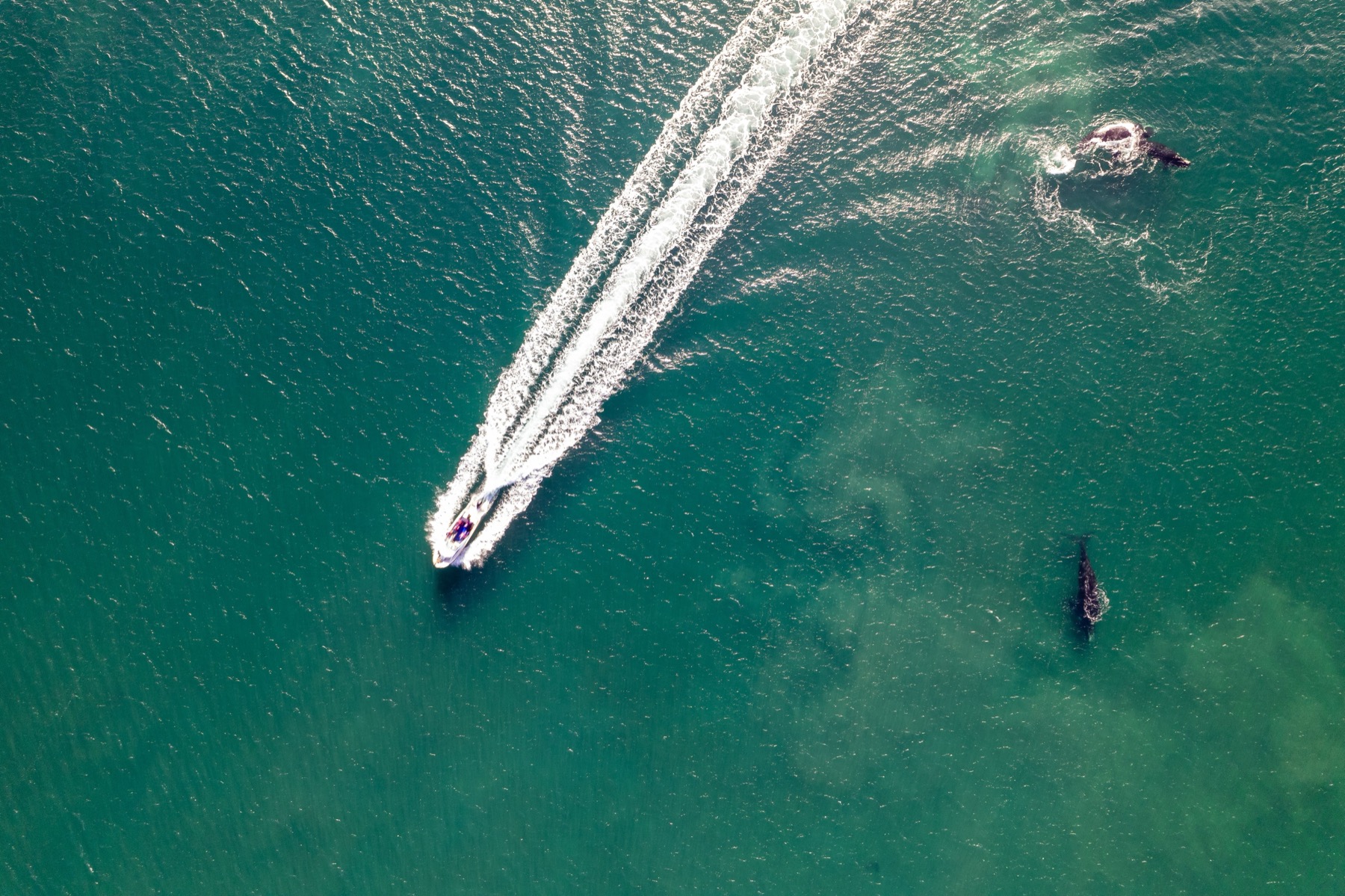
Norway has no nationwide law that strictly regulates whale watching, but there is a strict ban on needlessly disturbing wildlife. Responsible operators follow voluntary guidelines. Boats must not approach whales head-on, they must not chase them, and in the presence of animals the captain has to slow down dramatically or switch off the engine entirely.
If maximum respect for nature matters to you, choose a safari on an electric catamaran. When the boat approaches the orcas, it switches to purely electric propulsion and doesn’t disturb the animals at all with the noise of the propellers. The operators themselves describe this quiet approach as a privilege, not an ordinary tourist attraction.
Conservationists also recommend avoiding commercial snorkelling with orcas, which is sometimes offered near Skjervøy. Although it sounds like a dream come true, an excessive human presence in the water needlessly stresses the whales while they hunt. It’s far more respectful to observe these majestic animals in peace from the deck of a boat, where you’re not intruding on their natural environment or disrupting their feeding. From the deck they’re just as close to your heart, and nature will thank you by letting the whales come nearer without fear.

6. Chances of Success and the Whale Guarantee
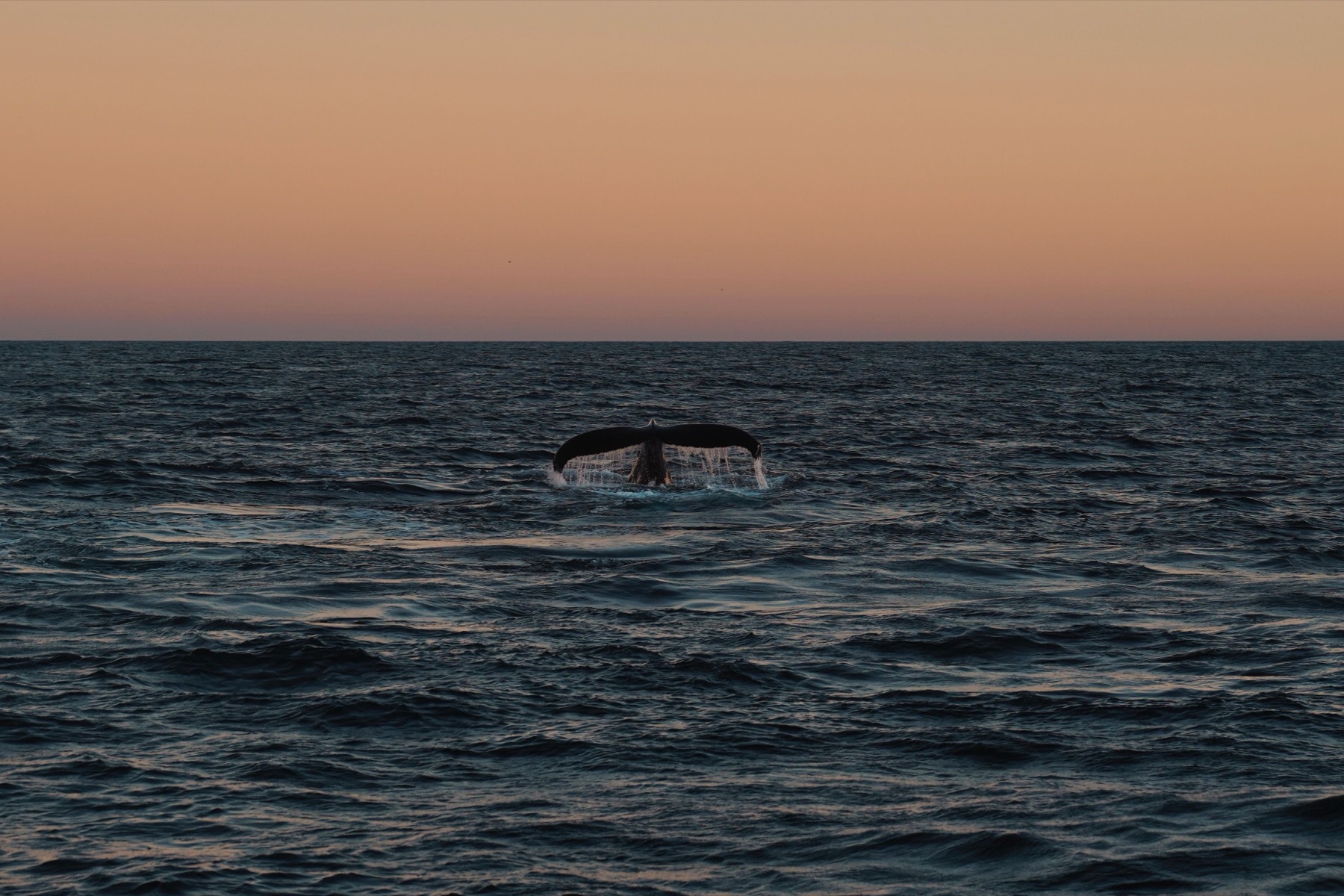
Many travellers ask whether whales are guaranteed. Nature is obviously not a zoo, but in the high seasons at both Skjervøy and Andenes the success rate has long stayed above an impressive 95 percent. Experienced captains and guides drawn from the ranks of marine biologists know exactly where to look for the animals, and the boats actively share information about the movement of the shoals over radio.
Some operators, such as Arctic Whale Tours, even offer a so-called Whale Pass. If it happens that you don’t see a single whale during your voyage, you get a second voyage completely free. This benefit is absolutely great, but remember that you can only fully use it if you’ve set aside more than one day for a given spot and don’t have to move hundreds of kilometres away the very next day.
The biggest enemy of a successful safari actually isn’t the absence of whales, but bad weather. Strong wind and huge waves can force the captain to cancel the trip entirely for safety reasons. That’s why it’s absolutely crucial not to plan your voyage for the very last day of your holiday. Always keep at least a small time buffer in case you need to reschedule.
7. Whales vs. a Hurtigruten Voyage
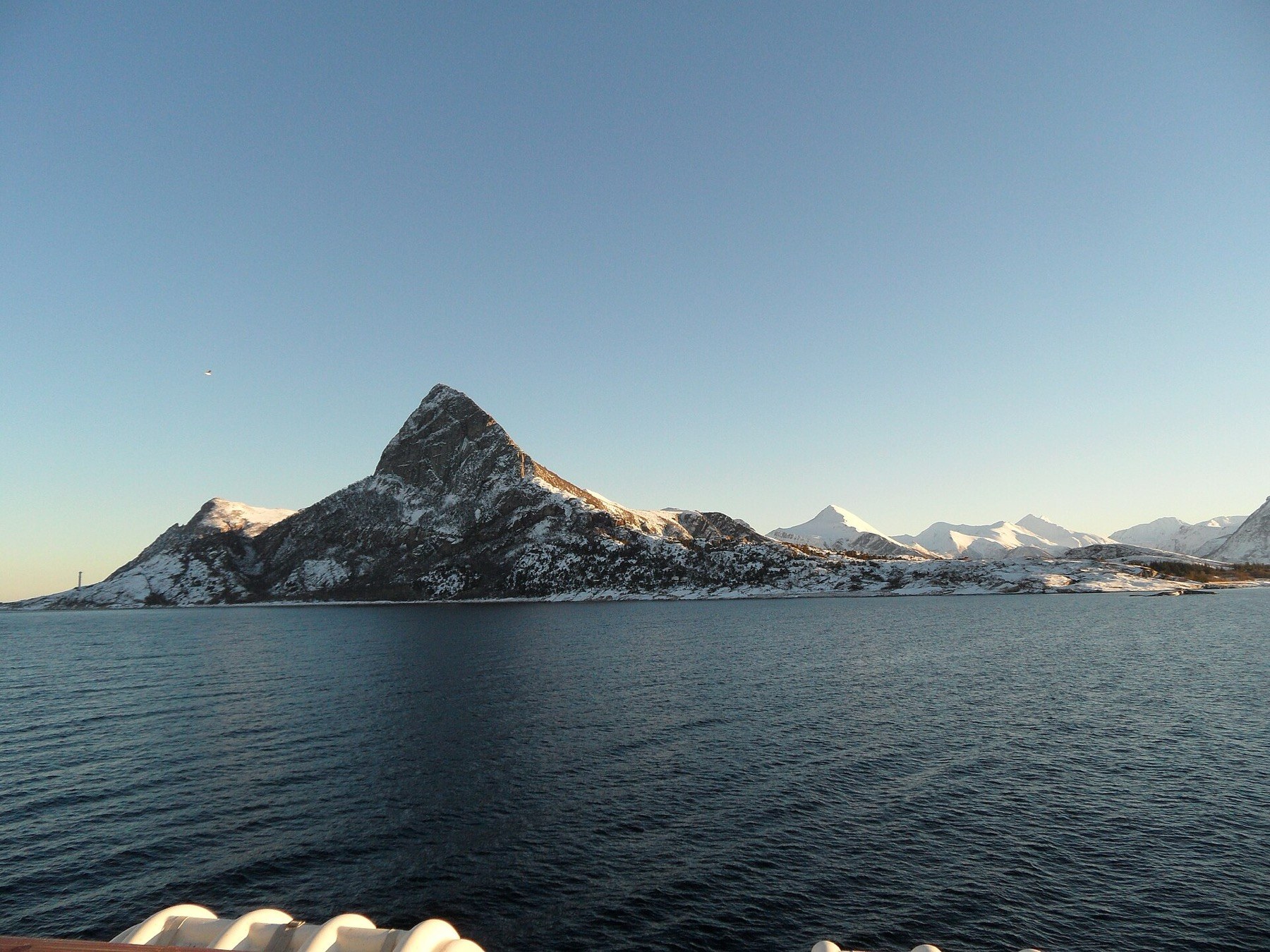
The traditional coastal line Hurtigruten is a fantastic way to get to know the Norwegian fjords, but it definitely can’t be considered a full substitute for a whale safari. Hurtigruten ships have a fixed timetable and an exact route they simply cannot stray from. The ferry captain will never slow down or change course for the whales.
You might of course get lucky and, from a Hurtigruten deck, catch sight of the typical spout in the distance or a fin disappearing below the surface. But it will usually be from a respectable distance of several hundred metres. You definitely won’t get the chance to calmly watch the animals hunting or resting on the surface.
For the real experience, where you hear a whale exhale up close, you really have to set out on a specialised expedition. The sole aim of these voyages is precisely the finding and respectful observation of whales. The guides on board will also explain exactly which species you’re watching and how individuals can be told apart by the shape of their dorsal fin, something a regular ferry simply doesn’t offer. In short, the Hurtigruten ferry is beautiful, but these two things simply aren’t the same. On a scheduled ship it’s a nice bonus, whereas on a safari it’s the whole point of your day.

8. Seasickness and Clothing for the Arctic Winter
Sailing across the Arctic Ocean can get pretty wild. The trips out of Andenes in particular head straight onto the open sea beyond the edge of the continental shelf, where the waves really rock the boat. The fjords near Skjervøy aren’t always perfectly calm either. Be sure to take a seasickness remedy as a precaution (over-the-counter tablets or a homeopathic option like Cocculine), roughly thirty to sixty minutes before departure. On the boat, what helps most is standing outside in the fresh air and fixing your eyes on a steady point on the horizon.
As for clothing, there’s only one rule for a winter safari: the more layers, the better. The foundation should be quality merino thermal underwear, a warm jumper, and a completely windproof and waterproof jacket and trousers. Don’t forget thick gloves, a warm hat and a proper scarf.
If you’re going out on an open RIB boat, you’ll additionally get a special thermal suit from the operator, but you need to dress warmly underneath it before you leave your hotel. A thermos of hot tea will come in handy too. The large modern catamarans do have a heated cabin and their own café (you can’t bring your own food on board), but you’ll still want to spend most of your time outside on deck.
9. Photography and Why to Leave the Drone at Home
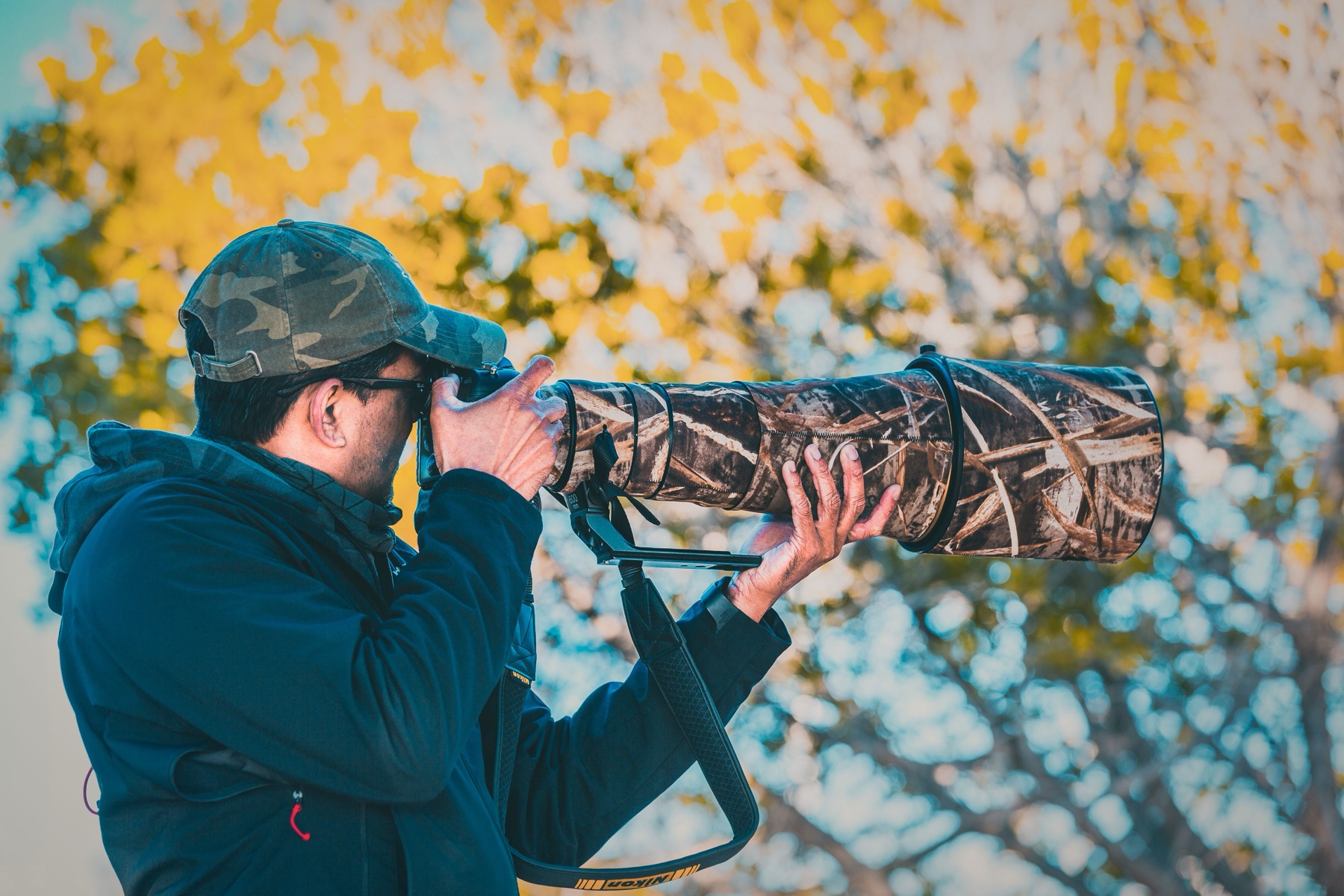
Photographing whales in winter Norway is quite a challenge, mainly because of the lack of light. During the polar night, especially in December and January, you’ll essentially be shooting in blue twilight all day long. You’ll need a very fast lens, and don’t be afraid to crank the ISO up to high values to keep a short enough shutter speed. Ideally you should aim for at least 1/1000 of a second. Whales surface unexpectedly and fast, so a slow shutter would just mean a blurry smear instead of a sharp fin.
If you love filming from above, I’m afraid I’ll have to disappoint you here. Using drones from the deck of tour boats is banned across the board without the operator’s explicit prior consent, which in most cases they won’t grant at all.
The main reason is the strict ban on disturbing marine mammals. The noise of a drone flying low over the surface stresses the animals greatly, and on top of that you’d be breaking Norwegian nature protection laws. Better to enjoy the incredible spectacle with your own eyes and leave the filming to a regular camera with a good telephoto lens. Trust me, the best moments you’ll save mainly in your own memory anyway.

10. Booking, Flexibility and GetYourGuide
A whale safari is one of the absolute most sought-after activities in all of Norway, and boat capacity is limited. The peak season around Christmas and New Year tends to be sold out weeks or even months in advance, so don’t delay your booking. As soon as operators release capacity for the winter season, the best slots vanish at lightning speed. You can book trips from Tromsø very easily and safely online in advance through the popular platform GetYourGuide, where you’ll find exact dates and clear cancellation terms.
The most important rule for planning is clear: leave yourself a time buffer. Arctic weather is unpredictable, and strong wind or a snowstorm can lead the captain to cancel the trip uncompromisingly for safety reasons. If you’ve set aside just one single day for Tromsø or Vesterålen, you’re risking huge disappointment. The ideal is to plan your safari for the very first free day of your stay. That way, if the boats don’t sail because of rough seas, you’ll have the chance to reschedule the voyage to another day of your holiday. It would be a huge shame to fly all that way and miss this magical experience just because of bad timing.
Practical Summary and Rough Prices 2026
Below you’ll find a clear table with the main operators, voyage length and prices for the 2026/2027 season. Prices may vary slightly depending on the exact date, with modest surcharges often applied during the busy Christmas period between 11 December and 10 January. For a quick conversion, count on a rough rate of about 0.09 EUR per 1 NOK. Cutting corners on the operator simply doesn’t pay off here. With a dubious company you risk getting lost and not seeing a whale even in the distance.
| Operator and location | Boat type | Voyage length | High season | Price per adult |
|---|---|---|---|---|
| :— | :— | :— | :— | :— |
| Brim Explorer (Tromsø) | Hybrid-electric catamaran | 8 to 9 hours | 16 October to 31 January | 1,990 NOK (approx. €175) |
| Whalesafari Andenes (Andenes) | Traditional boat MS Reine | 3 to 4 hours | May to September | from 1,690 NOK (approx. €150) |
| Whalesafari Andenes (Andenes) | Fast RIB boat | 1.5 to 2.5 hours | year-round | from 1,690 NOK (approx. €150) |
| Arctic Whale Tours (Stø/Andenes) | Traditional boats (Whale Pass guarantee) | 3 to 5 hours | May to September | on request / see website |
💡 Important note about operators on Vesterålen: If you dig through some older printed guidebooks or blogs, you might come across mentions of three different competing companies in Andenes. They were called Hvalsafari, Whale2Sea and Sea Safari Andenes. That information is no longer current, though, because the whale companies recently merged and now operate together under one giant holding with a single website, whalesafari.no. So you don’t have to painstakingly compare reviews of three different firms, since all the main boats ultimately fall under one banner. Also remember to check when booking whether your summer ticket from Andenes includes entry to The Whale Centre, a fascinating museum that beautifully rounds out the context before you set sail.
Where to Next
If you’re keen to explore northern Norway in depth, we’ve prepared plenty more useful guides. For planning a summer trip in search of sperm whales, our article Vesterålen: Whales and Calm Right Next to Lofoten will come in handy. If you’re heading north in winter, be sure to read our detailed guide to the city of Tromsø: Gateway to the North.
I definitely recommend not skipping the neighbouring island described in the article Senja: The Wilder Neighbour of Lofoten, or draw inspiration from our big overview Northern Norway: What to See. You might also be interested in Lofoten: The Big Guide, and if you’re considering the ferry, take a look at the article Hurtigruten: A Voyage Along the Coast.
Frequently Asked Questions
Planning a trip to the far north always brings plenty of question marks. Here’s a brief overview of the very most common questions about whale watching, so you have everything nicely in one place without any unnecessary searching.
When is the best season for orcas (killer whales)?
Orcas stay in northern Norway primarily in winter, when they come here to hunt enormous herring schools. The best time to observe them in the Skjervøy area is from late October until roughly the end of January. During this period you have an excellent chance of seeing dozens or even hundreds of individuals together, cooperatively herding fish.
Where does the whale safari depart from?
Winter cruises to see orcas depart most frequently directly from Tromsø city centre, or from the port in Skjervøy, which you can reach comfortably by bus from Tromsø. Year-round humpback whale trips, on the other hand, operate from the Vesterålen archipelago, primarily from the port in the town of Andenes, or during summer months from the nearby fishing village of Stø.
How much does whale watching in Norway cost?
Prices depend on the type of boat and the total duration of the cruise. For a classic full-day trip on a modern boat in the 2026/2027 season you’ll pay approximately 1,690 to 1,990 Norwegian kroner (NOK) per adult, which works out to roughly €145–170. Children and students usually get quite substantial discounts from most operators.
Will I see whales with 100% certainty?
You never have 100% certainty in the wild, of course. During the main seasons (winter in Skjervøy, summer in Andenes), however, the success rate with established operators is higher than 95 percent. Some companies, such as Arctic Whale Tours, also offer a so-called Whale Pass. This is a guarantee that if you exceptionally don’t see the animals, you get another cruise completely free of charge.
Is whale watching ethical?
Yes, if you choose a responsible operator. Norway has strict guidelines on how not to disturb animals in the open sea. Boats must not approach too quickly, must not cross in front of whales or chase them. The most environmentally friendly are modern hybrid-electric boats, which switch to silent mode near the pod and thus don’t stress the animals with engine noise at all.
What if I suffer from seasickness?
Trips out to open sea, especially those from Andenes to the underwater canyon, can be quite challenging due to high waves. I definitely recommend taking motion sickness medication (such as Dramamine or homeopathic remedies) well in advance of the cruise. Once on the boat, staying outside in the fresh icy air and fixing your gaze on the steady horizon helps.
Can you see whales in Norway for free from shore?
Theoretically it’s possible, but it requires an absolutely enormous amount of luck. Occasionally orcas or humpback whales stray deep into fjords in winter very close to roads. You definitely can’t count on it though, so if you want certainty and to see the animals really up close, a paid safari from a boat is basically the only sensible option.
Tips and Tricks for Your Vacation
Don’t Overpay for Flights
Search for flights on Kayak. It’s our favorite search engine because it scans the websites of all airlines and always finds the cheapest connection.
Book Your Accommodation Smartly
The best experiences we’ve had when looking for accommodation (from Alaska to Morocco) are with Booking.com, where hotels, apartments, and entire houses are usually the cheapest and most widely available.
 🚗 Car rental on the roadVerified rental cars in Norway
Search with the DiscoverCars comparison engine — it compares prices from dozens of local and international rental companies, and most bookings come with free cancellation.
Compare car prices in Norway →Don’t Forget Travel Insurance
Good travel insurance will protect you against illness, accidents, theft, or flight cancellations. We’ve had a few hospital visits abroad, so we know how important it is to have proper insurance arranged.
Where we insure ourselves: SafetyWing (simple monthly subscription) and TrueTraveller (for extra-long trips).
Find the Best Experiences
Get Your Guide is a huge online marketplace where you can book guided walks, trips, skip-the-line tickets, tours, and much more. We always find some extra fun there!