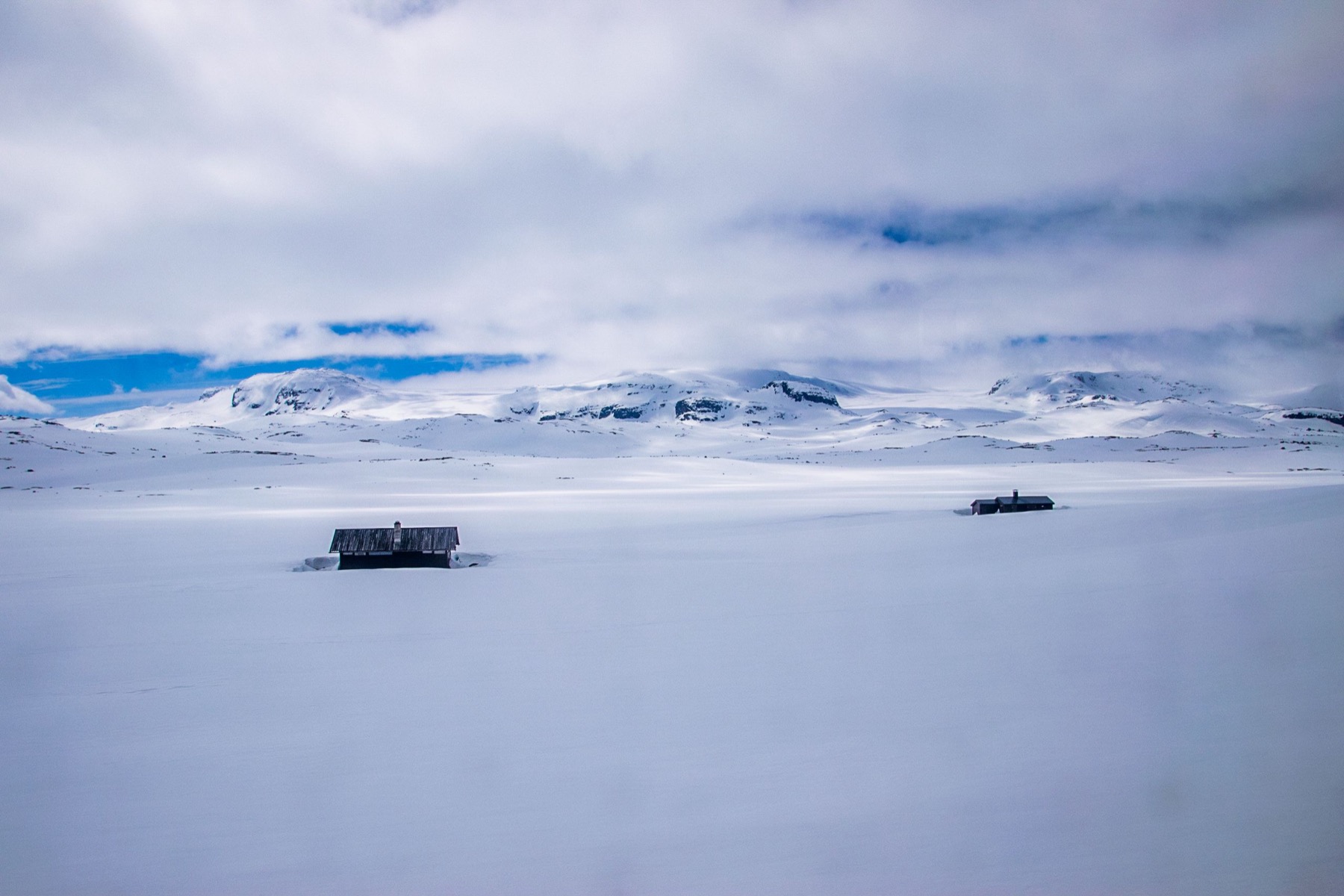
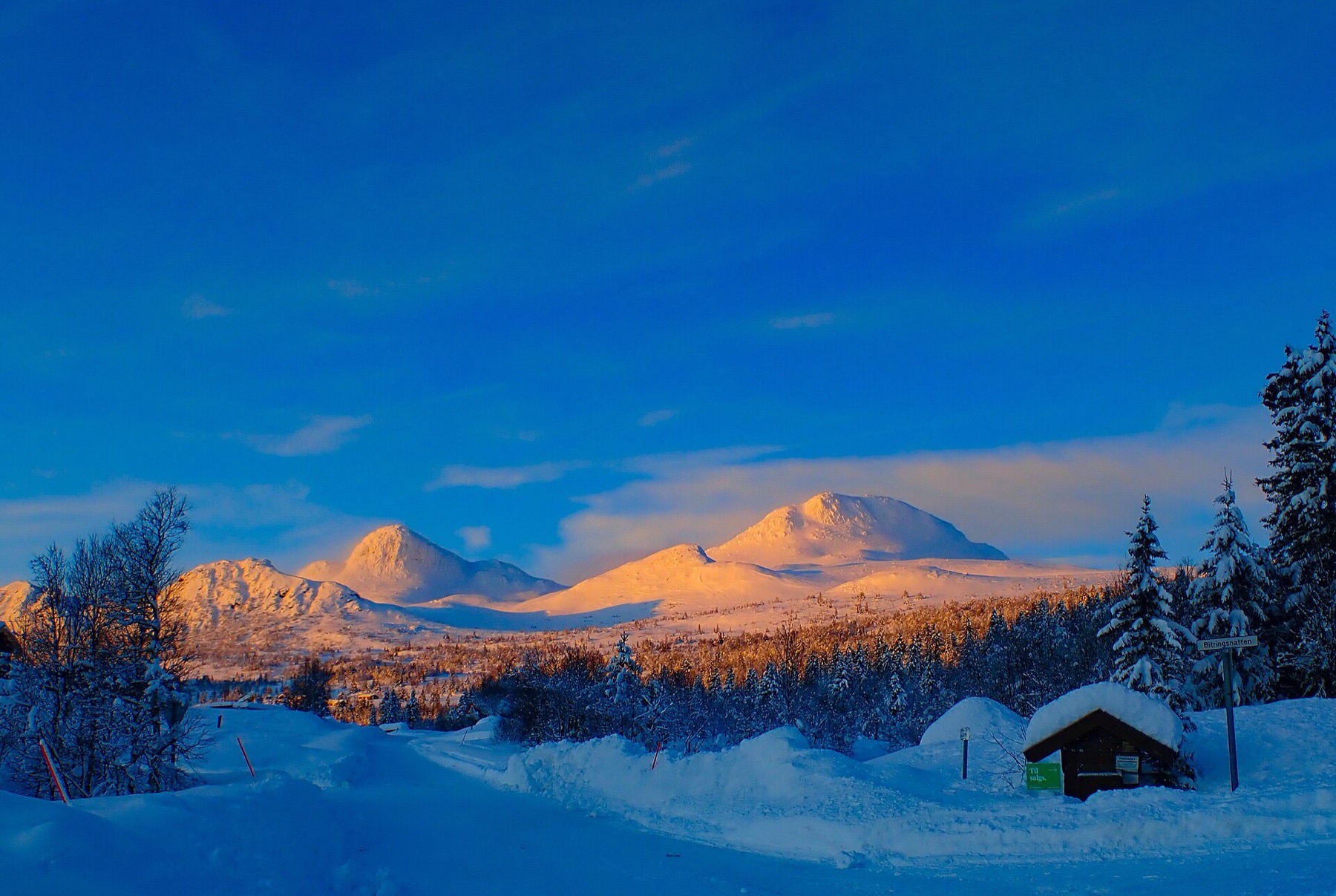
When you think of Norway in winter, many people picture endless darkness and piles of snow, but the truth is that in winter you’ll find three completely different Norways. While in the south around Bergen rain falls on beautifully lit Christmas markets, in the mountains the sun shines on empty ski slopes, and high above the Arctic Circle the sun doesn’t rise above the horizon at all and the northern lights paint the sky.
Depending on which of these faces you choose for your holiday, it will determine not only what you pack in your suitcase, but also how much the whole trip will cost. Winter in the polar north is absolute high season with the highest accommodation prices, whereas in Oslo or Bergen you’ll find hotels for a fraction of summer prices, because that’s when the quiet off-season reigns.
So—northern lights or ski slopes? Whale safari or gingerbread town? This is what snow-covered Scandinavia offers, and I’ll help you choose what’s right for you and figure out where to go and how to prepare practically for the whole trip.
TL;DR
If you don’t have time to read through the entire detailed guide right now, I’ve prepared a quick overview of the most important points. Here you’ll find the absolute basics for your trouble-free trip to the north and quick orientation in the options that the winter season offers.
- Northern lights and darkness: For the northern lights you need to head north (Tromsø, Alta, Lofoten), where from late November to mid-January polar night reigns and the sun doesn’t rise above the horizon at all.
- Short window for whales: If you want to see orcas and humpbacks, you must head north to Skjervøy strictly between mid-October and the end of January.
- Cities in the south: In Oslo and Bergen winter is milder, often more rainy, but they tempt you with beautiful Christmas markets and significantly cheaper accommodation than in summer.
- Skiing without queues: Norwegian mountain resorts like Trysil or Hemsedal offer perfect snow from November to April, empty slopes, and great evening skiing under artificial lighting.
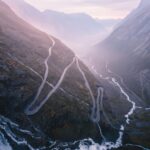
- Closed roads and hikes: Forget about summer road trips on scenic routes, the famous Trollstigen road is closed all winter and you can only get to Trolltunga with an experienced guide.
- Winter driving: Rental companies automatically provide winter tires, in the north even studded ones, so you don’t need to be afraid of driving on packed snow and ice at all.
The full destination guide: Norway — guide and what to see
When to Visit Norway in Winter: It Depends What You’re Looking For
The winter season in Norway stretches from November through April. But conditions change dramatically from month to month and region to region—what applies to snowy mountainous Oslo doesn’t apply at all in Arctic Tromsø. If you’re drawn to Christmas markets and the quiet atmosphere of cities, the ideal time is late November and December in southern Norway. Oslo tends to have more continental weather with temperatures slightly below freezing, so snow sometimes sticks even in the streets, but Bergen is known for its oceanic climate, where it rains much more than it snows, and temperatures hover a few degrees above zero.
For skiers and winter sports lovers, the southern mountain area is a goldmine, where popular resorts like Trysil or Geilo are located. Stable freezing temperatures prevail there and the season lasts from November through late April, with the best snow conditions and longer days in March, when the sun already has quite some strength and visibility is excellent on the slopes, even on ungroomed terrain.
The Arctic north, where people go for the northern lights and dog sledding, has its specifics mainly due to light. From November 27 to January 15, pitch-black polar night reigns in Tromsø, when the sun doesn’t rise at all, although around midday the so-called blue hour arrives, which colors the sky beautifully. The best compromise for visiting the north is February and March, when you already have about seven hours of light for activities, but the nights are still dark and long enough for successful northern lights hunting.
| Location | Around Winter Solstice (December 21) | Mid-February |
|---|---|---|
| Oslo | approx. 9:18 AM to 3:12 PM, about 6 hours of daylight | approx. 8:00 AM to 5:00 PM, about 9 hours of daylight |
| Trondheim | approx. 10:00 AM to 2:30 PM, about 4.5 hours of daylight | about 8.5 hours of daylight |
| Tromsø | polar night, sun doesn’t rise, only 2 to 3 hours of blue twilight | approx. 8:18 AM to 3:39 PM, about 7 hours and 20 minutes of daylight |
Where to Stay in Norway
💡 Tip for accommodation and experiences: We prefer to look for accommodation on Booking.com, where they usually have the best cancellation policies. Tickets, tours, and activities are worth comparing and buying through GetYourGuide.
Where to stay depends mainly on whether you’re going for the northern lights, skiing, or Christmas markets, and good transport accessibility is essential so you don’t struggle with luggage in snowdrifts. While in the south you can book even at the last minute for great prices, the Arctic north requires reservations several months in advance, because capacity simply can’t keep up with the influx of aurora hunters.
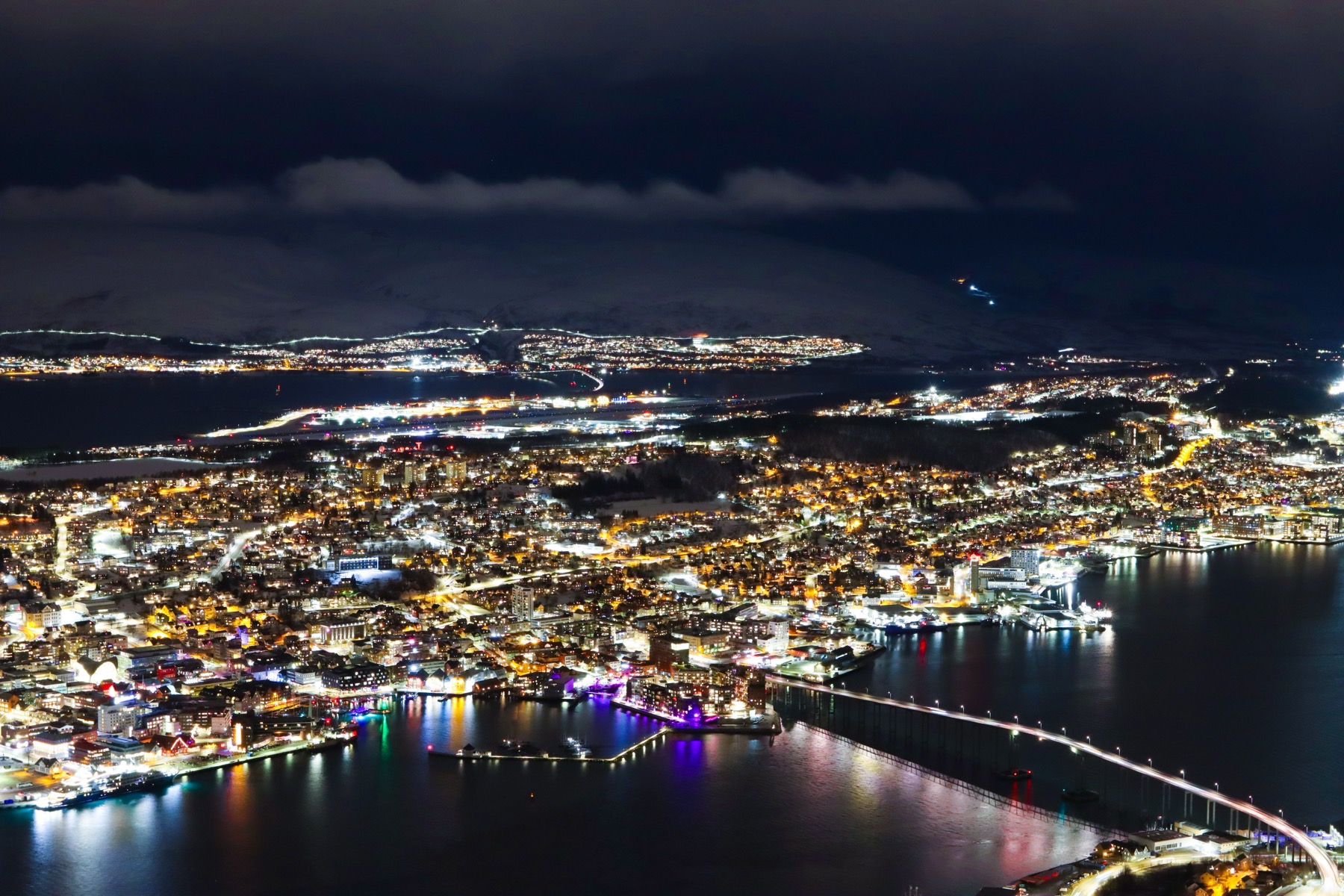
If you’re going to hunt the northern lights in Tromsø, I recommend choosing a hotel right in the center, from where all the tour minibuses depart. An excellent choice is Clarion Hotel The Edge, which stands right by the harbor, offers absolutely fantastic breakfasts, and on the roof you’ll find an amazing sky bar with views over the entire city and surrounding snowy mountains, which is absolutely ideal for winter evenings.
For an absolutely unique winter experience, you can stay in an ice hotel, specifically Sorrisniva Igloo Hotel in Alta, reportedly the world’s northernmost igloo hotel, rebuilt every year from snow and ice. Similarly magical is Snow Resort Kirkenes, which is even open year-round and in addition to ice rooms offers heated wooden cabins, if you ultimately don’t dare to sleep in a thermal sleeping bag at minus four degrees.
If you decide to visit Oslo in winter, strategically the best location is near the main train station, from where you can easily get by metro to the toboggan run and museums. More luxurious, but absolutely beautiful, is the boutique hotel Amerikalinjen, which occupies a historic former shipping company building, has an amazing jazz bar, and you’re just a few steps from the center of action.
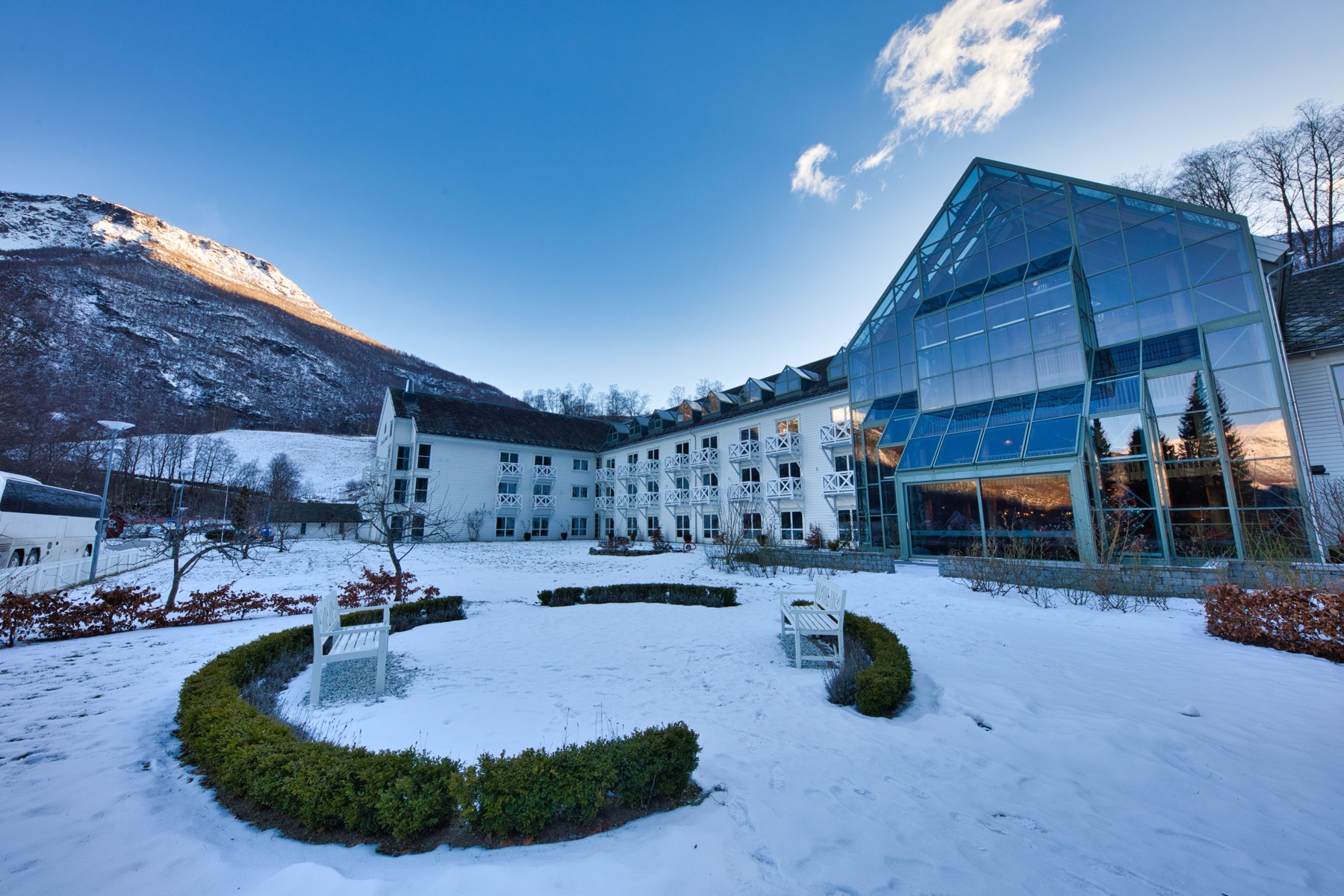
If you’re drawn to skiing and mountain atmosphere, check out the legendary Dr. Holms Hotel in the Geilo resort, which sits right on the railway line between Oslo and Bergen. It has a huge spa center, pools, and traditional Norwegian mountain architecture, so after a full day of skiing you can snuggle up with hot tea by the fireplace and enjoy complete relaxation.
Where to Eat in Norway
Norwegian winter cuisine is built on hearty soups and game: fish soup or reindeer meat with lingonberries dominate menus, though in larger cities you’ll easily find vegetarian options too. Finding a good restaurant isn’t a problem, but be prepared that eating out makes up a fairly large part of every traveler’s budget and menu prices can sometimes surprise you. If you want to save a bit, many quality establishments offer discounted lunch specials at midday, which can be had for reasonable prices.
Fish, game, and modern cafés on every corner reliably please even the most discerning diners looking for something more than just a hot dog from a gas station. The key to success is booking ahead, because in the main winter season the best tables in popular locations like Tromsø and Oslo are hopelessly booked up weeks in advance.
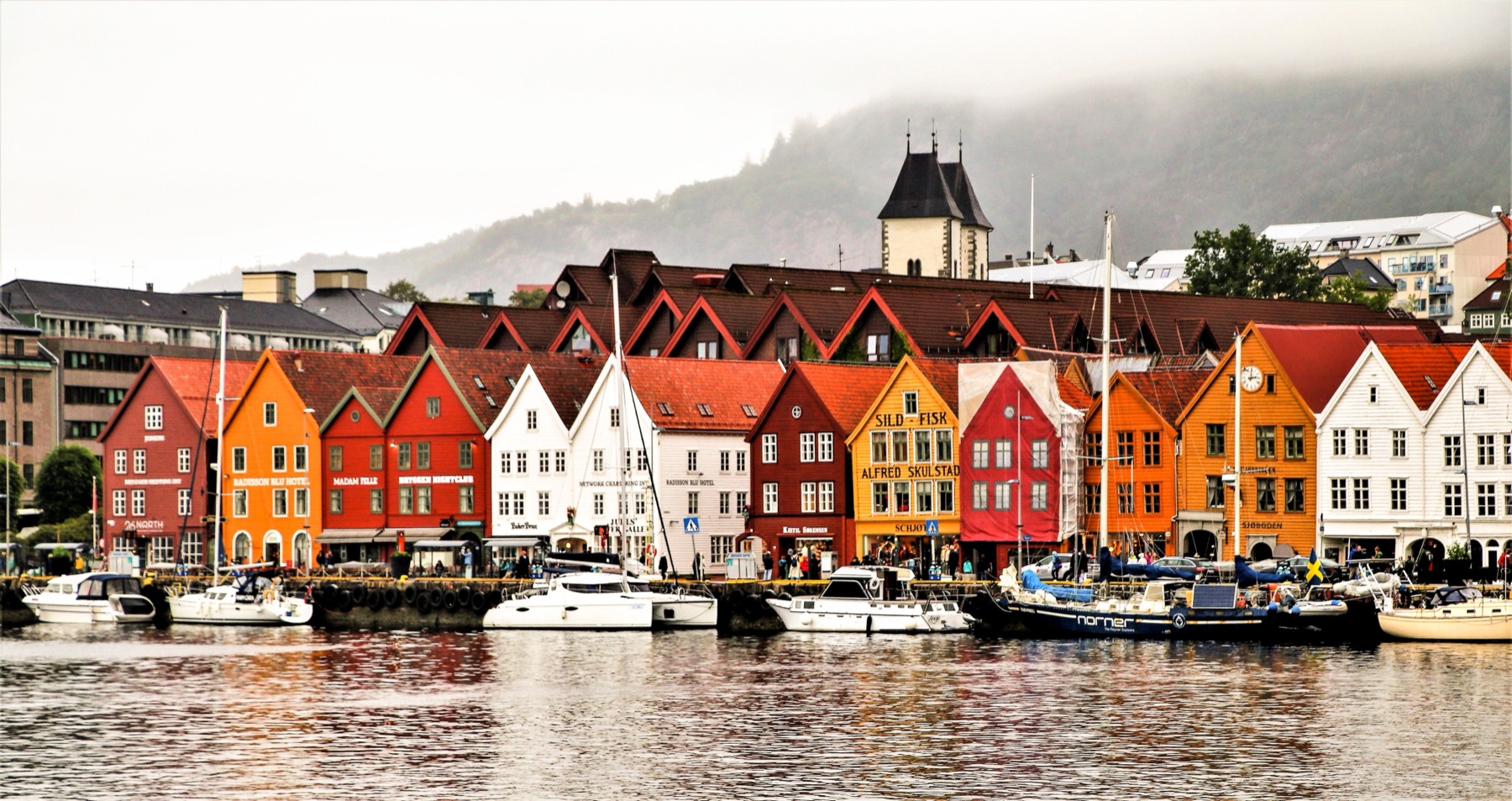
Must-Visit Food Spots
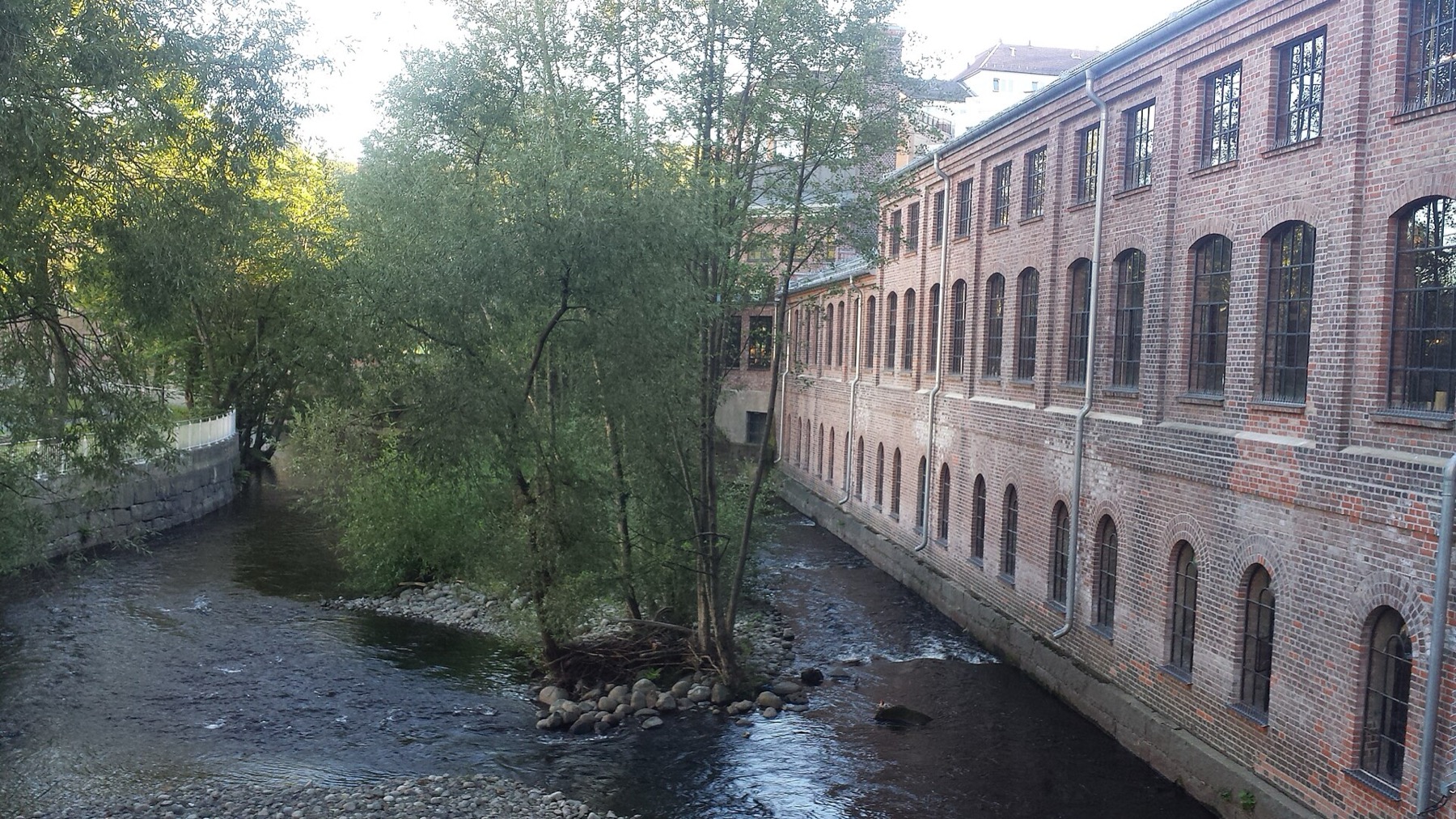
In Oslo, be sure to visit the beloved indoor food market Mathallen, a massive industrial hall filled with local stalls and bistros offering everything from seafood and Norwegian cheeses to freshly baked waffles. The beauty of a place like this is that everyone in your group can choose food from completely different corners of the menu, yet still eat together at one of the large wooden communal tables in the pleasantly heated space.
If you head far north to Tromsø, an absolute legendary classic is Emma’s Drømmekjøkken (Emma’s Dream Kitchen), where they’ve been lovingly preparing one of the best fish gratins around for years. In the slightly milder Bergen, even during the rainy winter, it’s worth visiting at least the covered indoor section of the legendary fish market Fisketorget, where freshly caught crab or salmon is prepared right before your eyes.
15 Tips: What to See and Do in Norway in Winter
I haven’t seen such a huge range of activities in one destination in a long time, so without dragging this out, let’s dive in. Prices are approximate, but at least you’ll know what you’re getting into and can plan your budget ahead of time so you won’t be surprised on location.
1. Northern Lights and Aurora Chasing
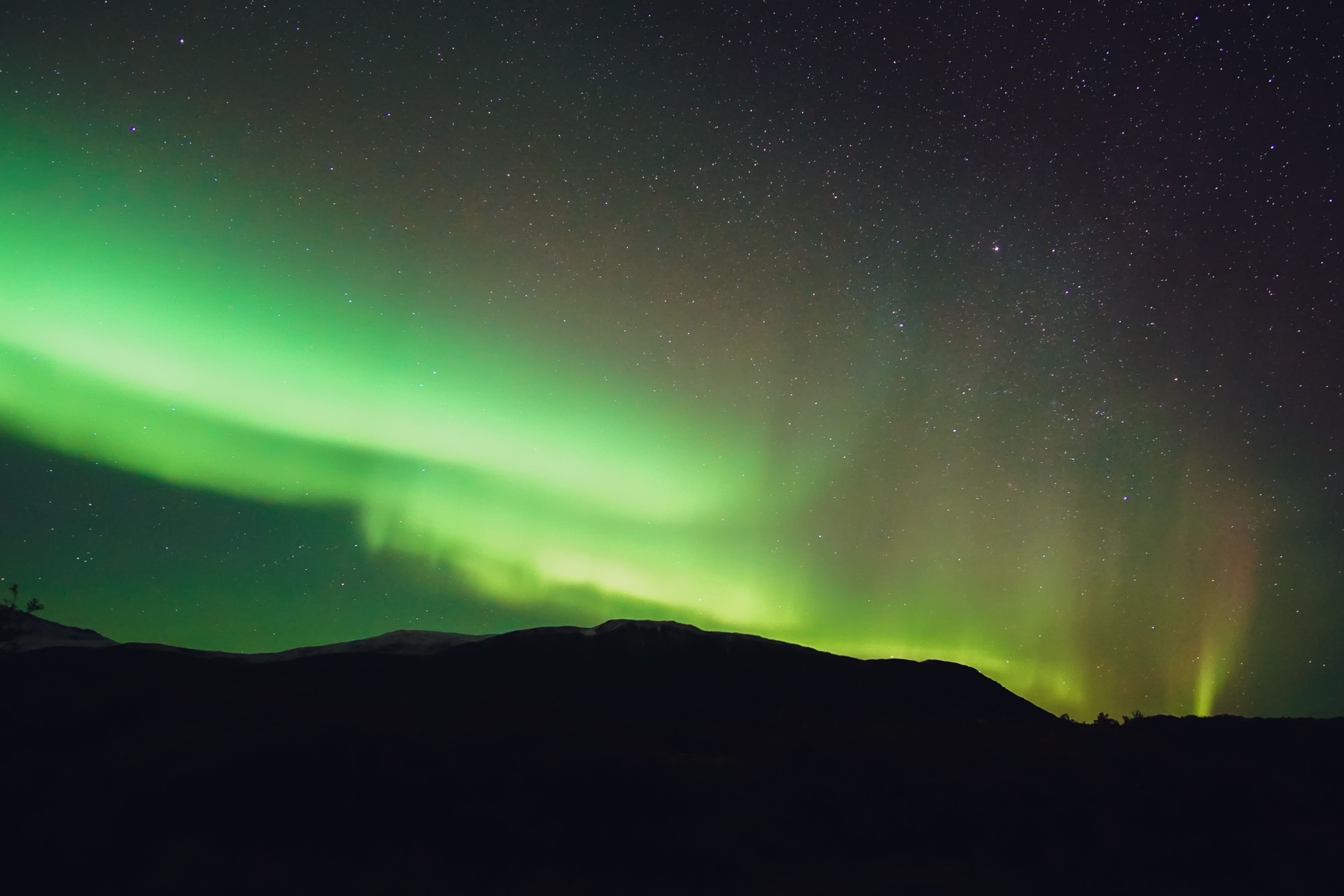
Seeing the dancing green sky is probably the biggest reason people venture beyond the Arctic Circle in winter, and Norway is absolutely ideal for it. The best conditions are from late September to late March, with the city of Tromsø being the main hub for aurora hunters, where dozens of tour minibuses head out every evening to areas with clear skies and minimal clouds.
These organized “aurora chase” tours are admittedly quite expensive, usually ranging from 1,200 to 2,000 NOK (approximately €100-170) per person, but the guides constantly share weather information and won’t hesitate to drive you all the way to the Finnish border just to find that coveted break in the clouds. The price typically includes hot chocolate by the fire, rental of warm thermal suits and tripods, and often professional photos that the guide will simply email you in the morning.
💡 Tip: If you want to save money and the sky over Tromsø is clear, take the Fjellheisen cable car up the mountain above the city for 495 NOK (about €45). You’ll be far from the worst light pollution, and the view of the illuminated city below the green aurora is absolutely priceless, plus you can duck into the local heated café.
2. Whale Safari near Skjervøy Island
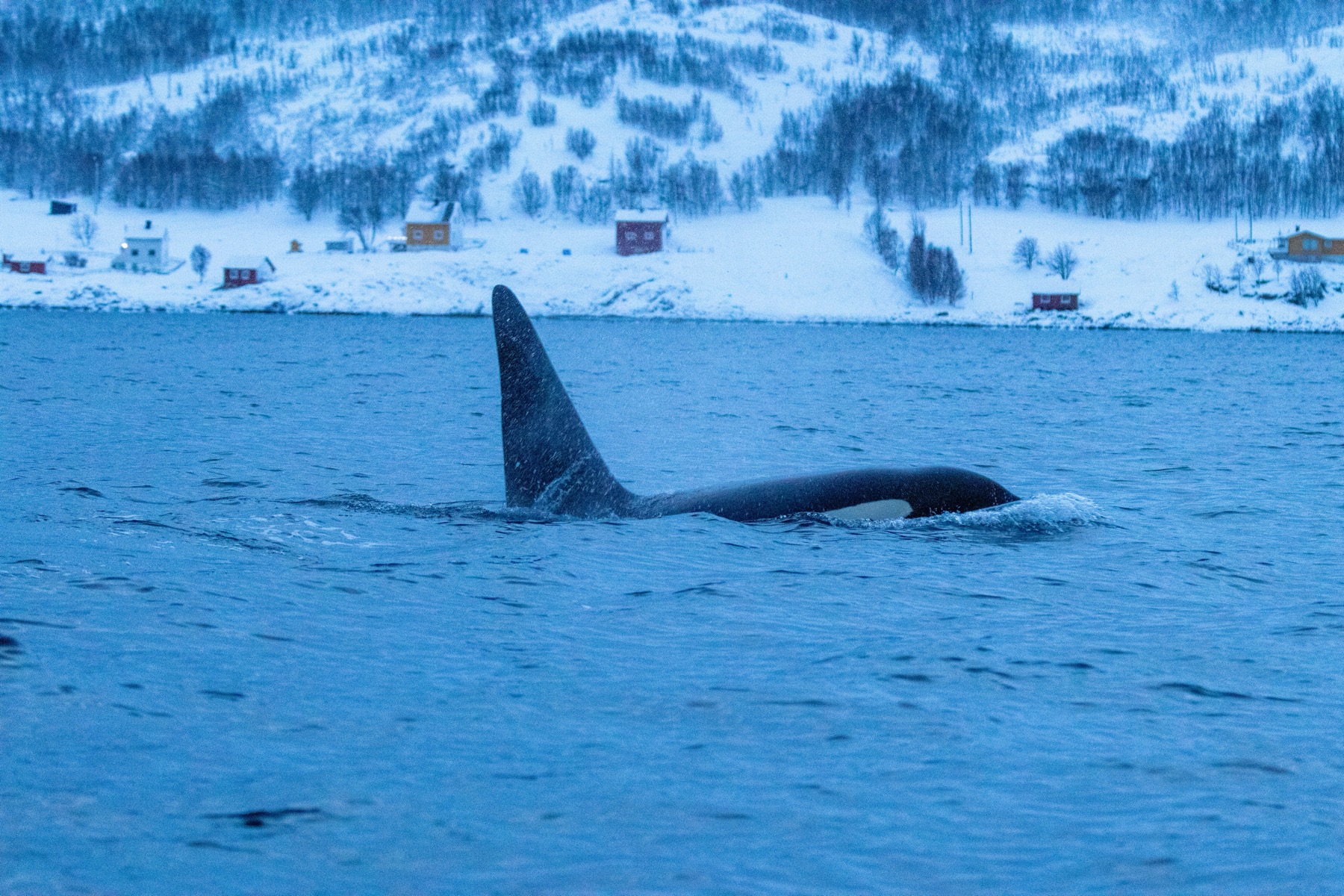
This is an experience with a major catch, because the time window for whale watching in northern Norway is really quite narrow and completely inflexible. Massive herring schools swim into the fjords around the fishing village of Skjervøy only from mid-October to late January, and it’s precisely these that attract hundreds of orcas and majestic humpback whales coming for their underwater feast.
A full-day trip from Tromsø by boat or faster catamaran will cost you around 3,500 NOK (about €300), and you need to accept that much of the voyage takes place in the twilight of the polar night. Even though this means phone photos won’t exactly be magazine-quality, the surreal feeling when you hear a massive whale blow just a few meters from the boat in the pink twilight is absolutely worth the money. Definitely bring motion sickness pills though—the winter sea beyond the Arctic Circle can get quite wild.
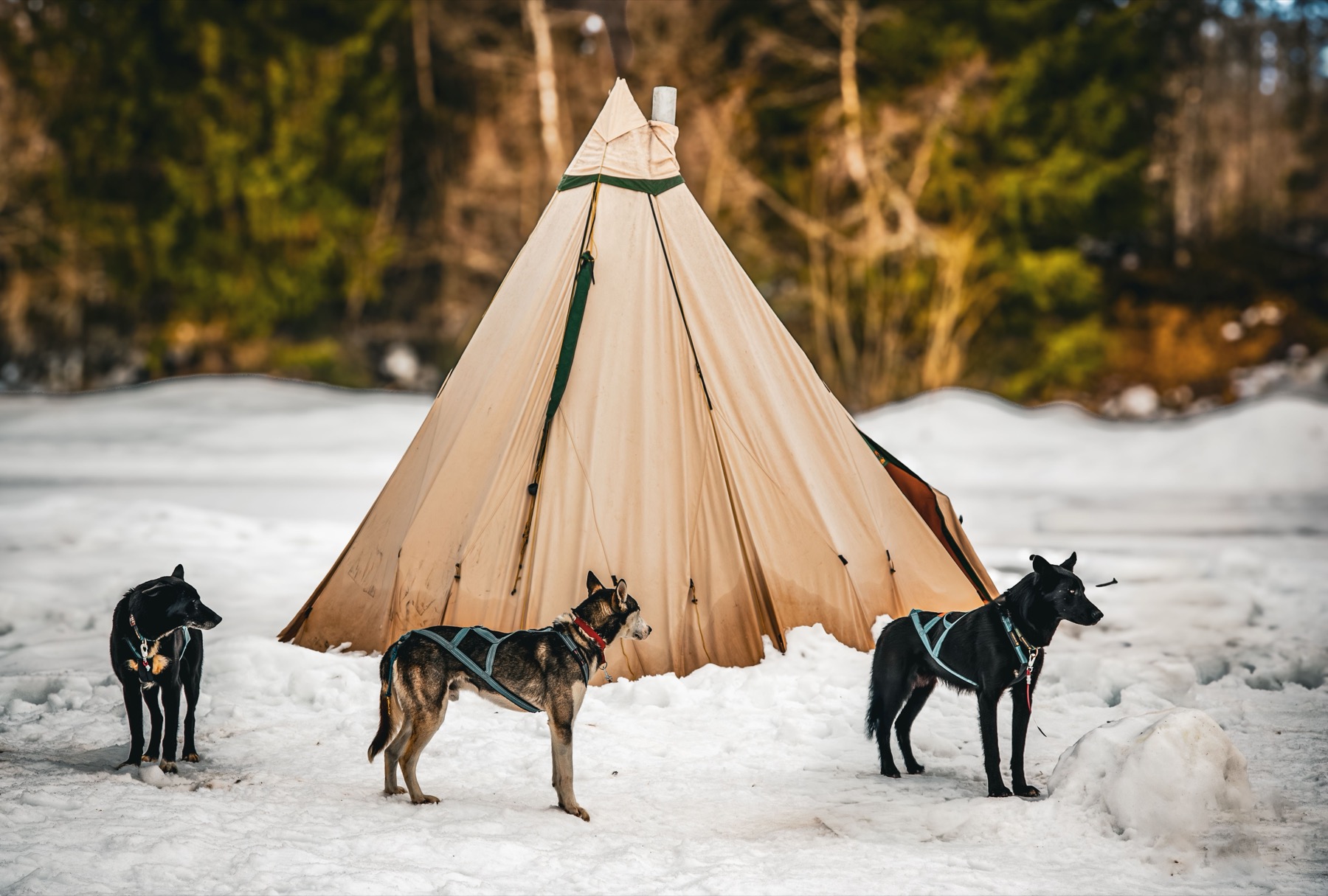
3. Dog Sledding Through Arctic Wilderness
Forget about cars for a moment and let yourself be drawn into the wild nature the way locals have done for centuries, because riding on a sled pulled by a pack of enthusiastic huskies is pure joy. The most popular bases are around Tromsø or Alta, where you can choose whether to simply ride seated while an experienced musher drives, or try steering the team yourself standing on the back runners.
Prices for roughly a four-hour trip start at 2,000 to 3,500 NOK (about €170-300) per person, and trust me, the dogs absolutely love this work—plus they’re incredibly friendly with people and happily let you scratch them. The moment they’re harnessed to the sled they bark and jump with impatience, but the second you release the brake, complete silence falls and all you hear is the swish of the sled on fresh powder and the quick breathing of happy dogs.
💡 Tip: If you pay extra for an evening ride, you have a huge chance you’ll be racing across the snowy plain directly under the northern lights, which is an incredible combination of the two very best Arctic experiences in one.
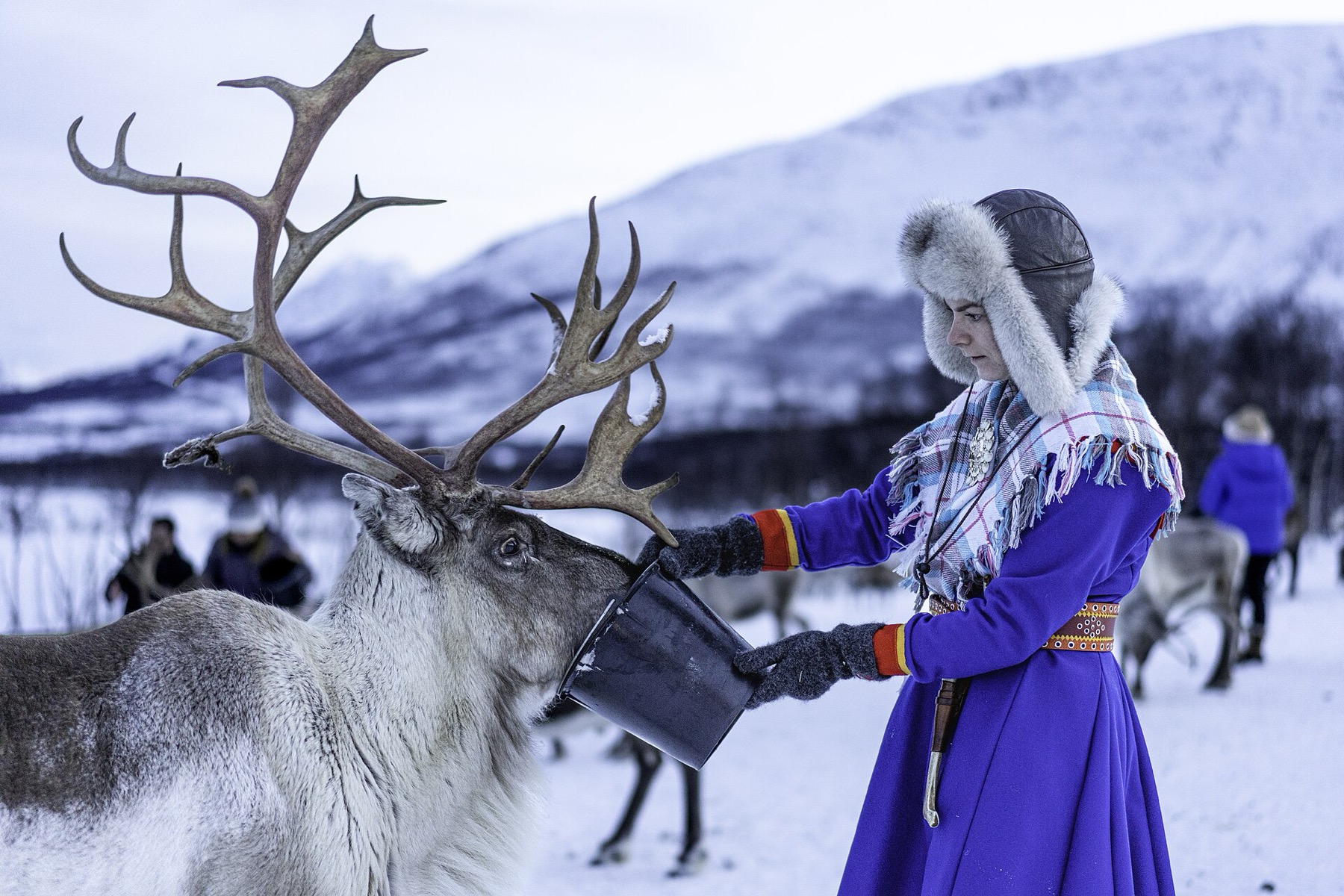
4. Reindeer and Traditional Sámi Culture
The indigenous people of northern Scandinavia, the Sámi, have a culture inextricably linked with reindeer, and winter gives you a unique chance to get to know their fascinating way of life up close. Tours typically start with you receiving a bucket of feed and suddenly finding yourself in the middle of a massive herd of hundreds of curious reindeer who eat straight from your hand without any fear and calmly let you stroke their thick winter coats.
After feeding, there’s often a short ride on a reindeer sled, which is much calmer and slower than riding with huskies, so it’s perfectly suitable even for small children or older travelers. The experience culminates in a traditional tent called a lávvu, where you sit comfortably around a crackling fire, get hot broth, and a Sámi guide tells you stories from the wilderness and sings traditional throat singing called joik. This whole experience starts from 1,500 NOK (approximately €130) and up.
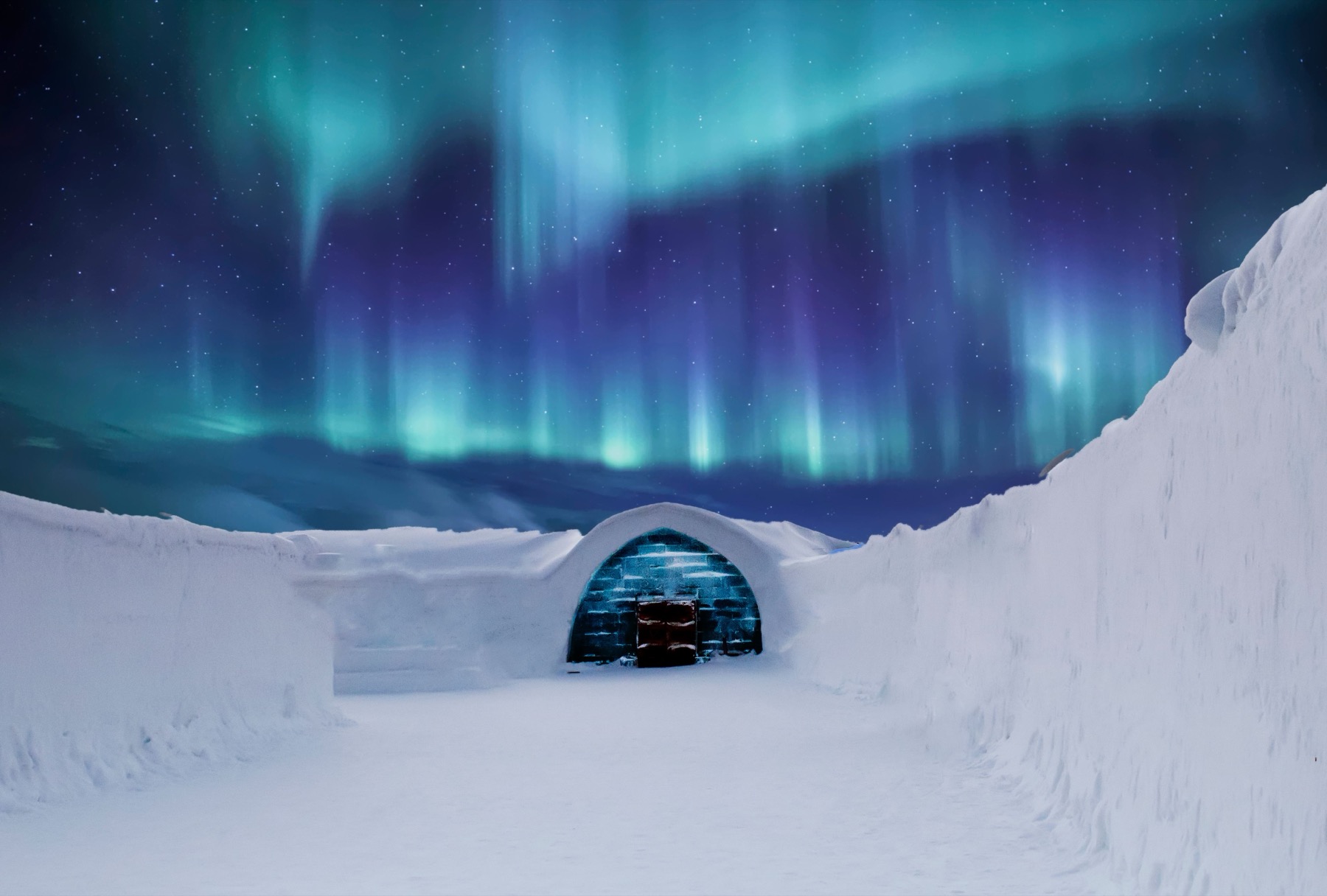
5. Overnight Stay in Fairytale Ice Hotels
Sleeping in a room where the bed, table, and all wall decorations are carved from pure blue ice may sound at first like a recipe for a serious cold, but in reality it’s an extremely luxurious and carefully thought-out experience. The Sorrisniva Igloo Hotel in Alta is rebuilt every autumn, each time with a completely different artistic theme by sculptors, and welcomes guests typically from mid-December to early April, before it simply melts into the nearby river in spring.
Another great option is the Snow Resort Kirkenes, which is unique in the world as it’s open year-round thanks to special massive refrigeration inside a hall. Whichever you choose for your experience, a night will cost you around 3,500 to 4,500 NOK (€300-390), at reception you’ll get a special expedition sleeping bag rated to minus thirty degrees, you’ll leave your luggage in a locked heated room, and in the morning you’ll move from the ice straight into a hot sauna and to a truly hearty breakfast.
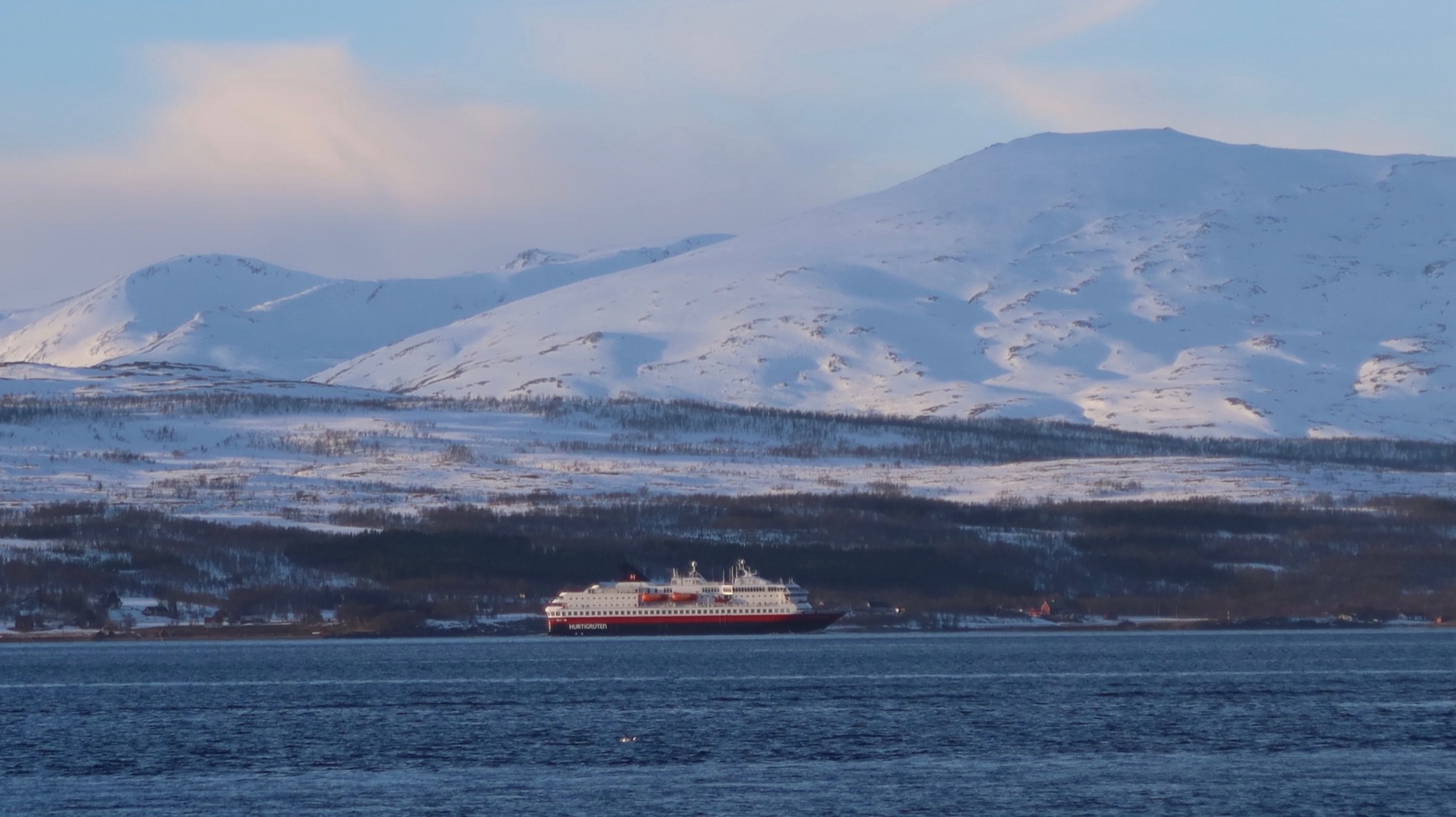
6. Winter Coastal Voyage with Hurtigruten and Havila
The legendary coastal line that’s been carrying mail and passengers from Bergen to Kirkenes on the Russian border for over a hundred years offers something extra in winter: empty decks, dramatic twilight over fjords, and a real chance of seeing northern lights right from your cabin window. Ships operated by Hurtigruten and Havila sail the stormy Norwegian Sea every day, stopping at thirty-four small and large ports along the way, so you have guaranteed transport, accommodation, and the best viewing platform all in one place. Just make sure to bring a really good windproof jacket—the deck can get seriously icy during the voyage.
The very best thing about these voyages is the northern lights guarantee that Hurtigruten proudly offers as their so-called Northern Lights Promise. If you book a longer voyage of 11 days or more during the period from late September to March and the northern lights don’t appear above the ship even once during the trip, they’ll give you a six-day voyage for the next season completely free, which is a really strong and convincing argument for many to book early.
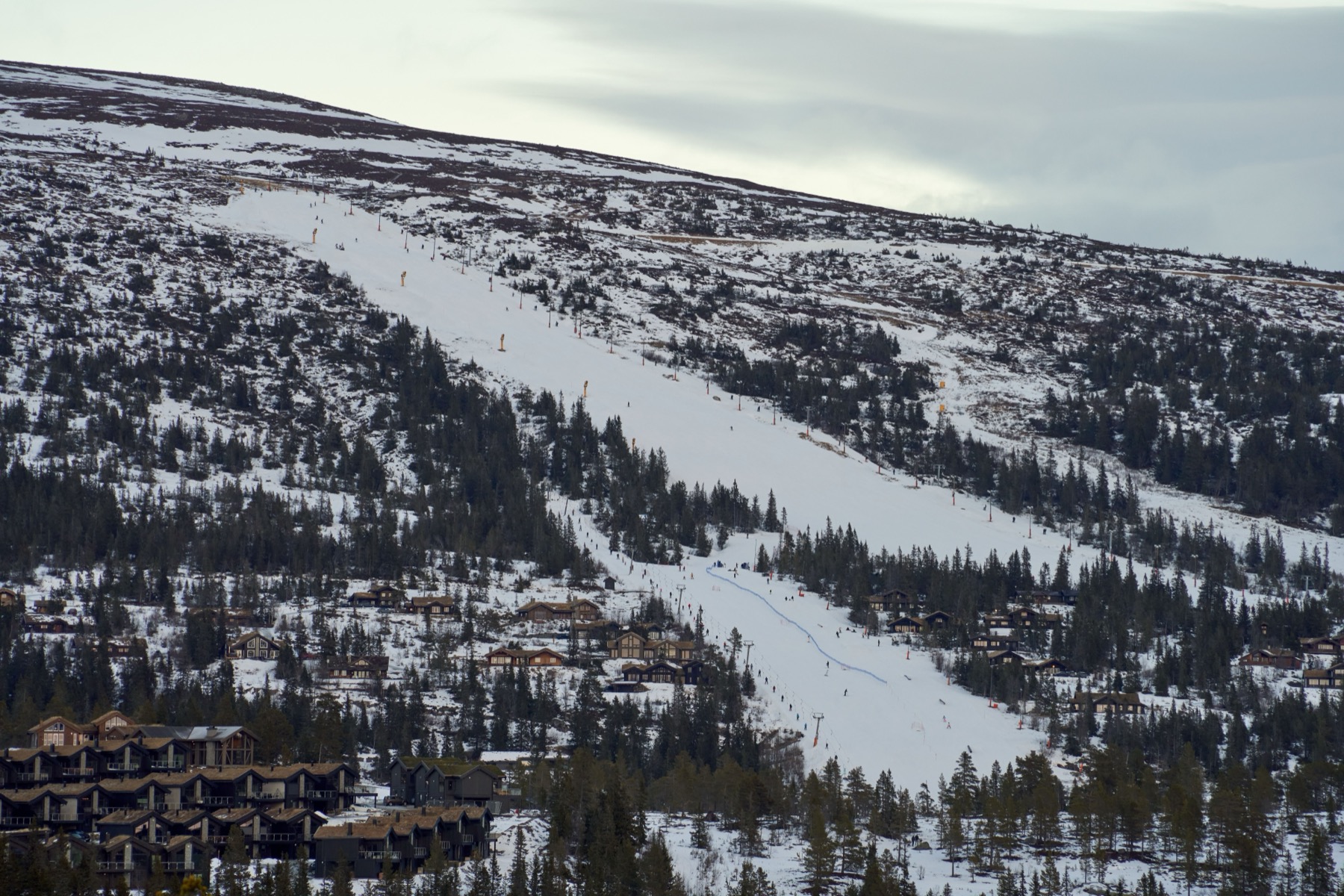

7. Skiing on Empty Slopes
When you think of serious skiing, most people automatically picture the Alps, but Norwegian mountain resorts like Trysil, Hemsedal, or Geilo are an absolutely brilliant alternative for those who deeply despise endless lift queues. Norwegian mountains are admittedly lower than their Alpine counterparts, but there’s plenty of natural snow from November to April and the slopes are just empty enough that you won’t face any waiting in line, no elbows in your ribs from impatient skiers. You can also rent equipment right at the base of the mountain and it’s usually in perfect, often nearly new condition.
A day ski pass at the largest and most famous resort, Trysil, costs adults around 660 NOK (approximately €55), which is completely comparable price-wise to Austria or Italy, but the huge advantage is that in winter, when it gets dark early in the afternoon, dozens of kilometers of slopes are perfectly floodlit. You can comfortably ski in the evening, which has an incredible charm in the deep forests, and kids up to a certain age ski completely free in the SkiStar network if they wear a helmet.
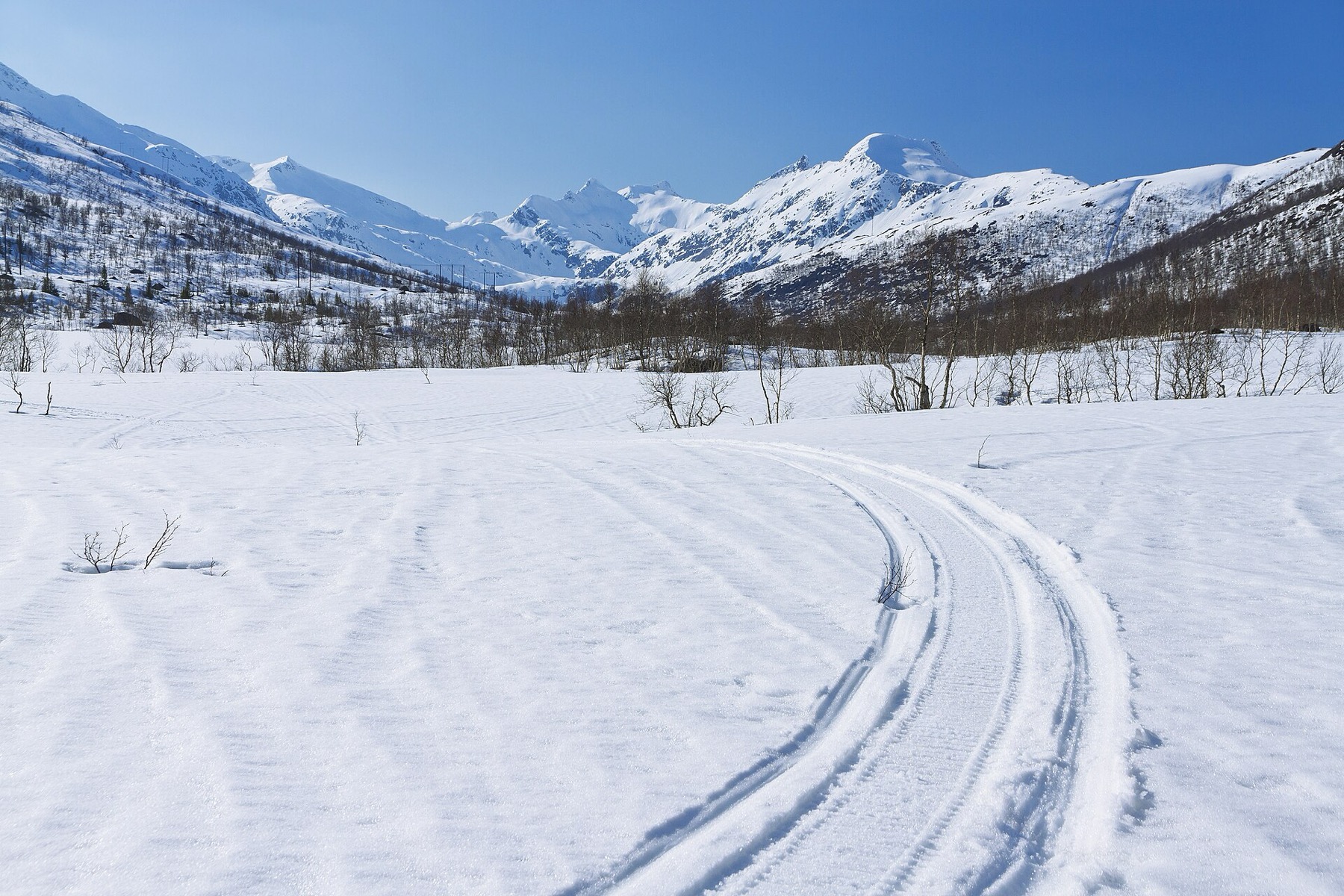
8. Cross-Country Skiing Paradise Right by Metro
Norway is without any doubt the uncrowned world cross-country skiing superpower and cross-country skis are an absolutely basic piece of equipment in every Norwegian household right alongside sturdy winter boots. If you want to try this beloved national sport without stress, you don’t necessarily need to travel anywhere deep into the mountains, because you’ll find absolutely amazing conditions right in the sprawling forests above the capital Oslo, where you can get by regular city public transport.
Just hop on metro line number one, ride to the end station Frognerseteren and right from the platform you can instantly connect to hundreds of kilometers of meticulously groomed tracks in the huge Nordmarka area. Many of these forest trails are reliably lit, so locals enthusiastically train here even in darkness after work, and like a proper Norwegian don’t forget to pack the classic Kvikk Lunsj wafer and a juicy orange in your backpack for a power-up during your break.
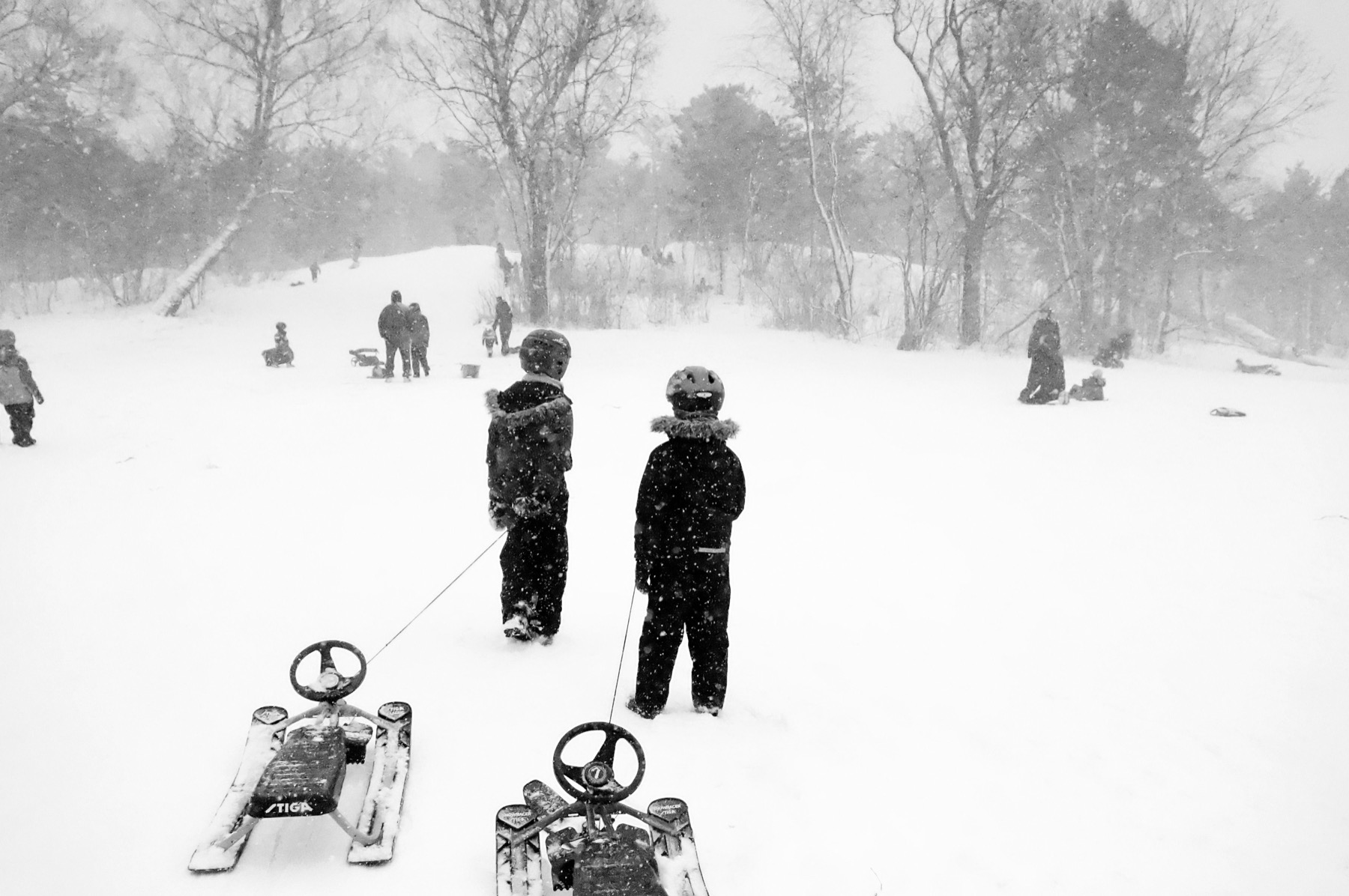
9. Korketrekkeren Sledding Track in Oslo
Norway’s capital surprisingly offers one very adrenaline-pumping winter attraction that’s absolutely unique and can cost you just the price of a regular public transport ticket. The legendary Korketrekkeren sledding track, which translates precisely as The Corkscrew, measures a full two kilometers, is literally full of sharp turns and quickly takes you from the Frognerseteren metro station several hundred meters down to Midtstuen station. I definitely recommend wearing a helmet, as snow can fly in all directions here.
The magic of this extraordinary experience lies in the fact that at the bottom you board the heated metro with your rented sled, calmly ride back up and can hurtle down over and over until you get tired of it or freeze completely. Entry is free, you only pay for potentially renting sturdy sleds with a steering wheel at the top station, which costs around 150 to 250 NOK (approximately €15-20) per day.
💡 Tip: After a good sledding session, stop at the historic wooden Frognerseteren restaurant for their truly famous flaky apple cake and enjoy the panoramic view of the snowy Oslofjord.
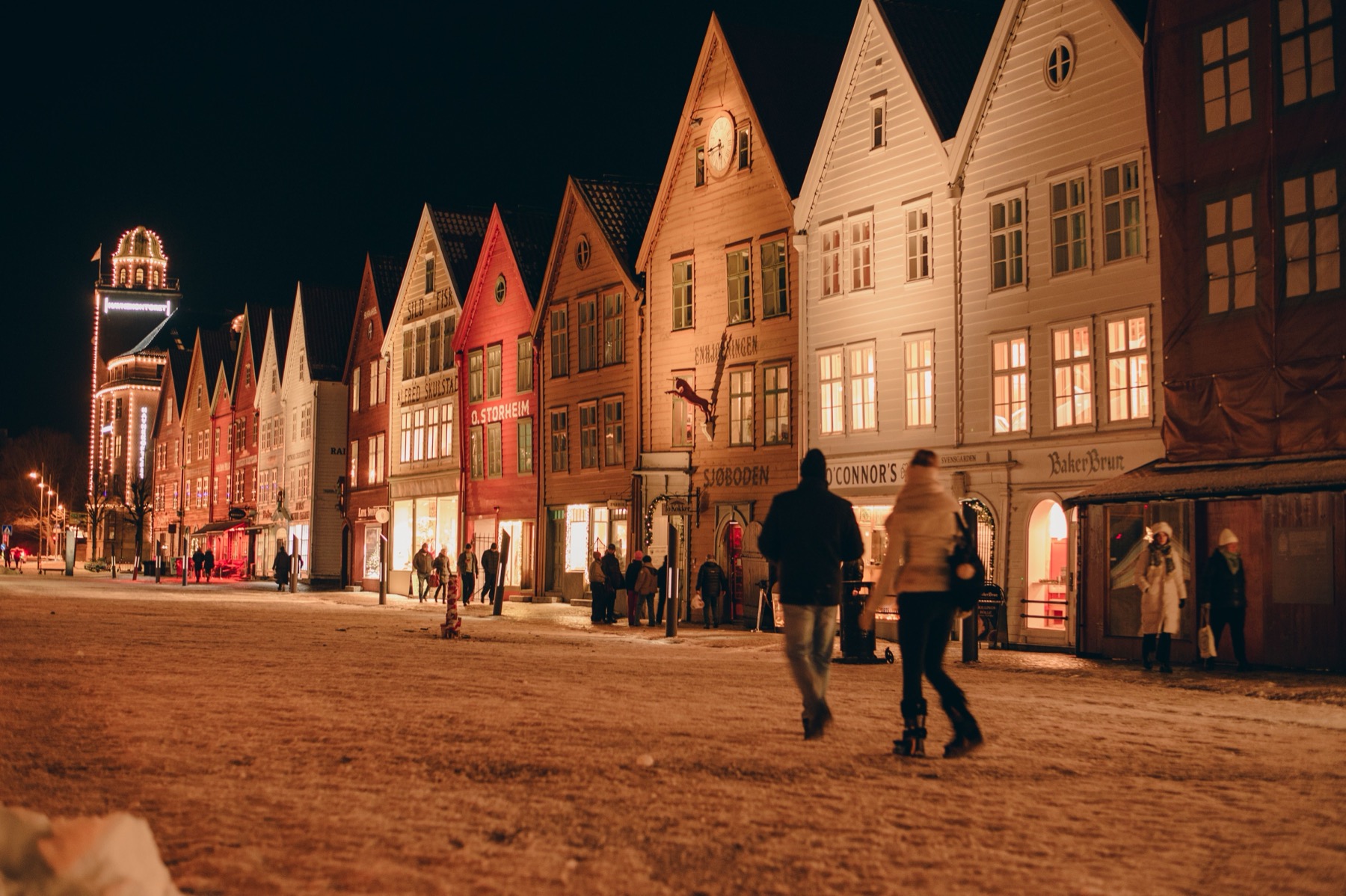
10. Bergen, City of Gingerbread and Rain
Norway’s second-largest city Bergen is beautiful in every season, but in winter it has one huge specificity you absolutely must prepare for when packing your suitcase. Thanks to the strong influence of the warm ocean, it rarely freezes here and it’s much more likely that persistent rain will fall on the lit-up Christmas markets, but don’t let that deter you, because the famous wooden houses of Bryggen and the adjacent streets are incredibly photogenic and peaceful without the usual summer crowds of tourists.
Bergen’s main winter attraction is also the so-called Pepperkakebyen from mid-November to Christmas, which is officially the world’s largest gingerbread town. It’s built with tremendous enthusiasm by local schools, kindergartens and various companies, and you’ll find absolutely perfect miniature replicas of Bergen landmarks, working model trains and ships, all generously baked from fragrant gingerbread and firmly connected by tons of white icing that perfumes the entire large hall.
11. Fairytale Røros and Magical Christmas Markets
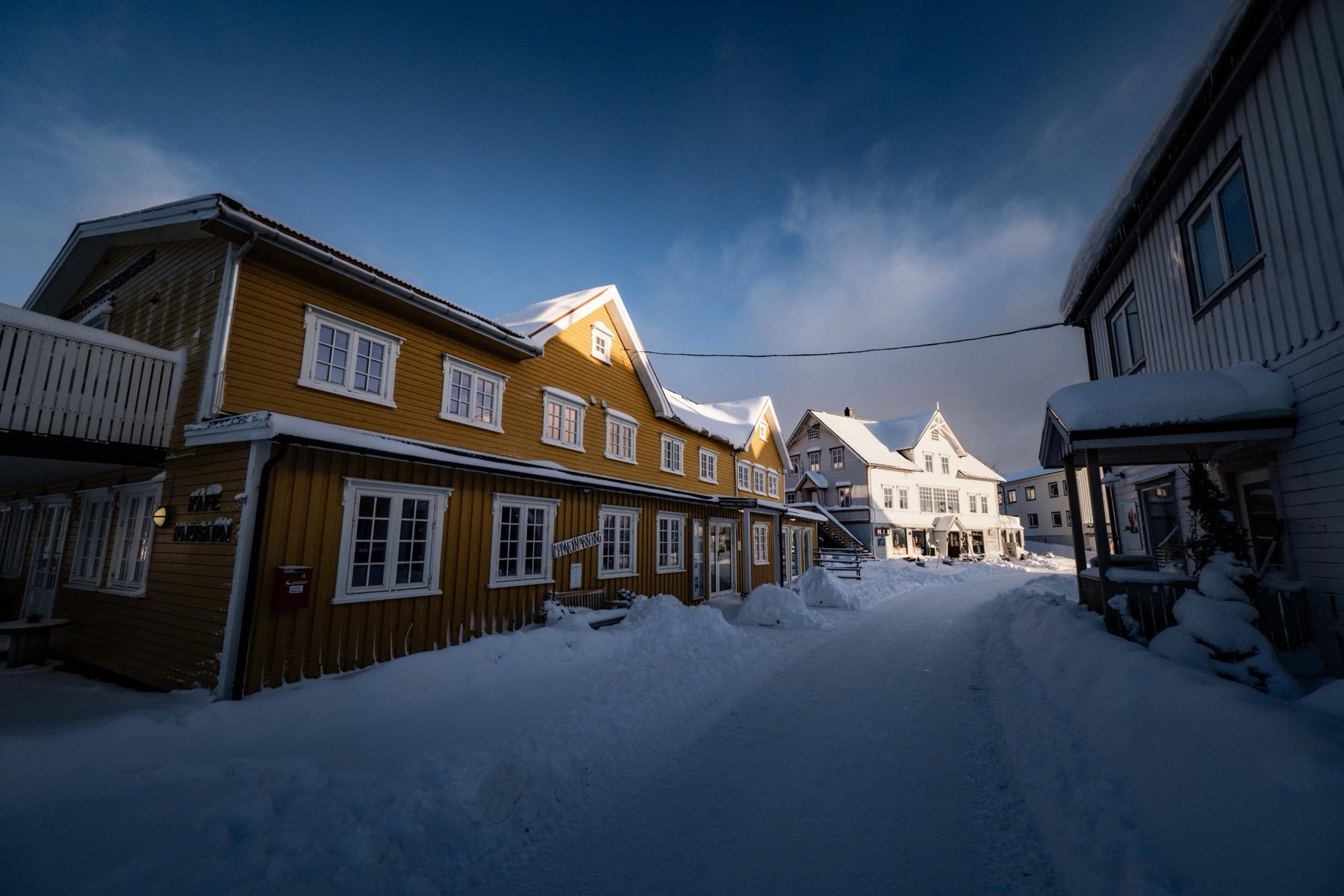
If you’ve long been looking for a place that looks somewhat like it just fell out of the most beautiful Christmas fairy tale, you can’t leave out the old mining town of Røros from your itinerary, which is rightfully inscribed on the UNESCO World Heritage list. The center consists of perfectly preserved historic wooden houses and locals love to say quite honestly that Røros doesn’t decorate for Christmas, it simply is Christmas itself, with everything that entails, sometimes unfortunately including really harsh minus-thirty-degree frosts, for which it’s worth bringing a really thick wool sweater, ideally Norwegian, and straight into a café for hot chocolate.
In early December one of the most impressive and most authentic Christmas markets in the country takes place here annually, but even outside the busy Advent season this place beautifully lives that true traditional winter life. You’ll commonly see harnessed horse-drawn sleds and local residents move around the snowy historic streets on special kicksleds, which are sort of large scooters on runners that you can rent left on the street in the town center without problems and try out for yourself without worry.
12. Winter Cruise Through Deserted Fjords
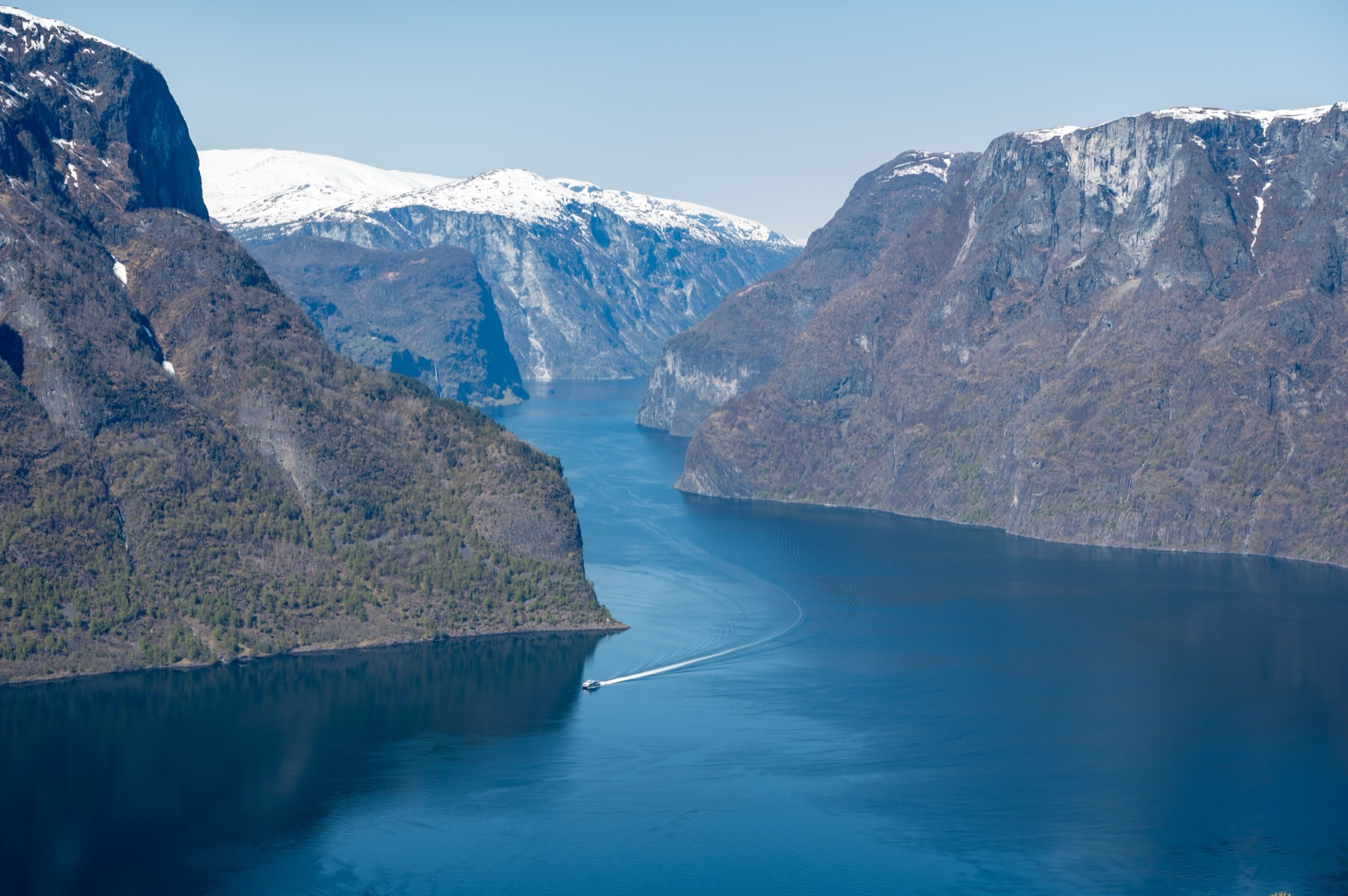
Most tourists know the dramatic Norwegian fjords only from colorful summer catalogs full of giant cruise ships, but their winter visit undoubtedly has a much more dramatic and peaceful atmosphere, though it requires a bit more honest planning. Many small tourist services are cancelled outside summer season, but for example the absolutely stunning Nærøyfjord, which is part of the UNESCO World Heritage, operates reliably year-round and the cruise by modern silent electric boat from small Flåm to Gudvangen runs guaranteed every day regardless of piles of snow, plus inside the boat there are giant panoramic windows and very well-heated lounges.
The view from the quiet deck of the dark cold water surface, above which snow-covered peaks of sharp mountains and monumental frozen waterfalls loom ominously, is simply breathtaking, and on the giant boat you’ll likely have as companions only a few dozen quiet fellow travelers. You can then easily combine this beautiful boat trip directly at the harbor with a ride on the equally famous historic mountain railway Flåmsbana, which in the deeply snow-covered winter landscape looks literally like the legendary Polar Express climbing high into the mountains.
13. Harsh Lofoten and Fishing Season
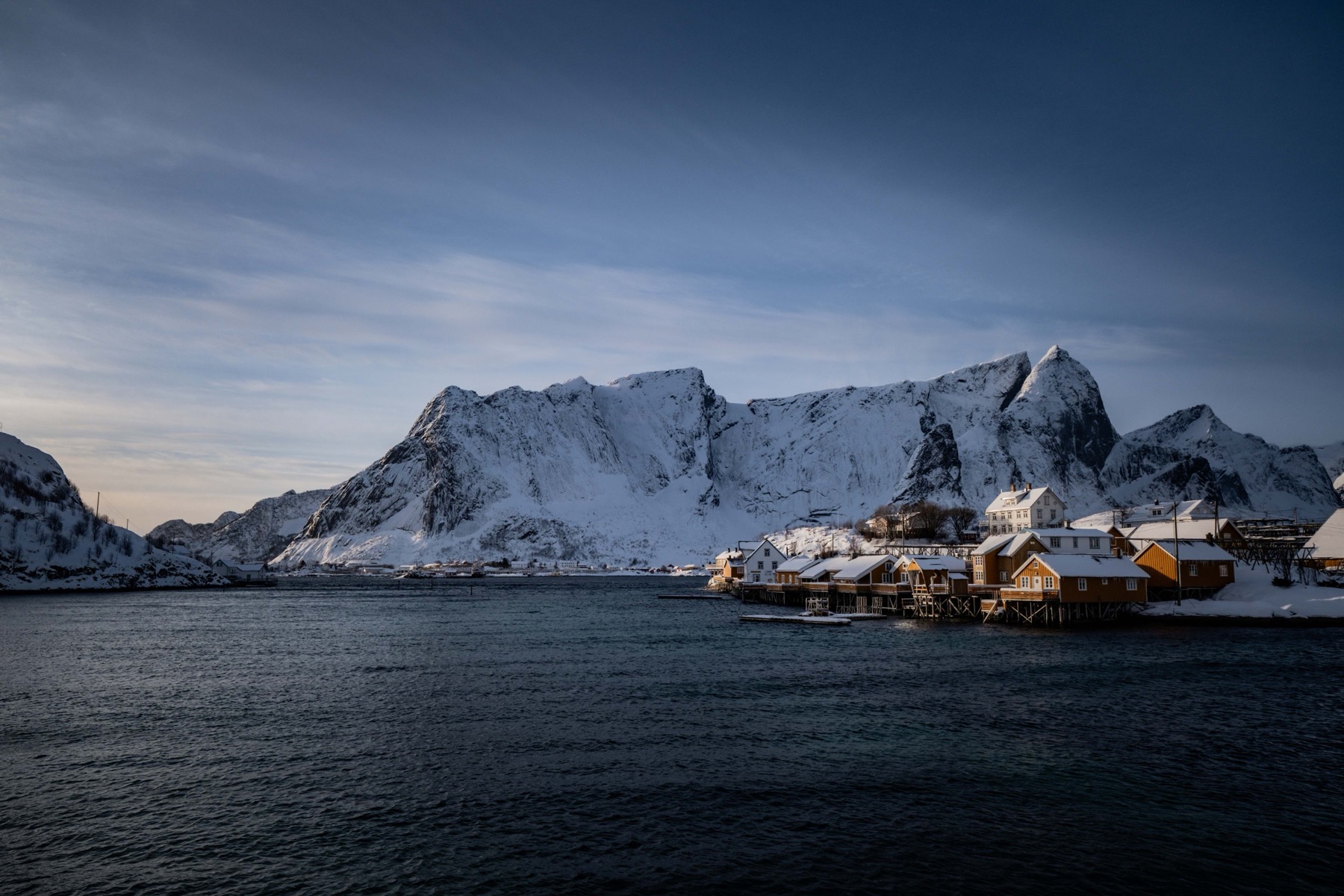
The Lofoten Islands are full of greenery and tourists in summer, but the winter months offer a completely different, much rawer spectacle. The weather here at this time is absolutely unpredictable, harsh Atlantic storms calmly alternate with azure-clear skies within just a few minutes, and it’s precisely these dramatic and rapid transitions that reliably attract photographers from all over the world who want to capture the contrasting red fishing rorbuer against the stunning backdrop of white mountains and bright green northern lights. Roads on the islands are often covered with slick ice, so take extra care behind the wheel and don’t rush, the views are worth it.
From January to April, the isolated Lofoten Islands are also in full swing with by far the largest season of commercial Arctic cod fishing called skrei, so all the small and larger harbors absolutely buzz with incredible work activity, drying fish hang everywhere on massive wooden structures and you can go see it all with your own eyes straight from the deck of a rented fishing boat. For the bravest and most enthusiastic there’s also the possibility of surfing at the legendary Unstad beach, which is the northernmost year-round surf spot in the world, but where you obviously go into the icy waves strictly in neoprene several millimeters thick, including hood and gloves.
14. Driving and Transport in Arctic Conditions
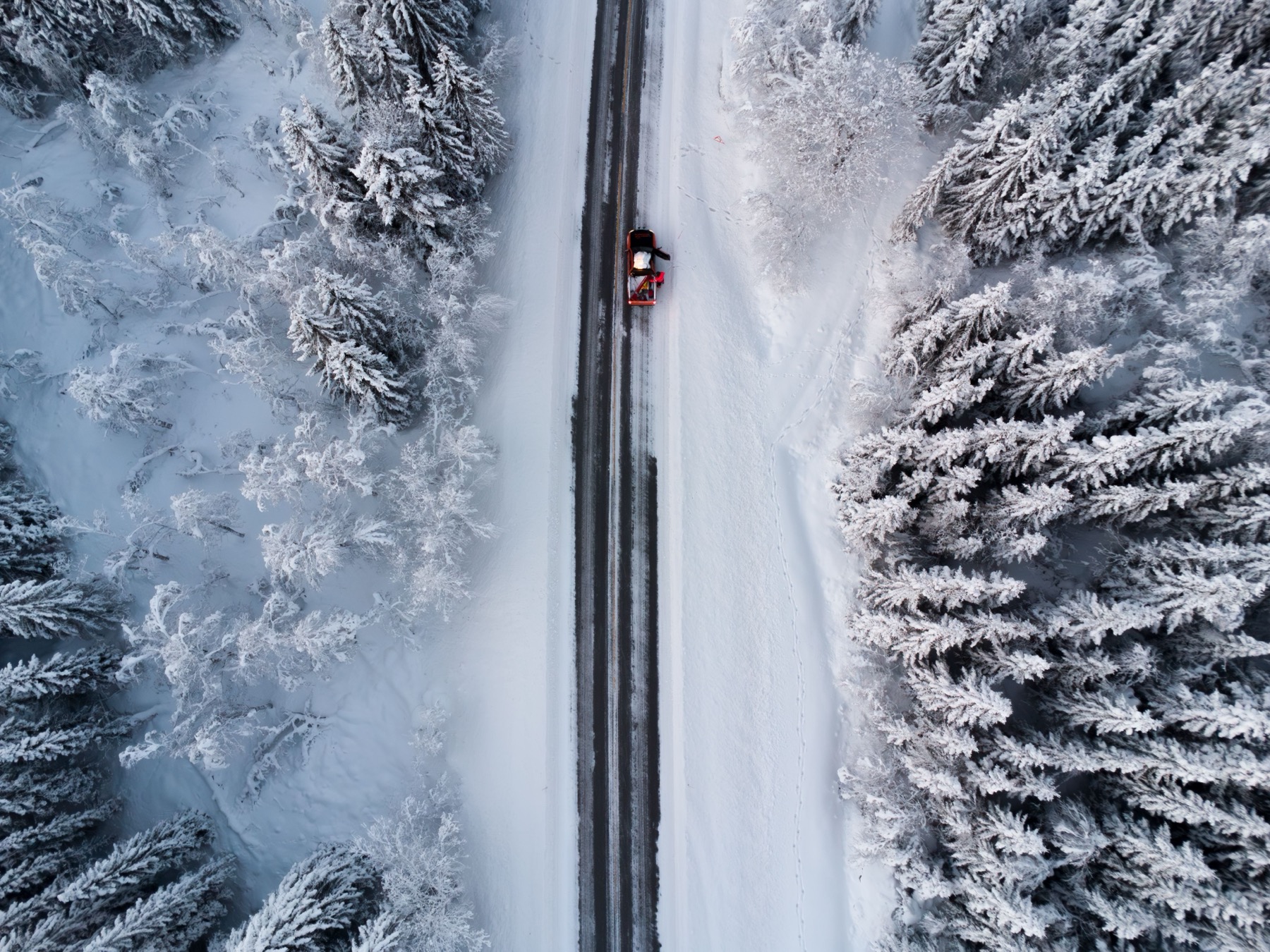
Driving a rental car high above the Arctic Circle in the depths of winter may sound terrifying at first, but the locals have winter road maintenance down to absolute perfection. All official rental companies automatically provide really high-quality winter tyres at no extra charge during the winter months, and if you rent a car somewhere in the north from Trondheim upwards, the tyres will almost certainly have special metal studs that bite into compacted snow and black ice with tremendous grip, keeping the car firmly on track. The golden rule is to brake smoothly well in advance and enter corners much more slowly than usual.
The only real quirk you’re guaranteed to encounter on long and deserted mountain passes is something called kolonnekjøring, which means mandatory driving in an organised convoy right behind a giant snow plough. When a heavy blizzard is raging outside and visibility drops to zero, the road doesn’t close completely straight away, but cars dutifully wait at a red barrier until a huge yellow plough with flashing lights arrives from the opposite direction, behind which all drivers then line up neatly and very slowly and carefully pass through the dangerous section one by one, which ends up being a brilliant experience in itself.
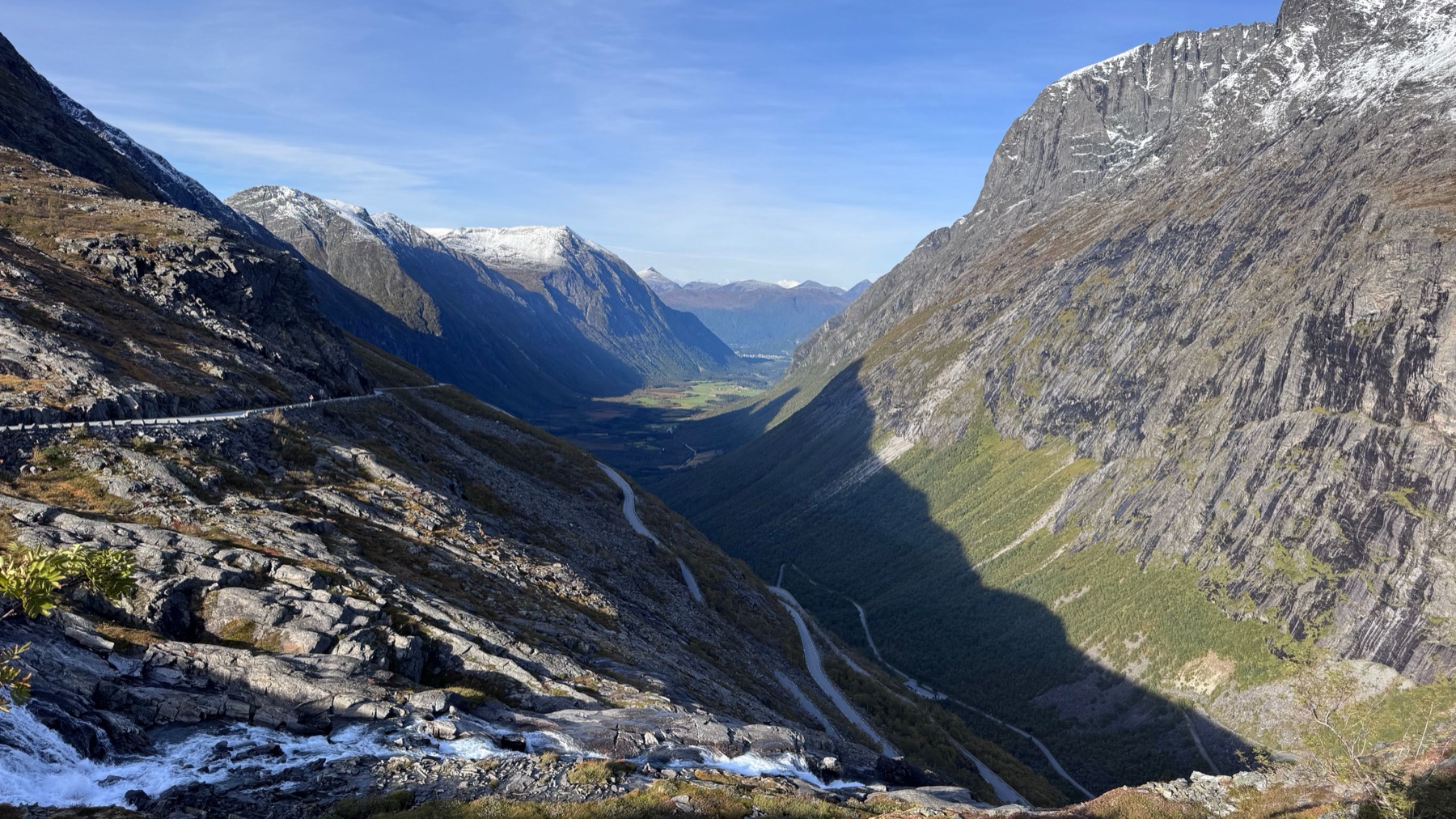
15. What Definitely Doesn’t Work in Winter
It’s extremely important to be honest that even winter Norway has its undeniable limits and a lot of bold plans from your summer holidays simply have to stay at home with a calm heart. The famous scenic Trollstigen road with dozens of hairpin bends is completely and without exception closed throughout winter for safety reasons, just like a huge number of many other high mountain passes, so the hugely popular Geirangerfjord in summer becomes an almost cut-off deserted village for the long months, which you can only reach very limitedly without any problems and the usual big excursion ferries don’t run there at all in winter due to ice floes and low demand. Always check the state roads app, where current closures glow bright red.
Forget right away about just casually hiking up to the iconic rock tongue of Trolltunga, which probably everyone knows from Instagram. From the end of October to the beginning of May, this otherwise hugely popular and busy hike is strictly allowed only and exclusively accompanied by a fully certified and experienced mountain guide on snowshoes, because the terrain here is very treacherous, darkness falls relentlessly early in the afternoon, snow hides deep crevasses and without absolutely perfect knowledge of local avalanche danger it would be a huge gamble with your life that no photo is worth.
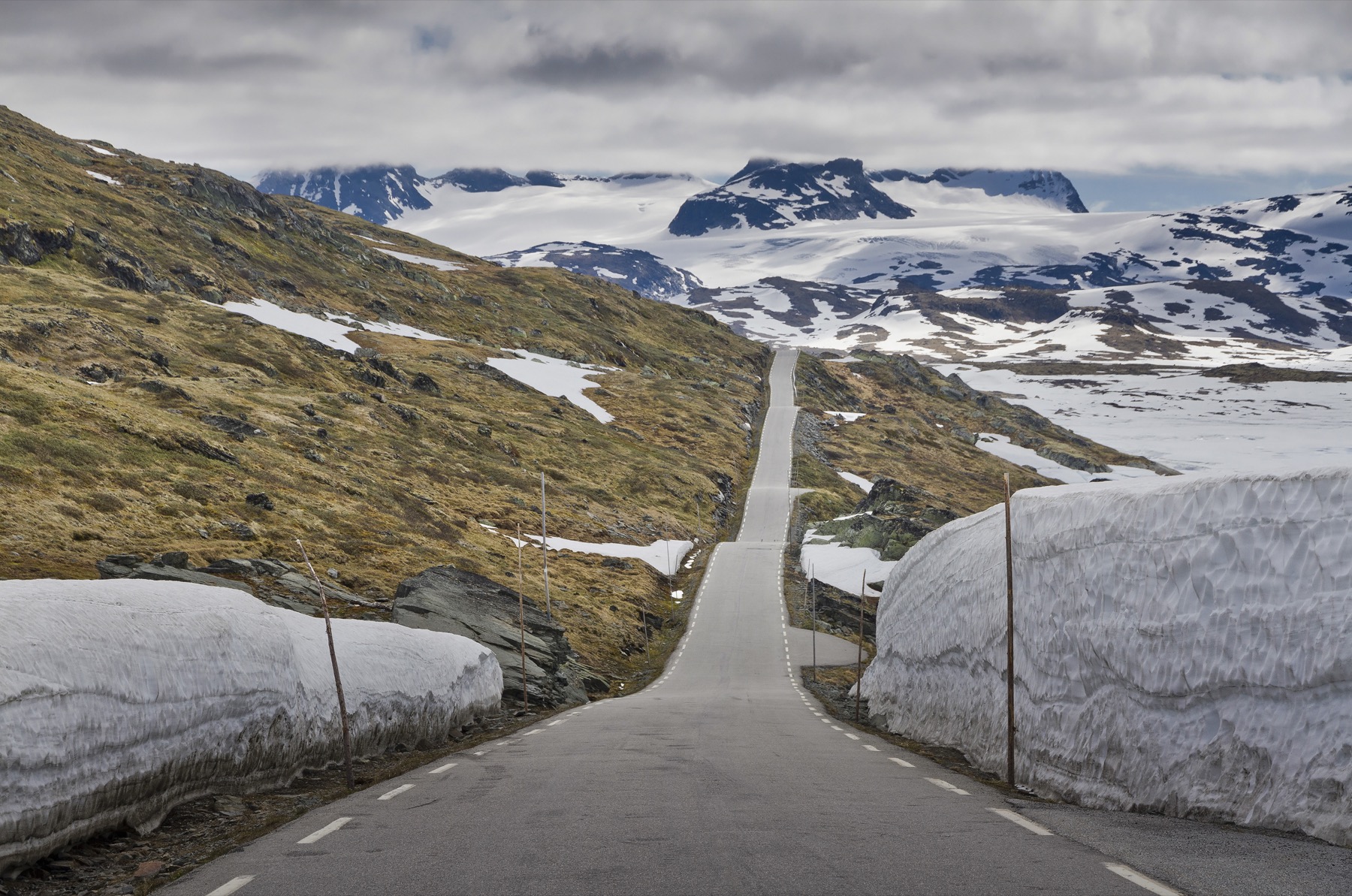
Where to Next from Norway
If travelling around northern Europe has captured your imagination and you’re planning your detailed itinerary, take a look at other practical advice and tips we’ve carefully prepared for you on the blog.
- Find a basic overview of all Norway’s beauty in the article Norway: 50 Tips on What to See.
- If you’re still hesitating about when to go, our guide When to Go to Norway: Norwegian Weather will help you choose the best month.
- If you’re considering the north in the summer months or looking for road trip inspiration, our article Norway by Car: Road Trip will help.
- Tempted by coastal voyages? Find out everything essential about Hurtigruten: Coastal Voyage.
- For detailed information about the Arctic capital, read the guide Tromsø: Gateway to the Northern Lights.
Frequently Asked Questions
If you’re just preparing for your first Nordic expedition, you may have a head full of uncertainties and questions. Here are answers to the most common ones that will help you plan better.
When is the polar night in Norway and is it dark all the time?
Polar night only occurs high above the Arctic Circle, for example in popular Tromsø it officially begins on November 27 and ends around January 15. However, this doesn’t mean it’s pitch-black darkness for 24 hours straight, because around midday there’s regularly a beautiful and magical blue twilight lasting about two to three hours, during which you can function perfectly normally and go for short walks in the area.
Where do you have the best chance of seeing the northern lights?
Statistically, the highest possible chances of observation are in areas high above the Arctic Circle, especially inland around the town of Alta, where the distance from the ocean means drier weather and fewer clouds than directly on the coast. A great and easily accessible base with a huge and diverse range of organized northern lights tours is the city of Tromsø, from where heated excursion minibuses head out in search of clear skies and won’t hesitate to cross even into neighboring Finland with you.
Can you reach the fjords in winter?
Some deep Norwegian fjords are beautiful even in winter and quite easily accessible, for example the picturesque Nærøyfjord near the small town of Flåm operates year-round and every day offers fantastic sightseeing cruises in heated boats. On the other hand, the famous Geirangerfjord is practically inaccessible to regular cars in winter, because all the surrounding mountain roads including the famous Trollstigen viewpoint are hopelessly buried in snow and completely closed until spring.
How much does skiing cost in Norway?
Prices have long been roughly at the level of larger and better Alpine resorts, for example a daily ski pass in the frequently visited and popular Trysil will cost an adult skier around 660 NOK (about €55). A huge and undeniable advantage, however, is the fact that Norwegian slopes tend to be pleasantly half-empty compared to the Alps, and the resorts offer fantastic and very popular evening skiing under artificial lighting, which thanks to the early darkness in the north you can enjoy from early afternoon onwards.
Is a winter holiday in Norway cheaper?
It always depends a lot on where exactly you’re going with family or friends, because in the south in Oslo or rainy Bergen, winter is the classic off-season and nice modern hotels here can be had significantly cheaper than in the summer peak. On the other hand, high up in the north in Tromsø or near the ice hotels in Alta, roughly from December to the end of February is the absolute and unstoppable peak season, prices fly steeply upward due to demand, and you must always book your desired accommodation at least several months in advance.
What should I pack to wear in winter?
The most important thing is a good quality and breathable base layer made of pure merino wool, over which you immediately put on an insulating fleece or light technical down jacket, and on top you wear a truly waterproof jacket resistant to strong winds. Don’t forget to pack ice grips for your winter boots for cities, because sidewalks are often covered with a slippery and thick layer of ice. And don’t buy expensive polar overalls for minus thirty – they’ll lend them to you on dog sledding trips or when hunting for the lights, so they don’t belong in your suitcase.
Do Hurtigruten boats run in winter?
Yes, the famous Norwegian coastal line Hurtigruten operates year-round without any problems, and winter sightseeing cruises along snow-covered shores rightly belong among the most popular with visitors from around the world. From the end of September to March, they even offer a unique northern lights guarantee on longer multi-day cruises, so if the green magical lights don’t appear in the dark sky above the ship even once, you’ll get another shortened cruise for the next season completely free in return.
Tips and Tricks for Your Vacation
Don’t Overpay for Flights
Search for flights on Kayak. It’s our favorite search engine because it scans the websites of all airlines and always finds the cheapest connection.
Book Your Accommodation Smartly
The best experiences we’ve had when looking for accommodation (from Alaska to Morocco) are with Booking.com, where hotels, apartments, and entire houses are usually the cheapest and most widely available.
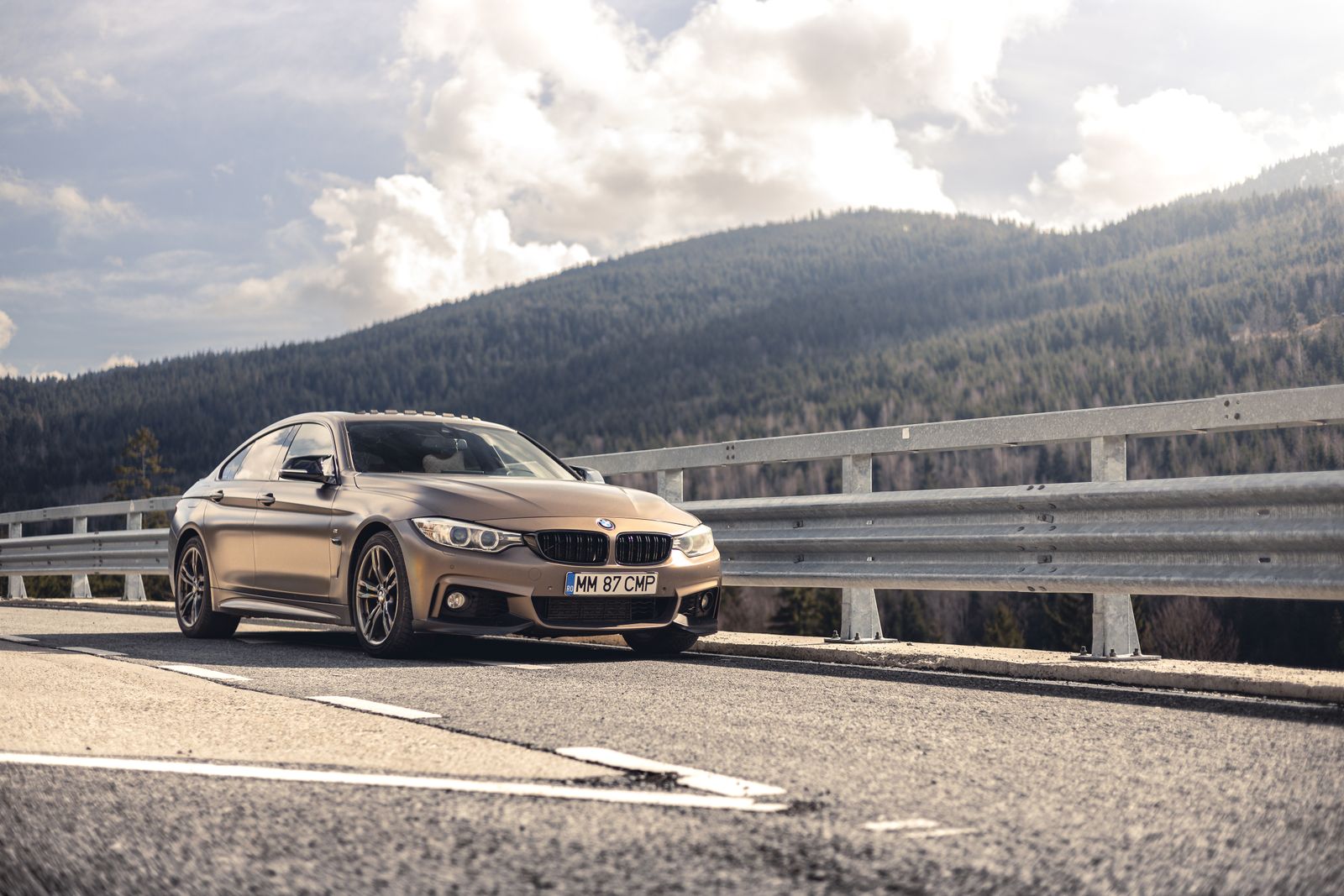 🚗 Car rental on the roadVerified rental cars in Norway
Search with the DiscoverCars comparison engine — it compares prices from dozens of local and international rental companies, and most bookings come with free cancellation.
Compare car prices in Norway →Don’t Forget Travel Insurance
Good travel insurance will protect you against illness, accidents, theft, or flight cancellations. We’ve had a few hospital visits abroad, so we know how important it is to have proper insurance arranged.
Where we insure ourselves: SafetyWing (simple monthly subscription) and TrueTraveller (for extra-long trips).
Find the Best Experiences
Get Your Guide is a huge online marketplace where you can book guided walks, trips, skip-the-line tickets, tours, and much more. We always find some extra fun there!