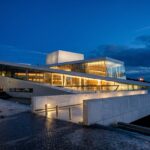
When you head out for skiing in Norway, you’ll experience a completely different world. In the Austrian Alps you stand in endless lift queues, battle crowds on overcrowded slopes and secretly hope the natural snow won’t turn to slush by afternoon. In Norway, on the other hand, you ski on perfect corduroy, with just a few local families carving around you and snow cover guaranteed from November onwards thanks to the Nordic climate.
You might be thinking that such luxury must cost a fortune up north, but the truth is that the ski pass itself often works out cheaper than at premium Alpine resorts. If you skip the wild daily après-ski parties and pricey beers and instead prefer to pour yourself a drink in the evening in a cozy wooden cabin by a crackling fireplace, an absolutely phenomenal winter holiday awaits you on the Scandinavian Peninsula. I’ve prepared a comprehensive guide to the Norwegian ski season for the 2026/2027 winter, so you know exactly where to head for the best powder and what to watch out for when planning.
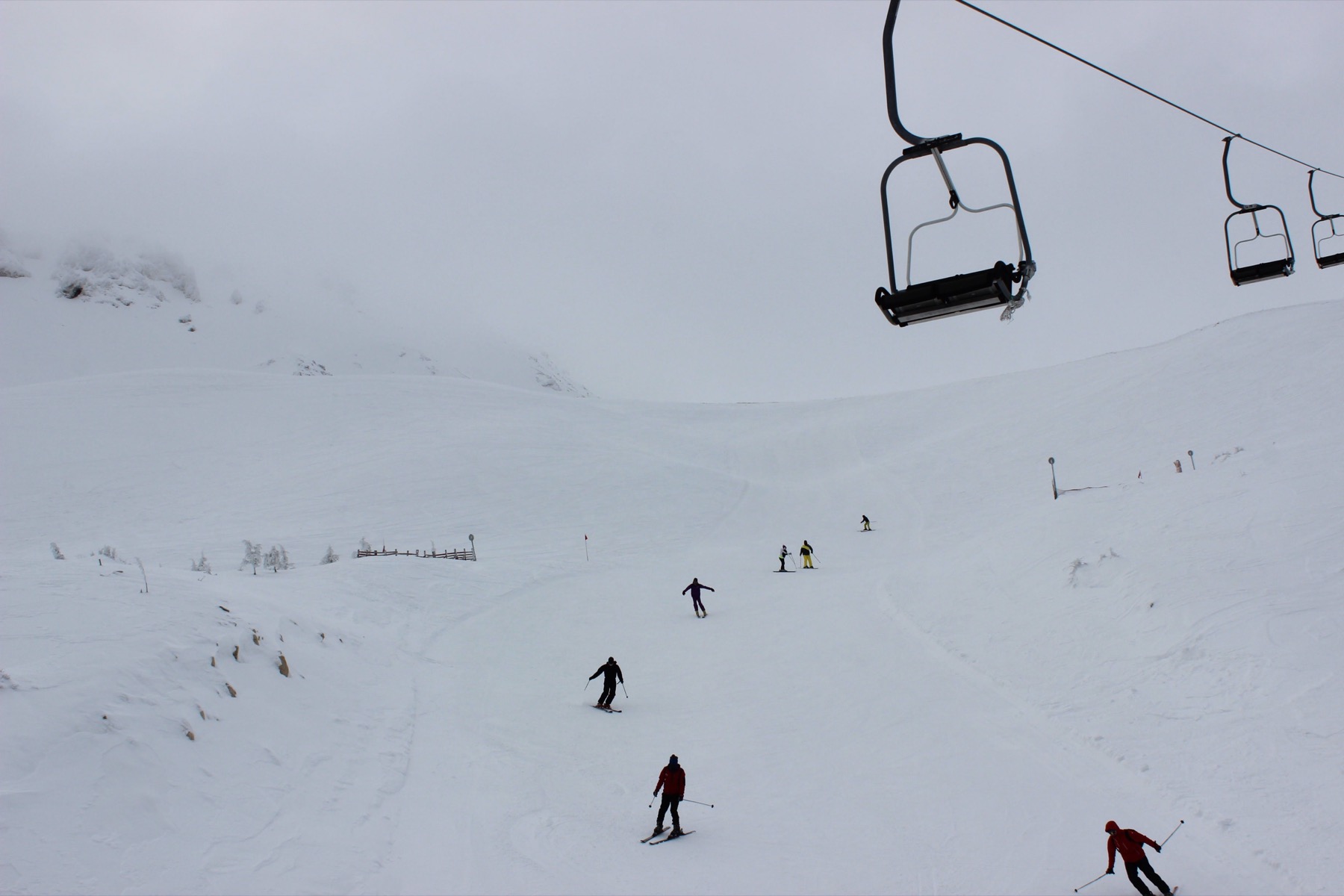
TL;DR
- Guaranteed snow and a long season: In Norway you ski on natural snow from late November through to early May, with Stryn resort even offering summer skiing.
- Ski pass prices 2026/2027: A day pass at the largest resort Trysil costs 808 NOK (approx €74) in high season, which is comparable to the Alps, while smaller resorts are significantly cheaper.
- Kids under 7 ski free: Norway is an absolute family paradise, little ones under seven with helmets don’t pay a penny for lifts and kids’ areas are superbly equipped.
- Train transport straight to the slopes: You can reach the Geilo and Voss resorts from Oslo or Bergen on the iconic railway, with the Voss lift departing directly from the train platform.
- Cross-country skiing superpower: Thousands of kilometers of perfectly groomed tracks are available completely free, from the Oslo metro you can head out to 2,000 kilometers of trails in the Nordmarka area.
- Night skiing under the lights: Norwegians solve the short winter days with massive floodlighting of slopes and cross-country tracks, skiing in the dark is completely standard here.
- The priciest item is alcohol: Beer on the slopes will set you back 100 to 140 NOK (up to €14), which is why most skiers prefer evening relaxation in their own cabin with supplies from the duty-free zone.
The full destination guide: Norway — guide and what to see
12 Things You Need to Know About Skiing in Norway
Planning a winter trip to the north differs slightly from a classic Alpine holiday. Whether it’s prices, transport or unexpected local customs, it’s good to be thoroughly prepared in advance. 😉
I’ve put together twelve essential points that will help you plan everything to perfection. From choosing a resort to buying ski passes and details about kids’ areas, you’ll find absolutely everything important here.
1. Why Ski in Norway (and What’s the Catch)
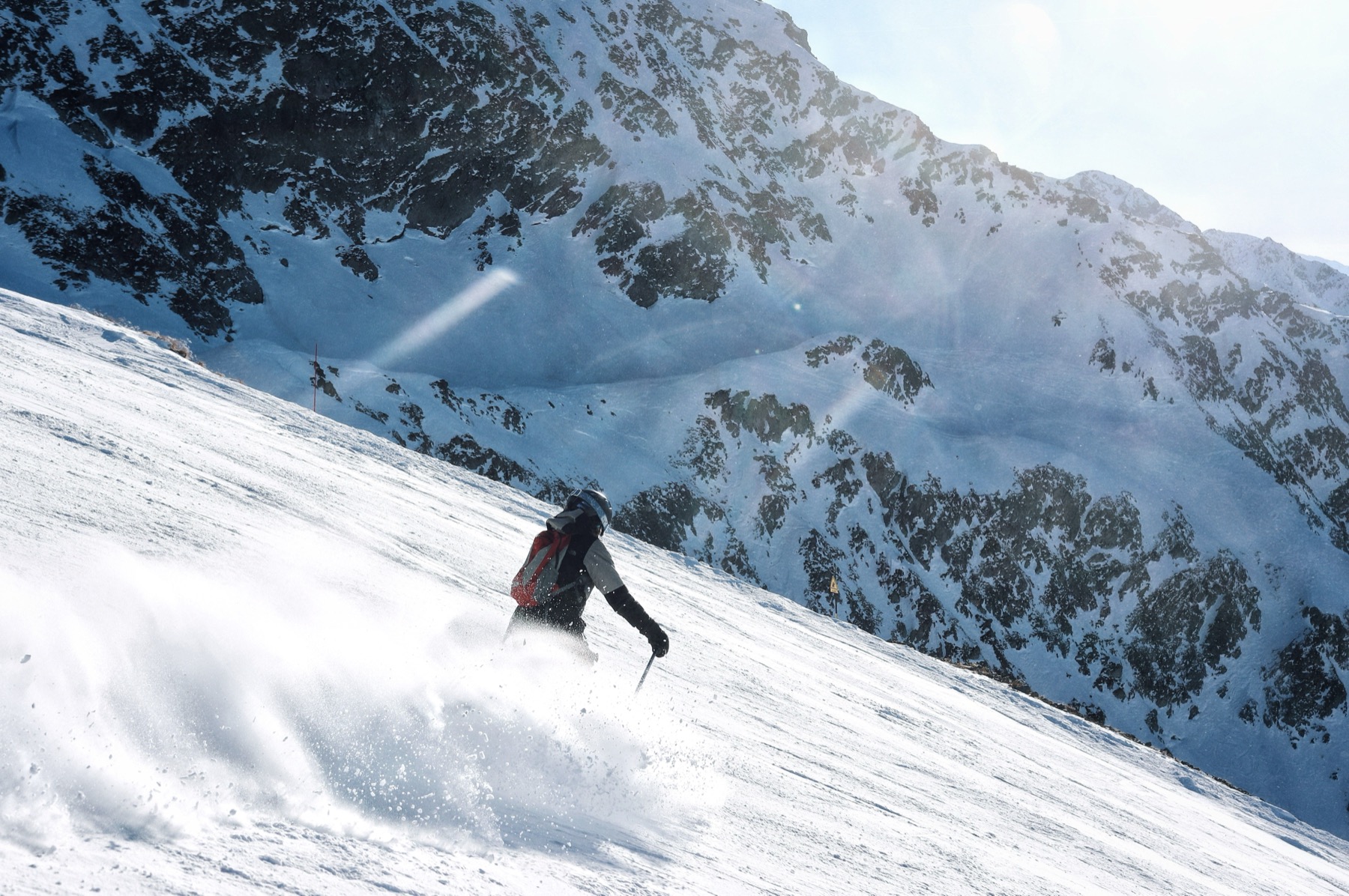
What Alpine resorts achieve through altitude, Norway compensates for with its northern location, so you’ll have absolute certainty of powder snow even in relatively low hills. While Central European resorts often struggle in January with brown patches on the slopes and rely purely on snow cannons, Norwegian winter is uncompromising. Temperatures stay consistently below freezing and snowfall is incredibly abundant from late November. You don’t have to worry at all about ruining a rather expensive holiday with poor conditions or slushy spring snow.
Another enormous benefit is the nearly empty slopes. If you cleverly avoid the Norwegian spring holidays called vinterferie (which fall around weeks eight and nine in February and March depending on the region) and Easter, when seemingly all of Scandinavia heads to the mountains, you’ll have the runs practically to yourself. Morning corduroy often stays in perfect condition until early afternoon and queues at the turnstiles are more myth than reality. The local skiing culture is also very considerate and safe, no one will rudely push past you in the lift queue.
But you’re probably wondering what exactly the famous Norwegian catch is. Surprisingly, it’s not the cost of skiing itself, but the enormous expense of dining and services right on the mountain. A stop at a slope-side restaurant will cost you at least double what you’d normally pay in Italy or Austria. A simple lunch of a slice of pizza, vegetarian burger or thick soup easily costs 250 NOK, and if you want a glass of wine with your meal, the bill skyrockets. 💡 Tip: That’s why it’s absolutely normal for skiers to bring their own thermoses of fresh tea and proper sandwiches in their backpacks to the slopes.
2. Trysil: Norway’s Biggest Resort That Works for Families
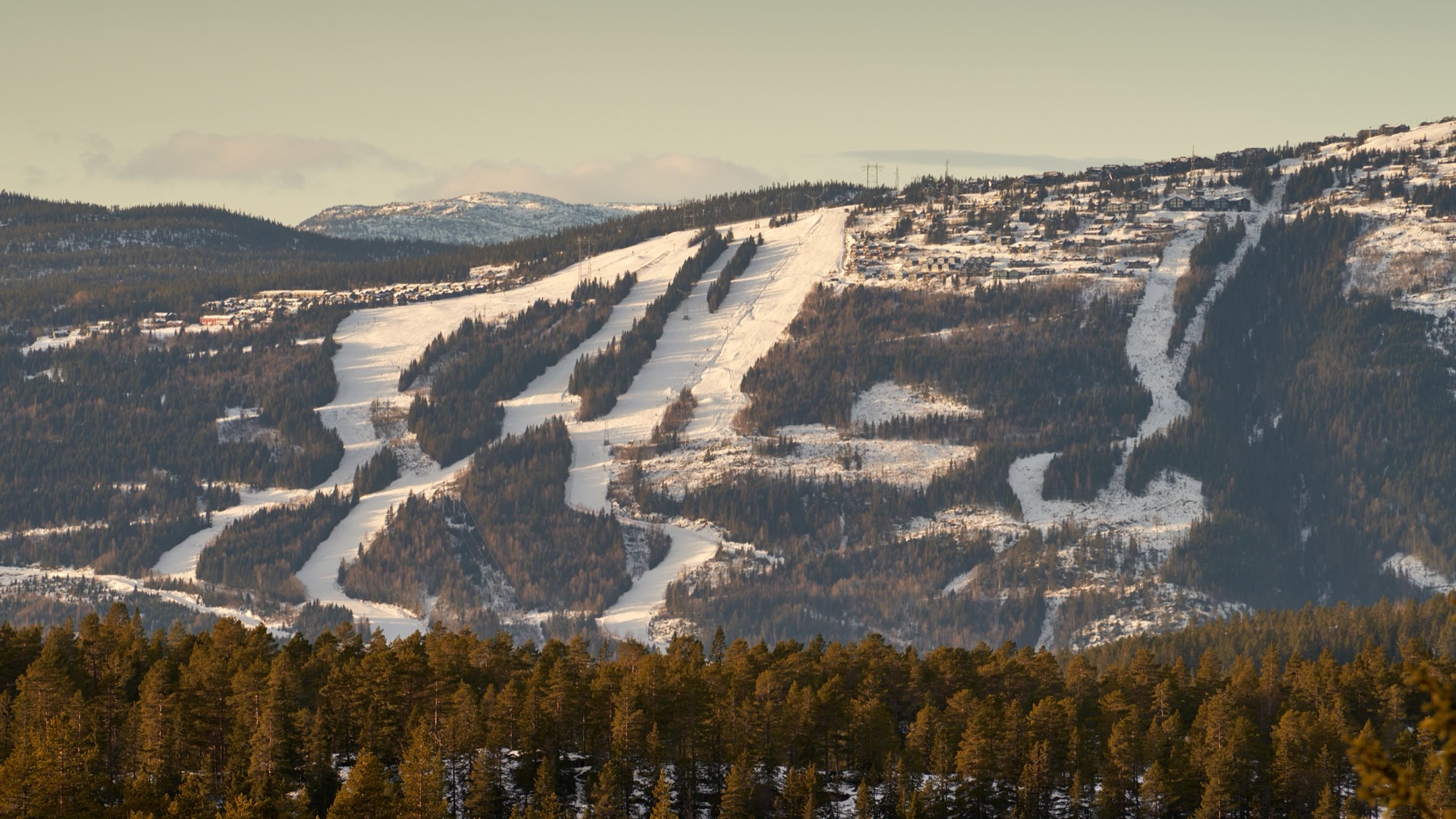
Trysil is the absolute number one on the Norwegian market and offers a respectable 78 kilometers of slopes (the operator itself states just over 70 kilometers of pure run length) that wind elegantly from all sides of the cone-shaped Trysilfjellet mountain. This huge resort is located about two and a half hours by bus from Oslo and for families with children it’s simply a dream come true, with three kids’ areas and ski schools ranked among the best in Europe. International reviews regularly give the resort five stars for safety and incredible snow reliability in the season, which runs from November 28th through to mid-April.
If you’re looking for perfect facilities with complete on-slope service, I recommend the Radisson Blu Resort Trysil. This amazing hotel offers renowned breakfasts, a fantastic wellness center with pools for post-sport relaxation and above all an unbeatable ski-in ski-out location. In the morning you simply put on your ski boots in the heated ski room and ski out the door straight to the nearest lift. In two sectors you can also enjoy magical evening skiing under artificial lighting.
From a logistical perspective, Trysil is very easily accessible even for international visitors. You can use the large airport in Oslo and hop on a direct ski bus, but there’s an even more convenient option. 💡 Tip: Just forty minutes’ drive from the resort lies the small Scandinavian Mountains Airport (Sälen-Trysil), which was recently built precisely on the Swedish border and serves primarily skiers. The journey from the terminal to the slopes takes an absolute minimum of time and you can be carving turns right after landing.
3. Hemsedal: Scandinavian Alps for More Demanding Skiers
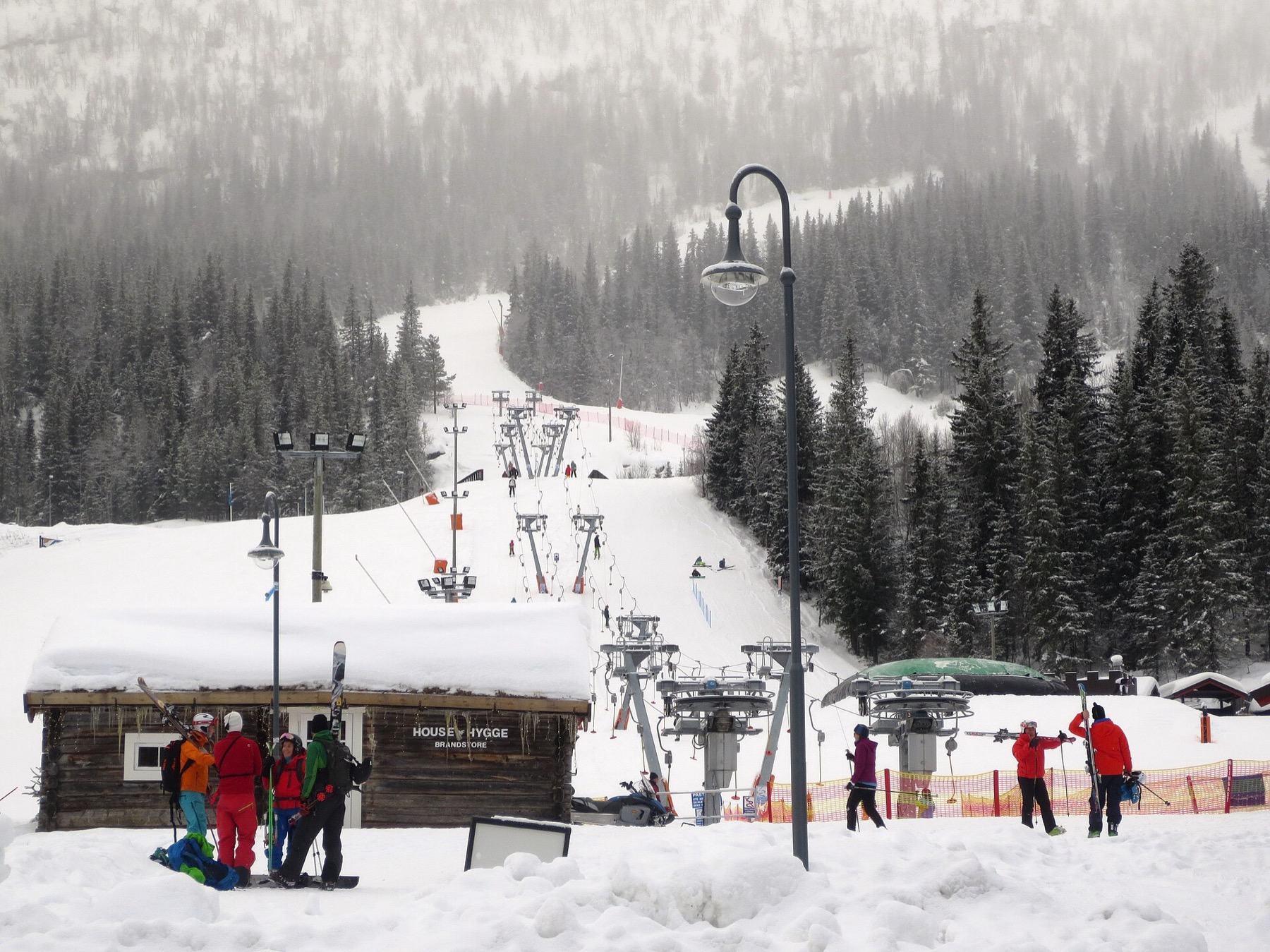
The Hemsedal resort is rightfully nicknamed the Scandinavian Alps, because its terrain is much steeper and more dramatic than the rest of the country. The modern lifts here take you from the base at 620 meters up to an altitude of 1,450 meters, which is truly impressive by Norwegian standards and represents the highest lift-served point in the country with a luxurious vertical drop of over eight hundred meters. The resort has 44 kilometers of runs, among which sporty red slopes surprisingly dominate and there are also several proper black runs like the legendary Reidarskaret. Simply an ideal place for those who want to really push themselves on the mountain.
The ski season here under the management of giant SkiStar is incredibly long and without any problems lasts until the beginning of May. April dates are very popular in Hemsedal because they offer excellent snow base and pleasant sunshine on the mountain hut terraces. Despite the sporty orientation of the entire resort, down in the valley you’ll find a huge kids’ zone where even the youngest skiers can have fun.
A great accommodation tip with breathtaking views is the designer Skarsnuten Hotel in Hemsedal. The building is perched high on a rocky outcrop above the valley and offers panoramic views directly from the modern rooms. 💡 Tip: From here you can reach the lifts very easily via a special connecting slope and in the evening you can enjoy the renowned local cuisine in the amazing glass-walled restaurant.
4. Geilo and Voss: A Rare Train Journey Straight to the Lift
Imagine boarding a heated train carriage in the capital city center with your skis and a few hours later stepping off directly at a snow-covered slope without any need to drive a rental car. This is exactly the incredible convenience offered by the famous Bergensbanen railway line, which connects Oslo with Bergen and passes through the most beautiful mountain passes. Geilo station is about three and a half hours from Oslo and the train stops within walking distance of the first lifts. The resort itself offers 34 kilometers of slopes divided across two sides of the valley and excels with an incredibly relaxed family atmosphere with plenty of gentler runs.
If you’re looking for ideal facilities in Geilo, I highly recommend the beautiful Vestlia Resort Geilo. This wonderful mountain hotel is located at the foot of the slopes in the Vestlia section and besides perfect lift access boasts an enormous indoor aquapark and luxurious spa. After a full day of freezing skiing, the option to jump into a hot tub is absolutely priceless and kids are guaranteed to have fun on the slides.
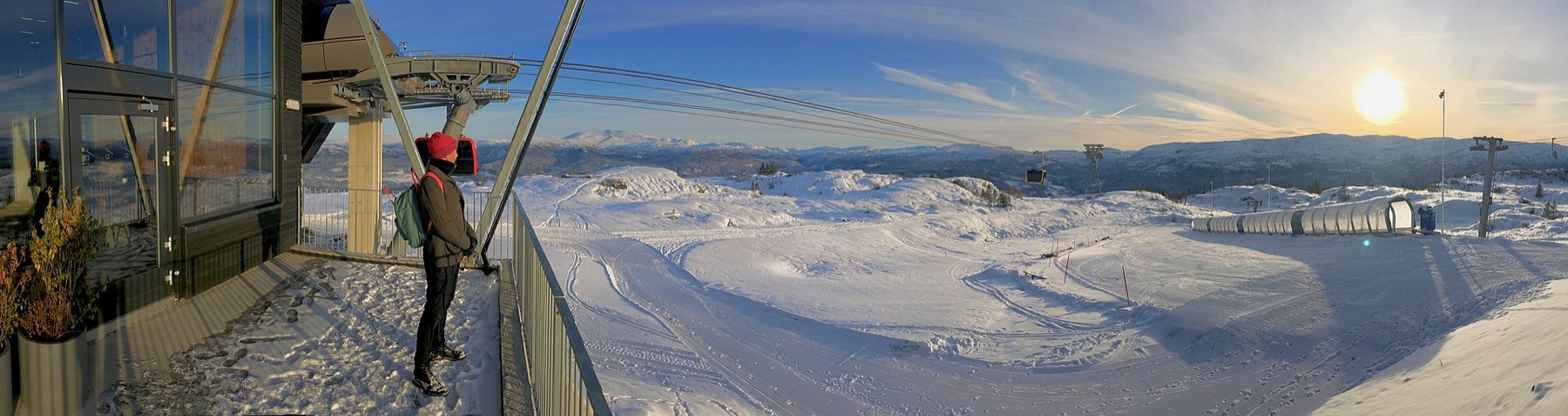
An even more unique experience awaits you at the Voss resort, which offers 45 kilometers of runs and is located in western Norway. The train journey from Bergen takes just an hour and fifteen minutes and the very best part comes right after you step off. 💡 Tip: The modern Voss Gondol cabin lift departs directly from the train platform itself. You don’t need to make any complicated transfers or look for ski buses, with your morning coffee in hand you transfer from the train into the gondola and ten minutes later you’re carving turns on Mount Hangur. This concept has few equivalents in Europe.
5. Hafjell and Kvitfjell: In the Footsteps of Olympic Legends
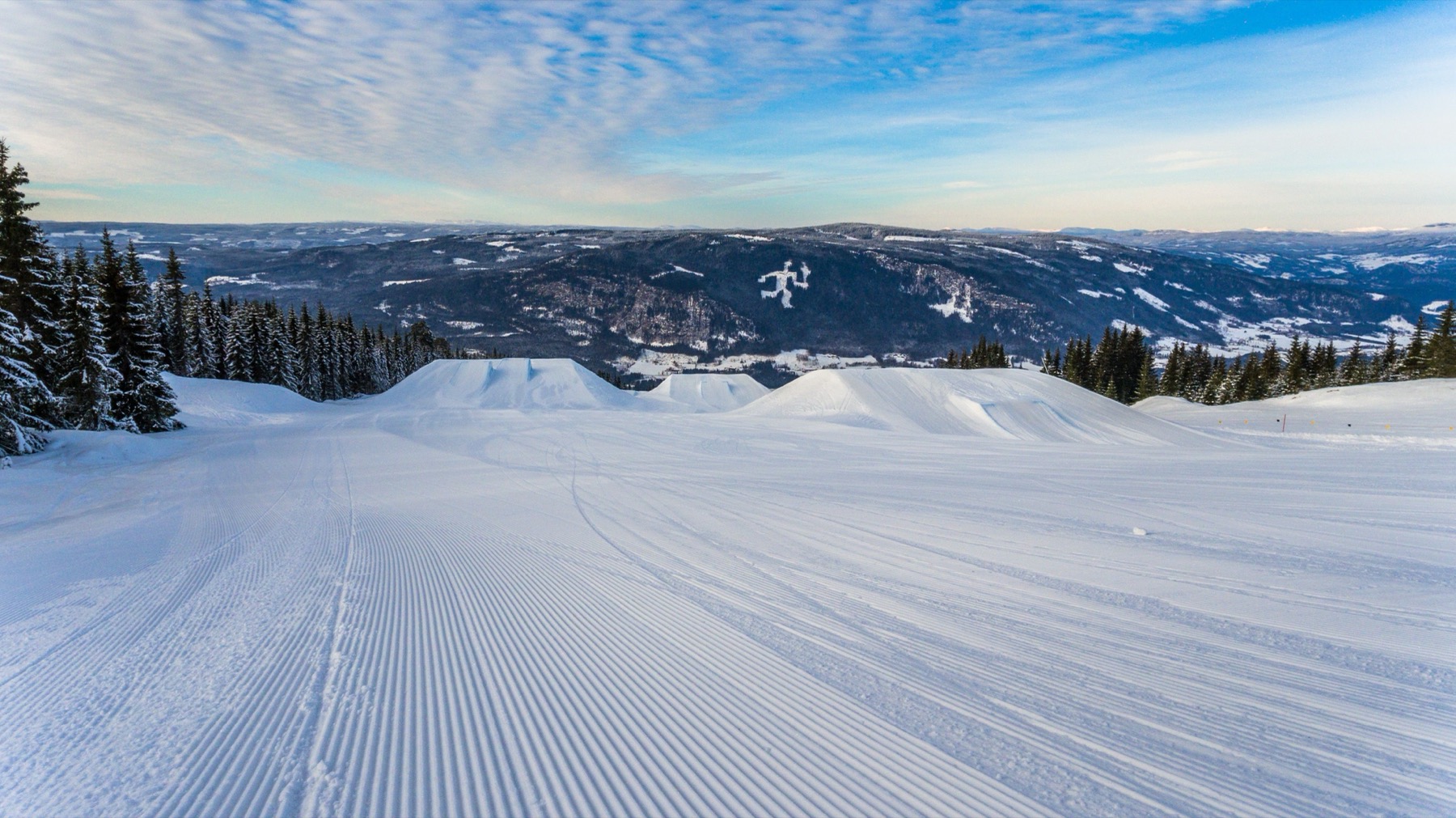
If you love the history of winter sports, you should definitely head to the area around the city of Lillehammer, which hosted the Winter Olympics in 1994. The main venue for technical disciplines like giant slalom was the Hafjell resort, which today offers a respectable 50 kilometers of excellent blue and red slopes. The mountain profile is very flowing, the runs are beautifully wide and the resort can also boast one of the best-rated snowparks in all of Scandinavia, attracting freestylers from far and wide. From Oslo you can also conveniently reach here by Dovrebanen train in under two hours.
Neighboring Kvitfjell, about thirty minutes away by bus, was built specially for the Olympic downhill and to this day ranks among the most respected racing mountains in the world. Prestigious World Cup races in speed disciplines are held here every year and if you like adrenaline, you can try the steep downhill run that the world’s elite normally races down. A huge advantage is that on weekdays it’s absolutely empty and the morning corduroy on the steep slopes is simply flawless.
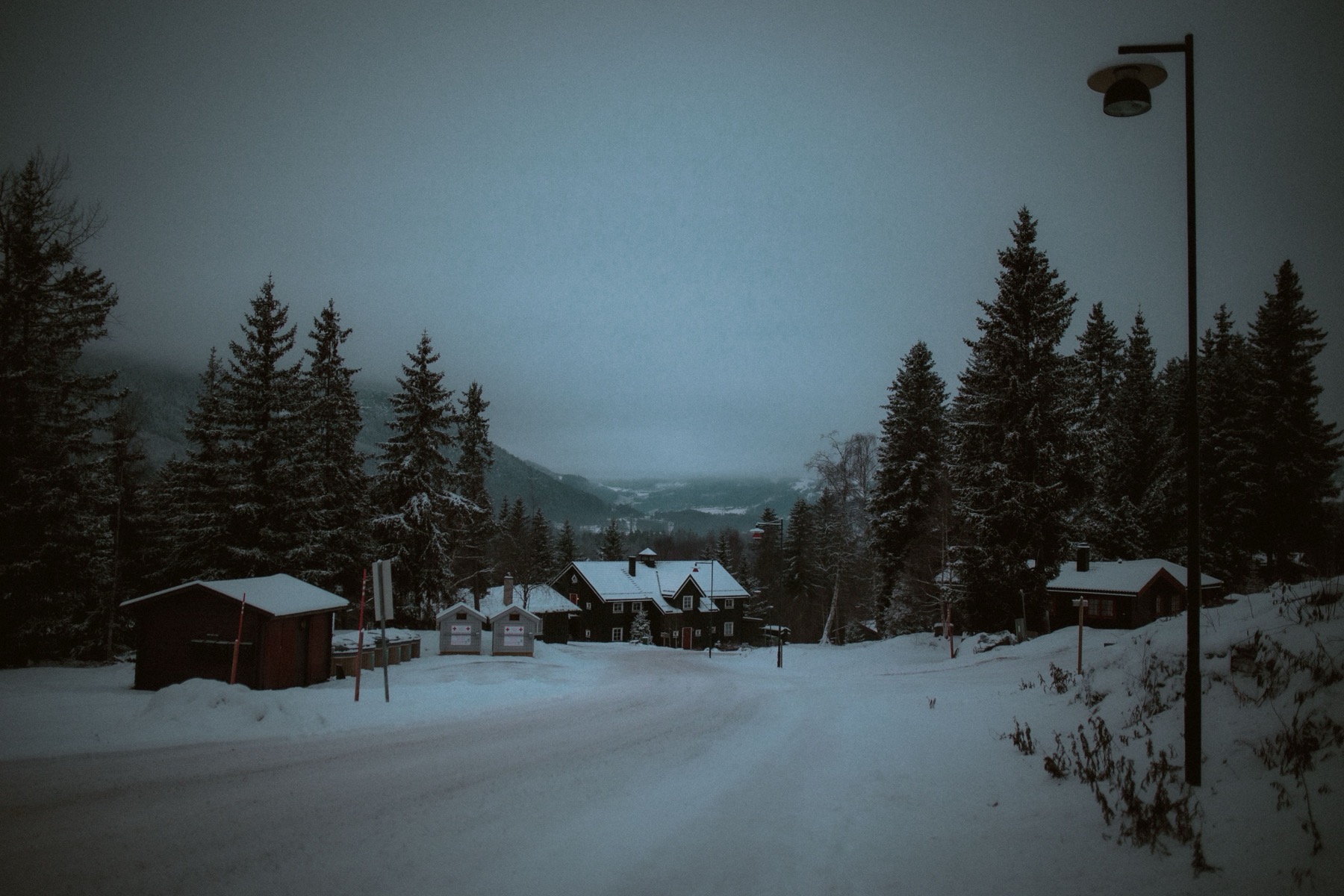
💡 Tip: Both resorts are operated by Alpinco and a big advantage for visitors is that they share a common ski pass. During one holiday you can very easily combine family comfort and wide motorways in Hafjell with sporty challenges in Kvitfjell. Accommodation here is mainly in sprawling cabin villages that provide amazing privacy and that true Norwegian peace far from busy hotel complexes.
6. Smaller Gems Without Crowds: Myrkdalen and Oppdal
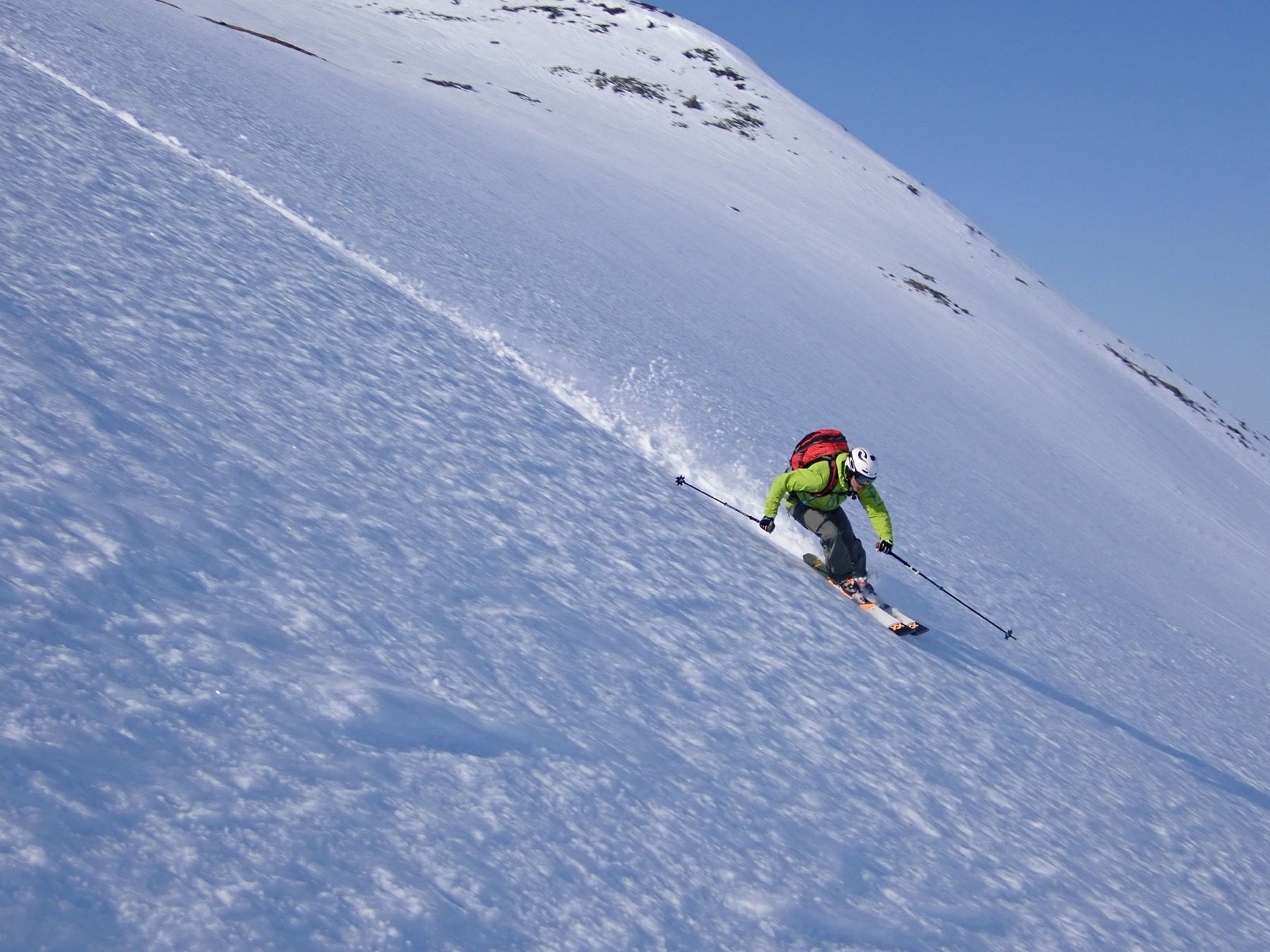
Norway hides a few resorts that international tourists practically don’t know about, and that’s precisely why they’re the best. A shining example is Myrkdalen near Voss, which boasts the title of the place with the highest amount of natural snow in the entire country. Every winter an incredible five meters of the white stuff falls here on average. The resort offers just under 35 kilometers of runs and is slightly more compact, but thanks to modern lifts, a great ski-in hotel and fantastic options for safe freeriding right next to the slopes, it’s one of my big secret tips.
Another hidden treasure is the sprawling Oppdal resort, located in central Norway on the main Dovrebanen railway line connecting Oslo with Trondheim. With a respectable 56 kilometers of runs in four interconnected sectors (Vangslia, Stølen, Hovden and Ådalen), it ranks among the largest resorts in the country, but international skiers travel here only minimally. You can look forward to enormous vertical drop and slopes where you won’t meet a soul even during busy weekends.
Oppdal maintains a very authentic atmosphere without mass commerce and offers a great balance between groomed runs and terrain for deep snow riding. 💡 Tip: Ski passes here also work out significantly cheaper than at more well-known resorts, for a day pass you’ll pay the equivalent of about €57. It’s simply an ideal destination for a group of advanced skiers who want to devour kilometers without unnecessary waiting at turnstiles.
7. Narvik and Lyngen: Ski Touring, Northern Lights and Avalanche Respect
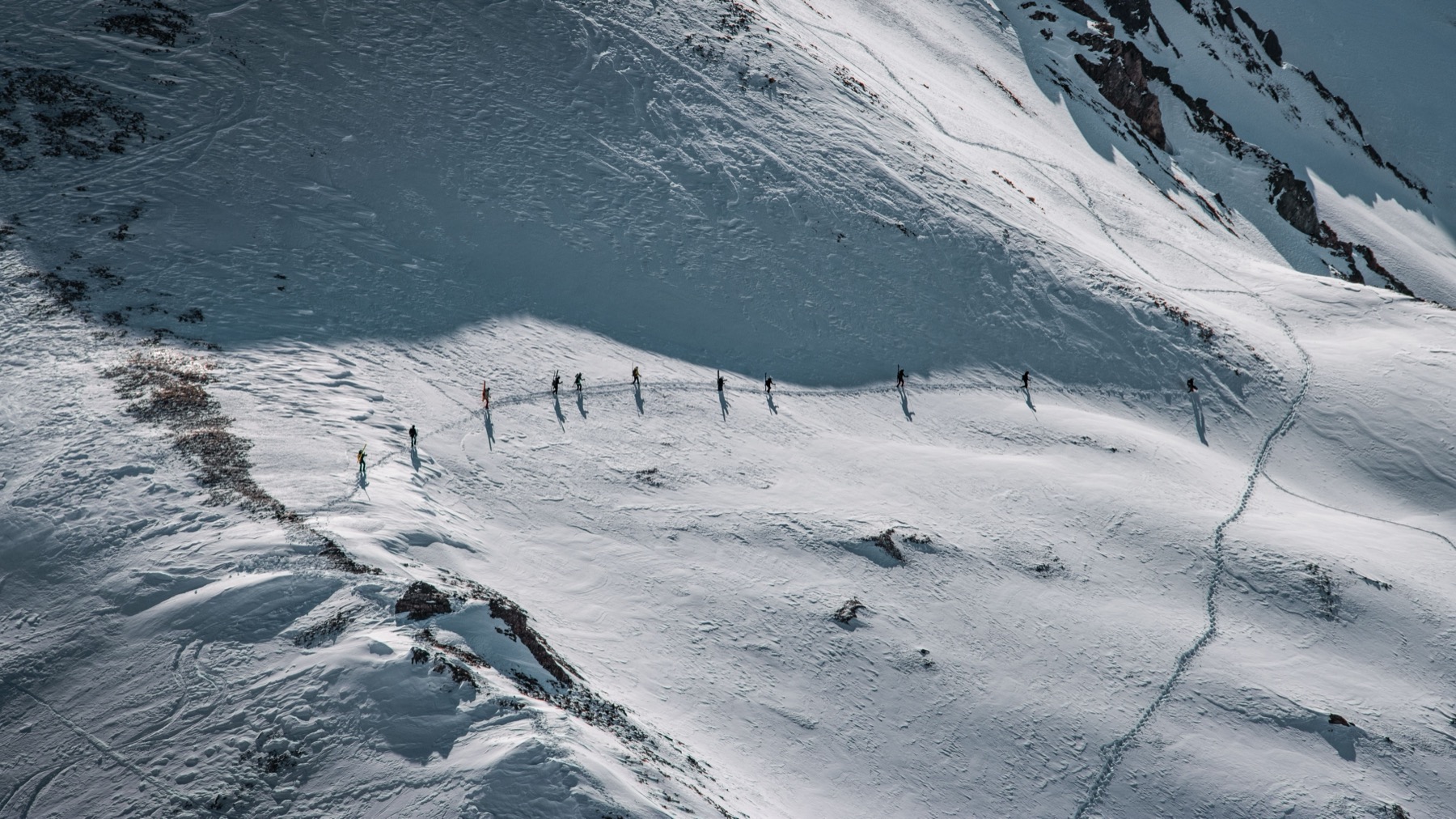
Skiing during polar night and then watching the northern lights above the slope is something you simply won’t experience in the Alps. Narvikfjellet resort offers only 13 kilometers of classic slopes and six lifts, but can boast an incredible vertical drop of over 850 meters that drops practically to the surface of the deep fjord. If you head here around the turn of December and January, you’ll experience skiing during the mysterious polar night under artificial lighting. March and April bring long days and with a bit of luck you can observe the stunning northern lights in the evening directly above the slope. Just beyond the border lies the cult Swedish Riksgränsen, where skiing takes place under the midnight sun around the solstice.
Northern Norway is also a global mecca for ski touring and ski mountaineering, especially the Lyngen Alps area near Tromsø, the Lofoten Islands or Sunnmøre. The snow-covered mountains here rise directly from the ocean and enable breathtaking descents from the summits down to deserted sandy beaches. However, it’s absolutely crucial to strongly emphasize that these are wild mountains without any secured routes, where very real avalanche danger constantly exists.
💡 Tip: If you decide to venture into open terrain, monitoring the varsom.no portal is absolutely essential, which publishes precise avalanche forecasts from the NVE. Complete avalanche equipment including a transceiver, probe and shovel is a complete given. The wisest solution for international visitors is hiring a certified local mountain guide.
8. Stryn: Where You Can Ski in Summer in a T-Shirt
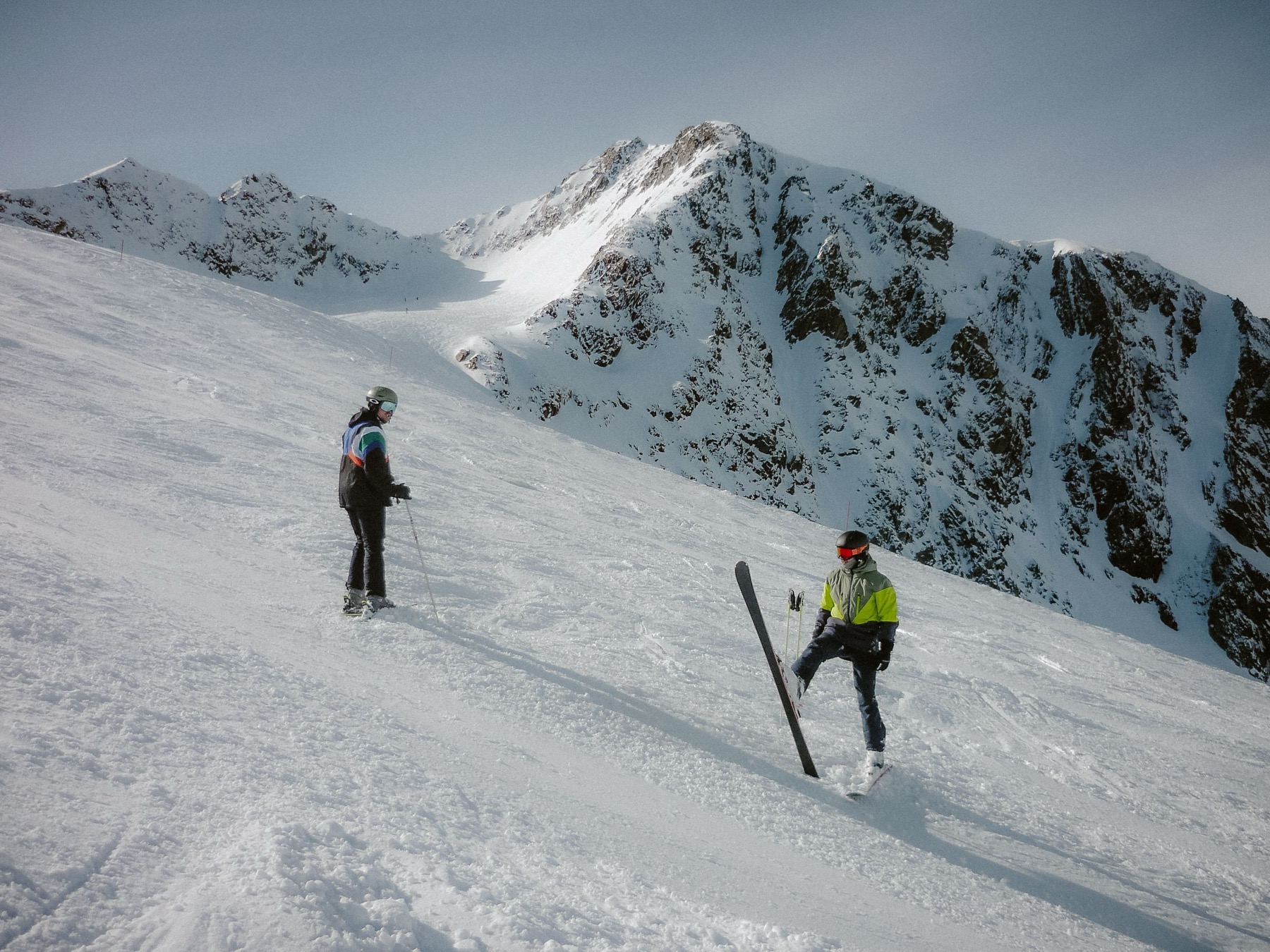
Norway is one of the few countries in the world where the ski season doesn’t end with the first spring thaw but flows smoothly and cheerfully into the warm summer months. While the winter Stryn Skisenter resort is relatively small and will cost you a pleasant €41 per day, its summer sibling is much more famous. The legendary Stryn Sommerski resort is located on a snow field along the old mountain road Gamle Strynefjellsvegen at an altitude of up to 1,500 meters. The resort usually opens its gates at the end of May or in June, as soon as heavy machinery manages to break through the several-meter snowdrifts on the access road, and normally operates until the end of July.
The atmosphere at the summer glacier is incredibly relaxed and resembles a fun surf camp more than classic mountains. Skiing here in a short-sleeved T-shirt or shorts is absolutely normal, the sun beats down with enormous intensity and music constantly plays below the slope. Stryn is a cult spot for Norwegian park riders and freestylers who come from all over the country to train jumps into the soft afternoon firn.
💡 Tip: I recommend packing really high-quality sunscreen with the highest SPF for this crazy trip, because the combination of white snow and harsh summer sun will burn you within a few dozen minutes. Summer skiing makes this location a unique point on the map that would be a huge shame to miss during a road trip along the western fjords.

9. Ski Passes 2026/27: Dynamic Pricing and Comparison with the Alps
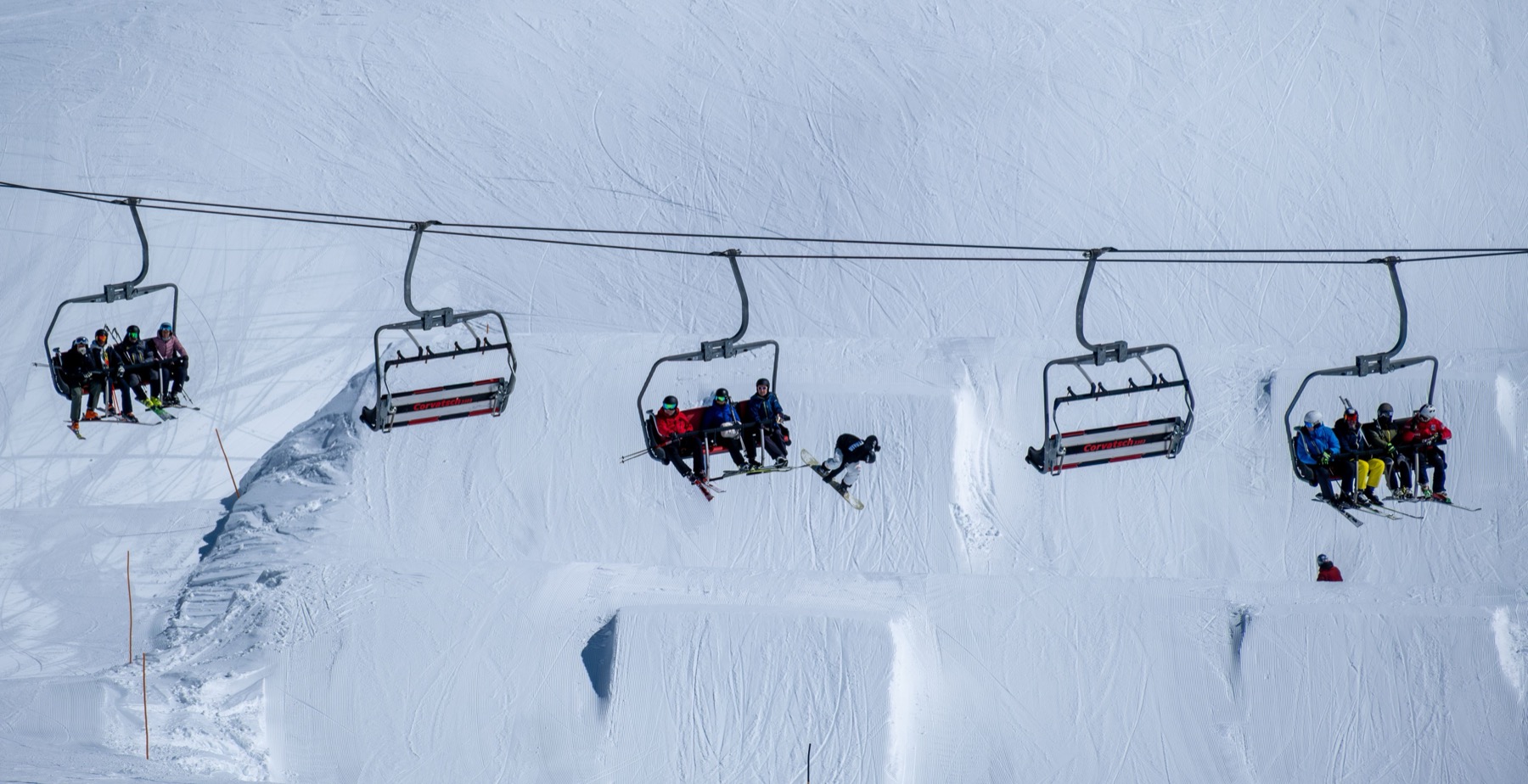
Ski pass prices in Norway work exactly like airfares: the earlier you buy online, the less you pay. Big operators like SkiStar go full steam ahead with dynamic pricing. If you show up at the ticket office in Trysil on a spring holiday morning, you’ll pay the maximum possible amount, which for the 2026/2027 season is around 808 NOK (about €74) per adult for one day, while in Hemsedal it’s about 697 NOK. A six-day pass then works out to approximately 3,300 to 4,000 NOK.
But when you objectively compare this price with the current reality at premium Alpine resorts, you’ll find that Norway is no longer the most expensive option. Top Austrian or Swiss resorts like Zermatt or Kitzbühel now routinely charge €70 to €90 for a day pass. Smaller Norwegian resorts like Oppdal, Myrkdalen or Voss will cost you substantially less than comparable mountains in the Alps, with their daily rates ranging between a pleasant €50 and €60 and complete equipment rental costing around 400 to 500 NOK per day.
💡 Tip: The key to savings is smart planning. If you know you’re going to Hemsedal or Trysil, buy your passes online even six months in advance, avoid the Scandinavian holiday weeks and you’ll easily save twenty percent off the original price. For longer stays, multi-day passes obviously pay off.
10. Family Paradise: Kids Under 7 Ski Free in Norway
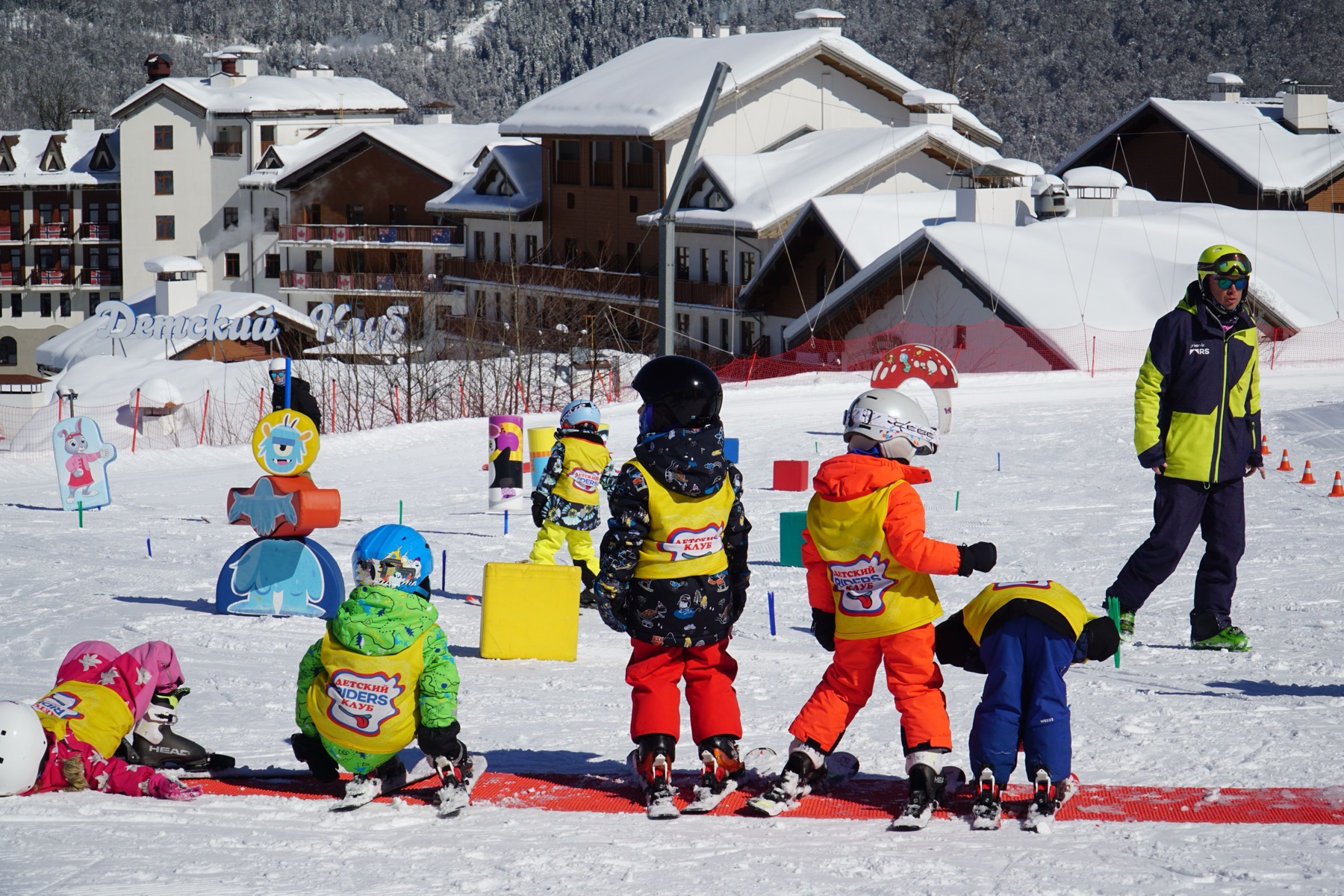
If you’re planning a winter holiday with young children, Norway will please your wallet immensely. An absolute standard across the entire country from south to the Arctic Circle is the nice rule that children under seven ski completely free. The only condition is that they have a safety helmet on their head and move on the slopes accompanied by a paying adult. With big operators like SkiStar, they just need to load a zero tariff onto a chip card and they have immediate unlimited access to all lifts and tows.
Norwegian resorts are overall designed with maximum safety and comfort for the very youngest in mind. The kids’ zones here, like the famous Barnas Trysil area, don’t contain just one boring moving carpet but are incredibly well-thought-out learning parks. You’ll find gentle bumps, forest trails with fairy tale characters, special sledding runs and heated rest areas where kids can relax and calmly eat their own snacks. Instructors at ski schools speak perfect English and have enormous patience. The skiing culture here is overall very family-friendly, you won’t see any aggressive riders on the slopes and lift operators always willingly slow the lift when they see a small child boarding. And honestly? When you see your child board the lift without crying and ski down the mountain on their own, it’s worth the trip north.
11. Cross-Country Skiing Superpower: Thousands of Kilometers of Tracks You Don’t Pay For
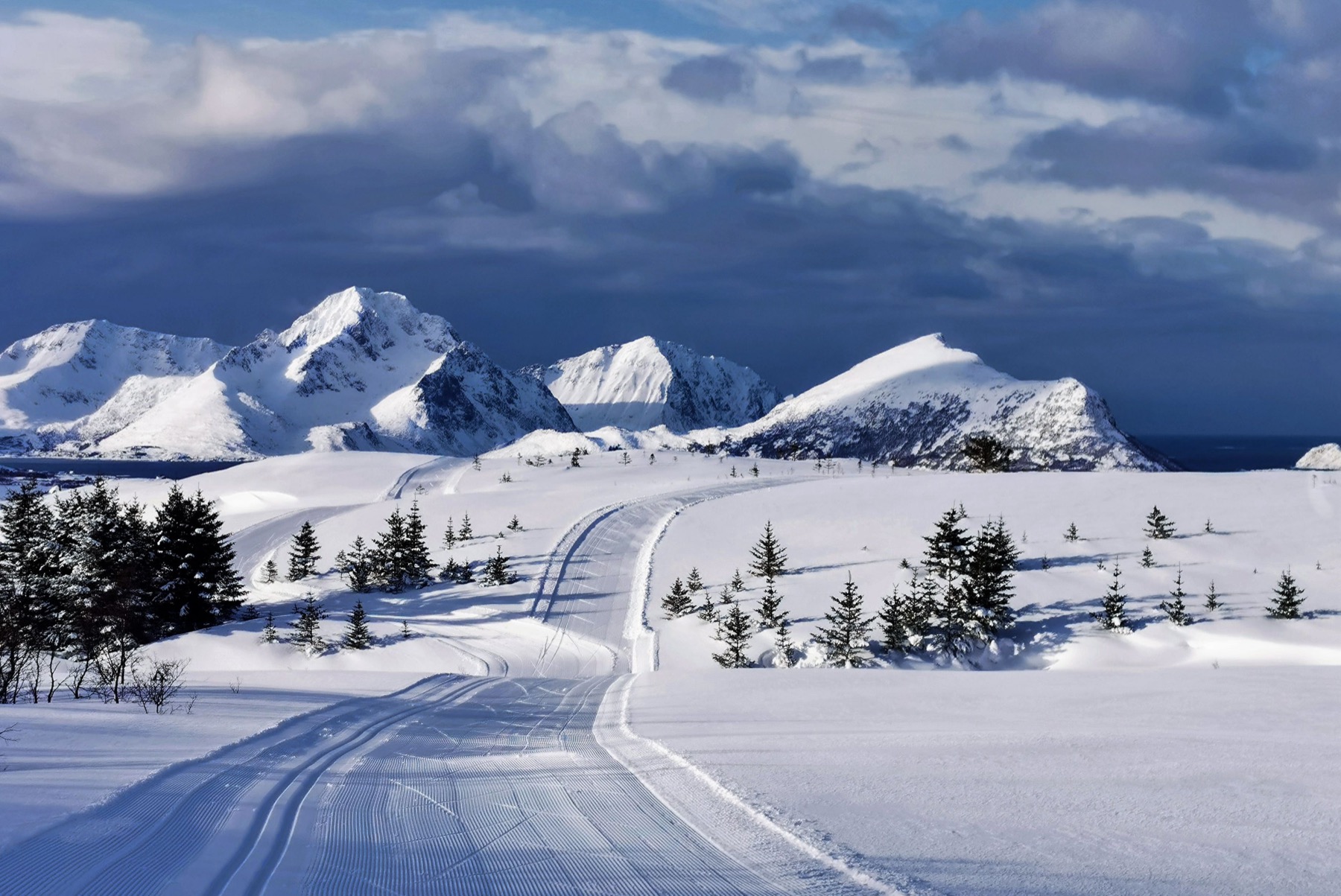
In Norway there’s an old saying that locals are born with skis on their feet, and they mean cross-country skis of course. The infrastructure for cross-country skiing here has no equivalent in the world and the best thing about it is that all machine-groomed tracks are available completely free. Maintenance is paid for jointly by individual municipalities, local sports clubs and voluntary contributions from enthusiasts. In the Nordmarka area alone, which picturesquely surrounds the capital Oslo, there are an incredible 2,000 kilometers of perfect trails maintained by the Skiforeningen association.
In Oslo you just hop on the number one metro, ride to the terminus at Frognerseteren or Sognsvann and jump straight from the platform into the white tracks, along the way through the forest you’ll come across traditional wooden cabins called stuer, where cross-country skiers take a break for fresh waffles with brown cheese and a mug of hot cocoa. Another legendary center is Sjusjøen above Lillehammer, which offers 350 kilometers of trails, or Beitostølen functioning as a gateway to Jotunheimen National Park with early snow certainty.
💡 Tip: Because it gets dark very early in Norway in winter, locals solved this problem in their own way. Practically every larger village has a so-called lysløype, which is an illuminated cross-country circuit where you can train late into the night. Cross-country skiing with a headlamp or under artificial lighting calmly at five o’clock in the afternoon after returning from work is an absolutely normal part of winter lifestyle here. Renting a complete cross-country set will also only cost you 250 to 350 NOK per day.
12. Norwegian Après-Ski, Hytte Accommodation and Alcohol Prices
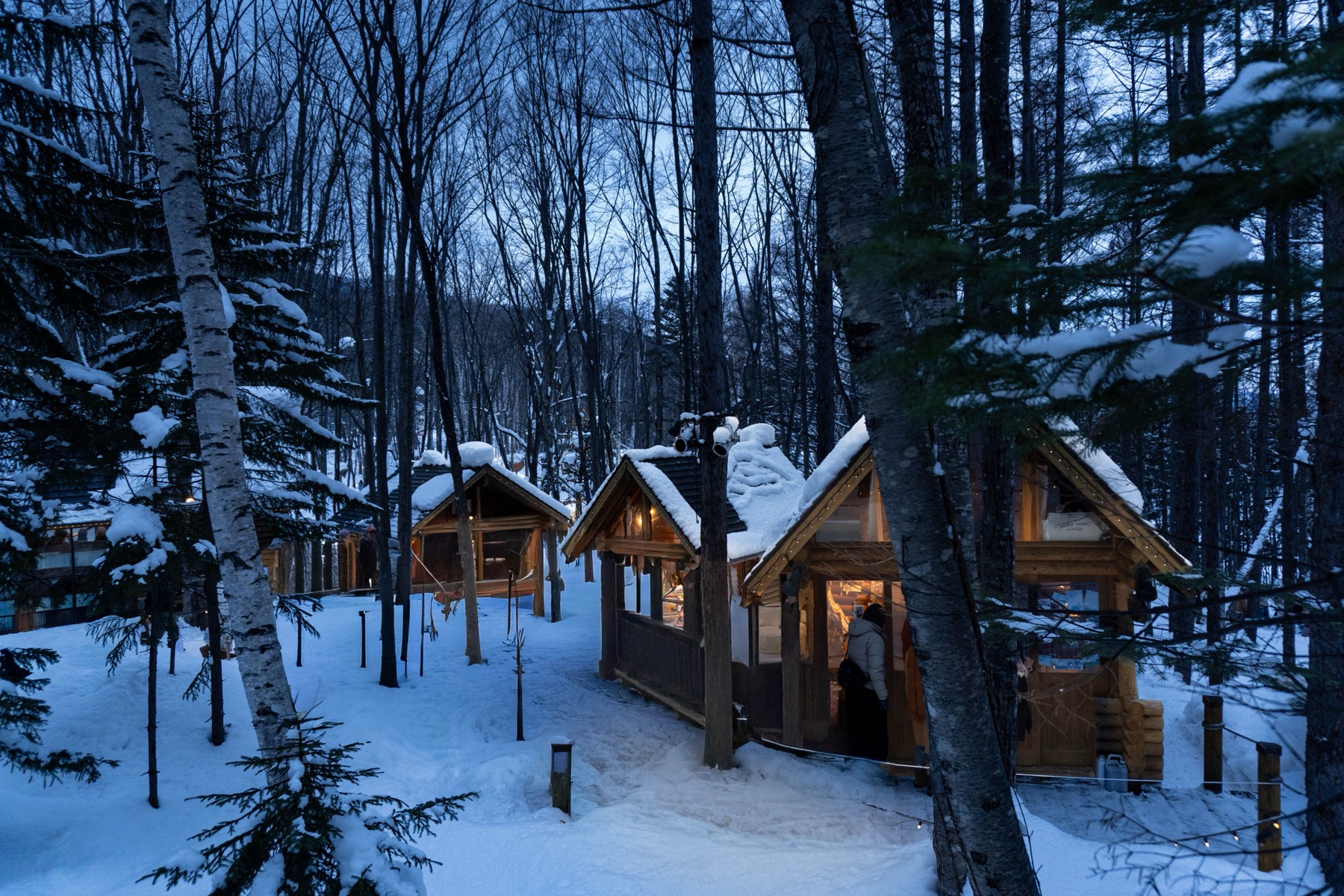
Don’t expect too much Austrian dancing on tables in ski boots to loud music with rivers of beer in Norway. The heart of a Norwegian winter holiday lies in the so-called hyttekultur, meaning renting traditional wooden cabins with self-catering right by the slope. A typical hytte for a group of six to eight people works out much cheaper in the end than a classic Alpine hotel with half board, especially if you book it outside the main holiday periods. Evenings are spent here by a roaring fireplace, playing board games and visiting the hot sauna that most better cabins are equipped with.
The main reason people don’t go en masse to drink in bars at the base is draconian Nordic prices. A half-liter of ordinary beer in a restaurant will cost you 100 to 140 NOK, which is easily €14 or more. If you also want to buy a bottle of wine for dinner, you have to head to specialized state-run Vinmonopolet stores. These have very limited opening hours and are strictly closed on Sundays. Regular supermarkets only sell light beer, and only until eight in the evening, on Saturday even only until six.
💡 Tip: More experienced travelers solve this burning issue by stocking up on basic alcohol in the duty-free zone at the airport immediately after arriving in Oslo. It’s basically a Norwegian national sport and you’ll meet crowds of locals at the duty-free shop shelves. If you come to terms with cooking a good dinner with friends at the cabin after skiing and skip expensive restaurants, you’ll find that a Norwegian winter definitely won’t ruin your budget in the end.
Where to Stay and How to Choose the Right Type of Accommodation
💡 Accommodation and experiences tip: We prefer to look for accommodation on Booking.com, where there are usually the best cancellation terms. Tickets, tours and activities are worth comparing and buying through GetYourGuide.
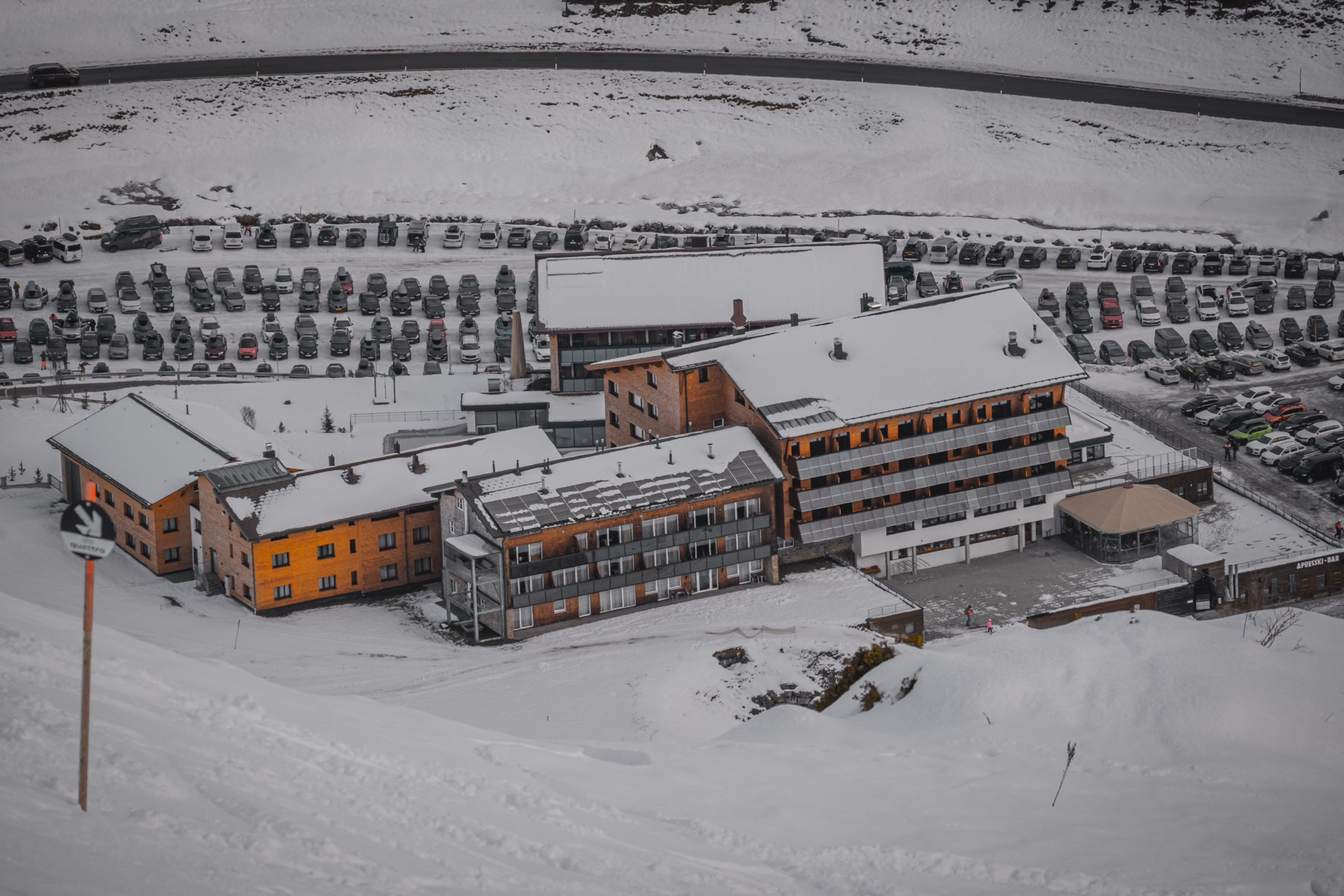
If you’re looking for comfort and service, you’ll find plenty of great options by the slopes. In Norway, apartments and traditional wooden cabins (hytte) predominate, but of course premium hotels are also available. The choice always depends on your budget and whether you prefer cooking for yourself or want to enjoy breakfast from a rich buffet. ☺️
I highly recommend for example the Radisson Blu Resort Trysil, which is located right by the slope and offers unbeatable facilities including pools. In Hemsedal, the popular designer Skarsnuten Hotel offers valley views as if in the palm of your hand. And if you travel by train to Geilo, a great tip is Vestlia Resort with a luxurious wellness center.

Where to Eat and What to Prepare For
Dining at Norwegian ski slopes has its specifics and it’s definitely worth knowing what you’re getting into. Food prices at mountain restaurants are noticeably higher than we’re used to from the Alps, but the quality of ingredients is always top-notch. The Norwegian national sport is bringing your own sandwiches in a backpack, but sometimes you just want to treat yourself to warmth and a hot lunch in a cozy cabin.
Among the most popular places in Trysil are the renowned pizzeria Peppes Pizza or the stylish Laaven restaurant, where skiers gather for a proper burger. In Hemsedal definitely stop by Skigaarden, which is a complex of several restaurants right on the slope with an absolutely phenomenal view. Be sure to try traditional Norwegian waffles with brown cheese brunost, a classic you’ll find on menus at practically every slope!
Practical Summary and Approximate Prices
For better orientation when planning your budget, I’ve prepared a table comparing selected Norwegian resorts for the 2026/2027 season. Take ski pass prices as approximate, at large resorts they change depending on early online purchase and the specific date in the season. In rough terms, a holiday for a family of four with cabin accommodation and self-catering works out price-wise very similarly to a stay at a better Austrian resort.
- Most expensive items: Dining at slope-side restaurants (simple lunch 200–300 NOK), beer and any alcohol.
- Where you’ll save: Kids under 7 don’t pay for ski passes, renting a large shared cabin for multiple people, cooking from your own supplies bought at regular supermarkets (REMA 1000, Kiwi).
- Rentals: A complete ski set (skis, boots, poles) for an adult works out to about 400 to 500 NOK per day, or 1,500 to 2,000 NOK per week. With early online reservation you’ll get a discount and certainty that your size will be available.
- Train tickets: It pays to hunt in advance on the Vy.no website, where so-called Minipris tickets can be obtained from as little as 249 NOK.
- Car transport: If you drive with your own vehicle from abroad, you’re looking at a journey of approximately 1,900 kilometers through Sweden and across bridges. Winter equipment is an absolute necessity.
| Resort | Slope Length | Day Pass (approx) | Ideal For | How to Get There |
|---|---|---|---|---|
| :— | :— | :— | :— | :— |
| Trysil | 78 km | 808 NOK (approx €74) | Families, lovers of big resorts | Direct bus from Oslo / Scandinavian Mountains airport |
| Hemsedal | 44 km | 697 NOK (approx €64) | Sporty skiers, après-ski | Car from Oslo (3h) or train to Gol + bus |
| Geilo | 34 km | approx €70 | Beginners, cross-country skiers | Train from Oslo directly to resort |
| Voss | 45 km | approx €63 | Freeride, city connection | Train from Bergen, lift from station |
| Oppdal | 56 km | approx €57 | Empty slopes, peace | Train towards Trondheim |
Where Next
If skiing up north appeals to you and you want to plan your trip down to the last detail, I’ve prepared other useful guides for you:
- Wondering what temperatures await you on the slopes? Read the article When to Go to Norway: Norwegian Weather, so you know how to dress properly.
- Want to combine winter sports with sightseeing? Check out Norway: 50 Tips on What to See.
- If you’re planning to drive with your own vehicle and load all your skis into it, you’ll definitely find the guide Norway by Car: Road Trip useful.
- For detailed calculations of all food and transport costs, check out How Much Does a Norway Holiday Cost.
- And if you’re flying through the capital, don’t miss the article Oslo: What to See, the city offers great museums and fantastic saunas by the fjord.
Frequently Asked Questions
Before you start definitively packing your winter gear, I’ve written a quick overview of the most important information for you. Here you’ll find answers to the questions I most often receive about Norwegian skiing.
How much does a ski pass cost in Norway?
Prices vary by resort and purchase date, as major operators use dynamic pricing. At the largest resort, Trysil, during the 2026/2027 high season you’ll pay around 808 NOK (approx. €75) for a day pass if you buy last minute. Smaller but still excellent resorts like Oppdal, Myrkdalen or Voss are significantly cheaper, around 50 to 60 euros per day. Children up to 7 years always ski free.
Is skiing in Norway more expensive than in the Alps?
Ski pass prices themselves are definitely no longer more expensive; with dynamic pricing they often work out cheaper than top Alpine resorts. Accommodation in shared wooden cabins is also very competitively priced. The major difference you’ll feel is in food and alcohol prices on the slopes. A simple lunch or one draft beer on the mountain will cost you at least double what you’d pay in Italy or Austria.
When does the ski season start and end?
Thanks to its favorable Nordic location, the season in Norway is incredibly long and reliable. Most resorts open as early as late November and you can ski on excellent natural snow until at least mid-April. Higher-altitude resorts like Hemsedal or Geilo routinely maintain quality operations until the first days of May, so spring skiing in the sun is fantastic here.
Can you ski in Norway in summer too?
Yes, summer skiing is a big hit in Norway and a tremendous experience. The iconic Stryn Sommerski resort sits on a glacier high in the mountains and usually opens in late May, as soon as heavy machinery manages to plow through the snowdrifts blocking the access road. It typically operates until the end of July and you very often ski here just in shorts and a t-shirt.
What about cross-country skiing in Norway?
Norway is an absolute cross-country skiing powerhouse with the best infrastructure in the world. You’ll find thousands of kilometers of trails that are perfectly groomed and completely free. A large portion of the tracks around cities and villages (called lysløype) are also lit, so you can exercise without any problems even during the dark winter afternoons after work.
Where is the best place to ski with children?
The largest resort, Trysil, offers huge and perfectly equipped children’s areas that regularly win international awards. Geilo and the gentler Hafjell also have excellent conditions. The main advantages are a safe environment, the consideration of local skiers, and the fantastic fact that children up to seven ski free of charge when accompanied by an adult and wearing a mandatory helmet.
How can you get to the mountains without renting a car?
Norway has absolutely unique and functional infrastructure. Direct ski buses run from Oslo airport to Trysil or Hemsedal. But the very best option is the famous Bergensbanen train, which takes you from central Oslo directly to the lifts at Geilo resort. Even more luxurious is western Voss, where a modern gondola departs right from the train platform.
Tips and Tricks for Your Vacation
Don’t Overpay for Flights
Search for flights on Kayak. It’s our favorite search engine because it scans the websites of all airlines and always finds the cheapest connection.
Book Your Accommodation Smartly
The best experiences we’ve had when looking for accommodation (from Alaska to Morocco) are with Booking.com, where hotels, apartments, and entire houses are usually the cheapest and most widely available.
 🚗 Car rental on the roadVerified rental cars in Norway
Search with the DiscoverCars comparison engine — it compares prices from dozens of local and international rental companies, and most bookings come with free cancellation.
Compare car prices in Norway →Don’t Forget Travel Insurance
Good travel insurance will protect you against illness, accidents, theft, or flight cancellations. We’ve had a few hospital visits abroad, so we know how important it is to have proper insurance arranged.
Where we insure ourselves: SafetyWing (simple monthly subscription) and TrueTraveller (for extra-long trips).
Find the Best Experiences
Get Your Guide is a huge online marketplace where you can book guided walks, trips, skip-the-line tickets, tours, and much more. We always find some extra fun there!