

November is hands down one of the gloomiest months of the year in Central Europe, with nothing to look forward to outside but early darkness, damp fog and endless drizzle — which is exactly why it’s the perfect time to escape to the sun. While everyone back home is digging out their winter coats, flights to warmer climates drop to their yearly low and the most beautiful tropical destinations kick off their very best season. Fleeing the autumn blues makes a huge amount of sense for your wallet, too.
If you’re sitting at your computer right now with a hot cup of tea, wondering about warm November destinations, I have great news for you — there are far more options than you might think at first glance. Whether you’re after just a long weekend in a European city or you’re mainly interested in where to head for a beach break, I’ve tried to put together the most detailed overview possible. There really is a lot to choose from, and it all comes down to how much time and money you want to invest in your autumn adventure.
In this article you’ll find 30 concrete tips, a big table of sea temperatures neatly sorted from the warmest destinations, and of course recommendations for tried-and-tested hotels and budgets. All the data is based on precise ten-year averages from 2015 to 2024 drawn from the reliable ERA5 climate reanalysis, while sea temperatures come from a detailed marine model covering 2019 to 2024. But I haven’t forgotten those of you who are instead looking out for the first snow, so we’ll also peek at the start of Advent and the approaching ski season.
TL;DR
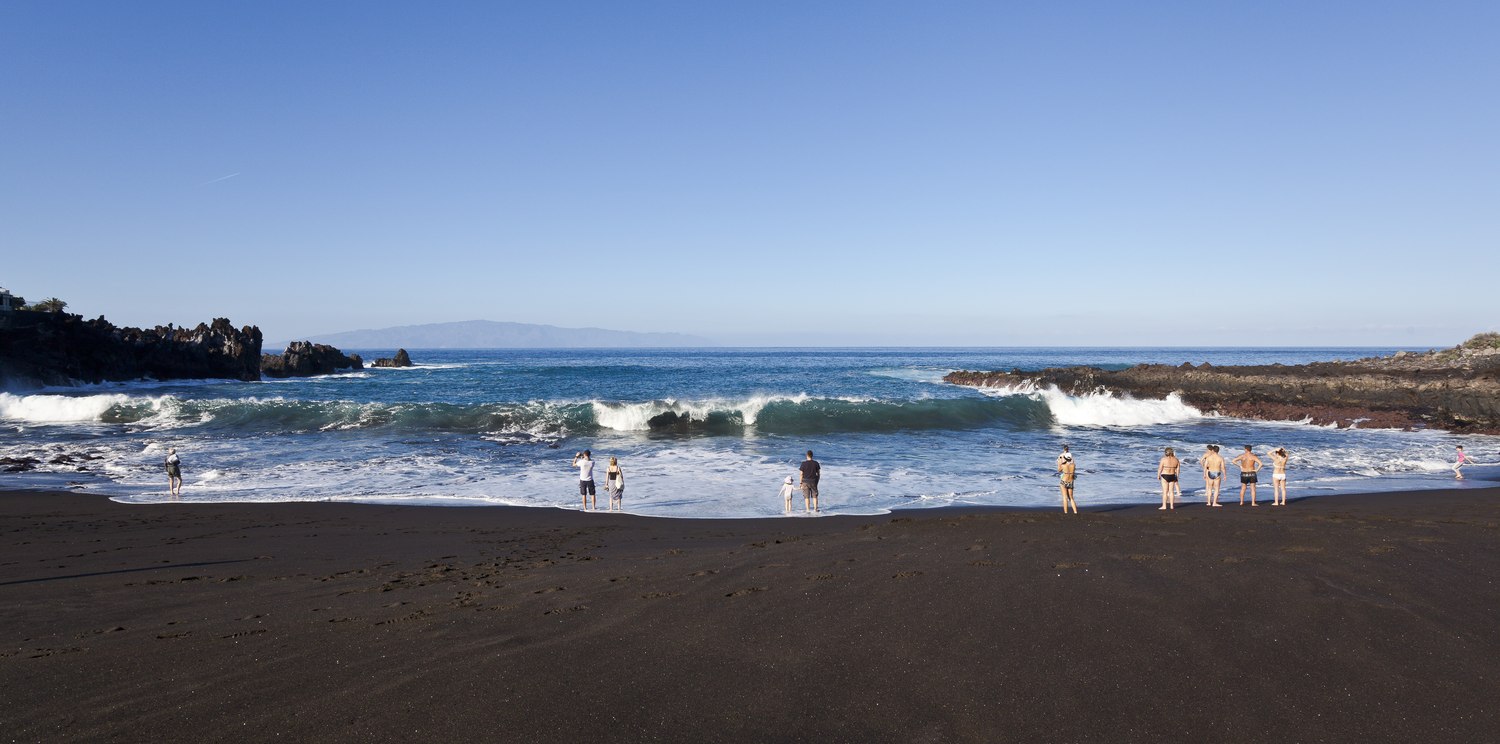
- In Europe the swimming season is basically over, and only the Canary Islands reliably hold on, where the water off the coast of Tenerife is still a very pleasant 23.1 °C.
- Egypt is still fantastic, with Sharm el-Sheikh tempting you with a sea temperature of 26.8 °C, and popular Hurghada measuring a respectable 25.4 °C.
- In the popular tropics, on the other hand, the best part of the year begins, as proven by the fairytale Maldives with water at 29.7 °C, Thailand at 29.7 °C and sunny Bali at 29.6 °C.
- Dubai and Oman are finally pleasant again after an unbearably hot summer, so you can look forward to sea temperatures of 28.2 °C and 29.0 °C respectively.
- In the African Cape Verde islands, the water hovers between 26.5 and 26.9 °C, and the most favourable period for a visit is slowly kicking off.
- In November you’ll snag the cheapest flights of the whole year, because airlines need to fill empty seats before the Christmas madness.
- Towards the end of the month, European cities also see the Advent markets kick off, and high up in the Alps the glaciers open with the first frosts.
- If a chillier adventure appeals to you, know that up in the far north the northern lights season is peaking right now.
Why November is an underrated month
Many people think the travel season ends with the last days of October, but in my view that’s a huge mistake that needlessly deprives you of great experiences. November may not look like the most attractive month on the calendar at first glance, but for savvy travellers it’s an absolute treasure. Let’s take a look together at why you should be packing your bags precisely when most other people are sitting at home by the radiator.
5 reasons to travel in November
The lowest flight and hotel prices of the year are probably the biggest draw, because tourism slows down significantly after the summer peak. Airlines do everything they can to sell off empty seats before the Christmas holidays, so you’ll often stumble on flights for a fraction of the usual price, and the same goes for accommodation. Hoteliers simply need to pay their staff outside the high season too, which gives you a great chance to snag a more luxurious room for the price of an ordinary guesthouse.
While in summer you’re squashed into endless crowds at popular landmarks, the autumn months guarantee you half-empty streets and quieter beaches. You can stroll calmly through the historic centres of European cities without bumping into anyone, and your photos will finally be free of hundreds of strangers’ heads. On top of that, the locals tend to be far more relaxed once the summer tourists have left and have more time for you ☺️.
If you’re eyeing more distant, exotic spots, you’ll be delighted to know that the dry season is just beginning in the tropics, promising the best possible weather. The monsoons are slowly retreating, the sky is clearing and humidity drops to a bearable level, so you won’t be sweating just from sitting on the terrace. It’s the absolute best time to head, say, to Southeast Asia or the Indian Ocean region.
In Europe the sun is slowly losing its strength, but in return the magical Advent and ski season kick off, which has its own unmistakable charm. At the end of the month, Christmas trees light up in cities big and small and roasted chestnuts start to waft through the air, while on the Alpine glaciers you can carve your first proper turns on fresh powder. For lovers of winter romance, it’s an absolutely ideal combination.
And finally we have to be honest and admit that simply escaping the darkest month of the year has enormous value for our mental health. When you know that only bare trees and overcast skies await you back home, even an ordinary long weekend in the southern European sun can work absolute wonders for your mood. It’s simply a small investment in your own wellbeing that will pay off a hundred times over.
What doesn’t work in November
To be completely honest, though, not every destination is suitable for an autumn holiday, and if you don’t want to be disappointed you have to choose fairly carefully. November is a month of big transitions, when the weather breaks in many places and becomes distinctly unpredictable. So if you’re planning a trip, watch out for the following traps that travellers often fall for:
- Swimming in the Mediterranean is over, because the water is cooling down significantly, so apart from the aforementioned Canary Islands and Egypt you won’t get much use out of your swimwear.
- Most popular Greek islands and Adriatic resorts are already completely closed, hoteliers are winterising their properties and ferries run only on very limited schedules.
- You have to bear in mind that the days are much shorter, which means it gets dark really early in the northern hemisphere and you only have a few hours of daylight to explore.
- Across the whole of southern Europe there’s an increased risk of autumn rain, so sightseeing walks can easily get rained out and a raincoat should be mandatory kit.
- In the popular Caribbean the hurricane season officially ends, but the weather there usually settles down for good only at the very end of the month.
Where is it warmest in November: the big sea temperature table
To make the choice as easy as possible, Lukáš and I have prepared a detailed overview of the most popular destinations you can escape to in autumn. All the figures in our table are based on precise historical data from the past ten years, so these aren’t just random estimates from travel-agency brochures. We focused on real averages, so you know exactly what you’re getting into and whether a light sweater will do or you’d better pack a warmer jacket too.
I’ve deliberately sorted the table from the warmest sea, because that’s usually the main figure we care about most in a dreary autumn. So at the very top you’ll logically find the tropics and more distant, exotic spots where you’re guaranteed to warm up, the middle section belongs to popular Egypt and the Canary Islands, and the very bottom of the table represents destinations suitable more for pleasant beach walks without swimming.
| Destination | Sea temperature | Daytime air | At night | Rainy days |
|---|---|---|---|---|
| Maldives Maldives | 29.7 °C | 28.0 °C | 26.1 °C | 21.9 of 30 |
| Ko Samui (Thailand) Thailand | 29.7 °C | 28.1 °C | 24.9 °C | 25.7 of 30 |
| Bali Indonesia | 29.6 °C | 29.3 °C | 24.2 °C | 24.2 of 30 |
| Trincomalee (Sri Lanka) Sri Lanka | 29.4 °C | 28.8 °C | 23.9 °C | 24.9 of 30 |
| Muscat Oman | 29.0 °C | 29.4 °C | 21.8 °C | 1.3 of 30 |
| Cancún Mexico | 28.6 °C | 27.9 °C | 23.4 °C | 15.3 of 30 |
| Zanzibar Tanzania | 28.5 °C | 29.6 °C | 24.5 °C | 23.8 of 30 |
| Dubai UAE | 28.2 °C | 30.6 °C | 20.8 °C | 1.1 of 30 |
| Boa Vista Cape Verde | 26.9 °C | 29.5 °C | 22.2 °C | 0.8 of 30 |
| Sharm el-Sheikh Egypt | 26.8 °C | 28.3 °C | 19.1 °C | 0.6 of 30 |
| Sal Cape Verde | 26.5 °C | 27.7 °C | 23.4 °C | 1.1 of 30 |
| Mauritius Mauritius | 26.4 °C | 28.9 °C | 22.4 °C | 12.6 of 30 |
| Marsa Alam Egypt | 25.7 °C | 27.5 °C | 20.7 °C | 0.6 of 30 |
| Ha Long (Vietnam) Vietnam | 25.5 °C | 25.9 °C | 19.6 °C | 9.3 of 30 |
| Hurghada Egypt | 25.4 °C | 26.3 °C | 19.6 °C | 0.1 of 30 |
| Aqaba Jordan | 24.9 °C | 27.2 °C | 16.8 °C | 0.6 of 30 |
| Ayia Napa Cyprus | 23.8 °C | 22.2 °C | 16.3 °C | 6.7 of 30 |
| Antalya and the Turkish Riviera Turkey | 23.5 °C | 21.3 °C | 11.2 °C | 8.3 of 30 |
| Paphos Cyprus | 23.3 °C | 22.3 °C | 14.7 °C | 5.9 of 30 |
| Rhodes Greece | 23.1 °C | 20.9 °C | 16.0 °C | 7.0 of 30 |
| Tenerife Canary Islands | 23.1 °C | 23.6 °C | 18.3 °C | 8.5 of 30 |
| Gran Canaria Canary Islands | 22.8 °C | 22.9 °C | 17.7 °C | 5.0 of 30 |
| Madeira Portugal | 22.8 °C | 21.4 °C | 16.6 °C | 11.2 of 30 |
| Malta Malta | 22.6 °C | 20.7 °C | 17.0 °C | 10.9 of 30 |
| Kos Greece | 22.5 °C | 20.1 °C | 15.9 °C | 9.2 of 30 |
| Lanzarote Canary Islands | 22.2 °C | 22.5 °C | 18.2 °C | 2.3 of 30 |
| Bodrum Turkey | 22.1 °C | 20.2 °C | 14.1 °C | 9.4 of 30 |
| Fuerteventura Canary Islands | 22.1 °C | 23.3 °C | 18.4 °C | 2.2 of 30 |
| Zakynthos Greece | 21.8 °C | 19.5 °C | 15.0 °C | 13.1 of 30 |
| Lefkada Greece | 21.7 °C | 19.0 °C | 12.7 °C | 13.0 of 30 |
| Djerba Tunisia | 21.6 °C | 22.4 °C | 15.6 °C | 4.0 of 30 |
| Hammamet Tunisia | 21.6 °C | 20.8 °C | 14.0 °C | 6.7 of 30 |
| Algarve Portugal | 21.3 °C | 19.4 °C | 13.3 °C | 7.3 of 30 |
| Crete Greece | 21.2 °C | 21.1 °C | 13.8 °C | 7.8 of 30 |
| Sicily Italy | 21.2 °C | 19.5 °C | 13.8 °C | 13.4 of 30 |
| Calabria Italy | 21.2 °C | 19.1 °C | 13.9 °C | 14.2 of 30 |
| Ksamil and Saranda Albania | 21.2 °C | 18.5 °C | 10.7 °C | 13.4 of 30 |
| Corfu Greece | 21.0 °C | 18.3 °C | 14.2 °C | 14.7 of 30 |
| Santorini Greece | 21.0 °C | 19.9 °C | 16.1 °C | 4.6 of 30 |
| Agadir Morocco | 20.9 °C | 24.0 °C | 14.7 °C | 3.1 of 30 |
| Amalfi and the Bay of Naples Italy | 20.6 °C | 17.9 °C | 11.6 °C | 15.4 of 30 |
| Azores Portugal | 20.1 °C | 19.2 °C | 16.1 °C | 15.1 of 30 |
| Corsica France | 19.9 °C | 17.4 °C | 10.3 °C | 12.8 of 30 |
| Ibiza Spain | 19.8 °C | 19.4 °C | 14.7 °C | 6.4 of 30 |
| Budva Montenegro | 19.8 °C | 17.1 °C | 11.4 °C | 13.9 of 30 |
| Mallorca – Palma Spain | 19.7 °C | 18.7 °C | 12.9 °C | 8.3 of 30 |
| Split and Makarska Croatia | 19.7 °C | 16.3 °C | 9.7 °C | 13.1 of 30 |
| Dubrovnik Croatia | 19.7 °C | 16.8 °C | 9.8 °C | 13.9 of 30 |
| Halkidiki Greece | 19.3 °C | 17.1 °C | 13.2 °C | 8.0 of 30 |
| Sardinia Italy | 19.0 °C | 17.8 °C | 11.3 °C | 10.5 of 30 |
| Puglia Italy | 18.9 °C | 18.2 °C | 11.8 °C | 10.6 of 30 |
| Tuscany (coast) Italy | 18.8 °C | 16.1 °C | 9.8 °C | 13.2 of 30 |
| French Riviera (Nice) France | 18.4 °C | 16.6 °C | 9.5 °C | 8.9 of 30 |
| Costa del Sol (Málaga) Spain | 18.3 °C | 20.0 °C | 13.1 °C | 5.5 of 30 |
| Istria Croatia | 18.0 °C | 14.8 °C | 9.7 °C | 11.2 of 30 |
| Costa Blanca (Alicante) Spain | 17.9 °C | 20.1 °C | 12.4 °C | 5.0 of 30 |
| Costa Brava Spain | 17.9 °C | 16.9 °C | 9.7 °C | 8.5 of 30 |
| Rimini and the northern Adriatic Italy | 15.6 °C | 14.6 °C | 8.4 °C | 10.9 of 30 |
| Sunny Beach Bulgaria | 15.2 °C | 14.4 °C | 7.3 °C | 8.5 of 30 |
| New York (beaches) USA | 13.0 °C | 12.5 °C | 4.4 °C | 8.3 of 30 |
Where you can still realistically swim in November
Once you look at the actual figures, you’ll quickly realise that if you demand truly bathwater-warm water, you’ll have to fly a little further. Travellers very often praise the Asian and African coasts, where the ocean doesn’t cool down at all after summer and offers absolutely ideal conditions for all-day snorkelling. Based on long-term reviews and measurements, the destinations can be divided into several fairly clear categories that make it easy to choose the right one.
If you like certainty and warm water, stick to these real averages:
- Above 28 °C you’ll only find in the true tropics: The Maldives holds an amazing 29.7 °C (with a daytime air temperature of 28.0 °C), Thailand’s Ko Samui is exactly the same (29.7 °C sea, 28.1 °C air) and hot on their heels is Indonesian Bali with water at 29.6 °C. African Zanzibar won’t disappoint either (sea 28.5 °C), nor will Dubai and Oman’s Muscat, where after a hot summer the sea offers a gorgeous 28.2 °C and 29.0 °C respectively, plus an absolute minimum of rainfall.
- A pleasant 25 to 27 °C is the golden middle ground: Affordable Egypt reigns here, with Sharm el-Sheikh reporting water at 26.8 °C (air 28.3 °C) and Hurghada at 25.4 °C (air 26.3 °C). Cape Verde is very similar, with the ocean off the islands of Sal and Boa Vista measuring 26.5 to 26.9 °C, and in Mauritius you can look forward to water at 26.4 °C with average daytime air temperatures around 28.9 °C.
- A refreshing 23 to 24 °C for hardier swimmers: In this category you’ll already run into the European stalwarts running on their last legs, so to speak. This includes Tenerife in the Canaries with a sea temperature of 23.1 °C (air 23.6 °C), Ayia Napa in Cyprus with water at 23.8 °C, and Antalya on the Turkish Riviera, where the sea still holds an acceptable 23.5 °C, although at night the air already drops to a cooler 11.2 °C.
- Below 22 °C the Mediterranean is done for the season: All the other European destinations are no good for swimming at this time of year, and their shores are ideal at most for surfers in wetsuits, or for romantic walks along the coast enjoying the clean sea air without the crowds.
Cities and mountains in November
Although we’ve been talking mainly about swimming so far, it would be a huge shame to forget that November is historically the very cheapest month to visit European cities. While swimming in the south of the continent is no longer an option, the weather there — with temperatures around fifteen degrees — is absolutely ideal for long sightseeing walks: you don’t sweat and there are no queues anywhere. And if you love café culture, cosy galleries or the first sips of mulled wine at the markets, Europe’s cities will absolutely win you over at this time of year 😅.
| Destination | Daytime air | At night | Rainy days | Sun/day |
|---|---|---|---|---|
| Marrakech Morocco | 24.1 °C | 10.0 °C | 4.0 of 30 | 9.2 h |
| Athens Greece | 18.6 °C | 11.0 °C | 7.4 of 30 | 8.2 h |
| Lisbon Portugal | 18.0 °C | 12.3 °C | 9.9 of 30 | 7.6 h |
| Barcelona Spain | 17.4 °C | 9.5 °C | 7.7 of 30 | 7.8 h |
| Rome Italy | 17.2 °C | 9.3 °C | 12.7 of 30 | 7.0 h |
| San Francisco USA | 16.7 °C | 9.9 °C | 6.7 of 30 | 8.5 h |
| Tokyo Japan | 16.7 °C | 8.4 °C | 9.5 of 30 | 7.2 h |
| Interlaken Switzerland | 10.8 °C | 4.9 °C | 13.5 of 30 | 5.9 h |
| Bled Slovenia | 9.9 °C | 3.0 °C | 11.4 of 30 | 5.2 h |
| Budapest Hungary | 9.6 °C | 2.9 °C | 9.2 of 30 | 5.1 h |
| Zell am See Austria | 9.6 °C | 0.8 °C | 11.9 of 30 | 6.1 h |
| Southern Moravia (Mikulov) Czechia | 8.7 °C | 2.7 °C | 8.2 of 30 | 4.5 h |
| Prague Czechia | 8.4 °C | 2.3 °C | 9.7 of 30 | 4.3 h |
| Kraków Poland | 8.4 °C | 2.0 °C | 10.3 of 30 | 4.5 h |
| Toronto Canada | 8.2 °C | 2.2 °C | 9.8 of 30 | 5.6 h |
| Cortina d’Ampezzo (Dolomites) Italy | 6.9 °C | -1.2 °C | 9.4 of 30 | 6.3 h |
| Bergen and the fjords Norway | 6.1 °C | 1.8 °C | 17.5 of 30 | 2.8 h |
| Reykjavík Iceland | 3.9 °C | 0.2 °C | 15.8 of 30 | 2.2 h |
| High Tatras (Štrbské Pleso) Slovakia | 3.2 °C | -2.4 °C | 11.5 of 30 | 5.2 h |
| Anchorage USA | -2.0 °C | -7.1 °C | 12.3 of 30 | 3.3 h |
Warm short-haul destinations in November: 8 places
If you don’t fancy spending half a day on a plane, November offers a surprisingly decent choice of warm short-haul destinations — you just have to head a little further south than during the summer holidays. While the Mediterranean is slowly settling into its winter slumber, North Africa and the Atlantic islands are only just opening up the most pleasant part of the year, tempting you with a very agreeable climate free of scorching heat.
In these parts you won’t face any temperature extremes, but rather ideal conditions for combining relaxation on the beach with sightseeing. What’s more, package and flight prices drop pleasantly after October, so you can treat yourself to an autumn warm-up without a big draught on your wallet.
1. Canary Islands: the only place in Europe where you can swim
This Spanish archipelago is an absolute safe bet for anyone looking for European comfort while still demanding sunshine. They are, after all, the only European islands with a sea temperature above 22 °C in November, which is plenty for very pleasant autumn swimming. According to long-term measurements, daytime air here stays around a lovely 24 °C, and on Tenerife, for example, you’ll get an average of 23.6 °C during the day and water at a nice 23.1 °C.
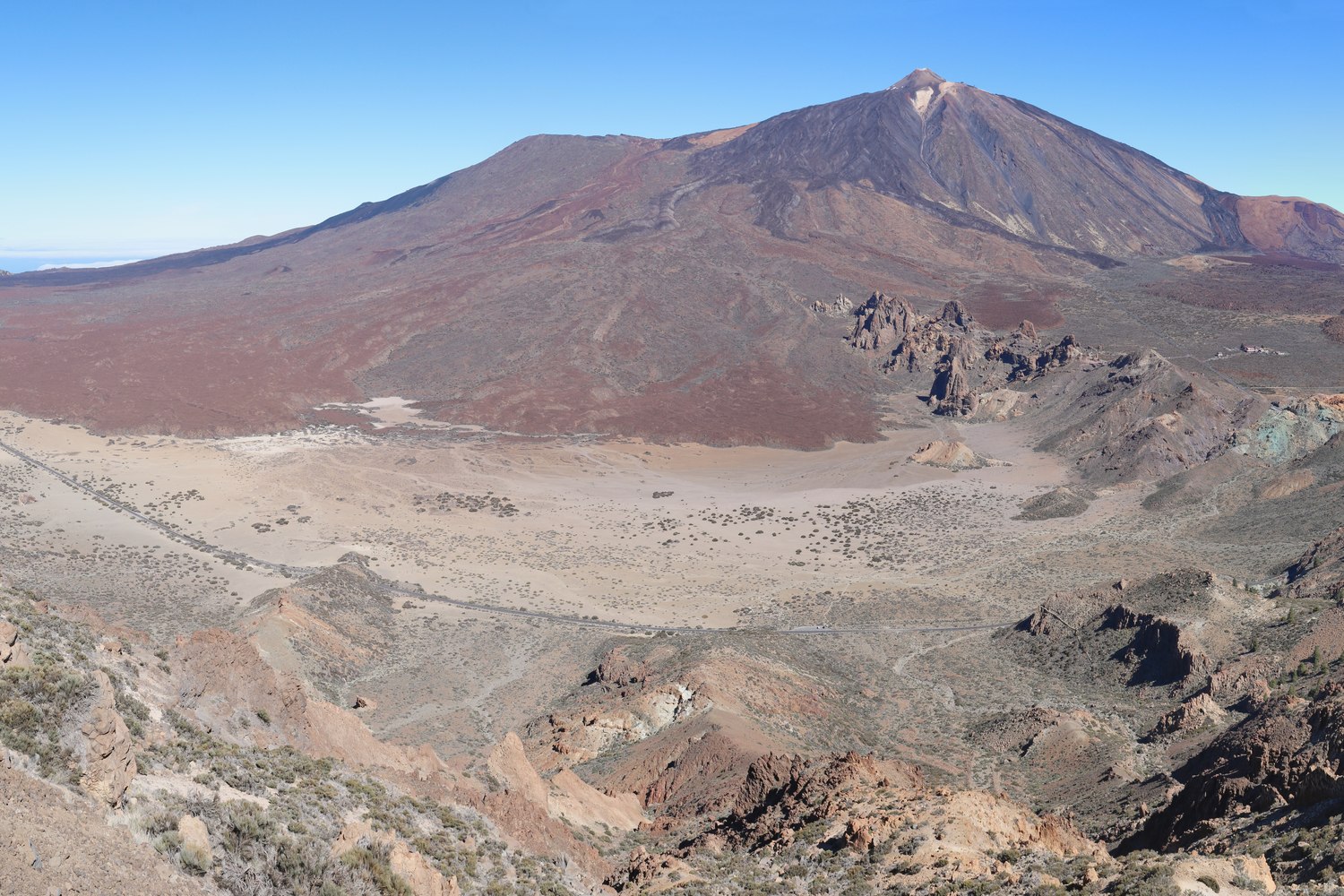
If you’re still hesitating over which Canary Island to choose, it comes down purely to which activities appeal to you most. On Tenerife, travellers rave about trips to the Teide volcano or strolls through the town of Puerto de la Cruz, while on Gran Canaria, with an average 22.9 °C, the famous Maspalomas sand dunes are the big draw.
On Lanzarote, where it only rains 2.3 days a month, you’ll be captivated by the volcanic Timanfaya National Park, and on Fuerteventura, with daytime highs of 23.3 °C, locals recommend exploring the town of Corralejo and the gorgeous Playa de Papagayo. The whole archipelago also boasts more than nine hours of sunshine a day, so your chances of warming up are truly enormous.
💡 Accommodation tip: Marina Elite in Arguineguín on Gran Canaria.
2. Egypt: the most reliable warmth within a three-hour flight
When it comes to where to holiday in Egypt, the autumn months tend to be the clear favourite of just about every traveller. While in summer you’d bake here, in November it’s finally pleasant even for all-day trips to the pyramids, which you can now explore in peace without the risk of sunstroke. The whole country offers a luxurious warm-up not far from home, with almost zero rainfall and more than ten hours of sun every day.
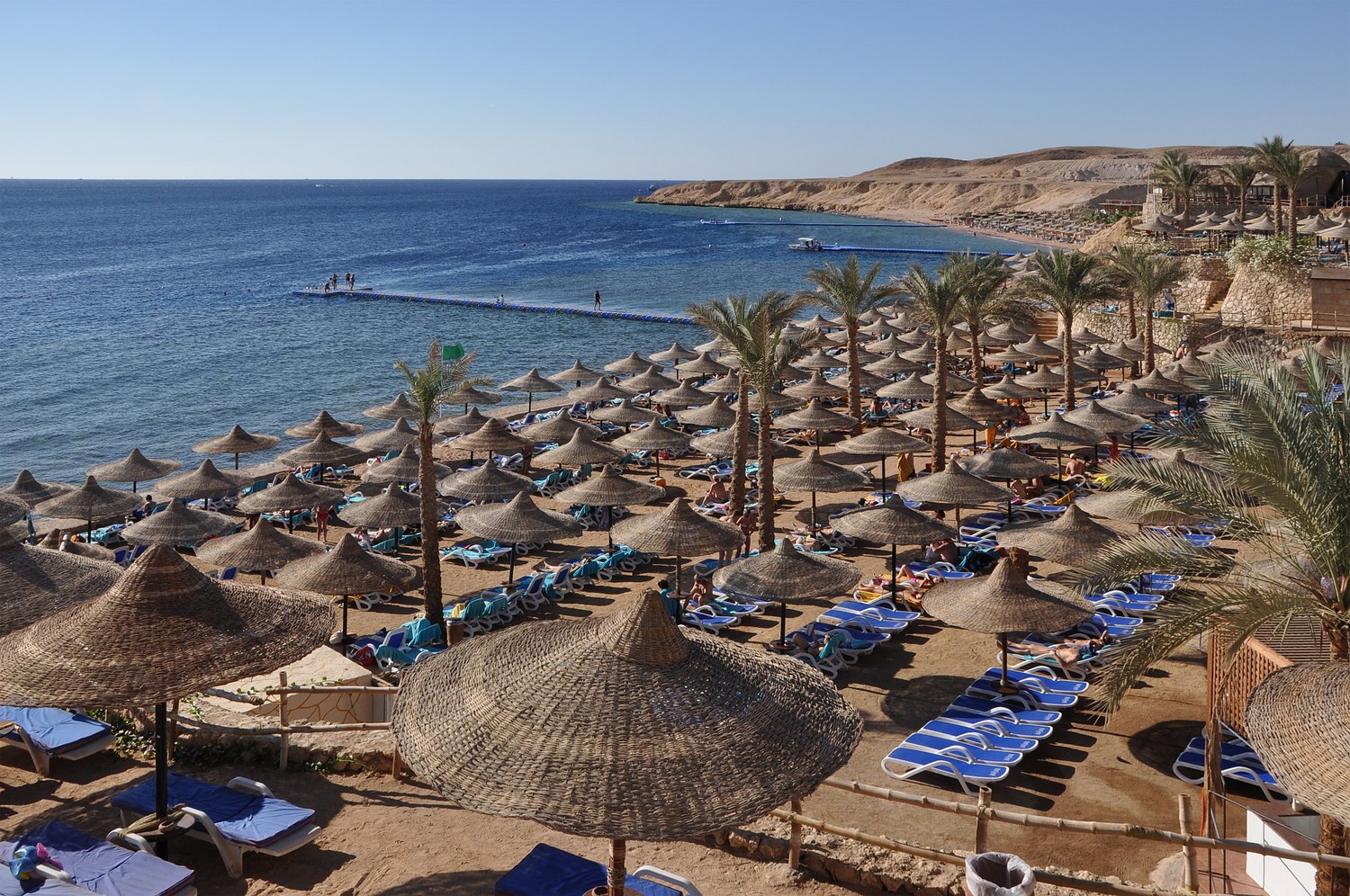
If you keep a close eye on the weather in Egypt, you’ll find that Sharm el-Sheikh boasts daytime temperatures of 28.3 °C and the sea here reaches an incredible 26.8 °C. The other resorts don’t lag behind either, because Marsa Alam offers 27.5 °C during the day and popular Hurghada a very pleasant 26.3 °C with water at 25.4 °C.
Tourists also praise the autumn months for the excellent snorkelling conditions, when the water feels like a warm bath and only a gentle, refreshing breeze blows. In Hurghada, it rains an average of just 0.1 days a month, so you can leave the umbrella at home with a clear conscience and pack only your swimwear and sunscreen.
💡 Accommodation tip: Steigenberger Golf Resort El Gouna or Fort Arabesque Resort in Hurghada.
3. Cape Verde: the start of the best season
These African islands lying in the middle of the Atlantic are a perfect escape from the Central European drizzle, because autumn is precisely when the best months for a visit kick off here. On the island of Sal the mercury climbs to 27.7 °C during the day, while the nights stay incredibly balmy with an average 23.4 °C, tempting you into long evening walks along the beach. Cape Verde will simply win you over with its laid-back, no-stress atmosphere.
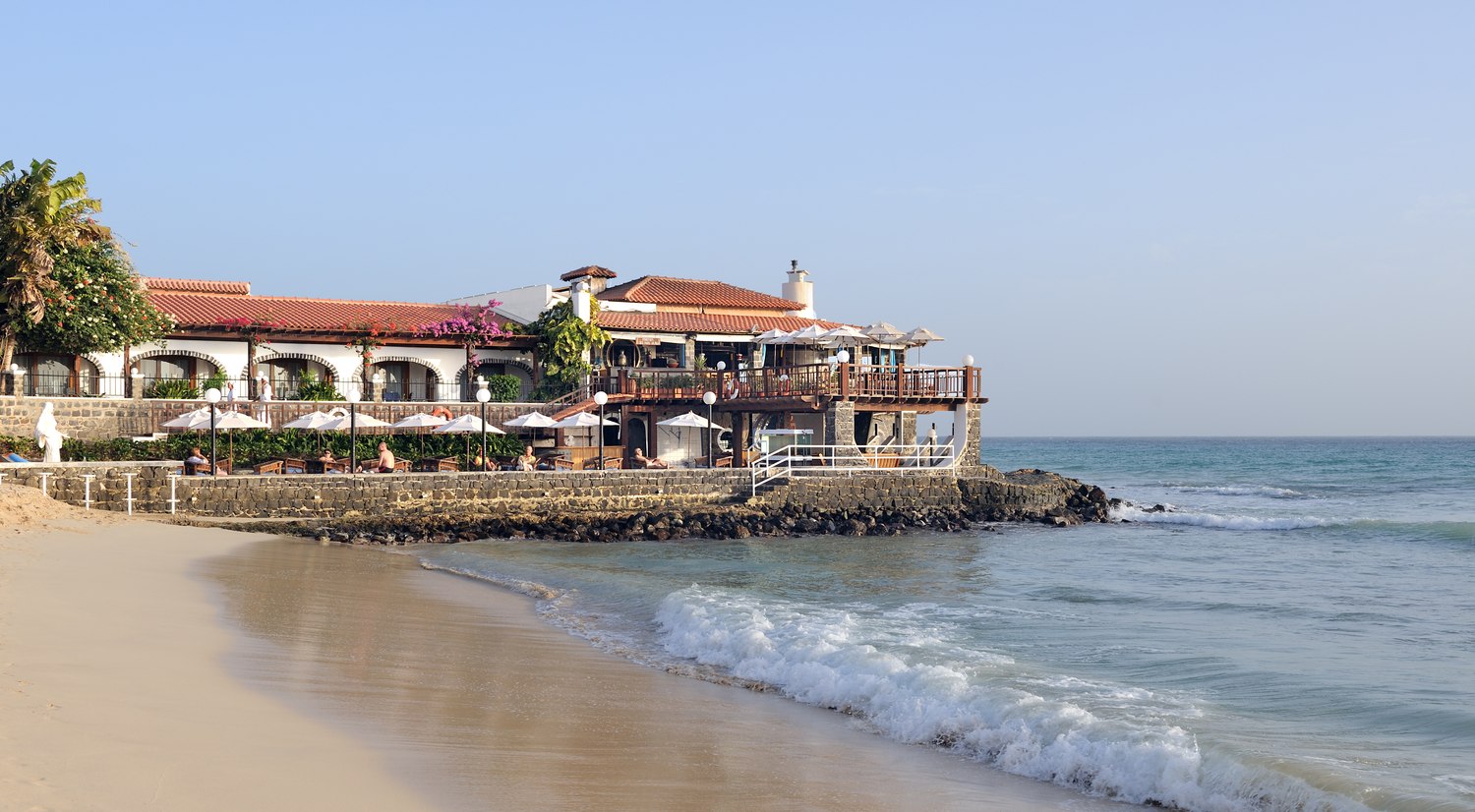
It’s a touch warmer still on neighbouring Boa Vista, where daytime temperatures climb up to 29.5 °C and the ocean welcomes you with a beautiful 26.9 °C. You’ll see rain very rarely here in November — the statistics list barely one rainy day for the whole month, so you can look forward to undisturbed relaxation under the palms.
The locals recommend packing a lighter sweater just in case the stronger ocean wind picks up, which is typical of this archipelago and incidentally creates great conditions for kitesurfing. With ten hours of sun a day, you’ll get just as good a tan as in the middle of the summer holidays, only without the annoying crowds of tourists.
💡 Accommodation tip: Hotel Riu Palace Boavista or Hotel Morabeza in Santa Maria on the island of Sal.
4. Madeira: the green island for walking
This beautiful corner of Portugal is famous for its year-round spring-like atmosphere, but I have to warn you honestly that a pure beach holiday it really won’t be at this time of year. The sea still holds a decent 22.8 °C, but during the day you’ll measure roughly 21.4 °C, and clouds and occasional showers appear more often, with the statistics reporting an average of 11.2 rainy days a month. Autumn weather on Madeira is, however, absolutely ideal for active travellers who don’t want to just lie by the pool.
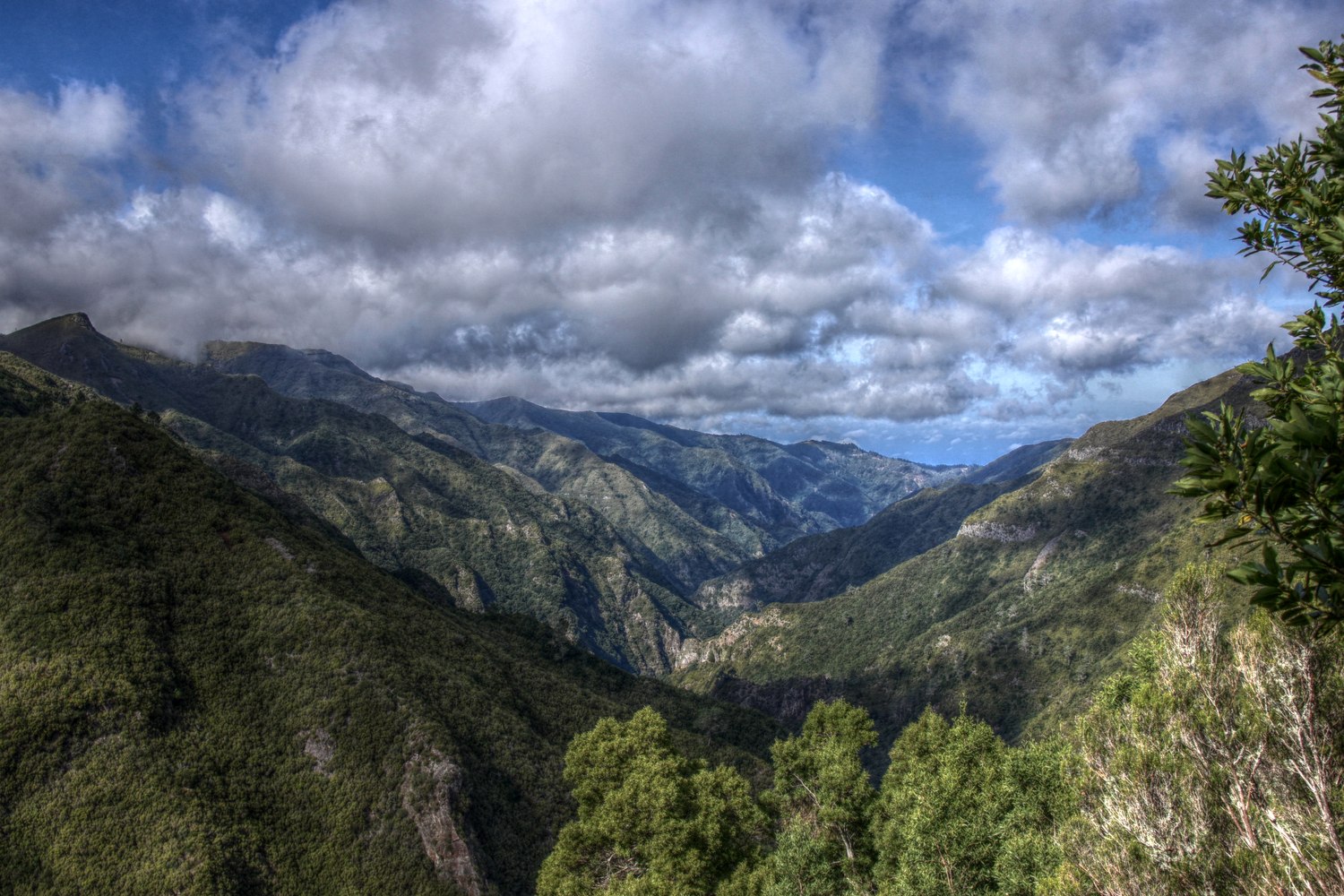
Right now is the best time to explore the famous irrigation channels, along which the most beautiful hiking trails wind. Walking beside the levadas at a pleasant twenty degrees, you won’t break a sweat, and you’ll fully enjoy the fantastically green nature that takes on new life after the summer months.
If you’re planning a trip to Madeira, be sure to pack good hiking boots and a light waterproof jacket. The local mountains can really stir up the cloud cover, so while the sun shines in Funchal in the south, the northern cliffs can be shrouded in mysterious mist ☺️.
5. Cyprus and the Turkish Riviera: the season on its last legs
The eastern Mediterranean holds its warmth the longest of all European locations, yet you’ll already feel the autumn mood here quite clearly. The sea still shows a fantastic 23.8 °C in Cyprus’s Ayia Napa, but the morning and evening air has noticeably cooled, because night-time temperatures around Paphos drop to 14.7 °C. Your holiday in Cyprus at this time will therefore be fantastic more for exploring archaeological sites than for all-day lounging on a sunbed.
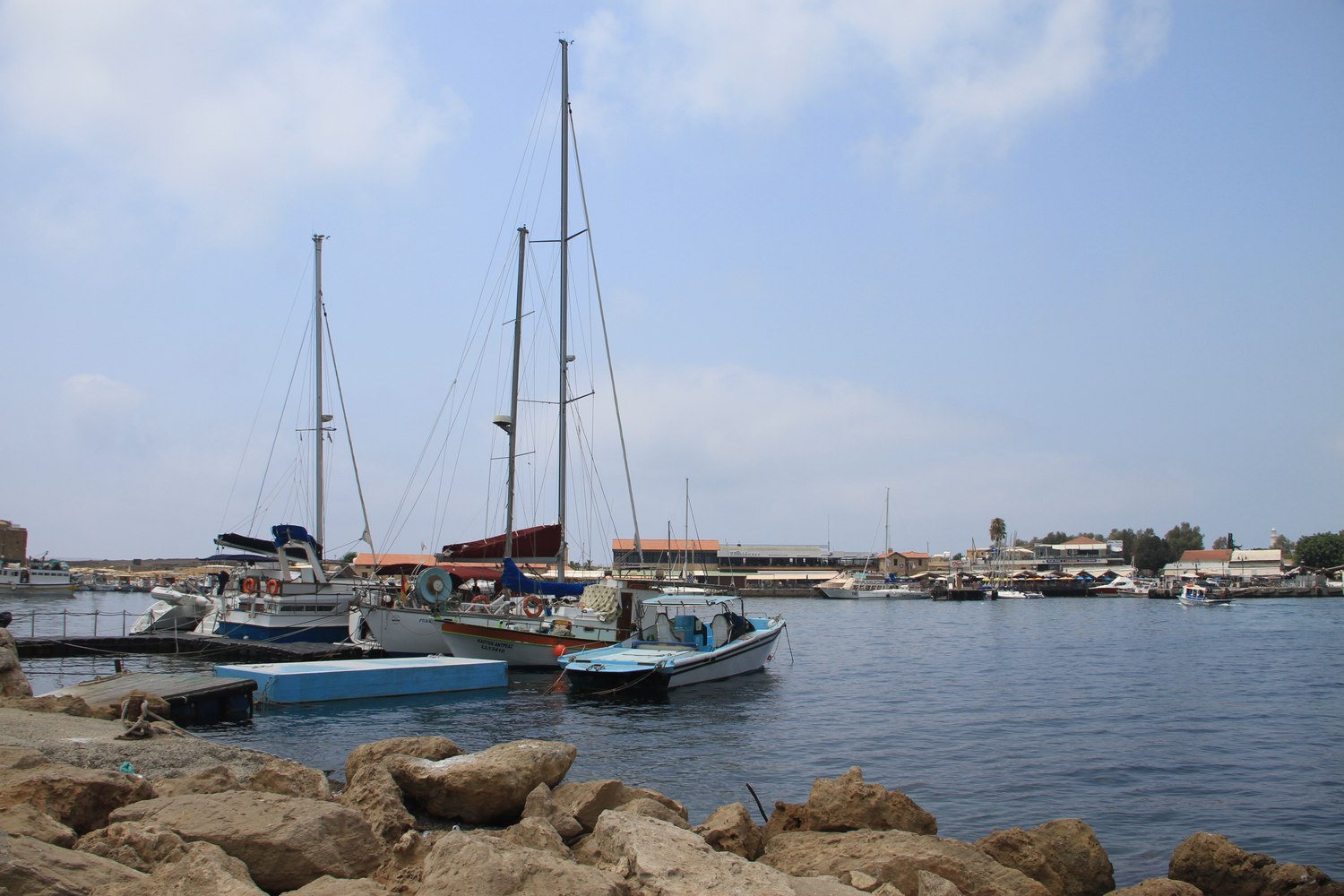
A similar situation prevails on the opposite coast, where a holiday in Turkey tempts you with a calmer atmosphere free of the holiday rush. In popular Antalya you’ll measure 21.3 °C during the day and the water is a lovely 23.5 °C, you just have to bear in mind that the sun no longer has the same strength and it rains occasionally, on average around 8.3 days a month.
I’d therefore recommend heading to these parts with the expectation of easygoing trips into history, with the occasional refreshing dip in the waves along the way. Also keep in mind that some hotels and restaurants are already closing for the winter, so the resorts feel far sleepier than in summer.
6. Dubai and the United Arab Emirates
If you long for a hundred-per-cent guarantee of hot weather and ultra-modern luxury, the city of skyscrapers definitely won’t let you down. After a hellish summer, when you can’t survive outside, November is one of the very best months to visit Dubai. The air stays at a fantastic 30.6 °C during the day, which is the absolutely ideal compromise between the summer furnace and pleasant warmth for evening strolls, when the mercury drops to around twenty degrees.
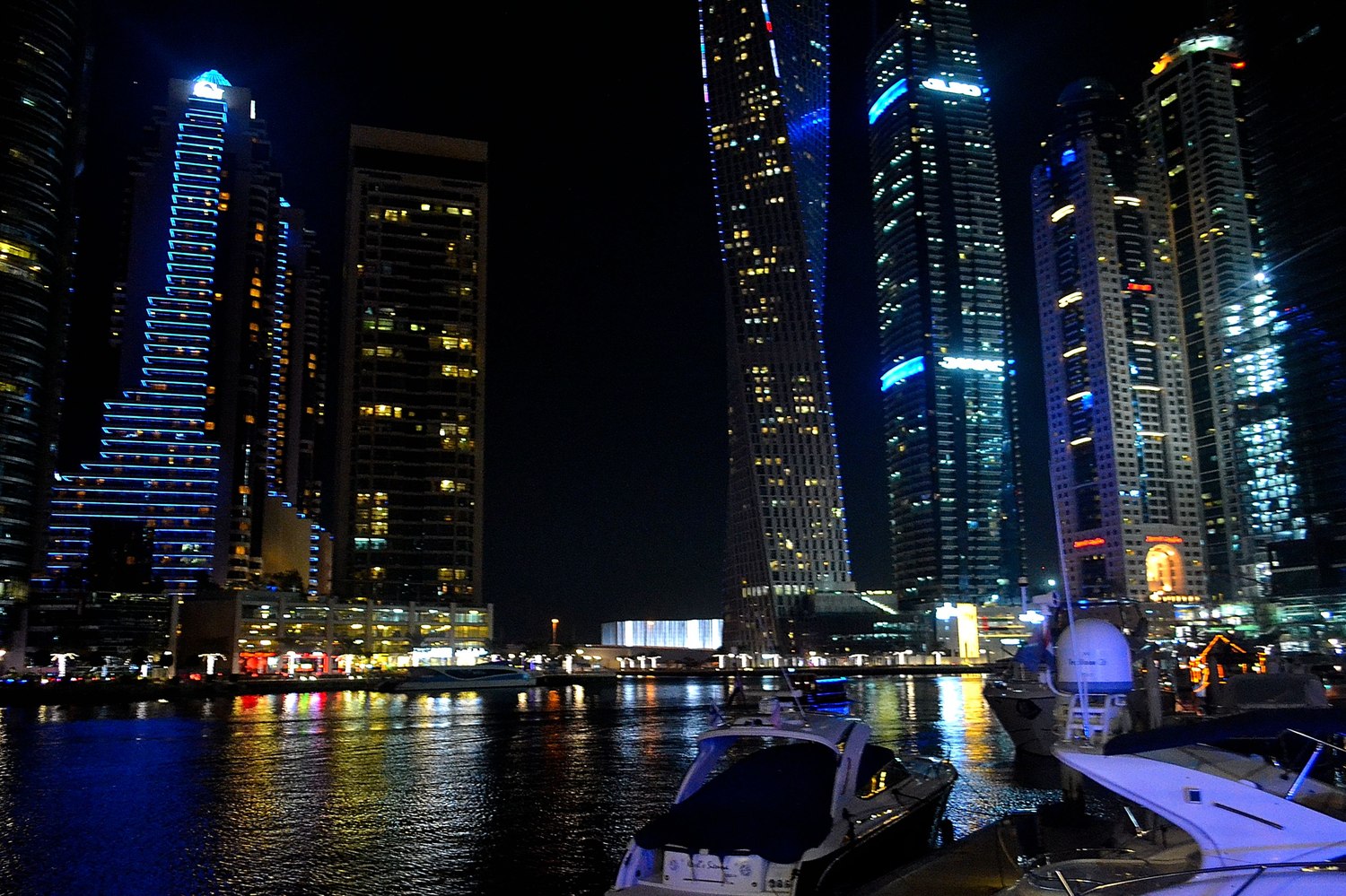
The biggest draw at this time is undoubtedly the water, because the Persian Gulf acts like a giant thermal pool. The sea sits at an incredible 28.2 °C, so you won’t want to get out at all, and on top of that you can expect almost ten hours of pure sunshine a day without a single drop of rain.
Travellers also praise Dubai in the autumn months for the enormous number of outdoor festivals and open restaurant terraces. All the outdoor attractions run at full tilt and the city buzzes with incredible energy, and the locals recommend heading out into the desert too, where by the afternoon there’s no longer any risk of collapsing from the heat 😅.
7. Oman: desert, wadis and empty beaches
This jewel of the Arabian Peninsula still remains somewhat off the mass-tourism radar, which makes it an absolutely fantastic destination for calmer souls. The capital Muscat welcomes you with lovely daytime temperatures of 29.4 °C, creating perfect conditions for discovering ancient forts and souks scented with frankincense. Your holiday in Oman thus turns into a Thousand and One Nights fairytale full of authentic experiences.
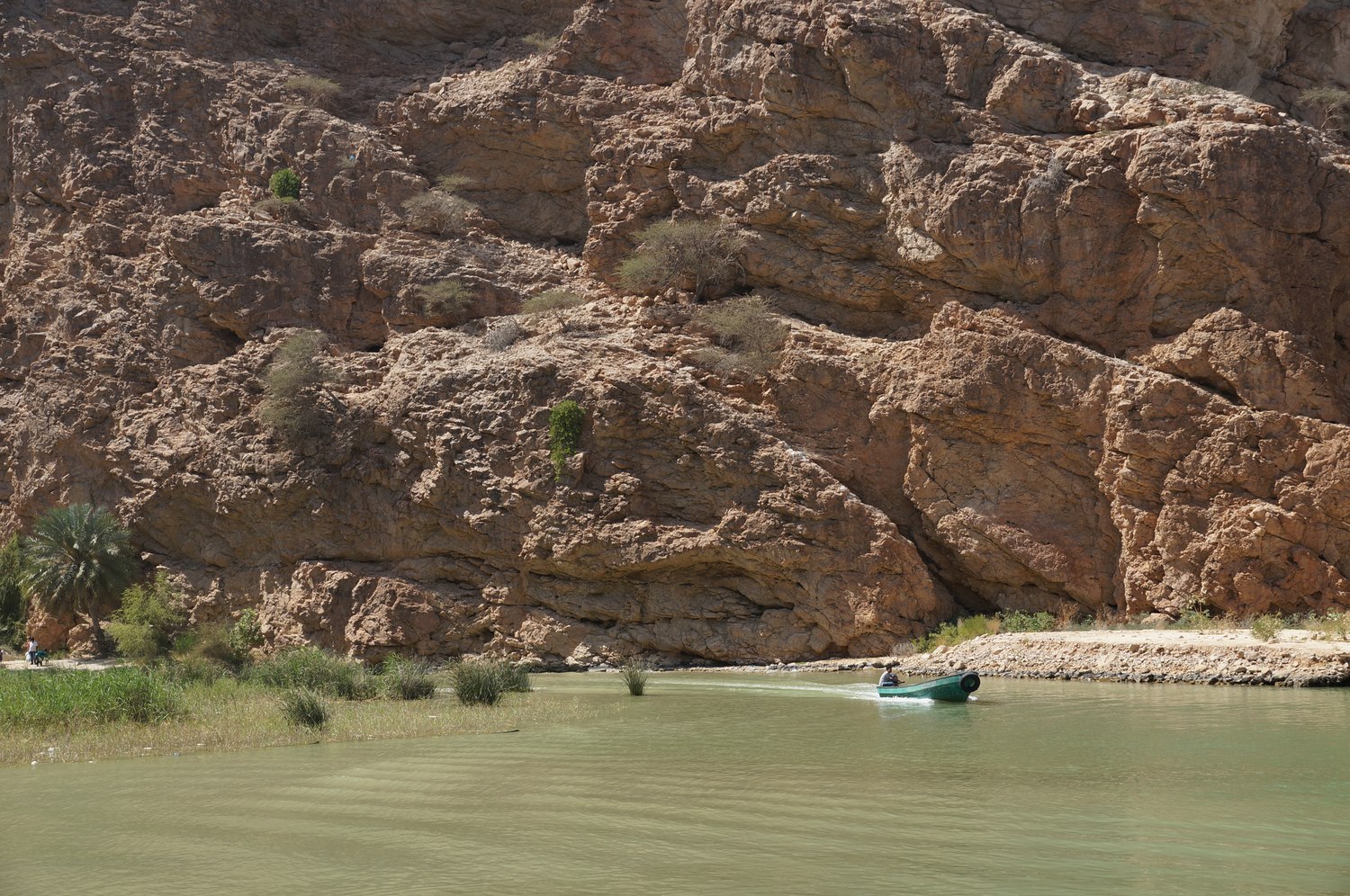
The absolute highlight here, though, is the swimming, because the water in the Gulf of Oman offers the best conditions in the whole region. The sea boasts an incredible 29.0 °C, so you’ll feel literally like you’re in a warm spa, and thanks to more than ten hours of sun a day you can sunbathe on deserted beaches from morning to night.
What travellers value most about the autumn dates is that you can finally head safely into the interior. According to reviews it’s the best time for trips into the dried-up river valleys known as wadis, where you can bathe in crystal-clear pools, or for camping under the stars in the desert, because near Muscat it rains only about one day a month.
8. Jordan and Aqaba: the best month for Petra
This Middle Eastern country offers a perfect balance between exploring world-famous landmarks and classic beach relaxation. November, along with April, is the very best month to visit the rock city of Petra, because the scorching heat is long gone from the desert, so you’ll manage the long hikes between the sandstone temples with a smile. If a holiday in Jordan appeals to you, you really couldn’t wish for better timing.
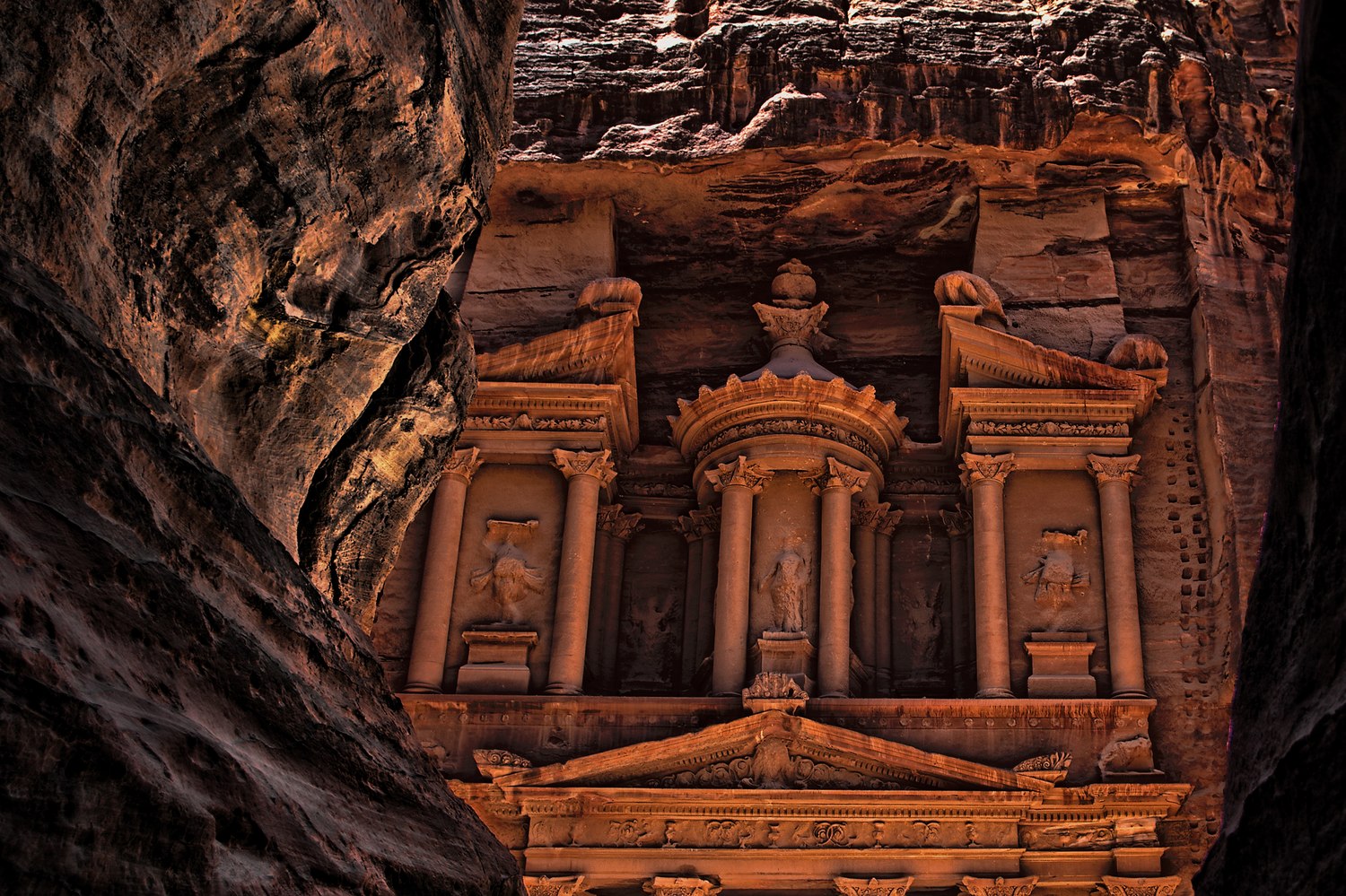
After demanding excursions, you can reliably recharge in the very south of the country by the Red Sea. In the resort of Aqaba, daytime temperatures climb to a very pleasant 27.2 °C and the sea still holds a great 24.9 °C, promising fantastic conditions for diving and exploring the colourful coral reefs without any unpleasant chill.
The locals only point out that the nights are getting cooler, with temperatures dropping to 16.8 °C, so definitely pack something warmer for evenings out. You needn’t worry about rain, though, because the statistics show just 0.6 rainy days a month, so you’re practically guaranteed the full ten hours of sunshine a day.
Tropical November escapes: 8 destinations where the season is just starting
If you long for the true tropics, white sand and coconuts dropping from the trees, the autumn months play incredibly into your hands. In November the exotic destinations switch over to the absolute best part of the year, when the demanding monsoons usually end and nature turns beautifully green after the heavy rains.
This is exactly when the sea is at its warmest across all these locations, so you’ll feel like you’re in a giant heated tub. The financial side is also a huge advantage, because flight and accommodation prices haven’t yet jumped to the crazy Christmas level, meaning you can treat yourself to a hefty dose of luxury for far more reasonable money.
1. Maldives: the start of the dry season
This dreamy chain of coral islets in the Indian Ocean is the absolute pinnacle of a beach holiday for many people, and autumn timing makes a huge amount of sense. From November to April the dry season prevails here, which means the damp southwest monsoon retreats and the sky starts to clear beautifully. If you’re wondering when to go to the Maldives, right now you’ll experience fantastic daytime temperatures around 28.0 °C and a sea warmed to an incredible 29.7 °C.
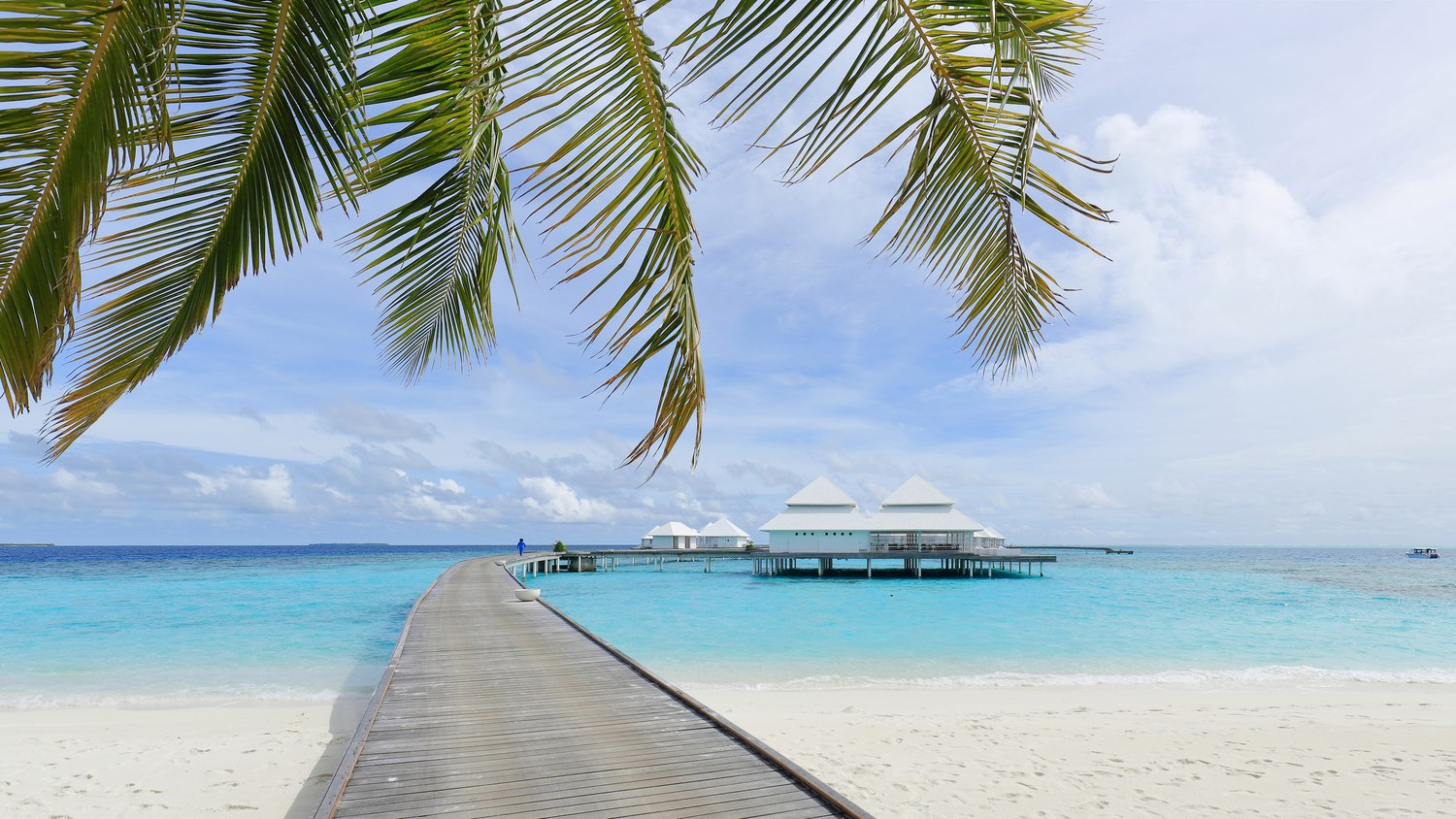
Travellers rave about this month for its absolutely ideal price-to-quality ratio. November is the very last month before resort prices absurdly jump to Christmas and New Year levels, so you can even bag a cheap Maldives trip. Don’t let the statistic of 21.9 rainy days scare you, because it’s usually just short night-time showers or quick tropical bursts, after which the sun comes right back out.
💡 Accommodation tip: Kuramathi Maldives or Vilamendhoo Island Resort & Spa.
2. Thailand: the Andaman coast in top form
Southeast Asia tempts you with fantastic food, Buddhist temples and gorgeous beaches, but when planning a trip here you have to be extremely careful about which coast you choose. From November, the best possible season begins on the Andaman side, with resorts like Phuket, Krabi or Ko Lanta, when the rains end and the sea calms down beautifully. This is exactly where your Thailand road trip should head if you’re after perfect autumn bliss.
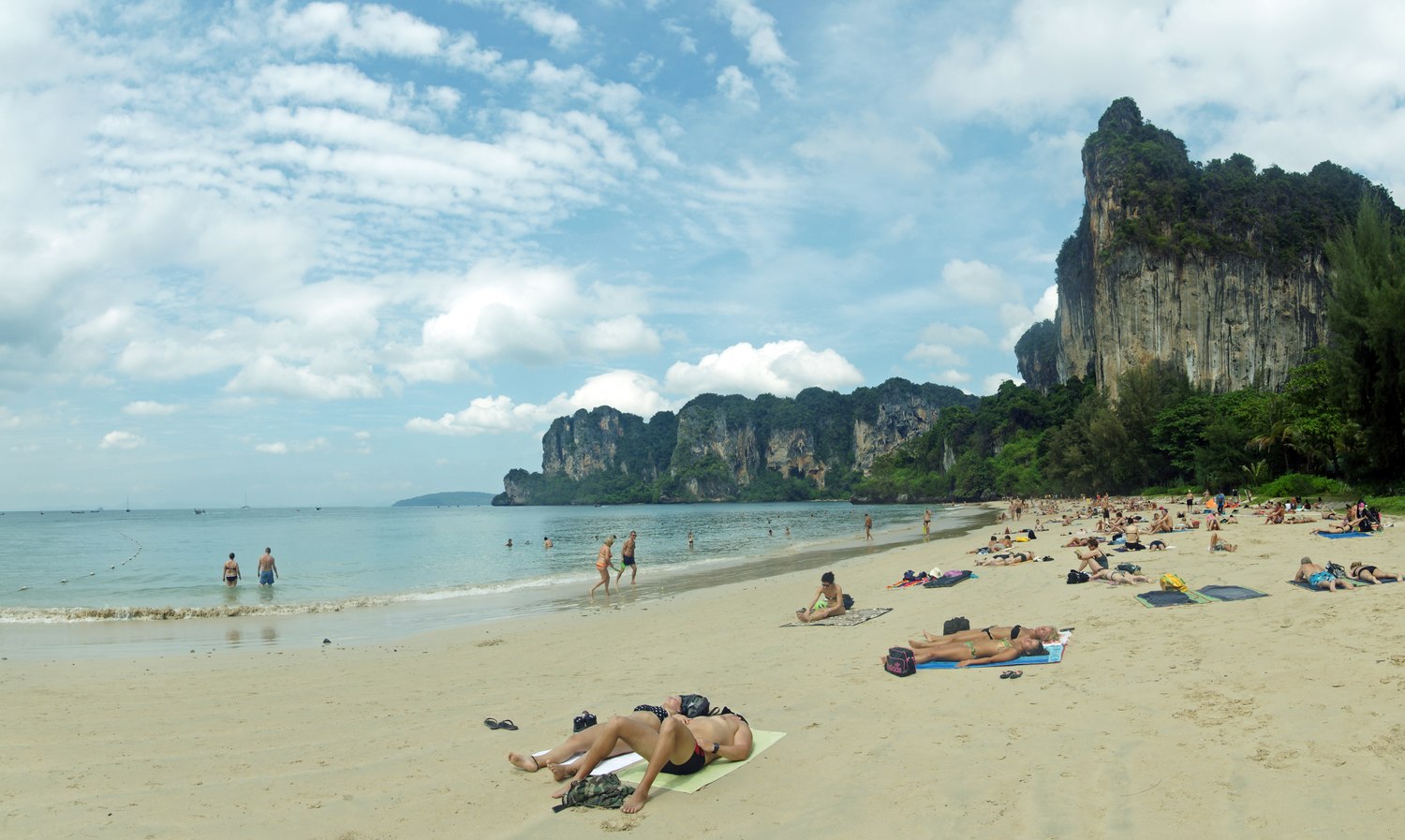
In contrast, the island of Ko Samui in the Gulf of Thailand paradoxically has its wettest month of the year in November. This is the absolute most common mistake when planning a Thai holiday, because the statistics here report a frightening 25.7 rainy days and the sea tends to be very rough. Although the air and water temperatures on the island reach a lovely 28.1 °C and 29.7 °C respectively, it really won’t be much good for swimming here.
So when drawing up your list of what to see in Thailand, stick exclusively to the west coast in autumn. Locals recommend heading mainly to the smaller coves, where you’ll enjoy crystal-clear water and fantastic snorkelling without the afternoon downpours.
3. Bali and Indonesia
This iconic Island of the Gods tempts you with rice paddies, Hindu temples and surf waves, but an autumn visit requires a slightly different approach than mid-summer. I have to honestly admit that November officially marks the start of the rainy season here, as proven by the statistic of 24.2 rainy days a month. There’s no reason to panic, though, because according to travellers’ experiences it usually rains only very briefly and intensely in the afternoon, after which the air clears beautifully.
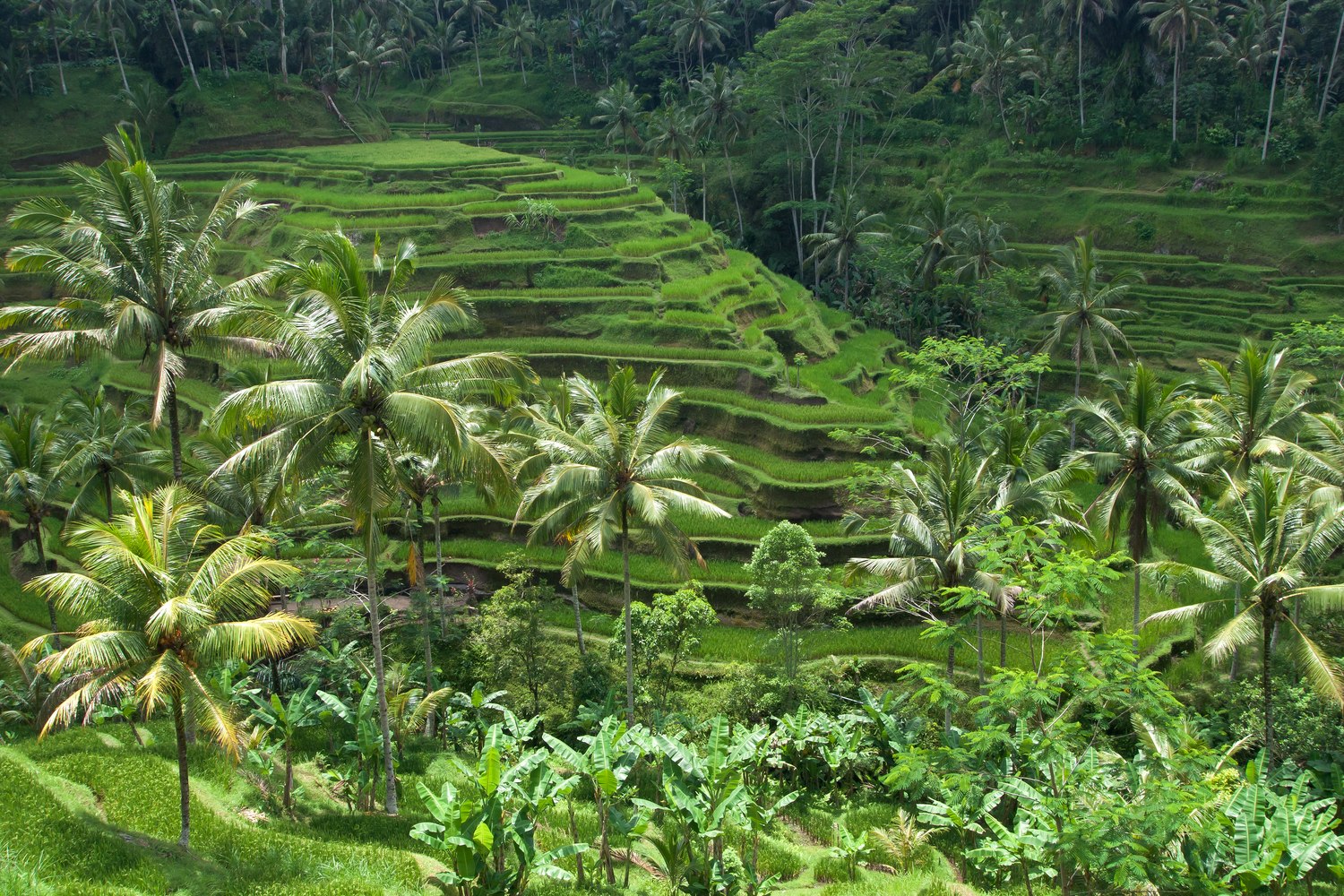
The huge argument for travelling at this time is the financial side and the overall calm on the island. It’s noticeably cheaper than in the summer high season and you won’t be squashed in endless traffic jams, so you’ll enjoy Bali far more authentically. The air is a pleasant 29.3 °C during the day and the sea, at 29.6 °C, feels like warm tea.
If you’re planning a classic Bali road trip, it pays to get up early in the morning, when the sky tends to be clearest and the sun blazes down. Thanks to more than ten hours of sunshine, you’ll manage to explore all the landmarks and beaches, just pack a good raincoat for the afternoon journeys to be safe.
4. Sri Lanka: the southwest awakens
This teardrop-shaped island in the Indian Ocean is a huge climatic conundrum, because the weather behaves completely differently on different sides of the coast. While the north and east around the town of Trincomalee are lashed by the Maha monsoon, with an average of 24.9 rainy days a month, the southwestern part of the island is just waking up into its high season. It’s crucial not to confuse these two areas so you don’t end up shut in your hotel with a book.
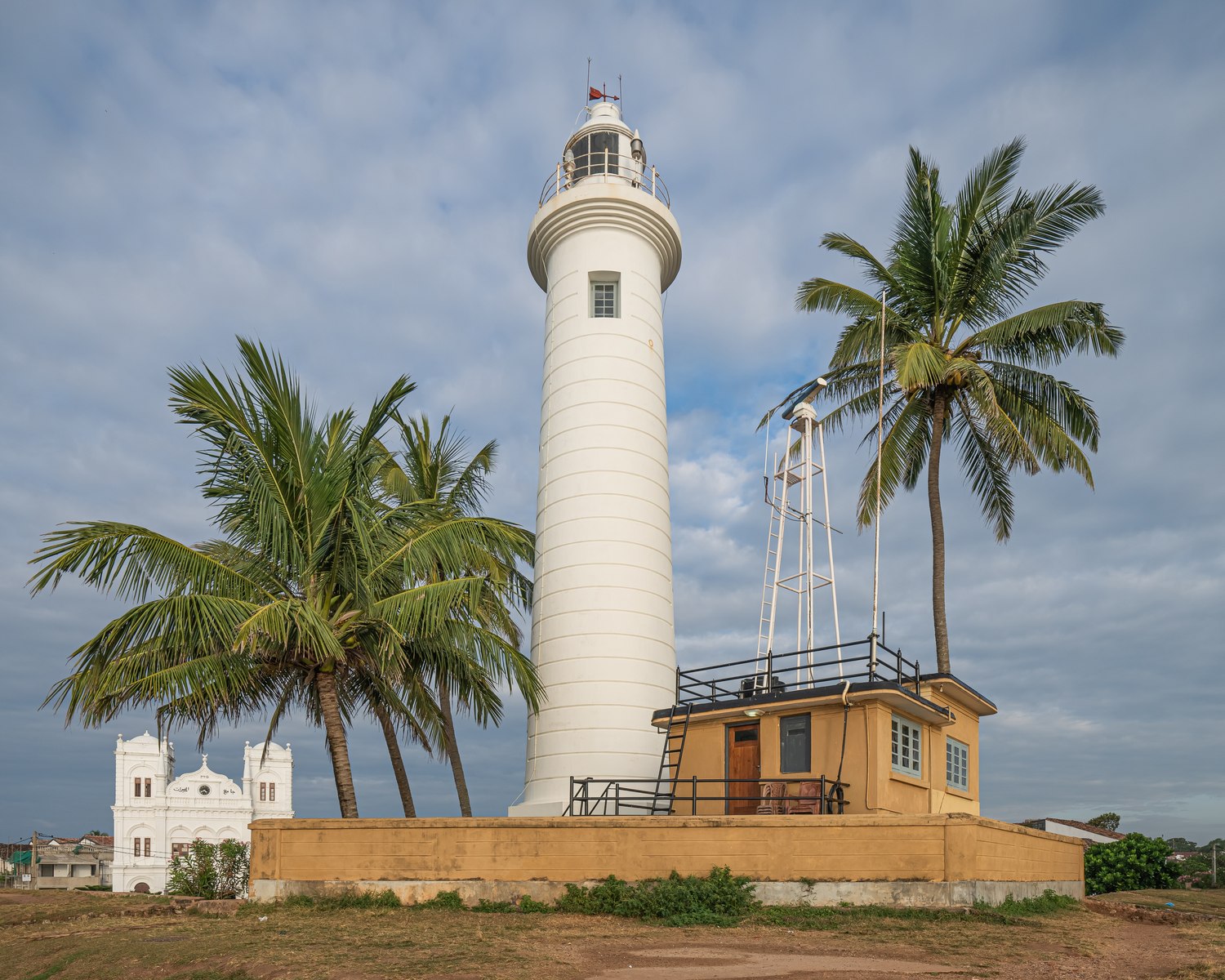
Southwestern resorts like Galle, Mirissa or the gorgeous Unawatuna slowly get going in November and prepare for the wave of tourists that fully erupts from December. The air here stays around a lovely 28.8 °C and the Indian Ocean is a fantastic 29.4 °C, so your holiday in Sri Lanka will be all about perfect beach relaxation and whale watching.
Travellers also praise this transitional month for the lush vegetation inland, where you absolutely must venture out to the tea plantations. Local specialities are then the excellent vegetable curries and lentil flatbreads, which you’ll enjoy in small street bistros for next to nothing — and quite happily without an umbrella in hand.
5. Zanzibar and Tanzania
The Spice Island off the east coast of Africa is a huge draw for all lovers of pristine white beaches and azure water, even though the autumn dates have a slightly tarnished reputation. November officially falls into the so-called short rains period, which needlessly puts a lot of people off. In reality, though, these are just quick showers that mostly pass in the night and leave no trace by morning, because the sun shines here for more than eleven hours a day.
Precisely because of this slight rain uncertainty, the autumn months are among the very cheapest of the whole year. You can thus experience Zanzibar in wonderful peace without hundreds of tourists at every turn, while the daytime temperatures of a luxurious 29.6 °C will reliably warm you to the bone. The Indian Ocean also holds a gorgeous 28.5 °C, which makes it a perfect spot for snorkelling among starfish.
If a holiday in Zanzibar appeals to you, definitely set out to explore the historic lanes of Stone Town or the local farms with fragrant cloves and cinnamon. Travellers also rave about the Forodhani night markets, where local cooks prepare fantastic vegetable flatbreads and fresh fruit juices.
💡 Accommodation tip: Tulia Zanzibar Unique Beach Resort or Zuri Zanzibar.
6. Mauritius: the start of summer
This green island paradise with dramatic mountain peaks and endless sugar plantations sits in the southern hemisphere, so while we’re shivering, here everything is only just starting. In November the local summer officially begins, bringing gorgeous daytime temperatures climbing to 28.9 °C and absolutely perfect conditions for lounging on the beach. The humid cyclone season is still far off, so you can look forward to a stable and very pleasant climate.
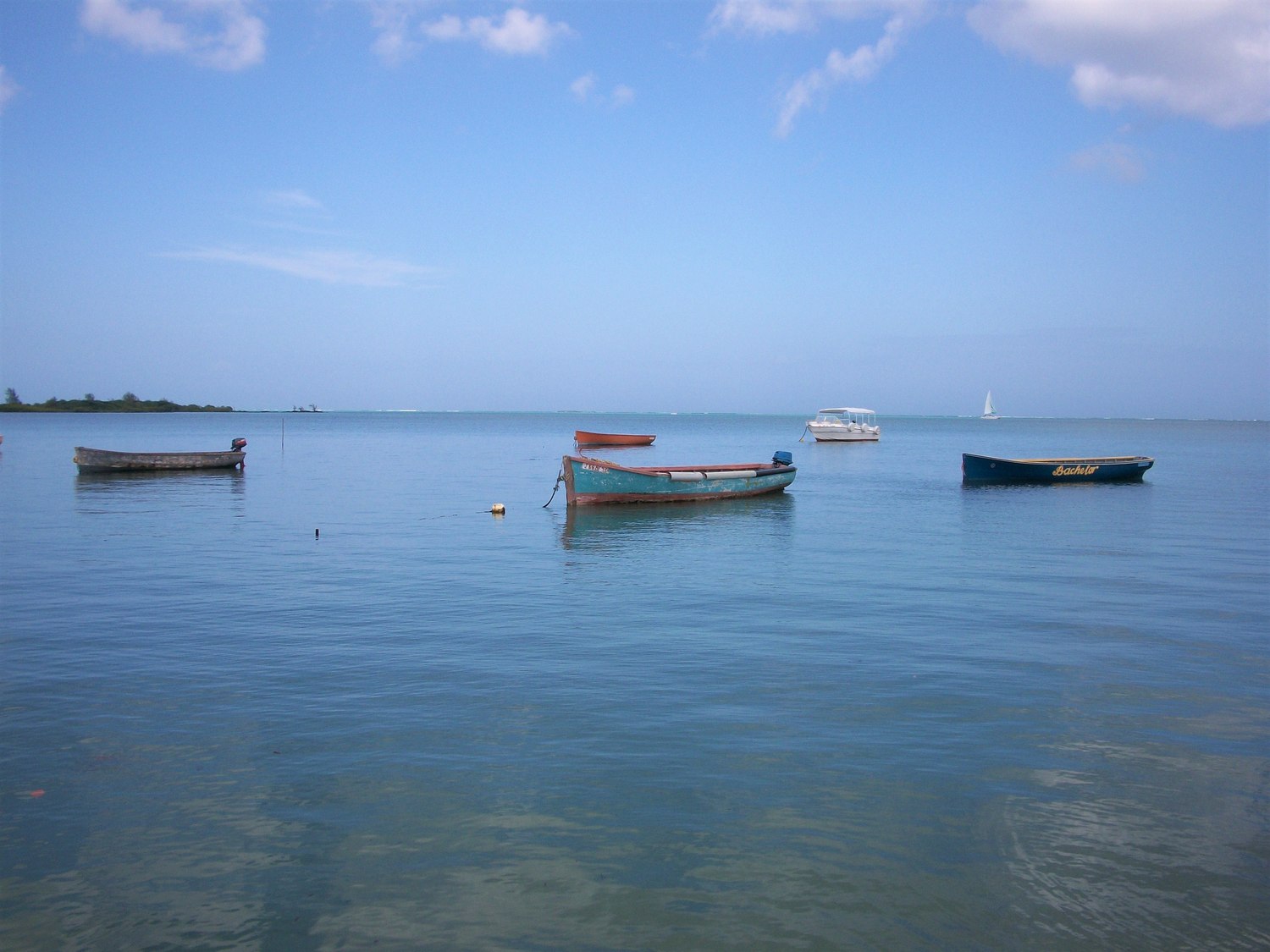
The biggest benefit of this month is the incredible amount of sunshine, of which you’ll enjoy almost twelve hours every day. The sea slowly warms up after the local winter to a lovely 26.4 °C, so your holiday in Mauritius will offer very refreshing but still beautifully warm swimming in the turquoise lagoons that fringe the island on all sides.
According to reviews, autumn is absolutely fantastic too for trips to Black River Gorges National Park or the coloured sands of Chamarel. Humidity hasn’t yet reached the highest January levels, so you won’t be drenched in sweat within the first five minutes of a hike, and the nights at 22.4 °C guarantee a pleasant sleep even without the air conditioning cranked up.
7. Vietnam: the centre and south stay dry
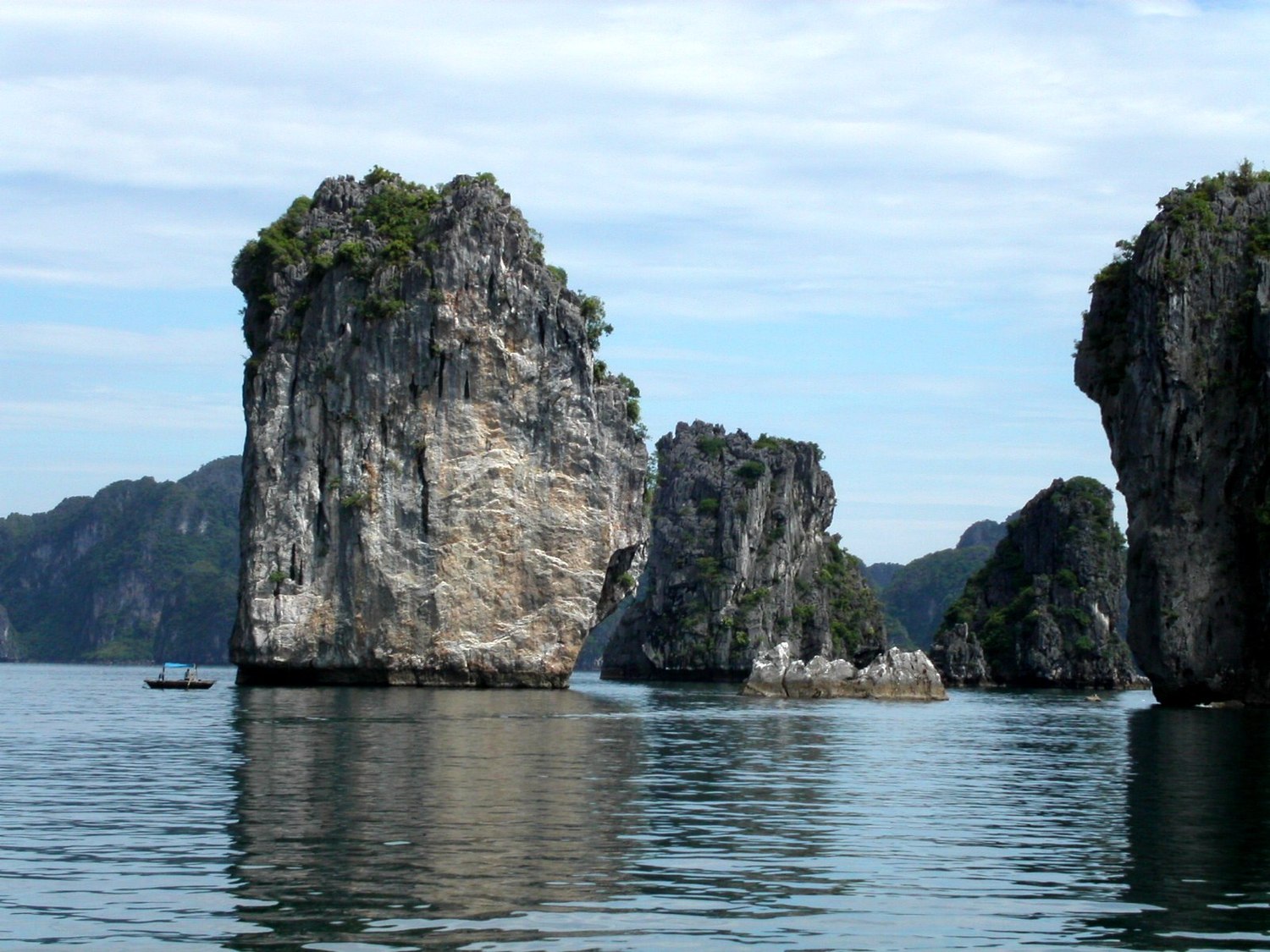
This long, slender Asian country is so vast that within a single month you’ll experience several completely different seasons. In the northern part around the breathtaking Ha Long Bay, pleasant daytime temperatures of 25.9 °C prevail, while mountainous Sapa is already reporting a noticeable cool-down, which creates absolutely brilliant conditions for multi-day trekking between the rice terraces. Do pack a warm jacket for the mountains, though, because night-time temperatures drop below twenty degrees.
A completely different situation, however, reigns in central and southern Vietnam, where your steps should head for a beach break. The south around pulsing Ho Chi Minh City and Phu Quoc island is finally dry, the monsoons have retreated for good, and you can enjoy endless sunshine on white beaches with an iced coconut in hand.
The locals recommend the autumn dates for discovering the fantastic cuisine too, because you can sit outside on little plastic stools long into the night. Try, for example, the traditional pho noodle soup in a vegetarian version or fresh spring rolls filled with herbs and tofu, which waft literally from every corner of the local markets.
8. Caribbean and Mexico: the end of hurricane season
When considering a trip across the ocean, a lot of people worry about unpredictable weather, but the autumn months already promise very favourable conditions. The Atlantic hurricane season officially ends only on 30 November, but the second half of the month is already significantly calmer and marks the notional start of the very best Caribbean season. If you’re carefully studying when to go to Mexico, the end of November will bring you gorgeous weather without the crushing crowds of tourists.
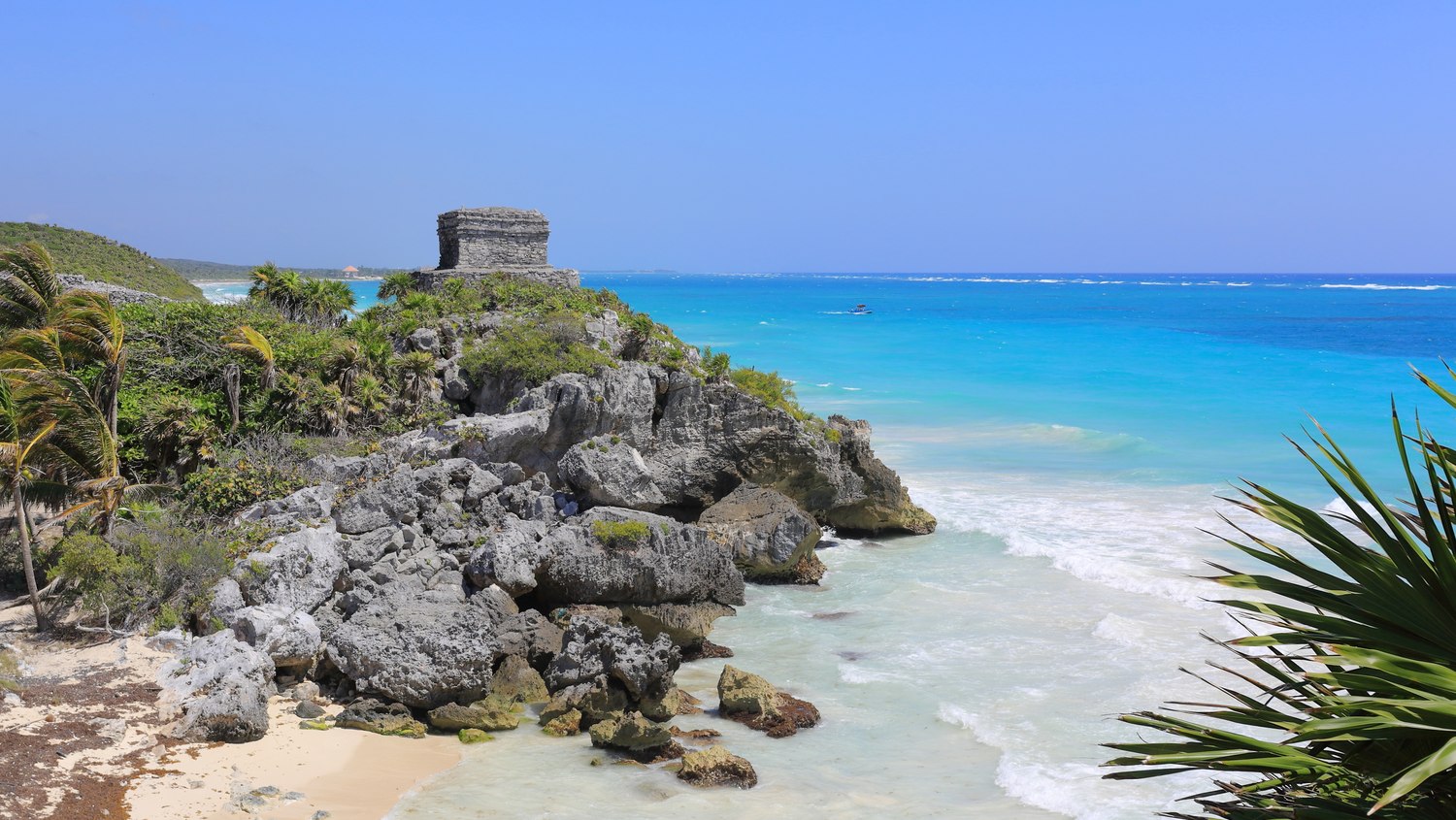
On the Yucatán Peninsula, daytime temperatures stay steadily around 27.9 °C and the Caribbean Sea will embrace you with its 28.6 °C, which is simply perfection itself. Even though the statistics report roughly fifteen rainy days, it’s usually just short evening storms, quickly replaced on the sun-drenched coast by a beautifully clear sky with ten hours of sun a day.
Travellers also choose this period for the very reasonable hotel prices, so a luxury all-inclusive in Mexico won’t cost you your life savings. Besides lounging on the beach, the locals recommend heading out to the Mayan pyramids too or bathing in the mysterious underground caves known as cenotes, where the water is wonderfully crystal-clear and refreshing.
Warm destinations in Europe in November: cities, Advent and sightseeing
November is an absolutely ideal month for exploring Europe’s cities, because flights and hotels drop to their yearly low. While in summer you’re crammed into huge crowds and paying astronomical sums for average accommodation, in autumn you have the landmarks almost to yourself and can invest the money you save in good food or tickets to renowned museums. On top of that, the south of Europe still enjoys a very pleasant climate that may no longer tempt you into all-day lounging by the water, but is absolutely perfect for clocking up the kilometres around historic centres.
So if you don’t absolutely need to catch a tan on the beach, set off to enjoy the calmer atmosphere, soak up the first pre-Christmas mood and explore the lanes without frustrating queues. Pack layered clothing and an umbrella to be safe, because the weather can sometimes be a bit changeable, but the savings and half-empty squares are absolutely worth it.
1. Southern Spain: Andalusia and the Costa del Sol
Andalusia is a literal furnace in summer, but in November it turns into a paradise for anyone who loves endless sightseeing walks. Travellers praise the fact that the climate is still beautifully spring-like here, so on the popular Costa del Sol around Málaga you’ll measure a very pleasant 20.0 °C during the day, it cools to 13.1 °C at night and the sun shines a lovely 8.8 hours a day. The sea sits around 18.3 °C, which really isn’t swimming weather, but that leaves you all the more time to explore iconic places like Seville, historic Córdoba or magical Granada with its famous Alhambra palace.
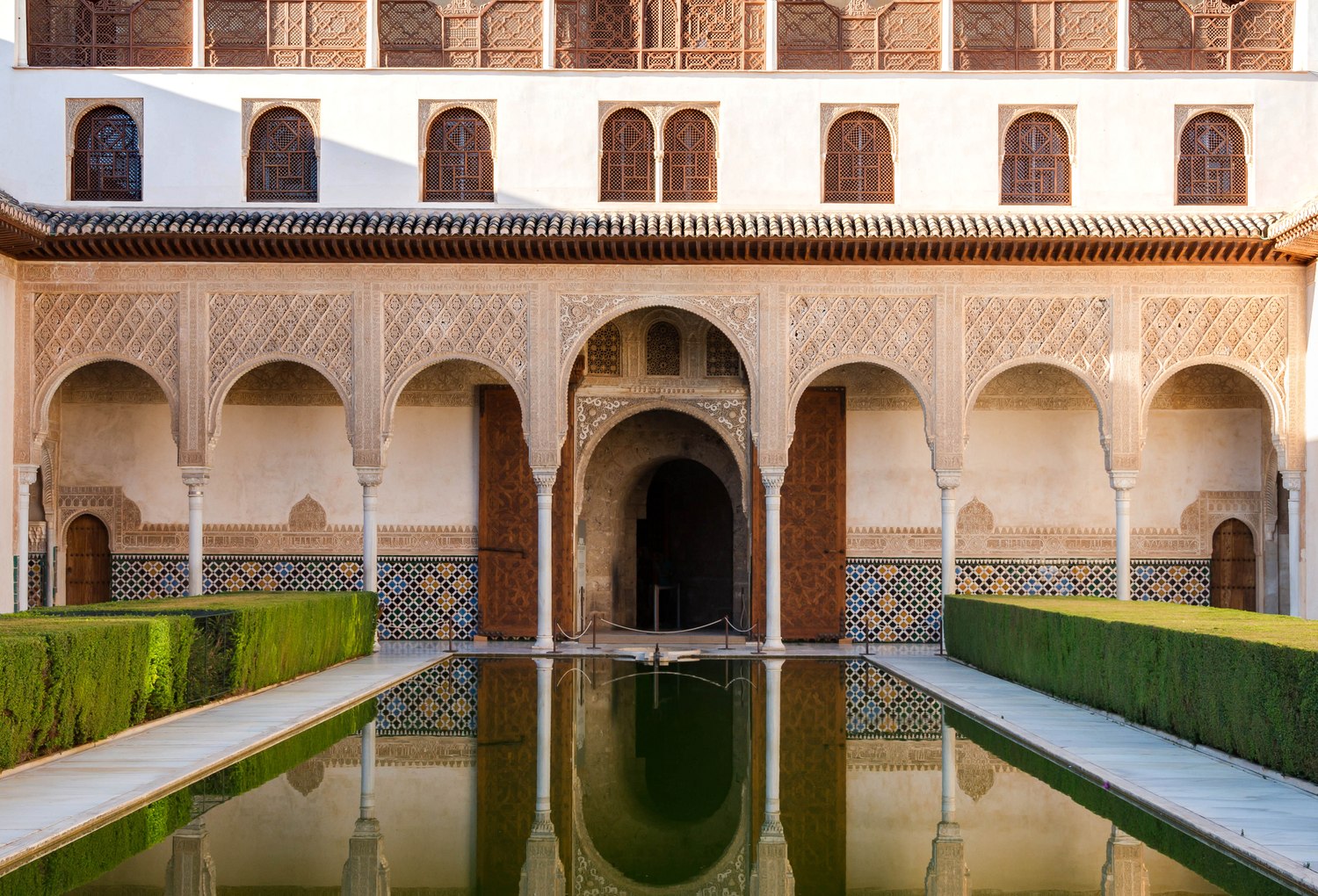
If you head a little further along the coast to the Costa Blanca near Alicante, very similar conditions await, specifically 20.1 °C during the day, 12.4 °C at night and a sea at 17.9 °C. Rainy days here tend to number only around five a month, so you have a huge chance that a visit to Málaga or romantic clifftop Ronda won’t get rained out at all. The local gastronomy is an experience in itself, and vegetarians will definitely be delighted by the excellent tapas with olives, cheeses and patatas bravas that Málaga offers on literally every corner.
2. Portugal: Lisbon, Porto and the Algarve
Exploring Portugal without the summer heat is a huge advantage that a lot of people have only discovered in recent years. Lisbon itself reports a nice 18.0 °C during the day and 12.3 °C at night in November, which makes tackling its steep lanes a much less sweaty affair than in August. The sun shines here 7.6 hours a day, and although rainy days number around ten, the showers often pass quickly and you can duck into one of the many cosy little cafés for a great pastel de nata ☺️.
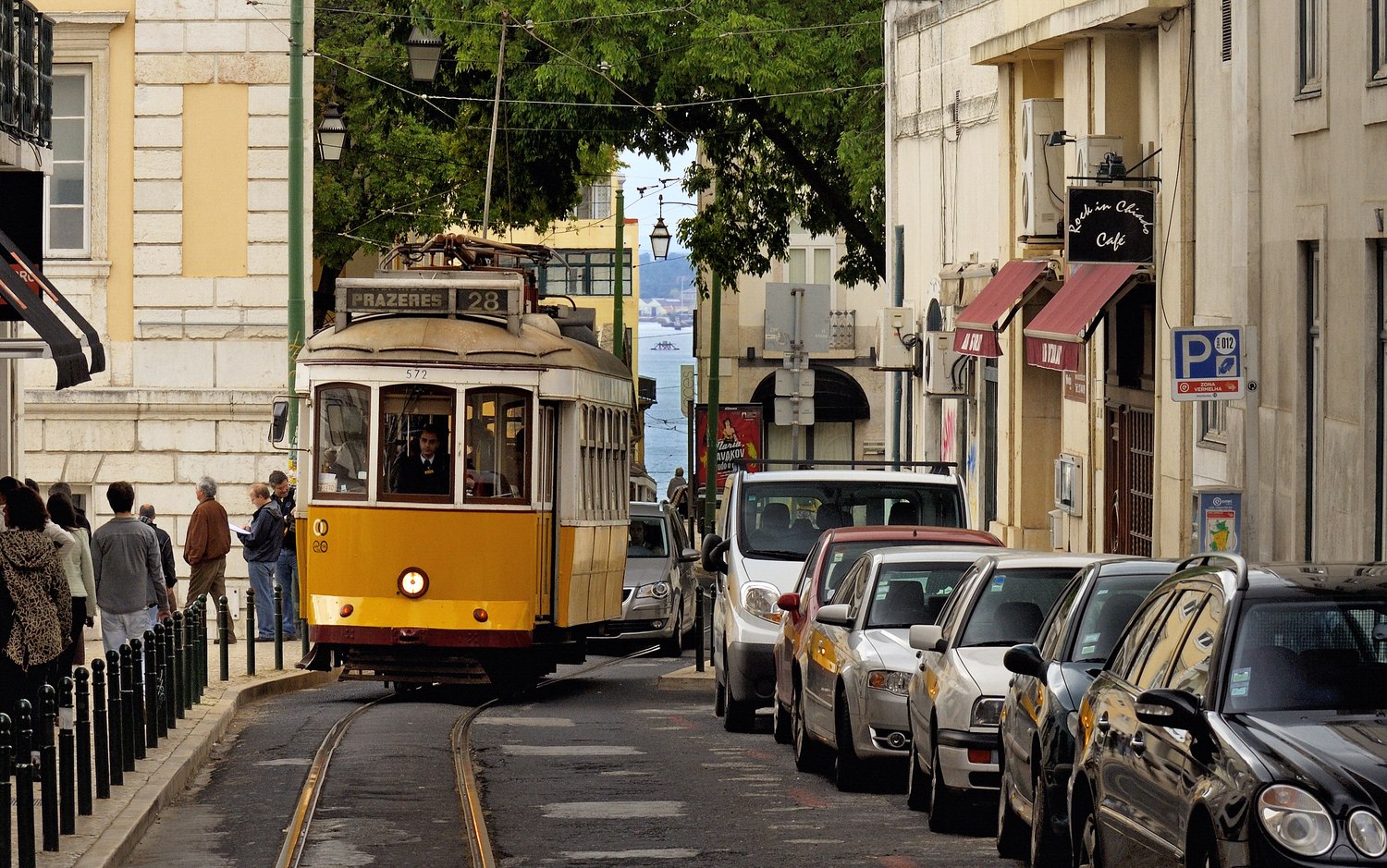
If you’re drawn more to northern Porto, prepare for cooler weather with an average of 16.6 °C during the day, 10.7 °C at night and roughly fourteen days with some rain. A completely different situation prevails in the south, which is where those craving sunshine head, so a road trip along the Algarve is a great choice. Here the daytime temperatures climb to 19.4 °C, the nights hold a pleasant 13.3 °C and the sea at 21.3 °C can even tempt hardier souls into a quick dip, plus you’ll be treated to a lovely 8.6 hours of sunshine a day.
3. Rome, Naples and southern Italy
The Italian capital is literally overrun with tourists from all over the world for most of the year, but November is exactly the magical time when the streets finally quieten down a little. Historical statistics give Rome a pleasant 17.2 °C during the day and 9.3 °C at night, which means you don’t need a thick winter coat — a light jacket will do. Although you have to prepare for roughly 12.7 rainy days, the sun still shows up for 7.0 hours a day and you can work through your list of what to see in Rome without constantly jostling with the crowds.
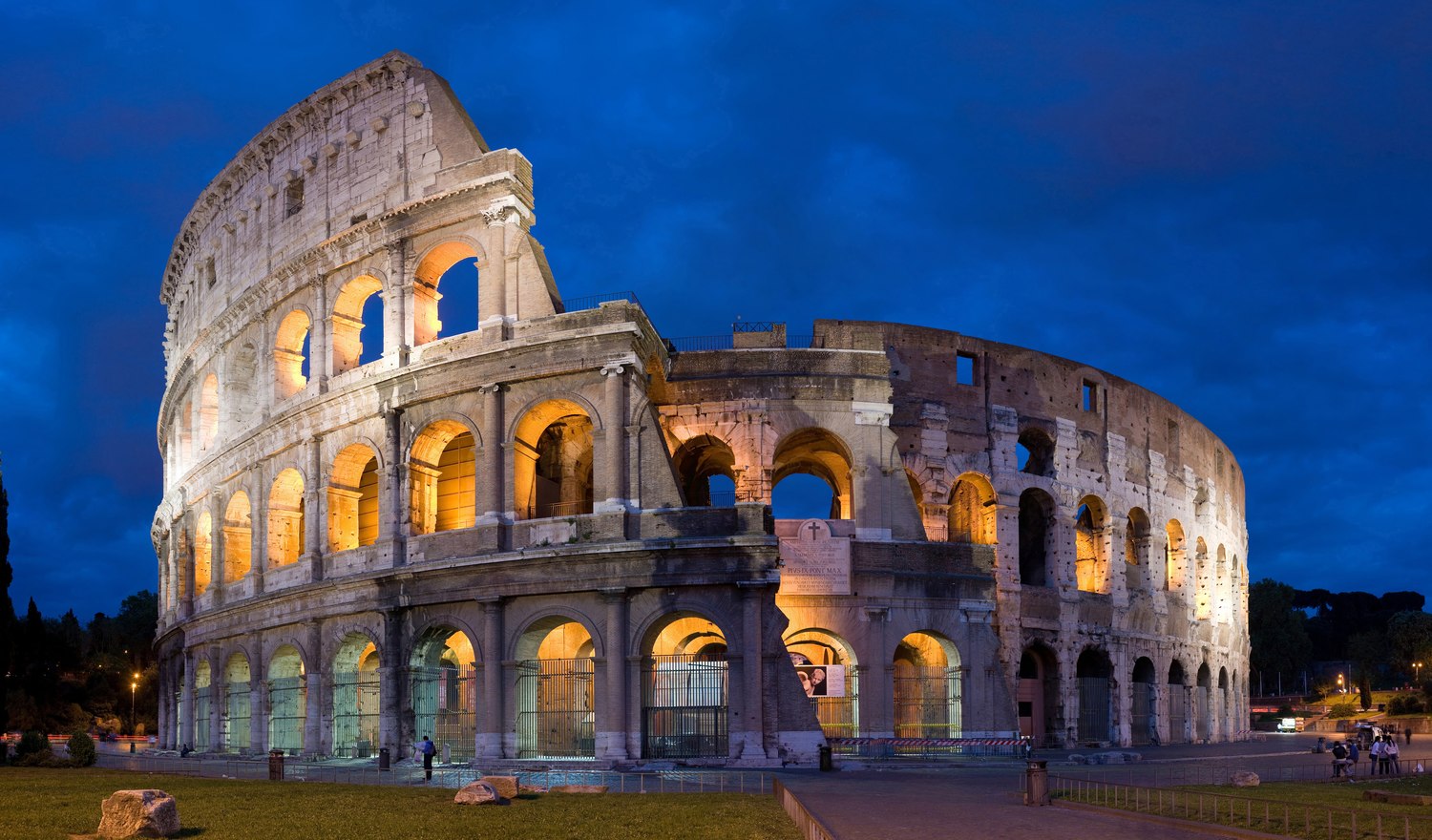
The biggest draw of autumn Italy, though, is clearly the prices, because flights drop to an absolute low and you can find accommodation for a song. You’ll visit the Vatican Museums or the famous Colosseum without frustrating hour-long queues, which for many travellers is the very best reason to head here right now. If you’re planning Rome in 3 days, you’ll manage to calmly work through all the main sights, sample a great vegetarian pizza margherita and enjoy excellent cacio e pepe pasta without waiting for a free table.
4. Marrakech and Morocco
When you’re after something truly exotic in November while still close to Europe, Morocco’s cities are an absolute safe bet. For Marrakech and desert trips, autumn is the most pleasant period of the whole year, because the deadly summer furnace is gone and the air is beautifully clear. During the day you’ll warm up to a splendid 24.1 °C, the temperature drops to 10.0 °C at night, and with just four rainy days a month you can fully enjoy 9.2 hours of sun a day.
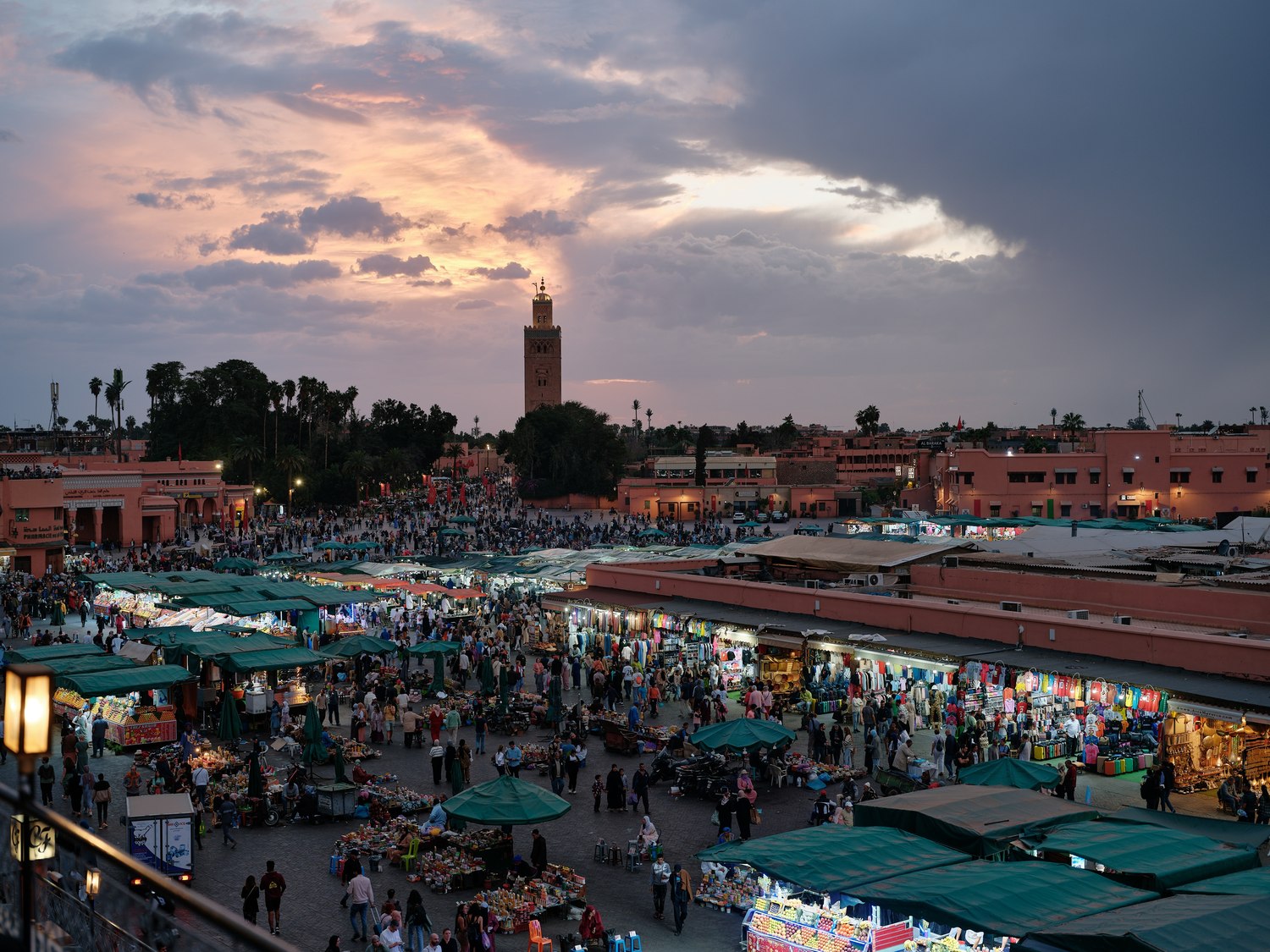
Whether you decide to explore what to see in Marrakech or would rather head to the ocean, the weather definitely won’t let you down. Popular Agadir, for example, offers 24.0 °C during the day, the nights there are even warmer at 14.7 °C and the ocean holds a very decent 20.9 °C. If you plan a road trip through Morocco, you’ll definitely be won over by the endless blue sky with 9.7 hours of sun, which during the Central European autumn fog is literally a lifesaver for your mental health.
5. Advent markets: where they start earliest
The end of November is the absolute smartest time to head out for mulled wine and festive atmosphere. Most of the big Advent markets open their gates in the last week of November, so you’ll soak up the Christmas mood entirely without the December crowds, when you can barely move in the squares. The exact opening dates naturally shift slightly each year, but by the turn of the month you can usually be sure the stalls will be in full swing.
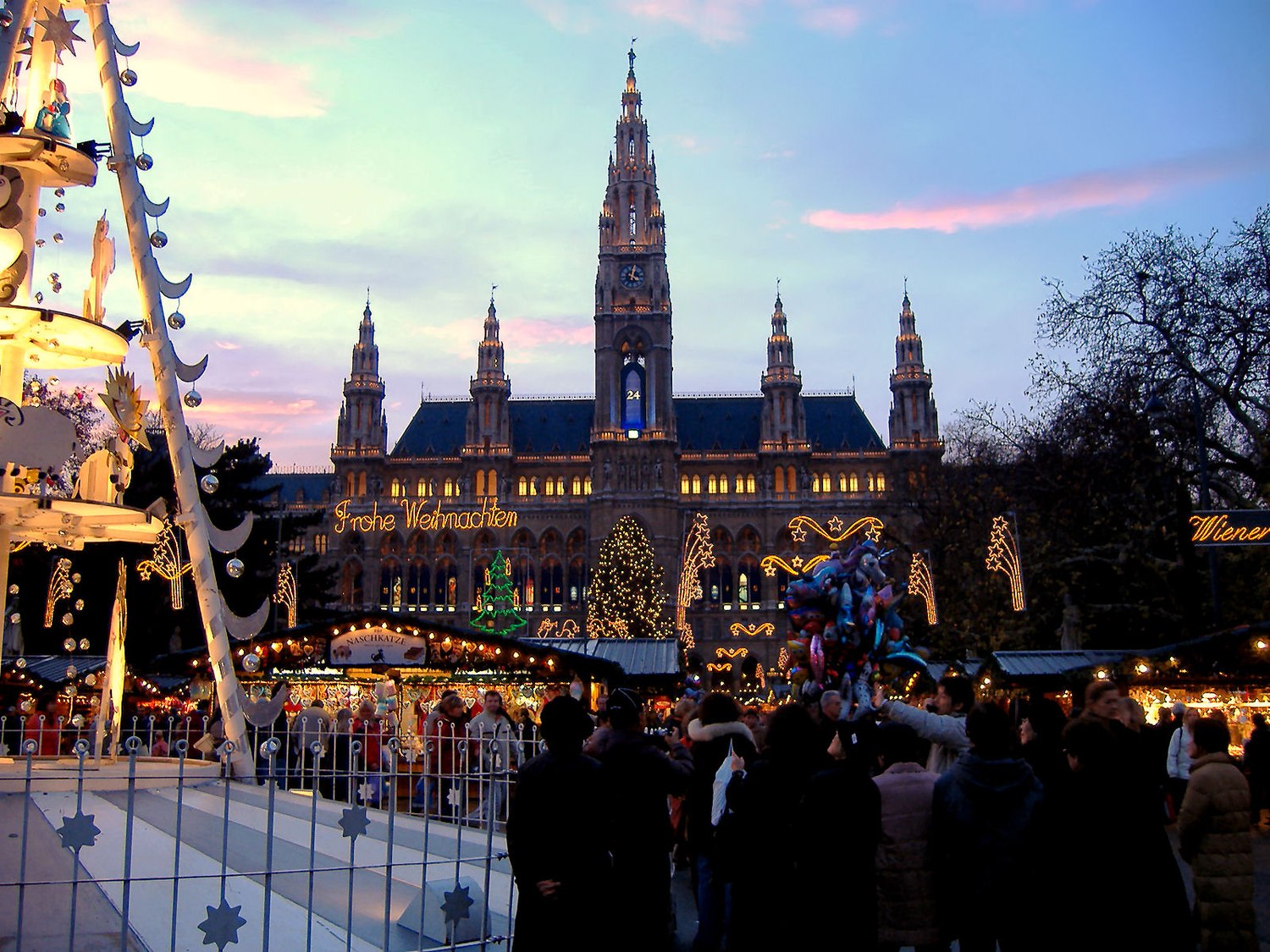
The locals recommend combining shopping for your first gifts with a long weekend so you can also explore the cities themselves without unnecessary stress. Among the most renowned stalwarts that start early and are worth seeing are these cities:
- Vienna (where the Christmas markets in Vienna are famous across all of Europe)
- Dresden (with its famous Stollen)
- Nuremberg (offering a gorgeous historic backdrop)
- Budapest (ideal for Budapest in a weekend)
- Kraków (scoring points with friendly prices and a beautiful historic centre)
6. London, Paris and the northern cities
Although the weather in northern Europe already calls for a warm coat and scarf, the big cities have their undeniable charm this month. November is the ideal window when you’ll find the lowest prices just before the total December Christmas peak hits and hotels double their rates. The streets are already starting to be decorated with the first festive lights, the windows of the big department stores tempt with gorgeous decorations and the atmosphere after dark is incredibly romantic.

If you work through what to see in London, you’ll find that a rainy afternoon is easily tucked away in one of the dozens of amazing museums, most of which also have free entry. Likewise, what to see in Paris offers an endless array of galleries and art collections where you can wander for days on end in the warm and dry. And the cafés on every corner will happily welcome you in for a hot chocolate or coffee as soon as it starts getting uncomfortably chilly outside.
7. Budapest and spa towns
The Hungarian capital is made for autumn trips, thanks above all to its immensely rich thermal tradition. Budapest in November reports an average of 9.6 °C during the day and 2.9 °C at night, so the cold is already fairly noticeable, and with 9.2 rainy days and only 5.1 hours of sun it positively invites you to sink into some hot water. Pack your swimwear and, after a day of running around the sights, go for a soak in the Széchenyi or Gellért baths, which according to many reviews is absolutely perfect relaxation.
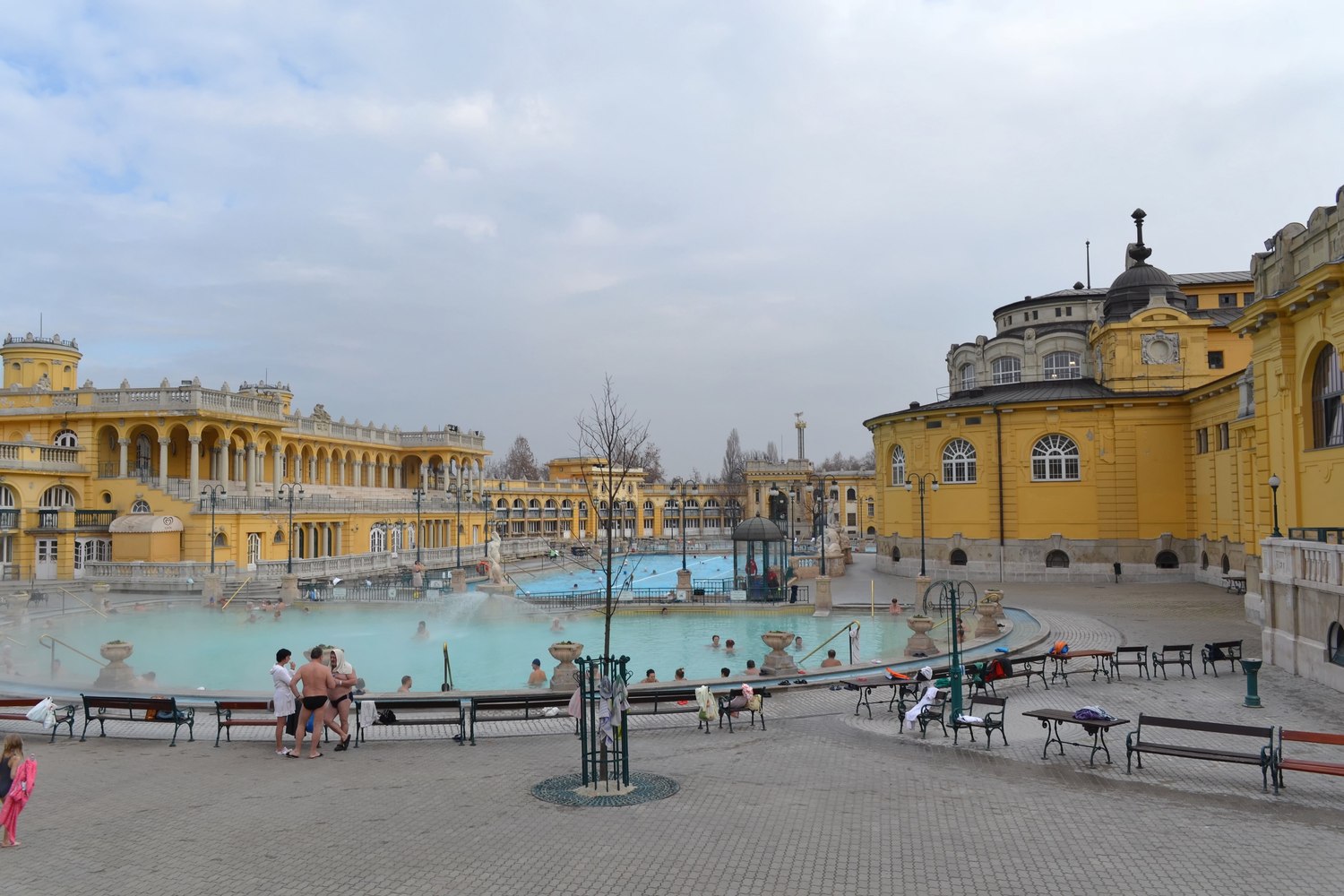
The hot springs form a wonderful contrast with the cold air, and the thermal baths in Budapest operate year-round, so you needn’t worry about missing out on this experience. If you’re planning Budapest in a weekend, besides relaxing in the water you’ll also manage to sample a great vegetarian lángos or a traditional sweet trdelník right at the market. Price-wise, the city is still very friendly, so you can treat yourself to lovely accommodation right in the centre without ruining your travel budget.
Where to head in November for the mountains and the northern lights
November in the mountains tends to be that odd transitional month, when the autumn colours slowly vanish beneath the first blanket of snow. It’s usually still too early for classic skiing almost everywhere except the high-altitude glaciers, but on the other hand the hotels are waking from their off-season slumber and offering very attractive prices for luxurious wellness stays. If you love strolling in the crisp, cool air and then warming up in a sauna with a view of the peaks, you’ll be absolutely thrilled.
A completely different story, though, plays out in the far north, where the eleventh month of the year is considered a huge draw. It’s one of the very best months for hunting the northern lights, because the nights are already long and dark enough, yet the harshest Arctic frosts have not yet set in. Heading to Scandinavia or Iceland requires quality warm gear, but the chance to witness that green spectacle in the sky is absolutely worth the minor discomfort.
1. Lapland and Finland: the start of the winter season
In the very north of Europe, real winter announces itself as early as November and the landscape gradually wraps itself in a white carpet. With the arrival of the first snow, the traditional winter activities get going, so you can look forward to a husky sled ride pulled by an enthusiastic team, or to carefully feeding the adorable reindeer. By the end of the month most of the local winter programmes are running, so you can plan when to go to Lapland straight for this period and avoid the priciest Christmas dates.
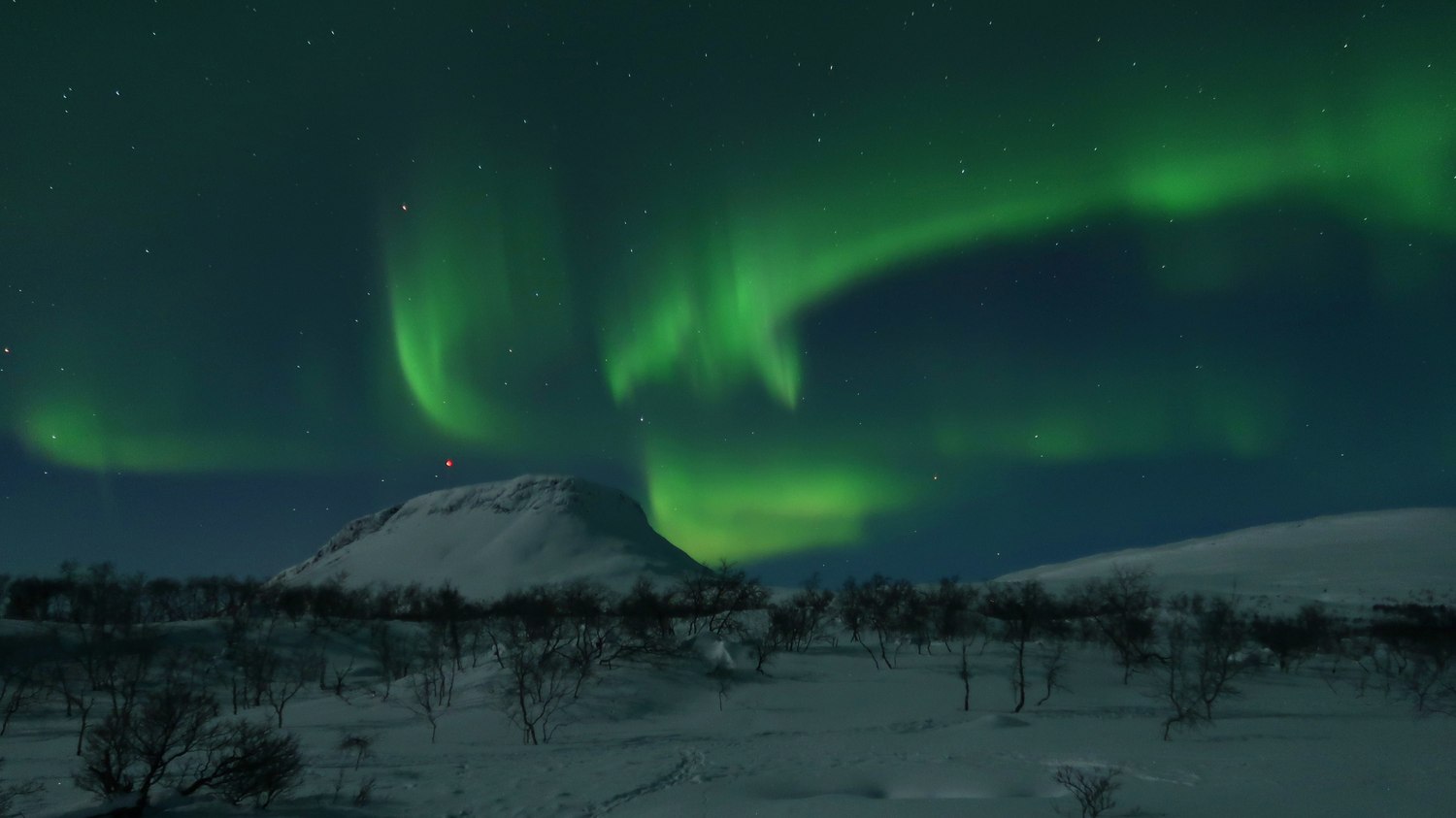
The main reason people come here and huddle into their warm jackets is of course the northern lights in Lapland, which now have absolutely great conditions. The days shorten quickly, darkness falls very early in the afternoon and that gives you a huge window of time for sky-watching. Most of the better accommodations also offer an aurora alert straight to your room, so you don’t have to freeze outside all night and only dash out when the sky starts to glow beautifully.
2. Iceland: northern lights and long nights
If you’re considering an Icelandic adventure, I have to warn you honestly that the weather here can be extremely harsh and unpredictable in autumn. The capital Reykjavík shows just 3.9 °C during the day, the temperature drops to 0.2 °C at night and the sea at 6.4 °C may look dramatic, but you definitely won’t be swimming in it. The statistics uncompromisingly show 15.8 rainy or snowy days and only 2.2 hours of sun, so the lack of light is really palpable and the interior roads are already safely closed.
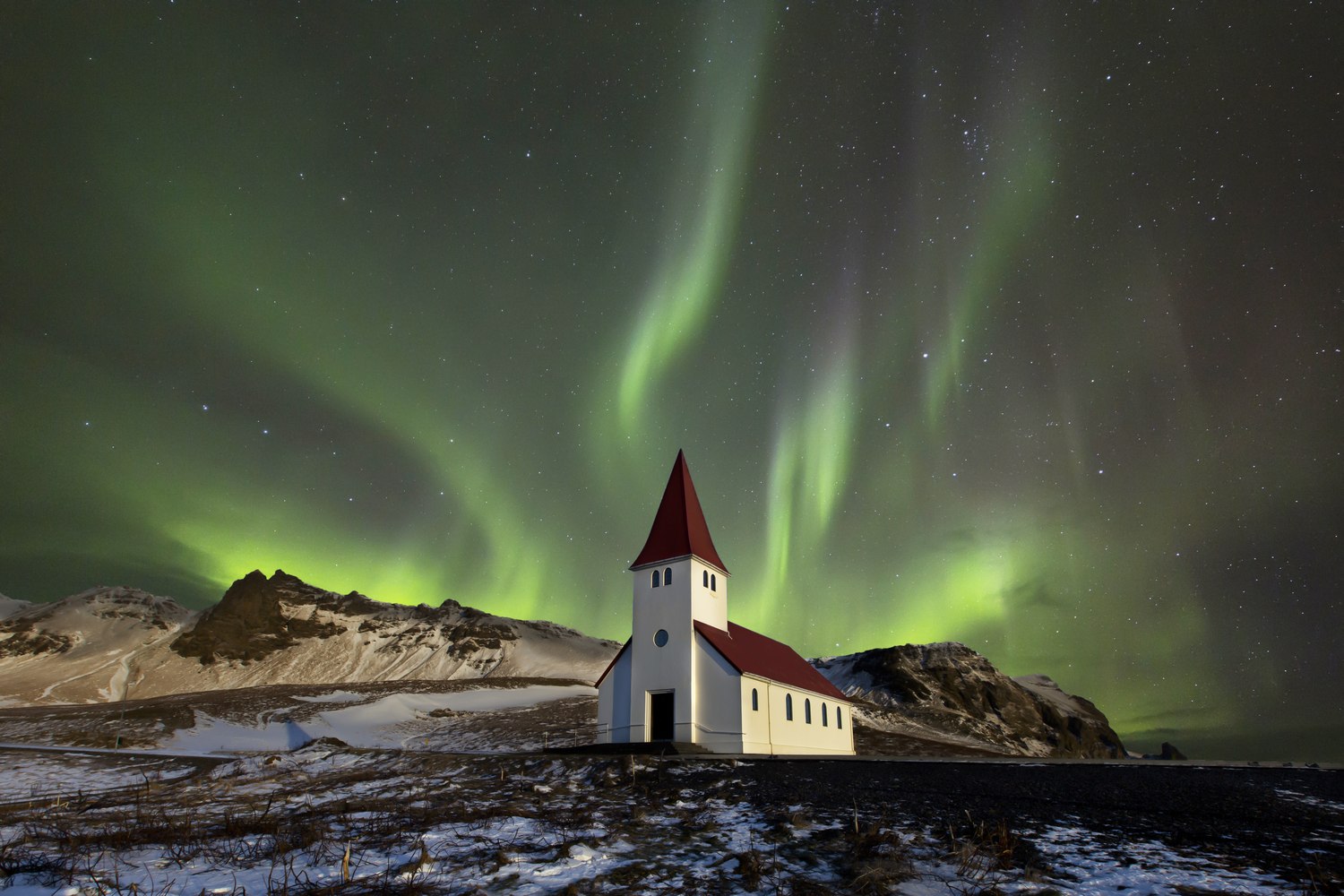
So why actually travel to the island of ice and fire right now? Reportedly the aurora has its best conditions at this time, because the pitch-black darkness and frequent solar flares create the perfect scenery for viewing. If you study when to go to Iceland, you’ll find that the main Iceland guide recommends this month primarily for people who want to hunt the northern lights and bathe in hot springs, while they save the long hikes for summer.
3. Norway and the Lofoten Islands
Much like Iceland, the Norwegian coast is settling into its winter slumber and the days are shortening at lightning speed. Popular Bergen and the surrounding fjords report 6.1 °C during the day and 1.8 °C at night, with the water holding 9.5 °C and rain to be expected an average of 17.5 days a month. The sun shows up for just 2.8 hours a day, so you’ll use your raincoat and sturdy boots practically all the time, but the misty, mystical atmosphere of the Norwegian mountains has something to it.
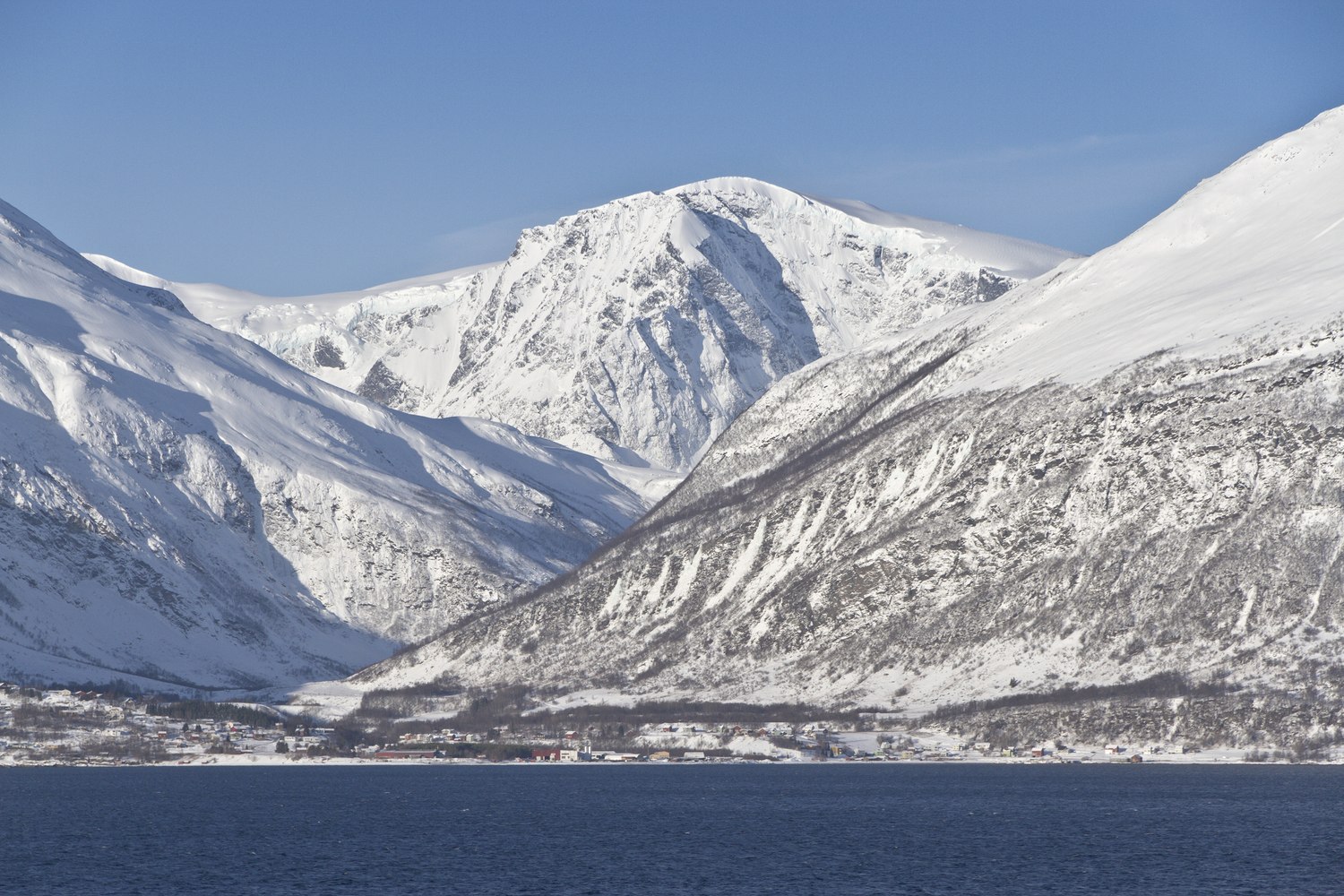
Further north come the magical Lofoten Islands, where snow-dusted peaks rise sharply straight out of the dark ocean. Experienced photographers praise how the northern lights over the Lofoten offer an incredible reflection on the water’s surface — a sight people travel a long way for. Deciding when to go to Norway therefore comes down to whether you crave the summer solstice or you’re willing to trade warmth for the green sky spectacle 😅.
4. The Alps: glaciers and pre-season
In November the Alps are in an absolute off-season, and snow conditions at lower elevations are often a real lottery. You can reliably ski at this time only on the glaciers, but even so you’ll be pleased that lift-pass and hotel prices are at their lowest level of the whole winter season. Popular Zell am See in Austria promises an average 9.6 °C during the day and 0.8 °C at night, with the sun managing to shine 6.1 hours and rainy days numbering roughly 11.9.
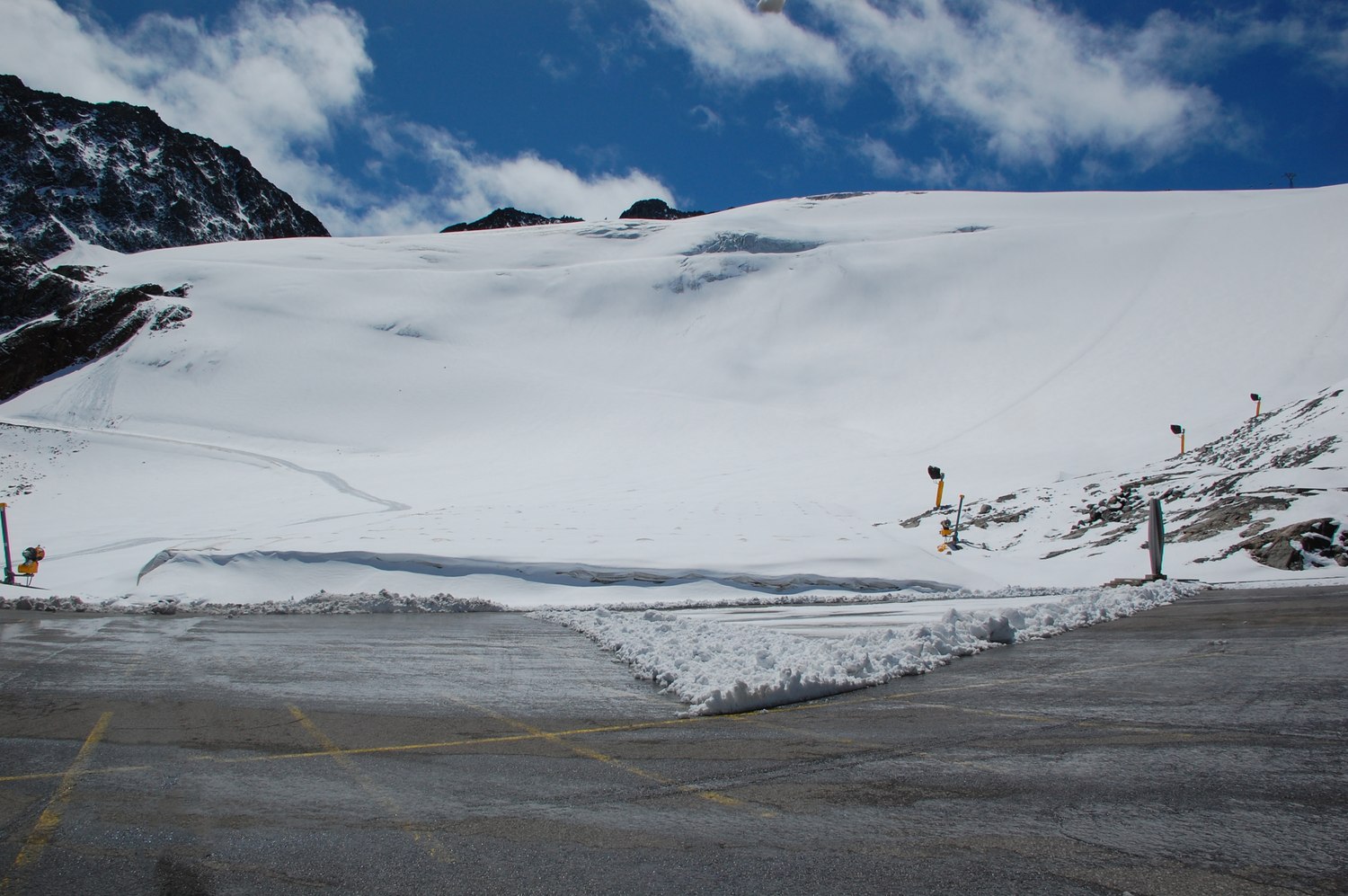
On the Italian side, for example in renowned Cortina d’Ampezzo in the Dolomites, expect 6.9 °C during the day, while at night it already freezes at an average of -1.2 °C, and the sun shines 6.3 hours across 9.4 rainy days. Even if the skiing doesn’t work out, the Austrian lakes have a beautifully melancholic mood in misty weather and walks in the valleys are very refreshing. It’s therefore ideal to pick a quality wellness hotel in Austria, where you can easily make up for any lack of snow with a rest in the heated pool.
Where to go in Central Europe in November
If you don’t fancy travelling far and would rather stay closer to home, the Central European November can be pretty gloomy, but it offers plenty of local joys. In Prague, prepare for an average of 8.4 °C during the day and 2.3 °C at night, you’ll pull out the umbrella about 9.7 times a month and enjoy a modest 4.3 hours of sun a day. It’s an absolutely ideal time to slow down, eat well and discover places you can’t reach at all in summer because of the crowds. Local travellers rave about several tried-and-tested ways to make autumn more pleasant on the chilly days:

- Warming thermal baths and wellness stays that will reliably thaw you out.
- Mysterious mists over the Bohemian Paradise or sun-soaked inversions on the mountain peaks.
- A calm Prague finally free of tourist crowds, where you can browse museums and galleries in peace.
- The Advent preparations at the end of the month, when the first trees light up on the squares.
- Wild water parks, which are a perfect rescue for weekends with restless kids.
- Strolls along the colonnades of traditional spa towns, or even in Bohemian Switzerland, where the sandstone rocks have a magical atmosphere in dreary weather.
Where to stay in November
Choosing the right accommodation during the autumn months calls for a little more caution and careful planning, because the transition between the summer and winter seasons brings its own rules. The key November quirk is the fact that in the Mediterranean most hotels close completely for the winter and only reopen their receptions to tourists in spring. In Egypt, the sun-drenched Canary Islands and the exotic tropics, on the other hand, this is the very start of the best and most sought-after high season.
So always check very carefully whether your chosen hotel or favourite guesthouse is even open in November, so you’re not staring at a locked door on arrival. 💡 But I have great news for you too, because November is demonstrably the cheapest month of the whole year for booking flights and hotels. You just have to watch out for the very end of the month, when hoteliers and airlines start raising prices thanks to the approaching Advent and the first festive stays.
💡 Tip: In the Mediterranean most hotels close in November, while in Egypt, the Canaries and the tropics the season is only just beginning. Always check whether a hotel is even open in November, and browse the current accommodation offers with a free-cancellation filter.
Guaranteed warmth by the sea
If you long for reliable sunshine and don’t want to spend long hours on a plane, travellers clearly rave most about the resorts in North Africa and on the Atlantic islands. These destinations run absolutely reliably all year round, offer perfect facilities for relaxation, and heated pools tend to be standard in the better hotels.
- Steigenberger Golf Resort El Gouna (El Gouna, Egypt)
- Fort Arabesque Resort (Hurghada, Egypt)
- Marina Elite (Arguineguín, Gran Canaria)
- Hotel Riu Palace Boavista (Boa Vista, Cape Verde)
The tropics and beyond
When the sky at home clouds over with heavy grey, in the tropical regions the most beautiful part of the year is only just beginning, full of clear days and calm ocean. According to reviews, autumn is absolutely ideal for visiting the more distant islands, where you’ll avoid the exhausting summer monsoons and enjoy fairytale beaches with fine white sand.
- Kuramathi Maldives (Maldives)
- Vilamendhoo Island Resort & Spa (Maldives)
- Zuri Zanzibar (Kendwa, Zanzibar)
- Tulia Zanzibar Unique Beach Resort (Pongwe, Zanzibar)
Cities and Advent
For those of you who don’t long for all-day lounging on the beach, the late autumn days are made for laid-back exploring of gorgeous historic cities without tourist crowds. The milder temperatures let you wander the ancient lanes from morning to night, linger in cosy local cafés and soak up the authentic atmosphere of the approaching holidays.
- The Boutique Hotel Amman (Amman, Jordan)
- Almyra Hotel (Paphos, Cyprus)
- The Embassy Valletta Hotel (Valletta, Malta)
How much a November holiday costs and when to book
Planning an autumn escape to the sun has one huge financial advantage that it would be a sin not to use to the max. Historical data and experience clearly show that November tends to be the very cheapest month of the whole year for flights to the Mediterranean and for long-haul flights. Airlines and hoteliers alike try to fill emptier capacity in this quiet period, when families with children stay home because of school and festive travellers are still holding out for December.
If you decide to travel with an agency, according to tour operators the autumn off-season is roughly 15% cheaper than the summer peak, and for exotic long-haul destinations this price difference tends to be far more pronounced. Prices, however, start rising fairly steeply in the last week of November thanks to the beginning of Advent, and then logically shoot up sharply just before Christmas.
What you can save on in November
Travelling smart means knowing a few little tricks that can ultimately save you a nice chunk of money. Thanks to the huge flexibility outside the main holidays, you have a unique chance to put together a trip precisely to your financial liking — you just need to stick to a few tried-and-tested rules.
- Look for flights departing mid-week, because Tuesday and Wednesday flights tend to be statistically the cheapest. If you’re stuck, check out our detailed guide on how to find cheap flights.
- Aim your holiday at the first three weeks of the month rather than the very last one, when prices already start reacting to the approaching Advent frenzy.
- Head to the tropics with a safe head start before the huge Christmas peak, which traditionally doubles accommodation prices.
- Choose accommodation without an all-inclusive package everywhere the excellent local street food is renowned and extremely cheap.
- For long-haul flights, a longer stay pays off financially far more than a short one, since the flight itself always makes up the biggest item in the overall budget.
What to watch out for in November: 7 risks
Although autumn travel brings plenty of joy and saved money, it also has its specific pitfalls that it’s good to be mentally prepared for in advance. Before you eagerly click to buy those irresistibly cheap flights, take a careful look at this list of traps so you don’t end up standing there with tears in your eyes.
1. Closed hotels and services in the Mediterranean: The traditional summer strongholds (Greece, Croatia, Bulgaria, Albania and much of Turkey) are settling into their winter slumber, so expect closed restaurants, cancelled ferries and empty beach bars. 2. Very short day: In the south of Europe it gets dark fairly early, the sun usually sets around five in the afternoon, and evening beach walks won’t be possible without a sweater. 3. Rainy season in southern Europe: November is historically one of the very wettest months across the whole Mediterranean, so prepare for the fact that a few rained-out days may interfere with your plans. 4. Hurricane season in the Caribbean: Tropical storms can still be very unpredictable, because the official hurricane season ends only on 30 November. 5. The monsoon switch in Asia: The weather is breaking, so while Ko Samui and the east of Sri Lanka are drowning in rain, areas like Phuket and the southwest of Sri Lanka are opening up to the sun. 6. The snow lottery in the Alps: If you long for skiing, only the high-altitude glaciers reliably operate, while snow conditions in lower resorts are a huge gamble. 7. The end of the month gets pricey: The very last week of November is definitely no longer cheap, because Advent kicks off in all the big cities and hotels fill up fast with festive tourists.
November, October or December? A quick comparison
When choosing the date for your longed-for autumn holiday, you often find yourself hesitating between three consecutive months and racking your brain over which will be the most sensible choice. Let’s look at the exact figures for the two most popular affordable destinations, so you have a completely clear picture of how fast the temperatures fall and what that does to your budget.
October
After a long, hot summer, the sea is still fantastically warm and all of Europe offers fairly reliable swimming conditions. Popular islands like Tenerife have the ocean warmed to a lovely 24.4 °C, while Egypt’s Sharm el-Sheikh tempts you with a luxurious 27.8 °C in the water. Flight prices, however, tend to be a touch higher, because lots of people take advantage of the autumn public holidays and school breaks.
November
This month is the absolute turning point, that notional tipping point when you already have to head a little further south for warmth. The water off Tenerife slowly cools to 23.1 °C and the Red Sea around Sharm el-Sheikh still reports a very pleasant 26.8 °C. November is the very last cheap month of the whole year, when you can snag the most attractive deals.
December
The European beaches are now definitively deserted, the ocean off Tenerife drops to a refreshing 21.8 °C, and even in Sharm el-Sheikh the sea temperature falls to 24.9 °C, which already takes a bit of courage for the more heat-loving among us. In December, flight and accommodation prices also shoot up sharply because of the approaching Christmas, so for the same comfort you’ll often pay double.
What to pack for a November holiday
Packing for autumn trips requires a touch more thought than in the height of summer, when a single dress and flip-flops will do. The key to success is smart layering, thanks to which cold mornings by the sea won’t catch you off guard, while during the day you can happily sunbathe on the beach.
- Layered clothing: Pack lighter cotton T-shirts, but don’t forget warmer layers you can easily add and remove depending on the current temperature.
- Waterproof jacket: A light windbreaker with a good membrane will save you from unexpected autumn showers, which are fairly common in the Mediterranean.
- Warm hoodie: The evenings tend to be quite cold after sunset, so a comfy hoodie will be your best companion on promenade walks.
- Swimwear: Definitely don’t leave it at home — you’ll use it not only in the tropical seas but also in indoor heated pools and hotel wellness centres.
- Sunscreen: The low autumn sun can burn you unpleasantly even in Egypt or the Canaries, let alone the strong equatorial sun in the tropics.
- Repellent for the tropics: In exotic destinations a quality mosquito spray is an absolute must for safe and peaceful evenings on the terrace.
- Comfortable walking shoes: The milder temperatures positively invite long all-day sightseeing trips, so good footwear is the foundation of contentment.
- Head torch or small lamp: Given the very early darkness, your own light source will come in immensely handy on evening walks back to the hotel.
- Quality power bank: Colder weather drains your phone battery faster, right when you’re photographing the most beautiful views.
- Travel insurance with cancellation cover: Autumn bugs can shuffle your plans at the last minute. Take a look at our article on how to choose travel insurance, and don’t forget special travel insurance for children either.
Where next: more tips for autumn and winter travel
If you’re still hesitating over the right destination or considering a completely different date for your well-earned holiday, I’ve got a whole pile of further useful reading ready for you. Draw inspiration from our other guides, which will advise you in detail on choosing a place and booking flights.
- Where to holiday in October
- Where to holiday in December
- Where to holiday in September
- When to go to the Maldives
- How to find cheap flights
- Travel insurance
Frequently asked questions
I’ve decided to answer the very most common questions about autumn travel to the sun nicely and thoroughly, all in one place. People often write to me asking for help choosing a safe and warm destination, because getting your bearings in the whims of autumn weather around the world can sometimes be quite a puzzle.
Where is it warm by the sea in November?
If you’re looking for the absolute certainty of tropical temperatures and all-day beach lounging, travellers rave most about Asian destinations during this period. Thailand is a huge hit with an average temperature of 29.7 °C, or popular Indonesian Bali, where the thermometer shows a beautiful 29.6 °C. The Maldives also offer completely ideal conditions for swimming enthusiasts with a temperature of 29.7 °C, while in African Zanzibar you’ll warm up in very pleasant 28.5 °C. If you prefer somewhat shorter flights, the nearby Middle East will definitely captivate you. A popular choice is Oman with an average of 29.0 °C or nearby Dubai, which tempts with 28.2 °C. Among the very closest destinations with guaranteed sunshine, popular Egypt is on offer, where resorts around Sharm el-Sheikh still reach a respectable 26.8 °C.
Can you still swim in Europe in November?
Realistically and without chattering teeth, you can comfortably swim only in the Spanish Canary Islands, which lie far to the south near the African coast. According to official measurements, the ocean around the popular island of Tenerife still has a pleasant 23.1 °C and neighbouring Gran Canaria reports a very similar 22.8 °C. The eastern Mediterranean, which includes Cyprus and the popular Turkish Riviera, still has water temperatures above 23 °C and the sea hasn’t had time to cool down, but unfortunately the surrounding air temperature has already relentlessly dropped. Beach stays are no longer entirely pleasant, as a cold wind will blow over you when you get out of the water.
Where to go to the sea cheaply in November?
If you’re on a very tight budget and looking for the best value for money, experienced travellers recommend betting on tried-and-tested Egypt through last-minute deals, where you can snag fantastic discounts on luxury hotels. Another excellent and very reliable choice is the Spanish Canary Islands or the somewhat more distant Cape Verde. Moreover, the golden rule applies that November is historically the absolute cheapest month of the entire year for purchasing flights and booking accommodation, so you’ll get much more bang for your buck than during the peak summer season.
Where to go for exotic destinations in November?
The autumn months are an absolutely ideal launching pad for trips to more distant tropical paradises, where the rainy season is slowly ending. Locals primarily recommend the Maldives and Thailand on the Andaman side of the coast, where the best main season full of sunshine and calm ocean is just beginning at this time. African Zanzibar is also an excellent choice, along with immensely popular Mauritius or diverse Vietnam full of good food. From the second half of the month, trips to the beautiful Caribbean can also be planned very reliably, as the dangerous hurricane season officially closes there.
Is November good for the Northern Lights?
Yes, if hot sand doesn’t appeal to you and you’d rather long for a breathtaking natural spectacle, this month is among the very best times of the year. Nordic nights are already beautifully long and truly deeply dark, which guarantees the perfect contrast for observing magical green streaks in the sky. A huge advantage is also the fact that the harshest Arctic winter hasn’t yet struck, so you can stay outside a bit longer. Head out for this breathtaking experience primarily to magical Iceland, mountainous Norway, or beyond the Arctic Circle to enchanting Finnish Lapland.
When do Christmas markets start?
Mulled wine and roasted chestnut lovers should pay attention before the end of the month, because most of the really big European markets start in the last week of November. Cities like Vienna, Budapest, or German Dresden wrap themselves in festive lights quite early to attract as many weekend visitors as possible from all around. However, the specific date naturally varies slightly each year depending on the calendar and the beginning of Advent, so it always needs to be carefully verified in advance on the official website of your chosen city.
Can you ski in November?
The truth is that during this period, winter sports enthusiasts can ski reliably only on high-altitude glaciers in popular Austria, northern Italy, and the French Alps. Everywhere else and at lower elevations, snow conditions are a huge lottery and most classic resorts haven’t even remotely started their lifts yet. On the other hand, an early season start has one major advantage, as it’s the absolutely cheapest part of the entire ski season, and moreover, the perfectly groomed glacier slopes are not at all crowded.
Why is November the cheapest month for travel?
The answer lies in the simple logic of tourism, because this month falls right between the two absolute biggest seasons. The hot summer season full of school holidays has long ended and the expensive Christmas season hasn’t started yet by far, so there’s complete calm everywhere. Flights and hotel capacity remain at their annual minimum during this period, as airlines and hoteliers make every effort to attract the handful of autumn travellers. Anyone with a flexible calendar who doesn’t mind travelling outside typical holidays can benefit from this.
Where to go in November with children?
If you need to entertain the kids and warm them up in the sunshine at the same time, resorts in Egypt and the Canary Islands are an absolute sure bet for warmth. Parents appreciate the short flights and hotels with huge pools where children can romp around all day. If you don’t feel like flying to the sea, thermal baths and large modern water parks across Central Europe are an excellent alternative for rainy weekends. Long weekends at the very end of the month are also a popular family choice, when city walks can be combined with the first Christmas markets.
Tips and Tricks for Your Vacation
Don’t Overpay for Flights
Search for flights on Kayak. It’s our favorite search engine because it scans the websites of all airlines and always finds the cheapest connection.
Book Your Accommodation Smartly
The best experiences we’ve had when looking for accommodation (from Alaska to Morocco) are with Booking.com, where hotels, apartments, and entire houses are usually the cheapest and most widely available.
Don’t Forget Travel Insurance
Good travel insurance will protect you against illness, accidents, theft, or flight cancellations. We’ve had a few hospital visits abroad, so we know how important it is to have proper insurance arranged.
Where we insure ourselves: SafetyWing (best for everyone) and TrueTraveller (for extra-long trips).
Why don’t we recommend any Czech insurance company? Because they have too many restrictions. They set limits on the number of days abroad, travel insurance via a credit card often requires you to pay medical expenses only with that card, and they frequently limit the number of returns to the Czech Republic.
Find the Best Experiences
Get Your Guide is a huge online marketplace where you can book guided walks, trips, skip-the-line tickets, tours, and much more. We always find some extra fun there!


