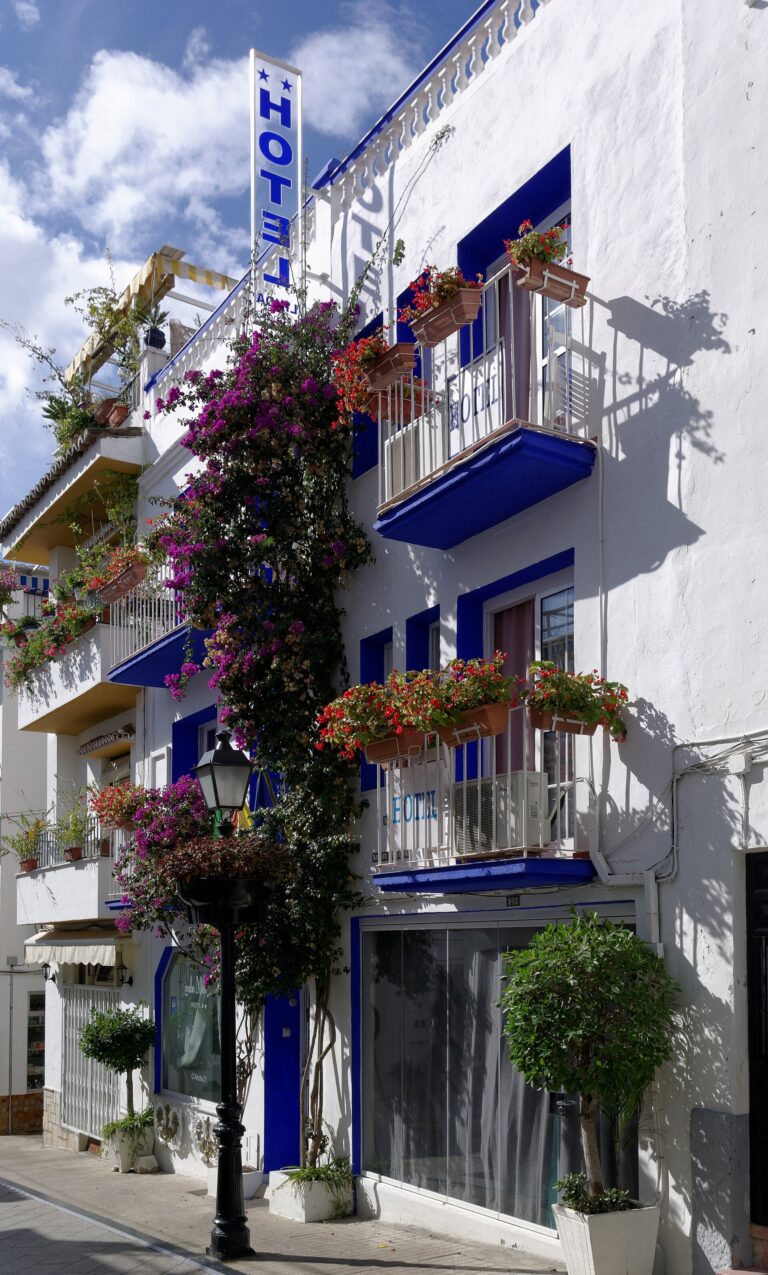
If you’re thinking about heading to southern Spain for your next holiday, you’re in for a treat — this is a region that has defined the perfect European summer for decades. The waves of the Mediterranean lap against a coastline that rightfully earned its nickname, the Sunshine Coast. The Costa del Sol is a land of fascinating extremes, where you’ll find absolutely everything you could wish for on a getaway. Think bustling concrete resorts pulsing with nightlife, exclusive marinas packed with superyachts, and quiet mountain villages where, on a clear day, you can see all the way to Africa.
But coastal Andalusia offers far more than sun loungers and all-inclusive hotels. This is a proud region where the legendary Pablo Picasso was born, home to the oldest continuously inhabited city in Europe, and a place that radiates genuine southern energy. I’ve put together a detailed guide to help you plan the perfect trip. We’ll explore 16 top things to see and do along the Costa del Sol, plus practical tips on getting around and where to stay. 😉

TL;DR
- Málaga is more than just an airport: The city has undergone a massive transformation and become a confident cultural hub that deserves at least two days of your time.
- Best time to visit: Skip the August extremes and aim for May, June, September, or October, when the sea is warm and the crowds are thinner.
- Luxury and tradition: Marbella and Puerto Banús offer a dazzling display of wealth, while Nerja to the east or inland Mijas retain a much more authentic atmosphere.
- Day trip to Gibraltar: If you want to see wild monkeys and a little piece of Britain, don’t forget to bring a valid passport.
- Hiring a car: For a beach-based stay, the excellent local train will do the job, but for exploring the white villages or venturing to Cádiz, a car is absolutely essential.
- Andalusian gastronomy: Spaniards eat dinner late — authentic restaurants don’t fill up until after nine in the evening, and fresh vegetables and local tapas reign supreme along the coast.
The full destination guide: Andalusia — guide and what to see
When to Visit the Costa del Sol and What Weather to Expect
Choosing the right time to visit southern Andalusia is absolutely crucial. You might be wondering whether August in the south is really such a bad idea. The answer is clear — if you’re not a fan of extreme heat, it’s best to avoid peak season. The summer months push inland temperatures well above 40 °C. The coast itself is slightly cooler thanks to the refreshing sea breeze, but humidity is high and the resorts are bursting at the seams.
The ideal time to visit is during the spring months of May and June, or the autumn months of September and October. The Mediterranean is still wonderfully warm for swimming during these periods, and air temperatures hover around a comfortable 25 to 28 °C. You’ll also dodge the biggest crowds and find accommodation at much friendlier prices. Spring is also the perfect time if you’re planning an active holiday filled with mountain hikes or rounds of golf.
Winter on the Costa del Sol — think January and February — is hugely popular with digital nomads and travellers from northern Europe. People flock here for the mild climate, with daytime temperatures often sitting around 15 to 18 °C. While that’s certainly not swimming weather, it’s absolutely ideal for beach walks and sightseeing. The sun shines more than 300 days a year here, so the chances of a rain-soaked holiday are truly minimal.
Where to Stay on the Costa del Sol
💡 Accommodation and experiences tip: We usually search for places to stay on Booking.com, which tends to have the best cancellation policies. For tickets, tours, and activities, it’s worth comparing options on GetYourGuide.
The coastline stretches roughly seventy kilometres and every resort offers a completely different vibe. If it’s your first time heading to southern Spain and you want to combine beaches with culture, I’d recommend basing yourself in Málaga or very close to it. The city is brilliantly connected by commuter train to the airport and the surrounding beaches. For families with kids looking for gentle slopes into the sea and a relaxed atmosphere, Fuengirola or Benalmádena are excellent choices.
If you’re after luxury, outstanding food, and don’t mind splashing out a bit more, focus on the area around Marbella and Estepona. These stretches of coast are much greener, more exclusive, and home to top-notch boutique hotels. Don’t leave your booking too late — the best spots on Booking.com tend to sell out for the spring and autumn months well in advance.
Here are three specific accommodation recommendations depending on what you’re looking for:
- Vincci Larios Diez (Málaga): A gorgeous modern hotel right in the historic heart of Málaga, just steps from the cathedral. It boasts a stunning rooftop terrace with panoramic views — the perfect spot for a morning coffee before diving into the buzz of the city.
- Amàre Beach Hotel (Marbella): A luxury adults-only hotel located right on the beachfront promenade in Marbella. An excellent choice for a romantic getaway for two, with impeccable service and a stylish beach club.
- Hotel IPV Palace & Spa (Fuengirola): A sprawling resort right next to the medieval Sohail Castle with a huge pool and direct access to the sandy beach. It’s a fantastic base for families who want all the comforts in one place.
16 Best Things to See and Do on the Costa del Sol
Let’s dive into the very best that the Andalusian coast has to offer — from buzzing cities and glamorous marinas to natural wonders hidden just a stone’s throw from the busy resorts. You’ll easily piece together the perfect itinerary from this list. ☺️
1. Málaga and Its Historic Heart

For years, Málaga served millions of tourists as little more than an arrivals hall — somewhere to pass through quickly on the way west to the beach resorts. But today, everything has changed, and the city has reinvented itself as a confident cultural destination. Málaga’s historic heart is beautifully compact, largely pedestrianised, and threaded with shady, marble-paved lanes that practically beg you to wander aimlessly.
Towering majestically above the centre is the 11th-century Moorish fortress of the Alcazaba. Unlike Granada’s famous Alhambra, it’s far more intimate and compact, and offers absolutely breathtaking views over the port and the nearby bullring. Just below its walls, you’ll discover the ruins of an ancient Roman theatre that local workers stumbled upon completely by accident back in the 1950s.
2. The Cathedral the Locals Call “The One-Armed Lady”
You simply can’t miss the Cathedral of Nuestra Señora de la Encarnación when strolling through central Málaga. This enormous Renaissance structure dominates the entire city, but it has one major quirk. Locals affectionately call it La Manquita, which translates to “The One-Armed Lady.” Its south tower was never completed due to a catastrophic lack of funds back in the 18th century.
The interior is jaw-droppingly grand, with richly carved wooden choir stalls that are truly breathtaking. If you don’t suffer from vertigo, I’d highly recommend buying the ticket that takes you up to the cathedral’s rooftop. Walking across the stone vaults high above the city at sunset is an experience you won’t forget in a hurry.
3. In the Footsteps of Pablo Picasso
The main draw of modern Málaga remains, without a doubt, its most famous son. Pablo Picasso was born here in 1881, and the city proudly carries his artistic legacy everywhere you look. You can stop by the Plaza de la Merced, where his birthplace still stands — it’s now a small museum dedicated to his early life.
The real highlight, though, is just a few streets away. The Museo Picasso is housed in the beautifully restored Palacio de Buenavista and displays over two hundred works spanning the artist’s entire career. This extensive collection was donated by members of Picasso’s own family, giving the whole exhibition a uniquely personal feel. Buy your tickets online in advance — the queues here can be seriously long.
4. Nerja and the Iconic Balcón de Europa
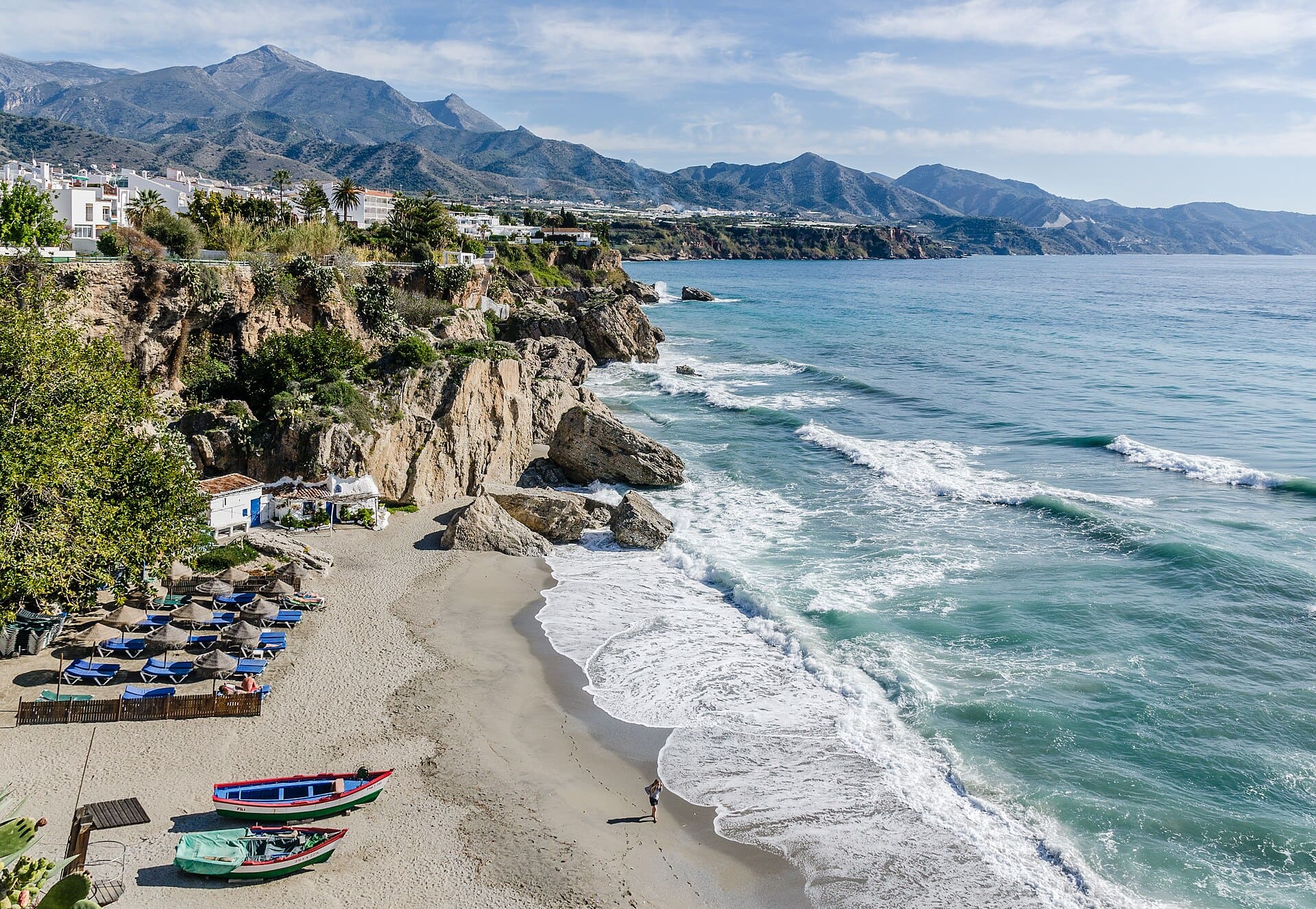
While most visitors head west from Málaga airport, travelling east reveals a quieter side of the region. The crown jewel of this stretch of coast is the town of Nerja. This former fishing village has managed to hold onto its charm, largely because it lacks the massive high-rise developments that are so typical of the western resorts.
The undisputed focal point here is the Balcón de Europa, a circular viewing terrace perched on a cliff right above the Mediterranean waves. It was originally an artillery battery, but today it’s the absolute best spot for an evening stroll. It’s brilliant for watching street performers and soaking up the views of the rugged coastline where the mighty Sierra de Almijara mountains plunge straight into the sea.
5. The Cueva de Nerja Cave System
About five kilometres from the centre of Nerja lies an enormous natural wonder that you absolutely shouldn’t miss. Cueva de Nerja is a vast cave system that was discovered entirely by accident by a group of boys in 1959. It contains some of the largest stalactites in the world, and the cavernous underground halls feel like natural cathedrals.
💡 Insider tip: During the Andalusian summer, when temperatures outside hit 40 °C, the caves are the perfect escape. Inside, the temperature stays at a constant 19 °C all year round. In peak season, however, it’s absolutely essential to book your tickets online several days in advance — otherwise you’ll rock up to the ticket office only to find everything sold out.
6. The Enchanting White Village of Frigiliana
If you’re already in Nerja, it’s just a seven-kilometre drive up into the hills to reach a completely different world. Frigiliana is often hailed as one of the most beautiful white villages in all of Andalusia. Its historic centre, of Moorish origin, is a maze of steep, narrow lanes paved with pebbles and lined with dazzlingly white house facades.
Everywhere you look, you’ll spot doors painted in pastel shades and hundreds of blue flower pots overflowing with colourful geraniums. It’s worth heading here early in the morning or in the late afternoon, when the sun isn’t as harsh and the lanes empty out after the day-trippers leave. From the upper terraces of the village, you get utterly stunning views across wooded valleys all the way to the shimmering blue sea.
7. Torremolinos for Beach Fun Lovers
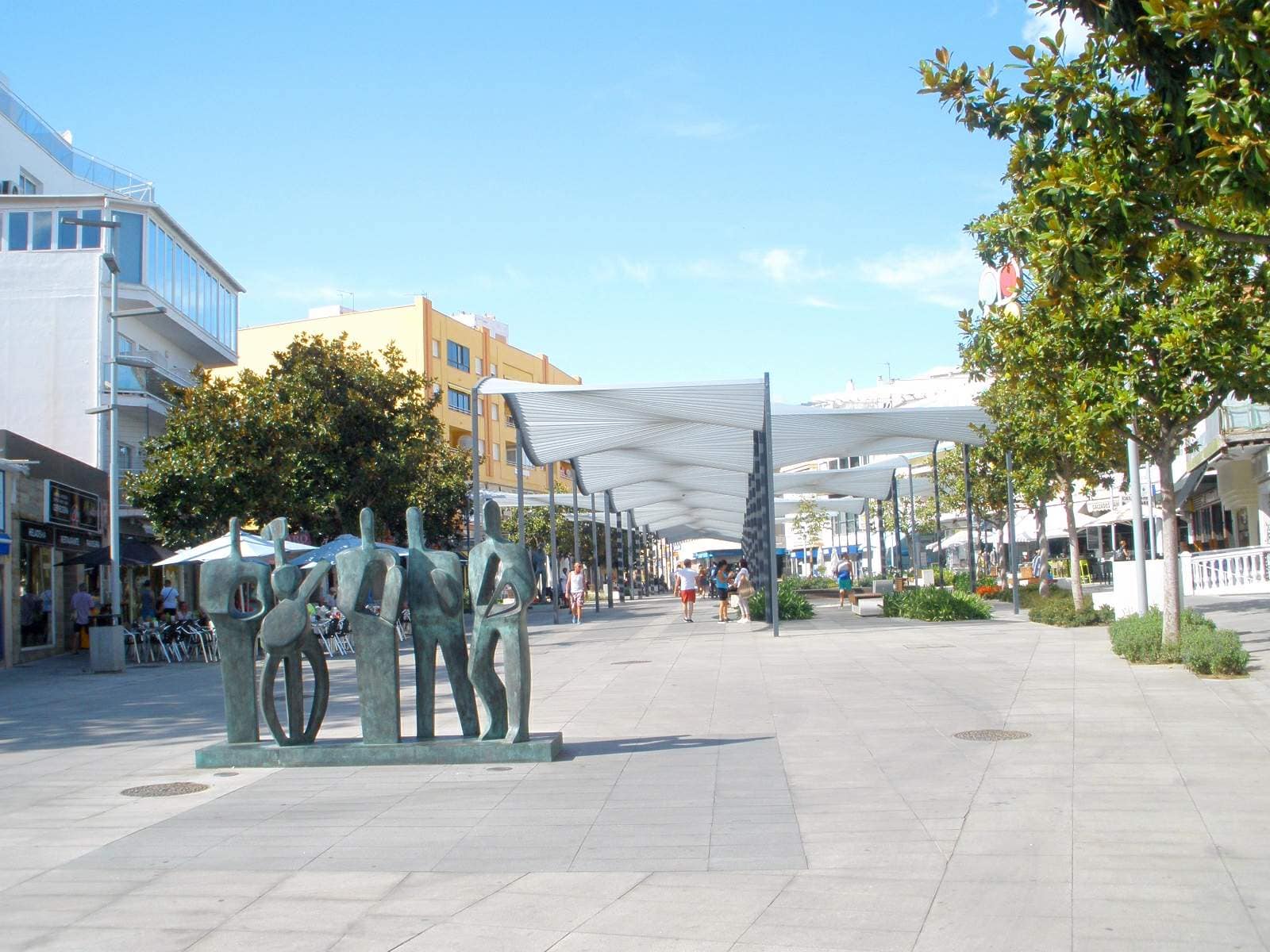
Just west of Málaga, you’ll hit the liveliest stretch of the Costa del Sol. Back in the 1960s and 70s, Torremolinos was already a symbol of free-spirited living and liberation in what was then a deeply conservative Spain. Today, it’s an incredibly vibrant resort with a huge range of accommodation, aimed squarely at holidaymakers seeking guaranteed sunshine and non-stop entertainment.
You’ll find kilometres of wide, shallow beaches that are excellently maintained and backed by buzzing promenades. The town is packed with water parks, souvenir shops, and nightclubs. If you’re after peace and romance, Torremolinos probably won’t be your cup of tea — but if you want your holiday to be full of energy and fun, you’ll be in absolute paradise here.

8. Benalmádena and the Unique Puerto Marina
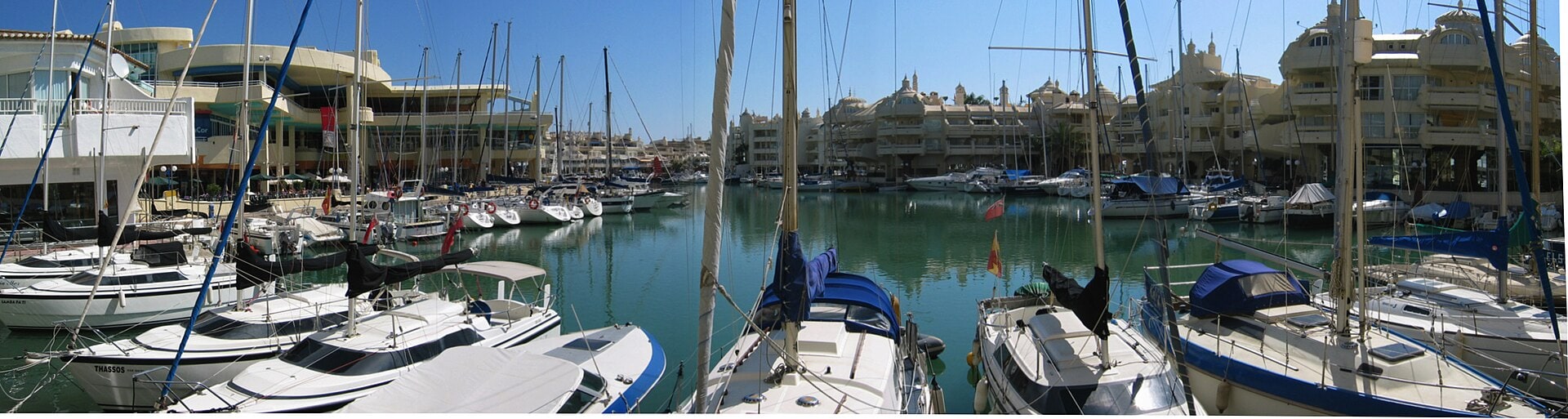
Benalmádena practically merges seamlessly with neighbouring Torremolinos. This town offers a slightly more varied coastline dotted with smaller coves, but its biggest attraction is undoubtedly the massive yacht harbour of Puerto Marina. Its architecture is wonderfully unconventional — a peculiar blend of a fairy-tale Arabian palace and a modern shopping centre.
The marina is laced with artificial islands topped with luxury apartments, and hundreds of gleaming boats bob between them. During the day, it’s a great spot for browsing little boutiques, and come evening, the whole area transforms into a buzzing nightlife hub packed with bars and restaurants. For families with kids, there’s also the large Sea Life aquarium and a butterfly park.
9. Fuengirola and the Medieval Sohail Castle
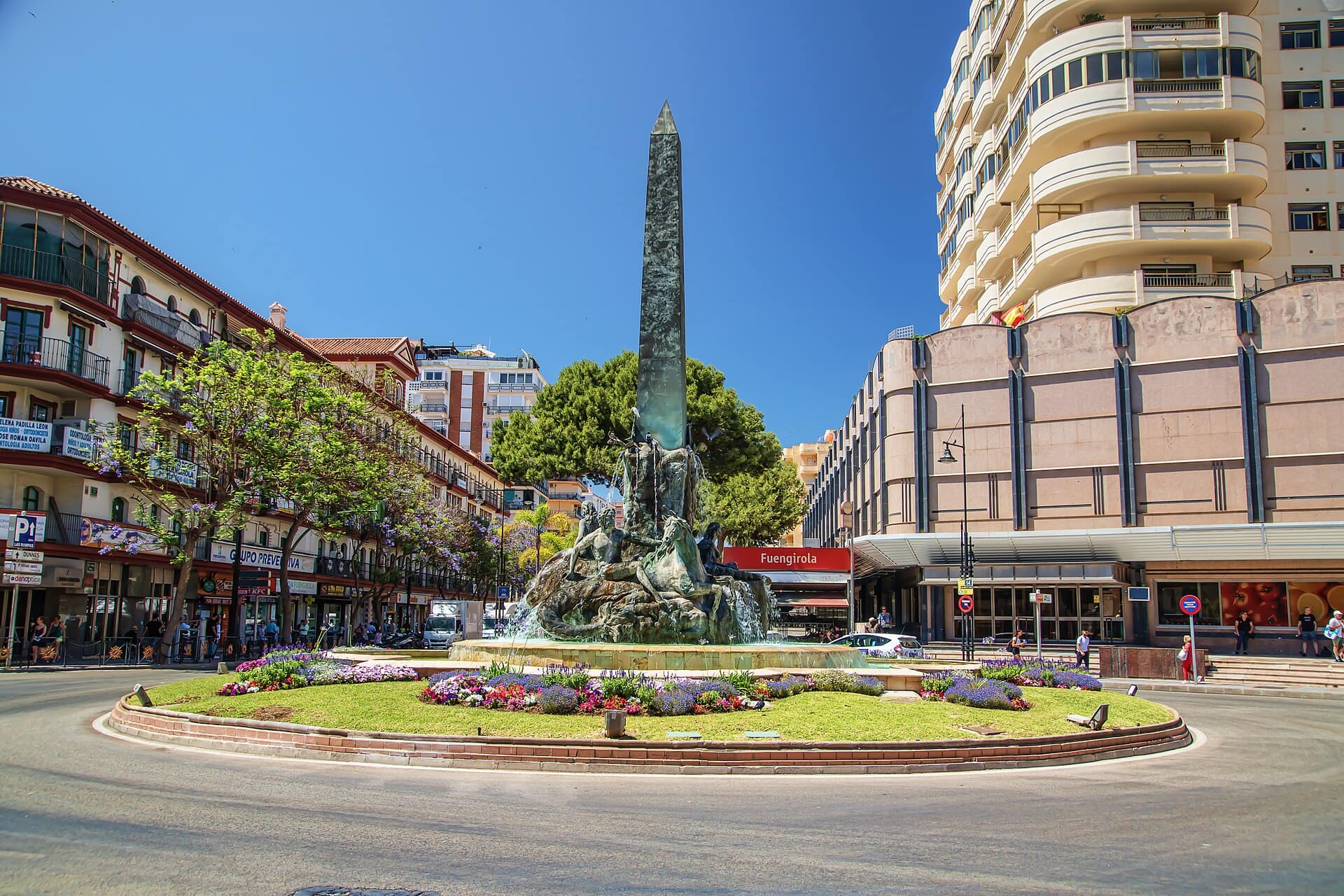
The third of the classic mass-tourism resorts is Fuengirola. The town draws visitors primarily with its eight kilometres of sandy beaches, which regularly earn Blue Flag awards for cleanliness. The Paseo Marítimo promenade is reportedly the longest in all of Spain, and cycling along it on a rented bike is a brilliant way to spend an afternoon.
Perched on a small hill above the river on the outskirts of town stands the medieval Moorish fortress of Castillo de Sohail. Although it has been destroyed and rebuilt numerous times over the centuries, it’s now beautifully restored and offers lovely views of the coastline. During the summer months, the castle also doubles as a stunning historical backdrop for various music festivals and open-air evening concerts.
10. The Mountain Pueblo Blanco of Mijas
If you fancy a break from the bustling coastal scene, just head a few kilometres into the steep hills above Fuengirola. You’ll stumble upon a traditional pueblo blanco called Mijas that clings to the mountainside. It’s exactly the kind of Andalusian village you see on postcards — all blindingly white houses and narrow, winding lanes.
Although Mijas gets fairly touristy during the day, it still retains enormous charm. You’ll find small artisan workshops, tiny chapels carved directly into the rock, and panoramic viewpoints offering sweeping views across dozens of kilometres of coastline. It’s the ideal spot to settle onto a café terrace in the late afternoon, order a refreshing drink, and simply watch the sun go down.
11. The Traditional Side of Marbella
The further west you drive from Málaga, the more exclusive the coast becomes. Marbella has been a clear byword for Spanish luxury and wealth for decades. Its historic centre, known as the Casco Antiguo, is surprisingly very traditional, with not a trace of tasteless concrete tourism. It’s a beautiful tangle of lanes that still follow their ancient Moorish layout.
The heart of old Marbella is the Plaza de los Naranjos, a square filled with mature, fragrant orange trees. Around the square sit a Renaissance town hall and dozens of small tapas bars that spill their tables out onto the pavement each evening. Wandering through the old town, ducking under balconies draped with climbing plants, is one of the most beautiful experiences you can have on the coast.
12. The Glamorous Marina of Puerto Banús
The real spectacle of jaw-dropping wealth takes place a few kilometres further west from Marbella’s centre, at the marina of Puerto Banús. This is where the world’s biggest superyachts come to dock, and the waterfront promenade is lined with luxury boutiques from the likes of Dior, Gucci, and Louis Vuitton. People come here to see and be seen — it’s as simple as that.
Along the harbour streets, the latest Ferraris, Lamborghinis, and Rolls-Royces cruise by at a crawl, their owners popping in for a coffee at eye-wateringly inflated prices. Even if you’re not planning to drop thousands of euros on a handbag, strolling along the quay with an enormous ice cream in hand and gawking at boats the size of a small block of flats makes for a pretty entertaining afternoon.
13. Estepona in Full Bloom
Further west lies the resort town of Estepona, which has been enjoying a massive renaissance in recent years. The local council decided to brand it as the “garden of the Costa del Sol”, and today the entire historic centre is literally smothered in hundreds of thousands of living flowers. Every lane has its own colour-coded flower pots, creating an incredibly photogenic setting.
Estepona is considerably quieter than neighbouring Marbella and retains a much more authentic Andalusian character. The local beaches are wide, uncrowded, and the town centre moves at a relaxed Spanish pace. On top of that, the council has commissioned dozens of huge artistic murals painted across building facades throughout the town, which you can seek out using a special map.
14. Costa del Golf for Sports Enthusiasts
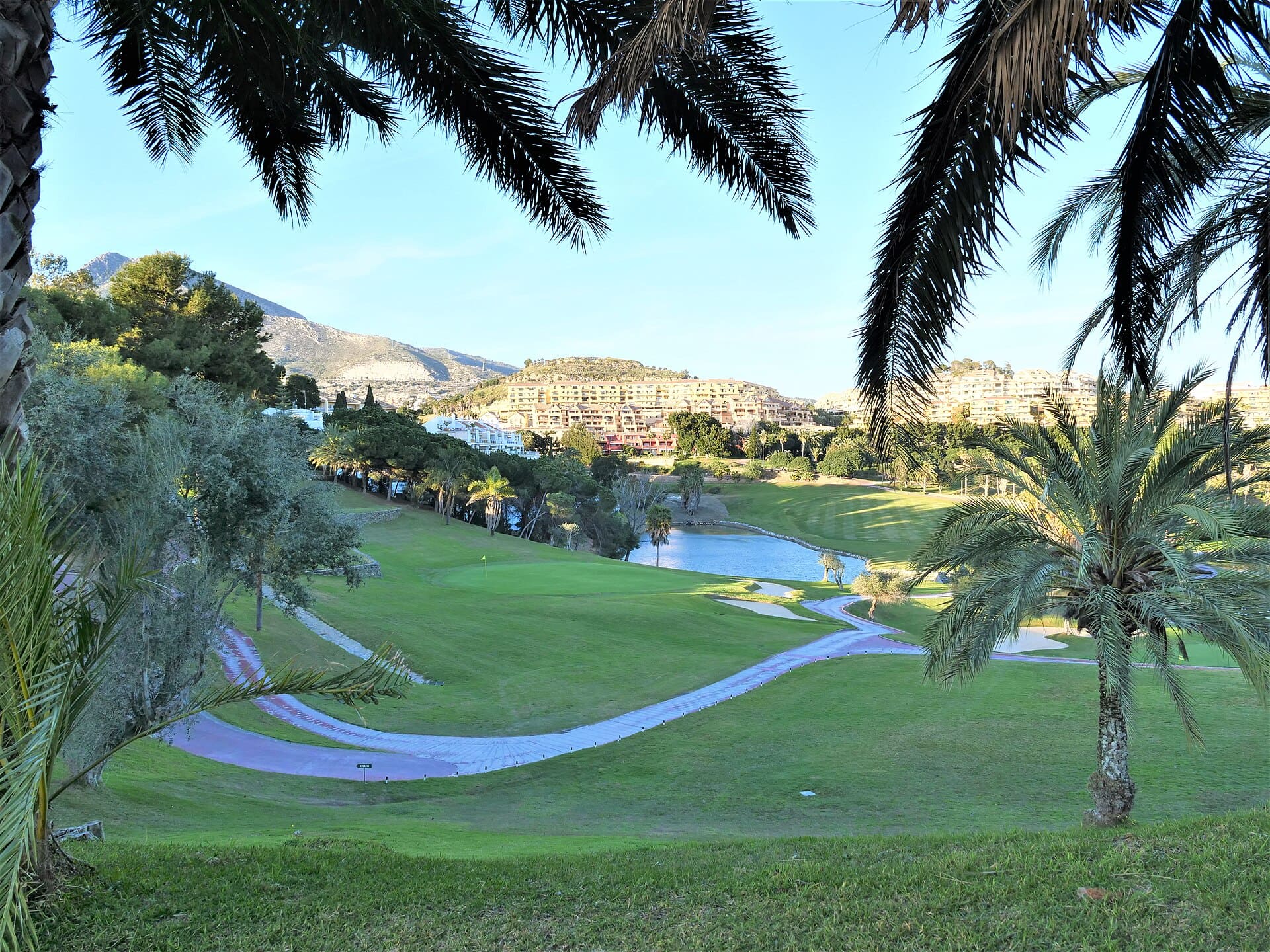
For the legions of golfers who flock here, this region isn’t called the Sunshine Coast at all — it’s the Costa del Golf. With more than seventy top-class courses, it boasts the highest concentration of golfing infrastructure in mainland Europe. The courses are impeccably maintained and set into gorgeous, rolling landscapes with sea views.
These aren’t just ordinary green spaces, either. The legendary Valderrama club is considered one of the finest — and most challenging — courses in Europe, having even hosted the prestigious Ryder Cup. Other resorts like Finca Cortesín offer world-class luxury and impeccable service. The golf season peaks in spring and autumn, when temperatures are absolutely ideal for a full day out on the fairways.
15. Gibraltar and the Barbary Macaques
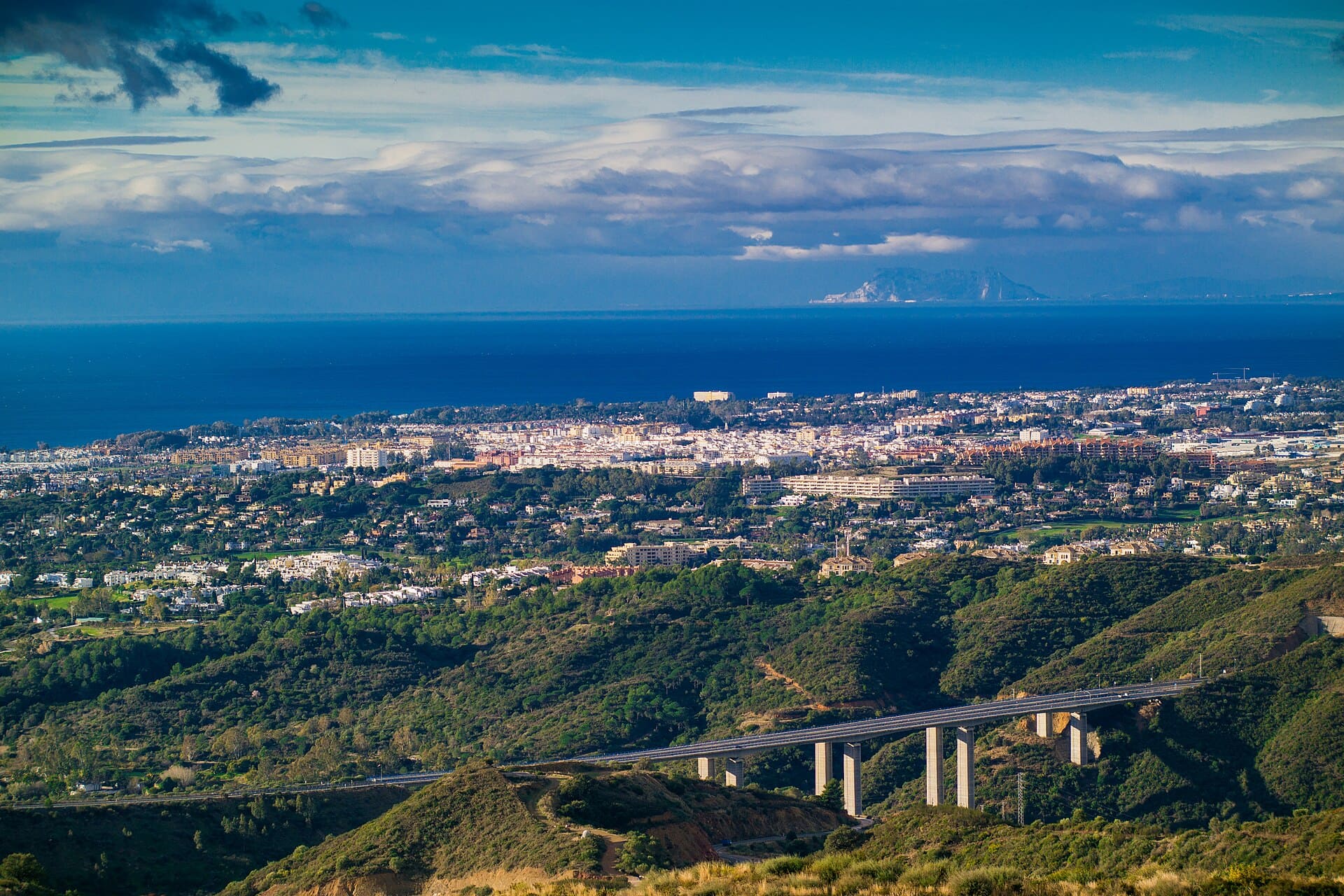
Gazing from the western beaches, you’ll inevitably spot the massive limestone rock that dominates the horizon. Gibraltar, a British Overseas Territory covering barely seven square kilometres, is a fascinating geographical anomaly — and it’s only about an hour’s drive from Marbella. As soon as you cross the border, you’re treated to the bizarre experience of the main road crossing straight through the airport runway.
⚠️ Essential travel warning: Gibraltar is NOT part of the Schengen Area. To cross the border, you’ll need a valid passport — a national ID card may not be accepted, and border checks are strict. The main attraction for visitors is taking the cable car up to the Upper Rock, a nature reserve at the summit. Up there, you’ll enjoy spectacular views across to Africa and encounter the famous Barbary macaques — Europe’s only wild primates — who are extraordinarily cheeky and love pinching food from backpacks.
16. Cádiz and the Wilder Atlantic Coast
If you continue west beyond Gibraltar, past the windsurfing hotspot of Tarifa, you’ll reach the Costa de la Luz. Here, the Mediterranean gives way to the Atlantic, and sitting on a narrow peninsula jutting out into the ocean is Cádiz. Founded by the Phoenicians around 1100 BC, it’s considered the oldest continuously inhabited city in Europe. Cádiz has a completely different feel — slightly weathered and melancholic, with a labyrinth of narrow streets.
The local Atlantic beaches, such as the enormous Playa de la Victoria, rank among the best urban beaches in Spain. They’re wide, with fine golden sand, and a refreshing ocean breeze always blows in. The city truly comes alive in February, when it hosts one of the biggest and most outrageous carnivals in the country — a celebration built on music, humour, and razor-sharp satire.
Map of points of interest for your phone
Day Trips from the Costa del Sol
Coastal Andalusia is the perfect springboard for exploring the whole of southern Spain. If you’ve hired a car, the possibilities for fantastic inland excursions are virtually endless. You can delve into the history of stunning cities or set off on adventurous hikes into the mountains.
- If dramatic views are your thing, head to the town of Ronda, famous for its colossal stone bridge spanning a deep gorge.
- For adrenaline junkies, there’s the nearby Caminito Del Rey trail, once known as the world’s most dangerous pathway, now perfectly restored and completely safe.
- Consider visiting some of the inland Moorish gems, too. Check out our detailed Granada guide full of tips on the Alhambra, or explore our article on 15 things to see in Córdoba.
- If you’re looking for more road trip inspiration across the region, have a look at our piece on the 20 most beautiful places in Andalusia.
- And if you’d love to taste the best of the local cuisine, browse our guide to traditional Spanish food.
Frequently Asked Questions
How to get from Málaga airport to the resorts?
The airport is fantastically connected to the commuter train called Cercanías. It runs at very frequent intervals and will conveniently take you both to the center of Málaga and to the other side, through Torremolinos and Benalmádena, all the way to the terminus in Fuengirola. You can easily buy tickets at the machines in front of the platform.
Do I need a passport for a trip to Gibraltar?
Yes, a passport is absolutely essential. After Brexit, Gibraltar is not part of the Schengen area and border checks are very thorough. An ordinary ID card will no longer be enough for you to cross the Spanish-British border, so definitely keep this in mind when packing your bags.
When do Spanish restaurants open for dinner?
The Spanish eat very late and the Andalusian coast is no exception. Authentic restaurants open no earlier than around eight in the evening and the locals only start gathering around half past nine. If a restaurant is already full at six in the evening, it’s most likely intended purely for tourists and the quality may fall short.
What is espeto, which smells so good everywhere on the beaches?
It’s an absolutely iconic local specialty of the Málaga province. Traditionally it’s sardines skewered on a reed stick, grilled right on the beach over glowing embers, often set up in old boats. For vegetarians and vegans, the chiringuitos (beach bars) then offer excellent meatless tapas, such as patatas bravas or fried eggplant drizzled with cane honey.
Is the Costa del Sol a good place for a holiday with children?
The region is absolutely perfectly prepared for families. You can get from the airport to your hotel in a few minutes, the beaches in resorts like Fuengirola or Torremolinos have a shallow and safe entry into the sea, and everywhere you’ll find plenty of water parks and attractions. On top of that, the all-inclusive hotels here really work like a charm.
Do I need a rental car on the coast?
It depends on your plans. If you just want to lie on the beach and occasionally pop into Málaga, you’ll get by perfectly well with the local Cercanías train. But if you want to discover the white villages in the mountains, head to the ocean in Cádiz or explore more deserted coves, renting your own car is an absolute necessity.
How does paying work in Gibraltar?
The official currency is the Gibraltar pound, which is firmly pegged to the British pound. In the vast majority of shops and at the sights, they also quite commonly accept euros, you just have to bear in mind that the merchants will convert it for you at a slightly worse, touristy rate. Ideally, of course, pay everywhere by card, which mostly works without any problems.
Tips and Tricks for Your Vacation
Don’t Overpay for Flights
Search for flights on Kayak. It’s our favorite search engine because it scans the websites of all airlines and always finds the cheapest connection.
Book Your Accommodation Smartly
The best experiences we’ve had when looking for accommodation (from Alaska to Morocco) are with Booking.com, where hotels, apartments, and entire houses are usually the cheapest and most widely available.
 🚗 Car rental on the roadVerified rental cars in Andalusia
Search with the DiscoverCars comparison engine — it compares prices from dozens of local and international rental companies, and most bookings come with free cancellation.
Compare car prices in Andalusia →Don’t Forget Travel Insurance
Good travel insurance will protect you against illness, accidents, theft, or flight cancellations. We’ve had a few hospital visits abroad, so we know how important it is to have proper insurance arranged.
Where we insure ourselves: SafetyWing (simple monthly subscription) and TrueTraveller (for extra-long trips).
Find the Best Experiences
Get Your Guide is a huge online marketplace where you can book guided walks, trips, skip-the-line tickets, tours, and much more. We always find some extra fun there!