Did you know that this Mediterranean island in Europe has the absolute longest swimming season in all of Europe? You can plunge into the waves as early as May, and even in November the sea is still an incredible 23 °C. Yet this summer paradise is also a place of deep contrasts, because barbed wire still runs across it and it hides what is currently the last divided capital city in Europe. Sunbathing on the beach mixes here quite naturally with exploring a complicated recent history, which makes the destination a fascinating target for any curious traveller.
If a holiday in Cyprus tempts you right now, you certainly won’t regret it, because this country reliably satisfies lovers of monuments, mountain treks and endless lounging on the beach. When planning your itinerary and looking for information on what to see in Cyprus, you may be a little taken aback by the size of the island, as driving from one end to the other can easily take several hours. Travellers often ask how the whole border between north and south actually works, and that’s exactly why I decided to put together a complete guide that answers all your practical questions.
In this article you’ll find a full 24 specific tips on where to go and what you absolutely must not miss. I’ve prepared detailed month-by-month weather tables based on real ten-year data, and we’ll take a close look at both the south and the north of the island. You’ll also learn where to stay, that major carriers such as Ryanair, easyJet and Lufthansa serve Larnaca and Paphos from many European hubs (the flight from Central Europe takes roughly 3 hours 20 minutes), and how local transport works. The Republic of Cyprus is a full member of the EU and pays in euros, so you’ll get a clear idea of the prices to expect and where to find the best food for vegetarians. ☺️
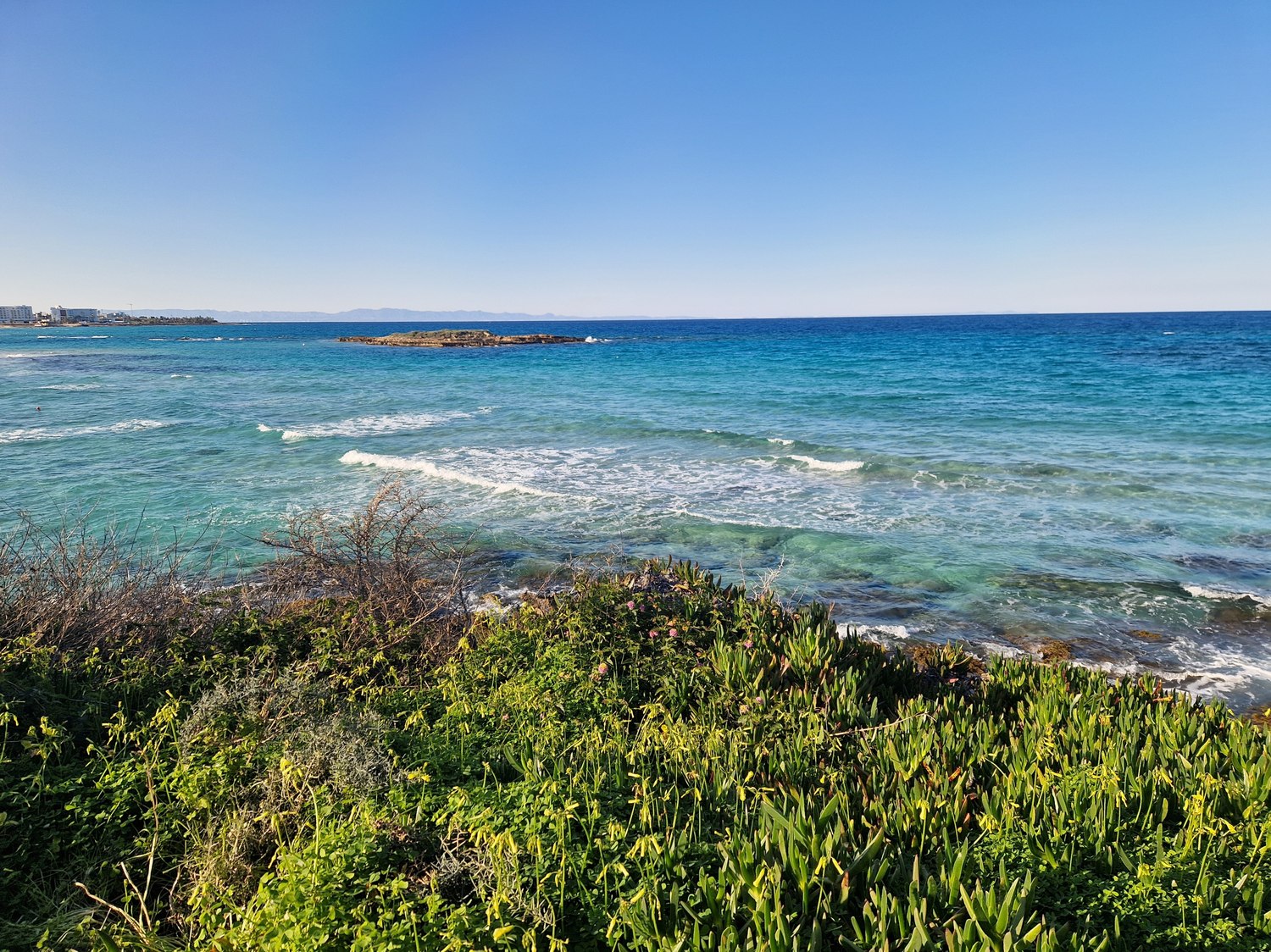
The full destination guide: Europe — guide and what to see
TL;DR
If you don’t have time to read the full guide, I’ve put together a quick summary of the most important points. Here are the basic facts you should definitely know before your trip:
- The island boasts the longest swimming season in Europe, with the sea in popular Ayia Napa still a lovely 24.5 °C even in November.
- If you head here in July and August, expect temperatures of 32.1 and 32.4 °C in Ayia Napa, with rain averaging just 0.1 days a month.
- According to locals, the most beautiful time is spring (April, May), when the whole island is gorgeously green and full of blooming flowers.
- The island is politically divided, and while the Green Line can normally be crossed, you always NEED A PASSPORT for it, as an ID card can’t be relied on.
- Thanks to the British colonial past, they drive on the left, which surprises a lot of unprepared tourists after picking up a car at the airport.
- The inland Troodos mountains are usually 8 to 10 degrees cooler than the coast, and in winter you can even ski there on natural snow.
- While Paphos is packed with archaeology and UNESCO sites, Ayia Napa draws visitors with beaches and parties, and Protaras offers family calm.
- The famous cheese halloumi comes from Cyprus, and vegetarian meze full of small meat-free treats is a completely normal thing here.
Why go to Cyprus (and who it’s not for)
If you’re still hesitating whether this sunny Mediterranean island is the right choice for your days off this year, let’s break it down a bit. The destination offers a truly unique mix of experiences that reliably satisfies both active travellers and those who just want to lie on a lounger with a good book. At the same time, it’s worth knowing about a few quirks that could spoil the holiday for some.
6 reasons Cyprus is worth the trip
The longest swimming season: According to long-term measurements, stable warmth reigns here from early spring right through to late autumn, which is a huge advantage within Europe. While in Greece or Spain you’re often pulling out sweaters by October, here locals and tourists are still swimming in a warm sea.
Ancient monuments on the UNESCO list: If you enjoy history, you’ll be in your element here, because the whole island works like a giant open-air museum. The Republic of Cyprus boasts stunning archaeological parks, well-preserved mosaics and ancient tombs that will delight just about any lover of old stories.
Mountains and sea in one day: In the morning you can walk through deep pine forests, discover hidden waterfalls and breathe fresh mountain air. In the afternoon you drive down to the coast and jump into turquoise waves, an incredibly refreshing contrast that never gets old.
English and left-hand driving: The island was under British administration for a long time, so you can get by fluently in English even in the most remote little village. The British heritage also brings driving on the left and traditional three-pin Type G sockets, for which you’ll definitely need an adapter — and remember that although public transport connects the main cities, you’ll realistically only reach the Troodos mountains, the Akamas peninsula and most treks by car.
Excellent vegetarian cuisine and halloumi: The food here is simply superb and will delight even those who don’t eat meat, because traditional tavernas offer a huge range of meat-free options. You’ll surely fall for grilled halloumi cheese, a local treasure that tastes absolutely divine paired with fresh vegetables and olive oil.
Two cultures on one island: Crossing the Green Line into the northern part of the island transports you to a completely different world full of mosques, Turkish tea and markets, where — by the way — the Turkish lira is the everyday currency, even if euros are accepted in many places. Being able to explore both Greek and Turkish culture during a single holiday is a huge bonus, but remember that you may only take a rental car hired in the south to the north with the rental company’s consent, and you must buy temporary Turkish insurance at the crossing, since your southern policy doesn’t apply there (and a car hired in the north is not allowed into the south at all).
Who Cyprus won’t suit
As beautiful as the island is, it’s certainly not a universal paradise for absolutely everyone, and it has its clear drawbacks. If you recognise yourself in any of the following points, you might want to consider a different destination to avoid unnecessary disappointment.
- Anyone who can’t stand extreme heat, because in summer temperatures regularly climb above 32 °C and in Larnaca even hit 33.4 °C.
- Anyone looking for lush green nature even in summer, since under the strong sun the island is very parched and yellow from June through to autumn.
- Anyone with a real fear of driving on the left who doesn’t want to rely solely on long-distance buses, which don’t run out into nature.
- Anyone looking strictly for a cheap holiday, because within the Mediterranean this destination is one of the pricier ones and service costs clearly reflect that.
- Anyone wanting absolute peace in Ayia Napa during the peak summer season, when this area turns into one huge, noisy party hub.
When to go to Cyprus: weather month by month
Choosing the ideal dates is crucial, because the weather changes a lot over the year and dictates which activities you can realistically do. To give you the most accurate information, we’ve gathered data that isn’t based on any gut feelings, but on hard meteorological measurements.
All air temperatures in the overviews below represent ten-year averages from 2015 to 2024 drawn from the precise ERA5 climate reanalysis. As for the sea temperature, it comes from a modern ocean model for 2019 to 2024, so you have in front of you the most up-to-date and reliable values you can possibly find.
| Month | Day | Night | Sea | Rainy days | Sun/day |
|---|---|---|---|---|---|
| January | 16 °C | 10 °C | 19 °C | 8.8 | 8.6 h |
| February | 17 °C | 10 °C | 18 °C | 5.6 | 9.0 h |
| March | 19 °C | 12 °C | 18 °C | 5.1 | 10.4 h |
| April | 22 °C | 14 °C | 19 °C | 3.8 | 11.6 h |
| May | 26 °C | 18 °C | 21 °C | 2.8 | 12.7 h |
| June | 29 °C | 22 °C | 26 °C | 1.1 | 13.7 h |
| July | 32 °C | 24 °C | 29 °C | 0.0 | 13.8 h |
| August | 32 °C | 25 °C | 30 °C | 0.3 | 12.8 h |
| September | 31 °C | 23 °C | 29 °C | 1.1 | 11.6 h |
| October | 27 °C | 20 °C | 27 °C | 3.6 | 10.6 h |
| November | 22 °C | 16 °C | 24 °C | 6.7 | 8.9 h |
| December | 18 °C | 12 °C | 21 °C | 9.5 | 8.0 h |
For a clearer picture, let’s look at the specific numbers for the resort of Ayia Napa, which sits on the popular east coast and boasts the most beautiful beaches. Here are the exact average values for each month:
- January: day 15.9 °C, night 10.3 °C, sea 18.8 °C, rainy days 8.8, sun 8.6 h/day.
- February: day 16.7 °C, night 10.3 °C, sea 18.0 °C, rainy days 5.6, sun 9.0 h/day.
- March: day 18.6 °C, night 11.6 °C, sea 18.0 °C, rainy days 5.1, sun 10.4 h/day.
- April: day 22.1 °C, night 14.0 °C, sea 19.3 °C, rainy days 3.8, sun 11.6 h/day.
- May: day 25.8 °C, night 17.9 °C, sea 21.4 °C, rainy days 2.8, sun 12.7 h/day.
- June: day 29.1 °C, night 21.5 °C, sea 25.5 °C, rainy days 1.1, sun 13.7 h/day.
- July: day 32.1 °C, night 24.4 °C, sea 28.6 °C, rainy days 0.0, sun 13.8 h/day.
- August: day 32.2 °C, night 24.9 °C, sea 29.8 °C, rainy days 0.3, sun 12.8 h/day.
- September: day 30.7 °C, night 23.0 °C, sea 28.7 °C, rainy days 1.1, sun 11.6 h/day.
- October: day 27.3 °C, night 20.0 °C, sea 26.8 °C, rainy days 3.6, sun 10.6 h/day.
- November: day 22.2 °C, night 16.3 °C, sea 23.8 °C, rainy days 6.7, sun 8.9 h/day.
- December: day 18.1 °C, night 12.4 °C, sea 20.6 °C, rainy days 9.5, sun 8.0 h/day.
Paphos weather: the west of the island is a touch milder
The west coast has a slightly different microclimate, so the Paphos area tends to be a shade cooler and gets a little more rain, which on the flip side means the landscape stays green for longer. For comparison, in January the daytime here reads 15.6 °C (night 9.4 °C, sea 19.4 °C, rain 13.6 days, sun 8.5 h/day) and in February 16.5 °C (night 9.5 °C, sea 18.1 °C, rain 8.2 days, sun 9.1 h/day). Spring March brings 17.9 °C by day (night 10.9 °C, sea 17.8 °C, rain 9.6 days, sun 10.6 h/day) and April a very pleasant 21.3 °C (night 13.3 °C, sea 18.9 °C, rain 4.8 days, sun 11.6 h/day). May days warm up to 24.8 °C (night 17.0 °C, sea 20.8 °C, rain 4.4 days, sun 12.8 h/day) and June to 27.8 °C (night 20.6 °C, sea 24.8 °C, rain 1.4 days, sun 13.9 h/day). In hot July count on 31.0 °C (night 23.4 °C, sea 27.4 °C, rain 0.4 days, sun 13.9 h/day) and in August 30.7 °C (night 23.8 °C, sea 28.8 °C, rain 0.7 days, sun 12.7 h/day). September still promises a summery 29.2 °C (night 22.0 °C, sea 27.7 °C, rain 1.5 days, sun 11.7 h/day) and October drops to 26.3 °C (night 18.5 °C, sea 26.0 °C, rain 4.0 days, sun 10.6 h/day). November then offers 22.3 °C (night 14.7 °C, sea 23.3 °C, rain 5.9 days, sun 9.2 h/day) and the year closes with December at 17.9 °C (night 11.4 °C, sea 20.8 °C, rain 10.9 days, sun 8.3 h/day).
The Troodos mountains: a completely different island
When you head from the scorching coast inland, you find yourself in a completely different climate zone that is bound to surprise you with its unexpected freshness. Measurements from an altitude of around 1,830 metres clearly show that while down by the sea people are strolling in T-shirts at 15 °C, up in the mountains there’s regularly snow. In January the average daytime high there is just 4.0 °C, and a ski resort reliably operates up there — quite a curiosity for a Mediterranean island.
| Month | Day | Night | Rainy days | Sun/day |
|---|---|---|---|---|
| January | 4 °C | -3 °C | 12.9 | 7.9 h |
| February | 6 °C | -2 °C | 10.7 | 8.6 h |
| March | 8 °C | -0 °C | 10.4 | 10.2 h |
| April | 13 °C | 4 °C | 6.9 | 11.5 h |
| May | 18 °C | 8 °C | 6.4 | 12.8 h |
| June | 22 °C | 11 °C | 3.8 | 13.8 h |
| July | 26 °C | 15 °C | 0.8 | 13.9 h |
| August | 26 °C | 15 °C | 1.1 | 12.9 h |
| September | 23 °C | 12 °C | 3.3 | 11.7 h |
| October | 18 °C | 8 °C | 5.4 | 10.6 h |
| November | 12 °C | 3 °C | 6.7 | 9.1 h |
| December | 7 °C | -0 °C | 11.1 | 7.9 h |
Here are the exact figures for the mountain areas, so you know what clothing to pack:
- January: day 4.0 °C, night -2.9 °C, rainy days 12.9, sun 7.9 h/day.
- February: day 5.9 °C, night -2.1 °C, rainy days 10.7, sun 8.6 h/day.
- March: day 8.2 °C, night -0.5 °C, rainy days 10.4, sun 10.2 h/day.
- April: day 13.4 °C, night 3.6 °C, rainy days 6.9, sun 11.5 h/day.
- May: day 18.1 °C, night 7.7 °C, rainy days 6.4, sun 12.8 h/day.
- June: day 22.1 °C, night 11.3 °C, rainy days 3.8, sun 13.8 h/day.
- July: day 26.1 °C, night 14.8 °C, rainy days 0.8, sun 13.9 h/day.
- August: day 25.7 °C, night 14.8 °C, rainy days 1.1, sun 12.9 h/day.
- September: day 22.6 °C, night 12.0 °C, rainy days 3.3, sun 11.7 h/day.
- October: day 17.6 °C, night 7.9 °C, rainy days 5.4, sun 10.6 h/day.
- November: day 11.6 °C, night 3.1 °C, rainy days 6.7, sun 9.1 h/day.
- December: day 6.7 °C, night -0.5 °C, rainy days 11.1, sun 7.9 h/day.
The best months by type of holiday
- For perfect swimming: The ideal time is June to November, when the sea is an incredible 25 to 29 °C and the water is beautifully warm.
- For sightseeing and treks: You’ll enjoy hiking most in April, May or October, because temperatures are bearable and the spring landscape is also gorgeously in bloom.
- For the cheapest dates: If you want to save significantly, plan your trip for the period from November to March, when flight and accommodation prices drop.
- When to steer clear: August is the month when the island is bursting at the seams, scorching heat rules and the cost of services shoots up.
What to see in Cyprus: 24 tips from ancient mosaics to the mountains
The Republic of Cyprus offers huge variety, and the island’s layout makes planning the whole trip easier. The western part around Paphos draws visitors with ancient monuments and wild nature, while the south with Limassol forms a busier cultural and historical hub. In the east, around the resort of Ayia Napa, you’ll find the most beautiful sandy beaches, and the interior hides the green Troodos mountains. The island has been divided since 1974 by a UN buffer zone into the southern Republic of Cyprus, which is a member of the EU and the eurozone, and Northern Cyprus, which is recognised as a state only by Turkey. Fortunately, the whole island can be driven around in a few days, which according to many travellers is by far the best way to travel.
Even though reliable public transport runs between the main cities, without your own car you realistically won’t reach the Troodos mountains or the remote Akamas peninsula. Direct flights serve Larnaca and Paphos airports from many European hubs, with the trip from Central Europe taking a pleasant three hours and twenty minutes, so if you’re wondering how to find cheap flights, Cyprus is a very accessible destination. Just keep in mind that in Cyprus they drive on the left, you’ll need British three-pin Type G sockets, and the everyday currency is the euro.
1. Paphos Archaeological Park: the mosaics people come here for
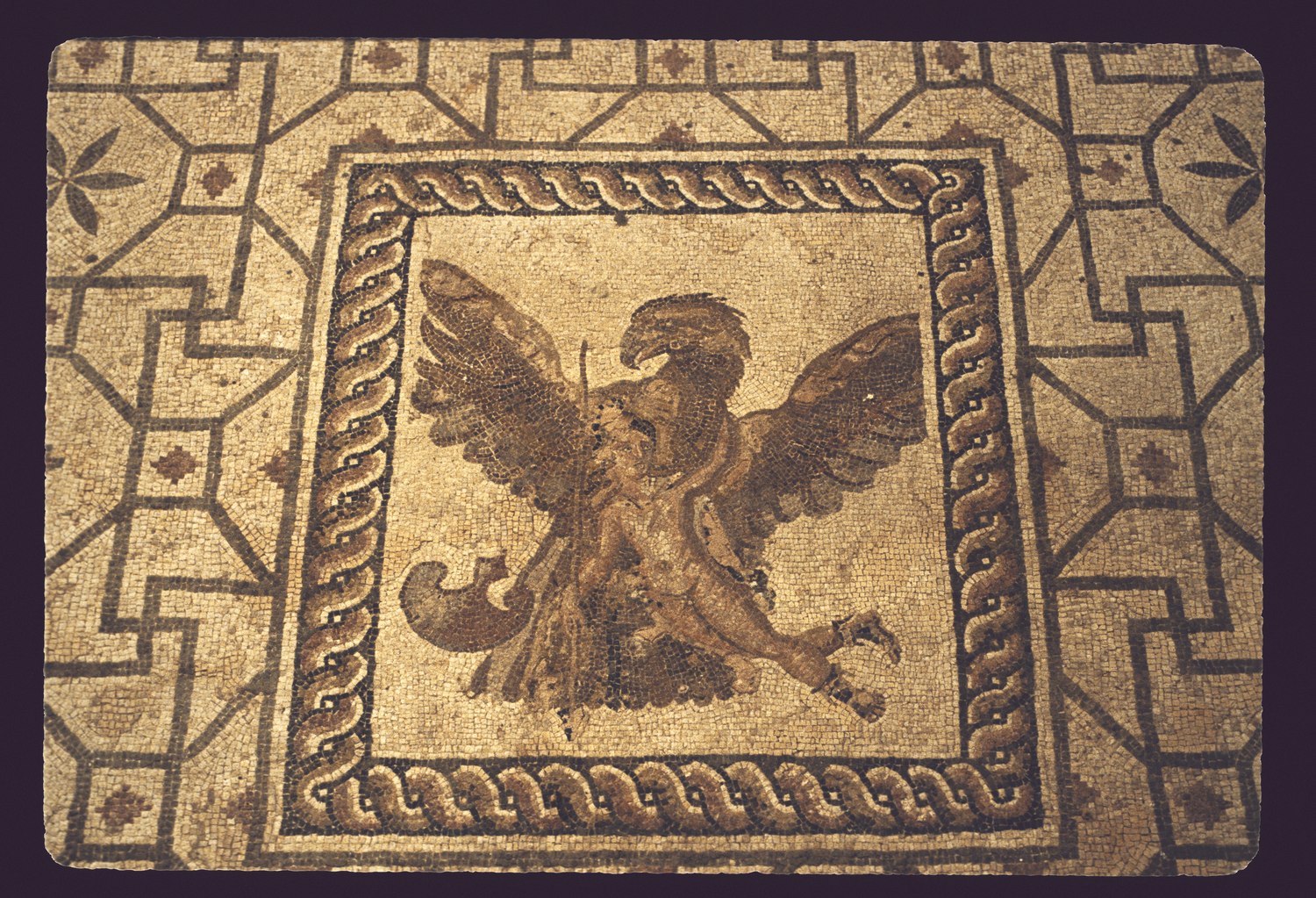
The Paphos Archaeological Park is on the UNESCO World Heritage list and is an absolute must for history lovers. The main draw is the Roman villas with incredibly well-preserved floor mosaics depicting scenes from Greek mythology. The best known is the so-called House of Dionysus, where you can admire detailed works of art thousands of years old, but the magnificent ancient Odeon theatre is also worth exploring. The whole site is very spread out and offers lovely views of the blue Mediterranean.
According to traveller reviews, it’s best to visit early in the morning or, alternatively, in the late afternoon. Inside the vast site you’ll find almost no shade, and at midday the walk between the scorching stones turns into quite a demanding workout. Definitely bring plenty of drinking water, comfortable shoes and strong sunscreen so you can enjoy the visit in maximum comfort.
2. Tombs of the Kings
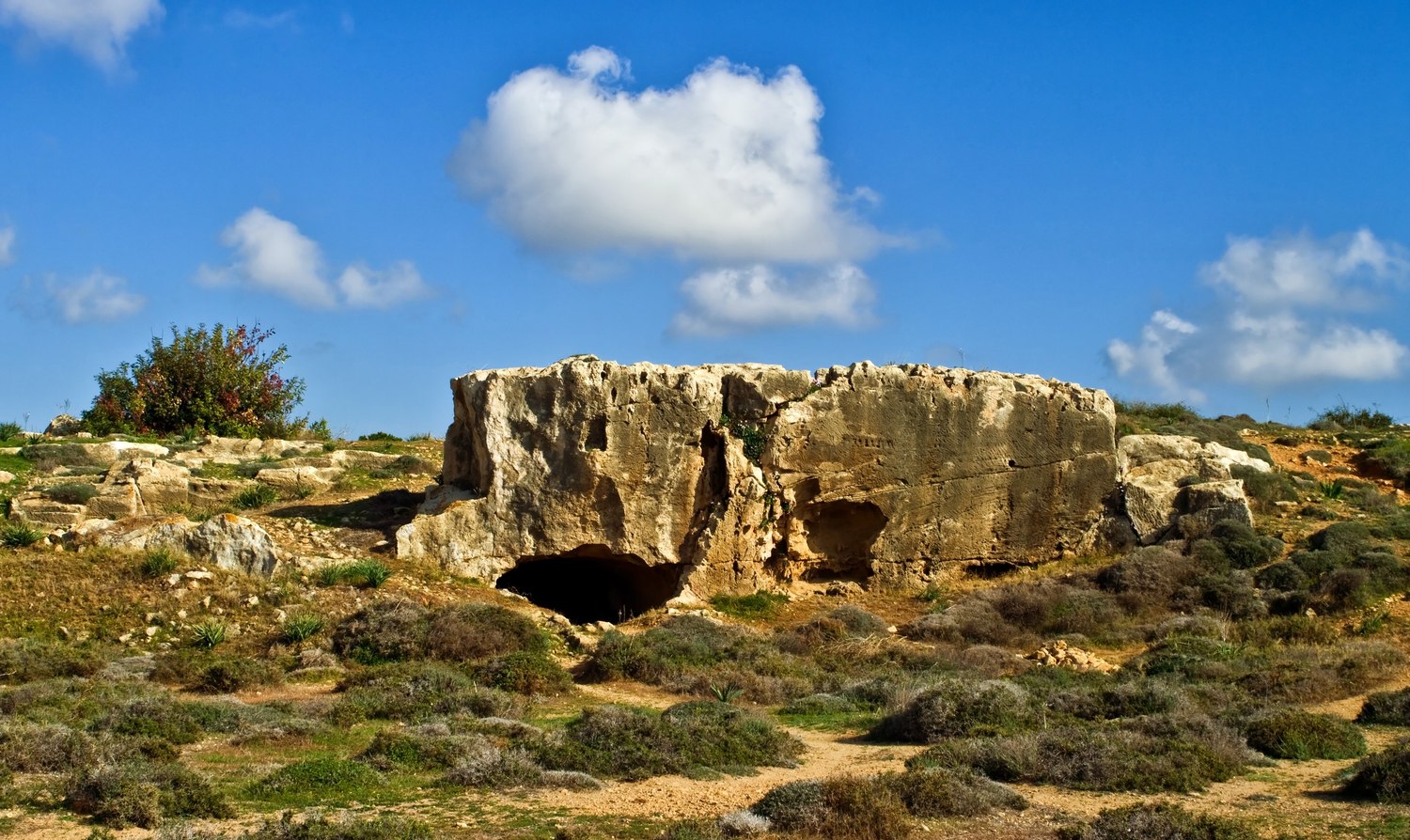
The Tombs of the Kings are a fascinating underground complex carved straight into solid rock near the centre of Paphos. Although the name sounds very grand, in reality no kings were ever buried here — the site served as a final resting place for high officials and the local aristocracy. It earned its lofty name mainly thanks to the magnificent architecture, and you can wander freely between mighty Doric columns and descend into mysterious underground atria.
This archaeological site is surprisingly large, and exploring the maze of underground passages takes at least an hour or two. Local guides recommend combining a visit to the tombs with the nearby archaeological park, as they are located very close together. You’ll experience the loveliest atmosphere in the early evening, when the setting sun paints the sandstone rocks golden and casts beautiful shadows between the columns.
3. Petra tou Romiou: the rock where Aphrodite was born, according to myth
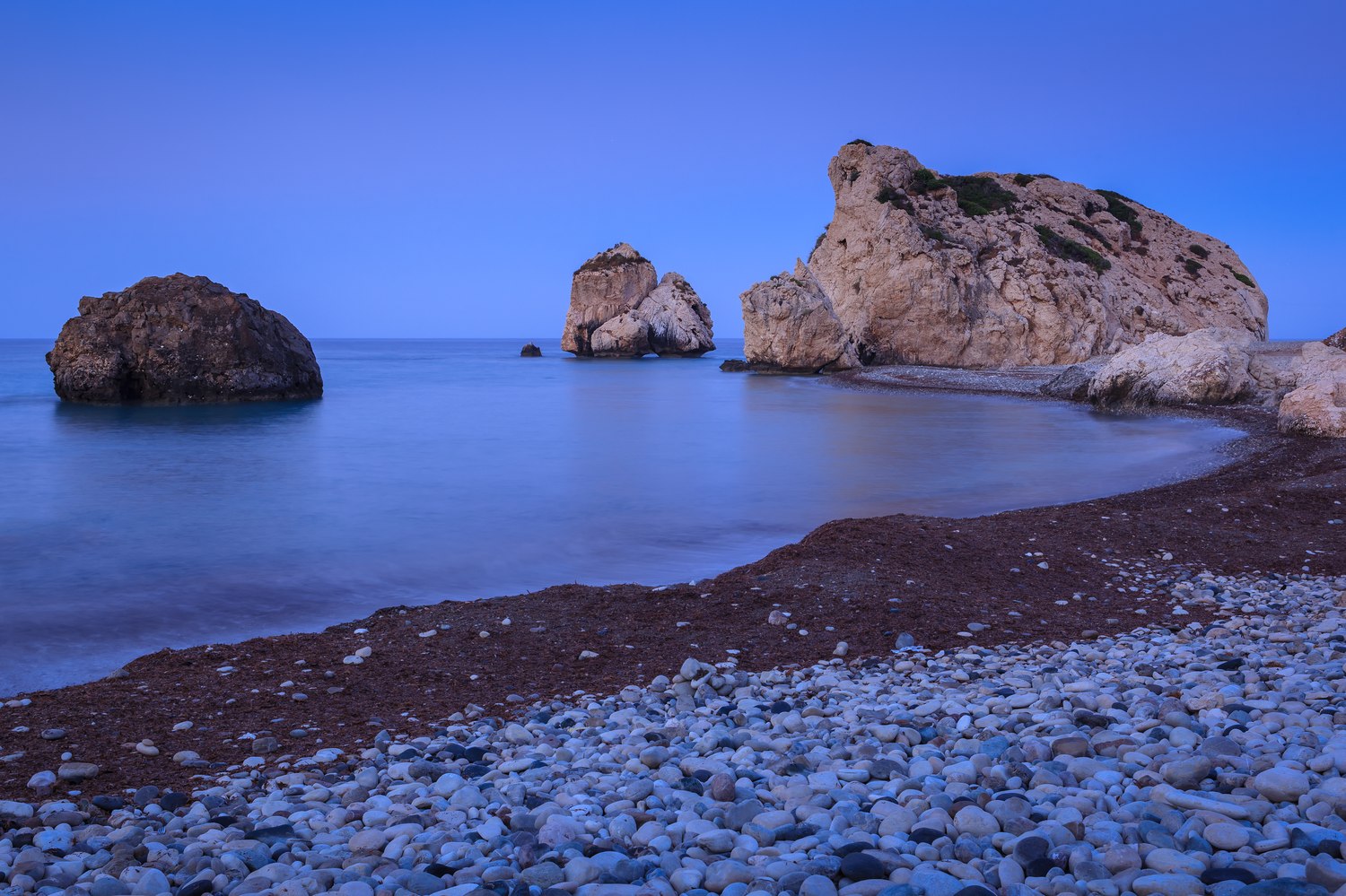
Petra tou Romiou is an iconic pebble beach with rocks where, according to ancient myth, the goddess of love and beauty Aphrodite herself was born from the sea foam. The place is said to have a magical atmosphere, and legend has it that whoever swims around the main rock three times gains eternal youth and beauty. You don’t have to believe the legends, of course, but the view of the massive limestone cliffs rising out of the turquoise water is one of the most photographed sights on the entire island.
Swimming here can sometimes be trickier due to stronger currents and bigger waves, so it’s usually not the best spot for calm family bathing. It’s ideal to arrive at this beach at sunset, when the crowds from the tour buses thin out and the whole scene takes on a wonderful romantic glow. Travellers also praise the nearby viewpoint on the cliff above the beach, from where you’ll get the best panoramic shots.
4. The Akamas peninsula and the Blue Lagoon
The Akamas peninsula and the Blue Lagoon are the wildest and most untouched protected area on the western tip of the island. You’ll find dense forests, empty coves and above all the popular Blue Lagoon with water so crystal clear and transparent that you’ll feel more like you’re somewhere in the exotic Caribbean. The nature here is protected from massive development, so don’t expect any big hotel resorts, but rather dusty roads and utter peace.
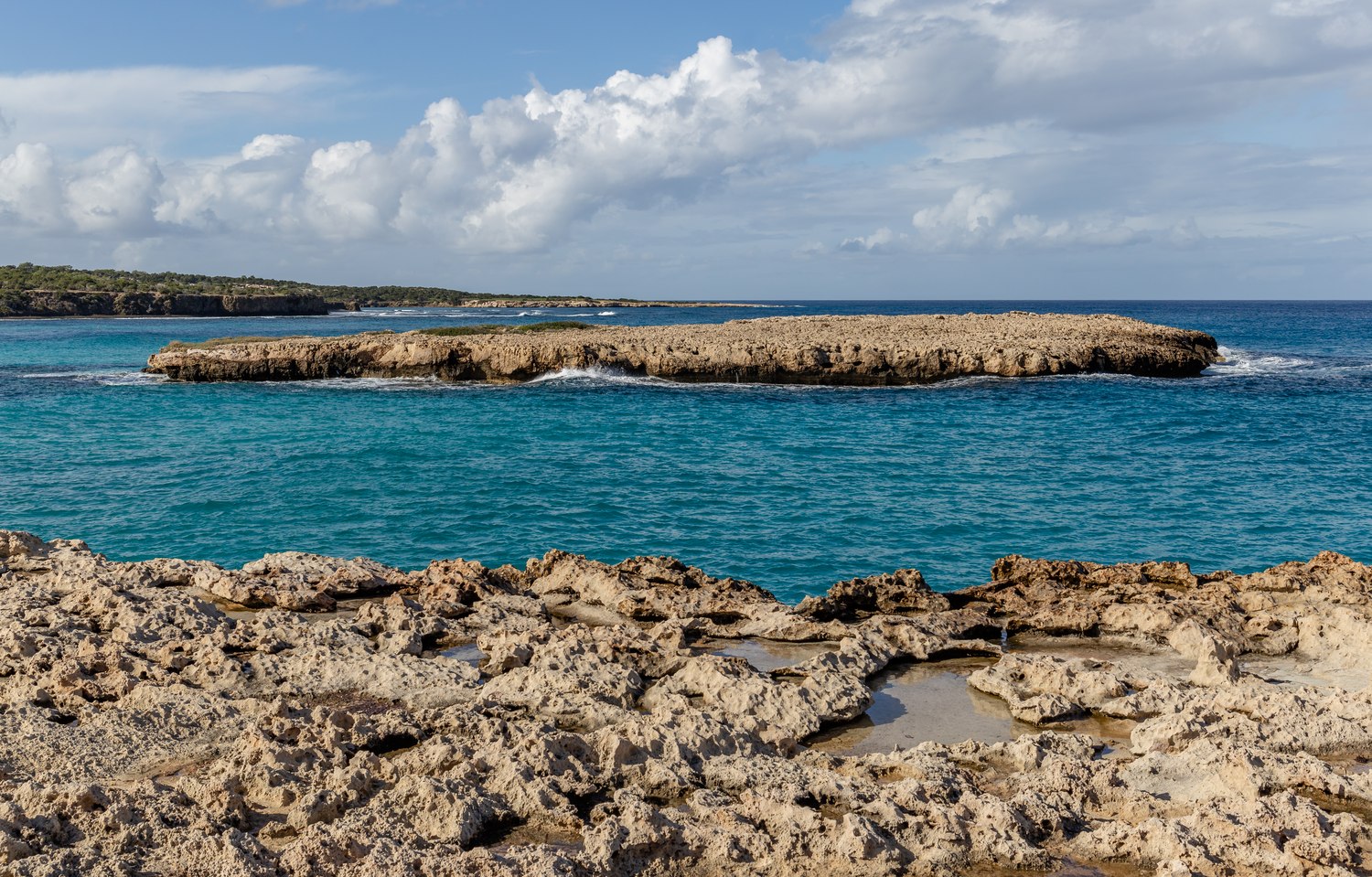
Unfortunately, you won’t reach the Blue Lagoon in an ordinary rental car, because the unpaved roads are full of deep potholes and sharp stones. A practical solution is to rent a 4×4 or take a comfortable boat trip from the nearby harbour of Latchi. Boat trips often include a longer stop for swimming right in the lagoon, which according to many visitors is the most enjoyable way to explore this region.
5. The Avakas Gorge
The Avakas Gorge is an amazing natural phenomenon — a narrow canyon carved into the limestone rock that attracts lovers of active adventure and nature. The gorge walls reach heights of up to thirty metres, and at their narrowest they come so close together that you can touch both at once with your hands. The trek through the canyon itself takes about two hours and offers pleasant cooling even on the most sweltering summer days, because the harsh sun rarely reaches in here.
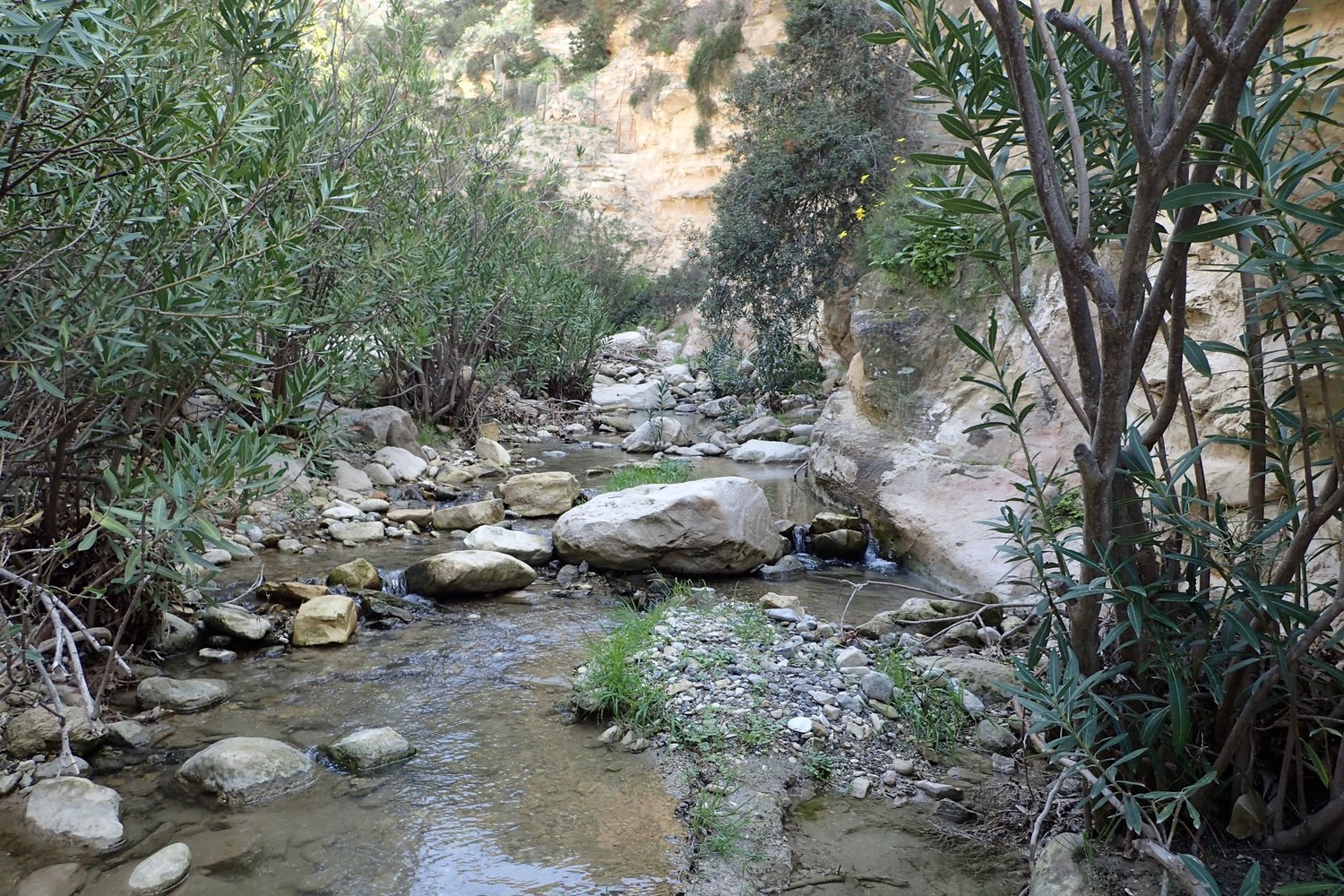
Before setting off, always check the current weather forecast very carefully, because after heavier rain the gorge is often closed due to the risk of falling rocks and flash floods. The route runs largely along the streambed over wet, slippery stones, so a well-set-up travel insurance will come in handy, since a small slip is a real risk here pretty much all the time.
6. Lara Bay and the sea turtles
Lara Bay is a beautiful, strictly protected beach famous as a safe haven for endangered sea turtles. From June to October, huge green and loggerhead turtles come here to lay their eggs, making it an exceptionally important ecological site in the whole Mediterranean. Volunteers carefully mark the nests in the sand with special metal cages to protect them from predators and careless tourists.
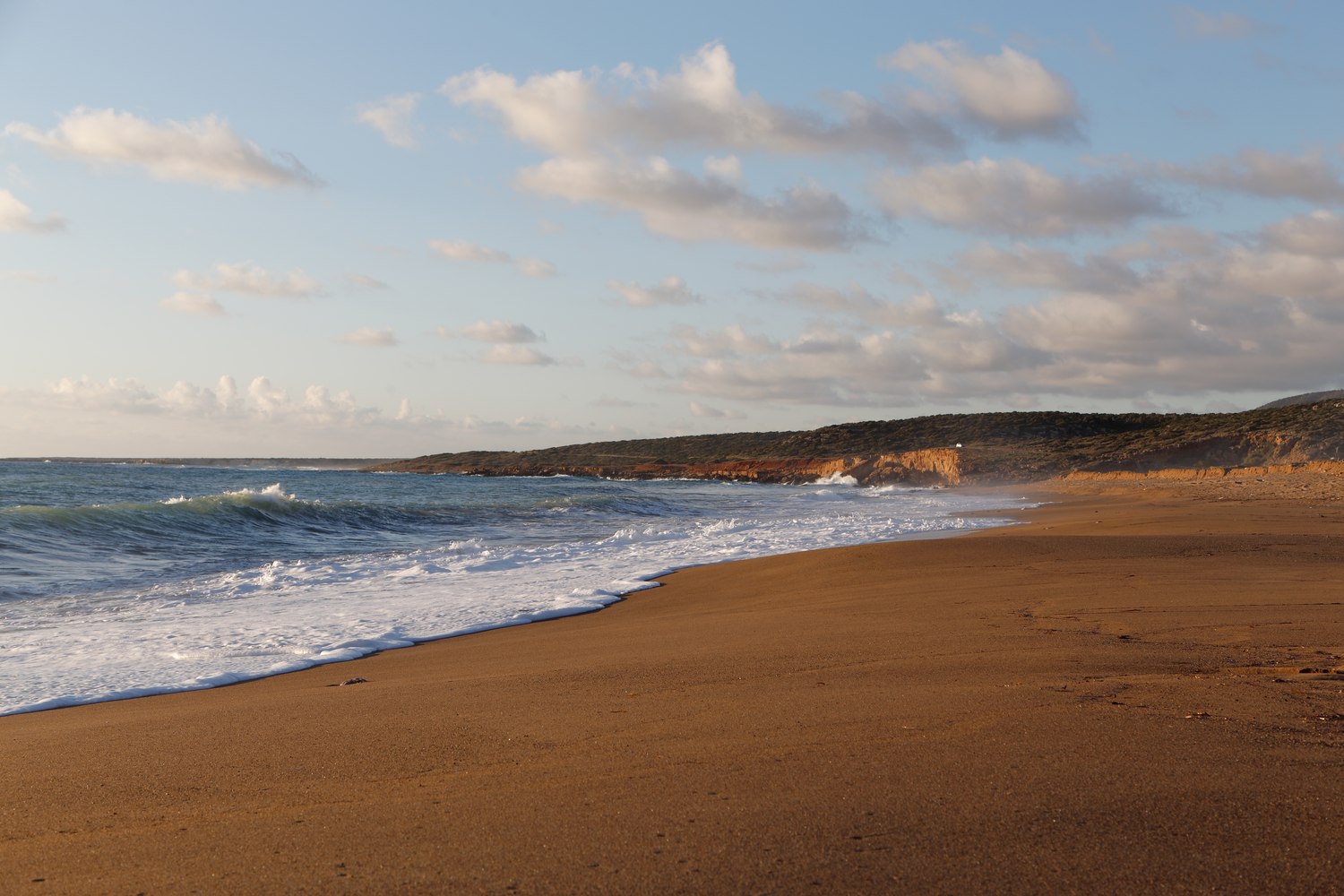
The rules for visiting here are quite strict and it’s absolutely essential to respect them without exception. You must not enter the beach at night and there’s a strict ban on lights, because artificial light confuses the newly hatched baby turtles, which would then fail to find their way to the sea. Also forget about sticking beach umbrellas into the sand, as you could unwittingly destroy turtle eggs buried deep below the surface.
7. The sea caves near Peyia and Coral Bay
The sea caves near Peyia and the neighbouring resort of Coral Bay form a wonderful contrast between wild rocky coastline and comfortable swimming. The area of the so-called sea caves is full of bizarre rock formations, arches and caves into which the waves relentlessly crash, creating a dramatic spectacle. Just a stone’s throw away lies Coral Bay, which is one of the few truly beautiful sandy beaches on the otherwise mostly stony west coast of the island.
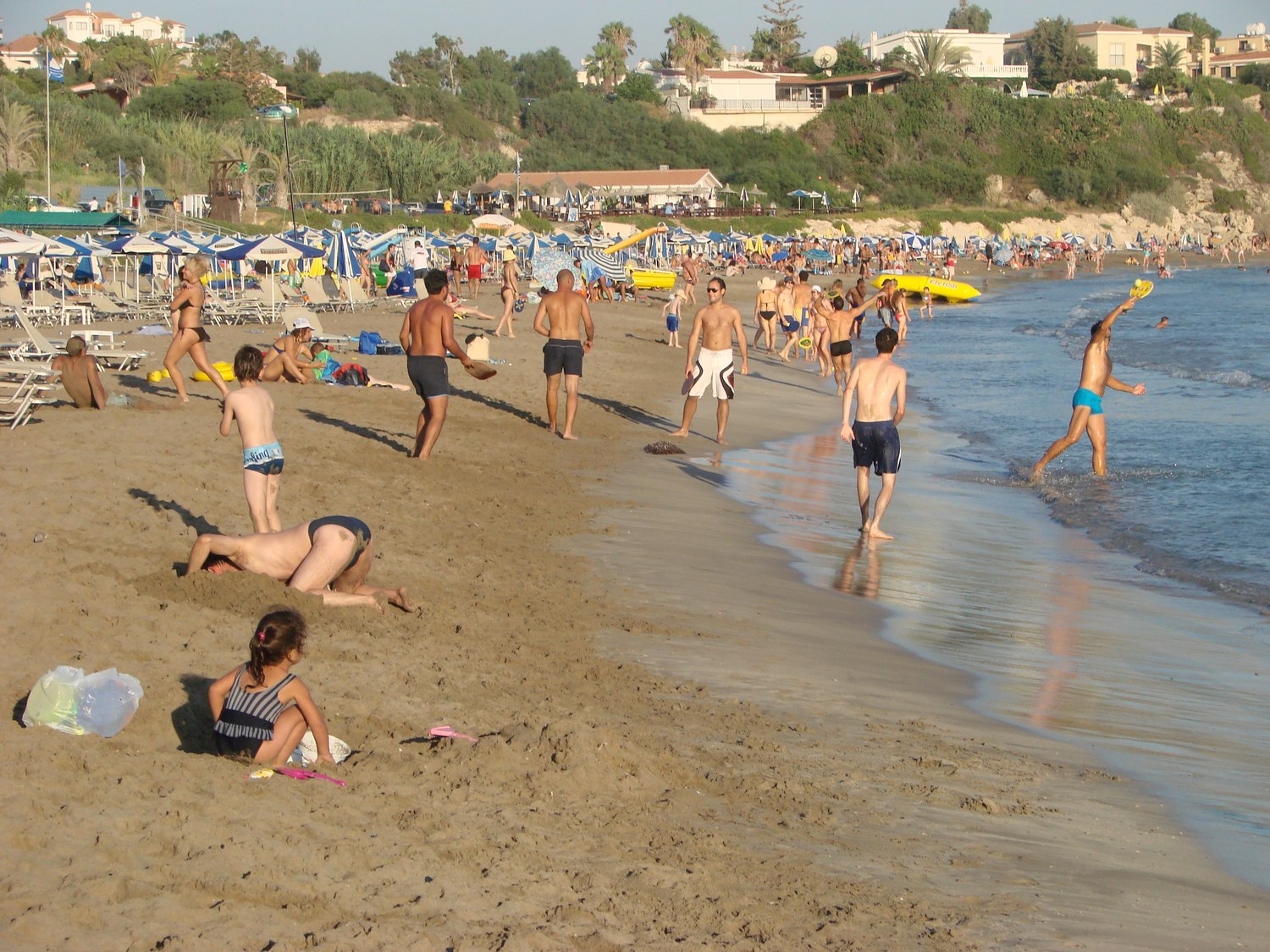
While the sea caves are admired mainly by photographers from the cliffs, Coral Bay offers perfect facilities with loungers, clean sand and a very gradual entry into the sea. Locals recommend cleverly combining the two spots, so you can first take a relaxed dip on the sandy beach and then drive a few kilometres to the caves, where a fantastic sunset awaits you.
8. Limassol: promenade, castle and the liveliest city in the south
Limassol is without doubt the liveliest and most cosmopolitan city in the whole Greek south, perfectly blending history with modern life. Its heart is the popular long Molos promenade, which lines the coast and offers plenty of greenery, benches, modern sculptures and cosy cafés with sea views. The historic centre of the city is the old medieval castle, where — according to period sources — the famous King Richard the Lionheart is said to have married his fiancée Berengaria of Navarre.
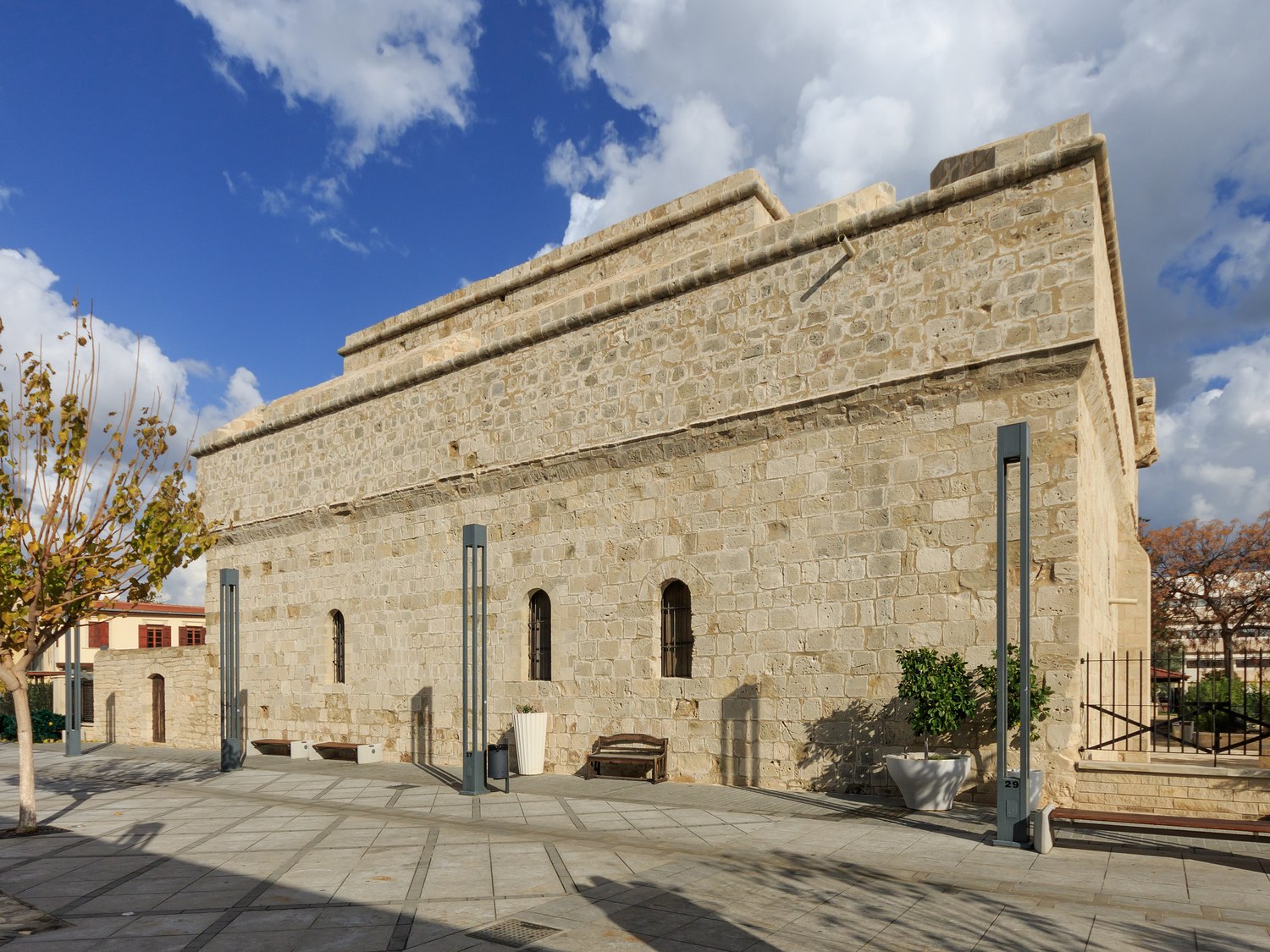
Around the castle spreads a network of narrow streets full of traditional restaurants, small craft shops and bars that come alive mainly after dark. Limassol works as a great base for exploring the island, as it sits strategically right in the middle of the south coast. If you’re looking for a combination of buzzing city life, good food and history, this city definitely won’t let you down.
9. Kourion: an ancient theatre above the sea
Kourion is a sprawling Greco-Roman ancient city that rises dramatically on a high cliff right above the churning sea. The most famous structure of the whole complex is the beautifully restored ancient theatre, which thanks to its perfect acoustics still hosts open-air summer concerts today. During your visit you can walk among the remains of public baths and examine well-preserved floor mosaics in the homes of wealthy citizens, which are among the finest on the island.
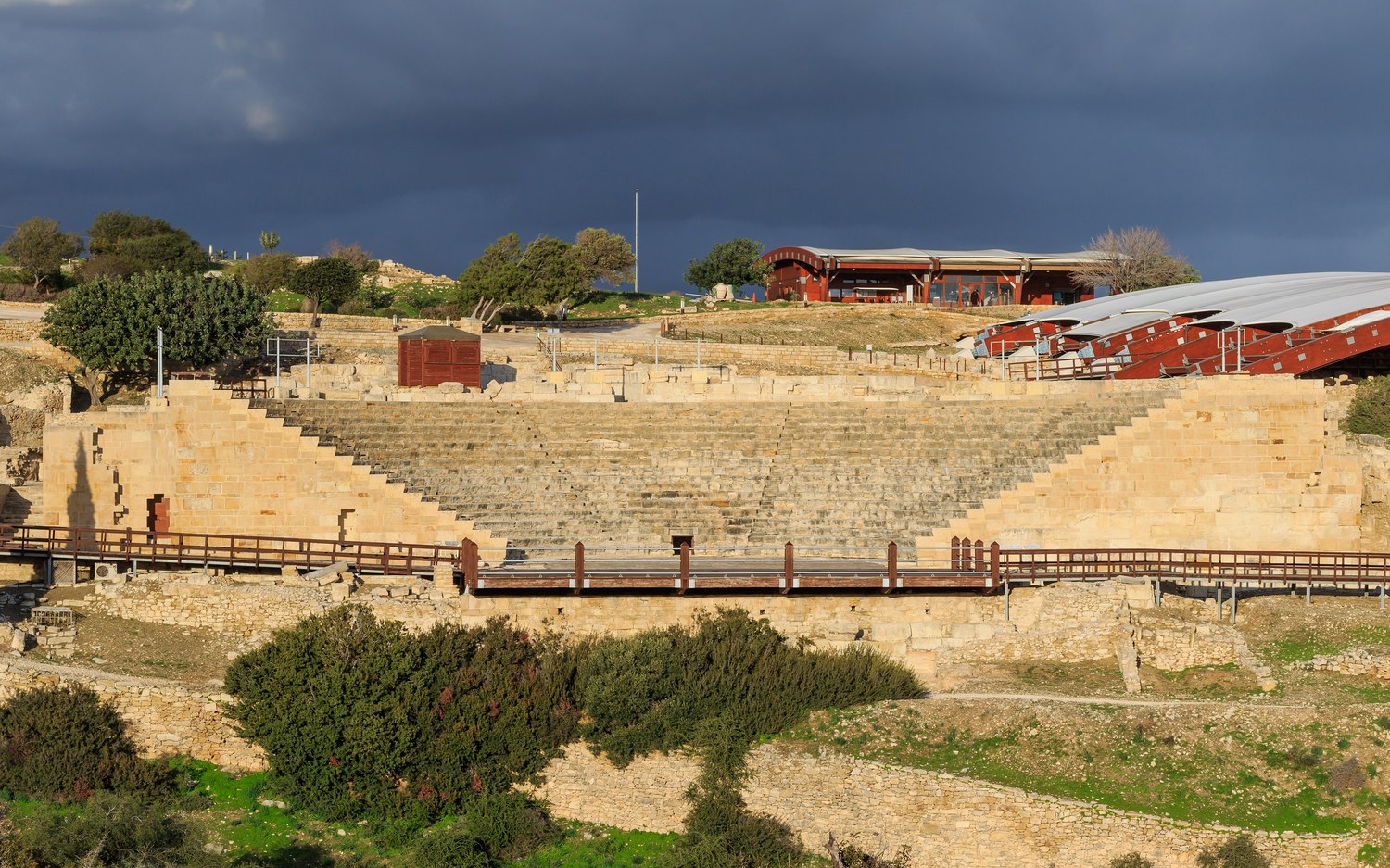
The archaeological site is quite large and scattered across a broad hill, so definitely count on a longer walk in direct sun. The tried-and-tested rule of arriving early in the morning applies here too, when you avoid the worst heat and the big crowds from the tour buses. From the cliff you can then walk straight down to the beach of the same name, Kourion, which is very popular with locals and offers great conditions for an afternoon cool-off in the sea.
10. Kolossi Castle
Kolossi Castle is a massive crusader fortress from the thirteenth century that at first glance looks like an impregnable stone cube surrounded by orchards and vineyards. This building once served as an important command centre for the powerful Knights Hospitaller and Templars, who managed their vast estates on the island from here. The place is famous above all for being where the history of the legendary sweet wine Commandaria began, which the knights produced and loved to export to European royal courts.
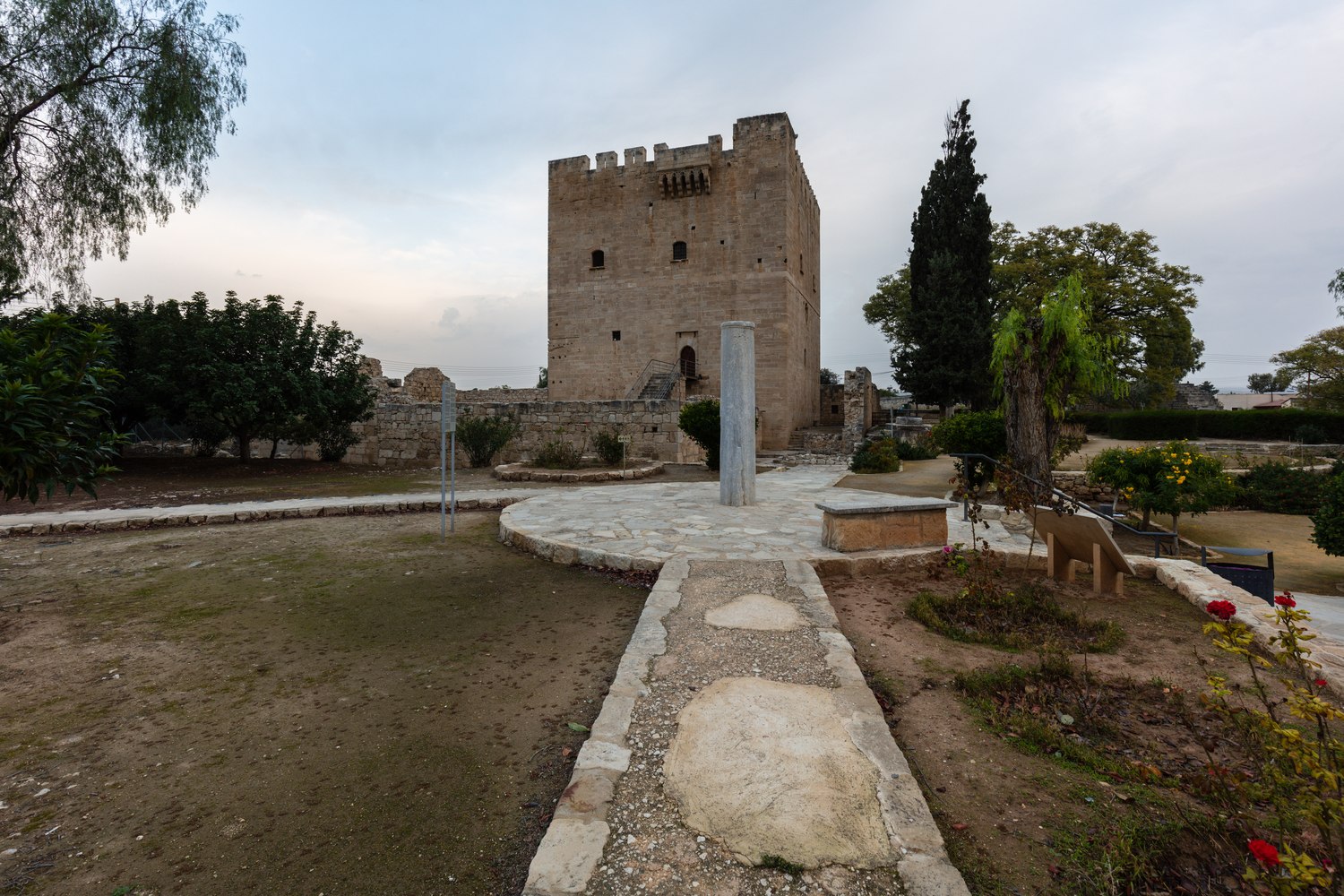
Inside the fortress you’ll see huge old fireplaces, preserved frescoes, and you can safely climb the winding stone staircase all the way up to the roof. From there you get a lovely view of the surrounding citrus plantations and the ruins of the old medieval sugar mill that sits right next to the castle. Visiting this place doesn’t take too much time, so it’s ideal as a short historical stop on a longer drive along the coast.
11. Cape Greco and Kamara tou Koraka
Cape Greco forms the notional rocky boundary between the south and east coasts, and you’ll find here some of the most dramatic cliffs on the whole island. The nature park hides plenty of highlights, of which the best known by far is the huge rock arch Kamara tou Koraka, balancing right above a steep drop. The water around the whole peninsula has an incredible turquoise colour and the deep sea caves tempt you to explore, especially if you head to them on a small boat or while snorkelling.
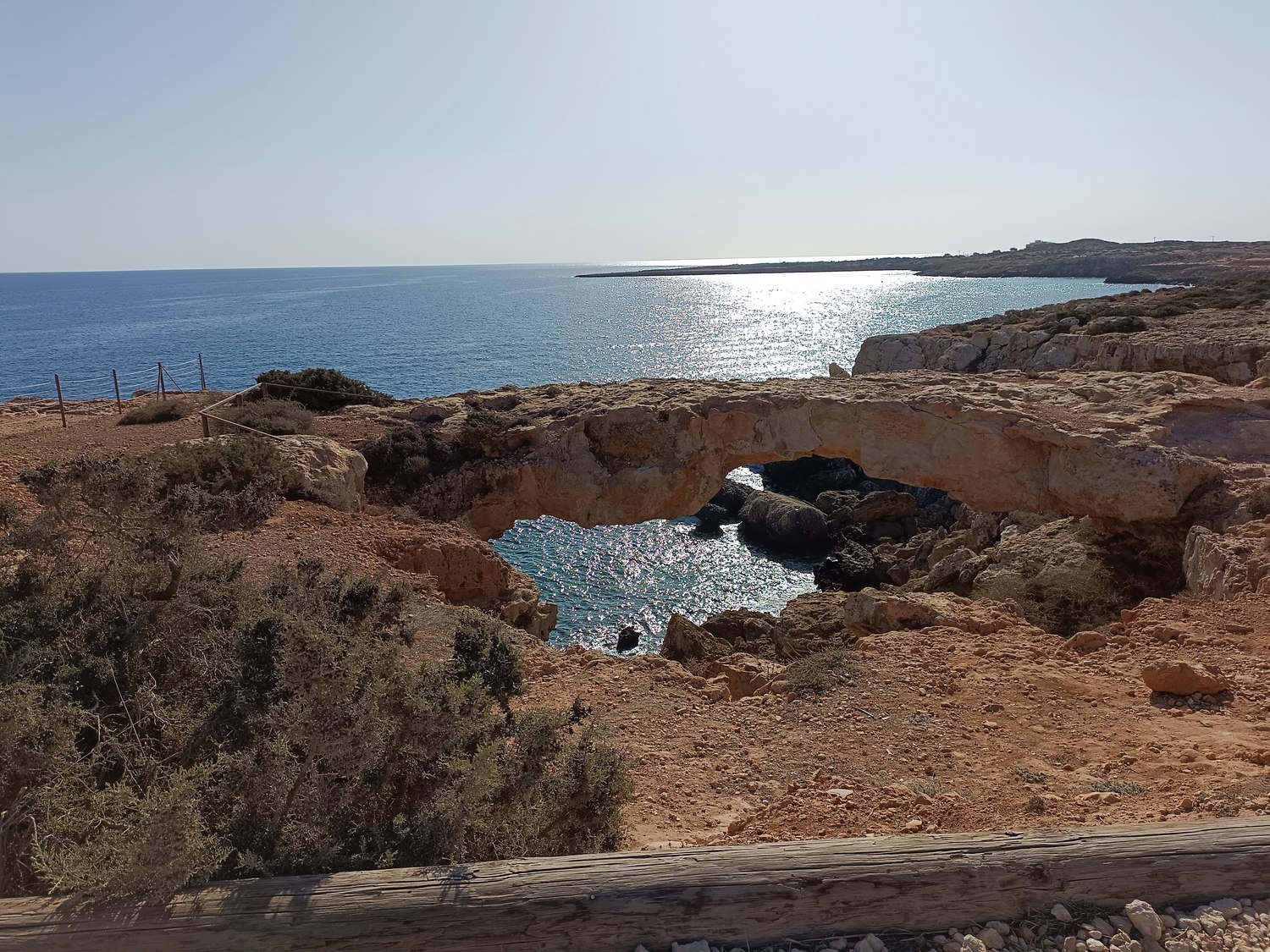
This spot is absolutely fantastic for lovers of the underwater world, because the visibility below the surface here tends to be excellent all year round. Cape Greco has plenty of well-maintained hiking trails with benches, which are great for evening escapes into nature. Travellers agree that the cliffs on this cape offer some of the best views of a magical sunset in the whole eastern part of Cyprus.
12. Larnaca: the Salt Lake and flamingos
Larnaca combines the relaxed atmosphere of a seaside resort with rich history and interesting natural phenomena in the immediate surroundings. Just outside the city lies the vast Salt Lake, where during the winter and spring months huge flocks of gorgeous pink flamingos stop over, creating an incredibly photogenic spectacle. On the shore of this lake stands the important Islamic shrine of the Hala Sultan Tekke mosque, and in the city centre itself you mustn’t miss the beautiful stone church of Saint Lazarus from the ninth century.
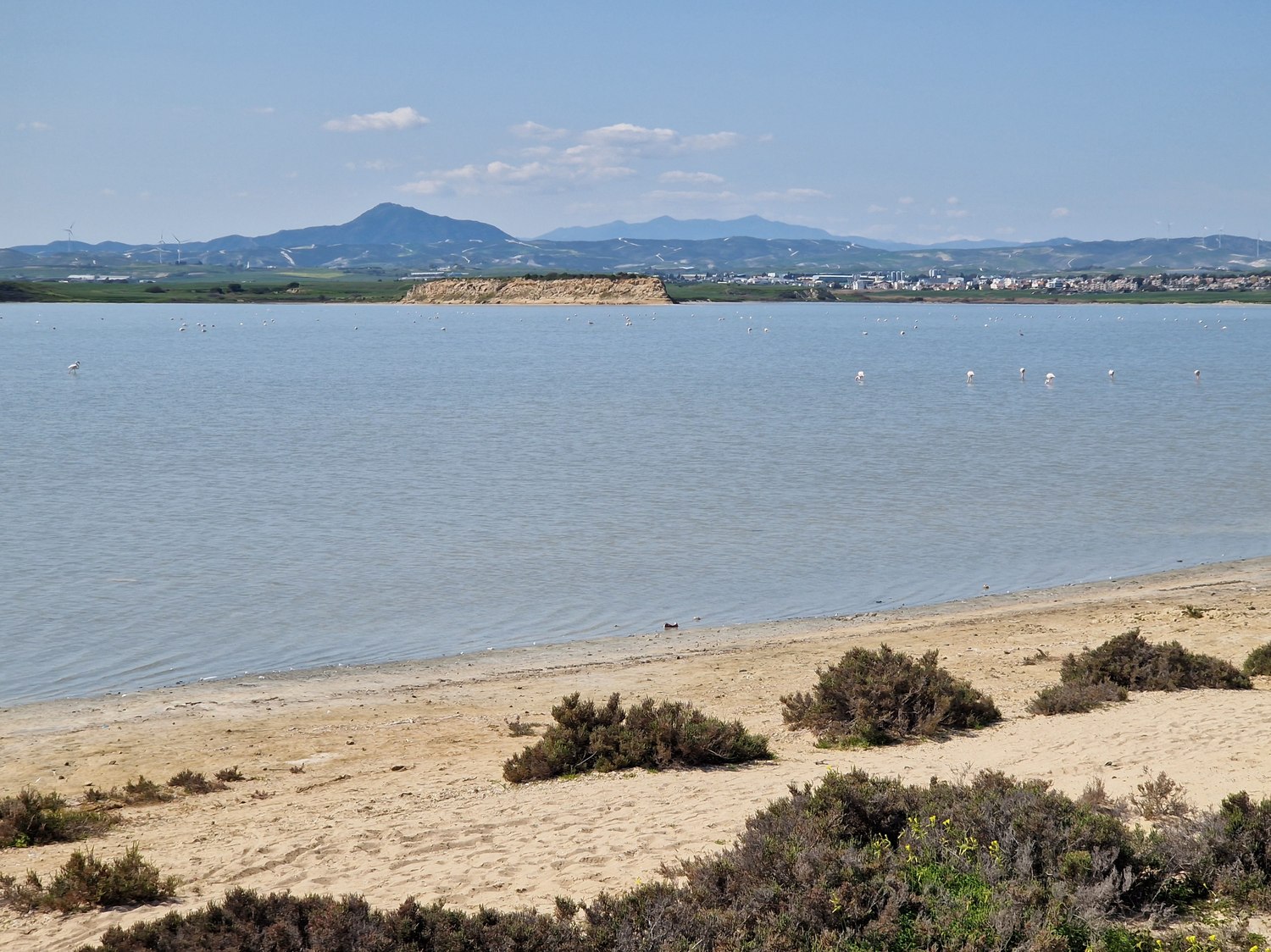
If you’re currently thinking about where to go on holiday in September, the area around Larnaca is a great choice with ideal temperatures and a sea that’s still beautifully warm. Most tourists just drive quickly through the city after landing at the airport, but Larnaca definitely deserves at least a half-day stop. You can take a leisurely stroll along the palm-lined Finikoudes promenade, sit in the local cafés and soak up that laid-back Cypriot vibe.
13. Nissi Beach: the most famous beach in Cyprus
Nissi Beach is probably the single most famous and most photographed beach in all of Cyprus, and it regularly tops beauty rankings. It draws visitors with dazzling white fine sand, incredibly shallow water and its typical sandbar, along which you can walk with dry feet to a small islet just off the shore. The water here is pleasantly warm and calm most of the time, which makes it at first glance the perfect Caribbean paradise for all swimming lovers.
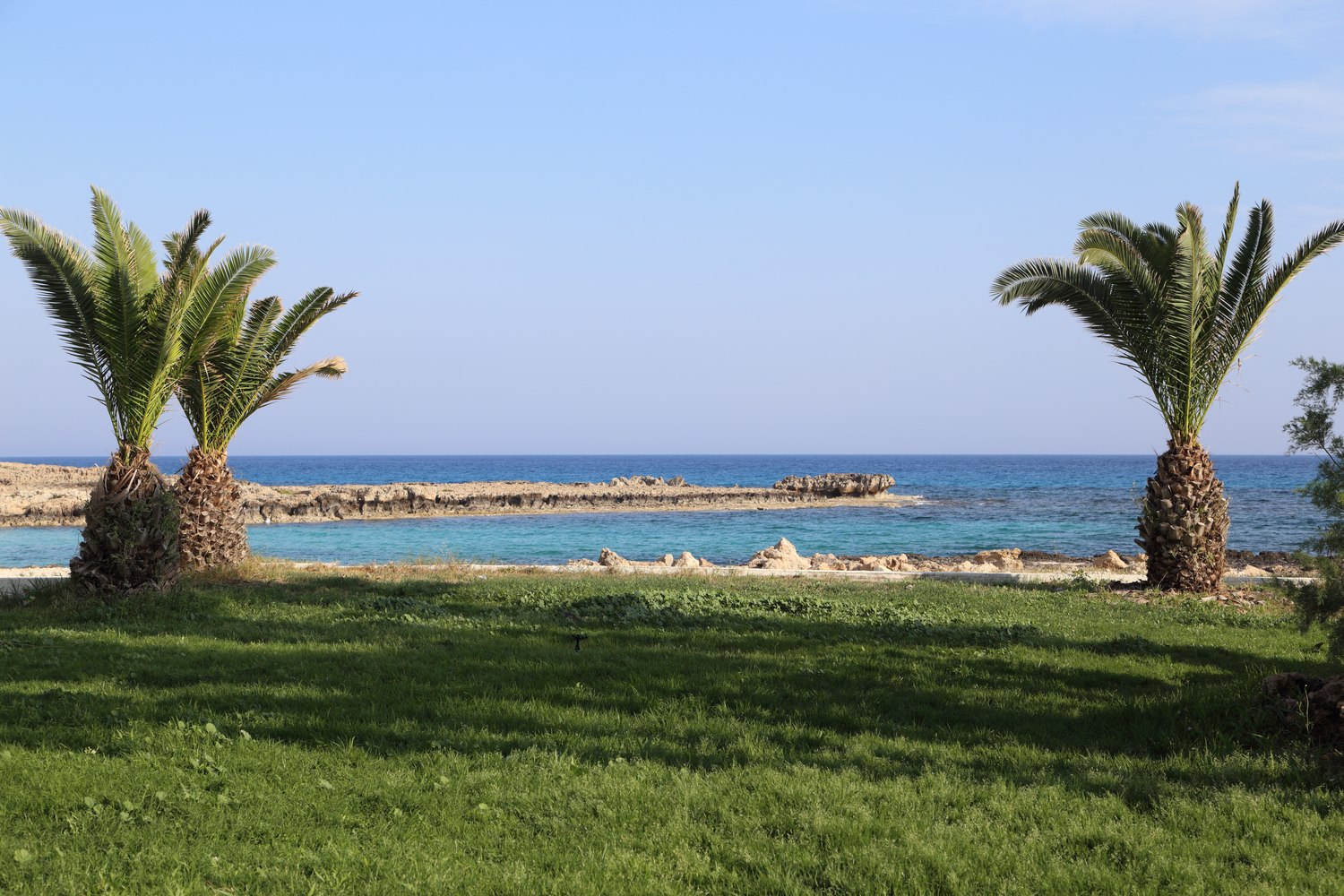
I have to warn you honestly, though, that in peak summer season this is one of the most crowded beaches on the whole island, and you really won’t find any peace there. During the day very loud music often plays from the beach clubs, wild parties are held, and finding a free lounger after ten in the morning tends to be a superhuman task. If you want to enjoy its beauty in relative calm, come really early in the morning, when the beach is only just waking up.
14. Ayia Napa: parties, but also a monastery and sea caves
Ayia Napa has earned an international reputation as a wild party town that never sleeps and in summer turns into one huge dance floor for young people from across Europe. The epicentre of all the nightlife is the famous Nissi Avenue, where you’ll find dozens of themed bars and giant clubs. And yet the town also has a very calm side, because right in the middle of all this modern madness stands an old Venetian monastery from the fifteenth century, which feels like an unexpected oasis of complete silence.
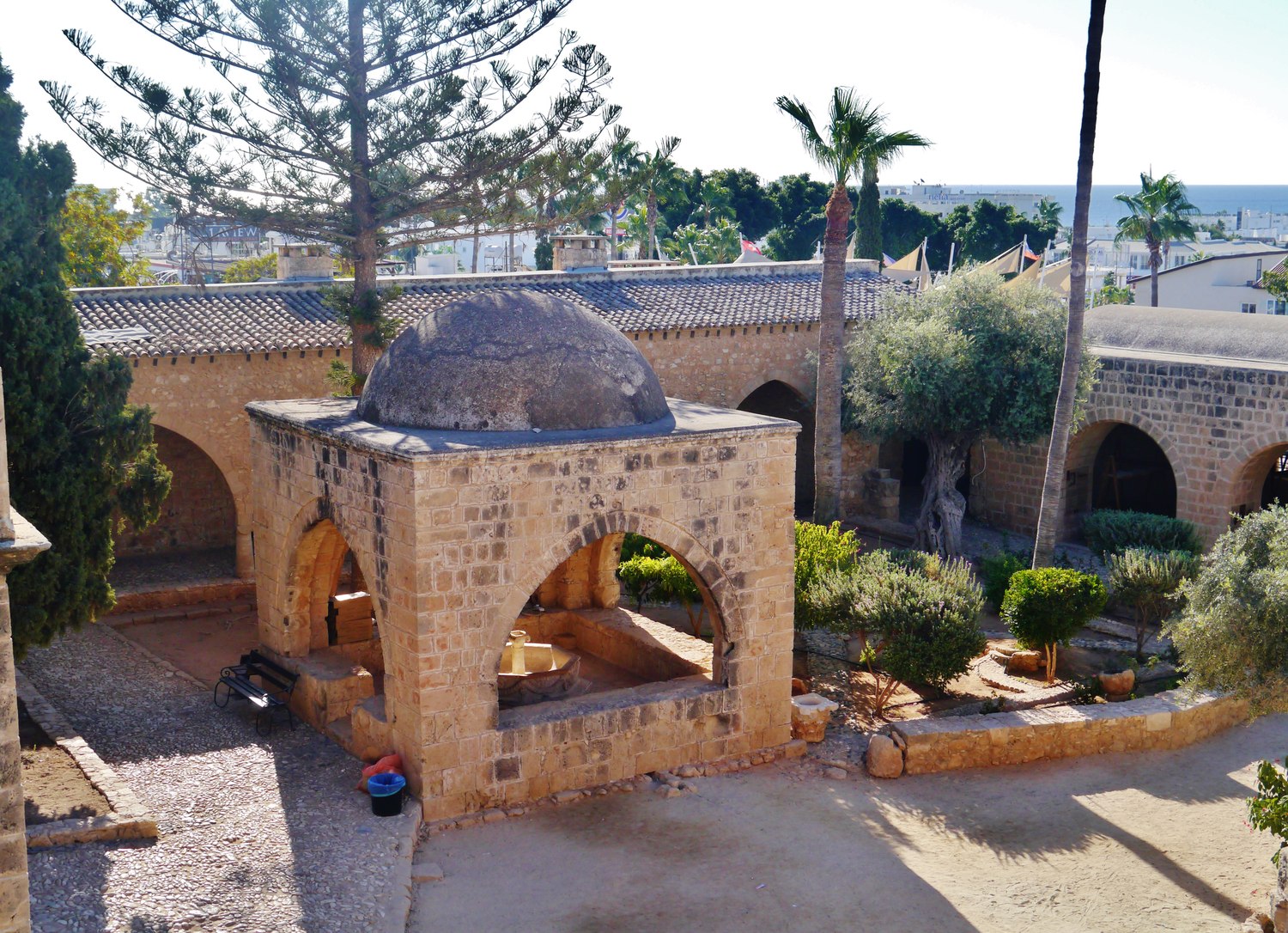
Besides the nightlife, Ayia Napa boasts excellent access to the sea and plenty of gorgeous coves with crystal-clear water. Small boats set off daily from the lively local harbour to the sea caves, and plenty of pleasant walking trails run along the coast. So the town works surprisingly well both for lovers of endless partying and for travellers who want to explore beautiful natural sights during the day.

15. Protaras and Fig Tree Bay
Protaras is a popular family resort on the east coast that, compared to noisy neighbouring Ayia Napa, is much calmer and more relaxed overall. Its greatest gem is the wonderful Fig Tree Bay beach, named after the old fig trees, which offers a gorgeously shallow bay and perfectly golden sand. About a hundred metres from the beach rises a small rocky islet, to which you can easily swim and snorkel undisturbed in its immediate surroundings.
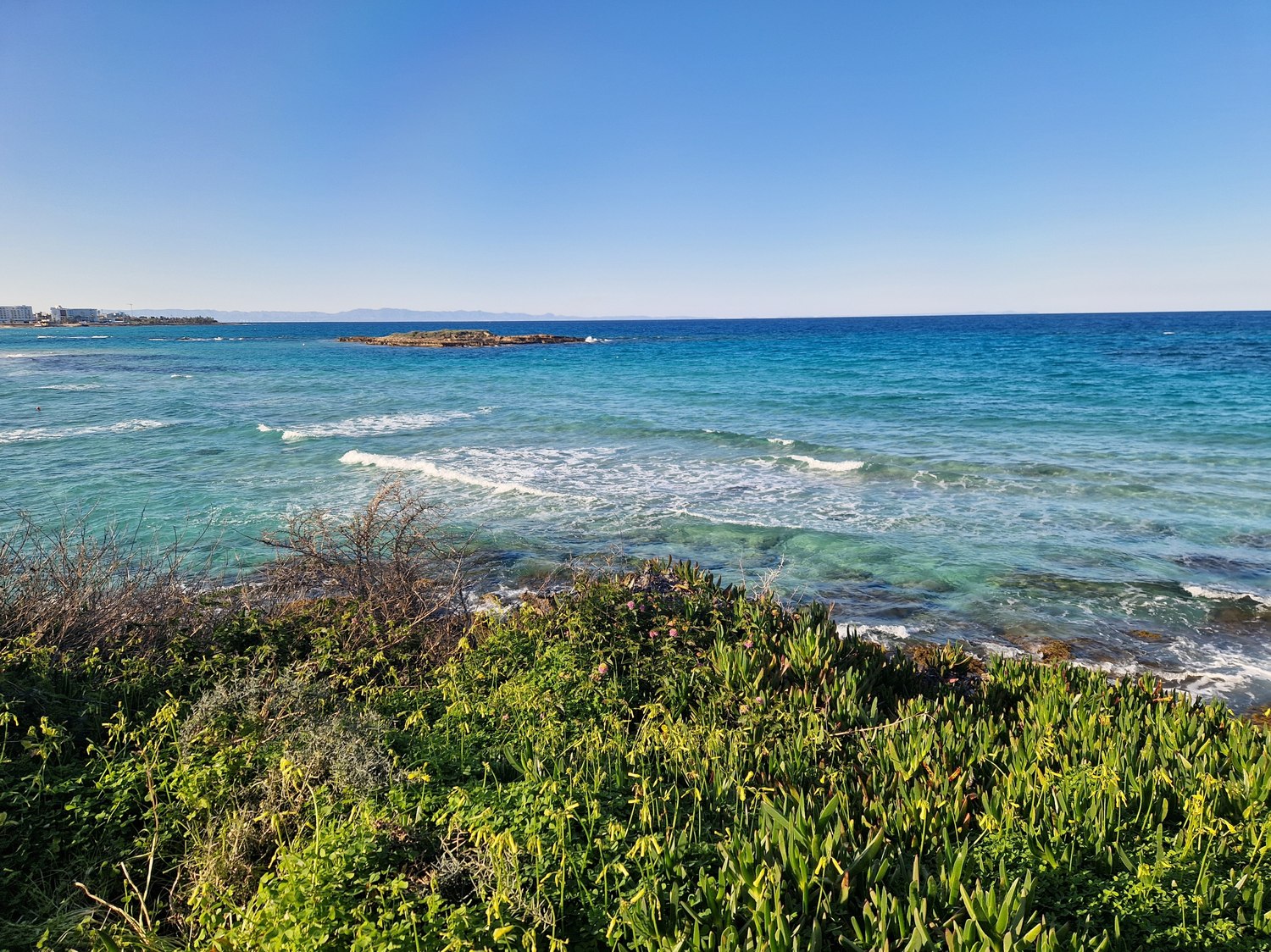
Above the whole resort, on a steep rocky hill, stands the picturesque little church of Profitis Ilias, reached by quite a long, steep staircase. The climb up takes some effort on hot summer days, but the panoramic view of the whole coast and the shimmering sea is definitely worth the physical exertion. Locals recommend coming here in the early evening, when the light is softest and the trees around the little church are romantically hung with hundreds of ribbons carrying wishes.
16. Ayia Napa Sculpture Park and the Cape Greco trails
The Ayia Napa Sculpture Park is a unique outdoor gallery set on a gentle slope, from which a fantastic view of the blue sea opens up. You’ll find dozens of modern sculptures and interesting installations by artists from around the world, which contrast beautifully with the rugged rocky landscape and low shrubs. Right next door there’s also a well-kept cactus and succulent park, so the combination of art and unusual drought-loving flora creates a very photogenic setting.
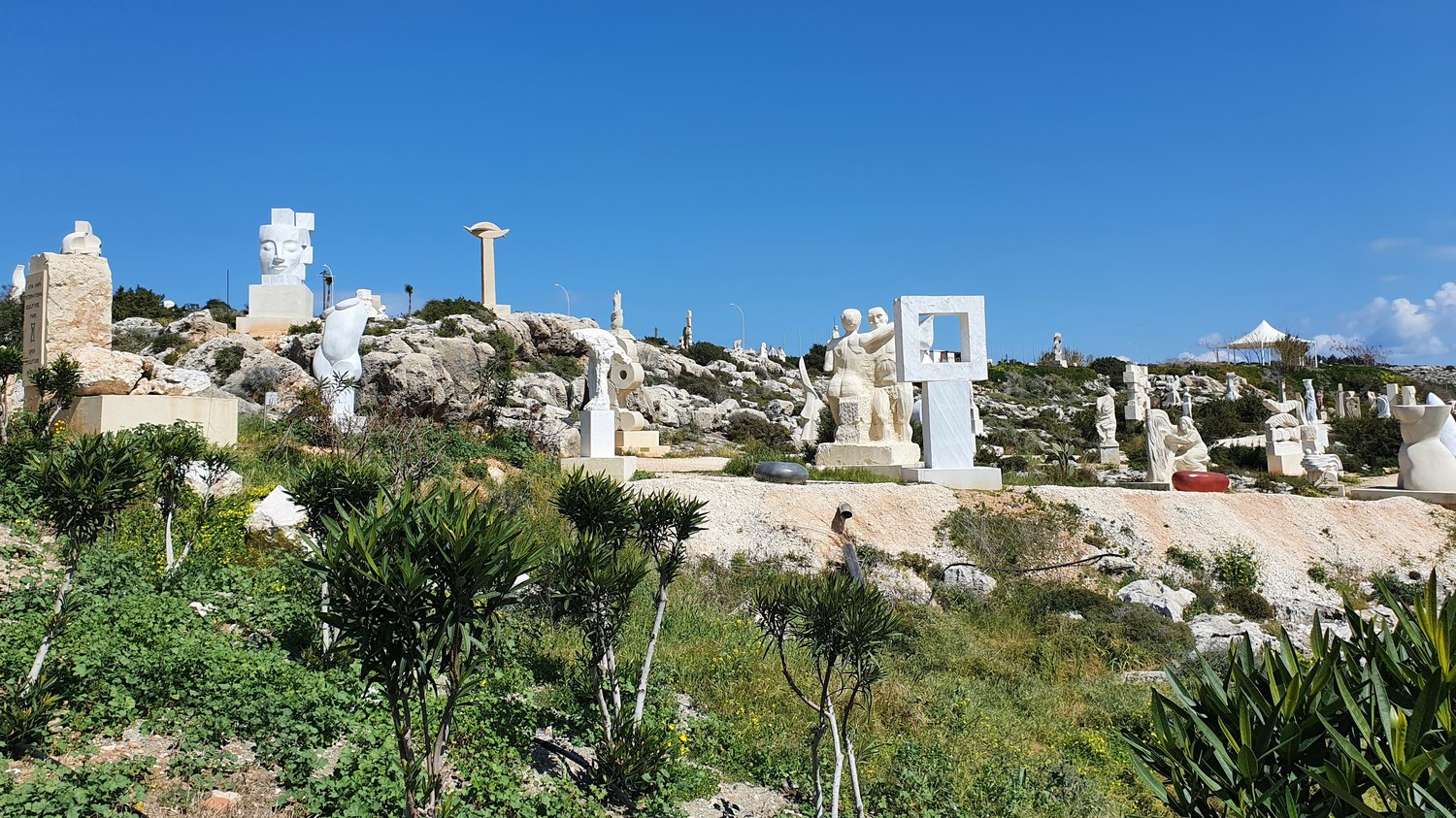
From the park, well-kept coastal trails flow on and conveniently lead you all the way to the Cape Greco national park. Entry to this huge open-air sculpture museum is completely free and the site has no restrictive opening hours. You’ll get the best experience of the art when you visit the park just before sunset, when the stone and metal sculptures cast long shadows.
17. WaterWorld water park in Ayia Napa
The WaterWorld water park in Ayia Napa has long ranked among the very largest and best-rated water parks in all of Europe. The whole sprawling site is very wittily set in an ancient Greek theme, so you can look forward to slides named after gods, mighty columns and pools styled like Roman baths. You’ll find everything from adrenaline free-fall slides to a huge wave pool and a long lazy river, where you can rest wonderfully on an inflatable ring.
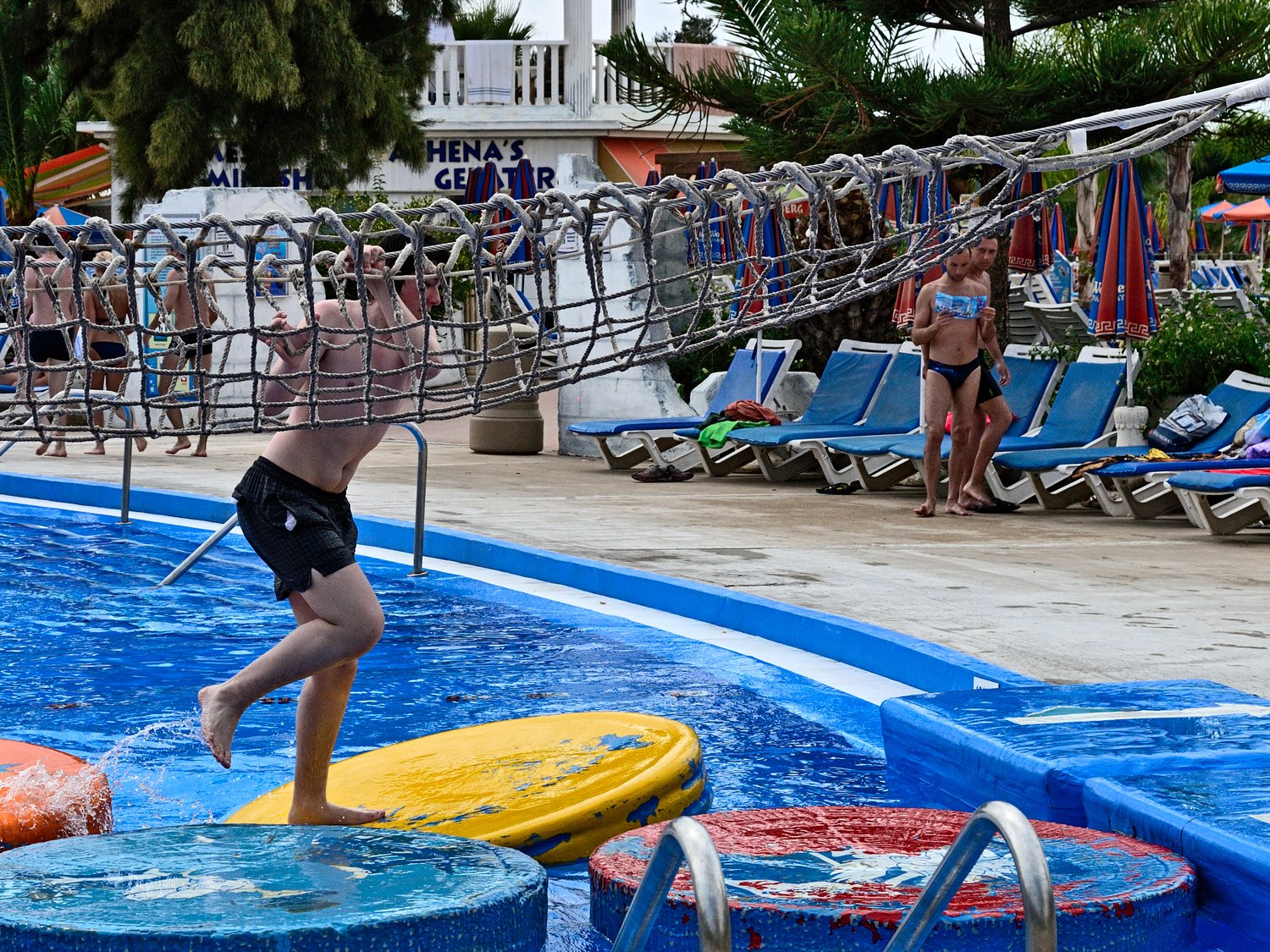
According to traveller reviews, it’s an absolutely fantastic place for families with children, but adults who enjoy a bit of water adrenaline will have a great time too. You can easily spend a whole long day at the site, as it offers plenty of good restaurants, shady spots to rest and free loungers. Tickets are definitely worth buying online in advance, because they tend to be a bit cheaper and you’ll avoid the exhausting queues at the ticket booths.
18. Troodos villages: Omodos, Lefkara and Kakopetria
The Troodos villages represent a completely different Cyprus from the one you know from the warm coast full of hotel complexes and umbrellas. These picturesque stone villages are set high in the green hills, characterised by narrow streets, houses with red roofs and incredible calm. The village of Lefkara is definitely worth a visit, being world-famous for its traditional lacemaking and silversmithing, or historic Kakopetria with its preserved old houses along a mountain stream.
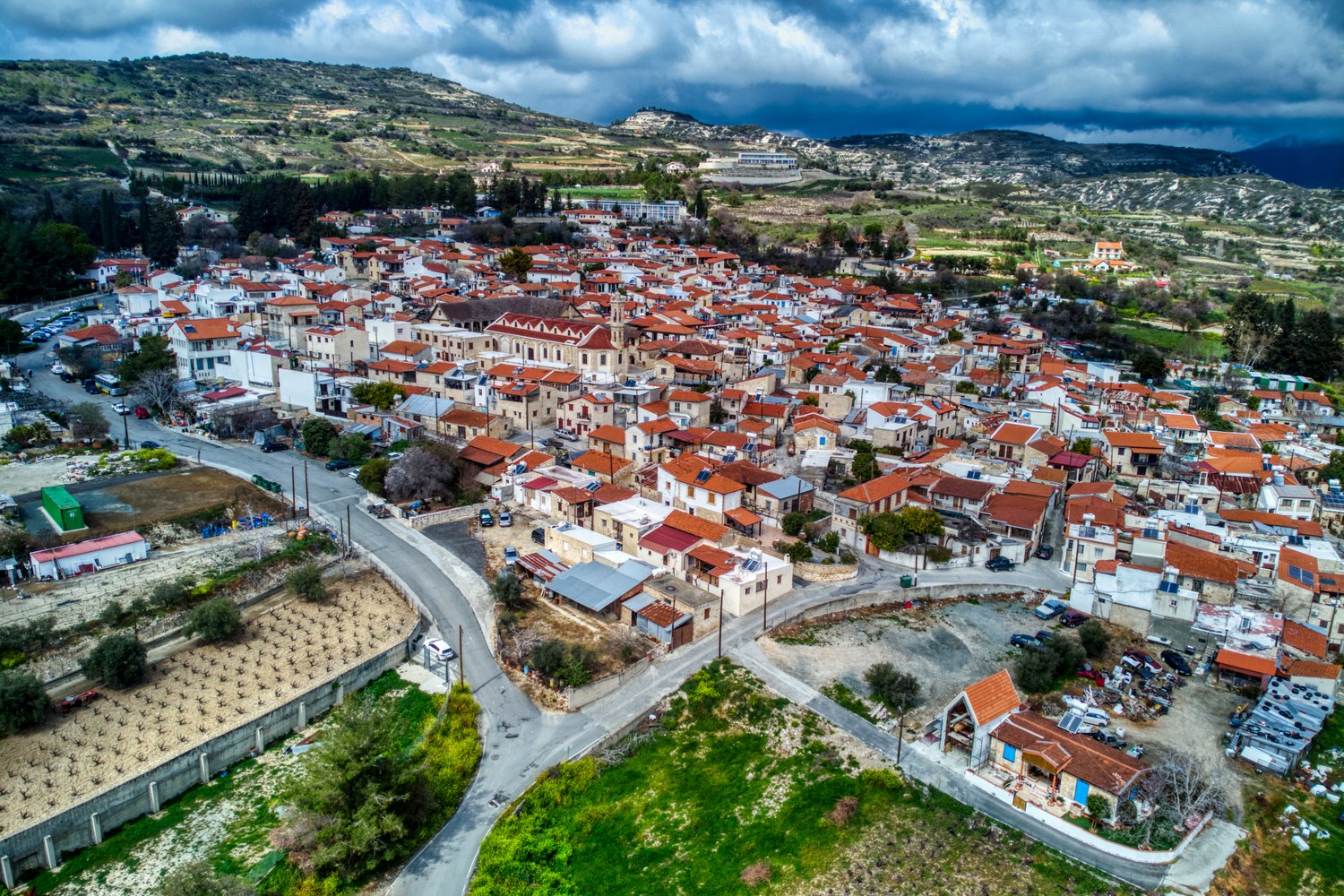
You definitely mustn’t skip the little town of Omodos either, which serves as a traditional centre of local winemaking, where you’ll find plenty of small family cellars with enormous barrels. In the mountain villages it tends to be markedly cooler all year round than on the beaches, so don’t forget to pack a light sweater even in the middle of hot summer. People here really praise the wonderful hospitality and the great family tavernas.
19. Byzantine churches on the UNESCO list
The Byzantine churches hidden deep in the Troodos mountains are among the most important cultural monuments on the island, and nine of them boast a significant listing on the UNESCO list. From the outside they often look like ordinary stone barns with steep wooden roofs, meant to protect them from winter snow in the mountains. Inside, though, they hide absolutely fantastic and superbly preserved frescoes, many of which date back to the eleventh century and tell biblical stories in vivid colours.
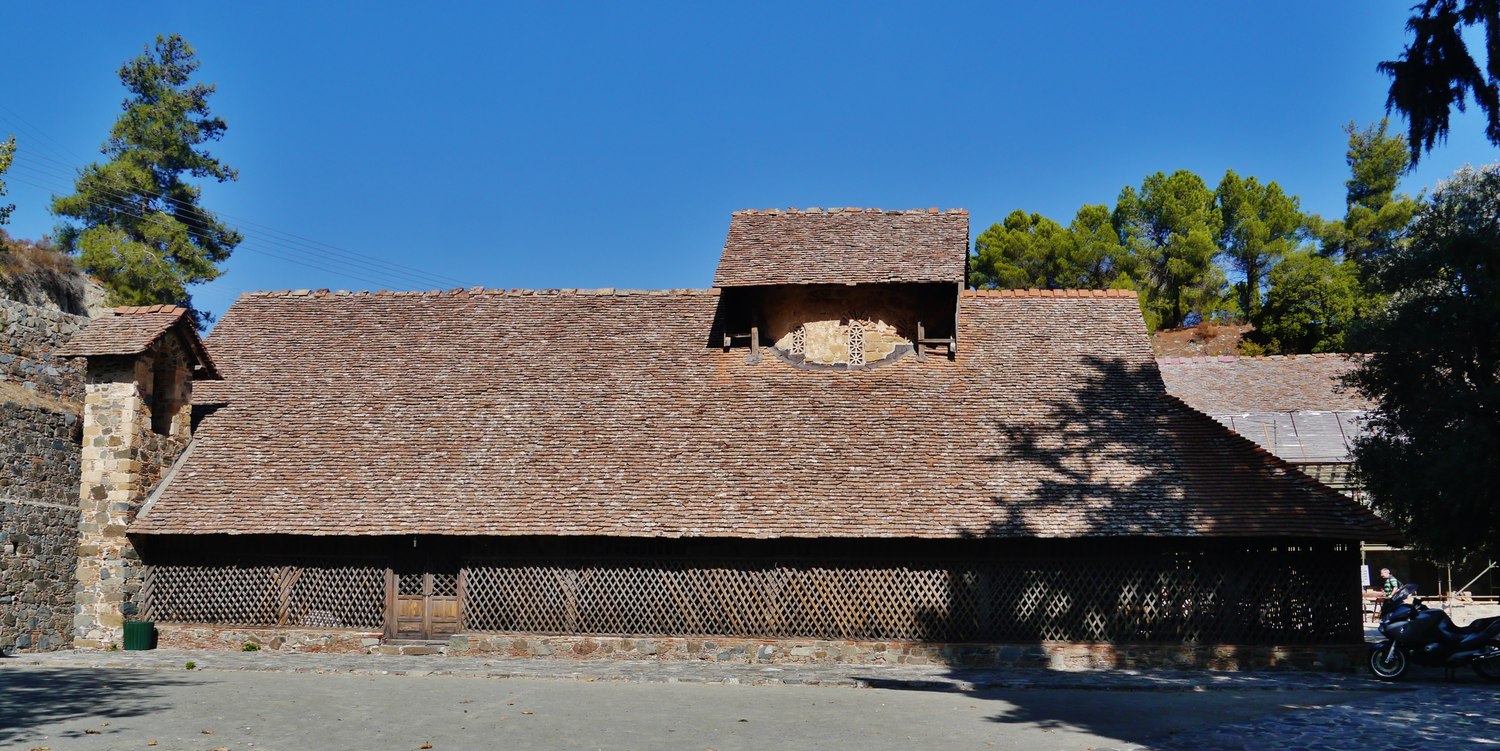
Among the most interesting are the little church of Asinou or the remote monastery of Panagia tou Araka, which lie in beautiful spots amid fragrant pine forests. Most of these religious monuments are fairly small and closely watched by local caretakers with keys, with whom you’ll often communicate only through smiles and gestures. Inside the churches flash photography is strictly forbidden and appropriate clothing covering shoulders and knees is required.
20. Caledonia Falls and Mount Olympus
The Caledonia Falls and the nearby peak of Mount Olympus clearly prove that Cyprus isn’t just a parched land with beaches, but also offers fresh, green mountain nature with a pleasant climate. The trek to the falls runs through dense pine forest along a cooling stream, and the route itself is just under three kilometres, which you’ll manage at a comfortable pace in under an hour. The island’s highest mountain, Olympus, then stands at a respectable 1,952 metres and offers lovely panoramic views deep into the green valley.
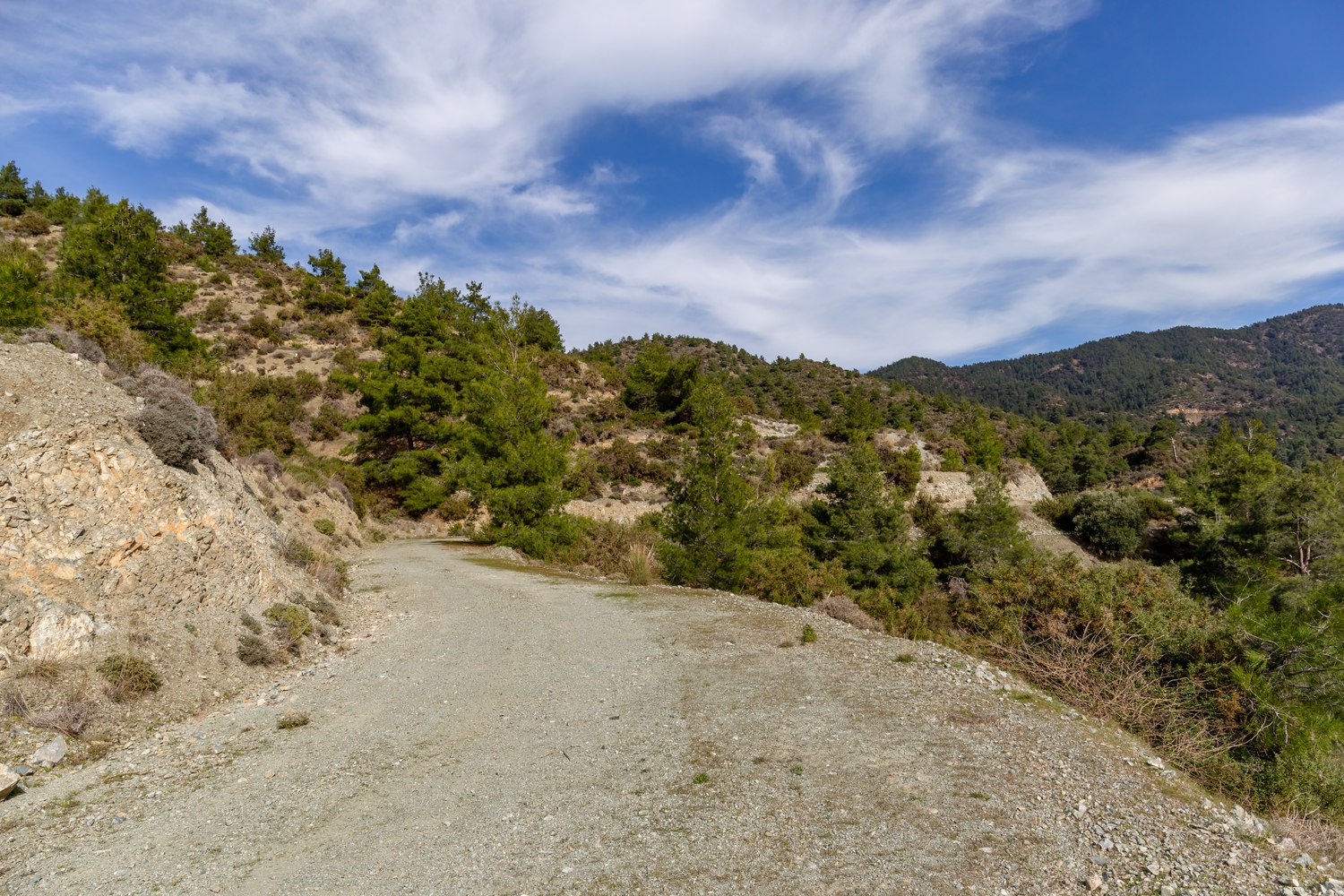
Interestingly, snow quite regularly holds on the slopes of Olympus in January and February, and there are even small ski lifts for local enthusiasts. So on a single spring day you can theoretically ski in the mountains in the morning and swim in the warm sea down on the coast in the afternoon. The road up into the mountains is fairly winding and steep, so if you occasionally suffer from car sickness, it’s good to prepare a little for these endless hairpin bends.
21. Cypriot wineries and wine routes
Cypriot wineries and the so-called wine routes are a huge draw for all travellers who love discovering local gastronomy and farming traditions. The whole fertile foothills of Troodos are densely threaded with signposted wine trails that take you to small family businesses as well as large traditional producers. The main star is the sweet dessert wine Commandaria, which is said to be the oldest still-produced wine in the world under the same name and original recipe.
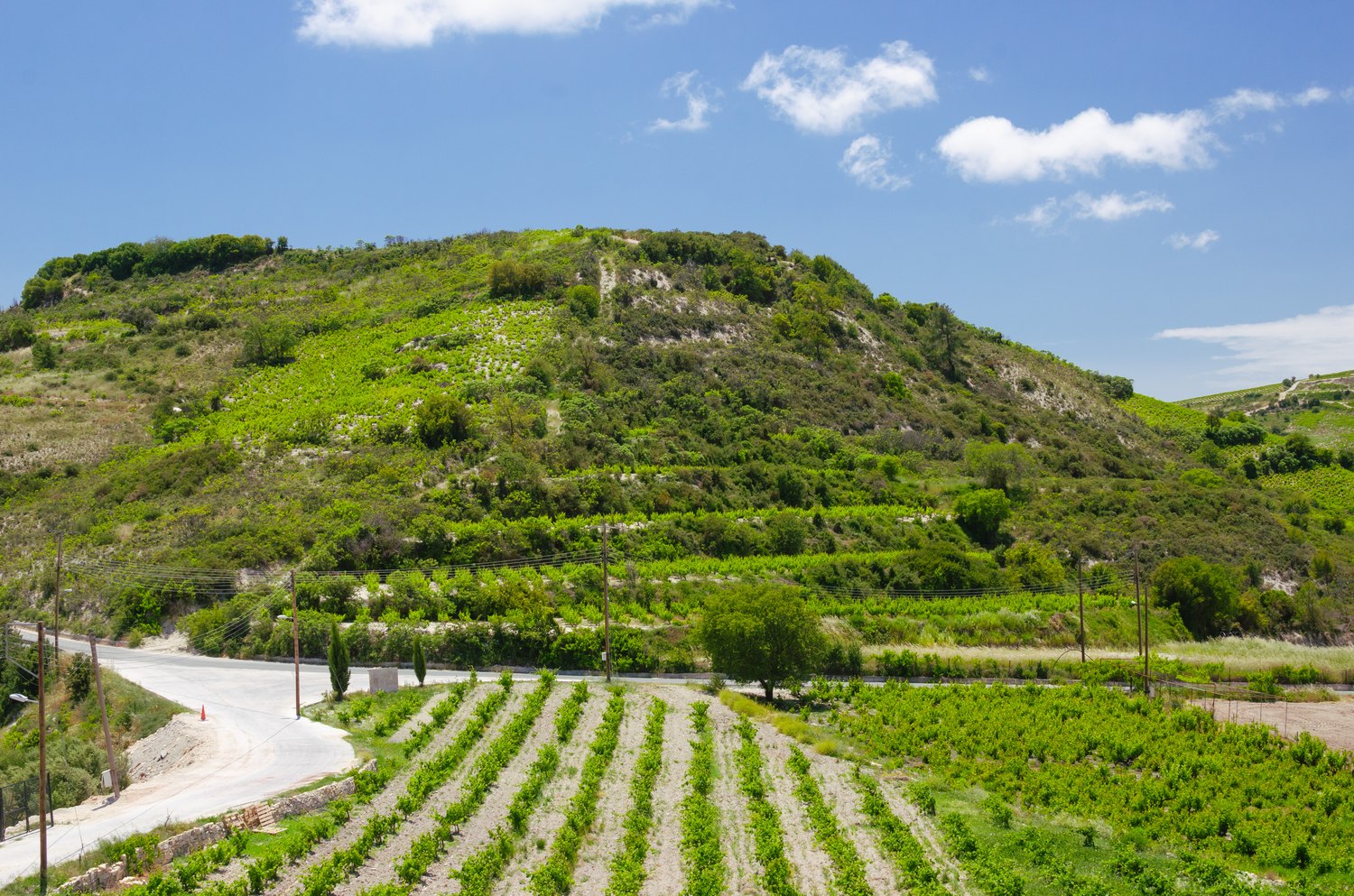
Most family wineries offer cellar tours with tastings by prior arrangement, where local winemakers will happily explain the whole demanding process of growing and processing the grapes. Experienced travellers recommend heading out on a wine trail ideally with an organised tour or arranging a reliable driver, because the police in Cyprus very strictly monitor drink-driving. The local wines are surprisingly good, and a bottle of genuine Commandaria makes a perfect holiday souvenir.
22. Nicosia: the last divided capital in Europe
Nicosia is an incredibly fascinating metropolis and holds one very sad distinction, as it is the last militarily divided capital in Europe. The main shopping artery, Ledra Street, is uncompromisingly cut through by the heavily guarded Green Line under UN control, which splits the city into the Greek south and Turkish north. You can wander freely along the mighty star-shaped Venetian walls, admire the old town and feel firsthand the enormous cultural contrast.
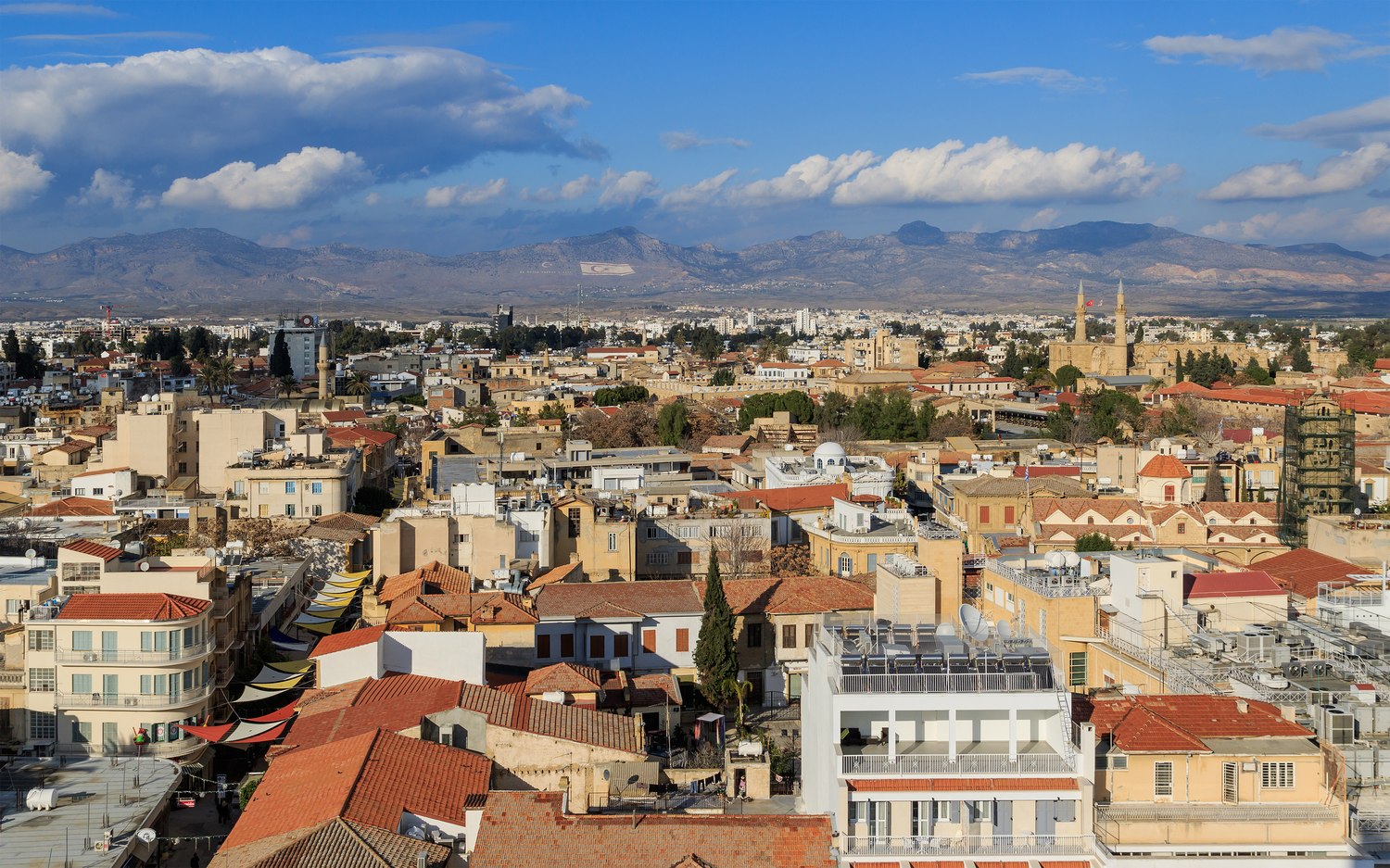
To cross into the northern part of Nicosia you have to pass through an official pedestrian border crossing, and you absolutely need a valid passport for it, because an ID card reliably isn’t enough. The whole check-in process is usually quick and trouble-free, yet it’s a genuinely powerful experience. Crossing the border, you suddenly find yourself in a world of oriental markets, mosques and the scent of spices, where a completely different way of life is obvious at first glance.
23. Kyrenia (Girne) and the castle above the harbour
Kyrenia lies on the north coast and many travellers rightly consider it the single most photogenic harbour on the whole divided island. The perfectly horseshoe-shaped bay is lined with old stone houses, ancient-looking wooden boats moor in it, and above it all a huge Byzantine castle rises majestically, which once protected the town from raids. A little above the town, hidden in the hills, are the beautiful Gothic ruins of Bellapais Abbey with a gorgeous sea view.
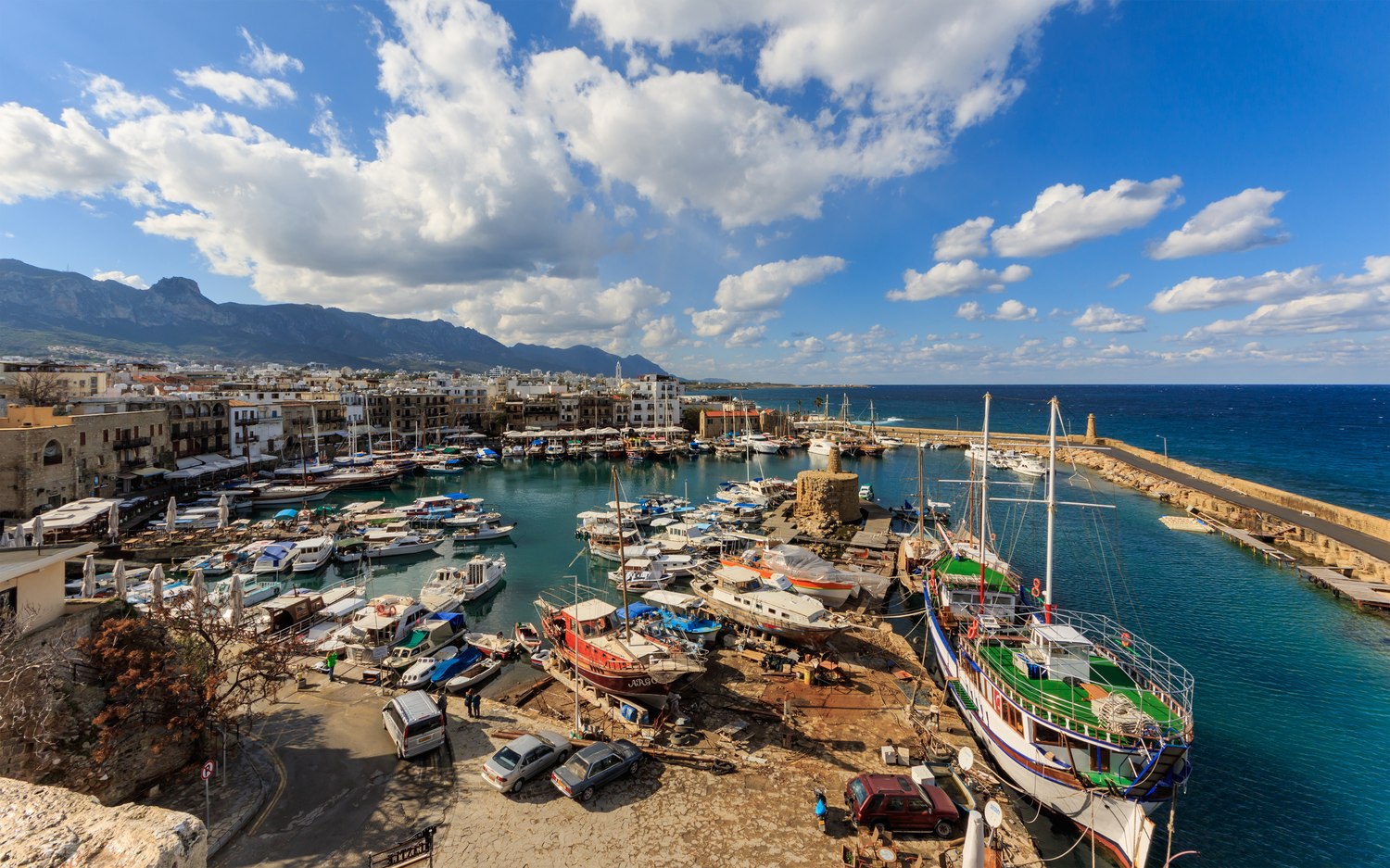
Since this historic site lies in Northern Cyprus, you have to head to it via an official border crossing with a valid passport in hand. I’ll point out one very important thing: to the north, you may only take a rental car hired in the south with the rental company’s explicit consent, and you’ll need to buy temporary Turkish insurance right at the border. If, on the other hand, you foolishly rented a car in the north, you’re not allowed to drive it to the southern side at all, which according to locals is the most common mishap of uninformed tourists.
24. Famagusta and the ghost town of Varosha
Famagusta and the abandoned ghost resort of Varosha are one of the most powerful and most bizarre experiences you can have during your journey through the northern part of the island. In Famagusta’s historic centre you’ll surely be surprised by the enormous Gothic cathedral turned into a mosque by the addition of a slender minaret and mighty ancient walls. Right next to it, though, lies the district of Varosha, once a luxury resort of film stars, which has been completely abandoned and decaying behind barbed wire since the 1974 war.
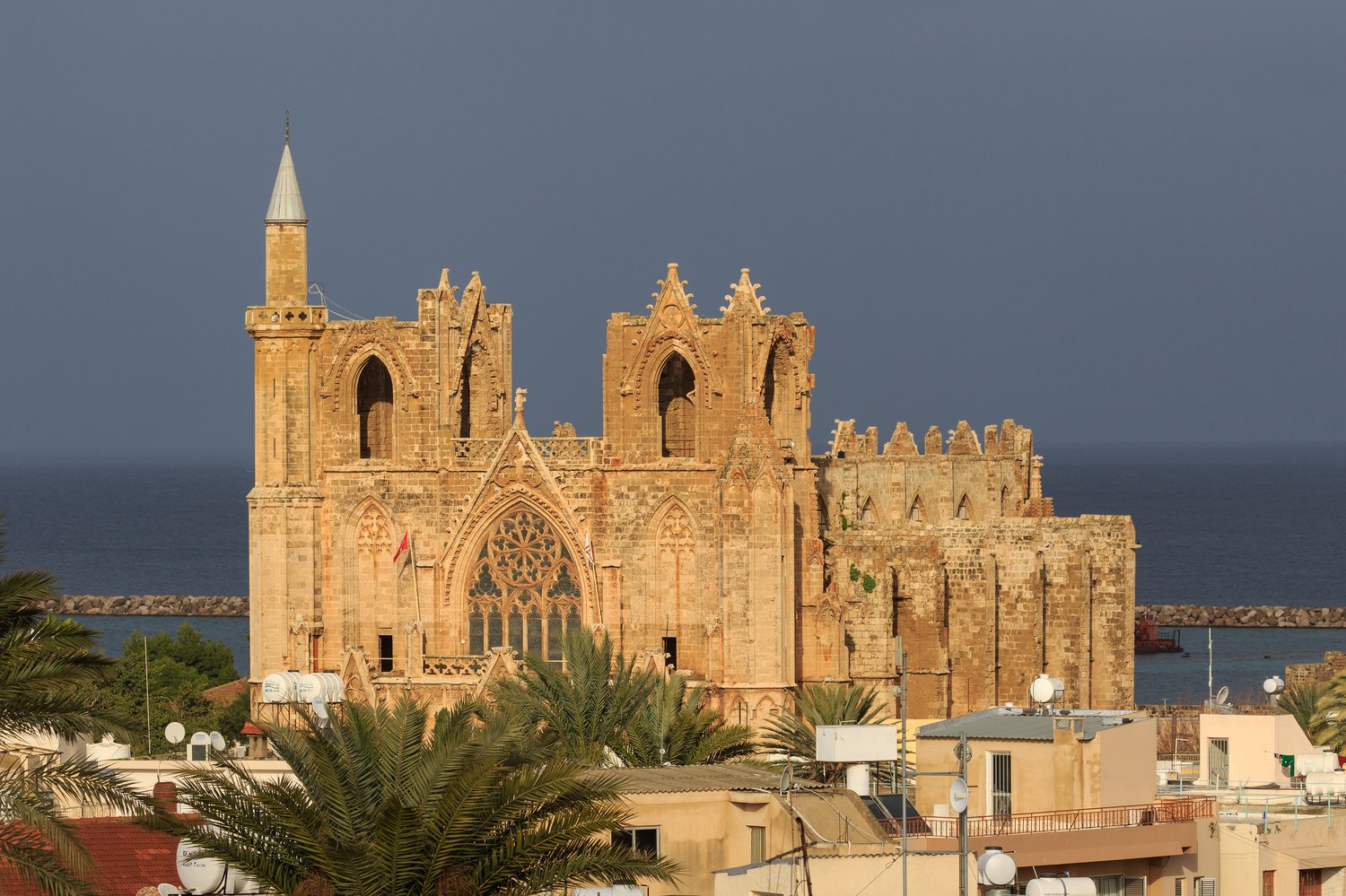
This so-called ghost zone has recently partly opened to visitors, so you can walk along the paved paths right between the crumbling hotels and overgrown villas. Just as with Kyrenia, you have to go through an official border crossing, so don’t forget your passport and be very careful about the insurance on your rental car. Euros are accepted in many tourist spots here, but officially the currency is the Turkish lira, so prepare well for that when heading across the border.
Where to stay in Cyprus: which area suits whom
Choosing the right base is absolutely crucial for your Cyprus holiday to turn out perfectly. The island is fairly large and each coast offers a completely different atmosphere, so it’s worth thinking for a moment about what you actually expect from the trip. While the western part draws visitors with history and slightly calmer coves, the east of the island pulses with nightlife and boasts the most famous beaches with white sand.
Most travellers recommend picking one strategic spot from which you can then take day trips, or splitting your stay into two halves. Driving across the whole island would needlessly rob you of time you could otherwise spend with a glass of wine in some hidden taverna.
💡 Tip: Before you settle on a specific hotel, browse the current accommodation offers in Cyprus and filter by free cancellation. In Cyprus, prices between high and low season can differ by as much as half.
Overview of the areas
- Paphos is the ideal choice for couples and sightseeing lovers, because you’ll find incredible UNESCO archaeological monuments here and a somewhat calmer atmosphere reigns.
- Coral Bay is just a short drive from Paphos and offers a beautiful sandy beach, which makes it a huge draw mainly for families with younger children.
- Limassol is the largest city in the south with a gorgeous promenade and plenty of restaurants, where things are lively all year round, but count on it being a pricier location.
- Ayia Napa boasts the very best beaches and boisterous nightlife, so in peak summer season it tends to be quite noisy and very busy.
- Protaras is a short drive from Ayia Napa, but offers far more family calm and is home to the famous Fig Tree Bay with beautifully shallow water.
- Larnaca is a great base for day trips, home to the international airport and the famous Salt Lake, and generally comes out as the cheapest option for accommodation.
Specific accommodation tips
- Almyra Hotel (Paphos): A beautiful design hotel right by the sea, hugely popular with couples looking for romance and top-notch service.
- Elysium Hotel (Paphos): A luxury resort built right next to the Tombs of the Kings, where you’ll feel like you’re in a real palace.
- Olympic Lagoon Resort Paphos (Paphos): A huge all-inclusive complex that travellers rate as absolutely perfect for families with children.
- Nissiblu Beach Resort (Ayia Napa): A modern five-star gem sitting right by the famous Nissi Beach, so you’re literally a few steps from the water.
- Adams Beach Hotel & Spa (Ayia Napa): A very large resort with its own private beach, where you can escape the summer crowds nicely.
- Parklane, a Luxury Collection Resort & Spa (Limassol): A top-class, very elegant resort with a gorgeous lagoon that will satisfy even the most demanding guests.
What to eat in Cyprus: a paradise for vegetarians
Cypriot cuisine effortlessly combines the best Greek and Middle Eastern influences, so your plate always comes loaded with plenty of sunshine and fresh herbs. A huge advantage is the strong emphasis on local vegetables and cheeses, which makes the island an absolutely fantastic destination for everyone who doesn’t eat meat. Of course, the island is also famous for meat specialities like slow-roasted lamb kleftiko or traditional sheftalia sausages, said to smell tempting on every corner, but we’ll focus on what will delight vegetarians.
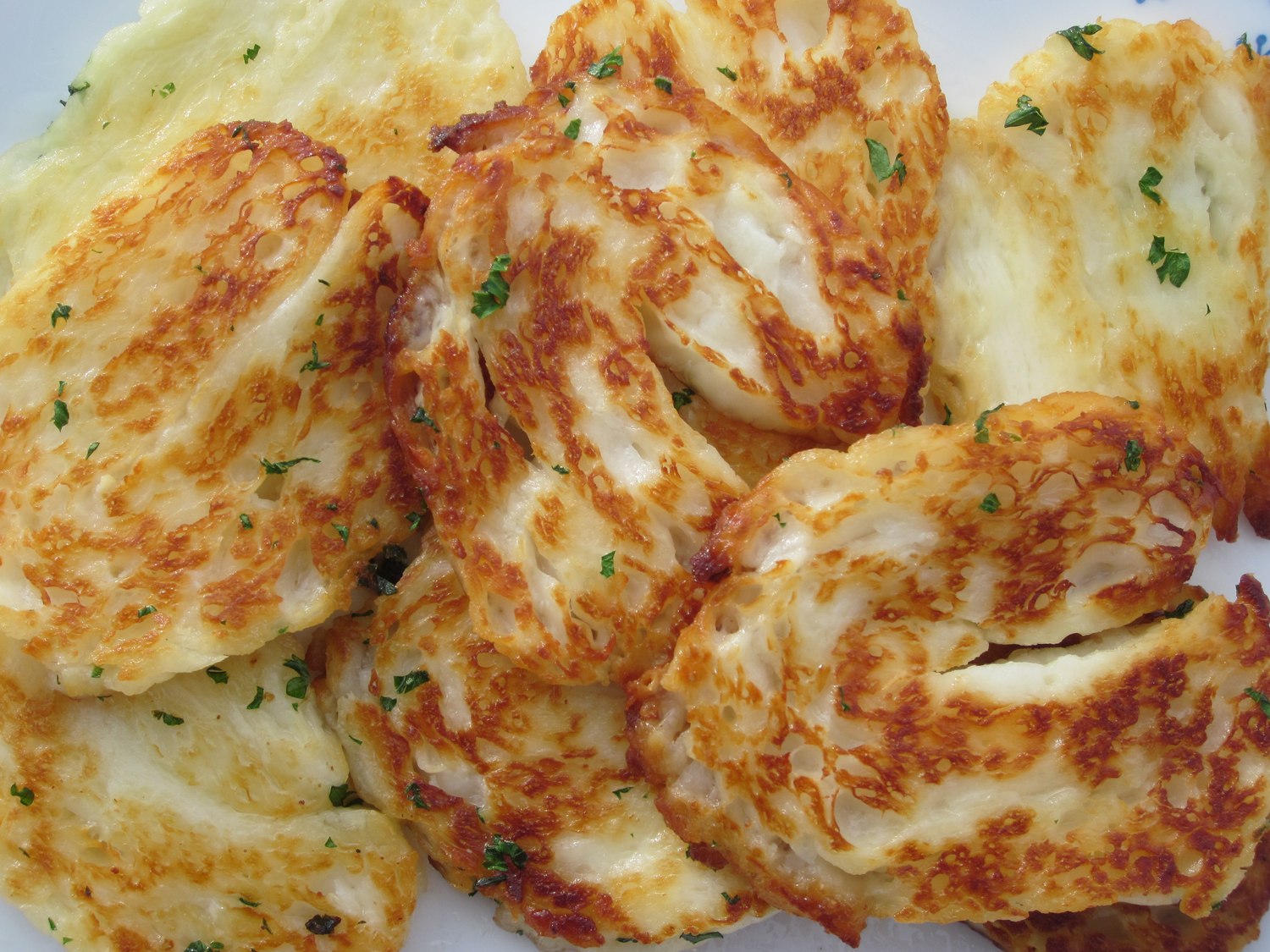
When visiting local tavernas, you certainly won’t go wrong by trying various little starters and sharing them with friends at the table. Hospitality is taken very seriously here, so portions tend to be genuinely generous and often come with a small treat on the house.
- halloumi: This famous cheese made from sheep’s and goat’s milk comes straight from Cyprus, grills beautifully, doesn’t melt at all and tastes absolutely divine.
- meze: A traditional feast of twenty or more small plates, and plenty of tavernas also offer a complete vegetarian meze full of dips and cheeses.
- kolokotes: Traditional, purely vegetarian pastries filled with sweet pumpkin, raisins and wheat, which creates a very interesting flavour combination.
- louvi: A healthy and hearty dish of black-eyed peas cooked with fresh leafy greens, generously drizzled with lemon and olive oil.
- gemista: Vegetables baked until soft and stuffed with rice and herbs, most often large tomatoes, peppers or courgettes.
- kolokythokeftedes: Delicious fried courgette fritters with feta cheese and fresh mint, which taste great with a yoghurt dip.
- anari with carob syrup: A fresh, mild-tasting whey cheese drizzled with carob syrup and served as a typical light dessert.
- Commandaria: A sweet amber-coloured dessert wine, fondly said to be the oldest still-produced wine in the whole world.
💡 TIP: If you order a vegetarian meze at a restaurant, it’s always served for the whole table and there’s an absolutely huge amount of it. Definitely don’t order a main course on top of it, because you’d never finish it all. 😅
Getting around Cyprus: car, buses and crossing to the north
Moving around the island has its quirks, and it’s good to prepare for them in advance so you aren’t caught off guard on the spot. The biggest catch for most visitors is the driving, because from the days of British rule Cyprus has kept plenty of customs that carry over into everyday life. Right after landing you’ll also discover you’ll need an adapter for your electronics, because British three-pin Type G sockets are used here.
They drive on the left
As a legacy of the British, the whole island strictly drives on the left, which you have to keep in mind right when you pick up the car at the rental company. All cars have the steering wheel on the right and you operate the gearstick with your left hand, so travellers often recommend paying extra for an automatic transmission, which saves you a lot of stress. Pay special attention to roundabouts, where you drive clockwise, which the brain finds a little hard to grasp at first.
Buses versus a rental car
Intercity buses run fairly reliably and quite cheaply in the south of the island, connecting all the big main cities along the coast. But if you plan to head into the cooling Troodos mountains, onto the wild Akamas peninsula or to the trailheads of the best treks, you’ll realistically only get there by rental car. Public transport to more remote spots either doesn’t run at all or only once a day, so without your own car you’ll miss out on the most beautiful natural scenery.
How to cross the Green Line to the north
The island has been divided since 1974 by a UN buffer zone into the southern Republic of Cyprus and Northern Cyprus, with Nicosia serving as the last divided capital in Europe. This Green Line can be crossed at official checkpoints, but you always need a valid passport on you, because a regular ID card sometimes isn’t enough for officials and they could turn you back. In the north the currency is the Turkish lira, and although euros are accepted in many places, the exchange rate tends to be very unfavourable.
The biggest mishap for tourists arises with rental cars, because with a car hired in the south you may only go north with the explicit consent of your rental company. On top of that, your southern policy absolutely doesn’t apply in the north and you have to buy temporary Turkish insurance right at the border crossing. A car hired in the north then can’t go to the south at all, so watch out for that very carefully.
How much does a Cyprus holiday cost
Your trip budget depends mainly on which month you decide to go, because in July and August accommodation prices shoot steeply up. Cyprus is generally more expensive than mainland Greece and works out significantly pricier than popular Bulgaria, though outside the peak season prices can drop pleasantly. In the south all services are paid in euros, and in tourist areas you’ll get by fine with a payment card.
Below I give a rough estimate of costs for two people for one week, so you get a better idea of the overall budget. Take the figures with a pinch of salt, because a lot depends on your travel style.
- Flights: Direct flights serve both Larnaca and Paphos, taking roughly 3 hours and 20 minutes from Central Europe; a return ticket usually costs €100 to €250 per person.
- Accommodation: For a decent room for two you’ll pay from €60 to €150 per night, with luxury resorts easily three times that.
- Food: Lunch or dinner in an average taverna comes to €15 to €25 per person, so over a week you’ll eat through roughly €350 to €500.
- Car rental: A small car with insurance costs around €30 to €50 a day, and a week’s rental including petrol swallows roughly €300.
- Entry fees and activities: Entry to the archaeological parks tends to be very cheap, usually €4 to €5, so a budget of around €40 will be enough for a week.
💡 TIP: If you want to save a substantial part of your budget right at the start, check out our detailed guide on how to find cheap flights, where you’ll find plenty of useful advice.
What to watch out for in Cyprus
Every country has its little pitfalls, and it’s better to know about them in advance than to let them spoil your well-earned days off. The biggest risks here don’t stem from crime, as the island is one of the very safest places, but rather from local rules and the uncompromising climate. The official languages are Greek and Turkish, but thanks to the strong British history you can communicate in English completely normally and everywhere.
- Left-hand driving: The brain sometimes forgets you’re driving on the left, so it pays to be extra careful mainly when entering roundabouts and when crossing the street.
- Insurance and the car in the north: Never drive a rental car north without the rental company’s consent, and always buy Turkish insurance at the border, otherwise you’ll pay for everything yourself in an accident.
- Passport for crossing the Green Line: To visit the northern part of the island you need a passport; an ID card alone often isn’t enough and border officials will turn you back at the checkpoint.
- Extreme heat in summer: In July and August genuinely scorching temperatures prevail — for example Larnaca averages 33.4 °C — which can be unbearable for more sensitive types.
- Strong sun at the monuments: Archaeological sites like Paphos or Kourion have almost no shade, so head there early in the morning with a big supply of water and a hat.
- Jellyfish and sea urchins: Around the rocky outcrops you’ll occasionally run into urchins, so water shoes certainly won’t go to waste, and in summer jellyfish may exceptionally appear near the shore.
- Avakas Gorge closures: If it rains, the popular Avakas Gorge tends to be uncompromisingly closed to all tourists due to the risk of falling rocks and flash floods.
Cyprus with kids
Locals absolutely adore families with children and in restaurants they’ll never look at you sideways when your little one is just having an off day. The island offers great infrastructure for small travellers, from safe resorts to interesting attractions that entertain the whole family. Thanks to the fact that you can get basic children’s supplies and nappies everywhere, you don’t have to drag overstuffed suitcases from home.
- Fig Tree Bay and Nissi Beach: These two renowned beaches have wonderfully shallow water and fine sand, so children can play here safely for hours.
- WaterWorld in Ayia Napa: The huge ancient-Greek-themed water park is said to be one of the best in Europe and can easily entertain older and younger kids all day.
- Sea turtles in Lara Bay: During the nesting season you can carefully observe protected turtle nests on the semi-wild Lara Bay beach, which is a huge experience for children.
- Short distances and English: Children won’t get fed up with long drives, and any problem at the doctor’s you’ll easily solve with fluent English.
- The Troodos mountains as an escape from the heat: When it’s too hot by the sea, the forested mountains are always a few degrees cooler and full of easy walks.
Where next: more tips for a seaside holiday
If you’re still not quite sure where to head this year and you’re weighing up several options, we’ve prepared plenty of other guides for you. The Mediterranean offers countless beautiful islands, so you’re sure to pick the right stretch of beach exactly to your taste. Take a look at our favourite articles, which will help you plan and save you hours of searching online.
- Where to go on holiday in September
- When to go to Greece
- Rhodes holiday
- How to find cheap flights
- Travel insurance
Frequently asked questions
Sometimes while planning a trip a whole host of small questions crop up that you need to crack quickly. So we’ve put together the most common things people ask before departure, so you have all the important information neatly in one place and don’t waste time searching forums.
When is the best time to visit Cyprus?
The ideal time to visit the island is from April to June and then from September to November, when you avoid the biggest summer extremes. According to long-term statistics, August brings truly oppressive heat, with average temperatures climbing to 32.4 °C, which makes sightseeing quite difficult. On the other hand, travelers can’t praise the autumn months enough, because the sea is beautifully warm after the whole summer. Even in November the water maintains a pleasant 24.5 °C, so you’ll warm up easily and enjoy swimming without the crowds.
How long do you need in Cyprus?
If you want to relax in just one area and explore its immediate surroundings, five days will be more than enough. For a classic holiday when you plan to drive across the entire south of the island from Paphos to Ayia Napa, ideally set aside a whole week so you don’t have to rush unnecessarily. Travelers who want to include the picturesque mountain villages in the Troodos range and also take a trip to the northern side most often choose a ten-day itinerary. During ten days you’ll have time to soak up the local atmosphere and explore the most interesting historical sites at a completely relaxed pace.
Can you swim in Cyprus in October and November?
Yes, the island boasts probably the longest swimming season in all of Europe and autumn swimming here is absolutely fantastic. In October the sea reaches a wonderful 26.7 °C, which many people find much more pleasant than a heated bathtub in the middle of summer. In November the water temperature drops slightly, but still maintains a lovely 24.5 °C, so hardier souls will plunge into the waves with enormous joy. The air may not be as hot anymore, but the sun still warms beautifully and the beaches are pleasantly empty.
Do I need a car in Cyprus?
It depends mainly on what type of holiday you’re planning. If you’re going to stay just on the coast and occasionally travel between the major cities, you don’t necessarily need a car, because the buses work quite well. However, if you want to head into the Troodos mountains, explore the remote Akamas peninsula, or discover hidden beaches, you really can’t do without a rental car. Don’t forget, though, that driving here is strictly on the left, which can be a bit stressful for some drivers at first.
Can I cross from south to north Cyprus?
Crossing the Green Line is possible via official border checkpoints, but you always need a valid passport, because with just an ID card you might run into problems. With a car rented in the south, you’re only allowed to cross to the north with the express consent of your rental company, and you must purchase temporary Turkish insurance at the border. In the opposite direction, however, it doesn’t work at all – with a car rented in the north you’re absolutely not allowed to drive to the south under any circumstances, so be really careful about that.
Is Cyprus expensive?
Generally speaking, the island works out somewhat more expensive than mainland Greece and is significantly pricier than popular Bulgaria. The main item in your budget tends to be accommodation during the peak summer season, when hotel prices climb to dizzying heights, and car rental also swallows up considerable money. However, if you travel outside the busiest months, accommodation prices drop pleasantly and a holiday can be had for very reasonable money. Food in tavernas maintains more or less stable prices and the quality of portions is definitely worth the money.
What’s the food like for vegetarians in Cyprus?
The local cuisine is absolutely fantastic for people without meat and you definitely won’t go hungry here. The island is home to the famous halloumi cheese, which grills beautifully, and any decent taverna will happily prepare generous vegetarian meze full of dips and salads. You should also reportedly try the traditional kolokotes filled with pumpkin, the hearty louvi dish made from black-eyed peas, or the popular gemistu, which is vegetables stuffed with rice. The selection of meatless dishes is so wide that you won’t know what to choose from the menu first.
Is Cyprus safe?
The island consistently ranks among the safest countries in all of Europe and in terms of common crime you really have nothing to fear here. The biggest risks for tourists, paradoxically, are presented by the traffic itself, because left-hand traffic can unpleasantly catch unprepared pedestrians off guard when crossing the street. Another major threat is the treacherous summer sun, which has incredible strength, so you shouldn’t go out at all without quality sunscreen and a hat. If you watch out for these two things, you’ll enjoy an absolutely relaxed and undisturbed stay.
Tips and Tricks for Your Vacation
Don’t Overpay for Flights
Search for flights on Kayak. It’s our favorite search engine because it scans the websites of all airlines and always finds the cheapest connection.
Book Your Accommodation Smartly
The best experiences we’ve had when looking for accommodation (from Alaska to Morocco) are with Booking.com, where hotels, apartments, and entire houses are usually the cheapest and most widely available.
Don’t Forget Travel Insurance
Good travel insurance will protect you against illness, accidents, theft, or flight cancellations. We’ve had a few hospital visits abroad, so we know how important it is to have proper insurance arranged.
Where we insure ourselves: SafetyWing (simple monthly subscription) and TrueTraveller (for extra-long trips).
Find the Best Experiences
Get Your Guide is a huge online marketplace where you can book guided walks, trips, skip-the-line tickets, tours, and much more. We always find some extra fun there!