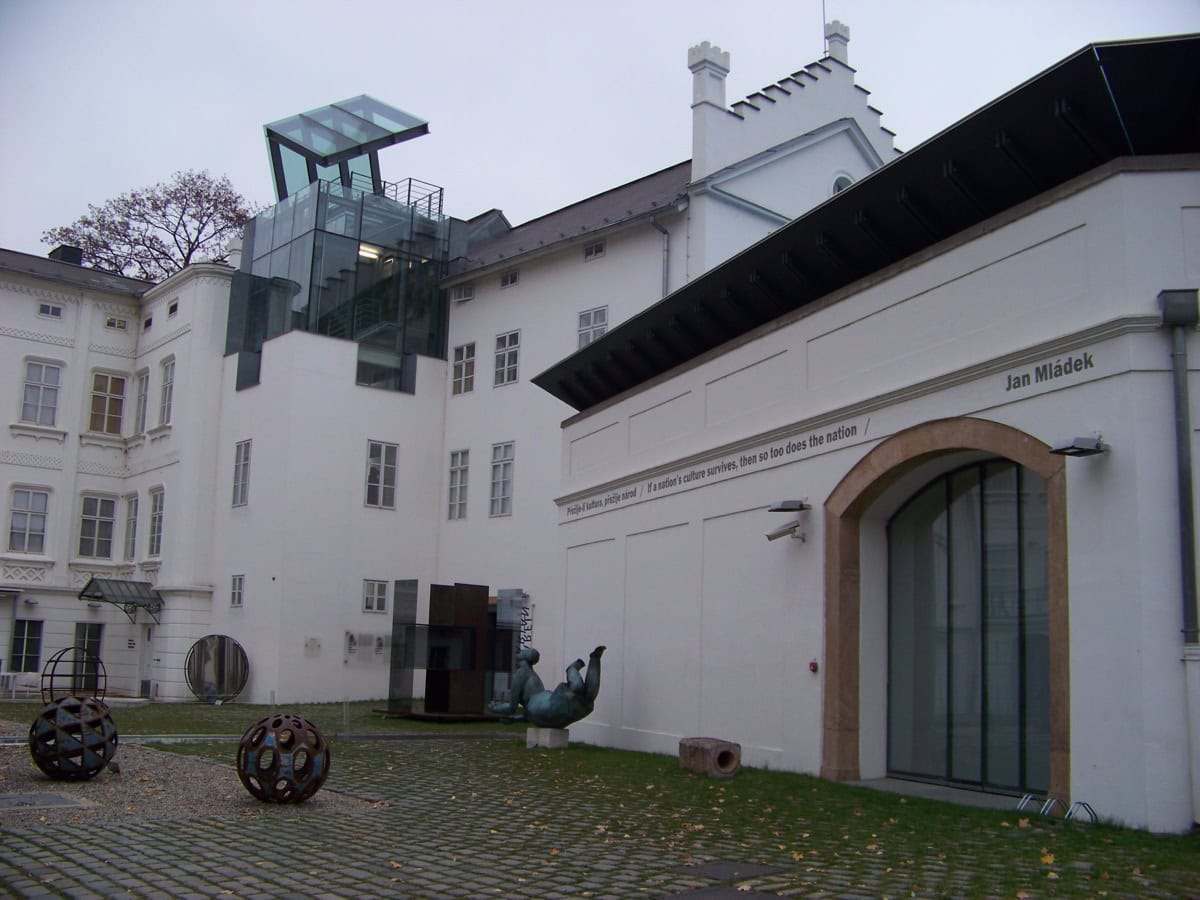
Best Museums and Galleries in Prague: 16 Must-See Picks 2026

TL;DRThe best museums and galleries in Prague for 2026 come as 16 recommendations, topped by the National Museum on Wenceslas Square (350 CZK), the Trade Fair Palace with its National Gallery collections (250 CZK) and the National Technical Museum in Letná, a great pick for families (280 CZK). If modern history’s your thing, head to the Museum of Communism (380 CZK) and the Mucha Museum, with its Art Nouveau posters (300 CZK). Hidden gems include the Czech Museum of Music, MeetFactory and the Bedřich Smetana Museum, where entry costs just 50 CZK. Most places close on Mondays, so weekday mornings are your best bet — or come along to Prague Museum Night in June, when admission is free.

When I first started exploring the best museums in Prague during my studies at Charles University, my entire perspective on the city shifted. Instead of chasing tourists at the Astronomical Clock with my heavy DSLR, I spent dozens of hours in the quiet halls of the Trade Fair Palace. I was hunting for the right angles, studying how light played across sculptures, and soaking in a calm that no outdoor stroll could match. I had a similar relationship with the Mucha Museum — Art Nouveau lines fascinated me so much that I spent more time there than in the university library.
These days, I return to Prague with my husband Lukáš and our two-year-old son Jonáš. Seeing Jonáš’s eyes light up at everything new has given my museum adventures a completely different dimension. Suddenly I’m not just evaluating curatorial intent — I’m also checking whether you can safely manoeuvre a pushchair between exhibits and where the nearest changing table is.

Honestly, Prague still surprises me. I remember a time when the National Museum’s display cases were gathering dust and nobody looked back, but today it’s a completely different story. Traditional institutions have been modernised and the newer ones aren’t afraid to provoke. Whether you’re after raw testimonies from the 20th century or want to shelter from the rain among Old Masters’ canvases, you’ve got plenty to choose from. Local curators have finally understood that visitors want interaction and context.

So what’s in store? A few giants you’ll recognise from guidebooks, a few places that don’t appear in any guidebook, and one museum that Jonáš refused to leave for an entire afternoon. 😄 We’ll also look at the powerful stories told at the Museum of Communism in Prague.

TL;DR

  • The National Museum on Wenceslas Square has undergone a massive renovation and its historic domed building is now a visual centrepiece of the city.
  • The Trade Fair Palace houses the National Gallery’s modern art collections — stroll past canvases by Kupka and Picasso in a clean Functionalist space.
  • The National Technical Museum in Letná is an absolute must for families with kids — the enormous transport hall with aircraft and trains will keep them entertained all afternoon.
  • The Museum of Communism offers an unflinching look at recent history — excellent for understanding the Central European context.
  • DOX in Holešovice represents contemporary art, and its wooden airship Gulliver perched on the roof is an architectural one-off.
  • Museum Kampa holds the lifetime collection of patron Meda Mládková — primarily works by František Kupka — in a beautiful riverside setting.
  • The Jewish Museum isn’t one building but a complex of synagogues and an ancient cemetery that meticulously maps the history of Prague’s Jewish community.
  • The Mucha Museum delights Art Nouveau lovers with famous posters for Sarah Bernhardt and personal belongings of Alphonse Mucha.
  • Hidden gems like the Czech Museum of Music or MeetFactory reveal an alternative side of the city — without the tourist crowds.

When to Visit Prague Museums and Galleries

Planning a gallery visit requires a bit of strategy, especially if you hate crowds. Weekends — particularly rainy ones — mean queues at ticket desks and packed cloakrooms. If you can, aim for weekday mornings. Most Prague institutions are closed on Mondays, so watch out for that unless you fancy standing in front of locked doors.

Prague Museum Night and Free Entry Days

Once a year, typically in June, the city comes alive with Prague Museum Night. Entry is free, special buses run between institutions, and the atmosphere is brilliant. Be prepared, though — at the most popular venues, you could easily queue for an hour.

A much quieter alternative are the free-entry days that the National Gallery offers on public holidays or its founding anniversaries. Lukáš and I always plan these in advance, make a lovely afternoon of it, and invest the saved money in a good dinner to celebrate a great day out.

Weather as the Chief Curator

When it’s unbearably hot in Prague in August and Lukáš has been complaining about the heat for three days straight, head for the air-conditioned halls of the Trade Fair Palace — it’s the perfect rescue. It’s a huge space where you can cool down for a good half day.

Conversely, in autumn when fog wraps around the city, I’d recommend the more intimate spaces in Malá Strana. The Franz Kafka Museum, for instance, has just the right brooding atmosphere on a grey November day — something a sunny summer afternoon would simply overpower. We always emerge and head straight to the nearest café for something warm.

Where to Stay

If you’re visiting Prague primarily for its culture, you’ll want a strategic base in the centre — somewhere you can walk everywhere or hop on a tram quickly. On our last family trip, we chose The Julius Hotel on Senovážné Square, and I can wholeheartedly recommend it.

We stayed in a spacious One Bedroom Suite, which was a lifesaver when travelling with a toddler. We had a fully equipped kitchen, so making Jonáš’s morning porridge was no problem. The interior is polished down to the last detail — autumnal tones and oak wood create an incredibly calming feel. It’s also a short walk to the main railway station and Wenceslas Square, so you can reach the National Museum or the Museum of Communism in ten minutes. Check current availability and book your room through Booking.com.

Classic Museums and Galleries: National Treasures

The fundamental pillars of Prague’s culture that define the face of the city. These institutions collect, preserve, and exhibit the most precious things the Czech Republic has to offer.

National Museum
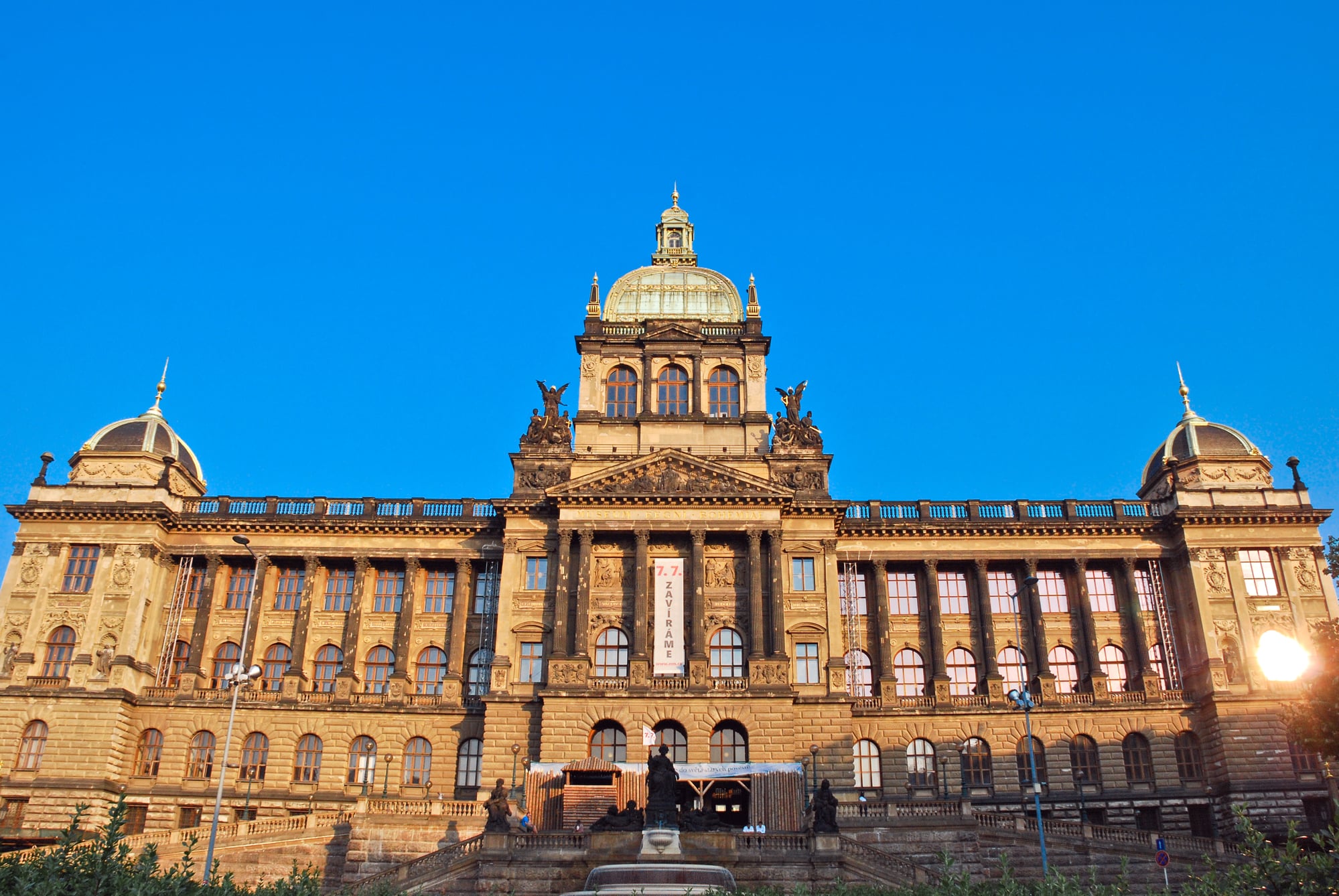
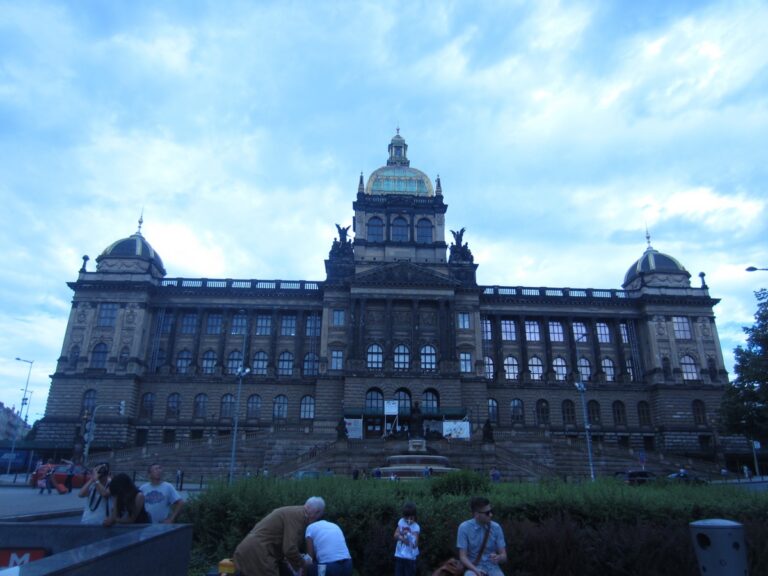
The landmark crowning the upper end of Wenceslas Square is visually stunning after its massive renovation completed in 2018. Even if history isn’t your thing, the Neo-Renaissance building alone is worth seeing. The main pantheon with marble statues and a huge glass dome feels monumental. The natural history exhibition — featuring the legendary blue whale skeleton — has been given modern lighting and interactive elements, so it’s no longer just a dull parade of stuffed animals where kids lose interest at every display case.

Underground, you’ll find a connecting tunnel to the New Building, where fascinating video-mapping projections about Prague’s history are shown. A full visit can easily fill half a day if you want to read the labels. With kids, you can do a faster loop through the animals and minerals — which usually keeps them thrilled.

Standard admission is €14 and covers both buildings. If it’s your first visit, set aside a whole day — there really are that many halls. The easiest way to get here is by metro line A or C to Muzeum station. You’ll find official details on current exhibitions on the National Museum website.

💡 Local’s tip: Buy your ticket online in advance. The queues at the physical ticket desks in peak season are painful and stretch all the way down the front steps.

Trade Fair Palace: National Gallery
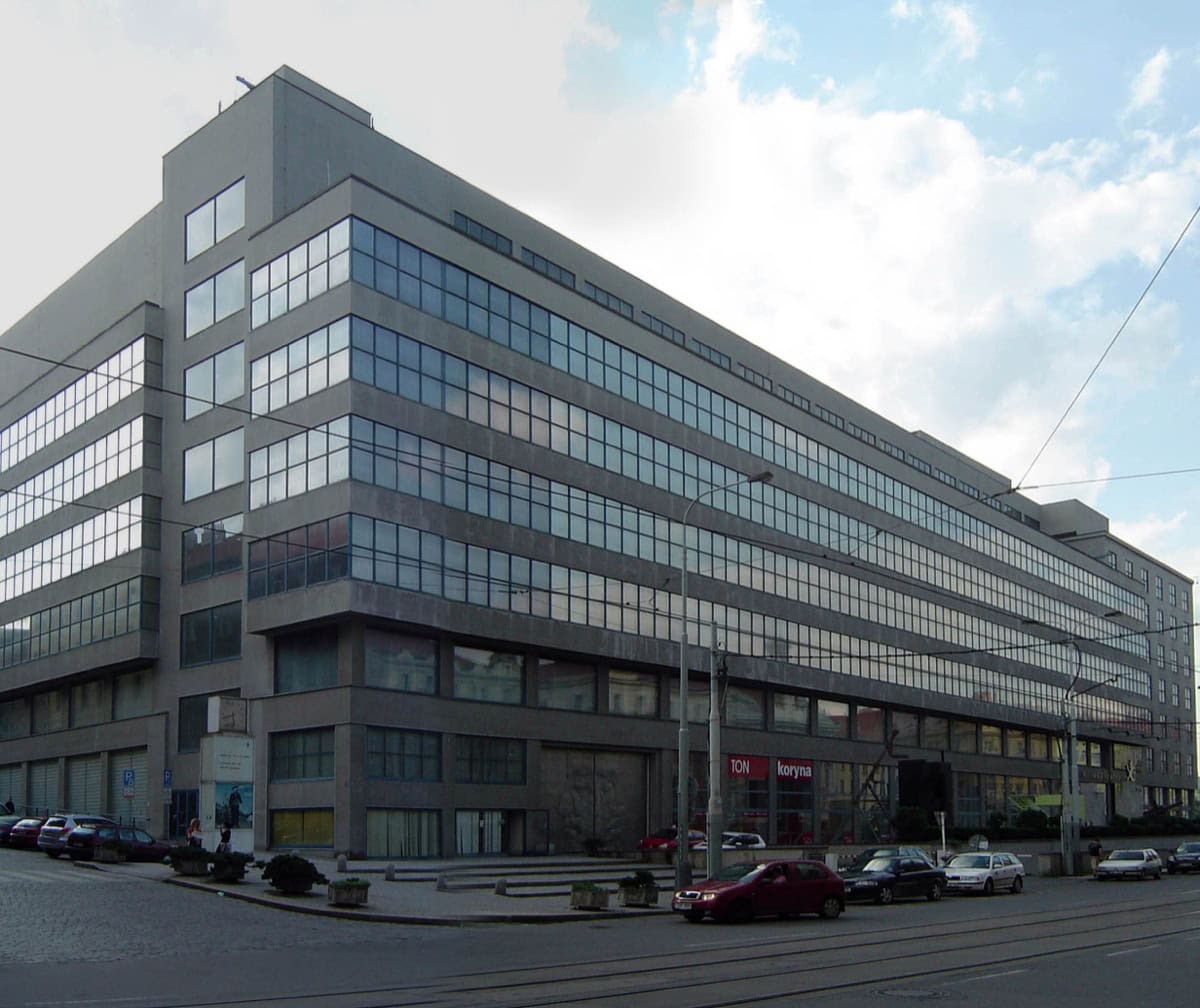
This one is close to my heart. The enormous Functionalist building in Holešovice houses collections of modern and contemporary art. I spent countless hours here during my student years wandering between paintings by František Kupka, admiring the French Impressionists, and looking for details in canvases by Gustav Klimt and Pablo Picasso. The space is so vast that it never feels crowded.

Beyond the permanent exhibitions, I come here for temporary shows, which tend to be superbly curated. The building itself, with its sweeping atrium and galleries, is a masterpiece of interwar architecture. Coffee at the ground-floor café is one of my favourite rituals — they serve excellent speciality coffee in a wonderfully calm setting.

A ticket to the permanent collections costs €10; they’re open Tuesday to Sunday from ten. From the centre, take tram 17 to the Veletržní palác stop. And a word of warning — the building is truly enormous, so comfortable shoes aren’t a recommendation, they’re a necessity. 😉 Check the current programme on the National Gallery website.

💡 Local’s tip: On the first Wednesday of each month, the National Gallery offers reduced or free afternoon entry to selected exhibitions — check the latest conditions on their website.

Mucha Museum
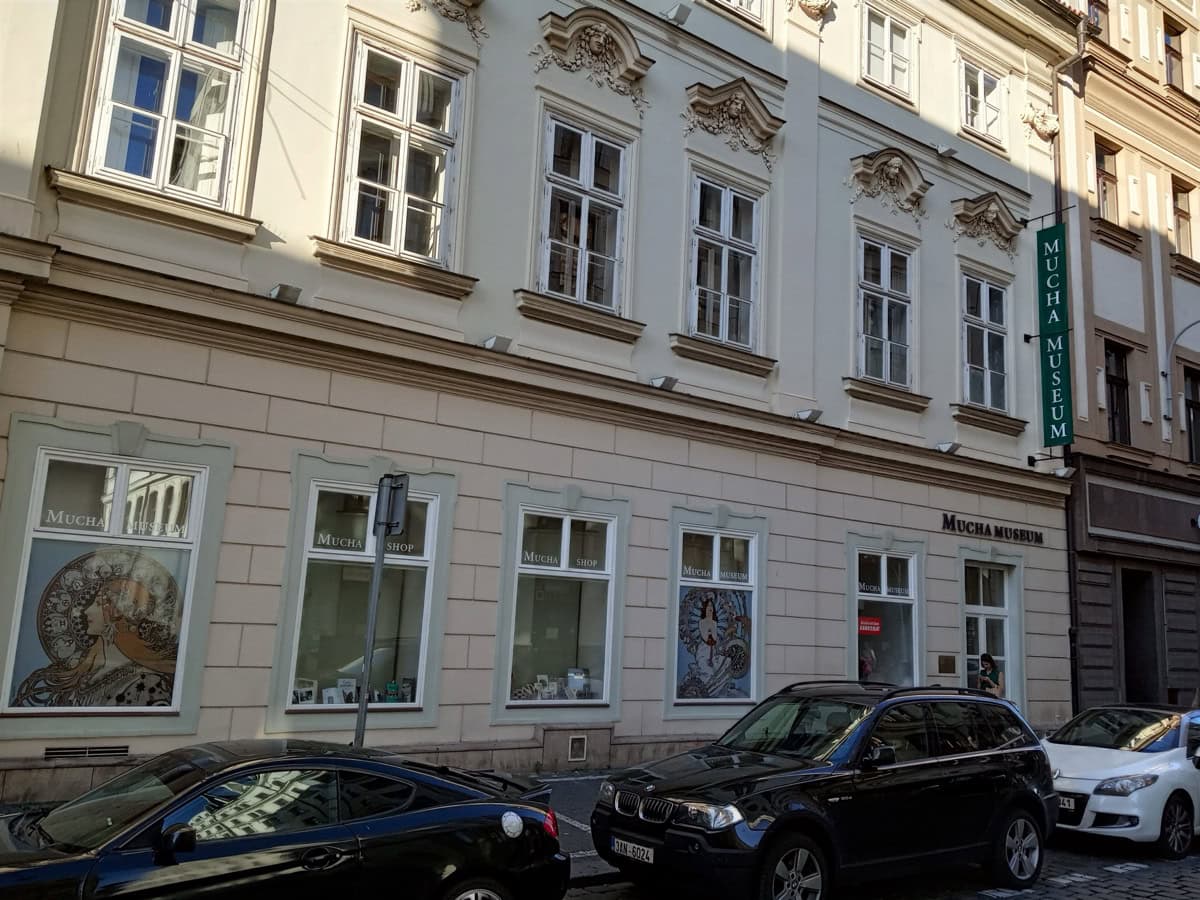
Alphonse Mucha is to Prague what Gaudí is to Barcelona. This intimate museum in the Kaunitz Palace near Wenceslas Square focuses on his Parisian period. You’ll find the most famous lithographs and posters he created for actress Sarah Bernhardt. What personally fascinated me during my photography course were his sketches and preparatory photos of models, which are also on display here.

The space isn’t large — you can walk through it in under an hour. It’s an intense dose of Art Nouveau aesthetics, floral motifs, and soft pastel colours. If you love turn-of-the-century design, you’ll be over the moon.

Admission is on the pricey side — in 2026 you’ll pay €12. It’s open daily from 10:00 to 18:00. The address is Panská 7, a short walk from the Můstek metro station.

💡 Local’s tip: Skip the souvenirs in the museum shop — prices for posters and postcards are inflated. You can find similar items in stationery shops around the city for much less.

Museum of Decorative Arts
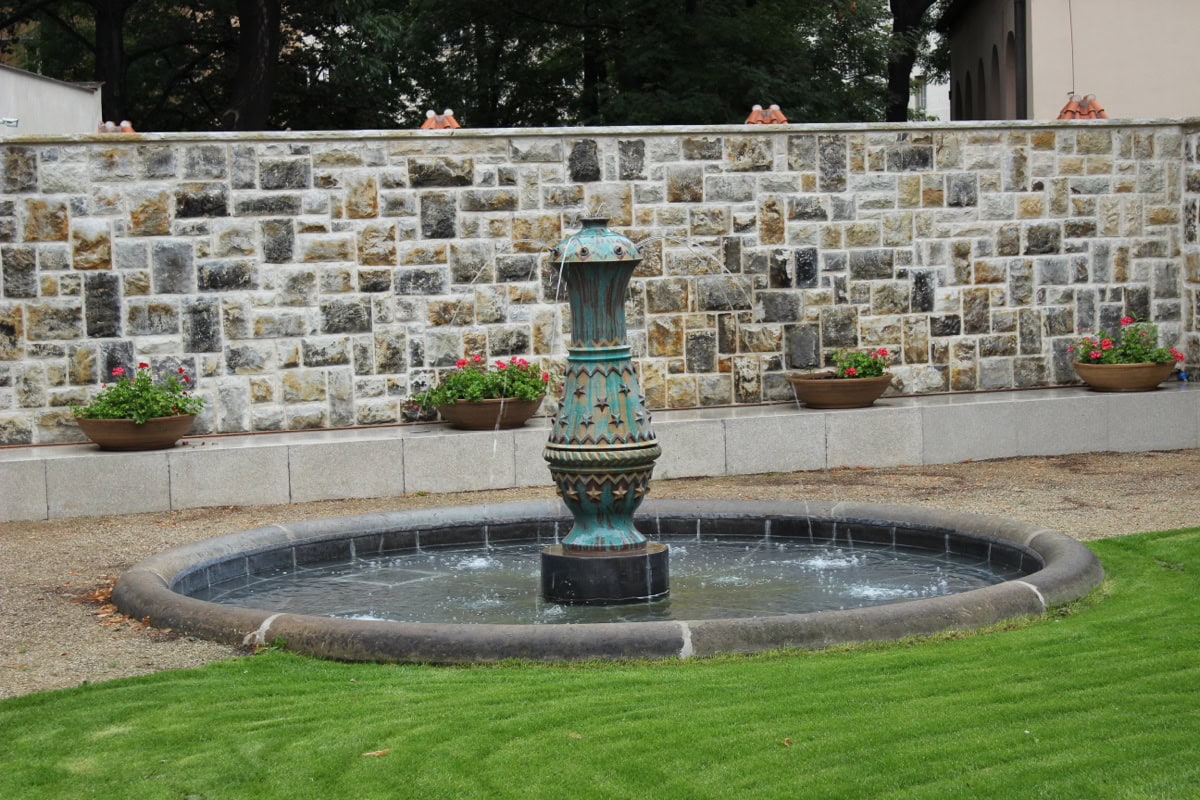
This museum opposite the Rudolfinum recently underwent a complete renovation, and the result is outstanding. The exhibitions focus on design, glass, fashion, and jewellery. The Czech Republic is a glassmaking powerhouse, and I’d recommend this exhibition even if glass normally bores you to tears. You’ll wander up to the display cases and suddenly find yourself studying the details for half an hour without quite knowing why. Happens to me every single time. 😅 Fashion lovers will appreciate the collection of historical garments showing how Prague’s high society dressed in centuries past.

The interior, with its grand staircase and stained-glass windows, is a work of art in itself. I often pop in just to soak up the quiet, refined atmosphere. On the ground floor there’s a lovely modern café serving excellent vegetarian quiche.

Full admission is €6. They’re open Tuesday to Sunday, 10:00 to 18:00 (Tuesdays until 20:00). It’s on 17. listopadu street, near the Staroměstská metro station.

💡 Local’s tip: Visit on a Tuesday evening. It’s usually deserted, and the extended opening hours give you plenty of peace to examine the Cubist furniture up close.

National Technical Museum
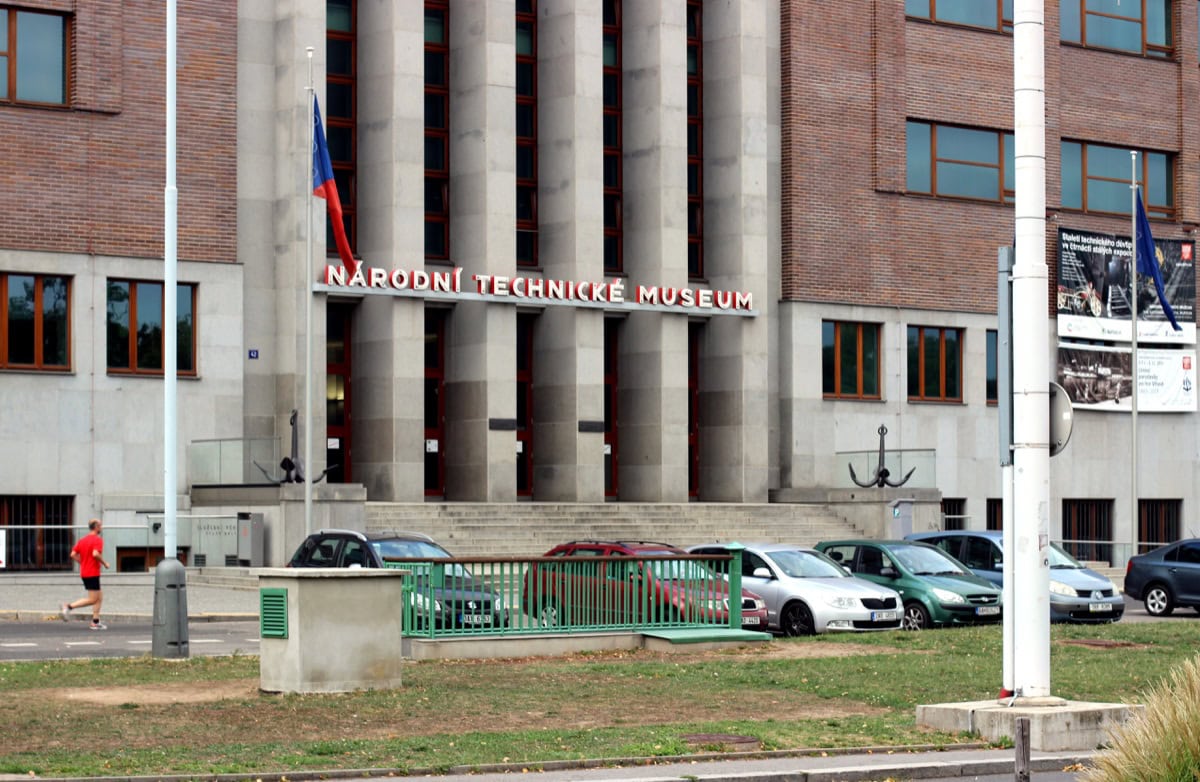
If you’re travelling with kids, do not skip this place. The enormous building in Letná holds everything from vintage cars and steam locomotives to astronomical instruments. The transport hall with aircraft suspended from the ceiling and classic Tatra cars is simply jaw-dropping. Children usually refuse to leave, and you’ll probably have to promise them a return visit.

Beyond transport, there’s a brilliant exhibition on architecture and construction, as well as historical photographic equipment — which, as a former photojournalism student, I spent far more time with than the rest of my family. The exhibitions are playful and many feature interactive elements.

A ticket costs €11. Open Tuesday to Sunday, 9:00 to 18:00. The Letenské náměstí tram stop is about a five-minute walk away.

💡 Local’s tip: The in-house café is mediocre and doesn’t offer much for vegetarians. After your visit, head to nearby Milady Horákové street instead, where you’ll find excellent modern bistros.

The 20th-Century Story: From Art to Totalitarianism

The twentieth century left deep scars on Prague — along with some extraordinary art collections. These institutions will help you understand what the city and its people went through.

Museum of Communism

Located somewhat paradoxically next door to a casino and luxury boutiques on Na Příkopě street. The first time I visited was with a friend from Germany who kept saying she couldn’t believe it. Then she saw the reconstructed secret-police interrogation room and the empty grocery store, and she stopped asking questions. For understanding recent Czech history, this place is absolutely essential.

The texts are written with a touch of cynicism and the dark humour that Czechs are famous for. If you’ve ever wondered why people in this part of Europe carry historical traumas so close to the surface, this is where you’ll start to understand. We sometimes bring visiting friends here, and it always sparks a long evening debate.

A ticket costs €15. They’re open daily from 9:00 to 20:00. You can easily secure your entry in advance — booking through GetYourGuide will save you time at the ticket desk.

💡 Local’s tip: Don’t miss the short documentary screened at the back of the museum. It contains real footage from Prague’s streets during the Soviet invasion of 1968.

DOX Centre for Contemporary Art
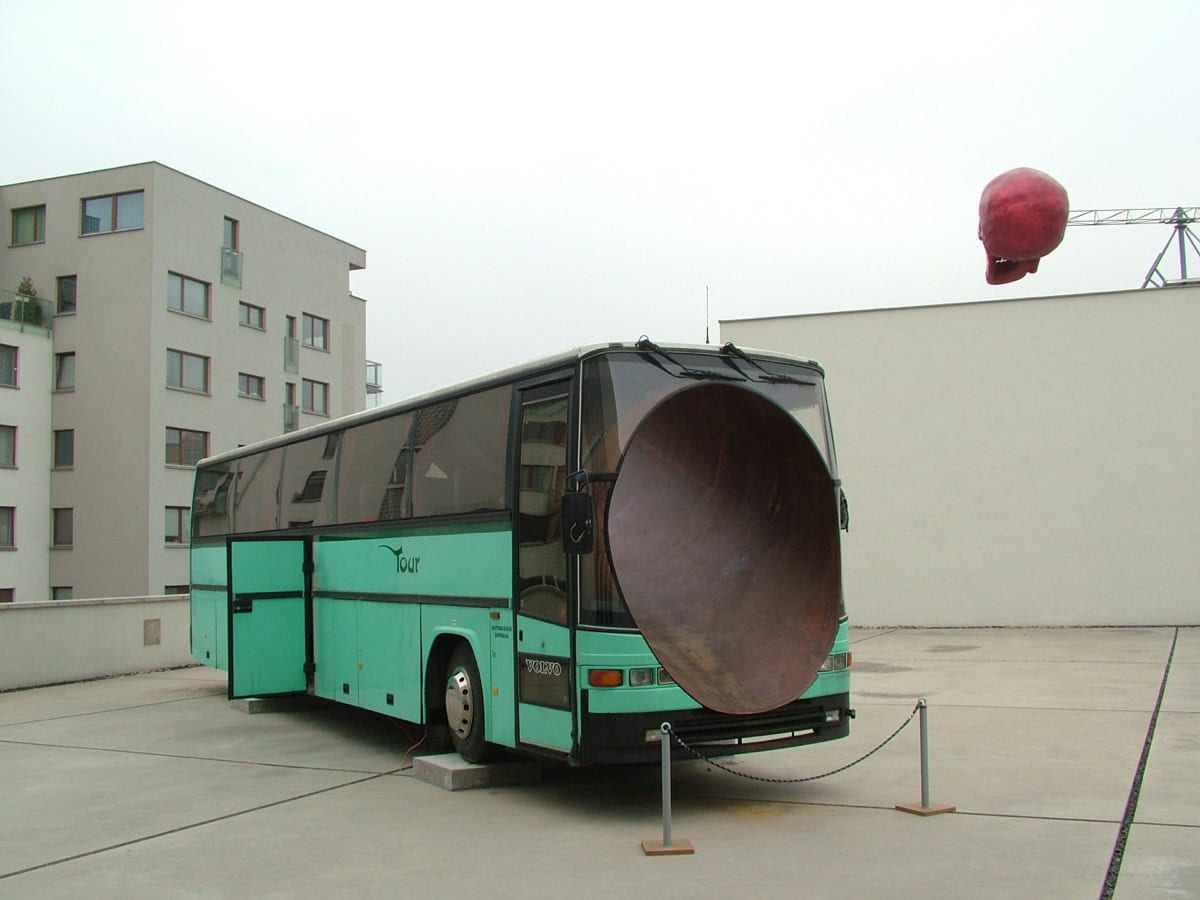
DOX in Holešovice is proof that Prague knows how to look forward. A former factory has been transformed into a huge, airy space brimming with contemporary art that frequently responds to current social issues. No permanent historical collections — just dynamic, sometimes provocative exhibitions.

The architectural icon of DOX is the massive wooden airship Gulliver perched on the building’s roof. It serves as a reading room and a venue for literary events. On the ground floor you’ll find an excellent café and a bookshop specialising in design and architecture.

As a vegetarian, I’m thrilled every time I visit. Finally a café where I genuinely have options and don’t have to worry whether the sandwich is just bread and cheese. Admission is €11. Open Wednesday to Sunday, 12:00 to 18:00 (weekends from 10:00). Take a tram to the Ortenovo náměstí stop.

💡 Local’s tip: The airship gets very warm in summer. Pop in as soon as DOX opens, then spend the rest of your time in the air-conditioned exhibition halls.

lukas a lucka
Lukáš and Lucie recommend
Where to stay in Prague
3 accommodations — hotels and other lodging options

Museum Kampa

The collection assembled by patron Meda Mládková is housed in Sova’s Mills right on the bank of the Vltava. Museum Kampa focuses on Central European modern art, with the centrepiece being a fantastic collection of works by František Kupka and sculptures by Otto Gutfreund. It’s here that you’ll truly grasp how pivotal Kupka was in the birth of abstract art.

The building itself, sensitively renovated with glass elements, offers beautiful views of the river and Charles Bridge. The outdoor courtyard is lined with famous yellow penguins that glow at night, and giant baby sculptures by David Černý.

A ticket costs €14. Opening hours are daily from 10:00 to 18:00. From Malostranské náměstí, it’s a ten-minute walk through Kampa Park.

💡 Local’s tip: Buy a ticket that includes access to the museum’s observation tower. It offers an unusual perspective over the Vltava and the rooftops of Malá Strana that you won’t get anywhere else.

Jewish Museum in Prague
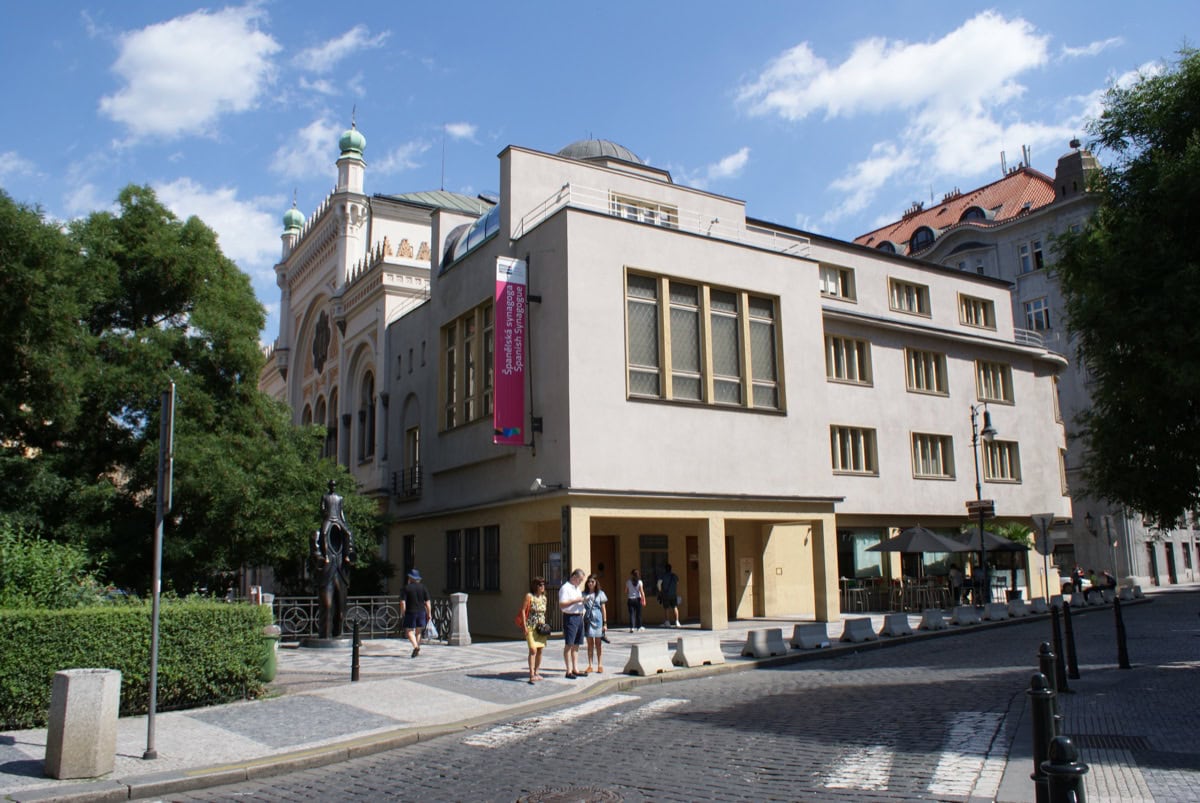
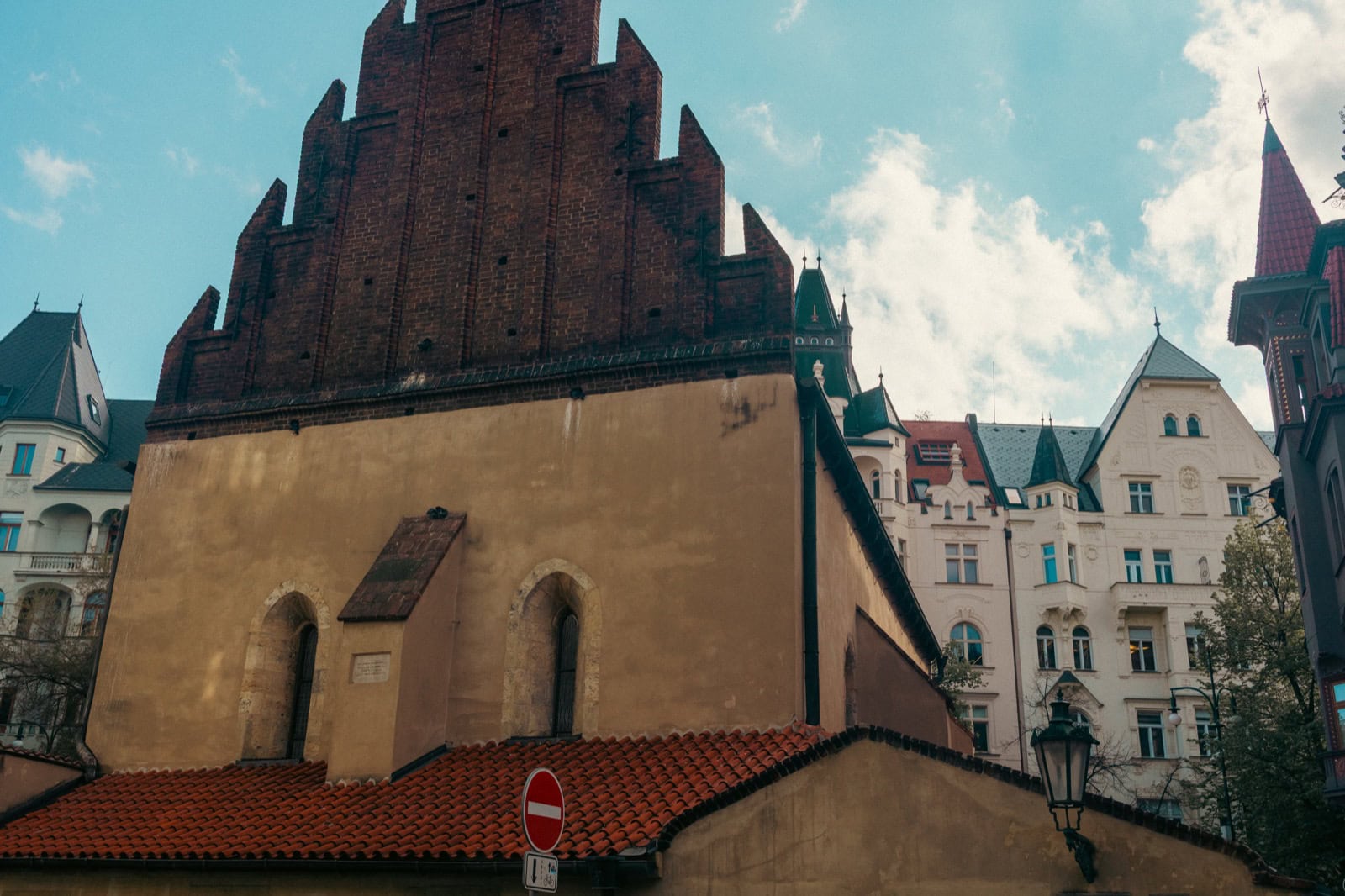
This isn’t a single building but an extensive complex of monuments in the Josefov quarter. It includes several historic synagogues, a ceremonial hall, and the world-famous Old Jewish Cemetery. The exhibitions trace the history, traditions, and tragic fate of Prague’s Jewish community. The Pinkas Synagogue, its walls inscribed with the names of Holocaust victims, is a place that silences even the noisiest visitor.

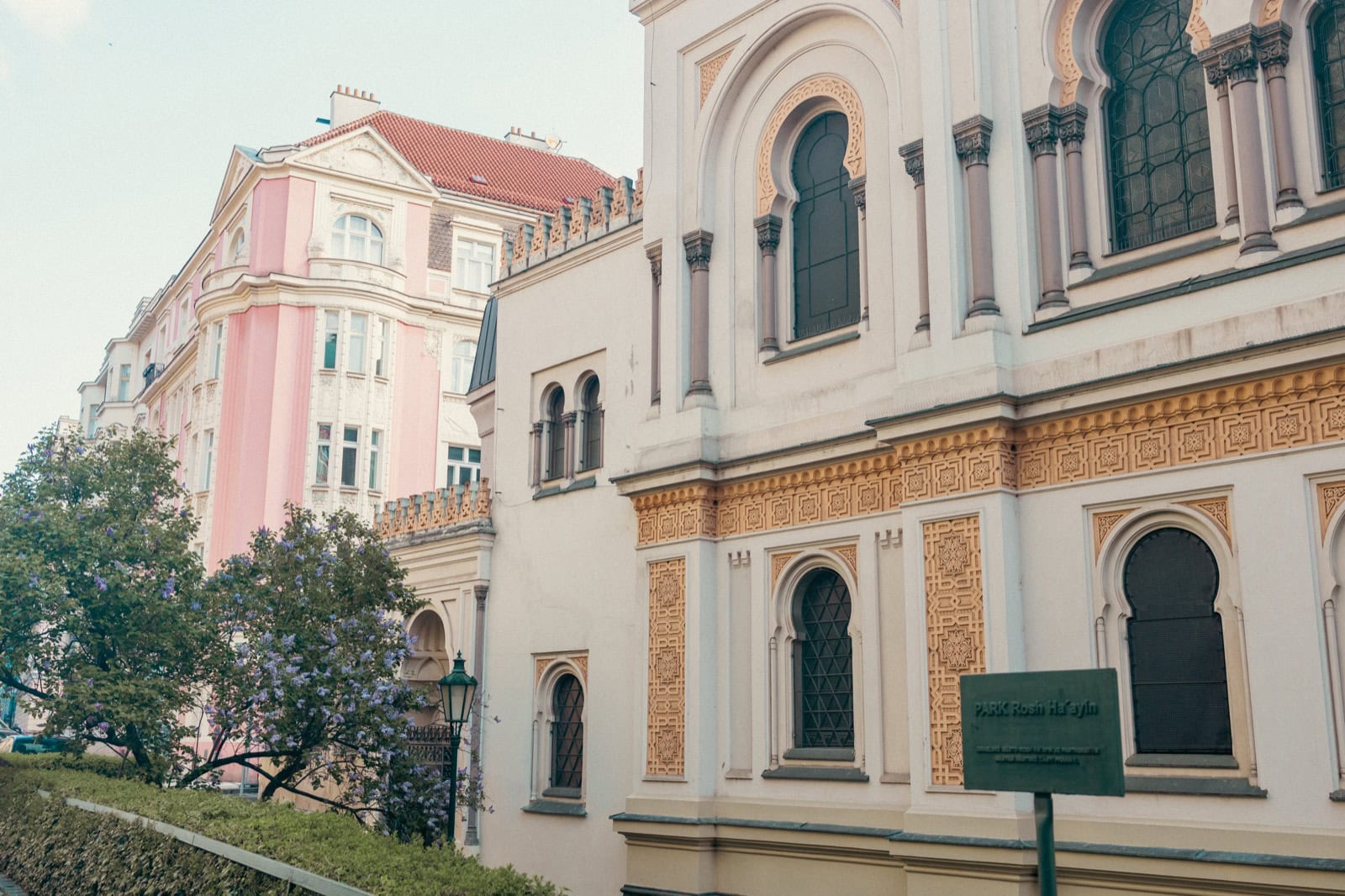
The Spanish Synagogue with its Moorish decoration has recently been restored, and its golden interior is absolutely breathtaking. Touring the entire complex requires time and comfortable shoes.

A combined ticket costs €22 (not including the Old-New Synagogue). It’s open daily except Saturdays and Jewish holidays, from 9:00 to 18:00 (in winter until 16:30). For a stress-free experience, I’d recommend buying tickets through GetYourGuide.

💡 Local’s tip: Start your visit at the Old Jewish Cemetery right at nine in the morning. By eleven, huge organised groups pour in and the narrow paths become impossibly congested.

Hidden Gems: Off the Beaten Track

Places that most tourists walk straight past — but you shouldn’t. They reveal a more specific, often more intimate side of Prague’s history and culture.

Czech Museum of Music
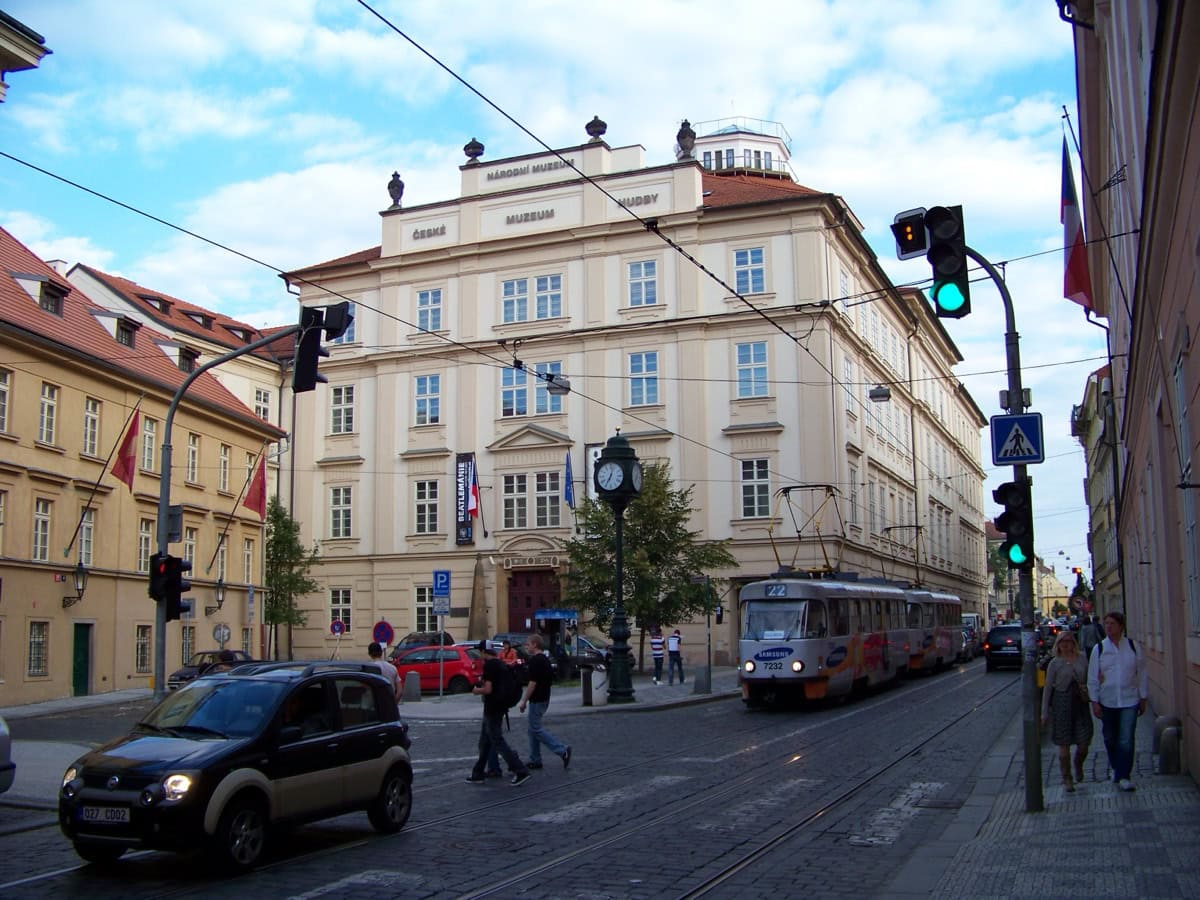
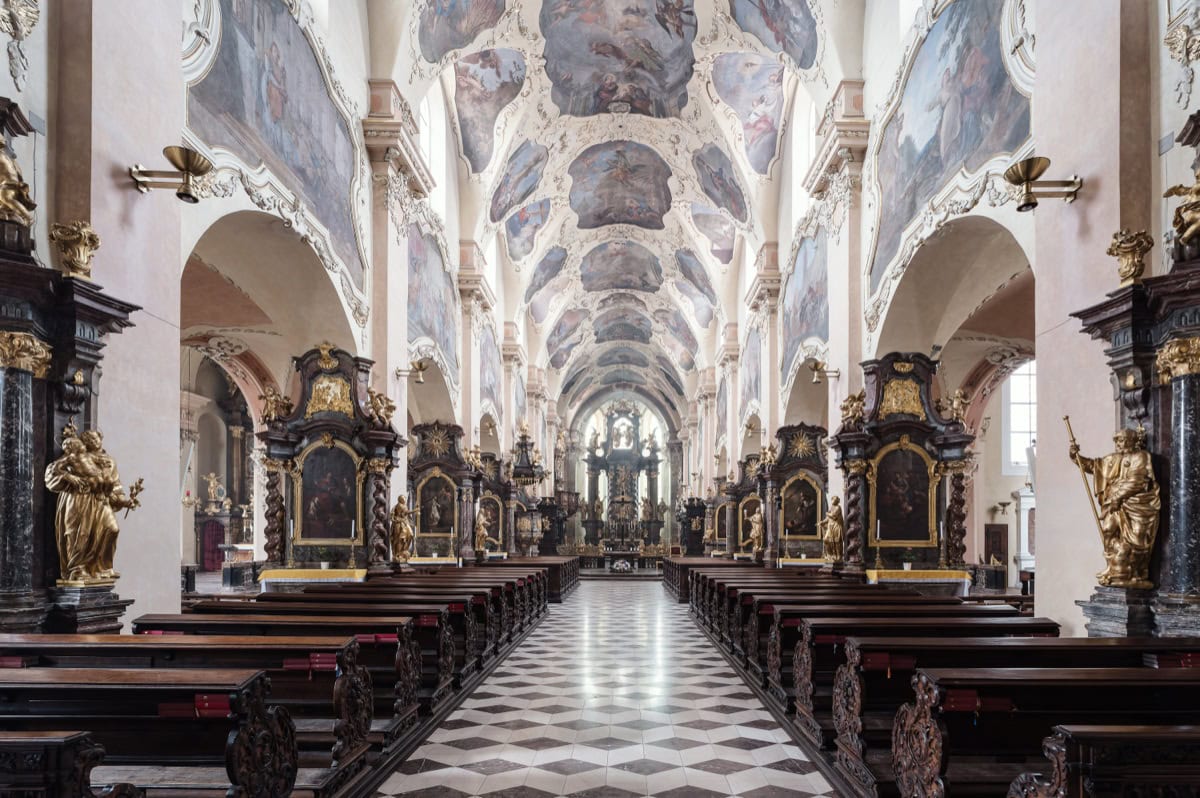
Housed in the former Baroque Church of St Mary Magdalene in Malá Strana. When you step inside, you’re struck by the cavernous hall that once served as the church nave. The collection of historical musical instruments is vast and fascinating even if you don’t play a thing. You’ll find a piano that Mozart himself played during his stays in Prague.

The atmosphere is incredibly peaceful. Occasional concerts are held here, and thanks to the original church architecture, the acoustics are flawless. For me, it’s one of the best places to escape the noise of nearby Charles Bridge.

Admission is €6. Open Wednesday to Monday, 10:00 to 18:00 (closed Tuesdays). The Hellichova tram stop is right outside the building.

💡 Local’s tip: Stand on one of the grand staircases in the atrium and try whispering. The acoustics carry your voice all the way to the other side of the building.

Bedřich Smetana Museum
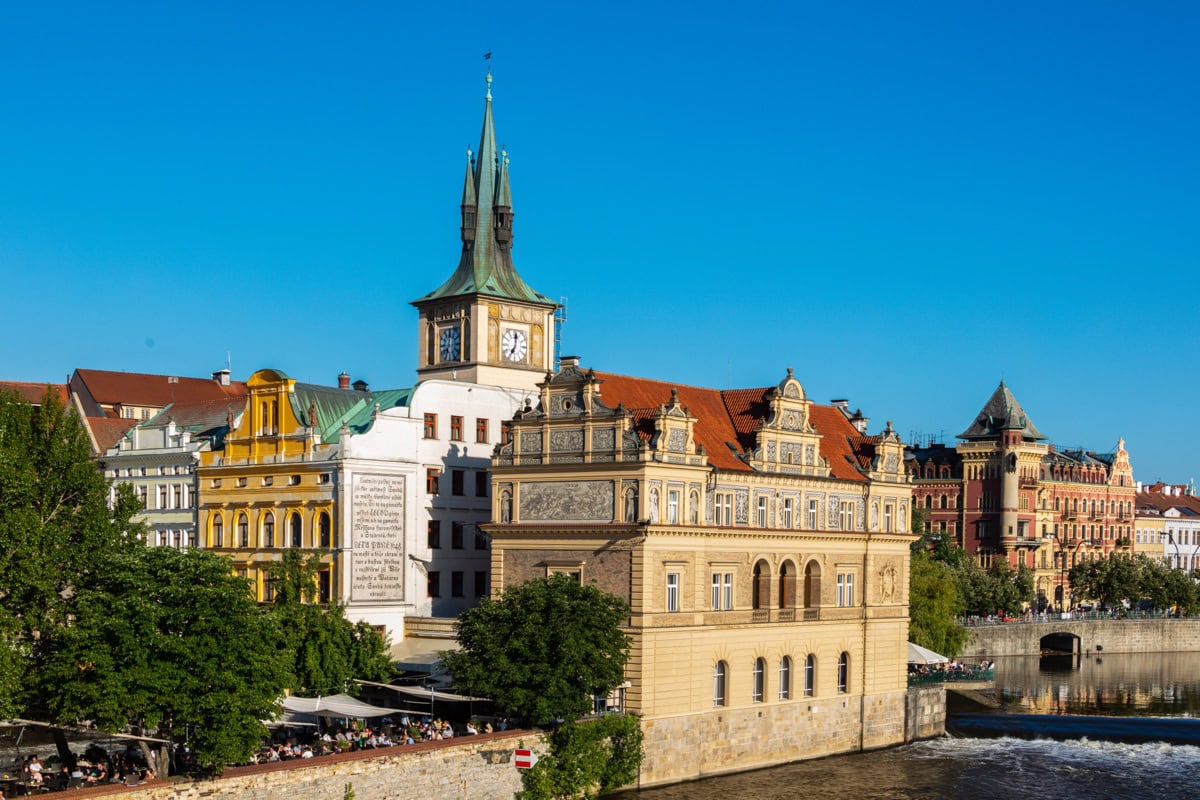
This small museum occupies a beautiful Neo-Renaissance former waterworks right on the Vltava riverbank, next to Charles Bridge. The location alone, with views from the windows towards Prague Castle, makes it worth a visit. The exhibition is devoted to the life and work of the famous Czech composer — you’ll find his piano, personal correspondence, and period scores.

It’s a tiny institution; you can walk through it in half an hour. But the sound of the Vltava crashing over the weir just below the windows gives Smetana’s music — piped through headphones inside — such a real dimension that half an hour suddenly doesn’t feel nearly enough.

A ticket is a symbolic €2. Open Wednesday to Monday, 10:00 to 17:00. It’s a short walk from the Staroměstská metro station.

💡 Local’s tip: In front of the museum there’s a small terrace with café tables. It’s one of the few spots right in the centre where you can have a coffee at a reasonable price while gazing at Charles Bridge.

Franz Kafka Museum
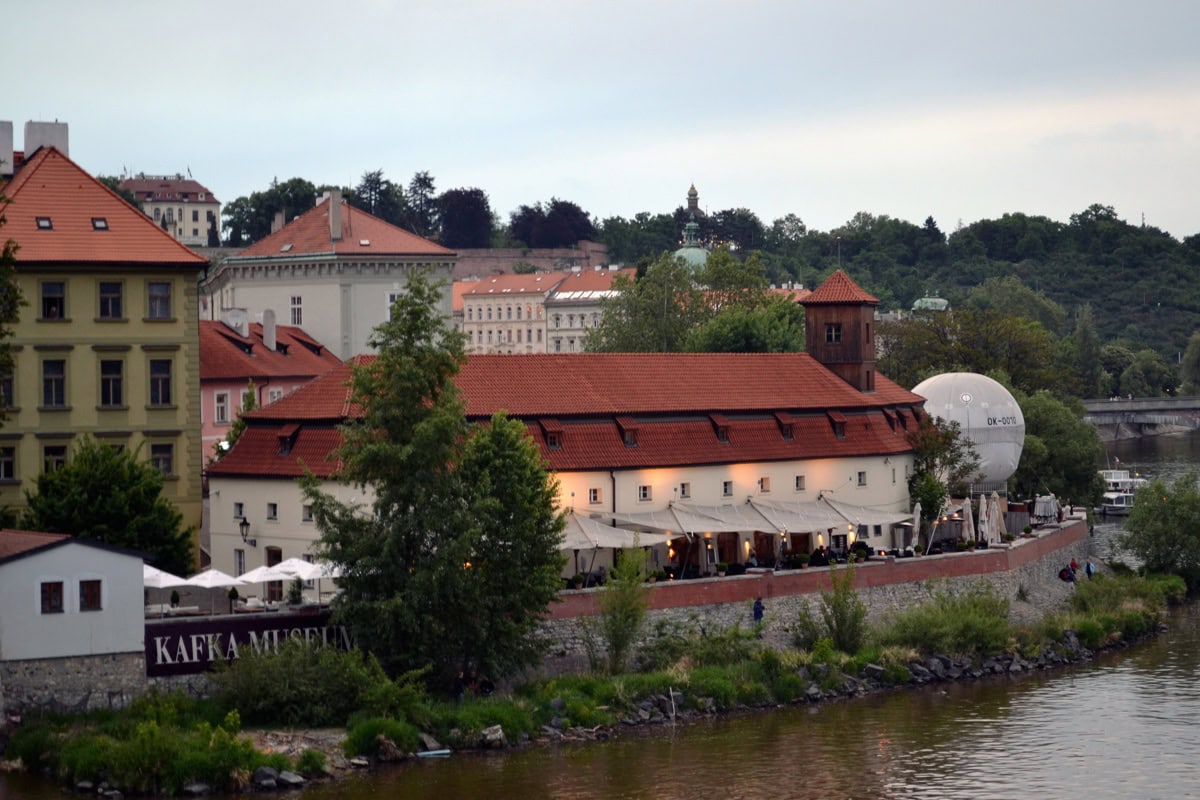
Dark, psychological, and slightly unsettling — just like Kafka’s novels. Located in Hergetova Cihelna in Malá Strana, the exhibition doesn’t simply present Kafka’s biography. Instead, it explores how Prague shaped his anxieties and literary visions. Audiovisual installations, strange sounds, and a labyrinth of display cases pull you inside the writer’s head.

Even though I’ve never been a huge fan of Kafka’s heavy style, the visual design of this museum always wins me over. Plus, the famous fountain with urinating figures by David Černý stands right outside the entrance.

Admission is €12. Open daily from 10:00 to 18:00. It’s about a seven-minute walk from Malostranské náměstí.

💡 Local’s tip: The exhibition is fairly dark and the texts demand concentration. Don’t come here exhausted at the end of the day, or you won’t get anything out of the existential writings.

MeetFactory
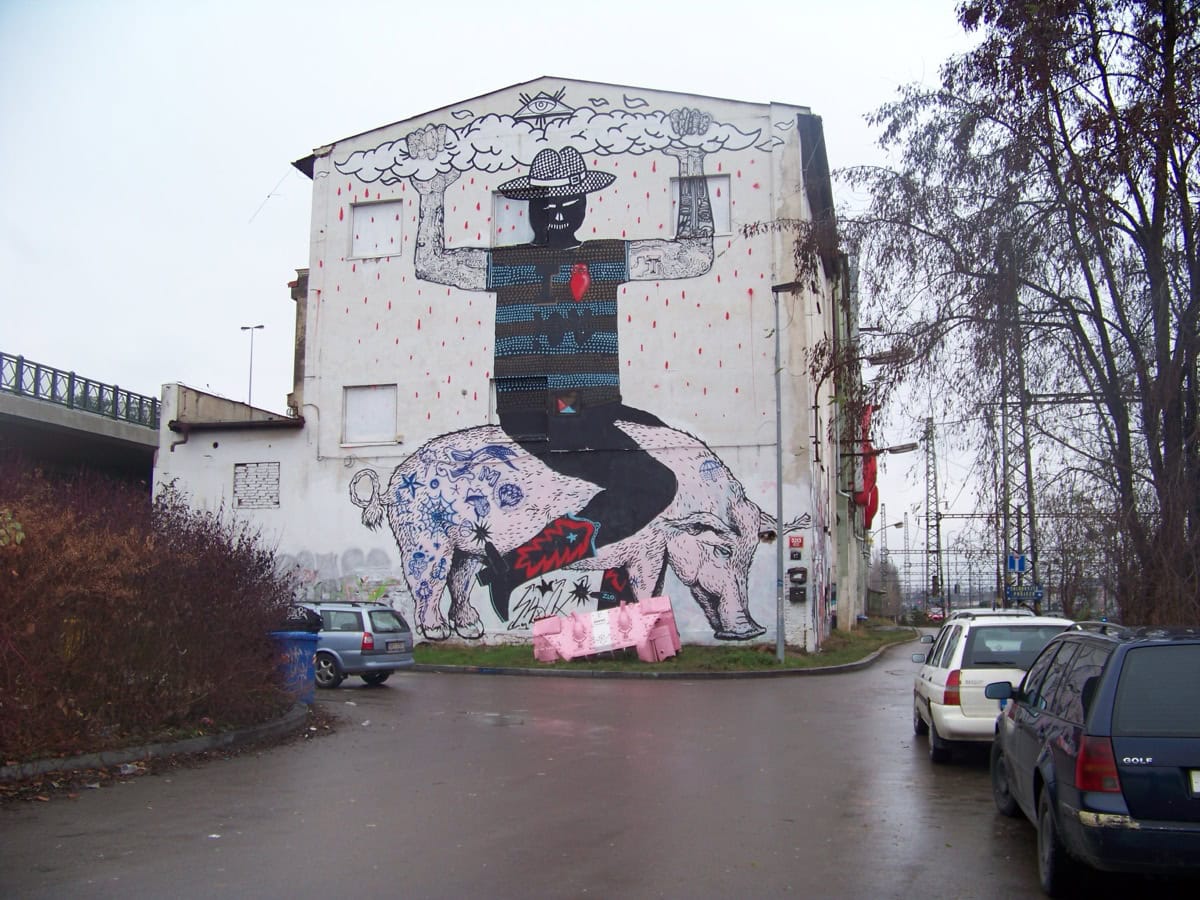
An industrial building in Smíchov, wedged between railway tracks and a motorway, serves as a hub for alternative culture. It was founded by sculptor David Černý, and his trademark red cars dangle from the façade. It’s not a conventional museum but rather a raw contemporary-art gallery, music venue, and artist studios rolled into one.

The vibe is gritty, industrial, and thoroughly informal. I come here for evening openings because the community feel is completely different from the polished centre-city galleries where everyone puts on a serious face. If you want to see how Prague’s art subculture thrives outside the city core, definitely make a stop.

Exhibition entry is often pay-what-you-wish or around €4. The gallery is open daily from 13:00 to 20:00. The nearest tram stop is Lihovar.

💡 Local’s tip: Combine a gallery visit with an evening gig. The space has superb acoustics for electronic and alternative music.

National Agriculture Museum

This is our family staple, because it sits right next to the Technical Museum in Letná and offers a slightly different experience. While next door you’re admiring enormous locomotives, here kids can climb into real vintage tractors. Children go absolutely wild and it can be a real struggle to drag them away in time for dinner. The fishing exhibition with a large aquarium is also really well done, and the whole place has a wonderfully relaxed atmosphere.

For me, though, the biggest draw is the museum’s rooftop. Up there you’ll find a lovely herb garden and stunning views over all of Prague, where you can sit on a bench in peace while bees buzz around from the on-site hives. Admission is €8; open Tuesday to Sunday, 9:00 to 17:00. I’d recommend combining it with a stroll through the nearby Letná Park.

Rudolfinum Gallery
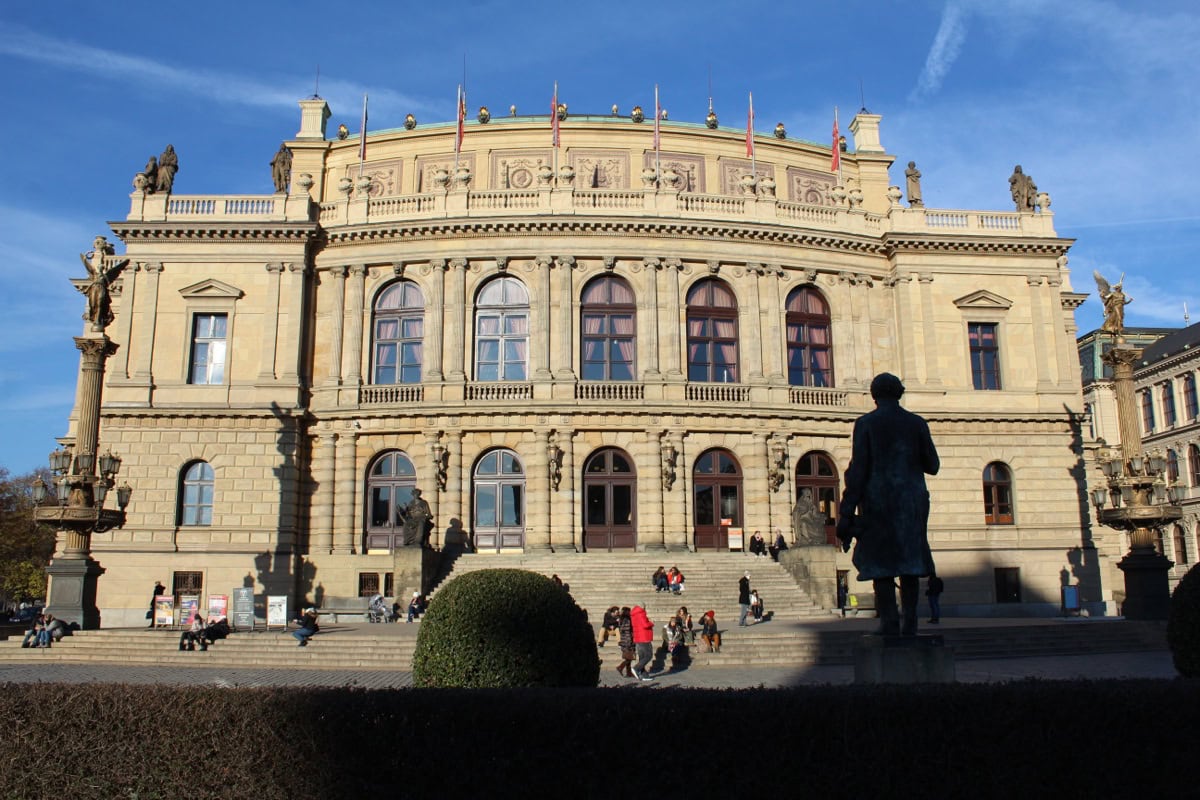
When you fancy a bit of cultural indulgence, head to the Rudolfinum. It’s one of the few galleries in the Czech Republic dedicated exclusively to top-tier contemporary art with no permanent collection of its own. The Neo-Renaissance interior is magnificent, and the curators know how to work with the space brilliantly. Exhibitions tend to be very modern, often provocative, and packed with photography and multimedia installations.

On top of that, the café here is absolutely phenomenal — it looks like it’s been plucked straight from a 1920s film set. Huge mirrors, opulent chandeliers, and excellent coffee make for a perfect experience. Entry to most exhibitions is, thanks to sponsors, often completely free, which is a small miracle these days. Open Tuesday to Sunday from 10:00 to 18:00, and on Thursdays until eight in the evening.

Dancing House Gallery
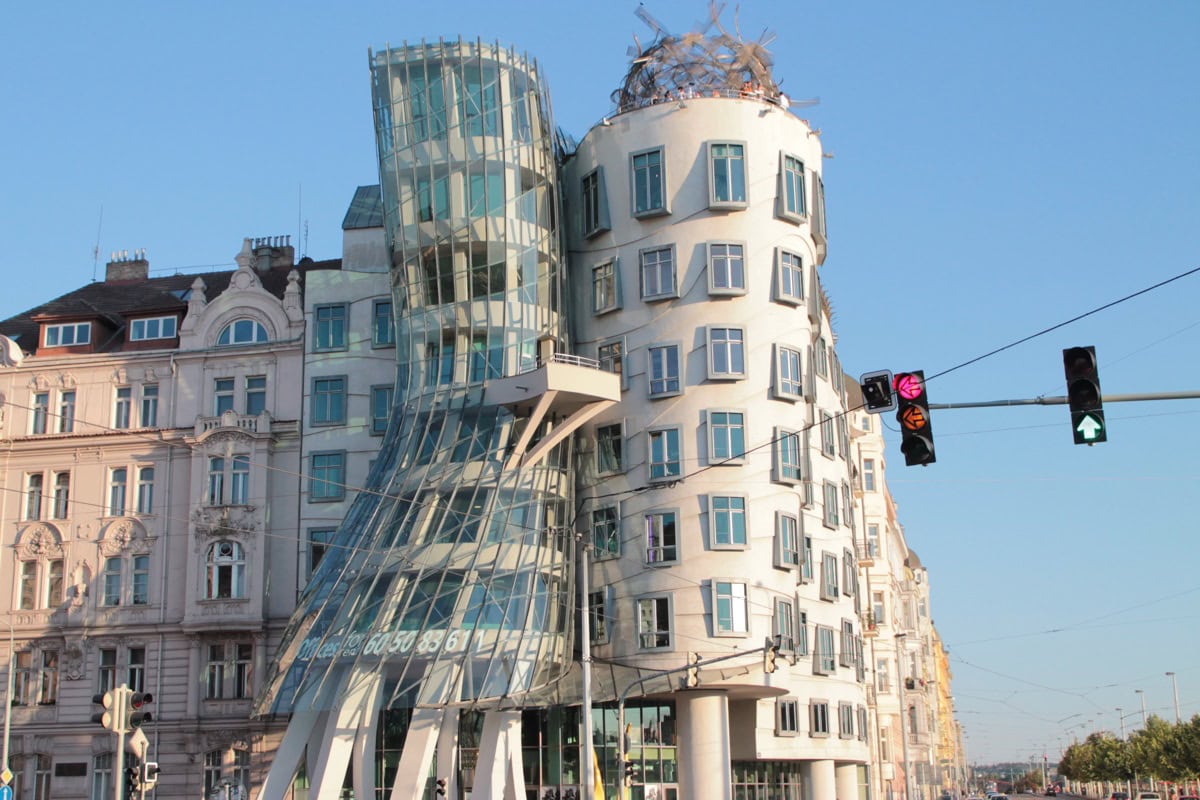
Everyone recognises the Dancing House on Rašínovo nábřeží from photographs, but few people know there’s a multi-storey gallery inside. It focuses on modern art and design, and frequently hosts retrospective exhibitions by renowned Czech creators. The space is unconventional — walls are curved, windows irregular — giving installations a distinctive dynamic.

Beyond the art, visitors are drawn by the architecture of the building itself, designed by Vlado Milunić and Frank Gehry. A gallery visit is the perfect excuse to see the interior up close.

Exhibition admission is €8. Open daily from 9:00 to 20:00. Take a tram to the Jiráskovo náměstí stop.

💡 Local’s tip: Your gallery ticket automatically includes access to the rooftop terrace and Glass Bar. The view of Prague Castle and the Vltava from up there is among the best in the city.

Where to Eat

After several hours on your feet among display cases, hunger is inevitable. And let’s be honest — museum cafés are sometimes fine for a quick espresso, but they rarely cut it for a proper lunch. During our museum-hopping trips around Prague, we’ve found a few spots that Lukáš, Jonáš, and I love returning to — places where I know we won’t be disappointed.

Whether you’re around Staroměstská or exploring Holešovice, there’s no shortage of options. As a vegetarian, I always make sure we don’t end up in a traditional Czech pub where the only meat-free option is deep-fried cheese.

Our Favourite Spots Nearby

When we’re near the Trade Fair Palace or DOX, we automatically head to Cobra Bistro on Milady Horákové. They have fantastic vegetarian bowls, amazing lemonades, and in the evening it turns into a really pleasant bar. The atmosphere is relaxed, and there’s never been a problem squeezing in with a pushchair — the staff are lovely and welcoming.

In the centre around the National Museum, finding a quiet spot away from crowds is trickier, but we discovered Špejle on Jindřišská street. All the food is served on wooden skewers, so you simply pick different bites and little salads from the counter. Jonáš loved choosing his own skewers, and Lukáš appreciated being able to sample lots of different flavours. You then pay by counting up the collected sticks — a fun little game to end the meal.

Practical Info for Visitors

If you’re planning to visit several institutions over a few days, crunch the numbers and see whether the Prague Visitor Pass is worth it. This city card includes entry to many of the places mentioned above — including the National Museum — and doubles as a public-transport ticket.

The best way to get around Prague is by tram and metro. A basic 30-minute ticket costs €1.20, but for a museum marathon I’d recommend a day pass — the 24-hour ticket is €5. Most galleries offer free cloakrooms or lockers with a small coin deposit. Large backpacks aren’t allowed in exhibition halls, so travel light.

Where to Go Next

Prague offers so many amazing places that squeezing everything into a single trip is nearly impossible. If you’ve had your fill of art and history, take a look at my other guides to help you plan the rest of your stay.

Frequently Asked Questions

Still have questions before your trip? Here are answers to the ones friends ask me most often.

Which museums in Prague have free entry?

Permanently free are, for example, the Žižkov Army Museum and the aviation museum in Kbely. The National Gallery offers free entry to its permanent collections on public holidays and during special anniversaries.

When does Prague Museum Night take place?

It’s usually held on the second Saturday in June. During that evening and night (from 7 p.m. to 1 a.m.), entry to dozens of institutions is free.

Which museum in Prague is best for children?

Without a doubt the National Technical Museum in Letná. The transport hall with planes and cars thrills every child. The Museum of Fantastic Illusions is also great, as is the Agricultural Museum, which has a garden on its roof.

Where can I find the works of Alphonse Mucha in Prague?

You can see his posters and lithographs at the Mucha Museum near Wenceslas Square. His famous Slav Epic has had a complicated fate in Prague and a new pavilion is currently being built for it; from time to time it is temporarily displayed in various places.

How long does a visit to the National Museum take?

If you want to see both buildings (the Historical and the New one) and go through the key exhibitions, set aside at least 3 to 4 hours. A quick run-through with kids takes about an hour and a half.

Can you buy a combined ticket to several museums?

Yes. There’s the Prague Visitor Pass, for example, which covers public transport as well as entry to many sights. The National Museum has a ticket valid across several of its buildings for a few days. The National Gallery offers discounted admission to all of its palaces.

Tips and Tricks for Your Vacation

Don’t Overpay for Flights

Search for flights on Kayak. It’s our favorite search engine because it scans the websites of all airlines and always finds the cheapest connection.

Book Your Accommodation Smartly

The best experiences we’ve had when looking for accommodation (from Alaska to Morocco) are with Booking.com, where hotels, apartments, and entire houses are usually the cheapest and most widely available.

Don’t Forget Travel Insurance

Good travel insurance will protect you against illness, accidents, theft, or flight cancellations. We’ve had a few hospital visits abroad, so we know how important it is to have proper insurance arranged.

Where we insure ourselves: SafetyWing (best for everyone) and TrueTraveller (for extra-long trips).

Why don’t we recommend any Czech insurance company? Because they have too many restrictions. They set limits on the number of days abroad, travel insurance via a credit card often requires you to pay medical expenses only with that card, and they frequently limit the number of returns to the Czech Republic.

Find the Best Experiences

Get Your Guide is a huge online marketplace where you can book guided walks, trips, skip-the-line tickets, tours, and much more. We always find some extra fun there!
Prague 2026: New Attractions and Insider Tips for the Capital City

TL;DRBeyond the classics like Charles Bridge, Prague in 2025 has crowd-free viewpoints worth seeking out: Vítkov (100 CZK), the wooden Doubravka tower (80 CZK) and a free terrace at Ládví. Good spots for a wander include Divoká Šárka, the Prokopské Valley, or the functionalist Baba housing estate, while cheap eats can be had at Žižkov pubs and Vietnamese bistros for under 200 CZK, and coffee runs 60–80 CZK if you skip the centre for Karlín, Vinohrady or Dejvice. The DOX centre and the Apple Museum are worth a look too. April to June and September to October are the best months to come, daily costs work out at 800–1200 CZK, and a 90-minute public transport ticket costs 40 CZK.
Prague is so much more than Charles Bridge and Prague Castle. When it comes to Prague attractions, the capital is constantly evolving — and even if you’ve visited before or come regularly, there’s always something new to discover. Right now, in 2025, Prague is well worth rediscovering — without the tourist crowds and with a fresh perspective.
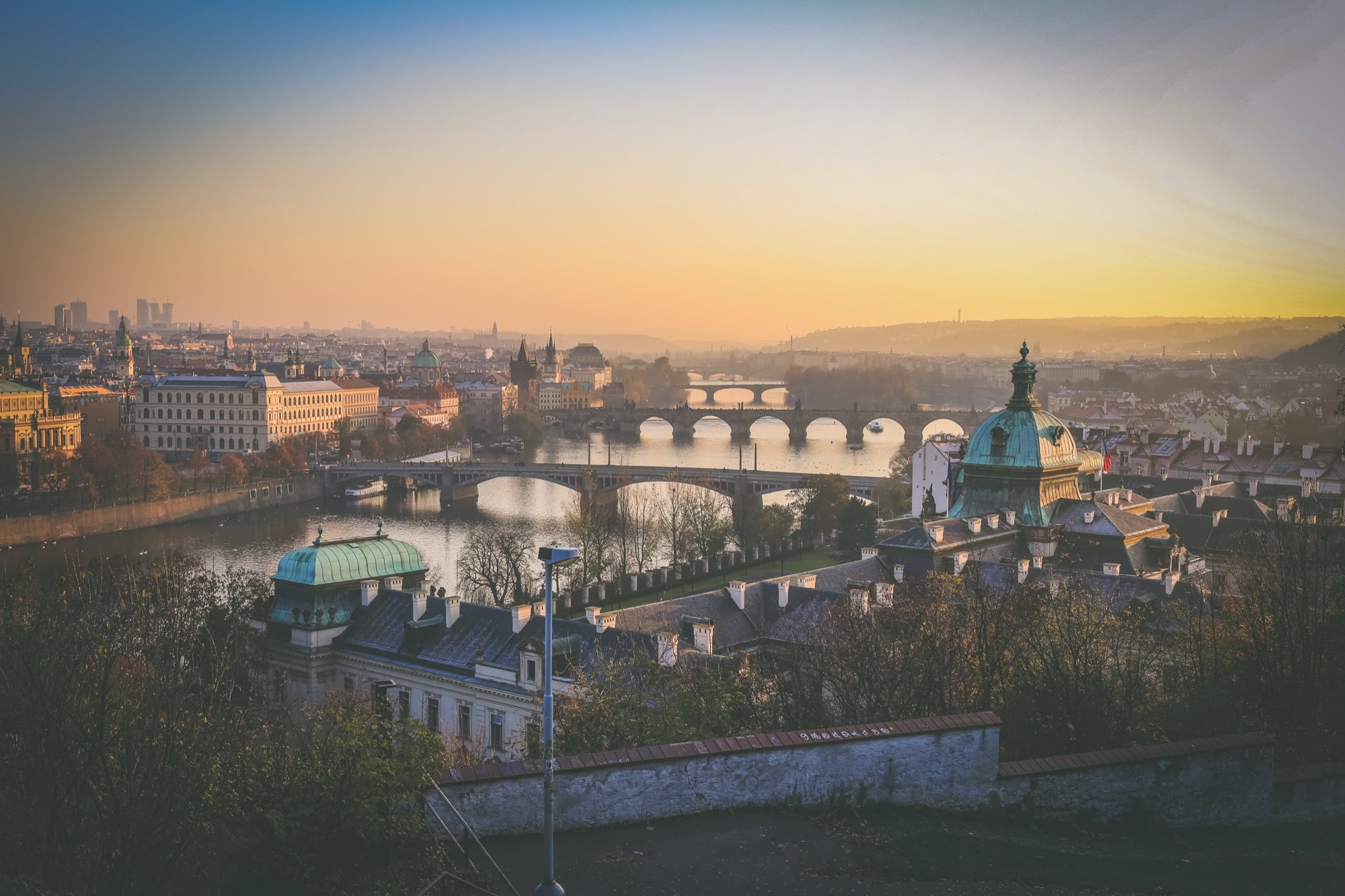
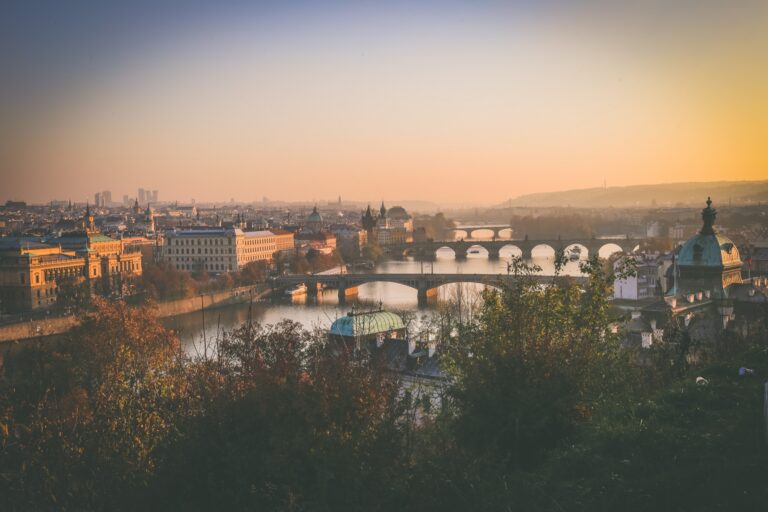
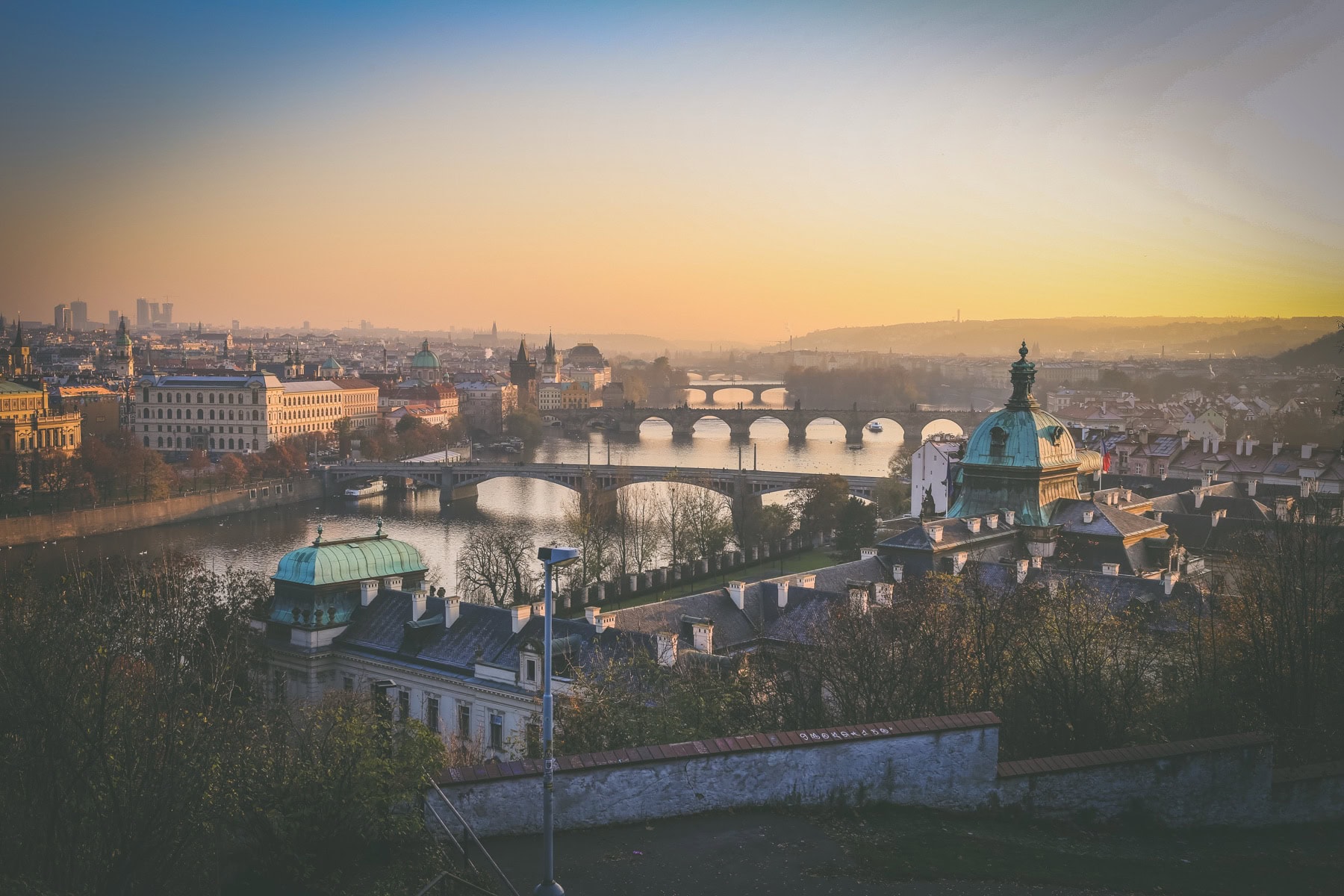
View of the Old Town and Vltava bridges from Letná Park
View of the Old Town from Letná Park

New Observation Towers with Panoramic Views of Prague

The Petřín Lookout Tower finally has some competition. In recent years, several new observation towers have sprung up across Prague where you can soak in the city panorama without queuing. The Vítkov Tower offers breathtaking views of the historic centre, and admission is just 4 €. Even more interesting is the Doubravka Tower on the outskirts of Prague — a modern wooden structure with stunning views of both the surrounding nature and the city skyline (entry 3 €). Want something truly off the beaten path? Head to Ládví, where the rooftop of a housing block has been turned into a publicly accessible viewing terrace. It’s completely free, and the views over Prague’s residential neighbourhoods and surrounding hills have a charm of their own — especially at sunset.
“Prague from above looks completely different. It’s not a museum — it’s a living organism. You’ll understand once you see it from one of the lesser-known lookout points.”

Where to Find Great Coffee Away from the Centre

The Old Town and Malá Strana are packed with tourists, and a coffee there can easily set you back 4 €. But hop on the metro for a few stops and you’ll find excellent cafés at normal prices (2.50–3.50 € for an espresso). In Karlín, try Proti Proudu or Můj šálek kávy. Over in Vinohrady, Cafe Sladkovský serves wonderful homemade desserts. And if you make it out to Dejvice, be sure to visit Kafe Zity — lovely staff, superb coffee, and prices that feel like a time warp.
  • Espresso in the centre: 3.50–5 €
  • Espresso outside the centre: 2.50–3.50 €
  • Cappuccino at a local café: 3–4 €
  • Dessert on the side: 2.50–3.50 €

Where to Walk Without the Tourist Crowds

Everyone knows Petřín and Stromovka, but Divoká Šárka remains remarkably peaceful despite its beauty. It’s a nature reserve right within Prague, with winding trails, rocky cliffs, and a stream. In summer, you can even take a dip at the natural swimming spot (entry 4 €). Another gem is Prokopské údolí (Prokop Valley) — a romantic gorge with a stream where you’ll forget you’re just a few kilometres from the centre. It’s perfect for a relaxing stroll or a picnic. Access is free and it’s easy to reach by public transport (tram 4, 9 or bus 244). Architecture lovers will treasure the Baba Colony in Hanspaulka — functionalist villas from the 1930s perched on a hillside with gorgeous views. Walking among them feels like stepping into an architecture magazine. And it’s completely free.

Where to Eat Well on a Budget

Lunch in central Prague can easily run you 12–16 €, but locals know where to eat for reasonable prices. Traditional Žižkov pubs like U Vystřelenýho Oka or Havelská koruna (yes, even in the centre!) offer lunch specials for 5–6.50 €. Vietnamese restaurants are fantastic and affordable in Prague — Pho Vietnam Tuan & Lan near Anděl or Banh-mi-ba in Karlín serve authentic cuisine for 4–6 €. And if you’re craving a burger, head to Plan B in Palmovka — arguably the best burgers in town for 7–9 €.

Where to Eat for Under 8 €

  • Lunch specials at pubs: 5–6.50 €
  • Vietnamese food: 4–6 €
  • Burger at a local joint: 7–9 €
  • Pizza at a neighbourhood pizzeria: 6–8 €

Museums and Galleries Worth Your Time

Everyone knows the National Museum, but DOX in Holešovice is in a league of its own. This contemporary art centre occupies an industrial complex and hosts provocative exhibitions alongside a brilliant rooftop café. Admission is 7 €, students 4 €. Every first Thursday of the month they stay open until 9 pm. The Apple Museum in central Prague is a paradise for tech enthusiasts — it houses the world’s largest private collection of Apple products. You can even see Steve Jobs’ personal computer there. At 12 €, admission might seem steep, but you’ll easily spend two hours inside.
“Prague is full of small galleries and museums that most tourists never find. Take the Toy Museum at the Castle or Speculum Alchemiae — a medieval alchemist’s laboratory hidden beneath the Old Town.”

Getting Around Prague (and Saving Money)

Public transport in Prague is excellent and will get you anywhere. A 90-minute ticket costs just 1.60 €, and a day pass is 5 €. If you’re staying for a few days, the three-day pass at 13 € is a real bargain. The Lítačka electronic card works too and is very practical. Taxis are pricey and drivers in the centre can sometimes overcharge — use Uber or Bolt instead (average fare 4–6 € for a ride across the city). Or rent a bike through Rekola (first half hour free, then 1.20 €/30 min) — Prague’s network of cycle paths is growing every year.

Practical Tips for Visiting Prague

  • Best time to visit: April–June and September–October (fewer tourists than summer, lovely weather)
  • Average daily costs: 32–48 € (food, transport, admission fees)
  • Budget accommodation: Hostels from 16 €/night, Airbnb from 32 €/night — or compare deals on Booking.com
  • Tourist information: Prague City Tourism (Old Town Hall) — free maps available
  • Free WiFi: All public transport, most cafés, and central squares
  • Card payments: Widely accepted, but keep some cash handy for smaller pubs and markets
Getting to Prague from London is easy and affordable. Direct flights from London Stansted, Gatwick, and Heathrow operate daily with carriers like Ryanair, easyJet, and British Airways, with flight times around two hours. You can often find return tickets for under £50 if you book early.

What to Skip (and Save Time and Money)

Charles Bridge at midday is a nightmare — wall-to-wall crowds and persistent vendors. Go there early in the morning around six or after dark in the evening. You’ll have it almost to yourself, and it looks even more magical. Also skip the overpriced restaurants on Old Town Square (lunch 20+ €) and tourist traps like “medieval feasts” or “dinner cruises” (120+ € for mediocre quality). Spend your money at local spots a few streets away instead — same Prague, half the price. One final tip: the Prague Card at around 64 € for 2 days only pays off if you plan to visit a lot of monuments and museums. If you’d rather just explore the city and soak up the atmosphere, regular transport tickets and a selective pick of sights will work out cheaper. Prague isn’t just a tourist attraction — it’s a living city with a thousand faces. All you need to do is step off the well-trodden path and you’ll discover places where prices make sense and locals are happy to have a chat. So go on — explore the Prague that tourists don’t know about! And if you want to book tours or activities in advance, check out options on GetYourGuide.

Tips and Tricks for Your Vacation

Don’t Overpay for Flights

Search for flights on Kayak. It’s our favorite search engine because it scans the websites of all airlines and always finds the cheapest connection.

Book Your Accommodation Smartly

The best experiences we’ve had when looking for accommodation (from Alaska to Morocco) are with Booking.com, where hotels, apartments, and entire houses are usually the cheapest and most widely available.

Don’t Forget Travel Insurance

Good travel insurance will protect you against illness, accidents, theft, or flight cancellations. We’ve had a few hospital visits abroad, so we know how important it is to have proper insurance arranged.

Where we insure ourselves: SafetyWing (best for everyone) and TrueTraveller (for extra-long trips).

Why don’t we recommend any Czech insurance company? Because they have too many restrictions. They set limits on the number of days abroad, travel insurance via a credit card often requires you to pay medical expenses only with that card, and they frequently limit the number of returns to the Czech Republic.

Find the Best Experiences

Get Your Guide is a huge online marketplace where you can book guided walks, trips, skip-the-line tickets, tours, and much more. We always find some extra fun there!
Munich Weather: Monthly Temperatures & Best Time to Visit 2026

TL;DRThe best time to visit Munich runs from mid-May to mid-September, with May, September and early October giving you the sweet spot of mild weather and fewer crowds. July and August are the warmest months, with average daily temperatures around 24°C, while January is the coldest, with night frosts down to -4°C. The city gets around 970mm of rain a year, most of it in summer thanks to afternoon storms, and November tends to be the greyest, least sunny month. Oktoberfest on the Theresienwiese runs from 19 September to 4 October in 2026, with daytime temperatures of 17–20°C, while the Christmas markets on Marienplatz run from 20 November to 24 December.

When I think back to our Bavarian adventure, the first thing that springs to mind is that wonderfully cosy atmosphere Munich manages to conjure up even when the sky turns grey. Lukáš and I took a lovely city break to Munich by coach — we wanted a relaxing weekend filled with long walks, great food and exploring new places without the stress of driving. We wandered through every charming little square we could find, ducked into enormous museums to escape the odd shower, and spent our evenings in traditional beer gardens enjoying ice-cold beers with warm pretzels and the delicious Bavarian cheese dip Obatzda.

The city absolutely enchanted us with its laid-back vibe — it’s so infectious that after a couple of hours strolling through the historic streets, you forget all your worries and just soak up the unique atmosphere. I remember holding Lukáš’s hand, watching locals debate over enormous steins, and it struck me how much the overall impression of a trip depends on the weather you’re greeted with. If you’re planning a similar getaway, you’ll definitely want to know what the Munich weather is like and when the best time is to pack your bags.

That’s why I’ve put together this detailed guide, combining our personal experiences with hard data on temperatures and rainfall. We’ll look at when to visit Munich so the rain doesn’t spoil your sightseeing, how to prepare for the autumn beer festival, and why you should always toss an umbrella into your bag before a summer stroll through the park.

TL;DR

  • The best months for exploring the city without crowds or extreme temperatures are May, September and early October.
  • Munich has a humid continental climate, which means the heaviest rainfall comes in summer due to frequent afternoon thunderstorms.
  • The famous Oktoberfest runs from 19 September to 4 October in 2026 — expect pleasant Indian summer days but chilly evenings that call for a warm jacket.
  • The magical Christmas markets open on 20 November and run through to Christmas Eve — hot punch or mulled wine is essential for keeping warm.
  • In the winter months, be prepared for frosty nights and snow cover, which is most common in January and February.
  • If you can, avoid November — it’s the greyest, foggiest time of the entire year.

Munich Weather by Month: Temperatures, Rainfall and Snow

To give you a really clear picture of what to expect in the Bavarian capital, I’ve put together a handy table with average values for the whole year. These figures show how daytime and night-time temperatures shift and how much rainfall you can expect in each period.

MonthDay max °CNight min °CRainfall / rainy daysSun h/daySnow
January3-455 mm / 9 days2.5yes, snow cover common
February5-345 mm / 7 days3.5yes (most snow along with Jan)
March9060 mm / 9 days4.5disappears towards end
April14355 mm / 9 days6rarely
May198110 mm / 12 days7no
June2211120 mm / 13 days7.5no
July2413120 mm / 13 days8no
August2413115 mm / 12 days7.5no
September19980 mm / 8 days5.5no
October14570 mm / 8 days4rarely, towards end
November7160 mm / 10 days2.5occasionally
December4-260 mm / 11 days1.5yes, common

Munich sits at an elevation of roughly 520 metres above sea level and lies relatively close to the Alps, which fundamentally shapes its climate. The city has a humid continental climate characterised by fairly pronounced differences between the seasons and overall higher rainfall totals than many other parts of Germany. Annual precipitation reaches around 970 millimetres, and interestingly, the rainfall peaks in summer — from May to August each month brings over 100 millimetres of rain.

Fortunately, this summer rain doesn’t mean weeks of relentless drizzle. It mostly comes in the form of intense afternoon and evening thunderstorms that roll in with cooler air from the mountains. After one of these summer storms, the air clears beautifully and an evening sitting in a café feels incredibly refreshing. The warmest months are traditionally July and August, with average daytime highs around 24 °C — absolutely ideal, in my opinion, for exploring the city without melting in the heat.

Winter, on the other hand, brings a proper Central European chill. January is the coldest month, with daytime temperatures hovering just above freezing and overnight lows dropping to around -4 °C. The snowy season typically runs from mid-November to the end of March, so if you love the idea of romantic snow-dusted streets, you’ve got a great chance of seeing them at the start of the new year. Lukáš and I adore that sparkling winter atmosphere, even though it means bundling up in our warmest scarves and making frequent stops for hot tea — or hearty cheese spaetzle (Käsespätzle), which never fails to warm you right up.

When to Visit Munich by Trip Type

Choosing the right time for your trip depends largely on what you’re hoping to get out of it and which activities are on your wish list. Every season has its undeniable charm, but also its quirks — and it’s worth knowing about them in advance so nothing catches you off guard.

Best Time for Sightseeing

If your main goal is to wander the city, explore stunning museums, admire the architecture and soak up the local atmosphere without battling huge crowds, I’d recommend visiting between mid-May and mid-September. From our experience, the very best months are May, September and early October, when the climate is pleasantly mild and there are noticeably fewer tourists than during the summer holidays. Early autumn is a particularly brilliant choice because September and October, with an average of just eight rainy days each, are among the driest months of the year — giving you a great chance of beautiful walks bathed in soft autumn sunshine.

Summer, Beer Gardens and Parks

For lovers of long warm evenings and unmistakable Bavarian culture, June to August is the time to go — the traditional beer garden (Biergarten) season is in full swing. Temperatures hover around a very pleasant 24 °C and the days are gloriously long, giving you plenty of time to tick off sights and still relax in the greenery. The enormous English Garden is free to enter year-round, and in summer it transforms into one giant picnic spot where you could happily spend an entire afternoon with a book, watching the world go by. Just remember that the summer months are also the rainiest, so a folding umbrella tucked into your backpack will come in very handy during those afternoon storms.

Oktoberfest

The world’s biggest beer festival draws millions of visitors, and for many it’s the sole reason for heading to the Bavarian capital. In 2026, the famous 191st edition takes place on the vast Theresienwiese fairground from 19 September to 4 October, kicking off with the grand opening on Saturday at noon and the traditional cry of “O’zapft is!” When it comes to Oktoberfest weather, you can usually look forward to a lovely Indian summer — afternoon temperatures climb to a pleasant 17–20 °C, perfect for strolling between the stalls and the enormous beer tents.

While the tents fill with the aroma of roast sausages and pork knuckles amid raucous celebrations, Lukáš and I — being vegetarians — always seek out the best giant pretzels (Brezn) and pair them with excellent local beer, because that simply goes with the occasion. I do need to warn you about the evening chill, though: once the sun sets, temperatures can drop rapidly to around 8 °C and you’ll step out of a sweltering, packed tent straight into a cold night. That’s exactly why layering is absolutely essential — a good jacket you can tie around your waist or stuff into a bag during the day is a lifesaver.

Christmas Markets and Advent

The pre-Christmas season transforms the entire city into a glittering wonderland scented with pine needles, cinnamon and roasted almonds. The main Christkindlmarkt on Marienplatz — a tradition on this square since 1972 — will run from 20 November to 24 December in 2026, featuring over 130 beautifully decorated stalls. A truly unforgettable experience is the live Advent music that drifts from the balcony of the majestic town hall, giving the entire square an incredibly festive feel. December weather is decidedly cold, with temperatures ranging from -2 to 4 °C and very short days with minimal sunshine, so wrap up warmly and keep yourself toasty with delicious hot apple strudel and mulled wine.

lukas a lucka
Lukáš and Lucie recommend
Where to stay in Munich
3 accommodations — hotels and other lodging options

What to Avoid

While I always try to find something lovely about every time of year, I have to admit that November is the one month I probably wouldn’t recommend for a visit. It’s that classic in-between period when the skies are at their greyest, the city is often shrouded in persistent morning and evening fog, and the sun only manages around two and a half hours a day. You’re also caught in a tourist no-man’s-land: the outdoor summer and autumn events are long gone, but the magical Christmas markets with their twinkling lights haven’t started yet. Unless you’re a true fan of melancholic foggy walks and lingering in cosy cafés, you’re better off planning your trip for a cheerier time of year.

Munich Curiosities: The Föhn and Eisbach Surfers

Every city has its unique geographical or cultural quirks that set it apart from the rest of the world. The Bavarian capital is no exception, offering two fascinating phenomena you might well encounter during your visit — both of which add a distinctive rhythm to local life.

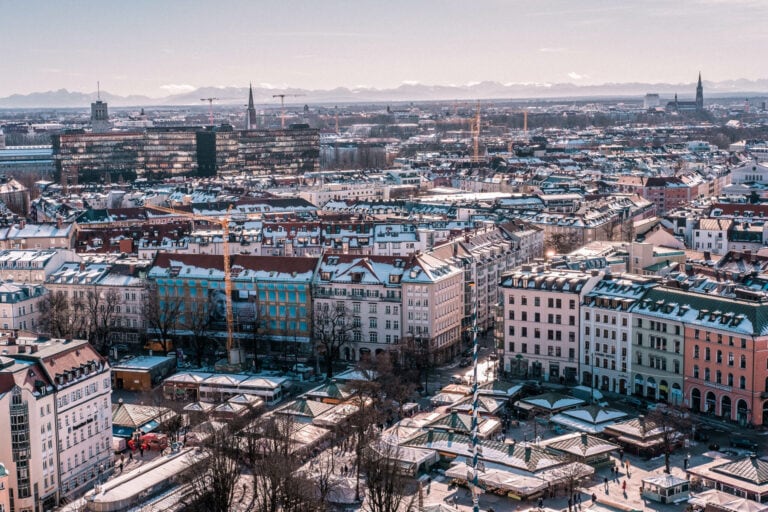
The first is a meteorological phenomenon known as the Föhn — a warm, very dry downslope wind that blows from the nearby Alps. It works like this: moist air rises on the Italian side of the mountain range, where it drops its moisture as rain, and then descends onto the Bavarian side as a much warmer, drier current heading straight for the city. When the Föhn blows, the sky clears spectacularly and the air becomes so pristine that you can see the stunning panorama of distant Alpine peaks with the naked eye from Munich. This wind can warm the air remarkably fast even in the depths of winter, but it has a flip side too — sensitive individuals suffer from what the Germans call Wetterfühligkeit, complaining of headaches or migraines, although direct scientific evidence for this link is actually lacking. The Föhn occurs roughly ten days a year, most commonly surprising visitors during the spring and autumn months.

The second, and utterly iconic, spectacle is the surfers on the artificial Eisbach river wave, which you’ll find at the southern entrance to the sprawling English Garden. It’s a truly mesmerising sight — local enthusiasts surf here all year round, even in the bitterest cold. When Lukáš and I stood there in our winter coats and beanies, we watched in awe as athletes in thick wetsuits tamed the wild water, which in winter reaches a temperature of just 2–6 °C. The wave was temporarily closed in the past over safety concerns, but after strict new rules were introduced it’s open again — surfers must wear a mandatory safety leash, aren’t allowed to surf alone, and must observe set operating hours. If you visit, definitely stop by the wave — it’s an incredible experience and a brilliant spot for action photography.

What to Pack for Munich

Packing for a destination with a humid continental climate right next to high mountains requires a bit of strategic thinking, so you’re ready for rapid weather changes. The golden rule that has served Lukáš and me countless times is smart layering — shifting from the cool morning air into a heated museum and back out into afternoon sunshine can be quite a challenge.

Even if you’re visiting in the warmest summer months, a reliable folding umbrella and a lightweight waterproof jacket are absolute musts — those afternoon storms can catch you out of nowhere and hit fast. In winter, on the other hand, you’ll need to contend with icy Alpine air, so don’t leave home without a proper warm coat, quality gloves, a hat and, crucially, comfortable insulated boots that’ll keep your feet dry and warm during a full day exploring the Christmas markets.

Where to Stay in Munich

Choosing the right accommodation can make or break your trip, especially if you want to enjoy the city in the evening without a tedious journey back to the outskirts. We usually prefer staying close to the historic centre or somewhere with excellent connections to the U-Bahn metro network, so we can get around quickly and easily. If you’re after somewhere with traditional charm and history, try the popular Hotel Torbräu, while for a modern, practical and stylish sleep at a reasonable price, the tried-and-tested Motel One München is a great option. You can also browse more options on Booking.com to find the perfect fit for your budget and style.

Further Reading

The Bavarian capital is so vast and varied that you could easily spend a whole week here and still have something new to discover. If you’d like some concrete inspiration on which sights not to miss and how to plan your route, I’ve written a separate guide. Munich is also a fantastic base for day trips — for instance to the stunning Alpine castle of Neuschwanstein, though bear in mind the mountain air is noticeably cooler up there, so pack extra layers.

Frequently Asked Questions

When is the best time to visit Munich?

I’d personally recommend heading there in spring during April or May, or in fall throughout September and October, when the weather is mild and you’ll encounter significantly fewer tourists than in summer. The summer months are beautifully warm and ideal for lounging in beer gardens, but you’ll need to contend with the biggest crowds and fairly frequent afternoon thunderstorms. For lovers of festive atmosphere, December is obviously a huge draw with its magnificent Christmas markets.

What’s the weather like during Oktoberfest?

During the famous beer festival at the turn of September and October, you’ll typically find very pleasant Indian summer weather with daytime temperatures between 17 and 20°C (63-68°F). The afternoons are beautifully warm for walking around the entire grounds, but once it gets dark, temperatures can easily drop to 8°C (46°F), so definitely bring a warm jacket or sweater to the beer tent for your nighttime journey back to the hotel.

Does it snow in Munich?

Yes, it snows quite regularly, which transforms the city into a beautifully romantic winter scene. The snowy season lasts roughly from November through March, with your best chance of continuous snow cover in January and February. Even in December during Advent, snow falls regularly, although due to warmer temperatures in the city it can sometimes turn to rain or unsightly slush.

What’s the weather like in December?

December brings typically cold winter days with temperatures ranging from -2°C (28°F) at night to around 4°C (39°F) during the day. The days are very short, with sunshine only about an hour and a half daily, and rain showers often alternate with snow, but the ubiquitous lights and festive atmosphere of the markets reliably chase away that winter gloom.

Does it rain a lot in Munich?

Yes, there’s quite a bit of precipitation here—an average of around 970 millimeters (38 inches) annually, which is more than most other German cities. This is due to the proximity of the mighty Alps, which trap cloud cover, and interestingly, the heaviest rainfall comes during the summer months in the form of intense but usually quick thunderstorms.

What’s the weather like in summer?

Summer days are beautifully sunny and warm with average highs around 24°C (75°F), so being outdoors is really pleasant. Tropical days with temperatures above 30°C (86°F) are rather rare, but you’ll need to accept that the heat brings those frequent afternoon or evening thunderstorms I mentioned.

What is the föhn and why does it cause headaches?

The föhn is a peculiar warm, dry wind that descends from the Bavarian side of the Alps toward the city and can significantly raise air temperatures. During föhn conditions, the sky clears beautifully and you can see all the way to the mountain peaks, but many sensitive people complain of severe headaches and migraines during this period, though medical science hasn’t been able to definitively explain why.

Tips and Tricks for Your Vacation

Don’t Overpay for Flights

Search for flights on Kayak. It’s our favorite search engine because it scans the websites of all airlines and always finds the cheapest connection.

Book Your Accommodation Smartly

The best experiences we’ve had when looking for accommodation (from Alaska to Morocco) are with Booking.com, where hotels, apartments, and entire houses are usually the cheapest and most widely available.

Don’t Forget Travel Insurance

Good travel insurance will protect you against illness, accidents, theft, or flight cancellations. We’ve had a few hospital visits abroad, so we know how important it is to have proper insurance arranged.

Where we insure ourselves: SafetyWing (best for everyone) and TrueTraveller (for extra-long trips).

Why don’t we recommend any Czech insurance company? Because they have too many restrictions. They set limits on the number of days abroad, travel insurance via a credit card often requires you to pay medical expenses only with that card, and they frequently limit the number of returns to the Czech Republic.

Find the Best Experiences

Get Your Guide is a huge online marketplace where you can book guided walks, trips, skip-the-line tickets, tours, and much more. We always find some extra fun there!

Rome with Kids: 12 Tips on What to Do and Where to Go

TL;DRRome with kids needs a slower pace than a solo trip: one big sight a day, an early start before ten, and a non-negotiable afternoon siesta between 2pm and 5pm somewhere air-conditioned. Of the twelve tips, the standouts are the Colosseum with its arena and hypogeum tour (the Full Experience ticket costs around €22), the gladiator school on the Via Appia, Villa Borghese park with pedal bikes and its zoo, the hands-on Explora museum, and a day trip to ancient Ostia Antica, just 30 minutes away by train. April, May and October are the best months to come, and you’ll want 4 to 5 days to do the city justice. There are over 2,500 free drinking fountains (nasoni) dotted around, so one water bottle is all you need.

Rome can be the most romantic city in the world, but when you’re trying to wrestle a wide pushchair through swarms of sweaty tourists on scorching tarmac in the middle of a July afternoon, it quickly turns into a nightmare. We absolutely love this city and have explored it inside out, but we know all too well that visiting Rome with kids requires a completely different strategy than travelling as a couple.

If you plan your days based on previous child-free trips and try to squeeze the Vatican, the Colosseum, and the Spanish Steps all into one day, it will inevitably end in exhaustion and tears – from everyone involved. The city does have its fair share of challenges: punishing heat, pavements with no dropped kerbs, and cobblestones absolutely everywhere. But once you know how to handle it, Rome will show your family a side you’ll never forget.

TL;DR

  • A quality carrier is a must: The historic centre is paved with unforgiving basalt cobblestones, so a wide or cheap pushchair will make your life absolutely miserable.
  • One major sight per day is plenty: Don’t rush and don’t try to tick everything off – kids will lose interest in piles of old stones pretty fast.
  • Get up very early: Hit the biggest attractions right at opening time before 10 a.m. to avoid crushing crowds and dangerous midday heat.
  • Non-negotiable afternoon siesta: Between 2 and 5 p.m., retreat to your air-conditioned hotel – Rome’s streets at this time are no place for children.
  • Water is everywhere and free: The city has over 2,500 cast-iron drinking fountains with ice-cold water, so just bring a reusable bottle.
  • Eat on the go or at a market: Instead of stressful dinners in overpriced restaurants, go for pizza slices or delicious fried rice croquettes that kids adore.
  • Watch out for scammers and pickpockets: Steer clear of the notorious number 64 bus, and teach your kids not to pose with the fake gladiators near the Colosseum – they’ll aggressively demand money afterwards.

When to Visit Rome with Kids

If you have any flexibility at all, avoid the summer holidays at all costs. In July and August, temperatures routinely reach 31–35°C, the ancient stones radiate intense heat well into the evening, and for smaller children this kind of environment is genuinely dangerous due to the risk of heatstroke. The city is at its most beautiful in spring – April and May – or in autumn during October, when the air is pleasantly warm but without the suffocating humidity. Also bear in mind that 2025 is a Holy Year (Jubilee), which will bring millions of additional pilgrims to the city, meaning crowds will be even more overwhelming than usual.

For the visit itself, set aside ideally four to five days so you have room for a slow pace and long rest breaks. We always recommend following the early bird rule: tackle the most important and busiest attractions first thing in the morning, then spend the afternoon resting in a park or back at the hotel. Basically, take it easy, don’t push too hard, and accept that you won’t see everything. Family happiness is far more important than ticking off another church in your guidebook.

Where to Stay in Rome

In terms of specific accommodation recommendations, we’ve had great experiences with Hotel Artemide in the central Monti district, the boutique Condotti Boutique Hotel just a stone’s throw from the Spanish Steps, and the quieter Residenza Cavallini in the Prati neighbourhood near the Vatican. Booking well in advance will get you the best deals.

💡 Tip for accommodation and activities: We prefer searching for hotels on Booking.com, which tends to have the best cancellation policies. For tickets, tours, and activities, it’s worth comparing options on GetYourGuide.

Choosing the right location is absolutely crucial when you have kids, because you need the option of a quick retreat to your room during the afternoon heat. Avoid the very heart of the historic centre in the triangle between the Pantheon and the Trevi Fountain, where there’s constant noise, enormous crowds, and absurdly inflated shop prices. Instead, look for accommodation in the Rione Monti district, which is just a short walk from the Colosseum, has a gorgeous bohemian atmosphere with ivy-covered façades, and is much calmer. Another excellent choice is the peaceful Aventine Hill, fragrant with pine and citrus trees, and just a short stroll from lovely parks with stunning views over the city.

When booking, always double-check whether the building has a lift, because many historic buildings either don’t have one at all or have one so tiny that there’s no way you’ll fit a pushchair inside. Air conditioning is an absolute necessity from May to October – without it, nobody will sleep at night. If you’re looking for specific hotels with beautiful views, consider Hotel Forum right by the Imperial Forums, or Hotel FortySeven near the Mouth of Truth. That said, for family stays, renting a more spacious apartment with a small kitchen often makes much more sense.

12 Tips on What to See and Do in Rome with Kids

We’ve put together a detailed list of twelve places and activities that are guaranteed to delight your children – and save you a lot of stress. It includes famous ancient monuments, secret escapes into greenery, and practical advice on how to turn something as mundane as drinking water into a fun game.

1. The Colosseum Done Differently: The Arena Floor and Gladiators

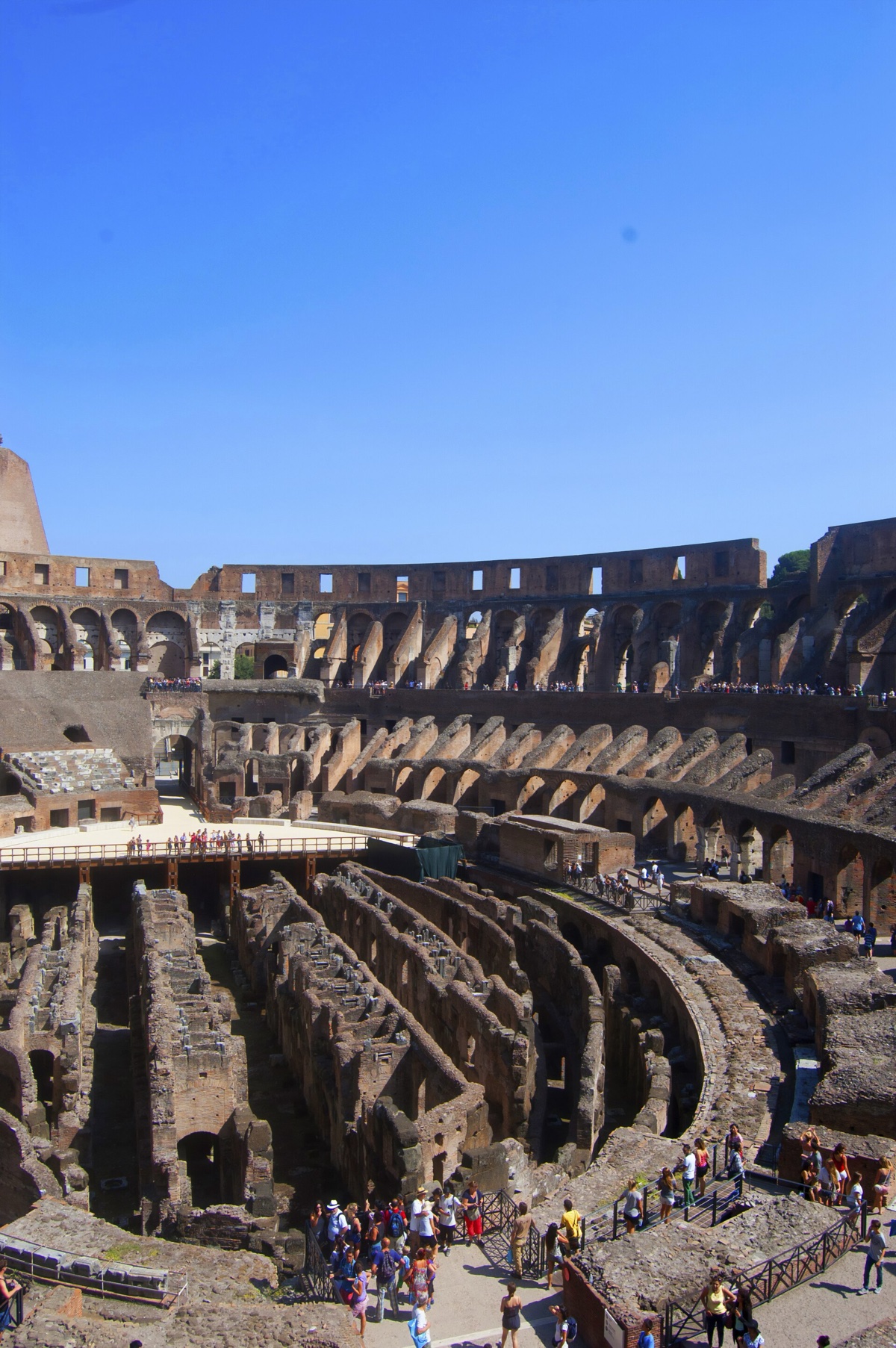
For a small child, a standard Colosseum visit in the midday heat is just a boring pile of rocks in a dusty inferno. To hold their attention, you need to invest in the Full Experience ticket, which costs around €22 and grants access to the actual arena floor and the mysterious underground area known as the hypogeum. Stories about how lions and tigers were raised from dark cages through ingenious trapdoors right before the eyes of spectators can transform even the dustiest ruins into a thrilling playground for young imaginations.

Buy your tickets exclusively from the official website – they’re released exactly thirty days in advance and during peak season they sell out literally within five to ten minutes, so you’ll need to set an alarm. Go for the very first morning time slot, before the stones heat up and the crowds become unbearable.

💡 Insider tip: Teach your kids to completely avoid the men in plastic historical costumes outside the entrance. These fake gladiators will very aggressively demand up to €20 per person after a photo, and they’re operating illegally.

2. Gladiator School on the Via Appia

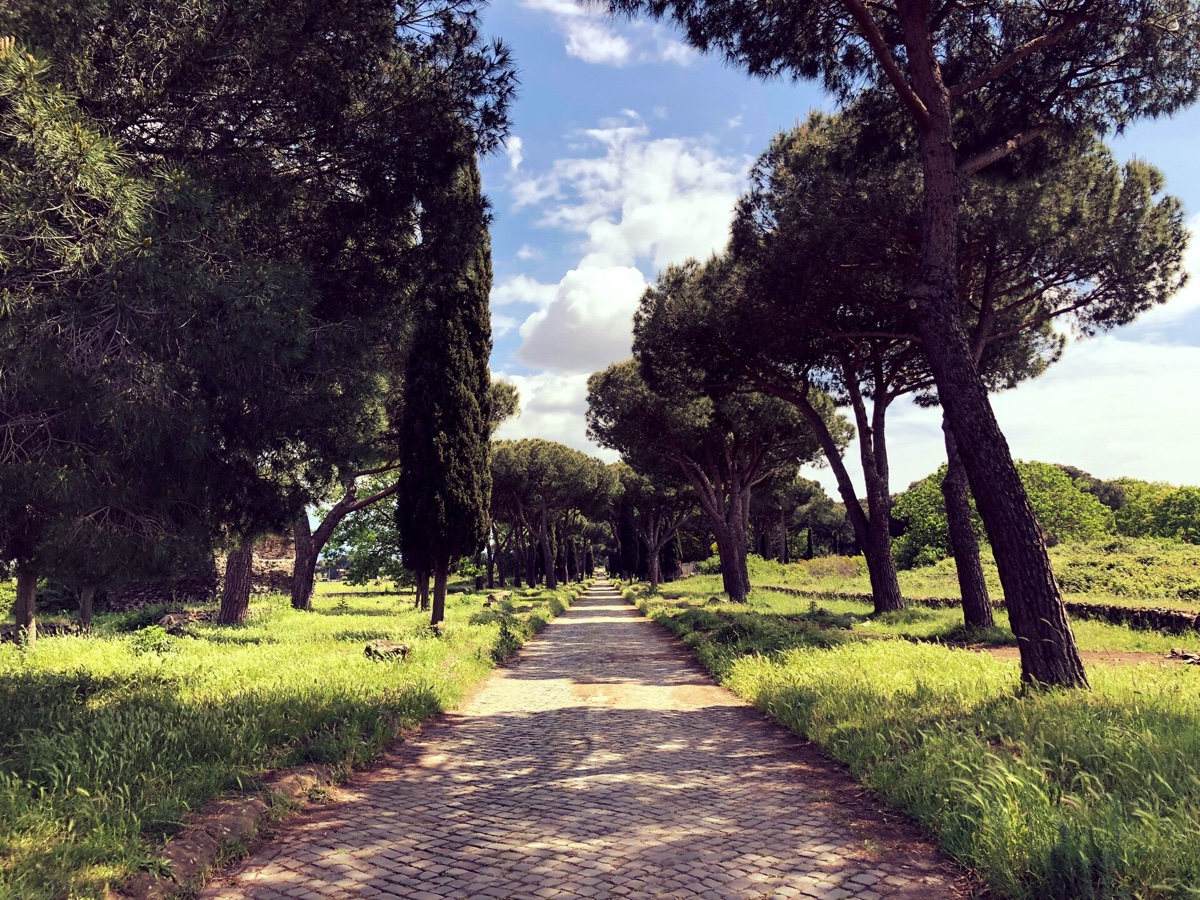
If you have little history lovers at home who are constantly play-fighting with sticks, this is an experience they’ll be talking about for years. On the famous ancient road Via Appia Antica, you’ll find the Gruppo Storico Romano – an authentic gladiator school where kids can spend a few hours training as warriors. They’ll be kitted out in a traditional linen tunic and belt, handed a wooden sword, and experienced instructors will teach them basic strikes and defensive stances.

The whole programme is run in a very playful way, the instructors speak English, and they have enormous patience with children. While your little ones battle it out in the sand, you can relax in the shade of the pine trees and snap some incredible photos. We recommend booking this experience well in advance, as places are limited and weekends tend to sell out completely.

3. Villa Borghese: Bikes, Boats, and Animals

When you feel like the endless stones and crowds are driving you mad, it’s time to escape to the vast green oasis of Villa Borghese. This sprawling heart-shaped park sits right above the city centre and is an absolute lifesaver for families who need to let their kids run free in a car-free space. You can hire the popular family-sized pedal carts (risciò) that seat four and cruise along all the beautiful tree-lined avenues without anyone’s legs getting tired.

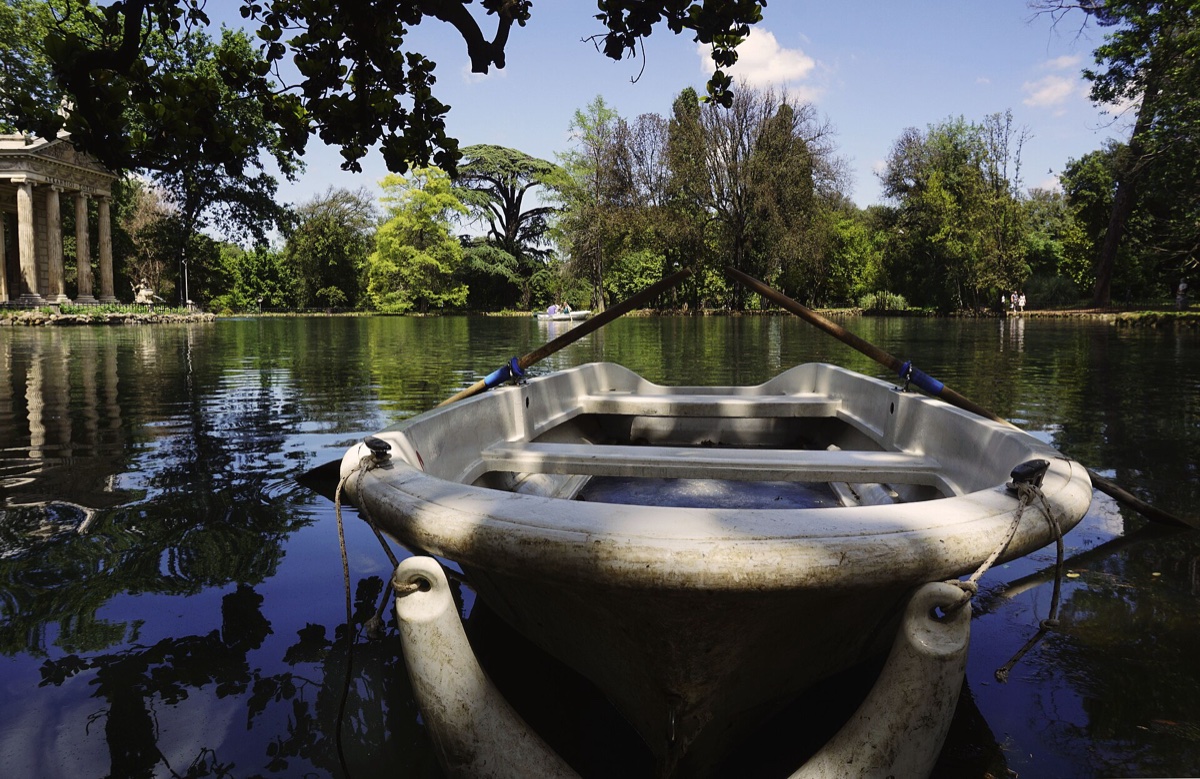
Another magical experience is renting a little wooden rowing boat on the artificial lake by the romantic Temple of Asclepius, where you can feed ducks and turtles. If your kids love animals, you’ll find the Bioparco in the back of the park – one of the oldest zoos in Europe. It’s not as vast as, say, London Zoo, but for keeping children entertained for two or three hours, it works a treat.

4. Explora Interactive Museum

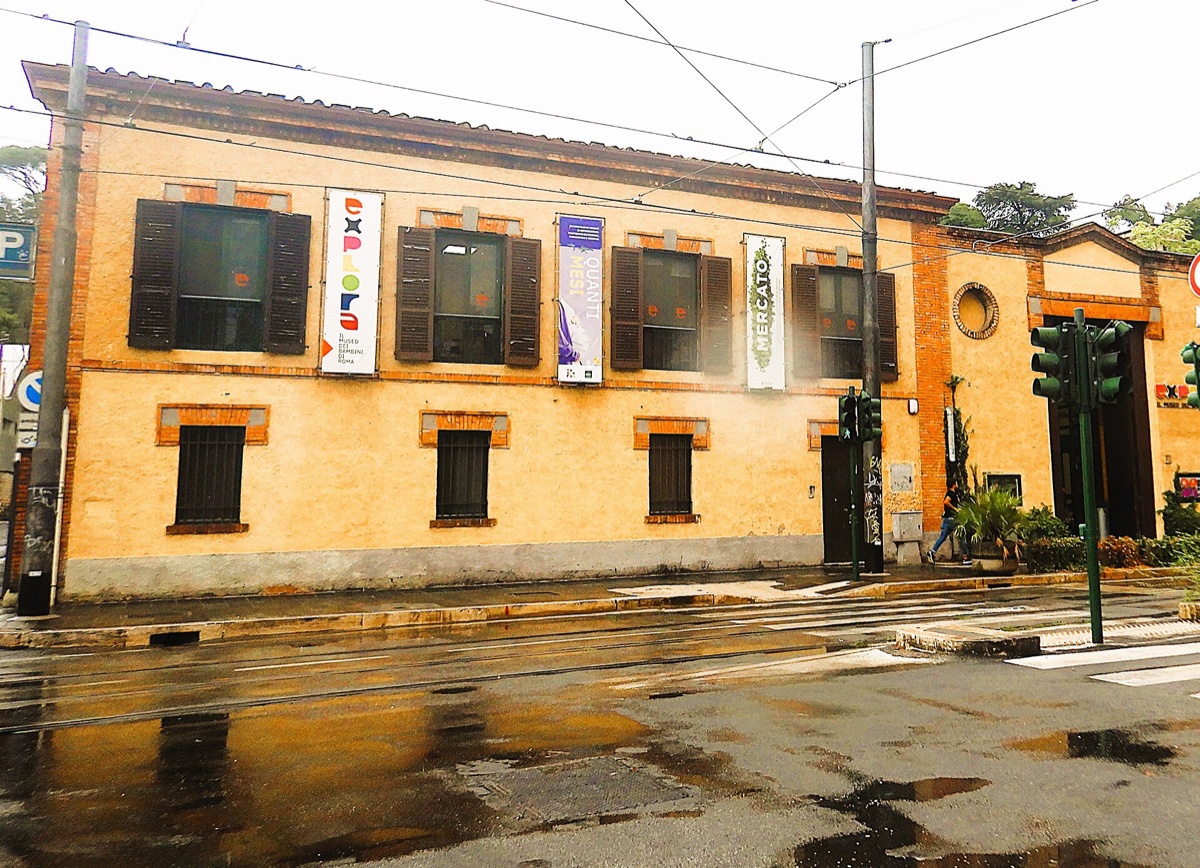
When the day comes where it’s either unbearably hot or absolutely bucketing down outside, head over to a spot just off Piazza del Popolo. There you’ll find Museo dei Bambini, or Explora for short – a fantastic interactive children’s museum where the “do not touch” rule doesn’t exist. Kids can try their hand at driving a real train, shopping in a miniature supermarket with working checkouts, or exploring fascinating water play areas and physics experiments.

It’s important to know that entry is strictly organised into two-hour time slots to prevent overcrowding. Booking tickets online in advance is therefore essential – otherwise you risk arriving at the door and having to explain to disappointed little faces that it’s sold out. After the visit, you can grab an excellent coffee in the adjoining café while the kids burn off any remaining energy on the outdoor playground.

5. Ostia Antica Instead of Exhausting Pompeii

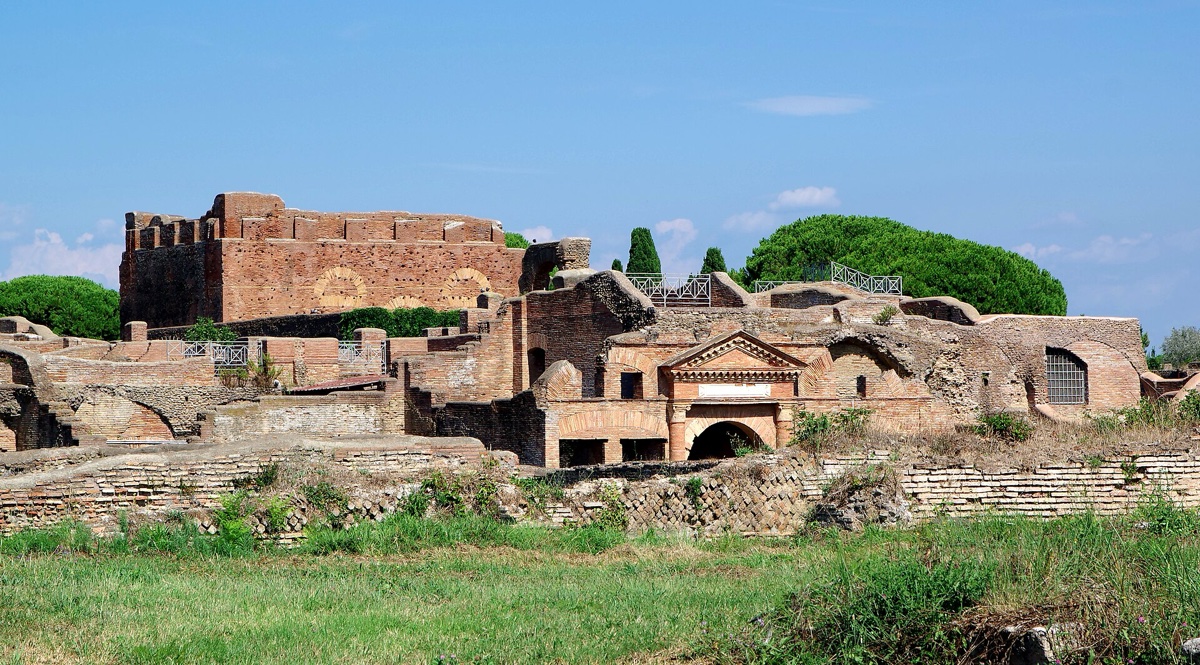
Many parents make the mistake of attempting a day trip from Rome to Pompeii with kids, which means at least two and a half hours of travel each way and total exhaustion. A brilliant and far more accessible alternative is Ostia Antica, Rome’s vast ancient port, which you can reach comfortably in just thirty minutes by commuter train from Porta San Paolo station. The entire site is set amidst beautiful scenery under towering pine trees, providing plenty of shade even in warmer months.

It’s incredibly child-friendly here because, unlike central Rome, there are no crowds and kids can roam freely. You can prepare a fun scavenger hunt and let them search for well-preserved ancient bakeries with large millstones, explore the remains of public latrines, or clamber up the steps of an ancient theatre. It’s a peaceful half-day packed with history that takes far less energy out of everyone.

lukas a lucka
Lukáš and Lucie recommend
Where to Stay in Rome
6 accommodations — hotels and other lodging options

6. Magic Drinking Fountains and the Hunt for “Big Noses”

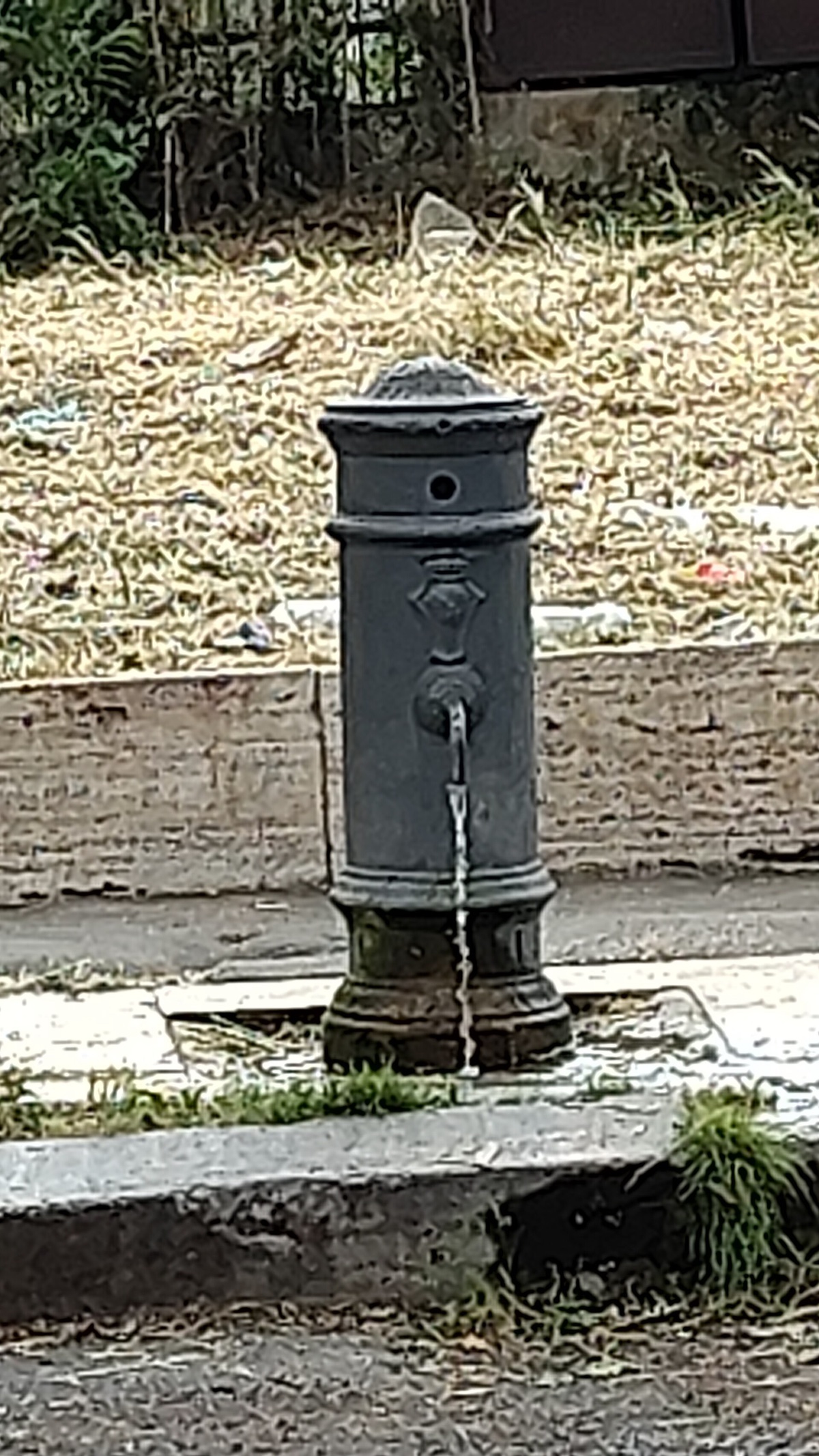
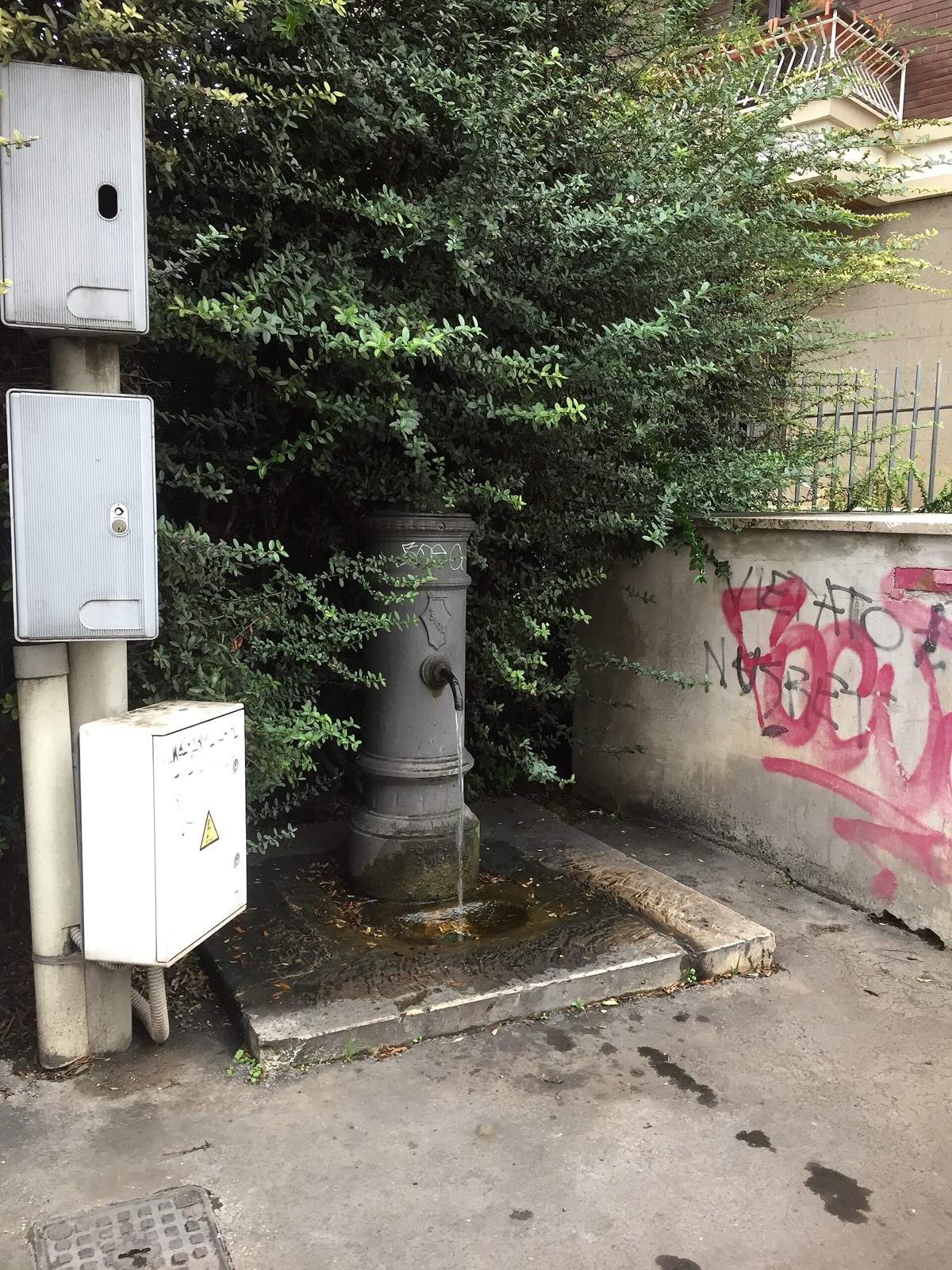
Keeping kids hydrated in Rome is the fundamental prerequisite for a day that doesn’t end in disaster. Your secret weapon is the nasoni – literally “big noses” – the public cast-iron drinking fountains dotted around the city, roughly two and a half thousand of them. The water flows continuously and is ice-cold, perfectly safe to drink, and completely free, so all you need is a reusable bottle.

For kids, you can turn ordinary hydration into a brilliant game by showing them the classic local trick. If you block the main spout at the bottom with your finger, water pressure forces it up through a small hole on top of the tap in a neat arc straight into your mouth – no awkward bending down required. To find the nearest fountain without any hassle, download the free Waidy WOW app to your phone.

💡 Insider tip: Always keep a small towel in your backpack, because after playing with the fountains, kids tend to end up soaked from head to toe. 😅

7. Castel Sant’Angelo and Its Secret Passageways

Castel Sant’Angelo – the enormous cylindrical fortress towering over the River Tiber – is an absolute magnet for kids. Originally built as Emperor Hadrian’s mausoleum, it was later transformed into an impregnable papal fortress complete with a grim dungeon. Children will be utterly fascinated by the old cannons, deep moats, and labyrinthine interior corridors that feel straight out of an adventure film.

When you climb all the way to the top terrace beneath the statue of Archangel Michael, you’ll be rewarded with one of the most stunning views over the nearby Vatican and the entire city. A fantastic story for older children is the fact that a secret elevated passageway called the Passetto di Borgo leads from the castle directly to the Vatican Palace – popes used it in the past to make quick escapes from their enemies.

8. The Mouth of Truth for Little Daredevils

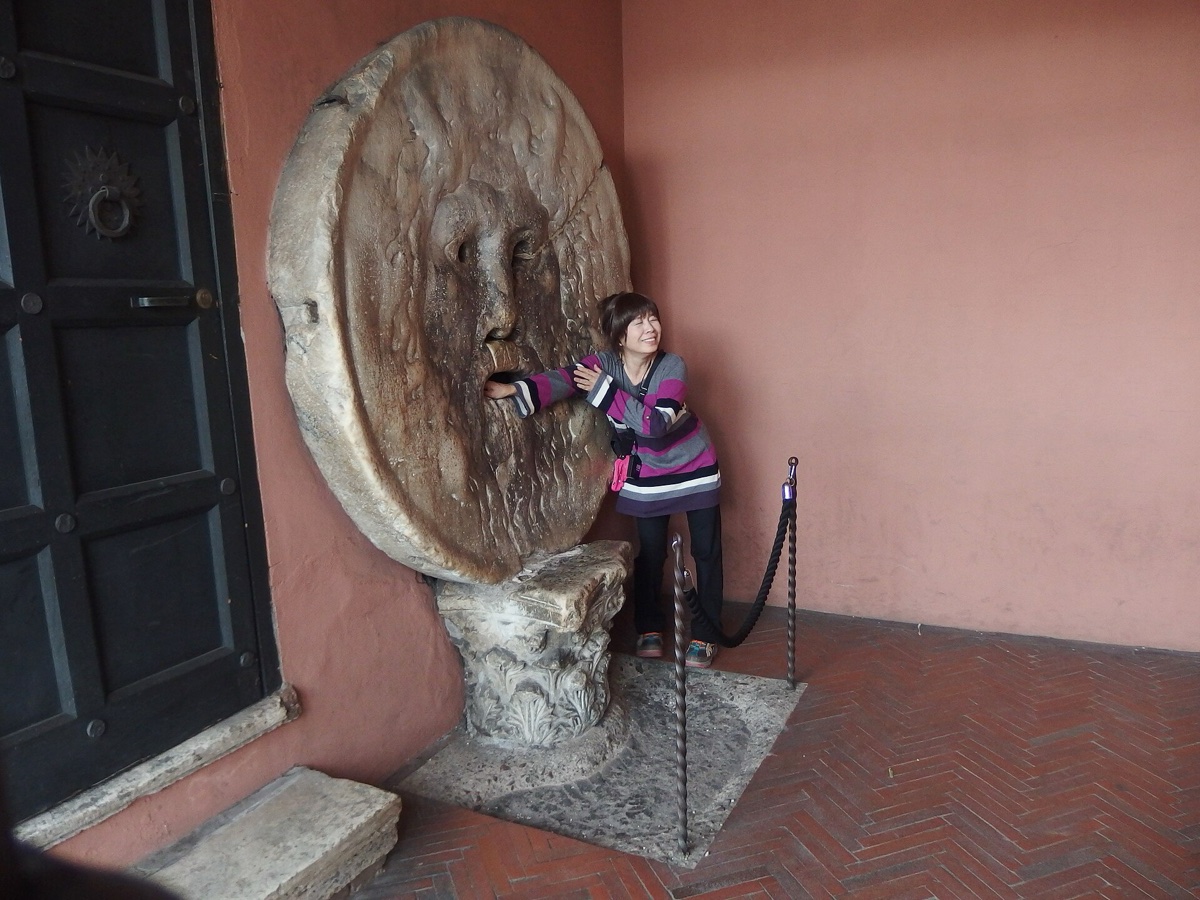
Bocca della Verità – the enormous marble mask carved with the face of a Roman god – is a classic tourist stop that works absolutely brilliantly with children. Legend has it that if a liar places their hand inside the open mouth, it will snap shut and bite it clean off. It’s a perfect opportunity for a bit of suspense and fun, daring the kids to see if they’re brave enough to try.

The monument is located in the portico of the Church of Santa Maria in Cosmedin, and there’s usually a queue as everyone wants their photo. Try to arrive early in the morning so you don’t have to wait in the sun too long with impatient little ones. The church itself, by the way, is a beautiful example of medieval architecture and offers a welcome blast of cool air.

9. Catacombs for Older and Braver Kids

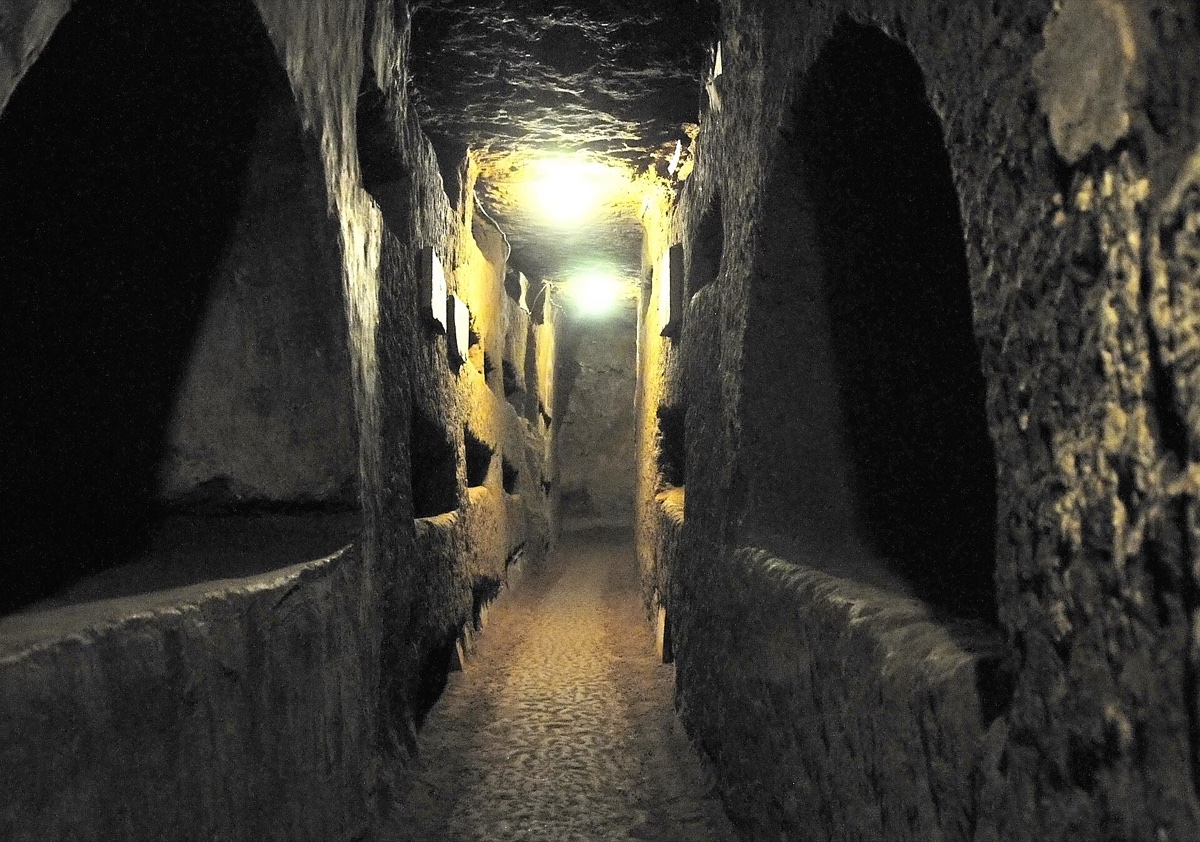
If you’re travelling with teenagers or older children who can handle a bit of a scare, the underground catacombs are the perfect mildly spooky adventure. The most famous ones lie beyond the city walls along the ancient Via Appia Antica – for example, the Catacombs of San Callisto or San Sebastiano. These are miles of winding dark corridors where early Christians were buried in the first centuries AD.

You can only enter with a guide, so there’s no risk of getting lost in the endless labyrinth. Inside, it’s consistently quite cool – around 15°C – which feels like heavenly relief during summer heat, but definitely pack a light jumper for the kids. Younger or more sensitive children might find the cramped spaces and dark atmosphere frightening, so consider whether it’s right for them based on their temperament.

10. Pizza al Taglio and Rice Croquettes

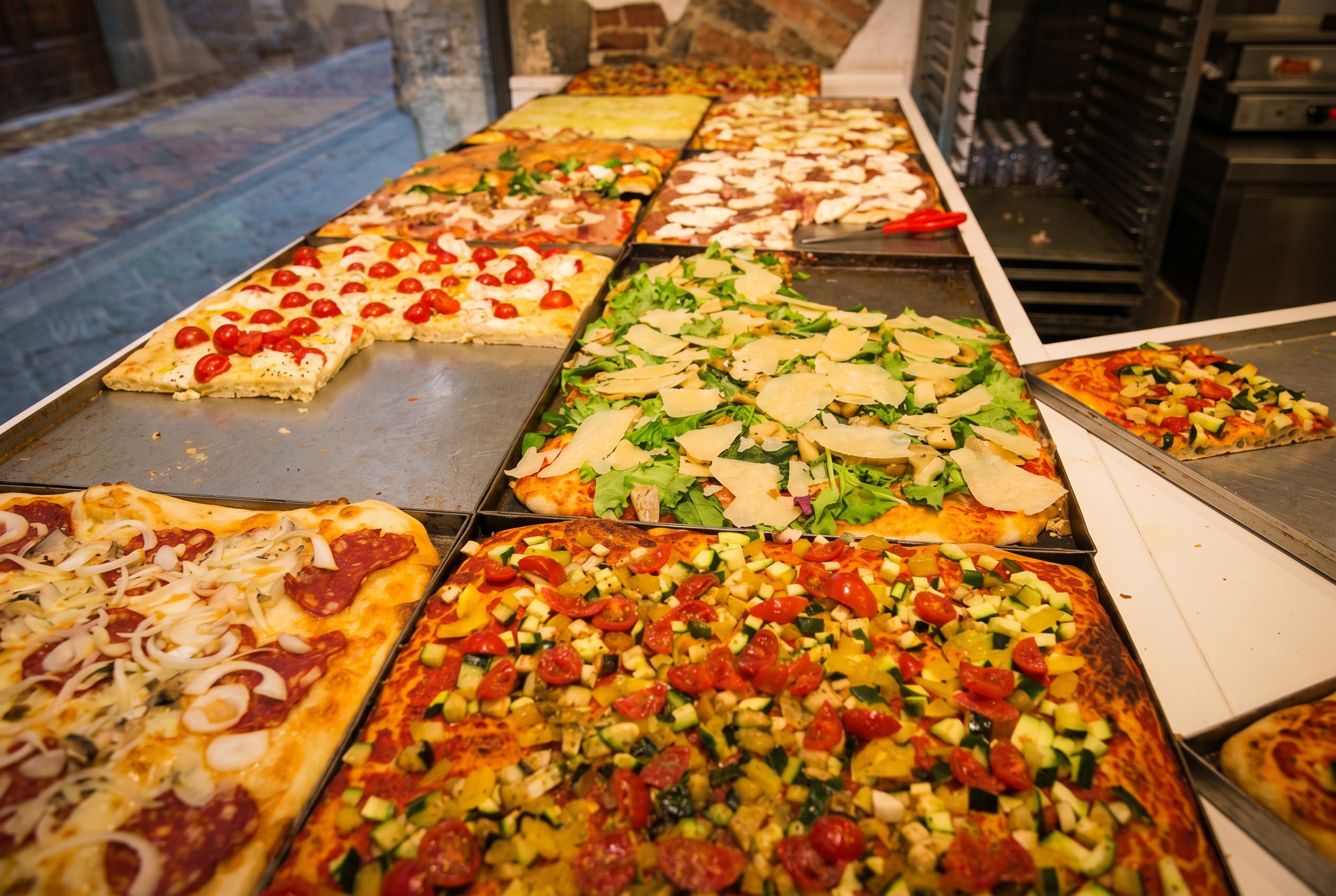
Sitting in a traditional restaurant with an exhausted toddler can be absolute torture, which is why Rome’s thriving street food culture is such a godsend. For a quick, stress-free lunch, look for places with the sign “pizza al taglio”, meaning pizza by the slice. Simply point at the type you want through the glass, the server uses scissors to indicate the size, you nod, and you pay by weight. It’s incredibly quick, cheap, and kids love it.

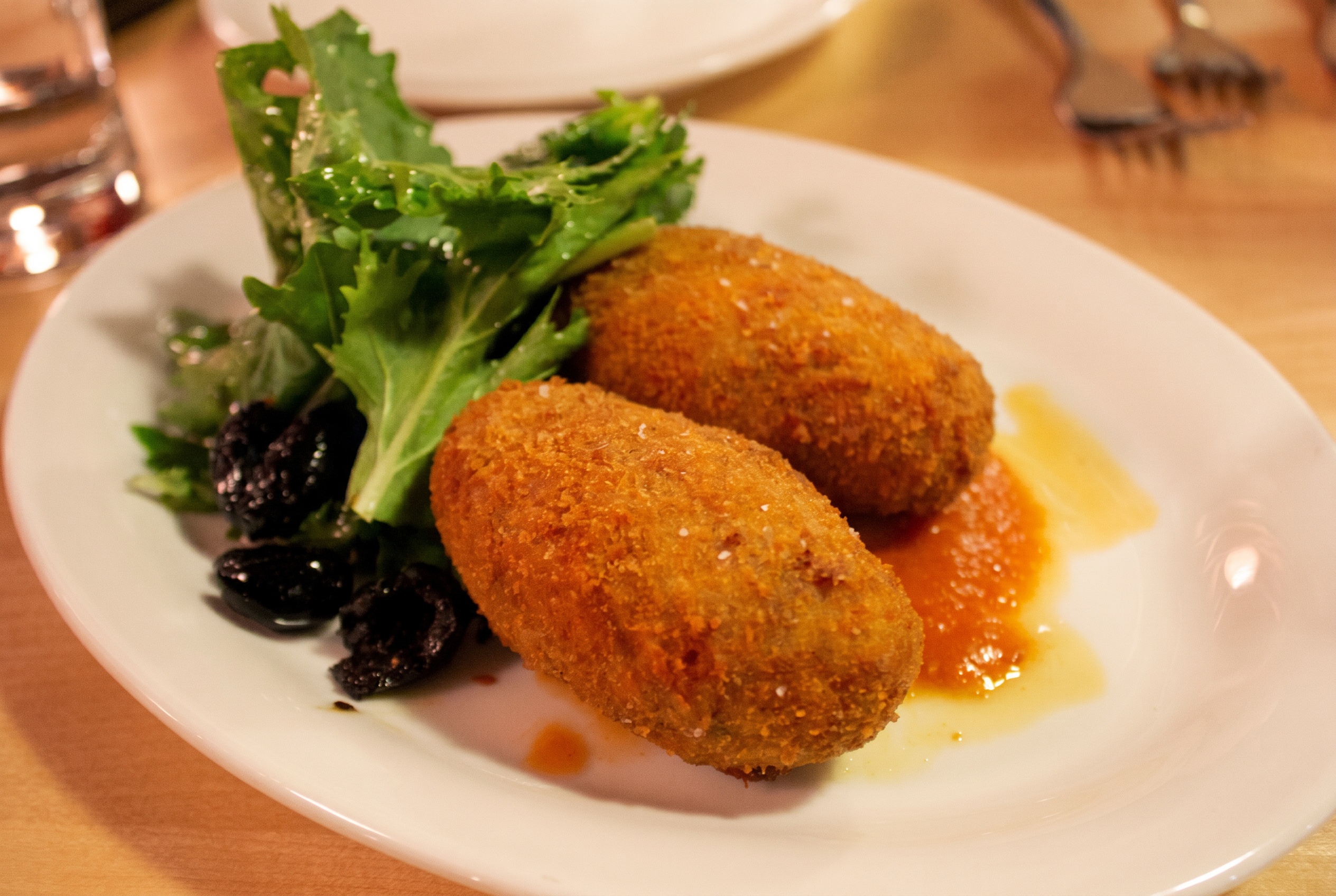
An even better grab-and-go option is the classic Roman supplì – perfectly golden fried rice croquettes filled with melting mozzarella and a delicate tomato sauce. They’re nicknamed “supplì al telefono” because when you cut a hot croquette in half and pull the two pieces apart, the melted cheese stretches out like old telephone wires – which always gets a huge laugh from kids. You’ll find excellent supplì and a relaxed atmosphere at the covered Mercato di Testaccio.

11. A Crash Course in Spotting Real Italian Gelato

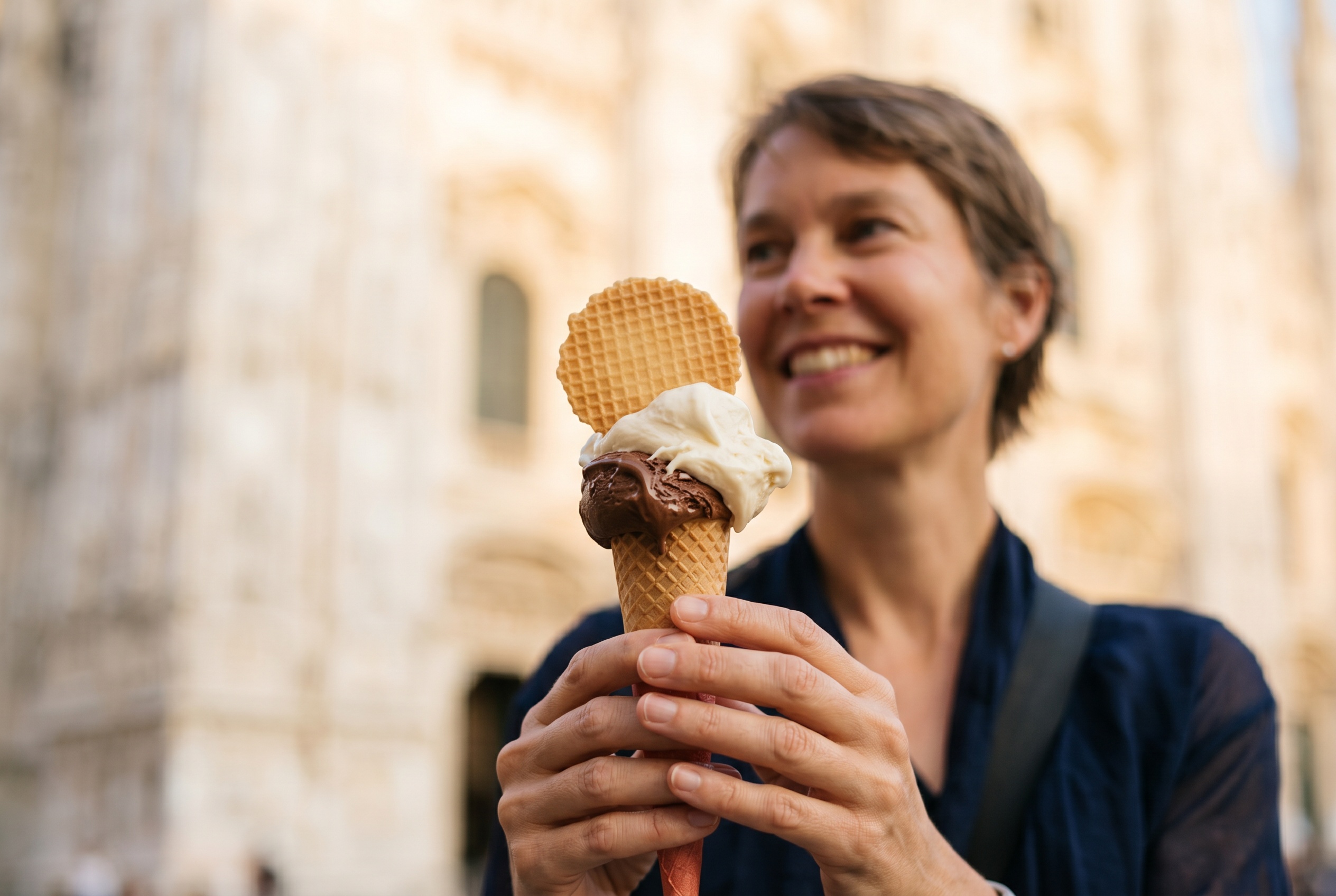
Having gelato in Italy is a daily obligation, but not every scoop is worth your money. Teach your kids the useful skill of spotting genuine artisan quality versus tourist traps full of chemicals. If you see towering, fluffy mountains of ice cream in impossibly garish colours – think neon-green pistachio or Smurf-blue – walk away immediately, because it’s pumped full of air and artificial colouring.

Real artisan gelato sits flat in metal containers that are often covered with lids to maintain the right temperature. The colours of quality gelato are naturally muted, so banana flavour looks greyish and pistachio is a dull brownish-green. Once you explain these rules to your kids, hunting for the right gelateria becomes a genuinely fun detective game.

12. Escape to the Beach

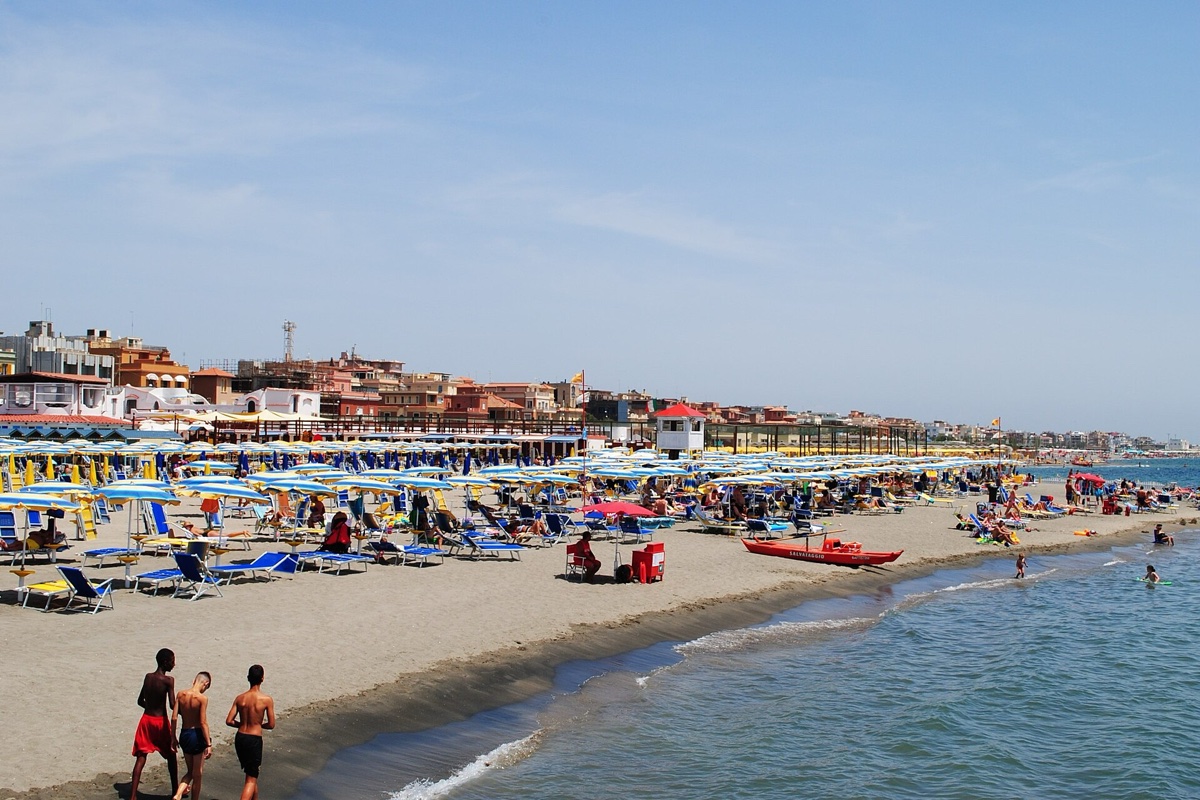
When the midsummer heat becomes truly unbearable and everyone’s cranky, the best solution is to simply escape the city and head for the water. You don’t need to fuss with a car because a train from San Pietro or Trastevere station gets you to the sea in forty-five minutes at the popular resort of Santa Marinella. It’s an effortless trip that has saved many a family holiday.

The local beach is sandy, the entry into the Tyrrhenian Sea is very gradual, and the water is clean – an ideal combination for smaller children. You can rent sun loungers and an umbrella and treat yourselves to an excellent vegetarian pizza at one of the beachfront restaurants. The return trip to Rome on the evening train, when the sun is no longer beating down, makes a lovely end to a relaxing day.

Day Trips and Beyond from Rome

If you have more time in Italy and don’t want to spend the entire holiday in one city, the surrounding area offers some wonderful options. We’ve already mentioned the ancient port of Ostia Antica, which is a far more manageable family alternative to a trip south to the famous Pompeii. If you’re looking for some cool air and greenery, head to the nearby town of Tivoli, where the stunning Villa d’Este awaits with hundreds of gurgling fountains and gardens that will utterly enchant the kids.

For detailed planning of your stay in the city itself, be sure to check out our comprehensive guide on what to see in Rome, where you’ll also find a practical itinerary for Rome in 3 days. And if you’re wondering how to logistically tackle the world’s smallest country, we’ve written separate articles on the Vatican and the vast Vatican Museums.

Frequently Asked Questions

Can you bring a stroller into the Vatican Museums?

Physically it’s of course possible, since the museums have elevators and the staff will willingly direct you to them, but in practice it’s an absolute ordeal. The crowds in the long corridors tend to be so dense that with a stroller you’ll constantly be running into people’s heels and the child inside will only see the legs of other visitors. If you really must go there, definitely bring an ergonomic baby carrier.

Do Italian restaurants have high chairs and changing tables?

High chairs, which the locals call seggiolone, are available in roughly half of traditional restaurants, but it’s always better to ask about it right when you book. Changing tables are a huge problem in Rome, because in the tiny toilets of ordinary trattorias you’ll find them only very rarely, so parents often improvise on park benches or right in the stroller.

How to get from Fiumicino Airport with small children?

If you have a lot of luggage and a stroller, the fast Leonardo Express train will take you to Termini station for fourteen euros, but from there you still have to deal with crowded public transport. For families it often pays off to take an official white taxi, which has a fixed fare of fifty euros from the airport to the center. But bear in mind that the cars usually don’t have child car seats, as Italian law surprisingly doesn’t require them for taxis.

Are the cobblestones in the center really that bad?

Yes, the famous basalt cobblestones called sanpietrini are absolutely merciless for strollers, and the lack of ramps onto the narrow sidewalks only makes the situation worse. Pushing a stroller here is sometimes like a workout at the gym. Ideal is a light folding stroller with well-cushioned wheels, or you can simply rely on the aforementioned baby carrier.

What are the rules for public transport?

The basic BIT ticket currently costs one and a half euros, although a price increase to two euros is planned from July 2026, and it’s valid for a full hundred minutes on all modes of transport. The crucial rule is that you must always validate the ticket immediately upon boarding the bus or tram in the yellow machine. Inspectors hand out fifty-euro fines to tourists without the slightest mercy.

What scams should I watch out for with the family?

Absolutely avoid bus number 64 running to the Vatican, nicknamed the “Pickpocket Express” for its overcrowding, because you can lose your wallet there extremely easily. Around the Spanish Steps there are men operating who will smilingly slip a woven bracelet onto your wrist as a gift, but then start aggressively demanding money. Be assertive, give a firm no and don’t stop.

What are the new rules at the Trevi Fountain?

Keep in mind that as part of the preparations for the Jubilee Year the rules are getting stricter, and from February 2026 there’s a two-euro fee to reach the fountain’s basin itself, while access to the lower gallery ends as early as 20:30. So you’ll only get those late-night views from above, from the surrounding alleys, which paradoxically benefits the romance, because hundreds of people fighting for the best selfie disappear from the waterside.

Tips and Tricks for Your Vacation

Don’t Overpay for Flights

Search for flights on Kayak. It’s our favorite search engine because it scans the websites of all airlines and always finds the cheapest connection.

Book Your Accommodation Smartly

The best experiences we’ve had when looking for accommodation (from Alaska to Morocco) are with Booking.com, where hotels, apartments, and entire houses are usually the cheapest and most widely available.

Don’t Forget Travel Insurance

Good travel insurance will protect you against illness, accidents, theft, or flight cancellations. We’ve had a few hospital visits abroad, so we know how important it is to have proper insurance arranged.

Where we insure ourselves: SafetyWing (best for everyone) and TrueTraveller (for extra-long trips).

Why don’t we recommend any Czech insurance company? Because they have too many restrictions. They set limits on the number of days abroad, travel insurance via a credit card often requires you to pay medical expenses only with that card, and they frequently limit the number of returns to the Czech Republic.

Find the Best Experiences

Get Your Guide is a huge online marketplace where you can book guided walks, trips, skip-the-line tickets, tours, and much more. We always find some extra fun there!

Trastevere, Rome: 14 Things to Do and Eat in Rome’s Most Beautiful Neighbourhood

TL;DRTrastevere is Rome’s most romantic quarter, tucked away across the Tiber, and there are 14 tips here, from the basilica of Santa Maria in Trastevere with its golden mosaics to Piazza di Santa Maria, the view from the Janiculum Hill, Villa Farnesina with its Raphael frescoes, the basilica of Santa Cecilia and the Sunday flea market at Porta Portese. Four to five hours is enough to cover the neighbourhood, ideally in the late afternoon and evening. The best months to visit are May, June, September and October, when temperatures settle at a pleasant 22 degrees, while July and August, with temperatures above 35 degrees, are pretty much unbearable. There are food tips too, like cacio e pepe and fried supplì for around two euros, gelato from three euros, and the advice to catch tram number eight, since there’s no metro line into the quarter.

Rome doesn’t forgive the unprepared, and right off the bat I need to tell you something crucial. Most of us arrive with a romantic vision of carefree wandering among ancient columns, a cone of perfectly crafted gelato in hand, and a yearning to soak up that authentic Italian atmosphere. But reality often hits you hard on day one, when you realise just how exhausting the Eternal City can be. Scorching cobblestones, relentless crowds squeezing through narrow lanes, and sheer physical exhaustion from chaotically dashing from one end of the city to the other take their toll. The secret to a successful Roman campaign isn’t about how many sights you tick off a list — it’s about how cleverly you divide the city up. And there’s no better place to start than Trastevere, Rome’s most enchanting neighbourhood across the Tiber.

If you’re looking for a place that perfectly matches that cinematic postcard image, you simply have to head across the River Tiber. The Trastevere district of Rome — the name literally means “beyond the Tiber” — is the ultimate embodiment of Italian romance, though it too has its pitfalls and unwritten rules. My partner Lukáš and I love this part of the city for its incredible evening energy and fantastic vegetarian food wafting from every little trattoria. At the same time, we know all too well that staying right in its pulsating heart requires pretty strong nerves and a high tolerance for noise. In this article, I’ll show you how to enjoy this iconic neighbourhood to the fullest without falling into unnecessary tourist traps.

TL;DR

  • Authentic Italian atmosphere: Trastevere is a maze of narrow lanes where ivy cascades from old ochre facades and freshly laundered clothes flutter overhead.
  • Best time to visit: Aim for October or May — the summer months are unbearable and the neighbourhood literally bursts at the seams.
  • Vegetarian paradise: You’ll taste some of the best traditional food here, from cacio e pepe pasta to fried rice balls called supplì that you’ll fall in love with.
  • No metro: There’s no underground line serving the neighbourhood, so you’ll have to walk or take the perpetually packed tram number eight.
  • Watch out for crowds: Piazza Trilussa and the area around the Basilica of Santa Maria in Trastevere are extremely noisy in the evening and packed with tourists and local youth.
  • Hidden tranquillity: If you’re after quiet corners, head to the southern part of the neighbourhood around the beautiful Basilica of Santa Cecilia — most tourists never make it there.
  • Priceless views: Don’t forget to hike up the Janiculum Hill (Gianicolo), where the entire Eternal City unfolds before you.

When to Visit Trastevere and How to Survive the Heat

Every traveller’s fundamental wish is always the same, and it’s perfectly understandable. We all want to see Rome bathed in glorious sunshine, we want to sit outside with an Aperol in hand, but we also don’t want to be crushed by ten thousand other people while doing it. Finding that magic sweet spot is incredibly difficult and requires genuinely careful planning. The best months to visit are May, June, September, and above all October, which offers the most pleasant conditions for long walks. Temperatures drop to a very comfortable twenty-two degrees, the air finally clears, and the city is bathed in gorgeous autumn light that’s absolutely perfect for photography.

The price you pay for this spring and autumn comfort is, however, pretty steep. These months function as peak season, so hotels fill up fast and the narrow lanes of Trastevere can sometimes feel like one giant ant colony. Summer in Rome — specifically July and August — is a massive test of your physical and mental resilience. Temperatures routinely soar above thirty-five degrees and humidity turns the streets into a stifling greenhouse where not a leaf stirs. If you absolutely must visit Rome in summer, your daily routine needs a radical overhaul to embrace the so-called riposo — the Italian afternoon siesta.

August has one more harsh and often overlooked quirk: the Ferragosto holiday. Around the fifteenth of August, huge numbers of locals lock up their flats, pull down the shutters, and flee en masse to the coast or mountains to escape the infernal heat. Many of the best family-run businesses and authentic restaurants in Trastevere simply shut for two to three weeks and hang a “closed for holidays” sign on the door. The good news, though, is that the Holy Year — the Jubilee that brought tens of millions of pilgrims to Rome in 2025 and caused absolute chaos — officially ended at the start of 2026. The city never sleeps and crowds will always be part of the deal, but the worst of the apocalyptic crush has thankfully eased and the streets are a touch more breathable again.

Where to Stay in Rome and Why Consider Trastevere

💡 Accommodation & experience tip: We love searching for places to stay on Booking.com, which usually has the best cancellation policies. For tickets, tours, and activities, it’s worth comparing options on GetYourGuide.

Your choice of neighbourhood defines your entire Rome experience and determines whether you collapse onto the bed in exhaustion each evening or casually stroll down to a local trattoria on the corner. Trastevere is the embodiment of that romantic Italian dream — it offers narrow pedestrian zones and absolutely fantastic nightlife. But the neighbourhood also has some notable downsides, as it attracts enormous, sometimes overwhelming crowds. Its biggest weakness is transport: there’s no metro stop serving the area, and the main sights aren’t exactly a stone’s throw away. In the morning, you’ll have to rely on the overcrowded tram, or simply walk everywhere on your own two feet — which on old cobblestones can really take a toll.

If you’re still set on staying here, I have one very important piece of advice. Look for accommodation in the southern part of the neighbourhood towards the Basilica of Santa Cecilia, where it’s considerably quieter and you’ll avoid the noisiest late-night crowds. A beautiful and tried-and-tested choice is Hotel Santa Maria, tucked away in a former sixteenth-century convent with a stunning courtyard full of orange trees. Another excellent option for a slightly more luxurious stay is Hotel Donna Camilla Savelli, whose rooftop terrace offers a jaw-dropping view over the entire Eternal City. You can easily book both of these through Booking, which we personally use on all our trips.

As an alternative to bustling Trastevere, you could opt for the calmer Prati neighbourhood right next to the Vatican — it’s flat and ideal for families with children. Another popular choice is the Monti district, which sits strategically right behind the Colosseum and offers excellent metro and train station access. Just always make sure to check whether your accommodation falls within a so-called ZTL restricted traffic zone. If you were to drive a hire car into one of these zones, the ever-present cameras will catch you and a hefty fine will definitely follow.

14 Things to See and Do in Trastevere

Let’s take a look at the best this photogenic neighbourhood has to offer, from ancient basilicas to the finest culinary experiences. I’ll tell you where to go early in the morning to dodge the crowds, and where to soak up the true Italian atmosphere with a glass of wine in the evening.

1. Basilica of Santa Maria in Trastevere

This is the absolute heart of the entire neighbourhood and probably the first place your feet will carry you after crossing the river. The Basilica of Santa Maria in Trastevere is considered one of the very oldest Christian churches in all of Rome, with its history stretching back to the third century. Although it looks relatively unassuming from the outside — you might easily walk past it among the sea of other Roman landmarks — its real treasure lies within. The moment you step through the door, you’ll be struck by its grandeur and the incredible stillness that stands in sharp contrast to the noise on the piazza outside.

The main reason you absolutely must visit are the breathtaking twelfth-century golden mosaics adorning the main apse. These mosaics depict the Virgin Mary with Jesus, and when the light hits them just right, they literally glow as if studded with thousands of tiny suns. The golden shimmer reflects throughout the interior, creating a deeply mystical atmosphere. Be sure to notice the massive granite columns separating the central nave from the side aisles as well.

💡 Insider tip: The church is especially stunning in the evening, when the facade is softly illuminated and the camera-toting tourist crowds have long since dispersed. Entry is completely free, but don’t forget the strict dress code — attendants simply won’t let you in with bare shoulders or in short shorts.

2. Piazza di Santa Maria

Directly in front of the aforementioned basilica spreads a piazza that functions as the main crossroads and the most important meeting point of the entire neighbourhood. During the day, Piazza di Santa Maria in Trastevere is a fairly peaceful spot where you’ll see older Italians reading newspapers on the steps and tourists studying their maps. But once darkness falls, the piazza transforms into a huge pulsating stage that lives and breathes until the small hours of the morning. It’s a place where true Roman youth meets travellers from every corner of the globe.

At the centre of the square stands a beautiful octagonal fountain whose original foundations date back to the eighth century, making it one of the oldest fountains in the city. Its steps serve as an impromptu auditorium for anyone wanting to enjoy free evening entertainment. Street musicians, fire-eaters, and all manner of performers regularly take turns around the fountain, creating that quintessentially bohemian Trastevere atmosphere.

Lukáš and I have managed to sit here for hours on end with just a slice of pizza, watching the incredible buzz unfold around us. It’s exactly the kind of place where you don’t need a specific plan or expensive tickets to absorb the city’s energy. Do keep a close eye on your belongings, though — in the relaxed and often tipsy crowd, skilled pickpockets are very much at work.

3. Wandering the Cobblestone Lanes and Photography

Trastevere’s biggest attraction isn’t actually any single landmark but the lanes themselves, which form a perfectly chaotic labyrinth. This is where you’ll find that iconic scenery of ochre and terracotta facades draped in thick cascades of green ivy. Above your head, freshly laundered clothes flutter on lines strung between windows, and through half-open doors you’ll catch the aroma of garlic and frying tomatoes. It’s a feast for all the senses, and every corner is practically begging to be photographed.

The surface of these lanes is made up of traditional basalt cobbles known in Rome as sampietrini. While they’re incredibly photogenic and give the neighbourhood that perfect historical character, they’re an absolute nightmare for your feet. They’re uneven, full of gaps, and treacherously slippery after a summer downpour — so forget about any heels or strappy sandals with thin soles. If you don’t want to wreck your feet on day one, sturdy trainers are an absolute must here.

The best strategy for exploring is simply to ditch the map and let your intuition guide you. Early in the morning, around eight o’clock, these lanes are still completely empty and bathed in soft golden light. You’ll see only café owners hosing down the pavements and bakers unloading fresh bread. It’s during these morning hours that you’ll capture the most beautiful photos without distracting elements in the background.

4. Climbing Janiculum Hill (Gianicolo) for the Views

If you need a break from the cramped lanes and crave a bit of open space, you need to head uphill. Janiculum Hill — Gianicolo in Italian — rises directly above the Trastevere neighbourhood and offers one of the very best panoramic views of the entire Eternal City. Although it doesn’t rank among the famous original seven hills of Rome, its strategic position makes it an absolutely essential stop for every view lover. The climb will give your legs a workout, but the reward at the top is worth every drop of sweat.

At the summit you’ll find a huge equestrian statue of Italian national hero Giuseppe Garibaldi, who fiercely defended the city against French troops here in the nineteenth century. From the spacious terrace beneath the statue, a breathtaking panorama unfolds — you’ll spot all those famous ancient domes, church bell towers, and in the distance even the outlines of faraway mountains. It’s a brilliant spot to try identifying individual landmarks from above without having to jostle through a crowd.

💡 Insider tip: If you head up here just before noon, you’ll witness one very loud tradition. At precisely twelve o’clock every day, soldiers fire a blank cannon shot — a custom introduced by Pope Pius IX to synchronise the ringing of all Rome’s church bells. The view is equally magical at sunset, though, when the entire city below you is painted in deep orange and pink hues.

5. Villa Farnesina and Raphael’s Frescoes

While thousands of tourists cram into the Vatican Museums and fight for every square inch of space, Trastevere hides a Renaissance gem where you can admire art in blissful peace. Villa Farnesina is a magnificent residence commissioned in the early sixteenth century by the fabulously wealthy papal banker Agostino Chigi. This man had such resources that he could afford to hire the finest artists of his age to create a summer retreat that would dazzle the entire upper crust of the era.

The villa’s main draw is the frescoes by none other than the genius Raphael himself. His depiction of the story of Cupid and Psyche in the main loggia is so strikingly vivid and colourful that you’ll scarcely believe it dates from the Renaissance. Unlike the religious motifs in the Vatican, the paintings here are full of ancient mythology, celebrations of love, and the joys of life — perfectly reflecting the character of the villa’s owner. Raphael even painted the famous fresco of the nymph Galatea here, said to embody his ideal of perfect feminine beauty.

A visit to the villa takes roughly one to two hours and makes a wonderful escape from the summer heat, as the interior stays pleasantly cool. The gardens around the villa may no longer be as expansive as in its heyday, but they still offer a lovely spot to rest. Admission is very reasonable, and the huge advantage is that you can admire these masterpieces without anyone shoving you through the crowd towards the exit.

6. Porta Portese Sunday Market

If you happen to be in Rome on a Sunday morning and love rummaging through old things, your itinerary is sorted. Porta Portese is probably the biggest and most famous flea market in all of Europe, stretching for several kilometres along the old city walls on the very edge of Trastevere. It kicks off early in the morning, around seven o’clock, and wraps up in the early afternoon when sellers start packing up their unsold goods. It’s an incredible, colourful, and very noisy spectacle that you need to experience first-hand.

You’ll find absolutely everything you can think of here. From rare antiques, old Italian books, vinyl records, and vintage clothing, through to cheap electronics and utter junk that defies all logic. Haggling isn’t just permitted — it’s practically a required part of the shopping ritual. If you spot something you like, never accept the first price and don’t be shy about suggesting a much lower figure with a smile.

Walking through the market is a brilliant sociological study, even if you end up not buying a thing. A word of serious warning, though, regarding safety: in the enormous crush around the most interesting stalls, highly organised groups of pickpockets operate with practised ease. Always take your backpack off your back and carry it on your front, keep your wallet in a deep inside pocket, and ideally don’t carry large amounts of cash on you.

7. Basilica of Santa Cecilia in Trastevere

As I mentioned in the accommodation section, Trastevere also has a very calm and quiet face. You’ll find it in the southern part of the neighbourhood, where most hurried tourists from the historic centre never venture. At the heart of this area stands the Basilica of Santa Cecilia, dedicated to the patron saint of musicians. The place is steeped in a rather dark but powerful legend about a young Christian martyr who survived an attempted suffocation in a bath and then three blows of an executioner’s sword to the neck.

Right in front of the altar you can admire an incredibly detailed marble statue by Stefano Maderno, depicting the saint’s body in the exact position in which it was reportedly found in the catacombs centuries later. The statue is so realistic and emotive that it quite literally sends shivers down your spine. The church itself has a beautiful courtyard with a large ancient vase at its centre, creating an oasis of absolute stillness in the middle of the noisy city.

Definitely pay the few euros for entry to the underground crypt beneath the basilica. You’ll descend into the depths of history and find yourself among the foundations of ancient Roman houses, where you’ll see remains of antique baths and old mosaics. It’s a fascinating journey through time and brilliant proof of how modern Rome constantly layers itself upon its ancient foundations.

lukas a lucka
Lukáš and Lucie recommend
Where to stay in Trastevere, Rome
3 accommodations — wellness hotels, hotels and other accommodation options

8. Botanical Garden (Orto Botanico)

When you start feeling like the old stone buildings and noisy lanes are closing in on you, it takes just a few steps to find yourself in a completely different world. Orto Botanico, Rome’s botanical garden, spreads across the slopes of Janiculum Hill just behind the Palazzo Corsini. It falls under the local Sapienza University and is one of the best-kept secret escapes from the crowds. For a modest entrance fee, you gain access to a twelve-hectare site brimming with greenery where you often won’t encounter a single soul.

The garden is divided into several themed sections. You’ll stroll through an awe-inspiring bamboo forest that rustles in the wind and provides perfect shade. The Japanese garden with its traditional water features and meticulously trimmed shrubs is wonderfully calming too. In spring, the blooming rose garden is a massive draw, its fragrance drifting far and wide, while in summer you’ll appreciate the palm grove with tree species from around the globe.

Lukáš and I pop in here whenever we’ve had our fill of Rome’s frenzy and just need to sit on a bench listening to birdsong. It’s an ideal spot for families with small children, who can run about freely without you worrying about passing scooters or cars. Plus, from the upper terraces of the garden, you’ll get yet another highly unusual view of the historic centre from a completely different perspective.

9. Tasting Traditional Supplì

Italy isn’t just about pasta and pizza in a restaurant — it’s also about absolutely brilliant street food you can eat on the go. In Rome, the undisputed king of street food is supplì. It’s an oblong fried rice croquette, traditionally cooked in a hearty tomato sauce, hiding a big surprise inside — a chunk of quality mozzarella. When you snap a supplì in half, the cheese should stretch in a long, gooey string that resembles a telephone cord — which is exactly why they’re often called supplì al telefono.

For us vegetarians, it’s an absolute lifesaver and the ultimate snack during a long day of sightseeing. The original recipe sometimes included chicken giblets or minced meat, but nowadays the vast majority of classic tomato supplì are meat-free — just always double-check with the staff to be sure. The croquettes are coated in breadcrumbs and fried to absolute perfection: beautifully crispy on the outside, soft and creamy within.

The best supplì in Trastevere can be found at small, unassuming bistros and shops known as friggitoria, which specialise exclusively in fried food. Try, for example, the famous Supplì Roma on Via di San Francesco a Ripa. You can pick one up for about two euros, eat it right there on the pavement, and instantly get the energy boost you need for the next few miles of walking. It’s cheap, fast, and wonderfully authentic.

10. Dinner at an Authentic Trattoria

Going out for dinner in Trastevere is a ritual you absolutely shouldn’t miss. The neighbourhood is renowned for its family-run trattorias where recipes have been passed down through generations. Give a wide berth to any place with a tout standing outside waving a menu in five languages and trying to lure you in. The truly great Trastevere Rome restaurants need no advertising, and in the evening you’ll often see long queues of locals patiently waiting for a free table.

While local Romans adore their traditional quinto quarto cuisine and relish offal dishes like tripe alla romana or braised oxtail coda alla vaccinara, Lukáš and I naturally gravitate towards the meat-free treasures. The undisputed king of Roman pasta for us is cacio e pepe — a deceptively simple dish made from just Pecorino Romano cheese and freshly cracked black pepper. The result is an incredibly creamy and rich sauce that wraps itself perfectly around long strands of tonnarelli pasta.

💡 Insider tip: You absolutely must also try fried artichokes — carciofi alla giudia — a dish of Jewish-Roman origin that has become an inseparable part of the city’s cuisine. The artichoke is deep-fried whole, its leaves opening up like a golden flower that’s as crunchy as the best crisps you’ve ever had. When the bill comes, don’t be caught off guard by the line item called coperto — it’s a perfectly legal and standard cover charge for the table setting and bread basket, usually around two to four euros per person.

11. Nightlife and Bars around Piazza Trilussa

When the sun goes down, Trastevere reveals its second, far wilder face. While the historic centre around the Pantheon quietly winds down by around ten in the evening, here the party is only just getting started. The epicentre of the action is Piazza Trilussa, which sits right by the river near the Ponte Sisto bridge. The wide steps leading to the local fountain fill up every night with students, young Romans, and tourists who debate, laugh, and soak up the warm Italian nights with a beer in hand.

From this square you can venture into the surrounding lanes like Via del Politeama or Vicolo del Cinque, which are literally packed with small bars and pubs. The Italian evening ritual often begins with the aperitivo. You buy a single cocktail — most commonly a classic bittersweet Aperol Spritz or Campari — and with it you get free access to a small buffet of olives, pizza slices, cheese, and crisps. It’s a brilliant way to ease into the evening cheaply and pleasantly before a late dinner.

The atmosphere is infectiously laid-back. People stand around with glasses right on the pavement, music spills from open bar doors, and everyone chats at full volume. If you’re into craft beer, you’ll find several excellent spots here specialising in Italian microbreweries. Be prepared, though, for the fact that the noise in these streets doesn’t let up well past midnight — which is precisely why I always advise thinking carefully about where in this neighbourhood you book your hotel.

12. Gelato from Local Masters

A visit to Rome without a proper serving of ice cream simply doesn’t count. Trastevere has several absolutely fantastic gelaterias, but you need to know how to spot genuine artisan quality versus artificially coloured tourist bait. The basic rule is simple: steer clear of gelato that’s whipped up into enormous fluffy peaks and glows in unnaturally neon colours. Pistachio gelato should never be bright green — it should be an earthy brownish-green — and banana should be a greyish hue, not vivid yellow.

Real Italian gelato is stored in metal containers, often even under lids, to maintain the proper temperature and texture. Fortunately, you’ll find branches of the very best masters here, such as the acclaimed Fatamorgana. Their gelato artisans experiment with highly unconventional flavours using exclusively seasonal and one-hundred-percent natural ingredients. You can try incredible combinations like chocolate with tobacco, basil with walnuts, or goat’s cheese with honey.

If you prefer the classics, try the legendary Fior di Luna. Their chocolate gelato is so rich and dense it feels like eating a slab of the finest chocolate, and their fruit sorbets taste exactly like freshly crushed fruit. A serving starts at around three euros, and we love to grab ours in a cone and wander down to a bench by the river to enjoy it.

13. Rome’s Drinking Fountains (Nasoni) and Saving on Water

This isn’t a classic tourist sight, but it’s a practical tip that will save you a lot of money and hassle while exploring Trastevere. Rome is dotted with thousands of small cast-iron drinking fountains that locals affectionately call nasoni — meaning “big noses.” Ice-cold, perfectly clean water flows constantly from these spouts, fed by the same historic aqueducts that served the ancient empire. You’ll find quite a few scattered through the narrow lanes of Trastevere, and the water is completely free for everyone.

The biggest mistake you can make is buying overpriced bottled water from street vendors or small kiosks. Simply carry a reusable bottle with you and top it up at every big nose you pass. The water is incredibly refreshing with a great taste. Experienced Romans also know one very elegant trick for drinking from a nasone when you don’t have a bottle handy and don’t fancy contorting yourself under the spout.

Simply block the main downward spout with your finger. The pressure inside the pipe immediately rises and water shoots up through a small hole on the top of the tap, creating a lovely arc you can drink from comfortably while standing upright. It’s a tiny detail, but it’s precisely these little bits of local know-how that turn an ordinary trip into a genuinely memorable experience.

14. Views of the River Tiber and Isola Tiberina

Your exploration of Trastevere wouldn’t be complete without a walk along the river itself, which separates the neighbourhood from the historic centre. The Tiber borders Trastevere on its eastern side and offers beautiful views of old stone bridges. The most fascinating point is undoubtedly Isola Tiberina — the only island on the River Tiber in all of Rome. Shaped like a ship, the island is connected to both banks by two ancient bridges, one of which — Ponte Fabricio — is actually the oldest surviving bridge in the city, built in the first century BC.

Since ancient times the island has housed a temple to the god of medicine Aesculapius, and to this day a large and highly respected hospital operates here. The atmosphere is surprisingly peaceful, and from the island’s banks you can watch the wild currents of the river. Crossing via the island also works brilliantly as a quick pedestrian shortcut from Trastevere directly into the old Jewish Ghetto on the opposite bank, where they make the absolute best fried artichokes in the city.

During the summer months, the Tiber embankment around the island undergoes a dramatic transformation. As part of the Lungo il Tevere festival, dozens of white tents, pop-up restaurants, bars, and little shops spring up. There are open-air film screenings, concerts, and the riverbanks come alive with incredible energy. It’s a wonderful spot for an evening stroll, with the light of historic lamps reflecting off the water as you wander, drink in hand, just metres from the gently flowing river.

Where to Go Next from Trastevere

Once you’ve explored every lane in Trastevere, Rome has endless possibilities waiting for you. Right across the river you’ll reach the historic centre, where the famous Pantheon with its enormous dome and the breathtaking Trevi Fountain await. If you love Baroque architecture, don’t miss Piazza Navona with its wonderful cafés and the elegant Spanish Steps.

History lovers will naturally want to head further east to the majestic Colosseum. For a comprehensive overview of the must-sees, check out our big guide on what to see in Rome. North of Trastevere along the river, you’ll reach the massive fortress of Castel Sant’Angelo, and just beyond it lies the Vatican and the renowned Vatican Museums. If you’d like a break from the city bustle to see world-class art in a parkland setting, book tickets to the Galleria Borghese. And if you have time for day trips beyond the city, we recommend the ancient port of Ostia Antica, the beautiful villas and gardens of Tivoli, or the slightly further but utterly fascinating Pompeii.

Frequently Asked Questions

How much time should I set aside for visiting Trastevere?

Ideally, you should dedicate at least one full late afternoon combined with evening to Trastevere. During the day, you can leisurely explore the basilicas and villas, wander the narrow streets without large crowds, and around 7 PM find a spot for aperitivo. A subsequent dinner at a local trattoria and nighttime stroll will take up the rest of your evening. In total, you’ll spend roughly four to five hours full of experiences here.

Is the neighborhood safe at night?

Yes, Trastevere is generally very safe, even late at night. The streets are full of people, restaurants stay open late into the night, and there’s plenty of lighting everywhere. The only real danger you need to watch out for is pickpockets operating in the crowds around Piazza Trilussa and on the bridges. Always keep your valuables under control and wear your backpack in front of you on your stomach.

What’s the best way to get to Trastevere?

There’s no metro line that goes directly into the heart of the neighborhood. The best and fastest way to get there is tram number 8, which departs from the large Piazza Venezia in the city center and runs across all of Trastevere. You can also use bus line H, which will take you there directly from Termini, the main train station. If you’re staying in the center around Campo de’ Fiori, the easiest option is simply to walk across the river via Ponte Sisto.

Is there a strict dress code in the local churches?

Yes, all Roman churches, including the basilicas of Santa Maria in Trastevere and Santa Cecilia, have very strict dress code rules. Both men and women must have their shoulders and knees covered. During the hot summer months, the best trick is to bring a light, wide scarf in your backpack that you can simply drape over your shoulders just before entering the church, otherwise the guards at the entrance will turn you away without compromise.

Can I pay by card everywhere in restaurants?

Italy has made huge strides in cashless payments and by law every merchant must accept payment cards. In the vast majority of restaurants, bars, and gelaterias, you can pay by card without any problem. Nevertheless, I highly recommend always carrying at least a few coins worth ten or twenty euros, which will come in handy for tips, buying small items at markets, or a quick espresso at the bar.

How much did the Holy Year (Jubilee 2025) affect the situation in Rome?

The Holy Year 2025 meant an enormous influx for Rome, with over thirty million pilgrims arriving in the city and infrastructure literally collapsing in places. The good news is that the Holy Doors were ceremonially closed in January 2026 and the biggest pressure has finally subsided. The city is now significantly more breathable, monument repairs have been completed and the unsightly scaffolding has been removed, so you can enjoy Trastevere at a much more relaxed pace.

Can you walk around Trastevere in heels or dress shoes?

This is absolute suicide for your feet. The entire neighborhood, like most of historic Rome, is paved with traditional basalt cobblestones called sampietrini. They’re extremely uneven, hard, have wide gaps between them, and are slippery as hell after rain. Any heels, wedges, or shoes with thin soles will reliably ruin your walk, so always choose quality, closed sneakers with a firm and thicker sole.

Tips and Tricks for Your Vacation

Don’t Overpay for Flights

Search for flights on Kayak. It’s our favorite search engine because it scans the websites of all airlines and always finds the cheapest connection.

Book Your Accommodation Smartly

The best experiences we’ve had when looking for accommodation (from Alaska to Morocco) are with Booking.com, where hotels, apartments, and entire houses are usually the cheapest and most widely available.

Don’t Forget Travel Insurance

Good travel insurance will protect you against illness, accidents, theft, or flight cancellations. We’ve had a few hospital visits abroad, so we know how important it is to have proper insurance arranged.

Where we insure ourselves: SafetyWing (best for everyone) and TrueTraveller (for extra-long trips).

Why don’t we recommend any Czech insurance company? Because they have too many restrictions. They set limits on the number of days abroad, travel insurance via a credit card often requires you to pay medical expenses only with that card, and they frequently limit the number of returns to the Czech Republic.

Find the Best Experiences

Get Your Guide is a huge online marketplace where you can book guided walks, trips, skip-the-line tickets, tours, and much more. We always find some extra fun there!
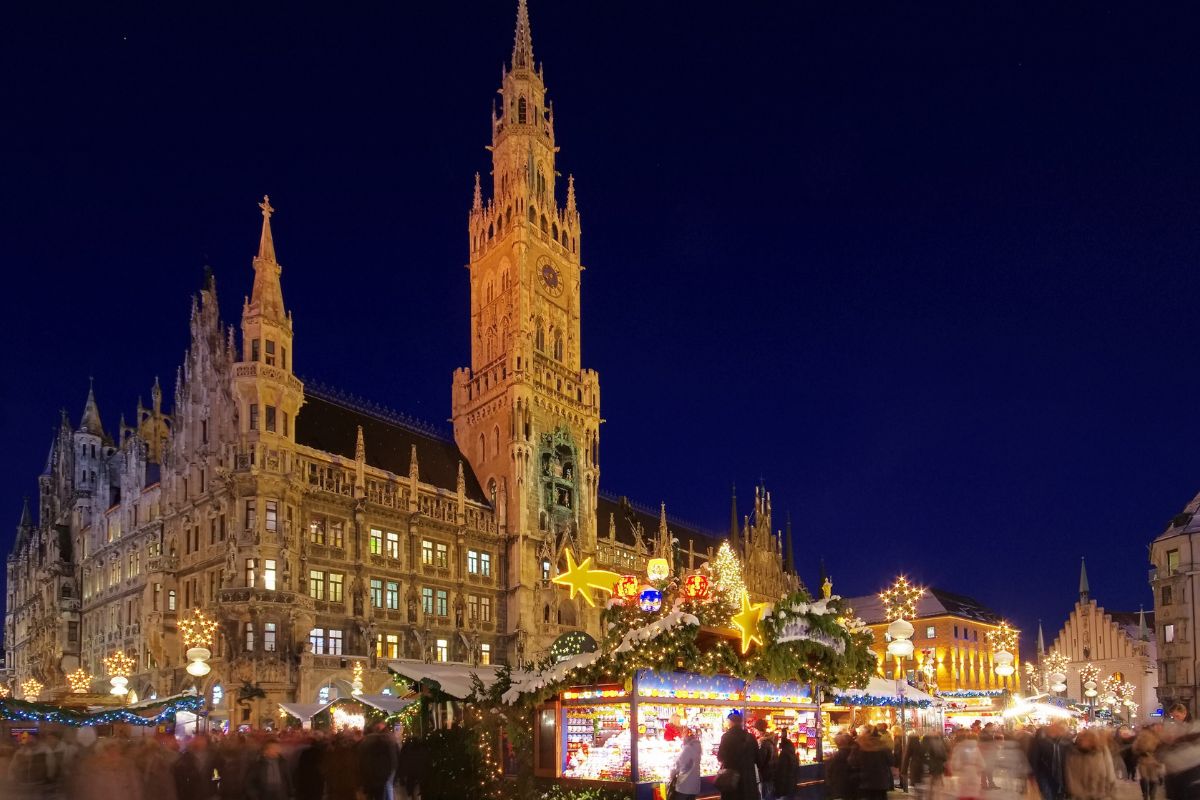
Óbidos, Portugal: 12 Things to See in the Medieval Town

TL;DRÓbidos is a picture-postcard medieval town north of Lisbon, ringed by roughly a mile and a half of 14th-century walls you can walk for free. The best way in is the express bus from Campo Grande (60 minutes, around €8.50) — set aside 3 to 4 hours for a visit, ideally early morning around nine or after four in the afternoon. Among the 12 highlights are the Porta da Vila gate with its azulejo tiles, Óbidos Castle, the Church of Santa Maria, the main street Rua Direita, the deconsecrated church turned bookshop Livraria de Santiago, and a trip out to the Óbidos Lagoon. The best time to visit is March–April and September–October, which also coincides with the International Chocolate Festival and the summer Medieval Market. Don’t skip a taste of Ginjinha d’Óbidos cherry liqueur, served in a chocolate cup for €1.50–€2.

Imagine a town so picturesque and romantic that Portuguese kings spent centuries gifting it to their wives as a wedding present. That’s exactly what Óbidos, Portugal is. This dazzling white pearl, encircled by perfectly preserved medieval walls, sits just a short hop north of Lisbon and makes for one of the most beautiful day trips you can take in the whole country. The moment you pass through the main town gate, you’re whisked several centuries back in time.

Inside you won’t find a single car — just winding cobbled lanes lined with little houses painted in bright blue and yellow stripes. Cascades of red and purple bougainvillea spill lazily from the windows year-round, the air smells of fresh chocolate, and at every other little window someone offers you the town’s famous local cherry liqueur. Even though you can crisscross all of Óbidos in a single afternoon, its atmosphere will completely sweep you away. Pack comfortable shoes and your camera, because you’ll want to capture every corner here.

TL;DR

  • Best way to get there: From Lisbon, take only the express bus (Rapida Verde from Campo Grande). The journey takes exactly one hour and a ticket costs around €8.50. Skip the train — it’s slow and involves changes.
  • The main draw: The fully preserved medieval walls you can walk right around the town on. Just be aware — there are no railings.
  • What you must taste: Traditional Ginjinha d’Óbidos. It’s an excellent cherry liqueur served here in tiny cups made of real dark chocolate.
  • When to come: Ideally early morning (around 9 a.m.) or, conversely, in the late afternoon. Between 11 a.m. and 3 p.m. the town is flooded with crowds from tour coaches.
  • A quirky claim to fame: Óbidos proudly holds the title of Book Town (Vila Literária). You’ll find bookshops in the most unexpected places, including a former church.
  • Big events: In spring the town hosts the famous International Chocolate Festival; in summer the whole place transforms into a huge medieval market complete with jousting tournaments.

When to Visit Óbidos

Timing your visit to Óbidos right is absolutely crucial to your overall experience. Because the town is genuinely tiny and lies so close to the capital, it has become a favourite stop for big organised tours. If you arrive at high noon in the middle of the summer holidays, you’ll be quite literally shuffling shoulder to shoulder through the narrow lanes.

The ideal time to visit is spring (March and April) and early autumn (September and October). Temperatures during these months hover around a pleasant 18 to 24 degrees, which is absolutely perfect for walking the walls. You’ll also dodge the punishing summer heat, when the mercury in this region regularly climbs past 30 and the sun-baked stone makes it hard to breathe.

As for the time of day, there’s one simple rule that will save you a lot of frustration. Arrive on the first morning bus, around 9 a.m. You’ll have the empty walls to yourself, snap lovely photos with no crowds in the background, and enjoy an unhurried early lunch. By 11 a.m. the main street, Rua Direita, starts to fill up, and by around 1 p.m. the town is usually heaving. The other great option is to arrive after 4 p.m., when the tours leave and the streets sink into the golden light of the setting sun.

Where to Stay in Óbidos

💡 Tip for stays and experiences: We love searching for accommodation on Booking.com, which usually has the best cancellation policies. For tickets, tours and activities, it pays to compare on GetYourGuide.

Staying overnight in Óbidos is the best way to experience its real magic. When the gates symbolically close in the evening and the day-trippers disappear, the town falls silent. Suddenly the lamplit winding lanes and quiet little squares are yours and yours alone. Accommodation here splits into two basic categories: inside the historic walls, and within easy walking distance just outside them.

If you’re after pure romance and don’t mind dragging your suitcase over cobblestones, definitely choose a place right in the centre. Just bear in mind that you can’t park inside the walls. You’ll have to leave your car in the paid car park in front of the main gate and walk to your hotel. Hotels outside the walls, on the other hand, offer easier access, often have their own parking, and are no more than a five-minute walk from the main gate.

lukas a lucka
Lukáš and Lucie recommend
Where to Stay in Óbidos
4 accommodations — hotels and other lodging options

When hunting for the perfect room, it’s worth browsing the listings on Booking.com, where you’ll find everything from luxurious historic hotels to cosy family-run guesthouses. Given the town’s limited capacity, I’d recommend booking well in advance, especially if you’re planning to come during one of the festivals.

  • Pousada Castelo de Óbidos: This is a once-in-a-lifetime experience. You can stay right inside a 12th-century castle that today operates as a luxury historic hotel. The rooms have stone walls and an incredible atmosphere.
  • Casa das Senhoras Rainhas: A gorgeous boutique hotel tucked away in a quiet lane just behind the main walls. It offers a lovely inner patio, excellent breakfasts, and a welcome break from the main tourist bustle.
  • Hotel Real d’Obidos: If you want to stay just outside the walls and have easy access to your car, this medieval-style hotel with an outdoor pool is a great and practical choice.

12 Things to See and Do in Óbidos

Óbidos may not be a big town, but its historic centre is absolutely packed with things to see. The entire town has been declared a national monument, and thanks to careful upkeep it has kept its authentic character. Let’s take a look at the best things you can experience here, from an adrenaline-fuelled walk along the walls to sampling local specialities.

1. Walk the Medieval Walls (Muralhas)

This is an absolute must and the best way to see the town from a bird’s-eye view. The massive stone walls wrap around the entire historic centre and stretch for roughly a kilometre and a half. They were built mostly in the 14th century, and today they’re freely accessible to anyone brave enough to climb them. The views over the terracotta rooftops and the endless green orchards beyond are simply phenomenal.

You do need to be very careful, though. There are absolutely no railings or barriers on the inner side of the walls. The stones can be uneven, slippery in places, and the path along the top of the wall is fairly narrow in some sections. If you suffer from vertigo or you’re travelling with energetic kids, think carefully about whether to do the full loop or just take in the view from the safe lookout points by the staircases.

💡 Tip: The best access to the walls is right by the main gate, Porta da Vila. If you want the most stunning photos, head along the walls to the left (the western side), which offers the best view of the castle and the town below.

2. Admire the Tiles at the Porta da Vila Gate

Your exploration of the town will most likely begin right here. Porta da Vila serves as the main southern entrance to the town and is actually made up of two angled gates set one behind the other. This clever architectural feature was designed in medieval times to prevent enemy cavalry from charging straight in and to make it harder to use a battering ram. Today, instead of soldiers, you’ll be greeted by buskers.

Once you pass through the first part of the gate, don’t forget to look up. The space between the gates is decorated with a beautiful chapel lined with traditional blue-and-white azulejo tiles from the 18th century. These intricately painted tiles depict scenes from the Passion of Christ and are set into an elegant wooden balcony. It’s one of the most photographed spots in all of Óbidos.

💡 Tip: In the morning a cluster of tourists forms here to photograph the gate. Come back in the evening as you’re leaving, when the chapel is beautifully lit and the gate is usually completely empty.

3. Lose Yourself in the Crowd on Rua Direita

The town’s main artery starts right behind the main gate. Rua Direita — literally “Straight Street” — runs from the southern entrance all the way to the castle at the northern end. It’s the busiest and liveliest spot in Óbidos, lined with traditional white houses. Their ground floors now house dozens of shops selling souvenirs, local ceramics, hand-woven rugs and, of course, traditional cork products.

During peak season it gets genuinely packed. Try not to rush and occasionally peek through open doors and passageways. You’ll often discover hidden flower-filled patios or small craft workshops. Although the street is very touristy, it keeps its charm thanks to the uniform architecture and the complete absence of garish neon signs, which are strictly banned here.

💡 Tip: Don’t limit your shopping to the main street. The most interesting and authentic pieces of local ceramics are often found in little shops tucked away in the side lanes, where the prices tend to be a bit friendlier too.

4. Taste Ginjinha d’Óbidos in a Chocolate Cup

A visit to Óbidos without tasting this iconic liqueur hardly even counts. Ginjinha (or just Ginja for short) is a traditional Portuguese liqueur made from sour cherries, alcohol and sugar. Although you’ll find it all over the country, the most famous version comes from right here and has its own special drinking ritual. They don’t serve it in a glass, but in a small edible shot made of dark chocolate.

This genius idea of pairing the tart cherry liqueur with quality chocolate is a fairly recent invention, but it became an instant hit. A shot of the liqueur will set you back around €1.50 to €2. The ritual is simple: you drink the liqueur (sometimes there’s even a preserved cherry floating in it), then eat the cup with a satisfying crunch. You’ll find little windows selling Ginjinha at practically every step along the main street.

💡 Tip: If you fall in love with the liqueur, definitely buy a whole bottle to take home as a souvenir. They also sell gift sets here that come complete with a box of chocolate cups for serving at home.

5. Explore the Castle (Castelo de Óbidos)

At the town’s highest point stands a proud, massive medieval castle that has dominated the skyline since the 12th century. It was originally built by the Moors, but after the Christian Reconquista it went through many rebuilds and alterations. Its current form, with square towers and mighty battlements, makes it a perfect example of Portuguese military architecture. This very castle was the famous wedding gift of King Dinis I.

In the 1950s the castle underwent a unique transformation and became the very first historic hotel in Portugal, a so-called Pousada. Even if you decide not to stay inside, you can wander freely into the main courtyard and admire the massive walls up close. The area in front of the castle also offers a fantastic view over the entire historic centre far below.

💡 Tip: Although the interiors are reserved primarily for hotel guests, you can pop into the castle café and bar for a coffee. That way you get a chance to peek into the amazing vaulted spaces without paying for a night’s stay.

6. Stop by the Igreja de Santa Maria Church

The main square, Praça de Santa Maria, hides the town’s most important religious building. This beautiful Renaissance church stands on the site of an original Visigothic shrine and a later Moorish mosque. It went down in history above all in 1441, when a royal wedding took place here. The ten-year-old King Afonso V married his cousin Isabel, who was only eight at the time.

When you step inside, you’ll be instantly stunned by walls completely covered in blue azulejo tiles from the 17th century. The painted wooden ceiling and a magnificent canvas by the famous Portuguese painter Josefa de Óbidos turn the interior into a genuine work of art. Just beside the church on the square, take note of the 15th-century pillory (Pelourinho), decorated with a fishing net symbolising the rescue of a queen from a stormy sea.

💡 Tip: Pay attention to the Renaissance tomb of the town’s governor, João das Regras, to the left of the altar. It’s a masterful piece of stone carving that often gets overlooked.

7. Discover the Photogenic Lanes Full of Bougainvillea

The charm of Óbidos lies not just in its grand monuments, but above all in its details. As soon as you step off the bustling main street, you’ll discover a network of narrow lanes where time seems to have stopped. Every house here follows a strict colour code — dazzling white façades trimmed with bright yellow or blue stripes. Legend has it that the blue wards off evil spirits and the yellow protects against insects.

What makes the lanes truly magical, though, are the flowers. Practically every house is wrapped in huge bougainvillea bushes, whose vivid pink, purple and red blooms create a gorgeous contrast against the white walls. It’s precisely in these crowd-free side lanes that you’ll catch the best atmospheric photos and soak up the town’s true, peaceful soul.

💡 Tip: The prettiest floral corners are in the lanes near the Igreja da Misericórdia church. Head down Rua de São João and simply let your instinct guide you.

8. Dive into the Book Town (Vila Literária)

A few years back, Óbidos decided it didn’t want to be just an empty open-air museum, and came up with a brilliant idea. It turned itself into a literary town. Today you’ll find an incredible concentration of bookshops here, hidden away in the most unexpected places. Books are sold in the old post office, in a gallery, and even in the premises of a former fruit market.

The absolute highlight of this literary project is Livraria de Santiago, a huge bookshop located right inside a deconsecrated 12th-century church at the end of the main street. The bookshelves stand right next to the old altar, and you can read beneath vaults that are several hundred years old. Every autumn the town also hosts the popular Folio literary festival, which draws writers from all over the world.

💡 Tip: If you love old and rare books, head to Livraria do Mercado. They have a huge collection of antiquarian pieces, and you can often pick up books in English or other languages here for just a few euros.

9. Experience the International Chocolate Festival

If you manage to plan your trip to Portugal for the spring months, a sweet surprise awaits you in Óbidos. Usually in March or April, the town hosts the Festival Internacional de Chocolate, which for several weeks transforms the entire place into a paradise for sweet-tooths. The lanes fill with the scent of cocoa, and chocolate specialities are sold on every corner, from pralines to chocolate churros.

The biggest draw of the festival, though, are the giant chocolate sculptures that master confectioners create on a pre-set theme (past themes have included music, animals and fairy tales). During the festival there’s an entry fee for the main areas, where workshops, cooking shows and tastings take place. Be aware that at weekends it gets extremely crowded with families and children.

💡 Tip: If you want to see the chocolate sculptures in all their glory and undamaged, try to visit the festival in its first few days after opening.

10. Travel Back in Time at the Medieval Market

In July and August, Óbidos swaps chocolate for swords and armour. The Mercado Medieval is one of the biggest events in the region, and the town’s historic backdrop makes for an absolutely perfect setting. The area around the castle fills with tents, craftsmen, jugglers and musicians playing period instruments. Most of the locals dress in historic costumes, and the whole atmosphere is incredibly authentic.

In the courtyard you can watch rough jousting tournaments on horseback, falconry displays or theatrical scenes from Portuguese history. The air is constantly filled with the smell of smoke and roasting food, as visitors feast at long wooden tables and drink wine from clay jugs. There’s an entry fee for the festival zone, but the experience is absolutely worth it.

💡 Tip: You can even hire your own historic costume for the whole day. Not only will you blend right into the crowd, but you’ll often get cheaper tickets to various side events too.

11. Check Out the Old Aqueduct

Even before you set foot in the historic centre, an impressive feat of engineering greets you on the approach to town. The Óbidos aqueduct (Aqueduto da Usseira) was commissioned in the 16th century by Queen Catherine of Austria to solve the town’s drinking-water shortage. The queen even financed the entire structure out of her own pocket, in return for which she was later granted land in the surrounding area.

This massive stone structure stretches an impressive three kilometres from the springs at Usseira all the way to the main square in Óbidos. In some places the aqueduct is supported by elegant arches and looks incredibly majestic. It’s a great spot for a quick stop and some photos, since most tourists just drive past it without a second glance.

💡 Tip: The best view of the aqueduct’s arches is from the large car park south of town. Stop here just before sunset, when the stone takes on a beautiful honey colour.

12. Head to the Ocean and the Lagoa de Óbidos

If you have a car and there’s still time left after exploring the town, head out into nature to clear your head. Just about 20 minutes’ drive from the walls lies the Lagoa de Óbidos, a huge coastal lagoon separated from the wild Atlantic by only a narrow strip of sand. Unlike the open ocean, the water here is calm and fairly warm.

It’s an ideal spot for water-sports lovers — you can rent a paddleboard or kayak, or try kitesurfing. The area is also an important birdwatching site, so with a bit of luck you might spot flocks of pink flamingos and other waterbirds wading in the shallows. Several pleasant walking and cycling trails also run around the lagoon.

💡 Tip: Stop in the little town of Foz do Arelho on the northern side of the lagoon. From there you get a beautiful view of the spot where the calm lagoon water meets the wild waves of the Atlantic.

Where to Go from Óbidos

Thanks to its strategic location in the heart of Portugal, Óbidos makes a great springboard for further adventures. If you’re heading south back towards the capital, be sure to check out our detailed Lisbon guide, where you’ll find the best tips for cafés and secret viewpoints. Just outside Lisbon, don’t miss the fairytale town of Sintra with its romantic palaces and wonderfully eccentric gardens, or the elegant coastal town of Cascais.

If, on the other hand, the raw power of the ocean calls to you and you’re travelling up the coast, just under an hour’s drive from Óbidos you’ll reach the famous Nazaré. Here, in the winter months, you can watch the biggest waves in the world from the safety of the cliffs — they reach up to thirty metres high. And if you’re heading even further north, you shouldn’t skip the colourful, vibrant city of Porto either.

Frequently Asked Questions

What’s the best way to get to Óbidos from Lisbon?

Definitely take the express bus operated by Rodoviária do Oeste (Rapida Verde line). It departs from the bus terminal at Campo Grande metro station. The journey takes exactly 60 minutes and you can buy your ticket from the driver for around €8.50. The bus drops you off conveniently right at the main town gate.

Is it worth taking the train to Óbidos?

No, I definitely don’t recommend train travel from Lisbon. The train journey requires transfers, takes over two hours (twice as long as the bus), and the local train station is quite far from the historic center at the bottom of the hill. The bus is faster, cheaper, and much more practical.

How much time do I need to explore the town?

For the historic center itself and a walk along the walls, 3 to 4 hours will be more than enough. It’s an ideal half-day trip. However, if you want to enjoy a leisurely lunch, sit down for coffee, or attend one of the local festivals, plan for a full day.

Can I bring small children or a stroller?

You can get into the town center with a stroller without any problems, though moving along the cobblestone streets (calçada) can be a bit bumpy. However, the walls are not suitable for small children or strollers. The paths are narrow, the stairs are steep, and there’s no railing whatsoever on the inner side of the walls.

Where can I park near the town?

Cars are not allowed inside the historic center within the walls without special permission. However, there are several large paid parking lots around the main southern gate and along the aqueduct. During high season, try to arrive as early as possible in the morning—parking lots are hopelessly full in the afternoon.

When is the town least crowded?

You’ll enjoy the most peace and quiet early in the morning, roughly between 8 and 10 a.m., before the first organized bus tours arrive from Lisbon. The town also empties out very pleasantly after 4 p.m. From November to February, there are minimal tourists throughout the day.

Are there any entrance fees to visit the town?

No, entry to the entire historic town and access to the medieval walls is completely free and open year-round. Admission is only charged during special events, such as the Chocolate Festival or Medieval Market, when part of the town is closed off as a festival zone.

Tips and Tricks for Your Vacation

Don’t Overpay for Flights

Search for flights on Kayak. It’s our favorite search engine because it scans the websites of all airlines and always finds the cheapest connection.

Book Your Accommodation Smartly

The best experiences we’ve had when looking for accommodation (from Alaska to Morocco) are with Booking.com, where hotels, apartments, and entire houses are usually the cheapest and most widely available.

Don’t Forget Travel Insurance

Good travel insurance will protect you against illness, accidents, theft, or flight cancellations. We’ve had a few hospital visits abroad, so we know how important it is to have proper insurance arranged.

Where we insure ourselves: SafetyWing (best for everyone) and TrueTraveller (for extra-long trips).

Why don’t we recommend any Czech insurance company? Because they have too many restrictions. They set limits on the number of days abroad, travel insurance via a credit card often requires you to pay medical expenses only with that card, and they frequently limit the number of returns to the Czech Republic.

Find the Best Experiences

Get Your Guide is a huge online marketplace where you can book guided walks, trips, skip-the-line tickets, tours, and much more. We always find some extra fun there!
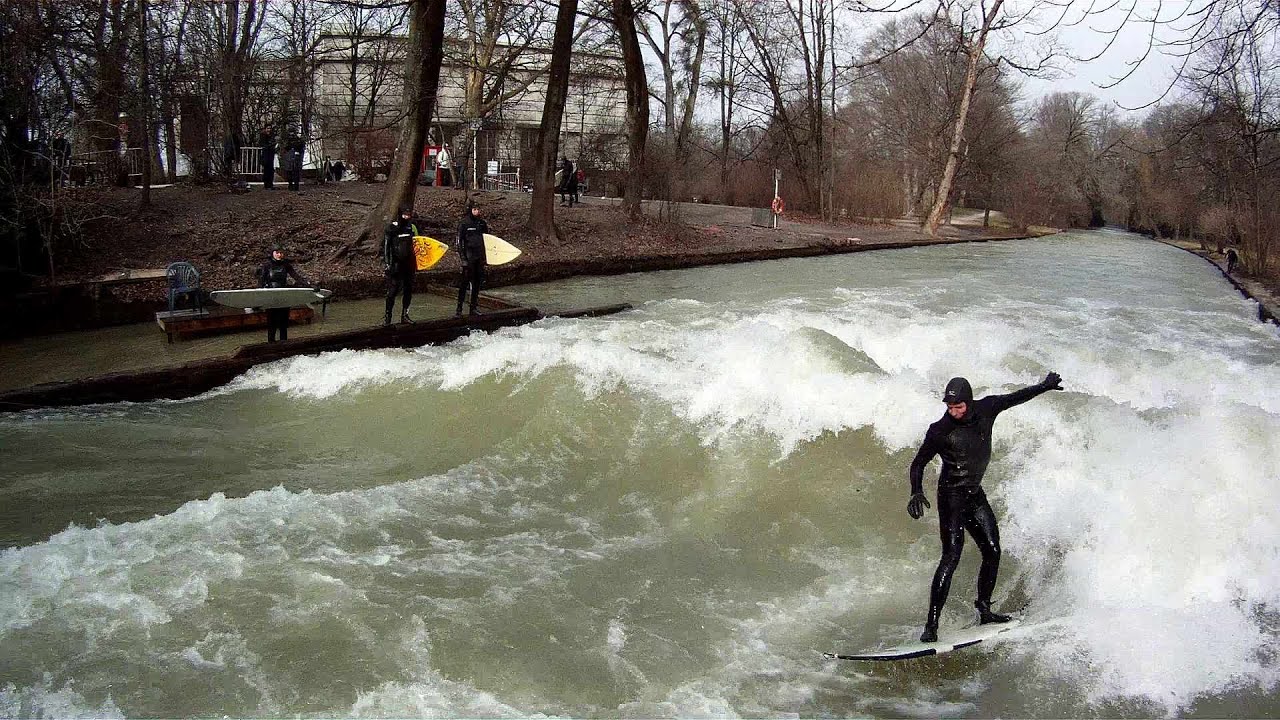
Camino de Santiago: A Complete Guide to Routes, Stages & Tips

TL;DRThe Camino de Santiago is a network of pilgrim routes leading to Santiago de Compostela, where the cathedral holds the tomb of the apostle James the Great. The most popular route is the 800-kilometre Camino Francés from Saint-Jean-Pied-de-Port, while the gentler Camino Portugués runs from Porto (240 km) or Tui (115 km). To earn the Compostela certificate, you need to walk the final 100 kilometres on foot, typically starting from Sarria, covering daily stages of around 20 to 25 kilometres. You’ll sleep in cheap pilgrim hostels called albergues (8–20 euros a night), with a daily budget of around 50 euros. The best time to go is May to October, avoiding the crowds expected for the Holy Year in 2027.

The green northwest of Spain is deceptively unexpected — instead of sun-scorched plains, you’re greeted by a landscape more reminiscent of wild Ireland or Scotland. Mist drifts lazily from eucalyptus forests, the cold Atlantic crashes against jagged cliffs, and bagpipes echo through local taverns on long evenings. Galicia is a fiercely independent world with Celtic roots, yet for millions of people it represents one ultimate destination. This is where the famous Camino de Santiago ends — the legendary pilgrimage that criss-crosses Europe and converges at a monumental cathedral. Whether you’re craving adventure, a digital detox, or simply need to clear your head, exploring the different Camino de Santiago routes might just be the life-changing experience you’re looking for.

TL;DR

  • When to go: The best conditions are from May to October, but avoid the extremely overcrowded Holy Year (the next one is 2027).
  • The 100 km rule: To earn the official Latin certificate, you must walk at least the final 100 kilometres on foot.
  • Pilgrim passport: The Credencial is an absolute essential — you collect stamps along the way from hostels, cafés, and churches.
  • Accommodation: Pilgrims sleep in special hostels called albergues, which are primarily for walkers and very affordable.
  • Budget: The Camino is one of the cheapest ways to travel across Europe — around €50 per day covers both food and accommodation.
  • Routes: You don’t have to walk the most famous Camino Francés — the Portuguese or Northern route are excellent, quieter alternatives.

When to Visit Santiago and Walk the Camino

The climate in northwestern Spain is dictated by the Atlantic, so you’ll need to be prepared for highly changeable weather. Winters are relatively mild but extremely rainy, which means the only reliably dry and warm window opens from May through to the end of October. If you’d like to enjoy a refreshing dip in the ocean along the way, aim for the summer months from June to September.

When planning your pilgrimage, the calendar plays an absolutely crucial role — and it’s something you need to pay close attention to. The year 2027 is a so-called Holy Year (Año Xacobeo), which occurs whenever the feast of Saint James falls on a Sunday. During this jubilee, the Holy Door of the cathedral is opened, and the number of pilgrims surges by 50 to 80%, leaving the trails bursting at the seams.

If you want to enjoy a more authentic and peaceful atmosphere, 2026 is shaping up to be the ideal window for your visit. You’ll experience Galician nature and historic towns just before the extreme crowds that come with the anniversary year. Spring and autumn also guarantee pleasant walking temperatures, so you won’t be battling the scorching summer sun on open plains.

Where to Stay in Santiago de Compostela

💡 Tip for accommodation and experiences: We usually search for places to stay on Booking.com, which tends to have the best cancellation policies. For tickets, tours, and activities, it’s worth comparing options and booking through GetYourGuide.

After days or weeks of walking, you’ll finally reach the finish line — and you’ll want to savour the city and give your body some well-earned rest. I’d recommend looking for accommodation right in the historic centre (Casco Histórico), which is a UNESCO World Heritage Site and a labyrinth of narrow granite alleyways. You’ll have all the landmarks, excellent restaurants, and the cathedral itself just steps from your bed.

If you’re after affordable yet comfortable digs, an excellent choice is Hotel Praza Quintana, located right next to the famous square with stunning views. For those of you who fancy treating yourselves to a bit of post-pilgrimage luxury, there’s the legendary Parador de Santiago (Hostal dos Reis Católicos). This 15th-century building originally served as a royal hospital for pilgrims and is now one of the most prestigious hotels in all of Spain.

A wonderfully atmospheric middle ground is Hospedería San Martín Pinario, a vast monastic complex just a stone’s throw from the cathedral. Whichever hotel you choose, make sure to book well in advance via Booking, because Santiago de Compostela sells out from spring through autumn, and banking on finding a room when you arrive simply isn’t worth the risk.

14 Tips for Preparing for the Camino de Santiago

Choosing the right route, buying gear, and getting your head around the pilgrim rules can all feel a bit overwhelming at first. I’ve put together a comprehensive overview of everything you need to know before your first Camino walk to Santiago.

1. Camino Francés – The Most Famous Classic Route

When people think of the Camino de Santiago, they almost always picture the Camino Francés — hands down the most popular route of them all. The full trail stretches roughly 800 kilometres, starting in the French town of Saint-Jean-Pied-de-Port and crossing the Pyrenees before heading across northern Spain. It boasts absolutely flawless infrastructure, from impeccable waymarking to countless hostels and cafés at every turn.

A huge advantage of the French route is its incredible social dimension — you’ll meet pilgrims from all over the world every single day and easily make lasting friendships. The flip side of this popularity, however, is the significant crowds, particularly during the summer months when the stretch from Sarria (the final 100 km) is absolutely heaving. A staggering 30.5% of all pilgrims start in Sarria to meet the minimum distance requirement for the Compostela certificate.

💡 Insider tip: If you want to walk the Camino Francés but dread the crowds, set off in April or towards the end of October. The weather will be cooler, but you’ll dodge the peak summer rush.

2. Camino Portugués – Perfect for a Relaxed First Pilgrimage

The second most popular of the Camino de Santiago routes is the Camino Portugués, which makes an ideal choice for complete beginners. Most pilgrims start either from Porto (240 km) or from the border town of Tui (115 km), where roughly 7.8% of all registered walkers begin. Compared to the French route, it has a significantly gentler elevation profile, so your knees won’t take nearly as much of a beating on steep descents.

The trail takes you through gorgeous green countryside, dense forests, and picturesque Portuguese and Spanish vineyards. The atmosphere is noticeably calmer than on the Camino Francés, yet the pilgrim infrastructure remains at a very high standard. If you want to soak up a romantic landscape and not stress about extreme physical challenges, the Portuguese route definitely won’t let you down.

3. Del Norte and Primitivo – For Experienced Hikers

If you’re a seasoned walker craving a real challenge and some solitude, the Camino del Norte or Camino Primitivo are calling your name. The Northern route (del Norte) starts in the border town of Irún and hugs the stunning Atlantic coastline, rewarding you with breathtaking ocean views. Be warned though — it’s physically very demanding thanks to the relentless ups and downs through countless valleys.

The Camino Primitivo is the oldest documented route to Santiago, starting in Oviedo and stretching approximately 320 kilometres. It cuts through the rugged mountains of Asturias and Galicia, so be prepared for serious elevation gains and unpredictable mountain weather. Your reward, however, is utterly untouched nature and blissful peace, as only a tiny fraction of total pilgrims venture this way.

4. The 100 Kilometre Rule and the Compostela Certificate

For your pilgrimage to be officially recognised and to receive the traditional Latin certificate known as the Compostela, you need to meet clearly defined rules. The basic requirement is to walk the final 100 kilometres to Santiago on foot, or cycle or ride on horseback for at least 200 kilometres. That’s precisely why so many people start their journey in towns like Sarria (Camino Francés), Tui (Camino Portugués), or Ferrol (Camino Inglés).

The certificate is issued by the Pilgrim’s Office (Oficina de Acogida al Peregrino) in Santiago upon presentation of your pilgrim passport. It’s not just a religious document either — people from every corner of the globe receive it today regardless of their faith, whether they walked for sporting, spiritual, or purely personal reasons. It’s a beautiful memento of pushing your own limits.

5. The Pilgrim Passport and Collecting Stamps (Credencial)

The key to the whole system on the Camino de Santiago pilgrimage is the so-called Credencial — the official pilgrim passport. This small foldable document serves as your ticket into the network of pilgrim hostels and doubles as proof of the route you’ve walked. You can pick one up for a few euros at your starting point, at larger churches, or at tourist information centres along the trail.

As you walk, you gradually collect stamps (sellos) from hostels, churches, and even local cafés and town halls. The rules are strict: over the final 100 kilometres you need to collect at least two stamps per day to prove in Santiago that you genuinely walked the route. The stamps themselves often feature beautiful designs, and by the end of your journey they form a gorgeous visual diary of your pilgrimage.

6. How Albergues (Pilgrim Hostels) Work

The backbone of practical life on the Camino are the pilgrim hostels known as albergues, which come in two flavours: municipal and private. Municipal albergues are very cheap, typically costing around €8 to €12 per night, but they operate on a strict first-come, first-served basis. You can’t book them in advance, and they offer basic bunk beds in large shared dormitories.

Private albergues cost a bit more, usually between €15 and €20, but offer the option to book ahead through various apps. They often provide noticeably better comfort — cleaner showers, washing machines, and smaller rooms. I’d recommend alternating between both types: the municipal ones give you that raw, authentic pilgrim atmosphere, while the private ones let you recharge properly.

lukas a lucka
Lukáš and Lucie recommend
Where to stay in Santiago de Compostela
4 accommodations — wellness hotels, hotels and other lodging options

7. Daily Distance and How to Plan Your Stages

A typical daily stage on the Camino de Santiago covers around 20 to 25 kilometres, which translates to roughly five to six hours of walking. Most pilgrims get up very early — often around six in the morning — to escape the midday sun and make sure they bag a free bed in a municipal albergue come afternoon. The rest of the day is then spent doing laundry, resting, and quietly exploring the local villages.

There’s no point pushing yourself to the limit from day one — your body needs time to adjust to the strain. For the first few days, plan shorter stages of around 15 kilometres and gradually increase the distance. Don’t forget to build rest days into your itinerary either — days when you walk minimal kilometres or stay in the same place for two nights to give your aching muscles a break.

8. Budget and Costs for the Camino de Santiago

One of the biggest perks of the Camino is that the budget for this trip is among the very lowest in all of Western Europe. While a typical budget traveller in Spain spends around €75 to €85 per day, a frugal pilgrim can get their daily costs down to under €50. That figure covers accommodation in an albergue as well as basic meals throughout the day.

You’ll save a fortune thanks to the so-called pilgrim’s menu (menú del peregrino), the Camino equivalent of a classic Spanish menú del día. For roughly €10 to €15, you get a hearty three-course lunch or dinner, complete with a bottle of wine and bread. Even better news: tap water across northern Spain is perfectly safe and drinkable, so simply refill your own bottle as you go and you’ll save even more.

9. What to Pack in Your Backpack (Less Is More)

Packing for the Camino is a discipline in itself, and there’s one golden rule to live by: your backpack should weigh no more than 10% of your body weight. Every extra gram will make itself felt in your knees and shoulders after hundreds of kilometres. The ideal pack size is between 30 and 40 litres — you really don’t need anything bigger, because you’ll be doing laundry regularly at albergues along the way.

Bring a maximum of three technical t-shirts, two pairs of shorts, a lightweight fleece, and a good-quality waterproof jacket — it rains in Galicia. A lot. A lightweight sleeping bag is essential since municipal albergues don’t provide bedding, along with a quick-dry travel towel. Decant toiletries into small travel bottles, and whatever you do, don’t forget earplugs — they’ll save you from the symphony of snoring in shared dormitories.

💡 Insider tip: Trekking poles aren’t just a fashion accessory — they’re an absolute necessity. They reduce the strain on your knees by up to 30% on steep descents.

10. Quality Footwear and Foot Care Are Non-Negotiable

Your feet are your most important mode of transport, so choosing the right footwear will make or break your experience. The days of heavy leather ankle boots are long gone. Most modern pilgrims opt for lightweight trail running shoes, which are breathable, dry quickly, and offer enough cushioning on hard surfaces like tarmac and cobblestones.

Equally important are quality trekking socks made from merino wool, which wick away moisture and reduce friction. Many pilgrims religiously apply petroleum jelly or specialist balm to their feet every morning to prevent blisters forming. If you do get one, make sure your first-aid kit includes blister-specific hydrocolloid plasters (like Compeed) and a sterilised needle with thread for safely draining and drying them out overnight.

11. Eating on the Trail and Galician Gastronomy

Food on the Camino is a massive part of the experience, and you’ll quickly fall in love with the ritual of communal evening meals with fellow pilgrims. Typical Spanish fare is readily available and affordable — besides the pilgrim’s menu, you can easily fuel up during the day with a hearty Spanish omelette (tortilla de patatas), available in every bar along the route for just a few euros and packed with energy. You can read more about the local cuisine in our guide to traditional Spanish food.

Galicia is a culinary paradise in its own right, and the undisputed local legend is pulpo a la gallega. This octopus is slowly simmered in a copper pot until tender, then served with smoked paprika. Another coastal speciality is percebes (goose barnacles), eye-wateringly expensive crustaceans that taste of pure ocean. If you’re vegetarian, there’s absolutely no need to worry — the local kitchen offers superb cheeses, olives, and pan-fried pimientos de Padrón peppers, which are utterly divine with a cold beer.

12. Don’t Miss the End of the World at Cape Finisterre

For many pilgrims, arriving in Santiago de Compostela is far from the end of the road. Hundreds of them press on for another roughly three-day walk to the Atlantic coast, to the famous Cape Finisterre (Camino Finisterre). The name itself, from the Latin Finis Terrae, literally means “the end of the world” — and that’s exactly what the ancient Romans called this wild, windswept spot before Columbus discovered the Americas.

This extension adds another 90 kilometres and leads you to cliffs battered by fierce ocean winds. At the iconic lighthouse on the cape, pilgrims traditionally gather to watch the sunset sinking into the endless Atlantic waters. It’s here, at the zero-kilometre marker, that the real, quiet, and deeply emotional conclusion of the entire pilgrimage takes place — one that stays with you forever.

13. Arriving in Santiago and the Monumental Cathedral

Stepping into Santiago de Compostela and taking your first steps onto the Praza do Obradoiro is one of the most powerful moments you can experience on any journey. This is where, right in front of the monumental Baroque façade of the cathedral, hundreds of exhausted pilgrims arrive every single day. You’ll see clusters of people sitting on the ground with dusty boots, leaning on their trekking poles, and often openly shedding tears of joy at having made it.

The cathedral itself hides breathtaking architecture and centuries of history within its walls. According to legend, the crypt beneath the high altar contains the remains of the Apostle Saint James, making this one of the three most important Christian pilgrimage sites in the world. I’d recommend visiting the cathedral early in the morning or towards evening, when the wet granite on the square glistens beautifully in the glow of the street lamps, creating a truly magical atmosphere.

14. Botafumeiro: The Magical Giant Incense Ritual

The absolute highlight of visiting Santiago de Compostela’s cathedral is witnessing the botafumeiro in action. This is a giant silver incense burner weighing over 50 kilograms that swings across the main nave of the church during selected services. The ritual originally served a very practical purpose — to mask the powerful stench of hundreds of unwashed pilgrims who slept in the cathedral during medieval times.

Today, the censer soars above the heads of worshippers and tourists alike, reaching speeds of up to 68 kilometres per hour. It takes eight specially trained men called tiraboleiros to set it in motion. Unfortunately, the botafumeiro isn’t used at every Mass — its deployment must be paid for in advance or occurs only on major feast days. If you’re lucky enough to witness this awe-inspiring ritual with your own eyes, you’ll carry the memory for life.

Where to Go Next from Santiago and Galicia

Once you’ve rested up and soaked in the atmosphere of Santiago, Spain offers countless options for continuing your travels. If the north stole your heart and you have a car or flights at your disposal, definitely explore the nearby Basque Country, famous for its world-class gastronomy. Top picks include the charming coastal city of San Sebastián, packed with pintxos bars, and the industrial-chic Bilbao with its iconic Guggenheim Museum.

If you’re craving warmer weather, head to the heart of the country or further south. The capital, Madrid, will charm you with its art galleries and parks, while cosmopolitan Barcelona serves up Gaudí’s unique architecture. Getting from Santiago to these cities is straightforward — budget airlines like easyJet and Ryanair operate regular flights, or you can take the high-speed AVE train.

If you’re dreaming of proper southern sunshine, Moorish palaces, and passionate flamenco, Andalusia is the way to go. Check out our comprehensive Andalusia guide with a full itinerary. You could start in stunning Seville, continue to the Alhambra via our Granada guide, and not miss the famous Mosque-Cathedral in Córdoba. For adrenaline junkies, I’d highly recommend the jaw-dropping Caminito Del Rey walkway near sunny Málaga. And if you fancy some island vibes and beaches, you can easily hop on a flight from the mainland to Ibiza in the Balearics.

Frequently Asked Questions

What is the Camino de Santiago?

The Camino de Santiago is an extensive network of historic pilgrimage routes that crisscross Europe. All these routes converge at a single point: the Spanish city of Santiago de Compostela, where the tomb of the Apostle Saint James the Greater is located. Originally a purely religious pilgrimage, today it’s a global sporting, cultural, and spiritual phenomenon.

How long does it take to walk the Camino?

The duration depends entirely on which route you choose and where you start. The longest complete route, the Camino Francés (approximately 800 km), takes an average of 30 to 35 days. However, if you decide to walk just the required final 100 kilometers from Sarria, you can comfortably complete it in 4 to 5 days of leisurely walking.

Is it safe to walk the Camino alone?

Yes, the Camino de Santiago is considered one of the safest routes in the world, even for solo female travelers. Especially on the more popular routes like the Camino Francés or Portugués, you’ll constantly meet other pilgrims, and locals are very helpful and accustomed to assisting walkers.

Do I need to be religious to walk the Camino?

Absolutely not. Today, deeply religious pilgrims make up only a fraction of the total number of people on the trail. Most people from around the world set out seeking adventure, to clear their heads after a difficult life event, or purely for athletic reasons and the desire for a digital detox.

Where can I get a pilgrim’s passport (Credencial)?

You can purchase a pilgrim’s passport, or Credencial, for a few euros right at the start of your journey. They’re commonly sold at tourist information centers, large churches at starting points, or official pilgrim offices. Without one, you won’t be allowed to stay in the special budget hostels called albergues.

Can I do the Camino by bike?

Yes, the Camino de Santiago can officially be completed by bicycle or even on horseback. However, to receive the Compostela certificate, cyclists must cover at least 200 kilometers, while walkers only need to complete 100 kilometers. Most routes are well-suited for mountain bikes.

Is tap water safe to drink along the way?

Yes, throughout northern Spain and Galicia, tap water is drinkable and completely safe. Along the route, you’ll also find plenty of public stone fountains (fuentes) where you can refill your bottle continuously and completely free of charge. There’s no need to buy bottled water in plastic.

What is a Holy Year (Ano Xacobeo)?

A Holy Year, or Ano Xacobeo, occurs whenever the feast day of Saint James (July 25th) falls on a Sunday. During this year, a special Holy Door opens in the cathedral, and pilgrims receive absolution of their sins. The next Holy Year will take place in 2027, and an extreme surge in visitor numbers is expected.

Tips and Tricks for Your Vacation

Don’t Overpay for Flights

Search for flights on Kayak. It’s our favorite search engine because it scans the websites of all airlines and always finds the cheapest connection.

Book Your Accommodation Smartly

The best experiences we’ve had when looking for accommodation (from Alaska to Morocco) are with Booking.com, where hotels, apartments, and entire houses are usually the cheapest and most widely available.

Don’t Forget Travel Insurance

Good travel insurance will protect you against illness, accidents, theft, or flight cancellations. We’ve had a few hospital visits abroad, so we know how important it is to have proper insurance arranged.

Where we insure ourselves: SafetyWing (best for everyone) and TrueTraveller (for extra-long trips).

Why don’t we recommend any Czech insurance company? Because they have too many restrictions. They set limits on the number of days abroad, travel insurance via a credit card often requires you to pay medical expenses only with that card, and they frequently limit the number of returns to the Czech Republic.

Find the Best Experiences

Get Your Guide is a huge online marketplace where you can book guided walks, trips, skip-the-line tickets, tours, and much more. We always find some extra fun there!
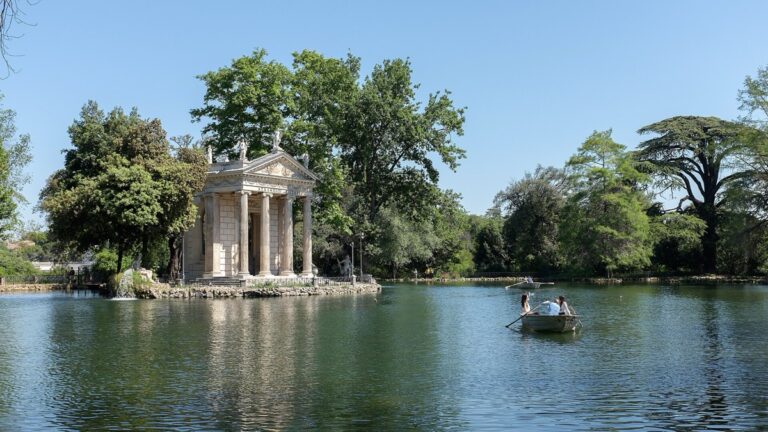
Tarragona, Spain: Roman Heritage by the Sea

TL;DRTarragona is a Catalan seaside city less than an hour from Barcelona on the high-speed train, where the ancient Roman heritage of Tárraco meets the beaches of the Costa Dorada. The star attraction is the Roman amphitheatre carved into the hillside above the sea, which once held up to fourteen thousand spectators, alongside the nearly thirty-metre Pont del Diable aqueduct four kilometres outside town and the well-preserved walls of the Passeig Arqueològic. You can cover the old centre on foot in a single day. Spring (April to mid-June) or September and October are your best bet, with temperatures around twenty degrees, while summer brings heat above thirty degrees and dry spells. There are fourteen specific tips here, including Cala Fonda beach, nicknamed Waikiki, and the tradition of human towers known as castells.

If you’re looking for the perfect escape from crowded Barcelona and craving a place steeped in ancient history, Tarragona Spain is your best bet. This fascinating Catalan city, perched right on the Mediterranean coast, offers a truly unique blend of ancient Roman monuments and a laid-back beach vibe. While hordes of tourists flood Barcelona’s Sagrada Família, in Tarragona you can enjoy a peaceful stroll along two-thousand-year-old city walls or lose yourself in the narrow lanes of the medieval old town.

Tarragona, known in antiquity as Tárraco, was once one of the most important cities of the Roman Empire on the entire Iberian Peninsula. Today, its remarkable archaeological ensemble is proudly inscribed on the UNESCO World Heritage List and offers sights that are guaranteed to leave you speechless. I’ve put together a comprehensive guide with all the essential information for your trip — from the most beautiful places to visit to practical tips on transport and accommodation.

TL;DR

  • Perfect day trip: Tarragona is easily accessible by high-speed train from Barcelona — the journey takes under an hour, and you can cover the main sights in one packed day.
  • Roman heritage: The star attraction is the ancient amphitheatre, dramatically perched on a cliff overlooking the sea with stunning views.
  • Aqueduct outside town: Don’t miss the Devil’s Bridge (Pont del Diable) — you can actually walk across the top of it, and it’s just a short ride from the city centre in a nature park.
  • Beaches without crowds: Unlike the packed resorts, you’ll find gorgeous golden-sand beaches here, with Cala Fonda bay feeling like an untouched paradise.
  • Catalan culture: The city is famous for its castells tradition — human towers built by teams of people in a thrilling, adrenaline-fuelled spectacle that’s central to local identity.
  • Watch out for summer heat: In recent years, Catalonia has been hit by extreme droughts, so spring or autumn are the best times to visit when temperatures are more comfortable.

When to Visit Tarragona and How Much Time to Spend

Choosing the right time to visit Catalonia has become absolutely crucial in recent years. The best time to travel to Tarragona is from April to mid-June, or alternatively during September and October. During these months, you’ll enjoy pleasant temperatures hovering around 20°C, which is ideal for exploring monuments and lingering at outdoor terraces. The spring months also bring beautifully blooming landscapes around the city.

On the other hand, I’d recommend avoiding the summer months if at all possible. Catalonia has been battling extreme heatwaves and historic drought, which peaks during summer. In July and August, temperatures can soar well above 30°C, turning the sun-baked stone lanes of the old town into something almost unbearable. Due to water shortages, strict restrictions may also be in place, including limits on beach showers and bans on filling public swimming pools.

As for how long to spend, Tarragona works brilliantly as a day trip from Barcelona. High-speed trains whisk you here in no time, and the historic centre is wonderfully compact — easily walkable on foot. However, if you’d rather enjoy the city at a leisurely pace, savour the evening atmosphere in tapas bars, and spend some time on the beach, it’s well worth planning at least one or two nights here.

Where to Stay in Tarragona

💡 Accommodation & experiences tip: We love searching for stays on Booking.com, which usually offers the best cancellation policies. For tickets, tours, and activities, it’s worth comparing options on GetYourGuide.

If you decide to stay overnight in Tarragona, the most atmospheric area is the Part Alta quarter — the historic heart of the city enclosed by ancient walls. You’ll be right next to the Gothic cathedral and Roman ruins, and in the evening you simply stroll down to the square and pick one of the many cosy cafés. Another excellent choice is the area around the main boulevard Rambla Nova, which puts you within easy reach of the monuments, the beach, and the train station.

For those seeking a touch of luxury and breathtaking sea views, H10 Imperial Tarraco is a superb option — it sits right beside the Roman amphitheatre. This hotel boasts a gorgeous rooftop pool with panoramic views over the city and the coastline. If you prefer something smaller and more budget-friendly right in the heart of the old town, check Booking for charming guesthouses tucked into the lanes of Part Alta, where you’ll often find beautifully restored historic houses with original stone vaults.

14 Things to Do in Tarragona

Let’s dive into the best that this enchanting city has to offer. Tarragona is quite literally an open-air museum, where you stumble upon a piece of history at every turn, yet it still manages to feel vibrant and authentic. Here are fourteen must-see places and experiences that deserve a spot on your itinerary.

1. Roman Amphitheatre Overlooking the Sea

The most famous and truly iconic landmark in Tarragona is the ancient amphitheatre (Amfiteatre de Tarragona), dating back to the 2nd century AD. Its location is absolutely unique — carved into the hillside directly above the Mediterranean Sea. Brutal gladiator fights and public executions once took place here, watched by up to fourteen thousand spectators. The contrast between those bloody events and today’s calm, sparkling sea is remarkably powerful.

As you explore the arena, you’ll notice that the remains of a Visigothic basilica and a Romanesque church stand right in the centre, built in later centuries. Admission costs just a few euros and it’s well worth walking through the interior to soak up the authentic historical atmosphere. If you want to save time or money, though, you can get a brilliant view of the entire structure from the park above, which is also the best spot for photos.

💡 Insider tip: The most beautiful light for photographing the amphitheatre is early morning, when the sun rises directly over the sea and bathes the ancient stones in golden hues — and you’ll dodge the main tourist crowds too.

2. Pont del Diable Aqueduct (Devil’s Bridge)

About four kilometres outside the city hides one of the best-preserved Roman structures in all of Spain — the monumental Les Ferreres aqueduct, known locally as Pont del Diable (Devil’s Bridge). This imposing structure once supplied the ancient city with water from a nearby river, its two tiers of arches soaring nearly thirty metres above a wooded valley. It’s fascinating to see how the Romans managed to build such a masterpiece of engineering without mortar, relying solely on perfectly fitted stone blocks.

The huge advantage of this site is that entry is completely free, and you can not only photograph the aqueduct but actually walk across the top of it. Strolling along the narrow water channel at the very summit, with pine forests stretching out below, is a truly unforgettable experience — though those with a fear of heights might find it a bit nerve-wracking. You can easily reach the aqueduct by city bus number 5 or 85 from the centre of Tarragona — the ride takes just about fifteen minutes.

💡 Insider tip: Bring comfortable shoes and a snack — the aqueduct is surrounded by a lovely eco-park with plenty of walking trails that are perfect for an afternoon picnic in nature.

3. Walking the Roman Walls (Passeig Arqueològic)

To truly appreciate the original scale of the city, you need to walk the Passeig Arqueològic archaeological promenade. This path follows the well-preserved Roman walls — the oldest Roman construction on the Iberian Peninsula surviving outside Italy. Built in the 3rd century BC, the massive stone blocks still bear mysterious mason’s marks that command immense respect.

The promenade is beautifully maintained, lined with cypresses, fragrant flowers, and historic cannons from later periods. Along the way, you’ll encounter a statue of Emperor Augustus, who once resided in Tárraco and governed the entire empire from here. There’s a small admission fee, but the views over the city and the serene garden atmosphere are absolutely worth it, especially on hot days when you’ll find welcome shade.

💡 Insider tip: Combine a visit to the walls with a tour of the entire Part Alta old town — the entrance to the promenade is right on the edge of the historic centre, so you can seamlessly continue to other sights.

4. Balcony of the Mediterranean (Balcó del Mediterrani)

At the very end of the main boulevard Rambla Nova, you’ll find a terrace with arguably the most beautiful viewpoint in the city — the Balcó del Mediterrani. This viewing platform sits atop a cliff roughly forty metres above the sea, offering breathtaking panoramas of the harbour, El Miracle beach, and the endless blue horizon. It’s a favourite gathering spot for locals, who come here for Sunday afternoon strolls or to watch the sunset.

There’s a charming local tradition associated with this spot called “tocar ferro” (touch the iron). The entire viewpoint is encircled by a beautiful 19th-century wrought-iron railing, and legend has it that anyone who touches the iron will be blessed with good luck and is guaranteed to return to Tarragona one day. Don’t forget to snap a photo with the amphitheatre below — it’s perfectly framed from up here.

💡 Insider tip: The cafés right next to the viewpoint tend to be rather overpriced — walk a short way back along Rambla Nova instead, where you’ll find much more authentic and affordable spots with excellent coffee.

5. Cathedral of Santa Tecla (Catedral de Tarragona)

At the highest point of the historic centre rises the imposing Gothic cathedral dedicated to Santa Tecla, the city’s patron saint. Construction began in the 12th century on the site of a former Romanesque basilica, which itself stood on the ruins of an ancient temple to Jupiter. This constant layering of history is quintessentially Tarragona — if you look closely at the cathedral walls, you can spot Roman stones and inscriptions that the medieval builders simply recycled.

The crown jewel of the complex is the stunning cloister — a tranquil courtyard surrounded by ornately decorated arcades — that radiates an incredible sense of peace. A fountain murmurs at its centre, orange trees grow here, and you could spend ages simply admiring the intricately carved biblical scenes on the columns. Admission to the cathedral is ticketed, but your ticket also includes the diocesan museum, which houses precious tapestries and religious artefacts.

💡 Insider tip: For something a bit quirky, look for the column in the cloister with a relief of rats carrying a cat — it’s a witty medieval reference to a fable that the guides love to tell you about.

6. Plaça del Fòrum and the Provincial Forum

As you wander through the narrow lanes of Part Alta, sooner or later you’ll stumble upon the charming Plaça del Fòrum. As the name suggests, this was once the heart of the Roman Provincial Forum, where the political and administrative power of the entire province was concentrated. Today, ancient ruins literally merge with medieval and modern buildings, creating a uniquely photogenic setting you’d be hard-pressed to find anywhere else in the world.

The square is now a lively hub filled with small cafés and tapas bars with outdoor terraces that come alive with locals in the evening. It’s the perfect spot to rest weary feet, order a glass of chilled Cava sparkling wine, and soak up the buzz. Try the traditional Pa amb tomàquet — crispy bread rubbed with ripe tomatoes and drizzled generously with olive oil — a brilliant, simple snack that showcases Catalan flavours at their best.

💡 Insider tip: Avoid peak lunch and dinner times, when it gets packed — the best atmosphere here is in the late afternoon, when the stone walls glow in warm tones and there’s a blissful calm.

lukas a lucka
Lukáš and Lucie recommend
Where to stay in Tarragona
2 accommodations — wellness hotels and other lodging options

7. Roman Circus (Circ Romà) and Praetori Tower

While the amphitheatre hosted gladiator fights, the Roman Circus was built specifically for chariot racing. Tarragona’s circus ranks among the best-preserved in all of Europe — and paradoxically, that’s because the medieval city was built right on top of it. Much of the original corridors and vaults survived as the foundations of later buildings, and today you can walk through them.

The circus visit also includes entry to the imposing Torre del Pretori, which originally connected the circus to the upper forum and later served as a royal palace and even a prison. From its rooftop, you’ll enjoy a fantastic 360-degree view over the whole of Tarragona, the old town, and the coastline. Exploring these dark underground passages is also a great way to escape the summer sun, as they stay pleasantly cool all year round.

💡 Insider tip: Buy the combined ticket for the Roman monuments, which covers the circus, amphitheatre, and walls — you’ll save a good chunk of money, and the ticket is valid for the entire year, so there’s no rush.

8. Tarragona Beaches and Cala Fonda Bay

When you’ve had your fill of history, just walk down a few steps and you’ll find yourself on gorgeous sandy beaches — the pride of the Costa Dorada (Golden Coast) region. Directly below the city lies the wide Playa del Milagro (Platja del Miracle), which is easy to reach and has all the amenities you’d expect — from showers to beach bars. The sand is soft and the sea has a very gentle slope, making it ideal for a relaxed day by the water.

If you prefer something wilder, definitely head a short way north to Cala Fonda bay, often nicknamed Waikiki. It’s a stunning, unspoilt beach flanked by steep cliffs and pine forests, and you can’t get there by car. You’ll need to walk about twenty minutes along a forest trail from Platja Llarga, but the reward is crystal-clear water and perfect tranquillity far from commercial resorts — just bear in mind that it’s popular with nudists.

💡 Insider tip: Bring plenty of your own food and drink to Waikiki beach — there are absolutely no kiosks, toilets, or sunbed hire, it’s completely wild nature, so carry everything you need on your back.

9. The Fascinating Tradition of Human Towers (Castells)

One of the most awe-inspiring things you can witness in Catalonia is the building of traditional human towers known as castells. This tradition, inscribed on UNESCO’s Intangible Cultural Heritage list, has very deep roots in Tarragona, and the local teams (colles) are among the best in the world. It’s an utterly incredible spectacle — dozens of people literally climb on top of one another to form towers reaching up to ten storeys high.

If you visit in late summer or autumn, there’s a great chance you’ll see these performances live during local festivals, especially the September celebrations of Santa Tecla. The atmosphere in the square, as hundreds of people hold their breath while a small child (the enxaneta) scrambles to the very top of the tower, is absolutely electric. If there’s no performance happening during your visit, pop by the Monument als Castellers on the main boulevard Rambla Nova, which celebrates this daring and beautiful tradition.

💡 Insider tip: Try to find out if any of the local teams have an open practice session — they often train in the evenings in squares or in their practice halls, and spectators are warmly welcome.

10. El Serrallo Fishing Quarter

For a genuine taste of seaside life, head to the traditional fishing quarter of El Serrallo, located near the main harbour. This area still retains its authentic working-port atmosphere, where fish auctions take place every afternoon and nets dry out on the quayside. The colourful house facades and moored fishing boats create a wonderfully picturesque setting for an evening wander well off the main tourist trail.

This quarter is renowned for its restaurants, where locals flock for the freshest seafood around. The signature local dish is the rich fisherman’s stew Suquet de peix, fragrant with saffron and almonds. If you prefer a meat-free diet, you’ll find excellent vegetarian tapas here too — think fried Pimientos de Padrón peppers, cheese croquettes, or simply a glass of wine with views of bobbing boats and the setting sun.

💡 Insider tip: Walk along the harbour all the way to the modern Far de la Banya lighthouse — there’s a lovely view of all the port activity, and you’ll often find a quieter spot here than on the restaurant-lined promenade.

11. PortAventura World Theme Park

If you’re travelling with friends and love a bit of adrenaline, one of Europe’s largest theme parks sits just ten minutes by train from Tarragona — PortAventura World. This massive complex is divided into several themed zones, from the Wild West to Polynesia and China, and offers world-class rides. It’s the perfect way to mix things up if you fancy a break from history and want a day of pure, unadulterated fun.

The biggest draws are the extreme roller coasters, such as the legendary Shambhala and Dragon Khan, which will satisfy even the most hardcore thrill-seekers. The resort also includes Caribe Aquatic Park and the standalone Ferrari Land, home to the fastest roller coaster in Europe. I strongly recommend buying tickets well in advance online — you’ll skip the exhausting queues at the ticket offices, which can be horrendous during peak season.

💡 Insider tip: Set aside a full day for PortAventura and arrive right at opening time — the park is enormous, and if you want to hit the main rides without hour-long queues, the early morning is absolutely key.

12. National Archaeological Museum (MNAT)

For those of you who want to dig deeper and understand everyday life in ancient Tárraco, the National Archaeological Museum of Tarragona is an absolute must. The museum houses an incredible collection of artefacts uncovered during excavations across the city and its surroundings. You’ll find everything from delicate jewellery and coins to everyday tools and enormous decorated sarcophagi.

The true pride of the collection are the beautifully preserved Roman mosaics, particularly the famous Medusa Head mosaic, which astonishes with its vivid colours and exquisite detail. The museum is very modern in its approach, with visualisations that help you imagine what the city looked like at the height of its glory. Pair your museum visit with a look at the nearby Roman Forum for a complete picture of life in a Roman province.

💡 Insider tip: The museum is often free on Sunday afternoons — check the current opening hours on their website, and you can save money to spend on an excellent Spanish coffee instead.

13. Central Market (Mercat Central)

To soak up the true, unfiltered atmosphere of a Catalan city, you absolutely must visit the Mercat Central building on Plaça Corsini. This beautiful Art Nouveau building from 1915 recently underwent an extensive renovation and is now the beating heart of the city. The architecture alone — with its typical Modernista details, cast-iron columns, and glass roof — is worth seeing and makes a lovely complement to the ancient monuments.

Inside, you’ll find a symphony of colours and aromas across dozens of stalls selling fresh fruit, vegetables, cheeses, and local specialities. It’s the ideal place to pick up supplies for a picnic on the beach or by the aqueduct. Make sure you stop at the olive and nut stalls, sample different varieties, and grab something sweet — perhaps traditional Catalan confections sold by weight.

💡 Insider tip: In front of the market building, local pensioners gather every morning for a chat, and the square itself often hosts small clothing and antiques markets, adding to the wonderful local atmosphere.

14. Strolling Down Rambla Nova and Parc del Miracle

Your exploration of the city wouldn’t be complete without a leisurely stroll down the main artery — the broad boulevard of Rambla Nova. This street divides the city in two and is lined with shops, cafés, shady benches beneath mature trees, and interesting sculptures. It starts at the imposing Castellers (human tower) monument and stretches over a kilometre to the Balcony of the Mediterranean viewpoint.

After you’ve drunk in the views from the terrace, you can descend the steps or take the lift down to the sea and into Parc del Miracle. This park cleverly connects the city to the beach and offers shady spots to rest right next to the ancient amphitheatre. It’s the perfect place to round off a full day of history — sit on a bench, listen to the murmur of the waves, and take in all the impressions this enchanting city has left on you.

💡 Insider tip: Grab a scoop of excellent ice cream on the main boulevard, slowly make your way down to the park, and wait for the sunset — the colours over the Mediterranean are simply indescribable.

Where to Go from Tarragona

Thanks to its location and excellent rail connections, Tarragona is an ideal base for exploring more of Spain. Here are a few ideas for where to head next:

  • Back to the big city: The most obvious next step is to explore the nearby Catalan capital — check out our guide on what to see in Barcelona.
  • South along the coast: Hop on a high-speed train heading south and in a few hours you’ll arrive in another gorgeous city — get inspired by our guide on what to see in Valencia.
  • To the capital: Spain’s superfast AVE trains make it easy and comfortable to reach the heart of the country — read our tips for Madrid.
  • Island getaway: From nearby Reus airport or from Barcelona, budget airlines fly to the Balearic Islands — explore with us what Ibiza has to offer.
  • Andalusian adventure: If you’re planning a longer road trip through Spain, make sure to check out our detailed Andalusia itinerary.

Frequently Asked Questions

How do I get from Barcelona to Tarragona?

The fastest and most comfortable way is to take the regional express trains that depart from Barcelona Sants station. The journey takes just under an hour and the trains run really frequently. You don’t need to buy tickets far in advance, you can get them right at the station from the machines, and the price for a one-way trip is around ten euros.

Is one day enough for Tarragona?

Yes, if you’re short on time, you can manage all the main Roman monuments and a stroll through the centre in one full day. The historic centre is very compact and the monuments are close together. But if you also want to visit the beaches, head out to the aqueduct, or check out PortAventura, I’d recommend setting aside at least two to three days.

Are the beaches in Tarragona sandy?

Absolutely, the town lies on the so-called Golden Coast (Costa Dorada), so all the local beaches are covered in beautiful, fine golden sand. The entry into the sea is usually very gentle and the water is clean, making it an ideal destination even for families with younger children who want a break from sightseeing.

Can you drink the tap water in Catalonia?

The tap water is officially drinkable and safe, but due to heavy chlorination it often doesn’t taste all that good, which is why locals prefer bottled water. Also bear in mind the current drought problems, so definitely don’t waste water and try to save it wherever you can.

Where do I park if I’m travelling by car?

Parking right in the historic Part Alta centre is very difficult and often impossible for non-residents. The best option is to use the large paid underground car parks along the Rambla Nova avenue or by the hospital, or you can try to find free spots further from the centre near El Miracle beach and walk the rest of the way.

What are these castells and when can I see them?

Castells are traditional Catalan human towers, and watching them being built is an amazing experience, both thrilling and cultural. Your best chance to see them live is on weekends from June to November, with the peak of the season being the September Santa Tecla festival, when thousands of enthusiastic spectators gather in the squares.

Is a visit to PortAventura worth it?

If you love roller coasters and theme parks, then absolutely yes, it’s one of the best parks in Europe. Just be prepared for higher ticket prices and big crowds during the summer months, so it’s ideal to set aside a whole day for it and buy your tickets in advance online.

Tips and Tricks for Your Vacation

Don’t Overpay for Flights

Search for flights on Kayak. It’s our favorite search engine because it scans the websites of all airlines and always finds the cheapest connection.

Book Your Accommodation Smartly

The best experiences we’ve had when looking for accommodation (from Alaska to Morocco) are with Booking.com, where hotels, apartments, and entire houses are usually the cheapest and most widely available.

Don’t Forget Travel Insurance

Good travel insurance will protect you against illness, accidents, theft, or flight cancellations. We’ve had a few hospital visits abroad, so we know how important it is to have proper insurance arranged.

Where we insure ourselves: SafetyWing (best for everyone) and TrueTraveller (for extra-long trips).

Why don’t we recommend any Czech insurance company? Because they have too many restrictions. They set limits on the number of days abroad, travel insurance via a credit card often requires you to pay medical expenses only with that card, and they frequently limit the number of returns to the Czech Republic.

Find the Best Experiences

Get Your Guide is a huge online marketplace where you can book guided walks, trips, skip-the-line tickets, tours, and much more. We always find some extra fun there!

Strahov Monastery & Loreto: What to See in Hradčany

TL;DRExploring Hradčany around Strahov Monastery and Loretánské náměstí takes at least half a day (4 to 5 hours), and it’s best planned from the top, starting at the Pohořelec tram stop so you’re walking downhill and dodging the crowds coming up from Malá Strana. The main highlights include the Strahov Library with its Theological and Philosophical Halls (entry 350 Kč, though you can only view them from the doorway), the Strahov Picture Gallery (200 Kč), and Loreta with its treasury, home to the Prague Sun studded with 6,222 diamonds (entry 250 Kč). From there the route continues past Černín Palace, whose summer garden is free to wander into, along the picturesque lane of Nový Svět (about a twenty-minute stroll), and on to Hradčanské náměstí for the view by the statue of T. G. Masaryk. A fitting last stop is the Strahov Monastery Brewery, where a half-litre of Sv. Norbert beer costs around 110 Kč.

The Hradčany quarter around Strahov and Loreto holds a special place in my heart — it’s tied to my days as a photojournalism student, when I used to escape the tourist crowds into the winding nooks of Nový Svět. Lukáš and I came here to clear our heads during our first years together in Prague, and this year we walked the route again, this time with two-year-old Jonášek in his pushchair. It’s still our favourite quiet corner of Hradčany and one of the most rewarding Prague attractions you can explore on foot.

My classmates from a local grammar school, who grew up in the centre, taught me one crucial lesson: don’t approach Hradčany from below via Malostranská — come from the top instead. You’ll save yourself the uphill slog, dodge the worst bottlenecks where crowds collide, and earn views that people pay good money for elsewhere. This part of the city demands a slow pace. You’ll pass monastery walls, listen to carillons, and peer over fences into gardens that most guidebooks never mention.

It almost feels silly to list everything you’ll find here — just keep reading. But for the record: we’ll cover Strahov, Loreto, get wonderfully lost in Nový Svět, and stop at places where tour guides never go. Lukáš will be happy because there’s a brewery at the end. 😁

TL;DR

💡 Local tip: Start your route at the top — at the Pohořelec tram stop. You’ll walk downhill the entire way and avoid the crowds trudging up from Malá Strana. 💡 Local tip: The Strahov Library houses two jaw-dropping halls (the Theological and Philosophical), but without a special reservation you can only peek through the doorways. 💡 Local tip: Don’t skip the Loreto treasury, where the Prague Sun shines — a monstrance studded with 6,222 diamonds. 💡 Local tip: The Czernin Palace opposite the Loreto is a government ministry, but its gardens are open to the public for free on summer weekends. 💡 Local tip: The tucked-away lane of Nový Svět feels more like a village than the centre of a capital city — no crowds, just charming little houses without pavements. 💡 Local tip: The Strahov Monastic Brewery serves excellent Sv. Norbert beer, but expect higher prices and full capacity. 💡 Local tip: Hradčanské náměstí offers one of the best views of Prague right by the TGM statue — an ideal spot for golden-hour photos. 💡 Local tip: The pub U Černého vola on Pohořelec is a time-capsule institution. All proceeds from beer sales support a nearby school for the visually impaired.

When to Visit Hradčany and Strahov

I remember one morning when I arrived at Pohořelec at seven and met only a dog walker and a bin lorry. Timing really matters here — while Old Town Square is permanently swarming, Hradčany has its quiet windows when you’ll have the place almost to yourself. I prefer coming early in the morning or in the late afternoon, once the tour coaches have whisked their passengers back to their hotels.

Spring and Summer Mornings for Photographers

If you’re into photography, set that alarm. In April and May the sun hits the façades of the Czernin Palace and Hradčanské náměstí at just the right angle, giving the plaster walls a rich, ochre glow. Morning light works absolute wonders, and you won’t get those annoying shadows from surrounding buildings spoiling your shots.

Summer middays, on the other hand, are brutal. The huge paved squares with zero shade radiate heat from every direction, and Jonáš was always grumpy in his pushchair from the glare. The only refuge is inside monastery walls and churches, where we duck in to cool down when we’ve truly had enough of the sun.

Autumn Melancholy and Winter Silence

The autumn mists rising from Petřín Hill and wrapping Strahov Monastery in a grey veil are exactly why I could never fully leave Prague. Back in the day I’d pull out my camera; now I pull Jonášek out of the pushchair and try to explain where the monastery is. He points at a pigeon.

In winter, especially when there’s a fresh blanket of snow, the lane of Nový Svět is utterly silent and looks almost like something from a fairy tale. The cobblestones can be slippery, but the atmosphere is absolutely worth the extra caution. The best way to warm your frozen fingers afterwards is over a hearty bowl of soup in one of the traditional local pubs — which is exactly where we head after our walk.

Where to Stay

Staying right in Hradčany means being cut off from the city’s buzz once evening rolls around. Restaurants close early and the streets empty out. That’s why Lukáš and I prefer a compromise: accommodation closer to the centre, from where we can reach the hilltop by tram in fifteen minutes, but still have all our favourite cafés and bistros on our doorstep at night.

On our last visit we tried The Julius Hotel near the Jindřišská Tower, and I’ve been recommending it to everyone since. It’s an architecturally stunning space with huge rooms (we had the One Bedroom Suite, which was a lifesaver with a pushchair and a mountain of Jonáš’s stuff) and brilliant transport links. You’re right in the centre yet on a quiet street.

If you’re travelling as a family, I strongly recommend making sure your hotel has a lift. It sounds obvious, but loads of gorgeous boutique hotels in Prague’s historic centre will have you lugging a pushchair up three flights of wooden spiral stairs. That’s another reason The Julius was a clear winner for us. You can check prices and availability on Booking.com.

Strahov Monastery and Its Treasures

The complex of buildings towering above Petřín Hill is one of the oldest Premonstratensian monasteries in the world, founded back in the 12th century. It’s not just one building but a sprawling compound hiding a library, a picture gallery, a basilica, and a brewery. For me it’s a place where deep intellectual history rubs shoulders with a very down-to-earth (yet excellent) beer-brewing present.

The Strahov Library and Its Halls

If you’ve ever seen a photo of a historic library in Prague on Instagram, chances are it was this one. It’s divided into two main parts: the older Theological Hall with heavy Baroque stucco and globes, and the newer, airier Philosophical Hall with an enormous ceiling fresco. The visual impact is staggering — but there’s a catch. A standard ticket only gets you as far as the doorway of each hall. You’re not allowed inside, in order to protect the microclimate and humidity levels that preserve centuries-old volumes.

In 2026, admission costs around 14 € for adults. It’s open daily from 9:00 to 17:00, but watch out for the midday break between noon and one o’clock, when they simply won’t let you in, even if you’ve travelled from the other side of the country. I’m speaking from experience. 😅 It’s always worth double-checking the current times on the Strahov Library’s website.

When Lukáš and I were here last, we happened to catch a moment when cleaning was underway in the Theological Hall. We could watch from a distance how carefully the centuries-old volumes have to be handled. The scent of old paper and wood drifts through the corridors and has an incredible, almost magical quality. It’s simply a place where history seeps out of every inch.

💡 Local tip: If you want to photograph with a DSLR or take more ambitious shots even on a phone, you need to buy a so-called photo permit at the ticket office. Without it, the attendants will firmly tell you off.

Basilica of the Assumption of Our Lady and the Picture Gallery

Right next to the library stands the monastery basilica, where none other than Wolfgang Amadeus Mozart once improvised on the organ. The interior is heavy, dark Baroque crammed with frescoes and gilding. Access to the basilica itself is usually limited to services or a glimpse through the grille, but right next door you’ll find the Strahov Picture Gallery. It houses one of the most valuable Central European collections of Gothic and Baroque art.

The gallery is often overlooked by tourists, which makes it a quiet oasis. Admission is around 8 € and the opening hours match the library’s. If you’re an art lover, set aside at least an hour. For me, during my student days, it was the perfect hideaway from the rain — somewhere I could sit quietly and sketch.

The gallery itself is compact, but the Gothic panel paintings have an incredible depth and detail that you could spend ages studying. Plus, thanks to the absence of crowds you can genuinely slow down here and gather your thoughts.

💡 Local tip: There’s no combined ticket for the library and the gallery — you have to buy two separate ones. If you only have time for one, the library is more visually spectacular; the gallery offers absolute peace and quiet.

Loretánské Square and Pohořelec

Honestly, this square always strikes me as slightly schizophrenic: on one side the sweet, confectionery-like façade of the Loreto, on the other the Czernin Palace, which looks as though it wandered in from a much harsher era. But it’s precisely that contrast that keeps pulling me back — I sit on a bench and glance between the two buildings like I’m watching a tennis match.

The Prague Loreto and Its Treasures

The Loreto is a pilgrimage site whose heart is the so-called Holy House (Santa Casa). Legend has it that this is the house of the Virgin Mary, carried by angels from Nazareth to Italy, with replicas then built all across Europe. The Prague version sits in the middle of a courtyard surrounded by arcades. Every hour on the hour, the Loreto carillon — dating from the late 17th century — rings out a Marian hymn over the square.

Inside the complex, don’t miss the treasury. Its greatest pride is the Prague Sun, a diamond monstrance from 1699 set with an astonishing 6,222 diamonds. Admission according to the official Loreto website is around 10 € for adults, and it’s open daily. From a family-with-pushchair perspective, I should warn you that there are steps and thresholds everywhere, so Lukáš and I had to take turns carrying Jonáš.

💡 Local tip: The carillon has a mechanism similar to a music box and can be reprogrammed. During major holidays, the tower plays special compositions instead of the usual melody — an experience that even locals make a point of catching.

The Czernin Palace and Its Shadows

Directly opposite the Loreto stands a building that has always felt slightly ominous to me. The Czernin Palace, with its seemingly endless row of massive columns, is the longest Baroque building in Prague. Today it houses the Ministry of Foreign Affairs. The palace’s history is dark — Reinhard Heydrich had his office here during the war, and in 1948 the body of minister Jan Masaryk was found beneath the courtyard windows, a tragedy that remains unexplained to this day.

You can’t normally get inside — the ministry opens its doors just a few times a year. However, the garden behind the palace is freely accessible on summer weekends, completely free of charge.

💡 Local tip: The Czernin Palace garden is one of the best places to escape the summer heat. There are no stalls or crowds — just immaculately trimmed lawns, fountains, and absolute silence.

Pohořelec Square

Pohořelec Square forms a natural link between Strahov and the Loreto. Its name isn’t accidental — the area was devastated by fire several times over the centuries (the Czech word hints at “burnt-down place”). Today it’s a calm spot lined with Renaissance and Baroque houses with covered arcades.

Standing here, you get the feeling the city is taking a breath before the madness that awaits you down by the Castle. I love just pausing to watch the comings and goings of the locals who still live here, because the architecture with its arcades has an irresistible charm.

lukas a lucka
Lukáš and Lucie recommend
Where to stay in Hradčany
2 accommodations — hotels and other lodging options

Hradčany Off the Beaten Track

Once you leave the Loreto behind and head towards Prague Castle, the crowds start thickening. Even so, there are pockets of calm to be found if you know where to turn.

Hradčanské Square

This vast open space in front of Prague Castle’s main gate is flanked by some of the city’s grandest palaces. The Schwarzenberg Palace, with its sgraffito-covered façade, is the one Lukáš always stops to stare at — the black-and-white geometry is genuinely mesmerising. Today it houses the National Gallery, but honestly, the exterior is better than half the exhibits inside. ☺️ Right next door you’ll find the Archbishop’s Palace, and a little further along the Sternberg Palace.

Most people take photos at the gate with the Castle Guard, but I have a different favourite spot on the square. Head to the statue of Tomáš Garrigue Masaryk on the southern edge. From there you get a fantastic view over the red rooftops of Malá Strana and the dome of the Church of St Nicholas.

Beyond the view itself, this open space is a favourite haunt of buskers playing everything from classical to jazz. Sometimes Lukáš, Jonáš and I just sit down on the kerb, listen to the music, and watch the endless flow of people pouring through that famous guarded gate.

💡 Local tip: If you want to explore Prague Castle without spending hours in queues, buy your tickets and book tours via GetYourGuide. It’ll save you the stress of queuing at the box offices in the Third Courtyard.

Nový Svět: A Village in the Heart of the City

If I had to pick just one spot in Hradčany that never gets old, it would be Nový Svět. All you have to do is turn downhill from Loretánské Square and suddenly you’re in a completely different world. No monumental palaces — just tiny, colourful cottages squeezed together along a winding cobbled lane. Originally home to castle servants and the urban poor, the lane later attracted artists and astronomers. Tycho Brahe and Johannes Kepler both worked nearby.

Every one of those little houses has an incredible story behind it. You can wander here with your mouth wide open, imagining how people once lived crammed on top of each other. The whole street feels as though time stopped somewhere in the 19th century. I half expect a chimney sweep to come round the corner with a brush over his shoulder.

What’s fascinating is that although this was once a quarter for the genuinely destitute, today these houses would set you back eye-watering sums. Most of them now serve as luxury homes or hide artists’ studios behind their modest façades. Yet there’s still an intimate, neighbourly sense of community here that you simply won’t find in the Old Town anymore.

The houses almost always have the word “golden” in their names (At the Golden Grape, At the Golden Pear) — supposedly to compensate for the poverty of their original inhabitants. Today it’s one of Prague’s most exclusive addresses. A stroll through here takes barely twenty minutes, but it’s the pure essence of old Prague without the kitsch.

Views from Petřín and Hradčany

The entire area between Strahov and Prague Castle is laced with scenic pathways. If you don’t want to stick to the most famous viewpoint at Hradčanské Square, walk from Strahov Monastery along the path called the Raoul Wallenberg Promenade. It follows the slopes of Petřín Hill, just below the monastery gardens.

The views are unobstructed by trees, and you can see all of Prague spread out below you — from Malá Strana across the Vltava to the Pankrác skyscrapers in the distance. It’s an ideal route for an evening stroll, when the city below starts to glow.

💡 Local tip: Try coming here at sunset, when a soft haze hangs over Prague and the light bounces off the Vltava. I’ve taken photos from here that turned out better than anything I ever captured from the Petřín Tower or Letná, and there’s not a queue in sight. 😉

Where to Eat in Hradčany

As I hinted earlier, Hradčany isn’t exactly a gastronomic paradise with options on every corner. Most restaurants along the main route cater to one-time tourists, and the prices reflect that, unfortunately. Still, Lukáš and I have managed to find a handful of places we’re always happy to revisit, whether for a proper lunch or just a coffee. Here are our tried-and-tested three.

Strahov Monastic Brewery

Right in the monastery courtyard you’ll find the Strahov Monastic Brewery, which carries on a centuries-old tradition of Premonstratensian brewing. Today it’s a modern — though heavily touristed — establishment. They brew Sv. Norbert beer, which ranks among the best you can taste in Prague. The amber lager and dark ale both have a rich, full-bodied flavour.

The restaurant is split into a beer hall and an outdoor terrace. The menu focuses on hearty Czech classics — pork knuckle, ribs, and goulash. As a vegetarian I don’t exactly have a feast here (I usually end up with marinated Hermelín cheese or a pretzel), but I’m always happy to tag along with Lukáš for the beer experience. Prices are on the higher side — expect to pay around 4.50 € for a half-litre — but you’re paying for location and quality.

💡 Local tip: The terrace is hopelessly packed in summer. Head straight to the back room in the former coach house — it’s much easier to find a table and the atmosphere under the vaulted ceilings is more authentic.

U Černého vola (The Black Ox)

You’ll find this institution tucked under the arcades on Pohořelec. Noise, the smell of beer and fried cheese, wooden benches, and waiters who look at you as if you’ve interrupted something important — and yet it’s a non-profit pub run by a group of regulars, with all beer proceeds going to a school for the visually impaired just around the corner.

It’s one of the few places up above the Castle where you’ll still bump into familiar old faces and where you can enjoy a properly poured draught Kozel or Pilsner Urquell. Don’t bother trying to reserve a table or ask for a quiet corner. You sit wherever there’s a free spot, and you’re welcome to pull up a chair next to a stranger. And if you have a pint, you’re supporting a good cause.

Kavárna Nový Svět

At the start (or end, depending on your direction) of the tucked-away Nový Svět lane, you’ll find this small, family-run café of the same name. They serve genuinely excellent coffee and superb cakes baked by the owner herself. It’s the perfect pit stop to warm up or grab a quick caffeine hit after kilometres of cobblestones.

The inside is truly tiny, so with the pushchair and Jonáš we usually took our coffee to go. But if you’re lucky enough to snag a table, definitely sit down for a while and soak up the wonderful neighbourly atmosphere that radiates from this little gem.

Practical Information

Getting there: Forget the metro and the uphill slog. Hop on tram number 22 and ride all the way to the Pohořelec stop. From there you’ll walk on the flat or gently downhill towards the Castle. A 30-minute ticket costs around 1.20 € and is more than enough from the centre. If you’re flying in from the UK, there are direct flights from London to Prague with carriers like British Airways, Ryanair and easyJet — the flight takes under two hours. Don’t even think about driving up here: parking for non-residents is virtually impossible and the restricted zones will only stress you out. The tram is completely reliable, runs every few minutes, and the winding ride up from Malostranské náměstí towards the Castle is a brilliant experience in itself — one your little ones will love too. Tickets: The sights in Hradčany (Loreto, Strahov Library) are NOT part of the Prague Castle ticket circuits. Each institution has its own ticket office and its own admission fee. Have your cards ready — contactless payment is accepted everywhere. If you’re planning to visit several places, spread your energy across more than one afternoon rather than trying to cram everything in at once. Especially with kids, who start losing interest after the second site. We usually pick one main attraction — say, the Loreto — and spend the rest of the time simply strolling the squares at a relaxed pace. * With a pushchair or wheelchair: Hradčany is tough terrain. The paving is rough, and the traditional cobblestones can rattle you to the bone. You can get into the Loreto and Strahov with some effort, but Nový Svět — with its missing pavements and steep gradient — is quite a challenge. The first time we took a full-sized pushchair down into Nový Svět, I thought it would be a breeze. Quite the opposite — Jonáš was bouncing around like he was on a trampoline. If you have a young child, I’d strongly recommend a baby carrier instead. Lukáš popped him into the carrier for the roughest stretches and we were both much more relaxed straight away.

Read Next

What to See in Prague: 100+ Tips on Sights, Cafés & Restaurants Prague Castle: The Complete Guide for 2026 * Where to Get Coffee: The Best Cafés in Prague

Frequently Asked Questions

How long does it take to visit Hradčany and Strahov?

If you want to see the Strahov Library, Loreta and stroll calmly through Nový Svět all the way to Hradčanské náměstí, set aside at least half a day (around 4 to 5 hours). With lunch in the brewery, easily even longer.

Can I take photos in the Strahov Library?

Yes, but only if you purchase a photo permit. This applies to phone cameras as well. Without it, the guards will stop you. You’re not allowed to enter the halls themselves to protect the books—photos are taken from the doorway.

Is Loreta open in winter?

Yes, Loreta is open year-round, but during the winter months (November to March) it has slightly reduced opening hours. Always check their website for current times before visiting.

How do I avoid the crowds at Hradčany?

The basic rule is to arrive early in the morning (before 9:00) or in the late afternoon (after 17:00). It also helps to take the route through Nový Svět and Pohořelec, where organized groups with guides usually don’t go.

Can I get vegetarian food at Klášterní pivovar Strahov?

As a vegetarian, I’ll be honest—it’s nothing to write home about. They have classic beer snacks like pickled cheese or pretzels, and occasionally you’ll find a meatless risotto or salad on the menu, but the main draw here is meat and beer.

Is Černínský palác open to the public?

The ministry building itself is closed except for occasional open house days. However, the beautiful French garden behind the palace is open for free on weekends during the summer season.

Where can I find the best free view of Prague?

Right at Hradčanské náměstí by the T. G. Masaryk statue, or on the viewing path (Promenáda Raoula Wallenberga) below Strahov Monastery heading toward Petřín. Both spots are freely accessible.

Tips and Tricks for Your Vacation

Don’t Overpay for Flights

Search for flights on Kayak. It’s our favorite search engine because it scans the websites of all airlines and always finds the cheapest connection.

Book Your Accommodation Smartly

The best experiences we’ve had when looking for accommodation (from Alaska to Morocco) are with Booking.com, where hotels, apartments, and entire houses are usually the cheapest and most widely available.

Don’t Forget Travel Insurance

Good travel insurance will protect you against illness, accidents, theft, or flight cancellations. We’ve had a few hospital visits abroad, so we know how important it is to have proper insurance arranged.

Where we insure ourselves: SafetyWing (best for everyone) and TrueTraveller (for extra-long trips).

Why don’t we recommend any Czech insurance company? Because they have too many restrictions. They set limits on the number of days abroad, travel insurance via a credit card often requires you to pay medical expenses only with that card, and they frequently limit the number of returns to the Czech Republic.

Find the Best Experiences

Get Your Guide is a huge online marketplace where you can book guided walks, trips, skip-the-line tickets, tours, and much more. We always find some extra fun there!

Nerja, Spain: Caves, Beaches and the Balcón de Europa

TL;DRNerja is a former fishing village on the eastern Costa del Sol, famous for the Balcón de Europa viewpoint and the Cueva de Nerja caves, with stalactites up to 32 metres long and a steady temperature of around 19°C. The best beach is Playa Burriana, the biggest and best equipped, while Maro beach, next to the Acantilados de Maro-Cerro Gordo nature reserve, offers wilder scenery and good snorkelling. Two to three days is enough for the town itself; add day trips to the white village of Frigiliana and to Málaga, and you’re looking at five days to a week. The best time to visit is May, June, September and October, when air temperatures hit 25–28°C and the sea’s warmed up nicely. From Málaga, Nerja is a 45-minute drive or just under an hour by bus. There are 14 tips here for what to see and do in and around Nerja.

When people hear Costa del Sol, many immediately picture endless strips of concrete hotels, overcrowded beaches and noisy nightclubs. The Sun Coast is certainly a land of extremes, but if you head east from Málaga, you’ll discover a completely different world. Nerja, Spain is a former fishing village that has managed to preserve its undeniable Andalusian charm despite growing popularity — largely thanks to a strict ban on high-rise construction. Here you’ll find breathtaking views of the Mediterranean Sea, majestic mountains rising right behind the town, and lanes lined with snow-white houses. If you’re looking for a place where romance meets stunning nature and superb food, I’d highly recommend adding this little town to your travel plans. In this article, we’ll take a detailed look at everything Nerja and its surroundings have to offer.

TL;DR

  • Best viewpoint: Balcón de Europa is the absolute heart of town, offering the most stunning views of the cliffs and sea.
  • Natural wonder: The Caves of Nerja house some of the largest stalactites in the world and provide the perfect escape from the summer heat.
  • Swimming: Burriana Beach is the biggest and best-equipped, while Maro Beach offers wilder scenery and great conditions for kayaking.
  • Charming surroundings: Just a stone’s throw from town lies Frigiliana, which regularly wins awards for the most beautiful white village in all of Spain.
  • When to go: The ideal months to visit are May, June, September and October, when you’ll avoid the extreme Andalusian heat.
  • Getting there: From Málaga, you can easily get here by rental car or local bus in just under an hour.

When to Visit Nerja and How Long to Stay

Choosing the right time to visit southern Andalusia is absolutely crucial, as the summer months can be truly unforgiving. During the Andalusian summer, temperatures regularly exceed 35 °C, and recent years have brought extreme heatwaves — so if you struggle with the heat, give August a wide berth. The coast is slightly more bearable than inland areas thanks to the sea breeze, but humidity is high and the town is bursting at the seams with tourists.

The ideal time for a visit is May to June and then September to October. During these months, the sea is still beautifully warm for swimming, air temperatures hover around a pleasant 25–28 °C, and you’ll avoid the biggest crowds. Winter from January to March is popular with digital nomads and travellers from northern Europe who come for the mild climate. Temperatures in winter sit around 15–18 °C — a bit brisk for swimming, but absolutely perfect for sightseeing and long walks.

For Nerja itself, two to three days will be enough if you simply want to stroll through the centre, visit the caves and enjoy an afternoon on the beach. However, if you’re planning to explore the surrounding white villages, hike in the mountains or take a day trip to Málaga, I’d recommend setting aside five days to a full week.

Where to Stay in Nerja

💡 Accommodation & experience tip: We love searching for accommodation on Booking.com, which tends to have the best cancellation policies. For tickets, tours and activities, it’s worth comparing and booking through GetYourGuide.

Nerja offers a huge range of accommodation, but since it’s an incredibly popular destination, I’d recommend booking hotels via Booking well in advance. Definitely don’t leave your accommodation search to the last minute, especially if you’re planning a trip during the spring or autumn months when the season is in full swing.

The best choice for romance lovers and evening strollers is the historic centre around the Balcón de Europa, where you’ll have all the little cafés and tapas bars just steps from your room. If, on the other hand, you’re mainly after the sea and want a view of the waves from your window, focus on accommodation near Burriana Beach.

  • Hotel Balcón de Europa: A luxury hotel built right into the cliff face next to the famous viewpoint. It offers absolutely jaw-dropping sea views, private access to a small beach and impeccable service — ideal for a special holiday.
  • Parador de Nerja: Paradores are Spain’s state-run hotel chain, often set in historic or unique buildings. This one sits on a cliff above Burriana Beach and features a gorgeous garden with a swimming pool, from where you can take in views of the Sierra de Almijara mountains.
  • MB Hostal Premium: An excellent choice for travellers seeking modern, spotless accommodation at a more reasonable price. This small boutique guesthouse is located just off the centre and offers a very friendly atmosphere and a lovely rooftop terrace.

14 Things to See and Do in Nerja, Spain

Let’s take a look at the very best this enchanting Andalusian town and its immediate surroundings have to offer — from historic landmarks and natural wonders to the most beautiful beaches.

1. Balcón de Europa Viewpoint

The absolute crown jewel of the town and its undisputed centre of activity is the Balcón de Europa. This circular viewing terrace is built on a sheer cliff directly above the sea and offers the most photogenic views of the jagged coastline. An old Arab fortress and later an artillery battery once stood on this spot, protecting the town from pirates.

Today, it’s the ultimate spot for an evening promenade. From one side you’ll see the endless blue of the Mediterranean; from the other, the majestic peaks of the Sierra de Almijara tower above the town. I’d recommend timing your stroll along the palm-lined promenade just before sunset, when the entire sky turns gorgeous pastel shades and the square comes alive with street performers and musicians.

2. The Fascinating Caves of Nerja (Cueva de Nerja)

About five kilometres from the town centre lies a genuine natural wonder you absolutely shouldn’t miss. This enormous cave system was discovered entirely by accident in 1959 by a group of local boys who were hunting for bats. Today the caves are open to the public and contain some of the largest and oldest stalactites in the world, with one measuring an incredible 32 metres.

The caves also provide the perfect refuge from the Andalusian summer heat, as they maintain a constant temperature of around 19 °C. The vast underground chambers have such perfect acoustics that classical music and flamenco concerts are regularly held here in summer. During peak season, booking tickets online several days in advance is absolutely essential — otherwise you’ll find hopelessly sold-out time slots.

3. Swimming at Burriana Beach

If you’re looking for the perfect spot for a full day of relaxation by the water, Burriana Beach (Playa Burriana) is your best bet. It’s the largest and best-equipped beach in all of Nerja, boasting fine golden sand and very clean water with a gentle slope into the sea. You’ll find every conceivable amenity here, from sun lounger and parasol hire to showers and beach volleyball courts.

A lively promenade lined with little shops, cafés and traditional restaurants stretches along the entire beach. This is where you’ll come across the local culinary speciality known as espetofive or six sardines skewered on a bamboo stick, grilled right on the beach over hot coals, often in old fishing boats filled with sand. It’s a wonderfully traditional experience that visitors absolutely love.

4. Photogenic Calahonda Beach

Tucked directly beneath the famous Balcón de Europa is a small but incredibly picturesque cove — Playa de Calahonda. You reach the beach via winding white steps that start right next to the viewpoint. It’s one of the most photographed beaches in all of Spain, framed by steep cliffs and old fishermen’s cottages built right into the rock face.

The beach is fairly small and fills up very quickly in summer, so I’d recommend heading down first thing in the morning. The water is a gorgeous shade of turquoise and, thanks to the surrounding rocks, the cove is sheltered from stronger winds. Even if you don’t stay all day, it’s well worth a short stop for that iconic photo with the cliffs in the background.

5. Wild Nature at Maro Beach

If you prefer quieter spots without sun loungers and noisy bars, drive just a few kilometres east to the village of Maro. The cliffs of Acantilados de Maro-Cerro Gordo form a protected nature reserve, hiding beautiful wild beaches surrounded by lush vegetation. The water here is absolutely crystal clear, making it a paradise for snorkelling enthusiasts.

Maro Beach is made up of a mix of coarse sand and pebbles, and the access is a little steeper — but it’s well worth the effort. Right from the beach, you can hire a kayak or paddleboard and set off to explore the surrounding sea caves and hidden waterfalls that cascade from the steep cliffs directly into the waves.

lukas a lucka
Lukáš and Lucie recommend
Where to Stay in Nerja
4 accommodations — wellness hotels and other lodging options

6. Wandering Through the Historic Town Centre

Unlike many other resorts along the western Costa del Sol, Nerja has kept its historic soul. The centre is largely pedestrianised, threaded with shady lanes paved in marble and lined with snow-white houses. At every turn, you’ll spot balconies overflowing with colourful geraniums and bougainvillea.

As you stroll through the centre, you can’t miss the El Salvador Church, which stands directly opposite the Balcón de Europa. The town is full of small artisan shops and boutiques where you can pick up beautiful ceramics, leather goods or traditional Andalusian fans. Lose yourself for a while in the maze of alleys and soak up that quintessentially slow, southern Spanish atmosphere.

7. The Historic El Águila Aqueduct

On the way to the Caves of Nerja, you’ll stumble upon a rather unexpected piece of industrial heritage. The El Águila Aqueduct (Eagle Aqueduct) was built in the 19th century and used to channel water to a local sugar cane processing factory, which was the main source of income for the entire region at the time.

This imposing structure spans a deep gorge and consists of four tiers of brick arches in the Mudéjar style. At the very top, you can spot a weather vane in the shape of an eagle, which gave the aqueduct its name. It’s a great spot for a quick stop and a few lovely photos, and it’s right on the main road.

8. Day Trip to the White Village of Frigiliana

Just about ten minutes by bus from Nerja into the hills lies a place you simply have to see. Frigiliana is a traditional Andalusian pueblo blanco (white village) that clings to the mountainside and has repeatedly won awards for the most beautiful village in all of Spain. It’s literally a labyrinth of steep, narrow alleyways, staircases and tiny plazas.

Every house here is dazzlingly white, while doors and shutters are painted in vivid pastel colours. Everywhere you look, you’ll see hundreds of blue flower pots bursting with blooms. Climb all the way to the very top of the village for a breathtaking panoramic view stretching across green valleys down to the glistening sea.

9. A Day Trip to Málaga

For years, Málaga served tourists as little more than a transit hub and arrival hall, but today it’s a confident cultural metropolis. From Nerja, you can get there comfortably by bus in about an hour. Málaga’s historic heart is compact, and towering above it is the Moorish Alcazaba fortress from the 11th century. While more intimate than the famous Alhambra in Granada, it offers fantastic views over the port.

Be sure to check out the Cathedral of Nuestra Señora de la Encarnación. Locals affectionately call it “La Manquita” (The One-Armed Lady), because its south tower was never completed due to a lack of funds. The main draw of modern Málaga, however, remains the Museo Picasso, housed in a beautiful palace and displaying over two hundred works by this famous native son.

10. Visiting the Nerja Museum

If you’d like to learn more about the region’s history, pop into the Museo de Nerja, located right in the town centre on Plaza de España. The exhibition takes you through the area’s story from prehistoric times right up to the huge tourism boom of the 1960s.

The museum works closely with the foundation that manages the local caves, so you’ll find many fascinating archaeological artefacts discovered in the underground chambers. Interactive panels are part of the exhibition, making the visit genuinely engaging — it’ll even keep older children entertained for a while.

11. Water Sports and Boat Trips

The coastline around Nerja and Maro is so rugged and dramatic that it would be a real shame to admire it only from land. The best way to explore the hidden coves and towering cliffs is from the deck of a boat or a kayak. The Acantilados de Maro-Cerro Gordo nature reserve in particular is absolutely made for water sports.

💡 Top tip: Kayak tours are among the most popular activities in the region. I’d recommend using GetYourGuide, where you can easily book a guided trip that takes you into the most spectacular sea caves and shows you waterfalls tumbling into the ocean. These tours sell out fast in summer, so booking ahead is a must.

12. Shopping at the Local Markets (Mercadillo)

If you fancy a taste of authentic local buzz, head to the traditional markets known in Spain as mercadillo. In Nerja, the market takes place every Tuesday morning in the northern part of town, and you’ll find absolutely everything — from fresh fruit and vegetables to fragrant spices, olives, cheeses, clothing and ceramics.

If you’re in town at the weekend, a popular flea market is held on Sundays at the same spot. You can rummage through antiques, books, old coins and all sorts of curiosities. It’s a brilliant opportunity to find a truly original holiday souvenir while practising your haggling skills with the local sellers.

13. Exploring the Eastern Costa del Sol

West of Málaga lies the iconic coastline packed with resorts like Torremolinos and Marbella — essentially one huge conurbation devoted to mass tourism. By contrast, the Costa del Sol east of Málaga (which includes Nerja) offers a far calmer and more authentic side of Andalusia.

If you’ve hired a car, definitely explore the smaller coastal villages heading east towards Granada province. The road winds high above the sea and serves up endless views of wild cliffs and deserted beaches where you can find a bit of privacy even in peak season. Stop off in the little town of La Herradura, which is renowned for its superb scuba diving conditions.

14. Sampling the Local Andalusian Cuisine

Spanish food is a world unto itself, and in Andalusia that goes double. Coastal gastronomy here is straightforward and makes the most of the freshest ingredients. If you’re vegetarian, be sure to try the traditional cold soups — they’re the perfect refreshment in the summer heat. Beyond the classic gazpacho, try salmorejo, a thicker and creamier version hailing from nearby Córdoba.

From the tapas menu, don’t miss the superb Spanish omelette tortilla de patatas, fried pimientos de Padrón peppers sprinkled with coarse salt, or spicy patatas bravas. For seafood lovers, the regional speciality is pescaíto frito (an assortment of small fried fish). But remember one important thing: the Spanish eat very late. If you turn up for dinner at six in the evening, authentic restaurants will still be shut. They don’t start filling up until around half nine at night.

Where to Go from Nerja

Andalusia is vast and offers so many gorgeous places that you could spend months here and still have plenty left to discover. If you have more time and are wondering where to head next from the coast, we’ve prepared loads of further inspiration.

From Nerja, you could head off to explore the stunning Granada with its famous Alhambra, or venture a little further and check out Córdoba and its 15 must-see sights. If you love adventure, about an hour and a half’s drive away is the famous Caminito del Rey trail, once considered the most dangerous walkway in the world.

For comprehensive planning, have a look at our itinerary and map of the 20 most beautiful places in Andalusia. And if you’re drawn more to city vibes, we can help you plan a holiday in Málaga or discover everything the passionate city of Seville has to offer.

Frequently Asked Questions

What’s the best way to get from Málaga to Nerja?

The easiest and quickest option is definitely renting a car at Málaga airport – the drive along the motorway takes about 45 minutes. If you’d rather not drive, direct ALSA buses run very frequently from central Málaga (from the main bus station). The journey takes just under an hour and tickets cost only a few euros.

Is the sea warm enough for swimming?

The Mediterranean in this area is warmer than the Atlantic near Cádiz, but it can still be quite refreshing. The best swimming conditions are from late June to early October, when water temperatures typically reach a pleasant 24 to 26°C. During winter months, the sea temperature drops to around 15°C.

Can you do a day trip to Gibraltar from Nerja?

Technically yes, but be prepared for a really long day. The drive from Nerja to Gibraltar takes over two hours each way. Crucially, remember that Gibraltar isn’t part of the Schengen Area, so you’ll need a valid passport to cross the border – an ID card may not be sufficient.

Do I need to book cave tickets in advance?

Absolutely. The Nerja Caves are one of Andalusia’s biggest tourist attractions. During summer months and Spanish holidays, tickets often sell out several days ahead. If you don’t buy tickets online in advance, you risk not getting in at all.

Can I get by with English in town?

Nerja is hugely popular with British tourists and expats, so English proficiency here is significantly better than inland Spain. You’ll have no trouble communicating in English at hotels, restaurants in the centre, and tourist attractions. That said, a few basic Spanish phrases (hola, gracias) will always open doors and get you a warmer welcome.

Is tap water safe to drink?

Yes, tap water in Spain is generally safe and drinkable. However, in coastal areas of Andalusia, the water can have a strong chlorine taste or be quite hard, which some people find off-putting. Many tourists and locals therefore prefer to buy bottled water in large containers.

How many days do I need to explore the area?

If you only want to see the town itself, the Balcony of Europe, and the caves, two days will suffice. But if you want to head up into the mountains to the village of Frigiliana, rent kayaks at Maro beach, and enjoy some relaxing days by the sea without rushing, I’d recommend planning a stay of at least five days.

Tips and Tricks for Your Vacation

Don’t Overpay for Flights

Search for flights on Kayak. It’s our favorite search engine because it scans the websites of all airlines and always finds the cheapest connection.

Book Your Accommodation Smartly

The best experiences we’ve had when looking for accommodation (from Alaska to Morocco) are with Booking.com, where hotels, apartments, and entire houses are usually the cheapest and most widely available.

Don’t Forget Travel Insurance

Good travel insurance will protect you against illness, accidents, theft, or flight cancellations. We’ve had a few hospital visits abroad, so we know how important it is to have proper insurance arranged.

Where we insure ourselves: SafetyWing (best for everyone) and TrueTraveller (for extra-long trips).

Why don’t we recommend any Czech insurance company? Because they have too many restrictions. They set limits on the number of days abroad, travel insurance via a credit card often requires you to pay medical expenses only with that card, and they frequently limit the number of returns to the Czech Republic.

Find the Best Experiences

Get Your Guide is a huge online marketplace where you can book guided walks, trips, skip-the-line tickets, tours, and much more. We always find some extra fun there!