

When I first started exploring the best museums in Prague during my studies at Charles University, my entire perspective on the city shifted. Instead of chasing tourists at the Astronomical Clock with my heavy DSLR, I spent dozens of hours in the quiet halls of the Trade Fair Palace. I was hunting for the right angles, studying how light played across sculptures, and soaking in a calm that no outdoor stroll could match. I had a similar relationship with the Mucha Museum — Art Nouveau lines fascinated me so much that I spent more time there than in the university library.
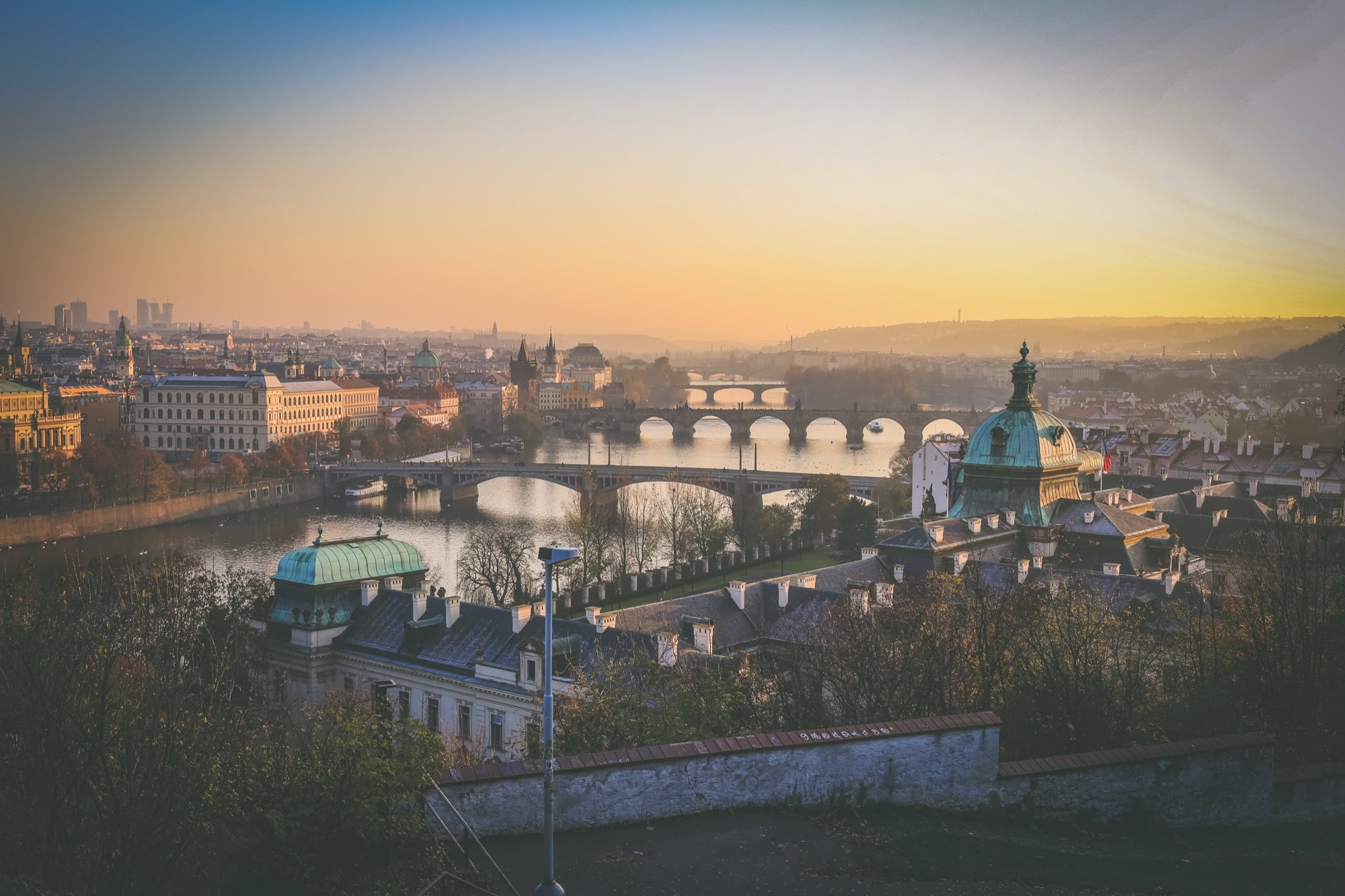
These days, I return to Prague with my husband Lukáš and our two-year-old son Jonáš. Seeing Jonáš’s eyes light up at everything new has given my museum adventures a completely different dimension. Suddenly I’m not just evaluating curatorial intent — I’m also checking whether you can safely manoeuvre a pushchair between exhibits and where the nearest changing table is.
Honestly, Prague still surprises me. I remember a time when the National Museum’s display cases were gathering dust and nobody looked back, but today it’s a completely different story. Traditional institutions have been modernised and the newer ones aren’t afraid to provoke. Whether you’re after raw testimonies from the 20th century or want to shelter from the rain among Old Masters’ canvases, you’ve got plenty to choose from. Local curators have finally understood that visitors want interaction and context.
So what’s in store? A few giants you’ll recognise from guidebooks, a few places that don’t appear in any guidebook, and one museum that Jonáš refused to leave for an entire afternoon. 😄 We’ll also look at the powerful stories told at the Museum of Communism in Prague.
TL;DR
- The National Museum on Wenceslas Square has undergone a massive renovation and its historic domed building is now a visual centrepiece of the city.
- The Trade Fair Palace houses the National Gallery’s modern art collections — stroll past canvases by Kupka and Picasso in a clean Functionalist space.
- The National Technical Museum in Letná is an absolute must for families with kids — the enormous transport hall with aircraft and trains will keep them entertained all afternoon.
- The Museum of Communism offers an unflinching look at recent history — excellent for understanding the Central European context.
- DOX in Holešovice represents contemporary art, and its wooden airship Gulliver perched on the roof is an architectural one-off.
- Museum Kampa holds the lifetime collection of patron Meda Mládková — primarily works by František Kupka — in a beautiful riverside setting.
- The Jewish Museum isn’t one building but a complex of synagogues and an ancient cemetery that meticulously maps the history of Prague’s Jewish community.
- The Mucha Museum delights Art Nouveau lovers with famous posters for Sarah Bernhardt and personal belongings of Alphonse Mucha.
- Hidden gems like the Czech Museum of Music or MeetFactory reveal an alternative side of the city — without the tourist crowds.
The full destination guide: Czechia — guide and what to see
When to Visit Prague Museums and Galleries
Planning a gallery visit requires a bit of strategy, especially if you hate crowds. Weekends — particularly rainy ones — mean queues at ticket desks and packed cloakrooms. If you can, aim for weekday mornings. Most Prague institutions are closed on Mondays, so watch out for that unless you fancy standing in front of locked doors.
Prague Museum Night and Free Entry Days
Once a year, typically in June, the city comes alive with Prague Museum Night. Entry is free, special buses run between institutions, and the atmosphere is brilliant. Be prepared, though — at the most popular venues, you could easily queue for an hour.
A much quieter alternative are the free-entry days that the National Gallery offers on public holidays or its founding anniversaries. Lukáš and I always plan these in advance, make a lovely afternoon of it, and invest the saved money in a good dinner to celebrate a great day out.
Weather as the Chief Curator
When it’s unbearably hot in Prague in August and Lukáš has been complaining about the heat for three days straight, head for the air-conditioned halls of the Trade Fair Palace — it’s the perfect rescue. It’s a huge space where you can cool down for a good half day.
Conversely, in autumn when fog wraps around the city, I’d recommend the more intimate spaces in Malá Strana. The Franz Kafka Museum, for instance, has just the right brooding atmosphere on a grey November day — something a sunny summer afternoon would simply overpower. We always emerge and head straight to the nearest café for something warm.
Where to Stay
If you’re visiting Prague primarily for its culture, you’ll want a strategic base in the centre — somewhere you can walk everywhere or hop on a tram quickly. On our last family trip, we chose The Julius Hotel on Senovážné Square, and I can wholeheartedly recommend it.
We stayed in a spacious One Bedroom Suite, which was a lifesaver when travelling with a toddler. We had a fully equipped kitchen, so making Jonáš’s morning porridge was no problem. The interior is polished down to the last detail — autumnal tones and oak wood create an incredibly calming feel. It’s also a short walk to the main railway station and Wenceslas Square, so you can reach the National Museum or the Museum of Communism in ten minutes. Check current availability and book your room through Booking.com.
Classic Museums and Galleries: National Treasures
The fundamental pillars of Prague’s culture that define the face of the city. These institutions collect, preserve, and exhibit the most precious things the Czech Republic has to offer.
National Museum
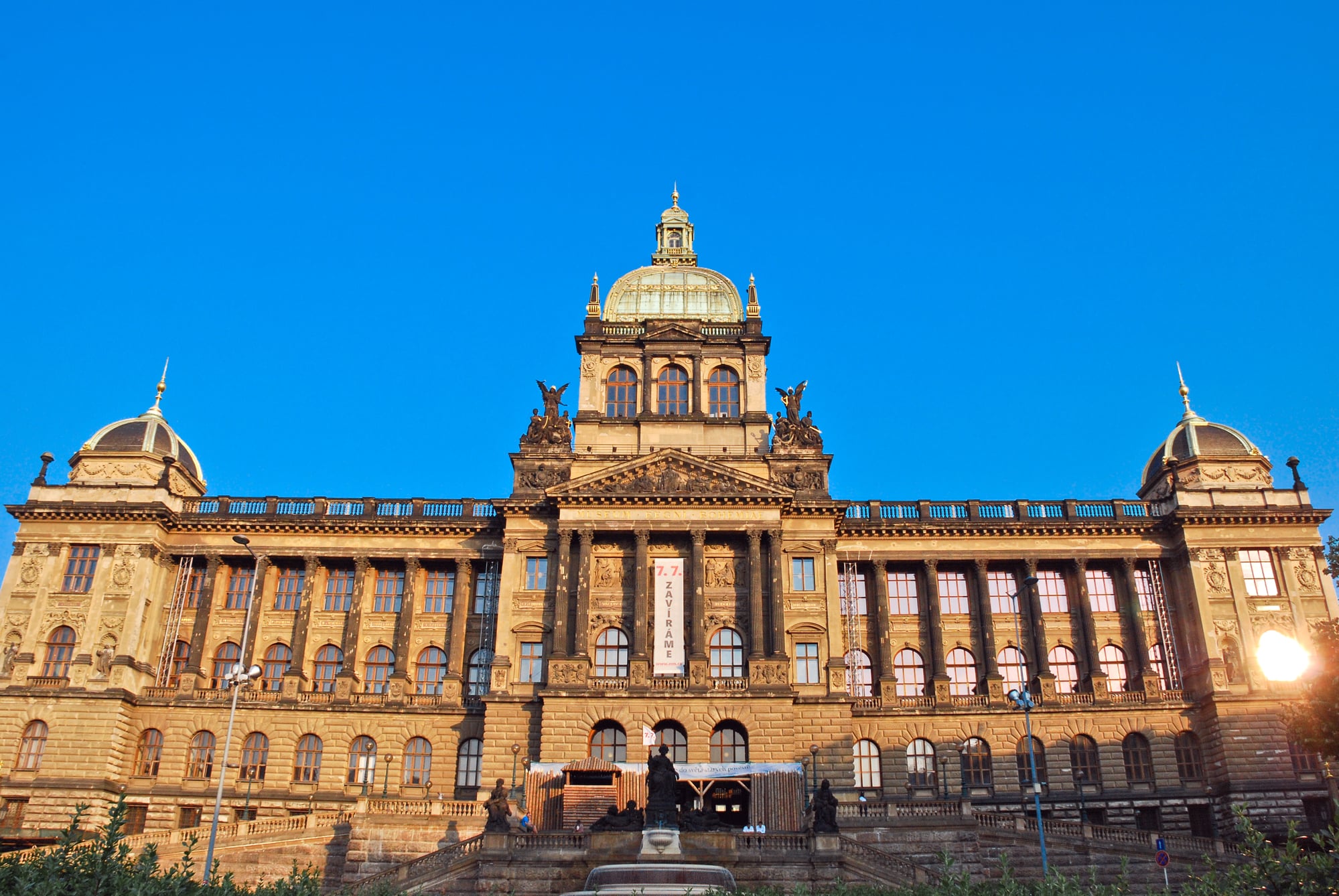
The landmark crowning the upper end of Wenceslas Square is visually stunning after its massive renovation completed in 2018. Even if history isn’t your thing, the Neo-Renaissance building alone is worth seeing. The main pantheon with marble statues and a huge glass dome feels monumental. The natural history exhibition — featuring the legendary blue whale skeleton — has been given modern lighting and interactive elements, so it’s no longer just a dull parade of stuffed animals where kids lose interest at every display case.
Underground, you’ll find a connecting tunnel to the New Building, where fascinating video-mapping projections about Prague’s history are shown. A full visit can easily fill half a day if you want to read the labels. With kids, you can do a faster loop through the animals and minerals — which usually keeps them thrilled.
Standard admission is €14 and covers both buildings. If it’s your first visit, set aside a whole day — there really are that many halls. The easiest way to get here is by metro line A or C to Muzeum station. You’ll find official details on current exhibitions on the National Museum website.
💡 Local’s tip: Buy your ticket online in advance. The queues at the physical ticket desks in peak season are painful and stretch all the way down the front steps.
Trade Fair Palace: National Gallery
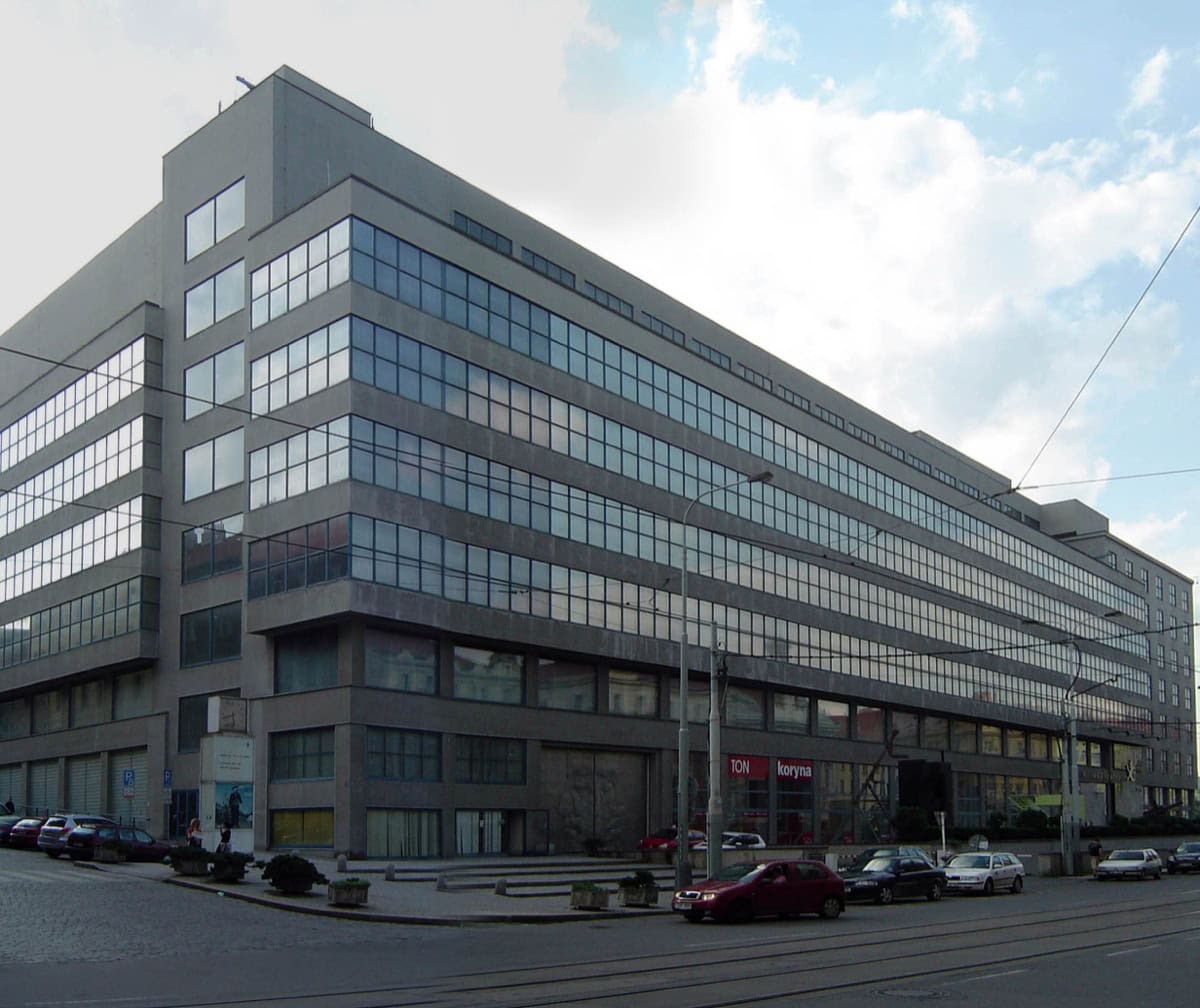
This one is close to my heart. The enormous Functionalist building in Holešovice houses collections of modern and contemporary art. I spent countless hours here during my student years wandering between paintings by František Kupka, admiring the French Impressionists, and looking for details in canvases by Gustav Klimt and Pablo Picasso. The space is so vast that it never feels crowded.
Beyond the permanent exhibitions, I come here for temporary shows, which tend to be superbly curated. The building itself, with its sweeping atrium and galleries, is a masterpiece of interwar architecture. Coffee at the ground-floor café is one of my favourite rituals — they serve excellent speciality coffee in a wonderfully calm setting.
A ticket to the permanent collections costs €10; they’re open Tuesday to Sunday from ten. From the centre, take tram 17 to the Veletržní palác stop. And a word of warning — the building is truly enormous, so comfortable shoes aren’t a recommendation, they’re a necessity. 😉 Check the current programme on the National Gallery website.
💡 Local’s tip: On the first Wednesday of each month, the National Gallery offers reduced or free afternoon entry to selected exhibitions — check the latest conditions on their website.
Mucha Museum
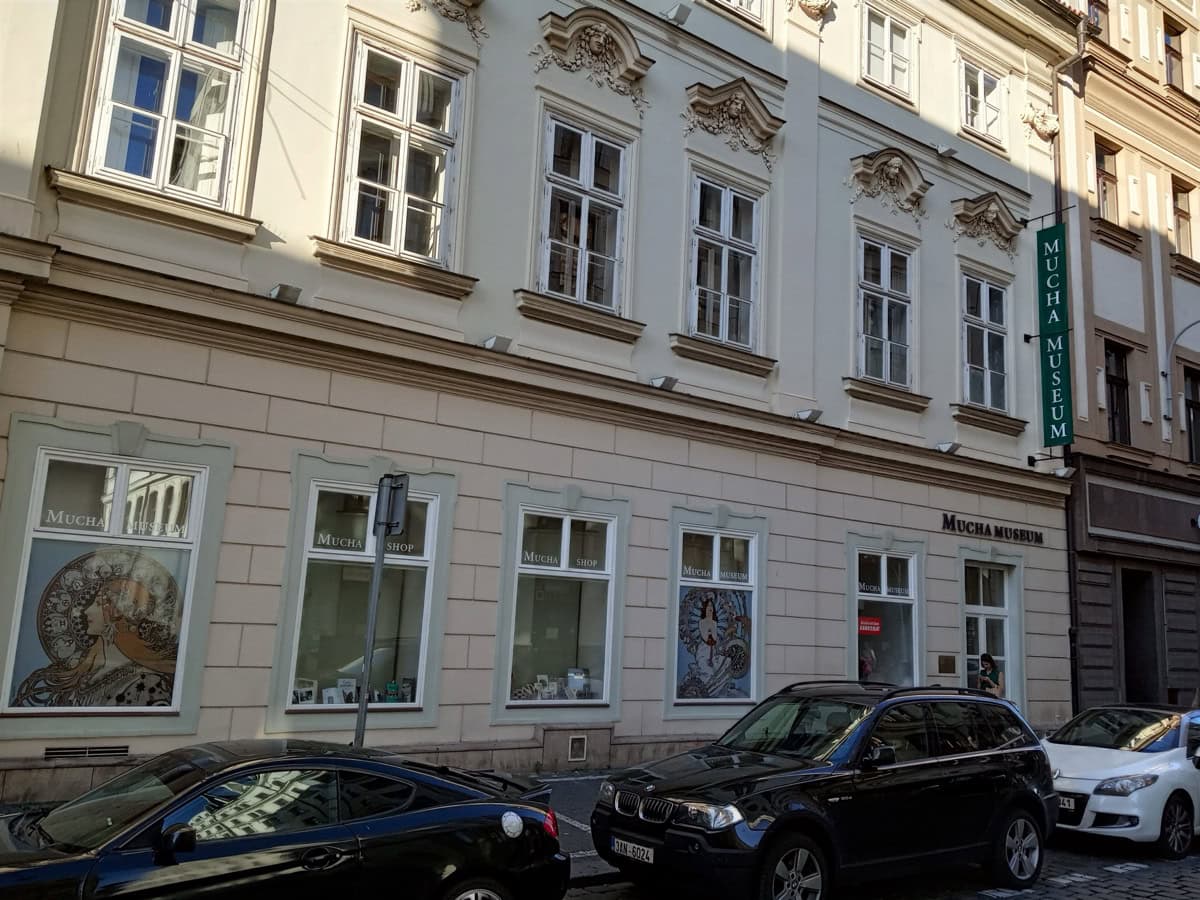
Alphonse Mucha is to Prague what Gaudí is to Barcelona. This intimate museum in the Kaunitz Palace near Wenceslas Square focuses on his Parisian period. You’ll find the most famous lithographs and posters he created for actress Sarah Bernhardt. What personally fascinated me during my photography course were his sketches and preparatory photos of models, which are also on display here.
The space isn’t large — you can walk through it in under an hour. It’s an intense dose of Art Nouveau aesthetics, floral motifs, and soft pastel colours. If you love turn-of-the-century design, you’ll be over the moon.
Admission is on the pricey side — in 2026 you’ll pay €12. It’s open daily from 10:00 to 18:00. The address is Panská 7, a short walk from the Můstek metro station.
💡 Local’s tip: Skip the souvenirs in the museum shop — prices for posters and postcards are inflated. You can find similar items in stationery shops around the city for much less.
Museum of Decorative Arts
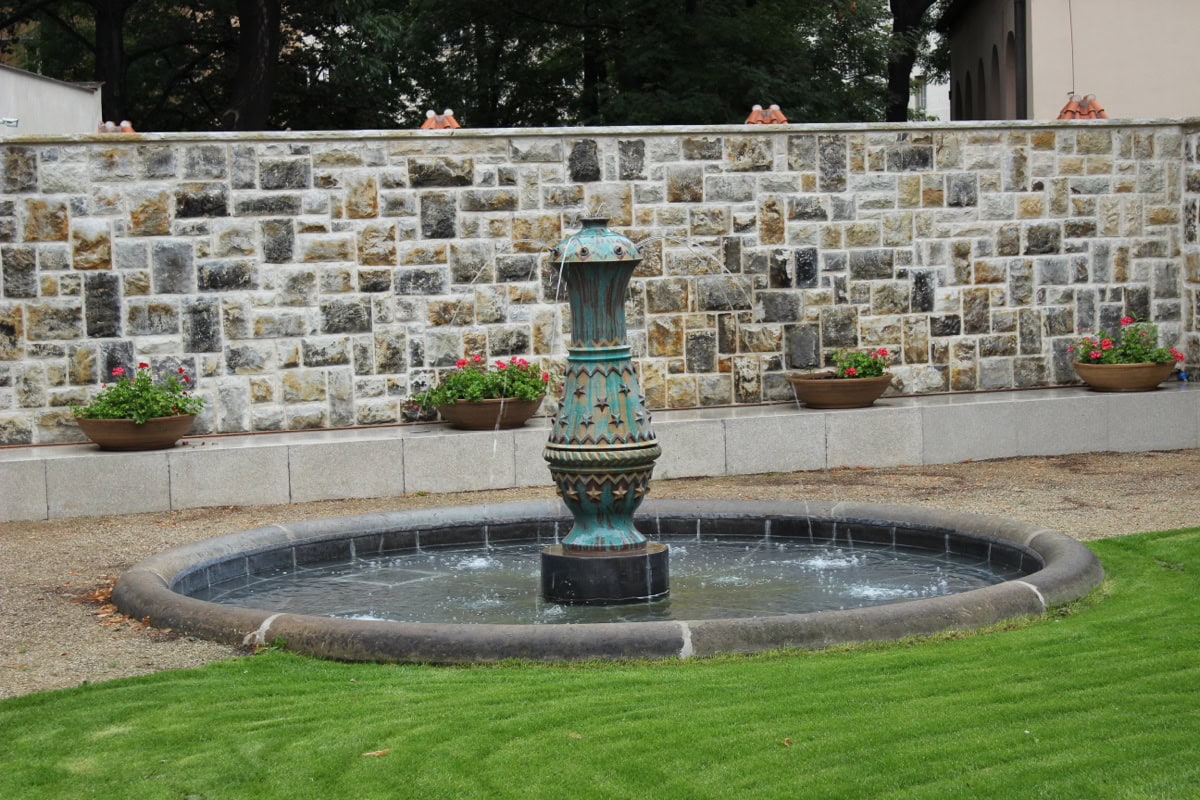
This museum opposite the Rudolfinum recently underwent a complete renovation, and the result is outstanding. The exhibitions focus on design, glass, fashion, and jewellery. The Czech Republic is a glassmaking powerhouse, and I’d recommend this exhibition even if glass normally bores you to tears. You’ll wander up to the display cases and suddenly find yourself studying the details for half an hour without quite knowing why. Happens to me every single time. 😅 Fashion lovers will appreciate the collection of historical garments showing how Prague’s high society dressed in centuries past.
The interior, with its grand staircase and stained-glass windows, is a work of art in itself. I often pop in just to soak up the quiet, refined atmosphere. On the ground floor there’s a lovely modern café serving excellent vegetarian quiche.
Full admission is €6. They’re open Tuesday to Sunday, 10:00 to 18:00 (Tuesdays until 20:00). It’s on 17. listopadu street, near the Staroměstská metro station.
💡 Local’s tip: Visit on a Tuesday evening. It’s usually deserted, and the extended opening hours give you plenty of peace to examine the Cubist furniture up close.
National Technical Museum
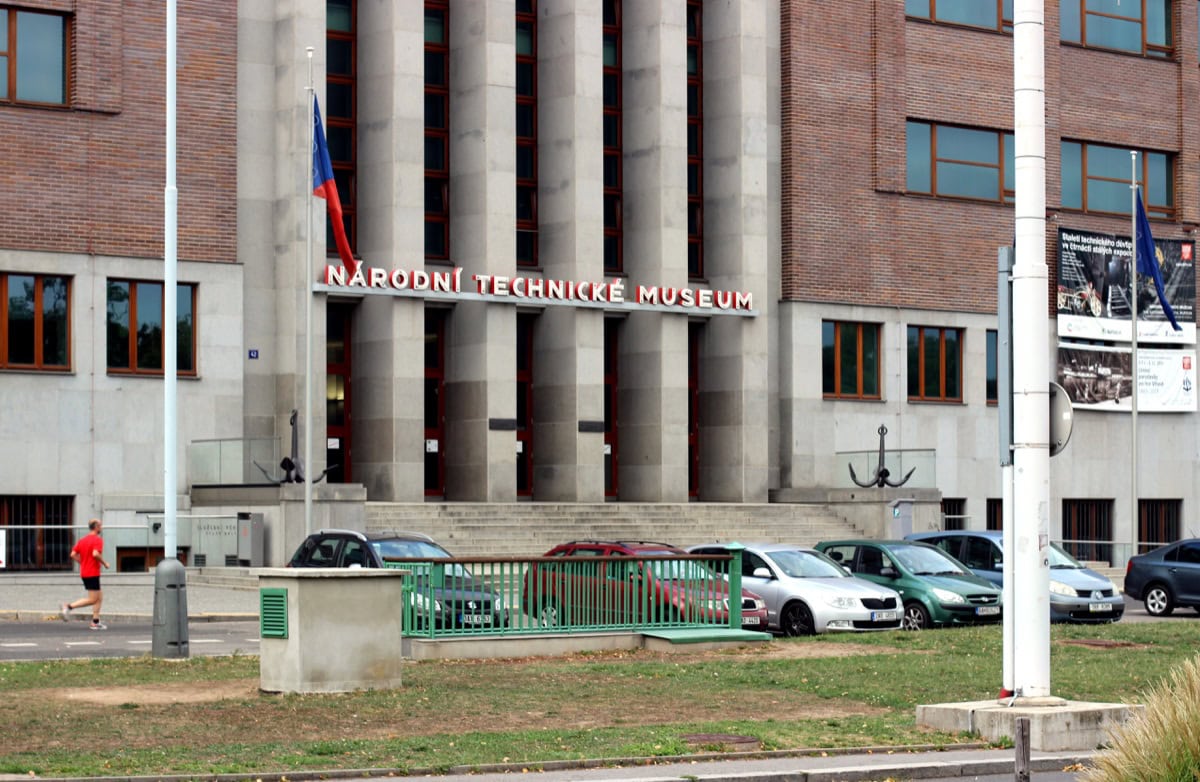
If you’re travelling with kids, do not skip this place. The enormous building in Letná holds everything from vintage cars and steam locomotives to astronomical instruments. The transport hall with aircraft suspended from the ceiling and classic Tatra cars is simply jaw-dropping. Children usually refuse to leave, and you’ll probably have to promise them a return visit.
Beyond transport, there’s a brilliant exhibition on architecture and construction, as well as historical photographic equipment — which, as a former photojournalism student, I spent far more time with than the rest of my family. The exhibitions are playful and many feature interactive elements.
A ticket costs €11. Open Tuesday to Sunday, 9:00 to 18:00. The Letenské náměstí tram stop is about a five-minute walk away.
💡 Local’s tip: The in-house café is mediocre and doesn’t offer much for vegetarians. After your visit, head to nearby Milady Horákové street instead, where you’ll find excellent modern bistros.
The 20th-Century Story: From Art to Totalitarianism
The twentieth century left deep scars on Prague — along with some extraordinary art collections. These institutions will help you understand what the city and its people went through.
Museum of Communism
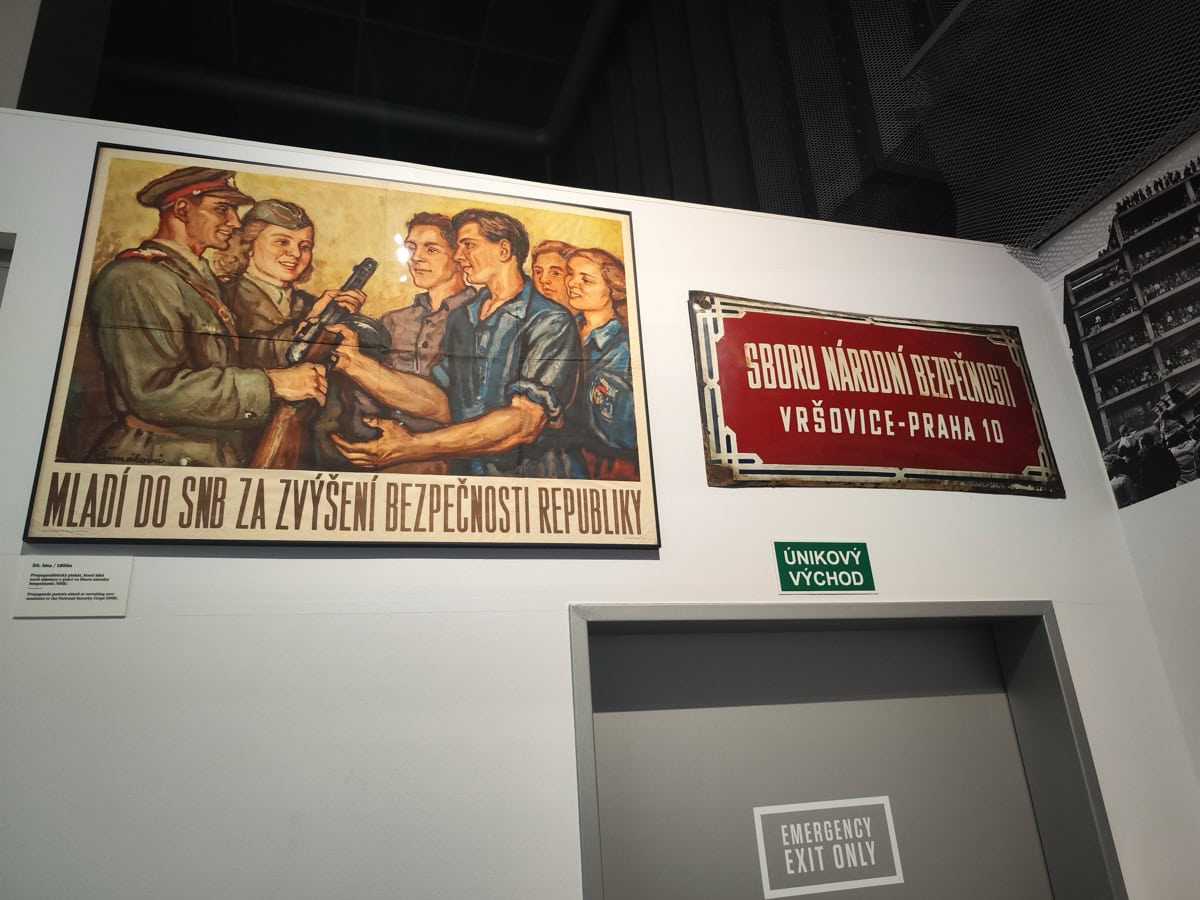
Located somewhat paradoxically next door to a casino and luxury boutiques on Na Příkopě street. The first time I visited was with a friend from Germany who kept saying she couldn’t believe it. Then she saw the reconstructed secret-police interrogation room and the empty grocery store, and she stopped asking questions. For understanding recent Czech history, this place is absolutely essential.
The texts are written with a touch of cynicism and the dark humour that Czechs are famous for. If you’ve ever wondered why people in this part of Europe carry historical traumas so close to the surface, this is where you’ll start to understand. We sometimes bring visiting friends here, and it always sparks a long evening debate.
A ticket costs €15. They’re open daily from 9:00 to 20:00. You can easily secure your entry in advance — booking through GetYourGuide will save you time at the ticket desk.
💡 Local’s tip: Don’t miss the short documentary screened at the back of the museum. It contains real footage from Prague’s streets during the Soviet invasion of 1968.
DOX Centre for Contemporary Art
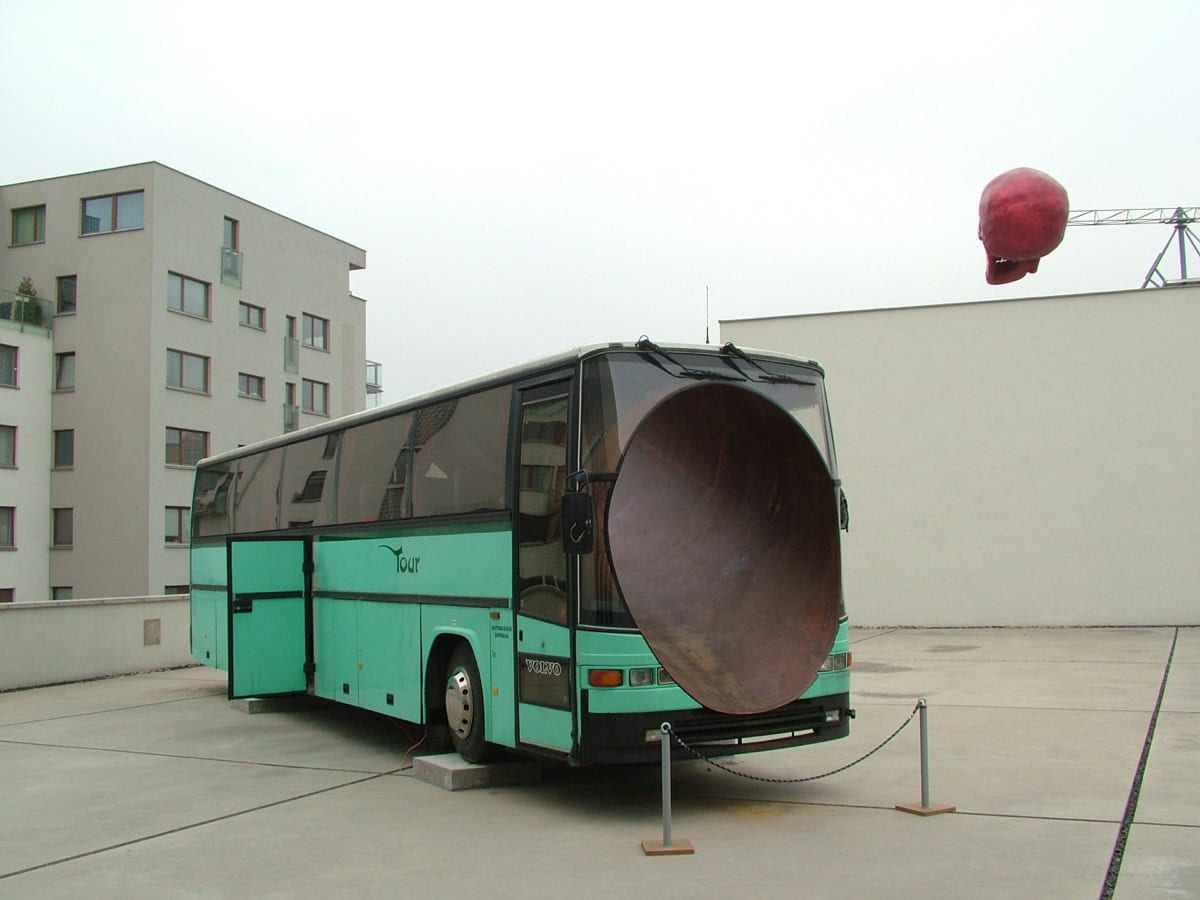
DOX in Holešovice is proof that Prague knows how to look forward. A former factory has been transformed into a huge, airy space brimming with contemporary art that frequently responds to current social issues. No permanent historical collections — just dynamic, sometimes provocative exhibitions.
The architectural icon of DOX is the massive wooden airship Gulliver perched on the building’s roof. It serves as a reading room and a venue for literary events. On the ground floor you’ll find an excellent café and a bookshop specialising in design and architecture.
As a vegetarian, I’m thrilled every time I visit. Finally a café where I genuinely have options and don’t have to worry whether the sandwich is just bread and cheese. Admission is €11. Open Wednesday to Sunday, 12:00 to 18:00 (weekends from 10:00). Take a tram to the Ortenovo náměstí stop.
💡 Local’s tip: The airship gets very warm in summer. Pop in as soon as DOX opens, then spend the rest of your time in the air-conditioned exhibition halls.

Museum Kampa
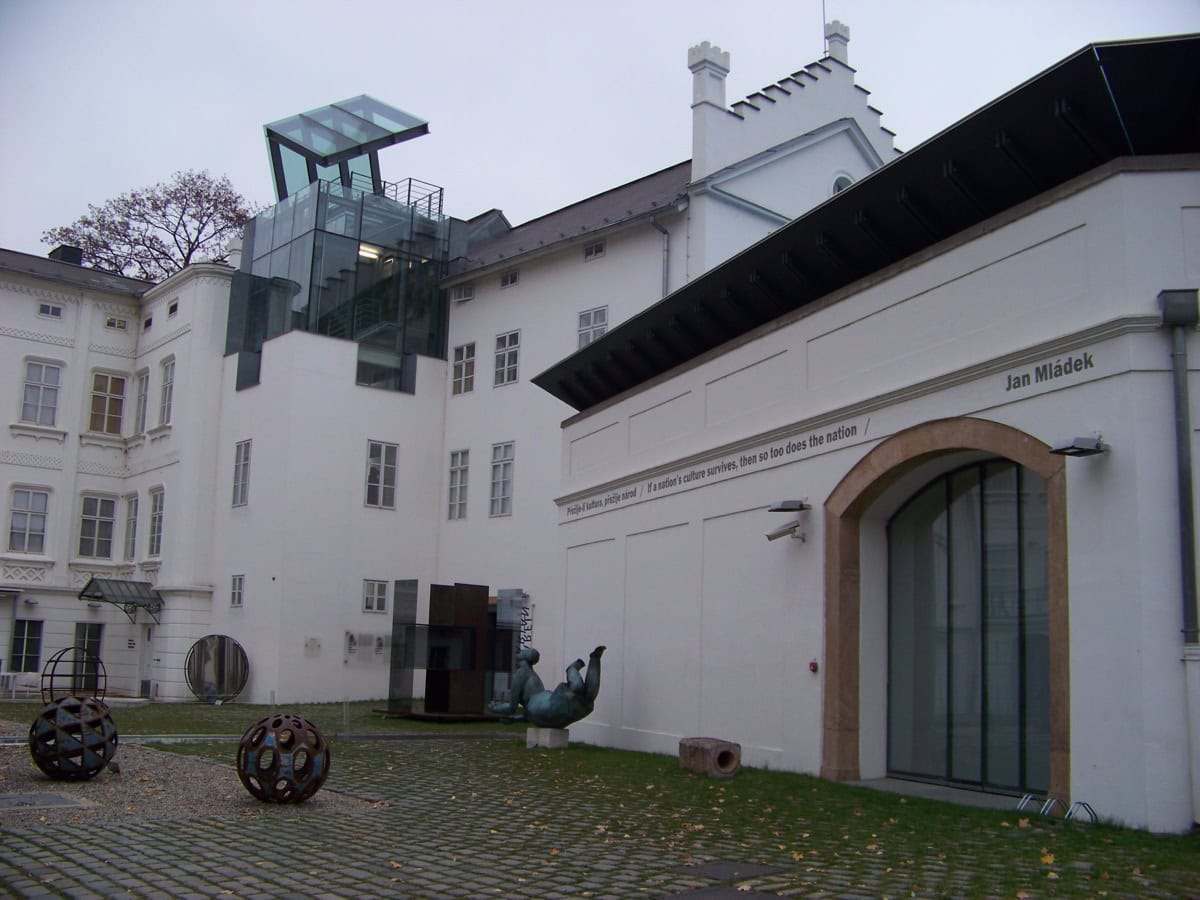
The collection assembled by patron Meda Mládková is housed in Sova’s Mills right on the bank of the Vltava. Museum Kampa focuses on Central European modern art, with the centrepiece being a fantastic collection of works by František Kupka and sculptures by Otto Gutfreund. It’s here that you’ll truly grasp how pivotal Kupka was in the birth of abstract art.
The building itself, sensitively renovated with glass elements, offers beautiful views of the river and Charles Bridge. The outdoor courtyard is lined with famous yellow penguins that glow at night, and giant baby sculptures by David Černý.
A ticket costs €14. Opening hours are daily from 10:00 to 18:00. From Malostranské náměstí, it’s a ten-minute walk through Kampa Park.
💡 Local’s tip: Buy a ticket that includes access to the museum’s observation tower. It offers an unusual perspective over the Vltava and the rooftops of Malá Strana that you won’t get anywhere else.
Jewish Museum in Prague
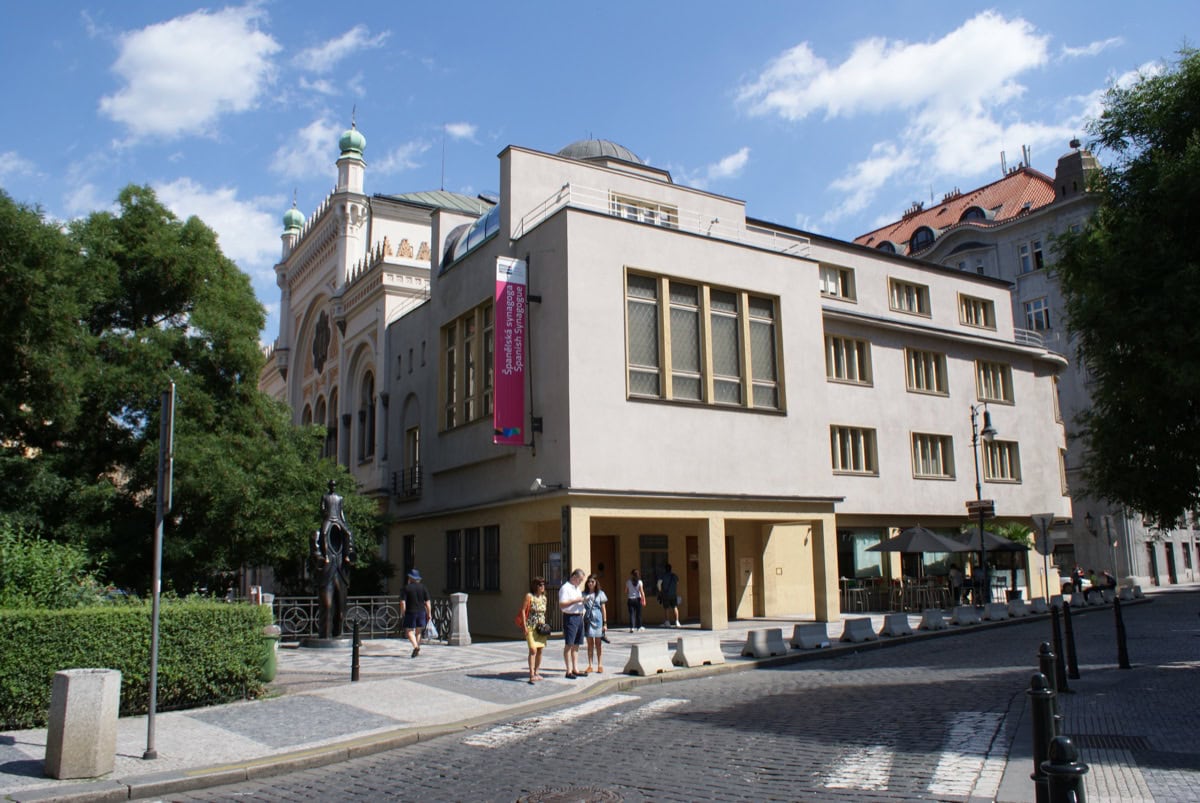
This isn’t a single building but an extensive complex of monuments in the Josefov quarter. It includes several historic synagogues, a ceremonial hall, and the world-famous Old Jewish Cemetery. The exhibitions trace the history, traditions, and tragic fate of Prague’s Jewish community. The Pinkas Synagogue, its walls inscribed with the names of Holocaust victims, is a place that silences even the noisiest visitor.
The Spanish Synagogue with its Moorish decoration has recently been restored, and its golden interior is absolutely breathtaking. Touring the entire complex requires time and comfortable shoes.
A combined ticket costs €22 (not including the Old-New Synagogue). It’s open daily except Saturdays and Jewish holidays, from 9:00 to 18:00 (in winter until 16:30). For a stress-free experience, I’d recommend buying tickets through GetYourGuide.
💡 Local’s tip: Start your visit at the Old Jewish Cemetery right at nine in the morning. By eleven, huge organised groups pour in and the narrow paths become impossibly congested.
Map of points of interest for your phone
Hidden Gems: Off the Beaten Track
Places that most tourists walk straight past — but you shouldn’t. They reveal a more specific, often more intimate side of Prague’s history and culture.
Czech Museum of Music
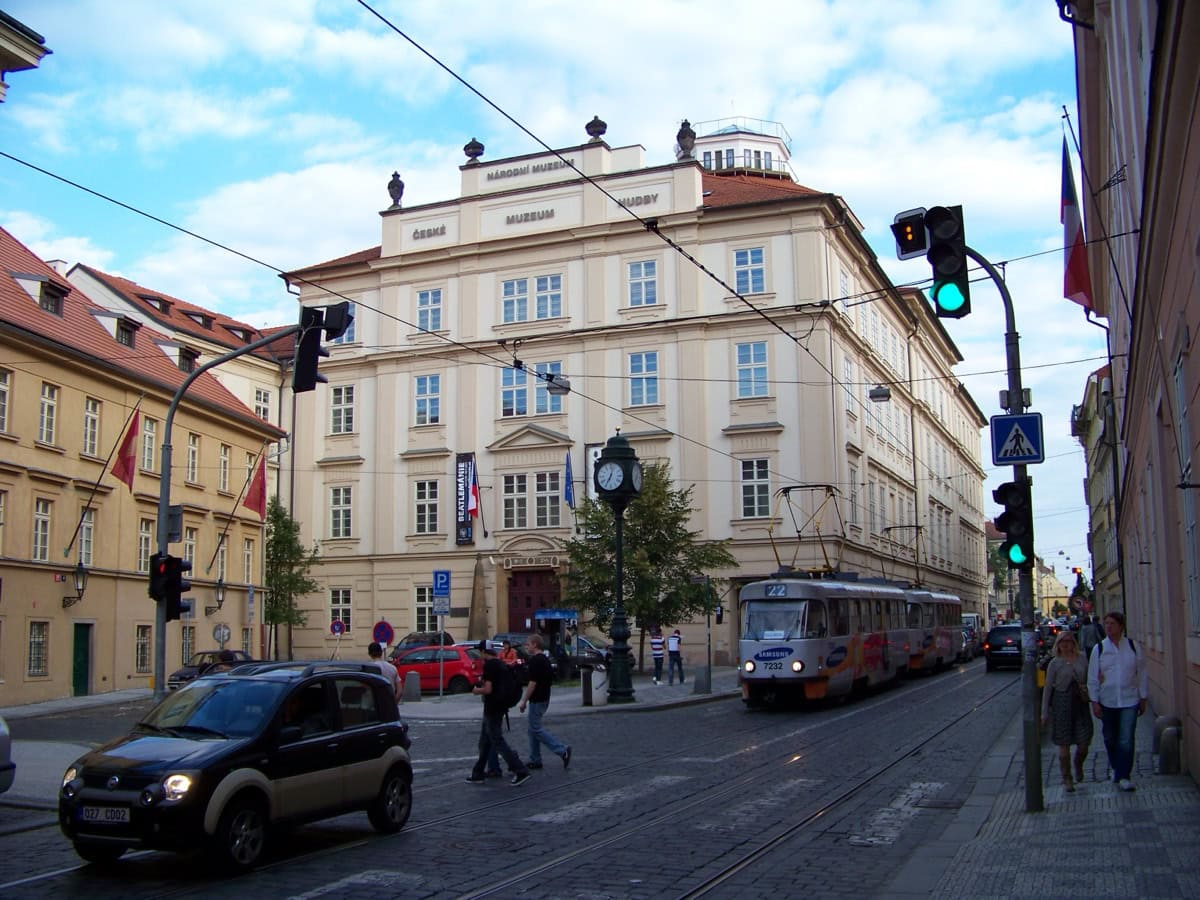
Housed in the former Baroque Church of St Mary Magdalene in Malá Strana. When you step inside, you’re struck by the cavernous hall that once served as the church nave. The collection of historical musical instruments is vast and fascinating even if you don’t play a thing. You’ll find a piano that Mozart himself played during his stays in Prague.
The atmosphere is incredibly peaceful. Occasional concerts are held here, and thanks to the original church architecture, the acoustics are flawless. For me, it’s one of the best places to escape the noise of nearby Charles Bridge.
Admission is €6. Open Wednesday to Monday, 10:00 to 18:00 (closed Tuesdays). The Hellichova tram stop is right outside the building.
💡 Local’s tip: Stand on one of the grand staircases in the atrium and try whispering. The acoustics carry your voice all the way to the other side of the building.
Bedřich Smetana Museum
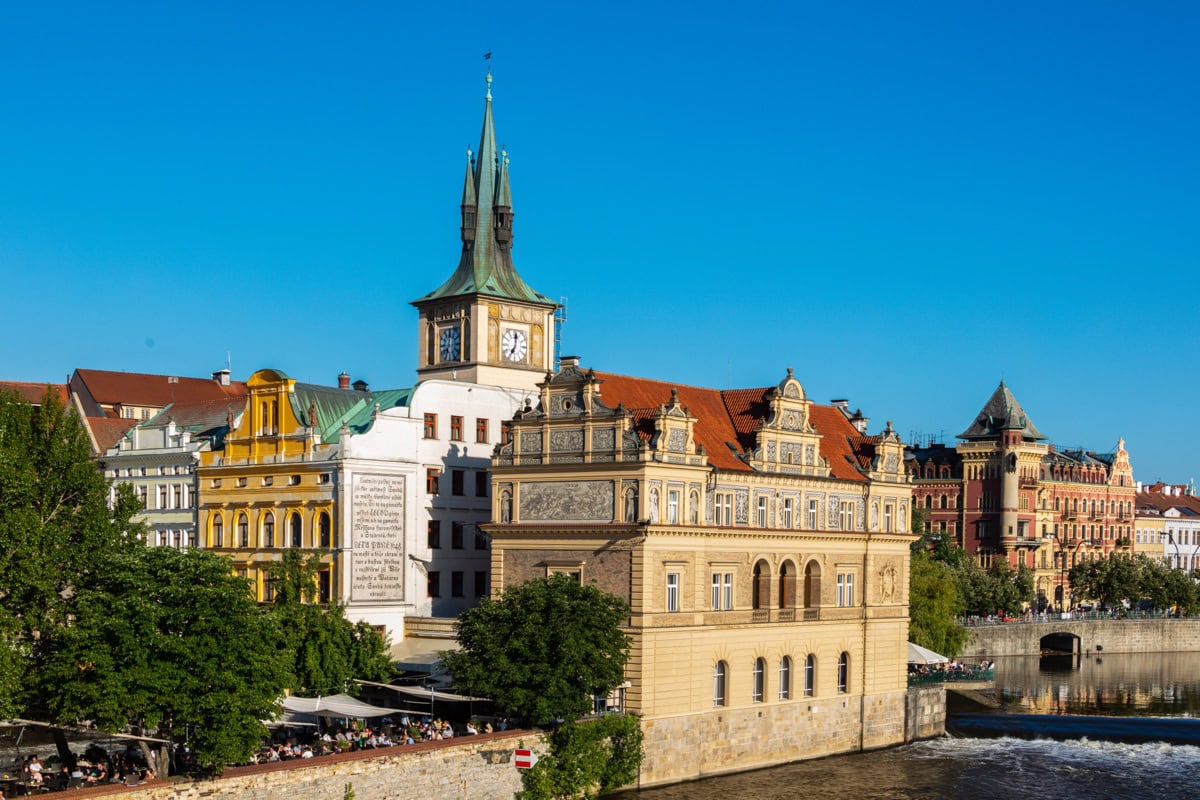
This small museum occupies a beautiful Neo-Renaissance former waterworks right on the Vltava riverbank, next to Charles Bridge. The location alone, with views from the windows towards Prague Castle, makes it worth a visit. The exhibition is devoted to the life and work of the famous Czech composer — you’ll find his piano, personal correspondence, and period scores.
It’s a tiny institution; you can walk through it in half an hour. But the sound of the Vltava crashing over the weir just below the windows gives Smetana’s music — piped through headphones inside — such a real dimension that half an hour suddenly doesn’t feel nearly enough.
A ticket is a symbolic €2. Open Wednesday to Monday, 10:00 to 17:00. It’s a short walk from the Staroměstská metro station.
💡 Local’s tip: In front of the museum there’s a small terrace with café tables. It’s one of the few spots right in the centre where you can have a coffee at a reasonable price while gazing at Charles Bridge.
Franz Kafka Museum
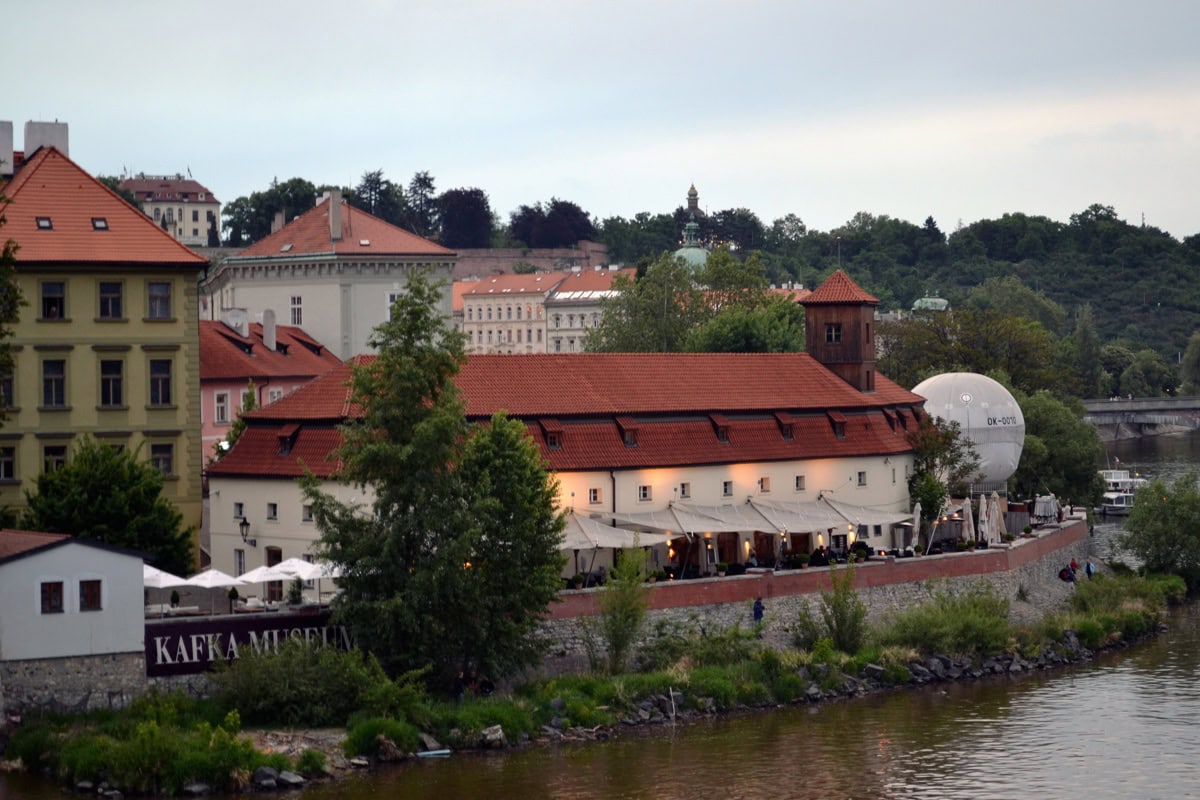
Dark, psychological, and slightly unsettling — just like Kafka’s novels. Located in Hergetova Cihelna in Malá Strana, the exhibition doesn’t simply present Kafka’s biography. Instead, it explores how Prague shaped his anxieties and literary visions. Audiovisual installations, strange sounds, and a labyrinth of display cases pull you inside the writer’s head.
Even though I’ve never been a huge fan of Kafka’s heavy style, the visual design of this museum always wins me over. Plus, the famous fountain with urinating figures by David Černý stands right outside the entrance.
Admission is €12. Open daily from 10:00 to 18:00. It’s about a seven-minute walk from Malostranské náměstí.
💡 Local’s tip: The exhibition is fairly dark and the texts demand concentration. Don’t come here exhausted at the end of the day, or you won’t get anything out of the existential writings.
MeetFactory
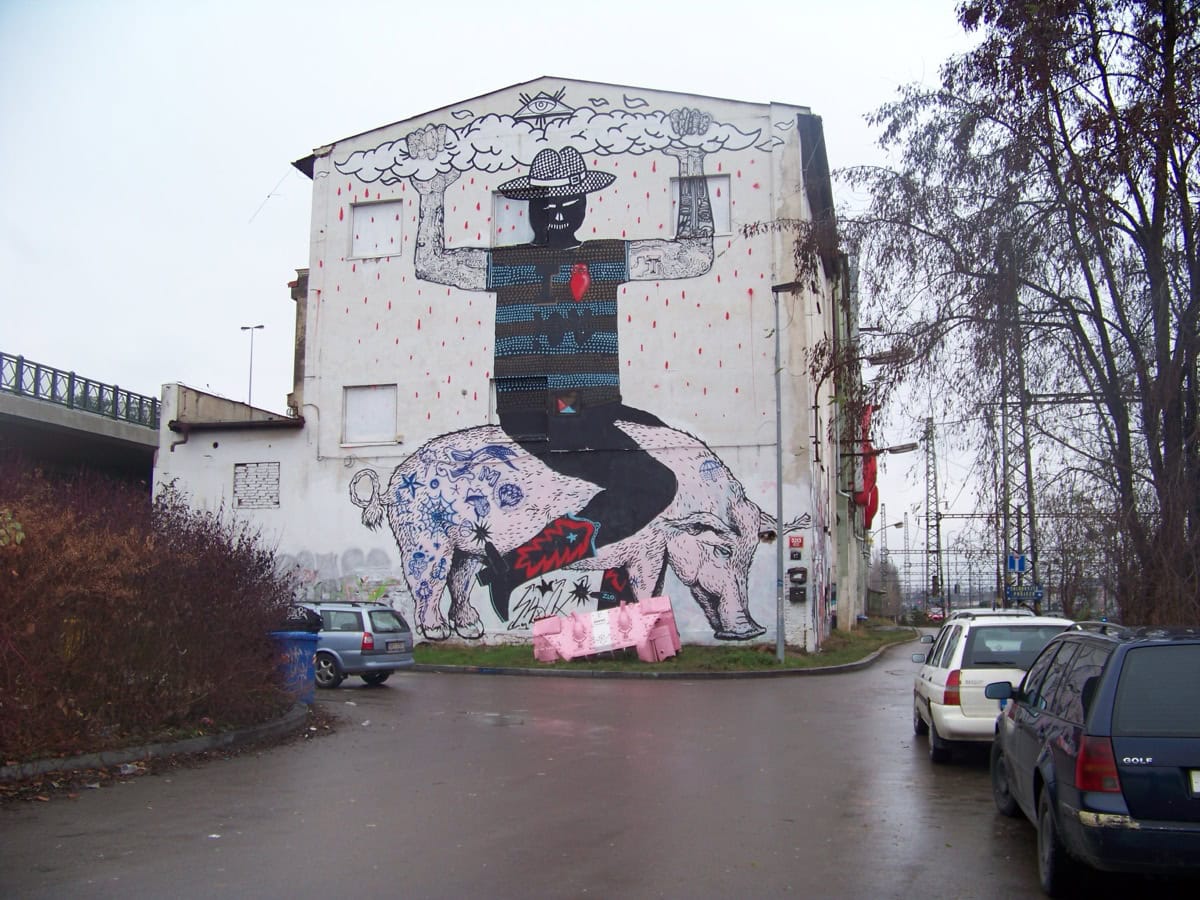
An industrial building in Smíchov, wedged between railway tracks and a motorway, serves as a hub for alternative culture. It was founded by sculptor David Černý, and his trademark red cars dangle from the façade. It’s not a conventional museum but rather a raw contemporary-art gallery, music venue, and artist studios rolled into one.
The vibe is gritty, industrial, and thoroughly informal. I come here for evening openings because the community feel is completely different from the polished centre-city galleries where everyone puts on a serious face. If you want to see how Prague’s art subculture thrives outside the city core, definitely make a stop.
Exhibition entry is often pay-what-you-wish or around €4. The gallery is open daily from 13:00 to 20:00. The nearest tram stop is Lihovar.
💡 Local’s tip: Combine a gallery visit with an evening gig. The space has superb acoustics for electronic and alternative music.
National Agriculture Museum
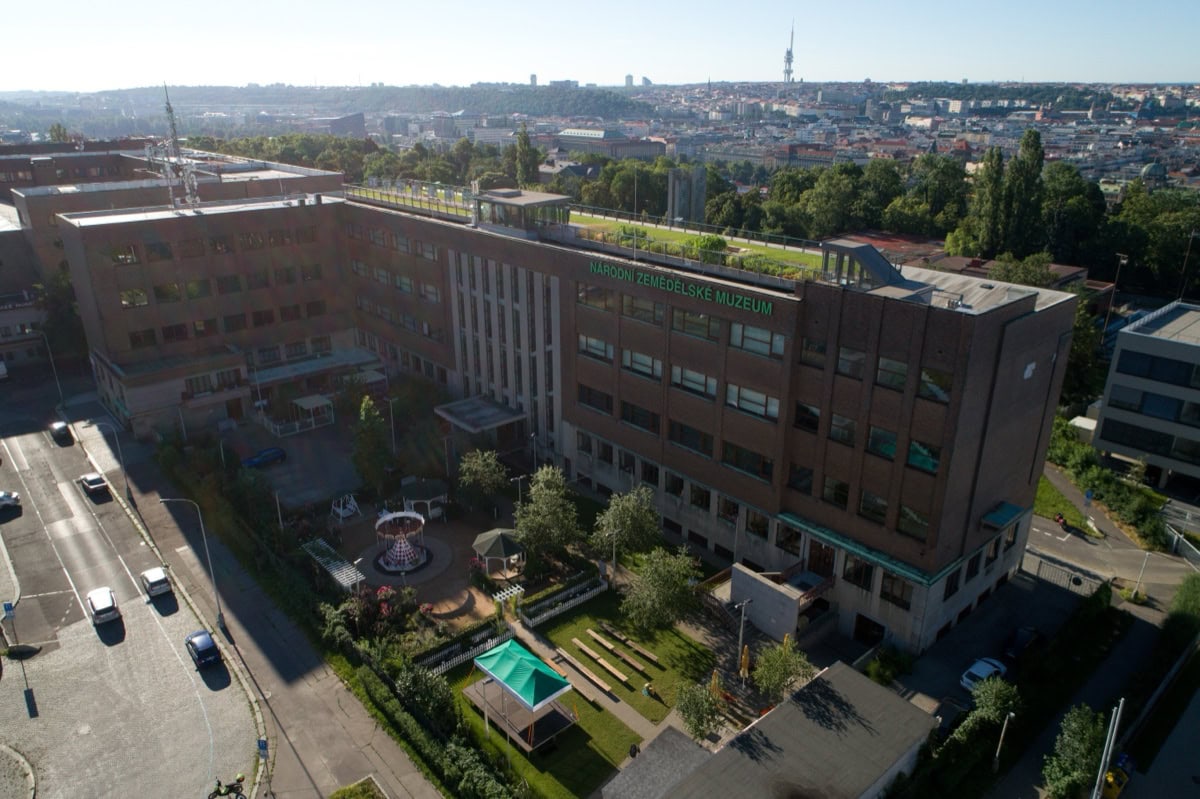
This is our family staple, because it sits right next to the Technical Museum in Letná and offers a slightly different experience. While next door you’re admiring enormous locomotives, here kids can climb into real vintage tractors. Children go absolutely wild and it can be a real struggle to drag them away in time for dinner. The fishing exhibition with a large aquarium is also really well done, and the whole place has a wonderfully relaxed atmosphere.
For me, though, the biggest draw is the museum’s rooftop. Up there you’ll find a lovely herb garden and stunning views over all of Prague, where you can sit on a bench in peace while bees buzz around from the on-site hives. Admission is €8; open Tuesday to Sunday, 9:00 to 17:00. I’d recommend combining it with a stroll through the nearby Letná Park.
Rudolfinum Gallery
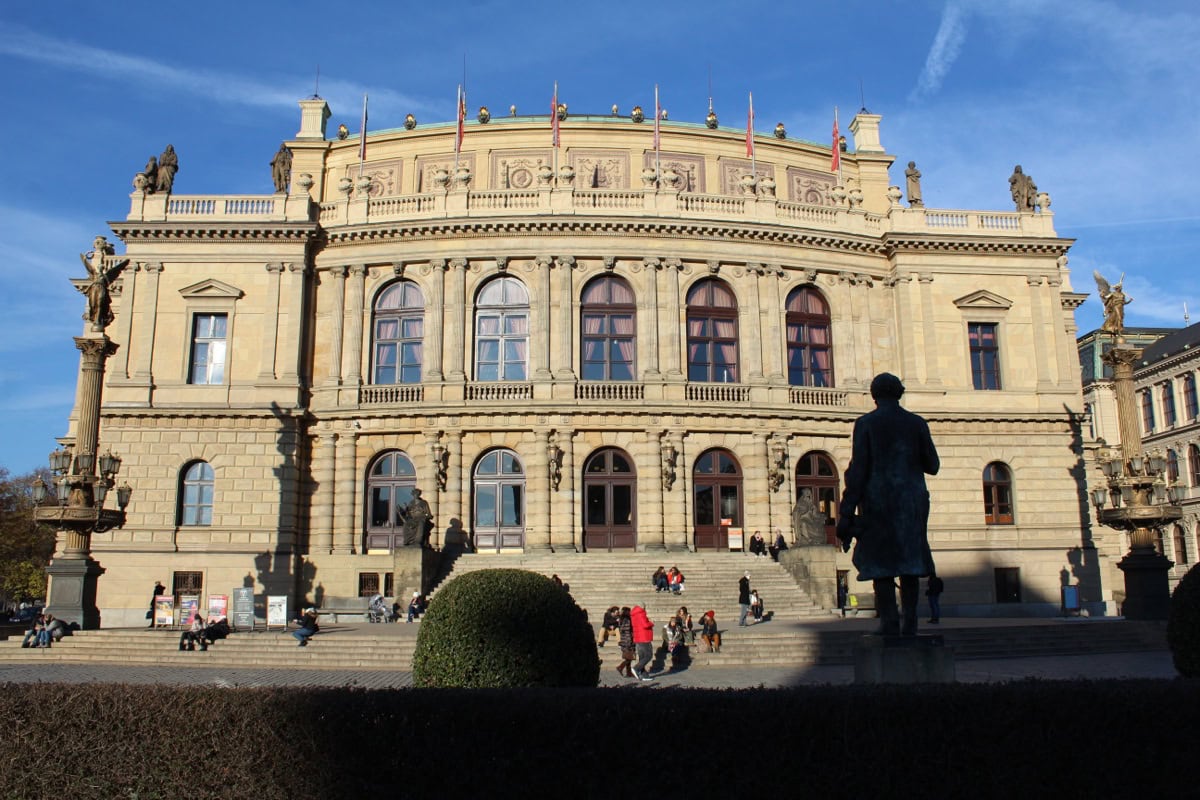
When you fancy a bit of cultural indulgence, head to the Rudolfinum. It’s one of the few galleries in the Czech Republic dedicated exclusively to top-tier contemporary art with no permanent collection of its own. The Neo-Renaissance interior is magnificent, and the curators know how to work with the space brilliantly. Exhibitions tend to be very modern, often provocative, and packed with photography and multimedia installations.
On top of that, the café here is absolutely phenomenal — it looks like it’s been plucked straight from a 1920s film set. Huge mirrors, opulent chandeliers, and excellent coffee make for a perfect experience. Entry to most exhibitions is, thanks to sponsors, often completely free, which is a small miracle these days. Open Tuesday to Sunday from 10:00 to 18:00, and on Thursdays until eight in the evening.
Dancing House Gallery
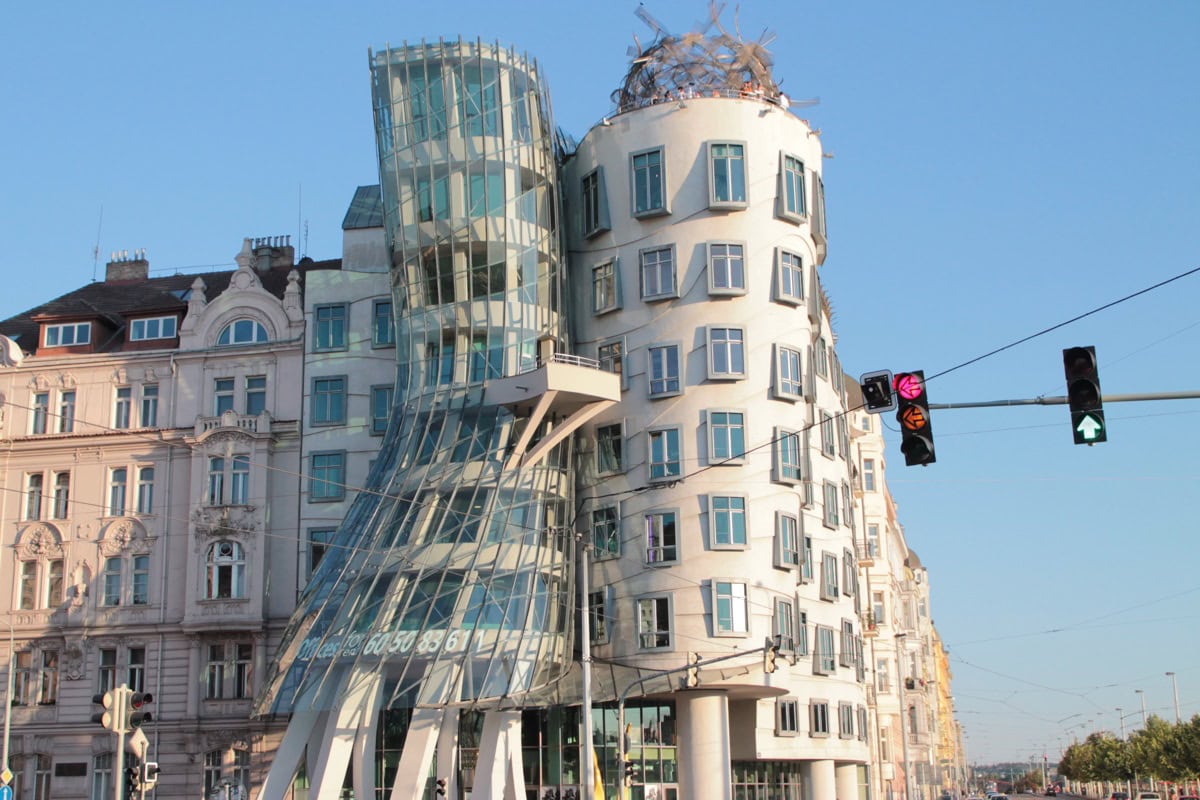
Everyone recognises the Dancing House on Rašínovo nábřeží from photographs, but few people know there’s a multi-storey gallery inside. It focuses on modern art and design, and frequently hosts retrospective exhibitions by renowned Czech creators. The space is unconventional — walls are curved, windows irregular — giving installations a distinctive dynamic.
Beyond the art, visitors are drawn by the architecture of the building itself, designed by Vlado Milunić and Frank Gehry. A gallery visit is the perfect excuse to see the interior up close.
Exhibition admission is €8. Open daily from 9:00 to 20:00. Take a tram to the Jiráskovo náměstí stop.
💡 Local’s tip: Your gallery ticket automatically includes access to the rooftop terrace and Glass Bar. The view of Prague Castle and the Vltava from up there is among the best in the city.
Where to Eat
After several hours on your feet among display cases, hunger is inevitable. And let’s be honest — museum cafés are sometimes fine for a quick espresso, but they rarely cut it for a proper lunch. During our museum-hopping trips around Prague, we’ve found a few spots that Lukáš, Jonáš, and I love returning to — places where I know we won’t be disappointed.
Whether you’re around Staroměstská or exploring Holešovice, there’s no shortage of options. As a vegetarian, I always make sure we don’t end up in a traditional Czech pub where the only meat-free option is deep-fried cheese.
Our Favourite Spots Nearby
When we’re near the Trade Fair Palace or DOX, we automatically head to Cobra Bistro on Milady Horákové. They have fantastic vegetarian bowls, amazing lemonades, and in the evening it turns into a really pleasant bar. The atmosphere is relaxed, and there’s never been a problem squeezing in with a pushchair — the staff are lovely and welcoming.
In the centre around the National Museum, finding a quiet spot away from crowds is trickier, but we discovered Špejle on Jindřišská street. All the food is served on wooden skewers, so you simply pick different bites and little salads from the counter. Jonáš loved choosing his own skewers, and Lukáš appreciated being able to sample lots of different flavours. You then pay by counting up the collected sticks — a fun little game to end the meal.
Practical Info for Visitors
If you’re planning to visit several institutions over a few days, crunch the numbers and see whether the Prague Visitor Pass is worth it. This city card includes entry to many of the places mentioned above — including the National Museum — and doubles as a public-transport ticket.
The best way to get around Prague is by tram and metro. A basic 30-minute ticket costs €1.20, but for a museum marathon I’d recommend a day pass — the 24-hour ticket is €5. Most galleries offer free cloakrooms or lockers with a small coin deposit. Large backpacks aren’t allowed in exhibition halls, so travel light.
Where to Go Next
Prague offers so many amazing places that squeezing everything into a single trip is nearly impossible. If you’ve had your fill of art and history, take a look at my other guides to help you plan the rest of your stay.
- Read my main article /co-videt-v-praze/ with tips on other landmarks.
- A detailed guide to /prazsky-hrad/ will help you dodge the queues.
- Travelling with little ones? Check out /co-delat-s-batoletem-v-praze/.
- Interested in modern architecture? Try /tancici-dum-moderni-praha/.
Frequently Asked Questions
Still have questions before your trip? Here are answers to the ones friends ask me most often.
Which museums in Prague have free entry?
Permanently free are, for example, the Žižkov Army Museum and the aviation museum in Kbely. The National Gallery offers free entry to its permanent collections on public holidays and during special anniversaries.
When does Prague Museum Night take place?
It’s usually held on the second Saturday in June. During that evening and night (from 7 p.m. to 1 a.m.), entry to dozens of institutions is free.
Which museum in Prague is best for children?
Without a doubt the National Technical Museum in Letná. The transport hall with planes and cars thrills every child. The Museum of Fantastic Illusions is also great, as is the Agricultural Museum, which has a garden on its roof.
Where can I find the works of Alphonse Mucha in Prague?
You can see his posters and lithographs at the Mucha Museum near Wenceslas Square. His famous Slav Epic has had a complicated fate in Prague and a new pavilion is currently being built for it; from time to time it is temporarily displayed in various places.
How long does a visit to the National Museum take?
If you want to see both buildings (the Historical and the New one) and go through the key exhibitions, set aside at least 3 to 4 hours. A quick run-through with kids takes about an hour and a half.
Can you buy a combined ticket to several museums?
Yes. There’s the Prague Visitor Pass, for example, which covers public transport as well as entry to many sights. The National Museum has a ticket valid across several of its buildings for a few days. The National Gallery offers discounted admission to all of its palaces.
Tips and Tricks for Your Vacation
Don’t Overpay for Flights
Search for flights on Kayak. It’s our favorite search engine because it scans the websites of all airlines and always finds the cheapest connection.
Book Your Accommodation Smartly
The best experiences we’ve had when looking for accommodation (from Alaska to Morocco) are with Booking.com, where hotels, apartments, and entire houses are usually the cheapest and most widely available.
Don’t Forget Travel Insurance
Good travel insurance will protect you against illness, accidents, theft, or flight cancellations. We’ve had a few hospital visits abroad, so we know how important it is to have proper insurance arranged.
Where we insure ourselves: SafetyWing (simple monthly subscription) and TrueTraveller (for extra-long trips).
Find the Best Experiences
Get Your Guide is a huge online marketplace where you can book guided walks, trips, skip-the-line tickets, tours, and much more. We always find some extra fun there!
More from Czechia
Full guide → Day trips · most readMikulov, Czech Republic: 10 Best Things to Do and See
 When to goChristmas Markets Hradec Králové 2026: Tree Lighting, Hours & Program
 Travel storyKarlova Praha – A 2016 Cultural Programme of Prague Events
 What to seeVyšehrad Prague: Complete Guide to Prague’s Second Castle (Basilica, Cemetery, Ramparts)
 Where to stayPálava, Czech Republic: 10 Best Places for Your Holiday


