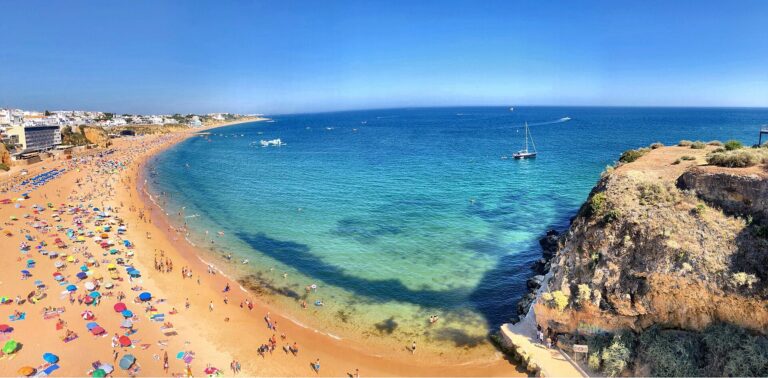
Albufeira, Portugal: Beaches & Tips on What to See

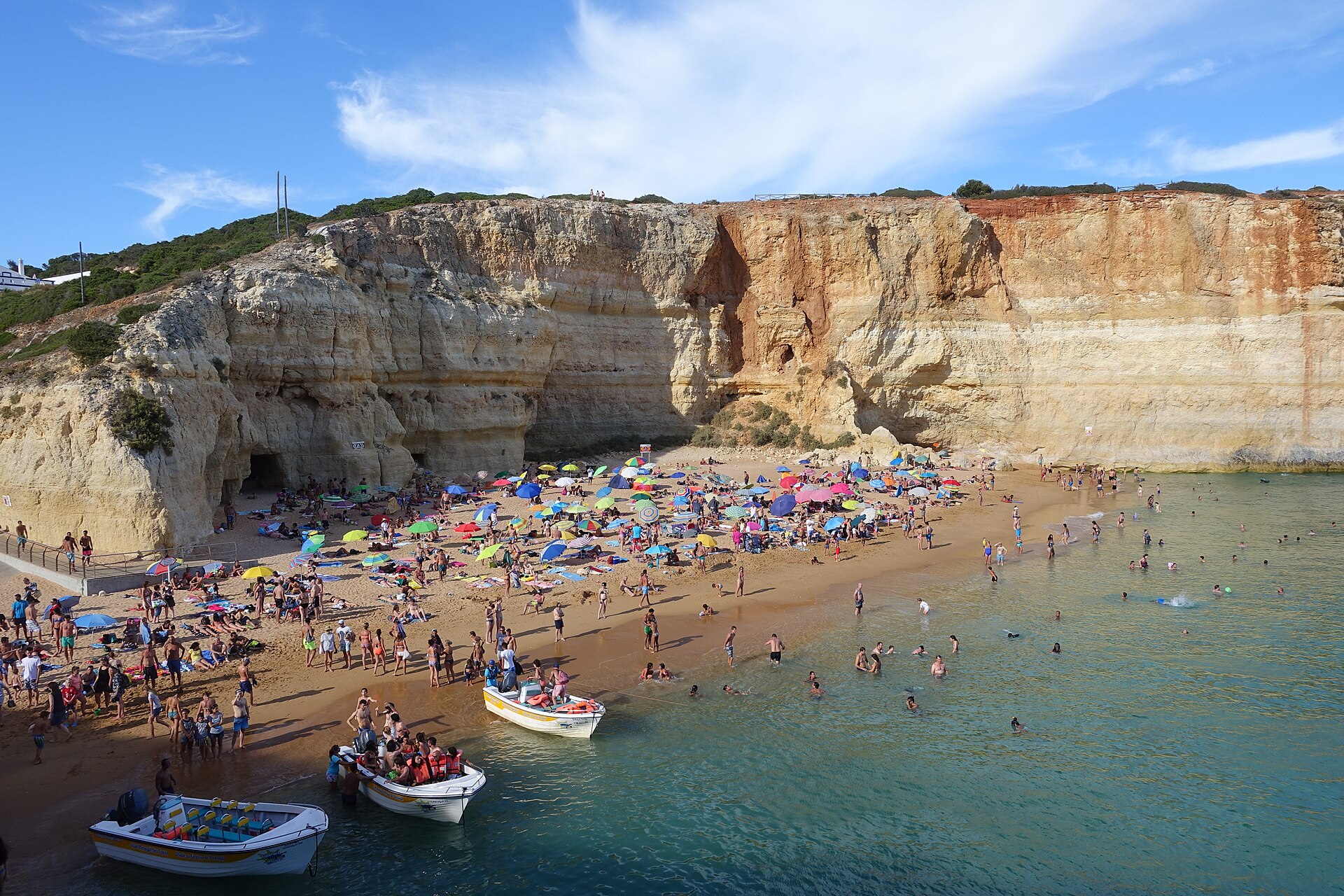
TL;DRAlbufeira, in Portugal’s Algarve region, boasts over 300 days of sunshine a year and pairs the historic Old Town with Praia dos Pescadores beach and the lively Strip in Montechoro. The standout beaches are the six-kilometre Praia da Falésia, with its red cliffs, and the picturesque Praia de São Rafael. From the marina you can head out on a dolphin-watching trip or to the Algar de Benagil cave, and there’s also Zoomarine and Slide & Splash if you fancy a water park. The best time to visit is September and the first half of October, when the sea’s at its warmest and accommodation prices drop 20 to 30% compared with the crowds of August. From Faro Airport, it’s under an hour to Albufeira by car, bus or transfer.

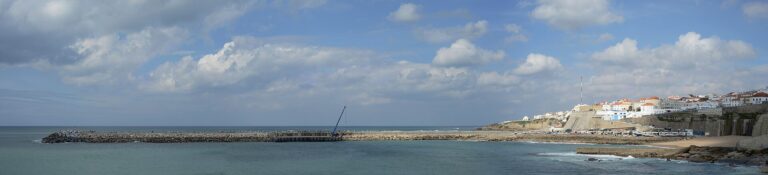
Albufeira Portugal is one of the liveliest and most popular resorts in the Algarve, drawing thousands of travellers every year with its endless beaches and scorching sunshine. If you’re looking for a destination that never sleeps yet boasts breathtaking limestone cliffs, you’ve come to the right place. While the north of the country gets battered by Atlantic storms, down here you can enjoy more than three hundred sunny days a year. I’ve put together a detailed guide to help you plan the perfect holiday.

In this article, you’ll find 16 specific tips on what to see and do in Albufeira so you can make the absolute most of your trip. We’ll walk through the most beautiful beaches together, highlight the differences between the family-friendly and party sides of town, and cover all the practical details. I’ll advise you on the best time to visit, where to strategically base yourself, and how to dodge the crowds during peak season. Whether you’re planning a peaceful seaside escape or action-packed dolphin-watching excursions, Albufeira has something for everyone.
TL;DR

  • Best time to visit: September and the first half of October offer warm ocean waters and prices roughly a third lower than overcrowded August.
  • Two sides of the city: The historic centre (Old Town) charms with romantic lanes, while the Montechoro district and its infamous Strip pulse with wild nightlife.
  • Top beaches: Don’t miss the iconic Praia da Falésia with its red cliffs or the picture-perfect cove of Praia de São Rafael.
  • Boat trips: Albufeira is the perfect base for dolphin-watching cruises and trips to the famous Benagil Cave, departing directly from the local marina.
  • Family fun: Just outside town you’ll find the popular Zoomarine and Slide & Splash water parks, guaranteed to keep kids entertained all day long.
  • Getting there from the airport: From Faro International Airport, you can get here comfortably by car, bus, or shared transfer in under an hour.
  • Car hire: If you’re renting a car, always pay extra for the electronic Via Verde toll box to avoid fines on Portugal’s motorway toll system.
When to Visit Albufeira

The Algarve boasts the warmest and driest climate in all of Portugal, so choosing the right time really comes down to your priorities. If your main goal is all-day swimming and topping up your tan, the summer months are the obvious draw. July and August guarantee scorching temperatures climbing towards 30 °C, but you pay a hefty price for it. During summer, the town is overwhelmed with tourist crowds and accommodation prices skyrocket.

The absolute sweet spot for savvy travellers is September and the first half of October, when a glorious Indian summer sets in. The ocean is at its warmest after the hot summer months, which you’ll appreciate every time you take a dip. Families with school-age kids have headed home by then, so there’s far more space on the beaches and rental prices drop by a good 20 to 30%. Evenings may be a touch cooler, but during the day you’ll still enjoy gorgeous summer weather without the oppressive heat.

Spring months like April and May are ideal for active holidays, cliff-top hiking, and exploring the surrounding towns. Nature is in full bloom and temperatures hover around a pleasant 20 to 23 °C, perfect for excursions. The ocean itself, however, remains fairly cold — water temperatures in spring sit around just 16 °C, so swimming is really only for the brave. The winter months tend to attract golfers and digital nomads escaping the grey British weather.
Where to Stay in Albufeira

💡 Accommodation & experiences tip: We usually search for places to stay on Booking.com, which tends to have the best cancellation policies. For tickets, tours, and activities, it’s worth comparing and booking through GetYourGuide.

Choosing the right area is absolutely crucial here, because different neighbourhoods offer wildly different holiday experiences. If you’re after romance and easy access to restaurants, look for accommodation right in the historic centre. The Albufeira Portugal Old Town can be lively in season, but it retains its traditional charm with whitewashed houses and cobbled lanes. Staying here means you have the main beach, Praia dos Pescadores, literally steps from your door.

An entirely different world awaits in the eastern part of town, particularly the area around Avenida Francisco Sá Carneiro, known as The Strip. This zone is the epicentre of the Albufeira Portugal nightlife, a magnet for stag and hen parties and lovers of non-stop revelry. If you’re after peace and quiet, give the Areias de São João and Montechoro districts a very wide berth. For a calmer family stay, the outlying areas like Olhos de Água or the Praia da Galé zone are much better suited, with mostly self-contained resorts.

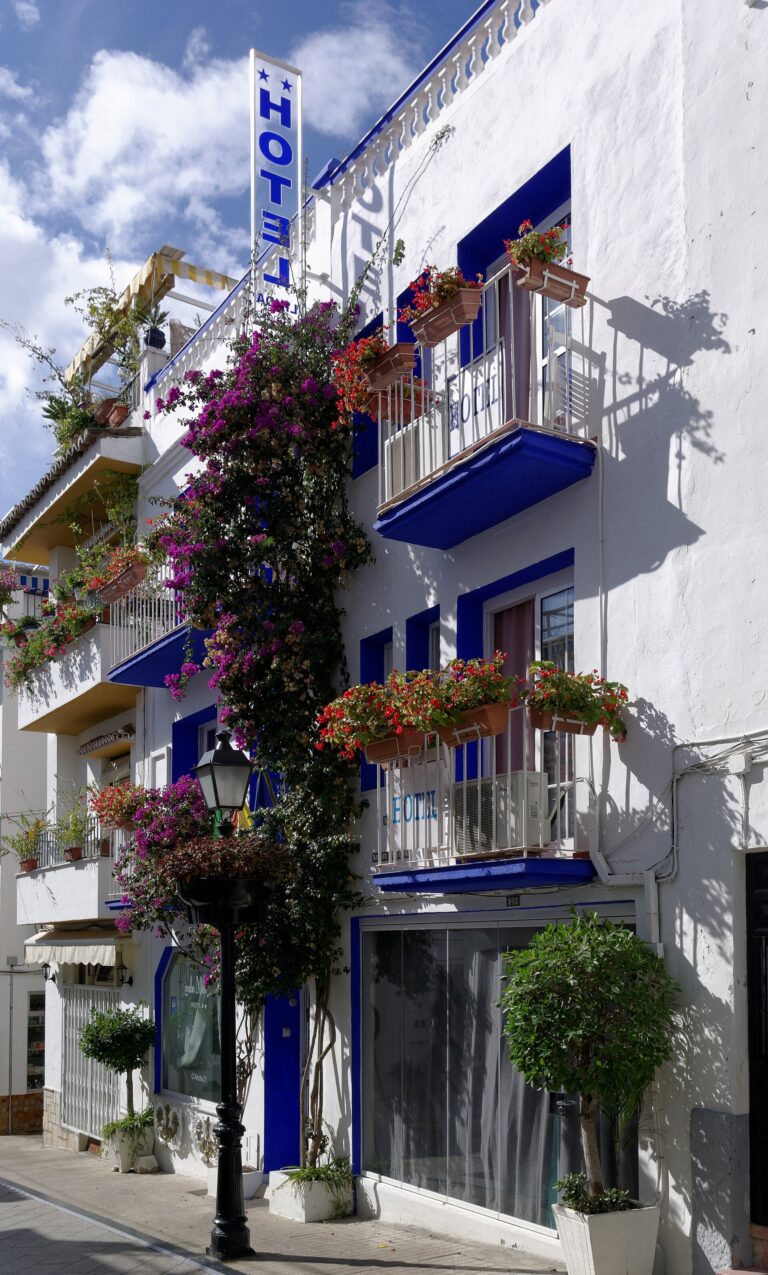
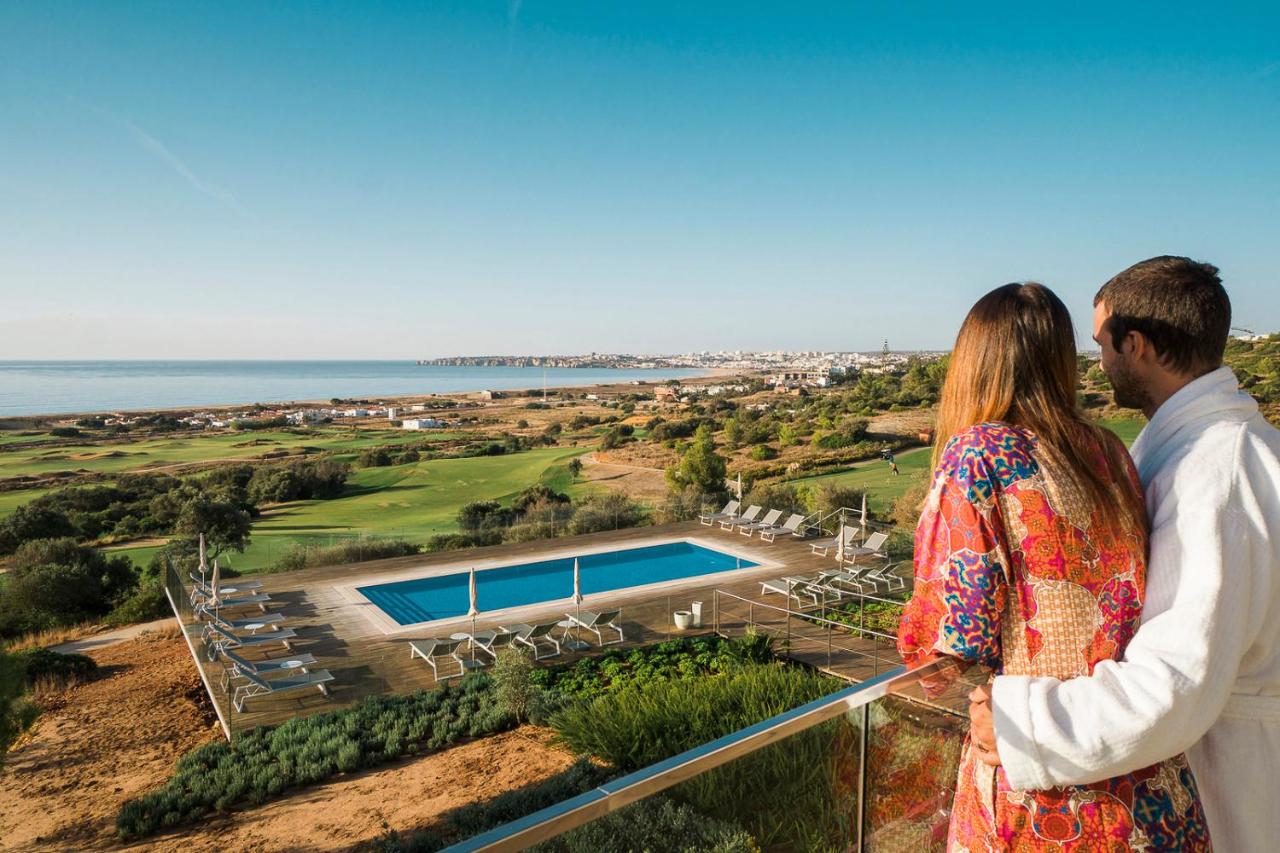
As for specific hotels, a hugely popular choice is Hotel California Urban Beach, which offers a stylish adults-only experience right in the centre. For families and luxury lovers, Pine Cliffs Resort, perched on the cliffs above stunning Falésia beach, is a brilliant option. If you prefer self-catering and more space, the apartment complex Muthu Clube Praia da Oura is a solid pick, though it’s closer to the livelier zone. I’d recommend searching and booking your stay well in advance on platforms like Booking.com.

When planning your budget, bear in mind that since 2026, the supply of illegal short-term rentals has been significantly curtailed. The government has cracked down on the market, so only officially registered and professionally managed apartments remain available, which has improved overall safety but also pushed average prices up. During the peak summer season, expect to pay between 100 and 150 euros per night for a decent double room in a good location.
16 Things to See and Do in Albufeira Portugal

Let’s take a detailed look at the very best this beloved Algarve resort has to offer. Whether you love lounging on golden sand all day or prefer actively exploring the coastline, Albufeira won’t disappoint. You’ll find a perfect blend of natural beauty and modern tourist infrastructure.
1. Get Lost in the Old Town Lanes

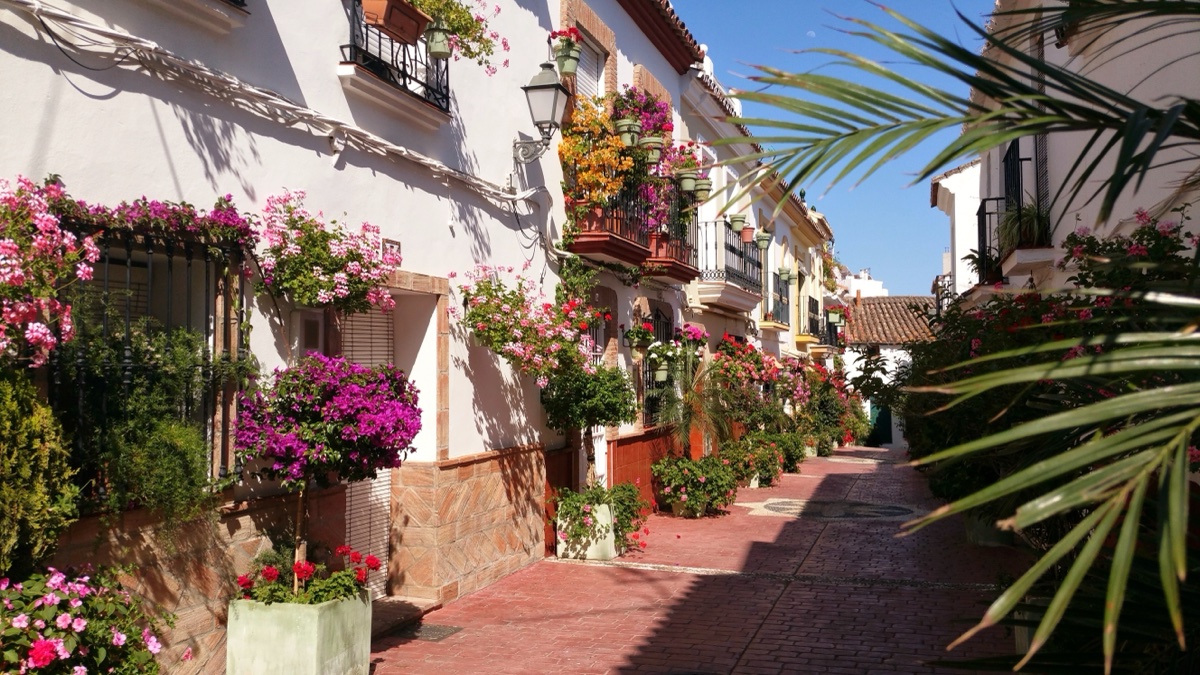
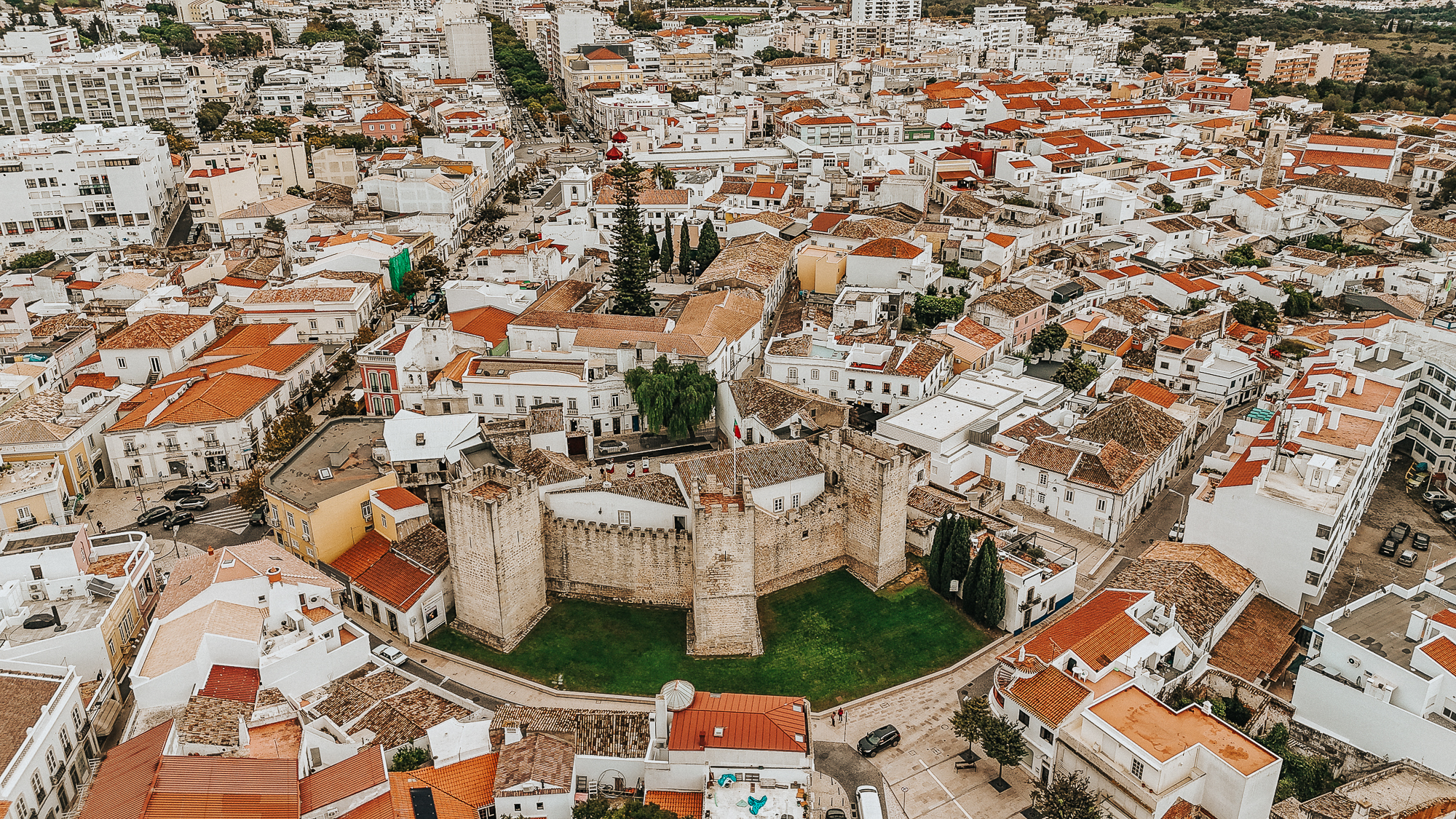
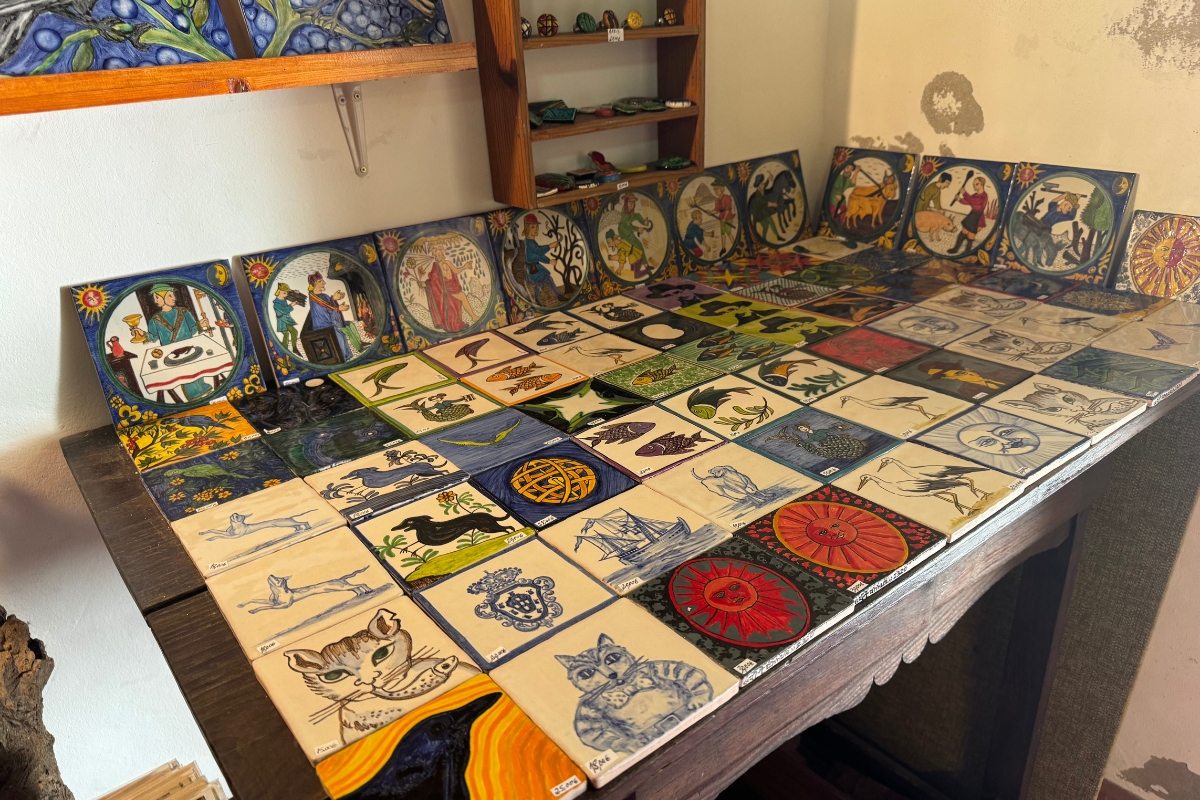
The historic heart of Albufeira is where you’ll feel the true southern atmosphere come alive. Originally a small fishing village, the town has obviously grown, but the Old Town still holds its charm thanks to narrow cobbled lanes and traditional whitewashed houses. On summer evenings, the streets fill with buskers, live music, and happy tourists strolling between souvenir shops.

The best way to explore this quarter is simply to wander without a map and soak in the aroma of grilled delicacies wafting from dozens of local restaurants. You’ll stumble upon countless charming cafés where you can savour a strong Portuguese espresso and watch the world go by. 💡 Top tip: Head into the lanes first thing in the morning, when the town is still asleep and you’ll have those most photogenic corners all to yourself and your camera.
2. Relax on Praia dos Pescadores

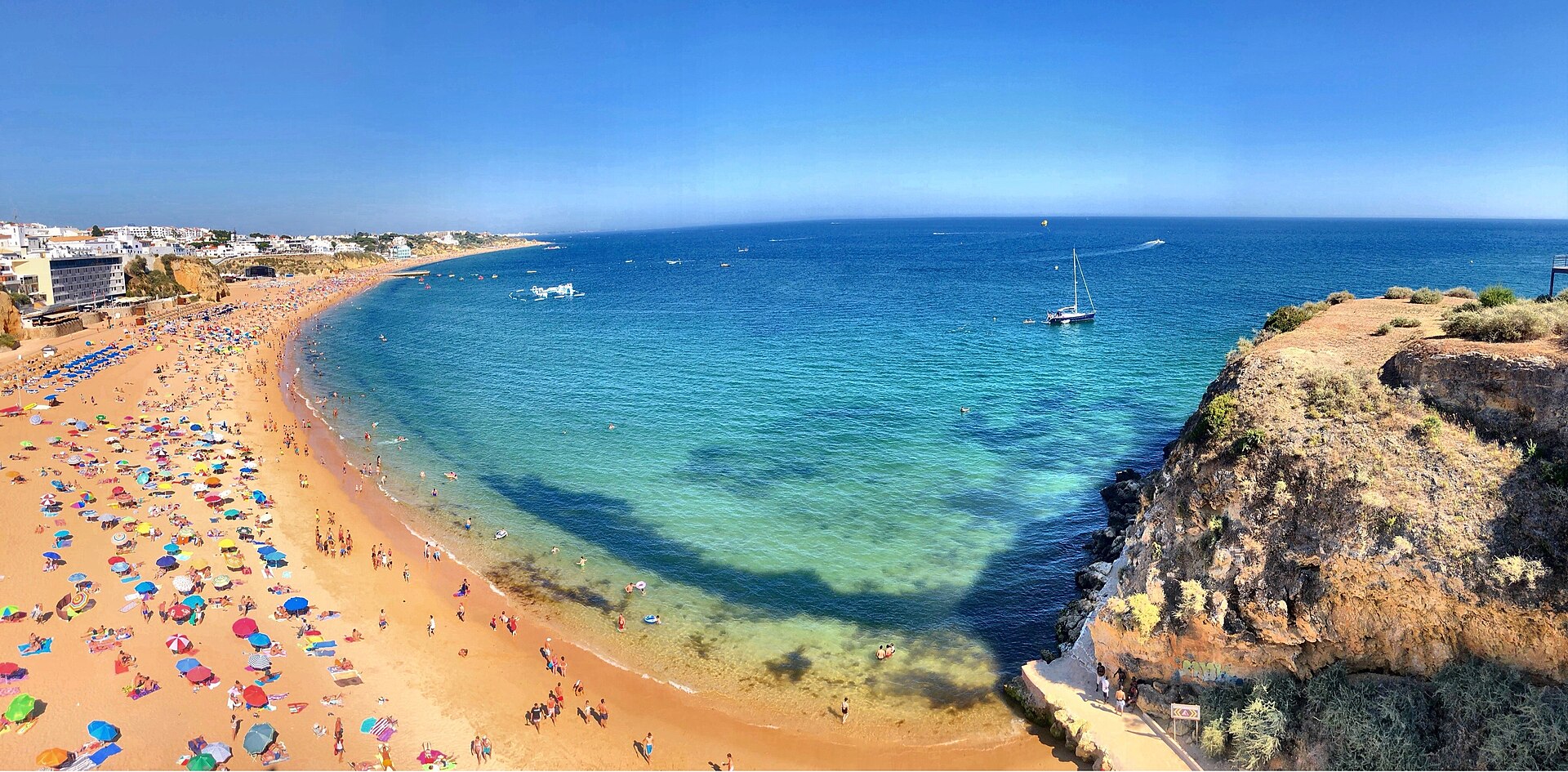
Just steps from the historic centre, the vast Fisherman’s Beach — Praia dos Pescadores — stretches out before you. This is the most accessible and, naturally, the most visited beach in the entire area, though that doesn’t diminish its beauty one bit. Its fine golden sand and gentle slope into the water make it ideal for families with young children or anyone who simply doesn’t fancy travelling far.

Where dozens of colourful fishing boats once bobbed, you’ll now find rows upon rows of sun loungers and parasols available for hire by the day. The eastern end of the beach is flanked by escalators that whisk you comfortably up to the clifftop, where you’re treated to gorgeous views across the entire bay. With restaurants and facilities everywhere, you have every comfort at hand — just be prepared for it to be absolutely packed in August.
3. Walk Along the Iconic Praia da Falésia

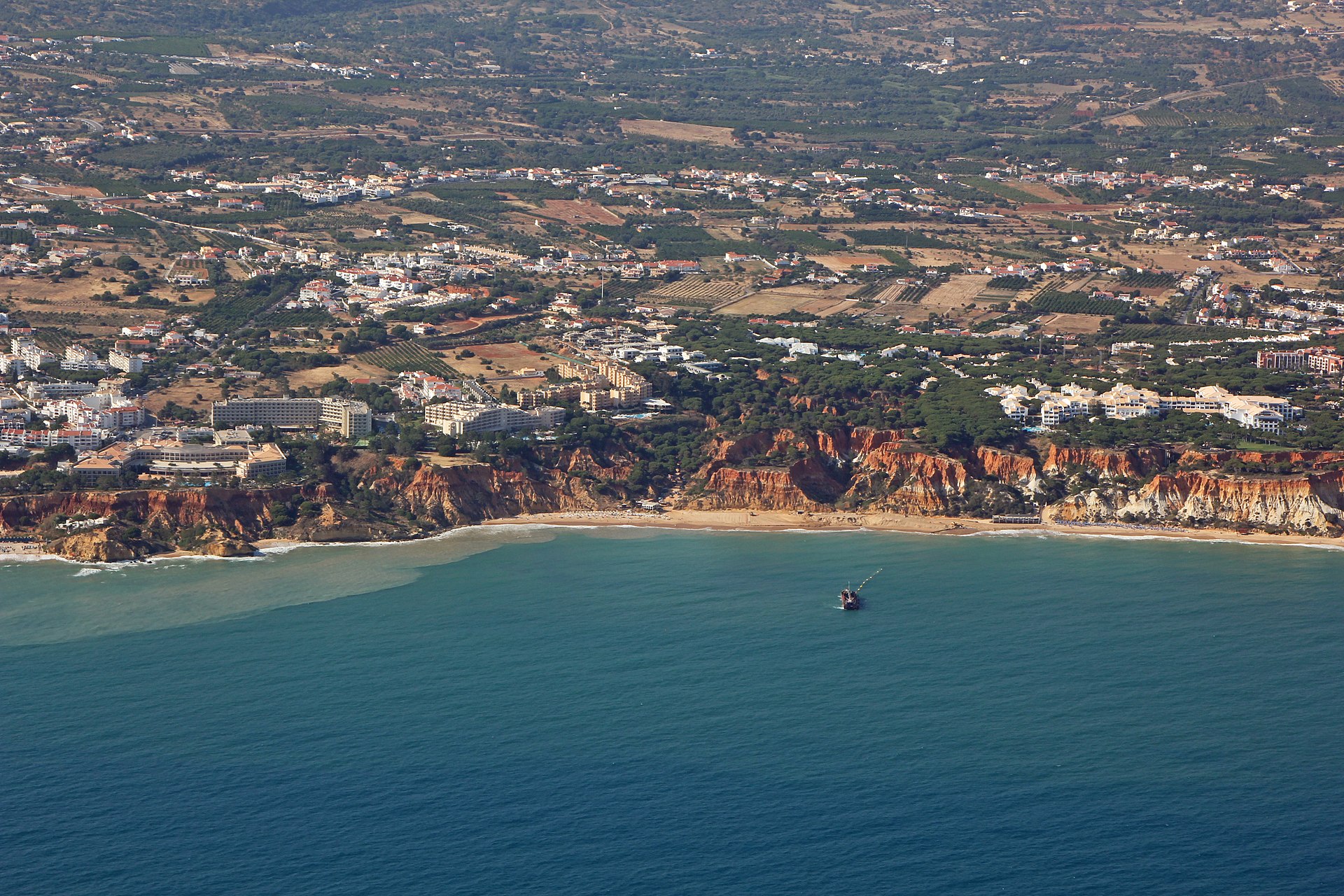
If I could only recommend a single beach in the wider area, it would hands-down be Praia da Falésia. This stunning six-kilometre stretch of fine sand is flanked by dramatic red and orange cliffs that contrast sharply with the turquoise ocean. Located just east of town, it regularly appears in rankings of Europe’s most beautiful beaches.

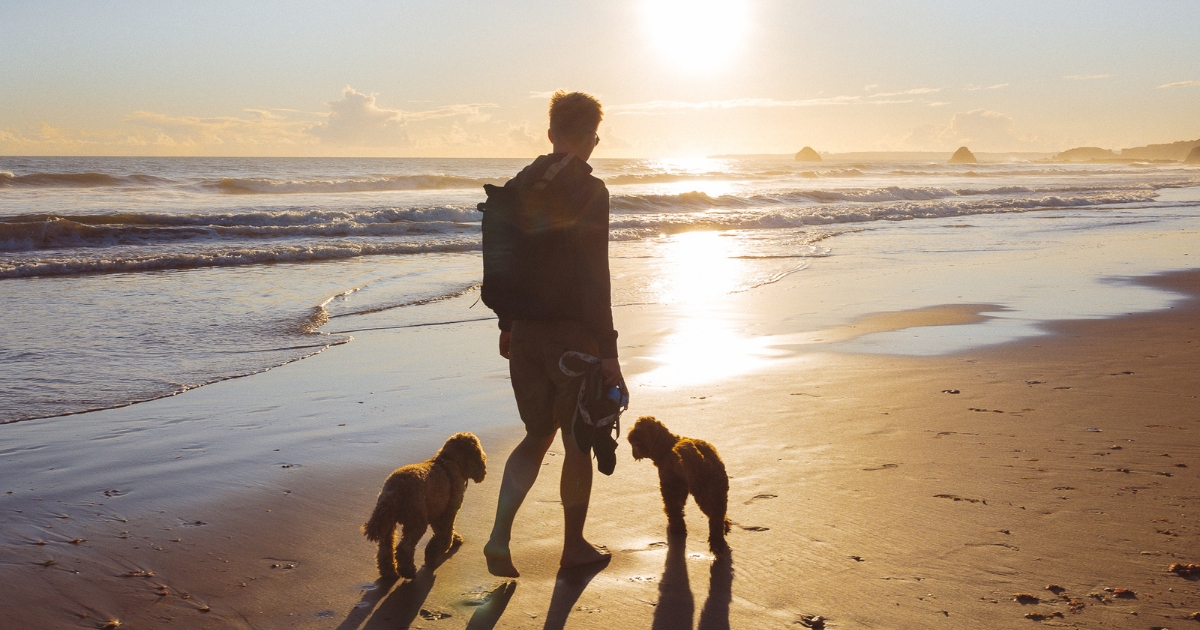
Thanks to its sheer size, even in the height of summer you’ll always find a quiet spot to lay your towel. It’s an absolute paradise for lovers of long beach walks, especially at sunset when the rocks take on incredibly rich colours. 💡 Top tip: You reach the beach via wooden staircases that descend from the cliffs, so wear comfortable shoes — flip-flops can be treacherous on the steep steps.
4. Experience the Nightlife on The Strip

Albufeira has earned a reputation across Europe as a party destination, and the main stage for this never-ending revelry is The Strip. This long avenue in the Montechoro district is lined with dozens of neon-lit bars, Irish pubs, and thumping nightclubs that don’t close until dawn. It’s a world unto itself that springs to life from about ten o’clock at night.

If you love loud music, cheap cocktails, and don’t mind crowds of revellers, you’ll be in your element. A stroll along The Strip is a visual experience in its own right, even if you’re not planning to dance the night away. Just bear in mind that for a quiet romantic candlelit dinner, you’ll definitely want to pick a different part of town — this is pure, unadulterated fun.

5. Admire the Colourful Marina de Albufeira

The local harbour, Marina de Albufeira, sits just west of the centre and you certainly can’t miss it. The entire complex is built in a very distinctive, almost fairy-tale style with pastel-coloured façades in yellows, pinks, and blues. Opinions on the architecture are divided, but it’s undeniably one of the most photographed spots in town.

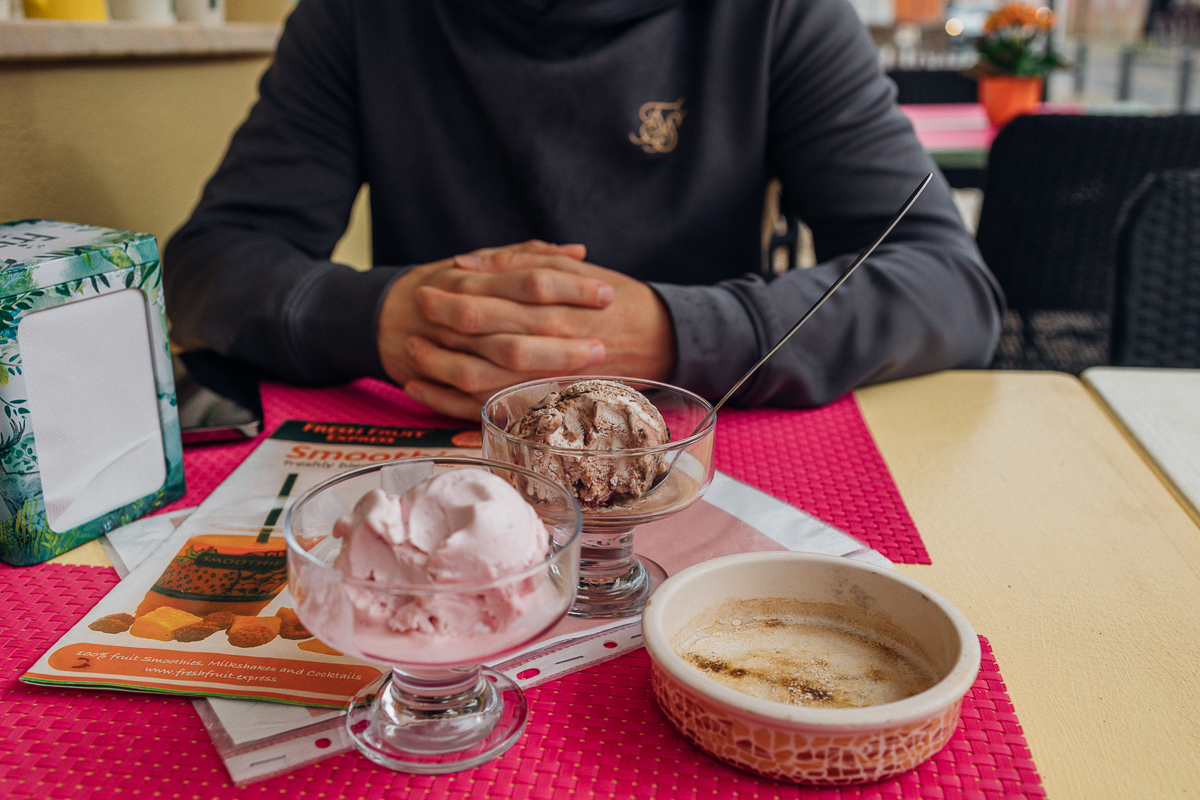
The marina serves as the main departure point for all boat trips, diving expeditions, and coastal cruises. Beyond that, you’ll find plenty of pleasant cafés where you can sit with an ice cream and watch luxury yachts bobbing on the water. It’s also a brilliant spot for a family stroll, as the whole area is flat, car-free, and lined with little shops.
6. Go on a Dolphin-Watching Boat Trip

One of the most incredible experiences the Algarve can offer is encountering dolphins in their natural habitat. Fast speedboats and catamarans depart daily from the marina, heading out into the open ocean to find pods of these intelligent mammals. The chances of spotting them here are remarkably high, as the boat captains communicate via radio to track them down. You can easily book trips in advance through platforms like GetYourGuide.

The cruise typically lasts two to three hours, and besides dolphins, you’ll enjoy fantastic views of the rugged coastline from the water. Smaller inflatable boats (RIBs) are faster and get you closer to the surface, but the ride can be quite bumpy. 💡 Top tip: It can be surprisingly windy out on the open sea, even in the heat of summer, so don’t forget to bring at least a light hoodie or windbreaker on board.

7. Sail Through the Benagil Cave

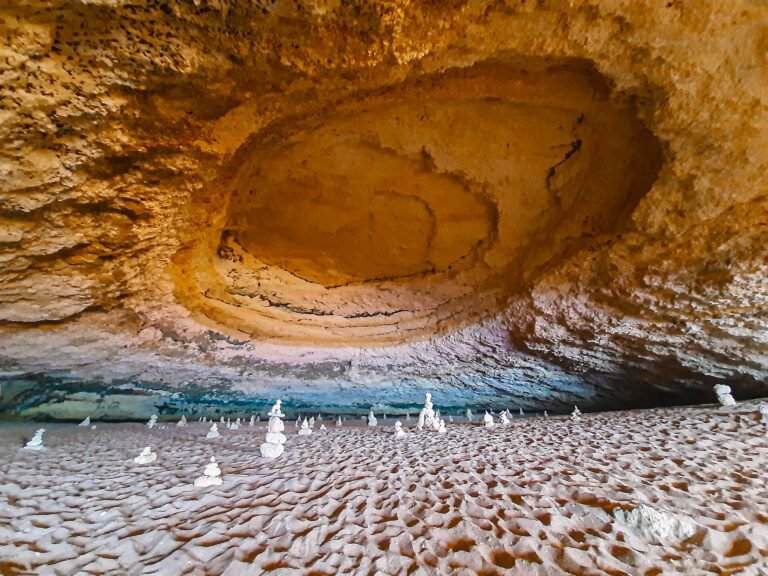
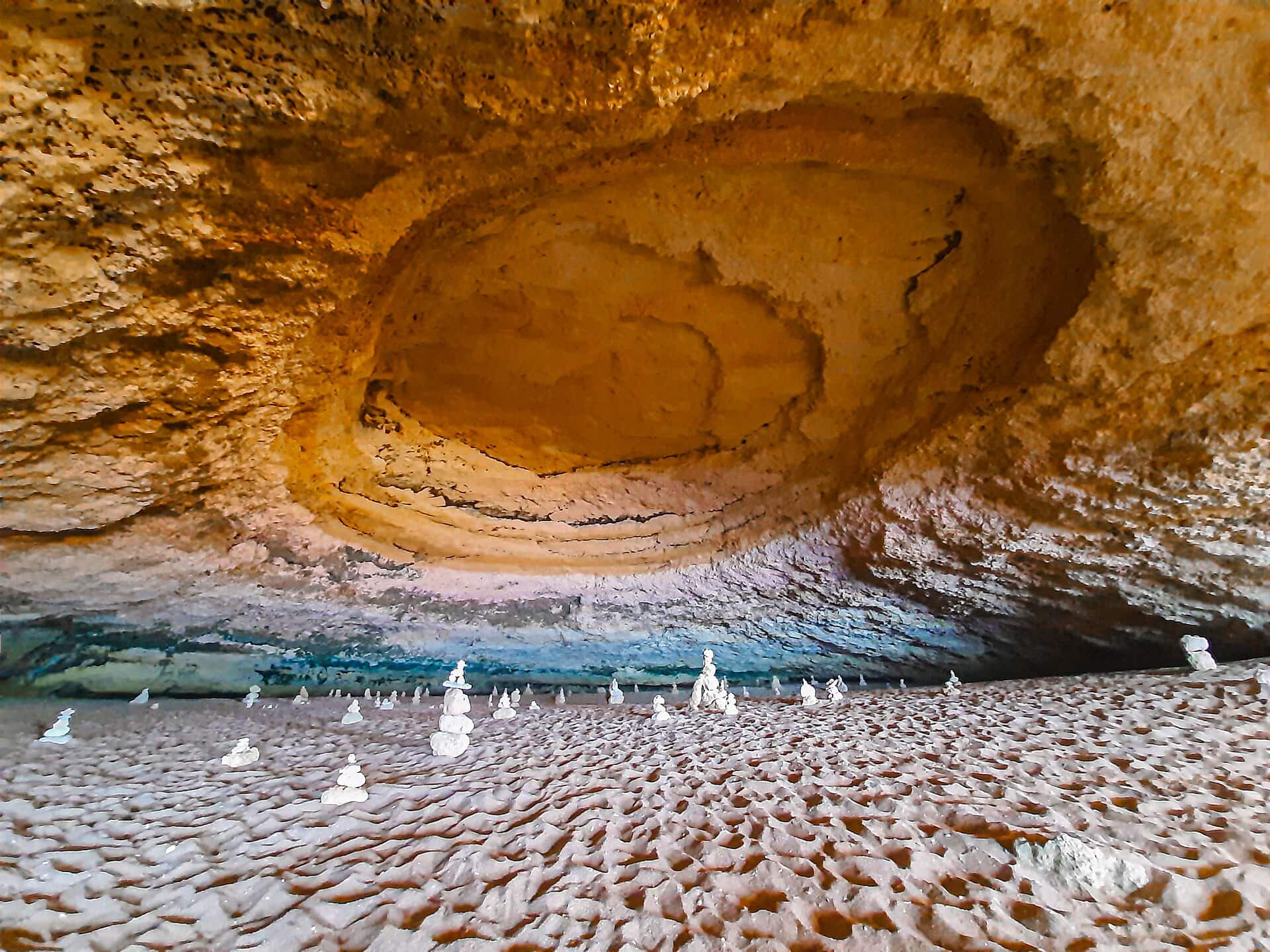
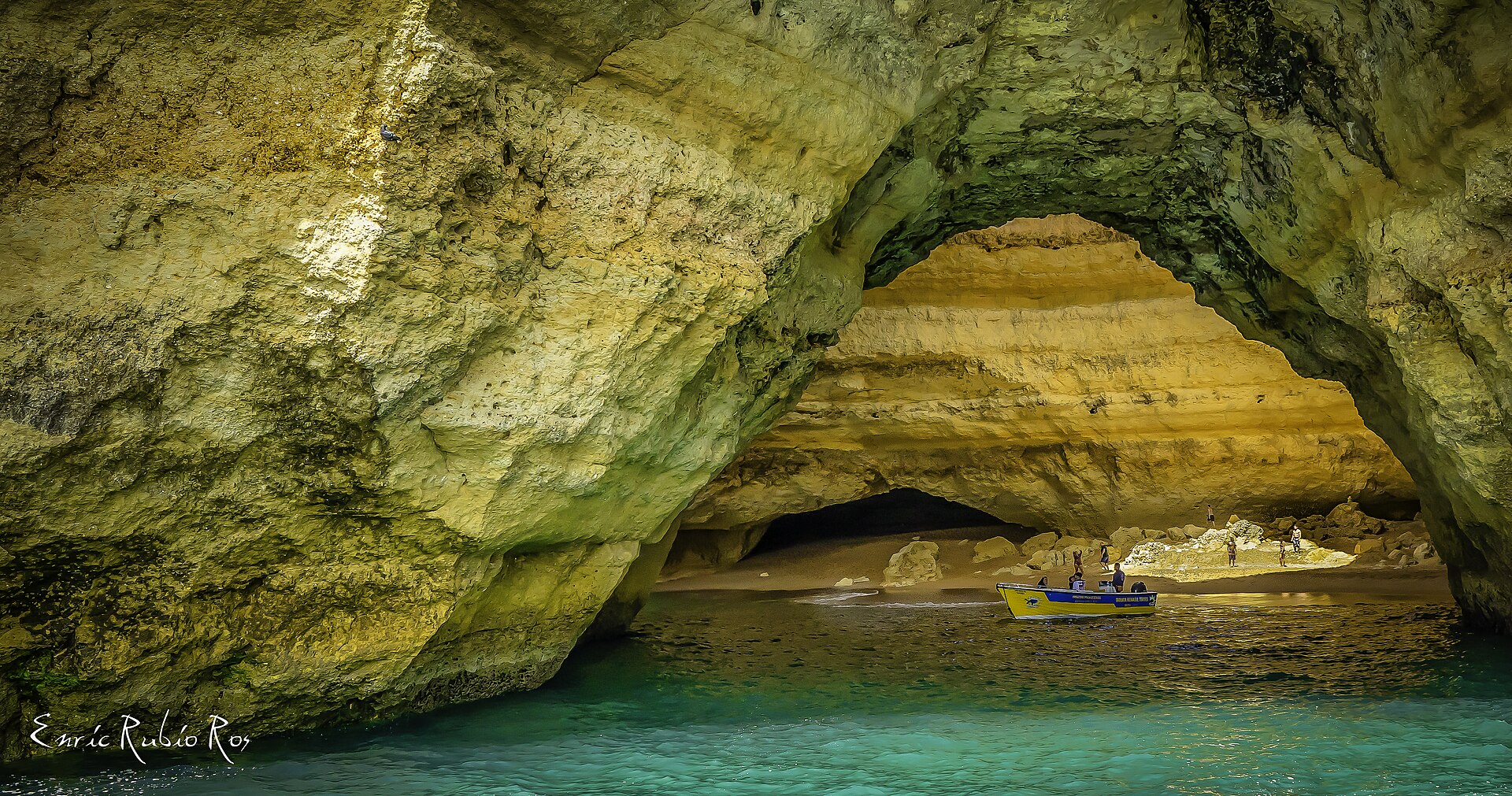
The iconic Benagil Cave with its enormous natural skylight is arguably the most famous natural formation in all of Portugal. Countless boat trips to the cave depart from Albufeira, which is a huge advantage since you don’t need to deal with the nightmare parking situation in the tiny village of Benagil itself. The boats take you directly to the cave and cruise past numerous other stunning rock formations along the way.

It’s important to know that motorised tour boats aren’t allowed to drop you off on the sandy beach inside the cave — they can only sail in for a brief look around and photo opportunity. If you want to actually walk on the sand inside, you’ll need to hire a kayak or paddleboard from the beach at Benagil. Whatever you do, don’t try to swim there, as the ocean currents are strong and boat traffic makes it genuinely dangerous.

lukas a lucka
Lukáš and Lucie recommend
Where to Stay in Albufeira
4 accommodations — wellness hotels, resorts and other lodging options

8. Discover the Charm of Praia de São Rafael

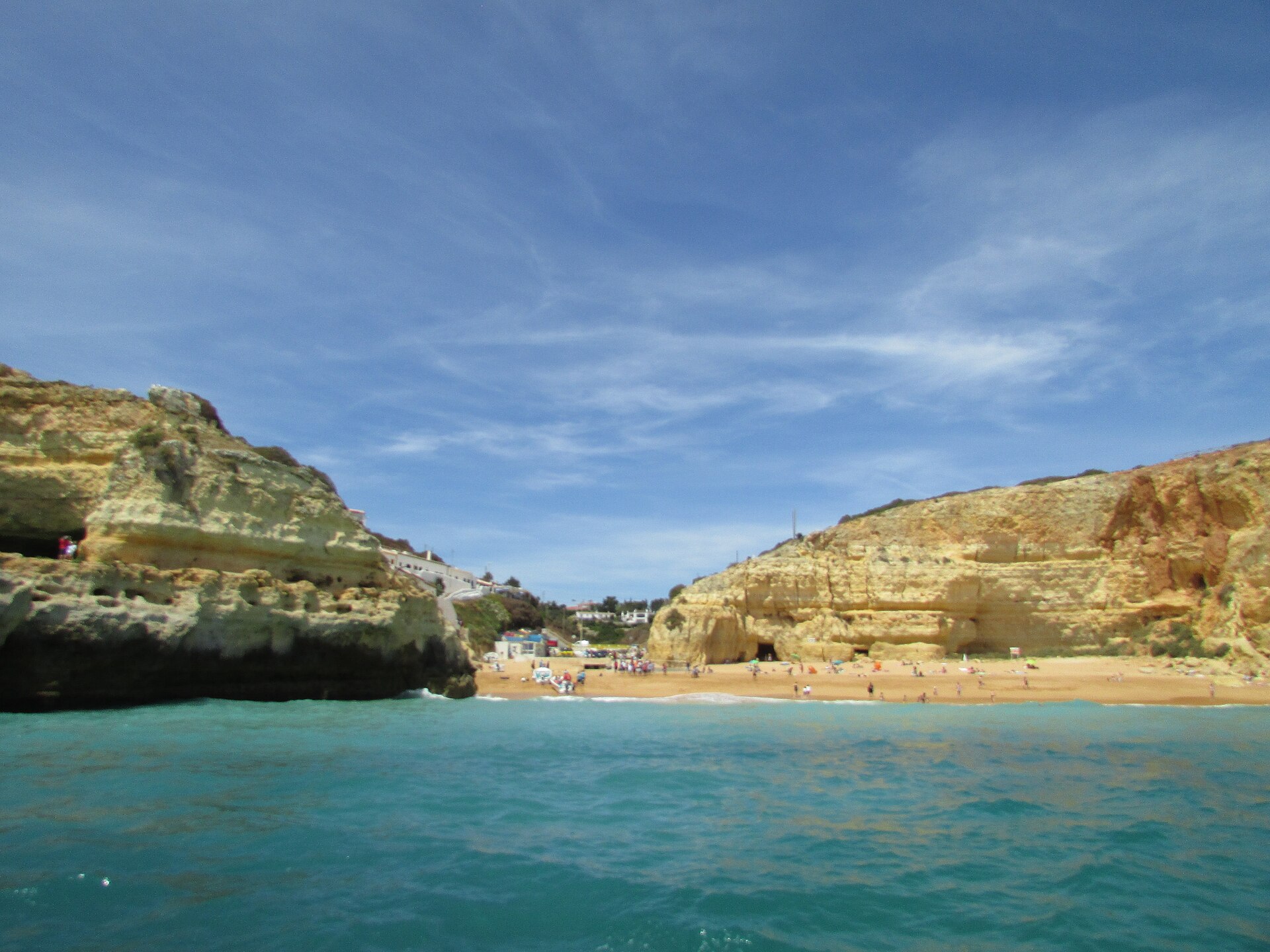
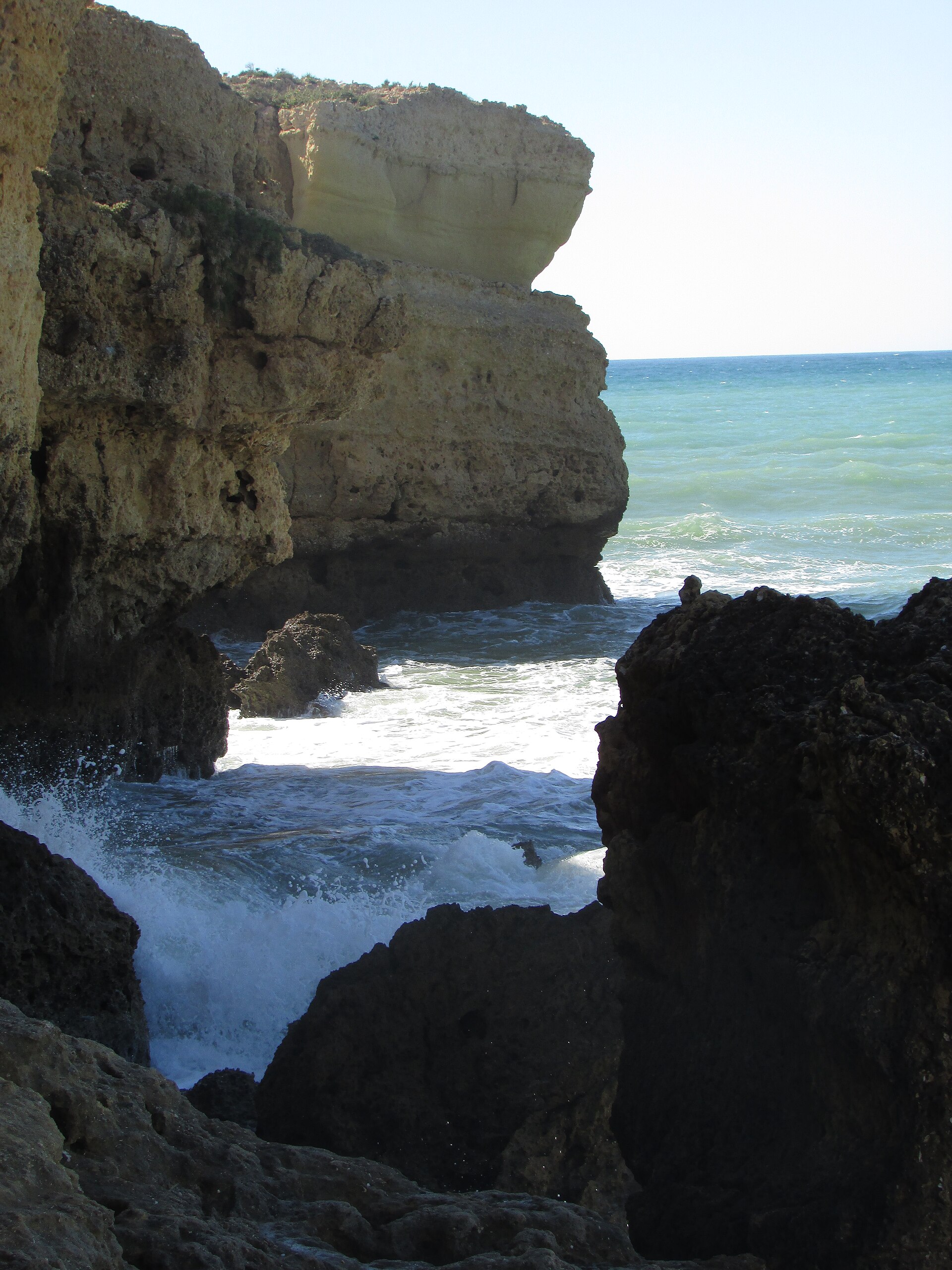
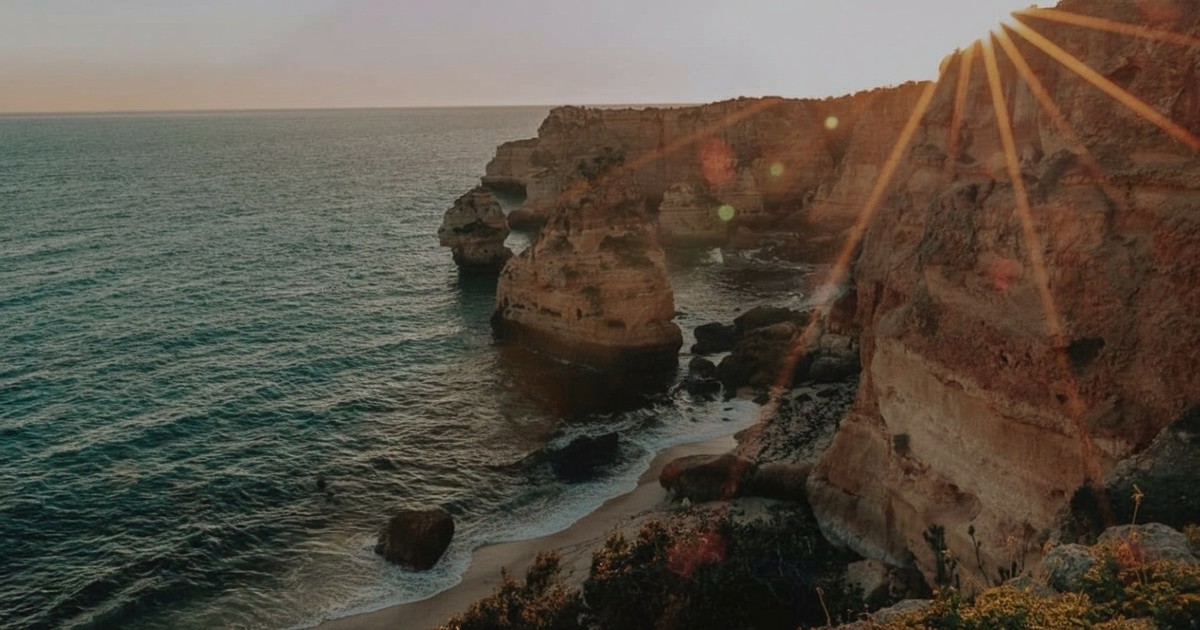
If you’re after the perfect photogenic cove framed by rocks, Praia de São Rafael will absolutely enchant you. This beach epitomises exactly why people flock to the Algarve — golden sand, ochre limestone towers, and crystal-clear water. It’s just a few kilometres west of town and makes for an ideal escape from the busy centre.

The rock formations create natural shade, and the rugged coastline here is absolutely perfect for snorkelling and exploring marine life. Right on the beach you’ll find an excellent restaurant where you can grab a light lunch or a refreshing drink. 💡 Top tip: The car park above the beach fills up very quickly, so if you arrive by car after ten in the morning, you’ll really struggle to find a space.
9. Cool Off in the Village of Olhos de Água

Originally a quiet fishing village, Olhos de Água now seamlessly merges into Albufeira’s eastern edge, yet it still retains its local character. Its name translates as “Eyes of Water” and refers to unique freshwater springs that bubble up through the sand on the beach at low tide. This fascinating natural phenomenon is well worth seeing.

The atmosphere here is much more relaxed than on The Strip, making it an incredibly popular spot for families with children and couples seeking tranquillity. You’ll find excellent local amenities, cosy cafés, and of course a beautiful main beach backed by steep cliffs. It’s a great compromise if you want every convenience within reach while steering well clear of mass tourism.
10. Soak Up the Views from Miradouro do Pau da Bandeira

For the ultimate Instagram shot, make a beeline for the Miradouro do Pau da Bandeira viewpoint. This terrace sits on the clifftop directly above Praia dos Pescadores and offers panoramic views across the entire Old Town and the endless blue ocean. It’s especially magical in the early evening, when the sun starts painting the whitewashed houses in warm golden tones.

You can easily walk to the viewpoint from the centre, or take the popular outdoor escalators that whisk you straight up from the beach without breaking a sweat. During the day, you’ll often come across local artists selling handmade souvenirs here. It’s the ideal stop before dinner, where you can drink in the views and plan the rest of your evening.
11. Explore Praia da Galé and Its Rock Formations

While most beaches near the centre are tucked into small coves, Praia da Galé on the far western edge is a different beast entirely. This beach offers a huge, wide strip of sand stretching for kilometres, flanked by lower, rounded rocks that create natural pools. It’s a fantastic spot for long walks and safe swimming away from wild waves.

Thanks to its generous size, it never feels overcrowded here, not even in the middle of a scorching August. The western section is more open and ideal for water sports, while the eastern end is woven with intriguing rock formations where you can find your own private nook. Facilities are excellent — showers, toilets, and several beach bars are all on hand.

12. Have a Blast at Zoomarine Algarve

If you’re travelling with kids, a visit to the Zoomarine family park in nearby Guia is an absolute must. This enormous complex brilliantly combines a modern water park with an educational marine aquarium and zoo. You can look forward to spectacular dolphin, sea lion, and bird-of-prey shows, all designed with conservation in mind.

Beyond the animals, the park features an extensive zone with giant slides, wave pools, and even an artificial sandy beach, so you can easily spend the entire day here. 💡 Top tip: Definitely buy your tickets online in advance — you’ll save money and dodge the horrific queues at the ticket office that form every summer like clockwork.
13. Slide Down at Slide & Splash Water Park

For true adrenaline junkies and fans of wild water rides, head to Slide & Splash water park, roughly a 30-minute drive west. It’s one of the biggest and best water parks in all of Portugal, boasting dozens of extreme slides and attractions. From kamikaze drops to pitch-black tunnels and massive funnels, there’s plenty here for adults and teenagers alike.

For younger children, there’s naturally a huge, safe kids’ zone with shallow pools and play structures, all watched over by an army of attentive lifeguards. The park is spacious and also offers plenty of grassy areas for resting in the shade of the trees. Just like Zoomarine, the golden rule applies: buy your tickets online beforehand to save both time and hassle.
14. Sample the Local Cuisine in Guia

The small village of Guia, just a few kilometres inland, is famous across all of Portugal for one thing — outstanding Piri Piri chicken. This fiery dish dates back to the Age of Exploration, and local restaurants compete fiercely over who has the best secret marinade recipe. If you eat meat, this is an experience you simply can’t miss.

If you’re vegetarian, don’t worry — you certainly won’t go hungry in the Algarve. Traditional Portuguese cuisine offers plenty of excellent meat-free options, from hearty soups to superb cheeses. I’d highly recommend trying the traditional couvert (a starter course) that the waiter brings to your table before the main meal — it usually includes fresh bread, olives, and cheese. Just remember: if you touch it, you’ll be charged for it (roughly 2–5 euros), but it’s absolutely worth a taste. In traditional eateries called “tascas”, you’ll also find excellent omelettes, grilled vegetables, and salads made with fresh local produce.
15. Try Paddleboarding or Kayaking

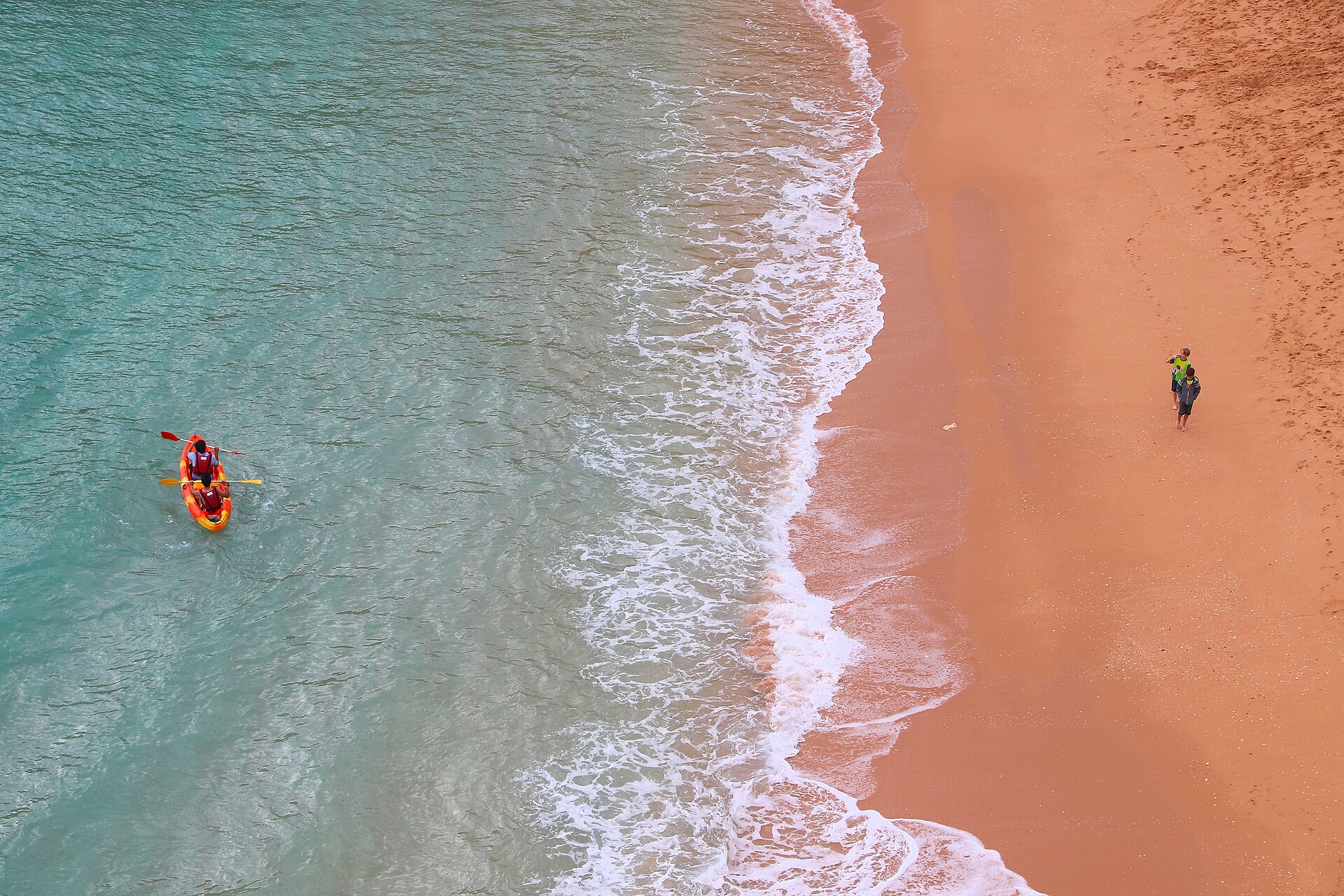
The Algarve coastline is absolutely ideal for exploring from the water, and self-propelled craft give you the greatest freedom. Hiring a kayak or stand-up paddleboard (SUP) is a brilliant way to reach hidden caves and tiny beaches that you simply can’t access on foot or by large boat. It’s not just a fantastic workout — it’s an unforgettable experience.

Most of the larger beaches have rental shops right on the sand, with prices typically around 20–30 euros per hour. For beginners, it’s best to head out first thing in the morning when the ocean is calmest and waves are minimal. 💡 Top tip: If you’re new to paddling, it’s worth paying for an organised tour with a guide — ocean currents can be deceptive and local knowledge is genuinely invaluable.
16. Take a Day Trip to Cape São Vicente

If you have access to a car, make the journey to the south-westernmost point of continental Europe — Cabo de São Vicente near the town of Sagres. This dramatic slab of land, where 70-metre cliffs plunge into the wild Atlantic, genuinely feels like the edge of the world. It’s a place with an incredibly powerful atmosphere and a history tied to the Age of Discovery.

An iconic lighthouse stands on the cape itself, and a fierce wind blows constantly — so a jumper will come in handy even in the height of summer. It’s one of the most popular sunset-watching spots in all of Portugal, where crowds gather on the clifftops to watch the fiery orb sink into the ocean. Bear in mind, though, that the drive from Albufeira takes roughly an hour and a quarter, so plan your trip accordingly.
Day Trips and Beyond from Albufeira

The Algarve is stunning, but Portugal has so much more to offer. If you have extra time to explore the country, definitely head north.

  • The capital: Read our detailed Lisbon guide and discover the magic of its steep streets and iconic yellow trams.
  • City of wine: If you love history and port wine, don’t miss Porto, a city that will enchant you with its melancholic atmosphere.
  • Regional capital: Find out why you shouldn’t skip historic Faro and its unique Chapel of Bones when you fly in.
  • History and cliffs: Explore neighbouring Lagos, which offers a perfect mix of history and jaw-dropping beaches.
  • West coast: Read about the sleepy town of Sagres, a magnet for surfers and lovers of wild nature.
  • Picturesque hideaways: Discover what hides in Carvoeiro, a charming village tucked into a steep ravine.
  • Eastern Algarve: Find out why Tavira is considered the most enchanting town in the entire south.
  • Beach inspiration: Get inspired by our ranking of the most beautiful beaches in Portugal and plan your perfect swim.
  • Natural wonders: Learn how to reach the iconic Benagil Cave stress-free.
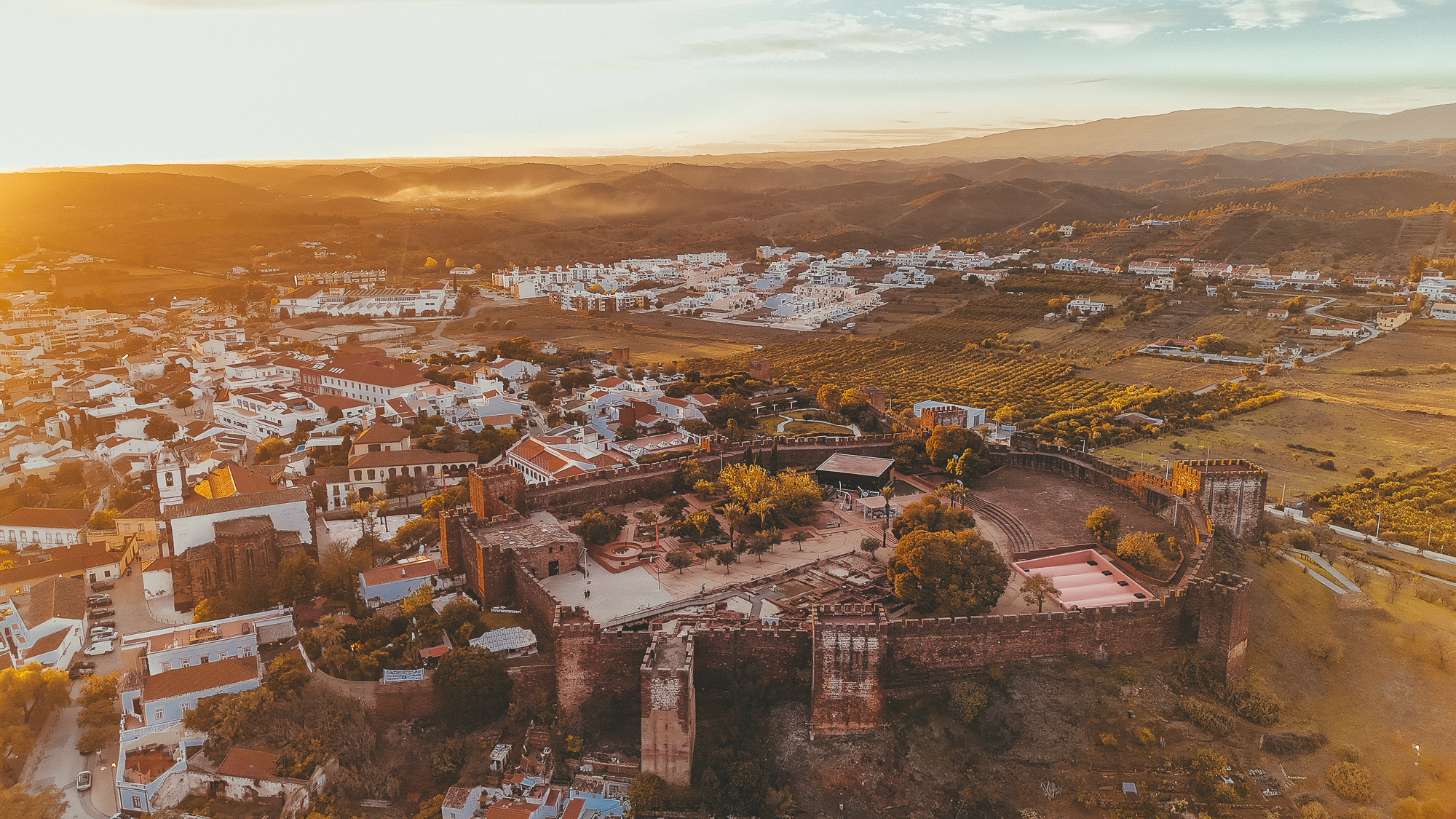
  • The hinterland: Take a trip to the ancient Moorish town of Silves with its majestic castle.
Frequently Asked Questions

How do I get from Faro airport to Albufeira?

The most convenient option is to book a shared shuttle bus or private taxi in advance—the journey takes about 40 minutes. If you prefer public transport, you’ll need to take bus number 16 from the airport to Faro city center, then transfer to a bus heading to Albufeira.

Do I need a rental car in Albufeira?

If you’re planning to just relax on the beach near your hotel and enjoy the nightlife, you won’t need a car—everything is within walking distance or you can use Uber. However, if you want to explore hidden beaches, caves, or venture to the west coast, I highly recommend renting a car.

Is Albufeira suitable for families with children?

Absolutely, but choosing the right area is key. Avoid the busy Montechoro district (The Strip) and look for accommodation in quieter parts of town, such as the Olhos de Água area or near Praia da Galé.

Which water parks are closest?

The nearest is the family-friendly Zoomarine Algarve in the village of Guia, which offers a great mix of water park attractions and marine animal shows. About half an hour’s drive away is Slide & Splash, which focuses more on extreme water slides.

Are there tolls on Portuguese highways?

Yes, the main A22 highway (Via do Infante) across the Algarve has electronic tolls. Always pay extra at the rental agency to activate the Via Verde transponder—the system will then automatically charge tolls for the sections you drive through directly to your card.

Are the beaches in the area sandy?

Yes, the vast majority of beaches in the Algarve have fine golden sand. The coastline is often lined with high limestone cliffs that give the beaches their iconic look and provide natural shade.

What about drinking water?

Tap water throughout Portugal is safe to drink. However, restaurants won’t automatically serve you tap water—you’re always expected to order bottled water.

Tips and Tricks for Your Vacation

Don’t Overpay for Flights

Search for flights on Kayak. It’s our favorite search engine because it scans the websites of all airlines and always finds the cheapest connection.

Book Your Accommodation Smartly

The best experiences we’ve had when looking for accommodation (from Alaska to Morocco) are with Booking.com, where hotels, apartments, and entire houses are usually the cheapest and most widely available.

Don’t Forget Travel Insurance

Good travel insurance will protect you against illness, accidents, theft, or flight cancellations. We’ve had a few hospital visits abroad, so we know how important it is to have proper insurance arranged.

Where we insure ourselves: SafetyWing (best for everyone) and TrueTraveller (for extra-long trips).

Why don’t we recommend any Czech insurance company? Because they have too many restrictions. They set limits on the number of days abroad, travel insurance via a credit card often requires you to pay medical expenses only with that card, and they frequently limit the number of returns to the Czech Republic.

Find the Best Experiences

Get Your Guide is a huge online marketplace where you can book guided walks, trips, skip-the-line tickets, tours, and much more. We always find some extra fun there!
Benidorm, Spain: 15 Best Things to See and Do

TL;DRBenidorm, on the Costa Blanca, comes with fifteen top tips, including the buzzing Levante beach with its watersports, the calmer, family-friendly Poniente beach, the Balcón del Mediterráneo viewpoint, the old town El Casco Antiguo with its Tapas Alley, the Intempo skyscraper, Terra Mítica theme park and the Aqualandia water park. Three or four days is enough for the resort itself, but if you want to explore the wider Costa Blanca with trips to Altea or Guadalest, set aside a week. June to September is best for swimming, while spring and autumn suit day trips better. The nearest airport is Alicante, about 60 kilometres away, with a bus into the centre taking just under an hour and costing around 10 euros.

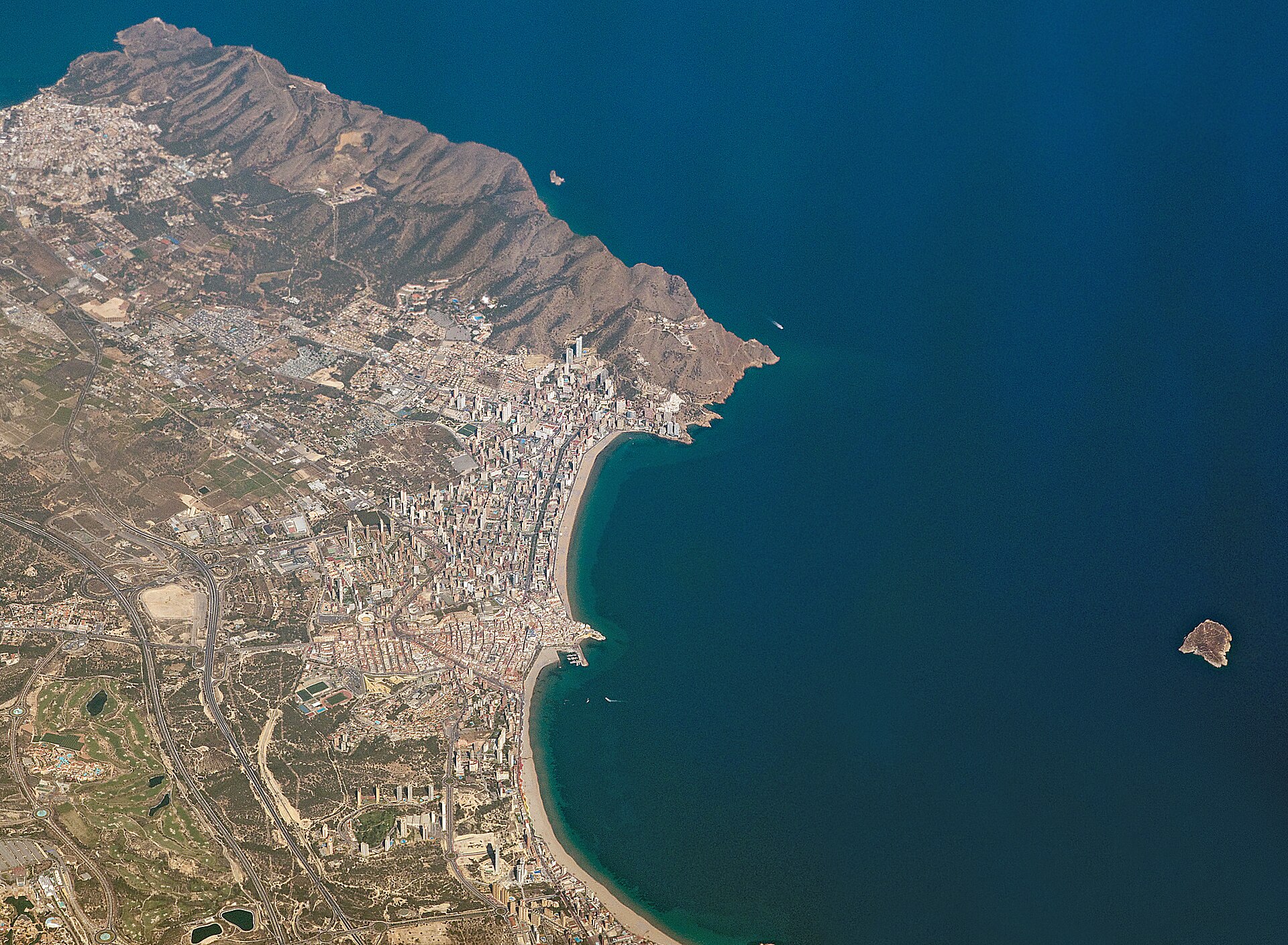
If you’re dreaming of a summer holiday in Spain and looking for a destination that never sleeps, Benidorm Spain will not disappoint. This former sleepy fishing village has transformed over just a few decades into a fascinating vertical city that reliably divides opinion.

Some call it the Manhattan of Europe, others love it for its unbeatable family-friendly resorts and endless sandy beaches. Whether you’re after wild nightlife, perfect facilities for kids, or simply a guaranteed dose of sunshine, you’ll find it all neatly wrapped up in one place. I’ve put together a detailed guide to show you every side of this unique resort on the sun-drenched Costa Blanca coast.

TL;DR

  • Two iconic beaches: While the livelier Levante Beach attracts fun-seekers and water sports enthusiasts, the calmer Poniente Beach offers an ideal retreat for families with children.
  • A striking contrast: Hidden among the forest of modern skyscrapers lies a charming old town with narrow lanes and the stunning Balcón del Mediterráneo viewpoint.
  • A paradise for families: You’ll find massive theme parks like Terra Mítica and one of Europe’s largest water parks, Aqualandia.
  • Easy to reach: The nearby Alicante Airport offers excellent connections from across the UK, and a reliable tram network runs along the coast.
  • Day trips galore: The Costa Blanca coast boasts beautiful historic towns like Altea and the picturesque mountain village of Guadalest.
  • Year-round destination: Thanks to a unique microclimate sheltered by mountains, it’s warm even during winter months, attracting digital nomads and long-stay visitors.

Best Time to Visit Benidorm Spain

The entire Costa Blanca coastline boasts the mildest climate in all of Spain, making it an absolutely ideal year-round destination. The city is sheltered by a wall of mountains that blocks cold inland winds and maintains a pleasant microclimate bubble. If you want to enjoy swimming in the sea, the best time to visit is from June to the end of September. Just be prepared for July and August, when beaches are packed to the brim and temperatures regularly soar well above 30°C.

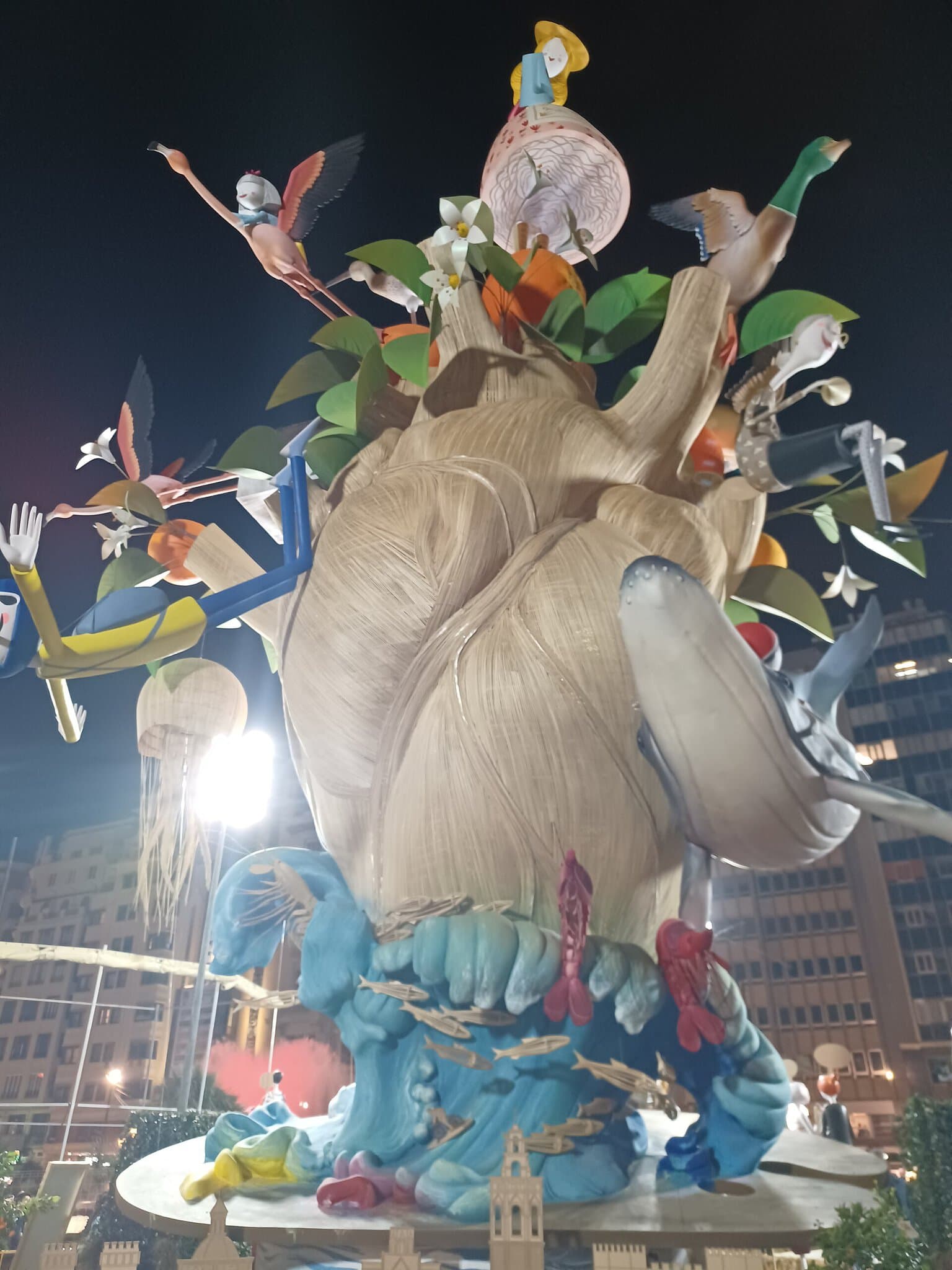
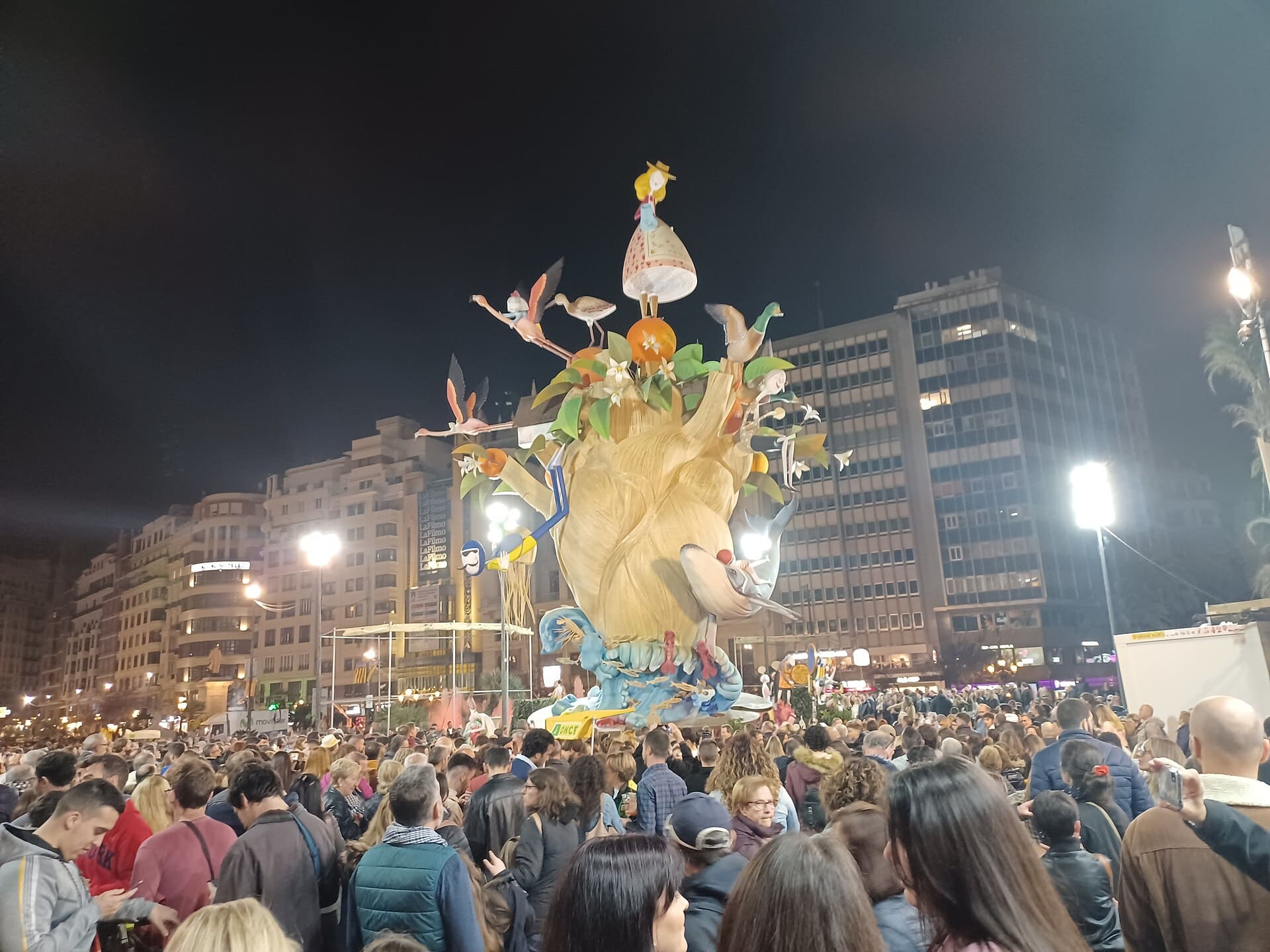
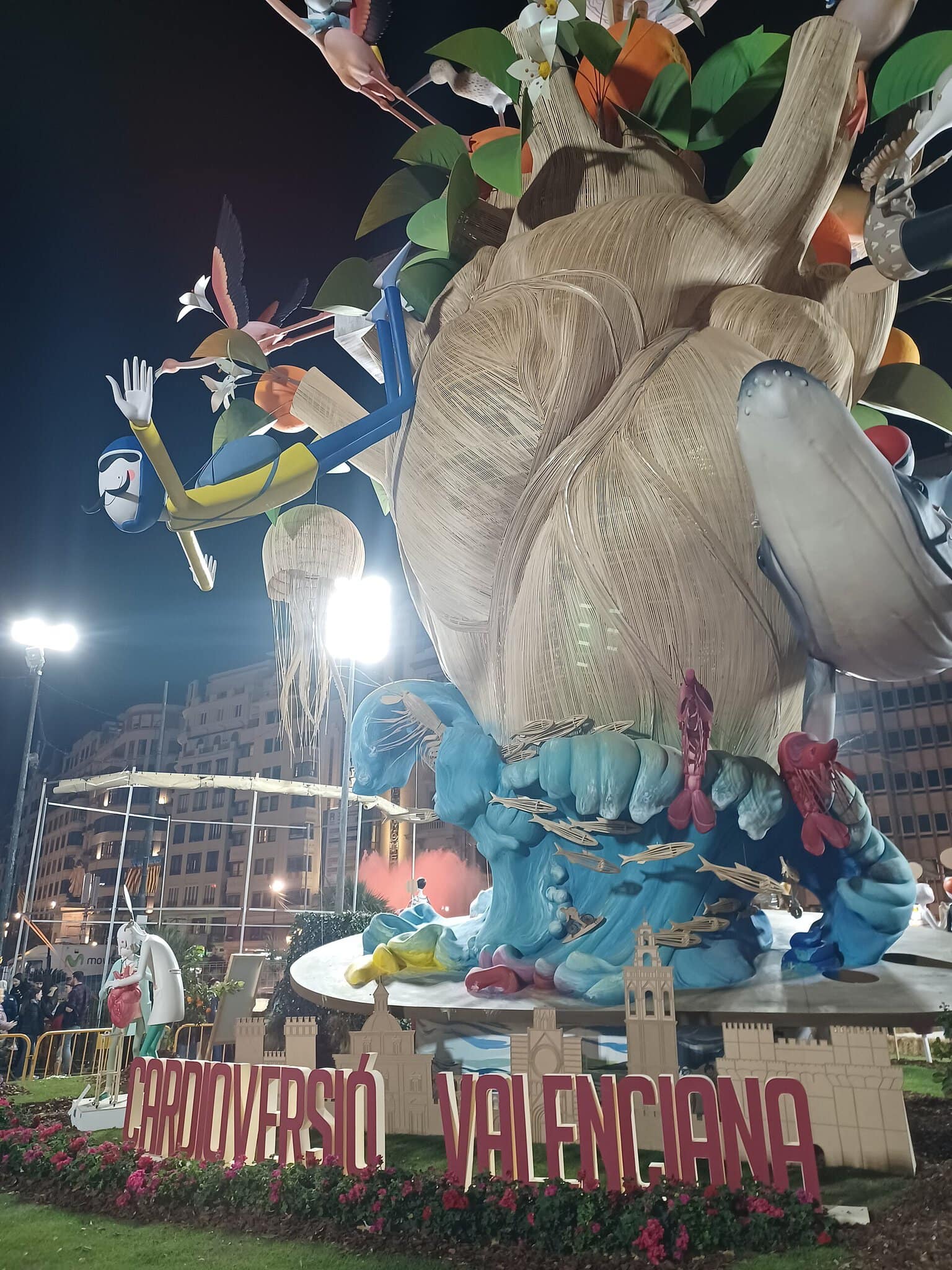
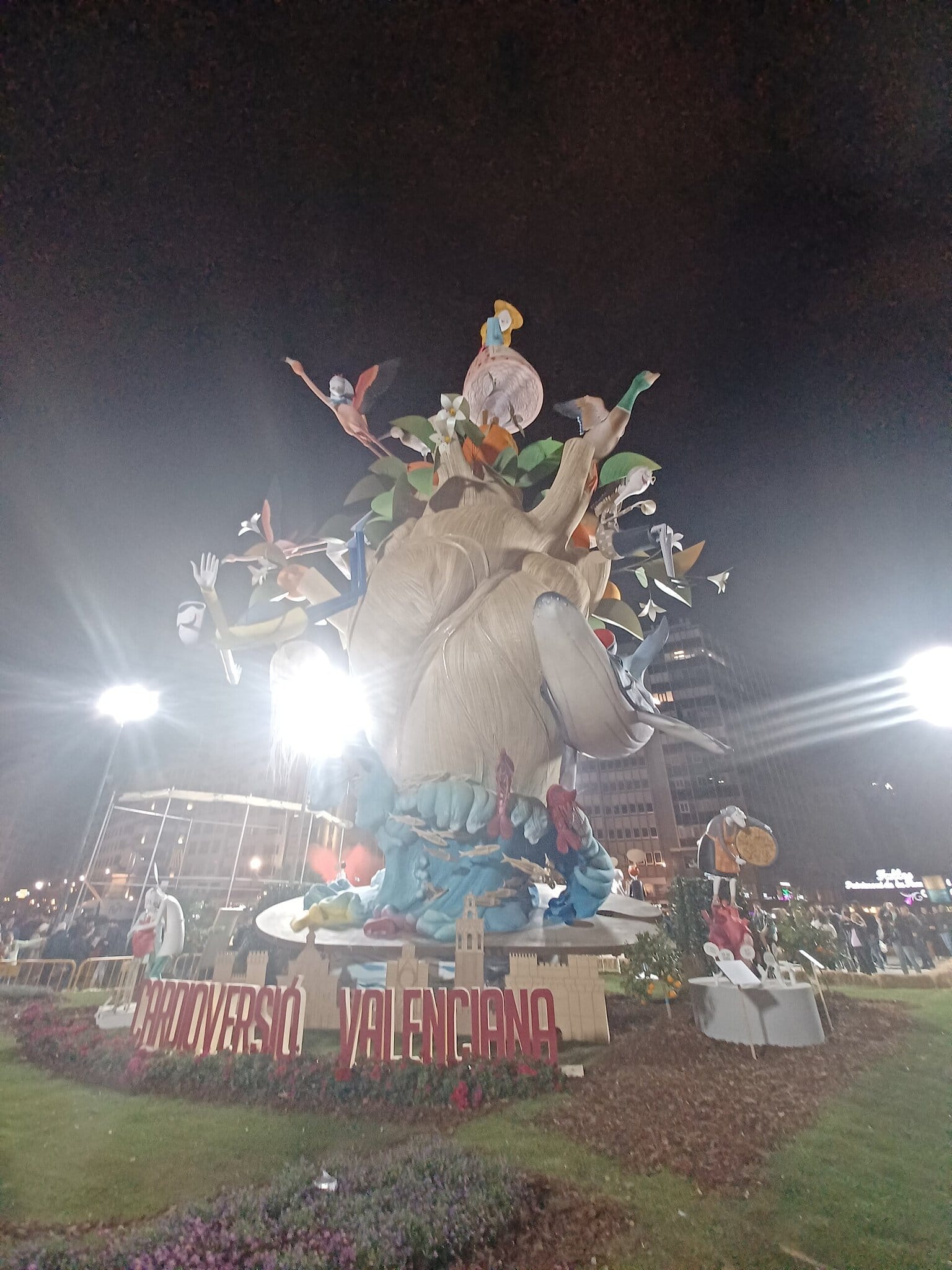
For an active holiday full of excursions, I’d recommend visiting during the spring or autumn months, when the weather is much more comfortable for hiking and exploring the surroundings. Winters here are incredibly sunny and warm, which is why so many Brits and Northern Europeans flock here to escape the cold. A spring visit can also be combined with a trip to nearby Valencia, where the spectacular Las Fallas festival takes place in March. The city transforms into a non-stop celebration full of gunpowder and giant sculptures.

How many days do you need? For the resort itself and its immediate surroundings, three to four days should be enough, especially if you want to fit in a visit to the theme parks. However, if you’re planning to explore the wider Costa Blanca area and take day trips to surrounding historic towns, set aside a full week. That way, you’ll have plenty of time to soak up the laid-back Mediterranean atmosphere without having to rush from place to place.

Where to Stay in Benidorm

💡 Tip for accommodation and experiences: We love searching for accommodation on Booking.com, which tends to have the best cancellation policies. For tickets, tours, and activities, it’s worth comparing options on GetYourGuide.

Choosing the right area is absolutely key here, as each part of the city offers a completely different vibe. If you’re after entertainment and don’t mind the noise, look for accommodation near Levante Beach and the so-called British zone. Conversely, for families with children and travellers seeking peace and quiet, the area around Poniente Beach is the obvious choice — it retains a much more local and relaxed feel. The old town offers a happy medium, putting you within easy reach of both historic sights and excellent tapas bars.

When browsing on Booking.com, you’ll inevitably come across the iconic Hotel Don Pancho, widely regarded as one of the best addresses in town. This adults-only hotel features a gorgeous heated pool and sits just a stone’s throw from Levante Beach. If you want to treat yourself to real luxury and breathtaking views, book a room at the five-star Villa Venecia Hotel Boutique. Perched right on the cliff in the old town, its panoramic views of the Mediterranean are simply unrivalled.

For families and those looking for a quieter base, the Hotel RH Corona del Mar near Poniente Beach is a brilliant choice. It has excellent facilities including pools with water slides and is within walking distance of the historic centre. Prices vary hugely depending on the season — in summer, expect a quality double room to cost around €140 to €200 per night. During winter and spring, however, prices often drop by half, so you can find lovely accommodation without breaking the bank.

15 Best Things to See and Do in Benidorm Spain

I’ve put together a list of the very best places and activities that you shouldn’t miss. The city offers a surprisingly diverse mix of experiences, from historic landmarks and adrenaline-pumping theme parks to stunning natural scenery in the surrounding area.

1. Balcón del Mediterráneo and Castle Square

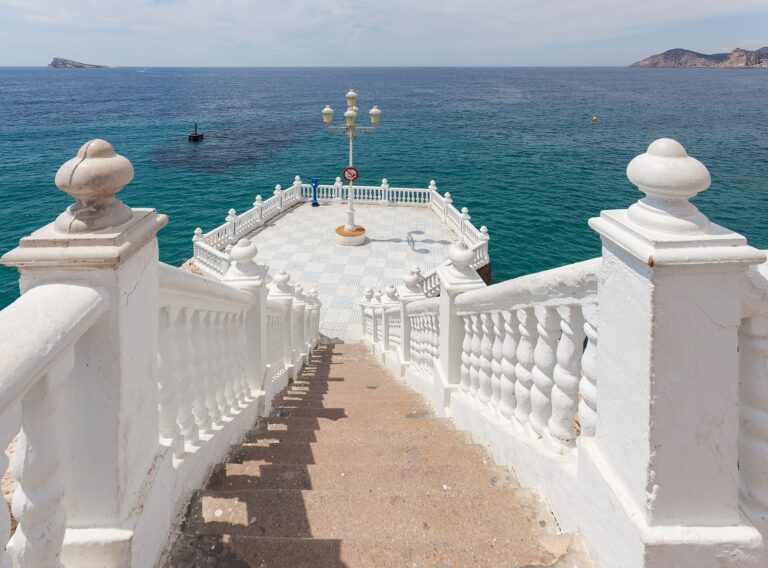
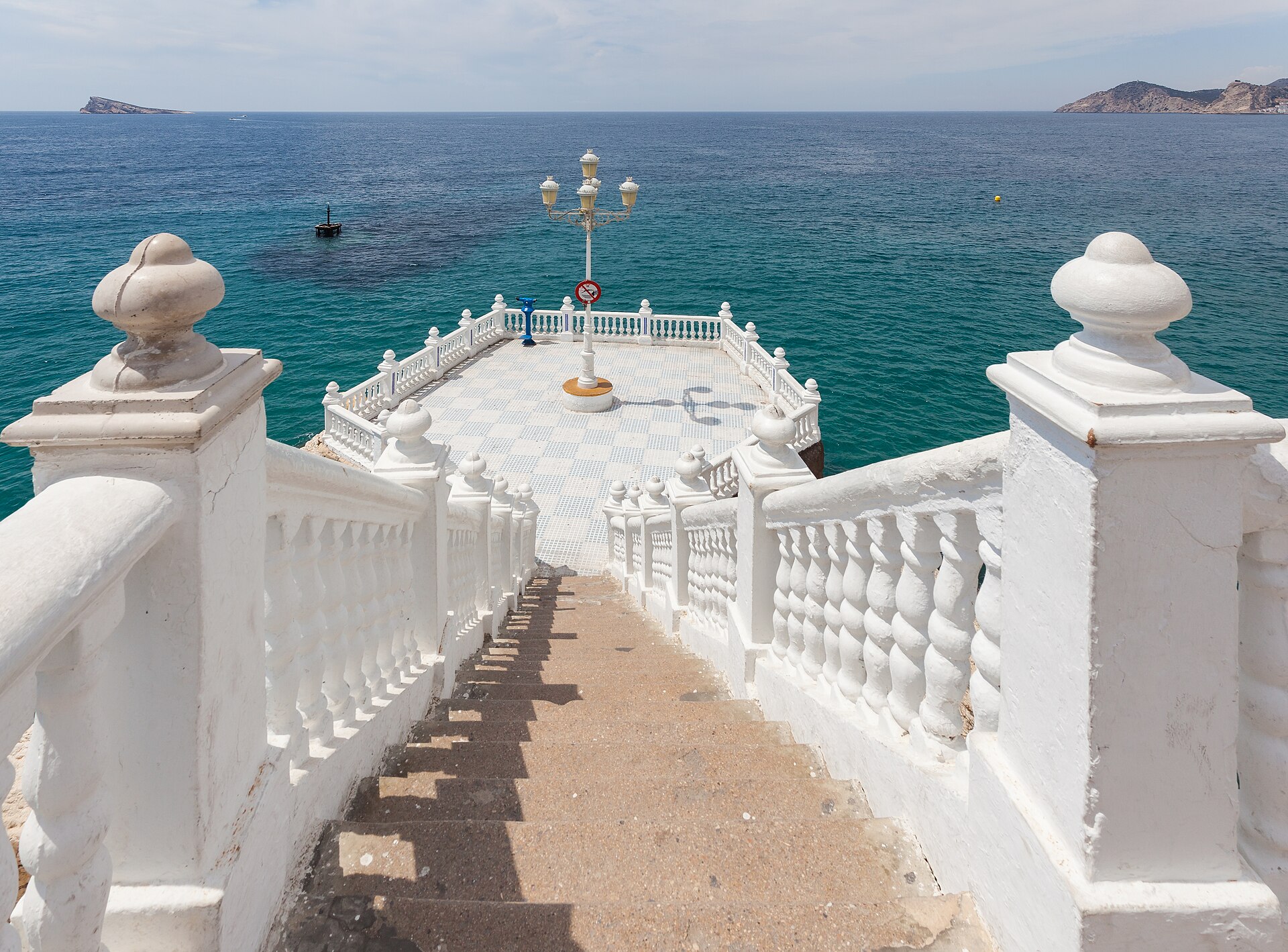
The most beautiful spot in the entire city sits on a rocky promontory that separates the two main beaches. A defensive fortress once stood on this strategic point, protecting the inhabitants from Berber pirate raids. Today, you’ll find the stunning Plaza del Castell, boasting gleaming white balustrades and paving laid out in elegant geometric patterns. There’s a wonderfully peaceful atmosphere here that stands in sharp contrast to the bustling promenades below the cliff.

Walk down the white steps and you’ll reach the Balcón del Mediterráneo itself. This viewing terrace with blue tiles arranged in the shape of a five-pointed star feels as though it’s hovering right above the waves. It’s undoubtedly the most photographed spot for miles around, and the views out to the blue horizon are absolutely breathtaking.

💡 Top tip: Head here early in the morning for sunrise, when the city is just waking up and you won’t have to fight for space with crowds of selfie-taking tourists.

2. Vibrant Levante Beach

This two-kilometre sandy strip is exactly what most people picture when they hear the name Benidorm. Levante Beach is a symbol of non-stop entertainment and buzzing resort life. You’ll find thousands of sun loungers, endless rows of parasols, and a promenade lined with dozens of bars, cafés, and restaurants. The sand is incredibly fine and, thanks to meticulous daily maintenance, the beach proudly flies the prestigious Blue Flag for cleanliness.

The seabed slopes very gently into the water, making swimming safe — though during peak season, it can get incredibly packed. You can try your hand at all sorts of water sports here, from jet skiing and parasailing to banana boat rides. Expect to pay around €15 to €20 per day for hiring two sun loungers with a parasol.

💡 Top tip: If you want to bag a good spot close to the water, you’ll need to get to the beach by around 8am — any later and the prime spots are long gone.

3. Quieter Poniente Beach

While Levante never sleeps, the western Poniente Beach offers a much more relaxed and local atmosphere. Stretching over three kilometres, it’s the longest beach in the city and attracts mainly Spanish families and tourists seeking a bit of peace. Even during the busiest summer months, you’ll always find enough room to spread out your towel without being crammed in next to your neighbours.

The beach is flanked by a truly unique promenade designed by award-winning architects. Its colourful design mimics ocean waves, alternating between shades of yellow, green, and blue. It’s brilliant for cycling or rollerblading, and you’ll find plenty of palm-shaded benches along the way. Unlike its neighbouring beach, you won’t find thumping nightclubs here — just pleasant cafés and traditional Spanish restaurants instead.

💡 Top tip: Stay until early evening, because Poniente offers the most stunning sunsets, when the entire sky is painted in dramatic shades of orange and purple.

4. Exploring Benidorm Old Town (El Casco Antiguo)

It’s easy to forget that the original historic heart of the city has survived amid hundreds of modern tower blocks. The old town, or El Casco Antiguo, is a maze of narrow, often steep lanes that have retained the charm of the original fishing village. Houses are whitewashed, windows are framed by wrought-iron balconies draped with geraniums, and traditional cafés huddle on tiny squares. The standout landmark of this quarter is the Church of San Jaime y Santa Ana with its distinctive blue dome — well worth popping inside.

The biggest draw of the old town, though, is the famous Calle Santo Domingo, universally known as Tapas Alley. This narrow street is positively brimming with tiny bars, from which waft the aromas of olive oil and garlic. It absolutely buzzes in the evening, when locals head out for the traditional “tapeo” — hopping from bar to bar.

💡 Top tip: Order a beer or glass of wine along with some brilliant vegetarian tapas like patatas bravas (roasted potatoes with spicy sauce) or pimientos de Padrón (blistered green peppers with coarse sea salt).

5. Skyscraper Architecture and Intempo

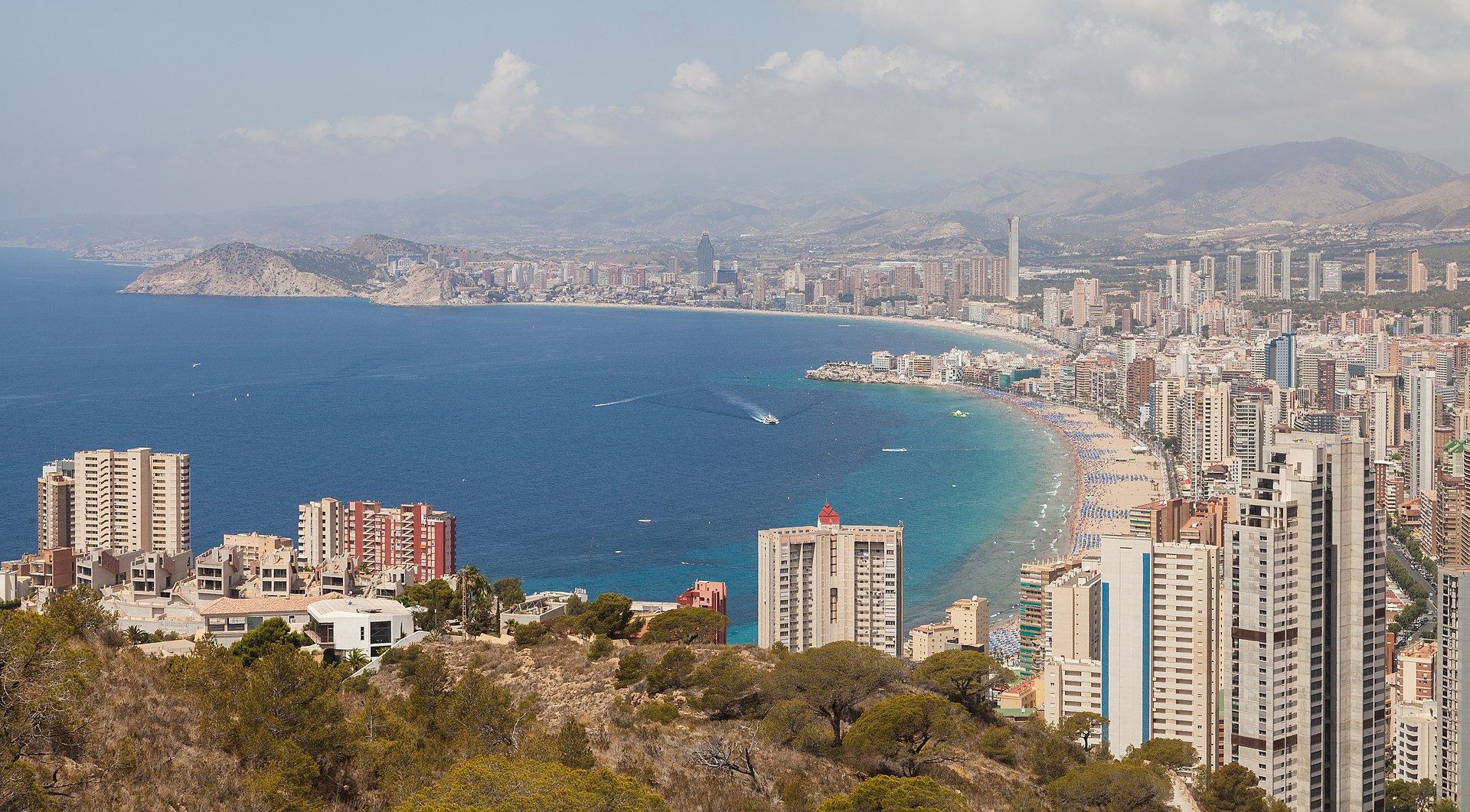
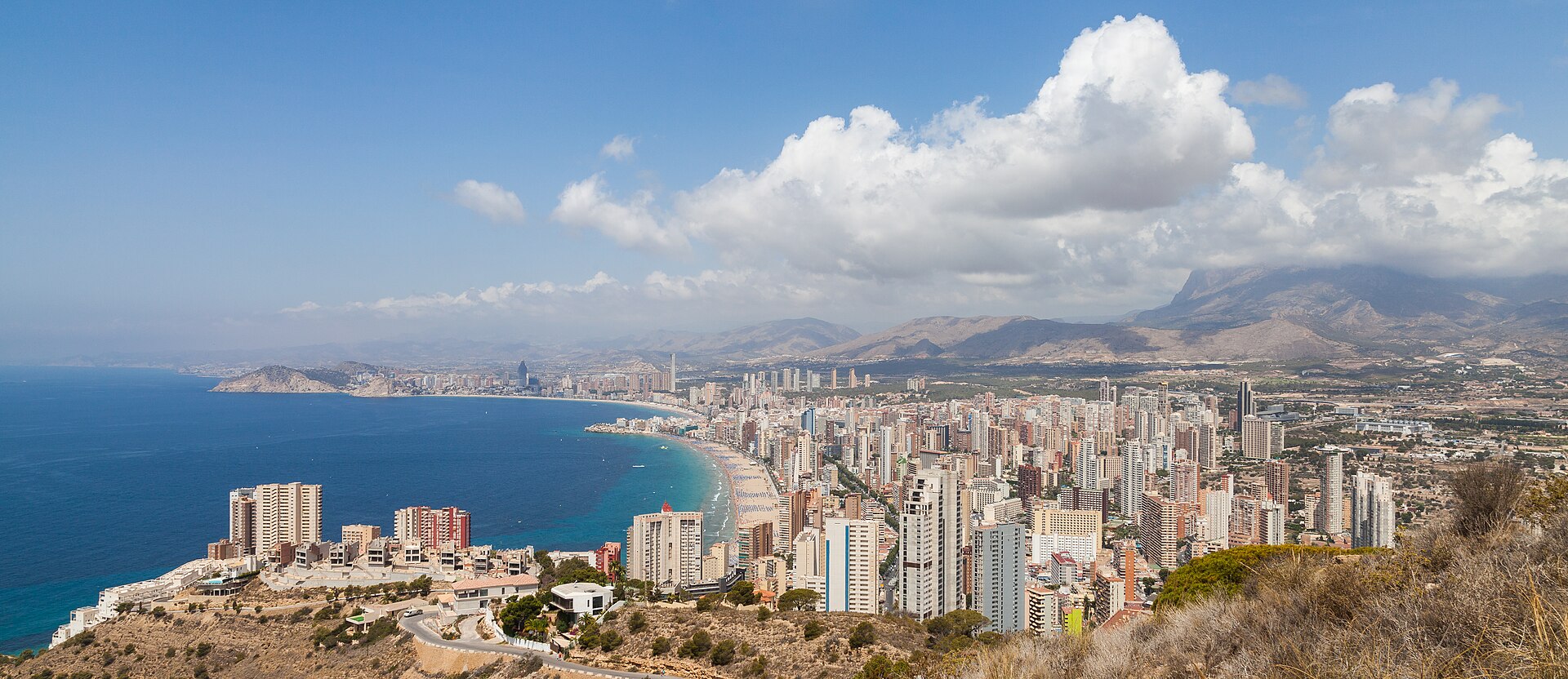
The city’s fascinating skyline — rightfully nicknamed the Manhattan of Spain — didn’t happen by accident. Back in the 1950s, the then-mayor realised that building upwards was more sustainable, as it saved ground space and gave more people a sea view. Thanks to this pioneering urban plan, the city now boasts the highest concentration of skyscrapers per capita in the world. These vertical streets create an utterly unique visual spectacle.

The most famous building is undoubtedly the golden Intempo skyscraper, soaring to a height of nearly 200 metres. You’ll recognise it instantly by its giant M-shape (or two connected towers), topped with an unmissable golden cone. Another icon is the Gran Hotel Bali, which was for a long time the tallest hotel in Europe.

💡 Top tip: Take the glass lift up to the Gran Hotel Bali’s observation deck (tickets cost around €6) and enjoy a bird’s-eye view of the city sprawling out towards the surrounding hills.

6. Boat Trip to Isla de Benidorm

This small uninhabited island, rising from the waves roughly three kilometres offshore, is steeped in an intriguing legend. It’s said to be the missing chunk of nearby Mount Puig Campana, hacked into the sea by the mythical giant Roland with his sword. Whether or not you believe the tale, the island makes a brilliant half-day trip. Boats depart regularly from the harbour, and a return ticket costs approximately €15.

The island functions as an important marine reserve, so overnight stays are strictly forbidden. The water around the cliffs is crystal clear and teeming with colourful marine life. Some of the boats that run the route have glass bottoms, which is a fantastic experience — especially if you’re travelling with children. On the island itself, you can wander along marked trails between cacti and seagulls.

💡 Top tip: Don’t forget to bring a snorkel and goggles, as you can spot shoals of colourful fish just a few metres from the island’s shore.

lukas a lucka
Lukáš and Lucie recommend
Where to stay in Benidorm
5 accommodations — wellness hotels, hotels and other accommodation options

7. Terra Mítica Theme Park

If you’re travelling with the family, a visit to this enormous theme park should be high on your list. Terra Mítica takes you on a journey through the ancient Mediterranean. The park is divided into several zones representing Ancient Egypt, Greece, and Rome, with sets that are detailed down to the tiniest element. You’ll find giant pyramids, ancient temples, and replicas of Roman arenas.

There’s something here for both thrill-seekers and younger children. Top attractions include the wooden roller coaster Magnus Colossus and the giant Synkope pendulum ride that spins you high above the ground. Throughout the day, there are also various shows — from gladiator battles to acrobatic performances. An advance online day ticket costs around €40.

💡 Top tip: It gets scorching hot during summer, so plan your visit so you tackle the biggest roller coasters first thing in the morning, then cool off on the water rides like the Nile River Rapids during the heat of midday.

8. Water Fun at Aqualandia

Right next to the Sierra Helada natural park lies one of the oldest and largest water parks in Europe. Aqualandia is truly unique in that it uses filtered seawater to operate. Surrounded by lush Mediterranean vegetation, the park offers more than twenty different attractions for all ages, from lazy rivers to extreme water slides.

The park’s crowning glory is the adrenaline-pumping Verti-Go slide, which sends you hurtling down at speeds of up to 100 kilometres per hour. For families with kids, there’s a huge wave pool and elaborate children’s zones with smaller slides. Entry costs around €35, but if you combine it with a ticket to the neighbouring Mundomar animal park, you’ll save a good chunk.

💡 Top tip: If you can, avoid visiting the park at weekends, when locals from across the region descend alongside tourists, and queues for the slides get painfully long.

9. The City’s Green Lungs: Parque de L’Aigüera

Amid the concrete jungle of skyscrapers, you’ll find a surprisingly spacious oasis of calm. This long linear park was designed by the celebrated Catalan architect Ricardo Bofill in a neoclassical style. It runs through the heart of the city like a long green ribbon, serving as the main pedestrian artery separating the old quarter from the new. Tall palms and wide sandy promenades line the park throughout.

Inside the park, you’ll discover two beautiful amphitheatres where concerts, theatre performances, and festivals are held during the summer season. It’s the perfect spot for an afternoon picnic or simply a moment’s rest in the shade when you’ve had enough of baking on the beach. Locals come here to walk their dogs and play pétanque on the manicured courts.

💡 Top tip: At the far end of the park near the town hall, you’ll find an interesting covered arena — the Plaza de Toros — which nowadays mainly hosts cultural events and live music.

10. Hike to La Cruz de Benidorm

If you fancy stretching your legs and rewarding yourself with the best views on the entire coast, head to the hill on the eastern edge of town. The monumental La Cruz cross was erected in the 1960s, supposedly as a symbolic gesture to redeem the city’s sins for being the first place in Spain to allow bikinis on its beaches. Today, it’s a popular destination for hikers and cyclists alike.

The route starts at the far end of Levante Beach and follows a tarmac road winding along the edge of the Sierra Helada natural park. On foot, the climb takes just under an hour and is manageable for anyone with average fitness. From the top, the city is laid out beneath you like a map — from the bustling beaches and the forest of skyscrapers to the distant mountain peaks inland.

💡 Top tip: Go in the late afternoon, because watching the city light up at night from this vantage point is absolutely magical — your photos won’t need any filters.

11. Nightlife and Legendary Cabarets

When the sun dips below the horizon, the city reveals its other face. The nightlife here splits into two fairly distinct zones. The first is the so-called “zona guiri” (British zone) around Calle Gerona. Here, you’ll find an endless strip of British pubs, karaoke bars, and clubs where the party doesn’t stop until dawn. It’s loud, wild, and dripping with neon — exactly what you might have seen in the TV documentaries.

If you’re after something a touch more sophisticated, head for the Spanish nightlife scene in the old town or near Levante Beach. A true gem is the legendary Benidorm Palace, a lavish cabaret in the style of Paris’s Moulin Rouge. Expect a spectacular evening show packed with feathers, sequins, acrobatics, and flamenco — and you can pair it with a gala dinner.

💡 Top tip: For an authentic Spanish fiesta, make your way to the clubs along the N-332 road, where locals gather and dance to Latin American rhythms until the early hours.

12. Traditional Markets and Shopping

Despite its modern facade, the city has preserved the tradition of street markets — an integral part of Spanish life. The biggest is the Wednesday Mercadillo de Foietes, held in the upper part of town. Among the sea of stalls, you can pick up the freshest local produce — from ripe tomatoes and citrus fruits to olives and enormous wheels of cheese. It’s a wonderful place to soak up an authentic atmosphere and practise your haggling skills.

Also worth a mention is the weekend flea market El Cisne Rastro, located a bit further from the centre on the road towards the neighbouring town of L’Alfàs del Pi. This market has a fantastic bohemian atmosphere, with live jazz music playing and stacks of antiques, vintage clothing, and all manner of curiosities to rummage through.

💡 Top tip: Get to the market around nine in the morning, because by noon the heat becomes unbearable and stallholders start packing up.

13. Day Trip to the Mountain Village of Guadalest

When you’ve had your fill of skyscrapers and beaches, hire a car or hop on a bus and head inland. Just roughly 25 kilometres from the coast lies Castell de Guadalest — one of the most visited villages in all of Spain. Its setting is utterly dramatic: houses and the remains of an old castle balance on a narrow rocky ridge, accessible only through a tunnel carved into the rock.

From the ramparts, an incredible view unfolds across the valley, dominated by a reservoir with impossibly turquoise water. The village itself is packed with little shops selling ceramics and local products. You’ll also find several quirky museums, including a miniatures museum and a museum of historical torture instruments. The whole trip, including travel time, makes for a pleasant half-day out.

💡 Top tip: The village car park has very limited capacity, so I’d recommend arriving either very early in the morning or in the late afternoon, once the big coach tours have departed.

14. Sampling Rice Dishes and the Truth About Paella

The Costa Blanca coast lies just a short distance from Valencia, the undisputed birthplace of paella. It drives local chefs to despair that tourists consider the seafood version to be the authentic one. Historically, it’s a rustic countryside dish, and a true paella valenciana is made exclusively with chicken and rabbit, green beans, and large white butter beans. If you’re vegetarian, don’t worry — most decent restaurants will happily prepare an excellent vegetable version (paella de verduras).

The secret to a perfect paella lies in cooking it over an open fire of orange wood and creating the socarrat — that slightly caramelised, crispy crust on the bottom of the pan. Steer well clear of restaurants on the main promenade that display giant photo menus outside. Beyond rice dishes, be sure to try the refreshing horchata drink made from tiger nuts — an absolute lifesaver in the summer heat.

💡 Top tip: For the best rice, seek out traditional restaurants called arrocerías, and remember that proper Spaniards eat paella exclusively at lunchtime, never for dinner — it’s considered far too heavy to eat before bed.

15. Exploring the Coast by Modern Tram

One of the best ways to explore the area without needing to hire a car is the TRAM d’Alacant network. This modern transport system — somewhere between a tram and a light railway — connects the entire coastline from Alicante all the way to Dénia. The journey is supremely comfortable: carriages are fully air-conditioned and the windows offer fantastic views of the sea and dramatic cliffs.

Definitely head north to the town of Calpe, where the massive limestone rock Peñón de Ifach towers over 300 metres straight out of the sea. You should also make a stop in Altea, often described as the prettiest town on the Costa Blanca. Its old centre is a cascade of snow-white houses topped by the bright blue domes of a church, creating a picture-perfect Mediterranean scene.

💡 Top tip: TRAM tickets are very affordable (just a few euros) and you can buy them easily from machines at every stop or directly from the conductor on board.

Where to Go from Benidorm

If you’re tempted to explore more of sunny Spain, you’re in a brilliant position for onward travel. Just a short hop to the north lies gorgeous Valencia, which masterfully balances deep-rooted tradition with futuristic architecture, such as the City of Arts and Sciences. Heading south, you can explore Alicante with its stunning Santa Bárbara fortress and famous marble-paved promenade.

If you want to dive deeper into local gastronomy, I’d recommend reading our guide to typical Spanish food to discover everything you should taste during your holiday. From the nearby Alicante Airport, budget airlines offer easy connections across Spain — perfect for a weekend hop to Barcelona or to explore the elegant boulevards of Madrid. If you’re drawn to the rugged north and its history, don’t miss the pilgrimage city of Santiago de Compostela. And lovers of Moorish architecture absolutely must check out our guide to Granada, home to the legendary Alhambra.

Frequently Asked Questions

Is Benidorm suitable for families with kids, or is it just a party town?

Even though it has a reputation as a wild resort full of British pubs, it’s actually one of the best family destinations in Spain. If you stay in the Poniente beach area, you’ll avoid the noisy nightlife completely. A huge draw for families are the spotlessly clean beaches with a gentle slope into the sea and the top-notch amusement and water parks.

Do I need a car to get around the resort?

Not at all. Renting a car only pays off if you’re planning trips into the more remote inland areas. The town itself is brilliantly walkable, there’s a reliable network of city buses, and for trips along the coast the fast TRAM d’Alacant tram-train works perfectly.

Which airport is closest and how do I get from it to town?

The nearest international airport is in Alicante (ALC), about 60 kilometres away. Getting from there is very easy: ALSA express buses leave right from the terminal and take you to the centre of the resort in just under an hour. A ticket costs around 10 euros.

Is it true that there’s a tourist tax in the town?

While a tourist tax is common in Barcelona or on the Balearic Islands, the entire Valencia region (which Costa Blanca falls under) put off introducing the tax for a long time. The originally planned fee was suspended after the elections, so for now it isn’t being charged. The situation could change, though, so it’s best to check the current status with your accommodation provider before you travel.

What’s the sea temperature during the summer holidays?

During July and August the Mediterranean in this area warms up so much that the water temperature commonly reaches 26 to 28 degrees Celsius. The water is beautifully warm and ideal even for the smallest children, who can spend long hours in it without ever feeling cold.

Can you eat healthily in the town, or is it just fast food?

Although the British zone is overflowing with offers of all-day English breakfasts and fast food, the historic centre and the Poniente area serve up fantastic Mediterranean cuisine. You’ll find dozens of traditional tapas bars, excellent cafés with locally roasted coffee and restaurants focused on fresh local ingredients and vegetable dishes.

Is it worth coming here in winter?

Absolutely. The winter months see huge numbers of so-called “snowbirds”, mostly British and Scandinavian retirees, spending their time here. Temperatures in January and February often climb to 18 degrees, the sun is strong and the days are beautifully bright. It’s the ideal time for cycling, hiking and lingering on café terraces without the summer heat.

Tips and Tricks for Your Vacation

Don’t Overpay for Flights

Search for flights on Kayak. It’s our favorite search engine because it scans the websites of all airlines and always finds the cheapest connection.

Book Your Accommodation Smartly

The best experiences we’ve had when looking for accommodation (from Alaska to Morocco) are with Booking.com, where hotels, apartments, and entire houses are usually the cheapest and most widely available.

Don’t Forget Travel Insurance

Good travel insurance will protect you against illness, accidents, theft, or flight cancellations. We’ve had a few hospital visits abroad, so we know how important it is to have proper insurance arranged.

Where we insure ourselves: SafetyWing (best for everyone) and TrueTraveller (for extra-long trips).

Why don’t we recommend any Czech insurance company? Because they have too many restrictions. They set limits on the number of days abroad, travel insurance via a credit card often requires you to pay medical expenses only with that card, and they frequently limit the number of returns to the Czech Republic.

Find the Best Experiences

Get Your Guide is a huge online marketplace where you can book guided walks, trips, skip-the-line tickets, tours, and much more. We always find some extra fun there!
La Tomatina: The Tomato Battle in Buñol (How to Join In)

TL;DRYou can only get into La Tomatina in Buñol with a ticket bought in advance, costing €12 to €15 — numbers have been capped at twenty thousand since 2013. The battle runs on the last Wednesday of August every year (26th August in 2026), strictly from 12:00 to 13:00, and gets through up to a hundred and fifty tonnes of tomatoes. Your best bet is to catch an early morning Renfe Cercanías C3 train from Valencia’s Estación del Norte, since rooms in Buñol itself, a town of nine thousand, get booked up years ahead. Pack swimming goggles to protect against the stinging acid, old clothes and closed shoes — and remember the golden rule: squash every tomato before you throw it. Set aside a full day for the whole thing, from getting there to the fight itself and the afternoon fiesta with sangria and tapas.

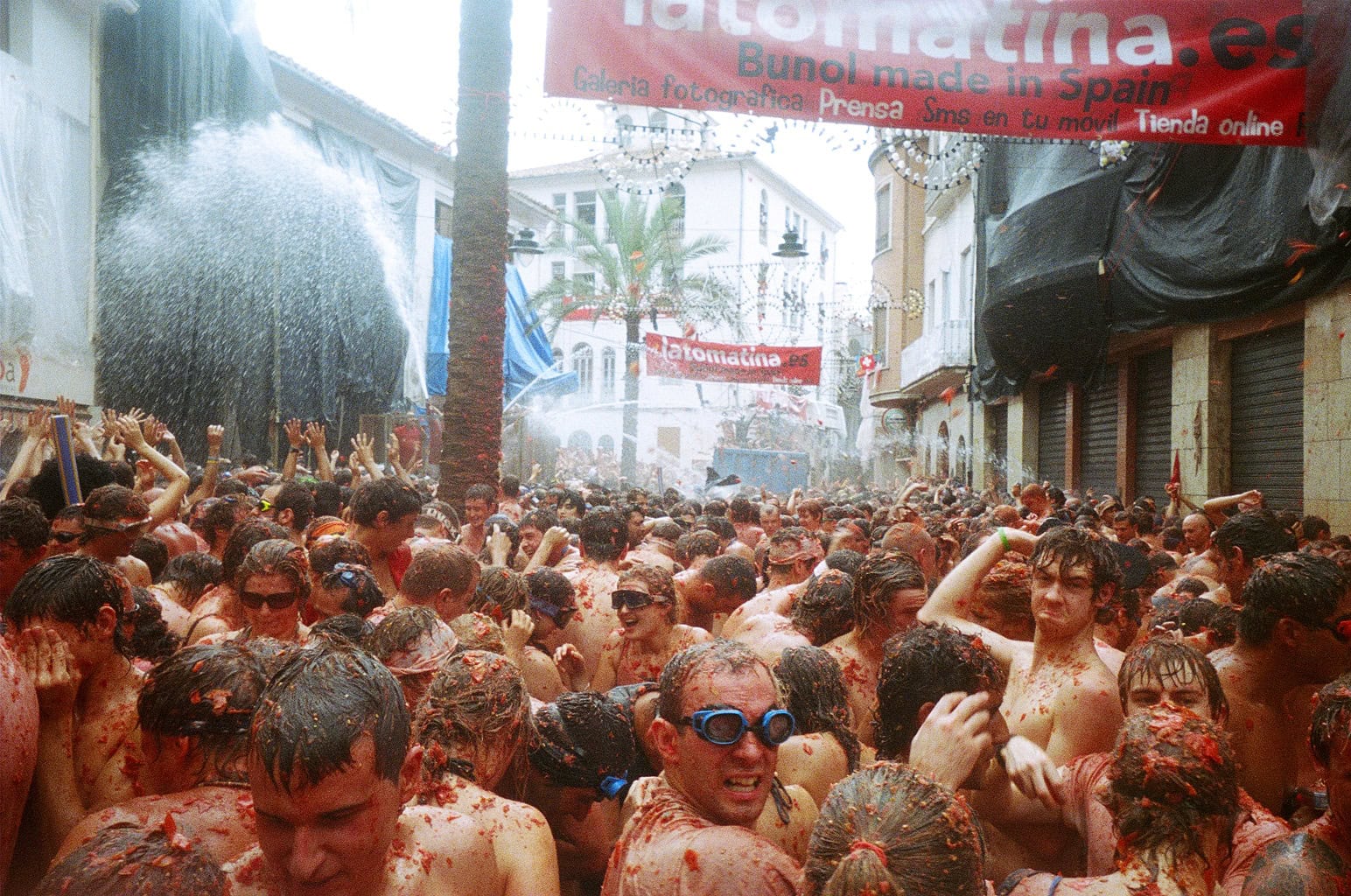
Spain never celebrates quietly — local fiestas always come drenched in the colour of fire, the smell of gunpowder, or the rhythm of hooves. The culture of unforgettable experiences here knows no half measures, and simply watching from the sidelines is rarely an option. Whether you find yourself in the middle of a fireworks display or inside a roaring football stadium, the streets pull you straight into the action and you become part of something extraordinary. One of the wildest and most immersive experiences of them all is undoubtedly the legendary La Tomatina, which takes place every year in the small town of Buñol, just outside Valencia.

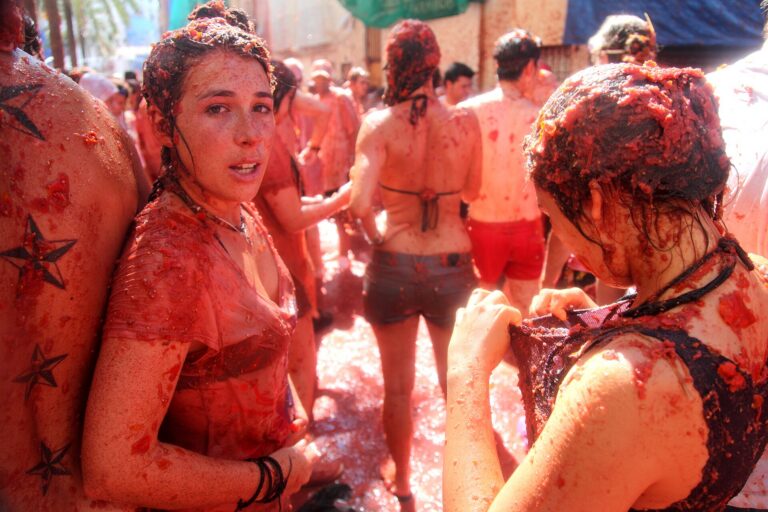
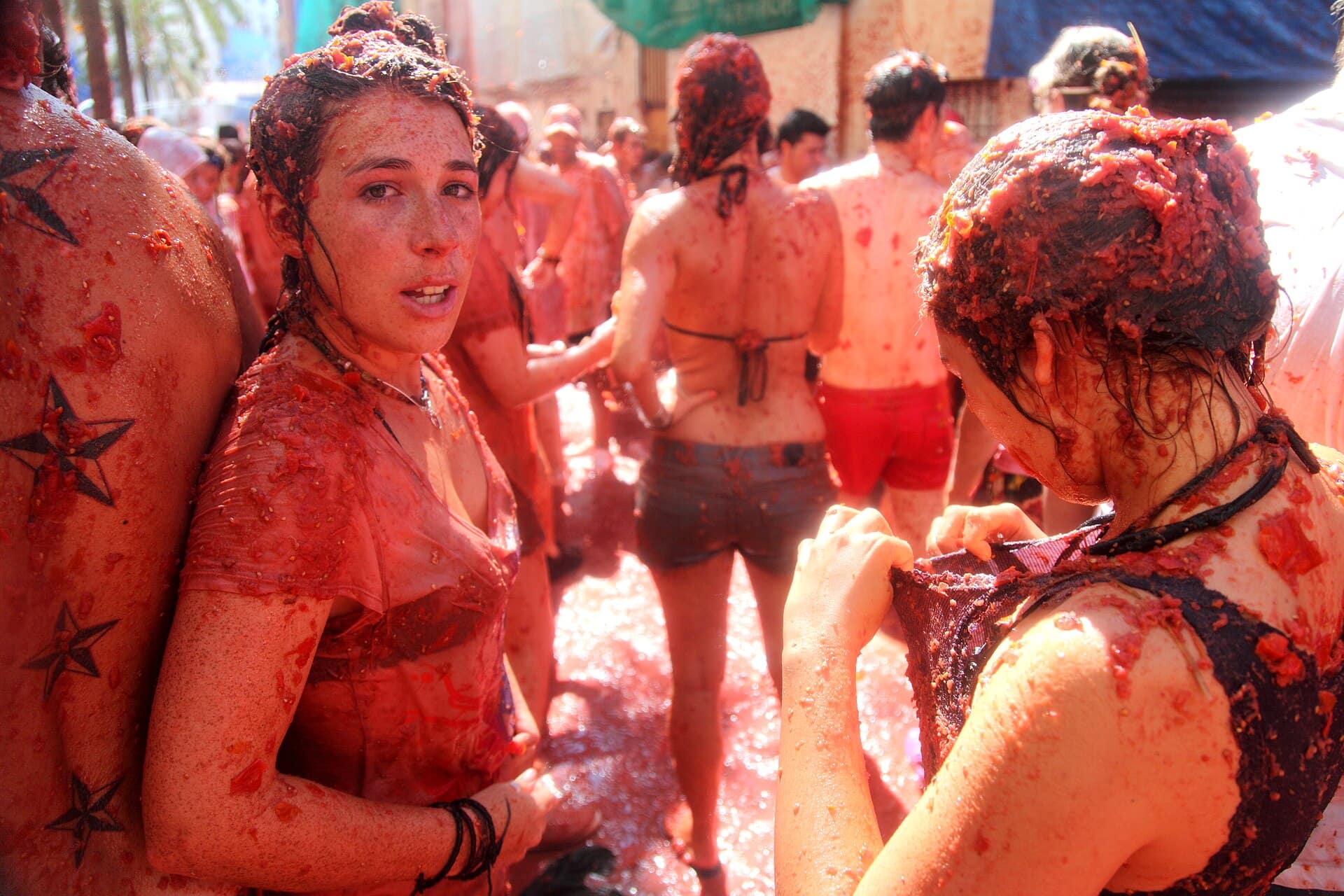
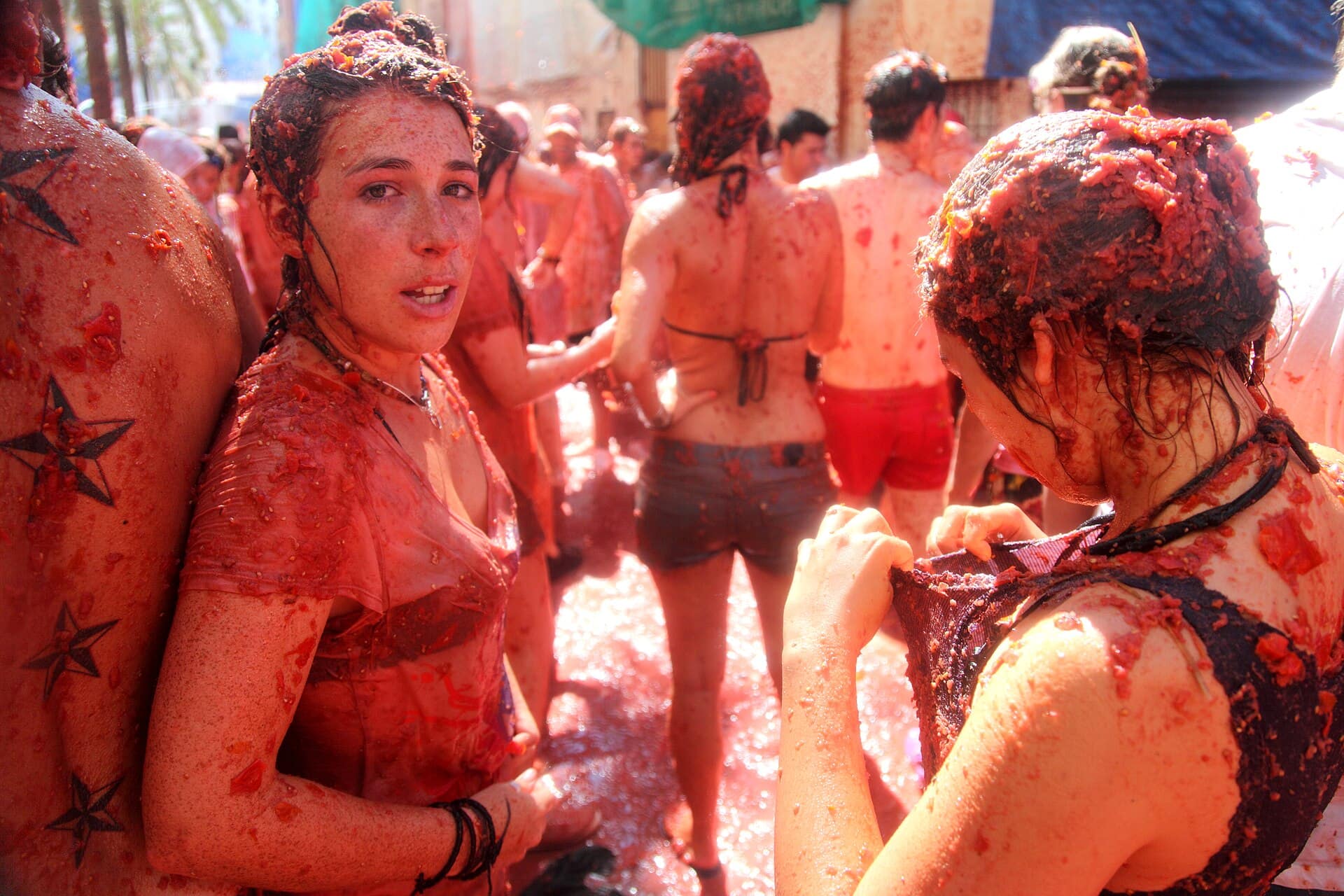
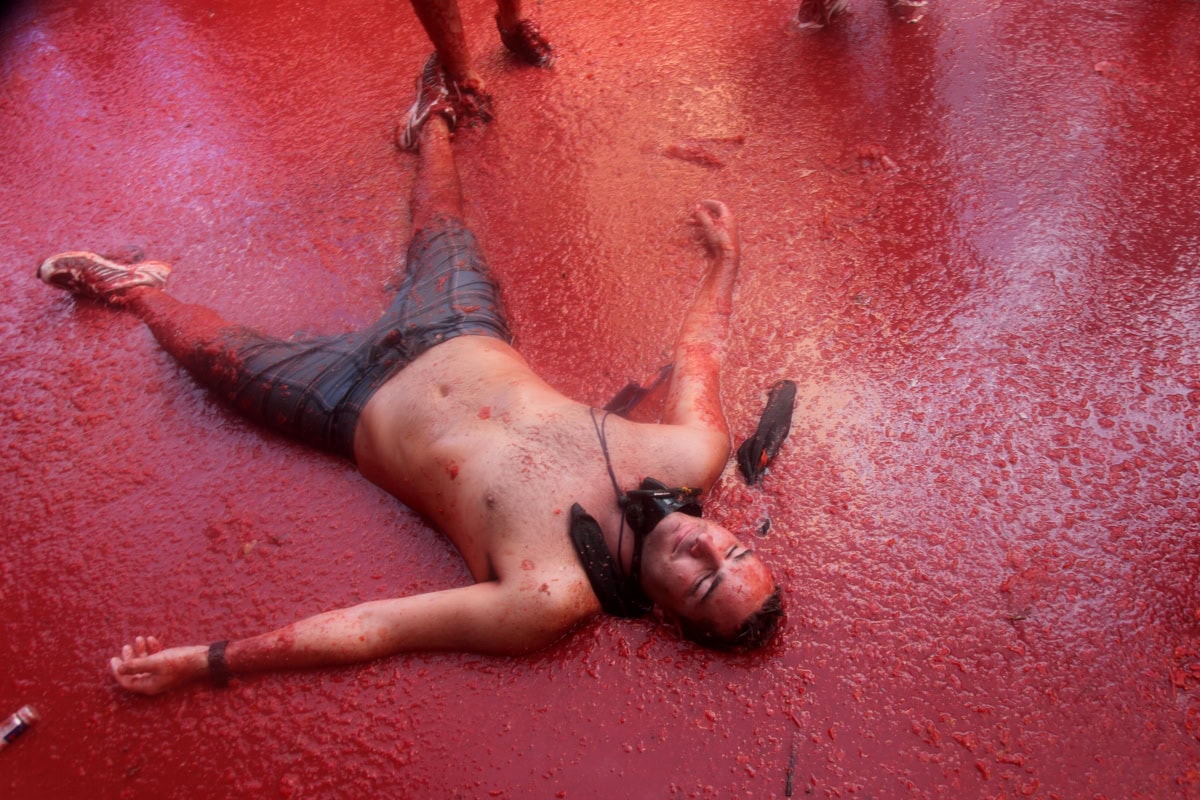
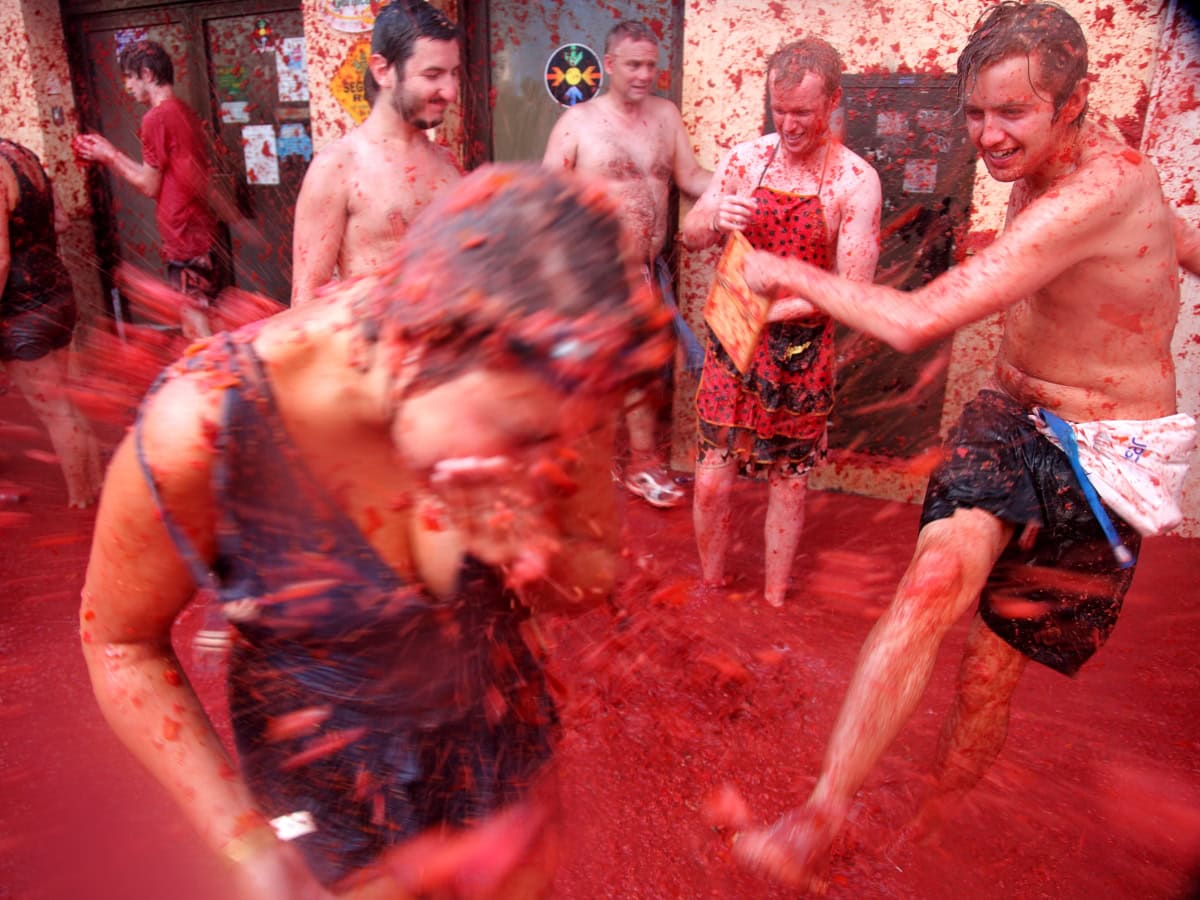
Picture narrow cobblestone streets crammed with thousands of people from around the world, all waiting for the clock to strike noon so they can surrender to absolute madness. Over the course of a single hour, these enthusiasts hurl tens of tonnes of overripe tomatoes at each other until the entire town is literally dyed deep red and a thick tomato river flows through the streets. If you’re looking for a truly one-of-a-kind experience that’ll leave you laughing, covered head to toe in pulp, and buzzing with genuine Spanish energy, this is one event you simply can’t miss. I’ve put together a complete guide packed with practical tips so you know exactly what to expect and how to prepare for this epic tomato battle.

TL;DR

  • When does the festival take place: La Tomatina is held every last Wednesday in August — the battle itself lasts exactly one hour, from 12:00 to 13:00.
  • Tickets are mandatory: Since 2013, capacity has been strictly capped at twenty thousand people and you need to buy your tickets well in advance through the official website.
  • The golden rule: You must lightly squash every tomato in your hand before throwing it to soften the impact and avoid injuring anyone in the crowd.
  • Eye protection is essential: Tomato juice is highly acidic and stings like mad, so a well-fitting pair of swimming goggles will literally save your eyes and your mood.
  • Old clothes only: Wear clothes and closed-toe shoes you won’t mind tossing in the bin after the battle.
  • Getting there from Valencia: The best way to travel is on the morning C3 commuter train, which runs directly from Valencia to Buñol.

When to Visit Buñol for La Tomatina

Planning a trip around Spanish fiestas always requires a bit of strategic thinking, and La Tomatina is no exception. This tomato festival has a fixed spot in the calendar — it always takes place on the last Wednesday in August, which for 2026 falls on 26 August. August in eastern Spain is typically scorching, with temperatures regularly climbing well above 30°C, so keep that in mind when packing your bags.

Given the enormous worldwide interest in the festival, flight and accommodation prices in the area skyrocket months in advance. I’d recommend arriving in nearby Valencia at least two or three days before the battle itself so you can acclimatise, explore the city, and avoid the stress of a last-minute delayed flight. From the UK, you can find direct flights to Valencia from London, Manchester, and other major airports with airlines like easyJet, Ryanair, and British Airways. Many travellers combine La Tomatina with a longer summer holiday, as late August offers perfect conditions for unwinding on the long sandy beaches of the Mediterranean coast.

If you want to soak up the full atmosphere without rushing, set aside an entire day just for the festival. Although the tomato battle itself lasts only sixty minutes, the journey on a packed train, the morning wait in the streets of Buñol, the post-battle clean-up in the river, and the afternoon celebrations will easily fill your whole day. By the evening, you’ll most likely be so exhausted that all you’ll want is a quiet dinner at a relaxed restaurant and a long, uninterrupted sleep.

Where to Stay in Buñol and the Surrounding Area

💡 Accommodation & experiences tip: We usually search for accommodation on Booking.com, which tends to have the best cancellation policies. For tickets, tours, and activities, it’s worth comparing options on GetYourGuide.

Buñol itself is a fairly small, quiet town with just over nine thousand permanent residents, so finding accommodation right in the heart of the action is virtually impossible. Most local guesthouses are booked up years in advance by the organisers themselves, journalists, or die-hard festival fans. The far more sensible option is to base yourself in nearby Valencia, which sits less than forty kilometres away and offers excellent transport connections along with countless quality hotels across every price range.

In Valencia, I’d recommend looking for accommodation near the Estación del Norte railway station, where special morning services depart directly for the festival. A great choice is the lovely Melia Plaza Valencia, just a few steps from the station, offering perfect comfort for recovering after an intense day. If you prefer a more modern design and a youthful vibe, try the stylish Only YOU Hotel Valencia, from where you can easily reach both the train and the best evening spots in the historic city centre.

While hunting for the perfect room, definitely check out the Ruzafa neighbourhood, which is packed with brilliant cafés and vegetarian bistros — ideal for winding down after all the tomato chaos. You can confidently use Booking.com to reserve your hotel, where you’ll find hundreds of verified options, but don’t forget that for August dates you should ideally book by early spring. The closer the end of August gets, the faster the best and most affordable options will disappear.

10 Tips for Attending La Tomatina in Buñol

Although the whole event might look like total uncontrolled chaos at first glance, the festival has clear rules and a specific flow that’s well worth knowing beforehand. Let’s take a detailed look at ten key tips that’ll help you enjoy the tomato battle safely, comfortably, and with nothing but the best possible memories to take home.

1. The Origin Story — Why Do People Throw Tomatoes?

It all started completely by accident in August 1945, when a traditional parade of giant figures known as gigantes y cabezudos was taking place on the main square in Buñol. A group of local lads tried to push their way to the front of the procession, accidentally knocking over one of the participants, who flew into a rage and started swinging his arms wildly. Unfortunately, the whole incident happened right next to a vegetable stall, so it wasn’t long before flying tomatoes became the weapon of choice in this unplanned street brawl.

Although the police broke up the trouble and made the culprits pay for the damage, the young locals enjoyed it so much that they returned to the same spot the following year — this time bringing their own tomatoes from home. In the 1950s, the tradition was actually banned for a while, but the townspeople fought back by staging an enormous “tomato funeral”, carrying a large coffin with a giant tomato through the streets accompanied by a mourning band. Today, La Tomatina is an officially recognised festival of international tourist interest and an inseparable part of Spanish culture.

💡 Top tip: If you head to Buñol on the Tuesday evening before the battle, you’ll experience a wonderful pre-festival atmosphere full of live music and great food, with locals cooking enormous pans of fragrant vegetable paella right in the streets.

2. La Tomatina Tickets Are an Absolute Must

Before 2013, there was absolutely no limit on attendance, which in practice meant that more than fifty thousand frenzied visitors regularly crammed into the narrow streets of this tiny town. For safety reasons, the town council decided to step in, and today capacity is strictly capped at just twenty thousand participants — without an official ticket, there’s simply no way you’re getting into the action zone. Roughly five thousand tickets are reserved for Buñol locals, while the remaining fifteen thousand are sold to visitors from around the world.

You need to purchase official La Tomatina tickets well in advance online, and prices typically range from around twelve to fifteen euros for basic entry. A very popular and practical option is buying organised packages through platforms like GetYourGuide, which often include not only the ticket itself but also return bus transport from Valencia or Madrid, a guide, and even entry to the official afterparty. When you arrive in town, you’ll need to exchange your printed ticket for a special wristband, which security will then check before letting you into the fenced-off festival zone.

💡 Top tip: Don’t count on buying a ticket from touts on the day — security checks are genuinely strict and the wristband is tied to a specific name and ID.

3. La Tomatina Rules: Always Squash the Tomato First

Although it’s called a battle, the primary goal is to have a brilliant time without hurting anyone, which is why there’s one absolutely non-negotiable rule. Before you throw any tomato at someone in the crowd, you must always squash it slightly in your palm first so it loses its firmness and the impact on someone’s body or face is as soft as possible. The tomatoes supplied for the festival are deliberately overripe and mushy, but an unsquashed tomato flying at speed could easily cause nasty bruises or other injuries.

During the hour-long frenzy, participants hurl an incredible one hundred and fifty tonnes of tomatoes at each other, delivered into the streets on large lorries. You must never throw anything other than tomatoes, and tearing other participants’ clothing is also strictly forbidden, even though it does occasionally happen by accident in the enormous crush. Respecting these simple rules ensures the whole event stays friendly and everyone goes home with nothing but hilarious memories of the red carnage.

💡 Top tip: If you see a huge truck rolling past with a fresh load of tomatoes, immediately press yourself as close to the building walls as possible to give the vehicle enough room and avoid a dangerous accident.

4. Clothes You’ll Never Want to Wear Again

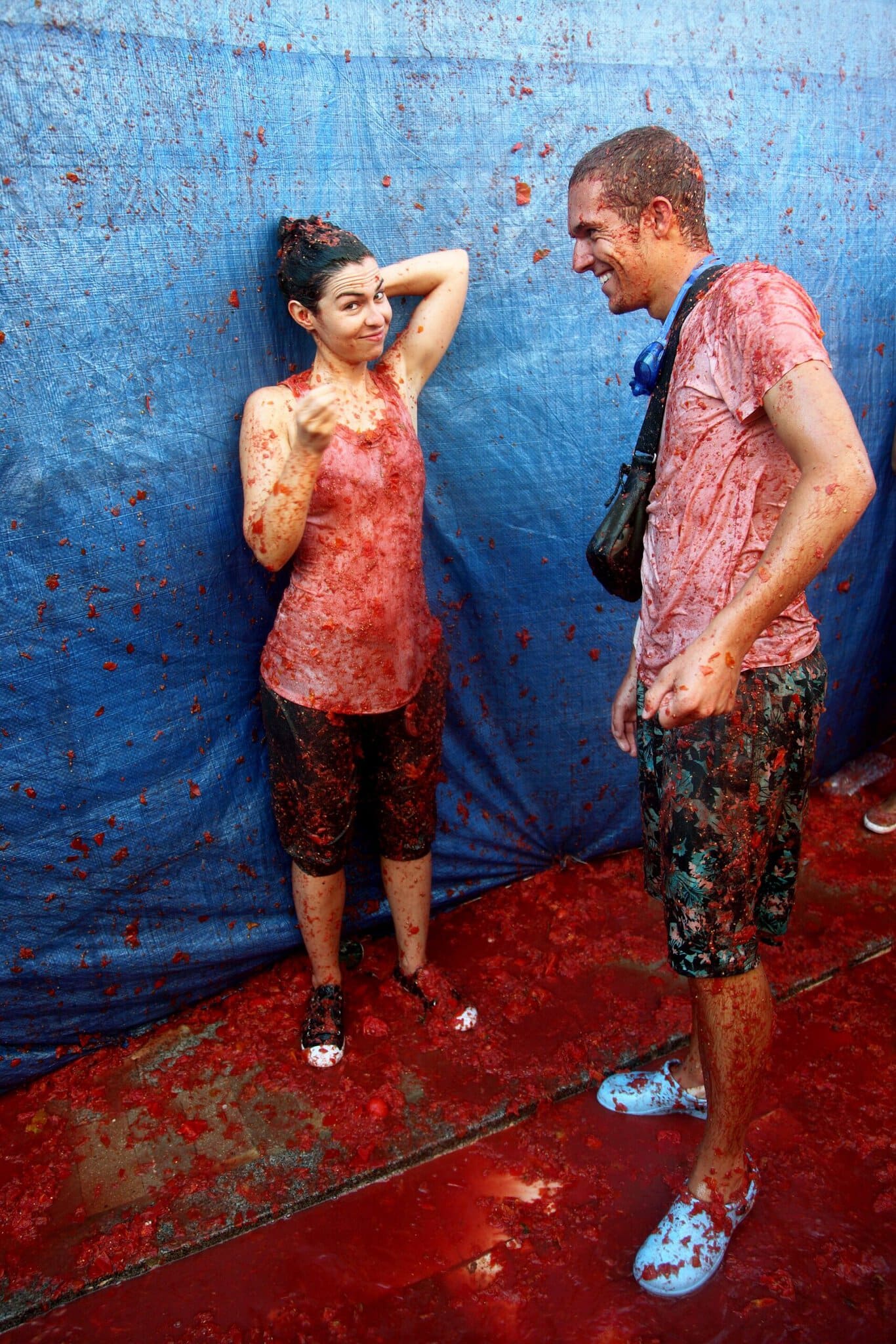
When it comes to choosing your festival outfit, there’s only one rule: wear things you’re fully prepared to say goodbye to forever. Tomato juice acts as an incredibly powerful and aggressive dye that works its way deep into fabric fibres and will never, ever wash out, so leave your favourite t-shirts and best shorts safely back at the hotel. The traditional — and very photogenic — choice is a cheap white t-shirt from a bargain shop, which looks fantastic once the red splatters start flying.

Pay close attention to your footwear as well, because the cobblestone streets very quickly turn into a slippery river of tomato pulp. Closed-toe, firmly laced old trainers are an absolute necessity, while flip-flops, sandals, or any loose shoes will be lost in the deep red sludge within the first few minutes. Many seasoned participants even wrap their shoes in duct tape for extra security, so they don’t get pulled off when someone inevitably steps on their foot in the crowd.

💡 Top tip: Wear a comfortable, well-fitting pair of swimming trunks or a bikini underneath your old clothes, because right after the battle you’ll be heading for a group clean-up with cold water from hoses or a dip in the nearby river.

Experiences & tickets: Tomatina
traveler-rated · GetYourGuide
From Valencia: La Tomatina 2026
★★★★★ 4.6 · 40 reviews
from €169
I want this experience →
🔗 These are affiliate links — they don't change your price and help us create content. · All experiences →
lukas a lucka
Lukáš and Lucie recommend
Where to stay in Buñol
3 accommodations — hotels and other lodging options

5. Swimming Goggles — Your Best Weapon Against the Acid

You might think walking around in swimming goggles looks a bit daft, but trust me — the moment the first red projectiles start flying, you’ll be incredibly grateful for this little bit of kit. Tomatoes contain high levels of natural acid, and when the juice gets directly into your eyes, the stinging is instant and unbearable, leaving you completely disorientated for several minutes. Ordinary sunglasses won’t help much, unfortunately, as the juice easily trickles in from your cheeks or drips down from your hair.

The best and most reliable protection is a pair of classic swimming goggles with a good rubber seal, or larger dive masks that also cover part of your nose. If you wear contact lenses, a mask is absolutely indispensable — tomato pulp could easily get under the lenses and cause a very painful infection. Tighten the goggles securely before the battle begins so they don’t get knocked off in the wild crowd, and give them a quick wipe with a cleaner bit of fabric now and then so you can at least see where you’re going.

💡 Top tip: Bring a small pack of wet wipes from the hotel sealed in a waterproof bag — they’ll be a lifesaver for quickly wiping your face and eyes as soon as the final siren sounds.

6. What to Bring (and What to Leave Behind) — Safety Tips

In the middle of a crowd of twenty thousand people packed into the narrow lanes of a small Spanish town, chaos is inevitable — and unfortunately, it’s also an ideal environment for pickpockets. Leave your passport, expensive jewellery, watches, and all valuables safely locked in the hotel safe, and take only the bare minimum of cash for food and transport. Instead of your actual passport, a good-quality colour photocopy in a waterproof pouch, along with your train ticket, will be more than enough for identification.

If you want to document the tomato carnage, forget about expensive DSLRs or unprotected smartphones — the acidic juice would irreparably destroy them within minutes. A much better option is a quality waterproof phone pouch worn around your neck with a reliable seal, or a rugged action camera like a GoPro firmly strapped to a chest harness. Bear in mind that the crush around the main square, Plaza del Pueblo, can be truly extreme, so if you suffer from claustrophobia, it’s better to stick to the slightly quieter side streets.

💡 Top tip: Split your small change (ideally coins and small notes) into a little zip-lock plastic bag and tuck it safely under your clothes or in a tight inner pocket.

7. How to Get from Valencia to the Heart of the Action

The most convenient and popular way to travel from Valencia to Buñol is by rail, specifically the Renfe Cercanías commuter trains. Look for the yellow C3 line, which departs from the beautiful historic Estación del Norte right in Valencia’s city centre. The journey takes just under an hour, and trains run fairly frequently on festival day — but be prepared for the morning services to be absolutely rammed, and you’ll likely spend the entire ride standing in the aisle surrounded by excited fellow festival-goers.

The golden rule is to leave your hotel very early in the morning, ideally around seven o’clock, so you have plenty of time to collect your festival wristband and find a good spot in the streets before the main event kicks off. Buy your train tickets the day before from the machines at the station, because on the morning itself, the queues are endless and decidedly tense. From the train stop in Buñol, it’s roughly a fifteen-minute pleasant downhill walk to the main battle zone — you definitely can’t miss it, just follow the crowds in white t-shirts.

💡 Top tip: For the return journey in the afternoon, arm yourself with a hefty dose of patience — the station is packed to the rafters and you might be waiting over an hour in the heat for a space on a train.

8. From the Greased Pole with Ham to a River of Red

The battle itself doesn’t officially start until high noon, but the real entertainment in the town centre kicks off around ten in the morning with a brilliantly quirky tradition. In the middle of the square, locals erect a tall wooden pole thoroughly coated in slippery soap, with a whole cured ham leg (jamón) tantalisingly dangled from the very top. Dozens of daredevils then scramble to climb over each other to reach the prize, cheered on by the roaring crowd — the slippery surface makes for plenty of hilariously comical tumbles and falls.

Once someone manages to grab the trophy, or when the clock strikes twelve, a loud blast from a water cannon rings out and the first heavy lorries slowly begin rolling into the narrow streets. The crews on the flatbeds start by tossing tomatoes into the sea of outstretched hands, but before long they simply tip the entire load and dump a massive red mountain straight onto the road. That’s when absolute — but joyful — pandemonium erupts. Hundreds of tomatoes fly through the air every second and the entire town is engulfed in red within moments.

💡 Top tip: Try not to stand right on the front line at the main square, where the crowd pressure is greatest as the trucks arrive — you’ll have a much better experience and far more room to throw in the slightly quieter side streets.

9. Cleaning Up in the River and Help from Friendly Locals

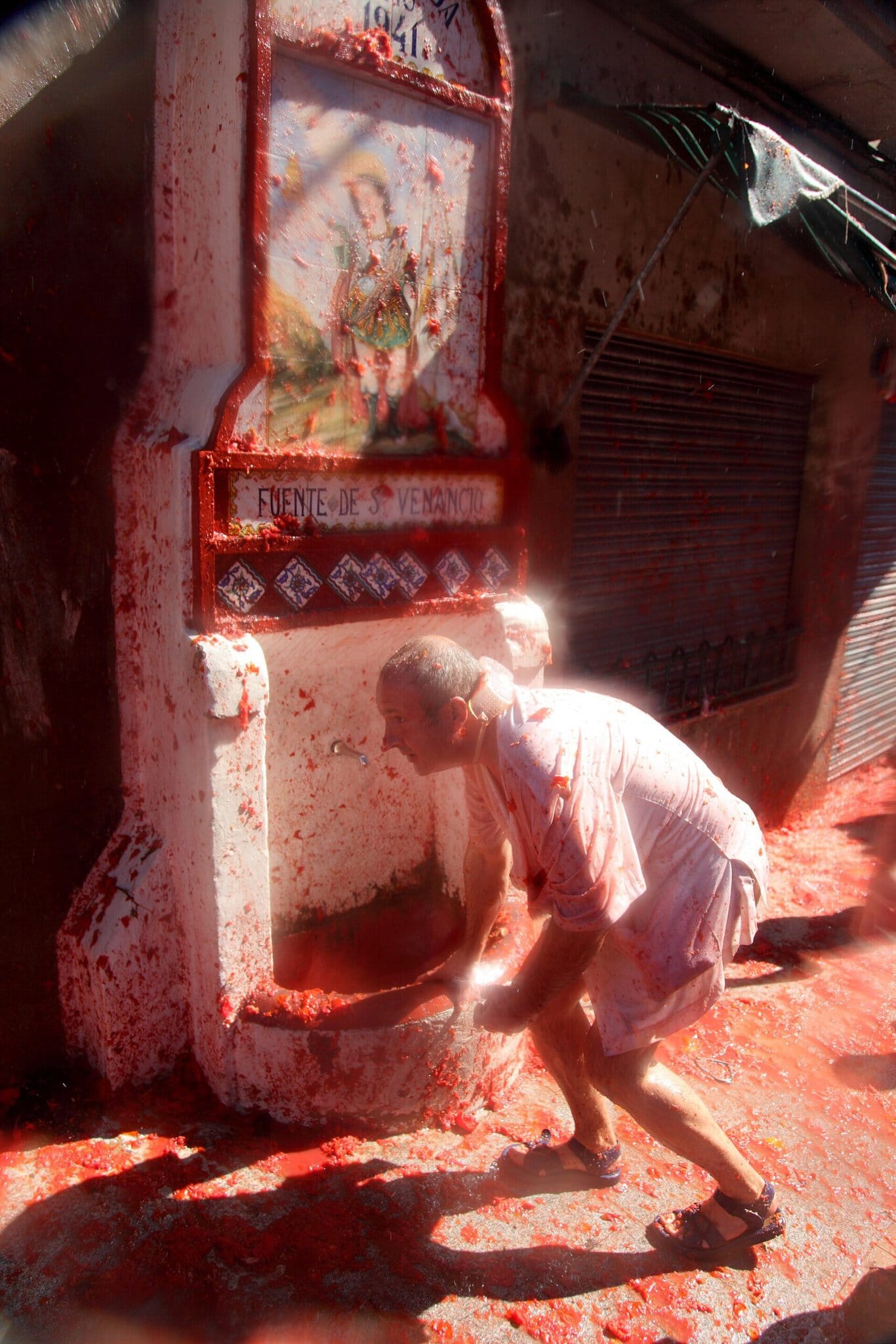
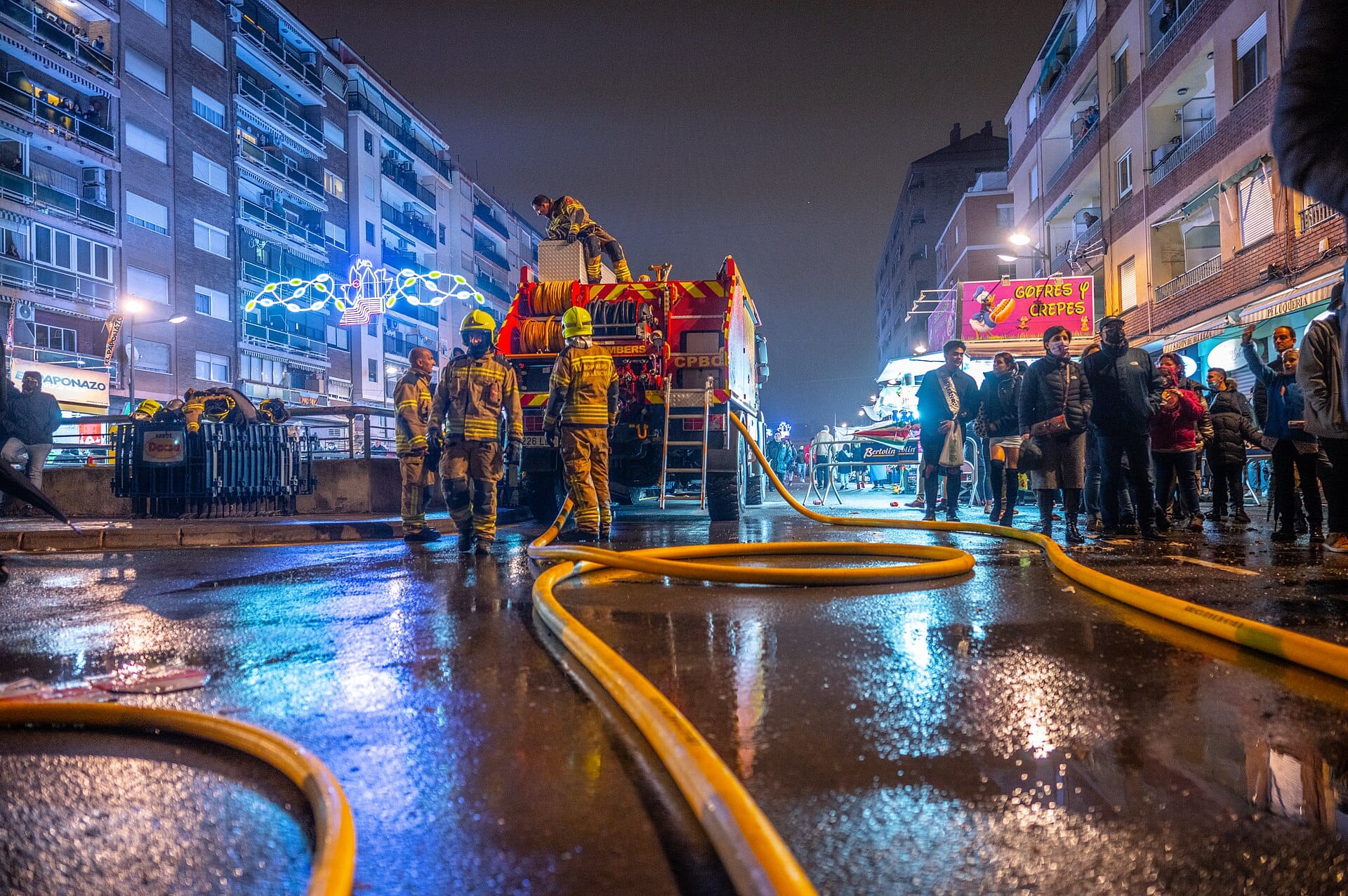
After exactly sixty minutes of relentless throwing, a second loud blast signals the absolute and immediate end of the tomato battle. At that moment, everyone must stop throwing instantly — even if their hands are full of perfectly ripe ammunition — and heavy machinery and fire engines with enormous hoses move into the streets. The incredibly fast clean-up of the town begins, with powerful jets of water washing away every trace of vegetable matter. Thanks to the natural acid in the tomatoes, the town’s paving stones are left gleaming and cleaner than at any other time of the year.

The question, of course, is how you wash off that mountain of red pulp yourself. Visitors traditionally head to the nearby Buñol river to rinse off the worst of the mess, or take advantage of the generosity of local residents, who happily spray passers-by from their balconies and doorways with long garden hoses. Don’t be shy about asking a friendly local for a quick hose-down — they do it with genuine pleasure and see it as an essential part of this wonderfully mad tradition.

💡 Top tip: Whatever you do, don’t try to board the return train to Valencia still covered in tomato — the conductors and police are very strict about this and simply won’t let you on.

10. Afternoon Celebrations and Brilliant Spanish Atmosphere

Once you’ve washed off the worst of the red pulp and changed into dry, clean spare clothes, the festival is far from over — it seamlessly transitions into a relaxed afternoon fiesta. The streets are cleaned up in no time and locals start setting up little improvised stalls outside their homes, serving refreshing sangria, ice-cold beer, and traditional Spanish tapas. Even if you’re exhausted, I’d recommend sticking around for a while to soak up the incredibly warm and community-spirited atmosphere that fills the town all afternoon.

If the battle has left you ravenous, don’t miss trying some local specialities from the Valencia region. As Lukáš and I are vegetarian, we always seek out stalls serving delicious paella de verduras (vegetable paella) or brilliant patatas bravas with spicy tomato sauce, which are guaranteed to get you back on your feet. The celebrations continue with music and dancing in the streets well into the late evening, when the last tired but happy visitors finally make their way back to the train station.

💡 Top tip: Seek out the smaller squares off the main battle route, where live bands often play and local retirees dance and chat with tourists in a wonderfully relaxed mood.

Where to Go Next from Buñol and Valencia

If you’ve made it all the way to this beautiful part of the Iberian Peninsula, it would be a real shame to limit your trip to a single wild fiesta and head straight home afterwards. Just an hour’s train ride from Buñol lies the stunning city of Valencia, which will enchant you with its futuristic City of Arts and Sciences and vast beaches. If you have a few more days and fancy a big city buzz, the AVE high-speed train can whisk you in a couple of hours to the pulsing capital of Madrid or the cosmopolitan gem of Barcelona.

For those who want to discover the real, authentic Spanish soul, the hot south is the perfect choice. You can plan a gorgeous route and follow our itinerary and map for a holiday visiting 20 of the most beautiful places in Andalusia. Be sure to stop in places brimming with history and flamenco, such as breathtaking Seville, Moorish Granada, and ancient Córdoba. Along the way, don’t miss the coastal city of Málaga, the romantic clifftop town of Ronda, or the adrenaline rush of the famous Caminito del Rey walkway.

If you’re more drawn to wilder nature and the gastronomy of the north, head off to discover the Basque Country, where elegant San Sebastián and modern Bilbao await. And for lovers of endless parties and crystal-clear seas, a short flight to sunny Ibiza is always a brilliant shout. Wherever you end up, you’ll find the very best traditional Spanish food waiting for you — the kind you’ll fall in love with from the very first bite.

Frequently Asked Questions

Is participating in La Tomatina safe?

Yes, the festival is generally very safe, but you must follow basic rules like squashing tomatoes before throwing them and wearing appropriate closed clothing. There’s a huge number of police officers, paramedics, and firefighters on site who constantly monitor order and ensure the smooth running of the entire event.

Can small children participate in the tomato fight?

While the official rules don’t explicitly ban children from participating, most organizers and locals strongly advise against it. The crowd pressure is really intense, heavy tomatoes are flying everywhere, and there’s tremendous noise, which can be very stressful and physically dangerous for younger children.

Where exactly do all the tomatoes for the battle come from?

The enormous quantity of tomatoes used during the hour-long event is grown mainly in the Extremadura region in western Spain. The produce is deliberately selected from overripe, low-quality pieces that don’t meet strict standards for regular sale, so they’re not at all suitable for normal consumption.

Does getting hit by a tomato hurt?

If everyone follows the main rule and squashes the tomato in their hand before throwing it, you’ll only feel a soft, cold splat that doesn’t hurt at all. However, if you unexpectedly get hit by an unsquashed, hard tomato flying from a distance, it can sting and occasionally leave a small bruise.

What happens to the town immediately after the festival ends?

As soon as the battle ends at exactly 1:00 PM, large fire trucks immediately roll into the streets and begin a massive cleanup. Thanks to the acidity of the tomatoes and the strong water pressure from the hoses, Buñol’s cobblestone streets are completely clean, disinfected, and shinier than they are for the rest of the year after roughly two hours of cleaning.

How can I best protect myself from acidic juice in my eyes?

The only truly reliable and effective protection is using well-fitting swimming goggles or a small diving mask with a tight seal. Regular sunglasses won’t protect you from juice running down from your hair, and the acid from tomatoes can irritate your eyes very unpleasantly and painfully for several hours.

Can I bring my own backpack with belongings to the festival?

While you can bring a backpack, I strongly recommend not taking it into the actual battle center, as it will immediately get ruined and covered in tomato pulp. Leave all valuables at your hotel in Valencia and only bring your ticket, a bit of cash, and possibly dry clothes in a waterproof bag that you can leave in lockers at the train station.

Tips and Tricks for Your Vacation

Don’t Overpay for Flights

Search for flights on Kayak. It’s our favorite search engine because it scans the websites of all airlines and always finds the cheapest connection.

Book Your Accommodation Smartly

The best experiences we’ve had when looking for accommodation (from Alaska to Morocco) are with Booking.com, where hotels, apartments, and entire houses are usually the cheapest and most widely available.

Don’t Forget Travel Insurance

Good travel insurance will protect you against illness, accidents, theft, or flight cancellations. We’ve had a few hospital visits abroad, so we know how important it is to have proper insurance arranged.

Where we insure ourselves: SafetyWing (best for everyone) and TrueTraveller (for extra-long trips).

Why don’t we recommend any Czech insurance company? Because they have too many restrictions. They set limits on the number of days abroad, travel insurance via a credit card often requires you to pay medical expenses only with that card, and they frequently limit the number of returns to the Czech Republic.

Find the Best Experiences

Get Your Guide is a huge online marketplace where you can book guided walks, trips, skip-the-line tickets, tours, and much more. We always find some extra fun there!
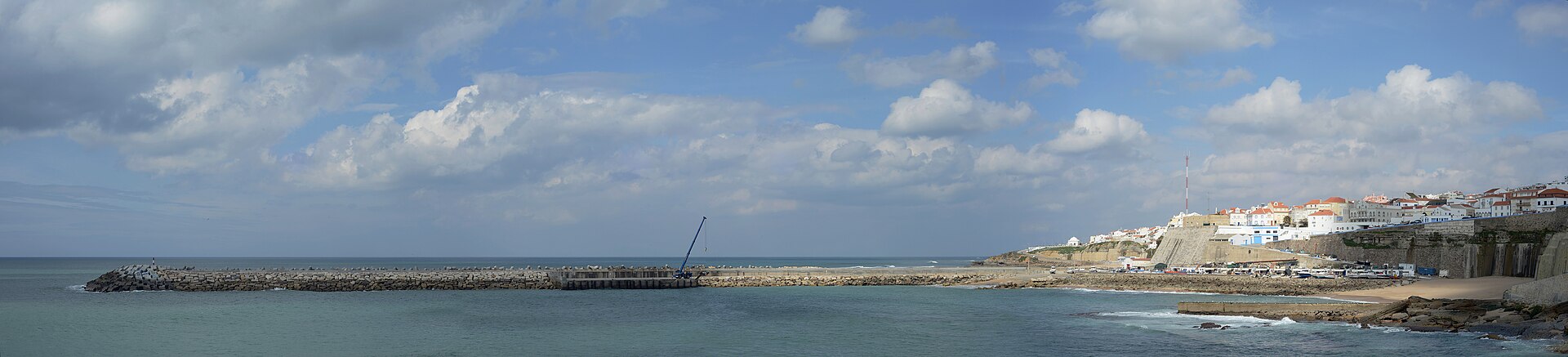
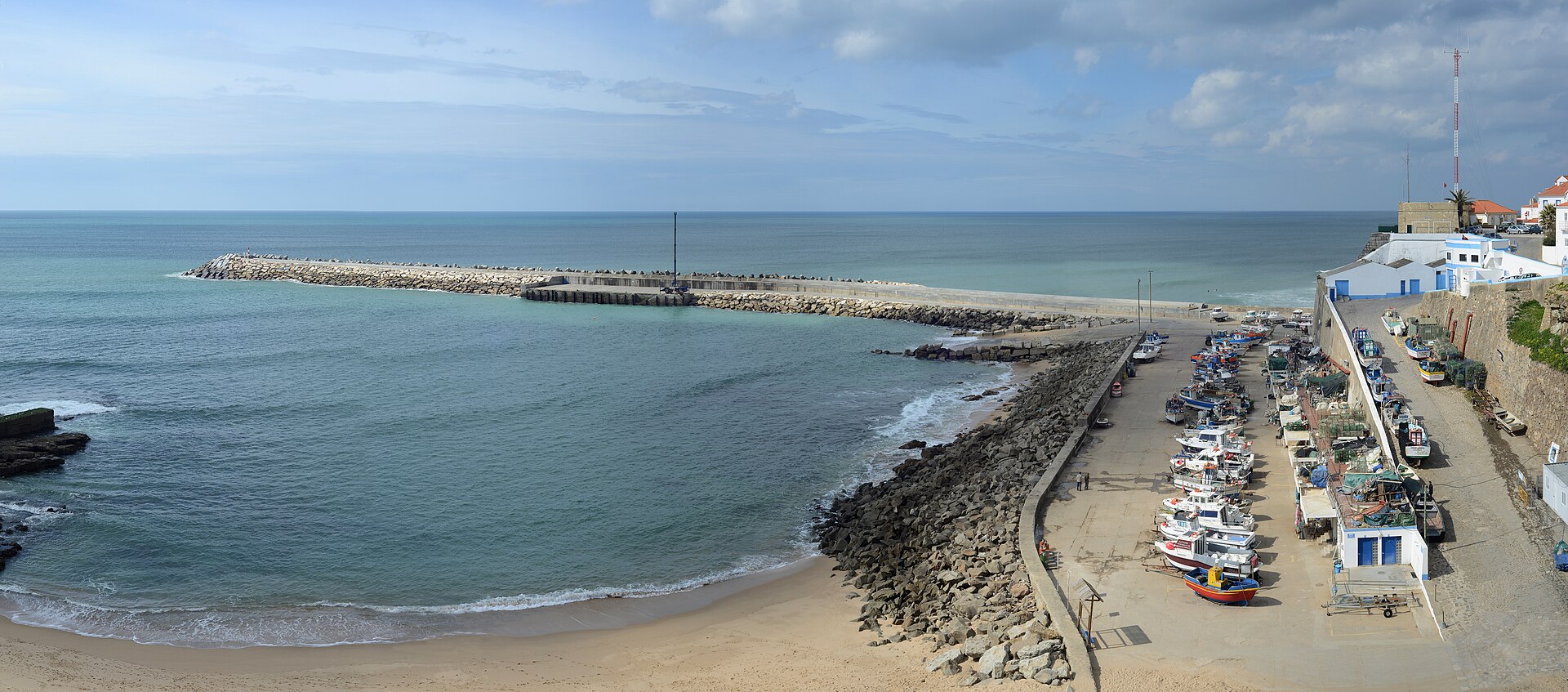
Ericeira, Portugal: 13 Best Things to Do in Europe’s Surf Paradise

TL;DREriceira is a fishing town just under an hour (about forty minutes by car) from Lisbon, and it’s the only place in Europe to hold the title of World Surfing Reserve. There are thirteen main highlights to check out, from the beaches of Ribeira d’Ilhas and Praia dos Pescadores to the old town and the baroque Mafra National Palace, home to a hundred and thirty-five thousand books (fifteen minutes’ drive away). Late summer, September and the first half of October, is best for swimming and a quieter atmosphere, while experienced surfers come for the big swells between November and March. Stricter short-term rental rules kick in from 2026, so it’s worth booking accommodation well ahead — six months isn’t too early. You can also easily take day trips to Sintra, Nazaré and Óbidos.

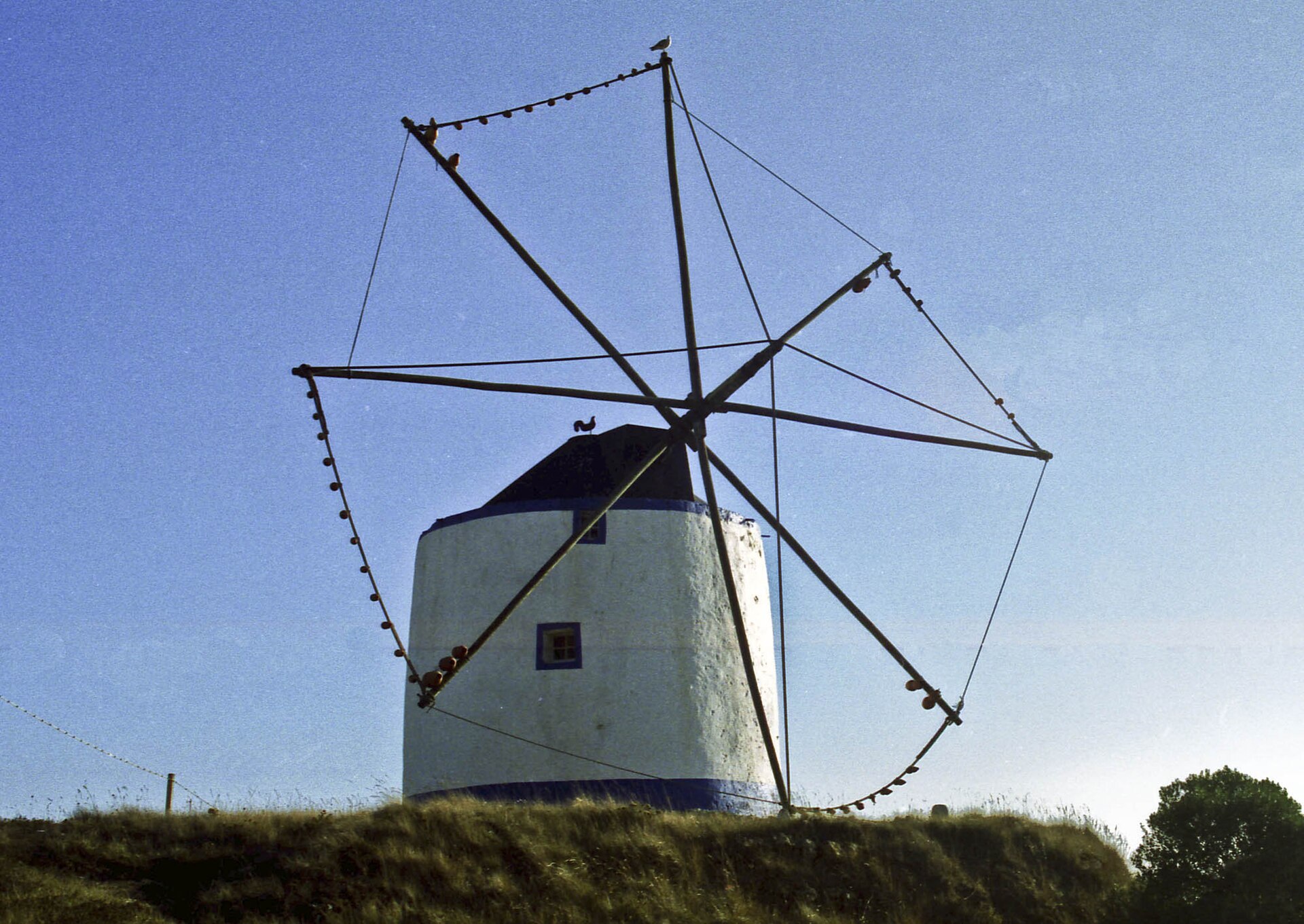
If you’re looking for the perfect blend of traditional Portuguese charm and the untamed power of the ocean, Ericeira, Portugal is exactly the place you need to visit. This picturesque little town, located just a short drive from bustling Lisbon, has preserved its authentic fishing village soul despite gradually becoming a legend among wave riders. Here you’ll find narrow cobblestone streets, whitewashed houses with their signature blue trim, and absolutely breathtaking views of the wild Atlantic.

Ericeira also holds the title of the only World Surfing Reserve in Europe, which gives it a truly unique atmosphere. In this detailed guide, I’ll share thirteen of the best things to see and do in the area. I’ll also help you choose the right time to visit, break down the quirks of local transport, and show you where to strategically base yourself.

TL;DR

  • Europe’s surfing mecca: Ericeira offers exceptional conditions for beginners and professionals alike, with world-class waves.
  • Historic fishing village: The old town will enchant you with its traditional architecture and endless maze of charming lanes.
  • Perfect city escape: The town sits less than an hour from Lisbon, making it an ideal destination for a day trip.
  • Monumental Mafra: Just a short drive inland, you can admire one of the largest baroque palaces in all of Portugal.
  • Beaches for everyone: Along the coast you’ll discover everything from wild cliffs for experienced surfers to sheltered coves protected from the wind.
  • New accommodation rules: Stricter regulations for short-term rentals have been in effect since 2026, so book your stay well in advance.
  • Watch out for hidden charges: Keep an eye out for the so-called couvert at local restaurants, and don’t forget about electronic tolls if you hire a car.

When to Visit Ericeira

Thanks to its position on the Atlantic coast, Ericeira has a very specific microclimate that can differ significantly from nearby Lisbon. If swimming and sunbathing are your main goals, the ideal time is late summer — particularly September and the first half of October. During these months, the ocean is at its warmest after the long summer, the tourist crowds thin out noticeably, and the overall atmosphere in town becomes wonderfully relaxed.

During the peak summer months of July and August, expect huge numbers of visitors. The town bursts at the seams, accommodation prices soar to their highest, and finding a parking spot near the centre feels like a minor miracle. Summer days are hot and sun-drenched, but the water in the Atlantic remains bracing — it rarely tops 20°C.

For surfers, the rules are completely different, and the season is dictated entirely by wave quality. Experienced riders head here mainly during the winter months between November and March, when winter storms deliver powerful swells. If you’re just starting out with surfing, I’d recommend visiting in spring or early autumn, when conditions are much friendlier and safer for learning.

Where to Stay in Ericeira

💡 Accommodation & experiences tip: We love searching for places to stay on Booking.com, which tends to offer the best cancellation policies. For tickets, tours and activities, it’s worth comparing options on GetYourGuide.

Choosing the right area to stay depends largely on how you plan to spend your time and whether you’ll have a hire car. If you want to soak up the evening atmosphere, walk to cafés and enjoy the nightlife, the historic centre is your best bet. Just be prepared for very narrow lanes and parking that can seriously test your patience.

For a quieter stay with easier beach access, I’d recommend looking for accommodation on the northern or southern edge of town. A wonderful example of a classic hotel with a fantastic view is Vila Galé Ericeira, which perches right above the ocean and boasts gorgeous pools. This hotel blends historic charm with modern comfort and makes an excellent base for exploring the area.

If you’re after more of a community vibe and modern facilities for digital nomads, Selina Boavista Ericeira is well worth a look. This concept combines comfortable accommodation, co-working spaces and a packed programme for guests. For easy booking, I recommend using the reliable Booking.com, where you’ll find the widest selection of both hotels and private apartments.

When searching for private accommodation, keep the new short-term rental reality in mind. New EU regulations effective from 2026 have forced booking platforms to remove unregistered listings wholesale, significantly cleaning up the supply. Only legal, professionally managed apartments remain, which guarantees higher quality and safety — but it also means you may need to book up to six months ahead.

13 Best Things to See and Do in Ericeira

Let’s dive into the best experiences this enchanting Portuguese town has to offer. From historic landmarks and dramatic cliffs to the finest surf spots, Ericeira is brimming with incredible places to discover.

1. Get Lost in the Lanes of the Historic Centre

At the heart of Ericeira lies its gorgeous old town, which has managed to keep its original fishing village character despite growing popularity. As you wander through the narrow cobblestone lanes, you’ll immediately be drawn to the traditional snow-white houses with their striking blue trim. Legend has it this colour combination once helped fishermen spot their homes from far out at sea — today it creates the perfect backdrop for your photographs.

The hub of all the action is Praça da República, affectionately known by locals as Jogo da Bola. This shaded square lined with mature trees is the ideal spot for a morning coffee or an evening glass of wine. You can watch the town’s daily life unfold, listen to street musicians and soak in that unmistakable southern European atmosphere.

💡 Local tip: Explore the lanes first thing in the morning, before the town wakes up and fills with tourists. You’ll capture the most beautiful photos of deserted corners and catch the locals going about their daily routines.

2. Discover the Famous Ribeira d’Ilhas Beach

Ribeira d’Ilhas is the absolute jewel of the region and the main reason Ericeira became a World Surfing Reserve. Nestled in a scenic valley just north of the centre, the beach regularly hosts international surfing championships. Long, consistent waves create perfect conditions for experienced riders from all over the globe.

Even if you’re not an active surfer, a visit to this beach is absolutely worth it. The cliffs surrounding the bay form a natural amphitheatre from which you can comfortably watch incredible performances on the waves. You’ll also find excellent cafés and bars nearby, where you can enjoy a fresh juice and soak up the laid-back vibe.

Thanks to great facilities, there are showers, equipment hire shops and ample parking. On summer weekends, however, the car park fills up fast, so I recommend heading out right after breakfast to snag a good spot and avoid the biggest crowds.

3. Relax at the Peaceful Praia dos Pescadores

Sitting right below the historic centre, Praia dos Pescadores is a beach that positively overflows with history. Fishing boats once launched from here into the open ocean, and even today you can see colourful little boats bobbing at anchor. This beach also played a notable role in Portuguese history — it was from here that the last Portuguese king fled into exile in 1910.

Unlike the wild surf spots nearby, this beach is sheltered by a sturdy breakwater that significantly tames the ocean’s force. This means you’ll find some of the calmest waters in the entire area, making it an ideal choice for families with young children or anyone who simply wants a peaceful swim without battling strong currents.

Access to the beach is easy — just head down the steps from the centre towards the harbour. The surrounding cliffs also provide welcome shelter from the northerly wind that can sometimes make open beaches rather unpleasant.

4. Visit the National Palace of Mafra

If you need a break from the sun and the ocean, head to the nearby town of Mafra, just about fifteen minutes’ drive away. The National Palace here is a truly monumental baroque structure whose sheer scale will take your breath away. This enormous complex houses a royal palace, a vast basilica and a functioning Franciscan monastery.

The palace’s greatest treasure, however, is its historic library. This stunning hall is lined with rare woods and contains over thirty-five thousand historical volumes, tended to this day by a colony of small bats that naturally keep harmful insects at bay. Walking through this library feels like stepping back in time and ranks among the finest cultural experiences in the area.

💡 Local tip: In front of the palace you’ll find plenty of cafés where you can grab an excellent coffee after your tour and try the traditional custard tart pastel de nata while gazing at the majestic basilica façade.

5. Sign Up for a Surf School

Ericeira is steeped in surf culture, and it would be a real shame not to at least try standing on a board. The town is packed with excellent surf schools and camps that offer professional tuition for complete beginners. The instructors know exactly which beaches to take you to depending on the current weather and wave conditions.

Lessons take place in a very friendly, relaxed atmosphere, usually in small groups. The price always includes a wetsuit and a special beginner board, which is softer and more stable. Classes typically happen at Foz do Lizandro or Praia do Sul, where the waves are gentler and more forgiving of beginner mistakes.

Even if you don’t manage to stand up on your first day, just being in the water and trying to catch a wave is a fantastic experience. Be warned, though — by the evening you’ll be feeling muscles you never even knew you had.

lukas a lucka
Lukáš and Lucie recommend
Where to stay in Ericeira
4 accommodations — hotels and other lodging options

6. Watch the Pros at Coxos and Pedra Branca

While beginners wrestle with gentle whitewash, the world’s elite head to spots like Coxos and Pedra Branca. These legendary surf breaks are renowned for their fast, extremely powerful waves that break over sharp, rocky reefs. For inexperienced swimmers and beginner surfers, these spots are genuinely dangerous and best avoided.

For spectators, however, they provide an absolutely thrilling show. Find a safe perch on the clifftops, sit down in the grass and watch the incredible manoeuvres of experienced riders. Seeing someone glide with breathtaking grace through a barrel just above razor-sharp rocks is mesmerising and utterly adrenaline-fuelled.

These beaches also retain a beautifully wild, uncommercial character. You won’t find any big beach bars or parasols for hire here — just raw, untamed nature at its most dramatic.

7. Stroll Along the Promenade at Praia do Sul

On the southern edge of town you’ll come across the lovely Praia do Sul, one of the most popular beaches among Ericeira locals. The beach is bordered by a wide, beautifully maintained promenade that’s tailor-made for long evening walks with ocean views. At the northern end of the beach, you’ll even find sheltered natural rock pools that form at low tide and warm up quickly in the sun.

A distinctive feature of this beach is the abandoned old hotel building, which lends the place a peculiar, nostalgic atmosphere. Although it’s been unused for years, it creates a wonderfully photogenic contrast against the wild coastline and crashing waves. Several excellent restaurants with panoramic views operate in the surrounding area.

💡 Local tip: If you come here for a walk, make sure to stop at one of the cafés right on the promenade. They serve excellent fresh juices, and it’s the perfect spot to watch the sunset over the ocean.

8. Enjoy a Family Day at Foz do Lizandro

About three kilometres south of the centre, the River Lizandro meets the ocean, creating one of the most beautiful and expansive beaches in the region. Foz do Lizandro is an absolute paradise for families with children because it offers the chance to swim in the calm and noticeably warmer river water. While confident swimmers can ride the ocean waves, the little ones can safely play in the shallow river lagoons.

The back of the beach is lined with lovely wooden boardwalks that protect the sensitive sand dunes from being trampled. Around these boardwalks, several very modern and stylish beach bars have sprung up, offering great refreshments and comfortable loungers. The vibe here is youthful and utterly relaxed.

This beach is also one of the most popular spots for surf schools, as the sandy bottom is far safer than the sharp reefs to the north. You can easily spend an entire day here, alternating between swimming, lounging in the bars and watching the endless parade of beginner surfers.

9. Discover the Local Food Scene

Portuguese cuisine is famous for its seafood, but even vegetarians will find plenty to enjoy in Ericeira. Traditional restaurants love serving up the day’s fresh catch, and the local speciality is a rich fish stew called caldeirada. However, thanks to a strong international community, a fantastic modern food scene has blossomed here. You’ll find loads of stylish cafés and bistros offering excellent vegetarian and vegan dishes.

When visiting a traditional Portuguese restaurant, watch out for one sneaky custom. As soon as you sit down, the waiter will likely bring a basket of bread, olives and cheese. This isn’t a complimentary gesture — it’s what’s known as a couvert. If you eat any of it, you’ll be charged a few euros per person. If you don’t fancy these starters, simply decline politely right at the beginning.

For lovers of good coffee and healthy breakfasts, look out for places serving the ever-popular açaí bowls, fresh avocado toast and hearty salads. These modern cafés focus on quality local ingredients, and the dishes don’t just taste amazing — they look stunning too.

10. Soak Up the Atmosphere at Mercado Municipal

If you want to experience the real pulse of local life, you need to head to the town market, Mercado Municipal. This covered building in the centre comes alive every morning when local farmers and traders arrive. The best time to visit is between 8 and 10 a.m., when the selection is at its richest and the atmosphere most vibrant.

The market is divided into several sections. Even if you skip the fish market on the ground floor, the upper level treats you to a gorgeous display of fresh fruit, vegetables and local products. You’ll find superb olives, quality olive oils, delicious cheeses from nearby farms and an incredible variety of fresh herbs.

💡 Local tip: Stock up on fresh ingredients here, pick up some crusty bread from a nearby bakery, and head off for a picnic by the ocean. It’s the most authentic — and cheapest — way to savour the local flavours.

11. Pop into Boardriders Quiksilver Ericeira

This concept store perched on the hill near Ribeira d’Ilhas beach is far more than just a surf gear shop. The sprawling complex functions as a genuine community hub for all board sports enthusiasts. Alongside a huge selection of clothing and wetsuits, you’ll find a café, a barber shop and even a small surfboard repair workshop.

The main draw of the whole complex, though, is the large concrete skatepark right out front. Especially in the late afternoon, skaters of all ages flock here to show off their tricks. The area is free to enter and offers comfortable seating with views over the ramps and the ocean beyond.

On weekends, live music or a DJ often takes over and the place transforms into one big, chilled-out party. Grab a cold drink, watch the skatepark action and enjoy that unmistakable Californian vibe with a distinctly Portuguese twist.

12. Take a Day Trip to Lisbon and Beyond

Thanks to its strategic location, Ericeira makes a fantastic base for day trips across central Portugal. The drive to central Lisbon takes only about forty minutes, giving you a brilliant opportunity to explore the capital and return to the peaceful coast in the evening. Wander the lanes of Alfama, admire the Belém Tower and taste the finest pastel de nata in town.

Another unmissable day trip is a visit to the fairy-tale town of Sintra, a UNESCO World Heritage Site. This mystical place hidden in the hills is packed with romantic palaces and mysterious gardens. The most famous, Palácio da Pena, with its colourful turrets, looks as though it’s leapt straight out of a Disney film.

If you’ve hired a car, definitely head up the coast to the north as well. Within an hour you can reach Nazaré, where world records are broken on the biggest waves on the planet in winter, or the romantic medieval town of Óbidos, entirely enclosed by beautifully preserved walls.

13. Savour a Magical Sunset on the Cliffs

Ending your day in Ericeira with a sunset is an absolute must. The coastline offers dozens of stunning viewpoints, known in Portuguese as miradouros. One of the very best spots can be found on the cliffs above Ribeira d’Ilhas beach, where you’ll be rewarded with a breathtaking panoramic view over the entire bay.

I’d recommend arriving at the viewpoint at least half an hour before the actual sunset. The sky’s colours gradually shift from gold through orange to deep pink, while the sun sinks dramatically straight into the Atlantic. It’s an incredibly calming, magical experience that you’ll never tire of.

💡 Local tip: Bring a warm jumper or a light jacket. Once the sun dips below the horizon, a cool breeze often picks up off the ocean and the temperature can drop by several degrees surprisingly quickly.

Where to Go Next from Ericeira

If you’re planning a wider trip around Portugal, Ericeira makes a superb springboard for further adventures. Here are a few great suggestions for where to head next:

  • Check out our detailed Lisbon Guide, covering everything you need for a visit to the capital.
  • Find out what the mystical town of Sintra and its fairy-tale castles have in store.
  • If giant waves fascinate you, don’t miss our article on Nazaré, Portugal.
  • Drawn to medieval romance? Take a look at our guide to the walled town of Óbidos.
  • For lovers of the north and fine wine, we’ve put together tips on the best of Porto.
  • Browse our roundup of the most beautiful beaches in Portugal to find your perfect spot to unwind.
  • And don’t forget to explore the delicious world of traditional Portuguese food.

Frequently Asked Questions

What’s the best way to get from Lisbon airport to Ericeira?

The most convenient and fastest option is definitely renting a car – the drive takes about forty minutes via the highway. If you’d rather not drive, regular and reliable bus services run from Lisbon’s Campo Grande bus station to Ericeira. The journey takes roughly an hour and a half and costs just a few euros.

What should I watch out for when driving and paying tolls?

On the way to Ericeira you’ll probably use the A8 motorway and then the A21. Portugal has a specific electronic toll system. When picking up the car at the rental office, always pay extra to activate the Via Verde box, which automatically beeps as you pass under the cameras, and the rental company then charges the fees to your card. This saves you huge hassle with having to pay up at the post office.

Is it safe to swim in the ocean in Ericeira?

The Atlantic can be very treacherous – the water is cold and currents can be unexpectedly strong. Swimming is safe at beaches with breakwaters, like Praia dos Pescadores, or at the river mouth at Foz do Lizandro. Always carefully check the flag colors on the beach and follow lifeguard instructions.

Is Ericeira safe, and is there any risk of crime?

The town itself is generally very safe and quiet, even on evening strolls. But be very careful with things in your car. Unfortunately, in more remote beach car parks, thieves sometimes break into rental vehicles. Never leave valuables or backpacks lying in plain sight on the seats.

Do I absolutely need a car to visit Ericeira?

If you’re planning to stay just in the center and at the nearest beaches, you can easily get by without a car. The town is very compact and you can walk everywhere. However, if you want to explore more remote cliffs, take day trips to the palace in Mafra, or find more secluded spots along the coast, a rental car will be a huge advantage.

When are the best waves for surfing?

The world’s surfing elite comes here mainly from November to February, when winter storms over the Atlantic generate the biggest and most powerful waves. For recreational surfers and beginners, spring or autumn months are much better, when the ocean is calmer and more forgiving of mistakes.

Is it worth visiting in winter?

Absolutely, if you’re looking for peace and quiet and don’t mind occasional rain. Portuguese winters are very mild, with temperatures typically around fifteen degrees Celsius, and the town has an amazing, almost melancholic atmosphere without the huge tourist crowds. Plus, accommodation prices drop to absolute minimums during the winter months.

Tips and Tricks for Your Vacation

Don’t Overpay for Flights

Search for flights on Kayak. It’s our favorite search engine because it scans the websites of all airlines and always finds the cheapest connection.

Book Your Accommodation Smartly

The best experiences we’ve had when looking for accommodation (from Alaska to Morocco) are with Booking.com, where hotels, apartments, and entire houses are usually the cheapest and most widely available.

Don’t Forget Travel Insurance

Good travel insurance will protect you against illness, accidents, theft, or flight cancellations. We’ve had a few hospital visits abroad, so we know how important it is to have proper insurance arranged.

Where we insure ourselves: SafetyWing (best for everyone) and TrueTraveller (for extra-long trips).

Why don’t we recommend any Czech insurance company? Because they have too many restrictions. They set limits on the number of days abroad, travel insurance via a credit card often requires you to pay medical expenses only with that card, and they frequently limit the number of returns to the Czech Republic.

Find the Best Experiences

Get Your Guide is a huge online marketplace where you can book guided walks, trips, skip-the-line tickets, tours, and much more. We always find some extra fun there!
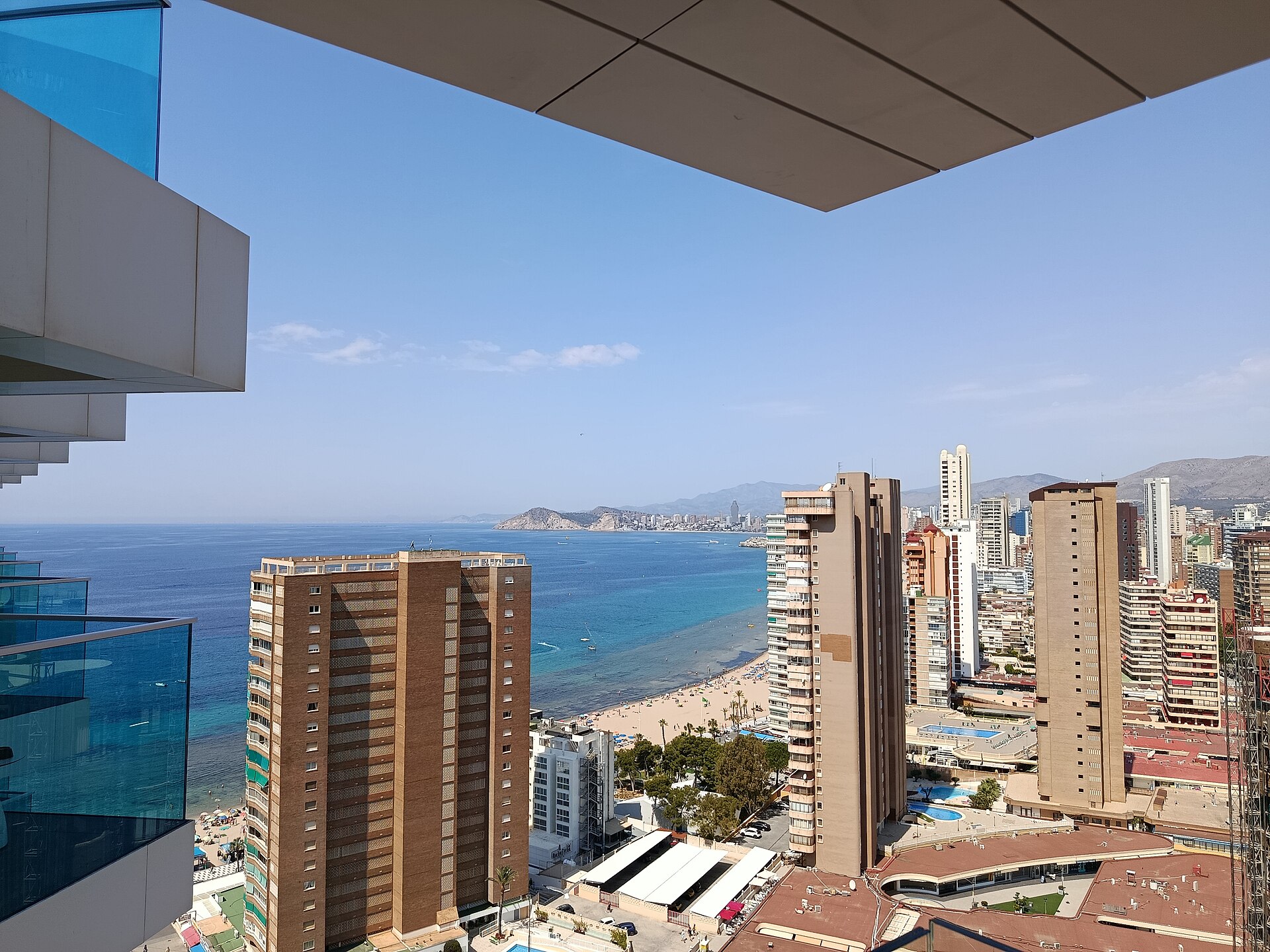
Benagil Cave: How to Get There and When to Visit

TL;DRThe Benagil cave on Portugal’s Algarve coast can only be reached by sea — there’s no walking in, and from above you’ll only glimpse it through a safety fence along the Percurso dos Sete Vales Suspensos trail. Your best bet is renting a kayak or paddleboard (around €30 an hour) from Praia de Benagil beach, since that’s the only way to actually land on the sandy beach inside. Motorboat trips (€20–€35) just cruise past without letting passengers off. Swimming in isn’t recommended — the currents are strong and there’s a lot of boat traffic. The best time to go is September to the first half of October, ideally between 10 and 11am, when the sun lights up the inner beach best. You can also set off from Portimão (about a 30-minute trip) or Carvoeiro (15 minutes), where parking is easier too.

Picture an enormous rock dome where golden rays of sunlight stream through an opening in the ceiling, illuminating a hidden sandy beach as turquoise Atlantic waves crash against the walls. Benagil Cave (Algar de Benagil) is without a doubt one of the most iconic and most photographed spots in all of Portugal — and in person, this stunning Benagil Cave in Portugal looks even more magical than on any postcard.

If you’re planning a holiday in southern Portugal, this natural wonder absolutely deserves a spot on your itinerary — but visiting it takes a bit of strategic planning. I’ve put together a detailed guide covering all the practical information you need: how to safely reach the cave, the best time to visit, and what to watch out for at this wildly popular destination.

TL;DR

  • You can’t walk in — the cave is only accessible from the ocean, and from above you can only peer down through a safety fence.
  • Swimming to the cave is strongly discouraged due to powerful ocean currents and the constant traffic of dozens of tour boats.
  • The best way to visit is by renting a kayak or paddleboard, as these are the only ways you can actually step onto the sandy beach inside.
  • Motorised boats are banned from dropping passengers inside, so they simply cruise slowly through while you snap photos from the deck.
  • Book your trip well in advance — during the summer season, slots sell out days ahead of time.
  • Go early in the morning or outside peak season to avoid extreme tourist crowds and enjoy the magical atmosphere in peace.
  • Parking near Benagil Beach is a nightmare in summer, so consider taking a boat trip from nearby Portimão or Carvoeiro instead.

When to Visit Benagil Cave

The Algarve boasts more than 300 sunny days a year, making it an ideal year-round destination — but when it comes to visiting sea caves, timing is absolutely everything. If your main goal is swimming and hassle-free cliff exploration from the water, bear in mind that the Atlantic packs a punch even in the height of summer. During July and August, daily temperatures climb towards 30 °C, which draws hundreds of thousands of tourists, and the area around Benagil is bursting at the seams. In these months, expect sky-high prices, gridlocked roads, and the need to book every activity well in advance.

Seasoned travellers will find it much more rewarding to head to southern Portugal in September or the first half of October, when the crowds thin out but the ocean is still pleasantly warm at around 21 °C after the long summer. During this Indian summer, accommodation prices also drop by up to a third, letting you enjoy far greater comfort without breaking the bank. Spring months like April and May are ideal for hiking along the clifftops — the landscape is ablaze with wildflowers and temperatures of around 23 °C won’t wear you out on the trail, though the water at 16 °C is only tempting for the hardiest swimmers.

The winter months from November to March bring tranquillity to the region, with temperatures hovering around a pleasant 16 to 18 °C. Visiting the cave in winter is possible, but entirely weather-dependent — Atlantic storms often bring enormous waves that make entering the cave dangerous, and operators frequently cancel trips. If you do decide on a winter visit, keep a close eye on local forecasts and always have a backup plan for days when the sea simply refuses to cooperate.

Where to Stay Near Benagil

💡 Tip for accommodation and experiences: We love searching for places to stay on Booking.com, which tends to have the best cancellation policies. For tickets, tours, and activities, it’s worth comparing and booking through GetYourGuide.

Choosing the right base in the central Algarve will save you a lot of stress during early-morning dashes to the coast, and each nearby town offers a completely different vibe. The former fishing village of Carvoeiro is closest to the cave and will charm you with its quaint white houses crammed into a steep ravine — though finding a parking spot in summer is a Herculean task. The larger town of Portimão offers all the comforts of big hotel resorts, long promenades, and excellent infrastructure, with dozens of boats departing daily straight to Benagil. If you prefer historic lanes and authentic gastronomy, consider staying in nearby Lagos, which many travellers regard as having hands-down the best atmosphere on the entire coast.

The accommodation market in Portugal has undergone a massive transformation recently, and since May 2026, new European regulations have removed unregistered and illegal apartments from platforms like Booking. Only verified, professionally managed villas and hotels remain, which guarantees a higher standard and greater safety — but prices for private accommodation have risen noticeably. It’s therefore wise to book your dream stay as much as six months in advance to ensure a good selection.

For a romantic getaway in Carvoeiro, Tivoli Carvoeiro is hard to beat — a luxury hotel perched right on the clifftops with breathtaking ocean views and top-notch service. If you’re after something more affordable with a perfect location, Hotel Algarve Casino in Portimão sits right on the enormous Praia da Rocha and makes a great launchpad for boat trips. Design lovers and those who enjoy city life will appreciate Lagos Avenida Hotel, located right by the marina in Lagos, offering both peace and easy access to the historic centre. For searching accommodation, I recommend the reliable Booking.com, where you can see up-to-date guest reviews at a glance.

10 Things to See and Do Near Benagil Cave

The area around Benagil Cave offers far more than just one photogenic spot — there’s a whole range of fascinating experiences to keep you busy for days. Let’s take a detailed look at 10 specific tips for making the absolute most of this jaw-dropping stretch of coastline while sidestepping the usual tourist traps.

1. Algar de Benagil as a Natural Phenomenon

The Benagil Cave is a textbook example of karst erosion, where the relentless force of Atlantic waves has been carving into the soft limestone cliffs of the central Algarve for thousands of years. The result is an enormous domed cavity whose ceiling partially collapsed in the distant past, creating the iconic “eye” (algar) through which daylight floods in. It’s precisely this contrast of dark rock walls, golden sand, and a circle of blue sky above that creates the magical scenery that draws photographers from around the world.

Inside the cave lies a fairly spacious sandy beach, though its existence depends on the tides — at extremely high water, much of it can be submerged. The space has incredible acoustics: the echo of crashing waves mingles with the chattering of seagulls nesting high on the rocky ledges. It’s a place where you truly grasp the awesome power and patience of nature.

💡 Local’s tip: The cave’s magic is at its most spectacular between 10 and 11 in the morning, when the sun climbs to just the right angle and its rays fall directly onto the centre of the sandy beach like a giant theatrical spotlight. This is also when it’s busiest, though, so you’ll have to choose between perfect light and the desire for a crowd-free moment.

2. Getting to the Cave: Kayak and Paddleboard (SUP)

If you want to experience the cave in all its glory and actually walk on the beach inside, renting a kayak or paddleboard is hands-down the best option. Since motorised boats are strictly banned from dropping passengers onto the sand inside for both safety and environmental reasons, only non-motorised watercraft allow you to step ashore and soak in the atmosphere with both feet on the ground. Paddling from the adjacent Praia de Benagil takes just a few minutes, as the cave lies literally around the nearest rocky headland, roughly 200 metres from shore.

Don’t worry if you’re not an experienced paddler — most rental outfits provide stable sit-on-top tandem kayaks that are extremely hard to capsize, and every participant is given a mandatory life jacket. An hour’s rental costs around 30 €, which is plenty of time to explore the main cave plus several smaller crevices nearby. Most travellers book these activities online, and you can easily search and reserve trips in advance through the popular platform GetYourGuide.

💡 Local’s tip: If you’re renting a paddleboard (SUP), kneel on it as you launch from the beach — the breaking waves at the shore can be treacherous and will happily toss you into the water in front of all the sunbathing tourists. Once you’re past the breaker zone, the surface usually calms down and you can safely stand up.

3. Boat Tours for a Relaxed Visit

For families with small children, older travellers, or anyone who’d simply rather not battle ocean currents with a paddle, organised boat tours offer a completely stress-free alternative. You can choose from small, zippy Zodiac-style RIBs, traditional wooden fishing boats, and large catamarans complete with toilets and a bar. Prices for a one- or two-hour cruise are very reasonable, ranging from around 20 to 35 € depending on boat size and which port you depart from.

The main drawback of boat tours is that the captain simply sails into the cave, turns around for a few photo opportunities, and heads back out again — you won’t get to touch the sand. On the other hand, experienced guides on board will point out dozens of other stunning rock formations along the coast, such as the “Elephant Rock” or the Smugglers’ Cave, which would be tough to reach by kayak. So the boat experience is really a much more comprehensive tour of the entire limestone coastline.

💡 Local’s tip: When choosing a cruise, always opt for the smallest boat available — large catamarans simply can’t fit into some of the narrower caves due to their draught and beam. The most interesting rock tunnels can only be seen from small motorboats carrying 8 to 12 passengers that can manoeuvre in tight spaces.

4. Swimming to the Cave? Strictly Forbidden

From a distance — or on a map — it looks like a harmless few metres, so it’s no surprise that many a confident swimmer considers paddling over from Benagil Beach. Local authorities and the coast guard strongly advise against it, however, because treacherous underwater currents can catch even professionals off guard and drag swimmers straight into the sharp rocks. The Atlantic here is utterly unpredictable — waves bounce off the cliff walls and create a powerful backwash that can drain all your strength in seconds.

An arguably even greater risk is the boat traffic itself, which in summer resembles a busy motorway. Every minute, kayaks, paddleboards, and motorboats pass through the narrow cave entrance, and their operators have virtually no chance of spotting a swimmer’s small head bobbing among the waves in the dark water. The risk of serious injury from a propeller is extremely high, and rescue operations for swimmers stranded on the inner beach by a rising tide are, sadly, far from rare.

💡 Local’s tip: Don’t try to save a few euros on a kayak rental by risking your life. Even if you see other tourists trying their luck — swimming over on inflatable lilos and the like — know that local lifeguards regularly fish these daredevils out of the water, and they’re not pleased about it. Safety should always come first.

5. Where to Depart for the Cave and Surrounding Cliffs

Your starting point for conquering the cave doesn’t have to be the overcrowded Praia de Benagil — in fact, it pays to consider departures from larger nearby ports, which solve the parking headache entirely. Trips from the huge marina in Portimão are hugely popular; the sail to Benagil takes roughly 30 minutes and you’ll enjoy gorgeous views of long sandy beaches and old clifftop fortresses along the way. In Portimão you can also park easily and often for free on the large open areas near the harbour, which is an invaluable perk in peak season.

Another excellent alternative is to set off from the charming town of Carvoeiro, just a few kilometres west of the cave. Local fishermen here offer romantic rides on traditional colourful boats, and the journey takes a mere 15 minutes. From the east, you can tap into the wide range of trips from the resort town of Albufeira — these cruises are often combined with wild dolphin watching on the open ocean.

💡 Local’s tip: If you choose a trip from Albufeira, bear in mind the sail along the coast is much longer and the cave itself is just a brief stop on a lengthy route. It’s a great option if you want to spend half a day on the water, but if Benagil is your sole focus, you’re better off departing from nearer Portimão or Carvoeiro.

lukas a lucka
Lukáš and Lucie recommend
Where to stay near Benagil Cave
4 accommodations — wellness hotels, hotels and other lodging options

6. The Seven Hanging Valleys Trail (Percurso dos Sete Vales Suspensos)

While most people dream of seeing the cave from below, few realise that directly above its ceiling runs one of the most beautiful hiking trails in all of Europe — the Seven Hanging Valleys Trail. This roughly 12-kilometre route connects Praia da Marinha with the resort of Vale de Centeanes and takes you along the very edge of dramatic limestone cliffs. When you reach the cave from above, you’ll see the iconic hole in the ground protected by a wooden fence, over which you can safely peer down at the tiny kayaks and tourists buzzing about on the sand below.

The trail is perfectly waymarked and offers constantly changing views of jagged coves, hidden caves, and the endless blue horizon. The terrain is rocky and uneven in places, so sturdy footwear is an absolute must — under no circumstances should you attempt it in flip-flops. Along the way you’ll also pass the historic Alfanzina Lighthouse, which photogenically complements the rugged coastal landscape and offers some shade for a quick rest.

💡 Local’s tip: Set off as early as possible, ideally right after sunrise. There’s virtually no natural shade along the entire trail, and the sun bouncing off the white limestone can create a literal furnace in the midday hours. Don’t forget to pack plenty of drinking water, as refreshment stops along the way are few and far between.

7. Benagil Beach: Bursting at the Seams

Praia de Benagil is a small, cosy cove surrounded by towering cliffs, and it’s where all the kayaks set off towards the nearby cave. Its position in a narrow canyon beneath a former fishing village gives it immense charm — you’ll still spot colourful fishing boats resting on the sand alongside stacks of paddleboards waiting for the next customers. The sand is beautifully fine and the water entry fairly gentle, which would make it a perfect family beach if it weren’t for the sheer pandemonium.

Thanks to the never-ending fame of the neighbouring cave, this beach has become a victim of its own success, and in summer you’ll struggle to find room to lay down a single towel. Half the sandy area is taken up by rental operators and crowds of people queuing for their booked time slots, so any notion of a quiet afternoon with a book is pure fantasy. Think of it more as a logistics hub and a quick pit stop to cool off after your kayak adventure.

💡 Local’s tip: If you want to spend some peaceful time on Benagil Beach, arrive in the early evening around six o’clock. Most families with small children and organised tour groups have headed back to their hotels by then, the sun hits the cliffs and paints them deep orange, and you’ll be treated to a gorgeous atmosphere for an evening swim.

8. More Stunning Beaches Nearby

If the crowds on Benagil Beach put you off, don’t despair — the coastline within a few kilometres hides several world-class gems. Just two kilometres to the east lies the legendary Praia da Marinha, which regularly features in rankings of the world’s most beautiful beaches. You’ll recognise it by the iconic M-shaped rock formation. The water at Marinha is incredibly clear and teeming with small fish, so it’s definitely worth packing a snorkel and mask to explore the shallow reefs.

Heading west, you’ll stumble upon the fascinating Praia do Carvalho, which you can only reach through a dark, hand-carved tunnel in the rock. Smugglers once used this beach to unload contraband — it’s practically invisible from the land and flanked on both sides by sheer, inaccessible cliffs. Thanks to the trickier access down steep steps through the tunnel, it tends to be noticeably quieter, with a genuine air of adventure.

💡 Local’s tip: At Praia do Carvalho, watch out for falling rocks from the weathered cliffs. Government warning signs advise against lying directly beneath the vertical walls, as unexpected rockfalls are a fairly common occurrence in the Algarve. Spread your towel closer to the water’s edge, where you’ll be perfectly safe.

9. Practical Logistics, Tolls, and Parking Nightmares

Getting around southern Portugal has its own strict quirks that can catch unprepared travellers off guard. The main A22 motorway (Via do Infante) operates on a fully electronic toll system with no barriers, meaning cameras read the number plate of every passing vehicle. To avoid a bureaucratic nightmare and hefty fines, ALWAYS pay the small surcharge for a Via Verde transponder when picking up your rental car (a little white box behind the windscreen costing around 1.50 € per day) — tolls are then deducted automatically and stress-free from your credit card.

Driving directly to Benagil Beach is a story in itself. The narrow road plunging steeply down to the ocean has virtually no proper car parks, and the handful of official spaces fill up before nine in the morning during the season. Tourists then desperately abandon their cars in the dust along the road at the top of the hill, which the police regularly and gleefully punish with steep fines or outright towing. If you do hire a car, never leave any valuables in it at unattended beach car parks — thieves know exactly which rental cars to target.

💡 Local’s tip: Be cautious at Portuguese multi-lane roundabouts if you’re not familiar with local rules. The law here dictates that you may only enter the outer right-hand lane if you’re taking the very next exit. If you’re going straight or turning left, you must use the inner lane and brace yourself for last-second lane changes.

10. Where to Eat After Your Trip (and Watch Out for Couvert)

After a hard paddle or a cliff-top hike, you’ll be ravenous — and thankfully the surrounding villages hide plenty of traditional eateries the Portuguese call tascas. The moment you sit down, you’ll be greeted with a bowl of olives, fresh bread, or cheese — but this isn’t a complimentary gesture. It’s called couvert. If you touch these starters, you’ll be charged roughly 2 to 5 € per person, so if you’re not interested, simply decline politely at the outset and the waiter will whisk them away without offence. Also bear in mind that tap water isn’t typically served here — you’ll be expected to order bottled water.

For lunch, the smartest strategy is to seek out places offering Menu do Dia (daily menu) for around 10 to 15 €, which typically includes soup, a main course, and often dessert with coffee. While the region is famous for its seafood and grilled fish — consumed in vast quantities by locals — you’ll also find excellent vegetarian options. I’d recommend trying local Portuguese cheeses, hearty vegetable soups, or enormous fresh salads with olives, which are wonderfully refreshing in the heat and won’t blow your travel budget.

💡 Local’s tip: The Portuguese eat much later than you might be used to in the UK. Most quality restaurants only open for lunch between 12:30 and 15:00, then close until the evening. Dinner rarely kicks off before 20:00, so if you’re starving at five in the afternoon, you’ll be limited to touristy bistros or supermarkets.

Where to Go from Benagil Cave

The Algarve offers so many fascinating places that your trip certainly doesn’t have to end at one cave. If you love wild nature and surfer vibes, head to the western tip and the town of Sagres, where enormous waves pound the cliffs and the wind blows relentlessly. History buffs and food lovers shouldn’t miss nearby Lagos, whose centre of cobbled lanes is among the most beautiful on the entire coast.

For peace and picturesque streets, venture inland — perhaps to explore the Moorish castle at Silves or browse local crafts at the market in Loulé. If you’d like to move to the quieter eastern Algarve, where warm lagoons alternate with sandy islands, you’ll be enchanted by the historic town of Tavira or the lively fishing port of Olhão. And don’t forget that the regional capital Faro itself hides a breathtaking old town with a chapel of bones that would be a shame to just zip past on the way from the airport.

If you have more time in Portugal and plan to explore the northern parts of the country, definitely don’t miss romantic Lisbon with its yellow trams, and the magical Sintra brimming with fairy-tale palaces. A brilliant stop along the way is the coastal town of Cascais, or the surfing mecca of Nazaré, home to some of the biggest waves on the planet. And for wine lovers and anyone who appreciates a touch of melancholy, a visit to the northern city of Porto is an absolute must — it’ll show you a completely different side of Portugal from the sun-drenched Algarve.

Frequently Asked Questions

Can you walk to Benagil cave?

No, you can’t. There’s no land path or stairway leading down to Benagil cave. On foot, you can only reach the cliff edge above the cave via the Percurso dos Sete Vales Suspensos hiking trail, where you’ll see the iconic hole in the ceiling through a safety fence and look down at the beach below, but you won’t be able to descend inside.

Is it safe to swim to the cave from the nearby beach?

Lifeguards and local authorities strongly advise against it and prohibit swimming there. While the distance may seem short, treacherous Atlantic currents, wave rebounds off the cliffs, and especially the constant heavy traffic of motorboats and kayaks make swimming extremely dangerous—a gamble that has already led to many serious injuries.

How much does a trip to Benagil cave cost?

Prices depend on the type of vessel and departure point. Renting a kayak or paddleboard directly from Benagil beach costs around €30 per hour. Organized boat tours from nearby towns like Portimão or Carvoeiro typically range from €20 to €35 per person, depending on the length of the trip.

Can I disembark onto the beach inside with a motorboat?

No, motorboats are strictly prohibited from letting passengers disembark on the sandy beach inside the cave for nature conservation and safety reasons. The captain will only sail into the cave with you, give you a few minutes to take photos from the deck, and then sail back out. You can only step onto the sand from a kayak or paddleboard.

When’s the best time to visit the cave?

The ideal time to visit is September and the first half of October, when the ocean is warm but the summer crowds have disappeared. During the day, it’s best to go early morning or specifically between 10 and 11 AM, when the sun shines directly through the ceiling opening and creates the most beautiful lighting conditions for photography.

Do I need to book the trip in advance?

During peak summer season from June to August, advance booking is absolutely essential. Boat tours and kayak rentals are often sold out several days ahead. You can easily book online from home and save yourself the disappointment of arriving on-site only to find nothing available.

Where can I park near Benagil beach?

Parking at Benagil beach is a huge problem because there are very few official parking spaces and the narrow roads get clogged quickly. In summer, it’s nearly impossible to find parking after 9 AM. A much more convenient alternative is to leave your car in the large parking lots in Portimão or Carvoeiro and take a boat to the cave from there.

Are trips to the cave suitable for children?

Yes, organized boat tours are completely safe and comfortable for families with kids, as you’re seated on larger vessels. Kayak trips with younger children require consideration of your paddling experience, though two-person kayaks are very stable and all participants receive life jackets for maximum safety.

Tips and Tricks for Your Vacation

Don’t Overpay for Flights

Search for flights on Kayak. It’s our favorite search engine because it scans the websites of all airlines and always finds the cheapest connection.

Book Your Accommodation Smartly

The best experiences we’ve had when looking for accommodation (from Alaska to Morocco) are with Booking.com, where hotels, apartments, and entire houses are usually the cheapest and most widely available.

Don’t Forget Travel Insurance

Good travel insurance will protect you against illness, accidents, theft, or flight cancellations. We’ve had a few hospital visits abroad, so we know how important it is to have proper insurance arranged.

Where we insure ourselves: SafetyWing (best for everyone) and TrueTraveller (for extra-long trips).

Why don’t we recommend any Czech insurance company? Because they have too many restrictions. They set limits on the number of days abroad, travel insurance via a credit card often requires you to pay medical expenses only with that card, and they frequently limit the number of returns to the Czech Republic.

Find the Best Experiences

Get Your Guide is a huge online marketplace where you can book guided walks, trips, skip-the-line tickets, tours, and much more. We always find some extra fun there!
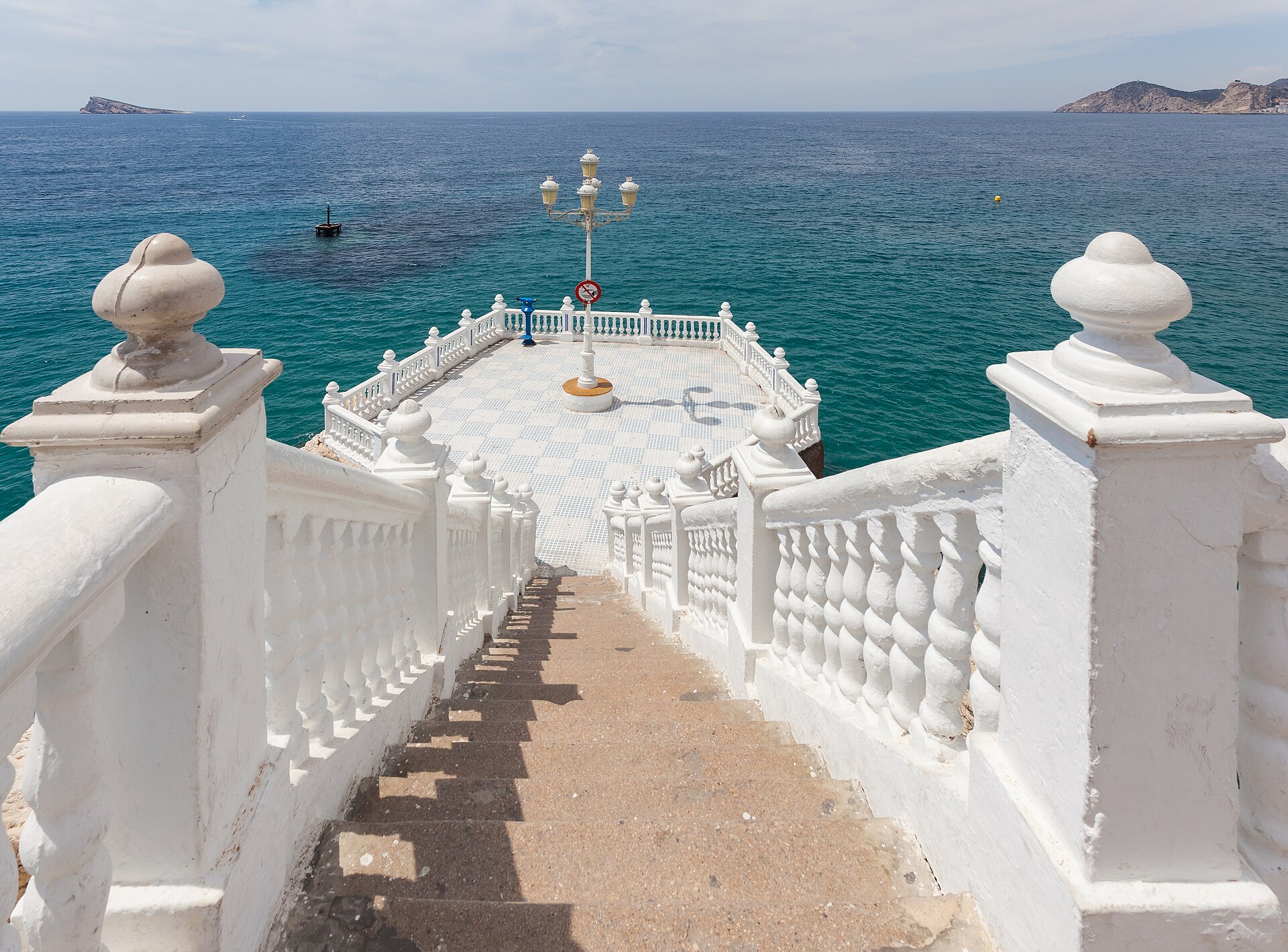
Marbella, Spain: 18 Best Things to See and Do

TL;DRMarbella on the Costa del Sol comes with 18 solid ideas for things to do — from the old town of Casco Antiguo and the Orange Square to the glitzy marina at Puerto Banús, the Golden Mile, and the beaches at Playa de la Fontanilla and Cabopino. One or two days covers the centre and seafront, but for a week or two, Marbella makes a great base for day trips to Ronda, Gibraltar (55 minutes by car) or Málaga (under an hour away). The best months to visit are May, June, September and October, when temperatures sit around 25–28°C — steer clear of the summer months, when it can top 40°C. Fly into Málaga airport, then hire a car or hop on the local train to get into town.

When people hear Marbella, most immediately picture luxury yachts, flashy sports cars, and champagne-soaked parties. But I have to admit, when Lukáš and I explored the Andalusian coast of Marbella Spain along the Costa del Sol, this glamorous resort town genuinely surprised us with its quieter, far more authentic side. Behind the designer boutiques hides one of the most beautiful old towns in all of Andalusia, where you can spend hours wandering narrow, flower-filled lanes. In this article, you’ll find exactly 18 things to see and do in Marbella and its surroundings. I’ll share where to stay strategically, how to dodge the biggest crowds, and when’s the best time to visit so you don’t melt in the summer heat.

TL;DR

  • Historic heart: The Old Town (Casco Antiguo) is the polar opposite of the modern glamour, offering a traditional Andalusian atmosphere with whitewashed houses and blue flower pots.
  • Billionaires’ marina: Puerto Banús is the epicentre of luxury — come to admire the world’s most expensive yachts and browse prestigious designer boutiques.
  • When to go: Avoid the summer months due to extreme temperatures. May, June, September, and October are ideal.
  • Getting there: The best option is to fly into Málaga and continue by car or commuter train. A rental car is especially handy for day trips around the region.
  • Perfect base: Marbella is an ideal jumping-off point for day trips to Ronda, Gibraltar, or Málaga.
  • Who it’s for: Beach lovers, families with children, keen golfers, and history buffs will all find something to love here.

Best Time to Visit Marbella

Choosing the right time to visit southern Andalusia is absolutely crucial — don’t underestimate it. If you’re not a fan of extreme heat, give August a wide berth, as summer temperatures inland regularly soar past 40 °C. The coast is slightly cooler thanks to the sea breeze, but humidity is punishingly high and the resorts are bursting at the seams with tourists from across Europe. Recent extreme heatwaves have shown just how relentless the Andalusian summer sun can be.

The sweet spot for a visit is late spring — May and June — or early autumn in September and October, when you can enjoy the city fully without drenching your shirt in sweat. During these months, the sea is warm enough for swimming, daytime temperatures hover around a perfect 25–28 °C, and you’ll avoid the worst crowds on the promenades and in restaurants. For us, spring in Andalusia is truly magical — everything is in bloom and the landscape hasn’t yet been scorched by the summer sun.

Winter — January and February — is hugely popular in Marbella among retirees and digital nomads from northern Europe. They flock here for the mild climate with temperatures around 15–18 °C, which is too chilly for swimming (unless you’re particularly hardy), but absolutely perfect for strolling through towns and hiking in the mountains. If you’re looking to escape the British winter, Marbella will welcome you with sunshine — it enjoys an incredible 300 sunny days a year.

Where to Stay in Marbella

💡 Tip for accommodation and experiences: We love searching for hotels on Booking.com, which usually has the best cancellation policies. For tickets, tours, and activities, it’s worth comparing and booking through GetYourGuide.

Marbella is fairly spread out, and the best area for you largely depends on what kind of holiday you’re after. For romantics and history lovers, I’d recommend staying near the Casco Antiguo, where the best tapas bars and charming little squares are literally steps from your door. Prices here are often friendlier than right on the beach, and the atmosphere of the old town at night is simply priceless.

If, on the other hand, you’re craving the buzz of the beach and don’t mind paying extra for it, look for accommodation along the promenade or in the luxurious Golden Mile area. Here you’ll find the best resorts, like the popular Amàre Beach Hotel Marbella, which is adults-only and offers fantastic sea views. For families with children, the quieter eastern part of town is a great choice, where the beaches are a bit shallower and safer for little swimmers.

The epicentre of nightlife and luxury is Puerto Banús marina, roughly seven kilometres from Marbella’s centre. Accommodation in this area is hands-down the most expensive, but if you want to be at the heart of the action with views of moored superyachts, it’s the place to be. Whichever neighbourhood you choose, we’d recommend booking well in advance through Booking, as the best hotels sell out incredibly fast during peak season.

18 Best Things to See and Do in Marbella Spain

Let’s dive into the very best that this Andalusian gem and its wider surroundings have to offer, so you can squeeze every last drop of magic from your holiday.

1. Get Lost in the Lanes of Casco Antiguo

The old town is, for me personally, the single most beautiful spot in all of Marbella — an absolute balm for the soul. It’s a compact labyrinth of narrow, marble-paved lanes lined with dazzling white houses and colourful shutters. Everywhere you look, the walls are adorned with the iconic blue flower pots bursting with geraniums, giving the whole place an incredibly romantic feel.

The best thing you can do here is simply ditch the map and wander aimlessly. Around every corner you’ll stumble upon a tiny café, a tucked-away boutique selling local fashion, or a picturesque courtyard you won’t find in any guidebook. Lukáš and I spent an entire afternoon here and couldn’t get enough of the tranquil Andalusian atmosphere, which stands in stark contrast to the bustling seafront.

2. Soak Up the Atmosphere at Plaza de los Naranjos

The beating heart of the historic centre is the Orange Square — and it truly lives up to its name. The entire plaza is planted with mature orange trees that fill the air with a heavenly scent in spring and provide much-needed shade in summer. Surrounding the square are historic buildings, including the 16th-century town hall, a reminder of the city’s rich past.

In the evening, the square transforms into one buzzing, pulsating hub as restaurant terraces fill to the brim with locals and visitors alike. 💡 Insider tip: Skip the restaurants right on the square — they’re often overpriced — and duck into one of the side streets instead, where you’ll find far more authentic tapas bars. We discovered a little place here that did brilliant patatas bravas and a vegetarian paella, which we washed down with ice-cold local beer.

3. Stroll Along the Promenade and Avenida del Mar

The link between the old town and the seafront promenade is the broad Avenida del Mar boulevard — essentially an open-air art gallery. Here you’ll find an impressive collection of ten bronze sculptures by the legendary Salvador Dalí, which you can admire up close completely free of charge. It’s a fantastic spot for a photo with the sea as your backdrop.

The seafront promenade itself (Paseo Marítimo) stretches for several kilometres and is lined with palms, restaurants, and bars. It’s the perfect spot for a morning jog or an evening stroll as the setting sun paints the sky in breathtaking colours. The promenade is beautifully maintained, spotlessly clean, and constantly buzzing with smiling people soaking up the holiday vibes.

4. Admire the Luxury of Puerto Banús

Whatever your feelings about over-the-top opulence, a visit to Puerto Banús marina is an absolute must — if only for the jaw-dropping contrast. This harbour is a genuine playground for the world’s billionaires, where yachts the size of apartment blocks sit moored in the marina. The latest Ferraris, Lamborghinis, and Rolls-Royces cruise the streets at a leisurely pace while their owners dine in eye-wateringly expensive restaurants.

The promenade is flanked by boutiques from the most prestigious brands — Dior, Gucci, Louis Vuitton, you name it. This is a place to see and be seen, and even if you don’t buy a thing, people-watching in this extraordinary microcosm is an experience in itself. We grabbed a scoop of gelato, parked ourselves on a bench, and simply watched the spectacular circus unfold around us with a grin.

5. Cruise Along the Golden Mile

The Golden Mile is a roughly five-kilometre stretch connecting central Marbella with Puerto Banús. It’s the most exclusive address on the entire Costa del Sol, home to ultra-luxury villas, palatial estates, and five-star resorts hidden behind high walls and lush vegetation. Celebrities and members of royal families from around the globe have their summer residences here.

The best way to explore this area is to walk or cycle along the coastal promenade that runs the length of the entire Golden Mile. Along the way you’ll pass iconic hotels like the Marbella Club or Puente Romano, which stood at the very start of the region’s tourist boom. The beaches here are beautifully maintained and home to the most elegant beach clubs.

6. Unwind on Marbella’s Beaches

Marbella boasts more than twenty kilometres of beaches, so there truly is something for everyone. Right in the town centre, you’ll find the popular Playa de la Fontanilla, which has fine sand, a gentle slope into the sea, and every amenity imaginable — from showers to pedalo hire. It’s brilliant for families with children, but expect it to be packed to the gills during peak season.

If you’re after something more peaceful, head a bit further east to Cabopino beach. This stretch is surrounded by picturesque sand dunes and pine groves, giving it a much wilder, more natural character. The water is crystal clear, and you’ll find several lovely wooden boardwalks winding through the protected natural area — perfect for a leisurely stroll.

7. Try the Traditional Chiringuitos

No visit to coastal Andalusia is complete without experiencing chiringuitos — the quintessential beach bars and restaurants, often built right on the sand. These are wonderfully laid-back spots where you can sit in your swimwear, listen to the waves, and tuck into local cuisine. The iconic dish to look out for on the beaches of Málaga province is the famous espeto.

It’s a local speciality where fresh sardines are skewered on a cane stick and grilled right on the beach over hot coals, often in old fishing boats filled with sand. For the locals, it’s the ultimate delicacy and a much-loved tradition. As vegetarians, Lukáš and I skipped the fish, but the chiringuitos also serve excellent veggie tapas and sangría that’s absolutely heavenly on a scorching day.

8. Conquer the Majestic La Concha Mountain

Gaze inland from Marbella and your eye will be immediately drawn to the majestic La Concha mountain, which forms a stunning natural backdrop to the town. Its ridge resembles the shape of a seashell (which is what its name means) and shields the town from cold northern winds, creating Marbella’s famous microclimate. The hike to its summit at over 1,200 metres above sea level is a fantastic experience for active travellers.

Fair warning, though: this is no walk in the park. The round trip takes roughly six to eight hours and is genuinely dangerous in summer due to the extreme heat, so only attempt the trek in spring or autumn and bring plenty of water. Your reward for the effort? Breathtaking panoramic views across the entire coastline — and on a clear day, you can see all the way to the shores of Africa.

9. Tee Off on the Costa del Golf

For the legions of golfers out there, this region isn’t known as the Costa del Sol at all — it’s the Costa del Golf. With over seventy top-class courses, it has the highest concentration of golf infrastructure in all of mainland Europe, and Marbella sits right at its heart. These aren’t just ordinary greens — they’re meticulously designed landscaping gems.

Whether you’re a beginner or a seasoned pro, you’ll be spoilt for choice. The most renowned courses, such as Valderrama and Finca Cortesín, offer world-class luxury, impeccable service, and Mediterranean Sea views, but be prepared for green fees to match. The golf season here naturally peaks in spring and autumn, when temperatures are most bearable for a day on the course.

lukas a lucka
Lukáš and Lucie recommend
Where to stay in Marbella
2 accommodations — wellness hotels and other accommodation options

10. Cool Down in Parque de la Alameda

Right next to the historic centre lies Parque de la Alameda — a small but utterly charming park that serves as the green lungs of the city. It’s packed with exotic plants, towering ficus trees, and palms that provide glorious shade even on the hottest summer days. For locals, it’s a favourite spot for catching up with friends over a coffee.

What makes this park truly special, though, are its benches. They’re decorated with gorgeous hand-painted ceramic tiles (azulejos) depicting various scenes from Andalusian history and culture. A beautiful fountain gurgles in the centre, adding to the peaceful ambiance — the perfect spot for a breather before you continue exploring the city.

11. Peek Inside Iglesia de la Encarnación

While wandering the old town, you simply can’t miss the main parish church — Iglesia de Santa María de la Encarnación. This imposing 16th-century building stands on the square of the same name, and its tall clock tower serves as a handy landmark if you happen to lose your bearings in the narrow lanes. The church boasts a lovely Renaissance portal and a surprisingly ornate interior.

Entry is free, so definitely pop in for a look. The highlights inside are the stunning baroque altarpiece and, above all, the remarkable organ, considered one of the most significant in all of Spain. It’s blissfully cool and quiet inside — a welcome reprieve after the lively streets that’s guaranteed to soothe your senses.

12. Explore the Old City Walls (Murallas del Castillo)

Marbella has a far deeper history than the modern resorts might suggest. The remnants of the old town walls and a 10th-century Moorish castle on the edge of the historic centre stand as proof. These walls once encircled the entire Muslim medina, protecting its inhabitants from raids.

Although only a few walls and defensive towers survive to this day, they still breathe with history. The best views of the walls are from Calle Portada and the surrounding lanes, where the remains are often woven organically into the modern fabric of the town. It’s fascinating to see how contemporary buildings blend seamlessly with a thousand years of history.

13. Take a Day Trip to Málaga

Málaga has long outgrown its reputation as a mere transit hub where tourists collect their suitcases and drive on. The city has undergone a massive transformation over the past decade and has emerged as a confident cultural metropolis, reachable from Marbella in under an hour by car. Towering over the city is the magnificent 11th-century Moorish fortress of Alcazaba, which offers fantastic harbour views and, unlike Granada’s Alhambra, feels far more intimate.

Modern Málaga’s biggest draw, however, remains its most famous son — Pablo Picasso. The Museo Picasso, housed in the beautifully restored Palacio de Buenavista, displays over two hundred works spanning the artist’s entire career. While strolling through the centre, don’t miss the cathedral, affectionately nicknamed “La Manquita” (The One-Armed Lady) by locals, because its second tower was never completed due to a lack of funds.

14. Experience a Slice of Britain in Gibraltar

Looking out from the western coast, you can’t miss the massive limestone rock dominating the horizon. Gibraltar is a British Overseas Territory covering a mere seven square kilometres, reachable from Marbella by car in about 55 minutes. The moment you cross the border, you’re met with the surreal experience of a main road crossing the airport runway — when a plane takes off, traffic simply stops.

⚠️ Important note: Gibraltar is NOT part of the Schengen Area, and you’ll need a valid passport to cross the border — queues of cars can take hours in summer. Savvy travellers park in the Spanish border town of La Línea and walk across on foot. The main draw is taking the cable car up to the Upper Rock for spectacular views and an encounter with Europe’s only wild monkeys — the cheeky Barbary macaques will nick your food right out of your hand in the blink of an eye. As a British visitor, you’ll feel right at home with red post boxes, fish and chips, and prices in pounds!

15. Have Your Breath Taken Away in Ronda

If there’s one day trip from Marbella you absolutely must not skip, it’s Ronda. This historic town perches high in the mountains and is literally cleaved in two by the deep El Tajo gorge, spanned by the iconic Puente Nuevo bridge. The drive from the coast up into the mountains — all hairpin bends and sweeping vistas — takes just over an hour and is an experience in its own right.

Ronda itself is steeped in history — you’ll find one of the oldest bullrings in Spain and stunning viewpoints over the surrounding mountains. We’d recommend walking down a short way below the bridge into the valley, where you’ll get the most jaw-dropping photos. The atmosphere in Ronda is far more traditional and unhurried than on the busy coast, and it’s well worth sitting down for a coffee and breathing in the crisp mountain air.

16. Discover the Atlantic Gem of Cádiz

Head further west from Marbella, past the surfers’ paradise of Tarifa, and you’ll reach the Costa de la Luz, where the Mediterranean gives way to the wild Atlantic. Here lies Cádiz, founded by the Phoenicians around 1100 BC, making it the oldest continuously inhabited city in Europe. It has a completely different vibe to the Costa del Sol resorts — a city of faded charm, narrow lanes, and a magnificent cathedral topped with a golden dome.

Cádiz truly comes alive in February, when one of Spain’s biggest and most riotous carnivals takes over the streets, brimming with humour and satire. The local Atlantic beaches rank among the finest urban beaches in the country — wide, with soft sand, and unlike the eastern coast, blessed with a refreshing ocean breeze even in the heat of August. The drive from Marbella takes roughly two hours, but it’s worth every minute behind the wheel.

17. Pop Over to Flower-Filled Estepona

If you love Marbella’s old town but fancy somewhere even more peaceful, head west to the neighbouring town of Estepona. The town has experienced a remarkable renaissance in recent years, with the local council betting big on the image of “the garden of the Costa del Sol” — and it shows at every turn. The historic centre is positively dripping with colourful flowers cascading from seemingly every balcony and wall.

Estepona retains a very authentic Andalusian character and you won’t encounter nearly as many tourists as in Marbella. Wander the labyrinth of whitewashed lanes, visit the local orchidarium housing thousands of plant species, or take a stroll along the beautifully maintained seafront promenade. We stopped for lunch on the charming little Plaza de las Flores and it turned out to be one of the loveliest days of our entire road trip.

18. Escape the Heat in Cueva de Nerja

Our final tip takes us east of Málaga to the charming little town of Nerja, which harbours a true natural wonder. Five kilometres from the centre lies the vast Cueva de Nerja cave system, accidentally discovered by a group of boys in 1959. Inside, you’ll find some of the largest stalactites in the world, and the caverns are so enormous that they even host summer concerts.

During the Andalusian summer, the caves — with a constant temperature of around 19 °C — offer the most perfect refuge from the blistering sun you could wish for. ⚠️ In peak season, it’s absolutely essential to book tickets online several days in advance, otherwise you’ll find completely sold-out time slots and simply won’t get in. After your cave visit, don’t forget to check out Nerja’s famous Balcón de Europa viewpoint, which offers gorgeous views over jagged cliffs and the sea.

Where to Go Next from Marbella

Marbella sits in a wonderfully strategic location, and we often use it as a springboard for further adventures around Spain. If you’re drawn to more history-laden cities, be sure to read our detailed Granada guide — the Alhambra palace is an absolute must. A brilliant complement to any Andalusian adventure is also our Seville guide to Andalusia, where you’ll find the best tapas and authentic flamenco.

If you’re planning to hire a car and want an epic road trip, I’ve put together a comprehensive 20 most beautiful places in Andalusia itinerary and map with a detailed route hitting all the region’s highlights. You absolutely have to stop at the famous gorge walkway — I’ve written all about it in our Caminito del Rey article. And if you’re wondering what to order at restaurants, check out our guide to typical Spanish food.

Frequently Asked Questions

Is Marbella only for the wealthy?

Definitely not, even though it has that reputation. While the Puerto Banús area and the Golden Mile are indeed expensive and luxurious, Marbella’s historic center and regular beaches offer completely standard Spanish prices. You can find affordable accommodation and cheap tapas bars here where you can eat for just a few euros.

How long does it take to get from Málaga airport?

If you rent a car, the journey on the toll motorway AP-7 takes about 40 minutes and is very comfortable. You can also use the direct bus connection from the airport to Marbella center, which takes around 45 minutes and is quite cheap. By train, you can only get from the airport to Fuengirola, from where you’d need to change to a bus.

How many days do I need to visit Marbella?

If you just want to see the historic center, stroll along the promenade, and check out the marina, one to two days is enough. However, most people come here for a week or two-week holiday, because Marbella’s location makes it a perfect base for trips around all of Andalusia while also offering great beaches.

Do I need a rental car in Marbella?

You don’t need a car right in Marbella itself – the town is very walkable and you can use local buses, plus parking in the center often costs a fortune. However, if you want to explore the surrounding area, head up into the mountains, visit Ronda, Gibraltar, or more remote beaches, renting a car is absolutely essential, as public transport between smaller towns doesn’t work ideally.

Is Marbella suitable for families with children?

Yes, the region is perfectly set up for families with kids. Marbella’s beaches, especially the eastern ones, have very gentle and safe entry into the sea. You’ll find plenty of well-equipped playgrounds, water parks in the area, and the local all-inclusive hotels run like well-oiled machines that take care of all your comfort needs.

What good options are there for vegetarians?

Spanish cuisine is heavily focused on meat and seafood, but as a vegetarian in Andalusia you definitely won’t go hungry. Great choices include traditional cold soups like gazpacho or salmorejo, classic patatas bravas (fried potatoes with spicy sauce), tortilla de patatas (potato omelet), and of course various types of grilled vegetables or vegetarian paella, which they’ll happily prepare for you on request.

Can I go to Gibraltar with just an ID card?

⚠️ From 2026 onwards, strict rules apply and you can no longer rely on just an ID card to enter Gibraltar, as it’s not part of the Schengen area. To cross the British border you must have a valid passport with you, otherwise customs officials will turn you back to Spain without mercy.

When is the best time for playing golf?

The Costa del Golf comes alive mainly in the spring and autumn months (March to May and September to November), when the grass is beautifully green and daytime temperatures hover at pleasant levels around 20 to 25 degrees Celsius. During the summer months, it’s really unbearably hot in the sun on open courses and the game loses its charm.

Tips and Tricks for Your Vacation

Don’t Overpay for Flights

Search for flights on Kayak. It’s our favorite search engine because it scans the websites of all airlines and always finds the cheapest connection.

Book Your Accommodation Smartly

The best experiences we’ve had when looking for accommodation (from Alaska to Morocco) are with Booking.com, where hotels, apartments, and entire houses are usually the cheapest and most widely available.

Don’t Forget Travel Insurance

Good travel insurance will protect you against illness, accidents, theft, or flight cancellations. We’ve had a few hospital visits abroad, so we know how important it is to have proper insurance arranged.

Where we insure ourselves: SafetyWing (best for everyone) and TrueTraveller (for extra-long trips).

Why don’t we recommend any Czech insurance company? Because they have too many restrictions. They set limits on the number of days abroad, travel insurance via a credit card often requires you to pay medical expenses only with that card, and they frequently limit the number of returns to the Czech Republic.

Find the Best Experiences

Get Your Guide is a huge online marketplace where you can book guided walks, trips, skip-the-line tickets, tours, and much more. We always find some extra fun there!
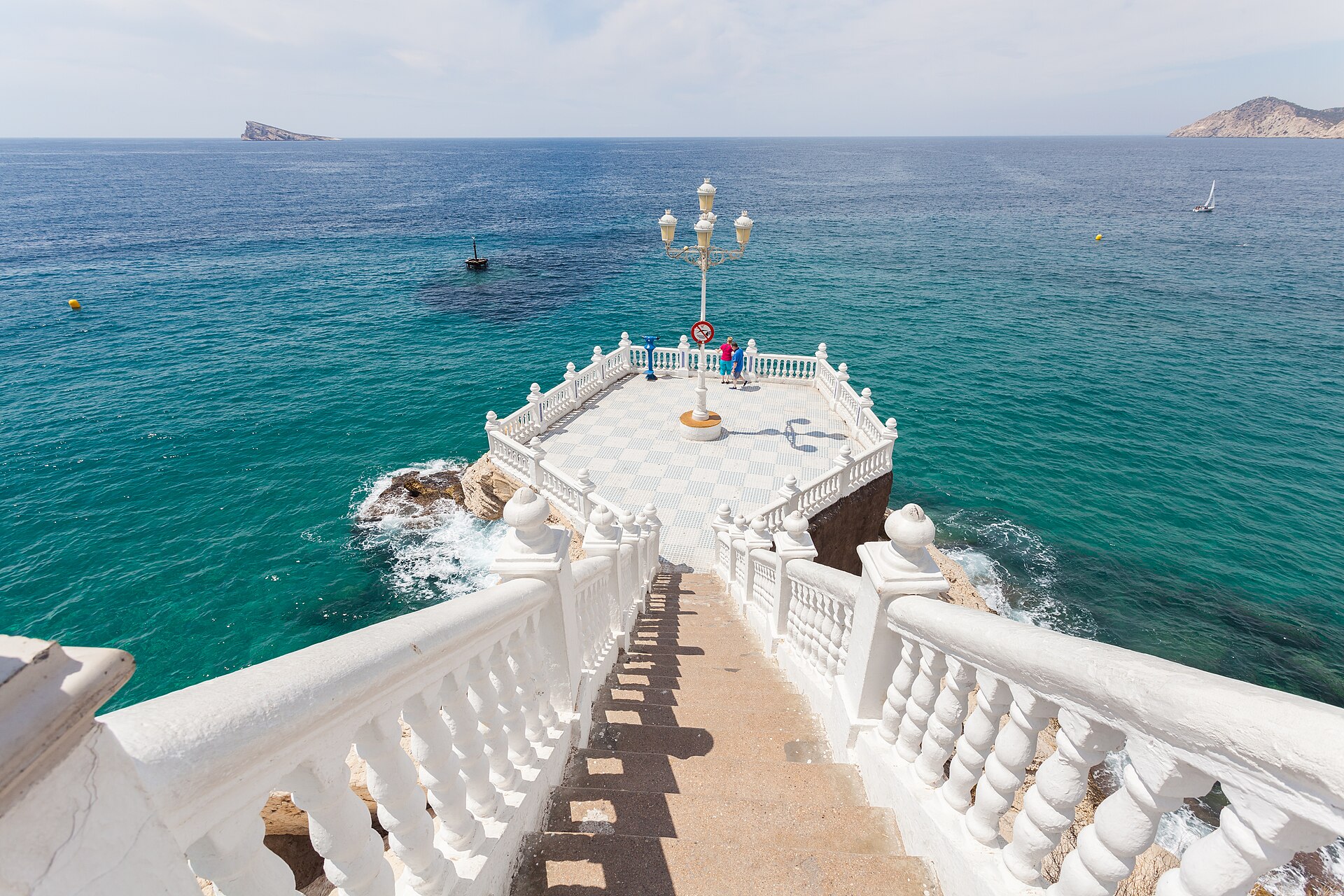
Douro Valley, Portugal: 14 Best Things to Do – Port Wine, Vineyards & River Cruises

TL;DRThe Douro Valley in northern Portugal, a UNESCO-listed wine region and the world’s oldest demarcated wine area (its boundaries were drawn all the way back in 1756), comes with 14 tips for trips built around port wine, terraced vineyards and river cruises. September and October are the sweet spot — 20–25°C and harvest season in full swing — while summer temperatures can hit the forties. Highlights include the train from São Bento station in Porto (just over two hours into the heart of the region), a short trip on a traditional rabelo boat from Pinhão (10–20 euros), a full-day cruise from Porto to Peso da Régua, and a night at a quinta (wine estate) for 150–400 euros a night. Just remember to pace that strong 20% port with plenty of water.

If you’re thinking about a trip to northern Portugal, I completely understand — and I have to say that the Douro Valley Portugal is a place that will absolutely take your breath away. ☺️ Picture steep hillsides blanketed with endless rows of grapevines, a lazy river carving its way through a deep canyon, and centuries-old wine estates where port wine slowly matures in cool cellars. This region is raw, photogenic, and incredibly authentic, so if you’re looking for the true heart of Portugal, you’ve found it.

In this article, you’ll find exactly 14 things to see and do in the Douro Valley to make the most of your visit. I’ll share advice on how to get around, where to find the most enchanting places to stay, and what to watch out for when tasting the local fortified wine. You’ll also discover why it’s best to leave your high heels at home and how to plan a smart trip from Porto — whether you opt for a scenic train ride or a romantic river cruise.

TL;DR

  • Oldest demarcated wine region: The Douro Valley is a UNESCO World Heritage Site where grapes are grown on steep slate terraces, with all work still done by hand.
  • Train from Porto: The Linha do Douro railway is ranked among the most beautiful train journeys in the world, with the best river views between Peso da Régua and Pinhão.
  • River cruises: Choose a full-day cruise from Porto passing through massive lock gates, or a shorter one-hour cruise on a traditional rabelo boat from the town of Pinhão.
  • Stay at a winery: Sleeping at a working vineyard estate — known as a quinta — is the most authentic experience the region has to offer.
  • When to visit: September is the most magical time, when the traditional grape harvest takes place and you can even try stomping grapes with your bare feet.
  • Beware of port wine: This fortified wine packs 20% alcohol and is deceptively sweet — make sure to drink plenty of water between tastings.

Douro Valley Portugal Weather: When to Visit

This is an absolutely crucial question, because the weather in northern Portugal can be quite fickle and very different from the sun-drenched south. The best time to visit is without a doubt September and October, when the entire valley transforms into stunning autumn colours and the famous grape harvest is in full swing. Temperatures during this period hover around a very pleasant 20 to 25°C, which is ideal for sightseeing and lingering on terraces overlooking the vineyards.

If you’re planning a summer visit, brace yourself — the valley acts like a giant natural furnace. In July and August, temperatures regularly push past 40°C, and because the vines grow on steep slate slopes, the sun bounces relentlessly off the stone. During these months, I’d recommend scheduling all activities for early morning and spending your afternoons by the pool with a chilled glass of white wine — otherwise the heat will drain you fast.

Spring between March and May offers beautifully green, blooming landscapes, but you’ll need to be prepared for changeable weather and frequent showers. Winter from November to February is damp, chilly, and windy, so if you visit during this period, definitely pack a good waterproof jacket and a sturdy umbrella. The green hills of northern Portugal aren’t green by accident — Atlantic weather fronts bring plenty of rainfall throughout the cooler months.

Douro Valley Portugal Hotels: Where to Stay

💡 Accommodation & experiences tip: We usually search for accommodation on Booking.com, which tends to have the best cancellation policies. For tickets, tours, and activities, it’s worth comparing options on GetYourGuide.

If you want to experience true romance and soak up the atmosphere of the region, staying at a working wine estate is an absolute must. These estates are called quintas, and many have been transformed into gorgeous boutique hotels offering complete tranquillity, luxurious pools overlooking the terraces, and evening tastings hosted by the owners themselves. Prices per night range from around €150 to €400, but trust me — the experience is worth every penny.

For a strategic base to explore the area, look for accommodation around Peso da Régua or Pinhão. The little town of Pinhão is considerably more picturesque and peaceful, sitting right in the heart of the finest vineyards with plenty of charming guesthouses within walking distance of the river. Peso da Régua, on the other hand, is slightly larger and busier, but it’s a perfect transport hub with a great selection of restaurants and more affordable hotels for those on a tighter budget.

When booking accommodation on Booking.com, always double-check whether the hotel or guesthouse has its own car park, because parking in the narrow streets of small towns can be a real headache. If you’re after a truly unique experience, have a look at Quinta da Pacheca near Régua, where guests can sleep in giant wooden wine barrels set among the vines.

14 Best Things to Do in Douro Valley Portugal

Let’s dive into the very best this fascinating region has to offer so you can plan the perfect itinerary. From iconic viewpoints and historic trains to deep wine cellars, I’ve put together a complete guide to the most beautiful places and activities you absolutely shouldn’t miss. You’ll see that it’s not all about drinking wine — it’s also about incredible history and rugged nature.

1. UNESCO Terraced Vineyards

The Douro River Valley (Alto Douro Vinhateiro) is the oldest demarcated wine region in the world, with its boundaries officially drawn as far back as 1756. The landscape is inscribed as a UNESCO World Heritage Site, and you’ll understand why at first glance — the steep hillsides tumbling down to the river are covered with thousands of meticulously maintained terraces. These terraces were built over centuries of back-breaking labour, with farmers literally smashing through hard slate to plant the first vines.

Working on these vineyards is incredibly gruelling even today and is still done almost entirely by hand. Machines simply can’t navigate these steep slopes, so during harvest season the grapes are still carried in heavy wicker baskets on workers’ backs, down steep stone steps to the roads below. It’s a tough land where the sweat and toil of local people is reflected in every drop of the phenomenal wine produced here.

💡 Local tip: The most beautiful view of the terraces’ symmetry comes early in the morning, when a light mist still lingers in the valley and the rising sun gradually illuminates each hillside one by one.

2. Full-Day River Cruise from Porto to Régua

If you love comfort and want to watch the landscape gradually shift from industrial suburbs to wild countryside, a full-day cruise from Porto is a superb choice. Tour boats depart early in the morning from the famous Ribeira waterfront, and the upstream journey to Peso da Régua takes roughly six to seven hours. During the trip, you’ll be served a traditional Portuguese lunch on board while you sit back, sip wine, and watch the riverbanks drift by.

The biggest technical thrill of the entire cruise is passing through the massive dams that tamed the Douro River in the last century. The Carrapatelo lock overcomes an incredible 35-metre height difference, making it one of the highest in Europe — and gliding through that enormous, dark concrete chamber is a truly fascinating moment. From Régua, you typically return to Porto by train or a special coach transfer, which speeds up the whole trip nicely.

3. Scenic Train Ride on the Linha do Douro

The railway line that hugs the Douro River regularly features in rankings of the world’s most beautiful train journeys — and it’s an experience you really shouldn’t miss. Trains depart from the iconic São Bento station in Porto, and the journey to the heart of the wine country takes just over two hours, passing through dozens of tunnels and across countless historic bridges. You can easily purchase tickets in advance through the official CP (Comboios de Portugal) app. Travelling from the UK, you can fly into Porto with airlines such as Ryanair, easyJet, or British Airways from London, Manchester, and other major airports.

The real visual wow factor — the most stunning stretch of the journey — comes on the section between Peso da Régua and Pinhão. The train hugs the riverbank so closely that at times it feels like you’re gliding right across the water’s surface.

💡 Local tip: When travelling from Porto, make sure to grab a seat on the right-hand side of the train (in the direction of travel) for the best uninterrupted views of the river and surrounding vineyards — the left side mostly faces the rock face.

4. Pinhão Train Station and Its Blue Azulejos

When you step off the train in the little town of Pinhão, don’t rush away from the station — because the building itself is a huge work of art. The station walls are decorated with 24 stunning panels of traditional blue-and-white azulejo tiles, installed in 1937 and created by the renowned artist J. Oliveira. Entry is completely free, and the station operates as normal, so you can admire the artwork even without a valid ticket.

The tile scenes on the walls work like a beautiful comic strip, telling the story of the entire region and the winemaking process. You’ll see historic rabelo boats sailing down the untamed river, women carrying baskets of grapes on their heads, and the traditional grape-stomping in massive stone vats. It’s a perfect showcase of Portuguese pride in their own history and craft — and something you absolutely can’t miss.

5. Short Cruise on a Traditional Rabelo Boat

If you’d rather not spend an entire day on a large tour boat from Porto, I highly recommend a shorter cruise directly from the town of Pinhão. Here you can board a traditional wooden boat called a rabelo, which was historically used to transport wine barrels down the wild rapids of the valley to the cellars in Vila Nova de Gaia. Today, these boats are fitted with quiet motors and offer an incredibly romantic view of the vineyards from river level.

A one- or two-hour cruise will cost you roughly €10 to €20, and a small port wine tasting on board is often included in the price. During the cruise, you’ll spot famous wine estates (quintas) perched on the slopes above the river and glide beneath an elegant iron bridge designed by the legendary Gustave Eiffel. It’s a far more intimate and authentic experience than a cruise on a big modern catamaran packed with tourists.

6. Visiting Quintas and Tasting Douro Valley Wine

Being in the Douro Valley and not visiting a local winery would be a cardinal sin — because this is exactly where the magic that’s famous the world over is born. I’d recommend choosing one or two smaller, family-run quintas and booking your visit in advance, as English-speaking guides get snapped up very quickly during the summer season. During the tour, you’ll learn all about the complex fortification process, where grape brandy called aguardente is added to the fermenting must to stop fermentation and keep the wine sweet.

At the tasting itself, you’ll be able to compare the differences between a young, deep red, and fruity Ruby port and an older, oxidised, nutty Tawny port that ages in small oak barrels. I do have to warn you about the treacherous nature of port wine, though — it packs 20% alcohol and its sweetness makes it dangerously easy to drink. Never go to a tasting on an empty stomach, and make sure to alternate every glass with plenty of water, unless you want the afternoon sun to completely knock you out. 😅

lukas a lucka
Lukáš and Lucie recommend
Where to stay in the Douro Valley
2 accommodations — resorts and other lodging options

7. Scenic Road N222

If you decide to explore the region by hire car, you’re in for one of the greatest driving experiences in Europe. The stretch of road N222 between Peso da Régua and Pinhão was once voted the best driving road in the world, thanks to its perfect mix of long straights and exhilarating bends. The road winds closely along the surface of the Douro River the entire way, and the views from the car window are so breathtaking you’ll want to stop and take photos every five minutes.

When hiring a car in Portugal, there’s one absolutely essential practicality you mustn’t forget. Always request an electronic toll device called Via Verde from the rental company, because most Portuguese motorways are fully electronic with no barriers or toll booths. Cameras on overhead gantries simply read the number plates of passing cars, and if you don’t have the device, you’ll face massive headaches and fines trying to pay the charges retroactively at the post office.

8. Wine Museum in Peso da Régua

The town of Peso da Régua serves as the unofficial capital of the entire wine region and makes an ideal starting point for all your excursions. The biggest draw in town is the interactive Museu do Douro, housed in a beautifully restored historic building that traces the full history of viticulture in this rugged land. You’ll discover how the slate terraces were built, how tough life was for local farmers, and how vital a role the river played before the dams were constructed.

The exhibition is very modern, the labels are in excellent English, and at the end of your visit, a small tasting in the museum café naturally awaits. Régua also boasts a lovely riverside promenade perfect for an evening stroll at sunset, and you’ll find a wide range of restaurants that are a bit cheaper than in the nearby and more touristy town of Pinhão.

9. The Gem of Lamego and the Bom Jesus Steps

Just a short drive south of the Douro River lies the elegant historic town of Lamego, which you definitely shouldn’t leave off your itinerary. The town’s main landmark is the magnificent pilgrimage site Santuário de Nossa Senhora dos Remédios, perched high on a hilltop and reached via a monumental Baroque staircase of nearly 700 steps. The staircase is richly adorned with blue azulejo tiles, statues, and fountains, creating a truly stunning optical illusion when viewed from below.

If you’d rather not climb all those steps on foot, you can drive right up to the sanctuary and then walk the staircase comfortably downhill into the town centre. Lamego is also famous for producing excellent sparkling wine called Raposeira, which makes a refreshing and delightful alternative to the heavy, sweet port — so be sure to stop at one of the local cafés for a glass.

10. Miradouro São Leonardo de Galafura Viewpoint

There are dozens of gorgeous viewpoints scattered across the valley, but this one might just be the most spectacular of them all. The São Leonardo de Galafura viewpoint sits 640 metres above sea level and offers an absolutely jaw-dropping panoramic vista of the winding Douro River flanked by endless vineyard terraces. The famous Portuguese writer Miguel Torga once described this place as a vast geological poem — and standing here gazing into the valley, you’ll understand exactly what he meant.

The drive to the viewpoint is a bit narrow and winding, but the reward is a peaceful spot that most coach tours thankfully never reach. At the top, you’ll find a small chapel and pleasant picnic tables tucked in the shade of trees, so I’d suggest picking up some fresh bread, cheese, and olives from a bakery and treating yourself to the most romantic lunch with a view.

11. Grape Harvest and Grape Stomping in September

If you manage to time your trip to Portugal for September, you’re in for a truly once-in-a-lifetime cultural experience. During the September grape harvest (vindimas), the entire valley buzzes with incredible energy — the air is thick with the scent of fermenting must, and you’ll see dozens of pickers with wicker baskets on the steep slopes. Many local wineries offer special tourist programmes during this period, and you can actively get involved.

The biggest highlight is, of course, the traditional grape stomping, which some of the finest estates still do the old-fashioned way. Visitors can wash their feet and, accompanied by traditional songs, stomp grapes in large granite vats called lagares. It’s enormous fun — you’ll definitely end up covered in purple juice — but you’ll walk away with a memory that will last a lifetime.

12. The Traditional Village of Provesende

To escape the tourist bustle along the river, I recommend heading high into the hills to visit the charming historic village of Provesende. Time seems to have stood still here, and you can wander through narrow cobbled lanes lined with old noble houses that date back to the golden era of the port wine trade. In the middle of the village square sits an old fountain and a historic pillory, where local grandfathers sit watching the rare visitors who pass through.

In the village, you’ll stumble upon a tiny traditional bakery wafting with the scent of freshly baked bread, and a handful of modest little cafés where you can grab a strong espresso for barely €1. It’s an ideal spot for a quick afternoon stop if you’re driving through the vineyards from Pinhão northward towards Vila Real — and you’ll get the feeling you’ve discovered the real, unvarnished Portugal.

13. A Stop in Historic Amarante

Although Amarante doesn’t sit directly on the Douro River but on its tributary the Tâmega, it’s an absolutely perfect stop on the drive from Porto into the wine country. The town is dominated by the stunning stone bridge of São Gonçalo and the monastery of the same name, whose imposing Renaissance façade is reflected in the calm waters of the river. The town has a wonderfully relaxed and romantic atmosphere, a beautiful historic centre, and plenty of greenery lining the riverbanks.

Amarante is famous across Portugal for its distinctive sweets sold in local cake shops — which have, shall we say, rather unconventional phallic shapes linked to Saint Gonçalo, the patron saint of matchmakers and fertility. Do stop here for an excellent coffee and try some of the traditional egg-yolk pastries, which will give you a great energy boost before the rest of your drive into the hills.

14. Portuguese Gastronomy in the Valley

Travelling through northern Portugal is a spectacular culinary adventure — even if you don’t eat meat. The foundation of every good meal at a local tavern (tasca) is crusty fresh bread, excellent local cheeses, olives, and thick vegetable soups like the famous caldo verde made from kale and potatoes (just ask the waiter to leave out the chouriço sausage). Other great options include various omelettes, rice dishes, and traditional sweet desserts loaded with egg yolks and almonds.

The local non-vegetarian specialities are hearty and rustic — think the famous salt cod dish bacalhau or the heavy meat stew cozido à portuguesa, often washed down with a full-bodied red wine straight from the region. Watch out for the custom known as couvert — when you sit down and the waiter automatically brings bread, cheese, and olives, it’s not a complimentary gift. If you eat the starters, you’ll typically be charged €2 to €5, but if you’re not interested, just politely decline and the staff will take them away. 😉

Where to Go Next from the Douro Valley

If you have more time in Portugal, it would be a real shame to stay only in the north — this country offers an incredible array of contrasts. While you’re in the region, a thorough exploration of the city of Porto is an absolute must, with its steep alleyways and melancholic atmosphere.

From there, I’d recommend catching a high-speed train south to experience sun-drenched Lisbon, from where it’s just a short hop to the fairy-tale town of Sintra filled with palaces, or the laid-back seaside resort of Cascais. If you’re craving wild ocean waves — some of the biggest on the planet — make a stop at the surf mecca of Nazaré along the way.

And if it’s warm sand, white cliffs, and swimming you’re after, head straight to the Algarve region in the far south. You can set up base in the lively town of Lagos or explore the wild beaches around Sagres. Also well worth a visit are the romantic town of Carvoeiro, historic Silves with its stunning castle, or the peaceful Tavira near the Spanish border. You can also pop into the local markets — check out things to do in Loulé — and fly home from Faro airport, near which you’ll also find the charming fishing town of Olhão.

Frequently Asked Questions

How do I get from Porto to the Douro Valley?

The most comfortable and scenic option is by train, which departs from São Bento station in Porto and takes about two hours to reach the town of Peso da Régua. You can also rent a car and take the A4 motorway followed by the scenic N222 road, or book an organized full-day river cruise directly from the Ribeira waterfront.

When is the best time to visit the vineyards?

The absolute best time to visit is September, when the traditional grape harvest takes place in the valley, temperatures are very pleasant, and the landscape is painted in beautiful autumn colors. Spring is also lovely and green, but you’ll need to expect frequent rain showers, while July and August bring extreme heat exceeding 40 degrees Celsius (104°F).

What’s the difference between Ruby and Tawny Port?

Ruby Port ages in large barrels or stainless steel tanks without contact with air, has a deep red color, and tastes very fruity and sweet. Tawny, on the other hand, ages in smaller oak barrels where it gradually oxidizes, developing a lighter russet to brown color and complex notes of nuts and caramel.

Can I visit wineries without a prior reservation?

During peak summer season and the autumn harvest, I definitely wouldn’t recommend it, as English-language tour slots at the best estates are often sold out weeks in advance. If you’re traveling in winter, you might get lucky with a walk-in, but it’s always better to secure your spot at least a few days ahead online.

What exactly does the word Quinta mean?

Quinta is a traditional Portuguese word for a farm or estate, and in the Douro Valley this term is used exclusively for wineries where grapes are grown and wine is produced. Many of these historic buildings now function not only as production facilities but also as luxury hotels and tasting centers for tourists.

Do I need a special toll device for the motorways?

Yes, if you’re renting a car, definitely request an electronic transponder called Via Verde from the rental company. Most Portuguese motorways don’t have traditional staffed toll booths but use electronic gantries that read license plates, and without the device you’d have to go through the hassle of paying outstanding charges at post office branches.

Is the Douro Valley suitable for traveling with young children?

Traveling with kids is possible here, but you need to consider that the region is very hilly, strollers are practically unusable on steep vineyards and cobblestone streets, and summer brings extreme heat. The main activity in the area is also wine tasting, so younger children may find the itinerary somewhat tedious and boring after a while.

Tips and Tricks for Your Vacation

Don’t Overpay for Flights

Search for flights on Kayak. It’s our favorite search engine because it scans the websites of all airlines and always finds the cheapest connection.

Book Your Accommodation Smartly

The best experiences we’ve had when looking for accommodation (from Alaska to Morocco) are with Booking.com, where hotels, apartments, and entire houses are usually the cheapest and most widely available.

Don’t Forget Travel Insurance

Good travel insurance will protect you against illness, accidents, theft, or flight cancellations. We’ve had a few hospital visits abroad, so we know how important it is to have proper insurance arranged.

Where we insure ourselves: SafetyWing (best for everyone) and TrueTraveller (for extra-long trips).

Why don’t we recommend any Czech insurance company? Because they have too many restrictions. They set limits on the number of days abroad, travel insurance via a credit card often requires you to pay medical expenses only with that card, and they frequently limit the number of returns to the Czech Republic.

Find the Best Experiences

Get Your Guide is a huge online marketplace where you can book guided walks, trips, skip-the-line tickets, tours, and much more. We always find some extra fun there!
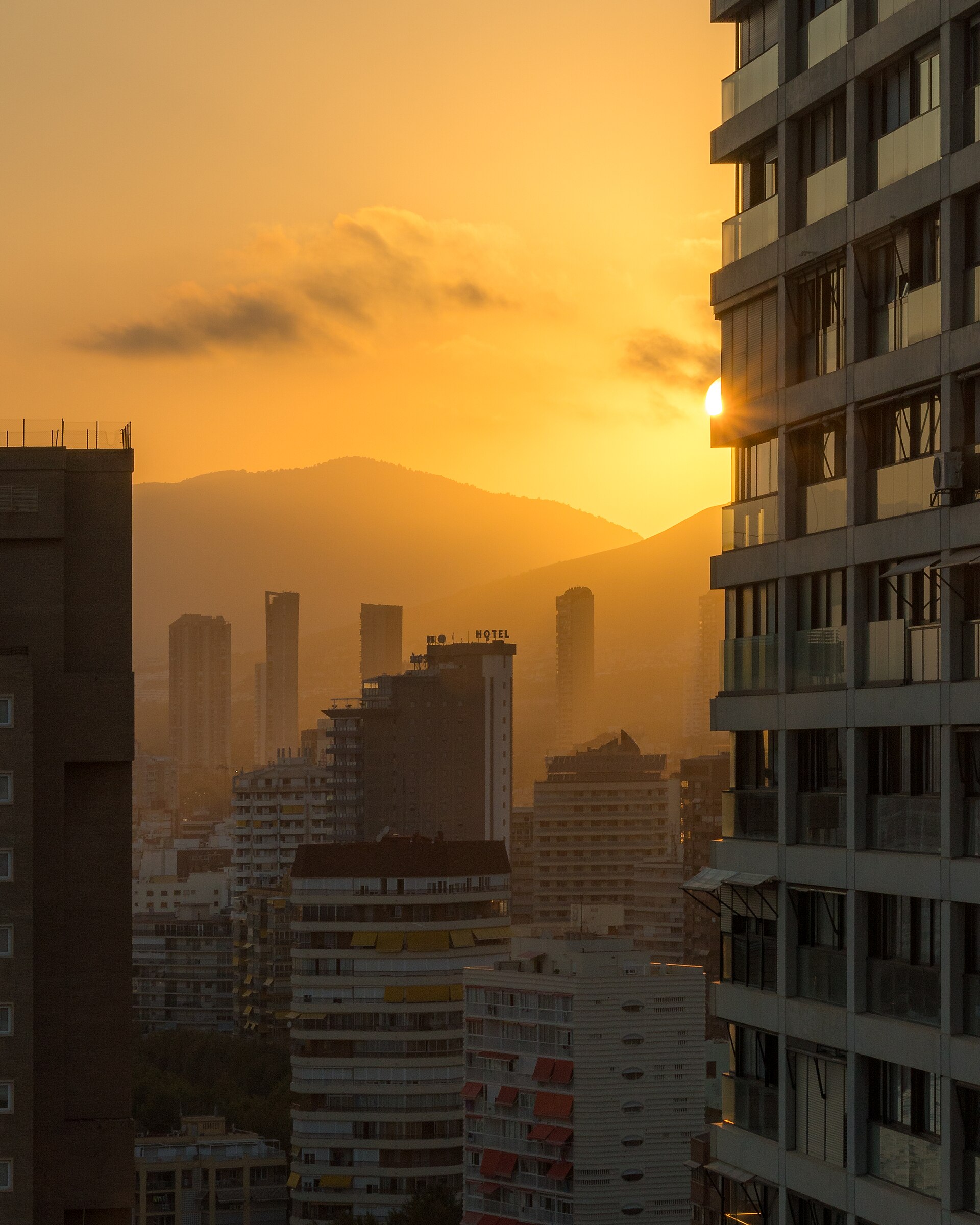
Peneda-Gerês, Portugal: 12 Best Things to See and Do

TL;DRPeneda-Gerês is Portugal’s only official national park, tucked up against the Spanish border in the north, and this guide has 12 solid ideas for what to see and do there. Highlights include the Cascata do Arado and Cascata do Tahiti waterfalls, the granite villages of Soajo and Lindoso with their stone espigueiros grain stores, the Pedra Bela viewpoint, a 13th-century castle at Lindoso, a stretch of the old Roman road Geira, and the spa town of Caldas do Gerês, where the springs run at around 43 degrees. April to June or September and October, with temperatures of 15 to 20 degrees, are best for hiking, while summer is better for swimming — though valley temperatures can climb to 35 degrees. You’ll need your own car to explore the park, and it’s worth setting aside at least two to three days.

When people think of Portugal, sun-drenched southern beaches and Lisbon’s iconic yellow trams usually spring to mind first. But if you’re after truly wild, untamed nature, you need to head to the far north, right up to the Spanish border. That’s where you’ll find Peneda-Gerês Portugal‘s only official national park — and it’s a revelation. Deep valleys, granite cliffs, crystal-clear rivers, and traditional stone villages where time seems to have stood still are all waiting for you here.

In this guide, we’ve put together 12 top things to see and do in the park that you really shouldn’t miss. We’ll take you to the most stunning waterfalls, walk an ancient Roman road, and tell you where you stand the best chance of spotting wild horses. You’ll also find out which areas make the best base for accommodation and what to watch out for when driving the narrow mountain roads. Northern Portugal is rougher around the edges than the rest of the country, but that’s exactly what makes the experience so authentic.

TL;DR

  • Portugal’s only national park: Peneda-Gerês lies in the north of Portugal near the Spanish border and offers dramatic mountains, waterfalls, and deep forests.
  • Best time to visit: Spring and autumn are ideal for hiking, while summer is perfect for swimming in mountain pools.
  • Getting around: A hire car is absolutely essential for exploring the park — be prepared for very narrow, winding roads.
  • Historic villages: Don’t miss the stone villages of Soajo and Lindoso, famous for their unique raised granite granaries.
  • Wild swimming: Waterfalls like Cascata do Arado and Cascata do Tahiti offer refreshing dips, but the water is freezing even in summer.
  • Wildlife: With a bit of luck and patience, you can spot semi-wild Garrano horses and majestic birds of prey on the open plains.
  • Spa relaxation: After demanding hikes, unwind in the historic spa town of Caldas do Gerês with its healing thermal springs.

When to Visit Peneda-Gerês

Planning a trip to northern Portugal requires a bit of strategic thinking about the weather. This region is much wetter and cooler than the rest of the country — which is precisely why it boasts such incredibly lush greenery. The winter months from November to February bring heavy rainfall, and higher elevations can even see snow, making many hiking trails difficult or dangerous to tackle.

If hiking and sightseeing are your main goals, the spring months (April to June) or early autumn (September and October) are your best bet. In spring, the snowmelt feeds the waterfalls with tremendous power, while autumn paints the oak forests in gorgeous shades of gold and red. Temperatures hover around a pleasant 15–20°C during these months — absolutely perfect for tackling steep climbs.

Summer from July to August is peak tourist season, with mostly Portuguese visitors flocking here. Valley temperatures can soar up to 35°C, which makes strenuous treks rather exhausting. On the flip side, it’s the only time of year when even those who aren’t particularly hardy will brave the mountain pools and lakes. Just be prepared for busy car parks and crowds at the most popular waterfalls.

Where to Stay in Peneda-Gerês

💡 Accommodation & activities tip: We usually search for places to stay on Booking.com, which tends to offer the most flexible cancellation policies. For tickets, tours, and activities, it’s worth comparing options on GetYourGuide.

The national park is huge, and driving between different sections on narrow roads eats up a lot of time. Choosing a strategic base depending on your plans is therefore key. Most visitors opt for accommodation in the southern part of the park, which is the most accessible and has the widest range of services, restaurants, and well-marked hiking trails.

The most popular hub is the spa town of Caldas do Gerês, where you’ll find every amenity from supermarkets to pharmacies. If you’re after stylish accommodation with a touch of luxury, the historic Adelaide Hotel right in the centre is an excellent choice, or for something more contemporary, try Selina Gerês with its stunning river views. Book rooms in this area well in advance on Booking, as summer months and weekends sell out completely.

If you crave absolute peace and authentic atmosphere, consider staying in the northern part of the park around the village of Soajo. Here you can rent traditional stone cottages converted into cosy guesthouses that offer a wonderful taste of rural Portugal. Casas do Cavaleiro Eira comes highly recommended — you’ll sleep in beautifully restored historic buildings with all the modern comforts inside.

12 Best Things to See and Do in Peneda-Gerês

The national park offers a huge range of activities, from gentle strolls to demanding full-day treks. Pack sturdy footwear, plenty of water, and set off to discover the most fascinating spots this wild landscape has to offer.

1. Cascata do Arado Waterfall and Natural Pools

This waterfall is one of the most famous and most photographed spots in the entire park. Water tumbles down a series of granite cascades into a crystal-clear turquoise pool that practically begs you to jump in during the summer months. You can reach it via a paved forest track from the Pedra Bela viewpoint, though the last kilometre requires walking along a rocky footpath.

You can admire the waterfall from a secure viewing platform reached by stone steps. If you’re feeling more adventurous, many visitors carefully clamber down the rocks to reach the pools below, but the rocks are extremely slippery and you need to exercise real caution. It gets quite busy in summer, so getting here early in the morning is well worth the effort.

💡 Top tip: Don’t limit yourself to the main waterfall. If you follow unofficial paths upstream along the river, you’ll discover smaller cascades and hidden pools where you can enjoy far more privacy, even on the busiest summer days.

2. Unforgettable Views from Miradouro da Pedra Bela

If you could only choose one viewpoint in the entire national park, it has to be Pedra Bela. Perched at an altitude of over 800 metres, it offers an absolutely spectacular panorama over the deep valley of the River Cávado and the vast Caniçada reservoir. It’s one of those places where you truly grasp the sheer scale and majesty of the landscape.

The viewpoint is incredibly easy to reach, as you can drive practically right up to it — there’s a small car park and a few stone benches on site. The spot is framed by enormous granite boulders and tall pine trees that provide welcome shade for an afternoon rest. It also serves as a popular starting point for further hikes into the higher reaches of the mountains.

The most magical atmosphere here comes at sunset, when the surrounding hills glow in deep oranges and purples. Early mornings can be equally breathtaking, with the valley below often filled with a thick blanket of white mist, from which only the highest hilltops emerge like tiny islands in a sea of cloud.

3. The Stone Village of Soajo and Its Iconic Granaries

Tucked away in the northwestern corner of the park lies the traditional village of Soajo, famous for its architecture and, above all, its unique raised granite granaries known as espigueiros. These structures, resembling small stone chapels perched on tall pillars, were designed to protect stored maize and grain from ground moisture and hungry rodents. In Soajo, you’ll find twenty-four of them gathered in one spot, with the oldest dating back to the 18th century.

The village itself is a maze of narrow cobblestone lanes where you’ll still see elderly residents in traditional dark clothing and free-roaming sheepdogs. On the village square stands a curious stone pillory (pelourinho) carved with a smiling face, a reminder of this community’s historic independence. I’d recommend parking on the edge of the village, as navigating the narrow streets in a hire car is an unnecessary risk.

💡 Top tip: If hunger strikes, pop into one of the small local restaurants. While the region is known primarily for its hearty meat dishes, you’ll always find excellent caldo verde soup (a traditional Portuguese kale broth), local cheeses, and fresh, crusty cornbread called broa, baked in traditional wood-fired ovens.

4. Lindoso Castle and the Largest Collection of Granaries

Close to the Spanish border lies another fascinating village, Lindoso, which forms a kind of sister pairing with Soajo. Here you’ll find an even greater concentration of espigueiros — more than sixty of them crowded together on the open ground below the castle. The sight of dozens of stone crosses adorning the granary rooftops takes on an almost mystical, slightly eerie quality in the morning mist.

The village’s main landmark, however, is its 13th-century medieval castle, which played a crucial role in defending the Portuguese border against Spanish incursions. The castle grounds have been carefully restored, and you can walk along the ramparts for wonderful views over the entire village and the surrounding green hills. Admission is just a small fee of around 2 €.

Wandering among the granaries is completely free and open to the public at any time of day. Take a close look at the exquisite stonework of the slits in the granary walls — they’re engineered to allow fresh air to circulate inside while keeping rainwater out during fierce winter storms.

5. Walking in the Footsteps of Legionaries on the Geira Roman Road

The national park isn’t just about nature — it’s steeped in deep history too. Running through it is a significant stretch of the ancient Geira Roman road, which once connected the important cities of Bracara Augusta (modern-day Braga) and Asturica Augusta (modern-day Astorga in Spain). Kilometres of the original paving survive in the park, the very stones once trodden by Roman legions and trade caravans.

The real highlight of this route is the remarkable number of original milestones, known as miliários. These hefty stone columns, inscribed with Latin text, served not only as distance markers but also as tributes to the emperors who had the road repaired. In the area called Mata de Albergaria, you can see an impressive cluster of these imposing historical columns gathered in one place.

The hiking trail along the Roman road is relatively easy-going, since the Romans built their roads with very gentle gradients. You can set out on a several-hour walk through shady forest that transports you two thousand years back in time. The route is well-signposted and makes a perfect alternative to strenuous mountain climbs, especially on scorching summer days.

lukas a lucka
Lukáš and Lucie recommend
Where to stay in Peneda-Gerês
4 accommodations — hotels and other lodging options

6. Encountering the Wild Garrano Horses

One of the most magical experiences in the park is watching the free-roaming wildlife, and the undisputed stars are the semi-wild Garrano horses. This ancient, incredibly hardy breed has inhabited these rugged mountains for millennia. They’re characterised by their smaller stature, dark brown coats, and remarkable agility on rocky terrain. Seeing a herd of these horses grazing freely on mountain meadows is a truly unforgettable moment.

The horses roam the park at will, so there’s no guaranteed spot where you’ll definitely see them. However, your chances are very good on the open plains around the village of Castro Laboreiro or while driving the mountain roads towards Portela do Homem. You’ll often spot them right by the roadside, happily munching grass along the verge.

💡 Top tip: Although the horses look gentle and often aren’t afraid to approach people, remember that these are semi-wild animals that can react unpredictably. Don’t feed them, don’t try to stroke them, and keep a respectful distance — particularly if there are foals in the herd, as mares can be fiercely protective.

7. Steaming Springs at Caldas do Gerês Spa

Deep in the forest, the elegant little town of Caldas do Gerês appears seemingly out of nowhere, like something from another era. This historic spa centre grew up around mineral-rich thermal springs that were known and used as far back as Roman times. The town’s focal point is a long colonnade and a grand spa building set within a park — a perfect spot to recover after gruelling hikes.

The springs reach a temperature of around 43°C and are renowned for their healing properties, particularly for the digestive system and metabolic conditions. For a small fee, you can enter the main spa hall and taste the therapeutic water from traditional taps. Fair warning though — the warm mineral water has a very distinctive flavour that certainly isn’t to everyone’s taste.

The town also serves as the main tourist hub for the entire park. You’ll find the biggest concentration of restaurants, cafés, and souvenir shops here. It’s the ideal place to stock up on supplies before heading deeper into the park, withdraw cash from an ATM, or simply sit down for a great coffee with a traditional Portuguese custard tart — the famous pastel de nata.

8. The Dam and Sunken Village of Vilarinho das Furnas

The story of this vast reservoir is both fascinating and a little heartbreaking. In 1971, the construction of a dam led to the complete flooding of the ancient village of Vilarinho das Furnas. Its inhabitants were forced to abandon homes that had stood for centuries. Today, the site draws visitors who come to admire the expansive water surface enclosed between steep, forested slopes.

The most remarkable thing happens during periods of severe drought, typically at the end of a hot summer or the beginning of autumn. When the water level drops significantly, the ruins of the drowned village begin to emerge from the depths. You can see remnants of stone walls, old pathways, and building foundations — a ghostly apparition that feels like a lost city rising from the deep.

The area around the reservoir offers comfortable hiking trails with minimal elevation change, making them ideal for families with children or days when you fancy a break from steep ascents. The lakeside path is partly shaded by trees and offers plenty of gorgeous spots for a picnic on the grass.

9. Cascata do Tahiti (Fecha de Barjas) Cascades

This waterfall with its somewhat exotic nickname is one of the most beautiful — yet also most dangerous — spots in the national park. Its official name is Fecha de Barjas, but nobody around here calls it anything other than Tahiti. Water crashes wildly over a series of granite ledges and enormous boulders, carving out deep, crystal-clear natural pools between them.

Reaching the waterfall requires decent fitness and extreme caution. From a small car park by the road, a steep, dusty trail leads down to the river, with some sections where you’ll need to hold onto wooden railings and tree roots. Under no circumstances come here in flip-flops — sturdy trainers or hiking boots are an absolute must.

Despite the challenging terrain, it’s a hugely popular swimming spot in summer, as the lower pools are deep enough for a fantastic plunge. The water is ice-cold, though, and the submerged rocks can be treacherously slippery. Organised day trips from Porto often include a stop here, and you can easily book these tours in advance through platforms like GetYourGuide.

10. The Monumental Santuário de Nossa Senhora da Peneda

In the northernmost tip of the park, nestled in a deep valley beneath a towering rock face, lies the pilgrimage site of Nossa Senhora da Peneda. This stunning sanctuary immediately impresses with its monumental Baroque staircase, flanked by small chapels depicting the Stations of the Cross. The whole complex is strikingly reminiscent of the more famous Bom Jesus shrine in Braga, but its isolated mountain setting gives it a far more mysterious atmosphere.

The history of this site reaches back to the 13th century, when the Virgin Mary is said to have appeared here. The church’s current form dates mainly from the 18th and 19th centuries. If you climb all the way to the top of the staircase, your reward is not only a richly decorated interior but, above all, a breathtaking view back down the green valley to the tiny village below.

The liveliest time here is during the first week of September, when a huge pilgrimage (romaria) takes place. Thousands of pilgrims from across Portugal and neighbouring Spain descend on this remote valley, transforming the tranquil spot into a massive festival of music, lights, and traditional celebrations.

11. The Protected Old-Growth Forest of Mata de Albergaria

This deep oak forest is the most biologically valuable and most strictly protected part of the entire national park. It’s a rare remnant of Europe’s original ancient woodlands, where trees are draped in thick layers of moss and lichen, giving the whole place a fairy-tale, slightly enchanted feel. This is also where you’ll find the best-preserved section of the Geira Roman road mentioned earlier.

Conservation is taken very seriously here, with strict rules in place. In summer, driving through the forest incurs a toll of around 2 €, and stopping is absolutely forbidden. You can’t park anywhere within the forest — if you want to explore on foot, you’ll need to leave your car at designated parking areas at the edge of this strictly protected zone.

A walk through this forest is pure therapy for the soul. Thanks to the dense canopy, it stays pleasantly cool even during the fiercest summer heat. The air smells of damp wood, and the only sounds are birdsong and the murmur of the nearby River Homem. It’s the perfect place for quiet contemplation and a complete escape from civilisation.

12. Relaxation and Water Sports on the Caniçada Reservoir

If you need a breather after all those mountain hikes and village explorations, the Caniçada reservoir on the park’s southern edge is the perfect spot. This vast body of water forms a natural boundary of the protected area, and its shores feature several maintained river beaches where you can spend a lazy afternoon with a good book.

Unlike the mountain waterfalls, the reservoir water is pleasantly warm and calm in summer, making it ideal for swimming and great for families with younger children. You’ll also find equipment rental shops where you can grab a paddleboard, canoe, or pedal boat and set off to explore hidden coves and wooded shores from an entirely different perspective.

💡 Top tip: For a romantic end to the day, book an evening sightseeing cruise on a small tour boat. As the sun begins to set behind the surrounding hills and the reservoir’s surface turns to gold, you’ll understand why this region is considered one of the most beautiful corners of the entire Iberian Peninsula.

Where to Go Next from Peneda-Gerês

Northern Portugal is packed with fascinating places that would be a shame to miss during your trip. From the national park, there are several logical directions you can head in next.

  • If you’re craving the buzz of a big city, head to Porto — roughly an hour and a half’s drive away. Check out our tips on what to see in Porto, where you’ll learn all about the iconic Luís I Bridge and port wine tastings.
  • Right on the park’s doorstep lies historic Braga, often called the Portuguese Rome. Have a look at our Braga Portugal guide to discover more about the stunning Bom Jesus staircase.
  • If more hills and fantastic wine are calling, head east. Not far from here begins the famous Douro Valley, where vines grow on terraced slopes plunging straight down to the river.
  • Fancy a dose of university atmosphere and central Portuguese history? Then plan a stop in Coimbra, home to one of the oldest universities in Europe.

Frequently Asked Questions

Do I need a rental car to visit the park?

Yes, having your own car is absolutely essential here. Public transportation to the national park is very limited and will only get you as far as the spa town of Caldas do Gerês. There are no buses running between the various viewpoints, waterfalls, and villages, so without a car you’d only see a tiny fraction of what the park has to offer.

What are the roads like inside the national park?

Be prepared for mountain roads that are often very narrow, full of sharp turns, and steep climbs. The asphalt quality is usually good, but in some villages you’ll encounter old slippery cobblestones. You need to drive with extreme caution because around any bend you might encounter cows, wild horses, or an oncoming camper van.

Is there an entrance fee for Peneda-Gerês National Park?

No, entry to the national park is completely free. The only exception is driving through the strictly protected Mata de Albergaria forest during the summer months, where a small ecological fee per car (around €2) is collected at the entrance barrier. All hiking trails and waterfall access points are also free.

How many days should I set aside to explore the park?

To keep your visit from becoming one big stress-fest behind the wheel, I recommend setting aside at least two to three full days for the park. In one day you can only cover part of the southern loop around Caldas do Gerês and see one or two waterfalls. To explore the more remote northern villages like Soajo, you’ll need an extra day.

Is the water in the waterfalls safe for swimming?

Swimming in the natural pools below the waterfalls is allowed, but you do so at your own risk. Even in the heat of summer, the water is extremely cold, which can cause temperature shock. The very slippery rocks on the banks and underwater are also dangerous, so never try to jump into the water from any height.

Are there dangerous wild animals in the park?

Iberian wolves and wolverines live in the more remote parts of the mountains, but the chances of encountering them are extremely slim. These animals are incredibly shy and avoid people from a distance. However, you will commonly encounter semi-wild horses and herds of cattle with long horns, which you should treat with respect and avoid startling unnecessarily.

What should I pack for hikes in the park?

The weather in the mountains can change very quickly. Even if it’s hot in the valley, always pack a lightweight waterproof jacket and plenty of water in your backpack, as springs along the trails can dry up in summer. Quality hiking boots with solid soles are absolutely essential, because the granite rocks and slopes down to the waterfalls are incredibly slippery.

Tips and Tricks for Your Vacation

Don’t Overpay for Flights

Search for flights on Kayak. It’s our favorite search engine because it scans the websites of all airlines and always finds the cheapest connection.

Book Your Accommodation Smartly

The best experiences we’ve had when looking for accommodation (from Alaska to Morocco) are with Booking.com, where hotels, apartments, and entire houses are usually the cheapest and most widely available.

Don’t Forget Travel Insurance

Good travel insurance will protect you against illness, accidents, theft, or flight cancellations. We’ve had a few hospital visits abroad, so we know how important it is to have proper insurance arranged.

Where we insure ourselves: SafetyWing (best for everyone) and TrueTraveller (for extra-long trips).

Why don’t we recommend any Czech insurance company? Because they have too many restrictions. They set limits on the number of days abroad, travel insurance via a credit card often requires you to pay medical expenses only with that card, and they frequently limit the number of returns to the Czech Republic.

Find the Best Experiences

Get Your Guide is a huge online marketplace where you can book guided walks, trips, skip-the-line tickets, tours, and much more. We always find some extra fun there!
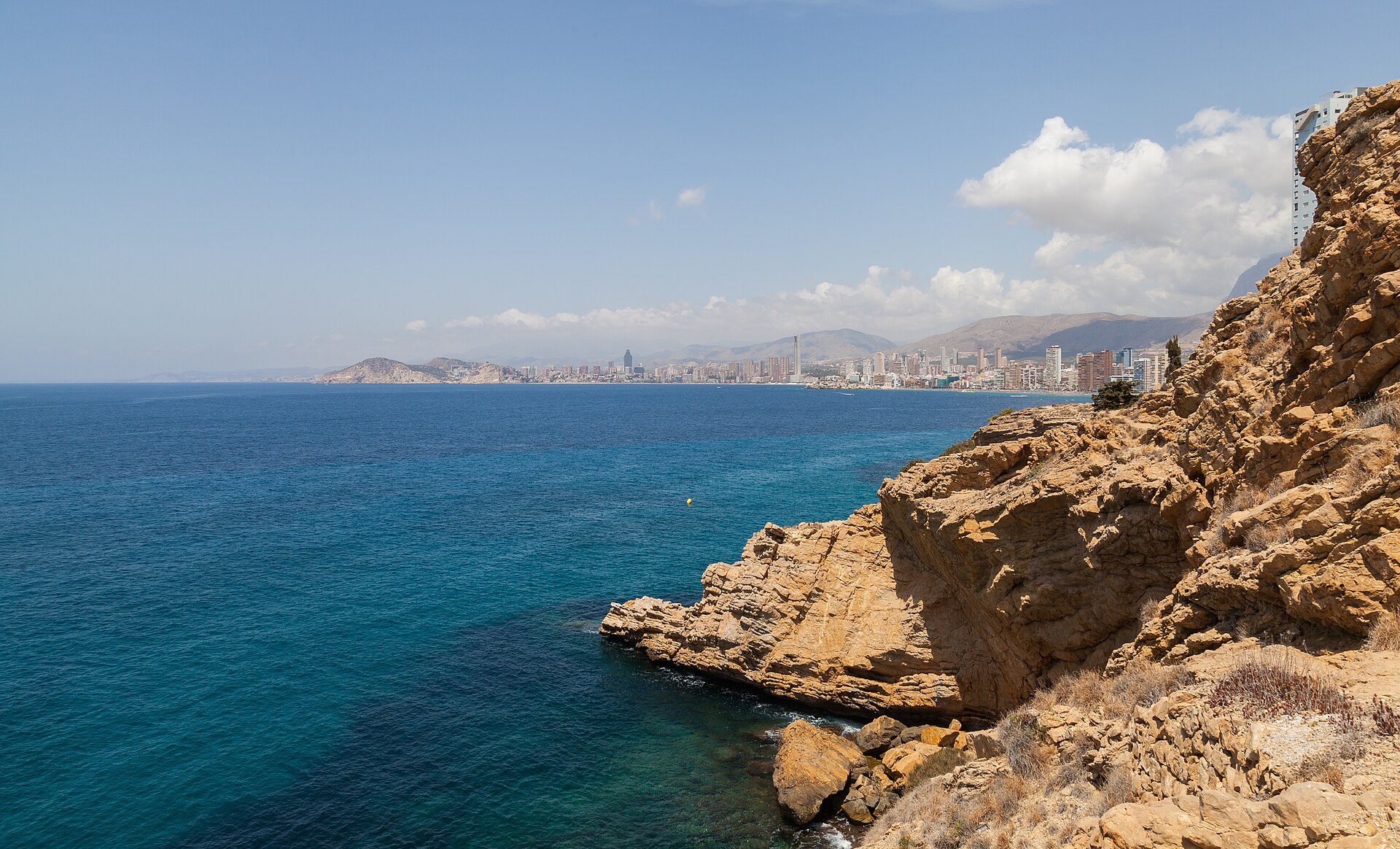
Figueres Spain and the Dalí Museum: A Surreal Day Trip from Costa Brava

TL;DRFigueres, birthplace of Salvador Dalí, is about 55 minutes from Barcelona on the high-speed train. Its centrepiece is the Teatre-Museu Dalí, the world’s largest surrealist creation — set aside two to three hours to do it justice. Beyond the museum, it’s worth seeing the vast Castell de Sant Ferran fortress with its three-kilometre walls, the Gothic church of Sant Pere where Dalí was baptised and later buried, and the Toy Museum of Catalonia. For the full experience, follow the Dalí Triangle — his house at Portlligat, the whitewashed town of Cadaqués, and Púbol Castle, which he dedicated to his muse Gala. The best time to visit is late May to June or September and October, when temperatures sit around 25 degrees. Book museum tickets (from €23) online well ahead of time.

Catalonia doesn’t end at the borders of bustling Barcelona, and it’s certainly not all about endless sandy beaches lined with sunshades. Once you venture a bit further north towards the French border, you’ll discover a fascinating region full of unexpected contrasts, where medieval history collides with absolute artistic madness. It’s right here, in the unassuming town of Figueres Spain and along the wild Costa Brava coastline, that the surrealist world of genius Salvador Dalí was born — a world that continues to astonish visitors from across the globe.

Imagine a building whose roof is studded with giant eggs, a façade adorned with hundreds of bread loaves, and inside, a labyrinth of optical illusions, dreams, and provocative installations waiting to be explored. A trip to Figueres and its surroundings is the perfect escape from reality, whether you’re spending your holiday by the sea or looking for an ideal day trip from Barcelona. If you’re drawn to places that completely defy the ordinary travel guidebook, you’re absolutely going to fall in love with this corner of Spain.

TL;DR

  • The world’s largest surrealist object: The Teatre-Museu Dalí in Figueres was designed by the artist himself and is a truly unique experience — even if you normally never set foot in galleries.
  • Book tickets well in advance: Especially during summer, the museum regularly sells out days ahead.
  • The Dalí Triangle: For the complete experience, also visit the artist’s house in Portlligat bay and Púbol Castle, which he dedicated to his muse Gala.
  • Not just art: Figueres is also home to Castell de Sant Ferran, one of the largest military fortresses in all of Europe.
  • Watch out for summer heat: Catalonia has been hit by extreme droughts and temperatures in recent years — spring or autumn are the ideal times to visit.
  • Easy to reach: You can get to Figueres from Barcelona comfortably by high-speed train in under an hour.

Best Time to Visit Figueres Spain and Costa Brava

Northern Catalonia enjoys a fairly pleasant Mediterranean climate, but in recent years the rules of the game have shifted a bit. If you’re planning a visit purely for the sights and museums, the best time is late May through June, or September and October. During these months you’ll dodge the biggest tourist crowds, temperatures hover around a comfortable 25°C, and getting around is far more bearable.

Summer on the Costa Brava coastline certainly has its undeniable charm, but it comes with certain risks. In recent seasons, the region has been grappling with extreme heatwaves and historic drought, which in practice means strict water restrictions may be in place. You might encounter limits on beach showers or bans on filling swimming pools, so it’s worth keeping that in mind when planning a summer holiday. On top of that, in August the entire coast is packed with locals and French visitors who love popping over the border.

Winter in this area is very quiet and peaceful, which definitely has its appeal if you’re after total solitude. However, bear in mind that many smaller businesses and coastal hotels close for the winter, and some museums, including the house in Portlligat, have very limited opening hours or close for maintenance. Figueres itself operates year-round though, so you can enjoy the museum even in January — practically queue-free.

Hotels in Figueres Spain and Where to Stay

💡 Accommodation & experience tip: We love searching for accommodation on Booking.com, which usually offers the best cancellation policies. For tickets, tours, and activities, it’s worth comparing and booking through GetYourGuide.

When planning your accommodation, it all depends on whether you want Figueres as your main base or prefer the romance of the seaside. Right in Figueres you’ll find mostly city-style lodging, which is ideal for a quick one- or two-night stay if you’re travelling by train. A brilliant choice is the traditional Hotel Duran, which has been running for decades and where Salvador Dalí himself used to dine at the restaurant. If you prefer a more modern style, check out the Sercotel Hotel President, offering great value for money near the historic centre.

If you have a rental car and crave the true atmosphere of the wild coastline, consider staying in nearby Cadaqués. This whitewashed fishing village is absolutely enchanting and offers stunning views over the bays. The Boutique Hotel Villa Gala promises an unforgettable stay with its peaceful setting, designer rooms, and a pool overlooking the sea. It always pays to book through Booking.com, where you can easily compare current prices and often find flexible cancellation options.

Many travellers also choose historic Girona as their base, located roughly halfway between Barcelona and Figueres. Girona boasts an incredibly captivating medieval centre, a fantastic food scene, and a much wider selection of accommodation. The train to Figueres from here takes just under half an hour, making it an absolutely strategic spot for exploring the whole of northern Catalonia.

12 Best Things to Do in Figueres Spain and Surroundings

Let’s dive into the most fascinating things this quirky corner of Spain has to offer — from bizarre art installations and majestic fortresses to breathtaking coastal scenery. These tips will help you plan an unforgettable itinerary packed with experiences.

1. Teatre-Museu Dalí: The World’s Largest Surrealist Object

On the site of the former municipal theatre, destroyed by fire during the Spanish Civil War, stands a building unlike anything else on the planet. Salvador Dalí himself decided this would be the home of his museum, and he designed every single detail exactly to his vision. The crimson-red façade alone, studded with golden bread loaves and crowned with giant eggs, makes it crystal clear that what awaits inside is no ordinary stroll past paintings in hushed galleries.

The moment you step into the central courtyard, you’ll be stunned by the installation of a rainy taxi — drop a coin in and it actually rains inside. Above it rises a column of tyres topped with a boat that once belonged to Dalí’s muse Gala. The museum works as a massive labyrinth where optical illusions, mechanical toys, and three-dimensional installations of famous paintings peek at you from every corner. There’s no recommended route — the artist wanted visitors to wander and discover details entirely by instinct.

💡 Insider tip: Don’t miss the Mae West room, where you need to climb a set of steps and peer through a special lens to watch the pieces of furniture in the room merge into the face of the famous Hollywood actress.

2. Final Resting Place: Dalí’s Tomb Inside the Museum

One fact that catches many visitors off guard is that the famous artist is not only exhibited in the museum — he’s also physically laid to rest here. Directly beneath the central geodesic dome, in a dimly lit crypt, lies Dalí’s tomb. The decision to bury him in the very heart of his greatest creation was made shortly before his death, adding a somewhat magical, even slightly eerie dimension to the entire visit.

The crypt is accessible to the public as part of the standard visit — you simply walk down the stairs to the lower level. There’s no overly ornate monument; just a plain marble slab bearing his name marks the spot. The space feels muted and hushed, forming a stark contrast with the colourful chaos and buzz of the main exhibition halls just one floor above.

3. Dalí-Joies: A Fascinating Collection of Surrealist Jewellery

Attached to the museum in an adjacent building, usually accessed through a separate entrance, is a permanent exhibition called Dalí-Joies. It’s often unfairly overlooked, yet it’s one of the most impressive parts of the entire complex. Dalí wasn’t just a painter — he was fascinated by designing jewellery from precious metals and gemstones, breathing his signature surrealist shapes and meanings into every piece.

In the dimly lit halls you’ll see around forty unique jewels, lit to bring out every facet of the gemstones. The most famous piece is undoubtedly The Royal Heart, mechanically constructed so that its ruby centre actually pulses and beats like a living organ. Other treasures include a brooch shaped like an eye with a clock in the pupil, and a necklace resembling intertwined lips — all proof of the artist’s incredible imagination and attention to detail.

4. Castell de Sant Ferran: One of the Largest Fortresses in Europe

Although Figueres is synonymous with surrealism, it hides an architectural colossus of an entirely different kind on its outskirts. The 18th-century Castell de Sant Ferran is the largest military monument in all of Spain and one of the biggest fortresses in Europe. Its outer walls stretch an impressive three kilometres, and at the height of its glory, the complex could house an astonishing six thousand soldiers.

Exploring this massive structure can easily fill an entire morning. You’re free to stroll along the enormous ramparts, which offer beautiful views of the nearby Pyrenees and the flat countryside surrounding the town. The gigantic underground water cisterns are a real highlight — during summer months you can even float through them in small rubber dinghies. It’s the perfect counterpoint to the packed Dalí Museum, as here you’ll enjoy open space, silence, and majestic military history.

5. The Dalí Triangle: Portlligat Bay and Cadaqués

If you want to understand Salvador Dalí’s genius and life in a broader context, you need to head to the coast. About an hour’s drive from Figueres along rather winding roads lies the whitewashed town of Cadaqués and the neighbouring bay of Portlligat. It was here that the artist transformed old fishermen’s huts into his iconic home, which today serves as a fascinating museum filled with his personal belongings, curious collections, and stuffed animals.

The house itself is a maze of narrow corridors, staircases, and unexpected nooks, with the characteristic giant eggs perched on its roof once again. The garden offers gorgeous sea views and features the famous phallic-shaped swimming pool. Cadaqués itself charms visitors with its narrow lanes, white façades, and tranquil seaside atmosphere that has drawn artists from around the world for decades.

💡 Insider tip: Tours of the house in Portlligat are strictly limited to small groups and tickets must be purchased online weeks in advance — turning up on the day without a booking is virtually hopeless.

lukas a lucka
Lukáš and Lucie recommend
Where to stay in Figueres
4 accommodations — wellness hotels, hotels and other lodging options

6. The Dalí Triangle: The Romantic Púbol Castle

The third and final point of the so-called Dalí Triangle is the Castell de Púbol, tucked away in the picturesque village of the same name a bit further south. Dalí purchased this medieval castle in the 1970s and dedicated it to his lifelong love and muse Gala as her private retreat. Here’s a quirky detail: the artist himself was only allowed to visit his wife at the castle when he had received a formal written invitation from her beforehand.

Dalí decorated the castle interiors with incredible care — you’ll find paintings on the ceilings, a remarkable throne for Gala, and a garden full of elephant sculptures on long spindly spider legs, recognisable from his famous paintings. Gala is also buried in the castle’s crypt. The atmosphere in Púbol is far more intimate and melancholic than the wild museum in Figueres, offering a deep insight into the complex relationship of this iconic couple.

7. A Stroll Along La Rambla and the Historic Centre of Figueres

Once you leave the madcap world of the museum, it’s well worth dedicating some time to the town of Figueres itself. Its heart is the wide La Rambla boulevard, lined with mighty plane trees and elegant 19th- and early 20th-century townhouses. It’s the perfect spot to sit down at one of the many cafés, order a strong espresso, and simply watch the locals go about their day.

The historic centre is fairly compact and easily explored on foot within an hour. You’ll find narrow streets filled with small boutiques, artisan shops, and bakeries. The town has a wonderfully relaxed atmosphere, and although most people come here for just one attraction, the lanes around Plaça de l’Ajuntament are definitely worth getting lost in for a while to soak up a taste of authentic Catalan life.

8. A Trip Back to Childhood at the Museu del Joguet de Catalunya

If you’re travelling with children — or simply fancy a break from heavy art — a real gem is hiding just off La Rambla. The Toy Museum of Catalonia houses an incredible collection of more than four thousand historical pieces, documenting what generations of children played with from the late 19th century to the present day. It’s not just for the little ones — adults often find themselves moved by toys from their own childhoods.

The collection spans everything from mechanical trains and wooden dolls to vintage board games and early magic sets. And since we’re in Figueres, there’s a connection to the town’s most famous son. The museum displays toys that belonged to young Salvador Dalí and his sister Anna Maria, and even pieces from the childhood of poet Federico García Lorca. It’s a beautifully curated place brimming with nostalgia.

9. The Gothic Church of Església de Sant Pere

Right next door to the Dalí Museum stands a majestic stone structure that forms the perfect visual contrast to the red bread-studded façade. The Church of Sant Pere is a fine example of austere Catalan Gothic architecture. Although it looks rather massive and unassuming from the outside, it’s tied to a crucial piece of Dalí’s personal history. The famous artist was baptised in this very church, and many decades later, his funeral was held here too.

The interior impresses with its simplicity and soaring vaulted ceiling. The building suffered significant damage during the Civil War, but subsequent restorations have returned its dignity. Entry is free and it offers a cool escape from the summer sun. It’s fascinating to stand in the small square between the church and the museum and observe how deep religious tradition meets total artistic revolt within just a few square metres.

10. Tasting Authentic Catalan Cuisine and Tapas

Northern Catalonia is a paradise for food lovers, and the local cuisine differs greatly from what you might know from southern Spain. To savour the authentic flavours, make sure you try Pa amb tomàquet — gloriously toasted bread rubbed with ripe tomatoes and drizzled with quality olive oil. Locals eat it with practically everything. If you visit in spring, an amazing experience is tasting Calçots — grilled sweet spring onions dipped into a rich nut-and-garlic romesco sauce.

While I always happily reach for excellent local cheeses and olives, seafood lovers should seek out the classic Suquet de peix — a rich, saffron-scented fisherman’s stew of potatoes and various catches of the day. The sweet finale should always be Crema catalana, a delicious egg custard dessert with a crispy caramel crust that locals insist is the original — and far superior — version of French crème brûlée. You can find more about local delicacies in our guide to traditional Spanish food.

11. A Stop in Girona on the Way Back

Whether you’re driving or taking the train, it would be a real shame to bypass nearby Girona. This city looks as though it’s stepped straight out of a period drama. In fact, its narrow stone alleys and majestic staircases featured in the hit series Game of Thrones, standing in for the streets of Braavos and King’s Landing. The centrepiece is the enormous Gothic cathedral, which boasts the widest nave of any Gothic church in the world.

Beyond the filming locations, Girona is home to one of the best-preserved Jewish quarters in Europe, known as El Call. Getting lost in its steep labyrinth of lanes is an experience in itself. The most stunning view of the city unfolds from the bridges over the River Onyar, where you’ll see the iconic colourful houses hanging directly above the water. Girona has a fantastic atmosphere that really comes alive in the evening hours, when locals gather in the tapas bars.

12. Practical Planning: Advance Tickets and Organised Tours

To make your trip to Figueres smooth and stress-free, the golden rule is: don’t underestimate the preparation. The Teatre-Museu Dalí is one of the most visited attractions in all of Spain, and timed-entry tickets must be purchased online, ideally several days or weeks ahead. If you turn up on spec, especially from spring through autumn, you’ll most likely be turned away at the door.

If you’d rather not deal with the logistics of trains and buses, dozens of organised tours depart daily from Barcelona and Costa Brava resorts. For a hassle-free guided excursion, I’d recommend checking out platforms like GetYourGuide, where you’ll find packages that include transport, museum entry, and a visit to nearby Girona — all in a single day. It’ll save you a lot of headaches with transfers and parking, which can be quite a challenge in Figueres.

Where to Go Next from Northern Spain

Once you’ve explored Figueres and its surroundings, Spain offers countless other amazing destinations to continue your journey. Thanks to excellent rail connections, it makes perfect sense to hop on a high-speed train to some of the country’s greatest cities.

  • The natural route back leads through the Catalan capital — find a complete itinerary in our guide to Barcelona.
  • If you’re craving more stunning architecture and incredible food, take the high-speed train straight to the capital and get inspired by our Madrid guide.
  • From Barcelona you can also easily continue south along the coast to the sun-drenched beauty of Valencia.
  • Drawn to the northern coast with its Atlantic waves and Basque culture? Check out our tips on San Sebastián or the fascinating Bilbao.
  • If you fancy escaping to the islands, ferries and short flights will whisk you to the Balearic beauty we cover in our Ibiza guide.
  • And if you’re planning a bigger road trip further south, don’t miss our 20 Most Beautiful Places in Andalusia, featuring tips on stunning architecture in cities like Córdoba, Granada, or the cliffside town of Ronda. Andalusia also offers perfect bases for excursions, such as Málaga and Seville, plus the famous walkway Caminito del Rey for thrill-seekers.

Frequently Asked Questions

How long does it take to visit the Dalí Museum?

Set aside around two to three hours for the Teatre-Museu Dalí itself. The space is vast and packed with intricate details and optical illusions that are worth stopping to appreciate. If you’re planning to visit the Dalí-Joies jewelry exhibition in the adjacent building as well, add another 45 minutes or so.

Where can I park in Figueres?

The historic town center is pretty cramped, and street parking is both difficult and strictly metered. Your best bet is to use one of the large paid underground car parks, such as Parking Saba El Garrigal, which is just a short walk from the museum. During summer though, they tend to fill up quickly, so arrive early in the morning.

Is the museum suitable for children?

Yes, surprisingly so! Unlike traditional stuffy galleries, the Dalí Museum is bursting with color, mechanical contraptions, optical illusions, and giant sculptures. Kids love discovering hidden faces in the paintings or tossing coins into the rainy taxi, so they definitely won’t get bored here.

How do I get to Figueres from Barcelona?

The fastest and most comfortable option is the AVE high-speed train from Barcelona Sants station. The journey takes just 55 minutes. Just be aware that the high-speed trains stop at Figueres-Vilafant station, which is about a 20-minute walk from the center, or you can hop on a short bus ride.

Can you do the entire Dalí Triangle in one day?

Technically yes, but it’s extremely exhausting and you’ll spend most of your time driving between sites. It makes much more sense to split it into two days. Dedicate one day to the museum in Figueres and Púbol Castle, and reserve the second day for the coast, Cadaqués, and the house in Portlligat.

What else is there to do in Figueres besides visiting the Dalí Museum?

Don’t miss the massive military fortress Castell de Sant Ferran, which offers fantastic views and a peaceful atmosphere. The nostalgic Toy Museum is also worth a visit, along with the Gothic church of Sant Pere and a pleasant stroll down the main boulevard La Rambla, where you can grab a coffee.

What’s the situation with water restrictions on the Costa Brava?

Catalonia has been dealing with prolonged drought, and the government frequently declares states of emergency. In practical terms for tourists, this might mean beach showers for rinsing off sand won’t be available, and some hotels may have restrictions on filling swimming pools. Always respect local guidelines and conserve water where possible.

Tips and Tricks for Your Vacation

Don’t Overpay for Flights

Search for flights on Kayak. It’s our favorite search engine because it scans the websites of all airlines and always finds the cheapest connection.

Book Your Accommodation Smartly

The best experiences we’ve had when looking for accommodation (from Alaska to Morocco) are with Booking.com, where hotels, apartments, and entire houses are usually the cheapest and most widely available.

Don’t Forget Travel Insurance

Good travel insurance will protect you against illness, accidents, theft, or flight cancellations. We’ve had a few hospital visits abroad, so we know how important it is to have proper insurance arranged.

Where we insure ourselves: SafetyWing (best for everyone) and TrueTraveller (for extra-long trips).

Why don’t we recommend any Czech insurance company? Because they have too many restrictions. They set limits on the number of days abroad, travel insurance via a credit card often requires you to pay medical expenses only with that card, and they frequently limit the number of returns to the Czech Republic.

Find the Best Experiences

Get Your Guide is a huge online marketplace where you can book guided walks, trips, skip-the-line tickets, tours, and much more. We always find some extra fun there!
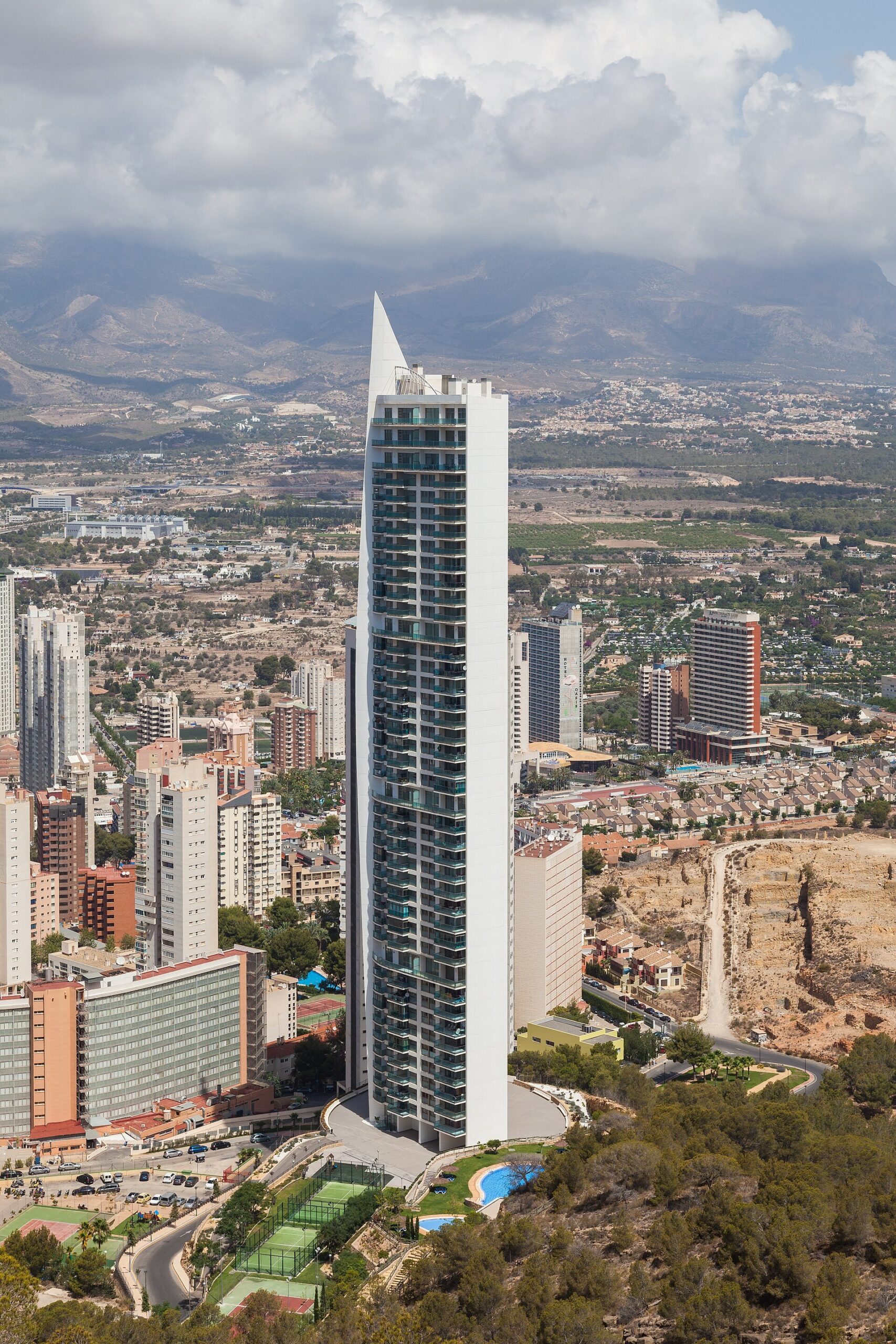
Las Fallas in Valencia: Spain’s Biggest Fire Festival

TL;DRLas Fallas is a five-day spring festival in Valencia, building from 15 to 19 March and culminating in La Cremà, the night when eight hundred giant papier-mâché and wooden sculptures go up in flames. Smaller events and the daily fireworks show La Mascletà at Plaza del Ayuntamiento actually kick off on 1 March at 2pm. If you want to catch the main programme, aim to arrive around 14–15 March, when the sculptures are finished but the crowds are still thinner. All the main events are free, but you’ll want to book a hotel up to six months ahead, as prices climb sharply the closer you get to the dates. Walking or the metro, which runs round the clock on the big days, is the easiest way to get around the centre.

Picture a sun-drenched spring city that transforms overnight into a massive open-air gallery, only for every single artwork to be devoured by flames in one unforgettable night. That’s exactly what Las Fallas in Valencia, Spain is all about — one of the loudest, most mesmerising festivals in all of Europe. The Spanish never do things by halves, and this celebration of fire and spring is living proof. If you’re looking for an event that will sweep you off your feet and keep you up all night, make sure you plan a trip to Valencia in March.

From the very first days of March, the air is thick with the smell of gunpowder and the city buzzes with an incredible energy. The main part of the festival, however, takes place between 15 and 19 March, when streets fill with hundreds of giant papier-mâché and wooden sculptures, marching bands, and women in stunning traditional costumes. It’s virtually impossible to remain a mere spectator — the atmosphere grabs you instantly and pulls you right in. Be prepared to be blown away by the sheer scale of the artworks, deafened by the daily fireworks, and maybe even moved to tears when all that beauty is reduced to a pile of ash.

TL;DR

  • Main festival dates: The festival peaks from 15 to 19 March, but smaller events and fireworks begin as early as 1 March.
  • What is it exactly: A celebration of the arrival of spring and the feast of Saint Joseph, patron saint of carpenters, centred around the burning of giant satirical sculptures.
  • La Mascletà: A daily sound-focused fireworks display at 2 pm in the Town Hall Square that literally shakes the ground.
  • Book accommodation early: Hotels in Valencia sell out months in advance and prices skyrocket, so book well ahead of time.
  • La Cremà: The grand finale on the night of 19 March, when every sculpture in the city is set ablaze amid music and raw emotion.
  • Hearing protection: If you’re travelling with children or are sensitive to noise, earplugs are an absolute must.

When to Visit Valencia

If you want to experience Las Fallas in all its glory, you need to be in Valencia by mid-March. The official programme kicks off on 1 March with daily sound fireworks, but the real visual feast doesn’t start until the night of 14 March. That’s when all the giant sculptures are installed in the streets and the city switches into non-stop party mode, which lasts right through to the night of 19 March.

The weather in Valencia in March is already very pleasant, with temperatures typically hovering around 18 to 20°C. During the day, a light jumper or denim jacket will do, but make sure you wrap up warmer for the evening fireworks and late-night strolls among the sculptures. Another perk of this early spring timing is that the sun already has some real warmth to it, so you can easily spend your afternoons relaxing on the beach and recharging for the demanding nighttime programme.

If you’re not a fan of massive crowds and want to admire the sculptures in relative peace, I’d recommend arriving around 14 March. You’ll see artists putting the finishing touches on their creations, and the streets won’t yet be packed with tourists from around the world. The final days of the festival are genuinely a test of patience as you squeeze through the crowds, but the experience is absolutely worth a bit of discomfort.

Where to Stay in Valencia

💡 Tip for accommodation and experiences: We love browsing for stays on Booking.com, which usually offers the best cancellation policies. For tickets, tours and activities, it’s worth comparing and booking through GetYourGuide.

During Las Fallas, Valencia’s population practically triples, and finding decent accommodation at the last minute is virtually impossible. If you want to stay right in the heart of the action, focus on the historic Ciutat Vella quarter or the trendy Ruzafa neighbourhood. You’ll have all the main sculptures and fireworks literally right outside your window, but be warned — the noise from firecrackers and music doesn’t die down until the early hours.

For those of you who want to actually get some sleep at night, I’d suggest looking for hotels near the beach and harbour, for example in the El Cabanyal neighbourhood. It’s easy to get to the centre from the beach by metro or bus, and in the evening you can retreat to a much calmer environment. Whichever area you choose, book via Booking.com at least six months ahead, because prices shoot up astronomically as March approaches.

Among the tried-and-tested beautiful hotels, the luxurious Hospes Palau de la Mar stands out — it’s housed in a historic palace just a short walk from the centre. If you’re after something more modern with amazing city views, check out Melia Valencia, one of the tallest buildings in the city with excellent metro connections. The Caro Hotel is another wonderful choice, where centuries-old historic features blend seamlessly with contemporary design.

12 Things to See and Do at Las Fallas

Let’s dive into the must-see highlights of this fiery extravaganza. Bring comfortable shoes because you’ll easily clock up tens of kilometres a day, and brace yourself for the constant bang of firecrackers that local kids set off on every corner.

1. Discover the Magic of the Fallas Sculptures and Ninots

The very foundation of the entire festival are the so-called fallas — giant monuments made from papier-mâché, wood and polystyrene that are erected at intersections and squares all across the city. Around eight hundred of them spring up throughout Valencia, and each one is made up of smaller figures called ninots. These figures are often brilliantly satirical, poking fun at politicians, celebrities and current social issues.

Every neighbourhood in the city has its own local association that fundraises all year long to pay artists to create the most spectacular sculpture possible. The cost of the largest monuments can run into hundreds of thousands of euros, and the level of detail is absolutely breathtaking. I’d recommend grabbing a map and simply wandering the streets, because around every corner you’ll stumble upon a new, colourful and often hilarious work of art.

💡 Local tip: Don’t just stick to the centre around the Town Hall. Some of the most daring and imaginative sculptures can be found in the Ruzafa neighbourhood or around Mercado Central, where artists tend to have more creative freedom.

2. Experience the Earthquake That Is La Mascletà

If your idea of a fireworks show is pretty lights twinkling across the night sky, La Mascletà will swiftly set you straight. This is a daytime pyrotechnic spectacle focused entirely on sound and rhythm. It takes place every day from 1 to 19 March at precisely 2 pm in the Plaza del Ayuntamiento, and it’s an experience that will quite literally rattle your bones.

Thousands of people gather around the Town Hall to witness five minutes of ear-splitting gunpowder symphony. The sound builds gradually until it crescendos into a final earthquake that shakes windows across a wide radius, sending the crowd into rapturous cheering. It’s an incredibly intense experience that you truly need to feel in person to understand.

Get to the square at least an hour early to secure a good spot, and if you have sensitive hearing, definitely bring earplugs. Pyrotechnicians are treated like rock stars here, and after a successful show, the crowd rewards them with thunderous applause.

3. The Night It All Begins: La Plantà

The night of 14 to 15 March is the most stressful time of the year for every sculpture creator. During this night, known as La Plantà, all monuments must be fully assembled and completed, because a strict jury comes around to inspect them first thing in the morning. If a sculpture isn’t finished by 8 am sharp, it’s ruthlessly disqualified from the competition for best work.

The streets are buzzing with cranes, artists rushing about with paintbrushes, and locals watching on with bated breath and cheering them on. It’s fascinating to watch as enormous heads and bodies are hoisted into position and slotted precisely into the prepared frameworks. The whole city is awake and there’s a wonderful atmosphere of anticipation and creativity.

Head out into the streets in the evening, grab a drink and watch this incredible logistical and artistic feat unfold in real time. You’ll witness the sheer dedication and pride of the local people, for whom the success of their neighbourhood is a matter of personal honour.

4. Walk Through the Light Tunnels in Ruzafa

The Ruzafa neighbourhood is famous not only for its sculptures but above all for its jaw-dropping light displays. Local associations here regularly compete for the title of best-lit street, and the result is enormous light tunnels and portals that feel more like gateways to another dimension than ordinary city streets.

Every evening, special light shows take place where millions of LED bulbs flash and change colour in perfect sync with popular music. Crowds squeeze together beneath these glowing structures, soaking up the magical atmosphere that’s a bit like Christmas at its very best.

You’ll find the light installations mainly on Calle Sueca and Calle Cuba. Make sure you visit after dark, but expect to move at a snail’s pace. The experience of these dazzling streets is absolutely worth the bit of jostling in the crowd.

lukas a lucka
Lukáš and Lucie recommend
Where to Stay in Valencia
4 accommodations — wellness hotels, hotels and other lodging options

5. Admire the Stunning Traditional Costumes

Las Fallas isn’t just about sculptures and fire — it’s also about the people and their traditions. The most visually striking element is undoubtedly the women and girls dressed in traditional costumes, known as falleras. You’ll spot them all over the city, proudly walking in richly embroidered silk dresses that often cost several thousand euros.

Making one of these costumes is a true masterpiece of tailoring, with fabrics often hand-woven following historical patterns. Equally fascinating is the hairstyle, which consists of elaborate buns adorned with gold or silver combs. Preparing this hairstyle takes hours, and many women even sleep in it during the festival.

💡 Local tip: Stop and take a close look at the embroidery details on the dresses. Every costume is completely unique, and for local families it represents an enormous source of pride, often passed down from generation to generation.

6. The Moving Ofrenda de Flores

On 17 and 18 March, the streets of Valencia turn into one great river of flowers. During the event known as the Ofrenda de Flores, thousands of falleras and falleros from across the region march towards the Plaza de la Virgen. Each woman carries a bouquet of carnations, which she offers at the square as a tribute to the city’s patroness, the Virgin of the Forsaken.

In the square stands an enormous wooden structure of the Virgin Mary, an incredible fifteen metres tall. The donated flowers are gradually arranged into a beautiful, multi-coloured cloak, its design changing every year. The scent of thousands of blooms fills the entire square, and many women can’t hold back tears as they lay down their bouquets.

I’d recommend finding a spot along the procession route and watching the pride and emotion on the faces of the local people. It’s the most spiritual and moving moment of what is otherwise a very loud and wild festival.

7. Night Skies Ablaze: Castillos de Fuegos Artificiales

The Spanish are masters of pyrotechnics, and Valencia is their capital. Every night from 15 to 18 March, the sky above the old Turia riverbed lights up with spectacular nocturnal fireworks known as castillos. These shows are huge, colourful and accompanied by massive explosions that echo off the surrounding buildings.

The biggest and most spectacular fireworks display takes place on the night of 18 March and is called the Nit del Foc — the Night of Fire. This show lasts over twenty minutes and is considered one of the best fireworks displays in the world. People gather on the bridges and in the park along the river hours in advance to secure the best views.

For the best experience, head to the Paseo de la Alameda promenade. Bring a blanket, some snacks, and enjoy an incredible light show that will leave you standing there with your jaw on the floor.

8. Try the Sweet Buñuelos and Vegetarian Paella

All that festival energy requires some serious fuel, and the streets of Valencia have you well and truly covered. On every corner you’ll find stalls selling buñuelos de calabaza — traditional pumpkin fritters that are fried right before your eyes. They have a wonderfully irregular shape and taste best dunked into a cup of thick, piping-hot chocolate.

Valencia is also the birthplace of paella. While the traditional local recipe uses rabbit and chicken, you’ll easily find excellent paella de verduras everywhere. This vegetarian version is packed with fresh local beans, artichokes and saffron, which gives the rice its signature colour and unmistakable flavour.

💡 Local tip: If you want to soak up the real community atmosphere, seek out the streets where local associations cook giant paella over open wood fires. The aroma of woodsmoke and fresh ingredients is simply irresistible.

9. Take Refuge in the Museo Fallero

If you need a break from the crowds or want to learn more about the festival in depth, head to the Museo Fallero. Every year, the people of Valencia vote on which single figure from among the hundreds of sculptures will be saved from the flames. This rescued ninot is then placed in this museum, which has been open since 1934.

Walking through the museum is like a journey through time. You can trace how the materials, techniques and themes of the sculptures have evolved over the decades. From early figures stuffed with straw and wax, you’ll progress to modern creations made from contemporary materials that riff on current pop culture and politics.

A visit to the museum is also a great option for those visiting Valencia outside the main March festival dates who still want to soak up a taste of the festival atmosphere and admire the craftsmanship of local artists.

10. The Hellish La Cabalgata del Fuego Parade

On the evening of 19 March, just hours before the city goes up in flames, the spectacular fire parade known as La Cabalgata del Fuego takes place in the centre. This procession symbolically brings fire into the city, which will later be used to ignite all the sculptures, and it makes for a fantastic prelude to the grand finale.

Giant mechanical fire-breathing dragons parade through the streets, along with drummers and, most strikingly, people dressed as devils who shower sparks from spinning pyrotechnic pitchforks. It’s a wild, high-energy spectacle where sparks fly literally everywhere, so wear clothes you won’t mind getting the odd tiny burn hole in.

The parade runs along Calle Colón and finishes at the Puerta del Mar gate. Grab a front-row spot and let yourself be carried away by the pounding drums and the searing heat of hellfire that heralds the approaching end of the festival.

11. The Fiery Finale: La Cremà

And here it is. At midnight on 19 March, the street lights go out and La Cremà begins — the moment everyone has been waiting for. Hundreds of masterful artworks that took an entire year to create are destroyed by fire in a matter of minutes. It’s a purifying ritual that symbolises the end of winter, the burning away of everything old and bad, and the welcoming of new spring.

Firecrackers placed around the sculptures are lit amid deafening cheers, and flames quickly engulf the entire structure. The heat radiating from the burning monuments is so intense that firefighters must constantly spray water on nearby buildings and trees to prevent the city itself from catching fire. Ash drifts through the air, and local falleras often stand nearby, weeping with emotion at the end of their year in the spotlight.

The very last sculpture to burn is always the largest one in the Town Hall Square. It’s an incredibly powerful and emotional experience that leaves a deep impression and fills you with awe for a city that can create such beauty only to let it vanish in flames moments later.

12. Practical Tips for Surviving the Crowds

Las Fallas attracts millions of visitors, and getting around the city requires a certain amount of strategy. First and foremost, completely forget about driving or taking taxis in the city centre — most streets are closed off or filled with sculptures and stalls. Rely entirely on walking, or use the metro, which often runs around the clock during the main festival days.

Dress comfortably and layer up, because spring evenings can be deceptively chilly. Wear comfortable closed-toe shoes, as the ground is littered with firecracker remnants and in the massive crowds someone is bound to step on your foot sooner or later. Keep your valuables and wallet safely hidden — unfortunately, big crowds are a pickpocket’s paradise.

💡 Local tip: If you need to cross from one side of the centre to the other, avoid the main streets and use the old Turia riverbed instead. This huge park is a beautiful green oasis where you can dodge the worst of the congestion and take a lovely break from the noise.

Where to Go from Valencia

If you need to clear your head after all that fiery madness and explore more of Spain, Valencia is brilliantly connected. From the local station, the high-speed train whisks you to the capital in under two hours, so you can easily take in Madrid and its world-class art museums.

More drawn to Catalan culture and Gaudí’s architecture? Hop on a train heading north and discover everything the vibrant city of Barcelona has to offer. If you’re craving total relaxation on gorgeous beaches, ferries depart from Valencia’s port to the island gem of Ibiza.

And if you want to keep exploring Spanish passion and sunshine, I’d highly recommend heading south for flamenco and sun. Check out our comprehensive guide to the 20 most beautiful places in Andalusia, packed with road trip inspiration, or take a look at our article on Seville — the gateway to Andalusia, a city that will completely enchant you.

Frequently Asked Questions

When exactly are the sculptures burned?

All the sculptures are burned on the night of March 19th during an event called La Cremà. The children’s sculptures are set alight around 8:00 PM, the large ones start burning at midnight, and the main sculpture in the town hall square goes up in flames last of all.

Do I need any tickets for the festival?

No, Las Fallas is a festival that takes place right in the city’s streets, and all the main events are completely free. You only pay for entry to special fenced-off stands at some of the firework displays, but those are often reserved for local associations.

Is the festival safe for small children?

The festival is very family-friendly, but you have to be prepared for extreme noise. If you’re travelling with children, definitely get them quality ear defenders. Also avoid the biggest crowds during the evening firework displays, where the situation can be unpleasant for small children.

What happens to the one sculpture that gets saved?

Each year the public votes to select one so-called ninot indultat, which is spared from the flames. This figure is then taken to the Museo Fallero, where you can see it alongside winners from previous decades.

What about getting around Valencia during Las Fallas?

The city centre is practically impassable for cars. The best way to get around is on foot and by using the metro, which during the main festival days often runs extra services and operates all night long. Buses mostly have diverted routes.

What typical dish should I try?

Definitely don’t miss out on buñuelos de calabaza, which are fried pumpkin fritters sold on every corner and dipped in thick hot chocolate. For lunch, then, treat yourself to a delicious paella, ideally its vegetarian version full of fresh local vegetables.

Can I manage the festival even if I don’t speak Spanish?

Definitely yes. The festival’s atmosphere is very visual and loud, so you don’t need a dictionary to take it in. Most people in the hotels and restaurants in the centre speak at least basic English, so you’ll get by without any problem.

Tips and Tricks for Your Vacation

Don’t Overpay for Flights

Search for flights on Kayak. It’s our favorite search engine because it scans the websites of all airlines and always finds the cheapest connection.

Book Your Accommodation Smartly

The best experiences we’ve had when looking for accommodation (from Alaska to Morocco) are with Booking.com, where hotels, apartments, and entire houses are usually the cheapest and most widely available.

Don’t Forget Travel Insurance

Good travel insurance will protect you against illness, accidents, theft, or flight cancellations. We’ve had a few hospital visits abroad, so we know how important it is to have proper insurance arranged.

Where we insure ourselves: SafetyWing (best for everyone) and TrueTraveller (for extra-long trips).

Why don’t we recommend any Czech insurance company? Because they have too many restrictions. They set limits on the number of days abroad, travel insurance via a credit card often requires you to pay medical expenses only with that card, and they frequently limit the number of returns to the Czech Republic.

Find the Best Experiences

Get Your Guide is a huge online marketplace where you can book guided walks, trips, skip-the-line tickets, tours, and much more. We always find some extra fun there!