Tuscany Wellness Hotels: 12 Thermal Spas the Romans Already Knew

TL;DRTuscany has 12 standout wellness hotels built around thermal water the Etruscans and Romans were already soaking in, ranging from affordable three-star guesthouses to world-class luxury like Terme di Saturnia Natural Spa & Golf Resort, fed by a spring at 37.5°C. The best-known free cascades, Cascate del Mulino near Saturnia, are open round the clock at no cost, as are the wild pools of Fosso Bianco and its White Whale formation at Bagni San Filippo, where the water hits up to 48°C. A night’s stay runs from €100 at hotels such as Terme San Filippo or Admiral Palace up to €1,500 at the luxurious Borgo Santo Pietro. Autumn through spring is the best time for a hot soak, when water at around 38°C feels best against the cool air — summer’s better spent elsewhere.

Healing hot water has been bubbling up from this land since the days when the Etruscans and ancient Romans roamed the peninsula. Today, Tuscany’s thermal spas are world-famous — largely thanks to the iconic cascading pools of the Cascate del Mulino. But the power of this landscape takes many more forms, hidden across valleys stretching from the south of the region all the way to the north.

Finding the perfect wellness hotel in Tuscany means choosing between historic palazzos, contemporary spa resorts and peaceful rural retreats. The combination of hot sulphurous water, views over cypress-lined roads and world-class Italian cuisine creates an experience you simply won’t find anywhere else in Europe.

In this guide, we’ll walk you through 12 carefully selected properties — from budget-friendly hotels to absolute world-class luxury. We’ll also cover the free-access hot springs, practical travel tips for getting there from the UK, and advice on the best time to take a dip. Let’s go! ☺️

TL;DR

How to Choose a Wellness Hotel in Tuscany

Free springs vs. hotel spas — which is right for you?

Natural cascades like the Cascate del Mulino have an undeniable magic, but they come without any facilities. You’ll be getting changed by the car, keeping an eye on your valuables on the bank, and there’s not a shower in sight after your sulphurous soak. It’s a brilliant adventure, but it doesn’t really cut it for a multi-day wellness break.

A hotel spa in Tuscany, on the other hand, offers complete comfort. You walk straight from your room in a bathrobe to a heated pool, with saunas and clean changing facilities all on hand. Most of the better hotels also draw their water from the same healing springs as the free outdoor pools.

When to visit the Tuscan thermal spas

The ideal season for hot-spring bathing runs from autumn through to early spring. When it’s grey and cool outside, water at around 38 °C works like a remedy for both body and mind. Spring itself brings the added bonus of the Val d’Orcia landscape in full bloom.

In summer, the thermals are best avoided. The combination of Italian August sunshine and hot sulphurous water is simply exhausting. If you do visit in summer, look for hotels that have cooler freshwater pools alongside the thermal ones, and save the hot springs for the cooler evenings.

Price range — from affordable spas to world-class luxury

Tuscany caters to all budgets. Three-star hotels with their own thermal pool start at around €100 per night — often older, but very clean and genuinely charming family-run places.

The sweet spot of four-star resorts will set you back €120 to €360 per night. Five-star luxury with Michelin-starred dining and vast spa complexes starts at around €350 and can climb all the way to €1,500 per night.

What you need to know about Tuscan thermal water

The healing water here is quite distinctive. It’s primarily sulphurous and sulphate-rich, emerging at temperatures between 37 and 49 °C. It has strong anti-inflammatory properties, benefits the respiratory system and does wonders for your skin.

You do need to brace yourself for the smell, though. The sulphur scent is reminiscent of hard-boiled eggs and tends to linger in your swimwear even after several washes. In luxury hotels the water is often filtered to remove sediment, but the therapeutic qualities — and that distinctive aroma — remain very much intact.

Comparison table of all 12 hotels

HotelAreaStarsThermal waterPrice/nightBest for
Terme di SaturniaSaturnia⭐⭐⭐⭐⭐Yes (37.5 °C)€350–700World-class luxury & icon
Saturno Fonte PuraSaturnia⭐⭐⭐⭐Yes€130–220More affordable Saturnia
FonteverdeSan Casciano⭐⭐⭐⭐⭐Yes (42 °C)€350–550Medical wellness
ADLER ThermaeBagno Vignoni⭐⭐⭐⭐⭐Yes€440–600Active couples & families
La PostaBagno Vignoni⭐⭐⭐⭐Yes (35–38 °C)€150–360Authentic atmosphere & views
Albergo Le TermeBagno Vignoni⭐⭐⭐⭐Yes€150–250History lovers
Terme San FilippoBagni San Filippo⭐⭐⭐Yes (48 °C)€100–180Wild nature & wild swimming
Grand Hotel La PaceMontecatini⭐⭐⭐⭐⭐No (spa park)€200–350Belle Époque elegance
San Giovanni TermeRapolano⭐⭐⭐⭐Yes (39 °C)€120–200Tranquility & value
Admiral PalaceChianciano⭐⭐⭐⭐No (wellness centre)€100–160Base for day trips
COMO CastelloChianti⭐⭐⭐⭐⭐No (ESPA spa)€320–850Design & gastronomy
Borgo Santo PietroChianti⭐⭐⭐⭐⭐No (holistic spa)€600–1,500Farm-to-table luxury

Saturnia: the icon of Tuscan thermal bathing

1. Terme di Saturnia Natural Spa & Golf Resort

This is the undisputed flagship of the entire region. The resort’s great claim is that the healing sulphurous spring rises directly beneath the main pool. The water maintains a constant 37.5 °C and, thanks to the enormous flow rate, the entire pool replenishes several times a day — guaranteeing exceptional cleanliness.

The estate sprawls across 120 hectares and includes its own 18-hole golf course. Travel+Leisure named it among the top 5 spa resorts in the world in both 2022 and 2023. You’ll also find a large beauty clinic and stunning travertine Roman baths that weave modern design seamlessly through centuries of history.

Prices and practical info: Rooms cost roughly €350 to €700 per night. The hotel’s fine dining restaurant can prepare an outstanding vegetarian menu on request. This resort is the obvious choice for anyone who refuses to compromise on luxury.

👉 Check availability and prices

2. Hotel Saturno Fonte Pura

If you want to experience the power of these waters without the five-star fanfare, this is a brilliant alternative. The hotel sits just above the main thermal valley and has its own sulphurous spring feeding the hotel pool directly.

The atmosphere here is far more intimate and laid-back. Guests consistently praise the cosy, rustic-style rooms and the warm, family-run service. You’ll also avoid the crowds that regularly descend on the more famous resort next door.

Prices and practical info: A very agreeable €130 to €220 per night. It’s a perfect retreat for couples who want the healing waters of Saturnia in a quieter, more affordable package.

👉 Check availability and prices

San Casciano dei Bagni: Medici baths that the whole world has discovered

3. Fonteverde Lifestyle & Thermal Retreat

This resort occupies a magnificent Renaissance villa built in 1607 for the Medici family. The local springs reach 42 °C and are exceptionally rich in fluoride, magnesium and sulphur. Guests have access to six pools in total, three of them outdoors with breathtaking views across the countryside.

San Casciano dei Bagni made international headlines in 2022 when archaeologists here unearthed a hoard of ancient bronze statues buried in the mud — one of the most significant finds in Italy in decades. The hotel spa is built around an “Equilibrium” philosophy that blends a medical approach with deep relaxation.

Prices and practical info: A night in this historic gem costs €350 to €550. The restaurant prides itself on healthy, wholesome cooking and has no trouble catering fully for vegetarians. History buffs and anyone interested in medical wellness will love it here.

👉 Check availability and prices

Bagno Vignoni and Val d’Orcia: thermal springs in the heart of a UNESCO landscape

4. ADLER Spa Resort Thermae

The South Tyrolean ADLER family group has created something truly special here in Tuscany. The resort boasts over 1,000 m² of thermal and sports pools. Its absolute showpiece is a sauna world carved out of an old travertine quarry — it blends into the surrounding landscape in the most remarkable way.

Stays are on a soft all-inclusive basis. The price includes a rich programme of activities, from morning yoga and e-bike hire to guided hikes through the surrounding hills. Afternoon snacks and views over the rolling Val d’Orcia make this resort a genuine oasis of calm.

Prices and practical info: Rates run from €440 to €600 per night, often including excellent half-board. The kitchen is celebrated for its food, and vegetarian, vegan and gluten-free menus are treated as completely standard — not an afterthought.

👉 Check availability and prices

lukas a lucka
Lukáš and Lucie recommend
Where to Stay in Tuscany
6 accommodations — hotels, wellness hotels and other lodging options
⭐ TOP CHOICE ⭐ Luxury
Terme di Saturnia Natural Spa & Golf Resort
Absolute world-class destination directly at the main spring with 37.5°C water that refreshes the pool several times daily. Resort with golf course on 120 hectares, giant beauty clinic and travertine Roman baths. Ranked among the top 5 spa resorts in the world by Travel+Leisure.
★★★★★ from €350/night
Check availability
🏨 Hotel
Hotel Saturno Fonte Pura
A quieter alternative in Saturnia with its own sulphur spring and thermal pool. Intimate family atmosphere in countryside style with cozy rooms and valley views. A more accessible option for Saturnia’s healing waters.
★★★★ from €130/night
Check availability
⭐ Luxury
Fonteverde Lifestyle & Thermal Retreat
Renaissance Medici villa from 1607 with 42°C thermal springs rich in fluorine, magnesium and sulphur. Six pools overlooking Val d’Orcia. The ‘Equilibrium’ medical wellness philosophy combines therapeutic approach with deep relaxation.
★★★★★ from €350/night
Check availability
🌲 Resort
ADLER Spa Resort Thermae
Active wellness resort with over 1000 m² of thermal pools and a unique sauna world built in an old travertine quarry. Soft all-inclusive concept with activity program including yoga, e-bike rental and guided tours. Views of Val d’Orcia.
★★★★★ from €440/night
Check availability
🏨 Hotel
La Posta Hotel & Thermal Spa
Family hotel with iconic Val di Sole thermal pool with 35–38°C water and panoramic view of the medieval tower Rocca d’Orcia. Retro charm of classic Italian villeggiatura with access to private wellness areas for residents.
★★★★ from €150/night
Check availability
🏨 Hotel
Albergo Le Terme
Historic 15th-century Renaissance palace directly on the thermal square of Bagno Vignoni, designed by architect Rossellino as summer residence of Pope Pius II. Intimate wellness with Roman sauna, oriental rasul and mud therapy.
★★★★ from €150/night
Check availability

5. La Posta Hotel & Thermal Spa

Previously known as the Albergo Posta Marcucci, this family hotel hides one of the finest views in the region. Its iconic “Val di Sole” thermal pool, with water at 35–38 °C, frames a panorama dominated by the medieval Rocca d’Orcia tower.

Non-residents can buy day access to the pool (around €15), but staying as a guest gives you access to private wellness areas as well. The atmosphere retains a pleasantly retro feel — think classic Italian villeggiatura from the last century.

Prices and practical info: Rooms range from €150 to €360 per night. The traditional kitchen offers plenty of meat-free Italian classics. It’s the ideal spot for those who want an authentic atmosphere and spectacular views at a sensible price.

👉 Check availability and prices

6. Albergo Le Terme

Staying right on the historic piazza of Bagno Vignoni is an experience in itself. The hotel occupies a 15th-century Renaissance palazzo designed by the celebrated architect Rossellino, which once served as the summer residence of Pope Pius II. History practically seeps from the walls.

The in-house wellness centre is compact but beautifully equipped. You can try a Roman sauna, an oriental rasul or traditional mud therapy. Water from the spring on the piazza flows directly into the hotel’s bathing facilities.

Prices and practical info: A night in this historical gem costs €150 to €250. The restaurant handles vegetarian requests with ease. Ideal for couples who want to soak up the atmosphere of this beautifully quiet little town after the day-trippers have gone home.

👉 Check availability and prices

Bagni San Filippo: wild springs and the White Whale

7. Hotel Terme San Filippo

This is the only thermal hotel in this small village tucked into the forests beneath Monte Amiata. Its greatest asset is its location — it sits just a few steps from the wild Fosso Bianco springs, which you can reach from your room in a bathrobe.

The hotel itself has its own thermal pool fed by water reaching 48 °C. The mud treatments here are particularly well regarded, making use of mineral-rich sediment from the springs. The facilities are older and on the simple side, but everything is clean and well maintained.

Prices and practical info: Prices are very reasonable at €100 to €180 per night. Vegetarian meals are available at the restaurant with advance notice. A wonderful choice for nature lovers and wild swimming enthusiasts.

👉 Check availability and prices

Montecatini Terme: Belle Époque spa elegance

8. Grand Hotel & La Pace

Montecatini Terme is synonymous with aristocratic spa culture, and this hotel — dating back to 1870 — is its crown jewel. The Art Nouveau architecture and frescoes by Galileo Chini transport you to an era when Giacomo Puccini and Marie Curie were regular guests.

The hotel is right next to a grand thermal park that is listed among the Great Spa Towns of Europe — a UNESCO World Heritage Site recognising Europe’s most significant spa destinations. The hotel also has a modern spa with both indoor and outdoor pools, creating a fascinating contrast with the ornate historic interiors.

Prices and practical info: A night steeped in elegance costs €200 to €350. The hotel restaurant offers refined cuisine with plenty of meat-free options. This one is for guests who love history, architecture and the gentle buzz of a classic spa town.

👉 Check availability and prices

Rapolano Terme: thermal springs among the hills of the Crete Senesi

9. San Giovanni Terme Rapolano

If you’re looking for somewhere that hasn’t yet been overrun by international tourists, head to the Crete Senesi. The thermal park here offers six outdoor and two indoor pools fed by healing water at a very pleasant 39 °C.

The countryside around Rapolano is raw and otherworldly — almost lunar — and utterly spellbinding at sunset. The hotel itself holds a very solid rating of 8.7 on Booking.com, and the rooms are stylishly and tastefully furnished.

Prices and practical info: At €120 to €200 per night, this is one of the best value-for-money options in the region. The restaurant regularly serves vegetarian dishes. Perfect for a peaceful escape from the busier spa towns.

👉 Check availability and prices

Chianciano Terme: classic spa town near Val d’Orcia

10. Grand Hotel Admiral Palace

Chianciano Terme is well known for its drinking cures and traditional spa treatments. This hotel’s standout feature is its substantial “Oasi Four Roses” wellness centre, spanning 1,000 m² and featuring a pool, Finnish sauna and Turkish bath.

The building is set in green parkland and positioned strategically. It works brilliantly as a base for day trips by car to Renaissance Montepulciano or to the heart of the Val d’Orcia valley.

Prices and practical info: Most rooms come in between €100 and €160 per night. The hotel food includes plant-based options. Perfect for those who want affordable comfort and plan to spend their days exploring the surrounding heritage sites.

👉 Check availability and prices

Chianti: luxury spa resorts without thermal springs

The Chianti wine region doesn’t have natural thermal springs, but it does have some of the most luxurious spa resorts in all of Italy. Wellness here is built on exceptional therapies, premium skincare and stunning design. If you can live without the sulphurous water and are simply after total pampering, this is absolutely the place for you.

11. COMO Castello del Nero

Staying in a 12th-century castle surrounded by vineyards is a Tuscan dream come true. COMO brought the region’s first ESPA spa here, and across 1,000 m² you’ll find a heated panoramic pool, a vitality pool and an ice fountain.

The resort weaves original historic frescoes together with contemporary Italian design by Paola Navone. The experience is rounded off by the Michelin-starred La Torre restaurant, which sources its ingredients from the estate’s own gardens and local farmers.

Prices and practical info: The price tag reflects the level of luxury — €320 to €850 per night. The COMO Shambhala Cuisine concept centres on delicious, health-focused and largely vegetarian menus. Made for design devotees and fine dining enthusiasts.

👉 Check availability and prices

12. Borgo Santo Pietro

This 13th-century villa in the Sienese hills is a long-time darling of Condé Nast. It operates as a holistic retreat with its own extensive organic farm. The spa uses an exclusive skincare line called “Seed to Skin”, produced on the estate itself from locally grown herbs.

There’s no thermal spring here, but the holistic approach to relaxation has been honed to near perfection. The farm-to-table concept runs through everything — from the Michelin-starred restaurant menus to the treatments in the spa itself.

Prices and practical info: This is the most exclusive property in our selection, at €600 to €1,500 per night. Given the organic farm on the doorstep, the vegetarian food here is in a class of its own. For those who need total privacy and a genuinely holistic approach to luxury.

👉 Check availability and prices

Free-access thermal springs

Cascate del Mulino near Saturnia

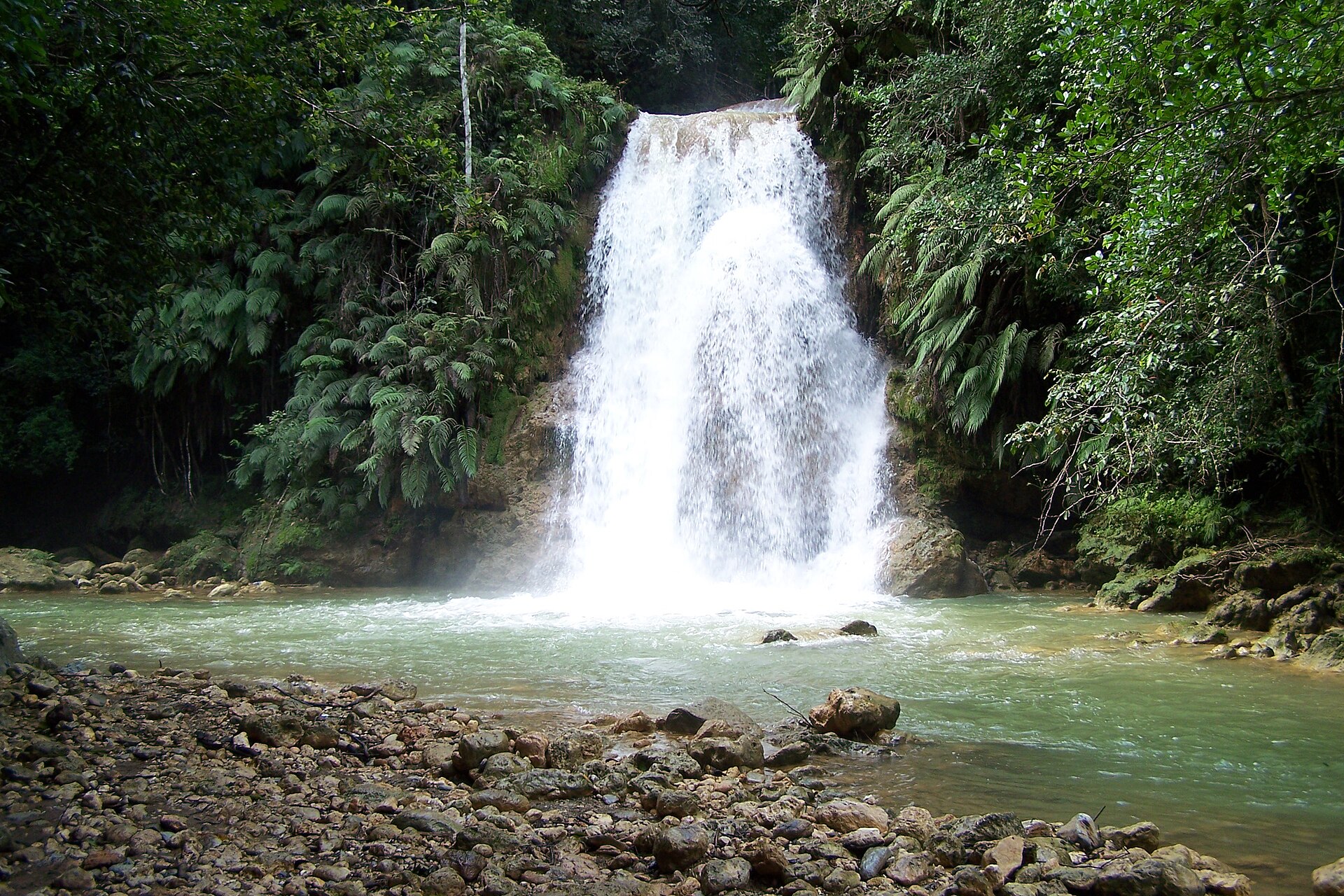
Tuscany’s most famous thermal springs are yours to enjoy completely free of charge. The cascades beside the old mill are one of the most photogenic sights in the region. The water sits at a lovely 37.5 °C, and the natural travertine pools are accessible 24 hours a day, seven days a week.

Because this is such a big draw, aim to arrive early in the morning or late in the evening. During the day — especially at weekends — it can get very crowded. Parking nearby is free, but don’t expect changing facilities.

Fosso Bianco and the Balena Bianca in Bagni San Filippo

Hidden deep in the forest, these woodland pools reach temperatures of up to 48 °C. The centrepiece is a vast limestone formation known as the Balena Bianca (White Whale), over which the hot spring cascades, constantly sculpting new shapes in the rock.

Entry is again completely free. A short forest path from the road leads you straight to the springs. The further upstream you venture, the hotter the water — and the more solitude you’ll find.

Bagno Vignoni — the historic piazza with a spring at its heart

This village is unique: instead of cobblestones, its central piazza — the Piazza delle Sorgenti — is filled with a vast pool of steaming hot water. Bear in mind, though, that bathing in the piazza itself is strictly forbidden and the pool is there purely to be admired.

The water flows from the piazza down a series of cascades into the Parco dei Mulini below the cliff. Natural pools used to form there, but it’s worth knowing that bathing in the open air here has been officially banned since 2010 to protect the travertine rock formations. Your best bet is to make use of the excellent hotel spas in the village instead.

Practical tips for a wellness holiday in Tuscany

When to book and how to save money

The best wellness hotels in Tuscany fill up very quickly in autumn and spring. Don’t leave it to the last minute — book your accommodation three to four months ahead. You can save a significant amount by travelling mid-week, when room rates can drop by as much as a third.

Getting around the region

The thermal areas are scattered across hilly countryside where public transport is extremely limited. A hire car is essential — and it also gives you the freedom to pull over whenever a cypress-lined avenue or a panoramic viewpoint catches your eye, which in Tuscany is rather often.

From the UK, the most convenient gateways are Florence (Peretola) or Pisa airports, both well served by direct flights from London and other UK cities with airlines like British Airways, easyJet and Ryanair. From either airport, the main spa towns are an easy one-to-two hour drive.

What to pack

If you’re heading to the free outdoor springs, bring an older pair of swimwear. The sulphurous water can discolour new costumes and the distinctive smell is stubbornly difficult to wash out. Rubber flip-flops are a must, and a bathrobe comes in far more useful than a towel when you’re getting changed in the open air.

One crucial tip: leave all silver jewellery in your room. Hot sulphurous water will turn silver jet-black within seconds, and getting it clean again is a real headache.

Combine the thermal spas with Tuscany’s sights

The best spa villages sit within easy reach of some of Italy’s greatest cultural treasures. From Bagno Vignoni or Chianciano Terme, you’re just a short drive from Renaissance Pienza, the famous wine town of Montepulciano and the magnificent city of Siena. A morning in the hot water followed by an afternoon among historic monuments is, without question, the perfect Tuscan itinerary.

Tips and Tricks for Your Vacation

Don’t Overpay for Flights

Search for flights on Kayak. It’s our favorite search engine because it scans the websites of all airlines and always finds the cheapest connection.

Book Your Accommodation Smartly

The best experiences we’ve had when looking for accommodation (from Alaska to Morocco) are with Booking.com, where hotels, apartments, and entire houses are usually the cheapest and most widely available.

Don’t Forget Travel Insurance

Good travel insurance will protect you against illness, accidents, theft, or flight cancellations. We’ve had a few hospital visits abroad, so we know how important it is to have proper insurance arranged.

Where we insure ourselves: SafetyWing (best for everyone) and TrueTraveller (for extra-long trips).

Why don’t we recommend any Czech insurance company? Because they have too many restrictions. They set limits on the number of days abroad, travel insurance via a credit card often requires you to pay medical expenses only with that card, and they frequently limit the number of returns to the Czech Republic.

Find the Best Experiences

Get Your Guide is a huge online marketplace where you can book guided walks, trips, skip-the-line tickets, tours, and much more. We always find some extra fun there!
Wellness Hotels in Austria: 12 Places You’ll Return to Year After Year

TL;DRThe best wellness hotels in Austria come down to twelve picks across the country, including AQUA DOME – Tirol Therme Längenfeld, famous for its floating thermal pools (from €180pp), the luxury organic farm hotel Stanglwirt near Kitzbühel (from €250pp), and Styria’s Der Steirerhof, rated a perfect 20 out of 20 by the RELAX Guide. A good four-star thermal hotel runs €150–€300 per person a night, while five-star luxury comes in at €300–€600. Shoulder season in November or April is the cheapest time to go, while winter months are the busiest and most expensive. Aqua Dome is 558 kilometres from Prague, and in the saunas, it’s towels only — no swimwear allowed.

Austria is an absolute paradise when it comes to a relaxing break close to home. When I want to switch off completely for a few days and warm my bones, this is exactly where I head — it’s just a short hop away, and the standard of service is simply unbeatable. People come for top-tier wellness in Austria for the hot thermal springs, the perfectly designed sauna worlds and the breathtaking views of the Alpine peaks.

Every good wellness hotel in Austria prides itself on honest, hearty cuisine and enormous relaxation zones. A generous half-board package included in the room rate is pretty much standard here, so you don’t have to worry about a thing during your stay. If you’re after genuine, no-compromise quality, it pays to follow the ratings of the independent RELAX Guide, which awards the very best resorts its prestigious lilies.

I’ve picked out twelve exceptional places spread across the various federal states. Among them you’ll find sprawling thermal resorts, luxurious adults-only mountain spas and a few unusual architectural gems. Let’s dive in! ☺️

TL;DR

How to Choose a Wellness Hotel in Austria

Thermal resort vs. Alpine wellness — what’s the difference

The basic distinction is simpler than it sounds. Thermal resorts draw on natural healing springs and you’ll typically find them in Styria, Burgenland, Carinthia or the Gastein Valley. The water is naturally hot and rich in minerals that work wonders on tired muscles.

Classic Alpine wellness hotels in Tyrol or Vorarlberg, on the other hand, usually don’t have their own thermal water. But they more than make up for that small shortcoming with enormous heated pools overlooking the glaciers and elaborate sauna worlds.

When to visit Austria’s spas

Austrian spas run year-round and every season has its charm. In winter, guests love the combination of skiing and the sauna — there’s nothing better than warming up in hot water after a day on the slopes. The winter months are naturally the priciest, and hotels fill up fast.

Summer is ideal for pairing your stay with high-altitude hiking and a dip in the outdoor natural pools. If you want to save money, I’d recommend going in the shoulder season — November or April dates offer much friendlier prices and a calmer atmosphere.

Price ranges and what’s included

When comparing prices, bear in mind that in Austria you’re paying for the complete experience. In most cases the rate includes a generous half-board package and unlimited access to the hotel spa, often even to the adjoining public thermal baths.

You can book a quality four-star thermal hotel for roughly €150 to €300 per person per night. Five-star luxury with the highest ratings runs between €300 and €600 per person, depending on the season and room type.

RELAX Guide — how to spot a truly great hotel

The independent RELAX Guide is a huge help when finding your way around the market. Inspectors visit hotels anonymously and rate them on a strict points system out of a maximum of 20. As a mark of quality, they then award one to four lilies.

Achieving a perfect score is extremely difficult. The absolute summit — 20 points and four lilies — has long been held by only a handful of exceptional places, among them Der Steirerhof, Mountain Resort Feuerberg and the prestigious Lanserhof.

The sauna world: in Austria you go without swimwear

The local sauna culture is very similar to the German one. Swimwear is strictly forbidden in all saunas and steam rooms — for hygiene reasons you go with just a towel. If you’re feeling shy, don’t worry: it’s completely natural here and nobody bats an eyelid.

What’s more, most of the better hotels accommodate women by offering dedicated ladies’ hours, or they have a separate smaller spa just for women. Swimwear, of course, is the norm in the pools and relaxation rooms.

Comparison table of all 12 hotels

HotelRegionStarsThermal waterPrice/night (person)Best for
AQUA DOMETyrol⭐⭐⭐⭐SYesfrom €180Lovers of mountains and architecture
StanglwirtTyrol⭐⭐⭐⭐⭐Nofrom €250Fans of organic luxury and tradition
Posthotel AchenkirchTyrol⭐⭐⭐⭐⭐Nofrom €220Couples seeking Asian calm (14+)
Hotel KrallerhofSalzburg⭐⭐⭐⭐⭐Nofrom €300Fans of modern design
TAUERN SPASalzburg⭐⭐⭐⭐SYesfrom €124Families and active sportspeople
MONDI BellevueSalzburg⭐⭐⭐⭐Only in the neighbouring bathsfrom €110 (room)Lovers of history and spa towns
Rogner Bad BlumauStyria⭐⭐⭐⭐SYesfrom €180Artistic souls and colour lovers
Der SteirerhofStyria⭐⭐⭐⭐⭐Yesfrom €268Discerning adult guests (12+)
Hotel PulvererCarinthia⭐⭐⭐⭐⭐Yesfrom €330 (room)Fans of a family atmosphere
Mountain Resort FeuerbergCarinthia⭐⭐⭐⭐⭐Nofrom €220Seekers of high-altitude quiet
Hotel FernblickVorarlberg⭐⭐⭐⭐SNofrom €180Hunters of perfect panoramas
ST. MARTINS ThermeBurgenland⭐⭐⭐⭐SYesfrom €150Lovers of nature and birdlife

Tyrol: Alpine wellness at the highest level

1. AQUA DOME – Tirol Therme Längenfeld

This futuristic complex in the Ötztal valley is easily the most famous of the bunch. Say the words Aqua Dome and most people immediately picture those iconic floating “bowls” of outdoor pools. Bathing in hot water under the stars with a view of three-thousand-metre peaks is an experience you simply never tire of.

The resort sits on the only thermal spring in western Austria. Guests have access to an enormous public thermal area with twelve pools and eleven saunas, as well as a far calmer, exclusive spa reserved for residents only. As a vegetarian, I really appreciate being able to request the excellent vegan and gluten-free menus.

Prices and practical info: A night with half board and thermal-bath access works out at €180–290 per person. From London, your easiest bet is to fly into Innsbruck (with British Airways or easyJet) and then drive the roughly hour-long stretch up the valley, or hire a car from Munich. It’s also a great base for families with children.

👉 Check availability and prices

2. Bio- und Wellnessresort Stanglwirt

The Hauser family has built an absolute legend near Kitzbühel. Their luxurious organic farm is the only Austrian hotel on the prestigious Gold List of Condé Nast Traveler magazine. Stanglwirt keeps its traditional character while delivering service on a par with the world’s finest resorts.

The biggest draw is the iconic Felsenbad, a natural rock pool with stunning views of the Wilder Kaiser massif. The entire wellness area sprawls across more than 12,000 square metres. The on-site organic kitchen, using produce from the farm itself, is famous — and it has no trouble whipping up top-notch meat-free dishes.

Prices and practical info: You’ll pay a premium for this kind of luxury, with rates running between €250 and €450 per person. The grounds also include tennis courts and Lipizzaner stables.

👉 Check availability and prices

3. Posthotel Achenkirch

Just steps from Lake Achensee you’ll find an enormous spa aimed exclusively at adult guests. This hotel stands out for its Asian-inspired atmosphere and incredible sense of calm. The wellness zone here spreads across an impressive 7,000 square metres and offers everything from a hammam to a quiet Zen garden.

People come here not only to unwind in the saunas but also for special traditional Chinese medicine programmes and longevity treatments. The cuisine is top class, and vegetarian, vegan or gluten-free menus are treated as a matter of course rather than a problem to be solved.

Prices and practical info: A stay costs roughly €220–430 per person. The hotel only admits guests aged 14 and over, which guarantees completely undisturbed relaxation.

👉 Check availability and prices

Salzburg: from design spas to mountain thermal baths

4. Hotel Krallerhof – ATMOSPHERE

The new ATMOSPHERE spa in Leogang, designed in 2023 by star architect Hadi Teherani, is breathtaking. The building flows seamlessly along the contours of the mountains, and at its heart lies a huge natural bathing lake. Set into it is a year-round heated 50-metre infinity pool of Olympic dimensions.

The relaxation zones — with a blue grotto and nine saunas — are reserved for adults from 15 only. The design is clean and minimalist, letting the surrounding Alpine landscape take centre stage. The hotel restaurant offers a complete and beautifully thought-out vegetarian menu that will please even the most demanding gourmets.

Prices and practical info: This luxurious experience is reflected in the price of €300–600 per person. Guests are particularly fond of the morning yoga sessions with mountain views.

👉 Check availability and prices

Experiences & tickets
traveler-rated · GetYourGuide
St. Gilgen: Tandem Paragliding Over Wolfgangsee Lake
★★★★★ 5.0 · 8 reviews
from €179
I want this experience →
🔗 These are affiliate links — they don't change your price and help us create content. · All experiences →
lukas a lucka
Lukáš and Lucie recommend
Where to Stay in Austria
6 accommodations — hotels, wellness hotels and other lodging options
⭐ TOP CHOICE 🌲 Resort
AQUA DOME – Tirol Therme Längenfeld
Futuristic complex in the Ötztal valley with iconic floating thermal bowls. The only thermal spring in western Austria, enormous public thermal spa with 12 pools and 11 saunas. Ideal for mountain and architecture lovers.
★★★★ from €180/person
Check availability
⭐ Luxury
Bio- und Wellnessresort Stanglwirt
Legendary luxury organic farm near Kitzbühel on Condé Nast Traveler’s Gold List. Iconic natural rock pool Felsenbad with views of Wilder Kaiser. 12,000 m² wellness area with organic cuisine from their own farm.
★★★★★ from €250/person
Check availability
⭐ Luxury
Posthotel Achenkirch
Enormous Asian-inspired adults-only spa at Lake Achensee. 7,000 m² wellness zone with hammam, zen garden and traditional Chinese medicine programs. For guests aged 14 and over only.
★★★★★ from €220/person
Check availability
⭐ Luxury
Hotel Krallerhof – ATMOSPHERE
Spectacular new ATMOSPHERE spa with giant natural bathing lake and 50m Olympic-sized infinity pool. Modern minimalist design by architect Hadi Teherani. For adults aged 15 and over.
★★★★★ from €300/person
Check availability
🌲 Resort
TAUERN SPA Zell am See–Kaprun
Austria’s largest panoramic hotel spa at 20,000 m² beneath the Kitzsteinhorn glacier. Glass-roofed Skyline pool with views of snow-capped peaks. Fantastic price-performance ratio.
★★★★ from €124/person
Check availability
🏨 Hotel
MONDI Hotel Bellevue Gastein
Beautiful belle époque style hotel in the center of Bad Gastein, steps from the waterfall and cable cars. Own wellness area with two pools, hot tub and sauna. Ideal starting point for the Felsentherme radon spa.
★★★★ from €110/night
Check availability

5. TAUERN SPA Zell am See–Kaprun

Right beneath the Kitzsteinhorn glacier lies a sprawling complex boasting the largest panoramic hotel spa in Austria. The facilities cover an incredible 20,000 square metres. Your best photos will come from the glass-walled rooftop Skyline pool, which looks straight out onto the snowy summits.

The hotel is connected to a huge public thermal complex with twelve pools and a separate children’s world. Personally, I think this resort offers absolutely fantastic value for money. The evening buffets also hide a wide selection of tasty meat-free options.

Prices and practical info: A night with half board starts from just €124–160 per person. Note that in spring 2026 (12 April – 10 May) there will be a partial renovation and the spa will be closed.

👉 Check availability and prices

6. MONDI Hotel Bellevue Gastein

A gorgeous belle époque hotel stands right in the centre of this iconic spa town. If you’re after a classic Bad Gastein wellness experience, this place will win you over with its history and location. You’re just a few steps from the famous waterfall, the cable cars and the renowned Felsentherme radon baths.

The building itself houses a pleasant in-house hotel wellness area with two indoor pools, a whirlpool, a sauna and a steam room. It’s an ideal choice if you want to spend your days hiking in the mountains and your evenings soothing tired muscles. The buffet dining offers plenty of fresh vegetables and vegetarian dishes.

Prices and practical info: A very pleasant price tag of around €110–180 per night (per room). On Booking.com the hotel boasts a high rating of 8.9.

👉 Check availability and prices

Styria: Austria’s thermal paradise

7. Rogner Bad Blumau

This isn’t just an ordinary hotel — it’s the largest inhabitable work of art in the world. The Rogner Bad Blumau complex was designed by the famous architect Friedensreich Hundertwasser, so you won’t find a single straight line here. Golden domes, colourful façades and grass roofs make it look like something out of a fairy tale.

The resort draws water from its own volcanic Vulkania spring, at a pleasant 36–38 °C. You can bathe in fourteen different indoor and outdoor pools and explore the extensive sauna world. The whole operation holds a strict organic certification, and the kitchen is heavily geared towards vegetarians and vegans.

Prices and practical info: Stays with half board range from €180 to €340 per person. The resort has been voted the country’s most popular thermal bath nine times.

👉 Check availability and prices

8. Hotel & Spa Der Steirerhof

This is the absolute pinnacle of Austrian wellness. In the RELAX Guide it holds a fantastic 20 out of 20 points and four lilies. The hotel’s biggest advantage in Bad Waltersdorf is its private thermal world, covering 3,000 square metres and available exclusively to residents.

Alongside seven pools and ten saunas, you’ll also find the first ladies’ spa in Austria. The hotel only admits guests aged 12 and over, so true peace reigns here. The local healthy regional cuisine, which has held the “Grüne Haube” award for over 25 years, is a paradise for lovers of quality vegetable-based and meat-free fare.

Prices and practical info: For this flawless service you’ll pay from €268 per person. The atmosphere is very personal here, and the staff remember the preferences of returning guests.

👉 Check availability and prices

Carinthia: thermal baths among mountains and lakes

9. Thermenwelt Hotel Pulverer

This family-run five-star hotel in Bad Kleinkirchheim is unique in that it has its own thermal spring — quite literally straight from the tap. The healing water fills every pool in the spacious spa area, whose centrepiece is an enormous natural bathing pond with a heated infinity pool.

The spa itself spans 4,200 square metres and conceals ten different saunas as well as a rich range of treatments. The atmosphere here is wonderfully relaxed and warm. In the hotel restaurant, guests rave about the wide choice of fresh dishes, including inventive vegetarian options.

Prices and practical info: A night in this Carinthian gem costs roughly €330–420 per room. It’s an ideal base for exploring the nearby lakes.

👉 Check availability and prices

10. Mountain Resort Feuerberg

Wellness quite literally above the clouds. The resort sits on the Gerlitzen Alpe mountain at an altitude of 1,769 metres. It has long held a place among the TOP 5 hotels in Austria and boasts four lilies from the RELAX Guide. Bathing in the 25-metre infinity pool with a view down into the valley is a truly unforgettable experience.

The 4,500-square-metre complex caters to everyone. You’ll find quiet zones reserved for adults and teens from 14 only, as well as a wonderfully equipped family spa. The award-winning regional cuisine offers a varied menu from which guests preferring plant-based food can easily choose.

Prices and practical info: Prices range between €220 and €400 per person. In winter you can click into your skis right outside the hotel; in summer you can jump straight into a mountain lake.

👉 Check availability and prices

Vorarlberg: design and panoramas in the west

11. Hotel Fernblick Montafon

Experts rate Fernblick as the very best wellness oasis in Vorarlberg. Even though the hotel has no thermal spring of its own, it makes up for it with spectacular pool architecture. The heated Sky Pool is set on massive pillars high above the valley and offers fascinating views of the mountains.

Besides five different pools, there are five saunas, a steam room and beautifully light-filled quiet lounge zones. The whole concept of the hotel revolves around nature and views. At dinner you can look forward to modern, light cuisine with plenty of delicious meat-free courses.

Prices and practical info: A stay works out at roughly €180–320 per person. I’d recommend coming for a longer break — this corner of Austria is a fair way to reach, so the easiest option from the UK is to fly into Zurich or Friedrichshafen and hire a car for the final stretch.

👉 Check availability and prices

Burgenland: sunny thermal baths by Lake Neusiedl

12. ST. MARTINS Therme & Lodge

This place is utterly unique in the Austrian context. The complex is built in the style of an African safari lodge and sits right in the middle of the pristine nature of the Neusiedler See – Seewinkel National Park. Here you can easily combine relaxing in the thermal baths with guided nature expeditions to spot birdlife.

The water in the indoor and outdoor pools is a lovely 32–35 °C. Alongside the classic saunas there’s also a large natural bathing lake that’s wonderfully refreshing in summer. The kitchen works brilliantly with local ingredients and takes care to offer a rich choice of quality vegetarian dishes.

Prices and practical info: A stay with half board starts at €150–280 per person. The resort is hugely popular with nature photographers and families looking for something a little different.

👉 Check availability and prices

Big public thermal baths in Austria

If you’re not planning to stay at a spa hotel but just want to relax for a day trip, Austria is full of huge public spa complexes. They tend to be brilliantly equipped, but be aware that they can get quite busy at weekends and on public holidays.

  • Aqua Dome Längenfeld — a Tyrolean architectural marvel with its floating outdoor bowls.
  • Therme Loipersdorf — the largest thermal baths in all of Austria, with a huge water park and a quiet zone.
  • Tauern Spa Kaprun — a modern complex with a view of the Kitzsteinhorn glacier and a great sauna world.
  • Felsentherme Bad Gastein — the famous radon baths carved directly into the rock face.
  • St. Martins Therme — calm, sunny baths set in the flat landscape by Lake Neusiedl.

Practical tips for a wellness holiday in Austria

How to get there from the UK

The simplest way to reach most of these resorts is to fly into one of Austria’s gateway airports — Innsbruck for Tyrol, Salzburg for the Salzburg region, or Vienna and Graz for the thermal baths of Styria and Burgenland — and then hire a car for the final leg. British Airways, easyJet and Eurowings all serve these routes from London and other major UK airports. For the Vorarlberg spas in the far west, flying into Zurich or Friedrichshafen and driving across is often the quickest option. A car is by far the most comfortable way to get around once you arrive — just remember you’ll need a motorway vignette to use Austria’s motorways.

Half board and what to expect from Austrian cuisine

Austrian hotels are renowned for their generous half-board offerings. In the morning you’ll be greeted by an enormous buffet of local cheeses and breads; in the evening, a multi-course served menu. As a vegetarian, I always appreciate that here the meat-free dishes aren’t a dull afterthought but a fully fledged, creative culinary experience.

What to pack

The basic rule: a hotel bathrobe, towels and usually a pair of flip-flops will be waiting for you in your room, neatly packed in a practical canvas bag. 🎒 So all you really need to bring is two swimsuits for the pools. In Austrian saunas you go strictly without swimwear — just a large towel or sheet.

Combine wellness with skiing or hiking

I love being able to balance lounging in warm water with some active movement. Most Alpine resorts lie right next to the cable cars. So you can enjoy empty ski slopes or high-mountain treks in the morning, then move your tired body straight into the bubble bath in the afternoon with a clear conscience.

Které jsou nejlepší wellness hotely v Rakousku?

K naprosté špičce patří resorty Der Steirerhof, Mountain Resort Feuerberg a bio-hotel Stanglwirt. Tyto hotely dlouhodobě dosahují nejvyšších hodnocení v nezávislých testech kvality a nabízejí prvotřídní spa zázemí i gastronomii.

Co je to RELAX Guide a co znamenají lilie?

RELAX Guide je přísný a nezávislý rakouský průvodce hodnotící wellness hotely. Inspektoři udělují body (max 20) a symboly lilií (1 až 4) za kvalitu služeb, čistotu a vybavení. Čtyři lilie znamenají absolutní luxus bez kompromisů.

Má Aqua Dome vlastní termální vodu?

Ano, Aqua Dome v Längenfeldu využívá vlastní pramen s léčivou termální vodou. Je to vůbec jediný horký termální pramen, který se nachází v západní části Rakouska.

Kolik stojí wellness pobyt v Rakousku?

Kvalitní čtyřhvězdičkové resorty seženete zhruba od 150 do 300 € za osobu na noc, většinou včetně bohaté polopenze. Luxusní pětihvězdičkové hotely s nejlepším hodnocením mohou stát 300 až 600 € za noc.

Chodí se v rakouských saunách nahatý?

Ano, rakouská saunová kultura je striktně bezplavková. Z hygienických důvodů se do saun a parních lázní chodí pouze s čistým ručníkem. Plavky si berte výhradně do bazénů a venkovních jezírek.

Tips and Tricks for Your Vacation

Don’t Overpay for Flights

Search for flights on Kayak. It’s our favorite search engine because it scans the websites of all airlines and always finds the cheapest connection.

Book Your Accommodation Smartly

The best experiences we’ve had when looking for accommodation (from Alaska to Morocco) are with Booking.com, where hotels, apartments, and entire houses are usually the cheapest and most widely available.

Don’t Forget Travel Insurance

Good travel insurance will protect you against illness, accidents, theft, or flight cancellations. We’ve had a few hospital visits abroad, so we know how important it is to have proper insurance arranged.

Where we insure ourselves: SafetyWing (best for everyone) and TrueTraveller (for extra-long trips).

Why don’t we recommend any Czech insurance company? Because they have too many restrictions. They set limits on the number of days abroad, travel insurance via a credit card often requires you to pay medical expenses only with that card, and they frequently limit the number of returns to the Czech Republic.

Find the Best Experiences

Get Your Guide is a huge online marketplace where you can book guided walks, trips, skip-the-line tickets, tours, and much more. We always find some extra fun there!
Wellness Hotels in Karlovy Vary: 12 Best Spa Stays Worth Every Penny

TL;DRBased on reviews and facilities, the best wellness hotels in Karlovy Vary are Grandhotel Pupp, Carlsbad Plaza and Spa Hotel Imperial among the five-star options, while Spa Resort Sanssouci stands out for value among four-star places. The article rounds up 12 hotels in total, with four-star rooms starting at 2000 CZK a night for two and five-star stays running from 3500 to 6500 CZK a night. Every hotel on the list offers medical spa treatments alongside classic wellness — think doctors and therapies using thermal water drawn from more than 80 springs, with the Vřídlo geyser, at 73°C, as the town’s centrepiece. Spring and autumn are the best times to visit, but it’s worth avoiding early July, when the film festival pushes prices up.

When you think of the crown jewel of Central European spa culture, only one place springs to mind — a city founded by Charles IV in the 14th century. The traditional Karlovy Vary spa has been luring European aristocracy for centuries, and since 2021 it has rightfully earned its place on the UNESCO World Heritage List. It’s not just about the stunning colonnaded architecture — it’s the extraordinary power of the natural springs beneath the city. If you’re dreaming of the ultimate restorative escape, Karlovy Vary wellness hotels offer an experience that simply has no equal anywhere in the region.

A stay here is fundamentally different from your average spa weekend. Every top-tier wellness hotel in Karlovy Vary doesn’t just offer saunas and hot tubs — it comes with a fully-fledged balneo (spa-medical) centre. You’ll find doctors, physiotherapists, and treatments using genuine thermal water. The combination of the traditional drinking cure and modern relaxation works wonders on both body and mind.

In this guide, we’ll explore twelve of the best places to stay. From the legendary five-star grandeur of the Grandhotel Pupp to outstanding four-star resorts like Spa Resort Sanssouci. I’ll also share personal tips on how to make the most of the city, where to find the famous Sprudel geyser, and what to watch out for when booking. Find your dream room and let yourself be pampered.

TL;DR — Quick Summary

  • Grandhotel Pupp — The city’s most iconic hotel, with a history stretching back to 1701 and the vast Pupp Royal Spa. From approx. 145 €/night.
  • Carlsbad Plaza — Supremely luxurious 5* Superior with its own spring in the lobby and cryotherapy. From approx. 200–260 €/night.
  • Spa Hotel Imperial — A hilltop landmark with its own funicular and Sprudel water piped directly into the building. From approx. 122–180 €/night.
  • Savoy Westend Hotel — Five connected Art Nouveau villas in the elegant Westend district, with full Ministry of Health accreditation. From approx. 86 €/night.
  • Quisisana Palace — An intimate boutique palace for those who treasure absolute privacy. From approx. 170 €/night.
  • Luxury Spa Hotel Olympic Palace — A gorgeous Art Nouveau listed building with the modern Hera balneo centre. From approx. 140 €/night.
  • Spa Resort Sanssouci — A vast complex delivering complete spa care all under one roof. From approx. 88 €/night.
  • Hotel Dvořák Spa & Wellness — Unbeatable location right on the colonnades and the Teplá river. From approx. 80 €/night.
  • Grandhotel Ambassador — A historic National House with a beautiful pool and hammam. From approx. 86 €/night.
  • Spa Hotel Thermal — An iconic brutalist landmark with a famous outdoor thermal pool. From approx. 80–100 €/night.
  • Hotel Bristol Palace — A tranquil parkland complex with excellent mud baths. From approx. 100 €/night.
  • Parkhotel Richmond — A peaceful retreat with a Japanese garden and its own private spring. From approx. 86 €/night.

How to Choose a Spa Hotel in Karlovy Vary

Medical Spa with Doctors vs. Relaxation Wellness

The golden rule here is that Karlovy Vary hotels are about far more than a hot tub and a sauna. The local speciality is what’s known as medical spa. This means that a wellness hotel in Karlovy Vary will often have its own team of doctors and nurses on site. For a longer stay, you’ll typically have an initial medical consultation, after which specialists will prescribe a personalised programme of treatments. If you’re simply after a weekend Karlovy Vary spa break with a massage, that’s easy to find — but it would be a real shame not to take advantage of the world-class medical expertise available here.

The Drinking Cure and What Karlovy Vary Water Treats

The city sits on a tectonic fault line, which gives rise to over 80 thermal springs. Thirteen of them are used for the traditional drinking cure along the colonnades. The Karlovy Vary thermal baths and spa tradition focuses primarily on treating digestive disorders, metabolic conditions, and musculoskeletal problems. The mineral water is sipped from traditional porcelain cups with a small spout — these keep the water at the right temperature and preserve its mineral content as you stroll between the springs.

Where to Stay — Central Colonnades vs. Peaceful Hillside

It all comes down to what kind of atmosphere you’re after. Staying in the Teplá river valley puts every colonnade and spring just a few steps from your door. It’s lively and full of atmosphere, but it does come with tourist crowds. If you’d prefer a quieter Karlovy Vary wellness hotel, look at accommodation in the Westend district or on the surrounding hillsides. You’ll be rewarded with spectacular views, fresh forest air, and a pleasant health walk down to the springs each morning.

Price Ranges

Good four-star spa accommodation typically runs between 80 and 120 € per night for two people. If you’re aiming for a luxury five-star Karlovy Vary spa experience, budget for 140 to 200 € per night, with the most exclusive suites costing more. Prices fluctuate significantly with the season. The most dramatic spike happens in early July during the International Film Festival, when rooms are booked up far in advance and rates can more than double.

Comparison Table: All 12 Hotels at a Glance

HotelStarsLocationOwn Balneo/ThermalPrice/NightBest For
Grandhotel Pupp⭐⭐⭐⭐⭐City centreYes / Pupp Royal Spafrom 145 €Lovers of tradition & luxury
Carlsbad Plaza⭐⭐⭐⭐⭐ Sup.City centreYes / In-lobby springfrom 200 €Discerning guests, medical spa
Hotel Imperial⭐⭐⭐⭐⭐On the hillYes / Sprudel water on-sitefrom 122 €Peace, views, top-level treatment
Savoy Westend⭐⭐⭐⭐⭐WestendYes / MoH accreditedfrom 86 €Medical stays, large pool
Quisisana Palace⭐⭐⭐⭐⭐City centreYes / Intimate spafrom 170 €Privacy & boutique style
Olympic Palace⭐⭐⭐⭐⭐City centreYes / Balneo Herafrom 140 €Architecture lovers, Art Nouveau fans
Spa Resort Sanssouci⭐⭐⭐⭐Wider centreYes / Full spa carefrom 88 €Everything under one roof
Hotel Dvořák⭐⭐⭐⭐By the colonnadesYes / Indoor poolfrom 80 €Near the springs, city buzz
Grandhotel Ambassador⭐⭐⭐⭐ Sup.Pedestrian zoneYes / Hammamfrom 86 €Sauna lovers & couples
Spa Hotel Thermal⭐⭐⭐⭐City centreYes / Outdoor poolfrom 80 €Views & outdoor swimming
Bristol Palace⭐⭐⭐⭐WestendYes / Mud bathsfrom 100 €Traditional spa treatments
Parkhotel Richmond⭐⭐⭐⭐Riverside parkYes / Štěpánka springfrom 86 €Nature & tranquillity seekers

The Best 5-Star Luxury Hotels

1. Grandhotel Pupp

This is an absolute legend. The neo-Baroque masterpiece designed by architects Fellner and Helmer has been writing its story since 1701. Grandhotel Pupp has hosted virtually every notable statesman, artist, and film star you can think of — and even had a starring role in the Bond film Casino Royale. The atmosphere breathes old-world luxury, yet the service is thoroughly modern. Simply walking across Mírové náměstí (Peace Square) towards the main entrance is an experience in itself.

The hotel’s Pupp Royal Spa is enormous, and guests have access included in their rate. It features a beautiful lap pool with a counter-current jet, hot tubs, three types of sauna, and a salt cave. You can choose from over thirty treatments, including Ayurveda. As someone who eats plant-based, I particularly love the Grand Restaurant — Karlovy Vary’s spa cuisine is generally light and refined, and the chefs here are genuinely brilliant when it comes to vegetarian and dietary menus. A world-class Karlovy Vary wellness hotel thinks of everything.

Prices & practical info: A night for two costs roughly 145 to 240 € depending on season. Parking is available directly at the hotel. The Booking.com rating holds steady at an impressive 9.2.

👉 Check availability and prices

2. Carlsbad Plaza Medical Spa & Wellness

If you’re looking for the most comprehensive medical spa in the city, look no further. This was the first hotel in the Czech Republic to earn the prestigious 5* Superior certification. Carlsbad Plaza sits right in the heart of the spa zone on Mariánskolázeňská Street. Its greatest party trick? You don’t need to go anywhere for your drinking cure — Spring No. 1 flows directly from the hotel’s own fountain in the lobby.

The wellness area spans an almost unbelievable 3,500 square metres, with five pools, seven saunas, and over 250 therapeutic treatments on offer. The real standout is the cryotherapy chamber at -110 °C — an extraordinary immune-system booster. When it comes to dining, the Karlovy Vary spa tradition of light, health-conscious cuisine is taken seriously here, with vegetarian and dietary options treated as standard rather than afterthought.

Prices & practical info: This level of exclusivity comes at roughly 200 to 260 € per night. Guest rating on Booking.com is 9.0.

👉 Check availability and prices

3. Spa Hotel Imperial

The neo-Renaissance building from 1912 rises high above the city, giving Karlovy Vary one of its most distinctive silhouettes. Getting up there is half the fun — the hotel runs its own funicular from the town centre, which is an impossibly romantic touch. Hotel Imperial Karlovy Vary has hosted presidents and tsars in its time. Staying up on the hill means total peace and quiet, clean forest air, and spectacular bird’s-eye views across the entire spa valley.

The hotel has a serious ace up its sleeve: healing water from the famous Sprudel geyser is piped directly into the balneo centre on-site. A team of six doctors oversees more than a hundred treatments, with carbonated mineral baths being a particular local speciality. The wellness area covers 1,600 square metres and features its own CARL’S cosmetics range. This Karlovy Vary wellness hotel also handles vegetarian dining with ease, though the menu is slightly more compact than at the valley resorts.

Prices & practical info: Rooms start at around 122 to 180 € per night. Google reviews give it an excellent score of 4.5 out of 5.

👉 Check availability and prices

4. Savoy Westend Hotel

This stunning complex comprises five beautifully interconnected Art Nouveau villas dating from 1897, set in the prestigious and peaceful Westend district. It’s the only hotel in Karlovy Vary to hold official accreditation from the Czech Ministry of Health. If you’re serious about a genuinely therapeutic Karlovy Vary spa stay — with the highest guaranteed medical standards overseen by the respected Dr Ladislav Špišák — this is the place to book.

Guests enjoy the largest hotel pool in the city, a salt cave, and a choice of over 300 treatments. The restaurant is well-prepared for any dietary requirement and will happily accommodate vegetarian guests. A great Karlovy Vary wellness hotel shows its quality not just in the treatments it offers, but in how readily it adapts to the lifestyles of its guests — and Savoy Westend passes with flying colours.

Prices & practical info: Rates start from a very reasonable 86 € per night, with pool and sauna access included for all guests. Booking.com rating: 8.8.

👉 Check availability and prices

5. Quisisana Palace

If you’re after absolute privacy and Viennese elegance, this boutique palace from 1888 will sweep you off your feet. A proud member of the Small Luxury Hotels of the World collection, it offers just nineteen rooms — many of which feature original painted fresco ceilings. This intimate Karlovy Vary wellness hotel sits right in the centre on Mariánskolázeňská Street, yet the moment you step inside, a remarkable calm takes over.

The spa is small and wonderfully personal — a hot tub, sauna, aromatic steam bath, and a menu of exclusive massages. There’s no vast medical complex here; this is more of a sanctuary for deep, unhurried rest. The in-house Café-Restaurant Quisisana serves outstanding vegetarian dishes prepared with genuine care. For those who find big resort spas overwhelming, this is the most appealing Karlovy Vary spa hotel in the list.

Prices & practical info: Boutique luxury and maximum privacy start from around 170 € per night.

👉 Check availability and prices

lukas a lucka
Lukáš and Lucie recommend
Where to Stay in Karlovy Vary
6 accommodations — wellness hotels and other lodging options
⭐ TOP CHOICE ⭐ Luxury
Grandhotel Pupp
The most famous hotel in the city with tradition since 1701 and enormous Pupp Royal Spa. Neo-baroque jewel by architects Fellner and Helmer, which has hosted statesmen, artists and film stars. Also featured in the Bond film Casino Royale. Huge wellness area with pool, whirlpools, three saunas and salt cave.
★★★★★ from €144/night
Check availability
⭐ Luxury
Carlsbad Plaza Medical Spa & Wellness Hotel
First hotel in the Czech Republic with 5* Superior certification. The most comprehensive medical spa in the city with its own drinking spring right in the lobby. 3,500 m² wellness zone with five pools, seven saunas and over 250 treatment procedures including cryotherapy at -110 °C.
★★★★★ Superior from €200/night
Check availability
⭐ Luxury
Spa Hotel Imperial
Neo-renaissance landmark on a hill above the city from 1912 with its own funicular from the center. Water from Vřídlo is piped directly into the building. Team of six doctors oversees over a hundred procedures, with carbonic baths being a specialty. 1,600 m² wellness area with CARL’S own cosmetic line.
★★★★★ from €122/night
Check availability
⭐ Luxury
Savoy Westend Hotel
Five interconnected Art Nouveau villas from 1897 in the prestigious Westend district. The only hotel with official accreditation from the Czech Ministry of Health, run by renowned Dr. Ladislav Špišák. Largest hotel pool in the city, salt cave and over 300 procedures.
★★★★★ from €86/night
Check availability
⭐ Luxury
Quisisana Palace
Boutique spa palace from 1888, member of the prestigious Small Luxury Hotels of the World network. Only 19 rooms, many with original frescoed ceilings. Intimate spa with whirlpool, sauna, aroma steam bath and exclusive massages. Complete privacy and Viennese elegance.
★★★★★ from €170/night
Check availability
⭐ Luxury
Luxury Spa Hotel Olympic Palace
Protected Art Nouveau monument from 1910 renovated in 2015. Hera balneo center spanning 800 m² with over a hundred procedures using local mineral water. Apollo wellness zone with pool, whirlpool and three types of saunas. In the center, a few minutes from the colonnades.
★★★★★ from €140/night
Check availability

6. Luxury Spa Hotel Olympic Palace

This listed heritage building underwent a magnificent renovation in 2015. The stunning Art Nouveau architecture from 1910 has been seamlessly blended with the very latest facilities and technology. The hotel sits right in the thick of things, with the colonnades just a few minutes’ walk away. If you love historic buildings, this Karlovy Vary wellness hotel will captivate you on a purely aesthetic level before you’ve even unpacked.

The Hera Balneo Centre spans 800 square metres and offers over a hundred treatments using local mineral water. The Apollo Wellness Zone adds a beautiful pool, hot tub, and three types of sauna. The restaurant embraces modern dietary trends with genuine enthusiasm, so rest assured that Karlovy Vary spa life is fully enjoyable here even without meat on the menu.

Prices & practical info: A night comes in at roughly 140 €. Guests on Booking.com are full of praise, with the hotel holding a high score of 9.2.

👉 Check availability and prices

The Best 4-Star Spa Hotels

7. Spa Resort Sanssouci

This large and much-loved complex sits in peaceful greenery just a short distance from the centre. Its main philosophy is “everything under one roof” — the buildings are cleverly linked by underground corridors, meaning you can walk from your room to the doctor’s surgery in your bathrobe without ever stepping outside. Spa Resort Sanssouci is the safe bet if you want genuine, medically supervised spa care without any compromise.

You’ll find a generously sized pool with water features, a sauna world, hot tub, and over a hundred different treatments. With a nutritionist as part of the permanent team, dietary and vegetarian menus are completely taken for granted. This Karlovy Vary wellness hotel is the ideal choice for those wanting to approach their stay in a truly holistic and health-focused way.

Prices & practical info: Rates start from a very accessible 88 € per night, often bundled with half board and selected treatments.

👉 Check availability and prices

8. Hotel Dvořák Spa & Wellness

Six interconnected Art Nouveau buildings enjoy what is arguably the best possible location in the city. The hotel sits on Nová Louka, right alongside the Teplá river and just a few steps from the main drinking colonnades. Every morning you can head straight out with your porcelain cup to take the waters. If you want to be right at the heart of the action and soak up everything that Karlovy Vary’s spa atmosphere has to offer, you’ll be absolutely delighted here.

The spa zone has an indoor pool for year-round swimming, its own medical department, and a wide range of massages from Thai to aromatherapy. Food-wise, the chefs work confidently with plant-based ingredients. As an urban Karlovy Vary wellness hotel, Dvořák delivers reliably and without compromise.

Prices & practical info: Rooms start from around 80 € per night. The hotel’s popularity speaks for itself — over 4,000 positive reviews on Booking.com.

👉 Check availability and prices

9. Grandhotel Ambassador – Národní dům

This 1901 building is another gem from architects Fellner and Helmer. Located directly on Karlovy Vary’s pedestrian zone, it offers 83 elegantly appointed rooms where historic character sits naturally alongside contemporary service. You’re right in the middle of the city, yet the wellness zone inside is a proper sanctuary of calm.

The spa is a genuine pleasure to spend time in. Swim in the indoor pool, warm up in the steam room, Finnish sauna, or sanarium, and cool off at the ice-cold plunge fountain. The highlight for many guests is the traditional hammam. Plant-based dining features naturally throughout the hotel restaurant menu, making this a wonderful choice for couples. This Karlovy Vary wellness hotel consistently delivers an excellent all-round stay.

Prices & practical info: Prices start from 86 € per night — keep an eye out for packages with pre-paid treatments, which offer great value.

👉 Check availability and prices

10. Spa Hotel Thermal

Karlovy Vary isn’t only about Art Nouveau and neo-Baroque. A striking counterpoint is the iconic Thermal — a bold Brutalist masterpiece from the late 1960s that serves each year as the beating heart of the renowned Karlovy Vary Film Festival. Staying here means brushing up against decades of cinematic history. And the wellness on offer gives the whole Karlovy Vary spa experience a dramatic, panoramic new dimension.

The biggest draw is the recently renovated outdoor thermal pool, now part of the Saunia Thermal Resort — the largest pool fed by 100% Sprudel spring water in the entire city. Soaking in hot thermal water outdoors, even in the depths of winter, with sweeping views over the whole of Karlovy Vary spread out below you, is genuinely unforgettable. The hotel’s balneo centre is fully equipped, and the restaurant handles vegetarian cooking with no fuss whatsoever.

Prices & practical info: A night costs roughly 80 to 100 €. Hotel guests get complimentary access to the balneo centre and wellness facilities.

👉 Check availability and prices

11. Hotel Bristol Palace

Bristol Palace serves as the flagship building of the sprawling Bristol Royal complex, made up of five interconnected houses. It stands in a beautiful park in the Westend district, looking out over the city below. This is the perfect place for anyone seeking the classic spa regime — traditional, medically led, and peacefully removed from the main tourist trail. A quiet Karlovy Vary wellness hotel in every sense of the phrase.

Medical care here focuses on digestive and musculoskeletal conditions. The facilities include an indoor pool, saunas, hot tub, mud baths, and Scottish shower hydrotherapy. On the dining front, the hotel’s “Royal Menu” guarantees at least one substantial vegetarian main course every day. Traditional Karlovy Vary spa values meet a thoroughly thoughtful, medically grounded approach.

Prices & practical info: Accommodation starts from 100 € per night. The complex has its own parking.

👉 Check availability and prices

12. Parkhotel Richmond

Richmond is a genuine oasis. Set in a quiet part of the city beside the Teplá river and surrounded by sweeping English-style parkland, the grounds conceal a gorgeous Japanese garden and the hotel’s very own Štěpánka mineral spring. If you need to switch off from the world and clear your head in natural surroundings, this Karlovy Vary wellness hotel is exactly what you’re looking for.

The wellness centre offers a warm pool, a Kneipp water path, a salt tepidarium, and several saunas. Treatments make generous use of local therapeutic peat and thermal water. The kitchen turns out dietary and vegetarian dishes as a matter of course. It’s the kind of place with a warm, almost family-run feel — somewhere guests come back to again and again, drawn by that rare combination of natural beauty and genuine relaxation.

Prices & practical info: Rooms start from 86 € per night, with wellness zone access included for all hotel guests.

👉 Check availability and prices

What to Do in Karlovy Vary Beyond Your Hotel

It would be a real shame to spend your entire stay in a bathrobe. Karlovy Vary has an atmosphere unlike anywhere else, and you need to absorb it out on the streets. The spa centre is perfectly sized for exploring on foot along the Teplá river, and around every corner you’ll find another slice of fascinating history.

The Sprudel Geyser and the Colonnades

The undisputed star of the city is the Sprudel (Vřídlo in Czech). This extraordinary geyser shoots roughly 2,000 litres of water per minute at a temperature of 73 °C, reaching heights of up to twelve metres. You’ll find it in the Vřídelní Colonnade. While you’re exploring, don’t miss the famous Mill Colonnade (Mlýnská), the Market Colonnade (Tržní), or the Park Colonnade (Sadová). Walking between these historic arcades is where you truly feel why Karlovy Vary’s thermal baths and spa heritage are considered a world-class treasure ⛲.

The Drinking Cure and the Spa Cup

The drinking cure follows its own gentle rituals. The water should ideally be drunk straight from the spring, sipped slowly from a traditional porcelain cup with a small drinking spout. Small mouthfuls, an unhurried pace, ideally while strolling from spring to spring in the fresh air — every local spa expert will tell you it’s precisely this combination of minerals and gentle movement that works wonders on the digestion. And the cup itself makes a beautiful souvenir to take home.

Becherovka and Spa Wafers

Locals joke that Becherovka is the city’s thirteenth healing spring. This celebrated herbal liqueur has been made here to a secret recipe since 1807. The other unmissable local indulgence is the warm spa wafer — a thin, crisp disc of pastry that comes in sweet and savoury varieties. As vegetarians, we can enjoy both without a second thought. They’re the perfect flavourful full stop to a day of waters and wellness, and they make your Karlovy Vary spa break feel wonderfully complete.

Practical Tips for Your Karlovy Vary Spa Break

When to Go (and When to Avoid)

The city is at its most beautiful in spring, when everything is in bloom, and in autumn, when the surrounding forests turn extraordinary shades of gold and amber. If you’d rather avoid inflated prices and celebrity crowds, steer clear of early July. During the Karlovy Vary Film Festival, every hotel in the city is fully booked well in advance, and the kind of peaceful, restorative break these hotels are known for simply isn’t on the cards.

How to Do the Drinking Cure Properly

Drink the thermal water before meals rather than with them. Avoid mixing it with alcohol or smoking, as both undermine the therapeutic effect. Bear in mind that the water has a mild laxative quality, so start gently and work your way up. Done well, the Karlovy Vary spa drinking cure teaches you to slow down, listen to your body, and breathe 💆‍♀️.

Getting There and Parking

The spa zone is closed or heavily restricted to general traffic. Always check with your hotel in advance about parking arrangements. Most top-end hotels provide their own garages, parking bays, or a valet parking service. That said, arriving by train or coach from London or other UK cities — with a connection through Prague — is a genuinely pleasant way to travel, and you’ll arrive already in the right, unhurried frame of mind for a spa stay.

Which is the best wellness hotel in Karlovy Vary?

It depends on your preferences. Among the most historically luxurious and sought-after are Grandhotel Pupp, Carlsbad Plaza, and Spa Hotel Imperial. If you’re looking for excellent value for money and comprehensive care, Spa Resort Sanssouci is a great choice.

What does Karlovy Vary thermal water treat?

Water from the local springs is primarily used to treat digestive tract diseases, metabolic disorders, and musculoskeletal problems. It has beneficial effects on the liver, gallbladder, and pancreas.

How much does a wellness stay in Karlovy Vary cost?

Prices for a quality four-star hotel range from roughly 80 to 120 EUR per night for two people. Five-star luxury stays typically start at 140 EUR and can exceed 200 EUR per night.

What is Vřídlo?

Vřídlo is the hottest and most powerful spring in Karlovy Vary. It reaches temperatures over 73°C, spouts around 2,000 liters of water per minute, and can shoot up to 12 meters high. You’ll find it in the glass-enclosed Vřídelní colonnade.

When is the best time to visit Karlovy Vary?

Spring and autumn are ideal, when the weather is pleasant for walking and the town isn’t overcrowded. Unless you’re specifically going for the film festival, avoid early July when hotels are most expensive and fully booked.

Tips and Tricks for Your Vacation

Don’t Overpay for Flights

Search for flights on Kayak. It’s our favorite search engine because it scans the websites of all airlines and always finds the cheapest connection.

Book Your Accommodation Smartly

The best experiences we’ve had when looking for accommodation (from Alaska to Morocco) are with Booking.com, where hotels, apartments, and entire houses are usually the cheapest and most widely available.

Don’t Forget Travel Insurance

Good travel insurance will protect you against illness, accidents, theft, or flight cancellations. We’ve had a few hospital visits abroad, so we know how important it is to have proper insurance arranged.

Where we insure ourselves: SafetyWing (best for everyone) and TrueTraveller (for extra-long trips).

Why don’t we recommend any Czech insurance company? Because they have too many restrictions. They set limits on the number of days abroad, travel insurance via a credit card often requires you to pay medical expenses only with that card, and they frequently limit the number of returns to the Czech Republic.

Find the Best Experiences

Get Your Guide is a huge online marketplace where you can book guided walks, trips, skip-the-line tickets, tours, and much more. We always find some extra fun there!
Wellness Hotels in Slovenia & Croatia: 12 Thermal Gems for Less

TL;DRThe best-value wellness breaks are at Slovenian thermal spas like Terme 3000, Terme Čatež and Terme Olimia, where a night with half board and unlimited pool access costs €70 to €250 per person, while luxury Croatian coastal resorts like Grand Park Hotel Rovinj charge €265 to €500 a night. The article covers 12 tried-and-tested hotels in total – eight in Slovenia and four in Croatia, including inland aquaparks in Zagorje and Slavonia (Terme Tuhelj, Bizovačke Toplice). Moravske Toplice, famous for its black thermal water, is the closest option, roughly 4.5 to 5 hours’ drive, with the other spots taking 5.5 to 7 hours. It’s best to travel outside peak season, when accommodation prices drop to their lowest, though the indoor pools run year-round, so a trip makes sense whatever time of year you go.

Did you know there’s a genuine thermal powerhouse waiting to be discovered in Slovenia and Croatia? The best wellness hotels in Slovenia and Croatia offer an unbeatable combination of certified healing waters, massive family aquaparks and year-round reliability — all at prices that make comparable Austrian or Italian resorts look eye-wateringly expensive. From the UK, you can reach many of these resorts by flying into Ljubljana, Zagreb or Trieste, and the value for money is simply outstanding.

The two countries offer a fascinating contrast. Wellness in Slovenia leans heavily towards inland thermal pools with exceptional value, while wellness in Croatia gives you the best of both worlds: affordable inland aquaparks in the Zagorje and Slavonia regions, plus world-class luxury resorts right on the Adriatic coast.

In this guide we cover twelve tried-and-tested destinations — eight popular Slovenian resorts and four Croatian hotels, including one truly extraordinary seaside property. Half-board dining plays a huge role in the overall experience, so we’ll also flag how each resort handles vegetarian options.

TL;DR — Quick Summary

  • Terme Olimia – Slovenia’s best sauna world, from 135 €/person
  • Terme 3000 – unique black thermal water, easy to reach, from 70 €/person
  • Terme Čatež – massive family aquapark with slides, from 80 €/person
  • Thermana Park Laško – modern relaxation above the Savinja river, from 120 €/room
  • Grand Hotel Rogaška – historic belle époque gem with Donat Mg drinking cure, from 150 €/room
  • Terme Ptuj – Roman-themed pools and saunas, from 120 €/room
  • Hotel Balnea Superior – peaceful design hotel for couples, from 185 €/room
  • Terme Zreče – thermal relaxation combined with mountain skiing, from 90 €/person
  • Terme Tuhelj – largest resort in Croatian Zagorje, from 95 €/room
  • Hotel Terme Sveti Martin – Croatia’s healthness resort with organic cuisine, mid-range prices
  • Bizovačke Toplice – Croatia’s hottest and saltiest thermal water, incredibly affordable packages
  • Grand Park Hotel Rovinj – five-star Adriatic luxury, from 265 €/night

How to Choose a Thermal Hotel in Slovenia and Croatia

What Makes Slovenian Thermal Spas Special

Within a surprisingly small area, Slovenia is home to over fifteen massive thermal resorts. One of the biggest advantages is year-round reliability — these aren’t seasonal operations that shut down in September. Most hotels have huge indoor riverside pools that keep the fun going all winter long. Better still, you’re not just soaking in heated tap water; you’re bathing in certified medicinal spring water with proven therapeutic benefits.

Thermal Aquapark vs. Luxury Coastal Wellness

It’s worth thinking about what you actually want before you book. Inland resorts focus on family aquaparks with water slides, lazy rivers and sprawling sauna worlds — all at very accessible prices. The Adriatic coast, on the other hand, is all about high-end design spas with sea views. You won’t find medicinal springs there, but the level of pampering is second to none — for a higher price tag to match.

Best Time to Visit

Thanks to the indoor facilities, a trip makes sense in any month of the year. Summer unlocks enormous outdoor water areas, while winter is perfect for warming up in the saunas — and certain resorts can even be combined with skiing on Rogla mountain. Shoulder seasons (spring and autumn) traditionally offer the biggest discounts on accommodation.

Price Range — Why These Resorts Are Such Good Value

Compared with equivalent resorts in Austria or Italy, these stays are remarkably affordable. A quality four-star hotel with half-board and unlimited pool access typically comes in at 70–150 € per person. For the luxury end of the Croatian coast, you’re naturally looking at 250–500 € per night — but even that competes favourably with comparable five-star spa hotels in Western Europe.

Comparison Table: All 12 Hotels at a Glance

HotelCountryStarsTypePrice/nightBest for
Terme OlimiaSlovenia⭐⭐⭐⭐SWellness / Aquapark135–250 €Couples & families
Terme 3000Slovenia⭐⭐⭐⭐Therapeutic / Aquapark70–110 €Families, recovery
Terme ČatežSlovenia⭐⭐⭐⭐Giant aquaparkFrom 80 €Families with kids
Thermana LaškoSlovenia⭐⭐⭐⭐SWellness / Relax120–180 €Couples, beer lovers
Grand H. RogaškaSlovenia⭐⭐⭐⭐STherapeutic / Historic150–250 €Peaceful retreat
Terme PtujSlovenia⭐⭐⭐⭐SAquapark / SaunasFrom 120 €Active couples
Balnea SuperiorSlovenia⭐⭐⭐⭐SDesign / Relax185–217 €Discerning couples
Terme ZrečeSlovenia⭐⭐⭐⭐SWellness / Sport90–140 €Skiers & hikers
Terme TuheljCroatia⭐⭐⭐⭐Aquapark / Saunas95–119 €Families, friend groups
H. Sveti MartinCroatia⭐⭐⭐⭐Healthness / OrganicMid-rangeActive guests
Bizovačke TopliceCroatia⭐⭐⭐Therapeutic / BudgetFrom 77 € (2 nights)Seniors, budget travellers
Grand P. RovinjCroatia⭐⭐⭐⭐⭐Luxury by the sea265–500+ €The most discerning guests

Slovenia: Central Europe’s Thermal Paradise

1. Terme Olimia – Wellness Hotel Sotelia ⭐⭐⭐⭐S

The most upmarket hotel in the Olimia complex sits in the village of Podčetrtek, right on the Croatian border. Its biggest draw is direct access to Wellness Orhidelia, which has repeatedly been voted Slovenia’s best spa. Guests at Terme Olimia rave about the vast sauna world and the tranquil indoor pools at Termalija, which are included free with every stay.

While adults unwind in the saunas, families with children gravitate to the neighbouring Aqualuna family aquapark, covering 3,000 square metres of slides and splash zones. The water slides here are among the best in the region and will easily keep visitors of all ages entertained for an entire day.

Prices and practical info: A night with half-board comes to roughly 135–250 € per person. Flying from the UK, the closest airports are Ljubljana (EasyJet from London Gatwick/Bristol) or Zagreb (Ryanair from London Stansted). The resort buffets handle gluten-free and vegetarian diets with ease, so putting together a varied meat-free dinner is never a problem.

👉 Check availability and prices

2. Terme 3000 Moravske Toplice – Hotel Ajda ⭐⭐⭐⭐

The resort in the flat Prekmurje region owes its fame to a genuinely unique feature: black thermomineral water drawn from over a kilometre underground. The Terme 3000 complex boasts more than twenty indoor and outdoor pools, plus the thrilling Overloop water slide. If the four-star Hotel Ajda doesn’t quite hit the spot, you can upgrade to the five-star Livada Prestige right on site.

Beyond the pools, the resort has its own golf course and an extensive sauna world. The darkly tinted water has well-documented positive effects on the musculoskeletal system and skin, making it a genuine destination for anyone seeking real physical recovery after sport.

Prices and practical info: Stays start at a very reasonable 70–110 € per person. From the UK, fly into Ljubljana (EasyJet from Gatwick/Bristol) or into Graz, then hire a car — it’s one of the most accessible spots in the region. Meat-lovers in Prekmurje seek out the traditional bograč stew, but what we love far more is the sweet local gibanica pastry, which is always present on the buffet tables.

👉 Check availability and prices

3. Terme Čatež – Hotel Toplice ⭐⭐⭐⭐

If you’re looking for the ultimate family destination, this is it. Terme Čatež in southern Slovenia operates as one of the largest thermal aquaparks in Europe. The indoor winter riviéra spans over 6,500 square metres, offering year-round bathing in therapeutic water that reaches a remarkable 42–63°C at source.

In summer, a vast outdoor riviéra opens up with a pirate island, lazy rivers and wave pools. There’s even the longest water slide in Slovenian thermal resorts — a full 77 metres. On Booking.com, couples rate this resort a very impressive 9.1 for overall facilities.

Prices and practical info: Stays start at a very attractive 80 € per person. The nearest international airport is Ljubljana (EasyJet from London Gatwick/Bristol, roughly 1.5 hours’ drive away) or Zagreb (Ryanair from Stansted, about 1 hour away). The hotel restaurant runs classic buffets where putting together a hearty meat-free plate of vegetables and local cheeses is perfectly straightforward.

👉 Check availability and prices

4. Thermana Park Laško ⭐⭐⭐⭐S

This sleek, glass-clad complex sits in central Slovenia, perched right above the Savinja river. Guests enjoy unlimited access to pools beneath a sweeping glass dome, where the therapeutic water is kept at a pleasant 32–39°C. The local springs are even certified for medicinal drinking cures.

Beyond the sauna world and rich wellness programme, the resort also offers professional Ayurvedic treatments. A stay here pairs brilliantly with a tour of the famous Laško brewery next door — a definite highlight for beer enthusiasts in the group.

Prices and practical info: Expect to pay around 120–180 € per room with half-board. Fly into Ljubljana (EasyJet from Gatwick/Bristol) and it’s about an hour’s drive. The spacious dining room runs a generous buffet that reliably covers vegetarian diets with no fuss.

👉 Check availability and prices

lukas a lucka
Lukáš and Lucie recommend
Where to Stay in Slovenia and Croatia
6 accommodations — hotels, wellness hotels and other lodging options
⭐ TOP CHOICE ⭐ Luxury
Terme Olimia – Wellness Hotel Sotelia
The most luxurious hotel in the Podčetrtek complex with direct access to Orhidelia wellness, which repeatedly wins titles for the best spa in the country. Huge sauna world and peaceful indoor pools Termalija with unlimited free entry. Family water park Aqualuna with 3000 m² area and the best water slides in the region.
★★★★S from €135–250/person
Check availability
🏨 Hotel
Terme 3000 – Hotel Ajda
Resort in the Prekmurje region famous for its unique black thermomineral water gushing from a depth of over 1000 meters. Over 20 indoor and outdoor pools, unique Overloop water slide, own golf course and extensive sauna world. The water has proven positive effects on the musculoskeletal system and skin.
★★★★ from €70–110/person
Check availability
🏨 Hotel
Terme Čatež – Hotel Toplice
One of the largest thermal water parks in Europe, an absolute paradise for families with children. The winter indoor riviera covers over 6500 m², healing water has a temperature of 42–63 °C at the source. In summer, huge outdoor riviera with pirate island, lazy rivers and the longest water slide in Slovenian spas (77 meters).
★★★★ from €80/person
Check availability
⭐ Luxury
Thermana Park Laško
Modern glass complex above the Savinja river with pools under a huge glass dome, where healing water has 32–39 °C. Certified springs also for drinking cure. Professional Ayurvedic treatments, sauna world. The stay can be combined with a visit to the famous Laško brewery.
★★★★S from €120–180/room
Check availability
⭐ Luxury
Grand Hotel Rogaška
Belle époque jewel from the Habsburg era focused on peaceful therapeutic and digestive stays. The main attraction is the healing mineral water Donat Mg with a world record in magnesium content. Seven types of saunas, quality indoor pool, elegant atmosphere and park landscaping ideal for couples.
★★★★S from €150–250/room
Check availability
⭐ Luxury
Terme Ptuj – Grand Hotel Primus
Modern hotel in the oldest city of Slovenia with an impressive ancient theme. Relaxation in Vespasianus pools or huge Flavia sauna world with five saunas and ice cave. The largest number of water slides in the country, lazy river and outdoor Olympic pool. Close to the historic center and renowned wineries.
★★★★S from €120/room
Check availability

5. Grand Hotel Rogaška – Rogaška Slatina ⭐⭐⭐⭐S

Don’t come here expecting a buzzing aquapark — instead, prepare for the refined atmosphere of the Habsburg era. This belle époque masterpiece specialises in gentle therapeutic and digestive wellness stays. The star of the show is the nearby pavilion dispensing Donat Mg, a medicinal mineral water that holds the world record for magnesium content.

The hotel wellness features seven types of sauna and a quality indoor pool for both swimming and relaxation. The architecture and landscaped parkland make this the perfect escape for couples seeking peace, top-notch service and a touch of old-world elegance.

Prices and practical info: Prices range from 150–250 € per stay. Fly into Ljubljana (EasyJet from Gatwick/Bristol) or Zagreb (Ryanair from Stansted) and it’s around an hour’s drive. Given the spa and health focus, the dietary menu here is exceptionally well thought-out — vegetarian choices are fully standard.

👉 Check availability and prices

6. Terme Ptuj – Grand Hotel Primus ⭐⭐⭐⭐S

Located in Slovenia’s oldest town, this modern hotel is themed around a striking Roman aesthetic that runs through every corner of the complex. Guests can relax in the Vespasianus pools or head to the enormous Flavia sauna world, which offers five different saunas plus a refreshing ice cave.

The complex boasts the highest number of water slides in the country, a lazy river and an outdoor Olympic-length pool for serious swimmers. The pool time pairs perfectly with a stroll around Ptuj’s beautiful historic centre and a wine tasting at one of the renowned local wineries.

Prices and practical info: Accommodation starts at 120 €. Fly into Ljubljana or Graz (Ryanair from Stansted to Graz, then under an hour’s drive) for the quickest route. The hotel buffets offer plenty of vegetarian dishes, from fresh salads to hearty hot meat-free mains.

👉 Check availability and prices

7. Hotel Balnea Superior – Dolenjske Toplice ⭐⭐⭐⭐S

This tranquil, design-forward art hotel sits within the spa park of one of Europe’s oldest thermal resorts. It’s a place geared firmly towards relaxing couples rather than families chasing thrills — though the Vitarium and Balnea wellness centre, which spans an impressive 9,200 square metres, has something for everyone.

The therapeutic water here is kept at a delightfully body-temperature-like 32–36°C. The undoubted highlight is the panoramic glass sauna, where you can gaze out into the surrounding greenery mid-ritual — a genuinely special experience.

Prices and practical info: A room with half-board costs 185–217 €. The closest flight option from the UK is Ljubljana (EasyJet from Gatwick/Bristol), around 1.5 hours by car. This is an exceptionally vegetarian-friendly spot, with abundant buffet tables overflowing with fresh, meat-free ingredients.

👉 Check availability and prices

8. Terme Zreče – Hotel Atrij ⭐⭐⭐⭐S

The resort at the foot of the Pohorje range has a brilliant trick up its sleeve: a direct link to the Rogla mountain ski centre. This makes it a genuinely unique destination, offering thermal relaxation and downhill skiing (or summer hiking) under one roof. The pools, kept at up to 35°C, cover 1,600 square metres.

Alongside the water slides and extensive sauna world, the resort is known for its therapeutic treatments — particularly the use of local Pohorje peat and healing bentonite mud, both brilliant for soothing tired muscles after a full day on the slopes.

Prices and practical info: Half-board stays come to 90–140 € per person. Fly into Ljubljana (EasyJet from Gatwick/Bristol) and it’s about an hour and a half’s drive. Carniolan sausage is the regional meat star, but we always head straight for the hearty vegetable soups and local cheeses at the buffet.

👉 Check availability and prices

Croatia: Inland Thermal Spas in Zagorje and Slavonia

9. Terme Tuhelj – Hotel Well ⭐⭐⭐⭐

This is comfortably the largest thermal resort in the entire Croatian Zagorje region, just 40 kilometres from Zagreb. Terme Tuhelj boasts a water world covering over 15,000 square metres, complete with a 250-metre lazy river, wave pool and water slides — fed by the resort’s own source of medicinal mud.

Guests will also find the largest sauna world in Croatia, comprising four Finnish and three steam saunas. The outstanding price-to-quality ratio makes this the obvious choice for families and groups of friends who want excellent facilities without overpaying.

Prices and practical info: Rooms start at just 95–119 €. Fly into Zagreb (Ryanair from London Stansted, then under an hour by car or taxi). While traditional ćevapi sizzles everywhere in the local area, the hotel buffet reliably serves gluten-free and vegetarian options bursting with flavour.

👉 Check availability and prices

10. Hotel Terme Sveti Martin ⭐⭐⭐⭐

This resort in northern Croatia, right on the Slovenian border, bills itself as Europe’s first healthness resort. It blends health-focused wellbeing, active pursuits and quality organic gastronomy sourced from local farms. The complex even has its own nine-hole golf course on site.

Water in both the indoor and outdoor pools is maintained at a pleasant 33°C. Unwind in the modern sauna world, cool off in the ice cave or treat yourself to a massage. Couples consistently rate this place well above average for its calm, unhurried atmosphere.

Prices and practical info: Prices are in line with a quality four-star mid-range standard. Fly into Zagreb (Ryanair from Stansted) and it’s roughly an hour’s drive north. From a food perspective, this is a real treat — the emphasis on organic produce and locally sourced ingredients means genuinely wonderful vegetarian dining.

👉 Check availability and prices

11. Bizovačke Toplice – Hotel Termia ⭐⭐⭐

This complex in eastern Croatia’s Slavonia region offers something genuinely one-of-a-kind. The water here is the hottest and saltiest thermal water in Croatia — at source it reaches an extraordinary 84–96°C, and its iodine and salt content is more reminiscent of Adriatic seawater than a typical inland spring.

The resort has a strong therapeutic and rehabilitation focus, but families will enjoy the adjacent Aquapolis water park. This is by far the most budget-friendly option in our selection — ideal for older travellers or anyone keen to make their money stretch as far as possible.

Prices and practical info: Two-night packages for two people start at an incredible 77 €. The best flight option from the UK is into Osijek airport or Zagreb (both served by Ryanair from Stansted, with Zagreb requiring about 1.5–2 hours’ drive to the resort). Slavonian kulen sausage is the local meat pride, but the hotel restaurant can prepare vegetarian dishes on request.

👉 Check availability and prices

Croatia: Luxury Wellness by the Sea

While the inland resorts rely on hot springs and aquaparks, the Adriatic coast offers a completely different world. Don’t come here looking for therapeutic thermal water — instead, expect world-class design, Michelin-starred gastronomy and perfect relaxation with an endless sea view as your backdrop.

12. Grand Park Hotel Rovinj ⭐⭐⭐⭐⭐

This architectural masterpiece on the Istrian coast represents the ultimate in luxury. Named one of the world’s fifty best hotels for 2025 and a member of the prestigious Leading Hotels of the World, its crowning glory is the vast Albaro Wellness & Spa — at 3,800 square metres, it’s the largest spa in Istria.

Expect designer pools, exclusive sauna rituals and treatments of a genuinely world-class standard. The gastronomic experience is equally exceptional, courtesy of the on-site restaurant Agli Amici, which holds two Michelin stars.

Prices and practical info: This level of luxury starts at 265 € per night and can climb well beyond 500 €. From the UK, fly into Pula (Ryanair from Stansted/Manchester in summer) for the shortest journey — it’s only about 40 minutes to Rovinj. Michelin-starred kitchens are of course perfectly at home conjuring magic from plant-based ingredients, so vegetarians are in very safe hands.

👉 Check availability and prices

Practical Tips for a Thermal Holiday in Slovenia and Croatia

Getting There from the UK

The easiest approach for UK visitors is to fly and hire a car. For Slovenian resorts, the main gateway is Ljubljana airport, served by EasyJet from London Gatwick and Bristol. For Croatian destinations, Ryanair flies to Zagreb from London Stansted year-round, making Zagorje and Slavonia easily accessible. If you’re heading to Istria, Ryanair and other carriers fly into Pula airport in summer — ideal for the Grand Park Hotel Rovinj. Budget a day of travel each way and you’ve got a genuinely rewarding short-break destination.

Half-Board, Aquaparks and Family Holidays

Most resorts operate on a generous half-board buffet model. In our experience, you eat like royalty even without meat 🌿. For families with children, these complexes are particularly good value because unlimited access to the aquaparks is usually bundled into the room rate — meaning once you’ve checked in, you hardly need to spend another penny on-site.

What to Pack and How to Save Money

The essentials are comfortable swimwear, rubber flip-flops and a decent towel — bathrobes are usually provided in the room. To get the best deal, avoid school holidays and peak summer weeks. Hotels frequently offer attractive off-season packages where the per-night price drops dramatically, and booking directly with the hotel often unlocks deals that comparison sites won’t show you.

Which are the best thermal spas in Slovenia?

Terme Olimia ranks among the absolute best thanks to its luxurious sauna world Orhidelia. For families with children, the giant water park at Terme Čatež is unbeatable. If you’re looking for peace and design, Hotel Balnea Superior is an excellent choice.

How far are Slovenian thermal spas from the Czech Republic?

Most resorts are very easily accessible from the Czech Republic. The shortest journey is to Moravske Toplice, which takes about 4.5 to 5 hours. Other locations in central and southern Slovenia take approximately 5.5 to 6 hours by car.

How much does a thermal spa stay in Slovenia cost?

Prices are very reasonable compared to Austria. A night in a four-star hotel with generous half-board and unlimited access to the pools typically costs between 70 and 150 euros per person. The cheapest stays are usually during the off-season.

Are Slovenian thermal spas suitable for families with children?

Absolutely, they’re ideal for families. Resorts like Terme Čatež, Terme 3000, and Terme Ptuj feature enormous indoor and outdoor water parks full of slides. Kids will be entertained all day long, and admission is usually included in your stay.

What is the black thermal water in Moravske Toplice?

It’s a unique thermomineral spring that gushes from a depth of over a thousand meters. The water has a naturally dark color, high temperature, and strong distinctive smell. It’s highly valued for its soothing effects on the skin and help with musculoskeletal problems.

I hope this guide helps you find exactly the right spot to warm your bones and recharge your batteries. Have a wonderful trip — enjoy those bubbles! 💚

Tips and Tricks for Your Vacation

Don’t Overpay for Flights

Search for flights on Kayak. It’s our favorite search engine because it scans the websites of all airlines and always finds the cheapest connection.

Book Your Accommodation Smartly

The best experiences we’ve had when looking for accommodation (from Alaska to Morocco) are with Booking.com, where hotels, apartments, and entire houses are usually the cheapest and most widely available.

Don’t Forget Travel Insurance

Good travel insurance will protect you against illness, accidents, theft, or flight cancellations. We’ve had a few hospital visits abroad, so we know how important it is to have proper insurance arranged.

Where we insure ourselves: SafetyWing (best for everyone) and TrueTraveller (for extra-long trips).

Why don’t we recommend any Czech insurance company? Because they have too many restrictions. They set limits on the number of days abroad, travel insurance via a credit card often requires you to pay medical expenses only with that card, and they frequently limit the number of returns to the Czech Republic.

Find the Best Experiences

Get Your Guide is a huge online marketplace where you can book guided walks, trips, skip-the-line tickets, tours, and much more. We always find some extra fun there!

Greece Island Hopping: The Complete Ferry & Islands Guide for 2026

TL;DRIsland hopping in Greece is dead simple once you know the rules: ferries leave Athens from three ports – Piraeus (Cyclades, Crete, Dodecanese), Rafina (Mykonos, Andros, Tinos) and Lavrio (Kea, Kythnos). You can choose between big ferries like Blue Star (Piraeus–Santorini route, about 8 hours, 40–50 euros) and fast SeaJets catamarans (4.5–5 hours, 60–80 euros), though these get cancelled when the meltemi wind blows from May to September. Book tickets online through Ferryhopper.com or Ferries.gr — in high season, months ahead. For 10 days, stick to two or three islands max, three nights each as a minimum, and Athens–Mykonos–Naxos–Santorini is a route that works well. Spend your last night before flying home in Athens, so a cancelled sailing doesn’t wreck your flight.

The image is perfect. You’re sitting on the upper deck, salty wind in your hair, an iced frappé in hand, and a white silhouette rising out of the deep blue Aegean on the horizon. Greece island hopping — skipping from one island to the next — is the absolute essence of a Greek summer. But the reality can catch an unprepared traveller off guard. A wrong port, a cancelled sailing due to wind, or a bout of seasickness can turn that idyllic picture into a logistical nightmare.

The good news is that the Greek ferry network is vast and complex, but once you know how to work it, it’s remarkably reliable. You just need to know the rules of the game — which port to leave from, which vessel to choose, and how to put together a route that actually makes sense.

In this guide, you’ll find a complete practical manual for Greece island hopping: Athens ferry ports, types of vessels, when and where to buy tickets, a ferry vs. flight comparison, five golden rules, and four tried-and-tested routes. Let’s dive in. ☺️

TL;DR

  • Athens has three ports: the main Piraeus (Cyclades, Crete, Dodecanese), the smaller Rafina (Mykonos, Andros, Tinos), and the tiny Lavrio. Always check which one your ferry departs from.
  • Two types of vessel: large, stable conventional ferries (Blue Star) are slower, cheaper and more reliable; fast catamarans (SeaJets) are quicker, pricier, and sensitive to rough seas.
  • Book tickets online via Ferryhopper or Ferries.gr — in peak season, weeks or even months ahead.
  • Watch out for the meltemi wind (May to September). When it blows hard, fast catamarans stay in port; the big ferries keep going.
  • Don’t overdo it: for a 10-day trip, plan a maximum of two to three islands and spend at least three nights on each.
  • Sleep in Athens on your last night before flying home, so a cancelled ferry doesn’t cost you your flight.

Three Athens Ports: Which One to Use

The most common mistake first-time visitors make? Assuming Athens has a single port and that turning up ten minutes before departure is fine. Wrong on both counts. The Greek capital has three separate ferry ports, and they couldn’t be more different from one another.

Piraeus is Greece’s main artery, where the majority of ferries depart for the Cyclades, Crete, and the Dodecanese. From Athens Airport and the city centre, you can reach it directly on the Metro (Blue Line 3). The catch is that Piraeus is enormous — gates are numbered E1 through E12, and the distances between them can run to several kilometres. Always check your departure gate in advance, and arrive at the port at least 45 minutes before sailing, as ferries will not wait.

Rafina is the insider’s secret, especially if you’re flying in. Located on the eastern coast of Attica, a direct bus from Athens Airport gets you there in about 30 minutes. It’s smaller, easier to navigate, and far less chaotic than Piraeus — and it’s where you’ll find ferries to Mykonos, Andros, and Tinos. The third and smallest port, Lavrio, sits to the south of Attica and tends to fly under the tourist radar; it serves as the jumping-off point for the islands of Kea and Kythnos.

Conventional Ferry or High-Speed Catamaran?

On the same route you’ll often find very different vessels with a world of difference in both journey time and price — and your choice of boat will shape your whole experience on the water. There are essentially two types.

Large conventional ferries (Blue Star Ferries, ANEK Lines) are best imagined as floating apartment blocks. They’re enormous, slower, but supremely reliable — complete with open sun decks, restaurants, and vehicle decks for cars. Most importantly, they’re incredibly stable: when the sea gets rough, you’ll barely notice it. Tickets are also cheaper. The Piraeus–Santorini crossing takes a large ferry around 8 hours, with tickets running roughly €40–50.

High-speed catamarans (SeaJets, Hellenic Seaways) practically skim across the surface. Inside, the experience is more like a low-cost flight — you sit in an assigned seat in an air-conditioned cabin and going out on deck is often not permitted at all. You’ll save half the travel time, but you’ll pay roughly twice as much, and crucially, these vessels are extremely susceptible to waves. The same Santorini route takes 4.5 to 5 hours by catamaran, but expect to pay €60–80 for a ticket.

The Meltemi Wind and Seasickness

From mid-May to mid-September, the Aegean is ruled by the meltemi — a strong northerly wind. It brings welcome relief from the heat, but it also kicks up some serious waves, and that’s where it gets tricky. When the meltemi is really blowing, fast catamarans are stuck in port and their sailings are cancelled, while the big conventional ferries carry on regardless.

If you tend to get travel sick even on a bus, steer well clear of high-speed catamarans in July and August. And if seasickness does strike, there’s a simple trick: book a ticket for the lower deck and sit as far back and as central as possible — that’s where the motion is least. Keep some travel sickness tablets (like Dramamine or Kwells, available at any UK pharmacy) to hand just in case.

Where and When to Buy Ferry Tickets

Queuing up at ticket booths in the port is a thing of the past — everything is handled online these days. The two most reliable aggregators are Ferryhopper.com and Ferries.gr, which show all operators side by side. You can even plan a more complex multi-island itinerary and download your e-tickets directly to your phone.

When should you book? In peak season (July and August) and around Greek public holidays, buy your tickets weeks or even months in advance — ferries sell out completely, especially around the Assumption of Mary on 15 August. In May or October, a few days’ notice is usually plenty, and you can often buy on the day. Outside of high season (November to March), watch out for dramatically reduced timetables: some smaller islands may only have one sailing per week.

Ferry or Flight?

Sometimes it simply doesn’t make sense to spend a whole day at sea, especially if you only have a week’s holiday. Greece has an excellent domestic flight network (Aegean Airlines, Olympic Air, Sky Express), with fares starting from around £45–100 when booked ahead. Here’s a quick comparison of the most popular routes.

RouteFerry (time / price)Flight (time / price)
Athens – Santorini4.5–8 hrs / €40–8045 min / €50–120
Athens – Mykonos2.5–5 hrs / €35–7040 min / €50–110
Athens – Crete9–11 hrs (often overnight) / from €4050 min / €50–100
Santorini – Mykonos2–3 hrs / €60–90Direct flights are rarely available

Flying makes the most sense for covering the long distance from Athens. But between the islands themselves — say Naxos to Paros — the ferry remains the only sensible option, or in many cases the only option at all.

5 Golden Rules of Greece Island Hopping

Break these rules and it’ll cost you — in stress, money, or both. They’re worth taking seriously.

  • The three-night rule. Never plan just one or two nights on an island. Every transfer eats up at least half a day (packing, checking out, getting to the port, the crossing, finding your new accommodation). Three nights is the absolute minimum to actually enjoy a place.
  • The greedy traveller’s maths. “We’ve got ten days — we can do five islands!” No, you can’t. You’ll just arrive home exhausted, with all the islands blurring into one. Two to three islands for ten days is the realistic maximum.
  • Stick to one island group. Ferries work brilliantly within island groups (Cyclades, Ionian Islands, Dodecanese). Trying to combine Corfu in the west with Rhodes in the east in a single holiday is logistical madness — you’d need to fly back through Athens.
  • Build in a buffer before your flight home. Always spend your last night in Athens (or on an island with its own airport). One strong meltemi is all it takes for your ferry to be cancelled — and your flight home won’t wait.
  • Respect the meltemi. In July and August, go for Blue Star large ferries. The journey will take longer, but the chances of your sailing actually departing are as close to guaranteed as you’ll get.
lukas a lucka
Lukáš and Lucie recommend
Where to stay on Greek islands
1 accommodation — hotels and other lodging options

Tried-and-Tested Routes: Where to Go

Not sure how to string the islands together? Here are four proven combinations that make sense both logistically and in terms of experience.

The Classic First Trip (10 Days)

Athens → Mykonos → Naxos → Santorini → fly home. The holy grail for first-time visitors to Greece who want to see the icons. You start on Mykonos with its parties and glamour, move on to Naxos for excellent food and beaches, then finish on the dramatic cliffs of Santorini — flying home at the end to save time.

Family-Friendly Island Hopping (7–10 Days)

Athens → Paros → Naxos. With children in tow, there’s no point spending hours on a ferry. Paros and Naxos sit close together — the crossing between them takes just 45 minutes — and Naxos is ideal for families thanks to its long, shallow beach and fine sand at Agios Georgios.

Western Ionian Route (7 Days)

Kefalonia → Lefkada. If you love lush greenery and turquoise water, the Ionian Islands will blow you away. A local ferry from Fiskardo on Kefalonia to Vasiliki on Lefkada connects you to some of the most spectacular cliff beaches in Europe — including the famous Myrtos — and as a bonus, the meltemi barely touches this part of Greece.

Budget & Quick Escape (Weekend to 5 Days)

Athens → Aegina → Hydra. The islands of the Saronic Gulf are practically on Athens’ doorstep. From Piraeus, you’re on Aegina in 40 minutes and on the peaceful, car-free island of Hydra in under two hours. You can even tackle the whole route as a series of day trips from your Athens base.

Where to Stay When Island Hopping in Greece

With island hopping, you’re sorting out accommodation separately on every island, so flexible booking conditions are essential. On each island, aim to stay as close to the port or main town as possible — you really don’t want to be lugging suitcases across the island on departure day. In Athens, choose a hotel near a Metro stop with a direct line to Piraeus.

💡 Accommodation tip: We always search on Booking.com, which tends to have the best cancellation policies. That matters a lot with island hopping — if the meltemi cancels your ferry, you’ll be very glad you can move your reservation without hassle.

In peak season, book accommodation on the most popular islands (Santorini, Mykonos) well in advance — leave it too late and you’ll be left with only the most expensive options.

Further Reading

Before you head off, check out our other articles about Greece:

Frequently Asked Questions

What is island hopping?

Island hopping means jumping from island to island during a single holiday, typically by ferry. In Greece, it’s a popular way to experience multiple islands at once, like the classic route through Mykonos, Naxos, and Santorini. The key is to choose islands from the same group (Cyclades, Ionian Islands) that are well connected by ferry routes.

Which Athens port do ferries to the islands depart from?

Athens has three ports. The main one is Piraeus, where boats depart for the Cyclades, Crete, and the Dodecanese, and which is accessible by metro (blue line 3). Smaller Rafina, near the airport, serves Mykonos, Andros, and Tinos. The smallest, Lavrio, is used for the islands of Kea and Kythnos. Always check in advance which port and gate your boat departs from.

How and when should I buy Greek ferry tickets?

Buy tickets online through aggregators like Ferryhopper or Ferries.gr, which show all companies together and send an e-ticket to your phone. During high season (July, August) and around Greek holidays, book weeks or even months in advance, as ferries often sell out. In May and October, a few days ahead is fine, though off-season there are significantly fewer connections.

Large ferry or fast catamaran?

Large ferries (Blue Star) are slower and cheaper, but stable and reliable even in rough seas. Fast catamarans (SeaJets) cut travel time in half but cost roughly twice as much and are sensitive to waves, so the strong meltemi winds often cancel them. In July and August, when the meltemi blows hardest, it’s safer to bet on the big boats, even though they take longer.

How many islands can I fit into 10 days?

For ten days, two to three islands is ideal—no more. Each transfer eats up at least half a day, and each island deserves at least three nights, otherwise you’ll feel like you’re constantly on the move. Less really is more here; you’ll have time to soak up the atmosphere instead of constantly packing and hunting for ferries.

Can I rely on a ferry on my departure day when island hopping?

Absolutely not. You should always spend your last night before flying home in Athens or on the island your flight departs from. All it takes is stronger meltemi winds, the ferry doesn’t sail, and you miss your flight. Avoid this risk by planning a buffer day and spending your last night as close as possible to your departure airport.

Tips and Tricks for Your Vacation

Don’t Overpay for Flights

Search for flights on Kayak. It’s our favorite search engine because it scans the websites of all airlines and always finds the cheapest connection.

Book Your Accommodation Smartly

The best experiences we’ve had when looking for accommodation (from Alaska to Morocco) are with Booking.com, where hotels, apartments, and entire houses are usually the cheapest and most widely available.

Don’t Forget Travel Insurance

Good travel insurance will protect you against illness, accidents, theft, or flight cancellations. We’ve had a few hospital visits abroad, so we know how important it is to have proper insurance arranged.

Where we insure ourselves: SafetyWing (best for everyone) and TrueTraveller (for extra-long trips).

Why don’t we recommend any Czech insurance company? Because they have too many restrictions. They set limits on the number of days abroad, travel insurance via a credit card often requires you to pay medical expenses only with that card, and they frequently limit the number of returns to the Czech Republic.

Find the Best Experiences

Get Your Guide is a huge online marketplace where you can book guided walks, trips, skip-the-line tickets, tours, and much more. We always find some extra fun there!
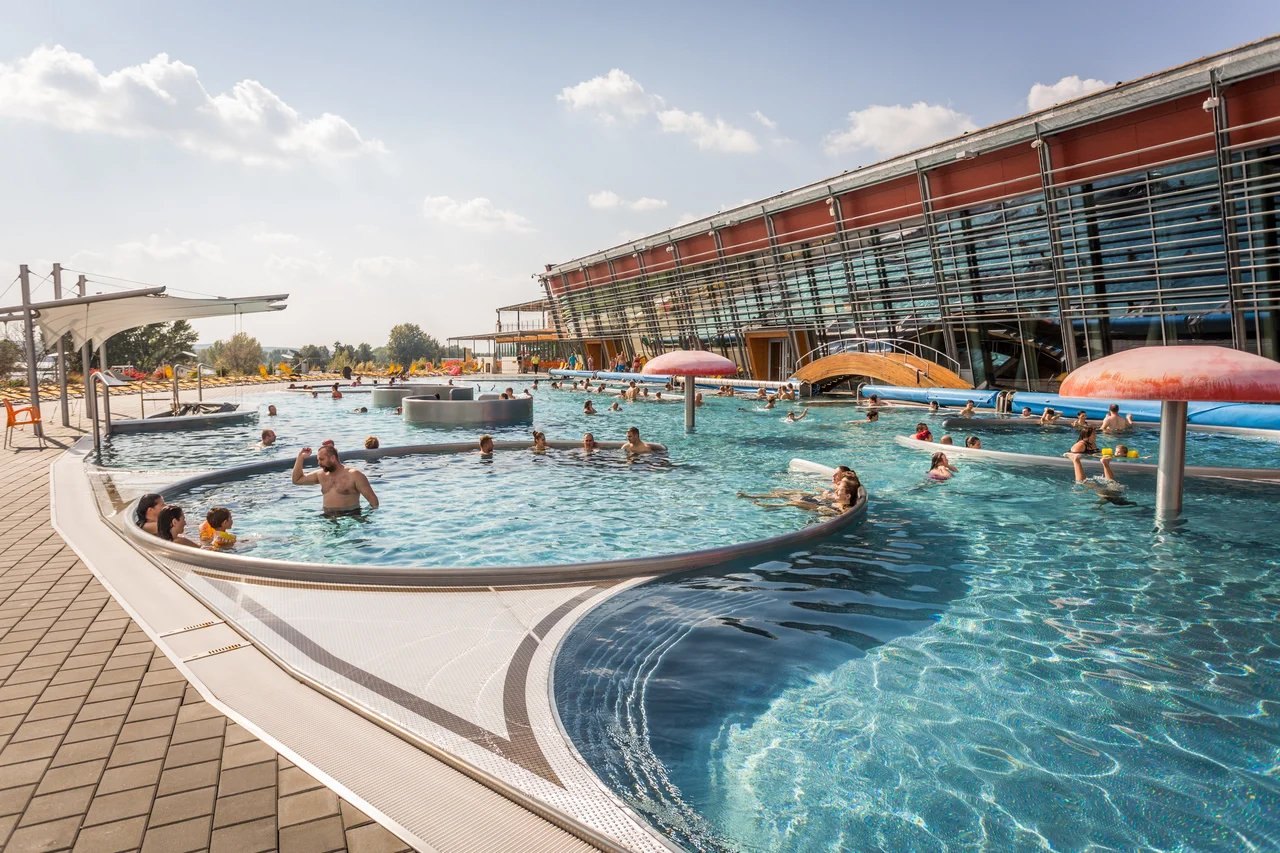
Practical Guide to Greece 2026: Transport, Money, Budget & Safety

TL;DRThis 2026 Greece guide says your best bet is mixing domestic flights (Aegean, Sky Express), ferries from Piraeus or Rafina, and a hire car — and budgeting for the climate tax of €1.50 to €10 a night plus the new cruise ship levy. Daily budgets run from €50 to €80 for backpackers, €265 to €455 for mid-range travellers, and from €490 for luxury, with Mykonos and Santorini costing 40 to 60% more than Naxos or Paros. Carry €100 to €200 in cash, since plenty of tavernas still won’t take cards. Greece is one of the safest countries around — the real risks are summer heat near 42°C, wildfires, pickpockets in Athens, tourist-trap restaurants in Plaka, and dodgy taxi drivers. Travel insurance with repatriation cover is a must too, as an EHIC card alone won’t cut it.

When you start piecing together your Greece itinerary, two things will catch up with you sooner or later: logistics and budget. Greece is not a compact destination you can zip across by train in an afternoon. It’s made up of a mountainous mainland and thousands of islands scattered across two seas — and in recent years, the country has introduced a string of new fees and taxes that can push up the final bill considerably. This Greece travel guide has everything you need to plan a smooth, surprise-free trip.

The good news is that Greece ranks among the safest countries in the world, and with a little preparation you can enjoy your holiday without any nasty surprises. You just need to know how to get around, how much money to bring, what to watch out for, and how to react if nature — or a city scammer — decides to test you.

In this practical guide you’ll find everything you need for a trip to Greece: transport options, money and ATMs, a realistic 2026 budget, new taxes and fees, safety (earthquakes, wildfires, the sea) and the most common tourist scams. Let’s get into it. ☺️

TL;DR

  • Getting around Greece means flying, taking ferries, or hiring a car. Domestic flights (Aegean, Sky Express) often save you hours compared to ferries.
  • Watch out with scooters and quad bikes. Anything over 50cc requires a category A licence — without it, you pay for everything out of pocket if there’s an accident.
  • Cash is still king. Carry 100–200 € in cash and only use ATMs from Greek banks, not Euronet.
  • 2026 budget: backpacker 50–80 € per day, mid-range around 265–455 €, luxury from 490 €.
  • New fees: the climate resilience tax is 1.50–10 € per night (paid at the hotel) plus a cruise passenger tax.
  • Safety: Greece is very safe overall. Watch out for heatwaves, wildfires (SMS alert from 112) and pickpockets or restaurant traps in Athens.
  • Travel insurance with repatriation cover is essential — your EHIC card alone won’t cut it.

Getting Around Greece: Flights, Ferries or Car?

Greece has solid and improving infrastructure, but you need to know when to fly, when to take a ferry, and when to just hire a car.

By Plane

The main hub is Athens’ Eleftherios Venizelos Airport, which handles over 34 million passengers a year, followed by Heraklion (Crete), Thessaloniki, Rhodes and Corfu. From the UK, there are frequent direct flights to Athens and Thessaloniki year-round, with seasonal charter and scheduled services to the islands running from May to October. Airlines including British Airways, easyJet, Jet2 and Ryanair all operate routes from major UK airports. Outside peak season, return flights to Athens can be found for as little as 80–150 €, while direct island routes in summer typically cost 200–400 €.

For inter-island hops, you’ll be choosing between Aegean Airlines, Olympic Air and Sky Express. Short island flights last under an hour and cost 50–120 €, which often makes far more sense than a long, gruelling ferry crossing.

By Ferry

Island hopping is a Greek classic. The main port for the Cyclades is Piraeus in Athens, but if you’re heading to Andros, Tinos or Mykonos straight from the airport, use the closer port of Rafina instead — it’ll save you an hour. For a detailed how-to, check out our guide to island hopping in Greece.

That said, people frequently underestimate ferry logistics. From mid-May to mid-September, the strong meltemi wind regularly causes delays and outright cancellations of high-speed services. If you have a connecting flight home, never leave your ferry transfer from an island to Athens for the very last day.

By Car or Scooter

Hiring a car gives you complete freedom to explore hidden villages and deserted beaches. Outside peak season you can pick up a small car for 25–40 € a day; in summer prices jump to 50–80 €. As a UK citizen, your standard driving licence is valid in Greece. Always insist on zero-excess insurance, though — island roads can be extremely narrow and scrapes from roadside bushes are an everyday occurrence.

⚠️ A word of serious warning. Riding a scooter over 50cc or a quad bike requires a category A motorcycle licence. Many rental shops ignore this and will happily hand over a more powerful machine on a standard car licence. But if there’s an accident, the insurer will check your licence — and if you’re not properly qualified for that vehicle, you’ll be liable for all medical costs and damages yourself, potentially running into tens of thousands of pounds.

Money: Cash, Cards and ATMs in Greece

Greece uses the euro, and these days you can tap your card in supermarkets, petrol stations and hotels without a second thought. In family-run tavernas, market stalls and kiosks, however, you’ll sometimes be met with an apologetic smile and the line “the terminal is broken.” This is often a routine form of tax avoidance, so always carry a cash reserve of 100–200 €.

When you do need an ATM, steer well clear of the blue-and-yellow Euronet machines — their exchange rates and fees are frankly exploitative. Stick to ATMs from official Greek banks (Alpha Bank, Piraeus Bank, Eurobank, National Bank of Greece) and always select “without conversion” when asked about dynamic currency conversion. Tips are usually 5–10% and it’s better to leave them in cash on the table rather than adding them via the card terminal, where the money may not reach your waiter.

💡 If you want to avoid foreign transaction fees altogether, a travel-friendly card like Revolut or Wise can save you a surprising amount over a two-week holiday. Alternatively, consider a Holafly eSIM so you’re always connected and can check your account on the go.

How Much Does a Holiday in Greece Cost in 2026?

Greece is currently around 15–25% cheaper than neighbouring Italy, but it has caught up with Spain and Croatia in terms of pricing. Budgets broadly fall into three tiers.

Travel styleBudget per person per dayOne week for two (total)
Backpacker / budget50–80 €700–1,120 €
Mid-range (couples)265–455 €2,420–5,885 €
Luxuryfrom 490 €from 6,860 €

A dorm bed in a hostel costs 15–25 €, a decent mid-range hotel runs 80–150 € per night, and a room with a caldera view on Santorini can easily top 300 €. Food will set you back around 30–50 € a day if you mix a quick lunch (a gyros pita costs 3.50–5 €) with a sit-down taverna dinner in the evening.

The golden rule: your budget isn’t determined by how you travel — it’s determined by where you go. Mykonos and Santorini are 40–60% more expensive than comparably good experiences on Naxos, Paros or the mainland, where you can often “earn” your sunbed simply by ordering a frappé. The cheapest islands tend to be those without airports and with fewer tourist crowds, like Thassos. Timing matters enormously too — accommodation prices drop by around 40% in October compared to August.

New 2026 Taxes and Fees to Know About

The Greek government is responding to climate change and overtourism with a wave of new charges that can push up your final bill in ways you might not expect.

The Climate Crisis Resilience Fee replaced the old city tax and is always paid in cash at the hotel on arrival — not online in advance. The rate depends on the accommodation category and season: apartments pay 1.50 € per night, three-star hotels 3 €, four-star 7 €, and five-star hotels 10 € per night.

The Cruise Passenger Tax applies to anyone arriving by large cruise ship. During peak season, each passenger pays 20 € to disembark at Santorini or Mykonos, and 5 € at other ports; rates drop in the shoulder season. Don’t forget entry fees for major sights either: the Acropolis and the Palace of Knossos both cost 20 € and operate mandatory timed-entry slots, so your ticket is only valid for a specific time window — book in advance.

Safety in Greece: Earthquakes, Wildfires and the Sea

Search “is Greece safe” and you’ll be met with dramatic headlines. Don’t be put off — Greece consistently ranks among the safest countries in the world and violent crime is rare, especially on the islands. Nature does occasionally flex its muscles, though.

Earthquakes

Greece sits in the most seismically active zone in Europe, so the ground does tremble from time to time. Most of these are micro-tremors you won’t even notice. A classic case of media scaremongering was the Santorini situation in early 2025, when instruments recorded tens of thousands of tremors — yet there were no casualties and no damage to infrastructure. Greek building codes have been among the strictest in Europe since 1995, and modern hotels are built to withstand significant quakes, so cancelling your flights over this really isn’t necessary.

If an earthquake does catch you indoors, follow the Drop, Cover, Hold On rule: get under a sturdy table or press yourself against a load-bearing wall, and don’t run outside where falling debris is a real danger. If strong tremors hit while you’re at the beach, head uphill immediately and move away from the shoreline.

Summer Heat and Wildfires

Summer in Greece no longer means a pleasant 30°C — heatwaves now regularly push 42°C. Air conditioning is standard these days; skip any accommodation that doesn’t have it. Drink water before you feel thirsty, wear a hat, and follow the local lead by taking a siesta in the shade between noon and four.

With heat and drought comes the threat of wildfires. Greece has an excellent early-warning system: when danger is detected, a loud emergency SMS is sent to your mobile from number 112 in both Greek and English, with clear instructions on where to evacuate. During red-alert days, stay out of pine forests, never light fires, and call 199 or 112 if you spot smoke.

lukas a lucka
Lukáš and Lucie recommend
Where to stay in Greece
1 accommodation — hotels and other lodging options

Sea Hazards

The Aegean and Ionian seas look like a calm swimming pool in photos, but looks can be deceiving. The silent danger is rip currents. If one catches you, don’t panic and don’t try to swim straight back to shore against it — swim parallel to the beach until you’re out of the current. Also watch out for the meltemi wind, which can blow a paddleboard or inflatable flamingo kilometres from shore before you know it. Water shoes are a smart choice on rocky beaches, where sea urchins lurk just beneath the surface.

Scams to Watch Out For, Especially in Athens

While crime on the smaller islands is practically non-existent, Athens is a big city with all that entails — and around the Acropolis you need to keep your wits about you.

  • Taxis: flagging down a yellow cab on the street is a sport for the brave (rigged meters, long detours). Download FREE NOW or Uber instead — you’ll see the price upfront.
  • Restaurant traps: in the tourist district of Plaka, touts lure you into restaurants with no prices displayed and the bill for two can easily hit 400 €. Never sit down anywhere without a menu showing prices, and refuse any unsolicited “gifts.”
  • Bar scam: a friendly local or a charming stranger invites you for a drink, disappears after a few rounds, and you’re left with a bill for hundreds of euros and a bouncer at the door. Don’t follow strangers to bars of their choosing.
  • Pickpockets: their hunting ground is the blue Metro line from the airport and the Monastiraki and Syntagma stations. Wear your backpack on your front and keep your wallet in a zipped front pocket.

Health, Pharmacies and Insurance

As a UK citizen travelling post-Brexit, your Global Health Insurance Card (GHIC) entitles you to necessary treatment at state-run facilities — but these are often underfunded, and on many islands you’ll find only a basic health centre. If you break a leg on Naxos, you’ll likely need a helicopter transfer to Athens. That’s why comprehensive travel insurance with a high medical limit and — crucially — repatriation cover is an absolute must for Greece. It costs relatively little and could save you an enormous sum.

Greek pharmacies are marked by a green cross and are genuinely excellent. Pharmacists speak English and often act as a first point of medical contact, sometimes dispensing medicines that would require a prescription elsewhere. Malaria and tropical diseases are not a concern here. The biggest nuisance is mosquitoes — buy your repellent locally, as Greek brands tend to work better on local mosquitoes.

Practical Tips and Emergency Numbers

A few final things to make sure nothing catches you off guard. Tap water is safe to drink in Athens and on the mainland, but on many islands it’s desalinated and not really suited for drinking — buy bottled water there. Plug sockets are the standard European type (Type C and F, 230V), so you’ll need a UK travel adaptor. Greece is two hours ahead of the UK (UTC+3 in summer). As a member of the EU, Greece falls under roaming rules — however, post-Brexit UK travellers are no longer automatically covered by EU roaming, so check with your mobile provider before you go or pick up a local SIM or eSIM. A Holafly eSIM is a convenient option that works from the moment you land.

Most importantly, save these emergency numbers to your phone — they’re all free to call, even without credit:

  • 112: pan-European emergency line (English-speaking operators)
  • 100: police
  • 166: ambulance (EKAB)
  • 199: fire brigade

Where to Stay in Greece

Whether you’re heading to the islands or the mainland, it pays to compare options carefully — and to prioritise accommodation with air conditioning and strong independent reviews, not just pretty photos from a brochure.

💡 Accommodation tip: We usually search on Booking.com, which tends to offer the most flexible cancellation policies. That’s especially valuable for island bookings, where the meltemi can disrupt your ferry plans — a free cancellation reservation gives you the freedom to adapt.

Remember to factor the Climate Crisis Resilience Fee into your accommodation budget for longer stays — it’s always paid on-site and isn’t included in the room rate.

Read More About Greece

Before you head off, check out our other articles about Greece:

Frequently Asked Questions

How much does a holiday in Greece cost?

It depends on your travel style. Backpackers can get by on 50 to 80 euros per day, mid-range travelers should budget around 265 to 455 euros per person per day, and luxury starts at 490 euros. A week for a couple will run from about 2,400 euros upward. Your destination makes the biggest difference though – Mykonos and Santorini are 40 to 60% more expensive than Naxos, Paros, or the mainland.

How much cash should I bring to Greece?

While cards are widely accepted in Greece, you’ll often run into ‘broken terminals’ at family-run tavernas, markets, and kiosks. Always keep an emergency stash of 100 to 200 euros in cash on you. Only withdraw from ATMs belonging to Greek banks (Alpha Bank, Piraeus, Eurobank) – never use the blue-and-yellow Euronet machines, which have terrible exchange rates.

What payment methods work in Greece?

Greece uses the euro, and you can pay by card or cash. Cards are accepted at supermarkets, gas stations, hotels, and larger restaurants, but expect to need cash at small tavernas and kiosks. Leave tips (5 to 10%) in cash on the table. When using ATMs or paying in shops, if asked about currency conversion, always choose to pay in euros – that means ‘without conversion.’

Is Greece safe regarding earthquakes and fires?

Yes, Greece is one of the safest countries in the world. Earthquakes are usually minor, and modern hotels easily withstand them thanks to strict building codes – serious damage is rare. Wildfires are a risk in summer, but Greece has an excellent SMS warning system from the number 112. There’s no reason to cancel your trip over these concerns – you just need to know the basic safety protocols.

What should I watch out for in Greece?

On the islands, practically nothing – crime is minimal. In Athens, watch out for pickpockets (especially on the metro from the airport), dodgy taxis (use the FREE NOW or Uber apps instead), and tourist traps in the Plaka district, where restaurants without posted prices can charge you hundreds of euros. Also be careful of summer heat, riding scooters without a proper license, and the meltemi winds near the water.

Do I need travel insurance for Greece if I have an EHIC card?

Absolutely yes. While your EHIC card covers essential treatment at public hospitals, these are often overcrowded and islands usually only have basic medical centers. If you have a serious injury, you’ll need helicopter or ferry transport to the mainland. Commercial insurance with high medical coverage limits and especially repatriation coverage is essential – it costs a few hundred euros and could save you hundreds of thousands.

Tips and Tricks for Your Vacation

Don’t Overpay for Flights

Search for flights on Kayak. It’s our favorite search engine because it scans the websites of all airlines and always finds the cheapest connection.

Book Your Accommodation Smartly

The best experiences we’ve had when looking for accommodation (from Alaska to Morocco) are with Booking.com, where hotels, apartments, and entire houses are usually the cheapest and most widely available.

Don’t Forget Travel Insurance

Good travel insurance will protect you against illness, accidents, theft, or flight cancellations. We’ve had a few hospital visits abroad, so we know how important it is to have proper insurance arranged.

Where we insure ourselves: SafetyWing (best for everyone) and TrueTraveller (for extra-long trips).

Why don’t we recommend any Czech insurance company? Because they have too many restrictions. They set limits on the number of days abroad, travel insurance via a credit card often requires you to pay medical expenses only with that card, and they frequently limit the number of returns to the Czech Republic.

Find the Best Experiences

Get Your Guide is a huge online marketplace where you can book guided walks, trips, skip-the-line tickets, tours, and much more. We always find some extra fun there!
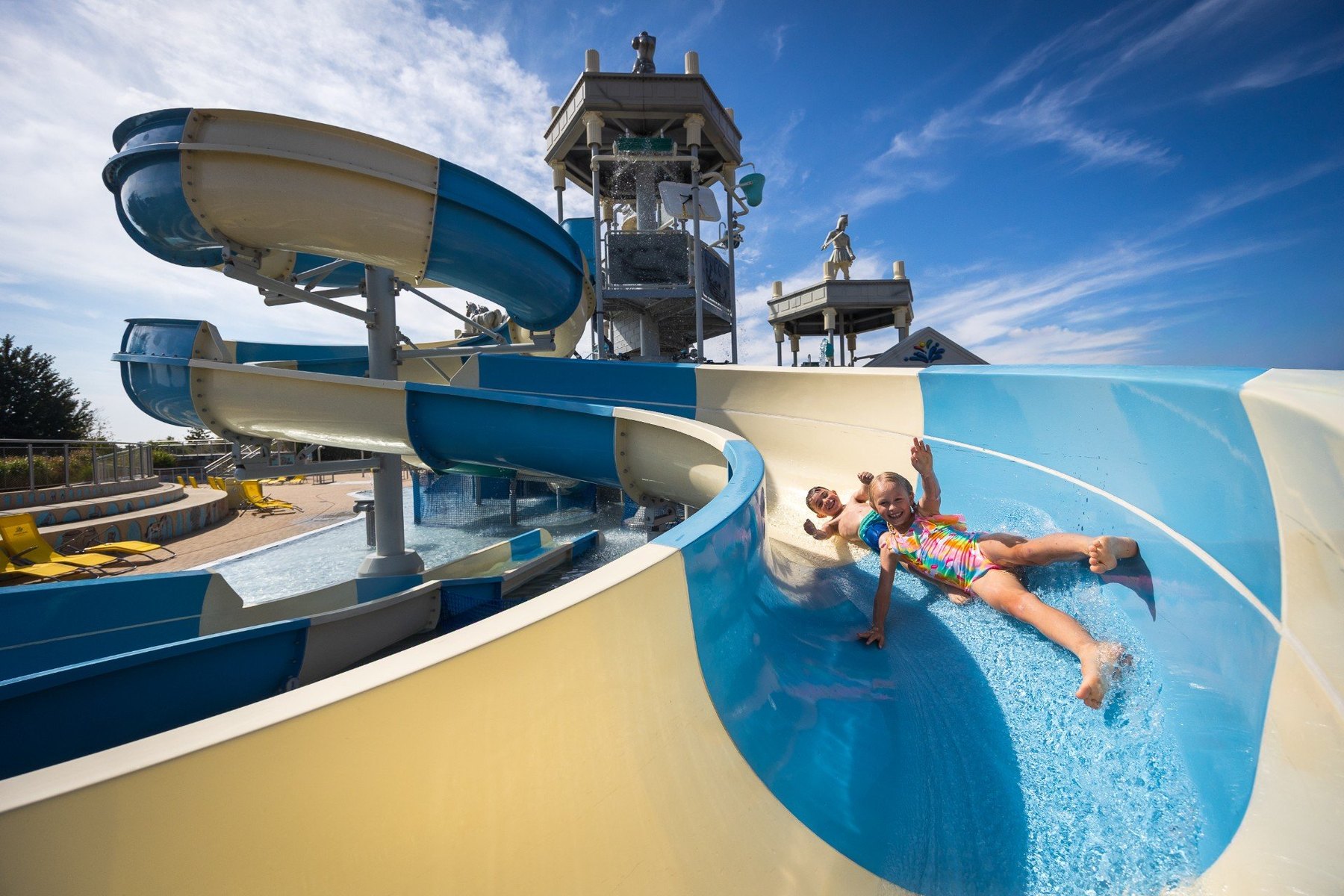
When to Visit Greece: Weather Month by Month in 2026

TL;DRThe best months for a Greek holiday are May and September — the sweet spots with warm weather, lower prices and emptier beaches. September wins for swimming, with sea temperatures of 24–26°C, while July and August bring brutal heat over 35–40°C, crowds and peak prices (sun loungers on Mykonos can run into hundreds of euros). April and October are ideal for sightseeing at places like the Acropolis, Delphi or Meteora, though in October it only stays warm in the south — Crete and Rhodes keep sea temperatures around 22–24°C. From mid-May to mid-September the meltemi wind picks up, cooling the air but playing havoc with ferries in the Cyclades and Dodecanese. Out of season, from November to March, the islands go quiet, so Athens or Thessaloniki are the better bet.

Planning a trip to Greece always comes back to one fundamental question: when should you actually go? You’re certainly not alone in asking — search terms about Greek weather and specific months are typed into Google nearly six million times a month. October is a particular obsession, because everyone secretly hopes to squeeze out one more month of summer without freezing or blowing the holiday budget. Finding the best time to visit Greece really does depend on what kind of trip you’re after.

The truth is, there’s no single universally perfect time to visit Greece. It all depends on whether you’re after swimming, empty ancient ruins, or a buzzing nightlife scene. The country also spans three distinct climate zones, so while it’s already raining in the north come October, you can still be sunbathing in the south.

In this guide, we’ll walk you through Greek weather month by month, demystify the infamous meltemi wind, lay out air and sea temperatures in a handy table, and finish with advice on when to go for your specific goals. Let’s find your perfect travel window. ☺️

TL;DR

  • The two best months are May and September — the so-called sweet spots. Warm weather, reasonable prices, quieter beaches, and in September the sea is like a warm bath.
  • September is king for swimming (water 24–26 °C), followed closely by July and August. In October, stick to the south.
  • July and August are extreme: temperatures above 40 °C, massive crowds, peak prices, and wildfire risk. Perfect only if you love the party scene.
  • The meltemi is a strong northerly wind (May–September) that cools the air but whips up waves and disrupts ferries. Choose coves facing south or south-west.
  • The south has the longest season (Crete, Rhodes), where you can swim well into autumn.
  • Off-season (November–March) the islands go to sleep, but Athens and Thessaloniki make excellent budget city breaks.

Three Climate Zones in Greece

Before picking a month, it’s worth knowing that Greece is far from climatically uniform — each region behaves quite differently. This matters most in autumn, when the gap between north and south becomes most pronounced.

The Ionian Islands in the west (Corfu, Zakynthos, Kefalonia) are lush, wetter, and spared from summer gales. The Cyclades in the middle of the Aegean (Santorini, Mykonos, Naxos) are dry, rocky, and battered by wind in summer. Then there’s the south — Crete and Rhodes — which enjoys the longest season in the entire Mediterranean and where you can swim comfortably well into autumn.

The Meltemi Wind Explained

From mid-May to mid-September, the Aegean is ruled by the meltemi — a strong, dry northerly wind that hits the Cyclades, Crete, and the Dodecanese hardest. It’s a force that can either save your holiday or seriously complicate it.

The good news: the meltemi is your best defence against brutal summer heat. While Athens shimmers at 40 °C in July, a steady breeze on Naxos can make it feel a full ten degrees cooler.

The catch is that the wind kicks up waves, and the Aegean can get seriously choppy. Even seasoned travellers can be caught out by seasickness on ferry crossings, and strong meltemi regularly causes delays or outright cancellations of sailings. If you’re planning island hopping, build in buffer days in case a ferry can’t sail. And at the beach, check the map — bays facing south or south-west are sheltered from the northerly wind and far more comfortable.

Greece Month by Month

Now for the main event. Let’s run through the whole year and set realistic expectations for each month — from the wildflower-filled days of April to the quiet winter sleep of the islands.

April: Blooms, Traditions and Cold Water

April in Greece is all about nature waking up. Everything is extraordinarily green, meadows are in full bloom, the air smells of wild herbs, and temperatures climb to a pleasant 20 °C. These are ideal conditions for hiking and sightseeing — no sweltering heat, no crowds.

If you want to explore the ruins at Delphi, climb up to the monasteries of Meteora, or walk the Samaria Gorge in Crete, April is your month. Swimming is firmly off the agenda though — the sea barely reaches 16–17 °C. The key event of spring is Greek Orthodox Easter, the most important holiday in the Greek calendar, when villages come alive with candlelit processions and whole lambs are roasted on the spit. Bear in mind that many shops and services will have reduced hours over the holiday period.

May: The First Sweet Spot of the Season

Among experienced travellers, May is widely regarded as one of the two best months to visit Greece. The sun already has real warmth, the days are long, but the tourist machine is only just getting started. Beaches are blissfully quiet and accommodation prices are noticeably friendlier than in high summer.

The sea warms to 19–20 °C, so a swim is perfectly doable — it’s refreshing rather than warm, but still. May is brilliant above all for road trips on the mainland, such as a two-week loop around the Peloponnese (Athens, Corinth, Olympia, Kalamata, Nafplio). You’ll also save on Greece’s relatively new cruise passenger levy: in high summer, disembarking from a cruise ship on Santorini or Mykonos costs 20 euros, but in May it’s just 12 euros.

June: The Perfect Compromise

If you want the reassurance of warm weather, a properly warm sea (around 22–23 °C), but still don’t want to fight your way through the crowds, June is the answer. Every taverna and beach bar is open and running at full capacity, ferries are on their summer schedules, but the islands haven’t yet hit breaking point.

This month works especially well for families with younger children who aren’t tied to school holidays. The shallow beaches of Naxos or Corfu offer ideal conditions for little ones, evenings are warm enough for dinner outside in a t-shirt, and the meltemi is still just warming up — so the sea tends to stay calm.

July and August: Peak Season, Crowds and Extremes

This is where the gloves come off. July and August represent the undisputed peak of the season — with everything that entails. Greece welcomed a record-breaking nearly 38 million visitors in 2025, and the overwhelming majority came in these two months.

Expect extreme heat. Temperatures routinely push 35 °C and top 40 °C during heatwaves. In July 2025, a 42 °C heatwave forced the closure of the Athens Acropolis mid-day for safety reasons — a site that now operates with timed entry slots and a daily cap of 20,000 visitors anyway. Extreme heat also brings the very real risk of wildfires; firefighters dealt with up to fifty separate blazes per day last summer.

Prices skyrocket — sunbeds on Mykonos can run into the hundreds of euros and the cruise levy is at its maximum rate. If you’re after parties, nightlife, and packed beach clubs, this is your scene. But if peace and quiet is more your style, escape to lesser-known islands like Skopelos, Symi or Ikaria.

September: The Second Sweet Spot — Sea Like a Warm Bath

Once that first week of September passes and the kids are back at school, Greece lets out a long, collective sigh of relief. September is, for many seasoned travellers, simply the best month to visit Greece.

The sea has been soaking up heat all summer and acts like an enormous radiator, holding at a gorgeous 24–26 °C. The air, meanwhile, cools to a very manageable 28 °C and the meltemi gradually fades, calming the waves along with it. It’s the ultimate month for couples and honeymoons — the romance of Santorini or the winding lanes of Milos takes on a whole new dimension without cruise-ship crowds bearing down on you. And accommodation prices are already starting to fall.

October: The Secret Extended Summer

We arrive at the month that breaks search engine records. October in Greece is a genuine phenomenon, and the answer to whether it’s worth the gamble is: yes — but you need to know where to go.

While the north (Halkidiki, Thassos) can already bring rain and a chilly wind, the south remains firmly in summer mode. Crete and Rhodes are a safe bet in October — thanks to the sea’s enormous thermal mass, the water still hovers around 22–24 °C. You can still catch a real tan on the beach during the day, though evenings will call for a light jacket. Autumn is also a fantastic time to explore Athens, when the atmosphere is more relaxed and the tourist traps are fewer.

lukas a lucka
Lukáš and Lucie recommend
Where to stay in Greece
1 accommodation — hotels and other lodging options

November to March: Greece in Winter Hibernation

Come November, most of the islands effectively shut down for winter. Charter flights stop, hotels close their doors, and even magnets like Santorini and Mykonos return to life at a local pace. A winter island visit is strictly for true adventurers — ferry services on some routes drop to just once a week.

If you want to travel off-season, focus on the mainland. Athens is brilliant for a winter city break — no heat, empty monuments, and often discounted entry fees. Thessaloniki is another superb option, and recently opened a brand-new automated metro line that makes getting around a breeze.

Quick Reference: Greece Weather Month by Month

If you want everything in one place, here’s the full year at a glance — air and sea temperatures, crowd levels, prices, and who each month suits best.

MonthAir TempSea TempCrowdsPricesBest for
April18–20 °C16–17 °CLowLowSightseeing, hiking, nature
May22–25 °C19–20 °CLow/mediumFavourableRoad trips, active couples
June28–30 °C22–23 °CMediumMediumFamilies with young children, first swims
July32–40+ °C24–25 °CExtremeHighestSun-seekers, party lovers
August32–40+ °C25–26 °CExtremeHighestClassic beach holiday (book early)
September26–29 °C24–26 °CMediumFallingHoneymoons, couples, perfect swimming
October22–25 °C22–24 °CLowLowExtended summer in the south, sightseeing
Nov–Mar10–15 °C15–18 °CMinimalLowestCity breaks (Athens, Thessaloniki), slow travel

When to Go for Your Specific Goals

If you already know what you want from your holiday, the choice becomes easy. Here’s a quick cheat sheet based on your priorities.

  • For the best swimming (June to October): July and August are reliable, but September is the undisputed champion — the water is at its warmest and the beaches aren’t as heaving. In October, stay as far south as possible (Crete, Karpathos, Rhodes).
  • For sightseeing and hiking (April, May, October): climbing the Acropolis in 40 °C heat is genuinely punishing. Spring and autumn offer comfortable temperatures around 20 °C for exploring ruins and national parks.
  • For parties and nightlife (July and August): Mykonos, Ios and Zakynthos never sleep in these months — top DJs are in residence and beach clubs are packed to capacity. Just make sure your wallet is ready for it.
  • For a romantic break without the crowds (September): want that iconic Santorini photo without fifty strangers in the background? Fly in September, when the sea is warm, the evenings are dreamy, and the island atmosphere returns to something approaching normal.

When to Book and Where to Stay

Your timing is closely tied to how far in advance you need to book. For July and August — especially on Santorini and Mykonos — book several months ahead. The best hotels and apartments go first, and prices in the final weeks are eye-watering. For May, June and September, a few weeks’ notice is usually sufficient and you can save tens of per cent.

💡 Accommodation tip: We always start our search on Booking.com, which tends to offer the most flexible cancellation policies. That’s particularly handy outside peak season, when the weather and ferry timetables are unpredictable — a free-cancellation booking can save a lot of stress.

If you want to chase warm weather as late into autumn as possible, head south — the season stretches to October on Crete, Karpathos and Rhodes. If spring or autumn sightseeing is more your thing, base yourself in Athens or on the mainland, from where you can easily reach Delphi, Meteora and the Peloponnese as day trips.

Further Reading

Before you book those flights, have a look at our other Greece guides:

Frequently Asked Questions

When is the best time to fly to Greece?

The most versatile months are May and September, the so-called sweet spots. They offer warm weather, reasonable prices, and quieter beaches, plus the sea is at its warmest in September. June is a great compromise for families, while July and August are only worth it if you’re after the party scene or don’t mind scorching temperatures over 40°C and crowds.

When can you swim in Greece?

Swimming season runs roughly from June to October. You’ll enjoy pleasantly warm water (over 24°C) in July, August, and especially September, when temperatures reach 24 to 26°C. In May, it’s around 19 to 20°C, so more refreshing than warm. In October, stick to the south—Crete and Rhodes—where the water stays above 22°C.

What’s the weather like in Greece in October?

October brings a noticeable difference between north and south. While the north (Chalkidiki, Thassos) may see rain and cold winds, the south stays in summer mode. Crete and Rhodes enjoy daytime temperatures of 22 to 25°C with sea temperatures around 22 to 24°C, so you can still swim comfortably. Evenings do call for a light sweater though.

Which Greek island is warmest and has the longest season?

The longest and warmest season belongs to the southern islands, particularly Crete, Rhodes, and Karpathos. Thanks to their location closest to Africa, you can swim here well into October and the season starts earlier than elsewhere. Northern destinations (Thassos, Chalkidiki), on the other hand, cool down the fastest.

What is meltemi and when does it blow the most?

Meltemi is a strong, dry northerly wind that blows across the Aegean Sea roughly from mid-May to mid-September, peaking in July and August. It affects the Cyclades, Crete, and Dodecanese the most. While it cools the air and provides relief from the heat, it whips up waves and can disrupt ferries, so leave some buffer time when island hopping.

When should you go to Greece with kids?

For families with children, June and September are ideal. The weather is warm, the sea is nicely heated, and you’ll avoid the extreme heat and crowds of July and August. Shallow sandy beaches on Naxos, Kos, or Corfu are perfect. If you’re not tied to school holidays, June is the clear winner.

When is Greece cheapest?

The lowest prices are from November to March, though most islands are closed and only the mainland (Athens, Thessaloniki) makes sense. During the main season, May, June, and October offer the best value—the weather is still excellent, but accommodation and flights cost significantly less than in July and August. Avoid peak summer holidays when prices are at their highest.

Tips and Tricks for Your Vacation

Don’t Overpay for Flights

Search for flights on Kayak. It’s our favorite search engine because it scans the websites of all airlines and always finds the cheapest connection.

Book Your Accommodation Smartly

The best experiences we’ve had when looking for accommodation (from Alaska to Morocco) are with Booking.com, where hotels, apartments, and entire houses are usually the cheapest and most widely available.

Don’t Forget Travel Insurance

Good travel insurance will protect you against illness, accidents, theft, or flight cancellations. We’ve had a few hospital visits abroad, so we know how important it is to have proper insurance arranged.

Where we insure ourselves: SafetyWing (best for everyone) and TrueTraveller (for extra-long trips).

Why don’t we recommend any Czech insurance company? Because they have too many restrictions. They set limits on the number of days abroad, travel insurance via a credit card often requires you to pay medical expenses only with that card, and they frequently limit the number of returns to the Czech Republic.

Find the Best Experiences

Get Your Guide is a huge online marketplace where you can book guided walks, trips, skip-the-line tickets, tours, and much more. We always find some extra fun there!
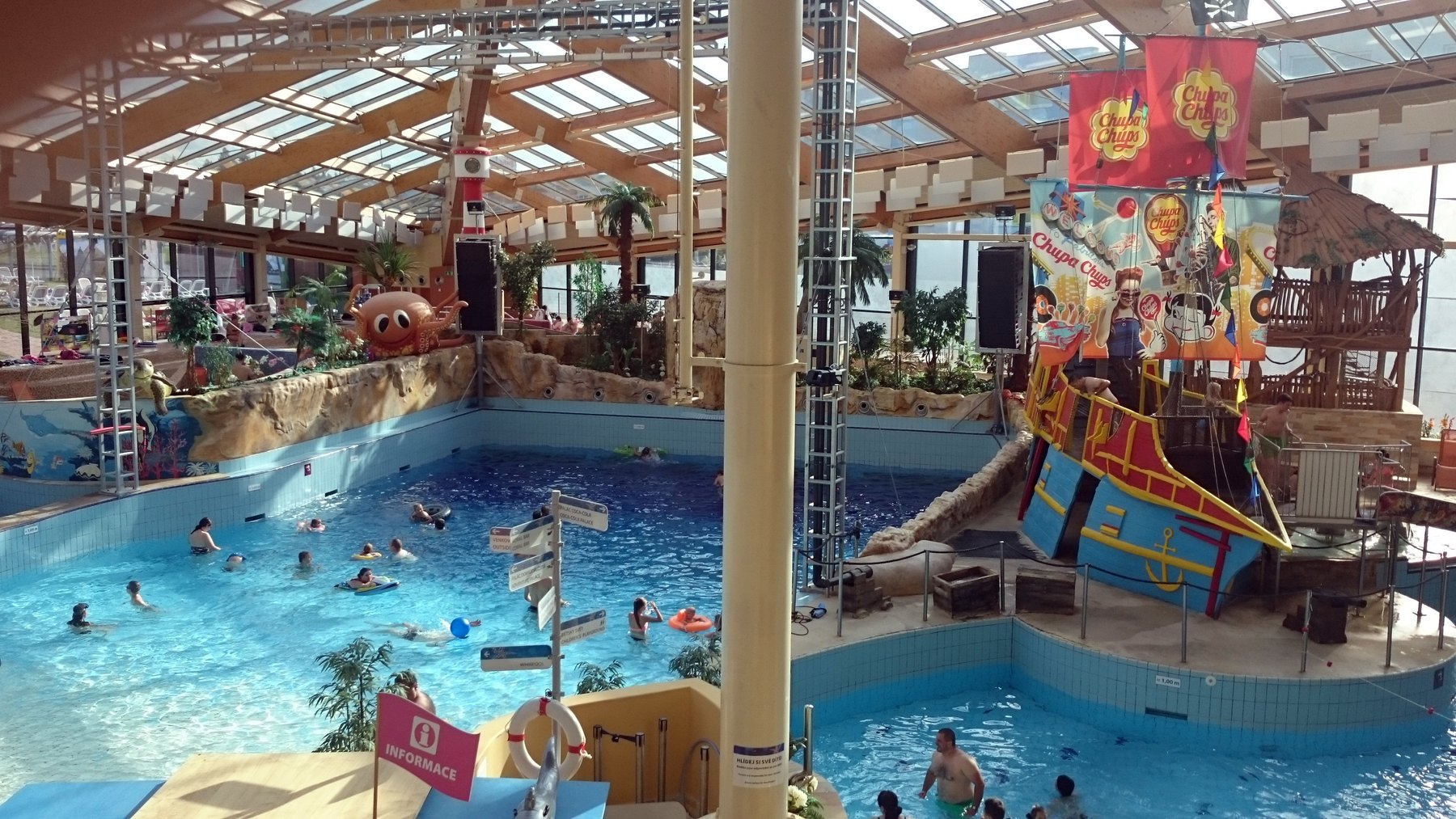
Wellness Hotels in Germany: 12 Hidden Gems Most Travellers Don’t Know About

TL;DRGermany’s wellness hotels run from thermal complexes to Alpine resorts and medical spas, and here are twelve solid picks. Therme Erding tops the list as Europe’s largest thermal complex (185,000 m², 28 pools, 27 slides), with rooms at the Victory Therme Erding from 230 EUR a night. For pure luxury, Schloss Elmau near Garmisch-Partenkirchen has six spas and starts at 590 EUR a night, while the historic Brenners Park-Hotel & Spa in Baden-Baden comes in from 475 EUR a night. Other names worth knowing: Das Kranzbach, Bachmair Weissach with Germany’s first Japanese onsen, Lanserhof Tegernsee — repeatedly ranked the world’s best medical spa — and Ortner’s Resort in Bad Füssing, which has its own sulphur spring, from 240 EUR a night. Prices range from 130 EUR a night at the budget end to 700+ EUR for ultra-luxury stays. Autumn and winter are the best times to go, ideally on weekdays, and one thing to know before you book: nudity is compulsory in German saunas, even in mixed-sex areas.

Germany and wellness? These two go together like a perfect Sunday roast. Just think about it — over 350 spa towns, thermal springs that have been bubbling up since the days of ancient Rome, and a culture of relaxation taken to absolute perfection. While the rest of the world is only just discovering Scandinavian saunas and Japanese onsens, the Germans have been blissfully soaking in hot water for a few millennia already. And along the way, they’ve layered in the very best of modern wellness — from medical spas with doctor-led programmes to alpine resorts with panoramic pools and thermal complexes the size of a small town.

Wellness hotels in Germany offer something you’d struggle to find anywhere else: a combination of Germanic precision, natural thermal springs, and an astonishingly varied range of experiences. Fancy tucking into a sauna deep in the Black Forest? Swimming in healing sulphurous water? Or being pampered at an ultra-luxury resort that once hosted the G7 summit? Germany has all of this — and then some.

In this article you’ll find 12 carefully chosen tips for the best wellness hotels in Germany — from the colossal Therme Erding to the hidden gem Das Kranzbach and the legendary Brenners Park in Baden-Baden. For each one I’ve included practical details on prices, ratings, and who it suits best. Let’s dive in! ☺️

TL;DR

  • Therme Erding — Europe’s largest thermal complex (185,000 m²). Hotel Victory Therme Erding offers themed rooms right inside it, from 230 EUR/night including entry.
  • Schloss Elmau — ultra-luxury retreat with 6 spas, live concerts, and 2 Michelin stars, from 590 EUR/night.
  • Das Kranzbach — Germany’s highest-rated wellness hotel (RELAX GUIDE 4 lilies), absolute peace on a private mountain meadow, from 490 EUR/person including full board.
  • Bachmair Weissach — Germany’s first authentic Japanese onsen, Condé Nast Award 2025, from approx. 600 EUR/night.
  • Lanserhof Tegernsee — repeatedly named the world’s best medical spa, from 500+ EUR/night.
  • Kempinski Berchtesgaden — luxury above the clouds with views of the Watzmann, from 400 EUR/night.
  • Sonnenalp Resort — 20,000 m² wellness complex in Allgäu, one of the largest in Germany, from 310 EUR/night.
  • Das König Ludwig — adults-only with views of Neuschwanstein, Booking 9.4/10, from 430 EUR/night.
  • Hotel Bareiss — 3 Michelin stars for the restaurant + spa in the Black Forest; a foodie’s paradise.
  • Luisenhöhe — medical wellness with sweeping views above Freiburg, 4,400 m² spa, 2 Michelin Keys.
  • Brenners Park-Hotel & Spa — a Baden-Baden icon since 1872, Booking 9.6/10, from 475 EUR/night.
  • Ortner’s Resort — its own sulphur spring in Bad Füssing, best value for money, from 240 EUR/night.
  • Best time to visit: autumn and winter, ideally on weekdays.
  • Good to know: nudity is the rule in German saunas — including mixed-gender areas!

How to Choose a Wellness Hotel in Germany — What to Look For

Before we get into the specific recommendations, let’s clear up a few things that will save you time, money, and possibly a few awkward moments. Because wellness in Germany isn’t simply “pool and sauna” — it’s a whole ecosystem with its own rules, traditions, and (for some visitors) rather surprising customs.

Types of Wellness — What Are You Looking For?

Thermal spas — Germany has hundreds of thermal springs. The largest complexes are in Bavaria (Therme Erding, Bad Füssing, Therme Bad Aibling) and Baden (Baden-Baden). Perfect if you want a mix of relaxation and fun — water slides, wave pools, sauna worlds.

Alpine wellness — mountain resorts in the Bavarian Alps and Allgäu with panoramic pools, crisp mountain air, and the chance to combine spa time with hiking or skiing. Picture this: you’re floating in a warm outdoor pool, snow is falling all around you, and jagged alpine peaks rise up before you. Arguably the most beautiful form of rest that exists.

Kneipp wellness — a tradition founded by Sebastian Kneipp, built on 5 pillars (water, movement, nutrition, herbs, and balance). It has been on the UNESCO Intangible Cultural Heritage list since 2015. The spiritual home is Bad Wörishofen — if you’re curious about Therme Bad Wörishofen, it’s the ideal starting point for exploring this philosophy.

Medical spa — for those who take wellness seriously. Doctor-led programmes, detox, longevity, diagnostics. Lanserhof Tegernsee is the absolute world leader in this category.

Luxury hotel spa — classic hotel wellness at the highest level. Brenners Park, Schloss Elmau, Hotel Bareiss — here it’s about the whole experience: fine dining, impeccable service, stunning interiors, and atmosphere.

When to Go — Season Makes a Big Difference

The best time for a wellness break in Germany is autumn and winter — October through March. Outside it’s grey, cold, and miserable; inside you’re wallowing in hot thermal water. Absolute bliss. Summer is great for alpine resorts, where you can combine spa days with hiking. The golden rule: go on weekdays. At weekends, thermal complexes — especially the big ones like Therme Erding — can get seriously crowded. And dodging German school holidays is doubly important; bear in mind they vary by federal state.

Price Range — Something for Every Budget

German wellness hotels cover the full spectrum:

Important: Nudity in German Saunas Is the Rule!

I need to mention this upfront, because it catches plenty of visitors off guard. In German saunas, swimwear is not allowed. That applies even in mixed-gender areas where men and women share the same space. Swimsuits are considered unhygienic (synthetic fabrics release unwanted substances in the heat). If that doesn’t appeal to you, stick to the pool area — swimwear is compulsory there. But honestly, most guests are surprised by how quickly they get used to it. Everyone around you behaves completely naturally, and nobody is remotely interested in what you look like. Just relax ☺️

Comparison Table: All 12 Hotels at a Glance

HotelRegionTypePrice/night for 2RatingBest for
Hotel Victory Therme ErdingBavariaThermalfrom 230 EURBooking 9.0Couples, families, fun
Schloss ElmauBavaria (Alps)Ultra-luxuryfrom 590 EURT+L #2 Spa 2025Couples, culture, luxury
Das KranzbachBavaria (Alps)Alpine luxuryfrom 490 EUR/personRELAX GUIDE 4 liliesCouples, total seclusion
Bachmair WeissachBavaria (Tegernsee)Japanese onsenfrom 600 EURCondé Nast 2025Couples, luxury, wellness
Lanserhof TegernseeBavaria (Tegernsee)Medical spafrom 500+ EURRELAX GUIDE 4 liliesDetox, longevity, health
Kempinski BerchtesgadenBavaria (Alps)Luxury alpinefrom 400 EURMichelin GuideCouples, active holidays
Sonnenalp ResortAllgäuAlpine resortfrom 310 EUR5★Couples, families, active
Das König LudwigAllgäu (Schwangau)Adults-onlyfrom 430 EURBooking 9.4Romantic couples
Hotel BareissBlack ForestGourmet luxuryon requestGoogle 4.7, 3 Michelin★Foodies, couples
LuisenhöheBlack ForestMedical wellnesson request2 Michelin KeysDetox, health
Brenners Park-Hotel & SpaBaden-BadenHistoric luxuryfrom 475 EURBooking 9.6Absolute luxury
Ortner’s ResortBad FüssingThermal healthfrom 240 EURBooking 9.1Health stays, couples

Bavaria: 6 Wellness Hotels from Therme Erding to Alpine Retreats

Bavaria is Germany’s undisputed wellness hotspot. It has the highest concentration of thermal spas in the country, Alpine scenery thrown in as a bonus, and Bavarian hospitality warm enough to make you overeat (those dumplings!). From the colossal Therme Erding to exclusive mountain retreats — here are the six best wellness hotels in the Bayern region.

1. Hotel Victory Therme Erding — A Hotel Inside Europe’s Largest Thermal Complex

Therme Erding. If you haven’t heard of it yet, brace yourself for some jaw-dropping figures. 185,000 m² (that’s roughly 26 football pitches). 28 pools. 27 water slides. 30 saunas. The largest thermal complex in the whole of Europe — and Hotel Victory Therme Erding sits right inside it. Literally. Step out of your room and you’re in a tropical paradise beneath a vast glass dome.

The hotel is themed as a replica of the British warship HMS Victory and a Venetian palace. Sounds kitsch? Perhaps a little. But reviews suggest it works surprisingly well, and guests rave about the level of detail. There are 6 room types — from the Captain’s Cabin overlooking the wave pool to the Admiral’s Cabin, and romantic Serenissima rooms complete with Venetian frescoes. Families can book child-friendly ship-cabin rooms that’ll have young pirates in seventh heaven 😁

A big perk for hotel guests is early entry — you get into the thermal complex before the general public arrives. You’ll appreciate this, because Therme Erding is wildly popular. The Galaxy zone has 27 slides (some with virtual reality!), VitalOase is a calmer section for guests aged 16+ and VitalTherme is the textile-free sauna world. The water rises from a depth of 2,350 metres and is certified as therapeutic — so it’s not just about fun, it’s genuinely good for you.

Prices and practical info: Rooms from 180 EUR/night (excluding thermal entry), from 230 EUR/night including 2-day access. Entry alone: 24–38 EUR depending on zone; children under 3 free; parking free. Booking rating 9.0/10. The essential tip: visit on a weekday. Therme Erding gets very busy at weekends, especially during the winter months.

2. Schloss Elmau — Ultra-Luxury Retreat with 6 Spas and Concerts Under the Stars

Schloss Elmau isn’t just a hotel. It’s a cultural institution, a wellness sanctuary, a gastronomic experience, and an alpine hideaway — all wrapped up in one magnificent castle at 1,008 metres above sea level near Garmisch-Partenkirchen. And yes, this is the very resort that hosted the G7 summit. If it’s good enough for world leaders, it’s probably good enough for us, right? 😅

What makes Schloss Elmau truly exceptional is its 6 separate spas. Three are adults-only (an oriental hammam, a Japanese onsen, and the Shantigiri Spa inspired by Ayurveda) and three are family-friendly. That means you can come here with children and still find total peace — you just choose a different spa. The rooftop infinity pool with views of snow-capped alpine peaks is probably one of the most photographed hotel pools in Europe. And rightly so.

On top of the spa, there’s the Ikigai by Chris Rainer restaurant with 2 Michelin stars and a unique cultural programme — private classical music concerts, literary readings, and lectures. Guests who’ve stayed here consistently say it’s an experience you simply can’t find anywhere else. Travel+Leisure ranked Schloss Elmau #2 Best International Spa 2025.

Prices and practical info: From 590 EUR/night; half-board from an additional 380 EUR/person. TripAdvisor 4/5. It’s a serious investment — but for the combination of wellness, culture, fine dining, and mountain scenery, it’s hard to find anywhere in Europe that comes close for the money.

3. Das Kranzbach — Germany’s Highest-Rated Hidden Gem

Some hotels you simply can’t stumble upon by accident. Das Kranzbach is one of them — it sits on a private mountain meadow at 1,030 metres above sea level near Krün, accessible only via a private road. No passing traffic, no noise, no outside world. Just you, the mountains, and absolute silence.

The story behind this place is fascinating. The main building was commissioned over 100 years ago by British aristocrat Mary Isabel Portman as her private mountain retreat. Today it’s an adults-only hotel (ages 12+) with 5 pools, 8 saunas, and the highest rating of any hotel in Germany in the prestigious RELAX GUIDE — 4 lilies and 20 points. That says it all.

What repeatedly wows guests at Das Kranzbach: full board is included in the price. A gourmet breakfast, a light lunch, afternoon tea with homemade pastries, and a 5-course dinner — all included. The minimum stay is 2 nights, and honestly, you wouldn’t want to leave any sooner.

Prices and practical info: From 490 EUR/person including full board. Booking rating is outstanding. For couples seeking absolute privacy and quiet, Das Kranzbach is probably the finest wellness hotel Bavaria has to offer.

4. Bachmair Weissach — Germany’s First Authentic Japanese Onsen

On the shores of Lake Tegernsee in the village of Rottach-Egern sits a resort that rewrote the rules of German wellness. Bachmair Weissach opened the MIZU ONSEN SPA in 2024, becoming the first hotel in Germany with an authentic Japanese onsen. Three thousand square metres of pure zen.

What does that mean in practice? A hot pool at 42°C, a cold plunge at just 2°C (yes, really), meditative rituals, and a philosophy that treats wellness as a path to inner balance. According to guest reviews: “MIZU Onsen is a truly special experience” — a verdict backed up by the Condé Nast Award 2025. The resort has 140 rooms including 45 suites, and the interiors blend Alpine style with Japanese aesthetics. An unusual combination on paper? Perhaps. In reality, apparently it works perfectly.

Prices and practical info: Packages from 1,790 EUR for 3 nights (including ¾ board and a 150 EUR spa voucher), working out at roughly 600 EUR/night. Not cheap — but for Germany’s first Japanese onsen with this level of facilities, guests say every penny is worth it.

5. Lanserhof Tegernsee — The World’s Best Medical Spa

If there is one place on earth where wellness and medicine meet at the highest possible level, it’s Lanserhof Tegernsee. Repeatedly named the World’s Best Medical Spa. RELAX GUIDE has awarded it 4 lilies — the very highest rating. And when you see the building — a minimalist architectural masterpiece set against the Bavarian landscape — it’s clear that nothing here is done by halves.

Lanserhof isn’t a typical wellness hotel where you lounge by the pool with a glass of prosecco. It’s a place you come to when you genuinely want to understand your body. Medical detox, Kneipp therapy, cutting-edge diagnostics, longevity programmes — all overseen by doctors. Guest numbers are deliberately kept low so every person receives individual attention. No crowds, no rush.

Prices and practical info: From 500+ EUR/night. Prices vary depending on the programme chosen and the length of stay. Ideal for health-conscious travellers who view wellness as an investment in their long-term health, not just a holiday. Check availability and current prices here.

6. Kempinski Hotel Berchtesgaden — Luxury Above the Clouds

At 1,000 metres above sea level, with a sweeping panoramic view of the mighty Watzmann, sits Kempinski Hotel Berchtesgaden. And that view — that’s probably the main reason guests keep coming back. Indoor and outdoor pools gazing out over alpine giants, saunas, hydrotherapy and spa treatments at the standard you’d expect from the Kempinski name.

The location is a huge draw. The emerald Königssee lake is just a few minutes’ drive away, and the historic Eagle’s Nest (Kehlsteinhaus) isn’t far either. Skiing in winter, hiking in summer — and after either, straight back into a heated pool. Alpine wellness at its absolute finest. The Michelin Guide recommends the hotel, and guests consistently praise the combination of luxury, nature, and service.

Prices and practical info: From 400–550 EUR/night depending on season and room type. Day spa access for non-residents: 45 EUR. Perfect for couples who want to combine wellness with an active mountain holiday.

lukas a lucka
Lukáš and Lucie recommend
Where to Stay in Germany
6 accommodations — hotels, wellness hotels and other lodging options
⭐ TOP CHOICE 🏔️ Mountain
Das Kranzbach
Adults-only hotel on a private mountain meadow at 1,030 meters altitude with the highest rating in Germany (RELAX GUIDE 4 lilies). 5 pools, 8 saunas, full board included. Absolute peace and privacy, accessible only via private road.
★★★★ from 490 EUR/person incl. full board
Check availability
🏨 Hotel
Hotel Victory Therme Erding
Hotel located directly inside the largest thermal complex in Europe (185,000 m²). Themed rooms in naval ship and Venetian palace style, early entry to Therme Erding with 28 pools, 27 slides and 30 saunas.
★★★★ from 230 EUR/night with entry
Check availability
⭐ Luxury
Schloss Elmau
Ultra-luxury retreat with 6 spas (3 adults-only, 3 family), classical music concerts, 2 Michelin stars at Ikigai restaurant. G7 Summit venue, Travel+Leisure #2 Best International Spa 2025. Rooftop infinity pool with alpine views.
★★★★ from 590 EUR/night
Check availability
⭐ Luxury
Bachmair Weissach
Germany’s first Japanese onsen (MIZU ONSEN SPA) by Lake Tegernsee. Condé Nast Award 2025. Hot pool 42°C, cold plunge 2°C, meditative rituals. Combination of alpine style with Japanese aesthetics.
★★★★ from approx. 600 EUR/night
Check availability
⭐ Luxury
Lanserhof Tegernsee
Repeatedly the world’s best medical spa, RELAX GUIDE 4 lilies. Medical detox, Kneipp therapy, modern diagnostics, longevity programs under medical supervision. Minimalist architecture.
★★★★ from 500+ EUR/night
Check availability
⭐ Luxury
Kempinski Hotel Berchtesgaden
Luxury hotel at 1,000 meters altitude with panoramic views of Watzmann. Indoor and outdoor pools, saunas, hydrotherapy. Close to Königssee and Eagle’s Nest. Michelin Guide hotel.
★★★★ from 400 EUR/night
Check availability

Allgäu: 2 Alpine Wellness Oases Beneath Panoramic Peaks

Allgäu is the part of Bavaria that gets less attention than Garmisch or Tegernsee — but according to travellers who’ve been there, it’s one of the most beautiful corners of the whole country. Rolling green pastures, alpine peaks, family-run farms, and a peace and quiet you simply won’t find in the better-known destinations. And right in the middle of all this: two truly exceptional wellness hotels.

7. Sonnenalp Resort — 20,000 m² Wellness in the Heart of Allgäu

Twenty thousand square metres. That’s the size of the wellness park at Sonnenalp Resort, making it one of the largest hotel wellness complexes in the whole of Germany. And it’s not just about size — 10 pools (5 indoor + 5 outdoor), a private mountain lake for swimming, a sauna world, and treatments you’d want to write home about.

Sonnenalp is a family-run estate with over 100 years of history — the fifth generation of the Fäßler family welcomes every guest with that warm alpine hospitality. The resort has 224 rooms plus 3 private alpine chalets for those who want even more seclusion. In summer there’s golf on the resort’s own course and hiking; in winter, skiing. There’s a children’s pool and activity programmes for families too — so everyone genuinely gets to switch off.

Prices and practical info: From 310 EUR/night in low season to 1,050+ EUR for premium rooms in peak season. 5-star rated, with reviews repeatedly praising the food quality, cleanliness, and attentiveness of staff.

8. Das König Ludwig — Adults-Only with Views of Neuschwanstein

Imagine: you’re sitting in an outdoor hot tub, glass of wine in hand, and the silhouette of Neuschwanstein Castle is taking shape in the evening light before you. A fairytale? No — this is real life at Das König Ludwig in Schwangau near Füssen. And it’s probably the most romantic wellness hotel you’ll find anywhere in Germany.

Adults-only (blissful peace at last!), 6,600 m² Ludwig Spa with 7 saunas, indoor and outdoor pools, and treatments inspired by Bavarian tradition. In the evening, a 5-course gourmet dinner with a choice from 250+ wines awaits. The Booking.com score speaks for itself: 9.4/10 — with sub-scores of 9.8 for cleanliness, 9.7 for comfort, and 9.8 for staff. Guests repeatedly describe it as “the best wellness experience I’ve ever had.”

Prices and practical info: From 430–510 EUR/night. Perfect for romantic couples after a genuinely magical escape — the views of Neuschwanstein and Forggensee from this hotel are simply unforgettable.

Black Forest: 2 Wellness Hotels Hidden Among the Firs

The Black Forest. Even the name conjures something magical — mystery, tranquillity, the smell of pine. Dark coniferous trees, misty valleys, babbling streams, and half-timbered villages straight out of a Brothers Grimm fairy tale. And tucked within all of this: two wellness hotels that rank among the very best in Germany. The Black Forest is also considered Germany’s gastronomic heartland, so you’ll eat extraordinarily well here too. Wellness hotel Black Forest = a perfect blend of nature, serenity, and world-class cuisine.

9. Hotel Bareiss — 3 Michelin Stars and 5-Star Wellness

Baiersbronn. A village in the Black Forest you might easily overlook on a map — unless you knew it has the highest concentration of Michelin stars of any town in Germany. And Hotel Bareiss is its crowning glory. 5-star Superior, 3 Michelin Keys, and a restaurant — the Schwarzwaldstube — bearing 3 Michelin stars. Eleven generations of the Bareiss family have built something that is now one of the most celebrated hotels in Europe.

The spa is extensive — indoor and outdoor pools, a sauna world, relaxation zones nestled among the Black Forest trees. But let’s be honest: people come to Bareiss primarily for the food. A three-star dinner at the Schwarzwaldstube is a gastronomic experience people talk about for years. A Google rating of 4.7/5 confirms that the combination of wellness and haute cuisine here really does work seamlessly.

Prices and practical info: Prices on request — as tends to be the case with hotels of this calibre. But if you love exceptional food and want luxury wellness to match, Bareiss is quite simply the best option in Germany.

10. Luisenhöhe — Medical Wellness with Views Above Freiburg

In the village of Horben, high above Freiburg, a hotel opened relatively recently that bridges two worlds: medicine and wellness. Luisenhöhe has its own GesundKunft®-SPA concept across 4,400 m² — with indoor and outdoor pools, saunas, and therapeutic treatments under medical supervision. Two Michelin Keys confirm the quality lives up to the ambition.

What guests particularly love about Luisenhöhe: a 4-course dinner and minibar are included in the room rate. No nasty surprises on check-out. The spa is exclusively reserved for hotel guests — no day visitors, no queues. The view from the outdoor pool, looking out over the Black Forest treetops towards Freiburg, is reportedly breathtaking.

Prices and practical info: Prices on request. Perfect for health-conscious travellers who want medical wellness in beautiful surroundings — without the clinical sterility of larger medical spa facilities.

Baden-Baden: A Spa Town with a Thousand-Year Tradition

Baden-Baden is a place where wellness became an art form long before the word itself existed. The Romans were already making use of the town’s 23 thermal springs back in the 2nd century — springs that rise from 2,000 metres below ground at temperatures of 56–69°C. Since 2021 the town has been on the UNESCO World Heritage List as part of the “Great Spa Towns of Europe.” Add in the famous casino (Germany’s oldest), the Lichtentaler Allee promenade lined with century-old trees, and an atmosphere that feels like time stopped somewhere in the Belle Époque. Baden-Baden is simply in a league of its own.

11. Brenners Park-Hotel & Spa — A Legend Since 1872

Some hotels try to create history. Brenners Park has been living it since 1872. More than 150 years of welcoming kings, artists, and statesmen — and today, ordinary mortals who simply want to experience the very best. Part of the prestigious Oetker Collection (the same group as Le Bristol in Paris), it was refurbished in 2023 with interiors inspired by the surrounding Black Forest.

The Villa Stéphanie Spa is the heart of the hotel. Finnish sauna, bio-sauna, steam bath, Roman pool, detox programmes, and a full medical centre. Guests consistently praise the combination of historic elegance and contemporary wellness treatments. A Booking.com score of 9.6/10 and the #1 position out of 51 hotels in Baden-Baden on TripAdvisor say everything.

Since you’re in Baden-Baden, don’t miss the two iconic public thermal complexes within walking distance. Friedrichsbad — historic baths dating from 1877 with a unique 17-step ritual (and yes, it’s all textile-free — the entire ritual). Entry 20–39 EUR. Caracalla Therme — the modern counterpart with 900 m² of water, 7+ saunas, and a more relaxed atmosphere. Entry also 20–39 EUR. Trying both and comparing is highly recommended.

Prices and practical info: Brenners Park from 475 EUR/night in low season to 950+ EUR in peak season. For anyone who wants to experience absolute luxury with genuine historical grandeur, this is the obvious choice. Baden-Baden is the undisputed queen of traditional German thermal spas.

Bad Füssing: A Thermal Paradise with Europe’s Strongest Sulphur Springs

Bad Füssing is a small town you probably wouldn’t search for on a map — yet millions know it well. Every year over 1.6 million visitors come for something that bubbles up from the ground here: the strongest sulphurous (hydrogen sulphide) springs in the whole of Europe. Three thermal complexes, over 10,000 m² of water, and healing properties proven to benefit rheumatic conditions, cardiovascular issues, metabolism, and the spine. This isn’t a glamour destination full of influencers — it’s a place people come to for their health. And that’s its real strength.

12. Ortner’s Resort — Its Own Thermal Spring and the Best Value for Money

Ortner’s Resort is a 5-star hotel with something very few hotels in Europe can boast: its own thermal spring. The largest private hotel thermals in Bavaria — 6 pools filled with healing sulphurous water, a sauna world, and spacious gardens. No need to walk to public baths, no queues. Simply step out of your room and into the thermal water.

Booking.com guests rate Ortner’s 9.1/10, repeatedly mentioning the quality of the water, cleanliness, excellent half-board, and friendly staff. For couples and older guests travelling specifically for a health-focused stay, it’s the best option in Bad Füssing — outstanding value for money in the 5-star bracket.

If you’d like to explore the public thermal complexes too, Bad Füssing has three to choose from. Europa Therme is the largest — 17 pools, a 120-metre artificial river, entry 19.50 EUR for 5 hours. Then there’s Therme Eins, smaller and quieter, and Johannesbad Therme with dedicated therapeutic programmes.

Prices and practical info: Ortner’s Resort from 240 EUR to 470 EUR/night depending on season and room type. For those on a tighter budget, travellers also recommend Hotel Holzapfel — a 4-star hotel with 70+ years of tradition, Booking 9.0/10, from 130 EUR/night. An excellent alternative if you want to spend a few nights in Bad Füssing without a major outlay.

Practical Tips for a Wellness Holiday in Germany

Before you book your hotel and start packing, here are a few things that will make your trip more enjoyable — and a few that could save you from unnecessary embarrassment.

Nudity in Saunas — Yes, Really

I’ll say it again, because it matters: in German saunas, nudity is the absolute rule. Swimwear is not permitted — and that includes mixed-gender areas where men and women share the space. This isn’t some unusual quirk; it’s simply German sauna culture. Swimsuits are considered unhygienic (synthetic fabrics release unwanted substances in high heat). If you’re not comfortable with that, start in the pool area — swimwear is required there. But in the experience of many travellers: after the first visit, it stops being an issue. Everyone around you behaves completely naturally and nobody gives anyone else a second glance. Just go with it ☺️

When to Go

Weekdays = fewer people. That’s probably the single most important rule for wellness in Germany. Large thermal complexes like Therme Erding or Therme Bad Aibling get very busy at weekends and on public holidays. If you can go Monday to Thursday, do it. Avoiding German public holidays and school half-terms is also a smart move — bear in mind these vary by federal state. The best season for wellness is autumn and winter — October through March. Cold outside, warm inside; that contrast is what the whole German sauna philosophy is built around.

What to Bring

Your own large towel (or two), swimwear for the pool areas, and flip-flops. At more upmarket hotels a bathrobe will be waiting in your room; at budget hotels and public thermals you can usually hire one for a small fee (typically 5–15 EUR). In the sauna you’ll need a large towel to sit on — never sit directly on the wood. That’s considered a serious faux pas in Germany.

Kneipp Tradition — UNESCO Heritage

If you’re interested in wellness beyond the basics of “hot pool and sauna,” look into the Kneipp tradition. Sebastian Kneipp was a Bavarian priest who developed a health system in the 19th century built on 5 pillars: water (alternating hot and cold), movement, nutrition, herbs, and inner balance. Since 2015, Kneipp therapy has been inscribed on the UNESCO Intangible Cultural Heritage list. The spiritual home is Bad Wörishofen — a town in Bavaria with a full Kneipp programme at Therme Bad Wörishofen. It’s a fascinatingly modern philosophy, despite being 150 years old.

Price Overview — Summary

  • Budget thermal: from 130 EUR/night — hotels near public thermal complexes (Hotel Holzapfel, Bad Füssing)
  • Mid-range wellness: 200–400 EUR/night — quality wellness hotels with their own spa (Ortner’s, Sonnenalp in low season, Hotel Victory Therme Erding)
  • Luxury: 400–700 EUR/night — 5-star hotels with extensive spa facilities (Kempinski, Das König Ludwig, Brenners Park, Das Kranzbach)
  • Ultra-luxury: 700+ EUR/night — the very best of the best (Schloss Elmau, Bachmair Weissach, Hotel Bareiss)

Worth noting: many hotels offer significant discounts for stays of 3+ nights, during low season, and for direct bookings. It’s always worth checking the hotel’s own website and comparing it with Booking.com — direct bookings are sometimes cheaper and may include extras like spa credit or a room upgrade.

Frequently Asked Questions (FAQ)

How much does a wellness hotel in Germany cost?

The price range is very wide. Budget thermal hotels start from 130 EUR/night for a double room (e.g., Hotel Holzapfel in Bad Füssing). Mid-range wellness hotels with their own spa run between 200–400 EUR/night. Luxury 5-star resorts cost 400–700 EUR/night, and ultra-luxury hotels like Schloss Elmau or Bachmair Weissach start from 600–700+ EUR/night. Many hotels offer better rates for stays of 3 nights or more and during low season (typically January–March and November excluding holidays).

What are the best thermal spas in Germany?

The most famous thermal spas in Germany include Therme Erding (Europe’s largest thermal complex at 185,000 m²), Baden-Baden with its historic Friedrichsbad and modern Caracalla Therme, Bad Füssing with Europe’s strongest sulfur springs, Therme Bad Wörishofen (center of the Kneipp tradition), Therme Bad Aibling, and Therme Bad Reichenhall. Each location has a different character—from family fun to therapeutic stays to luxury relaxation.

Is nudity mandatory in German saunas?

Yes, in the vast majority of German saunas, nudity is the rule—including in mixed areas where men and women are together. Wearing swimwear in the sauna is considered unhygienic and is directly prohibited in many facilities. In pool areas, however, swimwear is mandatory. If you’re not comfortable with nudity in the sauna, start in the pool area and gradually acclimate. Most travelers report that after the first visit, it stops being an issue.

When is the best time to go for wellness in Germany?

The best time for wellness in Germany is autumn and winter—from October to March. The contrast between the cold weather outside and warm water inside is at the heart of German wellness culture. Weekdays (Monday–Thursday) are ideal, when thermal complexes are significantly less crowded. It’s worth avoiding German public holidays and school vacations. Summer, on the other hand, is ideal for Alpine wellness resorts, where you can combine spa treatments with mountain hiking.

What is Therme Erding and why is it so popular?

Therme Erding is Europe’s largest thermal complex with an area of 185,000 m². It offers 28 pools, 27 slides (including virtual reality slides), 30 saunas, and certified healing water from a depth of 2,350 meters. The complex has several zones: Galaxy (adrenaline slides), VitalOase (quieter zone for ages 16+), VitalTherme (textile-free sauna world), and a tropical paradise under a glass dome. Admission ranges from 24 to 38 EUR depending on the zone. Reviews of Therme Erding are overwhelmingly enthusiastic—guests appreciate the variety of offerings and quality of facilities.

What’s the difference between Friedrichsbad and Caracalla Therme in Baden-Baden?

Friedrichsbad is a historic bathhouse from 1877 with a unique 17-step ritual. It’s completely FKK (no swimwear), has neoclassical interiors, and offers a traditional, almost meditative experience. Caracalla Therme is a modern thermal complex with 900 m² of water surface, 7+ saunas, and a more relaxed atmosphere—swimwear is worn in the pool area. Admission to both is 20–39 EUR. Friedrichsbad is for those who want an authentic historical experience, Caracalla for those who prefer modern facilities. Ideally, try both.

What is Kneipp therapy?

Kneipp therapy is a healing method developed by Bavarian priest Sebastian Kneipp in the 19th century. It’s based on 5 pillars: hydrotherapy (alternating hot and cold water), exercise, nutrition, phytotherapy (herbs), and inner balance. Since 2015, it’s been listed on UNESCO’s Intangible Cultural Heritage list. The center of the Kneipp tradition is the town of Bad Wörishofen in Bavaria, where you’ll find Therme Bad Wörishofen and specialized Kneipp facilities. Elements of Kneipp therapy are now used by wellness hotels throughout Germany.

Tips and Tricks for Your Vacation

Don’t Overpay for Flights

Search for flights on Kayak. It’s our favorite search engine because it scans the websites of all airlines and always finds the cheapest connection.

Book Your Accommodation Smartly

The best experiences we’ve had when looking for accommodation (from Alaska to Morocco) are with Booking.com, where hotels, apartments, and entire houses are usually the cheapest and most widely available.

Don’t Forget Travel Insurance

Good travel insurance will protect you against illness, accidents, theft, or flight cancellations. We’ve had a few hospital visits abroad, so we know how important it is to have proper insurance arranged.

Where we insure ourselves: SafetyWing (best for everyone) and TrueTraveller (for extra-long trips).

Why don’t we recommend any Czech insurance company? Because they have too many restrictions. They set limits on the number of days abroad, travel insurance via a credit card often requires you to pay medical expenses only with that card, and they frequently limit the number of returns to the Czech Republic.

Find the Best Experiences

Get Your Guide is a huge online marketplace where you can book guided walks, trips, skip-the-line tickets, tours, and much more. We always find some extra fun there!
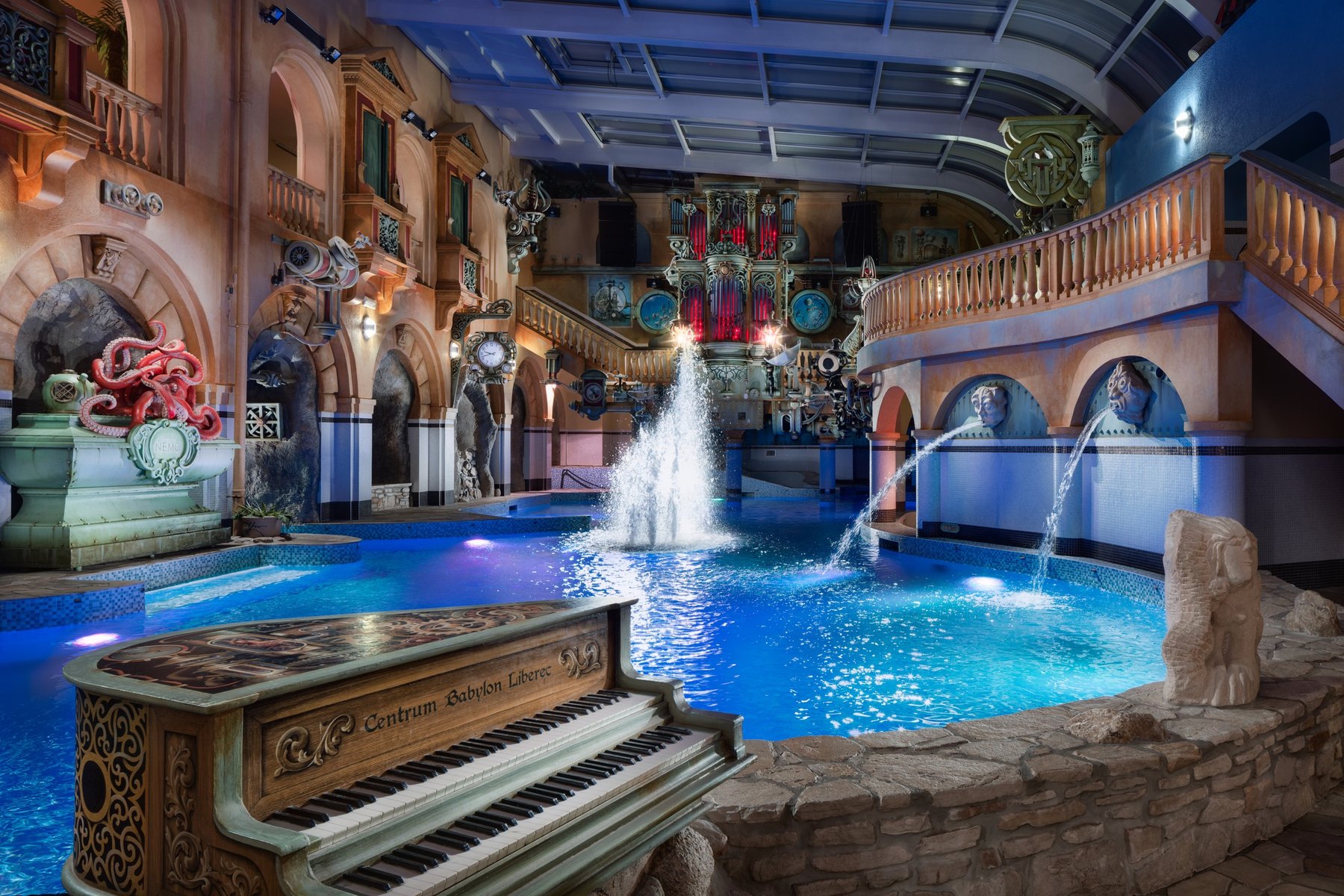
Greek Food 2026: 20 Dishes You Must Try (And How to Avoid the Traps)

TL;DRGreek food revolves around a holy trinity: horiatiki, tzatziki and moussaka, backed up by pastitsio, stuffed gemista, and street-food staples gyros and souvlaki — souvlaki being meat grilled on skewers over charcoal, gyros carved off a spinning rotisserie. A pitta gyros will set you back 3 to 5 euros, a Greek salad or mezedes at a taverna comes to 6 to 9 euros, and dinner with starters, a main and wine runs 15 to 25 euros a head. Vegetarians are well catered for too, with fava, gigantes, dakos, saganaki or gemista orfana, followed by baklava, galaktoboureko or loukoumades for something sweet. Taverna life really only gets going after nine in the evening, and to avoid getting ripped off, steer clear of places with a tout on the door or no prices on the menu, and always ask to have your fish weighed before you order.

Mention Greece to most people and, alongside ancient columns and blue-domed churches, their minds go straight to the food. And that’s no coincidence. Greek food has a magnetic pull — the words alone generate nearly five million search queries every month from people hungry to know more about the country’s incredible gastronomy.

The secret doesn’t lie in complicated cooking techniques. It rests on the absolute freshness of ingredients, a generous pour of olive oil, and above all, the way Greeks actually eat. Food here isn’t just fuel — it’s a social event, a ritual, and the perfect excuse to sit around a table with family or friends for three hours straight.

And here’s some great news upfront — especially for fellow vegetarians: Greece is one of the most plant-friendly cuisines in the world, thanks to its abundance of vegetable mezedes, pulses, and cheese. In this guide, I’ll walk you through 20 Greek dishes you absolutely must try, along with what to order, when to eat, what to drink, and how to avoid the most common tourist pitfalls. Let’s dive in. ☺️

TL;DR

  • It all starts with mezedes — small sharing plates placed in the centre of the table for everyone to pick at. Order gradually, not all at once.
  • The holy trinity of classics: Greek salad (horiatiki), tzatziki, and baked moussaka. Add pastitsio and stuffed gemista to round it out.
  • King of street food is gyros and souvlaki. People often mix them up, but there’s a real difference (explained below). Vegetarian versions are widely available today.
  • Vegetarians are very well catered for: fava, gigantes, dakos, meatless gemista orfana, fried saganaki cheese, and dozens of vegetable starters.
  • Sweet finish: baklava, galaktoboureko, loukoumades, and Greek yoghurt with honey and walnuts.
  • What to drink: iced frappé or freddo espresso during the day; ouzo, tsipouro, or Assyrtiko wine in the evening.
  • Watch out for: the bread scam, fish priced by weight, menus without prices, and restaurants with touts at the door.

Taverna Culture: How Greeks Actually Eat

The heart of Greek dining is the taverna. Don’t expect starched white tablecloths and hushed background music, though. A proper Greek taverna is loud, smells of charcoal and sea air, and has paper tablecloths held down by plastic clips to stop them blowing away in the breeze.

The foundation of any taverna meal is the mezedes — small plates of starters and nibbles placed in the centre of the table for everyone to share, with ouzo, tsipouro, or local wine flowing freely alongside. Greeks rarely order a single main course just for themselves; they’d far rather fill the table with a spread of smaller dishes and share everything. It’s a style of eating you’ll fall in love with instantly, because it lets you taste ten different things in one sitting.

Timing matters too. Between 3pm and 6pm, many Greeks observe an afternoon break and plenty of traditional kitchens close or cook only for tourists. Real culinary life doesn’t kick off until after 9pm, so if you turn up at 7, you’ll likely be sharing the room with other tourists.

💡 Tip: As soon as you sit down in touristy areas (such as the Plaka in Athens or on Mykonos), a waiter may bring bread and bottled water without asking. This is the so-called “bread scam” and it’ll appear on your bill as a charge of €1–3 per person. The practice is technically legal, but the charge must be listed on the menu. If it isn’t, you’re perfectly within your rights to dispute it.

The Holy Trinity (and a Few More) Greek Classics

Before you venture into regional specialities, it’s worth mastering the absolute cornerstones of Greek cuisine.

Horiatiki (Greek salad) is the ultimate pillar. It’s built from roughly chopped tomatoes, cucumbers, red onion, Kalamata olives, and green pepper, all drizzled with quality olive oil and scattered with dried oregano. In an authentic horiatiki, you’ll never find shredded lettuce, and the feta isn’t crumbled over the top — it sits as one thick slab on the crown of the salad. On a hot day, it’s one of the finest things you can eat.

Tzatziki you probably know already. Thick Greek yoghurt, grated and squeezed cucumber, plenty of garlic, olive oil, and a dash of vinegar or lemon. It’s the perfect dip for bread and vegetables alike.

Moussaka is the iconic layered dish of aubergine, potato, and minced meat in a tomato-based sauce with a hint of cinnamon, all topped with a thick béchamel and baked until golden. Traditionally made with lamb or beef, many tavernas now serve an excellent vegetarian version with just vegetables. Its cousin, pastitsio, is essentially the Greek answer to lasagne — same concept, but using long hollow pasta tubes instead of sheets.

And then there’s gemista — large tomatoes or peppers stuffed with rice and herbs, then slowly baked in the oven. It comes in a meat version and a meatless one; the latter is called orfana, meaning “orphaned”, and it’s an absolute vegetarian classic.

Street Food: Gyros, Souvlaki, and the Difference Between Them

Greece has a rich street food tradition, and two terms dominate it — terms that travellers constantly mix up. Let’s settle this once and for all.

Souvlaki are small chunks of meat (usually pork or chicken) threaded onto a skewer and grilled over charcoal. They can be eaten on their own on a plate with a squeeze of lemon, or wrapped in a pitta with tomatoes, onion, chips, and tzatziki. Gyros, on the other hand, is made from thin slices of meat stacked onto a huge vertical rotisserie spit, slowly roasting and shaved off as it spins. It goes into a pitta in exactly the same way. In short: souvlaki is the skewer, gyros is the spinning spit.

For locals, this is the national fast food — and it costs just a few euros. Vegetarians needn’t despair either: plenty of places now offer gyros made with mushrooms or halloumi, and in any decent-sized town you’ll find falafel in pitta that works just as well.

Once you head inland from the coast into the mountains, a different league awaits. Tavernas up there serve paidakia (chargrilled lamb chops) and kleftiko — lamb slow-roasted in parchment paper. The name kleftiko comes from the Greek word for bandits, who supposedly used to cook stolen meat in underground pits so the smoke wouldn’t give them away. For meat lovers, these are the local legends.

Cheeses You Have to Try

Greeks consume more cheese per person than anyone else in Europe, and honestly, we completely understand why. The lion’s share goes to feta — a salty, crumbly cheese made from sheep’s (and sometimes goat’s) milk with protected designation of origin status. Under EU rules, only cheese made in mainland Greece and on the island of Lesbos can legally be called feta.

But feta is far from the only dairy miracle the country has to offer. Graviera is a hard cheese with a sweet, nutty flavour that pairs beautifully with wine. Manouri is a soft, creamy whey cheese that finds its way into both sweet and savoury pastries.

And then there’s our personal favourite: saganaki. This isn’t actually a type of cheese — it’s a cooking method. A thick slab of hard cheese is dusted in flour and fried in a very hot pan until it has a crisp, golden crust and a molten centre, then served piping hot with a generous squeeze of lemon. As a simple vegetarian starter, it’s hard to beat.

Gifts from the Sea: More Than Just Fish on a Plate

Octopus drying on a line outside a taverna like laundry is one of the most iconic images of the Greek coast. The sun draws out the moisture and intensifies the flavour before they head to the grill. Seafood is a huge deal here, for locals and visitors alike, and it’s something many people simply can’t leave the coast without trying.

Among the most popular seafood dishes: kalamarakia (fried squid rings with lemon), grilled sardines known as sardeles, and garides saganaki — prawns braised in a thick tomato sauce with feta and a splash of ouzo. For whole fish, Greeks love tsipoura (sea bream) and lavraki (sea bass).

⚠️ If you’re ordering seafood, be very careful about pricing. Fresh catches (often listed as “catch of the day”) are sold by weight, not by portion. Before you order any fish, ask to see it, have it weighed, and get the final price confirmed upfront. Otherwise the bill can come as a very nasty shock.

Regional Specialities: Every Island Tastes Different

Greek cuisine is anything but uniform. Every region has its own traditions, local ingredients, and historical influences, so even if you travelled the whole country, you’d be eating something slightly different at every stop. Here’s a quick overview.

RegionSignature DishesWhy Try It
CreteDakos (barley rusk with tomatoes and mizithra cheese), kalitsounia (small cheese or herb pastries), raki spiritThe Cretan diet is considered one of the healthiest in the world; food here is earthy and packed with local herbs
Corfu & the Ionian IslandsSofrito (veal in garlic sauce), pastitsada (meat with pasta), bourdeto (spicy fish stew)These islands were never under Ottoman rule — centuries of Venetian influence shaped a completely different culinary tradition
Thessaloniki & Northern GreeceBougatsa (filo pastry filled with custard or cheese), a distinct style of gyros, heavy spicingThessaloniki is Greece’s gastronomic capital, shaped by the flavours of Asia Minor refugees
SantoriniFava (yellow split pea purée), tomatokeftedes (tomato fritters), Assyrtiko wineThe volcanic soil gives the tomatoes and vines an extraordinarily concentrated flavour
NaxosNaxian potatoes, arseniko cheese, kitron liqueurThe most fertile of the Cyclades islands, which supplies the rest of Greece with its prized potatoes and cheeses

For vegetarians, this table is something of a treasure trove. Cretan dakos, Santorini’s fava and tomatokeftedes rank among the finest things Greek cuisine has to offer — and not a scrap of meat in sight.

lukas a lucka
Lukáš and Lucie recommend
Where to stay in Greece
2 accommodations — hotels and other lodging options

The Sweet Finish

Greek desserts are rich, sticky, and ferociously sweet — honey, nuts, and paper-thin filo pastry play the starring roles in almost all of them. And we’re completely hooked.

The ultimate classic is baklava — layers of pastry with chopped walnuts, drenched in sweet syrup. Going one step further is galaktoboureko, filo pastry filled with a rich semolina custard, also soaked in syrup after baking. And fans of fried food must try loukoumades — small Greek doughnuts fried until golden, drizzled with hot honey, and dusted with cinnamon.

After something lighter? Plain Greek yoghurt with honey and walnuts works brilliantly as a dessert, and in many tavernas they’ll bring it out as a complimentary treat at the end of your meal.

What to Drink: From Frappé to Retsina

Greeks are a nation of coffee lovers, though their coffee culture has its own distinct character. In summer, two national drinks dominate. The first is frappé — instant coffee shaken with water into a thick foam and served over ice, invented by accident at the Thessaloniki trade fair in the 1950s. The more modern and now wildly popular alternative is freddo espresso: a shot of espresso rapidly chilled and frothed with ice.

Traditional Greek coffee is brewed directly in a small copper pot called a briki, grounds and sugar included. There’s one golden rule: never stir the coffee in the cup, or you’ll disturb the sediment and end up with a mouthful of mud. ☺️

Come evening, it’s time for something stronger. Ouzo is an anise-flavoured spirit that must always be served with ice or cold water — when you add the water, it turns a milky white in a satisfying chemical reaction. A more traditional and potent alternative is tsipouro, known as raki on Crete. Greek wine is also enjoying a real renaissance, so forget cheap carton wine and seek out crisp, mineral Assyrtiko from Santorini or full-bodied red Agiorgitiko from the Peloponnese. A special case is retsina — white wine flavoured with pine resin, which you’ll either love or hate. And beer? You’ll most often find light lagers such as Mythos, Fix, or Alfa, which in the summer heat essentially do the job of water.

How Much Does Food Cost in Greece?

The good news is that eating well in Greece is still very affordable if you steer clear of the most tourist-heavy spots. Prices vary significantly by island — on Mykonos or Santorini, expect to pay roughly double compared to the mainland — but here’s a general sense of what to budget.

A gyros or souvlaki pitta — the classic grab-and-go street food — costs around €3 to €5 and is genuinely filling enough for a full lunch. An iced frappé or freddo espresso at a café runs about €3 to €4, while a Greek salad or a plate of mezedes at a taverna comes to roughly €6 to €9.

For a proper sit-down dinner at a family taverna — a few shared starters, a main course, and a carafe of house wine — budget around €15 to €25 per person. For that price, you’ll eat royally and probably leave feeling you’ve overdone it. Vegetarians often spend less, since vegetable starters and pulses tend to be the cheapest items on the menu.

How Not to Get Stung: Surviving the Tourist Jungle

Greece is a phenomenal place to eat, but in the most heavily visited spots — Athens, Mykonos, Santorini — it’s surprisingly easy to fall into tourist traps. A bit of common sense and a few simple rules will keep you out of trouble.

  • A tout outside is a bad sign. If someone is standing in the doorway with a menu, actively pulling people in off the street, walk on. A good taverna doesn’t need one.
  • A menu without prices means run. If they hand you a menu with no prices, or tell you they’ll “let you know the price”, get up and leave. It’s an age-old trick that ends with a €200 bill for two portions of calamari.
  • Eat where the locals eat. Look for places tucked away down side streets. If there’s a large Greek family at the next table arguing loudly over the food, you’re in exactly the right place.
  • Order gradually. Don’t let them bring everything at once. Greeks have starters, eat them, sip their wine, and only then order the next round. Waiters are used to this pace — don’t feel rushed.

A Mini Greek Food Glossary

Knowing a handful of basic phrases will go a long way in any taverna. Locals genuinely appreciate the effort and you’ll often find the welcome becomes noticeably warmer.

  • Kalimera – Good morning / good day
  • Kalispera – Good evening
  • Efcharistó – Thank you
  • Parakaló – Please (also “you’re welcome”)
  • To logariasmó, parakaló – The bill, please
  • Nero – Water
  • Krasi – Wine (lefko = white, kokkino = red)
  • Yamas! – Cheers!

Where to Eat and Where to Stay

The best rule for finding a great taverna is to wander away from the main tourist drags and watch where the locals congregate. In Athens, neighbourhoods like Psyri and Koukaki are worth seeking out; on the islands, head to inland villages where the food tends to be better and considerably cheaper than on the beach.

💡 Accommodation and experiences tip: We usually book accommodation through Booking.com, which tends to offer the most flexible cancellation policies. And if you want to truly get under the skin of Greek cuisine, a food tour or cooking class with locals is well worth it — you can find and compare the best options on GetYourGuide.

Accommodation in Athens starts from around €60 per night; on the islands, prices climb higher in peak season. Wherever you’re headed, book early — the best-value spots with a great price-to-quality ratio go fast.

Further Reading

Before you head off to eat your way around Greece, check out our other articles on the country:

Frequently Asked Questions

What is typical Greek food?

The most typical Greek dishes include Greek horiatiki salad, tzatziki dip, baked moussaka, street food gyros and souvlaki, and stuffed vegetables gemista. Olive oil and feta are essential, along with dozens of small appetizers called mezedes that are shared at the table. As the national fast food, gyros in pita takes the lead.

What can vegetarians eat in Greece?

Greece has one of the most vegetarian-friendly cuisines around. You can safely enjoy Greek salad, tzatziki, fried saganaki cheese, stuffed gemista orfana, Santorinian fava, Cretan dakos, gigantes beans, or stuffed grape leaves dolmades. For street food, you can now find gyros made with mushrooms or halloumi, and the ubiquitous falafel in pita.

What’s the difference between gyros and souvlaki?

Souvlaki are small pieces of meat skewered and grilled over charcoal, while gyros is prepared from thin slices of meat stacked on a large rotating vertical spit, from which it’s gradually shaved off. However, both are wrapped exactly the same way in pita with tzatziki, tomatoes, and fries. Simply put: souvlaki is a skewer, gyros is a spit.

What do Greeks eat for breakfast?

A traditional Greek breakfast is light. It typically consists of fresh bread, Greek yogurt with honey and nuts, seasonal fruit, and coffee. Bougatsa is also popular—crispy filo pastry filled with sweet custard or cheese, eaten mainly in the northern part of the country. A hearty breakfast with eggs and bacon is more of an exception found in tourist hotels.

What do people drink in Greece?

During the day, iced coffees like frappé and freddo espresso reign supreme, along with traditional Greek coffee brewed in a briki pot. In the evening, Greeks sip anise-flavored ouzo or tsipouro spirit (called raki on Crete), both served with ice and water. Wines worth trying include white Assyrtiko from Santorini, red Agiorgitiko, or resin-flavored retsina. The most popular beer is Mythos.

How do you avoid getting ripped off at restaurants in Greece?

Avoid establishments with touts outside the entrance and menus without listed prices. Fish and seafood are sold by weight, so always have your catch weighed and agree on the price beforehand. Watch out for the ‘bread scam’—unsolicited bread and water added to your bill. And most importantly, eat where the locals eat, not where they’re trying to lure you in from the street.

How do you say thank you in Greek?

Thank you in Greek is efcharistó. A few other words that will delight people in a taverna are kaliméra (good morning), kalispéra (good evening), parakaló (please), and yamas (cheers). Greeks are pleased when a foreigner at least tries to speak their language, and they’ll often repay you with a warmer attitude.

Tips and Tricks for Your Vacation

Don’t Overpay for Flights

Search for flights on Kayak. It’s our favorite search engine because it scans the websites of all airlines and always finds the cheapest connection.

Book Your Accommodation Smartly

The best experiences we’ve had when looking for accommodation (from Alaska to Morocco) are with Booking.com, where hotels, apartments, and entire houses are usually the cheapest and most widely available.

Don’t Forget Travel Insurance

Good travel insurance will protect you against illness, accidents, theft, or flight cancellations. We’ve had a few hospital visits abroad, so we know how important it is to have proper insurance arranged.

Where we insure ourselves: SafetyWing (best for everyone) and TrueTraveller (for extra-long trips).

Why don’t we recommend any Czech insurance company? Because they have too many restrictions. They set limits on the number of days abroad, travel insurance via a credit card often requires you to pay medical expenses only with that card, and they frequently limit the number of returns to the Czech Republic.

Find the Best Experiences

Get Your Guide is a huge online marketplace where you can book guided walks, trips, skip-the-line tickets, tours, and much more. We always find some extra fun there!
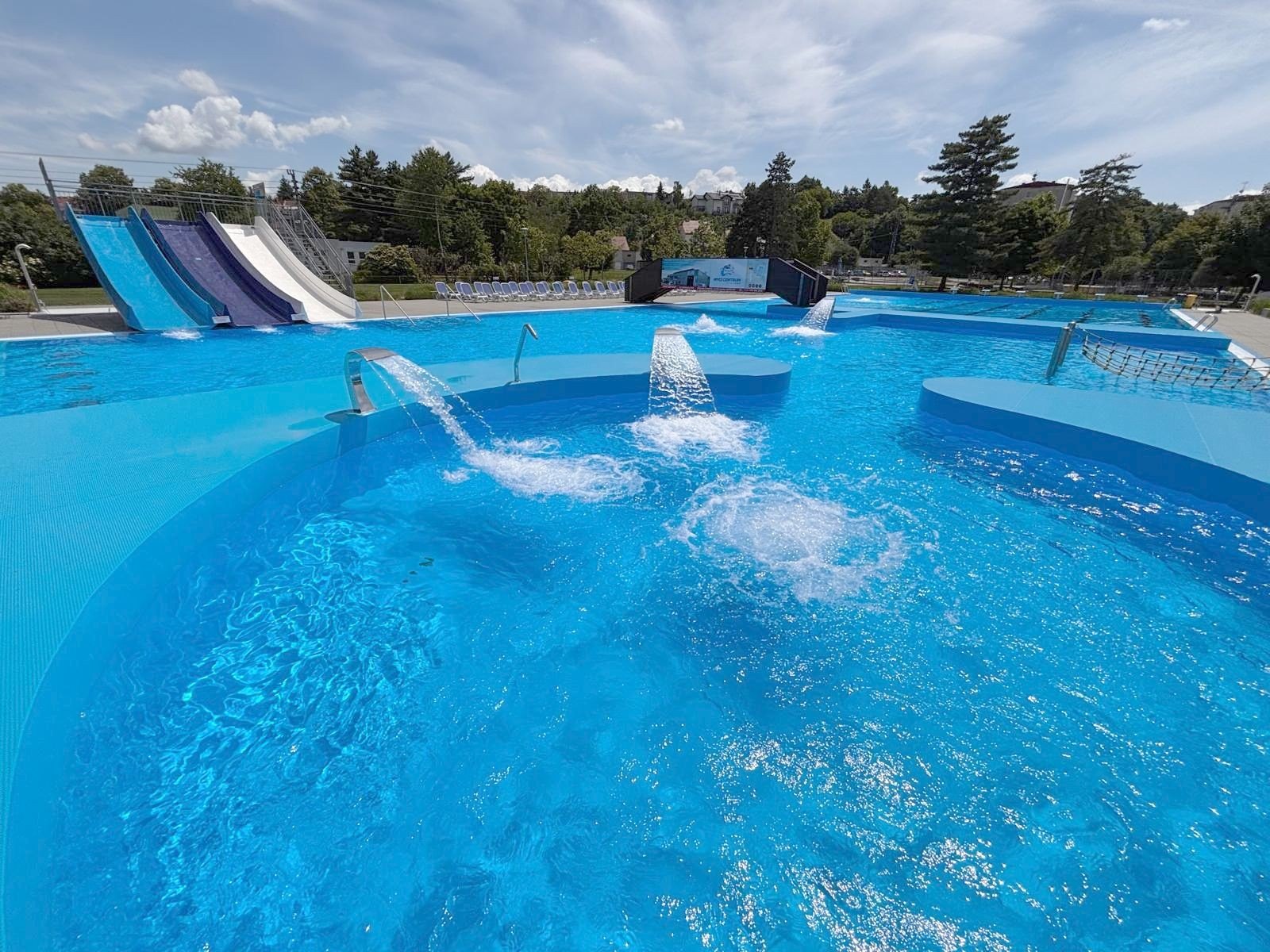
Best Beaches in Greece: TOP 20 + Essential Rules for 2026

TL;DRThe best Greek beaches for 2026 include icons like Elafonissi and Balos on Crete, dramatic Myrtos on Kefalonia, moon-like Sarakiniko on Milos and the symmetrical curve of Voidokilia in the Peloponnese, while the famous Navagio on Zakynthos stays closed for 2026 because of landslides. Under a new law, at least 70% of every beach has to stay free of sunbeds, which cost 5–15 euros a day on quieter islands and upwards of 100 euros on Mykonos. Families will love the shallow waters of Agios Georgios on Naxos or Tigaki on Kos, party-goers head for Super Paradise on Mykonos, and if you want to dodge the crowds, try Simos on Elafonisos or Vai, with its palm grove, on Crete. Greece currently has 623 Blue Flag beaches, and on the Ionian islands it’s worth packing water shoes for the pebbles and sea urchins.

Close your eyes and picture the perfect holiday — chances are you’re imagining turquoise water and an endless stretch of white sand or pebbles baking in the sun. You’re definitely not alone. The best beaches in Greece are searched for hundreds of thousands of times every month, and it’s no wonder. Greece has literally thousands of them and consistently ranks second in the world for Blue Flag awards, currently holding around 620.

Finding your dream cove, though, isn’t as simple as jabbing a finger at a map. Some of the most famous beaches are now groaning under the weight of crowds, others have been closed by nature itself, and still others have been quietly hijacked by overpriced beach clubs where two sunbeds cost more than your flight.

That’s why this honest guide exists. I’ll walk you through 20 of the most beautiful Greek beaches, sorted by what you actually want from your holiday — alongside the practical rules for 2026 (sunbeds, the closed Navagio, the new beach law) and a handy summary table at the end. Let’s dive in. ☺️

TL;DR

  • Postcard-perfect iconic beaches: Elafonissi (pink sand), Balos (lagoon), Myrtos, and Sarakiniko. Stunning, but often packed — arrive early to make the most of them.
  • Watch out for Navagio (Shipwreck Beach) on Zakynthos: it’s still closed for 2026 due to ongoing rockfalls. You can’t set foot on the sand or swim near the wreck — views from a boat or the clifftop lookout are your only options.
  • Families with children will love the shallow, calm waters of Agios Georgios (Naxos), Tigaki (Kos), and Golden Beach (Thassos).
  • Party from afternoon till dawn at Super Paradise (Mykonos), Paradise Beach (Kos), and Kavos (Corfu).
  • Escaping the crowds is easy at Voidokilia, Simos, Vai with its palm grove, or the wild sands of Egremni.
  • New beach law: at least 70% of every beach must remain free of sunbeds and umbrellas. You can now lay your own towel down almost anywhere.
  • Water shoes are a must on the Ionian Islands — the pebbles and sea urchins are no joke.

Essential Greek Beach Rules for 2026

Before you head out to catch some sun, it’s worth knowing how things work right now — Greek beach culture has changed considerably in recent years, and a few things have shifted quite dramatically.

The biggest talking point is sunbeds and umbrellas — and the wildly varying prices. On quieter islands like Thassos or on the mainland, a set of two sunbeds and an umbrella will cost you around 5 to 15 euros per day. At the luxury beach clubs of Mykonos, that same setup can set you back an eye-watering 100 euros or more. On many smaller islands like Kos or Naxos, the friendly “free sunbed with a purchase” rule still applies — order a frappé and something to eat at the nearby taverna and the spot is yours for the day.

The golden rule: always ask the price upfront. Many beach bars don’t display a price list anywhere, and your eyes will water when the bill arrives.

The Towel Movement and the New Law

If you’d rather not pay anything and prefer to spread your own towel, the law is now firmly on your side. Under Greek legislation, at least 70% of every beach must remain freely accessible to the public (and in Natura 2000 protected zones, that rises to 85%). For years, bar operators ignored this and staked out the sand all the way down to the waterline — but in the summer of 2023, a huge wave of public anger erupted, known as the “Towel Movement” (Κίνημα της Πετσέτας). Locals protested against illegal sunbed sprawl, the government cracked down hard, deploying drones and handing out fines of between 2,000 and 60,000 euros. People can now report violations directly from the beach via the official MyCoast app, which received more than eleven and a half thousand complaints in a single summer. The result? You can now plant your own umbrella almost anywhere.

Sea Urchins, Pebbles, and Safety

Lifeguards and warning flags are only found on large, organised beaches, where a red flag means swimming is prohibited. At wild coves, you’re on your own — so keep two things in mind.

The Ionian Islands (Kefalonia, Lefkada, Zakynthos) are famous for their extraordinary blue water, which they owe to white limestone pebbles. They look spectacular, but walking on them is genuinely painful, so water shoes are an absolute necessity here. The second hazard is sea urchins, which tend to cluster on rocks and stones in clear water. On a purely sandy beach you won’t encounter them, but the moment you’re picking your way into the sea over rocks, watch your step carefully.

The good news is that Greek waters rank among the cleanest in Europe. The country has 623 Blue Flag beaches for 2025, a designation that covers water quality, safety, and facilities all in one. If you’re travelling with someone with limited mobility, check out the Seatrac accessible ramps, which are now installed at nearly 150 Greek beaches and allow independent sea entry.

Iconic Beaches You Know from Postcards

These are the beaches you’ve seen in travel brochures and all over Instagram. They’re breathtaking — but their fame comes at a price, so going in with a strategy makes all the difference.

Navagio (Shipwreck Beach), Zakynthos

A cove sheltering the rusting hull of the smuggler’s ship Panagiotis, surrounded by sheer white limestone cliffs — this is probably the most photographed spot in all of Greece. It’s also a genuine headache at the moment.

⚠️ Current status for 2026: the beach is closed to visitors. Following a series of dangerous rockfalls and seismic activity, authorities extended the strict access ban after an inspection in March 2026. You cannot set foot on the sand or swim near the wreck — indefinitely. Don’t be taken in by touts promising a picnic right next to the ship.

So what can you do? You can either book a boat trip (departing from Porto Vromi, Alykes, or Skinari) that takes you into the cove to photograph it from the deck. Or head to the clifftop viewing platform high above the beach, which offers an equally jaw-dropping perspective. Expect queues and occasional restricted access, especially in strong winds. For more tips on making the most of the island, check out our guide to Zakynthos.

💡 Tip: You can browse and book Navagio boat trips in advance on GetYourGuide — it saves you hunting for tickets on the day and lets you pick the best-reviewed boat.

Elafonissi, Crete

A lagoon on the south-western tip of Crete, famous for its blush-pink sand — the colour comes from crushed shells of tiny sea creatures. The water is incredibly shallow and warm, so you can simply wade from the mainland across to the small islet alongside, and kids have a playground that looks straight out of a fairy tale.

It sounds like paradise, but in July and August Elafonissi becomes an absolute ant colony, with hundreds of cars and dozens of coaches arriving daily — up to 5,000 people on a single day. To truly enjoy it, you need to be strategic. Arrive before 10am, or alternatively after 5pm, once the organised tour groups have left. And remember that the entire lagoon is a nature reserve, so you can’t take the pink sand home as a souvenir. More tips in our guide to Crete.

Balos, Crete

Another Cretan lagoon, this time in the north-west — raw, wild beauty where dozens of shades of blue and green collide. Getting here is half the adventure.

The more relaxed option is a full-day boat trip from Kissamos harbour (around 30–40 euros), which also stops at the pirate islet of Imeri Gramvousa before dropping you right at the water’s edge. The alternative is driving, but that means eight kilometres of dusty off-road track along the cliff edge — a route most car hire companies explicitly exclude from their insurance. At the end you park and descend (and later, in the blazing heat, climb back up) about twenty minutes along a rocky footpath. The reward is an utterly unbeatable view from above that will stay with you long after you’ve left.

💡 Tip: You can book a full-day boat trip to Balos and Gramvousa from Kissamos well in advance on GetYourGuide — boats fill up fast in high season.

Myrtos, Kefalonia

Dazzling white pebbles set against deep blue water and steep green cliffs — Myrtos has a dramatic, almost cinematic quality that makes it one of the most photographed beaches in the Ionian Islands.

The water drops sharply and the currents can be deceptively strong, so this isn’t the ideal spot for young children. For confident swimmers and photography lovers, though, it’s an absolute must. Don’t forget your water shoes — the pebbles are unforgiving. Kefalonia has plenty of quieter coves too; see our guide to Kefalonia for more.

Porto Katsiki, Lefkada

The name translates as “Goat Harbour” — because once upon a time, only goats could get down here. These days a road leads to the clifftop and you descend to the beach via around a hundred steep steps bolted into the rock face. The water, thanks to the limestone bedrock, is a milky, otherworldly turquoise that genuinely takes your breath away.

Worth knowing: in the afternoon the sun hammers mercilessly off the white cliff face, so bring plenty of water and prepare for serious heat. Lefkada has many more beaches of this calibre — explore them in our guide to Lefkada.

Sarakiniko, Milos

Sarakiniko isn’t really a beach in the traditional sense — it’s more like a lunar landscape. Brilliant white volcanic rock has been sculpted by wind and sea into smooth, rounded forms; there’s barely any sand, you lie directly on sun-warmed stone, and you leap into the water from the rocks.

It’s an experience you won’t find anywhere else in Greece — just bear in mind that there is absolutely no shade on those white rocks, and the stone reflects the sun so intensely that you’ll burn in no time. Bring a hat, plenty of sunscreen, and aim to arrive early in the morning or late in the afternoon. We cover this volcanic island in more detail here.

Family-Friendly Beaches

Travelling with kids? Then dramatic cliffs and deep water aren’t what you’re after. You want fine sand for building castles, a gently shelving entry where toddlers can splash safely, and solid facilities — toilets, tavernas, the works. These beaches were made for little swimmers.

Agios Georgios, Naxos

Naxos is generally considered to have the best sandy beaches of all the Cycladic islands, and Agios Georgios sits right beside the main town of Chora. The water stays shallow for tens of metres from the shore, waves are almost non-existent, and parents can sit at a taverna with their children in full view the whole time.

A huge bonus is that you can walk here straight from town — no car needed at all. If you’re choosing one island for a family holiday, Naxos is a safe bet every time.

Tigaki, Kos

A long, wide strip of pale sand on the north coast of Kos, with excellent facilities and plenty of sunbeds — but also plenty of free space for your own towel. The water is crystal clear, exceptionally shallow, and holds a Blue Flag. Tigaki is calm, well-equipped, and ideal for a holiday with children. Kos is also brilliant for cycling, so you can easily ride here from town. For more island highlights, take a look at our guide to Kos.

Golden Beach (Chrissi Ammoudia), Thassos

Golden Beach lives up to its name. Three kilometres of soft sand backed by lush green mountains, with calm, warm water that’s perfect for the youngest swimmers. Thassos is also one of the most affordable Greek islands, so you won’t be paying a fortune for sunbeds here. If you’re after relaxed family vibes without the crowds or inflated prices, this is your place.

Falassarna, Crete

If Elafonissi feels too overwhelming, Falassarna on the western coast of Crete is an excellent alternative. It’s enormous — made up of several adjoining sandy sections — so even at the height of summer you can find your own quiet corner. The water is beautifully clear and the beach is well-equipped.

The open sea does mean a stronger breeze here on occasion, which wave-lovers will appreciate more than absolute beginners in the water. In return, it rewards you with some of the finest sunsets on the entire island.

Agios Gordios, Corfu

A beautiful bay on Corfu’s west coast, surrounded by ancient olive groves and dramatic rock formations. The sand is a little coarser than elsewhere, but the entry into the water is completely safe and there are some excellent family-run tavernas right on the beach. It’s one of those spots where you can happily spend an entire day without a care in the world. More island tips in our guide to Corfu.

Party Beaches for Dancing Till Dawn

If a beach holiday means DJ sets, cocktails, and dancing in the sand rather than a quiet book and the sound of the waves, Greece has its legends. Just don’t go near these if you’re after peace and quiet. 😅

lukas a lucka
Lukáš and Lucie recommend
Where to stay in Greece
1 accommodation — hotels and other lodging options

Super Paradise, Mykonos

Ground zero for Greek beach hedonism. By day it’s all luxury sunbeds and expensive cocktails; come afternoon the music cranks up and the whole cove transforms into an enormous open-air club packed with the global jet set.

It is expensive, exclusive, and very, very loud — sunbeds at premium clubs like Scorpios need to be reserved weeks in advance. But if you want to dance the night away and feel like a celebrity for a day, you’re in exactly the right place. We cover the most famous party island in Greece in our guide to Mykonos.

Paradise Beach, Kos

A smaller and considerably more affordable cousin of the Mykonos legend. Also known as “Bubble Beach” because volcanic activity sends tiny streams of bubbles rising up from the seabed. It’s a brilliant swim during the day, and by afternoon a lively atmosphere takes hold with music and water sports. The perfect compromise when you want fun but aren’t prepared to pay Mykonos prices.

Kavos, Corfu

The southern tip of Corfu has been claimed almost entirely by young British holidaymakers. The beach itself isn’t the prettiest on the island, but if you’re after cheap drinks, loud music, foam parties, and a raucous nightlife scene, Kavos delivers on every count. It’s a purpose-built party zone and one of the most intense in Europe — families and anyone seeking quiet should definitely look elsewhere.

Wild and Quiet Beaches Away from the Crowds

For those who want nothing but wind and waves, and don’t mind trading beach-bar comforts for space and silence. The reward is solitude, elbow room, and the feeling that you’ve discovered it all yourself.

Kavourotrypes (Orange Beach), Halkidiki

A cluster of small coves with white sand and turquoise water, framed by fragrant pine forests and smooth white rocks. This isn’t one continuous beach — it’s a whole chain of hidden coves along the Sithonia peninsula in Halkidiki.

It does get busy in peak season, but in June or September it turns into absolute paradise. Halkidiki also holds more Blue Flags than any other region in Greece, so water quality is never in doubt.

Egremni, Lefkada

⚠️ Access remains difficult. The famous staircase leading down to this stunning beach was largely destroyed by a powerful earthquake in 2015. It has been partially rebuilt, but the descent — and especially the climb back up — in summer heat is an extremely demanding undertaking that I wouldn’t recommend to anyone who isn’t in solid physical shape.

The best and safest way to experience Egremni is to arrive by boat from Nidri or Vassiliki. From the water, that endless wall of white cliff plunging into turquoise sea looks even more extraordinary than from above.

Vai, Crete

At the far eastern tip of Crete you’ll find something genuinely unique: the largest natural palm grove in Europe. With thousands of date palms swaying behind the shoreline, Vai feels more like the Caribbean than the Mediterranean — and it’s a sight you simply don’t expect.

It does function as an organised beach with full facilities, but venture a little further from the main entrance and you’ll find the peace and quiet you came for. It’s a long drive to the other end of the island, but absolutely worth the effort.

Simos, Elafonisos

A bit of a hidden gem, this one. Elafonisos is a small island just off the southern tip of the Peloponnese (not to be confused with Elafonissi in Crete), and you reach it via a short ferry crossing from the port of Pounta — barely ten minutes on the water.

Simos is a spectacular double bay of fine white sand and dunes, nicknamed the “Caribbean of Europe”. It’s a remote spot favoured by Greeks themselves, so if you want to go where the locals go, this is it.

For Nature Lovers: Turtles and a Perfect Crescent

To finish, two beaches where the main attraction isn’t a beach bar or sunbeds, but nature itself. One is home to endangered sea turtles; the other has a shape so perfect it barely seems real.

Gerakas, Zakynthos

Zakynthos is about far more than a closed shipwreck. In the south of the island lies Gerakas, a key nesting site for the endangered loggerhead sea turtle (Caretta caretta), which falls within the National Marine Park and operates under strict rules.

You can’t plant your own umbrella in the sand (to protect the nests), no dogs are allowed, motorised water sports are banned, and crucially the beach closes strictly at sunset. The water is beautifully clear, warm and shallow, and with a snorkel you may well spot a fully grown loggerhead just metres from the shore. Just remember the golden rule: don’t touch, don’t chase — observe quietly from a respectful distance. Full park rules are on the official website.

Voidokilia, Peloponnese

An almost flawless semicircle in the shape of the Greek letter omega (Ω), rimmed by a band of sand dunes. Voidokilia on the Peloponnese is so perfectly symmetrical it looks almost artificial, and it’s one of the most photogenic beaches in the whole of Greece.

The water is shallow and calm, and above the beach sits the Cave of Nestor alongside a Frankish castle, while behind it a lagoon teems with birdlife. This is a wild, protected beach with no cafés or sunbeds, so bring your own shade, water, and snacks. For all its simplicity, it’s one of the most unforgettable spots in Greece.

The Full List: TOP 20 Greek Beaches at a Glance

Here’s a quick overview of all twenty beaches in one place — whether you’re choosing by island, beach type, or whether you’re travelling with children or in search of a party.

BeachIsland / RegionSurfaceBest forHow to get there
ElafonissiCretepink sandfamilies, photoscar/bus (arrive early)
BalosCretesandadventurersboat from Kissamos or off-road
Navagio ⚠️Zakynthoswhite pebblesclosed to visitorsview from boat or clifftop only
MyrtosKefaloniawhite pebblesstrong swimmers, adultscar (steep winding road)
SarakinikoMiloswhite rockphotos, cliff jumpingcar, scooter
Porto KatsikiLefkadapebblescouples, swimmerscar + 100 steps
Agios GeorgiosNaxosfine sandfamilies with young childrenwalk from Chora town
TigakiKossandfamilies, relaxationcar, cycle from Kos town
Golden BeachThassossandfamiliescar, bus
FalassarnaCretesandfamilies, wave loverscar
Agios GordiosCorfucoarser sandfamiliescar, bus
Super ParadiseMykonossandparty, luxurycar, water taxi
Paradise BeachKossandparty, young crowdscar, bus
KavosCorfusandwild nightlifecar, bus to south of island
KavourotrypesHalkidikisand / rockpeace, naturecar, then walk through forest
Egremni ⚠️Lefkadapebblesadventurersboat from Nidri (steps risky)
VaiCretesandexotic scenery loverscar to eastern Crete
SimosElafonisoswhite sandescaping the crowdsferry from Peloponnese
GerakasZakynthossandturtle watchingcar (strict NP rules apply)
VoidokiliaPeloponnesesandnature loverscar (crescent-shaped bay)

Where to Stay Near the Best Greek Beaches

💡 Accommodation tip: We always search for places to stay on Booking.com, which tends to have the best cancellation policies — handy if weather or beach access conditions change. For tours, boat trips, and activities, it’s worth comparing and booking through GetYourGuide.

Where you base yourself depends hugely on which beaches you want to explore. On Crete, choose your base according to the beaches on your list. For Elafonissi and Balos, Chania in the west is ideal; for Vai and the eastern beaches, Sitia or Agios Nikolaos make more sense. Apartment prices start around 50–70 euros per night, and in high season booking a few months ahead is wise.

For family beaches, Naxos or Kos are reliable choices — both have plenty of self-catering apartments within walking distance of the sea. If you’re heading to Mykonos for the party scene, bear in mind it’s the most expensive island in Greece and a decent place to stay in season will start at around 150 euros a night. Kos offers a similar vibe at a fraction of the cost.

For quieter beaches like Voidokilia or Simos, staying in the surrounding villages gives you an authentic atmosphere and local prices. Wherever you’re headed, it’s worth comparing options on Booking.com and booking early — the best value options go first.

Whether you end up at a buzzing beach bar in the Cyclades or a hidden cove in the Ionian Islands, don’t forget what matters most: respect the local rules, look after the nature around you, and soak up every bit of that incredible laid-back feeling the Greek coast does better than anywhere else. Have a wonderful trip! ☺️
Read More

Before you go, check out our other articles on Greece to get every last detail of your holiday sorted:

Frequently Asked Questions

Where are the most beautiful beaches in Greece?

Some of the absolute most beautiful include the Cretan lagoon of Elafonissi with its pink sand and Balos, the omega-shaped Voidokilia on the Peloponnese, the dramatic Myrtos on Kefalonia, and the lunar landscape of Sarakiniko on Milos. But it really depends on what you’re looking for. For families, the best will be the shallow sandy beaches on Naxos and Kos, while adventurers will prefer the wild coves of the Ionian Islands.

Is Navagio beach (the shipwreck) open in 2026?

No. Navagio on Zakynthos is still closed to entry for 2026 due to dangerous landslides and seismic activity. Access to the beach and to the wreck is forbidden; in March 2026 the authorities extended the ban indefinitely. You can only see it from an excursion boat that sails into the cove, or from the viewing platform on the cliff above the beach.

Which Greek beach is best for families with children?

For families with small children, Agios Georgios on Naxos is ideal, where the water stays shallow even dozens of meters from shore. Other excellent choices include Tigaki on Kos, Golden Beach on Thassos, and Agios Gordios on Corfu. All feature fine sand, gradual entry into the water, minimal waves, and good facilities with tavernas and restrooms.

How much does a sun lounger cost on a Greek beach?

Prices vary enormously. On quieter islands and the mainland, you’ll pay around 5 to 15 euros per day for a set of two loungers and an umbrella, while luxury beach clubs on Mykonos can easily charge 100 euros or more. On many smaller islands, there’s a ‘free lounger with purchase’ policy, and by law 70% of every beach must remain free access, so you can always lay down your own towel for free.

When are the turtles on Zakynthos?

Loggerhead sea turtles nest on Zakynthos roughly from June to August, when the females lay their eggs, and the hatchlings emerge from around August to October. Your best chance of spotting one is on Gerakas, Dafni, and Marathonisi beaches, or while snorkelling in Laganas bay. Always observe them from a distance and never touch them.

Where is the warmest and cleanest sea in Greece?

The warmest water is usually found in the south, on Crete, Rhodes, and in the Dodecanese, where the sea stays pleasantly warm well into October. As for cleanliness, Greek waters are among the cleanest in Europe, with the country boasting over 620 Blue Flag beaches. The Ionian Islands are particularly famous for their exceptionally crystal-clear water, thanks to the white limestone seabed.

Are there sharks or jellyfish in Greek waters?

You don’t need to worry about sharks—attacks on humans are extremely rare in Greece and you won’t typically encounter them while swimming. You may occasionally come across jellyfish, but most are harmless. Just watch out for the purple warning flag, which indicates the presence of marine hazards. A more practical concern is sea urchins on rocky beaches, which can be avoided by wearing water shoes.

Tips and Tricks for Your Vacation

Don’t Overpay for Flights

Search for flights on Kayak. It’s our favorite search engine because it scans the websites of all airlines and always finds the cheapest connection.

Book Your Accommodation Smartly

The best experiences we’ve had when looking for accommodation (from Alaska to Morocco) are with Booking.com, where hotels, apartments, and entire houses are usually the cheapest and most widely available.

Don’t Forget Travel Insurance

Good travel insurance will protect you against illness, accidents, theft, or flight cancellations. We’ve had a few hospital visits abroad, so we know how important it is to have proper insurance arranged.

Where we insure ourselves: SafetyWing (best for everyone) and TrueTraveller (for extra-long trips).

Why don’t we recommend any Czech insurance company? Because they have too many restrictions. They set limits on the number of days abroad, travel insurance via a credit card often requires you to pay medical expenses only with that card, and they frequently limit the number of returns to the Czech Republic.

Find the Best Experiences

Get Your Guide is a huge online marketplace where you can book guided walks, trips, skip-the-line tickets, tours, and much more. We always find some extra fun there!