

When Lukáš and I lived and worked right in the heart of Banff Canada back in 2016 and 2017 — specifically in the little village of Lake Louise — we experienced Canadian nature in all its moods. And trust me, it has plenty. We constantly get asked when the best time to visit Banff is, expecting us to pinpoint the perfect weather window, and I always laugh and say that the weather in the Rocky Mountains pretty much ignores the calendar and can easily surprise you with a blizzard in the middle of July 😅.
Every month in these Canadian mountains has a completely different character, with its own huge advantages but also hidden pitfalls. While summer bursts at the seams with tourists and tempts you with turquoise lakes, winter is paradise for deep powder lovers, spring smells of awakening nature (and bears), and autumn serves up a visual feast of golden larches.
So I’ve broken it all down month by month, so you know what to expect from the weather, the prices, and most importantly from the nature that does whatever it pleases. Lukáš says I might be a bit obsessive about it, but hey — you’ll benefit from that 😁
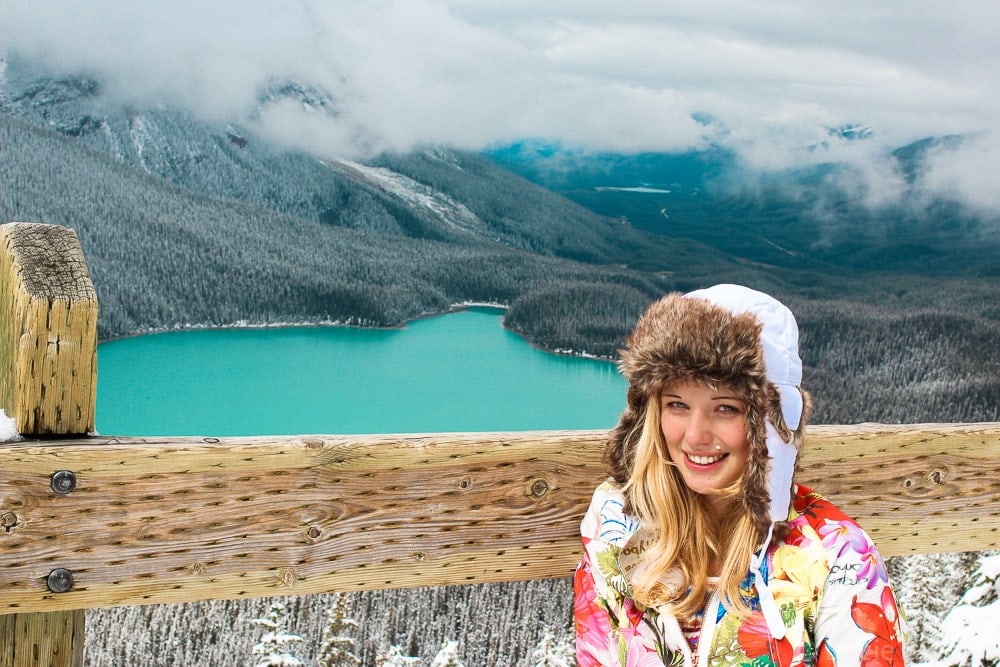
TL;DR
Planning a trip to the mountains can be a real headache, especially when every month offers completely different conditions. Here’s a quick summary of the key points so you don’t get lost right from the start.
- Best time for hiking: Mid-June to the end of September. Only then are most high-altitude trails snow-free.
- Most beautiful month: September. Crowds thin out, mosquitoes vanish, and for roughly two weeks the forests turn incredibly golden (the famous Larch Valley phenomenon).
- When is it cheapest: The best deals come during the shoulder season — November and April or May. Keep in mind, though, that many trails and services may be closed.
- Watch out for summer wildfires: July and August are wildfire season in British Columbia and Alberta, and the air can be thick with smoke.
- Bears and wildlife: You’ll spot the most bears near roads and in the valleys during spring (May and June), when they wake from hibernation and forage at lower elevations.
- Book well in advance: If you want to see the iconic Moraine Lake in summer, you need to reserve the official shuttle bus months ahead, as private vehicles are banned.
Banff Canada Month by Month: 12 Faces of the Rockies
Let’s take a look at what Banff National Park in Alberta Canada and its surroundings look like throughout the entire year. I’ve written up every single month so you can get a clear picture of what to realistically expect in terms of weather, activities, and prices. Canadian nature is unpredictable, but with a bit of planning you’ll see exactly what you came for.
1. January: Deep Freeze and Powder Snow
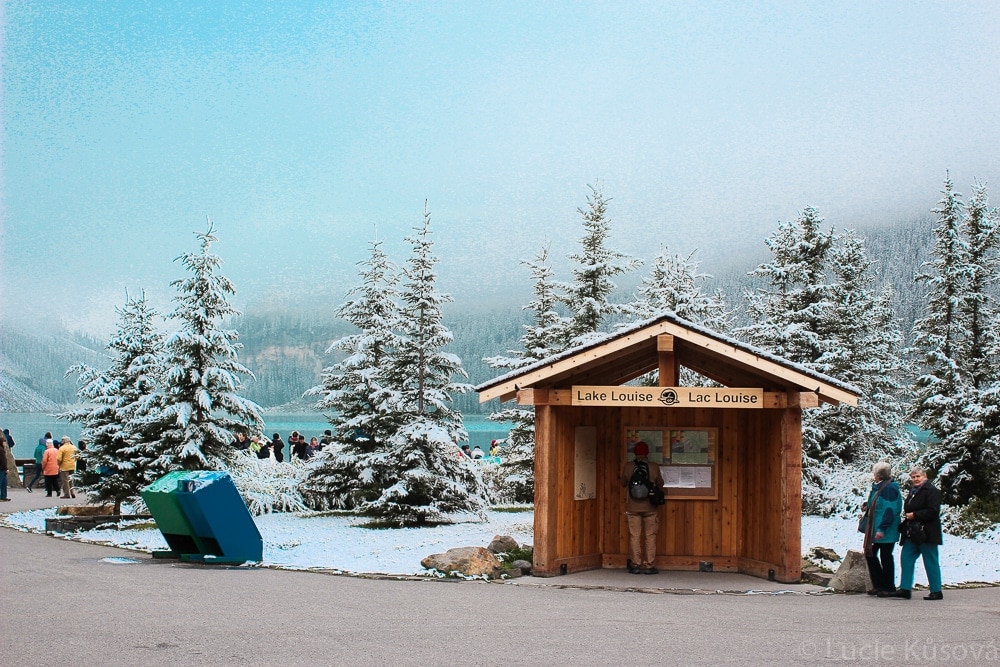
January in Banff is all about bone-chilling cold. Temperatures regularly drop to -20 °C (and occasionally plunge to -35 °C), so if you’re heading out here, quality thermal base layers and a proper down jacket are absolutely non-negotiable. Days are very short, but they offer beautifully sharp winter sun and crisp snow crunching underfoot.
It’s the absolute peak of Banff Canada skiing season for connoisseurs. The snow here is incredibly dry and light, creating conditions for world-class skiing across the three main resorts known as SkiBig3 (Lake Louise, Sunshine Village, and Mt. Norquay). On top of that, Lake Louise hosts the spectacular Ice Magic Festival during this time, where artists from around the world carve incredible sculptures from massive blocks of ice.
2. February: Winter Fun in Full Swing
In February, winter starts showing its gentler side. Days begin to stretch out ever so slightly and temperatures aren’t quite as extreme, though you should still expect frost all day long. The skiing remains absolutely fantastic and there’s a brilliant atmosphere on the slopes, especially during the Sundance Snow Days event, which celebrates winter sports and culture.
We used to mix our February ski days with excursions, and if you’re not one to ski from dawn to dusk, February is perfect for snowshoeing, cross-country skiing, or a winter hike through Johnston Canyon. In winter, it transforms into an ice kingdom with enormous frozen waterfalls that ice climbers often scale. It’s a sight that gives you chills in the very best sense of the word.
3. March: End of Ski Season and Wet Snow
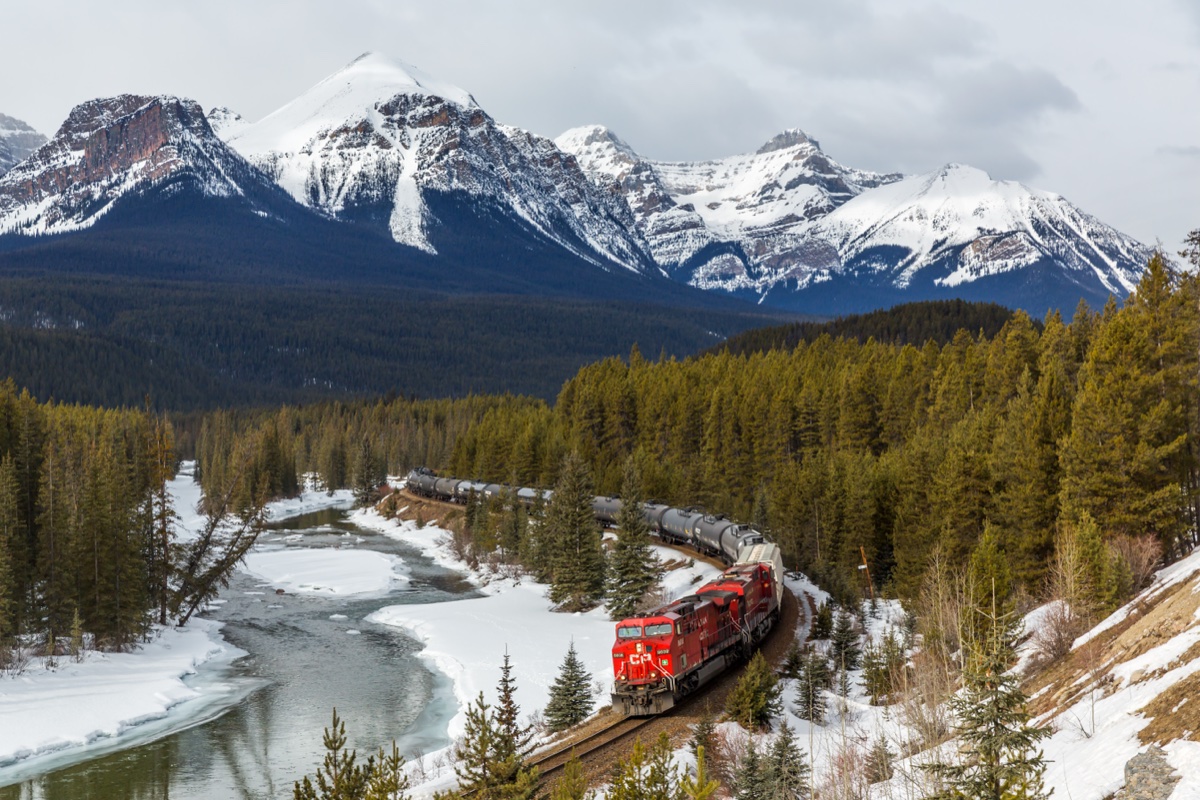
March is a transitional period. The sun is starting to gain some strength, which means so-called spring skiing in lighter jackets, but down in the town the snow grows heavy, turns to slush, and the great melt begins. It’s not quite spring yet, but it’s no longer that picture-perfect romantic winter either.
It’s one of the cheaper months if you’re not specifically chasing premium skiing conditions. Hiking trails at this time of year are treacherous, though — either coated in ice or buried under deep wet snow, with a fairly high avalanche risk in more remote areas. We always spent March either on the ski slopes or tucked away in cosy cafés by the fireplace.
4. April: Quiet Awakening and Cracking Glaciers
If you’re expecting everything in Canada to be blooming and green by April, I’m afraid I’ll have to disappoint you. Spring arrives here very slowly and reluctantly. April is the classic shoulder season — the gap between peak periods — when many hotels are emptier and prices drop to their annual low.
The most magical April experience is listening to the ice cracking on the lakes. When the sun beats down on the thick ice layer of Lake Minnewanka or Lake Louise, it produces almost otherworldly sounds. Most high-altitude hikes are still impassable, though, and many gondolas and services take a post-winter break to prepare for the summer rush.
5. May: Bears Wake Up and the Buzz Begins
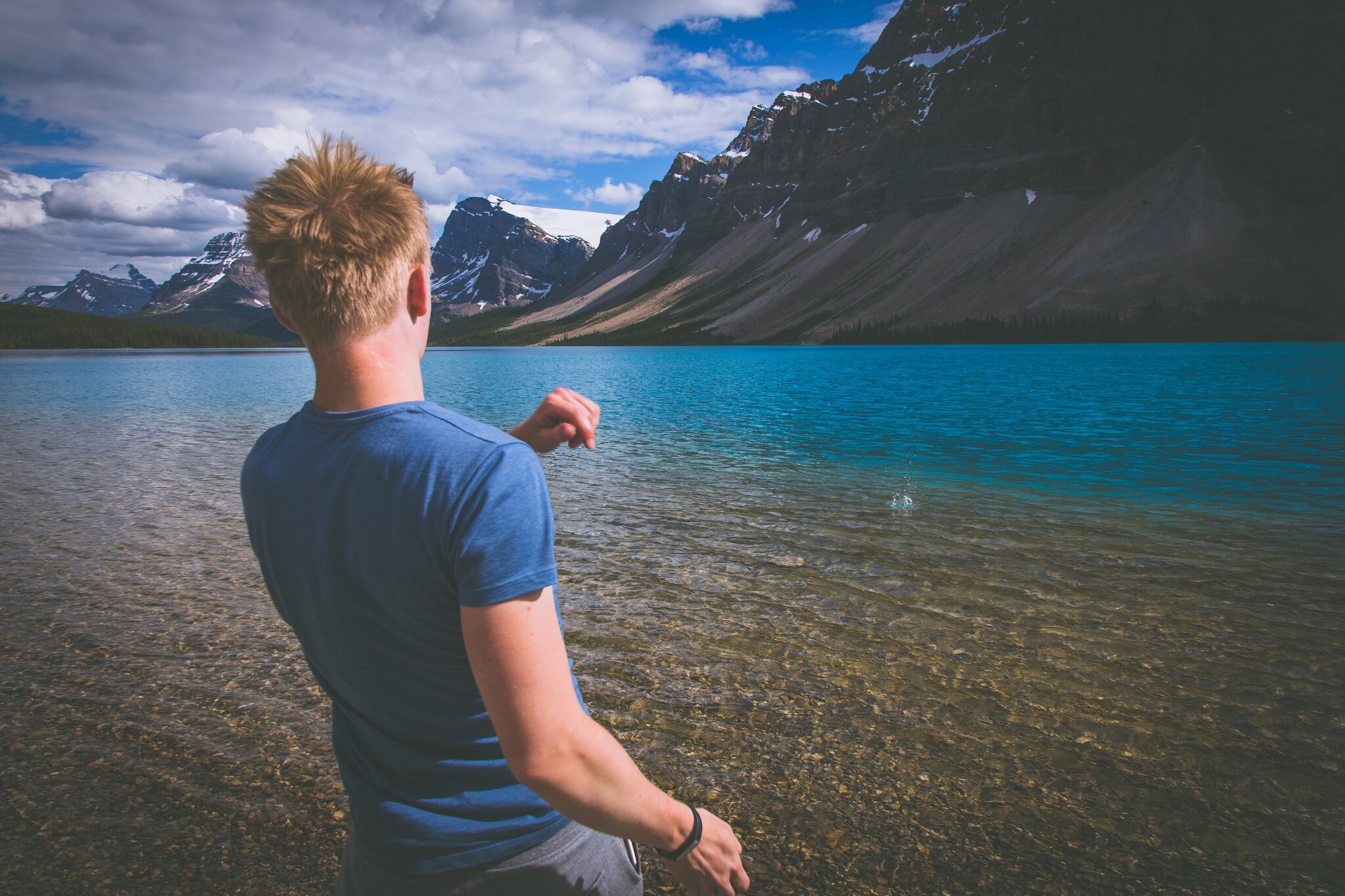
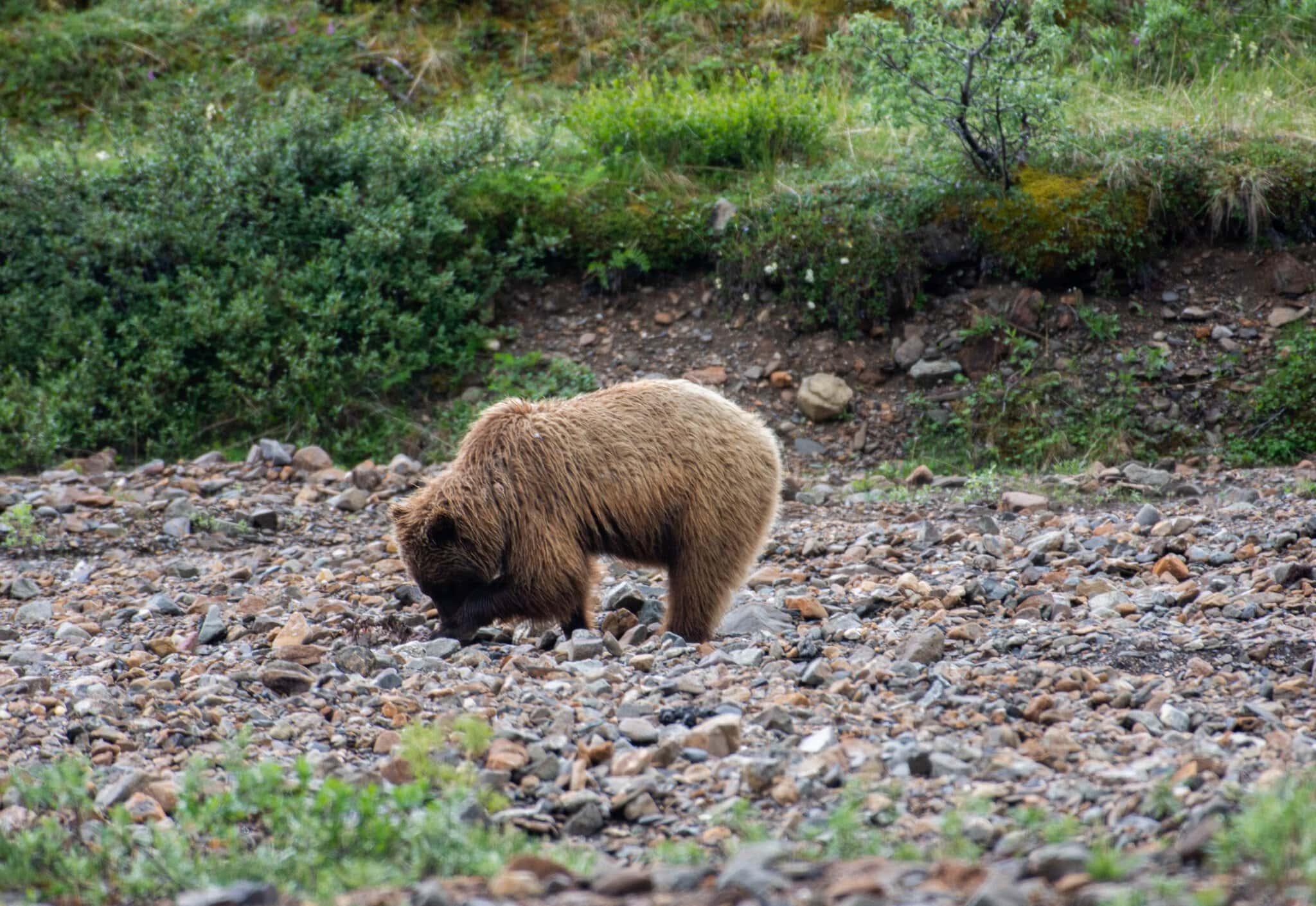
In May, Banff National Park starts officially waking up into summer mode, even though swimming weather is still a long way off. Snow melts in the valleys and hungry bears emerge onto the green grass along the roadsides. Spotting a grizzly or a black bear is quite common in May, but please follow proper bear safety guidelines so nobody gets hurt.
By the end of May, campground reservation systems typically go live and the first summer services at the iconic lakes start up. However, trails at higher elevations — like Plain of Six Glaciers — are often still buried under snow through the end of the month.
6. June: Hiking Season Kicks Off and Lakes Change Colour
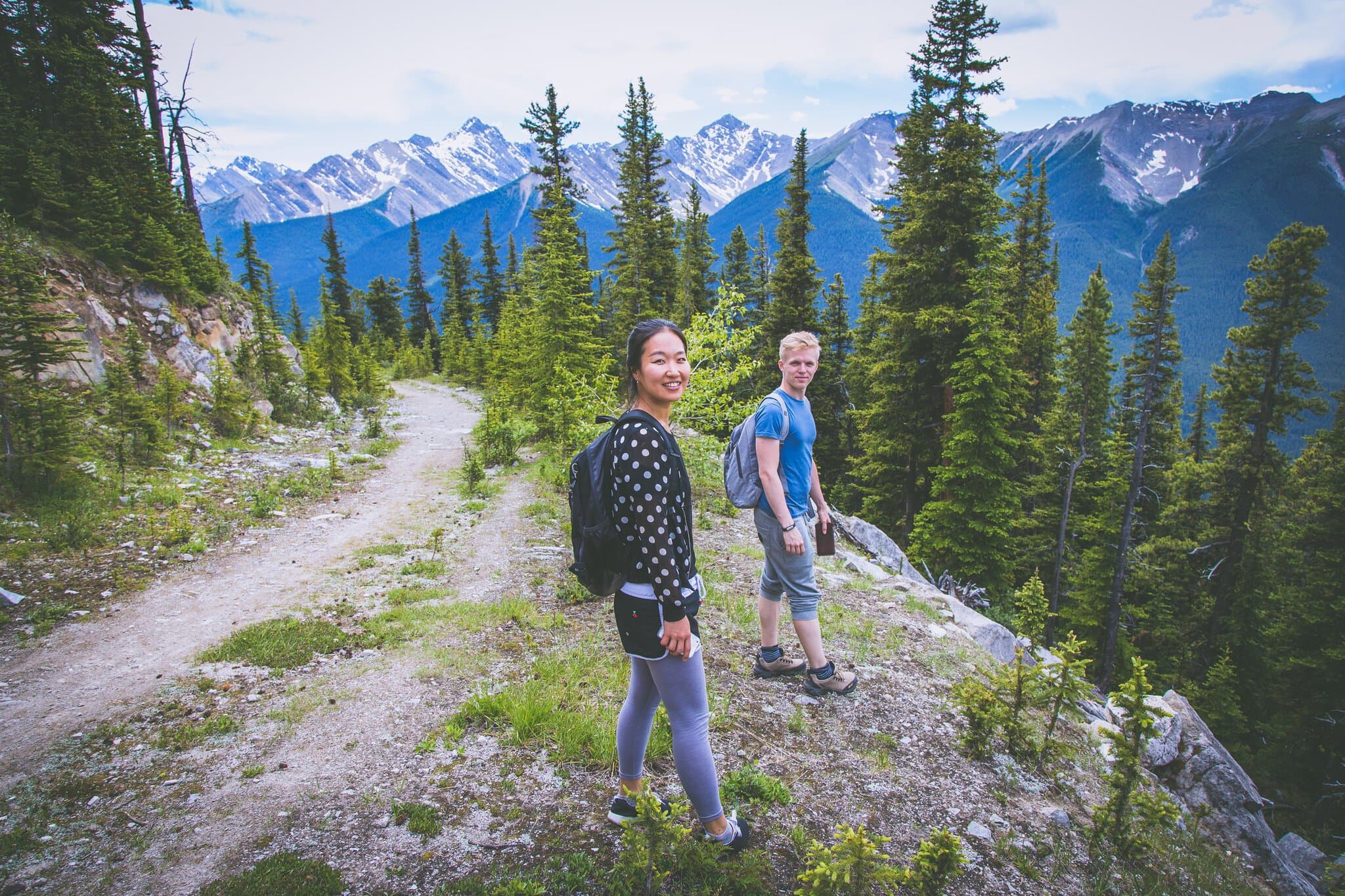
June is a magical month. The green of the forests after the spring rains is incredibly lush, waterfalls rage with tremendous force from the melting mountain snow, and the days feel endless. It’s also the month when the glacial lakes finally thaw and reveal their true colours.
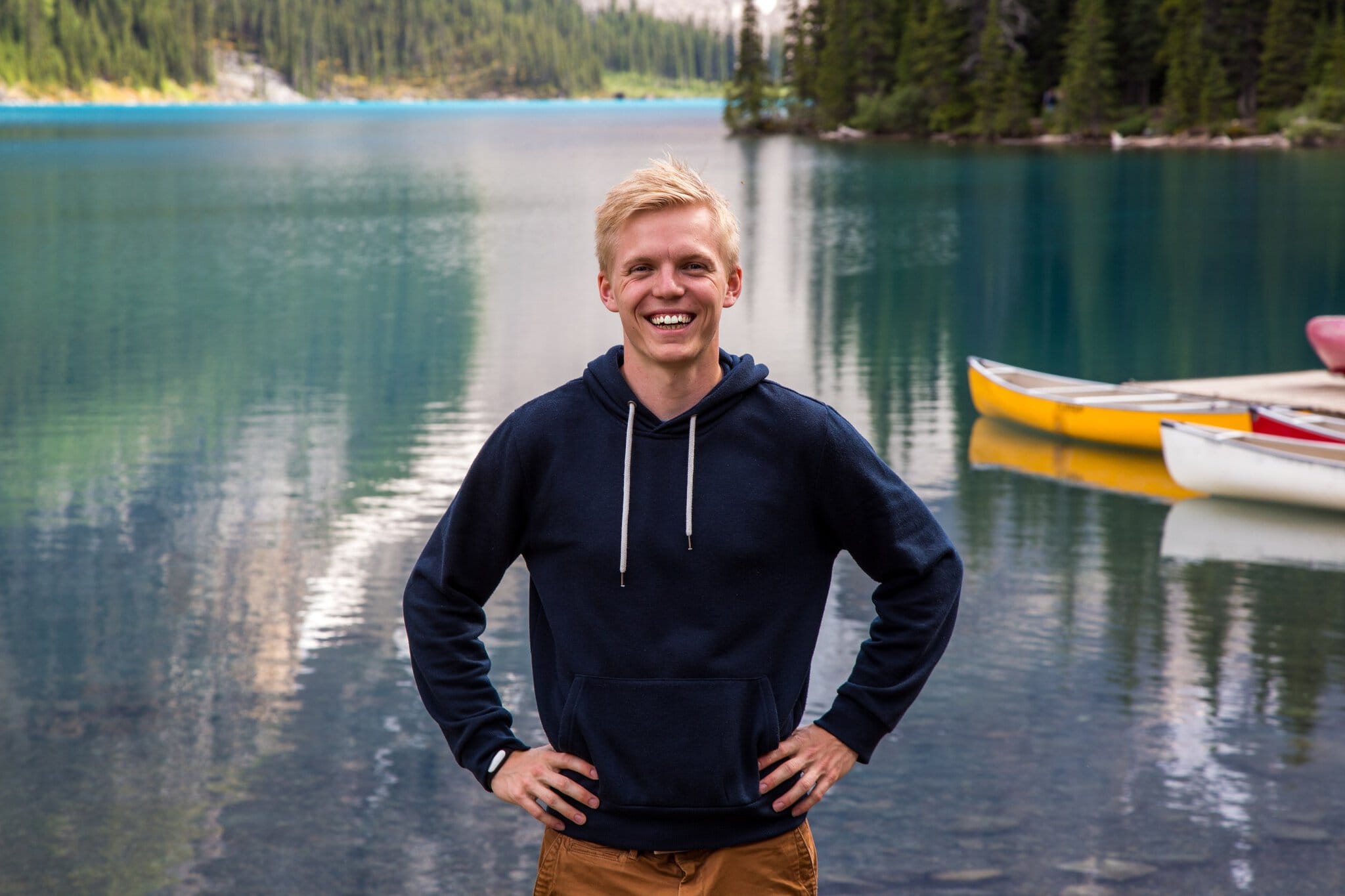
Moraine Lake, for example, takes on its iconic, outrageously turquoise hue usually around mid-June, when so-called glacial flour (tiny rock particles from the melting glacier) starts flowing in. The tourist season kicks into full gear — all high-altitude roads and campgrounds open, and nature is in absolute bloom.
7. July: The Absolute Peak of Summer and First Storms
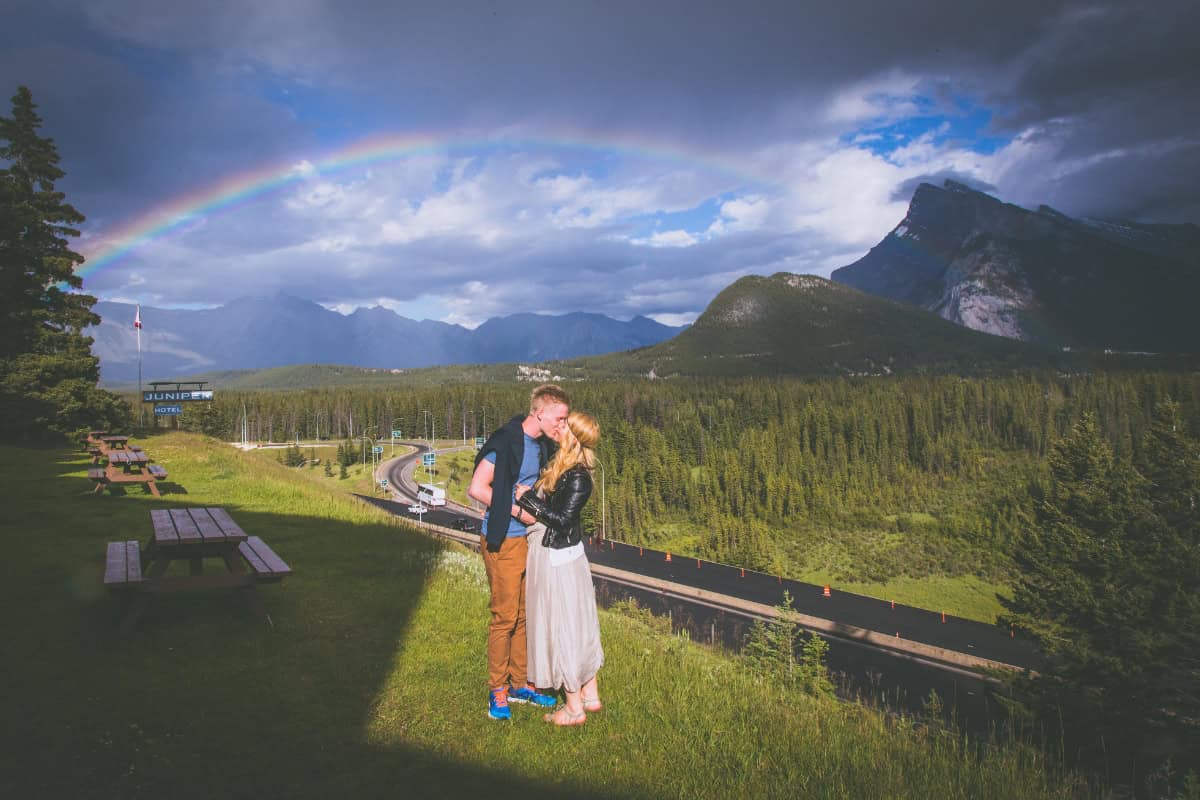
If there’s one month when Banff is absolutely heaving, it’s July without a doubt. The weather in Banff Alberta Canada tends to be at its warmest, with temperatures that can climb above a pleasant 25 °C, and all the high-altitude hikes around Lake Louise and the surrounding area are finally beautifully accessible and snow-free.
There are two major downsides, though. The first is the so-called 1 PM rule. During hot summer days, clouds frequently roll in during the afternoon and between one and three o’clock, fierce (if brief) thunderstorms strike. We always advised everyone to set off on hikes early in the morning. The second downside is the start of wildfire season, which occasionally shrouds the entire park in a smoky haze (more on that below).
8. August: Priciest Accommodation and Endless Crowds
August picks up right where July left off, and together they form the absolute peak of visitor numbers. Hotels, campgrounds, and restaurants are filled to bursting, with accommodation prices climbing to astronomical heights. If you don’t have a booking several months in advance, searching for a last-minute place to stay can be not only stressful but seriously expensive.
It’s a great time for swimming in smaller lakes (the big glacial ones still have temperatures that’ll turn your lips blue even in August), camping under the stars, and multi-day mountain traverses. Just expect that at the most popular spots, you definitely won’t be alone.

9. September: Our Secret Tip and Golden Larches
If I had to choose just one month to visit Canada, it would be September. After the Labour Day weekend (the first Monday in September), most families with children head home, prices begin to drop, and the air takes on that gorgeous, crisp autumn edge. The mosquitoes that can be such a nuisance in summer are gone.
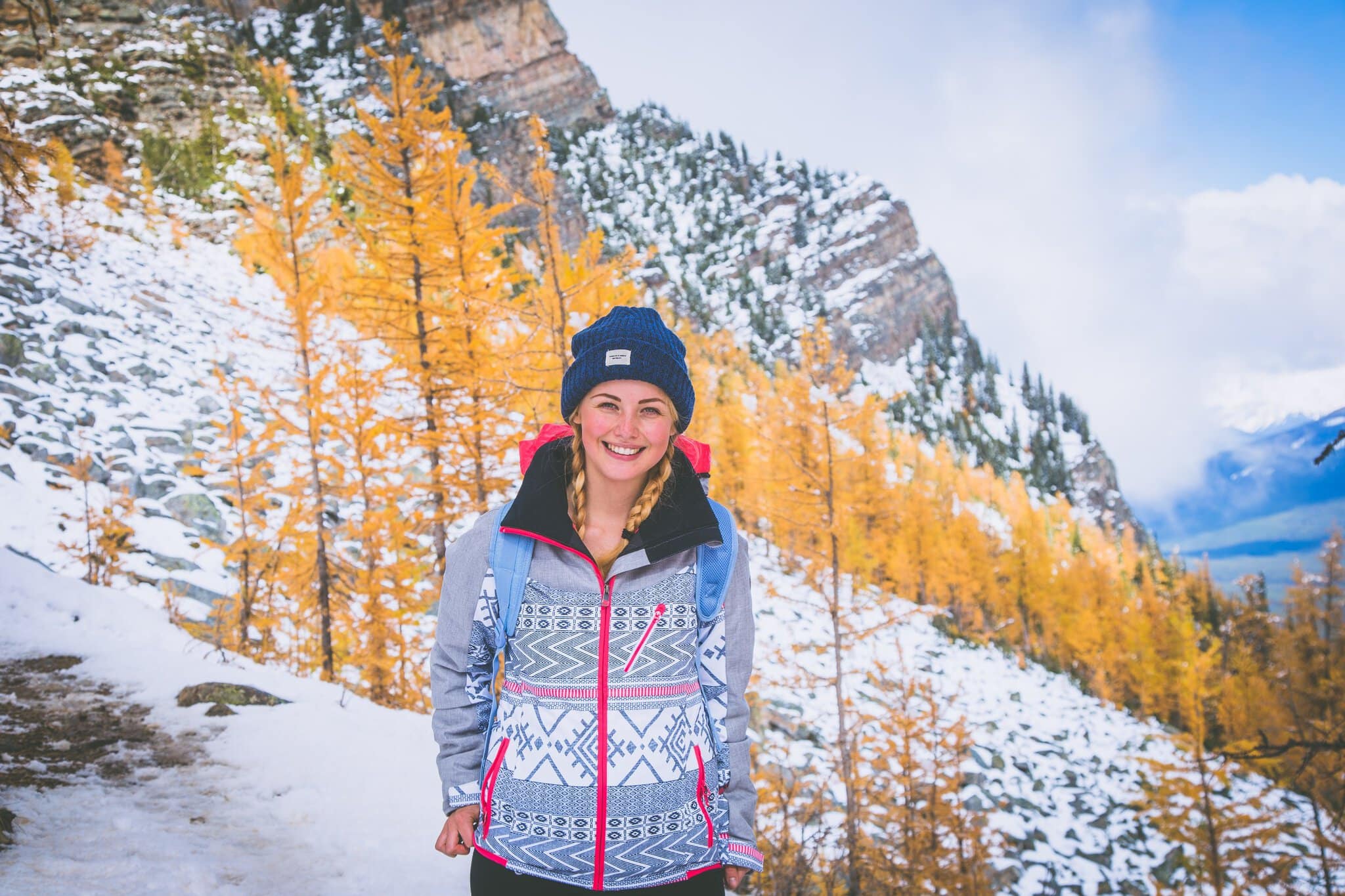
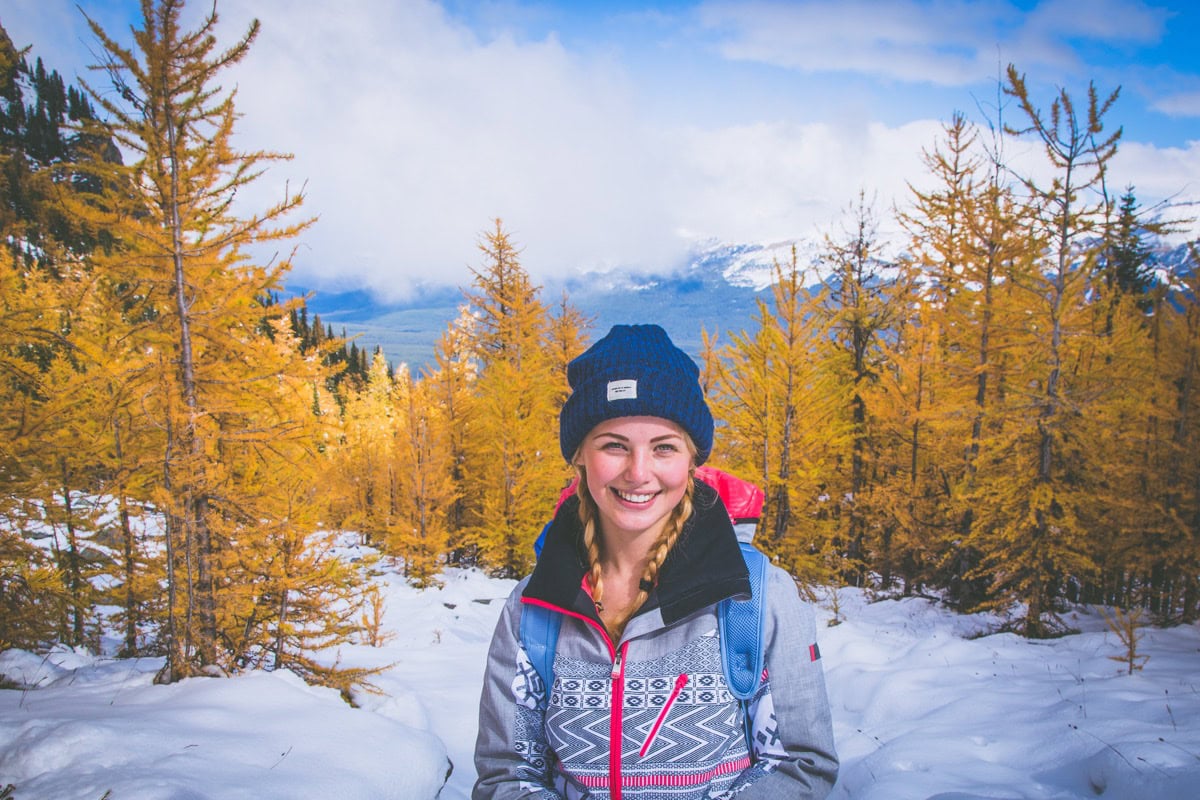
Late September is also the time for the famous Larch Valley phenomenon. Over just two to three weeks, the needles of the local larch trees high in the mountains turn a brilliant gold. It’s an absolutely breathtaking visual spectacle and a photographer’s dream come true. You need to hit the right window, though, which typically opens around September 20th.
10. October: A Sneaky Trap for Tourists
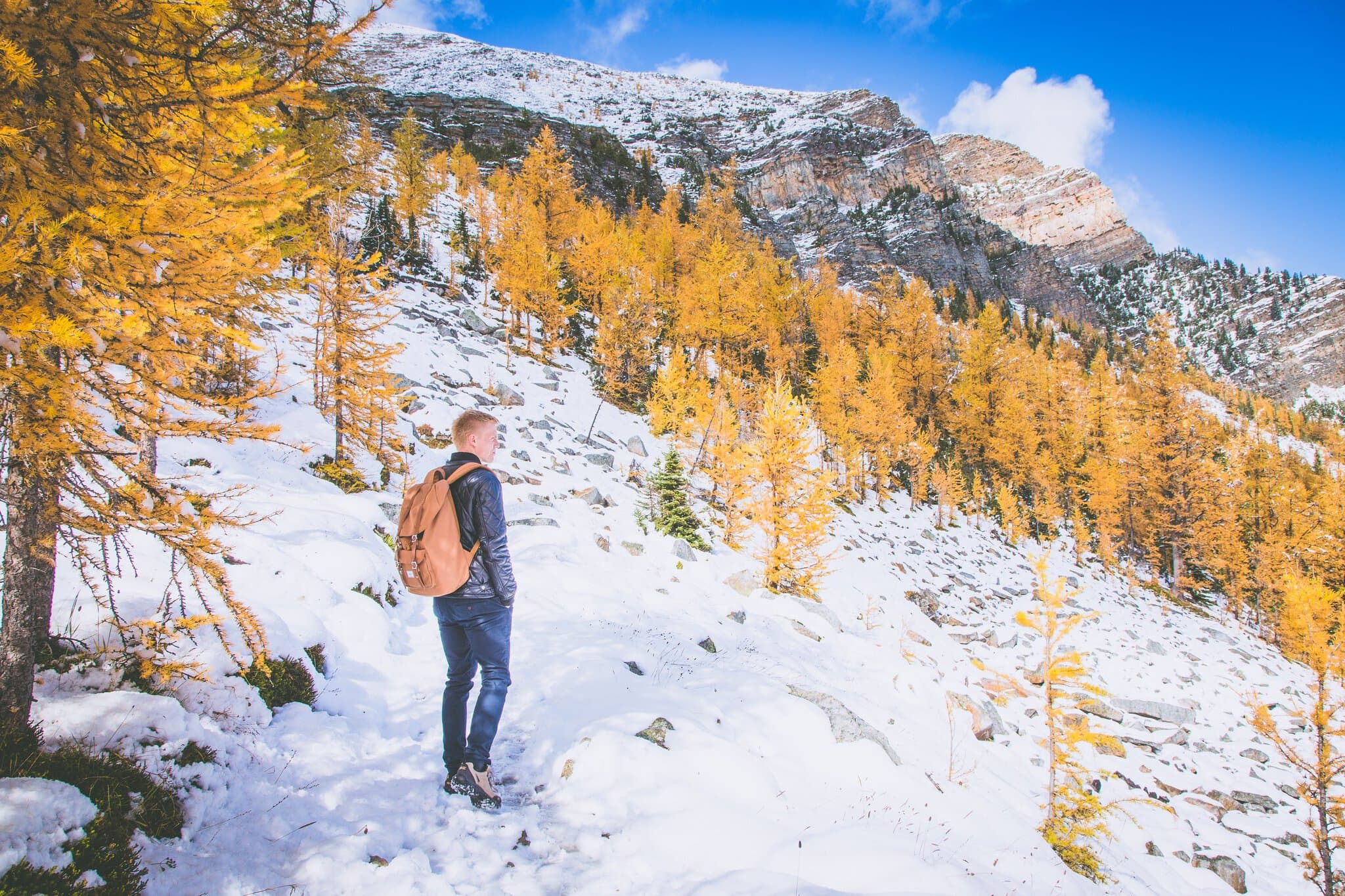
October is a bit of a tricky one, and I personally call it a trap for unprepared visitors. From the photos online, you might think you’ll see autumn colours, but the reality at elevations above 1,400 metres is that October typically brings the first proper snowfall.
Most high-altitude huts close and the most scenic trails become quite dangerous without winter gear. So I’d warmly recommend October only to those who don’t mind grey, chilly weather, overcast skies, and the fact that in an entire day they’ll see just a fraction of what they could in summer.
11. November: Absolute Calm Before the Storm
November is the quietest month of the entire year. You’ll barely see a soul in the streets of Banff, and shops occasionally shorten their opening hours. But if you’re after a luxury hotel at a third of the summer price and absolute tranquillity, it’s a superb choice. Around mid-month, the winter season kicks off and both Banff and Jasper offer ideal conditions for the Northern Lights — something you haven’t a chance of seeing in summer thanks to the endlessly long days.
12. December: A Christmas Fairytale Straight Out of a Film
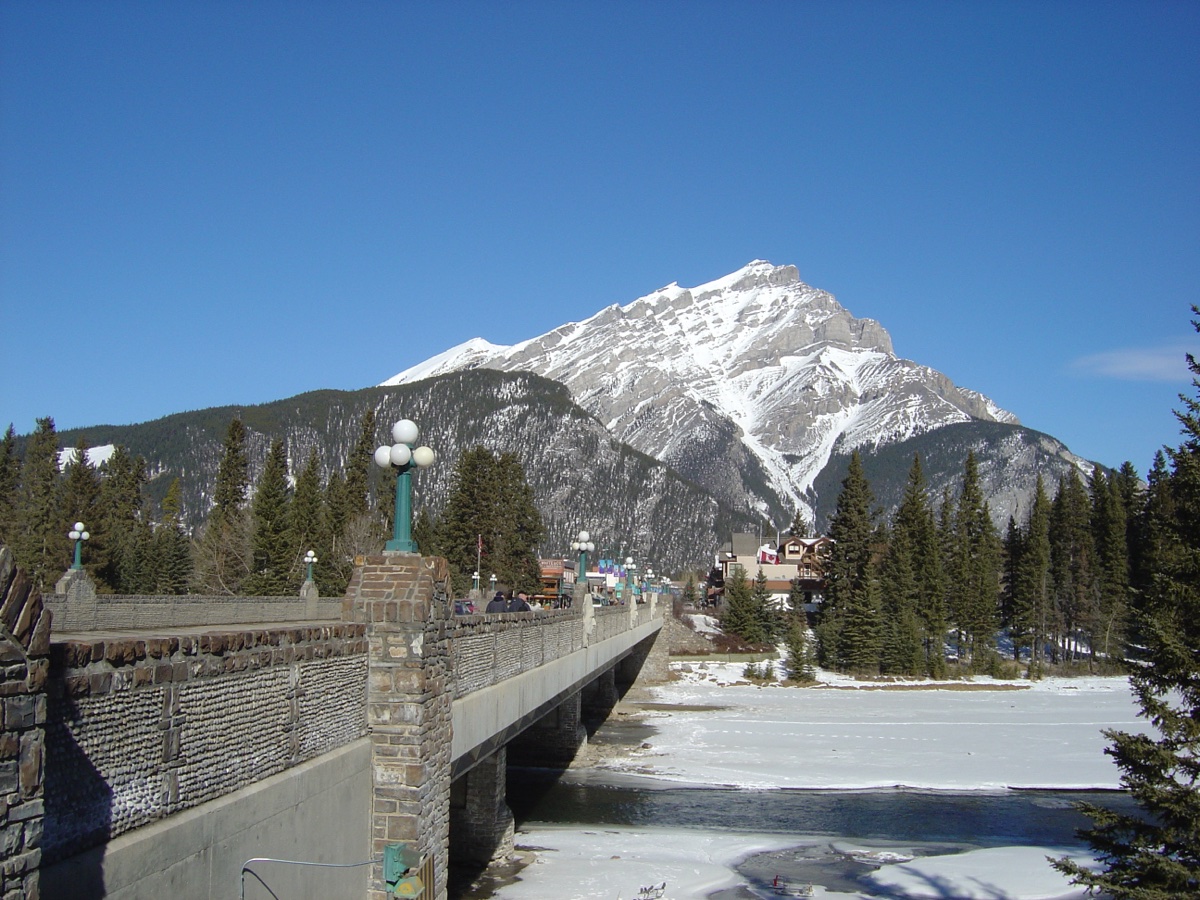
December in Banff looks exactly like something out of a Hollywood Christmas film. The main drag, Banff Avenue, is beautifully decorated, blanketed in snow, and glowing with thousands of twinkling lights. If you love Christmas atmosphere and mulled wine, this is the place to be.
Bear in mind, though, that days are extremely short (it’s dark by half past four in the afternoon) and temperatures plunge to -25 °C. Skiing is in full swing, and over Christmas and New Year, accommodation prices shoot right back up.
When to Go for What? Quick Cheat Sheet by Activity
Still not sure? I’ve put together a simple overview so you can pick the perfect time based on exactly what you want to experience.
If You Want Snow-Free Hiking (June to September)
From mid-June to the end of September, you can be confident that most classic trails will be passable. July and August in particular are a safe bet for ridge walks and hikes to higher elevations, where the snow is slowest to melt.
Always remember, though, that nature here is a force unto itself and can easily dump snow at the end of August. That’s why Lukáš and I always pack warmer layers in our rucksacks, no matter what.
If You’re After Perfect Photos (Late September)
The best light, calm lake surfaces, and — most importantly — the yellowing larches make September a paradise for photographers. Nature plays with every colour imaginable, and the sun no longer beats down at such a harsh angle as in midsummer.
And if I may offer a tip — head to the most photogenic spots at the crack of dawn. That crowd-free calm is absolutely priceless.

If You Dream of Seeing Bears (May, June, and September)
In spring, wildlife descends into the valleys in search of their first food. Watching bears from the safety of your car along the Bow Valley Parkway in May is absolutely fantastic. In autumn, they gorge on berries as they prepare for hibernation, so you can spot them very close to popular trails.
I’d never recommend heading out on a hike without bear spray, though — not even on the busiest trails.
If You’re Chasing the Northern Lights (November to March)
The Canadian Rockies are far enough north and have minimal light pollution. During the dark, long winter nights when the sky is clear, you have an excellent chance of witnessing this mesmerising natural display.
Keep an eye on dedicated apps and websites that forecast solar activity so you’re not standing outside in the freezing cold for nothing. Our most treasured memory is of one bitterly cold January evening when we stood on the shore of frozen Lake Minnewanka and the entire sky above us burst into shimmering green ribbons.
What to Watch Out For: Wildfires, Storms, and Tricky Seasons
I don’t want to scare you at all, but the Canadian wilderness sometimes does exactly as it pleases, and it pays to be prepared. A few specific things in particular can seriously affect your holiday.
Wildfires and the “Smoke Calendar”
In July and August, western Canada (particularly British Columbia, from where the wind blows into Alberta) has its wildfire season. Sometimes there are so many fires that the smoke engulfs the entire Rocky Mountains. The air starts smelling like a campfire, the sun turns blood-red, and visibility drops so low you can’t even see the mountains directly above you.
If you’re visiting in midsummer, it’s worth monitoring the local Air Quality Health Index (AQHI on the AirNow website). When values climb above 7, strenuous hiking is not recommended for anyone with sensitive airways.
Afternoon Thunderstorms (The 1 PM Rule)
Just like in the European Alps or the Italian Dolomites, mountain thermals do their thing here in summer too. Mornings are typically gorgeous and cloudless, but as the air heats up, the afternoon clouds roll in and between one and three o’clock a powerful mountain thunderstorm regularly strikes. Always set off on hikes first thing in the morning — as early as six or seven. We got into the habit of being done by two in the afternoon and enjoying a leisurely coffee back in town.
If dark clouds do start chasing you and you hear the first rumble of thunder, don’t push on to the summit at all costs. Safety comes first, and lightning on exposed ridges is no joke — as a few unfortunate hikers have found out the hard way.
The Larch Forest Phenomenon (Larch Valley)
I mentioned this under September, but it deserves extra emphasis. In the valley above Moraine Lake, there’s a forest of deciduous larches (Larix lyallii) that grow only at a very specific elevation. Throughout the entire Rocky Mountains, conifers don’t change colour in autumn — with the single exception of these larches. People flock here from across Canada and the US for this roughly two-week miracle, so even though September is generally quieter, the Larch Valley trail tends to be hopelessly packed with enthusiastic hikers.
Because this spot is such a massive draw, I recommend planning it for the crack of dawn. When we hiked up there for the first time, we set off with the first light and had those stunning golden trees almost entirely to ourselves, while on the way back down we already passed an endless stream of people.
Where to Stay in Banff and How Much It Costs
The Rocky Mountains will hit your wallet hard — I’ll tell you that straight up. We learnt this on our very first night, when our Banff Canada hotel cost more than the flight 😅. If you want to save money and don’t mind driving a bit further, a brilliant tip is the neighbouring town of Canmore, just about 20 minutes’ drive from Banff. It sits outside the national park boundaries and prices are noticeably friendlier. You can browse and compare options on Booking.com.
Summer (June to August) is the most expensive period. A night for two in a standard hotel can easily set you back 300 to 450 CAD (roughly €200 to €300). Accommodation vanishes at lightning speed, so book a good six months ahead. Conversely, in winter and spring, prices drop significantly and you can snag a lovely hotel with a hot tub for 150 to 200 CAD per night (about €100 to €130).
Our Tried-and-Tested Hotel and Campground Tips
If you’re going to splash out on comfort in Banff, try Fairmont Banff Springs — the famous castle-like hotel nestled in the forest. You’ll leave half your pay cheque there, but for a special anniversary it’s an absolute showstopper. On the more affordable end, we were fans of the Elk + Avenue Hotel right on the main street — it’s stylishly modern and you’re within walking distance of everything.
For Canmore, I’d wholeheartedly recommend the Basecamp Suites apartments. They’re perfectly equipped, have cracking views of the mountains, and you can cook your own dinner in the evening, which saves a fair bit. If you prefer sleeping in your car or pitching a tent, local campgrounds run from 25 to 40 CAD per night (roughly €17 to €27), but even the most popular ones (like Two Jack Lakeside) need to be booked months ahead on the day the system opens.
When to Start Planning and Booking (Don’t Leave It to the Last Minute)
This is something I learnt the hard way: Canadian parks are so popular these days that without a reservation you simply won’t get to the most beautiful spots. They’ve introduced systems that caught us off guard at first, but they’re manageable if you know about them in advance.
Access to Moraine Lake by private car has been completely banned (the road is closed). You need to reserve the official Parks Canada shuttle bus months in advance via Parks Canada, or use one of the private transport companies, which are pricier.
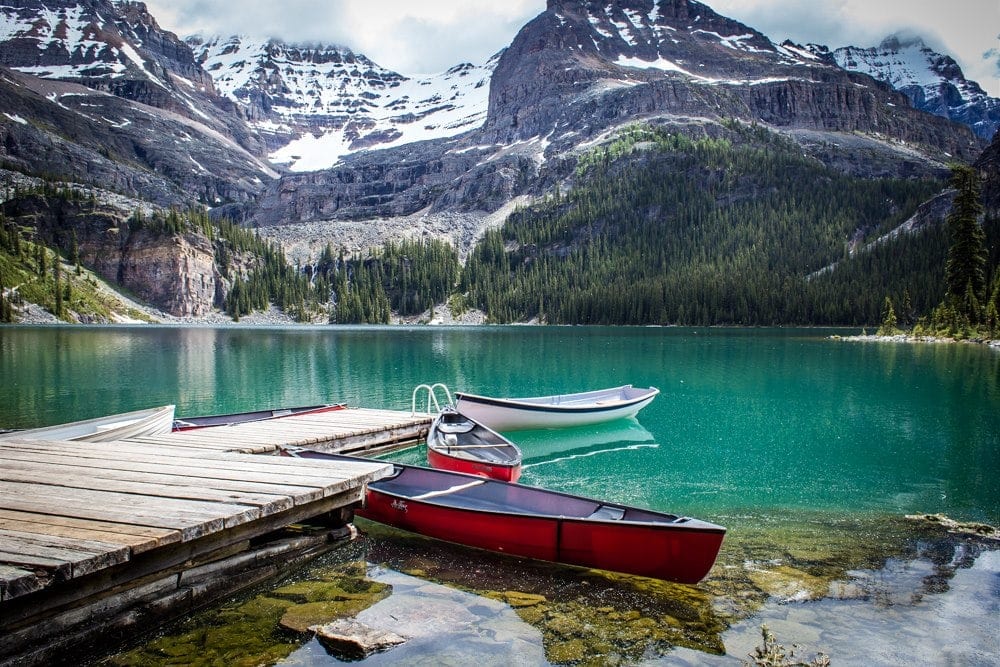
It’s a similar story with the iconic, strictly protected Lake O’Hara area in neighbouring Yoho National Park. The bus there runs for only a tiny number of visitors and the reservation system typically crashes within the first second of opening — that’s how high the demand is. You’ll also need to book well ahead for any multi-day hut-to-hut traverses (e.g. Skoki Lodge is sold out for the entire season almost immediately).
💡 TIP: Don’t forget to get the Canada Discovery Pass. If you plan to spend more than 7 days in Canadian national parks (which most people end up doing), the annual pass at roughly 150 CAD (about €100) per vehicle is far better value than paying daily entry fees.
Where to Find Great Food and Coffee
After a demanding hike or a day on the slopes, you deserve something proper in your belly. Both Banff and Canmore have a cracking food scene. Lukáš and I had a few go-to favourites that we still rave about to this day.
Our absolute favourite pizzeria, Bear Street Tavern in Banff, is a must-visit. Their pizza, which you can drizzle with chilli honey oil, is out of this world. Whenever we fancied a coffee and needed warming up, Whitebark Cafe, tucked away in one of the local hotels, was our lifesaver.
Over in nearby Canmore, try the amazing bagels at Rocky Mountain Bagel Co. — practically every local heads there for breakfast, so it sometimes means a queue, but it’s well worth the wait ☺️.
Read More: Related Articles
If you’re planning a trip to Canada, check out these other articles of ours — we couldn’t have imagined our trip without them:
- Complete guide to Banff National Park
- What to see and how to ski at Lake Louise
- Jasper: Banff’s quieter neighbour that you’ll fall in love with
- Everything about bear safety in the Canadian wilderness
- How and when to see the Northern Lights in Alberta
Frequently Asked Questions (FAQ)
Lukáš and I know perfectly well that a million practical questions crop up when planning a trip to the mountains. Here are the answers to the most common ones you regularly send us.
When is it warmest in Canada?
The warmest months in the Canadian Rockies are without a doubt July and August. Daytime temperatures in the valleys can climb to 25–30 °C, but evenings and mornings remain quite cool due to the mountain environment — light jumper weather at best. This temperature swing caught us off guard at first. We’d set off in the morning in down jackets and beanies, and by the afternoon we were carrying it all in our backpacks because we were roasting in just a t-shirt.
What are summer temperatures like in the Canadian Rockies?
In the Banff and Lake Louise areas, average summer temperatures range between 20 and 25 °C during the day. At night, though, temperatures commonly drop below 10 °C, and even in the middle of summer fresh snow can fall on the highest peaks. I always recommend relying on local weather forecasts directly from park wardens. We found time and again that what the internet reported for the town in the valley bore no resemblance to conditions up in the mountain passes.
When is the best time to visit Canada for hiking and nature?
The ideal hiking window is fairly short — roughly from late June to mid-September. During this period, even high-altitude trails are accessible, the lakes are thawed, and they display their iconic turquoise colour. If you go a bit earlier, say early June, you certainly won’t regret it, but you’ll need to accept that some lakes may be unreachable and many iconic viewpoints will still be under a blanket of snow. On the plus side, you’ll enjoy incredible peace and quiet before the main season.
What to see in Banff besides Lake Louise?
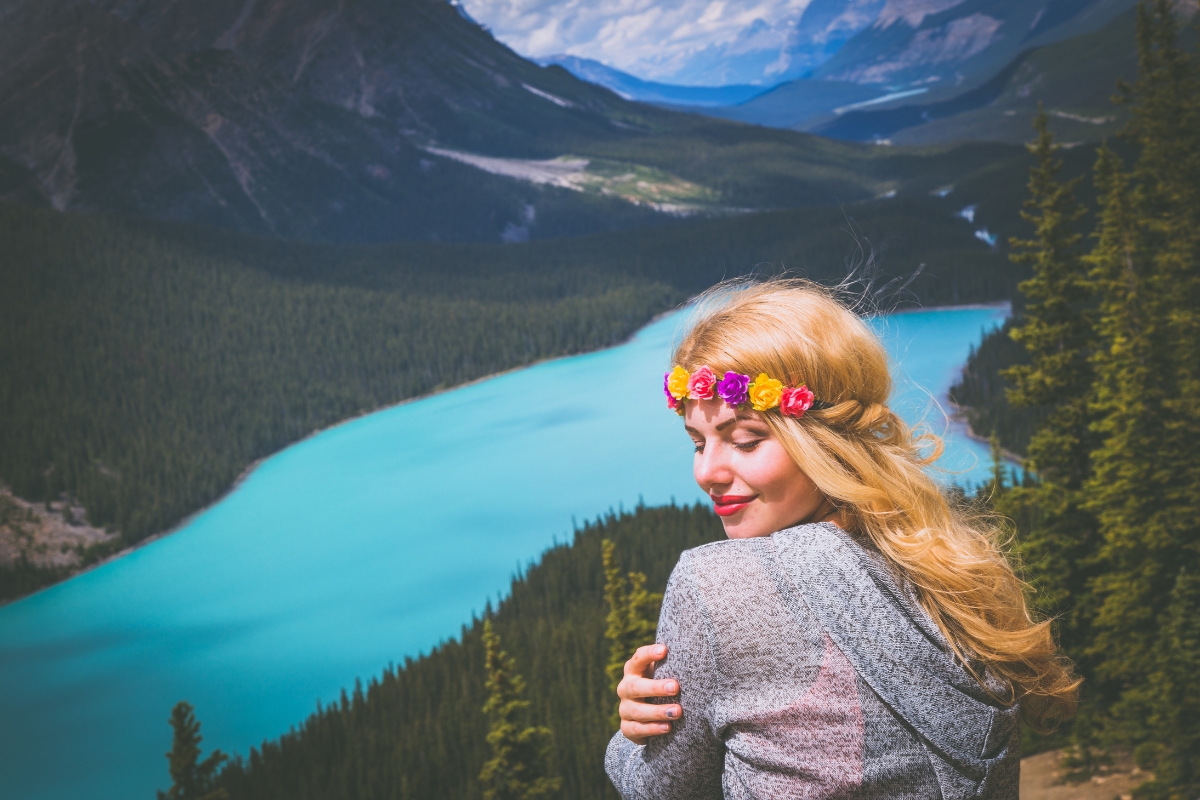
You absolutely must not miss the glacial Moraine Lake, Johnston Canyon with its stunning waterfalls, the Sulphur Mountain gondola (at sunset), or the breathtaking Icefields Parkway scenic road connecting Banff with Jasper National Park. Lukáš and I also fell completely in love with Peyto Lake. Its shape resembles a wolf’s head and its colour is so vivid blue that you won’t believe you’re not looking at a Photoshopped image.
Do I need special clothing for winter?
Absolutely. Temperatures from December to February regularly drop to -20 °C. You’ll need proper layering (merino wool as a base), a decent waterproof and windproof jacket, winter boots with good insulation, and ideally hand warmers for your gloves too. A big mistake we saw many tourists make was underestimating warm socks and hats. Heat escapes fastest from your head and feet, so investing in quality wool socks and a windproof hat will pay dividends out here.
Are there mosquitoes in Banff?
Yes, mosquitoes can be quite unpleasant in summer (especially around the turn of June and July), particularly in forests or near bodies of water sheltered from the wind. Definitely pack a quality repellent with a higher DEET content in your rucksack. Local shops readily stock specialist bug sprays that work far more reliably than anything you might bring from home. Sometimes it seems as though the Canadian mosquitoes are resistant to just about everything.
Can I pay by card everywhere in Banff?
Canada is extremely advanced when it comes to cashless payments. You can pay by card virtually everywhere — from a small coffee to national park entry fees. Lukáš and I usually only carry a token amount of cash for small tips; we handle everything else by card. The only places where you might run into trouble are very remote campgrounds or small snack stands far from civilisation where there’s simply no signal. For those cases, a few banknotes in your wallet always come in handy.
Tips and Tricks for Your Vacation
Don’t Overpay for Flights
Search for flights on Kayak. It’s our favorite search engine because it scans the websites of all airlines and always finds the cheapest connection.
Book Your Accommodation Smartly
The best experiences we’ve had when looking for accommodation (from Alaska to Morocco) are with Booking.com, where hotels, apartments, and entire houses are usually the cheapest and most widely available.
 🚗 Car rental on the roadVerified rental cars for your trip
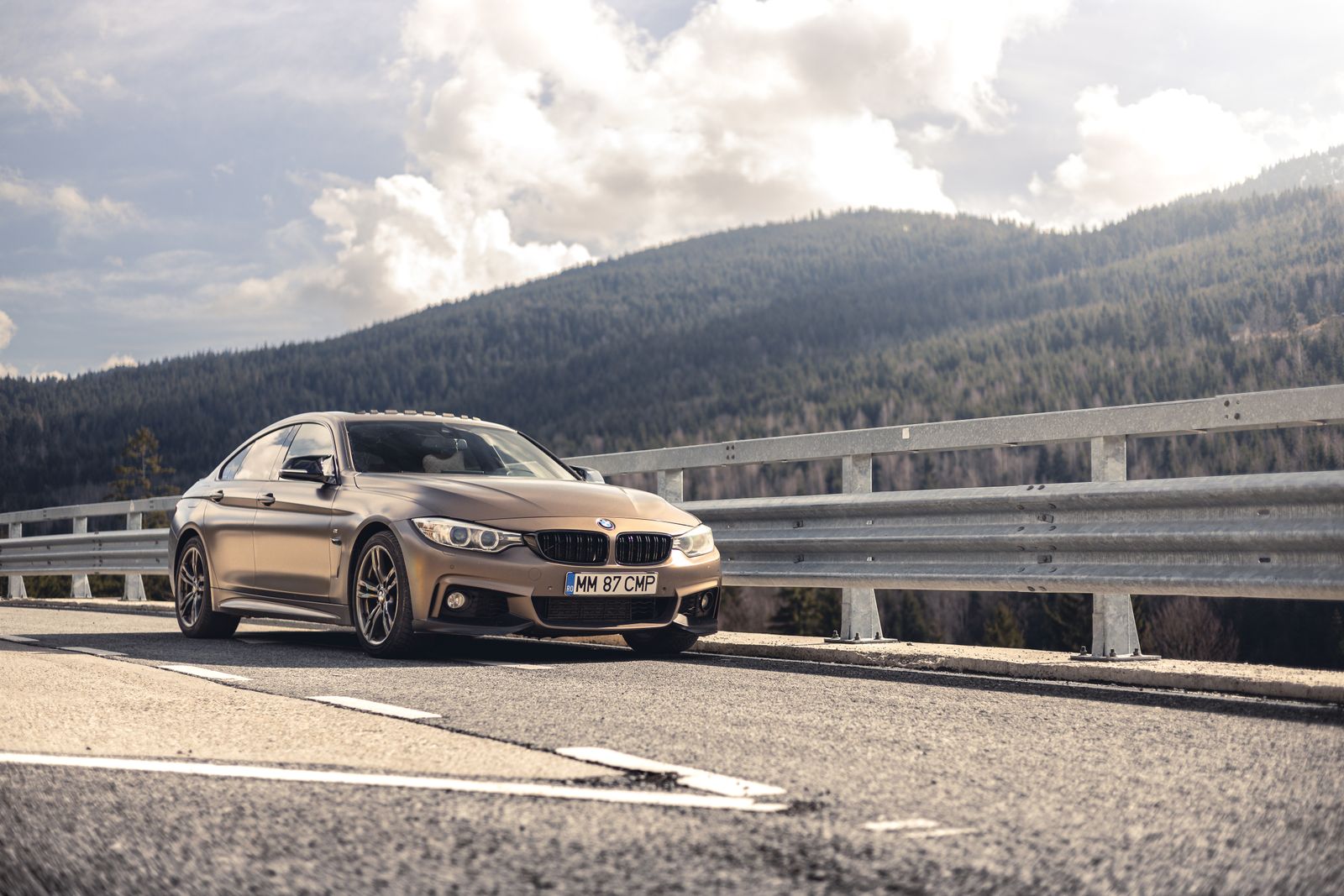
Search with the DiscoverCars comparison engine — it compares prices from dozens of local and international rental companies, and most bookings come with free cancellation.
Compare car prices →Don’t Forget Travel Insurance
Good travel insurance will protect you against illness, accidents, theft, or flight cancellations. We’ve had a few hospital visits abroad, so we know how important it is to have proper insurance arranged.
Where we insure ourselves: SafetyWing (simple monthly subscription) and TrueTraveller (for extra-long trips).
Find the Best Experiences
Get Your Guide is a huge online marketplace where you can book guided walks, trips, skip-the-line tickets, tours, and much more. We always find some extra fun there!


