

When Lukáš and I lived and worked in western Canada back in 2016 and 2017, Jasper National Park was our magical retreat. While neighbouring Banff was bursting at the seams with tourists, Jasper offered a much more laid-back vibe. I remember cruising the legendary Icefields Parkway in our old Honda, popping into Jasper for a movie night, and squeezing in a hike or two along the way. It was pure freedom and one of the best experiences of our lives — and if you’re wondering about the best things to do in Jasper Canada, we’ve got plenty to share.
That’s exactly why our hearts broke in July 2024 when the news was flooded with footage of devastating wildfires. The flames consumed vast stretches of forest and, tragically, struck the town of Jasper itself. We sat at home glued to the news, watching in horror as the places where we’d laughed and sipped coffee were swallowed by fire. But nature is an incredibly powerful force. Although it took time and the park had to undergo a massive revitalisation effort, Jasper is awakening in new beauty in 2026. It looks a little different — charred stumps have replaced trees in many areas, but fresh green shoots are already pushing through, and the park carries a completely new, deeply powerful atmosphere.
So I decided to put together a guide on what awaits you in Jasper right now — what’s open, what’s still closed, where to sleep and eat, and how much to budget. Read on so you can hit the road fully prepared.
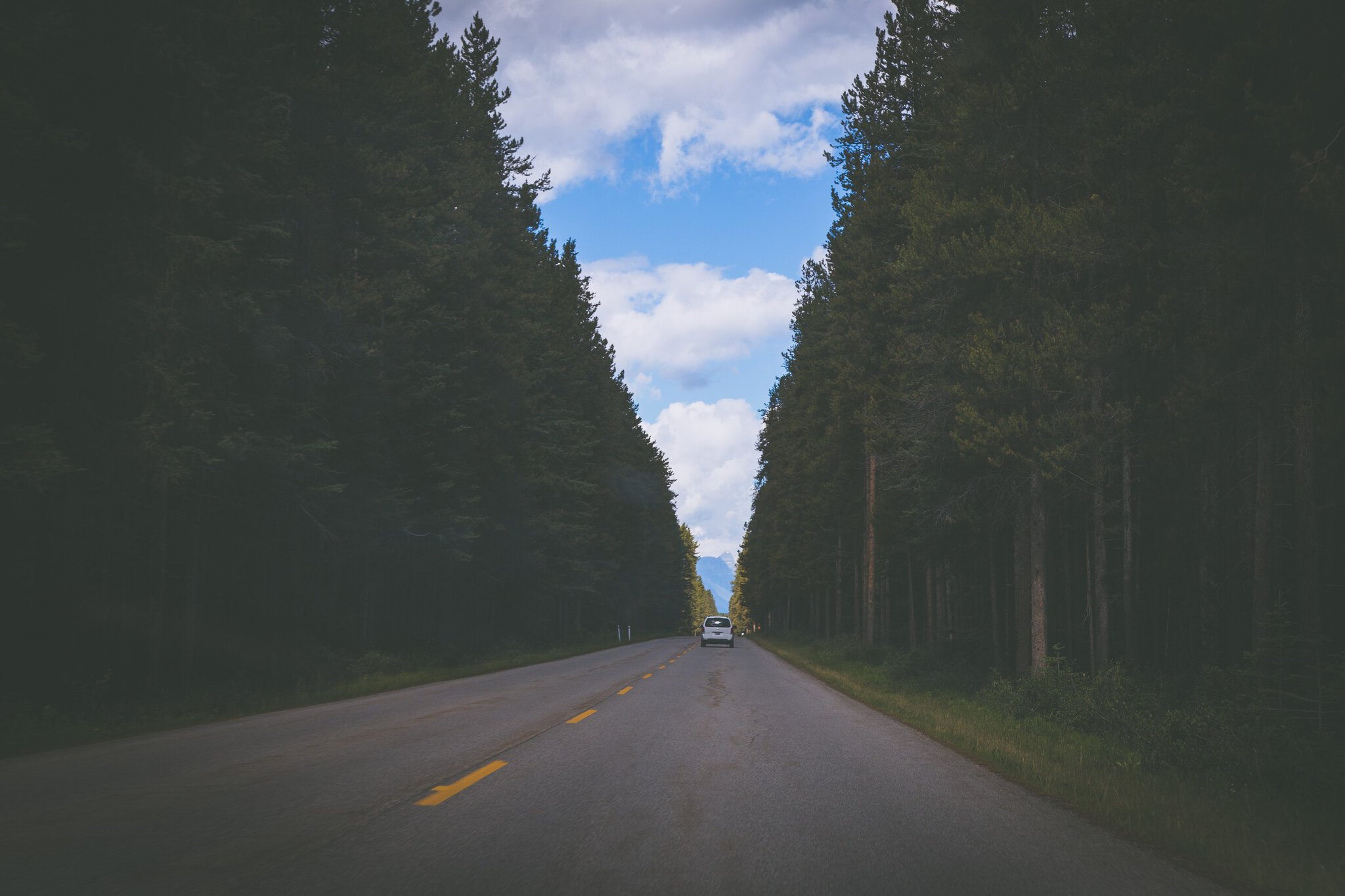
TL;DR
- Key changes for 2026: The beloved Valley of the Five Lakes officially reopens on 23 May 2026. However, Maligne Canyon and Mt. Edith Cavell remain closed for safety reasons.
- The town is alive: Downtown Jasper has been largely restored, and the iconic Jasper Park Lodge (JPL) survived the fire and is fully operational.
- Must-sees: A boat cruise to Spirit Island on Maligne Lake is an absolute must, as are Athabasca Falls and a walk on the Columbia Icefield’s Athabasca Glacier.
- Best time to visit: The best weather runs from June to September, but if you love stargazing, plan your trip for October when the Jasper Dark Sky Festival takes place (16–25 October 2026).
- Park passes: For 2026, we recommend picking up the Canada Strong Pass, which covers all Canadian national parks and directs a portion of the proceeds toward wildfire recovery.
- Getting there: The best option is to rent a car in Calgary or Edmonton and drive the iconic Icefields Parkway.
The full destination guide: Rocky Mountains — guide and what to see
When to Visit Jasper and How to Get There
Planning a trip to the Canadian Rockies requires a bit of strategic thinking. Mountain weather is notoriously unpredictable, and conditions down in town can be worlds apart from what you’ll find up by the glaciers. Be prepared for the fact that logistics in vast Canada are a touch more demanding than in Europe, but with a solid plan, you’ll manage just fine. Let’s break it all down so you can save both your nerves and your wallet.

The absolute best time to visit Jasper is from late June to early September, when the turquoise lakes are at their most vibrant and most high-altitude trails are snow-free. We explored Canada in July and while it was beautifully warm during the day — t-shirt weather — the moment the sun dipped below the horizon, we were shivering in our down jackets. Count on chilly mornings and evenings no matter what. If you want to dodge the biggest crowds, September is your sweet spot. The autumn colours lend an unreal edge to the already dramatic landscape, and after the fires, the contrast between golden trees and charred trunks makes for a truly mesmerising scene.
The best way to reach Jasper is by car. Most visitors from the UK will fly into Calgary or Edmonton — you can find decent transatlantic fares by shopping around on flight comparison sites like Kiwi. Airlines such as WestJet and Air Canada operate direct routes from London, or you can look for connecting flights with other carriers. From Calgary, the route takes you through the stunning Banff National Park along the breathtaking Icefields Parkway (Highway 93), which is a jaw-dropping experience in its own right. The drive takes roughly five hours of pure driving time, but I guarantee you’ll spend the entire day stopping at every lookout. Lukáš and I have had great long-term experience with DiscoverCars, which we use worldwide to find the best car rental deals. Don’t forget that you’ll need a valid park pass to enter — for 2026, we highly recommend the annual Canada Strong Pass, which also directly supports the local community’s recovery efforts.
For general tips on planning a big road trip out west, check out our article on preparing for a road trip through Canada and the USA.
Where to Stay in Jasper and How Much to Budget
Finding accommodation in Jasper was already tricky before 2024, and the wildfires have made things even more challenging. Capacity is slowly recovering and many hotels are back in business, but demand is still massive and supply somewhat smaller than before. That means one absolutely golden rule: if you’re visiting in summer, book your accommodation a good six months in advance.
The town of Jasper is the perfect base for all your adventures. Plenty of great places to stay have survived, and we were incredibly relieved to learn that the iconic Jasper Park Lodge (JPL) on the shores of Lac Beauvert made it through the inferno unscathed. It’s definitely at the top end of the price scale — expect to pay around 600–800 CAD per night (roughly €400–530) — but if you’re after true luxury in log cabins with mountain views, it’s hard to beat. For us mere mortals, classic motels and hotels right in town are the way to go, with peak-season prices hovering around 250–350 CAD per night for two (about €165–230).
Canada is generally not a cheap destination, and the national parks even less so. You’ll save on groceries if you stock up at a big supermarket in the city before heading into the mountains, as prices in Jasper’s local shops tend to be about a third higher. If you’re planning to camp — which we did quite a lot in our trusty Chiquita — expect to pay around 30–40 CAD per night (roughly €20–27) at a national park campground, but sites vanish from the Parks Canada reservation system the moment they open in spring.
Things to Do in Jasper Canada: 12 Must-See Spots in 2026
Nature here truly doesn’t need our help — it does its thing on a grand scale, all by itself. Here are twelve places I’d only skip under extreme duress.
1. The Town of Jasper and Its Reborn Atmosphere
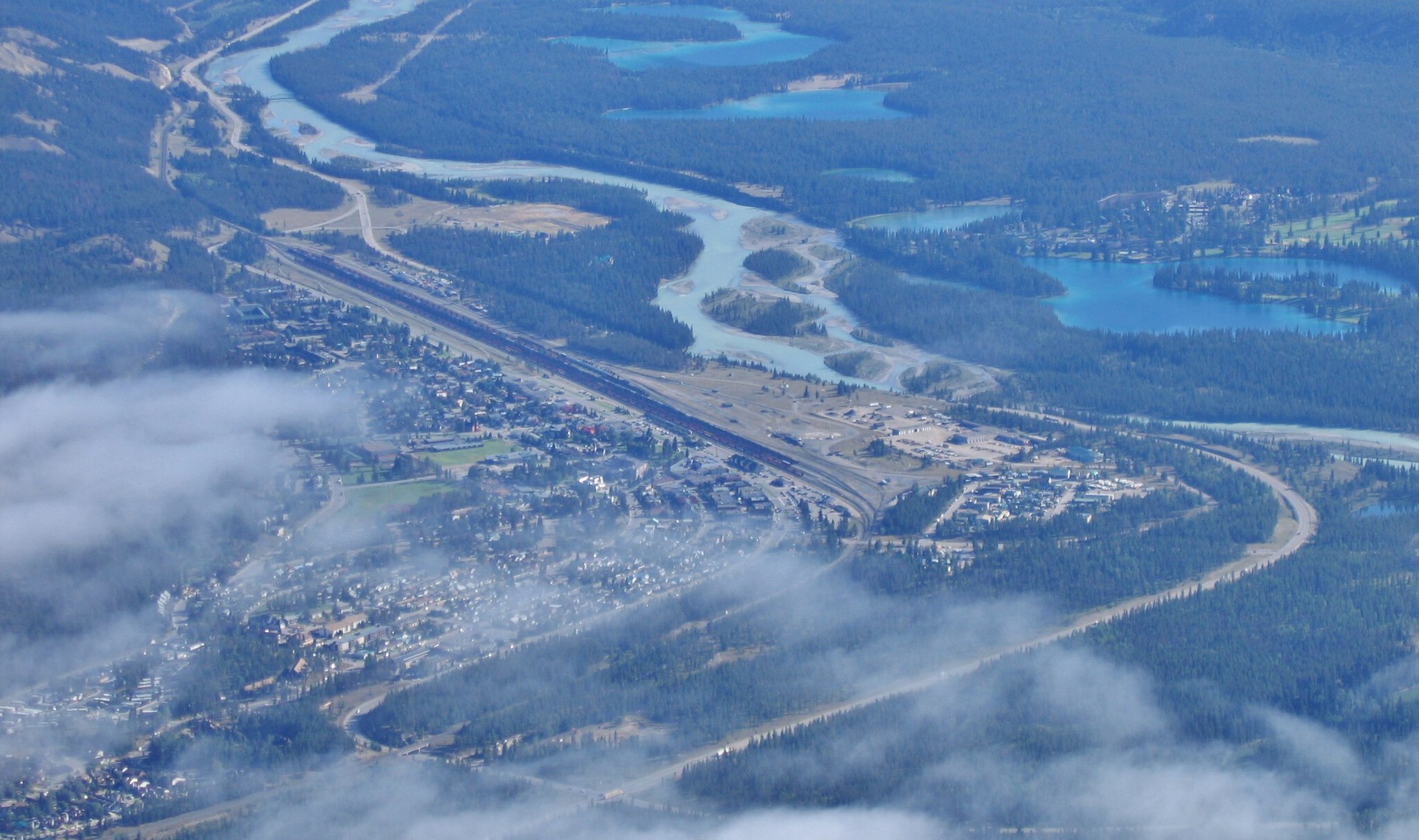
The heart of the entire park beats right in downtown Jasper. When you arrive today, you’ll feel the immense gratitude of the locals who managed to save much of their town. You’ll find charming little cafés, souvenir shops, and loads of outdoor gear stores, and a stroll down Connaught Drive with that crisp mountain air filling your lungs is simply wonderful.
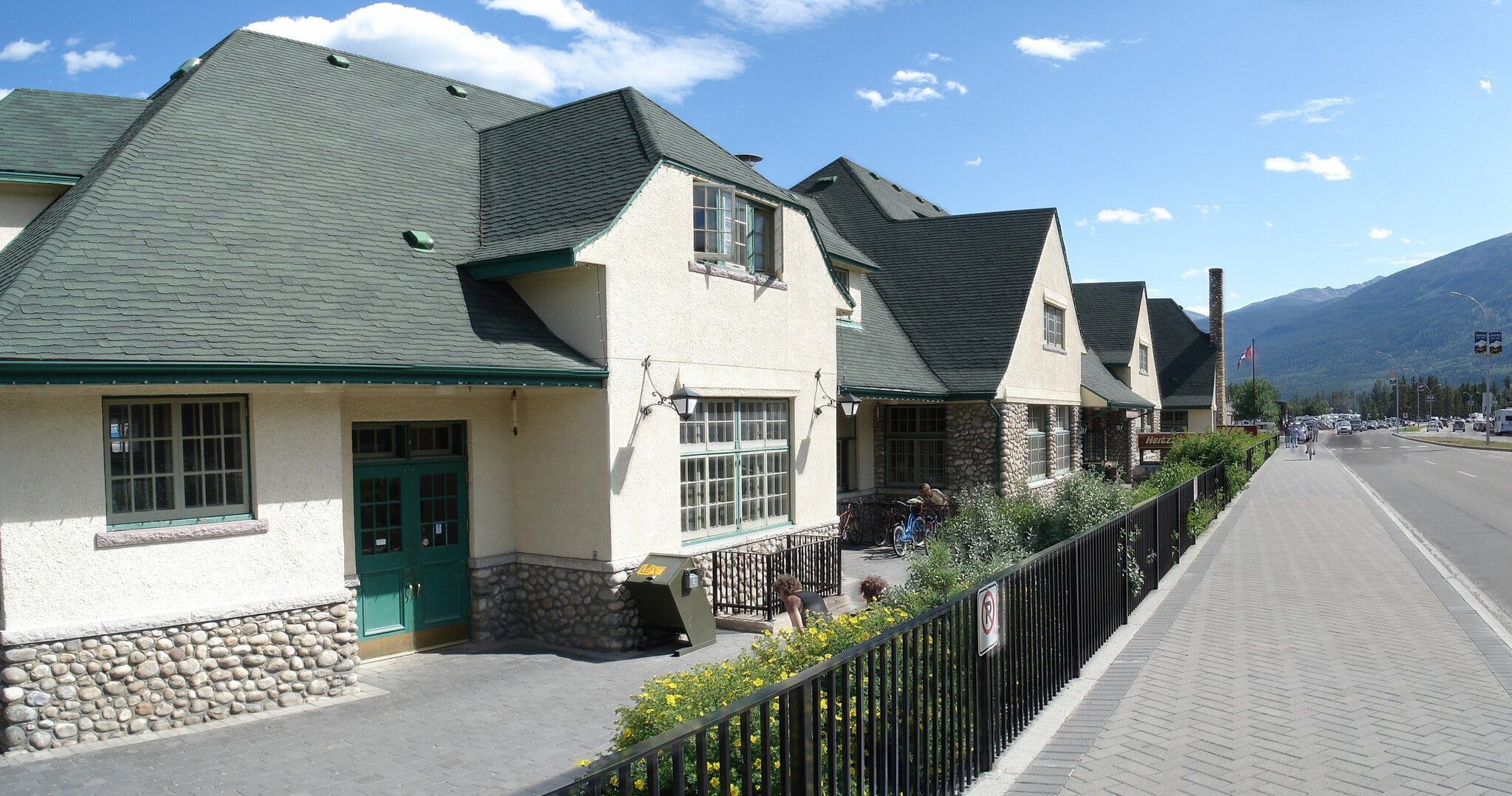
Pop into the local visitor centre, where the rangers will give you the latest updates on bear activity along the trails and any closures. The community here has rallied together incredibly after the fires, and every pound you spend at local restaurants or shops helps them get back on their feet. And the atmosphere of the town in the evening, as the sun sets behind the mountains and the streets light up, is pure magic.
2. Maligne Lake and the Iconic Cruise to Spirit Island
This is the ultimate Jasper classic — the image almost everyone has seen on postcards. Maligne Lake is the largest glacial lake in the Canadian Rockies, and its deep turquoise colour will quite literally take your breath away. The drive from town takes just under an hour, and the road is one of the best spots to catch moose or bears right by the roadside.
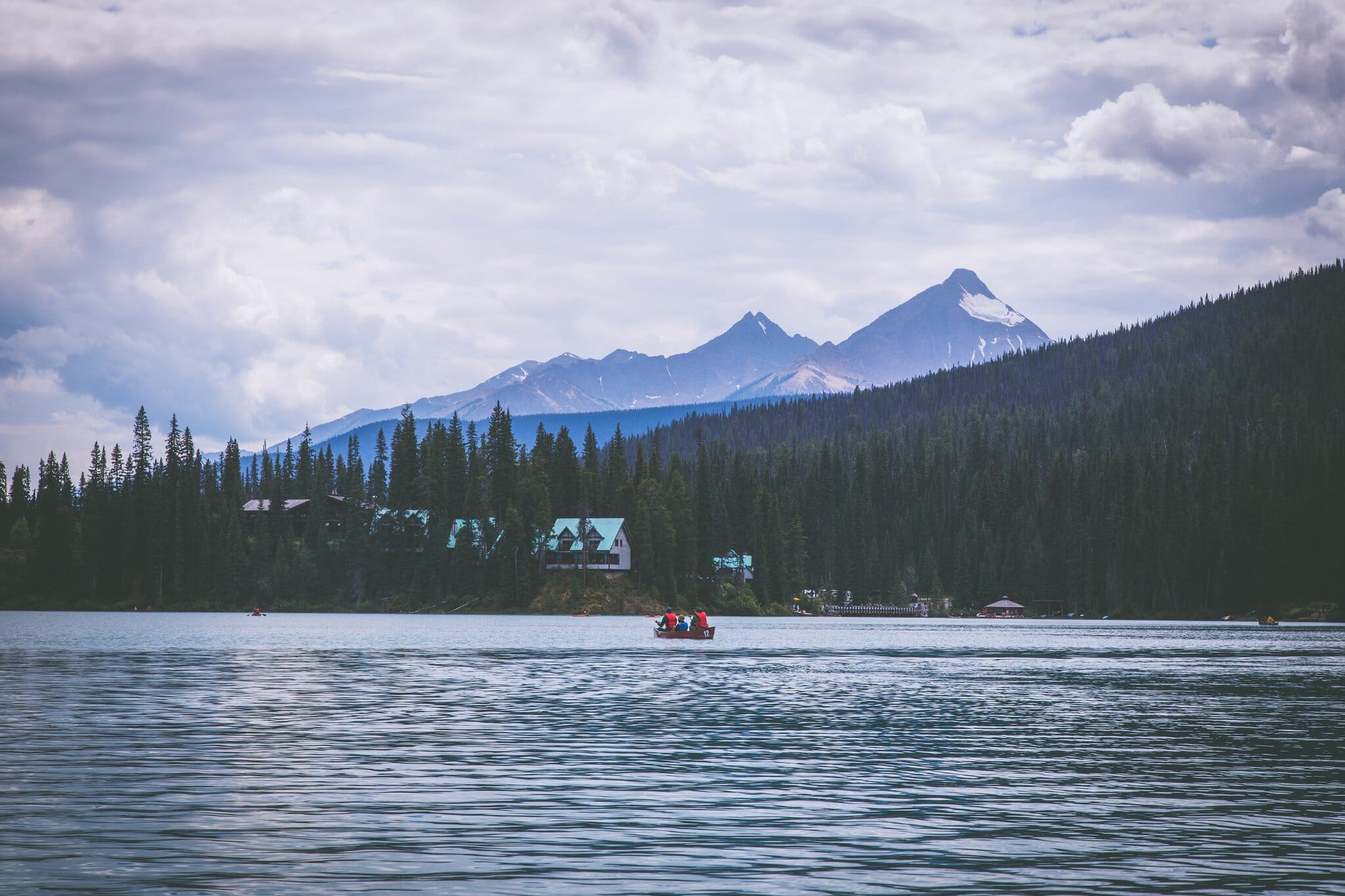
The absolute highlight is the boat cruise to Spirit Island, a tiny islet with a handful of trees that holds sacred significance for Indigenous peoples. The cruise lasts about an hour and a half, with tickets running around 80 CAD (approximately €53). It’s not the cheapest outing and you need to book well in advance, but the view of that little island ringed by snow-capped peaks is worth every penny.
3. The Disappearing Medicine Lake
On the way to Maligne Lake, you’ll pass Medicine Lake — one of the park’s greatest natural mysteries. It’s called the “disappearing lake” because in autumn and winter, the water vanishes entirely underground, leaving behind a vast muddy basin crossed by a small stream. Indigenous peoples considered it pure magic; for modern geologists, it’s a fascinating system of underground caves that can’t drain the summer snowmelt fast enough, causing the lake to temporarily fill up.
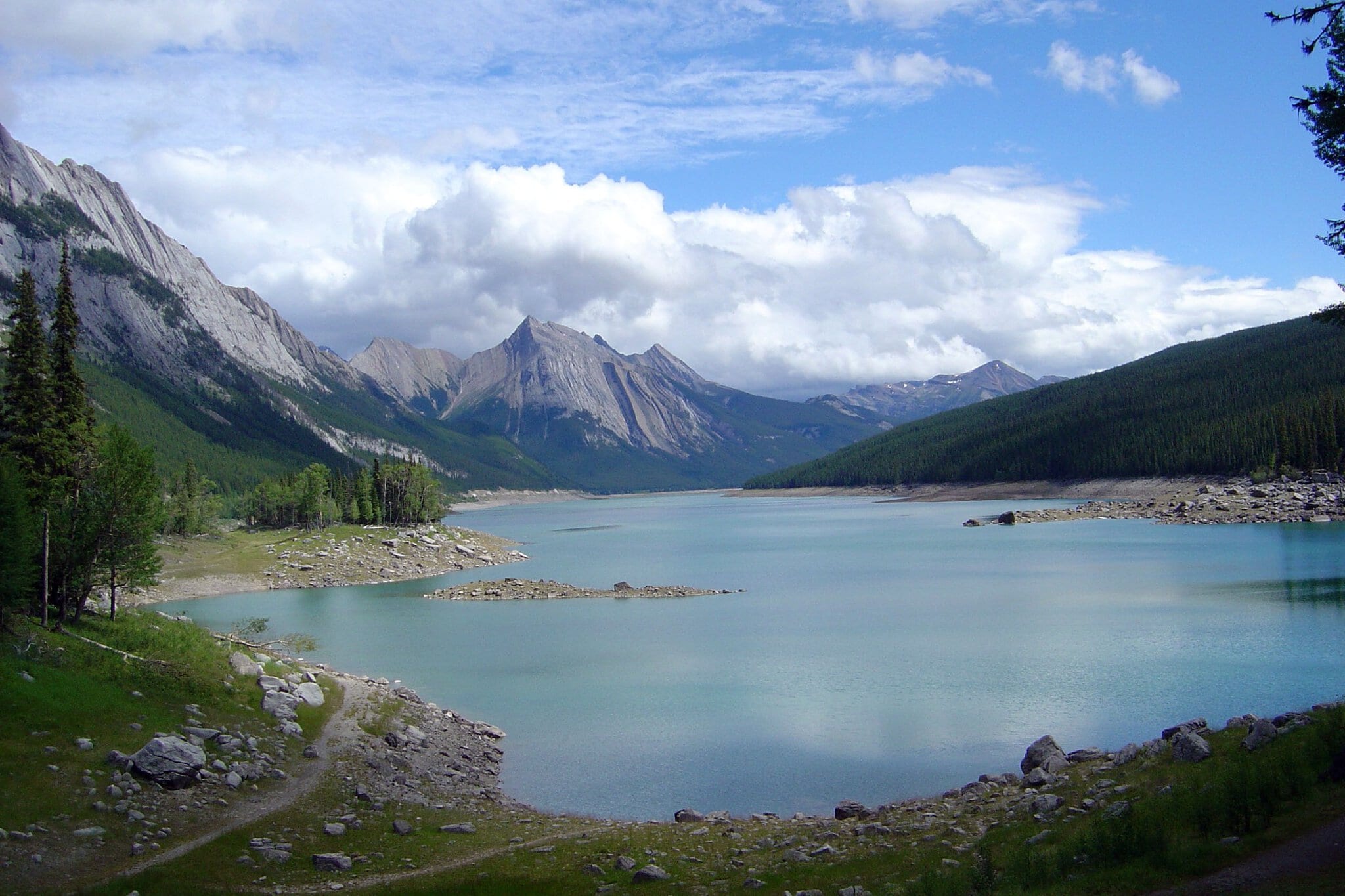
We visited in the middle of summer when the lake was beautifully full, but today the charred trees along its shores create a hauntingly dramatic backdrop. Pull over for a quick stop, snap that striking contrast of blue water and fire-scarred forest, and take a moment to appreciate how endlessly nature reinvents itself.
4. Pyramid Lake and Patricia Lake
If you’re looking for a spot just outside town for a relaxed afternoon, these two lakes sitting side by side are a perfect choice. They’re nestled at the foot of the towering Pyramid Mountain, which has a distinctive rusty hue and glows beautifully at sunset.
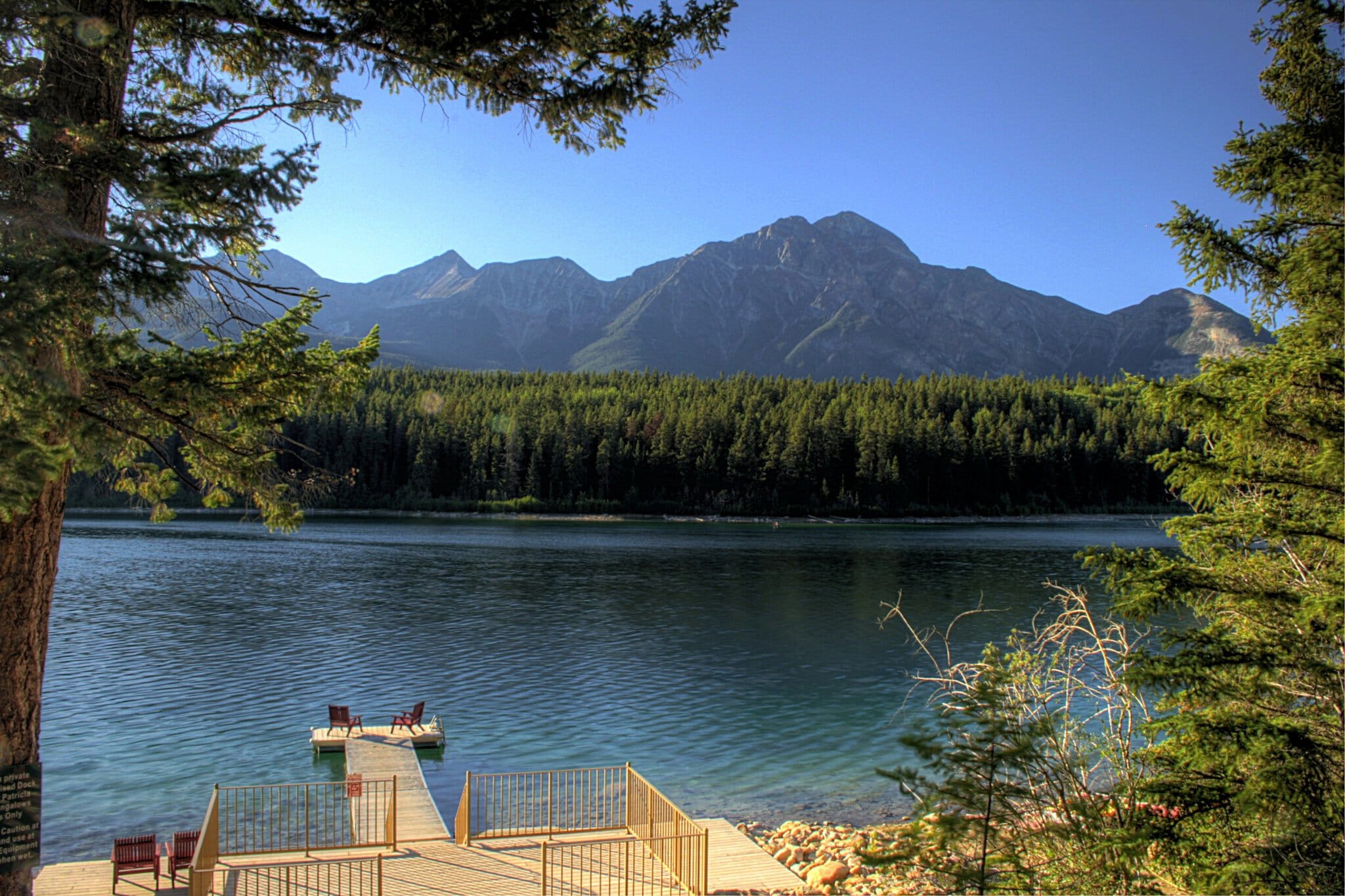
At Pyramid Lake, I’d recommend renting a canoe or a paddleboard — though fair warning, the water is absolutely freezing and you really don’t want to fall in. There’s also a small wooden bridge leading to Pyramid Island, which is an incredibly popular and wonderfully romantic spot for a morning coffee while mist still rolls over the water and there’s not a soul in sight.
5. Valley of the Five Lakes (Reopening May 2026!)
This is huge news for every Jasper fan. Valley of the Five Lakes was one of the most popular easy-going hikes in the park, but it had been closed for a long time due to fire damage. The grand reopening is scheduled for 23 May 2026, and we honestly can’t wait to get back out there.
It’s a fairly easy loop trail of about 4.5 kilometres that takes you past five smaller lakes. Each one shimmers in a completely different shade of green and blue depending on its depth and algae content. It’s an ideal outing for families with kids or for those days when you don’t feel like scrambling up any big peaks but still want a proper taste of Canadian wilderness.
6. Athabasca Falls
Athabasca Falls may not be among Canada’s tallest waterfalls, but they’re certainly among the most powerful. The sheer volume of glacial water thundering into a narrow limestone canyon is so immense that you can hear the roar long before the falls come into view. You stand on the safe viewing platform and feel a fine icy mist on your face — which is actually quite refreshing on a hot summer’s day.
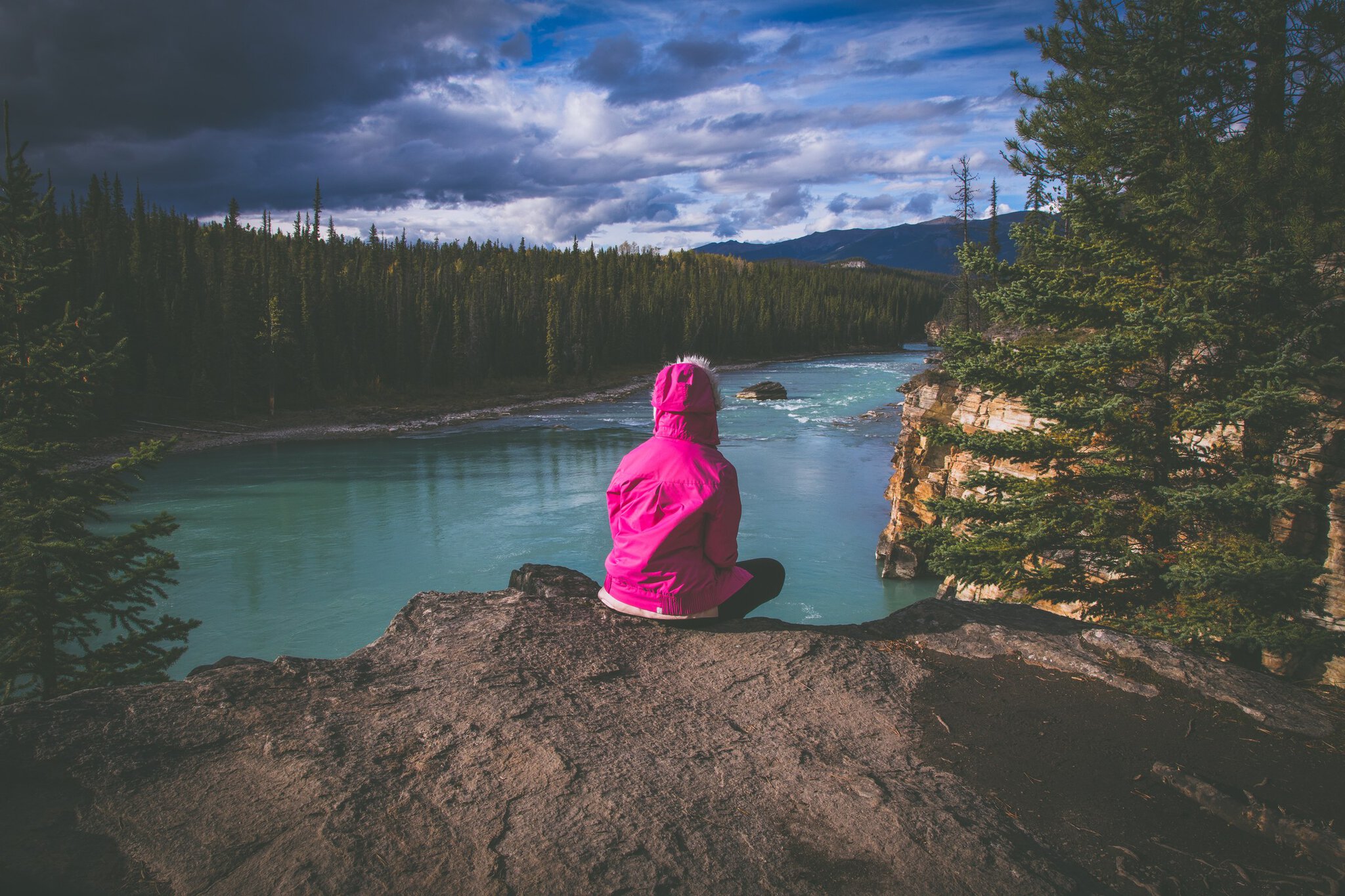
A network of short paved paths and stairs winds around the falls, making them accessible to everyone. But because they sit right off the Icefields Parkway, parking in summer can be a real battle during the middle of the day. I’d recommend heading out early in the morning or late in the afternoon, once the tour buses have ferried their passengers back to the hotels.
7. Sunwapta Falls
Just a short drive further south along the highway, you’ll find another stunning waterfall — Sunwapta Falls. Water from a nearby glacier plunges into a deep gorge, and a tree-topped island in the middle of the river splits the flow into two channels right before the drop. It’s an incredibly photogenic spot that always surprises visitors with its raw power.
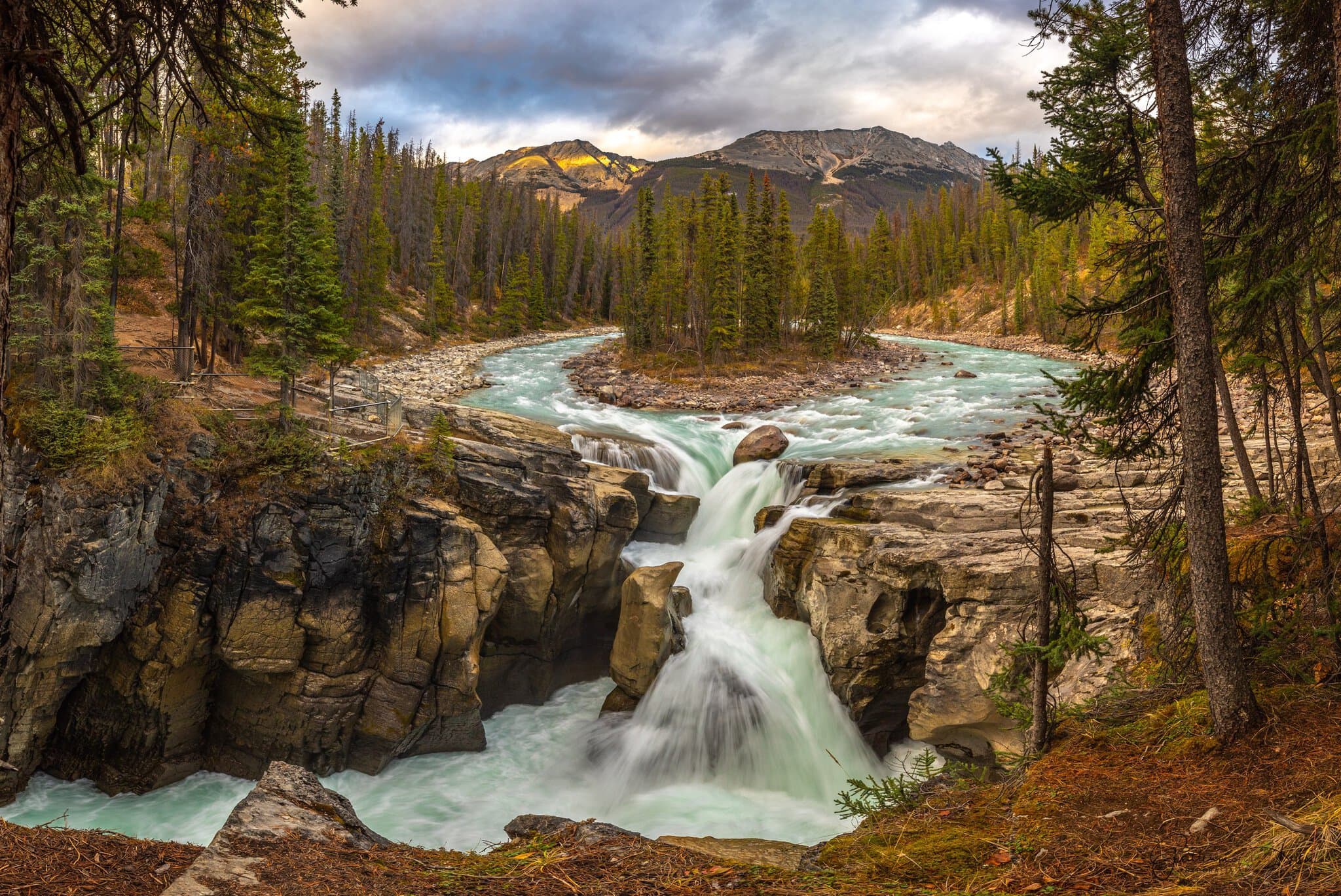
A short trail from the upper main waterfall leads to the Lower Falls. Most tourists skip this roughly two-kilometre woodland walk, which is a big mistake — you’ll find yourself completely alone in the wild, and while the lower falls are smaller, they’re all the more enchanting for it.
8. Columbia Icefield and Athabasca Glacier
This is an experience you won’t forget in a hurry. Roughly on the border between Jasper and Banff national parks lies the Columbia Icefield — an enormous ice field from which several glaciers creep downhill. The most accessible is the Athabasca Glacier, where you can walk right up to its very edge and witness first-hand how this colossal mass of ice is, sadly, retreating more each year.
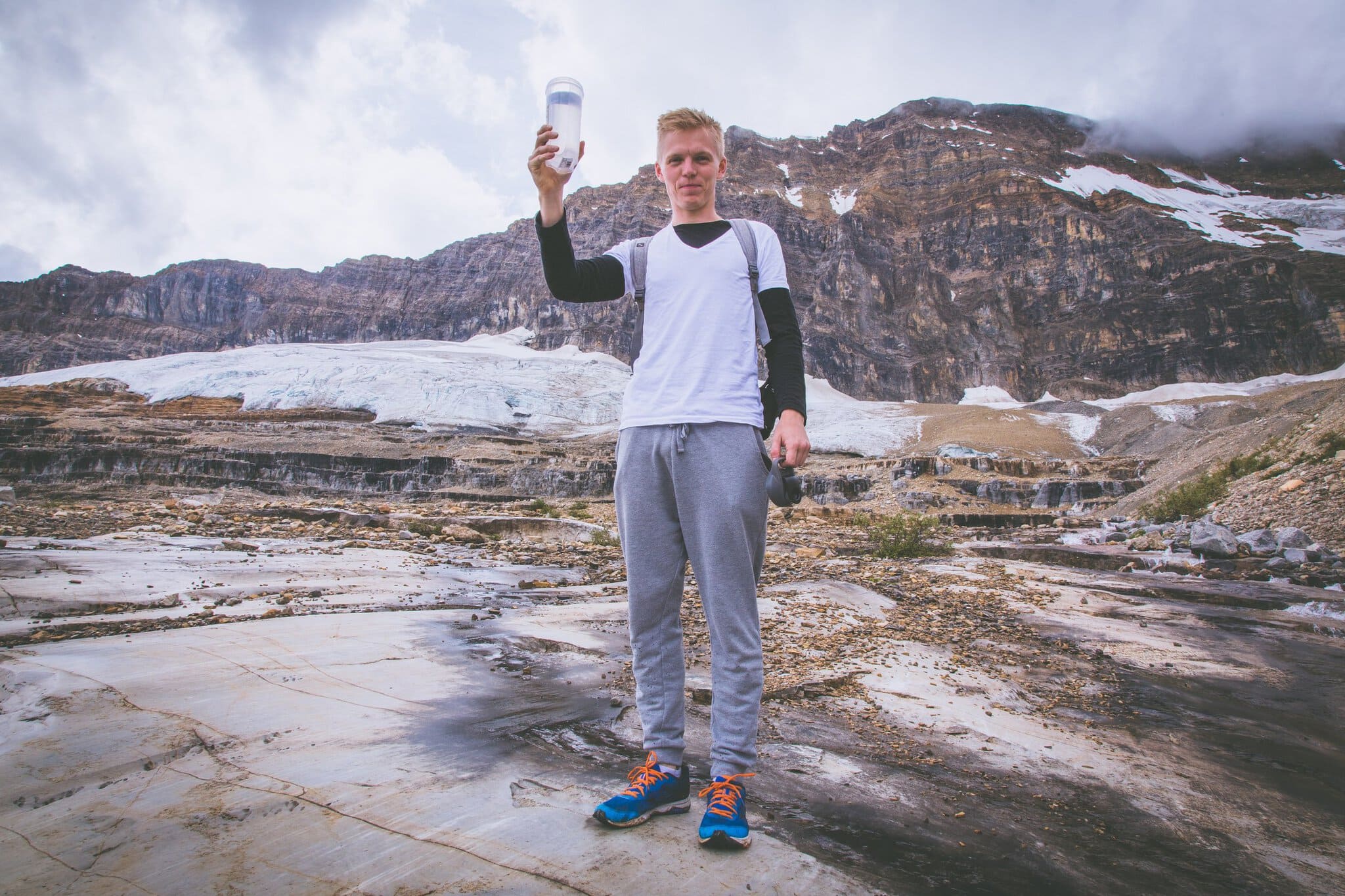
If you want to step onto the glacier itself, you have two options. You can book a guided tour (never venture out on your own — hidden crevasses are no joke), or hop aboard a massive vehicle called the Snocoach, whose wheels are as tall as an adult, and ride straight onto a safe section of ice. It’s admittedly a bit commercialised and the tickets aren’t cheap, but walking on thousands-of-years-old ice in a summer t-shirt and sipping crystal-clear glacial water is something pretty special.
9. Columbia Icefield Skywalk
While you’re at the glacier, you’ll likely be tempted by the nearby Skywalk attraction. It’s a glass-floored observation platform jutting out from a cliff high above Sunwapta Valley. You buy a combo ticket at the visitor centre and they shuttle you there by bus.
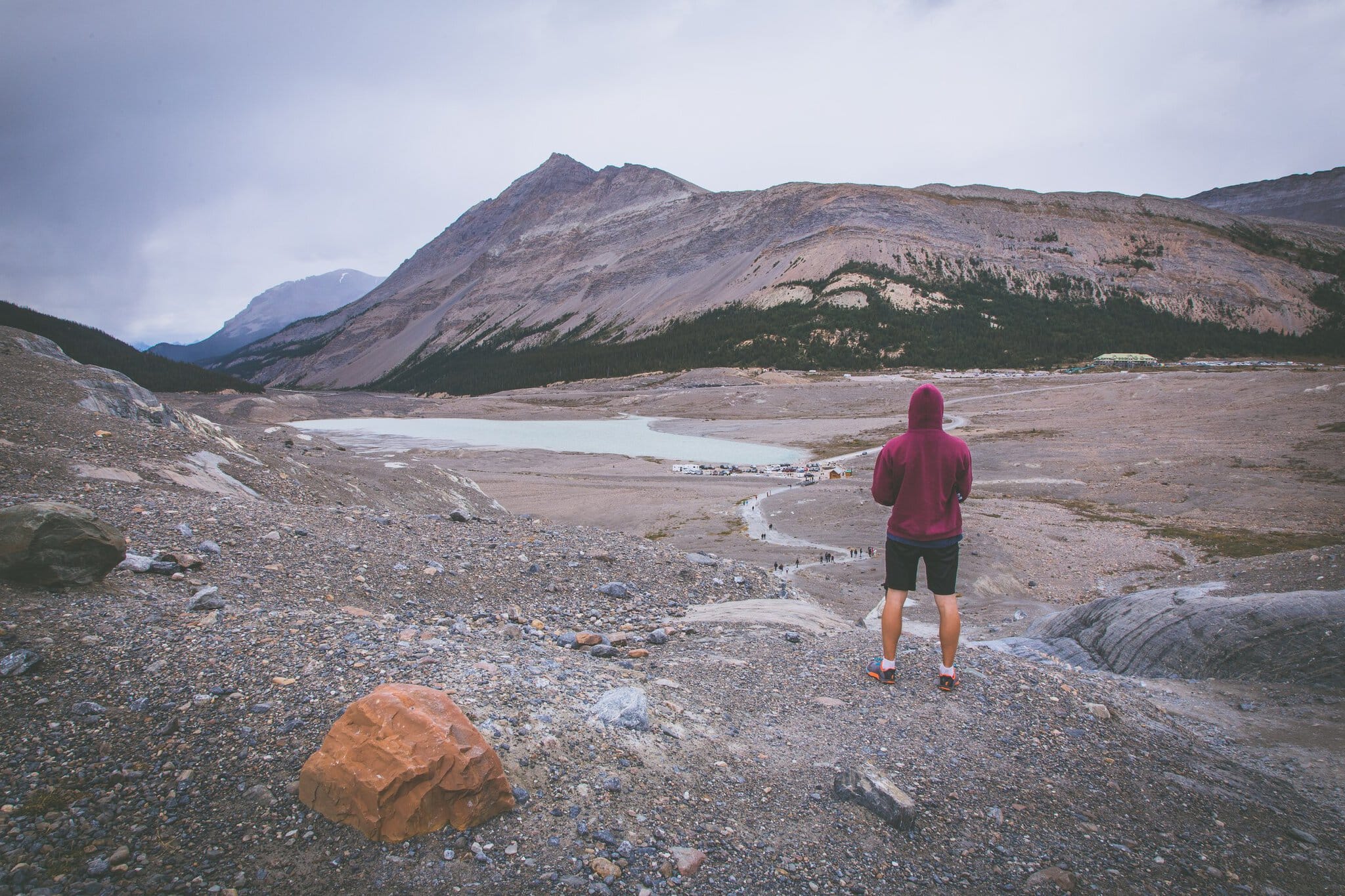
I’ll be blunt: the Skywalk is a bit of a tourist trap and it’s perpetually packed. If you’ve got a fear of heights and don’t mind paying a premium for the adrenaline rush of walking on glass 280 metres above a canyon, it’ll be a great experience. But we’ve always preferred lacing up our boots for a proper hike nearby, where you can soak in the views for free and without the crowds.
10. Wilcox Pass — The Perfect Hike
With the popular Mt. Edith Cavell and its stunning meadows still closed to the public after the fires, many hikers are searching for a worthy alternative. Our vote goes firmly to Wilcox Pass. The trailhead sits right by a campground near the Columbia Icefield, and the hike is roughly 8 kilometres return with about 400 metres of elevation gain.
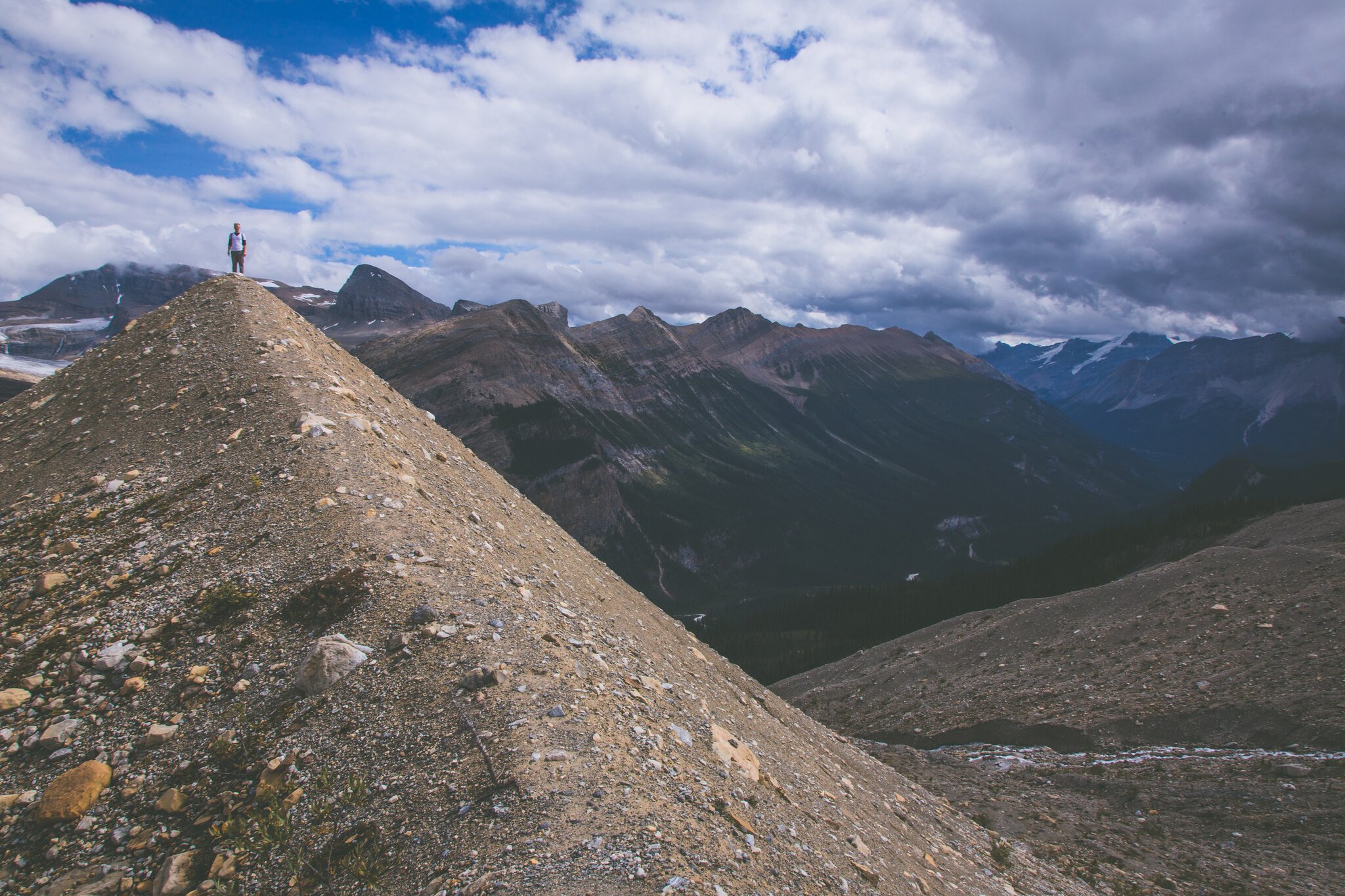
It’s a steep climb right from the start, but once you break above the treeline, you’re rewarded with some of the most spectacular panoramic views of the Athabasca Glacier anywhere in the park. It’s also a spot where you’re almost guaranteed to encounter majestic bighorn sheep grazing calmly just metres from the trail. Definitely bring proper hiking boots, though — the terrain is rocky and it can be seriously windy up top even in summer.
11. Jasper Skytram to Whistler’s Peak
Want to see all of Jasper National Park spread out beneath you without hours of sweaty climbing? Hop on the Jasper Skytram — Canada’s highest and longest aerial tramway. In just a few minutes, it whisks you up to over 2,200 metres above sea level, just below the summit of Whistler’s Mountain.
From the upper station, I’d strongly recommend scrambling up an additional 200 metres of elevation to the actual summit. It’s quite a slog in the thin mountain air, but the 360-degree panorama spanning hundreds of kilometres of peaks and turquoise lakes far below is worth every drop of sweat. Just make sure you bring a warm jacket and a hat — even if it’s thirty degrees down in town, it can easily be freezing or snowing up top.

12. Jasper Dark Sky Festival (16–25 October 2026)
If you’re considering an autumn trip to Canada, this is an event you absolutely shouldn’t miss. Jasper is the second-largest Dark Sky Preserve in the world, which means strict light-pollution regulations are in place, and the night sky here is impossibly clear, blanketed with millions of stars.
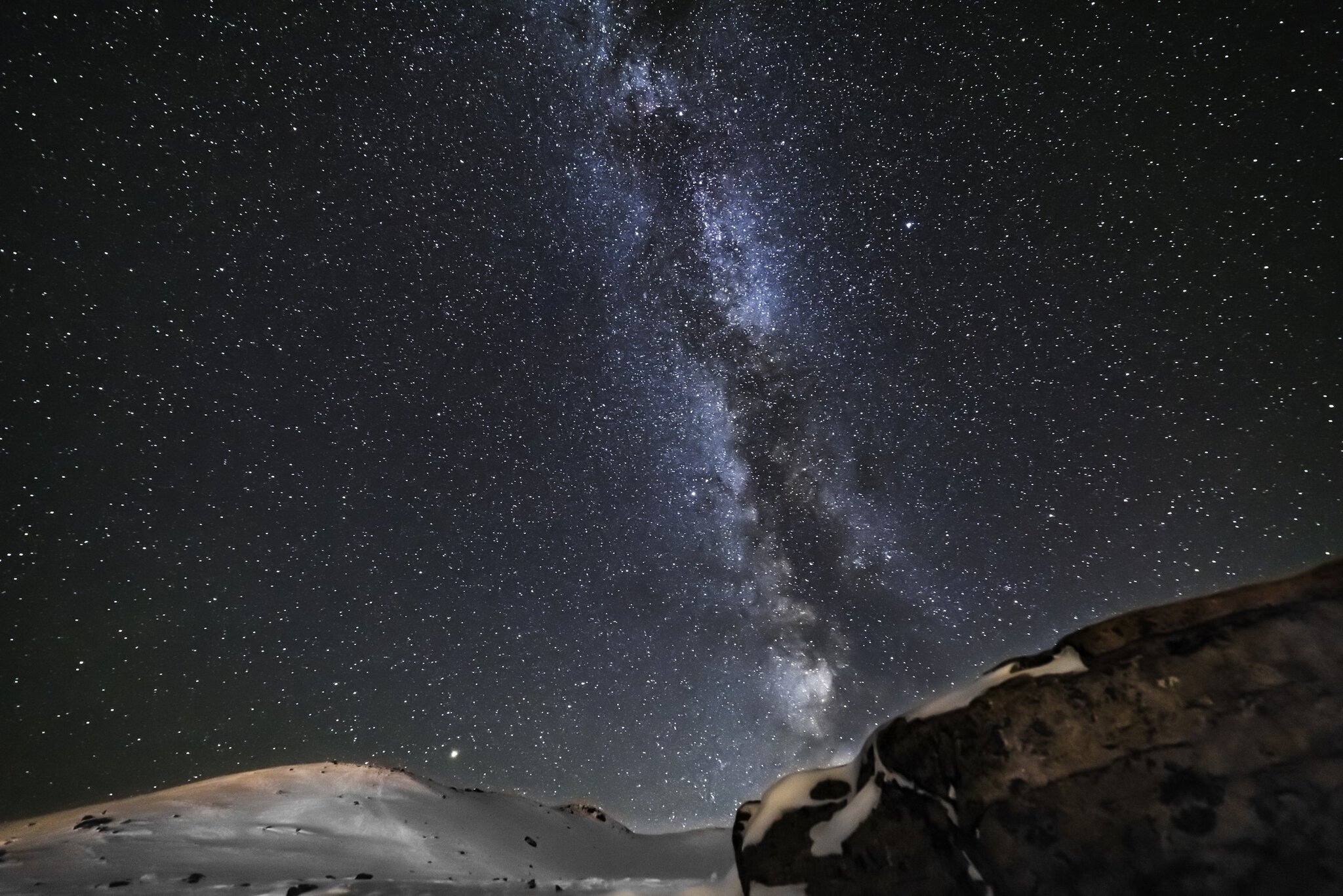
The festival offers a packed programme of space talks, evening stargazing sessions through massive telescopes led by local experts, and even symphony concerts performed right under the stars. Telescopes are set up around Pyramid Lake, you bundle up in a blanket with a cup of hot chocolate in hand, and with a bit of luck — if solar activity is high — you might even catch the northern lights dancing across the sky. It’s romance beyond words.
Map of points of interest for your phone
Closed Areas: What You Won’t See in 2026 Due to the Fires
I’ll be straight with you — some parts of the park suffered devastating damage, and their recovery will take many years. Parks Canada places absolute priority on visitor safety, as unstable ground and charred root systems create serious risks of landslides and falling trees.
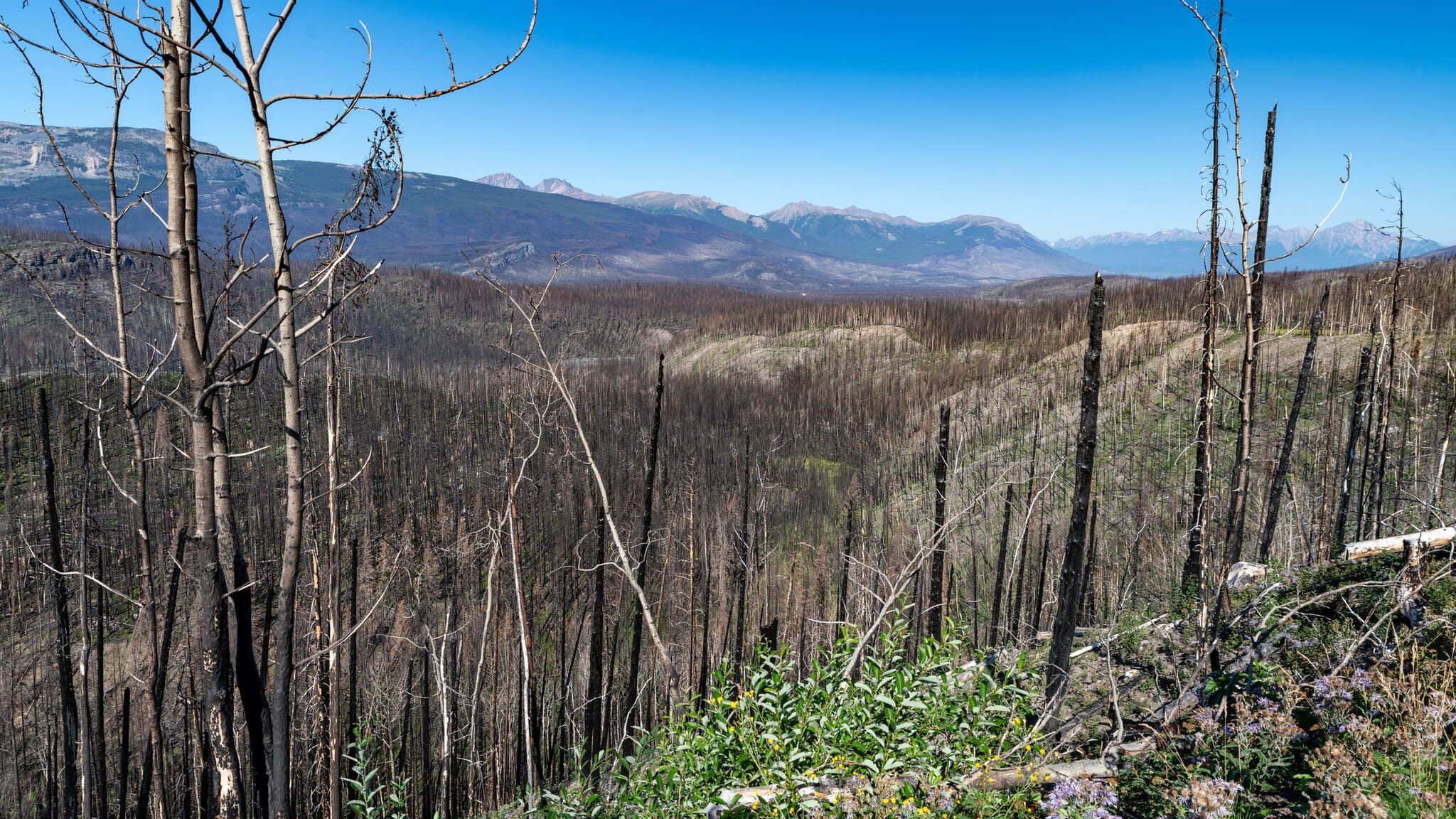
In 2026, Maligne Canyon — our once-beloved limestone gorge full of bridges and waterfalls — remains completely closed. The fire destroyed most of the wooden infrastructure and safety barriers. Similarly, the entire area around the majestic Mt. Edith Cavell is off-limits this year, including the popular trails to the glacial lake at its base.
Longer multi-day backcountry routes for experienced hikers, such as the popular 44-kilometre Skyline Trail, are also reporting partial closures and limited operations in the 2026 season because some backcountry campsites along the route burned to the ground. Always check the official Parks Canada website for the latest updates before heading out.
Where to Eat in Jasper
Canada is a massive melting pot of cultures, and thankfully that spills over into the food scene. The town of Jasper has plenty of spots where you can reward yourself with a great meal after a long day in the mountains. And because many local businesses barely survived both Covid and the subsequent fires, your visit means even more to them.
Our absolute favourite mornings always started at the legendary Bear’s Paw Bakery. They serve the best cinnamon buns and enormous muffins that’ll fuel you for a full day of mountain adventures. Just be prepared to queue — the morning lines here are no joke.
For dinner and a well-earned pint, head straight to Jasper Brewing Co. — the first craft brewery ever to operate inside a Canadian national park. Try their brilliant Jasper the Bear Ale and pair it with poutine — Canada’s iconic fries smothered in gravy and cheese curds. It sounds strange, looks even stranger, but it’s a national institution! If you’re into Asian food, Kimchi House serves fantastic Korean dishes at reasonable prices, which is a real treat in an otherwise pricey mountain town.
Tips and Tricks for Travelling to Canada
Preparing for a road trip across the pond can get expensive if you don’t know where to save. Here’s a roundup of the services we’ve been using for years and genuinely stand behind.
Finding Cheap Flights
I covered flights and car rentals in more detail in the “How to Get to Jasper” section above, so feel free to scroll back up.
As a general rule, there’s no point waiting for last-minute miracles on transatlantic flights during peak summer — they simply don’t happen. We always set up price alerts on our favourite platform Kiwi in the autumn, and the moment we see a decent deal, we book without hesitation so we can relax.
Renting a Car in Canada
You simply can’t get around Canadian national parks without a car — public transport between lakes and viewpoints is practically non-existent. Lukáš and I have had consistently great results with the comparison site DiscoverCars, which we use all over the world. Ideally go for an SUV so you’ve got comfort and plenty of room for your rucksacks.
One important thing: make sure you have comprehensive insurance with zero excess. Stones flicked up by lorries on the highway can do a real number on your windscreen, and the last thing you want at the end of your dream holiday is a hefty bill at the rental desk.
Booking Accommodation
As I mentioned, book well in advance. Booking.com is our go-to hotel search engine because it covers everything from cheap highway motels to the most beautiful resorts. A massive perk is the free cancellation option on most listings, just in case your plans change.
When we’re searching for accommodation, we always read recent reviews from other travellers carefully, as they often reveal details you’d never spot from the professional photos. We also pay close attention to whether parking is included in the price, because in central Jasper it can sometimes be surprisingly tricky to find a spot.
 🚗 Car rental on the roadVerified car rentals in the Rocky Mountains
Search with the DiscoverCars comparison engine — it compares prices from dozens of local and international rental companies, and most bookings come with free cancellation.
Compare car prices in the Rocky Mountains →Don’t Forget Travel Insurance and Mobile Data
Healthcare in North America is eye-wateringly expensive — breaking your leg on a glacier without insurance could cost you your life savings. For shorter trips we opt for travel insurance from providers like World Nomads or True Traveller, and for longer adventures we rely on True Traveller. You can read more in our review of SafetyWing and other travel insurance options.
To post those bear photos on Instagram straight away or navigate with Google Maps, grab an eSIM before you go. We’ve written about this in detail in our Holafly review. It saved us a ton of hassle hunting for Wi-Fi in cafés.
Where Else to Go in Canada
If you’ve hired a car for two or three weeks, it would be a huge shame to stay only in Jasper. Make sure you don’t miss the iconic Banff National Park with its impossibly blue lakes, or check out our detailed guide on what to see around Lake Louise. Western Canada is seriously addictive!
FAQ — Frequently Asked Questions About Jasper National Park
When planning a trip to the Canadian national parks, I keep getting the same questions — from park sizes to bear safety concerns. Here are the most common answers in one place, so you don’t have to scour the internet.
Where is Jasper National Park located and how big is it?
Jasper is located in the province of Alberta in the Canadian Rockies, north of Banff National Park. Spanning over 11,000 square kilometers, it’s a massive area filled with glaciers, mountains, lakes, and wildlife.
What’s our largest national park?
In the Czech Republic, the largest national park is Šumava. Yes, Šumava! We love it, even though Jasper could probably fit it several times over. But that makes it all the more precious, right? 😉
How many national parks does Canada have?
Canada currently has 48 massive national parks and reserves. They’re managed by Parks Canada and cover incredibly diverse ecosystems, from Arctic tundra to temperate rainforests.
How many national parks does the USA have?
If you combine your trip to Canada with a visit to the United States, there are another 63 official national parks managed by the National Park Service waiting for you.
What’s the oldest national park in the world?
While Jasper was established in 1907 and Banff in 1885 (as Canada’s oldest park), the very first and oldest national park in the entire world is America’s Yellowstone, founded in 1872.
What does Jasper look like now after the 2024 fires?
While the fire affected nearly 30% of the park’s area and parts of the town, by 2026 the vast majority of the main tourist infrastructure has been restored. You’ll see swaths of burned trees, but nature is bouncing back remarkably quickly, and the key lakes and viewpoints along the highway are fully accessible.
Can I encounter a bear in Jasper?
Yes, and it’s very likely! The park is home to both black bears and the formidable grizzly bears. You can often see them grazing right by the roadside. But always remember: never get out of your car, don’t try to approach them for a better photo, and on hiking trips always carry bear bells and bear spray.
Tips and Tricks for Your Vacation
Don’t Overpay for Flights
Search for flights on Kayak. It’s our favorite search engine because it scans the websites of all airlines and always finds the cheapest connection.
Book Your Accommodation Smartly
The best experiences we’ve had when looking for accommodation (from Alaska to Morocco) are with Booking.com, where hotels, apartments, and entire houses are usually the cheapest and most widely available.
Don’t Forget Travel Insurance
Good travel insurance will protect you against illness, accidents, theft, or flight cancellations. We’ve had a few hospital visits abroad, so we know how important it is to have proper insurance arranged.
Where we insure ourselves: SafetyWing (simple monthly subscription) and TrueTraveller (for extra-long trips).
Find the Best Experiences
Get Your Guide is a huge online marketplace where you can book guided walks, trips, skip-the-line tickets, tours, and much more. We always find some extra fun there!
More from Rocky Mountains
Full guide → Travel story · most readWhat to Pack for the Canadian Rockies: Summer & Winter Packing List 2026
 Where to stayCanmore vs. Banff: Where to Stay in the Canadian Rockies (2026 Comparison)
 ItineraryMoraine Lake & Lake Louise Shuttle 2026: Complete Step-by-Step Guide
 What to seeYoho National Park, Canada: 10 Best Things to See and Do (Emerald Lake, Takakkaw)
 What to seeBanff, Canada: 12 Best Things to Do and See


