Saranda, Albania: 12 Things to See + Gateway to the Ionian Riviera in 2026

TL;DRSaranda is your base for exploring southern Albania and the Ionian coast — a cheap, easy-to-reach town with a seafront promenade, close to ancient Butrint, the natural spring known as the Blue Eye, the beaches of Ksamil, and even Corfu, just a 30-minute ferry ride away. There are 12 specific tips here, from watching the sunset at Lëkurësi Castle to swimming in Ksamil and heading up the coast to Himarë, Dhërmi, Borsh and Porto Palermo. The best time to visit is June and September, when the sea sits at 24–26°C — steer clear of August, when temperatures push past 35°C and the crowds pile in. Entry to Butrint costs 1,000 ALL (around €8–10), the Blue Eye is just 50 ALL, and getting to Saranda from Tirana by car or bus takes 4–5 hours.

Saranda in Albania isn’t an architectural gem in its own right. Through the 1990s and the early 2000s, a wall of not-exactly-pretty concrete apartment blocks sprang up here, and in summer the town bursts at the seams. But as a base for exploring southern Albania it works absolutely brilliantly – it’s cheap, well equipped and sits right in the middle of everything worth seeing in the south.

From the mile-long promenade you can look across to Greek Corfu, from where crowds of tourists pour in every day on fast ferries. Within easy reach you have ancient Butrint, the natural Blue Eye, turquoise Ksamil and the entire Ionian Riviera stretching north all the way to the Llogara Pass. Saranda is simply the place where you bed down and head off somewhere different every day.

In this guide you’ll find 12 tips for Saranda and the surrounding area – from the evening promenade and Lëkurësi Castle through day trips to Butrint, Corfu and the Blue Eye, right up to the prettiest beaches on the riviera. We’ll also help you work out when to come, how to get here and how to avoid being stung by a dodgy exchange rate.

TL;DR

  • Why come: The best base in southern Albania – cheap, lively and in the middle of every day trip.
  • When to come: June and September (warm sea, bearable crowds). ⚠️ Avoid August.
  • How to get here: By ferry from Corfu (30 min), by car or bus from Tirana (4–5 h), or on a Balkan road trip.
  • Don’t miss: Sunset from Lëkurësi Castle, a trip to Butrint and the Blue Eye, a swim in Ksamil.
  • Trip to Corfu: The fast ferry makes a day hop over to Greece easy.
  • Riviera to the north: Himara, Dhërmi, Borsh and Porto Palermo for quieter beaches.
  • Money ⚠️: Pay in lek, choose ALL on the card terminal (not “home currency”), and keep cash for entry fees.

When to go and how to get to Saranda

Southern Albania is best explored in June and September, when the Ionian Sea is a pleasant 24–26 °C, the beaches aren’t packed and accommodation prices drop by tens of percent compared with peak season. Give August a wide berth – it means heat over 35 °C, traffic gridlock and the highest prices. May and October give you the riviera almost without people, though they’re borderline for swimming.

There are several ways into Saranda. The quickest is the ferry from Greek Corfu, which gets you here in roughly half an hour – ideal if you fly into Corfu or fancy a day trip to Greece. If you fly straight into Albania, the nearest airport is in Tirana, from where you can reach Saranda by car or long-distance bus in 4–5 hours along the new coastal route. From the UK there are no direct flights to Saranda itself, so most travellers fly into Tirana or Corfu (easyJet, Wizz Air and Ryanair all serve Tirana from London and other UK airports) and continue from there. A classic option for the adventurous is a Balkan road trip (Croatia – Montenegro – Albania); your own car is hands down the most comfortable way to explore the riviera.

💡 Tip: For trips to Butrint, the Blue Eye and along the riviera, a hire car is by far the most practical option. Public transport in the south is slow – there are cheap shared minibuses (furgon), but you can’t really build a day around them.

Where to stay in Saranda

💡 Tip for accommodation and experiences: We like to look for accommodation on Booking.com, which tends to have the best cancellation terms. For tickets, tours and activities it pays to compare and book through GetYourGuide.

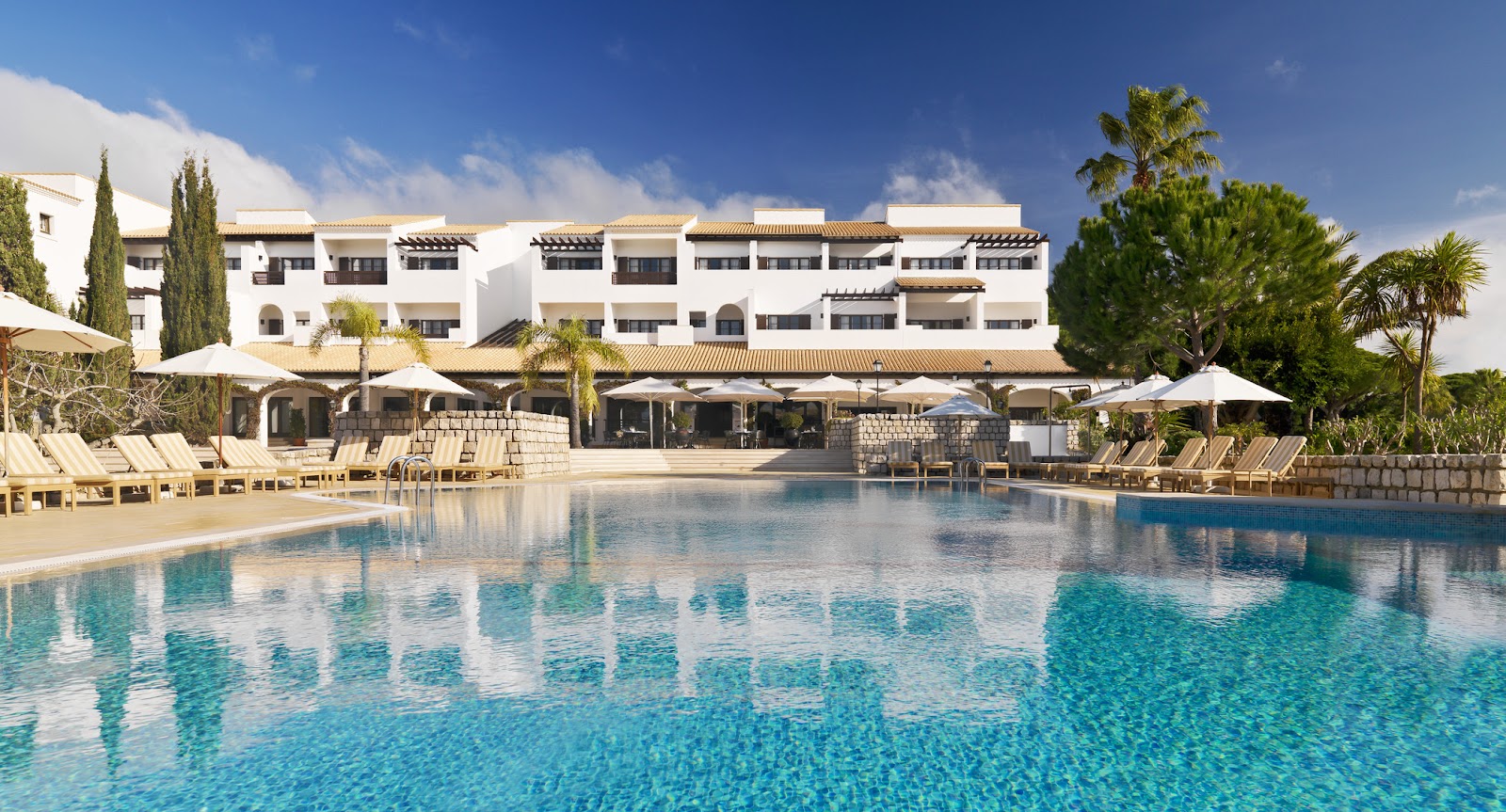
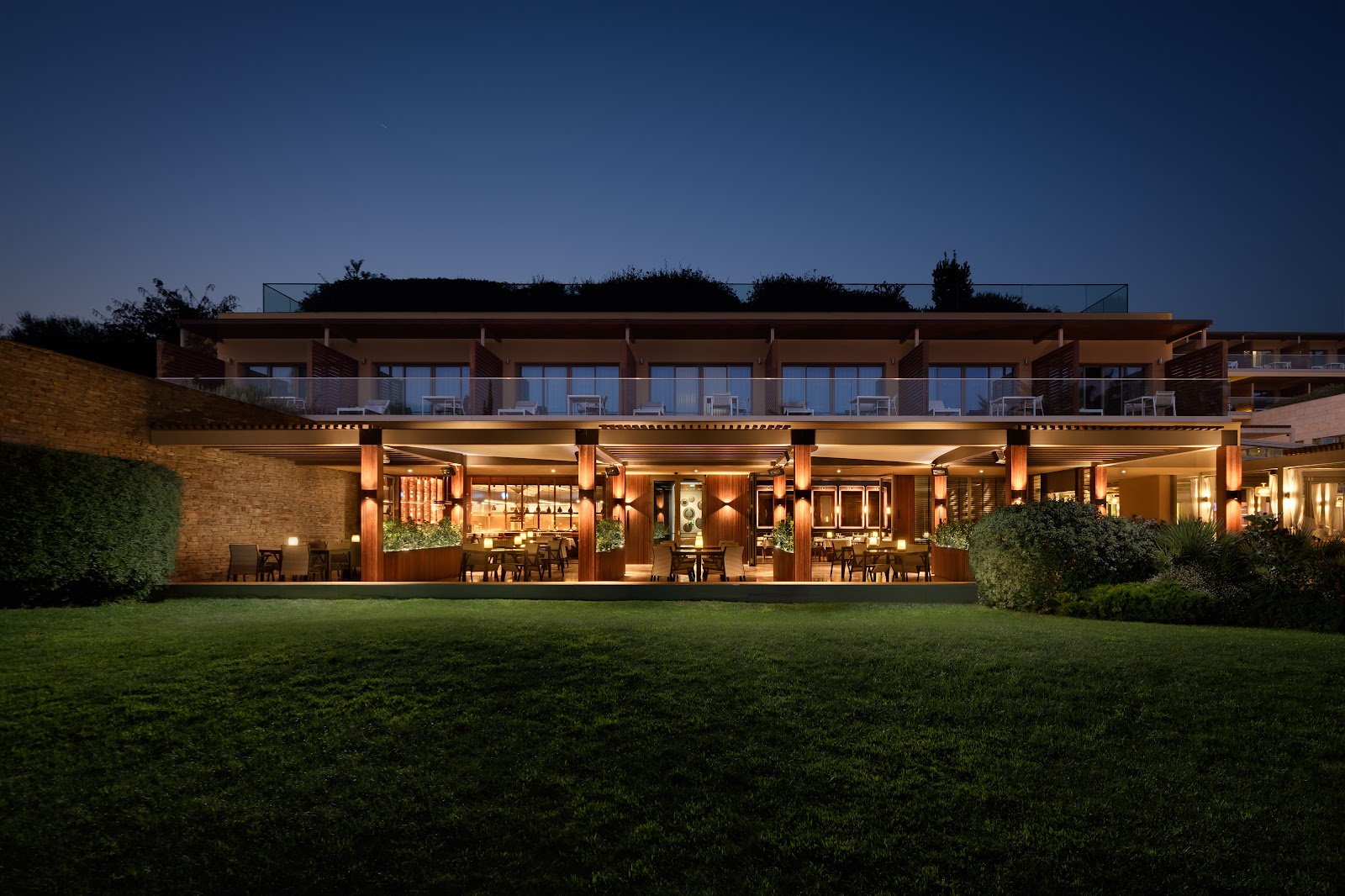
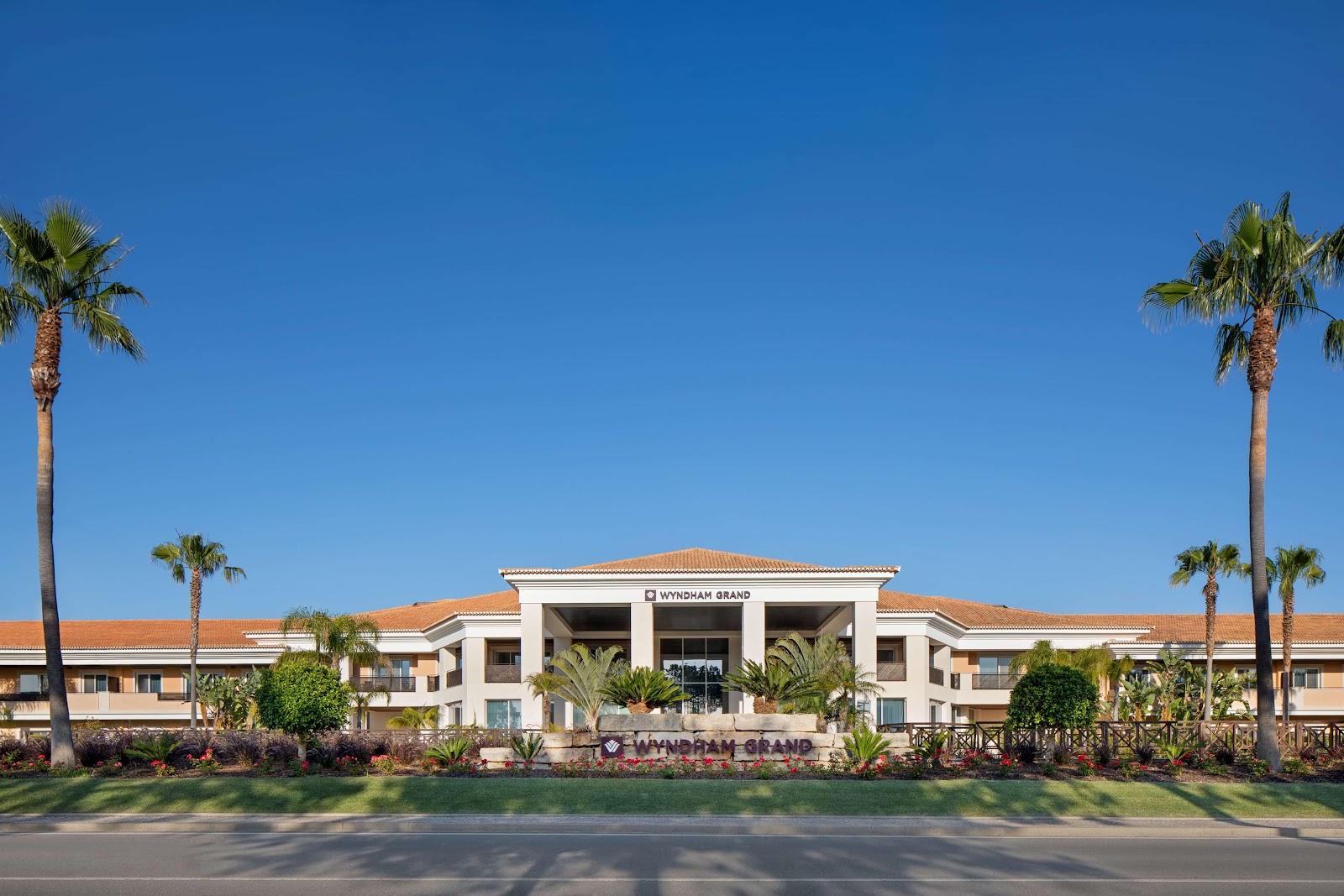
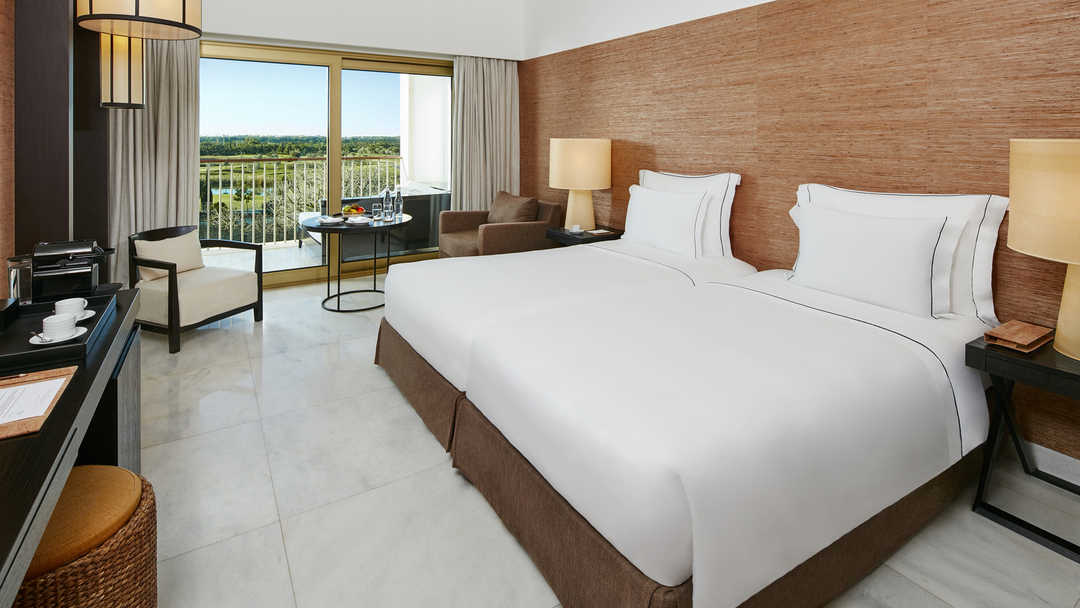
Saranda is an ideal base, and accommodation here ranges from cheap apartments to resorts with their own beach. The best bet is to stay close to the promenade, so you have the evening buzz, restaurants and the ferry port within easy reach. If you want peace and quiet, pick a hotel just above the centre or out towards Ksamil, where it’s quieter and the bay views are often nicer.

Specific accommodation tips in Saranda, picked based on real reviews (on Booking, look for a score of 8.5+ and plenty of reviews):

  • Cheap and central: Hotel Brilant (Saranda) – an affordable hotel in the centre of Saranda, a few steps from the promenade.
  • Pool and value for money: SG Premium Resort (Saranda) – a modern resort with a pool and sea views, excellent reviews.
  • Resort right on the beach: Santa Quaranta Premium Resort (Saranda) – an established resort with its own beach close to the centre.
  • Views and quiet for couples: Bougainville Bay Hotel & Spa (Saranda) – an elegant hotel with a spa and panoramic bay views.
  • A classic in the centre: Hotel Kaonia (Saranda) – a long-running hotel by the promenade, well placed for day trips.

💡 Tip: On Booking, go for a score of 8.5+ and plenty of reviews, and for apartments in the centre read the comments about noise from the bars. Book ahead – in season the best-value places fill up months in advance.

12 things to do in Saranda and the surrounding area

Saranda is a hub from which day trips fan out in every direction. Here are twelve things that make it worth using as a base.

1. The seafront promenade and the evening xhiro

When Saranda comes alive in the evening, it’s a completely different town. The mile-long seafront promenade fills with people doing the traditional xhiro – an evening social stroll from roughly 6 pm to 10 pm, walking back and forth, bumping into neighbours and sipping coffee. Grab a seat by the sea, get yourself an ice cream and soak up the pace of southern Albania; this is where Saranda shows its best side.

2. Lëkurësi Castle at sunset

On a hill above the town stands the 16th-century Ottoman fortress of Lëkurësi. Entry to the grounds is free, and the view of Saranda, Ksamil and Corfu glowing orange is one of the finest on the whole coast. On foot it’s about 45 minutes of fairly steep climbing; by car it’s just a few minutes. Plan it for late afternoon and stay for the sunset, ideally with a glass of wine at the on-site restaurant.

3. A day trip to ancient Butrint

Just a few kilometres south of Saranda lies Butrint – Albania’s first UNESCO site and perhaps the most beautiful archaeological park in the Balkans. Layers of Greek, Roman, Byzantine and Venetian history wash over one another here, all swallowed up by a lush national park: the ancient theatre, a baptistery with mosaics, the Lion Gate and a Venetian tower. Entry is 1,000 ALL (about €8–10); set aside 2–3 hours for a relaxed visit, ideally in the morning before the worst of the heat arrives.

4. The Blue Eye (Syri i Kaltër)

About 40 minutes inland, a natural wonder bubbles up from the ground – the Blue Eye, a powerful karst spring set in dense forest, its deep-blue “pupil” ringed by brilliantly turquoise edges. Entry is a symbolic 50 ALL (cash only), and it’s just under 2 km from the car park to the spring. ⚠️ The water is an icy 10 °C all year round, and swimming in the spring is officially banned to protect the ecosystem.

5. Swimming in Ksamil

Twelve kilometres south lies Ksamil, with its fine white gravel, shallow turquoise water and three little islets just off the shore – earning it the nickname “the Maldives of Europe”. You can make the most of the crowds and paid sunbeds by arriving early in the morning and steering clear of August. We covered Ksamil in detail in a separate article, Ksamil: beaches, islets and when to go.

6. A day trip to Corfu

A fast ferry to Greek Corfu leaves Saranda’s port several times a day, and the crossing takes only about half an hour. It’s a great way to add a day in Greece to your Albanian holiday – wander Corfu’s Venetian old town, tuck into some Greek specialities and head back in the evening. Don’t forget your travel documents, as you’re crossing an EU border.

7. Beaches right by Saranda

You don’t have to dash off to Ksamil. In Saranda itself and just outside town you’ll find pleasant beaches – the town beach by the promenade, the popular Mango Beach or the coves heading south. The water is clean, sunbeds are cheaper than in Ksamil, and after a swim it’s a short hop into the centre for dinner.

8. Himara and Porto Palermo

If you drive north along the coast road, you’ll hit Himara – a nice compromise between buzz and calm, with an authentic old town on the hill and lovely beaches (Livadhi, Llamani). A little further on lies Porto Palermo bay, with its photogenic Ali Pasha fortress on an islet linked to the mainland by a narrow spit (entry 300 ALL, lek only). A great full-day trip from Saranda.

lukas a lucka
Lukáš and Lucie recommend
Where to stay in Saranda
6 accommodations — hotels, resorts and other lodging options

9. Dhërmi and Drymades

The most stylish beaches on the central riviera are at the village of Dhërmi and neighbouring Drymades – crystal-clear water, a scene of modern beach clubs and a younger crowd. In August a wild party atmosphere reigns, while out of season it’s all peace and quiet and some of the prettiest pebble beaches in the country.

10. Borsh: the longest and cheapest beach

If you can’t stand fighting for a spot to lay your towel, head to Borsh. At roughly seven kilometres, it’s the longest beach on the Albanian Riviera, fringed by old olive groves, less commercial and noticeably cheaper than the rest of the coast. There’s always room here, and you can still feel the old, quiet Albania.

11. Gjipe Canyon for adventurers

For a bit of wilderness, head to Gjipe Canyon. The beach itself sits at the end of a rocky gorge; you can’t reach it by car, and you’re in for about a 40-minute walk downhill (or a boat transfer from nearby resorts). Facilities are minimal, so bring your own water and food – the reward is a wild, isolated cove with green-blue water and no rows of sunbeds.

12. Vlora and the Llogara Pass

The riviera’s northern gateway is the town of Vlora, where the shallow Adriatic mingles with the deep Ionian Sea. From here, boat trips set off to the Karaburun-Sazan marine national park. Above Vlora rises Llogara National Park: even though a new tunnel that shortens the journey opened in 2025, the old panoramic road over the pass at more than 1,000 m, with views out to sea, remains one of the most dramatic driving experiences in Europe.

What to eat in Saranda

Southern Albania is heavily influenced by Greek cuisine, so you’ll come across plenty of fresh vegetables, olive oil, cheeses and herbs. Good news for vegetarians.

  • Byrek – crispy layered pastry filled with cheese or spinach, the cheap and filling king of street food.
  • Fërgesë – a baked, creamy mix of peppers, tomatoes and curd cheese (gjizë) you dip bread into. A vegetarian classic.
  • Greek-style salads – with feta, olives and tomatoes, refreshing in the heat.
  • Grilled vegetables and tzatziki – many tavernas also offer hearty meat-free versions.
  • Seafood – Saranda is famous for its fresh fish and seafood; a local speciality for non-vegetarians, while vegetarians can leave it to everyone else.

To finish, have an ice cream on the promenade or a strong Albanian coffee – they’re as much a part of the evening xhiro as the view of the sea.

Practical tips for Saranda and the riviera

  • Pay in lek (ALL). Everyone will happily take euros, but at a poor rate. ⚠️ When paying by card, always choose the local currency (ALL), not “home” currency – otherwise the bank will fleece you for 5–10% (the DCC scam).
  • Keep cash on you. Entry to Butrint, the Blue Eye and Porto Palermo is often cash only.
  • Don’t drive at night. The coast road is full of sharp bends, has no lighting, and after dark you’ll often find stray dogs and livestock on it.
  • Don’t drink tap water. Across the riviera, stick to bottled water, ideally even for brushing your teeth.
  • ⚠️ Solo female travellers: While the rest of Albania is very safe, there are growing reports of harassment from local men in Saranda and Ksamil. Use common sense and ignore the catcalling.

Where to go next in southern Albania

Saranda is the springboard to the best of the south. For the prettiest beaches, head to Ksamil; you’ll find a complete overview of the coast in our guide to where to go to the seaside in Albania, and inspiration for the whole country in the article on what to see in Albania. Before you head north, take a look at the buzzing capital, Tirana, too.

Panorama tyrkysové zátoky albánské riviéry 🚗 Car rental on the road Verified rental cars in Albania

Search with the DiscoverCars comparison engine — it compares prices from dozens of local and international rental companies, and most bookings come with free cancellation.

Compare car prices in Albania →
DiscoverCars comparison✓ free cancellation on most bookings✓ no hidden fees

Frequently asked questions

💡 Tip for day trips: The ferry to Corfu, tickets for Butrint and full-day boat trips along the riviera can all be compared and booked online in advance through GetYourGuide – in season the best slots fill up ahead of time.

Is it worth staying in Saranda?

Yes, for most travelers, Saranda is the best base in southern Albania. It’s not architecturally beautiful in itself, but it’s cheap, well-equipped, comes alive in the evening with its promenade, and is within easy reach of Butrint, the Blue Eye, Ksamil, and the ferry to Corfu. You stay in one place and head out to something different every day.

How do I get from Saranda to Corfu?

Several times a day, a fast ferry to the Greek island of Corfu departs from the port in Saranda, and the journey takes about half an hour. It’s a popular day trip as well as a way to travel to Albania (if you’re flying into Corfu). Don’t forget your travel document, as you’re crossing the EU border, and buy your tickets in advance during the season.

What can you do around Saranda?

Right within reach you have ancient Butrint (UNESCO), the natural spring Blue Eye, turquoise Ksamil, and sunset from Lëkurësi castle. To the north along the riviera lie quieter beaches Himara, Dhërmi and Borsh, the fortress Porto Palermo, and the dramatic Llogara Pass. You can also pop over to Corfu for a day.

When is the best time to go to Saranda?

Best in June or September, when the sea is 24–26 °C, beaches are half-empty and accommodation prices lower. Avoid August due to heat over 35 °C, crowds and traffic jams. May and October are quiet and cheap, but the water is cooler.

Is Saranda expensive?

Saranda is one of the most affordable bases in the Mediterranean, although prices have been rising in recent years (the Albanian lek has strengthened). Accommodation and food are still significantly cheaper than in neighboring Greece, but sunbeds and entrance fees in the south are approaching the European average. You’ll save the most outside of August.

Tips and Tricks for Your Vacation

Don’t Overpay for Flights

Search for flights on Kayak. It’s our favorite search engine because it scans the websites of all airlines and always finds the cheapest connection.

Book Your Accommodation Smartly

The best experiences we’ve had when looking for accommodation (from Alaska to Morocco) are with Booking.com, where hotels, apartments, and entire houses are usually the cheapest and most widely available.

Don’t Forget Travel Insurance

Good travel insurance will protect you against illness, accidents, theft, or flight cancellations. We’ve had a few hospital visits abroad, so we know how important it is to have proper insurance arranged.

Where we insure ourselves: SafetyWing (best for everyone) and TrueTraveller (for extra-long trips).

Why don’t we recommend any Czech insurance company? Because they have too many restrictions. They set limits on the number of days abroad, travel insurance via a credit card often requires you to pay medical expenses only with that card, and they frequently limit the number of returns to the Czech Republic.

Find the Best Experiences

Get Your Guide is a huge online marketplace where you can book guided walks, trips, skip-the-line tickets, tours, and much more. We always find some extra fun there!
The Most Beautiful Beaches in Turkey: 12 Tips (Patara, İztuzu, Kaputaş) for 2026

TL;DRTurkey’s best beaches, according to this roundup, kick off with the Blue Lagoon in Ölüdeniz, the 18-kilometre Patara (the longest sandy stretch), the photogenic Kaputaş between Kaş and Kalkan, the turtle beach at İztuzu near Dalyan, and Cleopatra’s Beach in Alanya. There are 12 tips in total, also covering Lara, Side, Konyaaltı, Kemer, Çıralı, Kaş/Kalkan and the hidden coves around Fethiye. Turkey has over 567 Blue Flag beaches. You’ll find proper sand at Lara, Side, Patara and İztuzu, while Kemer, Konyaaltı and Çıralı are pebbly, so pack water shoes. The sea’s warmest in August (28–29°C), but September (25–27°C) gives you the best mix of warmth and fewer crowds. Sunbeds on public beaches cost roughly €5–15 a day; ultra all-inclusive resorts throw them in for free.

Turkey is a summer-holiday powerhouse, and the sea is its biggest draw. In 2025 the country boasted 567 Blue Flag beaches – the third most in the world, right behind Spain and Greece. When it comes to the best beaches in Turkey, you’ll find absolutely everything: endless sand dunes where sea turtles nest, hidden turquoise coves carved into the cliffs, and buzzing town beaches lined with bars.

But all that variety can catch you out. Choosing the right beach decides whether your holiday turns into the paradise you dreamed of or a mild letdown – and the most common reason for a sour mood on arrival is the classic “we expected sand and got pebbles” surprise.

In this guide you’ll find the 12 most beautiful beaches in Turkey – from the iconic Blue Lagoon in Ölüdeniz, through the longest sandy stretch at Patara, to photogenic Kaputaş. We’ll also tell you where to expect sand and where to expect pebbles, when the sea is warmest, and what to watch out for.

TL;DR

  • Sand for kids: Lara, Side/Çolaklı, Cleopatra Beach (Alanya), Patara, İztuzu – fine sand, gentle entry into the water.
  • Pebbles (water shoes! ⚠️): Kemer, Beldibi, Konyaaltı, Çıralı – but crystal-clear water perfect for snorkelling.
  • Most iconic: the Blue Lagoon in Ölüdeniz and photogenic Kaputaş.
  • Peace and wilderness: Patara (18 km, turtles), Çıralı/Olympos, hidden coves near Fethiye.
  • Warmest sea: August (28–29 °C); the best mix of warmth and calm = September (25–27 °C).
  • Sunbeds: included at 5* resorts; on public beaches a set runs around €5–15/day.
  • Flags: green = safe, yellow = caution, red = no swimming (always respect the lifeguards).

Sand or pebbles? The most important decision

Both the Turkish Riviera and the Aegean coast switch surfaces literally from one kilometre to the next, and getting your beach expectations wrong is the single most common cause of a ruined mood. Before you click “book”, be clear about what your feet are after.

Guaranteed sand awaits in the Lara area near Antalya, in the resorts of Side and Çolaklı, around Okurcalar, on Cleopatra Beach in Alanya, and to the south on the endless beaches of Patara and İztuzu. Expect pebbles and shingle (and therefore the need for water shoes) in Kemer, Beldibi and Göynük, on the Konyaaltı town beach in Antalya, and in laid-back Çıralı. Pebble beaches do have one big upside, though – with no stirred-up sand, the water stays crystal clear, ideal for snorkelling.

⚠️ Watch the distance, too: the brochure promises “the beach is right there”, but the reality can mean a ride on the hotel shuttle bus in the midday heat. Always check on the map how far from the water the hotel actually sits.

12 most beautiful beaches in Turkey

From world-famous icons to hidden coves for adventurers – here’s a pick of the best the Turkish coast has to offer.

1. The Blue Lagoon in Ölüdeniz

When you see a promotional photo of Turkey, 90% of the time it’s Ölüdeniz. This turquoise lagoon near Fethiye, ringed by green mountains, is so calm and blue it almost looks unreal. It falls within a protected area (small entry fee), so the ban on new development keeps its natural character intact. While you’re working on your tan below, dozens of colourful paragliders circle overhead, launched from Mount Babadağ. More in the Fethiye and Ölüdeniz guide.

2. Patara: eighteen kilometres of wilderness

If you can’t stand beaches where people are practically sitting on top of each other, head to Patara. At 18 kilometres long, it’s the longest sandy beach in Turkey, strictly protected because of the nesting endangered Caretta caretta turtles. Access takes you through the fascinating ancient ruins of the town of the same name. ⚠️ In the evening the beach closes to people without exception so the turtles can be left in peace, and watch out for waves and rip currents too.

3. Kaputaş: the cove straight off Instagram

On the stunning coastal road between the towns of Kaş and Kalkan you’ll come across a notch in the cliffs, with neon-turquoise water glowing below it. That’s Kaputaş – roughly 150 metres of golden sand reached by a long, steep flight of steps down from the road. An incredibly photogenic spot, though in season it fills up fast. Arrive early in the morning to have that dramatic little corner to yourself for a while.

4. Çıralı and Olympos: bohemian calm

Just outside Kemer lies the long, quiet bay of Çıralı (a mix of sand and pebbles) wrapped in pine forest. No thumping beach clubs here – just family-run guesthouses and cabins. On one side it slips into the ancient ruins of Olympos, threaded by an icy little river; on the other you can set off on a night hike to the burning rock of the Chimaera (Yanartaş), where natural flames have leapt from the ground for thousands of years. A paradise for lovers of peace and a digital detox.

5. İztuzu (Dalyan): the turtle beach

A four-kilometre sandspit near the town of Dalyan separates the sea from the freshwater river delta and is known as “Turtle Beach”. The sand is fine, the water shallow and ideal for kids. Access is usually part of a popular boat trip that combines a river cruise, a dip in the mud baths, and views of the ancient Lycian tombs carved high into the rock.

6. Cleopatra Beach in Alanya

The headline attraction of Alanya, one of the liveliest resort towns on the coast. Cleopatra Beach is a 2.5–3.5 km strip of pleasant, coarser sand that doesn’t stick to your skin (legend says Mark Antony had it shipped over from Egypt). It has a Blue Flag, great facilities, a promenade packed with bars, and a fantastic backdrop in the steep hill crowned by the historic castle. Ideal if you love mixing swimming with a buzzing town – more about Alanya.

7. Lara (Antalya): a family sure thing near the airport

East of Antalya airport lies Lara (Kundu) – a hotspot for families. Fine sand, modern mega-resorts, and a transfer from the airport of just 15–20 minutes. If you have small children and don’t fancy another two hours on a coach after a night flight, it’s the perfect choice. Most of the beach is reserved for the hotel resorts.

8. Konyaaltı (Antalya): a town beach with mountain views

On the western side of Antalya you’ll find Konyaaltı – a classic town beach, long and wide, but made up of pebbles and fine shingle (water shoes come in handy). The water here is cooler and deeper, the vibe more local and younger, and the backdrop of the Taurus Mountains is among the prettiest on the Riviera. It’s right on your doorstep from Antalya.

9. Side and Çolaklı: sand with ancient ruins behind you

The resorts around Side (including Çolaklı) add a historical dimension to your beach time – an ancient theatre and the Temple of Apollo are right behind you. The beaches are mostly sandy, with a very shallow and safe entry, which makes them a hit for families on a mid-range budget. Plenty more in the Side guide.

10. Kemer and Beldibi: pebbles beneath the mountains

West of Antalya the Taurus Mountains drop straight into the sea and the air smells of pine. The beaches in Kemer, Beldibi and Göynük are pebbly (water shoes are a must), but the water is crystal clear and perfect for snorkelling. A great choice if you want to combine a beach holiday with trips into the mountains.

lukas a lucka
Lukáš and Lucie recommend
Where to stay in Turkey
6 accommodations — hotels, resorts and other lodging options

11. Kaş and Kalkan: a diver’s paradise

These two southern towns play in a league of their own. People don’t come here for sandy beaches – you swim from built-up rocky platforms and small pebbly coves. So why do people make the trip? For the unbelievably clear water for snorkelling and diving, and the atmosphere of narrow lanes, great food and complete calm without shouting entertainers. A retreat for couples.

12. Hidden gems near Fethiye: Butterfly Valley, Kabak and Gemiler

For adventurers with a car or a boat. Butterfly Valley is a deep canyon reached mainly by boat from Ölüdeniz, opening onto a small, peaceful beach. Nearby lies Kabak, a mecca for yogis and backpackers with accommodation in tents and cabins. And on the island of Gemiler you can swim right among half-submerged Byzantine ruins. The perfect counterpoint to the all-inclusive resorts.

Sea temperature and when to hit the beach

The swimming season on the coast runs from May to October. In May the sea is a refreshing 20–22 °C (though the air is already summery), in June it warms to 25 °C, and the absolute peak comes in August, when the sea is “as warm as coffee” – 28 to 29 °C. If you can’t bear extreme heat and crowds, come in September (water 25–27 °C, beaches thinning out, prices dropping) or in October (post-season, water around 24 °C). You’ll find a detailed breakdown in our article on when to visit Turkey.

Practical tips for Turkey’s beaches

  • Sunbeds ⚠️: At 5* ultra all-inclusive resorts the sunbeds, umbrellas and beach bar are included. On public beaches (Cleopatra, town beaches) you pay for a set – roughly €5–15 per day; luxury beach clubs in Bodrum or Çeşme charge several times more and often require a minimum spend.
  • Flags: Green = safe to swim, yellow = caution and waves, red = strict no-swimming. In areas like Patara there can be treacherous rip currents, so don’t ignore the lifeguards’ advice.
  • Water shoes: A must on pebble beaches (Kemer, Konyaaltı).
  • Jellyfish: No need to worry – they only appear occasionally after strong storms.
  • Blue Flag: An international award for cleanliness and safety – Turkey has over 500 of them.

Where to stay near the beach

  • Rixos Premium Belek – a luxury ultra all-inclusive resort with its own beach and water park; the pinnacle of the Turkish Riviera.
  • Ali Bey Resort Side – a popular family all-inclusive resort with a huge water park and well-organised entertainment.
  • Sultan Cave Suites – a cave hotel in Cappadocia with a famous terrace and views of the balloons at dawn.
  • Sirkeci Mansion – a boutique hotel in the historic Sultanahmet district, with the main sights within walking distance.
  • The Bodrum by Paramount Hotels – a stylish resort with an infinity pool and views over the Aegean bay; great for couples.
  • Oyster Residences – a boutique hotel tucked into greenery a short walk from the Blue Lagoon in Ölüdeniz.

Where to next

Our main hub holiday in Turkey, coastal destinations Fethiye and Ölüdeniz, Bodrum, Antalya, Side and Alanya, plus practical advice on when to visit Turkey and all-inclusive in Turkey.

Modrá laguna v Ölüdeniz 🚗 Car rental on the road Verified rental cars in Turkey

Search with the DiscoverCars comparison engine — it compares prices from dozens of local and international rental companies, and most bookings come with free cancellation.

Compare car prices in Turkey →
DiscoverCars comparison✓ free cancellation on most bookings✓ no hidden fees

Frequently asked questions

Which beaches in Turkey are sandy and suitable for children?

Soft sand and gentle entry into the sea can be found mainly in Lara near Antalya, in Side and Çolaklı, at Cleopatra Beach in Alanya, and in the south at Patara and İztuzu (Turtle Beach with shallow water). On the other hand, pebble beaches (Kemer, Konyaaltı) require water shoes and have a steeper entry.

What is the most beautiful beach in Turkey?

The most iconic is the Blue Lagoon in Ölüdeniz – a turquoise bay surrounded by mountains that you know from the brochures. Among the most beautiful is also the photogenic Kaputaş between Kaş and Kalkan and the longest sandy Patara. It depends, however, on whether you want peace and quiet (Patara, Çıralı), a bustling town (Cleopatra Beach), or family-friendly facilities (Lara, Side).

When is the sea in Turkey the warmest?

The warmest is in August (28–29 °C), but that’s also when it’s hottest and most crowded. The best combination of warm water and peace offers September (25–27 °C) and October (around 24 °C). In May the sea is only 20–22 °C, which is borderline for swimming.

Do you have to pay for beach chairs in Turkey?

In five-star resorts with ultra all-inclusive, sunbeds and umbrellas are included in the price. On public beaches (Cleopatra, city beaches), you usually pay around €5–15 per day for a set. Luxury beach clubs in Bodrum or Çeşme charge considerably more and often require a minimum spend.

Are Turkish beaches safe for swimming?

Most of the time yes – Turkey has over 500 Blue Flag beaches and a flag system (green/yellow/red) operates on supervised beaches. ⚠️ Watch out for beaches with open sea like Patara, where there are often strong waves and undertows; always follow the lifeguards’ instructions. Jellyfish appear only rarely.

Tips and Tricks for Your Vacation

Don’t Overpay for Flights

Search for flights on Kayak. It’s our favorite search engine because it scans the websites of all airlines and always finds the cheapest connection.

Book Your Accommodation Smartly

The best experiences we’ve had when looking for accommodation (from Alaska to Morocco) are with Booking.com, where hotels, apartments, and entire houses are usually the cheapest and most widely available.

Don’t Forget Travel Insurance

Good travel insurance will protect you against illness, accidents, theft, or flight cancellations. We’ve had a few hospital visits abroad, so we know how important it is to have proper insurance arranged.

Where we insure ourselves: SafetyWing (best for everyone) and TrueTraveller (for extra-long trips).

Why don’t we recommend any Czech insurance company? Because they have too many restrictions. They set limits on the number of days abroad, travel insurance via a credit card often requires you to pay medical expenses only with that card, and they frequently limit the number of returns to the Czech Republic.

Find the Best Experiences

Get Your Guide is a huge online marketplace where you can book guided walks, trips, skip-the-line tickets, tours, and much more. We always find some extra fun there!
Korcula Island, Croatia: 12 Things to Do in 2026

TL;DRThe island of Korčula in southern Dalmatia has 12 ideas here, from wandering the herringbone-patterned lanes of Korčula’s old town and climbing the bell tower of St Mark’s Cathedral, to sampling Grk and Pošip wines in the villages of Lumbarda, Smokvica and Čara. The best beaches include the sandy Vela Pržina near Lumbarda and the pebbly cove of Pupnatska Luka, and it’s well worth adding a trip to the unspoilt little island of Proizd, just 20 minutes by boat from Vela Luka. The quickest way over is the ferry from Orebić on the Pelješac peninsula, which takes just 15 minutes. The best time to visit is late May, June, and September into early October, with temperatures of 20–28°C and rooms costing 30–40% less than in peak season. Give yourself at least 4 to 5 days to explore the island properly.

If you’re looking for a place in Croatia that perfectly blends rich history, unspoilt nature and absolutely fantastic wine, Korcula in Croatia will charm you instantly.

This green pearl of southern Dalmatia is often nicknamed “little Dubrovnik”, but compared with its more famous neighbour it offers a far calmer and more authentic atmosphere. Instead of endless crowds of tourists, you’ll find fragrant pine forests and winding lanes where time seems to stand still.

In this article you’ll find exactly 12 things to see and do on Korcula, we’ll show you the most beautiful beaches and I’ll explain how best to get here by ferry. There’s no shortage of practical advice on accommodation and tips on local food either, so you can make the absolute most of your holiday. ☺️

TL;DR

  • Best access: The shortest route is by car to the Peljesac peninsula and then by ferry from the town of Orebic, which takes just 15 minutes.
  • Main draw: The historic town of Korcula with its unique herringbone street layout, which shelters the town from the strong wind.
  • Where to stay: For history and romance choose the old town; for a family holiday and sandy beaches head to Lumbarda.
  • What to taste: The excellent local white wines Posip and Grk, grown right here on the island, and the traditional pasta zrnovski makaruni.
  • Fun fact: The town proudly claims to be the birthplace of the famous explorer Marco Polo, even though historians mostly just smile at the idea. 😉

When to visit Korcula and what’s the weather like

The best time to visit the island is late May, June, and then the whole of September into early October. The weather in Korcula, Croatia during these shoulder months sits at a very pleasant 20 to 28 degrees. That means you won’t roast while wandering around the historic sights, yet the sea is already lovely for swimming. By late May temperatures climb towards 22 degrees, which is plenty for hardier travellers wanting their first dip.

The absolute winner for a relaxed holiday, though, is without doubt September. The sea is beautifully warm after the hot summer and swimming is no problem at all. The biggest advantage, however, is the falling prices — accommodation in September can easily be 30 to 40% cheaper than in peak season. You’ll also avoid the long traffic queues waiting for ferries, and you’ll have far more privacy on the prettiest beaches.

July and August, by contrast, are the busiest and by far the most expensive months of the year. Temperatures regularly top 30 degrees and the old town’s lanes burst at the seams under the influx of tourists from cruise ships. On the upside, you’re guaranteed to experience the island at its liveliest.

It’s during the height of summer that all the important traditional festivals and wine celebrations take place. If you visit in July or August, don’t miss the regular evening performances of the traditional sword dance Moreska or the August culinary festival in the village of Zrnovo.

Where to stay on Korcula island

💡 Tip for accommodation and experiences: We prefer to find our places to stay on Booking.com, which tends to have the best cancellation terms. Tickets, tours and activities are then worth comparing and booking through GetYourGuide.

Choosing where to stay mainly depends on what kind of holiday you prefer and whether you’ll have a car. Each part of the island offers a completely different atmosphere. In some places you’ll find lively nightlife and historic sights, in others total peace surrounded by green vineyards. I recommend booking well in advance through Booking, because the best hotels fill up very quickly in the summer season.

If you want to soak up the historic atmosphere and have all the sights and renowned restaurants within easy reach, choose accommodation right in Korcula old town. A wonderful experience is on offer at the Aminess Korcula Heritage Hotel, which sits right on the seafront promenade and exudes magical elegance and history. A huge advantage of staying in town is that if you arrive by catamaran from Split or Dubrovnik, you won’t need a car at all.

For families with children or wine lovers, the quieter town of Lumbarda is an absolutely ideal choice. It lies about 15 minutes’ drive from the main town and you’re close to the unique sandy beaches. Here you could stay, for instance, at the modern Tara’s Lodge Hotel, which offers enormous privacy, a lovely pool and a gorgeous view straight out over the sea.

If you’re after unspoilt nature and don’t mind driving to your swims, look for apartments around Vela Luka, Pupnat or the village of Zrnovo. These areas lie further from the main tourist bustle and give you a far more authentic glimpse of how the locals live. Price-wise, these inland and western spots work out far more friendly than the old town itself.

12 things to do on Korcula in Croatia

Let’s take a look together at the very best this charming island has to offer. Whether you love history, lazing on the beach or tasting great wine, put together your ideal holiday itinerary exactly to your liking.

1. Wander through Korcula old town

The historic core of the town is built on a small oval peninsula and is entirely encircled by mighty medieval walls from the long era of Venetian rule. The moment you enter through the main southern gate, Velika Revelin, reached by an imposing stone staircase, you’ll feel like you’ve stepped onto the set of a historical blockbuster.

The nickname “little Dubrovnik” is spot on. The stone houses, narrow cobbled lanes and ever-present defensive towers have exactly the same magic, just in a much more intimate and peaceful package. Be sure not to miss a walk along the walls and stop at the Zakerjan tower, which today houses an incredibly stylish cocktail bar with views over the open sea.

If you arrive on the fast passenger catamaran, you’ll step off practically right at the historic walls of the old town. Larger car ferries dock at Domince port, about three kilometres away.

💡 Tip: If you want to enjoy the town without the cruise-ship crowds, head into the lanes early in the morning or, conversely, late in the evening. After dark the old town is beautifully lit by lanterns and takes on an incredibly romantic atmosphere.

2. Discover the secret of the herringbone street plan

When you look at the old town from a viewpoint or on a Korcula map, you’ll notice an absolute architectural marvel. The lanes are arranged in a herringbone pattern, which is no historical accident but a brilliant medieval town plan thought out to the last detail.

A main street runs down the middle of the peninsula, with smaller lanes branching off it towards the sea. Those on the western side are built perfectly straight, so they let the refreshing summer wind called the maestral flow into the town. This naturally cools the town and lets it breathe in the height of summer.

The lanes on the eastern side, by contrast, are slightly curved. This specific curve serves to protect residents from the icy winter bura while also stopping the harsh, blinding morning sun from shining straight down the streets. It’s a fascinating example of how master builders of old worked perfectly with the natural elements.

3. Climb the bell tower of St Mark’s Cathedral

Right in the heart of the old town, the magnificent Cathedral of St Mark rises over the main square. This stunning building of local pale stone took more than 150 years to construct and beautifully blends architectural elements of the late Gothic and the emerging Renaissance.

Its facade is adorned with breathtaking stonemasonry details, among them the iconic winged Venetian lion. But the main, most adrenaline-pumping experience awaits you inside. A narrow and, frankly, fairly claustrophobic staircase leads all the way up to the very top of the bell tower, offering a breathtaking panoramic view.

From up high you’ll have the whole old town with its characteristic red roofs laid out at your feet. On a clear day you can see across the narrow strait all the way to the mountainous Peljesac peninsula opposite. The entry fee is absolutely worth it, and the view from here ranks among the very best on the entire island.

4. Visit the alleged house of Marco Polo (with a pinch of salt)

As you wander the town, you’ll very quickly come across the ever-present arrows pointing towards the house of the famous explorer Marco Polo. Locals are immensely proud of the legend that this famous Venetian merchant and explorer was born right here in 1254.

One important thing needs adding, though. Most historians merely smile indulgently at this claim and regard it as more of an invented tradition. The story supposedly only arose after the First World War as a clever boost to the fledgling tourism industry, and there’s simply no tangible proof that he was born on Korcula. 😅

Even so, a visit to the so-called Marco Polo House and the small museum next door is worth a brief stop. Take it as a charming tourist attraction. From the little tower of the old stone house there’s also a really lovely view over the harbour and surrounding islands.

5. Experience the traditional sword dance Moreska

If you’re spending your holiday on the island in summer, don’t miss a performance of the traditional sword dance called Moreska. This chivalric dance has been performed on Korcula for more than 400 years, its roots reaching back to the 16th century, and today it’s even a protected piece of intangible heritage for all of Croatia.

The plot of the whole performance is gripping and dramatic. The White King and the Black King and their armies battle over an abducted princess. It’s all accompanied by the loud clashing of real heavy swords, sparks flying in the night, and dynamic local brass music.

The main and biggest performance always takes place on 29 July, the great feast of St Theodore. During the summer season you can catch this fascinating spectacle in the open-air theatre by the walls, often twice a week. I recommend getting tickets early. A related dance called Kumpanija can also be seen in summer in the inland town of Blato.

6. Head to Lumbarda for Grk wine

Korcula is an island of wine, and grapevines have been cultivated here since the days of the ancient Greeks in the 4th century BC. A real one-off is the village of Lumbarda, about 15 minutes by car from the main town, where the exclusive white variety Grk is grown on rare sandy soils.

This ancient vine is a huge biological rarity. It has only female flowers and cannot pollinate itself. That’s why you’ll notice it’s always grown in rows alongside the red variety Plavac Mali, which acts as its reliable pollinator.

I’d definitely recommend visiting one of the small family wineries around Lumbarda. You can sit on a terrace overlooking the green vineyards and taste this dry, refreshing and very rare wine, which is practically nowhere else to be found in the world. You can often easily reserve a tasting and a seat through GetYourGuide.

7. Relax on the sandy Vela Przina beach

Classic sandy beaches are a great rarity in Croatia, but the very wine region of Lumbarda mentioned above has several. The best known and probably most beautiful is Vela Przina beach, on the southern side of the island just beyond the sprawling vineyards.

It’s shaped like a perfect crescent moon, and thanks to the very gentle entry into the sea and the wonderfully fine sand it’s absolutely ideal for families with small children. The water in this shallow bay is beautifully warm even at the very start of the summer season.

💡 Tip: In July and August it gets fairly busy by Croatian standards. So I recommend heading out early in the morning or choosing the neighbouring Bilin Zal beach, which is similarly sandy and shallow but a touch smaller and often a little quieter.

lukas a lucka
Lukáš and Lucie recommend
Where to stay in Korčula
3 accommodations — hotels and other accommodation options

8. Swim in Pupnatska Luka bay

About 25 to 30 minutes’ drive from the town of Korcula you’ll find a spot that graces just about every postcard of this island. Pupnatska Luka is a gorgeous horseshoe-shaped bay on the southern coast that will instantly amaze you with its wild, untouched beauty.

The beach itself is made of pale pebbles that gleam in the sun. The water here is such an unbelievably turquoise and crystal-clear colour it almost dazzles you. The whole bay is also fringed by dense pine and oak forests, providing very welcome natural shade during the hot afternoons.

A fairly narrow and winding little road leads down to the beach, so you need to drive very carefully. On site you’ll find a paid car park and a small beach bar serving basic refreshments. It’s absolutely worth making a full day trip out here, because the swimming is truly fantastic and photogenic.

9. Try the traditional zrnovski makaruni

Besides its excellent wine, Korcula also has its own culinary treasures you won’t find anywhere else in Croatia. The most famous of all is the hand-made hollow pasta called zrnovski makaruni. It comes from the little village of Zrnovo, and the recipe has been passed down within local families from generation to generation for over 400 years.

Making it is quite demanding and requires real skill. Each piece of dough is wound by hand around a thin wooden stick to create that typical hole in the middle. If you’re after vegetarian food, I’d recommend tasting it with a proper homemade tomato sauce, herbs and a generous helping of local cheese. It’s an absolute treat.

Local restaurants traditionally also serve this pasta with a rich beef ragout or so-called pasticada, a celebrated Dalmatian meat speciality. In August Zrnovo even holds a big summer festival devoted purely to this pasta, where you can watch it being made live. For dessert, definitely try kotonjata, a delicious quince cheese.

10. Drive through the interior and taste Posip wine

While the east of the island belongs solely to Grk wine, the centre and west of Korcula are ruled by the far more famous variety Posip. The heart of cultivation for this fuller-bodied white is the picturesque villages of Smokvica and Cara, set right in the middle of fertile and surprisingly green valleys.

Posip is a very distinctive, highly aromatic wine. The really interesting thing is that historians know the exact spot where it was discovered and even the name of the 19th-century winemaker who stumbled upon this wild vine in the forest and began cultivating it commercially. Today it’s one of the most renowned white wines in all of Croatia.

When driving across the island, be sure to make time for a trip along the so-called wine and olive oil route. This lovely scenic road connects the towns of Blato, Vela Luka and Smokvica. You’ll find plenty of small family cellars where local winemakers will welcome you warmly and hospitably.

11. Take a trip to the islet of Proizd

At the very western tip of Korcula, not far from the large port town of Vela Luka, lies a little natural paradise. The uninhabited islet of Proizd was officially declared the best beach on the whole Croatian Adriatic back in 2007, and thankfully it has kept its wild, untouched face to this day.

Getting to the island is very quick and easy. In season, taxi boats sail here regularly from the port in Vela Luka and the easygoing journey across the sea takes around 20 minutes. Don’t be put off by the fact there are no big hotels, restaurants or busy promenades on the island. That’s precisely where its greatest charm lies.

Here you’ll find beautiful white pebble beaches lined with huge, smooth, flat rocks, perfect for sunbathing and relaxing. The water is so crystal clear and full of life that it’s one of the very best spots on the entire island for keen snorkellers.

12. Lose yourself in the lime tree avenue in Blato

Most ordinary tourists stick exclusively to the sea coast during their holiday, but it would be a huge shame to miss the interesting inland town of Blato. Its main symbol is a stunning, perfectly straight kilometre-long avenue of mature lime trees, which in the hot Dalmatian summer provides absolutely perfect shade for a stroll.

Blato was historically the main economic centre of the whole island and has retained a wonderful, very peaceful old-world atmosphere to this day. In summer it also hosts the popular Blato Summer Festival, which includes the traditional sword dance Kumpanija. That’s a very close relative of the more famous Moreska from the main town.

The surroundings of this inland town are laced with old stone walls and endless olive groves. It’s therefore an absolutely ideal place for quiet evening walks or gentle cycling, far from the main tourist bustle and crowded beaches.

Where to go next from Korcula

If you’re spending several days on the island, definitely consider trips to the surrounding area. Korcula’s geographic position practically invites it.

  • Peljesac peninsula: Just hop on the ferry from the town of Korcula and in 15 minutes you’re in Orebic. From there you can hike up to the Franciscan monastery for a gorgeous view, or head off for a tasting of the bold red wines Dingac and Postup.
  • Mljet National Park: In under an hour the catamaran takes you to one of the greenest islands in the Adriatic. Two saltwater lakes and an ancient Benedictine monastery on a tiny islet in the middle of a lake await you.
  • Read our general guide on where to go on holiday in Croatia.
  • If you’d like to enjoy the sea from a different perspective, take a look at our article Croatia by boat.
  • You can also stop off on the mainland — we’ve put together detailed tips on what to see in Dubrovnik.
  • And don’t forget to browse our tips for lovely accommodation in Croatia.
Korcula old town Croatia aerial 🚗 Car rental on the road Verified car rentals in Croatia

Search with the DiscoverCars comparison engine — it compares prices from dozens of local and international rental companies, and most bookings come with free cancellation.

Compare car prices in Croatia →
DiscoverCars comparison✓ free cancellation on most bookings✓ no hidden fees

Frequently asked questions

How to best get to Korčula?

The fastest option for traveling by car is to drive via the mainland bridge to the Pelješac peninsula and from the town of Orebić take a short car ferry (Jadrolinija line) to the port of Dominče on Korčula. The boat journey takes just an amazing 15 minutes. From the airport or the city of Split, fast catamarans for foot passengers (approx. 3 hours) run directly to Korčula old town, or slower car ferries to the port of Vela Luka.

How much does the ferry to the island cost?

Prices vary according to season. For 2026, on the shortest route from Orebić you’ll pay around €10.40 for a car up to 5 meters outside the season and €16.20 during peak summer season. An adult foot passenger will pay €2.50 outside the season and €4.40 in summer. I recommend always buying tickets in advance online on the carriers’ official websites.

Do I need a car on the island?

It depends on where you’re staying. If you have accommodation in Korčula old town and arrive by passenger catamaran from Split or Dubrovnik, you won’t need a car at all. You can explore the town on foot and use boats for excursions. However, if you want to discover hidden beaches like Pupnatska Luka or inland wineries in Čara, a car is a huge advantage.

Where can I find sandy beaches on the island?

Korčula is one of the few Croatian islands with real sandy beaches. The best ones can be found around the small town of Lumbarda in the east of the island. The most famous is Vela Pržina beach, which has amazingly fine sand and a very gradual entry into the water, making it absolutely ideal for families with small children.

How many days do I need on the island?

To make your trip to southern Dalmatia really worthwhile and soak up the local atmosphere, I recommend setting aside at least 4 to 5 days for the island. During this time, you’ll be able to explore the old town at your leisure, taste exceptional wine in Lumbarda, swim at the most beautiful beaches, and take a boat trip to the unspoiled islet of Proizd.

What vegetarian food can I try?

Croatian cuisine is indeed full of meat and fish, but on Korčula you definitely won’t go hungry. Traditional hollow pasta žrnovski makaruni can be ordered with excellent homemade tomato sauce and cheese. Local cheeses are also great, roasted vegetables with homemade olive oil, and for dessert I recommend trying kotonjata, which is a traditional sweet quince cheese.

Was Marco Polo really born on Korčula?

Although you’ll encounter this bold claim literally at every turn on the island and can even visit his supposed birthplace, there’s no tangible historical proof. Most experts agree that this famous explorer was born in Venice, and the Korčula legend only emerged after World War I, primarily to boost tourism.

Tips and Tricks for Your Vacation

Don’t Overpay for Flights

Search for flights on Kayak. It’s our favorite search engine because it scans the websites of all airlines and always finds the cheapest connection.

Book Your Accommodation Smartly

The best experiences we’ve had when looking for accommodation (from Alaska to Morocco) are with Booking.com, where hotels, apartments, and entire houses are usually the cheapest and most widely available.

Don’t Forget Travel Insurance

Good travel insurance will protect you against illness, accidents, theft, or flight cancellations. We’ve had a few hospital visits abroad, so we know how important it is to have proper insurance arranged.

Where we insure ourselves: SafetyWing (best for everyone) and TrueTraveller (for extra-long trips).

Why don’t we recommend any Czech insurance company? Because they have too many restrictions. They set limits on the number of days abroad, travel insurance via a credit card often requires you to pay medical expenses only with that card, and they frequently limit the number of returns to the Czech Republic.

Find the Best Experiences

Get Your Guide is a huge online marketplace where you can book guided walks, trips, skip-the-line tickets, tours, and much more. We always find some extra fun there!
Rouen, France: 12 Things to See and Do in 2026

TL;DRRouen, the historic capital of Normandy, is about an hour and twenty minutes by train from Paris’s Gare Saint-Lazare, and this guide rounds up 12 tips centred on the Notre-Dame Cathedral with its 151-metre spire, the Renaissance Gros-Horloge clock, and Place du Vieux-Marché, where Joan of Arc was burned at the stake in 1431. The city has more than two thousand half-timbered houses, the immersive Historial Jeanne d’Arc museum, and the Abbey of Saint-Ouen with its 130-metre tower. Two days is enough for the centre, while a long weekend of three to four days lets you fit in day trips to Giverny and the cliffs of Étretat. May to September is the best time to visit, and 2026 will bring big celebrations and a surge of visitors for the centenary of Claude Monet’s death.

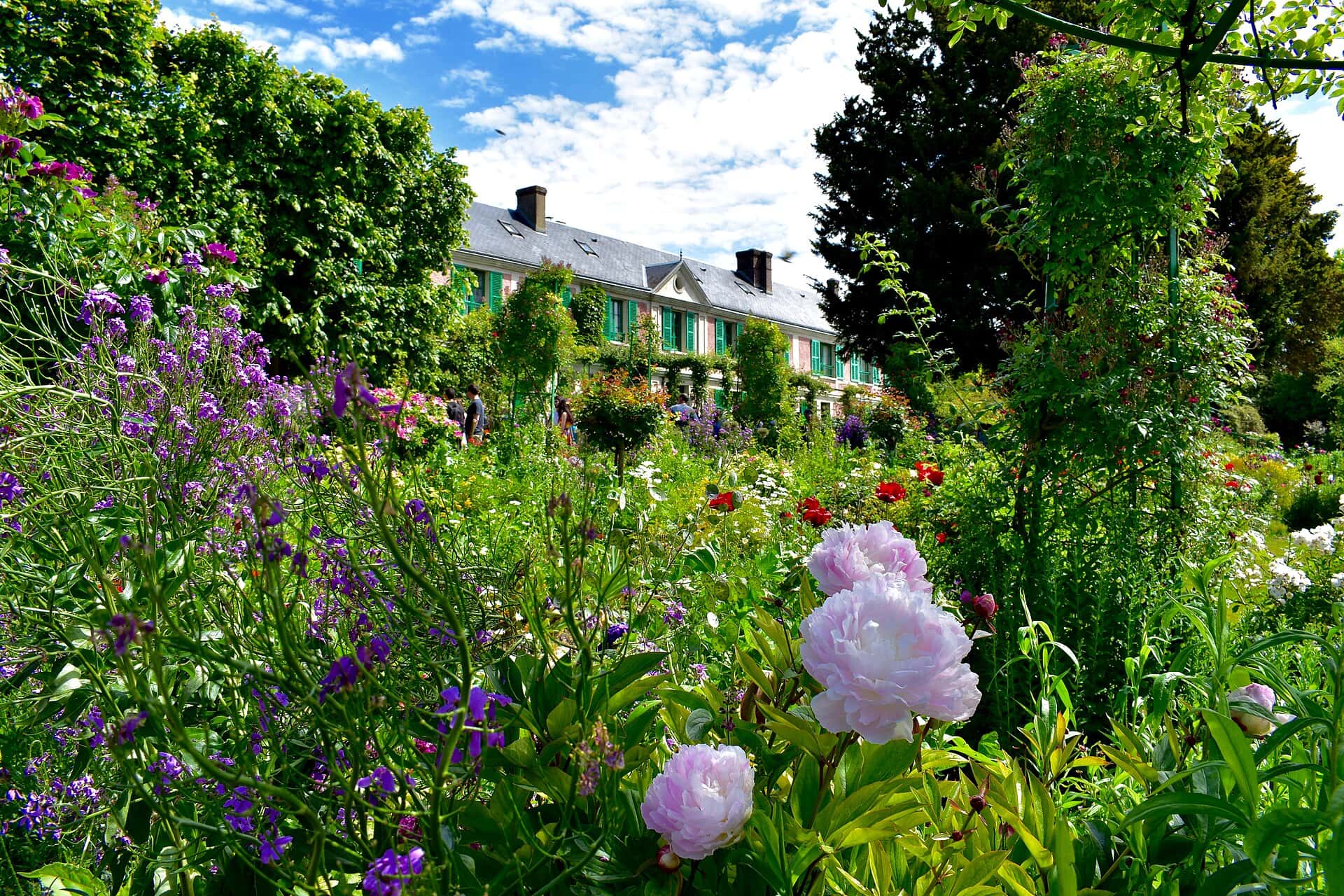
If you’re thinking about a trip to France and you’ve already walked Paris from one end to the other, I’d suggest heading northwest. Rouen is the historic capital of Normandy, and the moment you step off the train, you’ll feel an atmosphere you simply won’t find anywhere else in the country. Don’t expect carefree lounging under a parasol or sun-baked beaches. Rouen, France is a city with a harsh but fascinating history that literally redrew the map of Europe.

The city boasts hundreds of perfectly preserved half-timbered houses, narrow cobbled lanes, and stunning Gothic churches. The air here smells of fermenting apple cider and fresh butter from the nearby farms. Whether you’re standing in awe beneath the cathedral towers or strolling across the square where Joan of Arc was burned at the stake, Rouen will completely captivate you with its raw beauty. Be prepared, though: this city demands your time and attention, because it rewards you with experiences of unusual depth.

TL;DR

  • Gothic cathedral: The Cathedral of Notre-Dame is the city’s absolute landmark, immortalised by Claude Monet in his Impressionist paintings.
  • The story of Joan of Arc: On Place du Vieux-Marché you’ll find the spot where this French heroine was burned at the stake in 1431.
  • Half-timbered houses: The historic centre hides more than two thousand enchanting medieval buildings with their distinctive timber framing.
  • Astronomical clock: The Gros-Horloge is a Renaissance gem, and its bell tower offers the most beautiful view over Rouen’s rooftops.
  • Superb food: Be sure to taste local cheeses like Camembert de Normandie and wash it down with honest local cider.
  • The year 2026: It marks the centenary of Claude Monet’s death, so expect spectacular exhibitions at the Musée des Beaux-Arts.
  • Getting there from Paris: The train from Paris Saint-Lazare takes only about an hour and a half, making Rouen an ideal destination even for a long weekend.

When to Visit Rouen

The weather in Normandy is a chapter all of its own, and you really can’t count on steady sunshine here. Be prepared for conditions to change from one hour to the next, even in the middle of a hot summer, because a strong wind often blows in off the ocean. Generally speaking, the best time to visit Rouen and the wider northern coast is from May to September. During these months you’ll enjoy the most pleasant temperatures for long city walks, and the days are long enough to explore all the sights, linger at outdoor cafés, and lose yourself in tucked-away lanes.

If you’re planning a trip in 2026, keep in mind that it will be an absolutely pivotal season for the whole of Normandy, full of celebrations. It marks exactly one hundred years since the death of painter Claude Monet (who died in 1926), and over a hundred special events will take place as part of the Normandie Impressionniste festival. Expect interest in the city to be enormous, especially in the summer months, when art lovers descend from all over the world. You’ll get a unique chance to see exhibitions that won’t be repeated any time soon, but you’ll need to sort out your accommodation many months in advance.

It’s also worth knowing that in early June 2026 the nearby coast will host commemorations of the 82nd anniversary of the Normandy landings. Between the 5th and 7th of June the whole region will face massive road closures and a flood of visitors, so if military history isn’t your thing, it’s best to avoid those days. On the other hand, I’d steer clear of travelling in the depths of winter unless you genuinely love damp, grey weather. From November to February it tends to be very rainy and windy, and although the misty city has its own melancholy romance, the cold soon gets into your bones. The only exception is the Advent season, when the historic centre transforms into wonderful Christmas markets.

How to Get to Rouen from Paris

Getting there from the French capital is incredibly easy and quick. If you’re flying in from the UK, the simplest route is to fly to Paris (for example with British Airways or easyJet from London) and then continue by train. The most comfortable option by far is the train, which leaves from Gare Saint-Lazare in Paris. Direct SNCF services run very frequently, and the journey to Rouen Rive Droite station takes roughly an hour and twenty minutes. Be sure to buy your tickets online well in advance, as last-minute fares can be needlessly expensive.

If you prefer to drive, you can reach Rouen in about two hours via the A13 motorway, depending of course on the Paris rush hour. A car comes in handy mainly if you’re planning to use Rouen as a base for further trips to the coast or to smaller Norman villages. In Rouen’s historic centre itself, however, a car is more of a hindrance, since many of the lanes are pedestrianised and on-street parking tends to be complicated and pricey.

I’d recommend using the large underground car parks, such as Parking de l’Hôtel de Ville or Parking de la Pucelle. All-day parking costs around €15 to €18, which is fairly standard by French standards. Once you’ve parked, you can comfortably explore the entire old town on foot.

Where to Stay in Rouen

💡 Tip for accommodation and experiences: We like to search for our stays on Booking.com, which usually has the best cancellation terms. For tickets, tours, and activities, it pays to compare and book through GetYourGuide.

To get the most out of the city, choosing the right area is absolutely key, because the atmosphere really does make all the difference. I’d wholeheartedly recommend staying right in the historic core, which locals call Vieux Rouen. You’ll be just a few steps from all the main sights, you can easily stroll to a restaurant for a glass of cider in the evening, and you’ll soak up the true medieval atmosphere first thing in the morning, before the crowds of tourists pour into the streets. Staying somewhere in the suburbs simply isn’t worth it here, because you’d lose that magical feeling of wandering through the narrow cobbled lanes.

If you’re after a truly luxurious experience and don’t mind paying a little extra, take a look at Hotel de Bourgtheroulde, set in a stunning fifteenth-century historic building on Place de la Pucelle. This choice offers unforgettable comfort paired with history, and as a huge bonus the hotel has a great wellness centre with a pool, which is an absolute rarity in the heart of a medieval city. For those looking for more of a happy medium, Mercure Rouen Centre Cathédrale is an excellent and strategic choice. This hotel sits right in the thick of things, just a few dozen metres from the famous cathedral, so the views from some windows are truly breathtaking, and yet it offers a very decent standard at a reasonable price.

For lovers of independent travel, the surrounding winding lanes offer plenty of smaller romantic guesthouses and apartments in the classic half-timbered houses. When booking, though, always check carefully whether the accommodation offers any parking if you’re arriving by car, because in the historic centre you simply can’t leave a car on the street. Bear in mind, too, that many historic houses have no lift and their staircases tend to be very narrow and steep, so if you’re travelling with heavy, oversized suitcases, it’s wise to confirm this detail in advance so you don’t end up hauling them up to the third floor.

12 Things to See and Do in Rouen

Let’s take a look together at the most interesting things this Norman city has to offer. From monumental Gothic architecture and tragic stories to outstanding food, Rouen has plenty of aces up its sleeve. Get your comfortable shoes ready, because these lanes are best enjoyed at a slow, unhurried pace.

1. Notre-Dame Cathedral and Monet’s Legacy

This is the absolute heart of the city and a building that will literally take your breath away the moment you step out onto the square. The Rouen Cathedral in France is a masterpiece of Flamboyant Gothic, and its intricate construction spanned several centuries, which left its mark in the incredible wealth of detail on the façade. Its cast-iron spire, at 151 metres, is the tallest in France and rises above the city like a giant landmark you’ll spot from just about every corner. Inside, you’ll be amazed by the vast, majestic space, the tombs of the Norman dukes, and the beautiful medieval stained glass that lets coloured light filter in.

It was the front of this very cathedral that became an outright obsession for the famous painter Claude Monet. At the end of the nineteenth century he rented a room directly opposite and created an incredible series of thirty-one paintings capturing the façade at different times of day. He watched how the colour of the cold stone shifted in the morning mist, in the harsh midday sun, and at romantic sunset, in doing so defining the very essence of Impressionism.

💡 Tip: If you visit Rouen in the summer months, don’t miss the evening light show projected directly onto the cathedral’s façade after dark. It’s an utterly magical experience that’s also completely free for all visitors and perfectly blends historic architecture with modern digital art.

2. The Gros-Horloge and Its Astronomical Clock

After the cathedral, this is probably the most photographed monument in the whole city, and you certainly won’t miss it on your wanderings. The Gros-Horloge is a huge fourteenth-century astronomical clock set within a magnificent Renaissance arch. The golden dial is adorned with carefully rendered symbols of the sun and moon and spans the bustling pedestrian shopping street that bears the same name. It’s a spot you’ll pass through several times during your stay, and each time you’ll discover some new detail.

One curious fact is that this clock deliberately has only a single hand, showing just the hours. The inhabitants of the medieval city simply had no need for exact minutes, and time flowed far more slowly. Notice, too, the depiction of a lamb, which symbolises the city’s enormous wealth, derived from its lucrative trade in sheep’s wool. The entire pavilion is richly decorated with carvings and houses an intricate historic mechanism that still works with remarkable precision to this day.

💡 Tip: Don’t settle for the view from the street alone — pay the entrance fee to the adjacent bell tower, which costs around €7. Inside you’ll see the original clock mechanism, and an audio guide explains all the technical and historical details, but above all the top of the tower offers an absolutely stunning panoramic view over the hundreds of chimneys and rooftops of Rouen.

3. Place du Vieux-Marché and the Site of the Execution

This square holds an enormous contrast that’s so typical of Rouen and makes the city immensely intriguing. Today, Place du Vieux-Marché is full of busy cafés and restaurants, where people sit over a glass of wine under the parasols and enjoy a relaxed day. And yet it’s also a place with an extraordinarily dark and tragic past that forever shaped the course of French history and continues to draw the attention of historians from around the world.

It was right here, on the thirtieth of May 1431, that Joan of Arc was burned at the stake. The young heroine who led the French armies against the occupiers was condemned for heresy by the English in an unjust trial. Today this exact spot is marked by a tall cross and a small memorial, where you’ll find fresh flowers practically every day. The atmosphere here is strangely moving, when, amid all the present-day calm, you realise just how cruel the events that unfolded here centuries ago really were.

💡 Tip: Take a moment to sit on a bench near the memorial and soak in the atmosphere of the square. All around you’ll see some of the most beautiful and colourful half-timbered houses in the city, many of which date back to the very era when Joan of Arc walked here on her final journey.

4. Wandering the Half-Timbered Lanes

If you love old architecture and are hunting for the perfect photogenic spots, you’ll feel like you’re in absolute heaven here. Rouen boasts more than two thousand perfectly preserved half-timbered houses, beautifully known in French as colombages. These buildings, with their distinctive timber frames and colourful plaster, give the city its characteristic fairy-tale look and often lean so far over the street that they seem ready to topple onto passers-by at any moment.

You’ll find the most beautiful and peaceful corners in the immediate vicinity of the Church of Saint-Maclou. Be sure to take a walk down Rue Damiette, which is literally packed with antique shops, art galleries, and small independent boutiques. Another absolute gem is Rue Eau de Robec, where a small stream runs down the middle of the street and the houses still have their old open attics, where dyed fabrics were once hung out to dry. It’s the perfect place for a leisurely afternoon stroll with your camera in hand.

💡 Tip: As you wander these historic lanes, pay close attention to the tiny details on the wooden beams. Many of them are richly carved, and you’ll find all sorts of grotesque faces, animals, or figures of saints that were meant to protect the houses. Every house here tells its own story, and getting lost in this maze without a map is actually the best thing you can do.

5. L’Aître Saint-Maclou and Its Eerie Ossuary

This place definitely isn’t for the faint of heart, but its historical value and uniqueness are immense. L’Aître Saint-Maclou is one of the very few preserved medieval burial grounds in Europe, which in its day served as a mass ossuary for thousands of victims. It was created in 1348 during the terrible Black Death epidemic, when the plague decimated a huge part of the population and the ordinary parish cemeteries simply couldn’t cope with the influx of the dead.

Today it’s a very quiet, cobbled courtyard at first glance, lined with beautiful half-timbered buildings of dark wood. But if you look more closely at the wooden beams surrounding the galleries, you’re guaranteed to feel a shiver down your spine. They’re carved in great, realistic detail with skulls, crossed bones, gravediggers’ shovels, pickaxes, and hourglasses, reminders of the fleeting nature of human life. It’s a fascinating, if slightly morbid, reminder of medieval reality and ever-present death.

💡 Tip: This unique complex recently underwent a very extensive and incredibly sensitive restoration. Today these historic spaces house art studios, a café, and a beautiful gallery, so a place once closely tied to death now breathes with new creative life. Entry to the courtyard itself is free and it’s well worth a short visit.

lukas a lucka
Lukáš and Lucie recommend
Where to stay in Rouen
3 accommodations — hotels, wellness hotels and other accommodation options

6. Musée des Beaux-Arts (Museum of Fine Arts)

If you have even a passing interest in art and painting, this is one museum you simply mustn’t skip on your visit. Rouen’s Musée des Beaux-Arts holds one of the very finest art collections in France, second only to Paris. The building itself is gorgeous, and its spacious, naturally lit halls offer a very calm setting for admiring masterpieces from the Renaissance through to the twentieth century. You’ll find famous works by masters such as Caravaggio, Velázquez, and Rubens.

The main draw for most visitors, though, is undoubtedly the extensive Impressionist section. This is where you can see originals by Claude Monet with your own eyes, alongside Alfred Sisley and Camille Pissarro, in complete peace without the Paris crowds. Their canvases hang here right in the context of the landscapes that inspired them, which gives the whole experience a much deeper dimension. Watching the brushstrokes on Monet’s paintings of Rouen Cathedral in the very city where these gems were created is a truly powerful moment.

💡 Tip: In 2026 this museum will become the main hub for the great centenary celebrations of Claude Monet’s death. Special, spectacular exhibitions will take place here as part of the Normandie Impressionniste festival, so be sure to check the programme in advance and expect bigger crowds. The great news is that standard entry to the museum’s permanent collections is completely free all year round.

7. The Modern Church of Saint Joan of Arc

Right on the historic Place du Vieux-Marché, just a few steps from the actual site of the execution, stands a building you certainly won’t overlook. The Church of Saint Joan of Arc was built only in 1979, and its architecture was very bold for both that era and today. At first glance it doesn’t look like a traditional church at all, which initially provoked quite mixed reactions and heated debates among the locals.

Its oddly shaped, asymmetrical roof is meant to evoke either the flames of the pyre on which the young Joan was burned, or the upturned hull of a great Viking ship, a nod to the region’s Norman roots. Although the building is very modern and austere on the outside, it hides an unforgettable historic treasure within. An entire long wall is made up of huge sixteenth-century Renaissance stained-glass windows, which were fortunately saved from the old Church of Saint-Vincent, destroyed during the intense bombing of the Second World War.

💡 Tip: I’d recommend stepping inside the church just as the sun is shining brightly outside. The light passing through the ancient coloured glass refracts beautifully on the modern wooden walls and creates an incredible play of colours. It’s a beautiful and very peaceful spot for reflection in an otherwise bustling tourist city.

8. A Walk Along the Banks of the Seine

Rouen has always been an immensely important port, and the broad River Seine still forms its natural urban artery. Today both riverbanks have been beautifully revitalised and have turned into a popular leisure zone for the locals. The old rusty industrial hangars have been given a brand-new lease of life and now house modern restaurants, cafés, exhibition halls, and sports centres. It’s a great place to head when you need a break from the narrow medieval lanes and a breath of fresh air.

You can easily hire a city bike here or simply amble lazily along the water on the wide promenades. On your walk you’ll see various modern lift bridges, including the imposing Gustave Flaubert Bridge, whose pylons make it one of the very tallest of its kind in all of Europe. Watching cargo and cruise ships glide along the river has its undeniable charm, especially in the early evening, when the setting sun catches the rippling water and bathes the city in gold.

💡 Tip: If you enjoy a slightly grittier industrial atmosphere paired with modern food, head over to the right bank of the river (Rive Droite). You’ll find a string of hipster spots with outdoor seating, where you can grab a coffee or a drink with a great view of the river. It’s a hugely popular spot for locals to meet up with friends on weekend evenings.

9. Historial Jeanne d’Arc (Immersive Museum)

This really isn’t your classic, dull museum full of dusty display cases and endless captions that would send you to sleep. The Historial Jeanne d’Arc offers a completely immersive, modern multimedia experience that interactively walks you through the entire life of the famous French heroine. What’s more, it’s set in the absolutely fantastic and authentic surroundings of the Archbishop’s Palace — the very historic site where her rehabilitation trial actually took place a quarter of a century after her unjust death.

During the gripping tour you’ll move through dimly lit stone rooms, where fantastic digital projections are cast directly onto the historic walls and actors on large screens reconstruct the key judicial and historical events. You’ll learn plenty of fascinating details about the complex politics of the time, the trumped-up trial, and the myths that have surrounded Joan of Arc for centuries. It’s an extremely modern and very emotional retelling that’s guaranteed to entertain even those who don’t normally seek out history at all.

💡 Tip: In peak summer season be sure to buy your tickets online in advance, because the capacity of each tour is strictly limited for technical reasons. Admission costs around €11 and the whole tour lasts a little over an hour. The narration and the actors’ performances are in French, but you’ll be given an audio guide at the entrance, so you won’t miss any essential detail of the story.

10. Saint-Ouen Abbey

Because of its overwhelming size and majesty, many tourists mistake this enormous building for the main city cathedral at first glance. Saint-Ouen Abbey is a monumental Gothic church whose sheer proportions command absolute respect from visitors. Its central tower stands over a remarkable 130 metres tall, and the interior is renowned for its utterly perfect proportions and huge stained-glass windows that let in a veritable flood of natural light.

Inside, incredible calm and silence await, because far fewer organised groups come here than to the central Notre-Dame. You’ll often feel as though you have that whole vast, mystical space all to yourself. At the back of the abbey there’s also a magnificent historic organ by the famous builder Aristide Cavaillé-Coll, which connoisseurs rank among the finest musical instruments in all of France. If you’re incredibly lucky and happen to hear someone playing it, it’s an experience to last a lifetime.

💡 Tip: After admiring the breathtaking interior, don’t forget to take a leisurely stroll through the park that adjoins the abbey just outside. The Town Hall Gardens (Jardins de l’Hôtel de Ville) offer lovely benches for a rest or a picnic on the grass, and they provide absolutely superb views of the back of the church with its incredibly intricate flying buttresses.

11. The Market and Authentic Norman Cuisine

A visit to France simply wouldn’t be complete without discovering the local flavours, and Rouen is certainly no exception in that regard. Normandy is world-famous for its rich, honest cuisine, in which fresh farmhouse butter, thick cream, apples, and of course fantastic cheeses play the leading roles. Forget about diets for a moment and let yourself be swept away by the offerings of the local markets — for example on Place Clos Saint-Marc, which comes alive every Tuesday, Friday, and weekend morning with an incredible mix of aromas.

For vegetarians, absolute gems await here. Be sure to taste the local cheeses with protected designation of origin, such as the genuine raw-milk Camembert, the strongly aromatic square Pont-l’Évêque, the reed-wrapped Livarot, or Neufchâtel, traditionally made in a romantic heart shape. Pop into one of the many traditional crêperies for lunch and order galettes, the delicious savoury buckwheat pancakes filled with cheese, egg, or mushrooms. But watch the clock carefully — lunch is served strictly between 12:00 and 14:00, after which the kitchens close without mercy!

💡 Tip: Don’t forget to wash down all this cheesy feasting with chilled local cider, served either dry (brut) or sweeter (doux). If you want to take home a one-of-a-kind souvenir, buy a bottle of Calvados or excellent Pommeau. Pommeau is a delicious, sweeter blend of fresh apple must and one-year-old Calvados, served ice-cold as an aperitif, and it’s guaranteed to delight any guest.

12. Day Trips from Rouen into Normandy (Giverny and Étretat)

Thanks to its location, Rouen is an absolutely ideal base for discovering more of this rugged region’s beauty. If you’ve hired a car, I’d definitely recommend heading out of the city to explore the other faces of stunning Normandy. Your first destination should be the famous Giverny, where Claude Monet lived and worked. A stroll through his gardens, with their iconic Japanese bridge and pond full of water lilies, is like stepping straight into his paintings. The gardens are open from April to November, and in 2026, during the great centenary celebrations of his death, it will be an absolute must — but buy your tickets online even months ahead.

The second trip, which is guaranteed to take your breath away, is a visit to the rugged Alabaster Coast. Head to the town of Étretat, where the wild sea and wind have sculpted the chalk cliffs into fantastic shapes, arches, and needles. The sight of these brilliantly white cliffs plunging steeply into the emerald water of the ocean is unforgettable, and Monet himself painted them on around fifty canvases. You can walk along the pebble beach or set off up the well-trodden paths to the cliff tops for the absolute best panoramic views.

💡 Tip: Plan your trips wisely according to the current weather and crowds. Head out to the cliffs at Étretat on a day when there’s no strong wind, and be very careful near the edges, because there are no railings and the chalk loves to crumble. For Giverny, on the other hand, I’d recommend arriving right at opening time, at ten o’clock sharp, before the giant coach tours from Paris arrive, after which the narrow paths around the ponds get unpleasantly clogged with people.

Where to Go Next from Rouen

If the Norman atmosphere has captured your heart, it would be a shame not to carry on exploring. The region offers plenty of other places with deep history and beautiful scenery.

  • If you’re interested in the wider context and other beautiful spots in the region, read our comprehensive article: Normandy.
  • If the rugged coast and chalk cliffs appeal to you, don’t miss this detailed guide: Étretat.
Shrnutí pro ty, kteří nemají čas číst celý článek 🚗 Car rental on the road Verified rental cars in Normandy

Search with the DiscoverCars comparison engine — it compares prices from dozens of local and international rental companies, and most bookings come with free cancellation.

Compare car prices in Normandy →
DiscoverCars comparison✓ free cancellation on most bookings✓ no hidden fees

Frequently Asked Questions

How many days do I need to visit Rouen?

Two full days will be enough to explore the historic center, visit the main landmarks, and wander leisurely through the streets. But if you’re also planning to take some day trips to the surrounding area, for example to the famous Giverny to see Monet’s home or to the chalk coast, I recommend setting aside at least a long weekend, ideally three to four days, so you won’t feel unnecessarily stressed about getting from place to place.

Can you pay by card everywhere in Rouen?

Yes, France is very modern in this regard and payment cards (Visa, Mastercard) are accepted almost everywhere, including small bakeries, bistros, museums and markets. Nevertheless, it’s worth having some small cash in euros on you for buying small souvenirs, parking or for potential purchases at weekend farmers’ markets, where some older cheese vendors still don’t have a card terminal.

How’s the English situation in Rouen?

In touristy areas, large museums and at hotel reception desks you’ll get by speaking English without major problems. In smaller shops or traditional tucked-away bistros, however, it can be trickier. Locals really appreciate it when you learn at least basic French phrases like “bonjour” (good day) and “merci” (thank you) – they’ll be much more friendly and helpful towards you right away.

Do I need to book tickets for monuments in advance?

Common landmarks like the huge Notre-Dame Cathedral or Saint-Ouen Abbey are free and completely without reservation. However, if you’re planning to visit popular sites such as the Historial Jeanne d’Arc or climb the Gros-Horloge tower during peak summer season, it’s better to buy tickets in advance online. For 2026, this applies doubly to anything related to the Claude Monet anniversary exhibitions.

Is Rouen a good city for traveling with kids?

Sure, the old town with its crooked half-timbered houses looks literally like something from a fairy tale and kids will love it visually. The multimedia Historial Jeanne d’Arc museum is done so modern and interactive that it holds the attention even of younger visitors. Just be aware that the original cobblestone streets can be a bit challenging and bumpy for getting around with a regular stroller.

Where can I best shop for local souvenirs?

The best choice from Normandy is definitely gastronomic products. Head to the specialized shops around Rue du Gros-Horloge street, where you’ll find excellent aged cheeses, bottles of quality cider and calvados, or sweet apple caramels. For art objects, paintings and antiques, then head to the quieter Rue Damiette street.

Can you drink tap water in Rouen?

Yes, tap water (l’eau du robinet) is completely safe, drinkable and very good in France. In restaurants, it’s also perfectly common to ask the staff for “une carafe d’eau”, which is a carafe of ordinary tap water that they’ll bring you with your meal completely free of charge, so you don’t have to waste money on overpriced bottled water.

Tips and Tricks for Your Vacation

Don’t Overpay for Flights

Search for flights on Kayak. It’s our favorite search engine because it scans the websites of all airlines and always finds the cheapest connection.

Book Your Accommodation Smartly

The best experiences we’ve had when looking for accommodation (from Alaska to Morocco) are with Booking.com, where hotels, apartments, and entire houses are usually the cheapest and most widely available.

Don’t Forget Travel Insurance

Good travel insurance will protect you against illness, accidents, theft, or flight cancellations. We’ve had a few hospital visits abroad, so we know how important it is to have proper insurance arranged.

Where we insure ourselves: SafetyWing (best for everyone) and TrueTraveller (for extra-long trips).

Why don’t we recommend any Czech insurance company? Because they have too many restrictions. They set limits on the number of days abroad, travel insurance via a credit card often requires you to pay medical expenses only with that card, and they frequently limit the number of returns to the Czech Republic.

Find the Best Experiences

Get Your Guide is a huge online marketplace where you can book guided walks, trips, skip-the-line tickets, tours, and much more. We always find some extra fun there!
Budva, Montenegro: 14 Tips for Beaches, Old Town & Surroundings in 2026

TL;DRBudva, on Montenegro’s Budva Riviera, mixes a walled old town (Stari grad) with the iconic Citadel — the viewpoint costs around €5 — and famous beaches like Mogren I and II, Slovenska plaža (1.6 km) and the Blue Flag beach at Bečići. There are 14 tips here, including a trip to the island of Sveti Stefan, which reopens on 1 July 2026 after five years closed off, plus a warning that Budva’s aquapark is having serious operating trouble in 2026 and will likely stay shut. June and September are the best months to visit, with sea temperatures of 22–24°C and fewer crowds, while July and August are the busiest months, when Budva earns its nickname of the Montenegrin Ibiza. The nearest airport is Tivat, about 20 kilometres away, and the currency is the euro.

Montenegro is a destination that will completely sweep you off your feet with its contrasts, and Budva in Montenegro is its most dazzling gem. Picture medieval walls rising straight above the azure sea, hiding behind them a labyrinth of narrow stone lanes steeped in history. At the same time, this is the liveliest resort on the entire Montenegrin coast, where things buzz from the early morning until late at night throughout summer.

If you’re looking for a place where gorgeous beaches meet a rich nightlife, you’ve come to the right place. Budva is often nicknamed the Montenegrin Ibiza, which means plenty of fun — but also massive summer crowds and a permanent buzz. Anyone craving total peace and quiet usually picks one of the smaller resorts nearby, but skipping the old town itself would be a huge mistake.

In this guide we’ll take a detailed look at 14 tips on what to see and do in Budva and its immediate surroundings. I’ll tell you which beaches to head to with the family, where photographers will find the best views, what’s happening with the iconic island of Sveti Stefan this year, and what to watch out for when planning your budget.

TL;DR

  • Old town (Stari grad): The historic heart of Budva, encircled by mighty walls, is a maze of lanes, medieval churches and picturesque cafés, where cars are strictly banned.
  • The prettiest beaches: Just a short walk from the centre you’ll find the highly photogenic Mogren I and II beaches, while for families with children the long beach in Bečići, awarded the prestigious Blue Flag, is ideal.
  • Sveti Stefan island: The luxury hotel resort is reopening on 1 July 2026 after lengthy disputes, with part of the adjacent beaches set to be publicly accessible once again.
  • The Montenegrin Ibiza: In July and August Budva is the heart of the nightlife with giant open-air clubs, so if you’re after a quiet holiday, base yourself in one of the surrounding towns instead.
  • Practical info: The local currency is the euro, even though the country isn’t yet in the European Union, and the nearest international airport is in Tivat, around 20 kilometres away.
  • Aqua park warning: The town’s aqua park above Budva is facing serious operational and legal problems in 2026, is likely closed, and you should carefully check its status before your trip.

When to visit Budva

Picking the right time is absolutely crucial for a visit to Budva, because the town changes dramatically throughout the year. The best time to go is clearly June and September. In these months the sea is already a pleasant temperature for swimming (around 22 to 24 °C in June, even 24 °C in September), yet you’ll dodge the worst of the crowds. The Budva weather is beautifully stable, accommodation prices are more bearable, and you won’t spend hours stuck in traffic.

The peak season runs through July and August, when Budva turns into a pulsing and often extremely crowded party resort. Air temperatures regularly climb past 30 °C and coastal prices can easily be double those of the shoulder months. The Adriatic Highway between Budva and Kotor often becomes one long, endless traffic jam during this period. If you don’t like noise and crowds, it’s better to avoid the Budva Riviera during the summer holidays.

May and October, on the other hand, are absolutely ideal months for active sightseeing, exploring landmarks and trips into the mountains. Swimming can be a bit borderline by then, but you’ll enjoy a half-empty old town and stunning views without breaking a sweat. Most beach bars and summer clubs are closed, but Montenegro offers an all the more authentic atmosphere at this time of year.

Where to stay in Budva

💡 Accommodation and experiences tip: We like to search for places to stay on Booking.com, where the cancellation terms tend to be the best. Tickets, tours and activities are then worth comparing and booking through GetYourGuide.

Accommodation in Budva and the surrounding area offers a huge range of options, from luxury resorts to small family apartments. If you want to be in the thick of the action, look for a place right in town, but for a calmer stay choose neighbouring Bečići or the picturesque Petrovac instead. When booking through popular portals like Booking, always read the reviews concerning night-time noise carefully.

For lovers of pure luxury and top-notch service, the obvious choice is the Hotel Splendid Conference & Spa Resort in neighbouring Bečići. It’s the first five-star hotel on the eastern Adriatic, offering a huge wellness centre, several pools and, above all, a gorgeous private beach. It’s the perfect retreat for discerning travellers who want all their comforts in one place and only pop into central Budva for the occasional outing.

Right by the historic walls and the famous Mogren beach sits the four-star Avala Resort & Villas. Its location is absolutely unbeatable, since you have the old town literally a few steps from your room. Guests of this resort often get free entry to Mogren beach, which is a huge bonus in season. Another great in-town option is the Hotel Tre Canne, which lies just 150 metres from the sea and boasts a luxurious rooftop restaurant with views.

If you’re travelling with family and looking for the ideal compromise, you’ll definitely be drawn to the Mediteran Hotel & Resort in Bečići. This four-star hotel has its own private beach and, more importantly, a small private aqua park with slides — a huge plus given the problems plaguing the big town aqua park. A popular and more affordable alternative in the same area is the modern Hotel Moskva.

For romantic souls craving a historic atmosphere, the Astoria Boutique Hotel is made for you. It sits right in the heart of the old town, offering a gorgeous rooftop terrace with sea views and its own beach service. Anyone after absolute calm away from the Budva buzz should choose the Vile Oliva Hotel & Resort in the neighbouring town of Petrovac. The resort lies in the middle of an olive grove full of centuries-old trees and offers perfect family relaxation just a twenty-minute drive from the centre of Budva.

14 tips on what to see and do in Budva

Let’s take a detailed look at the best of what the Budva Riviera has to offer. The town blends ancient Venetian architecture, stunning natural scenery and modern tourist attractions.

1. Stari grad: a Venetian labyrinth above the sea

The fortified medieval core of Budva sits on a small, picturesque peninsula and is made up of an incredibly tangled network of narrow stone lanes. Budva is among the very oldest settled places on the entire Adriatic, with a history stretching back roughly 2,500 years to Illyrian and Greek roots. After the devastating earthquake of 1979, the old town was restored very sensitively and carefully to its original beauty.

The whole old town is strictly pedestrian and entering the lanes is completely free. This place is at its most magical early in the morning at sunrise, or conversely late in the evening, when the street lamps light up and live music drifts out of the little squares. You’ll find dozens of boutiques, small galleries and cafés where you can sit for hours and just watch the world go by.

A real hidden treasure is the trio of churches on the main square, standing right next to one another. You can admire the Orthodox Holy Trinity Church from 1804 with its beautiful frescoes, and right beside it the older Catholic Church of St John with its dominant bell tower. A short walk away, at the very tip of the peninsula, stands the tiny Santa Marija in Punta from 840 AD — one of the oldest churches in the country, today serving as a unique gallery.

💡 Tip for vegetarians: If you get hungry, head into the lanes to explore the local food scene. A short walk from the Pizanela gate you’ll find Pastabar, which serves excellent homemade pasta and clearly marks its vegan options. Lovers of purely plant-based food shouldn’t miss Paradise Food, the only fully vegetarian and vegan spot in town.

2. The Citadel: a fortress at the tip of the old town

The highest and most dramatic point of the entire old town is the medieval Citadel, whose present form dates mostly from the 15th to 19th centuries. It sits at the very southern tip of the peninsula and offers the most beautiful views across the surrounding area. Inside you’ll find a spacious courtyard, the remains of old barracks and a charming little library with historic sea charts and models of old ships.

The main reason to visit, though, are the mighty walls themselves with their viewing walkway. From here you’ll get a fantastic view over the open sea, the facing island of Sveti Nikola and the iconic red rooftops of the old town below you. In the evenings, a romantic restaurant with a view often operates in part of the Citadel, with an atmosphere all its own.

Admission for adults in 2026 is roughly 5 € and children usually enter free. You pay on the spot in cash, so there’s no need to fuss with booking tickets online in advance. While wandering the town’s lanes is free, this small fee for the views from the highest point is absolutely worth it.

💡 Tip: Plan your Citadel visit for late afternoon, when the sun is no longer beating down and the colours of the sea and the old stone start to take on warm, golden tones.

3. The Dancer statue and its touching legend

If you set off along the coastal path from the old town towards the beaches, you’ll come across probably the most photographed sight in all of Budva. It’s a beautiful bronze statue of a girl in a graceful gymnastic arch, balancing on a lone rock right above the sea waves. Her silhouette with the historic walls in the background is an absolute classic that nearly every visitor takes home.

Tourists often mistakenly call her a ballerina, but the official name of the work is The Dancer and it comes from the workshop of sculptor Gradimir Aleksić. A touching local legend is tied to it, telling of a girl who supposedly came to this rock every day to watch for her beloved fisherman. He never returned from the stormy sea, and so the statue became an eternal symbol of love, faithfulness and endless waiting. It is not, then, a monument to any real historical ballerina.

You’ll find it about five minutes’ slow walk from the walls. The best time to capture those iconic photos is during the golden hour just before sunset. At that moment the statue is beautifully backlit and the sea behind it turns into incredible shades of orange and purple.

💡 Tip: During the day there’s quite a crush of people around the statue wanting to take selfies. If you’re after a photo without the crowds, it’s worth heading here early in the morning, right after breakfast.

4. The old town walls and the seaside promenade

A stroll around the whole peninsula and along the crown of the town walls is one of the loveliest free experiences you can treat yourself to in Budva. The route starts at the luxurious marina full of yachts, continues past the old fishing harbour, follows the mighty stone walls and, passing the Dancer statue, leads you all the way to the tunnel heading towards the famous beaches.

The whole promenade is beautifully laid out and lined with benches from which you can watch the waves crashing against the rocks. If you count yourself among keen walkers, the Seven Bays trail will definitely delight you. It’s a stunning coastal route that starts in Budva and runs along the cliffs and beaches all the way to the luxurious island of Sveti Stefan.

This trail is still a huge hidden gem for many regular tourists. It offers absolutely breathtaking views over the open Adriatic, and you won’t meet crowds here even at the height of summer. Of course, you can split the route into several shorter sections and take a dip along the way in one of the smaller, lesser-known coves.

💡 Tip: If you set off on the Seven Bays trail, don’t forget to bring sturdy shoes and plenty of drinking water. Some sections are rockier, and in the summer months the sun really beats down on the path.

5. Mogren I and Mogren II beaches

About ten to fifteen minutes on foot from the historic centre you’ll find the most famous and most popular beaches on the entire riviera. You reach them along the coastal path past the Dancer statue, and at the very end you pass through a short, adventurous tunnel carved straight into the rock. Two gorgeous coves await you, sheltered by cliffs and lined with fragrant pine trees.

The first part, Mogren I, is larger, noticeably busier and offers complete beach service including beach bars. But just past the next rocky passage hides Mogren II, which is smaller, far more photogenic and much calmer. The water here is incredibly crystal clear, but the entry into the sea tends to be a bit steeper, which is good to know if you’re travelling with small children.

The surface of both beaches is a pleasant fine pebble mixed with coarser sand. Renting a set of two sunloungers and a parasol costs roughly 10 to 20 € depending on the season and location. At the peak of summer a symbolic beach entry fee of around 2 € per person is sometimes charged, while out of season entry is completely free.

💡 Tip: I’d recommend heading to Mogren II early in the morning, because it fills up fast in the afternoon and finding a free spot becomes tricky. Don’t forget to pack water shoes for the small pebbles.

6. Slovenska plaža: the pulsing heart of the resort

Slovenska plaža, or Slavic Beach, is by far the longest and busiest town beach in Budva. It measures a respectable 1.6 kilometres and stretches from the historic centre along a sprawling hotel complex. Its surface is sand-and-pebble, the entry into the sea is very gentle and the facilities are honed to perfection.

You’ll find absolutely everything here, from hundreds of sunloungers and dozens of beach bars to jet ski and pedalo rentals. It’s the main action hub loved by young people looking for fun and by families who need complete infrastructure. Sunloungers here cost roughly 10 to 25 € per pair, while in the more upmarket sections prices can climb even higher.

Right at the start of this long beach, directly beneath the medieval walls, lies the small but incredibly photogenic Ričardova glava beach (Richard’s Head). Its backdrop is formed by the very stone walls of the old town, which makes it one of the most interesting places to swim — although it gets snapped up extremely quickly.

💡 Tip: In July and August you have to arrive at Slovenska plaža really early in the morning, otherwise you’ll have only a slim chance of bagging a free sunlounger or even a spot for your own towel.

7. Bečići and its Blue Flag

About three kilometres south of central Budva lies the enormous sand-and-pebble beach in Bečići, which is nearly two kilometres long. Compared to the town beaches it offers far more breathing space and has repeatedly been awarded the prestigious Blue Flag for water cleanliness and service quality — a real mark of quality in the Balkans.

It’s a wide strip of coast with excellently organised service, clean showers and changing rooms. It’s very popular with families, though you need to be careful, because the water here deepens a little faster than at Slovenska plaža. For a pair of sunloungers you’ll pay roughly 6 to 15 €, which makes it one of the best value-for-money options in the whole area.

Bečići also works as a self-contained hotel enclave full of modern resorts. It’s the absolutely ideal practical base for anyone who wants to spend their days on a spacious beach but conveniently get to the fun in central Budva in the evening, which you can easily reach on foot along the well-kept seaside promenade.

💡 Tip: If you stay in the hotels in Bečići, you’ll avoid the morning scramble to find parking near the beaches and gain a much calmer environment for drifting off to sleep in the evening.

lukas a lucka
Lukáš and Lucie recommend
Where to Stay in Budva
6 accommodations — hotels, wellness hotels and other lodging options
⭐ TOP CHOICE ⭐ Luxury
Hotel Splendid Conference & Spa Resort
The first five-star hotel on the eastern Adriatic in nearby Bečići. Offers a huge wellness center, several pools and a beautiful private beach. An ideal retreat for discerning travelers who want all the comfort in one place.
★★★★★ Check prices
Check availability
🏨 Hotel
Avala Resort & Villas
A four-star resort right by the historic city walls and the famous Mogren beach. The location is absolutely unbeatable, with the old town literally just steps from your room. Guests often get free access to Mogren beach, which is a huge advantage during the season.
★★★★ Check prices
Check availability
🏨 Hotel
Hotel Tre Canne
Great city choice just 150 meters from the sea. Boasts a luxury panoramic restaurant on the top floor.
★★★★ Check prices
Check availability
🏨 Hotel
Mediteran Hotel & Resort
A four-star hotel in Bečići with its own private beach and, most importantly, a small private aquapark with slides. A huge plus considering the issues with the large municipal aquapark. An ideal compromise for families with children.
★★★★ Check prices
Check availability
🏨 Hotel
Hotel Moskva
Modern, more affordable alternative in Bečići, a popular choice for families.
★★★★ Check prices
Check availability
🏨 Hotel
Astoria Boutique Hotel
Ideal for romantic souls longing for a historic atmosphere. Located right in the heart of the old town, offering a beautiful rooftop terrace with sea views and its own beach service.
★★★★ Check prices
Check availability

8. Jaz Beach: sand, bars and open-air music

About 2.5 kilometres west of Budva lies Jaz Beach, which is one of the longest and most spacious beaches on the entire riviera. It measures almost two kilometres and its surface is a pleasant mix of coarse sand and fine pebbles. The whole area is divided into a family-oriented, organised part, Jaz I, and a wilder, more relaxed and partly naturist part, Jaz II.

This beach is famous for its musical history and has a reputation among locals as a great open-air stage. In the past, huge music festivals and concerts by world stars such as the Rolling Stones and Madonna were held here. Today you’ll find great beach bars where music plays from the afternoon into the evening, along with a huge range of various water sports.

A huge advantage of Jaz Beach is the large free car park right by the sea. Around Budva, parking is usually a big source of stress and costs quite a lot of money, but here you have one of the few options where you can park for free without long circling.

💡 Tip: Jaz is a great choice if you have a hire car and don’t want to pay for expensive town parking. The wide beach guarantees you’ll find a spot even in the afternoon hours.

9. Ploče Beach: concrete terraces and pools in the rocks

If you’re already tired of classic pebble beaches and looking for something a little different, head to Ploče beach, lying a bit further west beyond Jaz Beach. It’s not a beach in the true sense, but a unique rocky headland with smooth concrete terraces and several seawater pools cut in cascades straight into the cliffs.

From the terraces you can jump straight into the incredibly deep, crystal-clear water of the open sea. Ploče basically functions as one giant beach club. During the day rhythmic music plays from the speakers, famous foam parties take place and great cocktails are mixed. At the same time, though, you’ll also find calmer sections with children’s pools, so you needn’t be afraid to come here even with the family.

This concept often offers a very pleasant pricing policy where you get a sunlounger essentially for free on the condition of spending a certain amount at the local bar or restaurant. It’s an ideal solution for those who dislike pebbles underfoot and want to enjoy a modern beach atmosphere with a drink in hand.

💡 Tip: Definitely bring swimming goggles or a snorkel. Thanks to the rocky bottom, the water here is absolutely crystalline and the underwater life around the reefs is very rich.

10. Nightlife: why Budva is called the Montenegrin Ibiza

Budva didn’t earn its nickname, the Ibiza of the Adriatic, by chance. During the summer it turns into the most intense party destination in all of Montenegro, drawing in young people from across the Balkans and Europe. The main draw is the legendary Top Hill, a gigantic open-air club built on a hill about 200 metres above the town. From the enormous dance floor you get an amazing view of the night-time sea, and the best international and local DJs play here.

The Top Hill club operates in full swing mostly only in July and August. If you prefer something a little more intimate, head to the Adriatic club (sometimes called Ibiza Budva). It sits right on the coastal cliffs south of the old town and offers a fantastic terrace above the sea. It’s at its most magical around sunset (roughly between 7 and 10 pm), when it works as a laid-back sunset bar before turning into a dance party in the evening.

If nightlife isn’t quite your thing, it’s wise to approach Budva with genuine respect. In peak season the centre really is very loud and the streets are full of revelling tourists. Anyone looking for peace on holiday and an early night should stay in calmer resorts like Petrovac or Pržno and only come into the whirl of Budva for an afternoon trip.

💡 Tip for a calmer evening: Instead of noisy clubs, you can enjoy a great dinner. If you eat meat, locals often recommend the restaurant Jadran kod Krsta in the harbour, where they make a famous sea bass in a salt crust. For lovers of a gluten-free diet and craft beers, the obvious choice is Gluteria Getafix.

11. A trip to Sveti Stefan and the big change for 2026

When you say Montenegro, the first thing most people picture is precisely the photograph of the island of Sveti Stefan. This former small 15th-century fishing village, built on an islet connected to the mainland only by a narrow sandy isthmus, has become an icon of the entire country. In the past it was rebuilt into the super-luxury Aman Sveti Stefan resort, which hosted celebrities from all over the world.

For a long five years, however, this resort was unfortunately closed due to sharp disputes with the government over beach access. The important news is that, under the current agreements, Aman Sveti Stefan is reopening to the public on 1 July 2026. Part of this grand deal should include restored free public access to the adjacent Sveti Stefan Beach and King’s Beach, while the exclusive Queen’s Beach will remain reserved for hotel guests only.

It’s important to know that the island itself remains private and ordinary tourists can’t get inside its lanes unless they’re staying as resort guests. But that doesn’t matter at all, because the most beautiful view of the island is from the lookout points along the road high above the sea, from where you can take the most iconic photographs.

💡 Tip: Stop at the lookouts above the island early in the morning at first light. The whole of Sveti Stefan turns an incredible golden colour and you won’t have to jostle with coachloads of day-trippers. Just to be safe, double-check the current situation with beach access before your trip.

12. Sveti Nikola island: take a trip to Hawaii

Directly opposite Budva, the largest island of the southern Adriatic — Sveti Nikola — rises from the sea. For its wilder character and laid-back atmosphere, locals fondly nickname it Hawaii. On the island you won’t find any big hotels, just a small historic church dedicated to St Nicholas, pine forests and three beautiful public pebble-and-sand beaches on the northern side.

It’s a great place to escape the bustle of the town beaches. Getting there is very easy; in season, small water taxis shuttle back and forth constantly from the Budva marina and the old town, running roughly every hour. A return ticket costs roughly 5 to 10 € and the crossing itself takes just a few minutes.

The beaches on the island are beautiful, but markedly wilder than on the mainland. The water can deepen more quickly here and stronger sea currents appear in places, so it may not be the ideal choice for families with very small children. Be sure to bring quality water shoes for the larger pebbles.

💡 Tip: The beach service and food options on the island are fairly modest. I’d definitely recommend packing your own supply of drinking water and a few snacks from the mainland into your backpack.

13. Podmaine Monastery: a quiet retreat with a view

If you need a break from the salty sea and the beach hustle, head about two kilometres above Budva to the historic Podmaine Monastery (sometimes called Podostrog). This beautiful 15th-century Orthodox monastery founded by the powerful Crnojević family is a true oasis of complete calm. In the past it served as an important residence of the Montenegrin prince-bishops, and the famous poet Petar II Petrović-Njegoš stayed here too.

Inside the carefully maintained grounds you’ll find two smaller churches adorned with old frescoes and a gorgeous terrace with a fascinating view over all of Budva and the shimmering sea. Entry to the grounds is completely free; only a voluntary donation is expected. Since this is an active Orthodox monastery, you need to observe a stricter dress code, which means covered shoulders and knees for both women and men.

Only a tiny fraction of tourists make their way here, so you’ll avoid any crowds. If you enjoy hiking, from the monastery you can continue along the old trail another two kilometres or so up into the hills to the fortified historic complex of Podostrog.

💡 Tip: Plan your monastery visit for early morning or, conversely, the early evening. That way you’ll avoid the harsh midday sun on the climb uphill and enjoy a much more mystical atmosphere about the place.

14. Budva Aqua Park: beware its current status in 2026!

The enormous aqua park built on the Topliš hill above town used to be a huge hit for families with children until recently. It offered dozens of modern water slides, huge pools and an amazing view over the entire coast for an entry fee of around 25 € for adults. The place that once burst at the seams is, unfortunately, in big trouble right now.

When planning your holiday in 2026, it’s absolutely crucial to know that the complex has serious operational and legal problems, which include energy debts and land disputes with the town. There are numerous reports that the entire park’s operations have been completely suspended, and visitors in previous seasons reported broken attractions, shut-down water slides and closed pools.

Definitely don’t firmly count on visiting the aqua park until you’ve verified its current status just before your trip on the official profiles, or asked the locals. As a great and reliable family alternative, the hotels in Bečići (for example the aforementioned Mediteran) run their own — albeit smaller — slides and pool complexes exclusively for their guests.

💡 Tip: Rather than the closed aqua park, invest your money in a full-day boat trip along the coast. The children will be far more thrilled by the cruise and exploring hidden caves than by waiting around broken water slides.

Where to go from Budva

The Budva Riviera is a great starting point for exploring the rest of the country. If you have a car at your disposal, definitely set off along the breathtaking Adriatic Highway northwards towards the picturesque Bay of Kotor and the historic town of Kotor. Heading south, you can explore the long sandy beaches near the town of Ulcinj close to the Albanian border.

You’ll find another big dose of inspiration for your trip, including detailed tips on mountain hiking in the Lovćen or Durmitor national parks, in our big guide: Holiday in Montenegro: 15 tips for the sea and the mountains.

Shrnutí pro ty, kteří nemají čas číst celý článek 🚗 Car rental on the road Verified car rentals in Montenegro

Search with the DiscoverCars comparison engine — it compares prices from dozens of local and international rental companies, and most bookings come with free cancellation.

Compare car prices in Montenegro →
DiscoverCars comparison✓ free cancellation on most bookings✓ no hidden fees
Experiences & tickets
traveler-rated · GetYourGuide
Budva to/from Dubrovnik: Day Trip or One-Way by Fast Ferry
★★★★★ 4.1 · 35 reviews
from €50
I want this experience →
🔗 These are affiliate links — they don't change your price and help us create content. · All experiences →

Frequently asked questions

Is Budva even worth visiting, or is it too crowded with tourists?

The Old Town, views from the Citadel, and the iconic Mogren Beach are definitely worth seeing and skipping them would be a mistake. However, it’s true that during high season (July and August), Budva is massively overcrowded and noisy. If you’re looking for a quieter holiday, choose dates in June or September, or stay in nearby Petrovac and just visit Budva on a day trip.

How much does entry to the old town and the Citadel cost?

“`html
Entry to the lanes of the old town is completely free, the entire area functions as a freely accessible pedestrian zone. You only pay for entry to the highest point, the medieval Citadel. A ticket costs approximately €5 (around 125 CZK) for an adult and is paid in cash directly on site at the entrance.
“`

Which beaches in Budva and the surrounding area are the very best?

Among the most interesting are the photogenic Mogren I and II bays just a stone’s throw from the old town, the very long family beach in Bečići awarded the Blue Flag, or the spacious Jaz beach with many beach bars. Classic fine sand is rare here though, as most local beaches have a surface of small pebbles or coarse sand.

Can you normally visit the island of Sveti Stefan?

The island itself serves as a private luxury Aman resort and regular tourists don’t have access to its streets. However, after lengthy disputes, the resort is reopening on July 1st, 2026. The adjacent beaches should be partially accessible to the public, and the most beautiful view of the island from the viewpoints above the road is, of course, available to everyone completely free of charge.

How do I best get to Sveti Nikola island (Hawaii)?

You can reach Sveti Nikola Island very easily by small water taxis, which regularly depart from Budva’s marina near the old town during the season. A return ticket costs approximately €5 to €10 and the boat ride to the island takes just a few minutes.

Will the large Budva aquapark be open this year?

The situation around the aquapark in 2026 is very uncertain. The facility is facing serious operational and legal issues, and reports suggest it may remain closed. Before your trip, make sure to carefully check the current situation so you don’t experience a big disappointment with your family in front of a locked gate.

Is the euro used in Montenegro and where is the nearest airport?

Yes, in Montenegro you commonly pay with euros, even though the country is not a member of the European Union or the official eurozone. The closest airport for traveling to the Budva Riviera is Tivat International Airport, which is located about 20 kilometers away. Unfortunately, there is no regular public transport from the airport, so it’s best to arrange a transfer in advance.

Where’s the best place to park near the old town in Budva?

# Translation

You can’t drive directly into the old town. The nearest parking with the largest capacity is the large paid car park at Slovenska Beach opposite the VOLI supermarket, where you’ll pay approximately €5 per hour or €15 per day. You can park completely free at the more distant Jaz Beach, but during high season I recommend arriving as early as possible in the morning.

Tips and Tricks for Your Vacation

Don’t Overpay for Flights

Search for flights on Kayak. It’s our favorite search engine because it scans the websites of all airlines and always finds the cheapest connection.

Book Your Accommodation Smartly

The best experiences we’ve had when looking for accommodation (from Alaska to Morocco) are with Booking.com, where hotels, apartments, and entire houses are usually the cheapest and most widely available.

Don’t Forget Travel Insurance

Good travel insurance will protect you against illness, accidents, theft, or flight cancellations. We’ve had a few hospital visits abroad, so we know how important it is to have proper insurance arranged.

Where we insure ourselves: SafetyWing (best for everyone) and TrueTraveller (for extra-long trips).

Why don’t we recommend any Czech insurance company? Because they have too many restrictions. They set limits on the number of days abroad, travel insurance via a credit card often requires you to pay medical expenses only with that card, and they frequently limit the number of returns to the Czech Republic.

Find the Best Experiences

Get Your Guide is a huge online marketplace where you can book guided walks, trips, skip-the-line tickets, tours, and much more. We always find some extra fun there!
Switzerland Travel Guide: 19 Best Places to Visit and Things to Do

TL;DRSwitzerland packs 19 essential tips into one trip, from the iconic Matterhorn near Zermatt to the waterfall-lined Lauterbrunnen valley and Italian-flavoured Lugano in Ticino. June to September is best for hiking, December to April for skiing, while cable cars often shut for maintenance in May and October. Highlights include Lucerne with its Chapel Bridge, Mount Pilatus, the Titlis glacier above Engelberg, the Jungfraujoch at 3,454 metres, and the scenic Glacier Express and Bernina Express trains. Drivers need an annual motorway vignette costing 40 CHF, and while 4 to 5 days is enough to explore one region, a full loop taking in Ticino needs 10 to 14 days.

Switzerland has a reputation as the most expensive country in Europe, and nobody really disputes that. If you’re thinking about coming here on holiday, I have to warn you right from the start that your wallet will probably shed a tear or two — but the experiences are absolutely worth it. Crystal-clear lakes, snow-capped Alpine peaks and trains that run to the exact second simply add up to the perfect combination for an unforgettable trip to Switzerland.

So let’s get straight to it: I’ve picked out 19 places and experiences that make Switzerland so irresistible. Together we’ll explore the most beautiful regions, from the iconic Matterhorn through the waterfall valley of Lauterbrunnen all the way to Italian-flavoured Ticino.

TL;DR

  • Best time to visit: June to September is ideal for hiking, December to April for skiing. In May and October expect cable car maintenance closures.
  • Driving and motorways: To travel by car you need an annual motorway vignette for 40 CHF (around £35) — there simply isn’t any other option.
  • How to save money: Buy your lunches at Coop or Migros supermarkets, drink the excellent water from public fountains and stay in the valley rather than in the pricey resort centres.
  • Train tickets: If you plan to travel a lot, get the Swiss Travel Pass. For car trips combined with cable cars, the Half Fare Card is the better deal.
  • Most beautiful places: Don’t miss Zermatt with its view of the Matterhorn, the Lauterbrunnen valley and historic Lucerne.
  • Scenic trains: A ride on the Glacier Express or Bernina Express is a real highlight you won’t forget any time soon — but remember to book early.

When to Visit Switzerland

Switzerland is a year-round destination, but it all depends on what exactly you want to experience. If you love winter sports, the ideal time to visit is from December to April. Just bear in mind that the period around Christmas and the February half-term is the absolute peak price season, with resorts bursting at the seams. On the glaciers in Zermatt or Saas-Fee you can even ski all year round.

The main summer and hiking season runs from June to September. July and August guarantee that absolutely all the high-mountain trails will be open, but they’re also the months with the biggest crowds of tourists. June and September are therefore a kind of golden compromise, when you avoid the worst of the crowds and enjoy stable weather — although in June you may still come across patches of snow on the peaks. The weather in the mountains changes incredibly fast, so I recommend downloading the official app from MeteoSwiss, which has the most accurate forecasts and radars.

Watch out for the so-called shoulder season, especially May and November. In these months many cable cars undergo their regular maintenance, so you won’t be able to reach a lot of the viewpoints at all. For example, the popular rotating Rotair cable car on Titlis has a planned closure in 2026 from August right through to December, so it’s always best to check the current operating hours in advance.

Where to Stay in Switzerland

Your choice of accommodation can really shake up your budget. The main rule for travelling on a tighter budget is to avoid the famous mountain resorts and look for apartments in the valley villages instead. For example, instead of pricey Zermatt, stay in the village of Täsch, and instead of Wengen choose Wilderswil near Interlaken — this can often cut the price in half.

If you want to soak up the historic atmosphere by the lake, in Lucerne be sure to check out Hotel des Balances. This beautiful four-star hotel sits in a former guild house right on the River Reuss and offers an absolutely perfect view of the famous wooden Kapellbrücke bridge. In both winter and summer, the family-run Hotel Bellerive in Zermatt is a great base for exploring beneath the Matterhorn.

For lovers of peace and quiet and great views, the absolutely magical Hotel Baeren sits in the Alpine village of Wengen, which is entirely car-free. You’ll get gorgeous views over the whole Lauterbrunnen valley at a slightly more affordable price than in the surrounding luxury resorts. And if you head south to Ticino, stay at Hotel Lido Seegarten in Lugano, where you’ll enjoy a Mediterranean vibe right by the lake with a swimming pool.

💡 Tip: Accommodation in Switzerland disappears incredibly fast, so in the summer season book it via Booking even half a year in advance.

19 Best Places to Visit and Things to Do in Switzerland

A completely different mood? Yes, that’s exactly it — each canton is almost a different planet. Here are the 19 places that prove it best.

1. Zermatt and the Matterhorn

Zermatt is an absolute icon and a town you probably shouldn’t miss on your first visit to Switzerland. Cars aren’t allowed into the centre at all, so you have to park in the huge terminal in the nearby village of Täsch (parking costs 17 CHF a day) and cover the rest of the journey by shuttle train. But it’s exactly thanks to this that the town keeps its wonderful, smog-free Alpine atmosphere.

You’ll get the most beautiful view of the photogenic Matterhorn when you take the cog railway up to the Gornergrat summit, at an altitude of over three thousand metres. A return ticket in the summer season costs a fairly hefty 132 CHF, but if you have a Swiss Travel Pass or Half Fare Card, you get a fifty percent discount. Up top, a breathtaking panorama of dozens of four-thousand-metre peaks and the enormous Gorner glacier unfolds before you. When packing, don’t forget warmer layers of clothing — the mornings beneath the Matterhorn can be very cold even in the scorching summer.

If you’re looking for a cheaper option, the Matterhorn is beautifully visible from Zermatt itself or from the free hiking trails. Try setting out on the popular 5-Seenweg route, which takes you past five mountain lakes in which the pointed peak is perfectly mirrored on a clear day. The experience is priceless and costs you absolutely nothing.

2. Jungfrau Region and Interlaken

The Jungfrau region is the figurative heart of the entire Swiss Alps and offers the most famous mountain scenery. The town of Interlaken serves as the main transport hub for the whole region, lying strategically between Lakes Thun and Brienz. You’ll find dozens of souvenir shops, plenty of restaurants and also a perfect base for adrenaline sports such as paragliding from the nearby Harder Kulm peak.

Travellers often note, though, that it’s better not to stay in busy Interlaken itself and just use it as a transfer point. The town tends to be full of coach tours and lacks that true mountain calm. You’ll get a much more authentic experience when you hop on a train and go a little higher to the surrounding smaller villages.

From here you can set off on boat trips across both lakes, with their incredibly turquoise water. A ride on a historic paddle steamer across the Brienzersee is a wonderfully romantic experience, and it’s fully covered by the Swiss Travel Pass, so you don’t have to pay a single franc extra.

3. Grindelwald and Jungfraujoch

The village of Grindelwald lies right beneath the menacing north face of the Eiger and is the starting point for the journey to the so-called Top of Europe. From here you take the Eiger Express cable car and then a historic cog railway through a tunnel cut into the rock all the way to Jungfraujoch station. It sits at an altitude of 3,454 metres and is the highest railway station in all of Europe.

It’s a really very expensive excursion, though, as a return ticket from Grindelwald costs 239.20 CHF in high season. What’s more, from May to October 2026 there’s a compulsory seat reservation on the train for an extra 10 CHF, to help you avoid the extreme queues. But at the top, a stunning ice palace carved into the heart of the glacier awaits you, along with the outdoor Sphinx viewing platform looking out over the endless Aletsch glacier.

Besides Jungfraujoch, from Grindelwald you can also head up the First mountain. If you like a little adrenaline, you can ride down on giant mountain go-karts or mountain scooters, which is fantastic fun.

💡 Tip: Only head up to Jungfraujoch if the weather is one hundred percent clear. Thick fog often lingers at the top, and paying huge amounts of money only to see nothing but a white-out would be a real shame. Check the weather on the morning webcams directly on the jungfrau.ch website.

4. Lauterbrunnen, Mürren and Schilthorn

The Lauterbrunnen valley is said to have once inspired author J. R. R. Tolkien to create the elven Rivendell, and one look at it makes you quickly understand why. An incredible 72 waterfalls tumble from the sheer rock walls here, with the most famous, the Staubbach, plunging nearly 300 metres straight above the rooftops of the local houses. It’s one of the most photogenic places in the world. When walking through the valley, be sure to put on comfortable waterproof shoes, because it gets nicely slippery near the falls and the spray flies all around.

From the valley you can take cable cars up to the picturesque villages of Wengen and Mürren, which have no roads and are reached exclusively by train or cable car. From Mürren you can then continue on to the Schilthorn summit, at an altitude of 2,970 metres. Here you’ll find the famous revolving Piz Gloria restaurant, made famous by the old Bond film On Her Majesty’s Secret Service, and breakfast with a view of the Eiger, Mönch and Jungfrau trio is unforgettable.

On the way to the Schilthorn, be sure to stop at the Birg station and try the adrenaline-packed Thrill Walk. It’s a glass-floored walkway and a steel wire suspended directly on a vertical rock face above a deep abyss. Entry to this attraction is already included in the price of the cable car, and looking down is guaranteed to take your breath away.

5. Lucerne and Mount Pilatus

According to many travellers, Lucerne is the most beautiful city in all of Switzerland. Its symbol is the historic wooden Kapellbrücke bridge from 1333, which lazily curves across the River Reuss and is full of colourful flowers. Also worth seeing is the moving Lion Monument carved into the rock, which commemorates the fallen Swiss Guards.

From the city you can take a superb trip to nearby Mount Pilatus, known as the Golden Round Trip. This golden circuit combines a boat cruise across the lake with a ride on the steepest cog railway in the world, which climbs an incredible 48 percent gradient. You then return down to the city via a series of modern cable cars, and the whole trip costs roughly 119.80 CHF in 2026.

Be aware that the Pilatus circuit only operates in the summer season, specifically from mid-May to October.

6. Titlis Glacier and Engelberg

If you want to experience real snow even in the middle of a hot summer, head from the little town of Engelberg up to the Titlis glacier. It’s the only accessible glacier in central Switzerland, and the cable cars take you all the way up to over three thousand metres. At the top you can walk through a glacier cave or ride on snow tubes.

The main draw here, though, is the Cliff Walk suspension bridge, hanging at an altitude of 3,041 metres. It’s the highest suspension bridge in Europe, and walking across it above a five-hundred-metre drop takes a bit of courage, but the views of the central Alps are fantastic. You can also pay an extra 12 CHF for a ride on the open Ice Flyer chairlift directly over the crevasses in the glacier.

💡 Tip: As I mentioned in the introduction, pay close attention to the timing of your trip. The well-known rotating Rotair cable car is out of service from 10 August to 11 December 2026 due to the construction of a new cabin, so access to the summit will be quite limited during this period.

7. Bern and Its Bear Pit

Unlike bustling Zurich, the capital city of Bern is very laid-back and compact, so half a day will comfortably be enough to explore it. It boasts the best-preserved medieval centre in the country, deservedly listed by UNESCO. Six kilometres of historic arcades run through the city, so it’s a great place to wander even in rainy weather.

Be sure not to miss the famous Zytglogge clock tower with its astronomical clock and the monumental cathedral, which offers a lovely view over the rooftops of the old town. A real one-of-a-kind, meanwhile, is the BärenPark bear pit right by the River Aare, where the city keeps live bears in a large natural enclosure. The bear is the symbol of the city, and you’ll find it on every corner.

If you come here in the scorching summer, definitely try the local tradition of swimming in the River Aare. The people of Bern routinely let the strong, refreshing current of the turquoise river carry them right through the city centre. It’s huge fun and an absolutely authentic experience that’s completely free.

8. Zurich and the Lindt Chocolate Factory

Zurich is the largest Swiss city and, for most travellers, serves as the main gateway into the country thanks to its international airport. Here you’ll find a beautiful old town along the River Limmat and the luxurious Bahnhofstrasse shopping street, which is one of the most expensive streets in the world. The city has a very elegant and slightly lofty atmosphere.

For those with a sweet tooth, though, the main reason to visit is the nearby suburb of Kilchberg. This is home to the Lindt Home of Chocolate museum. And mind you, right at the entrance a nine-metre chocolate fountain awaits you, circulating hundreds of litres of real chocolate. The place smells incredible and it’s genuinely hard to leave. 😁

Admission for an adult costs 15 CHF, and the tour of course includes unlimited tasting of pralines and various kinds of chocolate. But buy your tickets online in advance without fail, because the museum is very often hopelessly sold out days ahead.

9. Geneva and the Giant Fountain

Geneva lies at the very west of the country, surrounded by the French border, so a completely different, far more international atmosphere greets you here. The UN, the Red Cross and a host of other global organisations are based here — quite simply a place where decisions about the world are made while you sip a coffee on the waterfront. It’s especially handy that there are direct flights from London with easyJet and British Airways, so getting here from the UK couldn’t be easier.

The city’s biggest icon is undoubtedly the Jet d’Eau, an enormous fountain on Lake Geneva that shoots water up to a height of 140 metres. It’s an impressive spectacle you can see from just about any spot on the waterfront. The historic centre with St Peter’s Cathedral is smaller, but it offers very pleasant little cafés and winding streets.

A short way out of the city you can also visit the famous CERN research institute. Entry to the interactive exhibitions is completely free, but you do need to book your spot well in advance online. There you’ll learn fascinating things about particle physics and the origin of the universe.

10. Montreux, Chillon Castle and the Lavaux Vineyards

The area around the town of Montreux is often called the Swiss Riviera. Palm trees grow around the lake here, the climate is very mild, and in July the town comes alive with its famous jazz festival. Just a few minutes by bus from the promenade stands the iconic water castle of Chillon, which rises romantically on a rock right above the surface of the lake.

Chillon Castle is the most visited historic monument in all of Switzerland, with basic admission starting at 13.50 CHF. You’ll wander through ancient halls and the dark dungeons that once inspired the poet Lord Byron. If you love history, this place definitely shouldn’t be missing from your itinerary.

On the slopes above the lake stretch the terraced Lavaux vineyards, protected by UNESCO. These are 800 hectares of vineyards dating back to the 12th century, which you can wander through on foot or explore aboard the yellow Train des Vignes tourist train from the town of Vevey. In the local wine cellars you’ll easily come across great vegetarian tapas and cheese boards to sample.

11. Lugano and the Ticino Vibe

When you cross the Gotthard Pass south into the canton of Ticino, you’ll feel as though you’ve ended up in a completely different country. Here they speak Italian, the food is Mediterranean and palm trees grow in the squares. The town of Lugano lies by the glacial lake of the same name and exudes a wonderful southern ease full of gelato and good wine. It’s worth packing your swimsuit too, because in the summer months the lake warms up to a pretty pleasant temperature and a swim with a view of the Alps is hard to beat.

You’ll get the best views of the lake and the surrounding mountains when you ride the cog railway up to the Monte Brè or San Salvatore lookout peaks. On both hills you’ll find beautiful hiking trails and panoramic restaurants. Lugano is a great contrast to the rugged Alpine peaks of the north and adds a little Italian flair to your holiday.

In the afternoon, be sure to make time for a boat trip to the small fishing village of Gandria. It’s a tangle of narrow staircases and stone houses clinging to a steep slope right above the water. Cars aren’t allowed into the village, and the walk back to Lugano along the so-called Olive Trail is pure romance.

lukas a lucka
Lukáš and Lucie recommend
Where to Stay in Switzerland
5 accommodations — hotels and other lodging options

12. Bellinzona and Its Three Castles

While Lugano is all about lakeside relaxation, the capital of the canton of Ticino, Bellinzona, is above all about history. The town guards important Alpine passes, and its landmarks are three mighty medieval castles listed by UNESCO: Castelgrande, Montebello and Sasso Corbaro. From a distance they look a little like a scene from Game of Thrones.

The best value is to buy the so-called Fortezza Pass for 28 CHF, which gets you into all three castles. The castles are usually open to the public from late March to November. Castelgrande lies right above the centre and you can reach it conveniently by lift from the underground rock; for the other two you’ll have to climb a little uphill.

💡 Tip: Locals rave about the atmosphere of the Saturday markets in Bellinzona’s historic centre. You’ll find plenty of local cheeses, fresh bread and fantastic Italian specialities that you can buy for a picnic on the ramparts. You’ll find more information on the official tourism website ticino.ch.

13. St. Moritz and the Landwasser Viaduct

St. Moritz in the canton of Graubünden is the cradle of winter tourism and a town that has twice hosted the Winter Olympics. It’s a place where the jet set and celebrities come, so you’ll find luxury boutiques and pricey hotels at every turn. The town also boasts a so-called champagne climate, which means the sun shines here an incredible 322 days a year.

Far more interesting than the town itself, though, is the journey to it. If you travel on the Rhaetian Railway, you’ll cross the iconic Landwasser Viaduct near Filisur station. This 65-metre-high stone bridge is an architectural marvel, because the train runs off it straight into a steep tunnel in a sheer rock face. It’s one of the most photographed structures in Switzerland.

If you want to photograph the viaduct from the outside, get off at Filisur station and walk about 15 minutes to the viewing platform. It’s from here that you’ll take those famous shots of the red trains on the high stone arches in the middle of the forests.

14. Appenzell and the Äscher Inn

The canton of Appenzell in the northeast of the country is the most traditional and most distinctive region of Switzerland. Here you’ll see beautifully painted wooden houses, locals occasionally wear traditional costumes, and the famous spicy Appenzeller cheese is made here. It’s an area somewhat off the main tourist radar, so it tends to be noticeably cheaper and calmer.

From the village of Wasserauen you can take a cable car up to the Ebenalp summit, from where it’s just about fifteen minutes’ walk downhill to the renowned mountain inn Äscher. This wooden chalet hangs as if glued to a steep rock wall, and it once made the cover of National Geographic’s book about the most beautiful places in the world. It’s a perfect spot for lunch and a plate of hearty potato rösti with cheese.

From the inn you can then continue your descent down into the valley, where you’ll come across Lake Seealpsee. It has an incredibly rich turquoise colour, with the surrounding mighty peaks reflected in its surface. This whole trip is a showcase of the purest Alpine romance.

15. The Aletsch Glacier

The Aletsch Glacier in the canton of Valais is a true natural wonder and rightly belongs on the UNESCO list. At around twenty kilometres long, it’s the largest glacier in all of the Alps, and the sight of that enormous river of frozen ice winding between the three-thousand-metre peaks is absolutely fascinating.

The best views of the glacier are offered by the Bettmerhorn, Eggishorn and Moosfluh summits. You reach them via a series of cable cars from the villages of Riederalp or Bettmeralp, which are again completely car-free. Return cable car tickets in this area start at roughly 16 CHF, which is a very pleasant price compared to Zermatt or Jungfrau.

The area around the glacier offers fantastic hiking trails. You can walk along the ridge and have the majestic glacier on your right the whole time. It’s a much calmer alternative to the overcrowded viewpoints, and the nature here is truly untouched and wild. You can sit down on a rock in peace and just watch the beauty all around.

16. The Rhine Falls (Rheinfall)

If you drive to Switzerland through Germany, be sure to make a stop near the town of Schaffhausen. Here you’ll find the Rheinfall, which is the most powerful waterfall in all of Europe. It isn’t especially tall, but its width of 150 metres and the enormous mass of roaring water are guaranteed to amaze you.

You can reach the falls from several sides, but the most beautiful views are offered by Schloss Laufen castle. For an admission of just 5 CHF you reach the viewing platforms that hang only a few metres above the raging water, so you’ll definitely get a little wet from the spray. It’s a great experience, and at this price you rarely see anything in Switzerland.

If you want to get even closer, you can pay for a little boat trip (prices range from 7 to 20 CHF). The boat takes you right up to the huge rock that juts out in the very middle of the waterfall, and you can climb it up steep steps. The experience of all that roaring water around you is indescribable.

17. Lakes Oeschinensee and Blausee

These two lakes in the Kandertal area are among the most photographed in the country and can easily be done in a single day. You reach Lake Oeschinensee by cable car from the town of Kandersteg, with a return ticket costing 40 CHF in high season. At the top, a stunning glacial lake awaits you, hemmed in by an amphitheatre of steep rock walls.

I definitely recommend doing the panoramic Heuberg circuit around Oeschinensee, which takes about three hours and offers the best views of the lake from above. Just a short way from Kandersteg lies the tiny private lake of Blausee. Admission costs around 10 CHF, and the price includes a short ride on a glass-bottomed boat.

Blausee is renowned for its incredibly crystal-clear, deep blue water, in which huge trout swim. The whole nature park around it feels very fairytale-like and makes an ideal, easy stop when moving between regions.

18. Scenic Trains (Glacier and Bernina Express)

Switzerland boasts some of the most stunning train routes in the world, and a ride on one of the panoramic expresses is an experience in itself. The most famous is definitely the Glacier Express, nicknamed the slowest express train in the world. It travels from Zermatt to St. Moritz in roughly eight hours, crossing 291 bridges and countless tunnels along the way. You can easily check tickets and routes on the glacierexpress.ch website.

For these famous panoramic trains, though, you have to pay a compulsory seat reservation, which on the Glacier Express costs another 54 CHF, with sales starting 93 days in advance. Note that the train doesn’t run at all from mid-October to December! Another gorgeous route is the Bernina Express, which runs from Chur to Tirano in Italy, crossing the Alps without using a rack railway and protected by UNESCO.

💡 Tip: If you want to save on expensive reservations, you can cover the same route on ordinary regional trains. The views will be absolutely identical, you won’t have to pay the high surcharges, and the older trains also have windows you can lower, which is far better for photographing the landscape than through the reflections in the panoramic carriages.

19. Practical Tips on How to Save Money and Not Blow Your Budget

And finally, the most important thing of all. Swiss prices can catch you off guard — even an ordinary pizza in a restaurant can easily set you back thirty francs. A real lifesaver for your budget will be the Coop and Migros supermarkets, where you’ll find a huge selection of fresh ready meals, salads and sandwiches priced from 8 to 14 CHF. Locals routinely buy them for lunch and eat outside in the parks.

Another important tip is not to buy bottled water. Swiss tap water is Alpine spring quality, and in the cities you’ll find hundreds of public fountains where you can refill your bottle for free at any time. In restaurants, by contrast, they often charge you for tap water, so having your own bottle is essential.

And don’t forget the discount cards. If you’re driving and intend to use the cable cars, the Half Fare Card for 150 CHF pays for itself incredibly quickly, because it gives you a blanket fifty percent discount on most mountain transport. You’ll find the complete range of discount passes on the official website of the Swiss railways, SBB. And if you head out on cheese or chocolate excursions, remember that entry to the famous La Maison du Gruyère cheese dairy and the Maison Cailler chocolate factory is completely free with the Swiss Travel Pass.

Where to Eat in Switzerland

Finding a restaurant in Switzerland that won’t ruin you can be a bit of a challenge, but the local cuisine is absolutely worth the splurge. Skip the pricey tourist traps and head where the locals eat. If you love cheese, you’ll be in seventh heaven here.

Cheese Fondue and Raclette

While you’re here, try the renowned Le Dezaley restaurant in Zurich, where they make one of the best fondues in the city. A visit to the traditional Restaurant Taverne inn in Interlaken is also a wonderful experience, where they’ll prepare a hearty raclette from local Alpine cheeses.

For lunch the aforementioned Coop or Migros supermarkets will more than do, but for dinner do treat yourself at least once to something truly local. And don’t be afraid to ask the locals for recommendations — they’ll always point you to the best mountain hut in the area.

Where to Go Next from Switzerland

Switzerland offers so many possibilities that one article simply isn’t enough for everything. If you were drawn to particular regions and want to read more details about them, check out our other guides:

To book all kinds of guided tours, boat cruises or attraction tickets in advance, I recommend taking a look at GetYourGuide. You’ll save yourself plenty of time in the queues.

Švýcarské Alpy s horským jezerem 🚗 Car rental on the road Verified rental cars in Switzerland

Search with the DiscoverCars comparison engine — it compares prices from dozens of local and international rental companies, and most bookings come with free cancellation.

Compare car prices in Switzerland →
DiscoverCars comparison✓ free cancellation on most bookings✓ no hidden fees

Frequently Asked Questions

If you’re heading to Switzerland for the first time, you’ve probably got a lot of practical things swirling around your head. So I’ve put together answers to the most common questions, which are sure to make planning your trip easier.

How expensive is Switzerland?

It’s the most expensive country in Europe, food and service prices are roughly 125 percent higher than back home. A realistic budget is around €120 to €200 per person per day, but if you stay in apartments and cook with groceries from the supermarket, you can squeeze it down to €80.

Do I need a highway vignette for Switzerland?

Yes, you need one and unfortunately only the annual variant for 40 CHF (approx. 27 EUR) is available. It’s valid for 14 months and you can easily purchase it online as an e-vignette so you don’t have to bother with sticking it on the windshield.

How many days should you set aside for Switzerland?

To explore one specific region (like the Bernese Oberland), 4 to 5 days will be enough. If you want to see the best of the country including Zermatt and Lucerne, ideally set aside a whole week. For a grand tour including southern Ticino, plan for 10 to 14 days.

Is the Swiss Travel Pass Worth It?

“`html
It depends on your travel style. If you’re flying in and planning to move around by train every day, the 8-day pass for €410 will definitely pay off, plus you get hundreds of museums included in the price. If you have a car and will only use trains occasionally, better get yourself a Half Fare Card.
“`

Do they accept euros in Switzerland?

The official currency is the Swiss franc (CHF). While some tourist spots do accept euros, it’s always at a very unfavorable exchange rate and they’ll give you francs as change. However, you can pay by card without any problems practically everywhere, including mountain huts.

When is the cheapest time to go?

The cheapest accommodation can be found during the so-called shoulder season, in May or October, when prices often drop to half compared to the summer peak. However, you must take into account that some cable cars will be undergoing regular maintenance and will be closed.

Can you see the Matterhorn without an expensive cable car?

Absolutely. A stunning view of it is available right from the benches in the town of Zermatt itself or from the free hiking trails above it. An excellent tip is Lake Riffelsee, which you can reach on a hiking trip.

Is Zermatt Really Car-Free?

Yes, Zermatt has a strict ban on cars with combustion engines. You must leave your car in the huge parking garage in the village of Täsch and take the electric shuttle train up, which runs every twenty minutes.

Tips and Tricks for Your Vacation

Don’t Overpay for Flights

Search for flights on Kayak. It’s our favorite search engine because it scans the websites of all airlines and always finds the cheapest connection.

Book Your Accommodation Smartly

The best experiences we’ve had when looking for accommodation (from Alaska to Morocco) are with Booking.com, where hotels, apartments, and entire houses are usually the cheapest and most widely available.

Don’t Forget Travel Insurance

Good travel insurance will protect you against illness, accidents, theft, or flight cancellations. We’ve had a few hospital visits abroad, so we know how important it is to have proper insurance arranged.

Where we insure ourselves: SafetyWing (best for everyone) and TrueTraveller (for extra-long trips).

Why don’t we recommend any Czech insurance company? Because they have too many restrictions. They set limits on the number of days abroad, travel insurance via a credit card often requires you to pay medical expenses only with that card, and they frequently limit the number of returns to the Czech Republic.

Find the Best Experiences

Get Your Guide is a huge online marketplace where you can book guided walks, trips, skip-the-line tickets, tours, and much more. We always find some extra fun there!
Arcachon Bay & Cap Ferret: 12 Tips for the Oyster Coast in 2026

TL;DRThe Arcachon Bay in southwest France pairs the biggest sand dune in Europe, the Dune du Pilat (over 110 metres), with the Cap Ferret peninsula and its lighthouse, the Phare du Cap Ferret, plus proper oyster culture in the wooden cabanes of Gujan-Mestras, where half a dozen oysters cost 10 to 15 euros. The best time to come is May, June or September, when you’ll dodge the summer crowds and the traffic jams on the one access road, the D106. Three to seven days is the sweet spot for a stay, and the best way to get around is by bike along more than 200 kilometres of cycle paths, or on the ferry between Arcachon and Cap Ferret for 9 euros. There are 12 tips in total here, from climbing the dune to wandering the Ville d’Hiver district and birdwatching in the Prés Salés reserve.

The south of France isn’t just endless lavender fields and crowded Riviera beaches. Discover the Atlantic coast of the southwest, where the French themselves escape the summer heat and the tourist glitz. This corner of Arcachon in France will instantly win you over with its wild ocean breeze, the scent of pine forests and freshly shucked oysters.

Arcachon Bay is a unique little world in the form of a vast lagoon that breathes to the rhythm of its massive tides. On one side it’s protected by endless ocean beaches, while on the other a majestic landmark rises up: the largest sand dune in Europe. It’s a fascinating landscape that forces you to slow down at once.

Kick off your shoes, grab a chilled glass of local white wine and watch as the receding water reveals the traditional oyster farms. Although the bay is hugely popular with locals, foreign travellers often unfairly overlook it. That gives you the perfect chance to experience a completely authentic French holiday.

TL;DR

  • Europe’s largest dune: The Dune du Pilat is an absolute must, but in summer be ready to climb it early in the morning or in the evening to avoid the scorching sand and the crowds.
  • Traffic jams: In July and August the whole area grinds to a halt, so the best way to get around is by bike or by the boat ferries that cross the bay.
  • A cyclist’s paradise: Hundreds of kilometres of perfectly flat, beautifully maintained cycle paths run around the entire bay, tucked into the shade of the pines.
  • Two faces of the water: Inside the bay you’ll find calm, shallow water ideal for families, while on the outer side of the Cap Ferret peninsula the wild Atlantic roars, made for surfers.
  • Oyster culture: Don’t go looking for fancy restaurants — the best oysters are served in simple wooden huts right by the water in the town of Gujan-Mestras.
  • Train from Bordeaux: You can reach the town of Arcachon from the centre of Bordeaux very comfortably on a direct train in under an hour, saving you a lot of parking headaches.
  • Architecture: The town of Arcachon will captivate you with its Ville d’Hiver district, full of incredibly ornate nineteenth-century Belle Époque villas.

When to visit Arcachon Bay

This fascinating coast lives above all for summer, but that absolutely doesn’t make summer the best time to visit. The French school holidays typically begin in early July and last a long eight weeks. Around the first of August in particular, when the traditional changeover of holiday slots known as the chassé-croisé takes place, the area is bursting at the seams and the infrastructure is heading for collapse. Temperatures at this time of year climb well above thirty degrees and a trip up the sand dune turns into a genuine test of physical endurance. In summer Arcachon Bay becomes a refuge for the residents of nearby Bordeaux as well as wealthy Parisians, so accommodation prices shoot up and restaurant reservations are essential even several days in advance.

If you want the bay, the majestic dune and the authentic oyster farms all to yourself, plan your trip for May, June or September instead. The Atlantic water is admittedly a touch cooler in those months, but the sun already packs an enormous punch and the car parks at the main sights stand pleasantly empty. In the wooden cabanes of Gujan-Mestras you can also chat in complete peace with the local farmers, who have far more time outside the high season. Getting to the region itself is very easy: simply hop on a flight to nearby Bordeaux airport — easyJet and British Airways both fly there directly from London — and then continue on a comfortable direct TER train straight to the coast, avoiding the need to rent a car altogether.

Whenever you go, always keep a careful eye on the tide tables, as they fundamentally shape how the whole bay works. At low tide the water disappears entirely from the lagoon in many places, so instead of swimming you can walk hundreds of metres across the soft sand and watch the little crabs. Arcachon Bay simply isn’t a destination to whizz through in a single afternoon — it’s a place that asks for your time and a slow pace. One curious fact: by old tradition, the local oysters taste best in the months whose French names contain the letter R, which means roughly from September to April.

Where to stay in Arcachon and Cap Ferret

💡 Tip for accommodation and experiences: We like to look for places to stay on Booking.com, which usually has the best cancellation terms. For tickets, tours and activities it pays to compare and book through GetYourGuide.

Where exactly you lay your head on this coast will fundamentally shape your whole holiday. The entire area around the lagoon can be driven fairly easily, but because of those summer jams it’s far smarter to pick just one side of the bay as your strategic base and explore it thoroughly. Although accommodation across the region is fairly pricey and vanishes quickly in summer, you can choose from several very different locations depending on the kind of holiday you actually prefer.

Right in the historic town of Arcachon you’ll find the best infrastructure, plenty of shops and a direct rail link to Bordeaux. It’s the ideal spot if you’re travelling without a car and want everything within walking distance. For lovers of elegance and luxury, the historic Hôtel Ville d’Hiver is a perfect choice, set in one of the gorgeous Belle Époque buildings of the old quarter and offering a beautiful garden with a pool. A night for two here usually costs around €250 to €300, but if you’re after something more affordable, look for smaller family-run guesthouses in the flat area near the beach, which you can easily book through Booking.

If you’re drawn more to a rawer, more authentic atmosphere, stay in the heart of oyster country in Gujan-Mestras. Here you’ll have the best wooden cabanes literally around the corner and the evenings flow at a far slower pace. A lovely place to unwind is, for example, the peaceful La Guérinière hotel, hidden in a pine forest near the harbours and offering a wonderful escape from the summer bustle. The downside of this location is that you’re quite far from the big Atlantic beaches and have to travel to reach the wild ocean.

On the opposite side of the bay lies the Cap Ferret peninsula, synonymous with understated French luxury, a bohemian vibe and kilometres of endless beaches. Accommodation here is by far the most expensive in the whole region. A great choice for anyone who wants to soak up the local atmosphere in full is the iconic Hôtel des Dunes, which offers stylish rooms just a few steps from the roaring ocean. Just remember that Cap Ferret has only a single access road, the D106, so once you’ve made it here in summer it’s best to park the car for good and rely on a rented bike or the reliable boat ferries for the rest of your stay.

12 things to see and do in Arcachon and Cap Ferret

Let’s take a look together at the very best this fascinating Atlantic region has to offer. Get ready for an incredible contrast between endless sand dunes, deep pine forests and a churning ocean. Whether you decide to explore the whole lagoon by bike or prefer the comfortable boat cruises that you can often easily book in advance through popular sites like GetYourGuide, Arcachon Bay is guaranteed to win you over.

1. Conquering the giant sand wall of the Dune du Pilat

This place defies all logic and is guaranteed to take your breath away on your first visit. You’re driving through dense green pine forest, the smell of resin everywhere, and suddenly the trees just stop. In front of you rises a genuine golden wall over a hundred and ten metres tall, making it by a long way the largest sand dune in all of Europe. And it isn’t just some ordinary, motionless pile of sand — it’s a constantly moving, living organism that creeps slowly inland year after year, mercilessly swallowing the edges of the Landes forest.

The climb up will give you a proper workout, even though in peak summer the installed plastic steps make it easier. You’ll sink into the sand and your calves will start to burn for sure, but the moment you reach the ridge itself you’ll understand why millions of people come here every year. The view is utterly phenomenal: on one side you have the endless blue ocean with the sandy shallows of the lagoon below you, while on the other a dark green carpet of forest stretches as far as the eye can see. The contrast of these colours is so sharp that the whole scene looks more like a perfect photomontage than a real landscape.

💡 Tip: During July and August over ten thousand visitors arrive here every day, so the main paid car park is hopelessly full between 11am and 5pm. To save your nerves, leave the car for free near Petit Nice beach or along the Corniche road, from where you can walk to the dune through the forest. The sand also heats up so much during the day that it literally burns your soles, so plan your visit for early morning or late evening, when you’ll catch the most beautiful sunset with the sun’s disc disappearing into the Atlantic. If you’d like a detailed guide, read our separate article on the Dune du Pilat.

2. A stroll through the Ville d’Hiver district in Arcachon

The town of Arcachon itself is a captivating architectural gem, born in the nineteenth century as a luxury spa resort for the wealthy French elite. Its most striking part is without doubt the Ville d’Hiver district, the Winter Town, cleverly tucked away on a wooded hill above the coast. It was originally built for the well-to-do, who came here to treat tuberculosis and other respiratory ailments thanks to the beneficial combination of humid ocean air and fragrant pine oils said to have miraculous healing powers.

Here you’ll find more than three hundred stunning Belle Époque villas that compete with one another in eccentricity, size and lavishness of decoration. Each villa has its own name and a completely unique style, so houses inspired by Swiss chalets stand next to Moorish palaces and old English country manors with carved balconies and pointed turrets. Wandering these incredibly quiet, winding lanes feels like a literal journey back in time, to the days when ladies in elaborate gowns strolled the promenades with lace parasols.

💡 Tip: Don’t miss a visit to the beautiful Parc Mauresque, which sits right on top of the hill and is the perfect place for a short rest in the shade of the trees. From here a striking metal bridge leads to the Belvédère observatory, and if you climb this old lookout tower you’ll be treated to a breathtaking panoramic view over the whole town and the blue bay far below. You don’t even have to climb up to the Winter Town on foot — you can easily get there via the historic public lift straight from the centre.

3. A boat trip to the Île aux Oiseaux and the huts on stilts

Right in the middle of Arcachon Bay lies the mysterious Bird Island, in French the Île aux Oiseaux, which is an absolute phenomenon. Its size changes dramatically with the tides, so while at high water it looks like a small patch of green land, at low tide it transforms into a vast mudflat that attracts thousands of migratory birds searching for food. The island is a strictly protected nature reserve you can’t freely set foot on, so the best way to see it up close is from the deck of an excursion boat.

The absolutely iconic symbol of the whole bay, the one you’ll see on every other postcard in the souvenir shops, is the pair of wooden huts on tall stilts known as the Cabanes Tchanquées. These wonderfully photogenic structures stand right in the water near the island and originally served as watchtowers over the oyster farms, deterring thieves who stole the precious oysters under cover of darkness. Today they’re abandoned, but they still proudly withstand the waves and wind, looking incredibly romantic.

💡 Tip: From the main harbour in Arcachon and from the smaller jetties on the Cap Ferret peninsula, dozens of excursion boats set out every day to take you on a roughly two-hour loop around the island. During the trip the captain will explain in detail how the bay’s complex ecosystem works, and you’ll get to see both huts on stilts really close up. It’s best to plan the trip for the approaching high tide, when the boats can sail nearest to the wooden structures and the photos look their best.

4. Gujan-Mestras and the authentic “cabanes” culture

If you want to experience the true soul of the whole region, you absolutely must visit the small town of Gujan-Mestras on the southern shore of the lagoon. This is where the heart of the enormous oyster production beats, because the town boasts no fewer than seven small harbours strung like beads along the shore, with constant lively activity. Don’t expect any gleaming yachts or luxury restaurants with white tablecloths and silver cutlery here, though — the locals pride themselves on absolute simplicity.

The entire culture of the bay plays out in the so-called cabanes — simple, often very brightly coloured wooden shacks belonging to the local oyster farmers, the ostréiculteurs. Around them, old fishing nets, metal cages, heaps of empty shells and traditional flat-bottomed boats stranded in the mud at low tide lie everywhere. It’s an incredibly raw, authentic and beautiful setting where people sit on plain plastic chairs or rough wooden benches, chat with friends and enjoy the wonderfully relaxed atmosphere by the water.

💡 Tip: Take a slow walk around the best-known harbours such as Port de Larros or the quieter Port de la Canal. In the first of these, Port de Larros, you’ll also find the excellent Maison de l’Huître museum, where for around €6 you’ll learn absolutely everything about the demanding work of the farmers. You’ll discover just how complex the whole farming process is and how long it takes for a tiny larva to grow into a grown-up delicacy ready to be served.

5. Tasting oysters vs. vegetarian delights

A visit to the wooden cabanes in Gujan-Mestras and the bay’s other picturesque harbours is all about absolute culinary simplicity. The menu usually offers just one single thing: freshly pulled oysters from the local farms, served here without any fuss in plastic baskets. Seafood lovers reach an absolute gastronomic peak here, because thanks to the specific mixing of fresh water from the local rivers and salt water from the Atlantic, the seafood here has a completely unique, gently sweet and slightly nutty taste. A portion of half a dozen costs roughly €10 to €15 and is served entirely traditionally with just a wedge of lemon, a slice of rye bread with salted butter and a glass of chilled wine.

But if you don’t eat meat or seafood, don’t despair at all — you certainly won’t miss out on the amazing experience of sitting right by the water. The farmers in the cabanes usually don’t cook any elaborate hot dishes besides oysters and prawns, but they always have fantastic vegetarian alternatives up their sleeve. After all, France is the land of superb cheeses, so they’ll very happily put together a generous board of local specialities, offer a crusty fresh baguette, a bowl of marinated olives and, of course, the excellent local white Entre-Deux-Mers wine from the nearby Bordeaux wine region.

💡 Tip: Although oysters are eaten in the bay essentially year-round, the old French rule says they taste best in the months whose names contain the letter R — that is, from September to April. In the summer months they naturally reproduce and take on a so-called milky texture. For you as a visitor, though, the most important thing is to sit in a cabane at sunset, slice off some ripe Camembert and savour the true French art of living, for which you need no luxury whatsoever.

lukas a lucka
Lukáš and Lucie recommend
Where to stay in Arcachon and Cap Ferret
4 accommodations — hotels, wellness hotels and other accommodation options

6. The Cap Ferret peninsula and its bohemian luxury

On the opposite side of the lagoon stretches the long, very narrow Cap Ferret peninsula, an absolute chapter all of its own. While the famous south of France often shouts with showy luxury, gigantic yachts and pricey boutiques, Cap Ferret has perfected the art of understated wealth. Famous French celebrities, artists and the rich Parisian set come here to unwind, but at first glance you probably wouldn’t even notice, because the atmosphere here is incredibly relaxed, almost bohemian.

Nobody wears expensive tailored suits or high heels here — everyone, without exception, prefers comfortable canvas trainers, loose linen shirts and straw hats. People don’t drive around in noisy supercars either; the main means of transport is the humble bicycle, ideally a little weathered and fitted with a practical wicker basket on the handlebars. The whole peninsula is gloriously scented with pine needles, and you’ll find charming oyster villages like L’Herbe, a labyrinth of narrow sandy lanes and little wooden houses sunk in dense greenery.

💡 Tip: Set aside a whole day to explore Cap Ferret. Hire a bike at one of the many rental shops as soon as you arrive and explore the extensive network of forest trails. Cycling through the shade of the fragrant pines, stopping occasionally for a coffee in a tiny tucked-away village and soaking up that wonderfully relaxed energy is exactly why people keep coming back. Renting a bike for the whole day costs roughly €18 to €20 and gives you complete freedom of movement.

7. Views from the Phare du Cap Ferret lighthouse

The most prominent landmark of the whole peninsula, and a great point of orientation, is the beautiful Phare du Cap Ferret lighthouse. Its red-and-white tip proudly peeks high above the pine canopy and unerringly guides the ships passing through the treacherous mouth of the bay, where strong currents mingle. The current structure dates from 1947, because the original historic lighthouse was sadly completely destroyed by retreating German troops at the very end of the Second World War.

If you’ve got enough energy in your legs, by all means head inside and climb the exactly 258 spiral steps to the gallery itself. Your reward for the physical effort will be an absolutely breathtaking 360-degree view in every direction, showing you the region from a bird’s-eye perspective. You’ll see how the deep blue waters of the Atlantic dramatically mix and collide with the calmer currents from the bay, and directly opposite, in all its enormous golden glory, rises the monumental wall of the Dune du Pilat.

💡 Tip: Admission to the lighthouse tower costs an adult around €8, and in the summer months it’s open to visitors until late in the evening. On the ground floor you’ll also find a very nicely done little interactive exhibition that reveals the fascinating history of mapping the bay and the complex development of maritime navigation in this rather dangerous area full of constantly shifting sandbanks.

8. Wild ocean beaches vs. the calm waters of the bay

The Cap Ferret peninsula offers one huge, completely unique geographical advantage you won’t easily find anywhere else in France. In just ten minutes of walking or a short bike ride you can cross from one entirely different watery world into another. This wonderful duality makes the area an absolutely ideal destination for larger groups of friends or families with very different ideas of the perfect swim and how to spend their free time.

On the western side of the peninsula, facing directly towards the American coast, stretch kilometres of wild Atlantic beaches such as the popular Plage du Truc Vert or the sprawling Plage du Grand Crohot. Here huge waves crash with a deafening roar, a strong wind blows and these endless beaches are a paradise for experienced surfers and lovers of untamed nature. The water is noticeably colder and the currents can be treacherous. The eastern side facing the bay, by contrast, offers calm, quickly sun-warmed and shallow water that is perfectly safe even for small children.

💡 Tip: If you head out to swim at the ocean beaches, always strictly respect the lifeguards’ flag signals and swim only in the marked, supervised zones. The Atlantic currents known as “baïnes” are very specific, creating invisible channels that can easily and unexpectedly drag an inattentive swimmer away from the shore. For a calm beach day with a good book, always choose a sheltered cove on the eastern side instead.

9. Cycling the Vélodyssée trail

Arcachon Bay is an absolute, genuine paradise for all lovers of cycling, even for those who never normally ride a bike at home. This whole coastal area is laced with more than 200 kilometres of superbly maintained, completely safe cycle paths that are strictly separated from car traffic. The terrain is absolutely flat, so you won’t even break a sweat in the summer heat, and most routes run through the merciful shade of the fragrant pine forests, which provide wonderful coolness.

The famous European long-distance Vélodyssée cycle route also runs straight through the area, stretching along the entire French Atlantic coast from north to south. You can take a lovely full-day trip from the centre of Arcachon all the way to the foot of the sand dune, or slowly weave between the colourful oyster harbours in Gujan-Mestras. The bike simply gives you complete freedom and lets you stop at every hidden beach, viewpoint or café you happen to discover along the way.

💡 Tip: You’ll find literally dozens of bike rental shops in every smaller town, and besides classic town bikes with baskets they also offer popular e-bikes, special fat bikes for deep sand or trailers for younger children. Just watch out for the strong pine roots that sometimes dangerously lift the asphalt on older sections of the paths, and in peak summer respect basic courtesy, because the cycle paths can get genuinely extremely busy.

10. Across the bay by ferry, escaping the traffic jams

It all sounds like a perfect summer paradise, but the whole area has one huge weakness already mentioned in the introduction. The hugely popular Cap Ferret peninsula in particular is connected to the mainland by just a single main road, the D106. When French domestic demand goes wild in July and August and everyone heads for the coast, this narrow road turns into an endless and incredibly frustrating car park. A drive that would take forty minutes on a quiet spring day can stretch out to a gruelling three hours of crawling along in a queue during the summer peak, reliably ruining your mood.

Fortunately, there’s a brilliant — and very romantic — solution to avoid this problem entirely. Forget the car completely and use the system of boat ferries, the so-called navettes maritimes, reliably run by the local company UBA. These smaller boats constantly criss-cross the bay back and forth, connecting the town of Arcachon with the Cap Ferret peninsula in a pleasant thirty-minute crossing. It’s not only practical, but you also get a beautiful scenic cruise out in the fresh air.

💡 Tip: A standard one-way ferry ticket costs an adult roughly €9, and in the busy summer season the boats shuttle back and forth from early morning until late evening at regular intervals. For a small surcharge the crew will gladly take your rented bike on board, so you can easily combine cycling on both sides of the lagoon without having to sit behind the wheel and stress in the jams for even a second.

11. Ice cream and the promenade in Le Moulleau

If you’re exploring the southern side of the bay towards the majestic dune, be sure to stop, at least briefly, in the charming Le Moulleau district. It was originally a completely separate little fishing village that today forms the westernmost and at the same time most elegant suburb of Arcachon itself. It’s a very popular and chic spot where both locals and tourists love to come for evening walks, shopping in small independent boutiques and long sit-downs on the terraces of stylish bars.

The main architectural landmark of this district is the beautiful historic church of Notre-Dame des Passes, which stands proudly on top of the hill and looks down over the long promenade leading all the way to the wooden pier. From this pier, in good weather, you’ll get an absolutely wonderful and direct view across the water straight to the Phare du Cap Ferret lighthouse, which stands exactly on the opposite shore of the lagoon and blinks into the night.

💡 Tip: Your visit to Le Moulleau definitely wouldn’t be complete without a stop at the legendary ice-cream parlour Le Sorbet d’Amour. This famous local brand was founded right here in the bay back in 1935 and offers dozens of absolutely fantastic and very original fruit and cream flavours. In summer there are usually long queues of waiting customers, but the wait is well worth it for a big scoop of excellent, honest, artisanal sorbet.

12. Peace and birdwatching in the Prés Salés reserve

While the vast majority of visitors focus on conquering the dune or the peninsula’s beaches, the northern tip of the lagoon hides an absolute natural treasure where you’re guaranteed to find the peace you crave, even in the middle of the craziest summer season. The beautiful Prés Salés nature reserve lies between the villages of Arès and Lège and is a vast expanse of untouched salt marshes and bogs that floods regularly with salt water from the ocean twice a day.

It’s a fascinating, quiet landscape full of narrow channels, tall waving grass and little wooden bridges that at first glance feels almost harshly Nordic. The reserve serves as an enormous, protected refuge for a wide variety of bird species, making it a real paradise for keen birdwatchers and lovers of utter silence. As you walk along the well-marked dusty trails you can watch elegant herons, storks and tiny waders up close, patiently hunting for food in the shallow pools.

💡 Tip: Visit this picturesque reserve ideally early in the morning, when a light mist very often hangs over the salt marshes and the whole area has an utterly magical, photogenic atmosphere. Entry to the site is completely free and the marked routes are very easy, so this trip is perfect even for families with younger children who don’t mind a bit of slow walking on absolutely flat terrain, far from the crowds.

Where to go next from Arcachon and Cap Ferret

Although you can easily spend a whole week in the bay, the surrounding region offers more great places it would be a shame to miss. If you’re looking for a contrast to the wild nature, head inland and explore wonderful Bordeaux. This elegant city with its monumental architecture and the renowned Cité du Vin wine museum is just an hour away and offers an absolutely top-class gastronomic and cultural experience.

If, on the other hand, you’re drawn to the wild ocean and want to keep exploring the Atlantic coast south towards the Spanish border, you definitely can’t miss Biarritz. This once-royal resort has reinvented itself as the European capital of surfing, where majestic cliffs and historic palaces meet the laid-back culture of wetsuit-clad surfers. The atmosphere of the Basque coast is, once again, completely different from Arcachon Bay and well worth a separate trip.

Shrnutí pro ty, kteří nemají čas číst celý článek 🚗 Car rental on the road Verified rental cars in New Aquitaine

Search with the DiscoverCars comparison engine — it compares prices from dozens of local and international rental companies, and most bookings come with free cancellation.

Compare car prices in New Aquitaine →
DiscoverCars comparison✓ free cancellation on most bookings✓ no hidden fees

Frequently asked questions

How many days do I need to explore Arcachon Bay?

Reserve at least three full days for a basic exploration of both sides of the bay and climbing the dune. If you also want to enjoy relaxing on the beaches, bike rides, and leisurely tastings in the cabanes, it’s ideal to spend five to seven days in the area so you don’t have to rush anywhere.

Is the water in the lagoon suitable for swimming?

Yes, the water inside the bay is very shallow, protected from the large ocean waves, and thanks to this it warms up much faster in summer. It’s absolutely ideal and safe for families with small children. You just need to keep an eye on the tide tables, because at low tide the water completely disappears from many of the beaches in the lagoon.

How’s the ocean temperature at the outer beaches?

The Atlantic is quite refreshing even in the hot summer. On the beaches on the western side of the Cap Ferret peninsula or below the dune, the water temperature in July and August usually ranges between 19 and 21 degrees Celsius. Moreover, strong winds often blow here and there are large waves.

Can I bring a dog to Dune du Pilat?

Yes, dogs are allowed on the dune, but they must be kept on a leash at all times. However, keep in mind the intense summer heat. The sand gets so scorching hot during the day that it could seriously burn your dog’s paws, so only take your pets to the dune early in the morning or late in the evening.

Do I absolutely need a car in the area?

If you stay right in the town of Arcachon, you won’t need a car at all. You can get here by train from Bordeaux and move around the area on foot, by rental bike, on local buses, or by using the boat ferries across the bay. Without a car, you’ll even avoid the huge stress of traffic jams during the summer season.

When is the best season for oysters?

Although the Arcachon Bay is a summer destination, the traditional French rule says that oysters are best in months containing the letter “R” (from September to April). During summer (June to August), oysters reproduce and can be so-called “milky” with a different texture, though they are sold and consumed here year-round.

Are there mosquitoes in the area?

Unfortunately yes, especially due to the pine forests, marshes, and stagnant waters around the lagoon. During warm summer evenings, particularly in areas with less wind circulation, mosquitoes can be very annoying. Definitely pack a quality insect repellent in your suitcase and ideally look for accommodation with screens on the windows.

Tips and Tricks for Your Vacation

Don’t Overpay for Flights

Search for flights on Kayak. It’s our favorite search engine because it scans the websites of all airlines and always finds the cheapest connection.

Book Your Accommodation Smartly

The best experiences we’ve had when looking for accommodation (from Alaska to Morocco) are with Booking.com, where hotels, apartments, and entire houses are usually the cheapest and most widely available.

Don’t Forget Travel Insurance

Good travel insurance will protect you against illness, accidents, theft, or flight cancellations. We’ve had a few hospital visits abroad, so we know how important it is to have proper insurance arranged.

Where we insure ourselves: SafetyWing (best for everyone) and TrueTraveller (for extra-long trips).

Why don’t we recommend any Czech insurance company? Because they have too many restrictions. They set limits on the number of days abroad, travel insurance via a credit card often requires you to pay medical expenses only with that card, and they frequently limit the number of returns to the Czech Republic.

Find the Best Experiences

Get Your Guide is a huge online marketplace where you can book guided walks, trips, skip-the-line tickets, tours, and much more. We always find some extra fun there!
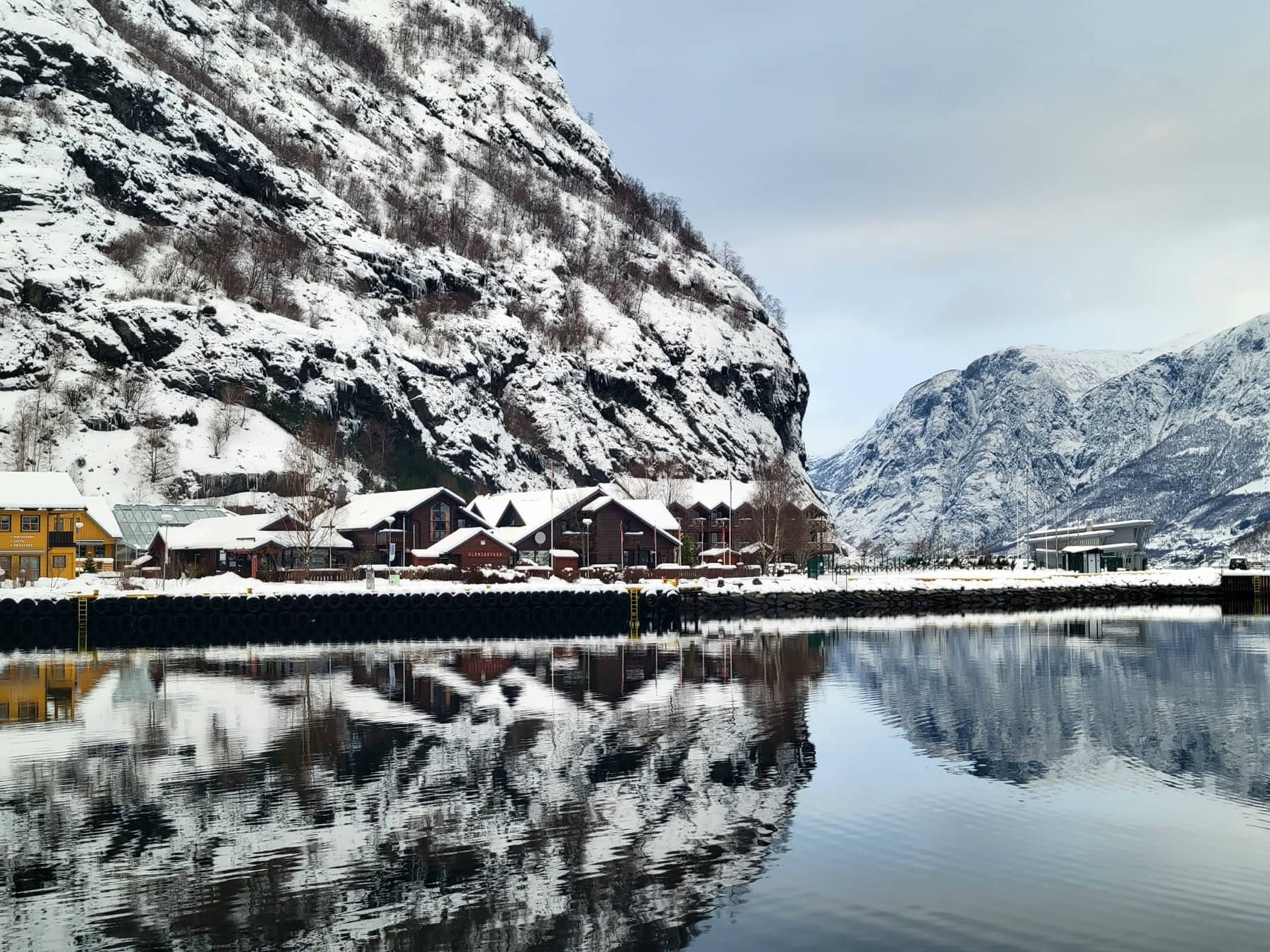
Bay of Kotor & Perast: 12 Things to See and Do

TL;DRThe Bay of Kotor and Perast pair dramatic scenery with baroque architecture, and there’s plenty to plan around. Take a boat from Perast (around €5) out to the artificial island of Gospa od Škrpjela, climb St Nicholas’s bell tower for a view for €2, check out the ancient mosaics at Risan (€5 entry), or tackle the P1’s 25 hairpin bends up Mount Lovćen for a proper adrenaline hit. There are 12 tips here in total, covering day trips, swimming spots and where to stay around Perast and Dobrota. June or mid-September are the best times to come, with sea temperatures of 22–25°C and fewer crowds. Parking in Perast runs €8–€15 a day in season, so it’s worth turning up before eight in the morning.

The Bay of Kotor in Montenegro is one of those places that absolutely disarms you in photos, yet in reality is even more majestic than you could ever imagine. Picture steep limestone peaks plunging straight into the deep blue waters of the sea, with tiny stone towns of flawless Venetian architecture nestled between them. Although this bay is fondly nicknamed the southernmost fjord in Europe, geologically it’s actually a flooded river canyon, or ria. That takes nothing away from its dramatic beauty, though, and you’ll feel like you’ve stepped onto the set of a romantic period film.

The shining pearl of the entire bay is undoubtedly Perast, a miniature Baroque town that has preserved its ancient maritime atmosphere and the charm of bygone days to this very day. In this article I’ll walk you through the bay, its little islands and the legendary Our Lady of the Rocks, so you can make the most of your holiday in Montenegro. I’ll show you where to catch the best view, how to dodge the summer crowds, and where to find that genuine local atmosphere without the tourist gloss.

Beyond the sights and day trips, we’ll also cover purely practical matters like transport and accommodation, because parking in Perast can be quite a headache in high season. Pack a comfortable pair of shoes for exploring the old donkey trails and don’t forget your swimwear, though I’ll be honest with you up front: don’t expect classic sandy beaches here. The Bay of Kotor is simply its own thing, utterly unique, and guaranteed to stay etched in your memory.

TL;DR

  • The man-made island of Our Lady of the Rocks is the area’s main draw; a boat ride from Perast costs around €5 return.
  • Parking in Perast is paid in season (around €8 to €15) and spaces vanish fast, so aim to arrive before 8 a.m.
  • The best view of the town and the bay is from the bell tower of St Nicholas’ Church, which you can climb for a symbolic €2.
  • Swimming in the Bay of Kotor happens mostly off concrete jetties and small pebbles, and the water tends to be cooler thanks to underwater springs.
  • The historic town of Risan hides unique ancient Roman mosaics that the cruise-ship crowds rarely stumble upon.
  • Adrenaline and the most spectacular panoramas await on the old serpentine P1 road that climbs from Kotor up to Lovćen.

When to visit the Bay of Kotor and Perast

If you want to experience the bay at its very best, come in June or mid-September, when the sea has warmed beautifully to 22 to 25 degrees. In these months you’ll enjoy gorgeous summer weather while still dodging the worst price spikes and the unmanageable crowds. May and October, meanwhile, I’d recommend to anyone coming mainly for photography and hiking, because pleasant temperatures without the scorching heat are absolutely ideal for climbing into the hills.

During the peak season in July and August, expect the Bay of Kotor to be bursting at the seams under the influx of passengers from giant cruise ships, which mostly dock in nearby Kotor. This is when long tailbacks form on the coastal road and accommodation prices climb to their annual highs. One intriguing exception worth a summer visit is the traditional Fašinada festival, held every year on 22 July, which offers a truly unique glimpse of local culture in action.

Perast itself is at its most magical early in the morning or in the early evening after 5 p.m., when the day-trippers have left and the town sinks into calm. A morning visit also has one huge advantage: the availability of parking near the entrances to town, because after nine you often won’t find a single free space. Out of season from November to April the parking barriers are usually open and parking is free, but plenty of businesses are closed during this time.

Where to stay in Perast and around

💡 Accommodation and experiences tip: We love searching for places to stay on Booking.com, which usually has the best cancellation terms. For tickets, tours and activities, it pays to compare and book through GetYourGuide.

Perast really is a tiny town, so the choice of quality accommodation is limited, but all the more boutique and romantic for it. The absolute top of the range is Heritage Grand Perast, a sprawling five-star hotel set in the carefully restored 18th-century Smekja Palace right on the water. If you’re after perfect romance with a view of the islands and top-class spa facilities, this historic gem is the best possible choice you can book through Booking.

Another excellent option right in the heart of town is Hotel Conte, which has racked up hundreds of glowing reviews and offers apartments scattered across historic buildings throughout Perast. This four-star hotel has its own restaurant right on the water, where you can enjoy superb pasta or vegetable salads with an unforgettable view. A touch more affordable but still beautifully stylish is Vila Perast Boutique Hotel, located close to the Orthodox church and offering excellent value for money and a great location.

If you’d rather have more peace and quiet and don’t mind a five-to-fifteen-minute drive, look for accommodation in the wider Dobrota area near Kotor. The luxurious boutique Forza Mare is gorgeous, with a private beach and an intimate atmosphere away from the busiest hustle. History buffs will surely appreciate Palazzo Radomiri Heritage Boutique Hotel, a Baroque palace with its own jetty, or the stunning stone-built Casa del Mare Pietra, known for its very personal approach to guests.

12 things to see and do in the Bay of Kotor

The Bay of Kotor offers a huge range of experiences, from exploring old palaces to demanding mountain treks. I’ve put together twelve specific tips to help you plan the perfect itinerary and discover even those spots the average cruise-ship tourist usually never reaches.

1. Perast: a car-free town and Baroque palaces

Perast was once a significant maritime power, and legend has it that even Russian Tsar Peter the Great sent his cadets here to train at the local naval academy. Crammed onto just four hundred metres of seafront promenade are 16 churches and 17 grand palaces, which make the whole place feel like a scaled-down version of famous Venice. A key advantage is that the main road doesn’t run through the centre – cars stay in the car parks at the edge, so the core keeps its wonderfully calm, pedestrian feel.

As you stroll around, you can’t miss the majestic Smekja Palace, built from white stone from the Croatian island of Korčula, or the Zmajević Palace with its rare octagonal bell tower beside a private chapel. Sadly, most of these buildings can’t be entered, but one exception is the beautiful Bujović Palace, which today houses the Perast Museum, with admission around €2 to €3. Inside you’ll find fascinating collections recalling the rich maritime history of this unassuming Montenegrin gem.

💡 Tip: When you get hungry while exploring the lanes, stop in at one of the waterfront restaurants. Although the local konobas are famous mainly for their fish specialities, vegetarians will happily tuck into excellent pizza margherita, cheesy pasta or fresh grilled vegetables with local cheeses.

2. St Nicholas’ bell tower: the best view

On Perast’s main square stands St Nicholas’ Church, which was historically never completed but boasts a magnificent 55-metre-high bell tower. While the crowds of tourists parade along the promenade below, you can climb the narrow spiral stairs all the way to the very top of this landmark for a symbolic €2. The way up is a little cramped, but the view that opens out at the top is absolutely worth the effort.

From the tower’s gallery a perfect 360-degree panorama unfolds before you, taking in the whole inner Bay of Kotor, the Verige Strait and the forested slopes of the surrounding mountains. Most importantly, you’ll get the best bird’s-eye view of both of Perast’s famous islands – something the people on the cruise-ship deck never see. The vivid blue dome of the church on Our Lady of the Rocks, set against the dark surface of the sea, looks utterly fantastic from this height.

3. Our Lady of the Rocks: a man-made island with a legend

Our Lady of the Rocks (Gospa od Škrpjela) is a genuine global rarity, because it’s the only artificially created island in the entire Adriatic Sea. According to an old legend, local sailors found an icon of the Virgin Mary on a lonely reef here on 22 July 1452, and after one of them was miraculously healed they began, out of gratitude, to throw stones onto the spot. Building the island took centuries, and over the years the locals sank not only stones but old retired ships filled with gravel.

Today’s Baroque church with its iconic blue dome hides an enormously rich interior, dominated by nearly seventy canvases by the painter Tripo Kokolja. Absolutely breathtaking is the collection of more than 2,500 silver votive plaques, which sailors brought here in thanks for being saved from storms and pirates. Entry to the church and the small adjoining museum costs around €2 to €3, and it’s usually open daily from nine in the morning until six in the evening.

💡 Tip: In the museum, don’t miss the famous embroidered icon, which one local woman, according to legend, worked on for a full 25 years while waiting for her husband to return from the sea, gradually weaving in her own greying hair as she went.

4. Boat trip to the island: tickets and prices

Getting to Our Lady of the Rocks is very easy, and from Perast it costs far less than the overpriced trips organised out of Kotor. Right by the main promenade, small taxi boats shuttle back and forth constantly, taking you there and back for an indicative price of €5 per person. The ride itself takes about five minutes, and you simply buy tickets in cash from the boatmen on the jetty, so there’s no need to bother with any complicated online bookings.

Seasoned travellers recommend not being lured into all-in packages and instead using these local ferrymen, as they’ll happily wait while you explore the whole island at your own pace. With some operators the price can creep up to around €10 at the height of summer, but it’s still a very affordable experience. Don’t forget to bring plenty of small coins, as card payment usually isn’t possible on these little boats.

5. Sveti Đorđe: the natural island of the dead

Right next to the artificial Our Lady of the Rocks lies its natural counterpart, the mysterious island of Sveti Đorđe (St George), recognisable at a glance by its tall cypress trees. On the island stands an old Benedictine monastery whose origins reach back to the early Middle Ages, along with an ancient cemetery where Perast’s nobility were buried for centuries. It’s tied to a melancholy tale of a French soldier named Anto and a local girl called Katica from the harsh days of the Napoleonic Wars.

Unlike its neighbour, Sveti Đorđe is strictly off-limits to the general public, as it’s a working monastery complex and a place of remembrance. You can therefore only admire it from the outside – from the deck of a passing boat or from the height of Perast’s bell tower. The contrast between the dark green, silent island of the dead and the bright blue island of Our Lady, lively with tourists, makes for an utterly fascinating visual and emotional experience.

6. A boat tour of the whole bay and the Blue Cave

If you want to grasp the sheer scale and beauty of the entire bay, the best way is to take a boat tour around the whole Bay of Kotor. Group trips start at around €25 to €30 per person, while a private speedboat for a smaller group can be hired from roughly €80 to €90 per boat. These cruises usually last two to three hours, and most depart conveniently from the large marina in Kotor, though you can find shorter versions in Perast too.

On a classic tour you’ll see Our Lady of the Rocks, pass the old submarine tunnels from Yugoslav times and view the island fortress of Mamula, now a luxury hotel. The highlight of the programme is usually a visit to the gorgeous Blue Cave (Plava špilja) on the Luštica peninsula, where sunbeams underwater create an incredibly luminous blue glow, and where there’s often time set aside for a short and very refreshing swim.

lukas a lucka
Lukáš and Lucie recommend
Where to Stay in the Bay of Kotor and Perast
6 accommodations — hotels, wellness hotels and other lodging options

7. Risan: the oldest settlement and Roman mosaics

Just a five-minute drive from Perast lies the unassuming town of Risan, demonstrably the oldest settlement in the entire Bay of Kotor. The famous Illyrian Queen Teuta once resided here, but the main reason to come today is the fantastically preserved floor mosaics from the ancient Roman Villa Urbana, dating to the 2nd century AD. It’s the only surviving Roman monument of its kind in all of Montenegro, and the crowds of tourists often have no idea it exists.

The greatest treasure of the whole site is a unique colourful mosaic of Hypnos, the god of sleep, one of the world’s true rarities, as only a tiny handful of similar depictions have survived. Admission to the grounds is a very pleasant €5 for adults, while children under twelve get in completely free. Bear in mind, though, that the site is usually open from around April to October, and watch out for the fact that it’s closed on Mondays and throughout January.

8. Morinj: Little Venice and cold springs

Halfway between Kotor and Herceg Novi hides the picturesque village of Morinj, famous for its dense network of karst springs, streams and historic water mills. This green, shady area is often nicknamed Mala Venecija, or Little Venice, and thanks to its tall chestnut woods it offers a perfect refuge from the summer heat. It’s an oasis of calm in the midst of an otherwise quite busy and hot tourist destination.

The local pebble beach in the Donji Morinj area is partly shaded by mature chestnut trees, but be aware that the water here is unusually cold even in the height of August, precisely because of all the underwater freshwater springs. If you come in spring or after heavier rains, you can also admire the cascading Sopot waterfall above the village, though it often dries up completely after a hot, dry summer.

💡 Tip: Morinj is home to the famous Ćatovića Mlini restaurant, set in an old olive mill. The place is renowned above all for its fish specialities, but the setting itself, with its little ponds and old architecture, is worth a short stroll even if you’re not planning to go in for a lavish lunch.

9. Gornji Stoliv: a trek to an abandoned village

While coastal Donji Stoliv with its Baroque church sits right by the water, the real adventure begins with the climb up to the old abandoned village of Gornji Stoliv, perched high in the hills above the bay. The way up takes roughly 30 to 45 minutes along an old stone donkey trail that winds through terraced gardens and ancient chestnut forest. The route is technically easy and well marked, but be prepared for a steady, steep climb the whole way.

When you reach an altitude of 260 metres, you’re greeted by the stone ruins of abandoned houses and the beautiful, still-maintained Church of St Elijah, whose origins reach back to the 14th century. Locals say it’s one of the loveliest churches in the bay, and on top of that an absolutely breathtaking panoramic view of the whole bay opens up from here. Don’t forget to bring plenty of drinking water and sturdy footwear, as the trail can get quite slippery after rain.

10. The Verige Strait: the narrowest point of the bay

As you travel around the bay you’ll surely notice the spot where it dramatically narrows and the shores draw together to just around 350 metres apart. This strait is called Verige, an old word for the massive iron chains that were once stretched from shore to shore here in times of greatest danger. Their main purpose was to seal off the rich inner bay at night and protect towns like Kotor and Perast from sudden raids by feared pirates and enemy fleets.

Historically this spot also served as a tense border between the Christian towns of the inner bay and Ottoman territory around Herceg Novi. Today it’s above all a fantastic photo spot that beautifully explains why the bay so strongly resembles a Nordic fjord – it’s right here that the body of water pinches in and then opens out wide again into another hidden cove. The best views of the strait are right from the main road connecting Kotor and Risan.

11. The P1 serpentines to Lovćen: epic views

If you’ve got nerves of steel and don’t suffer from vertigo, head up from Kotor along the old historic P1 road, which climbs the steep slopes towards Lovćen National Park. This engineering oddity overcomes a huge elevation gain in under eight kilometres and consists of 25 sharply angled, numbered hairpin bends. Driving here demands great care, as the road is narrow and you frequently have to squeeze past oncoming tour buses.

But that little dose of adrenaline at the wheel pays off a hundredfold, because the best viewpoints begin roughly above the twentieth bend, where you’ll also find official observation spots. From this bird’s-eye perspective you’ll see the whole inner Bay of Kotor laid out before you, make out both of Perast’s islands, and glimpse the glittering open Adriatic in the distance. I’d recommend coming early in the morning or in the early evening, when the light is at its loveliest and traffic on the narrow road is far more bearable.

12. Swimming in the bay: concrete jetties and pebbles

When planning a holiday in the Bay of Kotor, you need realistic expectations about swimming here. You simply won’t find the classic endless sandy beaches – the bay is lined with steep mountains, and access to the water is mostly via purpose-built concrete jetties you jump from, or narrow strips of coarser pebbles. What’s more, the water in the inner parts of the bay doesn’t circulate as much and, thanks to those underwater springs, tends to be noticeably cooler than out on the open sea.

If you want to enjoy a really lovely swim in natural surroundings, head to shady Morinj or go all the way to the very mouth of the bay, where the more open pebble beaches of Žanjice and Mirište lie. For anyone craving fine sand and long beach promenades with sun loungers, the best bet is to leave the Bay of Kotor entirely and head, for example, to the Luštica peninsula, south towards Budva, or as far as the famous Velika Plaža near Ulcinj.

Where to go next from the Bay of Kotor

The Bay of Kotor has an absolutely ideal location for exploring more of Montenegro, sitting as it does on the border between high mountains and the open Adriatic Sea. If you have a car, definitely keep climbing into the hills after the serpentine drive and discover the old mountain village of Njeguši, or pop over to see the breathtaking mausoleum in Lovćen National Park. If you’re more drawn to swimming and nightlife, head south to nearby Budva, considered the hub of summer fun.

For more detailed inspiration on what else to see in this beautiful country, be sure to check out our big article Holiday in Montenegro: 15 tips for the coast and the mountains, where you’ll find plenty of tried-and-tested practical advice for more wonderful trips. You can use the bay as a great base for day trips out to national parks, canyons and other coastal gems.

Shrnutí 🚗 Car rental on the road Verified rental cars in Montenegro

Search with the DiscoverCars comparison engine — it compares prices from dozens of local and international rental companies, and most bookings come with free cancellation.

Compare car prices in Montenegro →
DiscoverCars comparison✓ free cancellation on most bookings✓ no hidden fees

Frequently asked questions

How much does a boat to Gospa od Škrpjela cost and where to buy it?

Small taxi boats shuttling from the pier in Perast cost approximately €5 per person for a return trip, with the journey itself taking about five minutes. Tickets are purchased exclusively in cash directly from the boatmen at the pier, which is much more advantageous than paying for large online tours. Entrance to the church and museum on the island is paid separately and costs around €2 to €3.

Can you also visit the second island, Sveti Đorđe?

No, the island of Sveti Đorđe is completely closed to the general public, as it’s a functioning Benedictine monastery with an ancient and protected cemetery of Perast’s nobility. You can only admire its ancient walls and characteristic tall cypresses from the outside—from a passing boat or from above at St. Nicholas’ bell tower. Only the neighboring artificial island of Gospa od Škrpjela can be visited.

Where and how much does parking cost in Perast?

During the main summer season, the center is closed to passing cars and you park at two paid parking lots at both entrances to the town, for which you’ll pay approximately €8 per day or €15 for a full 24 hours, cash only. Outside the season these zones are usually free, but in summer I strongly recommend arriving before 8:00 AM, otherwise you almost certainly won’t find a free spot.

4. Is Boka Kotorská Really a Fjord?

Although the bay is fondly nicknamed “Europe’s southernmost fjord”, from a geological perspective it’s not a fjord at all. A classic fjord is always carved out by a massive moving glacier, whereas the Bay of Kotor is what’s called a ria—a submerged mouth of an ancient river canyon that was flooded by the rising sea. Visually, though, it really does strongly resemble a Nordic fjord thanks to the steep mountains plunging straight into the water.

5. When is the best time to visit Perast and Boka?

The best value for experiences is offered in the months of June and late September, when the sea is beautifully warm and summer weather prevails, but without extreme price peaks and tourist crowds. During July and August you need to prepare for the onslaught of cruise ships and frequent traffic jams, while May and October are absolutely ideal for photography and mountain hiking treks without the scorching heat.

6. What is Fašinada and when does it take place?

Fašinada is a beautiful traditional celebration that takes place every year on July 22nd in the evening hours, usually around half past six. Local men on festively decorated boats collectively throw stones into the sea around the island of Gospa od Škrpjela, symbolically continuing the construction of the island exactly as it has been done for centuries since 1452.

7. Is a boat tour around the entire Bay of Kotor worth it?

Definitely yes, if you want to see the bay from a completely different perspective and understand its enormous scale. Group tours start from approximately 25 to 30 € per person, last two to three hours and include Gospa, Perast, the old submarine tunnels and the popular Blue Cave. Most of these cruises conveniently depart from the large marina in nearby Kotor.

Tips and Tricks for Your Vacation

Don’t Overpay for Flights

Search for flights on Kayak. It’s our favorite search engine because it scans the websites of all airlines and always finds the cheapest connection.

Book Your Accommodation Smartly

The best experiences we’ve had when looking for accommodation (from Alaska to Morocco) are with Booking.com, where hotels, apartments, and entire houses are usually the cheapest and most widely available.

Don’t Forget Travel Insurance

Good travel insurance will protect you against illness, accidents, theft, or flight cancellations. We’ve had a few hospital visits abroad, so we know how important it is to have proper insurance arranged.

Where we insure ourselves: SafetyWing (best for everyone) and TrueTraveller (for extra-long trips).

Why don’t we recommend any Czech insurance company? Because they have too many restrictions. They set limits on the number of days abroad, travel insurance via a credit card often requires you to pay medical expenses only with that card, and they frequently limit the number of returns to the Czech Republic.

Find the Best Experiences

Get Your Guide is a huge online marketplace where you can book guided walks, trips, skip-the-line tickets, tours, and much more. We always find some extra fun there!
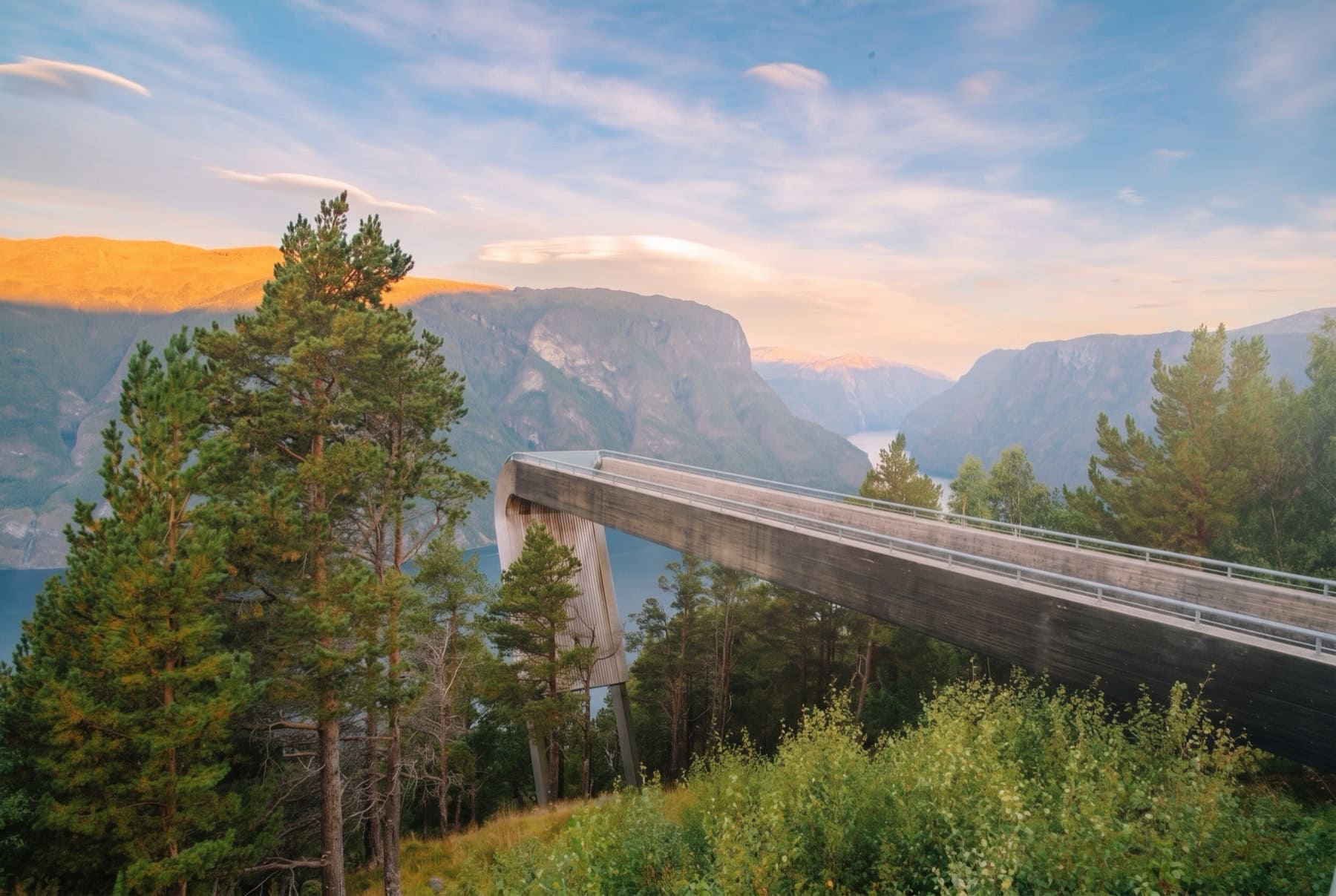
Vis Island, Croatia: 11 Tips + the Blue Cave in 2026

TL;DRVis, the remotest inhabited island in central Dalmatia, comes with 11 essential tips, including the Blue Cave on the islet of Biševo, Stiniva beach and the fishing town of Komiža. You can only reach the island by ferry or catamaran from Split (roughly 140 minutes or 80–120 minutes), and the best time to go is late May to late September, ideally June or the first half of September. In 2025, entry to the Blue Cave costs €24 per adult in high season (20 June–10 September) and €18 outside it — swimming inside isn’t allowed. For a place to stay, look at the harbour town of Vis (the Boutique Hotel San Giorgio is a good shout) or Komiža (Pomalo Inn), which is handiest for trips out to the cave.

Picture an island that was completely off-limits to foreign tourists for decades, which is exactly why it has kept its incredibly authentic and laid-back atmosphere to this day. That’s Vis island in Croatia in a nutshell — the most remote permanently inhabited island in central Dalmatia, and one that will charm you the moment you arrive. It’s no wonder filmmakers chose its romantic lanes and coves as the main backdrop for the popular musical Mamma Mia! Here We Go Again.

Unlike its busier neighbouring islands, you won’t find any giant hotel complexes here — instead there are hidden coves with crystal-clear water and sleepy stone-built towns. You can only reach the island by ferry or catamaran from Split, which naturally filters out the summer crowds and guarantees a far more relaxed holiday. On top of that, the island hides a fascinating military history at its heart, which you can explore on adventurous excursions.

In this detailed guide you’ll find exactly 11 tips for interesting places you definitely shouldn’t miss when visiting Vis. We’ll look at the practical details of visiting the famous Blue Cave in 2026, I’ll help you pick a strategic base for your stay, and recommend the most beautiful beaches. Get ready — the magic of this island is simply impossible to resist.

TL;DR

  • The most remote paradise: Vis lies roughly 45 kilometres from the mainland and you reach it by ferry from Split in just under two and a half hours.
  • Military past: The island served as a naval base and was closed to foreigners until 1989, which protected it from mass tourism.
  • Film location: The second Mamma Mia film was shot in Komiža and Vis town, with the island standing in for the fictional Greek Kalokairi.
  • Blue Cave: Located on the neighbouring islet of Biševo, it’s the biggest tourist draw — there’s an entrance fee and swimming inside isn’t allowed.
  • The most beautiful beach: Stiniva cove, with its narrow gap between the cliffs, was named Europe’s most beautiful beach in 2016.
  • UNESCO Geopark: Since 2019 the whole archipelago has held the prestigious UNESCO Global Geopark status thanks to its unique volcanic rocks.

When to visit Vis island

The best time to visit the island is from late May to late September, when you can enjoy pleasant temperatures and swimming in beautifully clear water. If you want to avoid the biggest summer crowds and extreme heat, I’d recommend going in June or the first half of September. In these shoulder months the sea is already warm enough for comfortable swimming, but the famous beaches feel much more private and accommodation prices tend to be noticeably friendlier.

The main summer season traditionally falls in July and August, when the island comes fully to life and absolutely every service, restaurant and beach bar runs without restrictions. You’ll have to bear in mind, though, that temperatures often climb well above thirty degrees and long queues of cars form for the ferries. During this busy period the state company Jadrolinija runs ferries and catamarans up to four times a day, while out of season the link to the mainland drops to around three crossings a day.

From October to April the island largely settles into a deep winter sleep and many businesses shut their doors completely until spring. If you want to visit out of season, expect very limited services and unpredictable weather that can unexpectedly disrupt the boat services. The famous sea caves, including the Blue Cave, are strictly open to visitors only from April to early November.

You can only travel to the island from mainland Split, as there’s no direct scheduled connection with neighbouring islands such as Hvar or Brač. You can choose either the classic large ferry on route 602 for cars and foot passengers, which takes around 140 minutes, or the faster catamaran on route 9602 for foot passengers only. This catamaran covers the route in an hour and twenty minutes to two hours, and a one-way ticket in 2026 costs roughly €8.23. Coming from the UK, the easiest way is to fly into Split — British Airways, easyJet and Jet2 all run direct flights from London and several regional airports during the season — then transfer to the ferry port right in the city.

Where to stay on Vis island

💡 Tip for accommodation and experiences: We like to look for places to stay on Booking.com, which usually has the best cancellation policies. For tickets, tours and activities, it pays to compare and book through GetYourGuide.

Surprisingly, you’ll find very few large accommodation options on the island — the direct legacy of long years of military isolation that lasted until 1989. Most visitors therefore naturally opt for private family apartments, romantic stone villas or a handful of smaller boutique hotels. Strategically, it makes sense to base yourself either in the main port town of Vis or in the slightly smaller fishing town of Komiža on the west coast.

Vis town is the ideal choice for anyone who wants all the conveniences within easy reach, since this is exactly where all the ferries from Split arrive. You’ll find the greatest concentration of excellent restaurants, car and scooter rentals, and a lovely long seafront promenade lined with palm trees. If you’re after a really stylish base, take a look at the Boutique Hotel San Giorgio, which offers gorgeous design rooms and a much-loved restaurant tucked away in the historic lanes just steps from the harbour.

Komiža, by contrast, offers a much more rustic and tranquil atmosphere of a typical Dalmatian fishing village, full of narrow passageways and colourful windows. The drive from the main harbour takes around twenty-five minutes, but you’ll be rewarded with picturesque corners and the absolute best starting point for boat trips to the Blue Cave. A really pleasant place to stay here is Pomalo Inn, a smaller modern guesthouse with an incredibly friendly family feel and a beautifully clean design.

Given the island’s very limited capacity, I strongly recommend booking your accommodation well in advance, ideally as early as the start of spring. You’ll always find some available apartments on the usual booking portals, but the very best ones with a sea view disappear at lightning speed. For apartments in the town centres, always carefully check whether they offer a dedicated parking space, because parking in the narrow one-way streets is often very tricky and frustrating.

11 things to see and do on Vis island

Let’s take a closer look at the 11 most interesting places and activities you definitely shouldn’t miss on the island. Ancient classical monuments, secret pebble beaches, breathtaking natural phenomena and local island cuisine you’re bound to fall in love with are all waiting for you.

1. The Blue Cave on Biševo islet

The Blue Cave, known to locals as Modra špilja, is without doubt the biggest tourist magnet in the whole of southern Dalmatia. It sits on the small neighbouring islet of Biševo, and its incredible magic comes from the sun’s rays passing through an underwater opening in the rock, turning the entire interior of the cave a vivid neon blue. This rare natural phenomenon draws hundreds of thousands of visitors from around the world every year.

Trips into the cave run only from early April to early November, with the entrance fee changing depending on the season. In the high season of 2026, which runs from 20 June to 10 September, adults pay €24 for entry, while outside this peak the price drops to €18. The best light conditions inside occur between 9 am and 1 pm, so I’d recommend setting off early in the morning to avoid the wait, which in summer can stretch from ten minutes to two hours.

Remember that swimming is strictly forbidden inside the Blue Cave, both to protect the fragile environment and because of the heavy traffic of tour boats. The visit works like this: just outside the cave you transfer into a small wooden boat, you have to duck your head as you pass through the very low entrance, and you spend around five to ten minutes inside the cave itself. Because of strong southerly winds or a high tide, the cave can sometimes be closed to the public quite unexpectedly.

💡 Tip: You can very easily arrange tickets and complete tours with the many local agencies right on the waterfront in Komiža, or browse them at your leisure on portals like GetYourGuide.

2. Vis town and the remains of ancient Issa

The main town of Vis, where all the large ferries from the mainland arrive, is a fascinating blend of old Venetian architecture and deep ancient history. The town spreads picturesquely around a deep natural bay, and its long seafront promenade is lined with tall palm trees, cafés and luxurious moored yachts. On a quiet stroll through the narrow cobbled lanes you’ll come across old stone houses that have witnessed centuries of turbulent island history.

Few ordinary visitors realise that Vis is one of the very oldest permanently inhabited towns in all of Croatia. Its tangled roots reach back to the turn of the fourth century BC, when the famous Greek ruler Dionysius the Elder of Syracuse founded a powerful colony called Issa here, which long served as a hugely important trading hub for the entire Adriatic. Just a short way from today’s main harbour you can still calmly admire the massive remains of the original Greek walls.

If you’re interested in ancient history, be sure to take a closer look at the extensive remains of the Roman baths, located right next to the busy waterfront. On site you’ll see very well-preserved building floor plans, and occasionally you can even make out small fragments of the original colourful mosaics and ancient clay amphorae. The local archaeological museum, housed in the majestic Austrian fortress of Batarija, holds an enormous collection of fascinating finds from this famous era.

💡 Tip: The town has its best and most romantic atmosphere at dusk, when the setting sun turns the historic Venetian façades golden and locals slowly start to gather in the restaurants along the harbour.

3. The iconic Stiniva beach in its narrow cove

Stiniva cove, on the rugged southern coast of the island, is a visually stunning spot that from above looks like a giant natural rock amphitheatre. The entrance to the cove from the open sea is just five metres wide, and beyond it hides a beautiful little beach of very fine white pebbles, around forty metres long. It was precisely this utterly unique topography that earned Stiniva the prestigious award for Europe’s most beautiful beach in a 2016 Brussels poll.

Reaching this hidden beach by land, however, requires a decent level of fitness and sturdy footwear. If you decide to walk, a very steep and at times dangerous trail leads down from the small hamlet of Žužec, and it takes around twenty minutes to tackle. This route is definitely not suitable for small children or anyone with limited mobility, and don’t even try it in ordinary flip-flops — you risk a nasty twisted ankle.

A more comfortable alternative is to arrive at Stiniva by boat on one of the many organised trips. Larger tour boats naturally can’t pass through the narrow rocky gap for safety reasons, so they drop you off just outside it on the open sea, and you have to swim the rest of the way to the beach itself. Because the cove is so tightly enclosed by high cliffs, direct sunlight only reaches it for part of the day.

💡 Tip: If you want to enjoy breathtaking Stiniva in relative peace, get there very early in the morning, before the first noisy tour boats arrive from the neighbouring island of Hvar and the beach fills up completely.

4. The fishing town of Komiža

Komiža is, without any exaggeration, one of the most picturesque fishing towns in all of Croatia today. It sits on the sunny west coast of the island, around twenty-five minutes’ calm drive from the main town of Vis across very hilly interior. Its overall atmosphere is much wilder and more traditional — the cobbled lanes are noticeably narrower, and the weathered façades of the tall stone houses glow in every colour under the sharp Dalmatian sun.

This town has a deeply rooted and very proud fishing tradition, which the locals lovingly keep alive to this day. The main landmark of the whole harbour is the old, mighty sixteenth-century Venetian tower known as Kaštel, which today houses a very interesting interactive Fishing Museum. Inside, for an entrance fee of around three euros, you can admire an exact wooden replica of the traditional fishing boat called a falkuša, with the whole visit taking under a pleasant hour.

As you stroll along the waterfront, you’re certain to be reminded of the cheerful scenes from the much-loved film Mamma Mia 2, which were shot right here in the winding local lanes and on the surrounding beaches. The famous wooden restaurant Jastožera, built on stilts directly above the sea, served the filmmakers as a perfect backdrop for the film’s Greek taverna. A local island speciality you’ll be offered everywhere is the traditional strong rakija flavoured with carob.

💡 Tip: Komiža faces straight west, which naturally makes it the absolute best spot on the whole island for watching long, romantic sunsets with a glass in hand.

5. The Green Cave on Ravnik islet

While the famous Blue Cave grabs most of the tourist glory each year, the Green Cave, or locally Zelena špilja, offers a very interesting and considerably less crowded natural alternative. You’ll find it on the small uninhabited islet of Ravnik, just off the south-eastern coast of Vis. Its apt name comes from the magically emerald-green glow created by direct sunlight streaming through a large circular opening in the limestone ceiling of the cave.

A huge practical advantage of the Green Cave is that its main entrance from the sea is very spacious, so even larger tour boats can sail in easily and safely. The single biggest and most important difference compared to the Blue Cave, though, is that swimming and snorkelling are officially and entirely legally permitted inside the Green Cave. The experience of swimming freely in the glowing green water beneath the mighty rock vault is simply unforgettable.

This beautiful cave has been a strictly protected natural monument since 1967 and today forms a very important part of the local geopark. You’ll naturally experience the strongest and most beautiful green-light effect around midday on hot summer days, when the sun is at its highest. Most local boat companies from Komiža or Vis offer combined full-day trips that conveniently take in both the Blue and Green Caves in a single day at sea.

💡 Tip: Don’t forget to bring a good snorkelling mask onto the boat, because the marine life right around the cave is unexpectedly rich and beautifully colourful.

6. The military tunnels and Tito’s Cave

Vis island has an incredibly turbulent military history that was long kept secret from tourists, and which largely shaped its unspoilt appearance today. After the Second World War, the island became the main strategic naval base of the then Yugoslav People’s Army, and was completely closed to all foreign civilians until 1989 for strict security reasons. Thanks to this long isolation, you’ll still find a huge labyrinth of underground passages, abandoned bunkers and artillery shelters in the hills.

During the Second World War, more precisely in the dramatic year of 1944, the partisan leader Josip Broz Tito successfully hid from his enemies on the island. His main command headquarters were based in an inconspicuous cave high in the hills, which today bears the name Tito’s Cave and has become a very popular destination for historical excursions. It was from here that Tito conducted his secret strategic negotiations with the Allied forces and planned further military operations in the region in detail.

One utterly fascinating concrete relic of the Cold War is also the huge underground shelter for military submarines in Parja bay, which is over a hundred and ten metres long, with an entrance leading straight in from the open sea. The best way to safely explore all these scattered military sites is to book a so-called military tour in an open off-road jeep. A private tour of around three to five hours through atomic shelters and old radar stations costs roughly €320 for the whole vehicle.

💡 Tip: It’s best never to venture into the abandoned old military tunnels on your own without an experienced guide — many of the underground passages are completely unlit and there’s a real risk of injury.

lukas a lucka
Lukáš and Lucie recommend
Where to stay on Vis Island
3 accommodations — hotels and other lodging options

7. Tasting the local Vugava wine

The island’s winemaking tradition is remarkably deep-rooted and demonstrably more than two thousand years old, which naturally makes Vis a paradise for all lovers of good, quality wine. The ancient Greeks already knew very well that the island’s specific microclimate and stony soil offered absolutely ideal conditions for growing vines. The hilly interior of the island is literally dotted with lush green vineyards that picturesquely line the narrow dusty roads between the villages.

The absolute island icon and pride of the local winemakers is the white variety called Vugava, which is proudly said to date back to the days of the ancient Greek settlers. This particular wine has a very distinctive character — it’s pleasantly full-bodied, strongly aromatic, and on the palate you’ll pick up clear notes of sweet honey and wild Mediterranean herbs. If you generally prefer reds, don’t miss the local variety Plavac mali, which is very typical of the whole of southern Dalmatia.

On the island you’ll find several clearly marked wine trails that reliably lead you straight to small family wineries and traditional stone konobas. The hospitable local winemakers will gladly give you a personal tour of their cool cellars and offer you a generous guided tasting, complete with an engaging account of the area’s winemaking history. Buying a few bottles of chilled Vugava straight from the grower is, incidentally, the very best souvenir from your holiday.

💡 Tip: If you don’t have a car or don’t want to drive, you’ll also find plenty of cosy wine bars and tasting rooms right in the historic lanes of Vis town, where you can sit happily over a glass until late into the evening.

8. The sandy Stončica beach with shallow water

If you’re travelling on a summer holiday with small children, the sheltered Stončica cove will probably be the very best spot on the whole island for you. It sits on the north-eastern coast, and unlike the vast majority of other Croatian beaches it boasts genuinely fine sand both on the shore and across the entire seabed. The water here is incredibly shallow and beautifully warm even tens of metres from the shore, so children can safely play here for hours.

The whole cove is very well sheltered from the open sea and surrounded by a dense green pine forest that provides much-welcome natural shade during the hot afternoon hours. The atmosphere here is always very relaxed and friendly — locals love to play beach volleyball here or the hugely popular traditional Croatian game of picigin, which involves acrobatically batting a small ball around in the shallow water.

Right at the back of the beach there’s a very pleasant beach bar and the renowned family-run Konoba Stončica, where you can grab a quick lunch or a refreshing chilled drink without having to leave the beach for long. You can comfortably reach it by car, with only a very short and physically undemanding walk along a forest path from the car park to the turquoise sea.

💡 Tip: Bear in mind that in peak summer season Stončica is a very popular stop for families and smaller tour boats, so it’s definitely worth arriving in the morning to grab a good spot in the shade.

9. The pebble beach of Srebrna beneath the pines

Srebrna beach, which literally translates as Silver Beach, has long been one of the absolute most popular swimming spots on the entire south-eastern coast of the island. It earned its poetic name from the typical large white pebbles and flat stones that shimmer beautifully silver at night under the clear moonlight. The beach itself is naturally split into two distinct parts — one made up of classic round pebbles and the other of huge flat stones that are perfect to lie on.

This picturesque cove is closely surrounded by a dense, mature pine forest that grows almost down to the water’s edge and smells of resin. As a result, even in the very hottest summer heat you can easily find a shady, cool spot to rest, which is especially appreciated by families with children and older travellers who don’t seek out direct sun. The sea here is mostly very calm, incredibly crystal-clear, and the entry into the water is gentle and safe enough.

No surfaced road leads all the way down to the water, so you have to leave your car at the free gravel car park in the nearby hamlet of Rukavac, followed by about a ten-minute, very comfortable walk through the fragrant pine grove. On site you’ll find no noisy beach clubs or annoying loud music, which contributes enormously to the very peaceful and deeply relaxing atmosphere of this magical place.

💡 Tip: In the immediate rocky surroundings of Srebrna beach there are several other very small, hidden rocky coves where, with a bit of luck and effort, you can find complete privacy even in the middle of August.

10. The beaches of Milna and Grandovac

Besides the famous and well-visited Stončica, the south-eastern coast also has another very beautiful and quiet sandy beach — the cove of Milna. Like Stončica, Milna is known for its surprisingly fine sand on the seabed and very shallow entry into the water, which makes it an absolutely ideal and safe water playground for the very youngest children who can’t swim yet. A short way from the beach there’s a small, peaceful hamlet where you can rent an apartment with a view straight out to the open sea.

If, on the other hand, you’re staying right in the main port town of Vis and don’t fancy travelling far in the heat, simply head to the eastern edge of the harbour to the lovely Grandovac beach. This clean white-pebble beach, around sixty metres long, sits in a gently indented cove just behind the town. It’s densely lined with mature tamarisks and pines that create a wonderfully pleasant, shady setting for a whole day of lounging with a good book.

Grandovac is very easy and quick to reach on foot from the town centre — just set off at a comfortable pace along the seafront promenade towards the small Prirovo peninsula. Right beside the beach there’s a small wooden beach bar where you can buy ice-cold drinks, coffee and light snacks, so you don’t have to lug heavy cool boxes of food down to the water.

💡 Tip: From the pebbly Grandovac beach you can watch all the giant ferries arriving and departing from Split at a safe distance — a surprisingly soothing and very photogenic summer sight.

11. The UNESCO Geopark and local cuisine

Vis island is certainly not just about swimming and sunbathing, but also about a truly unique natural geology, thanks to which the whole archipelago gained the very prestigious UNESCO Global Geopark status in April 2019. It’s only the second such recognised geopark in all of Croatia, after the inland Papuk. This protected area boasts rare volcanic rocks over two hundred and twenty million years old, which are demonstrably the oldest in the entire Adriatic Sea.

After all that demanding exploration of geological wonders you’re bound to work up an appetite, so you simply have to get properly acquainted with the typical island cuisine that smells of herbs and olive oil. The most famous local dish is the so-called viška pogača, a golden-baked bread pie traditionally filled with a mix of onion and often anchovies or sardines, while the variant called komiška pogača also includes bold tomatoes.

As a vegetarian you definitely won’t go hungry here, because the local Dalmatian cuisine is absolutely brilliant and inventive when it comes to working with seasonal vegetables. I warmly recommend trying the traditional vegetable peka, a hearty mix of fresh vegetables and potatoes slowly baked under a heavy cast-iron lid covered with hot embers. Simply grilled Mediterranean vegetables drizzled with quality olive oil are also excellent, as is the homemade pasta in small family konobas such as the year-round Pojoda in Vis or Konoba Bako in Komiža.

💡 Tip: If you want to happily order a traditional pogača without fish, always ask explicitly in advance at the local bakery or restaurant whether they have a version filled only with stewed onion and tomatoes.

Where to go next from Vis island

If you’re planning to explore the wider Dalmatian coast, Vis island makes a great starting point for onward travel. Your journey will probably start or end on the mainland, so be sure to read our tips on what to see in the historic city of Split, which serves as the main transfer hub for all the ferries.

Thanks to the good boat connections from the mainland, you can easily combine your trip with a visit to other islands. A very popular choice is the neighbouring island of Hvar, which offers a completely different, much busier and more upmarket atmosphere full of lavender and history. If you’re thinking about a different kind of experience, take a look at our article on what sailing in Croatia is like — it’s one of the most beautiful ways to explore the hidden coves.

Not sure how to plan your whole trip to the Adriatic? Try dipping into our big guide on where to go on holiday in Croatia, where you’ll find a comparison of the different regions. And if you haven’t yet chosen a base for your stay on the mainland or elsewhere, you’ll find practical advice and tips in our article on accommodation in Croatia.

Vis island Croatia town aerial 🚗 Car rental on the road Verified car rentals in Croatia

Search with the DiscoverCars comparison engine — it compares prices from dozens of local and international rental companies, and most bookings come with free cancellation.

Compare car prices in Croatia →
DiscoverCars comparison✓ free cancellation on most bookings✓ no hidden fees

Mamma Mia! Here We Go Again was filmed on Vis, even though the movie is set in Greece. You’ll find all the locations from both films in the article Where Mamma Mia was filmed.

Frequently asked questions

How long does the ferry ride to Vis take?

“`html
The journey by classic large ferry on route 602 of the state company Jadrolinija from Split takes approximately 140 minutes. If you’re traveling without a car and use the fast catamaran on route 9602, the journey is significantly shortened to one hour and twenty minutes to two hours depending on the specific connection.
“`

Can I swim in the Blue Grotto?

No, swimming inside the Blue Cave is strictly forbidden due to nature protection and safety reasons, as there are constantly many tour boats moving around in the narrow enclosed space. If you want to swim freely in a sea cave, it’s better to take a trip to the Green Cave on the nearby islet of Ravnik.

Is the island suitable for families with small children?

Yes, the island is overall very calm and safe without busy nightclubs. There are even several beautiful sandy beaches with very shallow entry into the sea, such as Stončica or Milna, which are absolutely ideal for the youngest children. The only disadvantage for families might be the somewhat longer ferry journey from the mainland.

How to get around the island?

The best choice is undoubtedly your own car or one rented on-site, or alternatively a small scooter, because public bus transport between the towns of Vis and Komiža only runs a few times a day, mostly according to ferry arrivals. You’ll find it very difficult to reach many of the more remote beaches and vineyards without your own means of transport.

How much does a trip to the Blue Grotto cost in 2025?

The official entrance fee to the Blue Cave during the main summer season (from June 20th to September 10th) is 24 euros for adults and 12 euros for children. Outside the main season, the price drops to 18 euros for adults. The ticket price always includes a visit to the local modern visitor center on the island of Biševo.

Can you pay by card everywhere on the island?

In larger supermarkets, better restaurants and hotels in the towns of Vis and Komiža, you can easily pay by card without any problems. However, in small remote konobas, at stalls, at the fruit market or for smaller private boat trips, it’s still completely common to require cash payment (in euros), so always have some on hand.

Where exactly was the musical Mamma Mia 2 filmed?

A popular film was shot at several stunning locations across the island. The main Greek taverna was located at the famous Jastožera restaurant in Komiža, many dance scenes were filmed in the streets of both main towns, and beach scenes were shot, for example, at the hidden picturesque cove of Barjoška.

Are there any sandy beaches on the island?

Yes, although all of Croatia is better known for its pebble beaches, on Vis you’ll surprisingly find beautiful sandy coves. The most famous of all is Stončica beach with very fine sand and shallow warm sea, another great sandy alternative is Milna bay on the southeast of the island.

Tips and Tricks for Your Vacation

Don’t Overpay for Flights

Search for flights on Kayak. It’s our favorite search engine because it scans the websites of all airlines and always finds the cheapest connection.

Book Your Accommodation Smartly

The best experiences we’ve had when looking for accommodation (from Alaska to Morocco) are with Booking.com, where hotels, apartments, and entire houses are usually the cheapest and most widely available.

Don’t Forget Travel Insurance

Good travel insurance will protect you against illness, accidents, theft, or flight cancellations. We’ve had a few hospital visits abroad, so we know how important it is to have proper insurance arranged.

Where we insure ourselves: SafetyWing (best for everyone) and TrueTraveller (for extra-long trips).

Why don’t we recommend any Czech insurance company? Because they have too many restrictions. They set limits on the number of days abroad, travel insurance via a credit card often requires you to pay medical expenses only with that card, and they frequently limit the number of returns to the Czech Republic.

Find the Best Experiences

Get Your Guide is a huge online marketplace where you can book guided walks, trips, skip-the-line tickets, tours, and much more. We always find some extra fun there!
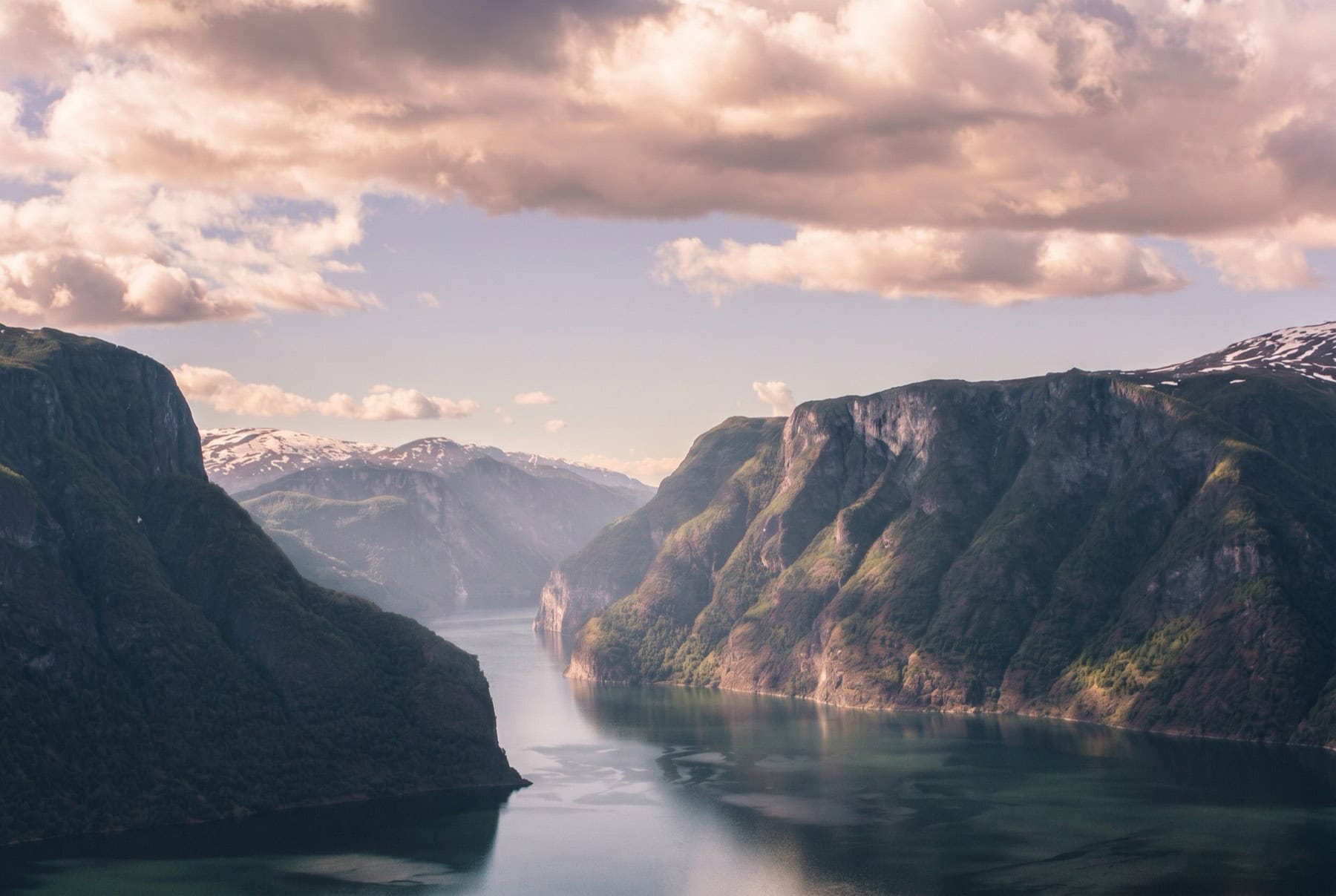
Biarritz & the French Basque Country: 13 Tips for 2026

TL;DRBiarritz and the French Basque Country come with 13 tips for day trips, covering the beaches of Grande Plage and Côte des Basques, the Rocher de la Vierge cliff, the towns of Bayonne and Saint-Jean-de-Luz, the village of Espelette famous for its Piment d’Espelette peppers, the pilgrimage site of Lourdes, and the mountain scenery of the Cirque de Gavarnie with its 422-metre waterfall, plus the Pic du Midi de Bigorre observatory at 2,877 metres. September and October bring the best surf conditions and fewer crowds, while summer, with temperatures around 25 to 28°C, suits beginners and families better. A double room in Biarritz in high season starts at €150–€200 a night. It’s worth splitting your stay between the coast (Biarritz, Saint-Jean-de-Luz) and the mountains (Cauterets, Luz-Saint-Sauveur), and maybe tacking on a day trip to San Sebastián, under an hour’s drive away.

The southwestern tip of France is a unique world that pulls you straight into its raw atmosphere. In Biarritz, France you can catch waves on the wild Atlantic coast in the morning and spend the afternoon admiring traditional Basque architecture or huge waterfalls high up in the mountains. Get ready for a holiday where the rugged beauty of the cliffs and proud local culture replace the polished glamour of the Riviera.

In this article you’ll find exactly 13 tips for trips, things to see and do in Biarritz and its wider surroundings. That way you’ll squeeze the absolute maximum of unforgettable experiences out of this one-of-a-kind corner of France. I’ll also help you choose strategic accommodation and reveal how to prepare for the unpredictable local weather.

TL;DR

  • The surfing capital of Europe: Biarritz offers the iconic Grande Plage and Côte des Basques beaches, where you’ll find the best conditions for beginners and advanced surfers alike.
  • Basque culture and gastronomy: Towns like Bayonne and Saint-Jean-de-Luz will charm you with their traditional houses, colourful shutters, superb chocolate and the culture of sharing small dishes called pintxos.
  • The village of spicy peppers: Inland Espelette is famous for its white façades, which in autumn are literally covered in drying red Piment d’Espelette peppers.
  • The dramatic Pyrenees: Just two hours’ drive from the coast you’ll find the glacial cirque of Gavarnie, home to one of the highest waterfalls in Europe, and the Pic du Midi astronomical observatory.
  • The spiritual centre of Lourdes: This world-famous pilgrimage site attracts millions of visitors, and the evening candlelight processions are a visually stunning experience for believers and non-believers alike.
  • The best time to visit: For the best surfing conditions and fewer tourists head over in autumn, while summer is ideal for complete beginners and lovers of a warm ocean.

When to visit Biarritz and the Basque Country

Choosing the right time to visit the French Basque Country is absolutely crucial, because the local weather is strongly shaped by the wild Atlantic and the nearby high mountains. The summer months from June to August bring the highest air and water temperatures, making them ideal for beach loungers and complete surfing beginners. The ocean tends to be a little calmer at this time of year and temperatures usually hover around a pleasant 25 to 28 degrees Celsius. You do need to be prepared, though, for Biarritz bursting at the seams in summer, with the main coastal A63 motorway often clogged with cars heading to Spain. Finding a free parking spot takes an enormous amount of patience, and the local police hand out hefty fines for any bad parking with zero mercy.

If you’re after the best compromise between pleasant weather and a bearable number of tourists, aim for September and October. Experienced surfers often leave the town to ordinary holidaymakers in summer and come back in autumn for a reason. According to long-term meteorological data, the autumn months offer the best conditions and a so-called clean swell. In September and October the water still holds onto its lovely warmth from summer, the crowds gradually thin out and the Atlantic starts sending the right long waves towards the shore. On top of that, autumn is the season of busy harvests and various food festivals in the picturesque Basque hinterland.

The spring months from April to May are fantastic for exploring the Pyrenean countryside as it wakes up and bursts into colour. You do have to bear in mind, however, that snow often lingers in the higher reaches of the Pyrenees until June, which can complicate some mountain hikes. Spring weather on the coast can be very changeable, so a single day can throw a heavy downpour, strong wind and sharp sunshine at you in quick succession. A winter visit to the region is really reserved for lovers of complete tranquillity and wild storms, as many restaurants and tourist services close down entirely outside the main season.

Where to stay in Biarritz and the surrounding area

💡 Tip for accommodation and experiences: We like to look for places to stay on Booking.com, which usually has the best cancellation policies. As for tickets, tours and activities, it pays to compare and book through GetYourGuide.

Finding the ideal place to stay in this region depends mainly on the type of holiday you prefer and how much time you want to spend driving around. Given the long distances and occasional traffic jams, by far the best strategy is to split your stay into two parts and set up one base camp on the coast and a second one right in the mountains. That way you’ll save yourself hours of frustrating time behind the wheel.

If your main goal is the ocean and you want to soak up a cosmopolitan vibe, Biarritz itself will be the best base for you. Staying right in the town centre means you can walk to the beaches, which is a huge advantage given the extremely expensive and complicated parking. For 2026, expect prices for a double room in a decent three-star hotel in central Biarritz to start at roughly 150 to 200 euros a night in high season. A great and slightly quieter alternative for the coastal part of your holiday is the historic little town of Saint-Jean-de-Luz, where life moves at a much slower pace and the ocean is friendlier thanks to a sheltered bay.

For the second part of your trip, focused on exploring the Pyrenees, I recommend moving to the town of Cauterets or Luz-Saint-Sauveur. These traditional mountain resorts sit in a strategic spot from which you’ll be just a short hop from the biggest natural attractions, like the glacial Gavarnie cirque or the Pic du Midi observatory. On the other hand, it’s better to avoid staying right in the town of Lourdes unless you’re specifically heading there on a pilgrimage. The hotels in Lourdes are primarily geared towards huge organised groups of pilgrims and they lack that genuinely cosy mountain atmosphere you’ll find just a few kilometres away.

13 things to see and do in Biarritz and the French Basque Country

Let’s take a look together at the most interesting things this varied region has to offer. You’ll find a perfect mix of relaxing on the beaches, sporting activities, historical landmarks and trips into pristine nature.

1. Grande Plage and the cradle of European surfing

Grande Plage is the absolute showpiece of Biarritz and the spot made famous in the 19th century by Empress Eugénie herself. This wide sandy beach lies right in the very heart of town, framed by a beautiful promenade and the iconic colourful striped tents that give the place an unmistakable retro flair reminiscent of the golden era of French aristocracy. The waves here can be truly majestic, and watching dozens of surfers battling the ocean is fascinating even from the comfort of a bench on the shore.

If you’re planning a visit in the summer months, be ready for the beach to be packed to bursting, with a touch of mild chaos in the air. Finding a patch of free sand for your towel means arriving early in the morning, otherwise you’ll have to settle for a spot far from the water. The ocean is full of swimmers, which combined with manoeuvring surfers occasionally creates a pretty chaotic, adrenaline-fuelled environment. For advanced surfers it can be a bit frustrating, but to soak up that genuine summer energy a visit to Grande Plage is an absolute must.

💡 Tip: At the northern end of the beach you’ll find a gorgeous view of the gleaming white lighthouse, while to the south the grand Hôtel du Palais and the historic casino building rise majestically. The best time for a stroll along the promenade is just before sunset, when golden light bathes the whole coastline and the crowds slowly drift off to the surrounding restaurants for an evening drink.

2. Rocher de la Vierge and the coastal promenade

While exploring the rugged coastline you definitely shouldn’t miss the Rocher de la Vierge, a huge rocky outcrop rising straight out of the wild Atlantic waves. This rock is the most photographed symbol of all of Biarritz, and on its summit stands a white statue of the Virgin Mary which, according to an old local legend, protects whalers and fishermen from the whims of the unpredictable ocean.

You reach the rock via an elegant metal bridge designed in the 19th century by none other than the famous engineer Gustave Eiffel. Walking across this bridge is an incredibly powerful experience in itself, especially when the typical strong wind is blowing and the ocean waves crash with a deafening roar into the jagged rocks all around. It often happens that a fine sea spray refreshes you out of nowhere, even though you’re standing high above the churning water.

From the viewing platform on the rock itself you’ll be treated to a breathtaking panoramic view of the entire bay, taking in both the beaches to the north and the wild cliffs to the south. On a clear day you can even see all the way to the Spanish coast and the peaks of the Pyrenees. It’s probably the best place in the whole town for capturing dramatic holiday photos.

3. Côte des Basques and the best surf schools

While the central Grande Plage is often very chaotic, the sprawling Côte des Basques beach offers a slightly more relaxed and far more sporty atmosphere. It’s hemmed in by steep green cliffs, and its standout feature is the mysterious Villa Belza, which perches on a sharp rocky promontory and looks like something straight out of a dark Gothic novel. It was right here that European surf culture was born in the 1950s, when American filmmakers brought along their first boards while shooting on location.

Thanks to the long, beautifully gentle waves, this place is an absolute paradise for beginners and lovers of graceful longboarding. On the cliffs above the beach and right on the sunny sand you’ll find a number of surf schools offering professional lessons for all skill levels. If you want to try riding the waves yourself, I recommend booking a lesson well in advance through platforms like GetYourGuide, where you can easily find instructors who speak perfect English.

You do have to be very careful of the unpredictable tide, though. At high tide the Côte des Basques beach disappears entirely beneath the ocean, with strong waves smashing directly into the stone sea wall below the cliff. At that time, entering the water is strictly forbidden and extremely dangerous for swimmers. Always check the local tide tables in advance so you don’t get an unpleasant surprise.

4. The Phare de Biarritz lighthouse and far-reaching views

On the northernmost tip of the town, atop the steep Pointe Saint-Martin cliff, rises the gleaming white Phare de Biarritz lighthouse. Built way back in 1834, it still serves to this day as an immensely important navigation point for ships passing through the treacherous Bay of Biscay. Its surroundings offer a lovely and unexpectedly peaceful park, perfect for an afternoon picnic with a romantic view of the endless ocean.

If you have enough energy and don’t suffer from vertigo, I definitely recommend climbing all 248 steps up to the narrow viewing gallery of the lighthouse. The climb is a little demanding and the spiralling stone staircase feels endless at times, but the reward at the top is absolutely worth it. Admission is around 5 euros and the view from an impressive 73 metres above sea level is utterly fantastic.

From one side you’ll see the endless straight line of sandy beaches stretching north towards the Bordeaux wine region, while from the other side you’ll get a view of the dramatically rugged Basque coast and the snow-capped peaks of the Pyrenees in the distance. It’s an absolutely ideal spot for understanding the geography of this whole fascinating and incredibly varied region.

5. Les Halles market and Basque gastronomy

The Basque Country is rightly famous around the world for its exceptional gastronomy, and the best place to explore it in Biarritz is the historic central market, Les Halles. Every morning this beautiful building is full of rich colours, intense aromas and the loud haggling of locals. It’s the real beating heart of the town, where residents come not only to buy the freshest ingredients but also to catch up on the latest neighbourhood gossip.

As you wander the market aisles you’ll definitely notice the enormous quantity of cured Jambon de Bayonne hanging at almost every stall, a product utterly typical of this region. As a perfect meat-free alternative, though, be sure to buy some of the excellent hard sheep’s cheese Ossau-Iraty, traditionally served with dark cherry jam. This brilliant sweet-and-savoury combination is utterly addictive and pairs perfectly with a glass of chilled local white wine.

In the immediate vicinity of the market you’ll come across plenty of small, lively bars serving so-called pintxos. This is the original Basque version of Spanish tapas, most often little decorated pieces of baguette skewered with a long toothpick. You’ll find an incredible number of great vegetarian options here, from a classic fluffy potato tortilla and marinated mushrooms to sweet roasted peppers stuffed with cheese.

6. Bayonne, the Basque heart and its cathedral

While Biarritz is very cosmopolitan and heavily focused on laid-back beach life, the nearby town of Bayonne is the true cultural and historical heart of the French Basque Country. It sits at the wonderfully picturesque confluence of the Nive and Adour rivers and will instantly charm you with its narrow cobbled lanes and tall half-timbered houses adorned with their typical red or deep green shutters.

The landmark dominating the whole historic centre is the majestic Gothic cathedral of Sainte-Marie, quite rightly inscribed on the UNESCO World Heritage list. Its two tall, pointed towers rise high above the surrounding buildings, and the beautiful adjoining cloister offers a perfect oasis of calm in the middle of a busy town. Entry to the cathedral is free, and its huge stained-glass windows cast gorgeous coloured light into the dim interior.

Bayonne has also been synonymous with excellent, quality chocolate for centuries. It was the Jewish refugees from Spain and Portugal who brought the precious secret of processing cocoa beans here in the 17th century. Stop by one of the traditional family chocolate shops in the arcades by the river and order a thick, incredibly bitter hot chocolate that will reliably get you back on your feet even after a very long day of sightseeing.

7. Saint-Jean-de-Luz, its harbour and calm beach

If you’re after a smaller seaside town that has managed to keep its authentic fishing soul and is nowhere near as hectic as Biarritz, definitely head to Saint-Jean-de-Luz. This wonderfully picturesque town lies in a beautiful sheltered bay, which makes it one of the few places on this coast where the ocean is genuinely calm and safe. The wide sandy beach is therefore absolutely ideal for families with children or for anyone who just wants a relaxed swim without constantly battling giant waves.

The town also has a very rich and somewhat wild maritime history. In the Middle Ages, feared Basque corsairs regularly set sail from here, boldly raiding wealthy Spanish and English ships with the official blessing of the French king. Their enormous accumulated wealth is still clearly visible today in the grand stone houses that elegantly line the harbour and the entire historic centre.

💡 Tip: The most famous event in the town’s entire history was the lavish wedding of the powerful King Louis XIV to the Spanish Infanta Maria Theresa in 1660. Be sure to make time to visit the charming church of Saint John the Baptist, where this closely watched ceremony took place. The church is utterly unique for its carved wooden galleries, which are very typical of Basque sacred architecture and which you won’t easily see anywhere else.

lukas a lucka
Lukáš and Lucie recommend
Where to Stay in Biarritz and French Basque Country
6 accommodations — hotels, wellness hotels and other lodging options
⭐ TOP CHOICE 🏨 Hotel
Accommodation in Biarritz
Recommended accommodation in the center of Biarritz with the best cancellation policies. Allows you to walk to the beaches and avoid complicated parking.
★★★★ Check prices
Check availability
🏨 Hotel
Accommodation in Saint-Jean-de-Luz
A quieter alternative for the coastal part of your vacation, where life flows at a much slower pace and the ocean is friendlier thanks to the sheltered bay.
★★★★ Check prices
Check availability
🏔️ Mountain
Accommodation in Cauterets
Traditional mountain resort in a strategic location with a cozy mountain atmosphere, just a stone’s throw from the greatest natural attractions like Gavarnie or Pic du Midi.
★★★★ Check prices
Check availability
🏔️ Mountain
Accommodation in Luz-Saint-Sauveur
Traditional mountain resort ideal for exploring the Pyrenees, close to the Gavarnie glacial cirque and the Pic du Midi observatory.
★★★★ Check prices
Check availability
⭐ Luxury
Hôtel du Palais
Magnificent historic hotel by Grande Plage beach in Biarritz, reminiscent of the golden era of French aristocracy from the 19th century.
★★★★ Check prices
Check availability
⭐ Luxury
Overnight Stay at Pic du Midi de Bigorre
Exclusive overnight stay at the astronomical observatory at an altitude of 2877 meters with the possibility of stargazing with professional astronomers. Very limited capacity, reservations required months in advance.
★★★★ Check prices
Check availability

8. Espelette, the village of red peppers

Roughly thirty minutes of leisurely driving into the rolling green hinterland will bring you to the gorgeous village of Espelette. This unassuming little place at first glance gave its name to one of the most famous French ingredients, and for traditional Basque cuisine it means exactly the same as black pepper does for the rest of the culinary world. As soon as you arrive here in late summer or autumn, you’ll immediately understand with your own eyes why this place is so special.

The façades of the traditional white Basque houses are literally covered with thousands of carefully tied garlands of drying red peppers. This striking visual contrast of vivid red and pure white is absolutely captivating and makes for some of the most beautiful and typical photographic motifs in the whole region. The Piment d’Espelette pepper even has a prestigious protected designation of origin, and its flavour isn’t extremely hot but rather has a pleasantly warming, slightly smoky aftertaste.

If you cleverly plan your trip for the end of October, you can experience the famous and very lively pepper festival firsthand. The whole village comes alive with traditional music, energetic dancing and the ever-present, enticing aroma of this beloved spice. Stop by one of the many cosy local shops and buy a jar of freshly ground pepper or excellent pepper jelly to take home, which goes absolutely brilliantly with the local hard cheeses.

9. Lourdes and the evening candlelight procession

If you have a rental car at your disposal, definitely consider a full-day trip from the coast into the nearby Pyrenees, where the famous town of Lourdes lies. This is a place that defies any ordinary tourist description and draws an incredible 4 to 6 million visitors from all over the world each year. It all began in 1858 with an alleged apparition of the Virgin Mary to a fourteen-year-old girl, Bernadette Soubirous, in the Massabielle grotto, and today it’s one of the most important and most visited pilgrimage sites in the world.

The atmosphere in the town’s streets can initially be a little shocking to the ordinary tourist, thanks to the extreme commercialism and the hundreds of neon-lit shops selling glowing figurines and plastic bottles for holy water. But once you pass through the wrought-iron gates into the sacred sanctuary itself, the mood changes radically and very quickly. A deep sense of respect and calm reigns here, you’ll see crowds of devoted volunteers caring for the sick, and the power of shared hope takes on an almost tangible form.

The most powerful and emotionally moving experience awaits you just after dark. Every evening at exactly 9 p.m. there’s a beautiful Marian candlelight procession, when thousands of people walk across the vast esplanade in front of the basilica, singing and carrying lit candles in their hands. In 2026, Lourdes also enters a new three-year jubilee cycle dedicated to Saint Luke, so an even more massive turnout is expected. If you head here in August around the Feast of the Assumption or during the major national pilgrimages, expect absolutely extreme crowds and incredibly complicated logistics.

10. Cirque de Gavarnie: a natural amphitheatre in the Pyrenees

Once you’re based at the foot of the Pyrenees, it would be a huge shame not to head deeper into these majestic mountains. If you only have time to see a single natural landmark in this wild range, let it unequivocally be the enormous glacial cirque of Gavarnie. The famous French writer Victor Hugo once described it in awe as a monumental natural colosseum, and the moment you lay eyes on it you’ll immediately understand he wasn’t exaggerating in the slightest.

Picture an absolutely enormous wall of limestone and granite that forms a perfect stone semicircle and rises to an incredible height of over 1,500 metres above the surrounding terrain. Several waterfalls cascade down from this imposing natural rampart, the largest of which, the Grande Cascade, measures an impressive 422 metres and ranks among the highest in all of Europe. This whole visually stunning area is quite rightly inscribed on the UNESCO World Heritage list.

The hike to the main waterfall itself starts in the village of the same name and is surprisingly accessible. The walk to the bottom of the mighty cirque is fairly undemanding and even an averagely fit walker can manage it in roughly an hour and a half to two hours of slow walking. With every step the breathtaking scenery opens up more and more, and when you reach right up to the falling water you’ll feel a refreshing icy spray even hundreds of metres away. The experience of nature’s monumental, untamed power is absolutely perfect here, and the most experienced mountaineers can continue along steep trails all the way to the famous Brèche de Roland pass.

11. Pic du Midi de Bigorre: a night under the stars

Not all of the Pyrenees’ fantastic summits inevitably demand a sweat-soaked shirt, heavy hiking boots and a full day’s strenuous climb. You can reach the stunning Pic du Midi de Bigorre, which rises majestically to 2,877 metres above sea level, very comfortably and unexpectedly quickly by modern cable car from the La Mongie ski resort. But it’s far from just an ordinary mountain peak with a bench and a view for weary tourists.

Since the end of the 19th century, a very significant and still active astronomical observatory has operated on this lonely summit. The exceptionally clean, thin mountain air combined with the complete absence of any disruptive light pollution make this one of the absolute best places for stargazing in all of Europe. On a clear day, from the spacious viewing terraces you can easily survey the entire mighty wall of the Pyrenees, stretching off in the distance from Spanish Catalonia all the way to the green Basque Country.

For a truly exclusive, once-in-a-lifetime experience, you can book a genuinely magical overnight stay here. Room capacity is understandably very limited and the comfortable beds tend to be hopelessly sold out several months ahead, but the chance to watch a blood-red sunset high above the clouds undisturbed, and then spend the evening in the pleasant company of professional astronomers at the big telescopes, is absolutely worth the considerable cost.

12. Cauterets and the Pont d’Espagne waterfalls

The picturesque little town of Cauterets is an absolutely classic example of elegant 19th-century Pyrenean architecture, made famous all across Europe by its healing thermal springs and the regular lengthy visits of the bored upper crust of the day. Today these beautiful historic buildings serve mainly as an excellent and very strategic base for summer trips into the national park and for winter skiing. The town itself has an unexpectedly pleasant and relaxed mountain atmosphere without any over-the-top luxury.

Straight from the centre of Cauterets, a narrow, winding mountain road leads to the breathtaking area known as Pont d’Espagne. This is a massive old stone bridge that elegantly arches over a deep, wild gorge full of rushing water and roaring cascading waterfalls. The thunder of the falling water is almost deafening at times, and the surrounding scenery looks perfectly cut from some thrilling adventure film. There’s a sufficiently large paid car park on site and a modern information centre with maps.

From the stone bridge you can eagerly set off on the very popular and fairly easy hike to the crystal-clear mountain lake Lac de Gaube. The walk through a beautiful, shady pine forest takes about an hour at a gentle pace, and at the very end you’re rewarded with an absolutely iconic view of the huge Vignemale massif, the very highest mountain of the French Pyrenees. It’s an absolutely ideal spot for a well-earned rest and a hearty snack in the soft grass right on the shore of the ice-cold lake.

13. A trip over to San Sebastián in Spain

Being on holiday so incredibly close to the Spanish border and not making the most of it for at least a short trip would be a huge travel sin. The drive from French Biarritz to Spanish San Sebastián (called Donostia in the local Basque language) takes you just under an hour along the fast motorway, and suddenly you find yourself in a slightly different but still very proud Basque world. This town is renowned throughout the culinary world for its incredible gastronomic scene and its beautiful wide city beach.

The main daytime draw is the enchanting La Concha beach, which from the air has the shape of a perfect crescent moon and is considered by many guides to be one of the most beautiful city beaches in all of Europe. The elegant promenade lining the gleaming white sand is ideal for long romantic strolls and soaking up the lively Spanish atmosphere, which is noticeably noisier and far more spirited than the French side.

In the evening you absolutely and without hesitation have to lose yourself in the narrow, dimly lit lanes of the old town (Parte Vieja), which are literally crammed with fantastic, buzzing bars serving the very best traditional pintxos. The unique local eating culture is based on having just one or at most two small bites and a glass of the local lightly sparkling white wine txakoli with friends in each bar, and then immediately moving on to the next place for more fun. You’ll find dozens of amazing vegetarian creations here with roasted artichokes, melted goat’s cheese or delicious grilled mushrooms.

Where to go next from Biarritz

If you have more time to explore France and want to combine your Basque adventure with other interesting regions, there are several great options. The most geographically logical and comfortable continuation of your journey is heading north along the Atlantic coast.

Roughly two hours by car or high-speed train from Biarritz lies the wine capital of the world. A visit to this elegant city, with its neoclassical architecture, the modern La Cité du Vin wine museum and a fantastic gastronomic scene, makes a perfect contrast to the wild nature of the Basque Country. For a complete guide and tips on what to do there, be sure to read our article on Bordeaux. That way you can easily plan a comprehensive road trip linking the very best of southwestern France.

Pobřeží Biarritzu s majákem a pláží 🚗 Car rental on the road Verified car rentals in New Aquitaine

Search with the DiscoverCars comparison engine — it compares prices from dozens of local and international rental companies, and most bookings come with free cancellation.

Compare car prices in New Aquitaine →
DiscoverCars comparison✓ free cancellation on most bookings✓ no hidden fees

Frequently asked questions

How to best get to Biarritz from the Czech Republic?

The fastest and most convenient option is to fly to nearby Bordeaux or Toulouse, which have fairly frequent direct flights (for example with Smartwings). From the airport you can easily rent a car and comfortably drive to the coast via the highway in just over two hours. While TGV high-speed trains connect Paris with Biarritz, a car is almost essential for exploring the entire region.

Do I need a car for traveling around the Basque Country and the Pyrenees?

If you’re planning to stay just in Biarritz and visit neighbouring Bayonne, you’ll manage perfectly fine with the excellent local bus service. However, once you want to explore smaller villages like Espelette, remote beaches, or head to the mountains in the Gavarnie area, renting a car is an absolute must. Distances here are quite large and public transport to the mountains is very limited outside of peak season and sometimes unreliable.

How much does a holiday in Biarritz cost approximately (2026 prices)?

Biarritz is one of those noticeably pricier French destinations. For 2026, expect that an average double room in a mid-range hotel will run you 150 to 250 euros per night. For one piece of pintxos in a bar you’ll pay around 3 to 5 euros, a main course in a restaurant will set you back 20 to 30 euros. A two-hour group surf lesson runs around 45 to 60 euros.

Is the ocean in Biarritz suitable for regular swimming?

The Atlantic here is very wild, cold and sometimes unpredictably powerful. At the main beaches like Grande Plage, there are often really big waves and strong undertows, so it’s essential to swim strictly only in marked zones under the supervision of lifeguards. For calmer and safer swimming, especially if you’re traveling with small children, I recommend heading to the sheltered bay in the nearby town of Saint-Jean-de-Luz.

Can I manage surfing even as a complete beginner?

Absolutely yes, you have nothing to worry about! Côte des Basques beach is absolutely ideal for beginners thanks to its safe sandy bottom and long, beautifully gentle waves. However, it’s absolutely essential to pay for at least a few lessons with a professional instructor from the local surf schools at the beginning. They’ll teach you the proper stance technique, safety rules, and most importantly, how to read the ocean correctly and avoid dangerous rip currents.
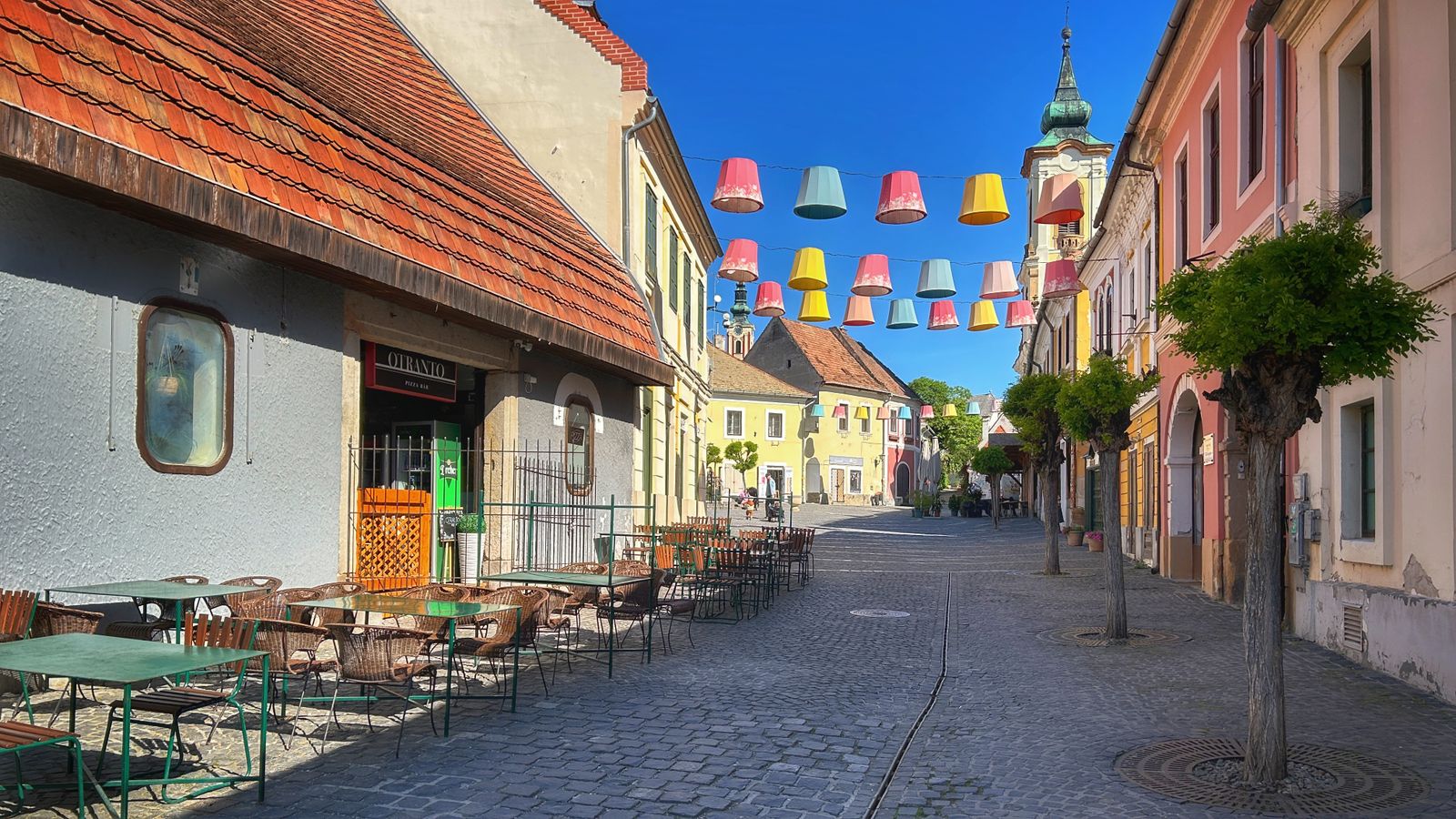
How far are the Pyrenees and Lourdes from the coast?

From Biarritz to the pilgrimage town of Lourdes, it’s approximately 150 kilometers via motorway, which will take you about an hour and a half of pure driving time, provided you don’t encounter any traffic jams. If you want to continue deeper into the mountains, for example to the Cirque de Gavarnie amphitheater, count on another hour and fifteen minutes of slow driving on winding mountain roads. A full-day trip from the coast to the mountains is therefore very much doable, but set off early in the morning.

Can I find vegetarian dishes in Basque cuisine?

Although the region is widely renowned for its cured ham and fresh seafood, vegetarians certainly won’t go hungry here. In pintxos bars you’ll always find excellent meatless options – classic potato tortilla, grilled vegetables, marinated mushrooms, or cheese croquettes. You definitely must also try the local excellent hard sheep’s cheese Ossau-Iraty, which is served as a wonderful delicacy with cherry jam.

Tips and Tricks for Your Vacation

Don’t Overpay for Flights

Search for flights on Kayak. It’s our favorite search engine because it scans the websites of all airlines and always finds the cheapest connection.

Book Your Accommodation Smartly

The best experiences we’ve had when looking for accommodation (from Alaska to Morocco) are with Booking.com, where hotels, apartments, and entire houses are usually the cheapest and most widely available.

Don’t Forget Travel Insurance

Good travel insurance will protect you against illness, accidents, theft, or flight cancellations. We’ve had a few hospital visits abroad, so we know how important it is to have proper insurance arranged.

Where we insure ourselves: SafetyWing (best for everyone) and TrueTraveller (for extra-long trips).

Why don’t we recommend any Czech insurance company? Because they have too many restrictions. They set limits on the number of days abroad, travel insurance via a credit card often requires you to pay medical expenses only with that card, and they frequently limit the number of returns to the Czech Republic.

Find the Best Experiences

Get Your Guide is a huge online marketplace where you can book guided walks, trips, skip-the-line tickets, tours, and much more. We always find some extra fun there!