Sète, France: 11 Tips for the Venice of Languedoc in 2026

TL;DRSète, nicknamed the Venice of the Languedoc for its network of canals around the Canal Royal, offers 11 ideas for exploring, from the view atop 175-metre Mont Saint-Clair to the twelve-kilometre Lido beach and the wild Espiguette shore. The best time to visit is April to June and September to October, with temperatures of 20 to 28°C, while July and August bring a scorching 35 to 40°C. A room in the regular season costs €90–€140 a night, doubling in August. Highlights include the traditional water-jousting tournaments, joutes nautiques (peaking around 25 August), the fishing quarter of Pointe Courte, the MIAM museum, and a train trip to Montpellier, under half an hour away.

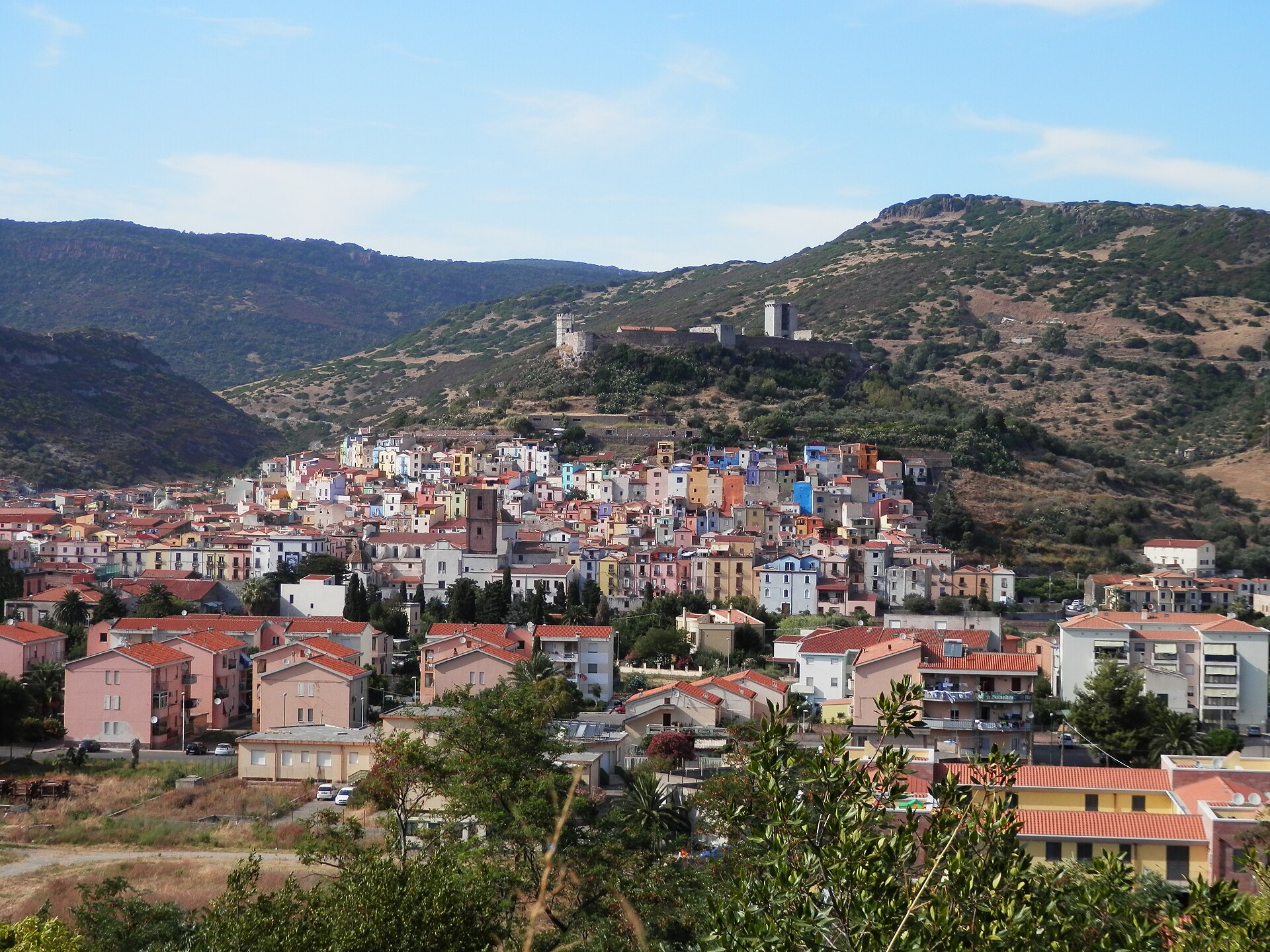
If you’re after a slice of southern France that hasn’t lost its raw, authentic face, Sète in France will completely win you over. While glamorous Provence gleams from the covers of lifestyle magazines and the French Riviera counts its superyachts, a totally different world begins just across the river Rhône. This rugged, salty port sits in the historic region of Languedoc and offers an atmosphere you simply won’t find anywhere else along the Mediterranean coast. Locals lovingly nickname it the Venice of Languedoc, because the entire centre is laced with a network of deep canals lined with colourful fishing boats and historic houses.

Get ready for a town that doesn’t try to be flawless at any cost — and grabs your heart all the more for it. Sète is a working port with an enormous soul, where instead of overpriced boutiques you’ll find buzzing markets, and instead of hushed promenades you’ll hear fishermen calling out to each other. In this article I’ll recommend the best things to do that let you get to know the town from every angle. I’ll point you towards the neighbourhoods with the finest views, where to find the most beautiful sandy beaches, and how to dodge the summer crowds that can seriously complicate any trip to the south of France.

TL;DR

  • Canals and the port: The heart of the town is its network of canals, dominated by the Canal Royal, where all the social life unfolds.
  • The view from Mont Saint-Clair: The most stunning panorama of the entire coastline and the vast lagoon awaits once you climb the town’s signature hill.
  • Water jousting tournaments: A unique summer tradition in which men aboard heavy wooden boats try to knock each other into the water with long lances.
  • Endless beaches: The long strip of sand known as the Lido offers kilometres of natural beaches free of over-the-top commercialism and concrete hotels.
  • Art in the streets: The town is famous not only for its marine cemetery but also for its modern street art and the quirky MIAM museum.
  • Day trips nearby: A brilliant strategic location makes for easy train trips to the student city of Montpellier or to Roman monuments.

When to Visit Sète

Getting the timing right is absolutely crucial for any trip to the south of France, because the local climate can be utterly uncompromising. The best time to visit is April through June, and then September through October, when daytime temperatures hover around a very pleasant 20 to 28 °C. At this time everything is in glorious bloom, the sea is warming up, and the town’s lanes keep their calm, sleepy atmosphere without the endless queues of tourists. Spring and autumn are simply ideal for long coastal walks or hikes up to the surrounding viewpoints.

If you’re considering a trip in midsummer, be prepared for fairly extreme conditions. Summer heat in Occitania and Languedoc is downright brutal, with July and August temperatures regularly hitting 35 to 40 °C and a frequent risk of wildfires in the surrounding countryside. Being outdoors at high noon in a town built of stone is physically exhausting, so it pays to plan your activities for early morning or late evening. On top of that, August is when the whole of France takes its national holidays, which means clogged roads and completely full car parks.

The one good reason to come in August is the famous water tournaments, which reach their biggest bouts in exactly this month. If you do opt for a summer date, you’ll need to book absolutely everything months in advance, because accommodation and the better restaurants fill up at lightning speed. Autumn, on the other hand, brings the fantastic atmosphere of the local grape harvest, when the whole region turns warm shades of gold and prices drop pleasantly.

Where to Stay in Sète

💡 Tip for accommodation and experiences: We love searching for accommodation on Booking.com, which usually has the best cancellation terms. Tickets, tours and activities are then worth comparing and buying through GetYourGuide.

Choosing the right location for your stay depends mainly on the kind of holiday you’re planning and whether you’ll have a car. If you want to soak up the real urban atmosphere, look for hotels right in the centre by the Canal Royal, where you’ll have all the cafés, historic bridges and markets literally a few steps from your bed. This area is ideal for those travelling by train who want to get around mostly on foot. One excellent choice is the popular Hotel Port Marine, which offers a rooftop pool and a fantastic view straight over the busy port and the boats sailing by.

For lovers of swimming and lounging on the beach, the area known as La Corniche makes far more sense. This neighbourhood sits a short way from the centre towards the sea and offers direct access to the sandy beaches, so you won’t have to commute by public transport every day. Here you’ll find quieter residential streets and great places to stay, such as Le Grand Hôtel, which preserves its old-world charm and boasts beautiful architecture. If you’re coming by car, always check in advance whether the hotel has its own parking, because finding a free spot on the street is almost impossible in season.

As for the accommodation budget, the south of France can be surprisingly friendly if you avoid the peak. In the ordinary spring or autumn season, prices for a double room run around 90 to 140 euros per night, which is very reasonable for a popular French destination. During August, and especially around the famous water tournaments, expect prices to double, with the best rooms overlooking the water sold out by early spring. All accommodation can easily be booked through Booking.com — just don’t leave it to the last minute.

11 Things to See and Do in Sète

Let’s take a detailed look at everything this fascinating port has to offer. I’ll show you how to fill your days with discovery, whether you love history, modern art or long walks across endless sand dunes.

1. Explore the Canals and Colourful Boats

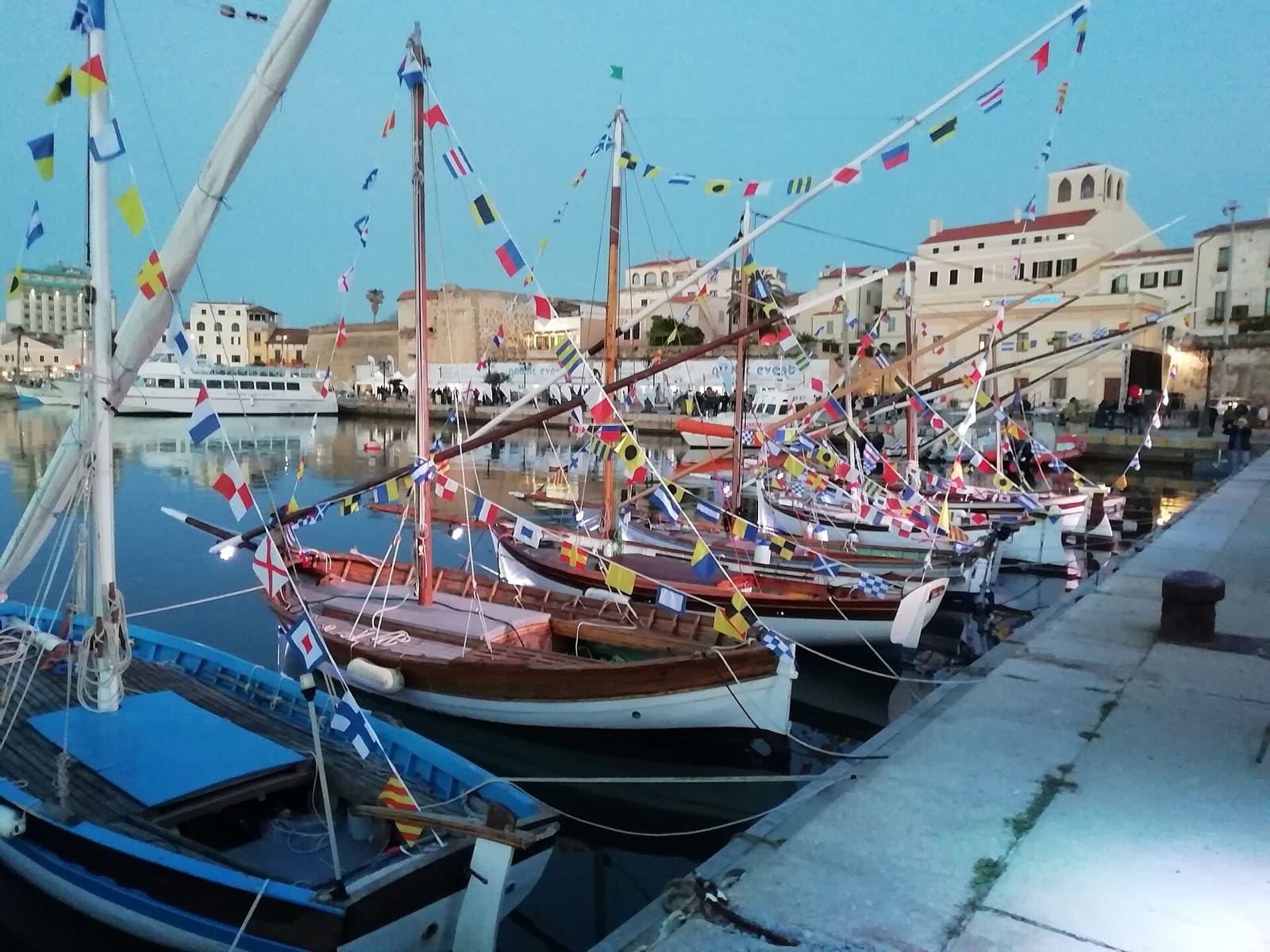
Sète wouldn’t be what it is without its tangled web of waterways, which give the town its unmistakable, slightly gritty character. The main artery of the whole town is the majestic Canal Royal, which connects the vast inland lagoon of Étang de Thau directly to the open Mediterranean. Something is always happening along its banks, and you could stroll here for hours without ever getting bored. Brightly coloured, weathered fishing boats bob on the waves right next to luxury yachts, creating a wonderful photographic contrast.

Don’t just stick to the main canal, though — head deeper into the quieter side streets. The façades of old townhouses reflected in the water are lined with small cafés and cosy outdoor terraces, perfect for sipping a morning coffee. On your walk you’re bound to come across several drawbridges, which open regularly to let larger vessels through to the open sea. It’s a fascinating bit of engineering theatre that briefly halts all town traffic and forces pedestrians and drivers alike to wait patiently.

💡 Tip: The canals are at their most magical early in the morning just after sunrise, when a light mist still hangs over the water. You can calmly watch the fishermen return from their night’s catch and unload it straight onto the bank before the town fully wakes up.

2. Climb Mont Saint-Clair for the Best View

Sète doesn’t just sit on a flat plain — it clings to the slopes of a steep limestone hill that dominates the entire surrounding area. Mont Saint-Clair rises 175 metres above sea level and is by far the best viewpoint on the whole Languedoc coast. Climbing up through the picturesque lanes takes a bit of fitness, as the paths are quite steep and the staircases seem endless, but I promise every drop of sweat is worth it. If you don’t fancy walking in the heat, you can comfortably drive right to the top by car or hop on a regular local bus.

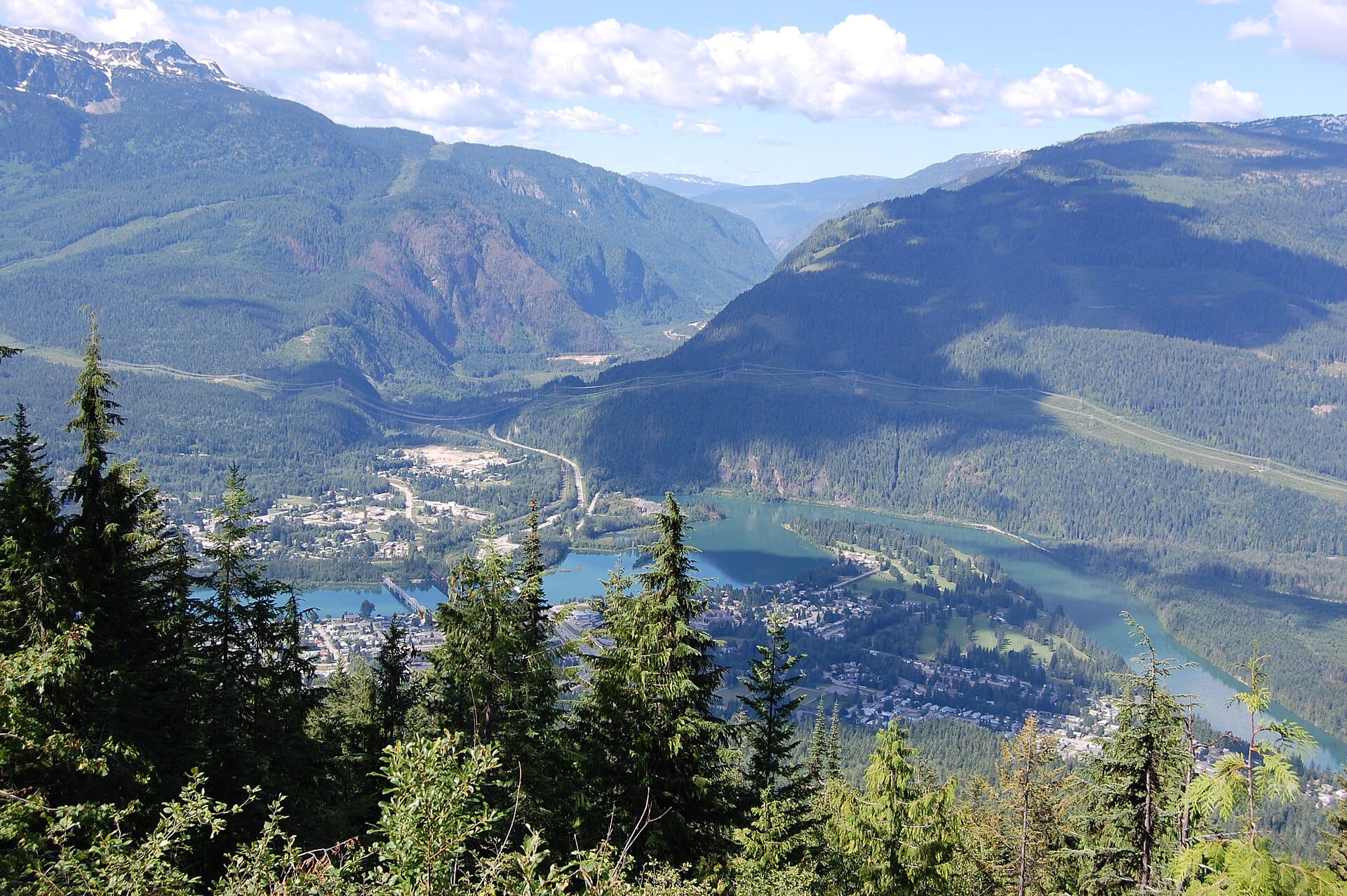
Once you reach the summit terrace, a panorama unfolds before you that will take your breath away. On one side you’ll see the endless blue of the Mediterranean, while on the other lies the vast, calm surface of the Étang de Thau lagoon, where the precise geometric shapes of giant oyster farms come into view. On a clear day you can see all the way to the peaks of the nearby Pyrenees, which form the natural border with Spain.

Right at the top of the hill you’ll also find the small but very atmospheric chapel of Notre-Dame de la Salette. Its interior walls are decorated with bizarre, touching modern frescoes left there by grateful sailors as thanks for being saved from the stormy sea.

💡 Tip: Plan your visit to the summit for the golden hour just before sunset. The colours that spill across the sky at that moment and reflect in the bodies of water below you are simply magical.

3. Experience the Adrenaline of Water Jousting Tournaments

If you visit Sète during the summer months, you mustn’t miss the traditional event that has been alive and pulsing here for an incredible three hundred years. The water jousting tournaments known as joutes nautiques are a loud, wild and utterly fascinating spectacle that resembles a rough medieval battle more than an elegant sport. They take place right on the surface of the main canal, whose banks transform into enormous natural grandstands packed with loudly cheering locals. Traditional brass bands fill the air, people sip wine, and the atmosphere crackles with testosterone and excitement.

The rules of this unique contest are simple at first glance, but all the harder to actually pull off. Two heavy wooden boats, each powered by ten strong rowers, charge towards each other at great speed. On a raised platform at the stern of each boat stands the so-called jouteur, a burly man armed with a wooden shield and an incredibly long wooden lance. The goal is to strike the approaching opponent’s shield with such precision and brute force that he’s knocked off his platform straight into the water.

💡 Tip: The biggest and toughest bouts of the whole season always take place around 25 August during the feast of Saint-Louis. If you want even a halfway decent view of the water, arrive at the canal banks a good two hours before the official start.

4. Find Peace at the Cimetière Marin Marine Cemetery

While the port and central canals pulse with noisy life, a place of utter calm and quiet contemplation hides high above them. The marine cemetery Cimetière Marin is one of the most poetic spots in all of France, and for several very good reasons. It’s built on a steep cliff directly above the waves, so from most of the tombs you have an uninterrupted view of the endless blue horizon. The sun beats down on the dazzlingly white stones, the air smells constantly of sea salt and the surrounding pines, creating an almost melancholy beauty.

This enchanting place was made famous by the great French poet and local native Paul Valéry, who devoted his famous eponymous poem to it and who is also buried here himself. A walk among the old, often very ornate tombs of sailors and wealthy town families is like leafing through a thick history book of the whole town. You’ll find carved anchors, rusted ship’s propellers and touching inscriptions telling the fates of people whose lives were inseparably bound to the restless sea.

💡 Tip: The cemetery is fairly large and in the summer months there’s almost no merciful shade. Definitely bring plenty of drinking water, sunglasses and a hat to avoid an unpleasant case of sunstroke.

lukas a lucka
Lukáš and Lucie recommend
Where to stay in Sète
3 accommodations — hotels and other lodging options

5. Relax on the Sandy Beaches of Lido and Espiguette

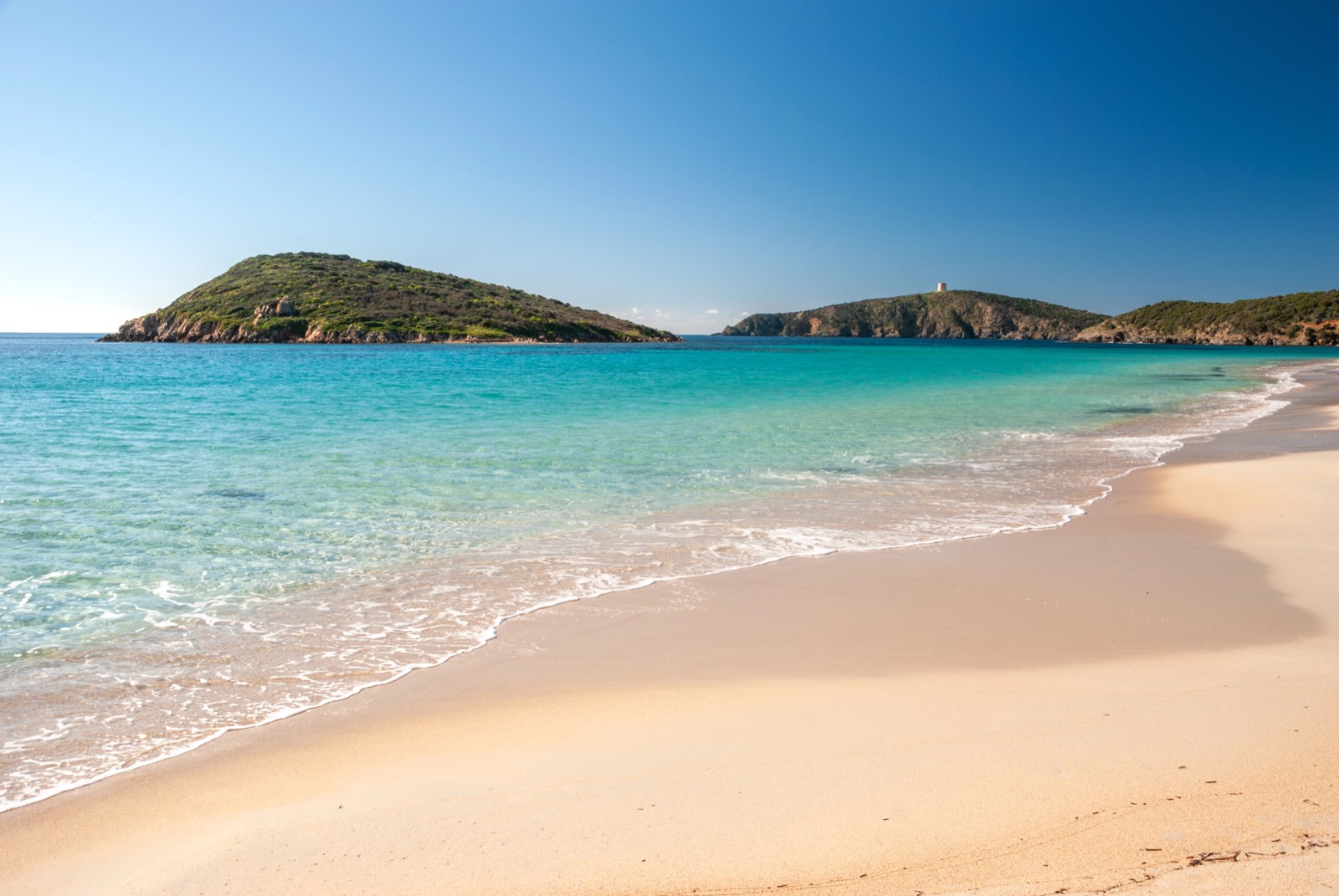
The Languedoc coast isn’t about dramatic rocky cliffs like the neighbouring Riviera — it’s about endless ribbons of fine, golden sand. Sète boasts a stunning twelve-kilometre stretch of beach known as the Lido, which acts as a natural barrier separating the Mediterranean from the inland lagoon. Unlike crowded concrete resorts such as nearby La Grande-Motte, famous for its 1970s pyramid hotels, the Lido keeps a very natural, wild character. There’s an incredible amount of space, so even at the height of summer you’ll easily find a quiet spot all to yourself.

The beaches here are beautifully clean, with a gently sloping entry into the water, and they’re often swept by a pleasant sea breeze that does a great job of softening the summer heat. If you’re after even more wilderness, you can drive a little further to Plage de l’Espiguette. This huge protected area of sand dunes feels more like a tiny seaside desert than a classic European beach. There’s hardly any tourist infrastructure here — just fine sand, tall grass and the soothing rush of the waves.

💡 Tip: To get around the Lido beaches, hiring a bike is the perfect option. A well-maintained, safe cycle path runs the length of the whole strip, completely separated from car traffic.

6. Get Lost in the Pointe Courte Fishing Quarter

If you want to see with your own eyes what Sète looked like several decades ago, you need to head to a small, almost hidden quarter on the very edge of town. Pointe Courte is a traditional, slightly ramshackle fishing settlement perched on a narrow peninsula that still lives at its own very slow pace. The place was made visually famous by the legendary French director Agnès Varda in her eponymous 1950s film, and really very little has changed here since.

You won’t find any luxury residences, cafés or boutiques here — instead, a quirky jumble of small, makeshift-looking houses knocked together from wood and corrugated iron. The narrow lanes are full of roaming cats and hanging fishing nets drying in the hot sun beside strange art installations made from driftwood and old buoys. The locals spend most of their time outside, calmly mending their boats or just chatting in front of their homes. It’s an utterly raw, authentic and incredibly photogenic place.

💡 Tip: Respect the locals’ privacy. This isn’t an artificial open-air museum for tourists but a genuinely lived-in working-class quarter, so keep a reasonable distance when taking photos and don’t poke your camera into people’s windows.

7. Discover the MIAM Museum and Street Art

Sète isn’t just about maritime history and traditional fishing — in recent years it has also become a very important and respected centre of contemporary art. An absolute one-off is the Musée International des Arts Modestes (MIAM), which loosely translates as the museum of modest art. Don’t expect any classic landscape oil paintings or dull marble sculptures here. This museum elevates everyday objects, colourful kitsch and old toys to fully fledged works of art. The exhibitions are deliberately zany, visually overloaded and often very provocative, reliably forcing you to think about what art really means.

Beyond the indoor galleries, the entire historic town serves as one giant canvas for talented street artists from all over the world. A project called MaCO (Musée à Ciel Ouvert, or open-sky museum) has turned the façades of ordinary houses, old walls and bridges into a fascinating street-art gallery. You’ll find dozens of huge murals by renowned international creators. The works are constantly changing, being painted over and added to, so even if you return after a few years, you’ll always find something fresh to discover.

💡 Tip: Pick up a free MaCO paper map at the tourist information centre — it’ll guide you to the most interesting and best-hidden murals scattered across the town.

8. Discover Local Markets and Vegetarian Treats

Southern France is an absolute paradise for lovers of good food, and Languedoc gastronomy in Sète is no exception. The town is best known for a delicacy called tielle, a round pie made from bread dough filled with octopus in a richly spiced tomato sauce. It’s a typical dish of the local fishermen, and you’ll find it in pretty much every bakery. But if you’re not a fan of seafood or meat dishes in general, there’s no need to despair — the food scene here is incredibly rich and offers plenty of great meat-free alternatives.

At the heart of all the culinary action is the huge central market hall, Les Halles, where people come not just to buy ingredients but above all to live and chat loudly. Inside, the market smells wonderfully of fresh bread, spices and ripe fruit. I recommend buying fresh crusty baguettes, amazing regional cheeses, herb-marinated olives and the renowned local tomatoes, which taste like nowhere else thanks to the southern sun. In the local bistros you can confidently order excellent vegetarian versions of the classic macaronade without meat, or rich vegetable ratatouille loaded with local aubergines and courgettes drenched in quality olive oil.

💡 Tip: If you want to experience the real, unvarnished atmosphere of Les Halles, head there ideally on a Sunday morning. It’s the main social event of the whole week, when locals gather over a glass of white wine and a plate of oysters.

9. Take a Boat Trip on the Étang de Thau Lagoon

While the wild open sea constantly washes one side of the town, the other is fringed by something far calmer and quieter. The Étang de Thau is an enormous inner lagoon whose impressive size makes it feel more like a giant inland lake. The water here is shallow, sheltered from big waves and incredibly rich in marine life. The lagoon is famous throughout France above all for its huge oyster farms, which supply the country’s best restaurants. Look out across the water and you’ll see long, precise geometric rows of wooden poles on which these shellfish are cultivated according to old, fiercely guarded traditions.

The best way to explore this unique watery landscape is to head out onto the surface itself. In the port you’ll find plenty of local companies offering interesting sightseeing cruises, and the best excursions can be booked very easily in advance through platforms like GetYourGuide. During a quiet cruise across the lagoon you’ll get up close to the farms themselves, and with a little luck you’ll spot flocks of wild pink flamingos standing in the shallows, where they regularly fly in to feed.

💡 Tip: Choose a cruise on a smaller, ideally fully electric flat-bottomed boat. Not only is it a much greener choice, but you also won’t disturb the birds with a noisy engine, so you can get much closer to the flamingos.

10. Discover the Legacy of a Chansonnier at Espace Georges Brassens

Sète has given France many important and talented figures, but one of them towers above all the rest. Georges Brassens, one of the most famous French chansonniers of all, was born here, and the town adores him to this day. Even if you don’t know all his intricate, deeply poetic and often rebellious lyrics, his catchy melodies accompanied by acoustic guitar form an inseparable soundtrack to the whole French south, and you’ll hear them drifting from many a café.

Right across from the calm lagoon stands the modern Espace Georges Brassens, which is no ordinary dull museum but rather an interactive, heartfelt tribute to his life and remarkable work. At the entrance you’re given headphones in which the artist himself guides you through the whole exhibition via carefully chosen archive recordings. You’ll trace his modest childhood in Sète, his tough beginnings in Paris, and see his famous pipes, beloved guitars and handwritten lyrics. It’s a very intimate and moving experience, even for those who’ve never heard of Brassens before.

💡 Tip: After visiting the interactive museum, take a walk to the nearby Cimetière Le Py, where Brassens is buried. Unlike the grand, white marine cemetery, this one is very plain and simple — exactly as the artist wished in his songs.

11. Take a Day Trip to Vibrant Montpellier

Although Sète has plenty of its own unmistakable charm, on a longer holiday it’s sometimes nice to change the pace and head into the buzz of a big city. Vibrant Montpellier lies just under half an hour away by comfortable train and offers a completely different, cosmopolitan energy. It’s a city with a huge student population, which in practice means it’s alive long into the night, and the historic streets are full of modern cafés, bistros and independent art scenes. Trains run from Sète very frequently and reliably, so you won’t have to worry one bit about the annoying hunt for expensive parking in the centre.

The heart of Montpellier is the enormous Place de la Comédie, confidently dominated by the classical opera house. From here you can lose yourself in the narrow medieval lanes of the old town, or instead head to the modern Antigone district. This fascinating part of the city was designed in the 1980s by the Spanish architect Ricardo Bofill in a monumental neoclassical style that strongly evokes ancient temples. And if you’re paying attention, notice the local trams too — their beautiful floral design was created by the famous fashion house Christian Lacroix.

💡 Tip: If you’re a fan of fine art, don’t miss the vast Musée Fabre in Montpellier. It’s one of the very best art galleries in the entire south of France, and its collections of European painting are absolutely stunning.

Where to Go Next from Sète

If you have more time and have already explored all the secrets of the local canals, the Occitania region offers endless possibilities for further discovery. As mentioned, an absolute must is nearby Montpellier, which will charm you with its youthful atmosphere and elegant architecture. It’s the perfect place for shopping and soaking up big-city energy.

If, on the other hand, you’re craving an even bigger dose of history and romance, head south towards the Spanish border itself. There, where the steep peaks of the Pyrenees tumble straight into the Mediterranean waves, lies Collioure. This enchanting little town, full of brightly coloured houses and narrow lanes, was beloved by famous painters and to this day keeps its fascinating Catalan identity. For more historic sights, it makes sense to head inland, where Roman engineering awaits in the shape of the giant amphitheatre in Nîmes and the majestic Pont du Gard aqueduct, or the medieval ramparts of the fairy-tale town of Carcassonne.

🚗 Car rental on the road Verified car rentals in Occitanie

Search with the DiscoverCars comparison engine — it compares prices from dozens of local and international rental companies, and most bookings come with free cancellation.

Compare car prices in Occitanie →
DiscoverCars comparison✓ free cancellation on most bookings✓ no hidden fees

Frequently Asked Questions

How long does the train journey from Paris to Sète take?

“`html
Thanks to France’s excellent rail network, you can get here surprisingly quickly. If you take the TGV high-speed trains, the journey from Paris’s Gare de Lyon station takes around 3.5 to 4 hours with no unnecessary changes.
“`

Is it possible to get around the city without a car?

Definitely yes. The historic center with canals and markets is compact and you can easily explore it on foot. For longer distances, such as to Lido beaches or to the top of Mont Saint-Clair, there’s a fairly reliable local bus network.

How much does accommodation cost roughly?

In 2026, prices for a standard double room within a reasonable distance from the center range from around 90 to 140 euros per night. However, during August and when water tournaments are taking place, prices double and everything sells out quickly.

When exactly do the water tournaments take place?

Smaller matches and training sessions take place on the canals from mid-June. The most important and most-watched tournaments, however, are always held around August 25th during the Saint-Louis festival, which is the highlight of the entire summer season.

Are the local beaches suitable for small children?

Yes, the beaches in the Lido area have a very gentle and safe entry into the sea and the sand is beautifully fine. You won’t find dangerous cliffs here, but occasionally there can be stronger winds that create waves.

What are vegetarians supposed to eat here when it’s a fishing port?

“`html
Even though the town thrives on fishing, you certainly won’t go hungry here. At the local market, you’ll find fantastic cheeses, olives and fresh bread, while restaurants commonly offer vegetable ratatouille or pasta dishes without meat.
“`

Can you normally drink tap water here?

Yes, tap water in France is very high quality and completely safe to drink. In restaurants, you can even commonly order “une carafe d’eau” for free, which is a jug of tap water that they’ll happily bring to your table.

Is Sète a safe city for tourists?

The city is generally very safe, especially during the day. However, it’s a working, functional port, so as anywhere else in Europe, watch out for pickpockets in crowded markets and in the evening hours around the train station. But if you maintain normal caution and don’t leave your belongings unattended on the beach, you certainly won’t face any major danger here.

Tips and Tricks for Your Vacation

Don’t Overpay for Flights

Search for flights on Kayak. It’s our favorite search engine because it scans the websites of all airlines and always finds the cheapest connection.

Book Your Accommodation Smartly

The best experiences we’ve had when looking for accommodation (from Alaska to Morocco) are with Booking.com, where hotels, apartments, and entire houses are usually the cheapest and most widely available.

Don’t Forget Travel Insurance

Good travel insurance will protect you against illness, accidents, theft, or flight cancellations. We’ve had a few hospital visits abroad, so we know how important it is to have proper insurance arranged.

Where we insure ourselves: SafetyWing (best for everyone) and TrueTraveller (for extra-long trips).

Why don’t we recommend any Czech insurance company? Because they have too many restrictions. They set limits on the number of days abroad, travel insurance via a credit card often requires you to pay medical expenses only with that card, and they frequently limit the number of returns to the Czech Republic.

Find the Best Experiences

Get Your Guide is a huge online marketplace where you can book guided walks, trips, skip-the-line tickets, tours, and much more. We always find some extra fun there!
Lovćen National Park, Njegoš Mausoleum & Cetinje: 11 Tips for the Heart of Montenegro

TL;DRLovćen National Park, the mausoleum of Petar II Petrović-Njegoš and the former royal capital of Cetinje make for a perfect day trip from Kotor, with 11 specific stops along the way. Entry to the national park costs 3 euros, the mausoleum itself atop Jezerski vrh (1657 m) is another 8 euros, and you’ll climb 461 steps cut into the rock to reach it. A combined ticket covering the mausoleum and Cetinje’s museums comes to around 20 euros. The route also takes you through the village of Njeguši, famous for its cheese and prosciutto, along more than 25 bends of the old P1 road, and into Cetinje past the Cetinje Monastery, the Biljarda and the palace of King Nikola I. June and September are the best months to go — even in summer, temperatures at the top of Lovćen hover around 8 to 12 degrees.

Montenegro may have a gorgeous coastline, but its true historical heart beats high up in the mountains. Lovćen National Park and the former royal capital of Cetinje make up an absolutely fascinating pair that would be a huge shame to skip when visiting this Balkan country. This is the place where you’ll finally understand why this proud nation is named the way it is, and where you’ll soak up the atmosphere of times long gone.

In this article I’ve put together the ideal full-day loop that ties the biggest highlights into one logical route. You’ll find out how much current entry tickets cost, where to park without any hassle, and what to prepare for so you get the most out of the trip without unnecessary stress. The backbone of the route runs from Kotor up the mountain switchbacks to the highest-located mausoleum in the world, and finishes in the quiet streets of the old capital.

Besides the practical info, we’ll also look at 11 specific tips for places and activities, from breathtaking viewpoints to a peaceful stroll past historic embassies. Set off with plenty of time to spare so you can give all these natural and cultural landmarks the attention they deserve and enjoy them at a calmer early-morning or late-afternoon pace.

TL;DR

  • The logical route: The best plan is to set off early in the morning from the coast along the old Austrian road, visit the mausoleum on Lovćen, and spend the afternoon in peaceful Cetinje.
  • Lovćen National Park: There’s an entry fee of €3 per adult, and the park’s crowning feature is the Jezerski vrh peak with the magnificent mausoleum of Prince-Bishop Njegoš.
  • The climb to the mausoleum: 461 steps carved into the rock lead up to the structure itself, and your reward is a view over the whole of Montenegro and, in good weather, even Italy.
  • A stop in Njeguši: This historic village is ideal for a mid-morning snack — be sure to try the local mountain cheese with honey and homemade bread.
  • Cetinje as a cultural hub: The former royal capital offers historic palaces, an important monastery with sacred relics, and the beautiful buildings of former embassies.
  • Combined ticket: If you plan to visit several museums in Cetinje as well as the mausoleum, it pays to grab a combined ticket for around €20.
  • Temperature differences: Even when it’s a scorching summer down by the sea, temperatures at the top of Lovćen hover around 8 to 12 degrees, so don’t forget to pack warmer clothing.

When to Visit Lovćen National Park and Cetinje

The best time to visit these mountain areas is, without a doubt, June and September, when the weather is stable and you’ll dodge the biggest crowds. During the peak holiday months the car parks at the main attractions tend to be full by ten in the morning. If you’re travelling in summer, it really pays to get up early and reach the mausoleum right as it opens.

The mountain weather is very particular and completely different from conditions down on the coast. While the bay can be sweltering at thirty degrees, temperatures at the summit of Lovćen sit between 8 and 12 degrees Celsius. Always bring a warmer jacket or hoodie and sturdy footwear, because the staircase up to the mausoleum can be slippery first thing in the morning.

Cloud cover plays a big role too, and it often builds up in the mountains around midday. For the very best cloud-free views, plan your visit to the summit for the morning hours or, alternatively, the late afternoon. If there’s fog or overcast skies in Kotor in the morning, check the forecast specifically for Cetinje, because in thick cloud the view from the mausoleum would be practically nonexistent.

Where to Stay in Cetinje and the Surrounding Area

💡 Tip for accommodation and experiences: We like to look for places to stay on Booking.com, which usually has the best cancellation policies. For tickets, tours and activities, it’s worth comparing and booking through GetYourGuide.

Most travellers use a base on the coast for this trip and head into the mountains just for the day. But if you’re after a more authentic experience and want to escape the summer bustle of the resorts, staying right in Cetinje is a great and significantly cheaper choice. It gives you the chance to wander the historic centre early in the morning or late in the evening, when the town is wonderfully quiet and empty.

Right in the heart of the action you’ll find Hotel Monte Rosa, which offers classic Balkan hospitality and a brilliant location a short walk from all the main museums. It’s the ideal middle-ground option for anyone who wants the landmarks within easy reach and a local restaurant for dinner in the evening. The price per night here sits at a very pleasant €35 to €60 depending on the season.

A highly rated and budget-friendly alternative is Guest House Pansion 10, which boasts excellent reviews for cleanliness and a friendly welcome. It has a shared kitchen, air conditioning and free parking, which makes it a perfect base for families and couples alike. If you prefer nature, look for mountain-cabin-style accommodation right on the edges of Lovćen National Park.

11 Tips on What to See and Do in Lovćen National Park and Cetinje

Let’s take a look at the specific stops that make up the perfect full-day trip from the coast into the mountains. I’ll show you how to piece the route together logically so you don’t miss a single highlight and can enjoy the journey to the full.

1. Lovćen National Park and Its Majestic Peaks

Lovćen National Park covers sweeping rocky plateaus and forested slopes that rise steeply right above the Bay of Kotor. According to many theories, the country’s name actually comes from the dark colouring of the dense coniferous forests here. The park is dominated by two peaks, Štirovnik and Jezerski vrh, which form an unmistakable silhouette visible for miles around.

As you enter the protected area you’ll come across a toll booth, where you pay the national park entry fee of €3 per adult, while children under seven get in free. You can pay by cash or card, and parking at the main attractions inside the park is already included with no extra charge. Stop at one of the many roadside viewpoints and drink in the sight of the deep inland valley.

💡 Tip: The park is open year-round, but in the winter months car access can be limited by snow and ice. If you don’t have your own car, you can take organised day trips from Kotor or Budva, which cost roughly €30 to €40 per person.

2. The Mausoleum of Petar II Petrović Njegoš

At the summit of Jezerski vrh, at an altitude of 1,657 metres, stands the most famous structure in the entire park and probably the country’s most iconic landmark. The magnificent mausoleum was designed by the renowned Croatian sculptor Ivan Meštrović and holds the remains of the prince-bishop, poet and philosopher Petar II Petrović Njegoš. The architecture is monumental, and inside you’ll be wowed by a huge golden mosaic alongside a statue of the ruler.

You have to reach the entrance from the car park on foot, which means a climb up 461 steps carved into a rock tunnel. The ascent takes roughly fifteen to twenty minutes and, while it isn’t extremely demanding, it rewards you with a real sense of accomplishment. At the end of the tunnel a circular terrace opens up before you, offering a 360-degree view across the entire landscape.

On a clear day you can take in almost eighty percent of Montenegro’s territory, from Lake Skadar across the coast all the way to the Albanian mountains. Entry to the mausoleum itself costs €8 for adults and €4 for students, paid separately on top of the park entry. If you also plan to visit the museums in Cetinje, consider buying a combined ticket for around €20.

3. The Famous Switchbacks from Kotor

The drive from the coast up to the mountains is a huge experience in itself, one that thrills every lover of driving and stunning views. The old road, designated P1, serves up an incredible 25 hairpin bends as it conquers the steep climb from Kotor towards the village of Njeguši. Above the thirteenth bend or so, the absolute best and most-photographed view over the entire Bay of Kotor opens up.

The road is fairly narrow and in many places lacks crash barriers, so driving it demands full attention and care. It’s recommended to tackle this route going uphill, as it’s easier to pass oncoming cars and you’ll enjoy the views down into the valley from a better perspective. You’ll find more details about this fascinating road in our article on what to see in Kotor.

4. The Village of Njeguši and Its Traditional Delicacies

Roughly halfway between Kotor and the summit of Lovćen, tucked into a mountain saddle, lies the historic little village of Njeguši. This peaceful spot is the birthplace of the entire Petrović-Njegoš royal dynasty, and one of its modest houses still serves as the birth museum of the famous prince-bishop. A stop here offers a pleasant breather after the demanding switchback drive and a chance to soak up the atmosphere of the traditional countryside.

The village is renowned across the Balkans for producing local specialities, led by the famous Njeguši prosciutto and excellent mountain cheese. Local restaurants serve celebrated smoked pork hams cured in beech smoke and mountain air, made here for centuries using methods passed down from generation to generation. If you’re after a superb meat-free option, be sure to order Njeguši cheese with honey for your mid-morning snack, along with freshly fried priganice (small doughnuts).

💡 Tip: In season, the local taverns (konobas) and small roadside stalls open from early morning. A stop of twenty to thirty minutes will give you plenty of energy for the subsequent climb up the steps to the mausoleum.

5. Ivanova Korita and Mountain Relaxation

If you’re looking for a spot to unwind in nature, head to the grassy mountain plateau of Ivanova korita, which sits at an altitude of 1,250 metres. This place acts as the park’s main family hub, with an information centre, restaurants and plenty of space for a picnic under the trees. The area’s name refers to the medieval ruler Ivan Crnojević, who once hosted his guests here.

For families with kids and active travellers, right next to the visitor centre you’ll find the brilliant Adventure Park Lovćen high-ropes course. It offers a total of ten trails of varying difficulty, from simple obstacles for five-year-olds to challenging circuits for adults. Entry runs from €8 to €18 depending on the level you choose, and all safety equipment is included in the price.

6. Cetinje as a Historic Royal Capital

Once you descend from the mountains you’ll arrive in the town of Cetinje, which from the fifteenth to the twentieth century was the capital of the Montenegrin principality and later kingdom. Today it’s an incredibly calm, gently dreamy town that stands in stark contrast to the buzzing resorts on the coast. It lacks beaches, sure, but in return it offers a staggering concentration of historic architecture from the turn of the nineteenth and twentieth centuries.

Cetinje still holds the status of cultural capital and the official seat of the president, even though all the administration has moved to modern Podgorica. A walk through the centre feels like visiting an open-air museum, where national museums, theatres and ancient palaces are packed into a small area. It’s the place where you’ll best grasp the complex history and pride of the whole nation.

lukas a lucka
Lukáš and Lucie recommend
Where to stay in Lovćen and Cetinje
3 accommodations — hotels and other lodging options

7. Cetinje Monastery and Its Precious Relics

The spiritual heart of the town, and of the whole country, is the Orthodox Cetinje Monastery, whose current form dates back to the eighteenth century. This unassuming building carries extraordinary religious significance and serves as the main seat of the Metropolitan of Montenegro. The monastery is open to the public free of charge, and a typical visit takes no more than half an hour.

The main reason pilgrims travel here from all over the world are two extraordinarily precious Christian relics kept in the monastery chapel. Here you’ll find the right hand of St John the Baptist and a fragment of wood from the True Cross, both displayed in special cases. When visiting, don’t forget the strict dress code, which requires covered shoulders and knees for men and women alike.

8. Biljarda and the Giant Relief Map

Directly opposite the monastery stands a two-storey building from 1838 called Biljarda, which originally served as the official residence of Prince-Bishop Njegoš. It got its unusual name from a billiard table the ruler had laboriously shipped all the way from Italy — porters had to carry it up on foot over the steep mountain switchbacks. Today it houses a museum dedicated to his life and work, full of personal belongings and historic weapons.

The greatest visual treat, though, awaits you in a special glass annexe in the courtyard. Hidden here is a huge relief map of Montenegro from 1916, created by Austrian cartographers during the military occupation. The model, covering roughly 180 square metres, perfectly shows just how incredibly mountainous and complex the country’s terrain is, and from a bird’s-eye view you can even trace the route of your own day trip on it.

9. The Palace of King Nikola I

Another architectural gem on the main square is the neoclassical residence of the last Montenegrin king, Nikola I Petrović-Njegoš. This ruler reigned over the country for an impressive fifty-eight years and went down in history as the so-called father-in-law of Europe, because he managed to marry off his five daughters into prominent European royal families. The palace looks fairly modest from the outside, but inside it hides richly decorated interiors.

Touring the museum, you’ll walk through well-preserved royal chambers, see the original throne room, opulent bedrooms and collections of diplomatic gifts. Entry to the palace is part of the great-value combined ticket, which for around €20 also covers Biljarda, the ethnographic museum and the mausoleum on Lovćen. It’s the ideal way to step into the golden era of the Montenegrin kingdom.

10. A Walk Past the Historic Embassies

At the height of its glory around the turn of the nineteenth and twentieth centuries, Cetinje had a mere five thousand inhabitants, yet it was home to a total of thirteen foreign diplomatic missions. As a result, the town acquired a fantastic collection of Art Nouveau and neoclassical buildings, commissioned by the various European powers. A stroll past these palaces is completely free and takes you just under an hour.

Among the most beautiful structures is, without question, the former Russian Embassy from 1903, which will captivate you with its rich Baroque stucco and gorgeous façade details. Also worth your attention is the striking French Embassy with its ceramic tiling, or the elegant seat of Austro-Hungarian diplomacy. Most of these buildings now serve as art schools, libraries or museums, and you’ll see them at their best on a morning walk along the main avenue, Novice Cerovića.

11. Lipa Cave and the Underground Train Ride

If you still have energy left after exploring the town, head about ten kilometres beyond Cetinje to the largest publicly accessible cave in the country. Lipa Cave offers a fascinating two-and-a-half-kilometre system of underground passages, full of enormous stalactites, stalagmites and impressive limestone galleries. The tour lasts roughly an hour and is always led by an English-speaking guide.

The experience begins right at the car park, where a little tourist train takes you to the entrance of the underground — guaranteed to delight families with children in particular. Entry to the cave costs around €13 to €15 per adult, and in high season it’s very sensible to book your tickets online in advance. Don’t forget to bring a warm layer, because the temperature inside stays at a chilly eight to twelve degrees year-round.

Where to Go Next from Lovćen National Park and Cetinje

A full day trip into the mountains is a wonderful change of pace from beach relaxation, but Montenegro has so much more to offer. Once you’re back on the coast, you can start planning the rest of your journey.

From Cetinje you can easily get back to the coast, where plenty more beautiful places await. Take a look at our big trip-planning guide, where you’ll find Holidays in Montenegro: 15 tips for the sea and the mountains. And if you only drove those fascinating switchbacks in a hurry, be sure to come back down to the bay and explore the historic centre itself in our article Kotor, Montenegro: 15 tips on what to see and do.

Shrnutí pro ty, kteří nemají čas číst celý článek 🚗 Car rental on the road Verified rental cars in Montenegro

Search with the DiscoverCars comparison engine — it compares prices from dozens of local and international rental companies, and most bookings come with free cancellation.

Compare car prices in Montenegro →
DiscoverCars comparison✓ free cancellation on most bookings✓ no hidden fees

Frequently Asked Questions

How much does entry to Njegoš’s Mausoleum cost in 2026?

The mausoleum itself costs 8 euros for adults and 4 euros for students, with children under seven entering free. You’ll also need to factor in a 3 euro entrance fee for the national park. If you’re planning to visit other monuments as well, a combined ticket for approximately 20 euros is worth it.

How difficult is the climb to the mausoleum?

“`html
From the parking lot below the Jezerski vrh summit, exactly 461 steps carved into a rock tunnel lead upward. The climb is not physically demanding and at a slow pace takes about fifteen to twenty minutes, just watch out for the slippery surface in wet weather.
“`

Can Lovćen and Cetinje be done in one day?

Yes, this route is absolutely ideal for a full-day trip lasting seven to eight hours. You’ll set off from Kotor in the morning, stop in the mountains at the mausoleum, and after lunch you can explore the historical museums in Cetinje, from where you can easily return to the coast in the evening.

What to see in Cetinje in a few hours?

If you have limited time, focus on Cetinje Monastery with its breathtaking relics and the historic Biljarda building with its giant relief map. You can also manage to add a short stroll along the main street past the most interesting historic embassies.

Is the mausoleum open in winter too?

Opening hours in the winter months are very variable and depend primarily on the current snow conditions and ice on the staircase. On the other hand, during the summer season from April to October, it’s reliably open every day roughly from nine to five.

What is Lipská Cave and is it worth visiting?

“`html
It is the largest accessible cave system in the country, and a fun tourist train will take you there from the parking lot. The tour lasts an hour, the temperature stays around ten degrees, and it’s perfect for cooling off during hot summer days.
“`

Can you travel to Cetinje without a car?

Traveling by public transport is more complicated; although irregular buses do run from Budva to Cetinje, getting to Lovćen National Park itself is practically impossible without a car. The solution is to rent a vehicle or use organized day trips from the coast.

Tips and Tricks for Your Vacation

Don’t Overpay for Flights

Search for flights on Kayak. It’s our favorite search engine because it scans the websites of all airlines and always finds the cheapest connection.

Book Your Accommodation Smartly

The best experiences we’ve had when looking for accommodation (from Alaska to Morocco) are with Booking.com, where hotels, apartments, and entire houses are usually the cheapest and most widely available.

Don’t Forget Travel Insurance

Good travel insurance will protect you against illness, accidents, theft, or flight cancellations. We’ve had a few hospital visits abroad, so we know how important it is to have proper insurance arranged.

Where we insure ourselves: SafetyWing (best for everyone) and TrueTraveller (for extra-long trips).

Why don’t we recommend any Czech insurance company? Because they have too many restrictions. They set limits on the number of days abroad, travel insurance via a credit card often requires you to pay medical expenses only with that card, and they frequently limit the number of returns to the Czech Republic.

Find the Best Experiences

Get Your Guide is a huge online marketplace where you can book guided walks, trips, skip-the-line tickets, tours, and much more. We always find some extra fun there!
Italian Cuisine: What to Eat Region by Region (Not Just Pizza) in 2026

TL;DRItalian food in 2025 still comes down to region, region, region — eating local and seasonal is the whole point. The north leans on butter, cream and rice (risotto alla milanese, Ligurian pesto alla genovese), while the south sticks to olive oil and tomatoes (proper pizza napoletana, fired for 60–90 seconds at 450°C). Don’t skip Parmesan or twelve-year balsamic from around Modena, Rome’s trio of cacio e pepe, carbonara and amatriciana, Tuscan pecorino, or Sicilian cannoli and arancini. Winery tastings run €15–40, with Chianti, Brunello di Montalcino, Barolo and Prosecco the crowd favourites. Expect a coperto charge of €1.50–3 per person on the bill, and if you’re driving, the drink-drive limit is 0.5 promille.

For a moment, forget everything you think you know about Italian cuisine. There’s actually no single, unified “Italian cuisine” – it’s just a convenient label for the rest of the world. The moment you cross the border, you’ll discover that Italy is gastronomically carved up into dozens of small, proud and completely distinct regions, each with its own ingredients, its own rules and its own sacred classics.

The best way to understand Italian food is to look at the fat it’s cooked in. The north is built on butter, cream, rice and polenta, while the south is the kingdom of olive oil, dried pasta and tomatoes. The golden rule: eat whatever grows and lives within fifty kilometres of your table.

In this guide we’ll take you through Italian flavours region by region – from authentic Neapolitan pizza through Ligurian pesto and Sicilian cannoli to Tuscan wines. We’ll also cover the rules of dining, how to spot real gelato, how to avoid the tourist traps and what to order if you’re vegetarian.

TL;DR

  • The main rule: Eat local and seasonal – every region has a different speciality. There’s no universal “Italian” menu.
  • North vs. south: The north runs on butter and rice (risotto, pesto, Parmesan), the south on oil and tomatoes (pizza, parmigiana).
  • Dining: The menu has courses (antipasto → primo → secondo → dolce), and the bill includes a legal coperto charge.
  • Coffee: Cappuccino is for mornings only; after a meal always order an espresso; standing at the bar is cheaper.
  • Gelato: Look for muted colours and metal tubs with lids, not neon mountains of ice cream.
  • For vegetarians: Italy is paradise – pizza, pasta al pomodoro, cacio e pepe, parmigiana, burrata, focaccia, gelato.
  • Wine: Tuscan Chianti and Brunello, Piedmont’s Barolo, Veneto’s Prosecco. ⚠️ Drink-drive limit is 0.5‰.

The rules of Italian dining

Italians take food deadly seriously, and they can spot a tourist before they’ve even opened their mouth. Before you dive into the regional specialities, it’s worth knowing a few basic rules of the game.

The structure of a meal: a marathon, not a sprint

A classic menu in a trattoria isn’t built around one giant main course but around a clear architecture. Antipasto is the starter (cheeses, bruschetta, vegetables), primo is the first course with carbs (pasta, risotto, soup), secondo is the main protein, contorno is a side ordered separately and dolce is dessert.

You don’t have to order everything – it’s perfectly normal to combine a starter and a first course, or a first and a second. ⚠️ Just never order pasta as a side dish with meat; in Italy that’s a gastronomic sin – pasta is a course in its own right.

Coperto, coffee and timing

You’ll almost always find an item called coperto (pane e coperto) on the bill – a legal cover charge for the table setting and bread, usually €1.50–3 per person. It’s not a tourist scam and it must be stated on the menu. Tipping isn’t expected; Italians don’t leave gratuities, at most they round the bill up.

And watch out with coffee: cappuccino is only drunk in the morning; after lunch or dinner order un caffè, i.e. a classic espresso. A trick to save money: an espresso drunk standing at the bar (al banco) costs a fraction of a coffee sipped at a table on the piazza (al tavolo).

Aperitivo: a ritual you’ll fall in love with

The Italian evening kicks off between six and eight with a ritual called aperitivo – something like happy hour on steroids. You order an Aperol Spritz, a Campari or a bittersweet Negroni, and you get a bowl of olives and crisps thrown in – in the better bars, even access to a small buffet of focaccia. At the other end of dinner comes the digestivo – a shot to aid digestion: in the south the lemony limoncello, in the north grappa or a herbal amaro.

How to spot real gelato

There are thousands of ice cream shops in Italy, but a large chunk of them sell an industrial pre-mix loaded with colourings. The label gelato artigianale won’t save you – the term isn’t regulated in any way. Instead, rely on these signs of quality:

  • Muted colours. Real pistachio is khaki to brown-green, not neon; banana is greyish, not bright yellow.
  • No fluffy mountains. Unnaturally piled-up peaks of ice cream that don’t melt in the heat are full of hardened fats – run.
  • Metal tubs with lids. Gelato kept under covered containers (pozzetti) holds its temperature and needs no chemicals.
  • Seasonality. Watermelon or peach gelato in December means preserved purée, not fresh fruit.

What to eat region by region

Italy’s gastronomic map is as varied as they come. Here’s a pick of the best of what to look for and where – with a note on what’s vegetarian-friendly and what’s a meaty speciality for everyone else.

Emilia-Romagna: the valley of food

If food is the main reason for your trip, Emilia-Romagna is your first stop – the country’s unofficial gastronomic capital. Here it’s worth busting a myth: spaghetti bolognese doesn’t exist in Bologna; it’s an invention of foreign restaurants. The local classic tagliatelle al ragù (egg noodles with slow-braised beef) is a meaty speciality for non-vegetarians.

But there’s treasure here for everyone else: a short hop from Bologna lies Parma, home of Parmigiano Reggiano (real Parmesan), and Modena gave the world the thick, syrupy Aceto Balsamico Tradizionale, which ages in wooden barrels for at least 12 years and is dripped drop by drop over Parmesan or strawberries.

The north on butter: risotto, pesto and tiramisu

Milan and its surroundings sit firmly in the “butter” zone. The queen here is risotto alla milanese, creamy rice turned golden with saffron (traditionally paired with the braised veal shank ossobuco – that one’s for non-vegetarians). In Liguria around Genoa, hunt down the best pesto alla genovese in the world, pounded in a mortar from basil, pine nuts, olive oil and cheese – spread on fresh focaccia it’s the perfect meat-free lunch. And in the Veneto, try tiramisu, which was born here: sponge fingers soaked in espresso, mascarpone and cocoa.

Tuscany and the centre: pecorino and bread

Tuscan cooking is rustic and prides itself on brilliant simplicity. It’s ruled by bistecca alla fiorentina, a huge steak from the Chianina breed (a meaty icon for non-vegetarians), but Tuscany is just as generous for everyone else. Sheep’s cheese pecorino, unsalted Tuscan bread, soups like ribollita and pappa al pomodoro (a bread soup with tomatoes and basil), and beans every which way – this is peasant cooking in which a vegetarian will never go hungry.

Rome: the holy trinity of pasta

Rome deserves its own guide, but there’s no skipping its food. This is where the holy trinity of pasta was born, and one of them is a vegetarian star: cacio e pepe – brilliantly minimalist pasta made from just pecorino romano sheep’s cheese, black pepper and the starchy pasta water. The other two, carbonara (egg yolks, pecorino, cured pork cheek guanciale and pepper – never any cream!) and amatriciana with tomatoes, are meaty specialities for everyone else.

Campania and the south: real pizza and parmigiana

Naples is loud, chaotic and the absolute mecca of pizza. Pizza napoletana has strict rules: the dough proves for long hours and bakes in a wood-fired oven at around 450°C for just 60–90 seconds, so the edges are tall and pillowy while the centre is thin and wet with mozzarella and San Marzano tomatoes. The best pizzerias make only two types – Margherita and Marinara – and both are vegetarian (Marinara is even vegan: just tomatoes, garlic, oregano, oil). Forget pineapple.

The south has another meat-free gem too: parmigiana di melanzane – fried slices of aubergine layered with tomato sauce, basil and mozzarella, then baked in the oven.

Puglia and Sicily: burrata, orecchiette and cannoli

In Puglia, on the “heel” of the boot, orecchiette reign supreme – little ear-shaped pasta that old ladies in the alleys of Bari still shape by hand to this day (superb with broccoli or cime di rapa). Puglia is also the home of burrata – a ball of mozzarella filled with cream that oozes across the plate the moment you cut into it.

And Sicily? It gave the world the sweet cannoli (crisp tubes filled with sweet sheep’s ricotta) and arancini – fried rice balls usually filled with meat ragù (for non-vegetarians), but often with cheese or peas too.

Italian street food

Italy isn’t all about long sit-down dinners – street food here has a rich tradition, and much of it is meat-free. In Liguria you’ll find focaccia on every corner, and in Genoa the savoury farinata (a chickpea-flour flatbread). In Rome the classics include supplì (fried rice balls with mozzarella) and crispy pizza al taglio sold by weight. In Puglia don’t miss panzerotti – fried parcels filled with tomato and mozzarella. And in Emilia-Romagna the king is piadina, a thin flatbread stuffed with squacquerone cheese and rocket. Add a cone of gelato and you’ve got the perfect lunch for a few euros.

Italian wines: from northern mists to southern sun

Italy is the world’s largest wine producer, and wine tourism here has been honed to perfection. You can pop into a local enoteca (a wine bar with tastings) or head straight to a cantina (winery) out among the vines. Tastings at wineries typically cost €15–40 and often include a tour of the cellar.

  • Tuscany: the kingdom of the Sangiovese grape – dry, ruby-red Chianti Classico (spot it by the black rooster logo) and the powerful Brunello di Montalcino, which must age for at least 5 years.
  • Piedmont: the heavyweight Barolo and the more elegant Barbaresco, both 100% Nebbiolo; for those with a sweet tooth, the lightly sparkling Moscato d’Asti.
  • The north – bubbles: the Veneto’s Prosecco and the more luxurious Franciacorta (Italy’s answer to Champagne) from Lombardy.
  • The south: full-bodied, fruity and affordable Primitivo from Puglia and Nero d’Avola from Sicily.

⚠️ If you’re driving, be extremely careful: the Italian blood alcohol limit is 0.5‰ (for drivers with under 3 years’ experience it’s an uncompromising 0.0‰). For a winery road trip, nominate a designated driver, or simply taste the wine and spit it into the bucket provided.

How to avoid the tourist trap

The closer you are to a famous landmark, the warier you should be about the restaurants. Italian gastronomy is fantastic, but tourist traps can ruin the experience and empty your wallet. Here are the clear warning signs to steer clear of:

  • A menu with photos of the food and in five languages. A good trattoria doesn’t need photos – a picture menu by the Colosseum or on St Mark’s Square is almost guaranteed to be a trap.
  • A waiter luring you inside. If someone is actively pulling you off the street to a table, the quality inside is usually pretty poor.
  • “Spaghetti bolognese” on the menu. This dish doesn’t exist in Italy; its presence gives away a place tailored for tourists.
  • A fixed-price menu turistico. The cheap-looking package is usually made from the cheapest ingredients – you’re better off with one honest à la carte course.
  • A restaurant with a view of the top attraction. You pay for the view in the price of the food; two alleys away you’ll find better food for half the money.

💡 Tip: There’s a simple, reliable filter – go where the locals sit, where the menu is short, seasonal and only in Italian (at most with an English translation off to the side). A short, ever-changing menu means fresh ingredients.

Tips for vegetarians in Italy

Italy is one of the most vegetarian-friendly countries in Europe – a huge share of the classics are meat-free by their very nature. Reliable safe bets on any menu:

  • Pizza Margherita and Marinara – the staple that never lets you down (Marinara is often vegan too).
  • Pasta al pomodoro, cacio e pepe, pesto – simple, perfect meat-free pasta.
  • Parmigiana di melanzane – baked aubergine with tomatoes and mozzarella.
  • Caprese and burrata – tomatoes, mozzarella/burrata, basil and oil.
  • Focaccia and bruschetta – ideal with an aperitivo or as a snack.
  • Gelato, tiramisu, cannoli – desserts everyone can enjoy.

💡 Tip: Watch out for hidden protein – some sauces and fillings contain guanciale, anchovies or meat stock. Just ask “è vegetariano?” and the Italian waiter will happily point you in the right direction; meat-free options are everywhere.

💡 Experience tip: If you want to not just taste Italian cuisine but really understand it, compare the cooking classes, food tours and tastings on GetYourGuide – from making pasta in Bologna to wine tasting in Tuscany.

Where to go next for a taste of Italy

When you want to taste Italian cuisine right at the source, take a look at our regional guides. You’ll find the best pizza and parmigiana in Naples, real ragù and Parmesan around Modena, the Roman pasta trinity while wandering Rome, and Tuscan wine with pecorino in Tuscany. For cannoli and arancini, head to Sicily. And before you set off, check out when to go to Italy and our complete guide to a holiday in Italy.

Pravá neapolská pizza margherita 🚗 Car rental on the road Verified rental cars in Italy

Search with the DiscoverCars comparison engine — it compares prices from dozens of local and international rental companies, and most bookings come with free cancellation.

Compare car prices in Italy →
DiscoverCars comparison✓ free cancellation on most bookings✓ no hidden fees

Frequently asked questions

What’s best to try in Italy?

It depends on the region – that’s the whole magic of Italian cuisine. In Naples, authentic pizza napoletana, in Liguria pesto alla genovese, in Emilia-Romagna Parmesan and balsamic vinegar, in Rome cacio e pepe, in Sicily sweet cannoli. A universal safe bet is good gelato and a glass of local wine. The rule is: eat what’s local and seasonal.

Is Italian cuisine suitable for vegetarians?

Yes, Italy is one of the most vegetarian-friendly countries in Europe. Loads of classics are meat-free: pizza Margherita and Marinara, pasta al pomodoro, cacio e pepe, pesto, parmigiana di melanzane, caprese, burrata, focaccia and most desserts. Just watch out for hidden ingredients like guanciale, anchovies or meat stock and ask “è vegetariano?“.

What is coperto on an Italian bill?

Coperto (pane e coperto) is a legal charge for table setting, bread and tablecloth, usually €1.50–3 per person. It’s not a tourist scam and must be listed on the menu. If you have it on your bill, no tip is expected – Italians don’t typically tip, at most they round the bill up.

Why you shouldn’t order a cappuccino after lunch in Italy?

Cappuccino is purely a breakfast drink for Italians – they consider hot milk too heavy for digestion after meals. After lunch or dinner, they exclusively drink un caffè, meaning a strong espresso. Ordering a cappuccino at two in the afternoon will immediately out you as a tourist, but of course no one will refuse to serve it to you.

Which Italian wine should you choose?

For starters, go by region: in Tuscany reach for a dry Chianti Classico or premium Brunello di Montalcino, in Piedmont for a robust Barolo, in the north for a refreshing Prosecco, and in the south for a fruity Primitivo from Apulia. In every enoteca they’ll be happy to advise you and let you taste. ⚠️ If you’re driving, remember the 0.5 ‰ limit.

Tips and Tricks for Your Vacation

Don’t Overpay for Flights

Search for flights on Kayak. It’s our favorite search engine because it scans the websites of all airlines and always finds the cheapest connection.

Book Your Accommodation Smartly

The best experiences we’ve had when looking for accommodation (from Alaska to Morocco) are with Booking.com, where hotels, apartments, and entire houses are usually the cheapest and most widely available.

Don’t Forget Travel Insurance

Good travel insurance will protect you against illness, accidents, theft, or flight cancellations. We’ve had a few hospital visits abroad, so we know how important it is to have proper insurance arranged.

Where we insure ourselves: SafetyWing (best for everyone) and TrueTraveller (for extra-long trips).

Why don’t we recommend any Czech insurance company? Because they have too many restrictions. They set limits on the number of days abroad, travel insurance via a credit card often requires you to pay medical expenses only with that card, and they frequently limit the number of returns to the Czech Republic.

Find the Best Experiences

Get Your Guide is a huge online marketplace where you can book guided walks, trips, skip-the-line tickets, tours, and much more. We always find some extra fun there!

Sri Lanka Travel Guide: 21 Best Things to See in 2026

TL;DRSri Lanka mixes the ancient sites of the Cultural Triangle (Sigiriya, Dambulla, Polonnaruwa), the tea hills around Ella and Nuwara Eliya, and beaches running from Mirissa to Arugam Bay — there are 21 ideas here for where to head. The best time for the south-west coast and hill country is December to March, while the east coast (Trincomalee, Arugam Bay) is best from May to September; October and November are worth avoiding. The big news is the free 30-day tourist ETA visa for Brits, available from 2026 via eta.gov.lk. Ten to 14 days is the sweet spot for a trip, and for safaris it’s worth picking quieter Udawalawe over the crowds at Yala. Entry fees to sites like Sigiriya ($30–$35) end up being the biggest chunk of your budget.

Sri Lanka is like an enormous teardrop of emerald-green nature torn from the Indian subcontinent, yet for first-time travellers it’s far friendlier and more relaxed. If you’re planning an exotic holiday packed with wild elephants, endless tea plantations and picture-perfect beaches, this teardrop-shaped island will completely captivate you. Before you pack your bag, though, it pays to prepare for a few quirks that can catch you off guard once you’re there.

Getting your head around the two different monsoons can be a bit of a puzzle at first, but the great news is that somewhere in Sri Lanka the weather is always glorious. 2026 is a particularly good year for travellers: the crowds are still calmer and the island is rediscovering its rhythm, which you’ll really appreciate on the ground. For UK travellers, planning is simple too — just make sure you sort your tourist visa (ETA) in advance through the official portal before you fly.

Piecing together an itinerary can sometimes hurt more than the climb up Sigiriya itself — so I’ve put together 21 concrete tips on what to see and do, to help you plan your trip as painlessly as possible. I’ll tell you when the absolute best time to visit is, where to base yourself strategically in great hotels, and how to cleverly sidestep the most common tourist traps.

TL;DR

  • Visa (ETA): Apply in advance for your 30-day tourist visa (ETA) exclusively through the official website eta.gov.lk before you travel.
  • Two monsoons: The southwest coast is best in winter (December to March), while the eastern beaches are ideal over summer (May to September).
  • Train to Ella: The legendary railway is being repaired in stages after a cyclone, so always check the current status of services online before you set off.
  • Dual pricing: Be aware that foreigners pay high fees for entry to monuments and national parks (commonly around 30 USD / £24), so choose carefully.
  • Vegetarian paradise: The local cuisine, built on rice, curry and lentils, is phenomenal, incredibly cheap and naturally meat-free.
  • Safari ethics: Avoid the overcrowded Block 1 in Yala National Park and choose the calmer Udawalawe instead, where you’ll see dozens of elephants in much better conditions.

When to visit Sri Lanka

Deciding when to go to Sri Lanka is a little more complicated, because the island is shaped by two different monsoons that arrive at opposite times of the year. The Yala monsoon brings rain to the southwest of the island and the hills roughly from May to September, while the Maha monsoon drenches the northeast from October to January.

The golden rule is that for the classic escape from the British winter (December to March), the southwest coast and central highlands are ideal. If, on the other hand, you can only get away during the summer holidays, Sri Lanka offers brilliant conditions on the east coast, where July and August bring sunny weather perfect for swimming and surfing.

The trickiest months are October and November, when the monsoons overlap and it basically rains right across the whole island, so it’s best to avoid this period entirely. In the hills around Nuwara Eliya, expect a dramatic drop in temperature too — during the day it’s a pleasant 18°C, but at night temperatures plummet to as low as 5°C and hotels usually have no heating.

MonthMax/min °CSeaRainy daysWhere to head on the island
January30/1827 °C5SW and south are TOP, central highlands
February30/1827 °C5SW and south are TOP (least rainfall)
March32/2028 °C8SW and south, the east season begins
April32/2129 °C14Transitional month, usually the most humid
May31/2229 °C15Monsoon starts in the SW, head east
June30/2129 °C15East coast (Trincomalee, Arugam Bay)
July29/2128 °C12East coast, just occasional showers in the SW
August29/2128 °C12East coast, the Cultural Triangle is fine
September29/2027 °C13The east season slowly winds down
October29/2027 °C17Rainiest month, ideally skip it entirely
November29/2027 °C16Second rainiest month, rain across the island
December29/2027 °C12Start of the main tourist season in the SW

Where to stay in Sri Lanka

Accommodation in Sri Lanka will surprise you more than almost anything else: for the price of an average city hotel back home, you’ll get a villa with a pool and breakfast served in the garden. To save you hours of searching, I’ve put together a shortlist of the best specific hotels, split by area and type of traveller.

Beach resorts in the south (for couples and relaxation): If you’re after absolute luxury and romance, book Anantara Peace Haven Tangalle Resort in Tangalle, set on a vast coconut plantation right above the ocean, with breathtaking pool villas. For a more affordable but still gorgeous mid-range option, I recommend Lantern Boutique Hotel by Reveal in Mirissa, which sits right on the sandy beach and gets rave reviews for its generous breakfasts.

Colonial charm in Galle: For history lovers, staying inside the ancient UNESCO ramparts of Galle Fort is an amazing experience. The fabulous Galle Fort Hotel is a beautifully restored 18th-century Dutch villa with an inner courtyard and pool. Slightly more affordable but very stylish is Fort Bazaar, a 16th-century merchant’s house with an excellent restaurant and a designer spa.

Mountain views in Ella and around: In the hill town of Ella, the affordable Zion View Ella Green Retreat is a total hit, with every room boasting a private balcony overlooking the famous Ella Gap, and guests can’t stop praising the home-cooked breakfasts. If you want an iconic Instagram stay, choose 98 Acres Resort & Spa, where you’ll sleep in chalets among the tea bushes and swim in an infinity pool with views of Little Adam’s Peak.

Bases for culture and safari: For exploring Sigiriya and the surrounding monuments, a strategic choice is Aliya Resort and Spa – Thema Collection, which scores points for its huge pool with direct views of the Lion Rock. For a stop in Kandy you’ll sleep like royalty in the boutique The Elephant Stables. If you’re planning a safari in the south and want an unforgettable experience, take a look at Wild Coast Tented Lodge near Yala National Park. The price is steep, but bear in mind it’s fully all-inclusive and even covers a luxury leopard safari with private rangers.

Families with children: If you’re travelling with kids and want to relax by the sea at the start or end of your trip, a great choice is Cinnamon Bentota Beach in Bentota. The resort offers children’s pools, a kids’ club and a special menu, and it’s just an hour from Colombo international airport — which you’ll appreciate after a long flight.

21 best things to see and do in Sri Lanka

A Sri Lanka itinerary traditionally breaks down into three parts: the ancient monuments of the Cultural Triangle, the central highlands with their tea plantations, and a beach finale at the end. The following tips will guide you through the most interesting places and activities you definitely shouldn’t miss.

1. Climb the famous Lion Rock at Sigiriya

Lion Rock, or Sigiriya, is probably the most iconic landmark on the whole island and you’ll find it on just about every postcard from Sri Lanka. It’s a massive magma plug of an extinct volcano, on top of which King Kassapa built an impregnable palace in the 5th century, of which only impressive foundations and water tanks remain today.

Roughly 1,200 steep steps lead to the summit, which is no easy feat in the tropical heat. The entry fee is fairly high, ranging between 30 and 35 USD (around £24–£28) per person, so I recommend arriving right at opening time, around 6.30am, to dodge the biggest crowds and the punishing midday sun.

On the way up you’ll pass the famous frescoes of graceful women — and be very careful here, because photographing them is strictly forbidden and the guards enforce this rule firmly. The views from the upper terrace over the endless green jungle, however, make the early-morning effort absolutely worth it.

2. Pidurangala: the best view of Sigiriya

If you don’t fancy paying the steep entry fee for Lion Rock, or you simply want the best possible photos, head to the neighbouring Pidurangala rock. This slightly lower rock formation sits just next door and offers the absolute best view straight onto Sigiriya in all its majesty.

Entry here is a mere 500 Sri Lankan rupees (around £1.30), a fraction of the price of the monument opposite. The climb takes about 40 minutes and passes through the grounds of a functioning Buddhist temple, so don’t forget to cover your shoulders and knees until you’ve passed the sacred section.

💡 Tip: The very last stretch involves a bit of scrambling over larger boulders, so sturdy shoes are a huge advantage. You’ll enjoy the atmosphere most at sunrise, when the valley wakes up and wisps of morning mist drift through the rainforest canopy.

3. The fascinating cave temples at Dambulla

Just a short hop from Sigiriya is the town of Dambulla, home to the largest and best-preserved cave temple complex in Sri Lanka. Beneath an overhang of enormous rock lie five separate caves, packed from floor to ceiling with more than 150 Buddha statues in various poses.

Entry to the complex costs around 2,000 rupees (roughly £5) and the visit will take you about one to two hours. The walls and ceilings of the caves are adorned with incredibly detailed paintings that, despite their age and the humid environment, burst with vivid colours and tell stories from the Buddha’s life.

The complex sits on a hill, so a short climb awaits — with the local monkeys as your uninvited companions. At the foot of the hill stands the Golden Temple with its giant Buddha statue and free entry, but the real historical value lies up in the caves above.

4. Explore Polonnaruwa by bicycle

When deciding which ancient city to visit, travellers usually face a dilemma between Anuradhapura and Polonnaruwa. For a shorter holiday, Polonnaruwa is the much better choice, because the monuments are concentrated over a smaller area and are far better preserved.

The best way to enjoy the site is to rent a bicycle and cycle between the stupas and temples at your own pace. Entry costs 30 USD (around £24) and a cycling tour takes a pleasant three to four hours, with lovely flat terrain that anyone can manage.

The highlight of the whole visit is the Gal Vihara complex, where you’ll find four enormous Buddha statues carved directly into the granite wall. Cycling in the shade of old trees is exactly the kind of activity you never want to stop, because there’s another ruin waiting around every corner and you’re in no rush.

5. A stop in Kandy and the Temple of the Tooth

The city of Kandy sits in a valley surrounded by mountains and forms a natural gateway to the central highlands. Its most important landmark is the famous Temple of the Tooth (Sri Dalada Maligawa), where, according to tradition, a sacred relic is housed — making it one of the most important Buddhist pilgrimage sites in the world.

Entry costs 2,000 rupees (around £5) and the complex is open from early morning until evening. The most atmospheric time to visit is during the regular ceremonies (puja), when traditional drums echo through the temple and the scent of lotus flowers mingles with the smoke of incense sticks, though you should expect large crowds of worshippers.

Many travellers on forums agree that the city of Kandy itself is a touch overrated due to the heavy traffic, and that just one night here is plenty. Beyond the temple, it’s worth heading to the nearby Peradeniya Royal Botanical Gardens, which offer a wonderful display of tropical flora and huge colonies of fruit bats.

6. The legendary train journey towards Ella

The train journey from Kandy to Ella regularly ranks among the most beautiful rail routes in the world. The train slowly creeps through lush green tea plantations, passes through dark tunnels and opens up breathtaking views into deep valleys.

⚠️ 2026 update: After the devastating Cyclone Ditwah, part of the line was seriously damaged and the train currently often runs only on the shortened Ambewela–Ella–Badulla section. The southern, most touristy stretch is being intensively repaired right now. Before your trip, you absolutely must check the current status of closures on the official website railway.gov.lk or via the 12go.asia portal. If the train from Kandy isn’t running, you can easily transfer by car or bus to Nanu Oya station and board the train there for the prettiest section.

The best experience is travelling in second class with windows that open, which is far better for photos than air-conditioned first class with sealed glass. Tickets vanish at lightning speed 30 days before departure, so rely on advance booking through 12go.asia, and on the way to Ella try to sit on the right-hand side in the direction of travel for the best views.

7. Ella and the magical Nine Arch Bridge

The mountain village of Ella makes a wonderful base for hikes, and its main calling card is the iconic Nine Arch Bridge. This stone viaduct in the middle of the jungle is a masterpiece of British colonial-era engineering and trains still run across it today.

Access to the bridge is completely free, and it’s best to arrive around 6 or 7am, when you’ll have peace and quiet for amazing photos without hundreds of other tourists. You can walk freely along the tracks themselves — just listen carefully for the horn of an approaching train in the distance.

💡 Tip: If you love aerial photography, be extremely careful, because flying drones near the bridge is dangerous due to wild bees. The noise of drones agitates them intensely, and in the past there have been several serious cases of tourists being stung after provoking the bees.

8. The Little Adam’s Peak and Ella Rock viewpoints

Straight from the centre of Ella you can set off on two popular hikes. The easier one is Little Adam’s Peak, a pleasant hour-long walk that ends with steps, rewarding you with a fantastic panoramic view over the whole Ella Gap area and the steep mountains opposite.

For more ambitious travellers there’s the challenge of Ella Rock. This hike takes three to four hours, starts with a walk along the railway tracks and continues with a fairly steep climb through a eucalyptus forest. After rain the path can get unpleasantly slippery, but the panoramic view from the edge of the cliff is incredibly rewarding.

Ella itself has transformed in recent years into a fairly bustling hub, sometimes nicknamed “the Khao San Road of the hills”. You’ll find plenty of Western restaurants, specialty coffee shops and bars here, which makes a rather welcome change after a week of rice and curry — for around two nights.

9. Ethical safari: choose Udawalawe over Yala

Seeing wild elephants and leopards in their natural habitat is the main reason many people travel here. The best-known national park, Yala, however, suffers from extreme tourist overload, and in the popular Block 1 you’ll commonly find jams of dozens of jeeps that stress and chase the animals just for a good photo.

A far better and more ethical choice is Udawalawe National Park. For an entry fee of around 35 USD (£28) plus the cost of a jeep, you’ll experience a much calmer safari in a park home to a population of about five hundred elephants — and the chances of seeing them up close are pretty much guaranteed.

If you’re still longing for leopards and want to try your luck in Yala, ask your driver for access to Block 5. There are far fewer cars, the wilderness is wilder, and you won’t feel like you’re contributing to the unsustainable mass tourism that does more harm than good to the animals.

10. The phenomenon of “The Gathering” at Minneriya

If you’re travelling to Sri Lanka during the summer holidays, you can’t miss the so-called “The Gathering” in Minneriya and Kaudulla national parks in the Cultural Triangle. During the dry season from July to September, enormous herds of elephants numbering up to 300 individuals converge on the local water tanks.

This vast concentration of elephants in one place is one of the greatest wildlife spectacles in all of Asia. Entry costs around 30 USD (£24) and jeeps usually set off in the afternoon, when the elephants emerge from the forest onto the open plains to reach the water.

Local guides and drivers know exactly where the elephants are at any given moment, so they move flexibly between Minneriya, Kaudulla and the Hurulu Eco Park. Simply trust them and let them take you wherever the chances of spotting the herds are best.

lukas a lucka
Lukáš and Lucie recommend
Where to Stay in Sri Lanka
6 accommodations — wellness hotels, hotels and other accommodation options

11. Whale watching in Mirissa and ocean ethics

When a 25-metre blue whale surfaces in front of you, you’ll be utterly speechless. Southern Sri Lanka is one of the few places in the world where this can happen with a 90% probability. The main season in Mirissa runs from November to April, and the success rate of spotting these giants exceeds an amazing ninety percent in the winter months.

Unfortunately, here too the cheapest boats chase the animals recklessly and don’t keep safe distances. I strongly recommend paying a little extra for a verified and ethical operator, such as Raja & the Whales, which strictly follows international rules, doesn’t stress the whales, and serves an excellent breakfast on board.

The boat trip usually lasts three to five hours and sets off early in the morning. Be warned that the ocean can be quite choppy in the south, so if you suffer from seasickness, take a tablet around an hour before departure, otherwise you’ll spend the whole trip hunched in misery over the railing.

12. The best southwest beaches for the winter

If you’re heading off on holiday from December to March, your steps should lead to the southwest coast, which is bathed in sunshine at that time. Each beach has a slightly different vibe, and it’s entirely up to you what you expect from a holiday by the ocean.

Mirissa is the centre of the action with plenty of beach bars and the photogenic Coconut Tree Hill. For families with children, the sheltered bay at Unawatuna is hands down the best, with no big waves and a sea that’s very calm and safe for swimming.

Lovers of long walks and absolute peace should head further south to the Tangalle area, where you’ll find kilometres of wild, deserted beaches — but expect a very strong surf here. If you’re after premium resorts and a wide range of water sports, the long sandy beach in Bentota will serve you beautifully.

13. Summer beaches and surfing on the east coast

Travelling in the summer months from May to September? Then forget the southwest entirely — the sea there tends to be rough and it often rains. Instead, hop on a bus and head to the east coast, which is at its absolute peak in summer.

The mecca of the whole east is the surf town of Arugam Bay. Its laid-back atmosphere, evening parties and dozens of surf schools draw travellers from all over the world, and beginners can try their first waves on beaches like Peanut Farm or Whiskey Point.

For perfect relaxation with white sand and turquoise water, head further north to the town of Trincomalee. The beaches of Nilaveli and Uppuveli offer a gorgeous calm sea, and if you like snorkelling, you can pay for a boat trip to nearby Pigeon Island, where smaller reef sharks swim safely in the shallows.

14. Discover the unjustly overlooked north in Jaffna

While most tourists circle round and round the southern half of the island, the truly authentic experience awaits in the north. The city of Jaffna and its surroundings are still waking up after a long civil war and offer a completely different, purely Tamil culture that is far closer, both visually and gastronomically, to southern India.

You can reach it comfortably by train from Colombo, and on the spot you can spend two very full days. The area’s landmark is the stunning Hindu Nallur Kandaswamy temple with its monumental golden tower, where men must remove their shirts before entering.

An interesting excursion is the ferry ride to the remote island of Delft, where herds of wild horses survive, left behind by European colonisers. Jaffna is a great choice for travellers who have been to Sri Lanka before and want to see something completely unique and untouched by the crowds.

15. Nuwara Eliya and a taste of Ceylon tea

The central highlands hide the town of Nuwara Eliya, nicknamed “Little England” thanks to its British colonial architecture, racecourse and perfectly manicured lawns. Just don’t forget to pack warm clothes, because at an altitude of nearly two thousand metres it can sometimes get properly cold.

The best mountain experience is a visit to the legendary Lipton’s Seat viewpoint near Haputale, where Sir Thomas Lipton himself used to sit and survey his estate. I recommend setting off early in the morning by tuk-tuk, because after 10am the valley almost always shrouds itself in thick mist and you’ll get nothing from the views.

A visit to a working tea factory is, of course, a must, where you’ll see the whole leaf-processing process. A popular choice is, for example, Damro Labookellie, which offers tours of the operation and a tasting of black tea completely free of charge, though you should expect a slightly more touristy atmosphere.

16. Phenomenal Sri Lankan food and a vegetarian paradise

Sri Lankan food is, for me, one of the main reasons people keep coming back. If you don’t eat meat, you’ll be in seventh heaven, because the island is an absolute vegetarian paradise and almost all traditional dishes are naturally meat-free and unbelievably delicious.

The foundation of everything is the national dish “rice and curry” — not a single dish, but a huge mound of rice surrounded by three to seven small bowls of various vegetable curries. My absolute favourite is the creamy red-lentil dhal in coconut milk, fiery coconut sambol, and an amazing young jackfruit curry whose texture resembles pulled meat.

For breakfast, don’t miss “hoppers”, bowl-shaped pancakes made from rice batter, often with an egg cracked into the centre. At dinner, you’ll hear rhythmic chopping on the street, which signals the preparation of “kottu roti”, a delicious mix of chopped flatbreads with vegetables. Local food is incredibly cheap and in local eateries you’ll eat like a king for around £1. Meat and fish dishes are on the menus too — just occasionally watch out for a traditional ingredient called “Maldive fish” (dried, crushed fish), which cooks like to sprinkle even into otherwise purely vegetarian salads.

17. Slow down on an Ayurvedic retreat

Sri Lanka is the cradle of the traditional natural medicine known as Ayurveda, and across the island you’ll find specialist resorts focused on deep regeneration of body and mind. But don’t expect ordinary wellness with a massage and a hot tub — an Ayurvedic stay is an intensive healing process.

The classic detox treatment known as panchakarma requires at least 14 nights, ideally a full 21 days, and begins with a detailed examination by an Ayurvedic doctor who determines your body type (dosha). Based on this, you’ll be given a strictly prescribed diet, daily herbal-oil massages and therapeutic treatments.

Prices for quality stays with full board and medical care start at roughly £105 (€120) per day. People come back from such a stay feeling like they’ve had a proper reset — and one prescribed by a doctor, not a hotel masseuse.

18. Budget for the high entry fees

While food, transport and accommodation are incredibly cheap in Sri Lanka, the entry fees for monuments and nature reserves can catch you out rather unpleasantly. The country applies a system of so-called dual pricing, where foreigners pay many times more than local residents.

A couple can easily spend over 200 US dollars (around £160) on entry to the main highlights of the Cultural Triangle and two national park visits alone. Entry to Sigiriya (30 USD), Polonnaruwa (30 USD) and safari (around 35 USD per entry) simply adds up very quickly, so factor this expense into your budget in advance.

Most entries must be paid in cash in local rupees, converted at the current exchange rate. Most banks charge a fee for ATM withdrawals, but the ATMs of the state-owned Bank of Ceylon and People’s Bank usually dispense cash with no fee, which definitely comes in handy for larger withdrawals.

19. Watch out for the most common tourist scams

Sri Lankans are incredibly kind and hospitable people, but in tourist areas you’ll come across a few well-worn traps. The most common scam is the “gem scam”, where a tuk-tuk driver or a random “friend” takes you to a gemstone shop and offers you fake sapphires with the promise that you’ll resell them at a profit back in Europe. Never fall for it.

Also avoid organised visits to the so-called “Spice Gardens” around the town of Matale, where a fake doctor explains the benefits of spices for free, but then pressures you into buying ridiculously overpriced herbal creams. Likewise, the photogenic stilt fishermen near Koggala no longer fish — they just pose on their stilts for money from tourists.

When getting around towns, it’s best to download the PickMe app, which works like an Asian Uber for tuk-tuks. With it, you’ll see a fixed price in advance and won’t have to haggle over nonsensical sums with drivers on the street. Also give the popular elephant “orphanage” in Pinnawala a very wide berth, where the animals suffer in chains, and instead visit the ethical Elephant Transit Home near Udawalawe, which genuinely returns rescued calves to the wild.

20. Sri Lanka is wonderful for travelling with children

If you’re hesitating about heading to Asia with younger children, Sri Lanka is an absolutely fantastic “starter” exotic destination. The locals are completely besotted with children, you’ll be met with smiles everywhere, and the island offers a perfect three-way mix: one moment you’re by the sea, the next you’re exploring monuments, and then you’re off hunting for animals in the jungle.

For families with limited time, it’s genuinely brilliant to hire a car with your own driver (it works out at roughly 50 to 70 USD / £40–£55 a day, all in), which gives you huge comfort. Children will be thrilled by the herds of elephants on safari, riding in a noisy, colourful tuk-tuk, or an outing to the turtle beaches.

The only minor obstacle can be the food, because the Sri Lankan definition of “not spicy” is still a pretty fiery experience for a child’s palate. Luckily, this is reliably saved by fresh fruit juices, roti flatbreads, rice, or the ubiquitous egg hoppers, which children can happily survive the whole holiday on.

21. How to plan a 10- and 14-day itinerary

For a classic 14-day holiday, I recommend a varied loop that heads from the airport through the Cultural Triangle into the hills and finishes on the southern beaches. Try this formula: Sigiriya and Dambulla (2–3 days) -> Kandy (1 day) -> by train into the hills to Ella (2 days) -> safari in the south (1 day) -> relaxing on the southern beaches (3–4 days) -> a short stop in Galle before flying home.

With ten days you have to be a bit ruthless: feel free to skip both Anuradhapura and Colombo, save the north and east coasts for next time, and pick just one hill town — ideally Ella.

When planning your route, always bear in mind that the average travel speed on Sri Lankan roads is just 30 to 40 km/h. So don’t plan more than one long transfer per day, and never let anyone push you into travelling after dark, when wild elephants very often step onto the unlit roads.

Where to go after Sri Lanka

Sri Lanka is often a gateway to further great Asian adventures. If you’re tempted by exploring other tropical islands with gorgeous nature, you can check out Indonesia and our tips on what to see in Bali.

If you prefer excellent street food and amazing temples, don’t hesitate to read our guide to Thailand without a tour operator: 11 tips for a DIY holiday or our detailed 2-week itinerary for a Thailand road trip. Lovers of buzzing Asian metropolises shouldn’t miss our guide to a Bangkok holiday with 18 tips.

On the long flights to Sri Lanka you’ll almost certainly be connecting in the Middle East. So why not make a multi-day stopover and use our 43 great tips for a holiday in Dubai? And if you’re planning to travel with just a backpack, you’ll definitely find our article on how to pack light in hand luggage handy.

More exotic destinations from our series: Cape Verde: holiday, 19 tips on what to see and when (not) to go · Zanzibar: holiday, 21 tips on what to see and when to go · Maldives: holiday, 21 tips on what to see and when to go · Mauritius: holiday, 21 tips on what to see and when to go · Dominican Republic: holiday, 21 tips and when to go · Abu Dhabi: holiday, 21 tips on what to see and when to go

Frequently asked questions

Planning a trip to an exotic destination always comes with a heap of practical questions. To save you hours of googling, I’ve put together answers to what travellers most often ask before flying off to the island. You’ll find everything here, from safety to necessary vaccinations.

Is Sri Lanka safe for tourists?

Yes, Sri Lanka is currently very safe and the economic crisis from 2022 has long been resolved. The country has stabilized and tourists face no threats, just watch out for petty theft and scams at markets, which is standard fare for any Asian destination. For solo female travelers, it’s one of the safest countries in the region.

Do I need a visa for Sri Lanka and how much does it cost?

Yes, you do, but from 2026 the tourist visa (ETA) for 30 days is completely free for Czech citizens. However, you must apply in advance online exclusively on the official government website eta.gov.lk. Be very careful of fraudulent unofficial websites that charge hidden handling fees.

When is the best time to visit?

It depends on exactly where you’re heading. For the classic loop and the southwestern beaches, the absolute best time is from December to March, when it’s dry and the weather is beautiful. The east coast, on the other hand, has its season during our summer holidays, from May to September.

How much does a 14-day vacation cost roughly?

Prices vary greatly depending on travel style. A backpacker using buses and staying in guesthouses can manage on $25–35 per day. A more comfortable holiday for a couple with a rental car and driver, entrance fees and better hotels runs around $150 to $250 per day for both people. The biggest expense on site tends to be the surprisingly expensive entrance fees to monuments.

Is that famous train from Kandy to Ella currently running?

After damage to the track by Cyclone Ditwah, the train still doesn’t run the entire route and often operates only on the shortened and most beautiful section from Ambewela through Ella to Badulla. Repairs are ongoing, so be sure to check the current connections via the railway website or the 12go.asia portal before departure.

Is it better to go on safari to Yala or Udawalawe?

I definitely recommend Udawalawe. Yala Park (especially Block 1) tends to be extremely overcrowded with hundreds of jeeps chasing animals and creating noisy traffic jams. In Udawalawe you’ll experience a much more peaceful safari with a huge and almost one hundred percent chance of close-up observation of large herds of elephants in the wild.

What vaccinations do I absolutely need for Sri Lanka?

No vaccination is mandatory, but as a traveller’s baseline, vaccination against hepatitis A and B and typhoid fever is strongly recommended. For longer stays and contact with animals, consider rabies. The good news is that malaria has been officially eradicated in Sri Lanka, so you don’t need to take antimalarial medication, but a quality repellent against dengue fever will definitely come in handy.

Is it easy to travel around Sri Lanka with small children?

Sri Lanka is one of the most family-friendly countries in Asia. It offers a great combination of beaches, safari animals, and easy trips that won’t bore the kids. Locals are extremely welcoming to families. Just be prepared that the food is sometimes very spicy, so you’ll rely on rice, flatbreads, and lots of sweet fruit.

Tips and Tricks for Your Vacation

Don’t Overpay for Flights

Search for flights on Kayak. It’s our favorite search engine because it scans the websites of all airlines and always finds the cheapest connection.

Book Your Accommodation Smartly

The best experiences we’ve had when looking for accommodation (from Alaska to Morocco) are with Booking.com, where hotels, apartments, and entire houses are usually the cheapest and most widely available.

Don’t Forget Travel Insurance

Good travel insurance will protect you against illness, accidents, theft, or flight cancellations. We’ve had a few hospital visits abroad, so we know how important it is to have proper insurance arranged.

Where we insure ourselves: SafetyWing (best for everyone) and TrueTraveller (for extra-long trips).

Why don’t we recommend any Czech insurance company? Because they have too many restrictions. They set limits on the number of days abroad, travel insurance via a credit card often requires you to pay medical expenses only with that card, and they frequently limit the number of returns to the Czech Republic.

Find the Best Experiences

Get Your Guide is a huge online marketplace where you can book guided walks, trips, skip-the-line tickets, tours, and much more. We always find some extra fun there!
Wizz Air Luggage 2026: Hand Luggage, Hold Bags, Sizes & Fees

TL;DRWizz Air’s free small bag for 2026 measures 40×30×20 cm and can weigh up to 10 kg — down from the previous 45×35×20 cm as of 1 November 2025. If you want the larger 55×40×23 cm trolley (up to 10 kg), you’ll need to add WIZZ Priority, which runs roughly €5–€60 online, or around €55 at the airport. Checked baggage comes in 10, 20, 26 or 32 kg options, with online prices from about €7 to €65. The priciest option is adding a bag at the gate, at around €65, or checking in at the airport for about €40. Wizz Air won’t carry any animals except certified assistance dogs, and you can dodge all these fees by booking online in advance, using the sizes and weights that have applied since November 2025.

Wizz Air is our classic go-to when we want to hop somewhere cheaply across Europe, especially eastwards and into the Balkans, where other airlines don’t fly all that much. Over the years, though, we’ve learned one thing: with Wizz it really pays to have your luggage sorted before you book, because dealing with anything at the airport gets expensive faster than you can say “surcharge”. 😅 If there’s one thing you should understand about Wizz Air luggage, it’s that the rules reward planning ahead.

The good news is that Wizz is pleasantly generous in one respect: the small free bag can weigh up to 10 kg, which is far from standard among budget airlines. The bad news is that they shrank the dimensions in November 2025, so your old bags may no longer fit.

In this guide you’ll find all types of Wizz Air luggage for 2026, their dimensions, weights and rough prices, plus a complete overview of fees and the memberships that can save you money. Prices with Wizz are dynamic, so treat them as a guide and always check the current amount when booking.

Wizz Air luggage in a nutshell

  • Free small bag: size 40×30×20 cm and a generous up to 10 kg, fits under the seat, everyone gets one.
  • Large carry-on (trolley 55×40×23 cm, 10 kg): only with the WIZZ Priority add-on.
  • Hold luggage: 10, 20, 26 or 32 kg, always significantly cheaper online than at the airport.
  • Free online check-in roughly 24 to 3 hours before departure. At the airport you pay extra.
  • The biggest trap: an extra bag at the gate will cost you around €65. This is completely avoidable.

Free small bag: 40×30×20 and up to 10 kg

This is the basic allowance every passenger gets for free, regardless of fare. You can take one small bag measuring 40×30×20 cm (including wheels and handles) weighing up to 10 kg, which must fit under the seat in front of you. I mention the 10 kg on purpose, because it’s unexpectedly generous — you won’t easily find that with the competition.

But watch out for one important change. Until the end of October 2025 the free bag was larger, 45×35×20 cm, and from 1 November 2025 Wizz shrank it to today’s 40×30×20 cm. So if you flew with Wizz before and your bag always passed, it’s best to measure it again, because it might now fail in the sizer at the gate.

💡 Tip: A soft backpack or bag fits the sizer better than a hard-shell case, even when a little fuller. We cover how to fit into this size and travel with it alone in our guide to packing for hand luggage. For sturdy bags that nail these dimensions, check out the Osprey hand luggage range.

Large carry-on (trolley) and WIZZ Priority

When the small bag isn’t enough, you can also take a large wheeled case into the cabin, measuring 55×40×23 cm and weighing up to 10 kg, which goes up in the overhead locker. The catch is that you don’t get it automatically. You have to pay extra for WIZZ Priority, which then lets you bring two items into the cabin — the small bag and the trolley — and you board first.

The price of WIZZ Priority varies a lot by route and date; as a rough guide, expect somewhere around €5 to €60 online one way. Priority bought at the airport will cost you around €55, so it pays to sort it right when you book.

⚠️ Watch out for the most common trap: without WIZZ Priority you’re only entitled to the small bag under the seat. If you turn up at the gate with an extra trolley, Wizz will put it in the hold for a fee of around €65. So it’s either Priority, or genuinely just one small bag within 40×30×20.

Wizz Air hold luggage: 10, 20, 26 or 32 kg

For a longer holiday you’ll want hold luggage going into the cargo hold. Wizz offers four weights and you can buy up to six items per person. New from November 2025 is a cheaper 10 kg hold bag, though you may only take one of them. The maximum combined dimensions of the case are a generous 149×119×171 cm.

LuggageDimensions / weightPrice (rough guide)
Small bag40×30×20 cm
10 kg
free
Large carry-on55×40×23 cm
10 kg
~€5–60 (Priority)
Hold 10 kgup to 149×119×171 cmfrom ~€7–14 online
Hold 20 kgup to 149×119×171 cm~€25–40 online
Hold 32 kgup to 149×119×171 cm~€45–65 online
Rough Wizz Air luggage dimensions and prices for 2026. Prices are dynamic — check the current ones when booking on wizzair.com.

The same golden rule applies as with every budget airline: buy everything online in advance. The same bag sorted at the airport will cost you significantly more. And if you exceed your hold allowance, expect a surcharge of roughly €13 per extra kilogram, paid at the airport.

Priority or hold luggage? How to decide

It mainly comes down to length of trip and number of travellers. To give you a feel for it, here are three typical situations.

A light weekend: here the free small bag often wins. Thanks to the generous 10 kg, a surprising amount fits into 40×30×20 cm and you pay nothing at all. Only bother with Priority if you want a guaranteed spot in the locker and priority boarding.

A week by the sea (one person): compare the price of Priority with a trolley against 20 kg hold luggage. With cheap Priority and a shorter stay, Priority wins, plus you skip the baggage belt. If you need more space, go for the hold bag.

Two people or a family: the cheapest option is often a single shared 20 kg hold bag you pack together, plus a free small bag each. It pays to compare the options in your basket before you pay.

All Wizz Air fees (and how to avoid them)

Wizz, like other budget airlines, makes most of its money on the things you didn’t sort in advance. Here’s an overview of the most common ones.

FeeHow much (rough guide)When it applies
Bag at the gate~€65 (up to €70)oversized or unpaid bag at the gate
WIZZ Priority at the airport~€55vs ~€5–60 online
Check-in at the airport~€40you didn’t check in online
Excess weight~€13 / kghold bag heavier than paid for
The most common Wizz Air fees. Almost all of them can be avoided with a little preparation.

See the common thread? Almost every fee crops up at the airport or at the gate. If you sort both your luggage and check-in online and stick to the sizes, you won’t pay a single euro extra.

WIZZ Priority, MultiPass and memberships: when they pay off

Wizz has several memberships around luggage and prices, and it’s easy to get lost in them. Here’s a quick translation of what’s what.

  • WIZZ Priority: a second cabin bag (the trolley), priority check-in and boarding. This is the add-on most people end up choosing.
  • WIZZ Discount Club: annual membership (roughly €60 or €100 depending on the tier) with discounts on flights and around €5 off luggage. Worth it if you fly with Wizz more often.
  • WIZZ MultiPass: an annual subscription that locks in the price of your flight and luggage for 12 months. Good for regular trips on the same route.
  • WIZZ All You Can Fly: an annual pass for roughly €500 to €600 plus €9.99 per leg. Note that the price includes only the small bag — you buy the trolley and hold luggage separately.

Online check-in and boarding pass

With Wizz Air, free online check-in opens roughly 24 hours to 3 hours before departure, and if you’ve paid for a specific seat, you can do it up to 30 days ahead. Checking in online is well worth it, because check-in at the airport is chargeable and costs around €40 on the spot.

For your boarding pass, Wizz accepts both a mobile version on your phone and a printed one — what matters most is a readable QR code. So have it downloaded and your phone charged before you head to the airport.

Special luggage: children, sports, instruments and animals

Travelling with something unusual? Wizz has its own rules for it. Children’s equipment like a folding pushchair or a car seat travels in the hold for free. Sports equipment like skis, a bike or golf clubs goes only in the hold, for a fee of roughly €45 to €65, up to 32 kg and with a reservation arranged in advance. A bike must be in a case, with the handlebars turned and pedals removed.

And one crucial thing for pet lovers: Wizz Air doesn’t carry any animals, neither in the cabin nor in the hold, on any route. The only exception is certified guide and assistance dogs, which must be reported in advance. So if you’re travelling with a dog or cat, you’ll need to choose another airline.

Liquids and what can (and can’t) go on board

The liquids rule wasn’t invented by Wizz — it applies at security checks in general. Liquids, gels and sprays are allowed in containers up to 100 ml, all together in one clear bag of up to 1 litre, which you take out separately at security. The exceptions are medicines and baby food in the amounts you need.

Some airports with more modern scanners allow more in 2026, but not everywhere does, so reliably plan for 100 ml. A great trick to get around the limit is switching to solid, water-free toiletries, which don’t count as liquids. We write more about it in our light-packing guide.

Is the end of paid hand luggage coming? (EU 2026)

You may have heard that hand luggage is supposed to be free across all airlines. There’s some truth to it, but also some misunderstanding. In January 2026 the European Parliament backed the right to take a small extra piece of hand luggage into the cabin for free, but it’s not law yet.

The proposal still has to go through negotiations between Parliament and the member states, who are still discussing it in the first half of 2026. Until they agree and the rule comes into force, the current airline rules apply, so with Wizz Air you still need to pay for Priority to bring a large trolley. Keep an eye on the situation, but for now plan around what we describe in this article.

Where to next

Now that you know what you have to fit into with Wizz, it’s worth knowing how to pack smart and which bag to choose. You’ll find the complete approach in our guide on how to pack light for hand luggage, specific models in our roundup of the best cabin bags, and more tricks in our article on 20 tips for packing your hand luggage. Flying with other budget airlines too? Compare Ryanair luggage, easyJet luggage and Smartwings luggage as well. Safe travels, and may it only be the others paying at the gate. 😉

What are the dimensions of carry-on luggage with Wizz Air?

This translation task requires:
1. Identifying visible text in Czech
2. Translating to English with a travel-blog tone
3. Converting CZK to EUR (though no prices appear in this text)
4. Preserving ALL HTML tags, attributes, and URLs exactly

The text appears to be plain text without HTML tags, so I’ll translate it naturally while maintaining the same structure.

The free small bag has dimensions of 40×30×20 cm and weighs up to 10 kg, fitting under the seat. The large trolley for the overhead compartment measures 55×40×23 cm and 10 kg, but you’ll only get that with the paid WIZZ Priority add-on. Wizz reduced the small bag dimensions in November 2025 from the original 45×35×20 cm.

How many kg is the Wizz Air free carry-on baggage?

“`html
The small free bag at Wizz Air can weigh up to 10 kg, which is above average among low-cost carriers. However, it must fit within the dimensions of 40×30×20 cm and under the seat in front of you.
“`

How much does baggage cost with Wizz Air?

Small bag is free. WIZZ Priority with large trolley costs approximately 5 to 60 € online, checked 10 kg from roughly 7 to 14 €, 20 kg about 25 to 40 € and 32 kg around 45 to 65 € online. Prices are dynamic depending on route and date and at the airport are significantly higher, so always buy online in advance.

Can I take a dog or cat on a Wizz Air flight?

No. Wizz Air does not transport any animals, either in the cabin or in the cargo hold, on any route. The only exception is certified guide and assistance dogs for passengers with disabilities, which must be reported and documented in advance.

What happens if I show up at the gate with extra luggage?

“`html
If you have extra luggage at the gate or your bag doesn’t fit through the sizer, Wizz Air will store it in the cargo hold and charge a fee of around €65. This is much more than paying for Priority or checked baggage online in advance, so make sure to check the dimensions at home beforehand.
“`

Tips and Tricks for Your Vacation

Don’t Overpay for Flights

Search for flights on Kayak. It’s our favorite search engine because it scans the websites of all airlines and always finds the cheapest connection.

Book Your Accommodation Smartly

The best experiences we’ve had when looking for accommodation (from Alaska to Morocco) are with Booking.com, where hotels, apartments, and entire houses are usually the cheapest and most widely available.

Don’t Forget Travel Insurance

Good travel insurance will protect you against illness, accidents, theft, or flight cancellations. We’ve had a few hospital visits abroad, so we know how important it is to have proper insurance arranged.

Where we insure ourselves: SafetyWing (best for everyone) and TrueTraveller (for extra-long trips).

Why don’t we recommend any Czech insurance company? Because they have too many restrictions. They set limits on the number of days abroad, travel insurance via a credit card often requires you to pay medical expenses only with that card, and they frequently limit the number of returns to the Czech Republic.

Find the Best Experiences

Get Your Guide is a huge online marketplace where you can book guided walks, trips, skip-the-line tickets, tours, and much more. We always find some extra fun there!

Iceland: The Complete Guide — What to See, When to Go and What It Costs in 2026

TL;DRThis complete guide to Iceland reckons on 7 to 10 days to circle the Ring Road, while the Golden Circle and south coast can be done in 4 to 5 days. A week’s holiday for two, flights not included, costs 80,000 to 130,000 ISK, dropping to 50,000–70,000 ISK if you camp and cook your own food. The best months are June to August for accessible highland roads and long daylight hours, or late September to October for the Northern Lights and cheaper prices. Highlights include Jökulsárlón glacier lagoon, Diamond Beach, the waterfalls Seljalandsfoss, Skógafoss and Gullfoss, the black sand beach at Reynisfjara, the Blue Lagoon and the Snæfellsnes peninsula. You’ll need a 4×4 for the highlands and winter roads, and from 2026 a per-kilometre tax of 6.95 ISK/km kicks in, while petrol has dropped to around 215 ISK a litre.

When you step off the plane in Keflavík, the first thing that probably hits you in the face is the wind. It’s not the gentle European breeze we’re used to, but rather a raw oceanic gust that smells of salt, sulphur and uncompromising wilderness. Lukáš and I drove all the way around Iceland at the turn of September and October in a rented Suzuki Grand Vitara.

It was two weeks that left an indelible mark on us. Back then we had a single unwritten rule: every day we had to find some thermal pool to soak in. It was the best idea we ever came up with 😅.

We fell in love with the Icelandic horses and their incredible manes, and I’ll never forget the moment when we stood in the middle of nowhere in the Westfjords and the green northern lights danced above our heads.

This guide to Iceland is designed to prepare you for the reality of the island without the rose-tinted glasses of social media. Iceland can be expensive, exhausting and incredibly moody, but once you accept its rules of the game, it rewards you with experiences for a lifetime. If you’re planning a holiday in Iceland in 2026, you’ll need to account for a number of new developments — from a per-kilometre tax to reawakened volcanoes.

In this article you’ll find a complete overview of when to go, how much the whole adventure costs, what to watch out for when renting a car and, of course, detailed tips on the spots you absolutely shouldn’t miss on your trip.

TL;DR

  • How long to go for: To drive the main Ring Road you ideally need 7 to 10 days. The Golden Circle and south coast can be done in 4 to 5 days.
  • Budget: Iceland is very expensive. A comfortable one-week holiday for two (excluding flights) comes to roughly £2,800 to £4,600. The cost can be cut by cooking your own food and staying in campsites.
  • What’s new in 2026: The airline PLAY went bust, a new per-kilometre tax of 6.95 ISK per kilometre now applies on the roads, but petrol has dropped significantly to around 215 ISK per litre. In August the island will experience a total solar eclipse.
  • Car: In summer a regular two-wheel-drive car is enough for the main road, but for the interior (F-roads) and for winter you absolutely need a 4×4.
  • Safety: Beware of treacherous waves on Reynisfjara black beach and the extreme wind that can literally rip the doors off your car. The volcanoes on the Reykjanes Peninsula are active, but safely monitored.

When to Go and How to Get There

Planning a holiday in Iceland starts with the question of what you actually expect from the trip. The weather here is hard to predict and often changes every five minutes. We set off at the turn of September and October, which in my opinion is an absolutely brilliant compromise.

There aren’t as many tourists as in summer, accommodation prices drop a little, and at the same time it’s dark enough for you to go hunting for the northern lights. What’s more, the Gulf Stream keeps temperatures surprisingly mild, so it rarely stays freezing in Reykjavík for long. The real dictator here, though, is the wind, which can knock the feels-like temperature down by ten degrees — so a quality windproof jacket is an absolute must, even in July.

If you want the best possible chance of passable roads and an open interior, aim for mid-June to the end of August. Summer days are endless and the sun sets for only a few hours, so you can pack a lot in.

On the other hand, 2026 has a huge astronomical event in store. On Wednesday 12 August there will be a total solar eclipse, which will be best visible from the Westfjords and Reykjavík. The path of totality will sweep across the western part of the country, and the longest darkness will be experienced at the Látrabjarg cliffs, where the eclipse will last over two minutes.

Accommodation for this date is sold out far in advance and prices are skyrocketing. For example, the price for an ordinary guesthouse in the town of Ísafjörður has climbed to $700 a night, and a massive festival is even being held on the Snæfellsnes Peninsula.

As for flights from the UK, you have several options. Several airlines fly direct from London (Heathrow, Gatwick and Luton) with easyJet, Icelandair and British Airways, with the journey taking around three hours and fares typically around £60 to £250 return depending on the season. Icelandair is a long-established and very reliable carrier that offers a great Stopover service.

That way you can break your journey to North America with a stopover in Iceland of up to seven days at absolutely no extra charge on top of your fare. Just be careful with older information online, because the popular budget airline PLAY went bankrupt and you’ll no longer see its red planes in the sky.

To enter the country you don’t need a visa, but as a UK traveller you will need a valid passport. Iceland is part of the Schengen Area but not the EU, so from late 2026 you should expect the new EU Entry/Exit System (EES) and, eventually, the ETIAS travel authorisation to apply to you. It’s worth checking the latest entry requirements before you fly, and bear in mind there may be slightly longer queues at the desks.

Where to Stay and What It Costs

Accommodation in Iceland is probably what hurts your wallet the most. The price of a stay depends primarily on the standard you require, because here you’ll find absolutely everything — from luxury glass-walled hotels to family farms to campsites.

During our road trip we mostly slept in so-called guesthouses, which is probably the most popular and most practical form of accommodation. You usually have a private or shared bathroom and, crucially, access to a shared kitchen, which is absolutely key to keeping your budget in check.

On average, expect a night for two in a decent guesthouse to cost £70 to £140, or roughly 80 to 150 euros. A great alternative for animal lovers is the so-called farmstays organised by the Hey Iceland network, where you wake up to the literal bleating of sheep and often have a fully equipped kitchenette at your disposal.

If you’re travelling solo or don’t mind shared rooms, you’ll also find clean, modern hostels all over the island, where a bed in a shared dorm goes for between $40 and $60 a night.

Accommodation is simply a major expense, so if you’re heading out in summer and have a more adventurous nature, you’ll save an incredible amount with the Camping Card. It costs around £155 (26,000 ISK) and gives you access to more than forty campsites across the island for up to 28 nights.

The card is also valid for two adults and up to four children, and on site you only top up with a small accommodation tax of around 400 ISK per night. It’s an absolutely ideal option for those renting a campervan.

As for the overall budget, a self-organised holiday in Iceland for two people for one week at mid-range comfort — with a rental car, petrol, food and entry to thermal pools — will cost an estimated £2,800 to £4,600 excluding flights. If you cook diligently, sleep in a tent and rent the smallest two-wheel-drive car, you can squeeze it down to somewhere around £1,750 to £2,500.

If, on the other hand, you want luxury hotels and private glacier excursions, the budget easily exceeds £10,500. For 2026, don’t forget to factor in the new per-kilometre tax on the rental car, which I’ll cover in more detail in the next section.

💡 Specific accommodation tips (check prices and availability via Booking, and book early — in peak season and around the 2026 eclipse they vanish months ahead):

Transport and Driving: 4 Things You Must Know

The roads in Iceland are an experience all of their own, and renting a car here feels a bit like a little wild west. You can either stick to the paved ring road known as the Ring Road, or dare to head into the interior on gravel tracks. Both options have their strict rules that really don’t pay to break, because roadside assistance is astronomically expensive, mobile speed cameras are merciless and the fines are even worse.

1. Which car to choose and when a two-wheel drive will do

The big dilemma is always the choice between a two-wheel-drive car and a 4×4. If you’re going in summer and only plan to drive the Golden Circle, the south coast or to loop the main Ring Road, a small front-wheel-drive car will be more than enough. Most of the main road is paved and only about thirty percent of the stretches are gravel.

But as soon as you want to head onto the mountain roads marked with the letter F into the Icelandic interior, a 4×4 vehicle is an absolute necessity. By law you may not drive there in a regular car, all your insurance will be void, and believe me, those roads are genuinely rough.

A 4×4 is, of course, also essential for driving in the winter months. And watch out for the narrow single-lane bridges, the so-called Einbreið brú, where a simple rule always applies: whoever reaches the bridge first has right of way.

2. Insurance is an absolute essential

On Icelandic roads a lot of things can happen to your car that we simply don’t know in central Europe. Basic CDW insurance on a small car costs around 3,190 ISK a day, but it usually isn’t nearly enough.

Definitely pay extra for Gravel Protection, which covers you against flying gravel. The asphalt on the Ring Road often unexpectedly turns into gravel, and all it takes is a car coming the other way to send a tiny stone flying and instantly crack your windscreen.

If you’re heading to the south and east of the island, I also highly recommend Sand and Ash Protection. Windstorms can whip up volcanic ash and sand that literally strips the paint off your car down to the bare metal, and in that case the damage runs into many thousands of pounds — up to 1,500,000 ISK.

A special chapter is the river crossings in the interior. Unfortunately, no standard insurance covers those, and there you always drive entirely at your own risk.

3. Be extremely careful with the doors

It might sound a bit comical, but one of the most common types of damage at Icelandic car rental companies is the doors being torn off by the wind, which the locals call door-ripping. The force of the wind in Iceland can be so extreme that if you carelessly open your car door, the wind catches it and slams it back as far as the wing with enormous force.

The repair costs absurd sums and ordinary insurance rarely covers this kind of damage. We have a simple rule: whenever the wind blows in Iceland, you have to hold the handle firmly with both hands and brace the door with your body as you get out. Likewise, be careful not to park into the direction of a strong wind with the doors open.

4. The per-kilometre tax and cheaper petrol for 2026

If you’re reading holiday accounts from Iceland from previous years, you need to know about a major change. As of 1 January 2026, the Icelandic government introduced a new per-kilometre tax, which also applies to electric cars. For passenger cars up to 3.5 tonnes this means a charge of 6.95 ISK, or roughly £0.04, for every kilometre driven.

Rental companies will either bill you a fixed daily fee of around 1,390 to 1,550 ISK, or deduct it from your card precisely according to the odometer when you return the car.

But there’s no need to panic. Alongside this tax, the government also abolished part of the fuel excise duty, so petrol has become very pleasantly cheaper. While in 2025 a litre cost over 305 ISK, in 2026 prices range between roughly 210 and 225 ISK per litre depending on the petrol station network.

So the overall cost of a road trip roughly evens out — you just pay part of the money to the rental company and less at the pump. And don’t forget that at self-service petrol stations like N1 you’ll definitely need a physical bank card and to know your PIN, because contactless payments without a PIN have a limit of 7,500 ISK in Iceland.

Iceland and Safety: What to Watch Out For

Although Iceland has long held the top spot in the ranking of the safest countries in the world with almost zero crime, nature here unfortunately doesn’t forgive mistakes. People here often don’t lock their houses or cars and they’re incredibly kind, but on the other hand you can be killed by an inconspicuous wave on a black beach or caught out by an evacuation due to seismic activity. Just follow a few basic rules and you’ll be absolutely fine.

Probably the biggest bogeyman of recent years is located on the stunning Reynisfjara black beach near the town of Vík. The place is genuinely gorgeous, with basalt columns in the background, but the ocean here produces so-called sneaker waves — treacherous, creeping waves.

The ocean looks perfectly calm, then out of nowhere a huge mass of water surges in, reaching dozens of metres further onto land than the previous waves. The water has enormous force, and a strong undertow can easily drag a grown adult into the ocean. Sadly, six tourists have died here since 2013.

So respect the colour-coded warning signal right on the beach, stay at least thirty metres away from the water and, above all, never turn your back on the ocean for a photo.

Another peculiarity is the volcanic activity on the Reykjanes Peninsula. Since March 2021 eruptions have come and gone here, and there have been nine in the Sundhnúkur volcanic system alone. They don’t pose a major nationwide risk to your safety, though, because these eruptions don’t spew clouds of ash but rather more calmly pour lava from fissures.

Keflavík airport operates without restrictions, but be very careful at the popular Blue Lagoon spa. It currently operates in a dynamic mode and, during increased seismic activity, it can fully evacuate with two hours’ notice.

Always check the app and the official website Safetravel.is before your trip, where you’ll find the latest warnings. Equally essential is the accurate weather portal Vedur.is.

An entirely different category of safety and social rules is Icelandic etiquette in the thermal pools, or the Sundlaug. Tourists usually head for the expensive spas like the Sky Lagoon, but we fell in love with the local public pools you’ll find in every smaller town for a fraction of the entry fee.

They do, however, have one very strict rule. Because Icelanders use minimal chlorine, you must thoroughly shower with soap before entering the pool — and that means completely naked.

In the changing rooms you’ll often encounter staff, the so-called shower guards, who supervise hygiene, and if you don’t take your swimsuit off they’ll send you mercilessly back to the showers. You might feel a little shy, but no one is looking at you — it’s simply a necessary local tradition.

Region by Region: 15 Most Beautiful Places to Visit and What to Do There

Iceland is so vast and visually varied that you simply can’t take it all in on a single visit. Lukáš and I managed to drive around the whole island in fourteen days, but we had days where we sat in the car for many hours watching the asphalt turn into endless gravel tracks.

I’ve divided the island into its main regions for you, so you can pick exactly the spots that appeal to you most and easily put together your ideal itinerary.

1. Reykjavík and the Reykjanes Peninsula

Iceland’s capital probably won’t greet you with the classic historic atmosphere of European metropolises, but it has its own unmistakable Nordic charm. The whole city can be walked in a day, and I recommend starting at the dominant concrete church of Hallgrímskirkja, whose architecture is meant to evoke the basalt columns of the local landscape, with a trip up the viewing tower costing around 1,400 ISK.

A stroll around the modern glass-walled Harpa concert hall, which sits right by the harbour, is also lovely, and definitely don’t miss the steel Sun Voyager sculpture either. In the evening, head out on the famous rúntur, the traditional bar crawl along the lively Laugavegur street.

Beyond the city limits lies the Reykjanes Peninsula, where you’ll most likely land. Here you’ll find the famous Blue Lagoon with its milky-coloured water, which is occasionally temporarily evacuated due to local volcanic activity near the town of Grindavík, but usually operates without any problems.

Tickets must be booked well in advance. On this peninsula you’ll also find the so-called Bridge Between Continents, where you can freely walk through the rift between the Eurasian and North American tectonic plates.

💡 Tip: It pays to buy tickets and organised tours (in Iceland and the surrounding area) online in advance on GetYourGuide — they fill up fast in peak season.

lukas a lucka
Lukáš and Lucie recommend
Where to Stay in Iceland
3 accommodations — hotels and other lodging options

2. The Golden Circle as a must-do start

This is the absolute classic, which you can drive from the capital in a single afternoon trip. The Golden Circle is made up of three main stops. The first is Þingvellir National Park, a place of huge historical significance, because the first Icelandic parliament met here as early as 930.

It’s also the only place in the world where you can clearly see two continental plates pulling apart on the surface, and the brave can even dive in the Silfra fissure in water of just two degrees Celsius.

The next stop is the geothermal Geysir area. The Great Geysir itself mostly sleeps these days, but its neighbour named Strokkur is very reliable, shooting boiling water to an impressive height of up to thirty metres roughly every five to ten minutes.

The whole route is rounded off by the imposing Gullfoss waterfall. This double cascading giant looks incredibly majestic, and in winter, when it’s surrounded by ice, you get the feeling you’ve ended up somewhere at the end of the world.

3. The south coast: waterfalls and black sand

If you head out of Reykjavík along ring road number 1 towards the south, get ready to be stopping every few minutes with your mouth wide open. The first huge draw is the Seljalandsfoss waterfall, whose uniqueness lies in the fact that you can safely walk all the way around behind it.

Just have a really good waterproof jacket ready, because the spray flies off it in every direction. Only a little further on you’ll come across mighty Skógafoss, alongside which you can climb hundreds of steps and watch as an enormous volume of water plunges sixty metres down into the river below.

At these popular spots, expect to pay parking fees of around 1,000 ISK, so go ahead and download the Parka app right away.

If you have a bit of extra time and don’t mind a longer walk, take a hike out to the wreck of an American military DC-3 plane on Sólheimasandur beach. The aircraft has lain there in the black sand since the 1970s, and although the flat, gravel-strewn path to it is a little tiresome, that post-apocalyptic sight is definitely worth it.

Once you reach the town of Vík, you’ll come across the aforementioned beautiful but dangerous Reynisfjara black beach with its basalt columns, where those utterly treacherous ocean waves await you.

4. The southeast and the magic of giant glaciers

Beyond Vík the crowds of tourists noticeably thin out, and along a long straight road you’ll approach the enormous Vatnajökull National Park, home to the largest glacier in Europe, which covers an incredible eight percent of all of Iceland. This takes everyone’s breath away, without exception.

Lukáš and I made a longer stop at the famous Jökulsárlón glacier lagoon. Huge blue and white chunks of ice break off into this calm water and drift silently towards the ocean, often with curious seals basking on them.

Right across the road from the lagoon lies the so-called Diamond Beach. The churning ocean constantly tumbles those huge broken-off chunks of ice and gradually washes them back onto the shore. Ice of all shapes and sizes really does sparkle like diamonds on the deep black volcanic sand in the sunlight, making it one of the most photogenic spots on the whole island.

5. The Eastfjords (Austurland) and cliffside scenery

Once you drive through the rugged southeast, the road begins to twist dramatically and you enter the region of the Eastfjords. It’s a landscape of sharp, steep cliffs, deep bays and deserted roads, where you’re very likely to encounter whole herds of wild reindeer. Bear in mind that the distances between petrol stations here are noticeably longer, so don’t forget to refuel regularly and keep an eye on your tank.

The absolute gem of this area is the picturesque town of Seyðisfjörður, which sits at the end of one of the deep fjords. This place was made famous by its iconic blue church, reached by a wonderfully photogenic rainbow street. The atmosphere here is completely different from the rest of Iceland, full of artists, little cafés and an all-pervading calm.

6. The north and the wild Diamond Circle

The role of northern capital is played by the likeable town of Akureyri, from which most travellers set off to explore the so-called Diamond Circle. It takes in the gorgeous Goðafoss waterfall and, above all, the geothermally active Mývatn lake area. This region feels literally like another planet.

At every turn it bubbles and hisses, you walk past colourful mud pots at Hverir and admire the Dimmuborgir lava formations. What’s more, at the turn of June and July 2026, after a long rebuild, the brand-new Earth Lagoon spa is opening here, replacing the original Mývatn Nature Baths.

The absolute highlight of the north for me is, without doubt, Dettifoss — the most powerful waterfall in all of Europe. Standing on its edge and feeling the physical tremors beneath your feet fills you with enormous respect for nature. If you love animals, take a trip to the nearby fishing town of Húsavík.

The chances of spotting whales from a boat trip here border on a certainty, and in the summer months even huge blue whales regularly swim in. After the cruise you can soak in the GeoSea thermal baths, where from the hot water you look out straight onto the ocean.

7. The Snæfellsnes Peninsula and the remote Westfjords

The western part of Iceland offers two completely different faces. The Snæfellsnes Peninsula is often nicknamed Iceland in miniature, because in a relatively small area you’ll find a little bit of everything.

There’s the iconic pointed Mount Kirkjufell known from Game of Thrones, the romantic, solitary black church of Búðir in the middle of the wilderness, and the dramatic cliffs full of nesting birds at Arnarstapi. You can drive around it in two relaxed days, and in August 2026 a massive festival linked to the solar eclipse is even being held here.

The Westfjords, by contrast, are for people who want to escape from everything and everyone. Fewer than ten percent of all tourists head here, because the roads constantly wind through deep fjords, the asphalt frequently turns to gravel and the driving is very slow.

The reward, though, is absolute isolation and the majestic cascading Dynjandi waterfall. Back then we stood on the Látrabjarg cliffs, the westernmost point of all of Europe, and in summer you can watch huge colonies of adorable puffins from a metre away.

8. The Highlands and the rainbow mountains of Landmannalaugar

The Highlands are the rugged and inhospitable heart of Iceland, where ordinary tourists with small cars never venture. There are no paved roads here at all, no petrol stations and no hotels — just endless gravel F-roads and crossings of wild rivers that you have to ford in your car at your own risk. The Highlands are accessible only from roughly mid-June to mid-September, and exclusively with a powerful 4×4 vehicle.

If you have the right car and the courage, scenery straight out of Mars awaits you here. The most famous area is Landmannalaugar, with its breathtaking, colourful rhyolite mountains, where you can take wonderful treks and bathe in natural hot streams. If you long for total solitude and have genuine off-road driving experience, you can head all the way out to the lunar landscape of the Askja volcano deep in the central interior.

Where to Eat in Iceland: A Guide for Vegetarians and the Curious

Restaurants in Iceland are a chapter all of their own and divide roughly into two basic categories: expensive and extremely expensive. A regular main course in a restaurant will easily cost you 2,000 to 3,500 Icelandic króna, and an ordinary beer in a bar can run to 1,500 ISK.

Since Lukáš and I are vegetarians and tried to keep to some sort of reasonable budget, we prepared most of our food ourselves from ingredients we bought.

We shopped exclusively in local supermarkets and quickly discovered that Bónus is the best, with the pink piglet on its logo and easily the lowest prices. A slightly pricier alternative is Krónan or Nettó, while we gave the upmarket supermarket Hagkaup a very wide berth.

The boot of our car soon turned into a functional field kitchen. Every day we cooked pasta with pesto, huge pots of fresh lentil soup, prepared chickpeas, and in the evening we often made homemade tacos with avocado or simply spread our beloved hummus on the excellent Icelandic bread.

A huge vegetarian discovery for us was genuine Icelandic Skyr, which is technically a thick cheese even though it looks like yoghurt — and because it contains over 16 grams of pure protein, it saved us pretty much every morning at breakfast. If you head into the bigger towns like Reykjavík or Akureyri in the north, you’ll easily find great vegetarian and vegan venues serving fantastic veggie bowls, crispy falafel or excellent vegan baked goods.

And one more incredibly important tip: never buy bottled water in plastic in Iceland. The tap water across the whole island is perfectly clean, delicious and, above all, completely free.

If you’re not vegetarian and have a more adventurous nature, you might be interested in the local traditional specialities you’ll commonly find on menus. You’ll often come across a thick lamb soup or pieces of dried fish called harðfiskur, which Icelanders routinely chew as a snack.

In the bolder establishments, tourists are even served the notorious hákarl, fermented Greenland shark with a powerful ammonia smell, which the locals wash down — just to be safe — with the sharp, caraway-flavoured spirit Brennivín.

Where to Go Next

Frequently Asked Questions

When is the best time to visit Iceland?

It depends on your priorities. If you want to explore the entire island, venture into the interior, and enjoy long days with minimal rainfall, go from June to August. However, if you’re dreaming of the Northern Lights and want to avoid the biggest crowds and astronomical summer prices, the best time is late September, October or the cooler month of March.

How much does a vacation in Iceland cost?

The price range on the island is enormous. The golden middle path for two people for a week without flights, including sleeping in nice guesthouses, renting a smaller car, and the occasional dinner at a restaurant, will cost you roughly €3,200 to €5,200. More budget-conscious travelers who diligently cook from supplies from the Bónus supermarket and camp in a tent or van can squeeze the budget down to €2,000 to €2,800.

How many hours does a flight to Iceland take?

If you fly from Prague with a direct flight in the summer season, for example with Smartwings, the flight to Keflavík International Airport takes just under four hours. When flying outside the season, expect one layover, most commonly via Copenhagen, Frankfurt, Vienna or London, which will logically extend the total journey to approximately six to eight hours.

Do I need a 4×4 car in Iceland or is a regular one enough?

In the summer months and for traveling on the main asphalt Ring Road and the popular Golden Circle, a regular smaller car with front-wheel drive will absolutely do the trick. However, as soon as you’re planning to head inland on the gravel mountain F-roads that cross rivers, or you’re traveling during the harsh winter months full of snow, 4×4 drive is an absolute must and on F-roads it’s actually required by law for safety reasons.

What’s not allowed in Iceland and what are the rules?

The island takes great care in protecting its fragile nature and strictly punishes any violations. It is strictly forbidden to drive off designated roads, or to engage in off-roading, step on the rare Icelandic moss that takes hundreds of years to grow, and you must not camp anywhere outside official designated campsites. Etiquette in thermal pools is also very important, where you must not enter without first taking a thorough shower without a swimsuit.

Is the island and volcanoes currently safe?

Yes, Iceland has long been considered the safest country in the world. The eruptions on the Reykjanes Peninsula are still active in 2026 and magma is accumulating, but these volcanic phenomena are very localized and there are no massive ash explosions into the atmosphere. Air traffic and major tourist attractions are operating normally and authorities are carefully monitoring everything, but it’s always worth checking the current situation through the Safetravel app.

How does the new mileage tax work for 2026?

Since January 2026, Iceland has introduced a new tax of 6.95 ISK per kilometre driven in a private car, including popular electric vehicles. Rental companies typically pass this cost directly on to customers in the form of a daily flat rate or exact billing upon vehicle return. The great news, however, is that thanks to this tax, the government has abolished part of the petrol fees, so fuel at petrol stations has become significantly cheaper to around 215 ISK per litre.

Tips and Tricks for Your Vacation

Don’t Overpay for Flights

Search for flights on Kayak. It’s our favorite search engine because it scans the websites of all airlines and always finds the cheapest connection.

Book Your Accommodation Smartly

The best experiences we’ve had when looking for accommodation (from Alaska to Morocco) are with Booking.com, where hotels, apartments, and entire houses are usually the cheapest and most widely available.

Don’t Forget Travel Insurance

Good travel insurance will protect you against illness, accidents, theft, or flight cancellations. We’ve had a few hospital visits abroad, so we know how important it is to have proper insurance arranged.

Where we insure ourselves: SafetyWing (best for everyone) and TrueTraveller (for extra-long trips).

Why don’t we recommend any Czech insurance company? Because they have too many restrictions. They set limits on the number of days abroad, travel insurance via a credit card often requires you to pay medical expenses only with that card, and they frequently limit the number of returns to the Czech Republic.

Find the Best Experiences

Get Your Guide is a huge online marketplace where you can book guided walks, trips, skip-the-line tickets, tours, and much more. We always find some extra fun there!

Egypt Visa 2026: Price, Online E-Visa and Visa on Arrival

TL;DRAll British nationals need a visa for Egypt, and the simplest option is the standard tourist visa at 25 US dollars, valid for 30 days. You can sort it online through the official visa2egypt portal or at the bank counter on arrival at the airport. If you’re heading exclusively to South Sinai – resorts like Sharm el-Sheikh, Dahab, Nuweiba, Taba or Saint Catherine’s Monastery – you’ll get a free Sinai stamp at passport control, valid for 15 days, though it won’t let you travel to Cairo, Luxor or the Thistlegorm wreck. Your passport needs at least 6 months’ validity left after you get home, and each child needs their own passport and the full visa fee. At the airport, head straight for the official bank counter rather than the touts, who’ll happily charge 50 dollars for the same sticker instead of 25.

Picture that classic pre-flight panic. Your swimsuit is neatly packed, in your daydreams you’re already blissfully floating in the gorgeously warm Red Sea, and then suddenly a cold sweat washes over you because you realise you haven’t sorted out your visa. Egypt is an enormously popular and wonderfully accessible destination, but you sadly can’t completely escape that slightly annoying bit of paperwork. The good news is I can reassure you right from the start, because getting your Egypt visa these days is an absolute breeze and you’ll handle it with one hand tied behind your back ☺️.

It’s entirely up to you whether you prefer total peace of mind and click everything into place in advance from the comfort of your sofa, or whether you’d rather add a dash of adrenaline and leave it to the last minute, since you can sort it all out on arrival right in the airport hall. From my other trips I know all too well that each way of dealing with the formalities has its own little appeal, but it always depends a great deal on exactly where you’re headed and what your holiday plans actually are.

This might surprise you, but sometimes it even happens that you pay absolutely nothing for the entry formalities. It sounds great, but trust me, it comes with some very clear rules and strict limitations, so let’s take a look together at how the whole Egypt visa situation really works. I’ll happily show you how to cleverly avoid unnecessary fees, which sneaky scams to watch out for, and how to save precious time and money for a lovely moment in a local café.

TL;DR

  • Yes, UK citizens need a visa for Egypt, but don’t worry, getting it is lightning-fast and really very simple.
  • A standard tourist visa costs 25 US dollars (roughly £20) and is valid for a lovely 30 days.
  • You can sort it out in advance online as an e-visa, or simply buy it on arrival at the airport.
  • When buying at the airport, always go to the official bank counter, and definitely not to the loud touts who charge double without batting an eyelid.
  • If you’re only heading to the sunny southern Sinai (for example the resort of Sharm el-Sheikh), you’ll get a so-called free Sinai stamp valid for 15 days.
  • With this free stamp, however, you sadly can’t take trips to Cairo, to famous Luxor, or visit the Thistlegorm wreck.
  • Your passport must be valid for at least 6 more months after you plan to return home.
  • Remember that every child must have their own passport and pays the full visa fee.

7 Things You Must Know About the Egypt Visa

Whether you’re flying out with a package holiday operator to catch a tan in a big resort, or bravely planning to explore ancient monuments on your own, the rules for entering the country are the same for everyone. I’ve put together a handy list of the seven most important points that will reliably save you from completely unnecessary stress right at the border.

1. Do UK Citizens Need a Visa?

The answer is perfectly simple, and it’s yes, dear travellers. UK citizens need a visa for Egypt, so you simply won’t get past those strict gentlemen at passport control without one 😅. But it isn’t some madly complicated bureaucratic process where you’d have to nervously produce bank statements or chase down invitation letters.

For the ordinary traveller, a standard single-entry tourist visa is more than enough. It nicely entitles you to stay in the country for 30 days, which is plenty for exploring all those magical pyramids and a heavenly rest on the beach. Just bear in mind that if you leave the country and want to return, you’ll simply need to buy a new one.

There’s also a multiple-entry option, but it’s understandably more expensive and you’ll only really need it in very specific cases. For a classic carefree holiday you don’t need to give it a second thought, so just focus on that basic single-entry permit.

2. How Much the Egypt Visa Costs and What to Watch Out For

The official price for a single-entry tourist visa is exactly 25 US dollars, which works out at roughly £20. You’ll pay this same amount whether you apply online from home or buy it directly at the airport, because the price is fixed by the Egyptian government itself.

When applying online, though, please be extremely careful of resellers. Sadly, the internet is full of unofficial sites that cleverly pose as government portals but are actually wily middleman agencies that happily tack on a hefty service fee to the base price.

It’s very easy to end up paying well over forty dollars instead of twenty-five, which is completely unnecessary. The result is exactly the same, except you’ve paid someone a small fortune simply for lazily copying your details into the official system, so always carefully look only for the verified government site.

3. How to Get the Egypt E-Visa Online Step by Step

If, like me, you like everything nicely and calmly prepared in advance, the e-visa is the absolutely ideal choice for you. Just open the official government portal (visa2egypt), where you first set up a user account, and although the site is in English, finding your way around it is fortunately fairly intuitive and pretty much anyone can manage it.

Then you simply fill in a short form with your personal details and basic information about your planned trip. Also have a scan of your passport data page ready, which you upload to the system very easily, and finally you just conveniently pay the fee with your regular bank card.

Approval of your application usually lands in your inbox within a few days, though the authorities strongly recommend not leaving it to the very last minute. To be safe, apply for your e-visa at least a week before departure, and don’t forget to print the approved document at home and carefully tuck it in with all your other documents.

💡 Tip: Please remember that the one and only official site for an online application is the Egyptian government portal, and all other websites are just needlessly overpriced middleman services that you’d do well to give a wide berth.

4. Egypt Visa on Arrival and the Well-Known Scam

Buying your visa nicely on arrival is probably the most popular option among travellers, and I have to admit it’s the one I choose most often myself. The moment you untangle your legs from the plane and step into the arrivals hall, you’ll spot, before passport control, the small bank counters. It’s right here that for 25 dollars you’ll pick up a little colourful sticker, which you then stick onto a free page in your passport with a bit of childlike delight.

But it’s precisely in that moment of distraction that a fairly common scam lies in wait for tourists, and I have to honestly warn you about it. The hall is often roamed by suspiciously smiley touts or representatives of various agencies who will try to subtly steer you towards so-called VIP desks, sweetly assuring you that it’ll be much faster there and with no waiting at all.

The catch, of course, is that these middlemen will charge you up to 50 dollars for the exact same sticker, so their markup for a seemingly faster service is effectively one hundred percent. Don’t let yourself be swayed, ignore them with a clear conscience, and head straight to the most ordinary bank windows—trust me, you won’t miss out on a thing 🙂

💡 Tip: The bank officials at the airport really aren’t keen on payment cards, so be sure to have cash in US dollars or euros ready in your wallet, ideally in smaller notes so they don’t have to fish around for change.

5. The Free Sinai Entry Stamp

Did you even know that in one specific case you can avoid paying for a visa entirely? If your trip is heading exclusively to those sun-drenched resorts in southern Sinai, you’ll receive a so-called Sinai stamp completely free on arrival. This applies to all those wonderful popular destinations such as Sharm el-Sheikh, laid-back Dahab, Nuweiba or Taba, and even the fascinating area around St Catherine’s Monastery.

This magical free stamp allows you to stay in the region for 15 days—at passport control you simply tell them with a smile that you have no plans to leave the Sinai Peninsula, and the official will gladly press the right stamp into your passport. You’ll save a lovely 25 dollars, which you can spend with far greater joy on, say, an amazing coffee in a local café or some cute souvenirs to take home.

But it does come with one fairly huge and uncompromising limitation, because with this Sinai stamp you simply cannot travel anywhere outside the designated area. So if, halfway through your holiday, you suddenly fancy popping over to Cairo to see the pyramids, off to Luxor for some history, or to the famous Thistlegorm dive wreck, you’re sadly out of luck, because for all these bigger trips you absolutely need the standard paid visa.

6. Visa for Children and Passport Validity

As soon as you start planning a family holiday, don’t get so swept up in the preparations that you forget about your littlest travellers. These days the rule is that every child must have their very own passport, regardless of age, because adding children to their parents’ passports is long gone—so even a few-month-old baby needs its own little booklet with an adorable photo.

At the same time, brace yourself for the fact that there are absolutely no discounts for children, so you have to pay the full visa fee for every family member, which is those 25 dollars per head. So if you’re flying as a classic family of four, these essential entry formalities will set you back a round one hundred dollars in total, which is already a noticeable line in the budget.

But the most critically important thing of all is the validity period of your document, because your passport must be valid for at least 6 months after your planned return from sunny Egypt. If your passport were to expire even a little earlier, the uncompromising officials may simply not let you board the plane—and since getting a new passport in the UK can take several weeks, please check your documents well in advance 😅

7. Practical Tips: Travel Registration, Payments and Changing Conditions

Before any trip further afield outside the EU, I wholeheartedly recommend registering your travel plans with the UK Foreign Office (the “FCDO travel advice” service), because it’s completely free and genuinely only takes a few minutes over your morning coffee. In case of some unexpected emergency at your destination, at least the authorities will know about you and can provide swift help if needed.

And when it comes to that eternal subject of money, Egypt is probably a country of the greatest imaginable contrasts. While tickets to ancient monuments or the new Grand Egyptian Museum (GEM) can often be paid for by card, on the busy, dusty streets the situation is completely the opposite. At the colourful markets, while haggling fiercely with taxi drivers, or when handing out the obligatory baksheesh, you’ll simply need cash, ideally in Egyptian pounds.

Above all, please don’t forget that baksheesh is an absolute norm in this beautiful country and an everyday necessity, automatically expected for carrying heavy suitcases, a meticulously cleaned room, or even the smallest bit of help out on the street. And to finish, I have one tiny but all the more sincere warning, because those tricky travel rules really can change at any time, so always double-check all the latest information shortly before departure on the official FCDO website.

💡 Tip (Package Holidays): If you’re flying with a reliable tour operator, you actually have a huge advantage in that the rep at the airport will usually point you exactly where to go, and sometimes the visa is even included in the price of your package. Before you book that dream holiday, though, be sure to take a look at our comparison of holidays to Egypt, because our clever system compares offers from different operators for the very same hotels and always finds you the cheapest option.

💡 Tip (Flights): If, on the other hand, you prefer more adventurous independent travel, be sure to keep a close eye on the latest flight prices, since our search engine updates them every 20 minutes across all the airlines, so you’ll never miss a great deal to sunny Hurghada or Marsa Alam.

Practical Summary and Guide Prices

So that you don’t get completely lost in all those details and numbers, I’ve put together a simple, clear table with up-to-date information for 2026, where you can quickly find everything essential you need to know for a smooth entry into the country.

Visa typePriceValidityWhere to get it
:—:—:—:—
E-visa online25 USD (approx. £20)30 daysOfficial government portal visa2egypt
Visa on arrival25 USD (approx. £20)30 daysBank counters in the arrivals hall
Sinai stampFree15 daysPassport control (southern Sinai airports only)
Multiple-entry visa60 USD (approx. £48)6 monthsOfficial government portal visa2egypt

I just have to point out, to be safe, that the listed prices in pounds are only a guide and depend a great deal on the current exchange rate against the US dollar, so I genuinely strongly recommend having the exact amount ready in cash if you decide to buy your visa on the spot.

Where to Next

If you’ve already sorted out the annoying paperwork, it’s high time to pour a glass of wine and start planning the trip itself. If you still have that traveller’s indecisiveness and are dithering over which resort to choose, definitely take a relaxed read of our big article on where to go on holiday in Egypt. You’ll find out where the most beautiful soft-sand beaches await and where to head for absolutely amazing snorkelling.

For all lovers of colourful coral reefs and a laid-back holiday atmosphere, I highly recommend exploring Sharm el-Sheikh: 13 tips on what to see and do there. Trust me, this is exactly where you can get in on that free Sinai stamp, so you’ll save a few quid on entry fees that you can put towards an excellent coffee in a local café instead.

Before you start eagerly packing your bags, though, it’s also worth checking when to go to Egypt / the weather, so you avoid the worst summer scorchers when you can barely move, or the cooler windy days. And to make sure nothing’s missing from your luggage, I’ve also put together a handy list of what to pack for a holiday in Egypt.

Frequently Asked Questions

Do I need a visa for Egypt if I’m only going for a week?

Yes, we citizens of the Czech Republic simply do need a visa, even if you’re heading to the Red Sea just for a long weekend. Fortunately, a standard tourist visa allows you to stay for 30 days and is valid for single entry into the country. The only pleasant exception is a stay in South Sinai, which we’ll talk about in a moment.

How much does the visa cost and where do I buy it?

The official price is exactly 25 US dollars. You can get it well in advance from the comfort of your own home on the official government website visa2egypt, or buy it after arrival directly at the airport hall at the bank counter. But I sincerely urge you, be very careful of all sorts of resellers at the airport and online who love to charge absolutely ridiculous markups.

How does online processing work?

It’s actually quite simple, you create an account on the government portal, click through the questionnaire, upload a scanned copy of your passport’s main page, and pay by card. Approval then arrives by email usually within a few days. You just need to print out the document and proudly show it at the passport control window.

Is it better to buy the visa at the airport?

For a lot of people, this is probably the most convenient option, because you simply don’t have to figure anything out in advance. Right in the airport terminal before passport control, you’ll find bank counters where you pay your 25 dollars in cash and get the coveted sticker. Just a heads up though, during peak season there can be some pretty unpleasant queues here 😅.

When don’t I need a paid visa?

If you’re flying only to resorts in South Sinai (such as the town of Sharm el-Sheikh, laid-back Dahab, or Taba) and staying for a maximum of 15 days, you can keep your wallet closed and don’t need to buy a visa. At passport control, they’ll give you a free Sinai stamp in your passport.

Can I go to the pyramids with a Sinai stamp?

Unfortunately, that won’t work. The free Sinai stamp is really strictly valid only for the Sinai Peninsula area. If you’re planning a bigger trip to Cairo for the pyramids, to Luxor for the magical history, or to some of the more remote wrecks, you simply can’t avoid buying the standard full visa for 25 dollars.

How long does my passport need to be valid?

Your passport must be valid for at least 6 months beyond the date of your planned return from holiday. Trust me, if this requirement isn’t met, they won’t let you into the country at all and your entire holiday would be over before it even began. So check that expiry date several times to be sure.

Do small children need their own visa too?

Yes, in this regard the authorities show no mercy and there are absolutely no exceptions. Every single child must have their own valid passport and you have to pay the full fee of $25 for it. Those old entries of children in their parents’ passports are no longer accepted by the authorities at all.

Should I bring cash or is a card enough?

Pay for your visa at the airport ideally in cash, either in dollars or euros. During your actual stay, though, you’ll find both useful. These days, entrance fees to monuments are quite often paid by card only, but at markets and for tipping (the essential baksheesh), you’ll definitely need cash in Egyptian pounds.

Tips and Tricks for Your Vacation

Don’t Overpay for Flights

Search for flights on Kayak. It’s our favorite search engine because it scans the websites of all airlines and always finds the cheapest connection.

Book Your Accommodation Smartly

The best experiences we’ve had when looking for accommodation (from Alaska to Morocco) are with Booking.com, where hotels, apartments, and entire houses are usually the cheapest and most widely available.

Don’t Forget Travel Insurance

Good travel insurance will protect you against illness, accidents, theft, or flight cancellations. We’ve had a few hospital visits abroad, so we know how important it is to have proper insurance arranged.

Where we insure ourselves: SafetyWing (best for everyone) and TrueTraveller (for extra-long trips).

Why don’t we recommend any Czech insurance company? Because they have too many restrictions. They set limits on the number of days abroad, travel insurance via a credit card often requires you to pay medical expenses only with that card, and they frequently limit the number of returns to the Czech Republic.

Find the Best Experiences

Get Your Guide is a huge online marketplace where you can book guided walks, trips, skip-the-line tickets, tours, and much more. We always find some extra fun there!
Chiapas, Mexico: San Cristóbal, Sumidero & 12 Best Things to Do

TL;DRChiapas is a mountainous state in southern Mexico, and colonial San Cristóbal de las Casas (2,200m above sea level) makes the perfect base for exploring it. From here you can take a boat through the Sumidero Canyon (walls up to 1,000m, trips cost 300–400 MXN), visit the Mayan ruins at Palenque, or head to the waterfalls at Agua Azul and Misol-Ha. There are 12 specific tips here on what to see and do, including the villages of San Juan Chamula and Zinacantán, and the far less touristy ruins at Toniná. Set aside 7 to 10 days to get a proper feel for the region, and come during the dry season from November to April — January and February are best. Accommodation and food are some of the cheapest in Mexico: a room for two starts at 800 MXN a night, and street food comes in at around 100 pesos.

You know that feeling when you’re hunting for a destination that has a bit of everything, but you can’t face elbowing through crowds of tourists in polished resorts? That’s exactly what Chiapas, Mexico is all about. This wild southern state feels like a scene straight out of an adventure film. You’ll find deep rainforests echoing with the roar of monkeys, Maya pyramids swallowed by jungle, turquoise waterfalls, and high-altitude colonial towns where the scent of freshly roasted coffee mingles with smoke from sacred copal.

Chiapas is a completely different Mexico from the one you know from Cancún postcards. It’s a place that forces you to slow down, soak up the atmosphere, and maybe even rethink the way you see the world. Whether you’re dreaming of cruising the enormous Sumidero Canyon or losing yourself in the colourful lanes of the magical town of San Cristóbal de las Casas, this corner of the world will completely sweep you off your feet.

In this guide you’ll find 12 tips on what to see and do in Chiapas, from the famous Maya city of Palenque to mystical Indigenous villages. I’ll also tell you where to base yourself strategically, how to avoid the treacherous mountain roads, and what to taste to experience the real local vibe.

TL;DR

  • Best base: San Cristóbal de las Casas is the ideal jumping-off point for most trips, but expect chilly mornings.
  • Top nature: Don’t miss the boat trip through Sumidero Canyon and the turquoise cascades of the Agua Azul waterfalls.
  • History and mysticism: The Maya ruins of Palenque will transport you back in time, while the village of San Juan Chamula shows you the fascinating and slightly dark rituals of today’s Indigenous people.
  • Transport and safety: For longer journeys (to Palenque, for example) use the reliable ADO buses, which travel along safer routes, and avoid driving a rental car after dark.
  • Prices: Chiapas is one of the cheapest states in Mexico — you can grab excellent street food for around 4 €.

When to Visit Chiapas

If you want to see the waterfalls in their full turquoise glory and avoid the relentless jungle downpours, plan your trip for the dry season, which runs roughly from November to April. During these months the weather is most stable and the roads are easy to travel. January and February in particular are fantastic months when the skies are clear and the humidity in the lowlands is still fairly bearable.

But bear in mind that Chiapas has extreme differences in altitude. While you’ll be bathing in your own sweat at 30 °C by the ruins of Palenque even in January, things are completely different high up in the mountains. Travellers describe San Cristóbal de las Casas as a calm, bohemian colonial town at over 2,200 metres, where the air is fresh and cool and nights in the dry winter season drop to 6 or 7 °C. After the muggy lowland heat, this altitude is a welcome relief, but definitely pack a warm jumper and a light jacket.

💡 Tip: If you’re interested in a more detailed weather breakdown for the whole country and want to know when to avoid the hurricanes on the coast, check out our detailed article on when to go to Mexico.

Where to Stay and How Much It Costs

Chiapas is very kind to a traveller’s wallet. Accommodation here is noticeably cheaper than in the Yucatán or Oaxaca. Most people choose San Cristóbal de las Casas as their main base for day trips, then spend a few days right in the jungle near Palenque.

Prices for a lovely room in a colonial house with an inner courtyard hover around 800 to 1,500 MXN (roughly 40 to 75 €) per night for two. If you’re after something truly luxurious, you’ll pay around 2,500 to 4,000 MXN (125 to 200 €).

Where to stay in San Cristóbal de las Casas:

  • Budget option: Hostal Puerta Vieja is a legendary spot for backpackers, with a great location, breakfast included and a free evening drink — ideal for meeting fellow travellers.
  • Happy medium: Hotel Rincón del Arco offers absolutely charming traditional rooms with wooden beams and a gorgeous inner patio full of flowers.
  • Boutique luxury: Hotel Bo is an architectural gem that blends modern design with local Maya touches, and the breakfasts are said to be phenomenal.

Where to stay in Palenque:

  • Right in the jungle: Boutique Hotel Quinta Chanabnal looks like something out of a fairy tale — the grounds resemble an ancient Maya city, and the waterfall pools will cool you off after a sweltering day at the ruins.

In cooler, mountainous San Cristóbal de las Casas you’ll want to stay in the historic centre, so you’re just a few steps from a café in the evening and from wrapping up in a blanket by the fireplace. Colonial houses with patios here are surprisingly affordable.

💑 For couples: Guayaba Inn Boutique Hotel is a calm oasis with a tropical garden and orchid patio just minutes from the pedestrian lanes — travellers describe it as utterly romantic (from ~120 € per night).

👨‍👩‍👧 For families: Hotel Casa Mexicana is a colonial house near the Santo Domingo church, with rooms opening onto gardens and a top location rating (from ~75 € per night).

💰 Best value for money: Hotel Diego de Mazariegos offers two courtyards and a rooftop terrace in an 18th-century house right by the cathedral, at a great price (from ~75 € per night).

For the experience: Hotel Bo is the town’s design flagship and one of the most beautiful hotels in Mexico, with the renowned Lum restaurant (from ~175 € per night).

Booking tip: for all of these hotels, choose a rate with free cancellation — plans change and you don’t want to pay for somewhere you never end up reaching. And don’t leave it to the last minute: the best-rated addresses sell out months in advance in high season, and prices then jump by tens of percent.

💡 Tip: Booking.com is perfectly reliable in Mexico, but in smaller villages you’ll occasionally come across accommodation that only takes cash. Always check the booking conditions to see whether the hotel accepts cards.

What to See and Do: 12 Tips You Can’t Miss

Let’s look at the main reasons you’re actually heading to Chiapas. This region offers an incredible mix of culture and nature, so ideally set aside at least 7 to 10 days so you don’t have to rush around with your tongue hanging out.

1. Lose Yourself in the Lanes of San Cristóbal de las Casas

This town is simply love at first sight. Locals call it “San Cris” for short, and the moment you stroll down the Real de Guadalupe pedestrian street, you’ll understand why so many foreigners planned to stay a week and ended up living here for years. The low houses come in every pastel shade, the balconies overflow with flowering bougainvillea, and on every corner you’ll stumble across a little café serving specialty local coffee.

Definitely climb the steps to the Iglesia de Guadalupe, where there’s a gorgeous view over the whole town nestled in the valley, especially at sunset. In the evening the town comes alive — street musicians play on the main square, the Zócalo, and Indigenous people in traditional dress mingle with digital nomads.

2. Experience the Mysticism of San Juan Chamula

This is an experience that might just give you goosebumps. Just outside San Cristóbal lies the village of San Juan Chamula, home to the Indigenous Tzotzil people. The main draw is the local church of San Juan Bautista, which looks completely ordinary from the outside but is a different universe within. There are no pews, the floor is strewn with pine needles, thousands of thin candles light the space, and the air is heavy with copal smoke.

Locals here practise a fascinating syncretic religion that blends Catholicism with ancient Maya rituals. You’ll commonly see families sitting on the floor reciting prayers in the local language, sipping Coca-Cola to belch out evil spirits, and not infrequently sacrificing live chickens. According to guides, taking photos inside the church is strictly forbidden. The local Tzotzil believe a photograph steals the soul, and you risk a hefty fine and having your phone confiscated. Respect this and bury your camera deep in your bag. Entry to the church costs a symbolic 30 MXN (about 1.50 €).

3. Buy Local Textiles in Zinacantán

The neighbouring village of Zinacantán makes an ideal half-day trip combined with San Juan Chamula. The people of Zinacantán are famous for their incredible textile artistry. While in Chamula people tend to wear black and white sheepskin, here purple, pink and a flood of floral embroidery take centre stage.

You can visit family workshops where the women will happily show you weaving on a traditional backstrap loom. They’ll usually treat you to a fresh tortilla and offer you a shot of the local spirit pox (pronounced “posh”). It’s the perfect place to buy authentic, handmade souvenirs straight from the makers, rather than cheap imports.

4. Peer Into the Depths of Sumidero Canyon From the Viewpoints

Sumidero Canyon is an enormous gash in the earth carved out by the Grijalva River. Its limestone walls plunge straight down, reaching heights of up to 1,000 metres. It’s such a staggering sight that even people who suffer from vertigo can’t tear themselves away from the edge.

Entry to the national park costs around 60 MXN (about 3 €), and a road runs along the top rim of the canyon, with five main viewpoints (miradores). The best plan is to hire a taxi from San Cristóbal or Tuxtla, or join an organised tour. The view from Los Chiapa or La Coyota will absolutely knock you sideways.

💡 Tip: If you want to be sure of the current national park entry fees, check the official site of Mexico’s protected areas, CONANP.

5. Cruise Through Sumidero Canyon by Boat

The view from above is gorgeous, but only from the bottom of the canyon will you grasp its true scale. Motorboats set off from the little town of Chiapa de Corzo, taking you on a roughly two-hour cruise right between the vertical walls. The price for a boat trip runs around 300 to 400 MXN (15 to 20 €).

Traveller reviews from 2025 confirm that the cruise is one of the highlights of Chiapas. Along the way you’ll spot crocodiles lazily basking on the banks, flocks of herons, and spider monkeys high in the branches. One thing comes up again and again, though: sadness at the amount of plastic waste washed into the river by the surrounding tributaries after rain — so be prepared for this less romantic side of reality too.

6. Discover the Lost Maya City of Palenque

Palenque isn’t one of the largest Maya sites, but it’s by far the most magical. While Chichén Itzá stands on a flat, sun-baked plain, Palenque is literally engulfed by dense, impenetrable jungle. The famous king Pakal ruled here, and the temple architecture with its delicate stucco reliefs is simply breathtaking.

Visitors rave above all about that genuine jungle atmosphere. As you walk you’ll hear the eerie roar of howler monkeys, and you might glimpse toucans in the treetops. Definitely head out first thing at opening time, before the crowds arrive and before the humid heat becomes unbearable. Entry is split into a national park fee (around 105 MXN / 5 €) and entry to the ruins themselves (roughly 95 MXN / 4.50 €). You can verify the details on the official website of the INAH institute.

lukas a lucka
Lukáš and Lucie recommend
Where to stay in Chiapas
6 accommodations — wellness hotels, hotels and other lodging options

7. Swim in the Turquoise Agua Azul Waterfalls

The Agua Azul cascades (which translates as “Blue Water”) are exactly what their name promises. The river flows over limestone bedrock and tumbles across dozens of natural terraces, creating pools of the most dazzling turquoise water you can imagine. Entry costs around 100 MXN (5 €) in total, since you pay a state fee plus a fee to the local community.

Travellers warn, however, that swimming here can be treacherous. There are calm, safe spots set aside for swimming, but also risky stretches with strong currents. What’s more, the turquoise colour is most intense in the dry season (November to April), whereas after heavy rains the water turns murky brown and the magic fades a little.

8. Walk Behind the Curtain of the Misol-Ha Waterfall

Most trips pair Agua Azul with the nearby Misol-Ha waterfall. It isn’t a series of cascades but a single mighty 30-metre column of water plunging into a circular pool amid lush vegetation. The place has an incredible tropical atmosphere — the old Predator film with Arnold Schwarzenegger was even shot here.

The best thing about Misol-Ha is that a narrow, slippery path leads you right behind the falling sheet of water, where there’s a small cave. The roar of the thundering water is deafening, and you definitely won’t stay dry, so a raincoat or a change of clothes comes in handy. Entry is a wallet-friendly 30 MXN or so (about 1.50 €).

9. Explore the Lagunas de Montebello Near the Guatemalan Border

If you have a car or a bit more time, head south to the border with Guatemala. Lagunas de Montebello National Park is made up of over 50 lakes, each with a different colour thanks to varying mineral content — from emerald green through deep blue to greenish grey.

Pine forests scent the air around the lakes, and you can rent a rustic wooden raft (balsa) lashed together from tree trunks, on which locals will float you across the surface. It’s a huge contrast to the sweltering lowlands — there’s absolute calm here, and you’re more likely to run into local tourists than crowds of backpackers.

10. Be Amazed by the El Chiflón Waterfalls

On the way to or from Montebello, stop at the El Chiflón waterfalls. Here the gorgeous, intensely turquoise San Vicente River forms a whole series of cascades, with a well-maintained trail leading uphill alongside them. Most people come for the main waterfall, Velo de Novia (Bridal Veil), which plunges from an imposing height of 120 metres.

The closer you get, the stronger the spray, so expect a proper soaking. The daring can pay for a zipline ride that runs right over the river — an absolutely fantastic adrenaline rush. Entry to the site costs around 80 MXN (about 4 €).

11. Have an Ice Cream in Chiapa de Corzo

The little town of Chiapa de Corzo mostly serves as a boarding point for the boats into Sumidero Canyon, but it would be a shame to leave straight away. It’s one of the so-called Pueblos Mágicos (Magic Towns) and has an incredibly relaxed, sleepy atmosphere.

The square is dominated by an unusual brick fountain, La Pila, built in the Moorish style, which looks like an enormous crown. Shelter from the midday heat under the arcades and buy a traditional ice cream from the street vendors, or a refreshing pozol — a drink made from corn dough and cacao.

12. Climb the Tallest Pyramid at the Toniná Ruins

If you love history but can’t stand wading through crowds of people with selfie sticks, take a trip to the Toniná ruins near the town of Ocosingo. While Palenque is bursting at the seams, at Toniná you’ll often have the enormous stone structures almost to yourself.

The biggest highlight? There’s a vast acropolis built into a hillside which, at over 70 metres tall, is higher than the famous Pyramid of the Sun in Teotihuacán. And unlike many other Maya monuments in Mexico, you’re still allowed to climb this pyramid in many places and enjoy the view over the surrounding valley.

What to Eat in Chiapas (A Guide for Vegetarians)

Mexican cuisine may be full of meat, but thanks to a strong farming tradition and corn cultivation, Chiapas is very vegetarian-friendly. At every market you’ll find fresh fruit, fragrant herbs and mountains of cheese. Locals lovingly prepare traditional meat dishes like cochinita pibil or stewed pork ribs, but if you don’t eat meat, you won’t miss out on a thing.

Definitely try tamales chiapanecos. These corn parcels steamed in banana leaves (unlike the northern kind, cooked in corn husks) are absolutely perfect. They’re often filled with black beans (frijoles), local cheese or the chipilín herb, which has a distinctive, slightly earthy flavour.

For dinner in chilly San Cristóbal, sopa de pan (bread soup) will warm you up perfectly. It’s a rich broth with chunks of toasted bread, slices of plátano macho, a hard-boiled egg and spices. Just check beforehand in the restaurant that the broth is vegetable-based and not chicken (caldo de pollo).

And to drink? Chiapas produces some of the best coffee in the world, so lounging in cafés is essentially a cultural duty here. Also try hot chocolate made with water (often spiced with chilli or cinnamon), and in the evening have a shot of pox — a local spirit made from corn, wheat and sugarcane that will definitely get you back on your feet.

Practical Travel Tips: Transport and Safety

Chiapas is gorgeous, but the logistics here take a bit more planning than a trip to a resort on the Riviera Maya. The main challenges are the mountainous roads, the long distances and the occasional social unrest. Many travellers ask whether Chiapas, Mexico is safe — the short answer is that with a bit of common sense it absolutely is, but it pays to know a few things in advance.

How to get around: The most reliable and comfortable way to travel is by the huge long-distance ADO buses. They have air conditioning (often cranked up to freezing, so bring a jumper), a toilet and run on time. Tickets cost roughly 25 to 40 USD (around 23 to 37 €), and you’ll find the timetables on the official ADO website. For shorter distances to the surrounding villages, the so-called “colectivos” (shared vans) work brilliantly — they set off once they’re full.

Road safety and blockades: This is something to watch out for. Local protests are common in Chiapas, and villagers sometimes block the roads (known as bloqueos), stringing a rope across and collecting an unofficial “toll” of a few dozen pesos. It isn’t dangerous — you just need to pay and drive on. Experienced travellers therefore advise taking the ADO buses on the San Cristóbal to Palenque route. For safety reasons, the buses prefer the longer nine-to-ten-hour detour via the city of Villahermosa rather than risking the shorter but problematic Highway 199 through the mountains.

💡 Tip: If you rent a car, one absolute and unbreakable rule applies in Chiapas: never drive after dark. The roads aren’t lit, animals wander across them, potholes go unmarked, and the risk of being robbed rises at night. Always plan your journeys in daylight. For current safety information, you can check the official tourism website for the state of Chiapas.

Money and ATMs: In big towns and hotels you can pay by card without a problem, but at markets, waterfalls and in more remote villages cash is an absolute must. Withdraw Mexican pesos (MXN) from ATMs belonging to reputable banks (such as Santander, BBVA or Citibanamex), which you’ll find on the squares and inside branches — safer than street ATMs.

Where Next: Discover More Corners of Mexico With Us

If you have more time for Mexico and Chiapas is just one of your stops, definitely take a look at our other guides. From San Cristóbal it’s an easy hop to the neighbouring state, which is an absolute culinary paradise.

  • We’ve put together an extensive guide on what to see in Mexico, with a roundup of the most beautiful spots from the Caribbean to the Pacific.
  • If you want to experience the best food and traditions and taste real mezcal, don’t miss our article Oaxaca, Mexico: What to See and Do.
  • And if your mouth is already watering, get in the mood with our big overview of Mexican cuisine.

You can book trips to Sumidero Canyon, Palenque and the waterfalls on GetYourGuide.

Frequently Asked Questions

Is traveling around Chiapas safe for tourists?

Yes, Chiapas is safe for regular tourists as long as you follow basic rules. Don’t walk around in the dark through deserted streets, avoid night bus rides on secondary roads, and respect local traditions. Tourists aren’t targets for potential cartel conflicts or local protests.

Do I need malaria medication for Chiapas?

Although Palenque and the jungle lie in the tropical zone, malaria isn’t a common problem here and antimalarials aren’t generally recommended because they have strong side effects. A quality repellent containing DEET, long sleeves for the evening, and a mosquito net if you’re sleeping in cheaper huts are more than sufficient.

How much does a boat trip to Sumidero Canyon cost?

The boat ride itself costs roughly 300 to 400 MXN (€15 to €20) per person. If you’re buying an organized tour from San Cristóbal that includes transport by van and a stop at viewpoints, expect to pay around 600 to 800 MXN (€30 to €40).

Can you pay with US dollars in Chiapas?

In some hotels and more expensive agencies they’ll accept dollars, but the exchange rate will be very unfavorable. It’s always better to have enough Mexican pesos in cash on you, especially for paying park entrance fees, at street stalls, and in villages like Chamula.

How long does the journey from San Cristóbal to Palenque take?

“`html
If you’re taking the safe route with ADO buses via Villahermosa, the journey takes roughly 9 to 10 hours. The shorter route through the mountains (highway 199) takes around 5 hours, but there are often delays due to blockades and it’s not recommended for evening travel.
“`

Can I take photos of local people in the villages?

Never take photos of people without their explicit permission, especially when it comes to indigenous inhabitants and children. In the village of San Juan Chamula, photography inside the church is absolutely taboo, and outside always ask first – they often expect a small tip of 10 to 20 pesos (around €0.50-€1) for a photo.

What clothing to pack for a trip to Chiapas?

The key is layering. For the Mayan ruins in Palenque, you’ll need the lightest shorts and t-shirt, because it’s incredibly hot and humid there. On the other hand, in the mountains in San Cristóbal, you’ll appreciate a warm sweater, long pants, and a light windbreaker in the evening and early morning.

Tips and Tricks for Your Vacation

Don’t Overpay for Flights

Search for flights on Kayak. It’s our favorite search engine because it scans the websites of all airlines and always finds the cheapest connection.

Book Your Accommodation Smartly

The best experiences we’ve had when looking for accommodation (from Alaska to Morocco) are with Booking.com, where hotels, apartments, and entire houses are usually the cheapest and most widely available.

Don’t Forget Travel Insurance

Good travel insurance will protect you against illness, accidents, theft, or flight cancellations. We’ve had a few hospital visits abroad, so we know how important it is to have proper insurance arranged.

Where we insure ourselves: SafetyWing (best for everyone) and TrueTraveller (for extra-long trips).

Why don’t we recommend any Czech insurance company? Because they have too many restrictions. They set limits on the number of days abroad, travel insurance via a credit card often requires you to pay medical expenses only with that card, and they frequently limit the number of returns to the Czech Republic.

Find the Best Experiences

Get Your Guide is a huge online marketplace where you can book guided walks, trips, skip-the-line tickets, tours, and much more. We always find some extra fun there!
Northern Lights in Lapland: When, Where and How to See Them in 2026

TL;DRYou can spot the Northern Lights in Finnish Lapland from late August through to early April, with activity peaking statistically around the equinoxes in September and March. The best conditions are up north in Saariselkä, Inari and Utsjoki, well away from town light pollution, while from Rovaniemi you can head to Ounasvaara or the Arctic Circle Hiking Area, about 20 minutes by car. Staying at least 3 nights boosts your odds to roughly 75%, and 5 to 7 nights is even better — a guided tour chasing clear skies costs around €150. Clear skies are the deciding factor; without them, you won’t see the lights no matter how active they are. The most romantic option is a stay in a glass igloo, such as at Kakslauttanen Arctic Resort near Saariselkä, where you can watch the lights right from your bed.

The northern lights in Lapland are the number one reason people head this far north, and at the same time one of the most common sources of disappointment. Plenty of visitors arrive expecting to spot them everywhere, exactly like the photos, and then run straight into reality: the aurora is never guaranteed, and a lot comes down to the weather and a bit of luck. But once you know when and where to go and how to boost your chances, it’s one of the most powerful experiences you can have anywhere in Europe. ☺️

In this guide I’ll walk you through when and where to see the northern lights in Finnish Lapland, how to dramatically improve the odds of actually catching them, how to photograph them so you go home with a keepsake, and where to stay so you can watch them right from your bed. Let’s do this with realistic expectations, so you genuinely enjoy the trip.

If you’re still planning the whole trip, take a look at my big guide on what to see in Lapland and the article on what to see in Rovaniemi.

TL;DR

  • When: the season runs roughly from late August to early April, and statistically it’s most active around the equinoxes (September and March).
  • Where: the further north and the further from city lights, the better. The best conditions are in Saariselkä, Inari and Utsjoki.
  • How to boost your chances: give yourself at least 3 nights for the aurora (ideally more), watch the forecast and cloud cover, and book a guided tour that chases clear skies.
  • The key to success: clear skies. Without them you won’t see the aurora even when it’s active.
  • Photography: tripod, manual mode, a fast lens, ISO around 1600 to 3200 and a longer exposure (5 to 15 seconds).

What the northern lights are and why they happen

The northern lights, or revontulet in Finnish, appear when charged particles from the Sun collide with Earth’s atmosphere and set it glowing. They’re not the static green smudge they often look like in photos, but curtains of light that ripple and dance across the sky, sometimes green, sometimes pink or purple. Seeing it live is something completely different from any photo.

If the science behind it intrigues you, it’s well worth visiting the Arktikum museum in Rovaniemi, where the whole phenomenon is explained in plain terms. It comes in especially handy on a cloudy night when there’s nothing to see outside, so at least you’ll understand how the magic works.

Northern lights in Finland: the best time to go

You can catch the northern lights in Finnish Lapland roughly from late August to early April, during the period when the nights are long and dark enough. In summer it’s the opposite: thanks to the midnight sun it’s so bright that you won’t see the aurora even if it’s active.

Statistically, your best odds come around the equinoxes, in September and March, when geomagnetic activity tends to be higher and the skies are clearer than in the depths of winter. The best times are also summed up by the official Visit Finland. December and January have the most darkness, but also the most cloud cover and snowfall, which kills visibility.

💡 Tip: The exact month matters less than the weather on the night itself. The aurora needs clear skies, so keep an eye on the northern lights and cloud forecast and be ready to chase clear skies several evenings in a row. A dark, moonless sky helps a faint aurora stand out, but you’ll see a strong display even under a full moon.

Where to see the northern lights in Lapland

There’s a simple rule: the further north and the further from city lights, the better your chances. You can catch the aurora above Rovaniemi too, but you’ll need to leave town for darker skies. Here are the best areas.

Saariselkä, Inari and Utsjoki in the far north have statistically far better conditions and much less light pollution than Rovaniemi. Utsjoki, right on the Norwegian border, sees the aurora on more than two hundred nights a year. If you’re heading out from Rovaniemi, the most accessible spots are Ounasvaara hill, the Arctic Garden by the Arktikum museum, or (about twenty minutes by car) the Arctic Circle Hiking Area with genuinely dark skies.

As a general rule, it pays to stay in a forest cabin or a resort outside town rather than in the centre, because away from street lighting you’ll see a great deal more. And if you have a car, you can simply drive wherever the skies are clear.

How to boost your chances of actually seeing the aurora

Here are a few concrete tips that can really help. None of them is a magic wand, but together they make a big difference.

  • Give yourself more nights. Over three nights, the chance of seeing the aurora at least once is around 75 percent, but the sweet spot is five to seven nights. The more attempts, the better.
  • Book a guided tour. Guides track the cloud forecast and will happily drive for hours away from town, sometimes all the way to the Norwegian or Swedish border, to get you under clear skies. A tour costs around €150, but your odds are much higher than going it alone.
  • Download a forecast app (such as My Aurora Forecast or Aurora Forecast) and keep an eye on both the activity index and the cloud cover.
  • Use an “aurora alarm.” Lots of hotels and igloos will wake you in the night the moment the sky lights up, so you don’t have to keep watch all night.
  • Be patient and dress warmly. The aurora often appears between 9 pm and 1 am and can take a while. In the cold, a thermos of something hot is worth its weight in gold.

You can book specific aurora tours in advance through GetYourGuide. They tend to sell out in season, so don’t wait too long.

How to photograph the northern lights

The northern lights are a rewarding but tricky subject to photograph. With a phone on auto you’ll barely capture anything, but with a few settings you can manage even with that. Here are the basics.

  • A tripod is a must. The exposure is long, so the camera has to stay completely still. Handheld won’t cut it.
  • Manual mode. Open the aperture as wide as possible (ideally f/2.8 or lower), set ISO around 1600 to 3200 and an exposure of 5 to 15 seconds depending on how active the aurora is.
  • Focus to infinity manually. Autofocus struggles in the dark, so switch focus to manual and lock onto a distant light or the stars.
  • Shoot in RAW and bring spare batteries. The cold drains them in no time, so keep them warm against your body.
  • Your phone can do more than you’d expect. Newer phones have a night mode that, when propped against something solid, takes a surprisingly good shot.
lukas a lucka
Lukáš and Lucie recommend
Where to Stay in Lapland
6 accommodations — hotels, resorts and other lodging options

Where to sleep under the northern lights: glass igloos and aurora resorts

The most romantic way to wait for the aurora is to fall asleep under a glass roof. Glass igloos and aurora cabins have a heated glass dome right above the bed, so you can watch the lights warm and snug under the duvet. Just bear in mind: even glass won’t guarantee you’ll see the aurora, you still need clear skies. Treat it as a luxurious extra, not a sure thing. And book months ahead, because these are the first places to sell out.

Up in the far north, where the skies are darker, the legendary Kakslauttanen Arctic Resort near Saariselkä reigns supreme, the inventor of the whole concept, alongside the highly rated Northern Lights Village Saariselkä with its aurora cabins. For solid value and great reviews there’s Aurora Village Ivalo, and for a stunning view the Star Arctic Hotel perched on the hill above Saariselkä. Closer to Rovaniemi there’s the experience-packed Arctic SnowHotel & Glass Igloos with its ice bar, and near the Levi resort the Northern Lights Village Levi.

Where to next: more tips for Nordic trips

If the northern lights have you hooked, here are a few more ideas for where to chase them:

Frequently asked questions about the northern lights in Lapland

When is the best time for northern lights in Lapland?

“`html
The season lasts roughly from the end of August to the beginning of April, when the nights are dark enough. Statistically, the aurora is most active around the equinox, meaning in September and March, when clear skies are also more frequent. December and January have the most darkness, but also the most cloud cover.
“`

Is the northern lights guaranteed?

There isn’t. The Northern Lights depend mainly on clear skies and solar activity, so no one can guarantee them, not even a travel agency. You’ll significantly increase your chances by spending more nights (ideally 5 to 7), heading out of town to a dark sky, and joining a guided tour that chases clear weather.

Where in Lapland is there the best chance to see the northern lights?

The farther north you go and the farther from city lights, the better. The best conditions are in Saariselkä, Inari and Utsjoki in the far north. From Rovaniemi in September, people head to Ounasvaara, to Arctic Garden or about 20 minutes by car to Arctic Circle Hiking Area with dark skies.

How many nights should I plan for the Northern Lights?

The user wants me to translate Czech text to English with a travel-blog tone while preserving all HTML tags and attributes. I need to:
1. Translate the visible text from Czech to English
2. Keep all HTML tags exactly as they are
3. Maintain a native travel-blog tone
4. Convert CZK to EUR if applicable (though none appear in this text)
5. Return only the translated HTML

The text translates to:
“Give yourself at least 3 nights, when the chance of seeing the aurora at least once is around 75 percent. The ideal is 5 to 7 nights, because the more attempts you have, the higher the probability that both the weather and solar activity will cooperate.”

Let me make it sound natural in a travel-blog tone.

Give yourself at least 3 nights, when there’s about a 75 percent chance of seeing the aurora at least once. Ideally, aim for 5 to 7 nights, because the more attempts you have, the higher the likelihood that both the weather and solar activity will play along.

How to photograph the Northern Lights?

You’ll need a tripod and manual mode. Set the aperture as wide open as possible (ideally f/2.8 or less), ISO around 1600 to 3200, and exposure time 5 to 15 seconds. Focus manually to infinity, shoot in RAW, and have spare batteries as the cold drains them quickly. Newer phones can handle the aurora in night mode.

Can you see the northern lights from a glass igloo?

Yes, if the sky is clear and the lights are active. The glass igloo and aurora cabins have a glass roof above the bed, so you can watch the lights in warmth. However, even the glass doesn’t guarantee you’ll see them, so consider it a luxury bonus, not a certainty. Book months in advance.

Does it have to be cold to see the northern lights?

“`html
Not necessarily. The aurora is visible from late August, when it’s not yet freezing, until early April. Deep winter isn’t a requirement; in fact, the aurora tends to be more active and the sky clearer in September and March. The key is darkness and clear skies, not temperature.
“`

Tips and Tricks for Your Vacation

Don’t Overpay for Flights

Search for flights on Kayak. It’s our favorite search engine because it scans the websites of all airlines and always finds the cheapest connection.

Book Your Accommodation Smartly

The best experiences we’ve had when looking for accommodation (from Alaska to Morocco) are with Booking.com, where hotels, apartments, and entire houses are usually the cheapest and most widely available.

Don’t Forget Travel Insurance

Good travel insurance will protect you against illness, accidents, theft, or flight cancellations. We’ve had a few hospital visits abroad, so we know how important it is to have proper insurance arranged.

Where we insure ourselves: SafetyWing (best for everyone) and TrueTraveller (for extra-long trips).

Why don’t we recommend any Czech insurance company? Because they have too many restrictions. They set limits on the number of days abroad, travel insurance via a credit card often requires you to pay medical expenses only with that card, and they frequently limit the number of returns to the Czech Republic.

Find the Best Experiences

Get Your Guide is a huge online marketplace where you can book guided walks, trips, skip-the-line tickets, tours, and much more. We always find some extra fun there!

Cape Verde Holiday: 19 Tips on What to See and When (Not) to Go

TL;DRThe best time for a Cape Verde holiday is October and November, when the ocean’s a balmy 26-27°C after summer, the wind drops and package prices come down – from January to April, by contrast, it blows hard, the sea cools to 22-23°C, and you can get swimming bans and Saharan dust storms known as kalima. There are 19 tips here, including a choice between the livelier island of Sal, with its town of Santa Maria, and quiet, isolated Boa Vista with the dunes of Deserto de Viana, plus a trip to culture-rich Mindelo on São Vicente, trekking on Santo Antão and climbing the Pico do Fogo volcano. Before you fly, you’ll need to fill in the EASE registration form and pay the TSA airport tax, currently around €31 – though from 1 July 2026 it doubles to €62 if paid at the airport itself. A week-long all-inclusive trip out of season can be had from around 20,000 Czech crowns.

If you’re thinking about heading off on a Cape Verde holiday, the chances are you’ve been lured in by glossy brochure photos of endless beaches and promises of year-round sunshine. The African Caribbean sounds absolutely fantastic, and for many travellers it really is a slice of paradise where you can switch off completely and recharge those much-needed batteries. But you need to know exactly what you’re signing up for and what to expect from these islands, so you can avoid an unpleasant surprise.

The key to success is getting the timing right, because deciding when to go to Cape Verde and when to give it a miss is a topic that will fundamentally shape your whole experience. Tour operators often sell packages in the dead of winter with promises of beach bliss, but the reality of the winter months tends to be full of strong winds and a churning ocean. Hit the right month, however, and the islands will reward you with incredibly warm water and pure, blissful calm.

I’ve put together 19 tips on what to see and do in Cape Verde — from practical advice on how to save money, to islands you probably won’t find anywhere in a tour operator’s catalogue. We’ll cover the huge differences between the individual islands, I’ll help you choose your accommodation and excursions, and I’ll show you exactly why you should step outside the gates of your luxury resort, at least for a little while.

TL;DR

  • Tricky wind and ocean: From December to April the islands are very windy and the sea is only around 22 to 23 °C. The best months for calm swimming in a warm ocean are October and November.
  • New 2026 rules: Before departure you must fill in the EASE form and pay a tax. From 1 July 2026, paying at the airport will cost double, so sort it out exclusively online.
  • Choosing your island: Sal is livelier and offers more options for excursions and nightlife, while Boa Vista is a byword for total tranquillity, endless sand dunes and deserted beaches.
  • Don’t combine Sal and Boa Vista: The ferries between them are hopelessly unreliable, the crossing takes three hours across a rough Atlantic and sailings get cancelled at the last minute, so you simply can’t manage both in one week.
  • Money and payments: You can usually pay in euros, but local traders often use an unfavourable 1:100 exchange rate. You’re far better off changing money into local escudos.
  • DIY excursions: Many attractions, such as the bay with the sharks, can be visited by taxi for a fraction of what you’d pay a hotel rep.

When to visit Cape Verde

Tour operator brochures may claim it’s a year-round destination, but the Cape Verde weather has some big quirks of its own. The islands sit in the trade-wind belt, which means that for a large chunk of the year there’s a fairly strong wind blowing here. For kitesurfers it’s a dream come true and a sporting paradise, but for families with kids who want to splash about in a calm sea, it can be a real letdown.

The biggest mistake is assuming that the so-called dry season in winter is automatically the best time for swimming. In reality, the absolute peak for a beach holiday is October and November, when the wind dies down, the ocean is warmed up from summer to a glorious 27 °C, and prices are paradoxically very reasonable. But if you go in January or February, be prepared for the afternoon wind on the beach to feel quite chilly, and by evening you’ll want a thin jumper.

MonthAirSeaWindVerdict
January to March25 °C22 to 23 °CStrongIdeal for kitesurfing and active excursions; cooler for swimming and big waves form.
April to May26 °C23 to 24 °CStrongThe wind slowly eases, the sea starts to warm up — a good compromise for a spring break.
June to August28 °C25 to 26 °CLightGreat for swimming; August can bring higher humidity and the odd short shower.
September30 °C27 °CLightWarmest sea, but also the most humid month with a risk of occasional rain.
October to November29 °C26 to 27 °CModerateThe best time! The ocean is beautifully warm, the wind pleasant, and prices drop in November.
December26 °C24 to 25 °CStrengtheningPopular over the holidays, prices shoot up, but the wind is already starting to pick up.

Here’s a curious thing: the wind on the islands is really deceptive. Even when you feel pleasantly cool and aren’t sweating a bit, the sun here tans you at an incredible rate. High-factor sun cream is an absolute must, because sunburn is the classic Cape Verde souvenir that nobody wants to bring home. 😅

Where to stay in Cape Verde

When it comes to accommodation, the islands are simply two completely different worlds: either a big all-inclusive resort where everything is laid on, or a smaller boutique hotel that breathes local atmosphere and where the staff greet you by name in the morning. The choice comes down entirely to the kind of holiday you prefer, whether you’re travelling with kids, or looking for a more intimate and quiet setting for couples.

If you’re heading to Sal and after sheer luxury with full service, the Hotel Riu Palace Santa Maria is the absolute top of the range, with five pools and several restaurants. For those of you wanting excellent value for money, there’s the nearby Hotel Riu Funana, which offers the chain’s classic standard a little cheaper. The downside of big resorts tends to be non-refundable rates, so check the cancellation terms carefully.

For lovers of a more authentic atmosphere right in the town of Santa Maria, the legendary choice is Hotel Morabeza, which boasts fantastic reviews and incredibly friendly staff. Another great option for romantics is the smaller Hotel Odjo d’água, which sits right on a rocky outcrop above the water and offers breathtaking views straight from the restaurant. These boutique hotels also often allow flexible cancellation, which gives you peace of mind.

On Boa Vista, calm and isolation rule. The undisputed king here is the Hotel Riu Palace Boavista, which lies on a stunning beach and racks up the best reviews. If you’re travelling without kids and really want to unwind, take a look at Hotel Riu Karamboa — after a recent refurbishment it now runs purely as an adults-only resort, and the swim-up suites are said to be gorgeous.

If you’re planning some island hopping and want to explore the other islands, in cultural Mindelo on the island of São Vicente you’ll fall for the stylish Casa Branca Hotel with its perfect rooftop bar. Trekkers on the green island of Santo Antão swear by the intimate Aldeia Manga Eco Lodge, which has such a small capacity that you have to book well in advance. And if you want to experience something truly unique, stay on Fogo at Casa Marisa 2.0, which sits right inside a volcanic caldera on a solidified lava flow.

19 tips on what to see and do in Cape Verde

The following tips will help you plan the perfect itinerary, whether you’re just going to lie on the beach or want to discover the hidden gems of the less-visited islands. I’ve also included some purely practical advice that will save you a fair bit of money and spare you any disappointment. Don’t forget to plan your time well, because the islands really do invite you to slow right down.

1. When you should DEFINITELY NOT go to Cape Verde

If your main goal is to lie peacefully on the beach and swim in the sea, avoid the months from January to March. This is when the strongest trade winds blow, kicking up sand on the beaches and creating a sandblasting effect that can be very unpleasant on the eyes and skin. On top of that, the ocean in winter is only around 22 to 23 °C, and because of the huge waves, the beaches often fly red flags, which mean a strict ban on swimming.

Another risk of the first months of the year is a phenomenon called calima. This is a fine Saharan dust that the wind occasionally carries here across the whole ocean. For a healthy person it just means a slightly hazy sky and worse visibility for photos, but if you’re a severe asthmatic or have allergies, this dusty haze can make breathing fairly uncomfortable.

On the other hand, you really needn’t worry about the well-worn myths of devastating hurricanes. Although meteorologists often talk about so-called Cape Verde hurricanes, these storms only begin to form off the coast of Africa and gather strength much further out over the Atlantic on their way to the Caribbean. A direct hit on the islands is extremely rare and certainly shouldn’t put you off planning a trip in the autumn months.

2. EASE registration and the 2026 airport tax

Before departure there’s a bit of paperwork to deal with, but it’s not worth ignoring. Every traveller must complete an online registration on the official EASE portal at least five days before the trip and pay the TSA airport security tax. This tax currently comes to around 31 euros and is paid simply by card right while you’re filling in the form, which saves you a lot of time queuing on arrival.

But keep one absolutely crucial change in mind that comes into force this summer. From 1 July 2026, paying the tax directly at the airport will cost double, with officials charging a full 62 euros per person. It’s a clear signal that the government wants all the bureaucracy handled electronically in advance. Save yourself both money and hassle, and sort everything out in the comfort of your own home before you even start packing.

3. Sal or Boa Vista? Which island to choose

This is probably the most common dilemma for everyone heading off on their first African holiday. The island of Sal is considerably livelier and the most tourist-developed of all the islands. You’ll find the bustling town of Santa Maria full of bars, restaurants and little shops, where you can safely head out for an evening stroll. It’s also a much better base if you want to take organised excursions, go diving or try water sports with local instructors.

By contrast, Boa Vista is the very symbol of total isolation and vast open spaces that will literally swallow you up. The island is much bigger, but it offers stunning sand dunes and deserted beaches where you can spend an entire morning without meeting a living soul. The price you pay for this wonderful calm, though, is that outside your resort you’ll find virtually no infrastructure at all. It’s simply the ideal choice for those who want to curl up with a book under a parasol and do absolutely nothing for a week.

An important warning: never try to combine Sal and Boa Vista in a single week in an attempt to save time. Although on the map the islands look very close, the boat service between them is hopelessly unreliable, and the crossing over the open ocean will often test even the strongest stomach. Flights on small planes, meanwhile, tend to be disproportionately expensive, and the schedules change frequently, so you’re better off picking just one island and exploring it properly.

4. The atmosphere of Santa Maria town on Sal

The heart of Sal is the coastal town of Santa Maria, fringed by a stunning eight-kilometre beach of brilliant white sand. The biggest attraction here is the local wooden pier, where every morning the fishermen arrive with their fresh catch. The whole process of cleaning and filleting the enormous fish happens right before the eyes of passers-by, and it’s an incredibly authentic spectacle, beautifully set against the murmur of the waves.

As you stroll along the main beach and around town, be prepared to be approached often by beach vendors. Most of them aren’t from Cape Verde but have come here to earn a living from Senegal or other African countries. They sell wooden carvings, beads, bracelets, or offer to braid your hair. Even if they can be persistent, a polite but firm refusal with a smile always works, and there’s certainly no need to be wary of them.

5. The Pedra de Lume salt lake

One of the most fascinating spots on Sal is the old salt mine tucked away inside the crater of an extinct volcano, where you still feel as if you’ve stepped back a century. Salt is still extracted here on a limited scale, but the main draw for tourists is the chance to bathe in the local salt lake. The water has a similar density to the Dead Sea, so it will keep you afloat all by itself, and you can calmly read a newspaper or just relax lying on the surface.

Entry to the site costs around five euros, and I’d warmly recommend coming early in the morning, before the buses from the big resorts arrive. By around midday it’s an unpleasant crush here and you miss out on that special, magical atmosphere. Don’t forget to bring some small change, because using the freshwater shower to rinse off the salt crust costs another two euros — and believe me, you’ll really need that shower before heading back to the hotel.

6. Shark Bay on your own

Watching sharks in the wild might sound like an adrenaline extreme straight out of a documentary, but at Shark Bay on Sal it’s a perfectly safe and very popular activity, even for families. Young lemon sharks swim right up to the shore here, and they’re completely harmless to humans. You simply put on a pair of water shoes and wade into the shallows while these fascinating creatures weave between your legs.

And here comes a crucial tip for saving money on your travel budget. While an organised hotel tour will set you back around 45 euros, doing it on your own costs literally a fraction of that. Just flag down a taxi to take you there and wait for you. Right on the beach you can then hire special water shoes for under three euros, and for another small fee a local guide will look after you, knowing exactly where you should stand.

7. Buracona and the mysterious Blue Eye

Buracona Bay is one of the most heavily promoted excursions on the island, but I have to warn you that this popular stop very often ends in huge disappointment. It’s a volcanic crack in the rock through which sunlight refracts to create the visual effect of a glowing blue eye. The phenomenon itself looks fascinating in photos, but there’s one enormous catch that the tour sellers outside your hotel usually won’t tell you about.

The eye only “lights up” within a narrow window of roughly 11 am to 1 pm, and only if there’s an absolutely clear sky above you without a single cloud. If you arrive earlier, later, or — heaven forbid — it clouds over, you’ll see nothing but an ordinary dark hole in the rock and you’ll regret both the entry fee and the time spent in the car. So either watch the timing carefully, or skip the trip altogether and save the entry money for something better.

8. The Deserto de Viana sand dunes

If you’re spending your holiday on Boa Vista, you absolutely can’t miss the local sand desert Deserto de Viana, one of the island’s natural wonders. This incredible piece of the African Sahara in the middle of the Atlantic was formed by sand gradually blown over from the nearby African continent. The endless white dunes contrasting with the deep blue sky create breathtaking scenery that looks straight out of a sci-fi film and makes a perfect backdrop for photos.

The best way to explore the area thoroughly and have fun doing it is to hire an off-road quad bike, or head out on an organised buggy tour. A trip for two will set you back around 110 euros, and I guarantee it’ll be one of the most powerful experiences of your entire trip. Just don’t forget to bring a light scarf for your mouth and decent sunglasses, because after the wild ride you’ll have fine sand absolutely everywhere.

9. The rusty Cabo Santa Maria shipwreck

Another iconic and immensely photogenic stop on Boa Vista is the wreck of a Spanish cargo ship that ran aground on a sandy shoal here in 1968. Ever since, the ocean and salty wind have been slowly devouring the huge rusty hull, creating an incredibly raw, even slightly apocalyptic atmosphere on the northern coast. The route to the wreck runs over very rocky terrain, so you can only get here without trouble in a reliable off-road vehicle or a quad bike.

Sadly, the wreck is falling apart more and more every year, so if you want to see it with your own eyes, don’t put off your visit for too long. One more note: the beach is known for strong currents, so really do leave the swimming alone here and content yourself with viewing it from the shore. Spend your time instead admiring the power of nature, which can deal with a mighty chunk of iron with such enormous, unstoppable force.

10. Watching turtles and singing whales

Cape Verde is one of the three largest nesting sites for endangered loggerhead sea turtles in the entire world — a fact the locals are hugely proud of. If you head here in the summer or autumn months between June and October, you can join night-time tours where you’ll see the turtles laying their eggs straight into the warm sand. These special tours must be run exclusively with a certified guide and using dim red light, so the protected animals aren’t stressed and can nest in peace.

During the spring months, especially in March and April, the deep waters off Boa Vista turn into a wonderful nursery for huge humpback whales. Whale-watching trips on boats usually cost around 50 euros, and watching these majestic creatures teach their calves to swim in the Atlantic waves is an experience that’ll leave you standing there silently, mouth open, forgetting you were even taking photos. The animals often come very close to the boats, so you’ll come away with memories for life.

lukas a lucka
Lukáš and Lucie recommend
Where to Stay in Cape Verde
6 accommodations — wellness hotels, hotels and other lodging options

11. Mindelo and the musical legacy of Cesária Évora

If you want to get to know the real, raw and pulsing soul of these islands, you have to leave the beach resorts behind, at least for a while, and head off by ferry or plane to the island of São Vicente. Its main town, Mindelo, is the cultural and musical heart of the whole country and lives at its own, far more laid-back pace. Well-preserved colonial architecture, colourful façades and cobbled streets form an utterly unique backdrop here that has absolutely nothing in common with parched Sal, offering you a completely different view of local life.

Mindelo is world-famous for the traditional music genre known as morna, made famous by the legendary singer Cesária Évora, known as the barefoot diva. Her name is now borne by the local international airport, and you’ll find her distinctive face depicted on the 2,000-escudo banknote. You can hear live music in the small bars here almost every evening. It’s a melancholic but incredibly beautiful experience, and exactly the kind of music that makes you not want to get up from your seat and head home.

12. The most famous carnival, in Mindelo

While February on the parched beach islands means tourists battling a strong wind on their sun loungers, in Mindelo it’s a clear reason for huge celebrations and all-round merriment. The local carnival is in fact the second most famous in the entire world, right after the one in Rio de Janeiro, and during it the town’s streets transform into one enormous, pulsing party full of extravagant colourful costumes, booming drums and dancing into the early hours.

If you want to experience this wild and colourful display of African joy for yourself, write the date 17 February 2026 in your diary, when a year of preparations and carnival revelry culminates in the biggest street show. It’s an absolutely fantastic reason to visit the islands even in the otherwise windy winter months and soak up the local atmosphere. Accommodation in Mindelo, however, disappears at lightning speed months in advance, so don’t leave booking a nice hotel until the last minute.

13. The Paul Valley and trekking paradise of Santo Antão

The island of Santo Antão is very often compared by seasoned travellers to Madeira thirty years ago, and it’s an absolute mecca for all lovers of demanding mountain hiking. There’s no airport here at all — you can only reach it by an hour-long ferry from the port in Mindelo. Your reward for this minor inconvenience, though, will be breathtaking green valleys, terraced fields clinging to the slopes, and steep mountain peaks that regularly disappear into thick, damp mist, creating an almost mystical atmosphere.

By far the most beautiful and popular hike is the roughly five-hour descent from the extinct volcanic crater of Cova de Paúl straight down into the green valley. Along the way you’ll pass small fields of sugar cane, mango and coffee trees on the narrow trails, where you can buy local produce straight from the farmers. Because the hiking routes here aren’t clearly marked at all, I’d warmly recommend hiring a reliable local guide for the more difficult treks, who’ll lead you safely and without getting lost along the most beautiful trails and show you some hidden spots too.

14. Climbing the active Pico do Fogo volcano

Travellers who’ve visited several different islands in Cape Verde very often agree in their accounts that the biggest visual shock and the absolute “wow” effect comes on the island of Fogo. The island is dominated by the mighty and still-active volcano Pico do Fogo, which last spewed lava dramatically in 2014, burying two local villages. Today the resilient inhabitants have rebuilt their homes right on the blackened, solidified lava flows inside the enormous caldera, which commands enormous respect for nature.

The climb to the very summit of this monster, at a respectable altitude of 2,829 metres, must be done exclusively with a local guide and takes you roughly six hours of demanding ascent through deep, loose volcanic ash that makes every step harder. You usually set off while it’s still dark, around four in the morning, to avoid the scorching midday sun on the way up. After the demanding but rewarding descent, don’t forget to treat yourself to a glass of the excellent local Chã wine, which, paradoxically, is born of the most fertile volcanic soil right there in the caldera.

15. The dark history of Tarrafal on Santiago

The island of Santiago is the true African heart of the whole country and offers a fascinating, if at times very dark and painful, history that must not be forgotten. On the very north of the island lies the sleepy town of Tarrafal, which boasts a beautiful, palm-fringed beach of white sand. Just outside town, however, sits a former concentration camp, nicknamed the camp of slow death for its brutal conditions, which stands in sharp contrast to today’s idyll.

During the harsh Portuguese dictatorship, political prisoners were sent here by the hundreds, living in inhuman conditions under the scorching African sun. Today this large, well-preserved site serves as the Museum of Resistance, and a visit is a very difficult but immensely moving experience that will reliably show you the darker side of local history. It’s an enormous and necessary contrast to the carefree holiday atmosphere we know from colourful tour brochures, and it’ll give you a completely different perspective on life.

16. How to save: money, escudos and local excursions

Although Cape Verde is a developing and poorer country, it’s certainly not the typically cheap exotic destination you might expect. Most goods, raw materials and food have to be shipped in at great cost and effort, so prices in restaurants or for bottled water in supermarkets are more in line with southern Europe. The biggest mistake newcomers make is conveniently paying in euros, because while local sellers will happily accept euros with a smile, they often give change at an artificially unfavourable 1:100 exchange rate. So always withdraw local escudos from an ATM right after you arrive — you’ll save the pointless hidden 10% surcharge on every purchase.

Another huge and easily accessible area for savings is the excursions themselves, both to the sights and around the island. If, out of caution, you buy the first round trip the hotel rep offers you, you’ll pay a hefty premium. Instead, try walking a few streets further into the centre of Santa Maria or into Sal Rei and ask around the local agencies. They offer absolutely identical services, often even in the same vehicles, at significantly lower prices. What’s more, you’ll directly and fairly support the local economy and families instead of big multinational corporations.

17. What to try: national dish cachupa and an Italian touch

The cornerstone of local cuisine is a thick stew called cachupa, slow-cooked over several hours. Great news for vegetarians: the basic version, known as cachupa pobre, is purely meat-free and consists of corn, beans, cassava and sweet potatoes. Another local classic is the fried pastry pastel, which traditionally contains tuna, so always check the filling first.

You might be surprised to find plenty of fantastic Italian restaurants on Sal and Boa Vista. Thanks to a strong community of Italian immigrants, you can tuck into first-class pizza and homemade pasta here, which is a very welcome change after a week on the hotel buffet. And after your meal it’s customary to try grogue, a strong cane-sugar spirit that’ll get the blood pumping through your veins, guaranteed.

18. Discover the real Morabeza instead of “No stress”

On every corner in the tourist areas you’ll immediately spot “No stress” signs — a clever, catchy marketing slogan that European tourists have taken to and buy by the bucketload printed on T-shirts. The real and far deeper local concept, the one that truly defines the nature of the local people, is the word morabeza. It can be loosely translated as deep Creole hospitality, immense warmth and a genuine joy in ordinary life, despite often very difficult economic circumstances.

Even if you spend your holiday cocooned in the luxury of a five-star hotel with an endless buffet, bear in mind that the average wage of the staff serving you is barely around three hundred euros a month. So don’t be afraid, at least in the afternoon, to step outside the protected resort gates and spend your money with small local traders, or have a coffee in an utterly ordinary street café. The country is extremely safe for tourists, and the locals are incredibly friendly and kind to foreigners as long as you treat them with the same respect.

19. Safety and the treacherous ocean

The Republic of Cape Verde has long been regarded as one of the very safest and most stable countries in all of Africa, and crime aimed directly at tourists on the beach islands is absolutely minimal. You can move around after dark without any problems and nothing will happen to you. The only real danger you might face here is the immense power of nature, specifically the open Atlantic Ocean itself and its unpredictable, very treacherous undercurrents.

On most beaches the seabed drops away very steeply just a few metres from the shore, and the giant breaking waves can be powerful enough to knock over even a grown man. So always, without exception, respect the colour of the flag flying at the lifeguard station, and if the red one is up, really do not go into the water at any cost or take the risk. The second danger is the ocean wind already mentioned, which masks the strength of the sun’s rays so perfectly that you can very easily and painfully get sunburned even during an innocent hour’s walk along the shore, so don’t skimp on the sun cream.

Where to go after Cape Verde

If the African islands have won you over and you’re looking for more inspiration for an island holiday with a similar vibe, be sure to take a look at these guides:

More exotic destinations from our series: Zanzibar holiday: 21 tips on what to see and when to go · Maldives holiday: 21 tips on what to see and when to go · Mauritius holiday: 21 tips on what to see and when to go · Dominican Republic holiday: 21 tips and when to go · Abu Dhabi holiday: 21 tips on what to see and when to go

Frequently asked questions

If you’re still on the fence or fine-tuning the details before departure, I’ve put together a quick summary of the most common questions. Here are the answers to what travellers want to know most before heading to the islands.

When is the best time to visit Cape Verde?

If you’re looking for ideal conditions for peaceful swimming in warm ocean waters and want to avoid strong trade winds, the best months to visit are October and November. The ocean is beautifully warmed up after summer and the weather offers stable temperatures without extremes. During November, tour prices drop significantly before the winter peak and Christmas season begins. So it’s an absolutely ideal compromise between perfect beach conditions and pleasant prices for flights and luxury hotels.

When NOT to go to Cape Verde?

If you’re expecting just peaceful beach lounging and sunbathing from your holiday, it’s better to avoid the months from December to April. During this period, strong winds blow on the islands, the sea is noticeably colder, and large waves often form, making safe swimming impossible. In January and February, there’s also a real threat of calima, which is fine Saharan dust in the air that can trouble asthmatics and reduces visibility. On the other hand, if you don’t like humidity, avoid September, which is very warm but also very humid.

What’s the sea like, can you swim in it?

The temperature and overall condition of the sea changes dramatically depending on the specific season. While in autumn the ocean has a lovely 27 °C and is relatively calm as a mirror, in winter the average temperature drops to 22 °C and the water feels very refreshing, even cold. Due to large waves and dangerous strong undertows, strict swimming bans under red flags are often in effect on public and hotel beaches. Also keep in mind that the entry into the water is often quite steep and the depth increases quickly.

Do I need a visa?

EU citizens don’t need any complicated visa for standard tourist stays up to 30 days – a regular passport is all you need. However, it must be valid for at least six months beyond your planned return date. Every traveller must complete the mandatory online EASE registration in advance and pay the airport security tax, which currently costs around 31 euros. Keep in mind that from summer 2026, this payment will double in price if paid directly at the airport counter.

How much does a vacation cost?

Prices for all-inclusive package holidays for one week departing from the Czech Republic start outside the high season at roughly €800 for a very good four-star hotel with good reviews and basic services included. Over Christmas, New Year’s and winter holidays, however, prices skyrocket and premium five-star resorts can cost you more than €2,000. The islands themselves aren’t cheap either, because everything has to be shipped in by boat, so prices are comparable to European resorts.

Sal or Boa Vista?

This choice fundamentally depends on your personal preferences and holiday style. I recommend Sal island for a first visit if you want a livelier town with restaurants, nightlife and much wider options for various organised excursions. Boa Vista, on the other hand, is a clear synonym for absolute and undisturbed tranquillity, endless empty beaches and photogenic sand dunes. But bear in mind that outside your hotel resort you’ll find practically no other tourist entertainment, promenades or shopping there.

Is it safe there?

Cape Verde has long been internationally regarded as one of the safest and most politically stable countries in all of Africa, so you really don’t need to be afraid to venture out from your hotel on your own and explore the surroundings without organized supervision. A certain classic caution against petty pickpockets is only necessary at markets and in larger cities, such as Praia or bustling Mindelo. The real and greatest risk for careless tourists is thus rather the wild ocean itself and the harsh African sun.

What is EASE registration?

This is a mandatory electronic government form that replaces the previous traditional visas. Every traveller must carefully complete it at least five days before their planned departure on the official immigration portal and enter their passport information and accommodation details. An integral part of this registration is also the payment of the TSA airport security fee, which is paid simply online with a regular payment card. The system will then generate a confirmation that officials will automatically request from you right at arrival control.

Are there sharks in Cape Verde?

Yes, various species of sharks live in the surrounding warm Atlantic waters, but incidents with swimmers are extremely rare here and you really don’t need to fear them near the shore. These predators are incredibly important and protected for the local ecosystem. The most famous and most visited location is the special Shark Bay on Sal island, where smaller lemon shark pups swim in. However, these animals are completely harmless to people and tourists regularly go into the shallow water for popular close-up observation.

Tips and Tricks for Your Vacation

Don’t Overpay for Flights

Search for flights on Kayak. It’s our favorite search engine because it scans the websites of all airlines and always finds the cheapest connection.

Book Your Accommodation Smartly

The best experiences we’ve had when looking for accommodation (from Alaska to Morocco) are with Booking.com, where hotels, apartments, and entire houses are usually the cheapest and most widely available.

Don’t Forget Travel Insurance

Good travel insurance will protect you against illness, accidents, theft, or flight cancellations. We’ve had a few hospital visits abroad, so we know how important it is to have proper insurance arranged.

Where we insure ourselves: SafetyWing (best for everyone) and TrueTraveller (for extra-long trips).

Why don’t we recommend any Czech insurance company? Because they have too many restrictions. They set limits on the number of days abroad, travel insurance via a credit card often requires you to pay medical expenses only with that card, and they frequently limit the number of returns to the Czech Republic.

Find the Best Experiences

Get Your Guide is a huge online marketplace where you can book guided walks, trips, skip-the-line tickets, tours, and much more. We always find some extra fun there!