

When Lukáš and I lived in Canada back in 2017, we were incredibly lucky to call a place near Yoho Canada home. We were based right in Lake Louise at the time — an amazing experience, but honestly, during peak season the tourist crowds there could get a bit overwhelming. Every time we had a day off and wanted to escape the masses, we’d jump in the car and head west across the provincial border into British Columbia. It took just about thirty minutes, and suddenly we were in a completely different world. Welcome to Yoho National Park.
The name “Yoho” comes from the Cree language and means awe or wonder — and trust me, that’s exactly what you’ll feel the first time you see the emerald waters of Emerald Lake or the majestic Takakkaw Falls. Although Yoho sits right next to the famous Banff National Park, it’s considerably smaller, wilder, and thankfully a lot quieter. For us, it was an absolute favourite, and to this day I love flicking through our old photos from trips to Natural Bridge, where a wild river carves its way through solid rock. ☺️
So here are our 10 tips for things you absolutely shouldn’t miss in this stunning corner of the Canadian Rockies — whether you’re planning a quick stop on a road trip or want to pitch a tent and stay for a week. I’ll also share advice on where to stay, how the Yoho National Park day pass works, and how to arm yourself with patience when booking the iconic Lake O’Hara bus.
The full destination guide: Rocky Mountains — guide and what to see
TL;DR
If you’re sitting in the car, sipping a coffee from Tim Hortons and just need a quick rundown, here’s the essential stuff at a glance:
- The park’s star attraction: Don’t miss Emerald Lake. You can rent a canoe or walk around the entire lake on foot (it takes about 2.5 hours and it’s gorgeous).
- The tallest waterfall: Takakkaw Falls is the second-highest waterfall in all of Canada, and you can drive right up to it (unless you have a very long caravan — the road has some seriously tight switchbacks).
- Lake O’Hara: The most beautiful spot in the park, but you can’t get there without a bus reservation that sells out within seconds. On foot, it’s a tedious 11-kilometre forest road just one way.
- Admission: You’ll need a Parks Canada Discovery Pass (if you’re in Canada for a longer trip) or you can buy a day pass at the gate.
- Where to sleep: The closest place is the tiny village of Field, or alternatively neighbouring Lake Louise or the more affordable town of Golden.
- Watch out for bears: You’re in the wilderness. Both grizzlies and black bears call this place home, so bear spray is an absolute must on every hike.
Where is Yoho National Park located and how to get there
If you’re typing “where is Yoho National Park located” into Google right now, let me save you the trouble. Yoho lies in the province of British Columbia, right on the western slopes of the Canadian Rocky Mountains. To the east, it borders Banff National Park, and to the south, Kootenay National Park. It’s a very compact park, and the Trans-Canada Highway (Highway 1) runs straight through it, making it incredibly easy to access.
The nearest major airport is in Calgary, Alberta. From there, it’s roughly a two-and-a-half-hour drive to the park via Banff and Lake Louise. If you’re flying in from the UK, you’ll find direct flights from London to Calgary with airlines like WestJet and Air Canada. We’ve had consistently great experiences with DiscoverCars for booking hire cars around the world, so I’d recommend sorting your rental right at the airport. Without a car, getting around Canada’s national parks is virtually impossible.
When entering the park, you’ll need a valid pass. You essentially have two options. You can buy a Yoho National Park day pass, which costs around 11 CAD (about €7.50) per person per day, or you can get an annual Parks Canada Discovery Pass (roughly 75 CAD / €50 per person, or 150 CAD / €100 for a whole vehicle). If you’re also planning to visit Banff, Jasper, and the Icefields Parkway, the annual pass will absolutely pay for itself after just seven days of travel.
When to visit Yoho and what the weather is like
The Canadian Rockies are stunning all year round, but if you want to tackle the best Yoho National Park hikes and see the lakes in their iconic turquoise glory, you need to come in summer. The ideal window is from late June to early September. Just bear in mind that mornings and evenings can be chilly even in July, and mountain weather can change from one minute to the next.
Winter in Yoho is magical, but many roads are closed. The road to Takakkaw Falls, for example, shuts down entirely for winter due to avalanche risk, and you’ll only reach Emerald Lake with proper winter tyres. If you’re a keen skier, you’ll appreciate the proximity of Kicking Horse Mountain Resort or the nearby Lake Louise Ski Resort — but for the average visitor, winter in the Canadian Rockies is more of a survival challenge than a holiday 😅.
Where to stay and how much camping costs in Yoho National Park
Finding accommodation inside the park is a bit of a challenge, because unlike Banff, there’s no big town here. The heart of the park is the village of Field, home to roughly 160 residents. It’s an absolutely charming little place full of small wooden houses, many of which operate as guesthouses. I’d highly recommend checking out the popular Truffle Pigs Lodge, which also has a fantastic restaurant, or the cosy Canadian Rockies Inn. Since accommodation is so limited, rooms tend to get booked months in advance and prices during peak season can climb to 200–270 € per night.
An alternative is to stay in nearby Lake Louise, which makes a strategic base for exploring both parks. That’s where we used to admire the majestic Fairmont Chateau Lake Louise. If you’re after something more budget-friendly and don’t mind a bit of a drive, the town of Golden in British Columbia (about an hour from Field) is a great option — you’ll find supermarkets and more affordable motels like the Travelodge by Wyndham. You can compare prices easily on Booking.com.
For nature lovers, the best option is of course camping in Yoho National Park. The park offers four main campgrounds, with Kicking Horse Campground being the most popular. Camping will set you back a very reasonable 20–27 € per night per campsite. Campgrounds typically open in May and close at the beginning of October. Make sure to book your spot through the Parks Canada reservation system as soon as bookings open in spring, because the best sites vanish within the first few hours.
10 best things to see and do in Yoho Canada
Right, let’s get into it. Here are the places Lukáš and I kept coming back to every chance we got, plus a few we didn’t manage ourselves but you absolutely should. We’ve packed in everything from our time spending every free moment soaking up this incredible corner of the Rockies.
1. Emerald Lake and the iconic canoes
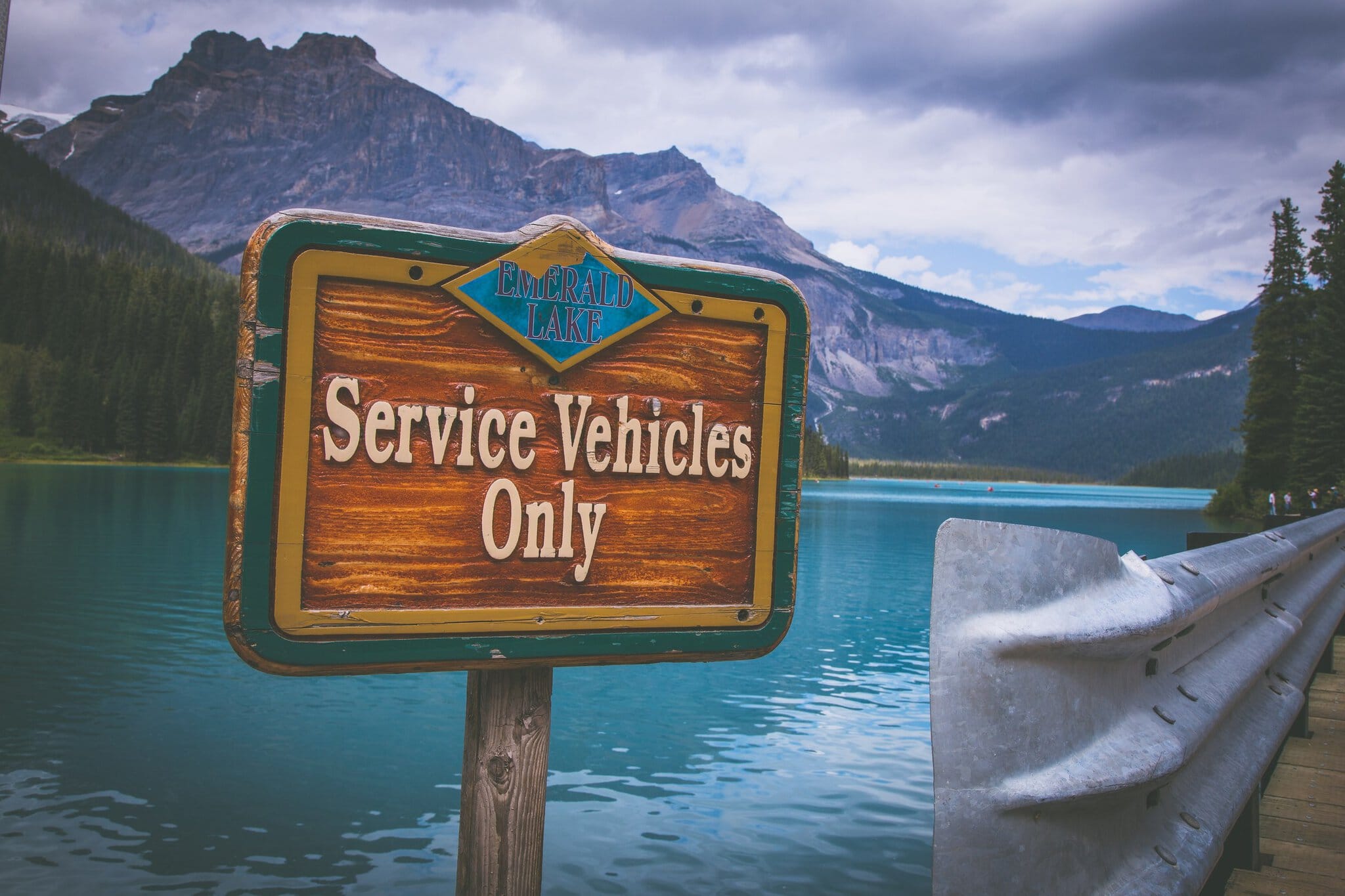
Emerald Lake is the absolute jewel of the park and quite possibly one of the most photographed spots in all of Canada. As the name suggests, the water has an incredible emerald-green colour, created by fine rock flour from melting glaciers. Unlike Moraine Lake in Banff, this lake sits at a slightly lower elevation, which means it thaws earlier and is surrounded by lush green vegetation.
When I look back at our old Yoho National Park photos (still saved on my phone as IMG_4960 and so on), I can vividly recall the peacefulness of walking around the lake. The Emerald Lake Loop trail is just under six kilometres, almost entirely flat, and takes roughly two to two and a half hours at a leisurely pace. Along the way, you’ll spot plenty of wildflowers and might even encounter a moose — they love hanging out in the marshes at the back of the lake. I still remember the time we stood there watching a moose family grazing contentedly just a stone’s throw from us.
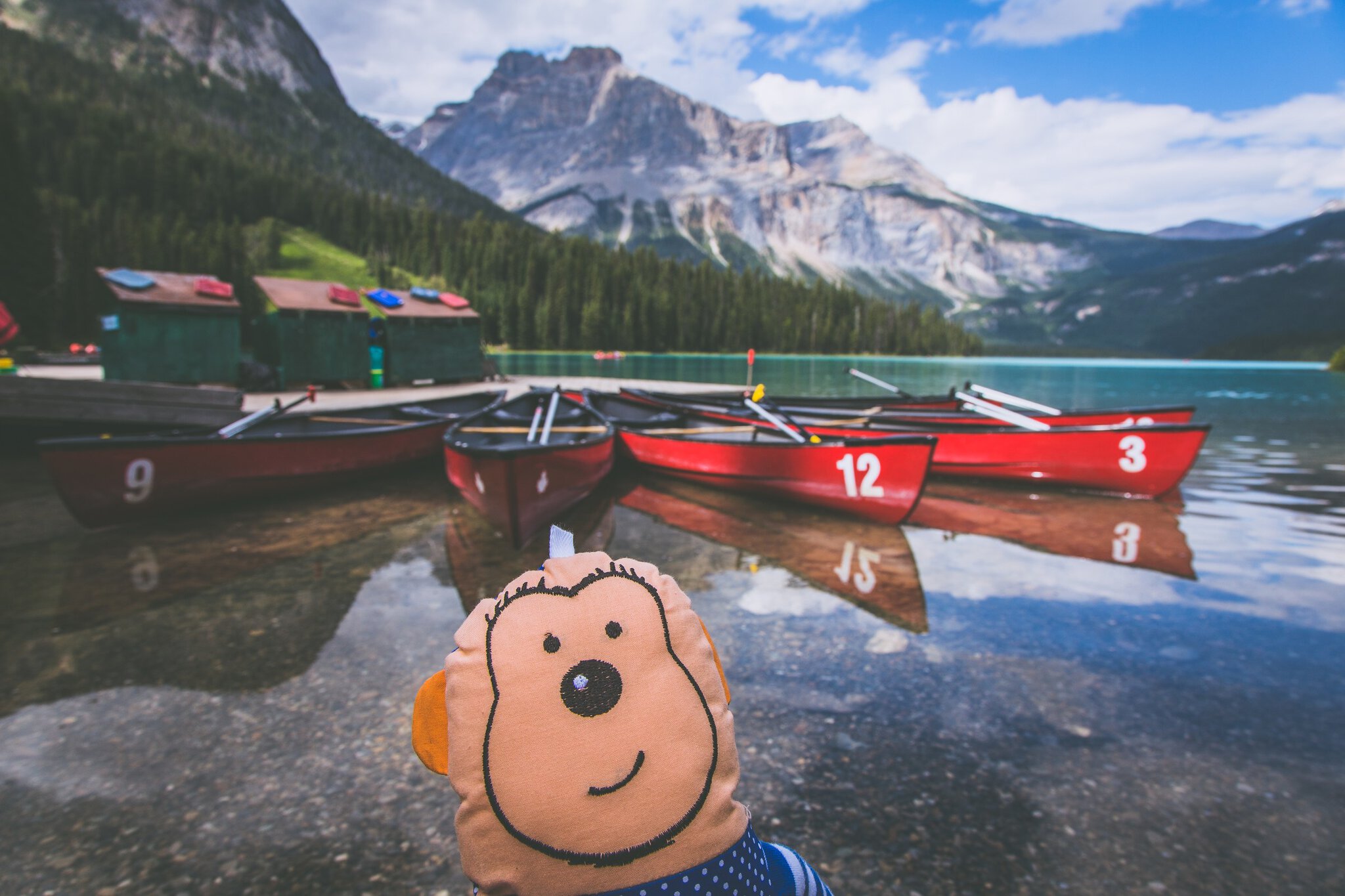
If you fancy a proper romantic experience, you can rent one of the iconic red canoes right on the shore. Be warned though — romance comes at a price. Canoe hire from The Emerald Sports and Gifts costs about 90 CAD (around €60) per hour. It’s not cheap, but the view of Mount Burgess from the middle of the lake is simply worth every penny.
2. Takakkaw Falls and the roaring water
The second-highest waterfall in Canada, plunging from an incredible height of 384 metres, is something that will absolutely blow you away. The word “Takakkaw” means “magnificent” in the Cree language — and honestly, they nailed it. Even the drive to the falls through the Yoho Valley is an unforgettable experience in itself.
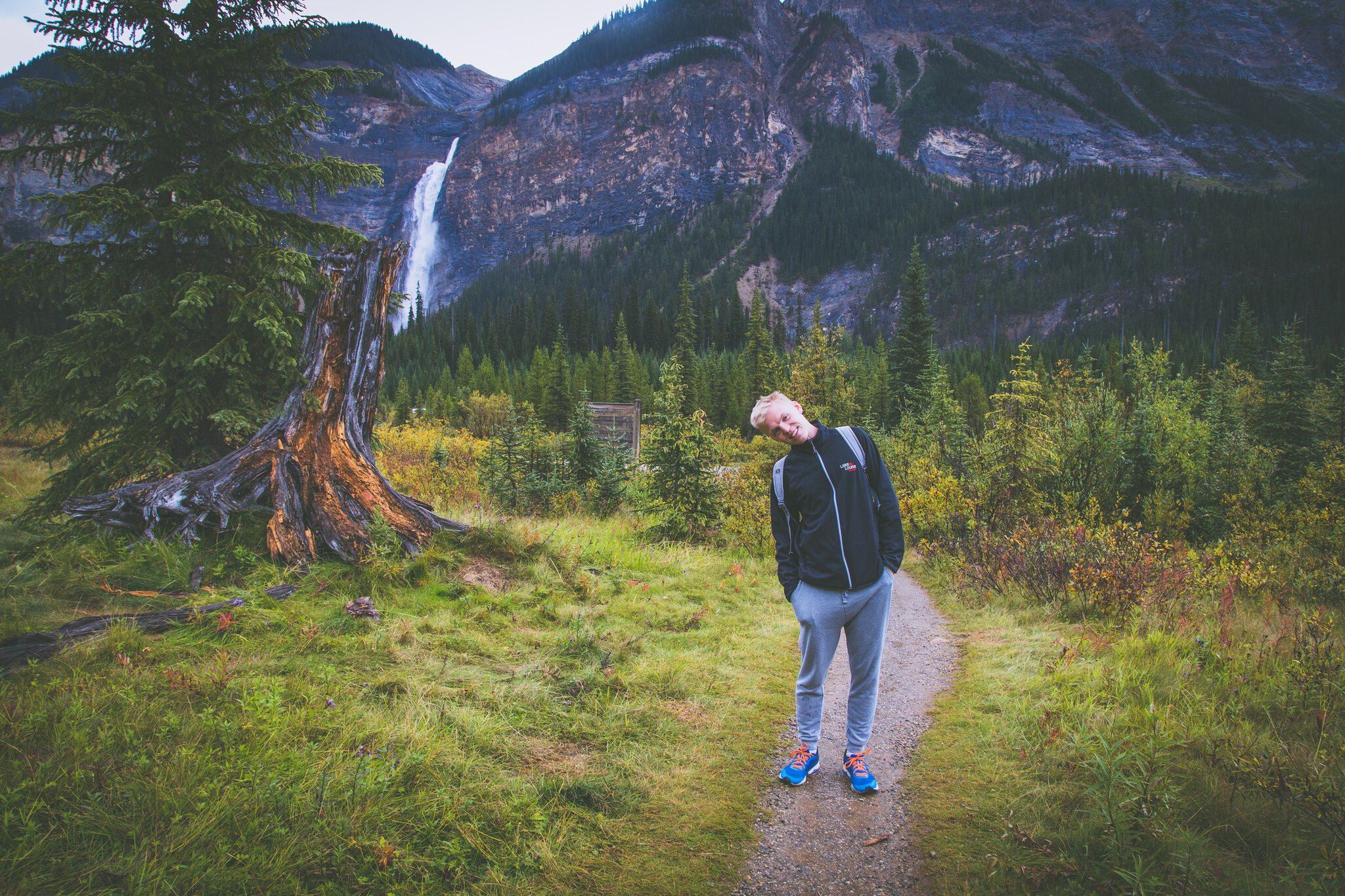
The road is very narrow with several extremely tight switchbacks where longer vehicles and caravans actually have to reverse. But once you finally reach the car park, you’ll hear the thunderous roar of falling water long before you even catch a glimpse of the falls.
From the car park, a short paved path leads directly to the base of the waterfall. The closer you get, the wetter you’ll be — the icy spray from that height carries for dozens of metres. Try to arrive early in the morning or in the late afternoon to avoid the biggest crowds, and you might even spot a beautiful rainbow hovering above the cascading water. It’s an absolutely stunning sight.
3. Natural Bridge over the Kicking Horse River
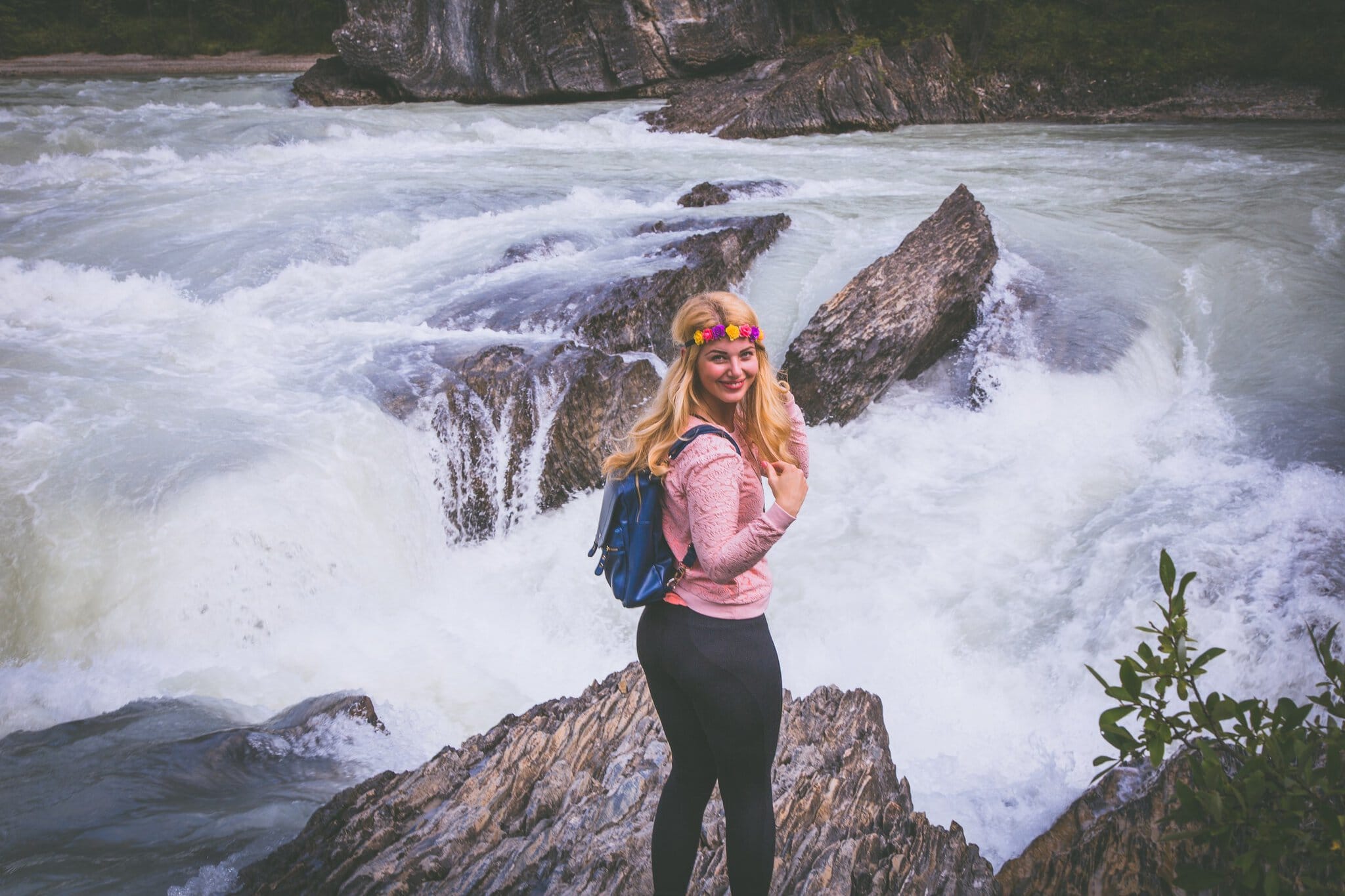
This spot is incredibly easy to reach — it’s just a few minutes’ drive off the main highway on the road to Emerald Lake. Natural Bridge is a natural rock bridge that the wild Kicking Horse River has carved through massive limestone over thousands of years. Originally, a regular waterfall flowed here, but over time the water found its way through cracks beneath the rock and created this fascinating formation.
When we visited for the first time and snapped our photos (the famous IMG_4979 in our archive 😁), what fascinated us most was the sheer brute force of the water. The Kicking Horse River is no gentle stream — it’s a massive surge of blue-white water thundering beneath the rock bridge with a deafening roar.
There are viewing platforms along the river, and I’m genuinely asking you — please don’t climb over the railings for a better photo. The rocks are constantly wet and slippery, and this river takes no prisoners. The view from the platform is brilliant too, I promise. 😉 The whole visit won’t take more than half an hour, making it an ideal quick stop.
4. Lake O’Hara and the booking frenzy
This is the place that gets talked about the most in connection with Yoho, and simultaneously breaks the hearts of thousands of visitors every year. Lake O’Hara is an utterly pristine alpine area full of turquoise lakes, dramatic peaks, and golden larches. To protect this fragile environment, the park has imposed extremely strict limits — only 42 people per day can access the area by bus (not counting those staying at the expensive lodge or campground up there).
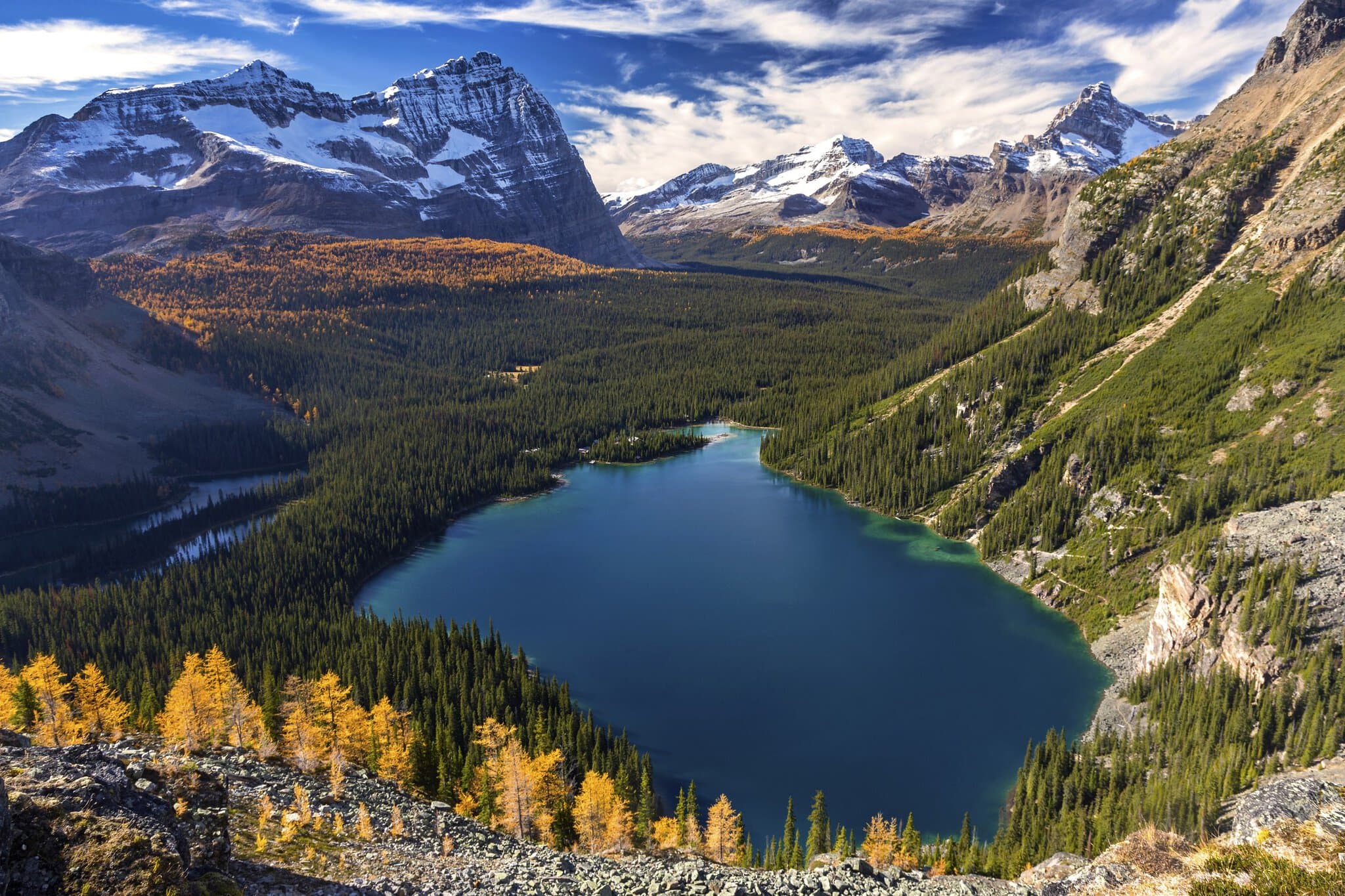
The bus runs only from 14 June to 7 October and a ticket costs 24.50 CAD (about €17). Sounds reasonable, but honestly, actually securing a reservation is more stressful than sitting your university finals 😅. Bookings open in spring (check the Parks Canada website for the exact date) and sell out in the blink of an eye. You’ll typically need five devices, lightning-fast internet, and a hefty dose of luck.
If you can’t snag a bus ticket, there’s still one option — you can walk. That means hiking 11 kilometres along a rather dull, wide forest road with a decent elevation gain just to reach the lake, then another 11 kilometres back. And that doesn’t even count the hikes you’ll want to do once you’re up there. We gave this one a miss, but I know people who did it and said the views at the top made every aching muscle worth it.
5. Fossils at the Burgess Shale
Did you know that Yoho is a UNESCO World Heritage Site? That’s thanks to the Burgess Shale, one of the most important palaeontological sites on the planet. Here you’ll find fossils of marine creatures over half a billion years old, with incredibly well-preserved soft tissues.
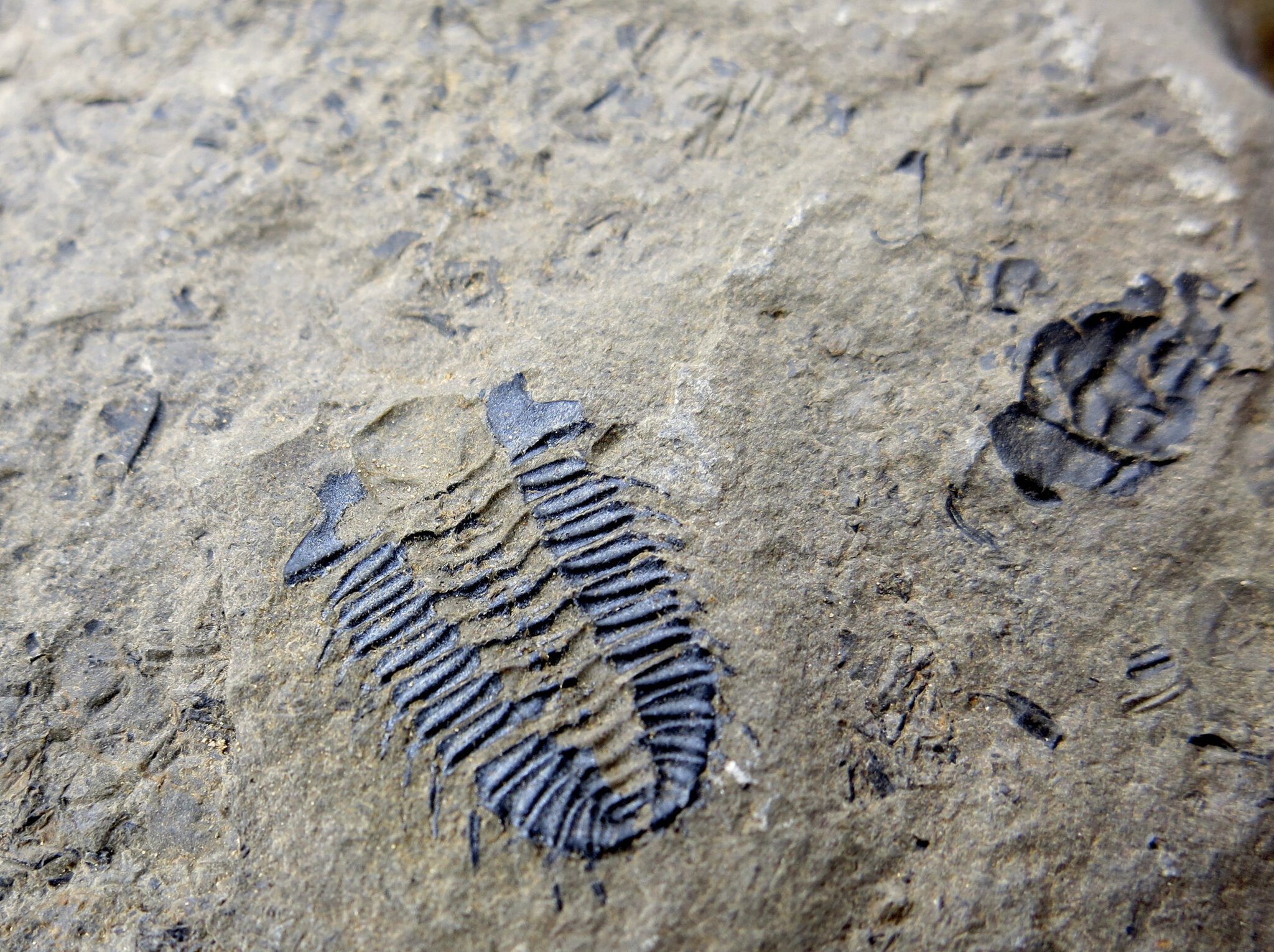
There’s a catch though — you can’t visit on your own. To reach the fossil beds at Mount Stephen or Walcott Quarry, you must join an organised guided hike led by Parks Canada. These are full-day treks (around 7 to 8 hours) and quite physically demanding, with steep ascents along the way. We didn’t manage to do this one in the end (our son Jonáš wasn’t born yet and I’ll be honest, I was a bit daunted by such a long slog), but if I could, I’d go in a heartbeat. If you’re fascinated by the history of our planet and evolution, this will absolutely captivate you. You can literally hold a rock in your hand and see the imprint of a creature from long before the age of dinosaurs.
6. Iceline Trail for keen hikers
If you’re a strong hiker looking for the best Yoho National Park hikes, the Iceline Trail is the cream of the crop. This roughly 20-kilometre loop takes you high above the Yoho Valley, where you’ll walk right alongside the edges of vast glaciers.
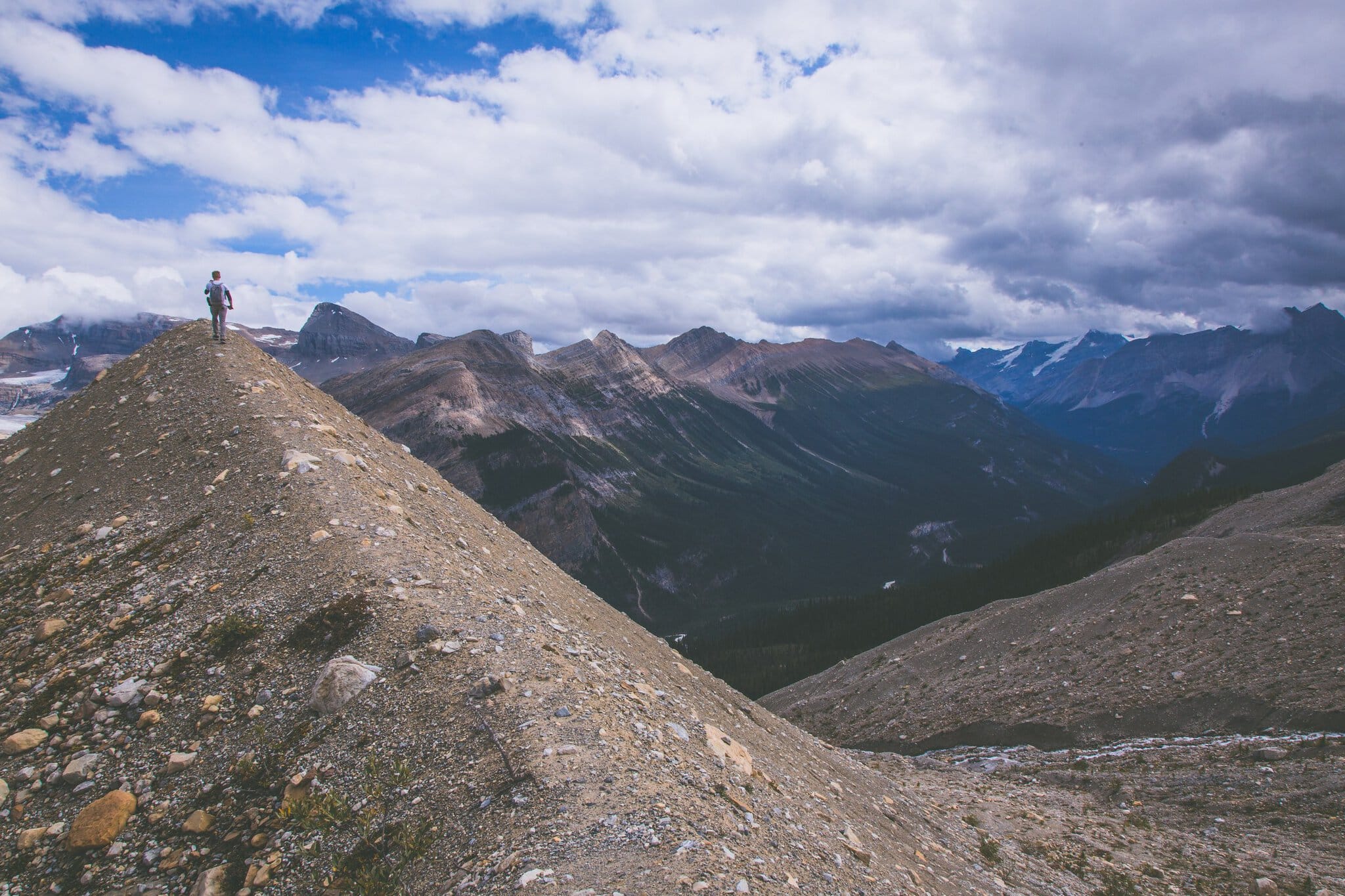
The view of Takakkaw Falls from the opposite slope is simply breathtaking. It’s a genuinely challenging full-day hike though, so bring plenty of water, snacks, and most importantly, wear proper footwear. If you need help choosing the right gear, check out our guide on how to pick hiking boots, because you won’t last five minutes on the Iceline Trail in trainers. The trail starts at the car park below Takakkaw Falls and passes several smaller waterfalls and glacial lakes along the way.
7. An easy walk to Wapta Falls
If you’re after something less strenuous, we’d recommend Wapta Falls. This massive waterfall — 30 metres high and 150 metres wide on the Kicking Horse River — is one of the largest by water volume in all of Canada.
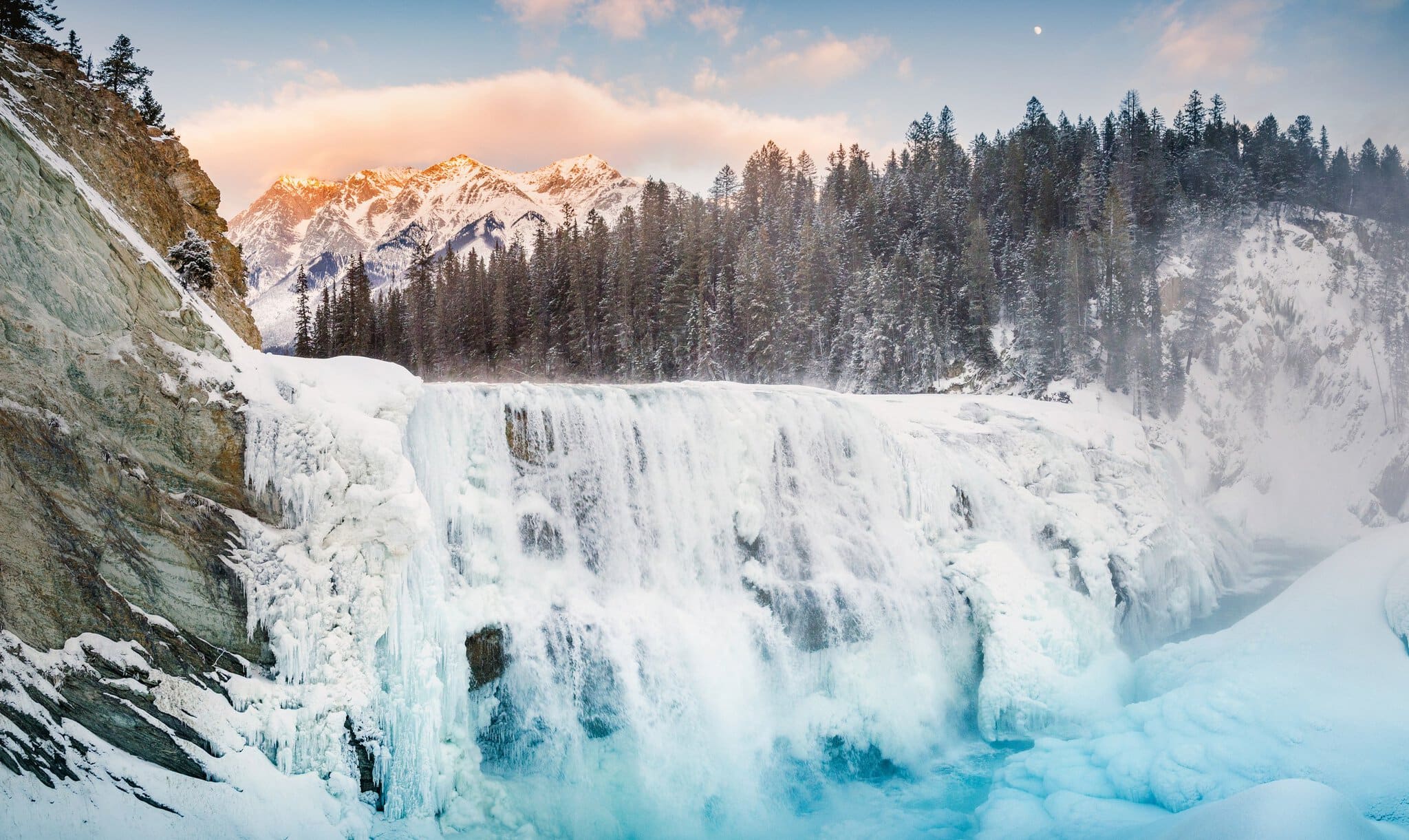
The trail winds through forest, is about 2.5 kilometres one way, and is manageable for almost anyone, including families with children. At the end of the path, you can descend to a small clearing right at the base of the falls, where you’ll truly feel the immense power of the cascading water. The trail can get quite muddy after rain, so sturdy boots are advisable here too. This spot is far less crowded than Emerald Lake, so you can enjoy a bit of that true Canadian tranquillity.
8. Spiral Tunnels — an engineering marvel
Building the railway through the Rockies was a nightmare for Canadian Pacific in the nineteenth century. Trains at Kicking Horse Pass frequently derailed due to the impossibly steep gradient. Engineers came up with a brilliant solution — they bored spiral tunnels into the surrounding mountains. The train enters the mountain, loops around inside, and emerges several dozen metres higher or lower.
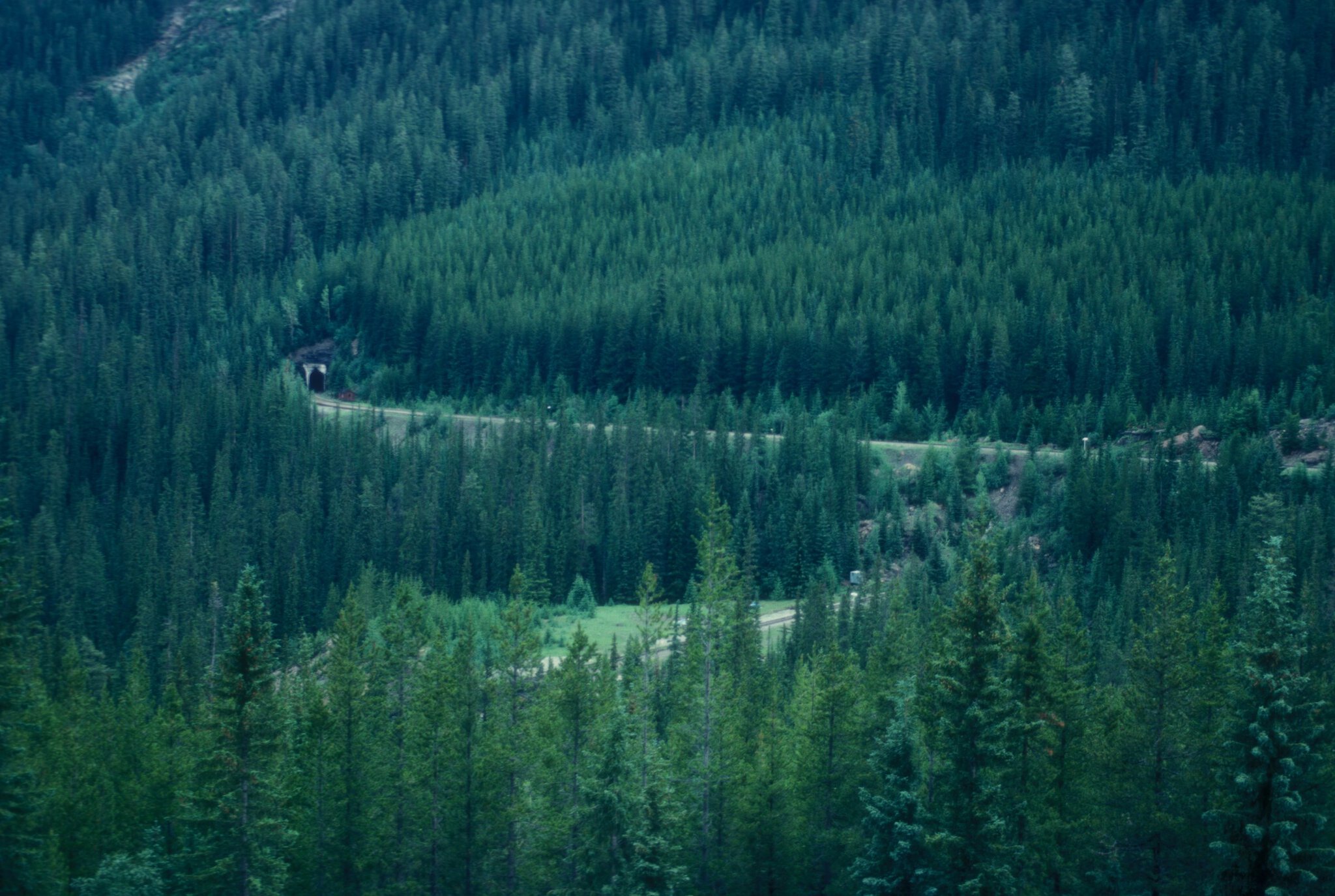
On Highway 1 you’ll find a viewpoint (Spiral Tunnels Viewpoint) from where you can watch this spectacle unfold. If you’re lucky enough to catch a long freight train, you’ll witness a curious sight — the locomotive is already emerging from the upper tunnel entrance while the tail end of the train is still entering the lower one. The train essentially crosses over itself. It’s a popular stop that takes just a few minutes, but the sight is well worth it.

9. The charming village of Field
As I mentioned earlier, Field is essentially the only settlement within the national park. Make sure to stop here for at least a short wander. It has a wonderful intimate atmosphere — the houses are colourful and well-kept, with towering rock walls rising up on all sides.
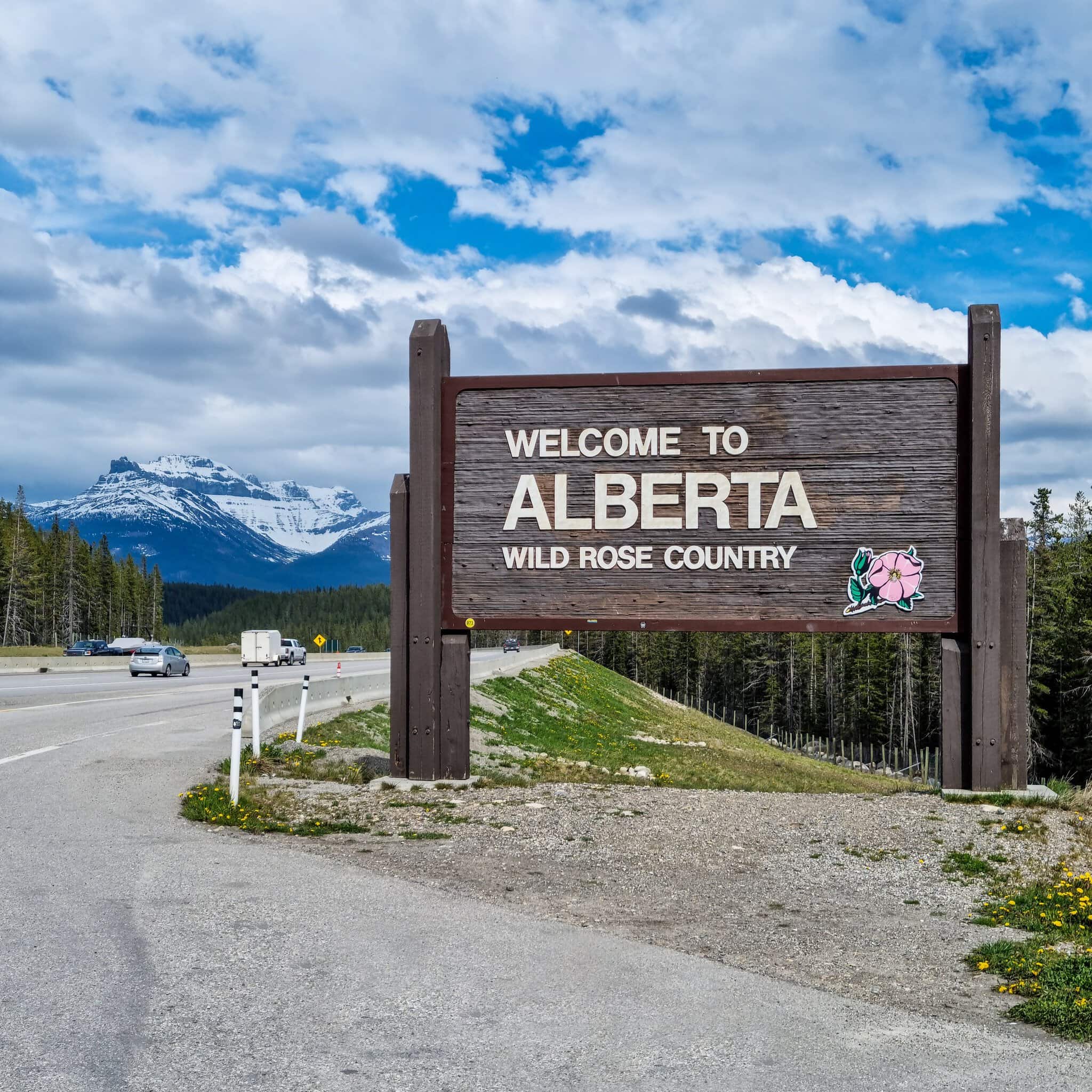
There’s also a small visitor centre where you can pick up a printed Yoho National Park map, ask the rangers about current bear activity on the trails, and grab some souvenirs. Field has a rich railway history, which is evident from the local architecture and a small cemetery nearby.
10. Winter fun at Kicking Horse Mountain Resort
Although it lies just outside the boundaries of Yoho National Park in the town of Golden, I can’t leave out Kicking Horse Mountain Resort. In winter, it’s a fantastic ski resort for lovers of steep terrain and deep champagne powder.
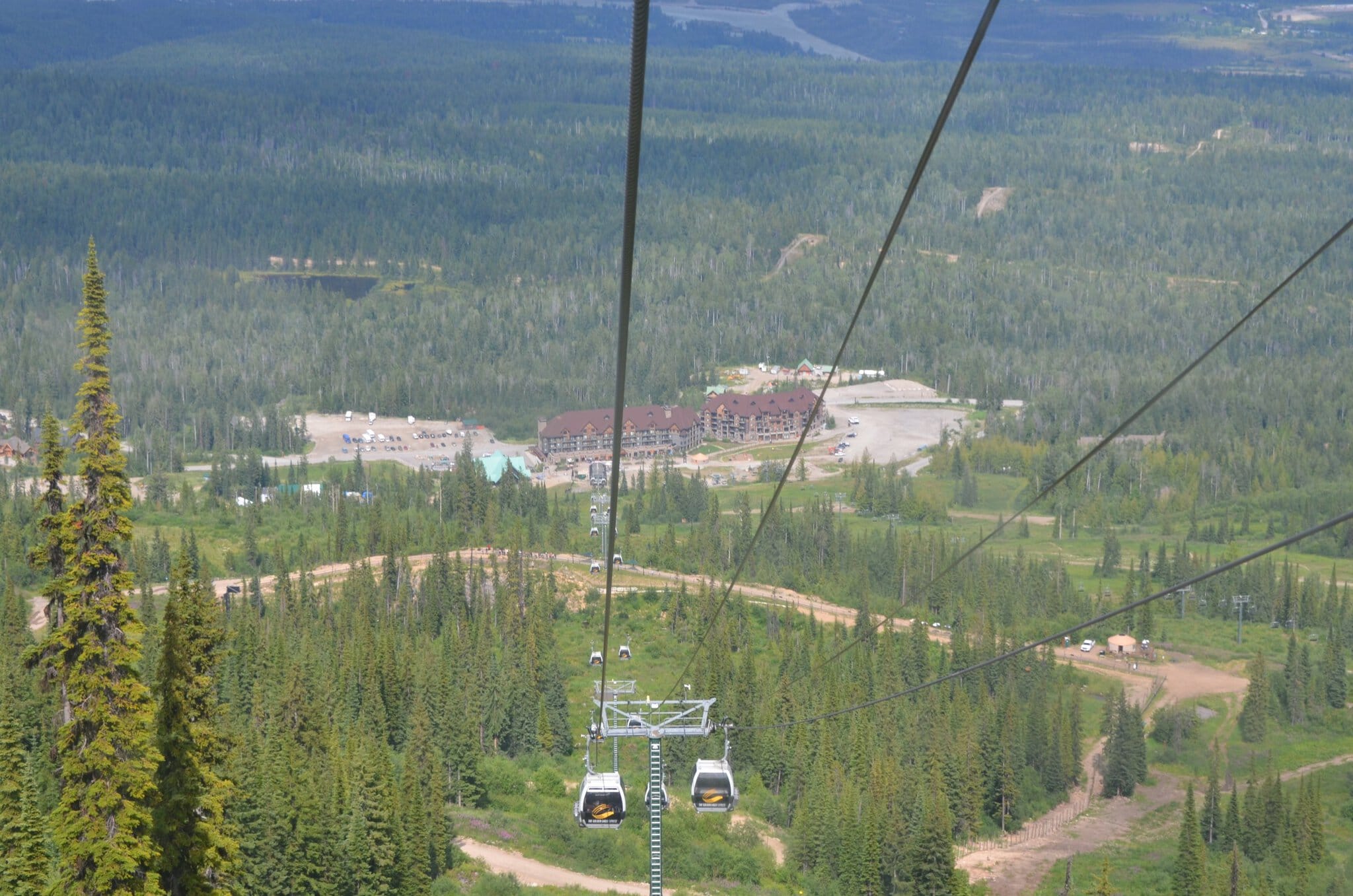
In summer, the resort transforms into a paradise for mountain biking and is also home to a sanctuary for an orphaned grizzly bear named Boo. It might tug at your heartstrings to see a bear in an enclosure, but Boo has an enormous stretch of mountainside at his disposal — the sanctuary was built to save him after his mother was killed by a poacher. A gondola ride up to the Eagle’s Eye restaurant (the highest-elevation restaurant in Canada) is a luxurious experience in its own right.
Map of points of interest for your phone
Where to eat well in Yoho
Dining in Canadian national parks tends to be pricey and uninspiring, but Yoho has one brilliant exception. It’s called Truffle Pigs Bistro and you’ll find it right in the village of Field. It’s an absolute gem of a restaurant with a laid-back atmosphere, excellent craft beer, and food you’d never expect in a tiny hamlet in the middle of the mountains. They serve superb beef ribs, fantastic burgers, and incredible desserts. It gets packed in summer, so I’d recommend arriving outside the main lunch and dinner rush — or just queue up, because it’s genuinely worth the wait.
If you’re in the mood for something more romantic and want to splash out, head to the Mount Burgess Dining Room at Emerald Lake Lodge. Lukáš and I celebrated our anniversary there, and I’ll remember the view from the window across the emerald surface of the lake for the rest of my life. They specialise in local British Columbia produce and Alberta beef.
Where to go next: What to see nearby
From Yoho, we continued east and honestly, we could have kept driving forever. Here’s what awaited us along the way:
- Lake Louise: The neighbouring gem with Canada’s most famous lake and our former home.
- Banff National Park: A Canadian classic with a bustling town, hot springs, and the iconic Moraine Lake.
- Icefields Parkway: One of the most beautiful roads in the world, taking you from Lake Louise all the way to Jasper National Park past dozens of glaciers and waterfalls.
Practical tips before you go
Before you start packing your rucksack and booking flights, I’ve put together a few purely practical bits to keep in mind. I know what it’s like to plan a big trip to Canada, and sometimes it’s the most basic details that slip through the cracks.
When Lukáš and I first set off to explore the Rockies, we made plenty of rookie mistakes ourselves — from unnecessarily expensive mobile roaming to underestimating travel insurance, which in mountain terrain is something you really can’t afford to skimp on. I hope these tips will save you not just a lot of stress, but a fair bit of money too.
Hiring a car for your road trip
Having your own car is an absolute must for exploring Canada’s national parks. Buses run reasonably well between major cities, but they won’t drop you at trailheads, which means you’d be stuck with overpriced organised tours. We regularly use the comparison site DiscoverCars.com, where you can filter all available branches right at the major airports.
When choosing your vehicle, definitely consider a larger SUV, especially if you’re planning to venture beyond the main paved roads. Some access roads to more remote lakes can be gravel or full of potholes, so higher ground clearance is a real bonus. Plus, in a more spacious car, you can always have an emergency kip if a storm catches you out.
 🚗 Car rental on the roadVerified car rentals in the Rocky Mountains
Search with the DiscoverCars comparison engine — it compares prices from dozens of local and international rental companies, and most bookings come with free cancellation.
Compare car prices in the Rocky Mountains →Don’t forget proper travel insurance
Medical care in Canada is astronomically expensive, and it’s definitely not something you want to pay out of pocket. A broken leg on a trek or a simple case of appendicitis without proper insurance could cost you tens of thousands of pounds — and that would be a pretty miserable souvenir from your holiday. For longer trips and our nomadic lifestyle, we prefer SafetyWing (have a look at our SafetyWing review too).
For shorter holidays of around two weeks, we’ve also had great results with providers like True Traveller, which is well-known among British travellers. Always read the policy terms carefully and check whether your cover includes mountain hiking above certain altitudes. We also like to add helicopter rescue cover, just in case.
Staying connected on the road
Local Canadian SIM cards from carriers like Bell or Rogers are outrageously expensive for visitors, and the data allowances are laughably small. You can easily end up paying over £50 for just a few gigabytes. Luckily, we discovered this in time and solved it neatly with an eSIM from Holafly.
You can buy one conveniently online from home, load it onto your phone via a simple QR code, and your data kicks in the moment you land. It’s such a relief not having to dash around the airport hunting for a carrier shop. Just make sure beforehand that your smartphone actually supports eSIM technology.
FAQ — Frequently asked questions about Yoho National Park
I’ve gathered the most common questions I get from readers planning a trip to Yoho. If there’s anything I’ve missed, feel free to drop me a message.
Which town is closest to Yoho National Park?
The small village of Field is located right inside the park. The nearest major tourist hub to the east is Lake Louise (in Alberta, 30 minutes away) and to the west is the town of Golden (in British Columbia, about 45 minutes away). Both of these towns offer much wider options for accommodation and shopping.
What are the must-see attractions in Yoho National Park?
The absolute essentials are Emerald Lake with its canoe rentals and Takakkaw Falls, which is one of the highest waterfalls in Canada. Also definitely worth a quick stop is the Natural Bridge, a natural rock bridge over the Kicking Horse River.
Are there grizzly bears in Yoho National Park?
Yes, Yoho National Park is home to both species of bears: grizzlies and black bears. When hiking, travel in groups, make noise, and always keep bear spray accessible. Never leave food or scented toiletries in your tent overnight.
How many days do I need to explore Yoho?
For the basics—visiting Emerald Lake, Natural Bridge, and Takakkaw Falls—one full day is plenty. However, if you want to tackle longer hikes like the Iceline Trail or try to secure a permit for Lake O’Hara, plan for at least two to three days.
Do I need to buy a ticket to enter Yoho?
Yes, like all Canadian national parks, you need a valid day pass for each day of your visit. You can pay the fee at the visitor center in Field or at park entrance gates. For longer trips, we recommend the annual Parks Canada Discovery Pass.
Where can I find a downloadable map of Yoho National Park?
You can get a free printed map at any Parks Canada visitor center. If you prefer a PDF version, you’ll find it available for download directly on the official Parks Canada website in the Yoho section. We also recommend the AllTrails app for detailed offline trail maps.
Can you swim in Yoho?
Technically yes, but practically it’s only for the truly brave. The water in the lakes, including Emerald Lake, comes straight from glaciers, so even in the middle of a hot summer the temperature rarely exceeds 5°C (41°F). For most people, that means a quick dip and an immediate scramble back out 😅.
Tips and Tricks for Your Vacation
Don’t Overpay for Flights
Search for flights on Kayak. It’s our favorite search engine because it scans the websites of all airlines and always finds the cheapest connection.
Book Your Accommodation Smartly
The best experiences we’ve had when looking for accommodation (from Alaska to Morocco) are with Booking.com, where hotels, apartments, and entire houses are usually the cheapest and most widely available.
Don’t Forget Travel Insurance
Good travel insurance will protect you against illness, accidents, theft, or flight cancellations. We’ve had a few hospital visits abroad, so we know how important it is to have proper insurance arranged.
Where we insure ourselves: SafetyWing (simple monthly subscription) and TrueTraveller (for extra-long trips).
Find the Best Experiences
Get Your Guide is a huge online marketplace where you can book guided walks, trips, skip-the-line tickets, tours, and much more. We always find some extra fun there!
More from Rocky Mountains
Full guide → Travel story · most readWhat to Pack for the Canadian Rockies: Summer & Winter Packing List 2026
 ItineraryWestern Canada Road Trip: 14–21 Day Itinerary from the Rockies to the Pacific
 Where to stayCalgary, Canada: 23 Best Things to Do and See
 ActivitiesKananaskis, Canada: 10 Best Hikes Away from the Crowds
 With kidsHow Much Does a Trip to Alberta & BC Cost in 2026: Budget for Couples, Families and Backpackers


