TL;DRThe Peloponnese is a huge peninsula in southern mainland Greece, covering over 21,000 square kilometres — perfect for a 7 to 14-day road trip. Among 15 key tips are romantic Nafplio with its Venetian Palamidi fortress, ancient Mycenae and its Lion Gate, the theatre at Epidaurus, the clifftop town of Monemvasia, Byzantine Mystras, ancient Olympia, and Simos beach on the island of Elafonisos, about ten minutes away by ferry. You could also add Delphi up north. The best time to go is April to June or September to October, when you’ll avoid the scorching summer heat.
While the crowds squeeze through the narrow lanes of Santorini and weave between sunbeds on Mykonos, mainland Greece moves at its own gloriously slow pace. And its beating heart is the Peloponnese, Greece’s vast peninsula almost the size of Slovenia, where you’ll find absolutely everything. Snow-capped peaks, citrus groves, world-class ancient sites, medieval fortress towns and empty beaches that rival the Caribbean.
This is Greece for road-trip lovers, history buffs and anyone who has already had their first taste of the islands and wants to discover the country from a different, more authentic side. Prices here aren’t set for cruise-ship passengers, and the tavernas welcome you with a smile and a jug of house wine.
In this guide I’ll show you 15 of the best things to see in the Peloponnese and mainland Greece, from romantic Nafplio through ancient Mycenae and Olympia all the way to the oracle at Delphi. Let’s dive in. ☺️
The Peloponnese is road-trip heaven. A huge peninsula with antiquity, mountains, medieval towns and turquoise beaches.
Nafplio is the most romantic town on the mainland, an ideal base with the Venetian fortress of Palamidi looming above.
Ancient stars: Mycenae with its Lion Gate, the theatre of Epidaurus with its perfect acoustics, and Olympic Olympia.
Monemvasia is the “Greek Gibraltar”, a medieval town hidden behind a giant rock.
For swimming, head south to Simos beach on the islet of Elafonisos, white sand straight out of the Caribbean.
Delphi was the navel of the world for the ancient Greeks, a dramatic ancient site up in the mountains.
You get around by car. The mainland is best explored on your own wheels, ideally on a 10 to 14-day loop.
The Corinth Canal: gateway to the Peloponnese
Photo: Berthold Werner, CC BY-SA 3.0, Wikimedia Commons
The gateway to the Peloponnese is the Corinth Canal, and it’s worth stopping here even if only for twenty minutes. Looking down into the 80-metre-deep and just 24-metre-wide gorge, carved through the rock at the end of the 19th century, is guaranteed to get your adrenaline going. From the bridge above, the ships slipping through the narrow channel look like toys, and it’s the perfect moment to realise you’re rolling into a peninsula with thousands of years of history.
Nafplio: the most romantic town on the mainland
Just beyond Corinth lies Nafplio, the first capital of modern Greece and hands down the most romantic town on the entire mainland. Here you’ll find narrow lanes full of Venetian architecture, balconies draped in bougainvillea and waterfront cafés looking out over the picturesque islet of Bourtzi.
Towering above the town is the huge Venetian fortress of Palamidi, which legend says is reached by 999 steps. There are actually a few fewer, but even so you’ll work up a proper sweat climbing them in the summer sun, and your reward is a breathtaking view over the whole town and the bay. Nafplio is the ideal base for your first days in the Peloponnese, with lovely evenings spent by the sea and a warm, laid-back atmosphere.
Mycenae and Epidaurus: the ancient stars of the north
Photo: Zde, CC BY-SA 4.0, Wikimedia Commons
Nafplio makes a great base for exploring two ancient giants that sit just a short drive apart.
Mycenae was the seat of King Agamemnon, and you enter through the famous Lion Gate, which dates back to the 13th century BC. It was right here that the archaeologist Heinrich Schliemann discovered the legendary golden mask, and the sight of the mighty Cyclopean walls carries you thousands of years back in time.
The second gem is Epidaurus, the best-preserved ancient theatre in Greece. Its acoustics are so perfect that if someone strikes a match in the middle of the orchestra, you’ll hear it right up in the top row. In summer a theatre festival takes place here, and experiencing an ancient tragedy under the stars is a once-in-a-lifetime moment.
Monemvasia: the Greek Gibraltar
Photo: Ingo Mehling, CC BY-SA 3.0, Wikimedia Commons
The deeper south into the Peloponnese you drive, the wilder the landscape becomes. On the eastern finger of the peninsula lies Monemvasia, nicknamed the “Greek Gibraltar”. It’s a medieval fortress town hidden behind an enormous rock that once broke away from the mainland during an earthquake.
The most amazing thing is that you can’t see the town at all from the mainland. You can only drive as far as the main gate, and from there you continue on foot straight into a maze of stone lanes, boutique hotels and family tavernas tucked into the rock. It feels like stepping into another century, and it’s one of the most powerful experiences in all of Greece.
Wild Mani and Byzantine Mystras
Photo: Holger Uwe Schmitt, CC BY-SA 4.0, Wikimedia Commons
The middle finger of the Peloponnese, the Mani peninsula, is rugged, parched and utterly fascinating. The locals, the Maniots, proudly claim to be direct descendants of the Spartans. The landscape is dominated by tall stone clan towers, from which feuding families once shot at one another and which today have been turned into unique guesthouses. It’s a land where the roads are lined with prickly pears and the sea crashes against steep cliffs.
On the way back to the northwest you can’t miss Mystras, a Byzantine ghost town on the UNESCO list, spreading up a steep slope near Sparta. Wandering among the ruins of palaces, monasteries and churches with their surviving frescoes can easily fill half a day, and it’s one of the most atmospheric places in the country.
Olympia and Caribbean beaches
On the western side of the Peloponnese lies Olympia, the birthplace of the Olympic Games. When you walk across the original ancient stadium and stand on the starting line where athletes competed as far back as 776 BC, you feel the incredible atmosphere of ancient times wash over you.
And if you’re after perfect swimming, hop over to the far south to the islet of Elafonisos, reached by a ferry from the mainland that takes just about ten minutes. The local Simos beach, with its white sand and turquoise water, genuinely rivals the Caribbean, and it’s mostly the Greeks themselves who come here to relax. Train lovers will be delighted by the historic rack railway from Diakopto, which winds its way through the stunning Vouraikos Gorge up to mountain Kalavryta.
Photo: Berthold Werner, CC BY-SA 3.0, Wikimedia Commons
When you leave the Peloponnese and head north of Athens, the road takes you into the Parnassus mountains. Here, on a dramatic slope overlooking an endless valley of olive trees, lies Delphi, which for the ancient Greeks was the centre of the universe.
According to legend, Zeus released two eagles from opposite ends of the world and they met right here, at a spot marked by a stone called the omphalos, or the navel of the world. People from all over the Mediterranean made the pilgrimage here to consult the oracle Pythia, who in a trance delivered ambiguous prophecies. Today you can walk along the Sacred Way, see the remains of the Temple of Apollo, the ancient theatre and the well-preserved stadium high up the slope, and admire the famous bronze statue of the Charioteer of Delphi in the museum.
On the way to Delphi you’ll also drive through the mountain village of Arachova, full of stone houses, which in winter turns into a chic ski resort. Stop here for a coffee and try the local formaela cheese, which is grilled much like halloumi and is a real vegetarian treat.
When to visit the Peloponnese and the mainland
A big plus of mainland Greece is its long season and more bearable heat than on the parched islands. Spring and autumn are best, meaning April to June and September to October, when the weather is ideal for exploring ancient sites and going on hikes without roasting in the midday sun.
Summer (July and August) brings extreme heat to the ancient sites, so if you’re travelling then, set out for the ruins early in the morning and save the afternoons for swimming. Unlike in the Cyclades, the meltemi wind isn’t much of a problem here either, so the sea along the southern beaches tends to stay calm.
Where to stay in the Peloponnese
💡 Tip for accommodation and experiences: We prefer to look for accommodation on Booking.com, which usually has the best cancellation terms. I picked the specific hotels I recommend below based on real reviews across price ranges. For tours, boat trips and tickets, compare options on GetYourGuide.
The ideal base for the ancient stars of the north is Nafplio, one of the most beautiful towns in Greece. For a stay in an 18th-century stone mansion, the highly rated Aetoma Hotel sits right in the old town, while the more affordable and equally charming Pension Dafni is tucked into the cobbled lanes below Palamidi fortress.
For the wild south, an unforgettable stop is the rock town of Monemvasia. You can stay right inside the medieval walls at the stone Guesthouse Kellia with its garden and sea view, or at the boutique Bastione Malvasia Hotel, built from Byzantine-Venetian buildings. A peaceful base for stony Mani is the seaside Kalamitsi Hotel in Kardamyli.
In the west near ancient Olympia you’ll appreciate the family-run Hotel Europa Olympia with a pool and a view, or the budget-friendly Hotel Pelops a short walk from the excavations. If you head to Delphi, stay at the Amalia Hotel Delphi with its panoramic view down the valley all the way to the sea. Prices on the mainland are far friendlier than on the famous islands, and flexible bookings come in handy when your plans shift during a road trip.
Where to next
Before you set off, take a look at our other articles about Greece too:
In the Peloponnese, don’t miss the romantic town of Nafplio with the Palamidi fortress, ancient Mycenae with the Lion Gate, and the Epidaurus theatre with its perfect acoustics. Also worth seeing are medieval Monemvasia hidden behind a rock, Byzantine Mystras, Olympic Olympia, and the wild Mani peninsula with its stone towers. For swimming, head south to Simos beach on Elafonisos island.
What is the Peloponnese and where is it located?
The Peloponnese is a large peninsula in southern mainland Greece, connected to the rest of the country by only a narrow isthmus cut through by the Corinth Canal. With an area of over 21 thousand square kilometres, it’s almost as large as Slovenia. It’s not an island, though it’s sometimes mistakenly called one. You’ll find mountains, ancient monuments, medieval towns, and beautiful beaches here.
When to visit the Peloponnese?
Spring (April to June) and autumn (September to October) are best, when the weather is ideal for exploring ancient sites and swimming, without extreme heat. Summer brings high temperatures at archaeological sites, so visit the ruins early in the morning. Unlike the Cyclades, there’s no strong meltemi wind here, so the sea around the southern beaches remains calm.
How to get to the Peloponnese?
The most common way to reach the Peloponnese is by car from Athens, from where it’s just under two hours across the Corinth Canal to Nafplio. Athens airport is the main gateway; from there it’s worth renting a car, because the mainland is best explored independently. Public transport works, but with a car you’ll have much more freedom during your road trip.
How long do I need for the Peloponnese?
To properly explore the Peloponnese, plan ideally for 7 to 10 days; for a grand circuit of the entire mainland including Delphi, easily 14 days. The peninsula is huge and the distances between monuments are significant, so you definitely won’t breeze through it in a weekend. If you’re short on time, focus on the north around Nafplio with Mycenae and Epidaurus.
Is the Peloponnese worth it instead of the Greek islands?
For lovers of history, road trips, and authentic Greece, absolutely yes. The Peloponnese offers world-class ancient monuments, medieval towns, mountains, and beautiful empty beaches, all without crowds and at significantly lower prices than the famous islands. It’s ideal to combine it with the islands or with mainland Delphi and Meteora into one big Greek road trip.
Tips and Tricks for Your Vacation
Don’t Overpay for Flights
Search for flights on Kayak. It’s our favorite search engine because it scans the websites of all airlines and always finds the cheapest connection.
Book Your Accommodation Smartly
The best experiences we’ve had when looking for accommodation (from Alaska to Morocco) are with Booking.com, where hotels, apartments, and entire houses are usually the cheapest and most widely available.
Don’t Forget Travel Insurance
Good travel insurance will protect you against illness, accidents, theft, or flight cancellations. We’ve had a few hospital visits abroad, so we know how important it is to have proper insurance arranged.
Where we insure ourselves: SafetyWing (best for everyone) and TrueTraveller (for extra-long trips).
Why don’t we recommend any Czech insurance company? Because they have too many restrictions. They set limits on the number of days abroad, travel insurance via a credit card often requires you to pay medical expenses only with that card, and they frequently limit the number of returns to the Czech Republic.
Find the Best Experiences
Get Your Guide is a huge online marketplace where you can book guided walks, trips, skip-the-line tickets, tours, and much more. We always find some extra fun there!
TL;DRMeteora is a UNESCO-listed complex of six working monasteries dating back to the 14th century, perched on sandstone pillars above the town of Kalambaka in central Greece — the most visited are Great Meteoron, Varlaam and Roussanou. Entry to each monastery costs around 3 euros (roughly 75 Kč), opening hours and closing days vary from one to the next, and there’s a strict dress code: shoulders covered, long trousers or a skirt. It’s about a 4-hour drive from Athens, or 4 to 5 hours by train. Two nights in Kalambaka or Kastraki is the sweet spot, giving you time to catch both sunrise and sunset over the rocks.
There are places where you get the feeling that physics has stopped working. The Meteora monasteries in Greece are exactly that kind of place. Out of the flat Thessalian plain, giant sandstone towers hundreds of metres high suddenly shoot skyward, and perched on their very summits, as if floating between heaven and earth, balance ancient Orthodox monasteries. No wonder the name Meteora literally means “suspended in the air.”
It’s one of the most spectacular and still slightly underrated landscapes in Europe, a UNESCO World Heritage Site, and after Mount Athos the most important monastic centre in Greece. Whether you’re coming for the spiritual side, for photos that look like another planet, or for hiking among the rock towers, Meteora will win you over.
In this guide you’ll find everything you need for a visit to the Meteora monasteries: which six monasteries you can visit, entrance fees and opening hours, how the dress code works, how to get here, and where to stay. Let’s dive in. ☺️
Photo: Dimitris Eleftheriou, CC BY-SA 4.0, Wikimedia Commons
Meteora is a complex of six working monasteries built on top of sandstone towers in central Greece, a UNESCO World Heritage Site.
The entrance fee is around €3 per monastery, so keep some small change on you.
There’s a strict dress code: covered shoulders, long trousers for men, a long skirt for women (they lend wraps for free at the entrance).
Each monastery closes on a different day, so check the opening hours in advance so you don’t miss out.
It’s ideal to stay two nights in Kalambaka or Kastraki and catch both sunrise and sunset, when the rocks change colour.
From Athens it’s about a 4-hour drive, and there’s also a train.
What is Meteora and why visit
Photo: Bernard Gagnon, CC BY-SA 4.0, Wikimedia Commons
Meteora’s story is as dramatic as its landscape. As early as the 14th century, monks fled here to escape raids, seeking safety and solitude on the inaccessible rock summits. Originally the only way up to the monasteries was via long ladders or in nets hauled up on ropes — something you can still see at a few of them today.
Today, staircases carved straight into the rock lead up to the monasteries, so while the visit is a bit of a workout, pretty much anyone can manage it. At the peak of its glory there were more than twenty monasteries here; today six remain inhabited, all listed as a UNESCO World Heritage Site. Wandering between them, looking down over the plain from up high and watching the stone towers bathe in the morning or evening light, is an experience that gets under your skin.
The six Meteora monasteries in Greece: which to choose
Visiting all six in a single day is theoretically possible, but exhausting. If you’re short on time, pick two or three depending on what appeals to you. Here’s a quick overview.
Great Meteoron and Varlaam
Photo: DimitrisP67, CC BY-SA 4.0, Wikimedia Commons
Great Meteoron (the Monastery of the Transfiguration) is the oldest, largest and highest of the six. You’ll find a fascinating museum here, plus an old kitchen and an ossuary, and the views are absolutely breathtaking. Right across the ravine stands Varlaam, the second-largest monastery, with beautiful frescoes and an old net once used to haul up supplies and even people. This pair is among the most visited and it makes sense to explore them together.
Roussanou and St. Nicholas Anapausas
Photo: Bernard Gagnon, CC BY-SA 4.0, Wikimedia Commons
Roussanou, thanks to its lower position and access via a little bridge, is one of the most accessible and photogenic monasteries, and today it’s home to nuns. It looks as if it grows straight out of the rock. The small St. Nicholas Anapausas hides gorgeous frescoes by the Cretan master Theophanes, and it’s usually the least crowded, so you can enjoy it in peace.
Holy Trinity and St. Stephen
Photo: Falk2, CC BY-SA 4.0, Wikimedia Commons
Holy Trinity (Agia Triada) sits in the most dramatic spot, reached by the most demanding climb up steps carved into the rock. It might look familiar — the James Bond film For Your Eyes Only was shot here. And finally there’s St. Stephen, a convent on the edge of the complex that’s the most accessible of all, since you reach it via a bridge with no strenuous climb. That makes it ideal for visitors who struggle with stairs.
Practical info: entrance fees, opening hours and dress code
A visit to Meteora has its rules, and it’s worth knowing them in advance so you don’t end up disappointed at the gate.
The entrance fee for each monastery is around €3 and is paid separately, so make sure you have enough small change on you. Opening hours vary from monastery to monastery, and crucially each one is closed on a different day of the week (which often changes between summer and winter). Before you set off, check the current times on the official tourist website so the monastery you’ve got your heart set on doesn’t shut right in front of you.
The key thing is the dress code, which is genuinely strictly enforced. Men must wear long trousers and have covered shoulders, women a long skirt and covered shoulders (and note — trousers really aren’t acceptable for women). If you don’t have a skirt, they’ll lend you a wrap for free at the entrance, but it’s better to plan for it and bring your own suitable clothing.
💡 Tip: The most beautiful light is early in the morning and at sunset, when the sandstone rocks shift in colour from ochre to a rich orange. The viewpoints along the road between the monasteries are free at sunset, and you’ll witness one of the most gorgeous sights in all of Greece.
Photo: wolfgang.mller54, CC BY 2.0, Wikimedia Commons
Meteora lies in central Greece near the town of Kalambaka, far from the coast, so most people visit it as part of a mainland road trip. From Athens it’s about a 4-hour drive along the motorway, and from Thessaloniki it’s a little less.
Don’t give up if you don’t have a car, though — there’s also a train to Kalambaka from both Athens and Thessaloniki (the journey takes roughly 4 to 5 hours). The Greek railways are undergoing restructuring following accidents in recent years, so always double-check the current timetable in advance. From Kalambaka you can reach the monasteries by local bus, taxi, on an organised tour, or by bike or on foot if you’re in good shape. A car is clearly the most convenient option, though, with a smooth paved road running between the monasteries.
Where to stay near Meteora
💡 Tip for accommodation and experiences: We prefer to look for accommodation on Booking.com, which usually has the best cancellation terms. The specific hotels I recommend below were picked based on real reviews across price ranges. For tours, boat trips and tickets, compare options on GetYourGuide.
The smaller, more picturesque Kastraki sits right beneath the rock towers and has a quieter, more village-like atmosphere. For rock views from breakfast onwards, I recommend the boutique Tsikeli Boutique Hotel Meteora with its garden café, the family-run Hotel Doupiani House on the highest point of the village, or Dellas Boutique Hotel right by the Agios Nikolaos monastery. Affordable and full of character is the stone Guesthouse Sotiriou, dating from 1845.
The larger Kalambaka offers full infrastructure, restaurants and the widest choice of accommodation. A great mid-range option with balconies facing the rocks is Hotel Kosta Famissi, while more spacious facilities are on offer at Grand Meteora Hotel a short distance from the monasteries. Whichever spot you choose, it’s worth booking a room with a view of the rocks — waking up to the monasteries in the rising sun is unforgettable.
Ideally, stay here for two nights. You’ll have enough time to experience the magical sunrise and sunset, and to wander around several monasteries at a relaxed pace without rushing. Rooms with a view fill up fast, so book well ahead.
Where to go next
Before you head off, take a look at our other articles about Greece:
The word Meteora comes from Greek and literally means “suspended in the air” or “hovering aloft”. The name perfectly captures the monasteries here, which stand atop steep sandstone cliffs as if floating between heaven and earth. The same Greek root is found in the word meteor.
How many Meteora monasteries are there and how many can you visit?
Today there are six functioning monasteries in Meteora that can be visited: Great Meteoron, Varlaam, Roussanou, St. Nicholas Anapausas, Holy Trinity, and St. Stephen. In the past there were over twenty. All six are listed as UNESCO World Heritage sites. In one day you can manage two to four, but ideally spread your visit over two days.
How do you get to Meteora?
Meteora is located near the town of Kalambaka in central Greece. From Athens you can drive via the motorway in about 4 hours, and there are also trains (4 to 5 hours) from both Athens and Thessaloniki. From Kalambaka you can reach the monasteries by car, local bus, taxi, or organized tour. Visiting by car is the most convenient option, as the monasteries are connected by paved roads.
What are the entrance fees and opening hours in Meteora?
Entry to each monastery costs around €3 and is paid separately, so have some change with you. Opening hours vary between the individual monasteries and each has a different closing day of the week, often differing in summer and winter. Always check the current times on the official website before your visit to make sure your chosen monastery isn’t closed.
What is the dress code in the Meteora monasteries?
The dress code is strictly enforced. Men must have long trousers and covered shoulders, women must have a long skirt and covered shoulders (trousers are not sufficient for women). If you don’t have appropriate clothing, they will lend you a wrap-around shawl or skirt free of charge at the entrance. Cover your shoulders even in hot weather, without that you won’t be allowed inside.
How long should you stay in Meteora?
Ideally stay two nights in Kalambaka or Kastraki. This gives you time to visit several monasteries without rushing and, most importantly, to experience both sunrise and sunset, when the rocks turn orange – the highlight of the entire experience. If you only have one day, you can manage two to three monasteries and at least one sunset from a viewpoint.
Tips and Tricks for Your Vacation
Don’t Overpay for Flights
Search for flights on Kayak. It’s our favorite search engine because it scans the websites of all airlines and always finds the cheapest connection.
Book Your Accommodation Smartly
The best experiences we’ve had when looking for accommodation (from Alaska to Morocco) are with Booking.com, where hotels, apartments, and entire houses are usually the cheapest and most widely available.
Don’t Forget Travel Insurance
Good travel insurance will protect you against illness, accidents, theft, or flight cancellations. We’ve had a few hospital visits abroad, so we know how important it is to have proper insurance arranged.
Where we insure ourselves: SafetyWing (best for everyone) and TrueTraveller (for extra-long trips).
Why don’t we recommend any Czech insurance company? Because they have too many restrictions. They set limits on the number of days abroad, travel insurance via a credit card often requires you to pay medical expenses only with that card, and they frequently limit the number of returns to the Czech Republic.
Find the Best Experiences
Get Your Guide is a huge online marketplace where you can book guided walks, trips, skip-the-line tickets, tours, and much more. We always find some extra fun there!
TL;DRSkopelos, part of Greece’s Sporades islands, gets 15 tips here, from Mamma Mia! film locations to the best beaches and practical know-how. Key stops include the main town, Skopelos Town (Chora), with its whitewashed houses and grey slate roofs, the tiny chapel of Agios Ioannis sto Kastri (about 200 steps up), and Kastani beach from the film. Add in the beaches of Milia and Panormos, Evangelistria Monastery, and a day trip to Alonissos and its National Marine Park. There’s no airport, so you’ll get here by ferry via Skiathos (under an hour’s crossing) or from the mainland ports of Volos and Mantoudi. The best time to visit is May, June and September.
If you’ve ever dreamed of wandering around the island from the movie Mamma Mia!, you’ve found your destination. Skopelos Island in Greece is that green paradise with an emerald sea where Meryl Streep sang ABBA songs, and it’s still one of the calmest and most authentic islands in all of Greece. It lies in the Sporades archipelago, and its biggest asset is one seemingly trivial detail: it has no airport. And that works as the perfect filter against the crowds.
Skopelos is mountainous, incredibly green, and smells of pine trees and plums. The main town, with its white houses and grey slate roofs, ranks among the prettiest in the entire Aegean Sea, the beaches look like something out of an ad, and the atmosphere is laid-back and welcoming. No wonder people keep coming back.
In this guide I’ll show you 15 things to see and do on Skopelos, from film locations to the prettiest beaches, plus practical info on how to get there and when to go. Let’s dive in. ☺️
Foto: Chris Taklis, CC BY-SA 4.0, Wikimedia Commons
Skopelos is green, calm and authentic. No airport, so no crowds, just an emerald sea and pine forests.
The main town (Chora) is an architectural gem with white houses, grey slate roofs and 360 little churches.
Mamma Mia! mecca: the Agios Ioannis sto Kastri chapel on a cliff (200 steps) and Kastani beach from the film.
The prettiest beaches: Milia, Panormos and Kastani, all with turquoise to emerald water.
The island smells of plums, with the local Avgato dried plums and their sweets as a signature specialty.
How to get there: by ferry from Skiathos or from mainland ports, the island has no airport.
When to go: ideally May, June and September.
Skopelos Town: the prettiest chora in the Sporades
Foto: dronepicr, CC BY 2.0, Wikimedia Commons
The main town, Skopelos Town, known locally as Chora, is a genuine architectural gem, and the moment you arrive you’ll understand why people fall in love with it. Don’t go looking for the classic Cycladic blue domes here, though, they build differently in the Sporades.
The houses may glow with white plaster, but their roofs are covered in traditional grey slate and the balconies are wooden. The narrow lanes climb steeply uphill towards the ruins of the old Venetian fortress, and the whole town is woven through with dozens of tiny Byzantine churches, of which the island has an incredible 360. An evening stroll along the harbour, when the lanterns light up and the smell of the tavernas drifts through the air, has a truly one-of-a-kind atmosphere.
In the footsteps of Mamma Mia!
The history of modern Skopelos splits into before 2008 and after. That’s when a Hollywood production arrived with Meryl Streep and Pierce Brosnan to shoot the musical Mamma Mia!, and the island became a global sensation overnight. Film tourism is still alive and well here, and for fans it’s a real holy grail.
The Agios Ioannis sto Kastri chapel
The main draw is the little church of Agios Ioannis sto Kastri, perched on a dramatic rock jutting straight out of the sea on the northeast of the island. You’ll face a climb of roughly 200 steep steps carved into the stone, but at the top you’re rewarded with the small chapel where the famous film wedding took place and an absolutely breathtaking view of the sea. Head up early in the morning or towards the evening, as the sun beats down mercilessly during the day and the narrow staircase quickly clogs up with tourists.
Kastani beach
The second must-do stop for film fans is Kastani beach, the setting for most of the beach and dance scenes. Today there’s a modern beach bar with sunbeds and the sea is crystal clear. It is, however, a very popular spot, so if you’re after peace and quiet, wander over to the neighbouring beaches instead.
The prettiest beaches on Skopelos Island
Foto: dronepicr, CC BY 2.0, Wikimedia Commons
Thanks to its dense greenery, Skopelos is one of the few islands where pine trees grow literally down to the water and provide natural shade. Here are the beaches you shouldn’t miss.
Milia is considered the most beautiful beach on the island. It’s long, lined with tall pines, and offers a fantastic view of the little island of Dassia opposite. The deep bay of Panormos, meanwhile, takes on a rich emerald colour from the reflection of the surrounding trees and is great for snorkelling. And if you love film nostalgia, the already-mentioned Kastani ranks among the prettiest even without the cameras.
💡 Tip: Skopelos beaches are mostly pebbly, so bring water shoes. In return you’ll get crystal-clear water and the shade of the pines, something you’ll struggle to find anywhere else in Greece. The ideal approach is to drive along the west coast by car or scooter and hop between beaches.
Evangelistria Monastery and the taste of plums
Foto: Herbert wie, CC BY-SA 4.0, Wikimedia Commons
High above the main town, on the slope of Mount Palouki, stands the Moni Evangelistria monastery dedicated to the Virgin Mary. It rewards you with panoramic views over the whole of Chora and the island of Alonissos opposite, and it’s a peaceful, spiritual place far from the bustle of the beaches.
And then there’s a flavour you’ll forever associate with Skopelos. While the rest of Greece smells of olives and lemons, Skopelos smells of plums. Several unique varieties are grown here, including the most famous one called Avgato, and you’ll find the local dried plums absolutely everywhere. In the tavernas be sure to try the traditional sweet dessert of avgato preserved in syrup or plum pastries. Vegetarians are in for a treat here too, with fresh vegetables, cheeses and salads straight from the local gardens.
A trip to Alonissos and the marine park
Foto: Alexander Manusevich, CC BY-SA 4.0, Wikimedia Commons
Being in the Sporades and skipping the third sibling, the island of Alonissos, would be a mistake. It lies just to the east and is synonymous with unspoilt nature. Around it stretches the National Marine Park, the largest protected marine area in all of Europe and the last refuge of the critically endangered Mediterranean monk seal.
For divers there’s a real gem too. Off the islet of Peristera, at a depth of around 25 metres, lies a giant ancient shipwreck from the 5th century BC, full of amphorae and nicknamed the “Parthenon of shipwrecks”. In 2020 it opened as Greece’s first underwater museum. Even if you don’t dive, a boat trip into this wilderness is worth it.
Skopelos has no airport, which is a bit of a secret behind why it stays so calm. Most often you’ll reach it via the neighbouring island of Skiathos, which does have an airport, served by major carriers such as easyJet and other seasonal charter flights, and from there you continue by ferry or fast boat (the crossing takes just under an hour).
The other option is a ferry from the mainland ports of Volos or Mantoudi on the island of Evia. Getting around the island itself is easiest by car or scooter, letting you tour all the beaches and mountain villages at your own pace. Public transport does exist, but you’ll be far freer with a car.
When to go to Skopelos
The best time to visit is May, June and September. In spring the island is gloriously green, in bloom, and the sea is already warm enough for swimming, while September offers water heated up over the whole summer and a relaxed atmosphere. July and August are the hottest and busiest, though even then it’s considerably calmer here than on islands with airports.
What’s more, thanks to its dense greenery and pine forests, Skopelos copes with the summer heat a little better than the parched Cyclades, because shade really is everywhere here.
Where to stay on Skopelos Island
💡 Tip for accommodation and experiences: We prefer to look for accommodation on Booking.com, which usually has the best cancellation policies. The specific hotels I recommend below were chosen based on real reviews across price ranges. For tours, boat trips and tickets, compare options on GetYourGuide.
The most atmospheric base is Skopelos Town (Chora), from where everything is close by. For a breathtaking view of the harbour and old town from your room I recommend Aperanto Galazio (expect steps uphill), while a quieter option with a pool above town is Denise Hotel, popular especially with couples.
The prettiest beaches lie on the west coast around Panormos bay. For a luxury stay, the design-led Adrina Resort & Spa sits right on its own beach, while the more affordable, family-friendly Panormos Beach Hotel is just a few steps from the sea. For peace among the pines above the beach, go for Stafylos Suites & Boutique Hotel with its seasonal pool.
A quieter and cheaper alternative is the north of the island around Glossa and Loutraki, close to the Mamma Mia film locations. A superbly rated apartment with harbour views can be found here at Casa di Levante. Accommodation right in Chora with a harbour view is pricier, but the atmosphere is worth it, so book well in advance.
Where to next
Before you set off, take a look at our other articles about Greece:
Skopelos is, of course, first and foremost the Mamma Mia island. Where exactly each scene was filmed and why the sequel was shot somewhere else entirely, I break down in the article Where Mamma Mia was filmed.
Frequently asked questions
What to see on Skopelos?
On Skopelos, you mustn’t miss the picturesque main town of Chora with its white houses and grey slate roofs, the iconic Agios Ioannis sto Kastri chapel from Mamma Mia!, and the most beautiful beaches: Milia, Panormos, and Kastani. The Evangelistria Monastery with its views and the neighbouring island of Alonissos with its marine park are well worth a visit. Be sure to try the local plums and the sweets made from them.
Which island was Mamma Mia filmed on?
Most of the 2008 film Mamma Mia! was filmed on the Greek island of Skopelos in the Sporades archipelago. The famous wedding scene took place at the Agios Ioannis sto Kastri chapel perched on a rock above the sea, and the beach scenes were shot at Kastani Beach. Parts of the footage were also filmed on the neighbouring island of Skiathos and on the mainland near Damouchari.
How to get to Skopelos?
Skopelos doesn’t have an airport, so you get here by ferry. The most common route is via the neighbouring island of Skiathos, which does have an airport, from where a ferry or high-speed boat takes just under an hour. The second option is ferries from the mainland ports of Volos or Mantoudi on Evia. The best way to get around the island is by car or scooter.
When to go to Skopelos?
May, June, and September are the best months. In spring, the island is fresh and green with flowers in bloom, the sea is already warm enough for swimming, and the crowds haven’t arrived yet, while September offers warm water and tranquility. July and August are the hottest and busiest, but thanks to the dense greenery and shade from pine trees, the heat on Skopelos is more bearable than on the barren Cyclades.
Is Skopelos worth it even for those who haven’t seen Mamma Mia!?
Absolutely. Skopelos is a beautiful and peaceful island even without the film fame. It attracts visitors with its lush greenery, emerald sea, pine-fringed beaches with shade, picturesque Chora, and laid-back atmosphere without crowds. The film locations are a nice bonus, but the island offers much more, especially for lovers of nature, tranquility, and authentic Greece.
What are the beaches like on Skopelos?
Skopelos beaches are mostly pebbly with crystal-clear, turquoise to emerald water, and are often lined with pine trees growing right down to the water, providing natural shade. The most beautiful include Milia, Panormos, and the famous Kastani. Water shoes come in handy because of the pebbles, but you’re rewarded with exceptionally clean water and a coolness you won’t find elsewhere.
Tips and Tricks for Your Vacation
Don’t Overpay for Flights
Search for flights on Kayak. It’s our favorite search engine because it scans the websites of all airlines and always finds the cheapest connection.
Book Your Accommodation Smartly
The best experiences we’ve had when looking for accommodation (from Alaska to Morocco) are with Booking.com, where hotels, apartments, and entire houses are usually the cheapest and most widely available.
Don’t Forget Travel Insurance
Good travel insurance will protect you against illness, accidents, theft, or flight cancellations. We’ve had a few hospital visits abroad, so we know how important it is to have proper insurance arranged.
Where we insure ourselves: SafetyWing (best for everyone) and TrueTraveller (for extra-long trips).
Why don’t we recommend any Czech insurance company? Because they have too many restrictions. They set limits on the number of days abroad, travel insurance via a credit card often requires you to pay medical expenses only with that card, and they frequently limit the number of returns to the Czech Republic.
Find the Best Experiences
Get Your Guide is a huge online marketplace where you can book guided walks, trips, skip-the-line tickets, tours, and much more. We always find some extra fun there!
TL;DRParos comes with 15 tips on what to see and do: the buzzing harbour town of Parikia with its Byzantine church of Ekatontapiliani, the romantic fishing village of Naoussa, the granite Kolymbithres beach that could pass for the Seychelles, windsurfer favourite Golden Beach, and the hilltop village of Lefkes inland.
Don’t skip a trip to bohemian Antiparos next door — the ferry from Pounta harbour takes about 10 minutes, and its stalactite cave has 411 steps down to explore.
Paros is a cheaper alternative to Mykonos and Santorini, with the same elegant Cycladic feel. The best time to visit is May, June or September, when crowds thin out and you get pleasant weather without the strong meltemi winds that hit in July and August.
Are you looking for the real, postcard-perfect Cyclades with dazzling white houses and blue shutters, but dread the idea of paying a hundred euros for a sun lounger and squeezing through crowds from cruise ships in the alleys? Then Paros in Greece is exactly what you need. This island isn’t nicknamed “the little Mykonos without the Mykonos prices” by chance, and it’s one of the most elegant, yet still affordable, destinations in all of Greece.
Paros works as a golden middle ground. You’ll find narrow lanes bursting with bougainvillea, stylish boutiques and cafés, movie-worthy fishing harbours, and gorgeous beaches where the water looks like it belongs in the Seychelles. And all of that without having to sell a kidney. The island mainly attracts couples, food lovers, and anyone chasing that balance between relaxation and style.
In this guide I’ll show you 15 things to see and do on Paros, from magical Naoussa through granite beaches to a day trip to bohemian Antiparos. Let’s dive in. ☺️
Paros is elegant and affordable. Postcard Cycladic beauty, but at a fraction of the price of Mykonos and Santorini.
Two faces of the island: busy Parikia with ancient monuments and the magical fishing village of Naoussa in the north.
Prettiest beaches: Kolymbithres with granite rocks straight out of the Seychelles, and Golden Beach, a windsurfing mecca.
Don’t skip the interior, especially the mountain village of Lefkes with its traditional cafés and calm.
A trip to Antiparos is a must. A bohemian little island 10 minutes away by ferry with a huge stalactite cave.
When to go: ideally May, June or September. In summer the meltemi wind blows here, but it pleasantly cools things down.
Parikia: the island’s gateway with an ancient soul
Photo: rene boulay, CC BY-SA 3.0, Wikimedia Commons
The island’s main port and town is Parikia, where the ferries pour out crowds of visitors. Don’t let that first impression by the harbour put you off, though, because just behind it hides a charming old town full of winding lanes, white houses, and plenty of tavernas.
Worth a visit here is the Frankish castle built directly from ancient marble columns, and above all the Byzantine church of Ekatontapiliani, or the Church of a Hundred Doors, one of the most important and oldest in all of Greece. A stroll through Parikia in the evening, once the lights come on and the cruise-ship crowds have left, has a magic all its own.
Naoussa: the most charming harbour in the Cyclades
Photo: Zde, CC BY-SA 4.0, Wikimedia Commons
The real gem of the island, though, is the fishing harbour of Naoussa in the north. Once a sleepy little village, it has gradually become the epicentre of Cycladic charm, and yet it has kept its soul.
The old harbour is lined with tavernas whose tables sway literally centimetres above the sea, little white chapels, and lanes full of flowers. In the evening people come here for a cocktail, for fresh food, and above all to soak up the atmosphere, which is absolutely magical. It’s one of those places where you easily lose track of time and end up sitting late into the night.
The prettiest beaches on Paros
Paros offers beaches you’d struggle to find anywhere else in Greece, and each one is completely different. Here are the ones you shouldn’t miss.
Kolymbithres
Photo: rene boulay, CC BY-SA 3.0, Wikimedia Commons
This beach looks more like the Seychelles than Greece. It’s set among smooth granite rocks sculpted by wind and water into rounded shapes, with turquoise water collecting between them in little natural pools. It’s a paradise for photos and for hiding from the sun in the shade of the rocks, and it lies a short boat ride from Naoussa, so you can easily reach it across the bay.
Golden Beach (Chrissi Akti)
A long strip of golden sand on the southeast of the island that, thanks to its steady wind, is an international mecca for windsurfing and kitesurfing. World Cup races are even held here, so whether you want to try a board or just watch the colourful sails on the waves, you’re in the right place. Even without the sport, it’s a beautiful, spacious beach with good facilities.
Marble, wind and the island’s interior
Photo: Kondephy, CC BY-SA 4.0, Wikimedia Commons
Even in antiquity Paros was famous for its marble, so pure and translucent that masters carved their most celebrated works from it. The world-famous statue of the Venus de Milo, admired today by visitors to the Louvre in Paris, was born from it. Traces of the ancient quarries can still be found in the island’s interior to this day.
And it would be a mistake to skip that interior. Hidden away in it is the village of Lefkes, the island’s former capital, sitting in the mountains surrounded by pines and olive trees. Total peace reigns here, the white lanes wind uphill, and you’ll find the best traditional cafés (kafenia) for miles around. Sitting here over a Greek coffee, far from the beaches, is balm for the soul.
A day trip to Antiparos
Photo: Olaf Tausch, CC BY 3.0, Wikimedia Commons
Being on Paros and not hopping over to neighbouring Antiparos would be a sin. The ferry from Pounta port crosses in about ten minutes and opens up a completely different world.
Antiparos is smaller, quieter, and radiates a bohemian atmosphere, and it’s no coincidence that even actor Tom Hanks bought a house here. The island’s main draw is the enormous stalactite cave in its centre, which you descend into via 411 steps and which ranks among the oldest visited caves in the world. Add a coffee in the harbour village and you’ll feel like time has stopped here.
Paros is a paradise for food lovers and you’ll find countless tavernas here, mainly in Naoussa and Parikia. As vegetarians you’ll feast on fresh Cycladic salads, fried cheese, local fava and tomato fritters, and plenty of sweets.
The island is also famous for its wine and cheese; the local xinomyzithra cheese and Paros wines are among the things you should taste. Sitting in a waterside taverna in Naoussa, where the tables sway above the surface, is a gastronomic experience in itself, even if you only have a salad and a carafe of wine.
When to visit Paros (weather and best time)
As on the rest of the Cyclades, on Paros in Greece July and August are the hottest and busiest. In these months the meltemi wind also blows strongest here, which cools things pleasantly in the heat but whips up the waves and can complicate the ferries. Windsurfers, on the other hand, love it.
The best months are May, June and September. In spring the island is fresh and blooming, the sea is already warm enough for swimming and the crowds haven’t arrived yet, while September offers warm water and a more relaxed atmosphere. If you’re mainly heading here for romance and calm, bet on September.
Where to stay on Paros: the best hotels
💡 Tip for accommodation and experiences: We prefer to look for accommodation on Booking.com, which usually has the best cancellation terms. I picked the specific hotels I recommend below based on real reviews across price ranges. For tours, boat trips and tickets, compare options on GetYourGuide.
A practical base is Parikia by the harbour, where the ferries and buses set off. A highly rated, cheaper choice in the heart of the old town is Pelican Paros, where you’ll appreciate the cleanliness, friendly staff and free snacks. A step up is the stylish KOKOON with a garden, a few minutes from Livadia beach.
The most atmospheric spot is fashionable Naoussa in the north. For an exceptional seaside stay there’s the five-star Cosme, a Luxury Collection Resort right on Agii Anargyri beach, or the design-led Cove Paros with one of the best restaurants on the island. A pleasant mid-range option a short walk from the centre is Senia Hotel with sea-view rooms.
For peace and beaches, choose the south of the island. Right by the famous windsurfing Golden Beach, the family-run Golden Beach Hotel has been running on the sand since the 1980s, while in the picturesque fishing village of Aliki the quiet Angeliki Seaside Hotel sits a few steps from the sea. Paros works out cheaper than Mykonos or Santorini, but it fills up fast in season, so book early.
Where to go next
Before you set off, take a look at our other articles about Greece:
On Paros you must not miss the magical fishing harbor of Naoussa, the old town and Byzantine church Ekatontapiliani in Parikia, and the beaches of Kolymbithres with granite rocks and Golden Beach for windsurfing. Worth a trip are the mountain village of Lefkes in the interior and especially the neighboring island of Antiparos with its giant stalactite cave. The island is ideal for couples and lovers of good food.
Where is the island of Paros located?
Paros lies in the heart of the Cyclades in the Aegean Sea, right next to the island of Naxos and not far from Mykonos and Santorini. It is among the most accessible Cycladic islands, excellently connected by ferries to Athens (both Piraeus and Rafina ports) and to the surrounding islands, making it perfect as part of island hopping.
Is Paros expensive?
Paros is more expensive than, say, neighboring Naxos, but significantly cheaper than Mykonos or Santorini, where prices tend to be 40 to 60% higher. It therefore offers excellent value for money, Cycladic beauty and elegance at reasonable prices. The most expensive is fashionable Naoussa, while you’ll find cheaper accommodation in Parikia or near the southern beaches.
Which is the most beautiful island, Paros or Naxos?
It depends on what you’re looking for. Naxos is more family-friendly, more rustic and has the best sandy beaches for children, while Paros is more elegant, more cosmopolitan and more stylish, ideal for couples. Both islands are neighbors and can easily be combined during one holiday with a short ferry ride.
When to go to Paros?
The best times are May, June and September. In May and June the island is fresh, blooming and the sea is already swimmable, while September offers warm water and a calmer atmosphere after the main season. July and August are the hottest and busiest, with the strongest meltemi winds, which windsurfers love.
How to get to Paros?
You can most commonly reach Paros by ferry from the Athens ports of Piraeus or Rafina, with the journey taking approximately 3 to 4 hours (less by fast ferry). The island also has a small airport with domestic flights from Athens. Thanks to its location in the center of the Cyclades, Paros is excellently connected to the surrounding islands as well, making it easy to include in island hopping.
Tips and Tricks for Your Vacation
Don’t Overpay for Flights
Search for flights on Kayak. It’s our favorite search engine because it scans the websites of all airlines and always finds the cheapest connection.
Book Your Accommodation Smartly
The best experiences we’ve had when looking for accommodation (from Alaska to Morocco) are with Booking.com, where hotels, apartments, and entire houses are usually the cheapest and most widely available.
Don’t Forget Travel Insurance
Good travel insurance will protect you against illness, accidents, theft, or flight cancellations. We’ve had a few hospital visits abroad, so we know how important it is to have proper insurance arranged.
Where we insure ourselves: SafetyWing (best for everyone) and TrueTraveller (for extra-long trips).
Why don’t we recommend any Czech insurance company? Because they have too many restrictions. They set limits on the number of days abroad, travel insurance via a credit card often requires you to pay medical expenses only with that card, and they frequently limit the number of returns to the Czech Republic.
Find the Best Experiences
Get Your Guide is a huge online marketplace where you can book guided walks, trips, skip-the-line tickets, tours, and much more. We always find some extra fun there!
TL;DRThassos, Greece’s northernmost island, is nicknamed the “emerald island” for the thick forests running right down to the sea, with prices 40 to 60% lower than Mykonos or Santorini. Among the 15 tips are Golden Beach, the marble-pebbled Marble Beach and the natural pool at Giola, plus the mountain villages of Panagia and Theologos, Archangelos Monastery and the ancient ruins in the capital, Limenas. There’s no airport for charter flights, so you’ll arrive by ferry from Keramoti (35 to 40 minutes) or Kavala (about 75 minutes), and the roughly 100-kilometre coastal loop is easily driven in a single day. May, June and September are the best months to visit, when the sea’s warm and the crowds have thinned out.
There’s a Greek island that most people from Western Europe and North America barely know, yet Central Europeans and Balkan travellers adore it wholeheartedly. Thassos island in Greece is the country’s northernmost island, and because it has no airport for big charter flights, it has kept its laid-back, unspoiled atmosphere. You get here by car, and the reward is dense pine forests tumbling straight into the sea, marble beaches and prices you simply won’t find in southern Greece anymore.
It’s nicknamed the “emerald island” because it’s covered in green from the coastline all the way up to the mountain peaks. A coastal road loops around it in an almost perfect circle roughly 100 kilometres long, so you can comfortably drive around the whole island in a single day, stopping at a different gorgeous bay every few minutes.
In this guide I’ll show you 15 things to see and do on Thassos, from the prettiest beaches to mountain villages and practical info on how to get here and when to go. Let’s dive in. ☺️
Foto: Oliwier Brzeziński, CC BY-SA 4.0, Wikimedia Commons
Thassos is green, quiet and cheap. No big airport means no crowds from Western Europe and prices 40 to 60% lower than on Mykonos or Santorini.
You get here by car and ferry. Most often from the port of Keramoti (crossing just 35 to 40 minutes), or from the city of Kavala.
Best beaches: Golden Beach for families, photogenic Marble Beach with white marble pebbles, and the natural pool Giola, known as the Tear of Aphrodite.
Beyond the beaches it’s worth driving through the mountain villages of Panagia and Theologos, visiting the Archangelos Monastery and the ancient sites in Limenas.
You can drive around the whole island in a day — the coastal loop is only around 100 km.
When to go: ideally May, June or September, when the sea is warm and it’s peaceful.
How to get to Thassos in Greece
Thassos has no airport for large charter flights, so you can’t fly here directly. That’s a bit of its secret, and exactly why it stays unspoiled. Most travellers head here by car, or fly into Thessaloniki or Kavala and continue overland from there. Carriers like Ryanair, easyJet and Lufthansa serve Thessaloniki from major European hubs, and from the airport it’s an easy drive to the ferry.
You then reach the island by ferry from one of two spots. The most common and fastest is the port of Keramoti, from where the crossing to the capital, Limenas, takes just 35 to 40 minutes, with boats running practically non-stop in season. The second option is the crossing from the larger city of Kavala to the port of Skala Prinos, which takes around 75 minutes. Taking your car on board is no problem — and it’s the best way to enjoy the island.
The prettiest beaches on Thassos island
The beaches are the main reason to come to Thassos, and each one has its own character. Here are the ones you shouldn’t miss.
Golden Beach (Chrissi Ammoudia)
A three-kilometre stretch of fine golden sand on the east coast, framed by green mountains. The water here is shallow, calm and warm, which makes Golden Beach an absolutely ideal base for families with kids. You’ll find plenty of facilities in the form of tavernas and sunbeds, yet there’s still room to spread out your own towel.
Marble Beach (Saliara)
This beach looks like it’s from another planet. Instead of sand it’s covered in tiny, snow-white marble pebbles, which combine with the sea to create an almost neon-turquoise water colour. The road to it runs along a dusty track from a marble quarry, so expect your car to be coated in a layer of fine white dust by the end of the day. But the view is absolutely worth it.
Giola: the Tear of Aphrodite
Foto: arjenD, CC BY-SA 3.0, Wikimedia Commons
Giola is a natural pool carved by the sea into the rocky cliffs on the south of the island. Jumping into this so-called “Tear of Aphrodite” is a must for the brave. A short but steep walk leads down to it, and in season you’ll probably wait a while in a queue for the perfect photo. Still, it’s one of the most photogenic spots on all of Thassos.
Paradise and Aliki
Foto: Ronald Saunders, CC BY-SA 2.0, Wikimedia Commons
On the southeast of the island you’ll find Paradise Beach (Makryammos) with turquoise water and pines right down to the sea. A short drive further lies the picturesque double bay of Aliki, hugged by a peninsula with an ancient marble quarry and ruins. Swimming among the ancient columns that have tumbled into the sea here is an absolutely magical experience.
What to see and do beyond the beaches
It would be a mistake to spend your entire Thassos holiday on the beach alone. The island’s interior hides green mountains, traditional villages and ancient sites.
Thassos town (Limenas) and its ancient past
Foto: Ioannis Houvardas, CC BY-SA 3.0, Wikimedia Commons
The capital, Limenas (often simply called Thassos town), is a lively harbour town with a pleasant waterfront lined with tavernas. But it also hides a rich history: you’ll come across an ancient agora, an archaeological museum and an old theatre set into the slope above town, with a beautiful view of the sea. A stroll among the ruins at sunset is the perfect way to end the day.
The mountain villages of Panagia and Theologos
Foto: Ronald Saunders, CC BY-SA 2.0, Wikimedia Commons
Drive up into the hills and discover the real Thassos. The village of Panagia charms with its stone houses topped with slate roofs, narrow lanes and little streams of water trickling everywhere. Theologos, the island’s former capital, is a showcase of traditional Thassian architecture and the kind of calm you won’t find on the coast. In the local tavernas you’ll taste home cooking far from the tourist bustle.
Archangelos Monastery
Foto: Ronald Saunders, CC BY-SA 2.0, Wikimedia Commons
On the southern coast, clinging to a cliff high above the sea, stands the Archangelos Michael Monastery. It’s a convent with a stunning view over the Aegean Sea, and it reportedly holds a rare relic — a nail from the Cross of Christ. Entry is free; just remember to dress appropriately, covering your shoulders and knees.
If you want to see Thassos from a different perspective, set out on a full-day boat trip around the island, which usually departs from Limenas or Skala Potamia and stops for swims in bays you can’t reach by land. And nature lovers shouldn’t miss the Kefalovrysi waterfall near the village of Potamia, reached by a pleasant trail through a shady forest along a stream — the perfect refreshment on a hot day.
On the south of the island you’ll also find the pleasant resorts of Limenaria (with the fairy-tale Palataki manor house above the sea) and quiet Pefkari, with pines right down to the water, great for diving and snorkelling.
What to taste and what to bring home
Thassos is famous for its natural products, and its food scene is a world away from tourist traps. The island is literally dotted with olive trees, so the local olive oil is some of the best in Greece and you can buy it straight from the growers.
The second treasure is Thassos honey, especially the pine and thyme varieties, born of the scent of the flowering hills. And third, tsipouro, the local spirit that tavernas often pour you on the house. As vegetarians, you’ll eat wonderfully here — fresh salads, fried saganaki cheese, fava purée and vegetables from local gardens.
When to go: Thassos weather in Greece
Like the rest of northern Greece, Thassos is at its prettiest outside the peak of summer. July and August bring the hottest weather and the most visitors (mainly from the Balkans), though even then it’s quieter here than on the famous southern islands.
The best months are May, June and September. In May and June everything is fresh and green, nature is in bloom and the sea is already warm enough to swim in, while September offers water warmed through by the whole summer and a pleasant calm. One advantage of Thassos is that, unlike the Cyclades, it isn’t plagued by the strong meltemi wind, so the sea is usually calm.
Where to stay on Thassos: hotels for every budget
💡 Tip for accommodation and experiences: We prefer to look for accommodation on Booking.com, which usually has the best cancellation terms. The specific hotels I recommend below were chosen based on real reviews across price ranges. For tours, boat trips and tickets, compare options on GetYourGuide.
Most visitors choose the capital, Limenas, in the north as their base, from where everything is close and you have dozens of tavernas within walking distance in the evening. A cheaper yet highly rated option right in the centre by the harbour is Hotel Angelica, praised for its sea view and included breakfast. A notch up, but still reasonable, is Akti Hotel, with a quiet seafront location and a terrace that couples rate as high as 9.8.
If your holiday is mainly about the water, head to the east coast around Golden Beach (Skala Potamia). Just a few dozen metres from the sand you’ll find Porto Thassos Apartments & Studios, with exceptionally warm hosts and daily cleaning, or the more modern Meli Suites, right on the beach. On the quieter northwest, by a shallow sea ideal for kids, Hotel Prinos is a great pick.
Families with children will appreciate the large beach resorts in the south. In Potos there’s the sprawling Alexandra Beach Thassos Spa Resort with pools, spa and sports facilities, while in Limenaria there’s Hotel Blue Dream Palace Tripiti Resort, the only hotel on the island with its own water park. Prices for both accommodation and food are far friendlier here than on the southern islands, so you can enjoy a week-long holiday for reasonable money. Whatever you choose, book well ahead in season.
Where to go next
Before you set off, take a look at our other articles about Greece too:
The main attraction is the beaches, especially Golden Beach for families, the photogenic Marble Beach with white marble pebbles, and the natural pool Giola. Besides swimming, it’s worth driving around the entire island, visiting the mountain villages of Panagia and Theologos, exploring the Archangelos Monastery, and seeing the ancient ruins in Limenas. Food lovers will appreciate the local olive oil, honey, and tsipouro.
How to get to Thasos?
Thasos doesn’t have an airport for charter flights; you reach it by car and ferry. Most commonly, you take the ferry from the mainland port of Keramoti, where the crossing to Limenas takes just 35 to 40 minutes and ferries run continuously during the season. The second option is the ferry from the town of Kavala (approximately 75 minutes). The nearest airports are in Kavala and Thessaloniki.
When to visit Thasos?
The best months are May, June, and September. In spring the island is lush and green with flowers blooming and the sea becoming swimmable, while in September the water is bathwater-warm after summer and the atmosphere is peaceful. July and August are the hottest and busiest months, though it’s still quieter here than on the famous southern islands.
What is the sea like on Thasos?
The sea around Thasos is exceptionally clean and crystal clear; the island has numerous Blue Flag beaches. At Golden Beach the water is shallow and calm, ideal for children, while at Marble Beach it has an almost neon-turquoise color thanks to the white marble pebbles. The seabed is sometimes pebbly, so water shoes come in handy.
Why visit Thasos instead of the southern islands?
Thasos is greener, quieter, and significantly cheaper than the famous southern islands. Thanks to the absence of a large airport, it doesn’t attract crowds from western Europe, and accommodation and food prices are typically 40 to 60% lower than on Mykonos or Santorini. It’s especially appreciated by families, nature lovers, and anyone seeking authentic Greece without overcrowded beaches.
How big is Thasos and can you drive around it?
Thasos is a relatively small island; the coastal road circles it in a loop of about 100 kilometers. You can comfortably drive around the entire island in a single day, even with frequent stops at beaches and viewpoints. A car is definitely the best way to get around here, and it also allows you to reach the mountain villages inland.
Tips and Tricks for Your Vacation
Don’t Overpay for Flights
Search for flights on Kayak. It’s our favorite search engine because it scans the websites of all airlines and always finds the cheapest connection.
Book Your Accommodation Smartly
The best experiences we’ve had when looking for accommodation (from Alaska to Morocco) are with Booking.com, where hotels, apartments, and entire houses are usually the cheapest and most widely available.
Don’t Forget Travel Insurance
Good travel insurance will protect you against illness, accidents, theft, or flight cancellations. We’ve had a few hospital visits abroad, so we know how important it is to have proper insurance arranged.
Where we insure ourselves: SafetyWing (best for everyone) and TrueTraveller (for extra-long trips).
Why don’t we recommend any Czech insurance company? Because they have too many restrictions. They set limits on the number of days abroad, travel insurance via a credit card often requires you to pay medical expenses only with that card, and they frequently limit the number of returns to the Czech Republic.
Find the Best Experiences
Get Your Guide is a huge online marketplace where you can book guided walks, trips, skip-the-line tickets, tours, and much more. We always find some extra fun there!
TL;DROn Skiathos, a small Greek island of 47 km² in the north-west Aegean, the main draw is the capital Chora with its Venetian Bourtzi fortress, more than 60 beaches (the best are Koukounaries, Lalaria, Banana Beach and Agia Eleni), and the Evangelistria Monastery up in the hills. There are 14 ideas here, from a boat trip round the Mamma Mia filming locations to the 14th-century ruins of Kastro castle and plane-spotting by the airport. Summer (around 30°C) or spring (16–20°C) are the best times to visit — steer clear of October to December, when the island gets heavy rain. The airport is 2 km from the centre, the bus costs €3, and a return boat trip to Lalaria beach comes to about €20.
Mamma Mia! Haven’t heard of the charming Greek island of Skiathos? Even if you haven’t visited, you’ve likely seen its beauty in scenes from the famous musical movie Mamma Mia!.
Though one of the smallest Greek islands, at just 47 km², Skiathos packs a lot of charm and adventure in the northwestern Aegean Sea.
Stroll through the quaint streetsof Skiathos Town, lined with iconic white and blue houses, orrelax on endless sandy beaches lapped by crystal-clear turquoise waters. For nature lovers, the island’s mountainous hills offer a glimpse of Greece’s stunning landscapes.
And don’t forget, all of this can be enjoyed with the sounds of ABBA playing in your mind! 😊
You’re sure to enjoy a perfect summer holiday in Skiathos, with daytime temperatures around30°C and pleasant nights at around 20°C. If you prefer a quieter getaway without the usual beach and swimming crowds, consider visiting in spring, when temperatures are milder, ranging from 16°C to 20°C—ideal for exploring the island.
However, I’d advise against visiting Skiathos from October to December due to heavy rainfall during that period.
Breathtaking views of Skiathos
How to Get from the Airport to Skiathos
As mentioned, Skiathos is a small island,and its airport is conveniently located just 2 km from the town center. Many backpackers, myself included, simply walk from the airport. The distance isn’t far, and the road is pleasant with sidewalks, so no worries about dodging any wild scooter drivers. 😄
Alternatively, you can catch a bus that runs directly from the terminal to the port, though it only operates twice a day. A ticket from the airport costs 3 euros, and you can check the timetable on the official website.
TIP: The same bus can also take you to various beaches. Skiathos has essentially one main road with bus stops numbered 1 to 26, starting from the main town and stopping at many beaches along the way. The fare is also 3 euros.
If you have a lot of luggage or miss the bus, you can opt for a taxi or car rental. Taxis are available right outside the terminal, and the trip to town will cost between 7 and 10 euros.
For those who want to explore the island with more freedom, I recommend renting a car orscooter—assuming you have a confident driver among you (sadly, I’m not one of them 😄). It’s the best way to enjoy Skiathos at your own pace without relying on bus schedules.
Best Hotels in Skiathos
As mentioned, Skiathos is a very small island, so no matter where you stay, you’ll find it easy to get around quickly.
Skiathos instantly captured my heart, and its fame as a filming location for Mamma Mia only adds to its charm and popularity. So, let’s dive into 14 Best Things to Do and See on this beautiful island.
Fun fact: Skiathos is one hour ahead of the time in the Czech Republic!
Walk along the coast
Take a tour of the town of Chora
The island’s capital, Chora, sits on the southeastern tip of Skiathos. It’s a charming town filled with the iconic white and blue houses typical of the Greek islands. You’ll find plenty of restaurants, cafes, bars, clubs, shops, and hotels to explore.
In the heart of the town, you’ll come across the ruins of the Venetian fortress of Bourtzi, which once divided the town. Take a leisurely stroll through the winding streets until you reach the Agios Nicolau Church and its clock tower. From there, you’ll be treated to stunning views of the town and the endless blue of the Aegean Sea.
The main town of Skiathos
Walk through the Scenic Skiathos Harbour
The harbour is just a short walk from the town, where you can enjoy a leisurely stroll along the Papadiamanti promenade by the sea. As you walk, you’ll admire the boats and luxurious yachts anchored there, along with cruise ships and ferries departing for nearby islands.
Fun fact: The harbour’s pier was featured in the filming of Mamma Mia! It’s the iconic spot where all three “fathers,” played by Pierce Brosnan, Colin Firth, and Stellan Skarsgård, meet for the first time.
Pier in the harbour
Explore the Stunning Beaches of Skiathos
Skiathos is home to over 60 stunning beaches, offering something for everyone. You’ll find urban beachesclose to the town center, easily accessible on foot, as well as more secluded, picturesque beaches that require a bit more effort to reach by bus, scooter, or car. Both options are well worth exploring!
🔗 These are affiliate links — they don't change your price and help us create content. · All experiences →
The most beautiful beaches on Skiathos include:
Koukounaries beach,
Krifi Ammos beach,
Agia Eleni beach,
Lalaria beach,
Achladies beach,
Castro Beach,
Banana Beach,
Achladies beach,
beach canapist,
Vassilias beach,
Xanemos beach (beware, this beach is nudist).
The beautiful beach of Agia Eleni was almost devoid of people.
Rent a boat and visit Lalaria beach
Lalaria Beach is one of the most breathtaking beaches on Skiathos, and part of its allure is that it can only be reached by boat. You have two options: you can either rent a boat (for smaller boats, all you need is a European driving license) or book a boat trip to the beach.
Most tour companies offer two sailings a day, and a round-trip ticket typically costs around 20 euros. You can also browse and book a variety of boat trips on GetYourGuide.
The most beautiful beach of Lalaria
Lalaria Beach is a stunning pebble beach, framed by towering cliffs and highlighted by its famous rock arch. Legend has it that if you swim through the arch three times, you’ll stay forever young and beautiful!
Because of its remote location, there are no amenities or restaurants, so be sure to bring snacks and water. The water’s entrance is steep, but it’s perfect for snorkeling. Keep in mind that there’s limited shade, so pack plenty of SPF for sun protection.
Nearby, you’ll also find caves with beautiful turquoise walls, and many boat tours include stops to explore these magical spots.
There are also caves with turquoise walls around Lalaria. You can book a boat trip to these caves.
🔗 These are affiliate links — they don't change your price and help us create content. · All experiences →
Arch on Lalaria beach
Visit the nearby island of Skopelos
If I’m highlighting Skiathos for its Mamma Mia fame, I can’t leave out the nearby island ofSkopelos, another key filming location for the movie. Skopelos offers a similar experience to Skiathos, with charming towns, beautiful beaches, stunning nature, delicious restaurants, and, of course, Mamma Mia backdrops.
You can easily reach Skopelos by ferry, making it perfect for a day trip or an extended stay. Alternatively, you can opt for a boat tour, which I’ll cover in more detail below.
The island of Skopelos
Mamma Mia trip
If you’re not already humming an ABBA song while reading this, I must be doing something wrong! 😄 I highly recommend booking the Mamma Mia boat trip, which is offered by nearly every local company. You can also easily book it through GetYourGuide for a seamless experience.
🔗 These are affiliate links — they don't change your price and help us create content. · All experiences →
Take a walk along the Papadiamanti promenade, and you’ll easily spot the various excursion stands offering tours. Most Mamma Miaboat trips are quite similar in both itinerary and price. However, keep in mind that the schedule can change due to weather or rough seas (which I experienced firsthand).
The boat trip to the locations from the movie Mamma Mia was a wonderful experience.
I booked a day trip that included a visit to the town ofSkopelos, Lalaria Beach, the nearby turquoise caves, and the famous Agios Iannis Church, where the wedding scene from Mamma Mia was filmed. Unfortunately, due to high winds, we couldn’t visit Lalaria or the caves, which was a big disappointment (but hey, if I don’t get to see them, I guess I’ll just have to fly back again! 😄).
On the bright side, I got to explore Kastani Beach, where the duet between Sophie and Skye was filmed, ending with that amazing dance scene featuring a lot of musclemen in snorkels. 😍 I can also confirm that the cliff with theAgios Iannis Church is an absolutely stunning spot!
The cliff with the church of Agios Ioannis
Spotting aircraft
Skiathos Airport is often called the European Sint Maarten due to its short runway and the thrilling experience of watching planes take off and land just overhead. The planes fly so close, it feels like they’re right above you!
TIP: Before heading out for some aircraft watching, check the flight schedules on Flightradar24 to time it perfectly.
Spotting aircraft on Skiath
Shopping in local shops
Skiathos is brimming with charming shops offering a variety of local products, including jewelry, spices, handbags, shoes, clothes, belts, and other souvenirs. Whether you’re just browsing or planning to shop (depending on how much room you have in your backpack 😊), it’s a great way to take home a piece of the island!
Go to the summer cinema screening
If you haven’t had your fill of Mamma Mia yet (though, is that even possible? 😄), you can visit the popularsummer cinema to watch the movie with a lively dance performance. Occasionally, they show other films as well.
You can check the cinema’s schedule on their Instagram or Facebook, and tickets are available at the door.
Visit the house of a Greek writer
The renowned Greek writer Alexandros Papadiamantis once lived in Skiathos, and his former home has been transformed into a museum dedicated to his life and work.
Monastery of the Annunciation of the Virgin Mary
Another must-see on the island is the Monastery of the Annunciation of the Virgin Mary, one of Skiathos’ most visited landmarks. Nestled in the mountains, this monastery is a stunning example of Greek architecture, with its interior adorned by beautiful Greek art frescoes.
Monastery of the Annunciation of the Virgin Mary
Ruins of Kastro Castle
At the northernmost tip of the island, you’ll find the Kastro Castle, dating back to the 14th century—or at least what remains of it. The surviving structures include the Gennisi tou Christou and Agios Nikolaos churches, as well as the original entrance gate.
Castro
Trekking through virgin landscapes
If you’re a fan of active holidays, Skiathos won’t disappoint. The island is filled with well-marked hiking trails that take you through beautiful landscapes, including vineyards, olive groves, and pine forests. It’s the perfect destination for nature lovers looking to explore on foot.
Get a tattoo
If you’re looking for a lasting memory of your visit to Skiathos, consider stopping by the island’s only tattoo studio,Inkspiration Tattoo. Just make sure to go on the last day of your holiday so you can enjoy swimming in the sea beforehand! 😄
Lukáš and Lucie recommend
Where to Stay in Skiathos
4 accommodations — wellness hotels, resorts and other lodging options
Greek cuisine needs no introduction, and Skiathos offers plenty of opportunities to savor its traditional dishes:
Gyros: Grilled meat served with pita and tzatziki. Perfect after a night of dancing at the local clubs. TIP: You can find excellent gyros at Taverna Folia in the town center.
Moussaka: A layered dish made with potatoes and minced meat, similar to lasagna.
Souvlaki: Grilled pieces of meat served on a skewer.
Greek Salad: A fresh mix of tomatoes, cucumber, onion, feta cheese, and olives, topped with salt, oregano, and olive oil.
The town is full of great restaurants, so don’t hesitate to sit down and enjoy a meal. I personally recommend Taverna Folia, Primavera, and Bourtzi for an authentic dining experience.
There are plenty of great places to eat in the town.
Important Note: Be sure to drink only bottled water on the island, as tap water is not recommended.
Best Places for Nightlife in Skiathos
You’ll find plenty of bars along Papadiamanti Street, many of which offer daily happy hours with discounted drinks.
Keep in mind that Greeks tend to follow a different schedule, with the nightlife really kicking off after 2 a.m. 😴
Some of the most popular clubs in Skiathos include:
Pure
Jaguar
Borzoi
Bad Boys Club
Apotheke Club
De Facto
Totem
I also recommend trying the party boats, which sail out at sunset once a week (usually Saturdays) during the summer. These boats feature a bar, dance floor, and a DJ for a night of fun on the open sea.
A dancing evening on the open sea
Frequently asked questions:
How do I get to Skiathos?
The easiest way is to take a direct flight from Prague to Skiathos.
How to get from Skiathos to Skopelos?
A ferry runs regularly between the islands. You can also take advantage of a boat trip.
What are the best beaches in Skiathos?
Skiathos is famous for its beautiful beaches. Among the most popular are Koukounaries, Banana Beach and Lalaria. Each of them has its own unique charm.
Where is Skiathos?
Skiathos is a small Greek island in the northwestern Aegean Sea. It is the westernmost island in the North Sporades group of islands.
Tips and Tricks for Your Vacation
Don’t Overpay for Flights
Search for flights on Kayak. It’s our favorite search engine because it scans the websites of all airlines and always finds the cheapest connection.
Book Your Accommodation Smartly
The best experiences we’ve had when looking for accommodation (from Alaska to Morocco) are with Booking.com, where hotels, apartments, and entire houses are usually the cheapest and most widely available.
Don’t Forget Travel Insurance
Good travel insurance will protect you against illness, accidents, theft, or flight cancellations. We’ve had a few hospital visits abroad, so we know how important it is to have proper insurance arranged.
Where we insure ourselves: SafetyWing (best for everyone) and TrueTraveller (for extra-long trips).
Why don’t we recommend any Czech insurance company? Because they have too many restrictions. They set limits on the number of days abroad, travel insurance via a credit card often requires you to pay medical expenses only with that card, and they frequently limit the number of returns to the Czech Republic.
Find the Best Experiences
Get Your Guide is a huge online marketplace where you can book guided walks, trips, skip-the-line tickets, tours, and much more. We always find some extra fun there!
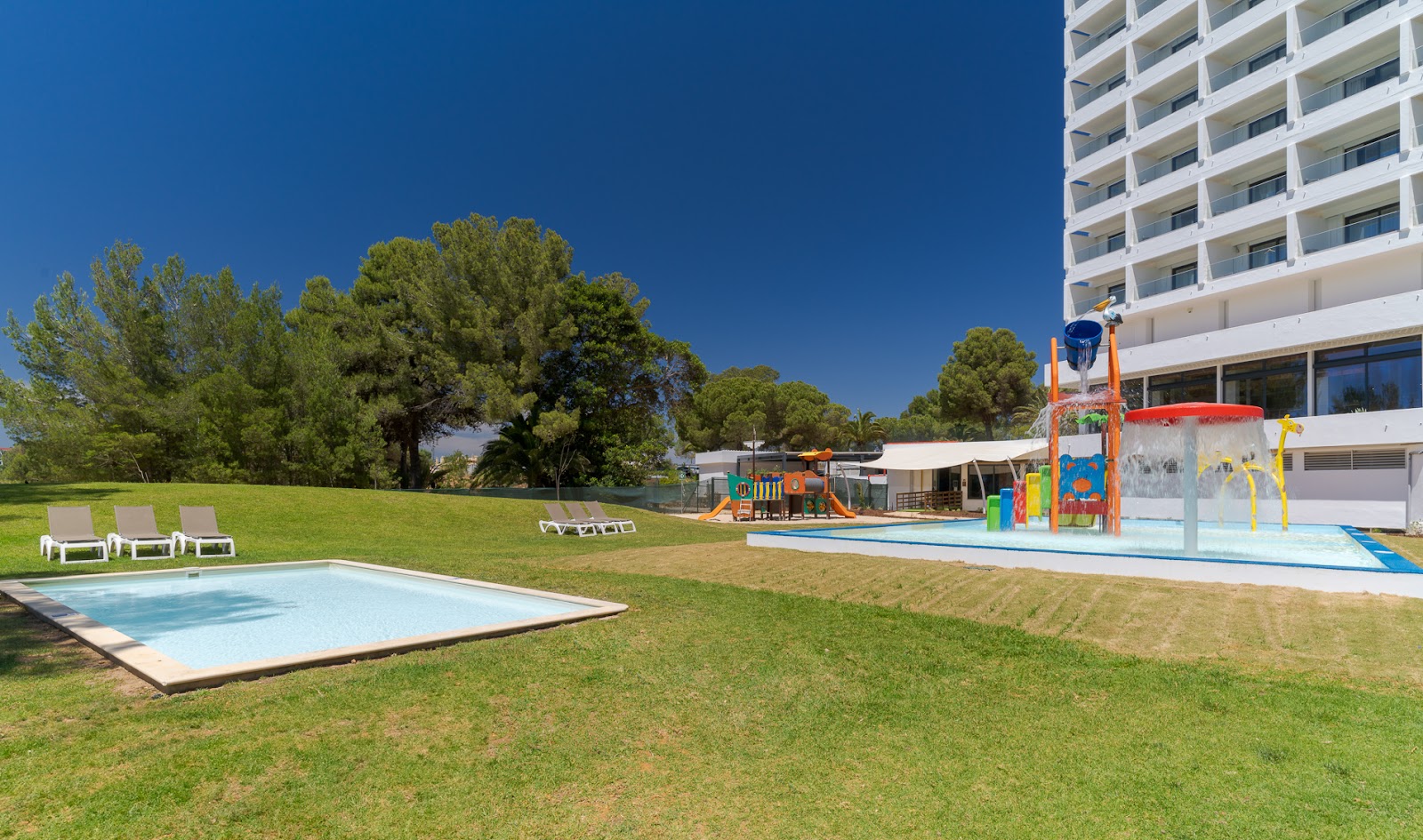
TL;DRCrete, Greece’s largest island and home to over 4.7 million visitors a year, comes with 34 tips covering the palace of Knossos near Heraklion, the island of Spinalonga with its former leper colony, the Samaria Gorge, and beaches like pink-sand Elafonissi or the rocky lagoon at Balos. May to October is the best window, when the island gets up to 300 sunny days a year — August is the hottest month, with air temperatures around 30°C and the sea at 25°C. If you want fewer crowds and lower prices, aim for June or September. Entry to Knossos costs €15–€20 depending on whether it includes the museum, and you’ll want more than a week to properly explore the island’s ancient sites, Venetian fortresses and mountain villages like Anogeia.
Crete, Greece’s largest island, is a must-visit destination with a unique charm that attracts over 4.7 million tourists each year. Known for its fascinating blend of ancient history, breathtaking landscapes, and vibrant local culture, Crete offers an authentic Greek experience. My own first visit as a child left a lasting impression—tales of the Minoan civilization and the island’s history as a leprosy treatment center captivated me, especially at ten years old!
According to Greek mythology, Crete holds special significance as the birthplace of Zeus, king of the gods, adding a layer of mystique to this incredible island. In this guide, we’ll walk you through the best times to visit, essential sights, thrilling activities, and ideal places to stay for an unforgettable holiday in Crete, Greece.
Crete holidays: what to see and do on the Greek island
Crete is an ideal summer holiday destination, especially between May and October, thanks to its prime location between Europe and Africa, providing up to 300 days of sunshine each year.
The peak tourist season falls during the summer months, with August being the hottest, reaching air temperatures of around 30°C and water temperatures around 25°C. However, this is also the busiest time, with the highest prices and the most crowds.
For a more relaxed experience with lower prices and fewer tourists, consider visiting in June or September. If you’re curious about the monthly sea temperatures in Crete, check out the table below for more details.
Moon
Average air temperature
Average water temperature
January
15 °C
16.6 °C
February
15 °C
15.9 °C
March
17 °C
15.9 °C
April
20 °C
16.8 °C
May
23 °C
19.6 °C
June
27 °C
23.1 °C
July
28 °C
25.8 °C
August
29.9 °C
26.5 °C
September
27.5 °C
25.5 °C
October
23 °C
23.3 °C
November
18.9 °C
20.9 °C
December
14.8 °C
18.4 °C
Best Hotels in Crete
For families traveling with kids, Stella Village Seaside Hotel is one of the best choices in Crete, offering an all-inclusive experience complete with water slides that kids absolutely love. If your little ones are anything like mine, a hotel with slides is a must! I’m pretty sure my child will feel the same way when he’s a bit older. 😂
If Stella Village is fully booked, another fantastic option is Arina Beach Resort, which also features a great location and fun water slides for the kids. ☺️
Crete’s Historical Highlights: What You Need to Know
Crete was the birthplace of one of Europe’s earliest civilizations—the Minoan civilization, which emerged around 2000 BC and flourished between 1700 and 1450 BC. This era saw the construction of impressive palaces like Knossos and showcased advanced cultural and technological achievements.
Following the decline of the Minoan civilization around 1100 BC, Crete experienced a period of downturn and later became part of several major empires, including the Roman, Byzantine, and Ottoman. In modern times, Crete eventually joined the independent nation of Greece.
Crete holidays: The most beautiful sea in Greece
Crete’s rich history and archaeological heritage showcase the influences of various cultural and political powers. From the Ancient Greeks and Romans to the Byzantine Empire, the Arab and Venetian periods, and later Turkish rule, Crete has experienced significant transformations. Each era left its unique mark on the island, reflected in its architecture, art, and local traditions.
In the 20th century, Crete played a notable role in World War II and later became part of modern Greece. This union paved the way for economic development and a thriving tourism industry.
34 Best Things to Do and See in Crete
Curious about what to see and do in Crete? Whether you’re traveling as a couple, with kids, or solo, Crete has so much to offer that a week’s holiday won’t be enough if you want to experience even half of what this incredible island has in store.
Let’s explore some top recommendations for Crete’s most beautiful spots, must-visit beaches, historic landmarks, popular hiking trails, and scenic trips to charming villages and nearby islands.
Crete: the most interesting sights
As noted, Crete is deeply connected to the Minoan civilization and ancient Greek mythology. But that’s just the beginning—remember, I also mentioned an island where people with leprosy were once treated, adding another layer to Crete’s fascinating history.
Greece sights: the most popular sight in Crete is Knossos
Knossos Palace
The Palace of Knossos is one of the most visited and significant historical sites in Crete and all of Greece, likely serving as the main center of the Minoan civilization.
The original palace was constructed as early as the 19th century BC, with its peak around 1400 BC. Today, visitors can explore the extensive ruins uncovered in the 20th century, as well as a partial replica of the palace. This archaeological site spans approximately 2 hectares and is located near the capital city, Heraklion.
🔗 These are affiliate links — they don't change your price and help us create content. · All experiences →
Knossos is easily accessible from central Heraklion via public bus line 2, which runs every 30 minutes. Tickets cost €1.50 and can be purchased at a newsstand or from a vending machine. For added convenience, tickets are also available on GetYourGuide, and due to the attraction’s popularity, it’s best to buy in advance online to avoid long lines.
Admission
Opening hours
15 EUR (premises), 20 EUR (with museum)
November – March: 8:00 – 17:00, April – October: 8:00 – 20:00
Faistos
The archaeological site and Minoan palace of Faistos, also known as Phaistos, sits atop a hill, offering stunning panoramic views of the surrounding landscape.
Phaestos was the second-largest Minoan city and a key administrative center in south-central Crete, with influence extending over the Amari and Agios Vassilios areas in the Rethymno region and throughout the southern part of Heraklion.
According to legend, the city was founded by Phaistos, son of Hercules. Homer even mentions Phaestos as a participant in the Trojan War, led by Idomeneus, the king of Knossos and all of Crete.
What to visit in Crete? Be sure to go to Faistos
Gortyna
The archaeological site of Gortys, also known as Gortyna, lies about one kilometer outside the village of Agii Deka, along the main road from Heraklion toward Mires, Timbaki, and Agia Galini.
Gortys was initially inhabited during the Minoan period, but it rose to prominence as one of Crete’s most powerful city-states during the Dorian era. Later, under Roman rule, it became the capital of Crete.
Tips for excursions in Crete: Gortys
The excavations at Gortys reveal fascinating ruins, including the Basilica of St. Titus, the Roman Odeon with a unique 5th-century BC inscription detailing city laws, a small Greek theater, and an ancient acropolis.
Beyond the main site, visitors can explore other remarkable monuments, such as the sanctuary dedicated to the Egyptian deities Isis and Serapis, the temple of Apollo Pythios, the Roman Praetorium, Roman baths, and another Roman theater.
Rethymno
Rethymno, home to over 30,000 residents, is the third-largest town in Crete and a major tourist destination. Nestled nearly halfway between Heraklion and Chania, the town boasts a charming old harbor, a historic center with narrow, winding streets, an impressive Venetian fortress, and the longest stretch of beaches on the island.
What to see in Crete? Rethymno, with more than 30,000 inhabitants, is the third largest town in Crete
Rethymno’s sandy beach begins just steps from the old port and stretches over 9 km through the resort areas of Perivolia, Platanes, Adelianos Kampos, and Sfakaki. This lively, budget-friendly beach is perfect for travelers looking to be at the heart of the action, with a variety of low-rise apartment hotels, tavernas, and bars lining the shore.
Top Sights in Rethymno:
Fort Fortezza: The largest Venetian fortress in Crete, offering stunning views over the city and sea.
Venetian Harbor: A charming area in the historic center, featuring a waterfront promenade and a 19th-century lighthouse built by the Egyptians.
Rimondi Fountain: A decorative Venetian fountain from the 17th century, located in the heart of the old town.
Spinalonga Island
As I mentioned earlier, one of my strongest memories from visiting Crete as a child was learning about the island where people with leprosy were once treated.
This island, Spinalonga, is a small but memorable place in the Gulf of Elounda, located on Crete’s eastern coast.
Spinalonga Island – a place where people were treated for leprosy
On Spinalonga, you can explore the well-preserved remains of a Venetian fortress built in the late 16th century to defend the bay and the port of Elounda from Ottoman invaders. Despite holding out for over 70 years, the fortress eventually fell to the Turks in 1715.
After the Turks left Crete in 1905, Spinalonga became a leper colony, one of the last in Europe, and remained in operation until it was closed in 1954.
🔗 These are affiliate links — they don't change your price and help us create content. · All experiences →
Getting to Spinalonga is easy—book a tour through your travel agent, use the GetYourGuide platform as we did, or venture out on your own. Entry to the fortress costs €8.
The island is accessible only by boat during the summer season, from May to October. Regular ferries depart from three locations: the resort towns of Agios Nikolaos and Elounda, and the nearby village of Plaka.
Arkadi Monastery
Located southeast of Rethymno, the Arkadi Monastery is an important Eastern Orthodox shrine with a profound role in Cretan history. The monastery was central to the resistance against Ottoman rule, particularly during the 1866 revolt.
During this uprising, 943 Greeks, mostly women and children, took refuge in the monastery. Rather than surrender, they chose to ignite barrels of gunpowder in a powerful act of self-sacrifice. Tradition holds that the monastery was founded by a monk named Arcadius, though its exact founding date is unknown. The current buildings date back to the 16th century.
Sights of Crete: Arkadi Monastery
The monastery is open daily from 9 am to 8 pm, with services held at 6 am and 6 pm. Visitors can also enjoy a small on-site café and browse a souvenir shop for mementos.
Agia Triada Monastery
The charming Byzantine Monastery of the Holy Trinity, also known as Tzagaroli after the two brothers who built it in the 17th century, is nestled on the hillside of the Akrotiri peninsula, just a few kilometers from Chania.
It’s no surprise that this monastery is considered one of the most beautiful in Crete and is undoubtedly one of the island’s most fascinating sights.
Agia Triada
Moni Preveli Monastery
Moni Preveli Monastery, located 37 km south of Rethymno, Crete, is set in a stunning landscape overlooking the Libyan Sea and surrounded by an exotic palm forest. The monastery is divided into two separate complexes, “Piso” and “Kato Monastiri,” which are about 2 km apart.
According to legend, the monastery was established during the Venetian period, similar to many other Cretan monasteries. Originally, the site housed two larger monasteries and several smaller ones, which eventually merged to form the larger Preveli Monastery. Over the years, dedicated abbots have made it one of the wealthiest monasteries in western Crete. Preveli Monastery also played a crucial role in Crete’s liberation struggles against the Ottoman Empire.
Sights in Crete: Moni Preveli Monastery
The first building you’ll encounter upon arriving from Rethymno is Kato Monastiri, dedicated to Agios Ioannis Prodromos. Today, it stands completely abandoned. Piso Monastiri, more familiar to visitors, is dedicated to Agios Ioannis the Theologian. Sadly, none of the original structures have survived intact; those not destroyed by the Turks were heavily altered in later renovations.
Among the monastery’s treasured relics are the 1750 painting Christ the King of Kings by artist Mix. Preveli, a 13th-century icon of St. John the Theologian, a silver chandelier in the Theologos temple with a gilded gospel and chalice, and a bronze Russian-style chandelier from 1908 crafted in Moscow.
The monastery also holds a revered silver cross containing holy wood. For those interested in delving deeper into the monastery’s history, there is an archive and a cadastral book available. The decline of Preveli Monastery began after 1960, and today it is maintained by a single monk.
Archaeological Museum of Heraklion
Located in the historic center of Heraklion, this museum is a popular destination for both locals and tourists. Designed by Patroclus Karantinos, the building was constructed between 1935 and 1958 on the site of the Venetian Monastery of Saint Francis, which was destroyed in an 1856 earthquake.
The museum showcases artifacts from the Neolithic period (7000 BC) to the Roman period (200 AD), offering a comprehensive look at Crete’s history, including its Minoan culture.
Highlights of the collection include the famous Disk of Phaistos from the second millennium BC, an enduring mystery with its undeciphered symbols. Other remarkable items are pieces of Minoan jewelry—necklaces, earrings, and diadems—that display impressive craftsmanship and intricate detail.
🔗 These are affiliate links — they don't change your price and help us create content. · All experiences →
Tickets can be easily purchased on GetYourGuide or directly on-site, though you may face lines during the summer season.
Chanion Folk Museum
The Chanion Folk Museum, located in the heart of the old town of Chania on Halidon Street, next to the Catholic Church, offers a glimpse into traditional Cretan life during the 18th and 19th centuries.
Visitors can explore a fascinating collection of tools, raw materials, and products from traditional crafts, small industries, and rural life. The museum showcases models of rural occupations, domestic arts, and examples of typical country house interiors. Additionally, there’s a dedicated workshop that keeps the art of Cretan embroidery alive, where intricate embroidery pieces are created for visitors to admire.
The most beautiful beaches in Crete
While Crete’s historical sites are a big draw, you’ll also want to explore its stunning swimming spots. Here’s a look at some of the most beautiful beaches in Crete.
Elafonissi – beach in Crete with pink sand
Elafonissi in Crete is renowned for its crystal-clear turquoise waters and unique pink sand beaches. A sandy stretch about 200 meters wide connects the mainland to the small island of Elafonissi, creating a 400-meter-long beach with access to the sea on both sides.
Crete beach with pink sand
This beach is perfect for families with children, thanks to its shallow, calm waters. It also offers convenient amenities, including sunbed and umbrella rentals, showers, a small bar, and a tavern.
Elafonisi Island is about 1 km long and offers numerous small platforms with stunning views. Due to its distance from major cities, it remains pleasantly uncrowded in the early morning and late evening.
Just 2 km from Elafonisi is the picturesque Kedrodasos Beach, known for its shallow, clear waters and beautiful scenery. Elafonisi is also home to rare plant and animal species, including juniper bushes, sea daffodils, and the endangered loggerhead sea turtle.
Located in western Crete in a secluded area, Elafonisi is best reached by car. It is 76 km from Chania and 211 km from Heraklion. The last stretch of the drive involves narrow, winding roads, and there is a parking lot by the beach for €5 per day. For those without a car, buses run from Chania to Elafonisi once daily, departing around 9:00 am and returning at 4:00 pm, with the trip taking about 2 hours each way. A round-trip ticket costs €11.
Balos beach
Balos Beach in Crete is one of the island’s most picturesque spots, offering perfect swimming conditions far from the busy resorts and towns. A sandy stretch links the Gramvousa peninsula to the small rocky islet of Tigani, creating a tranquil lagoon ideal for families with young children.
Towards the lagoon’s edge, the sea deepens, with waters turning a stunning azure and remaining crystal clear. This protected area is a habitat for sea turtles, cormorants, and falcons, adding to its natural charm.
The most beautiful beaches in Crete: Balos Beach
If you plan to visit, it’s best to arrive early in the morning. There is a small beach bar with a limited number of sun loungers and umbrellas, which fill up quickly during high season.
Balos is accessible by car from Kissamos, with clear signage along the way; however, the final stretch is a gravel road that requires a €1 fee. Alternatively, daily boat trips depart from Kissamos, often stopping at the nearby Gramvousa islet, home to a Venetian fortress dating back to 1579–1582.
🔗 These are affiliate links — they don't change your price and help us create content. · All experiences →
Falassarna beach
Falassarna Beach, on Crete’s west coast, is widely regarded as one of the island’s most stunning beaches.
This expansive stretch of fine, light sand with occasional small pebbles is set against a striking, dramatic landscape.
The beach is equipped with showers, sun loungers, and umbrellas, and you’ll find small bars nearby for drinks and snacks. It’s also one of the best spots on the island to watch the sunset.
The second most beautiful beach in Crete
The easiest way to reach Falassarna Beach is by car. Located 14 km from Kissamos and 52 km from Chania, the route from Kissamos is well signposted and leads directly to a free parking lot next to the beach. During the summer season, regular KTEL buses run from Chania to Falassarna, with one-way tickets costing about €8.50.
Vai beach
Vai Beach, also known as Palm Beach, is located on the eastern tip of Crete and is surrounded by gentle hills. It’s renowned for its stunning date palm grove, a unique natural feature and one of Crete’s iconic symbols.
The most beautiful beach in Crete: Vai Beach
The palm grove here is unique, as these trees grow naturally, unlike other areas in Crete where palms are planted. While most of the grove is fenced off, the section closest to the beach is open to the public.
Vai Beach features fine white sand and a gentle slope into the sea, with small, colorful pebbles along the shore. You’ll find all the essentials for a comfortable beach day, including showers, restaurants, restrooms, and shops.
A large parking lot is available nearby, with a fee of €3 per day during high season, parking is free in the off-season.
Matala beach
Matala Beach, located on Crete’s southern coast, is one of the island’s most beautiful spots, known for the impressive rock formations surrounding it.
One of these cliffs is dotted with dozens of small caves, carved out around 2000 BC. An interesting fact: in the 1970s, these caves became a popular hangout for members of the hippie movement.
The most beautiful beaches in Crete: Matala Beach
Matala is a smaller, quieter resort with most of its buildings being hotels, apartments, or guesthouses. It’s easily accessible by car from Heraklion, with the drive taking about an hour and 15 minutes. From May to October, buses also run from Heraklion to Matala 3-4 times a day, with a one-way ticket costing around €8.50 and a journey time of about 2 hours.
Seitan Limania beach
Another stunning beach in Crete is Seitan Limania Beach, also known as “Devil’s Harbour.” This picturesque spot is framed by high cliffs, and, as you can see in photos, the water is incredibly clear.
Located near Chania on the Akrotiri peninsula, it’s an easy 30-minute drive from Chania town. There is free parking available for about 30-40 cars, so it’s best to arrive early to secure a spot.
The most beautiful beaches in Crete: Seitan Limania
The walk from the parking area to the beach takes about 15-20 minutes. Since there are no shops or restrooms at the beach, be sure to bring everything you’ll need for your visit.
Stavros beach
Stavros Beach, also known as Zorba’s Beach, is located in the northeast corner of Akrotiri, near Chania. This beach gained international fame as the filming location for the movie Zorba the Greek in the 1960s. Today, it’s popular for its stunning appearance, with beautiful golden sand, crystal-clear water, and a highly photogenic setting.
The most beautiful beaches in Crete: Stavros
Stavros Beach has all the amenities you might need, including restaurants, public restrooms, sunbeds for rent, showers, and changing facilities at both ends of the beach. However, renting a sunbed here is on the pricier side, costing around €25-30 for two sunbeds and an umbrella.
Frangokastello beach
Frangokastello Beach is one of Crete’s most stunning beaches, distinguished by a medieval Venetian castle overlooking the shore. Nestled in a valley beneath the White Mountains, it is located 13 km east of Chora Sfakion and 80 km southeast of Chania. Free parking is conveniently available right by the beach.
The most beautiful beaches in Crete: Frangokastello
Frangokastello Beach is especially popular with families with young children due to its shallow, calm waters. The area is well-equipped with amenities, including restaurants, restrooms, and shops, making it ideal for a comfortable family day by the sea.
Just a short 300-meter walk east of the main beach, you’ll find the stunning Orthi Ammos Beach, known for its impressive sand dunes.
Triopetra
Another must-see among Crete’s most beautiful beaches is Triopetra. The name “Triopetra,” meaning “Three Rocks,” comes from the striking rock formations that emerge from the sea. Located about 50 km south of Rethymno and 13 km southwest of Akoumia, this beach offers a unique and scenic experience.
The most beautiful beaches in Crete: Triopetra
Tips for excursions in Crete
Looking to do more than just relax on the beach? Here are our top recommendations for excursions to help you explore Crete further.
Samaria Gorge Trek – 5 – 7 hour trek
If you enjoy hiking and are visiting Crete outside the peak summer heat, don’t miss the Samaria Gorge.
This southeastern area is a sanctuary for the rare kri-kri, a species of Cretan wild goat found almost exclusively here and on a nearby island.
🔗 These are affiliate links — they don't change your price and help us create content. · All experiences →
The hike through Samaria National Park covers 13 km, but you’ll need to walk an additional 2 km eastward to reach Agia Roumeli, bringing the total distance to 15 km (about a 5-7 hour trek). The most famous section of the gorge, known as “The Gates,” features walls that narrow to just four meters wide and rise nearly 300 meters high.
Competitions in Crete: Samaria Gorge Crete
The village of Samariá, located within the gorge, was abandoned in 1962 to create the national park. Both the village and the gorge are named after the ancient village church, Óssia María.
Detail
Information
Opening hours
07:00 – 15:00 (daily, from 1 May to 31 October)
From 15:00 until sunset only 2 km walk
Admission
5 € per person
Children up to 15 years free of charge
Other notes
Keep your ticket for checking on exit
Where to buy tickets
On site or via GetYourGuide.
Imbros Gorge – alternative for families with children
Imbros Gorge (Greek: Φαράγγι Ίμπρου) is a beautiful, less-crowded alternative to the more famous Samaria Gorge in Crete, offering a shorter yet scenic hike ideal for families with children.
The trail begins in the village of Imbros and ends in Komitades, covering a distance of 8 km with an elevation gain of about 500 meters. The average hiker can complete the route in about 2.5 hours, including stops for photos and refreshments (which you’ll need to bring along).
Imbros Gorge
The narrowest section of Imbros Gorge is only 1.6 meters wide, while the canyon walls tower up to 300 meters, offering spectacular views. Keep an eye out for wild goats as you hike!
The gorge is open year-round, with an entrance fee of €2.50 per adult from May through October.
The main entrance to the gorge is about 1 km from the village of Imbros, where free parking is available. Be cautious of tavernas in the village advertising “gorge entry”—the actual main entrance gate is located elsewhere!
Anogeia
Another beautiful excursion you can book through a travel agency or on GetYourGuide is a trip to the charming village of Anogeia, located on the slopes of Mount Psiloritis at an altitude of 700 meters.
Why visit Anogeia? This village showcases a unique side of Crete. Here, you can admire traditional folk arts and crafts and experience local Christian music, which has deep roots in Cretan culture.
In the first week of July, Anogeia hosts the “Iakinthia” music festival, featuring renowned Cretan musicians like Nikos Xylouris and Vasilis Skoulas, both natives of the village.
🔗 These are affiliate links — they don't change your price and help us create content. · All experiences →
For caving enthusiasts, the area around Anogeia offers hidden gems like the Sfendoni Cave in the nearby village of Zoniana. This cave features impressive and rare stalactites and stalagmites, making it a must-visit for those interested in exploring Crete’s underground wonders.
Things to see in Crete: Loutro
Loutro
Another wonderful excursion is a boat trip to the picturesque village of Loutro. The whitewashed houses stand out beautifully against the stunning natural surroundings, creating a postcard-perfect scene that’s sure to keep your camera busy.
🔗 These are affiliate links — they don't change your price and help us create content. · All experiences →
Cooking course in Lefka Ori
If you love Greek cuisine, consider a full-day Cretan cooking course in the White Mountains (Lefka Ori) through GetYourGuide, where you’ll discover the magic of healthy, delicious Mediterranean cooking. This experience is one of the island’s most popular excursions.
🔗 These are affiliate links — they don't change your price and help us create content. · All experiences →
Plakias
Be sure to visit Plakias. Once a small fishing village, it’s now a vibrant resort known for its expansive sandy beach stretching over 1 km and stunning views of the island of Gavdos.
Holidays Crete: Plakias
Agios Nikolaos
Another must-visit town in Crete is Agios Nikolaos, with roots dating back to the Bronze Age. A key attraction is Lake Voulismeni, a scenic lake connected to the sea and lined with lively cafes and restaurants, especially vibrant in the evening.
Beautiful places in Crete: Agios Nikolaos
Mount Sfakion
Another charming town in Crete is Chora Sfakion, the largest settlement in the remote and mountainous region of Sfakia, though it has just 265 residents. 😁
Visitors can enjoy Vrissi Beach and several nearby pebble beaches. The local economy thrives on tourism, fishing, olive oil production, and sheep and goat farming. During the Venetian and Turkish occupations, up until the 18th century, the town prospered through a flourishing trade with its own small fleet.
Mount Sfakion
Chora Sfakion is known as a stronghold of resistance against both Venetian and Turkish occupiers. The impenetrable White Mountains to the north and rugged beaches to the south helped locals fend off invaders. Nearby, the village of Anopolis is the birthplace of one of Crete’s most famous revolutionaries, Daskalogiannis.
Chrissi – Golden Island
Chrissi (also spelled Chrysi, Chryssi, or Chrisi), known as “Golden Island” or Gaidouronisi (“Donkey Island”), is an uninhabited islet about 15 km south of the resort town of Ierapetra in Crete. With its fine white and golden sands, crystal-clear waters, and fragrant cedar forests, it has the allure of an exotic paradise.
Chrissi Island – a tip for a trip to Crete
Two of the island’s most beautiful beaches are Golden Beach and Belegrina Beach. Chrissi is also home to a 300-year-old cedar forest in its center and unique marine fossils along the beaches.
Beyond its stunning beaches and cedar groves, Chrissi features the small Orthodox church of Agios Nikolaos, dating back to the 13th century, as well as the remains of a Minoan settlement on the northwest side of the island.
Chrissi is accessible by cruise boats from the port of Ierapetra, with the journey taking about 30 minutes. You can book a boat trip to Chrissi through GetYourGuide.
🔗 These are affiliate links — they don't change your price and help us create content. · All experiences →
The village of Mochlos
For an authentic taste of a traditional fishing village, head to the north coast of Crete and visit the village of Mochlos. From here, you can also take a trip to the nearby island of the same name.
Tip for a trip to Crete: Mochlos
Island of Mochlos
Mochlos Island is a lesser-known Minoan archaeological site, discovered in 1907 by American archaeologist Richard Seager with the help of local fishermen. Excavations in 1908 revealed ancient Minoan graves and dwellings.
Zakros
Another stunning area to explore in Crete is Zakros, known for its beautiful Kato Zakros Beach. This pebbly beach lies in a sheltered bay, offering a peaceful and scenic setting.
Tip for a trip to Crete: Zakros
Don’t miss the Minoan Palace of Zakros, located in Kato Zakros just a few hundred meters from the sea. It was the last Minoan palace discovered in Crete and, although smaller than those at Knossos, Malia, and Phaistos, it’s well worth a visit. The surrounding area, known as the Valley of the Dead, is also notable for its many Minoan tombs.
What to do with children in Crete
If you’re visiting Crete with kids, there’s no shortage of family-friendly activities to enjoy. Here’s a look at some of the top excursions and attractions for children in Crete beyond the ones already mentioned.
Snorkeling
One of the most popular activities throughout Greece is a snorkeling trip. These excursions can be booked for a few hours, a half-day, or a full day, with options to go on larger or smaller boats, catamarans, and sometimes even yachts.
Many snorkeling trips include a Greek barbecue or snacks, depending on the trip length. If you’re not traveling through a tour operator, you can easily book a snorkeling excursion through GetYourGuide.
🔗 These are affiliate links — they don't change your price and help us create content. · All experiences →
Go to the cave of the god Zeus
The impressive Dikteon Andron, or Zeus Cave, is a stunning stalactite cave located in the Dikte Mountains at an altitude of 1,025 meters, near the village of Psychro (often referred to as Psychro Cave).
Greek mythology holds that this cave was the birthplace of Zeus, the supreme Olympian god. Archaeological research shows that the cave has been inhabited since the Neolithic period and was primarily used as a burial site.
Most tour operators offer excursions to the cave, but you can also visit independently by booking through GetYourGuide.
🔗 These are affiliate links — they don't change your price and help us create content. · All experiences →
Visit a waterpark in Crete: Watercity
If your kids are anything like I was, they’ll probably want to spend at least a day at a water park. Watercity is a fantastic water park in Crete, and I can’t wait to take our little one there once he’s a bit older.
Tip: I recommend buying tickets in advance to avoid long lines with the kids. You can easily do this on GetYourGuide or through the official website, although it can be a bit cluttered.
🔗 These are affiliate links — they don't change your price and help us create content. · All experiences →
Aquarium in Crete
A visit to the aquarium is a favorite excursion for families with children in Crete, offering an up-close look at the fascinating underwater life of the Mediterranean Sea. It’s one of the island’s most popular attractions for families, and tickets can easily be purchased online through GetYourGuide. While tickets are also available at the entrance, expect long lines during the high season.
Crete is one of the most beautiful Greek islands, with stunning beaches, great activities for families with children, and hiking tours for those who love hiking.
Where is the beach with pink sand in Crete?
The pink-sand beach is called Elafonisi, 76 km west of Chania.
Is Crete suitable for holidays with children?
Yes, Crete is one of the best Greek islands for holidays with young and older children.
What is Crete like in October?
Crete is one of the sunniest islands in Greece (300 days of sunshine a year) and even in October the weather is pleasantly sunny.
Is Crete or Corfu better?
Crete is definitely more popular than Corfu but whether it is better depends on what you expect from the island.
Where is it not blowing in Crete?
The north coast is less windy than the south. But it may be too hot for that.
Is North or South Crete better?
The north of Crete is more touristy and less windy, and the sea is calmer. In the south, it is more quiet, ideal for a romantic stay for two, but you have to take into account bigger waves.
What is the sea temperature in Crete?
The sea temperature in Crete in summer is around 26 degrees.
What is the sea like in Crete?
The sea in Crete is clean, turquoise and warm in summer.
Tips and Tricks for Your Vacation
Don’t Overpay for Flights
Search for flights on Kayak. It’s our favorite search engine because it scans the websites of all airlines and always finds the cheapest connection.
Book Your Accommodation Smartly
The best experiences we’ve had when looking for accommodation (from Alaska to Morocco) are with Booking.com, where hotels, apartments, and entire houses are usually the cheapest and most widely available.
Don’t Forget Travel Insurance
Good travel insurance will protect you against illness, accidents, theft, or flight cancellations. We’ve had a few hospital visits abroad, so we know how important it is to have proper insurance arranged.
Where we insure ourselves: SafetyWing (best for everyone) and TrueTraveller (for extra-long trips).
Why don’t we recommend any Czech insurance company? Because they have too many restrictions. They set limits on the number of days abroad, travel insurance via a credit card often requires you to pay medical expenses only with that card, and they frequently limit the number of returns to the Czech Republic.
Find the Best Experiences
Get Your Guide is a huge online marketplace where you can book guided walks, trips, skip-the-line tickets, tours, and much more. We always find some extra fun there!
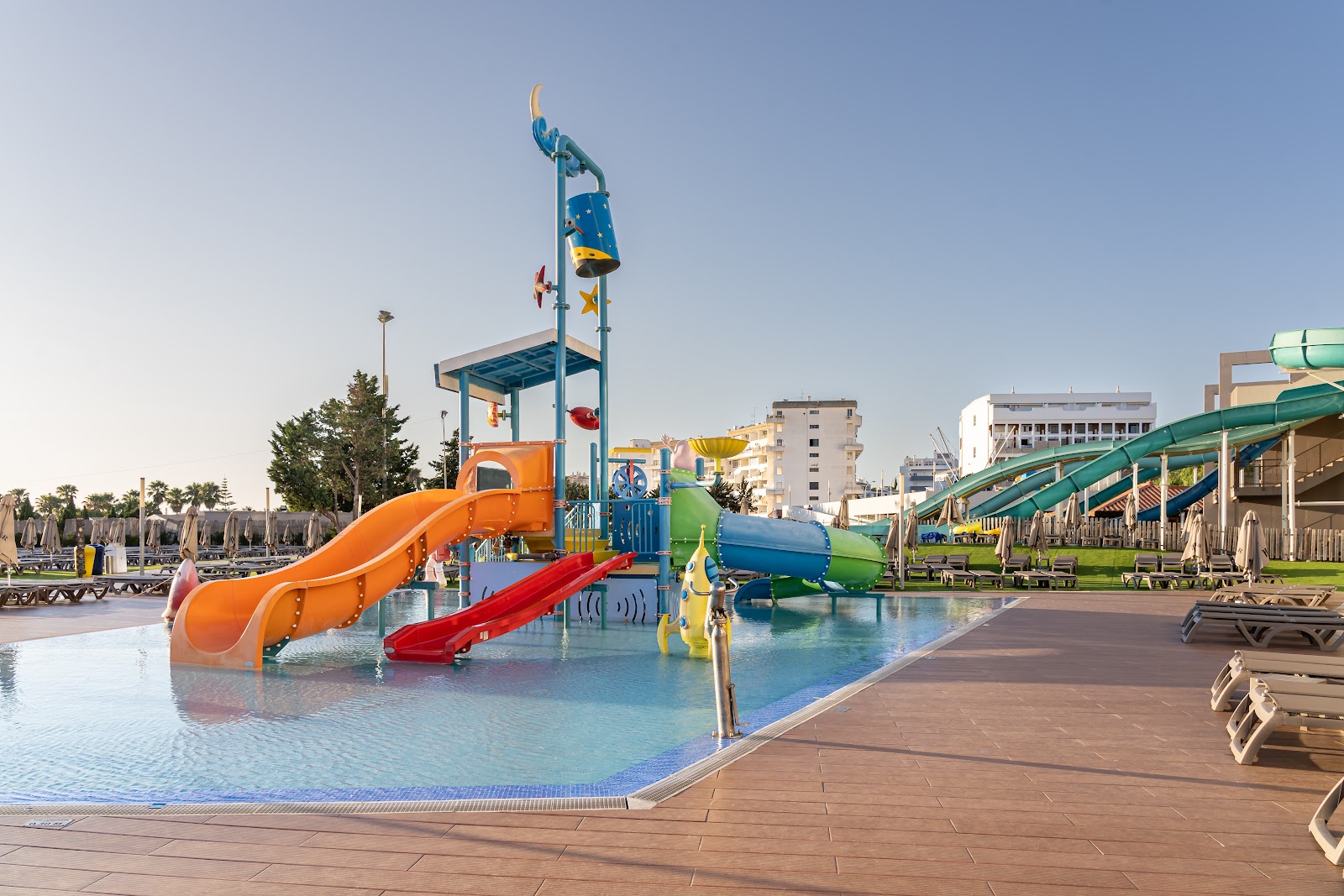
TL;DRCorfu is one of Greece’s most popular and greenest islands, with gorgeous beaches, laid-back resorts and plenty of culture, plus excellent Greek tavernas. Flights take around 2 hours, or you can arrive by ferry from Albania or mainland Greece. Don’t miss Corfu’s UNESCO-listed old town, the beaches at Paleokastritsa and Canal d’Amour, or the view over the tiny island of Pontikonisi. The best time to go is May to October, and Corfu suits families and couples alike. This guide has 22 tips on what to see and do, the best beaches, and where to head for a day trip.
We find ourselves returning to Corfu every few years, often as a perfect end to our travels through the Balkans. Corfu is one of our favorite Greek islands, offering a little bit of everything—stunning beaches, charming resorts, and a rich array of cultural experiences. And, of course, like the rest of Greece, Corfu boasts a fantastic selection of Greek restaurants. Here’s a guide to the 22 best things to see and do in Corfu.
Corfu is easily accessible by air or ferry from Albania or mainland Greece. While it’s also possible to travel from Italy, it’s not the most convenient option, as the journey can be quite lengthy.
Corfu: weather and sea temperature by month
🌡️ Warmest: July (daytime 32 °C) · 🌊 Warmest sea: July (27 °C) · ☔ Least rainfall: July
Month
Day
Night
Sea
Rainy days
January
13 °C
9 °C
17 °C
15
February
14 °C
9 °C
16 °C
8
March
15 °C
10 °C
16 °C
10
April
18 °C
12 °C
17 °C
10
May
22 °C
16 °C
20 °C
10
June
28 °C
21 °C
24 °C
3
July
32 °C
24 °C
27 °C
1
August
32 °C
24 °C
27 °C
3
September
27 °C
21 °C
27 °C
10
October
23 °C
18 °C
24 °C
10
November
19 °C
14 °C
21 °C
15
December
15 °C
11 °C
18 °C
16
Source: climate normal 2019–2024 (Open-Meteo, measured data)
By air to Corfu
Corfu is about a 2-hour flight from Prague. However, due to the time difference between the Czech Republic and Greece, it may feel like the trip takes an extra hour when heading there and an hour less on the return.
To reach Corfu, you can book flights with the budget airline Ryanair, which operates seasonal flights from March to October. Ticket prices start at around 2,500 CZK outside the peak tourist season. Alternatively, SmartWings flies from multiple Czech cities, though their fares tend to be higher.
For more affordable options, consider checking flights from nearby airports, especially outside the busy tourist season:
If you plan to explore other parts of Greece, you can also fly into Athens, which offers numerous domestic flight connections. Volotea, for example, provides daily flights with one-way tickets starting from €25.
Holidays Corfu
By ferry or boat to Corfu
If you’re traveling to mainland Greece, the most common and convenient route is via the port of Igoumenitsa. The ferry journey takes around 1 hour and 30 minutes, with 6 to 10 departures available daily.
Ticket prices for adults typically start at around €10, though you might find online promotions offering a reduced fare of €5. If you’re bringing a car, expect to pay around €40 per vehicle. For information on schedules, prices, and special deals, you can check out Kerkyra Seaways or the Ferries.gr platform.
We traveled from Greece and from Sarandë in Albania. The ferry from Sarandë to Corfu takes about 35 to 40 minutes. Tickets can be purchased online, often with a 10% discount compared to buying them at the port. This route is serviced by Ionian Seaways, with a one-way fare of €19 and a round-trip fare of €38.
During our bike trip, we also traveled from Corfu to Italy. You have several destination options, including Ancona, Bari, and Brindisi. For purchasing tickets, we recommend using Ferries.gr, where you can also find schedules from various operators. If traveling with a vehicle, it’s best to book your tickets at least one week in advance.
Essential Travel Documents Needed for Your Trip to Corfu
You can enter Corfu, a Greek island, using either an ID card or a passport, whether you arrive by air or by ferry—both documents are accepted. If you plan to visit Albania during your trip, a passport is not required, an ID card is sufficient, even though Albania is not part of the EU or Schengen area.
Greece holidays: where to go on holiday to Greece – Corfu
Best Hotels in Corfu
Unfortunately, we always ended up arranging accommodation at the last minute and never quite found what we were looking for. To avoid this, try booking early and checking availability at Angsana Corfu Resort & Spa.
Where to rent a car in Corfu
Renting a car in Corfu is simple, especially at the airport. We always use the DiscoverCars platform and have never encountered any issues. We recommend opting for a smaller car, as some roads can be narrow, and parking spaces are often limited.
Best Time to Visit Corfu
The best time to visit Corfu is from June to September, when the weather is perfect for a summer getaway. The sea reaches its warmest in August, with temperatures up to 26°C.
June: Corfu is less crowded, and while the air is pleasantly warm, the sea is still a bit cooler.
July – August: These are the hottest, busiest, and most expensive months, perfect for swimming and sunbathing, with average temperatures around 30°C.
October – April: This period sees few tourists, making it an ideal time for hiking and exploring the island’s sights. Daily temperatures range from 15-22°C.
22 Best Things to Do and See in Corfu
You could easily spend two weeks in Corfu without ever getting bored. The island is quite large, and traveling between destinations takes time, so a week isn’t enough to see everything it has to offer.
The most beautiful beaches in Corfu
Corfu truly offers beaches for every preference, from secluded coves to lively sandy shores with bars and restaurants. Whether you’re looking for a peaceful swim in a quiet bay or an active day of snorkeling and water sports, you’ll find the perfect spot here.
Paleokastritsa
Paleokastritsa is renowned for its stunning pebble beaches and crystal-clear waters, making it a paradise for snorkeling and diving enthusiasts. You’ll also enjoy breathtaking views of the lush, green hills that surround the area.
Paleokastritsa – the most beautiful beaches in Corfu
Sidari – Love Canal
Sidari, a charming seaside resort on Corfu’s northern coast, is home to one of Greece’s most stunning and romantic natural wonders—the Canal of Love (Canal d’Amour). This unique attraction, shaped by the erosion of soft sandstone cliffs, is a favorite among couples and draws visitors from around the globe.
Sidari – Corfu – the most beautiful beaches in Corfu
Local legend has it that if a couple swims through the rock tunnel together, they will remain together forever. This romantic allure draws couples from all over the world.
Visitors can also rent a boat to explore the nearby bays, including some that are only accessible by water, or hike through the scenic hills surrounding the area. There are plenty of restaurants and bars nearby, perfect for a refreshing break on a warm summer day.
Glyfada
Glyfada boasts a long stretch of golden sandy beach, making it a favorite spot for both families and young travelers. It’s one of the most well-known beaches on the island.
Glyfada- Corfu – the most beautiful beaches in Corfu
Agios Gordios
Agios Gordios Beach is a perfect retreat for nature enthusiasts and those who appreciate stunning views. Surrounded by towering cliffs and lush olive groves, it offers a serene environment for relaxation.
Agios Gordios is one of the most beautiful beaches in Corfu
Halicoun
Halikounas Beach features a long stretch of fine sand and crystal-clear waters, making it an ideal spot for families and windsurfing enthusiasts. Its expansive size ensures that everyone can find their own slice of paradise, even during the busy summer months.
Halikounas – the most beautiful beaches in Corfu
Agios Georgios
Agios Georgios is one of those rare spots in Corfu that has managed to preserve its tranquility and authentic charm while still offering everything you need for a perfect holiday. Located on the island’s northwest coast, this stunning beach is known for its long stretches of golden sand and crystal-clear waters.
Agios Georgios is probably the most beautiful beach in Corfu
Agios Georgios is home to one of the longest and most stunning beaches in Corfu, surrounded by lush green hills and charming olive groves, creating a perfect setting for relaxation. The shallow, calm waters make it an ideal destination for families with children.
Beyond sunbathing and swimming, Agios Georgios offers a variety of water sports, including windsurfing, jet skiing, and diving. Nature enthusiasts can explore nearby hiking trails that wind through the beautiful landscape, offering breathtaking views of the surrounding area.
Myrtiotissa
Myrtiotissa is often regarded as one of the most beautiful beaches in Corfu. This small, secluded stretch of sand is nestled between steep cliffs and lush vegetation, creating a truly intimate and serene atmosphere.
Myrtiotissa – one of the most beautiful beaches in Corfu
Sights to see in Corfu
Corfu is a treasure trove of cultural gems, featuring everything from grand palaces to charming historic fortresses. These sites reflect the island’s rich history, with some even earning a place on the UNESCO World Heritage list. Let’s explore some of the most fascinating ones.
Achilleion – Palace
Achilleion, a stunning palace situated in the southern part of Corfu, is one of the region’s most significant cultural landmarks. Built in 1890 for the Austrian Empress Elisabeth of Bavaria, also known as Sissi, the palace is named after the legendary Greek hero Achilles, whose statue stands proudly in the palace gardens.
Tours can be conveniently booked through GetYourGuide.
The old fortress in Corfu
The Corfu Fortress, also known as Paleo Frourio, sits on a rocky peninsula that extends into the Ionian Sea. It was constructed in the 15th century by the Venetians to defend against Ottoman invasions.
The fortress combines elements of Byzantine, Venetian, and British military architecture and offers stunning views of Corfu Town and the surrounding sea.
Within its walls, you’ll find several historic structures, including the former British military hospital, which has been transformed into a museum.
New fortress in Corfu
The New Fortress of Corfu, or Neo Frourio, is another of the island’s significant historical landmarks and a prime example of military architecture. Built by the Venetians in the 16th century, this fortress overlooks the city of Kerkyra, offering strategic views of both the town and the sea.
Its imposing walls and well-preserved defensive structures showcase the advanced military engineering of that era. Inside the fortress, you’ll find historic buildings and corridors, along with open spaces that now host cultural events and concerts.
Kerkyra – The New Fortress of Corfu
Paleopolis – Archaeological Museum of Corfu
The Archaeological Museum of Corfu is situated in the Mon Repos area. The museum features an extensive collection of artifacts uncovered during archaeological excavations in the region.
Byzantine Museum
The Byzantine Museum houses a valuable collection of icons and religious artifacts, offering a glimpse into the richness and depth of Byzantine culture.
Church of Saint Spyridon
In the heart of the Old Town stands the Church of Saint Spyridon, dedicated to the island’s patron saint. Its iconic red bell tower is a defining feature of the city’s skyline, while the interior holds magnificent icons and relics.
These historic sites offer a glimpse into the rich and diverse history of Corfu, whether your interest is in the Middle Ages, antiquity, or more recent periods. From UNESCO World Heritage sites to enchanting monasteries like Vlacherna Monastery, Corfu invites you to explore its timeless beauty and marvel at the heritage preserved over centuries.
Church of Saint Spyridon
Tips for the best viewpoints in Corfu
If you love exploring new places, we’ve compiled a list of the best and most popular attractions in Corfu that we’ve enjoyed visiting over the years.
Bella Vista in Pelekas
In Pelekas, you’ll find Bella Vista, one of the island’s most famous viewpoints. It’s renowned for offering one of the most breathtaking panoramic views in Europe.
The Kaiser’s Throne
At this historic site, you can sit on the Kaiser’s Throne and take in the stunning views of the Corfu landscape. According to legend, German Emperor William II was particularly fond of this hill for its peaceful atmosphere and the breathtaking views of the island’s west coast.
View of Paleokastritsa
One of the most stunning views in Corfu can be found in Paleokastritsa. If you’re visiting during the summer, it’s best to start your trip in the morning to avoid the heat and a potentially exhausting journey.
View of Paleokastritsa
Things to do in Corfu: Tips for excursions
There are plenty of activities to enjoy in Corfu. You can either join organized tours through a travel agency or plan your own adventure using GetYourGuide, which is our preferred booking platform.
Boat trips – e.g. to Paxos and Antipaxos
One of the most popular excursions in Corfu is a boat trip to the nearby islands of Paxos and Antipaxos, where you’ll discover hidden caves and crystal-clear waters. If you’re visiting Corfu independently and not through a tour operator, we recommend using GetYourGuide to find tours. We’ve been using this platform for years, booking dozens of trips and tickets without any issues.
🔗 These are affiliate links — they don't change your price and help us create content. · All experiences →
Diving and snorkelling
If you love diving and snorkeling, it’s always best to take a boat out to explore the open sea. However, if a boat trip isn’t available, try visiting one of these top snorkeling spots:
Paleokastritsa: A popular destination for spotting marine life, including fish and sea urchins.
Agios Georgios Pagon: Located on Corfu’s northwest coast, this beach offers long stretches of sand and clear waters, making it perfect for snorkeling.
Kerasia: A peaceful beach in the northeast, surrounded by olive groves, offering great snorkeling opportunities.
Avlaki: Near Kassiopi, this beautiful beach is known for its excellent conditions for snorkeling.
Nissaki: A small but charming beach on the northeast coast, ideal for snorkeling.
🔗 These are affiliate links — they don't change your price and help us create content. · All experiences →
Trip to Metéora in Greece
If you’ve always wanted to visit Meteora in Greece—a stunning complex of monasteries perched atop sandstone cliffs—you have the opportunity to do so from Corfu, where day trips are available. I’m not sure if Czech tour operators offer these excursions, but you can easily book a day trip yourself through GetYourGuide.
🔗 These are affiliate links — they don't change your price and help us create content. · All experiences →
Hiking – e.g. Corfu Trail
If you visit outside the peak season, trekking is a great option. One of the most popular routes is the Corfu Trail. However, avoid planning a hike in July and August, as the weather is typically too hot for comfortable trekking.
Aqualand Water Park
Wondering what to do in Corfu with kids? Take them to Aqualand, a water park filled with plenty of slides and pools. If you have older children, you can relax and enjoy a drink while they have a great time exploring the attractions.
🔗 These are affiliate links — they don't change your price and help us create content. · All experiences →
Trip to Albania to Butrint National Park
You can book this day trip through GetYourGuide or a travel agency. The excursion takes you to Butrint National Park, a UNESCO World Heritage Site.
The journey begins with a scenic cruise across the Ionian Sea from Corfu to Saranda, offering stunning views of both Corfu and Saranda, with their crystal-clear waters and sandy beaches.
At Butrint National Park, you’ll have the chance to explore the well-preserved ruins of an ancient Greek city, including an amphitheater and a baptistery.
Head to a local waterpark or take them on a boat trip or snorkelling trip.
What are the most beautiful beaches in Corfu?
The most beautiful beaches in Corfu are definitely Sidari, Paleokastritsa or Glydas.
What documents do I need to travel to Corfu?
All you need is a passport or ID.
How far is it from Corfu to Albania?
From Corfu to Albania is only 1.5 hours by ferry.
What to taste in Corfu?
In Corfu you should definitely try sofrito (sliced beef cooked in white wine and garlic), pastitsada (spicy beef or rooster ragout served with macaroni) and local olive oil.
Tips and Tricks for Your Vacation
Don’t Overpay for Flights
Search for flights on Kayak. It’s our favorite search engine because it scans the websites of all airlines and always finds the cheapest connection.
Book Your Accommodation Smartly
The best experiences we’ve had when looking for accommodation (from Alaska to Morocco) are with Booking.com, where hotels, apartments, and entire houses are usually the cheapest and most widely available.
Don’t Forget Travel Insurance
Good travel insurance will protect you against illness, accidents, theft, or flight cancellations. We’ve had a few hospital visits abroad, so we know how important it is to have proper insurance arranged.
Where we insure ourselves: SafetyWing (best for everyone) and TrueTraveller (for extra-long trips).
Why don’t we recommend any Czech insurance company? Because they have too many restrictions. They set limits on the number of days abroad, travel insurance via a credit card often requires you to pay medical expenses only with that card, and they frequently limit the number of returns to the Czech Republic.
Find the Best Experiences
Get Your Guide is a huge online marketplace where you can book guided walks, trips, skip-the-line tickets, tours, and much more. We always find some extra fun there!
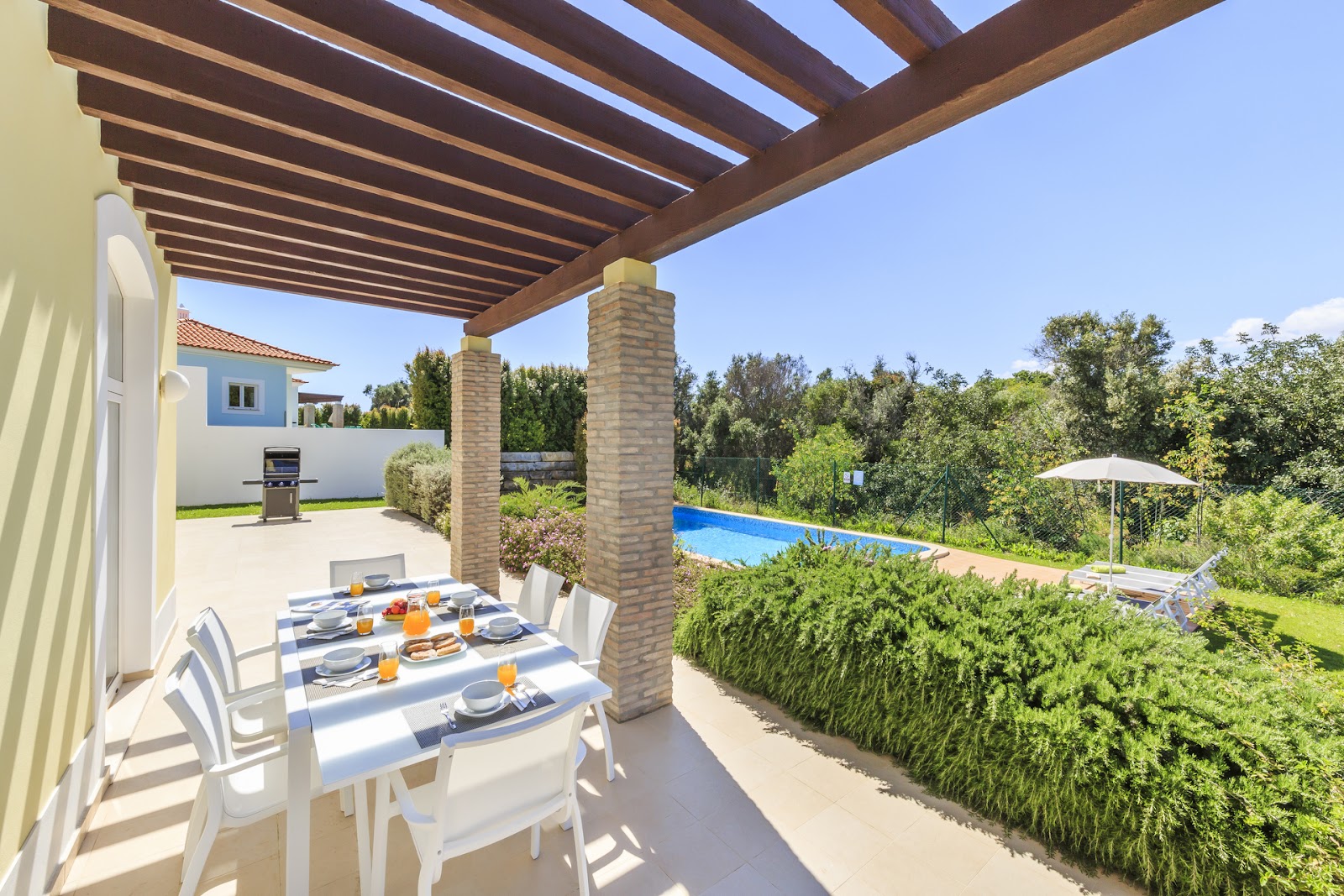
TL;DRThessaloniki is Greece’s second city, where ancient ruins, Byzantine heritage and Mediterranean charm all come together. Spring and autumn are the best times to visit, with pleasant weather and no crowds; summer gets hot but suits the nearby beaches perfectly. Don’t miss the White Tower, the seafront promenade, the Hagia Sophia church or the upper town of Ano Poli. Direct flights only run in summer, so otherwise you’ll need to connect via Vienna or Bratislava. Bus 01X runs from the airport into the centre. The guide has 22 tips on what to see and where to head on a day trip.
Greece isn’t just about Athens and islands in the turquoise sea, but also about cities where antiquity, Byzantine culture, and Mediterranean charm blend. Thessaloniki (also known as Salonica), Greece’s second-largest city, is precisely such a place.
Whether you’re a history buff, a foodie, or a beach lover, Thessaloniki offers something for everyone. In this article, “Thessaloniki, Greece: 22 Best Things to Do and See”, I have 22 tips for you on what to see and experience in Thessaloniki.
The best time to visit Thessaloniki is spring and autumn, when the weather is pleasant and the city is almost free of tourists. Summer months tend to be very hot, but they are ideal for a summer vacation and visiting nearby beaches. Winter is mild and suitable for those who want to experience a quieter atmosphere in the city.
You can easily get to Thessaloniki by plane via Thessaloniki Makedonia International Airport, which is well-connected to many European cities. However, direct flights from Prague only operate during the summer months. Alternatively, you can fly from Vienna, Bratislava, or Nuremberg.
From the airport to Thessaloniki city center, you can then get there bybus number 01X, whose stop you’ll find by following the blue line from the arrivals hall.
You can buy a ticket at the ticket sales booth for 1.80 euro or from the machine directly on the bus, but it only accepts coins and doesn’t give change, so you need to have the exact amount. The journey from the airport to the city center takes around 45 minutes. You can also use blue taxis with a white roof (that’s how you recognize official Greek taxi drivers), which are usually Czech Škoda cars.😄
Thessaloniki or Salonica
Thessaloniki: where to Stay
I recommend staying in the city center, for example, near Aristotle Square, from where you’ll be close to all the main attractions:
The Modernist Thessaloniki (luxury option),
Roomore Apartments (mid-range option),
Nea Metropolis (cheaper alternative).
Accommodation in Thessaloniki
Thessaloniki, Greece: 22 Best Things to Do and See
If Thessaloniki has caught your interest or you’re just looking for a way to spice up a long weekend, I’ve put together 22 tips for you on what to see and do in Thessaloniki.
The White Tower is an icon of Thessaloniki and one of the city’s most significant landmarks. It originally served as part of the city walls and a defensive fortress during the Ottoman Empire. In later years, it was used as a prison.
Today, you’ll find a museum dedicated to the city’s history, guiding you from antiquity to modern times. At the top of the tower, there’s a viewpoint where you can enjoy a magnificent panoramic view of the city and the Aegean Sea.
White Tower
Arch of Galerius (Kamara)
This arch, also known as Kamara, was built in honor of Emperor Galerius after his victory over the Persians in 298 AD. The marble reliefs on the arch depict battle scenes and other symbols of the Roman Empire’s power.
Arch of Galerius
Rotunda
The Rotunda, also known as Agios Georgios, is one of the oldest structures in Thessaloniki. It was built around 306 AD. and originally served as a pagan temple. Later, it was converted into a church and, under Ottoman rule, into a mosque. Today, it is a UNESCO World Heritage site.
Rotunda of Agios Georgios
Palace of Emperor Galerius
The ruins of this palace showcase the grandeur of Roman architecture. The palace was part of an extensive complex that also included the Rotunda and the Arch of Galerius. To this day, you can explore the remnants of walls, mosaics, and courtyards, which indicate how rich and elaborate this palace was.
Palace Ruins
Roman Forum (Agora)
The Roman Forum offers a glimpse into life during Roman times. Here you’ll find the remains of a theater, a marketplace, and public baths. The Forum was the center of social and commercial life.
Agora
Trigonion
Trigonion, also known as the ‘Tower of the Winds,’ is part of the ancient city walls. This fortress was a strategic point for the city’s defense.
Trigonion
Ano Poli (Upper Town)
Ano Poli is the oldest and most picturesque part of Thessaloniki. The district, with its narrow streets, colorful houses, and traditional tavernas, has a truly authentic atmosphere. A walk through this part of the city will take you back in time. Additionally, there are several historic churches and places worth visiting.
Ano Poli
Church of Saint Demetrius (Agios Dimitrios)
This church, dedicated to the city’s patron saint, Saint Demetrius, is the largest basilica in Greece. The church is a significant pilgrimage site and has been listed as a UNESCO World Heritage site. In the crypt, you can visit the catacombs, which are connected to the legend of Saint Demetrius.
Agios Dimitrios
Aristotle Square
Aristotle Square is the heart of Thessaloniki. Surrounded by neoclassical buildings, cafes, and restaurants, it’s a great place to relax or shop.
Aristotle Square
Seaside Promenade
Who wouldn’t love a stroll by the sea? Thessaloniki’s long seaside promenade is an ideal place for walks, jogging, or enjoying a coffee (which you can buy at the Greek chain Coffee Island☕). It stretches from the White Tower to the port, and along the way, you’ll encounter many interesting sculptures, including the famous “Umbrellas” installation.
Seaside Promenade
“Umbrellas” Installation
This modern art installation by George Zongolopoulos has become a symbol of modern Thessaloniki. They are photogenic and especially impressive if you happen to catch the sunset.
Umbrellas
Statue of Alexander the Great
This magnificent equestrian statue commemorates the famous Macedonian king, who originated from this very region. It is located on the waterfront.
Statue of Alexander the Great
Heptapyrgion
This medieval fortress, also known as “Eptapyrgio,” was part of the city walls. It is located on a hill above Ano Poli and offers breathtaking views of the entire city. The fortress has a rich history, including a period when it served as a prison.
Heptapyrgion
Hagia Sophia
This Byzantine basilica is one of the oldest churches in Thessaloniki. It was inspired by the famous Hagia Sophia in Istanbul and boasts beautiful mosaics and frescoes.
Hagia Sophia
Agios Pavlos
Agios Pavlos is a picturesque church in Thessaloniki dedicated to Saint Paul, who is considered an important apostle of Christianity. The church is located on a hill in a quiet part of the city. The interior of the church is adorned with beautiful icons and frescoes that emphasize the Byzantine tradition.
Agios Pavlos
Modiano Market
Modiano is a traditional Greek market where you’ll find fresh fruit, vegetables, fish, spices, and local delicacies.
Peraia Beach
Peraia, just a 30-minute drive from Thessaloniki city center (about an hour by bus), is a popular retreat for both locals and tourists. The beach is long, sandy, with clear waters and a gradual entry into the sea.
Along the coast, you’ll find a variety of cafes, tavernas, and bars where you can enjoy traditional Greek dishes and drinks. Peraia also offers a magnificent view of the entire Thessaloniki coastline, especially at sunset.
Peraia Beach
Archaeological and Byzantine Museum
Both of these museums offer a glimpse into the city’s rich history:
The Archaeological Museum focuses on the period of ancient Greece and contains fascinating artifacts from the Macedonian era, including jewelry, sculptures, and pottery.
The Byzantine Museum is dedicated to Thessaloniki’s medieval period, when the city was an important center of the Byzantine Empire. Here you will see unique wall paintings and mosaics.
Port and Warship
The Port of Thessaloniki is not just a place for shipping, but also a cultural hub. You’ll find museums, galleries, and modern cafes here.
While strolling through the port, you can visit the warshipVelos, which has been converted into a museum. The ship dates back to World War II. If you’re interested in military technology or naval history, a visit will be an unforgettable experience for you.
Warship
Excursions in the Surroundings
Thessaloniki is a good starting point for excursions in the surrounding area. You can venture out on your own or choose from the organized tours offered on the GetYourGuide portal.
🔗 These are affiliate links — they don't change your price and help us create content. · All experiences →
Mount Olympus
Mount Olympus, rising about 100 km southwest of Thessaloniki, is an icon of Greece. According to Greek mythology, this majestic massif was home to the gods. Today, it is a popular destination for nature lovers and hikers.
You can hike to one of its peaks or enjoy a walk at the foot of the mountain. Olympus National Park is a UNESCO World Heritage site. And with a bit of luck with the weather, you might even catch a glimpse of Olympus directly from Thessaloniki.
Mount Olympus
Meteora
Meteora, located approximately two hours from Thessaloniki, is one of the most amazing places in Greece. This extraordinary complex of monasteries is situated atop rock pillars that rise above the landscape. The monasteries, some of which are still inhabited by monks, offer unforgettable views and a spiritual atmosphere.
Meteora
Halkidiki
The Halkidiki peninsula is a paradise for beach and nature lovers. It is divided into three “legs” – Kassandra, Sithonia, and Athos.
Kassandra is known for its lively resorts and nightlife.
Sithonia offers quiet coves and unspoiled nature, ideal for families with children.
Athos is a place with monasteries and strict rules, where only men can enter, and that too with special permission.
Athos
Lukáš and Lucie recommend
Where to Stay in Thessaloniki
4 accommodations — wellness hotels, hotels and other accommodation options
Thessaloniki is literally a paradise for gourmets and lovers of Greek cuisine. Don’t forget to taste:
gyros and souvlaki,
moussaka,
cafe freddo,
tzatziki,
Greek salad,
local desserts – baklava and halva,
eggplant dip melitzanosalata,
mpougatsa pastry filled with cheese, spinach, or meat,
retsina (Greek wine with added resin).
💡 TIP: Try the restaurants Tsinari Tavern and The Pasha House or the Tabya cafe.
Thessaloniki: What to Taste
FAQ
How many days to visit Thessaloniki?
We recommend 3–4 days for a thorough exploration of the city.
Is Thessaloniki an expensive city?
No, it’s not. Prices are favorable, especially outside the main tourist season.
How to get around Thessaloniki?
The city is easy to explore on foot, or you can use city buses or taxis.
Is there a rich nightlife in Thessaloniki?
Thessaloniki is a student city, so in the evening you can head out for fun to many bars and clubs. We recommend visiting the Ladadika district.
Is Thessaloniki suitable for families with children?
Yes, the city offers many attractions that will keep children entertained.
Tips and Tricks for Your Vacation
Don’t Overpay for Flights
Search for flights on Kayak. It’s our favorite search engine because it scans the websites of all airlines and always finds the cheapest connection.
Book Your Accommodation Smartly
The best experiences we’ve had when looking for accommodation (from Alaska to Morocco) are with Booking.com, where hotels, apartments, and entire houses are usually the cheapest and most widely available.
Don’t Forget Travel Insurance
Good travel insurance will protect you against illness, accidents, theft, or flight cancellations. We’ve had a few hospital visits abroad, so we know how important it is to have proper insurance arranged.
Where we insure ourselves: SafetyWing (best for everyone) and TrueTraveller (for extra-long trips).
Why don’t we recommend any Czech insurance company? Because they have too many restrictions. They set limits on the number of days abroad, travel insurance via a credit card often requires you to pay medical expenses only with that card, and they frequently limit the number of returns to the Czech Republic.
Find the Best Experiences
Get Your Guide is a huge online marketplace where you can book guided walks, trips, skip-the-line tickets, tours, and much more. We always find some extra fun there!
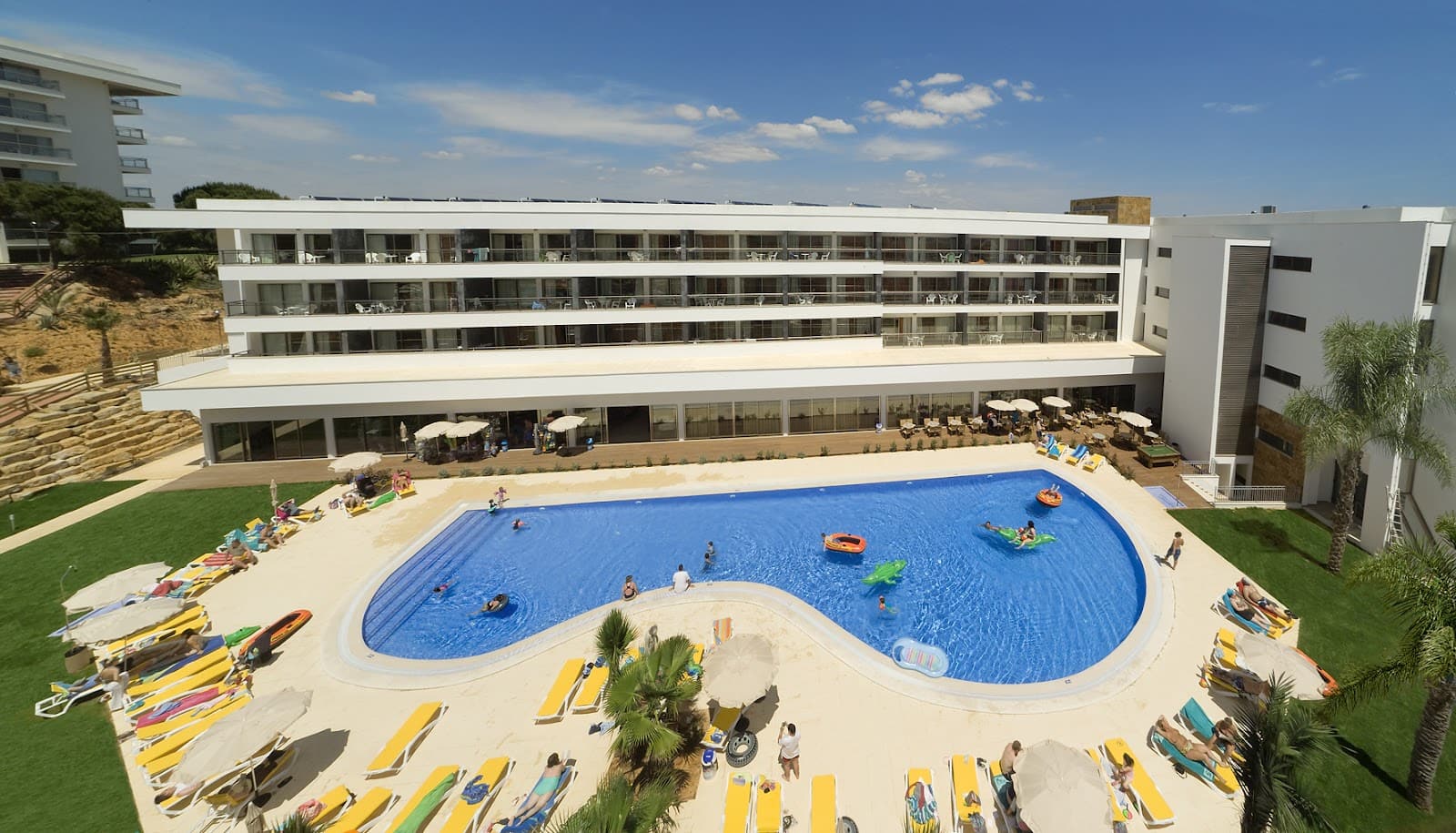
TL;DRZakynthos is a lush Greek island with turquoise water, where you can dive with loggerhead turtles, try surfing, or head to the famous Navagio beach. The best time to go is June to September, when the sea’s a warm 22–26°C — for a quieter trip, aim for June or September, just outside peak season. The prettiest and calmest spot is the southeastern side of the island around Vassilikos and Gerakas, and you can get around on local KTEL buses or with a hire car.
In Zakynthos, you can snorkel alongside gentle sea turtles, try your hand at surfing, or take a leisurely stroll through the charming villages where locals enjoy a relaxed pace of life. Still wondering if Zakynthos should be your next holiday destination? Let’s explore the best sights, places to stay, and exciting activities that make Zakynthos an unforgettable getaway!
Zakynthos enjoys a Mediterranean climate, with mild, rainy winters and hot, sunny summers. For a beach holiday, the best time to visit is during the summer months, from June to September.
August offers the warmest sea temperatures, making it perfect for families traveling with children. If you prefer a quieter experience outside of peak tourist season, consider visiting in June or September for warm weather and fewer crowds.
Moon
Air temperature (°C) Min – Max
Sea temperature (°C)
January
7.7 – 14.1
16
February
7.7 – 14.6
15
March
8.8 – 16.5
15
April
11 – 19.5
16
May
14.6 – 24.7
19
June
18.5 – 29.6
22.5
July
20.8 – 32.4
25
August
21.4 – 32.8
26.5
September
18.6 – 28.1
25.5
October
15.2 – 23.7
23
November
12 – 19.2
20
December
9.2 – 15.6
17.5
Holidays Zakynthos: Tips where to look for the best tours
For the best deals to Zakynthos, check out Invia, where you’ll find a curated selection of tours from 150 verified Czech travel agencies, ensuring reliability and quality. This platform also allows you to easily compare tour prices across agencies, making it simple to find the option that best fits your budget and preferences.
Best Hotels in Zakynthos
Zakynthos offers a wide range of beautiful accommodations, including hotels, apartments, and villas. One top choice is Viatzo Villas—be sure to check their availability for an unforgettable stay.
For families traveling with kids who prefer an all-inclusive experience, the Bitzaro Grande Hotel & Suites is a fantastic option. However, it’s highly popular, so it tends to book up quickly.
Viatzo Villas – Best Hotels in Zakynthos
Easy Ways to Get Around Zakynthos
If you’re not traveling with a tour operator—which typically covers most of the island through organized excursions—you can rely on local buses (KTEL) to reach popular destinations like Tsilivi, Laganas, Alykes, Keri, and Vassilikos. The central bus station is located in Zakynthos Town, with additional stops around the island.
For maximum convenience, renting a car is the best option. DiscoverCars is a reliable service in Greece, and we’ve had great experiences with them. You can easily pick up your car at the airport upon arrival.
Taxis are also available throughout the island if you prefer that option.
Fascinating Facts About Zakynthos Island
Many of us are familiar with the Giant Tortoise, or Caretta caretta, especially from holiday specials, but did you know that Zakynthos is one of the few places in the Mediterranean where you can actually see these remarkable sea turtles?
These impressive creatures can reach lengths of up to 1 meter and weigh as much as 135 kg. Female sea turtles return every two to four years to the same beach in Zakynthos where they were born to lay up to 100 eggs. After about 60 days of incubation, the baby turtles hatch and make their way to the sea, beginning their challenging journey to adulthood.
The Caretta caretta primarily feeds on jellyfish, crustaceans, and sometimes mollusks, playing a vital role in keeping the marine ecosystem balanced. By controlling jellyfish populations, these turtles help sustain a healthy environment in the Mediterranean.
Read on to discover the best spots in Zakynthos to catch a glimpse of these amazing turtles in their natural habitat!
Best Things to Do and See in Zakynthos
You’ll never run out of things to do in Zakynthos! Explore some of Greece’s most beautiful beaches, catch a glimpse of the famous Caretta caretta sea turtles, or take a leisurely stroll through the historic streets of Zakynthos Town. Let’s dive into the top sights and activities Zakynthos has to offer.
Navagio beach
Navagio Beach, or “Shipwreck Beach,” is one of the most iconic and photogenic beaches in Greece, making it Zakynthos’s top attraction. During the summer, the beach attracts large crowds of tourists, so if you’re not expecting this, it can impact your experience. Planning ahead can help you make the most of your visit to this stunning destination.
Things to see in Zakynthos: Navagio Beach
Navagio Beach, located on the northwestern tip of Zakynthos, is renowned for the Panagiotis shipwreck, which has rested on its sands since 1980 after a stormy wreckage brought it ashore.
Access to the beach is only possible by boat; however, it was closed in 2023 due to the risk of falling rocks. You can conveniently book a boat trip to Navagio through GetYourGuide or arrange one with your tour operator if you’re traveling as part of a group.
🔗 These are affiliate links — they don't change your price and help us create content. · All experiences →
Blue Caves
Another highly popular excursion in Zakynthos is a visit to the Blue Caves. These caves are famous for their striking limestone formations and the vibrant turquoise sea, which shimmers brilliantly as sunlight reflects off the water.
Things to see in Zakynthos: Blue Caves
The best time to visit is early in the morning, when the sunlight enhances the water’s vibrant color.
Most cruises to the Blue Caves depart from the port of Agios Nikolaos. You can easily book a trip through GetYourGuide or with your tour operator. Many visitors choose to combine this excursion with a trip to Navagio Beach for an unforgettable experience.
🔗 These are affiliate links — they don't change your price and help us create content. · All experiences →
Laganas
For those seeking nightlife, Laganas is a must-visit. This bustling resort, which evolved from a quaint village into a vibrant tourist hub, offers an impressive array of restaurants, bars, discos, and shops, all set against the backdrop of a stunning, long beach.
Laganas is popular not only with young visitors but also with families, thanks to its excellent beach facilities and gradual, family-friendly entrance to the sea. The beach is part of the Zakynthos National Marine Park, where the famous Caretta caretta turtles are protected, adding a unique natural charm to this lively area.
Things to see in Zakynthos: Laganas
Marathonisi – Turtle Island
Marathonisi, or “Turtle Island,” is a small, uninhabited island in the southern part of Zakynthos, nestled within the Bay of Laganas.
This island is a favorite nesting spot for Caretta caretta turtles, which come here to lay their eggs in the sand. The island itself even has a shape that resembles a turtle!
Marathonisi features two main beaches. The larger, sandy Marathonisi Beach, with its soft golden sand, serves as a nesting ground for the turtles. Nearby, there is a smaller, pebble beach that leads to two scenic coves.
Marathonisi – Turtle Island in Zakynthos
The island’s landscape is mostly rocky, making it an ideal spot for snorkeling, particularly around its caves. Since there are no facilities on Marathonisi, be sure to bring water and some snacks for your visit. Access to the island is by boat, which you can easily book through GetYourGuide or with your tour operator.
🔗 These are affiliate links — they don't change your price and help us create content. · All experiences →
Xigia Beach
Xigia Beach, located on the northeast coast of Zakynthos, is one of the island’s most stunning beaches. The water here has a unique milky color, thanks to sulfur springs flowing from nearby sea caves. Access to this beach is only possible by boat, making it a secluded and memorable spot to visit.
The most beautiful beaches in Zakynthos: Xigia Beach
Xigia Beach is renowned for its therapeutic properties, with waters rich in sulfur and collagen. These minerals provide natural relief for inflammatory conditions like arthritis and rheumatism, while also benefiting a range of skin ailments.
Gerakas Beach – Turtle Beach
Gerakas Beach, situated on the southeastern tip of Zakynthos, is one of the island’s most tranquil and well-known “turtle beaches.”
This serene spot is a favored nesting ground for giant sea turtles, particularly from May through September. To protect the nesting sites, the beach is carefully managed, and access is prohibited from dusk until dawn. Visitors are reminded to tread carefully along the beach and avoid disturbing the sand to help preserve this vital habitat.
Where can you find Caretta Caretta turtles in Zakynthos? On Gerakas beach
The beach is accessible only by car, with a paved road from the Vassilikos resort leading directly to it. Parking is available along the roadside near the beach. Gerakas Beach is located approximately 16 km from Zakynthos Town.
Keri Cave
The Keri Caves, located on the southwest coast of Zakynthos between the cliffs of Kapo Marathia and Mizithres, are accessible only by sea. Most visitors arrive by boat or kayak. The easiest way to explore the caves is by booking a trip through GetYourGuide, which often includes stops at Marathonisi and Cameo Islands for a full experience.
Keri Cave
Most cruises depart from the lively ports of Agios Sostis or Laganas Bay, allowing you to select a departure point that’s conveniently close to your accommodation.
🔗 These are affiliate links — they don't change your price and help us create content. · All experiences →
Banana Beach
Banana Beach is one of the most stunning beaches in Zakynthos and a must-visit during your stay. It’s the perfect spot to spend a full day by the sea, offering everything you need for a relaxing beach day.
The most beautiful beaches of Zakynthos: Banana Beach
Located on the southeastern coast of Zakynthos, this beach is famous for its long stretch of soft, golden sand, beautifully contrasting with the crystal-clear waters.
Porto Limnion
Another must-visit in Zakynthos is Porto Limnionas, an isolated bay surrounded by steep cliffs. While not a traditional beach, this rocky cove with its crystal-clear waters is perfect for snorkeling and diving.
You can enter the water from the small pebble beach or, for the adventurous, by jumping directly from the rocks. Arrive early in the morning to enjoy this beautiful spot before it gets busy, as it’s one of the island’s most popular destinations.
Things to see in Zakynthos: Porto Limnionas
Tip: Just nearby, you’ll find another beautiful bay worth visiting—Porto Roxa.
Cape Skinari
Cape Skinari, located at the northernmost tip of Zakynthos, offers breathtaking views of rugged cliffs, limestone caves, and a picturesque lighthouse.
On clear days, you can even see the nearby island of Kefalonia and its majestic Enos Mountains. The renowned Blue Caves are also nearby and are primarily accessible by boat from the port of Agios Nikolaos. For those who prefer a land approach, a pathway with steps leads down to the water from the windmill on the headland.
Cape Skinari
Cape Skinari’s main landmarks include a traditional Greek windmill with a charming restaurant and a picturesque lighthouse. Built in 1897, the lighthouse stands atop a 67-meter-high point and offers some of the best views in the area. Although the interior isn’t open to the public, the lighthouse is still worth a visit for its historical significance and stunning panoramic vistas.
Town of Zakynthos
During your holiday in Zakynthos, don’t miss exploring the island’s capital, Zakynthos Town, also known as Zante. Be sure to visit St. Mark’s Square, rich in history, and Solomos Square, the city’s largest square, where major cultural events and festivals are held year-round. Take a leisurely stroll along the pedestrian-friendly Roma Street, lined with shops and traditional Greek restaurants.
Church of Agios Dionysios
The Church of Agios Dionysios, located near the harbor in the heart of Zakynthos Town, is dedicated to Saint Dionysios, the island’s patron saint, and serves as its religious center.
The original church, built in the 18th century, was destroyed by an earthquake in 1893. Reconstruction began in 1925 and took 23 years to complete. Remarkably, the church survived the devastating 1953 earthquake without any damage, a fact that locals regard as both a miracle and a blessing.
Church of Agios Dionysios
The Church of Agios Dionysios is a three-aisled basilica featuring Corinthian columns that support its roof. It’s also renowned for its 40-meter-high bell tower, a striking landmark overlooking the harbor.
Bohali Castle – the Venetian Castle of Zakynthos
The Venetian Castle on Zakynthos, located just outside the capital, is a remarkable example of Venetian architecture in the Ionian Islands. Built in the 15th century, the castle sits atop a hill in a scenic pine forest, offering breathtaking views of Zakynthos and the Ionian Sea.
Journey to the Venetian Castle in Zakynthos
The castle’s history dates back to 1460, when it was nearly destroyed by the Turks, but it was later restored and completed by the Venetians in 1646. As you pass through the main gate, look for the Winged Lion of St. Mark, symbolizing the Venetian Empire’s rule over the Ionian Islands. Once the island’s central capital, the castle now shows signs of its tumultuous history, including damage from earthquakes, wars, and pirate raids.
Located about 2 kilometers from the capital’s center, the castle is a short 5-minute drive or a 20-minute uphill walk. If you’re visiting in the summer, plan to go in the morning and bring water.
Entry is just €4, and while there’s no guidebook or map available, information signs throughout the site provide helpful context.
Askos Park – zoo and forest park
Looking for a family-friendly outing? Here’s a great suggestion!
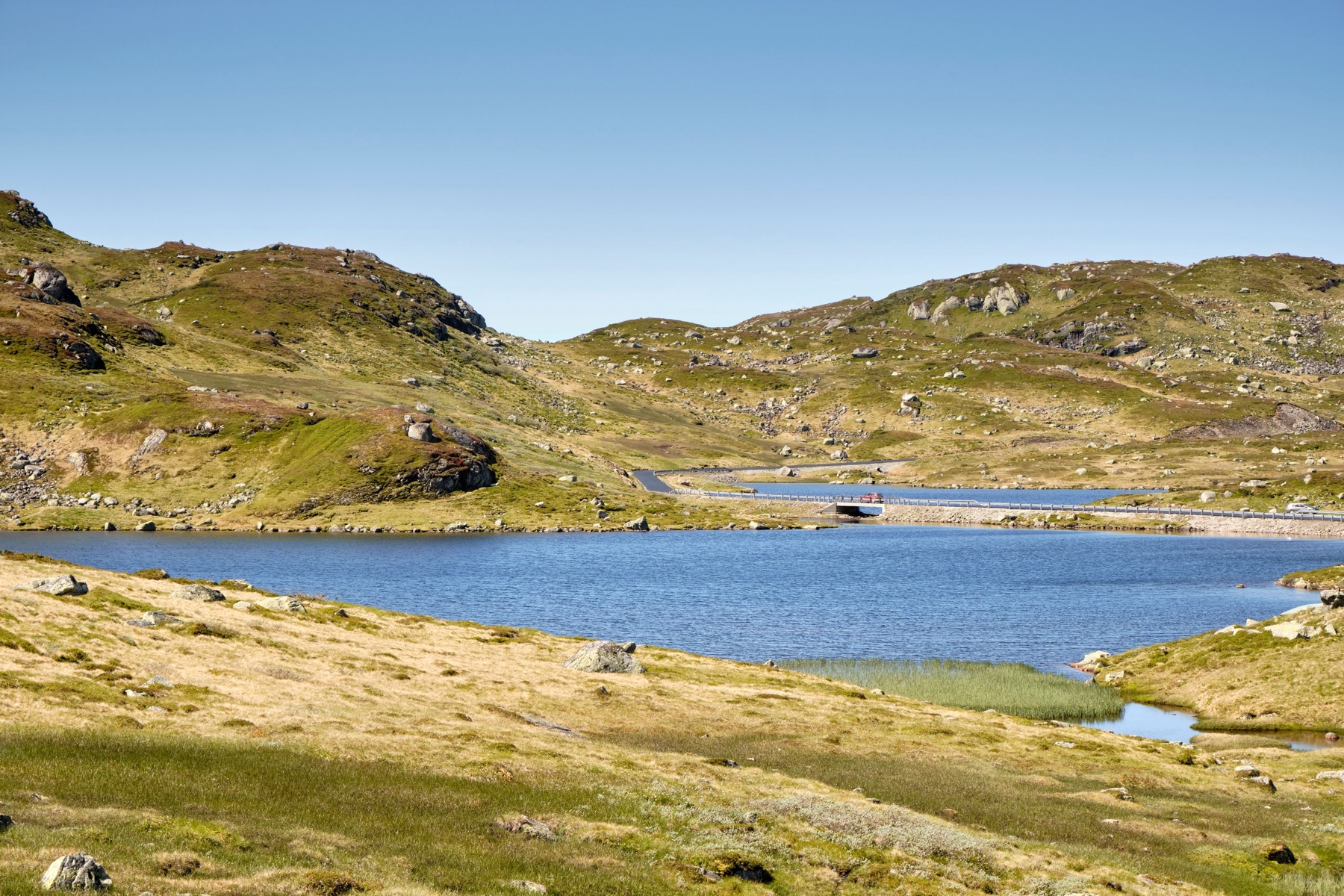
Askos Park, also known as Askos Stone Park, is a unique attraction in Zakynthos. This 124-acre nature reserve serves as a forest park, wildlife sanctuary, agricultural research center, and even an archaeological site.
Open to visitors since 2002, the park is a popular destination for families with children, offering a perfect blend of nature and learning.
Askos Stone Park
The main attraction at Askos Stone Park is its diverse wildlife, living freely in their natural habitats. Visitors can see birds of prey, pigeons, regal peacocks, and in designated areas, observe deer, rabbits, ponies, cows, horses, goats, sheep, water turtles, squirrels, and chinchillas.
The park is also home to rare Platonia deer and North American raccoons. Visitors can feed some of the animals, try their hand at cow milking, or even participate in traditional olive picking.
Askos Stone Park gets its name from its unique stone structures, including stone walkways, walls, old stables, and cellars built from wood and stone. The park also features famous stone-carved tanks, created around 600 years ago to collect rainwater, adding a historical touch to this beautiful natural site.
Solomos Museum
The Solomos Museum, officially named the Museum of Solomos and Eminent Zakynthians, is located in St. Mark’s Square in the northern part of Zakynthos. Founded in 1959, the museum honors two prominent figures from the island, Dionysios Solomos and Andreas Kalvos. It houses collections of local 18th- and 19th-century art, sculptures, musical instruments related to notable Zakynthians, ceramics, and portraits of the island’s most significant figures. Since March 2022, mathematician Eleni Pylarinou has served as the museum’s director.
Dionysios Solomos, born on April 8, 1798, in Zakynthos, was a renowned Greek poet and the author of “Hymn to Liberty,” the first two stanzas of which form Greece’s national anthem. In 1828, he moved to Corfu to focus on his poetry. Since 1968, his remains have been housed in the museum’s mausoleum.
Andreas Kalvos, born on April 1, 1792, in Zakynthos during the Republic of Venice, was the author of five volumes of poetry and drama.
Venetian Bridge in Argassi
The Venetian Bridge in Argassi, also known as the Argassi Bridge, dates back to the 19th century and is located on Argassi Beach, just 350 meters from the town center.
Constructed from local limestone tuff, the bridge originally featured three arches stretching 13 meters in length and standing 10 meters from the shore. Today, only half of the bridge with its three arches remains visible, while the other half has sunk below sea level.
Venice Argassi Bridge
Monastery of Panagia Skopiotissa
The Monastery of Panagia Skopiotissa on the island of Zakynthos is perched atop a mountain, on the site of an ancient temple dedicated to the goddess Artemis. Marble fragments from this ancient temple were used to construct the entrance gate and to decorate the church’s interior. Dating back to the 15th century, the old monastery was built in the Byzantine style and is the oldest church on the island.
Reaching the monastery is challenging, with a steep and rocky path in some places, but the stunning views from the top and the ruins scattered across the landscape make the journey well worth it. In 1534, the monastery was entrusted to the noble Logotheton family, who continue to maintain it today. The church, built in the shape of a cross on the site of Artemis’s temple, stands amid the remains of what was once a flourishing monastery.
Sights of Zakynthos: The Monastery of Skopiotissa in Zakynthos
Korakonissi
The Korakonissi rock formation, located in the northwest near the village of Kiliomenos, resembles a small island yet is connected to the mainland.
What sets Korakonissi apart is its striking natural arch and rock pools, which have been naturally carved over time. Like much of Zakynthos, the water here is crystal clear, and its depth makes it an ideal spot for snorkeling.
Panagia Yperagathou Monastery
The Monastery of Panagia Yperagathou in Zakynthos, founded in the 17th century and affiliated with the Monastery of Sinai, is dedicated to the Virgin Mary. Inside, visitors can admire historic icons and beautiful murals. Though no longer inhabited, it once held great significance for the island of Zakynthos.
Yperagathou Monastery is located near the village of Kiliomeno, about 8 km southwest of Maherado and roughly 15 km from Zakynthos Town. The route to the monastery winds through flower-filled fields, offering lovely views of Zakynthos’s mountains. The peaceful surroundings include a small plateau shaded by pine and oak trees, making it a serene destination.
Zante Water Village – water park
If your kids love water parks as much as I did when I was young (and I’m sure ours will be the same!), a visit to Zante Water Village is a must. As one of the largest water parks in Greece, it’s packed with fun for the whole family.
It’s best to purchase tickets in advance; we usually use GetYourGuide for its reliability, but if you’re with a travel agent, they may also be able to arrange tickets for you.
While tickets are available at the entrance, lines can get long, and waiting with kids—or even without—can be a hassle.
Is it suitable to holiday in Zakynthos with children?
I first visited Zakynthos as a child, and it truly is a paradise for families. There’s no need to plan anything too elaborate—exploring caves, snorkeling, and spotting Caretta caretta turtles are activities everyone can enjoy, both kids and adults alike. Plus, the sea is calm, and many beaches have a gentle, gradual entry into the water, making them safe and perfect for families to relax and play.
Frequently Asked Questions
How big is Zakynthos?
The island has an area of 410 km2 and a coastline of 123 km 3. the largest in the Ionian Sea.
Where is Zakynthos?
Zakynthos can be found in the Ionian Sea.
What to do with children in Zakynthos?
Take a boat trip to see the Caretta Caretta turtles, Zante Water Village or the local zoo.
What is the sea like in Zakynthos?
In Zakynthos, the sea is clean and warm in the summer months – ideal for swimming.
Where are the turtles in Zakynthos?
In Zakynthos, there are turtles on Gerakas beach, but only during the nesting season.
When to fly to Zakynthos?
Zakynthos is most often flown from June to September.
What to do in Zakynthos?
In Zakynthos you can watch Caretta Caretta turtles, explore caves, snorkel or just lounge on the beaches with perfectly clear water.
Tips and Tricks for Your Vacation
Don’t Overpay for Flights
Search for flights on Kayak. It’s our favorite search engine because it scans the websites of all airlines and always finds the cheapest connection.
Book Your Accommodation Smartly
The best experiences we’ve had when looking for accommodation (from Alaska to Morocco) are with Booking.com, where hotels, apartments, and entire houses are usually the cheapest and most widely available.
Don’t Forget Travel Insurance
Good travel insurance will protect you against illness, accidents, theft, or flight cancellations. We’ve had a few hospital visits abroad, so we know how important it is to have proper insurance arranged.
Where we insure ourselves: SafetyWing (best for everyone) and TrueTraveller (for extra-long trips).
Why don’t we recommend any Czech insurance company? Because they have too many restrictions. They set limits on the number of days abroad, travel insurance via a credit card often requires you to pay medical expenses only with that card, and they frequently limit the number of returns to the Czech Republic.
Find the Best Experiences
Get Your Guide is a huge online marketplace where you can book guided walks, trips, skip-the-line tickets, tours, and much more. We always find some extra fun there!