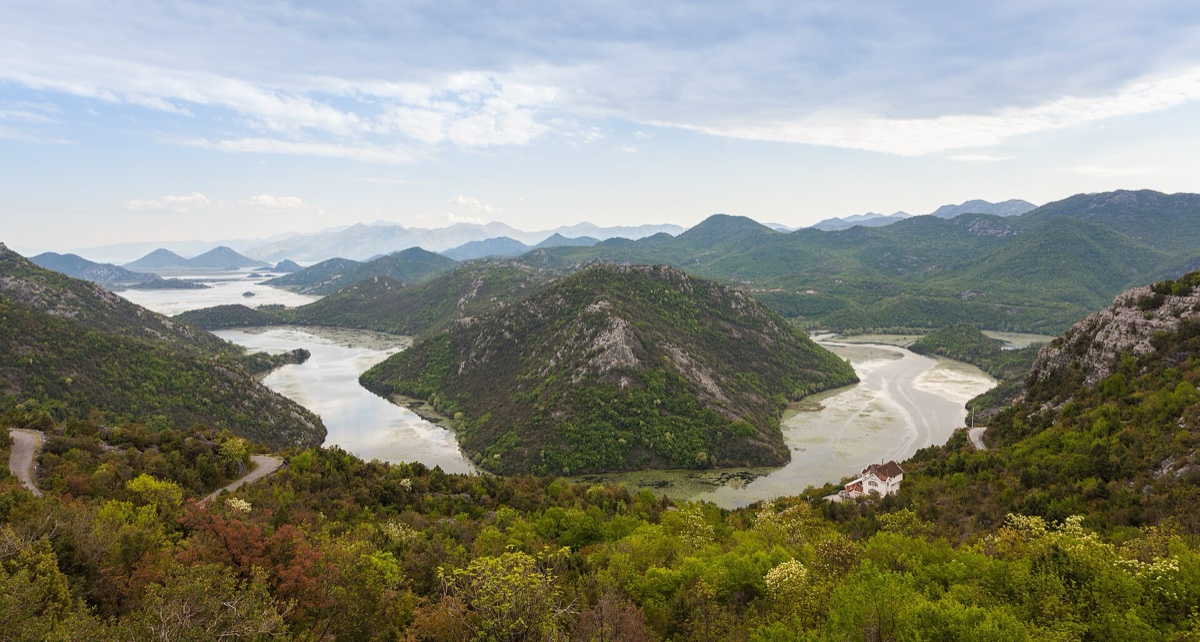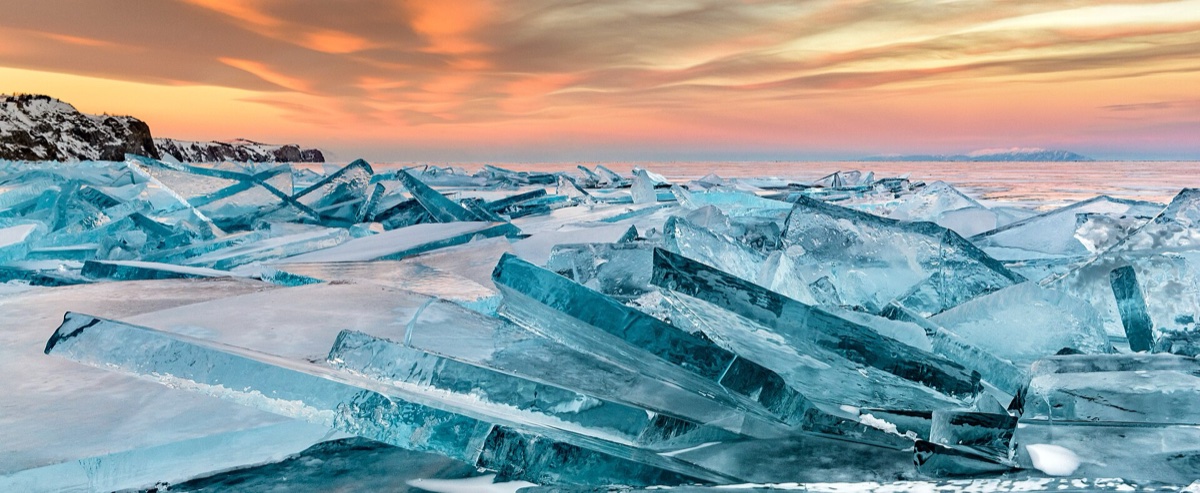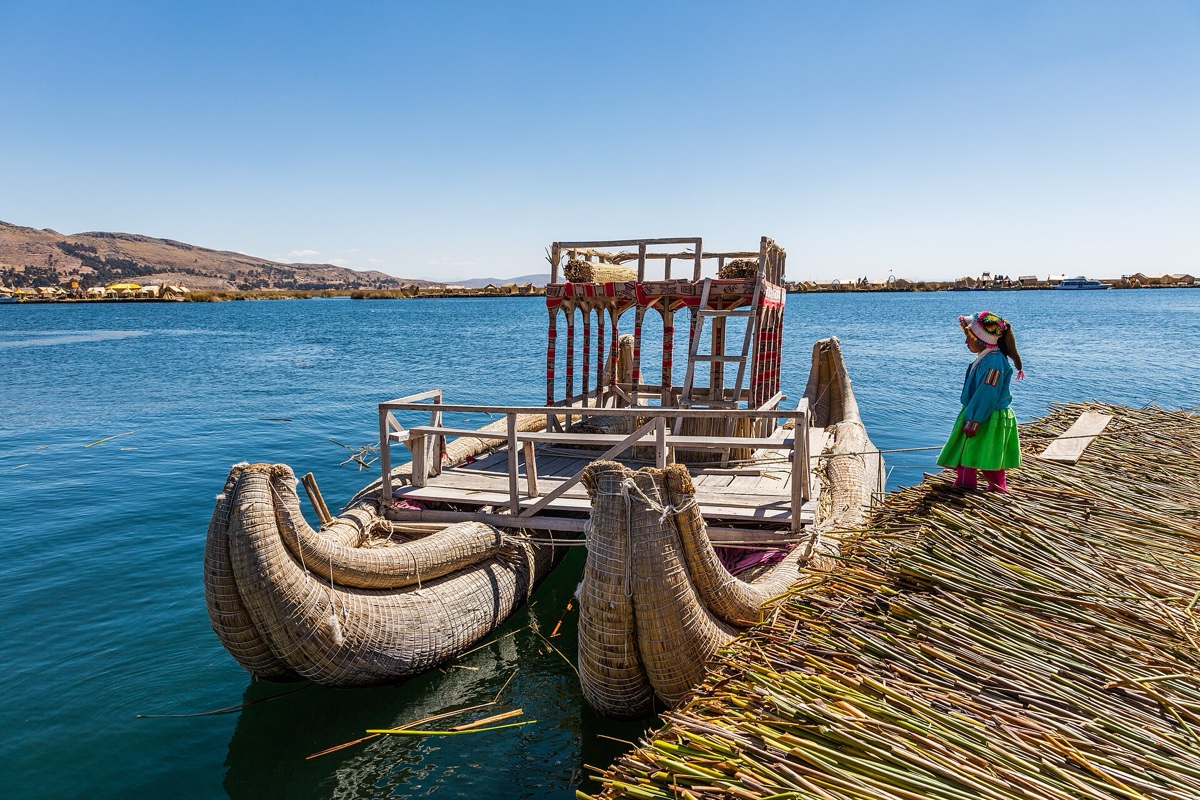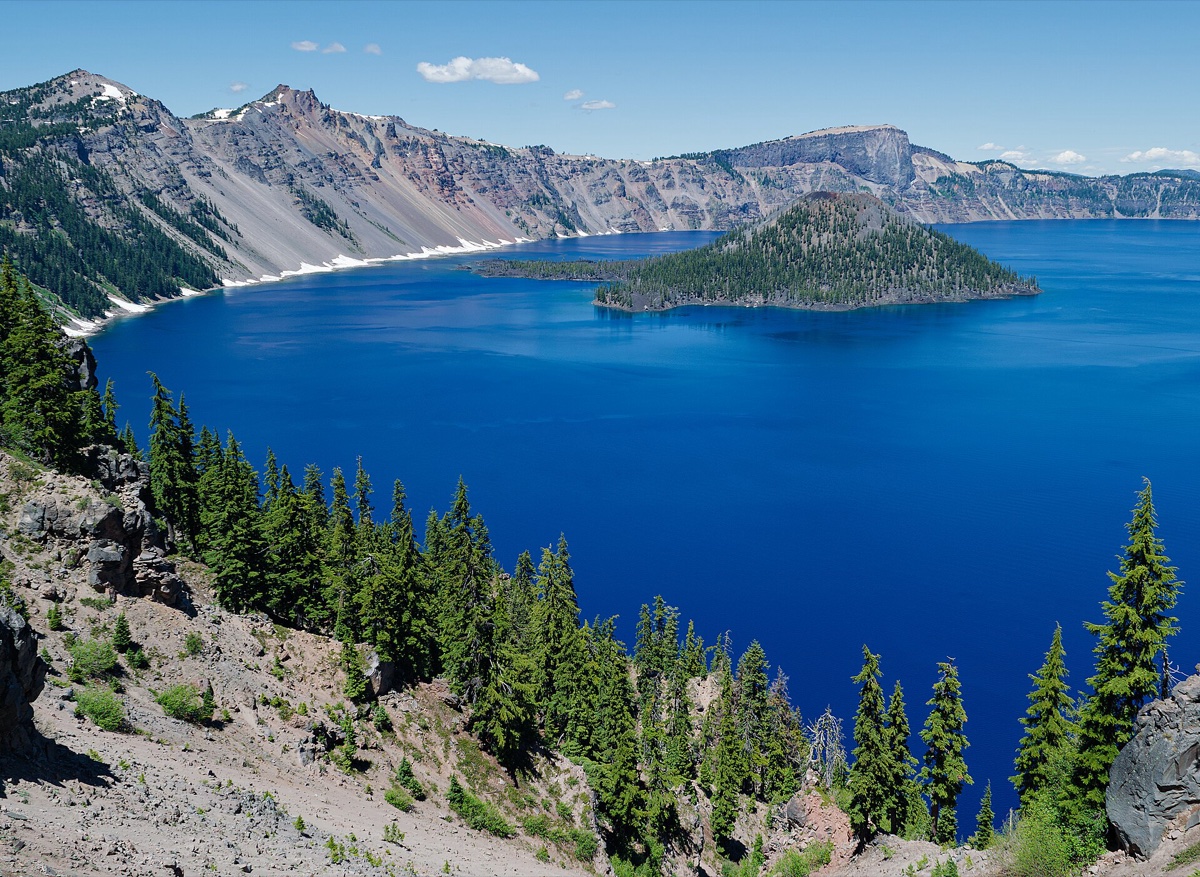
Accursed Mountains Albania: 10 Tips for Theth, Valbona & the North 2026

TL;DRThe Accursed Mountains in northern Albania are built around a dozen key tips centred on the villages of Theth and Valbona, with Shkodra as your base and a ferry ride across Lake Koman. The best time to visit is mid-June to the end of September, when the trails are safe underfoot. The highlight is the hike over the Valbona Pass, 17 kilometres that takes 6 to 8 hours and climbs to 1,800 metres. Local guesthouses with half board cost €15–€25 a person, and the Berisha ferry from Koman is €9 booked online, leaving at 9:00. Up in the mountains, it’s cash only, in Albanian lek.

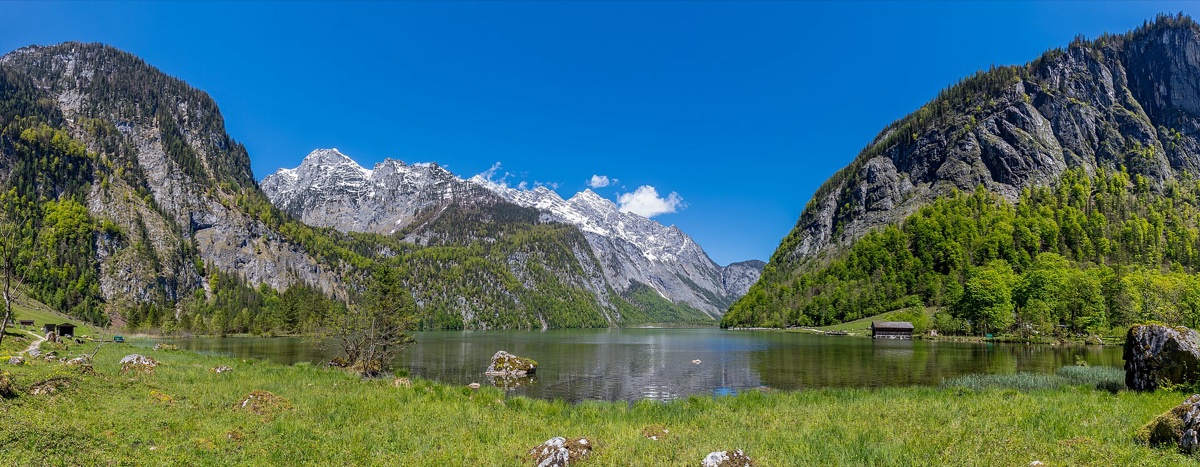
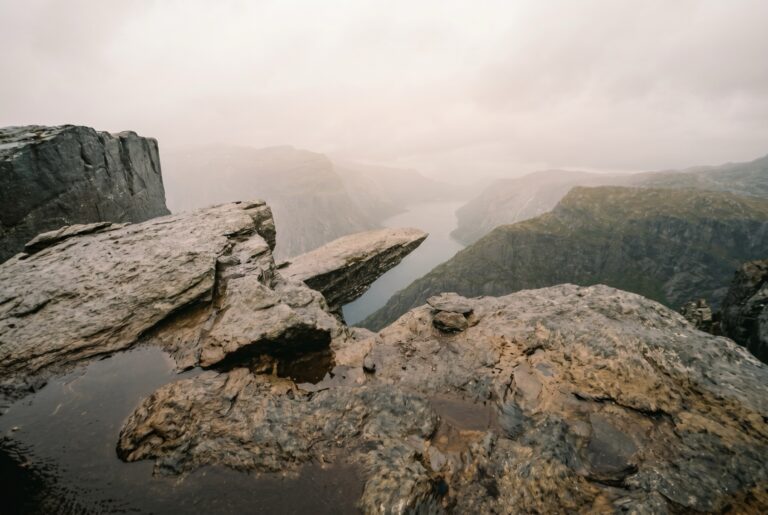
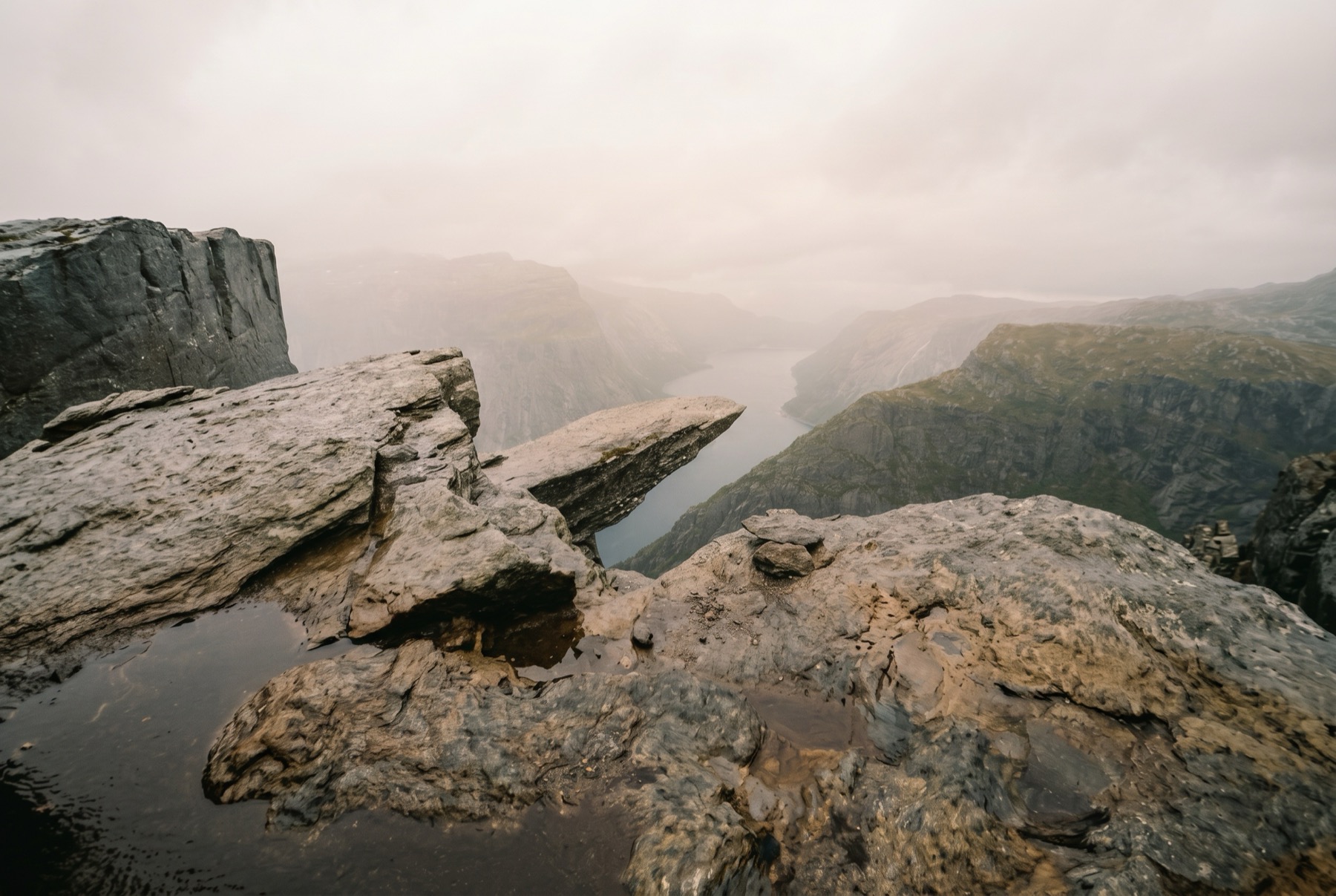
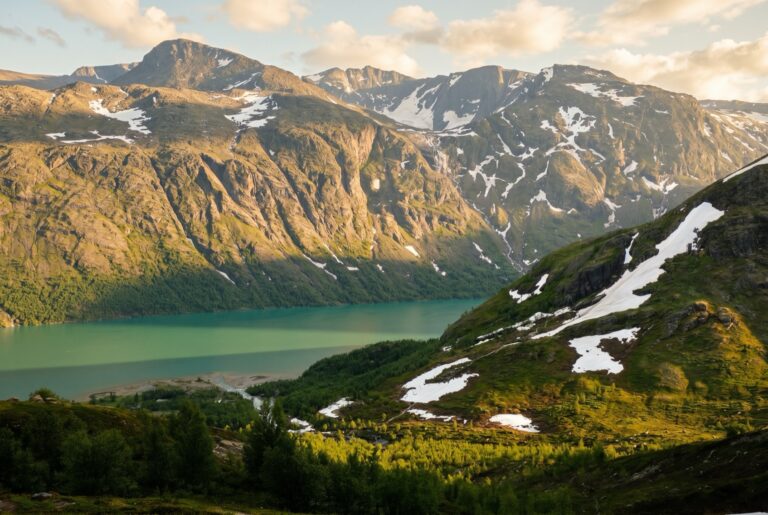
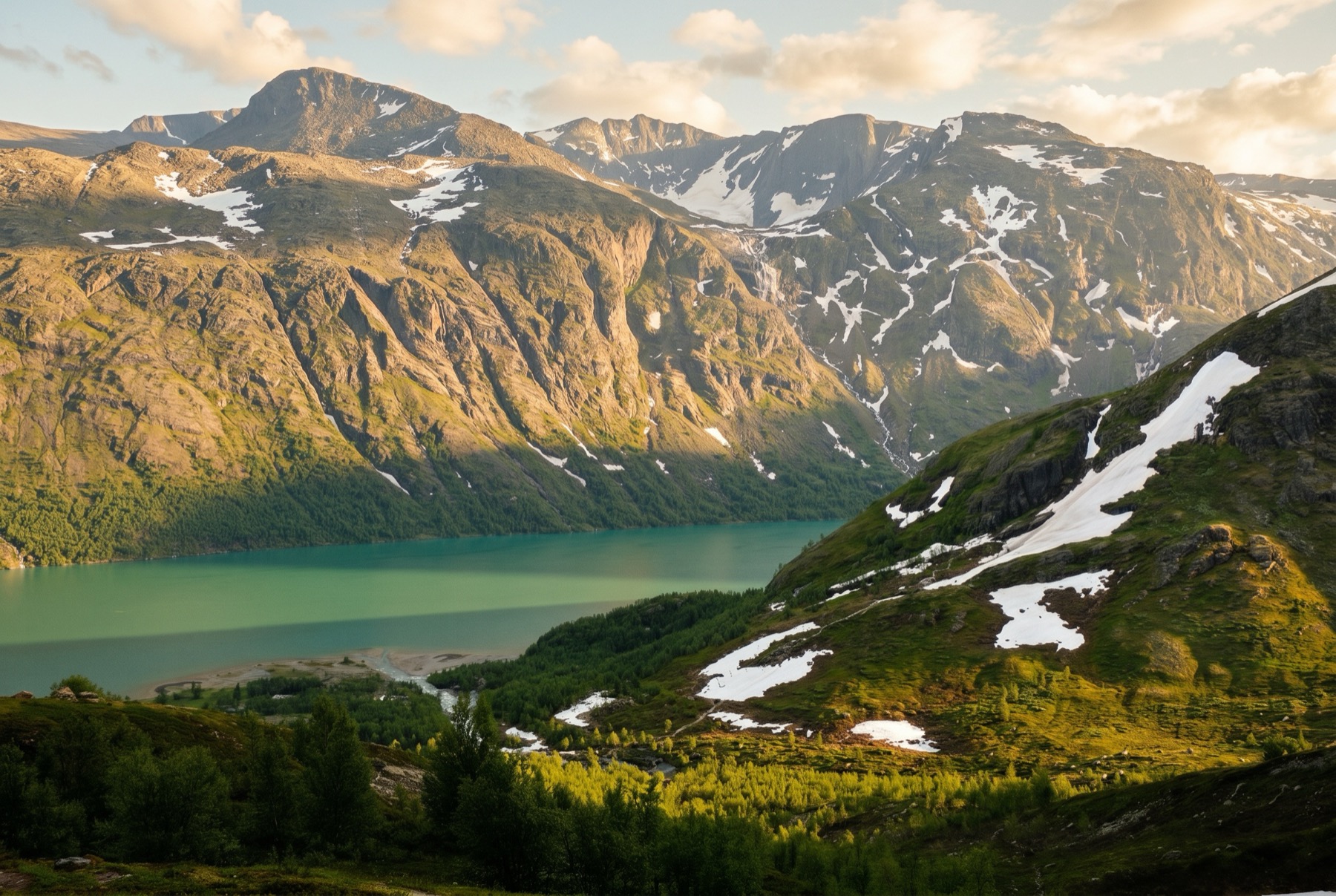
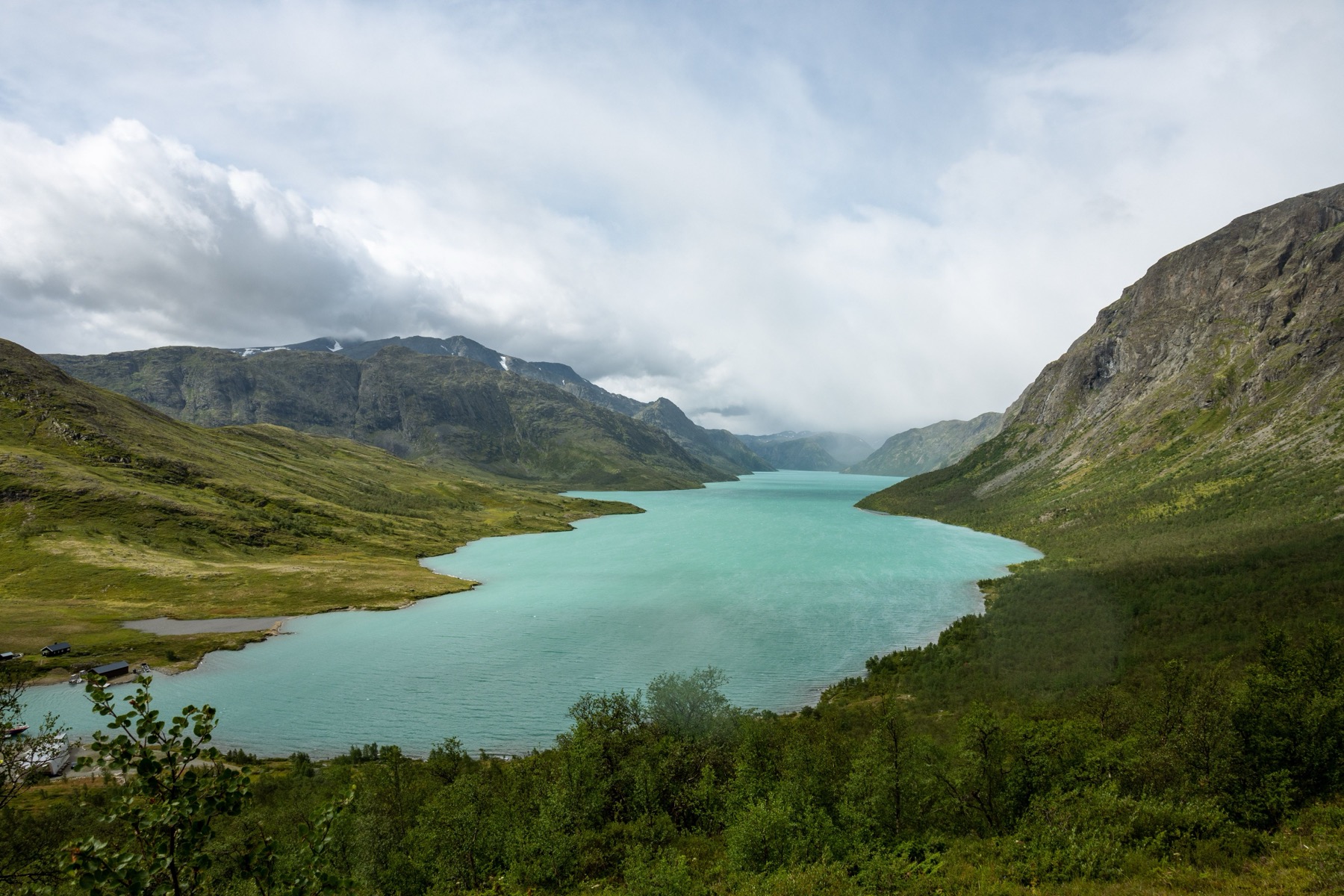
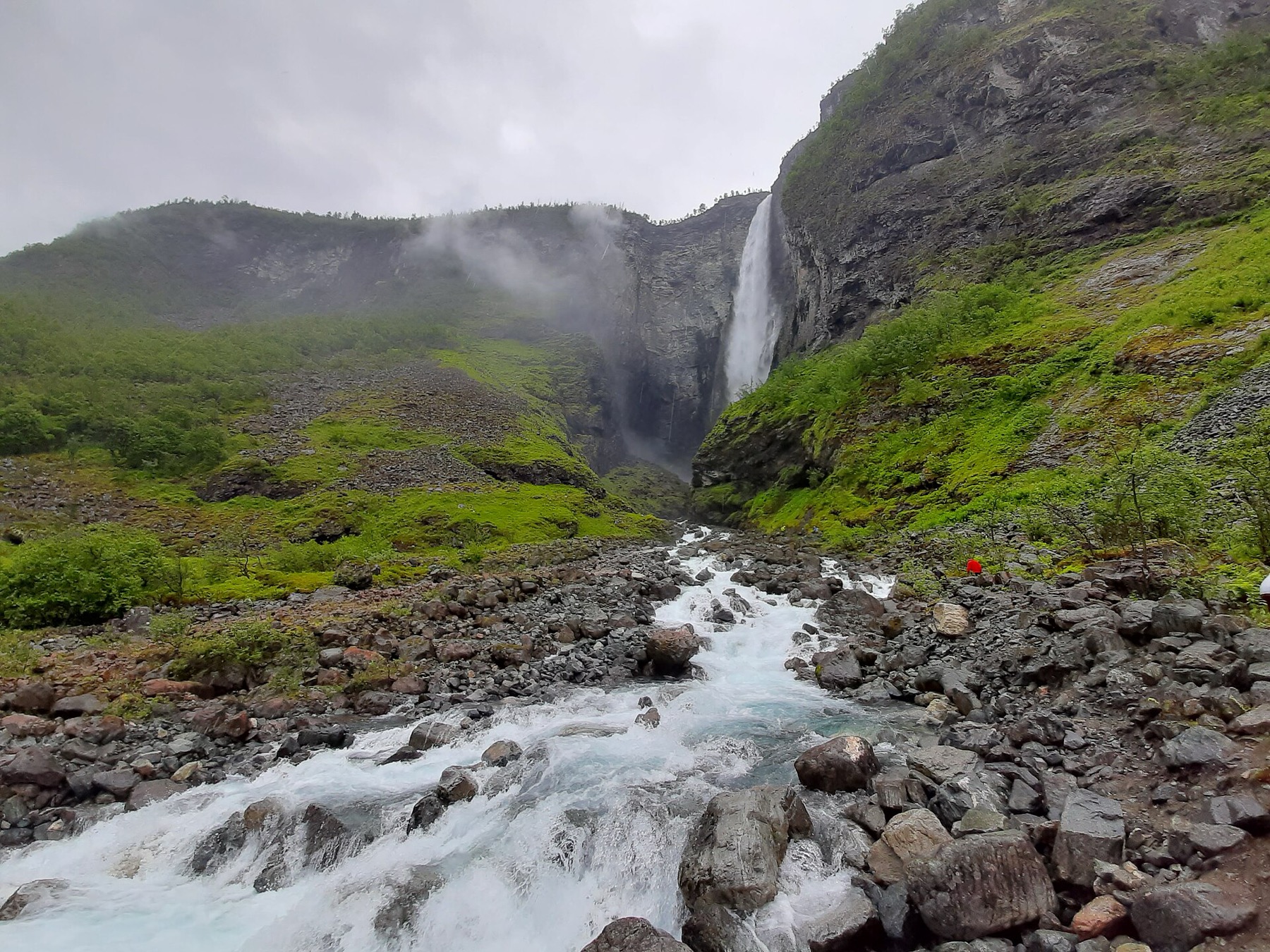
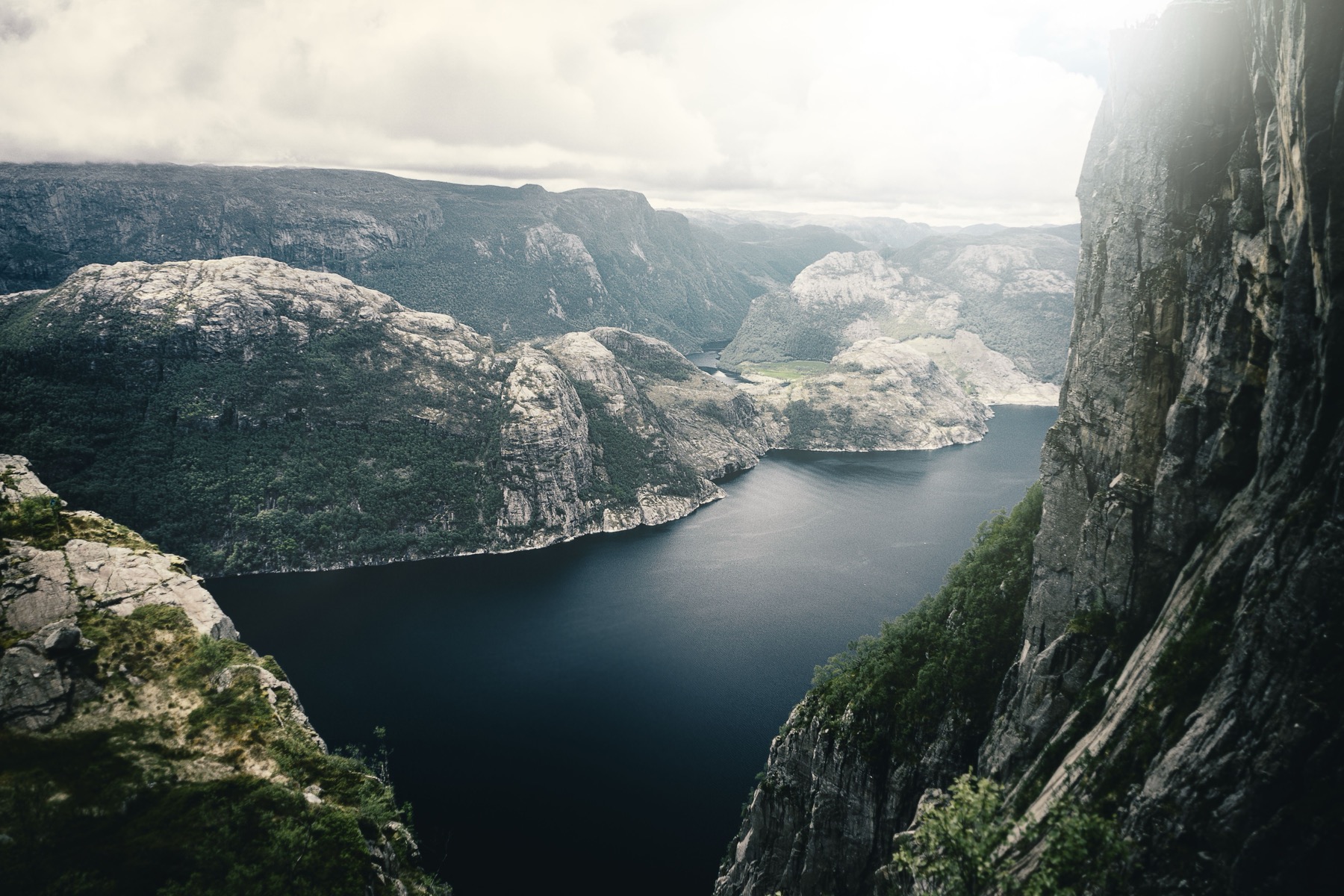
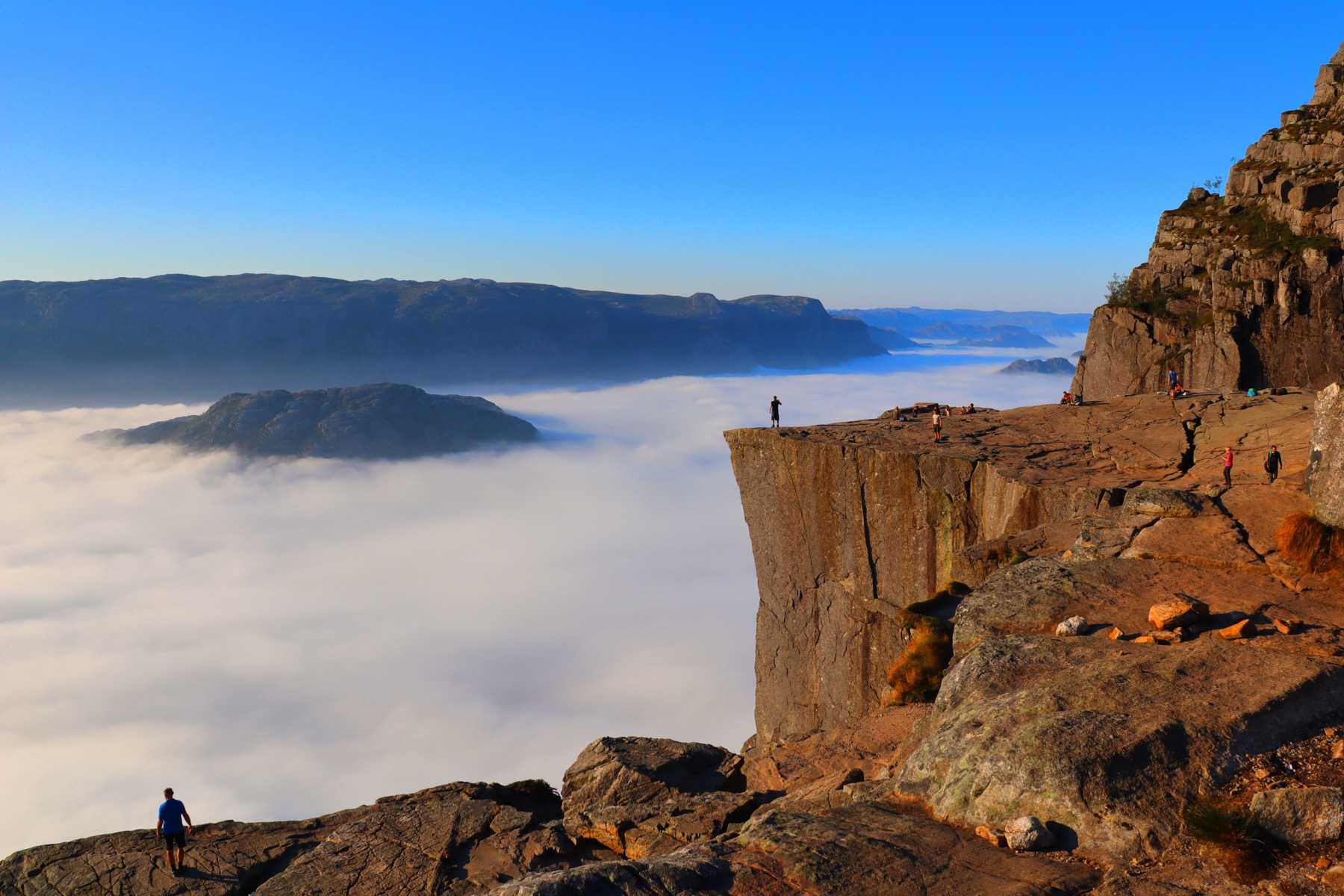
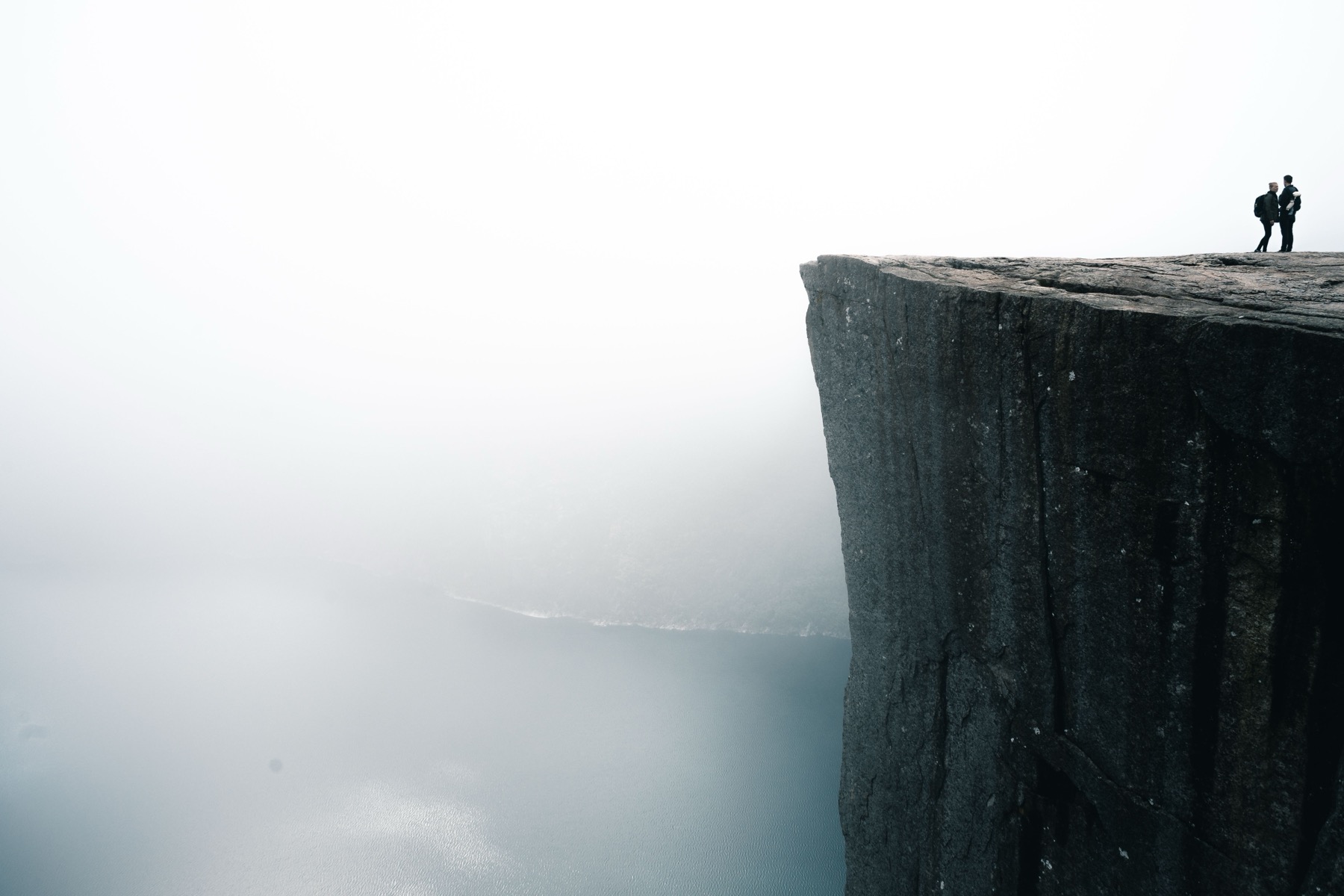
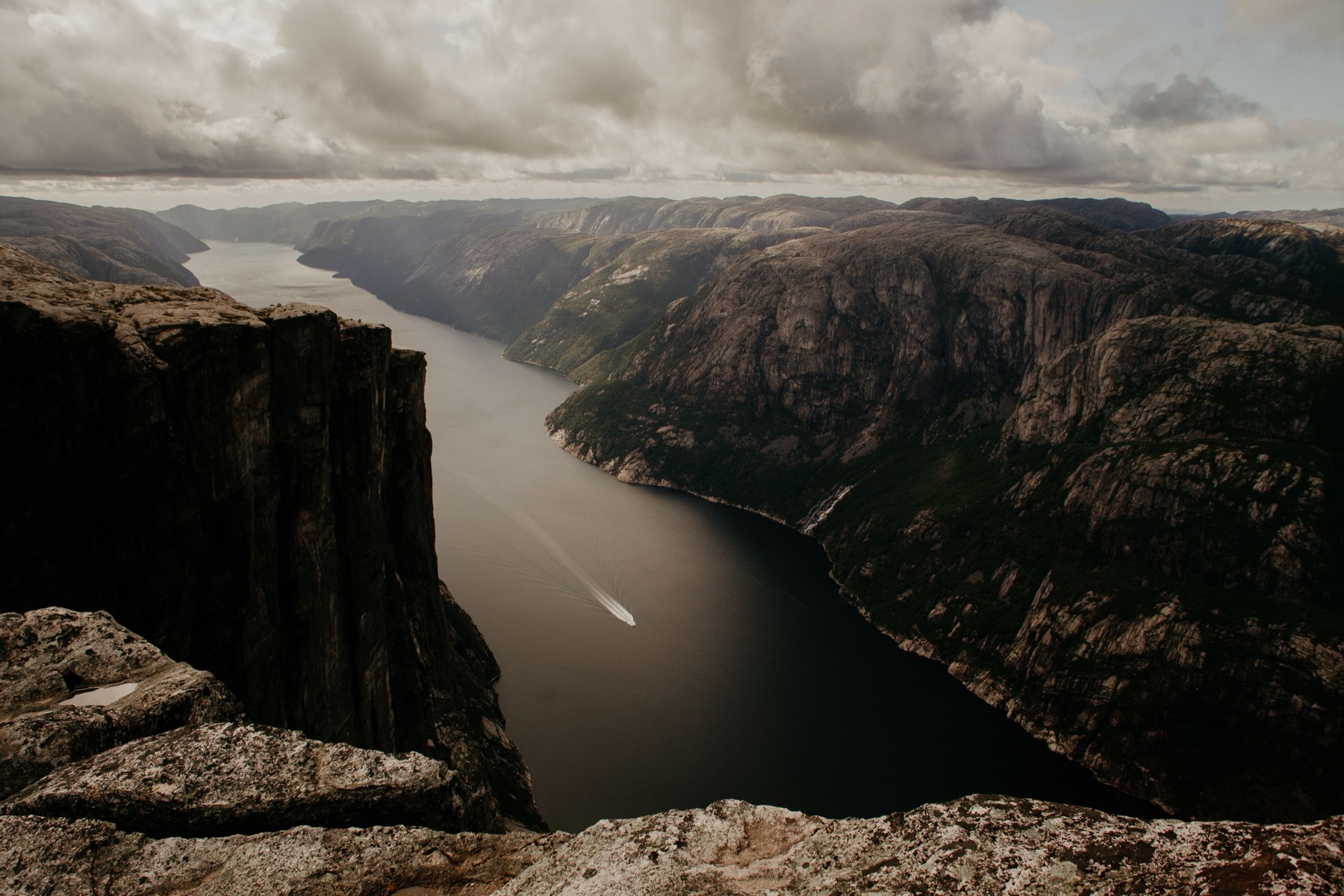
If you’re thinking about heading to Albania, chances are you’re being lured by the sun-soaked beaches of the south. But trust me, it’s the mountainous north that will completely win you over. The Accursed Mountains in Albania — often nicknamed the Albanian Alps for their sheer majesty — are the perfect, peaceful counterpoint to the crowded Ionian Riviera, where in the summer months you sometimes end up fighting for every free patch of sand.

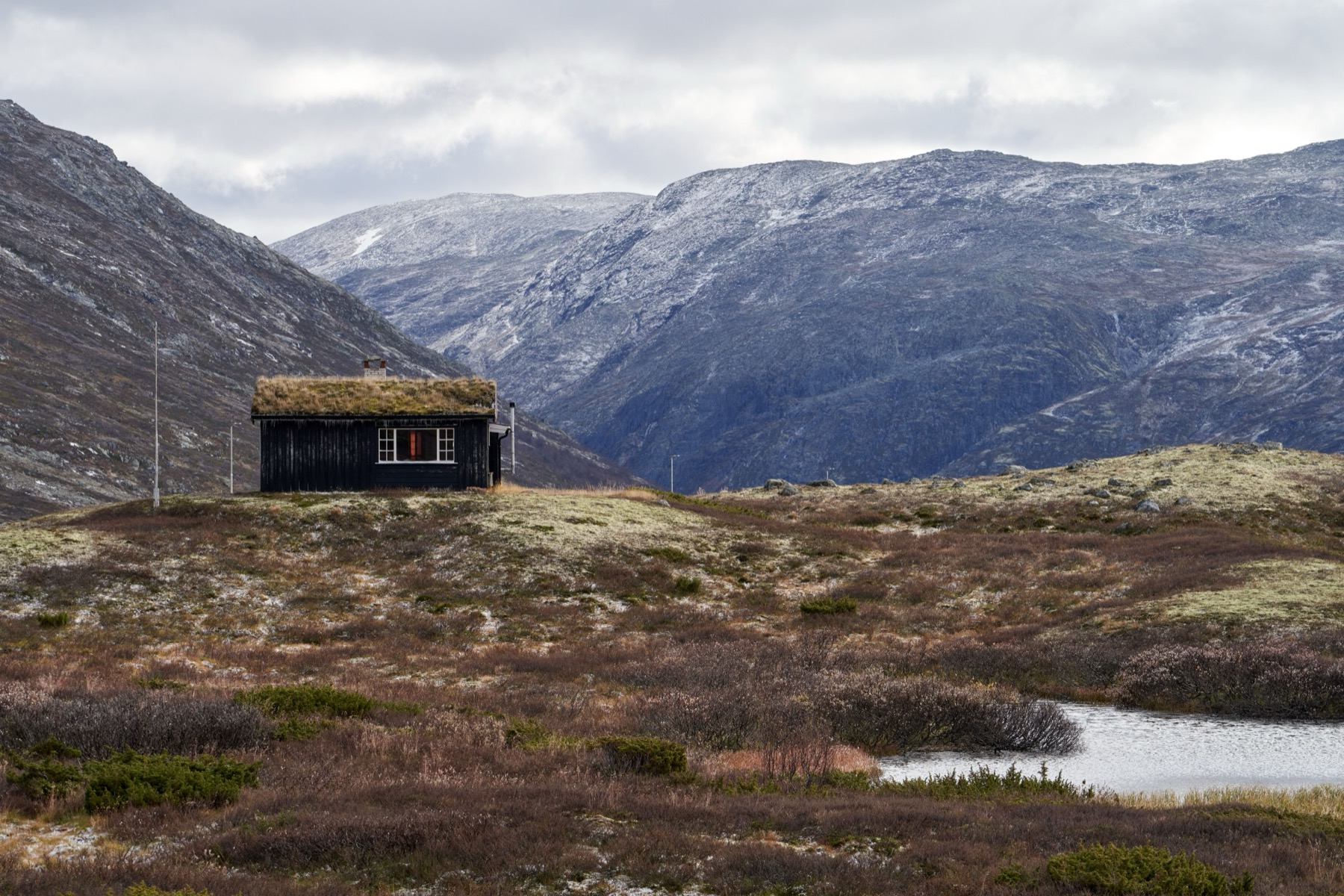
While the south is all about the typical beach buzz, up here you’re greeted by a spellbinding alpine landscape, deep glacial valleys and old stone villages where time seems to have stood still. For active travellers, this wild region is the undisputed highlight of any itinerary, offering not just pristine nature with bears and wolves, but also an incredibly warm local culture.

In this article I’ve got 10 tips for Theth, Valbona and the north, so you can plan a truly perfect mountain adventure. I’ll show you how to make sense of the tricky ferry timetables across Lake Koman, where to find the best family-run guesthouses with outstanding food, and how to prepare as well as possible for the famous trek over the Valbona Pass.

TL;DR

  • Shkodra as your base: This pleasant, bike-loving town is the ideal starting point for stocking up on supplies, withdrawing cash and arranging a morning transfer into the mountains.
  • Getting to Theth: The road from Shkodra to the village of Theth is now fully paved, so in the summer season you can easily reach it even in an ordinary car.
  • The Koman ferry: The most popular boat, Berisha, departs Koman at 9:00 am, and in summer you absolutely must book car tickets online well in advance.
  • The famous trek: The crossing between Theth and Valbona is roughly 17 kilometres and takes 6 to 8 hours of walking through gorgeous mountain terrain.
  • Cash is king: Across the whole mountain region rely solely on cash in Albanian lek, as ATMs and card terminals are practically non-existent here.
  • Vegetarian feasts: Be sure to try the local meat-free specialities, like the layered fli pie with kajmak or the delicious baked vegetables, tavë me perime.

When to visit the Accursed Mountains

If you’re planning to hike and want to enjoy the views without any danger, the best time to visit is from mid-June to the end of September. During these summer months the weather is at its most stable and the mountain trails are safely passable — though you can still work up a serious sweat on the climbs during the day.

Travellers often make the mistake of heading into the mountains too early in spring, but in May or early October you need to bear in mind that deep snow can still lie at higher altitudes. In these shoulder periods the Valbona Pass becomes treacherous, and the route is often completely impassable or requires proper winter gear.

In peak summer — July and August — the villages buzz with life and you’ll meet plenty of people on the trails. If you prefer a bit more peace and quiet, September is the ideal compromise: temperatures are still very pleasant for walking, the crowds slowly thin out, and nature begins to turn those beautiful autumn shades.

Where to stay in northern Albania

💡 Tip for accommodation and experiences: We like to look for our stays on Booking.com, where the cancellation terms tend to be the best. For tickets, tours and activities, it pays to compare and buy through GetYourGuide.

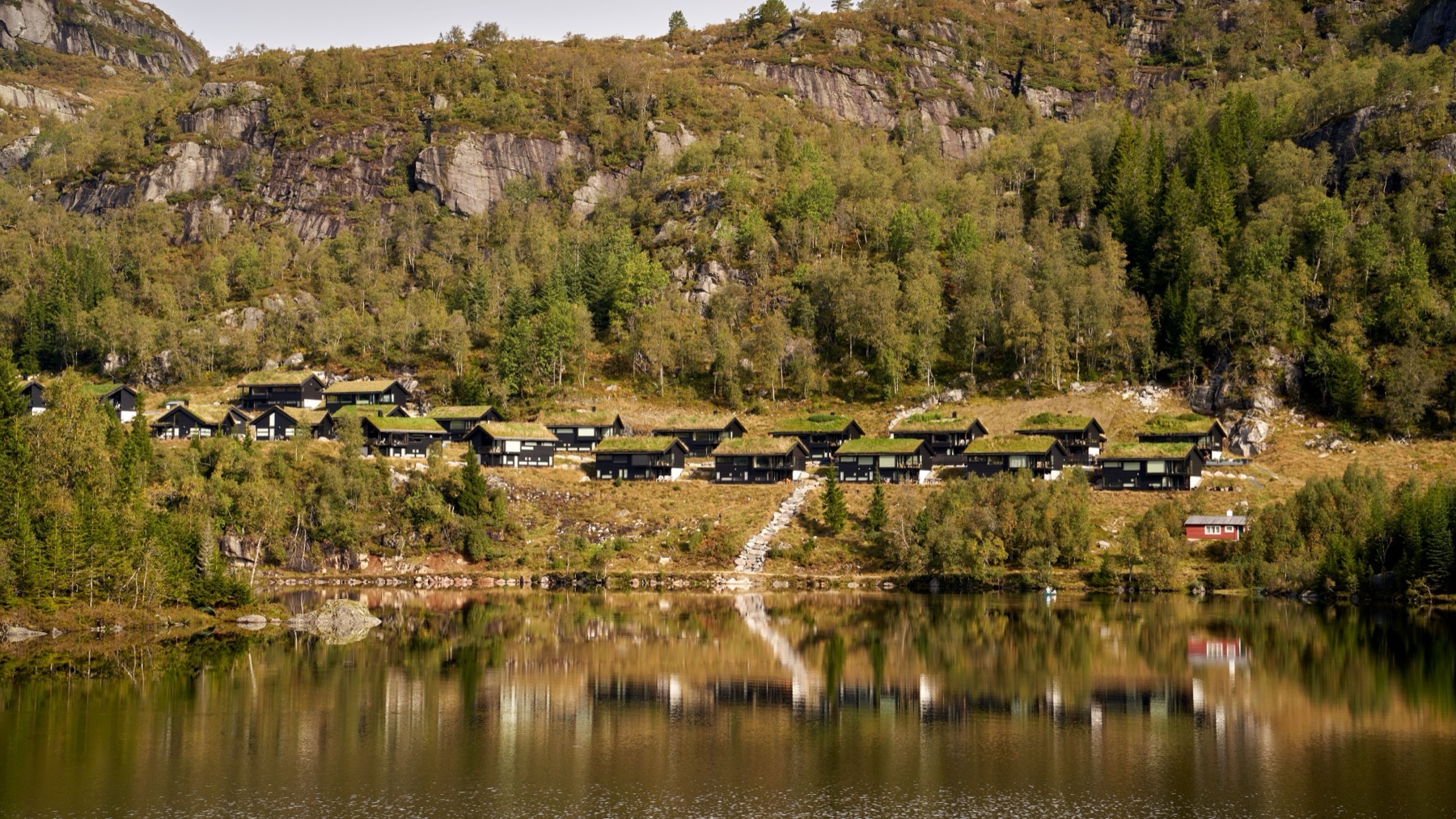
Accommodation in the Accursed Mountains runs primarily on the agritourism model, which adds enormous charm to the whole experience. Local family-run guesthouses offer you not just a clean, cosy bed but above all honest home cooking, served in generous portions. A night with half board usually costs between €15 and €25 per person, which is a fantastic deal for such enormous hospitality.

Where to stay in Theth: The village of Theth offers beautiful hideaways with views of those majestic peaks, and I’d recommend booking well ahead, because the best guesthouses are often sold out by May for the summer. Travellers rave about Serenity Guesthouse, which stands out for the family’s personal touch and absolutely fantastic homemade breakfasts on the terrace. Another great choice is the renovated Guesthouse Gjoni with excellent food, or Marash Rrgalla Guesthouse, where you’ll be treated to their own dairy products and hearty portions. If you’re after something right in the centre of the village with a friendly atmosphere, definitely check out Guesthouse Kujtimi.

Here are some specific tips for verified accommodation across categories (you can compare prices and availability with a single click via Stay22, which searches for the best deal across Booking.com, Airbnb and others):

  • Serenity Guesthouse – A family guesthouse with a personal touch, views of the peaks and fantastic homemade breakfasts on the terrace.
  • Guesthouse Gjoni – A newly renovated guesthouse right in the village; guests praise the hearty home cooking.
  • Marash Rrgalla Guesthouse – Big portions of fresh food and their own dairy products in the heart of the mountain hamlet.
  • Guesthouse Kol Gjoni – The top-rated guesthouse in Valbona, with warm hosts and honest mountain cooking.
  • Guesthouse Mountain – Terraces overlooking the valley, ideal for families and couples after a long trek.
  • Shkodra Guest House – A great base before the mountains; the owners help with morning minibuses and ferry tickets.
  • The Wanderers Hostel – A top-rated hostel where travellers plan their mountain crossings together.

Where to stay in Valbona: Valbona spreads across a broad valley, and you’ll find guesthouses tucked right by the river as well as higher up on the slopes. According to guest reviews, the absolute pick of the bunch is Guesthouse Kol Gjoni, which draws people in with its incredibly warm hosts and wonderful local cuisine. Families and couples will love Guesthouse Mountain, where you can rest up on terraces overlooking the valley after a long trek. Also worth considering is Guesthouse Skender Selimaj, offering newly renovated rooms and gorgeous balconies facing straight onto the 2,000-metre peaks.

Where to stay in Shkodra (your base before the mountains): Shkodra is where you’ll most likely spend the night before heading up, and where you can leave your large luggage. Shkodra Guest House offers great facilities for trekkers, with owners who’ll happily help arrange morning minibuses and ferry tickets. If you prefer a livelier atmosphere and want to meet fellow travellers, head to The Wanderers Hostel, a top-rated spot famous for guests planning their mountain crossings together.

10 things to see and do in the Accursed Mountains and around

Let’s take a look together at the very best northern Albania has to offer — from historic landmarks in Shkodra and epic boat journeys across the lake, to demanding but stunning hikes in the very heart of the Albanian Alps.

1. Shkodra, the surprisingly laid-back gateway to the north

Most travellers treat the town of Shkodra (sometimes spelled Shkodër) as just a necessary transit hub, but I’d recommend setting aside at least half a day for it. Don’t expect the wild Balkan chaos of the capital Tirana — Shkodra has a strong Italian flair, reflected in the pastel facades of its houses and wide pedestrian zones full of cafés. Catholics live here in close, friendly neighbourliness with Muslims, and the whole town breathes a very relaxed, almost Mediterranean atmosphere.

But what really catches your eye is the sheer number of bicycles — everyone here cycles, from small children to elderly gentlemen in smart suits. Stroll down the main avenue, Kole Idromeno, grab an excellent coffee, and use the town to buy your last supplies before heading into the mountains, because you won’t find any proper supermarkets up there.

2. Rozafa Castle and a dark Balkan legend

The town’s main historic landmark is the mighty Rozafa fortress, towering on a steep cliff right above the confluence of the Buna and Drin rivers. The view from its ramparts over the town, the surrounding mountains and the vast expanse of the lake is absolutely phenomenal, and the best photos here are taken in the late-afternoon light, when the sun bathes the landscape in gold. Inside the sprawling complex you’ll find historic ruins, a small museum and a little café where you can take a break. Admission to the fortress currently runs around 200 to 400 Albanian lek.

The castle is tied to one of the best-known and darkest legends in all the Balkans, the tale of three brother builders. Whatever they built by day mysteriously collapsed by night, until an old sage advised a cruel solution. For the walls to stand, they had to immure whichever of their wives brought them lunch the next day. The choice fell on Rozafa, the youngest brother’s wife, who accepted her fate heroically on one condition: the right side of her body had to be left poking out of the wall, so she could keep nursing and soothing her little son.

3. Lake Skadar and a birdwatcher’s paradise

Just beyond the town spreads the vast Lake Skadar, which Albania shares with neighbouring Montenegro and which forms the largest freshwater body in the Balkans. It’s a genuine paradise for nature lovers, full of blooming water lilies and rare birds, including majestic pelicans. If you want to escape the bustle of the town, it’s the ideal spot for a peaceful afternoon.

Pop over to the quiet lakeside villages of Shiroka or Zogaj, just a few kilometres from Shkodra, with their lovely waterfront promenades. You can settle into one of the local taverns with views across to the Montenegrin shores and soak up the tranquil atmosphere of this unique aquatic ecosystem, protected as a national park.

4. The ferry across Lake Koman

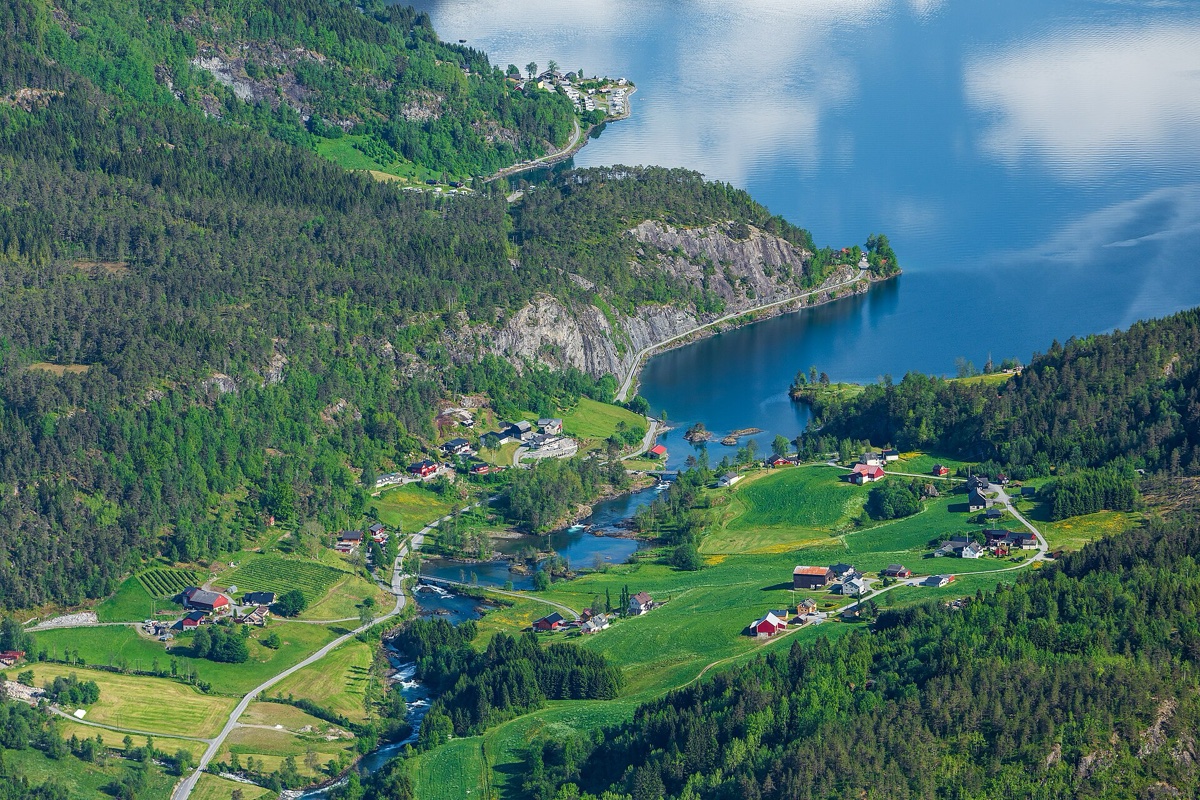
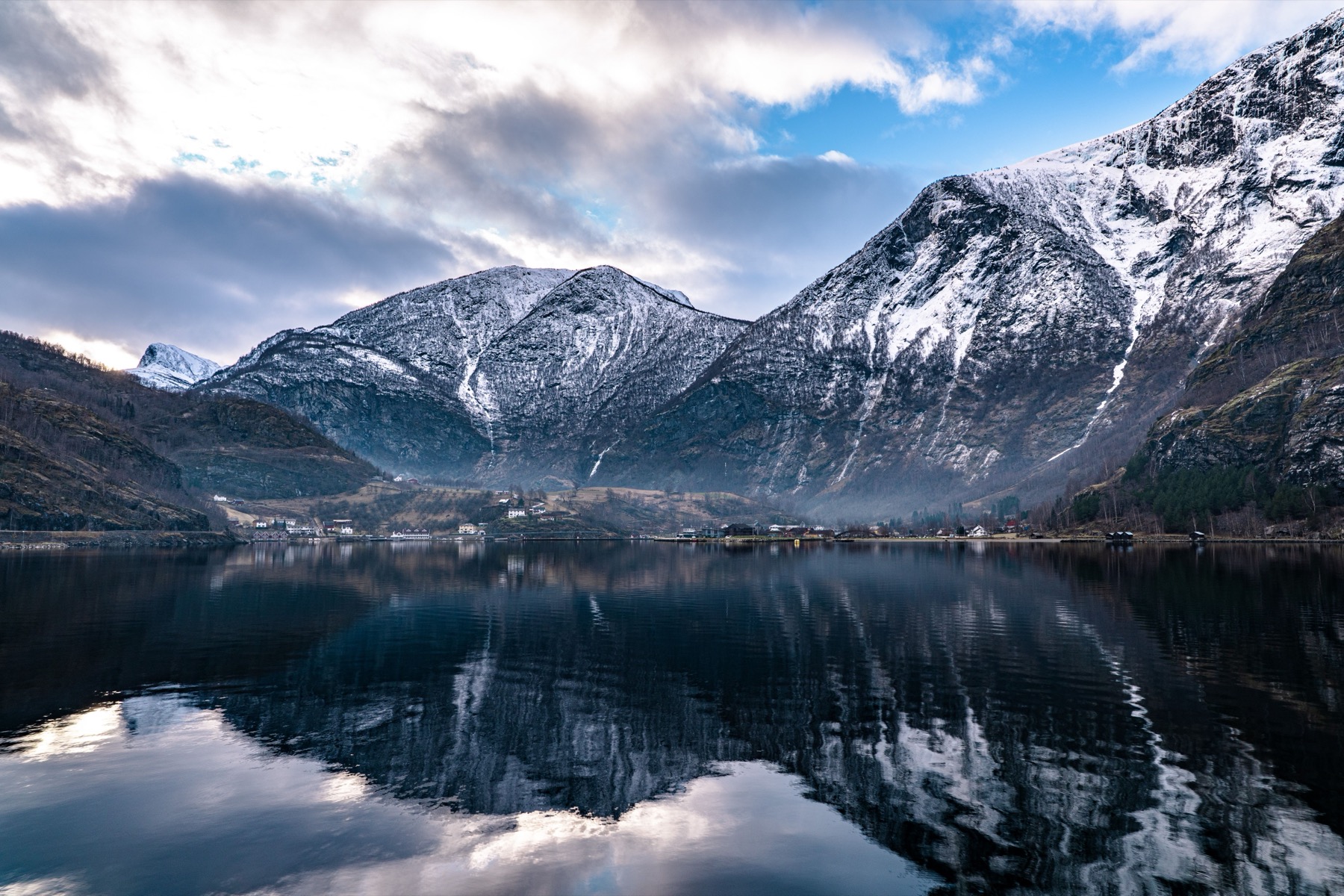
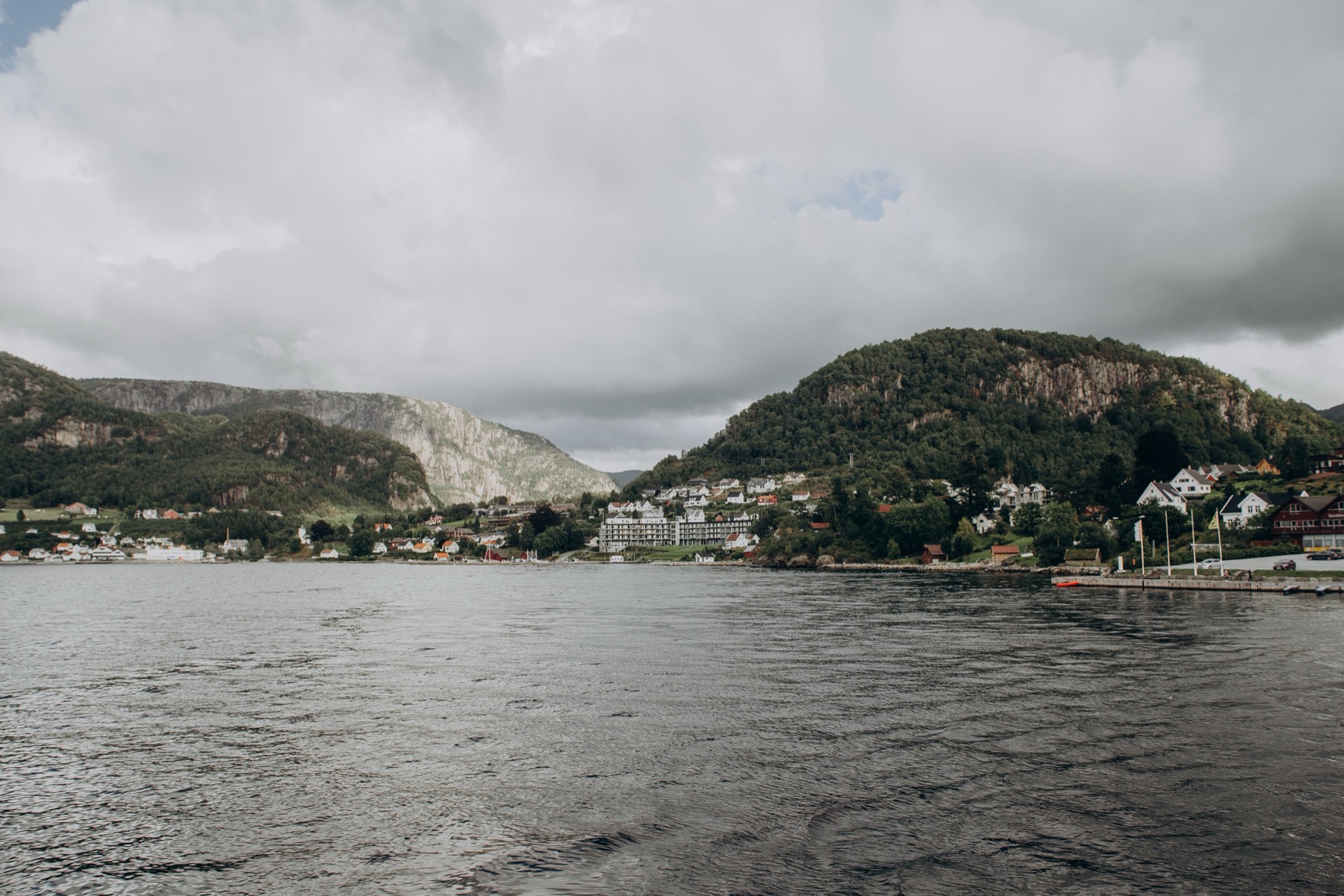
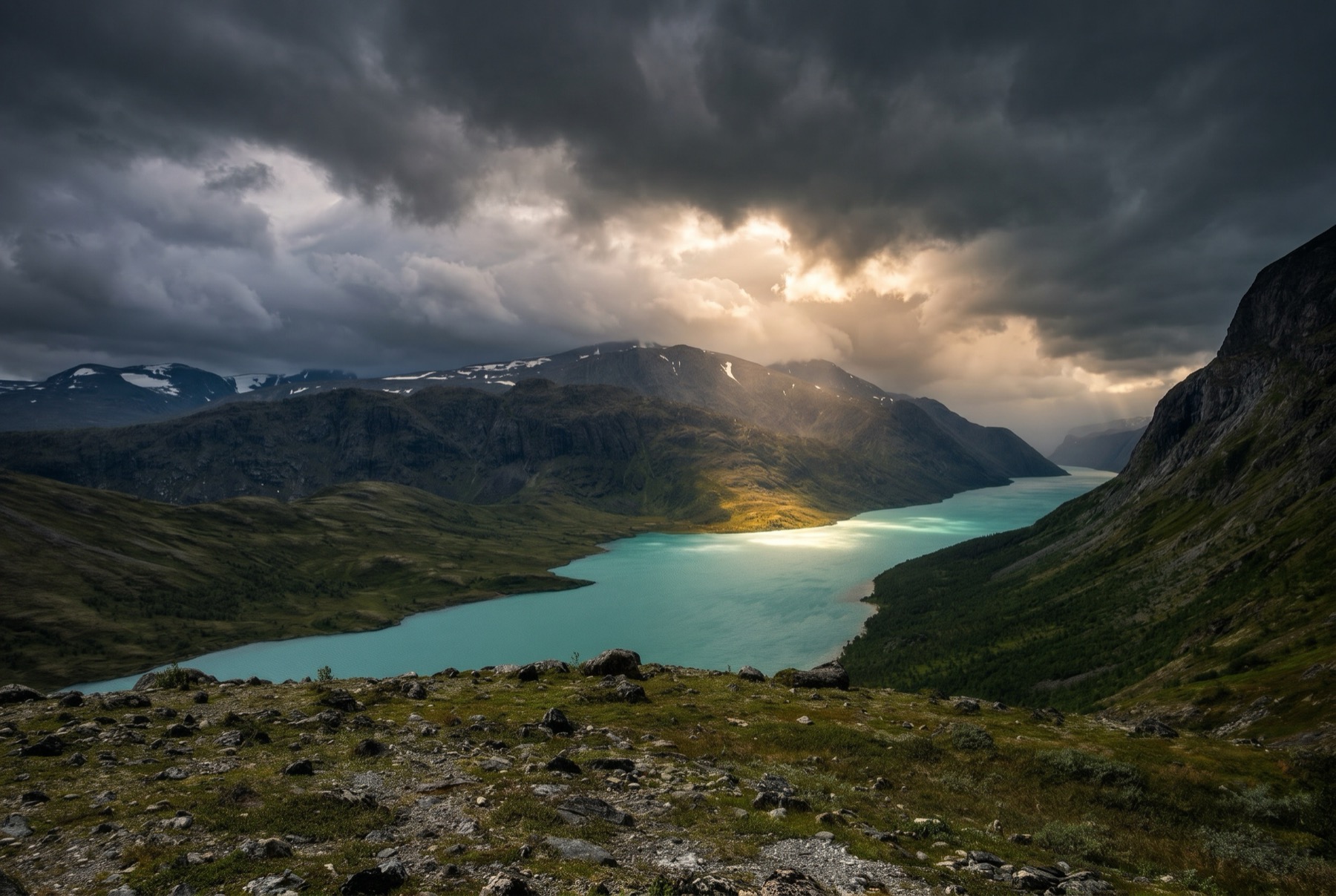
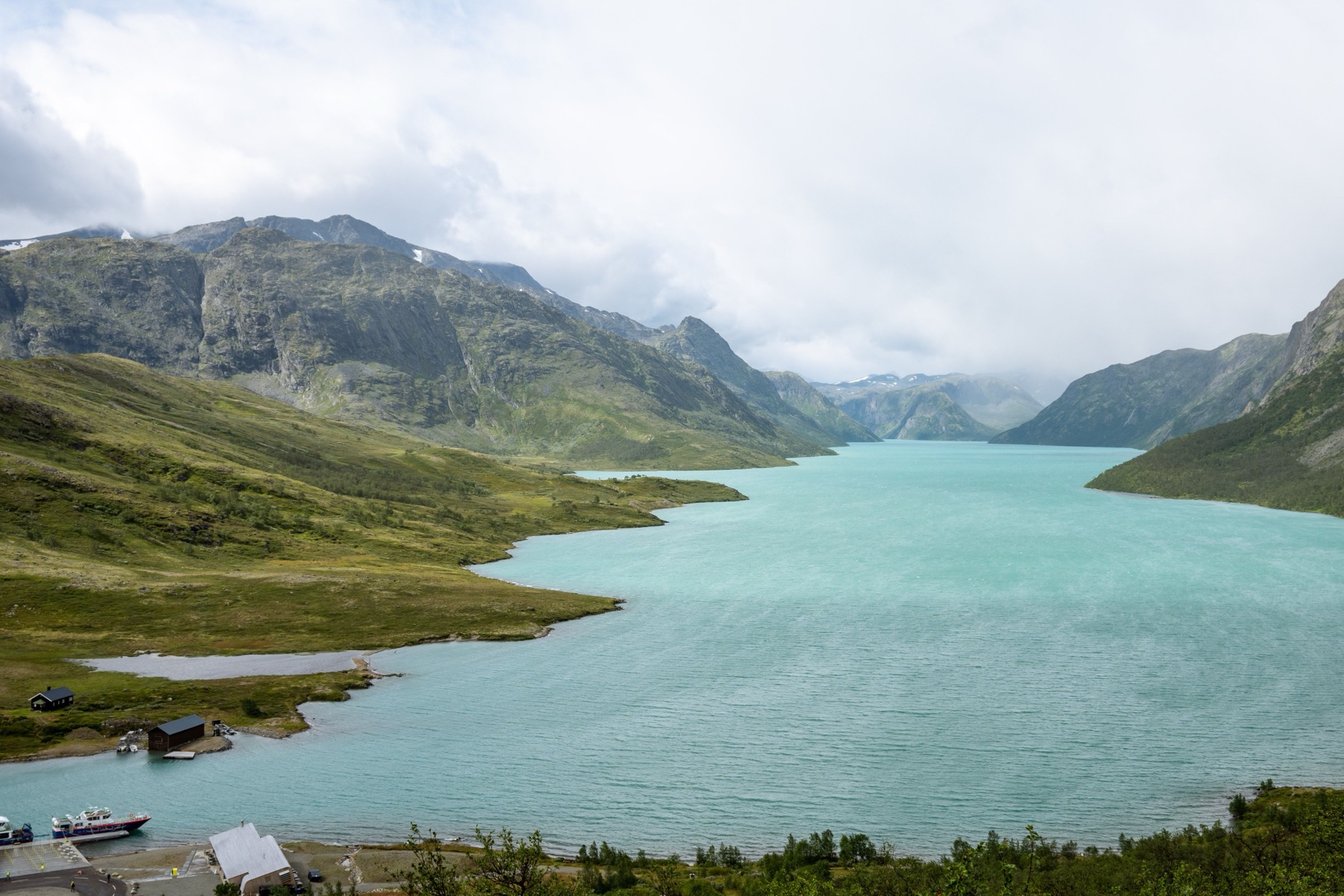
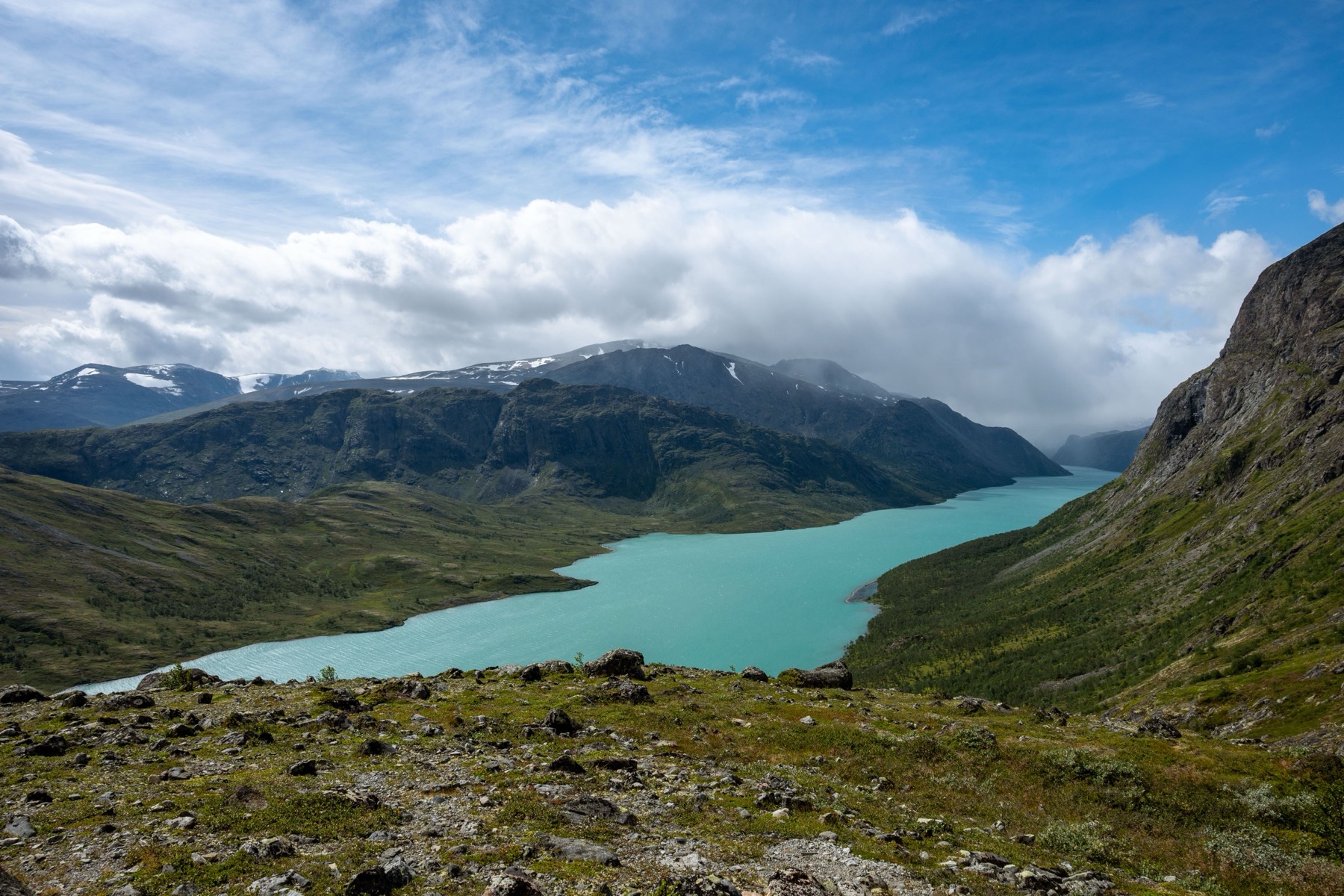
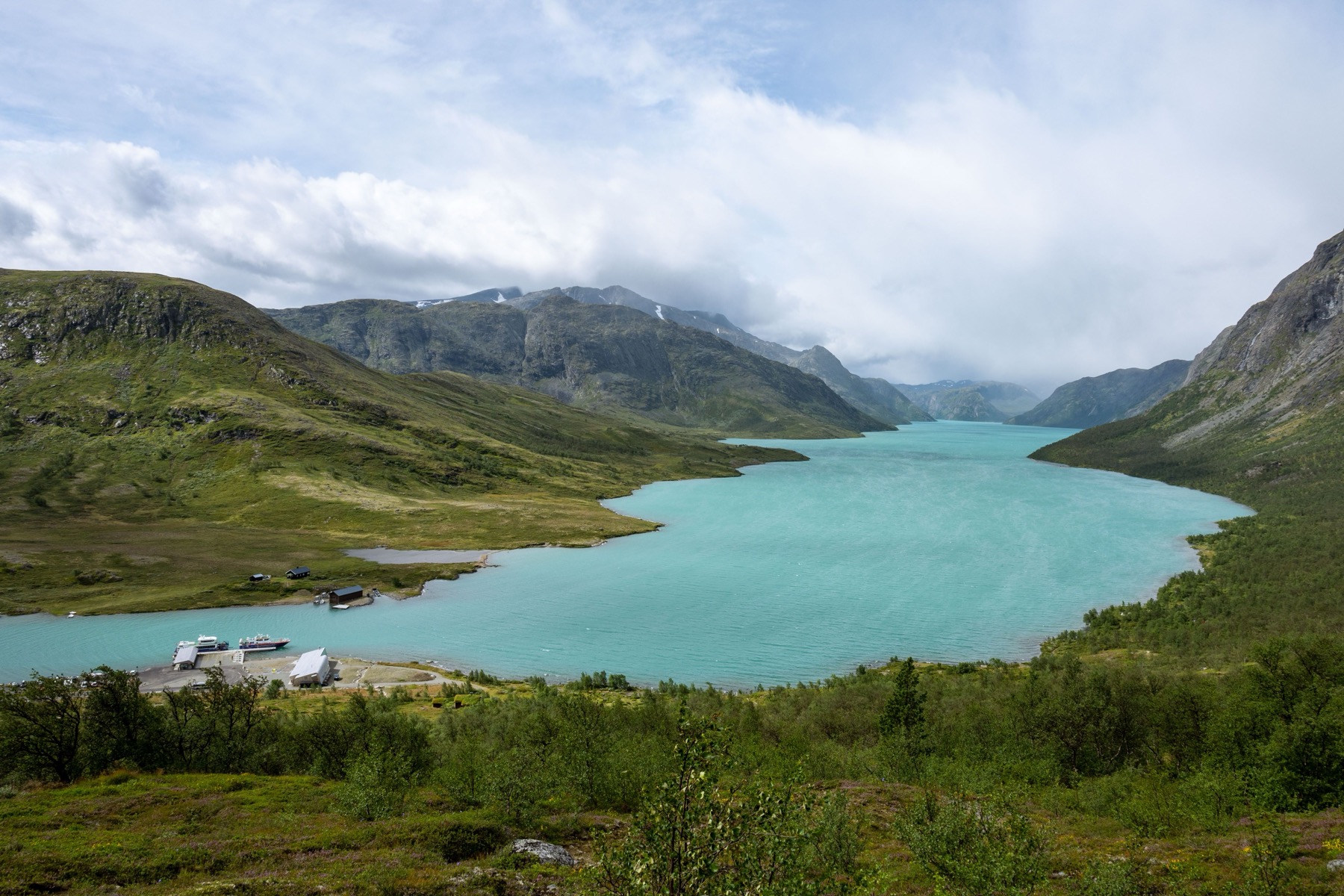
If there’s one logistical puzzle in Albania that regularly leaves travellers baffled, it’s the ferry across the Koman reservoir. The boat ride along this narrow, winding lake carved between steep 2,000-metre peaks is rightly billed as one of the most beautiful boat journeys in the world, often nicknamed the Norwegian fjords of the Balkans. It’s also the most popular and picturesque way to get from Shkodra to Valbona National Park.

The most common choice is the Berisha company, whose boat departs the southern port of Koman heading north to Fierzë at 9:00 am, with the crossing taking about two and a half hours. A passenger ticket costs €9 online or €10 in cash on the spot, but if you’re driving, you pay roughly €7 per square metre depending on the size of your vehicle. In summer the ferry is hopelessly booked out, so you absolutely must reserve a car spot on the official website well in advance.

💡 Tip for travelling without a car: If you don’t have your own vehicle, your best bet is the morning shared minibuses (furgon), which leave Shkodra around 6:00 am and cost roughly €8. The journey to Koman port takes a while, as the last thirty kilometres run along a very rough, narrow road, so arm yourself with patience.

lukas a lucka
Lukáš and Lucie recommend
Where to stay in Theth, Valbona and northern Albania
6 accommodations recommended for your holiday
lukas a lucka
Lukáš and Lucie recommend
Where to stay in Theth, Valbona and northern Albania
6 places to stay recommended for your trip

5. The Shala River, or Thai beaches in Europe

People very often confuse the transit ferry to Valbona with the day trip to the Shala River, but these are actually two different things. The Shala is a wild mountain tributary that flows into Lake Koman from a side valley, and you can’t reach it by car, only by boat. The water here is so incredibly clean and turquoise that the place has earned the nickname the Maldives of Europe — or the Thailand of Europe.

This trip deserves a full day to itself, and you can do it either from Koman port in a small boat for roughly €17 to €20, or by buying a complete package from Shkodra for around €40. The Shala River boat trip is easy to book through GetYourGuide, and on arrival you’ll find pebble beaches, swimming in icy water and the chance to rent canoes. Bear in mind, though, that in summer huge numbers of people descend on the spot, and it loses a little of its original calm.

6. Theth National Park and the blood-feud tower

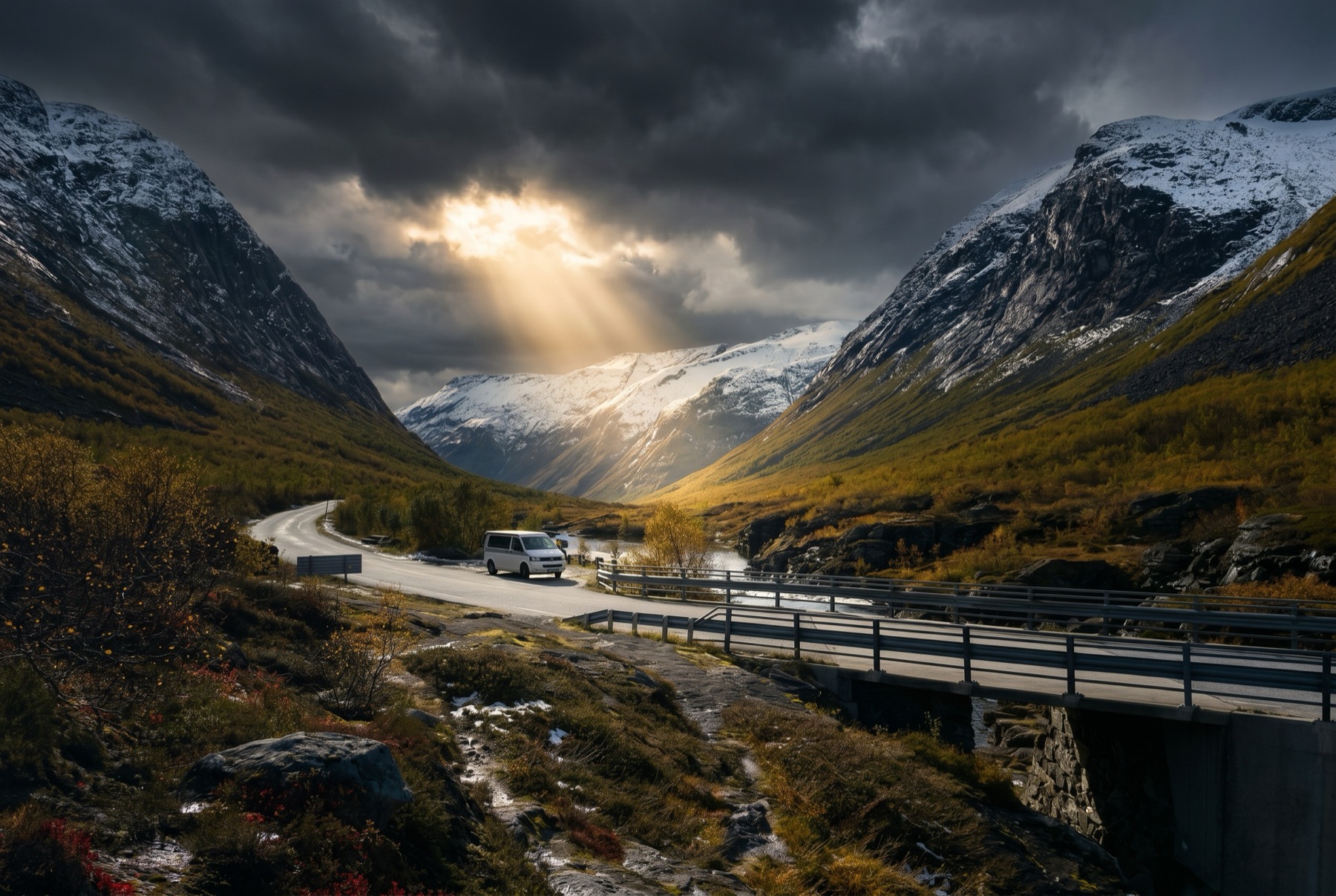
The village of Theth lies deep in a valley, hemmed in by an impenetrable wall of steep peaks, and for many decades it was cut off from the world. Just a few years ago you could only reach it by 4×4 along a treacherous gravel road, but today the road over the Qafa e Thores pass is completely paved. The journey from Shkodra takes about two and a half hours, offers fantastic views, and in the summer season you can make it even in an ordinary two-wheel-drive car — and entry to the national park is completely free.

The village’s iconic symbol is a small stone church, and just a short walk away stands the Kulla e ngujimit tower, which served as a refuge from blood feuds. This dark structure is a relic of the old customary law known as the Kanun, under which men protecting their lives from revenge would lock themselves away in these towers for many long months. Today the tower works as a unique museum, and the local guides’ tales of the harsh history of the mountain people are guaranteed to give you goosebumps.

7. A walk to the Grunas Waterfall

Once you’ve settled into Theth and soaked up the village atmosphere, definitely head out to explore the immediate surroundings. Your first target should be the Grunas Waterfall, reached by a very pleasant, easy walk that takes roughly thirty minutes from the centre of the hamlet, following the river. It’s the ideal afternoon activity after you arrive.

Here the water tumbles from an impressive height of twenty-five metres down a steep limestone wall, creating a cooling mist below. On hot summer days especially it’s an absolutely fantastic way to cool off, and the surrounding lush greenery makes the perfect backdrop for photos — so don’t forget to bring a charged phone and comfortable shoes.

8. The mountain Blue Eye and an icy dip

Another big draw in the area is the Blue Eye of Theth, which you should definitely not confuse with the more famous, more crowded Blue Eye down south near Saranda. This northern mountain eye is a beautiful karst spring with deep, intensely blue-green and icy water, hidden among the forests and surrounded by pale rocks. Entry to the spring itself is free in 2026, so don’t be thrown off by older information about fees.

If you set off on foot straight from Theth, you’re looking at a full-day loop of 6 to 7 hours of walking there and back. A much more popular option, though, is to drive up to the hamlet of Nderlysaj, where you’ll pay about 150 to 200 lek for parking, and from there it’s just 40 to 50 minutes of pleasant walking to the eye. Swimming in the spring is allowed, but even in mid-August the water sits just above freezing, so only the hardiest will brave it.

9. Valbona and the taste of true mountain countryside

On the other side of the high mountains lies Valbona Valley National Park, which, unlike the tightly enclosed Theth, takes the form of a much wider, more open glacial valley. A beautiful pale-turquoise river runs through it, and the whole area feels a touch more peaceful, while the deep surrounding forests are still home to brown bears and wolves. Most travellers reach Valbona by boat across Lake Koman, followed by a connecting minibus from Fierzë port.

Beyond its nature, this region is hugely rich in culinary experiences, and I’d recommend trying the local vegetarian specialities, which will completely win you over. The absolute classic is fli, a layered pie baked over an open fire and served with fresh homemade kajmak or honey. On guesthouse tables you’ll also often find the excellent baked vegetable dish tavë me perime, crispy cheese-filled byrek, and a strong homemade brandy called rakia. Meat dishes like lamb or grilled qofte meatballs are an important part of the region’s pastoral heritage, but even without meat you’ll eat like royalty here.

10. The famous trek over the Valbona Pass

This is the main reason active travellers from all over Europe head to the north of Albania. The hike over the Valbona Pass connects the Theth and Valbona valleys and is an absolute bucket-list experience that shows you the purest, wildest scenery in all the Balkans. The route is roughly 17 kilometres long and, depending on your fitness, takes 6 to 8 hours of walking through fairly demanding but well-marked terrain.

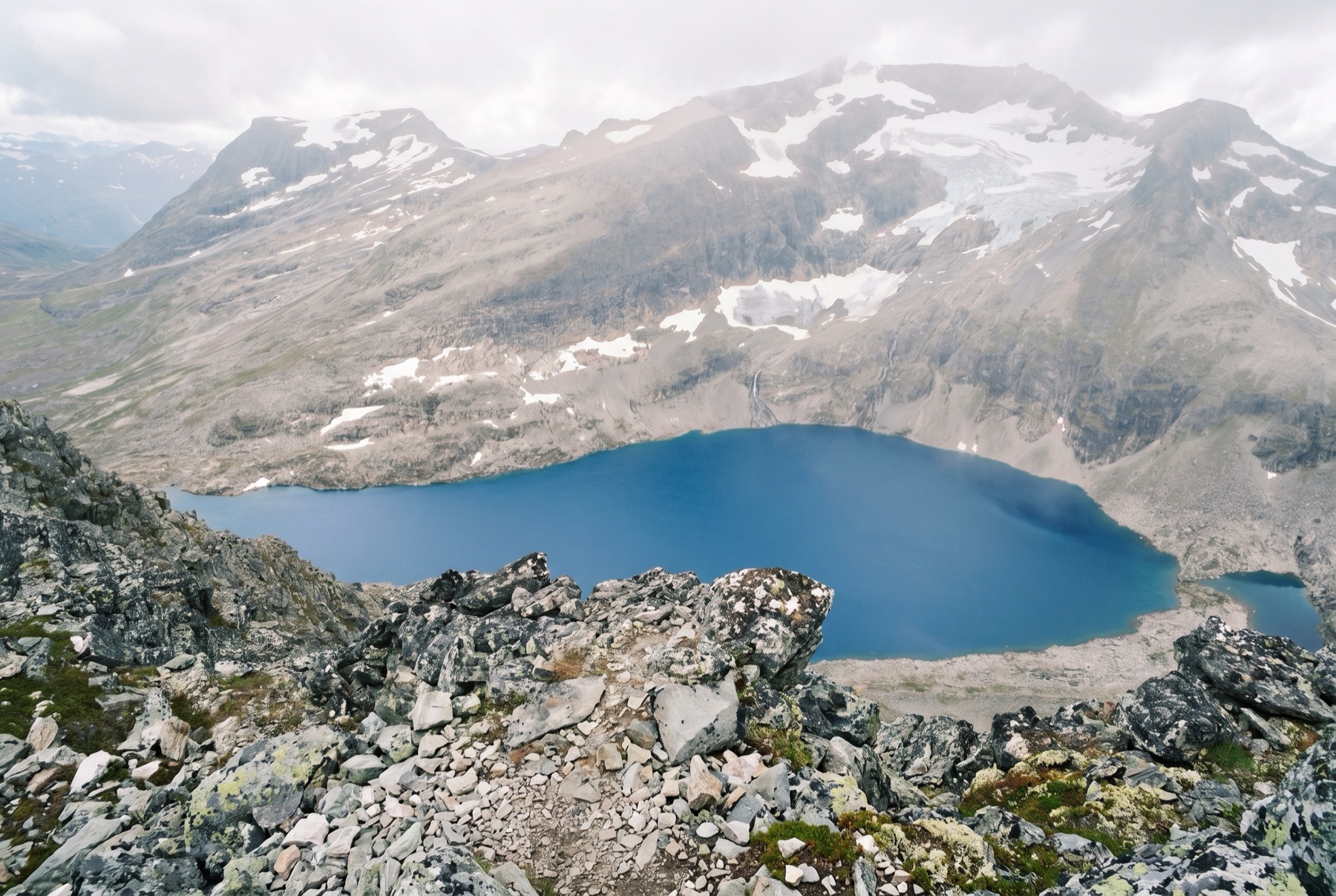
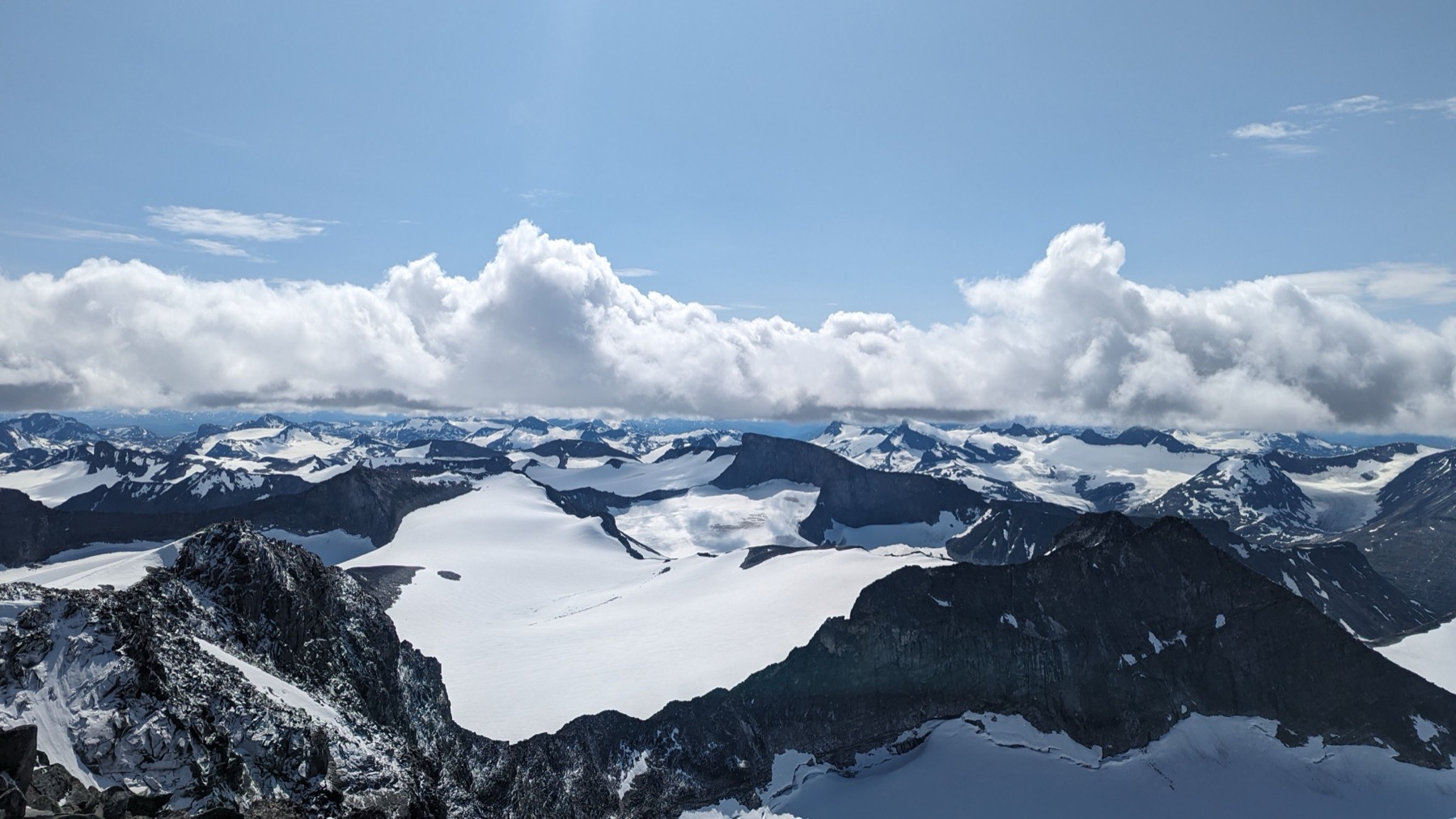
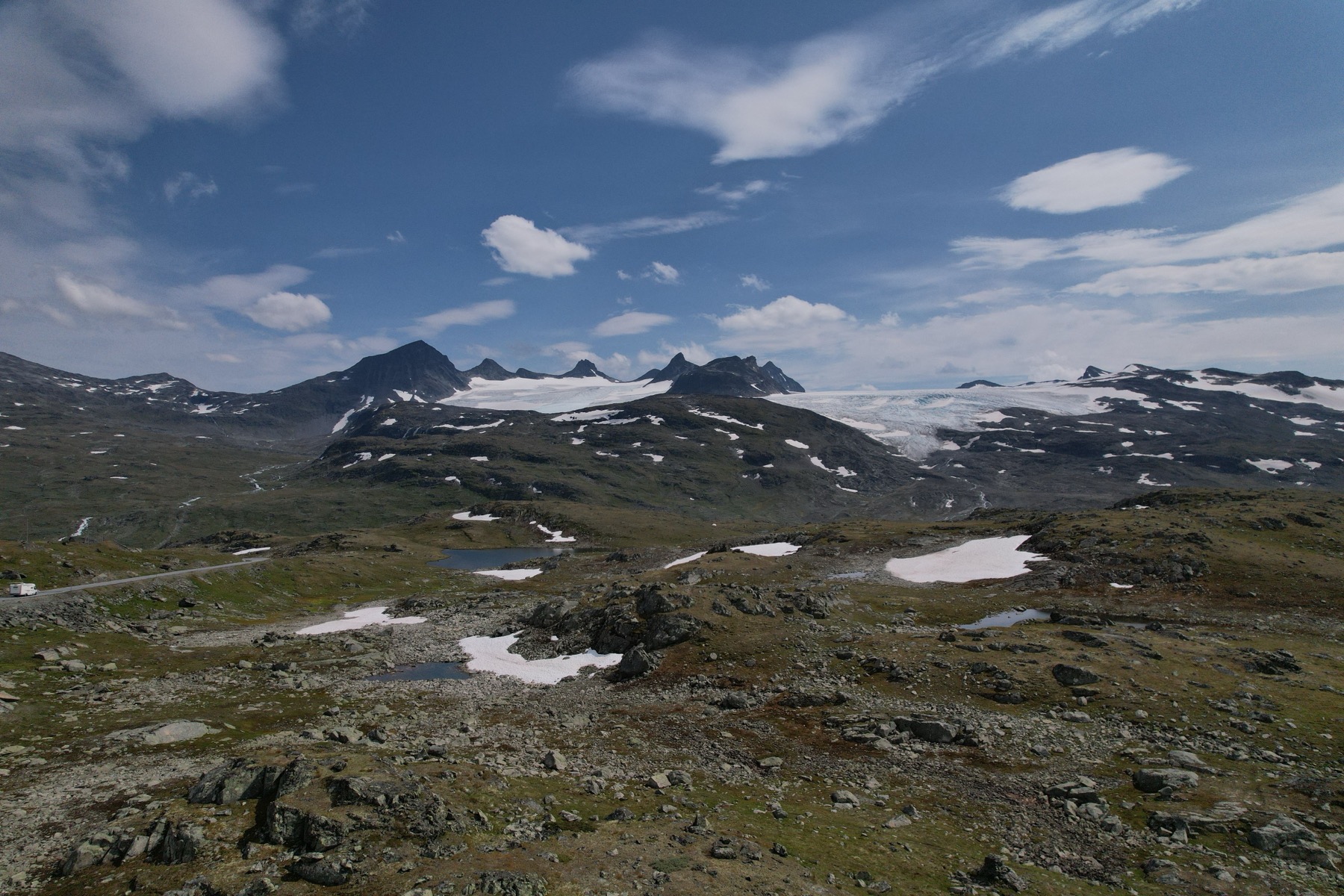
The elevation gain is seriously impressive, as you have to climb roughly 900 metres from the valley up to the pass itself, which sits at 1,800 metres above sea level, before a long descent back down again. The golden safety rule is to set off early in the morning and be at or beyond the pass by 2:00 pm at the latest, to avoid the dangerous afternoon storms that often build up in the mountains. The views from the highest point over the jagged grey peaks are utterly breathtaking, and they’ll make it perfectly clear why this range is called the Accursed Mountains.

Where to go next from northern Albania

If you’ve got the mountain adventure behind you and you’re wondering where to head next in the land of the eagles, the options are plentiful. Albania is hugely varied, and after the cool mountains you might fancy a bit of warmth and some historic sights.

Frequently asked questions

Is the road to Thethu safely paved?

Yes, the new SH21 road leading from Shkodra through the Qafa e Thores pass directly to the village of Theth is now fully paved and the journey takes just over two hours. During the summer season, you can easily get here even in a regular rental car without any problems, and four-wheel drive is no longer necessary.

Can you use credit cards in mountain villages?

In the Accursed Mountains, you need to rely exclusively on cash, as payment terminals and ATMs are virtually non-existent here. It’s ideal to have enough Albanian lek (ALL) with you to pay for accommodation, food at guesthouses, furgons, and beer at mountain huts.

Do I need a mountain guide for the Theth-Valbona trek?

“`html
You definitely don’t need a guide for this crossing, as the route is very well marked, well-trodden, and during summer season you’ll meet plenty of other tourists. All you need is good physical fitness, sturdy footwear, an offline map on your phone, and enough drinking water for the journey.
“`

How much does the ferry across Lake Koman cost and do I need to book it?

The personal ticket for the Berisha ferry costs 9 euros when purchased online and 10 euros in cash on site. However, if you’re planning to transport a car, the price is calculated according to the vehicle’s size (approximately 7 euros per square meter) and during summer months it’s absolutely essential to make a reservation well in advance through the official website, otherwise you won’t get on the ferry.

Is it safe to drink water from springs in the Accursed Mountains?

The water from mountain springs and wells is generally very clean and locals drink it regularly, however for travelers with more sensitive stomachs I always recommend using a travel bottle with a filter. On the trek you’ll come across several places where you can refill your water, or alternatively you can buy it in small cafés along the route.

Can I do the Theth-Valbona trek with small children?

The crossing over Valbona Pass is quite challenging, 17 kilometers long and includes steep ascents, so I recommend it only for older children who are used to full-day mountain hiking. For families with small children, shorter walks in the Theth valley are much more suitable, for example to Grunas waterfall or to the Blue Eye.

What do van abbreviations mean and how do they actually work?

Furgon is the local term for shared vans and minibuses that form the backbone of public transport in Albania. They don’t have fixed stops or official nationwide timetables online, they usually depart early in the morning when full, and accommodation providers in Shkodër will happily reserve you a seat the day before.

Can you eat well without meat in northern Albania?

Yes, as vegetarians you’ll eat absolutely brilliantly here and you definitely won’t go hungry. Local agritourism is built on excellent homemade dairy products, strong cheeses, baked vegetables in clay pots, and traditional savory pastries byrek, which will reliably fill you up after a long trek.

Tips and Tricks for Your Vacation

Don’t Overpay for Flights

Search for flights on Kayak. It’s our favorite search engine because it scans the websites of all airlines and always finds the cheapest connection.

Book Your Accommodation Smartly

The best experiences we’ve had when looking for accommodation (from Alaska to Morocco) are with Booking.com, where hotels, apartments, and entire houses are usually the cheapest and most widely available.

Don’t Forget Travel Insurance

Good travel insurance will protect you against illness, accidents, theft, or flight cancellations. We’ve had a few hospital visits abroad, so we know how important it is to have proper insurance arranged.

Where we insure ourselves: SafetyWing (best for everyone) and TrueTraveller (for extra-long trips).

Why don’t we recommend any Czech insurance company? Because they have too many restrictions. They set limits on the number of days abroad, travel insurance via a credit card often requires you to pay medical expenses only with that card, and they frequently limit the number of returns to the Czech Republic.

Find the Best Experiences

Get Your Guide is a huge online marketplace where you can book guided walks, trips, skip-the-line tickets, tours, and much more. We always find some extra fun there!
All-Inclusive in Turkey: How to Choose a Riviera Resort in 2026

TL;DRPicking the best resort on the Turkish Riviera comes down to distance from Antalya airport, beach type and how “all-inclusive” the all-inclusive really is. Lara and Belek are closest to the airport (15–45 minutes) and offer the most luxury, Side and Çolaklı give you the best value with sandy beaches, while Alanya is cheapest but means a 120-minute transfer. The key difference is ultra all-inclusive – on top of the standard package, you get imported spirits, a restocked minibar and unlimited à la carte restaurants. Book first minute in January or February and you’ll save 45–50%; a decent week in a 5-star resort in peak season otherwise costs 20,000–25,000 Kč per person. September and October give you the best mix of warm sea (25–27°C) and lower prices.

When you step out of the air-conditioned terminal at Antalya Airport after a roughly four-hour flight from London and the humid, hot slap of a Mediterranean summer hits you in the face, you’ll understand why hundreds of thousands of holidaymakers head here every year. The Turkish Riviera is the king of family holidays and one of the most popular summer destinations for anyone looking for all-inclusive in Turkey.

The reason is simple maths: where in Croatia or Italy you’d pay for an average B&B with breakfast, Turkey serves you up a five-star resort with an ultra all-inclusive programme, water slides and its own private beach. It’s a world where you lock your wallet in the room safe on day one and only pull it back out when it’s time to leave.

This guide will tell you what ultra all-inclusive actually means, which Riviera resorts to choose, what to watch out for (food, distance to the beach, pebbles) and when to book your holiday for the lowest price.

TL;DR

  • Why go: a 5* resort for the price of a guesthouse elsewhere, a short flight, perfect for families.
  • Where: Lara/Belek (closest to the airport, luxury), Side (the golden middle ground), Alanya (lively, cheap, far away), Kemer (mountains, pebbles).
  • Ultra AI: imported alcohol, à la carte restaurants, restocked minibar – a big step up from standard AI.
  • Watch out ⚠️: “the food gets samey after a few days”, the beach can be far away or reached by shuttle, pebbles instead of sand, morning battles for sunloungers.
  • When to book: early-bird deals in January–February (45–50% off, kids go free); the best hotels sell out by April.
  • When to fly: September–October = warm sea (25–27°C), fewer crowds, lower prices.
  • Money ⚠️: bring euros for the resort area, pay by card in lira (TRY) in shops, use an eSIM instead of roaming.

What ultra all-inclusive actually means

The phrase “all-inclusive” carries more weight in Turkey than in the rest of Europe. Whereas in Spain it often just means full board and a local lager, the Turkish 5* standard is a universe of its own. The basics cover dining from the morning buffet through lunches, afternoon snacks (gözleme, ice cream, waffles) to lavish dinners and midnight soups, plus unlimited drinks, a free private beach, a spa, water parks and entertainment programmes for both kids and adults.

If you pay a little extra for ultra all-inclusive, a whole new level opens up: premium imported alcohol (genuine brands instead of local knock-offs), a minibar restocked daily in your room, and unlimited reservations at the hotel’s à la carte restaurants (Italian, Asian, seafood), where you’re waited on just like in a proper restaurant.

💡 Tip: Turkish AI works brilliantly for vegetarians – the buffets are packed with salads, vegetables, cheeses, meze, lentil soup and gözleme flatbreads. Leave the meaty specialities to everyone else’s plates.

Where to plant your parasol: the Riviera resorts

Choosing the right resort is absolutely crucial – each one has a different beach, a different vibe and, most importantly, a different distance from the airport. After a night flight with a tired toddler, the last thing you want is to spend another two hours on a transfer bus.

ResortTransfer from airport (AYT)BeachBest for
Lara / Kundu15–20 minfine sandfamilies with young kids, big resorts
Belek35–45 minsand, shallow entryluxury, golfers, the discerning
Kemer / Beldibi45–70 minpebbles and shingleactive types, mountain lovers
Side / Çolaklı60–75 minsand, pebbles in placesfamilies, history fans
Okurcalar / Türkler90–110 minsandpeace and quiet, isolated 5* resorts
Alanya120 minsand (Cleopatra Beach)younger crowds, couples, lower budgets, nightlife

Lara and Belek are all about speed and luxury – Lara sits right by the airport, while Belek is home to the country’s priciest resorts and the giant Land of Legends theme park. Side and Çolaklı are long-standing favourites for families: excellent value for money, sandy beaches with a gentle entry into the water, and an ancient theatre right in the town itself (Side). Alanya is the liveliest and cheapest, but also the furthest (Alanya). Kemer pairs the beach with pine-covered mountains (you’ll need water shoes to get in the sea, though).

What to watch out for when choosing a resort

Reviews of Turkish hotels make for a fascinating read. Alongside the glowing praise, five complaints crop up with iron regularity – and those are exactly the things to keep an eye on when you’re choosing.

1. “The food gets samey after a few days”

By far the most common complaint. Even the biggest buffet starts to feel repetitive after five days. ⚠️ In weaker hotels you’ll see grumbles along the lines of “14 lunches, 14 plates of meatballs”. The fix: choose hotels with several à la carte restaurants and rotate between them, and read the reviews specifically about the food.

2. The beach is far away, or you have to take a bus

The brochure promises “a beach near the hotel”, but the reality can be a kilometre across a road with a shuttle minibus. Some resorts don’t even have their own beach, so guests are crammed into a designated strip. Always check the map to see exactly where the hotel stands.

3. We expected sand and got pebbles

Mismatched expectations ruin holidays. If pebbles bother you, cross Kemer off the list and read the descriptions for Side and Alanya carefully – water shoes are a must in many parts of Turkey.

4. Queues and operational quirks

Huge hotels with a thousand guests have their limits: the hot water can run low in the afternoon, mornings turn into battles for poolside loungers, and there are queues to book the à la carte restaurants.

5. Noisy entertainment

Turkish hotels thrive on entertainment. If thumping poolside music from morning onwards and evening shows in the amphitheatre aren’t your thing, look for “Adults Only” hotels or ones with a clearly separated “Relax” zone.

lukas a lucka
Lukáš and Lucie recommend
Where to stay on the Turkish Riviera
6 accommodations — wellness hotels, resorts and other lodging options

Where to stay: tried-and-tested resorts

💡 Tip for accommodation and experiences: We like to search for places to stay on Booking.com, where the cancellation policies tend to be the most generous. For tickets, day trips and activities, it’s worth comparing and booking through GetYourGuide.

If you want a sure thing, go for the proven resorts that British and German travellers rave about time and again. We’ve picked the cream of the crop across every category:

Here are some specific tips for tried-and-tested resorts across all categories (you can compare prices and availability in a single click via Stay22, which finds the best deal across Booking.com, Airbnb and others):

💡 Tip: Aim for a rating of 8.5+ and a large number of reviews, and read the comments about the food and beach distance in particular. In high season the best family hotels sell out as early as April – book the early-bird deals.

Day trips from the resort: organised tour or on your own?

Tired of a week by the pool? Every resort runs day trips. The most popular are Pamukkale and Hierapolis (white terraces and ancient ruins, Pamukkale), rafting in the Köprülü canyon, relaxed boat trips along the Manavgat river (Manavgat) and the Demre–Myra–Kekova combo with a cruise over a sunken ancient city.

The classic dilemma “rep or local agency?” has a clear answer: with a tour operator you’re paying for convenience and peace of mind (an English-speaking guide, a guarantee you’ll make it back for your flight), while local agencies save you a fair bit of cash. For anything adrenaline-fuelled (rafting) go with the operator; for a simple boat trip, feel free to use a local seller.

When to book and how much it costs

Turkey sells in waves. Early-bird sales peak in January and February, when tour operators offer 45–50% off, kids often fly free and deposits are minimal. These perks end the moment March arrives. ⚠️ Waiting for last-minute deals in July and August is a gamble – the best family hotels sell out by April, leaving only the ones with some kind of issue or the most expensive options.

Rough prices for 2026: last-minute deals to weaker hotels start just over 400 € per person, while a quality seven-night stay at a 5* resort in high season works out at 800–1,000 € per person. The best balance of price and experience is in September and October (sea at 25–27°C, fewer crowds, lower prices). More on timing in our article on when to go to Turkey.

Practical tips

  • Flights: Antalya is well connected from the UK – airlines like Jet2, easyJet, TUI and Pegasus fly there from London, Manchester, Birmingham and other regional airports, often as part of a package.
  • Money ⚠️: Bring euros for the resort area (day trips and souvenirs), pay by card in lira (TRY) at supermarkets and markets, and decline DCC conversion at the till.
  • eSIM ⚠️: Turkey isn’t in the EU, so your usual roaming won’t apply. Sort out a data eSIM before you leave to avoid a nasty bill. Our guide on what to pack for a holiday in Turkey will help too.
  • Water: Don’t drink from the tap – bottled water is everywhere for next to nothing (for kids too).
  • Tipping: A couple of euros to the barman on the very first evening works wonders for your service all holiday; leave a euro a day for the cleaner.

Where to next

The main hub holidays in Turkey, timing in when to go to Turkey, the resorts of Antalya, Side, Alanya and Manavgat, the Aegean alternatives Bodrum and Fethiye with Ölüdeniz, plus ancient sites Pamukkale and Ephesus.

Frequently asked questions

What does ultra all-inclusive mean in Turkey?

Ultra all-inclusive is an upgrade from regular AI: in addition to unlimited food and drinks, it also includes premium imported alcohol (original brands), a daily refilled minibar in your room, and unlimited reservations at the hotel’s à la carte restaurants. Turkish 5* standard typically also offers its own beach, aquapark, and well-developed entertainment programs.

Which resort on the Turkish Riviera is best for families?

For families with small children, Lara (15–20 min from the airport, fine sand) or Side and Çolaklı (sandy beaches with gradual entry and ancient ruins right in town) are ideal. Belek is a luxury choice with water parks and Land of Legends. Avoid Kemer if you want sand – it’s all pebbles there.

When is it cheapest to buy a package holiday to Turkey?

The most advantageous is first minute in January and February with discounts of 45–50% and children for free. The best family hotels sell out as early as April, so waiting for last minute in high season is risky. If you want to combine low prices with warm sea, fly in September or October.

Is Turkish food in all-inclusive suitable for vegetarians?

Yes, no problem at all. The buffets are full of salads, vegetables, cheeses, meze, lentil soup and gözleme flatbreads. Vegetarians will always find plenty to choose from at a Turkish resort, and the à la carte restaurants (Italian, Asian) offer even more options.

Is water and food in Turkish resorts safe?

In 5* hotels, hygiene is at a high standard and “Turkey tummy” is much less common here than in Egypt. However, the golden rule applies: never drink tap water (bottled water is available everywhere for just a few cents, even for children) and watch out for ice and unpeeled fruit from street stalls.

Tips and Tricks for Your Vacation

Don’t Overpay for Flights

Search for flights on Kayak. It’s our favorite search engine because it scans the websites of all airlines and always finds the cheapest connection.

Book Your Accommodation Smartly

The best experiences we’ve had when looking for accommodation (from Alaska to Morocco) are with Booking.com, where hotels, apartments, and entire houses are usually the cheapest and most widely available.

Don’t Forget Travel Insurance

Good travel insurance will protect you against illness, accidents, theft, or flight cancellations. We’ve had a few hospital visits abroad, so we know how important it is to have proper insurance arranged.

Where we insure ourselves: SafetyWing (best for everyone) and TrueTraveller (for extra-long trips).

Why don’t we recommend any Czech insurance company? Because they have too many restrictions. They set limits on the number of days abroad, travel insurance via a credit card often requires you to pay medical expenses only with that card, and they frequently limit the number of returns to the Czech Republic.

Find the Best Experiences

Get Your Guide is a huge online marketplace where you can book guided walks, trips, skip-the-line tickets, tours, and much more. We always find some extra fun there!
Berat, Albania: The City of a Thousand Windows (UNESCO) — 11 Tips for 2026

TL;DRBerat is Albania’s UNESCO-listed “town of a thousand windows”, named for its cascades of white Ottoman houses with dark-framed windows in the Mangalem and Gorica districts. There are 11 tips here, including the still-lived-in Kala fortress, the Onufri Museum, Çobo winery, Osum Canyon and the sacred Mount Tomorr. May, June and September–October are the best months, and it’s worth staying at least a full day and night. By car, Berat is under two hours from Tirana, 2.5–3 hours from Gjirokastër and about three hours from Sarandë; without a car, local minibuses (“furgons”) cover the route.

Forget for a moment about the crowded beaches of the Ionian Riviera and the busy boulevards of Tirana. If you want to understand the true soul of the Albanian interior, you need to head into the mountains – and your first stop should be Berat, Albania, an architectural gem inscribed on the UNESCO World Heritage List.

As you arrive in Berat through the valley of the River Osum, you’ll understand its nickname at first glance. Hundreds of white Ottoman houses with striking dark-framed windows cling to the steep hillside in a cascade. They look as if they’re standing on each other’s shoulders, all gazing down toward the river. Hence the nickname: the city of a thousand windows.

In this guide you’ll find 11 tips for Berat and the surrounding area – from the living Kala fortress to the picturesque Mangalem and Gorica quarters, a family-run winery, the dramatic Osum Canyon and the sacred Mount Tomorr. We’ll also help you figure out when to come, where to stay and how to combine Berat with the rest of southern Albania.

TL;DR

  • Why come: The city of a thousand windows on the UNESCO list – Ottoman architecture, a living castle and the calm of the Albanian interior.
  • When to come: May, June and September–October (pleasant temperatures for walking uphill). Summer in the valley can be hot.
  • How to get there: By car from Tirana ~2 h, from Gjirokastra ~2.5–3 h, from Saranda ~3 h; without a car, use local minibuses (furgon).
  • Don’t miss: Kala castle (still inhabited today), the Mangalem and Gorica quarters, the Onufri Museum.
  • Stay overnight: In the evening, when the day-trip crowds leave and the lanterns light up, the town takes on a magical atmosphere.
  • Nearby: The Çobo winery, the dramatic Osum Canyon and sacred Mount Tomorr.
  • Money ⚠️: Pay in lek (ALL) and carry cash for entry fees; beware – a nod of the head here means NO!

When to visit Berat and how to get there

Berat is best explored in spring and autumn, namely in May, June and from September to October, when temperatures are pleasant for the climb up to the castle and through the steep lanes. In summer the Osum valley really heats up and walking on the scorching cobbles can be tough; if you arrive in July or August, plan the castle for early morning or late afternoon.

Berat lies in central Albania and combines perfectly with other stops. By car from Tirana you can reach it in under two hours on a good road, from Gjirokastra it’s roughly 2.5–3 hours and from Saranda on the coast around three hours. If you don’t have a car, rely on the local minibuses known as furgon – they’re cheap and run often, but they don’t always follow a fixed timetable (they leave once the vehicle fills up) and you may sometimes need to change in the town of Fier.

💡 Tip: Berat deserves at least one full day and one night. During the day the historic centre fills with tourists on day trips from Tirana and the coast, but in the evening, when the crowds depart and the yellow lanterns glow above the river, the town takes on a completely different, magical atmosphere.

Hotels in Berat, Albania: where to stay

💡 Tip for accommodation and experiences: We prefer to find our accommodation on Booking.com, which usually has the best cancellation terms. For tickets, tours and activities, it’s worth comparing and booking through GetYourGuide.

Here’s a simple rule: skip the modern hotels on the outskirts and find a traditional guesthouse right in the historic centre. Staying in one of the stone houses in the Mangalem or Gorica quarter (or even inside the castle grounds, if you don’t mind dragging your luggage over bumpy cobbles) is half the experience. Family-run guesthouses also still honour the sacred Albanian concept of hospitality, mikpritja – don’t be surprised if, on arrival, they sit you down on the terrace and bring you a welcome of homemade raki and coffee.

Here are some specific tips for trusted accommodation in Berat across all categories (you can compare prices and availability with one click via Stay22, which searches for the best deal across Booking.com, Airbnb and others):

  • Hotel Mangalemi – an iconic Ottoman house right in the Mangalem quarter, with a traditional restaurant and the famous river view; the most atmospheric choice in town.
  • Rezidenca Desaret – a family guesthouse in Mangalem with a panoramic terrace and homemade breakfast; excellent value for money.
  • Hotel Belagrita – a modern 4* near the centre with a rooftop terrace and pool; for couples and anyone after a bit of comfort.
  • Hotel Klea – accommodation right inside the walls of the Kala fortress – peace and a thousand years of history on your doorstep; for romantics.
  • White City Hotel – a spacious hotel with a pool a short distance from the centre; ideal for families and road trips.
  • Berat Backpackers Hostel – a popular hostel in stone-built Gorica with a garden and a community atmosphere; for backpackers and solo travellers.

💡 Tip: Choose guesthouses with a view of the river or the quarter opposite – morning coffee on the terrace looking out over the white houses of Mangalem is unforgettable. Go for a rating of 9.0+ and plenty of reviews; the best guesthouses fill up months in advance in high season.

11 things to do in Berat, Albania and the surrounding area

Berat is a town where the day isn’t measured in hours but in cups of strong coffee. Here are eleven things that make it worth slowing down here for at least two days.

1. The Mangalem quarter, the heart of the city of a thousand windows

Below the castle on the right bank of the River Osum lies the Muslim quarter of Mangalem – the very cascade of white houses with their dozens of dark-framed windows that made Berat famous. Lose yourself in its labyrinth of narrow cobbled lanes, peek into the courtyards and snap the iconic view from down by the river, where the houses look as if they’re propping each other up. The light is loveliest for photos in the morning and early evening.

2. Kala castle in Berat, Albania: a fortress that’s still alive

High above Mangalem rises the Kala fortress – and unlike most European castles, this is no dead open-air museum. Inside the old walls hides an entire living quarter: people still live here, hang their washing between medieval walls, grow vines, and elderly women sell crocheted tablecloths and homemade fig jams in the passageways. You’ll find a tangle of lanes, ruined mosques and rare Byzantine churches – plus views over the valley that make the climb worthwhile.

⚠️ The climb from the centre to the main gate is steep and over smooth, slippery stones, so wear sturdy shoes. Entry fees in Albania change quickly; it used to be around 300 ALL (roughly €3), but since summer 2025 there have been reports that entry to the grounds may be free. Check on site and, to be safe, carry some small change.

3. The Onufri Iconographic Museum

Within the walls stands the Church of the Dormition of St Mary, which houses the National Iconographic Museum Onufri. It’s named after the famous 16th-century fresco painter who blended a distinctive vivid red colour into his works – a recipe whose exact composition he took to the grave. Even if religious art isn’t normally your thing, the intricate detail of the icons here and the beautifully carved wooden iconostasis will leave you stunned. It’s one of the most valuable sacred collections in the country.

4. The Gorica quarter and the Gorica Bridge

On the left bank of the River Osum, opposite Mangalem, lies the Christian quarter of Gorica. The two quarters are linked by an elegant arched stone bridge – Berat is, after all, a textbook example of Albanian religious tolerance, where Muslims and Christians have lived side by side for centuries. Gorica also offers the loveliest view of illuminated Mangalem and the castle above it, so come here mainly in the evening.

5. Çobo Winery and a raki tasting

Berat is the centre of one of Albania’s finest wine regions – the sunny slopes here suit local grape varieties. Just outside town lies the family-run Çobo Winery, which hosts guided tastings. You’ll sample a full-bodied red made from the local Kallmet grape, as well as strong homemade raki (the classic grape Raki Rrushi or the unusual mulberry Raki Mani), served alongside local cheeses and olives. A lovely stop and a great souvenir to take home.

lukas a lucka
Lukáš and Lucie recommend
Where to stay in Berat
6 accommodations — hotels and other lodging options

6. The evening xhiro along the boulevard

When you head back into town in the evening, join the locals on the main pedestrian zone, Bulevardi Republika. Around six o’clock the traditional xhiro begins – an evening social stroll when the whole town comes out, walking up and down, chatting and sipping coffee. Grab a seat on a terrace, order an espresso or a cold beer and soak up the rhythm of southern Albania; this is where Berat shows its very best self.

7. The Ethnographic Museum

A beautiful Ottoman house in Mangalem is home to the Ethnographic Museum, which takes you back into Berat life in the 18th and 19th centuries. The house itself is an exhibit – you’ll see traditional wooden ceilings, separate spaces for men and women, period household furnishings, craftsmen’s workshops and an olive oil press. It’s the best way to understand how people actually lived in those photogenic houses with their thousand windows.

8. Mosques and the tekke below the castle

Berat boasts a rich Ottoman heritage down in the town below the castle, too. Don’t miss the Lead Mosque (Xhamia e Plumbit) with its characteristic lead-covered dome, the King Mosque (Xhamia Mbret) and especially the adjacent Halveti Tekke – a dervish-order prayer house with a beautifully decorated carved and painted ceiling. These jewels are often missed by tourists rushing straight up to the castle, yet they’re among the loveliest things in town.

9. Osum Canyon

About an hour’s drive from Berat, the dramatic Osum Canyon (Kanioni i Osumit) cuts into the landscape – kilometres of deep rock walls, waterfalls and a turquoise river. In spring (roughly April–June), when there’s plenty of water, you can go rafting and canyoning here; in summer the water level drops and you can wade through the canyon on foot. It’s an ideal full-day trip for nature lovers and a perfect counterpoint to the urban architecture.

10. Sacred Mount Tomorr

Above Berat rises the mighty massif of Mount Tomorr (Mali i Tomorrit), a celebrated national park and at the same time Albania’s most sacred mountain. For Bektashi Muslims it’s a pilgrimage site – at the end of August a great pilgrimage heads here to the tekke of Saint Abbas Ali. Even outside the pilgrimage season, it’s worth driving up or coming with a guide for the breathtaking views over the whole of central Albania and the sense of touching the country’s living spiritual tradition.

11. A trip to stone-built Gjirokastra

If you have more time, pair Berat with Albania’s other UNESCO gem – Gjirokastra. While Berat is elegant and white, Gjirokastra is rugged, steep and carved from grey stone, with its trademark slate roofs and an enormous fortress above the old bazaar. The journey between the two towns (roughly 2.5–3 hours) runs through the heart of southern Albania and logically continues on to the sea at Saranda.

What to eat in Berat

Central Albania is heavily influenced by Balkan and Greek cuisine, so there’s plenty here for vegetarians – fresh vegetables, olive oil, cheeses and herbs. These classics are well worth a try:

  • Fërgesë – a rich baked mix of peppers, tomatoes and the local curd cheese gjizë, served with a heap of fresh bread for dipping. A vegetarian classic of central Albania.
  • Byrek – crispy layered pastry filled with cheese or spinach, the cheap and filling king of street food (around 100–150 ALL, roughly €1–1.50).
  • Local cheeses and olives – the ideal pairing with a glass of Berat wine.
  • Salads with cheese (salcë kosi) and grilled vegetables – refreshing in the heat.
  • Tavë kosi – the national classic of lamb baked in yoghurt with eggs; this one is a meaty speciality for non-vegetarians, so vegetarians can leave it to the others.

To finish, have a strong Turkish coffee or a homemade raki – it belongs to a Berat evening just as much as the view of illuminated Mangalem.

Practical tips for Berat

  • Pay in lek (ALL). Euros are accepted in many places, but at an unfavourable rate. Always carry cash for entry fees, guesthouses and the winery – cards are far from accepted everywhere.
  • ⚠️ Watch the body language! In Albania, a nod of the head often means NO, while shaking your head from side to side means YES. Until you get used to it, this leads to plenty of comic situations – to be safe, stick to the words po (yes) and jo (no).
  • Sturdy shoes are a must. The steep cobbled lanes and the climb to the castle are slippery over smooth stones, so leave the flip-flops at the guesthouse.
  • Don’t refuse hospitality. When your hosts offer you a welcome raki and coffee, it’s not done to refuse – mikpritja is sacred here.
  • Berat is no longer dirt cheap. The Albanian lek has been strengthening for a while, but compared with Western Europe you still get excellent value for food and family guesthouses (a meal in a mid-range restaurant runs around 600–1,000 ALL, roughly €6–10).

Where to go next in southern Albania

Berat is the perfect stop on a journey across Albania. From here you can head to stone-built Gjirokastra and then on to the sea – you’ll find an overview of the loveliest coastline in our guide to the best beach holidays in Albania, head to Ksamil for the most beautiful beaches, and choose Saranda as your base on the southern riviera. Before you set off south, take a look at the buzzing capital, Tirana, too.

Frequently asked questions

Why is Berat called the city of a thousand windows?

The nickname city of a thousand windows originated from the characteristic architecture of the Mangalem quarter below the castle. On the steep slope, hundreds of white Ottoman houses cascade together, their facades literally studded with many large windows with dark frames. When viewed from below by the river, the houses appear to support each other and all the windows seem to look down – hence the poetic name.

Is Berat worth visiting and how much time should you set aside?

Definitely yes – Berat is one of the most beautiful cities in Albania and part of the UNESCO list. It’s ideal to spend at least one full day and one night here. During the day, the centre fills up with day-trippers, but in the evening, when the crowds leave and the lanterns light up, the city takes on a magical atmosphere. With trips to the surrounding area (Osum Canyon, Mount Tomorr) you can easily spend two days here.

How do I get to Berat?

The most comfortable option is by car: from Tirana you’ll get here in under two hours, from Gjirokaster in 2.5–3 hours, and from Saranda by the sea in about three hours. Without a car, rely on local minibuses called furgons – they’re cheap and run frequently, but without a fixed timetable and sometimes with a transfer in Fier.

How much does entrance to Berat Castle cost?

The situation regarding entrance fees in Albania is changing rapidly. Previously, around 300 ALL (approx. 3 €) was collected at the gate, but since summer 2025, information has emerged that entry to the castle grounds itself may be free. The Onufri Museum inside the walls is charged separately. Verify the current situation on site and have some small change with you.

When is the best time to go to Berat?

Best in spring or autumn – in May, June and September to October, temperatures are pleasant for hiking up to the castle and through the steep lanes. In July and August the valley gets properly hot, so plan the castle for morning or early evening. If you want to experience the Osum Canyon with water for rafting, head here in April to June.

Tips and Tricks for Your Vacation

Don’t Overpay for Flights

Search for flights on Kayak. It’s our favorite search engine because it scans the websites of all airlines and always finds the cheapest connection.

Book Your Accommodation Smartly

The best experiences we’ve had when looking for accommodation (from Alaska to Morocco) are with Booking.com, where hotels, apartments, and entire houses are usually the cheapest and most widely available.

Don’t Forget Travel Insurance

Good travel insurance will protect you against illness, accidents, theft, or flight cancellations. We’ve had a few hospital visits abroad, so we know how important it is to have proper insurance arranged.

Where we insure ourselves: SafetyWing (best for everyone) and TrueTraveller (for extra-long trips).

Why don’t we recommend any Czech insurance company? Because they have too many restrictions. They set limits on the number of days abroad, travel insurance via a credit card often requires you to pay medical expenses only with that card, and they frequently limit the number of returns to the Czech Republic.

Find the Best Experiences

Get Your Guide is a huge online marketplace where you can book guided walks, trips, skip-the-line tickets, tours, and much more. We always find some extra fun there!

Rocamadour, France: 11 Tips + Gouffre de Padirac in 2026

TL;DRRocamadour is a vertical pilgrimage village in France’s Périgord, built into a limestone cliff across three levels, where 216 steps up the Grand Staircase (or a paid lift) lead to the shrines of the Black Madonna. There are 11 concrete tips here on what to see and do, from the castle ramparts to the Rocher des Aigles eagle park, plus advice on an evening stroll once the coach crowds clear out after six. The nearby Gouffre de Padirac, about 25 minutes’ drive away, lets you take a boat trip along an underground river 75 metres down, where it’s a steady 13°C. Tickets for 2026 cost €22.50 in peak season and €18 off-peak; the site opens on 28 March 2026 and you’ll need to book online in advance. The best time to visit is May, June, September or October, and three to four hours is plenty for exploring Rocamadour itself.

Picture a village that completely defies the laws of gravity, hanging not on a grassy hill but literally glued to a sheer limestone cliff above a deep canyon. That is exactly what Rocamadour in southwest France looks like, and it ranks among the most remarkable places in all of Europe. If you’re planning a trip to the nearby Dordogne valley, this is one place you simply have to see with your own eyes, because photographs can’t capture its true majesty. In this article you’ll find 11 tips on what to see and do in Rocamadour, and we’ll also take a look at the fascinating Gouffre de Padirac chasm nearby.

I’ll show you how to cleverly avoid the unpleasant tourist crowds, where to base yourself strategically, and how to plan the whole thing so you come away with nothing but the best memories. You’ll also find all the current prices and conditions for 2026, because the rules for entry at the region’s biggest attractions have changed quite strictly, and without preparation you might not get in at all. Take a deep breath, because a journey into the Middle Ages and deep into the heart of the earth awaits.

TL;DR

  • Rocamadour is a vertical pilgrimage village made up of three tiers, and to reach the main sanctuaries you have to climb the famous Grand Staircase (or take the paid lift).
  • Its greatest treasure is the Black Madonna statue, to which kings and ordinary peasants from all over Europe made pilgrimages for centuries.
  • In summer the place is bursting at the seams, so come either early in the morning before nine o’clock, or stay overnight and enjoy the magical evening atmosphere without the crowds.
  • The Gouffre de Padirac chasm is an absolute must — a huge hole into the centre of the earth where you’ll glide along an underground river in little boats.
  • Tickets to Padirac for 2026 cost €22.50 in high season, and it’s absolutely essential to book online weeks in advance.
  • The local cuisine is extremely meat-heavy (duck and goose), but vegetarians will survive thanks to the excellent Rocamadour goat’s cheese and dishes with truffles or walnuts.

When to visit Rocamadour and the Lot river valley

Getting the timing right is absolutely key to your overall experience here. July and August are a real test of nerves, because after Mont-Saint-Michel and Carcassonne, Rocamadour is one of the most visited monuments in all of France. Temperatures during this period regularly climb above thirty degrees, the narrow main street becomes completely clogged with people, and finding a free spot in the huge car parks feels like a fight for survival. The French also have long summer holidays, and this is one of their favourite domestic destinations. Definitely avoid the weekend around the first of August, which the locals call chassé-croisé. On these days July and August holidaymakers swap over en masse and the roads turn into one giant, motionless car park.

If you’re flying in from the UK, the most convenient option is a flight to Bordeaux or Toulouse. From London, direct connections run with airlines like easyJet and British Airways, with Bordeaux being the handier gateway. From the airport you simply pick up a hire car and within about two and a half hours you’ll be admiring the views of the limestone cliffs. Bear in mind that French motorways are excellent but you’ll need to budget for the pricey tolls, which work out at roughly €9.50 per hundred kilometres. If you fancy a longer road trip, the drive down through France is scenic — just allow plenty of time and keep that toll budget in mind.

If you have the choice, the ideal time to visit is May, June and September. The weather is already very pleasant, you can wander the narrow medieval lanes at your own pace, and you can explore the monuments without constantly jostling other visitors. October offers a lovely atmosphere too, when the surrounding oak forests turn beautiful shades of autumn and the local restaurants kick off the mushroom and truffle season. Keep in mind, though, that from November to Easter plenty of smaller hotels, restaurants and tourist attractions across the region — including the nearby castles — close their doors. A winter visit therefore requires much more careful planning and checking of opening hours on official websites.

Where to stay in Rocamadour and the surrounding area

💡 Tip for accommodation and experiences: We like to find our accommodation on Booking.com, which tends to have the best cancellation terms. For tickets, tours and activities, it pays to compare and book through GetYourGuide.

Finding the ideal accommodation here comes with one big quirk that many travellers forget. Most tourists arrive just for a day trip from nearby Sarlat or the Dordogne valley and leave again in the evening. I’d recommend, though, that you spend at least one night right in Rocamadour or its immediate surroundings, because once the tour coaches leave the valley at dusk, the village takes on an utterly indescribable, mystical atmosphere. Staying right in the historic centre on the cliff is enormously romantic, but bear in mind you’ll be hauling your suitcases up steep steps. Far more practical is to choose accommodation on the upper plateau of L’Hospitalet, which gives you the most beautiful view over the whole village and keeps your car just a few steps away.

A great choice with a gorgeous view is Hôtel Les Esclargies, set just a short distance from the edge of the cliff in a peaceful oak grove with a lovely pool. If you’re after something right in the heart of the medieval town and don’t mind a few steps, take a look at Hôtel Beau Site, with a terrace carved straight into the rock. For lovers of more modern comfort tucked away in nature, Le Bois d’Imbert works beautifully, lying a little outside town and offering complete peace away from the tourist bustle.

lukas a lucka
Lukáš and Lucie recommend
Where to stay in Rocamadour
4 accommodations — hotels and other lodging options

If you’re planning to explore the wider area and don’t want to pack up every day, the ideal base is the nearby town of Sarlat-la-Canéda, which is itself one of the most beautiful in France. Here you can rent a traditional country house, known locally as a gîte, or stay in a charming family-run guesthouse called a chambre d’hôtes. The small, quiet villages within about fifteen kilometres of Sarlat are excellent — places like Vézac, Vitrac or Saint-Cybranet. You’ll enjoy absolute peace, hassle-free free parking, and you can reach the heart of all the action in the river valley by car in just ten minutes.

11 tips on what to see and do in Rocamadour and the surrounding area

Now let’s take a detailed look at the best of what this fascinating corner of France has to offer. You’ll discover that Rocamadour isn’t just about one pretty viewpoint, but that it holds within it centuries of pilgrimage history, architectural marvels, and some of the country’s finest natural wonders right on its doorstep.

1. Stroll along the main street, Rue de la Couronnerie

Your visit will most likely begin in the lower tier of the village, which historically belonged to the working folk and merchants. The only artery of this part is Rue de la Couronnerie, which winds along the cliff and is lined with beautiful medieval houses. The whole vertical village is built on three terraces, which once precisely mirrored the social hierarchy of the time. The lower level belonged to the craftsmen, the middle to the clergy, and the very top boasted an impregnable castle reserved exclusively for the nobility.

As you walk along this street, be sure to notice the stunning architecture, which had to bend completely to the harsh natural conditions. The houses are built from honey-coloured limestone and their roofs are covered with heavy stone tiles called lauzes, which are absolutely typical of this southwestern region. While today you’ll mostly hear a babble of world languages from hundreds of tourists, and the shop windows display modern souvenirs, it would have buzzed in exactly the same way back in the twelfth century. The only difference being that, instead of fridge magnets, the pilgrims of the day bought lead badges as tangible proof of their gruelling journey, which they would then show off back home.

💡 Tip: If you arrive here at scorching midday in summer, the street will probably be impassable and full of noisy tour groups. Try to walk it either very early in the morning before nine o’clock, or sit down at one of the many restaurants with a terrace overhanging the canyon. That way you can enjoy a coffee in peace and watch the tourist madness from a perfectly safe distance.

2. Climb the Grand Staircase (Grand Escalier)

Once you pass through the lower village, you’ll reach an absolutely iconic spot that has defined the entire history of Rocamadour for over a thousand years. Before you appear 216 steep stone steps, which connect the secular part with the sacred sanctuaries on the middle tier. For pilgrims on the Camino de Santiago, this majestic staircase represented the final test of their resolve, faith and physical stamina.

For centuries it was the custom for devout pilgrims to ascend these steps on their knees, reciting a Rosary prayer on each individual step and begging forgiveness for their sins. Although today the vast majority of visitors choose to walk on their feet, the climb is still fairly demanding, especially when the midday August sun beats down on the limestone rock. Every step, though, brings you closer to the very spiritual heart of this incredible place, and the views into the canyon keep improving the higher you go.

If you have trouble with your knees, are travelling with small children in a pushchair, or simply aren’t in the mood for athletic feats, there’s no need to worry at all. You can use the handy public lift, which is carved straight into the heart of the limestone rock. For a small fee, it whisks you from the lower street right up to the square by the sanctuaries, saving you plenty of precious energy for exploring the historic monuments in the upper tiers of the village.

3. Explore the Sanctuaries and the Notre-Dame chapel

Once you’ve conquered the staircase or stepped out of the lift, you’ll find yourself on a small paved square called the Parvis des Sanctuaires, literally wedged into the overhanging rock. Here stand seven historic chapels and churches, which together form one of the most sacred sites in all of France. The moment you step inside, the atmosphere noticeably calms, and even in the peak of summer people instinctively lower their voices.

The most significant building is without doubt the Notre-Dame chapel, which partly merges with the rock itself, with the cliff forming one of its interior walls. The walls of this chapel are literally blackened by the thick smoke from candles that devout pilgrims have been lighting here for more than a thousand years. Notice too the remnants of old, faded frescoes adorning the outer walls of the chapels, and the ancient iron sword embedded high in the rock directly above your heads.

Legend firmly holds that this is the fabled sword Durandal belonging to the famous knight Roland. He supposedly hurled it here magically from a vast distance, so that his sacred weapon wouldn’t fall into the hands of the advancing enemy. Whether you believe in old medieval legends or not, the sight of that massive rusty blade jutting out of the sheer cliff has something deeply epic about it, and it makes you wonder how many generations have already gazed up at this place.

4. Stop by the mysterious Black Madonna

Inside the blackened Notre-Dame chapel you’ll find the single main reason why Rocamadour was so immensely famous throughout the Christian world for centuries. On a modest altar sits a small wooden carved statue of the Black Madonna, probably dating from the twelfth century. It was carved from very hard walnut wood, which over time, with age and the ever-present candle smoke, acquired its characteristic dark colour.

This fascinating statue is associated with hundreds of documented miracles, especially the rescue of desperate sailors caught in fierce storms on distant oceans. High in the vault directly above the statue hangs an ancient bell from the ninth century, about which a wonderful tale is told in the region. The bell has no rope, yet it supposedly rings entirely of its own accord whenever the Black Madonna miraculously saves someone on a stormy sea.

Even if you aren’t religious at all and take it merely as a historical curiosity, the presence of this statue in the dark chapel is enormously powerful. People from all over the world still come here to leave notes with their pleas or thanks. Try sitting for a moment in the old carved wooden pews and simply take in the immense weight of centuries-old history that radiates from this small, silent space.

5. Climb up to the castle and enjoy the view

At the very top of the limestone cliff, on the third and highest tier of Rocamadour, a medieval castle stands proudly. This tier once belonged exclusively to the local nobility and served to protect the immensely valuable sanctuaries from enemy raids, which is why the castle retains a rather austere, defensive character to this day. The castle’s interior is not open to the public, as it currently serves as private quarters for the local clergy.

What is definitely open, and worth every euro spent, is the castle rampart called the Remparts, for which you can buy a ticket at the entrance. From here you’ll be treated to an absolutely breathtaking panoramic view into the deep canyon of the Alzou river and over the historic tiled roofs of the sanctuaries far below. It’s probably the very best spot for photographing the whole stunning scene, because you have the entire village laid out at your feet.

From the sanctuaries you reach the castle via a steep, zig-zagging Stations of the Cross path shaded by tall oaks, which is a very pleasant walk especially on hot summer days. But if you really don’t fancy trudging uphill after a whole day, there’s another very handy inclined lift up here too, which elegantly links the sacred tier with the upper car park and spares you a lot of sweat.

Experiences & tickets
traveler-rated · GetYourGuide
Chambord: Entry Ticket to the Castle
★★★★★ 4.6 · 1 994 reviews
from €21
I want this experience →
🔗 These are affiliate links — they don't change your price and help us create content. · All experiences →

6. Experience a magical evening walk without the crowds

This is possibly the single most important tip for planning your visit, if you want to come away with a truly unforgettable experience. As six o’clock in the evening approaches, the last giant coaches packed with tourists from around the world finally leave the deep valley. Rocamadour suddenly falls incredibly quiet, empties out and transforms back into the mystical medieval village it was hundreds of years ago, when only solitary pilgrims streamed in.

I’d recommend setting out on a slow stroll through the narrow paved lanes just before sunset. The houses carved into the limestone rock take on an incredible golden colour and the shadows begin to lengthen romantically across the canyon. Once full darkness falls, the entire sheer cliff with its sanctuaries and castle lights up beautifully, creating a scene before you that looks like the perfect backdrop from an expensive period film. You’ll hear only the wind in the valley and your own footsteps on the old paving.

💡 Tip: The best view of a floodlit Rocamadour at night comes from the opposite side of the canyon, in the area called L’Hospitalet. There you’ll find a small viewing terrace from which you can see the whole vertical village glowing into the dark like an absolute apparition. It’s precisely for this perfect photographic moment that it really pays to stay overnight in the area rather than fleeing off with the other tourists.

7. Visit the eagle park Rocher des Aigles

If you need a break from the heavy church history and medieval architecture for a while, head just past the castle on the upper plateau to the eagle park Rocher des Aigles. It’s a specialised rescue centre and sprawling park for birds of prey, which is absolutely fantastic not only for families with children, but for every enthusiastic lover of nature, animals and perfect flying displays.

Several times a day there are guided flying displays that take place right on the steep edge of the limestone cliff. You’ll see majestic eagles, vultures, falcons and huge condors fly freely over the deep canyon and then return elegantly and with perfect precision to the leather gloves of experienced falconers. This is no cheap circus show for tourists, but a highly educational performance with a huge emphasis on protecting these endangered species in their natural environment.

Outside the flying display times you can wander the whole expansive forest grounds at your own pace and view dozens of species of birds of prey really up close. The birds here live in excellent, spacious conditions and the park itself does an incredible amount of commendable work towards their gradual breeding and return to the wild. You simply buy tickets right at the ticket office on site, and the visit will take you around two very pleasant hours.

8. Head to the Gouffre de Padirac chasm

Just about twenty-five minutes’ drive from Rocamadour lies a place that would be a huge and unforgivable mistake to skip on your trip. The Gouffre de Padirac is by a huge margin the most visited underground system in France and offers an experience that completely transcends ordinary visits to classic tourist caves. It all begins outside at a huge circular hole in the ground, 33 metres in diameter and plunging to an incredible depth of 75 metres, so it looks as though hell itself has caved in here.

You can ride down in a comfortable modern lift, but I warmly recommend walking down the wonderful steel staircase, designed by none other than the famous Gustave Eiffel himself. During the slow descent you physically feel the climate change quickly, the air growing heavy with moisture, and the temperature dropping to a constant 13 °C, so be sure to bring a warm jumper even in the middle of scorching August.

At the bottom of the chasm your adventure has only just begun, because you’ll board a small metal boat steered by an experienced boatman. You’ll glide about half a kilometre along an incredibly clear underground river in complete silence, broken only by the gentle splash of the oars and drops of water falling from the ceiling. This is followed by a stunning walking loop through the underground domes, where you enter the Hall of the Great Dome, which boasts a stalactite ceiling at an incredible height of 94 metres and resembles a giant underground cathedral.

9. Practical information for Padirac in 2026

If you’re planning to visit this fascinating chasm in the upcoming season, you must know a few absolutely crucial rules, otherwise you sadly won’t get underground at all. The Gouffre de Padirac opens its gates for the new season on exactly 28 March 2026, and demand for tickets is so enormous every year that the entire booking system has moved completely online, with the on-site ticket office now operating more symbolically than anything.

You absolutely must buy your tickets in advance for a specific date and time, exclusively through their official website gouffre-de-padirac.com. In high summer season the best slots around midday sell out even several weeks in advance, so definitely don’t count on turning up randomly on site and sorting out tickets somehow — it simply doesn’t work that way, and you’d leave empty-handed.

Prices for 2026 are set at €22.50 for an adult in high summer season, while off-peak in spring and autumn you’ll pay a slightly friendlier €18. Tours in foreign languages can easily be handled with the audio guides provided, which is incredibly practical for non-French-speaking visitors. The time you book is the precise time of your descent into the chasm, so arrive at the huge car park well in advance so you don’t needlessly miss your slot.

10. Get to grips with the local cuisine (and how to survive as a vegetarian)

Southwest France, and this particular region especially, is famous the world over for its very heavy, rustic and strongly meat-based cooking. The foundation of everything here is duck and goose fat, on which absolutely everything is cooked, including plain roast potatoes. For the locals, confit duck and the fattened liver foie gras are practically a religion, and you’ll find them on the menu of literally every traditional restaurant, where they form a proud part of the cultural heritage.

If you don’t eat meat, however, it might seem at first glance that you’ll starve here — but fortunately the opposite is true. The Lot river valley is also a renowned region for excellent walnuts and rare truffles. In many restaurants they’ll very happily prepare you a perfect fluffy omelette with fresh truffles or a rich vegetable salad with nuts and honey. Just watch out in summer, when cheaper summer truffles flavoured with synthetic truffle oil are often used — the real culinary experience with the black diamonds of Périgord is a winter affair.

Other great vegetarian options include creamy soups made from local vegetables or pasta with a rich mushroom sauce, which will reliably fill you up for the whole afternoon. And a little practical tip on paying that will save you some confusion: a service charge of 15% is always automatically included in the price of your meal in France by law. So extra tipping isn’t compulsory, but if you were very happy with the service, it’s a nice custom to leave one or two euros in coins on the table, since you usually can’t add it to your card payment on French terminals.

11. Taste Rocamadour cheese and walnut wine

And since we’re on the subject of those wonderful cheeses and nuts, we definitely can’t leave out the fantastic local treasures you simply must try on your trip. Rocamadour cheese, with its prestigious AOP certification, is a small, round goat’s cheese that has been traditionally produced in this stony area since the fifteenth century. It’s very creamy, delicate on the surface, and with increasing age and ripening gradually takes on a much more intense, slightly nutty flavour.

You’ll find it at all the local markets, but the best way to enjoy it is right in a restaurant, melted on warm crispy toast in combination with local honey and a fresh salad. This popular dish is called salade au chèvre chaud and makes the absolutely ideal light lunch on a hot summer’s day. A completely unforgettable experience is offered by the picturesque country restaurants known as ferme auberge, which cook exclusively from the ingredients they grow and produce themselves on their own farm.

The excellent cheese and salad pair beautifully with another renowned local speciality, namely the sweet, strong walnut wine vin de noix. It’s usually served well chilled as a traditional aperitif before a meal and has an unmistakable earthy flavour. Local farmers often sell it at small stalls along country roads or at the morning markets in Sarlat, so be sure to buy a bottle to take home — it’s quite simply the very best liquid souvenir from this wonderful area.

Where to go next from Rocamadour

Once you’ve explored Rocamadour and descended into the depths of Padirac, a huge range of further options opens up before you. The whole area lies on the edge of one of the most beautiful French regions, where you should definitely head for the next days of your trip.

I’d recommend hopping in the car and setting off northwest into the historic province of Périgord. If you love medieval towns, stunning castles perched on cliffs and prehistoric caves with paintings thousands of years old, be sure to read our detailed article Dordogne and Périgord, where you’ll find a complete itinerary and tips for breathtaking Sarlat or a kayak trip beneath the Beynac castle.

Frequently asked questions

How much time do I need to visit Rocamadour?

For the village itself, climbing the stairs and visiting the sanctuaries, you’ll need about three to four hours. However, if you’re also planning to visit the eagle park, want to go up to the castle walls, or wish to enjoy a long lunch on the terrace above the canyon, set aside a full day for the place without rushing.

How is parking in Rocamadour?

There are several parking lots down in the canyon by the river, but they fill up quickly and it’s harder to climb uphill from there. The best option is to use the large central car parks up on the L’Hospitalet plateau (look for signs to Car Park P2 or P3), from where you can either walk down on foot or use the paid lift. Parking is of course subject to a fee during the summer season.

Is Rocamadour suitable for people with reduced mobility?

The village is built on a steep vertical cliff, so it’s not exactly an ideal destination for strollers and wheelchairs. However, thanks to a clever system of two paid elevators, you can easily get from the lower street up to the sanctuaries and castle without having to climb hundreds of stairs. The lower street, Rue de la Couronnerie, is flat but paved with historic stones.

Do I need to buy tickets to Gouffre de Padirac in advance?

Yes, for 2026, online booking is absolutely essential. Tickets are virtually impossible to get on-site, and without a reservation for a specific time slot, you won’t be allowed into the gorge at all. Book them ideally several weeks before your trip on the official website, as popular times around lunchtime disappear very quickly during the summer season.

What is the temperature in Padirac Cave?

The underground maintains a constant temperature of 13°C year-round and very high humidity, so it can feel even colder. Even if it’s scorching hot outside in August with temperatures around 30 degrees, definitely bring long trousers and a warmer sweater or light jacket for the descent into the abyss and the boat ride.

Can you get to Rocamadour by train?

Yes, but it’s quite complicated and time-consuming. Rocamadour-Padirac train station is located about 4 kilometers from the village itself up on the hill. From the station you have to either walk or take an expensive taxi, because regular bus connections practically don’t exist here. A car is absolutely essential for exploring this rural region.

When is the best time to photograph the village?

If you want to capture the houses carved into the rock in all their glory, the best light is early in the morning or late afternoon before sunset, when the limestone rock catches warm golden hues. Don’t forget to photograph the village after dark from the opposite viewpoint in L’Hospitalet – it’s a magical experience.

Are there any vegetarian restaurants in the area?

There are virtually no purely vegetarian restaurants in this traditional duck region, practically none. However, every regular restaurant will offer you excellent meat-free alternatives, most commonly in the form of delicious truffle omelettes, salads with warm goat cheese, or pasta with mushrooms. Just ask the waiter about meat-free options and they’ll be happy to help.

Tips and Tricks for Your Vacation

Don’t Overpay for Flights

Search for flights on Kayak. It’s our favorite search engine because it scans the websites of all airlines and always finds the cheapest connection.

Book Your Accommodation Smartly

The best experiences we’ve had when looking for accommodation (from Alaska to Morocco) are with Booking.com, where hotels, apartments, and entire houses are usually the cheapest and most widely available.

Don’t Forget Travel Insurance

Good travel insurance will protect you against illness, accidents, theft, or flight cancellations. We’ve had a few hospital visits abroad, so we know how important it is to have proper insurance arranged.

Where we insure ourselves: SafetyWing (best for everyone) and TrueTraveller (for extra-long trips).

Why don’t we recommend any Czech insurance company? Because they have too many restrictions. They set limits on the number of days abroad, travel insurance via a credit card often requires you to pay medical expenses only with that card, and they frequently limit the number of returns to the Czech Republic.

Find the Best Experiences

Get Your Guide is a huge online marketplace where you can book guided walks, trips, skip-the-line tickets, tours, and much more. We always find some extra fun there!
The Most Beautiful Villages of France: 15 Tips for Les Plus Beaux Villages in 2026

TL;DRSince 1982, the Les Plus Beaux Villages de France association has certified over 170 villages, each with under 2,000 residents and at least two protected monuments. This roundup covers 15 of them, including Provence’s Gordes and colourful Roussillon, the Alsace village of Riquewihr, castle-topped Beynac-et-Cazenac and La Roque-Gageac in the Dordogne, the pilgrimage site Rocamadour, red-stone Collonges-la-Rouge, and Èze, perched over 400 metres above the French Riviera. May, June and September into mid-October are the best months to go — in July and August, temperatures in the south hit 35 to 43°C, and car parks at the popular villages fill up before nine in the morning. You’ll pretty much need a car to reach most of these places, so factor in toll charges and a Crit’Air sticker.

You know that idyllic vision of the perfect French countryside, the one we all recognise from old films. A narrow road winds between endless vineyards, the sun beats down on ancient limestone walls, and suddenly a cluster of stone houses with terracotta roofs appears around the bend. A thin wisp of smoke curls up from a chimney, old men play pétanque under a mighty plane tree on the village square, and the air smells of rosemary and freshly baked bread. It’s precisely this French dream of the slow life that drives millions of people out of overcrowded cities and into the countryside each year — and the most beautiful France villages are right at the heart of that dream.

The French know perfectly well what an incredible treasure they have in their countryside and historic heritage. That’s why, back in 1982, the Les Plus Beaux Villages de France association (The Most Beautiful Villages of France) was founded, with the goal of protecting the most precious jewels. This isn’t some random marketing slogan aimed at tourists — it’s a strict and respected certification. To earn the coveted red sign with the logo, a village must meet tough criteria: it can’t have more than 2,000 inhabitants, and there must be at least two protected historic monuments within its boundaries.

Today this label is a huge tourist phenomenon that draws travellers from all over the world. People literally plan entire multi-week road trips across regions following the map of the most beautiful villages. That red sign at the edge of the village guarantees there’s no ugly industrial estate waiting for you, but rather pure, concentrated historic beauty. There is, however, one big catch: in the summer months, hundreds of thousands of other people have exactly the same idea as you.

If you don’t want to spend hours frustratingly hunting for a parking spot and elbowing through crowds with cameras, you need to plan your trip cleverly. In high season, the overflow car parks outside these popular villages are often hopelessly full before nine in the morning. In this article you’ll find 15 tips on the absolute most beautiful villages you shouldn’t miss. I’ll also advise you on how to dodge the biggest crowds, where to base yourself strategically, and how to get around the French countryside by car.

TL;DR

  • A mark of quality: Only just over 170 villages hold the Les Plus Beaux Villages de France title — they must have under 2,000 inhabitants and at least two historic monuments.
  • When to go: Avoid July and August because of the extreme heat (up to 43 °C in the south) and enormous crowds. May, June and September are ideal.
  • Getting around: You can’t reach most villages without a car. Expect paid motorways (toll gates) and the need for a Crit’Air clean-air sticker in cities.
  • The golden rule of parking: For the most famous villages (Gordes, Rocamadour) you need to arrive by 8:30 a.m. at the latest, or you won’t get a space.
  • Regional variety: Every region offers something different. Provence tempts you with stone and lavender, Alsace with half-timbered houses, and Brittany with granite and the ocean.
  • Good manners: Always enter every shop or bakery with a clear, audible “Bonjour!”. Without a greeting, you’ll be ignored.
  • Book in advance: If you want to stay right in the historic village centres, book your accommodation on Booking up to six months ahead.

When to Visit the France Villages

Getting the timing right is absolutely critical when visiting the French countryside, and it’ll decide whether you come away with a romantic memory or sheer frustration. The south of France routinely reports extreme temperatures of 35 to 43 °C in July and August, which turns strolling along baking stone lanes into more of a fight for survival. The ideal months for exploring villages in Provence, Occitanie or the Dordogne are therefore May, June, and then September through mid-October.

If you’re tempted to combine a visit to the Provençal villages with the blooming purple fields, you’ll need to plan with surgical precision. The main lavender season runs from mid-June to the end of July, with the absolute peak at lower altitudes arriving around the turn of June and July. But watch out for summer festivals. The hugely popular celebrations in Valensole, for example, always fall on the third Sunday in July, and many fields can be completely harvested right afterwards. Your saving grace is then the higher ground around Sault and the Plateau d’Albion, where the lavender easily holds its colour until mid-August.

If you have to travel to France during the summer holidays, your only option is to completely adjust your daily routine. Arrive in the village either right at sunrise, when the lanes are empty and the light is perfect for photos, or instead late in the afternoon, around five o’clock. Entirely different rules apply to northern and eastern France. If you head to Brittany, the weather is the biggest barrier here, and wind and rain can catch you out even in mid-August. Alsace, on the other hand, experiences its absolute peak in November and December during Advent. The Christmas markets in the certified villages are gorgeous, but expect an absolutely massive wave of tourists. Pay special attention to driving too, because in 2026 a very strict low-emission zone comes into force in Marseille and its wider surroundings — without the correct Crit’Air clean-air sticker, you won’t be allowed in at all.

Where to Stay in the French Countryside

💡 Tip for accommodation and experiences: We like to look for places to stay on Booking.com, which usually has the best cancellation terms. For tickets, tours and activities, it pays to compare and book through GetYourGuide.

The basic rule for relaxed exploring is to choose one strategic base and set off on day trips from there. Changing hotels every day will only slow you down and wear you out unnecessarily. Staying in the historic villages themselves is incredibly romantic, but bear in mind that prices tend to be higher and parking can be quite complicated, as car access to many historic centres is strictly prohibited.

If you’re heading to Provence and want to explore the Luberon area, the ideal base is the town of Apt or the larger Aix-en-Provence. For absolute luxury right in the village of Gordes, I recommend booking the Airelles Gordes, La Bastide hotel, with breathtaking views over the valley. If you’re after something more affordable with an authentic Provençal atmosphere, try the family-run guesthouse Le Mas des Romarins right in neighbouring Gordes, which is easy to find on the popular Booking.com portal. In the Dordogne region, it’s worth staying close to the river, ideally near the town of Sarlat-la-Canéda, which lies right in the heart of the greatest concentration of castles and villages.

If you want to experience the mystical atmosphere of the pilgrimage site of Rocamadour without the crowds, the only solution is to stay right there, for example at the Hôtel Beau Site. A great tip for the Occitanie region is to stay inside the medieval walls of the giant fortress of Carcassonne. During the day the city is bursting at the seams, but once the coach tours leave in the afternoon, you’ll have the empty lanes all to yourself. For visiting the Alsace Wine Route, the town of Colmar is a fantastic choice, working as a perfect transport hub. And right in the fairytale village of Riquewihr there’s the charming Hôtel De La Couronne, set in a historic 16th-century building. All these places to stay in the most beautiful villages tend to sell out months in advance in high season, so don’t put off booking. This is especially true for Alsace, where the famous Christmas markets begin on 23 November in 2026.

15 of the Most Beautiful Villages in France to See and Explore

Let’s take a look together at 15 specific villages that represent the very best of the French countryside. From sun-drenched Provence through the valley of castles in the Dordogne to the dramatic coast of Brittany, each one has its own utterly unique character. Get your comfortable shoes ready, because these stone lanes were definitely not built for heels.

1. Gordes: The King of Provençal Villages

When someone says “Provençal village”, most people picture the Luberon region and its iconic settlement of Gordes. This is where you’ll find the most beautiful so-called hilltop villages, proudly gazing down into the valley from high crags. The view of Gordes from the approach road is so perfect it looks like a carefully arranged theatre set. Stone houses of pale limestone rise in cascades up the steep slope all the way to the mighty Renaissance château at the very top.

This place is objectively stunning, but in high season it gets extremely overloaded with tourists from all over the world. If you’re coming by car, you ideally need to arrive before eight in the morning, otherwise you simply won’t get a space in the cascading overflow car parks below the village and you’ll waste a lot of time circling around in frustration. The centre itself is full of narrow cobbled lanes known as calades, small art galleries and cosy cafés with fantastic views over the whole Luberon valley. A short distance away lies the slightly quieter, elongated village of Ménerbes, made famous worldwide by writer Peter Mayle in his novel A Year in Provence.

💡 Tip: A short way from Gordes is the famous Sénanque Abbey with its iconic lavender field. If you don’t have your own car, portals like GetYourGuide list plenty of organised half-day tours that set off from nearby Avignon and conveniently combine both sites.

2. Roussillon: A Village in the Colours of Fire

Just a short hop from grey-and-white Gordes lies Roussillon, which instantly grabs your eye with its incredible colour. The village sits on massive deposits of ochre, and the house façades flow seamlessly from rich yellow through orange to blood red. The green crowns of the pines and the deep blue Provençal sky heighten this fascinating colour contrast even further, creating a scene you won’t see anywhere else in France.

I’d recommend exploring not just the village itself, but also the so-called Ochre Trail (Le Sentier des Ocres), which starts right behind the village. Admission costs just a few euros, and the walk through the former ochre quarries feels more like a visit to Mars or the American canyons than sunny southern France. Inside the village you’ll come across plenty of craft shops selling all kinds of natural pigments, which you can use to mix your own paints at home.

💡 Tip: Definitely don’t wear white shoes or light clothing for the ochre quarry walk. The fine red dust gets absolutely everywhere very quickly, and it’s extremely difficult to wash out of some fabrics.

3. Eguisheim: The Alsatian Snail Shell

In eastern France lies a completely different universe, where instead of yellow limestone you’ll find colourful half-timbered houses and windows overflowing with geraniums. Eguisheim is an absolute classic of the popular Alsace Wine Route, which dates back to 1953 and connects the most picturesque spots in the whole region along roughly 170 kilometres. The layout of this village is utterly unique, as it’s built in three perfect concentric circles around the central castle and square.

Wandering the narrow cobbled lanes of Eguisheim is like winding your way through a colourful snail shell. Every house is painted a different pastel colour, which in the past supposedly helped tipsy winemakers find their way safely home. The region is, incidentally, very famous for its distinctive cuisine. Forget light Mediterranean fare — here the rich, aromatic Munster cheese reigns supreme, along with traditional savoury pretzels and the popular onion tart tarte flambée, which most restaurants will happily make in a purely vegetarian version with mushrooms and cheese.

💡 Tip: If you visit in autumn, don’t miss tasting the local wines. Eguisheim is home to excellent white varieties, and a glass of chilled Gewürztraminer or sparkling Crémant on the little square is an absolute must.

4. Riquewihr: A Perfectly Preserved 16th Century

A little further north on the same wine route lies Riquewihr. This place had incredible good fortune in the midst of misfortune, because unlike many surrounding towns it miraculously survived both devastating world wars without a single scratch. Within its perfectly preserved town walls some 40 historic monuments are crammed together, and the atmosphere of the 16th century is almost tangible here. The same trio of the most beautiful villages in the area also includes nearby Kaysersberg, through which the wild little Weiss river runs.

Riquewihr is world-famous for its magnificent Christmas decorations and markets, which draw enormous crowds of visitors to the village. If you’re planning a visit during Advent, be prepared for the fact that the La Magie de Noël festivities in nearby Colmar will run from 23 November to 29 December in 2026, and the crowds immediately spill over into Riquewihr too. Weekends here are literally fit to burst, so I’d recommend planning your visit for a Tuesday or Wednesday instead.

💡 Tip: The main street, Rue du Général de Gaulle, is often packed, but as soon as you turn into any side lane you’ll find yourself in complete silence among old winemakers’ courtyards with ancient wooden presses.

5. Beynac-et-Cazenac: Medieval Drama Above the River

When we move southwest to the Dordogne département, we find ourselves in a land of deep forests, prehistoric caves and hundreds of majestic castles. Right above the Dordogne river, on a steep vertical cliff, rise the castle and the rugged medieval village of Beynac-et-Cazenac, which looks exactly the way you’d imagine a grand setting for a historical film.

Exploring the village means a constant climb up cobbled paths all the way to the castle itself. On the opposite bank of the river, Castelnaud castle proudly defies it, and these two fortresses glared at each other across the river throughout the entire Hundred Years’ War. To this day the place retains its slightly impenetrable and very authentic medieval character, heightened even further by the massive slate roofs of the local houses.

💡 Tip: The best way to grasp the majesty of Beynac and the whole region is from the surface of the river. Hire a kayak in nearby Vitrac and paddle the roughly sixteen-kilometre stretch down to Beynac. It’s perfectly safe even for complete beginners, because the river flows very lazily here and the most dramatic scenery you’d never see from a car will rise above you.

6. La Roque-Gageac: Wedged Between Cliff and Water

Just a few kilometres further downstream on the Dordogne you’ll come across another incredible scene. The houses of La Roque-Gageac, with their typical honey-yellow façades and steep roofs, are literally squeezed into a narrow strip between a vertical limestone cliff and the river. Thanks to the southerly orientation of the rock, a very specific microclimate forms here, and so in the village you’ll see palms, banana plants and bamboo growing freely.

The walk along the river is very pleasant, but don’t miss the narrow staircase that climbs high up the slope to a little church and the remains of the old fortifications. If you’re looking for a beautiful view over the whole area, head to the nearby village of Domme, a traditional fortified town with a regular grid layout that offers a fantastic panorama. The local specialities you’ll find on every menu are excellent dishes made with walnuts and the famous black truffles, for which the entire historic Périgord region is world-renowned. You should also try the local Cabécou goat’s cheese, often served warm on a fresh salad.

💡 Tip: Traditional wooden boats called gabares set off from the village landing. They once carried wine and timber, but today they offer a roughly one-hour guided cruise — perfect for photographing the surrounding castles from the water.

7. Rocamadour: The Vertical Pilgrimage Town

Although it formally lies just over in the Lot département, Rocamadour is an inseparable part of the same touring circuit. It’s not a classic village but rather a vertical pilgrimage site of incredible scale, glued in cascades to the sheer wall of the deep canyon of the Alzou river.

Rocamadour suffers from extreme crowds, because for centuries it has drawn pilgrims to the statue of the Black Madonna, and today it adds thousands of ordinary tourists to that. During the day in high season it’s more of a fight for survival, pushing through masses of people. If you want to enjoy its mystical atmosphere, arrive by nine in the morning at the latest, or plan your visit for late evening, when the whole cliff is beautifully lit up against the dark.

💡 Tip: A short way from Rocamadour you’ll find the famous Gouffre de Padirac chasm with its underground river, which you sail on little boats. In 2026 the cave opens at the end of March, and booking tickets, which cost around €22.50, is absolutely mandatory online in advance. Nearby Lascaux IV, a perfect replica of the famous prehistoric cave, is also well worth a visit.

lukas a lucka
Lukáš and Lucie recommend
Where to stay in the most beautiful villages of France
5 accommodations — wellness hotels, hotels and other accommodation options

8. Saint-Cirq-Lapopie: A Jewel Above the Lot Valley

Once you’re in the Lot département, you absolutely mustn’t miss picturesque Saint-Cirq-Lapopie. This village confidently balances on a cliff a hundred metres high directly above a meander of the Lot river, and it repeatedly wins French television polls for the country’s favourite village. Its setting is so dramatic that the view from the valley will take your breath away.

The entire centre is a strict pedestrian zone, which means absolutely unlimited scope for wandering between houses dating from the 13th to 16th centuries with their dark brown roofs. You’ll find plenty of small art and craft workshops here, because the village has attracted painters and poets since the early 20th century. If you love French literature, the famous surrealist poet André Breton lived here, and publicly declared that once he discovered this place, he never wanted to live anywhere else.

💡 Tip: Park down by the river and head up to the village along the old towpath called the Chemin de halage, which is partly carved straight into the rock above the water. It’s a beautiful walk of about an hour before you climb up to the village itself.

9. Conques: A Stop on the Way to Santiago

If we move deeper into the Aveyron region, we come across the hamlet of Conques, one of the most important points on the historic pilgrimage route to Santiago de Compostela. The village lies hidden in a deep green valley and resembles a perfectly preserved medieval time capsule, where time has stopped and the modern world hasn’t yet managed to break in.

The dominant feature of the whole village is the stunning Abbey Church of Sainte-Foy, which houses an incredible treasury of rare relics. Be sure to notice the magnificent tympanum above the main entrance, which depicts the Last Judgement in fine detail, as well as the modern stained-glass windows that create a beautiful play of light inside. There’s an admission charge to the lanes only if you want to visit the treasury itself; otherwise, a walk among the ancient stone and half-timbered houses with their split-slate roofs is completely free and open to anyone.

💡 Tip: Try to time your visit for around eight in the evening, when organ concerts or special floodlighting of the tympanum often take place. The atmosphere of this place, once the daytime bustle dies down and the lanes empty out, is absolutely unforgettable.

10. Collonges-la-Rouge: An Entirely Red Village

While most French villages play tones of yellow limestone or grey granite, Collonges-la-Rouge in the Corrèze region is a complete one-off. Every single house, church and wall in this village is built from rich red sandstone, giving it an incredibly warm and photogenic appearance. Incidentally, this is exactly where, in 1982, the original idea for founding the entire Les Plus Beaux Villages association was born.

The contrast of the dark red façades with the blue-grey slate roofs and green climbing plants is especially stunning just before sunset, during the so-called golden hour. The streets are full of little shops selling ceramics, craft goods and local delicacies. I’d recommend tasting the local mustard made from a purple grape variety, or the excellent walnut liqueur, which are absolutely typical and very popular souvenirs from this characterful region.

💡 Tip: The village is fairly small and very compact. About two hours is plenty to explore it, so it makes an ideal afternoon stop on a longer drive south through France.

11. Minerve: History in a Deep Canyon

Occitanie is regarded as the underrated and far more authentic brother of neighbouring Provence, and its villages often have a much harsher history. Minerve sits on a mighty limestone spur high above the confluence of two rivers, which have carved deep natural bridges into the rock here. Access to the village is across a narrow bridge spanning the dizzyingly deep canyon, which leaves a very powerful impression.

Minerve was one of the main centres of Cathar resistance in the Middle Ages, and the history of the siege is still strongly present here. If you’re interested in this part of French history, definitely make a trip to the nearby Cathar castles such as Peyrepertuse, where a more demanding climb awaits you, but your reward will be endless views all the way to the Pyrenees. The surrounding landscape, dotted with vineyards and dry scrub, tends to be scorched in the summer months by temperatures reaching close to 40 °C, so head here in spring or autumn instead.

💡 Tip: The biggest tourist magnet in the whole region is the enormous medieval fortress of Carcassonne. Entry to its lanes is completely free; you only pay for the castle tour, which costs €19. If you’re heading here on 14 July, brace yourself for utter madness, as hundreds of thousands of spectators watch the traditional fireworks.

12. Èze: An Eagle’s Nest Above the Riviera

A short distance from the busy coast of the French Riviera, right between the resort of Nice and luxurious Monaco, you’ll find picturesque Èze. This little village rises like an impregnable eagle’s nest on a steep rock more than 400 metres above the Mediterranean. Its dramatic position makes it one of the absolutely most photographed spots on the entire Côte d’Azur.

The narrow lanes are full of arched passages, boutiques and small art studios. At the very top of the village you’ll find a beautiful exotic botanical garden called Le Jardin Exotique — there’s a small admission charge, but it offers absolutely unbeatable panoramic views over the entire coastline. It’s an ideal place to escape the bustle of the cities below, though in high summer you’ll naturally come across a fair number of day-trippers from the nearby seaside resorts.

💡 Tip: If you’re in good physical shape, you can descend to the sea along the so-called Nietzsche Path (Chemin de Nietzsche). The descent takes about an hour and offers breathtaking views — just don’t forget sturdy footwear and plenty of water.

13. Yvoire: The Flower Pearl of Lake Geneva

On the shores of vast Lake Geneva, right on the border with Switzerland, lies the medieval fishing village of Yvoire. Thanks to its beautiful waterside location and more than 700 years of history, this place has retained the atmosphere of an ancient harbour, above which the massive square tower of the local 14th-century castle rises majestically.

Yvoire is internationally renowned for its incredible floral displays, thanks to which it regularly wins all sorts of European gardening competitions. The streets, balconies and waterfront literally overflow with colour. I’d definitely recommend visiting the Garden of the Five Senses (Jardin des Cinq Sens), cleverly designed as a living labyrinth full of medicinal, aromatic and historic plants that you can touch and smell.

💡 Tip: Although the region is famous for its freshwater fish dishes, vegetarians won’t miss out either. In the small, cosy crêperies by the lake you’ll find delicious savoury pancakes filled with local cheeses and fresh vegetables, which you can wash down with chilled cider.

14. Locronan: The Granite Heart of Brittany

In the northwest of France, in the rugged and windy region of Brittany, a completely different architecture dominates. Locronan is a village built entirely from dark grey granite, giving it a very distinctive, slightly melancholy yet immensely elegant appearance. In the past, this place grew enormously wealthy from making high-quality canvas for the sails of the royal navy of the day.

The central square, with its imposing church and old stone well, has served as the perfect backdrop for dozens of period films. In Brittany you always have to reckon with the distinctive weather, so a good windproof jacket is an absolute must even in the summer months. Your reward for the cooler climate, though, will be the finest authentic Breton savoury pancakes called galettes, made from buckwheat flour and traditionally washed down with rich apple cider served in ceramic cups.

💡 Tip: Take a trip to the famous Côte de Granit Rose coast at nearby Ploumanac’h too. The contrast of the huge pink granite boulders, ground into bizarre shapes by the sea, with the deep blue Atlantic is absolutely breathtaking.

15. Château-Chalon: Guardian of the Yellow Wine

Our final tip takes us to eastern France, to the quiet, forested Jura mountains. The village of Château-Chalon confidently balances on the edge of a steep cliff and looks down on the carefully tended vineyards far below. Compared with hectic Alsace or crowded Provence, absolute calm reigns here, and you’ll come across the merest handful of foreign tourists.

The village is literally the cradle of the famous yellow wine known as vin jaune. This unique wine ages in barrels under a layer of special yeasts for exactly six years and three months, which gives it an unmistakable flavour reminiscent of walnuts and curry spices. The local countryside smells not only of wine but also of cheese. The excellent Comté cheese from the local mountain dairies is an absolute delicacy you can buy in the little shops right on the village square and turn into a great picnic at a viewpoint.

💡 Tip: The picturesque Jura Wine Route runs through the village, covering roughly 80 kilometres. If you have a car or an e-bike, it’s a fantastic, as-yet-undiscovered loop for slow travel through the French countryside.

Where to Go Next from the French Countryside

If you’re planning a more extensive road trip and want to link these picturesque villages into a meaningful itinerary, you have several great options. From the south you can smoothly continue on to larger cities and natural wonders, while from the east there’s the chance to move into the mountains.

Try putting your trip together using our detailed guides to the individual regions:

  • If the lavender fields and limestone towns like Gordes charmed you, take a look at our big guide to the Provençal countryside and cities.
  • If you’re more drawn to medieval castles, prehistoric caves and kayaking, you mustn’t miss the Dordogne and Périgord region, where a vast concentration of historic gems is hidden.
  • And for lovers of half-timbered houses, top-class cuisine and Christmas atmosphere, there’s the beautiful Alsace Wine Route, which you can drive even in a long weekend.

Frequently Asked Questions

What exactly does the Les Plus Beaux Villages label mean?

It’s an official independent certification awarded by a special association. To receive it, a village must have fewer than 2,000 inhabitants, contain at least two protected national monuments, and demonstrate commitment to community development and preservation of its rural character. So it’s not just attractive marketing, but a real guarantee of preserved historical architecture.

Do I have to pay an entrance fee to enter these villages?

“`html
No, entry to the villages themselves and walking through their streets is always completely free, as they are regularly inhabited settlements. You only pay for entry to specific castles, museums, caves, or private gardens located within their territory.
“`

How is it with parking and how much does it cost?

Most certified villages have historic centers closed to regular traffic. You need to use park-and-ride facilities on the outskirts of the village. Parking usually costs between 4 and 8 euros per day, and in some smaller villages it’s even free outside the summer season. In July and August, you need to arrive at the parking lot early in the morning, otherwise you won’t find a space.

Can you get to the villages by public transport?

It’s very complicated. The French railway (SNCF) can get you to larger regional towns, but the villages themselves often lie off the main routes. Bus connections to more remote places are usually very infrequent, typically running one service in the morning and one in the afternoon, and often not running at all on weekends. For exploring the countryside, having your own car or a rental is practically a necessity.

How does the toll system work on French highways?

In France, there’s no classic highway vignette. You pay at toll gates (péages) based on kilometers driven, which works out to an average of just under 10 euros per 100 kilometers. In February 2026, there’s also a slight toll increase, and the so-called Free-Flow system is becoming increasingly common (for example, on highways A4, A13, or A79), where there are no barriers and you must pay the toll online within a few days using your license plate number.

Do I need an environmental sticker when driving to the countryside?

Yes, I recommend getting one. The environmental sticker (Crit’Air) is mandatory primarily for entering low-emission zones in major cities (ZFE), but when traveling to the countryside, you often can’t avoid these zones if you’re passing through cities like Marseille, Aix-en-Provence, or Strasbourg. The vignette costs just under €5 online and is valid for the entire lifetime of the vehicle; without it, you risk a €68 fine.

Is tipping mandatory in countryside restaurants?

No, in French cafés and restaurants, service is already included by law in the total price (service compris). If you were satisfied, it’s polite to leave some small change and round up the bill by 1 to 2 euros. Remember that when paying by card, you usually can’t add a tip through the terminal, so you need to inform the waiter of any additional amount beforehand, or leave cash on the table.

Is it really that hot in the south of France in summer?

Yes, summer temperatures in the Provence, Occitanie and Dordogne regions regularly climb to around 38 to 40 °C. The historic stone streets soak up the heat during the day and radiate it even at night. Walking around monuments in the midday heat is very unpleasant, so I recommend planning visits to castles and villages for early morning and spending the afternoon by the water or in the shade.

Tips and Tricks for Your Vacation

Don’t Overpay for Flights

Search for flights on Kayak. It’s our favorite search engine because it scans the websites of all airlines and always finds the cheapest connection.

Book Your Accommodation Smartly

The best experiences we’ve had when looking for accommodation (from Alaska to Morocco) are with Booking.com, where hotels, apartments, and entire houses are usually the cheapest and most widely available.

Don’t Forget Travel Insurance

Good travel insurance will protect you against illness, accidents, theft, or flight cancellations. We’ve had a few hospital visits abroad, so we know how important it is to have proper insurance arranged.

Where we insure ourselves: SafetyWing (best for everyone) and TrueTraveller (for extra-long trips).

Why don’t we recommend any Czech insurance company? Because they have too many restrictions. They set limits on the number of days abroad, travel insurance via a credit card often requires you to pay medical expenses only with that card, and they frequently limit the number of returns to the Czech Republic.

Find the Best Experiences

Get Your Guide is a huge online marketplace where you can book guided walks, trips, skip-the-line tickets, tours, and much more. We always find some extra fun there!
Cappadocia, Turkey: 13 Things to See & Do (Balloons, Göreme, Cave Hotels)

TL;DRCappadocia comes with 13 essential tips, from a sunrise balloon flight to the Göreme Open Air Museum and the underground cities of Derinkuyu and Kaymaklı, plus Love Valley, Rose Valley and the monastery at Selime in the Ihlara canyon. A balloon flight costs €80–300 per person depending on the season and basket size, so it’s worth setting aside 3 days in the area in case wind cancels your flight. The best time to go is spring (April–June) or autumn (September–October), and it’s worth booking a cave hotel in Göreme or Uçhisar. From Istanbul you can fly in 1.5 hours to Kayseri or Nevşehir airport, or take a night bus that takes 10–12 hours.

The alarm goes off at 4:30 a.m. It’s still dark outside and the air on the central Anatolian plateau bites unpleasantly. You step out onto the terrace of a hotel that’s half carved into the rock, and far below in the valley you hear a deep, rhythmic roar. It sounds like the breath of a giant dragon, but it’s actually propane burners. Over the next half hour the sky turns a pastel pink and a hundred hot-air balloons rise above the bizarre rock towers. Welcome to Cappadocia, Turkey — one of those rare places that genuinely lives up to the hype.

This is Cappadocia (Kapadokya in Turkish), a place whose photos flood social media so relentlessly you feel like you already know it. But standing on the edge of the Göreme valley, in total silence, while a basket full of people drifts past just a few dozen metres above the ground — that’s an experience that never gets old. Cappadocia is far more than a pretty backdrop – it’s a geological wonder shaped by millions of years of erosion of soft volcanic tuff and by thousands of years of human labour, when people carved homes, monasteries and entire underground cities into the yielding rock.

In this guide you’ll find 13 things to do in Cappadocia – from a balloon flight and rock-cut churches to underground cities and cave hotels. We’ll tell you how much a balloon flight costs in 2026, where to stay, how to get here from Istanbul and how to avoid having your experience ruined by a cancelled flight.

TL;DR

  • How many days: Ideally 3 days – the balloon is often cancelled because of wind, so you’ll want spare mornings.
  • Where to stay: In a cave hotel in Göreme or Uçhisar; for shooting the morning balloons, pick a hotel with a terrace on the right slope.
  • Balloon flight ⚠️: €80–300 and up depending on season and basket size, paid in euros. Book it for your first morning.
  • Don’t miss: The balloon flight, Göreme Open Air Museum, an underground city, Uçhisar Castle and a walk through Love or Rose Valley.
  • Getting here: From Istanbul by plane (1.5 h to Kayseri or Nevşehir airport) or by overnight bus (10–12 h).
  • Money: Food is cheap by UK standards, but the balloon and admission fees are charged in euros and aren’t cheap. Carry both card and cash.
  • ⚠️ Claustrophobia: The underground cities are cramped and damp; sensitive travellers should skip them (Kaymaklı is airier than Derinkuyu).

When to go, how to get there and how many days to plan

Cappadocia is at its best in spring (April–June) and autumn (September–October), when the weather is pleasant for walking and balloons fly most often. Summer is hot and dusty, while winter offers magical snow-dusted fairy chimneys and the lowest flight prices – just expect freezing mornings and more frequent cancellations due to the weather.

Cappadocia sits in the middle of Turkey, and there are two sensible ways to get here from Istanbul. Flying is the quickest: the flight takes about 1.5 hours, with Turkish Airlines, Pegasus and AJet all serving the route. You’ll land either at the larger Kayseri airport (ASR), with a transfer to Göreme of around 60 minutes, or at the smaller Nevşehir (NAV), just 35 minutes from Göreme. Book a few weeks ahead and you’ll pay a friendly £25–60. The overnight bus is cheapest (£20–35) but takes 10–12 hours; it leaves Istanbul’s terminals around 10 p.m. and drops you straight in Göreme in the morning. If you’re flying from the UK, the easiest route is a direct flight to Istanbul with Turkish Airlines or Pegasus and then a domestic hop to Kayseri or Nevşehir.

How many days? The consensus among seasoned travellers is three days: one for the balloon and Göreme, one for an underground city and the Ihlara valley, and a third as a buffer in case flights are cancelled on the first morning. With four or five days you can slow the pace and venture into hidden corners where you won’t bump into crowds with cameras.

💡 Tip: The Turkish lira has been weakening for years, so food and everyday purchases work out cheap. The state and private operators have responded, however, by pricing admission fees and balloon flights firmly in euros. Don’t underestimate your experiences budget.

Where to stay: sleeping in a cave is an experience in itself

💡 Tip for accommodation and experiences: We like to look for places to stay on Booking.com, which usually has the best cancellation policies. Tickets, tours and activities are then worth comparing and buying through GetYourGuide.

Sleeping in a cave might sound like a step back into prehistory, but in Cappadocia it’s a byword for luxury and a genuine bucket-list item. The towns of Göreme and Uçhisar are dotted with boutique cave hotels – rooms carved directly into the soft rock. They stay pleasantly cool in summer and warm up easily in winter, the walls have the rough texture of tuff, hand-knotted rugs cover the floors, and the bathrooms often hide a big tub or a private jacuzzi.

Prices vary wildly: a simpler cave guesthouse can be had off-season for around €60–80 a night, mid-range runs €120–250, and luxury hotels with views over the whole valley and a heated pool start in the hundreds of euros.

Here are some specific cave hotels by budget, chosen from genuine reviews (on Booking, look for ratings of 8.5+ and plenty of reviews):

  • Budget cave guesthouse: Terra Cave Hotel (Göreme) – a simpler cave hotel with valley views and great value for money, popular with backpackers.
  • Couples and a balloon terrace: Kelebek Special Cave Hotel (Göreme) – a boutique cave hotel with a terrace ideal for shooting the morning balloons, one of the best-rated addresses in Göreme.
  • Iconic Instagram terrace: Sultan Cave Suites (Göreme) – the famous rooftop terrace with rugs and clay jugs; this is where most of the iconic balloon photos come from.
  • Romance with a jacuzzi: Cappadocia Cave Suites (Göreme) – cave suites for couples with a jacuzzi and cosy décor, a popular honeymoon spot.
  • Luxury with views over the whole valley: Museum Hotel (Uçhisar) – the most luxurious address in the area, with a heated pool and a panorama of all of Cappadocia.

💡 Tip: If you want to shoot the balloons from your hotel terrace in the morning, check in advance that the hotel sits on the right slope in Göreme and has an accessible terrace. You won’t be alone – there’s a quiet battle among guests with phones for the best spot on the edge of the terrace, so be up early.

13 Things to Do in Cappadocia

From the bucket-list balloon flight to quiet walks among the fairy chimneys – here are thirteen experiences that draw people to Cappadocia.

1. A balloon flight at dawn

For most travellers, flying over Cappadocia in a balloon is the main reason to make the journey. It’s a slickly run business, but also a logistical lottery. Prices for 2026 range from €80 to €300 per person (more at the absolute peak) and are set in euros according to season and basket size: a standard flight means a basket for 20–28 people, while more comfortable and deluxe options take smaller groups and give you more room to shoot. The price usually includes a morning hotel transfer, a light breakfast, a roughly hour-long flight, insurance and a traditional toast with a certificate after landing.

⚠️ Expect cancellations. The Turkish aviation authority closely monitors the wind and grounds all flights when conditions aren’t suitable. You’ll be refunded or rescheduled, but if you only have a single day in the area, you’ll leave empty-handed. That’s why you should set aside three days and book for the very first morning. Since 2026 there have also been stricter rules, clearly defined flight zones and new altitude limits – more safety, but also a higher chance the flight gets cancelled because of wind.

💡 Booking tip: Flights sell out a week ahead in season, so book as soon as your hotel is confirmed. The easiest way to compare and book verified operators with reviews and fair cancellation terms is online via GetYourGuide. Pick the very first morning of your stay — if wind grounds the flight, you’ll still have the remaining days as backup.

2. Göreme Open Air Museum and the rock-cut churches

Just outside town lies the UNESCO-listed Göreme Open Air Museum. It’s a complex of early Christian monasteries and churches carved straight into the rock faces, with incredibly well-preserved Byzantine frescoes from the 10th to 12th centuries inside. The most famous is the Dark Church (Karanlık Kilise) – there’s a separate fee to enter, but it’s precisely the lack of daylight that has kept its paintings so vivid. Admission is charged in euros and has been rising sharply in recent years, so have your card ready.

3. Stay in a cave hotel

Even the accommodation is an experience in Cappadocia. Waking up in a room carved into the rock, stepping out onto the terrace with a coffee and watching the balloons rise over the valley is something you won’t forget. Many travellers come here for honeymoons and romantic getaways thanks to the terraces with jacuzzis, the lamplight and the views. Treat it as part of the itinerary, not just a place to sleep.

4. Uçhisar Castle: the highest point in Cappadocia

While Göreme sits in a hollow, nearby Uçhisar towers over the landscape. Its castle is essentially a giant honeycombed rock and the highest point in the whole area, with phenomenal views over all the surrounding valleys. The best time to come is before sunset, when the tuff glows orange.

5. Ortahisar Castle

A slightly less-visited but similarly striking landmark is the rock castle of Ortahisar. The town of the same name feels more authentic and calmer than tourist-packed Göreme, making it a pleasant stop when you want to escape the crowds for a moment and soak up the everyday pace of Cappadocia.

lukas a lucka
Lukáš and Lucie recommend
Where to stay in Cappadocia
6 accommodations — wellness hotels, hotels and other accommodation options

6. The underground city of Derinkuyu or Kaymaklı

When the above-ground valleys became dangerous because of raids, locals retreated underground. Over thirty underground cities have been discovered in Cappadocia, and two are masterpieces of ancient engineering. Derinkuyu is the deepest, reaching eight storeys below ground, with stables, wine presses, storerooms, dining halls and chapels, plus the massive round stone doors that could seal off the tunnels from inside. Kaymaklı is the second largest, wider and airier.

⚠️ Claustrophobia warning: If you don’t cope well with cramped spaces, damp and crowds in narrow tunnels, it’s best to skip the underground city. If you have to choose, Kaymaklı is airier than Derinkuyu, which also fills with organised tours around midday.

7. Love Valley

The most iconic of all the valleys. The rock formations, dozens of metres tall, unmistakably resemble phalluses in shape, which makes Love Valley a photographic (and comedic) magnet. A pleasant hiking trail runs through it, and it’s at its loveliest in the morning light, when balloons drift overhead.

8. Rose Valley

Rose Valley takes its name from the rocks tinted pink, whose shade shifts with the daylight. It’s an ideal spot for sunset, and along the way you’ll come across old rock-cut churches hidden in the walls. The trail combines nicely with neighbouring Red Valley.

9. Pigeon Valley

Pigeon Valley connects Göreme and Uçhisar, and its rocks are riddled with hundreds of small dovecotes. For centuries locals collected pigeon droppings here as valuable fertiliser for their vineyards. Today it’s an easy walk with pretty views and a photogenic “wishing tree” hung with blue glass beads to ward off the evil eye.

10. Devrent Valley (Imagination Valley)

In Devrent Valley you won’t find any churches or long trekking routes – it’s a game of the imagination. The rocks here have eroded into animal shapes, the most famous of which resembles a camel. You stop for a few minutes, snap the bizarre formations and move on; it pairs perfectly with nearby Avanos.

11. Ihlara Valley and Selime Monastery

About an hour from Göreme lies the green Ihlara canyon with the Melendiz River, its walls hiding dozens of chapels. It’s the most refreshing walk in the area, especially in summer when you’ll appreciate the shade and the water. At the end of the canyon rises the enormous rock-cut Selime Monastery, the largest of its kind in Cappadocia – a carved complex of corridors, halls and kitchens hewn straight into the rock.

12. Horse riding at sunrise

The word Cappadocia is said to come from the Old Persian Katpatuka, meaning “Land of Beautiful Horses”, and horse riding is hugely popular here. The most beautiful are the morning rides at dawn, when you weave between the fairy chimneys with balloons floating overhead. If you prefer the smell of petrol, quad bikes (ATVs) are everywhere too – just be aware that their noise and dust can seriously spoil the day for walkers.

13. Avanos and pottery on the Red River

For a calmer experience, head to the town of Avanos on the banks of the Red River (Kızılırmak). The river provides the locals with red clay, which is why pottery has flourished here since the days of the Hittites. In traditional workshops you can sit down at an old kick wheel and try throwing your own bowl – and take home a souvenir you won’t find anywhere else.

What to eat in Cappadocia

Central Anatolia is hearty, rural and, surprisingly, also wine country – Cappadocia is one of the oldest wine regions in the world, and local wineries (Turasan or Kocabağ, for example) offer tastings of wines made from native Anatolian grapes. As for food, you’ll find honest home cooking that even vegetarians can enjoy.

  • Gözleme – a thin stuffed flatbread cooked on a griddle; the cheese, spinach or potato versions are a great vegetarian classic.
  • Pide – Turkish “pizza” shaped like a boat; the cheese (peynirli) or vegetable versions are meat-free and filling.
  • Mercimek çorbası – creamy lentil soup, available practically everywhere and a perfect warmer on a chilly morning.
  • Dolma and yaprak sarma – stuffed peppers and vine leaves with rice and herbs, often prepared meat-free.
  • Testi kebabı – the famous local speciality: meat (often lamb) stewed in a clay jug that’s smashed open at the table. It’s a meat dish, so vegetarians can pass it on – but the show alone is worth seeing.

To finish, have a Turkish coffee or some sweet apricots and dried fruit – the area around Avanos produces excellent ones.

Safety, prices and practical tips

Cappadocia is a safe and tourist-friendly region. Two things deserve particular attention. First, the balloon flight: despite the accidents that make headlines, the accident rate is very low (roughly one accident per ten thousand flights), and the key is to choose a reputable company and respect the decision to cancel due to wind. Second, the terrain: for hikes among the fairy chimneys, bring sturdy footwear, plenty of water and sun cream, because there’s no shade in the valleys and the sun on the plateau is fierce.

As for money, food and transport are cheap by UK standards, but the balloon, museum admission and cave hotels are charged in euros and are definitely not cheap. Cards are accepted almost everywhere, while cash (lira) comes in handy for small purchases, markets and tips. A local eSIM (such as Holafly or Yesim) is worth sorting before you arrive so you can navigate the valleys and book transfers on the go.

How to do Cappadocia in 3 days

Day 1: A balloon flight in the morning, the Göreme Open Air Museum before noon, and an afternoon exploring Love or Rose Valley on foot, finishing with sunset.

Day 2: A rental car or an organised “Green Tour” to the south – the Derinkuyu underground city, a walk through the Ihlara canyon and the giant Selime Monastery.

Day 3: A buffer in case flights were cancelled on the first morning. If the balloon went ahead, spend the day at Uçhisar Castle, the pottery workshops in Avanos or a morning horse ride.

Where to go after Cappadocia

Cappadocia pairs brilliantly with Turkey’s other icons. Most journeys here pass through Istanbul, so leave a few days for the city straddling two continents. For the white travertine terraces, head to Pamukkale, and for beaches and ancient sites on the coast, to Antalya. You’ll find more inspiration on where to go in our Turkey holiday tips.

Frequently asked questions

💡 Experiences tip: The balloon flight, organised Red and Green Tours (underground city, Ihlara valley), and horse and quad-bike rides can all be compared and booked in advance online via GetYourGuide – in high season the balloons sell out several days ahead.

How much does a hot air balloon ride in Cappadocia cost?

The prices for 2026 range from roughly €80 to €300 per person and are charged in euros. Outside the season (November–April) you’ll find flights cheaper (€80–150), while in high season and in smaller, more comfortable baskets prices climb to €200–300 and higher. The price typically includes morning transfer, light breakfast, roughly an hour-long flight, insurance, and a toast with certificate.

How many days to allow for Cappadocia?

Ideal is three days. One for a balloon flight and Göreme, a second for the underground city and Ihlara Valley, and a third as a backup, because balloon flights are often cancelled due to wind and you want to have spare mornings. With four to five days you’ll also manage the more hidden valleys and quieter villages.

How do I get from Istanbul to Cappadocia?

The fastest way is by air – the flight takes about 1.5 hours and you’ll land at Kayseri airport (transfer to Göreme approx. 60 minutes) or Nevşehir (35 minutes). A ticket purchased a few weeks in advance will cost you 30–70 USD. A cheaper but more time-consuming option is the overnight bus (10–12 hours), which will take you from Istanbul directly to Göreme.

Is it worth visiting the underground city if I have claustrophobia?

Not really. Underground cities like Derinkuyu and Kaymaklı are cramped, humid and the narrow tunnels get crowded. If you don’t handle confined spaces well, feel free to skip them – Cappadocia offers plenty of experiences above ground. If you want to give it a try, choose Kaymaklı, which is more airy than the deep Derinkuyu.

Is a hot air balloon ride in Cappadocia safe?

Statistically, yes. With roughly 37,500 flights per year, there’s approximately one accident per ten thousand flights, and from 2026 stricter rules, designated flight zones and altitude limits apply. The key is to choose a vetted company and take seriously the decision to cancel a flight due to wind – it’s precisely the attempt to fly at any cost that’s behind most incidents.

Tips and Tricks for Your Vacation

Don’t Overpay for Flights

Search for flights on Kayak. It’s our favorite search engine because it scans the websites of all airlines and always finds the cheapest connection.

Book Your Accommodation Smartly

The best experiences we’ve had when looking for accommodation (from Alaska to Morocco) are with Booking.com, where hotels, apartments, and entire houses are usually the cheapest and most widely available.

Don’t Forget Travel Insurance

Good travel insurance will protect you against illness, accidents, theft, or flight cancellations. We’ve had a few hospital visits abroad, so we know how important it is to have proper insurance arranged.

Where we insure ourselves: SafetyWing (best for everyone) and TrueTraveller (for extra-long trips).

Why don’t we recommend any Czech insurance company? Because they have too many restrictions. They set limits on the number of days abroad, travel insurance via a credit card often requires you to pay medical expenses only with that card, and they frequently limit the number of returns to the Czech Republic.

Find the Best Experiences

Get Your Guide is a huge online marketplace where you can book guided walks, trips, skip-the-line tickets, tours, and much more. We always find some extra fun there!
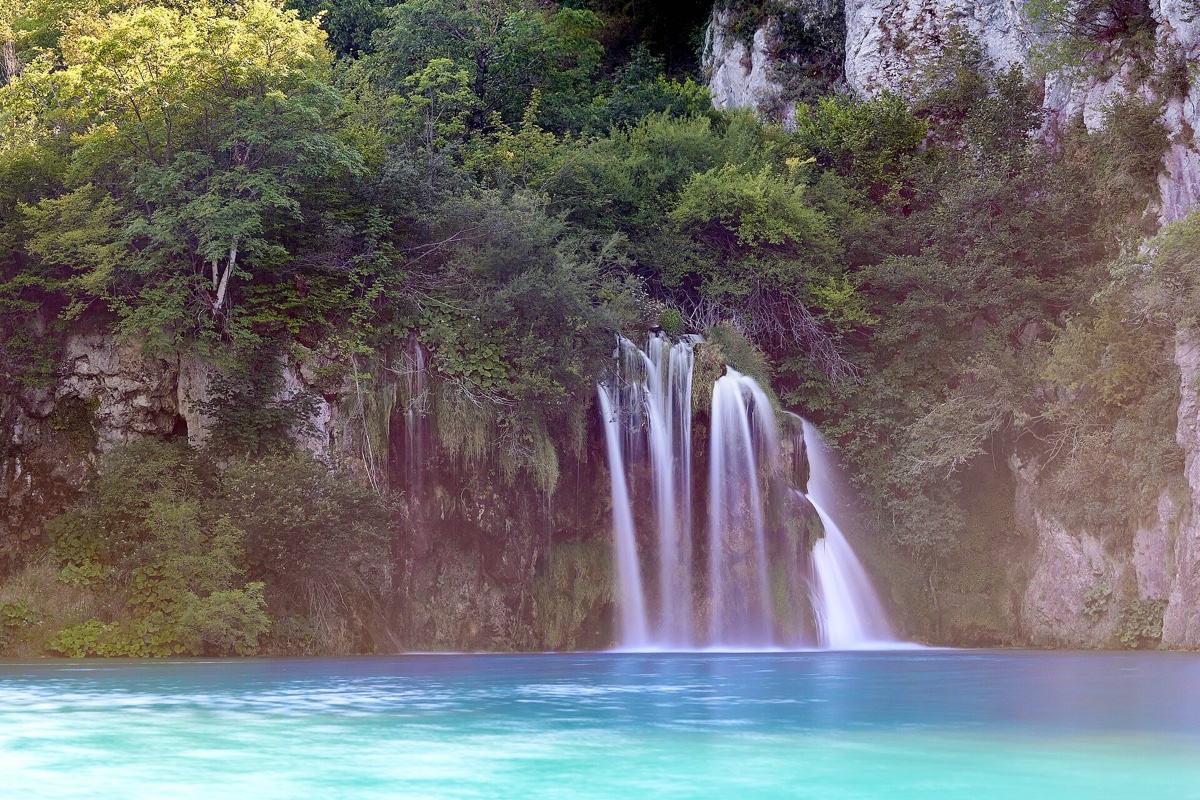
Burgundy, France: 13 Tips for Wine and Sights in 2026

TL;DRBurgundy packs in 13 essential tips, centred on Beaune and Dijon, the famous Route des Grands Crus wine road (60 kilometres from Dijon to Santenay), and landmarks like the Hospices de Beaune, the Palace of the Dukes of Burgundy and Cluny Abbey. May, June and September are the best months to visit, when the grape harvest is in full swing; August is best avoided, as wineries shut up shop and traffic grinds to a halt. You’ll need to book winery tastings online in advance — prices run from €15–€30 at smaller producers, rising to €50 or more at the prestigious houses. The TER train between Dijon and Beaune takes 20 minutes and costs €8, and if you’re driving into cities like Dijon, you’ll need a Crit’Air emissions sticker, which costs €5.11.

If French wine is on your travel bucket list, you’ll soon discover that Bordeaux is a little too flat and Provence is often unbearably hot in summer. The real heart of France’s wine heritage lies to the east. Burgundy, France is the very essence of the French countryside, where time is measured in vintages and where the rarest wines on the planet are born. But it’s not just about the alcohol, because this region offers deep historic cellars, majestic abbeys and proud villages steeped in ducal history.

In this article you’ll find exactly 13 tips on what to see and do in Burgundy. I’ll show you how to plan a trip along the famous Route des Grands Crus wine trail, why you should stop in Dijon for the mustard, and where to admire those iconic glazed roofs in Beaune. You’ll also learn detailed information about when is the best time to go, how to avoid frustration when booking tastings, and roughly how much the whole trip costs.

TL;DR

  • Beaune is the heart of the region: This small town hides the famous medieval hospital of the Hospices de Beaune and miles of cellars right beneath the historic centre.
  • The wine trail: The Route des Grands Crus runs for 60 kilometres and links the most famous vineyards in the world, from Dijon to Santenay.
  • Booking ahead is a must: If you want to taste wine straight from the producers, in 2026 simply knocking on the door no longer works — everything has to be booked online weeks in advance.
  • Dijon is more than mustard: The former seat of the powerful Dukes of Burgundy offers a magnificent palace and charming alleys full of history.
  • Watch out with your car in 2026: To enter big cities like Dijon you need a Crit’Air environmental sticker, or you risk a hefty fine.
  • Travelling without a car: Regular local TER trains run between Dijon and Beaune, and the journey takes just 20 minutes.

When to visit the Burgundy wine region in France and how to get there

The ideal time to visit the Burgundy wine region of France is, without a doubt, May, June or September. In September you’ll also experience the authentic bustle of the grape harvest, when tractors block the narrow roads, the smell of fermenting must hangs everywhere and the region shows its most natural face. The exact harvest date is announced each year depending on how ripe the grapes are, but it usually falls in the first half of the month. On the other hand, give August a wide berth — the French take their mass holidays then and the main A6 motorway sees the so-called black days, full of enormous traffic jams. Paradoxically, many small family wineries are actually closed during this summer month, so you could end up rather disappointed by the lack of tastings. The Advent season here is fairly chilly but draws big crowds heading for the Christmas markets in neighbouring Alsace, which unfortunately tends to push up hotel prices in Burgundy itself too.

From the UK, this strip of eastern France is most conveniently reached by flying. The nearest practical airport is Lyon–Saint-Exupéry, served by easyJet and British Airways from London, with Dijon roughly a 1.5-hour drive away. Alternatively, you can take the Eurostar from London to Paris and then hop on a TGV. If you drive over from the UK via the Channel Tunnel or ferry, French motorways are tolled at the péage gates, where you should budget around €9.50 for every 100 kilometres. Pay close attention to the modern Free-Flow system on stretches such as the A79 or A13. Here you’ll no longer find the classic barriers — cameras scan your number plate and you then have to pay the toll online within 72 hours. If you forget, the fine will reliably catch up with you.

A major change for drivers in 2026 is the strict enforcement of low-emission zones (ZFE) in cities with over 150,000 inhabitants. To enter Dijon you absolutely need a Crit’Air environmental sticker, which also applies to UK-registered cars. I recommend ordering it well in advance online from the official French website for €5.11, because without it you risk a fine ranging from €68 up to €375. If you’d rather leave the car behind, TGV high-speed trains get you from Paris to Dijon in an hour and a half, but buy your tickets as early as possible, because they work much like plane tickets and gradually get more expensive. Burgundy itself is hard to explore without a car, but you’ll be saved by the regional TER trains, which connect Dijon with Beaune in just 20 minutes for an affordable €8.

Where to stay in Burgundy

💡 Tip for accommodation and experiences: We like to look for places to stay on Booking.com, which usually has the best cancellation terms. Tickets, day trips and activities are then worth comparing and buying through GetYourGuide.

Choosing the right base camp is absolutely crucial for comfortably exploring the whole region. Most often travellers decide between two main hubs — the historic towns of Dijon and Beaune. Each offers a completely different atmosphere and suits a slightly different style of travel, so it really comes down to your own preferences and whether you arrive by car or prefer to use the comfortable French trains.

Dijon is a classic big city with excellent TGV high-speed rail connections, a lively evening scene and a huge number of cultural landmarks. It’s an absolutely ideal choice if you want to have dozens of restaurants and bars to choose from in the evening without having to travel anywhere. You could stay, for example, at the more upmarket Grand Hotel La Cloche, or opt for more affordable apartments right in the historic centre. Bear in mind, though, that Dijon can sometimes feel more like a busy metropolis than a romantic wine-country village. Parking in the centre’s winding lanes tends to be quite pricey, and don’t forget that you absolutely need a Crit’Air environmental sticker to drive here.

Beaune, by contrast, is the absolute epicentre of Burgundy wine and offers a much more intimate, deeply authentic experience. The town has an incredibly compact centre where you can walk everywhere, and it sits literally in the middle of the most famous vineyards. A great choice for the perfect relaxation after a day full of tastings is, for example, Hostellerie Cèdre & Spa, which even has a beautiful garden. But I have to give you a firm warning — Beaune tends to sell out very quickly during the main summer season and the autumn wine auctions, and accommodation prices shoot sharply upwards. If you’re planning to come in November, book your room a full year in advance.

An interesting and very unconventional alternative for true romantics is renting a houseboat on the Burgundy canals, which is an experience in itself. You don’t need any captain’s licence at all. After a short briefing, all you have to do is slowly drift through the old locks and, in the evening, simply moor the boat by the bank right next to some picturesque village pub, where you can enjoy a glass of local wine and a fresh baguette with cheese.

13 things to do in Burgundy, France

Let’s take a look together at the very best this fascinating region has to offer. From world-famous vineyards through Gothic palaces to inconspicuous villages that wrote the history of France.

1. Beaune and the hospital with the glazed roof

The heart of wine-growing Burgundy isn’t a big city but the intimate little town of Beaune, utterly steeped in wine. Beneath the cobbled streets of its historic centre lie miles of old interconnected cellars full of ageing oak barrels. They give the whole town a distinctive earthy aroma you’ll notice the moment you step off the train or out of the car. Everything here simply revolves around top-class gastronomy and a deep wine culture.

The town’s main magnet, however, is the Hospices de Beaune, a magnificent medieval almshouse from the 15th century. This majestic building (also known as the Hôtel-Dieu) immediately catches your eye with its roof, which is covered in intricate geometric patterns of brightly coloured glazed tiles. It’s this striking visual feature that has become the absolutely iconic image of the whole of Burgundy, and you’ll find it on most local postcards and souvenirs.

Inside the complex you’ll find a breathtaking ward for the sick with original beds lined with red canopies, where the order’s nuns lovingly cared for the poorest patients. The tour also includes a stunning masterpiece of the Northern Renaissance — the polyptych of the Last Judgement by the famous painter Rogier van der Weyden. The intricate detail of this altarpiece will literally root you to the spot.

💡 Tip: In high season, buy your tickets for the Hospices online several days in advance, because the queues on site can eat up more than an hour of your precious time.

2. The famous wine auction in Beaune

The Hospices de Beaune isn’t just a beautiful museum with a rich history — for centuries it has also owned top-tier vineyards. They were gradually bequeathed to it by wealthy patients as an expression of deep gratitude for the care they received. These exceptionally rare grapes are turned into wine that is auctioned each year at the most famous charity wine auction in the world. It’s a huge social event that draws wealthy buyers from across the planet.

In 2026 the exact date of this famous auction falls on Sunday 15 November. It’s the absolute climax of the whole festive weekend known as the Trois Glorieuses, or Three Glorious Days. At that moment Beaune is literally bursting at the seams — the packed streets ring with non-stop tasting and singing, while global buyers bid on barrels of young wine for astronomical sums. Every euro spent then goes to support modern hospitals and medical research.

If you’d like to experience this incredible, pulsating atmosphere for yourself, you have to plan the whole trip a very long way ahead. Accommodation in Beaune and the wider area for this particular November weekend sells out a full year in advance. The prices of the last remaining hotel rooms shoot sharply upwards, so a spontaneous last-minute trip really doesn’t pay off here.

3. Dijon and the Palace of the Dukes of Burgundy

At the northern end of the famous wine trail lies Dijon, a large and vibrant city that was once the proud seat of the powerful Dukes of Burgundy. In the 14th and 15th centuries these ambitious rulers controlled a vast territory stretching as far as today’s Netherlands. With their immense wealth and influence they often reliably overshadowed even the kings of France themselves, something still very tangible in the city’s elegant streets today.

The centre of all the action is the imposing Palace of the Dukes of Burgundy, which today serves partly as a majestic town hall and partly as an excellent art museum. I definitely recommend visiting the Musée des Beaux-Arts, which recently underwent an extensive and costly renovation. It offers a fascinating glimpse into the old ducal tombs of Philip the Bold and John the Fearless, with incredibly detailed alabaster statues of mourning monks.

While strolling through the old town, don’t forget to watch your step and look out for the small brass owls set into the pavement. The owl is the city’s historic symbol and will safely guide you to the original little stone carving on the outer wall of the Notre-Dame church. Don’t forget to stroke it for luck with your left hand only, exactly as the local centuries-old tradition demands.

4. Real Dijon mustard, no compromises

Say “Dijon” and most people around the world immediately picture its renowned sharp mustard. Although a large share of the global production under this name is now made in giant factories elsewhere — and, surprisingly often, from Canadian seeds — right in the city you’ll still find authentic places keeping the original craft alive. Real Dijon mustard is a gastronomic experience you simply can’t buy in an ordinary supermarket.

Stop by the family-run Moutarderie Fallot, one of the last traditional producers in the whole region. They still proudly use ancient stone mills, which prevent the seeds from heating up unintentionally during grinding. This gentle process preserves the mustard’s characteristically sharp and perfectly clean flavour. You can take a very interesting tour here and discover the incredibly complex process hidden behind this iconic yellow paste.

In their fragrant boutique you can then taste and buy varieties you probably never even dreamed of. Mustard with fresh tarragon, blackcurrant, delicate honey or crunchy nuts will completely change the way you think about what you usually spread on your bread. It’s also an absolutely perfect and very affordable souvenir to bring home for your friends.

5. Route des Grands Crus: the wine highway

The best possible way to truly understand Burgundy and soak up its unmistakable atmosphere is to drive the famous Route des Grands Crus. This iconic wine trail, sometimes grandly nicknamed the Champs-Élysées of Burgundy, was marked out back in 1937. It’s only 60 kilometres long, yet it concentrates the absolute most precious things French winemaking has ever given the world.

It runs from Dijon in the north all the way down to Santenay in the south, passing through exactly 37 wonderfully picturesque villages. This is where the most expensive and rarest wines on our planet are born. Driving slowly by car, you’ll pass old stone walls and inconspicuous historic gateways bearing the names of famous estates that quite literally take a wine lover’s breath away and that sommeliers study all over the world.

💡 Tip: Driving is nice, but it’s far better to rent a bike and head out along the cycle path called the Voie des Vignes. It runs a fine 23 kilometres and winds right between the perfectly trimmed rows of vines. That way you’ll be far enough from the busy car traffic and can enjoy the landscape in complete peace.

6. Côte de Nuits: the kingdom of Pinot Noir

The northern half of the famous Route des Grands Crus bears the resonant name Côte de Nuits and is the uncrowned kingdom of red wine. If you love the Pinot Noir grape, this is its absolute homeland and epicentre. The local slopes, which the locals fondly call climats, sit on a distinctive limestone bedrock. This gives the red wines incredible elegance and admirable longevity.

Driving through famous villages like Gevrey-Chambertin or Nuits-Saint-Georges, you’ll come across vineyards often only a few dozen square metres in size. Yet their names are spoken with reverence by the entire wine world. The local terroir is so utterly unique and historically valuable that it rightly earned its own listing on the prestigious UNESCO cultural heritage list.

The most famous stop here is undoubtedly the unassuming stone wall surrounding the sacred Romanée-Conti vineyard. From this small patch of soil comes the most expensive wine in the world, where the price of a single bottle routinely runs into tens of thousands of euros. An ordinary mortal won’t get to taste it, but the simple walk past these legendary vines has its own enormous, almost mystical charm.

lukas a lucka
Lukáš and Lucie recommend
Where to stay in Burgundy
3 accommodations — wellness hotels and other lodging options

7. Côte de Beaune: home of perfect Chardonnay

As soon as you pass the town of Beaune and head further south, the landscape changes slightly and you smoothly enter the area known as the Côte de Beaune. Although excellent reds are made here too, this sun-drenched area is world-famous above all for its white wines, here ruled entirely and unreservedly by the beloved Chardonnay grape.

The local whites from prestigious villages such as Meursault, Puligny-Montrachet or Chassagne-Montrachet define the world standard for how top-class Chardonnay should actually taste. They are rich, very often with characteristic notes of melted butter, nuts and delicate vanilla thanks to careful ageing in oak barrels. Wines from these sunny slopes tend to be fuller and more complex in flavour than those from the cooler areas further north.

The villages in this southern part are perhaps even more picturesque and sleepy than in the north. I definitely recommend stopping in the village of Pommard or Volnay, parking your car somewhere on the edge and setting off on foot along the dusty tracks straight up the steep slopes. From here you’ll be treated to gorgeous views over the flat valley of the river Saône and you’ll clear your head completely.

8. Château du Clos de Vougeot

On your journey along the Burgundy wine trail you absolutely mustn’t miss the Château du Clos de Vougeot. This mighty Renaissance château, exceptionally picturesquely surrounded by an endless sea of vineyards, represents an absolutely pivotal historic milestone for the whole region. It was founded by the immensely hard-working Cistercian monks back in the 12th century, and they laid the very foundations of modern French winemaking here.

It was precisely these meticulous monks who had enough time and endless patience to become the first to systematically study the diversity of the soil. They figured out why grapes from the slope taste completely different from those from the valley. It was they who mapped the Burgundy slopes in detail and precisely defined the complex concept of terroir, on which the entire French wine philosophy and classification system still firmly rests today.

Today the château no longer makes its own wine, but it serves as a fascinating museum open to the general public. Inside you can see the huge historic wine presses, terrifying in their dimensions, and the original cold cellar spaces where the monks toiled for centuries. It’s a very photogenic place that perfectly bridges ancient history with a living wine tradition.

9. Tasting without the frustration: how to do the cellars

If you naively imagine that in Burgundy you’ll simply roll into a village, knock on a winemaker’s wooden door and he’ll instantly invite you into the cellar with a smile, you’re probably in for a rude awakening. The romantic notion of permanently open doors is long gone. Everything here runs on a strict system, and booking your tastings is an absolute and unavoidable necessity in 2026.

Local family wineries are often hopelessly booked out weeks in advance and tastings are strictly paid. Prices typically range between €15 and €30 per person at smaller producers, while at the famous, renowned houses you could easily pay €50 or more. If you want to save yourself the stress and the tricky negotiating in French, use booking websites or find organised tours, which can be very easily reserved through GetYourGuide.

💡 Tip: If you buy at least a few bottles of wine to take home from a small family producer at the end of the tour, they’ll very often kindly deduct the tasting fee from your bill. At the big commercial houses in Épernay or Beaune, though, don’t count on this generous gesture at all — there the rules are strictly fixed.

10. Vézelay and the Basilica of Mary Magdalene

Burgundy is enormously vast and certainly doesn’t offer only the main wine axis around Dijon. About an hour and a half’s drive west, on a lonely hill, lies the beautiful village of Vézelay. Its unmissable landmark is the Basilica of Sainte-Marie-Madeleine, a stunning masterpiece of Romanesque architecture on the UNESCO list.

In the Middle Ages it was one of the most important and busiest places of pilgrimage in all of Europe. The precious relics of Mary Magdalene are said to be kept here, and it was from here, among other things, that the Crusades set off in great pomp. One of the main French routes to Santiago de Compostela in Spain also began here. The atmosphere within the old stone walls is still very mystical and quiet to this day.

The greatest curiosity is an architectural wonder linked to the movement of the sun. The light that pours into the basilica’s main nave precisely on the day of the summer solstice creates a perfect line of light spots down the middle of the floor, leading straight to the main altar. The village around the basilica is also full of small romantic cafés and art galleries where you can take a wonderful rest.

11. Monastic life and the powerful Abbey of Cluny

Besides the ever-present wine, the history of Burgundy was also shaped by immense church power. In the very south of the region you’ll come across the stunning remains of Cluny Abbey, which in its golden age was the very largest and most influential church in the entire Christian world. It proudly held this distinction for several centuries, until it was eventually surpassed architecturally by the enormous Basilica of St Peter in the Vatican.

Sadly, a large part of this amazing monastery was irreversibly destroyed during the turbulent French Revolution, when the complex sadly served as an ordinary quarry. Yet even the little that has survived to this day commands enormous respect for the original dimensions of the entire breathtaking structure. The tour is now cleverly enhanced with modern augmented-reality technology. On special screens you’ll see exactly how majestically the complex looked at the height of its glory.

A stop at Cluny will reliably help you understand that medieval Burgundy wasn’t run only by the wealthy dukes of Dijon. Enormous political and economic power was firmly held here by the monks. It was they who owned the best land and shaped the character of the local landscape into the form we admire today.

12. Chablis and Mâcon: gems on the edges

If you’re a keen white-wine lover, you definitely shouldn’t overlook two regions that lie a little off to the side, on the edges of Burgundy’s main territory. Right in the northwest sits the well-known Chablis area. The local Chardonnay grows on a distinctive Kimmeridgian soil full of prehistoric fossils of marine creatures, which gives the wine a unique steely, mineral flavour with a very sharp acidity.

In the deep south of Burgundy, by contrast, lies the sunny Mâconnais area. The local microclimate already takes on a slightly southern feel and the sun bakes here noticeably stronger than in the north. Wines from Mâcon, likewise built on the dominant Chardonnay grape, are therefore rounder, full of ripe fruit and far kinder to the wallet than the famous and often overpriced bottles from the prestigious Côte de Beaune.

Both of these picturesque areas offer an absolutely brilliant alternative for travellers who want to escape the biggest crowds on the main route. The landscape around Chablis is gently hilly and beautifully calm, while around Mâcon you can already feel that warm breath of the approaching Mediterranean south and a more relaxed atmosphere.

13. Burgundian gastronomy and cheeses

France is synonymous around the world with great food, and Burgundy is right at the very top in this respect. The traditional cuisine here is admittedly very rich and hearty. The local icon is beef Burgundy style, or boeuf bourguignon, slowly braised in red wine — but if you’re looking for vegetarian alternatives, this fertile region definitely won’t leave you hungry.

An absolute must-taste are the famous gougères. These small, incredibly fluffy buns of choux pastry, generously mixed with Gruyère or Comté cheese, are served here with practically every glass of wine. Also wonderful are the traditional sauces based on sharp Dijon mustard, which in their meat-free version go superbly with roast potatoes or fresh seasonal vegetables from the local markets.

And you definitely mustn’t skip the lavish cheese counters either. The true king of Burgundian cheeses is Époisses, an incredibly aromatic washed-rind cheese that is aged for a long time in the local grape-pomace spirit known as marc. Especially when it’s fully ripe, its creamy consistency literally oozes onto the plate. With a fresh, crusty French baguette it makes for an absolutely unforgettable gastronomic experience you’ll want to come back for.

Where to go next from Burgundy

If you have more time for your trip and want to explore other corners of eastern France, several great options present themselves. Burgundy borders directly on the Jura region, where you can taste a wholly distinctive yellow wine.

But if you fancy slightly different architecture and a different style of wine, head northeast. About three hours’ drive from Beaune lies the picturesque town of Colmar, which looks like something straight out of a fairytale. From there you can then set off to explore the famous Alsace Wine Route, which, unlike Burgundy, focuses on fragrant white wines such as Riesling and Gewürztraminer.

Frequently asked questions

How much does the toll cost on the way to Burgundy?

When traveling by car from Czechia through Germany and on to France, expect French motorway tolls. These are paid via toll gates and in 2026 they come to roughly €9.50 per 100 kilometers driven. Don’t forget to carefully watch for sections with the modern Free-Flow system (for example, motorways A79 and A13), where you pay online within 72 hours of passing through, as you won’t find traditional barriers there.

Do I need an environmental sticker for Burgundy?

Yes, the Crit’Air ecological sticker is mandatory for large cities like Dijon. You’re not allowed to enter the ZFE zone without it and you risk a fine from €68 to €375. The sticker costs exactly €5.11 and I recommend ordering it online on the official website well in advance, as it will be sent by post to your Czech address. It’s then valid for the entire lifetime of the vehicle.

Can you travel Burgundy without a car?

Getting around completely without a car is tricky, but the railway reliably connects the key points. Regular TER regional trains run between Dijon and Beaune, the journey takes just 20 minutes and costs a reasonable €8. To explore the smaller villages right on the wine trail, you can easily rent a bike and head out on the beautiful Voie des Vignes cycle path, which stretches for 23 kilometers.

What exactly does the word terroir mean?

Terroir is a French winemaking concept that encompasses all the natural influences affecting a vineyard. It includes soil composition, altitude, slope gradient, sun exposure, and microclimate. It’s precisely the terroir that makes Burgundy wines so unique, because each parcel tastes completely different, even when planted with the same grape variety.

How much does a regular wine tasting cost?

The days of free tastings are mostly gone in France. At smaller wineries you’ll pay 15 to 30 € for a tasting, while big and famous houses easily charge 50 € or more, and advance booking is absolutely essential these days. However, if you end up buying a few bottles to take home, small winemakers will very often kindly waive the tasting fee.

When is the best time to see the grape harvest?

The exact date of the wine harvest is determined anew each year based on the current ripeness of the grapes, but it usually falls in the first half of September. During this time, the region is absolutely at its liveliest, the smell of fermenting must is everywhere, and you’ll encounter tractors carrying grapes on the roads. At the same time, however, it’s very crowded everywhere and you need to sort out accommodation well in advance.

Will I eat well in Burgundy even without meat?

Although the local cuisine is famous for meat dishes like beef bourguignon, vegetarians definitely won’t go hungry here. French gastronomy offers great cheese specialties, cheese puffs gougères, vegetable quiche, onion soup in vegetable broth, or excellent desserts like apple tarte tatin.

What is the auction at Hospices de Beaune?

This is the world’s most famous charity wine auction, held every year during the so-called Three Glorious Days. Barrels of young wine from vineyards belonging to the historic hospice are auctioned off, with proceeds going to charity and hospital support. In 2026, this huge social event falls precisely on Sunday, November 15th.

Tips and Tricks for Your Vacation

Don’t Overpay for Flights

Search for flights on Kayak. It’s our favorite search engine because it scans the websites of all airlines and always finds the cheapest connection.

Book Your Accommodation Smartly

The best experiences we’ve had when looking for accommodation (from Alaska to Morocco) are with Booking.com, where hotels, apartments, and entire houses are usually the cheapest and most widely available.

Don’t Forget Travel Insurance

Good travel insurance will protect you against illness, accidents, theft, or flight cancellations. We’ve had a few hospital visits abroad, so we know how important it is to have proper insurance arranged.

Where we insure ourselves: SafetyWing (best for everyone) and TrueTraveller (for extra-long trips).

Why don’t we recommend any Czech insurance company? Because they have too many restrictions. They set limits on the number of days abroad, travel insurance via a credit card often requires you to pay medical expenses only with that card, and they frequently limit the number of returns to the Czech Republic.

Find the Best Experiences

Get Your Guide is a huge online marketplace where you can book guided walks, trips, skip-the-line tickets, tours, and much more. We always find some extra fun there!
Corte and Inland Corsica: 10 Mountain Tips for 2026

TL;DRCorsica’s mountainous interior comes with 10 essential tips for hiking trips: the Restonica Gorge with its glacial lakes Melo and Capitello, the Tavignano canyon, the chestnut country of Castagniccia, the Vizzavona pass with its Cascade des Anglais waterfalls, and the historic U Trinighellu train for 10 euros. The best months to visit are May, June and September, when temperatures sit around 20 to 25 degrees, while August is worth skipping thanks to crowds and ferry prices that can climb to around 1000 euros. A room in Corte costs 120 to 200 euros a night, and entry to the Musée de la Corse is 6 euros. Don’t leave without trying brocciu cheese and the local Fiadone dessert.

Take a deep breath and you’ll feel it instantly. A heady mix of wild thyme, rosemary, myrtle and sun-baked earth that the locals proudly call the maquis follows you with every step. While most visitors to Corsica, France head straight for the dazzling white beaches and turquoise sea, the island’s real soul is hidden high up in the mountains. In this article we’ll head into Corte and the surrounding interior together, where deep canyons, icy mountain lakes and centuries-old chestnut forests are waiting for you.

Be warned: the Corsican mountains are rugged, steep and unforgiving, but they’ll reward you with views you’ll never forget. Anyone who hasn’t seen the interior has barely seen the Isle of Beauty at all. The roads here twist above sheer drops and nature will push your physical limits to the very edge.

I’ll tell you when the best time to visit is and where to find the most magical places to stay. You’ll also learn exactly what you need to experience in this vertical world and how to dodge the biggest crowds. Let’s dive into the very best of Corsica’s mountainous heart.

TL;DR

  • Corte is the historic heart of Corsica and makes the perfect base for exploring the central mountain massif.
  • The Restonica gorge offers breathtaking scenery and acts as the main gateway to the popular mountain lakes of Melo and Capitello.
  • The U Trinighellu mountain train safely carries you through the most inaccessible mountains and deepest valleys.
  • The Castagniccia chestnut region is an oasis of calm with picturesque stone villages that feel completely untouched by time.
  • Avoid August, when the narrow mountain roads are bursting at the seams and accommodation prices skyrocket.
  • The local brocciu cheese is an absolute culinary marvel you simply can’t skip in any traditional mountain restaurant.

When to Visit Inland Corsica

If you’re planning a trip into the Corsican mountains, timing is absolutely everything and will make or break your whole experience. The high-altitude areas have a completely different climate than the scorching coast around Porto-Vecchio or Bonifacio. While you can already happily swim in the sea in May, the peaks often still hold snow and many hiking trails remain impassable. The mountain weather is also notoriously treacherous, with afternoon storms rolling in fast and without mercy. That’s why you should start any demanding hike early in the morning, when the skies are usually clear and the air cool.

The ideal months for visiting the mountains are May, June and September, when there’s no longer any snow cover and daytime temperatures hover around a very pleasant 20 to 25 degrees. Spring is utterly magical thanks to the blooming maquis and waterfalls swollen with meltwater. Autumn, in turn, paints the chestnut forests in gorgeous golden hues and the mountain air is incredibly clean and fresh. These months also bring more favourable ferry prices, since you won’t have to pay sky-high peak-season surcharges.

Getting to the island is a chapter all of its own, and without your own car you’re essentially stuck in Corsica. The fastest ferry from Nice in France to Bastia takes roughly six to seven hours, while the crossing from Toulon runs around eight to ten hours. If you want to save money, the cheapest ferries have historically been from the Italian ports. A foot passenger pays between 40 and 100 euros, but once you add a car the price climbs rapidly. From the UK, the easiest approach is to fly into a mainland airport such as Nice or Marseille (direct flights run from London and other major cities) and pick up a hire car before catching the ferry.

One crucial warning applies to all of Corsica. Whatever you do, avoid August at all costs. During this month the French and Italians descend on the island en masse for their national holidays, and there can be up to three times more people than in July. The narrow mountain roads turn into impassable car parks and ferry tickets for two people with a car can shoot up to around 1,000 euros. For 2026, bear in mind that during peak season many valleys may have capacity limits in place to protect the environment.

Where to Stay in Corte and the Surrounding Area

💡 Tip for accommodation and experiences: We love searching for places to stay on Booking.com, which usually has the best cancellation policies. For tickets, tours and activities, it pays to compare and book through GetYourGuide.

The town of Corte sits at the natural heart of the island and is hands down the best strategic base for your mountain adventures. You’ll find all the infrastructure you need here, from supermarkets and outdoor shops to brilliant traditional bakeries and restaurants. Because it’s a university town, there’s a lively, authentic buzz all year round that tempts you to wander its winding lanes after dark. From Corte you can easily reach the most famous valleys and the trailheads of the most popular mountain hikes.

When planning where to sleep, keep in mind that wild camping is strictly forbidden across all of Corsica and rangers hand out hefty fines. If you’re planning multi-day mountain crossings or tackling the famous GR20 trek, you must stay exclusively at the mountain huts known as refuges. These huts operate roughly from late May to early October, and thanks to enormous demand from hikers worldwide it’s absolutely essential to book a bed or tent pitch several months in advance.

If you want to stay right in the thick of things and enjoy evening strolls through the historic lanes, a fantastic choice is Hôtel Duc de Padoue. It sits just a few steps from the main square and offers beautifully renovated rooms with views over the old town. A double room in season runs around 120 to 150 euros a night. The bonus is that from here you can easily nip out for a morning coffee among the local students and soak up the true Corsican mood.

For nature lovers who crave total peace and quiet, I recommend staying right at the entrance to the famous Restonica valley. The gorgeous Hotel Dominique Colonna lies right on the bank of a mountain river and offers luxurious rest surrounded by pines and granite cliffs. Waking up to the sound of rushing water and having breakfast on the terrace above the river is a priceless experience, even if it costs you around 200 euros a night. Capacity in the mountain areas is very limited and the best spots are often sold out half a year ahead.

10 Things to See and Do in Corte and Inland Corsica

Let’s take a closer look at the most fascinating sights that central Corsica has to offer. From historic landmarks and deep canyons to picturesque villages tucked away in the forests. You’ll see for yourself that one week is nowhere near enough to explore this region.

1. The Citadel in Corte: An Eagle’s Nest Above the Town

The moment you arrive in Corte, your eyes are drawn to the majestic citadel that utterly dominates the surroundings. This fortress rises on a steep rocky spur and looks like a genuine eagle’s nest balancing high above the rooftops. What’s remarkable is that it’s the only military citadel in all of Corsica not located on the coast — instead it was built deep inland as a strategic defensive point from which the entire island could be controlled.

The history of this place is firmly tied to Corsica’s fight for independence, and the locals are immensely proud of it. In the 18th century the famous leader Pasquale Paoli chose Corte as the capital of the newly formed independent republic and established the very first Corsican government here. As you stroll along the old ramparts, you’ll feel the indomitable pride of the locals, who fiercely resisted foreign rule and fought to keep the freedom they’d struggled so hard to win.

💡 Tip: The climb up to the citadel leads through steep cobbled lanes from Place Paoli. I’d suggest going either early in the morning or right before sunset. The view over the surrounding jagged peaks and the confluence of the Tavignano and Restonica rivers is absolutely breathtaking in the soft evening light, and well worth conquering those few dozen steep steps.

2. Musée de la Corse and the Local University

Right inside the historic citadel complex you’ll find the Museum of Corsica, which no visitor keen to understand the island more deeply should miss. It’s the best place to grasp the tangled history and unique culture that formed in harsh mountain conditions far from civilisation. The exhibitions take you engagingly through everything from traditional farming and shepherding to modern history and the relentless efforts to preserve the Corsican language, of which the locals are rightly proud.

Admission to the museum is around 6 euros and a relaxed visit takes roughly two hours. The institution has a very modern feel and brilliantly combines historic artefacts with interactive audio elements, so even younger travellers won’t get bored. Buying a ticket also gives you exclusive access to the amazing viewing terraces within the fortress complex — areas you normally can’t reach and from which you’ll snap the best photos of the town.

Corte is also home to the island’s only university, founded by the same visionary Pasquale Paoli to educate a new generation of independent Corsicans. Thanks to thousands of students, the town never sleeps and never feels like a mere open-air museum for passing tourists. In the evening the local cafés and bars fill with young people, the streets come alive with loud music, and you can fully enjoy a wonderfully authentic and lively Corsican night.

3. The Restonica Valley and Gorge

The Restonica gorge is, without exaggeration, one of the most beautiful natural wonders in Europe and a true jewel of the island’s interior. The deep valley is flanked by jagged granite peaks and at its bottom a crystal-clear mountain river tirelessly babbles among huge boulders and natural pools. The scenery changes with every kilometre you drive, ever more dramatic views of the surrounding summits open up, and the air is thick with the scent of sun-warmed pines.

The drive into the valley is an experience all of its own and will reliably test any driver’s nerves. The road is extremely narrow and often has no barriers at all, so passing oncoming cars or larger vans right on the edge of the abyss demands plenty of patience and skill. In the summer months traffic is also strictly regulated, and there’s a fee of around 10 euros to drive up to the final car park.

💡 Tip: After recent fierce storms, part of the road was permanently damaged, so an organised shuttle service currently runs in the upper part of the valley. Definitely don’t drive up here in a large camper van — instead, use the local buses. They’ll get you stress-free right to the trailheads for high-mountain hiking, without you having to grit your teeth at every blind corner.

4. The Mountain Lakes Melo and Capitello

At the very end of the Restonica valley begins one of the most iconic hikes in all of Corsica, drawing crowds of eager hill walkers every summer. The trek to the glacial lakes of Melo and Capitello is fairly demanding, but it offers the most stunning high-mountain scenery you can imagine. The first section to Lake Melo is manageable even for an average hiker with kids, takes about an hour and a half, and winds through gorgeous countryside full of gnarled pines and huge granite rocks.

Lake Melo lies at an altitude of over 1,700 metres and its calm surface mirrors the lush green meadows around it like something from a fairy tale. If you’ve got the energy left, definitely keep going a little higher to the icy Lake Capitello. This section is considerably steeper, though, requiring you to scramble up smooth granite slabs with the help of sturdy steel chains and iron ladders — to some extent it echoes the difficulty of the famous GR20 trek.

Lake Capitello is the deepest lake on the island, and its dark blue water contrasts sharply with the sheer rock walls that hem it in on all sides. Don’t forget to bring really sturdy hiking boots and plenty of drinking water for this trek. The weather here changes minute by minute and the afternoon storms can be merciless, so always set off early in the morning under clear skies.

Experiences & tickets
traveler-rated · GetYourGuide
Corte Region: Fun Canyoning Verghellu
★★★★★ 4.7 · 102 reviews
from €60
I want this experience →
🔗 These are affiliate links — they don't change your price and help us create content. · All experiences →
lukas a lucka
Lukáš and Lucie recommend
Where to stay in Corte and inland Corsica
3 accommodations — wellness hotels, hotels and other lodging options

5. The Tavignano Hiking Gorge

While neighbouring Restonica draws enormous crowds because you can drive fairly high up by car, the Tavignano valley offers a completely different experience. No road leads into this gorge at all, and the only way to explore it is to lace up sturdy hiking boots and set off on foot. Thanks to this natural barrier, the area has retained an incredible calm, untouched wildness and a true mountain atmosphere with no annoying engine noise.

The old shepherds’ trail starts right above the historic centre of Corte and slowly climbs high above the bed of the wild mountain river. The path is cut directly into the steep rock walls and opens up fantastic, undisturbed views down into the deep canyon below. After roughly two hours of steady walking and gentle climbing, you’ll reach the picturesque Passerelle de Rossolino bridge, where you can finally rest and recover your strength.

💡 Tip: Right beneath this bridge you’ll find the best natural swimming pools on the whole route. The water is crystal clear and perfectly refreshing after a tough climb in the blazing Corsican sun. So don’t forget to pack your swimwear, a towel and a light picnic, because you’ll happily spend a whole long afternoon in this forgotten paradise.

6. Castagniccia: Villages and Centuries-Old Chestnut Trees

If you want to experience Corsica exactly as it was more than a hundred years ago, head to the forgotten region of Castagniccia. This forested area northeast of Corte is an absolute oasis of calm, reached by only a tiny fraction of all the island’s tourists. Its name comes from the vast, deep chestnut forests that sustained the local people for centuries, providing them with a livelihood and forming the very basis of their survival.

The narrow lanes wind endlessly here beneath a canopy of green leaves, linking dozens of small stone villages dramatically carved into the hillsides. The region’s standout feature is its beautiful baroque churches with surprisingly tall bell towers that often peek unexpectedly out of the dense forest. Be sure not to miss the village of Piedicroce with its imposing church of Saints Peter and Paul, well worth a short stop and a look around.

This remote corner is absolutely perfect for slow, mindful travel away from the main crowds. Stop at a tucked-away local café, order a strong espresso and watch the older gents playing pétanque on a small shady village square. Autumn is especially magical here, because that’s when the chestnuts are gathered and the whole wide valley is heady with the smell of smoke from the traditional drying houses and roasteries running at full tilt.

7. Traditional Corsican Cuisine and Brocciu Cheese

Corsican cuisine in the mountain areas is hearty, honest and packed with fantastic local ingredients that have slowly ripened under the hot island sun. The locals swear by their cured meats from semi-wild pigs, but even without meat you’ll feast on some genuinely unique local specialities. The undisputed king of mountain cooking is fresh brocciu cheese, made from sheep’s or goat’s milk and the rightful pride of every farmer.

This incredibly delicate cheese, which faintly resembles the more familiar Italian ricotta, is added to just about everything that lands on your plate in Corsica. I warmly recommend trying the delicious mint omelette with brocciu, savoury pies stuffed with wild herbs, or the thick vegetable soups known as soupe paysanne, which will reliably put you back on your feet after a full day of hiking. The best fresh brocciu is in season from winter to early summer.

💡 Tip: An absolute culinary must is to try the traditional dessert Fiadone. It’s a light lemon cake baked from brocciu cheese that literally melts on your tongue. Another speciality is pulenda, a dense porridge made from chestnut flour, traditionally served sliced with a thin thread. And to go with a great vegetarian meal, don’t forget to order the excellent local Pietra beer, brewed with added chestnut extract.

8. The Vizzavona Forest and Mountain Pass

When you drive from the Corte area south towards the capital, Ajaccio, the road takes you into the cool mountain pass of Vizzavona. This gorgeous area is covered in majestic beech and pine forests that provide wonderful shade and much-needed cool even on the hottest summer days. It’s no wonder, then, that around the turn of the nineteenth and twentieth centuries this was a regular retreat for the English upper crust.

The area’s biggest draw is the magical cascade of waterfalls known as the Cascade des Anglais, reached by a pleasant, easy walk. Crystal-clear water from melting mountain snow forms dozens of natural pools here, where you can take a dip and cool your tired feet after a long journey. The water is more for hardy cold-water swimmers, but after a walk through the deep forest it’s an incredibly refreshing experience you’ll appreciate.

The starting point for excursions is the train station of the same name, around which you’ll find several pleasant mountain lodges with traditional restaurants. Vizzavona pass is, after all, an important crossroads for hikers tackling the legendary and extremely demanding GR20 trek. You can grab a great meal here and watch the exhausted but happy hill walkers with their enormous backpacks passing through with respect on their three-week expedition across the island.

9. A Ride on the Historic U Trinighellu Train

One of the most beautiful ways to discover inland Corsica without the needless stress of being behind the wheel and the constant fear of collisions is a ride on the legendary U Trinighellu train. This narrow-gauge railway links the port of Bastia in the north with Ajaccio in the south and passes right through the most rugged central mountains and the town of Corte. It’s a genuine engineering marvel, full of tall stone viaducts and long dark tunnels carved into the rock.

The train journey itself is a fascinating and utterly unforgettable experience for the whole family that you shouldn’t miss. The train slowly and steadily climbs steep slopes, passes through deep ravines and opens up views of pristine nature you couldn’t otherwise reach by car or even on foot. The carriages are also fitted with huge panoramic windows, so you can comfortably and safely photograph all that wild mountain beauty right from your cushioned seat.

💡 Tip: You can simply buy your tickets right at the train station in Corte just before departure — there’s no need to book weeks ahead. A great day out is to catch the morning service straight to the Vizzavona pass, walk through the shady forest to the English waterfalls, and then take the afternoon train calmly back for dinner. The journey takes about an hour and costs a very reasonable 10 euros each way.

10. Wild Swimming in Mountain Rivers

In its mountainous interior, Corsica is literally laced with countless icy mountain streams and wild rivers that, on their long journey to the sea, form amazing natural pools in smooth granite rock. Swimming in cool fresh water amid untouched nature is one of the highlights of any mountain visit. Unlike the crowded sandy beaches down on the coast, here you’ll very often find a gorgeous spot with a pool all to yourself.

Beyond the most famous valleys, like Restonica and Tavignano, the smaller, unassuming rivers in the immediate vicinity of Corte are well worth exploring too. The water here is so incredibly clear that you’ll easily spot tiny trout swimming and make out every pebble on the bottom. But be very careful of the extremely slippery, algae-covered rocks, and never dive in head first until you’ve thoroughly and personally checked the actual depth.

Always keep the basic safety rules in mind and treat the mountains with the utmost respect. If dark storm clouds start gathering over the surrounding peaks, leave the riverbed immediately and seek safety higher up the slope. The level of a mountain stream can rise dangerously by several metres in just a few minutes during a sudden cloudburst. A flash flood could easily cut off your only route back to safety, which is why caution and keeping an eye on the weather forecast always come first.

Where to Go Next from Inland Corsica

Once you’ve had your fill of mountain air, you can set off to discover more of this incredible island. If the mountains have captivated you and you count yourself among the very experienced and physically fit hikers, you can get inspired by our detailed guide to the famous GR20 trek. It’s the toughest long-distance trail in all of Europe, crossing the island from end to end and guaranteed to test both your physical and mental limits. Over sixteen days you’ll climb more than twelve thousand metres in elevation and tackle technical sections with chains.

For those of you already longing for salty air and fine white sand, I warmly recommend dropping down from the mountains to the east coast near Porto-Vecchio. The contrast between the rugged interior and the perfect Caribbean-like beaches such as Palombaggia or Santa Giulia is absolutely fascinating. You’ll find all the practical information for planning a coastal trip — including tips on the prettiest bays, the hard-to-reach Scandola reserve and the historic towns — in our big article Corsica: A Guide.

Frequently Asked Questions

Do I absolutely need a car to visit the mountains?

Yes, without your own car you’re very limited in the interior, as local buses run only a few times a day and often don’t connect with other services. A car gives you absolute freedom to stop at viewpoints and visit remote villages where public transport doesn’t go at all. The only exception is comfortable train travel between major cities.

Are mountain roads safe?

The roads in Corsica are extremely narrow, full of sharp bends, very often without guardrails and balanced on the edge of deep precipices. Fortunately, the asphalt is mostly in good condition. Slow and extremely careful driving is required here, constant monitoring of mirrors in blind sections and a large dose of consideration for oncoming cars and buses.

Is it safe to drink water from mountain springs?

Even though the water in mountain rivers looks crystal clear and tempting to drink, never drink it without thorough filtering first. Higher up in the mountains, large herds of semi-wild pigs, goats and cows roam freely, which can easily contaminate the water. The only safe sources for you are officially marked springs in individual villages.

How much does an inland vacation cost?

For 2026, count on roughly 120 to 150 euros per night in a decent hotel for two people, as wild camping is strictly forbidden and fined on the island. A hearty dinner in a traditional restaurant will set you back around 25 to 35 euros per person. Prices here are slightly lower than on the luxury coast, but in August everything shoots up sharply.

Can children handle the hikes in the Restonica Valley?

“`html
The first section to Lake Melo is relatively manageable and active children from about seven years old can handle it without problems with a little help from their parents. However, the route to the higher Lake Capitello is very steep, requires proper rock climbing using steel chains and is downright dangerous for smaller children.
“`

Do I need to book restaurants in advance?

In the high season from mid-June to mid-September, booking a table for dinner at popular restaurants in Corte is an absolute must. The establishments are usually packed to the rafters and without a prior reservation you risk not getting into a good restaurant at all and having to make do with ordinary food from the supermarket.

Is there cell phone signal in the mountains?

In cities like Corte and in larger villages, the signal is excellent and completely reliable. However, as soon as you head into deep canyons like Restonica or on remote hikes in the area, the signal disappears very quickly. Therefore, always download maps directly to your phone for offline use before hikes and don’t rely on data.

Tips and Tricks for Your Vacation

Don’t Overpay for Flights

Search for flights on Kayak. It’s our favorite search engine because it scans the websites of all airlines and always finds the cheapest connection.

Book Your Accommodation Smartly

The best experiences we’ve had when looking for accommodation (from Alaska to Morocco) are with Booking.com, where hotels, apartments, and entire houses are usually the cheapest and most widely available.

Don’t Forget Travel Insurance

Good travel insurance will protect you against illness, accidents, theft, or flight cancellations. We’ve had a few hospital visits abroad, so we know how important it is to have proper insurance arranged.

Where we insure ourselves: SafetyWing (best for everyone) and TrueTraveller (for extra-long trips).

Why don’t we recommend any Czech insurance company? Because they have too many restrictions. They set limits on the number of days abroad, travel insurance via a credit card often requires you to pay medical expenses only with that card, and they frequently limit the number of returns to the Czech Republic.

Find the Best Experiences

Get Your Guide is a huge online marketplace where you can book guided walks, trips, skip-the-line tickets, tours, and much more. We always find some extra fun there!
Saily eSIM Review: How Does the New Service from NordVPN’s Creators Hold Up?

TL;DRSaily eSIM, from the team behind NordVPN, scored 4.5 out of 5 in our review and works in more than 200 countries, with activation taking just 1–2 minutes in the app. It’s cheaper than rival Airalo – 10GB in Thailand costs $10.99 with Saily against $11 with Airalo, while in the US it’s $22.99 versus $26. The perks are one eSIM covering every destination, security features like ad and malicious URL blocking, and 24/7 support. On the downside, signal can drop out in more remote spots such as Sri Lanka, and you’ll need Wi-Fi to activate it once you land. User ratings sit around 4.7 out of 5 on Trustpilot and in the app stores.

Looking for a reliable eSIM service for travel without expensive roaming charges? Saily eSIM, an app from the creators of NordVPN, promises easy activation, a stable connection and affordable prices across more than 200 countries. Read our review and find out whether the Saily eSIM service really delivers in practice.

TL;DR

  • Saily is an eSIM app from the creators of NordVPN, with coverage in 200+ countries and no physical SIM card needed
  • Pros:
    • Cheaper than Airalo
    • One eSIM for all countries
    • Activation in 1–2 minutes
    • Security features (ad blocking)
    • 24/7 support
  • Cons:
    • Occasional dropouts in exotic destinations
    • Sometimes you need Wi-Fi to activate

Read also: Drimsim eSIM Review

What is Saily eSIM and why is it worth your attention?

Saily is a modern travel eSIM app developed by Nord Security – the same company behind the popular VPN service NordVPN. That background brings not only credibility but also a strong focus on security and privacy when using mobile data abroad.

The app works simply: you download it to your phone, choose a destination and a data plan, and within a few minutes you’re connected to the internet. No physical SIM cards, no queues at the airport, and no nasty surprises from roaming fees.

The main strengths of Saily eSIM:

  • coverage in more than 200 countries worldwide,
  • more affordable than the competition (especially Airalo),
  • one eSIM for all destinations – no need to install a new profile for each country,
  • 24/7 customer support,
  • security features such as blocking malicious links and saving data.

How does the Saily eSIM service work in practice?

Activation is genuinely fast and intuitive. After downloading the app, you choose a data plan to suit your needs – from one-day tariffs with 1 GB right up to six-month plans with 100 GB. The eSIM activates automatically as soon as you arrive at your destination, or no later than 30 days after purchase.

Saily has a clear, easy-to-use interface and lets you track your data usage in real time. When your credit starts running low (over 80% used), Saily sends you an alert so you can top up your plan in good time.

Real-world experience: Most travellers praise the stable connection, especially across Europe, the USA and popular Asian destinations such as Thailand or Vietnam. Internet speeds tend to sit around 100 Mbps, which is more than enough for everyday use, including video calls.

Price comparison: Saily eSIM vs. Airalo

One of Saily’s biggest selling points is its affordable pricing. Take a look at how it stacks up against the most popular eSIM competitor:

DestinationSaily 1 GBSaily 10 GBAiralo 1 GBAiralo 10 GB
USA$3.99$22.99$4.50$26.00
Thailand$2.99$10.99$4.50$11.00
Japan$3.99$17.99$4.50$18.00
Turkey$3.99$15.99$4.50$18.00

Saily is almost always cheaper, particularly with larger data plans. The differences may look small, but if you travel often, the savings add up fast.

The benefits of being linked to NordVPN

The fact that Saily is backed by Nord Security isn’t just a marketing gimmick. It brings real, tangible benefits:

  • Data security: blocking malicious URLs and protection against phishing.
  • Data saving: built-in ad blocking cuts data usage by up to 30%.
  • Virtual locations: the option to use 115+ virtual locations for extra privacy.
  • Solid backing: customer support is on par with premium services.

If you already use Nord products (VPN, password manager, cloud), Saily slots naturally into that ecosystem.

Saily eSIM review

Let’s move on to the review of the Saily eSIM itself.

✅ The positives

  • Ease of use: Activation took me literally a couple of minutes. I didn’t have to fiddle with any complicated settings – I just picked a plan, scanned the QR code, and that was it. When I landed at my destination, the internet connected on its own. No hunting for airport Wi-Fi, no queues at SIM card kiosks.
  • Reliability: I tested Saily in several European countries and I have to say the connection was absolutely fine. I had fast internet with no dropouts. It even handled video calls without a hitch. On top of that, plenty of users confirm in their reviews that Saily works brilliantly in popular destinations like Thailand or the USA.
  • Value for money: I saved a real chunk with Saily. The plans are transparent – you see exactly what you’re paying, with no hidden surcharges to catch you out. It’s simply fair.

⚠️ What could be better:

  • Occasional dropouts: I’ve read reviews from people who had signal problems in places like Sri Lanka or more remote parts of Asia. Personally I didn’t run into this, since I was travelling to more mainstream destinations, but it’s good to know if you’re planning a trip off the beaten track.
  • Wi-Fi needed to activate: This caught me off guard – in some cases you need an internet connection just to activate the data plan. If you arrive somewhere without Wi-Fi, that can be a hassle. Luckily most airports have public Wi-Fi available, but it’s not ideal.
  • Customer support: The support chat responds quickly, but when I needed help with a technical issue, the guides were a bit generic. For less tech-savvy users, more detailed video tutorials or a clear step-by-step walkthrough would come in handy.

TIP: Read our Holafly review

Who is the Saily eSIM service ideal for?

Saily is especially well suited to:

  • frequent travellers who’ll appreciate one eSIM for every destination,
  • digital nomads after a stable connection without the admin,
  • families and couples wanting to save on roaming charges,
  • NordVPN users who value the security features.

Less suitable for:

  • travellers heading to very remote locations, where coverage can be patchy,
  • long-term stays – in those cases a local physical SIM may work out better.

How to install the Saily eSIM

  1. Download the Saily app (iOS/Android).
  2. Choose your destination and data plan to suit your needs.
  3. Scan the QR code or activate the eSIM automatically in the app.
  4. Connect automatically once you land in your destination country.

The whole process takes just a few minutes and even a complete beginner can manage it.

How it compares to the alternatives

For a quick overview, we’ve lined Saily up against its most common rivals. This is a rough comparison – prices vary by destination and current deals, so treat it as a guide.

ServiceCoverageData typePrice from (approx.)HotspotEnglish support
Saily (NordVPN)200+ countriesData plans (unlimited with fair-use)~$3.99/GBYes✅ App in English
Airalo200+ countriesData plans~€3.50/GBYes✅ Yes
Holafly200+ countriesMainly unlimited dataHigher (unlimited)Limited✅ Yes
Nomad190+ countriesData plans~$3.50/GBYes✅ Yes
lk-sim.com (ours)200+ countriesData plansfrom €3Yes✅ Yes
A rough comparison of eSIM providers. Always check current prices directly in the relevant app.

Let’s take a closer look at how Saily measures up against the competition.

Saily vs. Airalo

  • Price: Saily is cheaper in almost every case.
  • Profile management: Saily = one eSIM for all countries, Airalo = a new eSIM for each destination.
  • Coverage: Airalo has a wider offering in exotic locations.
  • Security: Saily offers more security features.

Saily vs. roaming with your home network

  • Price: Saily is significantly cheaper.
  • Flexibility: you choose data plans to fit exactly what you need.
  • Control: you can keep an eye on your usage in real time.

You might also like: Maya Mobile eSIM

What users say about Saily

We went through hundreds of reviews on Trustpilot, the App Store, Google Play and forums (Reddit, nomad groups). The sentiment is largely positive – aggregate ratings stay high (roughly around 4.7/5 on Trustpilot and in the app stores). Criticism centres on a handful of recurring themes rather than any widespread dissatisfaction.

What people praise most often:

  • Low prices and good value for money – Saily tends to be a touch cheaper than Airalo.
  • Fast installation and activation – you can set it up in a few minutes before you even fly out.
  • One eSIM for multiple countries – regional and global plans.
  • Security features from the creators of NordVPN – built-in ad blocker, web protection, Virtual Location.
  • Helpful chat support and an easy-to-use app in English.

The most common complaints:

  • Prices in dollars – once converted, they work out pricier than people expect.
  • Activation without internet on arrival – anyone without Wi-Fi struggles to finish the setup.
  • Data sometimes “won’t flow” despite a full signal – manually selecting the network or tweaking the APN usually helps.
  • Fair-use limit on unlimited plans – after roughly 5 GB/day the speed drops and upload gets weaker.
  • Refunds only as in-app credit, not back to your account.

💡 Tip: install and activate your eSIM before you fly out, while you still have Wi-Fi. And bear in mind the prices are in dollars – convert them in advance so the amount doesn’t catch you off guard.

Final verdict

Saily is a modern, reliable eSIM service that combines affordable prices, ease of use and the security backing of the NordVPN team. For most travellers heading to popular destinations, it’s an excellent choice that saves both money and time.

Ratings by category:

  • Ease of use: ⭐⭐⭐⭐
  • Value for money: ⭐⭐⭐⭐
  • Connection stability: ⭐⭐⭐⭐
  • Customer support: ⭐⭐⭐
  • Overall rating: 4.5/5

If you’re after a cheap, reliable way to stay online while travelling, the Saily eSIM service is definitely worth a try.

Prices, coverage and terms for eSIM services change often. The figures in this article are approximate and were verified in June 2026 – always check the current offer directly in the provider’s app before buying.

Frequently asked questions

Is Saily a safe service?

Yes, Saily is backed by Nord Security, a renowned company specializing in online security. Your data is protected by encryption and the app offers features like blocking malicious URLs.

Does Saily work in the Czech Republic?

Saily is primarily intended for traveling abroad. For everyday use in the Czech Republic, we recommend a standard mobile plan.

Can I use Saily on multiple devices?

One eSIM is tied to one device. If you need data for multiple phones, purchase a separate plan for each device.

What if I run out of data?

The app will notify you at 80% data usage. You can top up your plan anytime directly in the app, even when you’re abroad.

Tips and Tricks for Your Vacation

Don’t Overpay for Flights

Search for flights on Kayak. It’s our favorite search engine because it scans the websites of all airlines and always finds the cheapest connection.

Book Your Accommodation Smartly

The best experiences we’ve had when looking for accommodation (from Alaska to Morocco) are with Booking.com, where hotels, apartments, and entire houses are usually the cheapest and most widely available.

Don’t Forget Travel Insurance

Good travel insurance will protect you against illness, accidents, theft, or flight cancellations. We’ve had a few hospital visits abroad, so we know how important it is to have proper insurance arranged.

Where we insure ourselves: SafetyWing (best for everyone) and TrueTraveller (for extra-long trips).

Why don’t we recommend any Czech insurance company? Because they have too many restrictions. They set limits on the number of days abroad, travel insurance via a credit card often requires you to pay medical expenses only with that card, and they frequently limit the number of returns to the Czech Republic.

Find the Best Experiences

Get Your Guide is a huge online marketplace where you can book guided walks, trips, skip-the-line tickets, tours, and much more. We always find some extra fun there!
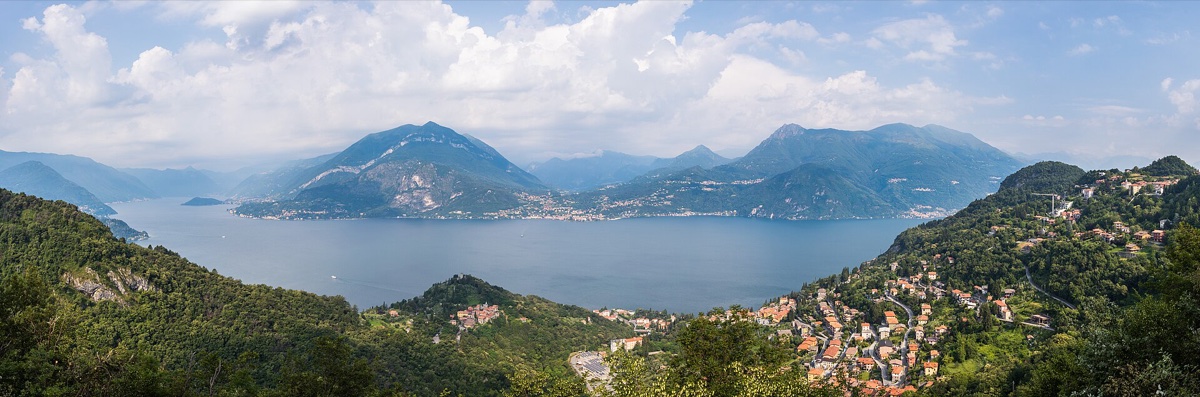
Yucatan Peninsula Mexico Itinerary: 2–3 Weeks Road Trip

TL;DRThe ideal Yucatán itinerary is a 2–3 week road trip, starting in Cancún and running through Playa del Carmen, Tulum, Bacalar lagoon, Xpujil, Campeche, Uxmal and Mérida to Valladolid, finishing up on the island of Holbox. The best weather is December to April, though watch out for spring break in March and peak prices over Christmas and Easter. Don’t skip Chichén Itzá (gates open at 8am), the far quieter Calakmul ruins with their 55-metre pyramid, and cenotes like Suytún or Dos Ojos, where entry runs 250–350 pesos. Give Holbox at least 3 days — it’s a 3.5-hour journey from Cancún — and from mid-May to September you can swim alongside whale sharks there.

In spring, Lukáš and I moved to Mexico for several months. First we lived on the Yucatan Peninsula, Mexico, and then we moved on to Guanajuato. Today we’re bringing you a detailed itinerary we put together for our trip around the Yucatan Peninsula. You’ll find out where to go, where to eat and what you definitely shouldn’t miss.

TL;DR

  • Trip length: Give yourself 2–3 weeks for the full Yucatan loop, ideally as a road trip with your own car from Cancún via Bacalar and Campeche back to Mérida.
  • When to go: The best weather runs from December to April; watch out for the American spring break in March, the highest prices at Christmas and Easter, and for sargassum, which plagues the Caribbean beaches in summer.
  • Transport: Besides a car, the ADO long-distance buses (longer routes $25–40) and local colectivos come in handy; never drive at night and factor in mandatory car insurance (TPL), which your credit card won’t cover.
  • Main stops: Cancún, Playa del Carmen with a trip to Cozumel, Tulum, the lagoon of seven colours in Bacalar, colonial Campeche and Mérida, plus Valladolid with cenotes nearby.
  • Mayan ruins: Don’t skip Chichén Itzá (opens at 8:00, avoid Sundays when Mexicans enter for free) or the smaller and quieter Ek Balam, where you can still climb the acropolis.
  • Cenotes and swimming: Suytún, Dos Ojos or the authentic Homún cluster are among the unforgettable experiences – entrance fees are usually 250–350 pesos and regular sunscreens are banned to protect the water.
  • Holbox and the whale shark: This car-free island is a beautiful finale to the trip, and from mid-May to September you can swim with the whale shark here under strict rules (snorkel only, two people in the water).
  • Money and practical tips: Pay in pesos and decline DCC (an 8–9% surcharge), keep cash for markets and colectivos, drink only bottled water and don’t forget travel insurance (EHIC doesn’t work in Mexico).

How long should you spend on the Yucatan Peninsula?

If you’re flying in from Europe, we recommend giving yourself at least 14 days. Bear in mind you’ll need a few days to acclimatise to the time difference and the new surroundings.

But if you have more time off, you’ll be glad to set off for three weeks. The extra time lets you explore less touristy spots and spend a few days in the cenotes and on the beach. And it is worth it!
Before planning your trip, we recommend checking whether the invasive seaweed sargassum is currently running wild (track it in real time here). In recent years the beaches have suffered from it more and more often. That doesn’t mean you should stay away – just plan your trip so you spend more time in the cenotes and less time on the beaches.

On your own or with a tour operator?

Travelling around Mexico on your own is fairly easy, but if you want to avoid tourist scams, it’s worth knowing at least the basics of Spanish. Mexicans aren’t fond of “Gringos” (what they call Americans).

In five months in Mexico we never had a problem, so we see no reason not to head out independently. If you’d still rather not organise everything yourself, booking a car and a few day tours in advance is the easiest hybrid – you keep your freedom without the hassle.

Tren Maya: the new railway across Yucatan (2026)

A game-changer for travel around the peninsula: the Tren Maya, a long-distance train opening in stages since the end of 2023. It links the main spots on this itinerary – Cancún airport, Playa del Carmen, Tulum airport, Valladolid, Mérida, Campeche and on to Palenque in Chiapas. If you don’t want to deal with a rental car and mandatory insurance (TPL), it’s a comfortable and cheaper alternative for hopping between stops.

💡 Tip: Keep in mind that stations are often a fair way out of town (you’ll need a taxi or colectivo to reach the centre) and that the project is still fairly new, so timetables and prices change – check current connections and buy your ticket in advance on the official Tren Maya website. For total freedom (cenotes, small villages, ruins off the route), a car is still best, ideally combined with the train for the long transfers.

Route map: the Yucatan Peninsula

Yucatan Peninsula Mexico itinerary: a 2–3 week road trip

The Yucatan Peninsula is one of the most beautiful places in Mexico. If you’re planning a trip around Yucatan, we’ve put together the road trip we did ourselves. You can copy it entirely or just use it for inspiration. ☺️

Arrival in Cancún (1–3 nights)

Cancún is Mexico’s Caribbean party town, where most tourists head mainly for a “lie-on-the-beach” holiday. But it offers so much more. Set aside at least one full day for the gorgeous Isla Mujeres island, where you shouldn’t forget to rent a golf cart (read the article What to do on Isla Mujeres).

We also recommend a snorkelling trip to the MUSA underwater museum. We spent more than a week in Cancún, and among the restaurants we’re happy to recommend the hidden gem Gory Tacos. From Cancún it’s also not far to the most famous Mayan ruins, Chichén Itzá.

For more tips, read our article about Cancún, where you’ll learn plenty more.

Best hotel tips: where to stay in Cancún

Among the best hotels in Cancún are Home’s Jungle 15 and of course the worldwide classic Hyatt Ziva Cancun.

Playa del Carmen and Cozumel (2–3 nights)

An hour’s drive south of Cancún you’ll reach Playa del Carmen. Besides endless beaches, bars and fried churros treats, Playa del Carmen is the starting point for a whole range of trips. From the local port you can get to the gorgeous island of Cozumel (completely different from Isla Mujeres), and there are also plenty of beautiful cenotes around town.

You can easily reach all the cenotes with the Colectivo minibuses, which run practically every minute along the main roads.

We especially recommend Jardin del Eden, Cenote Azul and Cenote Xunan-ha. Head to Cozumel for at least one full day. Wander around the little town, go snorkelling, or just laze on the beach (we recommend Playa El Cielo and Playa Azul).

Another advantage of Cozumel is that we never had a problem with seaweed there, unlike in Playa del Carmen. You can easily get there by ferry from Playa del Carmen – book your ferry tickets in advance on GetYourGuide so you don’t wait in a queue.

If you have kids, also check out the Xcaret theme park, which is on the way to Tulum. You’ll need a whole day for it, but don’t worry about getting bored – the park keeps both kids and adults entertained.

For tips on good restaurants or a beach where you can swim with turtles, read our article What to do in Playa del Carmen? 10 things you must experience.

Where to stay in Playa del Carmen

If you book early, you may find availability at Suites Cielo y Mar, which is in a quiet spot within walking distance of the beach and has absolutely amazing views from the rooms.

You can also try Aloft Playa del Carmen, which has a superb location and excellent breakfasts.

Tulum (1 night)

Less than an hour’s drive from Playa del Carmen lies the most popular and most “Insta-friendly” town on Mexico’s Yucatan Peninsula.

Tulum’s hotel zone is a boho-style paradise where you can do yoga on the beach, grab excellent specialty coffee and even vegan ice cream. It’s also one of the most expensive destinations – you’ll find premium restaurants and hotels here that influencers flock to.

It isn’t typical Mexico, but it’s definitely worth strolling through the hotel zone, seeing the beaches and exploring the local Mayan ruins.

You’ll find everything important in our article What to do in Tulum.

Where to stay in Tulum?

Tulum is one of the most sought-after and most expensive spots, so it’s a good idea to book your stay early to snag a good deal. A great hotel at a fair price is Trece Lunas Tulum.

If you want a bit more luxury with a private beach, try to see whether Nerea Tulum has availability.

Bacalar (2 nights)

Two hours’ drive from Tulum you’ll find yourself in a paradise for people who aren’t into mass tourism. The peaceful little town of Bacalar sits on the shore of a crystal-clear freshwater lagoon.

If I ever wanted to head somewhere for a proper lie-on-the-beach holiday, this would probably be it. I’d go to the cheap little local beach (around €0.10 to get in), swim in the freshwater lagoon and go kayaking. And in the evening I’d sit in the best pizzeria in Mexico. One day in Bacalar is technically enough, but most people end up regretting they didn’t stay at least a week.

Before you book a hotel, take a look at our article: Bacalar Lagoon: 8 things to do + where to eat.

Where to stay in Bacalar: the best hotels

In Bacalar you’ll find quite a few beautiful hotels, and among the best is Blue Palm Bacalar. If you have Genius discounts on Booking.com, you can even snag the utterly luxurious Khaban Bacalar Hotel Boutique at a good price.

Xpujil, Campeche (2 nights)

If you’re as fascinated by Mayan civilisation as we are, you’ll love the next two days. On the way to Xpujil you’ll visit the Kohunlich ruins in the middle of the jungle in the south of Mexico’s Quintana Roo province, which lie 9 km from the nearest paved road. The drive will take you at least an hour, and reckon on spending another hour or so exploring.

If you have more time, you can visit the remains of a Mayan city – the Becan ruins. They’re right by the road, a short way past Xpujil.

On the second day, head to Calakmul, one of the largest urban complexes. It’s a 1.5–2 hour drive through the jungle, but it is worth it. Calakmul is little-visited but a gigantic Mayan city that was once hugely important. You can still climb the majestic pyramids, including the second-tallest pyramid ever discovered, standing at 55 metres.

During our visit we met only a handful of tourists, and we had most of the views entirely to ourselves. Because of that, you might even spot families of howler monkeys (extremely loud primates) while you explore. Spend another night in Xpujil – a longer transfer awaits you in the morning.

Where to stay in Xpujil

Xpujil isn’t much of a tourist town, so expect simpler accommodation and restaurants.

We drove all over town and can recommend just one little hotel with a clear conscience: Casa Kaan Calakmul.

San Francisco de Campeche (1–2 nights)

A town we came to for one night and stayed three. We expected nothing from San Francisco de Campeche, but we discovered a Yucatan gem. This laid-back, colourful town is full of cafés and restaurants, has a relaxed atmosphere and gave us one of the most beautiful sunsets we’ve ever seen.

If Mayan civilisation caught your interest, definitely head to the Museo de La Arquitectura Maya. The museum is small, but you’ll learn a lot there. Nobody in Campeche should skip Calle 59, the most colourful street in town, where you’ll find plenty of lovely cafés and little shops. In the evening, head to the local promenade and go see the light show.

More tips on nearby beaches, trips and restaurants can be found in our article about San Francisco de Campeche.

Where to stay: the best hotels

If there’s availability, we definitely recommend Bajo las Hojas – it’s a very pleasant place with a pool and breakfast, and in a superb location too.

lukas a lucka
Lukáš and Lucie recommend
Where to Stay in Yucatán
6 accommodations — wellness hotels, hotels and other accommodation options

Mérida (1–2 nights)

On the way to Mérida, the capital of Yucatan, stop at the Uxmal ruins – ruins built exclusively in the Mayan Puuc style. It pays to arrive very early in the morning (ideally by 8:00) so you’re not wandering Uxmal in the crazy heat. Uxmal is 2 hours from Campeche and temperatures here really are considerably higher.

Mérida has been chosen several times as the North American Capital of Culture, making it the best place to soak up Mexican atmosphere. Something is happening in the centre every single day, whether it’s festivals, dance performances or reenactments of the Mayan ball game Tlachtli.

Stroll through the historic centre, and if you speak English or Spanish, treat yourself to a guided tour. Don’t forget to visit the local boulevard, the Paseo de Montejo promenade, where you’ll get a taste of Mexican colonial history. Along the promenade you’ll find a string of luxurious villas and haciendas, many of which have kept their original appearance to this day.

If you’d like to know what else to visit in Mérida, or where to head on a day trip, take a look at our article about Mérida.

Where to stay in Mérida

One of the best places to stay in Mérida, Mexico is Hotel Santa Ana, which is cheap, clean and in a great spot. On hot summer days you’ll also appreciate having an outdoor pool at your disposal.

Valladolid (1–3 nights)

On the way to Valladolid, stop in the yellow town of Izamal, often nicknamed the “town of three cultures”. If horse-drawn carriage rides appeal to you, this is the place to get them at a great price.

Valladolid itself is a very charming, colourful town that makes a great base for a range of trips into the surrounding area. You can take a day trip to the pink lakes of Las Coloradas, or explore the most famous Mayan ruins of Chichén Itzá. But the area around Valladolid is also home to the most beautiful cenotes on the Yucatan Peninsula: Zaci and Suytún.

If you’d like more tips and want to find out where to go for the best-quality hammock in Yucatan, read our article: What to do in Valladolid?

Where to stay in Valladolid

In Valladolid there’s a brand-new hotel, Olbil Hotel Boutique, which is absolutely perfect: beautiful design, great breakfasts and wonderful staff. If it’s free for your dates, don’t hesitate.

Paradise on earth: the island of Holbox (2–3 nights)

Before you head to Holbox, return your car in Cancún. It’s easier to get to Holbox by bus, because you can’t bring a car onto the island anyway – you’d only be paying for parking and risking that your car gets broken into or, more likely, scratched up. From Holbox you can then head straight to the airport.

We think it’s the ideal way to wrap up a trip around Yucatan: gorgeous white beaches, glowing plankton and swimming with the whale shark. Give yourself at least 3 days – the journey from Cancún takes 3.5 hours.

You can read how to get to Holbox and what to do there in our detailed article what to do on Holbox.

Where to stay on Holbox

In recent years plenty of beautiful hotels have sprung up on Holbox, and among the best are Villas Caracol, or, if you’re travelling without kids, we can recommend Hotel Para Ti – Adults Only.

Safety on the Yucatan Peninsula in Mexico

If you’ve just been watching the series Narcos: Mexico, you probably get chills thinking about the drug cartels. The truth is that the cartels, whether drug or fuel ones, are still very much present in Mexico and clashes between them are a daily occurrence. But tourists aren’t the target of attacks, and Yucatan is the safest place in Mexico.

Thefts on the Yucatan Peninsula aren’t common, but still stay alert in busy places. You never know. Muggings almost never happen here, but if someone were to mug you, it’s better to hand over your valuables than to resist. It’s quite likely the offender could be armed. As in the US, gun ownership here is by no means rare.

Where to next?

If Mexico interests you, take a look at our other articles about Mexico that we wrote about this beautiful country during our stay. We’d love your feedback, which you can leave for us in the comments.

Where to next when planning your Yucatan trip

Our detailed guides to the individual spots will come in handy alongside this itinerary:

Frequently asked questions

How to find cheap flights to Yucatán in Mexico?

From Europe, flights go primarily to Cancún, which is where we flew to as well. Cheap return tickets can be found from around €400. It often pays off to fly from Vienna, Berlin, Munich or other major European hubs. If you want to know how to find the best tickets, read our detailed guide how to find cheap flights.

When to visit Yucatán?

It depends on what you’re planning to do in Yucatán. The best weather is from December to April. Watch out for March and early April, when it’s “spring break” in the USA, and lots of Americans head to Mexico.

Prices are highest during Christmas and Easter. If you’re planning to swim with whale sharks, their season is from June to September, with the most sightings in July and August.

In summer, Mexico gets incredibly hot, humid, it rains often, and from June to November is hurricane season.

How to save money on a Yucatán holiday?

As we mentioned above, prices are highest during Christmas and Easter. Last-minute deals don’t work very well in Mexico either, so it’s better to book accommodation in advance. What you shouldn’t skimp on is car insurance. Rent your car through Rental Cars
and insure it directly with them.

Tips and Tricks for Your Vacation

Don’t Overpay for Flights

Search for flights on Kayak. It’s our favorite search engine because it scans the websites of all airlines and always finds the cheapest connection.

Book Your Accommodation Smartly

The best experiences we’ve had when looking for accommodation (from Alaska to Morocco) are with Booking.com, where hotels, apartments, and entire houses are usually the cheapest and most widely available.

Don’t Forget Travel Insurance

Good travel insurance will protect you against illness, accidents, theft, or flight cancellations. We’ve had a few hospital visits abroad, so we know how important it is to have proper insurance arranged.

Where we insure ourselves: SafetyWing (best for everyone) and TrueTraveller (for extra-long trips).

Why don’t we recommend any Czech insurance company? Because they have too many restrictions. They set limits on the number of days abroad, travel insurance via a credit card often requires you to pay medical expenses only with that card, and they frequently limit the number of returns to the Czech Republic.

Find the Best Experiences

Get Your Guide is a huge online marketplace where you can book guided walks, trips, skip-the-line tickets, tours, and much more. We always find some extra fun there!