Cabin Backpack 2026: Best Carry-On Backpacks by Size

TL;DRThe best cabin backpack for 2026 needs to measure no more than 40×30×20cm — the new standard both Ryanair (from August 2025) and Wizz Air (from 1 November 2025) use for free under-seat bags. Depth is the tricky bit: anything over 20cm and a stuffed pack gets rounded out past the limit. The cheapest option is the Quechua NH100 Arpenaz, around 299 Kč with a 20-litre capacity, while for a larger cabin bag (55×40×20cm with Priority) the gold standard is the Osprey Farpoint 40 or the women’s Fairview 40, at 3,200–4,200 Kč. Another good option is the CabinZero Classic 44l, with a depth of exactly 20cm, for around 1,700 Kč.

You’re standing at the gate, gripping your boarding pass, and there it is — that dreaded metal sizer box stamped with a budget airline’s logo. There’s a quiet tension in the air. The chap in front of you is desperately trying to wedge his enormous hiking rucksack into the narrow slot while a flight attendant, smiling relentlessly, hands him a £45 receipt. That’s the exact moment you realise the right cabin backpack isn’t just a fashion accessory — it’s quite literally your ticket to free and easy travel.

We’ve been through every phase ourselves: lugging heavy suitcases, hauling overstuffed bags, right through to absolute minimalism. We’ve learned that travelling light is a huge relief for both your back and your wallet. If you’ve got a bag that’s guaranteed to slide under the seat in front of you, you’ll dodge all the hidden fees, skip the baggage carousel, and walk straight out of the terminal ready to explore.

But picking the perfect cabin companion can be a proper minefield. Airline rules change constantly, backpacks sneakily change shape once they’re packed, and what looks like the ideal size on paper can let you down badly at the gate. So let’s take a look together at which cabin backpack to choose, which dimensions you should genuinely watch out for, and which specific models on the market make the most sense.
TL;DR

If you’re packing right now and don’t have time to read detailed reviews, here are the most important points to stick to when buying:

  • The target size for flying free today is 40×30×20 cm. Ryanair and Wizz Air have aligned their limits, so you no longer need to anxiously chase the old narrow format.
  • Keep your depth under 20 cm. This is the most important — and most treacherous — dimension, the one most people fall foul of at airport security.
  • A soft backpack always beats a hard-shell case. A fabric bag is far easier to squeeze into a metal sizer.
  • The gold standard of large cabin backpacks (when you’ve paid for Priority) is the legendary Osprey Farpoint 40 or the Fairview 40 for women.
  • The best budget under-seat tip is the unbeatable Quechua NH100 from Decathlon for a few pounds.
  • Never overstuff your backpack. Ideally fill it to no more than 80 percent so it doesn’t expand beyond the allowed limits. Simply wear your heaviest and bulkiest pieces of clothing instead.

Before you choose: 5 things to look for in a cabin backpack
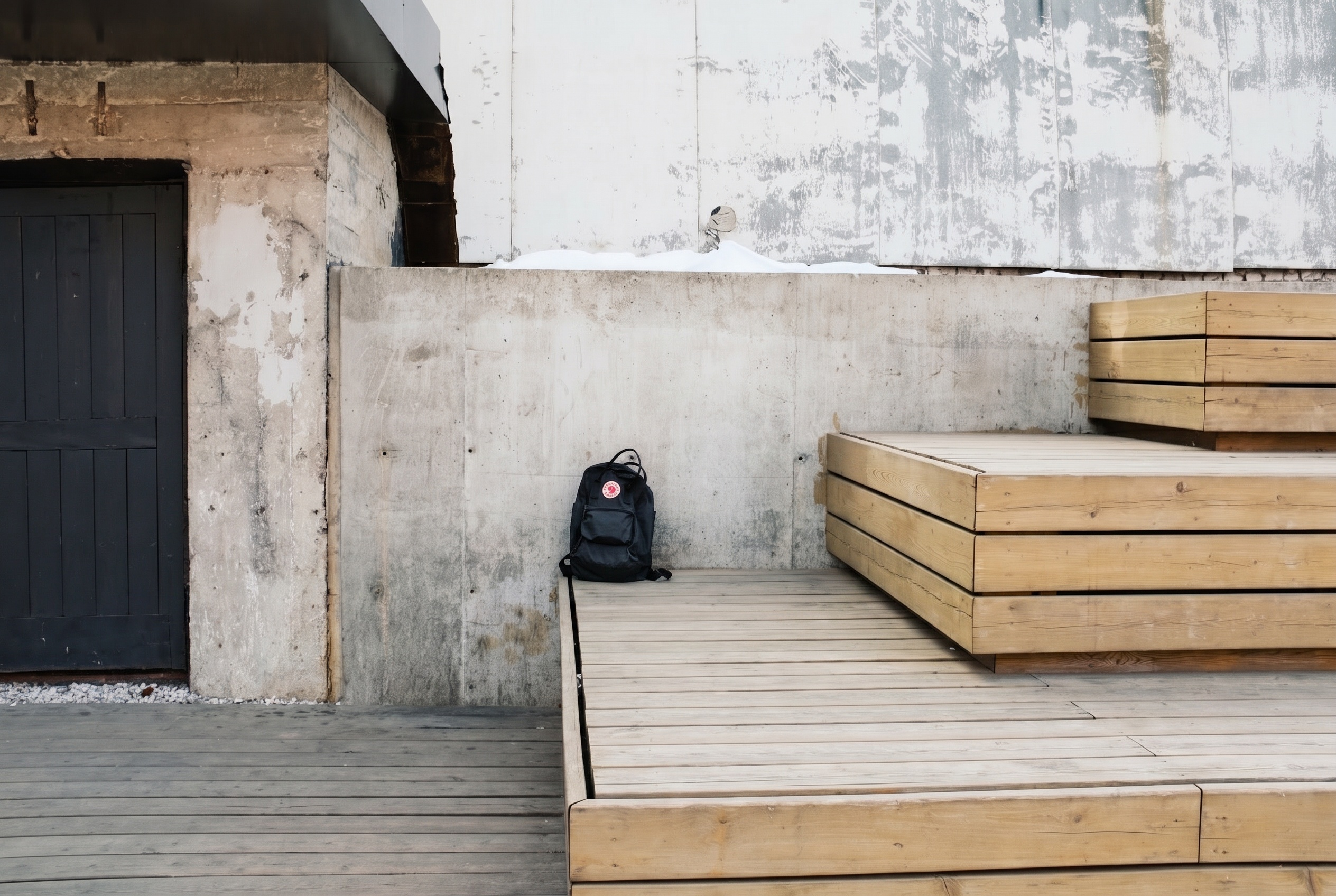
When you walk into a shop or open an online store, hundreds of models leap out at you. But not every hiking backpack is suitable for flying, and not every good-looking bag will survive rough handling. Focus on these parameters first and foremost.

1. Dimensions and matching your airline

This is the absolute basics. You always need to decide whether you’re after a small free personal item (which goes under the seat) or a large cabin bag (which goes in the overhead locker and which budget airlines charge extra for). Choose a backpack whose empty dimensions fit within the limits of the airlines you fly with most often.

2. Depth under 20 cm (the hidden killer)

This is an absolutely crucial point that’s hardly ever talked about. With a soft backpack you can usually squash the height and width somehow. But the 20-centimetre depth is utterly uncompromising with airlines like Ryanair, Wizz Air, easyJet or Vueling. The metal sizer at the gate has a rigid frame. As soon as you stuff the backpack to bursting, it tends to bulge precisely in depth and round off like a turtle. If your backpack already has a depth of 23 or 25 centimetres when empty, you’ll be sweating at the gate. Keep the depth under twenty and you’ll pass everywhere.

💡 Tip: The sizer cages at the gates have tightened up again slightly in 2026, and staff ruthlessly count protruding wheels, handles and chunky straps into the measurement. So always measure your backpack at its widest point at home first.

3. Suitcase-style opening (clamshell)

Ordinary hiking backpacks load from the top like a sack. For flying, though, that’s a nightmare. When you need to quickly pull out your laptop or your bag of liquids at security, you have to unload half your stuff. Look for backpacks with a so-called clamshell opening — a zip running all the way around. You can open them flat like a classic suitcase, you’ve got an instant overview of all your things, and packing is incomparably more comfortable.

4. The weight of the backpack itself

When travelling light, every gram counts. If an airline has a weight limit of, say, 8 or 10 kilograms and your hefty backpack weighs over two kilos empty, you’re needlessly robbing yourself of precious space for your stuff. Ultralight backpacks can easily come in under one kilogram, while on the other hand sturdier models with quality back padding (around 1.5 kg) will forgive you when you have to carry them around the city all day. It comes down to your priorities.

5. Stowable straps and a back system

You’ll appreciate this mainly with larger cabin backpacks. When you’re cramming a bag into a narrow overhead locker, or occasionally have to check it into the hold, loose dangling straps love to get snagged or torn off somewhere. The more premium models let you neatly zip the shoulder and hip straps away under a special back panel. In an instant, your backpack turns into a tidy travel bag.

The three dimensions you have to fit within

The world of airline rules has changed quite fundamentally of late, and it’s worth getting your head straight on it. Forget the old rules of thumb — these days the game is played by new numbers.

Size 40×30×20 cm (today’s free standard) This is currently the most important figure you should be aiming for when buying, if you want to fly entirely without extra charges. In August 2025 Ryanair finally enlarged its free bag to 40×30×20 cm, and Wizz Air aligned it to exactly the same from 1 November 2025. This size fits easily under the seat in front of you, and with a bit of practice you can pack it for a long weekend too.

Size 40×20×25 cm (the old safe bet for minimalists) For years this was the dreaded and hated limit of the old Ryanair. You no longer need to chase it nowadays, but if you buy a bag of these dimensions, you have a 100% guarantee that you’ll pass even the strictest check in the world. It’s a choice for true minimalists who never want to experience even a second of stress at the gate.

Size 55×40×20 cm (large cabin bag with a surcharge) This is the classic large cabin case or backpack you put in the overhead lockers. Beware — with budget airlines (Ryanair, Wizz Air, Vueling) it’s long no longer included in the basic ticket price. To take it on board, you’ll need to add the Priority service or a higher fare. The weight limit here is most often around 10 kilograms.

Handy table of airline dimensions (as of 2026)

Warning: Rules can change from one day to the next — before every flight, it’s best to verify the dimensions directly on the carrier’s website.

AirlineSmall free bag (under seat)Large cabin (overhead)Note on the rules
Ryanair40×30×20 cm (no weight limit)55×40×20 cm / 10 kgLarge bag only with Priority.
Wizz Air40×30×20 cm / up to 10 kg55×40×23 cm / 10 kgLarge bag only with WIZZ Priority.
easyJet45×36×20 cm / up to 15 kg56×45×25 cm / 15 kgLong-standing most generous free bag.
Smartwings55×40×23 cm / 8 kgLarge case free for everyone; small bag only outside the LITE fare.
Eurowings40×30×25 cm55×40×23 cm / 8 kgLarge bag only in the SMART fare and above.
Vueling40×20×30 cm55×40×20 cm / 10 kgLarge bag only with higher fares.

💡 Tip: Notice that the depth across the key budget airlines (Ryanair, Wizz, easyJet, Vueling) is identically set at 20 centimetres. A backpack with this depth is an absolute all-rounder that’ll save your wallet.

Best cabin backpack 40x30x20: free under the seat
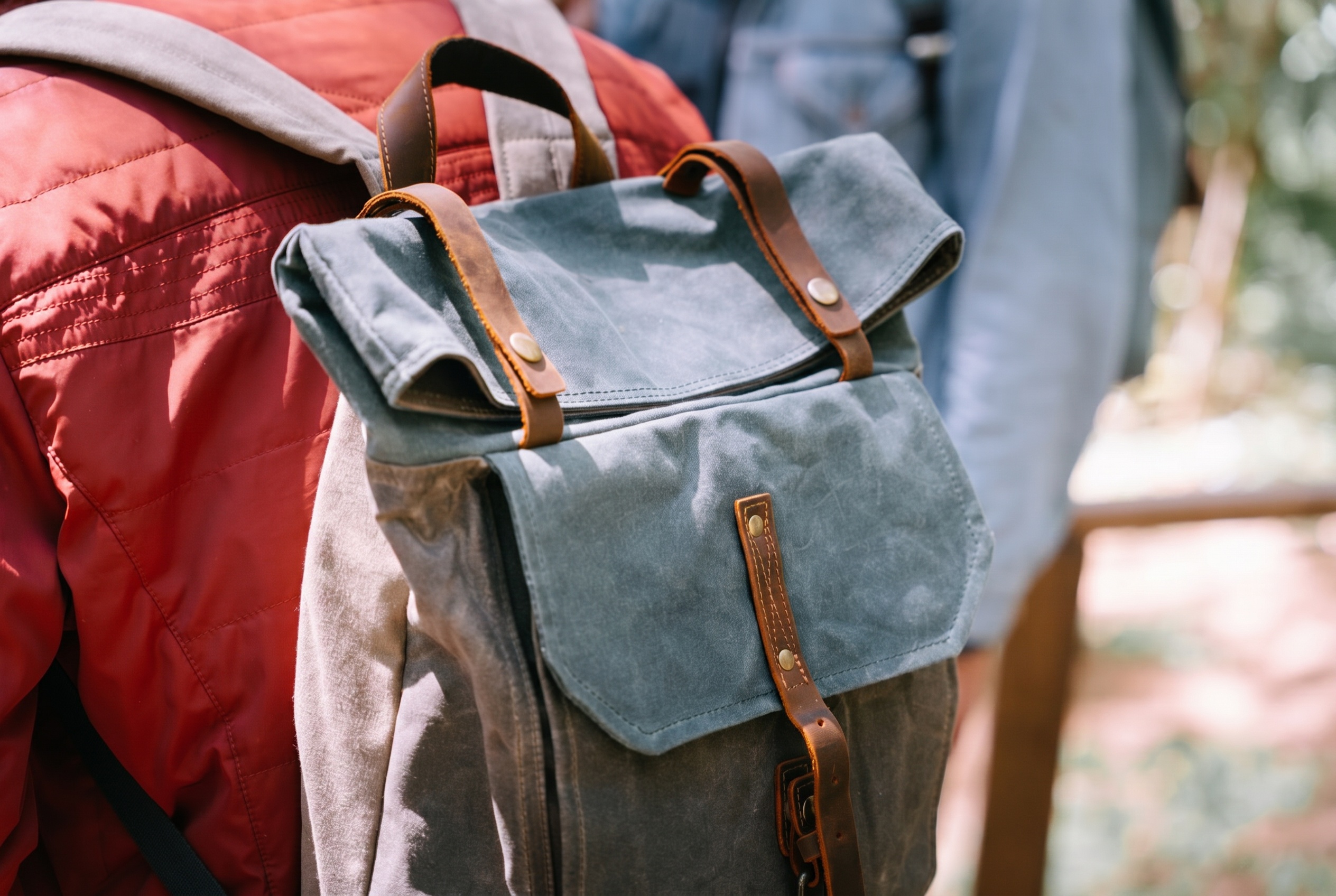
If your goal is to travel for weekends with absolutely no extra charges, you’ll find your favourites in this category. These backpacks make the most of the allowed space.

Quechua NH100 Arpenaz 20 l (Decathlon)

This is the absolute king of price-to-performance and probably the most common backpack you’ll see at airports. For around €12 you get a surprisingly durable companion with a 20-litre capacity and dimensions of roughly 40×28×18 cm. It’s beautifully light (weighing just half a kilo), has comfortable back padding, and sails through as a free bag with every airline. The downside is that it loads from the top and has no sophisticated internal pockets, but at that price you’ll forgive it absolutely everything.

CabinZero Classic 28 l

The CabinZero brand made its name producing backpacks built precisely to airline limits. The Classic 28 l model, with dimensions of 39×29.5×20 cm, fits under the seat like a glove. It’s essentially a fabric box with an ultralight construction (weighing only around 600 grams), so it doesn’t eat into your weight limit. It opens largely like a suitcase, which makes packing easier. The ballpark price is around €60. Travellers occasionally fault it for weaker back and strap padding, so it’s not for long mountain treks, but as a city mover it works brilliantly.

Roncato Move / Gateway

The Italian brand Roncato makes models that are explicitly marketed as a “Ryanair and Wizz Air free bag”. They measure exactly 40×30×20 cm and have a boxy shape, so they squeeze the absolute maximum out of the allowed capacity (around 24 litres). They’re a touch firmer and more elegant than sports backpacks, so you needn’t be embarrassed to take one on a business trip either. They weigh just under a kilo and cost roughly between €48 and €68.

And what about the popular Nike backpack? People often ask about Nike sports backpacks (specifically the Brasilia 24 l model) because they already own one. Let’s be honest about how it stands. Nike doesn’t make any certified flight backpack. You can usually cram the Brasilia into the cage if you don’t fill it to bursting, but its official dimensions are a bit larger and it doesn’t hold its shape. You can fly with it and you’ll probably pass, but it won’t guarantee you total peace of mind.

Best large cabin backpack 55x40x20 cm
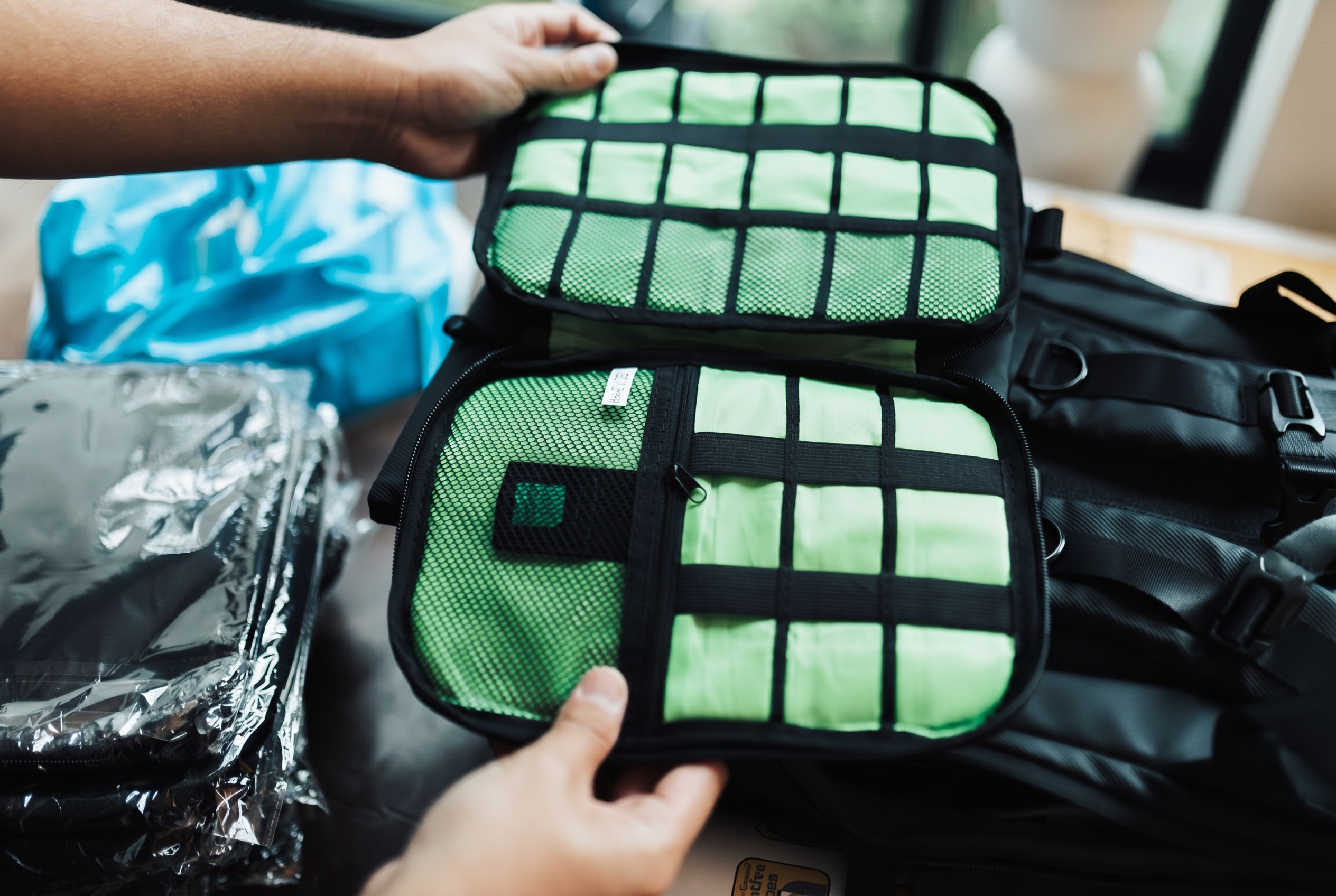
When you’re off for a week or a fortnight, a small under-seat bag usually isn’t enough. This is where the large backpacks come in — you have to pay for Priority boarding to bring them, but they reward you with masses of space.

Forclaz Travel 100 40 l (Decathlon)

The entry-level model of the Forclaz travel range is a darling of thrifty nomads. For around €52 it offers absolutely incredible features. It opens completely like a suitcase, has lockable zips, an integrated rain cover, and Decathlon gives it a ten-year warranty. The 40-litre capacity swallows two weeks’ worth of clothing. ⚠️ But it has one big catch. The empty backpack’s depth is 25 cm on paper. So with Ryanair’s strict measuring you mustn’t overstuff it and you’ll have to push it into the sizer a little. If you pack it sensibly, it passes without trouble.

Osprey Farpoint 40 and the women’s Fairview 40

This one’s a legend. Ask any community of travellers about the best cabin backpack and half of them will chorus Osprey Farpoint (or its Fairview version adapted to female anatomy). It’s a premium piece (roughly €130 to €170) that combines the advantages of a suitcase (clamshell opening) and a top-tier hiking backpack with a chunky hip belt. The straps can also be neatly tucked away under a zip. ⚠️ Here too the depth warning applies, as it sits around 22 to 23 cm. Luckily, though, the backpack has excellent external compression straps you can cinch down tight before the check so it slots into the cage.

CabinZero Classic 44 l

The bigger brother of the previous model is for people who want to maximise capacity and minimise the backpack’s weight. It weighs a mere 760 grams, and its huge advantage is the depth, which is exactly 20 centimetres. Thanks to this it fits superbly into every budget airline sizer. You can pick it up for around €68. Once again, though, there’s a price for the low weight — it lacks a hip and chest belt, and the carrying system is only very basic.

Tortuga Travel Backpack 40 l

If you’re after absolute luxury, love organisation and don’t mind paying extra, Tortuga is a premium American import. It costs roughly €240, but it’s an indestructible tank. Its greatest weapon is the perfect boxy shape with a depth of exactly 20 cm, so unlike the rounder Osprey it passes through the sizer completely smoothly even when fully loaded. On top of that it adds excellent padding and perfect materials.

💡 Tip: Always buy a backpack slightly smaller than you think you need, and never fill it right to the brim. A slightly empty backpack easily adapts to any airport sizer. Always pack the heaviest items like a laptop, power banks or shoes as close to your back as possible and in the lower part of the backpack — it significantly improves the centre of gravity.

Cabin backpack 40x20x25: a safe bet even for the strictest
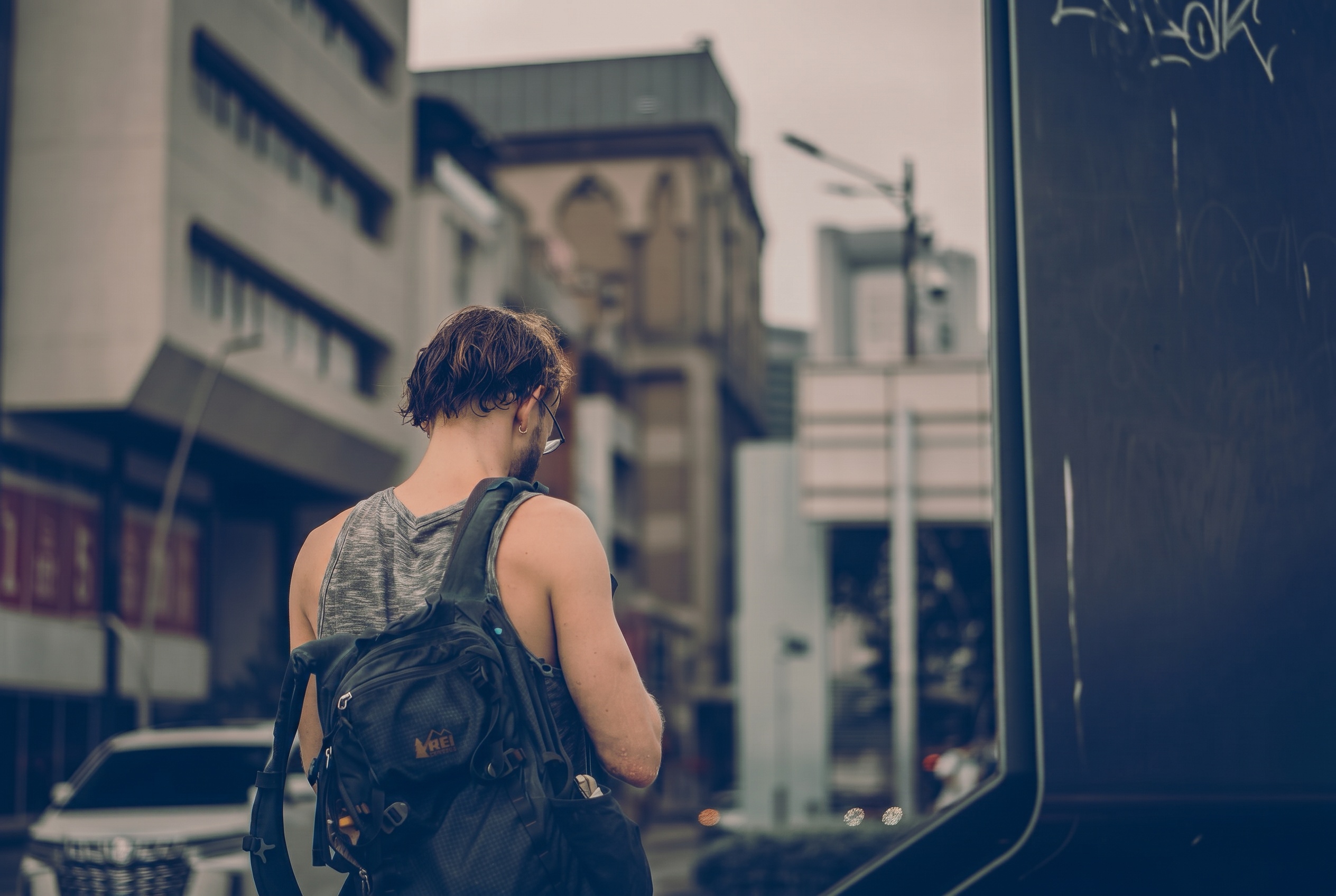
As we’ve already said, Ryanair scrapped this limit in 2025 and enlarged it. Even so, this compact format still has its fans. It’s the ideal choice for minimalists who want to be certain they’ll be let onto the plane with their bag anytime, anywhere, without a single question from the staff.

Quechua NH500 Escape Rolltop 23 l A very clever solution from Decathlon (around €40). Thanks to the rolltop you can smoothly change the backpack’s size. When you roll it all the way down, it safely meets even the strictest 40×20×25 cm limits. Once you’ve passed the check or reached the city, you unroll the top and gain far more space for shopping. It also has plenty of pockets and looks great.

Cheap “Ryanair” bags and backpacks There are plenty of unbranded models on the market (for example from companies like Fabrizio or various no-name stores) sewn precisely to the 40×20×25 cm size. They tend to be very cheap (roughly €16 to €32) and their main purpose is to be a “safe bet”. Don’t expect top-tier padding or lifetime zips, but as a cheap solution for a few weekends a year they serve excellently.

Cabin backpacks compared in a single table

To make everything completely clear, here’s a handy comparison of the most popular models. Prices are approximate as of 2026.

ModelDimensions (cm)CapacityWeightPrice (€)Who it suits best
Quechua NH100 Arpenaz~40×28×1820 l~0.5 kg~12The cheapest under-seat safe bet, great value.
CabinZero Classic 28 l39×29.5×2028 l~0.6 kg~60An ultralight piece for maximising the free limit.
Roncato Move / Gateway40×30×20~24 l~0.95 kg~48–68Elegant, boxy shape ideal for Wizz and Ryanair.
Forclaz Travel 100 40 l55×30×2540 l~1.4 kg~52Best value for a large cabin bag.
Osprey Farpoint/Fairview~55×35×2340 l~1.5 kg~130–170Absolute comfort and quality for long trips with Priority.
CabinZero Classic 44 l51×37×2044 l~0.76 kg~68A featherlight large cabin bag with an ideal 20 cm depth.
Tortuga Travel Backpack55×35×2040 l~1.6 kg~240Premium quality, boxy shape that passes everywhere.
Quechua NH500 Rolltop~46×28×22 (rolls down)23 l~1.0 kg~40Clever rolltop for minimalists and pocket lovers.
Cheap Ryanair bags40×20×25~20 llow~16–32The cheapest absolute safe bet for the old strict size.

Common mistakes when choosing a cabin backpack

People keep making the same mistakes when buying and packing, which then cost them a fair bit at the gate. Watch out for these most common slip-ups:

  • Sneaky overstuffing: You cram the backpack so hard the zips barely hold. Even if the backpack’s paper dimensions are within the rules, once filled to bursting it bulges in depth and you simply won’t force it into the measuring cage.
  • Ignoring the depth: You only check the height and width, but completely forget the third number. Yet a depth greater than 20 cm is the most common reason people pay fines with Ryanair.
  • A hard-shell case: It looks nice and your things won’t crease, but it has one fatal problem. It has no give. If it exceeds the limit by even half a centimetre, you won’t press it into the iron frame. A soft backpack always yields a little.
  • Buying a backpack blind: You pick a lovely hiking backpack but never verify its dimensions against the rules of the airline you’re flying to your holiday with.
  • Needlessly chasing the old size: You’re still trying to find a tiny 40×20×25 cm backpack, even though Ryanair and Wizz Air switched to a much friendlier 40×30×20 cm long ago.
  • Underestimating the empty backpack’s weight: You buy an indestructible expedition backpack that weighs two and a half kilos on its own. When your airline allows only 8 kilos, you’ll have laughably little space left for clothing.

💡 Tip: At home, put your packed backpack on the kitchen or bathroom scales. You’ll be surprised how quickly the kilos rack up once you toss in a wash bag and chargers.

How to pack your backpack smartly (and where to go next)

Choosing the right cabin backpack is only half the battle. The other half lies in what you put in it and how. If you’re heading to warm climes, you’ll pack a small free backpack fairly easily. With winter flights you have to do a lot of tactical thinking and layer up.

We’ve put together an extensive pillar article on how to pack light into your carry-on luggage, where you’ll find specific packing lists and tips on rolling clothes.

And because the limits really do vary from airline to airline, we recommend always carefully studying our detailed guides for individual airlines before your flight. There you’ll find exact weight limits and how much it actually costs to add a larger case:

Frequently asked questions

What carry-on backpack is completely free?

You can take a small personal item on board for free with most low-cost carriers (Ryanair, Wizz Air), which must fit under the seat in front of you. The current unified standard for these two airlines is 40×30×20 cm. Larger cabin backpacks (e.g. 55×40×20 cm) are subject to a fee with low-cost carriers.

What size should a backpack be for a week-long trip?

If you know how to pack efficiently and you’re flying somewhere warm, a 25 to 30-liter backpack will easily be enough for a week. Experienced travelers can fit everything they need in this volume even for much longer trips. If you’re just starting out with light travel or need warmer clothes, a 40-liter backpack will be ideal.

Does the Osprey Farpoint 40 fit on Ryanair?

Definitely not as a free under-seat bag. However, if you pay for the Priority service, you can take it as a large cabin bag (55×40×20 cm limit). Although the Osprey is slightly over 20 cm deep, thanks to the compression straps it can be quite easily compressed and will fit into the sizer without problems, as long as it’s not extremely overstuffed.

Is a backpack or small suitcase better for the plane?

For us, a soft backpack is definitely the way to go. A hard suitcase has rigid wheels and a handle that take up precious centimeters and grams from your limit. A soft backpack can be more easily squeezed into the airport sizing frame, it’s much more comfortable to move around with on cobblestones in historic city centers, and you have your hands free.

Is cheap Decathlon worth it, or better go with premium Osprey?

It depends on how often you fly and what you do with the backpack at your destination. Backpacks from Decathlon (Forclaz or Quechua range) offer a fantastic price-to-performance ratio and are more than enough for weekend travelers. You’ll appreciate Osprey and similar premium brands when you spend long hours with the backpack on your back, because they have incomparably better padding and a back system that distributes weight to the hips.

What does the 40×20×25 cm dimension mean and do I need to deal with it today?

This specific and very narrow dimension was for many years the limit for free cabin baggage with Ryanair. In August 2025, however, Ryanair relaxed its rules and increased the size to 40×30×20 cm. So today you no longer necessarily have to stick to this old dimension, but if you have such a backpack, it’s an absolute certainty that you’ll pass through all checks unnoticed.

Do straps and wheels count toward a carry-on bag’s dimensions?

Yes, and the staff at the airport gates are very uncompromising in this regard. The luggage must fit completely within the permitted dimensions, including handles, protruding pockets, straps, and for suitcases, of course, the wheels as well. That’s why it’s important to tighten loose straps on backpacks before the check or hide them if the backpack allows it.

Tips and Tricks for Your Vacation

Don’t Overpay for Flights

Search for flights on Kayak. It’s our favorite search engine because it scans the websites of all airlines and always finds the cheapest connection.

Book Your Accommodation Smartly

The best experiences we’ve had when looking for accommodation (from Alaska to Morocco) are with Booking.com, where hotels, apartments, and entire houses are usually the cheapest and most widely available.

Don’t Forget Travel Insurance

Good travel insurance will protect you against illness, accidents, theft, or flight cancellations. We’ve had a few hospital visits abroad, so we know how important it is to have proper insurance arranged.

Where we insure ourselves: SafetyWing (best for everyone) and TrueTraveller (for extra-long trips).

Why don’t we recommend any Czech insurance company? Because they have too many restrictions. They set limits on the number of days abroad, travel insurance via a credit card often requires you to pay medical expenses only with that card, and they frequently limit the number of returns to the Czech Republic.

Find the Best Experiences

Get Your Guide is a huge online marketplace where you can book guided walks, trips, skip-the-line tickets, tours, and much more. We always find some extra fun there!
Central Park, New York: 12 Things to See & Do in 2026

TL;DRCentral Park in New York covers 341 hectares and is open daily from 6am to 1am, completely free to enter. Its 12 stops include Bethesda Terrace with its fountain, the romantic Bow Bridge, The Mall and Literary Walk, the memorial Strawberry Fields with its Imagine mosaic, Sheep Meadow, Belvedere Castle, and the wild, bird-watching haven of The Ramble. Set aside 2–3 hours for the southern and central highlights, or a whole day if you want to see all of Central Park. The best times to come, according to the article, are October for autumn colours, spring for cherry blossom, summer for SummerStage concerts, and winter for skating at Wollman Rink. Steer clear of the overpriced horse carriages and pedicabs, which can charge as much as $140 for a 15-minute ride.

You know that feeling of a busy metropolis. An endless stream of yellow taxis roars around you and ambulance sirens blend with the noise of the concrete streets. The city devours every bit of your energy. Then you take a few steps towards that mighty green wall of trees and, in the snap of a finger, the whole world changes.

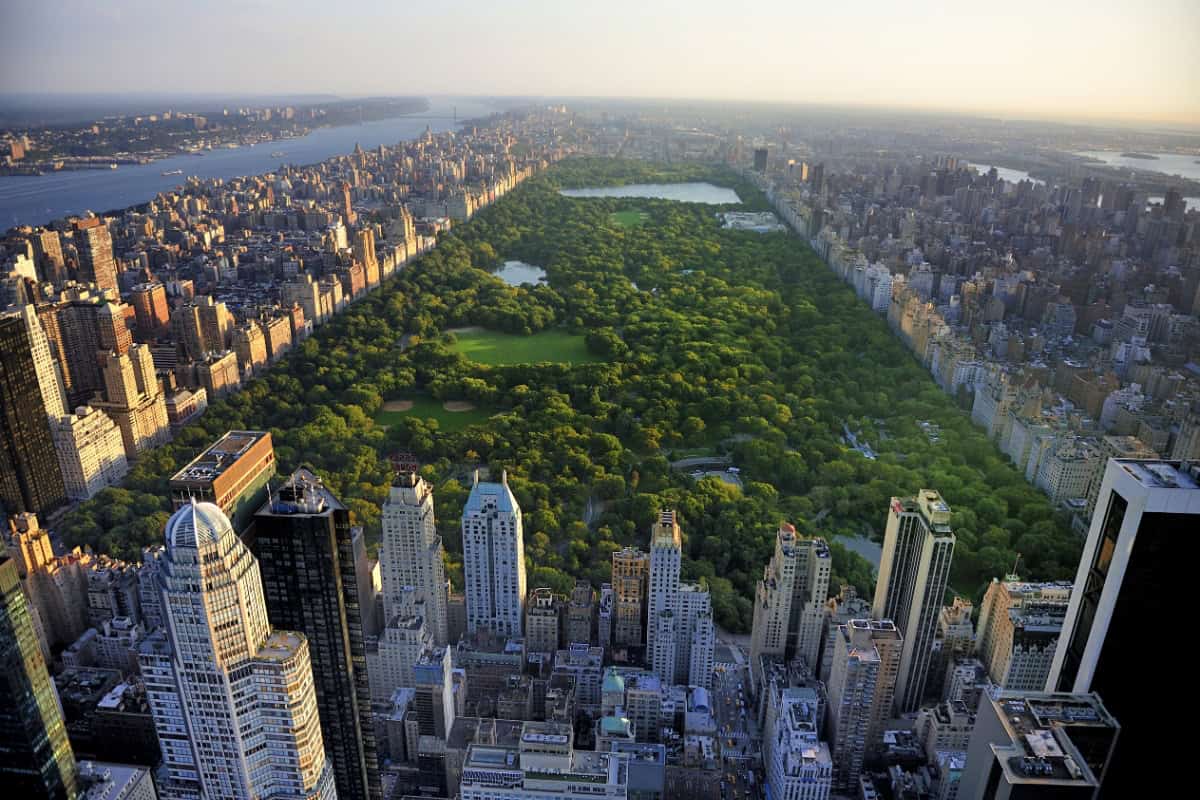
This article will show you what to see in the world’s most famous park. We’ll break down the specific spots and throw in a few tips on hidden corners. The legendary Central Park in New York hides far more than just ordinary trees and lawns. It’s a masterpiece of landscape architecture that gives the entire city the oxygen it so badly needs.

We’ll work our way across the map from south to north and won’t skip a single key spot. You’ll come away with a clear plan for your walk and dodge the tourist traps with ease. Lace up some comfy shoes and grab a bottle of water. Let’s set off to explore the most beautiful green oasis in Manhattan.

TL;DR

  • The park covers a staggering 341 hectares (843 acres) in the very heart of Manhattan.
  • It opened to the public back in 1858, designed by architects Olmsted and Vaux.
  • Entry to the whole park is free every single day, from six in the morning until one after midnight.
  • The best views and photos are at Bethesda Fountain and on Bow Bridge.
  • Set aside roughly three hours to see the main highlights in the southern and central sections.
  • Watch out for the wildly overpriced horse-drawn carriages and pedicabs.

What to See in Central Park: The Most Beautiful Spots

This green rectangle is enormous. Dozens of kilometres of paved paths and hidden forest trails crisscross the whole place. Getting lost in this leafy maze is surprisingly easy. That’s exactly why it pays to have a few landmarks picked out in advance.

The list below covers the most beautiful spots in the park. We’ve arranged them in the order you’ll naturally come across them as you walk from the southern edge northwards. Each place has its own unmistakable atmosphere and a rich history.

Bethesda Terrace and Fountain

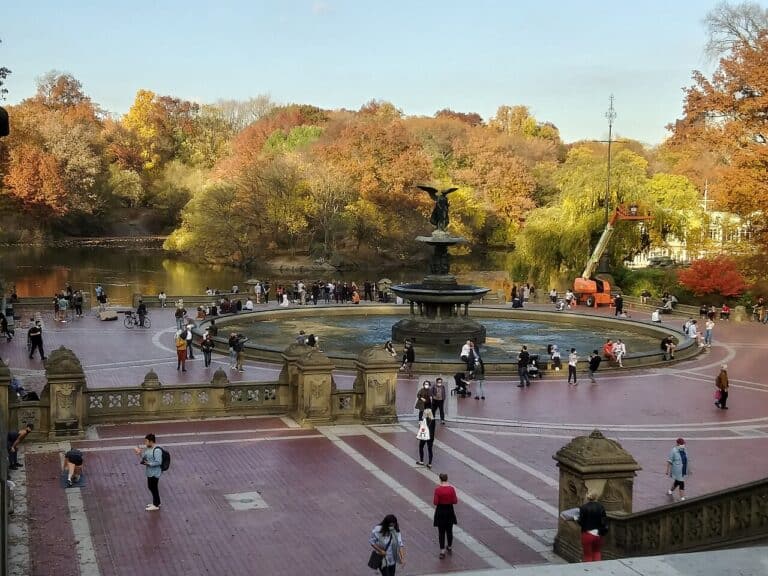
The heart of the entire park beats right here. The architects designed the terrace as the main gathering place for the city’s residents. This two-tiered sandstone structure offers a breathtaking view over the lake and the surrounding woods. The lower level is decorated with gorgeous tiled ceilings made by the renowned British firm Minton.

The famous Angel of the Waters fountain takes pride of place in the middle of the terrace. The statue commemorates the opening of the first aqueduct, which brought clean drinking water to the city. Today street performers and musicians gather around the fountain. The acoustics under the terrace arches are fantastic, and you’ll often hear opera singers performing here.

The terrace is lined with richly carved stone posts depicting the seasons. The staircase connecting the two levels has appeared in hundreds of famous films. Bethesda Terrace is the architectural highlight of the whole green oasis. Weekend afternoons tend to get very busy here.

Bow Bridge and The Lake

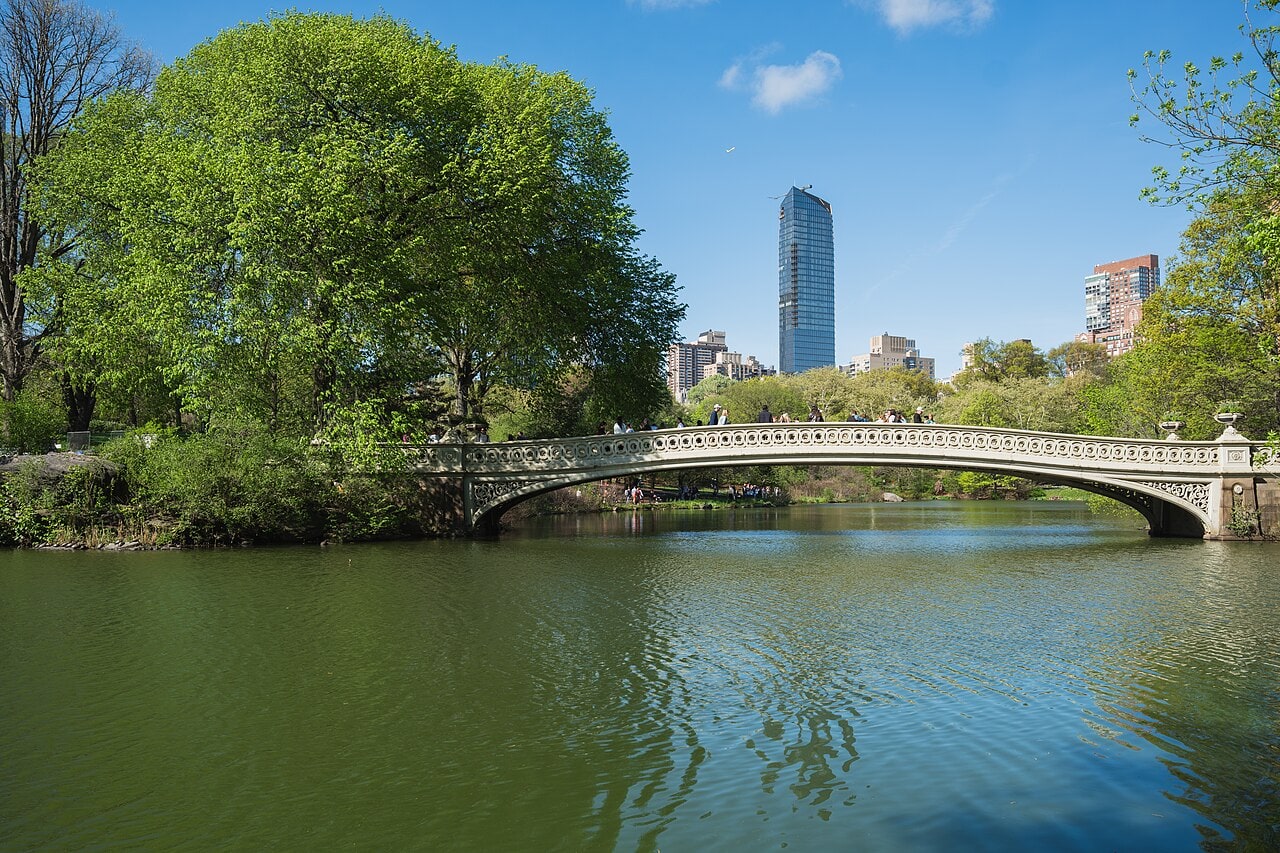
This cast-iron bridge elegantly spans the narrow neck of The Lake. Its gentle curve resembles a bow, which is where its name comes from. It’s the most photographed spot in the entire park. The wooden walkway creaks softly underfoot, adding to its wonderfully nostalgic atmosphere.

From the bridge you get a perfect view of the water dotted with little rowing boats. In the background loom the luxury apartment blocks of the neighbouring Upper West Side. In autumn the surrounding trees turn golden and reflect beautifully on the surface of the water. Plenty of couples choose this very spot to pop the question.

The original plan called for a plain stone bridge. In the end the architects went for the pricier cast-iron version with its ornate floral detailing. The romantic Bow Bridge stretches almost twenty-seven metres long. Come early in the morning to grab your best shots without the crowds of fellow tourists.

The Mall and Literary Walk

This wide promenade lined with towering elms is the only straight path in the whole park. The crowns of the American elms join overhead to form a vast green vault. Sunbeams filter beautifully through the leaves, casting shadows on the tarmac. The promenade was originally used for promenading in carriages.

The southern part of the promenade is called Literary Walk. It’s lined with bronze statues of famous writers. Here you’ll find the likes of William Shakespeare and the Scottish poet Robert Burns. The benches along the way are a real invitation to sit down with a coffee in hand.

This avenue is one of the best places to watch the colourful pulse of New York life. You’ll spot families with children, loved-up couples and street artists selling their work. The trees along The Mall are among the largest and oldest surviving elms in all of North America. The gardeners look after them with enormous care.

Strawberry Fields

This memorial dedicated to John Lennon sits just a short walk from the western edge. It lies directly opposite the Dakota Building. That’s where the famous musician lived and where he tragically died on his own doorstep. The spot is named after the Beatles song of the same name.

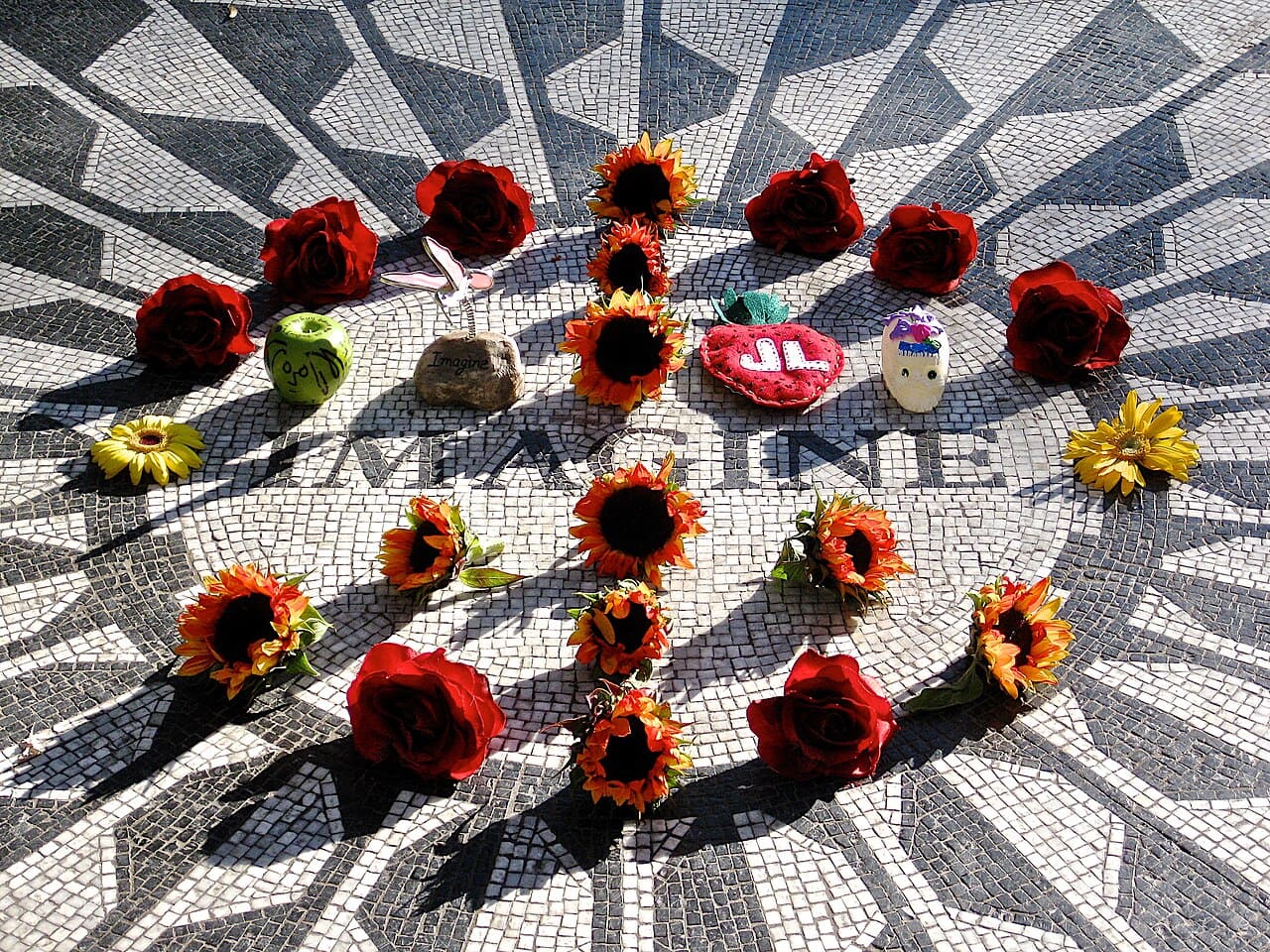
At the centre of the memorial is a black-and-white mosaic bearing the word Imagine. You’ll almost always find fresh flowers and small keepsakes left by fans. Often someone is quietly playing Lennon’s greatest hits on a guitar. There’s a deeply respectful mood here.

The mosaic was a gift to the city from the Italian city of Naples. The surrounding greenery forms a so-called Garden of Peace, with trees from one hundred and sixty countries around the world. Strawberry Fields is one of the most visited memorial sites in the city. Stop here for a moment and listen to the sound of the guitar.

Sheep Meadow

This huge grassy expanse in the lower part of the park feels like a green sea. Until the 1930s, sheep genuinely grazed here. Today the lawn serves people alone, for picnics and a spot of sunbathing. On warm weekends the grass fills up with colourful blankets and groups of friends.

The contrast between the flat green field and the wall of skyscrapers behind it is breathtaking. The buildings along Central Park South make for an incredible photogenic backdrop. Sheep Meadow works as a quiet zone. You won’t hear loud music or see organised sports matches here.

The rules are strictly enforced and wardens keep an eye on things. The lawn is closed over winter so the soil can rest and thick grass can grow back in spring. You can only access the meadow at a few marked entry points. Don’t forget to bring your own refreshments from the nearby shops.

Belvedere Castle

This stone castle built on Vista Rock looks like something straight out of a fairy tale. It was originally put up as a purely decorative structure with no practical purpose whatsoever. Its terraces offer a stunning view over the surrounding landscape. From here you can see across the Great Lawn and the mysterious Turtle Pond.

These days the castle houses a visitor centre and a working weather station. You can browse small exhibits about the park’s nature and history. Reaching the upper terrace means tackling a narrow spiral staircase. The view from the top of this miniature fortress is well worth the bit of effort.

The pond below the castle is home to a huge colony of turtles. On sunny days you’ll see them basking on the rocks and logs sticking out of the water. Belvedere Castle sits right in the middle of the park. It makes the ideal landmark to orient yourself before heading further north.

The Ramble

If you’re craving a total escape from civilisation, head to this wild, wooded section. The architects designed it to mimic the untouched countryside of upstate New York. Winding paths disappear into dense undergrowth and lead over little wooden footbridges. Finding your way around here can be tricky.

This spot is a paradise for birdwatchers from all over the world. Dozens of migratory bird species stop here during the spring and autumn migrations. Come early in the morning and you’ll meet enthusiasts with enormous telephoto lenses and binoculars. The thick forest muffles the sounds of the city, and you feel like you’re deep in the wilderness.

Man-made streams gurgle quietly between large boulders. The paths suddenly lead you out onto hidden lookouts above the lake. The Ramble offers perfect shade during the sweltering summer months. It’s the best spot for anyone seeking absolute peace and a break from the noise of the big city.

lukas a lucka
Lukáš and Lucie recommend
Where to Stay in Central Park in New York
3 accommodations — hotels, wellness hotels and other accommodation options

Things to Do in Central Park

Sitting passively on a bench is just one way to spend your time. The park works like a giant playground for grown-ups and kids alike. Locals come here to exercise, relax and hang out with friends. You can easily join them and experience the city like a true New Yorker. There’s something to keep every visitor happy. 🌳

  • Rent a bike and ride the full loop (use GetYourGuide to book).
  • Hire a classic rowing boat at Loeb Boathouse and glide under the famous bridge.
  • Visit the intimate Central Park Zoo in the eastern part of the park.
  • Lace up your skates in winter at Wollman Rink, with the skyscrapers as your backdrop.
  • Catch some live music at the summer SummerStage concerts.
  • Pick up some treats from a nearby deli and lay on a proper picnic in the grass.
  • Run a loop around the big Reservoir, just like the movie heroes.

Practical Info: How to Visit Central Park

Planning your visit takes no complicated preparation at all. The park has a wonderfully open and friendly policy towards all visitors. Entry to Central Park is free for everyone, no exceptions. The gates open every day at six in the morning and don’t close until one after midnight. You’ll find the latest info on centralparknyc.org.

Getting there is a breeze. The park is surrounded by a dense network of subway lines. At the south-western corner, use the 59 St – Columbus Circle station. Along the western side, trains stop at 72 St, 86 St and 96 St. To reach the northern part, use the 103 St station.

How much time should you set aside? A tour of the southern and central sections takes roughly two to three hours at a leisurely pace. In that time you’ll manage to see the most famous and most photographed spots. If you want to explore the whole park right up to the northern tip, set aside a full day. The distances are huge and tiredness sets in fast.

Each season dresses the park in a different coat. October paints the trees in rich shades of red and yellow. Spring tempts you with blossoming cherry trees and the first fresh greenery. Summer brings lush vegetation and easy picnic vibes. In winter, under its blanket of snow, the whole area takes on a magically quiet atmosphere, with ice skating on offer. ❄️

⚠️ Watch out for the tourist traps. Horse-drawn carriages and pedicabs tend to be wildly overpriced. Pedicab drivers often charge anywhere from four to ten dollars per single minute of riding. A fifteen-minute trip could therefore cost you an unbelievable $140. Always agree a fixed price up front, or better yet, just walk.

Tips and Visitor Experiences

We’ve gathered observations from plenty of travellers and locals. Their experiences will help you make the most of your visit without any unnecessary stress. Some things you simply won’t read in the official guides. The following pieces of advice come up again and again among happy visitors, and they’ll save you a lot of time.

  • Start your walk early in the morning to avoid the biggest crowds at Bethesda Fountain.
  • Download an offline map to your phone, as finding your way along the winding paths can be confusing.
  • Don’t buy food from the overpriced stalls inside the park; bring your own from the nearby shops instead.
  • You’ll find free toilets at Bethesda Terrace and near all the visitor centres.
  • Walking works best, as bikes aren’t allowed on plenty of the lookouts or in the wild sections.
  • Skip weekend afternoons if you’re after peace and quiet and empty benches.
  • Don’t get talked into a pedicab ride; according to reviews it’s New York’s most notorious scam.

You’ll find detailed itineraries and maps on Take Walks, which focuses on walking routes through the park. If you’re after tips on specific spots and events, take a look at Central Park.com too.

Where to Stay Near Central Park

The western edge of the park is lined by the Upper West Side, which has a wonderfully calm atmosphere. This neighbourhood is great for families, thanks to its safe streets and plenty of greenery. Within minutes you can reach the popular American Museum of Natural History. You’ll find cosy cafés and excellent vegetarian restaurants serving up fresh dishes.

On the opposite side lies the Upper East Side, known for its prestigious reputation. The wide boulevards are dotted with luxury boutiques and gorgeous historic buildings. Staying in this area is the pinnacle of New York elegance. From your hotel you can easily set off on a morning stroll or a tour of the nearby art galleries.

For specifics, check out accommodation on the Upper West Side right by the park, the quieter Upper East Side, or simply compare all accommodation in New York.

Where to Next

Frequently Asked Questions

How much does it cost to enter Central Park?

“`html
Entry to Central Park is free and open every day from approximately 6:00 AM to 1:00 AM. You only pay for some attractions inside, such as the Central Park Zoo, ice skating at Wollman Rink, or boat rentals.
“`

What to See in Central Park?

“`html
Among the most beautiful spots are Bethesda Terrace with its fountain, the romantic Bow Bridge, The Mall and Literary Walk avenue, the memorial Strawberry Fields with its Imagine mosaic dedicated to John Lennon, the expansive Sheep Meadow lawn, Belvedere Castle with its viewpoint, and the wild section of The Ramble ideal for birdwatching.
“`

How long to spend in Central Park?

“`html
For a tour of the southern and central parts of the park with the most important stops, 2–3 hours of leisurely walking will suffice. If you want to explore the entire park, count on easily a full day. It also depends on how much time you want to spend at individual sites.
“`

How to get to Central Park?

Central Park is surrounded by subway stations. The most commonly used are: 59 St-Columbus Circle (lines A, B, C, D), 5 Av/59 St (line N, R, W), 72 St (line B, C), 86 St (line B, C), and 96 St or 103 St for the northern part.

Is a pedicab or horse carriage ride worth it?

Horse carriages and pedicabs (rickshaws) are notorious among travelers as overpriced tourist traps. Pedicabs charge up to 3.99–9.99 USD per minute and change prices on a whim. There are cases of being charged 140 USD for a 15-minute ride. If you still want to use them, always agree on a fixed price beforehand. Otherwise, the park is lovely to explore on foot or by bike.

When is Central Park most beautiful?

Each season has its charm. October brings beautiful autumn colors, spring (April–May) blooming cherry trees and the first greenery, summer lively picnic atmospheres and outdoor SummerStage concerts, winter then romantic ice skating at Wollman Rink and if snow falls, the park transforms beyond recognition.

Tips and Tricks for Your Vacation

Don’t Overpay for Flights

Search for flights on Kayak. It’s our favorite search engine because it scans the websites of all airlines and always finds the cheapest connection.

Book Your Accommodation Smartly

The best experiences we’ve had when looking for accommodation (from Alaska to Morocco) are with Booking.com, where hotels, apartments, and entire houses are usually the cheapest and most widely available.

Don’t Forget Travel Insurance

Good travel insurance will protect you against illness, accidents, theft, or flight cancellations. We’ve had a few hospital visits abroad, so we know how important it is to have proper insurance arranged.

Where we insure ourselves: SafetyWing (best for everyone) and TrueTraveller (for extra-long trips).

Why don’t we recommend any Czech insurance company? Because they have too many restrictions. They set limits on the number of days abroad, travel insurance via a credit card often requires you to pay medical expenses only with that card, and they frequently limit the number of returns to the Czech Republic.

Find the Best Experiences

Get Your Guide is a huge online marketplace where you can book guided walks, trips, skip-the-line tickets, tours, and much more. We always find some extra fun there!
Montenegro Weather: When to Visit the Coast and the Mountains (Month by Month)

TL;DRMid-to-late September is the sweet spot for Montenegro — warm, quiet and cheaper, with the sea at 23 to 24°C and air around 27°C. The warmest water (25 to 26°C) comes in July and August, but that’s also when prices peak and temperatures climb to 30 to 31°C, especially in the muggy Bay of Kotor. For hiking in Durmitor National Park, June to September is your window, with Žabljak sitting around a comfortable 19 to 22°C. The ski resorts of Kolašin and Savin Kuk see the most reliable snow in January and February, while the warmest sea in the country is down south in Ulcinj, home to beaches like Velika Plaža.

Montenegro may be a fairly small Balkan country in terms of size, but when it comes to weather and trip planning, the Montenegro weather can genuinely surprise you with its incredible variety. On a single day in August, you can swim in the warm sea down south and a few hours later shiver high up in the mountains, where night-time temperatures drop into single digits. Getting the timing of your holiday right is therefore absolutely crucial, and it depends mainly on whether you’re planning to soak up the sun on the beach, conquer the peaks of Durmitor National Park, or have a little bit of everything. I’ve put together a detailed guide to the local climate so you know exactly what you’re getting into and can avoid the disappointment of rained-out days or, on the other hand, the unbearable summer humidity.

TL;DR

  • Best month for everything: Mid to late September offers the perfect balance, because the sea still holds a lovely 23 to 24 °C, the air sits at a pleasant 27 °C, and the main crowds have already gone.
  • Warmest water: The peak of the swimming season falls in July and August, when the sea temperature ranges between 25 and 26 °C, but you’ll have to put up with serious heat and top-tier prices.
  • Mountain hiking: For treks in Durmitor, the safest and most comfortable window runs from June to September, with summer daytime temperatures in Žabljak hovering around just 22 °C.
  • Ski season: If you’re heading for the slopes at Kolašin or Savin Kuk, you’ll have the best guarantee of quality snow cover in January and February.
  • Watch out for rain: Although September is fantastic temperature-wise, rainfall jumps sharply this month, so it’s worth packing an umbrella in case of afternoon showers.
  • Regional extremes: While the southern town of Ulcinj is the warmest spot with sandy beaches, the Bay of Kotor is one of the rainiest and, in summer, one of the most humid locations in Europe thanks to the surrounding mountains.

12 Things You Need to Know

1. Two Completely Different Climates in One Small Country

Take a look at the map and you’ll see that Montenegro covers an area of just under 13,800 square kilometres, yet it hides two entirely different climate worlds. The coast enjoys a classic Mediterranean climate with hot, dry summers that flow seamlessly into very mild but rainy winters. But travel just a few dozen kilometres inland and you’ll find yourself in a harsh mountain climate.

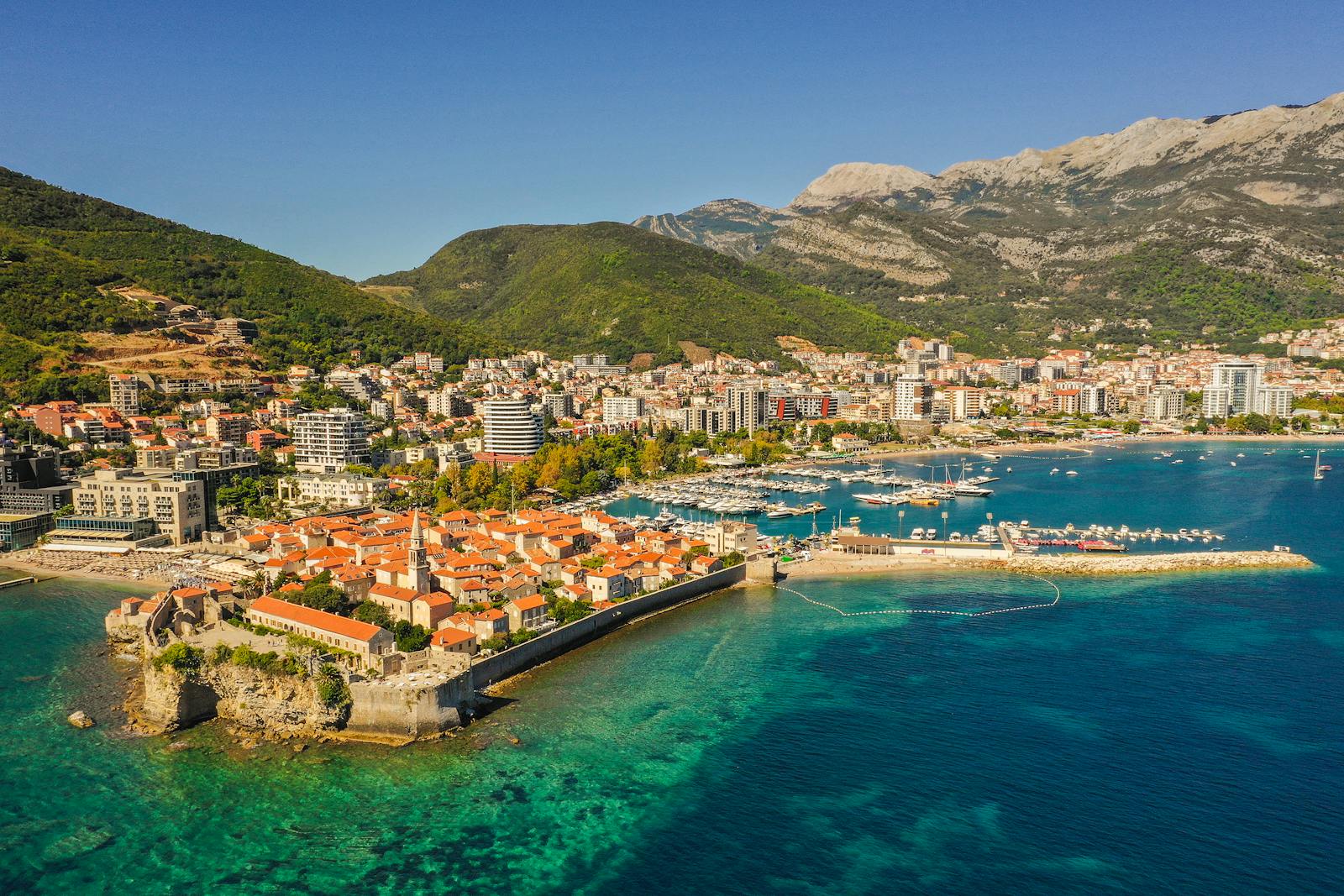
This enormous contrast is best seen in midsummer through real numbers. While in August you’ll be sweating in coastal Budva at a tropical 30 to 31 °C in the shade, at that very same moment up in the mountains of Žabljak the daytime reading is a refreshing 22 °C. The difference is even more striking at night: by the sea temperatures won’t drop below 20 °C, while in the mountains you’ll absolutely need a warm jumper at 9 °C.

💡 Tip: If you’re planning to combine lazing on the beach with mountain trips during a single holiday, always pack warm layers. The mountains don’t forgive, and even in the middle of August a chilly wind in Durmitor National Park can catch you off guard.

2. The Sea Temperature Rises Slowly but Holds Its Heat

For most travellers, the absolutely key question is exactly when you can swim comfortably in Montenegro and how warm the water is. The Adriatic warms up rather slowly in spring, and in May it’s only around 18 to 19 °C, which suits the hardier types. The turning point comes during June, when the water temperature climbs to a more acceptable 21 to 23 °C, kicking off the full summer season.

The sea peaks in July and August at an average of 25 to 26 °C, which feels like a pleasantly warm bath. The great advantage of the Adriatic is its ability to store heat, so the water stays at a lovely 23 to 24 °C right through September. Only in October does the water start to cool noticeably, dropping towards the 20 °C mark.

💡 Tip: If you’re after the warmest possible water, head south to the resort of Ulcinj. The long sandy beaches here, with their very gentle slope into the sea, act like a solar panel, and in season the water is always about half a degree warmer than in the rest of the country.

3. Spring on the Coast and in the Mountains (March–May)

The spring months are a time of huge change in Montenegro, with nature waking up. On the coast, temperatures climb to a very pleasant 19 °C as early as April and even up to 24 °C in May, creating absolutely ideal conditions for exploring monuments and historic towns. The sun already has some strength, but you won’t be suffering in the oppressive summer heat, so strolling along the walls of Kotor is a genuine pleasure.

While down by the sea the plants are already in bloom and people are sitting outside café terraces, the situation in the mountains is completely different. Up in Žabljak you can usually still ski until around the end of March, and in April and May the mountains go through a period of massive snowmelt. High-altitude hiking trails tend to be muddy or even completely impassable under a layer of wet snow, which severely limits walking opportunities.

💡 Tip: May is by far the best month for adrenaline-fuelled rafting on the Tara River. The melting mountain snow pushes the river to its highest level, the currents are wild, and you’ll get the best possible white-water experience — something that slowly fades as summer progresses.

4. Summer by the Sea (June–August) and Its Pitfalls

The summer months from June to August are the main tourist season, when the largest numbers of visitors pour into the country. The coastal weather is very stable during this period, the days are long and full of sunshine, and rainfall in July and August is absolutely minimal. Daytime temperatures regularly exceed 30 °C and only rarely drop below 20 °C at night, so air conditioning in your room is practically a necessity.

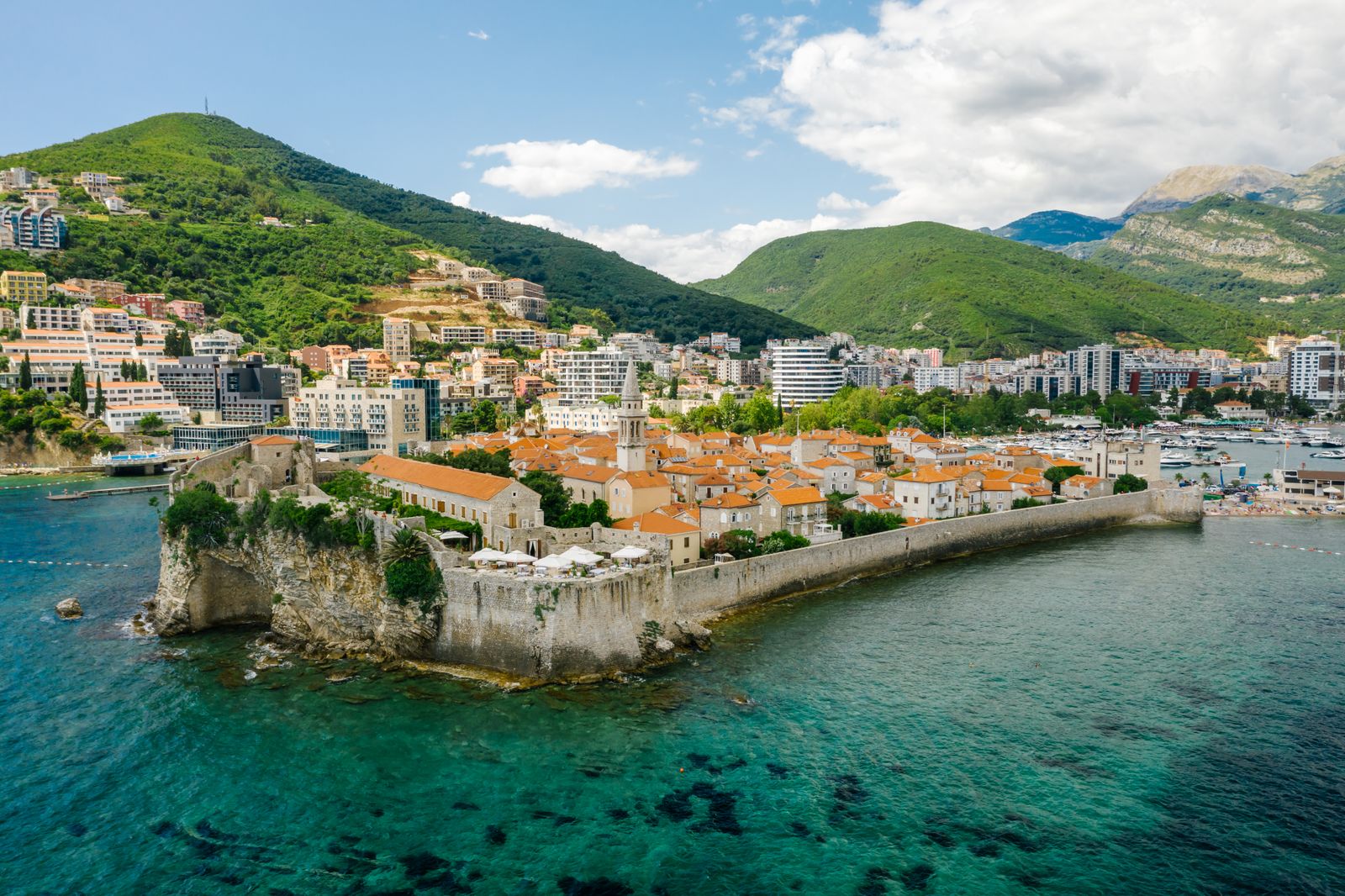
But along with the perfect beach weather come a few downsides you need to bear in mind. The coast, especially around Budva and Kotor, gets extremely crowded, long queues form on the Adriatic Highway, and accommodation prices climb to their yearly peak. The Bay of Kotor in particular sees giant cruise ships arrive in summer, capable of completely clogging the narrow historic streets with thousands of day-trippers.

💡 Tip: If you have to travel in peak summer because of the school holidays, I’d recommend going in June rather than August. The sea is already swimmable, the days are the longest of the year, but the crowds and prices haven’t yet reached their absolute, insane peak.

5. The Autumn Ideal and Indian Summer (September–November)

Experienced travellers absolutely agree that the autumn months offer the best of both worlds for a visit to Montenegro. The first half of September is clearly the most balanced period of the entire year, because the sea is perfectly warmed after summer to 23 to 24 °C, the air sits at a pleasant 27 °C, but the oppressive August heat and endless crowds are already gone.

Early October still offers beautiful days with temperatures around 23 °C, perfect for sitting outside and for easy excursions. You do need to bear in mind, though, that the character of the weather starts to shift in autumn, and September brings a sharp rise in rainfall. While August sees an average of just 45 millimetres of rain, September brings 134 millimetres, which means more frequent afternoon showers and thunderstorms.

💡 Tip: If you’re planning an autumn holiday, definitely pack a compact umbrella or a light raincoat. The rain can be intense, but it usually doesn’t last long, and after a storm the sky quickly clears again.

6. Winter and Skiing (December–February)

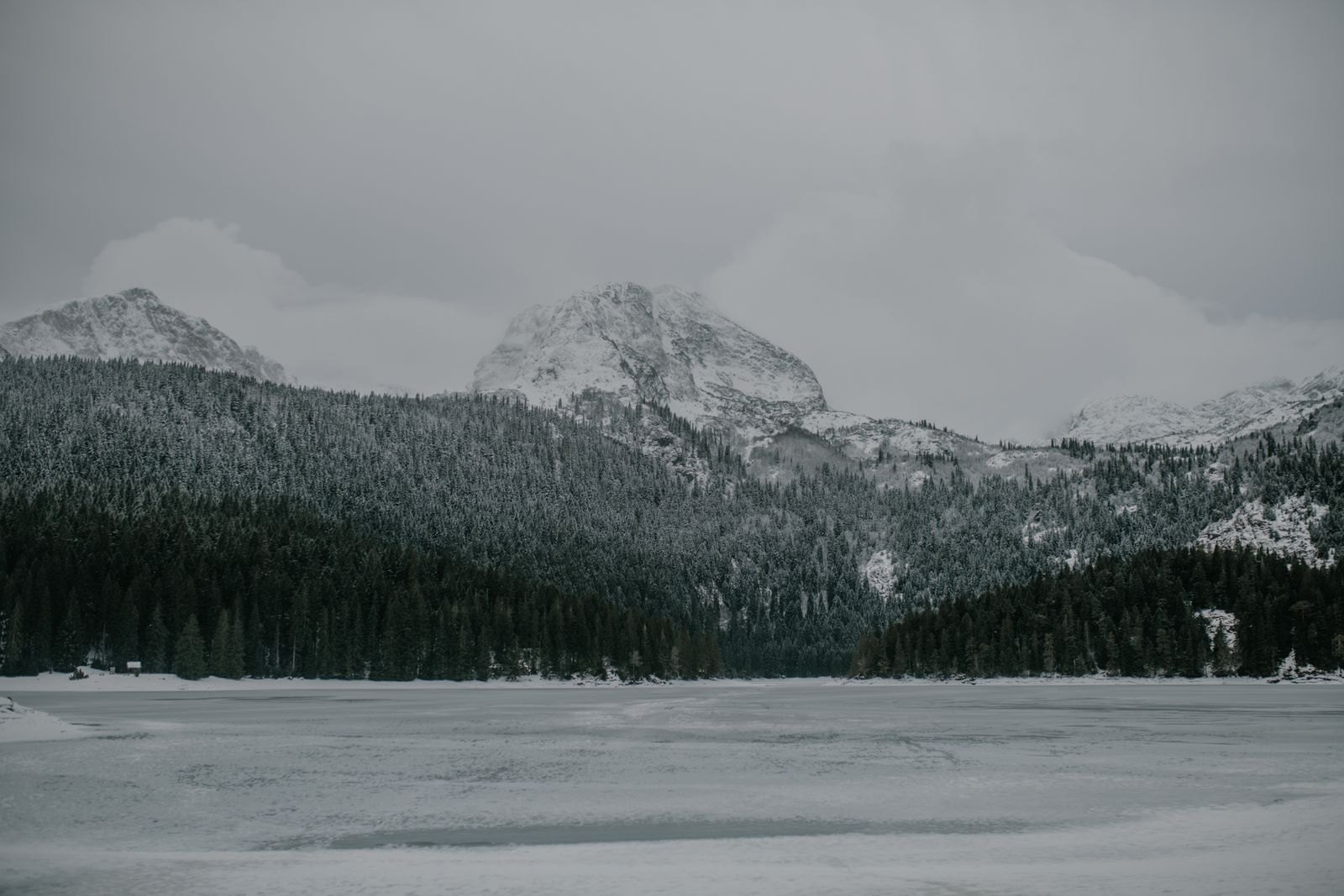
Say the word Montenegro and most people picture sun-drenched beaches, but the country also offers proper winter fun. The ski season at the Kolašin and Savin Kuk (near Žabljak) resorts typically runs from December to March, with the most reliable natural snow cover in January and February. Durmitor National Park has snow for an impressive average of 150 days a year.

While it’s freezing and snowing in the mountains, winter on the coast has a completely different character. Around Budva or Ulcinj, January daytime temperatures hover around 13 to 14 °C, which doesn’t sound bad, but the winter months by the sea are extremely rainy. December, with an average of 179 millimetres of rain, is the wettest month of the year, and on top of that many restaurants and hotels in the coastal resorts close completely over winter.

💡 Tip: The Kolašin 1450 and newer Kolašin 1600 resorts together form the largest connected ski area in the country, but check the current lift operations before you travel. Some planned modernisations of the area have reportedly been pushed back to the 2026/2027 season.

7. Regional Extremes: The Hot South and Humid Bay of Kotor

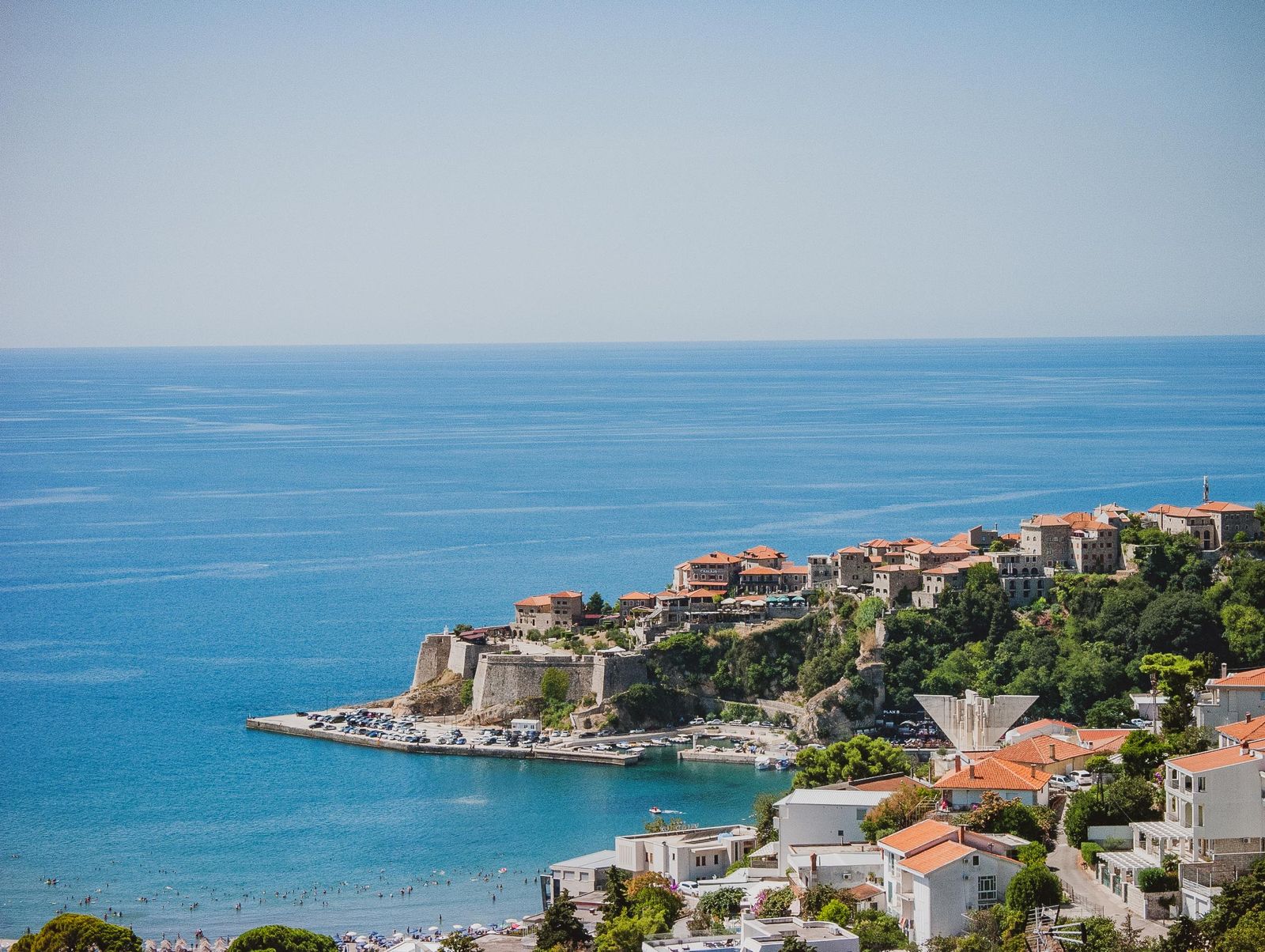
The weather on the coast changes significantly depending on which bay you happen to be in. Right at the very south, near the border with Albania, lies the town of Ulcinj, officially the warmest and sunniest spot in the entire country. Thanks to its open location and long sandy beaches, such as the famous Velika Plaža, daytime summer temperatures here regularly climb above 31 °C and the sun shines for more than 2,500 hours a year.

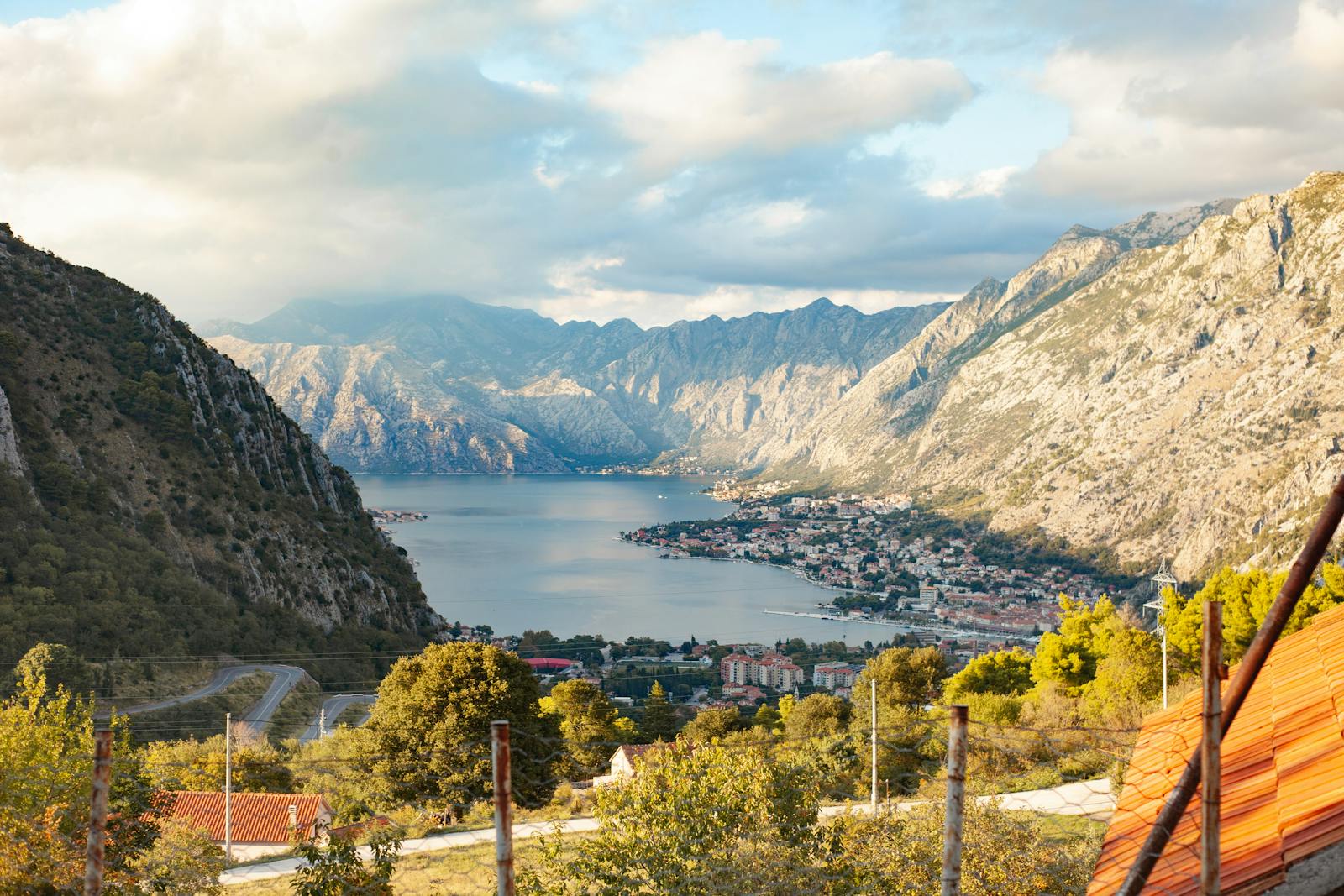
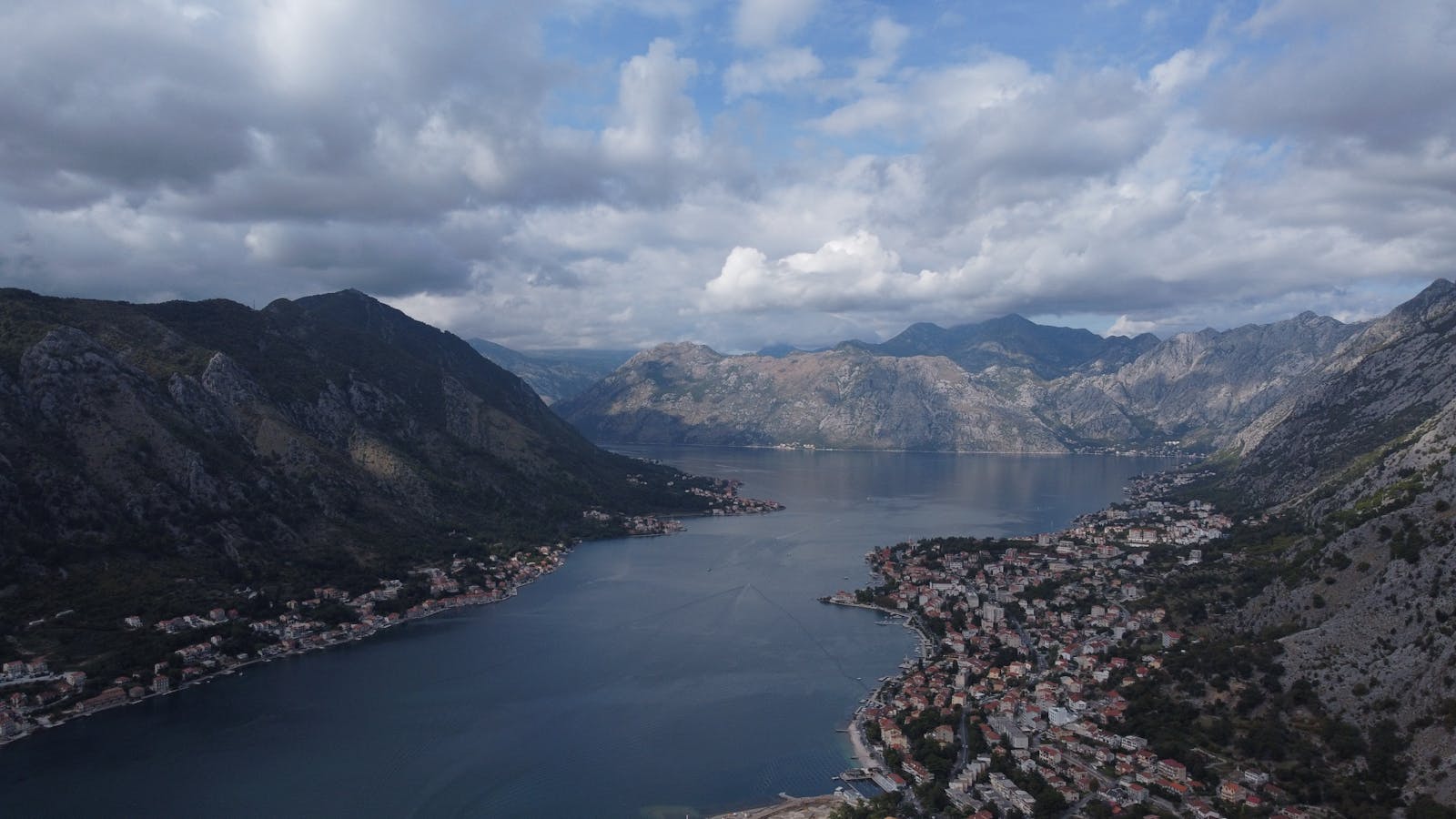
At the opposite end of the spectrum lies the magical Bay of Kotor. This deep fjord-like bay is hemmed in on all sides by high, steep mountains, creating a truly unique microclimate. In summer the mountains block the natural flow of wind, so Kotor is often very heavy and oppressively humid, while in winter the steep peaks cover the sun by early afternoon, making it noticeably cooler than on the open riviera around Budva.

💡 Tip: The Bay of Kotor acts as a huge cloud trap, and the nearby village of Crkvice holds the all-European record for rainfall with almost 5,000 millimetres a year. Bear in mind that it rains far more often around Kotor than down south near Ulcinj.

8. The Ideal Time for Mountain Treks

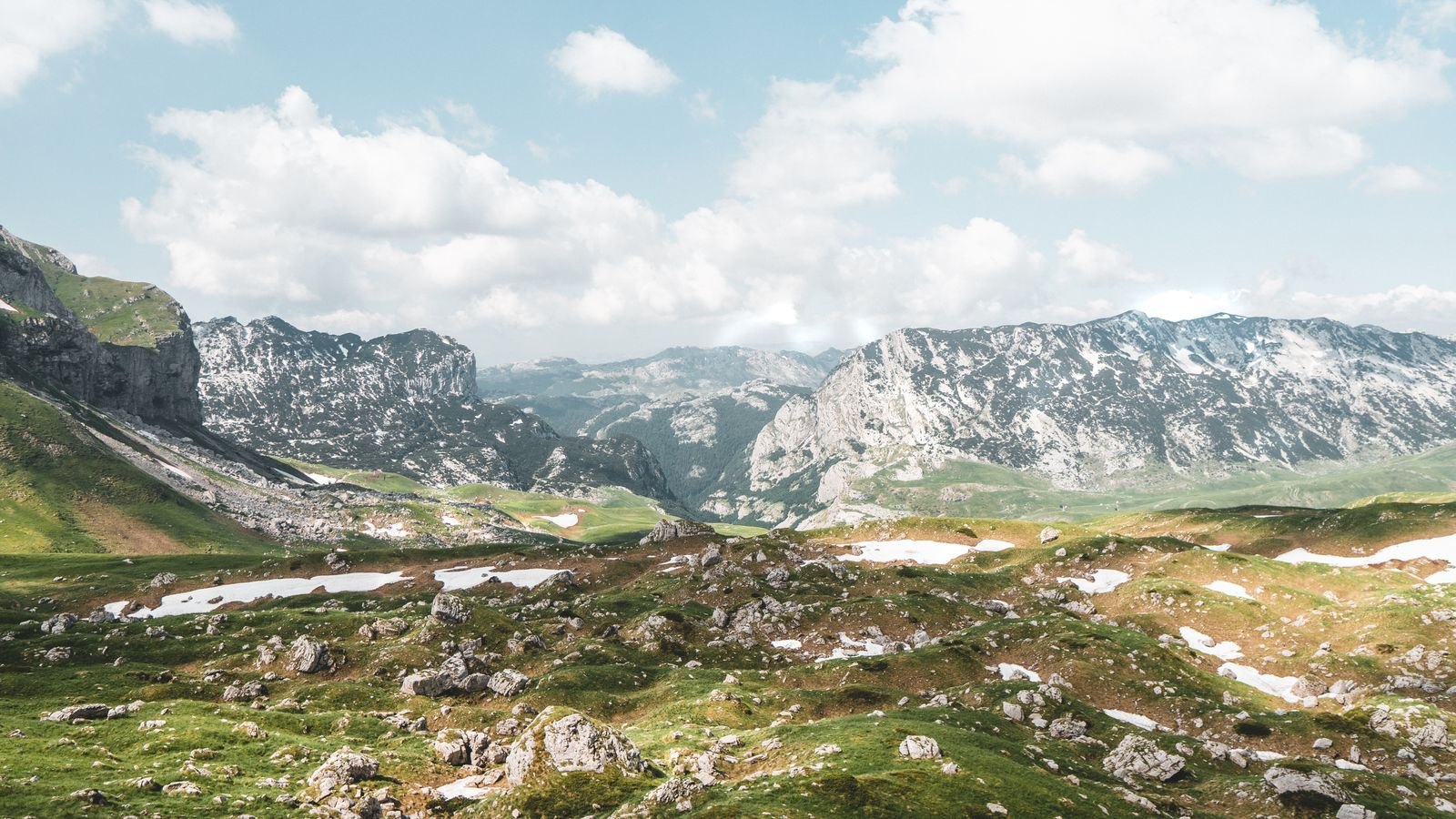
The national parks of Durmitor, Biogradska Gora and Prokletije draw lovers of untouched nature, but planning trips to these areas demands respect for the mountain climate. The best and safest window for high-mountain hiking opens from June to September. During these months the snow disappears even from the highest passes below the Bobotov Kuk summit, and temperatures sit in a pleasant range of 19 to 22 °C.

Seasoned hikers agree that the undisputed king for walking is September. The air is beautifully clean and fresh, the sky tends to be reliably clear, and the day-trippers who come up from the sea over summer thin out. By contrast, in May and June you have to expect very frequent afternoon thunderstorms in the mountains, which form from the rapid evaporation of moisture.

💡 Tip: Whichever summer month you head into the mountains, always plan your tougher treks for early morning. Afternoon weather changes in Durmitor can be extremely fast and fierce.

Experiences & tickets
traveler-rated · GetYourGuide
Sintra: Pena Palace and Park Entrance Ticket
★★★★★ 4.2 · 19 430 reviews
from €12
I want this experience →
🔗 These are affiliate links — they don't change your price and help us create content. · All experiences →
lukas a lucka
Lukáš and Lucie recommend
Where to Stay in Montenegro
2 accommodations — hotels and other lodging options

9. The Winds That Shape Both Mood and Weather

When planning your trip you don’t need to worry about hurricanes or destructive tropical storms — they steer clear of Montenegro. The Mediterranean climate is, however, strongly influenced by three local winds that can fundamentally change the character of the weather. In winter and early spring, the coast is ruled by the bora, a very cold, gusty and dry wind from the mountains, which can push the wind-chill close to freezing.

Throughout the year, but most strongly in autumn, you may encounter a wind called the jugo, which blows from the south and brings warm but very humid air along with heavy rainfall. In summer, on the other hand, you’ll enjoy the maestral, a very pleasant afternoon sea breeze that cools the scorching beaches beautifully and creates great conditions for sailing.

💡 Tip: If you love kitesurfing or windsurfing, make the most of the summer winds at the southern tip of Velika Plaža near Ulcinj, where the wind blowing off the Albanian mountains creates some of the best conditions in the eastern Mediterranean.

10. Crowds and Prices Changing From Month to Month

The weather and temperatures have an absolutely direct and major impact on the price of accommodation and services across the country. Montenegro sees enormous swings, and during the peak season in July and August, prices are commonly double those of the shoulder months. On top of that, more than 90 percent of all overnight stays in the whole country are concentrated on the coast during this period, so peace and quiet is little more than a dream.

If you want to save money while keeping a very decent chance of nice weather, turn your attention to the so-called shoulder season. June and September offer summer temperatures, but accommodation is noticeably cheaper, the restaurants aren’t packed, and you won’t be wasting precious time stuck in traffic jams.

💡 Tip: If you want to save even in the middle of the hot summer, avoid the premium, pricey spots like Budva, Kotor or Tivat and head instead for the more southerly areas around Bar and Ulcinj, which are a little kinder to your wallet.

11. When the Swimming Season Finally Ends

The question of autumn swimming troubles many travellers trying to catch the last rays of sun. As already mentioned, September is completely problem-free for swimming. The comfortable beach season on the coast typically ends at the turn of September and October, when the nights start to lengthen noticeably and the air cools more quickly.

Hardier souls and lovers of empty beaches commonly swim well into the first half of October, because the water still holds a temperature of around 20 to 21 °C. The definitive end to swimming only comes with the arrival of the autumn rains and the first stronger bursts of the cold bora wind in the second half of October, after which the sea churns and rapidly cools below comfortable levels.

💡 Tip: If you head to the sea in October, I’d recommend looking for accommodation in sheltered bays where the sharp wind doesn’t reach. In autumn, the difference in how the temperature feels on an open beach versus in the lee can be enormous.

12. The Ideal Month for a Road Trip Across the Country

Combining a swim in the sea with trips into the mountains on a single journey is by far the best way to get to know Montenegro properly. The search for that sweet spot — when it’s lovely enough for swimming down below and there’s no snow left up top — leads you unmistakably to a few specific months. The best time for a nationwide road trip is late May, June, and of course September.

In these months you can be completely sure that the high mountain passes in Durmitor will be passable and safe, while you won’t be dying of heat on the drives along the coast. You’ll also avoid the worst traffic jams that regularly paralyse the Adriatic Highway in July and August and can turn a drive between two towns into an all-day ordeal.

💡 Tip: When planning your route, don’t forget that mountain drives take far longer than the map would suggest because of the winding roads, so always set aside plenty of daylight for the journey between the sea and Durmitor.

A Practical Summary and Rough Prices

To help you plan your trip in 2026, I’ve put together a clear table that shows exactly when and why to go for specific experiences.

Planned activityBest time to goWhy go then
Swimming and the warmest seaJuly and AugustGuaranteed water between 25 and 26 °C, minimal rain, but the highest prices.
Crowd-free beaches and mid-range pricesJune and SeptemberThe water is acceptable (21–24 °C), summer temperatures without extremes or traffic jams.
Exploring towns without the heatMay, June, OctoberA pleasant 20–25 °C on the coast, ideal for strolling around Kotor without the swelter.
Mountain treks (Durmitor)June to SeptemberThe snow is gone, daytime temperatures in Žabljak around 19–22 °C. September is the absolute top pick.
Rafting and white waterMay to SeptemberMay offers wild water from snowmelt, summer is calmer and also good for swimming.
Winter skiingJanuary and FebruaryThe most reliable snow cover at the Kolašin and Savin Kuk resorts.
Cheapest holiday (off-season)November to MarchCoastal accommodation for a fraction of the price, but expect heavy rain and closed venues.

💡 Tip for accommodation and experiences: We love searching for accommodation on Booking.com, where the cancellation terms tend to be the best. For tickets, tours and activities, it’s worth comparing and booking through GetYourGuide.

Where to Go Next

If you’re interested in more practical information for planning your trip, have a read of another article on the blog. You’ll find plenty of useful details that will come in handy before you set off:

Frequently Asked Questions

When is the best time to go to Montenegro to the sea?

The most balanced period is mid to late September. The sea maintains a temperature of around 23 to 24 °C, the air has a pleasant 27 °C, and you’ll avoid the biggest crowds and peak prices. However, if you require maximum heat with water above 25 °C, you’ll need to head out in July or August and expect full beaches.

Is the sea still warm in Montenegro in September?

Yes, and very pleasantly so. During September, the sea temperature hovers around 23 to 24 °C along the coast, and at the southern sandy beaches near Ulcinj it can be even a degree warmer. Paradoxically, the water is actually warmer than in June. The only risk in September is more frequent afternoon showers and thunderstorms.

What is the sea temperature in different months?

At the beginning of summer in June, the sea has a refreshing 21 to 23 °C. During July it warms up to 24 to 26 °C and in August reaches its maximum around 25 to 26 °C. In September it drops to 23 to 24 °C and in October hovers around just 20 to 21 °C. In winter it falls to 14 °C.

When does the swimming season officially end?

Comfortable swimming without goosebumps lasts along the entire coast roughly until the end of September. Hardier travelers commonly swim even in the first half or end of October, when the water still has around 20 °C. The season is then definitely ended by cooler night temperatures, rains and the cold autumn bora wind.

When can you ski in Montenegro?

The ski season in the main resorts of Kolašin and Savin Kuk near Žabljak lasts roughly from December to March. The most reliable conditions, with the deepest layer of natural snow, regularly occur in January and February. Durmitor maintains its snow cover for an average of around 150 days a year.

Is it very hot in Montenegro in summer?

Yes, it can get really hot on the coast. In August, which is the hottest month, daytime temperatures reach 30 to 31 °C. It’s particularly humid in the enclosed Bay of Kotor, where the mountains block the wind and the perceived temperature soars. However, you can easily escape the heat in the mountains, where it’s only 22 °C in summer.

What’s the difference between the weather on the coast and in the mountains?

The difference is enormous. While the coast enjoys a hot Mediterranean summer with 30°C and people swim in the sea, in the mountains just a few dozen kilometers away you’ll measure 22°C during the day and temperatures drop to 9°C at night. In winter it’s mild by the sea with rain, while the mountains get buried under a thick layer of snow.

Tips and Tricks for Your Vacation

Don’t Overpay for Flights

Search for flights on Kayak. It’s our favorite search engine because it scans the websites of all airlines and always finds the cheapest connection.

Book Your Accommodation Smartly

The best experiences we’ve had when looking for accommodation (from Alaska to Morocco) are with Booking.com, where hotels, apartments, and entire houses are usually the cheapest and most widely available.

Don’t Forget Travel Insurance

Good travel insurance will protect you against illness, accidents, theft, or flight cancellations. We’ve had a few hospital visits abroad, so we know how important it is to have proper insurance arranged.

Where we insure ourselves: SafetyWing (best for everyone) and TrueTraveller (for extra-long trips).

Why don’t we recommend any Czech insurance company? Because they have too many restrictions. They set limits on the number of days abroad, travel insurance via a credit card often requires you to pay medical expenses only with that card, and they frequently limit the number of returns to the Czech Republic.

Find the Best Experiences

Get Your Guide is a huge online marketplace where you can book guided walks, trips, skip-the-line tickets, tours, and much more. We always find some extra fun there!
Adriatic Italy by Car: 6 Best Beach Spots for 2026

TL;DRThe best spots on the northern Adriatic for 2026 are Bibione, Lido di Jesolo, Caorle, Lignano, Cavallino-Treporti and Rimini — six resorts covering everything from thermal spas to historic old towns. Bibione and Lignano have the shallowest water, ideal for small kids, Jesolo’s big draw is the Caribe Bay water park (tickets from €29), and Lignano has its own Aquasplash park (€30 for adults). June or early September is the sweet spot for a visit — the main season runs from mid-May to the end of September, and it’s worth dodging 15 August (Ferragosto) altogether. Driving out, the route runs via Linz, Salzburg and Villach; an Austrian vignette for 10 days costs €12.80, and beach services (sunbed and umbrella) run €25–€30 a day.

If you’re planning a summer holiday and weighing up whether to load the car and head south, the northern coast of Adriatic Italy is simply a classic European getaway. For many families, driving to Italy is the ultimate safe bet. It’s only a few hours’ drive from the heart of Europe, you don’t have to fuss with pricey flights, and you can easily pack inflatable loungers, supplies, and the kids’ favourite toys into the boot.

Northern Italy’s shoreline is famous for its endlessly long beaches and fine sand. The sea here is extremely shallow, which means the water warms up quickly and you can let the little ones splash about near the shore without a worry. Parents rave about these resorts on travel forums, mainly thanks to the excellent facilities, entertainment programmes, and the wonderfully warm attitude of the locals towards children.

Whether you’re after quieter camping in a pine grove or craving a buzzing promenade with giant water parks, the Italian Riviera has something for everyone. I’ve put together a detailed guide where we’ll explore the most popular resorts. On top of that, I’m throwing in plenty of practical advice about tolls, tricky parking zones, and the journey itself, so you can enjoy your holiday in peace and without any unnecessary fines.

TL;DR

  • Best for small children: Bibione and Lignano offer the shallowest beaches and the biggest facilities for families.
  • Fun and attractions: Lido di Jesolo is home to the giant Caribe Bay water park, while in Lignano you’ll find Aquasplash and Gulliverlandia.
  • Romance and history: Caorle will charm you with its old fishing quarter and colourful little houses.
  • Watch out for the Austrian vignette: When buying the digital sticker online, there’s an 18-day cooling-off period. For a last-minute trip, buy the paper sticker at a petrol station instead.
  • Italian tolls: Never drive into the yellow lane marked Telepass at a toll station unless you have the special electronic device.
  • Tricky ZTL zones: Cars are banned from the historic centres of cities (like Verona or Venice). Camera systems hand out hefty fines.
  • Healthcare: An EHIC card alone isn’t enough in Italy. Always take out commercial travel insurance and decent breakdown cover for your car.

When to Visit the Adriatic Coast of Italy

The beach season on Italy’s northern coast kicks off in earnest in mid-May and runs until the end of September. If you’re travelling with pre-school children and aren’t tied to school holidays, the absolute best time is June or early September. Temperatures are already lovely, the sea has had time to warm up, but the beaches aren’t bursting at the seams yet and accommodation prices tend to be noticeably lower.

July and August are the peak and busiest season. Expect fuller motorways and apartment prices climbing to their highest. Pay particular attention to 15 August, when Italians celebrate the national holiday of Ferragosto. On this day and the week around it, what feels like the whole of Italy heads to the coast. If you’re looking for calm, give this period a wide berth, or book your accommodation even six months in advance.

The spring months and late autumn aren’t really for sea swimming. But this time is absolutely ideal for sightseeing trips to Venice, Bologna, or Verona. You can enjoy the historic cities without the scorching heat and with far fewer tourists.

Where to Stay on the Northern Adriatic

💡 Tip for accommodation and experiences: We love to find our places to stay on Booking.com, which usually has the best cancellation terms. Tickets, tours and activities are then worth comparing and booking through GetYourGuide.

The northern coast offers a huge range of accommodation, from simple apartments to enormous holiday villages. If you’re looking for a place to stay in Bibione, the very popular Camping Village Capalonga sits in a beautiful setting between the sea and the lagoon. Another great choice for families is Villaggio Turistico Internazionale, which boasts lovely pools with slides.

Specific tips for tried-and-tested accommodation across all categories (compare prices and availability with one click via Stay22, which searches for the best deal across Booking.com, Airbnb and more):

  • Camping Village Capalonga – Campsite between the sea and the lagoon in Bibione Pineda, ideal for families with younger children.
  • Villaggio Turistico Internazionale – A large holiday village with shaded pitches and pools with slides.
  • Almar Jesolo Resort & Spa – A luxury five-star resort with a wellness centre right on the beach in lively Jesolo.
  • Union Lido – The flagship campsite and resort near Venice with its own beach, water park and glamping.
  • Hotel Alibi – A three-star hotel in the quiet part of Marina Centro, between the beach and the town.

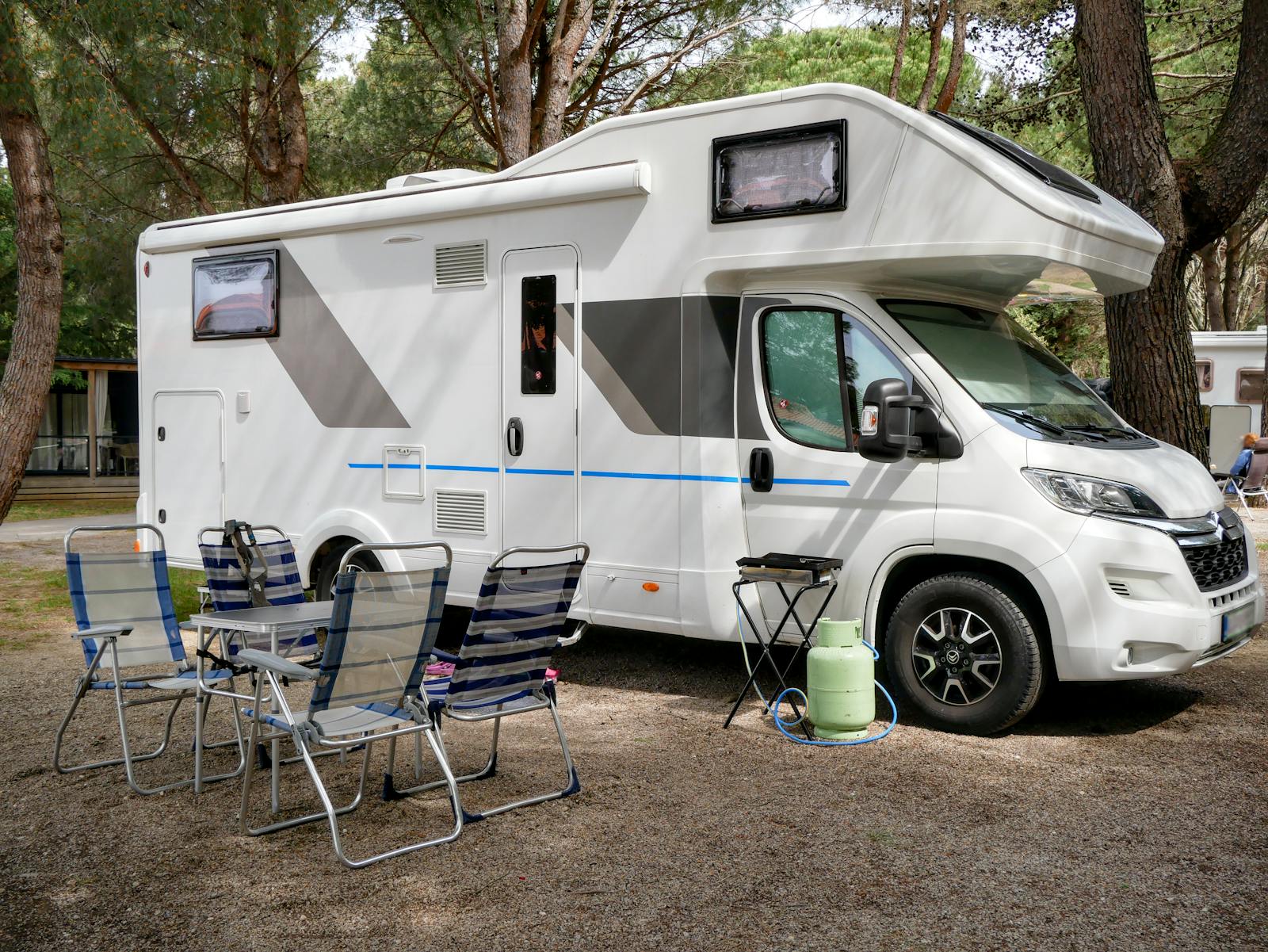
For lovers of camping and mobile homes, the resort of Cavallino-Treporti is absolutely top-tier. It’s home to the famous Union Lido campsite, which feels more like a small town. Inside you’ll find its own water park, luxury glamping tents and classic hotel rooms. It usually opens at the end of April and runs until the end of September.

If you prefer a classic hotel and are heading further south to the Emilia-Romagna region, I can recommend Hotel Alibi in Rimini. It’s located in the popular Marina Centro district, offers great service and makes an ideal base for exploring the area. Do note that almost everywhere in Italy you’ll pay a tourist tax, ranging from 1 to 2 euros per person per night depending on the accommodation category.

6 Best Beach Spots on the Northern Adriatic

1. Bibione — a classic resort with thermal spas

Bibione is hands down one of the most popular resorts with families, and for many it’s synonymous with the summer holiday. The reason is simple. The beaches here are incredibly wide, the sand is fine, and the entry into the sea is so gradual that you needn’t worry even about the smallest non-swimmers. Local restaurants and shops are well set up for international visitors, and you’ll very often find menus in several languages.

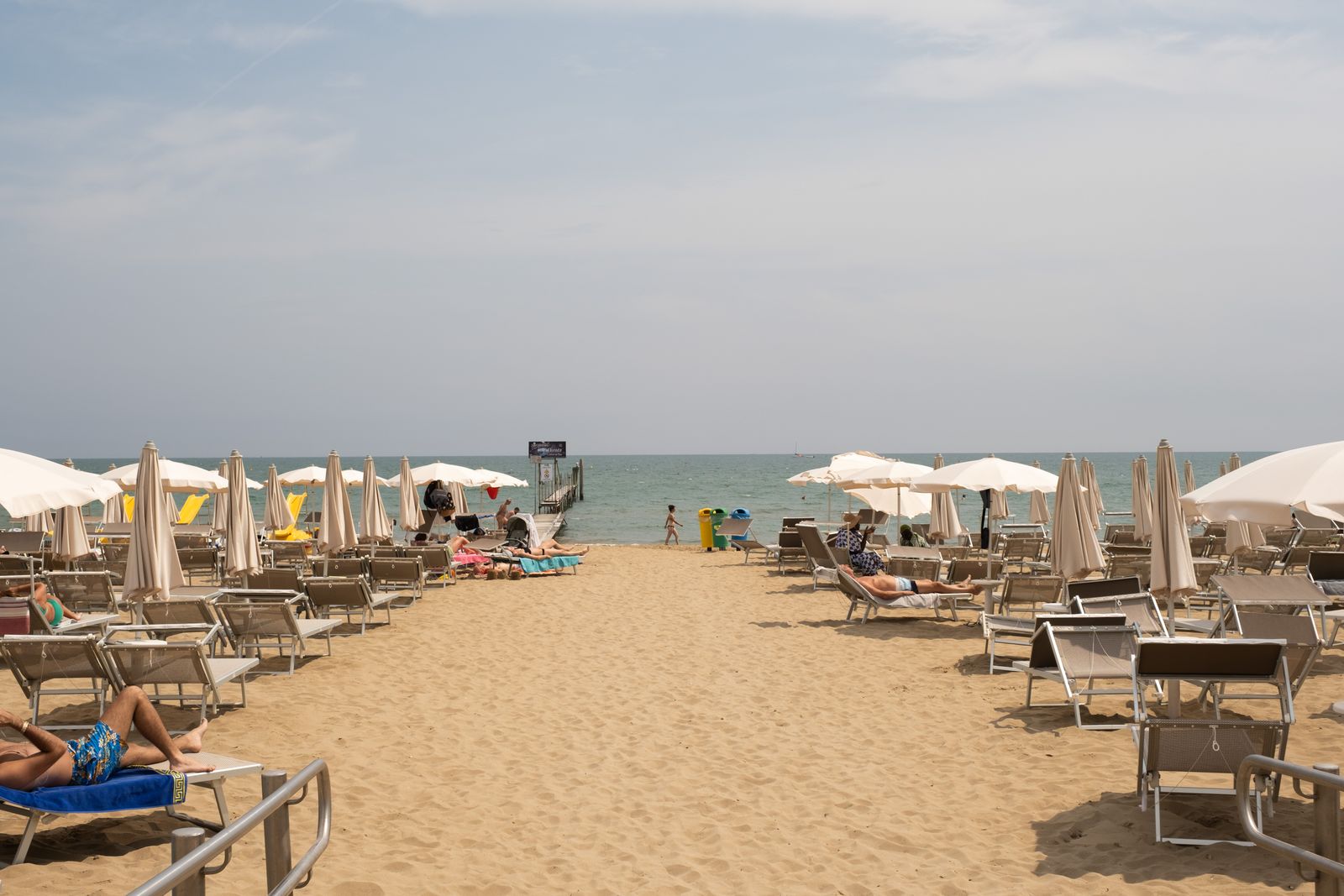
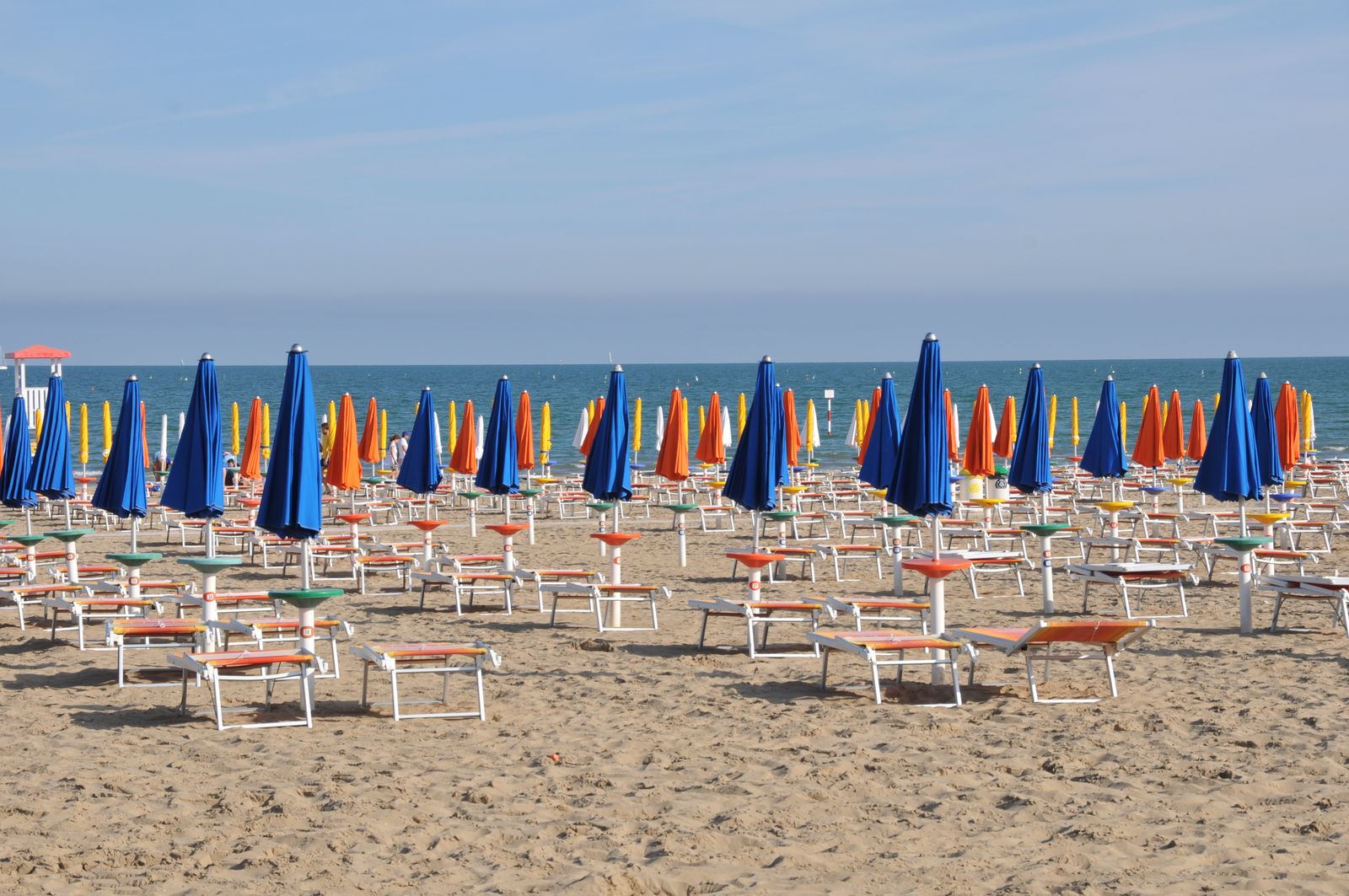
If you want a break from the sun, Bibione also offers the excellent Bibione Thermae thermal baths. Pools with healing water at 33 to 34 degrees Celsius are the perfect refuge even on the rare rainy day (just remember it’s usually closed on Tuesdays). The beach service is perfectly organised here, and renting an umbrella and two loungers (the so-called ombrellone) costs around 25 to 30 euros a day.

For families who want a little more peace and quiet, the outlying Lido del Sole district is ideal. It’s noticeably quieter than the central part of the resort, but still offers all the comforts. On the beaches you’ll find plenty of climbing frames, playgrounds and entertainment programmes, so your little ones definitely won’t get bored.

2. Lido di Jesolo — endless promenade and Caribe Bay

While Bibione is on the calmer side, Lido di Jesolo is a pulsating, lively resort. It boasts an incredible 15 kilometres of beach and, above all, a huge pedestrian promenade. In the evening, the town’s main artery closes to cars and transforms into an endless strip of shops, cafés, restaurants and gelaterias. It’s an ideal choice for families with older children or for couples who enjoy a busier nightlife.

The biggest draw of the entire resort is without doubt the giant Caribe Bay water park. It was formerly known as Aqualandia, and it’s worth knowing it’s one and the same park. You’ll find the tallest slides here, wave pools and gorgeous Caribbean scenery. Admission for an adult on the spot is around 39 euros, but by buying online in advance you can save and get the price from 29 euros.

Thanks to its location, Jesolo is also a great springboard for a trip to Venice. You don’t have to deal with complicated parking in the city at all. Just drive to the nearby peninsula and hop on a boat that takes you straight to St Mark’s Square.

3. Caorle — historic centre and romance

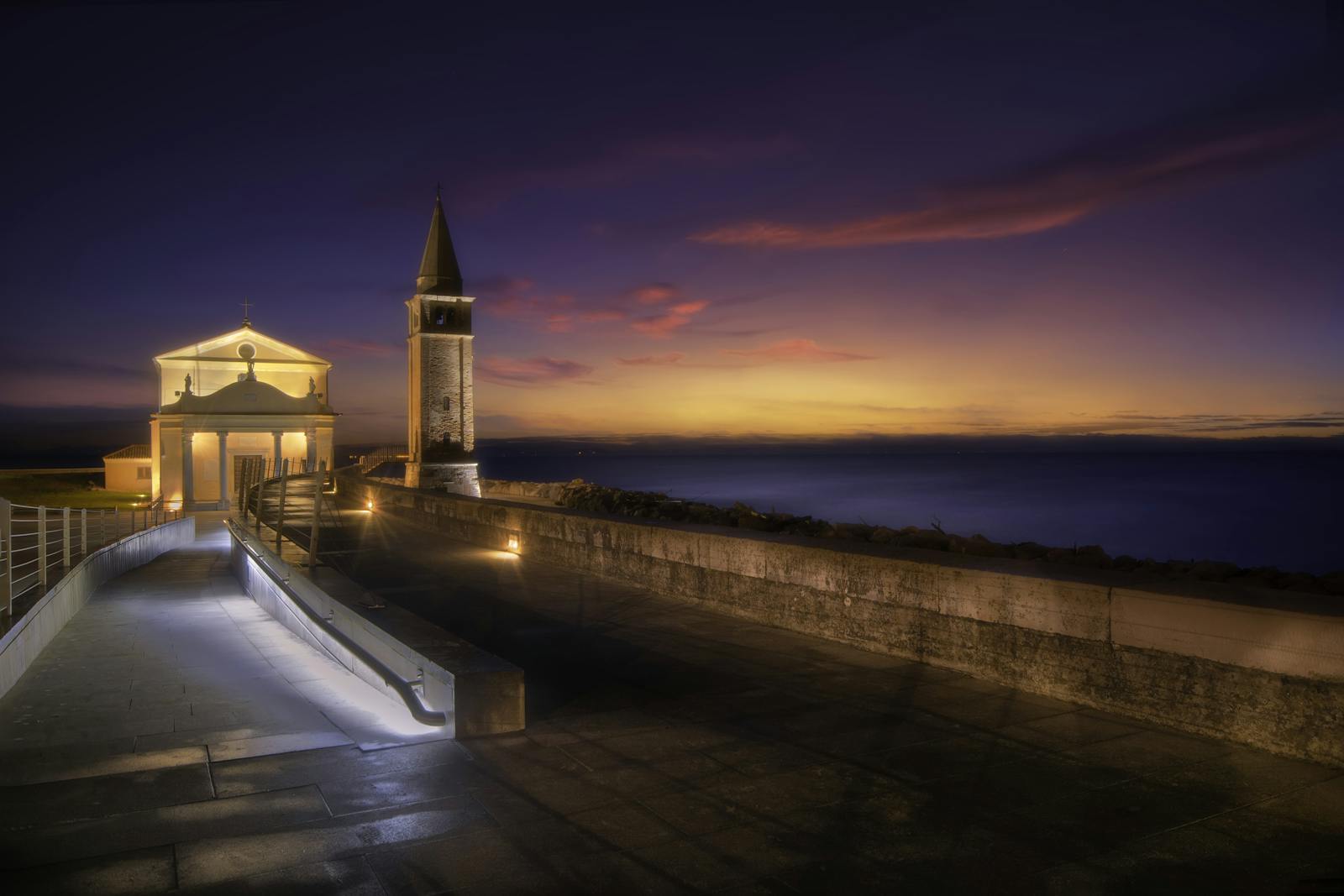
Caorle stands out noticeably from the other northern resorts. That’s because it has something modern resorts often lack: a genuine historic heart. The old fishing quarter, full of narrow lanes and small colourful houses, resembles a miniature Venice. Its best-known landmark is the beautiful Madonna dell’Angelo church, which stands right on a rock above the sea and creates an incredibly romantic backdrop.

The town is divided into two main beaches, the eastern Levante and the western Ponente. Both offer excellent beach service and fine sand. The atmosphere in Caorle is altogether calmer and more intimate than in neighbouring Jesolo, which couples and families seeking relaxation will appreciate.

If you fancy a nice half-day trip, just outside the town you’ll find the popular Parco Zoo Punta Verde. It’s beautifully kept, full of greenery and shade. Admission in 2026 costs 13 euros for adults and 10 euros for children. It’s a great change of pace when you’ve had your fill of lounging on the beach.

4. Lignano — pine groves and amusement parks

Lignano is another big favourite among families. The little town sits on a peninsula and is unique in that it’s split into three completely different parts. Lignano Sabbiadoro is the busy centre with a long promenade and a wide beach. Lignano Riviera is the quietest part, at the mouth of the Tagliamento river. And finally Lignano Pineta is tucked away in the shade of fragrant pine groves, offering pleasant coolness even in the height of the summer heat.

The resort is renowned for its many attractions for families with children. You’ll find the excellent Aquasplash water park, where adults pay 30 euros for admission and children 24 euros. Right next door is the Gulliverlandia amusement park, with roller coaster rides, a dinosaur park and an underwater tunnel.

The beaches in Lignano are very well organised, but bear in mind there are relatively few free stretches without paid umbrellas (the so-called spiaggia libera). Most of the shoreline is taken up by private sectors, where you have to rent a spot. You can often sort this out when booking your apartment, though, since many places include beach service in the price.

lukas a lucka
Lukáš and Lucie recommend
Where to stay on the Northern Adriatic
6 accommodations — resorts, campsites and other accommodation options

5. Cavallino-Treporti — a paradise for campers

The Cavallino-Treporti area forms a long peninsula that separates the Venetian lagoon from the Adriatic Sea. It’s an absolute mecca for all lovers of camping. Along the kilometres-long beach, one enormous campsite stretches after another. And this is no ordinary tent camping. These holiday villages offer luxury air-conditioned mobile homes, their own supermarkets and huge pool complexes.

The flagship of the area is the aforementioned five-star Union Lido campsite. It offers absolutely everything you can imagine, and you essentially never have to set foot outside the grounds for the whole holiday. The beaches in this area are a touch more natural and wild than in Bibione, lined with beautiful sand dunes.

A huge advantage of Cavallino is its strategic location relative to Venice. At the very tip of the peninsula is the port of Punta Sabbioni. From here, ferries and vaporetti depart regularly, taking you comfortably and cheaply straight into the centre of Venice or to the nearby islands of Murano and Burano.

6. Rimini — cheaper coast and trips around the area

Rimini isn’t on the very north of the coast, but a bit further down in the Emilia-Romagna region. It’s a few hours’ more driving away, but the trip is definitely worth it. Rimini tends to be more affordable than the northern resorts and offers an incredibly long beach divided into dozens of sectors. The heart of the resort is the popular Marina Centro district, full of great restaurants and bars.

This region is absolutely fantastic for lovers of day trips. Just a short way from the coast rises the independent republic of San Marino, which offers stunning views from its historic ramparts. History buffs will appreciate nearby Ravenna, famous for its breathtaking Byzantine mosaics.

For families with children, a visit to the Italia in Miniatura park is an absolute must, where for an admission of 25 euros you can see all of Italy’s landmarks in miniature. If you’re craving adrenaline, just outside Ravenna you’ll find the huge Mirabilandia amusement park (tickets from 29.90 euros). Rimini simply combines cheaper swimming with rich sightseeing brilliantly.

How to Get There by Car: Routes, Vignettes and Tolls

If you’re driving down from the UK, the journey to the Adriatic is fairly straightforward but long, so plan an overnight stop. From the Channel crossing or Eurotunnel, the most common route heads through Belgium and Germany down towards Austria, then over the Alps into Italy. Many drivers split the journey with a stopover around Munich or Innsbruck before tackling the mountain passes. From the Austrian side, you cross the Italian border near Tarvisio and take the A23 and then the A4 motorway straight to the sea.

When driving through Austria, you can’t do without a motorway vignette. For vehicles up to 3.5 tonnes, the 10-day vignette costs 12.80 euros in 2026, while a 2-month one will set you back 32 euros. Austria offers both classic stick-on stickers and a digital version. But pay attention here. If you buy the digital vignette online as a private individual, an 18-day cooling-off period applies, during which you can withdraw from the purchase. The vignette therefore only becomes valid after this period has elapsed. If you’re heading off on a last-minute holiday, it’s better to buy the paper sticker at a petrol station, or purchase the digital version well in advance.

Don’t forget to factor section tolls for the Austrian tunnels into your budget, as these aren’t included in the standard vignette price. Driving the Tauern motorway (the Tauern and Katschberg tunnels) costs 13.50 euros one way. If you were heading further west via the Brenner Pass, set aside 12.50 euros per trip.

There are no classic motorway vignettes in Italy. Instead, there’s a toll system where, on entering the motorway, you take a ticket (biglietto) from the machine and pay on exit according to the kilometres driven. The average price is around 0.07 euros per kilometre. Take great care of your ticket, as if you lose it you’ll be charged for the longest possible stretch of motorway.

When paying the toll, you need to watch the coloured lanes above the gates. The white lane is the safest choice, as the machines here take both cash and cards. The blue lane is reserved for card payments only. A crucial warning applies to the yellow lane marked with the word Telepass. Never drive into this lane unless you have the special electronic device stuck to your windscreen. The barrier won’t let you through, a queue will form behind you, and reversing at a toll station is strictly forbidden and heavily fined.

Driving in Italy and Practical Tips

Driving on Italian roads calls for a bit of caution, and remember you’ll be driving on the right. Local drivers are more spirited and sometimes treat the traffic rules as mere suggestions. Your biggest enemy, though, won’t be the Italians behind the wheel, but the automatic camera systems.

The very biggest risk is the so-called ZTL zones (Zona a Traffico Limitato). They protect the historic centres of most Italian cities, including day-trip destinations like Verona. Entry is strictly forbidden for non-residents. You usually won’t find physical barriers here, just an inconspicuous sign with a camera above it. Your sat nav may happily guide you straight into one of these zones, so always watch the road signs carefully. If your hotel is right inside a ZTL, you must give reception your number plate straight away so they can temporarily register you in the system.

If you’re planning a day trip to Venice by car, remember you can’t get into the historic centre by car at all. The car parks at Piazzale Roma or on the island of Tronchetto are extremely expensive. It’s far cheaper to park on the mainland in the Mestre district or at the ports of Fusina or Punta Sabbioni, and then take the vaporetto into the centre.

When parking in towns, watch for the coloured lines on the road. Blue lines mean paid parking, white lines are free (though there are very few of these), and yellow lines are reserved exclusively for residents or deliveries.

Don’t forget the mandatory equipment. In Italy, a warning triangle is compulsory and so is a reflective vest for every passenger who steps out of the vehicle onto the road in the event of a breakdown. So keep the vests within reach in the cabin, not buried at the bottom of the boot. When driving through Austria, a first-aid kit is also strictly required.

As for healthcare, relying solely on the EHIC card doesn’t pay off in Italy. While it guarantees you treatment at state facilities, in the resorts you’re more likely to come across private clinics. It also doesn’t cover any repatriation back home. So always take out good commercial travel insurance, and for a trip in your own car definitely pay extra for special breakdown cover that also covers the costly tow from abroad.

When it comes to food, Italy is an absolute paradise for vegetarians. In almost every restaurant you’ll find a great pizza margherita, delicious gnocchi or pasta pomodoro and pesto. In the Rimini area, I recommend trying the local speciality, the piadina. The classic version is made with prosciutto, but be sure to ask for the vegetarian variant with fresh vegetables and soft squacquerone cheese — it’s an absolute treat. Local seaside restaurants often tempt you with fish specialities and seafood (such as fried frittura di pesce or the thick brodetto soup), which are a typical part of Adriatic cuisine, but even without them you can savour Italian gastronomy to the full, perhaps with a refreshing spritz in hand.

Where to Go Next from the Adriatic

If you tire of lounging on the beach after a few days, northern Italy offers plenty to explore. I definitely recommend reading our detailed article Where to Go on Holiday in Italy, where you’ll find lots more inspiration.

From the resorts around Jesolo and Cavallino, it’s only a short hop to those romantic canals, which you can read more about in our guide to Venice. If you’re spending your holiday a little further south in Rimini, it would be a great shame not to visit the historic centre described in detail in our article on Bologna.

For travellers who want to make a stop on the way to the sea, the city of Romeo and Juliet is a great choice. Tips on what to see there can be found in our article on Verona. And if you’re thinking of leaving the car at home next time and trying a different way to travel, take a look at our article By Train to the Sea in Italy. And if you’re still undecided on when to go, useful info awaits in When to Visit Italy.

Frequently Asked Questions

How much does a beach umbrella cost in Italy?

“`html
On the northern Adriatic, expect to pay around 25 to 30 euros per day for renting beach service (so-called ombrellone) in the 2026 season, which includes one umbrella and two sunbeds. When renting for a whole week, the price is usually more favorable and ranges from about 120 to 170 euros.
“`

Do I need an international driver’s license for Italy?

“`html
No, if you hold a valid driver’s license issued in the Czech Republic or another European Union country, you don’t need an international driving permit in Italy. Your regular Czech license, ID card (or passport), and the vehicle’s green card are sufficient.
“`

Is gas and diesel expensive in Italy?

Yes, fuel in Italy is consistently among the most expensive in Europe. It’s much more advantageous to fill up your tank in Austria just before the border. If you must refuel in Italy, avoid gas stations directly on the highways, where prices are highest.

How is it with drinking water in the apartments?

Water from the tap in northern Italy and in all major resorts is generally safe to drink and poses no health risks. However, its taste may differ from what you’re used to at home due to treatment processes. Most tourists therefore prefer to buy bottled water at supermarkets for everyday drinking.

What is coperto in an Italian restaurant?

Coperto is a completely legal and standard charge for table setting and service. It typically ranges between 1.50 and 3 euros per person and is automatically added to your bill as soon as you sit down at a restaurant. This is not a tip (gratuity) – you can leave that separately if you were satisfied.

Can I swim in Italy outside of paid beaches?

Yes, the coast also offers so-called free beaches (spiaggia libera), where you can spread out your own towel and set up your parasol for free. However, in popular resorts like Bibione or Lignano, these free sections are quite small and tend to fill up very quickly during peak season.

Can you pay tolls in Italy with a regular payment card?

Yes, Italian toll booths accept standard Czech debit and credit cards (Visa, Mastercard) without any issues. For card payment, join the lane marked in blue or the white lane with the card symbol. Payment is contactless and doesn’t require entering a PIN code.

Tips and Tricks for Your Vacation

Don’t Overpay for Flights

Search for flights on Kayak. It’s our favorite search engine because it scans the websites of all airlines and always finds the cheapest connection.

Book Your Accommodation Smartly

The best experiences we’ve had when looking for accommodation (from Alaska to Morocco) are with Booking.com, where hotels, apartments, and entire houses are usually the cheapest and most widely available.

Don’t Forget Travel Insurance

Good travel insurance will protect you against illness, accidents, theft, or flight cancellations. We’ve had a few hospital visits abroad, so we know how important it is to have proper insurance arranged.

Where we insure ourselves: SafetyWing (best for everyone) and TrueTraveller (for extra-long trips).

Why don’t we recommend any Czech insurance company? Because they have too many restrictions. They set limits on the number of days abroad, travel insurance via a credit card often requires you to pay medical expenses only with that card, and they frequently limit the number of returns to the Czech Republic.

Find the Best Experiences

Get Your Guide is a huge online marketplace where you can book guided walks, trips, skip-the-line tickets, tours, and much more. We always find some extra fun there!
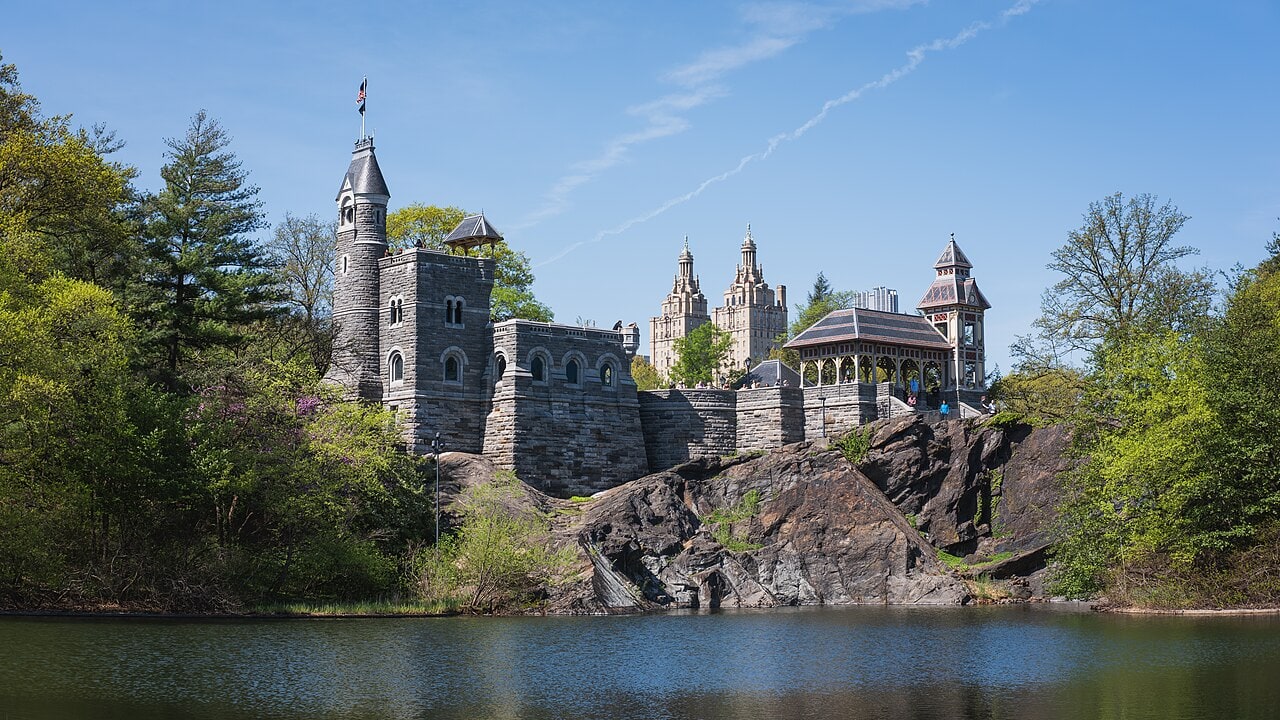
Camargue, France: 12 Tips for the Land of Flamingos in 2026

TL;DRThe Camargue, that one-of-a-kind delta where the Rhône meets the sea in southern France, is flamingo country, and here are 12 ways into it. Highlights include the Pont de Gau bird park, the walled town of Aigues-Mortes with its ramparts stretching over a kilometre and a half, the pink salt pans of Salin d’Aigues-Mortes, and the wild beaches of Piémanson and l’Espiguette. Give the area at least three full days, ideally in April, May, September or October, when temperatures sit at 20 to 24 degrees and you’ll dodge the summer mosquito swarms. You can base yourself in Aigues-Mortes, by the sea in Saintes-Maries-de-la-Mer, or on a farm among the white horses. A hire car is essential, since public transport across the Camargue is very limited.

Picture a landscape where the sun-baked hills of Provence suddenly vanish, replaced by an absolute, endless flatness. Dizzying heights and cliffs dissolve into a horizon that breathes salt, untamed wind and the scent of wild reeds. Welcome to the Camargue, France — the unique delta of the Rhône River in the south of the country, rightly nicknamed Europe’s Wild West. This rugged, uncompromising slice of nature shows you a completely different face of France than the one you know from polished lavender fields.

In this article I bring you 12 tips on what to see and do in the Camargue, so you can take away the very best experiences from this wetland paradise. I’ll tell you where to base yourself strategically, how to dodge the dreaded summer mosquito swarms, and where to find the best spots for watching the iconic pink flamingos and the semi-wild white horses. Get ready for a place where nature still rules with a firm hand, and where time is measured more by the strength of the wind than by the clock.

TL;DR

  • Main draws: Wild animals living in their natural habitat. Don’t miss the Pont de Gau ornithological park with its thousands of flamingos, and the plains where the white Camargue horses graze.
  • Historic gem: You absolutely must visit the medieval town of Aigues-Mortes, encircled by mighty ramparts that look like a film set in the flat landscape.
  • Natural wonder: Right behind the walls you’ll find the Salin d’Aigues-Mortes salt pans, where a special algae turns the water an incredibly intense pink, even blood-red.
  • When to go: The best time is undoubtedly spring or autumn. Summer brings scorching heat and the wetlands turn into a breeding ground for aggressive mosquitoes.
  • Getting around: You’ll definitely need a rental car, as public transport in this nature reserve is very limited and the distances are deceptively long.
  • Local wind: Expect the strong wind called the mistral, which blows for a large part of the year and can dramatically lower the feels-like temperature, so pack an extra layer.

When to Visit the Camargue and What to Prepare For

The Camargue is a destination that doesn’t forgive bad timing, so think your dates through carefully. While you can admire the nearby Provençal towns all year round, this wetland ecosystem requires a bit more strategy. If you come in July or August, brace yourself for scorching sun with nowhere to hide in the treeless, flat landscape. The summer months also bring one major problem: enormous swarms of mosquitoes. As soon as the sun sets, lingering on an outdoor terrace can quickly turn into a fight for survival, and ordinary repellents often work only to a very limited degree here.

The absolutely ideal time to visit is therefore spring, specifically April and May. Temperatures hover around a pleasant 20 to 24 degrees, and you also get a unique chance to watch the flamingos’ courtship rituals. Hundreds of birds turn their heads in synchrony and spread their wings during this period — an utterly breathtaking spectacle. Autumn is also a great choice, especially September and October, when the summer crowds have thinned and the sea is still beautifully warm after the long summer. Autumn is, on top of that, the very best time to visit the salt pans, because the salt concentration peaks and the water turns the most intense shades of red.

When planning your trip you also have to factor in the ever-present mistral wind, which is inseparable from this region. This cold, dry northwesterly can blow with brutal force for several days on end. It does sweep the sky beautifully clean and produce the incredibly sharp light that has lured painters here for centuries, but cycling against it is the equivalent of a solid gym workout. If you’re flying from the UK, I’d recommend looking for flights to Marseille or Nice, served by carriers such as easyJet, Ryanair and British Airways from London and other major UK airports. From there, a rental car will get you to the heart of the delta in under two hours, with weekly rental prices for a small car running around 250 to 300 euros in 2026.

Where to Stay in the Camargue

💡 Tip for accommodation and experiences: We like to look for places to stay on Booking.com, which usually has the best cancellation terms. Tickets, tours and activities are then worth comparing and booking through GetYourGuide.

Although the Camargue is a sprawling nature reserve, you’ll find several strategic spots that make a perfect base for day trips. It’s entirely up to you whether you prefer historic lanes, proximity to the sea, or sleeping in splendid isolation surrounded by nature. Given the high demand, especially in spring and autumn, I strongly recommend booking your accommodation on Booking well in advance — even half a year ahead.

If you love history and evening strolls along stone lanes, stay in the charming little town of Aigues-Mortes. The place is full of excellent restaurants, small boutiques and cafés where you can sip your morning coffee with a view of the majestic ramparts. A great choice here is, for example, the Hôtel des Remparts, set in a historic building and offering a wonderful atmosphere right in the thick of things. A double room here costs roughly 130 euros a night in 2026, which is a very fair price for such a location.

For those who want to soak up the seaside atmosphere and be just a short walk from the beach, Saintes-Maries-de-la-Mer is the ideal choice. This buzzing little town serves as the unofficial capital of the whole region and offers a great mix of culture and beach relaxation. You could stay, for instance, at Vila de la Mar, a stylish hotel with a pool where you can unwind beautifully after a full day of exploring. But if you’re after total peace and want to experience authentic life on a local farm, look for “mas”-style accommodation scattered right out in the wetlands. A lovely experience is offered, for example, by Mas des Barres, where you wake up in the morning and can watch white horses grazing right from your window.

Camargue, France: 12 Tips on What to See and Do in the Land of Flamingos

Let’s now take a look together at the specific tips and places that make this region so exceptional. I’ve put together a varied mix of activities for you, from admiring historic fortresses and wandering through wild nature to tasting local rice specialities. To enjoy the area to the fullest, I’d recommend setting aside at least three full days for exploring.

1. Pont de Gau Ornithological Park

If there’s one single place you absolutely cannot miss in the Camargue, it’s the Parc Ornithologique de Pont de Gau. Forget classic zoos with cages — this is a vast protected wetland where wild birds fly in entirely of their own accord in search of food. You walk along carefully maintained wooden boardwalks while hundreds of pink flamingos wade through the shallow lagoons, often just a few metres away from you — an utterly fascinating and immensely photogenic experience.

The secret to their gorgeous colour lies in the local diet, as flamingos are born grey and only acquire their iconic pink hue by eating tiny crustaceans rich in beta-carotene. The more brine shrimp the bird eats, the more intense its colouring. The park is divided into several loops of varying length; the shortest takes about an hour and a half, but I’d recommend setting aside half a day for your visit. You’ll find plenty of benches and observation hides where you can sit quietly and simply watch the birdlife bustle.

💡 Tip: Ideally buy your tickets first thing in the morning, as soon as the park opens, to avoid the biggest crowds and enjoy the magical early light. Admission in 2026 costs around 8 euros, and a huge advantage is that your ticket is valid for the whole day. So you can stroll through the park in the morning, head off for lunch, and return in the late afternoon for the golden hour, when the sky turns incredible shades and the birds are most active.

2. Aigues-Mortes and Its Massive Ramparts

In an utterly flat landscape, where your eye normally finds no reference point at all, the town of Aigues-Mortes appears like a complete apparition. This perfectly preserved medieval town was built in the 13th century by King Louis IX as the launching port for his crusades, since France at the time had no other access to the Mediterranean. The entire historic centre is wrapped in majestic ramparts more than a kilometre and a half long, preserved in such perfect condition that you’ll feel like you’re on a historical film set.

The greatest experience is the walk along these ramparts, for which you can buy a ticket. Once you climb up, a stunning double view opens up that you won’t find anywhere else. On one side you’ll look down onto narrow stone lanes teeming with tourists, and on the other the endless pink salt pans stretch out before you all the way to the horizon. The walk along the walkways takes about an hour and a half, and along the way you pass several watchtowers, the most famous of which is the Tour de Constance, which once served as a harsh prison.

💡 Tip: After touring the ramparts, definitely lose yourself in the maze of lanes inside the town. The central point is Place Saint-Louis, where you’ll find plenty of shady cafés and excellent bakeries. Try the local sweet speciality called fougasse d’Aigues-Mortes, a fluffy cake scented with orange blossom that will melt on your tongue.

3. The Pink Salt Pans of Salin d’Aigues-Mortes

Right outside the gates of the medieval town lies a place that looks more like another planet than the south of France. The Salin d’Aigues-Mortes is a huge system of shallow pools used for evaporating seawater and harvesting salt, which has been operating here since the days of the ancient Romans. But what draws visitors from all over the world is the colour of the water. Thanks to a microscopic algae that produces carotenoids, the lagoons turn unbelievable shades of pink, purple and sometimes even blood-red.

The contrast of this coloured water against the bright blue sky and the enormous white mounds of harvested salt, known as camelles, is an absolutely fascinating sight. These salt mountains rise to a height of several dozen metres and look like snow-capped peaks in the middle of a sunny plain. The site is so vast that you can’t just explore it on a whim on foot — you have to take an official tour. You can choose a ride on a special tourist train, which is great for families, or tour the area with a guide on a rented bike, which gives you a much greater sense of freedom.

💡 Tip: If you want to see the water really richly coloured, time your visit for late summer or autumn, when the concentration of algae and salt is at its absolute highest due to the strong evaporation. Don’t forget to pack a good pair of sunglasses, as the midday sun reflecting off the dazzling white salt crystals can be seriously blinding.

4. The Alternative Salt Works at Salin de Giraud

If the salt pans near Aigues-Mortes feel too touristy and crowded for you, I have a great alternative that lies at the opposite, eastern end of the delta. The little town of Salin de Giraud was built at the end of the nineteenth century specifically for the salt-works labourers, and its architecture is completely different from the rest of the region. You’ll see long rows of red-brick houses with shady front gardens that will remind you more of northern France or a Belgian mining village than of typical sun-drenched Provence.

Just outside the town stretch more sprawling salt flats, again playing in every shade of pink and red. The atmosphere here is much calmer and rawer — there aren’t as many tourist trains around, and you’ve got a better chance of enjoying the quiet beauty of the landscape all to yourself. You’ll find a raised viewing platform offering a fantastic panoramic view of the endless salt lagoons and the giant white mounds of salt waiting to be processed.

💡 Tip: On the way to Salin de Giraud, definitely make a stop at the free Point de vue du Sel viewpoint. From this little hill, a breathtaking view opens up over the geometrically perfect rectangles of differently coloured water. In 2026 a repaired access road now leads here, so you can reach the viewpoint comfortably even in an ordinary car.

5. Saintes-Maries-de-la-Mer: Capital of the Marshes

The heart of the whole region, where the scent of the sea mingles with the traditions of the local herdsmen, is the coastal town of Saintes-Maries-de-la-Mer. The place has a truly unique atmosphere, because classic Provençal culture meets Roma culture here. According to legend, Mary Salome and Mary Jacobe once arrived here long ago on a boat with no sails or oars, accompanied by their dark-skinned servant Sara. It is she who became the central figure of local folklore and one of the main reasons people travel here.

The dominant feature of the whole town is the fortified Romanesque church, which more than anything resembles an impregnable military fortress. And it’s no wonder — in the past it had to protect the inhabitants from pirate raids. In its dark crypt you’ll find the statue of Black Sara, the patron saint of the Roma from all across Europe. Every year at the end of May, thousands of pilgrims gather here to carry the statue out of the crypt and, accompanied by wild guitar music, take it all the way into the sea. It’s an utterly elemental and deafening event that you won’t forget any time soon.

💡 Tip: Even if you don’t catch the famous pilgrimage, visiting the church is well worth it. I recommend paying the small fee of around 3 euros to climb up to the church roof. From its paved walkway you get the most beautiful view over the whole town, the white houses with red roofs, and the endless sea stretching into the distance.

Experiences & tickets
traveler-rated · GetYourGuide
Saintes-Maries-de-la-Mer: Camargue Horseback Ride
★★★★★ 5.0 · 3 reviews
from €127
I want this experience →
🔗 These are affiliate links — they don't change your price and help us create content. · All experiences →
lukas a lucka
Lukáš and Lucie recommend
Where to stay in Camargue
4 accommodations — resorts, hotels and other lodging options

6. Watching the Semi-Wild White Camargue Horses

Probably no other image is so strongly associated with this region as a herd of beautiful white Camargue horses wading through the shallow salt water with their manes flowing. The Camargue horse is one of the oldest breeds in the world and is inseparable from this rugged land. The curious thing is that the foals are born dark brown or even completely black, and their coats only begin to turn white around the fourth year of life. The animals are of smaller stature but immensely hardy and perfectly adapted to life in the damp marshes and reeds.

They don’t live entirely wild, but semi-wild. They have their owners among the local breeders, yet they spend most of the year roaming freely on vast pastures, feeding on the coarse salt-tolerant vegetation. You’ll very often spot the horses just from your car window as you drive between the various little towns. All you have to do is slow down, pull over at the side of the road, and you can drink in the sight of these majestic animals standing calmly belly-deep in the water, ignoring the world around them.

💡 Tip: If you want a 100% guarantee of seeing the horses really up close and in their natural environment, head to the area called Domaine de Méjanes. Around the nearby Vaccarès lake there are vast grounds where the herds regularly graze right up against the fences and enclosures — something you and your cameras will appreciate.

7. Horse Riding Right Through the Wetlands

Seeing the horses from a distance is one thing, but watching the inaccessible corners of the delta from their backs — places you’d never reach on foot — that’s the real experience. Horse riding is one of the most popular activities here, and you don’t need any prior experience whatsoever. The local horses are incredibly calm, used to tourists, and will safely walk you through shallow lagoons, narrow sand dunes and dense reeds.

You can set off with the local cowboys, known here as gardians. These men in their distinctive hats, checked shirts and with tridents in hand know this landscape like the back of their hand. During a two-hour ride you’ll see herons taking flight from horseback, hidden lagoons, and reach places where you’ll hear only the lapping of water and the rustle of the wind. The tours can be easily and reliably booked online in advance through GetYourGuide, which I warmly recommend doing, because in season the best stables are sold out weeks in advance.

💡 Tip: When choosing a stable, watch out for the ones located right by the main road before the entrance to Saintes-Maries-de-la-Mer. These are often mass tourist traps where the horses cart one group after another around in the blistering heat. Better to pay a little extra for a small family-run stable set deeper in the reserve, where the approach to the animals is far more sensitive and personal.

8. Black Bulls and a Visit to a Traditional Manade

The third piece of the local holy trinity of animals is the small, robust and dangerous-looking black bulls. You’ll recognise the raço di biòu breed at first glance by its lyre-shaped horns curving vertically upwards. These bulls are raised on traditional farms called manades, and their main job is to take part in the local bull games, the so-called course camarguaise. Unlike the bloody Spanish corrida, the bulls here are not harmed in any way and are never killed.

The whole game rests on the incredible agility of young men (raseteurs), who try to snatch small tassels and cockades from the bull’s horns using special combs. Bulls that are clever and fast enough become genuine local celebrities. Their names appear on posters all over the region, and the very best individuals even receive grand stone tombstones after their natural death. If you want to peek behind the scenes of this world, many manades offer visitors tours on tractor-drawn carts that take you right into the middle of the black herd.

💡 Tip: If you come across a poster announcing a course camarguaise in the local arena, definitely buy a ticket. It’s a deeply rooted cultural event full of emotion, brass bands and a cheering crowd. Admission in 2026 costs roughly 15 euros, and it gives you a truly authentic taste of the atmosphere of southern France.

9. Wild Beaches and the Rhône Delta

When you grow tired of exploring the marshes, just drive a few kilometres further and you’ll find yourself on the shores of the Mediterranean. These beaches, however, have nothing in common with the crowded resorts of the French Riviera, where you have to pay for expensive sun loungers. The beaches of the Camargue are endless, wild, made of fine sand and fringed with dunes covered in hardy grass. They’re places where you can walk for hours without meeting almost anyone.

Probably the most famous is Plage de Piémanson, a vast sand spit on the eastern side of the delta, which used to function as a giant wild campsite before parking caravans directly on the sand was banned for nature conservation reasons. Today it’s a beautiful, clean stretch of coast that you’ll appreciate above all for its raw beauty. A great alternative closer to the west is Plage de l’Espiguette with its impressive dunes, which in some places reach a height of up to ten metres and give the landscape an almost desert-like character.

💡 Tip: On these beaches you’ll find practically no infrastructure — no ice cream stands, no showers — so you have to bring all your water and food supplies with you. Also bear in mind that if the mistral happens to be blowing, the fine sand turns into a rather unpleasant exfoliating scrub, and swimming in the waves can be tricky in such weather.

10. Cycling Through the Wetlands (and Battling the Wind)

Thanks to the fact that the whole area is utterly flat, without a single notable hill, the idea of exploring it from the saddle of a bicycle naturally suggests itself. And indeed, you’ll find dozens of kilometres of perfectly marked gravel and asphalt cycle paths leading along irrigation canals, between rice fields and right past the horse enclosures. A bike gives you the luxury of stopping absolutely anywhere, which is often not possible by car on the narrow roads for safety reasons.

But there’s one big catch I have to honestly warn you about. As soon as the mistral leans into the flat landscape, even the gentlest cycling outing turns into pure purgatory. Pedalling kilometres across open country against a strong headwind requires a hefty dose of patience and strong thighs. You’ll find bike rentals in every larger town, and a standard city or trekking bike rents for roughly 18 euros a day.

💡 Tip: If you want to spare yourself the agony of the wind, I warmly recommend paying a little extra straight away for an e-bike, which rents here for around 35 to 40 euros a day in 2026. With the help of the electric motor, the mistral will be no obstacle for you, and you’ll be able to calmly enjoy the views of fluttering herons and grazing cattle.

11. Tasting the Local Rice and Specialities

As you drive through the delta, you’ll soon notice that a large part of the farmland isn’t pasture but vast fields flooded with fresh water from the Rhône. The Camargue is, in fact, the most important rice-growing region in all of France. The unique local microclimate and the combination of salty soil flushed with fresh river water give the rice a distinctive flavour. You’ll come across the classic white variety, but the absolute icon is the local red rice (riz rouge), which has a slightly nutty taste and is great in salads or as a side dish.

Local restaurants love to serve rice as a side to gardiane de taureau, a very thick, slow-cooked stew of bull meat braised in strong red wine and scented with local herbs. It’s a hearty, filling dish that’s especially warming in the colder months. As a vegetarian I personally can’t vouch for the taste of this meat ragout, but if you don’t eat meat you can enjoy excellent local cheeses, Provençal vegetable tarts, or buy yourself a cloth bag of the renowned sea salt labelled fleur de sel (salt flower), which is hand-harvested and ranks among the finest in the world.

💡 Tip: If you want to buy local rice or salt as a souvenir, avoid the overpriced tourist shops in the centre of Saintes-Maries-de-la-Mer. Better to stop at one of the stalls right along the main roads, or pop into an ordinary large supermarket around Aigues-Mortes, where you can pick up the very same local products in beautiful packaging for half the price.

12. A Boat Trip Along the Rhône Delta

If you want a break from driving or pedalling, the best way to soak up the atmosphere of the wetlands is to board an excursion boat. In this area the Rhône splits into two main branches, creating a complex system of canals you simply can’t reach over land. Traditional excursion boats, known as tiki, most often set off from the harbour in Saintes-Maries-de-la-Mer and take you on a leisurely cruise lasting about an hour and a half.

During the cruise the captain provides commentary on the local fauna and flora, and the boat often stops near the banks so you can calmly photograph the horses or bulls grazing in the shallows. From the deck you also have a great view of the sky full of migratory birds and herons. It’s a completely undemanding activity that even small children or older travellers can manage — those who otherwise couldn’t handle long walks in the heat.

💡 Tip: If you want a slightly more intimate experience than on a large sightseeing boat with dozens of other tourists, I’d recommend renting a small boat for a few people or going on a guided canoe trip. From the lower perspective at water level, you perceive the surrounding nature far more intensely and feel like a true part of this quiet, watery world.

Where to Go Next from the Camargue

Once you’ve had just about enough of the marshes, mosquitoes and salt, it would be a great shame not to look around the surrounding area, which offers entirely different scenery and experiences. This whole region is a perfect springboard for discovering other corners of southern France.

  • If you long for rolling hills, cypress trees and romantic villages clinging to cliffs, head off to explore Provence. The contrast between the flat Camargue and the hilly Provençal countryside will absolutely win you over.
  • If history and ancient architecture fascinate you, don’t miss a trip to see the Roman monuments. A huge amphitheatre and a stunning aqueduct await you if you visit Nîmes and the Pont du Gard, which is just a short hour’s drive from the edge of the delta.
  • For art and in the footsteps of Vincent van Gogh, head to the nearby town of Arles, which forms the figurative northern gateway to the whole wetland region and will charm you with its narrow lanes and its arena.

Frequently Asked Questions

How many days do I need to visit Camargue?

To have enough time to leisurely see the ornithological park, visit the salt pans, explore historic Aigues-Mortes, and take a horseback ride through the wetlands, I recommend setting aside 2 to 3 full days. If you only come here for an afternoon trip, you’ll manage to see the flamingos, but you’ll miss out on the overall slow-paced atmosphere of this rugged land.

Are the mosquitoes in the wetlands really that terrible?

Yes, unfortunately it’s true. Given that this is a huge area of stagnant salt and fresh water, mosquitoes are an integral part of the local ecosystem. The worst situation is in July and August, especially after sunset and on days when there’s no wind. In spring and autumn months, the situation is much more bearable.

Can you swim in the sea in Camargue?

Absolutely. In the south of the reserve you’ll find long kilometres of wild sandy beaches, the most popular being Plage de Piémanson or Plage de l’Espiguette. The water is clean and the shores slope very gently into the sea. Just bear in mind that there’s no shade on the beaches, nor typical tourist facilities with showers and toilets.

When are flamingos the most pink?

Flamingos get their vibrant color from their diet, specifically from tiny crustaceans. The pinkest coloring is seen in adult individuals during spring and early summer, when they’re preparing for mating season and their plumage shines in the most intense shades. Chicks and young birds, on the other hand, are colored grey to dirty white.

Can you pay by card everywhere?

“`html
At larger hotels, official monuments, the ornithological park, and better restaurants, you can pay by card without any problems. Nevertheless, I warmly recommend having some cash in euros on you, which you’ll find useful at smaller fruit stands by the road, when buying small souvenirs, or at markets.
“`

Do I need a rental car to explore the delta?

I’d say a car is almost essential here. Although buses run to Aigues-Mortes or Saintes-Maries-de-la-Mer from larger cities, public transport within the nature reserve itself is minimal. Plus, with a car you get the freedom to pull over whenever you spot horses grazing, or to drive out to more remote wild beaches.

Do they kill bulls at the local bullfight?

No, absolutely not. The local course camarguaise is more a game of skill and speed than a bloody fight. The task of the men in the arena is to snatch small ribbons from the bull’s horns, while the animal must not be physically harmed in any way. After 15 minutes in the arena, the bull returns to pasture, and the most skilful bulls live to a ripe old age.

Is this destination suitable for families with children?

Camargue is absolutely fantastic for children. The opportunity to see hundreds of flamingos just a few metres away, a ride on the tourist train between pink salt mountains, or a safe ride on gentle Camargue horses will entertain children of all ages. Just be extra careful in summer with the aggressive sun and use strong repellents.

Tips and Tricks for Your Vacation

Don’t Overpay for Flights

Search for flights on Kayak. It’s our favorite search engine because it scans the websites of all airlines and always finds the cheapest connection.

Book Your Accommodation Smartly

The best experiences we’ve had when looking for accommodation (from Alaska to Morocco) are with Booking.com, where hotels, apartments, and entire houses are usually the cheapest and most widely available.

Don’t Forget Travel Insurance

Good travel insurance will protect you against illness, accidents, theft, or flight cancellations. We’ve had a few hospital visits abroad, so we know how important it is to have proper insurance arranged.

Where we insure ourselves: SafetyWing (best for everyone) and TrueTraveller (for extra-long trips).

Why don’t we recommend any Czech insurance company? Because they have too many restrictions. They set limits on the number of days abroad, travel insurance via a credit card often requires you to pay medical expenses only with that card, and they frequently limit the number of returns to the Czech Republic.

Find the Best Experiences

Get Your Guide is a huge online marketplace where you can book guided walks, trips, skip-the-line tickets, tours, and much more. We always find some extra fun there!
Salalah, Oman: 15 Things to See + Best Beach Resorts 2026

TL;DRSalalah in southern Oman is a striking mix of desert and green highlands. From June to September, the humid Khareef monsoon brings temperatures of 20–30°C, while the best beach weather, with the sea warming to 28°C, runs from October to April. Among the 15 top tips are Al Mughsail beach, 40km from the city, the Blowholes shooting seawater up to 28 metres into the air, the UNESCO sites of Wadi Dawkah and Al Baleed, the Al Husn souq with its Royal Hojari frankincense, and the waterfalls at Wadi Darbat. The best place to stay is the Hawana Salalah complex, with eight kilometres of white beaches — either the luxury Al Baleed Resort by Anantara or the ever-popular Salalah Rotana Resort.

The south of Oman hides an absolute one-of-a-kind treasure that you’d probably never expect to find on the Arabian Peninsula. While the rest of the region bakes in extreme summer heat, the area around the city of Salalah in Oman transforms into an emerald-green paradise full of waterfalls and morning mist.

In winter, on the other hand, you’ll find perfect beach weather with temperatures around 28°C, a turquoise sea and luxury resorts. If you’re looking for a destination that beautifully blends Oriental culture with stunning nature, you’ve come to exactly the right place.

In this guide we’ll take a look at 15 things to see and do in Salalah, the Caribbean of the Orient. I’ll tell you when it’s best to go, where to base yourself strategically, and how the region’s famous monsoon season actually works.

TL;DR

  • Two faces of Salalah: In summer (the Khareef season) it’s green and humid; in winter you can expect ideal sunny weather for swimming.
  • Beach paradise: The best swimming is found at the long Al Mughsail beach or the more remote Fazayah coves.
  • The history of frankincense: Visit the gorgeous UNESCO sites and buy the finest white gold at the traditional Al Husn market.
  • Natural wonders: Go see the spouting sea blowholes by the Marneef Cave or the seasonal waterfalls of Wadi Darbat.
  • Where to stay: For families and laid-back beach time, the Hawana Salalah complex is absolutely ideal, especially the popular Salalah Rotana Resort.

When to visit Salalah

The Dhofar region has two completely different seasons, and it’s entirely up to you what kind of holiday you’re after. Salalah is, in fact, the only place for miles around that’s regularly hit by the Indian monsoon, which utterly transforms the look of the landscape.

From late June to September, a phenomenon called Khareef arrives. Humidity climbs above 90 per cent, the landscape is shrouded in thick fog and the previously parched hills turn beautifully green. Temperatures stay at a very pleasant 20 to 30°C, which understandably draws hundreds of thousands of visitors from across the Gulf. Just bear in mind that this isn’t a classic beach holiday — it’s more of a fascinating escape into damp, green coolness.

If you’re craving classic sunbathing and swimming, it’s better to come between October and April. The landscape loses its lush green hue and the waterfalls dry up, but you’re guaranteed sunshine, dry weather and a sea warmed to 28°C. On top of that, accommodation prices are noticeably lower in this winter period and the beaches are far quieter for relaxing.

Where to stay in Salalah

💡 Accommodation and experience tip: We like to look for accommodation on Booking.com, which usually has the best cancellation terms. For tickets, tours and activities, it pays to compare and book through GetYourGuide.

Most of the best beach resorts lie either just west of the centre or, on the other side, to the east in the renowned Hawana Salalah complex. It offers eight kilometres of white-sand beaches, a marina and plenty to do for families and couples alike, all in one place.

Al Baleed Resort Salalah by Anantara: The absolute top choice for the most discerning travellers. This luxury resort offers stunning villas with private pools and truly first-class service. It’s the perfect pick for honeymooning couples or a very peaceful family holiday.

Salalah Rotana Resort: Probably the most sought-after hotel in the whole Hawana area. This beautiful five-star complex is laced with lagoons and offers its own private beach with incredibly white sand. I’d definitely recommend paying extra for the all-inclusive package here, as prices in the local à la carte restaurants are fairly steep.

Fanar Hotel & Residences: Another very popular option located right in the Hawana complex. In their reviews, guests really praise the friendly, family atmosphere and the chance to use shared facilities, including the modern water park nearby.

Juweira Boutique Hotel: If you’re after a bit more peace and quiet, this boutique hotel sits right on the promenade by the yacht marina. It’s often chosen by adult couples who want exceptional cleanliness and great food without the noise and kids’ entertainment.

Crowne Plaza Resort Salalah: A tried-and-tested classic located slightly west of the city centre itself. It boasts sprawling green gardens and a genuinely long beach that, according to many travellers, earns slightly better ratings than the surrounding resorts.

Hilton Salalah Resort: A very reliable brand with excellent facilities, built right by the sea. It offers very spacious rooms and exceptionally welcoming staff, although some reviews say its location is just a touch weaker than the neighbouring Crowne Plaza.

Souly Eco Lodge: Something for passionate nature lovers and fans of alternative accommodation. Here you’ll find beautiful ocean-side bungalows made of local stone and recycled wood, large panoramic windows and a huge emphasis on sustainability and ecology.

15 things to see and do in Salalah

Whether you come for the green summer monsoon or the winter sunshine, the Dhofar region always has something to offer. Let’s take a detailed look at 15 things to see and do in Salalah, so you bring home an absolutely well-rounded experience from Oman.

1. Al Mughsail Beach

About 40 kilometres west of the city stretches a long beach with incredibly white sand and clear turquoise water. The deep black rocks make a gorgeous contrast with it, creating absolutely dreamlike photo scenery.

💡 Tip: The sea here can sometimes get wilder, so watch out carefully for undercurrents. For long walks and sunset picnics, though, it’s an unbeatable spot.

2. The Blowholes

Right at the end of Mughsail beach you’ll come across a fascinating natural phenomenon. Sea waves crash violently into underwater cavities here and shoot salt water high into the air straight through the rock.

During the summer monsoon, these natural geysers spout up to 28 metres high. Outside the season or at low tide it can be a slightly less impressive sight, so ideally time your visit for high tide.

3. Marneef Cave

Right above the blowholes towers a huge and visually striking rock overhang. A nicely maintained wooden walkway leads from the cave, giving you a beautiful view over the churning sea and the steep surrounding mountains.

Local families absolutely love this place. They often spread out a blanket and have big afternoon picnics here, so you’ll soak up a very authentic, laid-back Omani atmosphere too.

4. Fazayah Coves

If you don’t mind a bit of adrenaline driving down sharp hairpin bends, head even further west. Waiting there is a hidden string of more remote turquoise beaches, nicknamed the Caribbean of the Orient because of their colour.

It’s a far wilder area with hardly any tourists. Just don’t forget to pack plenty of drinking water and your own snacks, because you’ll find practically no shops or refreshment stalls out here.

5. The Frankincense Valley of Wadi Dawkah

Oman is the historic land of frankincense, and right here you’ll see with your own eyes where this white gold actually grows. This unique grove is UNESCO-listed and the fragrant resin is still harvested from the gnarled trees to this day.

Your best bet is to arrive in the late afternoon. The sun filtering through the twisted branches creates a magical atmosphere and you’ll also avoid the worst of the midday heat.

6. Al Baleed Archaeological Park

Right within the city limits you can admire the sprawling ruins of the medieval port of Zafar from the 12th century. It’s the most accessible part of the wider UNESCO site collectively known as the Land of Frankincense.

The whole site sits by a beautiful, calm lagoon and is very nicely kept. You can wander among the remains of old mosques and merchant houses, from where ships once set sail laden with precious cargo for the whole world.

lukas a lucka
Lukáš and Lucie recommend
Where to stay in Salalah
6 accommodations — hotels, resorts and other lodging options
⭐ TOP CHOICE 🏖️ Beach Resort
Salalah Rotana Resort
Probably the most searched hotel in the entire Hawana area. Beautiful five-star complex interwoven with lagoons offering its own private beach with incredibly white sand.
★★★★★ Check prices
Check availability
⭐ Luxury Resort
Al Baleed Resort Salalah by Anantara
Absolute top choice for the most discerning travelers. Luxury resort offering stunning villas with private pools and absolutely top-notch service. Ideal choice for honeymooning couples or a very peaceful family vacation.
★★★★ Check prices
Check availability
🏨 Hotel
Fanar Hotel & Residences
Very popular choice located directly in the Hawana complex. Guests highly praise the friendly family atmosphere and the ability to use shared facilities including the nearby modern water park.
★★★★ Check prices
Check availability
🏨 Boutique Hotel
Juweira Boutique Hotel
Boutique hotel located right on the promenade by the yacht marina. Often chosen by adult couples who want exceptional cleanliness and great food without the big crowds and children’s entertainment.
★★★★ Check prices
Check availability
🏖️ Beach Resort
Crowne Plaza Resort Salalah
Proven classic located slightly west of the city center itself. Boasts sprawling green gardens and a really long beach that, according to many travelers, receives somewhat better ratings than surrounding resorts.
★★★★ Check prices
Check availability
🏖️ Beach Resort
Hilton Salalah Resort
Very reliable brand with excellent facilities built right by the sea. Offers very spacious rooms and exceptionally friendly staff.
★★★★ Check prices
Check availability

7. Land of Frankincense Museum

Right next to the Al Baleed excavations stands a modern, beautifully curated museum. You’ll learn absolutely everything about Oman’s rich maritime history and the famous frankincense trail that made Dhofar an exceptionally wealthy region.

The exhibitions are excellently described in English and you’ll also see gorgeous, detailed models of old sailing ships. It’s an ideal place to escape the harsh midday sun for an hour or two.

8. Al Husn Market (Haffa Souk)

This is one place you simply can’t miss when visiting Salalah. This traditional market smells incredible, full of the finest grades of frankincense, and you can also pick up traditional clothing, jewellery or heavy Oriental perfumes.

The highest grade of local frankincense is called Royal Hojari and has a greenish colour. Don’t forget that haggling over the price is an absolute must here, and the sellers cheerfully expect a bit of it from you.

9. Tasting fresh coconuts

The very best and most authentic refreshment after shopping at the market. Around the main promenade and along the roads by the plantations you’ll find small stalls where the seller deftly chops the top off a fresh coconut with a machete so you can drink straight through a straw.

Besides coconuts you’ll also come across excellent little bananas and fresh papaya growing right on the trees behind the stall. It’s the best purely natural, vegetarian street-food experience.

10. Wadi Darbat Waterfalls

If you arrive during the summer Khareef monsoon, this sprawling valley is the absolute crown jewel of the whole area. Green pastures, the seasonal Ayn Darbat waterfall and lakes full of little boats create scenery you’d genuinely never expect on the Arabian Peninsula.

Outside the summer season, though, this place is largely dry and brown. Even so, you’ll often see huge herds of camels grazing here, which is photogenic in its own right at any time of year.

11. Ayn Razat Springs

Even very close to the city you’ll find strong freshwater springs and beautifully landscaped botanical gardens. In summer, smaller waterfalls flow here and it’s an immensely popular spot for weekend picnics among local Omani families.

The gardens are full of colourful flowers and mature trees that provide pleasant shade. It’s an ideal stop for an hour-long stroll when you want a break from the salty sea water.

12. Tomb of Prophet Job

In the gorgeously green hills of the Jabal Al Qara range lies a very important religious and pilgrimage site. Besides the tomb of Nabi Ayoub itself, what will really get you here are the utterly breathtaking panoramic views across the whole valley.

The road to the tomb winds beautifully through the mountains and is an experience in itself. Just remember that this is a sacred place requiring modest clothing covering your shoulders and knees.

13. The Fort in the Town of Taqah

On your way east from Salalah, be sure to stop in the traditional and very peaceful fishing town of Taqah. The local 19th-century historic fort is superbly restored and now serves as a very interesting museum of everyday life back then.

You can take a look at old weapons, a traditional kitchen and the living quarters of the governor of the time. The entrance fee is also very symbolic, and the visit won’t take you more than an hour.

14. Sumhuram Port (Khor Rori)

This ancient port sits very strategically on a hill above a freshwater river mouth. It was an absolutely key maritime hub for exporting frankincense to the entire ancient world, and today it offers a lovely walk through distant history.

The ruins are fairly extensive and further archaeological excavations are constantly underway here. The views from the top of the hill down to the bird-filled lagoon and the open sea are truly stunning.

15. Dolphin watching

Head out early in the morning on a small boat and explore the coast from a completely different perspective. The local waters are very rich in dolphins and the captains usually know exactly where to take you safely to find them.

This trip out to sea can often easily be combined with snorkelling towards Mughsail bay. It’s a great way to liven up your holiday, enjoyed by adults and little ones alike.

Where to go next from Salalah

Most travellers rent a car in Salalah, because without one it’s very difficult to reach the best sights. If you don’t fancy driving yourself, various tours and desert safaris can be booked fairly conveniently through GetYourGuide, although arranging things with a local taxi driver is usually a bit cheaper.

A completely different world awaits you about 200 kilometres to the north. The Rub al-Khali sand desert (the Empty Quarter) is the largest in the world, and a half-day trip out to the giant sand dunes in a 4×4 is genuinely a once-in-a-lifetime experience. You can try sandboarding here or get to know Bedouin culture at sunset.

About 75 kilometres to the east lies the historic town of Mirbat. It boasts very old coral houses and excellent conditions for diving and snorkelling at the shallow local reefs.

If you have more time for Oman, definitely fly up to visit the north of the country too. Have a read of our article Muscat: what to see in the capital or dive into our big, in-depth guide Oman holiday: the complete guide.

And one last little foodie tip to finish. There’s a very strong Indian community in the area, so I’d recommend popping in for an absolutely brilliant vegetable curry or a crispy dosa at places like Udupi or the OM Vegetarian Restaurant. If you usually eat fish, the local speciality number one is otherwise fresh tuna or lobster.

Frequently asked questions

How to get to Salalah?

The simplest route from Europe is by air with one stopover in Muscat or in one of the emirates. During the main winter season, there are occasionally direct charter flights organized by Czech travel agencies.

Is it necessary to rent a car in Salalah?

If you just want to lounge at the Hawana resort, you won’t need a car. But for trips to Mughsail Beach or to the waterfalls, renting a car is absolutely essential, as regular public transport to the sights basically doesn’t exist here.

Is the Dhofar region safe?

Oman has long rightfully been among the safest countries in the entire world and the Salalah region is no exception. The locals are incredibly friendly, extremely hospitable, and petty crime is practically non-existent here.

How is it with alcohol in Salalah?

Outside the large hotel complexes, the city is practically dry and you won’t buy alcohol in regular shops. If you want to have wine or a cocktail with dinner, choose licensed international resorts, where alcohol is relatively expensive though.

How to dress outside the hotel beach?

“`html
Oman is a traditional and conservative Muslim country. When visiting markets, monuments, or the city center, both women and men should always keep their shoulders and knees covered. Save your swimwear and revealing bikinis strictly for the hotel pool.
“`

When is the famous Khareef festival held?

This large cultural festival takes place annually from approximately mid-July to the end of August. You’ll find huge markets, traditional Dhofari dances, an amusement park, camel races, and tastings of excellent local cuisine.

Can you swim in the sea even during monsoon season?

“`html
During the summer green season of Khareef, the ocean is very wild and swimming is strongly discouraged due to powerful undercurrents and giant waves. For calm swimming and safe snorkeling, the winter period from October to April is by far the best.
“`

What currency is used in Oman and what are the prices like?

The local currency is the Omani rial (OMR), which is one of the strongest currencies in the world (1 OMR is approximately €2.40). Prices in luxury international resorts are quite high, but at local Indian restaurants in the city you can eat very cheaply and well.

Tips and Tricks for Your Vacation

Don’t Overpay for Flights

Search for flights on Kayak. It’s our favorite search engine because it scans the websites of all airlines and always finds the cheapest connection.

Book Your Accommodation Smartly

The best experiences we’ve had when looking for accommodation (from Alaska to Morocco) are with Booking.com, where hotels, apartments, and entire houses are usually the cheapest and most widely available.

Don’t Forget Travel Insurance

Good travel insurance will protect you against illness, accidents, theft, or flight cancellations. We’ve had a few hospital visits abroad, so we know how important it is to have proper insurance arranged.

Where we insure ourselves: SafetyWing (best for everyone) and TrueTraveller (for extra-long trips).

Why don’t we recommend any Czech insurance company? Because they have too many restrictions. They set limits on the number of days abroad, travel insurance via a credit card often requires you to pay medical expenses only with that card, and they frequently limit the number of returns to the Czech Republic.

Find the Best Experiences

Get Your Guide is a huge online marketplace where you can book guided walks, trips, skip-the-line tickets, tours, and much more. We always find some extra fun there!
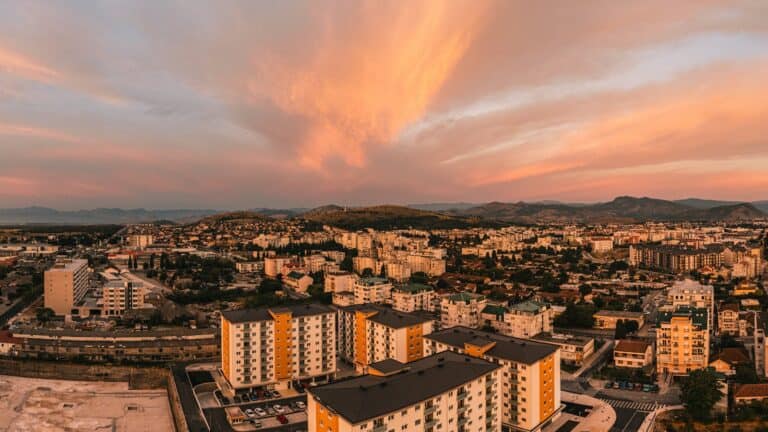
Family Hotels in the Algarve, Portugal: 14 Best Stays for a Holiday with Kids 2026

TL;DRHere are 14 tips on the best family hotels in the Algarve, grouped by the kind of holiday you’re after. The Aquashow Park Hotel in Quarteira throws in free entry to Portugal’s biggest water park, while the all-inclusive Jupiter Albufeira – Family & Fun has its own splash park on site. The upmarket Martinhal Sagres Beach Family Resort runs five kids’ clubs for children from just 6 months old, there’s the budget-friendly 3HB Clube Humbria, and the prestigious Pine Cliffs Resort has a 7,000 m² kids’ village called Porto Pirata. For the shallowest, calmest water, head to Meia Praia in Lagos, Praia de Alvor, or Praia de Quarteira, which is sheltered by breakwaters. May, June and September are the best months to visit with kids, when the sea sits at around 22°C — steer clear of August, when temperatures can hit 35°C and hotel prices peak too.

Lukáš and I have been flying to Portugal regularly since 2020, and we’ve completely fallen in love with this place. The southern coast of the Algarve in Portugal has gorgeous beaches, dramatic cliffs and a fantastic atmosphere that simply grabs you by the heart. You often write to me, though, asking what it’s like travelling here with little kids and where to stay so the whole family can enjoy the holiday.

Choosing the right hotel for your family can be a bit of a headache, because every child needs something different. Some want a huge water park, others a quiet resort with professional childcare, and some just want an apartment with their own equipped kitchenette. That’s why I’ve gone through dozens of options and picked the best family hotels in the Algarve with great ratings and brilliant facilities.

Whether you’re after a giant water park, a calm resort with professional childcare, or an apartment with a fitted kitchen, we’ve sorted these tips so you can easily find your perfect match. We’ll also advise you on which area to choose based on your children’s age and where to find the shallowest beaches.

TL;DR

If you don’t fancy reading detailed descriptions of every property, here’s a quick overview of the best family hotels you’ll find in the Algarve:

  • Best hotel with a huge water park: Aquashow Park Hotel (ideal for older kids and teenagers, park entry included).
  • Best all-inclusive with activities: Jupiter Albufeira – Family & Fun (its own splash park and brilliant entertainment).
  • Best for toddlers and little ones: Martinhal Sagres Beach Family Resort (a luxury resort with professional clubs for babies from 6 months).
  • Best value for money: 3HB Clube Humbria (a great mini water park and all-inclusive service at a sensible price).
  • Best aparthotel with a kitchenette: Alfagar Village (spacious apartments, seasonal slides and a quieter setting).
  • Best luxury holiday: Pine Cliffs Resort (the enormous Porto Pirata kids’ village and absolutely top-class service).

Which Area to Choose with Kids

The Algarve is fairly large and each part offers a completely different vibe. Picking the right resort town is half the success of your holiday, because with a buggy or small children you definitely don’t want to be squeezing through crowds of tourists in narrow, hilly lanes.

Albufeira and around This is the busier hub of the whole coast, with the highest concentration of family resorts, water parks and entertainment options. Right in the centre you’ll find Praia dos Pescadores, a calm, shallow beach you can reach comfortably by escalator or lift. The old town is a touch hilly and full of cobbles, but the newer parts and hotel zones are wonderfully accessible.

Vilamoura and Quarteira If you’re travelling with a buggy, this is an absolutely ideal flat area. Vilamoura is a modern resort town with a lovely marina, while neighbouring Quarteira offers a long, flat promenade. The local Praia de Quarteira is protected by breakwaters, so the water here is very calm and safe even for the tiniest swimmers. On top of that, you can get here from Faro airport in under half an hour.

Lagos and the west coast Lagos is a gorgeous historic town with an amazing atmosphere. For families, the big draw is Meia Praia beach, which is very shallow, gently sloping and step-free. The centre of Lagos itself is slightly uphill, but it’s perfectly manageable with kids. For the little ones there’s the excellent Abigail’s Café, which does fantastic açai bowls and vegan treats.

Alvor and around Alvor is a quieter fishing town that has kept its traditional charm. It’s a fantastic choice for families looking for peace and quiet without late-night noise. You’ll find Praia de Alvor with its lovely gentle entry into the sea, and above all the Ria de Alvor tidal lagoon, where the water is a bit warmer and completely wave-free. The local Italian restaurant Paesano serves great pizza and pasta, which with kids is always a safe bet.

When to Go and When to Book

Planning a family holiday takes a bit of strategy, especially when it comes to the weather and booking early. The Algarve has an Atlantic climate, which means the ocean here is always a little cooler than, say, the Mediterranean. In summer the water temperature peaks at around 22 °C, so heated hotel pools are a must for smaller children.

The best time to visit with kids is May, June or September. Air temperatures are very pleasant, the sun is lovely and warm, but you’ll avoid the biggest crowds. I’d steer clear of August, as temperatures climb towards 35 °C and the resorts are bursting at the seams. On top of that, accommodation prices are at their absolute peak in this period.

If you’re planning a trip for 2026, I recommend booking your hotel well in advance. The best family resorts tend to sell out 6 to 9 months ahead. Likewise, sort out your car hire and a child car seat early — these are compulsory in Portugal for children under 12 or 135 centimetres tall. Rental companies typically charge around €8 to €15 a day for a seat, so it can sometimes be worth bringing your own from home. Flights from the UK to Faro are frequent and quick (just under three hours), with British Airways, easyJet, Ryanair, Jet2 and TUI all running regular routes from London, Manchester, Birmingham and beyond.

14 Best Hotels for a Family Holiday

I’ve picked properties that consistently sit at the top of the ratings and offer the best facilities. I’ve split the hotels into four logical categories so you can choose exactly according to what your family prefers.

Hotels with a Water Park and Slides On-Site

If you’ve got older school-age kids or teenagers at home, you know an ordinary pool often isn’t enough for them. These hotels offer their own water attractions that keep kids entertained for days.

1. Aquashow Park Hotel

This four-star hotel in the resort of Quarteira is an absolute paradise for anyone who loves splashing about. Its biggest draw is free entry to the largest water park in Portugal, which is directly connected to the hotel. You’ll find dozens of outdoor attractions including a huge watercoaster, plus an indoor water park you’ll appreciate on cooler days.

Beyond the water park itself, the hotel has its own calmer pools, a lovely playground and modern, spacious family rooms. Parents in reviews often praise the wonderfully varied breakfasts and the excellent cleanliness of the whole site. If you’re coming in high season, the outdoor water park is usually open from June to September.

The Booking.com rating hovers around a great 8.9. It’s an ideal base for exploring the area, with Faro airport just about 25 minutes away by car.

💡 Tip: This hotel is the best choice for families with older kids and teenagers who crave action and adrenaline, while you still want to relax in a quiet hotel room in the evening.

2. Jupiter Albufeira – Family & Fun

One of the most popular family resorts in busy Albufeira, running on a generous all-inclusive basis. Note that this hotel has its own brilliant splash park with smaller and bigger slides (don’t confuse it with the Jupiter Praia da Rocha hotel, which doesn’t have one). The water fun here runs from April to October, and you won’t be able to drag the kids out.

The resort offers several pools, a well-organised kids’ club and rich evening entertainment programmes. A big bonus is that for longer stays you get a two-day pass to the nearby Slide & Splash water park included, with a hotel transfer to take you there. The rooms are spacious and suited to larger families.

The hotel restaurant always has a children’s buffet ready, and you’ll also find plenty of meat-free options like good pizza, pasta and fresh salads.

💡 Tip: If you’re after a holiday where you won’t have to sort out a thing and the kids are entertained from morning till night, Jupiter Albufeira is a safe bet.

3. 3HB Clube Humbria

This resort sits in the pleasant Olhos d’Água area and is renowned among families for its great value for money. It boasts a Booking.com rating between 8.6 and 9.0 and offers excellent all-inclusive service. The main draw for kids is the mini water park, which has four safe slides aimed primarily at children aged six and up.

Besides the water park, you’ll find a spacious children’s pool, a very active kids’ club and a lovely playground. Accommodation is in apartments with a handy little kitchenette, which is a huge plus if you need to make morning milk for the kids or warm up a snack outside main meal times.

Falésia beach is just a short walk away, or you can use the hotel shuttle bus. The area is fairly quiet and flat.

💡 Tip: An ideal choice for families with preschoolers and younger school-age kids who aren’t ready for huge adrenaline parks yet but already love smaller slides.

4. Eden Resort

You’ll find this beautiful resort, built in the style of a traditional Portuguese village, just a short way from the centre of Albufeira. It offers accommodation in spacious apartments and villas with a fully equipped kitchen, giving you complete freedom. For kids there’s the AquaFun Splash Park with two fun slides and plenty of water features, running from spring to autumn.

Besides the splash park, the resort has three more pools, one of which is adults-only if you want a quiet moment of peace. The local kids’ club takes children from 2 to 12, and parents really rave about the enthusiastic, friendly entertainers.

As the resort is a little further from the sea, there’s a free shuttle to the beach and the old town. The rating sits steadily above eight.

💡 Tip: A great compromise for those who want the benefits of a fully equipped apartment but also want to enjoy hotel services and water fun.

5. Alfagar Village

If you’re after something quieter but still with plenty of fun, this aparthotel in the Santa Eulália area will win you over. It’s surrounded by a beautiful green garden and offers accommodation in apartments with their own kitchenette. In summer, popular slides and flumes are up and running — they’re not enormous, but they’re more than enough for the kids.

Besides the water attractions, you’ll find three large pools, separate children’s paddling pools and a genuinely big outdoor playground. A private path leads from the hotel straight to the beach, which is priceless with small kids and bags full of toys. The setting is overall very safe and enclosed.

The garden is full of shade, so you can stroll comfortably with a buggy even through the midday heat. The Booking.com score sits around a lovely 8.8.

💡 Tip: Ideal for families with toddlers and younger school-age kids who’ll appreciate the calmer setting of sprawling gardens and easy access to the sea.

Specialised Family Resorts with a Kids’ Club

These hotels are designed so parents can genuinely relax. They offer professional childcare split precisely by age. It’s worth knowing they don’t focus on noisy water parks with slides, but rather on quality, creative entertainment.

6. Martinhal Sagres Beach Family Resort

This is the absolute gold standard of a family holiday in Portugal. The luxurious five-star resort sits in the wilder Sagres area and is thought out down to the last detail. It runs an incredible five different kids’ clubs split by age, with the smallest taking babies from just 6 months old.

All the villas and apartments are fully kid-friendly — on request you’ll get bed guards, potties, sterilisers and children’s tableware. The restaurants always have supervised kids’ corners, so parents can enjoy dinner in peace while the children play nearby. The menu features plenty of healthy vegetarian dishes and baby purées.

The complex sits right by a beautiful sandy beach and the rating is creeping towards a perfect 9. It’s an investment in a truly relaxing holiday.

💡 Tip: If you’re travelling with a little baby or toddler and worried about how you’ll manage the holiday, this resort gives you total service and peace of mind.

7. Pine Cliffs Resort

One of the most prestigious resorts in the entire Algarve sits on the cliffs in the Olhos d’Água area and offers absolutely top-tier service. For families with kids there’s the enormous Porto Pirata children’s village, spread across 7,000 square metres. You’ll find two full-size ships, bouncy castles, children’s pools and a club for kids from 6 months to 8 years.

For older kids aged 8 to 13 there’s a dedicated Junior’s Club with its own activities. The hotel boasts an impressive eight different pools and its own lift that takes you down from the cliff straight to Falésia beach. Luxury apartments and private villas are available.

The service here is of the highest standard and the staff are incredibly attentive to every child’s needs.

💡 Tip: Go for Pine Cliffs if you’re looking for five-star luxury, gorgeous cliff-top views and want the reassurance that your kids will be looked after to the highest standard.

lukas a lucka
Lukáš and Lucie recommend
Where to Stay in Algarve
6 accommodations — wellness hotels, resorts and other lodging options
⭐ TOP CHOICE 🏨 Hotel
Aquashow Park Hotel
Four-star hotel in Quarteira with free access to the largest water park in Portugal. Dozens of outdoor attractions including a water coaster and indoor water park. Ideal for older children and teenagers.
★★★★ Check prices
Check availability
🌲 Resort
Jupiter Albufeira – Family & Fun
Popular all-inclusive resort with its own fantastic splash park featuring both smaller and larger slides. Rich animation program and two-day pass to Slide & Splash water park included with longer stays.
★★★★ Check prices
Check availability
⭐ Luxury
Martinhal Sagres Beach Family Resort
Luxury five-star resort with five different kids’ clubs by age, accepting babies from 6 months. Villas and apartments fully adapted for children, restaurants with supervised children’s play areas. Best for toddlers and young children.
★★★★★ Check prices
Check availability
🌲 Resort
3HB Clube Humbria
Resort in Olhos d’Água with excellent value for money. Mini water park with four slides, all-inclusive services, apartments with kitchenette. Ideal for children aged 6 and up.
★★★★ Check prices
Check availability
🏡 Aparthotel
Alfagar Village
Aparthotel with kitchenette in Santa Eulália. Spacious apartments, seasonal slides, three pools and private access path directly to the beach. Quieter environment ideal for toddlers and younger school children.
★★★★ Check prices
Check availability
⭐ Luxury
Pine Cliffs Resort
The most prestigious five-star resort in Olhos d’Água with a huge children’s village Porto Pirata (7000 m²). Eight pools, private elevator to Falésia beach, absolutely top-notch service. Best luxury vacation.
★★★★★ Check prices
Check availability

8. EPIC SANA Algarve

This stunning five-star resort near Falésia beach is a showcase of modern elegance that doesn’t forget its little guests. While you won’t find any noisy slides here, the kids’ club for children aged 4 to 12 is rated as one of the best in the region. The entertainers run creative workshops, sports tournaments and evening mini discos.

The hotel boasts several gorgeous pools set among a pine grove and excellent beach access. The food here is top-notch — at breakfast you’ll find a huge choice of fresh fruit, homemade pastries, cheeses and the delicious sweet pastéis de nata that kids simply adore.

With a rating around 9.0 on Booking.com, it ranks among the very best. The atmosphere is very calm and relaxing.

💡 Tip: A great choice for families with smaller children who want peace, high-end dining and don’t need giant flumes to be happy.

All-Inclusive Family Resorts

For families who don’t want to bother with shopping, cooking or hunting for restaurants, all-inclusive is the best choice. There aren’t as many in the Algarve as in, say, Turkey, but the ones here offer great service.

9. Tivoli Alvor Algarve

This recently opened five-star all-inclusive resort sits in the quiet resort of Alvor. It spreads across a huge area and boasts six large pools, some of them designed especially for children and heated. The mini-club takes kids of all ages and organises all-day entertainment programmes.

The hotel grounds are very flat and modern, which is ideal for getting around with a buggy. Ground-floor rooms even have small private gardens. The food is very varied, with a huge choice of salads, pasta, cheeses and local meat-free specialities. There are also several spacious playgrounds on site.

What’s more, the resort town of Alvor is very close to a beautiful, shallow lagoon where kids can splash about safely.

💡 Tip: Choose this hotel if you prefer newer, modern resorts with huge pool areas and top-class dining.

10. Pestana Blue Alvor Beach

Another five-star gem in the Alvor area, built primarily with families in mind. The complex includes four pools, including a fun splash zone for the little ones. The kids’ club for children aged 4 to 12 is truly unique in having its own children’s buffet and a dedicated pool, so the kids get their own little world here.

The resort runs on a generous all-inclusive basis with a focus on quality ingredients. Parents really appreciate the separate family suites with sliding doors, so once you’ve put the kids to bed in the evening you can still read or chat in peace. There’s also a regular shuttle bus to the gorgeous Três Irmãos beach.

The Booking.com rating hovers around a lovely 8.2.

💡 Tip: Pestana Blue is great for parents who want their kids entertained in a safe environment while enjoying the perks of all-inclusive without having to carry a wallet around.

11. NAU São Rafael Atlântico

This stylish all-inclusive hotel sits in a quieter part of Albufeira, right above one of the most picturesque beaches in the Algarve, São Rafael. For kids there’s a very active kids’ club and a lovely, safe children’s pool. The complex is surrounded by palms and many rooms have breathtaking views straight out over the ocean.

The beach below the hotel is sheltered by cliffs, so there tend to be no big waves like on the open coast, which is a great advantage for swimming with kids. The hotel restaurants offer plenty of fresh food and will happily prepare vegetarian portions or warm up baby food.

Thanks to its location you’re away from the biggest hustle and bustle, but you can reach the centre of Albufeira by taxi in a few minutes.

💡 Tip: I recommend it for families with younger school-age kids who love swimming in the ocean and want a cliff-sheltered beach right under their nose.

12. VidaMar Resort Algarve

Located in the quiet Salgados area just outside Albufeira, it sits right by a long sandy beach. The pride here is the popular Vida Club for children aged 3 to 11, looked after by a team of experienced entertainers. For the very smallest there’s a lovely shallow paddling pool, and the restaurants always have a special children’s menu ready.

The hotel is surrounded by a nature reserve, which guarantees enormous peace and quiet. The beach is separated from the hotel only by a wooden boardwalk across the sand dunes, so you can reach the water comfortably even with a buggy. There are several large outdoor pools and beautifully kept gardens.

This is a five-star resort with a rating that confirms its high standard of service.

💡 Tip: A great choice if you love long evening walks along the beach, nature, and don’t want to be disturbed by city noise.

Aparthotels with a Kitchenette (Self-Catering)

For families with smaller children, or those with specific dietary habits, having your own kitchenette is a huge advantage. These aparthotels combine the independence of an apartment with the services of a big hotel.

13. Pestana Palm Gardens

This very pleasant resort sits in the popular Carvoeiro area near the town of Lagoa. It offers accommodation in tasteful townhouses and apartments with a fully equipped kitchen, washing machine and spacious terrace. You can make your own breakfast in peace and brew a coffee in the morning while the kids are still asleep.

On site you’ll find a heated children’s pool, tennis courts and plenty of greenery. The Carvoeiro area is overall quieter and very picturesque, and you can walk down to the beach in a few minutes. The Booking.com rating stays steadily above 8.6, proving that families love coming back here.

Nearby there are several good supermarkets where you can easily pick up fresh ingredients, nappies and baby food.

💡 Tip: Ideal for independent families who want to hire a car, explore the beauty of the Algarve by day and return to a fully equipped apartment in the evening.

14. Balaia Golf Village

A sprawling resort in Albufeira that works like a small self-contained village. A big plus is that the apartments have their own kitchenettes and there’s a well-stocked supermarket right on site, so you don’t have to drive into town for every little thing.

The resort is genuinely huge and boasts six different pools, a large playground and its own kids’ club. There’s loads of space for running around on the grass and the overall setting is very calm. You can reach the ocean with a pleasant walk of about ten minutes. Guest ratings hover around a reliable 8.0.

For sports lovers there are tennis courts and a small golf course.

💡 Tip: An excellent choice for active families and larger groups who’ll appreciate plenty of space, several pools to choose from and a shop right on the doorstep.

How to Choose the Right Hotel

If you’re still hesitating, try narrowing your choice by your children’s age, as that’s usually the most important factor.

For families with babies and toddlers I recommend choosing aparthotels with a kitchenette (like Alfagar Village or Eden Resort), where you have the freedom to prepare food, or specialised resorts with professional childcare for the very smallest (Martinhal Sagres). It’s important to focus on areas without big hills, ideally the resorts of Vilamoura or Alvor, where you won’t suffer pushing a buggy.

For preschoolers and younger school-age kids, hotels with smaller splash parks and quality kids’ clubs are absolutely ideal (Jupiter Albufeira or 3HB Clube Humbria). At this age, kids already appreciate entertainment programmes and evening kids’ discos, so it’s worth going for all-inclusive resorts that even have their own children’s buffets.

If you’ve got older school-age kids and teenagers at home, quiet resorts with no attractions will probably bore them. Here the clear choice is the Aquashow Park Hotel, where they can let loose on the big flumes, or resorts around busier Albufeira, from where you can take trips to large theme parks like Slide & Splash or Zoomarine.

Where to Go Next

Considering a different style of holiday? Take a look at our pick of all-inclusive resorts, a wider overview of the best hotels in the Algarve, or tips on where to stay in Albufeira.

Frequently Asked Questions

To finish off, here are answers to the questions you most often ask about a family holiday in the Algarve.

Which family resort in the Algarve is the absolute best?

It depends on your priorities. If you’re looking for the widest age coverage and childcare even for babies, the absolute top choice is Martinhal Sagres. If you prefer five-star luxury, go for Pine Cliffs Resort with its amazing kids’ village Porto Pirata. For a more budget-friendly holiday, parents really love 3HB Clube Humbria.

Which hotels have their own water park or slides?

The largest water entertainment is offered by Aquashow Park Hotel (which includes admission to the largest water park in the price). Smaller, but very fun splash parks directly on the premises can be found at Jupiter Albufeira, 3HB Clube Humbria and Eden Resort hotels.

Where can we find the best beaches for small children?

Search for beaches with gentle entry and calm water. Ideal options are the long and shallow Meia Praia in Lagos, the peaceful Praia de Alvor with its beautiful lagoon, or Praia de Quarteira, which is protected by breakwaters making the sea very safe and free from large waves. Most of them also have lifeguards and full services.

When is the best time to travel with kids?

The most pleasant weather for a family holiday is in May, June and September. Temperatures hover around a comfortable 25–28 °C and you’ll avoid the biggest tourist crowds. I’d rather skip the peak of summer (August), as it tends to be extremely hot and accommodation prices are at their highest.

Do we need to rent a car in the Algarve?

Yes, I highly recommend renting a car, as public transport here isn’t very frequent and with kids it’s impractical. But don’t forget to also reserve child car seats with the car, which are mandatory in Portugal for children under 12 years old or under 135 cm tall. The exception is the resort of Vilamoura, which is flat and close to the airport, so you can manage without a car there.

How far are the resorts from Faro Airport?

The nearest are Vilamoura and Quarteira (about 25 minutes’ drive). You’ll reach the popular Albufeira in roughly 35 minutes. The quieter Alvor is about 50 minutes’ drive away and you’ll drive to historic Lagos along the motorway in approximately one hour and twenty minutes.

Where to buy diapers and baby food in Algarve?

You won’t have any problem buying children’s supplies. In large supermarkets like Continente or Pingo Doce you’ll find everything you need, including the popular Dodot brand nappies. You can buy most things in local pharmacies too, but it’s better to bring sunscreens and specific medications from home, as they tend to be more expensive in Portugal. EXCERPT: Looking for the best family accommodation in the Algarve? We bring you 14 verified resorts with aquaparks, kids’ clubs and apartments for a peaceful holiday.

Tips and Tricks for Your Vacation

Don’t Overpay for Flights

Search for flights on Kayak. It’s our favorite search engine because it scans the websites of all airlines and always finds the cheapest connection.

Book Your Accommodation Smartly

The best experiences we’ve had when looking for accommodation (from Alaska to Morocco) are with Booking.com, where hotels, apartments, and entire houses are usually the cheapest and most widely available.

Don’t Forget Travel Insurance

Good travel insurance will protect you against illness, accidents, theft, or flight cancellations. We’ve had a few hospital visits abroad, so we know how important it is to have proper insurance arranged.

Where we insure ourselves: SafetyWing (best for everyone) and TrueTraveller (for extra-long trips).

Why don’t we recommend any Czech insurance company? Because they have too many restrictions. They set limits on the number of days abroad, travel insurance via a credit card often requires you to pay medical expenses only with that card, and they frequently limit the number of returns to the Czech Republic.

Find the Best Experiences

Get Your Guide is a huge online marketplace where you can book guided walks, trips, skip-the-line tickets, tours, and much more. We always find some extra fun there!
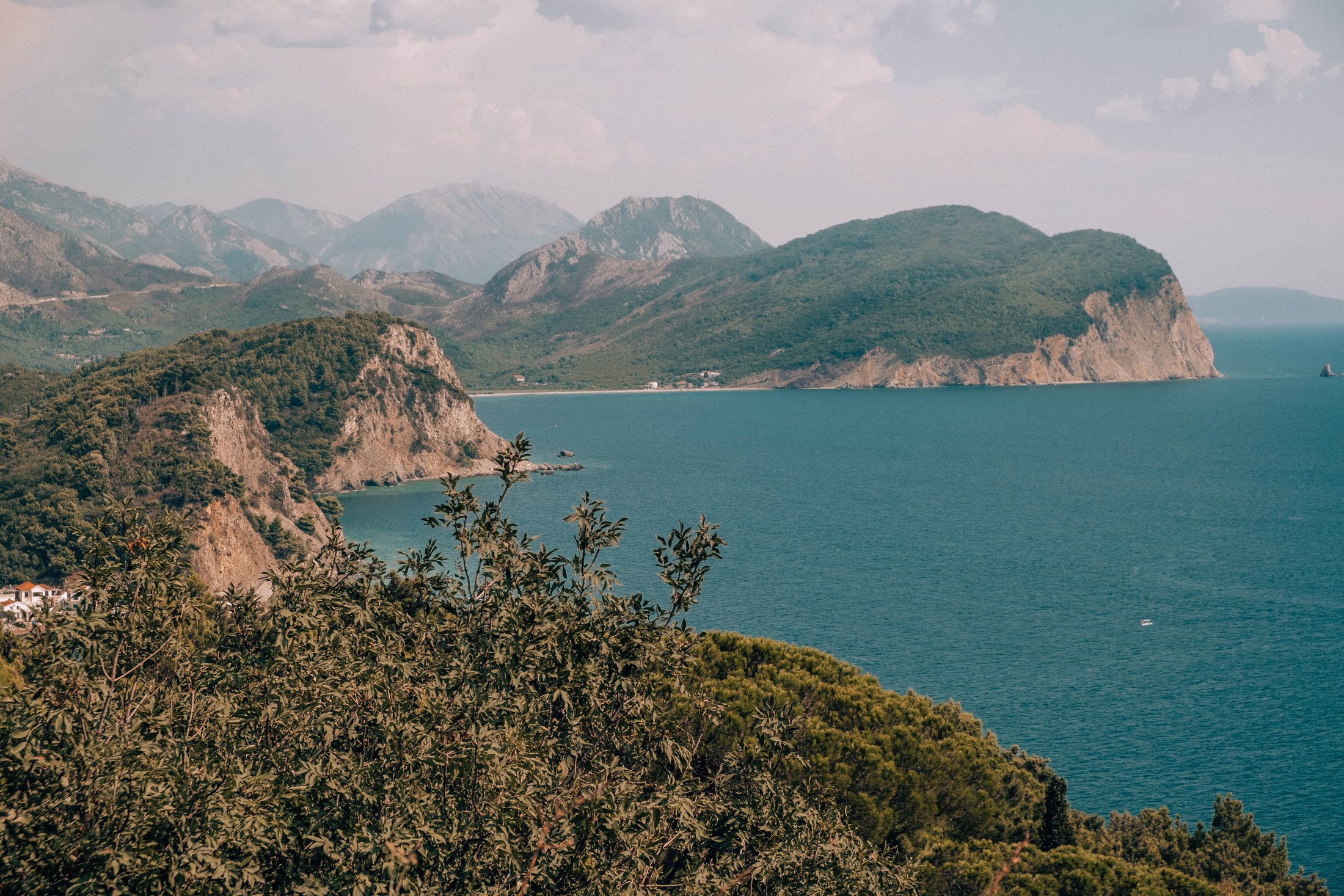
Interlaken Switzerland: 14 Best Things to See & Do 2026

TL;DRInterlaken and its towering Jungfraujoch (3,454m, Europe’s highest railway station) come with 14 concrete ideas for what to see and do, and three to four days is the sweet spot for a visit. Highlights include views of the 22km Aletsch Glacier, boat trips on Lake Thun and Lake Brienz, the Harder Kulm viewpoint, the Lauterbrunnen valley with its 72 waterfalls, and tandem paragliding for CHF 170–200. A return ticket to the Jungfraujoch costs CHF 261.20 in summer, plus a compulsory reservation fee of 10 francs — it’s cheaper if you book a Good Morning Ticket. May to October is the best stretch, with June and September usually quieter than the July and August crowds.

Switzerland is a dream come true for every mountain lover, and Interlaken Switzerland with the majestic Jungfraujoch peak ranks among the most breathtaking places you can possibly visit. It’s said to be one of the best bases for exploring Alpine beauty, since the town sits right in the heart of the region. The crystal-clear lakes Thunersee and Brienzersee hug it from both sides, and above them rise snow-capped peaks that simply take your breath away. It’s a place where the wildest Alpine summits are within arm’s reach, yet you can still enjoy all the comforts of civilisation.

If you’re planning a trip to this region, trust me, the problem won’t be what to do — it’ll be how to squeeze it all into enough days. Locals recommend setting aside at least three or four days to soak up that genuine Swiss atmosphere. In this guide you’ll find exactly 14 specific tips on what to see and do, where to head for the best views, and how to cleverly save on transport.

You can manage all of this — just keep an eye on when to buy tickets for the mountain trains, where to stay, and which season suits you best. ☺️

TL;DR

  • A practical base: The town works as a brilliant starting point — it sits right between two lakes and has perfect train connections into the mountains.
  • Europe’s highest station: The experience at Jungfraujoch (3,454 m) is an absolute must, but only buy tickets when the weather is clear.
  • Adrenaline paradise: The area is famous for tandem paragliding, canyoning and wild rafting on glacial rivers.
  • Magical lakes: A cruise on the turquoise Brienzersee or the romantic Thunersee is often included in many passes and offers gorgeous views.
  • Smart transport: Buying the right pass, such as the Jungfrau Travel Pass, can ultimately save you a small fortune.
  • Book early: In peak summer season, lock in your accommodation and popular activities well in advance.

When to Visit Interlaken

The main tourist season in this area runs from May to October, when most popular attractions are open. During this time you can look forward to pleasant temperatures, hovering around 20 to 25 degrees in the valley, and the boats on both lakes run at full capacity. Just bear in mind that the best-known spots will likely be fairly busy. If you check the weather in Switzerland Interlaken in advance, you can plan around the clearest days.

July and August are reportedly the most crowded, which is why many travellers prefer June or September instead. In those months the weather is still lovely, but the crowds are a touch more bearable. If you’re heading up to Jungfraujoch in summer, expect higher fares and the need to buy a mandatory seat reservation.

Also watch out for off-season closures of cable cars and trains, which can catch you off guard. For example, the popular Harder Kulm viewpoint is only open from April to November, and the nostalgic train to Schynige Platte doesn’t even start running until mid-June. November is basically dead — lots of things are closed and the mood in town reflects it.

In winter the region transforms into a beautiful snowy fairy tale, even though the town itself has no ski slopes. Within 45 minutes, though, you can reach top-tier ski resorts like Grindelwald. The trip to Jungfraujoch also runs all year round, and in the winter months the ticket works out noticeably cheaper.

Where to Stay in Interlaken

💡 Tip for accommodation and experiences: We love hunting for places to stay on Booking.com, which usually has the best cancellation terms. Tickets, tours and activities are then worth comparing and buying through GetYourGuide.

Travel forums often spark heated debate over whether it’s better to stay down in town or head straight up into the mountains. The town itself works as a perfectly practical hub, from which you can easily reach the lakes and both sides of the valley. You’ll also find a much wider choice of shops, restaurants and evening entertainment. On top of that, the town has two main train stations (Interlaken Ost and Interlaken West), so getting around is genuinely hassle-free.

Romantics and mountain souls counter that you still need a train from Interlaken to reach a true Alpine panorama — and that’s not exactly untrue. If you long for that classic Alpine view straight from your balcony, many people recommend staying in villages like Lauterbrunnen or Grindelwald. But if you want flexibility and plan on lake cruises too, stay down by the water.

For lovers of pure luxury and special occasions, the obvious choice is the Victoria Jungfrau Grand Hotel & Spa, a legendary five-star hotel with an enormous wellness centre. If you’re after a happy middle ground with a touch of history, try the Hotel Interlaken, the oldest hotel in town, which welcomed its first guests back in the fourteenth century. Hotel du Nord sits right on the Höheweg promenade — rolling out of bed in the morning and being lakeside within five minutes is exactly the kind of location worth paying a little extra for.

For travellers on a tighter budget, the legendary Backpackers Villa Sonnenhof with its Jungfrau view is an absolute classic, and if you’re more about partying than panoramas, your address is the famous Balmers, an institution among the so-called party hostels.

Families or groups of friends will appreciate the self-catering Swiss Inn & Apartments, where you get your own little kitchen. Being able to cook your own meals represents a huge saving in Switzerland, where restaurant prices tend to be steep. Book your dream stay through Booking ideally well in advance — in season, places vanish in a flash.

14 Things to See & Do in Interlaken Switzerland

I’ve put together a list of the best activities for you — from gentle cruises to waterfalls bursting from the cliffs, to a train ride so high it’ll leave you gasping for air. Literally.

1. Harder Kulm and the Two Lakes Bridge Viewpoint

The town’s home mountain towers over the surrounding landscape, and a historic funicular whisks you to the top in just 10 minutes. A return ticket costs CHF 44 (around €47) per adult, but with various discount cards you’ll pay just half, or even nothing at all.

The main draw is the viewing platform, which dramatically juts out over the slope and offers a view of both lakes at once. The restaurant at the top also looks like a tiny fairy-tale castle, perfect for photos. 💡 Tip: Up here you’ll find a panoramic restaurant where traditional Alpine horn concerts take place every evening, amplifying the magical atmosphere even further.

2. A Cruise on the Turquoise Brienzersee

From the harbour right next to the eastern station, boats set sail onto an incredibly photogenic lake that will captivate you with its deep turquoise colour. A day ticket costs around CHF 75 (about €80) for second class, but with many tourist passes or cards the cruise is completely free. Of the two local lakes, this one is the deeper and slightly cooler.

Don’t miss a stop in the fairy-tale village of Iseltwald, made famous by Asian TV series. 💡 Tip: The boats here run roughly from April to early December, so unfortunately you can’t sail in winter — something to factor into your itinerary.

3. Romantic Exploring of Thunersee

Boats to this lake of castles depart from the western station, and the cruise is noticeably calmer and more romantic than on the neighbouring lake. Along the way you can admire gorgeous historic castles from the deck, such as Oberhofen, Spiez or Thun, which sits at the very end of the lake.

If you want to enjoy both lakes in a single day, it’s worth buying a combined ticket for CHF 83 (around €88). 💡 Tip: The local operator also offers interesting combo tickets that include a relaxing cruise plus entry to the famous caves afterwards.

4. The Höheweg Promenade and the Famous Höhematte Meadow

The town’s main artery links both train stations and is lined with gorgeous grand hotels from the belle époque era and luxury boutiques. Right in the centre lies a fourteen-hectare meadow protected by an ancient agreement dating back to 1864, meaning it can never be built on.

Today this green space serves as the main landing zone for paragliders from all over the world. You probably won’t find a better spectacle anywhere in Switzerland — you sit on the grass, paragliders land one after another above your head, and behind it all rises the snow-capped Jungfrau.

5. Tandem Paragliding Over the Lakes

This is the region’s absolute signature activity, drawing adrenaline lovers from around the world. The flight lasts roughly ten to twenty minutes and costs around CHF 170 to 200 (about €180–215), with photos and video adding a small extra charge.

Surprisingly, flights run year-round, so you can enjoy the stunning view over a snowy landscape too. 💡 Tip: The experience is in high demand, so definitely book your flight a few days ahead, ideally through popular platforms like GetYourGuide.

6. The Trip to Jungfraujoch, the Top of Europe

Europe’s highest railway station sits at an altitude of 3,454 metres and offers a view of the 22-kilometre-long Aletsch Glacier. A return ticket from the main station costs CHF 261.20 (about €280) in summer season, plus you’ll have to pay a ten-franc mandatory reservation. Up top, your ticket also includes a visit to the Sphinx observatory and a walk through the Ice Palace, carved straight into the heart of the glacier.

The price is admittedly astronomical, but with the so-called Good Morning Ticket you’ll save a fifth of the cost if you set off on the very first morning train. 💡 Tip: Only book tickets after checking the morning webcams — in fog you’ll see absolutely nothing up there, and a three-hundred-franc trip becomes a rather pricey stroll in the clouds. Always verify the current conditions on the official Jungfraujoch website.

7. The Nostalgic Train to Schynige Platte

This historic cog railway has been running since 1893 and carries you up to a respectable altitude of almost two thousand metres. During the slow fifty-minute ride, you’ll be treated to the finest balcony views of the famous trio of peaks — Eiger, Mönch and Jungfrau.

A full return ticket costs roughly CHF 71.60 (about €77), and entry to the Alpine botanical garden with its eight hundred species of flowers is included. 💡 Tip: The railway runs strictly in summer season only, roughly from mid-June to the end of October, so keep a close eye on the dates.

lukas a lucka
Lukáš and Lucie recommend
Where to Stay in Interlaken
6 accommodations — wellness hotels, hotels and other lodging options

8. The Mysterious St. Beatus Caves

These beautiful stalactite caves are hidden in the rock right above the lake, and according to old legend, a dragon once lived here. Entry costs CHF 20 (about €21) per adult, and inside you can admire dramatic underground waterfalls and a cave museum with an audio guide. Find out more about opening hours and tickets at the St. Beatus Caves.

Inside, the temperature stays steady at around eight to ten degrees, which makes for the perfect cool-down on a scorching summer day. 💡 Tip: You can reach the spot via a very pleasant walk along the water, or you can hop on the local bus or the boat stop.

9. The Roaring Giessbach Falls

Fourteen cascades tumble five hundred metres straight into the lake here — you hear the sound before you ever see them. Perched right above the falls is the gorgeous historic Grandhotel Giessbach from the nineteenth century, where you can treat yourself to an excellent coffee.

The oldest tourist funicular in Europe carries you up to the hotel — it’s been running since 1879 and the ride costs around six francs (about €6.50). 💡 Tip: The ideal move is to combine a boat cruise with the funicular ride and a stroll along the trail that runs right behind the falling water.

10. The Woodcarving Village of Brienz and the Steam Cog Railway

This picturesque little village on the shore of the lake of the same name is the renowned Swiss capital of woodcarving, and its historic lanes look like something out of a fairy tale. You’ll also find an interesting woodcarving museum with an entry fee of CHF 8 (about €8.50), which walks you through the whole history of the craft.

The main attraction, though, is the historic steam cog railway from 1892, which for CHF 98 (about €105) carries you up to the breathtaking Brienzer Rothorn summit. Don’t forget to check tickets for the steam cog railway so you don’t miss out on a spot. 💡 Tip: The train only operates from June to the end of October, and due to limited capacity it’s recommended to pay extra for a seat reservation.

11. Adrenaline on the Wild Lütschine River

If you love action, the local glacial rivers offer some of the best conditions for water sports in the entire Alps. The Lütschine also has a fantastic turquoise colour, lent to it by fine glacial dust. Absolutely stunning is the wild rafting with a view of the Eiger, which costs around one hundred and fifty francs (about €160) and takes up half a day.

Another brilliant experience is canyoning for beginners in the Saxeten valley, where you’ll jump into pools and abseil down waterfalls. 💡 Tip: These experiences sell out in a flash over summer, so book your spot on GetYourGuide as early as possible to avoid missing out.

12. A Trip to the Lauterbrunnen Valley

From the main station, in just twenty minutes you’ll arrive in a fairy-tale valley full of waterfalls that reportedly inspired Tolkien himself. The whole valley hides an incredible 72 waterfalls, and the sight of them is simply magical. The headline act is the nearly three-hundred-metre Staubbach Falls, which you can go and see completely free of charge.

You also mustn’t miss the unique glacial Trümmelbach Falls, which surprisingly roar away hidden inside the rock massif. 💡 Tip: A ticket to the rock complex costs sixteen francs (about €17), and the site stays open only from April to early November.

13. The First Viewpoint in Grindelwald

You’ll reach this famous mountain resort by train in about thirty minutes and then change to the cable car up to First. A return ticket costs CHF 76 (about €81) in season and delivers you to absolutely the best Alpine scenery. On the way up, you can also feast your eyes on typical wooden chalets and cows grazing on the steep slopes.

Right at the top sits the breathtaking steel Cliff Walk, which runs high along a sheer rock face and is free to enter. 💡 Tip: If you have more time, take the hour-long walk to Lake Bachalpsee, where the surrounding peaks are often mirrored in the water.

14. The Unspunnen Ruins and the Village of Wilderswil

If you want a break from the crowds, set off on a peaceful walk to the romantic ruins from the early thirteenth century. The site is famous for its historic shepherd festivals and offers lovely views of the surroundings completely free of charge.

Along the way you’ll come across the charming village of Wilderswil, full of traditional wooden chalets, which can also serve as a cheaper alternative for accommodation.

Where to Eat in Interlaken

Finding a restaurant in Switzerland that won’t bankrupt you while still serving up something you’ll genuinely enjoy can sometimes be a real puzzle. Thankfully, though, the town offers plenty of interesting options where you can unwind after a full day in the mountains and recharge nicely.

Try Both Local and International Cuisine

After a full day on your feet, you’ll definitely work up an appetite, and choosing the right spot makes a big difference. You certainly don’t have to limit yourself to traditional cheese fondue or raclette — the streets here are packed with great eateries from every corner of the world.

You’ll eat very well here, and vegetarians in particular will love the Lebanese Layaly Beirut or the plant-based specialities at Aarmühle. It’s a pleasant, flavour-packed alternative to the usual Alpine dishes.

Where to Go Next from Interlaken

If you’re planning to explore the wider area, I recommend checking out our overall guide Switzerland Holiday: 19 Tips on Where to Go and What to See. A more detailed visit to the mountain villages is also on the cards, so be sure to take a look at the article Grindelwald: What to See and Do or the breathtaking Lauterbrunnen: Valley of Waterfalls.

For some culture, you can head a little further afield and discover what to see in the Swiss capital of Bern. And if you’re drawn to another stunning lakeside city, you mustn’t miss the ever-popular Lucerne: 14 Things to See.

Frequently Asked Questions

Before you set off into the Swiss Alps, you might still have a few practical questions running through your mind. Here you’ll find answers to the things travellers ask most often, to make your planning as easy as possible.

Is Jungfraujoch Worth It?

In clear weather? Worth it. The view of the Aletsch Glacier is simply something that can’t be described. But if the forecast is overcast, postpone the trip – you wouldn’t see anything up there. A return ticket from Interlaken costs CHF 261.20 in summer season plus ten francs for reservation, but you can save with a Good Morning Ticket.

How much does paragliding in Interlaken cost?

“`html
A tandem flight lasting ten to twenty minutes costs CHF 170 to 200, with photos and video typically costing an additional forty francs. Flights operate year-round and land directly on the Höhematte meadow in the very center of town.
“`

Interlaken or Grindelwald: where to stay?

Interlaken is ideal for a mix of activities, lake cruises and offers a wider range of accommodation. Grindelwald, on the other hand, wins hands down if you’re craving alpine panoramas from your balcony and want a head start on the mountain cable cars in the morning.

How do I get from Zurich to Interlaken?

From the main station in Zurich, direct trains run to Interlaken Ost station and the journey takes approximately two hours. If you purchase tickets well in advance, you can find so-called supersaver tickets for a fraction of the price.

How many days to spend in Interlaken?

Locals recommend setting aside a minimum of two days, but the absolute ideal is three to four days. You can spend one day in the mountains, another at the lakes, and devote the remaining time to excursions or adrenaline activities, so you definitely won’t be bored.

Is Interlaken expensive?

“`html
Switzerland is generally very expensive, but you can save significantly by choosing an apartment with a kitchenette and cooking for yourself. You’ll also save a lot of money by purchasing the right tourist pass or opting for cheaper activities.
“`

What to do in Interlaken when it rains?

“`html
In bad weather, you can take shelter in the St. Beatus Caves, where the temperature is stable, or go on a cruise on covered boats. A great alternative is also a chocolate workshop in the city centre or a visit to the historic wood carving museum.
“`

Is Jungfraujoch open in winter too?

Yes, the station operates year-round and in the winter months the ticket is even cheaper and seat reservation is not mandatory. However, keep in mind that it’s freezing up there even in summer, so always bring proper warm layers of clothing.

Tips and Tricks for Your Vacation

Don’t Overpay for Flights

Search for flights on Kayak. It’s our favorite search engine because it scans the websites of all airlines and always finds the cheapest connection.

Book Your Accommodation Smartly

The best experiences we’ve had when looking for accommodation (from Alaska to Morocco) are with Booking.com, where hotels, apartments, and entire houses are usually the cheapest and most widely available.

Don’t Forget Travel Insurance

Good travel insurance will protect you against illness, accidents, theft, or flight cancellations. We’ve had a few hospital visits abroad, so we know how important it is to have proper insurance arranged.

Where we insure ourselves: SafetyWing (best for everyone) and TrueTraveller (for extra-long trips).

Why don’t we recommend any Czech insurance company? Because they have too many restrictions. They set limits on the number of days abroad, travel insurance via a credit card often requires you to pay medical expenses only with that card, and they frequently limit the number of returns to the Czech Republic.

Find the Best Experiences

Get Your Guide is a huge online marketplace where you can book guided walks, trips, skip-the-line tickets, tours, and much more. We always find some extra fun there!
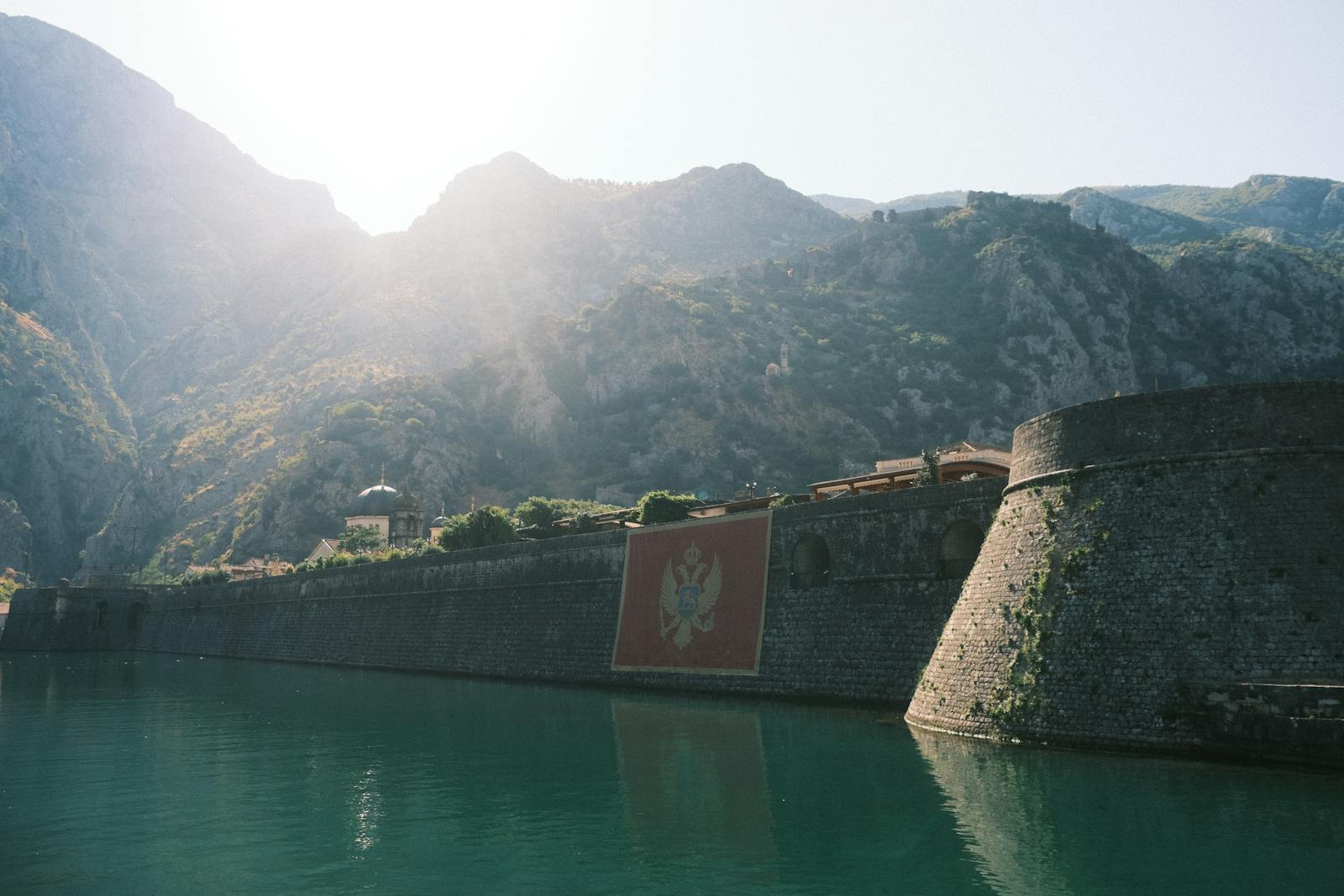
Stavanger, Norway: 12 Things to See in the Gateway to Preikestolen 2026

TL;DRStavanger is Norway’s fourth-largest city and the main base for the hike up to Preikestolen, whose trailhead sits about 40 kilometres from the centre — the whole round trip takes 6 to 8 hours. There are 12 concrete tips here, and the standout is the historic Gamle Stavanger quarter with its 174 white wooden houses, plus the colourful Øvre Holmegate, nicknamed Fargegata. Other highlights include the sandy beaches of Jæren and Solastranden, the tropical gardens of Flor & Fjære (open May to September), and a Lysefjord cruise costing 500 to 600 NOK. The best time to visit is May to September, when days are long and temperatures sit around 15 to 20°C. A double room costs 1,400 to 2,400 NOK a night.

Most of us associate Norway mainly with rugged nature, deep fjords and lonely mountains, but Stavanger, Norway will convince you that Norwegian towns have huge charm too. It’s the fourth largest city in the country, which grew rich on oil, yet has managed to hold onto the wonderfully calm atmosphere of a fishing harbour, complete with narrow cobbled lanes.

Most travellers come here for one simple reason, as it’s the best base for the hike up the famous Preikestolen cliff, but it would be a real shame to leave town straight after the trek. This is where you’ll find the best-preserved white wooden houses in all of Europe, a street ablaze with neon colours, and unexpectedly long sandy beaches where the locals love to surf.

In this guide we’ll take a look together at 12 things to see and do in Stavanger, so you don’t miss a single highlight. We’ll cover the best time to visit, point out exactly where to base yourself, and I’ll also throw in some tips for buying boat tickets to the nearby Lysefjord.

TL;DR

  • Best base: Stavanger is the ideal city if you’re planning to hike up the iconic Preikestolen cliff or out to the Kjeragbolten boulder.
  • Historic centre: Don’t miss the Gamle Stavanger district, which boasts 174 perfectly preserved white wooden houses from the 18th and 19th centuries.
  • Colourful street: For great coffee and photos, head to Øvre Holmegate (known as Fargegata), where every house is painted in bold, vivid colours.
  • When to go: You’ll enjoy the best weather and longest days from May to September, which is also the main season for mountain hiking.
  • Boat trips: If you don’t fancy the climb, you can admire the Lysefjord and its waterfalls from the deck of a sightseeing boat straight from the city harbour.
  • Getting there: The city is easy to reach by air at Sola Airport, by ferry from Hirtshals in Denmark, or via the scenic train route from Oslo.

When to Visit Stavanger

If you’re planning to combine sightseeing in the city with hiking in the surrounding mountains, the best time to visit is from May to September. During these months the days are pleasantly long and the mountain trails to Preikestolen or Kjerag tend to be safely passable and free of snow. Summer temperatures usually hover around 15 to 20 degrees Celsius, which is absolutely ideal for hiking.

Thanks to the influence of the Gulf Stream, the weather in Stavanger, Norway is surprisingly mild all year round, so winters here aren’t as harsh as in the interior or up north. You do need to bear in mind, though, that autumn and winter bring far more rain showers and strong winds. From October to April there are also fewer tourist boats running, and some of the more remote mountain routes may be completely closed.

Where to Stay in Stavanger

💡 Accommodation and experiences tip: We like to look for places to stay on Booking.com, which usually has the best cancellation terms. For tickets, tours and activities, it pays to compare and book through GetYourGuide.

When choosing where to stay, it makes the most sense to look for hotels right in the city centre or close to the Vågen harbour and Lake Breiavatnet. Thanks to such a central location you won’t need a car to explore the city, and you can easily walk to the ferries and buses that whisk you off on day trips around the region. Norway isn’t a cheap destination in general, and a night in a double room will typically cost you from 1,400 to 2,400 NOK, which is roughly 120 to 210 euros.

I’d always recommend booking your accommodation well in advance through Booking, especially if you’re coming during the busy summer months. Here are three specific tips for great hotels with excellent reviews and a perfect location.

  • Clarion Hotel Stavanger: A gorgeous modern hotel in the very heart of the city, from where you’re just a short walk from everything. The rooms are very cosy and guests rave in their reviews about the generous breakfasts that set you up nicely before a full day’s trek to the cliffs.
  • Thon Hotel Maritim: This hotel sits right beside the picturesque Lake Breiavatnet and offers great value for money. It’s a brilliant choice if you’re after quieter surroundings but still want to be just a few minutes’ walk from the historic centre and the main transport hub.
  • Hotel Victoria: If you love history and elegance, this hotel housed in a beautiful early 20th-century building will utterly charm you. It’s right by the Vågen harbour, so from some rooms you’ll have a perfect view of the moored boats and the sea.

The Historic and Colourful City Centre

Stavanger’s centre isn’t huge, and you can stroll through it at a leisurely pace in a single afternoon. It’s fascinating to see how the city has split into two completely different faces, just a few minutes’ walk apart. On one side of the harbour you’ll find a strictly protected historic district full of white houses, while on the other an explosion of colour, modern art and bustling cafés awaits.

I’d suggest starting your walk by the lake in the middle of town and gradually heading towards the bay, where everything from little fishing boats to enormous ocean liners drops anchor. Let’s take a look at the most interesting spots you shouldn’t miss while wandering the city.

1. Gamle Stavanger (The Old Town)

The Gamle Stavanger district is probably the most photographed place in the entire city and definitely ranks among the most beautiful historic neighbourhoods in northern Europe. It sits on the western side of the harbour and is made up of a cluster of 174 beautifully maintained wooden houses, dating mostly from the turn of the 18th and 19th centuries. Originally these houses belonged to poor sailors and workers from the local canning factories.

As you walk along the cobbled lanes, you’ll certainly notice that absolutely every house is painted in dazzling white. In the past, white paint was the most expensive of all, so only wealthy merchants could afford it, while poorer folk painted their homes in cheaper red or ochre. As the residents of Stavanger gradually grew richer, however, they repainted their homes white to show off their rise in social standing, and today strict heritage rules require it.

💡 Tip: Ideally visit the district either early in the morning or in the early evening, when the crowds from the cruise ships aren’t around. The locals lovingly care for their homes, decorating the windows with flowers and lining the lanes with old-fashioned lanterns, so you’ll feel like you’ve stepped into a fairy tale.

2. The Colourful Øvre Holmegate Street (Fargegata)

While the western side of the harbour belongs to demure white history, the eastern part hides Øvre Holmegate, which nobody calls anything other than Fargegata, or the colourful street. Here you’ll find a row of older houses, but they’re painted in crazy shades of pink, turquoise, green and yellow. The idea was born in 2005, when local hairdresser Tom S. Kosæg decided to breathe life into what was until then a fairly dull and declining part of town.

He called in artist Craig Flannagan, who designed the precise colour scheme for each individual house so that neighbouring buildings would harmonise yet also create striking contrast. The plan worked a treat, and Fargegata became a buzzing hub of social life, where locals and travellers alike come for a good time.

It’s the best spot in Stavanger if you fancy a speciality coffee, a pint from a local microbrewery, or want to explore the small independent boutiques and vintage clothing shops. You’ll find plenty of great cafés serving vegetarian treats here, with tables out on the street in summer, so you can just sit back and soak up the wonderfully relaxed atmosphere.

3. Lake Breiavatnet and Vågen Harbour

Right in the geographic heart of the city, just a stone’s throw from the main station, lies the picturesque Lake Breiavatnet. It serves as a kind of green oasis of calm amid the urban bustle, where you can feed the swans and ducks or simply rest on a bench beneath the trees. A pleasant promenade runs around the lake that you can stroll in about twenty minutes.

Just a few steps north of the lake and you’ll find yourself at Vågen harbour, which cuts deep into the city centre. The harbour is lined with historic merchant houses known as Sjøhusene, which once served as salt and fish warehouses, but today they hide the best restaurants and bars in town. In the summer months it’s a really lively place, and now and then you’ll see enormous cruise ships anchored here, towering over the surrounding buildings.

4. Stavanger Cathedral (Domkirke)

Right on the shore of Lake Breiavatnet stands Stavanger Cathedral (Domkirke), which is the oldest continuously functioning cathedral in all of Norway. It was built back in the 12th century, around the same time the city itself was founded. Its construction was initiated by the English bishop Reinald, which explains why the Romanesque parts of the building so strongly recall the English architecture of that era.

The cathedral went through a major fire in 1272, after which it was rebuilt and extended with Gothic elements, giving it a very unique and intriguing look. It isn’t a huge, pompous structure like the ones we’re used to in central Europe, but its massive stone walls and wooden interior radiate immense calm and humility. There’s usually a small admission fee to go inside, but it’s well worth it to see the beautifully decorated Baroque pulpit from 1658.

Museums and Art for Rainy Days

The weather in Norway can be fairly unpredictable, so it always helps to have a backup plan in case of rain. Luckily Stavanger has several top-class museums up its sleeve that will keep you entertained for hours and teach you plenty of fascinating facts about what shaped Norwegian society.

The city also prides itself on a very progressive approach to street art. If you love discovering hidden corners with a camera in hand, you’ll be in your element here. Here are three cultural tips you shouldn’t miss.

5. The Norwegian Petroleum Museum (Norsk Oljemuseum)

The discovery of oil in the North Sea completely changed the course of Norwegian history and turned a poor fishing nation into one of the wealthiest countries in the world. The Norwegian Petroleum Museum tells this fascinating story in a very modern and interactive way. The museum building itself is an architectural gem, as it looks like a miniature oil rig rising straight out of the water at the edge of the city harbour.

Inside, models of real drilling platforms, underwater robots and survival pods await, which you can climb into yourself to feel what it’s like for the workers out on the open sea. The museum isn’t afraid to tackle difficult topics either, covering major industrial disasters and going into great detail about the environmental impact of drilling and Norway’s future after the shift to green energy.

💡 Tip: The exhibits are designed so well that they’ll entertain even people who otherwise have no interest in technology or industry at all. Set aside at least two to three hours for your visit, because there’s genuinely a lot to see.

lukas a lucka
Lukáš and Lucie recommend
Where to stay in Stavanger
4 accommodations — hotels and other lodging options

6. The Canning Museum (Norsk Hermetikkmuseum)

Before Norway discovered black gold on the seabed, Stavanger made its living from something far more humble. The city was in fact a world capital of fish canning, above all the famous smoked sardines. At the turn of the 19th and 20th centuries there were over 50 canneries here, employing more than half of the city’s entire population.

The Canning Museum is housed in the authentic premises of an old factory right in the heart of the Gamle Stavanger district. It shows you the complete process, from salting the fish, threading them onto wires and smoking them in huge ovens, to hand-packing them into little tins. The most interesting part is the collection of thousands of different paper labels, which were stuck on the cans and exported from here all over the world.

7. Street Art and the Nuart Festival

Stavanger is long past being just a city of old traditions; it has carved out a name as one of Europe’s most important centres of street art. This is mainly down to the acclaimed Nuart festival, held here from 2001, which every year drew the best street artists from around the world to legally paint selected walls and buildings around the city.

Even though the festival is currently on hiatus, its legacy is visible at every turn. As you wander the centre you’ll constantly come across enormous murals, witty stencils and small installations. Try roaming the lanes around Fargegata or towards the Storhaug district, where you’ll find the most beautiful murals. At the local tourist centres you can even pick up a special map that guides you to the most famous works.

Gateway to the Fjords and Natural Wonders Nearby

The city itself is beautiful, but the real reason travellers from all over the world make their way here lies beyond its borders. The area around Stavanger offers some of the most dramatic natural scenery in Europe, and whether you prefer demanding mountain treks or comfortable boat trips, you’ll find something for you.

Besides the famous cliffs, you’ll also find places here you’d probably never expect in Norway, from historic monuments to exotic gardens. Let’s take a look at 5 tips for places to head beyond the city limits.

8. Stavanger as a Base for Preikestolen (Pulpit Rock)

Preikestolen, or Pulpit Rock, is a huge slab of rock that towers an incredible 604 metres straight up above the surface of the Lysefjord. It’s without a doubt the most iconic natural phenomenon in all of Norway, and Stavanger serves as the main transfer hub and base for everyone planning to conquer it. The start of the trek itself lies about 40 kilometres from the city.

In the summer season, regular direct buses run here from central Stavanger, comfortably dropping you off at the car park by the Preikestolen Fjellstue mountain lodge, where the hike begins. The whole trip, including transport and the climb, will take you roughly 6 to 8 hours, so be sure to set aside a full day for it. The trail is about 8 kilometres there and back and moderately challenging, but the views from the top down into the deep fjord are utterly breathtaking.

💡 Tip: We’ve put together a detailed standalone article on hiking Preikestolen, where you’ll find an exact route description, parking tips and advice on how to avoid the biggest crowds.

9. Boat Trips on the Lysefjord

If you don’t fancy a demanding mountain trek, or you’d like to see the majesty of the fjords from a completely different perspective, you can head out on a sightseeing cruise. The boats set off straight from Vågen harbour in central Stavanger and take you on a three-hour journey deep into the heart of the Lysefjord. Tickets usually cost around 500 to 600 NOK per adult and tend to sell out fast in season.

I’d recommend reserving your spot on the boat a few days ahead; the best way to do that is via GetYourGuide, where you can clearly see the available times and reviews of the individual operators. During the cruise you’ll sail right beneath the gigantic Preikestolen cliff, see wild waterfalls tumbling off the steep rock faces, and the boat often nips up close to caves once used by smugglers. It’s a magnificent experience that finally makes you grasp the sheer scale of the Norwegian mountains.

10. The Sverd i Fjell Monument

Just about six kilometres from the city centre, by the Hafrsfjord bay, stands the historic monument Sverd i fjell, which translates as Three Swords in the Rock. From a distance it looks as though someone has driven three enormous bronze swords into the solid granite, the largest of which measures almost 10 metres. This striking monument was created by sculptor Fritz Røed and unveiled by Norway’s King Olav V in 1983.

The location was no accident. It was in the Hafrsfjord bay in the year 872 that the famous naval battle took place, after which King Harald Fairhair united Norway into a single state for the first time in history. The largest sword symbolises the victorious king, while the two smaller swords belong to the defeated leaders. The crowns on the hilts represent the different regions, and the fact that the swords are firmly driven into the rock symbolises a peace that should never again be broken by war. You can get here easily by city bus from Stavanger.

11. The Sandy Beaches of Jæren and Sola

When someone says Norway, swimming and sunbathing on a beach probably aren’t the first things that spring to mind. But the Jæren region stretching south of Stavanger will prove you wrong, offering several dozen kilometres of long sandy beaches with dunes that you’d sooner expect somewhere in Denmark or northern Germany. The best-known and most accessible is Solastranden beach, which lies just a short distance from the international airport.

The water in the North Sea here tends to be pretty icy even in the middle of a hot summer, but that doesn’t stop the locals from making the most of the beaches. It’s a renowned spot for surfing and kitesurfing, and when the wind really picks up it’s fascinating to watch dozens of kites in the sky. For longer walks along the sea and collecting shells, the quieter and wilder Borestranden beach is the better bet.

12. The Tropical Gardens of Flor & Fjære

This tip sounds like pure science fiction, but just off the coast of rugged Norway you can visit a genuine tropical oasis. On the private island of Sør-Hidle, the Bryn family has been building and tending the fantastic Flor & Fjære gardens for several generations, where thanks to a specific microclimate, huge palm trees, banana plants and thousands of exotic flowers grow.

It’s an immensely popular half-day excursion, but there’s one catch: you have to book it well in advance. The gardens are only open from May to September, and the package always includes the boat trip from Stavanger, a guided tour and a superb meal at the on-site restaurant. The local chefs are masters of their craft, and although you’ll naturally come across fish and seafood among the local specialities, they always know how to put together an excellent vegetarian menu from local vegetables too.

How to Get to Stavanger

By Norwegian standards Stavanger is very easy to reach, and you can choose from several ways to travel, depending on exactly where you’re setting off from and whether you’re bringing your own car.

The fastest option is of course flying. Stavanger Airport (Sola) lies just 15 kilometres from the city centre and receives flights from many European cities, as well as very frequent domestic connections from Oslo. From the UK there are direct flights with airlines such as British Airways, KLM (via Amsterdam) or SAS, so it’s worth comparing routes and prices before you book. From the airport you can then easily and fairly cheaply reach the centre on the special airport bus (Flybussen) in about twenty minutes.

If you’re travelling to Norway in your own or a hired car, it’s very handy to take the direct ferry from the Danish port of Hirtshals. The crossing takes roughly 10 to 12 hours and often runs overnight, so you can sleep comfortably in a cabin and roll off with your car in Stavanger the next morning. For travellers without a car, there’s also the Sørlandsbanen train route from Oslo, which takes around 8 hours and serves up absolutely fantastic views of Norwegian nature along the southern coast.

Where to Go Next from Stavanger

Once you’ve explored the city and hiked Preikestolen, Norway has plenty more gorgeous places lined up for you. Get inspired in our other guides:

Frequently Asked Questions

How many days is enough to visit Stavanger?

For the historical center itself and museums, one full day will be comfortably enough. But definitely add another day for the hike up to Preikestolen, and possibly a third day if you’re planning a boat trip on Lysefjord or want to relax on the sandy beaches south of the city.

Is Stavanger a good base for Preikestolen?

Yes, Stavanger is absolutely the best and most convenient base for this trek. The trailhead is only about 40 kilometers away and during summer season there are direct buses from the city that will comfortably take you right to the parking lot at the mountain lodge.

How to best get to Stavanger?

You can fly here to Sola Airport, which has excellent connections with the rest of Europe as well as domestic flights from Oslo. For travellers with a car, the ideal option is the night ferry from Hirtshals in Denmark, and the approximately eight-hour scenic train journey from Oslo itself is also very popular.

When is the best time to travel?

“`html
The ideal months to visit are from May to September. During this period, you’ll enjoy long days, pleasant temperatures, and safely accessible mountain trails. In winter, there tends to be quite a lot of precipitation, and many boat and bus connections to the mountains don’t operate.
“`

What to see in Stavanger with kids?

Children will be thrilled by the interactive Norwegian Petroleum Museum, where they can climb through rescue modules, or by the enormous bronze swords of the Sverd i fjell monument. A trip to the sandy beaches of Jæren is also great, where there’s plenty of space for running around and building sandcastles.

Is the city worth visiting even if I don’t want to go on a mountain trek?

Definitely yes. The old quarter of Gamle Stavanger is beautiful and the colorful street Fargegata full of cafés will energize you. You can admire first-class street art or take a comfortable sightseeing trip on a tour boat without having to walk a single kilometer uphill.

Where to eat well in the city?

The biggest concentration of great restaurants and bistros can be found in Vågen harbor and on the colorful street Fargegata. You’ll find plenty of cozy cafés, interesting street food, and you can also get very good vegetarian food quite easily here.

Tips and Tricks for Your Vacation

Don’t Overpay for Flights

Search for flights on Kayak. It’s our favorite search engine because it scans the websites of all airlines and always finds the cheapest connection.

Book Your Accommodation Smartly

The best experiences we’ve had when looking for accommodation (from Alaska to Morocco) are with Booking.com, where hotels, apartments, and entire houses are usually the cheapest and most widely available.

Don’t Forget Travel Insurance

Good travel insurance will protect you against illness, accidents, theft, or flight cancellations. We’ve had a few hospital visits abroad, so we know how important it is to have proper insurance arranged.

Where we insure ourselves: SafetyWing (best for everyone) and TrueTraveller (for extra-long trips).

Why don’t we recommend any Czech insurance company? Because they have too many restrictions. They set limits on the number of days abroad, travel insurance via a credit card often requires you to pay medical expenses only with that card, and they frequently limit the number of returns to the Czech Republic.

Find the Best Experiences

Get Your Guide is a huge online marketplace where you can book guided walks, trips, skip-the-line tickets, tours, and much more. We always find some extra fun there!
Trolltunga: The Troll’s Tongue Hike in Norway Step by Step (2026)

TL;DRThe hike up to Trolltunga starts from the P2 Skjeggedal car park near Odda, runs about 28 kilometres round trip with roughly 800 metres of ascent, and takes 10 to 12 hours of solid walking. Without a mountain guide, it’s only safe from mid-June to mid-September, and you’ll want to set off between six and eight in the morning. A shuttle from P2 up to the higher P3 Mågelitopp car park cuts four kilometres and about two hours off the route, and costs 150 to 200 NOK. The rock ledge juts out roughly 700 metres above Ringedalsvatnet lake, and in high season you can easily queue an hour or two for that classic shot on the edge. The article suggests basing yourself in Odda, which has hotels as well as Odda Camping (Trolltunga Camping).

Norway is a land of breathtaking views, but one of them will reliably get the pulse racing even for the most seasoned mountaineers. The Trolltunga hike in Norway — the famous Troll’s Tongue — is a huge challenge that just about every lover of rugged Nordic wilderness dreams about, because the view from 700 metres above Lake Ringedalsvatnet is simply one of a kind.

If you’re thinking about adding this iconic trek to your itinerary, I have to warn you upfront. This is no afternoon stroll — it’s a full-day, genuinely demanding slog that will test your fitness, your stamina, and often your tolerance for the whims of unpredictable Norwegian weather.

Let’s take a look together at how to prepare for this dream destination, nicely step by step. I’ll tell you where to park, how to cleverly shorten the route, and you’ll also find out where to base yourself strategically in the area so you can set off for the summit first thing in the morning.

TL;DR

  • Extremely demanding: The route is roughly 28 kilometres there and back — expect it to take 10 to 12 hours of actual walking time.
  • Starting point: Most hikers set off from the P2 Skjeggedal car park, which is paid and has very limited capacity.
  • Shortening the route: If you pay for the shuttle bus to the upper P3 Mågelitopp car park, you’ll save yourself about 4 kilometres of very steep climbing.
  • Season: You can safely reach the rock only in summer, usually from mid-June to mid-September.
  • Long queue: For the photo on the edge of the rock itself, you can easily wait an hour or two in peak season.
  • Base camp: The best facilities are in the nearby town of Odda, just a short drive from the trailhead.

When to set off for Trolltunga

Planning your trip to the Troll’s Tongue follows the very strict rules of Norwegian nature, so a safe hike without a mountain guide is only possible in the summer months. The window usually opens from mid-June and runs until roughly mid-September, though it always depends heavily on how much snow is lying around — and at higher elevations that can be plenty even in midsummer.

If you want to go outside this main season, you’ll have to pay for an experienced local guide, because the days are short and the terrain is covered in treacherous ice. Even in July you can be caught off guard by a sharp wind or thick fog up top, which is why it’s absolutely crucial to keep an eye on the local Trolltunga weather forecast and have huge respect for the mountains.

Where to stay and how to get to Odda

💡 Tip for accommodation and experiences: We love to look for places to stay on Booking.com, which tends to have the best cancellation terms. Tickets, tours and activities are then worth comparing and booking through GetYourGuide.

The absolutely ideal starting point for this trek is the town of Odda in Hordaland, Norway, which lies at the southern tip of the Sørfjord and offers all the facilities you’ll need, including supermarkets. From Bergen you can drive here in roughly three hours, while from Oslo you should reckon on six to seven hours through stunning mountain passes and past wild rivers.

Because you have to set off really early in the morning, it pays to sleep as close as possible, and Odda is packed with great options you can simply book through Booking. The stylish Trolltunga Hotel has excellent reviews and even serves a wonderful vegetarian breakfast to fuel up on that much-needed energy, or alternatively try the popular Hardanger Hotel right in the centre of town.

If you prefer camping or are after a slightly cheaper option, locals usually recommend Odda Camping (often also called Trolltunga Camping). It can get pretty crowded in the summer season, but the community atmosphere among hikers is said to be absolutely brilliant, with everyone swapping stories from the trail in the evening.

The Trolltunga hike step by step: 7 things to know before you go

The trek to that dream rocky ledge demands an enormous dose of determination and, above all, absolutely precise logistical planning. In the following seven points we’ll break down in detail what actually awaits you on the rugged trail, how to sort out the tricky transport, and why it’s so terribly important not to underestimate the contents of your backpack.

Please don’t forget that mountain conditions in Norway can change from one minute to the next, and your safety must always come first. For quick reference, I’ve put together a handy table with the most important parameters of the whole hike.

Distance (there and back)~28 km (from the P2 car park)
Time required10 to 12 hours
Total elevation gain~800 metres
DifficultyVery demanding (full-day trek for the fit)
Trolltunga height above the lake~700 metres

1. What is Trolltunga and why go there

This fascinating natural phenomenon is a long, horizontal rocky ledge that juts out into the void roughly 700 metres above the deep-blue Lake Ringedalsvatnet. It formed around 10,000 years ago during the last ice age, when huge masses of ice broke off part of the mountain and left behind this iconic shape resembling a troll’s outstretched tongue.

The views from here are incredibly dramatic, and you probably won’t bring back a more impressive photo from anywhere else — but you certainly won’t get it for free. It ranks among the most demanding hiking destinations in the country, so the rush of euphoria when you finally crawl to the edge and look down is said to easily outweigh even the worst imaginable exhaustion.

2. The route step by step

Prepare yourself mentally for the fact that the total length of the trek from the main car park is roughly 28 kilometres there and back, which means a solid 10 to 12 hours of walking over very rough, stony terrain. The total elevation gain is around 800 metres, so your knees will take a proper beating right on those first, exceptionally steep ascents.

It’s enormously important to set off as early as possible, ideally between six and eight in the morning, to avoid the crowds and, crucially, to make it back safely in daylight. Along the way you’ll pass several smaller lakes and streams, a miniature Nordic tundra will keep you company at every step, and the red letter T markings will reliably guide you over the rocks all the way to the goal.

3. The shuttle to Mågelitopp

For those of you who want to save a bit of energy and avoid the worst of the initial climb up the tarmac, there’s the option of using the shuttle service from the P2 car park to the higher point of P3 Mågelitopp. This small bus shortens your overall route by roughly four kilometres and can easily save you a couple of hours of very precious time.

A one-way ticket comes to roughly 150 to 200 NOK (about £12 to £16) and you can also reserve it in advance through various tourist portals, with these services often available simply through GetYourGuide too. Given the huge demand in the summer months, booking several days ahead is an absolute necessity, because the capacity of the small vans usually sells out in the blink of an eye.

lukas a lucka
Lukáš and Lucie recommend
Where to Stay near Trolltunga
4 accommodations — campsites, hotels and other lodging options

4. Parking at P2 Skjeggedal

The main starting point for the vast majority of hikers is the P2 Skjeggedal car park, reached by a narrow, fairly winding road straight from the town of Odda. The capacity here is unfortunately limited and the all-day parking fee is around 600 NOK (approx. £48), which is a very high amount, but in pricey Norway it’s completely standard practice.

💡 Tip: There’s also a slightly more expensive option to park right at the upper trailhead at P3 Mågelitopp, but there are only 30 spaces there and reservations vanish months in advance. If you want to be sure of a spot at P2 at least, arrive really early in the morning, otherwise you risk the attendant turning you away and sending you back down to the valley to park.

5. When to do the trek and how to plan your time

While the seasonal window only opens over the summer, what’s equally crucial is setting your alarm right on the actual day of the demanding climb. If you want to avoid the biggest crowds of hikers and have a little space on the narrow paths, you have to set off around six in the morning, which also reliably guarantees a safe return well before dark.

Outside the main summer months from mid-June to September, the trail may be done only with a professional mountain guide, because the rocky markings often disappear hopelessly under deep snow. Winter expeditions do offer absolutely magical views of the frozen landscape, but they require snowshoes and top-notch gear that you can’t safely organise on your own without plenty of experience.

6. The photo queue and staying safe

Once you arrive after hours of gruelling effort, the harsh reality may catch you off guard a little, because a long queue forms for that dream photo on the edge of the rock. In peak season hikers patiently wait here for an hour or two while others cheer them on and happily take each other’s photos, which creates a surprisingly very friendly atmosphere.

While you’re posing, though, take the utmost care — the rock has no safety railing whatsoever, and a fall from a height of seven hundred metres would unquestionably be fatal. The surface can be very slippery after rain, so don’t get too close to the very edge and never overestimate your strength, especially when you already have half an exhausting day in your legs and your concentration is dropping.

7. Camping on the trail and what to pack

Many sensible travellers split this long route over two days and take advantage of the so-called allemannsretten — the traditional right to camp freely in Norwegian nature. This lets you pitch a tent in permitted areas near the trail, enjoy a magical sunset without the crowds, and photograph the Troll’s Tongue in complete privacy in the morning before the first tourists arrive.

The key to success, though, is absolutely top-quality gear, so be sure to pack sturdy, thoroughly broken-in hiking boots, waterproof clothing and several functional layers. Don’t forget plenty of fluids either — at least two to three litres of water per person is recommended — along with high-energy food, a good headtorch and a charged power bank.

Where to go next from Trolltunga

If you still have some energy left for more exploring after this demanding physical feat, the area around the Hardanger fjord offers plenty of other incredible beauty. Be sure to check out our article Hardangerfjord — orchards and waterfalls, where you’ll discover the most beautiful fruit farms and thundering waterfalls that you can visit effortlessly by car alone.

Curious how it compares to another famous Norwegian viewpoint towering above deep waters? Take a look at our detailed guide Preikestolen — the hike step by step, which is a noticeably shorter and far more accessible trail for everyone. And for comprehensive planning of your Nordic holiday, take your time browsing Norway: 50 things to see or our huge Norwegian Fjords — guide.

Frequently asked questions

How difficult is the hike to Trolltunga?

Trek belongs to the absolutely most demanding in all of Norway and requires really very good physical fitness. The entire route measures roughly 28 kilometers there and back, you’ll overcome a challenging elevation gain of 800 meters and hiking in the difficult rocky terrain will easily take you a whole long day.

How long does the entire hike take?

You’ll typically need to set aside 10 to 12 hours of pure time for the trip if you’re starting from the main P2 Skjeggedal car park. This includes the journey there and back, plus time spent at the top waiting for a photo, though if you take the shuttle bus up, you’ll save yourself roughly two hours of grueling walking.

Is there any way to shorten the entire route?

Yes, you can quite easily shorten the route by using a special shuttle bus that runs from parking lot P2 to the upper parking lot P3 Mågelitopp. This service saves you the steepest initial four kilometers of paved road, but due to huge demand you need to book your ticket well in advance.

When is it even possible to head up the mountain?

Safe ascent on your own is only possible during the summer season, roughly from mid-June to mid-September. Outside these mentioned months, the route is covered in deep snow and ice, so you may only head up accompanied by a professional licensed mountain guide.

Is the route suitable and safe for children?

This particular hike is definitely not recommended for small children at all, as it’s extremely long and physically exhausting. Even for an adult, it’s a whole day of serious hard work, and on top of that, there are no safety railings at the destination, so constant and absolute concentration is required.

Which trek is better, Trolltunga or Preikestolen?

The famous Preikestolen is much more accessible and you can complete the entire ascent in about four hours, making it absolutely ideal for less experienced hikers and families. Trolltunga, on the other hand, is an all-day rugged mountain challenge for fit individuals, but offers a slightly more exclusive and intimate Nordic experience.

Where can you sleep along the route or in the surrounding area?

The base camp is most commonly set up by tourists in the nearby town of Odda, where you’ll find comfortable hotels as well as very popular campsites. If you want to smartly split the hike into two days and enjoy perfect peace and quiet, you can take advantage of wild camping and spend the night right along the trail in your own tent.

Tips and Tricks for Your Vacation

Don’t Overpay for Flights

Search for flights on Kayak. It’s our favorite search engine because it scans the websites of all airlines and always finds the cheapest connection.

Book Your Accommodation Smartly

The best experiences we’ve had when looking for accommodation (from Alaska to Morocco) are with Booking.com, where hotels, apartments, and entire houses are usually the cheapest and most widely available.

Don’t Forget Travel Insurance

Good travel insurance will protect you against illness, accidents, theft, or flight cancellations. We’ve had a few hospital visits abroad, so we know how important it is to have proper insurance arranged.

Where we insure ourselves: SafetyWing (best for everyone) and TrueTraveller (for extra-long trips).

Why don’t we recommend any Czech insurance company? Because they have too many restrictions. They set limits on the number of days abroad, travel insurance via a credit card often requires you to pay medical expenses only with that card, and they frequently limit the number of returns to the Czech Republic.

Find the Best Experiences

Get Your Guide is a huge online marketplace where you can book guided walks, trips, skip-the-line tickets, tours, and much more. We always find some extra fun there!