TL;DRIn Valladolid, on the Yucatán, don’t miss the Iglesia de San Servacio, the picturesque Calzada de los Frailes, the San Bernardino de Siena convent with its evening 3D light show, and the Zací cenote right in the centre. Chichén Itzá is just 40 minutes away, Cancún is 145 km, and within 50 km you’ll find the Suytún cenote, the Mayan ruins at Ek Balam, the yellow town of Izamal and the pink lakes of Las Coloradas. 1–2 days is enough for the town itself, while 3–4 days works well if you’re using it as a base for day trips. For a place to stay, try Hostel Candelaria in the centre, Hotel Real Colonial for more privacy, or the upmarket Mayan Majesty Boutique Hotel with its pool. The best time to visit is November to April, ideally February.
Wondering what to do in Valladolid? So there you are right, today we’ll take a look at the best things to see in Valladolid and the surrounding area!
Valladolid is a very charming city with a pleasant atmosphere. Colourful streets, friendly cafes and delicious food, Valladolid is all of this and it’s no wonder it’s been a UNESCO World Heritage Site since 1998.
If you plan to spend at least two weeks in the Yucatán, you should definitely spend a few days in Valladolid. As well as being a really charming town, it’s also a great base for exploring the surrounding area. And there’s really a lot to see!
{%CAPTION%}
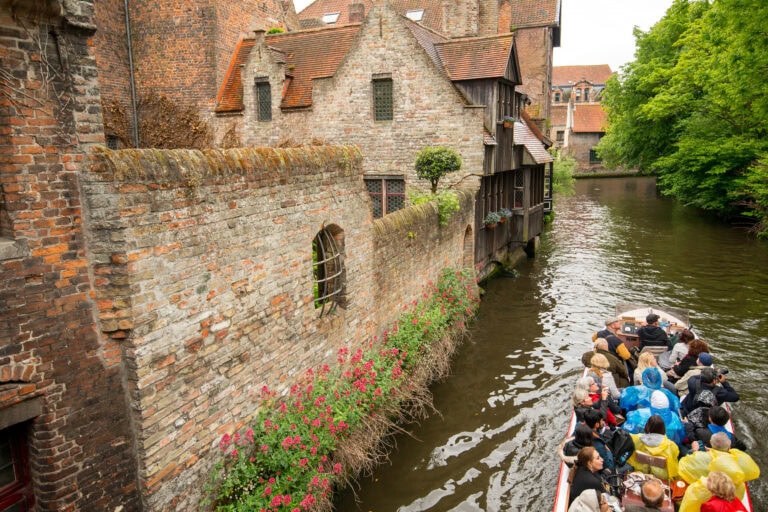
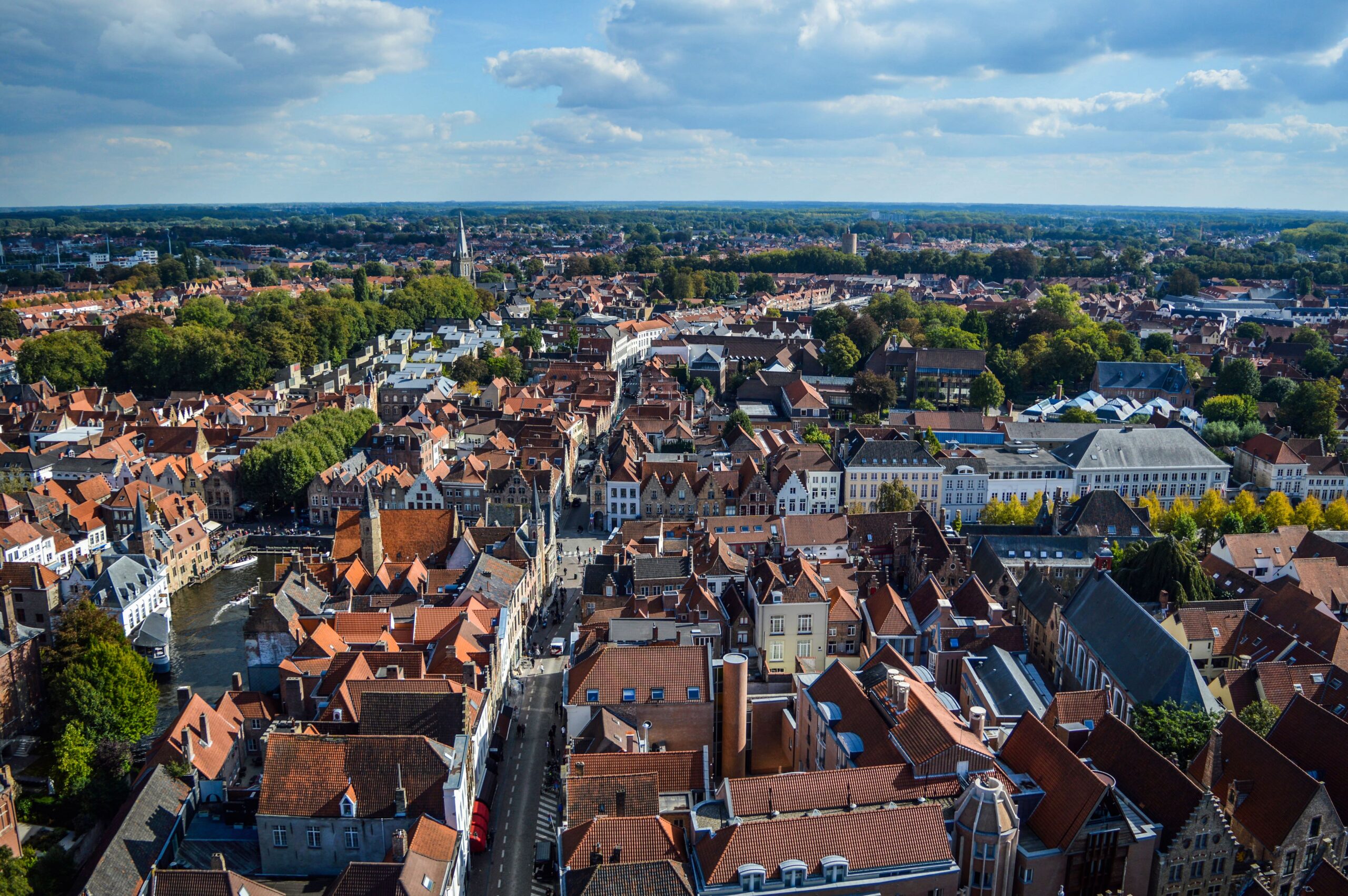
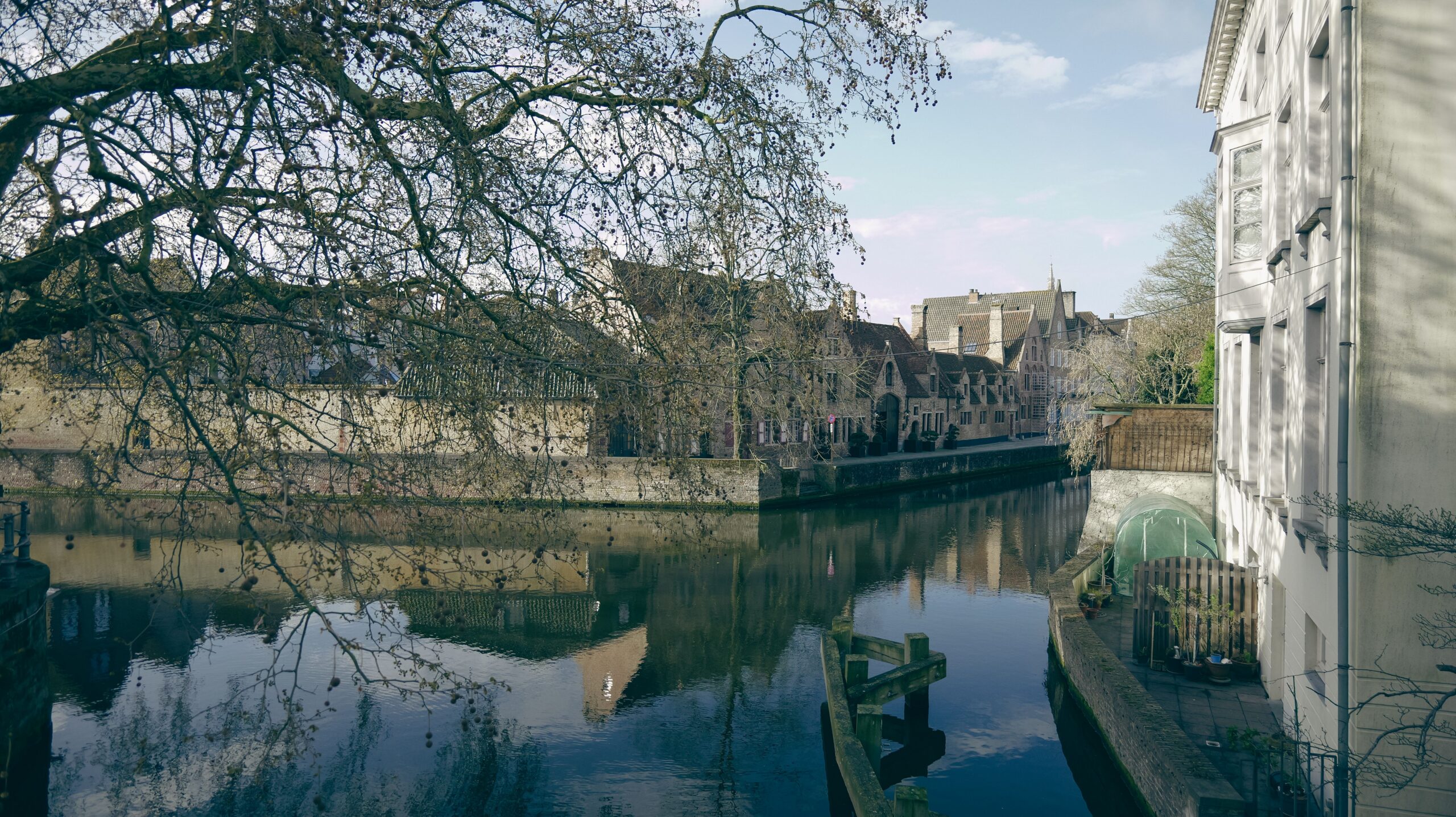
The best way to get to know the city is by walking. Not by hasty escape and chasing “photo spots”. Valladolid is a must-see, the houses, the streets, the doors, the windows, the facades.
Valladolid plays with colours, scents and often music, that’s when folkloric dances are performed in the local park. Valladolid is a good example of Spanish colonial architecture, and if you don’t have time for a trip to Merida or Campeche, be sure to give it plenty of attention.
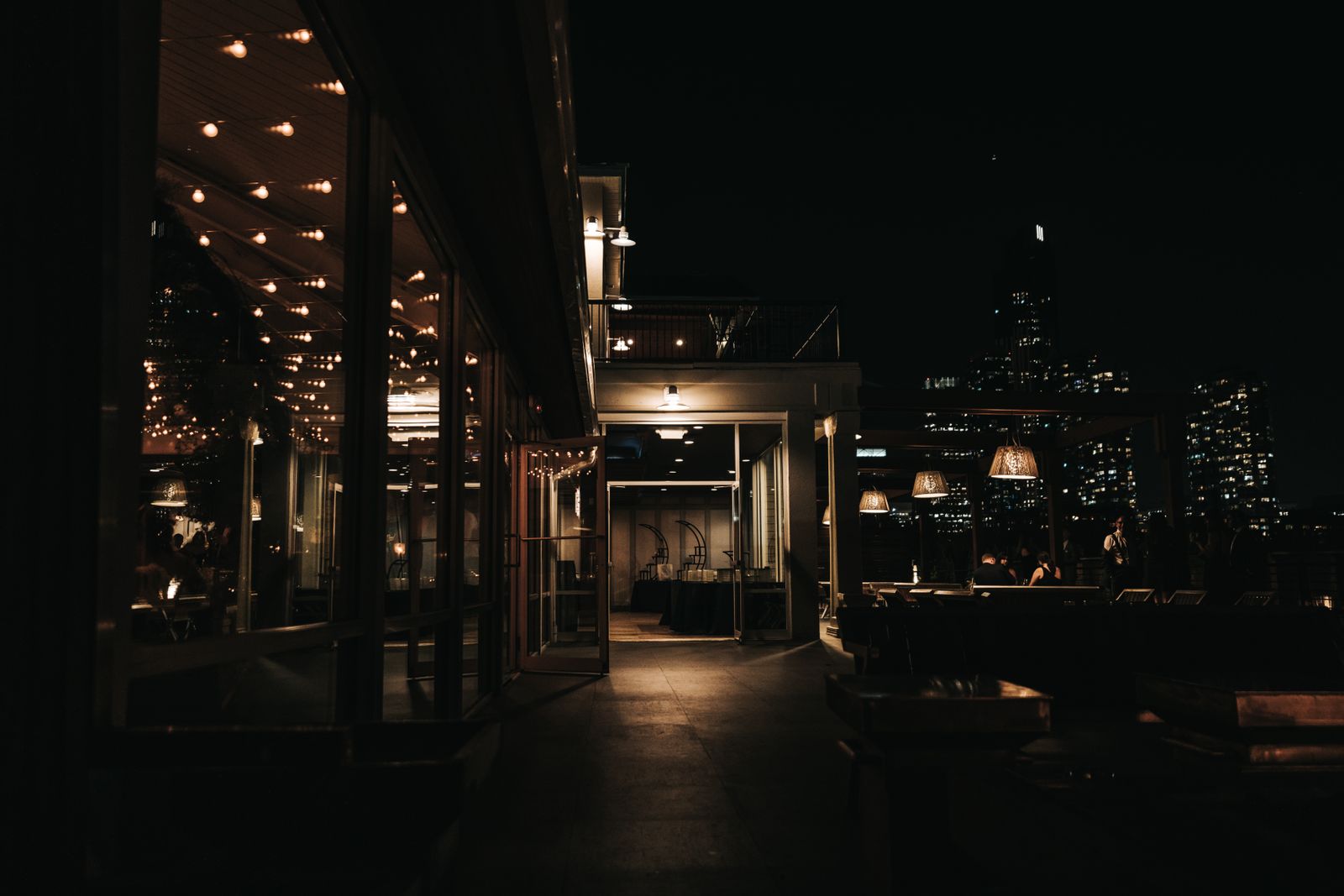
We recommend hitting the streets in the evening, as this is when life in Mexican cities comes alive. If you’re lucky, you’ll also see a light show.
The most beautiful Cenotes of the Yucatán: Zaci and Suytun
https://www.instagram.com/p/BwpwYvNpziO/
One of the most photographed places in Yucatán is definitely Cenote Suytun. The only problem is that the place has become so popular that you have to count on a really big crowd.
Cenote Suytun is an enclosed karst borehole where the light illuminates a platform in the water at midday. It looks really divine, but you won’t enjoy it unless you are willing to share the beauty with other people.
Cenote Zaci is popular mainly because it is located right in the middle of the city. On hot Mexican days, it’s the perfect place to cool off and take a break from the unbearable Yucatan temperatures.
There are dozens of other cenotes around Valladolid that are less well known and just waiting to be discovered. We visited several of them. They were definitely not as impressive as Suytun or Zaci, but the price was much lower and they were ideal for cooling down.
A trip to the pink lakes of Las Coloradas and flamingos
Pink salt lakes of Las Coloradas
If you’ve ever seen pink lakes on social media and thought it must be a hoax. It’s not! Las Coloradas is a day trip from Valladolid and definitely worth a visit.
Las Coloradas is the name of a small fishing village in the Yucatán, where there are beautiful pink lakes. This part of the Yucatán is part of the Rio Lagartos Biosphere Reserve, which is home to flamingos, crocodiles, jaguars and water turtles.
The pink lakes that we can visit today in Las Coloradas belong to a salt company. Such lakes for salt production were already here in the time of the ancient Maya. They are pink because of the red-coloured plankton – algae – that live in the very salty water.
It used to be possible to swim in the lakes, but now it is forbidden. You don’t have to be sad about it, it may have looked good in the photos, but people ended up with burnt skin from the water being extremely salty. We only touched the foam on the shore, and even that was not pleasant. Personally, I wouldn’t get in that water if I could.
The Yellow City of Izamal
Izamal is often called “the city of three cultures” because it combines Mayan, colonial and contemporary cultures. Around Izamal there are a number of important archaeological sites of the pre-Hispanic culture, in 16. century, the Spanish built the city on the site of the original Mayan city. On the site of the original pyramid, they built the present yellow Christian monastery. He dominates all of Izamal today.
The whole town of Izamal is yellow, so we recommend to walk not only the church, but also the adjacent streets. If you get hungry, be sure to visit Cafe Restaurante Los Arcos, where they not only have great food but also coffee. In addition, vegetarians can also choose.
Lukáš and Lucie recommend
Where to stay in Valladolid
4 accommodations — wellness hotels, hotels and other lodging options
One of the new wonders of the world – Mayan ruins of Chitzen Itza
Valladolid is also an ideal starting point for visiting one of the Seven New Wonders of the World – the Mayan ruins of Chichen Itza. They are 40 minutes from Valladolid, so you can be among the first visitors to this huge complex, which is also a UNESCO World Heritage Site. If you want to know more about Chitzen Itza, read our next article, where we not only describe the history of the place, but also provide a map and parking tips.
Buy a hammock in prison
Prison hammocks are the best quality in the Yucatan
Near Valladolid in Ebdun, they are said to have the best and highest quality hammocks in all of Mexico. All we can say is that in three months we have not seen better ones, and that even as a layman you can tell at a glance.It is not a fancy shop, but a simple stand in front of the local prison. These hammocks are made by local prisoners, and each hammock has the name of the prisoner who made it written on a sign.
The prices are not negotiable and are not among the lowest, you can pay 2-3 thousand for one hammock.The price depends on the size, they have hammocks for singles, couples, but you can also find family sizes. Count on the fact that a good quality hammock is much heavier than the ones they try to sell you on the beach, and also that if you get your hands on these, you won’t want another one. Unfortunately we didn’t end up buying one, we wanted a small one for singles, and they were just sold out. Hopefully you’ll have better luck and at least we have an extra reason to come back.
Day trip to Merida
One of the most beautiful towns in the Yucatán – Merida
Merida is a two-hour drive from Valladolid, but still worth a visit. The capital of the Yucatán is one of the most prosperous cities in this part of Mexico. You’ll find beautiful colonial architecture, lovely cafes and great food.
Merida is completely different from all the places we’ve explored in the Yucatán, I just don’t know how to describe it. I’d say it’s probably the most colonial of all the cities, and you can finally get a proper taste of Mexican culture. You can explore the city by carriage, which are very cheap here compared to Europe, or you can explore on foot. But if you have time, don’t skip it. We liked it so much that we forgot to take pictures.
We chose Hostel Candelaria, which offers private rooms in addition to shared rooms. The hostel is very nice, clean and located right in the city center.
[/lgc_column]
[lgc_column grid=”33″ tablet_grid=”33″ mobile_grid=”100″ last=”false”]
If you’re looking for a more private or family-friendly room, be sure to check out Hotel Real Colonia. Breakfast is not included, but you can pay extra for it. But for a great price, you get total privacy.
[/lgc_column]
[lgc_column grid=”33″ tablet_grid=”33″ mobile_grid=”100″ last=”true”]
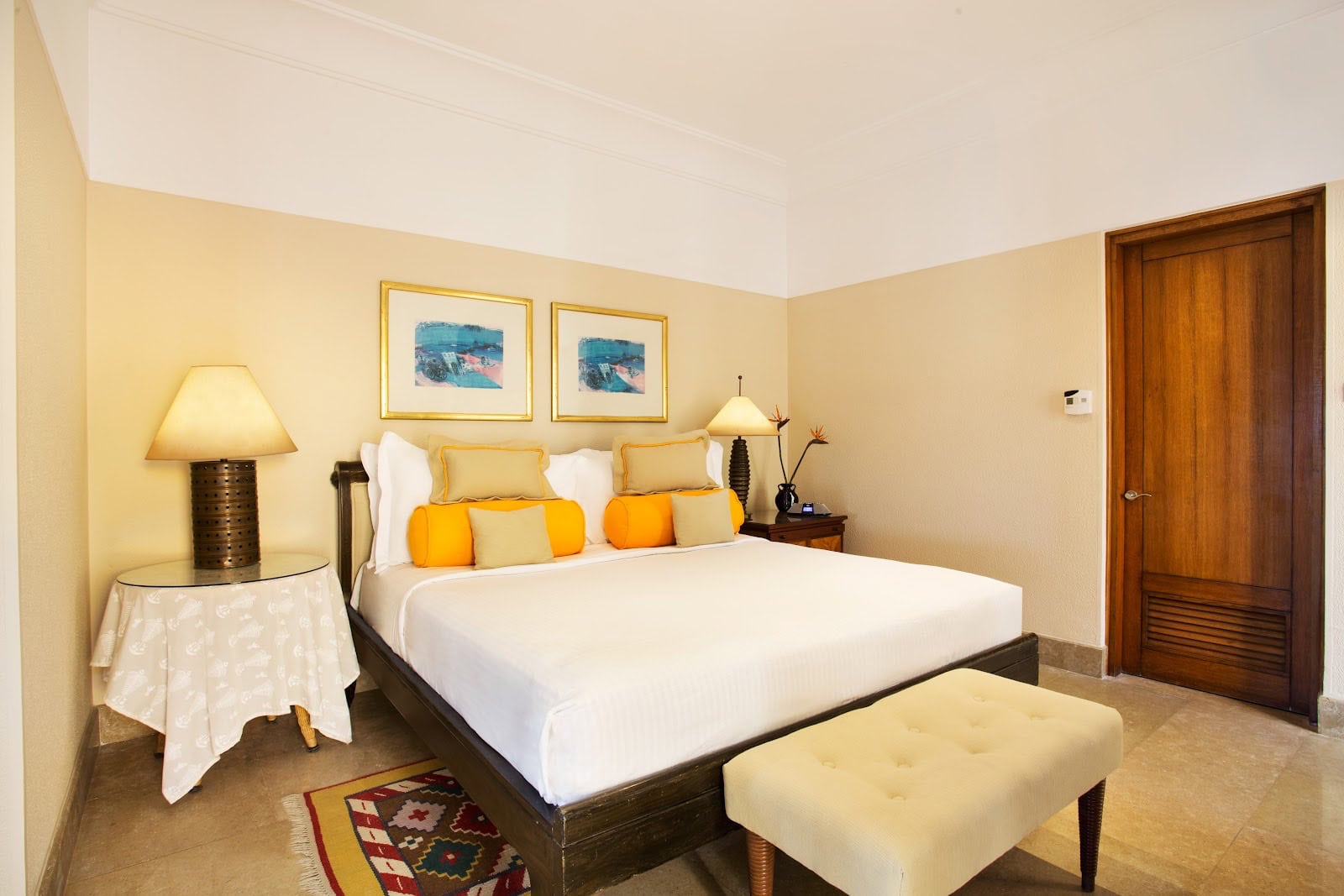
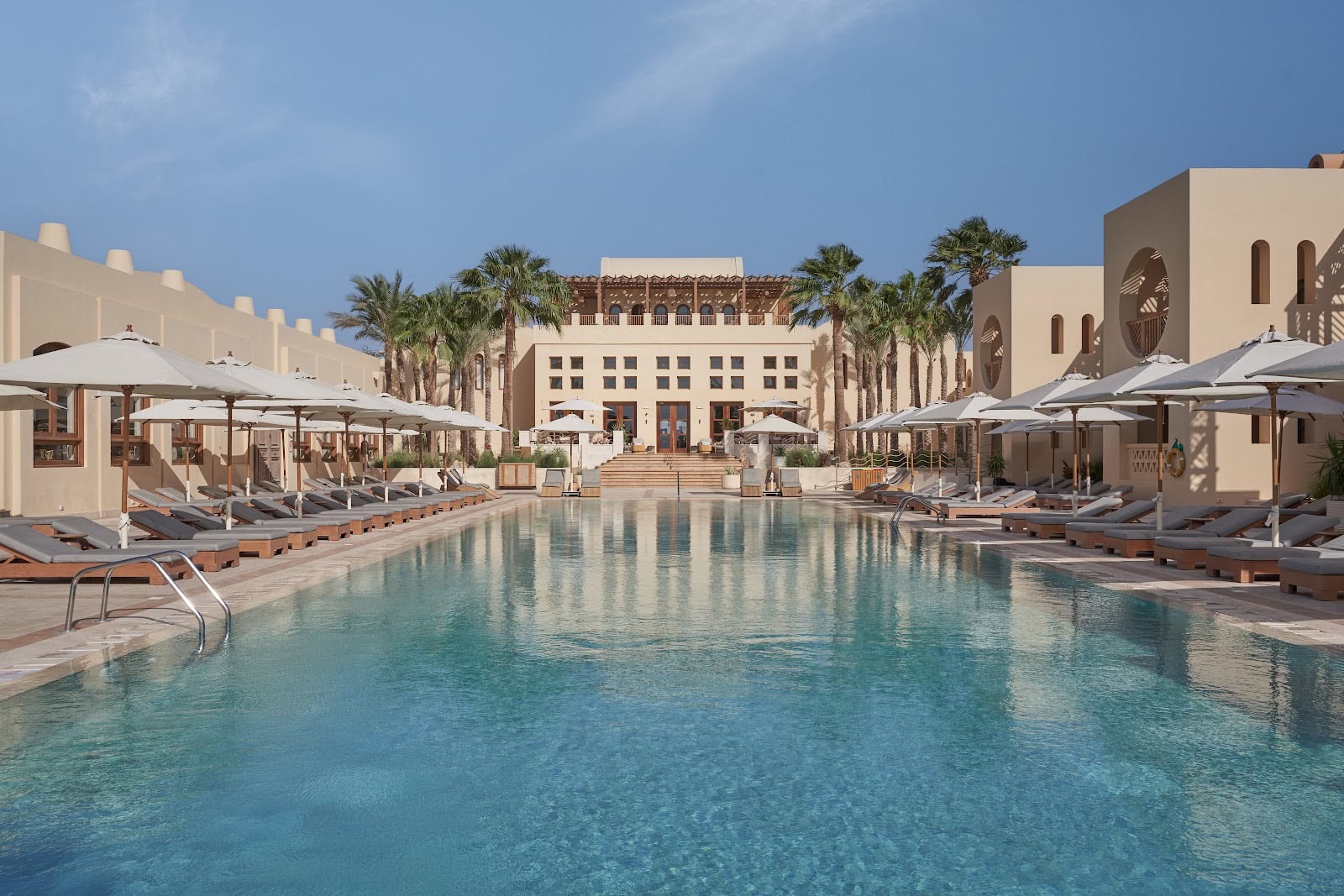
Mayan Majesty Boutique Hotel is one of the best hotels in Valladolid. It offers a beautiful outdoor pool, a rich breakfast and a place to relax.
[/lgc_column]
Tips and tricks for travelling in the Yucatán
What to pack
Take a look at our travel packing guideto help you prepare. Choose the right travel backpack, check out the travel gadgets and don’t forget anything important at home.
🔗 These are affiliate links — they don't change your price and help us create content. · All experiences →
Tips and Tricks for Your Vacation
Don’t Overpay for Flights
Search for flights on Kayak. It’s our favorite search engine because it scans the websites of all airlines and always finds the cheapest connection.
Book Your Accommodation Smartly
The best experiences we’ve had when looking for accommodation (from Alaska to Morocco) are with Booking.com, where hotels, apartments, and entire houses are usually the cheapest and most widely available.
Don’t Forget Travel Insurance
Good travel insurance will protect you against illness, accidents, theft, or flight cancellations. We’ve had a few hospital visits abroad, so we know how important it is to have proper insurance arranged.
Where we insure ourselves: SafetyWing (best for everyone) and TrueTraveller (for extra-long trips).
Why don’t we recommend any Czech insurance company? Because they have too many restrictions. They set limits on the number of days abroad, travel insurance via a credit card often requires you to pay medical expenses only with that card, and they frequently limit the number of returns to the Czech Republic.
Find the Best Experiences
Get Your Guide is a huge online marketplace where you can book guided walks, trips, skip-the-line tickets, tours, and much more. We always find some extra fun there!
TL;DRTulum, on Mexico’s Yucatán coast and about 90 minutes’ drive from Cancún, is famous for its white beaches with turquoise water, the Mayan ruins perched on a cliff above the sea, cenotes like Gran Cenote and Dos Ojos, and snorkelling with turtles at Akumal beach, where entry is free.
There are 14 tips here, including trips to the Cobá ruins (entry around 100 pesos), the Kaan Luum lagoon (about 20km from Tulum), and the Xel-Ha water park (22km from Tulum, entry 80 dollars). The best way to get around town is by bike, with rentals from 150 pesos a day, since Uber doesn’t operate here. November to March is the best time to catch the beaches free of seaweed, with February being the sweet spot.
Are you planning a trip to Tulum, Mexico and don’t know what to do? Tulum is a beach town on the Yucatán Peninsula in eastern Mexico, about an hour and a half drive from the tourist resort of Cancun. We spent two months in the Yucatán and had the opportunity to explore Tulum. We’ve got a list of things you need to see and try.
The most beautiful beaches in Tulum
You wouldn’t think so, would you? 🙂 But it’s not to be missed, the beaches are really the biggest attraction if you’re going on holiday to the Yucatán. No wonder, the fine sand and crystal clear water enchanted even us, and we are not really into beaches at all!
Warning:Due to global warming, the Yucatán is experiencing an influx of untold amounts of seaweed that can remain on the beaches for weeks or even two months. It’s impossible to tell when exactly they arrive and to be honest with you, it kind of spoils the whole experience of the otherwise perfectly white beaches.
2) Cenotes
{%CAPTION%}
If you’ve done any research on the Yucatán, you’ve already come across karst caves filled with underground and rainwater. Some of them have sunken ceilings, forming deep pools of fresh (or semi-sweet) water, which is refreshing in contrast to the sea.
Take a trip with local Czech guides in Yucatán! The offer can be found on the website likexpats.com.
One of the best places in the world to dive
There are just over 6,000 cenotes in the Yucatán , and one is more beautiful than the other. Not far from Tulum you will find our favourite Gran Cenote (there are turtles there!), and if you head towards Playa del Carmen, we also recommend visiting Cenote Azul. Both of these Cenotes are suitable for snorkeling and perfect for photos.
Those of you who know how to dive should definitely go to Dos Ojos, but be warned, you will need a basic PADI diving license. If you want to go for a swim, we recommend visiting the lesser visited Cenote Xunaan Ha.
If our tips aren’t enough, you can find a clear and updated list of the best cenotes in the Yucatán at Anna Everywhere.
3) Where to swim for free with turtles in Yucatan? Akumal Beach
You can swim with turtles for free at Akumal Beach
The best place to swim with turtles is Akumal beach just outside Tulum. Park just outside Oxxo (on the right hand side when coming from the motorway) for 50 pesos per day.
Entrance to the beach is free, although the locals will try to convince you that it is not and will try to guide you to the “official entrance”. In fact, you don’t pay for access to the beach, but for the use of their showers and toilets. Yes, even a lot of foreign blogs get this information wrong.
Don’t let the locals fool you!
Instead, look for the Akumal Dive Shop, through which you can walk to the beach for free. As of 2019, there is a gate next to the Akumal Dive Shop mentioned above that will ask you to pay $5, but you go through the shop.
At Akumal Beach, there are two ways to snorkel with turtles. You either pay $35 per person for a trip where they take you a short distance from shore, or you go left after exiting the Akumal Dive Shop to the end of the beach when you can snorkel on your own. We learned this information by accident when Mexicans came to the beach and the “chasers” told the tourists “this is for tourists only, go back there.” Yes, the “chasers” have uniforms that are supposed to give an “official” impression.
Early birds can go snorkeling on their own, others will have to pay for the trip
If you decide to snorkel alone, we recommend arriving early in the morning, preferably before 9:30. After 11:00 the water starts to get murky due to the cruise ships and you would not see anything. If you arrive late, it is better to pay for a boat trip. The locals will take you a short distance from the shore, where visibility is good again.
Where to buy snorkelling equipment
Don’t rent snorkeling gear, you’ll pay more for it than if you bought it at Wallmart. We got ours for 230 pesos with a snorkel (but you can get them for 150 pesos). We bought one and took turns in the water. Your own equipment is also worthwhile for snorkelling in the Cenotes. If someone tells you that you have to have a life jacket, again, this is not true.
4) Instagram-friendly museum IK LAB
Iklab Tulum
If you like Instagram posts or are, like us, a fan of modern architecture, stop by IK LAB. This gallery belongs to the famous Azulik Hotel and Kin Toh Restaurant, but unlike the hotel, you can enjoy the gallery for free. The tour only takes 20 minutes. Be warned, you are only allowed to take photos and videos inside with your phone, but it’s definitely worth a visit.
5) Mayan ruins in Tulum
Ruins in TulumHead out in the morning. And not only because of the large number of people who visit the ruins, they won’t bother you as much as the crazy heat and almost no shade. If you love the history of the Mayan civilization, the morning hours allow you to walk through the ruins in peace, and still take pictures without the crowds.
The ruins of Tulum are not as majestic as Chitzen Itza or Uxmal, but they are perched high on a cliff, and you’ll probably see ravens and rhinos (cute animals) around the ruins.
The original Mayan city was originally called Zama (the place where the sun rises), and due to its location it belonged to the 13. and 14th century among the most important city-states of the Yucatán.
6) Lagoon – Kaan Luun Lagoon
Photo: caribbeanplanet
A hidden treasure about 20 km from Tulum. A lagoon with beautiful emerald water, where you pay around 50 pesos for a swimming entrance and 150 pesos for diving. If you don’t have a car, you can use the colectivos from Tulum to Felipe Carrillo, and walk it from there. It’s not that far.
7) Visit Xel-Ha
We went to Xel-Ha theme park for one day and we didn’t regret it.Xel-Ha means “where water is born” in Mayan and is located 22 km from Tulum. It’s actually a huge aquarium and an amusement park at the same time. Ideal place for families with children or for those who just want to have fun and eat all day.
Entry for an adult is $80, but includes unlimited food, drinks, and even beer and some cocktails. There are climbing frames for the little kids, and the bigger kids will appreciate the water slide (well, not just the kids). Snorkelling equipment is included in the price and you can snorkel everywhere.
Definitely try some of their ziplajn and check out the cenotes there. There are some beautiful parrots in the park.
There are also these beauties in the park
You can buy extra attractions (like swimming with dolphins and manta rays) in addition to the admission fee, and a photo pass for $27. There are professional cameras scattered throughout the park, so you don’t have to bring any equipment. Simply attach your wristband, activate the camera and purchase the photos at the end of the day.
8) Hippie and boho shops and restaurants in the hotel zone
Tulum has a large number of boho and hippie shops
Okay, now you might be thinking I’m crazy for suggesting you go to the stores. But nowhere have I seen such a concentration of stylish shops, cafes and restaurants as in Tulum. You will find everything your heart desires.
Handmade soaps,fair-trade clothing, vegan food, raw ice cream and perfect coffee. As we walked, my eyes lit up, dream catchers swung in the air, tourists rode bicycles along the paths, and restaurants served beautifully decorated meals. When it got dark and the lights came on everywhere, I was in paradise.
9) Try yoga on the beach
It’s not a problem to practice yoga on the beach in Mexico. We’ve seen classes advertised absolutely everywhere, so if you’re one of those people who love yoga, stay in the hotel zone and explore the area. You can probably find 2-3 places offering yoga within five minutes.
10) Explore the city outside the hotel zone
And the best ice cream in Tulum is here! Helados Buena Estrella Tulum
The hotel zone is different from the city itself, although it too is similarly thriving. Souvenirs are much cheaper here, as is the food. If you want to enjoy at least partially authentic Mexican cuisine, be sure to venture out of the hotel zone and into the city for at least a day.
Lukáš and Lucie recommend
Where to stay in Tulum
4 accommodations — wellness hotels, hotels and other accommodation options
The ruins of Coba: Don’t forget to rent a bike!
Just under an hour from Tulum is Coba, the majestic ruins left behind by the Mayan civilisation. You will appreciate that there are fewer people than in Chitzen Itza and the entrance is a bit lower, only 75 pesos per person (about 100 CZK). Once you’ve walked the first few dozen meters, they offer you that you can rent a bike for 50 pesos. Definitely do that. The complex is rather large and marching in the hellish Mexican heat can be exhausting.
Coba is also one of the last few ruins that can be climbed! The highest pyramid has 120 steep steps and most people climbed them on all fours. But if you climb them, you will have a beautiful view.
12) Go snorkelling in a natural aquarium
Yal-ku is a beautiful natural aquarium just outside Akumal
Yal-ku is a beautiful natural aquarium just outside Akumal, where you can snorkel. You can go here on your own or as part of a paid trip. If you’re driving yourself, there is free parking at Yal-ku, and there are also toilets, showers and lockers. Entrance costs around 280 pesos (300 CZK).
Where to eat vegetarians and vegans
Vegan food in Tulum
Vegetarian food is more of a problem in Mexico than we expected, thankfully Tulum is an exception. You will find a variety of vegan and vegetarian places here, and some even with very nice prices.
In Mexico, wi-fi is sometimes a problem. The best way is to have a Mexican sim card and buy unlimited internet for two hours for 15 pesos. If you insist on sitting down somewhere for coffee and internet, try BABEL Cafe.
Hostel right in the hotel zone in Tulum, which has its own cenote and restaurant with affordable prices. That’s almost a miracle in a hotel zone.[/lgc_column]
[lgc_column grid=”33″ tablet_grid=”50″ mobile_grid=”100″ last=”false”]
Zamunda Garden View Apartments may not be right on the beach in the hotel zone, but you get a great apartment at a great price. Accommodation is located in the city center.[/lgc_column]
[lgc_column grid=”33″ tablet_grid=”50″ mobile_grid=”100″ last=”true”]
One of the most stylish hotels in all of Mexico.[/lgc_column]
How to get around Tulum
Tulum is a safe place, so you don’t have to be afraid to walk alone day or night. The most popular mode of transport is a bicycle, which you can get from 150 pesos (about 200 CZK) per day and a taxi. Please note that if you want to rent a car, parking in the hotel zone will cost 200 pesos (240 CZK) or more per day.
Tips and tricks for travelling in Mexico
What to pack
Take a look at our travel packing guideto help you prepare. Choose the right travel backpack, check out the travel gadgets and don’t forget anything important at home.
We commonly use a grader DiscoverCars.comto help us choose a car provider. In Playa del Carmen try writing to the web everythingplayadelcarmen.org, Sergio will take care of you.
🔗 These are affiliate links — they don't change your price and help us create content. · All experiences →
Tips and Tricks for Your Vacation
Don’t Overpay for Flights
Search for flights on Kayak. It’s our favorite search engine because it scans the websites of all airlines and always finds the cheapest connection.
Book Your Accommodation Smartly
The best experiences we’ve had when looking for accommodation (from Alaska to Morocco) are with Booking.com, where hotels, apartments, and entire houses are usually the cheapest and most widely available.
Don’t Forget Travel Insurance
Good travel insurance will protect you against illness, accidents, theft, or flight cancellations. We’ve had a few hospital visits abroad, so we know how important it is to have proper insurance arranged.
Where we insure ourselves: SafetyWing (best for everyone) and TrueTraveller (for extra-long trips).
Why don’t we recommend any Czech insurance company? Because they have too many restrictions. They set limits on the number of days abroad, travel insurance via a credit card often requires you to pay medical expenses only with that card, and they frequently limit the number of returns to the Czech Republic.
Find the Best Experiences
Get Your Guide is a huge online marketplace where you can book guided walks, trips, skip-the-line tickets, tours, and much more. We always find some extra fun there!
TL;DRMexico City comes with 24 ideas for day trips and sights, from the historic centre with its Zócalo, Templo Mayor and cathedral to the Palacio de Bellas Artes, the floating gardens of Xochimilco, and a day trip out to Teotihuacán, about 40 minutes from the city. Give yourself at least 3 days, ideally 4–5, and come between March and May, when it’s dry and a pleasant 25–30°C. Base yourself in the centre or in Roma Norte, La Condesa, or colonial Coyoacán, home to Frida Kahlo’s Blue House — book tickets online 2–4 weeks ahead. Entry to Chapultepec Castle costs 210 pesos, while the Soumaya Museum is free.
Mexico City is the capital of Mexico and one of the oldest metropolises in North America. It offers its visitors a rich cultural and gastronomic experience, and it is also a great starting point for many trips to the surrounding area.
You won’t find a single place in Mexico that resembles Mexico City, and you certainly can’t apply what applies to this metropolis to the rest of Mexico.
Typical Mexico City street with crooked houses
Mexico City was founded by the Aztecs 13. March 1325 and since 1521 it has been called Ciudad de Mexico (Mexico City). It has 9 million inhabitants and is a very densely populated city located at a high altitude of 2,240 metres.
Mexico is a place of high seismic activity and earthquakes are common, although most of the time they are very small tremors that you don’t even notice. As you walk through the streets, you may notice crooked houses, which were probably caused by the earthquake. At least we think so.
Although Mexico City is not built directly on a lithospheric plate fault, it is located relatively close to one of the most threatened places. The danger is compounded by the unfortunate surface on which the city was built. Mexico City was built on an island of the ancient Lake Texcoco.
Earthquake occurrences in Mexico
This unique geology of the city dramatically amplifies the effects of the earthquake, and although the epicentre is not directly in Mexico City, the consequences can be devastating. In 1985, an 8.0 magnitude earthquake killed over 10,000 people in Mexico City, and in 2017 a 7.1 magnitude earthquake killed 370 people. The lower death toll in 2017 was not only due to the lower magnitude that the earthquake had, but primarily due to the warning system that the city put in place after 1985. Currently, the system can warn residents one minute before an earthquake strikes.
What to do in case of an earthquake
In Mexico City, radio alarms are placed throughout the city to sound in case of danger. But you can’t tell from the warning how strong the earthquake is, and you don’t have time to find out anything else. You have a 45-60 second head start. Try to stay calm and don’t panic.
If you are outdoors, cover your head and neck with anything, if you can’t find anything suitable, use your hands. Try to get to an open area so that no buildings, trees, lamps, or power lines can fall on you. If you are inside the building and can leave within 45-60 seconds, do so. It is not recommended to use stairs or lifts.
What to do in an earthquake
When evacuation of the building is not possible, find a suitable place to shelter. For example, a table is often recommended. Try to stay away from windows, walls that separate you from the street and anything that might fall on you. It’s generally not a good idea to hide in the kitchen.
In the capital of Mexico, we were surprised by a very friendly and peaceful atmosphere, which is not usually found in metropolises. If you are not in a touristy place, you will be mainly among the locals. In the end, we were sorry that we were not here for at least a week. It blends Aztec and colonial history, elements of the metropolis, western influences and traditional Mexico.
Shamanic incantations in Mexico City
Walk through the historic centre of Zocalo
If you can, you should set aside at least one full day for the centre. What you should not miss:
El Tempo de Mayor is a museum for those who are fascinated by the Aztecs. In the museum you will find many remains of the Aztec civilization. It is open every day except Monday from 9:00 to 17:00.
La Catedral Metropolitana is located just opposite the museum and was built on the ruins of the ancient Aztec city of Tenochtitlan. Outside the cathedral you will often meet shamans and you can let them drive the evil spirits out of you.
La Catedral Metropolitana
El Palacio Nacional is where you will find the famous mural describing the history of Mexico by Diego Rivera. This painter was the most famous Mexican painter of his time and the husband of Frida Kahlo.
Monumento a la Revolucion
El Palacio de Bellas Artes is the cultural centre of the city. There are theatres, dance and music performances, opera and important photographic exhibitions.
El Palacio de Bellas Artes
At the same time, this building is an amazing example of eclectic (mix) architecture of the 20th century. century, but in principle it is Art Deco. The interior is lavishly decorated and the curtain of the theatre is made of nearly a million Tiffany crystals.
Palacio Postal
The beautiful post office, located a short walk from El Palacio de Bellas Artes, is a must-see for any architecture lover. Once again, it is an example of eclectic architecture, mixing Art Nouveau, Spanish Rococo, Gothic, Baroque and Neoclassicism. But the beautiful staircase will take your breath away.
Palacio Postal, Mexico City
Xochimilco
After a long day of running around the historic centre, you will definitely appreciate Xochimilco. It’s a little further from the centre, but it’s easy to get here by public transport. For Mexico City residents, Xochimilco is synonymous with partying.
Xochimilco is an urban district in which you will find a canal system. Here you can rent a colourful boat, similar to the Venetian gondolas, take a ride and relax. Locals come here to celebrate just about everything.
Casa Azul
If you’re going to Mexico City and you’ve never heard of Frida Kahlo, be sure to watch a movie about her. It will give you an extra dimension when visiting not only the capital, but the whole of Mexico. I’ve never been in a Mexican household that didn’t have a portrait of this painter.
Casa Azul, Mexico City
Casa Azul is her home, where she lived with Diego Rivera. To visit, book your tickets in advance, otherwise you will be standing for several hours. We also recommend coming to the opening.
Frida Kahlo Potrét, Casa Azul, Mexico City
Go to the local market
The city’s most iconic market is the Mercado Coyoacan. You’ll find everything from vegetables to handmade baskets. This market is suitable for those who want to really soak up the local atmosphere. If you don’t like lots of people and narrow streets, avoid this place.
The Mercado Medellín is a market focused mainly on vegetables. It is also very popular because it sells products from other Latin American countries.
Mercado Coyacan, Mexico City
Mercado Roma is a western-style market. The three-story building offers Spanish wines, vegan tacos and a rooftop beer garden.
Mercado Sonora focuses on handmade products and features crystals, various shamanic artifacts and carved figures. If you’re interested in mysticism, make sure you go here. It is a place where Mexicans practicing Voodo and worshipping the death cult Santa Muerte go.
Day of the Dead in Mexico is a popular event
The Mercado de San Juan is housed in two buildings separated by a block. In one building you can find fruit, vegetables and meat, in the other building you can have a ready meal.
Mercado de Artesanias La Cuidadela
A place where you can get traditional Mexican products from other regions. Here you will find ceramics from Chiapas, Guerreros silver and textiles. People head here for a wide range of clothing from local artists from all over the country.
Teotihuacán: day trip
About 40 minutes from Mexico City is a former Aztec city that is definitely worth a visit.
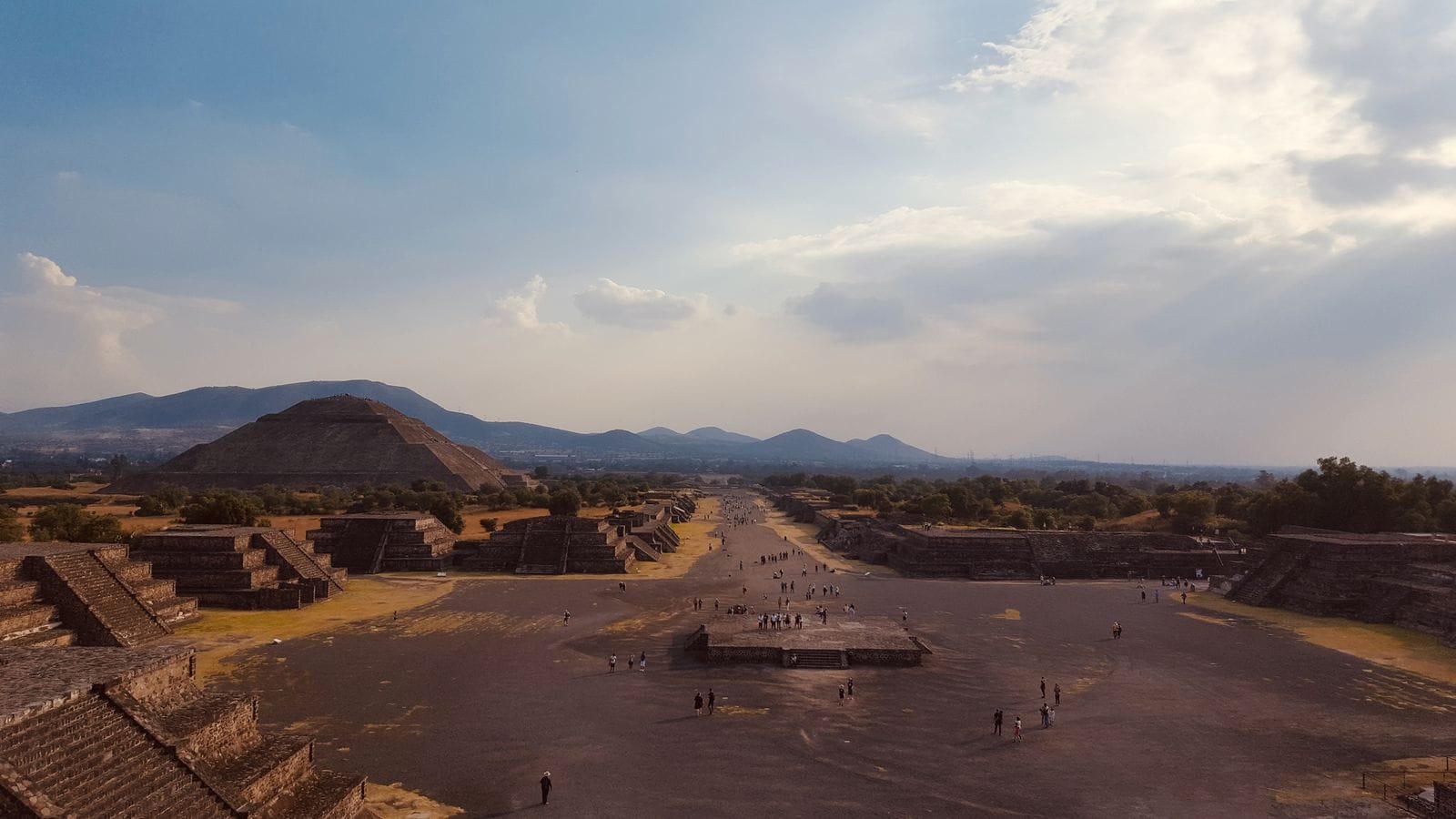
Set aside one full day for the ancient Aztec city. It has been a UNESCO World Heritage Site since 1987 and is one of Mexico’s most visited monuments. But you don’t have to worry about tourists, the complex is really huge.
Teotihuacán
The city was founded here in 400 BC and 800 years later it was the most influential and powerful city in the region. It is not known who built the city, the Aztecs did not occupy it until 1400 AD, when it acquired the name we know it by today – Teotihuacán.
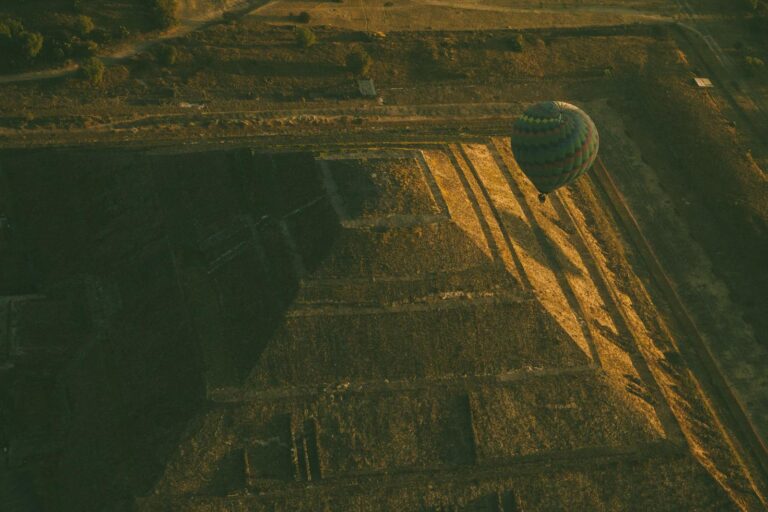
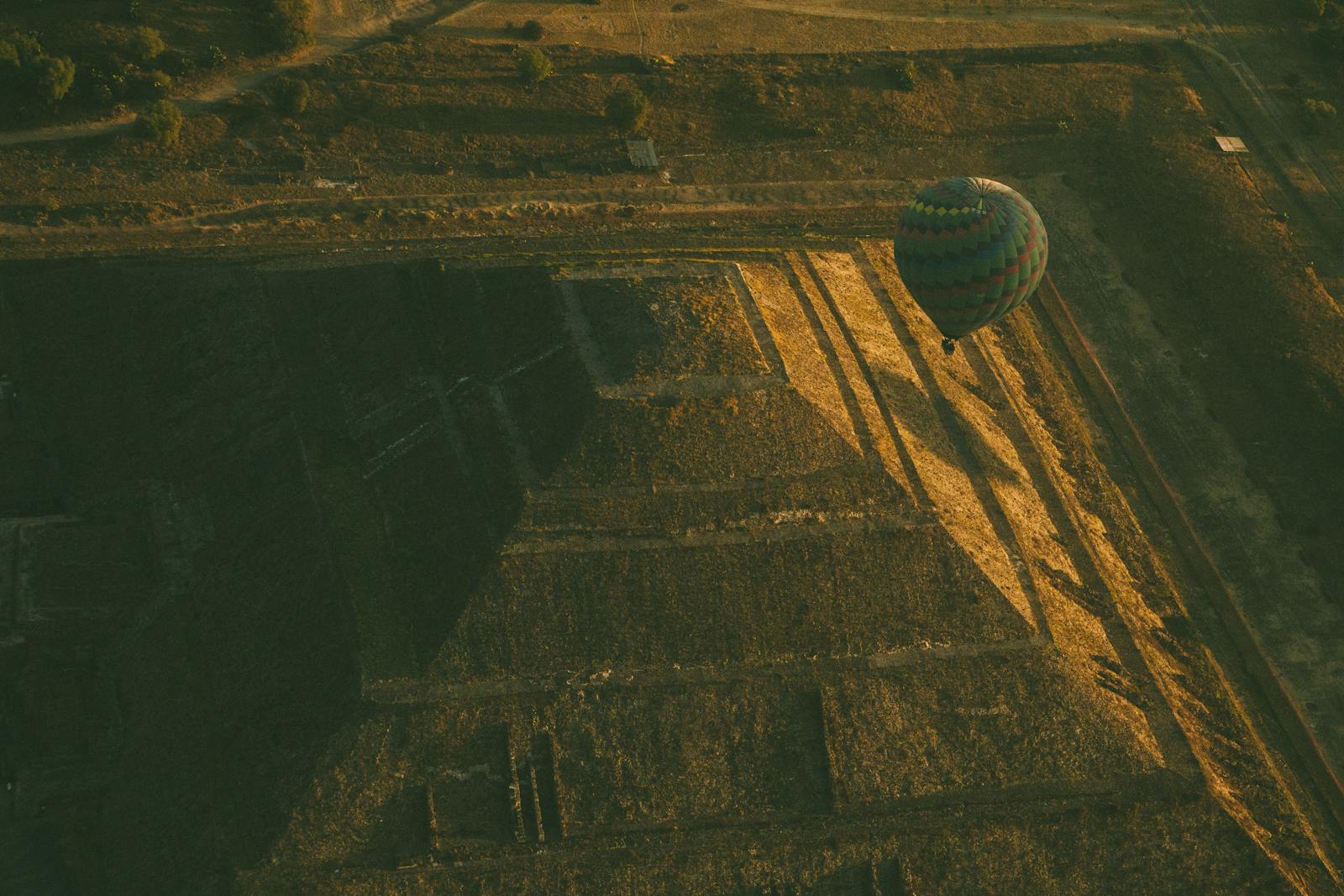
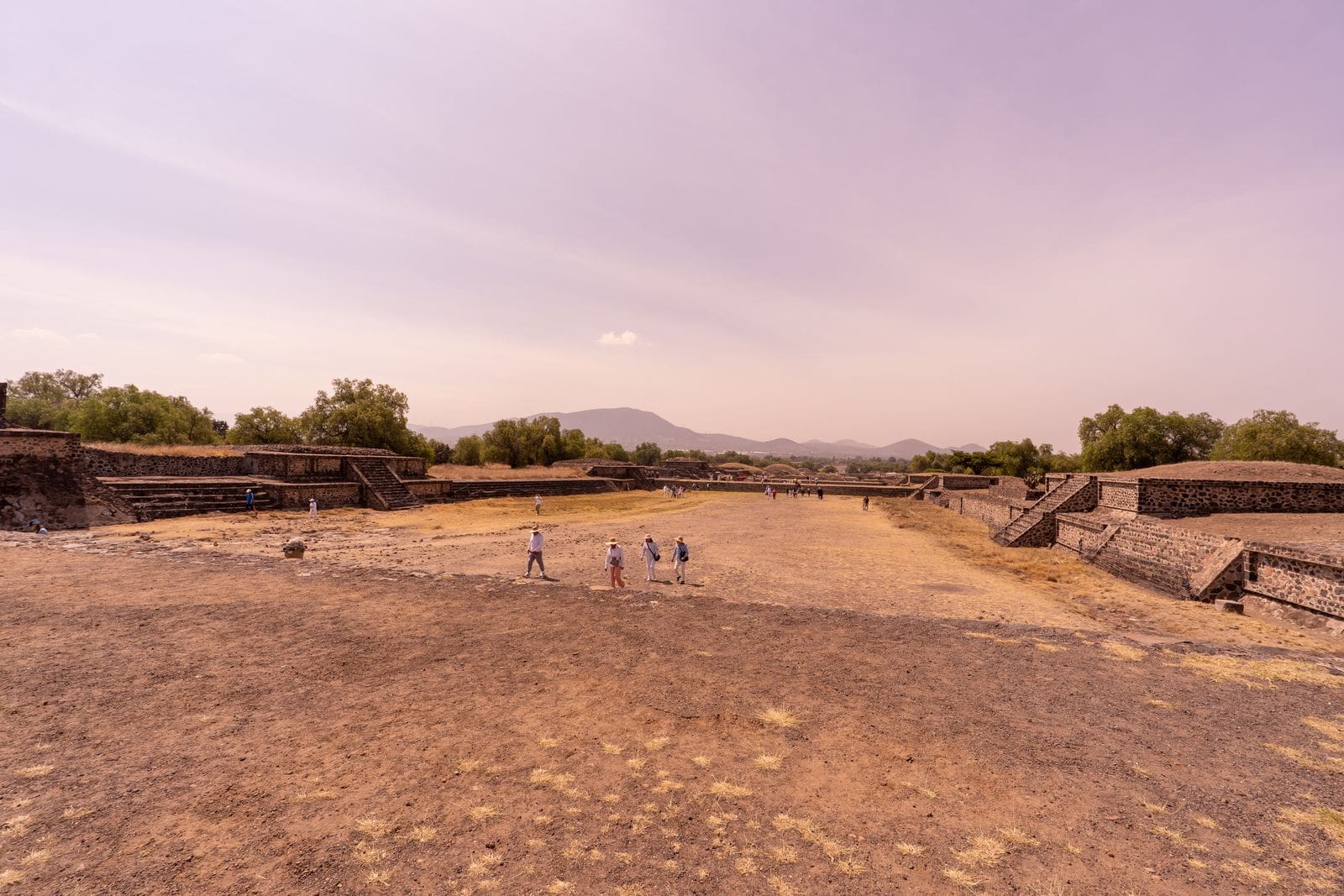
If you were to look at the city from a bird’s eye view, you would see that the streets are built in a grid. The city covers 20 square kilometres and contains 20,000 single-storey dwellings. Today you can admire the remaining pyramids and plazas. You can climb most of the pyramids in the meantime. Not the one Frida Kahlo climbed in the film, unfortunately.
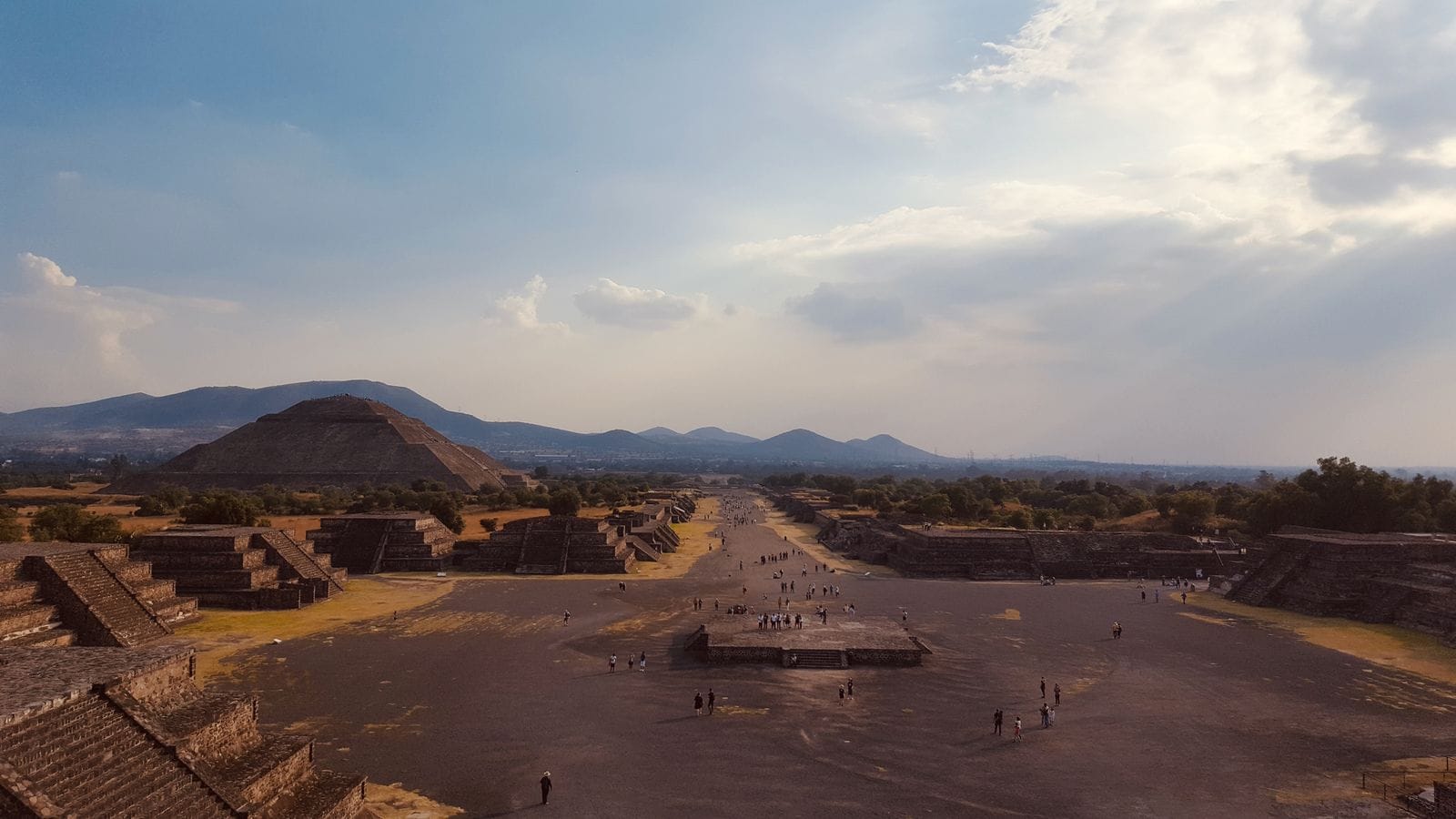
View of the tallest building in Teotihuacán
How to get to Teotihuacán
There is no need to pay for an expensive tour, you can get to Teotihuacán comfortably by bus. First, take the metro or a taxi to Terminal Central del Norte, where buses run every half hour to Teotihuacán.
A return ticket will cost you around 100 pesos. We recommend leaving around 9:00 or a little earlier to avoid the main tourist rush. Teotihuacán opens its doors at 9:00.
There are a number of food stalls and pay toilets at the bus stop. The food is not overpriced, but it’s not a gastronomic experience either. Nearby you will find the La Gruta restaurant, where most tourists go.
Take a look at our travel packing guide to help you prepare . Choose the right travel backpack, check out the travel gadgets and don’t forget anything important at home.
Search for flights on Kayak. It’s our favorite search engine because it scans the websites of all airlines and always finds the cheapest connection.
Book Your Accommodation Smartly
The best experiences we’ve had when looking for accommodation (from Alaska to Morocco) are with Booking.com, where hotels, apartments, and entire houses are usually the cheapest and most widely available.
Don’t Forget Travel Insurance
Good travel insurance will protect you against illness, accidents, theft, or flight cancellations. We’ve had a few hospital visits abroad, so we know how important it is to have proper insurance arranged.
Where we insure ourselves: SafetyWing (best for everyone) and TrueTraveller (for extra-long trips).
Why don’t we recommend any Czech insurance company? Because they have too many restrictions. They set limits on the number of days abroad, travel insurance via a credit card often requires you to pay medical expenses only with that card, and they frequently limit the number of returns to the Czech Republic.
Find the Best Experiences
Get Your Guide is a huge online marketplace where you can book guided walks, trips, skip-the-line tickets, tours, and much more. We always find some extra fun there!
TL;DRPlaya del Carmen on Mexico’s Yucatán coast comes with 14 ideas for things to do, from swimming in cenotes (Jardin Del Eden and Cenote Azul are both worth it) to a full-day ferry trip to Cozumel (the crossing takes about 45 minutes) and the Mayan ruins at Tulum, Cobá and Chichén Itzá, roughly 2.5–3 hours away by car. The best time to go is the dry season, November to April, when the sea stays above 26°C, while April to October brings sargassum seaweed to the beaches, peaking around June to August. There’s also advice on Punta 88 beach, a stroll down 5th Avenue, swimming with turtles at Akumal, and getting into Chichén Itzá for around 800 Kč.
Dreaming of a getaway to Mexico? Playa del Carmen, located in the Riviera Maya on the Yucatán Peninsula, offers a vibrant mix of natural beauty, cultural experiences, and thrilling adventures. Just an hour south of Cancún, this beach town is the ideal destination for everything from relaxing on powdery beaches to exploring ancient ruins.
Whether it’s sunbathing on the pristine shores, swimming in crystal-clear cenotes (natural pools), or savoring local cuisine, Playa del Carmen has something for everyone. Beyond its bustling 5th Avenue and the area around Playacar, you’ll discover charming spots frequented by locals, offering a more authentic experience.
During our month-long stay, we uncovered some of the best activities to enjoy in and around Playa del Carmen, all within a short drive or bike ride. Here’s a list of our top recommendations, along with insider tips on where to eat, explore, and unwind.
At the end of this guide, you’ll find a helpful map to easily plan your itinerary, ensuring you make the most of every day in paradise.
1) Swimming in cenotes: natural caves and caverns with clear fresh water
Bathing in cenotesCenotes(named after the ancient Mayan word for these stunning formations) are natural limestone caves filled with rainwater and underground springs. Many cenotes feature partially collapsed ceilings, creating magical, deep freshwater pools that are perfect for a relaxing afternoon.
The Yucatán Peninsula is home to over 6,000 cenotes, boasting some of the clearest and most beautiful waters you’ll ever see. In addition to swimming and snorkeling, diving is also popular in cenotes. To dive, however, you’ll need at least a basic PADI diving certification.
Getting to these cenotes is easy; just hop on a Collectivo minibus, which frequently runs along the main roads and makes these hidden gems accessible.
Our top picks are Jardin Del Eden, Cenote Azul, and Cenote Xunaan-Ha. For a comprehensive and current list of the best cenotes in the Yucatán, check out Anna Everywhere.
2) Day trip to Cozumel Island
The island of Cozumel and its turquoise beaches
Cozumel, a charming island just a 40-minute ferry ride from Playa del Carmen, is known for its stunning beaches and crystal-clear waters, which draw visitors from around the world—including the many cruise ships that dock here.
For a budget-friendly way to explore the island, consider renting a bike or scooter. Taxis are available island-wide but can be pricey, especially for longer trips to the island’s more secluded beaches.
Spend the day soaking in the beauty of Cozumel, then cap off your adventure with a scenic ferry ride back to Playa del Carmen at sunset—a perfect ending to a memorable island escape.
A tip for a great beach: For a fantastic beach experience, head north when you arrive on the island and stop at Playa Azul hotel. Their beach club is open to the public with no entrance fee, so you can enjoy the beautiful beach without any hassle. All it takes is the cost of a Coca-Cola to settle in for a relaxing afternoon by the sea!
3) Playa del Carmen beaches
Playa del Carmen beaches
In recent years, Riviera Maya beaches have occasionally faced issues with sargassum seaweed, which drifts in from the open ocean for a few weeks each year (you can check its current status here). But don’t let this deter you—the beaches of Playa del Carmen still offer a fantastic experience!
For a more authentic vibe, head to the less touristy beaches where locals gather to dance salsa and enjoy tacos. All beaches in Playa del Carmen are public, with free access. If you’d like a sunbed, prices vary, ranging from around CZK 100 to CZK 1,500. We found the best deals near the Cozumel ferry terminal; simply head down to the beach, go left, and pick a beach bar that catches your eye.
Local Beach Tip: A few kilometers north of the busiest areas, you’ll find Playa Punta 88. This hidden gem is popular with locals and offers free showers and toilets. It’s the ideal spot to soak in the genuine Mexican atmosphere away from the crowds.
Lukáš and Lucie recommend
Where to stay in Playa del Carmen
3 accommodations — hotels and other lodging options
5th Avenue in Playa del Carmen
A stroll down “La Quinta,” Playa del Carmen’s vibrant 5th Avenue, is a must for any visitor. This pedestrian-only main street is filled with a colorful mix of shops, bars, cafes, restaurants, and street vendors offering everything from handmade crafts to unique souvenirs.
As night falls, the street comes alive with bright lights and lively colors. You’ll encounter performers dressed as superheroes, musicians playing traditional Mexican folk songs in sombreros, and vendors inviting you to sample free tequila. The atmosphere along La Quinta is unforgettable, capturing the essence of Playa’s fun and welcoming spirit.
5) Mayan ruins
Ruins of Tulum
South of Playa del Carmen lies the ancient Mayan city of Tulum, once a thriving trade center until the 15th century. The ruins, perched dramatically on a cliff overlooking the sea, offer both history and stunning views. After exploring, you can cool off with a swim on the beautiful beach just below.
As one of the Riviera Maya’s top attractions, Tulum can get busy, so visiting in the early morning is recommended. For a quieter experience, consider the nearby Coba ruins, where you’ll find fewer crowds and can even climb one of the pyramids—a rare opportunity in Mayan archaeological sites.
About a two-hour drive from Playa del Carmen, you can visit Chichen Itza, one of the Seven New Wonders of the World. This ancient Mayan city, with over a thousand years of history, is an awe-inspiring glimpse into the past.
6) Swimming with sea turtles
Sea turtles in Akumal Bay
Akumal Beach attracts visitors from around the world eager to see sea turtles in their natural habitat. Nestled along a coral reef, this bay is a haven for turtles that graze on the algae growing along the sandy floor.
Because the bay’s fine sand can easily be stirred up by groups of tourists, visibility decreases as the day goes on, making it harder to spot the turtles. To enjoy the best experience, plan to arrive early in the morning when the water remains crystal clear—ideal for turtle watching before 10 a.m.
7) Don’t watch the pounds and eat everything you see
tacos
Nothing compares to authentic Mexican tacos, and Playa del Carmen is no exception. From bustling street stalls to high-end restaurants, each spot has its unique twist on this classic dish—making it almost a sin not to try them all!
For vegetarians, Que Huevos serves a delicious lasagna that’s worth a try. Vegans will love Pitted Date for its standout vegan burger, while Bio Natural—one of Playa’s first vegetarian restaurants—offers a range of flavorful, plant-based dishes.
8) Coco Bongo Nightclub
Coco Bongo Club
While Playa del Carmen may be quieter than Cancún, its nightlife has a unique gem: Coco Bongo. This one-of-a-kind nightclub offers an unforgettable evening with lively performances featuring movie characters, celebrity impersonators, and acrobats. Each act takes the stage to deliver a dazzling show that keeps the energy high all night.
Tickets range from $75 to $135, but they include unlimited drinks until 3 a.m. Picture yourself sipping cocktails from a giant bucket while Spiderman swings across the stage—it’s a night out you won’t forget!
9) Ride with Colectivo
Colectivo in Playa del Carmen
The heart of local transportation in Playa del Carmen is the Colectivo minibuses, which run frequently along the main routes. Figuring out your route is part of the adventure!
We highly recommend trying a Colectivo ride. Not only is it an incredibly affordable way to travel (just 40 pesos from Cancún to Playa del Carmen), but it also offers a unique glimpse into local life.
10) Diving
Diving in Playa del Carmen
For diving enthusiasts, Playa del Carmen is truly a paradise. Beyond the incredible cenote dives, the area boasts famous dive sites like Pared Verde Ledge and Tortugas, each offering stunning underwater views.
The town is home to numerous dive shops and schools, making it easy to rent equipment, book a dive, or even earn your PADI certification if you don’t have one yet. Playa del Carmen is the perfect place to dive into the adventure!
Best Hotels in Playa del Carmen
If you’re searching for the ideal spot to stay in Playa del Carmen, we’ve got you covered. We’ve handpicked four accommodations to suit a range of budgets—places we’d happily choose again for a return visit. Here are our top recommendations for every budget.
Looking for Long-Term Accommodation? For a longer stay, we recommend this cozy cottage on Airbnb (with a 700 CZK discount). We stayed here for an entire month, and you can find our detailed review in the comments. This spot is ideal for those planning to rent a car, as it’s not within walking distance to amenities.
How to get to Playa del Carmen
The ADO buses depart from Cancún’s main bus station and will take you to Playa del Carmen for 120 pesos. Tickets are for specific departure times, so be sure to plan ahead.
For a more adventurous option, try the Colectivo minibuses, which leave approximately every minute from the Soriana Super SM 2 supermarket. The ride costs just 40 pesos and offers a local experience.
How to get a taxi in Playa del Carmen
In Playa del Carmen, taxis don’t use meters but instead follow a zonal pricing system. However, drivers often count on tourists being unfamiliar with the zones and may charge more than the standard rate.
To ensure you’re paying the correct fare, consult the city’s zonal map, which divides Playa into different zones and allows you to calculate the expected fare. Taxis are generally affordable, and you can find the latest zone map here.
Tips and tricks for travelling around Playa del Carmen and the surrounding area
What to pack
Check out our travel packing guide to make sure you’re fully prepared. Find the perfect travel backpack, explore essential travel gadgets, and avoid leaving any must-have items behind!
We often use DiscoverCars.com to compare car rental options and find the best provider. In Playa del Carmen, we recommend reaching out to everythingplayadelcarmen.org—Sergio there will make sure you’re well taken care of.
Travel insurance is essential for any trip. For shorter trips, we recommend AXA (with a 50% discount), and for longer journeys, the UK-based True Traveller. Check out our insurance comparison guide to find the best coverage for your needs.
🔗 These are affiliate links — they don't change your price and help us create content. · All experiences →
Tips and Tricks for Your Vacation
Don’t Overpay for Flights
Search for flights on Kayak. It’s our favorite search engine because it scans the websites of all airlines and always finds the cheapest connection.
Book Your Accommodation Smartly
The best experiences we’ve had when looking for accommodation (from Alaska to Morocco) are with Booking.com, where hotels, apartments, and entire houses are usually the cheapest and most widely available.
Don’t Forget Travel Insurance
Good travel insurance will protect you against illness, accidents, theft, or flight cancellations. We’ve had a few hospital visits abroad, so we know how important it is to have proper insurance arranged.
Where we insure ourselves: SafetyWing (best for everyone) and TrueTraveller (for extra-long trips).
Why don’t we recommend any Czech insurance company? Because they have too many restrictions. They set limits on the number of days abroad, travel insurance via a credit card often requires you to pay medical expenses only with that card, and they frequently limit the number of returns to the Czech Republic.
Find the Best Experiences
Get Your Guide is a huge online marketplace where you can book guided walks, trips, skip-the-line tickets, tours, and much more. We always find some extra fun there!
TL;DRCancún comes with 14 ideas for trips and activities, from beaches to historic sites, and the best weather runs December to April, when it’s dry; hurricane season stretches June to November. The main beaches include Playa Delfines, Playa Tortugas and Playa Forum along the 24-kilometre Hotel Zone, plus trips to Isla Mujeres (a 20-minute ferry ride), Tulum, the Mayan ruins at Chichén Itzá (around 200 km, 2.5 hours away) and the pink lakes of Las Coloradas (roughly a 3-hour drive). For a place to stay, go for the upmarket Home’s Jungle 15 or Hyatt Ziva Cancun in the Hotel Zone, or save money downtown, where prices run 30–40% lower. There are also cenotes to explore, with entry costing around 250–350 pesos, and a day trip to Playa del Carmen, about an hour south of Cancún.
Cancún, Mexico’s vibrant beach destination, is famous for its stunning Caribbean coastline and lively atmosphere. As the main gateway to the Yucatán Peninsula, it attracts numerous visitors, making it a top spot for those seeking both relaxation and adventure.
While the city’s beautiful beaches are a major draw, there’s much more to explore. Here’s a guide to the best things to do and see in Cancún, from cultural attractions to hidden gems that make this destination truly unforgettable.
Cancún’s peak season runs from January to March, attracting many Americans looking to escape the winter chill. This period offers some of the best weather, with sunny days and little rain—but it also comes with higher prices and crowded beaches.
For families or travelers on a budget, the ideal time to visit is between April and November. The most affordable rates are found from July to October, which is the rainy season in the Yucatán Peninsula, offering a quieter and more budget-friendly experience.
Best Hotels in Cancun
One of the top choices for luxury without breaking the bank in Cancún is Home’s Jungle 15, offering an upscale experience at a more accessible price.
For those seeking a more traditional luxury experience, Hyatt Ziva Cancún is a classic option, though it comes at a higher price point.
Hyatt Ziva Cancun
Top Places to Find Guided Tours Without Flying Solo
Browse the Inviaportal, which aggregates offers from reputable travel agencies, allowing you to easily compare options from various providers. This makes it simple to find and select the best tour to Mexico.
Cancún security
The Yucatán is one of the safest regions in Mexico, making it a great choice for solo travelers. During our time living in Mexico, we never encountered any issues, so you can feel confident exploring on your own.
Map of the mentioned places in and around Cancun
You can find all the locations mentioned in this article on the map below. Simply click the “share” button to save it to your own Google Maps, so you’ll always have it easily accessible.
Things to see and do in Cancun
Now that you’ve booked your hotel and planned your travel dates, let’s explore the top things to see and do in Cancún!
1) Explore the hotel zone
Cancún is divided into two main areas: Downtown, where the locals live, and the Hotel Zone, known as “Zona Hotelera”.
The Hotel Zone is a tourist hub filled with resorts, stunning beaches, restaurants, and a vibrant nightlife. It stretches for 24 kilometers, forming a shape like the number seven on the map.
The only road running through this area is Kulkulcán Boulevard. We recommend using the local bus service, which runs frequently from downtown, so you’ll never have to wait long at any stop.
In the Hotel Zone, you’ll find nearly everything Cancún has to offer—pristine sandy beaches, luxurious hotels overlooking the Caribbean Sea, and aquatic centers where you can embark on a trip to the famous underwater museum.
2) The best beaches in Cancun
Cancún is best known for its stunning 20-kilometer stretch of white sandy beaches and crystal-clear blue waters.
Before booking your trip, it’s a good idea to check for seaweed conditions. In recent years, seaweed has become a more frequent issue affecting the beaches.
The sea in Cancun
The Hotel Zone is home to numerous stunning beaches, but a few truly stand out:
Playa Delfines One of Cancún’s largest beaches, Playa Delfines is famous for its iconic colorful “Cancún” sign. Unlike many other beaches, it remains free from hotels and resorts, offering a more natural setting. However, the waves here can be strong, so it’s not ideal for swimming.
Playa Tortugas This beach is perfect for families with children, thanks to its calm, shallow waters. It also features a beachfront seafood restaurant, making it a great spot to grab a bite while enjoying the sea.
Playa Forum Located right behind the popular Coco Bongo nightclub, Playa Forum is lined with restaurants and bars. It’s an excellent choice for those looking to enjoy a lively evening, with plenty of options for food, drinks, and soaking in the local vibe.
Chac Mool Beach Chac Mool Beach is perfect for water enthusiasts, offering various options for water sports. Several rental companies are available along the beach, providing equipment for those ready to dive into some aquatic fun.
3) Snorkeling at the MUSA Underwater Museum
Between Cancún and Isla Mujeres lies an underwater museum, MUSA (Museo Subacuático de Arte), featuring over 500 sculptures arranged in various scenes, such as a car or a person sitting in front of a TV.
The museum was created to help protect the local coral reefs by diverting some of the heavy tourist traffic. Each sculpture is made from marine concrete, providing an ideal surface for new coral growth.
The ever-evolving sculptures at MUSA create a unique underwater landscape, offering something new to discover with each visit.
Booking a tour to explore MUSA is easy through GetYourGuide, a reliable platform that works just as smoothly in Mexico as it does in Europe.
MUSA Underwater Museum, photo by Jason deCaires Taylor
4) Mercado 28
Mercado 28 is a sprawling outdoor market with over 600 stalls offering just about anything you could imagine. It’s an ideal spot for picking up souvenirs, and you’ll find plenty of handmade items at reasonable prices.
Bargaining is a common practice here, giving you a chance to test your negotiation skills. In our experience, we managed to purchase items for at least 40% less than the seller’s initial offer.
5) Mayan ruins of Chichen itza
Chichen Itza, an ancient Mayan city with thousands of years of history, is a must-see destination. As the second most visited archaeological site in Mexico and one of the Seven New Wonders of the World, it offers an unparalleled glimpse into the rich culture of the Mayan civilization.
This well-preserved site is located nearly 200 km from Cancún, requiring about a 2.5-hour journey each way. You can reach it by car, bus, or Colectivo minibuses. If you’d rather avoid the hassle of car rentals or navigating local transport, booking a guided tour through GetYourGuide is a convenient option.
🔗 These are affiliate links — they don't change your price and help us create content. · All experiences →
6) Nightlife in Cancun
While we might not be club-goers ourselves, Cancún’s nightlife is legendary, attracting party enthusiasts from around the globe. If you’re looking to experience the city’s vibrant party scene, be sure to check out these hotspots:
Coco Bongo The most famous club in Cancún, Coco Bongo is known for its high-energy atmosphere. It’s a non-stop spectacle featuring acrobats, live bands, costumed performers, and top DJs, making it a must-visit for anyone seeking an unforgettable night out.
The City Nightclub A favorite for spotting celebrities, The City Nightclub regularly hosts world-renowned DJs like Paul Van Dyk and Tiesto. With three floors, nine bars, and a capacity of up to 5,000 people, it’s one of the largest and most impressive clubs in the city.
Dady O Perfect for techno enthusiasts, Dady O offers an electric atmosphere with five bars and nightly shows, featuring everything from professional dancers to stunning light displays.
7) Day trip to Isla Mujeres
Trolley rental on Isla Mujeres
Isla Mujeres is a beautiful Mexican island off the coast of the Yucatán Peninsula, just a 20-minute ferry ride from Cancún. It’s a favorite among tourists for its crystal-clear turquoise waters, white sandy beaches, and excellent snorkeling and diving opportunities.
If you’re looking for a break from the bustling atmosphere of Cancún, head over to Isla Mujeres and rent a golf cart to explore the island at your own pace. Be sure to visit the turtle rescue center, where you can see dozens of turtles and learn about their conservation efforts.
🔗 These are affiliate links — they don't change your price and help us create content. · All experiences →
8) Visit the pink lakes of Las Coloradas
Lakes of Las Coloradas
Las Coloradas is a small village in the Yucatán Peninsula, famous for its stunning pink lakes. Located within the Rio Lagartos Biosphere Reserve, this area is also home to diverse wildlife, including flamingos, crocodiles, jaguars, and sea turtles.
The pink lakes are part of the local salt production process, with artificial salt ponds that have been in use since the time of the Mayan civilization. While swimming in the lakes is not allowed, a visit to Las Coloradas makes for one of the best day trips from Cancún. The journey takes about three hours, offering a unique and picturesque escape.
9) Day trip to Tulum
When visiting Cancún, be sure to explore the nearby city of Tulum and its ancient ruins. Along with its charming coastal boutiques and boho-style restaurants, Tulum offers a variety of activities, including swimming in crystal-clear cenotes, exploring a natural aquarium, and visiting the expansive Kaan Luum Lagoon. It’s the perfect destination for a mix of history, culture, and natural beauty.
10) Swimming in the adjacent cenotes
Cenotes, natural freshwater sinkholes, are among the top attractions in Mexico’s Yucatán Peninsula. Many of these stunning cenotes are located near Cancún, particularly along the Ruta de Cenotes, about a 30-minute drive south of the city.
We highly recommend visiting Cenote Verde Lucero, Cenote Mojarras, and La Noria for an unforgettable experience. If you’d rather not rent a car, you can easily book a tour through GetYourGuide for a hassle-free visit.
Check out our travel packing guide to make sure you’re fully prepared for your trip. Find the perfect travel backpack, discover must-have travel gadgets, and ensure you don’t leave any essentials behind.
Don’t forget about insuranceTravel insurance is essential for any trip. For shorter trips, we recommend AXA (50% discount available), while for longer journeys, True Traveller is a great option. Be sure to check out our comparison of all insurance providers to find the one that best fits your needs.
Search for flights on Kayak. It’s our favorite search engine because it scans the websites of all airlines and always finds the cheapest connection.
Book Your Accommodation Smartly
The best experiences we’ve had when looking for accommodation (from Alaska to Morocco) are with Booking.com, where hotels, apartments, and entire houses are usually the cheapest and most widely available.
Don’t Forget Travel Insurance
Good travel insurance will protect you against illness, accidents, theft, or flight cancellations. We’ve had a few hospital visits abroad, so we know how important it is to have proper insurance arranged.
Where we insure ourselves: SafetyWing (best for everyone) and TrueTraveller (for extra-long trips).
Why don’t we recommend any Czech insurance company? Because they have too many restrictions. They set limits on the number of days abroad, travel insurance via a credit card often requires you to pay medical expenses only with that card, and they frequently limit the number of returns to the Czech Republic.
Find the Best Experiences
Get Your Guide is a huge online marketplace where you can book guided walks, trips, skip-the-line tickets, tours, and much more. We always find some extra fun there!
TL;DRThe best Yucatán trip mixes beaches, cenotes and Mayan ruins: don’t miss Chichén Itzá, Tulum, Cobá and the lesser-known Ek Balam, where you can still climb the pyramid, plus colonial Mérida and Valladolid, the pink lakes of Las Coloradas and the seven-coloured lagoon at Bacalar. The peninsula has over 6,000 cenotes (entry runs roughly 200–350 pesos), flamingos at Celestún and Río Lagartos are best seen from November to March, and you can swim with whale sharks off Holbox and Isla Mujeres from May to September. The best time to go is the dry season, ideally February, when the algae’s at its lowest and the water’s clearest. ADO buses and colectivos cover the region, but a car is by far the easiest way to reach the cenotes and smaller villages.
The Yucatán Peninsula is the most visited part of Mexico, and no wonder. The beautiful white beaches, the pleasant holiday atmosphere, the turquoise waters and the mysterious history of the Mayan civilisation will make for a truly exotic holiday. If you’re heading here, we’ve put together a list of the best things you shouldn’t miss.
The Yucatán Peninsula is also abbreviated to just “Yucatán”, but this is misleading because Yucatán is also the name of one of the four states that are located in the Yucatán. There are four Mexican states on the Yucatán Peninsula, namely Yucatán, Campeche, Quintana Roo and Tabasco.
This pool island is also the point that separates the Caribbean Sea from the Gulf of Mexico. Everything you imagine under the word “Caribbean” can be found here. From Europe, the main destination is Cancún, but we recommend that you visit the whole peninsula, or at least part of it. There is a lot to see here. You can also find more tips in our video below.
Playa del Carmen: If available, we recommend Suites Cielo y Mar or Aloft Playa del Carmen.
Tulum: Tulum is probably the most bohemian, and also the most popular and expensive, location. You need to book early to get a good deal. A great hotel at a good price is Trece Lunas Tulum.
Yucatán, Mexico Weather: when to Visit Mexico
The best time to visit Mexico is from October to April, when Mexico is in the dry season. Mexico is most visited from December to March, when temperatures hover around a pleasant 28 degrees. The rainy season starts in the south in May and lasts until October. It rains the most from May to September. The Yucatán Peninsula is prone to hurricanes, with a hurricane season from June to November.
What to See in Yucatán: the most Beautiful Places in Yucatán
Let’s now look at what to see and do in Yucatán.
1) Swim in the cenotes
Karst caves filled with underground and rainwater, or cenotes, are, in our opinion, the best and most beautiful thing in Yucatán. Some have collapsed ceilings, forming deep water reservoirs with fresh (or brackish) water, which, unlike the sea, is pleasantly refreshing. They are clear, and in many of them, you can dive and snorkel.
🔗 These are affiliate links — they don't change your price and help us create content. · All experiences →
On the Yucatán Peninsula you will find just over 6,000 cenotes. Some of our favorites were Gran Cenote (there are turtles!), Cenote Azul and the lesser visited Cenote Xunaan Ha. We also recommend checking out the list of the best cenotes on the Yucatán Peninsula, which you can find at Anna Everywhere.
2) Pink Lakes of Las Coloradas
Yes, pink lakes do exist. Las Coloradas is a day trip from Valladolid and is located in the part of the peninsula that is part of the Rio Lagartos Biosphere Reserve, this reserve is home to flamingos, crocodiles, jaguars and water turtles.
The pink lakes are used for salt production, and their color comes from red-colored plankton – algae – which lives in very salty water. You can find more information in our article about Valladolid.
Pink Lakes Las Coloradas
3) Visit the boho city of Tulum
Tulum has been popularised not only by its white beaches, which have taken the internet world by storm, but also by its beautiful hipster businesses and hotels. Tulum is the place where the modern elite go to relax, but it still has something to offer every traveller.
We recommend exploring the hotel zone full of boho shops, heading out early in the morning to the local ruins, and going for a swim with turtles. You can find all tips in our article about Tulum.
Popular ice cream stand in Tulum
3) The best hammocks from the prison at Valladolid
Valladolid is an often talked about city, as it is an ideal starting point for many highly sought-after excursions. There are the most beautiful cenotes around it, Chitzen Itza is a short walk away and the town is also very affordable.
But not many people know that right next door Valladolid in Ebdunsi, you can buy the finest hammocks in the Yucatán. It must be said that these hammocks are the product of the inmates of the local prison and each hammock has the name of the prisoner who made it written on the sign.
4) The Yellow City of Izamal
Izamal is often called the “yellow city” or “city of three cultures” because it combines Mayan, colonial and contemporary cultures. In Izamal there are a number of important archaeological sites of the pre-Hispanic culture.
During the Spanish invasion, Europeans built their monastery on the site where a pyramid once stood. Today, the brightly yellow monastery is the dominant feature of the city. You can find more information in the article about Valladolid.
Izamal
5) Amusement park for children and adults – Xel-ha
Families with children should head to the Xel-ha theme park, located between Playa del Carmen and Tulum. The amusement park has its own cenotes, lagoon, as well as a water slide, ziplines and parrots. Adults will appreciate that unlimited food, drink and some alcoholic beverages are included. Snorkelling equipment can also be rented free of charge.
Xel-Há Theme Park
6) Plankton on Holbox
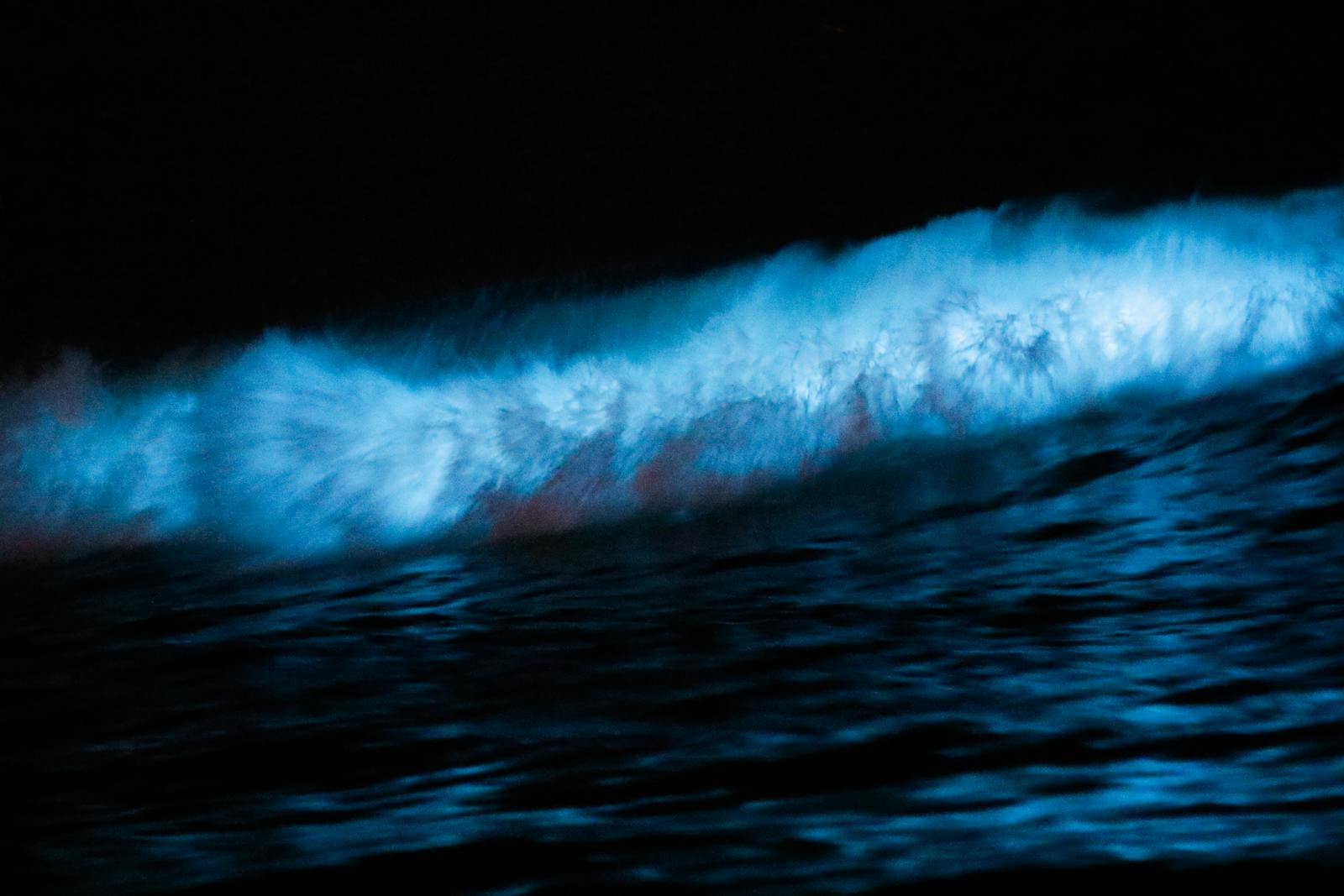
As if stars had moved to the sea, that’s exactly what bioluminescent plankton looks like. On Holbox, you have a unique opportunity not only to see these ‘stars’ in the sea but even to walk among them. Just head to Punta Coco on Holbox after dark, where it’s sufficiently dark. You can find more information in our article about Holbox.
Luminous plankton on Holbox
7) Snorkelling in the underwater museum
You can go snorkelling at MUSA, the underwater museum, from Isla Mujeres or Cancún. This is a museum on the seabed created by Jason deCaires Taylor. In total, there are about 500 sculptures depicting people and cars. If you have a diving license, you can dive here. You can easily book a trip through GetYourGuide.
Yucatan Underwater Museum
8) The easternmost point of Mexico – Isla Mujeres
The easternmost point of Mexico is Punta Sur on Isla Mujeres, it is also the southernmost point of the island. Although this island is infamous for the large number of tourists, you don’t have to worry too much.
These are mostly located on Playa Norte and few make it here. At least we were almost alone. If you want to know more about what to do on Isla Mujeres, read our article.
Isla Mujeres
9) Kayaking on Bacalar
Laguna of seven colours inBacalaru will surprise you with its milky turquoise water. This is an ideal place for kayaking, an activity that should not be missed at any cost if you go to the Yucatán. The most romantic activity of the whole peninsula!
Kayaking on Bacalar
10) Climb a Mayan pyramid
There are still a few places where you can climb the Mayan pyramid. If you’re coming to Cancun and will be primarily on the Riviera Maya, head outside of Chitzen Itza to the Coba Pyramids, which are easily accessible from here.
For bigger adventurers, we have Calakmul, where you’ll experience the true atmosphere of Mayan civilization and will likely be completely alone at the pyramids. Read more about Mayan pyramids in our article Yucatán – Mayan Ruins.
View from the pyramid in Calakmul
11) Visit the new wonder of the world Chitzen Itza
Yes, Chichen Itza is perhaps the most touristy place in all of Yucatán. However, if you’re considering skipping it, we advise you to think twice. We’ve seen almost all the ruins in Yucatán, and we still believe Chichen Itza is the most impressive among them. More information (Mayan Ruins, Chichen Itza).
Chitzen Itza
12) Discover the most colourful city in the Yucatán – Campeche
Campeche is often overlooked by tourists. But that’s a huge shame. The city is a UNESCO World Heritage site and one of the most colorful places in Yucatán. You’ll find many charming cafes and pleasant restaurants there. The city features typical colonial architecture, and its original city fortifications are preserved. Read our article about Campeche.
Campeche
13) Taste the local food
The regional cuisine of Yucatán is strongly influenced by Mayan culture, the Caribbean and Europe. Typical ingredients are pinsavo (turkey) and pollo (chicken). Being a coastal area, fish and seafood are often eaten here as well.
In addition to the traditional tacos you find everywhere in Mexico, you can also enjoy Chilaquiles. It used to be fried tortilla leftovers from the previous day covered with salsa, served with an egg and beans. Today, classic tortilla chips are used for preparation. You can usually choose whether you want red or green salsa. Sometimes they are also served with chicken pieces, if you are vegetarian, be sure to ask.
Another classic breakfast dish is Huevos Motulenos, which are oxtails served on tortillas with beans and tomato sauce. They often put some meat, roasted banana or traditional Mexican cheese on them.
The last dish I’ll mention is Sopa de Lima, which is a chicken broth soup with lime served with chunks of chicken and tortilla chips.
You can also get chilaquiles with scrambled eggs
14) Swimming with a whale shark
If you arrive in Yucatán between May and September, definitely don’t miss the biggest local attraction – swimming with whale sharks. These largest known sharks are between 8-10 meters long but feed only on plankton. If you decide you want to swim with whale sharks, organized tours are available on Isla Mujeres, Holbox, and in Cancún.
Swimming with whale sharks Source: http://www.pruvodce-mexiko.cz
Lukáš and Lucie recommend
Where to Stay in Yucatán
6 accommodations — hotels, wellness hotels and other lodging options
If you’ve seen Narcos: Mexico recently, you may be wondering if the Yucatan is safe to travel to. Although Yucatán has a rather bloody history, you don’t have to worry. Yucatán is one of the safest places in Mexico and the local government tries to protect tourists as much as possible. We lived in Mexico for four months and never had the slightest problem.
How to get around Yucatán
The best way to get around is, of course, by car. Be aware that there are often problems with rentals, so it’s worth renting a car through DiscoverCars and getting the maximum coverage. A car can therefore be quite expensive, but stories online about rental companies demanding incredible amounts for the slightest trifle are quite deterrent. DiscoverCars.comusually works reliably with complaints; at least we haven’t had any problems anywhere.
If you’re not planning longer road trips around Yucatán, you can get almost anywhere with the local ADO buses. They offer excellent service and are primarily used by tourists. If you want to travel like a local, you can travel via colectivos. These are minibuses that depart once they are full.
We went with them from Cancun to Playa del Carmen. One minibus after another left the bus station. Don’t worry, even if you have a large suitcase and hand luggage, you’ll just have to wait a few minutes longer for the minibus with the larger suitcase to arrive.
Video from our stay in Yucatán
What You Need for Mexico
It’s important to prepare well before your trip to Mexico. We’ve put together a list of things you shouldn’t forget:
Travel Documents: A valid passport is a must for entering Mexico. If you plan to stay for less than 180 days, a visa is not required, but it’s good to have a tourist card, which you will receive upon arrival.
Health Insurance: Make sure you have travel insurance that covers medical care and, if applicable, trip cancellation. Healthcare can be expensive in some areas of Mexico, so it’s better to have insurance. We recommend travel insurance from SafetyWing.
Vaccinations: Some vaccinations are recommended before traveling to Mexico, such as against Hepatitis A, B, typhoid, or influenza. It’s a good idea to consult your doctor at least a month before departure.
Wallet and Currency: Mexico uses the Mexican Peso (MXN). It’s recommended to carry cash, but credit cards are also commonly accepted. Most cities have ATMs, but in more remote areas, it’s better to have enough cash.
Clothing and Footwear: Mexico has a tropical climate, so it’s best to pack light clothing, sunglasses, a hat or cap, and comfortable footwear for walks and hiking. Don’t forget swimwear for visiting beaches or cenotes.
Sun Protection: Mexico can be very hot, so sun protection is essential. Sunscreen with high SPF, sunglasses, and headwear are essential items.
Electronics and Adapter: In Mexico, Type A and B electrical outlets are used (voltage 127 V, frequency 60 Hz). If you have a different type of device, you will need an adapter.
Medications and Toiletries: If you take any regular medications, don’t forget to bring them with you. Also, pack a basic first-aid kit with analgesics, anti-diarrhea medication, or cold remedies.
Travel Map and Apps: Although you can find a lot of tourist information online in Mexico, it can also be useful to have a printed map or offline apps for navigation and translations.
Important Contacts and Reservations: Have contacts for the embassy, insurance company, and accommodation written down so you have them easily at hand if needed.
Where to Go in Mexico for the Beach
We’ve put together a list of top places to go for the beach elsewhere in Mexico.
Cancún: The most famous beach destination in Mexico, ideal for lovers of luxury resorts, white sand, and turquoise sea. It offers a wide range of activities such as snorkeling, diving, and trips to Mayan ruins.
Riviera Maya: A coastline that includes areas like Playa del Carmen and Tulum, known for its beautiful beaches, nature reserves, and cenotes. Perfect for both relaxation and active holidays.
Cozumel: This island is known for its fantastic diving and snorkeling opportunities. You can also relax on quiet beaches and discover local natural beauties here.
Isla Holbox: Ideal for those seeking peace and untouched nature. On the island, you can cycle, birdwatch, relax on the beach, or go on a shark tour.
Puerto Escondido: A popular spot for surfers, but also for those who want to enjoy beautiful beaches and the atmosphere of a small town. Suitable for more adventurous travelers.
Mazatlán: Great for those looking for beaches and an interesting urban environment at the same time. Mazatlán offers a combination of seaside relaxation and exploring historical sites.
Baja California – La Paz: Beautiful beaches with opportunities for diving and snorkeling. It also offers options for nature trips, such as to Espiritu Santo Island.
Acapulco: A historic city with a rich offering of beaches, nightlife, and water sports. A popular place for tourists seeking fun and relaxation in the sun.
Zihuatanejo: A less touristy destination, ideal for those who want to experience authentic Mexican beaches and the atmosphere of a small fishing village.
Tulum: Tulum is known not only for its beautiful beaches but also for its luxury resorts. Here you can combine seaside relaxation with a visit to Mayan ruins.
Frequently Asked Questions
When is the Best Time to Visit Yucatán?
The best time to visit Yucatán is from November to April, when the weather is dry and pleasant. In summer, it can be hot and humid, with the rainy season lasting from May to October.
What are the Main Attractions in Yucatán?
Yucatán offers many interesting places, including ancient Mayan ruins such as Chichen Itza, Uxmal, and Coba. Other attractions include cenotes (natural sinkholes), colonial cities like Mérida and Valladolid, and natural beauties such as the Sian Ka’an Biosphere Reserve.
How to Get to Yucatán?
Yucatán is easily accessible by air. The main airports in the region are located in Cancún and Mérida, with direct flights from major cities in the USA, Canada, and Europe. You can also travel by bus or car between individual cities on the peninsula.
Is Yucatán Safe for Tourists?
Yucatán is considered a relatively safe destination for tourists. Locals are friendly, and most tourist areas are well-protected. Nevertheless, it’s always good to follow basic safety rules, such as watching your personal belongings.
What are the Best Beaches in Yucatán?
Yucatán is known for its beautiful beaches, especially on the Caribbean coast. Among the most popular are the beaches around Playa del Carmen, Tulum, and Isla Holbox. All are ideal for swimming, snorkeling, and relaxation.
Tips and Tricks for Traveling in Mexico
What to pack
Take a look at our travel packing guideto help you prepare. Choose the right travel backpack, check out the travel gadgets and don’t forget anything important at home.
We commonly use the comparison tool DiscoverCars.com, which helps us choose a car rental provider. In Playa del Carmen try writing to the web everythingplayadelcarmen.org, Sergio will take care of you.
Search for flights on Kayak. It’s our favorite search engine because it scans the websites of all airlines and always finds the cheapest connection.
Book Your Accommodation Smartly
The best experiences we’ve had when looking for accommodation (from Alaska to Morocco) are with Booking.com, where hotels, apartments, and entire houses are usually the cheapest and most widely available.
Don’t Forget Travel Insurance
Good travel insurance will protect you against illness, accidents, theft, or flight cancellations. We’ve had a few hospital visits abroad, so we know how important it is to have proper insurance arranged.
Where we insure ourselves: SafetyWing (best for everyone) and TrueTraveller (for extra-long trips).
Why don’t we recommend any Czech insurance company? Because they have too many restrictions. They set limits on the number of days abroad, travel insurance via a credit card often requires you to pay medical expenses only with that card, and they frequently limit the number of returns to the Czech Republic.
Find the Best Experiences
Get Your Guide is a huge online marketplace where you can book guided walks, trips, skip-the-line tickets, tours, and much more. We always find some extra fun there!
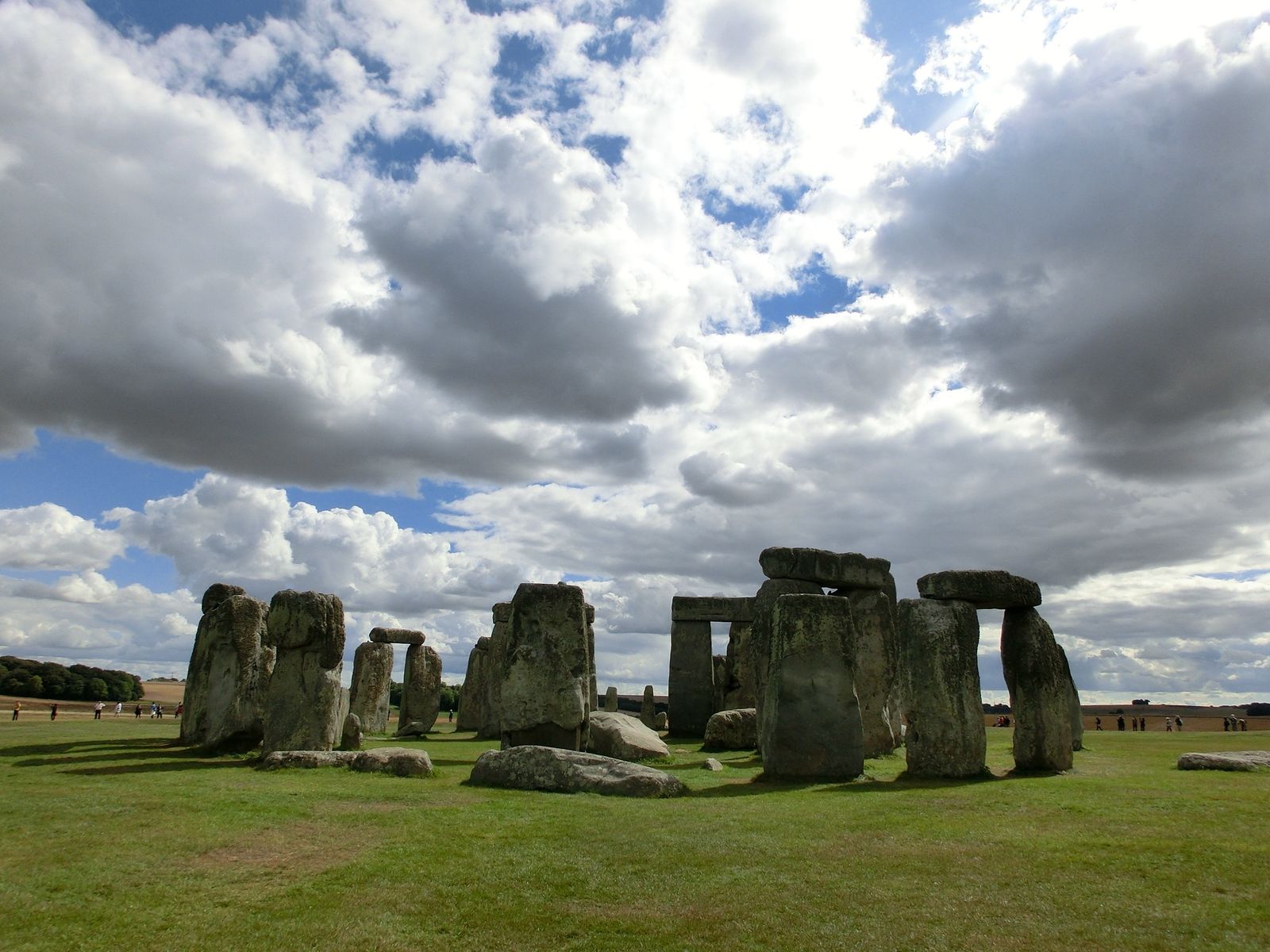
TL;DRThe sweet spot for a Baja California Sur road trip is 10 to 14 days, running from Los Cabos through Todos Santos, La Paz and Magdalena Bay to Loreto. The best time for spotting grey whales is late December to April, peaking in February and March, while whale sharks off La Paz show up from October to April. Highlights include the El Arco rock formation, the turquoise sands of Balandra beach, snorkelling with sea lions off Espíritu Santo island, and whale-watching boat trips in Magdalena Bay. A car is essential — Highway 1 is paved and safe, but driving at night isn’t recommended. Entry to Balandra beach costs 120 pesos, and this region is one of the pricier corners of Mexico.
Picture this: the wild, deep-blue Pacific roaring away on your right, endless deserts dotted with giant cacti stretching out on your left, and the sun blazing overhead some 360 days a year. You know that feeling when you crave a total escape from reality, a place where you can lose yourself on empty roads and fall asleep with the ocean in view? That’s exactly what a Baja California road trip is all about. This narrow peninsula in western Mexico feels like a whole different world. No giant clouds of sargassum like in the Caribbean, no crowded all-inclusive resorts on every corner — just raw nature, whales within arm’s reach, and some of the most beautiful beaches North America has to offer.
In this guide you’ll find a complete 10-day Baja California itinerary that takes you from the buzzing south to the quiet bays up north. I’ll show you where to safely rent a car, when’s the best time to go whale watching for gray whales and whale sharks, how much the whole thing will cost, and where to find those magical little towns where time seems to stand still.
Photo: Jules Clark / Pexels
TL;DR
Trip length: I’d recommend setting aside ideally 10 to 14 days. Distances here are huge and driving eats up a lot of time.
When to go: If you want to see the whales of Baja in all their glory, the ideal window is from late December to April (the absolute peak is February and March).
Getting around: Renting a car is an absolute must. Without one you simply won’t reach the best spots. Highway 1 is paved and safe — just avoid driving at night.
Top highlights: The contrasting vibes of Los Cabos, the turquoise Balandra beach, snorkelling with sea lions on Espíritu Santo island, and of course whale watching in Magdalena Bay.
Currency and budget: You pay in Mexican pesos (MXN); 1 peso is roughly £0.04 (about €0.05). Baja California Sur is one of the most expensive parts of Mexico, so budget more than you would for the Yucatán.
Before we dive into the details, let’s visualise the whole route. This Baja California itinerary is laid out chronologically so you can fit in everything essential without completely wearing yourself out behind the wheel. The trip starts and ends at Los Cabos International Airport (SJD), which you can reach comfortably from the UK with one or two layovers (typically connecting via the US or Mexico City).
Day
Route
Distance / drive time
Where to stay
Main experience
Day 1
Arrival in Los Cabos
0 km (just a short hop from the airport)
San José del Cabo
Settling in, wandering the streets, Art Walk
Day 2
San José del Cabo → Cabo San Lucas
33 km / 30 min
Cabo San Lucas
Boat trip to El Arco, Lovers Beach
Day 3
Cabo San Lucas → Todos Santos
75 km / 1 h 15 min
Todos Santos
Surf vibes, galleries and cacti
Day 4
Todos Santos → La Paz
80 km / 1 h 15 min
La Paz
Evening stroll along the promenade (malecón)
Day 5
La Paz and surroundings
Depending on beach transfers
La Paz
Balandra beach and snorkelling with whale sharks
Day 6
La Paz (trip to Espíritu Santo)
Boat trip (full day)
La Paz
Swimming with playful sea lions in turquoise water
Day 7
La Paz → Magdalena Bay (Pto. San Carlos)
270 km / 3 h 30 min
Pto. San Carlos
Watching gray whales up close
Day 8
Puerto San Carlos → Loreto
200 km / 2 h 30 min
Loreto
Colonial architecture and calm atmosphere
Day 9
Loreto → La Paz / Los Cabos
350–500 km / 4–6 h
La Paz / San José
Long drive back south, stops at viewpoints
Day 10
Flying home
Short transfer to the airport
–
Last-minute souvenir shopping and departure
Practical info before you go
A road trip through Mexico might sound like one giant adventure at first (and it is one), but if you prepare well you’ll find it’s a surprisingly smooth ride. The southern part of the peninsula (Baja California Sur) is also far calmer and friendlier than some of the mainland states. Here are a few things worth knowing before you get behind the wheel.
When to go for sun and whales
Baja is a year-round destination if all you’re after is sunshine, but if you want to witness the real wildlife miracle, you’ll need to think about timing. The whales of Baja (gray whales, specifically) swim into the warm local lagoons to give birth and raise their calves from December to April, with the absolute peak in February and March. Whale sharks in the bay near La Paz can usually be spotted from October to April. Summer (June to September), on the other hand, is extremely hot here and brings the risk of hurricanes. If you’re unsure when to go, read our detailed article on when to visit Mexico.
Renting a car and insurance
This is probably the single most important part of the whole planning process. Book your car well in advance through comparison sites, but be extremely careful about insurance. In Mexico, so-called TPL (Third Party Liability) is required by law. Many cheap deals online don’t include it, and at the rental desk you’ll be forced to pay hundreds of dollars on top. Always read the terms carefully. To drive, your UK driving licence plus an International Driving Permit (IDP) will do the trick.
💡 Tip: Federal Highway 1, which connects the south with the north, is entirely paved and in very good condition (though only two lanes). You don’t need an expensive 4×4 unless you plan to head off onto remote wild beaches deep in the desert. A standard car is perfectly fine for this itinerary.
Budget: how much does paradise cost?
Baja California Sur is unfortunately (or fortunately, since it keeps the crowds away) one of the most expensive destinations in all of Mexico. According to travellers, Los Cabos is the priciest spot in the country, thanks to the peninsula’s remote location — most goods have to be shipped in — and the huge spending power of American tourists. Average room rates here are well above the rest of Mexico, and in restaurants down south a burger or pizza can easily set you back $15. You can save money by heading away from the coastal resorts and eating at local taquerías and family-run spots, where you’ll get a meal for a fraction of the price (source).
Staying safe on the road
Mexico often gets a battered reputation in the media, but Baja California Sur is something of a safe bubble. The state currently has a Level 2 travel advisory (the same as France or Italy, for example) and ranks among the safest parts of Mexico, as long as you stick to tourist areas and use common sense. Travellers agree that the biggest danger on this road trip isn’t the cartels but the cows, which love to wander across the dark highway at night (source). For more, check out our article on whether Mexico is safe.
Where to stay along the route
Photo: Andrea Hinojosa / Pexels
Finding accommodation on the Baja peninsula is a joy, because you’ll find everything from luxury resorts to charming family-run guesthouses with hammocks in the courtyard. I’d recommend booking hotels well ahead (at least 2–3 months), especially if you’re travelling during peak whale season.
Here are a few specific tips for popular, highly rated places across different categories:
Los Cabos (San José del Cabo and Cabo San Lucas): In San José del Cabo, try the gorgeous boutique Hotel El Ganzo (for those who want a touch of luxury and artistic flair right by the water), or the friendly, more affordable Mayan Monkey Los Cabos in Cabo San Lucas — a great choice for younger travellers and couples, with beautiful views over the marina.
Todos Santos: This little town is the very definition of boho style. A stunning stay awaits at Hotel San Cristóbal, set right on the beach with an incredibly photogenic design. If you’re after something charming right in the centre near the galleries, check out La Bohemia Hotel Pequeño, a cosy boutique hotel surrounded by a tropical garden.
La Paz: A city with a beautiful promenade deserves a good base. Baja Club Hotel is a renovated colonial villa right on the malecón, with a gorgeous pool and rooftop bar. A great mid-range option is Hotel Catedral La Paz, offering modern rooms, an excellent breakfast and views right over the main square and cathedral.
Loreto: In historic Loreto, the past breathes from every wall. A traditional and very popular choice is Hotel Santa Fe Loreto, which offers spacious rooms with a kitchenette and a lovely courtyard with a pool. For those who want sea views and a bit more luxury, there’s the majestic La Mision Loreto, which looks like something out of an old Spanish film.
Day-by-day itinerary: the best of Baja California Sur
Now we get to the heart of the matter. The following days are planned so you can take in the most beautiful beaches, taste some amazing food, and above all experience that incredible sense of freedom a Baja California road trip offers. Let’s go!
Days 1–2: Los Cabos (two worlds on one coast)
Photo: GERARDO GONZALEZ PONCE / Pexels
Your trip begins at the very southern tip of the peninsula, in the area known as Los Cabos. It’s actually a 33-kilometre coastal corridor connecting two completely different towns: Cabo San Lucas and San José del Cabo. Travellers who come here confirm that the mood of the two places couldn’t be more different. While Cabo San Lucas thrives on wild nightlife, big resorts and a buzzing yacht marina, San José del Cabo is a much calmer, artsy little town with cobbled streets and colonial architecture (source).
I’d recommend spending your first day in San José del Cabo. Soak up the laid-back atmosphere, wander through Plaza Mijares, and if you happen to be here on a Thursday (in season, from November to June), don’t miss the famous Art Walk, when the streets fill with art, music and a great atmosphere.
On the morning of the second day, drive over to Cabo San Lucas. Here you’ll find the absolute icon of the whole area — El Arco (the Arch), a breathtaking rock formation where the Pacific Ocean meets the Sea of Cortez. According to reviews, the boat trip to the Arch and the nearby Lovers Beach is an absolute highlight of any visit; captains usually leave plenty of time for photos, and you’ll enjoy the water around the rocks despite the occasional waves (source).
💡 Tip: If you’re hungry, San José del Cabo is packed with lovely “farm-to-table” restaurants (like the famous Flora Farms), where they make incredible vegetarian dishes from their own produce. Try their roasted vegetables or fresh quesadillas.
Day 3: Todos Santos (cacti, surf and art)
Photo: Josh Withers / Pexels
In the morning, hop in the car and head north along the west coast. After about an hour and a quarter you’ll reach Todos Santos. This little town has an incredible “Pueblo Mágico” vibe. It’s an oasis in the middle of the desert where surfers, artists and travellers from all over the world come together.
Explore the centre, full of colourful paper bunting (papel picado), peek into the small galleries, and don’t forget to snap a photo at the legendary Hotel California (even though it’s apparently not the one the Eagles sang about, everyone takes a picture there anyway). In the afternoon, head to one of the nearby beaches, like Playa Cerritos. Be careful about swimming, though — the waves here tend to be huge, so it’s a paradise for experienced surfers rather than swimmers.
In the evening, try chiles rellenos (peppers stuffed with cheese) at a local restaurant, or some proper guacamole with totopos (corn chips). Todos Santos is very focused on healthy, organic food, so as a vegetarian you’ll be in seventh heaven.
Lukáš and Lucie recommend
Where to stay in Baja California
6 accommodations — wellness hotels, hotels and other lodging options
On day four you’ll drive to the capital of Baja California Sur — La Paz. It’s just over an hour from Todos Santos. La Paz, Mexico is exactly the kind of place you fall in love with at first sight. It sits on the shore of the Sea of Cortez (often called the world’s aquarium), and its heart is the five-kilometre malecón (promenade). An evening stroll at sunset, when local families amble along the seafront, is an experience in itself.
Dedicate day five to Balandra beach. Trust me, this is one of the most beautiful beaches in the world — a shallow turquoise lagoon with fine white sand, ringed by desert hills. Since 2025, though, fairly strict conservation rules apply: admission costs 120 pesos (in the form of a digital wristband) and the beach is divided into two time slots (8:00–12:00 and 13:00–17:00), with a limit of around 450 people per slot. Travellers advise arriving really early on a weekday, otherwise you’ll be queuing (source).
💡 Tip: Right here in La Paz, from October to April (peaking in the winter months), you have a unique chance to snorkel with whale sharks. La Paz draws only a fraction of the tourists compared to mainland Cancún, so the experience here is far more intimate, and the water in October or November is still wonderfully warm (27–29°C) (source).
Day 6: Espíritu Santo (snorkelling with sea lions)
Photo: Josh Withers / Pexels
Today, leave the car to rest in the car park, because a full-day boat trip awaits. Espíritu Santo island, lying just off La Paz, is a UNESCO-protected reserve. It’s a rugged island full of red rock, but the real magic is hidden beneath the water.
The goal of the trip is the colony of California sea lions on the islet of Los Islotes. The boat ride takes about an hour and a half, past gorgeous desert coves. When you jump into the water, the curious sea lion pups start doing pirouettes around you and occasionally even nibble gently at your fins. People describe this as absolutely magical. Just keep in mind that in June, July and August, snorkelling right by the sea lion colony is banned for regulatory reasons due to mating and pup-rearing season (source). On the boat they usually prepare an excellent lunch right on one of the deserted beaches.
Days 7–8: Gray whale watching (a natural wonder)
Photo: Josh Withers / Pexels
Here it is. The main reason people take a Baja California road trip in winter. In the morning you’ll head north from La Paz towards the Pacific coast to Puerto San Carlos in Magdalena Bay (the drive takes about 3.5 hours). This is one of three main spots on the peninsula where thousands of gray whales migrate every winter from the cold waters of Alaska.
The gray whales here are incredibly friendly. Visitors regularly experience huge mothers nudging their calves right up to the small boats (pangas) so people can have a look. It’s a deeply moving experience that brings tears to your eyes. As I mentioned, the whales are here from late December to March, so if you’re travelling during this period, this is simply not to be missed (source).
After returning from the boat, I’d recommend continuing the drive for another 2.5 hours or so across the peninsula to the town of Loreto, where you’ll spend the night.
💡 Tip: If you get seasick on small boats, take some travel-sickness tablets before the trip. The waters in the bay are calmer than the open ocean, but even so, a little panga can rock around quite a bit.
Days 9–10: Loreto and the return south
Photo: Joe Leineweber / Pexels
Loreto is a quiet, sleepy colonial town once again sitting on the shore of the Sea of Cortez. The atmosphere here is completely different from the wild south. In the morning, walk through the historic centre and visit Misión Nuestra Señora de Loreto, the very first Spanish mission on the peninsula, dating back to 1697. The streets here are lined with trees, little cafés and small shops.
On the afternoon of day nine (or the morning of day ten, depending on where and when your flight leaves), a long drive back awaits. From Loreto back to the airport in Los Cabos it’s about 6 hours of solid driving along the highway, so set aside plenty of time, stop at the viewpoints and enjoy the last glimpses of the endless desert.
Route variations: shorter or longer adventures
Not everyone has exactly 10 days to spare. Whether you’re short on time or planning a really long holiday, this Baja California itinerary can be nicely stretched or trimmed. Here’s a quick overview of two alternatives:
Option
Ideal length
Route and what you’ll see
Who it’s for
Shorter (South)
7 days
Los Cabos → Todos Santos → La Paz → and back. You’ll skip northern Loreto and the whales on the Pacific coast, but still catch the sea lions, whale sharks and Balandra beach.
For those with just a week who don’t want to spend too many hours in the car.
Longer (In depth)
14 days
The classic route + from Loreto you continue further north to Mulegé and the stunning Bahía Concepción (white-sand coves and hot springs).
For lovers of camping and total disconnection from civilisation.
What to eat in Baja
Mexican cuisine is a love for life, and in Baja that goes double. If you’re a vegetarian like us, you’ll be glad to hear that Mexico isn’t all about meat. The staples of the Mexican diet are corn, beans, chilli and avocado, so there are plenty of options.
Although Baja is home to the famous “Baja fish tacos” (battered, fried pieces of fish served in a corn tortilla with cabbage and sauce), which waft from every corner and which the locals swear by, you can happily do without them. Definitely try a street-side elote — grilled corn slathered in mayonnaise, sprinkled with cotija cheese and chilli, and drizzled with lime. In restaurants, look out for tacos de nopal (tacos with grilled cactus, an absolute delicacy) or classic quesadillas with mushrooms (champiñones) or squash blossom (flor de calabaza). And of course, a daily bowl of fresh guacamole is a must in Mexico!
💡 Tip: If you spot “Chiles en Nogada” on the menu (usually made around September, though some places serve it year-round) and they can make it without the meat filling, definitely give it a go. It’s a stuffed poblano pepper topped with walnut sauce and sprinkled with pomegranate. A feast for both the eyes and the taste buds!
Final practical tips
So that nothing catches you off guard on the road, here are a few of my personal warnings and tips for a smooth trip:
Watch out for “topes”: Mexican speed bumps are legendary. They’re often completely unmarked, appear out of nowhere before villages, and are so high that if you hit one at speed you’ll rip off your undercarriage. Keep your eyes peeled.
Never drive at night: This rule applies to the entire Baja California road trip. Once the sun sets, the highways are pitch black and livestock (cows, horses) regularly cross the road. A collision with a cow in the middle of the desert with no phone signal is the last thing you want to deal with.
Fill up regularly: There are plenty of petrol stations (Pemex), but on some stretches they can be dozens of kilometres apart. As soon as you’re down to half a tank and see a station, top up. The attendants will fill the tank for you, and it’s polite to leave a small tip (about 10–20 pesos).
Only drink bottled water: Tap water in Mexico isn’t safe to drink. Always keep a supply of large bottles of drinking water in the car — you’ll dehydrate far faster in the desert than you’d think.
Where to go next
If Mexico has caught your eye and you’re planning to explore other parts of this incredible country, we’ve put together plenty of other guides for you. If you want to get a sense of what else the country offers, check out our huge article on what to see in Mexico.
More drawn to the mainland Pacific and its surf vibes? Read our guide to Puerto Vallarta. And if you’re as wild about wildlife as I am, don’t miss our article on Mexico: whales and wildlife, where we break down the best animal encounters across the whole country.
You can book whale-watching cruises, sea lion snorkelling and other excursions on GetYourGuide.
Frequently asked questions
How long does it take to drive the entire Baja California?
If you want to drive the peninsula from the American border in the north all the way south to Los Cabos, you’ll need at least 2 to 3 weeks. Our itinerary focuses only on the southern half (Baja California Sur), which can comfortably be done in 10 to 14 days.
Is it necessary to rent a 4×4 car for the trip?
On the main route described in this article, which follows Highway 1 and paved roads, a regular car will be more than sufficient. You’ll only need a 4×4 vehicle if you’re planning detours off the highway to remote bays and wild beaches via sandy and rocky tracks.
Can you pay by card in Mexico, or do I need cash?
In larger cities like Cabo San Lucas or La Paz, at gas stations and in supermarkets you’ll pay by card without any problems. But you’ll definitely need cash in Mexican pesos (MXN) for street food, smaller purchases, tips and entrance fees to smaller beaches.
Is swimming in the ocean on the peninsula safe?
It depends where. On the Pacific side (e.g. Todos Santos or Los Cabos) there are often huge waves and extremely strong undertows, so swimming here can be deadly dangerous. On the other hand, the beaches on the Sea of Cortez side (Balandra, around La Paz) are shallow, calm and just perfect for relaxed swimming.
What is DCC and why should you watch out for it?
DCC (Dynamic Currency Conversion) is a tourist trap at ATMs and payment terminals, where the device offers to convert the amount to your home currency. The exchange rate is always extremely unfavorable (you can easily lose 8–9%). Always choose the option to pay or withdraw in the local currency (MXN) without conversion.
Can you travel around Baja using public transportation?
“`html
Yes, there are quite reliable and comfortable long-distance buses operated by Aguila running between the main cities (Los Cabos, La Paz, Loreto). The downside, however, is that they won’t get you to the most beautiful remote spots and beaches outside the cities, so renting a car will give you much more freedom.
“`
When is the best chance to see whale sharks in La Paz?
The official season usually runs from October to April, but the most reliable months for spotting large numbers of individuals are December, January, and February. The experience is government-regulated, so you’ll need a licensed guide and only a small number of people are allowed in the water at a time.
Tips and Tricks for Your Vacation
Don’t Overpay for Flights
Search for flights on Kayak. It’s our favorite search engine because it scans the websites of all airlines and always finds the cheapest connection.
Book Your Accommodation Smartly
The best experiences we’ve had when looking for accommodation (from Alaska to Morocco) are with Booking.com, where hotels, apartments, and entire houses are usually the cheapest and most widely available.
Don’t Forget Travel Insurance
Good travel insurance will protect you against illness, accidents, theft, or flight cancellations. We’ve had a few hospital visits abroad, so we know how important it is to have proper insurance arranged.
Where we insure ourselves: SafetyWing (best for everyone) and TrueTraveller (for extra-long trips).
Why don’t we recommend any Czech insurance company? Because they have too many restrictions. They set limits on the number of days abroad, travel insurance via a credit card often requires you to pay medical expenses only with that card, and they frequently limit the number of returns to the Czech Republic.
Find the Best Experiences
Get Your Guide is a huge online marketplace where you can book guided walks, trips, skip-the-line tickets, tours, and much more. We always find some extra fun there!
TL;DRSardinia’s best beaches come as 16 tips split by region, with Cala Goloritzé in the east standing out for its cap of 250 visitors a day, the shallow La Pelosa near Stintino capped at 1,500 visitors with a €3.50 fee, and Cala Brandinchi, nicknamed Little Tahiti, near San Teodoro. June brings the best swimming, with temperatures around 28°C, though experts reckon quieter, still-warm September is the smarter choice. The best-known spots — Cala Goloritzé, Cala Mariolu, La Pelosa and the beaches around San Teodoro — need booking through an app for the 2025 and 2026 seasons, anywhere from a day to 72 hours ahead. The famous pink beach, Spiaggia Rosa, on the island of Budelli, has been completely off-limits since 1998 and can only be admired from a boat.
You know that feeling when you’re craving powder-white sand and turquoise water, but the thought of a twelve-hour flight to the Caribbean instantly puts you off? That’s exactly why travellers from all over the world have fallen for Italy’s Sardinia, an island that delivers that exotic illusion one hundred percent — just a couple of hours’ flight away. The island is literally dotted with unbelievable coves, and picking out the best beaches in Sardinia is an almost superhuman task. Every corner of the island offers a completely different atmosphere and scenery.
Whether you’re after wild limestone cliffs reachable only by water, or you’re wondering which are the ideal Sardinia beaches for families, you’ll definitely find what you’re looking for here. The island is said to have some of the cleanest, clearest waters in all of Europe, and judging by the photos it really does look absolutely unreal. Just be prepared for the fact that the whole world now knows about this Mediterranean paradise, and the Italians have started to protect the best Sardinia beaches quite strictly from the onslaught of tourists.
In this guide you’ll find exactly 16 tips for the prettiest coves and beaches, neatly divided by region. I’ll point you to the famous quartz sand, explain how the dreaded booking systems work for the 2025 and 2026 seasons, and throw in some tips for strategic accommodation. Let’s dream a little and plan your next amazing island holiday together.
Beach in Sardinia
TL;DR
Best areas: For Caribbean sand and families, head south (Chia, Villasimius) or northeast (San Teodoro). For dramatic cliffs and boat trips, head east to the Golfo di Orosei.
Reservations are a must: The most famous spots like La Pelosa, Cala Goloritzé and the beaches around San Teodoro have strict daily visitor limits and require booking through an app days in advance.
Hidden rules: At La Pelosa beach you’re required to put a solid mat under your towel — otherwise you risk a hefty fine.
The pink beach: The famous Spiaggia Rosa on Budelli island is strictly off-limits — you can only admire it from afar from the deck of a boat.
Getting around: A car is an absolute must on Sardinia, but you ideally need to reach the popular beaches by nine in the morning, or you won’t find a parking spot.
When to visit Sardinia’s beaches and how to handle reservations
Planning a holiday in Sardinia is no longer just about buying flights and packing your swimsuit. The island authorities have decided to protect the fragile natural environment, so for the 2025 and 2026 seasons they’ve introduced a system of strict limits and fees. Sort out your accommodation and car hire well in advance — and the same goes for the most famous coves.
The best time for swimming starts in June, when temperatures climb towards 28 °C and the sea starts to warm up nicely. July and August are the absolute peak, with huge crowds and the highest prices — best avoided if you can. Experts and locals agree that the most beautiful month is hands down September, with warm seas and a far calmer atmosphere. Bear in mind the wind known as the mistral, which can drop the feels-like temperature on the beach quite quickly.
The booking system works slightly differently for each beach, and it can be nerve-wracking. Most of the time you’ll need to download a specific local app, pay a fee through it and get a QR code. At the iconic La Pelosa, for example, slots open just a few days ahead and vanish within seconds. So always check the current season on the official website for each spot, because the rules and prices for 2025 and 2026 can change right up to the start of summer.
The East and Golfo di Orosei: a paradise reached by water
💡 Tip: Tickets, boat trips and organised tours fill up fast in season, so it pays to buy them online in advance via GetYourGuide.
1. Cala Goloritzé — the queen of Italian beaches
This beach is an absolute icon and the winner of many prestigious polls. It’s defined by the towering 100-metre rock spire of Punta Caroddi and a gorgeous stone arch plunging into the turquoise water. Access is only possible on foot from the Golgo plateau, which means a roughly hour-and-a-half descent followed by a fairly demanding climb back up.
1. Cala Goloritzé
Because it’s so unique, Cala Goloritzé has very strict rules. The daily limit is just 250 people at a time and boats are completely banned from entering. You’ll need to book 72 hours in advance through the official Heart of Sardinia app. Tickets cost around €7, and it’s always best to verify the limits online for the current season.
2. Cala Luna — the cove of moon caves
If you like slightly more dramatic scenery, Cala Luna is guaranteed to wow you. This crescent-shaped beach is famous for its deep limestone caves, which provide wonderful natural shade. And just behind the beach there’s a freshwater lagoon surrounded by flowering oleanders.
2. Cala Luna
You can get here on foot via a fairly demanding trek from Cala Fuili, but most travellers opt for the more comfortable boat ride from the port of Cala Gonone. In high season it tends to get pretty busy, so I’d recommend arriving on the very first morning boat to photograph the caves without the crowds.
3. Cala Mariolu — pink pebbles and incredible blue
For many people, Cala Mariolu is the single most beautiful stop in the entire gulf. Instead of fine sand, you’ll find tiny white and pink pebbles that give the water an utterly crystal-clear, vivid blue colour. Rich marine life hides beneath the surface, so a snorkel is an absolute essential here.
3. Cala Mariolu
Strict regulations apply here too, to protect the environment. The daily limit is set at 700 visitors, and you’ll need a QR code plus a small fee of around €1. You’ll need this code even if you rent your own boat and arrive under your own steam without an organised tour.
4. Cala Gonone and Cala Fuili — easily accessible beauty
While most beaches in the gulf require some logistical planning, Cala Fuili is a welcome exception. It sits right at the end of the road leading out of the little town of Cala Gonone, and you can drive to it. From the car park there’s just a short descent down stone steps straight into the picturesque pebble cove.
The Cala Fuili pebble cove near Cala Gonone
The town of Cala Gonone serves as the main departure port for all the boat trips into the Gulf of Orosei. If you’d rather not trek over the mountains, you can simply rent a small inflatable boat here (no skipper’s licence needed) and explore the beaches entirely at your own pace.
The South: Caribbean sand and ideal conditions for families
The southern part of the island around the capital, Cagliari, is often unfairly overlooked — yet this is precisely where you’ll find Sardinia beaches for families at their very best. The sea slopes very gently here, the sand is fine as flour, and even in peak summer it’s a little less crowded than the famous Emerald Coast.
5. Chia and Su Giudeu — sand dunes and juniper trees
The Chia area is famous for its endless beaches lined with tall sand dunes and century-old juniper trees. Su Giudeu beach is probably the most photogenic of them, with incredibly shallow, warm water. A small island sits just off the shore, and at low tide you can stroll right out to it on foot.
5. Chia and Su Giudeu
Right behind the beach lies a shallow lagoon where, with a bit of luck, you can spot wild pink flamingos. This area is also hugely popular with surfers and kitesurfers, especially when a stronger sea breeze picks up.
6. Tuerredda — an island paradise with new rules
Tuerredda beach regularly features in the top ten of the entire south, and it’s not hard to see why. The shape of the bay shelters the water perfectly from strong winds, so the surface feels like a calm swimming pool. The water shifts through incredible shades from emerald to deep blue, and the white sand practically begs you to laze around all day.
Tuerredda beach with its little island in southern Sardinia
Thanks to its huge popularity, the authorities have stepped in, and from summer 2025 a daily limit of 1,100 people is being introduced, monitored via a dedicated app. Definitely check the official sources before you set off, so you don’t reach the barrier only to discover the capacity is hopelessly full.
7. Porto Giunco (Villasimius) — swimming beneath a watchtower
Villasimius is probably the most popular resort in the south, and Porto Giunco beach is its greatest pride. The bay is lapped by the sea on one side and bordered by the freshwater lake Notteri on the other. Above the beach rises an old Aragonese watchtower, and you can take a short walk up to it for the best panoramic photos.
7. Porto Giunco (Villasimius)
The beach lies within a protected marine area, so you can expect wonderful snorkelling here. There’s usually a parking fee of around €10 per car, so I’d recommend always keeping plenty of small change on you.
8. Punta Molentis — granite boulders and solitude
Just a short way from busier Villasimius hides a smaller gem called Punta Molentis. This intimate beach is made of fine sand on one side and sheltered on the other by enormous granite boulders. It’s a great spot if you’re after slightly wilder nature and a calmer atmosphere.
Punta Molentis beach with its granite boulders
The area is protected, and you can look up the current rules on the official website of the Villasimius protected area. Parking capacity is very limited and an entry fee applies again, so the rule about getting up early counts double here.
9. Costa Rei — eight kilometres of joy
If you don’t like cramped coves and you’re after space, the Costa Rei (Royal Coast) is guaranteed not to disappoint. This incredible eight-kilometre stretch of golden sand offers plenty of room for absolutely everyone. It’s probably the most practical choice for families with small children.
Aerial view of the long sandy beach of Costa Rei
Along the beach you’ll find every kind of facility, from beach bars and pedalo rentals to excellent Italian restaurants. The entry into the water is extremely gentle and safe, which makes Costa Rei an absolute classic for a carefree summer holiday.
The Northeast and La Maddalena: luxury and island reserves
This region combines untouched wilderness with the world of international celebrities. Here you’ll find the famous Costa Smeralda, or Emerald Coast, built by Prince Aga Khan in the 1960s. It’s hands down the most expensive part of the island, but the beaches look like they’ve been cut straight out of the most luxurious brochures.
10. Cala Brandinchi — the so-called Little Tahiti
The nickname Little Tahiti didn’t come about by chance. The sand here is dazzlingly white and the sea so shallow and clear that you’ll genuinely feel like you’re somewhere in French Polynesia. It’s one of the most popular beaches in the San Teodoro area, surrounded by a fragrant pine grove that offers welcome natural shade.
Cala Brandinchi beach (Little Tahiti) with turquoise shallows and Tavolara
Getting here isn’t quite so straightforward, though. From June to the end of September, entry is regulated by a fee and a strict limit. You’ll need to book through the San Teodoro booking portal. Without a valid QR code they simply won’t let you onto the beach, so check the rules for the current season on the official website.
11. La Cinta — three kilometres of sand in San Teodoro
Just a little further along sits La Cinta, the main draw of the town of San Teodoro. The great thing about this enormous three-kilometre beach is that, despite its huge popularity, it isn’t bound by limits as strict as the smaller coves. You can stroll here for hours and soak up the views of Tavolara island.
The three-kilometre La Cinta beach in San Teodoro
Right behind the sand spreads a large lagoon where flocks of flamingos gather. The beach is also very popular with young people, as you’ll find plenty of beach bars with great music and the chance to try out various water sports.
12. Spiaggia del Principe — the heart of the Emerald Coast
This beach was named after Prince Aga Khan himself, for whom it was apparently his absolute favourite on the entire island. It’s split into two parts by a small rock and surrounded by the typical fragrant Sardinian vegetation known as macchia. The water shifts between shades of emerald and turquoise exactly as the name of the whole coast promises.
12. Spiaggia del Principe
Even though it lies in a super-luxurious location, access to the beach is public and free. You will, however, have to pay fairly pricey parking, and there’s a roughly ten-minute walk from the car along an unpaved path — so leave the pushchairs at home.
13. Cala Coticcio — a hidden gem on Caprera island
The La Maddalena archipelago is a chapter all of its own. On Caprera island you’ll find Cala Coticcio beach, known as the Tahiti cove. It’s a truly unique natural phenomenon hemmed in by pink granite rocks. Because it lies within a national park, its protection has been taken to the absolute maximum.
13. Cala Coticcio
Entry is limited to just 60 people a day, and you can only reach the beach with a certified guide. There’s a small fee of around €3, and I’d recommend studying all the details on the La Maddalena National Park website. It takes more organising, but the experience is apparently well worth it.
14. Spiaggia Rosa — the pink beach you can’t set foot on
The beach on Budelli island is probably the most famous on all of Sardinia, and paradoxically it’s the one beach where you definitely won’t be laying down your towel. Its sand has a gorgeous pink hue thanks to tiny fragments of the shells of marine microorganisms. Because of unruly tourists who carried the sand off in bottles, entry has been strictly banned since 1998.
14. Spiaggia Rosa
The ban also extends to swimming and anchoring boats within 70 metres of the shore. If you were to try to set foot on the beach, you’d face an immediate fine of €500, and stealing sand could cost you up to €3,500. So you can safely admire this beauty only from the deck of an organised boat trip.
The Northwest: the Caribbean beside historic towns
This part of the island is hugely popular for its combination of beautiful beaches and historic landmarks. The Catalan influence of the town of Alghero reigns here, and from it you’re only a short hop from huge cliffs and from snow-white beaches that look just like the Caribbean.
15. La Pelosa — the iconic shallow lagoon at Stintino
The Stintino area hides La Pelosa beach, which simply looks unreal in photos. Dazzlingly white sand and water so shallow that you can wade out for tens of metres and it’ll still barely reach your knees. The whole scene is completed by a historic Aragonese tower built on a small island just off the shore.
15. La Pelosa
Because of the enormous strain on it, La Pelosa has one of the strictest regimes on the island. The limit is 1,500 people a day and entry costs roughly €3.50. You have to grab your booking exactly 48 hours in advance through the official La Pelosa booking website. What’s more, beneath a regular fabric towel you must place a solid mat, so the precious sand doesn’t stick to you. The rules are enforced under the threat of high fines, so do check the current conditions for the 2025/2026 season.
The West: unusual beaches and Phoenician ruins
The west coast around the town of Oristano and the Sinis peninsula is noticeably quieter and wilder. There aren’t as many luxury resorts here, but you’ll get all the more out of the authentic atmosphere, the historic ruins of Phoenician towns and beaches that are completely out of the ordinary.
16. Is Arutas — the incredible quartz beach
This place will completely surprise you. Instead of fine sand, Is Arutas beach is covered in tiny grains of quartz resembling grains of rice. They shimmer in every colour, from white through greenish to a delicate pink. Walking on them is incredibly pleasant, and because of their weight the water at the shore is absolutely clear and never cloudy.
16. Is Arutas
This unique geological quirk is strictly protected. Collecting quartz grains is absolutely forbidden, and airport security on the island is very well prepared for sand smugglers. Fines for removing natural material from this beach run into thousands of euros, so it’s better to take home only beautiful photos and memories.
Where to stay near the prettiest beaches
Choosing your base is crucial on Sardinia, because the roads are winding and distances are deceptive. I definitely don’t recommend trying to drive across the whole island from a single spot. If you’re going for a week, always pick just one specific region. Prices shoot up sharply in July and August, so it pays to book your hotel months in advance.
For families and comfort lovers, the northeast is a great choice, around San Teodoro or Santa Teresa, where you’ll find excellent value and easy access to gems like Cala Brandinchi. If you’re keen to explore wild caves, base yourself in the eastern resort of Cala Gonone. The south around Cagliari is a touch cheaper, offering perfect Caribbean sand and excellent local cuisine — where you can try, for example, the wonderful vegetarian culurgiones pasta filled with potato and mint.
💡 Specific accommodation tips across the regions (check prices and availability via Booking.com; book early in high season):
Sardinia’s coastline is gorgeous, but it takes a little preparation to really enjoy a day by the water and not get caught out by local quirks. A few small tricks will save you a lot of stress and money.
The early bird catches the worm: Most beaches aren’t in towns and their car parks have very limited capacity. If you arrive after ten o’clock, you simply won’t find a spot at places like Villasimius or Costa Smeralda.
The solid-mat rule: On many regulated beaches (especially La Pelosa) it’s forbidden to lay a fabric towel directly on the sand. You have to buy a firm reed mat (sold everywhere along the roads) and only then put your towel on top. This helps prevent the massive loss of precious sand.
Jellyfish and wind: The sun here can be truly relentless and there isn’t much shade on the beaches, so your own parasol is basically essential. Jellyfish occasionally turn up in the warm sea, so it’s a good idea to carry a little bottle of fresh water to rinse off. If a strong mistral is blowing, keep an eye on the colour of the lifeguards’ flags.
Bring supplies: Especially on the wild beaches of the east coast or in the west around the Sinis peninsula, you won’t find any refreshment stalls. Always keep a good supply of drinking water in the car, as summer temperatures top 30 °C. If you do come across a local restaurant, definitely try the sweet fried seadas with cheese and honey for dessert.
Where to go next
If island life is calling and you want to explore more breathtaking destinations, be sure to check out these articles, which will help you no end with planning your holiday:
Thinking of taking the ferry to the neighbouring island? Read our detailed Corsica guide.
Frequently asked questions
Which is the most beautiful beach in Sardinia?
It’s hard to pick just one, but among the absolute top regularly belong limestone Cala Goloritzé in the east, shallow La Pelosa in the northwest, and the popular Cala Brandinchi nicknamed Little Tahiti in the northeast.
Do I need to book beaches in Sardinia in advance?
Yes, at the most famous beaches it’s a necessity for the 2025/2026 season. La Pelosa, Cala Goloritzé, Cala Mariolu or the beaches in San Teodoro require downloading a specific app and purchasing tickets in advance due to daily visitor limits.
How much does entrance to La Pelosa and Cala Goloritzé cost?
“`html
On La Pelosa beach you’ll pay approximately €3.50 per person and you must book 48 hours in advance. Entry to Cala Goloritzé costs around €7 and can be booked up to 72 hours in advance through the Heart of Sardinia app.
“`
Which beaches in Sardinia are best for kids?
Families with children will find the southern and southeastern coast most suitable. Beaches like Costa Rei, Chia, Su Giudeu or Porto Giunco in Villasimius have fine white sand and an extremely gradual entry into the sea.
How to get to the beaches in Golfo di Orosei?
“`html
Most of the beaches in this bay (for example Cala Mariolu or Cala Luna) are best accessed by boat from the port of Cala Gonone. On the other hand, boats are not allowed at Cala Goloritzé and you can only get there via a roughly hour-and-a-half-long hiking trek.
“`
Are Sardinian beaches sandy or pebbly?
Sardinia offers both. In the south and northeast, you’ll find predominantly fine white sand reminiscent of the Caribbean. The eastern Gulf of Orosei features stunning white pebbles, and in the west at Is Arutas, there’s unique coarser quartz sand.
When is the sea in Sardinia warmest for swimming?
“`html
The sea is warmest at the end of August and in September, when the water temperature reaches a very pleasant 24 to 26 °C. Plus, in September the biggest summer crowds disappear from the beaches.
“`
Tips and Tricks for Your Vacation
Don’t Overpay for Flights
Search for flights on Kayak. It’s our favorite search engine because it scans the websites of all airlines and always finds the cheapest connection.
Book Your Accommodation Smartly
The best experiences we’ve had when looking for accommodation (from Alaska to Morocco) are with Booking.com, where hotels, apartments, and entire houses are usually the cheapest and most widely available.
Don’t Forget Travel Insurance
Good travel insurance will protect you against illness, accidents, theft, or flight cancellations. We’ve had a few hospital visits abroad, so we know how important it is to have proper insurance arranged.
Where we insure ourselves: SafetyWing (best for everyone) and TrueTraveller (for extra-long trips).
Why don’t we recommend any Czech insurance company? Because they have too many restrictions. They set limits on the number of days abroad, travel insurance via a credit card often requires you to pay medical expenses only with that card, and they frequently limit the number of returns to the Czech Republic.
Find the Best Experiences
Get Your Guide is a huge online marketplace where you can book guided walks, trips, skip-the-line tickets, tours, and much more. We always find some extra fun there!
TL;DRMarsa Alam is a laid-back resort on the southern stretch of Egypt’s Red Sea coast, about 270 kilometres south of Hurghada, known for snorkelling and diving right off the beach. There are 13 tips here, and the standouts are the bays of Abu Dabbab and Marsa Mubarak, where you’re guaranteed to spot sea turtles and the rare dugong, the Sataya Reef for swimming with dolphins, the sheltered Coraya Bay for beginners, and the wild Sharm el Luli beach in Wadi el Gemal National Park. A direct flight takes just under five hours, and the best conditions come in April, May, October and November, with temperatures around 30 degrees. In winter the sea stays at 23–24 degrees, the warmest anywhere in Egypt. You can also tack on a full-day trip to Luxor, which takes roughly four and a half to five and a half hours from Marsa Alam.
Picture that perfect kind of holiday where you simply step out of your hotel room, pop on a snorkel, and start swimming over a reef bursting with colour right from the beach – that’s exactly what Marsa Alam, Egypt delivers, and pretty reliably too. This wonderfully peaceful destination on the southern stretch of Egypt’s Red Sea coast is the complete opposite of busy city resorts, so instead of endless crowds of tourists, noisy waterparks and pulsing nightlife, you’ll find absolute silence, endless desert and some of the best-preserved reefs in all of Egypt.
I remember Egypt from my childhood as one enormous adventure full of sand, but this particular area has since shaped itself into perhaps the finest paradise for anyone who loves the underwater world. From the UK there are direct charter flights that take around five to six hours, so you’ll swap our grey weather for the sunshine remarkably quickly. A huge bonus is the fact that the sea in this southern region stays pleasantly warm even through the winter months.
In this in-depth guide we’ll take a detailed look at everything you can experience in this area, because trust me, it would sometimes be a real shame to just stay by the pool. We’ll cover the best bays for safe snorkelling with turtles, check out the wild desert beaches, and I’ll show you how to prepare for trips inland so you get the most joy out of them. You’ll also pick up plenty of practical info on how to choose the right hotel and what to watch out for, so your downtime goes exactly the way you imagined.
TL;DR
Ideal for nature lovers: Marsa Alam lies about 270 kilometres south of Hurghada and draws people mainly for its fantastic snorkelling and diving straight from the beach.
Turtles and dugongs: The bays of Abu Dabbab and Marsa Mubarak are famous for the fact that you’ll almost certainly meet enormous sea turtles, and with a lot of luck even the rare marine mammal known as the dugong.
Peace and isolation: The resorts stand alone in the desert, so don’t expect any bustling towns or shopping promenades – away from your hotel, you’ll really only walk around the marina of Port Ghalib.
Best time to visit: Spring (April to May) and autumn (October to November) offer perhaps the most pleasant temperatures, while winter is brilliant for escaping the British cold.
Water shoes are a must: The coral seabed is sharp and full of sea urchins, so quality water shoes are an absolute must – without them, don’t even try going in.
Trips into history: Even though it’s quite a way from the south, you can still set off on a full-day trip to the monuments of ancient Luxor.
The huge advantage of the whole Egyptian south is that it works as a genuinely year-round destination, somewhere you can head practically whenever the craving for sunshine strikes. But if you want to enjoy the very best conditions for both swimming and exploring, come here in spring between April and May, or in autumn from October to November, because in these months daytime temperatures hover around a very pleasant thirty degrees and the sea is already beautifully warm, so you can snorkel for hours on end.
The summer months from June to September are only for those who really cope well with extreme heat, since daytime temperatures regularly climb towards forty degrees and the sun has enormous power, so around midday there’s honestly not much to do other than rest in the shade of an air-conditioned room. On the other hand, the sea in summer feels like a thermal spa, reaching an incredible thirty degrees, which is something true heat-lovers will appreciate most.
Winter in Marsa Alam is a little special, but for many travellers immensely attractive, because from December to March daytime temperatures stay around a pleasant 23 to 25 degrees, which is probably the best choice for trips into the desert. A key advantage is that the water here is the warmest in all of Egypt in winter (around 23 to 24 degrees), so you’ll swim noticeably better than up north, and you’ll find more detailed information about temperatures month by month in our article on when to go to Egypt.
You do have to bear in mind, though, that in the winter months a stronger wind often blows, which can be quite chilly on the beach and, more importantly, creates big waves that frequently close the jetties giving access to the open sea. That’s why in winter it’s absolutely crucial to choose a hotel set in a sheltered bay, where an unpleasant wind won’t restrict your swimming in any way.
Where to stay in Marsa Alam
Choosing your accommodation is absolutely fundamental in this destination, and trust me, it matters far more here than at the classic European resorts. Marsa Alam is largely built on the principle of isolated all-inclusive resorts scattered along the coast in the middle of endless desert. Beyond the gates of your hotel you’ll usually find nothing at all – no little shops, cafés or promenades – so you’ll simply spend the overwhelming majority of your holiday inside the resort.
When choosing, definitely focus above all on what kind of entry into the sea the hotel has and whether it boasts a good house reef. If you’re after at least a bit of buzz and the option of evening strolls, pick the Port Ghalib area, which lies just a short hop from the airport and has a fairly luxurious marina promenade. For families with children and beginner snorkellers, on the other hand, the sheltered Coraya Bay is absolutely ideal, where the sea is beautifully calm in almost any weather.
If your main goal is more about watching marine life, I’d recommend choosing accommodation near the bays of Abu Dabbab or Marsa Mubarak. Fantastic reviews go, for example, to Steigenberger Coraya Beach, which offers very luxurious facilities and sheltered entry into the water. Another great choice for families is Malikia Resort Abu Dabbab, from which you can walk to the sea turtles literally in your swimsuit straight from your room.
Among other hugely popular favourites with excellent marine life is Brayka Bay Resort, which has a gorgeous sandy beach in a bay, and if you happen not to mind a longer transfer from the airport in exchange for absolute peace and breathtaking snorkelling, consider the more southerly Gorgonia Beach Resort.
💡 Tip: Before you commit to booking, definitely use our comparison of holidays to Egypt. Our AI compares the offers of all travel operators every day for the exact same hotels and dates and shows you where the same stay is cheapest.
Where to eat in Marsa Alam
If you’re used to heading out every evening on your European holidays to discover hidden tavernas and try out local restaurants, in Marsa Alam you’ll have to adjust your expectations a little. As I’ve already mentioned, the hotels stand in isolation in the desert and there’s practically no local restaurant scene, so the vast majority of tourists dine exclusively within the generous all-inclusive buffets right at their resorts, which try to cater for the tastes of guests from all over the world.
For us vegetarians, Egyptian hotel cuisine is usually a huge delight, because at both breakfast and dinner you’ll always find great falafel, mounds of fresh hummus and traditional ful medames (a warm mash of fava beans), which makes for a nourishing and really tasty base. On top of that there are enormous bowls of fresh and grilled vegetables, various kinds of rice, potatoes, pasta and, of course, a rich selection of excellent Arabic and sweet pastries you’ll struggle to resist 😅.
The quality of the food naturally varies quite a bit depending on how many stars your chosen hotel has and how much effort the chefs are putting in, with meat-eaters commonly finding various preparations of beef, poultry or local fish specialities in the buffets, often grilled right in front of guests on the terrace. If you do fancy heading out for a more special dinner away from the hotel, the only realistic option is the Port Ghalib marina, where a few classic restaurants operate, but I’ll warn you straight away to brace yourself for considerably higher European prices.
13 things to see and do in Marsa Alam
The underwater world is probably the main reason hundreds of thousands of tourists head to this area every year, so let’s take a detailed look at the places you definitely shouldn’t miss during your holiday, whether you’re an experienced diver or just like popping on a mask in the shallows.
1. Abu Dabbab and a guaranteed encounter with turtles
Abu Dabbab bay, which lies roughly thirty kilometres north of the main town, is something of a little natural phenomenon, because it’s one of the few places in the world where you have an almost one hundred percent guarantee of meeting enormous sea turtles in the water. This protected bay is home to a stable population of more than a hundred green turtles, which graze in complete peace on the vast underwater meadows full of seagrass.
For many tourists it comes as quite a surprise that the seabed of the bay isn’t covered only in white sand but rather in dense carpets of green grass – this isn’t pollution at all, but a key ecosystem without which the turtles would simply have nothing to eat. The entry into the water is also very gradual and sandy here, so it’s an absolutely ideal and safe spot even for weaker swimmers or older travellers who might be wary of jumping into the deep from a jetty.
Apart from turtles, the Abu Dabbab bay occasionally hosts two famous dugongs the locals have nicknamed Dennis and Dougal, and although spotting this rare and shy marine mammal takes a huge dose of luck, the turtles and gorgeous corals along the sides of the bay will more than make up for it. There’s just a small ecological fee of a few dollars to enter the beach, which is absolutely worth it for all that beauty.
💡 Tip: Head here early in the morning, ideally right after breakfast, because around ten o’clock the buses and excursion boats from other hotels start rolling in and the whole bay fills up with people fairly quickly.
2. Marsa Mubarak and hunting for the rare dugong
Just about eight kilometres south of the international airport lies another natural gem, the protected bay of Marsa Mubarak. If your dream is to see the legendary sea cow, as the dugong is often nicknamed, this is where you have the very best chance in the whole Red Sea, since the bay is enormous and offers ideal conditions for the life of these peaceful giants, which move slowly across the grassy seabed.
The most beautiful moments with a snorkel await you in the northern corner of this expansive bay, where at a depth of three to six metres lies an absolutely fantastic coral reef bursting with colour and teeming with shoals of brightly coloured fish. The water here is mostly beautifully clear too, so even from the surface you can see all the way down to the bottom without much trouble.
People most often visit the Marsa Mubarak area on organised half-day boat trips or by speedboat from the nearby Port Ghalib marina, and if you’re lucky enough to meet a dugong, remember the strict rules: never touch the animal, don’t swim directly above it, and always give it plenty of room to surface calmly and breathe.
💡 Tip: If you go on a boat trip, prepare a tip for the boat crew for the journey, usually placed in a shared pot at the end of the sailing – around 5 to 10 euros is perfectly appropriate.
3. Sataya Reef and swimming with wild dolphins
If you’re after an experience you genuinely won’t forget for the rest of your life, you have to head south to Sataya Reef, rightly nicknamed Dolphin House. This enormous, crescent-shaped coral reef creates a calm, shallow lagoon in the middle of the open sea, which huge pods of spinner dolphins have chosen as their home – there are commonly around forty of them here, but sometimes you can see as many as eighty at once.
The journey here takes a bit of patience, since it’s a full-day boat trip and the sailing from the marina alone takes roughly two hours, but the moment you jump into the water and hear that characteristic whistling and clicking, you instantly forget about the whole long journey. Dolphins are immensely playful in their natural environment and often swim curiously just a few metres from astonished swimmers, which is simply pure magic.
It’s important to realise that these are wild animals on the open sea, so an encounter is never one hundred percent guaranteed, but the likelihood here is extremely high, and on top of that the outer side of Sataya Reef offers top-class snorkelling among gorgeous corals, where guides will take you for a second stop.
💡 Tip: Local photographers and videographers are often very active on these boat trips, so make it clear right at the start whether you’re even interested in their services, and agree the price in advance to avoid the unpleasant pressure to make an overpriced purchase on the way back.
4. The sheltered Coraya Bay for beginners
For those of you who want to snorkel every single day but don’t want to keep travelling somewhere complicated, the Coraya Bay area is absolutely ideal, because this deeply cut bay has one huge advantage over the open coastline. It’s brilliantly sheltered from strong wind and waves, so while elsewhere a red flag hangs on the jetties along with a swimming ban, in Coraya Bay the water is usually as calm as a mirror and you can swim in it safely.
Thanks to these stable conditions it’s one of the best places for beginner snorkellers and children, where you step straight from the sandy beach into shallow water and within just a few metres hit a fantastic house reef. It teems with hundreds of small and larger fish, you’ll spot hidden stingrays, and quite often a smaller sea turtle wanders in too, just looking for food on the bottom.
Early in the morning, when the bay is still completely calm and most hotel guests are still sweetly asleep, dolphins sometimes swim in to take a look. The reef is beautifully varied and full of little caves where moray eels and lionfish hide, so even if you spend a whole week here, you’ll keep discovering new species of marine creatures with every dip.
💡 Tip: Remember that corals are immensely fragile living organisms, so never stand on them, even when you need a moment’s rest, and while swimming take good care not to accidentally kick them with your fins.
5. Adrenaline diving at Elphinstone Reef
This point is reserved exclusively for holders of a diving licence, because Elphinstone Reef ranks among the most famous, but honestly also the most demanding, dive sites in the entire Red Sea. This elongated reef rises from immense depths and its steep walls plunge into abysses hundreds of metres deep, which simply creates an absolutely breathtaking underwater scene full of soft purple and red corals.
The site is renowned above all for the presence of large pelagic fish and sharks, and if you head here in the autumn months you stand a fairly good chance of encountering majestic oceanic whitetip sharks curiously circling just beneath the surface. On morning dives at the northern plateau, divers often watch shoals of shy hammerhead sharks quietly emerging from the depths.
I’d rather emphasise again, though, that this really isn’t a trip for snorkellers or for beginner divers with a fresh certificate, because the reef lies on the open sea where very strong and unpredictable currents often form, so the dives demand good physical fitness and perfect buoyancy control – although for the experienced it’s probably the absolute highlight of the whole holiday.
💡 Tip: Most quality dive centres in Marsa Alam will require you to complete at least one check dive on the house reef with them before the Elphinstone trip, just to verify your skills.
6. The wild Sharm el Luli beach in the national park
If you long to see a beach that looks as though someone transplanted it from the Maldives to Egypt, you have to head south to Sharm el Luli beach, which the locals also call Ras Hankorab. It lies about sixty kilometres from the centre in the area of the Wadi el Gemal national park and will dazzle you with its incredibly fine white sand and turquoise-blue shallows that gradually give way to a rich coral reef.
It’s an immensely romantic and incredibly photogenic spot, but you have to prepare in advance for the fact that it’s a completely wild beach, so you won’t find any parasols, plastic sunloungers, freshwater showers or refreshment stalls here. Everything you need, from plenty of drinking water through towels to parasols, you simply have to bring with you, otherwise you won’t last long under that harsh sun.
The water here is beautifully clear and snorkelling along the edges of the bay is absolutely top-class, since you’ll often meet little families of clownfish hidden in anemones and smaller turtles, but because it’s part of a national park, there’s a fee at the entrance and the rules for visiting occasionally change, so it’s probably best to come here on an organised trip that sorts out all those permits for you.
💡 Tip: If you go on your own by taxi, arrange a clear return time with the driver in advance, because there’s often no good mobile signal in the area, so calling for a lift back to the hotel would be very difficult.
Besides being a paradise for turtle-watching, Abu Dabbab also works as one of the most popular swimming beaches in the entire region. Unlike many hotel beaches where a sharp coral seabed begins right at the shore, Abu Dabbab has a lovely sandy entry into the water, which makes life enormously easier for anyone who just wants a carefree swim without constantly having to watch the bottom beneath their feet.
This beach is an absolutely great choice especially for families with small children or for non-swimmers, but if you’re not staying right here and you’re choosing a different hotel, keep a close eye on what it looks like there. In many places in Marsa Alam you’ll come across the phenomenon where, due to low tide, the water over the coral seabed stays ankle-deep for a long time and you have to walk to the deep water along a fairly long wooden jetty.
So look instead for hotels that have a dredged or natural sheltered lagoon, because there the water stays put even during low tide and children can swim safely all day, even when the weather is stormy out in the open sea beyond the reef.
💡 Tip: An absolute must for the whole Marsa Alam area is a pair of quality water shoes with a firm sole, since the corals are very sharp and sea urchins often lurk on the bottom, so buy your shoes back home in the UK, because at the markets near the hotel they tend to be overpriced and often don’t come in the right sizes.
8. Wadi el Gemal National Park
A holiday in Marsa Alam doesn’t have to be all about fish and swimming, so if you want to see genuine, untouched desert nature too, set off to explore the vast Wadi el Gemal national park, which poetically translates as the Valley of the Camels. This enormous protected area beautifully combines the rugged beauty of arid mountains and sand dunes with the most gorgeous beaches on the entire Egyptian coast.
The park protects both the terrestrial and the underwater parts of nature, and along the way through the arid valley you might, with a little luck, glimpse wild desert gazelles, various species of birds of prey and, of course, the ever-present roaming camels. The nature here is incredibly raw, beautifully quiet and a world away from the carefully irrigated green lawns inside the hotel complexes.
Probably the best way to explore the park is on an organised trip by 4×4, which is quite often combined with an afternoon swim at the aforementioned Sharm el Luli beach, because the local guides know the valley by heart and can show you hidden spots you’d never find on your own in that endless wilderness.
💡 Tip: Take a light jacket or hoodie with you, because although it’s quite unbearably hot in the desert during the day, the moment the sun sets behind the surrounding hills the temperature drops very quickly and you can feel an unexpected chill.
9. Desert safari and a visit to the Ababda tribe
If you like a bit of action and dust doesn’t bother you, head out on an afternoon desert safari, where you can choose whether to be comfortably driven in a sturdy 4×4 or whether you’d rather saddle up a roaring quad bike and do the driving yourself. The route takes you deep into the desert, where you’ll visit a traditional village of the local Bedouin Ababda tribe, who have lived in these inhospitable conditions for centuries.
The visit to the village is a great cultural contrast to the luxury of your hotel, since you’ll see how the local women bake traditional flatbreads right over the fire, you’ll taste strong and very sweet Bedouin tea, and the braver among you can take a few minutes’ ride on a camel. The whole experience usually ends with a simple but tasty dinner served outdoors under the open sky, often accompanied by traditional Arabic music ☺️.
These trips are very popular and affordable, available from around 18 euros per person, but be prepared for the fact that quad-biking is a truly hellishly dusty affair, so definitely don’t wear white clothes and leave your valuables safely locked in the hotel safe.
💡 Tip: For the quad-bike ride you’ll absolutely need a large scarf (a so-called arafat) to cover your mouth and nose against the fine sand, plus sunglasses, and if you don’t have a scarf, the guides will be happy to sell you one on the spot.
10. An evening stroll around Port Ghalib marina
Marsa Alam really isn’t a destination for party enthusiasts, but if after a few days in an isolated resort you do end up craving a bit of civilisation and buzz, definitely make your way to the Port Ghalib marina. This luxurious showpiece little town, lying just a few minutes’ drive from the international airport, is the only place in the wider area where you’ll find a real pedestrian promenade with a bit of evening life.
Dozens of gorgeous millionaire’s yachts are moored in the marina, and a row of souvenir shops, cafés and shisha bars where you can enjoy a water pipe stretches along the water, so it’s quite a great place for an evening stroll once you’ve grown tired of the constantly repeating hotel entertainment programmes and just want to sit on a terrace with a view of the illuminated boats.
Be prepared, though, for the fact that prices in Port Ghalib are fairly significantly inflated and correspond more to European resorts than to the rest of Egypt, so you’ll pay quite a bit for a coffee or a cocktail here, but for that feeling of a normal town and a change of scenery it’s honestly worth it, at least for one evening.
💡 Tip: If you go souvenir shopping in the smaller stalls in the marina, don’t forget to haggle, because prices for tourists tend to be inflated and bargaining is a completely natural part of the shopping process here.
11. The mangrove forests and Hamata islands
A fair way south of Marsa Alam, near the small town of Hamata, lies the Qulaan archipelago, which offers a completely different face of the Red Sea, because this area is famous for its dense thickets of green mangroves growing straight out of the salt water and so creating magical labyrinths of shallow lagoons and little islands. It’s a wonderfully wild place, still almost untouched by civilisation, which is the most beautiful thing about it.
The mangroves act as an enormous natural nursery for hundreds of species of marine fish and are also an important nesting ground for various seabirds, with very popular full-day boat trips running to the islands, during which you have the chance to snorkel in absolutely crystal-clear water and stroll along deserted sandy beaches where you’ll often meet no one but the people from your own boat.
This trip is ideal for everyone who loves quiet nature and peace, and although the journey to the Hamata marina does take over an hour from the central hotels, the pristine coral reefs in this southern area are in far better condition than up north in the country, so the travelling really does pay off handsomely.
💡 Tip: When moving around the mangroves, take extra care and only walk where the guides allow you to, since the ecosystem is very vulnerable and the tree roots serve as shelter for many small creatures.
12. A full-day trip into history at Luxor
Although it might seem you can only travel from Marsa Alam for nature, you can head out from here to the most famous monuments of ancient Egypt too. A trip to the Nile and ancient Thebes is admittedly quite logistically demanding, because the journey one way takes roughly four and a half to five and a half hours, but it’s an experience I think you shouldn’t miss if it’s your very first time in Egypt.
Prepare for a really packed and long day, which begins with departure from the hotel while it’s still pitch dark, but your reward will be a walk through the giant hypostyle hall at the Karnak temple, a descent into the pharaonic tombs in the famous Valley of the Kings and a breathtaking view of the terraced temple of Queen Hatshepsut carved straight into the rock face. It’s simply an enormous helping of history crammed into a few short hours that will leave your head spinning a little.
If the idea of a full day of jolting along on a coach doesn’t appeal much, some travel operators offer a slightly more comfortable two-day option with an overnight stay in Luxor, so you’ll have far more time to soak up the atmosphere of the place and avoid the biggest stress of being constantly hurried along by the guide.
💡 Tip: Local trips sometimes include unannounced and fairly long stops at alabaster factories or papyrus shops, so arm yourself with patience, and if you don’t want anything, just decline the sellers’ offers with a smile but firmly 😉.
13. The magical starry sky over the wilderness
One of the most beautiful, and at the same time completely free, experiences that Marsa Alam offers is the view of the night sky, because since most hotels are located far from large cities and busy conurbations, there’s minimal light pollution here and the night sky takes on a completely different, utterly fascinating dimension.
If you manage to head out at a time when the moon isn’t shining in the sky, all you need to do after dinner is walk a little way from the illuminated hotel pools towards the dark beach, and an enormous dome studded with thousands of glittering stars will arc above your head, where you’ll see the hazy band of the Milky Way perfectly clearly even with the naked eye. It’s an immensely quiet and calming experience that makes you realise plenty of things.
Great conditions for stargazing also tend to be part of the evening desert safaris, where the Bedouins often set up a powerful astronomical telescope for tourists too, and the guides will point out interesting constellations and tell ancient stories of how the nomadic tribes navigated the endless sea of sand by the stars.
💡 Tip: If you bring a DSLR to Egypt, definitely don’t forget to pack a sturdy tripod, because astrophotography here is absolutely fantastic thanks to the clean air and the absence of artificial light.
Where to go next from Marsa Alam
If you’re still hesitating a little over whether this peaceful corner of Egypt is the right one for you, or you’re weighing up other options too, I’d recommend calmly going through our article on Hurghada or Marsa Alam? over a coffee. It’ll help you clarify what you actually expect from a holiday, and you’ll find detailed differences between the two resorts so you won’t be needlessly disappointed on arrival by a lack of nightlife, or conversely by too many tourists.
If you decide that you’d probably prefer more buzz, shopping options and waterparks for the kids, definitely read our guide Hurghada: 13 tips, where you’ll find plenty of inspiration for the more northerly coast. For an overall overview of the best this fascinating country has to offer, take a peek at the article Where to holiday in Egypt: 20 tips.
When it comes to packing your bags, you’ll definitely appreciate our practical list What to pack for a holiday in Egypt, where we remind you of all those important little things, from medicine for an upset stomach to the right type of adapters. And if you happen to decide to travel to Egypt independently rather than with a tour operator, definitely keep an eye on the current flight prices, because our system updates them every twenty minutes across all available airlines.
Frequently asked questions
Where is Marsa Alam located and how long does the flight take?
Marsa Alam is located on the southern Egyptian coast of the Red Sea, roughly 270 kilometers south of the better-known Hurghada, and it has its own international airport with direct charter flights from Prague taking about four and a half hours.
Is a vacation in Marsa Alam or Hurghada better?
Marsa Alam is absolutely ideal for couples, divers and peace-seekers who want to snorkel on pristine reefs. Hurghada, on the other hand, is bustling, full of shops and water parks, so it’s more suitable for families looking for fun and nightlife.
When is the water warmest in the sea?
The sea is warmest in summer, when it reaches up to thirty degrees, but on the other hand, the outdoor heat is extreme (often around 40 °C). For us Central Europeans, spring and autumn are ideal, while in winter the sea here is 23-24 °C, which is the warmest in all of Egypt.
Will I definitely see turtles and dolphins during my vacation?
The chance is truly enormous, because you’ll almost certainly encounter turtles in the bays of Abu Dabbab and Marsa Mubarak, where they graze on the seabed, and for dolphins, on the other hand, you’ll need to set out on a full-day boat trip to the Sataya Reef.
Is the resort suitable for a vacation with small children?
Definitely yes, but you need to carefully choose your hotel, as the bottom near the coral often drops off quickly into deep water and piers get closed during windy conditions. For children, therefore, look for hotels in sheltered bays with sandy lagoons (e.g. Coraya Bay or Abu Dabbab).
Do I really need special water shoes?
Definitely yes, because the seabed is very sharp in many places and full of dead and living corals, and often unpleasant sea urchins hide in it. Better buy sturdy shoes at home right away, so you can be sure.
Is it safe to swim in the ocean because of sharks?
“`html
Attacks are extremely rare, but for safety it’s good to follow basic rules: swim only in designated zones, don’t swim alone far out into open water, and avoid swimming at early dawn and just after sunset.
“`
How does tipping (baksheesh) work in Egypt?
“`html
Tipping is an absolute part of the local culture, so keep small Egyptian pounds (EGP) or one-dollar bills on hand. For cleaning, give about two dollars, in a restaurant outside all-inclusive 10%, and for a guide on a trip, prepare about 5-10 euros.
“`
What is there to do in the area besides lounging on the beach?
“`html
You can head out on a desert safari by 4×4 to visit the Bedouins, explore the stunning Wadi el Gemal National Park, stroll along the marina in Port Ghalib, or take a full-day historical trip to Luxor.
“`
Tips and Tricks for Your Vacation
Don’t Overpay for Flights
Search for flights on Kayak. It’s our favorite search engine because it scans the websites of all airlines and always finds the cheapest connection.
Book Your Accommodation Smartly
The best experiences we’ve had when looking for accommodation (from Alaska to Morocco) are with Booking.com, where hotels, apartments, and entire houses are usually the cheapest and most widely available.
Don’t Forget Travel Insurance
Good travel insurance will protect you against illness, accidents, theft, or flight cancellations. We’ve had a few hospital visits abroad, so we know how important it is to have proper insurance arranged.
Where we insure ourselves: SafetyWing (best for everyone) and TrueTraveller (for extra-long trips).
Why don’t we recommend any Czech insurance company? Because they have too many restrictions. They set limits on the number of days abroad, travel insurance via a credit card often requires you to pay medical expenses only with that card, and they frequently limit the number of returns to the Czech Republic.
Find the Best Experiences
Get Your Guide is a huge online marketplace where you can book guided walks, trips, skip-the-line tickets, tours, and much more. We always find some extra fun there!
TL;DRZadar in northern Dalmatia comes with 15 tips for sights, beaches and day trips. You can walk the old town peninsula in a single day, but three to five days is the sweet spot. The big draws are the Sea Organ and the Greeting to the Sun installation, St Donatus’ Church, St Anastasia’s Cathedral and the Roman Forum — Alfred Hitchcock reckoned he saw the world’s most beautiful sunset here in 1964. Zadar also makes a great base for Plitvice Lakes, Krka, Kornati and Paklenica National Parks, as well as the islands of Pag and Dugi Otok and the town of Nin, 15 km away. The best time to visit is May, June or September, when prices drop and crowds thin out compared with July and August. National park entry runs around €40 in high season, but much less out of season — Plitvice Lakes tickets start from just €10.
When you picture a summer holiday on the Adriatic, most people immediately think of crowded Split or pricey Dubrovnik, but Zadar in northern Dalmatia often stays a little unfairly in the shadows. And that’s a shame, because this Croatian city is utterly charming, blending three thousand years of history with modern art, and according to the famous director Alfred Hitchcock, you’ll find the most beautiful sunset in the world right here. The historic centre sits on a narrow peninsula ringed by old walls, where you can wander for days along the smooth stone pavement and soak up the laid-back seaside atmosphere.
The destination’s biggest advantage, though, is its strategic location, because the city makes an absolutely ideal base for day trips across the wider region. On a single holiday you can easily cover four breathtaking national parks, picturesque islands and historic towns, so you definitely won’t be bored for a single minute. While you can stroll past Roman ruins in the morning, by the afternoon you might be on a boat in the middle of the sea or hiking through wild mountains.
In this article I’m bringing you a complete guide with 15 things to see and do in Zadar, whether you’re coming for a long weekend or a two-week holiday. I’ll also advise you on where to stay strategically, when the best time to visit is, and how much you’ll pay to enter the most famous landmarks and nature reserves nearby.
TL;DR
Biggest draws: The city is famous for its modern installations, the Sea Organ and the Greeting to the Sun, which you should ideally experience at dusk.
Historic centre: It sits on a peninsula and you can walk it in a single day — don’t miss St Donatus’ Church and the Roman Forum.
Perfect base: Zadar is a crossroads to four national parks, with easy access to Plitvice Lakes, the Krka waterfalls, the Kornati islands and the Paklenica mountains.
When to go: For sightseeing and trips, May, June or September are best, when you avoid the biggest crowds and the extreme summer heat.
Getting there: A low-cost airport runs just outside the city with direct flights, but you can also drive here easily via Croatia’s A1 motorway.
Where to stay: Families with children will love the Borik district near the beaches, while couples will appreciate the romance right in the historic centre.
Food: Be sure to try the local vegetable risotto and, as a digestif, sample the famous Maraschino cherry liqueur, which has been made here since the 16th century.
If you’re planning a holiday focused purely on swimming and topping up your tan, then July and August are your best bet, when temperatures climb well above thirty degrees and the sea is beautifully warm. But you’ll need to factor in that this is the absolute peak of the season, which brings packed beaches, long queues for the ferries and the very highest prices for accommodation and services. On top of that, the Zadar weather in the historic streets can be almost unbearably hot during the day, so it’s better to leave sightseeing until late afternoon.
The city offers a far more pleasant atmosphere in May, June or September, when the weather is already gloriously sunny and stable but the tourist crowds are considerably smaller. This period is absolutely ideal for an active holiday, whether you’re heading off on mountain hikes or full-day trips around the national parks. The sea is usually warm enough for a quick dip by early summer, while in September it holds on to the heat it has soaked up over the holidays.
Early spring or autumn can also be a very appealing alternative, because unlike the small resort towns, the historic centre doesn’t go to sleep over winter and you’ll still find cafés and restaurants open. This gives you a unique chance to walk the Roman monuments with hardly anyone around, and you’ll save a fair bit of money too, since the national park entry fees are many times cheaper outside the high season.
Where to Stay in Zadar
💡 Tip for accommodation and experiences: We like to look for accommodation on Booking.com, which tends to have the best cancellation policies. Tickets, tours and activities are then worth comparing and booking through GetYourGuide.
Choosing where to stay depends mainly on how you’re travelling to Croatia and what you expect from your holiday, because each neighbourhood offers a completely different experience. If you’re flying in and planning a shorter stay full of culture and romantic evenings, look for hotels right on the historic peninsula. You’ll be just a few steps from the landmarks, restaurants and the Sea Organ, but bear in mind the centre is largely pedestrianised and it can get fairly lively in the evenings. If you arrive by car, parking near the walls can be expensive and tricky.
For families with children and anyone who wants to spend their days mostly by the sea, the best choice is the Borik district, which lies about four kilometres northwest of the centre. Here you’ll find lovely beaches, a quieter setting, plenty of parking and hotels that often have pools or entertainment programmes. If you’re after a happy medium with friendlier prices, I recommend the Diklo district or traditional Arbanasi, from where you can easily reach the centre by public transport or a pleasant walk. Most accommodation is easy to book through the popular Booking portal.
Among the top-rated places right in the centre is the luxurious Bastion Heritage Hotel, which is literally built into the remains of the old Venetian walls and offers a beautiful spa and a top-class restaurant. If you’re looking for something modern and more affordable right in the heart of the action, the stylish Boutique Hostel Forum is a great choice, offering both shared rooms and lovely private rooms overlooking the Roman monuments. And for a family beach holiday with every comfort, I can warmly recommend the Falkensteiner Club Funimation Borik, with a huge outdoor and indoor water park that kids will absolutely love.
15 Things to See and Do in Zadar
The historic core of the city isn’t huge, so you can easily walk between the most important landmarks in a single afternoon — but I definitely recommend not rushing. The city hides plenty of little details, picturesque lanes and tucked-away squares that are best enjoyed with a scoop of ice cream in hand. Let’s take a look at the best of the city itself and its immediate surroundings.
1. Listen to the Sea Organ
As you stroll along the promenade at the northwestern tip of the peninsula, you’ll come across wide stone steps descending straight into the sea waves, from which deep, melancholic tones constantly emerge. This is the unique Sea Organ (Morske orgulje), a fascinating architectural and sonic work by local architect Nikola Bašić, ceremonially opened in spring 2005. Beneath the unassuming stone steps lies a complex system of thirty-five polyethylene pipes of various lengths and diameters, all connected to the sea.
The whole magic lies in the fact that the music here is made by nature itself, as the energy that sounds the pipes comes from the force of the waves and tide pushing air up through narrow channels. The organ is tuned to seven chords of five tones each, creating a constantly changing, never-ending concert that sounds completely different every time. For this brilliant idea, the city even won the prestigious European Prize for Urban Public Space, and the spot became an instant hit.
The installation stretches around seventy metres, and the loveliest thing is simply to sit on the sun-warmed steps, close your eyes and listen to the power of the sea. Access to the organ is, of course, completely free, and the spot is open twenty-four hours a day.
💡 Tip: The organ’s sound is strongest and most dynamic when larger ferries or boats pass by, churning up big waves.
2. Be Dazzled by the Greeting to the Sun
Right next to the Sea Organ, at the very tip of the peninsula, sits a second famous installation by the same architect, in close dialogue with the musical work. The Greeting to the Sun (Pozdrav Suncu) is a huge circle twenty-two metres in diameter set into the stone pavement, made up of three hundred multi-layered glass plates. Beneath these plates hide modern solar panels that soak up energy from the scorching Dalmatian sun all day long.
The real show, however, only begins when the sun sinks below the horizon and dusk falls over the city. The glass circle lights up with thousands of colourful lights that pulse, shift hues and create a hypnotic light show. Interestingly, the rhythm and dynamics of the flashing lights aren’t random but respond to the tones and frequencies of the neighbouring Sea Organ, linking the sound and visual experience into one amazing whole.
If you examine the installation up close in daylight, you’ll notice the names of Zadar’s patron saints and significant saints engraved around the circle, along with the dates of their feast days. This modern monument also works as a small power station, producing an impressive forty-six thousand kilowatt-hours a year — enough to cover roughly half the electricity used for street lighting along the entire waterfront.
💡 Tip: The light circle draws crowds of tourists after dark, so if you want to photograph it without people, come early in the morning before sunrise, when the panels are still glowing faintly.
3. Walk the Riva Waterfront at Sunset
The western shore of the historic peninsula is lined by a beautiful promenade known simply as the Riva, which invites long, undisturbed walks beneath the canopies of mature trees. From the waterfront, a wide view opens up over the open sea and the green hills of the nearby island of Ugljan, served by a constant stream of white passenger ferries. The promenade is bordered by carefully tended parks and lawns where locals and tourists alike love to have afternoon picnics.
It was from this very spot that one of the most famous quotes about the city came, spoken by the legendary film director Alfred Hitchcock during his visit in May 1964. Looking out of the window of room 204 in what was then the Hotel Zagreb, he was so captivated that he declared the local sunset was far more beautiful than the one in Key West, California, and called it the most beautiful in the entire world. And when the sky starts playing in every shade of orange, pink and purple, you can’t help but agree with him.
The best place to watch this daily light show is the tip of the peninsula by the Sea Organ, where the colours of the sky blend with the music of the waves. The spot has an incredibly romantic atmosphere that practically begs you to slow down for a while and simply take in the beauty of the present moment.
💡 Tip: For the best spot, take a seat on the steps by the organ about thirty to forty-five minutes before sunset, as it really fills up later on.
Photo: Martin Falbisoner / Wikimedia Commons, CC BY-SA 4.0
4. Admire the Massive St Donatus’ Church
As you step into the very heart of the old town, your attention is instantly drawn to a monumental circular building that has become the architectural symbol of all Zadar. St Donatus’ Church is a massive pre-Romanesque rotunda dating from the 9th century, rising to an impressive twenty-seven metres and holding the title of the largest building of its kind in all of Croatia. Interestingly, it was originally named the Church of the Holy Trinity, but was later renamed after Bishop Donatus, who probably initiated its construction.
The builders of this unique sanctuary were incredibly pragmatic, as they erected the church directly on the remains of the old Roman square and used ancient columns and huge stone blocks as building material. When you examine the building up close, you can clearly see Roman architectural elements and column capitals built right into the outer walls, creating an utterly fascinating fusion of two different historical eras.
These days the church no longer serves religious purposes, but thanks to its circular shape and high vault it boasts absolutely perfect acoustics. During the summer season it regularly hosts hugely popular evening concerts of classical and Renaissance music, which have an unrepeatable atmosphere thanks to the historic setting.
💡 Tip: Admission to the rotunda’s interior is around five euros — I’d recommend carrying a little cash just in case, as the card terminals here occasionally go down.
Photo: Palauenc05 / Wikimedia Commons, CC BY-SA 4.0
5. Explore the Remains of the Roman Forum
Right in front of St Donatus’ Church spreads a vast open space that, as if by the wave of a magic wand, transports you more than two thousand years back in time. These are the remains of the Roman Forum, founded here by the first Roman emperor Augustus, which served as the main town square from roughly the first century BC until the third century AD. In its day it was a pulsing centre of public, political and religious life, surrounded by magnificent temples and shops.
Today you can wander freely among the surviving foundations of ancient buildings, fragments of Corinthian columns and precisely worked stone blocks that are scattered across the spacious lawn. Unlike many other ancient sites around the world, there are no fences or barriers here, so you can happily sit on the old stones and drink in the history in deep draughts.
One particularly well-preserved monumental column is worth your attention, as it served for centuries as the so-called pillar of shame, or pillory. Right up until the nineteenth century, petty thieves and offenders were tied to it to be exposed to public mockery and humiliation from the townsfolk passing by.
💡 Tip: Visiting the entire Roman Forum area is completely free and unrestricted, and in the evening the ruins are very tastefully illuminated.
Photo: Pudelek (Marcin Szala) / Wikimedia Commons, CC BY-SA 3.0
6. Climb the Bell Tower of St Anastasia’s Cathedral
Just a few steps from the St Donatus rotunda, the largest — and according to many visitors the most beautiful — cathedral in all of Dalmatia rises majestically. St Anastasia’s Cathedral (known locally as Sv. Stošija) is a stunning Romanesque basilica whose present form dates mostly from the twelfth and thirteenth centuries. Its richly decorated façade with two enormous rose windows resembles delicate lace carved into pale stone, while the interior hides amazing vaults and rare frescoes.
Entry to the cathedral’s main nave is free, but if you want to experience something truly special, don’t miss the climb up the adjacent landmark bell tower. Construction began as early as the fifteenth century, but the upper floors in neo-Romanesque style weren’t completed until the end of the nineteenth century, by the famous English architect Thomas Graham Jackson.
The way up takes a bit of fitness, as you’ll have to tackle around one hundred and eighty narrow steps, but the reward at the top is more than worth the effort. From the fifty-metre-high tower you get a breathtaking panoramic view over the entire historic centre with its red roofs, the blue surface of the sea and the outlines of the surrounding Dalmatian islands.
💡 Tip: Admission to the bell tower viewpoint is roughly between two and three euros, and tickets are bought right at the foot of the staircase.
Photo: lienyuan lee / Wikimedia Commons, CC BY 3.0
7. Discover the Five Wells Square and the Land Gate
As you explore the southeastern edge of the historic centre, you’ll come across a very picturesque and photogenic open space with a fascinating technical past. The Five Wells Square (Trg pet bunara) takes its name from the five identical stone wells built in one precise row, dating from the sixteenth century during the period of Venetian rule. These wells were connected to a huge underground cistern and served as a key source of drinking water for the whole town until the mid-nineteenth century, when a modern water supply was built.
Right beside the square lies the pleasant Queen Jelena Park, surrounded by mature trees, and the old Captain’s Tower, which offers a lovely view over the harbour. Walk a little further towards the sea and you’ll reach the most impressive entrance to the old town, the monumental Land Gate (Kopnena vrata).
This beautiful structure, resembling a Roman triumphal arch, was designed in 1543 by the famous Venetian architect Michele Sanmicheli. The gate is adorned with a relief of Saint Chrysogonus on horseback, and right above the main arch watches over a large winged Lion of St Mark, the unmistakable symbol of the powerful Venetian Republic, under whose rule the city fell for centuries.
💡 Tip: Pass through the Land Gate beyond the walls and you’ll reach the small, romantic Foša harbour, where traditional fishing boats are moored and you’ll find excellent restaurants.
Photo: Böhringer Friedrich / Wikimedia Commons, CC BY-SA 2.5
While the Roman Forum is the historic heart of antiquity, the real centre of contemporary public life and meeting place for locals is Narodni trg. This cosy square has served as the main gathering point since the Middle Ages, and even today you’ll find the most popular cafés here, where locals quietly enjoy their strong espresso in the morning. It’s the perfect place to sit out on a terrace, soak up the sunshine and watch the lively bustle of a Dalmatian resort waking up.
The square is lined with beautiful historic buildings, dominated above all by the City Loggia from the sixteenth century and the old town hall. But your attention will surely be drawn to the charming city watchtower with its clock and picturesque arcade, dating from the mid-sixteenth century. Right next to it crouches the unassuming but architecturally precious pre-Romanesque little Church of St Lawrence (Sv. Lovre), one of the oldest surviving buildings in the city.
The whole square is paved with gleaming white stone worn perfectly smooth over the centuries, and from every side narrow lanes full of boutiques, bakeries and small craft shops converge on it.
💡 Tip: Try walking across the square early in the morning or at dusk, when the warm stone radiates heat beautifully and the cafés fill with a mix of Croatian and Italian.
Photo: Tanja Lončarić Leontić / Pexels
9. Be Dazzled at the Museum of Ancient Glass and the Gold and Silver Exhibition
If you’re a lover of history and the artistic crafts, Zadar offers two utterly unique collections without equal for miles around. The first is housed in the beautifully restored Cosmacendi Palace, home to the specialised Museum of Ancient Glass (Muzej antičkog stakla). Here you’ll find one of the largest collections of ancient glass in Europe, numbering thousands of incredibly fragile flasks, goblets and pieces of jewellery excavated across the Dalmatian region.
Besides the display cases of precious exhibits, a huge draw is the museum’s live workshop, where at regular intervals you can watch local glassmakers at work. Seeing with your own eyes how the glowing mass before the furnace is transformed into an elegant vase using traditional blowing techniques is a fascinating experience for adults and children alike.
The city’s second great pride is the exhibition known as The Gold and Silver of Zadar, tucked away in the rooms of the Convent of St Mary right next to the Roman Forum. This priceless collection of sacred goldwork, reliquaries, crosses and decorated vestments has been carefully looked after for centuries by the local Benedictine nuns, who once even saved these treasures from destruction during the bombing of the Second World War.
💡 Tip: Admission to the Gold and Silver exhibition costs around five euros (prices may vary slightly by season), and I’d definitely recommend dressing modestly with your shoulders covered.
Photo: DeLuca G / Pexels
10. Relax on the City Beaches of Kolovare and Borik
After hours spent walking the scorching city pavement, you’re bound to crave a refreshing dip in the salty water, and the beaches right next to the centre are perfect for that. Just south of the peninsula begins the main city beach of Kolovare, stretching for roughly a kilometre and a half. It’s a mix of concrete platforms for comfortable sunbathing and stretches of fine pebbles or sand, and the beach holds a Blue Flag award for cleanliness — you’ll find all the facilities here, including plenty of beach bars.
If you’re looking for the ideal spot for families with younger children, head about four kilometres northwest of the centre to the Borik recreation zone. This sprawling beach offers a lovely gradual entry into the sea and finer gravel that sometimes turns to sand, so children can safely play in the shallows.
The Borik area is also superbly equipped for a full day of fun, with a large outdoor water park with flumes and slides right by the beach. Nearby you’ll also find plenty of parking, snack stands and rental places for pedalos or paddleboards, so it’s easy to keep yourself entertained all day.
💡 Tip: If you’re heading to Borik beach by car, it’s best to arrive first thing in the morning, as in summer the best parking spots in the shade of the pines fill up very quickly.
11. Find Peace at the Semi-Wild Punta Bajlo Beach
While Kolovare and Borik tend to be packed with tourists in the summer months and loud music plays from the bars, the locals swear by a small peninsula at the very southern edge of the city. Punta Bajlo beach is a hidden gem surrounded by a dense, fragrant pine grove that provides plenty of welcome natural shade even in the fiercest heat.
The coastline here is a little wilder, made up mostly of gorgeous white rocks from which you can safely jump straight into the crystal-clear deep water. Among the rocks you’ll also find smaller pebble coves that allow for a more comfortable entry into the sea. The whole place has an incredibly relaxed and peaceful atmosphere — the scent of resin in the air and the hum of cicadas.
Despite its semi-wild character, basic comfort isn’t lacking here: there’s a stylish café built right among the trees that makes a great frappé, and just a short walk from the beach you can park for free without any trouble. Punta Bajlo is simply the ideal choice for days when you just want to read a book, swim far from the shore and have complete peace from the bustle of the city.
💡 Tip: The rocky coast can be slippery and sharp in places, so I warmly recommend packing water shoes in your bag to avoid hurting your feet.
12. Chase Waterfalls at Plitvice Lakes and Krka National Parks
As I mentioned at the start, Zadar lies within ideal driving distance of Croatia’s most famous waterfalls, which you absolutely have to set aside time for. About an hour and a half by car inland sits the famous Plitvice Lakes National Park, a UNESCO World Heritage Site, offering a chain of sixteen emerald lakes connected by beautiful cascades. Ticket prices change dramatically with the season: in winter and spring you’ll pay a very pleasant €10 per adult, while at the peak of summer from June to September entry climbs to as much as €40 (this already includes the sightseeing boat and the little train).
The second fantastic option is Krka National Park, with its Lozovac entrance reachable from Zadar in about an hour. Here you’ll find the stunning, mighty Skradinski buk and Roški slap waterfalls and the picturesque monastery on the islet of Visovac. Just like at Plitvice, the summer entry here is around €40, dropping to €30 after 3 pm.
It’s important to flag one major change that catches a lot of tourists out unpleasantly. Since 2021, there has been a strict swimming ban below the Skradinski buk waterfalls in Krka National Park for nature protection reasons, so the photos of people bathing right beneath the cascades are now definitively a thing of the past.
💡 Tip: You can reach Krka National Park either by driving to the upper Lozovac car park, or by leaving your car in the town of Skradin and being taken to the waterfalls by boat, which is usually included in the ticket price in season.
13. Discover Kornati National Park and Telašćica Nature Park by Boat
When you gaze southwest from the Zadar coast, you’ll see dozens of tiny islets on the horizon, forming the densest island labyrinth in the entire Mediterranean. Kornati National Park encompasses around a hundred islands, islets and reefs, distinctive for their utterly bare, white karst surface, which from afar resembles a lunar landscape or huge stone crowns rising from the sea.
There’s no way to reach these uninhabited islands other than by water, so the ideal option is to pay for a full-day organised boat trip with a local guide straight from the harbour. These trips tend to be brilliantly arranged, the national park entry fee is usually already included in the ticket, and during the cruise the crew often prepares a tasty lunch right on deck, with the chance to dive into the water in the middle of the open sea.
Most boat trips combine a visit to the Kornati with a stop on the neighbouring long island of Dugi otok, home to the protected Telašćica Nature Park. The biggest draw here is the staggering cliffs plunging dozens of metres vertically into the sea and the fantastic salt lake Mir, whose warm water is enriched with healing mud you can bathe in.
💡 Tip: On Dugi otok you’ll also find the famous Sakarun beach, with its fine sand and turquoise water, nicknamed the Croatian Caribbean thanks to its incredible colour.
14. Swap the Sea for the Mountains in Paklenica National Park, or Explore Pag Island
If you’ve had enough of lounging on the beach and you’re missing a bit of exercise, all it takes is to hop in the car and after roughly forty-five minutes’ drive north you’ll find yourself in a completely different world. Paklenica National Park, listed as a UNESCO Biosphere Reserve, spreads across the steep slopes of the mighty Velebit mountain range. The main draws here are two huge limestone canyons – Velika and Mala Paklenica – which cut deep into the massif and offer treks from sea level all the way up to over seventeen hundred metres. The place is also an absolute mecca for rock climbers from all over Europe, with entry kept at a friendly €6 to €10 depending on the season.
For lovers of bizarre landscapes, I’d recommend heading a little further northwest, where the incredibly photogenic island of Pag lies. The bonus is that you can reach its southern tip comfortably by car from the mainland via a long bridge, so there are no ferries to worry about.
The landscape on Pag looks utterly barren, scoured by the strong bora wind, but it’s in these harsh conditions that the best local specialities are born. The island is world-famous for its delicate lace and, above all, its excellent Pag cheese (Paški sir), whose distinctive salty taste comes from the fact that the sheep graze on herbs coated in sea salt.
💡 Tip: When hiking in Paklenica, definitely consider visiting the Manita peć stalactite cave, reached by a beautiful, roughly hour-and-a-half climbing trail.
Photo: Pudelek (Marcin Szala) / Wikimedia Commons, CC BY-SA 3.0
15. Get Muddy in the Royal Town of Nin
About fifteen kilometres north of Zadar lies an unassuming little town of absolutely key importance to Croatian history. Nin is, in fact, the oldest Croatian royal town, once home to the first kings and bishops. Its historic core spreads charmingly across a tiny islet connected to the mainland by two stone bridges, and you’ll also find the adorable pre-Romanesque little Church of the Holy Cross here, which proudly holds the title of the smallest cathedral in the world.
Besides its history, Nin is also famous for two natural curiosities. The first is the vast shallow salt fields (Solana Nin), where sea salt has been harvested in the traditional way with the help of sun and wind for over fifteen hundred years. You can visit the salt museum here and buy excellent fleur de sel as a wonderful edible souvenir to take home.
The second and, for many, the most fun curiosity is the area near the long sandy Queen’s Beach (Kraljičina plaža), where there’s a deposit of healing black mud known as peloid. The water here is shallow and incredibly warm, and you’ll commonly see people smeared from head to toe in the dark mud, said to have beneficial effects on joints and skin problems.
💡 Tip: The sandy Queen’s Beach, with its very shallow water, is an absolutely brilliant spot for families with small children, who can safely play and build sandcastles here.
Where to Go Next from Zadar
If you have a car and want to explore more corners of this beautiful country, Zadar is an absolutely brilliant springboard. If you’re craving more stunning waterfalls and emerald pools, you’ll find detailed information in our article on Krka National Park or in our guide to Plitvice Lakes. About an hour’s drive south along the motorway you’ll reach the historic town of Šibenik with its stunning stone cathedral, and if you go a little further, vibrant Split awaits you with its majestic Diocletian’s Palace.
If you’re drawn more to rugged scenery, read our tips for a trip to the stony island of Pag, where you can taste the finest cheeses. And if you’re still mulling over which route to take to southern Europe at all, check out our article on the beautiful and scenic drive through the Julian Alps to Zadar. You’ll find plenty more inspiration and practical advice in our big complete guide to Croatia.
Photo: DeLuca G / Pexels
Frequently Asked Questions
How many days to go to Zadar for?
You can easily walk through the historic center itself in a single day, but it would be a huge shame not to stay longer. If you want to use the city as a strategic base, I recommend setting aside three to five days so you can visit at least two national parks in the area and enjoy swimming at the nearby beaches.
How to best get to the city?
Besides the classic car route along the Croatian A1 motorway (the journey from the Czech Republic takes approximately 9 to 11 hours), a huge advantage is the existence of an international airport (ZAD), which is located just ten kilometers from the center. Low-cost airlines such as Ryanair fly here, and you can comfortably get from the airport to the center by shuttle bus for around four euros, which stops at the main train station and at the port.
Where can you park in the city?
The entire historic center on the peninsula is largely a pedestrian zone or parking is only for residents, so I don’t recommend driving inside. It’s best to leave your car in the large parking lots along the city walls (for example near the Land Gate at Foša harbor), but if you’re planning a longer stay, definitely find accommodation with its own parking in the Borik or Diklo neighborhoods.
Are there sandy beaches in the area?
Right in the city, concrete platforms and fine pebbles prevail (Kolovare, Borik), but if you’re craving real sand, you have two great options. You can head to the stunning Sakarun beach on Dugi otok island with its turquoise water, or to the nearby town of Nin to the shallow sandy Queen’s Beach, which is perfect for families.
What good food can I try here as a vegetarian?
Dalmatian cuisine is full of fish and slow-cooked beef (the local specialty is called pašticada), but as a vegetarian, you definitely won’t suffer. I recommend trying the excellent local vegetable risottos, creamy tomato soups, or the wonderful blitva, which is a traditional side dish made from chard and potatoes drizzled with a generous amount of olive oil. Great veggie food can be found, for example, at The Botanist or Hedonist.
What is Maraschino and what is it made from?
Maraschino is an iconic sweet liqueur that has been inextricably linked to the city’s history since the sixteenth century. It’s made by distilling a special variety of small, bitter Marasca cherries, including their pits and leaves, which gives it a distinctive almond flavor. Definitely have it after dinner as an excellent digestif – vegetarians and vegans can enjoy it without any worries.
Where can I find that famous Hitchcock sunset?
Director Alfred Hitchcock watched the sunset in 1964 from the window of Hotel Zagreb on the Riva waterfront. If you want the best experience, head about half an hour before dusk to the northwestern tip of the peninsula right to the Sea Organ, from where you’ll have a perfect view of the sun dropping below the horizon accompanied by the music of the sea waves.
Tips and Tricks for Your Vacation
Don’t Overpay for Flights
Search for flights on Kayak. It’s our favorite search engine because it scans the websites of all airlines and always finds the cheapest connection.
Book Your Accommodation Smartly
The best experiences we’ve had when looking for accommodation (from Alaska to Morocco) are with Booking.com, where hotels, apartments, and entire houses are usually the cheapest and most widely available.
Don’t Forget Travel Insurance
Good travel insurance will protect you against illness, accidents, theft, or flight cancellations. We’ve had a few hospital visits abroad, so we know how important it is to have proper insurance arranged.
Where we insure ourselves: SafetyWing (best for everyone) and TrueTraveller (for extra-long trips).
Why don’t we recommend any Czech insurance company? Because they have too many restrictions. They set limits on the number of days abroad, travel insurance via a credit card often requires you to pay medical expenses only with that card, and they frequently limit the number of returns to the Czech Republic.
Find the Best Experiences
Get Your Guide is a huge online marketplace where you can book guided walks, trips, skip-the-line tickets, tours, and much more. We always find some extra fun there!