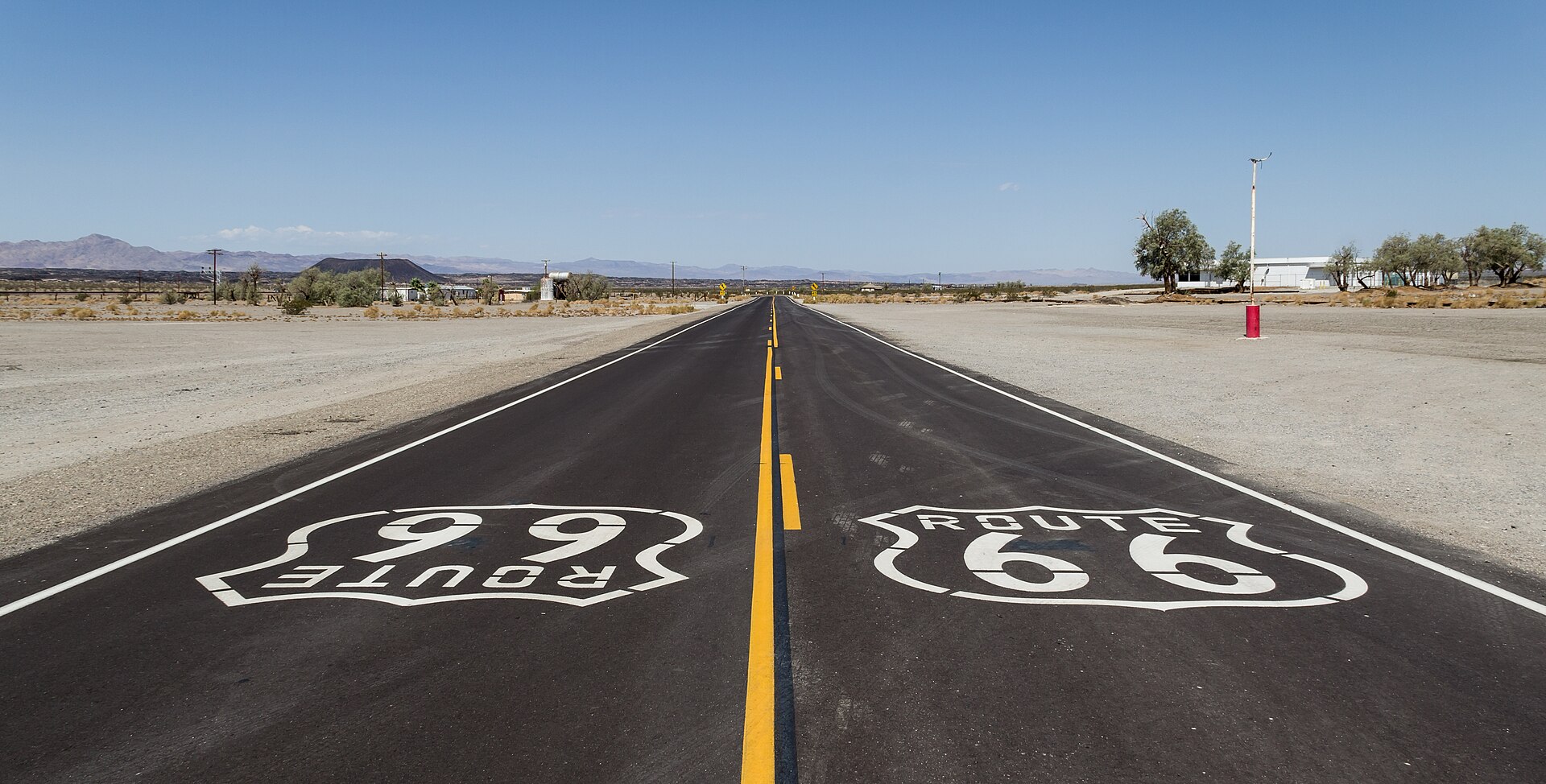
Sea to Sky Highway Canada: The Best Drive from Vancouver to Whistler 2026

TL;DRSea-to-Sky Highway je 120kilometrová silnice číslo 99 vedoucí z Vancouveru do horského střediska Whistler, kterou BBC pravidelně zařazuje mezi deset nejkrásnějších silnic světa. Čistá jízda trvá zhruba dvě hodiny, ale s doporučenými zastávkami je lepší vyhradit si celý den. Mezi 8 klíčových zastávek patří přístav Horseshoe Bay, vodopády Shannon Falls (335 metrů), lanovka Sea to Sky Gondola ve Squamishi (za cca 55 CAD, výstup 885 výškových metrů), skála Stawamus Chief, vodopády Brandywine Falls a cílová olympijská vesnička Whistler Village. Nejlepší měsíce pro výlet jsou červen až září, mezi 1. říjnem a 31. březnem jsou navíc na trase zákonem povinné zimní pneumatiky.

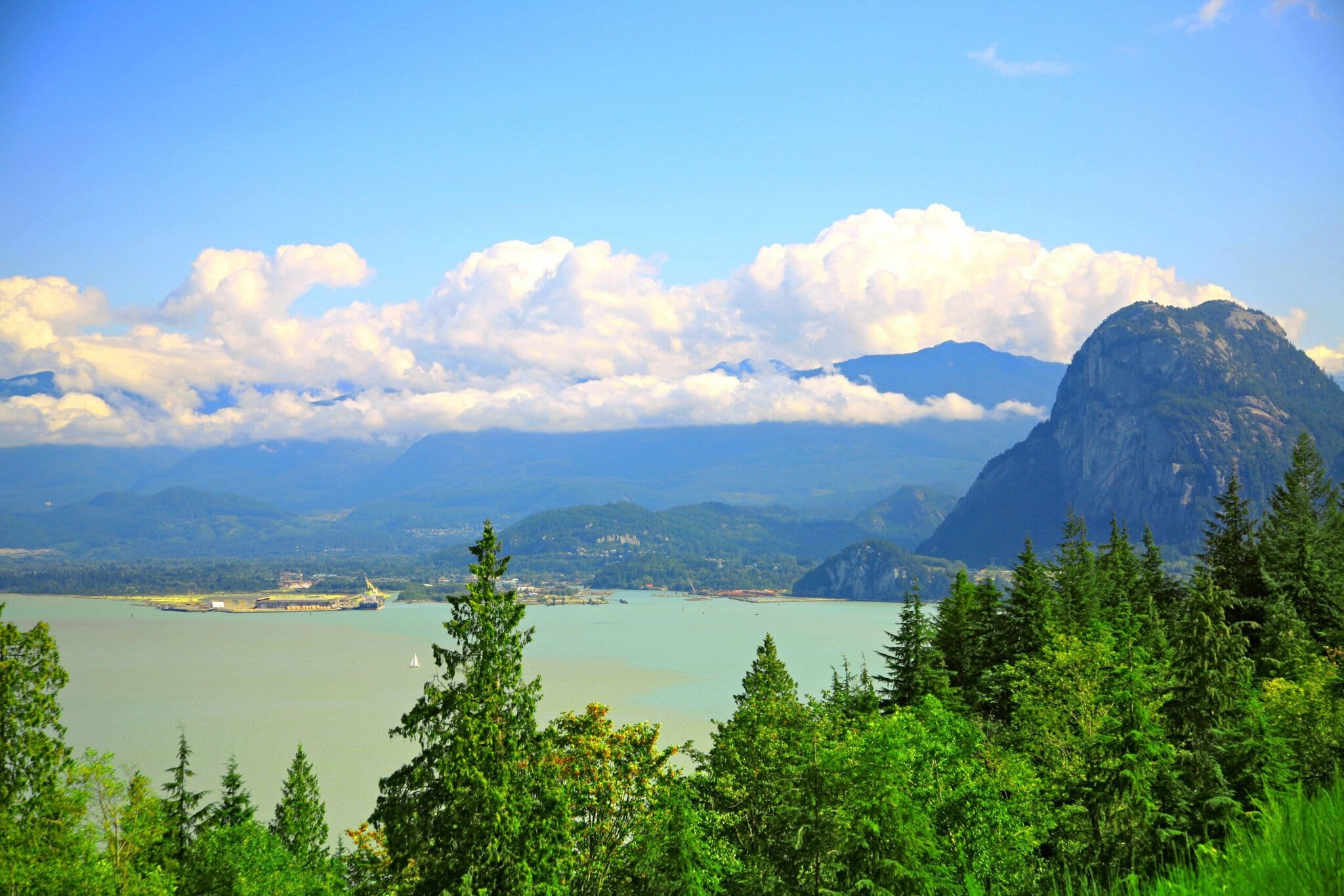
Cesta z Vancouveru do horského střediska Whistler není jen obyčejným tranzitem z bodu A do bodu B, ale čeká vás tu neuvěřitelných 120 kilometrů čisté geologické podívané. Silnice Highway 99, které se celosvětově přezdívá Sea-to-Sky Highway, se zařezává do strmých útesů nad hlubokým fjordem Howe Sound a následně plynule stoupá vysoko do pobřežních hor. Ráno se ještě můžete procházet po pláži u oceánu a odpoledne už dýcháte svěží vysokohorský vzduch mezi zasněženými vrcholky. Ačkoliv čistý čas jízdy dělá zhruba dvě hodiny, prosvištět tuto trasu bez jediné zastávky by byl naprostý hřích a ochudili byste se o jeden z nejlepších road tripů v celé Severní Americe. Zážitek z jízdy tu navíc umocňuje fakt, že se scenérie za oknem mění s každou další projetou zatáčkou.

Britská stanice BBC tuto trasu pravidelně zařazuje mezi deset nejkrásnějších silnic světa, což naprosto chápete hned v prvních minutách jízdy, kdy se vám otevřou výhledy na třpytící se oceán. Má to ale jeden podstatný háček, protože Highway 99 funguje jako jediná asfaltová tepna spojující Vancouver a Whistler. Pokud se na trase stane nehoda a někdo to opře do svodidel, nemáte naprosto žádnou alternativu. Místní tisk často varuje před fatálními zácpami, které mohou znamenat i osmihodinové zdržení, obzvlášť v pátek odpoledne, kdy se všichni hrnou z města na víkend do hor. Je tedy dobré počítat s časovou rezervou a nespoléhat na to, že do cíle dorazíte přesně podle navigace.

Připravila jsem pro vás průvodce s osmi zastávkami, které by byla škoda minout — od ranní kávy v přístavu až po visutý most, co se ve větru trochu houpá. Praktické info o zimních pneumatikách a davech při akcích 2026 taky nechybí. Abyste měli jistotu, že z celého výletu vytěžíte maximum, najdete v textu spoustu užitečných rad týkajících se parkování, cen vstupenek i toho, jak se nejlépe vyhnout největšímu náporu turistů.

Shrnutí pro ty, kteří nemají čas číst celý článek

  • Délka a čas: Trasa měří 120 kilometrů a čistá jízda zabere dvě hodiny, ale s doporučenými zastávkami si na výlet vyhraďte určitě celý den. Není kam spěchat, vyplatí se spíš zastavit a kochat.
  • Nejlepší zastávky: Určitě nevynechejte vodopády Shannon Falls, jízdu lanovkou Sea to Sky Gondola ve Squamishi a slavnou olympijskou vesničku Whistler.
  • Zimní pneumatiky: Od 1. října do 31. března jsou na této trase zákonem striktně vyžadovány zimní pneumatiky a policie to velmi ráda kontroluje hned za městem.
  • Dopravní situace: Jde o jedinou silnici do Whistleru, takže vám důrazně doporučuji vyrazit brzy ráno, abyste se vyhnuli odpoledním kolonám.
  • Sportovní akce 2026: Whistler hostí na přelomu července a srpna obří MTB festival Crankworx a v září Světový pohár, takže očekávejte davy lidí a vyšší ceny.
  • Ubytování: Hotely rezervujte přes Booking ideálně s několikaměsíčním předstihem, protože kapacity v Britské Kolumbii mizí obrovským tempem.
Kdy vyrazit na Sea-to-Sky Highway

Nejpopulárnější volba je kanadské léto od června do září a upřímně, je jasné proč. V tomto období jsou dny neuvěřitelně dlouhé, teploty šplhají k příjemným 25 stupňům a všechna vysokohorská jezera už roztála do své ikonické tyrkysové barvy, která vypadá jako z jiného světa. Užijete si ty naprosto nejlepší podmínky pro turistiku. Ve stínu stromů bývá příjemně chladno, takže i delší pochody se dají zvládnout bez zbytečného přehřívání. Zároveň se ale musíte obrnit obrovskou trpělivostí vůči davům turistů, kteří mají naprosto stejný nápad jako vy. Parkoviště u oblíbených tras bývají plná už kolem deváté ráno, proto si raději naordinujte budíček o něco dříve.

Zimní měsíce od listopadu do dubna mění celou trasu v dokonalou zasněženou pohádku, ale vyžadují od řidičů maximální obezřetnost a respekt k horským podmínkám. Silnice sice bývá pravidelně pluhovaná a sypaná, ale kvůli rychlým změnám počasí se může povrch nečekaně změnit v kluziště. Mezi 1. říjnem a 31. březnem britsko-kolumbijské zákony striktně nařizují použití zimních pneumatik, které musí být jasně označené symbolem M+S nebo horským štítem s vločkou. Policie tyto předpisy na výjezdu z Vancouveru velmi ráda namátkově kontroluje a pokuty za jejich porušení jsou opravdu astronomické, takže si na to při půjčování auta dejte obrovský pozor. Není od věci mít v kufru pro všechny případy teplou deku, vodu a nějakou tu proteinovou tyčinku.

Při plánování musíte také vzít v potaz, že dálnice Highway 99 nemá žádnou objížďku. Při vážnější nehodě se doprava na dlouhé hodiny zcela zastaví a vám nezbyde nic jiného než čekat. Doporučuji vám proto neustále sledovat oficiální dopravní portál DriveBC, abyste nezůstali trčet v koloně s vypnutým motorem uprostřed lesů. Rok 2026 bude navíc pro celou oblast naprosto extrémní, protože od 24. července do 2. srpna proběhne na Whistleru legendární MTB festival Crankworx, na který se sjíždějí desetitisíce nadšenců z celého světa. O pár týdnů později se tu pojede Světový pohár ve sjezdu na horských kolech, takže ubytovací i stravovací kapacity budou během letních měsíců beznadějně vyprodané.
Kde se ubytovat na trase a v cíli

💡 Tip na ubytování a zážitky: Ubytování si nejradši hledáme na Booking.com, kde bývají nejlepší storno podmínky. Vstupenky, výlety a aktivity se pak vyplatí porovnat a koupit přes GetYourGuide.

Většina cestovatelů pojímá tuto trasu jako jednodenní výlet z města, ale pokud si chcete hory užít opravdu naplno, vřele doporučuji strávit na Whistleru alespoň dvě noci. Získáte tím spoustu času na večerní procházky a brzké ranní výlety k jezerům, kdy ještě většina lidí teprve sedí u snídaně. Ať už se rozhodnete zůstat ve Vancouveru nebo přímo v alpské vesničce, ubytování hledejte vždy s obrovským předstihem. Kapacity v Britské Kolumbii mizí bleskovým tempem a ceny na poslední chvíli letí do nesmyslných výšin, což platí dvojnásob pro víkendy a svátky.

Pokud hledáte strategickou základnu přímo ve Vancouveru před ranním odjezdem, skvělou volbou je historický Sylvia Hotel přímo na pláži English Bay, který nabízí nádherné výhledy za rozumnější ceny. Budova je navíc krásně obrostlá břečťanem a působí velmi fotogenicky. Pro milovníky absolutního luxusu je tu pak vyhlášený Fairmont Pacific Rim nebo elegantní Loden Hotel, kde vás prostě rozmazlí na maximum (a vaše kreditní karta to pocítí). Cokoliv si budete přát, to pro vás personál s úsměvem zařídí. Pokud plánujete cestu na červen nebo červenec 2026, připravte se na obrovský cenový šok. Vancouver totiž hostí sedm zápasů fotbalového mistrovství FIFA a hotely budou stát klidně i přes 1 500 CAD za noc, takže včasná rezervace je nutností.

Přímo v cílové destinaci na Whistleru se ubytování pohybuje ve sférách, které mohou vaši peněženku docela bolet, ale probuzení pod sjezdovkou má své nezaměnitelné kouzlo. Pokud cestujete s omezenějším rozpočtem, určitě mrkněte na moderní Pangea Pod Hotel, což je kapslový hotel situovaný přímo v centru všeho dění za zlomek ceny velkých resortů. Zvážit můžete také HI-Whistler postavený původně pro olympijské sportovce, který je o něco dál od centra, ale nabízí skvělé zázemí. Pokud chcete kompromis mezi cenou a pohodlím, Crystal Lodge nebo Listel Hotel jsou fajn volba. Rodiny a páry hledající klidnější prostředí milují nádhernou Nita Lake Lodge v oblasti Creekside. Ta leží kousek od hlavního centra a nabízí naprosto dechberoucí výhledy přímo na klidnou hladinu jezera.
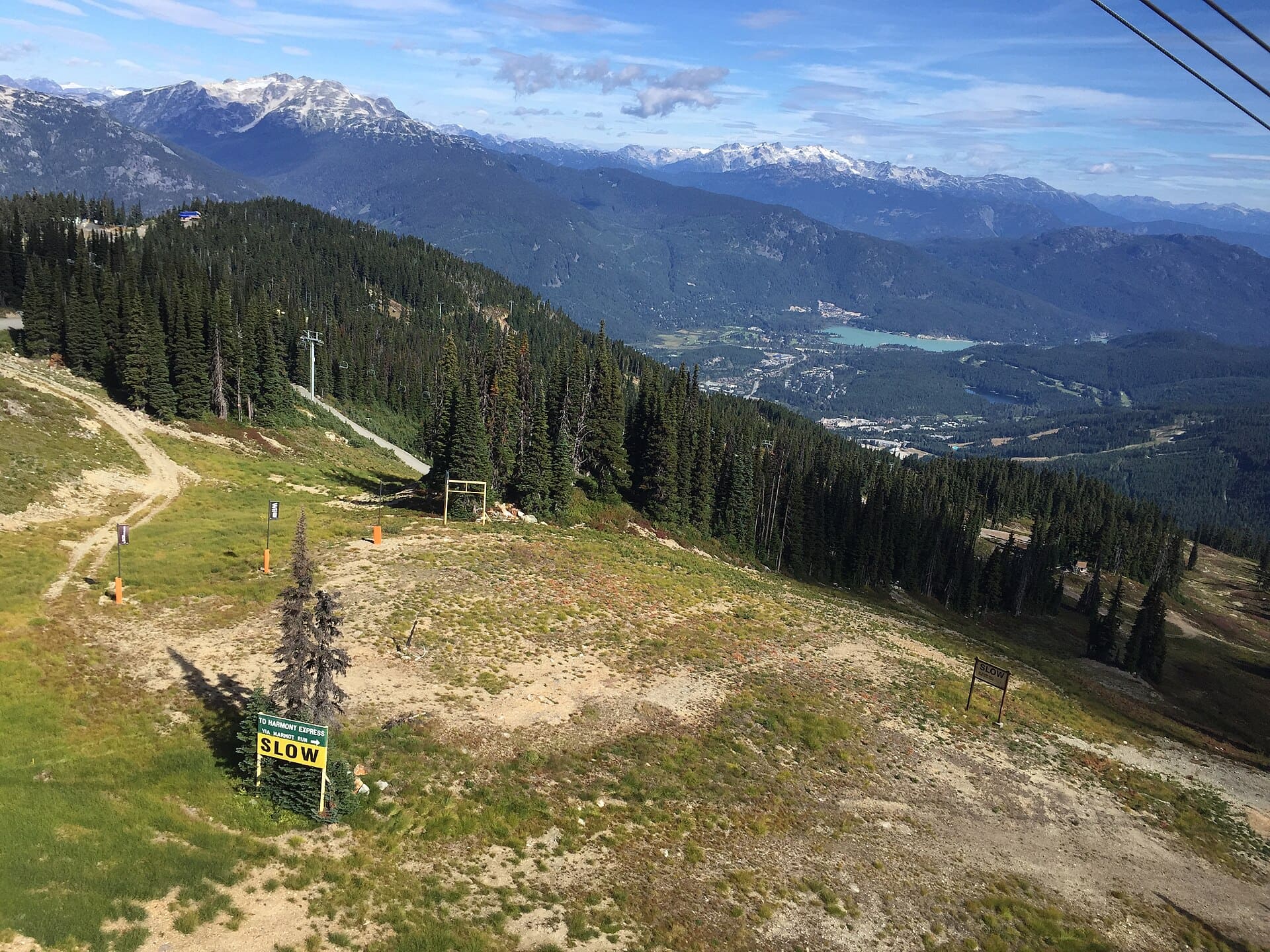
8 tipů, co vidět a dělat na cestě z Vancouveru do Whistleru

Tady jsou zastávky přesně v pořadí, jak je budete míjet — od oceánu až po zasněžené vrcholky. Přeskakovat samozřejmě můžete, ale bylo by škoda. To vám usnadní orientaci a pomůže si celou cestu dokonale naplánovat, abyste nic důležitého neminuli.
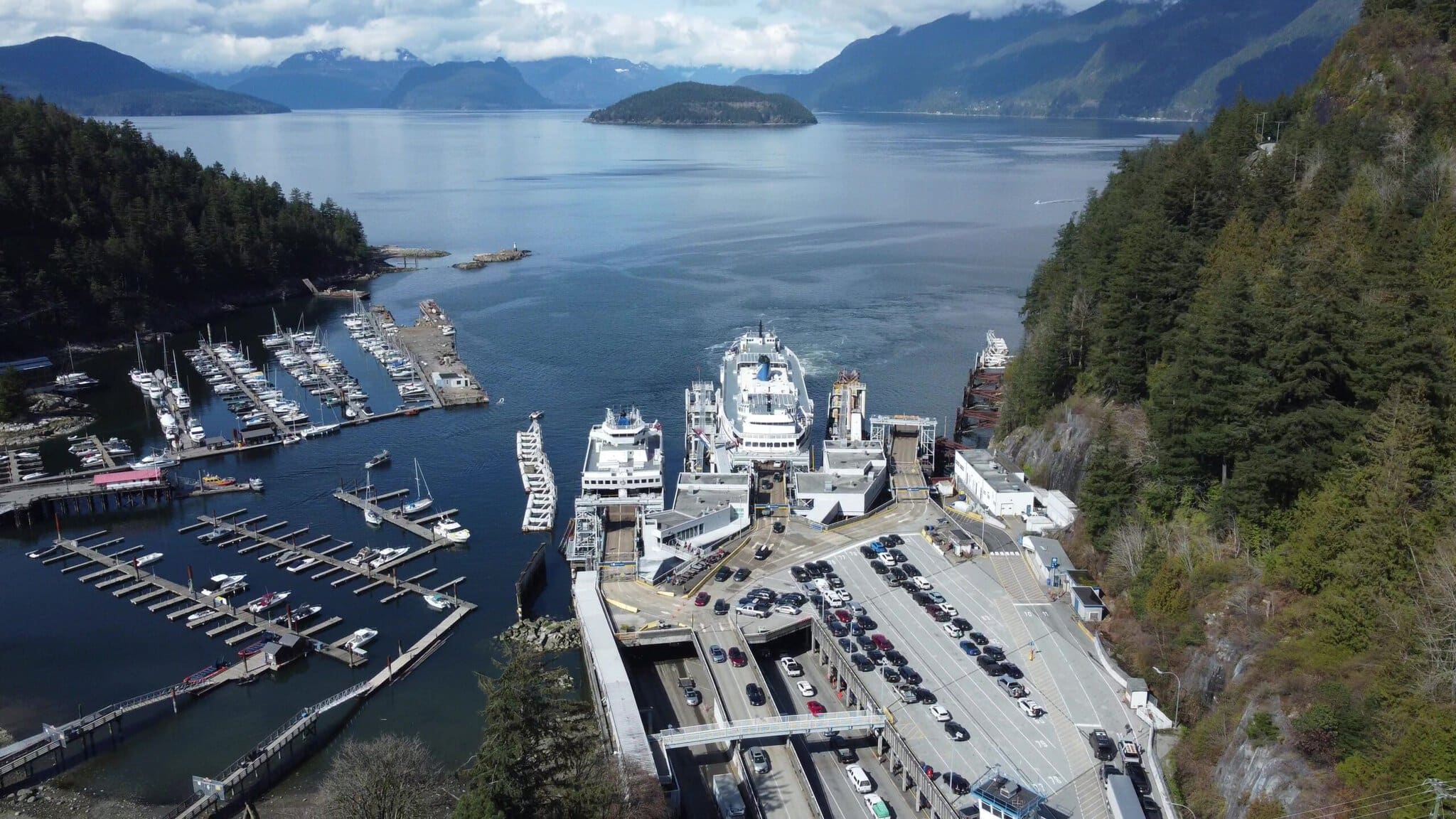
1. Horseshoe Bay: Lodě a přístavní atmosféra

Vaše cesta začíná kousek za Vancouverem v malebném přístavu Horseshoe Bay, který slouží jako hlavní výchozí terminál pro obří trajekty společnosti BC Ferries. Samotné městečko je úžasně fotogenické, plné malých barevných domků a nabízí skvělou příležitost pro první ranní kávu. Tu si můžete vypít jen tak z kelímku, zatímco budete z lavičky pozorovat obrovské lodě manévrující v úzkém zálivu. Zážitek je to parádní i pro ty, kteří lodní dopravě jinak moc neholdují. Pokud si rádi přivstanete a dorazíte sem dříve než hlavní nápor turistů, panuje tu po ránu nádherný klid ☺️.

Místním fenoménem je tu podnik Trolls, kam se už desítky let sjíždějí lidé z celé provincie na klasické fish and chips, což je vyhlášená lokální specialita. Porce tu mají opravdu štědré a ryby jsou zaručeně čerstvé. Pokud ale hledáte něco lehčího a bez masa, vřele doporučuji zapadnout do kavárny Flour Bake Shop, kde na vás čeká fantastická výběrová káva. Mají tu vynikající vegetariánské sendviče, bohaté saláty a čerstvé řemeslné pečivo, které vás dokonale nakopne na další cestu do hor, abyste měli dostatek energie na všechny ty výhledy a toulky přírodou.
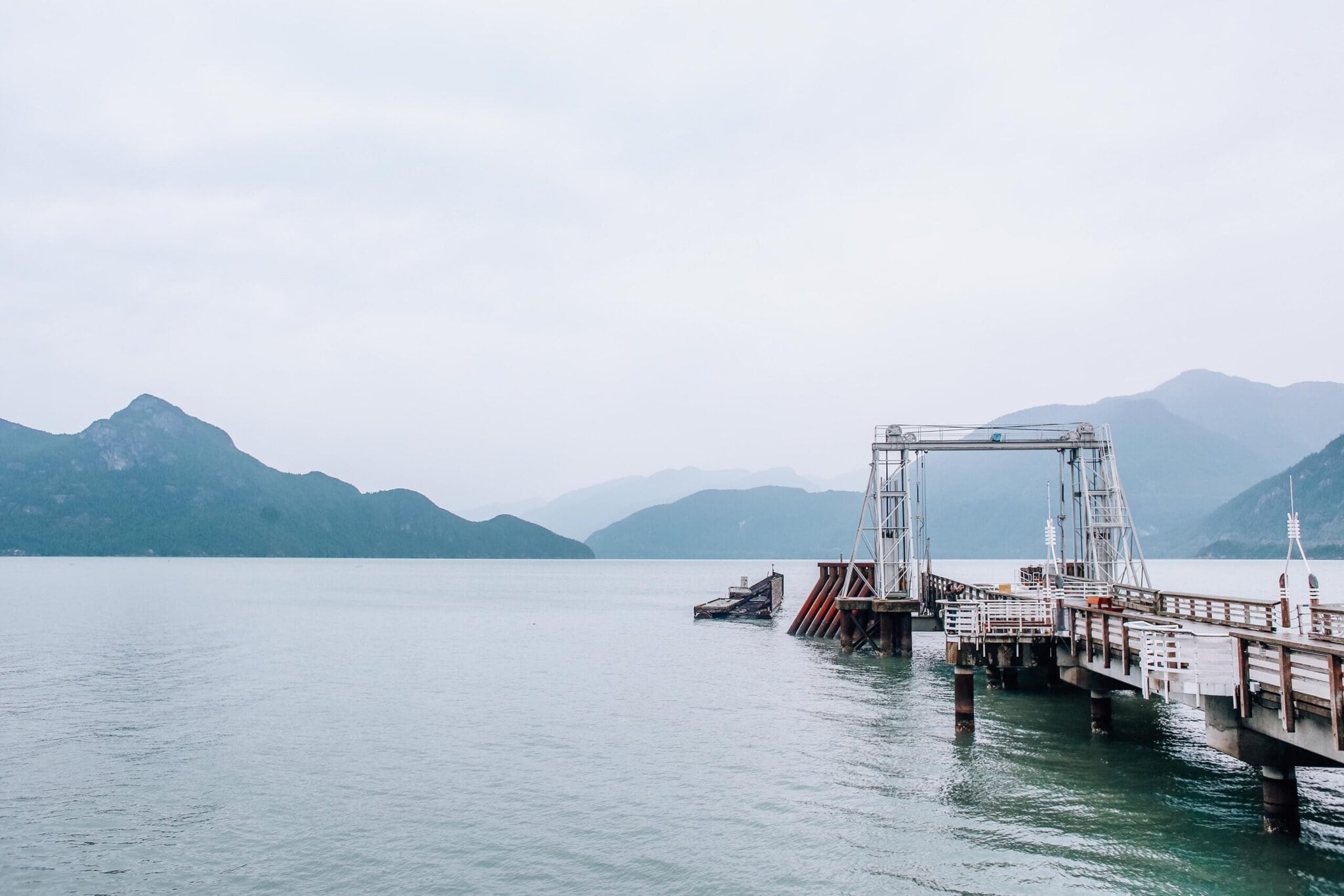
2. Porteau Cove: Výhledy na fjord a potápěči

Zhruba po dvaceti minutách jízdy narazíte na provinční park Porteau Cove, který je naprostou nutností pro všechny milovníky výhledů a fotografie. Park leží přímo na břehu fjordu Howe Sound a nabízí staré dřevěné molo, ze kterého je fantastický výhled na okolní hory tyčící se přímo z temné oceánské vody. Můžete se tu na chvíli zastavit, zavřít oči a jen tak poslouchat šumění narážejících vlnek. Voda je tu překvapivě průzračná a velmi často uvidíte divoké tuleně, jak zvědavě vykukují nad hladinu nedaleko břehu, aby zjistili, kdo se to k nim přijel podívat.

Toto místo je také obrovsky populární mezi kanadskými přístrojovými potápěči, protože na dně zálivu bylo uměle potopeno hned několik starých lodí. Ty dnes tvoří fascinující umělý útes plný různorodého podmořského života, od obřích hvězdic až po sasanky. Potápění neplánujete? Nevadí, procházka po kamenité pláži plné obřích naplavených kmenů má úžasnou, typicky pacifickou atmosféru. Slaný vzduch tu voní dálkami a zaručeně tu pořídíte skvělé fotky do rodinného alba.
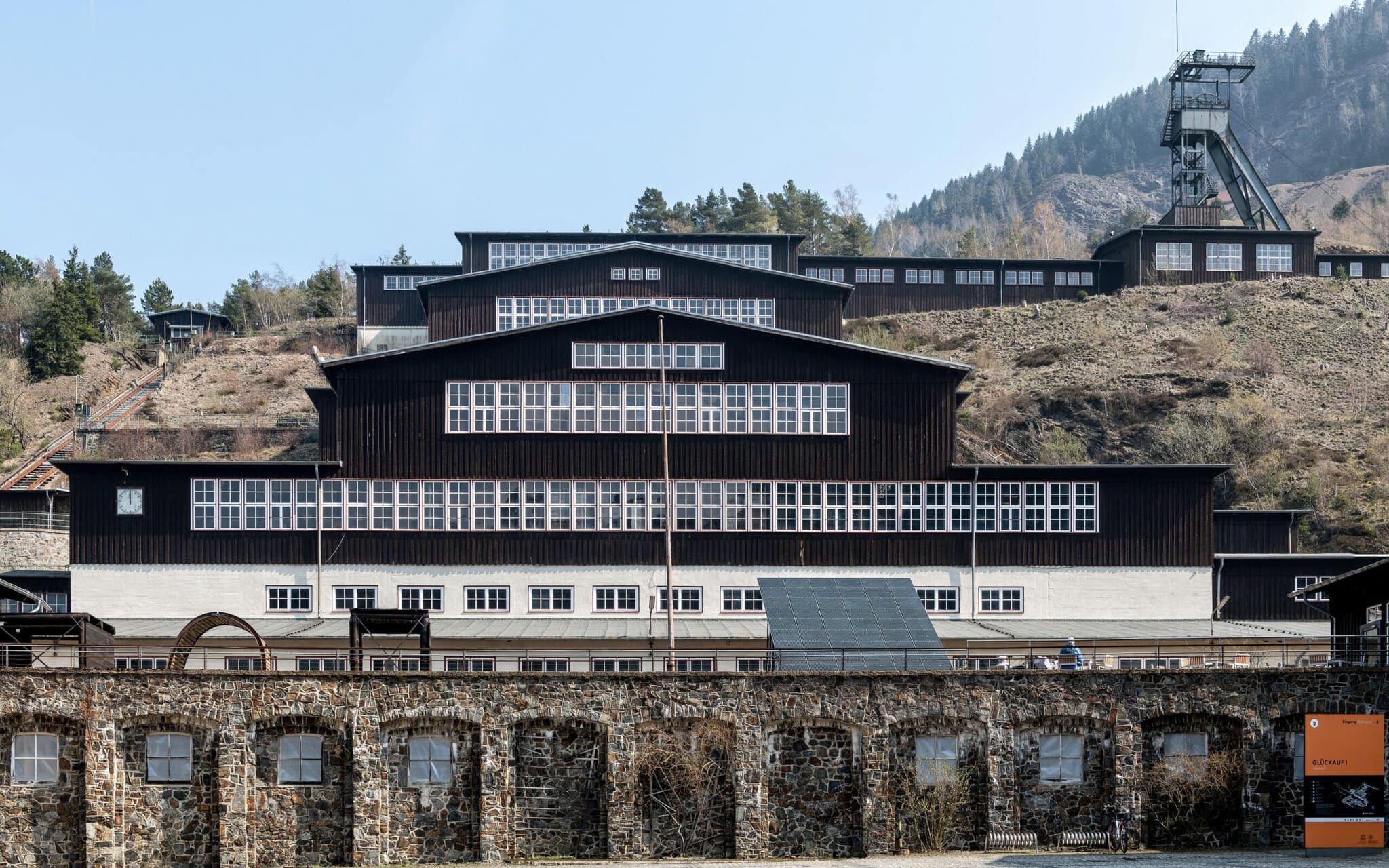
3. Britannia Mine Museum: Záchrana pro rodiny s dětmi

Na pětačtyřicátém kilometru vaší trasy se do výšky tyčí obrovská industriální budova, která ukrývá bývalý měděný důl přetvořený na Britannia Mine Museum. Kdysi dávno šlo o vůbec největší důl na měď v celém britském impériu, v němž pracovaly tisíce havířů za velmi těžkých podmínek. Dnes je to naprosto špičkové interaktivní muzeum, které perfektně poslouží jako ideální bod pro rozbití dlouhé cesty, pokud vy nebo vaše ratolesti už potřebujete pauzu od sezení v autě.

Vstupné stojí zhruba 40 CAD na dospělého a v ceně máte i autentickou jízdu podzemním důlním vláčkem. Což je přesně ten typ zážitku, ze kterého budou nadšené hlavně menší děti a pravděpodobně i technicky založení partneři. Průvodci tu poutavě vypráví příběhy z podzemí a ukážou vám, jak fungovaly obrovské důlní stroje. 💡 Tip: Pokud cestujete jen ve dvou a industriální historie vás zase tolik nebere, můžete tuto zastávku s klidným srdcem přeskočit. Ušetřený čas i peníze pak můžete věnovat raději přírodním krásám, které na vás čekají o pouhých pár kilometrů dál po proudu dálnice.
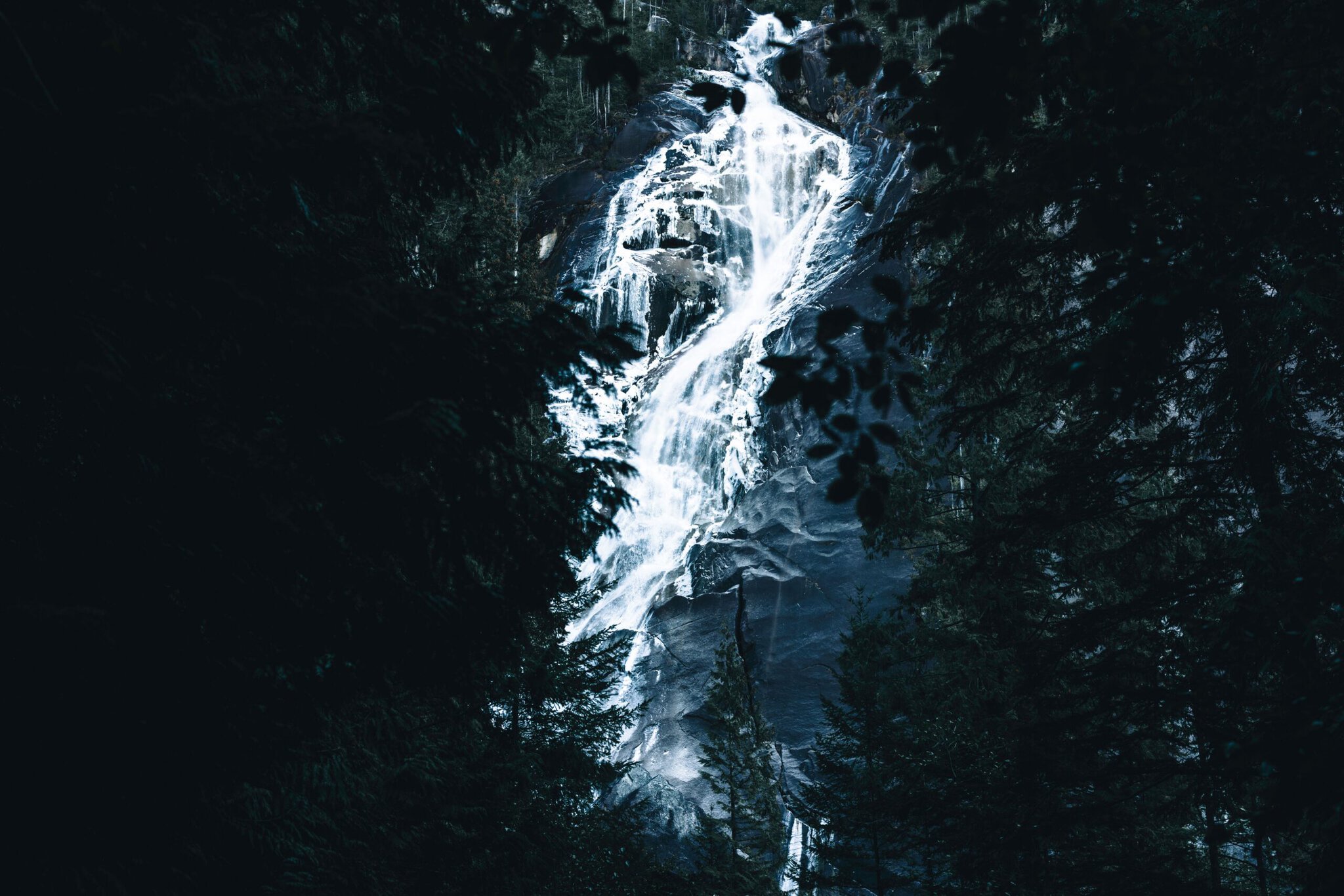
4. Shannon Falls: Třetí nejvyšší vodopád v provincii

Hned na šedesátém kilometru nesmíte minout odbočku k vodopádům Shannon Falls, které s ohromující výškou 335 metrů drží bronzovou medaili v žebříčku nejvyšších vodopádů celé provincie Britská Kolumbie. Obrovskou výhodou tohoto místa je fakt, že hlavní parkoviště leží pár desítek metrů od hlavní silnice. Znamená to, že neztratíte absolutně žádný drahocenný čas zdlouhavým blouděním s navigací nebo složitým hledáním cesty v hlubokém lese. Zastávka je to tudíž velmi rychlá a maximálně efektní.

Od auta dojdete k hlavní vyhlídce po zpevněném chodníku za necelých pět minut, takže zvládne i ten, kdo si turistiku normálně nepřipouští, a burácející voda padající přes žulové útesy vás navíc v létě příjemně omlží, což za vedra nesmírně oceníte. Celá zastávka zabere maximálně třicet minut. Přesto bude pohled na obrovskou masu padající a tříštící se vody rozhodně patřit k těm úplně nejlepším momentům vašeho road tripu. Můžete si tu udělat i krátký piknik, protože u parkoviště je připraveno několik dřevěných stolů.

Zážitky a vstupenky
ověřeno cestovateli · GetYourGuide
Ohio: Vstupenka do Cedar Point
★★★★★ 4.2 · 18 hodnocení
od 49 €
Chci tenhle zážitek →
🔗 Odkazy jsou partnerské — vám cenu nezmění, nám pomáhají tvořit obsah. · Všechny zážitky →
lukas a lucka
Lukáš a Lucie doporučují
Kde se ubytovat ve Whistleru
6 ubytování — hotely, wellness hotely a další možnosti ubytování

5. Squamish a Sea to Sky Gondola: Zážitek v oblacích

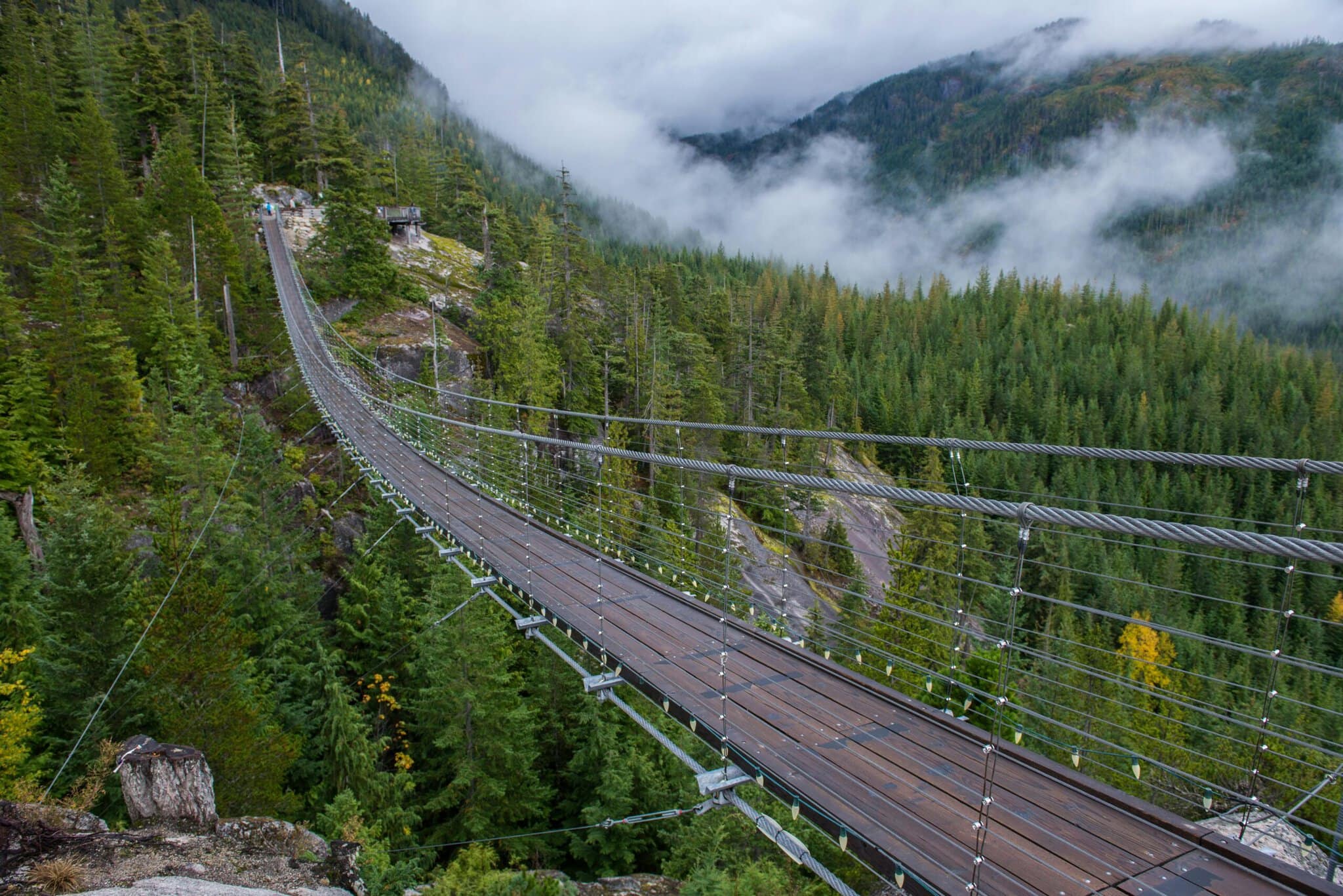
Městečko Squamish na sedmdesátém kilometru se hrdě označuje jako hlavní město outdoorových sportů celé Kanady a nutno říct, že na tento titul má plné právo. Právě tady se nachází jedna z největších a nejnavštěvovanějších atrakcí celé trasy. Lanovka Sea to Sky Gondola vás za zhruba 55 CAD vyveze o úctyhodných 885 výškových metrů výš, odkud se vám naskytne naprosto dechberoucí panoramatický výhled. Jako na dlani pod sebou uvidíte celý fjord Howe Sound a okolní zaledněné pobřežní hory, což je pohled, který se snad nikdy neomrzí.

Nahoře na vás čeká stometrový visutý most Sky Pilot Suspension Bridge, jehož přechod je skvělým adrenalinovým zážitkem, i když se ve větru trochu houpe 😅. Po jeho zdolání tu najdete desítky kilometrů perfektně značených turistických tras různých obtížností, od jednoduchých vyhlídkových okruhů až po ty náročnější. Nechybí tu ani prostorná panoramatická restaurace, kde si můžete dát výbornou horkou čokoládu nebo nějaké osvěžující lokální pivo. Lístky na lanovku si určitě kupte raději online s předstihem, abyste se vyhnuli nepříjemně dlouhým frontám u pokladen během slunečných letních víkendů.
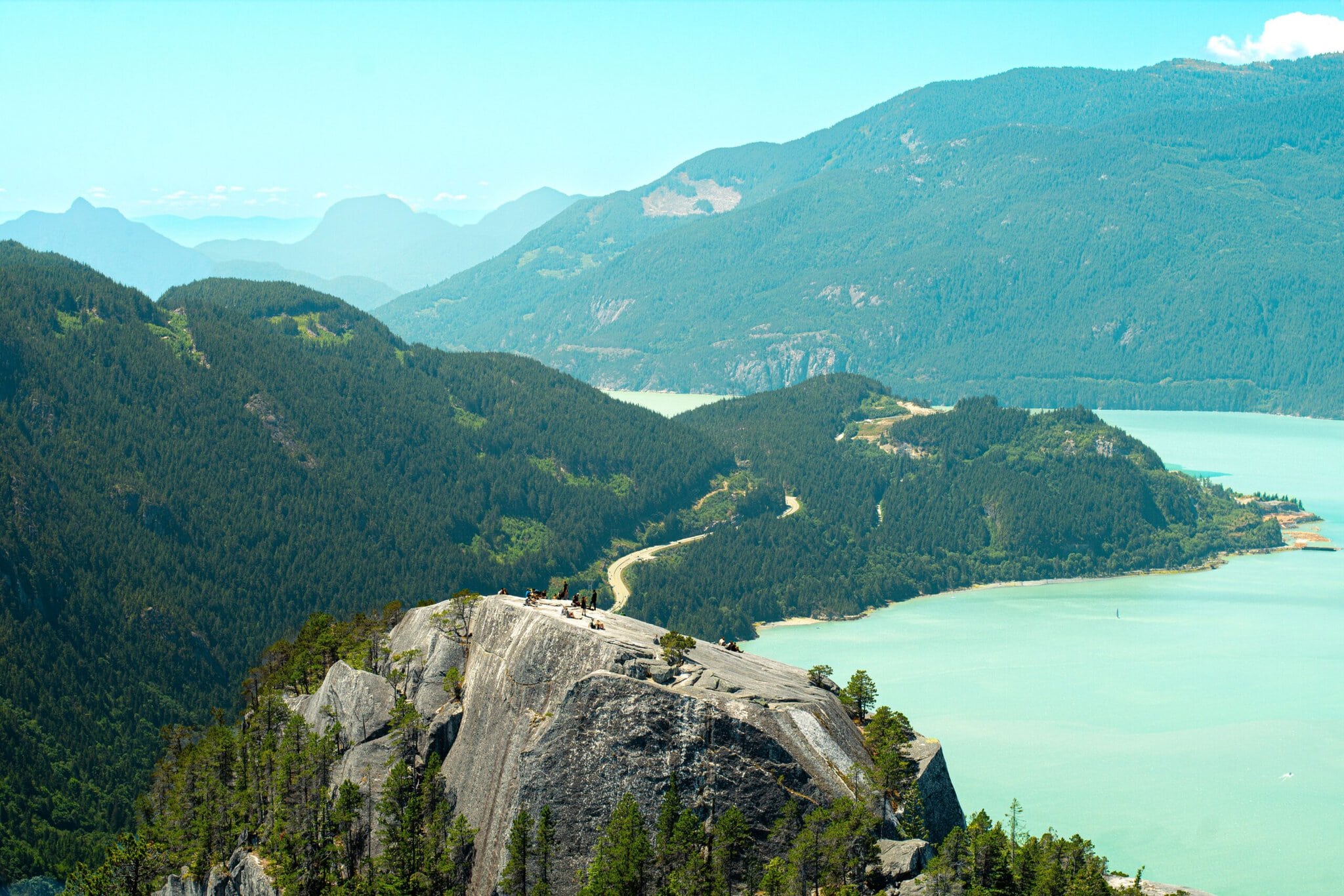
6. Stawamus Chief: Výzva pro skutečné sportovce

Hned naproti lanovce se do nebes tyčí obrovský žulový monolit známý jako Stawamus Chief, který funguje jako naprostý a neodolatelný magnet na horolezce i turisty z celého světa. Pokud máte skvělou fyzickou kondici a chcete třeba ušetřit peníze za lístky na lanovku, můžete se vydat na pěší výstup na jeden ze tří jeho vrcholů. Čeká na vás zhruba sedmikilometrová trasa s drsným převýšením 600 metrů, která důkladně prověří vaše plíce i stehenní svaly.

Upřímné varování: tohle opravdu není nedělní procházka a spousta turistů si to zjistí v půlce cesty s mléčnou kyselinou v nohou 😅. Cesta nahoru se skládá z nekonečného množství extrémně strmých schodů i obřích kořenů a v závěrečných pasážích se budete muset dokonce přitahovat pomocí ocelových řetězů a žebříků zatlučených přímo do holé skály. Zážitek z úspěšného výstupu a výhledy z vrcholu jsou sice naprosto fenomenální, ale na tenhle výšlap bezpodmínečně potřebujete opravdu dobré pevné boty a dostatek pitné vody v batohu.
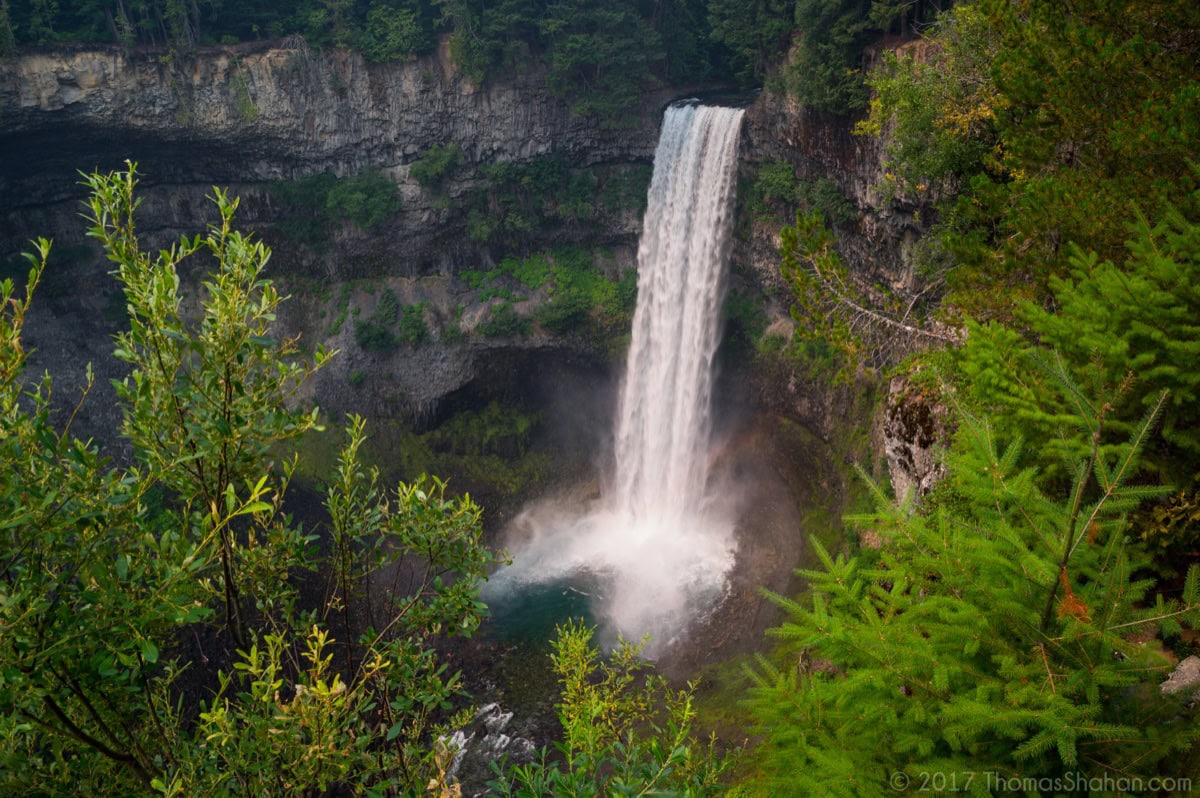
7. Brandywine Falls: Pohodová zastávka před cílem

Když už budete mít v autě pocit, že se pomalu, ale jistě blížíte do vysněného cíle, na 110. kilometru na vás čeká ještě jeden skrytý klenot v podobě Brandywine Falls. Jde o krásný sedmdesát metrů vysoký vodopád, který padá do hlubokého sopečného kaňonu a nabízí naprosto odlišnou geologickou podívanou než předchozí vyhlazené žulové útesy u Shannon Falls. Ostré a pravidelné čedičové útvary dodávají tomuto místu dramatický ráz.

Cesta od centrálního parkoviště k vyhlídkové platformě je naprosto nenáročná, vede po úhledné a udržované rovině a zabere vám zhruba patnáct minut klidné chůze čerstvým borovicovým lesem. Je to naprosto ideální příležitost na protažení nohou po dlouhém sezení v autě před tím, než zdoláte posledních deset kilometrů vaší cesty do slavné olympijské vesnice. Určitě si na tuto krátkou procházku nezapomeňte vzít foťák. Obrovský kontrast bílé padající vody a tmavých čedičových sloupů totiž vypadá na fotkách naprosto neskutečně dobře.
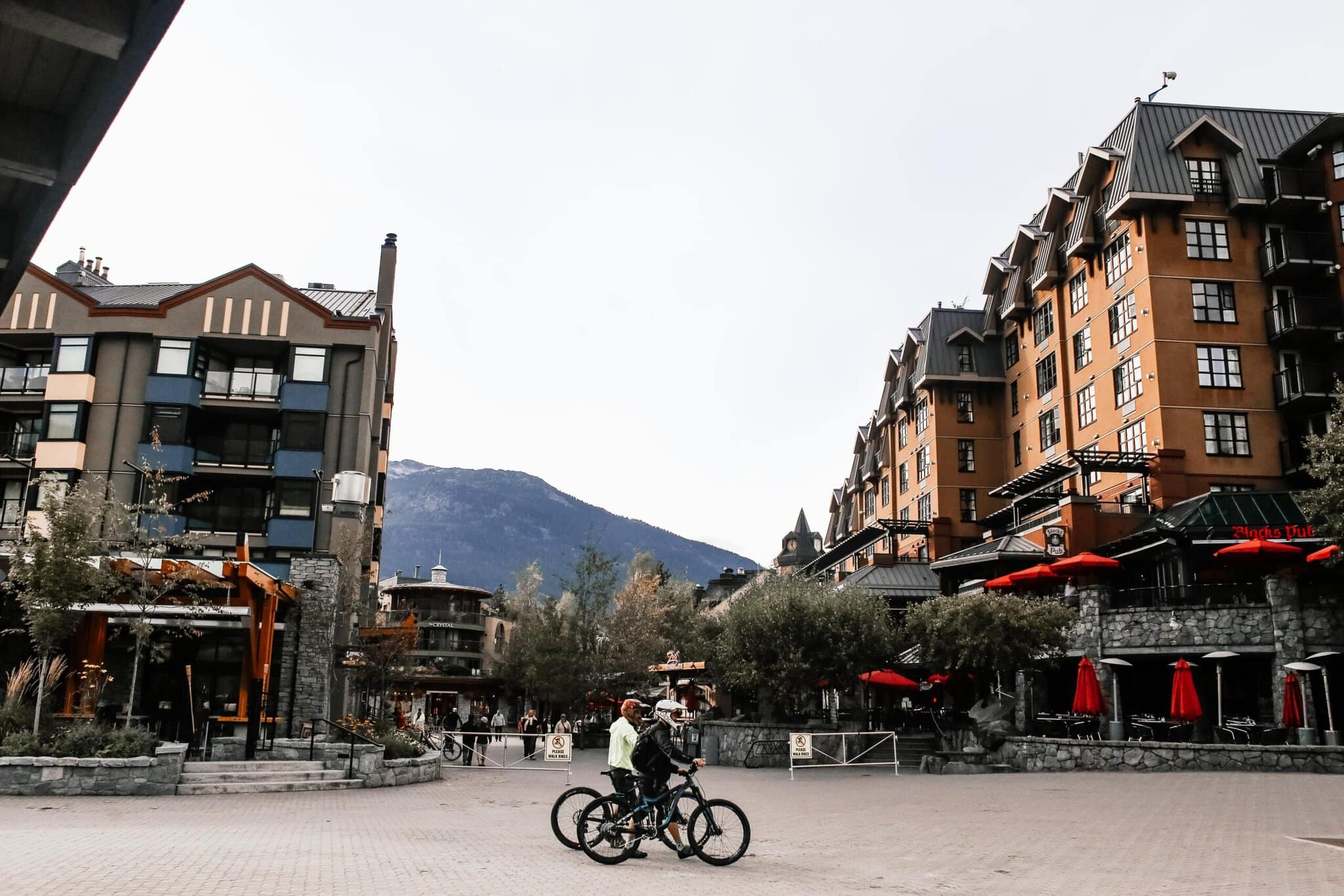
8. Whistler Village: Olympijské srdce hor

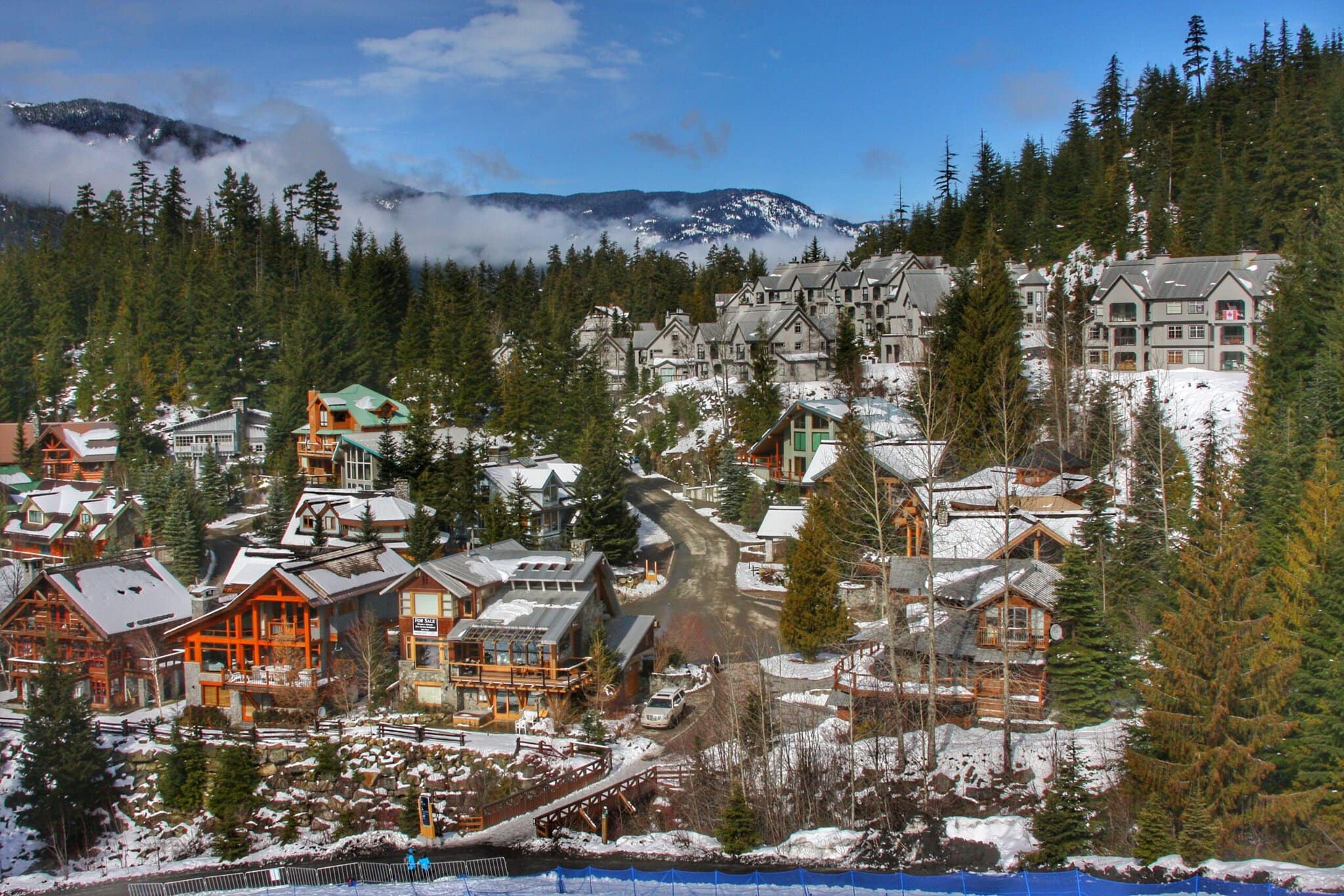
A jste konečně v cíli! Whistler Village je dokonale navržené alpské městečko zasazené do drsné kanadské divočiny, které v absolutní letní či zimní špičce spolkne neuvěřitelných 30 000 návštěvníků denně. Obrovskou výhodou je, že celé ubytovací a obchodní centrum funguje jako striktní pěší zóna bez aut. To z něj dělá naprostý ráj pro bezstarostné procházky, i když je pravda, že za celodenní parkování v obřích zónách Day Lots 1 až 5 zaplatíte zhruba 15 až 30 CAD. Prostředí je tu plné útulných kaváren, značkových obchodů i galerií domorodého umění.

Zdaleka největším lákadlem je tu technický zázrak jménem PEAK 2 PEAK Gondola. Svými 4,4 kilometry vzdušnou čarou přímo spojuje vrcholy hor Whistler a Blackcomb a ve svém nejvyšším bodě visí 436 metrů nad hlubokým zalesněným údolím. Lístek na ni vyjde zhruba na 65 až 69 CAD a rozhodně stojí za každý utracený cent. Pokud sem vyrazíte v létě, narazíte na desítky fantastických vegetariánských restaurací v čele s výborným podnikem The Green Moustache. V zimě se naopak připravte na masivní cenový šok, protože denní permanentka na lanovky šplhá až k 280 CAD. Proto se vždy vyplatí uvažovat dopředu a pokud lyžujete, pořídit si výhodnější Epic Day Pass.

Kde se po cestě dobře najíst

Během celodenního road tripu vám zaručeně vyhládne a byla by velká chyba spoléhat jen na benzínky. Cestou narazíte na spoustu podniků, které těží z lokálních surovin a čerstvých mořských plodů. Gastronomická scéna v této části Kanady je navíc silně zaměřená na kvalitu a ohleduplnost k životnímu prostředí, takže i vegetariáni nebo lidé s intolerancí na lepek tu mají obvykle skvělý výběr.

Osobně doporučuji naplánovat si kulinářské zastávky tak, aby vám rozbily tu nejdelší část řízení. Získáte tím nejen plný žaludek, ale i chvilku odpočinku na letní terase s výhledem. Tady je pár míst, kde se rozhodně nespletete a kde místní obyvatelé rádi obědvají už léta.
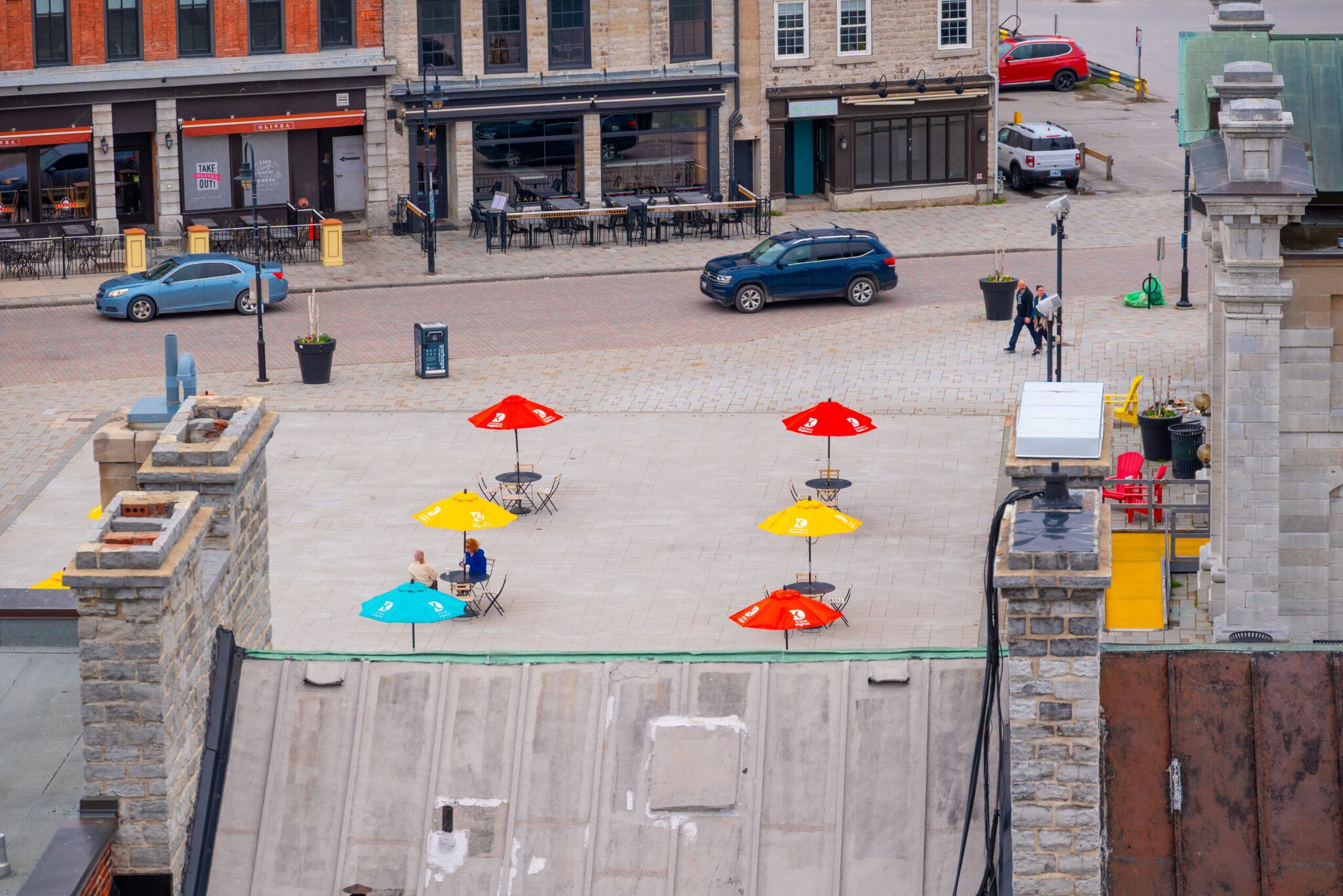
Lokální speciality u oceánu i v horách

V už zmíněném přístavu Horseshoe Bay nesmíte minout legendární restauraci Trolls. Její křupavé fish and chips si drží svou pověst široko daleko a atmosféra podniku na vás dýchne typickou přímořskou pohodou. Ryby tu navíc smaží tak, že nejsou zbytečně nasáklé olejem. Pokud chcete něco modernějšího a lehčího, v přístavu je i kavárna Flour Bake Shop, která peče z domácích surovin a jejich výběrová káva z lokálních pražíren vás dokonale probere na další kilometry v autě.

Ve chvíli, kdy dojedete do cílového Whistleru, otevře se vám svět mezinárodní gastronomie. Pro milovníky zdravé a rostlinné stravy funguje The Green Moustache, kde dělají neskutečně výborné salátové mísy a čerstvé smoothie plné vitamínů. Pokud naopak dostanete chuť na pořádné apres-ski kalorie, místní puby přímo pod sjezdovkami nabízí výborné kanadské poutine – hranolky utopené v silné omáčce a zasypané sýrovými hrudkami, což je přesně to jídlo, které po náročném dni na nohou nutně potřebujete.
Kam dál z Whistleru

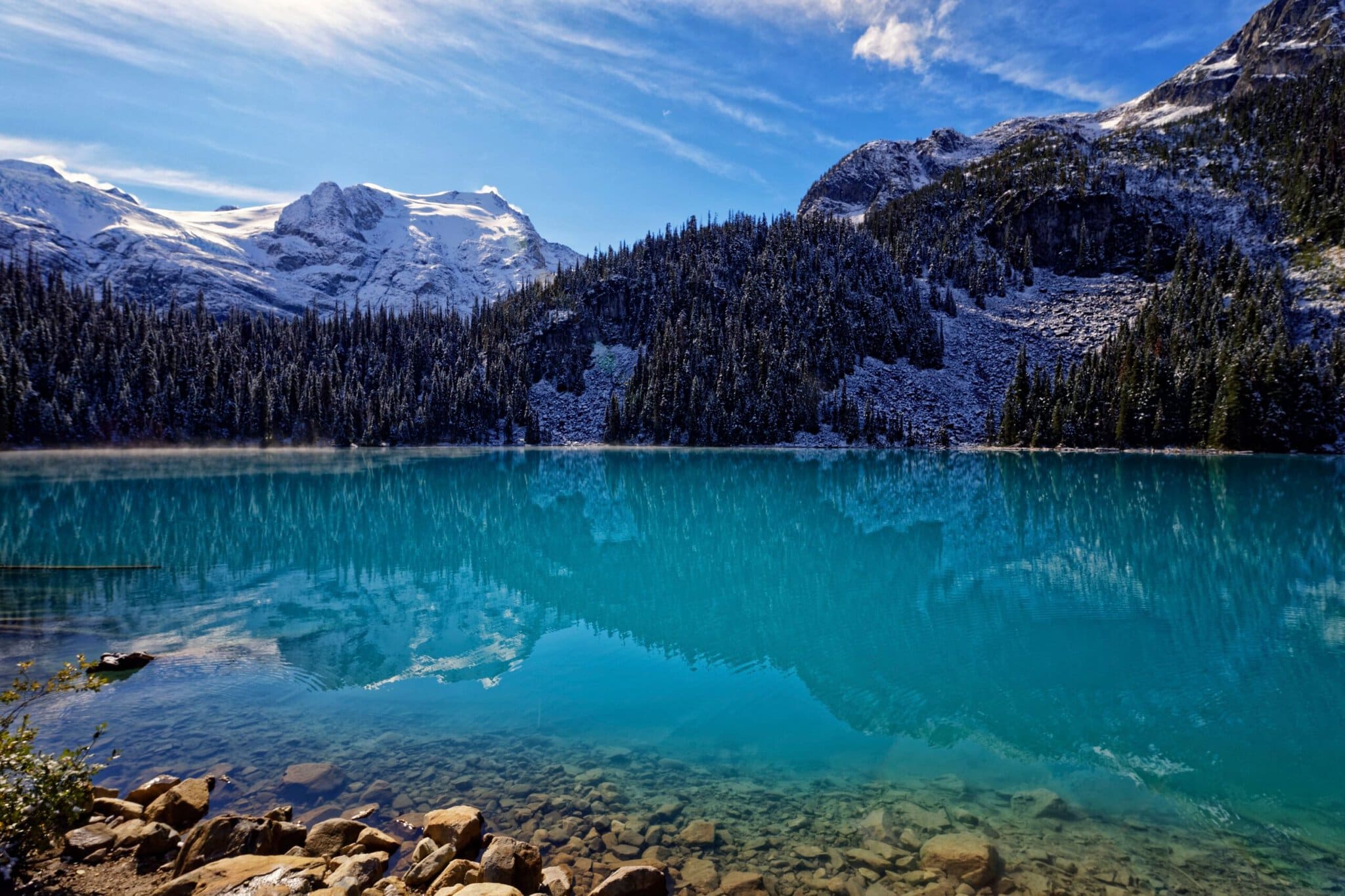
Pokud vám nestačil samotný Whistler a máte k dispozici auto, nabízí se hned několik fantastických možností, kam v Britské Kolumbii pokračovat. Zcela jednoznačným hitem posledních let je pokračování po dálnici dále na drsnější sever do městečka Pemberton. Odtud je to už jen kousek k neuvěřitelně modrým ledovcovým jezerům Joffre Lakes, jejichž barva vypadá tak sytě, že nebudete věřit vlastním očím. Cestou uvidíte další dramatické štíty hor a divoké řeky, které lemují celou tamní krajinu.

💡 Tip: Pro návštěvu Joffre Lakes v roce 2026 potřebujete povinný bezplatný day-use pass od BC Parks. Ten se rezervuje výhradně online přesně dva dny předem v 7:00 ráno a věřte mi, že mizí v řádu sekund, takže to chce mít prsty připravené na klávesnici. Dejte si také obrovský pozor na úplné uzávěry parku ve dnech 20. až 27. června a 8. až 30. září 2026. V tomto období probíhají tradiční kulturní aktivity místních kmenů a turisté mají vstup striktně zakázán z důvodu zachování posvátnosti místa.

Pokud plánujete delší putování po Kanadě, podívejte se na našeho velkého průvodce pro co vidět ve Vancouveru nebo načerpejte spoustu inspirace v našem článku o tom, jak naplánovat road trip Vancouver → Banff. Pro milovníky vysokých hor a zapadlejších míst pak vřele doporučuji prozkoumat městečko Revelstoke, kam už tolik evropských turistů nezavítá a panuje tu autentičtější atmosféra.

Nezapomeňte, že do drsné kanadské přírody budete bezpodmínečně potřebovat opravdu kvalitní a spolehlivé vybavení. Před cestou si určitě přečtěte naše tipy na to, jaké boty na turistiku si pořídit, abyste předešli bolavým puchýřům. Stejně tak nikdy nepodceňujte kvalitní zdravotní zajištění, o kterém podrobně píšeme v článku SafetyWing cestovní pojištění. A pro neustálé připojení k mapám zvažte pořízení praktické digitální SIM karty z našeho průvodce Holafly eSIM.

Často kladené otázky

Plánování výletů do kanadských hor může někdy působit trochu složitě, zvlášť když se k tomu přidají striktní dopravní pravidla a nevyzpytatelné horské počasí. Abych vám přípravy co nejvíce usnadnila, sepsala jsem odpovědi na ty úplně nejběžnější dotazy.

Najdete v nich vše od toho, jak dlouho vlastně celá cesta trvá, až po bezpečnostní opatření týkající se setkání s místními divokými zvířaty. Pokud se do Britské Kolumbie chystáte poprvé, určitě si tyto řádky pozorně pročtěte.

Jak dlouho trvá cesta z Vancouveru do Whistleru?

Čistý čas jízdy bez zastávek dělá zhruba dvě hodiny při ideální dopravní situaci. Pokud ale chcete absolvovat všechny zmíněné zastávky, vyjet si lanovkou nahoru a udělat si krátkou procházku k vodopádům, určitě si na tuto trasu vyhraďte celý den a vyrazte z města hned po brzké snídani. Je mnohem lepší přijet do Whistleru až k večeru, než celou trasu uspěchaně projet bez kochání.

Potřebuji na cestu zimní pneumatiky?

Ano, pokud cestujete v období od 1. října do 31. března, jsou zimní pneumatiky (M+S nebo vločka) striktně vyžadovány zákonem. Policie provádí na začátku dálnice velmi časté a důkladné kontroly. Pokud tyto předpisy porušíte, čeká vás obří pokuta a navíc vás pošlou nekompromisně zpět do Vancouveru, čímž váš výlet neslavně skončí dřív, než vlastně vůbec začal.

Je silnice Sea-to-Sky nebezpečná?

Silnice je velmi kvalitně udržovaná a široká, ale zároveň jde z velké části o jednoproudou dálnici plnou ostrých zatáček nad útesy. Největší nebezpečí tu představují nezodpovědní řidiči a fakt, že při vážnější nehodě se doprava zcela zastaví bez jakékoliv možnosti objížďky. Doporučuji vám proto jezdit defenzivně, neustále sledovat dopravní hlášení na portálu DriveBC a nezkoušet v nepřehledných úsecích zbytečně předjíždět.

Budou ceny na Whistleru ovlivněné šampionátem FIFA 2026?

Samotný fotbalový turnaj FIFA World Cup 2026 se odehraje výhradně na stadionu BC Place ve Vancouveru, takže na Whistleru se pochopitelně žádné sportovní zápasy konat nebudou. Nicméně se očekává, že statisíce fanoušků využijí volné dny k nejrůznějším výletům do hor, takže ceny hotelů po celé provincii vyletí v červnu a červenci do nebeských výšin a včasná rezervace bude absolutní nutností.

Dá se Whistler užít i když nejezdím na horském kole?

Rozhodně ano! I když je Whistler v letních měsících uznávanou světovou mekkou horské cyklistiky, najdete tu i tak desítky kilometrů nádherných pěších tras pro všechny úrovně, fantastická vysokohorská jezera na letní koupání a úžasnou gastronomickou scénu. Můžete se projet slavnou lanovkou PEAK 2 PEAK, vyrazit na organizované medvědí safari nebo se projít večerním magickým lesem Vallea Lumina, což je vizuální show plná světel.

Kde se dá ve Whistleru rozumně zaparkovat?

Nejlepší možností pro jednodenní návštěvníky jsou obří parkoviště Day Lots 1 až 5, která leží v docházkové vzdálenosti od centra vesnice. Ceny se tu pohybují mezi 15 a 30 CAD na den. V hlavní letní sezóně a během velkých festivalů se tato místa velmi rychle plní, takže se opravdu vyplatí přijet brzy dopoledne, abyste nemuseli dlouho kroužit a hledat poslední volné místo na okraji města.

Jak je to v oblasti s výskytem medvědů?

Britská Kolumbie je přirozeným domovem medvědů baribalů i majestátních grizzlyů a jejich výskyt na turistických trasách kolem Whistleru je naprosto běžnou záležitostí. Při pohybu v přírodě byste měli dělat mírný hluk, abyste je nepřekvapili, nikdy nesmíte nenechávat žádné jídlo v autě na viditelném místě a ideálně byste s sebou měli nosit speciální bear spray. Ten se dá bez problémů zakoupit nebo zapůjčit v každém místním outdoorovém obchodě.

Tips and Tricks for Your Vacation

Don’t Overpay for Flights

Search for flights on Kayak. It’s our favorite search engine because it scans the websites of all airlines and always finds the cheapest connection.

Book Your Accommodation Smartly

The best experiences we’ve had when looking for accommodation (from Alaska to Morocco) are with Booking.com, where hotels, apartments, and entire houses are usually the cheapest and most widely available.

Don’t Forget Travel Insurance

Good travel insurance will protect you against illness, accidents, theft, or flight cancellations. We’ve had a few hospital visits abroad, so we know how important it is to have proper insurance arranged.

Where we insure ourselves: SafetyWing (best for everyone) and TrueTraveller (for extra-long trips).

Why don’t we recommend any Czech insurance company? Because they have too many restrictions. They set limits on the number of days abroad, travel insurance via a credit card often requires you to pay medical expenses only with that card, and they frequently limit the number of returns to the Czech Republic.

Find the Best Experiences

Get Your Guide is a huge online marketplace where you can book guided walks, trips, skip-the-line tickets, tours, and much more. We always find some extra fun there!
Porto-Vecchio and the Most Beautiful Beaches of Corsica: 11 Tips for 2026

TL;DRCorsica’s best beaches cluster around Porto-Vecchio on the island’s southeast coast, led by the trio of Palombaggia, Santa Giulia and Rondinara, plus quieter coves like Pinarello and Cala Rossa. June and September are the sweet spot, with the sea at a warm 25°C and far fewer crowds — steer clear of August, when prices spike and beaches fill up. Give the area 4 to 5 days and bring your own car, since public transport can’t really be relied on. There are 11 tips here, from the beaches to a trip into the Ospedale mountains, the natural pools of the Cavu valley, and the Lavezzi islands. A ferry for two people with a car in 2026 costs €250 to €1000, depending on season and how far ahead you book.

The moment you step off the ferry and take your first deep breath, you feel it instantly, because the air here is saturated with an unmistakable blend of wild thyme, rosemary, myrtle and sun-scorched earth. Corsicans call this dense scrubland the maquis, and legend has it that the famous Napoleon Bonaparte could have recognised his native island blindfolded, purely by this distinctive fragrance. Corsica, rightly nicknamed L’Île de Beauté, or the Island of Beauty, is by no means only about intoxicating scents and endless beaches. In reality it is a huge, rugged mountain range that looks as if someone had picked it up and dropped it right into the middle of the Mediterranean. So don’t expect a polished French Riviera with manicured promenades here; instead, prepare for untamed nature, roads winding above sheer drops, and a sea so unbelievably coloured that you’d normally only see it in the airbrushed brochures of exotic travel agencies.

If you’re looking for a destination where you can head out for a proper high-mountain trek in the morning and wash off the sweat in a perfectly turquoise lagoon in the afternoon, the southeast coast around Porto-Vecchio in Corsica is the absolutely ideal choice for you. It is precisely in this area that you’ll find the most beautiful beaches on the whole island, often nicknamed Europe’s Polynesia thanks to their fine white sand and crystal-clear water. Just be prepared that in high season you certainly won’t be the only one who knows about this splendour, which is why it pays to plan your whole holiday at least a little strategically. In this guide we’ll take a look together at how to make the most of this corner of the Mediterranean, where to find the best coves, and how to avoid the biggest crowds of tourists.

TL;DR

  • You won’t manage without a car: Public transport in Corsica is very unreliable, and to explore the hidden beaches and mountain villages you’ll definitely need your own or a rental car.
  • Avoid August: If you can, plan your trip for May, June or September, because in August the island is bursting at the seams under the onslaught of French and Italian visitors, prices soar and there are traffic jams everywhere.
  • The most famous triangle of beaches: Palombaggia, Santa Giulia and Rondinara are absolute must-sees, but you have to set out early in the morning just to find a parking spot.
  • The contrast of mountains and sea: Don’t forget to set aside at least one day for a trip into the Ospedale mountains, which lie just above the town and offer a wonderful escape from the summer heat.
  • Book ferries early: In 2026, return ferry tickets for two people plus a car range from around €250 to €1,000 depending on how far in advance you book.
  • A vegetarian paradise: Corsica offers great meat-free options, so be sure to try the local cheeses, pasta made with chestnut flour, and the fantastic pizza that clearly reveals the strong Italian influence.

When to visit Porto-Vecchio

Choosing the right time is absolutely crucial for Corsica and can mean the difference between a dream holiday and constant stress in traffic jams. There is one truly fundamental rule here, and it is that you should give the month of August a very wide berth. That’s the time when both the French and the Italians take their nationwide holidays and literally storm the island, so compared to July there are two to three times more people about. The narrow access roads to the beaches turn into endless car parks, accommodation prices shoot up to absurd heights, and at the very best spots you won’t have anywhere to put your towel down. If you’re after peace and quiet and want to soak up the authentic atmosphere, you simply have to travel outside this peak of the season.

The most beautiful months to visit are undoubtedly June and September, when the sea is lovely and warm, the sun is fiercely strong, but the evenings are still pleasantly fresh. September in particular is absolutely fantastic, because after a whole summer the water in the coves around Porto-Vecchio is warmed to an amazing 25 degrees and the crowds of tourists are long gone. May, on the other hand, is ideal for those of you who want to combine beach time with active hiking in the mountains, because temperatures hover around a pleasant 23 degrees and the whole landscape is in incredibly lush bloom. If you’re travelling from the UK, the easiest way is to fly to Figari airport near Porto-Vecchio, with seasonal connections from London, or to reach the island via Nice and then take a ferry, with the crossing from Nice to Bastia taking roughly six to seven hours. Ferries from Italy have historically been the cheapest, but whatever route you choose, book your tickets a very long way in advance.

The winter months from November to March are very quiet on the island, but I really wouldn’t recommend them for a classic holiday in Porto-Vecchio. Most hotels, campsites and beach restaurants are closed during this period, and the mountain passes can even be snowed under. Corsica settles into hibernation, ferries run only on very limited schedules, and life concentrates in the larger towns such as Bastia or Ajaccio. But if you just want to walk along empty beaches in a jacket and soak up the melancholy atmosphere, winter Corsica definitely has something to offer too.

Where to stay in Porto-Vecchio

💡 Tip for accommodation and experiences: We prefer to look for accommodation on Booking.com, which usually has the best cancellation terms. Tickets, tours and activities are then worth comparing and buying through GetYourGuide.

Choosing where to stay depends mainly on how mobile you want to be and whether you prefer the town’s nightlife or rather a peaceful morning right by the beach. Porto-Vecchio itself is divided into two main parts, namely the busy harbour down by the sea and the historic old town, which rises high up on the hill. Staying right in the old town is incredibly romantic, because you have all those charming alleyways and excellent restaurants literally on your doorstep, but you have to reckon with the fact that parking here can be a real headache in season. You’ll often have to leave your car in large paid car parks below the hill and walk up to your hotel, which can be quite demanding with heavy suitcases after a day spent in the sun.

If your main goal is exploring the beaches, I recommend looking for accommodation to the south of the town, towards the bays of Santa Giulia or Palombaggia. That way you avoid the daily morning drive through the congested town centre, and you’ll be among the first on the beach, which is absolutely key to grabbing a good spot. You’ll find lovely places to stay, for example in residences and hotels scattered among the pine groves, where you have complete peace and often even your own pool in case you don’t fancy heading down to the sea. A very popular option in Corsica is also the superbly equipped campsites, which offer the rental of modern mobile homes with air conditioning and their own terrace. Wild camping is strictly forbidden and fined across the whole island, so official campsites are a great choice for those who want to save money but don’t want to give up comfort.

A great compromise is staying near the harbour, where you’ll find, for example, the very well rated Hotel Costa Salina, which offers a beautiful view of the salt pans and the sea while being just a few minutes’ walk from the centre. If you’re after something truly luxurious and exceptional, take a look at the resorts towards Cala Rossa, home to the most prestigious addresses in the entire area. Whatever option you decide on, don’t forget to book your dream spot early through Booking, because the best deals around Porto-Vecchio disappear as early as the start of spring, and relying on a last-minute find here really doesn’t pay off.

lukas a lucka
Lukáš and Lucie recommend
Where to stay in Porto-Vecchio and the most beautiful beaches of Corsica
2 accommodations — hotels and other lodging options

11 things to see and do in Porto-Vecchio, Corsica, and the surrounding area

Let’s take a look together at the very best this sun-drenched part of Corsica has to offer. We’ll focus not only on the most famous beaches that you simply have to see with your own eyes, but we’ll also head into the cool mountains and the winding streets of historic towns. I recommend hiring a car straight after your arrival and setting aside at least four to five full days to explore this area, so you can enjoy everything calmly and without unnecessary rushing.

1. Palombaggia beach with red rocks

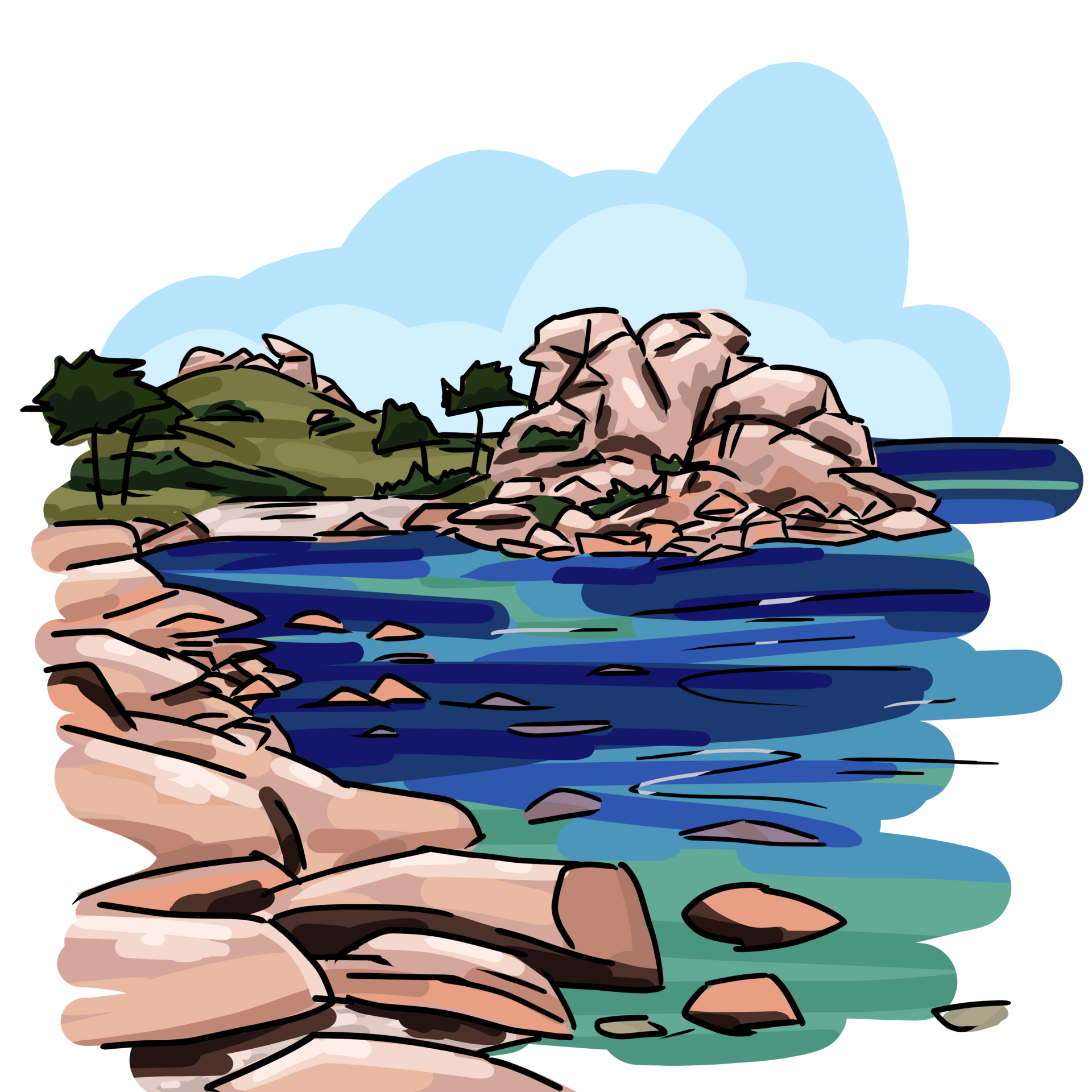
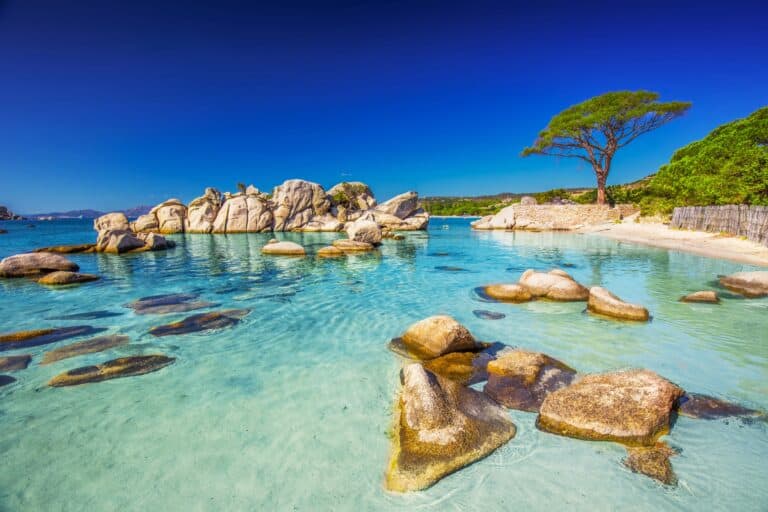
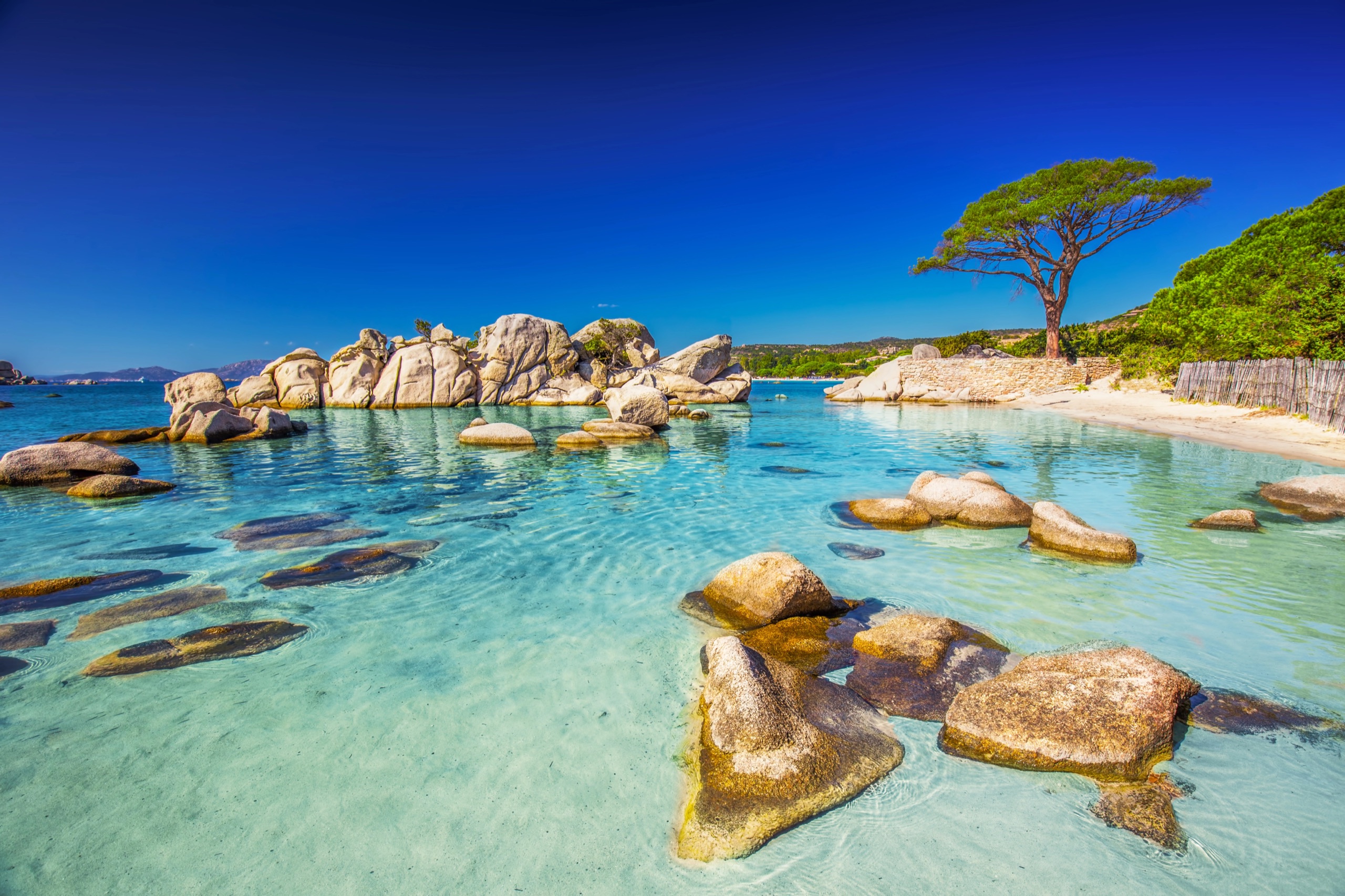
Palombaggia is undoubtedly the most famous beach on the whole island, and the moment you set foot on it, you’ll instantly understand why. It’s photogenic kitsch in the best possible sense of the word, where snow-white sand meets incredibly shallow, calm water. The whole bay is fringed by the mighty crowns of umbrella pines, which provide merciful shade during the hot summer days, and here and there dramatic red porphyry rocks jut out of the turquoise water. That colourful contrast of red rock, blue surface and green pines is a feast for the eyes, and I guarantee you’ll take the most beautiful photos of your entire holiday here.

But because the beach is so iconic, you have to be prepared for the fact that absolutely everyone knows about its beauty. The narrow access road fills up with cars very quickly, and by nine in the morning the search for a free spot turns into a rather exhausting game of combat. That’s why I recommend setting an alarm, heading here right after breakfast, and enjoying that beautiful morning atmosphere when the sea is as smooth as a mirror and only a few early birds are lying on the sand. Around the beach you’ll find several paid car parks where all-day parking costs around €10 to €15 for 2026, so be sure to have enough change or a payment card ready.

💡 Tip: When you tire of lying on the main beach, walk along the coast southwards to the smaller and slightly quieter Tamaricciu beach. It’s separated by just a small rocky headland and offers an amazing view of a single lone pine growing right on a rock reaching into the sea, which is, by the way, one of the most photographed motifs in all of Corsica.

2. Santa Giulia bay and its turquoise lagoon

While Palombaggia is wilder thanks to its red rocks, neighbouring Santa Giulia is more reminiscent of an enormous, luxurious swimming pool. The bay is naturally shaped into a perfect horseshoe and forms a sheltered lagoon where the water is extremely calm and incredibly shallow for a very long way out. You can wade tens of metres into the sea and the water will barely reach your waist, which makes this a complete paradise for anyone who isn’t a strong swimmer, or for families with smaller children. The bottom is covered with the finest pale sand without a single pebble, so you can happily leave your water shoes at the hotel and enjoy the soft footing.

Thanks to its incredibly calm surface, Santa Giulia is also the main hub for all sorts of easy-going water sports and activities. It’s the best place on the island where you can hire a paddleboard for around €15 to €20 an hour and just quietly glide across the crystal-clear surface. The water here is so clean that you’ll easily see all the way to the bottom from your board and can watch shoals of little fish swimming below you. Along the beach runs a long wooden promenade full of pleasant restaurants and bars, where at midday you can treat yourself to a great vegetarian pizza with fresh basil or excellent pasta made from local chestnut flour.

💡 Tip: Parking at Santa Giulia is a little better organised than at Palombaggia, but even so the sprawling car parks fill up incredibly quickly. If you arrive later in the afternoon, around four o’clock, the first visitors are often already leaving, so you can easily snag a great spot and, on top of that, enjoy the beautiful late afternoon sun that turns the whole bay golden.

3. Rondinara tucked away in its bay

When you head a little further south from Porto-Vecchio along the winding road towards the town of Bonifacio, you’ll come across Rondinara beach, often described as one of the greatest natural gems of the Mediterranean. Its unique shape resembles an almost closed shell or the letter C, and the water here is firmly held between two wooded peninsulas that protect it from the open sea. In 2019 it was even included in the prestigious ranking of the TOP 10 best beaches in the world, and at first sight from the viewpoint above the bay you’ll immediately understand why. The white sand contrasts sharply with the deep blue water, and the whole scene feels incredibly soothing.

Rondinara’s biggest advantage is its geographical location and its perfectly sheltered shape, which you’ll appreciate above all in unsettled weather. The bay is superbly protected from strong wind, so even when it’s blowing unpleasantly on the rest of the coast and big waves are forming, here you’ll find an oasis of complete calm and a surface without a single ripple. A fairly narrow and twisting road, about eight kilometres long, leads from the main road to the beach, and at the end of it a huge paid car park awaits you. The journey is definitely worth it, because thanks to its more remote location Rondinara has a slightly wilder and more natural atmosphere than the beaches right next to Porto-Vecchio.

💡 Tip: Don’t just stay on the main sandy stretch; set off on a short walk along the right-hand peninsula that closes off the bay. Well-trodden paths lead through the fragrant maquis shrubs, and you can often meet free-roaming semi-wild cows here, which sometimes even come to sunbathe right on the beach among the tourists, adding that genuine island colour to the place.

4. Porto Vecchio old town

When you want a break from sunbathing and swimming, head out to explore the town of Porto-Vecchio itself. Its historic heart, the old Genoese citadel, rises majestically on a hill high above the modern harbour and offers absolutely breathtaking views over the wide surroundings and the famous salt pans. The town was founded in the sixteenth century and to this day retains its fortress character with massive stone walls, bastions and narrow passageways that were meant to protect the inhabitants from pirate raids. As soon as you pass through the old Porte Génoise gate, you find yourself in a maze of winding cobbled streets lined with old stone houses, small squares and hidden cafés.

The best time to visit the old town is undoubtedly late afternoon or early evening, when the worst of the heat eases and the town starts to come alive. The main square, Place de la République, with its beautiful Saint-Jean-Baptiste church, fills up in the evening with café and restaurant terraces, and the whole atmosphere begins to pulse incredibly with typical Mediterranean life. You can wander endlessly, peeking into little boutiques with local products, tasting excellent meat-free specialities such as pasta with fresh Corsican brocciu cheese, and soaking up that genuine relaxed vibe with a glass of chilled local wine in hand. From the walls you can then watch the sun slowly set behind the majestic peaks of the nearby mountains.

💡 Tip: If you want to experience a slightly calmer atmosphere and avoid the evening crowds, try getting up early and heading into the old town first thing in the morning. You’ll have the narrow streets almost to yourself, you’ll see the locals over their morning coffee, and the light for photographing the old walls will be absolutely perfect.

5. The historic salt pans and the city of salt

It might surprise you that Porto-Vecchio bears the historic nickname Cité du Sel, meaning the city of salt, and this fact is deeply rooted in the very history of the whole area. When you look down from the walls of the old town towards the harbour, you’ll surely notice the extensive stretches of water, which are precisely those famous salt pans that once represented the main source of wealth for the entire region. Extracting sea salt has a huge tradition here, although these days the salt is mined more for local and tourist purposes than as a massive industrial sector with enormous exports. The pans create a beautiful geometric pattern, and at sunset the sky is reflected on their calm surface, which makes them a wonderful spot for an evening stroll.

The town’s history is, however, connected with these wetlands in a rather dark way too, one that shaped the lives of the local inhabitants. The very marshes and stagnant water around Porto-Vecchio were for centuries a breeding ground for dangerous mosquitoes, and the whole area was notoriously known as a hotspot for malaria. For generations, the Corsicans therefore practised what is known as transhumance, when for the entire summer they fled from the coast to the healthier and cooler climate of the mountains, returning to the sea only for the winter. It was only after the Second World War, when malaria was finally eradicated on the island, that Porto-Vecchio could take a full breath and begin building its present-day tourist fame.

💡 Tip: Every year at the beginning of September, Porto-Vecchio holds a traditional salt harvest festival, the so-called Récolte du Sel. If you visit the town at this time, you can see demonstrations of traditional hand-harvesting of salt crystals and buy fresh sea salt flavoured with maquis herbs directly from local producers as a great and authentic souvenir.

6. Pinarello beach in the bay with a tower

If you want to escape the biggest crowds that head south of the town, go the other way, a short distance north to the picturesque Pinarello bay. This huge bay, several kilometres long, offers beautiful white sand, a very gentle entry into the water and, compared to the famous Palombaggia, a much more relaxed and less commercial atmosphere. The bay is fringed by an extensive pine forest, which provides wonderful natural shade right at the edge of the beach, so you don’t even need to bring a parasol or rent expensive sun loungers. The water here is beautifully clean and, thanks to the size of the whole bay, even at the height of summer you’ll always find a spot where you can spread out your blanket in peace and enjoy the sound of the waves.

The landmark of the whole area is a small peninsula, on top of which the old Genoese watchtower Tour de Pinarello proudly rises. Corsica is literally dotted with these towers; in the sixteenth century the Genoese built dozens of them as a defence system against pirates, and to this particular tower you can take a very pleasant and easy walk. The path starts at the northern end of the beach, leads through the fragrant maquis scrub, and from the top by the tower you’ll be treated to a breathtaking view of the whole bay and the majestic Corsican mountains rising in the distance.

💡 Tip: Along Pinarello beach there’s a small village of the same name with several very pleasant restaurants and cafés right by the sea. It’s the ideal place where, after a swim, you can have a long, lazy lunch, taste fantastic vegetarian tapas or pizza, and watch the little boats bobbing on the calm surface.

7. The luxurious Cala Rossa bay

North of Porto-Vecchio you’ll also find the Cala Rossa area, which is the absolutely most luxurious and most exclusive part of the whole bay. It’s a place where beautiful private villas and luxury boutique hotels hide among the fragrant pines, and the whole bay radiates an incredibly peaceful, almost slightly refined atmosphere. The sand here has a slight reddish tint, which is, after all, how the whole bay got its name, and the water shimmers with every imaginable shade of emerald and turquoise. The beach is superbly protected from the waves and the entry into the sea is very comfortable, so it’s another absolutely ideal place for a full day of relaxation with a book in hand.

Despite its luxurious character and the presence of expensive resorts, Cala Rossa beach is fully open to the public and is definitely worth a visit. You’ll find very well-equipped water sports centres here, excellent beach bars with comfortable loungers and a fantastic view of the whole of Porto-Vecchio on the opposite shore of the wide bay. It’s a place you come to for peace, top-notch service and complete relaxation, so if you want to push the boat out for one day of your holiday and treat yourself to something extra, Cala Rossa definitely won’t disappoint you.

💡 Tip: Even though this area is very prestigious, parking here is surprisingly a little easier than at the well-known beaches to the south. You’ll find smaller free car parks along the access road, but even so the popular rule applies that the early bird gets the space, so don’t lie in.

8. Snorkelling, water sports and GetYourGuide tours

The Corsican sea is so clean and clear that it would be an enormous sin to just lie passively on the shore and not explore what lies beneath the surface. The area around Porto-Vecchio offers absolutely fantastic conditions for snorkelling; you just need to grab a mask and head to the nearest rocky headland at the edges of the big beaches. Especially near Palombaggia and Rondinara, huge shoals of colourful fish dart around the submerged red rocks, and beneath the surface things are teeming in the most wonderful way. The water here is so clear that visibility often exceeds twenty metres, so you’ll feel more like you’re in a huge, carefully maintained aquarium than in the Mediterranean Sea.

If you’re tempted by something a little more action-packed, you can make use of the endless options for organised trips and activities on the water, of which there really are plenty here. A great idea is to book a half-day or full-day boat trip that takes you to hidden coves you simply can’t reach by land, and these experiences can be very easily and safely booked through the GetYourGuide app. The guides will take you to the best spots, lend you quality equipment and all you have to do is let yourself be carried away on the waves. Very popular too is hiring sea kayaks, on which you can explore the rugged coastline yourself and discover small deserted beaches where you’ll be completely alone.

💡 Tip: If you’re heading out snorkelling, I recommend avoiding the middle of beaches, where there’s only bare sand and no hiding places for marine creatures. Always head to the edges of the bays where rocks rise from the water, because that’s where all the underwater life hides and where you’ll see the most.

9. Escape to the mountains: the Ospedale range and reservoir

When you get tired of endlessly lying on the beach and fancy a change, just hop in the car and after a mere thirty-minute drive from Porto-Vecchio you’ll find yourself in a completely different world. The Ospedale mountains rise steeply right behind the town and offer a wonderful escape from the summer heat into the shade of huge pine and larch forests that smell gorgeously of resin. The road that leads there is admittedly full of sharp hairpin bends, but the panoramic views from it over the whole bay and the shimmering sea far below you are simply priceless. The temperature drops noticeably with every kilometre you climb, so even in the middle of the sweltering summer don’t forget to pack a light jumper so you’re not caught out.

At the heart of this whole stunning mountain area is the amazing man-made Lac de l’Ospedale reservoir, surrounded by dense coniferous forests, its banks strewn with enormous granite boulders. When the water level is a little lower at the end of summer, a bizarre landscape forms around the lake, full of dry tree trunks jutting out of the sand, which gives an almost mystical and mysterious impression. The whole area is literally criss-crossed with superbly marked hiking trails of every conceivable difficulty, from simple flat walks around the lake to demanding climbs to the surrounding rocky peaks, so both families with children and experienced mountaineers will find something for them here.

💡 Tip: Be sure to take the roughly two-hour walk to the Piscia di Gallu waterfall, which plunges from an incredible sixty metres straight over a bare rock face. The route leads through a beautiful pine forest, and at its end a very steep descent to the waterfall itself awaits you; it’s a little demanding, but the visual reward is definitely worth the effort.

10. The Cavu valley and its refreshing natural pools

If you want to cool off in fresh water but don’t fancy climbing high into the mountains to the reservoir, you have to head to the valley of the Cavu river, located just a little north of Porto-Vecchio near the village of Sainte-Lucie. Over many thousands of years, this mountain river has carved beautiful natural pools and cascades into the white granite rocks, filled with incredibly clean and perfectly clear water. The water here is admittedly noticeably cooler than the warmed sea on the coast, but in the hot Corsican summer it’s exactly the refreshment you’ll desperately need after several days spent in the sun.

The valley is very easily accessible for visitors; a dusty road runs along the river with several large lay-by car parks, from which it’s just a few short steps to the water. You can sunbathe for hours here on the huge smooth rocks, jump off them into the deep pools, or just let yourself be massaged by the little waterfalls that cheerfully tumble from one pool into the next. It’s an absolutely idyllic spot that perfectly combines the wildness of Corsican nature with incredible relaxation, and you’ll often come across local families here rather than huge crowds of foreign tourists.

💡 Tip: Right in the valley, by one of the large car parks, there’s a great rope park and a very pleasant restaurant with a huge terrace, where after a refreshing swim you can treat yourself to excellent meat-free food or a cold draught beer with a view of the babbling river.

11. Boat trip to the uninhabited Lavezzi islands

Although the magical Lavezzi archipelago lies closer to the town of Bonifacio, regular full-day boat trips run here from Porto-Vecchio, and you definitely shouldn’t miss them during your holiday. It’s a protected nature reserve made up of a pile of enormous granite boulders scattered completely chaotically in crystal-clear water, right on the border between Corsica and Italian Sardinia. As soon as you step off the excursion boat onto the shore, you feel as though you’re literally on another planet. You won’t find any hotels here, no shops, no refreshment stalls and not even any trees, just pure and completely raw nature, fine snow-white sand and a turquoise sea.

A trip to this area requires careful preparation, because there’s no natural shade at all on the islands where you could hide. You have to pack enough drinking water for the whole day, plenty of high-factor sunscreen, a proper hat and your own food, otherwise you really won’t survive here in the summer sun. But your reward will be swimming on the most deserted and most beautiful beaches for miles around, fantastic conditions for snorkelling among the enormous rocks, and a feeling of complete detachment from the surrounding civilisation. Be sure to book your return boat ticket from the harbour well in advance, because the capacity of the excursion boats is strictly limited and demand in high season is enormous.

💡 Tip: Given that the sun here reflects aggressively off the pale sand and granite rocks, you’ll burn at least twice as fast as on an ordinary beach. Bring a light beach tent with you, or at least a large parasol, so you have a chance to hide in the cool shade for a while.

Where to go next from Porto-Vecchio

Corsica may be an island, but it’s so vast and immensely varied that one holiday is definitely not enough to explore it. Once you’ve driven the whole Porto-Vecchio area from top to bottom, it’s time to venture a little further and discover more amazing places, of which there really are countless.

Your first stop should definitely be the town of Bonifacio, which literally defies gravity and balances right on the edge of the dazzling white limestone cliffs at the very south of the island. It’s less than an hour’s drive from Porto-Vecchio, it’s one of the most beautiful towns in the entire Mediterranean, and its historic citadel and legendary Aragonese Staircase, made up of 187 steps carved straight into the sheer rock, will reliably take your breath away.

If, on the other hand, you’re tempted by mountains and rugged nature, head inland and explore the amazing granite towers of the Aiguilles de Bavella, which rise above the pine forests and are an absolute paradise for climbers and hikers. And if you want a complete picture of everything this incredible island hides, be sure to read our big guide, where you’ll find plenty more practical tips for the whole of Corsica.

Frequently asked questions

Do I absolutely need a car for vacation in Porto-Vecchio?

Yes, a car is an absolute and unavoidable necessity here. While public transport theoretically exists on the island, buses run very rarely, are unreliable, and often won’t get you to the most beautiful secluded beaches or mountain villages at all. Without a car, you’ll be limited to just the immediate vicinity of your hotel and will miss out on the vast majority of the beauty and hidden gems of the entire area.

How much does the ferry to Corsica cost?

Ticket prices fluctuate quite a bit depending on the season and route. In 2026, a foot passenger will pay between 40 and 100 euros. But once you add a car and travel as a couple, a return ticket will set you back anywhere between 250 and 1000 euros. It mainly depends on how far in advance you book and whether you manage to avoid the priciest month of August. The cheapest connections often depart from Italian ports.

Are the beaches in the area sandy or pebbly?

The area around Porto-Vecchio is famous precisely for its gorgeous and very fine white sand, which resembles the exotic Caribbean. Most of the famous bays such as Palombaggia, Santa Giulia or Rondinara have perfectly sandy bottoms without stones, so you won’t need special water shoes at all and entering the sea is very pleasant even for children.

Is parking good at the beaches?

Parking is a huge problem during the peak summer season that requires strategic planning. While most popular beaches do have paid parking lots costing around 10 to 15 euros per day, they fill up incredibly fast from early morning. If you want to park in peace and without stress, you need to head to the beach right after breakfast around eight o’clock, or alternatively try your luck in the late afternoon.

Are there jellyfish or sharks in the sea in Corsica?

Sharks do naturally occur in the Mediterranean Sea, but you’ll encounter them only extremely rarely off the Corsican coast and they’re not dangerous to people. Jellyfish can appear occasionally, usually brought in by stronger sea currents after big storms, but it’s not any massive problem that should ruin your holiday or put you off swimming.

Is food expensive in Corsica?

Corsica is generally one of the pricier French destinations. For a classic dinner at an average restaurant, you’ll pay around 25 to 40 euros per person. A great and significantly cheaper alternative for vegetarians is the fantastic local pizza, which you can get here for around 12 to 15 euros, or excellent pasta enriched with local chestnut flour and traditional cheeses.

Can you drink tap water in Corsica?

Yes, tap water throughout Corsica is completely safe and drinkable without any problems. In mountainous areas, it’s even very high quality and tasty. However, for full-day trips to the beaches, always bring plenty of water with you in bottles, as staying hydrated by the sea can be quite challenging due to the extreme summer heat, and stalls aren’t available everywhere.

Tips and Tricks for Your Vacation

Don’t Overpay for Flights

Search for flights on Kayak. It’s our favorite search engine because it scans the websites of all airlines and always finds the cheapest connection.

Book Your Accommodation Smartly

The best experiences we’ve had when looking for accommodation (from Alaska to Morocco) are with Booking.com, where hotels, apartments, and entire houses are usually the cheapest and most widely available.

Don’t Forget Travel Insurance

Good travel insurance will protect you against illness, accidents, theft, or flight cancellations. We’ve had a few hospital visits abroad, so we know how important it is to have proper insurance arranged.

Where we insure ourselves: SafetyWing (best for everyone) and TrueTraveller (for extra-long trips).

Why don’t we recommend any Czech insurance company? Because they have too many restrictions. They set limits on the number of days abroad, travel insurance via a credit card often requires you to pay medical expenses only with that card, and they frequently limit the number of returns to the Czech Republic.

Find the Best Experiences

Get Your Guide is a huge online marketplace where you can book guided walks, trips, skip-the-line tickets, tours, and much more. We always find some extra fun there!
Corsica, France: 15 Things to See and Do in 2026

TL;DRCorsica is packed with things to do, and this rounds up 15 of the best: the town of Bonifacio and its Aragonese Steps, the Lavezzi Islands, the beaches of Palombaggia, Santa Giulia and Rondinara, the Scandola nature reserve, the Cap Corse peninsula, and the GR20 mountain trek near Corte and Bavella. Bring a car, as public transport can’t really be relied on, and the ferry from Nice to Bastia takes around six to seven hours. May, June and September are the best months, with warm seas and fewer crowds — August is best avoided. For the 2026 season, a hotel room comes in at 150 to 250 euros a night, or 80 to 120 euros for a pitch at a campsite, while a return ferry crossing with a car costs 250 to 1000 euros.

When you step off the ferry and take your first deep breath, you’ll feel it instantly. The air on Corsica, France carries a heady blend of wild thyme, rosemary, myrtle and sun-scorched earth that the locals lovingly call the maquis. Napoleon Bonaparte himself once declared with great nostalgia that he could recognise his native island blindfolded, purely by this distinctive and unmistakable scent.

Corsica, nicknamed around the world the Island of Beauty (L’Île de Beauté), offers far more than just fragrant nature and picturesque beaches. It’s essentially one enormous, jagged mountain range that nature dropped, quite unexpectedly, slap-bang in the middle of the Mediterranean. Don’t expect the polished atmosphere of luxury promenades you might know from mainland France. The island is rugged, proud, and unforgiving towards travellers who turn up unprepared.

The roads here wind dramatically high above deep ravines, and the mountain trails will more than once push you to your physical limits. At the same time, the sea shimmers in colours you’d normally only see in airbrushed travel brochures advertising the exotic Caribbean. If you’re after a destination where you can scale mountain ridges with steel chains in the morning and wash away the fatigue in a warm turquoise lagoon by the afternoon, you’ve come to the right place.

TL;DR

  • A car is an absolute must: Without your own or a rental car you’ll barely move around the island, as public transport is highly unreliable.
  • Avoid August: Accommodation and ferry prices skyrocket in August and the beaches are utterly overrun with tourists.
  • The south offers the Caribbean: The beaches around Porto-Vecchio such as Palombaggia or Santa Giulia are among the most beautiful in all of Europe.
  • The west is wild: The Scandola reserve with its red rocks is accessible only by boat, and the rules protecting its nature keep getting stricter.
  • The mountains will test you: The interior, with the town of Corte and the legendary GR20 trek, offers some of the toughest and most beautiful mountain routes in the world.
  • Book ferries early: Reserve ferry tickets from France or Italy ideally several months in advance to get a reasonable price.

When to Visit Corsica and How to Get There

Planning a trip to this French island starts with transport, because the logistics can give your overall budget a real shake-up. Corsica has four smaller airports and flying here from mainland Europe is fairly easy, but most experienced travellers opt for the ferry. The reason is simple and pragmatic: without a car, you’re completely lost on Corsica. Public transport technically exists, but relying on it means spending much of your holiday waiting at stops where the bus might turn up, and might not. A car, on the other hand, gives you absolute freedom to explore empty coves and hidden mountain passes.

If you’re travelling from the UK, the most straightforward route is to fly into one of Corsica’s airports — Ajaccio, Bastia, Calvi or Figari — with seasonal direct flights from London plus easy connections via Paris or Nice with the likes of British Airways, easyJet or Air France. To bring a car, you’ll first cross to the continent (the Channel Tunnel or a Dover ferry), then catch a Corsica Ferries crossing from a French or Italian port. The fastest route is Nice to Bastia, taking roughly six to seven hours. From Toulon, expect eight to ten hours, while Marseille is the longest, with crossings of up to fourteen hours. Ticket prices swing dramatically depending on the season and how full the boat is — a foot passenger typically pays between €40 and €100. Add a car and travel as a pair, though, and a return ticket can cost anywhere between €250 and €1,000. If you want to save on the travel budget, definitely consider departing from Italy, where ferries have always been the cheapest.

There’s one crucial unwritten rule here that any local will confirm. Give August a very wide berth. That’s exactly when the French and Italians descend on the island en masse during their national holidays, with two to three times more people than in July. The narrow coastal roads turn into endless car parks, the best beaches are hopelessly booked out, and accommodation prices shoot to downright absurd heights.

The ideal months for a calm, relaxed visit are May, June and especially September. The September sea is still gloriously warm after the whole summer, the afternoon heat is no longer so punishing, and you can finally breathe freely on the mountain roads. In spring, the island is incredibly green and in full bloom, though the Mediterranean water may still be a touch bracing for those who feel the cold.

Where to Stay in Corsica and Prices in 2026

💡 Tip for accommodation and experiences: We like to look for accommodation on Booking.com, which usually has the best cancellation terms. Tickets, tours and activities are then worth comparing and booking through GetYourGuide.

Plan your accommodation strategically around the kind of holiday you actually prefer and everything you want to fit in on the island. For lovers of perfect beaches, white sand and shallow seas, the southeast coast around Porto-Vecchio is an absolute must. This is where you’ll find the most photogenic bays from the promotional brochures — but bear in mind it’s also the most expensive and busiest part of the whole island. If you plan to spend most of your time by the water, it’s worth paying extra for a hotel with its own dedicated parking right by the beach.

If, on the other hand, you’re after more dramatic scenery and historic towns, and want to be close to the high mountains, choose the western or northern coast. The area around Ajaccio or Calvi offers a great compromise between easy beach access and the chance to head off on day trips into the rugged interior. Many travellers also very sensibly opt for a split-holiday model, spending a few days relaxing in the south before moving north to explore the sights and tackle mountain treks.

As for prices in the 2026 season, be prepared for the fact that Corsica isn’t exactly a cheap destination, and your budget will feel it. A standard double room in a pleasant hotel with a pool will set you back roughly €150 to €250 a night in high season. If you’re after cheaper alternatives, campsites and fully equipped mobile homes can be found for around €80 to €120 a night, but capacity is very limited and you’ll need to book a long way ahead. I’d recommend searching for and booking your accommodation well in advance through the usual accommodation search engines, where you’ll find the widest choice with free cancellation in case your plans change.

Among specific hotels, ones worth your attention include the Hotel Solemare in Bonifacio, which offers breathtaking views straight onto the old citadel and the bustling harbour. In the capital, Ajaccio, consider the popular Hotel Les Mouettes, set just a short stroll from the beach with a beautiful garden and a very calm, almost family-like atmosphere. At both places I’d always recommend carefully checking the availability of hotel parking, because finding a spot to park your car in Corsica’s old towns can be quite the headache.

15 Things to See and Do in Corsica

Let’s take a look together at a complete overview of the most interesting spots you shouldn’t miss on your trip. I’ve included famous historic clifftop towns, hidden nature reserves where time seems to stand still, and of course the most popular beaches straight out of the brochures.

1. Bonifacio on the Limestone Cliffs

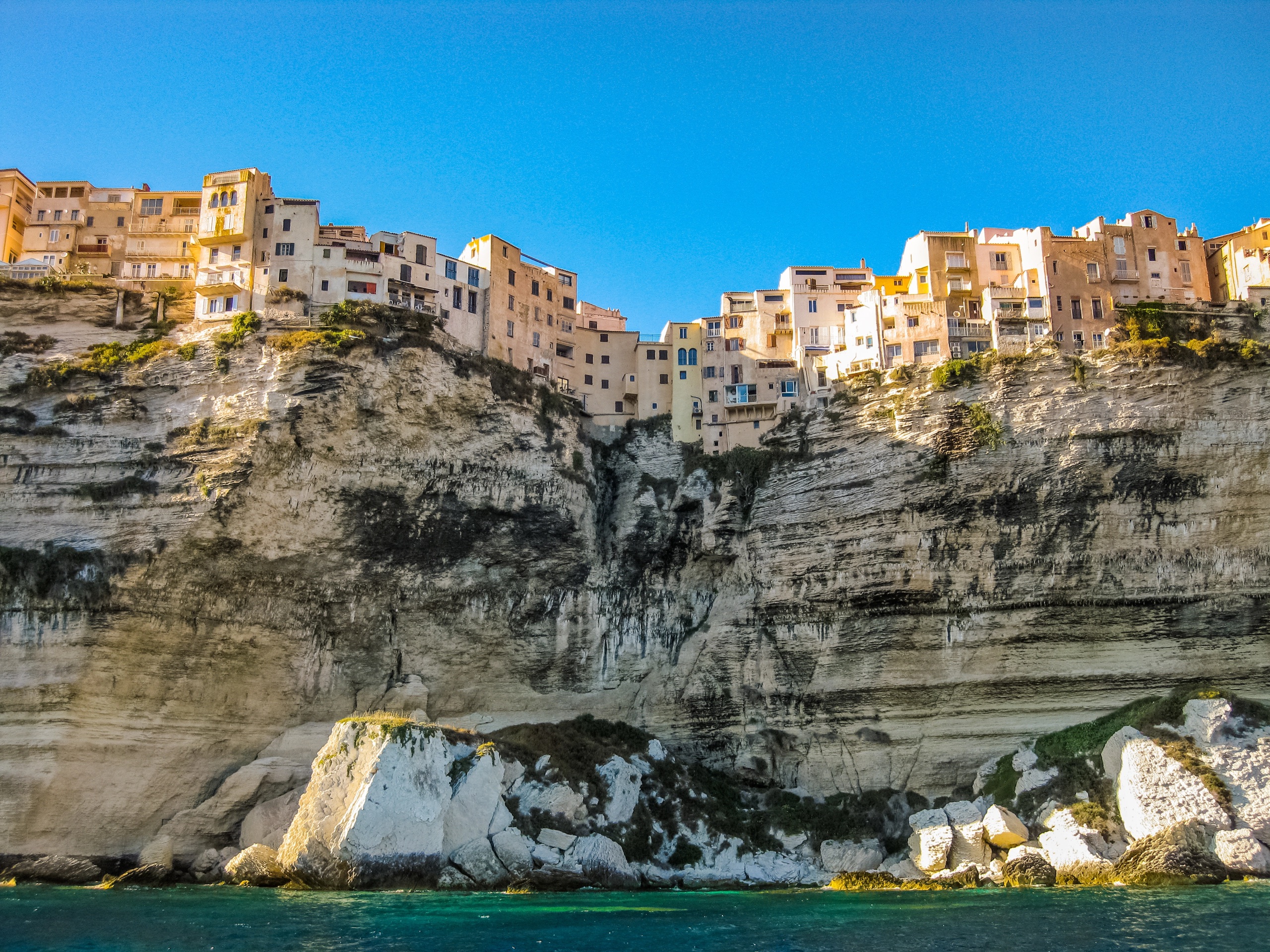
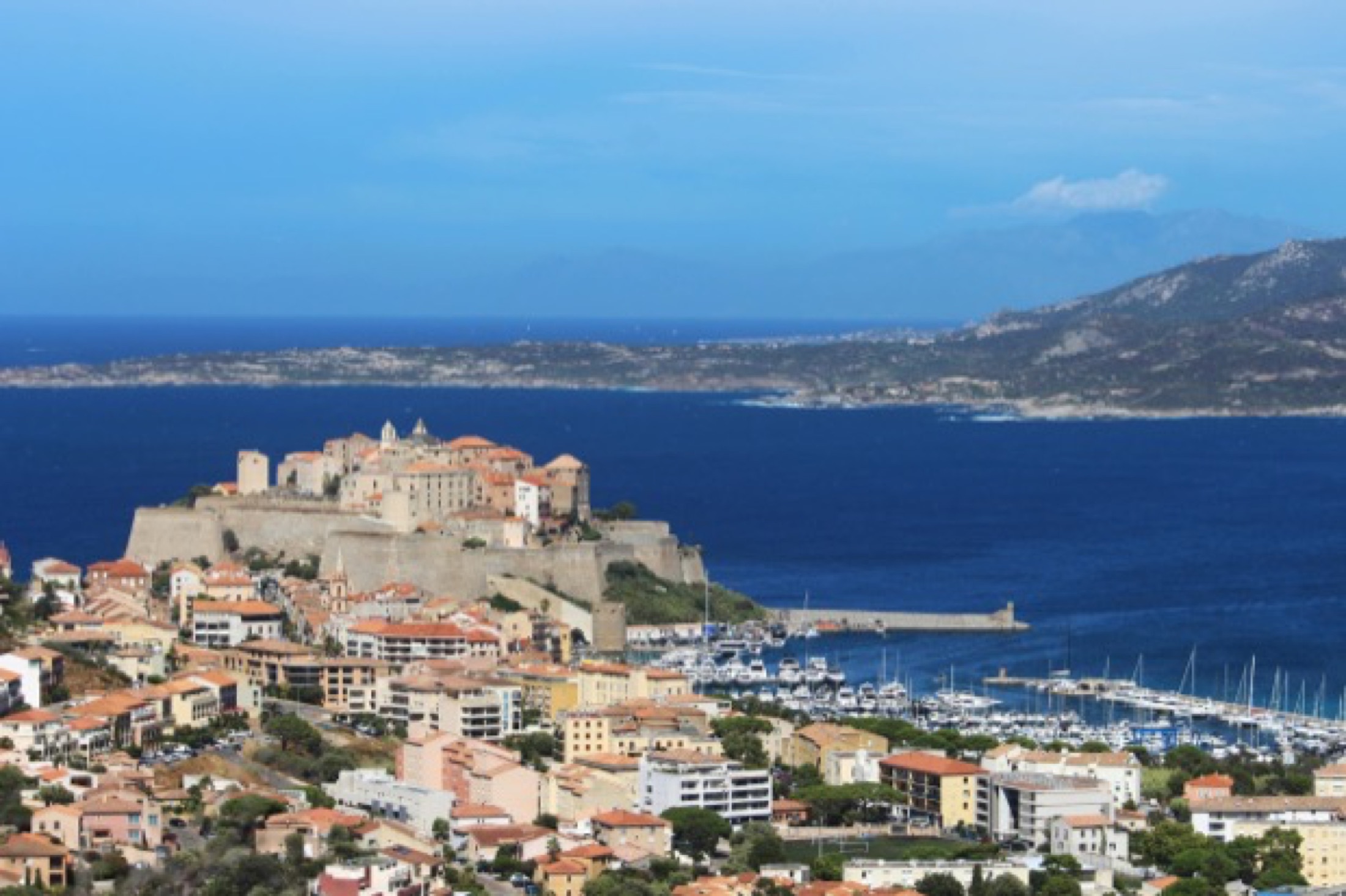
If you could only see one place on the entire island, definitely head to the very south and explore the town of Bonifacio. This historic settlement defies every law of gravity, as its old quarter with its mighty citadel literally balances on the very edge of dazzling white limestone cliffs. These cliffs drop tens of metres straight down into the churning sea, and the houses on the brink look as though they might slide into the waves below at any moment.

Strolling through the narrow stone alleys, you’ll come across plenty of little shops and pubs where you can enjoy a fantastic local Pietra beer brewed from edible chestnuts. Don’t miss a walk along the ramparts themselves, which open up fantastic views over the strait separating Corsica from nearby Italian Sardinia. On a clear day you’ll see the Italian shores so sharply it’s as if you could swim across to them, lending the whole place an incredible magic.

💡 Tip: The traffic situation in Bonifacio is absolutely critical during the summer months, and finding a free parking spot is nearly impossible. If you want the very best photo of the town perched on the cliff, park further from the centre and walk along the cliffs towards the Phare de Pertusato lighthouse.

2. The Aragon Steps (Escalier d’Aragon)

Right in the heart of Bonifacio you’ll find a fascinating historic monument that will thoroughly test your fitness and your head for heights. It’s exactly 187 steep steps carved directly into the rock face beneath the old citadel. According to the famous and highly romantic legend, Aragonese soldiers cut them in a single night during the siege of the town in 1420, in order to slip inside unnoticed and capture it.

The reality is rather less dramatic — the staircase was most likely built by Franciscan monks over a very long period to secure safe and steady access to a freshwater spring down by the sea. Whether you believe the legend or the historians, the descent down to the water’s edge and the gruelling climb back up under the blazing sun is an experience your legs won’t forget in a hurry.

I’d recommend coming here early in the morning, right as the site opens. Later in the afternoon the sun beats down into the narrow rocky cleft, the air goes completely still, and the climb back up turns into a full-on sauna where you sweat buckets. The ticket costs just a few euros and is well worth it despite the enormous physical effort.

3. The Lavezzi Archipelago

From Bonifacio’s harbour opens the gateway to the Lavezzi archipelago, a fascinating cluster of enormous granite boulders scattered across crystal-clear water. Hop on a boat trip and let it carry you to this unique nature reserve lying on the border between Corsica and Sardinia. The water here is so incredibly clean and teeming with fish that it tempts you into a full day of snorkelling and exploring the underwater world.

You’ll need to prepare very carefully, though, because there’s absolutely no natural shade on the islands and you won’t find any refreshment stalls or public toilets. It’s simply pure, raw nature where you have to rely entirely on what you bring in your backpack. Pack plenty of drinking water, good sun cream, a light hat and of course snorkelling goggles, without which the trip wouldn’t make sense.

Boat trips run here at regular intervals and usually operate on the popular hop-on hop-off system, so you can spend exactly as much time on the island as you see fit. On the way back, the captain often takes you along the coastal caves and cliffs of Bonifacio, a great visual bonus to round off the trip.

4. Palombaggia Beach

The southeast coast below Porto-Vecchio is the main reason the island is so often admiringly nicknamed the European Polynesia. Palombaggia is without a doubt the most famous beach on the whole island, and you’ll surely recognise it from every promotional brochure and travel magazine. It’s lined with the gorgeous crowns of umbrella pines, which on hot summer days provide that much-craved, merciful shade.

Here and there, mighty red porphyry rocks jut out of the perfectly calm, turquoise water, creating the perfect contrast to the dazzling white sand that’s as fine as flour. The water is incredibly shallow and calm, which makes this spot an ideal destination for families with small children or for anyone who just wants to lounge lazily in the warm ripples without battling strong currents.

It’s photogenic kitsch in the very best sense of the word, but be prepared for the fact that in season you definitely won’t be the only one who knows about this beauty. Come here really early in the morning, ideally before nine o’clock, because the narrow access road clogs up with cars fast and getting any parking spot turns into a full-on adrenaline-fuelled battle.

5. Santa Giulia Beach

Right next door to the famous Palombaggia lies another natural gem of the southeast coast you shouldn’t miss. Santa Giulia bay is shaped into an absolutely perfect horseshoe and forms a beautiful natural lagoon safely sheltered from the bigger waves of the open sea. The water here is so calm and remains shallow for so incredibly long that at times you feel as though you’re standing in an enormous, sun-warmed swimming pool.

If you’re one of the more active travellers, it’s an absolutely ideal spot to rent a paddleboard or a small kayak. The surface stays mirror-smooth for most of the day, so you can practise your balance with no trouble and glide calmly across the water over longer distances along the coast. You’ll also find quite a few beach bars and restaurants here with a pleasant holiday atmosphere.

💡 Tip: On the right-hand edge of the bay there’s a long, very photogenic wooden jetty that’s perfect for evening walks. It’s from here that you’ll capture the most beautiful photographs of the whole turquoise lagoon, with no distracting elements in the foreground, especially as the sun begins to dip towards the horizon.

6. Rondinara Bay

A little further south, exactly halfway towards the cliffs of Bonifacio, the gorgeous Rondinara bay hides from the eyes of hurrying drivers. Its shape closely resembles a seashell, with turquoise water held firmly between two wooded peninsulas that reach out into the sea like the giant claws of a crab. It’s no surprise this beach was officially ranked in 2019 among the prestigious TOP 10 best beaches in the entire world.

The fine white sand contrasts sharply and very dramatically with the deep blue of the deeper water, which begins just a short way from the shore. A huge advantage of this bay is its sheltered position, protected from the unpleasant wind off the open sea. That means that even when it’s blowing hard along the rest of the coast, here you’ll most likely find perfect calm and a sheltered spot for relaxed swimming.

The access road is a bit more winding and narrow, as is usually the case on Corsica, but at the end of it you’ll find a huge paid car park tucked away beneath the trees. The cows that occasionally stroll about quite nonchalantly along the beach among the sunbathing tourists give the whole place a wonderfully authentic and laid-back character.

7. Calanques de Piana

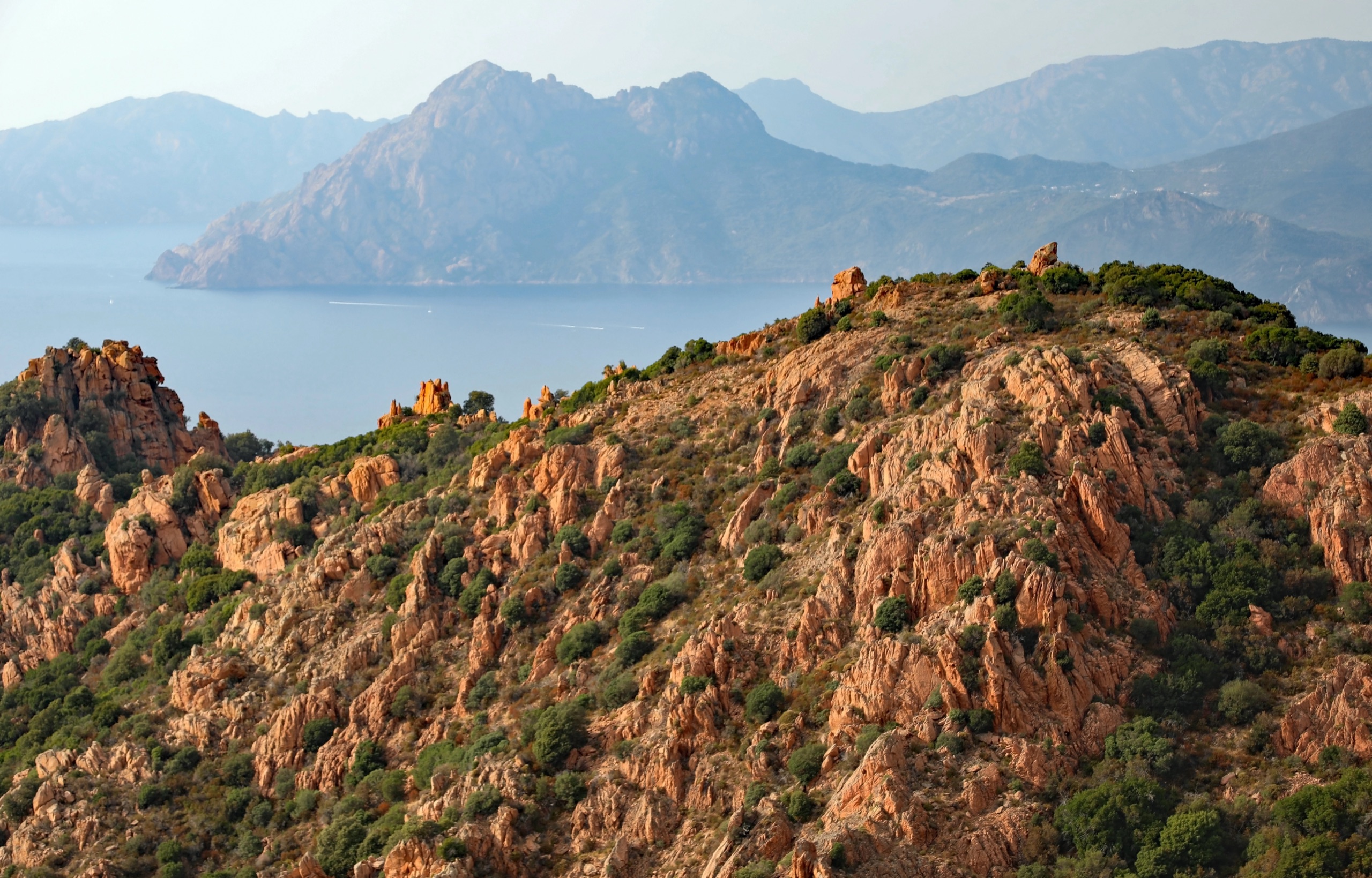
If the east of the island is defined by white beaches and calm bays, the west coast is all about pure, unadulterated natural drama. In the Calanques de Piana area, forget the pale limestone cliffs you might know from around mainland Marseille. Here the rock is literally blood-red, and granite formations wildly gnawed by erosion plunge hundreds of metres straight down into the churning sea.

The road marked D81, which runs through this fascinating area, is partly carved straight into the steep cliff. It’s so incredibly narrow that when two larger coaches meet, the drivers have to manoeuvre to the very millimetre while you stare out of the window straight into the abyss below. The drive is mildly stressful for the driver, but the panoramas that open up around every bend are absolutely unforgettable.

Stop at one of the widened lay-bys and set off on a short walk towards the coast. The marked trails will lead you to safe viewpoints from where you’ll see rock windows and curious formations resembling animals or human faces. If you arrive here at dusk during sunset, the whole rocky area lights up and practically blazes red before your very eyes.

lukas a lucka
Lukáš and Lucie recommend
Where to Stay in Corsica
3 accommodations — hotels and other lodging options

8. The Scandola Nature Reserve

A little to the north of the red rocks lies the strictly protected Scandola nature reserve and the adjacent Girolata bay. This entire sprawling area is proudly under UNESCO World Heritage protection and represents one of the few places in France that you absolutely cannot reach by any car. You can’t even reach the very heart of Scandola on foot — the fragile nature here simply takes absolute priority over tourism.

The only permitted way to see this fascinating volcanic landscape of dark caves, sheer cliffs and protected ospreys with your own eyes is to take a boat trip from Porto or Calvi. Local guides will take you right up close to the bizarre rocky clefts and show you the geological anomalies and rich marine life. The rules here are extremely strict, and there’s an absolute ban on stepping ashore from the boat.

The ecosystem is so rare, and yet so overloaded with boat traffic in summer, that the park authority is constantly negotiating further restrictions. Very strict quotas and special licences for boat operators are being introduced, expected to take full effect around 2027. If you want to arrange this fascinating boat trip without stress and avoid the queues at the harbour, I’d recommend using the popular GetYourGuide portal, where you can sort everything out comfortably in advance.

9. Ajaccio and Napoleon’s Shadow

The towns on the west coast have a completely different dynamic and atmosphere than the calm south full of beach resorts. Ajaccio is the capital of the whole island and, above all, the famous birthplace of Napoleon Bonaparte. Here you’ll find an international airport, a large and busy harbour, and altogether a bit more urban bustle, traffic and civilisation than is usually the norm on Corsica.

At every turn you’ll come across strong historical references tied to the famous general. The streets are lined with elegant cafés, almost every larger square boasts a monumental statue of the emperor, and you can even visit his well-preserved birthplace (Maison Bonaparte), which today functions as an interesting museum. Thanks to its wide boulevards and majestic architecture, the town’s atmosphere feels slightly more French and polished than the rest of the island.

💡 Tip: If you want a break from history and the bustle of the city for a while, take a short drive towards the Pointe de la Parata headland. There’s a beautiful old Genoese tower here, and your reward will be a magical view of the Bloody Islands (Îles Sanguinaires), which take on rich red hues at sunset.

10. Authentic Bastia

The port town of Bastia in the northeast of the island is the polar opposite of the polished, touristy Ajaccio. It’s far more authentic, slightly more weathered, and rough around the edges in the very best sense, which gives it an unmistakable charm. The historic centre around the old harbour is characterised by narrow, shady alleys where freshly washed laundry hangs from the balconies and the air smells of fresh fish and dried herbs.

In Bastia you’ll simply find real, everyday Corsican life that isn’t entirely beholden to summer tourism. The town is dominated by the enormous, sprawling Place Saint-Nicolas, one of the largest squares in France, lined with mature trees and constantly full of locals sipping their afternoon coffee or a strong Corsican beer.

Don’t forget to climb the steep alleys all the way up to the old citadel and take in the majestic church of Sainte-Marie. From the massive ramparts, wonderful views open up down over the bustling harbour full of giant ferries arriving from the mainland. Bastia is also the ideal starting point and main gateway for exploring the wild Cap Corse peninsula.

11. The Cap Corse Peninsula

If you point your finger at a map of northern Corsica, you’ll see a thirty-kilometre-long peninsula that points like a raised finger straight towards Italian Genoa across the sea. Cap Corse is essentially the whole of Corsica cleverly squeezed into one small miniature. The narrow, very winding coastal road will guide you in a single day past historic monuments, secluded beaches and dramatic rocky cliffs.

A defining feature of this peninsula are the old and often very photogenic Genoese watchtowers dotted along the entire coast, which in the past protected the locals from sudden pirate raids. Be sure to stop in picturesque fishing villages like Erbalunga or windswept Centuri. It’s right at the northern tip of the peninsula that the slopes are steepest and the road cuts into the cliffs dangerously close to the water’s surface.

For an absolutely perfect driving experience, I’d recommend going round the peninsula anti-clockwise — that is, setting off from Bastia up the east coast and returning down the western side. This way you’ll drive along the more rugged west coast in the right-hand lane closer to the cliffs, with an unbeatable view of the sun setting into the sea.

12. The Fortress Town of Calvi

In the northwest of the island you’ll find Calvi, a charming town with an utterly unmistakable and very proud silhouette. The whole wide bay is confidently dominated by an enormous, perfectly preserved citadel that towers majestically on a mighty rocky outcrop right above the sea. Within these massive ramparts hides an intricate, shady labyrinth of old cobbled alleys steeped in rich history.

A walk through the citadel offers not only a great historical experience but also gorgeous views of the long sandy beach stretching along the modern part of the town in the bay. In the narrow alleys you’ll come across plenty of little wine bars and pubs where you can savour fantastic local Corsican wine to the accompaniment of traditional polyphonic music drifting from open windows in the evening.

Calvi has one more entirely crucial and very practical significance for all active sportspeople and mountaineers. It’s from the nearby, unassuming mountain village of Calenzana that the northern — and it has to be said, the absolutely most demanding — section of the legendary long-distance GR20 trek officially starts.

13. L’Île-Rousse and the Red Rocks

Just a short, pleasant drive east of Calvi lies the immensely likeable and elegant port town of L’Île-Rousse. It got its intriguing, slightly poetic name (the Red Island) from the striking red granite islets that lie just off the coast and are practically connected to the mainland by a long causeway. Especially at dusk during sunset, these rugged rocks take on an incredibly rich, fiery colour.

The town itself is much younger than most other Corsican settlements — it was only strategically founded in the 18th century by the national hero Pasquale Paoli. The natural hub of all the action is the shady Place Paoli, surrounded by aged, mature plane trees beneath which local pensioners spend long hours playing traditional pétanque and sipping coffee.

Be sure to take a walk out to the historic lighthouse on the Pietra island, from where there’s an absolutely fantastic view back over the town and the jagged surrounding mountains. The town also has a very beautiful fine-sand beach right in the centre, so you can easily combine sightseeing with a refreshing swim in the sea without having to drive anywhere.

14. Corte and the Restonica Gorge

While Corsica’s coastline draws millions of sun-seekers every year, the true, unadulterated soul of the island lies hidden high in the rugged interior. Here, absolute silence reigns, along with the impenetrable chestnut forests of the Castagniccia region and sharp granite peaks. The historic and spiritual centre of the entire island is the mountain town of Corte, which is surrounded on all sides by majestic mountains and deep valleys.

It was in Corte that the first independent Corsican government confidently sat in the 18th century under the leadership of Pasquale Paoli, and to this day the island’s only university operates here, giving the town a wonderfully lively, youthful atmosphere all year round. Hikers and climbers set off straight from town into the famous Restonica valley gorge. The road running along the icy-cold mountain river is terrifyingly narrow, but it’ll bring you to the trailhead car park for some of the most beautiful mountain hikes.

From here you can head off to the breathtaking glacial lakes of Melo and Capitello. The route to the first lake is fairly manageable even for ordinary tourists, but the climb to the upper lake Capitello already requires sturdy footwear, a bit of rock scrambling and safe securing with steel chains. Your reward, though, will be the sight of dark blue water held firmly between vertical walls.

15. GR20 and the Aiguilles de Bavella

If you’re a keen mountain enthusiast, the mere combination of letters and numbers GR20 is guaranteed to fill you with enormous respect. The Grande Randonnée 20 is an absolute legend among long-distance trails and cuts diagonally across the whole island over a length of roughly 180 kilometres. What makes it arguably the toughest trek in Europe isn’t so much the distance itself as the extreme profile. Over sixteen stages you’ll climb a combined and frankly insane 12,000 metres of elevation gain.

The northern part of the trek is an outright brutal test of endurance. It isn’t just classic walking along paths — it’s so-called scrambling, or easier-grade climbing, where you often have to hold tightly to steel chains and pull yourself up across smooth granite slabs above the abyss. If you don’t fancy the whole route, you can sample a slice of mountain wilderness in the south in the gorgeous Aiguilles de Bavella area.

These so-called “Bavella Needles” are stunning, jagged granite spires that rise like sharp teeth high above the pine forests. It’s an absolute paradise for climbers and canyoning lovers. The logistics in the mountains are extremely strict, though — pitching a tent anywhere out in the wild is strictly forbidden on Corsica, and you must spend the night exclusively at designated mountain huts (refuges), which you’ll need to book a very long time ahead in season.

Where to Go Next from Corsica

If you have more time for travelling and want to extend your Mediterranean holiday a little further, there are several logical options. Since the island is superbly connected by ferries to mainland Europe, you can easily move on and explore the nearby mainland part of France.

A very popular option is to combine the wild nature of Corsica with the polished luxury of the coast in the south of France. Take a look at our detailed article and discover everything the French Riviera has to offer. There you can visit famous towns like Nice, Cannes or Saint-Tropez and compare their atmosphere with the Corsican one. Another option, of course, is a short ferry hop from Bonifacio over to Italian Sardinia, which is just a mere hour’s crossing away.

Frequently Asked Questions

Is food and drink expensive in Corsica?

Yes, prices in restaurants and cafés are noticeably higher than on mainland France, because most ingredients have to be transported to the island by ferry. You’ll pay between 20 and 30 euros for a typical meal at an average restaurant. Local specialties, such as traditional Corsican cheeses, roasted chestnuts, or hearty vegetable soups, tend to be a bit more affordable and very filling.

Can I get by with English on the island?

In the main tourist areas, larger hotels, and car rental agencies, you’ll be able to communicate in English without much trouble. In more remote mountain villages and smaller establishments, however, you’ll often encounter a language barrier, so it’s helpful to have at least basic French or a reliable translator app on your phone.

What’s the sea temperature like in autumn?

September and early October are absolutely ideal for swimming, because the sea is beautifully warm after the hot summer. Water temperature in September typically ranges between 23 and 25 degrees Celsius. In contrast, in May or early June the water is still quite refreshing and tends to be around 19 to 20 degrees.

Do I need an international driving permit?

If you’re an EU citizen and have a valid Czech driving license, you don’t need an international driving permit in Corsica. The regulations are the same as in mainland France. However, be prepared for narrow mountain roads full of hairpin turns, and local drivers who drive very confidently and fast.

Is tap water drinkable?

Yes, public tap water in Corsica is completely safe and drinkable. In mountain areas and on the GR20 trek you’ll find springs near the huts, but for some of them it’s recommended to use a filter bottle or purification tablets, especially during dry periods when water is scarce and springs may run dry.

Can you pay by card in Corsica?

In cities, supermarkets, and larger restaurants, paying by card is completely standard. However, if you head into the mountains, more remote villages, or want to buy local products at the market, always have enough cash in euros with you. Mountain huts on the GR20 trek accept cash only.

Are the island’s beaches sandy or pebbly?

Corsica offers a bit of everything. The southeastern coast around Porto-Vecchio boasts perfect coves with fine white sand. On the western and northern coasts you’ll find wilder beaches where sand alternates with small pebbles, and in some coves there are large stones, so water shoes come in handy.

Tips and Tricks for Your Vacation

Don’t Overpay for Flights

Search for flights on Kayak. It’s our favorite search engine because it scans the websites of all airlines and always finds the cheapest connection.

Book Your Accommodation Smartly

The best experiences we’ve had when looking for accommodation (from Alaska to Morocco) are with Booking.com, where hotels, apartments, and entire houses are usually the cheapest and most widely available.

Don’t Forget Travel Insurance

Good travel insurance will protect you against illness, accidents, theft, or flight cancellations. We’ve had a few hospital visits abroad, so we know how important it is to have proper insurance arranged.

Where we insure ourselves: SafetyWing (best for everyone) and TrueTraveller (for extra-long trips).

Why don’t we recommend any Czech insurance company? Because they have too many restrictions. They set limits on the number of days abroad, travel insurance via a credit card often requires you to pay medical expenses only with that card, and they frequently limit the number of returns to the Czech Republic.

Find the Best Experiences

Get Your Guide is a huge online marketplace where you can book guided walks, trips, skip-the-line tickets, tours, and much more. We always find some extra fun there!
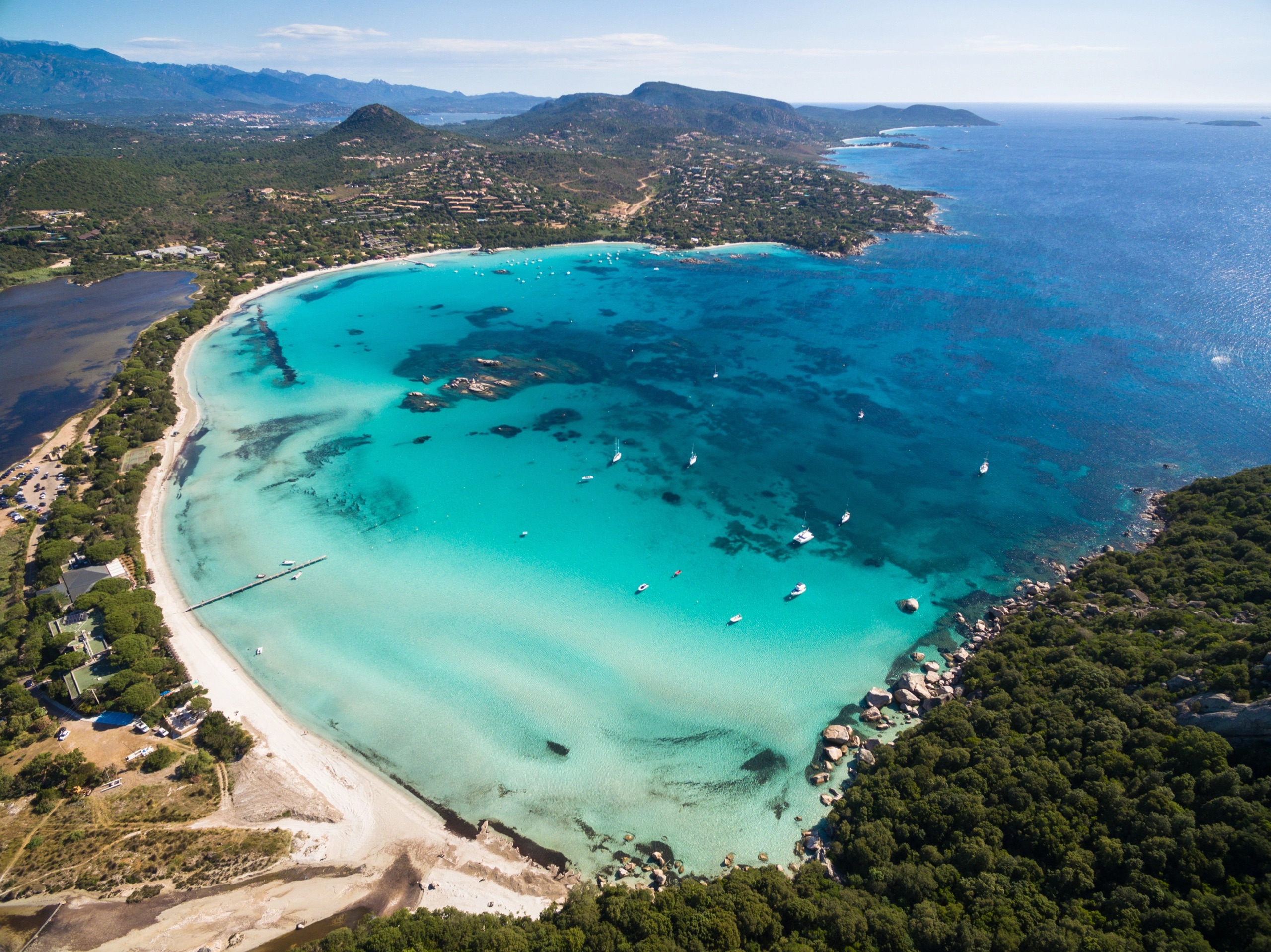
Where to Stay in Lofoten, Norway: Rorbu, Hotels & 5 Best Areas

TL;DRThe best places to stay in the Lofoten Islands fall into five areas: the photogenic south with Reine, Hamnøy and Sakrisøy, hipster-ish Henningsvær, practical Svolvær with all the amenities you need, central Ballstad and Leknes for easy logistics, and cheaper campsites or Airbnbs. The most iconic option is a traditional rorbu — a fisherman’s cabin on stilts over the water — which comes in at 2000 to 3500 NOK a night in summer 2026. The best strategy is to pick one or two bases rather than moving every day: say, three nights in the south and four in the middle or north of the islands. Seven to ten days is the ideal length of trip, and the best time to come is late June into July for the midnight sun, or late summer and autumn for the northern lights and lower prices. Specific tips include Eliassen Rorbuer Hamnøy, Sakrisøy Rorbuer, Svinøya Rorbuer Svolvær and Kræmmervika Havn in Ballstad, from €170 a night.

If you’re planning a trip up north, Lofoten in Norway will completely disarm you with its rugged beauty and magical atmosphere. These Norwegian islands offer breathtaking scenery you’ll struggle to find anywhere else in Europe, which is exactly why travellers from all over the world keep coming back.

The most iconic experience of all is sleeping in a traditional rorbu — an old fishermen’s cabin built on stilts right above the surface of the fjord. In the morning you brew a coffee, settle onto the wooden terrace and watch the dramatic mountain peaks rising straight out of the wild ocean.

In this article I’ll show you where to base yourself strategically on the islands so you don’t waste hours behind the wheel and can actually enjoy a relaxed holiday. We’ll look at the best areas, practical tips for picking your cabin and the prices you should expect in 2026.

TL;DR

  • A base camp is the key to success: Don’t move on to a different spot every day, pick one or two bases and take day trips out from there.
  • A rorbu is a must: The traditional fishermen’s cabins may cost over 2000 NOK per night in summer, but that authentic Nordic experience is absolutely worth it.
  • Your own kitchen saves money: Restaurants in Norway are extremely expensive, so cooking with your own supplies bought at supermarkets is the best way to save.
  • Don’t forget about blackout: From late May the sun doesn’t set, so quality blackout curtains or travel blinds will literally save your sleep.
  • South for photos, centre for logistics: The Reine and Hamnøy areas are the most photogenic, but Ballstad and Leknes sit right in the middle and will save you hours behind the wheel.
  • Book way in advance: The best cabins with a view disappear from listings half a year ahead, so last-minute planning really doesn’t pay off here.

When to Visit Lofoten

Choosing the right time of year will fundamentally shape the kind of experience you take home from Norway and how many layers you’ll need to pack. The weather on the islands is unpredictable all year round, and a classic Nordic front can dump three days of relentless rain with whipping wind, so it’s worth downloading the Norwegian weather app yr.no and adapting your plans on the fly. If you only come for a long weekend, you risk seeing absolutely nothing thanks to bad weather, which is why a window of seven to ten days is ideal.

If you’re craving long days and the midnight sun, the best time is the turn of June and July, when the light practically never ends and your brain often refuses to believe it’s time for bed. You can head out on a hike at midnight if you like, reliably dodging the biggest crowds at the popular viewpoints while soaking up the incredible colours of the sky in total silence. Just bear in mind this is peak season, when prices for everything shoot up and the best accommodation sells out half a year ahead.

Late summer and early autumn, on the other hand, bring the first chances of spotting the northern lights, while nature turns gorgeous earthy tones and the tourist buzz slowly fades. It’s an ideal time for travellers who want slightly quieter islands and don’t mind chillier nights when wool jumpers and waterproof jackets finally earn their keep. On top of that, you can snag traditional cabins for much friendlier prices in this period.

Winter in the north is a chapter all of its own, because the landscape vanishes under snow and the days are extremely short during the polar night, creating an unbelievably cosy mood for evenings spent with a hot cup of tea. But you need to factor in that driving on icy roads takes genuine experience, and some hiking trails will be completely impassable or downright dangerous.

Where to Stay in Lofoten

💡 Tip for accommodation and experiences: We love searching for places to stay on Booking.com, which tends to have the best cancellation terms. Tickets, tours and activities are then worth comparing and booking through GetYourGuide.

Finding the perfect place to stay on the islands can seem tricky at first, because distances on the map are very deceptive and the main narrow E10 road gets clogged with slow-moving campervans in season. Instead of constantly packing and unpacking, I strongly recommend the base-camp strategy: you spend several nights in one spot, stock the fridge with a supermarket shop and head out on day trips. Just the drive from Svolvær in the north to Reine in the south takes over two hours of pure driving one way, which would absolutely wear you out if you commuted it every day.

If you’re coming for a whole week, splitting your stay between two bases makes huge sense and saves you a lot of stress from long transfers. The ideal is to spend three nights on the dramatic south and four nights in the central or northern part, so all the main highlights are within reach without spending half a day at the wheel. For families with kids or travellers craving maximum calm, a single base smack in the middle of the islands around Ballstad or Leknes is the best choice.

When picking a specific place, always check whether your cabin has its own parking space right by the door, because lugging bags through Nordic rain from a public car park is no fun at all. For every visitor, the single most important feature is a well-equipped kitchen, which lets you cook your own food and avoid the astronomical prices in local restaurants. In season they routinely charge between 200 and 400 NOK (roughly £15–30) for one ordinary dinner.

If you’re after the most classic photogenic icon, Eliassen Rorbuer in Hamnøy is an absolute legend with its red cabins, while neighbouring Sakrisøy Rorbuer glows yellow from afar. For those who want shops and services on hand, a fantastic choice is Svinøya Rorbuer in Svolvær, where historic charm blends with the comfort of a small town. And if you want the golden middle ground with a good price and easy logistics, check out Kræmmervika Havn in quiet Ballstad.

7 Tips on What to See and Do in Lofoten

The islands offer an endless range of experiences, from demanding climbs to gentle strolls among wooden houses scented with salty sea air. Let’s run through seven key tips and locations that definitely shouldn’t be missing from your itinerary — and find out where to stay in each of them.

1. The Experience of Sleeping in a Traditional Rorbu

A rorbu isn’t just an ordinary tourist cabin — it’s a historic institution that has been an inseparable part of northern Norway for centuries and defines the local culture. Originally these were very spartan wooden huts on stilts above the water, where fishermen crammed in together through the winter while the icy sea sloshed beneath the floorboards and a cold wind howled. Today these cabins have transformed into the most sought-after type of accommodation, offering all the modern comforts while still keeping their distinctive smell and unmistakable old-world atmosphere.

From a comfy bed you often look straight out onto the water, which is especially magical over a morning coffee, when mist rolls across the fjord and the gulls begin their day. When booking, though, be very careful whether the cabin really has good blackout curtains, because from late May to mid-July the sun doesn’t set at all and the polar day can throw your body clock for a loop. Definitely pack a travel suction-cup blackout blind from home, plus a properly sharp knife, since the standard cabin kit often can’t even slice through fresh bread.

Rorbu prices in the 2026 summer peak will run roughly from 2,000 to 3,500 NOK a night, which works out to about £150–260, so it pays to book four to six months ahead. If you’re after a premium experience, a wonderful choice is Hattvika Lodge in Ballstad, which offers renovated cabins with Scandinavian design and a private sauna.

💡 Tip: Try to find a rorbu with a terrace facing east or west, so you can fully soak up the magical colours of the midnight sun straight from your own deckchair.

2. Explore the Postcard South in Reine and Hamnøy

The far south of the islands is exactly the spot where all those famous calendar photos are taken, with red and yellow houses beneath steep mountain peaks. Staying in Reine, Hamnøy or on the nearby islet of Sakrisøy means you’re living inside a holiday brochure, with the most beautiful natural scenery literally a few steps from your door. You can stay in the famous Eliassen Rorbuer complex or in the yellow cabins of Sakrisøy Rorbuer, right next to a wonderful museum of historic toys.

This beauty comes at a price in the summer months, though, because crowds of tourists pour in from all over the world and the narrow little lanes are jammed solid from morning till night. Parking sometimes turns into a mild nightmare — for example at the Reine Outer Harbor car park you’ll pay 35 NOK (about £2.50) per hour and the free spaces vanish at incredible speed, so your own parking spot at your accommodation is an absolute necessity here.

If you decide to base yourself right here, you get a perfect launchpad for visiting the historic little village of Å or for an early-morning climb to the breathtaking Reinebringen viewpoint before the other tourists arrive. From here you can also easily fit in a boat trip to the gorgeous, remote Bunes beach. Just bear in mind that any trip to the north of the islands eats up a lot of time, since the drive to Svolvær alone takes over two and a quarter hours of pure driving one way.

3. Get Lost in the Lanes of Henningsvær

Henningsvær is often called the Venice of the North, and its enchanting atmosphere grabs you instantly the moment you cross the series of narrow bridges linking the individual islets. This fishing village scattered across rocky outcrops has a surprisingly hipster vibe, full of cosy cafés serving speciality coffee, art galleries and small boutiques with local design. You can wander here for hours, breathe in the salt-soaked air and admire the huge wooden cod-drying racks, an ever-present reminder of the rugged fishing tradition.

It’s right here at the very end of the village that you’ll find the most famous football pitch in the world, squeezed onto a rocky cliff and looking like a complete apparition from a bird’s-eye view. As a base, Henningsvær is wonderful if you’re after richer cultural life and good food, but logistically it sits quite a way off, east of the main E10 road. A trip to the photogenic south to Reine means more than two hours of sitting in the car.

The access road into the village itself is also very narrow and winding, so in summer peak you’ll need nerves of steel as you squeeze past oncoming campervans and coaches. But if you split your stay into two parts, Henningsvær works as an absolutely perfect base for exploring the northern half of the archipelago.

lukas a lucka
Lukáš and Lucie recommend
Where to stay in Lofoten
6 accommodations — campsites, wellness hotels and other lodging options
⭐ TOP CHOICE 🏡 Rorbu
Eliassen Rorbuer Hamnøy
An absolute legend with iconic red cabins built on stilts directly over the water in the most photogenic area of Lofoten. Historic charm combined with modern amenities and unforgettable views of dramatic mountain peaks.
★★★★ Check prices
Check availability
🏡 Rorbu
Sakrisøy Rorbuer
Yellow traditional fishermen’s cabins in the neighboring village of Sakrisøy, next to which you’ll find an amazing museum of vintage toys. Offers an authentic Nordic experience in one of the most photographed locations.
★★★★ Check prices
Check availability
🏡 Rorbu
Svinøya Rorbuer Svolvær
A complex of traditional rorbuer on its own small island connected by bridge to the center of Svolvær. Historic charm blends with small-town convenience – all services within walking distance, supermarkets, pharmacies and a harbor with boat excursions.
★★★★ Check prices
Check availability
🏡 Rorbu
Kræmmervika Havn
The golden middle ground with good pricing and logistics in quiet Ballstad. Authentic rorbuer maintaining a raw fishing atmosphere at more affordable prices than the overcrowded south, an ideal base in the middle of the islands.
★★★★ from 170 EUR/night
Check availability
⭐ Luxury
Hattvika Lodge
A premium experience in Ballstad with renovated cabins in Scandinavian design and private sauna. Perfect for discerning travelers seeking luxury with traditional elements.
★★★★ Check prices
Check availability
⛺ Camping
Lofoten Cabins
Popular campsite offering simple wooden cabins for rent with electric heating, own kitchenette and bunk beds for a fraction of the price of premium stilted cabins. Great choice for budget travelers.
★★★★ Check prices
Check availability

4. Use Svolvær as a Practical Base

Svolvær acts as the unofficial capital of the islands and offers every conceivable amenity you might need during your long trip. In terms of practicality and logistics it’s an absolute winner — you’ll find pharmacies, huge grocery stores, outdoor gear rental shops and even the famous Magic Ice ice bar for an unusual evening out. A great accommodation option here is the Svinøya Rorbuer complex, which sits on its own little island connected by a bridge, so you can comfortably walk into the centre.

The town’s busy harbour is also where the best organised boat trips set off, whether you want to go sea-eagle watching or glide through the quiet, majestic Trollfjord aboard a modern electric boat. If you fly into Evenes airport (EVE), you’re here in a comfortable two and a half hours’ drive, which makes the town an ideal first stop after a long flight.

The only downside of Svolvær is the simple fact that it lacks the wild, cut-off natural romance you find in the smaller fishing villages of the far south. It’s just a normal, lively town full of cars and people, but for anyone who needs all the services right at hand it’s the safest and most comfortable choice for a Nordic holiday.

5. Choose the Middle of the Islands Around Ballstad and Leknes

If you want to spend your holiday smartly and skip the stress, the area around the towns of Ballstad and Leknes is a secret trump card that will save you a huge amount of driving time. Geographically it sits right in the middle of the whole archipelago, so you’re relatively close to both ends and can comfortably cover all the main natural attractions from one spot. Leknes itself isn’t exactly bursting with charm and works more as an administrative hub, but it’s right next to the most beautiful beaches like Haukland and Uttakleiv, which you can reach in just 15 minutes.

Ballstad, located just a touch further south, still holds on to its raw fishing atmosphere and offers highly authentic rorbuer at slightly friendlier prices than the crowded south. A great, affordable base here is, for example, Kræmmervika Havn, where you can find a classic cabin for around €170 a night, which is a very solid deal by Norwegian standards. From here you can set off after breakfast and be at the Vikings in Borg or the famous Skagsanden beach within the hour.

The price for this absolutely perfect logistics is the fact that you often lose that iconic view of sharp peaks from your bed, because the landscape here simply isn’t as steep and dramatic. For practically minded travellers, though, it’s hands down the best place — and as a bonus, in neighbouring Gravdal you can count on the only large hospital on the entire islands.

6. Save Money With Campsites and Cosy Airbnbs

Staying in traditional cabins on the water can really hammer your budget, but luckily there are ways to slash costs significantly without compromising on warmth and comfort. Many of Lofoten’s campsites rent out simple wooden cabins with electric heating, their own little kitchen and bunk beds, costing a fraction of the price of the premium cabins on stilts. An excellent choice in this respect is, for example, the popular Lofoten Cabins.

Another great experience is staying right by the ocean at Lofoten Beach Camp near Skagsanden beach, where you open the door in the morning and look straight out onto white sand while keen surfers in wetsuits dash into the icy water. These cabins may not be as spacious or luxurious, but for active travellers who are out hiking all day anyway they make an absolutely ideal, warm refuge from the unpredictable weather.

Renting through Airbnb also works very well and reliably here, where you can often rent a fully equipped ground floor of a family home. You do lose a little of Lofoten’s wooden romance, but in return you get loads of space and, above all, a washing machine, which is worth its weight in gold in Norway’s rainy climate — especially if you’re travelling for longer or with kids.

7. Use Your Own Kitchen and Discover Lofoten’s Cafés

As I mentioned at the start, eating in Norwegian restaurants three times a day is financial suicide, which is why a kitchen in your accommodation is the single most important item of the whole trip. A regular meal out will set you back 200 to 400 NOK (roughly £15–30) per person, so shopping at supermarkets like Rema 1000 or Kiwi is a must — though even there you should expect prices roughly triple what you’d pay back home. But if you cook your main meal in the rorbu, you’ll have enough money left for little treats out on your trips.

When you do feel like treating yourself, head to one of the wonderful local bakeries, where it smells gloriously of fresh cinnamon buns and delicious cardamom knots. In villages like Henningsvær or in the bigger Svolvær you’ll find plenty of hipster cafés with top-notch speciality coffee, where you can warm up your frozen hands and rest after a long, windy walk along the coast.

For vegetarians there’s absolutely no problem finding great meat-free food these days — you’ll very often come across excellent vegetarian pizza, hearty hot vegetable soups or fresh cheese sandwiches that will reliably give you energy for more exploring. Do stock up on the basic ingredients in bulk on your very first day at the big shops in Leknes or Svolvær, though, because the small village stores in the south have a very limited selection.

Where to Go Next From Lofoten

If you’re planning to explore the north more widely and want to make sure you don’t miss anything, definitely check out our big guide to Lofoten, where you’ll find a detailed breakdown of all the highlights. To get the timing right, our article on when to visit Lofoten will help, so the polar night doesn’t catch you off guard.

For the financial side of things and detailed spending breakdowns from our research, see our piece on how much a trip to Lofoten costs. And if you want to zoom in on specific areas, we’ve prepared detailed information on Reine and Hamnøy as well as on the picturesque Henningsvær.

Frequently Asked Questions

What exactly is a rorbu?

A rorbu is a traditional Nordic fisherman’s cabin, which was historically built on wooden stilts directly above the sea or fjord. It used to provide accommodation for fishermen during harsh winter seasons, when they would huddle together in a small space. Today, these are renovated and very popular holiday cottages that offer all modern comforts, a fully equipped kitchen, and an absolutely unforgettable atmosphere with a view of the water right from your bed.

Where is the best place to stay for a first visit?

For your first trip, I highly recommend choosing the area around the towns of Leknes or Ballstad, as they’re located right in the geographic center of the archipelago. This gives you a perfect base, from where it’s relatively close to both the north and south, saving you hours of sitting in the car on congested roads, and you’ll have easy access to the largest supermarkets and the only local hospital in nearby Gravdal.

How much does accommodation cost in Lofoten?

Prices vary extremely depending on the season, in summer 2026 expect to pay between 2000 and 3500 NOK for a traditional rorbu per night, which is roughly €170 to €300. If you’re looking for a cheaper option, you can choose wooden cabins at campsites or rentals through Airbnb, where you can find very nice and practical places for a fraction of the price, especially if you’re traveling in a larger group and can split the costs.

Do I need to book accommodation in advance?

If you’re going between June and August, booking well in advance is an absolute and unavoidable necessity. The most beautiful cabins with iconic mountain views are often sold out four to six months ahead, so spontaneous last-minute accommodation hunting will cost you either a lot of stress or a huge amount of money for overpriced hotels that are left available.

What sleeping essentials shouldn’t I forget?

For the summer months, the absolute most important item is quality blackout curtains or travel blinds with suction cups, because the midnight sun shines all night and sleeping without darkness is very difficult. Definitely also pack an eye mask and earplugs just in case, because in wooden cabins you can often hear the wind, water splashing, or the cries of the ubiquitous seagulls.

Can you get around Lofoten without a car?

Theoretically it’s possible thanks to local buses, but in practice it will cost you an enormous amount of time and you’ll miss out on the freedom to stop wherever you like. Your own or rental car is almost essential for comfortably exploring remote beaches and small villages, where public transport only goes very rarely or at inconvenient intervals.

Is one base better, or should I move every day?

I definitely don’t recommend moving every day, because packing suitcases and constant check-ins will eat up precious time and energy. For a week-long stay, it’s ideal to split your accommodation between two strategic bases, for example spending three days exploring the south from Reine or Ballstad and another four days devoted to the northern areas with accommodation around Svolvær or Henningsvær.

Where’s the best place to buy groceries on the islands?

The largest and best-stocked supermarkets can be found in the towns of Leknes and Svolvær, where chains like Rema 1000, Kiwi, or Extra are located. I recommend doing one big shop for non-perishables right after arrival, because in the small fishing villages in the south, the stores are significantly smaller, have very limited selection, and prices tend to be even higher than in the towns.

Tips and Tricks for Your Vacation

Don’t Overpay for Flights

Search for flights on Kayak. It’s our favorite search engine because it scans the websites of all airlines and always finds the cheapest connection.

Book Your Accommodation Smartly

The best experiences we’ve had when looking for accommodation (from Alaska to Morocco) are with Booking.com, where hotels, apartments, and entire houses are usually the cheapest and most widely available.

Don’t Forget Travel Insurance

Good travel insurance will protect you against illness, accidents, theft, or flight cancellations. We’ve had a few hospital visits abroad, so we know how important it is to have proper insurance arranged.

Where we insure ourselves: SafetyWing (best for everyone) and TrueTraveller (for extra-long trips).

Why don’t we recommend any Czech insurance company? Because they have too many restrictions. They set limits on the number of days abroad, travel insurance via a credit card often requires you to pay medical expenses only with that card, and they frequently limit the number of returns to the Czech Republic.

Find the Best Experiences

Get Your Guide is a huge online marketplace where you can book guided walks, trips, skip-the-line tickets, tours, and much more. We always find some extra fun there!
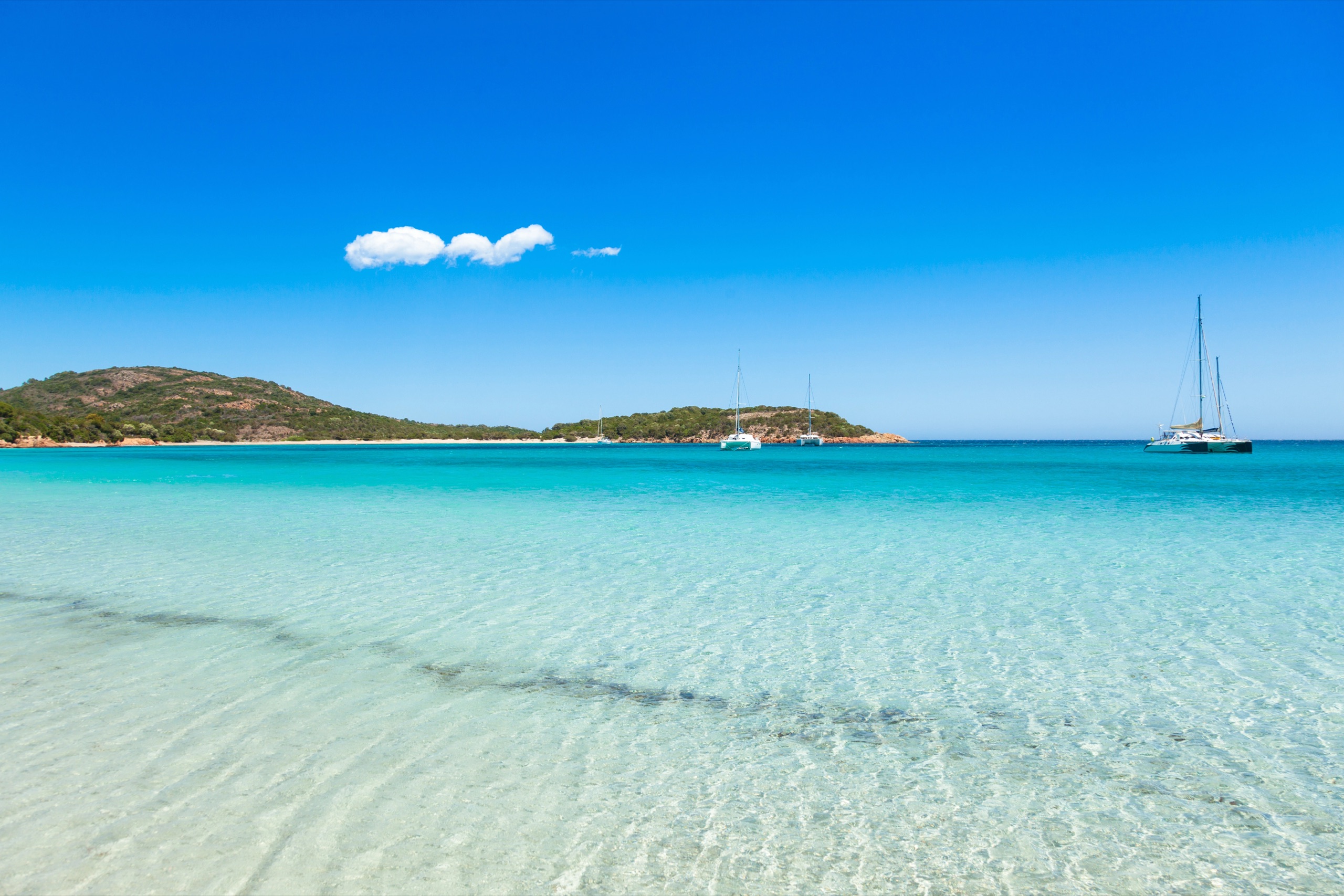
Reinebringen Norway: 6 Things to Know — The Hike, Steps & Current Status

TL;DRReinebringen is the most photographed mountain in the Lofoten Islands, towering above the village of Reine, with roughly 1,978 stone steps leading to the summit — built by Nepalese Sherpas and climbing about 448–450 metres in elevation. The climb up takes 1 to 1.5 hours, and you’ll want 3 to 4 hours in total once you factor in the descent and stopping for photos. It’s rated a tough route, not suitable for kids, and between 2024 and 2026 it’s often closed altogether due to repeated rockslides — check the current status before you set off. You can park in the centre of Reine (50–150 NOK a day), and the trail itself is free to walk.

If you’re heading to northern Norway in search of the single most iconic view — the one that graces just about every postcard from the region — your steps will almost certainly lead you here. The Reinebringen hike in Norway takes you up the most popular mountain in the entire Lofoten archipelago, rising directly above the picturesque fishing village of Reine. The view from the summit is absolutely breathtaking, offering a panorama that will stay etched in your memory for life. From up here you’ll gaze out over deep blue fjords, dramatic jagged peaks and tiny red cottages scattered across the little islands below.

At the same time, this is a hike that commands enormous respect and demands careful planning. It’s no easy afternoon stroll, but a very steep and physically exhausting climb. Tens of thousands of hikers make the trip every year, which makes it one of the busiest spots in all of Norway. And it’s exactly this huge influx of visitors, combined with the harsh Nordic conditions, that has taken its toll in recent years in the form of erosion and dangerous landslides.

Before you set off, it’s absolutely crucial to know exactly what you’re getting into and what the current safety measures are. The mountain doesn’t forgive mistakes, and Norwegian weather can turn nasty in a matter of minutes. But if you prepare well, pick the right time and respect nature, you’ll be rewarded with scenery that few places on the planet can match. I’ve put together a complete guide to walk you through everything you need to know before this climb.

TL;DR

  • Elevation gain and difficulty: You’ll climb roughly 448 vertical metres over a very short stretch, and the hike is rated as challenging.
  • Sherpa steps: Almost the entire route is made up of stone steps — about 1,978 of them — which puts a huge strain on your knees and thighs.
  • Time needed: The climb up takes on average 1 to 1.5 hours, the descent takes roughly the same, so set aside at least 3 hours in total.
  • Current closures: Due to repeated rockslides between 2024 and 2026, the route is often completely closed to the public.
  • Parking: You can’t park right at the trailhead — you have to leave your car in a paid car park in the centre of Reine (prices range from around 50 to 150 NOK per day).
  • When to skip the hike: In rain, strong wind or fog the climb is extremely dangerous, and the wet stones are extremely slippery.
  • Not suitable for children: The route is in no way suitable for little ones or for hiking with a child in a carrier.

Where to stay in Reine and the surrounding area

💡 Tip for accommodation and experiences: We like to look for places to stay on Booking.com, which usually has the best cancellation terms. For tickets, tours and activities, it’s worth comparing and booking through GetYourGuide.

If you want the trailhead practically on your doorstep, the best strategic choice is to stay right in the village of Reine or in neighbouring Hamnøy. This is where you’ll find those most iconic red and yellow fishing cabins called rorbu, perched on wooden stilts directly over the surface of the fjord. Staying in these traditional huts is an unforgettable experience all of its own — you wake up to the cries of gulls and an absolutely breathtaking view of the surrounding granite peaks reflected in the water.

Among the most popular and most photographed places to stay is undoubtedly Eliassen Rorbuer on the islet of Hamnøy. These historic, renovated cabins offer an authentic Nordic atmosphere combined with modern comfort and a fully equipped kitchenette where you can cook yourself a warm dinner after the hike. Just be prepared to pay roughly 2,500 to 4,000 NOK (around €215–345) per night for the whole cabin in peak summer season. If you’re after something a touch more modern and luxurious, the gorgeous Reinefjorden Sjøhus complex is a fantastic choice, with the majestic Reinebringen mountain right outside the living-room window.

For travellers on a tighter budget, the situation in the south of Lofoten is a little trickier. Wild camping is practically impossible around Reine, as there are no flat grassy spots and strict bans on free camping apply throughout the area. The nearest official campsite with genuinely good facilities is in nearby Moskenes, just a short distance from the ferry port. A pitch for your tent costs around 250 NOK (about €21) a night, and you can make full use of a spacious shared kitchen and hot showers after a demanding trek.

6 things you need to know about the Reinebringen hike

1. The iconic view known around the world

Say the word “Lofoten” and the vast majority of people picture exactly the view that opens up from the summit of Reinebringen. It’s an absolute jewel of Nordic nature that draws photographers and travellers from every corner of the globe. The moment you conquer the final metres of the climb and crest the edge of the ridge, a literal bird’s-eye view unfolds before you. You’ll see the entire village of Reine with its characteristic red rorbu cabins, contrasting sharply with the dark blue water of the Kjerkfjorden.

The scenery is all the more striking because the village itself sits on several small islets connected by elegant bridges. In the distance you can admire the neighbouring villages of Sakrisøy and Hamnøy, which from this height look like tiny scale models. The backdrop to this whole picture is formed by sharp granite peaks rising straight out of the wild ocean. This is exactly the spot where you truly grasp the immense power and majesty of the Norwegian landscape.

At the top of the ridge itself you won’t find much room to sit and relax for long. The ridge is fairly narrow, and in good weather it gets really crowded, so you may have to patiently guard your little patch of space for that photo. Many people are happy with the view right at the end of the steps. But if you still have a bit of energy left and don’t suffer from vertigo, walk on a little further along the edge of the ridge, where the crowds thin out and you can enjoy a bit more peace.

💡 Tip: Don’t forget to bring a fully charged phone or a camera with a wide-angle lens, because you’ll want to photograph absolutely everything up here. At the same time, try to find a moment to simply soak up the incredible atmosphere this rugged corner of the world has to offer.

2. The Sherpa steps and the sheer physical effort

The original trail up Reinebringen was just a narrow, steep path carved into soil and slippery rock. Under the enormous pressure of hikers, the slope began to crumble dangerously, leading to massive erosion and many serious injuries. The Norwegian authorities therefore decided to call in true experts in the field: Nepalese Sherpas. These experienced mountain people from the Himalayas hand-carried and laid huge stone blocks, building an incredible, sturdy staircase out of them.

Today the climb takes you up roughly 1,978 massive stone steps. But don’t be lulled into thinking of it as a comfortable staircase like the ones you know from everyday life. Each step is a different height, some of the stones are enormous, and the gradient is relentlessly steep from the very start. Over a relatively short distance you’ll gain a full 450 metres of elevation, which comes as an unfamiliar shock to the body. Your thighs and calves will start to burn unpleasantly after just the first few dozen metres.

On the way up you’ll come across a few small resting spots carved straight into the stone. I’d recommend taking regular, honest breaks, even if you think you’re in excellent shape. Stop, catch your breath, drink some water and turn around to look behind you. The descent, paradoxically, is often more painful than the climb up, because your knees take a real beating from constantly braking on the hard stones.

💡 Tip: Bring a reliable pair of trekking poles, which will significantly ease that unpleasant knee pain on the way down. If you don’t have any, descend very slowly and carefully — tired legs have a habit of buckling on those high steps.

3. Current status of the hike and the real risk of landslides

This is an absolutely crucial point that, in their quest for the perfect photo, far too many visitors sadly underestimate. Reinebringen is a geologically very unstable mountain, and in recent years dangerous rockslides have occurred here. Between 2024 and 2026 the trail was repeatedly and, for long stretches, completely closed to the public. The weathered rock in the upper part of the ridge keeps coming loose, and falling stones pose a deadly threat to everyone below — there have been deaths on Reinebringen, so this is not something to take lightly.

The closures are no bureaucratic whim but an absolute necessity to protect human lives. Before your trip, always and without exception check the current status on the official websites of local tourist boards or at information centres. If you see red tape stretched across the trailhead or a warning sign banning entry, do not under any circumstances try to go around it. You’d be risking not only an exceptionally hefty fine, but above all your own life.

The greatest landslide risk comes after heavy rain or in spring, when the snow and ice on the peaks are melting. Water loosens the rock and undermines the stability of the entire steep slope. Even when it’s officially open, keep your eyes and ears on high alert at all times. If you hear a suspicious rumble or see small stones falling, immediately look for safe cover or start heading back down.

💡 Tip: Have a backup plan ready in case Reinebringen is unexpectedly closed on the day of your visit. Lofoten offers plenty of other gorgeous hikes that are far safer and reward you with equally stunning panoramic views.

lukas a lucka
Lukáš and Lucie recommend
Where to stay in Reine in the Lofoten Islands
4 accommodations — campsites, hotels and other lodging options

4. When to set off to avoid the worst of the crowds

The popularity of this place is genuinely extreme, and it grows every single year. In June 2024 alone, an incredible 41,000 people made their way up these steps. In peak summer season you’ll experience literal traffic jams of hikers. Climbing in an endless line of people, constantly squeezing past those coming down on the narrow steps and fighting for a scrap of free space at the top can pretty reliably ruin the whole experience.

If you’re craving a bit of peace and privacy, you simply have to get up early. Ideally set off around five or six in the morning. At this early hour there’ll be only a handful of enthusiasts on the steps, and you’ll fully enjoy the cooler morning air, which is far more pleasant for such a steep climb. Conversely, avoid the busy window between ten in the morning and two in the afternoon, when crowds pour off the big tour buses and every nearby car park is bursting at the seams.

A huge advantage of the summer months in northern Norway is the magical phenomenon of the midnight sun. Thanks to it, you can happily tackle the hike late in the evening, say around ten o’clock. There’ll still be plenty of light, and with the sun sitting low on the horizon the colours in the sky will be beautifully soft and warm. This evening climb has a magical, very peaceful atmosphere, because most tourists are long since resting in their rorbu cabins.

Weather plays an absolutely key role in your planning. Norwegian weather shows no mercy and can change in a matter of minutes, so never set off up the mountain without checking the forecast. Download the reliable Norwegian app yr.no and keep a close eye on the radar. Climbing in rain or strong wind is not only unpleasant but, on the wet stones, downright extremely dangerous.

💡 Tip: Try to plan your climb for a time with clear skies and good visibility. There’s nothing worse than scrambling up for an hour only to reach the summit and find the entire valley below shrouded in an impenetrable blanket of thick grey fog.

5. Where to park and how to find the trailhead

The logistics of this trip take a bit of forward planning, because there is absolutely no space for cars right at the foot of the steps. You’ll have to leave your vehicle in the nearby village of Reine, which is thankfully fairly well prepared for the daily onslaught of tourists. You’ll find several large paid car parks here, the handiest being the one right at the entrance to the village. Parking is paid via the EasyPark mobile app — and don’t try to save money by parking along the road, as the local police hand out hefty fines without mercy.

From the car park you have roughly a kilometre to a kilometre and a half walk to the trailhead itself. You’ll go straight along the main E10 road, which links the entire picturesque archipelago. The route is flat and passes quickly. About halfway along you’ll reach the Ramsvik road tunnel. For safety reasons, pedestrians are strictly forbidden from entering it. Instead, you must safely go around the tunnel along the old surfaced road on the outer side, which hugs the coast.

You really can’t miss the trailhead itself. Right after the tunnel you’ll see a clearly visible path on the left and a large information board, where other hikers usually gather to get ready. From here the first gentle climb through the woods begins, quickly joining the famous stone staircase. There’s really no chance of getting lost — just follow the crowds and keep climbing.

💡 Tip: Don’t forget to nip to the toilet before leaving the car park. There are no public toilets anywhere along the route or at the summit, and the nature around the steps offers absolutely no privacy from the eyes of fellow hikers.

6. Safety, weather and when it’s better to give up

Norwegian weather really shows no mercy. Sunshine, downpours and an icy gale can quite routinely take turns within a single afternoon. If the Norwegian app yr.no is forecasting incoming rain or gusty wind, cancel your plan to conquer Reinebringen without a moment’s hesitation. Climbing in the wet is a completely pointless gamble, because the Sherpa stone steps turn into an extremely slippery, unpredictable slide once soaked, with a serious risk of injury.

This route is also an absolute no-go for families with small children. Forget your ego and don’t bring toddlers up here in a baby carrier or backpack. With a twenty-kilo load on your back, your centre of gravity shifts dramatically, and balancing on steep wet steps in a crowd of people is pure recklessness. The descent with a child is even more dangerous still. There may be a hospital in nearby Gravdal, but its emergency services are definitely not something you want to test on holiday.

Instead, choose far safer alternatives for a family outing. One fantastic option is the vast sandy Bunes Beach, reachable by a small local ferry directly from Reine; after a mere 80 metres of climbing you’ll find yourself in a fairy-tale paradise. Another beautiful and completely flat walk is the old coastal gravel road linking the beaches of Haukland and Uttakleiv. And if the rain catches you out, head to the charming UNESCO village of Nusfjord. The wooden jetties over the water do get slippery after rain, and you’ll need to hold the kids firmly by the hand, but your saviour will be the excellent local Italian pizzeria, which makes superb vegetarian pizza and pasta.

💡 Tip: Always keep one extra insulating layer ready in your backpack. Even when the sun is shining and it’s pleasantly warm down in Reine, up on the ridge you may be greeted by an icy northerly wind that will chill you to the bone in no time.

Practical summary and rough prices

To make planning easier and help you budget, here’s an overview of the most important practical information and price ranges valid for the 2026 season. Norway isn’t a cheap destination, but spending time out in nature thankfully won’t bankrupt you.

  • Trail access: Completely free — there’s no fee to do the hike.
  • Parking in Reine: Around 50 NOK per hour, or 150 NOK for a full day in the central car parks.
  • Parking apps: I recommend downloading the EasyPark app or the official Norwegian parking systems in advance — it’ll make your life easier.
  • Getting there by bus: If you’re staying further away, you can use the local buses; a ticket from nearby Leknes to Reine costs around 80 NOK.
  • Gear: Quality hiking boots with a non-slip sole are an absolute must — better leave your smooth-soled trainers in the suitcase.
  • Staying hydrated: There’s no stream or spring with drinking water along the trail, so you need to carry at least 1.5 litres of fluids per person from your own supplies.

Where to go next

If you’re curious about what else this stunning region has to offer, I’ve put together an extensive article covering the best hikes in Lofoten. You’ll find inspiration for more mountain challenges, as well as gentler family walks through the valleys. For a general overview and to plan your Nordic holiday, I recommend reading our big guide to Lofoten, where you’ll learn everything from getting around to accommodation tips.

Don’t forget to explore the villages beneath the mountain, too — you’ll find detailed information in our article focused specifically on Reine and Hamnøy. And if you’re still unsure which month to head up to northern Europe, our detailed breakdown of when to visit Lofoten will help you catch either the midnight sun or, conversely, the Northern Lights.

Frequently asked questions

Jak dlouho trvá výstup na Reinebringen?

Průměrně fyzicky zdatnému člověku zabere cesta nahoru zhruba hodinu až hodinu a půl čistého času. Celý výlet z parkoviště v Reine, přes samotný strmý výstup, nezbytné focení na vrcholu a velmi opatrný sestup zpět k autu vám spolkne přibližně 3 až 4 hodiny. Určitě si na tuto túru vyhraďte raději více času, ať se nemusíte zbytečně stresovat a hnát se do kopce.

Mohu vzít na trasu svého psa?

Teoreticky to zakázané není, ale z praktického hlediska to velmi nedoporučuji. Ostré a tvrdé kamenné schody mohou psovi nepříjemně rozedřít tlapky a na úzké cestě plné lidí se bude pes zbytečně stresovat. Velká a těžká plemena navíc mohou mít s neobvykle vysokými schody značný problém, proto je lepší nechat chlupáče odpočívat v ubytování.

Zvládnu to, i když mám strach z výšek?

Samotné schodiště je sice strmé, ale nepůsobí vyloženě exponovaně a nebezpečně. Problém však nastává na samotném vrcholu hřebene, který je poměrně úzký a padá velmi strmě dolů k hladině oceánu. Pokud trpíte silnými závratěmi, doporučuji vám zůstat jen na bezpečném a širším plácku hned na konci schodů a nechodit dál po samotné hraně hřebene.

Je možné na vrcholu kempovat a postavit si stan?

Nikoliv, nahoře není absolutně žádný rovný a bezpečný prostor pro postavení stanu. Hřeben je úzký, kamenitý, bičovaný silným větrem a neustále plný lidí. Pro divoké kempování a spaní pod stanem si musíte na Lofotech vybrat jiné, prostornější a povolené pláže, jako je například oblíbená Kvalvika nebo rozlehlá Bunes Beach.

Můžu nahoře létat s dronem?

Pravidla pro létání s drony se v celém Norsku neustále a poměrně přísně zpřísňují. Vždy si musíte předem ověřit aktuální restrikce v oficiální norské aplikaci pro piloty dronů. Navíc nahoře na hřebeni často fouká extrémně silný a nárazový vítr, který může váš dron během jediné vteřiny odnést nenávratně pryč do hlubokého fjordu.

Co mám dělat, když mě cestou nahoru přepadne déšť?

Pokud začne zničehonic pršet, tou nejrozumnější volbou je okamžitě výstup přerušit a začít velmi opatrně sestupovat dolů. Kameny se po namočení stávají extrémně kluzkými a pokračovat vzhůru znamená zbytečně riskovat vážný úraz. Vaše osobní bezpečí a zdraví je vždy mnohem důležitější než sebekrásnější výhled z vrcholu hory.

Potřebuji na výstup speciální horolezecké vybavení?

Ne, žádná lana, sedáky, helmy ani karabiny potřebovat nebudete. Trasa je sice extrémně náročná na vaši fyzičku a nohy, ale nevyžaduje absolutně žádné technické lezecké dovednosti. Naprostým základem a nutností je však kvalitní pevná obuv s dobrou protiskluzovou podrážkou a funkční oblečení spolehlivě chránící před studeným větrem a nečekaným chladem.

Tips and Tricks for Your Vacation

Don’t Overpay for Flights

Search for flights on Kayak. It’s our favorite search engine because it scans the websites of all airlines and always finds the cheapest connection.

Book Your Accommodation Smartly

The best experiences we’ve had when looking for accommodation (from Alaska to Morocco) are with Booking.com, where hotels, apartments, and entire houses are usually the cheapest and most widely available.

Don’t Forget Travel Insurance

Good travel insurance will protect you against illness, accidents, theft, or flight cancellations. We’ve had a few hospital visits abroad, so we know how important it is to have proper insurance arranged.

Where we insure ourselves: SafetyWing (best for everyone) and TrueTraveller (for extra-long trips).

Why don’t we recommend any Czech insurance company? Because they have too many restrictions. They set limits on the number of days abroad, travel insurance via a credit card often requires you to pay medical expenses only with that card, and they frequently limit the number of returns to the Czech Republic.

Find the Best Experiences

Get Your Guide is a huge online marketplace where you can book guided walks, trips, skip-the-line tickets, tours, and much more. We always find some extra fun there!
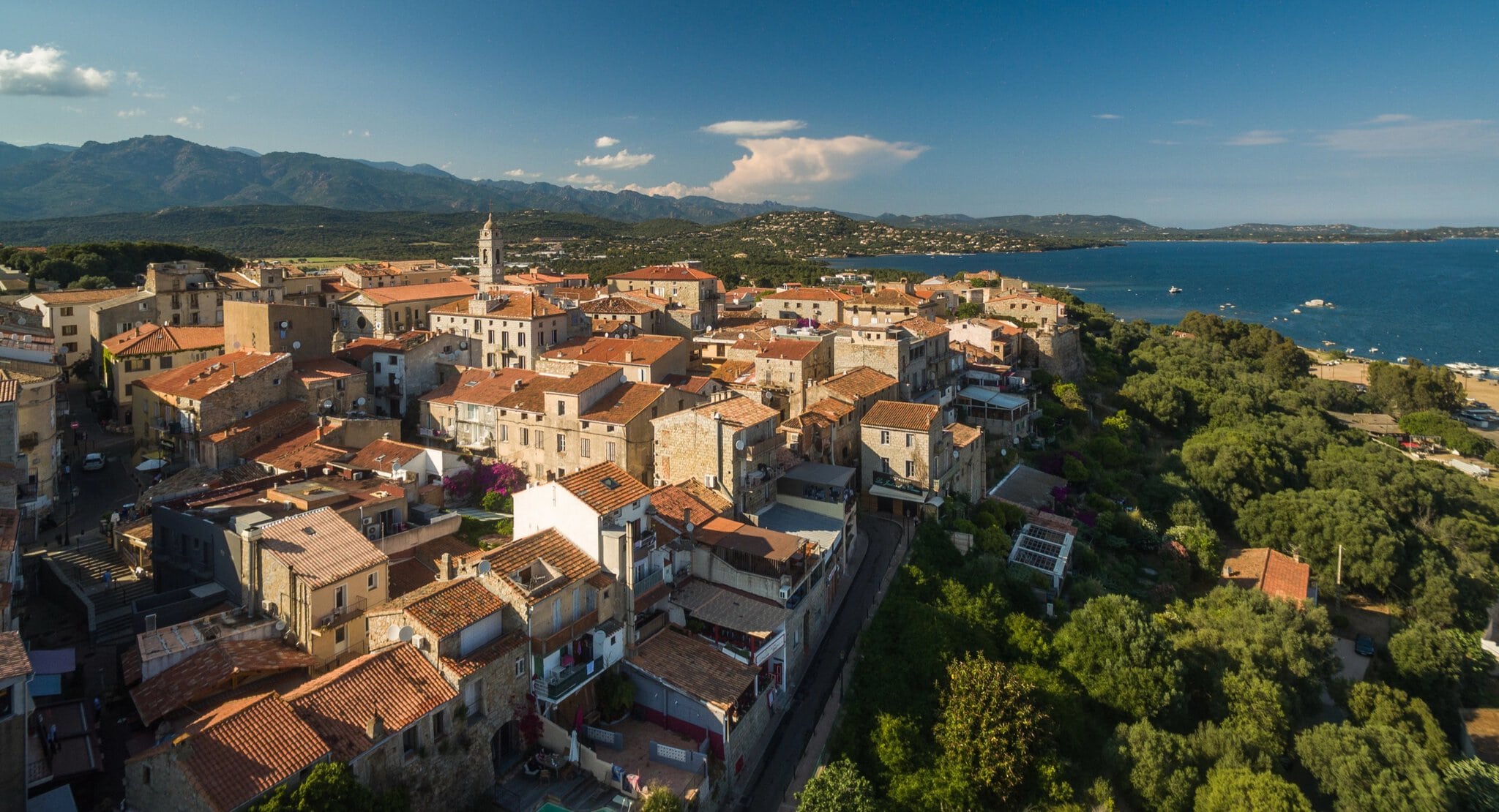
Northern Lights in Lofoten: When, Where & How to See Them 2026

TL;DRThe Northern Lights season on the Lofoten Islands runs from late September to mid-April, with October, February and March offering the best conditions, and the highest chance of activity falling between 10pm and 2am. The most photogenic spots are the beaches at Uttakleiv, Gimsøy and Eggum, plus the famous bridge in the village of Hamnøy. Keep an eye on clear skies via the yr.no app — even strong activity is useless if clouds roll in — though thanks to Lofoten’s spot under the auroral oval, a KP index of just 1 to 2 is enough. Beyond a tripod and warm clothes, budget around 8,000 NOK for a week’s car hire with studded tyres in 2026.

Picture this: you’re standing in total darkness on a snow-covered beach, an icy wind blowing in off the ocean and creeping deep under your jacket, and yet you can’t tear your eyes away from the sky. Above the majestic mountain peaks, green and pink ribbons of light have just begun to ripple, dancing like a celestial curtain. The northern lights, or Aurora Borealis, are quite simply one of the most beautiful natural spectacles our planet has to offer. Thanks to its position high above the Arctic Circle and its dramatic scenery, Norway’s Lofoten archipelago ranks among the very best and most photogenic places in the world to witness this phenomenon. In this detailed guide you’ll find everything you need to know — exactly 7 things that will maximise your chances of a successful hunt. You’ll learn when the main season is, which specific spots deliver the best photographs, how to read the Norwegian weather forecasts correctly, and how to dress, because the Arctic winter can be unforgiving. I’ll also help you with camera settings and finding your way around mobile apps, so you don’t miss even the faintest flicker of green beauty.

TL;DR

  • When to go: The official northern lights season runs from late September to mid-April, when the far north is dark enough.
  • Best time of day: Statistically, the strongest activity tends to appear between 10 pm and 2 am.
  • Top photography spots: The most rewarding scenery is at the Uttakleiv, Gimsøy and Eggum beaches and the famous bridge in the village of Hamnøy.
  • Weather is absolutely key: You can have extreme solar activity, but through thick clouds you’ll see nothing at all, so weather always takes priority over the KP index.
  • Must-have apps: Download the Norwegian yr.no app for accurate weather and any Aurora app for activity notifications.
  • Essential gear: To get a sharp photo you’ll need a sturdy tripod and a huge amount of patience, because the cold really does get into your bones.
  • Rough prices: In 2026, expect a week’s car hire with studded tyres to cost around 8,000 NOK (roughly £600).

7 things you must know about the northern lights in Lofoten

Lofoten sits within the so-called auroral oval. This means your chances of seeing the northern lights here are enormous even when solar activity is very low. Hunting the aurora, though, isn’t just about glancing out of the window of a cosy cabin and snapping a quick photo on your phone. It takes meticulous planning, a willingness to freeze outdoors and the ability to react quickly to changes. Let’s look at 7 key tips that will prepare you for a night-time adventure and ensure you take home the most beautiful memories and photographs.

1. When the main season is and what time to head out

Although the sun spews particles into space all year round and the northern lights are theoretically glowing constantly, to see them with your own eyes you need absolute darkness. And in northern Norway that’s simply missing in summer. During the summer months Lofoten basks under the midnight sun, which means the main hunting season only begins in late September and ends in mid-April. If you arrive in July you’ll enjoy beautiful hikes, but there won’t be a trace of green sky.

If you want the best photographic conditions, consider months like October, February or March, when the weather tends to be statistically a touch more stable than in dark, rainy December. In late winter the landscape is also blanketed in deep snow, which beautifully reflects the residual light and lends photos an unreal atmosphere. Autumn, on the other hand, has the advantage of unfrozen lakes and fjords, on whose surface the aurora is perfectly mirrored.

As for the time of day, you obviously can’t plan it down to the minute, but the highest activity usually appears between 10 pm and 2 am. Sometimes the green beauty shows up as early as 6 pm, and other times you’ll wait in vain until the early morning. Patience is an absolute must when hunting the aurora, and it’s worth sacrificing a bit of sleep, because nature does exactly as it pleases.

💡 Tip: Rest plenty during the day and shift your body clock towards a nocturnal rhythm so you’re not exhausted in the first few days of your holiday and have the energy for all-night waiting.

2. The five most beautiful viewing spots

Lofoten is incredibly photogenic in itself, but for the perfect experience you need a view of the northern sky without significant light pollution. An absolute classic is the famous bridge at Hamnøy, where you can photograph the iconic red rorbu fishing cabins with the majestic Festvågtind mountain in the background. This spot is so popular among photographers that you probably won’t be alone at night — but the result is well worth it.

Just a stone’s throw away lies the picturesque village of Reine, which offers breathtaking scenery and bays that mirror the green light. Here, though, you need to watch out more for street lighting, which can blow out your photo. Try to find a darker nook on the edge of the village or move along to the nearby viewpoints by the E10 road.

If you want to escape civilisation and enjoy the aurora in complete silence, head for the beaches on the northern side of the islands. Uttakleiv beach is legendary among northern lights hunters thanks to its rounded boulders and dramatic waves, which look absolutely fantastic in the foreground of a photo. Here you’ll have the northern horizon open right in front of you.

Another great spot is the rocky coastline of Eggum, where you’ll find a wide open horizon and minimal light pollution, allowing you to watch the aurora from its very first faint flickers just above the sea. And we mustn’t forget the island of Gimsøy, which is very flat and offers a 360-degree view, so you won’t miss a single corner of the night sky no matter where the activity is coming from.

💡 Tip: Before you head out for real at night, scout your chosen spots during the day so you know exactly where to safely set up your tripod and avoid unexpected holes or slippery rocks in the dark.

3. Weather and clear skies as the absolute foundation

Many beginner hunters make one fundamental mistake: they only track solar activity and forget about the most important thing — the clouds. The northern lights occur roughly 100 kilometres above the Earth’s surface, so if it’s overcast you could have a historic storm overhead and still see absolutely nothing. The weather always takes priority over any aurora apps.

The weather in northern Norway is extremely changeable and shifts literally from minute to minute. Experiencing sunshine, heavy snow, fog and a strong icy wind all in a single afternoon is completely standard, and it mustn’t throw you. The locals like to say that if you don’t like the current weather, just wait ten minutes.

Forget the usual global weather apps on your phone and download the Norwegian yr.no, which the locals absolutely swear by. It works incredibly precisely, and you should mainly watch the cloud cover map and the short-term forecasts for the coming hours. Focus on the radar images, which show you where the clouds are moving.

Sometimes all it takes is to drive twenty kilometres over a hill and you’ll discover a completely clear sky, even when it’s pouring with rain over your accommodation. Thanks to its steep mountains and deep fjords, Lofoten has plenty of microclimates. Planning whole days ahead really doesn’t work here — you plan at most a few hours in advance.

💡 Tip: Stay flexible and be ready to jump straight into the car and chase a gap in the clouds the moment the radar in the yr.no app shows a promising break.

4. How to read the forecast and the KP index

Once you’ve got clear skies overhead, it’s time to track the auroral activity itself using special mobile apps. The best-known and most talked-about indicator is the so-called KP index, measured on a scale from zero to nine. The higher the number, the stronger the geomagnetic storm in progress. The same applies if you’re keeping an eye on the northern lights forecast back home in the UK on a stormy night.

While in central and southern parts of Europe you need extreme values around KP 7 or 8 to see anything, in Lofoten a humble KP 1 or 2 is plenty thanks to its far northern position. If the app reports KP 3 or 4 up here, you’re probably in for an incredible show full of dancing green and pink ribbons that light up the whole landscape.

Your phone definitely shouldn’t be without an app like My Aurora Forecast or Aurora Alerts, which send you a notification when the chance of seeing the aurora in your location rises significantly. These apps gather data directly from satellites and can forecast the next hour fairly accurately.

It’s also important to watch the Bz parameter (which should be in negative values) and the speed of the solar wind — indicators that often tell experienced hunters far more than the KP index alone. If the solar wind is fast and dense, the aurora will be far more dynamic.

Don’t be put off, though, if the apps aren’t showing ideal numbers. Nature often surprises you, and the northern lights can appear out of nowhere even when the graphs look utterly hopeless.

💡 Tip: Don’t fix your eyes only on a phone screen full of graphs. Tuck it deep into your pocket now and then and simply look at the northern horizon — your eyes also need to adjust to the dark so they can pick out a fainter aurora.

5. How to photograph the northern lights on a phone or DSLR

Once the spectacle finally erupts, you’ll naturally want to capture it as a keepsake. To photograph the northern lights successfully you absolutely need a good tripod, because you’ll be shooting long exposures, and the slightest movement of your hand would ruin the shot irreparably.

If you’re shooting with a DSLR or a modern mirrorless camera, switch to full manual mode. Set the aperture as wide as possible (for example f/2.8 or f/1.4) to let the maximum amount of night light into the lens. Switch focusing to manual and focus to so-called infinity, ideally using a bright star in the sky.

Raise the ISO as needed to values between 1600 and 3200 and adjust the exposure time to how fast the aurora is moving. If the green ribbons are moving and dancing quickly, choose a shorter time of around 2 to 5 seconds so the colours and shapes don’t blur into one big uniform smudge. For a faint, static aurora, on the other hand, feel free to leave the shutter open for 15 to 20 seconds.

If you don’t have professional gear, don’t despair. Modern smartphones now have excellent night modes that can conjure up gorgeous images. Just rest the phone firmly against a rock, use the self-timer or place it on a small travel tripod and let the algorithms do their work.

💡 Tip: In the cold, batteries drain incredibly fast, so keep your spare camera batteries in an inner jacket pocket nice and close to your body so they stay warm and don’t die before the main event begins.

6. What to pack for a night hunt

Waiting for the northern lights means long hours of standing in a freezing wind, and very often in deep snow too. The right clothing therefore decides whether you’ll enjoy this unique experience with a smile on your face or suffer through it with chattering teeth and flee back to the car.

The key to survival is thorough layering, and for your base layer choose nothing but quality merino wool. It wicks moisture brilliantly and keeps you warm even if you sweat a little on a shorter climb to a viewpoint with a heavy backpack. Steer well clear of cotton, because as soon as it gets damp it starts to chill you unpleasantly.

Over the merino, throw on a warm fleece jumper or a thick woollen hoodie, and on top of that a proper down jacket that will reliably protect you from the icy ocean wind. For your legs you’ll want thick insulated trousers, or even ski salopettes, with warm thermal underwear underneath — don’t forget that.

An absolute necessity is two pairs of warm socks, waterproof winter boots with a firm, thick sole and, of course, quality mittens. If you plan to shoot photos and constantly adjust your camera settings, get a special pair of photography gloves where you can comfortably flip back just the fingertips.

💡 Tip: Always pack a large flask of hot tea and a few chemical hand warmers in your backpack — you snap them to activate and slip them into your pockets. In the Arctic winter they’re an absolute lifesaver when your fingers finally refuse to cooperate 😅.

7. Hiring a car and night-time drives along the E10

To be mobile enough during the hunt and able to dodge the clouds effectively, you can’t manage in Lofoten without a hire car. Public transport at night is practically non-existent, and relying solely on the aurora coming to you would mean a huge risk of seeing nothing at all.

Fortunately, in the winter months all cars from Norwegian rental companies are automatically fitted with quality studded tyres, which grip surprisingly well on icy roads. Driving on studs is a little noisier, but it gives you the confidence you need on packed snow.

The main artery, the narrow and winding E10 road, tends to be reasonably well maintained and regularly ploughed, but bear in mind that the turn-offs to smaller, remote beaches can be heavily snowed-in and very slippery. So drive with maximum care, don’t overestimate your abilities and keep genuinely safe distances. Remember that in Norway you drive on the right.

During night-time drives, watch out carefully for unexpected wildlife or other hunters and photographers, who occasionally appear right on the verge, dressed in dark clothing and staring up at the sky. Use your full beams sensibly so you don’t dazzle oncoming cars or people with their cameras set up.

If you want to hire a car, expect that prices in Norway are traditionally very high and you need to book well in advance. Try various trusted comparison sites, because once you’re on the spot you almost certainly won’t find a cheaper option and you’ll end up paying needlessly over the odds.

💡 Tip: During a night hunt, never park on blind bends, narrow bridges or private driveways — the locals take a very dim view of it. Always find an official lay-by or a ploughed pull-in.

lukas a lucka
Lukáš and Lucie recommend
Where to Stay in Lofoten
1 accommodation — hotels and other lodging options

A practical summary and rough prices

Norway is not generally a cheap destination, and Lofoten is certainly no exception in this respect. So that you can plan your winter trip better and not blow your family budget the moment you land, I’ve put together some rough prices to expect in 2026.

  • Renting a classic rorbu (fishing cabin): During the winter season prices hover around 1,800 to 2,500 NOK per night (roughly £135–£190), depending heavily on the specific location and how well equipped the cabin is.
  • Hiring a small car for a week: In winter, with the mandatory studs, a reliable rental car will cost you around 8,000 to 10,000 NOK (roughly £600–£750).
  • A litre of petrol: Fuel prices in Norway stay consistently very high — reckon on around 22 to 24 NOK per litre (roughly £1.65–£1.80).
  • A supermarket shop: The cheapest places to shop are the Rema 1000 and Kiwi chains. A basic shop for two for one day (pasta, cheese, bread) comes to around 300 NOK (roughly £23).
  • Dinner in a restaurant: A plain pizza or a veggie burger with chips costs about 250 to 350 NOK (roughly £19–£27). Local specialities, such as traditional dried cod (stockfish) dishes or fresh salmon, can be noticeably more expensive again.
  • A coffee in a café: You can warm up with a popular cappuccino for around 50 to 60 NOK (roughly £4–£4.50).
  • Entry fees and excursions: Organised fjord boat trips or evening guided tours (which you can book via GetYourGuide, for example) commonly range from 1,000 to 2,500 NOK per person.

💡 Accommodation and experience tip: We like to look for our stays on Booking.com, where the cancellation conditions tend to be the best. Tickets, trips and activities are then worth comparing and booking through GetYourGuide.

Where to next

If you’ve already got a clear idea of how and where to hunt the northern lights, take a look at our other articles packed with useful information that will make planning your whole Norwegian expedition much easier.

Frequently asked questions

Je vidět polární záře i přes mraky?

Bohužel ne. Polární záře vzniká vysoko v atmosféře, zhruba 100 kilometrů nad zemským povrchem. Pokud je obloha zatažená nízkou nebo střední oblačností, přes mraky žádné světlo neprosvitne, ani kdyby byla sluneční aktivita na maximu. Sledování oblačných radarů na aplikaci yr.no je proto mnohem důležitější než samotný KP index.

Kdy je největší šance vidět polární záři?

Na Lofotech trvá hlavní sezóna od konce září do poloviny dubna. Statisticky bývá obloha nejjasnější a počasí nejvíce stabilní během října a následně v únoru a březnu. Samotná denní doba pro pozorování je pak ideální v pozdních večerních hodinách, obvykle zhruba mezi desátou večerní a druhou hodinou ranní.

Potřebuji na focení profesionální fotoaparát?

Dnes už to rozhodně není nutnost. Nejnovější chytré telefony s pokročilým nočním režimem dokážou zachytit polární záři naprosto dokonale a v úžasných barvách. Stále však platí pravidlo, že k pořízení opravdu ostré fotky bezpodmínečně potřebujete pevný stativ, abyste zabránili jakémukoliv roztřesení obrazu během delší expozice.

Můžu jít lovit polární záři pěšky z ubytování?

Někdy se poštěstí a záře se v plné parádě ukáže přímo nad vaším rorbu. Mnohem častěji ale budete muset popojet autem na temnější místa, jako jsou odlehlé pláže Haukland nebo Uttakleiv, abyste utekli světelnému smogu z vesnic a pouličních lamp, který dokáže vizuální zážitek velmi výrazně utlumit.

Vyplatí se platit si organizovaný výlet s průvodcem?

Pokud se necítíte na noční řízení po namrzlých a úzkých silnicích, místní zkušení průvodci představují naprosto skvělou volbu. Mají detailní přehled o mikroklimatu, neustále komunikují s ostatními lovci vysílačkami a vědí naprosto přesně, do kterého fjordu se zrovna vydat za jasnou oblohou.

Jak moc velká zima mě při čekání čeká?

Teploty na Lofotech díky teplému Golfskému proudu málokdy padají hluboko pod -10 °C, pocitová teplota je ale kvůli ostrému arktickému větru od moře mnohem nižší. Dlouhé hodiny stání na jednom místě dokážou tělo rychle prochladit, takže kvalitní péřovka, dvoje rukavice a poctivá merino vlna jsou naprostou nutností.

Můžu si na Lofoty vzít celoroční pneumatiky?

V žádném případě to ani nezkoušejte. Norské zákony vyžadují odpovídající zimní obutí a všechna auta z místních půjčoven jsou automaticky vybavena speciálními pneumatikami s kovovými hroty. Silnice mohou být často pokryté silnou vrstvou čistého ledu, na které byste s běžnými pneumatikami okamžitě sjeli do nejbližšího příkopu.

Tips and Tricks for Your Vacation

Don’t Overpay for Flights

Search for flights on Kayak. It’s our favorite search engine because it scans the websites of all airlines and always finds the cheapest connection.

Book Your Accommodation Smartly

The best experiences we’ve had when looking for accommodation (from Alaska to Morocco) are with Booking.com, where hotels, apartments, and entire houses are usually the cheapest and most widely available.

Don’t Forget Travel Insurance

Good travel insurance will protect you against illness, accidents, theft, or flight cancellations. We’ve had a few hospital visits abroad, so we know how important it is to have proper insurance arranged.

Where we insure ourselves: SafetyWing (best for everyone) and TrueTraveller (for extra-long trips).

Why don’t we recommend any Czech insurance company? Because they have too many restrictions. They set limits on the number of days abroad, travel insurance via a credit card often requires you to pay medical expenses only with that card, and they frequently limit the number of returns to the Czech Republic.

Find the Best Experiences

Get Your Guide is a huge online marketplace where you can book guided walks, trips, skip-the-line tickets, tours, and much more. We always find some extra fun there!
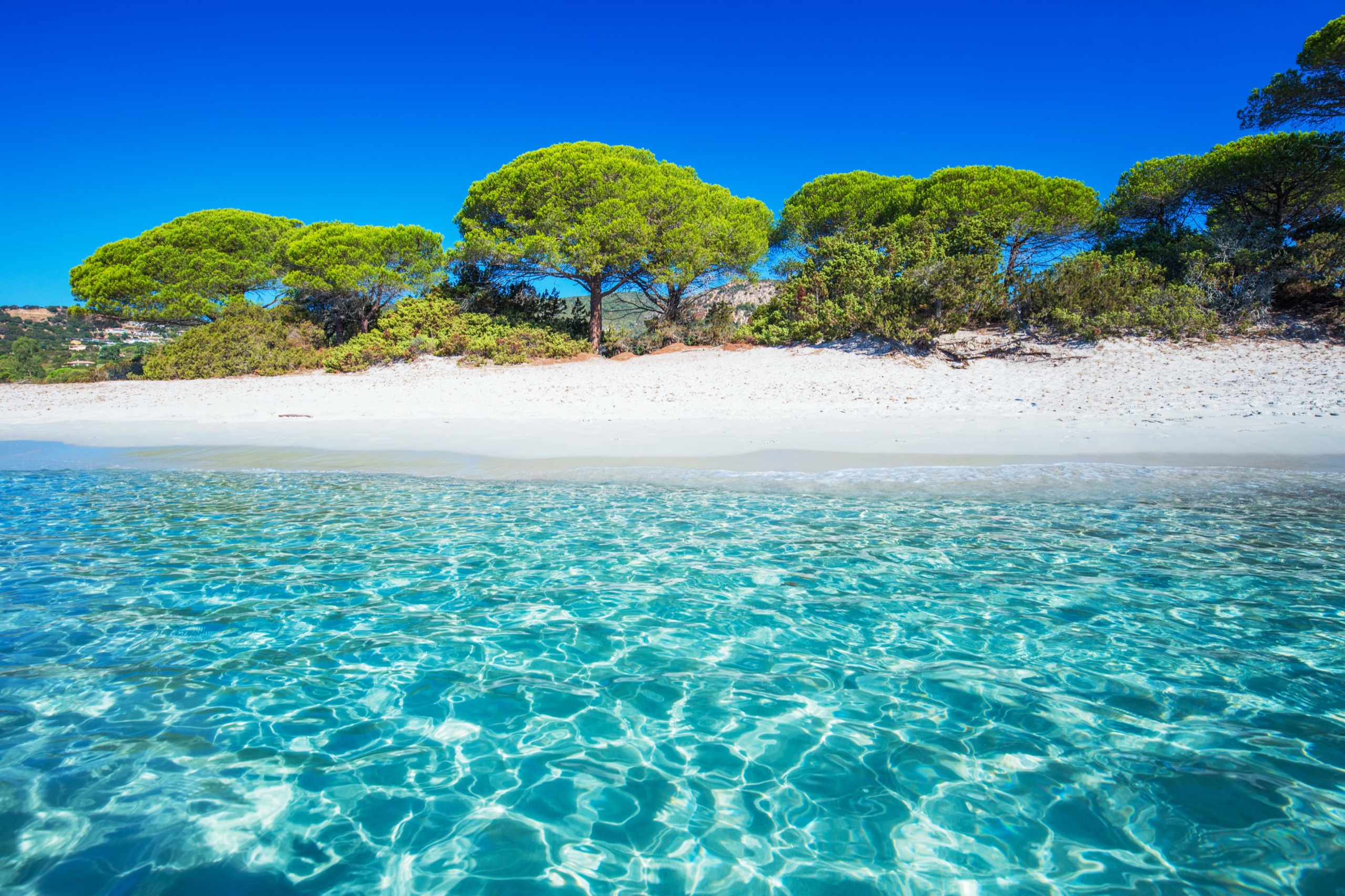
Road Trip in Southern France: A 7–10 Day Itinerary for 2026

TL;DRA 7–10 day road trip round southern France pairs the French Riviera (Nice, Monaco, Cannes, Antibes) with the inland gems – Calanques National Park, Marseille, Aix-en-Provence, the Luberon with the villages of Gordes and Roussillon, the Verdon Gorge, and Avignon with the Pont du Gard. The whole route runs to roughly 600 to 800 kilometres, and the best months to go are May, June and September – though for the lavender fields in bloom at Valensole you’ll want late June or early July. Along the Riviera it’s worth taking the TER trains rather than driving; motorway tolls come to €9.50 per 100km, and you’ll need a Crit’Air sticker to drive into Marseille or risk a €68 fine.

If you’re dreaming of a southern France road trip and want to live out the full Mediterranean fantasy, let me warn you right from the start: this place is an absolute paradise on earth — one that will completely consume you, but also demands some serious planning if you don’t want to spend half your holiday stuck in traffic. The sun hammers down with incredible intensity, the air smells of pine resin and lavender, and the whole thing is set to the soundtrack of relentless cicada chatter, which is simply inseparable from the Provençal experience.

The most common mistake people make when planning a French road trip is trying to cram absolutely everything into a single short week. France is a vast country, and if you attempt to combine lavender fields with Atlantic beaches out west, you’ll end up stressed at the wheel and haemorrhaging money on expensive motorway tolls. That’s why I’ve put together a well-thought-out, logistically sensible loop that takes you from the glamorous Côte d’Azur through dramatic canyons and into the picturesque hilltop villages of the Luberon.

In this article you’ll find a complete guide to your southern France road trip, steering you safely through the region’s most beautiful spots. I’ll share how to outsmart the notoriously tricky Riviera traffic, exactly when to time your visit for blooming lavender, and where to base yourself strategically so you can enjoy the whole journey in peace — well away from the tourist hordes.

TL;DR

  • Total route distance: Roughly 600 to 800 kilometres, depending on how many detours into hilltop villages you take.
  • Best time to go: May, June and September offer the most pleasant conditions — you’ll avoid extreme summer heat and overcrowded roads.
  • Getting around the Riviera: Don’t bother driving around Nice and Cannes — regional TER trains are far quicker and spare you the parking nightmare.
  • Lavender in bloom: If lavender fields are your main goal, you need to visit in late June or the first two weeks of July.
  • Low-emission zones: Larger cities like Marseille require the Crit’Air eco-sticker — drive in without one and you’re looking at a hefty fine.
  • Book in advance: To visit the Sugiton cove in the Calanques National Park in summer, you’ll need a free timed-entry reservation with a QR code.
  • Top food tip: Lunch in France is served strictly between noon and 2 pm — miss that window and you’ll go hungry until dinner.

When to Go

Picking the right time to visit is absolutely crucial for a southern France holiday, because poor timing can genuinely put a dampener on the whole trip. The sweet spot is May, June and September, when temperatures are wonderfully comfortable and the sea is already warm enough for swimming. In these months you’ll enjoy quieter attractions and accommodation that’s noticeably cheaper than during the peak summer rush.

If you possibly can, steer clear of July and August — the south of France takes an absolute battering from tourists and locals alike at this time of year. Temperatures can easily nudge 43°C, stone cities radiate heat well past midnight, and the motorways turn into car parks. The French take their annual holiday en masse in August, meaning the entire country descends on the coast at once. Around the changeover weekends in late July and early August, major routes come to a complete standstill.

A special case entirely is the lavender season, which draws photographers from across the world to Provence. If that’s your main draw, you need to be there in the last week of June or the first two weeks of July, when the famous Valensole plateau reaches its peak bloom. Travel in August and your only real option is the higher-altitude village of Sault, where true lavender lingers in colour a little longer thanks to the elevation.

Do also watch out for the various lavender festivals, which can catch you off guard. The well-known event in Valensole is always held on the third Sunday of July, which sounds perfect — but it’s often more of a harvest celebration. You may well turn up to find the fields already cut, pick up plenty of soaps and essential oils, but never get that iconic shot surrounded by purple as far as the eye can see.

Practical Info: Car, Getting Around & Budget

France’s motorway network is genuinely world-class, but be prepared for the fact that you pay for the privilege. There’s no annual vignette system here — instead, toll booths charge you for each section of motorway you actually use. As a rough guide, tolls work out at around €9.50 per 100 kilometres, so the costs add up quickly on longer drives.

One critical thing to sort before you travel in 2026 is the tightened low-emission zones (ZFE), which apply to major cities and foreign-registered vehicles alike. In Marseille, for example, older vehicles face a round-the-clock ban, and you’re looking at a €68 fine if you ignore the rules. Order a Crit’Air eco-sticker online before you leave home — it costs just over €5 and will save you a world of hassle.

As for a rough budget for two people: southern France is definitely not a bargain destination, but with a smart approach it’s very manageable. A typical dinner at a bistro runs €20–35 per person, but if you want to save money, make the most of the lunchtime menu du jour — a full three-course meal for €15–25. A classic espresso at the bar will set you back around €2, and service is already included in the price by law, so leaving an extra tip is entirely at your discretion.

From the UK, you have several convenient options for reaching southern France. Direct flights to Nice operate from London Gatwick, London Heathrow, Manchester and Edinburgh with carriers including British Airways, easyJet and Ryanair. Alternatively, you can drive via the Channel Tunnel or ferry, though the full journey from London to Nice is around 1,100 km — best broken up with an overnight stop. For exploring the region itself, picking up a hire car at Nice airport gives you the most flexibility for this itinerary. Staying connected on the road? An Holafly eSIM is a great option — you can activate a French or European data plan before you even land.

Day-by-Day Itinerary

This itinerary is designed to weave together the stunning coastline with the magical interior, with a pace that’s geared towards genuine exploration rather than mindlessly ticking off kilometres. The first few days you’ll leave the car behind and make the most of the excellent train connections, before setting off on a proper road trip through the Provençal countryside.

Day 1: Arrival in Nice and the Magic of the Old Town

Your southern France road trip begins best by flying directly into Nice, which has excellent connections from London and other UK airports — book ahead and you’ll often find very reasonable fares. From the airport, a slick modern tram whisks you into the city centre in just a few minutes, so you can dive straight into the buzz of this vibrant city. Nice is far more than a beach resort — it’s a confident, cosmopolitan city that wins you over immediately with its laid-back, sun-soaked atmosphere.

The heart of it all is the legendary Promenade des Anglais, a seven-kilometre seafront boulevard hugging the famous Baie des Anges, alive with joggers and rollerbladers at all hours. The beaches are pebbly, so a pair of water shoes will make your life considerably more comfortable — but you’re rewarded with spectacularly clear water. Spend the afternoon getting lost in Vieux Nice, the old quarter of narrow alleyways where the building facades glow in every shade of ochre and terracotta.

💡 Tip: When hunger strikes mid-wander, head to the Cours Saleya market and grab a piece of socca. This wood-fired flatbread made from chickpea flour and topped with coarse black pepper is the perfect vegetarian street food — and it’s utterly delicious.

For sunset, make your way up to the Colline du Château — there’s no castle left, but the views over the whole bay from up here are simply iconic. If you don’t fancy the climb in the heat, there’s a free lift cut right into the rock. Art lovers should make time for the Musée National Marc Chagall, home to his extraordinary cycle of large-format biblical paintings.

Day 2: By Train to Glamorous Monaco and Lemon-Scented Menton

Leave the car firmly parked on day two and trust the excellent regional TER trains, which run along the coast with impressive regularity. The journey from Nice to Monaco takes just twenty minutes and costs around €6 — far cheaper and less stressful than attempting to park in this tiny principality. Monaco will dazzle you with its compressed, almost absurd luxury: superyachts crammed into the harbour and the famous Casino de Monte-Carlo watching over it all. If you’re planning to do a lot of coastal hopping, the Pass SudAzur regional travel pass is well worth considering.

After Monaco, hop back on the train and stop off at Èze — a breathtaking medieval eagle’s nest perched on a sheer cliff high above the sea. At the very top of this stone village you’ll find the beautiful Jardin Exotique, packed with enormous cacti and succulents. The combination of spiky plants and the endless blue Mediterranean stretching out far below is a genuinely jaw-dropping visual experience — one that will stick with you long after you leave.

💡 Tip: From Èze-sur-Mer train station, you can hike up via the so-called Nietzsche Path. I’d only recommend it if you’re reasonably fit and it’s not the scorching heat of midday — the 400-metre climb is seriously tough going.

Round off the afternoon in Menton, the last French town before the Italian border, blessed with a unique microclimate that makes it the warmest spot on the entire Riviera. Menton is a visually stunning place — pastel-painted facades that feel distinctly Italian, set against a backdrop of steep mountains. Sit down for a coffee on the promenade and try the local lemon tarts, because it’s citrus cultivation that put this town on the map.

Day 3: Cannes on the Red Carpet and the Perfume Capital of Grasse

On day three it’s trains again, but this time heading west to Cannes — the ultimate byword for film festivals and unapologetic glamour. The main artery is the sweeping Boulevard de la Croisette, lined with palm trees and grand luxury hotels, the whole place oozing exclusivity. Don’t miss a wander up to the old quarter of Le Suquet on the hill, where you’ll be rewarded with lovely views over the harbour and the nearby Îles de Lérins.

From Cannes, nip across to neighbouring Antibes, which retains tremendous historical character behind its imposing 16th-century ramparts. It was in the local Château Grimaldi that Pablo Picasso set up his studio in 1946. Today it houses his museum, full of joyful, light-drenched works created here under the direct influence of the Mediterranean. The old town itself is a delight of winding lanes where you’ll stumble across charming cafés and the excellent Marché Provençal food market.

💡 Tip: For anyone who loves fragrance, a visit to nearby Grasse is absolutely non-negotiable — it’s the undisputed world capital of perfumery. Historic houses like Fragonard and Molinard offer free guided tours of their factories, giving you a genuine behind-the-scenes look at this precise and fascinating craft.

Head back to Nice for dinner, because tomorrow you move inland. Local restaurants tend to come alive around 8 pm, and vegetarians will love the wealth of options — fresh pasta, excellent cheese pizza and the traditional Provençal stuffed vegetables known as petits farcis are all genuinely wonderful.

Day 4: Into Provence and the Emerald Fjords of the Calanques

Time to pick up a hire car and head west towards the Calanques National Park — a dramatic ribbon of brilliant white limestone cliffs plunging straight into the sea. These inlets look like Norwegian fjords, except the water is the colour of blue curaçao and the whole place smells gloriously of sun-warmed pine trees. Your base for the day is the charming fishing town of Cassis — tidy, pretty and full of great cafés.

From Cassis, you can hike to the most famous coves, with the trail passing through popular Port-Miou and Port-Pin before reaching the absolute gem known as En-Vau. The walk takes roughly an hour and a quarter of quite demanding scrambling over rocks, so leave the flip-flops behind and wear proper footwear. Your reward is a breathtaking view of sheer cliffs towering above a narrow strip of pebble beach, where the water is icy and refreshing even in the hottest August, as the sun only reaches the bottom for a short window each day.

💡 Tip: If you’re planning to visit the Sugiton cove in the 2026 summer season, you’ll need to book a free timed-entry pass with a QR code in advance. The booking system opens on 11 June and allows a maximum of five people per code — put it in your calendar now.

In the afternoon, relax in Cassis harbour watching the little boats bob about. Bear in mind that in summer the car parks at the park’s trailheads fill up before 9 am, and the entire massif can be closed at short notice due to wildfire risk. Keep an eye on the park’s official app for the latest updates.

Day 5: Raw and Vibrant Marseille, then Cézanne’s Aix-en-Provence

Day five splits between two very different cities, starting with Marseille — France’s second city and a magnificent, chaotic melting pot of energy, history and cultures from across the Mediterranean. The city revolves around the Vieux-Port (Old Harbour), where fishermen sell the night’s catch every morning and where you can head into the oldest neighbourhood, Le Panier. These days it’s full of street art, small galleries and bistros, yet still holds on to its slightly rough-around-the-edges, thoroughly authentic and irresistible charm.

Don’t skip the climb to the Basilique Notre-Dame de la Garde, which sits on a limestone hill 150 metres above the sea and offers a staggering, 360-degree panorama over the city and the glittering water beyond. Marseille has a fantastic food scene — grab excellent falafel or a salad with warm goat’s cheese in one of the city’s backstreet eateries. The city centre and the key sights are perfectly safe; just keep the usual eye on your belongings in crowds.

💡 Tip: If you’re driving into Marseille, be very careful about the strict low-emission zone. Without a valid Crit’Air sticker you’ll face an €68 fine — far smarter to leave the car at a park-and-ride on the outskirts and take the metro straight into the centre.

In the afternoon, drive over to Aix-en-Provence — the very embodiment of Provençal bourgeois elegance, a city of a thousand fountains and warm ochre facades. Life here revolves around the wide, tree-lined Cours Mirabeau, where you can linger over coffee on a terrace shaded by plane trees. Aix is the birthplace of Paul Cézanne, and art lovers should absolutely visit his Atelier des Lauves, preserved exactly as the artist left it, or the family estate of Jas de Bouffan.

lukas a lucka
Lukáš and Lucie recommend
Where to stay in southern France
4 accommodations — hotels, wellness hotels and other lodging options

Day 6: Ochre Cliffs, Stone Villages and Lavender in the Luberon

Today brings you the Provence you’ve seen in a hundred romantic films, as you head into the Luberon massif. This is where you’ll find those famous hilltop villages clinging to sheer rocky escarpments, the ones that perennially top polls of France’s most beautiful places. Start in Gordes, where the sight of its cascade of pale stone houses stacked against a cliff face will stop you in your tracks — you simply cannot resist pulling over and reaching for your camera.

Just a few kilometres further along sits Roussillon, a village that looks as though it’s been airlifted in from the American Southwest. It sits on a vast deposit of natural ochre, so every building glows in shades ranging from deep yellow to vivid red. Pay for entry to the ochre trail, Le Sentier des Ocres, just beyond the village and walk through the old quarry workings — but definitely don’t wear white shoes, because the red dust gets absolutely everywhere.

💡 Tip: Make the short detour to the Abbaye de Sénanque. This austere Romanesque monastery surrounded by a perfect sweep of lavender is one of the most photographed spots in all of France — arrive early in the morning before the coach parties descend.

If you want to see endless purple fields of lavandin in full bloom, head to the Valensole plateau, ideally around the turn of June and July. If you’re travelling in August, the higher village of Sault is your best bet, where true lavender holds its colour a little longer at altitude. In the evening, settle into one of the smaller local towns, put together a fine cheese board, and soak up the unhurried, deeply satisfying pace of Provençal life.

Day 7: Adrenaline on the Edge at the Verdon Gorge

Brace yourself, because today’s destination will genuinely get your pulse racing. The Gorges du Verdon is Europe’s largest canyon — a colossal gash in the earth where limestone walls drop sheer for up to 700 metres, with a river of impossibly emerald-green water threading along the floor. The gateway into this world is the vast Lac de Sainte-Croix, formed when the valley was flooded in the 1970s and now a superb spot for a swim in beautifully clear, pleasantly warm water.

The most iconic photos are taken at the Pont de Galetas, where the river emerges from the gorge and where you can hire a kayak or pedalo to paddle up into the heart of the canyon. Motorised boats are strictly banned, so all you’ll hear is the sound of paddles and rushing water. That said, in high season it gets extraordinarily busy here. If you want even a moment to yourself, be at the hire station by 8 am — leave it any later and you’ll find it fully booked.

💡 Tip: Once you’ve had your fill of the water, drive the spectacular Route des Crêtes, which follows the northern rim of the canyon. Stop at the Point Sublime viewpoint and look down to watch griffon vultures riding the thermals far below — it’s an utterly unforgettable sight.

Driving around the canyon requires steady nerves — the road runs just a few feet from sheer drops for long stretches. Note also that part of the Route des Crêtes is one-way, so you must follow it clockwise. For the night, find accommodation in the charming village of Moustiers-Sainte-Marie, which is wedged dramatically into a rocky cleft in the cliff face and has some excellent restaurants for a well-earned dinner.

Day 8: Papal Power in Avignon and Roman Engineering at the Pont du Gard

The final day of your road trip plunges deep into history, beginning in majestic Avignon. When the papal court relocated here from Rome in the 14th century, it gave rise to the Palais des Papes — the largest Gothic building in the world, which looks less like a palace and more like an immense, impregnable military fortress. Basic entry costs €12, but it’s worth upgrading to the €15.50 ticket, which also gets you onto the famous Avignon Bridge.

From May 2026, the palace has launched excellent new guided routes using the clever HistoPad tablet, which is included with your ticket. Using augmented reality, the bare stone walls transform before your eyes back into their 14th-century glory — rich frescoes, flickering fires in cavernous fireplaces, the works. Without this technology, the palace would be little more than a walk through empty corridors, so this upgrade is absolutely worth having.

💡 Tip: In the afternoon, drive around 30 kilometres to the awe-inspiring Roman aqueduct, the Pont du Gard. Access to this UNESCO World Heritage Site is free — you only pay for car parking, which is fairly pricey. During the summer months of 2026, a spectacular audiovisual light show runs after dark here and is not to be missed.

This magnificent three-tiered aqueduct has survived two thousand years of floods and wars, and still takes your breath away with its engineering brilliance. You can walk around its surroundings, swim in the river directly beneath its ancient arches, and soak up an atmosphere that feels genuinely timeless — the perfect way to bring your southern France road trip to a close.

Where to Stay Along the Route

💡 Accommodation & activities tip: We always search for hotels on Booking.com — the cancellation policies are hard to beat. For tours, tickets and experiences, it’s always worth comparing and booking through GetYourGuide.

Finding good accommodation in southern France during peak season can be a real challenge, as the best places get snapped up extraordinarily fast and prices rocket. Book everything several months in advance — no exceptions. The most practical approach is to choose two or three strategic bases and make day trips from each, so you’re not repacking your suitcase every single morning.

For the Riviera section, Nice is the unbeatable base. You don’t need a car here at all, and there’s a good spread of reasonably priced hotels around the main station and city centre. A great option is the Hotel Oasis, tucked away in a quiet residential neighbourhood with a lovely green garden — and just a short walk to the TER train station for stress-free day trips to Monaco and Cannes.

Once you head inland into Provence, the area around Aix-en-Provence makes an ideal hub for exploring the Luberon, the lavender fields and the surrounding landmarks. This is where you can really lean into the Provençal romance and treat yourself to a stay at the Boutique Hotel Cezanne, which offers beautifully styled rooms, impeccable service and excellent breakfasts to fuel your long days in the sun.

For the wild Verdon Gorge, you really want to be based as close to nature as possible — driving in on winding mountain roads from miles away is slow and tiring. Staying right on the shore of the emerald Lac de Sainte-Croix is ideal, for example at the charming Hotel Le Moustier in Moustiers-Sainte-Marie. From here you’ll wake up to stunning views of the limestone cliffs, and you’re just a short stroll from some truly excellent restaurants for a romantic evening dinner.

Where to Go Next

If France has captured your heart and you’re already thinking about what comes next, you’re spoilt for choice — this country has an extraordinary range of beautiful destinations to discover.

  • Want more detail on lavender fields and historic market towns? Read our in-depth guide to Provence.
  • Looking to plan a beach holiday and find the best swimming spots? Check out our article on what the French Riviera has to offer.
  • Keen on the adrenaline side and want a detailed guide to the best viewpoints? Find everything you need before heading to the Verdon Gorge.
  • And if you’re after even wilder landscapes and some of Europe’s toughest hikes, let our article on a Road Trip through Corsica inspire you.

Frequently Asked Questions

When is the best time to visit the south of France?

The best conditions for travel are without a doubt in May, June, and September. This way you’ll avoid the extreme summer heat, which routinely climbs above 40 degrees Celsius, and at the same time you won’t have to battle the huge crowds of tourists on the roads. The spring and autumn months guarantee not only pleasant temperatures ideal for exploring both towns and nature, but also far more bearable accommodation prices, which in August soar to astronomical heights.

When exactly does the lavender bloom in Provence?

The main season runs roughly from mid-June to the end of July. The absolute peak of the bloom on the popular Valensole plateau falls at the turn of June and July, when the fields offer the most intense purple colour and an unmistakable fragrance. If you can only make it to France in August, you’ll need to head to the higher-altitude Sault, where the colour lingers until mid-August thanks to the cooler microclimate, when the traditional harvest begins.

Do I need any special equipment to drive in France?

Besides the usual European equipment, be sure to get an environmental Crit’Air sticker in good time; it costs around five euros and you can arrange it easily online. It’s absolutely essential for entering the ever-expanding low-emission zones of major cities such as Marseille. Without a valid sticker you risk a fairly steep fine of 68 euros, so it’s definitely not worth neglecting this small administrative step before your trip.

How much are tolls on French motorways?

France doesn’t have the classic motorway vignettes; instead, you pay directly at the toll gates based on the kilometres you actually drive. As a rough guide, budget around 9.50 euros for every 100 kilometres of driving, which can add up quite noticeably on longer road trips. You can pay conveniently by card or in cash right at the toll booth, and thanks to this system the motorways are in top condition, making travel on them very fast and safe.

When are restaurants open in France?

This is a huge trap for tourists and a very common source of disappointment. Lunch in France is served strictly between 12:00 and 14:00, and if you arrive later, the most you’ll get is some nuts with your drink. The kitchens then close for the whole afternoon and usually reopen for dinner only around half past seven in the evening. So if you don’t want to go hungry, you’ll have to fully adjust your daily schedule to this strict rule.

Do you need to leave a tip in restaurants?

By law a service charge, the so-called service compris of 15%, is already automatically included in the final price on your bill. An additional tip is therefore not at all mandatory. However, it’s a perfectly common and polite custom to leave an extra euro or two on the table if you were really happy with the service. Just remember that a tip usually can’t be added via the card terminal, so keep some small coins on hand.

Do I need a reservation for the Calanques National Park?

Yes, if you’re planning to visit the gorgeous Sugiton cove during the 2026 summer season. From mid-June to mid-September, entry requires a free online reservation with a QR code. This booking system opens precisely on 11 June and admits a maximum of five people per code. To protect nature from overtourism, the authorities regulate visitor numbers this way, so definitely don’t put off making a reservation.

Can you get around the Riviera without a car?

Absolutely yes, and it’s even strongly recommended by all the locals. Coastal towns like Nice, Monaco, Cannes, and Antibes are linked by the excellent regional TER trains, which run reliably several times an hour. Not only are the tickets fairly cheap, but above all they’ll save you huge amounts of stress with the summer traffic jams on the narrow coastal roads and with the endless, nearly impossible search for a free parking spot in the luxury resorts.

Tips and Tricks for Your Vacation

Don’t Overpay for Flights

Search for flights on Kayak. It’s our favorite search engine because it scans the websites of all airlines and always finds the cheapest connection.

Book Your Accommodation Smartly

The best experiences we’ve had when looking for accommodation (from Alaska to Morocco) are with Booking.com, where hotels, apartments, and entire houses are usually the cheapest and most widely available.

Don’t Forget Travel Insurance

Good travel insurance will protect you against illness, accidents, theft, or flight cancellations. We’ve had a few hospital visits abroad, so we know how important it is to have proper insurance arranged.

Where we insure ourselves: SafetyWing (best for everyone) and TrueTraveller (for extra-long trips).

Why don’t we recommend any Czech insurance company? Because they have too many restrictions. They set limits on the number of days abroad, travel insurance via a credit card often requires you to pay medical expenses only with that card, and they frequently limit the number of returns to the Czech Republic.

Find the Best Experiences

Get Your Guide is a huge online marketplace where you can book guided walks, trips, skip-the-line tickets, tours, and much more. We always find some extra fun there!
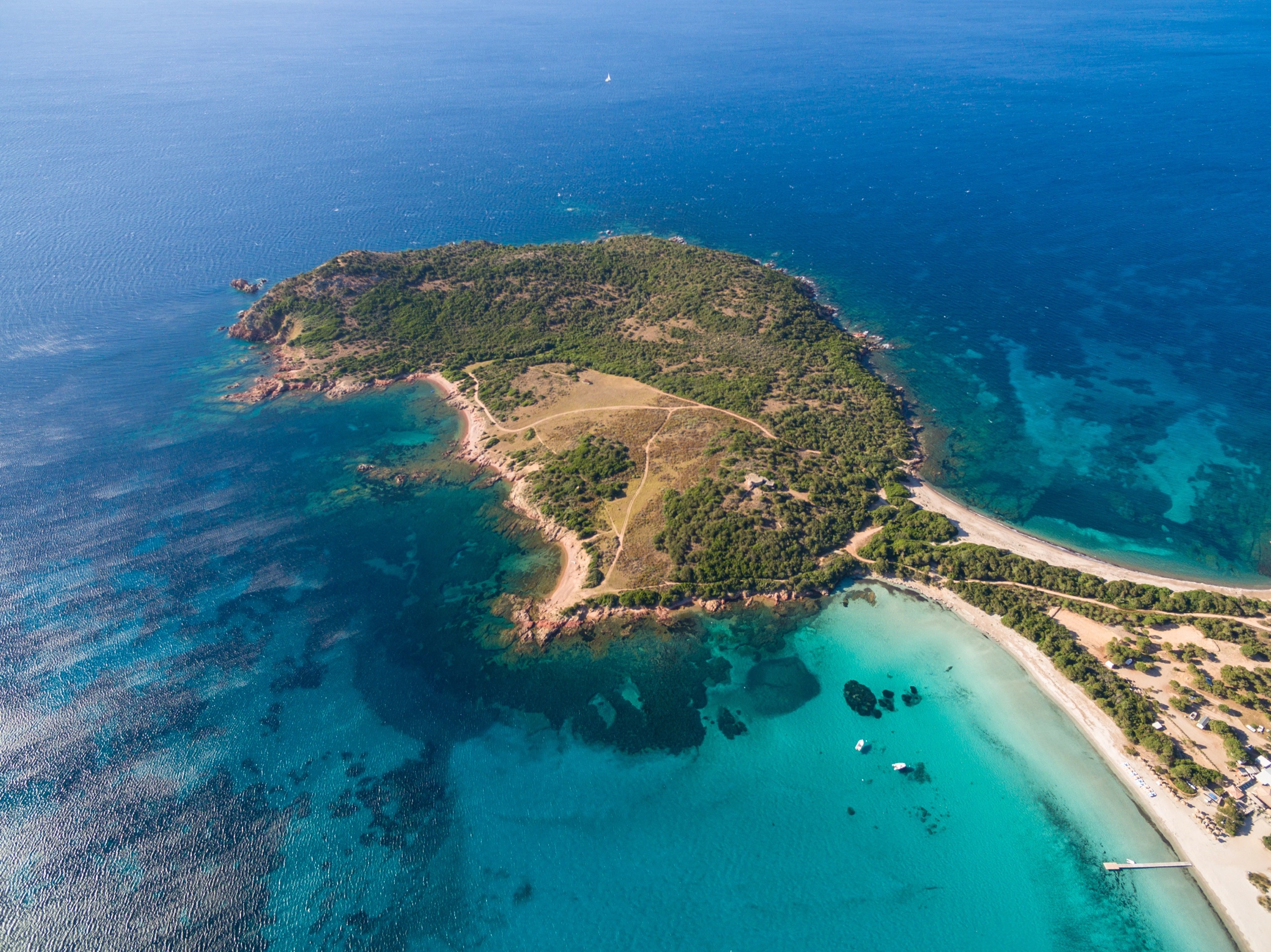
Cannes, France: 12 Best Things to See and Do in 2026

TL;DRCannes on the French Riviera comes with 12 essential tips, covering the promenade of La Croisette, the old town of Le Suquet, the Marché Forville market, the Vieux Port harbour and the Lérins Islands (Sainte-Marguerite with its famous prison fortress and the peaceful Saint-Honorat). The best months to visit are June and September, with temperatures around 25–28°C, while July and August (up to 43°C) and May (film festival, crowded and pricey) are best avoided. Getting along the coast is easiest by TER trains — 40 minutes to Nice, 25 minutes to Antibes, and about 40 minutes to Grasse. Unlike Nice, Cannes has proper sandy beaches: private beach clubs charge €50–€150 per person a day, while public beaches like Plage du Midi are free. For somewhere to stay, La Croisette, Le Suquet or the area around the station are your best bets — book up to six months ahead if you can.

Close your eyes and picture the sun-drenched south of France, where luxury meets an endless blue sea. Cannes, France is the cinematic capital of the French Riviera — a place that has drawn lovers of elegance from around the world for decades. But this city offers far more than red carpets and overpriced boutiques. Tucked behind the glittering façade are narrow cobbled lanes, Provençal markets fragrant with herbs, and tranquil islands where time seems to stand still.

In this guide you’ll find exactly 12 things to see and do in Cannes to make the most of your visit. You’ll learn how to dodge the worst of the crowds and why leaving the car behind in favour of regional trains is always the smarter move. I’ll also share advice on where to stay strategically and which day trips you absolutely shouldn’t skip. The city of the famous film festival will surprise you with its contrasts — a perfect backdrop for an unforgettable holiday.

Whether you’re heading here for a long weekend or planning a longer exploration of the Côte d’Azur, Cannes makes an excellent base. Fair warning: the atmosphere is highly addictive. You’ll find out how much a coffee with a sea view will set you back, where to try the best local specialities, and how to enjoy your 2026 holiday without unnecessary stress.

TL;DR

  • Best way to get around: Skip the car entirely on the Riviera — rely on the regional TER trains, which are frequent and reliable.
  • When to go: Avoid July and August (temperatures up to 43 °C and enormous crowds); June or September are ideal — the sea is warm and the city is far more relaxed.
  • Historic old town: The hilltop quarter of Le Suquet offers the best views over the harbour and wonderfully winding historic streets.
  • Local food: Make sure to try socca at the Marché Forville — a thin pancake made from chickpea flour, a true Riviera staple.
  • Nature escape: Take the ferry to the Lérins Islands, where you’ll find unspoilt nature and an ancient monastery well away from the city bustle.
  • The Cannes Film Festival: Takes place in May — the city is buzzing with celebrities, but also extremely expensive and packed to the rafters.
  • Day trips: The train whisks you easily to the perfume city of Grasse or the art-filled historic town of Antibes.

When to Visit Cannes

Getting the timing right is absolutely key to a great experience on the French Riviera, because the summer months can be genuinely brutal. In July and August, temperatures regularly soar to 35–43 °C and the Mediterranean sun is relentless. Coastal roads grind to a standstill under the weight of traffic, and claiming even a small patch of free beach requires some serious determination. If you’re dreaming of romantic, empty streets, you simply won’t find them in the height of summer — so it’s worth thinking carefully before booking those dates.

A much smarter approach is to plan your trip during the shoulder seasons — June or September. Daily temperatures hover around a very pleasant 25–28 °C, the sea is perfect for swimming, and accommodation prices drop to far more manageable levels. You’ll also find it considerably easier to get a table at the most popular restaurants. The city breathes, the pace slows down, and you actually get the space to enjoy it properly.

May is a special case, because that’s when the Cannes Film Festival takes over the city. For a few weeks, Cannes transforms into one giant pulsating party, filled with journalists, filmmakers and curious onlookers from every corner of the globe. It’s an extraordinary spectacle, but be aware that hotel prices shoot up dramatically and many venues are reserved exclusively for private industry events. Unless the film world buzz genuinely excites you, May is best avoided.

Whenever you arrive, be prepared to embrace the distinctly Southern French rhythm of the day. Around midday, when the sun is at its most punishing, the city retreats into the shade and locals settle in for long, leisurely lunches. Do exactly the same — find a cool restaurant and save your sightseeing for the late afternoon, when the light turns golden and the heat finally begins to ease.

Where to Stay in Cannes

💡 Accommodation tip: We always search for hotels on Booking.com for the best cancellation policies. For tickets, tours and activities, it’s worth comparing and booking through GetYourGuide.

Accommodation in Cannes broadly falls into three zones, each offering a very different experience — and requiring a very different budget. The most expensive and luxurious option is staying right on the famous La Croisette boulevard. This is where you’ll find iconic five-star properties like the Hôtel Martinez and Le Majestic — the kind of places where Hollywood stars check in during the film festival. If your budget is generous and you want the full-on French luxury experience, this is undoubtedly the place to splash out.

For something more romantic and genuinely authentic, I’d recommend looking for accommodation in the Le Suquet quarter. This is the old hilltop town, full of winding lanes, ancient stone houses and small Provençal bistros. Many apartments here offer gorgeous views over the harbour and the city below. The one downside is that you’ll be hauling your luggage uphill — but the evening atmosphere, well away from the tourist frenzy, more than makes up for it.

The most practical and budget-friendly option is the Centre-Ville area around the main train station. From here, you’re a short walk from both the sea and the market, and you’re straight on a train whenever you fancy a day trip along the coast. Whichever zone you choose, I’d strongly recommend booking well in advance — ideally six months ahead — because the best places disappear remarkably fast.

💡 Tip: If you’re planning to explore the whole Riviera intensively, it might actually be more strategic to base yourself in nearby Nice. It has an excellent tram connection from the airport, and TER trains run in all directions from there, saving you a lot of time on daily transfers.

12 Best Things to See and Do in Cannes, France

Here’s my detailed list of the places and experiences you shouldn’t miss on your visit. Each one offers a different perspective on this fascinating city — from glittering glamour to hidden historical treasures.

1. La Croisette Boulevard

La Croisette is the absolute heart of modern Cannes — the place where you simply have to see and be seen. This three-kilometre palm-lined promenade sweeps along the entire curve of the bay, offering stunning views across the Mediterranean. On one side, the waves lap gently at private beach clubs; on the other, the grand façades of the most luxurious hotels and flagship boutiques line up impressively.

Strolling along La Croisette is an experience in itself, not least for the fascinating mix of people you’ll encounter. In the morning you’ll pass local joggers and dog walkers; by afternoon the promenade fills with tourists; and come evening, elegantly dressed couples glide past on their way to opulent dinners. The Belle Époque and Art Deco hotel architecture lends the whole boulevard a strikingly aristocratic atmosphere that pulls you in immediately.

The best time to walk La Croisette is the early evening, when the sun begins to sink towards the Esterel mountains. The light turns a deep gold, the sea settles, and you can sink into one of the iconic blue chairs dotted along the path. Listen to the sound of the waves, watch the supercars cruise slowly past, and soak up the true rhythm of the French Riviera.

💡 Tip: For a really beautiful crowd-free photo, head to the promenade early in the morning — around 7am. You’ll practically have the whole seafront to yourself, and the soft morning light is absolutely perfect for photography.

2. Palais des Festivals et des Congrès

The Palais des Festivals is unquestionably the most famous building in the city — even if, to be honest, it’s not exactly an architectural masterpiece. This vast concrete complex at the end of the promenade truly comes alive in May, when it hosts the Cannes Film Festival. This is where the famous red carpet unfurls across the legendary 24 steps, climbed by the biggest names in world cinema every year.

Even outside festival season, the building draws enormous crowds of visitors. You can have your photo taken on the red carpet yourself — it’s laid out year-round — and spend a moment feeling like a film star at a premiere. Right next to the Palais, you’ll also find the well-stocked main tourist office, where friendly staff will happily point you in the right direction and kit you out with maps and up-to-date information about the city and wider region.

Just in front of the Palais lies the Chemin des Étoiles — the Cannes Walk of Fame. This pavement of celebrity handprints features hundreds of impressions from famous actors and directors cast into the paving stones. Names like Meryl Streep, Quentin Tarantino and Jean-Paul Belmondo are all here, and hunting for your favourites among the prints is surprisingly absorbing — you’ll end up lingering far longer than you planned.

💡 Tip: Various exhibitions and conferences take place inside the Palais throughout the year. Ask at the tourist office whether any guided backstage tours are running — they can take you into the screening rooms and VIP areas that are normally off-limits to the public.

3. Le Suquet Old Town

When the glitter of the modern city and the bustle of the promenade start to feel like too much, head uphill to the Le Suquet quarter. This is the oldest part of Cannes, and it retains the soul of the original fishing village. Instead of wide boulevards, you’ll find steep, narrow cobbled lanes that twist their way up to the hilltop. They’re flanked by pastel-coloured houses with shuttered windows and cascading bougainvillea — a perfect visual contrast to the modern centre down below.

The climb is a little demanding on a hot summer’s day, but the reward at the top is absolutely worth it. At the very summit, the Place de la Castre offers a breathtaking panoramic view. The whole of Cannes, the harbour packed with luxury yachts, and the Lérins Islands all spread out before you. The hilltop is dominated by an imposing old château and the 16th-century church of Notre-Dame d’Espérance, which is well worth a short visit for a dose of history — and the welcome cool of its ancient stone walls.

Le Suquet is also a wonderful spot for an evening meal, though you’ll need to respect the strict French dining schedule. Lunch is served firmly between 12:00 and 14:00, and dinner doesn’t really get going until after 7:30pm. The narrow streets are lined with family-run bistros serving traditional Provençal cooking — think ratatouille, fresh goat’s cheese and grilled fish straight from the bay.

💡 Tip: If you’d rather not tackle the steep climb on foot, hop on the little tourist train that runs regularly from the Palais des Festivals — it’ll carry you all the way up to the top of Le Suquet in comfort.

4. Marché Forville Market

If you want to discover the real soul of the city and breathe in the finest aromas of the south of France, the Marché Forville is unmissable. This large covered market at the foot of Le Suquet hill is the beating heart of local food culture. It opens early — from around 7am there’s already a lively buzz, as local chefs arrive to select the freshest vegetables, olives and herbs for their restaurant menus.

Wandering through the stalls, you’re immediately hit by an explosion of colour and scent. You’ll find perfectly ripe tomatoes in every imaginable shape, mounds of fresh cheeses, Provençal spice blends and cut flowers. It’s an ideal place to stock up on picnic supplies if you’re planning a beach day or a trip to the islands. The atmosphere is wonderfully authentic, and stallholders are often happy to let you try a sliver of cheese or a taste of tapenade.

While you’re at the market, you absolutely must try socca — the ultimate local street food. It’s a thin, crispy pancake made from chickpea flour, olive oil and water, baked in huge wood-fired ovens and served generously dusted with coarse black pepper. Several stalls around the market make it fresh in front of you. It’s a naturally vegan, totally satisfying snack that’ll keep you going for a few euros.

💡 Tip: The market runs every day except Monday, when the space transforms into a brilliant antiques and brocante flea market (Marché Brocante). If you love vintage finds and old ceramics, Monday morning is not to be missed.

5. Vieux Port and the Luxury Yachts

Right at the foot of Le Suquet lies the Vieux Port (Old Harbour) — a natural link between the historic quarter and the modern promenade, and one of the most fascinatingly contrasting spots in all of Cannes. On one side, small traditional wooden fishing boats known as pointus still bob on the water, with local fishermen selling their overnight catch from the dockside every morning.

On the other side, however, you’ll find some of the world’s largest and most extravagant superyachts. A stroll along the Mole Albert-Édouard is like visiting an exhibition of unimaginable wealth. There are floating palaces complete with their own helipads, vast jacuzzis and uniformed crews endlessly polishing already-gleaming decks. It’s a truly surreal spectacle — one that is utterly synonymous with the Riviera and quite unlike anything you’ll see anywhere else in Europe.

The port stays busy throughout the year. Every autumn it hosts the Cannes Yachting Festival, one of the world’s largest boat shows. But even outside that, it’s a great spot for a slow wander. Pull up a bench, eat a fresh baguette from the market and watch the comings and goings on the water — elegant sailing boats heading out towards the open sea and the islands on the horizon.

💡 Tip: For a view of the harbour with a drink in hand, head to one of the bars on the Place de l’Hôtel de Ville (Town Hall Square). Prices here are a fair bit more reasonable than along La Croisette, and the view of the moored boats is absolutely spot on.

6. Île Sainte-Marguerite

When you’ve had your fill of city noise and scorching streets, escape is wonderfully easy. Just fifteen minutes by ferry from the harbour lie the Lérins Islands. The larger of the two, Sainte-Marguerite, is a gorgeous natural sanctuary scented with eucalyptus and pine — a perfect retreat from the summer heat. It’s crossed by kilometres of marked forest trails leading to secluded little coves with crystal-clear water, ideal for a long, peaceful day of swimming.

The island also has a rather dark history worth exploring. Dominating the northern shore is the imposing Fort Royal, once a feared state prison. Its most famous inmate, transferred here in the 17th century, was never officially identified — he was the legendary Man in the Iron Mask, immortalised by Alexandre Dumas. Today you can visit his cell, which feels surprisingly spacious yet deeply gloomy and cold.

Within the fort you’ll also find a maritime museum with remarkable archaeological finds recovered from ancient Roman and Saracen shipwrecks. There are no cars on the island and no large hotels, which makes it a wonderfully calm refuge from the summer madness on the mainland shore. Bring plenty of water and your own picnic — you won’t regret it.

💡 Tip: Book your ferry tickets in advance online via GetYourGuide — you’ll avoid the long, draining queues at the harbour ticket office that start forming from early morning in peak season.

Experiences & tickets
traveler-rated · GetYourGuide
Magical catamaran cruise tour in Cannes! Paddleboarding and diving – Sunset
★★★★★ 4.8 · 51 reviews
from €89
I want this experience →
🔗 These are affiliate links — they don't change your price and help us create content. · All experiences →
lukas a lucka
Lukáš and Lucie recommend
Where to stay in Cannes
3 accommodations — wellness hotels and other lodging options

7. Île Saint-Honorat

The second, considerably smaller of the Lérins Islands is Saint-Honorat, and it offers an even quieter, more contemplative atmosphere than its bigger neighbour. This island has been home to Cistercian monks living in silence and prayer since the 5th century. The entire place has a deeply spiritual, meditative quality that settles over you the moment you step off the boat. You can almost physically feel time moving at a completely different, much slower pace than in Cannes just across the water.

The monks don’t only tend to their prayers — they also manage beautiful vineyards and olive groves covering much of the island’s land. They produce excellent local wine and herbal liqueurs from ancient secret recipes, all of which you can buy at the monastery shop. It makes a genuinely unique and memorable souvenir that you simply won’t find anywhere on the mainland.

Walking around the island, you’ll come upon the Monastère Fortifié — a fortified monastery perched on the southern cliff edge directly above the waves. This 11th-century stone fortress was built to protect the monks from pirate raids. You can climb right up to its roof, where you’re rewarded with a breathtaking view across the open Mediterranean, with the snow-capped peaks of the Alps faintly visible on the horizon.

💡 Tip: Please respect the tranquillity of this very special place. The monks ask all visitors to move quietly around the island and dress appropriately (keep swimwear strictly for the water’s edge). This is a space for reflection, not a summer party venue.

8. Cannes Beaches: Public vs. Private

Cannes has one big and very welcome advantage over nearby Nice. While Nice is famous for its uncomfortable pebble beaches, Cannes boasts beautiful golden sandy beaches — no special water shoes required. Beach culture here is, however, quite specific and divided into two distinct worlds. A large portion of the coastline along La Croisette is taken up by private beach clubs belonging to the luxury hotels. You can rent one of the iconic striped sun loungers, but be prepared — prices typically range from around €50 to €150 per person per day.

If you’d rather not spend that kind of money, the city also offers excellent free public beaches. The best-known is Plage du Midi, which stretches west of the Vieux Port. It has lovely clean sand, a very gentle slope into the water, and beautiful views across to the Esterel mountains. In peak season it does get busy, so you’ll want to arrive early to bag a good spot.

Another excellent free option is Plage Macé, close to the Palais des Festivals, where free open-air film screenings take place on summer evenings during May. The water in the bay is usually very calm and surprisingly clear — a real pleasure after a long day exploring the city in the heat.

💡 Tip: If you’re heading to a public beach, bring your own umbrella. Natural shade is virtually non-existent, and the afternoon sun on the Riviera can be genuinely ferocious. You’ll find beach umbrellas for sale at countless stalls along the promenade for just a few euros.

9. Shopping and Luxury Boutiques

Whether you’re planning to actually spend serious money or simply want to admire some extraordinary design, shopping in Cannes is an experience in its own right. La Croisette is home to the most prestigious and expensive brands on the planet — Chanel, Dior, Louis Vuitton, Gucci — all with boutiques whose window displays are curated like works of art. Even if you’re not buying a thing, window-shopping along the boulevard is a favourite pastime for the vast majority of visitors.

For more accessible fashion and shops where you might actually treat yourself, head to the long Rue d’Antibes. Running parallel to the promenade but set a few blocks back from the sea, this street is lined with well-known high-street brands, French fashion labels and excellent beauty shops. It’s busy from morning to evening and has a much more relaxed, everyday atmosphere than the glamour of La Croisette.

For unique local products and genuinely special souvenirs, explore the Rue Meynadier near the Forville market. This narrow pedestrian street is full of small, fragrant delis selling fresh cheeses, lavender soaps, Provençal fabrics and artisan preserves. Pick up some quality olive oil or a blend of herbes de Provence — they’ll bring a taste of the Riviera back into your kitchen long after the holiday is over.

💡 Tip: France’s summer sales (known as Soldes) typically kick off at the end of June or start of July and run for around a month. If your trip falls in this window, even the shops on Rue d’Antibes can yield some brilliant bargains on quality French brands.

10. Musée des Explorations du Monde

If you enjoy history and love discovering far-flung cultures, make time for the Musée des Explorations du Monde (formerly known as the Musée de la Castre). This fascinating museum occupies the ruins of an 11th-century castle at the very top of Le Suquet hill. The historic building itself — complete with its imposing square tower — is worth exploring in detail, but the real riches lie in the collections inside.

The museum houses a remarkable ethnographic collection donated to the city by Dutch traveller Baron Lycklama in the 19th century. It contains rare artefacts from across the globe — from masks collected in Oceania and the Himalayas to pre-Columbian ceramics from the Americas and Mediterranean antiquities. Particularly striking is the extensive collection of musical instruments from around the world, which is wonderfully diverse and visually captivating.

The undoubted highlight of any visit, however, is climbing the old château tower. After 109 winding stone steps, you’re rewarded with the finest panoramic view in all of Cannes. From up here you can see the entire bay, the harbour, the Lérins Islands and the Alps gently sketched out on the horizon. Entry costs around €6 per person and is worth every penny for this view alone.

💡 Tip: Right next to the château is a small but beautifully kept Mediterranean garden filled with pines and flowering plants. After your museum visit, it’s a lovely spot to sit on a bench and soak up the calm, high above the busy, sun-baked streets below.

11. Day Trip to Grasse — the Perfume Capital

Cannes is a superb launchpad for exploring the hilly Provençal interior. Just 40 minutes away by train or bus lies Grasse, the undisputed world capital of perfumery. This picturesque historic town, draped across steep hillsides, was made famous internationally by Patrick Süskind’s novel Perfume: The Story of a Murderer. The surrounding countryside is blanketed with fragrant fields of jasmine, centifolia roses and lavender, all harvested and distilled here into precious essences.

Grasse is home to the three great historic perfume houses — Fragonard, Molinard and Galimard. All three offer fascinating tours of their historic workshops and museums, very often completely free of charge. You’ll see antique copper distillation stills, learn about the perfume pyramid and come to appreciate just how extraordinarily precise the work of the master “noses” really is.

Beyond its fragrant heritage, Grasse has a lovely medieval centre with narrow lanes and tall stone houses. Charming little squares are often shaded by strings of colourful umbrellas, and there are plenty of small cafés to stop at. Make sure you sit down for a coffee and treat yourself to a lemon tartlet — sunshine in pastry form, and utterly typical of this part of France.

💡 Tip: For a truly personal and memorable experience, book a perfume-blending workshop at one of the perfumeries. With the guidance of an expert, you’ll create your own unique fragrance, which you take home in an elegant bottle — the ultimate Riviera souvenir.

12. Day Trip to Antibes and the Picasso Museum

Antibes is another absolutely essential excursion from Cannes. The reliable TER regional train gets you there in just 25 minutes, with a single ticket costing around €5. Antibes has a completely different feel to glamorous, film-world Cannes — it’s more historic, more intimate, and far more deeply Provençal in character. The old town is enclosed by massive 16th-century ramparts along which you can stroll romantically, watching the waves crash against the rocks below.

The jewel in the city’s crown is the Château Grimaldi, which today houses the celebrated Musée Picasso. The great painter set up his studio here for several months in 1946 and, out of gratitude, donated a large part of what he created to the city. You’ll see joyful, light-drenched canvases, playful ceramics and drawings that clearly reveal how profoundly Picasso was inspired by the surrounding sea and Mediterranean mythology. It’s one of the most powerful artistic experiences on the entire Riviera.

After the museum, wander down to Port Vauban harbour. This is the largest marina for private yachts in Europe, home to vessels so enormous that even the ones in Cannes look like modest dinghies by comparison. On your way back to the station, stop at the Marché Provençal for local cheeses, olives and a cold homemade lemonade — the perfect end to a brilliant day out.

💡 Tip: If you enjoy coastal walking and spectacular scenery, from Antibes you can follow the Sentier du Littoral coastal path around the Cap d’Antibes headland. This narrow rocky trail hugs the wild clifftops and serves up views you’ll genuinely never forget.

Where to Go Next from Cannes

Cannes sits in an enviably strategic position that practically begs you to explore the wider French Riviera. As I’ve mentioned, the TER regional train is the ideal way to get around, running three to four times an hour along the coast. It keeps you well clear of the summer traffic jams that can utterly ruin even the most carefully planned itinerary. If you’re planning to travel frequently throughout your stay, look into the Pass SudAzur, which gives you unlimited travel across the whole département.

  • Head east and you’ll reach vibrant Nice, the transport hub of the entire region. The train from Cannes takes 40 minutes (tickets cost around €7–10) and brings you to a city famous for its iconic pebble beach and ochre-façaded old town.
  • From Nice, it’s easy to continue further east along the coast. You can reach glamorous Monaco in just 20 minutes (€4–6), and the lemon-scented border town of Menton in 35 minutes, right on the edge of Italy.
  • For more inspiration — including the dramatic clifftop village of Èze or charming Villefranche-sur-Mer (just 7 minutes from Nice by train) — take a look at our full guide to the French Riviera.
  • Saint-Tropez deserves its own special mention — and a word of caution. In July and August, it’s best avoided entirely. There’s no railway to the town, and the single access road becomes a completely paralysed car park. The only sensible summer option is to arrive by ferry directly from Cannes.

Frequently Asked Questions

Is a holiday in Cannes expensive?

Yes, Cannes is one of the pricier destinations in Europe. The prices for accommodation and food here are noticeably higher than average, especially if you stay near the La Croisette promenade. Dinner at an ordinary bistro without wine will cost around €25 to €40 in 2026. You can save money by shopping for groceries at the market and making use of the free public beaches.

Do I need a car on the Riviera?

Definitely not. Renting a car on the coast in the summer season is more of a punishment. The coastal roads are jammed to bursting point, and parking in town centres is extremely expensive and complicated. Rely on the regional TER trains, which run frequently and reliably and stop right in the centres of all the important towns.

Are the beaches in Cannes sandy or pebbly?

Unlike nearby Nice, where you’ll find large pebbles and can’t do without water shoes, Cannes boasts beaches with beautiful, fine sand. That makes it a great and comfortable destination for a full day of swimming. Just don’t forget that a large part of the sandy beaches in the centre are paid for and run by private beach clubs.

When is the best time to visit?

You’ll get the best weather with the fewest crowds in June and September. The temperatures are pleasant, the sea is good for swimming, and the prices are lower than in high season. If you want to avoid the extremes, don’t go in July and August (heat up to 43 °C) or in May, when the film festival takes place and the town is hopelessly sold out.

Where can I best taste local food?

The most authentic gastronomic experience awaits you at the Marché Forville market in the morning hours. Try the local fresh cheeses, olives, and above all the famous socca (a crispy chickpea flatbread). For dinner, I recommend heading into the narrow streets of the old Le Suquet quarter, where you’ll find plenty of excellent Provençal bistros.

Do you tip in France?

A restaurant bill in France always includes a “service compris” item, which means that a 15% service charge is already included in the price. A tip is therefore not mandatory. But if you were satisfied, it’s a common custom to round the amount up or leave 1 to 2 euros on the table. Remember that in France you often can’t add a tip directly via the card terminal, so keep some small change in cash on hand.

Is a trip to Saint-Tropez worth it?

During the summer peak (July and August), it’s better to skip Saint-Tropez entirely. The town sits on a peninsula with no railway, and in the summer traffic jams the journey commonly stretches into long hours. If you do want to come here, choose spring or September, or take the boat from Cannes, which is pricier but lets you avoid the collapsing road traffic.

Tips and Tricks for Your Vacation

Don’t Overpay for Flights

Search for flights on Kayak. It’s our favorite search engine because it scans the websites of all airlines and always finds the cheapest connection.

Book Your Accommodation Smartly

The best experiences we’ve had when looking for accommodation (from Alaska to Morocco) are with Booking.com, where hotels, apartments, and entire houses are usually the cheapest and most widely available.

Don’t Forget Travel Insurance

Good travel insurance will protect you against illness, accidents, theft, or flight cancellations. We’ve had a few hospital visits abroad, so we know how important it is to have proper insurance arranged.

Where we insure ourselves: SafetyWing (best for everyone) and TrueTraveller (for extra-long trips).

Why don’t we recommend any Czech insurance company? Because they have too many restrictions. They set limits on the number of days abroad, travel insurance via a credit card often requires you to pay medical expenses only with that card, and they frequently limit the number of returns to the Czech Republic.

Find the Best Experiences

Get Your Guide is a huge online marketplace where you can book guided walks, trips, skip-the-line tickets, tours, and much more. We always find some extra fun there!
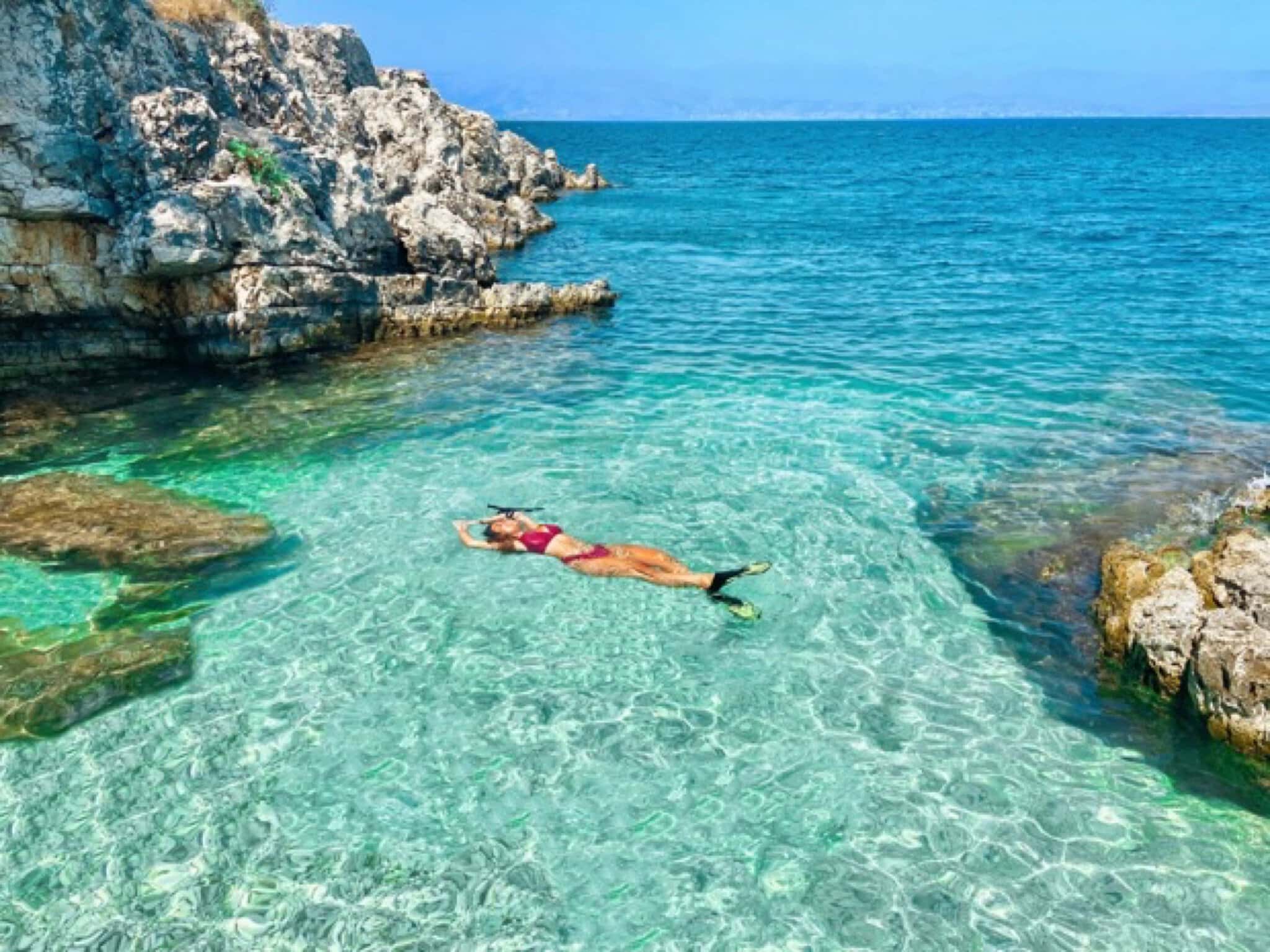
Normandy & Brittany Road Trip: 10-Day Itinerary

TL;DRTen days is enough to do a proper Normandy and Brittany road trip: start in Rouen, take in the cliffs at Étretat, then the D-Day beaches (Omaha Beach, Arromanches, Pointe du Hoc), Mont-Saint-Michel and Saint-Malo, before heading on to Cap Fréhel, the Pink Granite Coast near Perros-Guirec, Pointe du Raz, Carnac with its 3,000 standing stones, and finishing in Nantes. The whole route comes to roughly 1,200 to 1,400 kilometres, so it’s worth blocking out exactly 10 days and going in June or September. Budget €1,200–€1,500 per person, including accommodation and car hire, plus around €90–€110 in tolls and a Crit’Air sticker for just under five euros. Getting into Mont-Saint-Michel abbey costs €16 — just bear in mind that Normandy is hopelessly booked out in early June because of the D-Day anniversary.

Normandy and Brittany are nothing like the polished lavender fields and lazy rosé afternoons you might picture when you think of France. The northwest hits you with raw, windswept beauty from the moment you arrive. Expect endless clifftops, a churning ocean, and history that literally redrew the map of the world — this Normandy and Brittany road trip has it all.

Get ready for air thick with sea salt, fermenting apple cider, and that feeling of pure freedom behind the wheel. This road trip takes you from the beaches where the famous D-Day landings changed the course of history, all the way to mystical Celtic monuments at the very edge of the continent.

All you really need to pack is a waterproof jacket, a good mood, and an appetite for discovery. You’ll find yourself wandering into hidden corners that most tourists never bother to reach — and that’s exactly what makes this route so special.

TL;DR

  • Total distance: Roughly 1,200–1,400 kilometres depending on detours.
  • Ideal duration: Set aside exactly 10 days so you’re never rushing and can enjoy a slow coastal afternoon whenever the mood strikes.
  • Best time to go: June or September are the sweet spots — you’ll dodge the peak-summer crowds while still having a decent chance of good weather.
  • Highlights to look forward to: The chalk cliffs at Étretat, the island abbey of Mont-Saint-Michel, the mysterious standing stones at Carnac, and kilometre after kilometre of wild coastline.
  • Key tip: If you’re not specifically coming for the commemorations, avoid early June around the D-Day anniversary — hotels across Normandy sell out months in advance.
  • Budget: Prices have nudged up in 2026, so budget around €1,200–€1,500 per person for 10 days including accommodation and car hire.

When to go

Timing is everything on this road trip, because the weather in northern France follows its own unpredictable rules. Your best bet for comfortable temperatures is late May through mid-September, when the ocean takes the edge off the air. That said, Atlantic winds and sudden rain showers can catch you out even in the height of August. Locals say cheerfully that Brittany can have four seasons in a single day — and they’re not exaggerating.

If you’re travelling in 2026, be very careful around early June, when the grand commemorations for the 82nd anniversary of the D-Day landings take place. The main ceremonies fall between 5 and 7 June, bringing road closures, security checks, and fully booked hotels across the region. If you’re not specifically coming for the military history angle, give that particular weekend a wide berth. Another 2026 quirk: the Bayeux Tapestry is closed while its museum undergoes renovation and heads to an exhibition in London from September.

Autumn has its own moody charm in northern France, though the days shorten noticeably and many smaller businesses close up for the season. If dramatic scenery is your priority, March or late September are worth considering — these months bring the strongest tidal surges, when Mont-Saint-Michel becomes a truly water-encircled island.

Practical info: car hire, getting there, and budget

This itinerary is built around having a car — without one, reaching the best clifftops and deserted beaches would be a real struggle. You can pick up a hire car at Paris Charles de Gaulle or at Nantes Airport, both of which have good connections from UK airports. Ryanair, easyJet, and British Airways all fly from London to Paris, while Ryanair and Flybe serve Nantes from various UK regional airports. We’d always recommend choosing a smaller car — the narrow lanes lined with stone walls and the tight historic town centres are simply not designed for large SUVs. Bear in mind that French motorways use a toll system (péages), and on a route of this length you should budget around €90–€110 in tolls.

France has tightened up its low-emission zones (ZFE) in many larger cities, which is worth knowing even when driving a hire car. Foreign-registered vehicles — including hire cars — are subject to the mandatory Crit’Air environmental sticker, which you need to order online in advance for under €5. Getting caught driving into central Rouen or Nantes without one in 2026 carries an on-the-spot fine of €68. Parking in tourist centres can be a nightmare, so always look for large park-and-ride car parks on the outskirts and walk or take a shuttle from there.

For a rough budget guide for two people over 10 days in 2026: Normandy and Brittany are not cheap. A decent guesthouse or hotel room will run you €90–€130 per night. A set lunch menu (menu du jour) at an ordinary restaurant costs around €20–€25, and entry to major attractions is typically €10–€20. Coffee at the bar is about €2, but sit down on a seaside terrace and the price immediately doubles. All in, expect to spend around €1,500 per person if you want to eat well and not count every euro.

Day-by-day itinerary

This detailed plan is designed so you see the very best of both regions without ever feeling rushed — there’s always time for a slow coastal afternoon or a spontaneous roadside stop.

Day 1: Rouen and Impressionist Normandy

Your journey begins in historic Rouen, a city with a turbulent past and a stunning old quarter full of well-preserved half-timbered houses and crooked lanes. Make your way through the medieval centre to Place du Vieux-Marché, where Joan of Arc was burned at the stake in 1431. A striking modern church now stands on the spot, its roof designed to evoke leaping flames. The city buzzes with life, and charming little cafés seem to appear on every corner.

The morning’s unmissable sight, though, is the magnificent Notre-Dame Cathedral — a masterpiece of Flamboyant Gothic architecture whose elaborate western facade so captivated Claude Monet that he painted it more than thirty times in different lights and weather conditions. After exploring the city, get back in the car and head northwest towards the coast for your first encounter with the Atlantic. You’ll spend the afternoon at the famous chalk cliffs of Étretat.

Arriving at Étretat, you’re confronted with scenery shaped by wind and sea over millions of years — and it’s immediately clear why the Impressionists kept coming back. Walk up the clifftop path to the Falaise d’Aval for the iconic view of the natural arch and the needle of rock jutting from the waves. Late afternoon light turns everything golden, so leave yourself plenty of time to take it all in. You’ll spend around two hours driving today, covering roughly 100 kilometres.

💡 Tip: Head to one of Rouen’s bistros for lunch and try a leek and Neufchâtel cheese quiche — the local soft cheese melts beautifully in the pastry. Those who enjoy meat will find traditional duck dishes a constant feature on menus throughout Normandy.

We recommend staying overnight in the nearby picture-postcard harbour of Honfleur, where Booking.com turns up plenty of romantic little rooms overlooking the water. An evening stroll around the illuminated harbour basin is absolutely magical.

Day 2: Honfleur and the D-Day beaches

Waking up in Honfleur — arguably the most photogenic harbour town in all of France — you’ll immediately understand the fuss. Its heart is the Vieux Bassin, the old harbour basin ringed by tall slate-fronted houses that mirror themselves in the still water below. Make time for the unique Sainte-Catherine church, built by local shipwrights after the Hundred Years’ War, its wooden ceiling looking exactly like two upturned boat hulls.

Around midday, cross the sweeping Pont de Normandie bridge and head into the Calvados region, where world history was written more than eighty years ago. Your first stop on the D-Day beaches will be the British sector at Gold Beach near Arromanches-les-Bains. Enormous concrete blocks still protrude from the sea here — the remains of the Mulberry Harbour, without which Allied supply lines could never have been sustained. The local museum, which you can book in advance through GetYourGuide, brings this feat of wartime engineering to vivid life.

Continue west along the coast as the landscape opens up to the Atlantic winds. Stop at the German artillery battery at Longues-sur-Mer, one of the few places where original guns still sit inside their massive concrete casemates. You’ll cover around 120 kilometres today, but expect to stop constantly at memorials and information boards along the way.

💡 Tip: For dinner in Bayeux, seek out a traditional crêperie and order a buckwheat galette filled with Camembert and caramelised apples — then wash it down with a bowl of crisp, dry local cider. It’s a combination that sums up Normandy on a plate.

The ideal base for tonight is historic Bayeux, which miraculously escaped wartime bombing. Booking.com has a good selection of small family-run guesthouses tucked into stone lanes near the majestic Gothic cathedral.

Day 3: The American Cemetery and on to Mont-Saint-Michel

This will be the most emotionally powerful day of the entire trip. You’ll head into the American sector of the D-Day beaches, starting at Omaha Beach itself, which today feels almost impossibly peaceful given that it witnessed the bloodiest fighting of 6 June 1944. On the bluffs directly above at Colleville-sur-Mer, the American military cemetery stretches across immaculate green lawns with 9,387 gleaming white crosses and Stars of David.

A short drive west brings you to the dramatic headland of Pointe du Hoc, one of the most striking spots on the entire coast. The ground here is still cratered from the heavy naval bombardment, and it was these sheer thirty-metre cliffs that US Army Rangers had to scale under constant fire. The bunkers lie broken exactly as the battle left them, slowly being reclaimed by nature.

After lunch, you leave the D-Day zone and head roughly two hours southwest, watching the landscape gradually shift. Today’s drive of around 140 kilometres takes you all the way to the border between Normandy and Brittany. Along the way, enjoy the views of narrow country lanes lined with typical bocage hedgerows and old apple orchards.

💡 Tip: If you need something to eat on the road, stop at a village bakery and pick up a fresh crusty baguette, a wedge of Pont-l’Évêque cheese, and some tomatoes for the perfect roadside picnic. It’s simple, utterly French, and costs almost nothing.

Stay overnight in one of the smaller villages near Mont-Saint-Michel bay, such as Beauvoir. Booking.com lists plenty of converted farmhouse guesthouses here, from which the abbey is only a few minutes’ drive in the morning.

Day 4: Mont-Saint-Michel and corsair Saint-Malo

Set your alarm early, because today you’re visiting the place the French often call the eighth wonder of the world. The Gothic abbey of Mont-Saint-Michel rises from its treacherous bay like something out of a dream, drawing millions of visitors every year. To get ahead of the crowds, leave your car in the vast car park before 9am and hop on the free shuttle bus that drops you at the foot of the mount.

Admission to the abbey at the summit costs €16 in 2026, and the route up winds through a narrow, steep lane of stone steps. You’ll work up a sweat, but the views across the bay — where the tide retreats for kilometres — make every step worthwhile. ⚠️ One important note for summer 2026: the abbey is reportedly due to close temporarily from 1 June for operational reasons, so do check the official website before you go.

After lunch, cross into Brittany and make for Saint-Malo, the famous home of privateers and corsairs, surrounded by massive granite ramparts. Walking the walls (Les Remparts) is an absolute must — on one side you look down into the narrow streets of the old town, on the other straight out over the churning Atlantic. At low tide, you can walk across the sand to the small island of Grand Bé, but keep a very close eye on the time: the sea comes back fast. Today’s drive is a gentle 60 kilometres or so.

💡 Tip: Find a small restaurant inside the ramparts and try the classic moules-frites — enormous pots of mussels steamed in white wine, served with a heap of chips. It’s the iconic dish of the northern French coast, and in Saint-Malo it doesn’t get better.

For tonight, stay inside the walls of Saint-Malo itself — the atmosphere after dark is completely unique. Booking.com has a range of boutique hotels in historic buildings, some just seconds from the sea wall.

Day 5: Oysters at Cancale and medieval Dinan

Start the morning with a short drive to Cancale, a small harbour town that proudly bills itself as the oyster capital of France. Even if seafood isn’t your thing, the quayside market (Marché aux Huîtres) is a brilliant spectacle — you’ll see vast nets and oyster beds stretching far out to sea. The sight of locals perching on stone walls, cracking oysters open and tossing the shells straight onto the beach below, is gloriously authentic.

From Cancale, follow the coast road to Cap Fréhel, where the wind genuinely tries to knock you off your feet. These sheer pink sandstone cliffs plunge seventy metres into the swirling Atlantic, and beautiful purple heathland stretches back from the lighthouse. Nearby, the medieval Fort la Latte sits perched on its own rock stack — it looks straight out of a film set and is well worth a closer look.

In the afternoon, head a little inland to Dinan, one of the most beautiful medieval towns in all of Brittany. It escaped serious wartime damage and retains its original character in a way few towns in the region can match. Wander the winding streets of half-timbered houses and make your way down the steep Rue du Jerzual to the pretty River Rance below. Today’s driving totals a relaxed 80 kilometres.

💡 Tip: In Dinan, duck into a side-street restaurant and try a buckwheat galette filled with mushrooms and vegetables — hearty, warming food after a blustery day on the cliffs. Those who prefer meat will find traditional pork sausages, fragrant and perfectly cooked, all over the town.

Staying in Dinan is noticeably quieter and often better value than the coast. Through Booking.com you can book a room in an old half-timbered house with creaking stairs and an atmosphere you simply won’t find in a chain hotel.

lukas a lucka
Lukáš and Lucie recommend
Where to Stay in Normandy and Brittany
4 accommodations — hotels and other lodging options

Day 6: The Pink Granite Coast

This morning you’ll drive west to discover one of northern Brittany’s geological wonders. The Côte de Granit Rose — the Pink Granite Coast — runs through the villages of Perros-Guirec and Ploumanac’h, where the shoreline is strewn with enormous boulders of an extraordinary rosy hue. This geological oddity occurs in only three places on Earth, making it an absolute magnet for photographers.

The best way to soak it all up is to walk the Customs Officers’ Path (Sentier des Douaniers), a trail that winds right between the boulders along the water’s edge. Wind and sea have sculpted the rocks into the most fantastical shapes over millions of years — with a little imagination you’ll spot a sleeping tortoise, Napoleon’s hat, and much more besides. The path is manageable for anyone of reasonable fitness, but arrive early as the car parks near the lighthouse fill up fast.

In the afternoon, you can either relax on one of the hidden sandy beaches tucked between the rocks, or take a boat trip around the Sept-Îles seabird reserve just offshore. Various cruises in this area are easy to book in advance through GetYourGuide. Today’s drive is a longer one — around two and a half hours covering roughly 140 kilometres.

💡 Tip: Treat yourself to a crêpe with salted caramel — Brittany’s signature sweet, perfected here — alongside your afternoon coffee. Local fishermen’s taverns serve freshly caught lobster and crab with homemade mayonnaise in the evenings, which is as good as it sounds.

Stay the night in Perros-Guirec or nearby Ploumanac’h. Booking.com has modern apartments with sea views where you can watch the setting sun turn the granite boulders a deep, glowing copper.

Day 7: Wild Finistère and Pointe du Raz

Today you drive to the very end of the world — or at least to the département of Finistère, whose name comes from the Latin Finis Terrae. This is France’s westernmost point, defined by its wildness and its fierce Celtic identity. You’ll pass across rough heathland, past ancient stone churches, and feel the wind building steadily as you head west.

Your destination is Pointe du Raz, a jagged headland that thrusts deep into the restless Atlantic. Standing here, you feel genuinely small — waves crash into the cliffs with such force you can feel the ground tremble beneath you. Out to sea, the lonely Vieille lighthouse stands defiantly on a bare rock against the elements. The whole area around the headland has been beautifully restored: the commercial sprawl was cleared away years ago and nature has reclaimed the landscape.

After your windswept clifftop experience, warm up in the visitor centre and then begin a long, scenic drive south. Today is the biggest driving day of the trip — around 160 kilometres — but the views of wild ocean scenery keep it from feeling like a slog.

💡 Tip: Stop at a village bakery and pick up a slice of Kouign-amann — a gloriously indulgent Breton cake made with layers of buttery pastry and caramelised sugar, best eaten while still warm. It’s a revelation.

For tonight, choose the regional capital Quimper as your base. Booking.com offers great value here, and you’ll have the evening to stroll through the beautifully lit old centre with its many bridges crossing the River Odet.

Day 8: Quimper and walled Concarneau

Spend the morning exploring Quimper, which is full of narrow streets and shops selling the town’s famous blue-and-yellow decorated pottery. The Gothic Cathédrale Saint-Corentin dominates the skyline and hides a fascinating architectural quirk — its nave is slightly bent, traditionally said to represent Christ’s head inclined on the cross. After the rugged drama of the previous days, Quimper feels calm and quietly elegant.

Around midday, head down to the south coast and the nearby town of Concarneau. Its main draw is the Ville Close — a fortified old town sitting on a small island in the middle of a large working harbour. You enter across a massive stone bridge over a moat and find yourself in a world of little shops, crêperies, and well-preserved medieval ramparts.

Walking the ramparts gives you great views over the fleet of fishing boats and across the bay. In the afternoon, it’s back in the car heading east along the coast towards the Gulf of Morbihan. Today’s drive is a gentle 110 kilometres on comfortable dual carriageways.

💡 Tip: In the Ville Close, seek out a quiet corner restaurant and try moules marinières — mussels steamed in white wine and garlic — served in a bucket with crusty bread. Seafood lovers are truly in their element here, with restaurants offering enormous sharing platters of prawns, crab, langoustines, and oysters.

Use Vannes as your base for the next couple of nights. Booking.com makes it easy to find a cosy hotel in the medieval centre or close to the lively harbour promenade.

Day 9: Gulf of Morbihan and mysterious Carnac

Southern Brittany has a noticeably milder climate, and today’s itinerary reflects that gentler mood. Your first stop is Carnac, home to the world’s largest concentration of megalithic monuments. More than 3,000 standing stones (menhirs) are arranged in long parallel rows here, dating back over 6,000 years. Nobody knows for certain why they were put here — and that lingering mystery gives the place an extraordinary, otherworldly atmosphere.

⚠️ Since 2025, Carnac has been inscribed as a UNESCO World Heritage Site and strict new visitor rules apply. From April to September, walking freely among the stones is prohibited — access is only possible on guided tours. You can always see them from outside the fence, but booking a guided visit is well worth it for the full experience. In winter, access is considerably more relaxed.

In the afternoon, head back to Vannes and explore the Golfe du Morbihan — which means “little sea” in Breton. It’s a huge semi-enclosed gulf dotted with dozens of small pine-covered islands. Hop on a cruise boat from the harbour and see the quieter, more poetic side of Brittany from the water. Today is an easy day with only around 60 kilometres of driving, so leave plenty of time to simply relax.

💡 Tip: On the Vannes waterfront, try a salad with warm grilled goat’s cheese on a croûton, drizzled with honey and scattered with walnuts. Light, fresh, and perfectly French — exactly what you need after two weeks of buttery Breton pastry.

Stay a second night in your Vannes base — no need to pack and move. Use the free time for an evening walk along the intact medieval ramparts and the beautifully tended French gardens just outside the walls.

Day 10: The final leg through Nantes

The road trip is drawing to a close, and your last day takes you southeast towards home. From Vannes, jump on the motorway and after about an hour and a half you’ll roll into vibrant, creative Nantes — a city that was historically part of Brittany, even though it now sits in a neighbouring administrative region. Its energy feels completely different from anything you’ve seen on the coast: industrial, artsy, and full of surprises.

The one thing you absolutely cannot miss here is the extraordinary Les Machines de l’île project, installed in the city’s former shipyards. Artists have created enormous mechanical creatures inspired by Jules Verne’s novels — the star of the show is a twelve-metre-tall mechanical elephant that lumbers along the waterfront spraying water on delighted onlookers. You can book a ride through GetYourGuide in advance.

In the afternoon, stroll over to the imposing Château des Ducs de Bretagne — the fortress of the Dukes of Brittany — which makes a striking contrast against the modern city skyline. And with that, your 10-day circuit is complete. From Nantes you can fly back to the UK directly, or return your hire car and jump on a high-speed TGV train to Paris for onward connections. Today’s final driving total is around 120 kilometres.

💡 Tip: Round off your trip in a relaxed bistro with whatever looks good — you’ve earned it. Nantes has an excellent food scene beyond the tourist trail, so ask a local for their recommendation rather than heading for the most obvious spot near the château.

If you’re flying home the following morning, book a hotel near Nantes city centre or the train station through Booking.com — transport links to the airport and to Paris are excellent from here.

Where to stay along the route

💡 Accommodation & activities tip: We always search for accommodation on Booking.com — the cancellation policies are hard to beat. For tours, tickets, and activities, it’s worth comparing options on GetYourGuide.

On a road trip like this, we recommend keeping the same base for two to three nights at a time — it means less packing and unpacking, without forcing you to make long daily drives back to your hotel. The best strategic bases are historic Bayeux, corsair Saint-Malo, coastal Perros-Guirec, and medieval Vannes. Guesthouses and chambres d’hôtes are almost always better value — and far more atmospheric — than big hotel chains.

  • Bayeux: The ideal base for the D-Day area. The family-run Hotel d’Argouges occupies a beautiful 18th-century townhouse and offers genuine tranquillity right in the centre.
  • Saint-Malo: For the full corsair experience, try Hotel La Cité, which sits inside the massive ramparts just a short walk from the crashing waves.
  • Vannes: A short stroll from the harbour and historic gardens, Kyriad Vannes Centre-Ville offers clean, comfortable rooms with easy parking — a real bonus when you’re on a road trip.

Where to go next

If you have extra time or want to extend your French adventure, here are some of our other guides to help you plan your next epic journey:

Frequently asked questions

Can I manage this road trip without a rental car?

France does have a great high-speed train network, but it only connects the big cities like Rouen, Rennes, or Nantes. Without a car you’ll find it very hard to reach the cliffs, the landing beaches, and the small Breton villages, because the local buses run infrequently and often don’t connect with each other at all. If you really don’t want to drive, you’ll have to rely on expensive organised tours from the major centres.

Is the weather in Brittany really always so bad?

The weather in the northwest of France is extremely changeable due to the influence of the Atlantic, so yes, it can rain even in August. But these aren’t persistent downpours, more like quick showers that are immediately followed by bright sunshine. All you need is to dress in layers, keep a good waterproof jacket handy, and take the strong wind as part of the local rugged character.

What about the crowds at the World War II memorials?

During the summer holidays, and especially at the beginning of June when the annual D-Day commemorations take place, there’s a huge influx of tourists and veterans on Omaha and Utah beaches. If you want to experience a quiet and solemn atmosphere at the American cemetery without the crush, plan your visit for September or October instead, once the biggest tourist fever has subsided.

Do I have to pay for a guide in Carnac?

Since 2025, when the Carnac menhirs were added to the UNESCO list, the rules for their protection have been tightened. In high season, from April to September, you can only get in among the stones with a paid guide, so as not to damage the monument. But you can view and photograph them from behind the low fence free of charge all year round.

Where can I best taste real French cidre?

You’ll find cidre absolutely everywhere in the north of France, from luxury restaurants to the most out-of-the-way crêperies. You’ll get the most authentic experience in the local crêperies, where the sparkling drink is served to you in traditional ceramic bowls (bolées). Don’t be afraid to also try the dry variety (brut), which goes brilliantly with hearty savoury galettes.

Will all the attractions be open in autumn too?

While the large museums and cathedrals stay open year-round, a lot of the smaller restaurants and attractions on the coast close after 30 September. Also be prepared for the opening hours of castles and visitor centres to be significantly shortened. On the upside, you’ll often have the cliffs and beaches all to yourself.

How much are tolls on French motorways?

The toll-gate system (péages) is very widespread in France and fairly costly. On a route over a thousand kilometres long, reckon on spending around 90 to 110 euros on fees alone. In Brittany itself, however, the situation is more pleasant, because most of the express roads there are completely free for passenger cars, which gives your budget a bit of a break.

Where do I arrange the environmental Crit’Air sticker?

You have to order the sticker exclusively in advance on the official French government website, even for a car with Czech licence plates. It costs just under five euros and arrives in the post at your home within roughly two weeks. Without it, you risk hefty fines when entering the low-emission zones in Rouen or around Nantes.

Tips and Tricks for Your Vacation

Don’t Overpay for Flights

Search for flights on Kayak. It’s our favorite search engine because it scans the websites of all airlines and always finds the cheapest connection.

Book Your Accommodation Smartly

The best experiences we’ve had when looking for accommodation (from Alaska to Morocco) are with Booking.com, where hotels, apartments, and entire houses are usually the cheapest and most widely available.

Don’t Forget Travel Insurance

Good travel insurance will protect you against illness, accidents, theft, or flight cancellations. We’ve had a few hospital visits abroad, so we know how important it is to have proper insurance arranged.

Where we insure ourselves: SafetyWing (best for everyone) and TrueTraveller (for extra-long trips).

Why don’t we recommend any Czech insurance company? Because they have too many restrictions. They set limits on the number of days abroad, travel insurance via a credit card often requires you to pay medical expenses only with that card, and they frequently limit the number of returns to the Czech Republic.

Find the Best Experiences

Get Your Guide is a huge online marketplace where you can book guided walks, trips, skip-the-line tickets, tours, and much more. We always find some extra fun there!
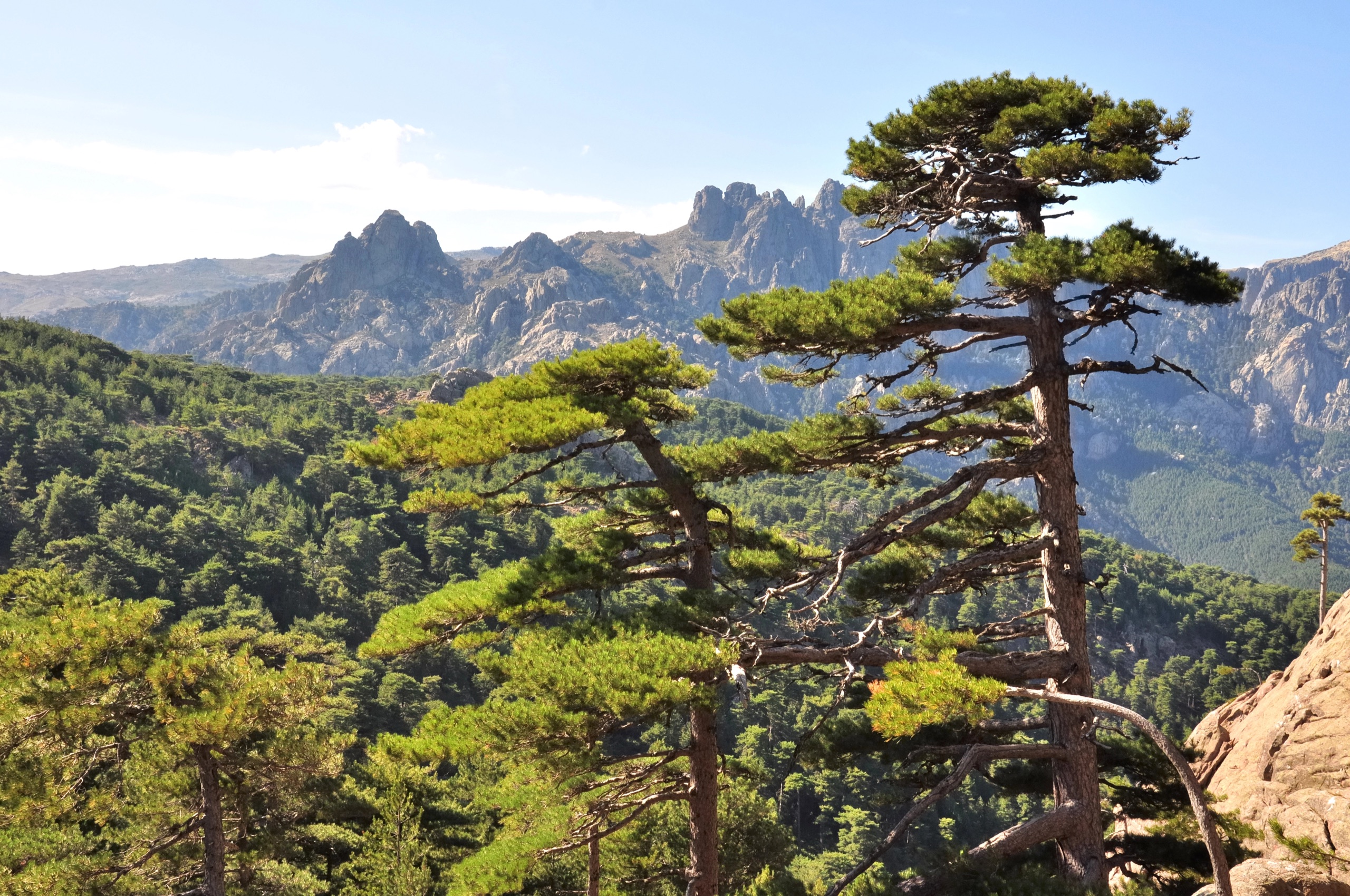
Normandy, France: 15 Best Things to See and Do in 2026

TL;DRNormandy in 2026 comes with 15 key tips, and a few really stand out: Mont-Saint-Michel, with its abbey perched on a granite island (admission €16 in high season, €13 in winter), the D-Day beaches like Omaha Beach with its American Cemetery (9,387 crosses) and Pointe du Hoc, plus the chalk cliffs at Étretat and Monet’s garden at Giverny, marking the centenary of his death. Late spring and summer, with temperatures of 20–25°C, are the best time to go, though it’s worth steering clear of the period around 6 June given the 82nd anniversary of D-Day and the huge crowds it brings. Historic Bayeux makes a good base for the western coast, while Honfleur or Rouen work well for the cliffs in the east. The famous Bayeux Tapestry will be on display in London from autumn 2026 through summer 2027, so you won’t be able to see it in Normandy itself.

Normandy, France will grab you from the very first breath — and you’ll quickly realise this is no ordinary holiday destination. Forget lazy afternoons under a parasol like you’d have on the Riviera. This is a place you come to for raw, elemental beauty and history that literally changed the map of the world. Think jagged chalk cliffs, endless wind-swept beaches, and medieval alleyways where the past feels close enough to touch.

The air smells of salt, seaweed and fermenting apple juice drifting from orchards across the countryside. You’ll wake to seagulls and fall asleep feeling like you’ve experienced something genuinely unforgettable. Whether you’re standing open-mouthed beneath the granite walls of an abbey rising from the tidal flats, or quietly moved by the lily pond that inspired Claude Monet himself, this region has a way of getting completely under your skin.

In this guide you’ll find 15 things to see and do in Normandy to help you plan the perfect trip. I’ll tell you where to base yourself, how to get around the coast, and what to watch out for in 2026 — a year packed with major anniversaries and changes across the whole of northern France.

TL;DR

  • Mont-Saint-Michel and extreme tides: The famous abbey will experience exceptionally powerful spring tides in March and September 2026. Book tickets online and arrive before 10am.
  • D-Day anniversary crowds in 2026: Around 6 June, expect huge crowds for the 82nd anniversary of D-Day. If you’re not specifically there for the commemorations, avoid those dates.
  • Bayeux Tapestry is leaving Normandy: The famous embroidery will be on loan in London from autumn 2026 until summer 2027 while the museum undergoes renovation — you won’t see it in Normandy during that time.
  • Monet centenary: 2026 marks 100 years since Claude Monet’s death. Expect enormous demand for tickets to the gardens at Giverny.
  • You really need a car: Public transport along the coast is very limited. A hire car is essentially essential for comfortably exploring the beaches and countryside.
  • A cheese-lover’s paradise: Local food revolves around butter, cream and four iconic protected cheeses — vegetarians will be very well looked after here.

When to Visit Normandy

Weather in northern France is famously unpredictable — you need to be ready for blazing sunshine, strong wind and heavy rain all within the same hour. Late spring and summer are the best times to visit, with temperatures settling around a pleasant 20–25°C. Even in July and August, pack a decent waterproof jacket and sturdy footwear — the Atlantic wind on the cliffs can be bitterly cold, and this is definitely not a destination you’ll cover entirely in sandals.

2026 is a particularly significant year that demands careful advance planning. Early June marks the 82nd anniversary of the D-Day landings, which means the entire Calvados coast will be extraordinarily busy between 5 and 7 June. Accommodation disappears up to a year ahead, and you can expect major road closures, tight security and the presence of international dignitaries. The D-Day Festival itself runs from 30 May to 14 June 2026, so memorial events will be everywhere. If you want to explore the history without the crowds and traffic queues, come in May or wait for a quieter September instead.

The other huge draw of 2026 is the centenary of Impressionist painter Claude Monet’s death. As part of the major Normandie Impressionniste festival, over a hundred special exhibitions and cultural events are planned right across the region. Places like Giverny, Rouen and the cliffs at Étretat will see unprecedented numbers of art lovers from around the world. Book all museum and garden tickets online well before you travel, keep a close eye on opening times at the Monet gardens, and brace yourself for queues at the big-name sights. The silver lining? Turn down a country lane and you’ll have the hedgerow-lined bocage almost entirely to yourself.

Where to Stay in Normandy

💡 Accommodation tip: We always search for places to stay on Booking.com for the best cancellation policies. For tours, activities and attraction tickets, it’s worth comparing options on GetYourGuide.

Choosing the right base is absolutely crucial in a region this large — driving from one end to the other eats up hours you’d rather spend sightseeing. The smartest strategy is to split your stay into two separate bases, one for the D-Day beaches in the west and one for the Impressionist towns and chalk cliffs in the east. Book well in advance through Booking.com, especially if you’re travelling in summer — and particularly in the event-heavy year of 2026.

For the western half and the D-Day beaches, the historic town of Bayeux is an almost perfect base. It miraculously escaped wartime bombing, has a beautiful medieval centre full of excellent restaurants, and every major landing beach is within a 30-minute drive. Comfortable central options include the popular Hotel Churchill right in the heart of town, or the rather more luxurious Villa Lara if you fancy a real treat with stunning views of the cathedral. The added bonus of staying in Bayeux is that you don’t need to travel far for excellent Norman food after a full day out on the coast.

For the eastern part of the region and the famous chalk cliffs, the picturesque harbour of Honfleur or the larger historic city of Rouen both work brilliantly. Honfleur is deeply romantic — evening strolls around the old harbour basin are simply lovely — and the Hotel Le Dauphin is a reliable choice there. Rouen, meanwhile, offers the buzz of a proper city and easy train connections to Giverny. A superb option here is the stylish Hotel de Bourgtheroulde, housed in a historic building right in the heart of the city near the spot where Joan of Arc was burned at the stake. Whatever you choose, remember that public transport between smaller villages is very limited — a hire car will give you the freedom to beat the crowds with early morning starts.

15 Best Things to See and Do in Normandy, France

Let’s get into the best this northern French region has to offer. You’ll find a brilliant mix of jaw-dropping scenery, deep history and outstanding food — there’s genuinely something here for every kind of traveller.

1. Mont-Saint-Michel and Its Treacherous Tides

You’ve seen it in a thousand photographs and documentaries, yet when you finally stand in front of it, your jaw still drops. The granite island crowned by its imposing Gothic abbey rises from the flat, deceptively dangerous bay like something from a dream — and the French aren’t wrong to call it the eighth wonder of the world. To reach the monastery at the very top, you pass through the narrow Grande Rue lined with old stone houses and then climb around 350 steep steps. Don’t expect a lift — it’s a proper workout, but the panoramic views from the top make every step worthwhile.

Abbey admission in 2026 is €16 in the main summer season and €13 in winter months, with free entry for EU citizens under 25. Arrival logistics are strictly managed — you cannot drive to the island itself. Cars must be left in the large central car park on the mainland about 2.5 km away, which costs around €14.20 for 24 hours. A free shuttle bus then whisks you across the new bridge to the island in about twelve minutes. If you’re planning a visit in early summer, be aware that the abbey is expected to close temporarily from 1 June 2026 for technical reasons — check the official website to confirm before you go.

💡 Tip: The bay is famous for having the highest tidal range in Europe, and March and September 2026 will see exceptionally powerful spring tides. Never venture out into the bay around the island without a certified local guide — the quicksand and rapidly rising water have claimed lives. As for food on the mount itself, the legendary La Mère Poulard restaurant and its famous omelettes are atmospheric but wildly overpriced; eat at leisure on the mainland instead. For more practical tips, see our dedicated guide to Mont-Saint-Michel.

2. Omaha Beach and the American Cemetery

For most visitors, Omaha Beach is the single most powerful place on the entire Normandy coast — a name synonymous with the bloodiest fighting of the Second World War. Today it looks like a wide, peaceful stretch of sand, but one glance at the steep bluffs looming above it and you instantly understand the deadly trap that faced the American soldiers who landed here in June 1944. The atmosphere is extraordinarily quiet and dignified, and very few people manage to leave without being moved.

Directly above the beach at Colleville-sur-Mer lies the Normandy American Cemetery, which is free to visit year-round. On its immaculately kept emerald lawn stand exactly 9,387 gleaming white marble crosses and Stars of David, every one of them facing west — symbolically towards home. Walking slowly among those graves with the sound of the sea below is an experience that stays with you long after you’ve left, and gives the whole history a profound emotional weight.

If you’re visiting in 2026, mark 6 June in your diary. The main commemoration ceremony takes place at 11:00 to mark the 82nd anniversary of the landings, with notable guests expected. If you want to explore the British and Canadian sectors too, set aside a minimum of two full days for this area. Check our detailed guide to the D-Day Beaches for maps and museum recommendations.

3. Pointe du Hoc and Its Shattered Cliffs

A short drive west of Omaha, you’ll find a place that looks brutally, almost shockingly raw — as if the war ended only yesterday. Pointe du Hoc is a headland literally torn apart by massive naval bombardment, and it’s arguably the most viscerally affecting battlefield you can visit on the entire Norman coast. The concrete bunkers still lie cracked and broken exactly where the battle left them, and the sheer scale of the craters is genuinely haunting.

It was these sheer, thirty-metre chalk cliffs that American Rangers had to scale under heavy enemy fire to knock out the German guns threatening the landing beaches. You can walk freely among the craters and peer into the ruined bunkers, which gives you a vivid sense of just how extraordinary and costly the whole operation was. A special commemorative event is planned here on 5 June 2026 at 14:00. Do dress very warmly — this exposed headland is battered by fierce, icy wind at virtually any time of year.

4. Arromanches and the Remains of the Mulberry Harbour

In the British Gold Beach sector, don’t miss the seaside town of Arromanches-les-Bains, whose waves conceal one of the most remarkable feats of wartime engineering. Enormous concrete caissons still jut from the sea, looking from a distance like strange forgotten sculptures. These are the preserved remains of the Mulberry harbour — an artificial port that the Allies assembled in just a matter of days after the landings to keep their forces supplied.

This prefabricated harbour was absolutely vital to the Allied advance, since all the major French ports were heavily defended and mined by the enemy. On the beach you’ll find the excellent Musée du Débarquement, which uses superb scale models to explain how these giant concrete structures were towed across the Channel and how the whole remarkable system worked in practice. For anyone interested in engineering, logistics or military history beyond just the fighting, this is unmissable — and a great complement to the more battle-focused museums nearby.

5. Bayeux — Without the Famous Tapestry

Bayeux is a wonderfully pretty town with a genuine medieval atmosphere, cobbled streets and a magnificent Gothic cathedral well worth lingering over. It was the first major town liberated by the Allies in 1944, and it miraculously escaped the devastating bombing that flattened much of the surrounding area — meaning its half-timbered buildings survived largely intact. The evenings here are lively and the local bistros serve outstanding regional cooking, so it’s a great spot to wind down after a day on the coast.

💡 Tip: The town is world-famous for its extraordinary 70-metre-long 11th-century tapestry depicting the story of William the Conqueror. In 2026, however, the Bayeux Tapestry won’t actually be in Bayeux — and for British visitors, that’s actually rather exciting news. The museum closed in September 2025 for an extensive two-year renovation, and the precious embroidery is heading to London: it will be on display at the British Museum from 10 September 2026 to 11 July 2027 before returning to Normandy in autumn 2027. Even without the tapestry, Bayeux remains the best and most practical base for exploring the D-Day coast.

6. The Chalk Cliffs at Étretat

If you want the most spectacular natural scenery on the entire coast, a day trip to Étretat is non-negotiable. Here the sea and wind have sculpted the chalk into dramatic arches and needles that genuinely take your breath away. The white rock against the deep green water is extraordinary, and Claude Monet was so captivated by this place that he painted its cliffs around fifty times, in every weather and every light.

Steep but well-maintained paths climb from both ends of the main shingle beach up to the cliff tops. The views from up there are absolutely stunning — but please be careful near the edges. There are no safety railings, and the chalk can crumble underfoot without warning. The village itself is charming, but parking in summer is a complete nightmare. Either arrive very early in the morning or leave the car at one of the overflow car parks on the edge of town and walk in. If this photogenic spot is on your list, have a read of our dedicated guide to Étretat.

lukas a lucka
Lukáš and Lucie recommend
Where to Stay in Normandy
5 accommodations — hotels, wellness hotels and other lodging options

7. The Painters’ Harbour of Honfleur

Honfleur is quite possibly the most photogenic and romantic harbour town in all of France, and its streets have a way of making you fall in love instantly. At its heart is the Vieux Bassin — a perfectly rectangular old harbour basin enclosed by tall, slate-fronted houses that reflect perfectly in the still water among luxury yachts and traditional wooden sailing boats.

It was here, at the nearby Auberge Saint-Siméon, that great painters including Eugène Boudin, Gustave Courbet and Johan Barthold Jongkind used to gather — making it effectively the birthplace of the first Impressionist school of plein-air painting, drawn by the town’s extraordinary, constantly shifting light. Beyond the harbour, don’t miss the remarkable timber church of Sainte-Catherine, built by skilled ship’s carpenters after the Hundred Years’ War, with a unique ceiling that looks exactly like two upturned boat hulls. Honfleur has a gently melancholy charm that gets under your skin almost immediately.

8. Historic Rouen and Joan of Arc

Rouen is Normandy’s proud historic capital, and a city with an extraordinarily rich — and at times brutal — past that you feel at every turn. Walk through the old centre’s wonderfully crooked half-timbered streets and you’ll soon arrive at the wide Place du Vieux-Marché. This is where Joan of Arc was burned at the stake in 1431, and today it’s marked by a striking modern church whose asymmetrical roof is designed to evoke leaping flames.

The city’s undisputed showpiece, though, is the breathtaking Notre-Dame Cathedral — a masterpiece of Flamboyant Gothic architecture of extraordinary intricacy. In the late 19th century, Monet rented a modest room directly opposite the cathedral and produced his celebrated series of 31 paintings of its façade at different times of day, from early morning mist to blazing midday sun. If you want to see a superb collection of Impressionist paintings in person, the Musée des Beaux-Arts here is one of the finest outside Paris.

9. Monet’s Garden at Giverny and the Centenary

Although little Giverny sits right on the edge of the region, it belongs culturally and emotionally to Normandy — and you absolutely cannot skip it. This is where Claude Monet spent the second half of his life and created his greatest masterpiece: a living, ever-changing garden. The estate is split between the formal flower beds of the Clos Normand and the famous Water Garden, where you’ll find the wisteria-draped Japanese bridge and the tranquil lily pond that inspired those enormous, iconic canvases.

💡 Tip: 2026 marks exactly 100 years since Monet’s death, and visitor numbers are expected to be enormous. The gardens are open daily from 10:00 to 18:00 between 1 April and 1 November. The golden rule is: book your ticket online in advance and be at the gate at 10am sharp — or arrive very late in the afternoon. Either way, you’ll dodge the coach-loads from Paris that clog the narrow paths around the pond around midday. For more tips, see our guide to Giverny.

10. Belle Époque Glamour in Deauville and Trouville

When you need a break from heavy wartime history and medieval monuments, head to the twin resort towns of Deauville and Trouville to recharge. Deauville is the ultimate symbol of French chic — home to the famous Les Planches boardwalk with its film-star nameplates, colourful beach cabins lined up on perfectly clean sand, and a grand historic casino. It’s a wonderful place to people-watch, admire the elegant architecture and soak up an atmosphere of very polished luxury.

Just across the river, neighbouring Trouville is a world apart — far more relaxed and still carrying the character of a traditional fishing village. Head to the covered fish market, which is a listed historic monument in its own right, and take in the extraordinary sight of the stalls piled high with fresh oysters and seafood, shucked right in front of you. These two towns make a perfect and entertaining contrast, and visiting both in a single easy afternoon is absolutely doable.

11. Mémorial de Caen for the Full Picture

If you want to truly understand the full context of the Second World War — from its origins through to the tense Cold War that followed — make the trip to the city of Caen. The Mémorial de Caen is the largest WWII museum in France, and its carefully curated exhibitions are genuinely gripping. The building is enormous, highly interactive and emotionally quite demanding, so be prepared for a powerful experience.

The whole striking modern building stands symbolically on the site of the former underground command bunker of German General Wilhelm Richter. Allow at least half a day for a thorough visit — there is an enormous amount here, including authentic wartime footage of the landings and a deeply moving section dedicated to the thousands of Norman civilians who lost their lives during the long months of liberation.

12. Apple Orchards and the Route du Cidre

Forget the wine and the vineyards — in this lush, green region, apples rule supreme. Normandy’s orchards produce what is genuinely some of the finest cider in the world: not the overly sweet fizzy stuff from a supermarket shelf, but a properly crafted, lightly sparkling and subtly alcoholic drink with real depth of flavour. You can choose between the sweeter doux style or the drier brut, which pairs beautifully with food.

If you want to go deeper into the local apple culture, drive the scenic Route du Cidre through the Pays d’Auge, east of Caen. This well-signposted route winds through peaceful countryside past gorgeous half-timbered farms where you can taste not just cider but also Calvados — the region’s celebrated apple brandy — straight from friendly local producers. A beloved local tradition is le trou normand: a small shot of Calvados served mid-meal to “make room” for the next course. Another excellent option is Pommeau, a delicious sweeter blend of fresh apple juice and aged Calvados, best served chilled as an aperitif.

13. Tasting the Four Iconic Cheeses

For vegetarians, Normandy is a genuine gastronomic paradise — the local cuisine isn’t just built around seafood, but above all around rich salted butter and some of the finest cheeses on earth. The cows here graze on grass seasoned by salt-laden sea breezes, which gives the local milk a completely unique and unmistakable character. Order a cheese board in any restaurant and work your way through all four local treasures, each with protected designation of origin status.

The undisputed king is Camembert de Normandie made from raw milk — creamy, complex and utterly unlike the supermarket version. Alongside it, try the square and pungently aromatic Pont-l’Évêque, the round Livarot bound with its distinctive reed strips, and the heart-shaped Neufchâtel, which has been made this way for centuries. One important note: lunch in French bistros is served strictly between midday and 2pm. Arrive after that and your salvation will be a fresh baguette from the local bakery, ideally filled with — you guessed it — more cheese, or a buckwheat galette generously stuffed with it.

14. The Alabaster Coast Away from the Crowds

While famous Étretat heaves with visitors in summer, the rest of the so-called Côte d’Albâtre offers equally spectacular scenery with a fraction of the crowds. This magnificent strip of white chalk cliffs stretches for an impressive 130 kilometres and provides fantastic walking along the cliff tops, with the roaring ocean and swooping gulls laid out below you.

Stop off in the understated town of Fécamp, home to the extraordinary Palais Bénédictine — an ornate, almost fantastical building where the famous herbal liqueur has been produced for centuries according to a secret monastic recipe. Another excellent stop is the harbour town of Dieppe, France’s oldest seaside resort, with a grand château perched on the clifftop above the town and a lovely broad shingle beach perfect for a breezy stroll and a bit of fossil hunting.

15. Cycling the Vélomaritime

If you want to explore the coast actively — and avoid the constant headache of finding somewhere to park — hire a bike. The local NOMAD bus network runs very infrequently and connections between villages rarely join up, so you can’t rely on it. Running along the entire coast, however, is the excellent and very safe Vélomaritime cycle route, which links the major historic sites through largely flat countryside, cleverly avoiding the main roads.

The route is well signposted and can easily be broken into comfortable day stages. Cycling between the American and British D-Day beaches, for instance, is an ideal way to absorb the atmosphere of the landscape at a human pace. In larger towns like Bayeux and Caen you can also hire modern e-bikes, which are a real help when the headwind rolling in off the sea — and it does roll in, reliably and forcefully — starts to take the fun out of pedalling.

Where to Go Next from Normandy

If you have more time to spend in France, this region is a brilliant springboard for further adventures. Head south into neighbouring Brittany for an even wilder coastline and the remarkable Pink Granite Coast. Or if art is calling, jump on a train in Rouen and within less than two hours you can be exploring the galleries of Paris.

Make sure you check out our other detailed guides to help you plan specific days. Read everything about tides and logistics in our Mont-Saint-Michel guide, plan your wartime history with the D-Day Beaches article, get inspired by the cliffs in our Étretat guide, and prepare for the crowds with our tips for Giverny.

Frequently Asked Questions

How can I get to Normandy and get around without a car?

Unfortunately, traveling without a car here is very difficult. While you can easily reach cities like Rouen, Caen, or Bayeux by train from Paris, the NOMAD public transport system between smaller villages and beaches is extremely infrequent and unreliable. To explore the countryside and D-Day landing beaches, renting a car is essential, or you could use the Vélomaritime cycling route. The only alternative for non-drivers is organized minibus tours, which you can easily book through platforms like GetYourGuide.

When is the best time to watch the tides at Mont-Saint-Michel?

The largest spring tides occur a few days after the full moon or new moon. In 2026, exceptionally strong tides are expected during March and September. The exact times change daily, so it’s absolutely essential to check the official tide tables on the local tourist office website beforehand to avoid missing the perfect moment or getting cut off.

Will I be able to see the famous Bayeux Tapestry in 2026?

Unfortunately not. The museum in Bayeux closed in September 2025 for an extensive two-year renovation. The precious tapestry itself will be on historic loan and displayed at the British Museum in London from September 10, 2026 to July 11, 2027. The modernized museum in Bayeux won’t reopen until fall 2027.

What should I try in Normandy if I don’t eat meat?

This region is absolutely wonderful for vegetarians and full of flavors. The foundation is excellent local cheeses made from unpasteurized milk like Camembert, Pont-l’Évêque, Livarot, or Neufchâtel. You’ll definitely fall in love with fresh baguettes and savory buckwheat pancakes called galettes, which you can have filled with delicious cheese, egg, and vegetables. Don’t forget to wash it all down with local apple cider.

How much does parking cost at Mont-Saint-Michel?

You can’t drive right up to the island itself—you’ll need to leave your car at the huge central parking lot on the mainland, which is about 2.5 kilometers from the abbey. All-day parking for 24 hours costs around €14.20. From the parking lot, free shuttle buses run regularly and will get you directly to the mount in just twelve minutes.

Is it safe to walk on the cliffs in Étretat?

Walking along the top of the cliffs is safe as long as you strictly stick to the marked paths and use common sense. There are no safety railings, and the edges of the chalk cliffs can unexpectedly crumble, so never go right to the edge for a photo and be extremely careful in strong winds.

When are the main D-Day commemorations in 2026?

The main memorial events for the 82nd anniversary will take place on June 5th and 6th, 2026 at the American Cemetery in Colleville-sur-Mer and on Sword Beach. The major D-Day Festival itself runs from May 30th to June 14th. During this period, expect extreme crowds along the entire coast, traffic jams, security measures, and completely sold-out accommodation for miles around.

Tips and Tricks for Your Vacation

Don’t Overpay for Flights

Search for flights on Kayak. It’s our favorite search engine because it scans the websites of all airlines and always finds the cheapest connection.

Book Your Accommodation Smartly

The best experiences we’ve had when looking for accommodation (from Alaska to Morocco) are with Booking.com, where hotels, apartments, and entire houses are usually the cheapest and most widely available.

Don’t Forget Travel Insurance

Good travel insurance will protect you against illness, accidents, theft, or flight cancellations. We’ve had a few hospital visits abroad, so we know how important it is to have proper insurance arranged.

Where we insure ourselves: SafetyWing (best for everyone) and TrueTraveller (for extra-long trips).

Why don’t we recommend any Czech insurance company? Because they have too many restrictions. They set limits on the number of days abroad, travel insurance via a credit card often requires you to pay medical expenses only with that card, and they frequently limit the number of returns to the Czech Republic.

Find the Best Experiences

Get Your Guide is a huge online marketplace where you can book guided walks, trips, skip-the-line tickets, tours, and much more. We always find some extra fun there!