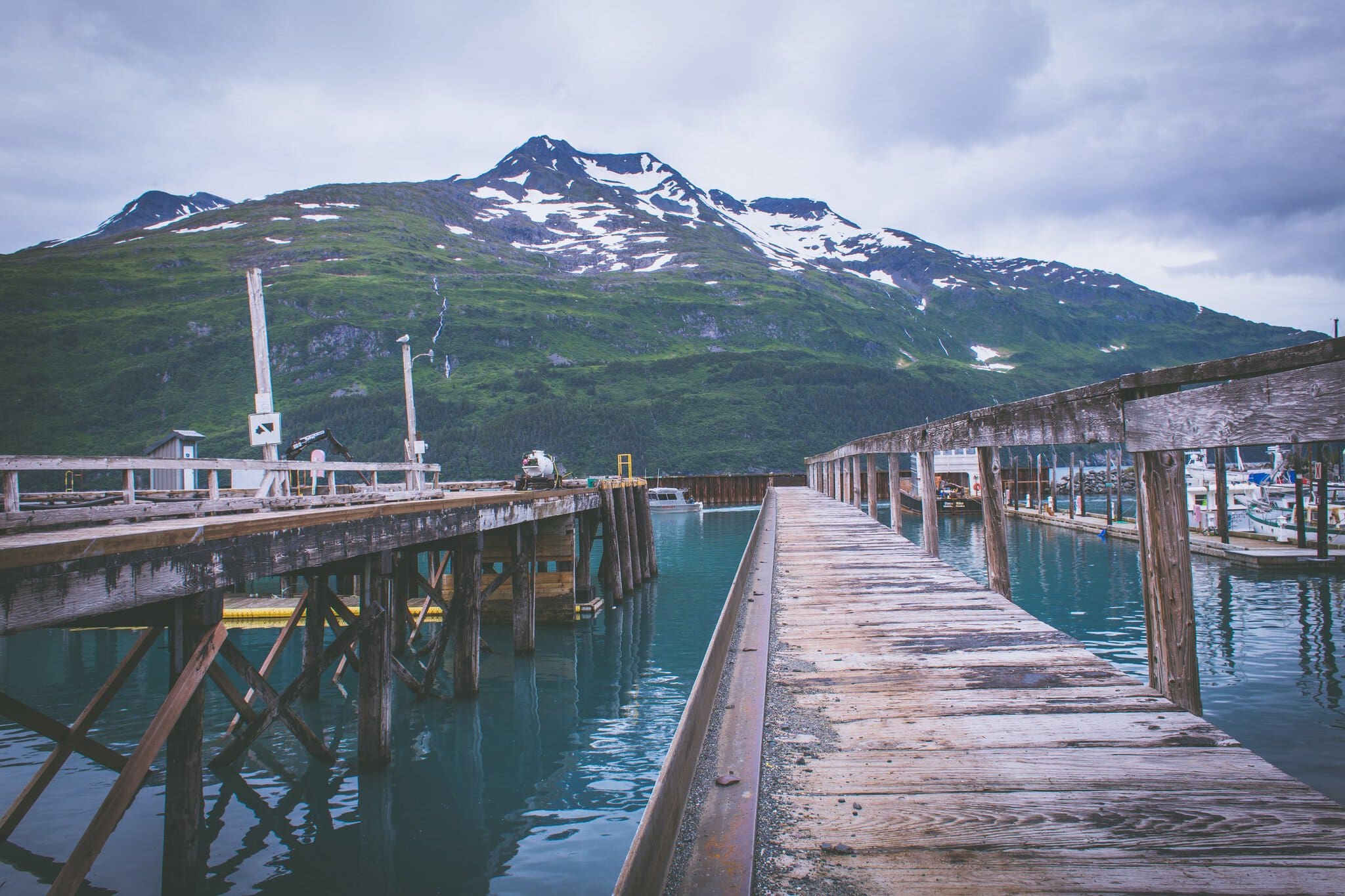
When Lukáš and I talk about the places that shocked us the most on our travels, Whittier Alaska always comes out on top. Picture this: you’re driving through stunning Alaskan wilderness, then you have to pass through a dark, 2.5-mile-long tunnel blasted through a massive mountain — a tunnel you share with trains, no less. And when you finally emerge into daylight, there’s no charming little Alaskan town of log cabins waiting for you. Instead, you’re greeted by a hulking concrete tower block and an eerie, abandoned military building. It’s bizarre, a little unsettling, often rainy and windswept — but the moment you hop on a boat and head out into Prince William Sound, it all suddenly makes perfect sense.
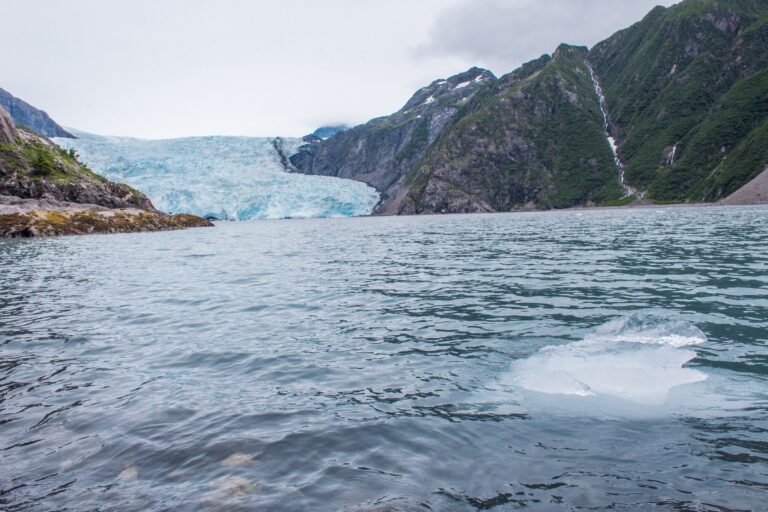
Whittier is the most accessible gateway to a world where majestic glaciers calve directly into the ocean and orcas glide past your boat. It’s a place of stark contrasts. One moment you feel like you’re in a post-apocalyptic film, the next you’re in a National Geographic documentary. And while I probably wouldn’t recommend spending a whole week in the town itself, skipping it altogether would be a huge mistake.
So — a tunnel, glaciers, orcas, and an abandoned tower block in the middle of nowhere. Join us as we break down how it all works, why the 26 Glaciers Cruise is worth every penny, and whether it’s even worth staying overnight. ☺️
The full destination guide: Alaska — guide and what to see
TL;DR
- Top highlight: The 26 Glaciers Cruise or a sea kayaking trip among floating icebergs in Prince William Sound.
- When to go: Mid-May to mid-September. Be prepared — Whittier gets a lot of rain and overcast skies.
- Access: The city of Whittier Alaska is reached via a single one-way tunnel (Anton Anderson Memorial Tunnel), which operates on a timed schedule with a $13 toll.
- Where to stay: Most people visit on a day trip from Anchorage, but if you want to stay, the best option is the Inn at Whittier right on the water.
- A city under one roof: Nearly the entire Whittier Alaska population lives in a single building — Begich Towers — which also houses the post office and police station.
- Don’t miss on the way: Stop at Turnagain Arm to spot beluga whales, and explore Portage Valley for easy glacier hikes.
When to Visit Whittier Alaska and How to Get There
If you’re planning a trip to this corner of the world, there’s one crucial thing to understand. Alaska has a very short summer season, and Whittier is notorious for its rather specific microclimate. Let me show you how to time it right so you don’t waste hours waiting at the staging area in the rain. 😅
Best Time to Visit
Honestly? Go in summer. Boat tour operators run from roughly mid-May to mid-September, and outside that window, the place is essentially a ghost town. July and August are the warmest months, but even then, brace yourself — Whittier is one of the rainiest spots in all of Alaska. Summer temperatures typically hover between 10 and 15°C (50–59°F). We experienced days when the fog was so thick you couldn’t see a thing, and the very next day the sun came out and we were slathering on sunscreen on the boat deck. 😅 Layering up and packing a solid waterproof jacket are absolute essentials.
How to Get from Anchorage to Whittier
The drive from Whittier Alaska to Anchorage is roughly 60 miles (96 km), which takes about an hour and a half along the incredibly scenic Seward Highway. We’ve had consistently great experiences with DiscoverCars, which we use all over the world, and we’d definitely recommend picking up a car right at Anchorage airport. The route takes you along the shoreline of Turnagain Arm and through Portage Valley — places where you’ll want to pull over for photos roughly every five minutes.
The Whittier Alaska Tunnel: A Test of Nerves
The real adventure kicks in about 15 minutes before you arrive. The only land access to the city leads through the Anton Anderson Memorial Tunnel — at 2.5 miles, the longest highway tunnel in North America. And to make things even more interesting, it’s a single narrow bore shared by both cars and trains. Traffic runs strictly on a timed alternating schedule.
Vehicles heading into Whittier go at the half hour (for example, 10:30 to 10:45), and the toll is $13 (around €12) per car. The return trip from Whittier runs on the hour and is free. If you miss your window, you simply sit at the staging area in the mountains and wait a full hour for the next one. It’s basically a mini adrenaline rush before you’ve even laid eyes on a glacier. 😁
Where to Stay in Whittier Alaska and How Much It Costs
Finding a Whittier Alaska hotel can be quite a challenge. This town really isn’t built for mass tourism, and demand in the summer months far outstrips supply. Most people therefore visit on day trips from nearby Anchorage or Girdwood. But if you want to experience that peculiar, isolated evening atmosphere once the cruise ship crowds have left, it’s well worth spending the night.
Alaska is an expensive destination overall, and Whittier is no exception. For a double room in peak season, expect to pay anywhere from $250 to $450 (roughly €230–€415) per night, plus local taxes on top. If you’re travelling on a tighter budget, it makes far more sense to base yourself in Anchorage, where there’s a much wider selection, and just do a day trip to Whittier. That’s exactly what we did, and we put the money we saved toward tickets for the glacier cruise instead.
Where to Lay Your Head in Whittier and Surrounds
Finding accommodation in a town this small has its quirks. Right by the harbour, you only have a handful of options, but they’re all within a five-minute walk of the tunnel exit. If you want the best Whittier has to offer, book a room at The Inn at Whittier. This iconic wooden building stands on stilts right over the water, offering stunning views of the harbour and snow-capped peaks from your bed. It’s the perfect romantic retreat, but I’d recommend booking well in advance — rooms sell out at lightning speed.
A solid mid-range alternative is the Anchor Inn Whittier. The views from the windows won’t take your breath away, but the rooms are spotless, cosy, and the staff are incredibly friendly. Plus, they have a lovely café downstairs serving great breakfasts — a real lifesaver when you need to be up early for a day on the water. For a comfortable night’s sleep at a reasonable price, it’s a very reliable pick.
But if you’re after something truly unique and don’t mind roughing it a bit, you have to try Begich Towers Inn. Whittier has fewer than 300 residents, and the vast majority of them live in this single enormous building — a former military block. Staying here means experiencing authentic local life in all its glory, because under one roof you’ll find the post office, a shop, and even a government office. The rooms are very much a budget option with a retro vibe, but the bizarre and fascinating experience of sleeping in “the city under one roof” adds a truly adventurous edge to your Alaska trip.
Whittier Alaska: 13 Best Things to See and Do
Even though you can walk across the town centre in about ten minutes, the surrounding nature offers so much that you could easily spend several days here and never run out of things to do. Here are our top tips for making the most of the area — from the drive to the tunnel all the way to cruising among ice floes.
1. Stop at Beluga Point and the Bore Tide Phenomenon
The drive from Anchorage along Seward Highway is an incredible experience in itself. Before you even reach the tunnel, you’ll pass Turnagain Arm — a narrow inlet flanked by mountains. This spot is famous for a phenomenon called the “bore tide”: a massive tidal wave that can reach up to three metres in height and races upstream at 15 mph (24 km/h). It forms thanks to an extreme tidal range that needs to be nearly 8 metres (26 feet).
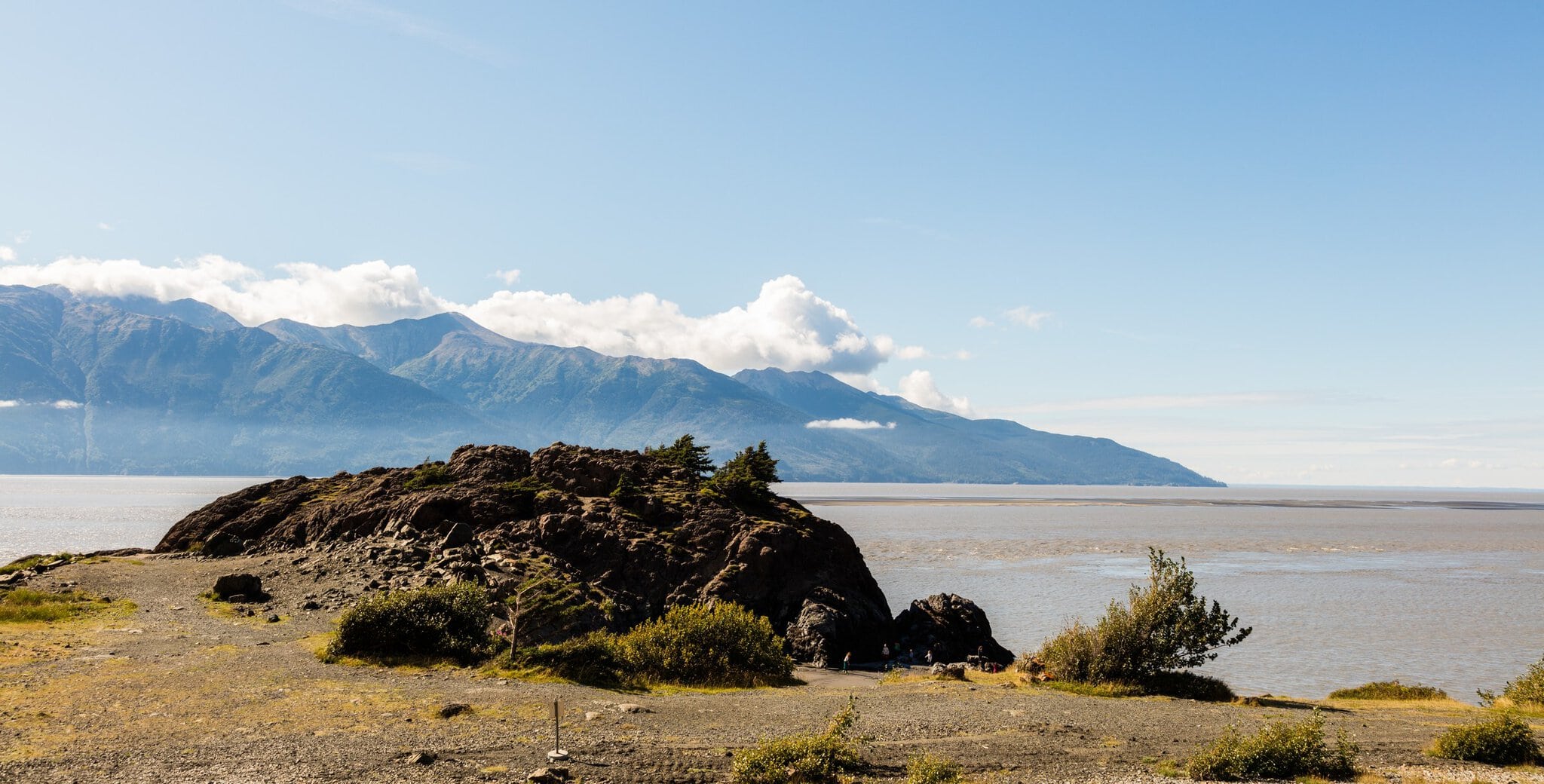
The best viewpoint for this natural spectacle is Beluga Point. The wave typically arrives about four hours after the lowest tide in Anchorage, so check the tide tables in advance and save yourself the disappointment. And then there are the beluga whales — Lukáš and I stood at that pullover for so long watching them that our coffee nearly went cold.
2. MV Ptarmigan Cruise to Portage Glacier
When you turn off Seward Highway toward the Whittier tunnel, you’ll drive through the gorgeous Portage Valley. At the very end, just before the vehicle staging area, you’ll reach the glacial Portage Lake. The Portage Glacier once extended all the way to the visitor centre, but due to warming it has retreated so far that you can no longer see it from shore at all.
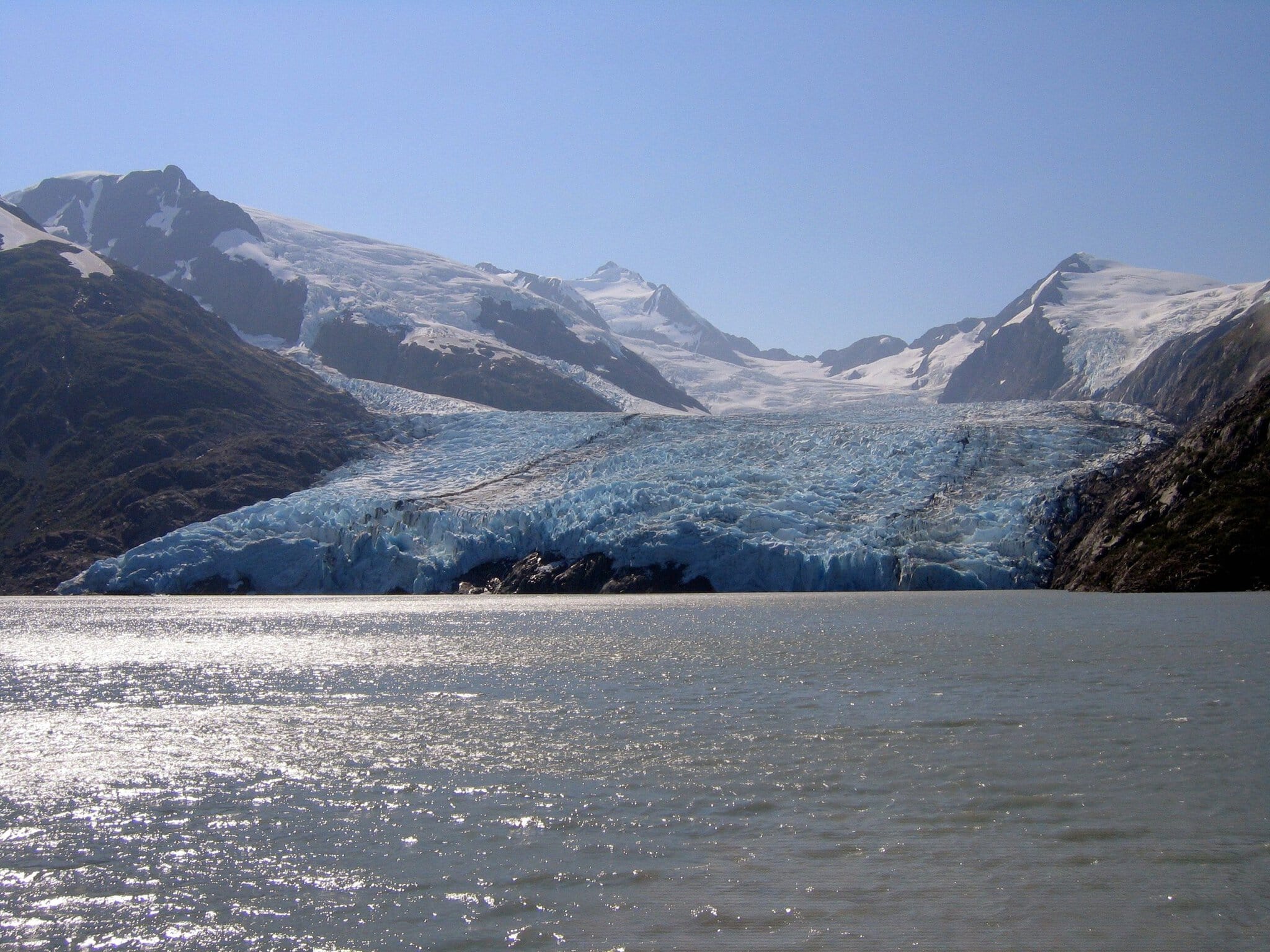
The only way to get close today is to hop on the MV Ptarmigan. This one-hour cruise is relatively affordable (around $50 / €46) and takes you within just 300 metres (1,000 feet) of the glacier face. It’s a fantastic alternative if you don’t have the time or budget for the big five-hour cruises out of Whittier. Hearing the ice crack and groan up close is simply priceless.
3. Cycling or Walking the Trail of Blue Ice
For those who want to explore Portage Valley a bit more actively, there’s the fantastic paved Trail of Blue Ice. It stretches about 5 miles (8 km), is nearly flat, and connects the Moose Flats area with Portage Lake. It’s absolutely perfect for a leisurely bike ride or a relaxed afternoon stroll.
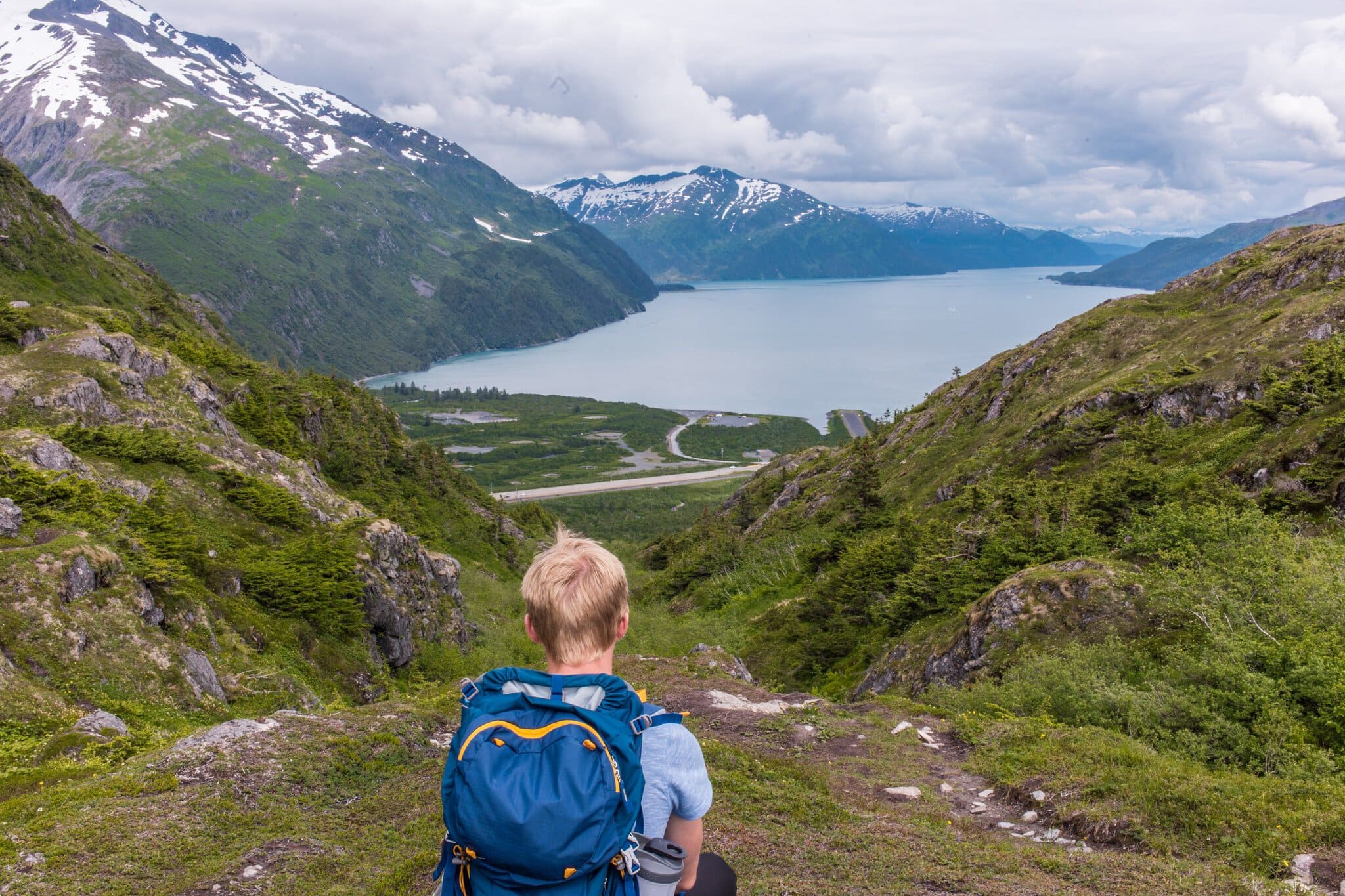
Along the way, you’ll be treated to jaw-dropping views of the hanging glaciers Explorer, Middle, and Byron. Every now and then, a chunk of ice breaks off from high above and you hear the thunderous rumble echoing through the entire valley. It’s one of those hikes that catches you off guard and stays with you long after — especially when the sun is shining.
4. Hike to Byron Glacier (Byron Glacier Trail)
This is probably our favourite short hike in the entire area, and it’s genuinely suitable for everyone. The trail starts near Portage Lake and is just over 1.2 miles (2 km) one way. It leads you through a little valley along a rushing river, you scramble over a few boulders here and there, and at the end you find yourself right at the foot of Byron Glacier.
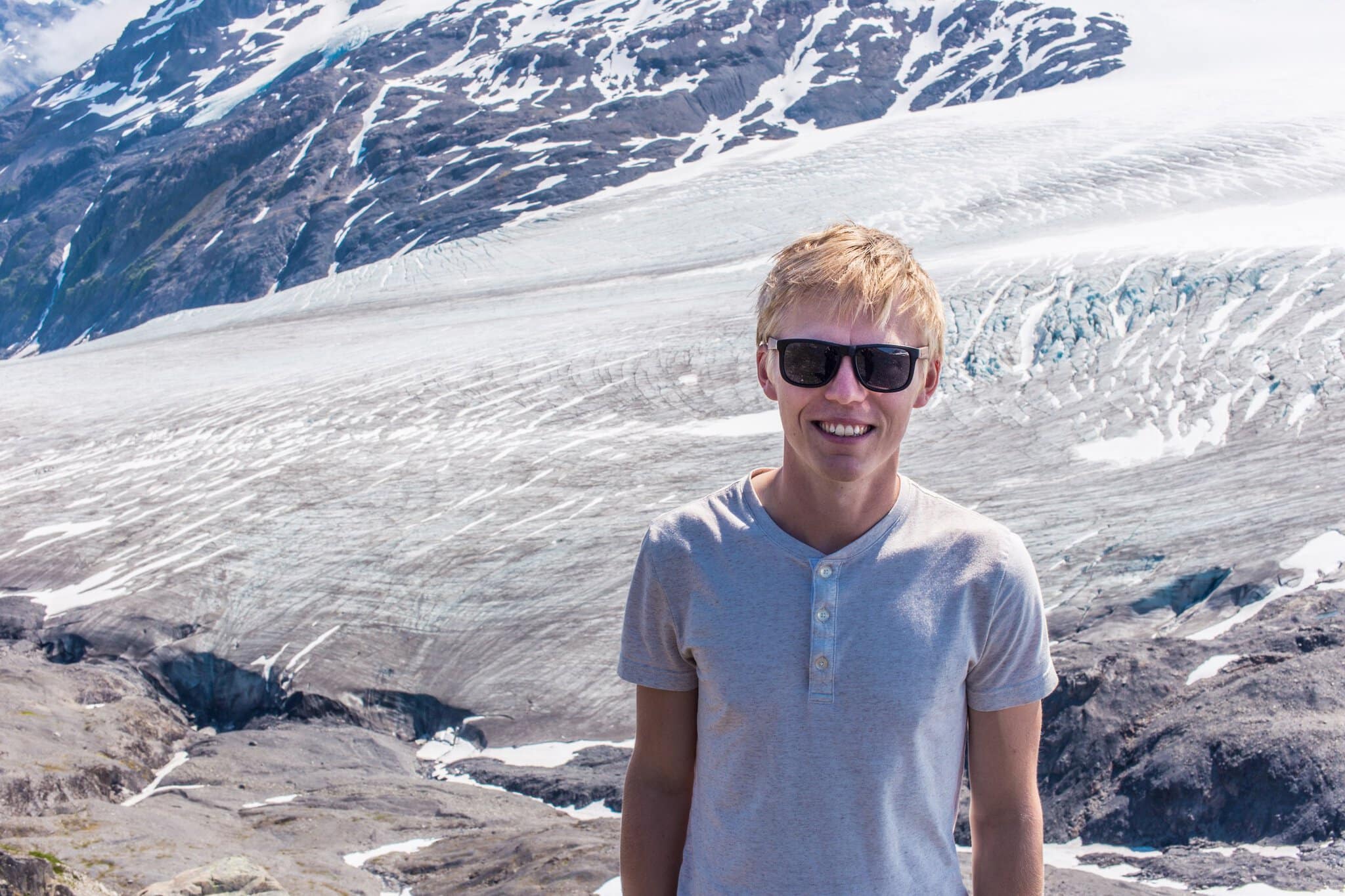
The beauty of this trail is that you can get really close to the ice, and it’s relatively hidden from the masses of tourists who just zip through by bus to catch a boat. Do watch your step though — especially in spring and early summer, there’s a risk of avalanches from the surrounding steep slopes. And of course, keep bear spray handy — we are in Alaska, after all. ☺️
5. Driving Through the Unique Anton Anderson Tunnel
It might sound mundane, but the experience of driving through the Whittier Alaska tunnel is something you won’t forget. The Anton Anderson Memorial Tunnel stretches 2.5 miles and looks like something straight out of a mining horror film. When the light turns green and you drive in, you’re rolling directly over railway tracks (embedded in concrete) with nothing but rough-hewn rock around you, lit by dim overhead lights.
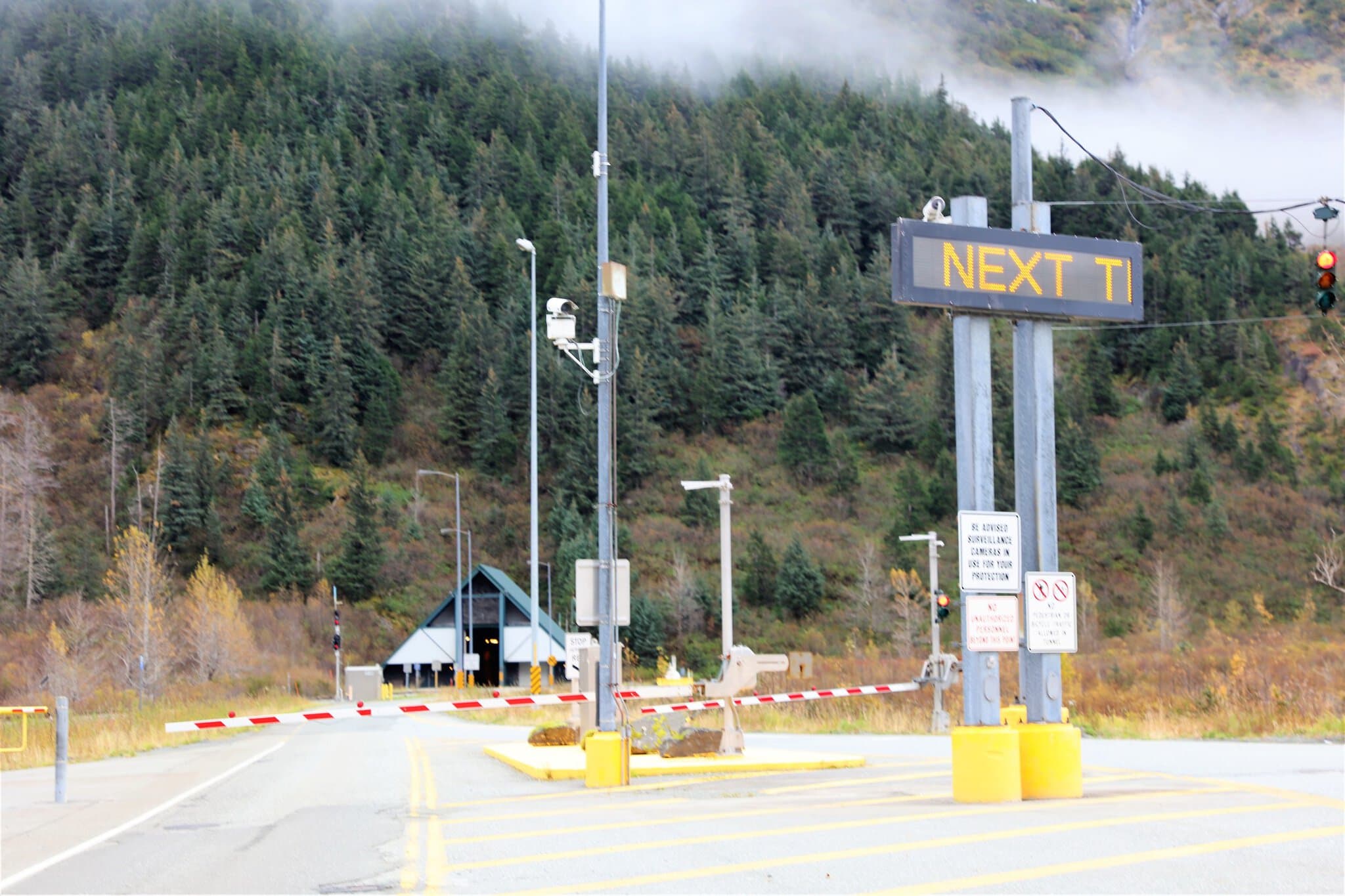
A touch of claustrophobia is completely normal here. The speed limit is low and stopping is strictly forbidden. I always get a kick out of the thought that if a train were approaching, there’d be absolutely nowhere to go. But don’t worry — the operators have it down to a science. Just make sure you arrive at the staging area at least 15 minutes before your time window to guarantee your spot.
6. The Whittier Alaska Begich Towers: A City Under One Roof
Welcome to Whittier! The moment you exit the tunnel, your eyes are drawn to a massive 14-storey concrete tower block that looks completely out of place against the stunning surrounding scenery. Begich Towers Condominium was built by the military in the 1950s, and today an incredible 85% of the city’s roughly 270 residents call it home. It’s essentially an entire town crammed under a single roof.
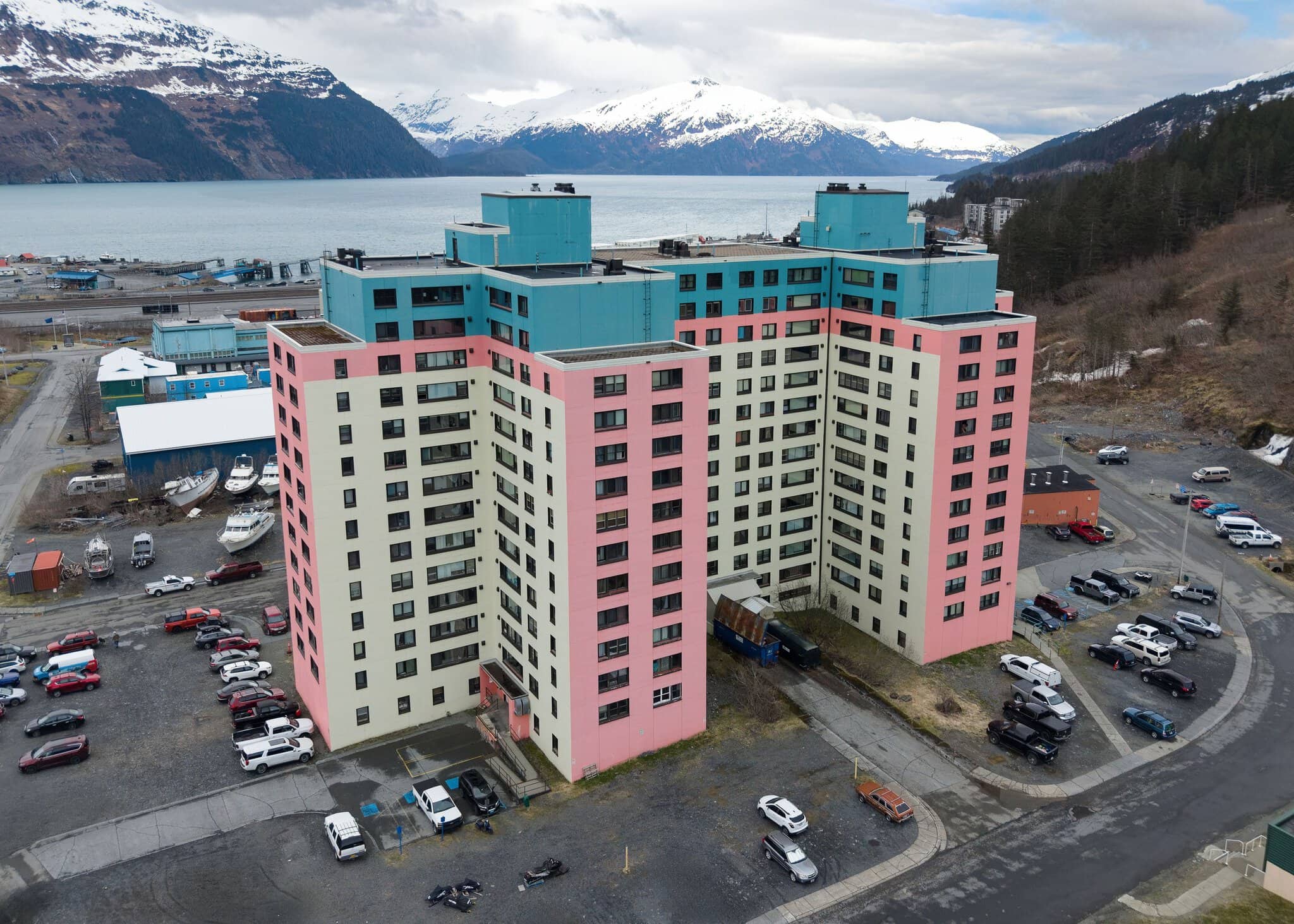
Residents have a completely self-contained ecosystem here. On the ground floor and in the basement levels, you’ll find a post office, police station, small shop, a church, and even a medical clinic. During the harsh Alaskan winters, when wind speeds can top 60 mph (100 km/h), locals often don’t step outside at all. Tourists can’t wander the residential corridors, but you can explore the ground floor, pop into the post office, and soak up the strange, slightly claustrophobic atmosphere.

7. The Abandoned Whittier Alaska Buckner Building
Right across from the “city in a tower block” looms an even more haunting monument: the Buckner Building. Once the pride of the US military, also built in the 1950s, it was abandoned back in 1966. Today it’s a massive, dark ruin with smashed-out windows that looks like a set piece from a post-apocalyptic video game.
Officially, entering the Whittier Alaska Buckner Building is strictly forbidden and genuinely dangerous due to asbestos and collapsing floors. I’d recommend admiring it from the outside only — snap a few photos and move on. Still, it’s an utterly fascinating Cold War relic that leaves a heavy impression, made all the more striking by the contrast with the gorgeous snow-capped mountains rising behind it.
8. The 26 Glaciers Cruise (An Absolute Must!)
This is the main reason everyone comes to Whittier. If you’re only going to do one cruise in Alaska, make it the 26 Glaciers Cruise by Phillips Cruises — it’s worth every single penny. Fast, modern catamarans whisk you through more than 135 miles (220 km) of College Fjord and Harriman Fjord in just under six hours.
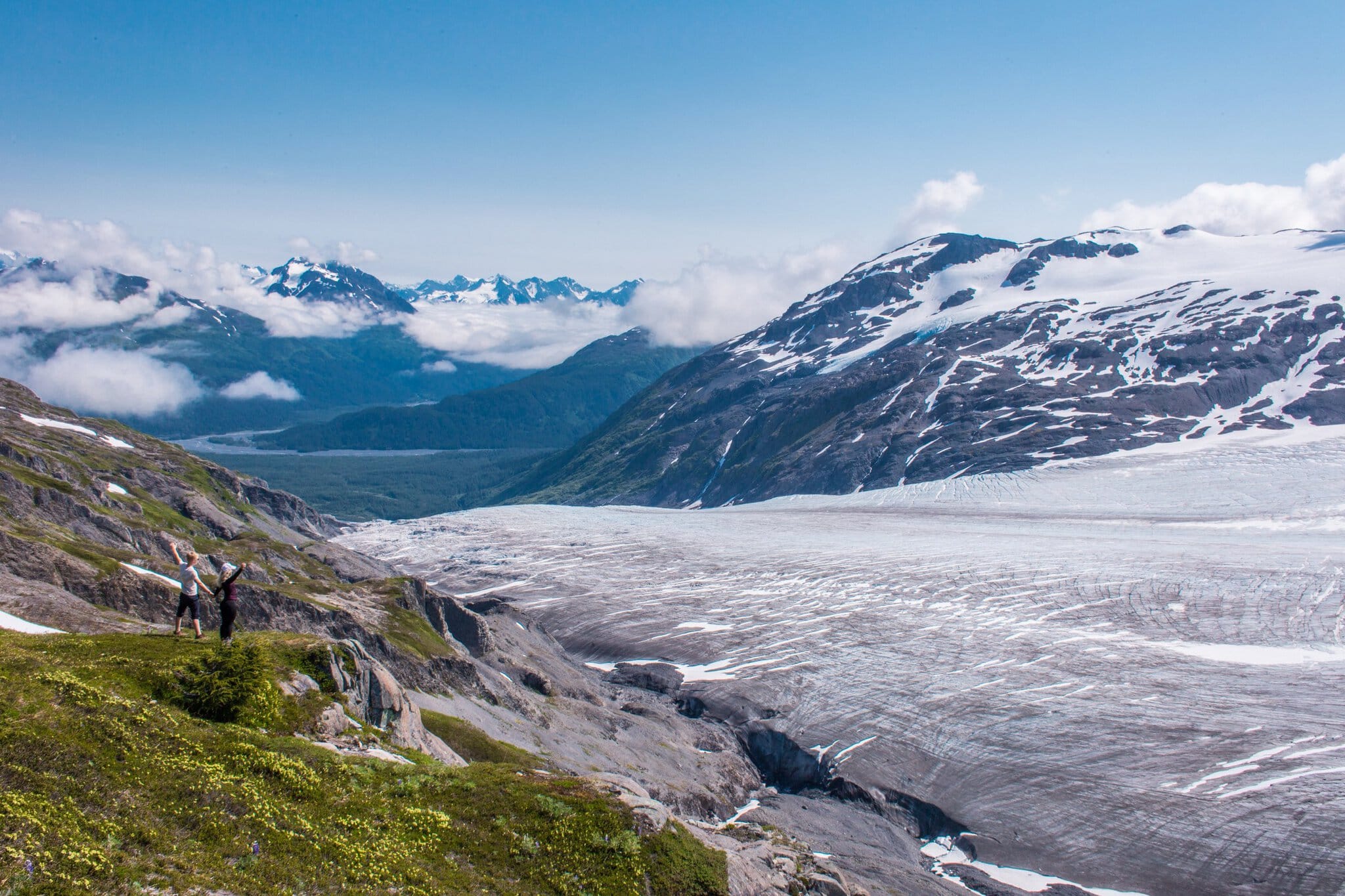
The boat is lovely and warm with large panoramic windows. The captain navigates so close to the massive glacier walls that you can physically feel the cold radiating off the ice. ⚠️ As amazing as it is, I should warn you — it doesn’t come cheap. The 2026 price starts at $219 (around €200) per person plus taxes, but it includes a hearty hot lunch and you avoid the open ocean entirely, so if you’re prone to seasickness, you’ll only encounter the calm sheltered waters of the sound.
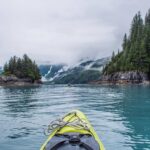
9. Sea Kayaking Among Ice Floes
If you’d rather not spend your time on a big boat with hundreds of other people, there’s a far more intimate way to explore the sound. Sea kayaking trips run by companies like Sound Eco Adventures are, in my opinion, one of the most intense experiences you can take home from Alaska.
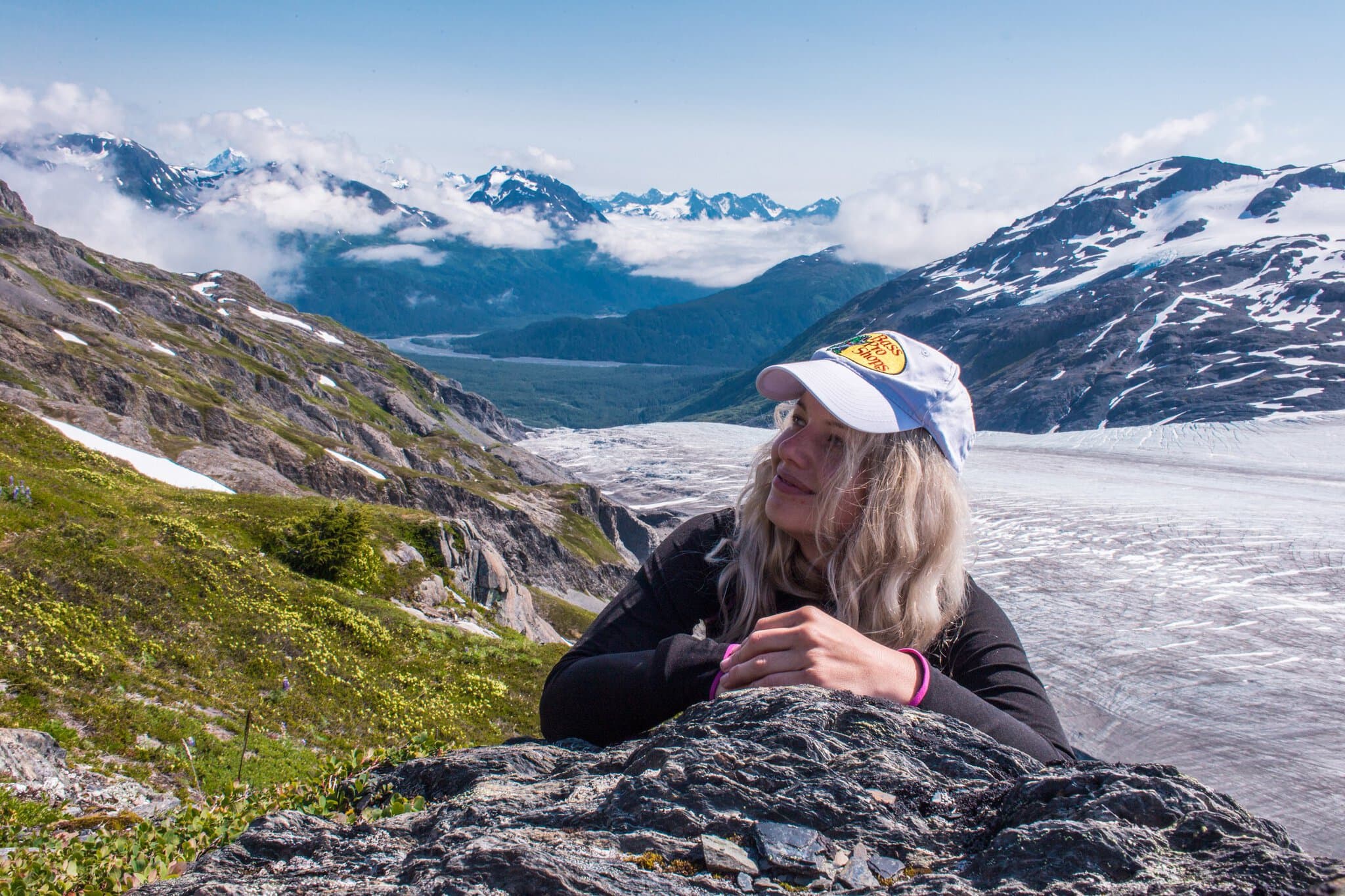
Imagine it: you’re sitting low on the water, paddle in hand, small icebergs bobbing lazily around you, and there’s absolute silence — broken only by the occasional whale exhaling or ice cracking. No need to worry — you’ll typically head deeper into the sound by motorboat first and only switch to kayaks in the safest and most scenic coves. It’s a bit more physically demanding, but utterly mesmerising.
10. Wildlife Watching: Whales and Sea Otters
Prince William Sound acts like a giant buffet for Alaskan wildlife. The waters are criss-crossed by enormous humpback whales that migrate here in summer to feed, and you’ll often spot majestic orcas as well. Watching a huge whale tail slip beneath the surface with a glacier looming in the background is a sight that simply never gets old.
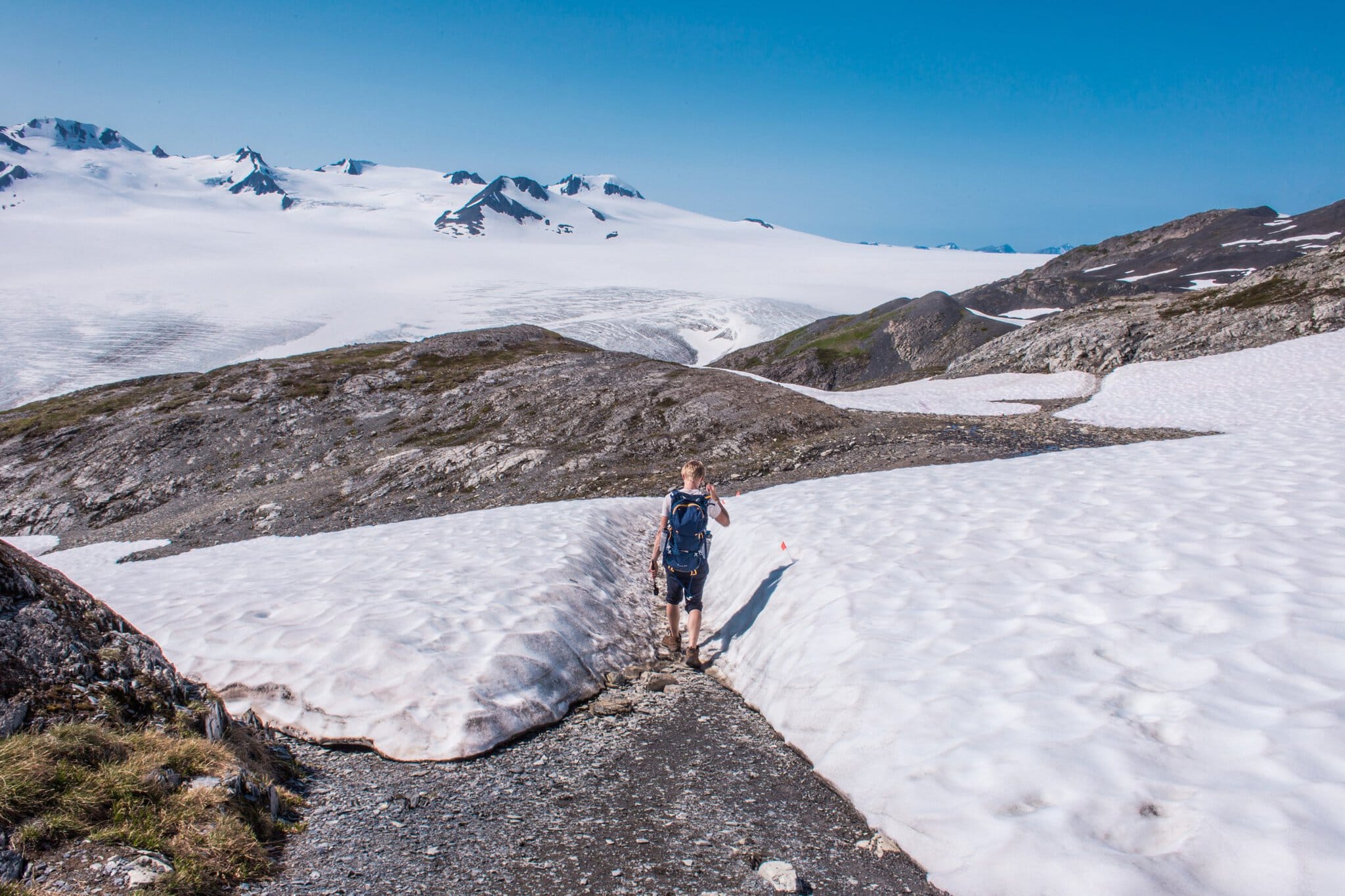
My personal favourites, though, are the sea otters. You’ll regularly see them floating lazily on their backs, often holding paws so they don’t drift apart, cracking shellfish open on their bellies. On the rocks along the shoreline, with a bit of luck you’ll spot basking sea lions, and overhead you’ll see bald eagles circling above. It’s a genuine safari on the water.
11. Brilliant Blue Ice Up Close
You might be wondering — why are glaciers actually so blue? Before our first visit, I assumed the photos in guidebooks were heavily filtered. But no! The sound near Whittier offers some of the best conditions for seeing “tidewater glaciers” — glaciers that flow directly into the sea.
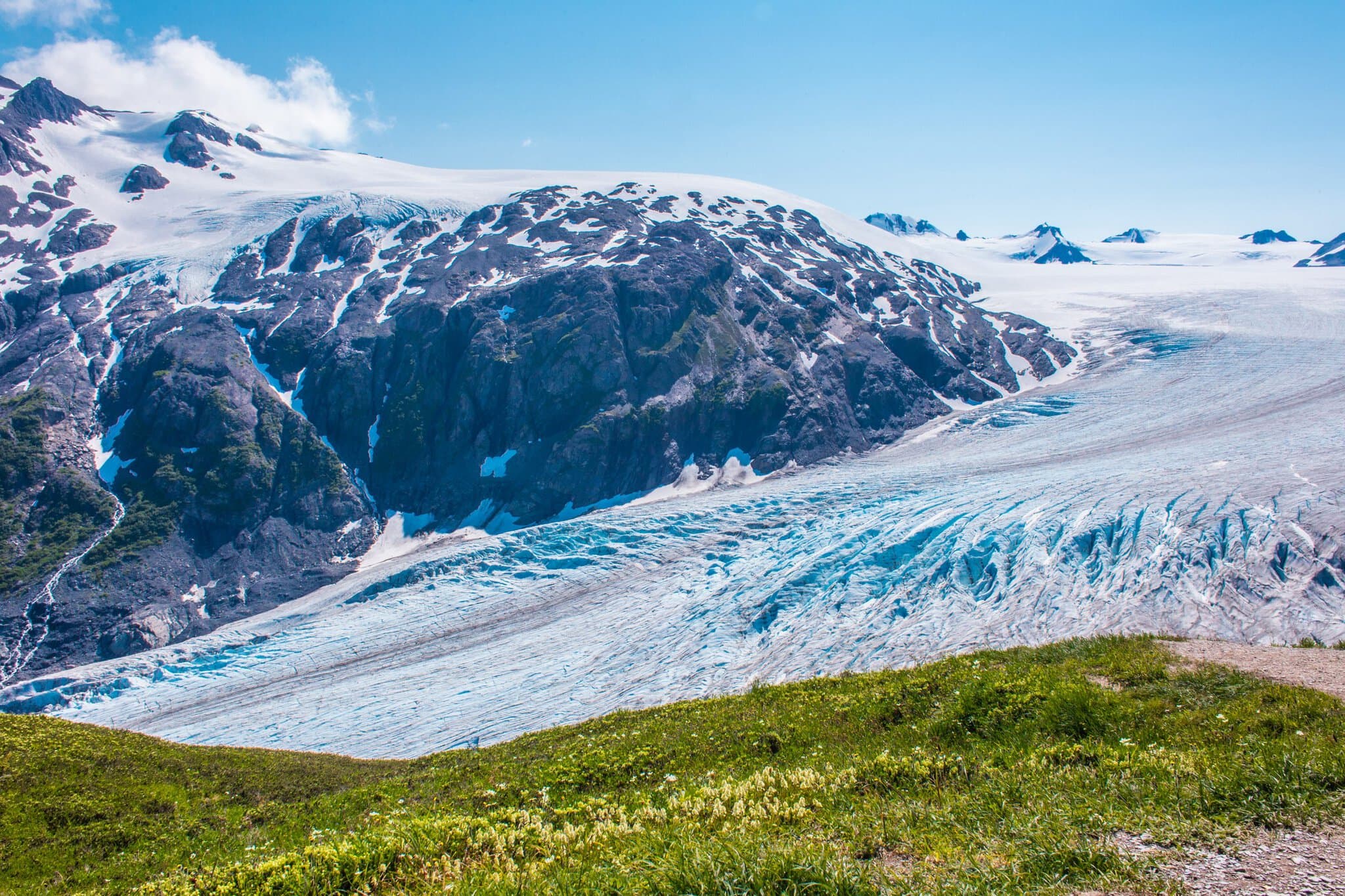
Under immense pressure, the ice becomes so dense that it absorbs every colour of the light spectrum except blue, which it reflects back. When you sail up close to one of these colossal walls and a house-sized chunk of ice breaks off and crashes into the water, it creates a wave and a boom that sounds like a cannon shot. This phenomenon is called “calving,” and it’s an incredible spectacle that makes you realise just how small you are in the face of nature.
12. Side Trip: Valdez and the Exxon Valdez Legacy
If you have more time and Whittier has whetted your appetite, roughly 90 miles to the east across the sound (or a very long drive around by road) lies Valdez. This town is a bit more charming than concrete-clad Whittier and is forever linked to one of the worst environmental disasters in US history: the Exxon Valdez oil tanker spill of 1989. Excellent exhibits here still document the impact on the sound and the gradual recovery of an ecosystem that, thankfully, showed a remarkable ability to heal.
Valdez is also the terminus of the 800-mile Trans-Alaska Pipeline, through which Alaska’s “black gold” flows from the far north. The town has the distinctive atmosphere of a rugged fishing and oil port set against a backdrop of stunning mountains often dubbed “Alaska’s Switzerland.”
13. Worthington Glacier: A Glacier Right by the Road
If you drive to Valdez along the Richardson Highway, don’t skip a stop at Worthington Glacier. It’s one of the most accessible glaciers in all of Alaska, located just off Thompson Pass. Parking is only $5 (around €4.50), and from the car park it’s less than 650 yards (600 m) along an easy trail to the glacier’s face — even wheelchair accessible.
Most people stop at the viewing platform, snap some photos, and move on. But if you want a truly unforgettable experience, I’d recommend booking a guided trip (e.g., with Alaska Guide Co.), where they kit you out with crampons and ice axes and take you trekking right on the glacier’s surface. Prices aren’t exactly budget-friendly (between $165 and $325, roughly €150–€300), but walking across a blue glacier that’s over 22,000 years old and drinking crystal-clear water straight from a glacial crevasse — that’s the kind of thing Lukáš and I still reminisce about to this day.
Map of points of interest for your phone
Where to Eat in Whittier
Don’t be fooled by the town’s rough exterior — you can actually eat very well here after a long day on the water. The selection is small and revolves almost exclusively around fresh catches from the sea, but that’s precisely what makes it so authentic and enjoyable. Prices are predictably “Alaskan,” so expect to drop a fair few dollars on a proper dinner, but the fish is absolutely worth it.
Here are our top picks for satisfying your hunger:
Inn at Whittier Dining: This is the clear choice if you’re after the best in town and don’t mind paying a premium. White tablecloths, wide windows overlooking the harbour — it’s a proper dining experience. The fresh seafood here is outstanding. After a whole day shivering outdoors, it feels like a well-deserved reward. Their beef steak is excellent too.
Swiftwater Seafood Cafe: This is where the locals and fishing boat crews go. No frills whatsoever — just a classic waterfront seafood joint serving up what matters most: fresh halibut or salmon in crispy batter with chips (proper fish and chips!). It’s laid-back, a bit noisy, and the food is seriously good. 😅
Lazy Otter Charters & Café: The ideal stop for breakfast or a quick lunch. They make surprisingly decent coffee (by American standards) and sell great sandwiches and fresh pastries. We always popped in here to grab supplies before boarding a boat or heading out kayaking. Very kid-friendly too.
Wild Catch Café: A lifesaver for your wallet. If you don’t fancy splashing out on plated fish, swing by here for a solid burger or a piping hot clam chowder that’ll warm you right through.
Where to Go Next in Alaska
Alaska is immense, and after visiting Whittier your adventure is only just getting started. So where to next?
We’d definitely recommend heading a bit further south along the Kenai Peninsula to the town of Seward, which offers wilder ocean waters and the renowned Kenai Fjords National Park (check out our article on Seward and surrounds). If you’re craving urban amenities and need to restock, head back to Anchorage (here are our 15 tips for things to do in Anchorage). And if the boat trips have truly captured your heart, don’t miss our complete Alaska Cruise guide, where we break down exactly how to choose the right sailing for you.
If you’re still in the planning stages for this trip of a lifetime, don’t forget to search for cheap flights on Kiwi — it’s our go-to platform. And definitely don’t leave home without solid travel insurance; for longer trips we often go with SafetyWing, or True Traveller for UK-based travellers. Make sure you pack proper hiking boots too, because Alaskan mud is treacherous — and grab an eSIM from Holafly so you’ve got data the moment you land and can start posting those glacier shots straight away. 😉
 🚗 Car rental on the roadVerified rental cars in Alaska
Search with the DiscoverCars comparison engine — it compares prices from dozens of local and international rental companies, and most bookings come with free cancellation.
Compare car prices in Alaska →Frequently Asked Questions (FAQ)
How do you get to Whittier, Alaska?
The only land access to Whittier is through the Anton Anderson Memorial Tunnel. This unique one-way road runs through the mountain and is shared with the railroad. You’ll need to pay a toll before entering, which costs around 13 USD for a standard passenger vehicle.
When is the Whittier tunnel open?
The tunnel operates on a strict schedule since the single lane alternates between cars traveling in both directions and trains. During summer, the Whittier-bound direction typically opens on the half-hour (e.g., 10:30 AM), while the outbound direction opens on the hour (e.g., 11:00 AM). You’ll need to arrive at the staging area at least 15 minutes early.
Is the 26 Glaciers Cruise worth it?
Absolutely! It’s one of the best ways to explore Prince William Sound and see calving ice up close. The five-hour cruise on a fast catamaran costs adults around 200 to 250 USD. The price typically includes a hot meal and a guarantee that you won’t suffer from seasickness thanks to the bay’s very calm waters.
How many people live in the Begich Towers building in Whittier?
The fourteen-story Begich Towers houses approximately 80% of the town’s entire population, which is around 220 to 270 people. This Cold War-era structure functions as a city under one roof. Residents have access to a post office, grocery store, laundromat, clinic, and even a school, which is reached through an underground tunnel.
How many days do you need to visit Whittier?
One full day is plenty to explore the town itself and take the main glacier cruise. Most travelers arrive in the morning from Anchorage, spend the day on the boat, and continue on to the Kenai Peninsula in the evening. If you’re planning longer sea kayaking trips or hiking excursions to the glaciers, it’s worth staying overnight.
Can you drive to Whittier?
Yes, you can easily reach Whittier by regular car or RV. The drive from Anchorage takes about an hour and a half along the very scenic Seward Highway. The only obstacle is passing through the Anton Anderson Tunnel, where you’ll need to follow the schedule and pay the toll.
What’s the weather typically like in Whittier?
Whittier is officially the rainiest town in Alaska, with an average annual rainfall exceeding 5,000 mm (nearly 200 inches). Visitors should be prepared for frequent fog, strong winds, and rain even in the middle of summer. Quality waterproof clothing is absolutely essential here, but the dramatic weather adds a unique and mysterious atmosphere to the surrounding glaciers.
Tips and Tricks for Your Vacation
Don’t Overpay for Flights
Search for flights on Kayak. It’s our favorite search engine because it scans the websites of all airlines and always finds the cheapest connection.
Book Your Accommodation Smartly
The best experiences we’ve had when looking for accommodation (from Alaska to Morocco) are with Booking.com, where hotels, apartments, and entire houses are usually the cheapest and most widely available.
Don’t Forget Travel Insurance
Good travel insurance will protect you against illness, accidents, theft, or flight cancellations. We’ve had a few hospital visits abroad, so we know how important it is to have proper insurance arranged.
Where we insure ourselves: SafetyWing (simple monthly subscription) and TrueTraveller (for extra-long trips).
Find the Best Experiences
Get Your Guide is a huge online marketplace where you can book guided walks, trips, skip-the-line tickets, tours, and much more. We always find some extra fun there!