

I remember it like it was yesterday — the moment Lukáš and I first sat down with a spreadsheet to work out the real Alaska vacation cost for two people. We had visions of untamed wilderness, majestic glaciers, and brown bears snatching salmon from rushing rivers. What completely floored us were the initial price estimates. Alaska isn’t just a slightly pricier version of the US mainland. It’s essentially a logistical island where everything has to be shipped in at enormous expense, and the tourist season lasts a mere hundred days a year. That said, skimping isn’t worth it — we still regret everything we decided to skip. You’ll probably only visit Alaska once in your lifetime.
There was nothing for it but to sit down and crunch those numbers properly, because Alaska will blow through your budget in ways no European holiday could ever prepare you for. Below you’ll find realistic breakdowns for different types of travellers — from road trips and campervans to cruise combinations — plus tips on where to save and what’s absolutely worth every penny.
TL;DR
- Peak season is extremely short: The ideal time to visit is late May through early September, when the weather is bearable and everything is open.
- Baseline budget for two: Expect a ten-day road trip for two with a rental car and mid-range accommodation to run roughly $11,000 (around €10,000).
- Car hire and flights are the biggest expenses: Renting a basic SUV in summer easily costs $150–$300 per day. Search for cheap flights well in advance — ideally as early as winter.
- Campervan to the rescue: Renting a campervan will set you back over $200 a day, but you’ll save a fortune on hotels and expensive restaurants.
- Bear viewing is a luxury: A trip to Katmai to see the famous Brooks Falls will cost nearly $1,000 per person just for logistics and flights — but it’s an absolutely spectacular experience.
- Don’t forget insurance and bear spray: The American healthcare system shows no mercy (trust me, you don’t want to find out the hard way 😅) and bear spray must be purchased on arrival — you can’t take it on a plane.

The full destination guide: Alaska — guide and what to see
When to Go to Alaska and How to Get There
The best time to visit is unquestionably the Alaskan summer, which essentially runs only from June through August. We experienced days when the sun barely sets and you can photograph snow-capped peaks at midnight in broad daylight. If you want to save a bit, try the shoulder season in May or September, when prices can drop by a third. There’s a massive catch, though. The weather during those months is wildly unpredictable, and by mid-September many hotels, restaurants, and tour operators simply shut up shop for the winter.
Getting from the UK to Anchorage isn’t exactly a quick hop. There are no direct flights, so you’re looking at one or more likely two connections, with the total journey stretching to 16–22 hours. Think of it as a mini pre-trip before the real adventure even begins. We swear by good flight search engines. Hunt for cheap Alaska flights on comparison sites, booking well in advance. Return fares in economy typically range between $1,500 and $2,500 (roughly £1,200–£2,000). If you spot a ticket under £1,200, don’t think twice — snap it up immediately.
Before you travel, don’t forget the paperwork. As British citizens, you need an ESTA electronic travel authorisation, which costs $21 and is valid for two years. You can complete it online in a few minutes. One more very practical tip for staying connected: to have mobile data for navigation and finding accommodation the moment you land, I recommend setting up an eSIM from Holafly, which you can install on your phone before you even leave home.
Where to Stay in Alaska and How Much It Costs
I remember the moment I first pulled up hotel prices in Anchorage for July. I nearly slammed my laptop shut and went for a lie-down. A room that would cost $120 in winter was selling for a cool $400 in peak season.
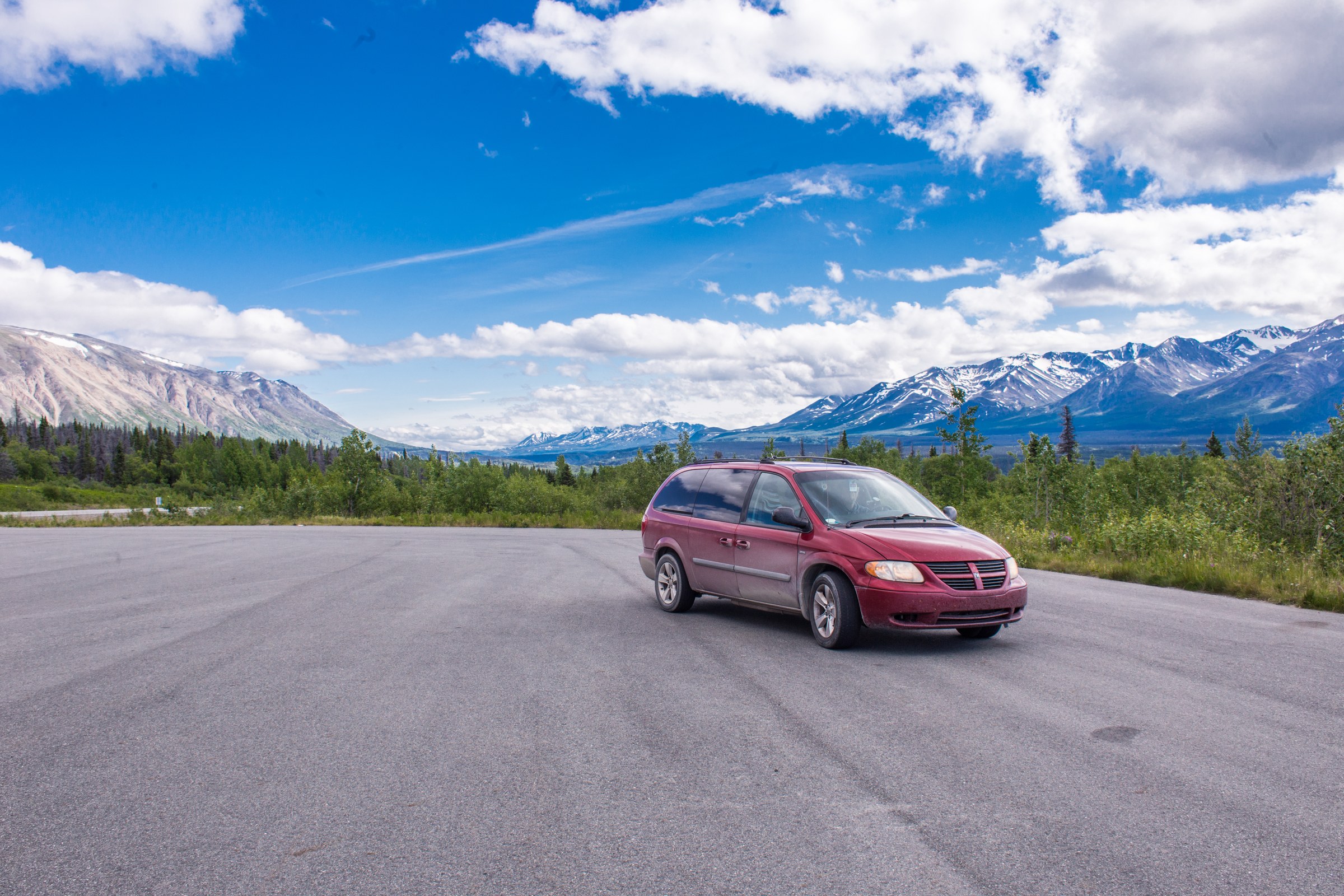
Sticker shock will likely hit you the moment you start searching for your first night’s lodging. A room that would go for $120 in winter easily sells for $350–$500 per night in July. And we’re talking about average hotels here — nothing remotely luxurious. People on forums regularly share stories of a basic motel costing more than a luxury Caribbean resort 😅.
Anchorage offers the widest selection. If you want to treat yourself, consider the iconic Hotel Captain Cook with ocean views, where nights start at $450. Mid-range options like the Hilton Anchorage or Westmark Anchorage will run you $200–$300. If you need something cheaper near the airport after a long flight, check out the Coast International Inn by Lake Hood, where you can keep it under $150.
The area around Denali National Park is similarly eye-watering, especially in the strip known as Glitter Gulch right by the entrance. The popular McKinley Chalet Resort offers lovely log cabins, but be prepared to pay $250–$400 per night. On a tighter budget, you’ll need to look further from the park or settle for simple motels like the Denali Park Hotel at roughly $150–$220. The cheapest option is of course camping, which runs $30–$50 if you can snag a spot. I’d also recommend checking smaller platforms like Hipcamp, where locals rent out private pitches for tents or vans, often with jaw-dropping views at a fraction of the price of a regular campground.
Alaska Vacation Cost: 15 Things You’ll Spend the Most On (and How to Save)
Here’s everything we wish we’d known before hitting the “book” button.
1. Three Sample Budgets So You Know Where You Stand
To give you a realistic picture, we’ve put together three sample budgets for the 2026 season. The first scenario is a ten-day road trip for two with stops in Anchorage, Denali, and the Kenai Peninsula. With mid-range accommodation, a rental car, and several excursions, budget around $11,000 — roughly €10,000 or £8,700.
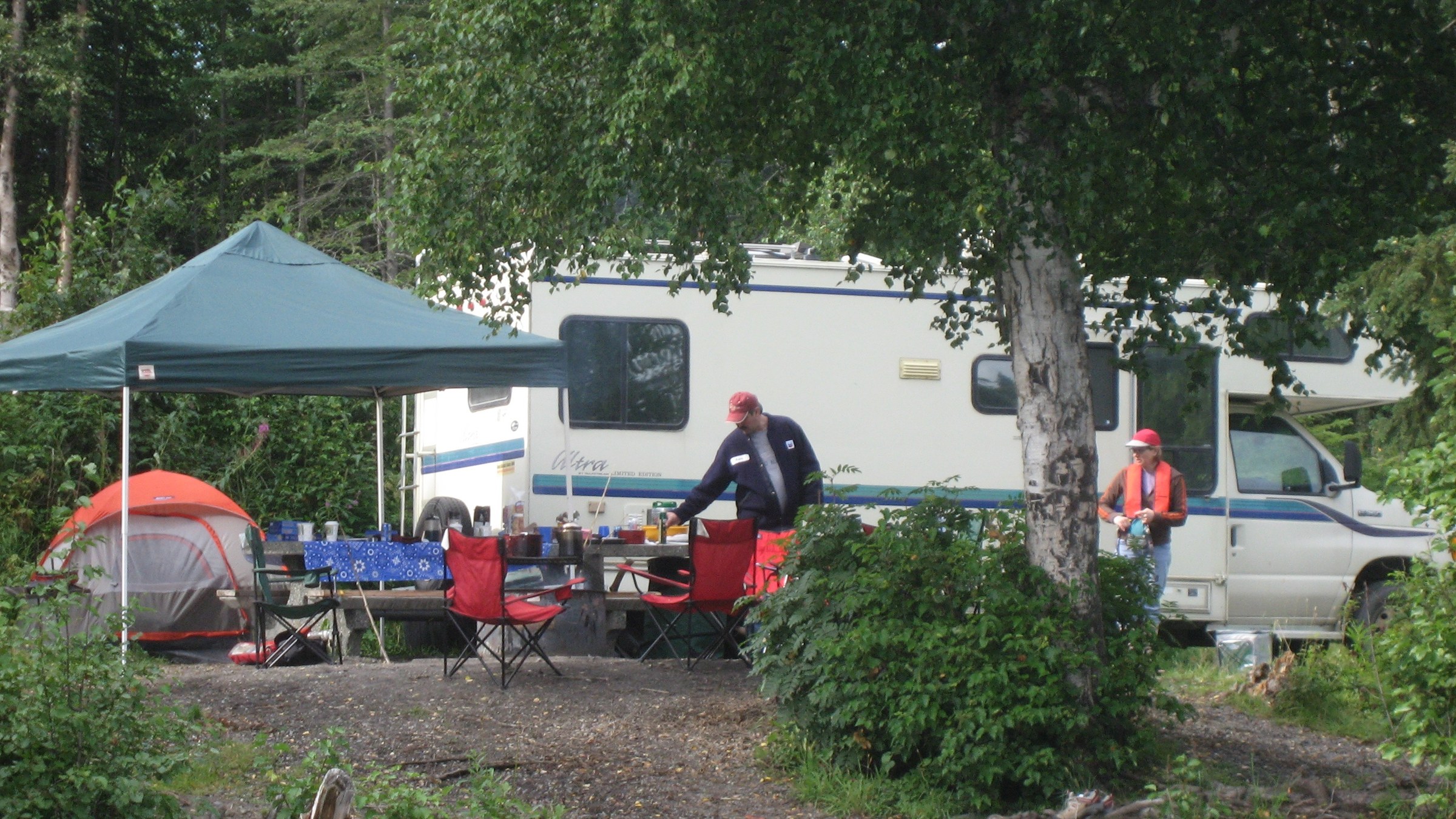
The second scenario is for a family of four over 14 days. Here the logistics really add up, and the total including all parks and a premium bear-viewing flight climbs to around $22,000 — just over €20,000. The third option is a combination of a one-week cruise followed by a week in a rental car. This so-called Cruisetour comes in at approximately $12,700 for two, or about €11,600.
2. Renting a Car Is a Battle for Survival
Sorting out transport is the absolute cornerstone of your entire trip, and leaving it to the last minute is pure financial suicide. A basic SUV from major companies like Hertz or Enterprise costs $150–$300 per day in July and August. Lukáš and I have had consistently good results using comparison sites to lock in the best deals well in advance.
Believe me — once Alaska’s season kicks off, cars at the airport simply run out. I’ve read stories of people whose ten-day rental price jumped overnight from $1,300 to an eye-watering $2,500, simply because they dithered over booking. If you know your dates, reserve as early as January.
3. Hidden Traps with Car Hire and Gravel Roads
Once you’ve reserved a car, read the fine print very carefully. Standard international rental companies strictly prohibit driving on unpaved gravel roads. That means your contract won’t cover you on the legendary McCarthy Road to Kennicott Glacier or on the remote Dalton Highway heading beyond the Arctic Circle.

If these iconic routes are on your itinerary, you’ll need to go with local outfits like Go North Adventures. They’ll happily rent you a properly kitted-out vehicle with two spare tyres for genuine backcountry driving, but expect to pay 30–50% more. Also watch out for hefty one-way drop-off fees. Picking up a car in Anchorage and leaving it in Fairbanks can easily tack on an extra $500.
4. Campervan: The Ultimate Budget Lifesaver
Feeling like hotel and car prices are completely detached from reality? Then it’s time to consider renting a campervan. You’ll merge transport and accommodation costs into one, and solve the massive problem of expensive dining by having your own little kitchen. Travelling with a house on wheels makes enormous sense in this vast wilderness.
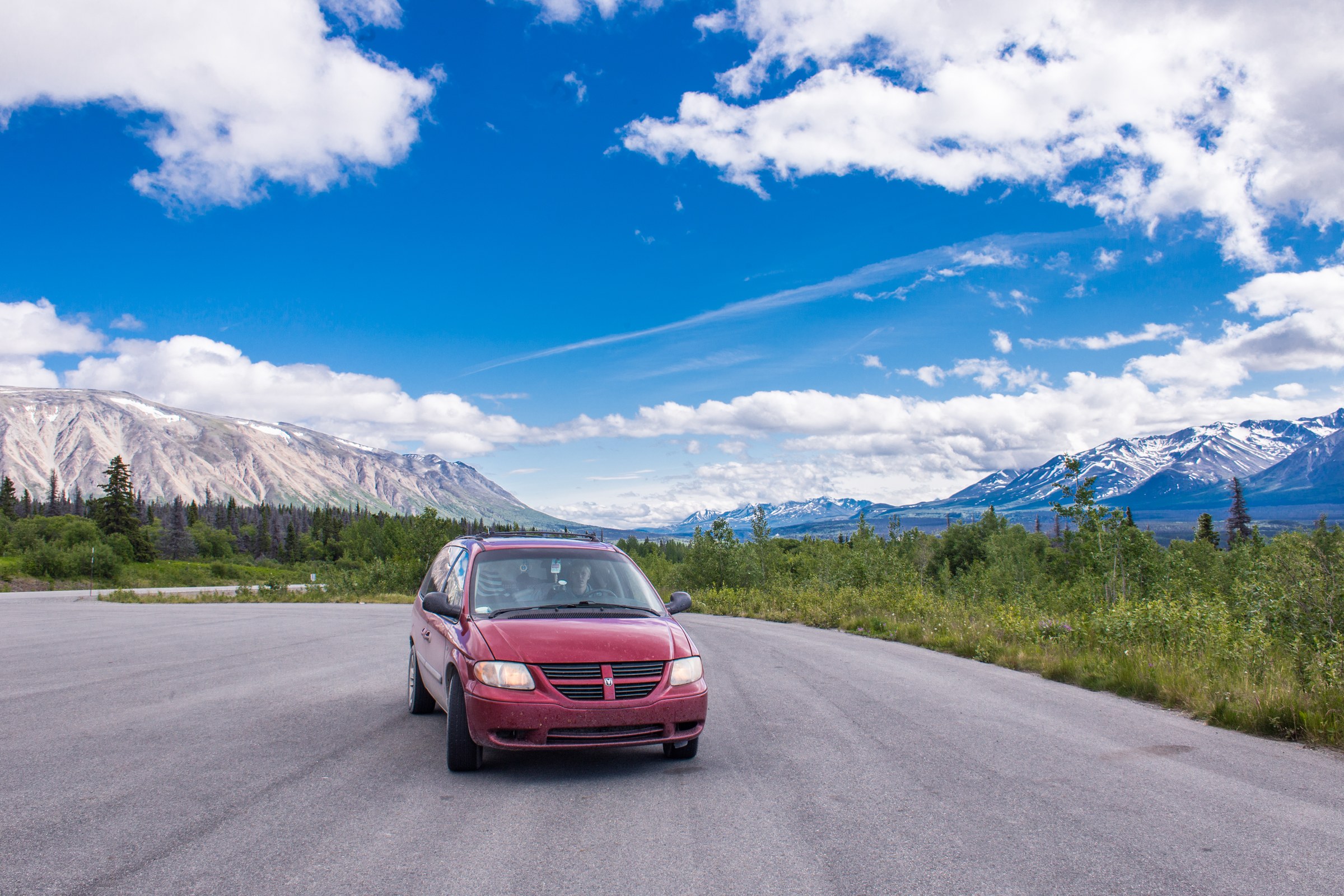
Rentals through companies like Great Alaskan Holidays range from $200 to $400 per night. While that sounds steep, compared to $300 for an average hotel plus $200 for a car, you’re actually coming out ahead each day. Plus, you wake up in the middle of stunning forests or with views of towering mountain ranges — something no roadside motel room could ever match ☺️.
5. National Park Entries and the America the Beautiful Pass
Even though it feels like Alaska charges you an arm and a leg for everything, access to its incredible nature can be sorted quite neatly and cheaply. If you plan to visit multiple federal parks like Denali or Kenai Fjords, grab the America the Beautiful pass straight away. This annual pass costs $80 and covers entry for your entire vehicle at most national parks across the United States.
The investment pays for itself incredibly quickly — typically within just a few days of travel. Do note, however, that this pass doesn’t cover Alaska’s state parks, such as the popular Chugach. You’ll need to pay a separate daily fee for those, usually $5–$25 per vehicle.
6. Bears at Katmai: The Trip That’ll Break the Bank
Watching brown bears snatch leaping salmon right out of the air at Brooks Falls is the dream of pretty much everyone heading to Alaska. Unfortunately, it’s the kind of experience that’ll make you wince when the bill arrives. Katmai National Park isn’t accessible by road — you have to fly in.
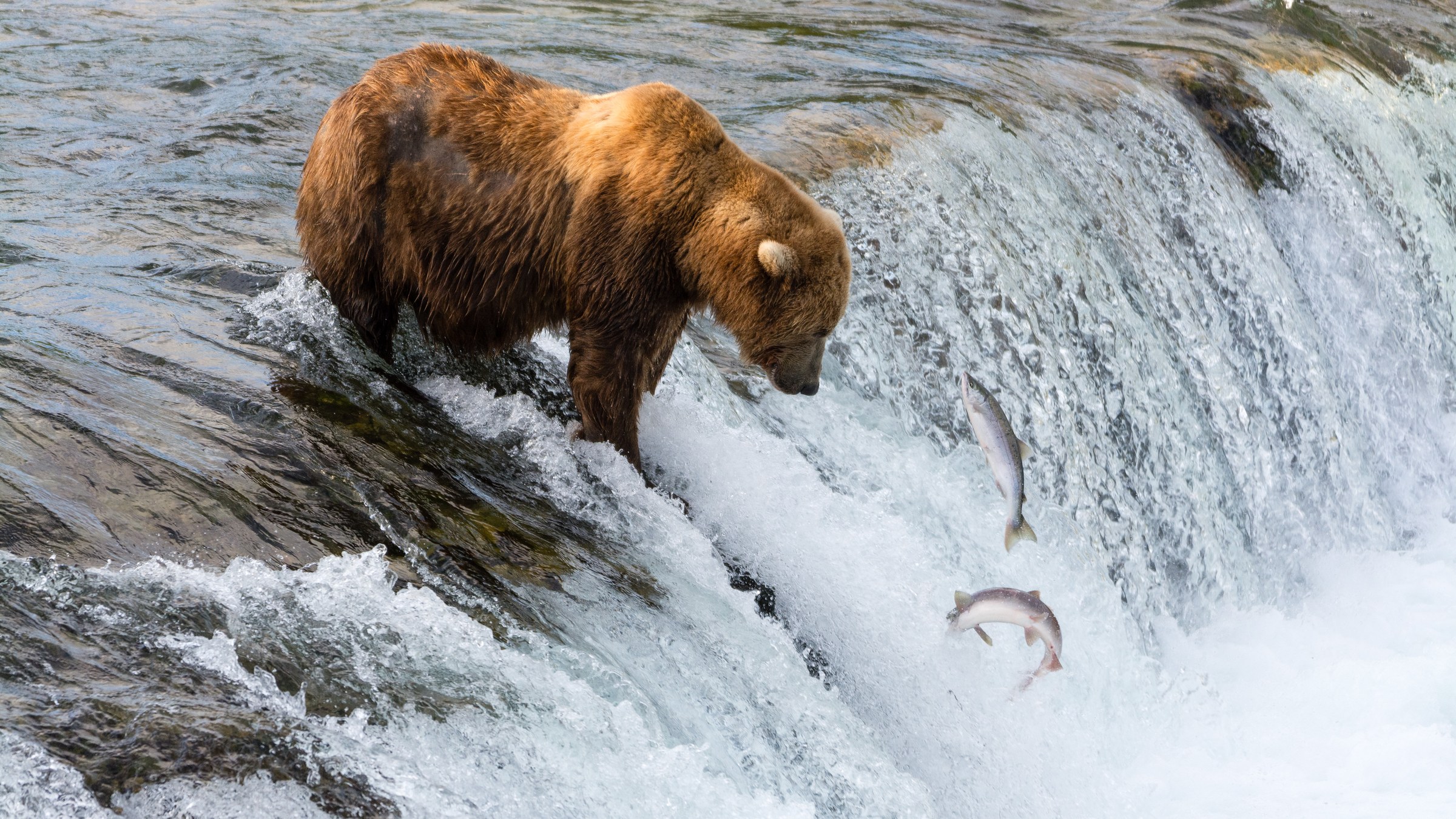
The logistics are a bit like a jigsaw puzzle: a return flight from Anchorage to King Salmon costs around $500, and from there a floatplane ferries you to the camp for another $450. So that’s $1,000 per person on transport alone — before you’ve even spotted a single bear. If you want to sleep on-site in a cabin, nights climb above $1,200. Many people opt for organised day trips, which also cost a small fortune but spare you all the hassle of connections.
7. Boat Trips to Glaciers and Whales
Alaska’s coastline is best explored from the water, and these excursions are worth every single penny. Turquoise glaciers crashing into the ocean with a thunderous roar will leave you genuinely breathless. One of the most popular experiences is a cruise to Aialik Glacier in Kenai Fjords National Park, departing from the port of Seward.
These full-day boat trips typically cost $200–$280 per person. If you love wildlife and want to see humpback whales, head out on a whale-watching tour around Juneau. Smaller boats carrying just a handful of passengers offer a more intimate experience and run $180–$360. Summer tours fill up remarkably fast — we nearly left it too late and there were only two spots left, so book in advance, ideally at the same time as your flights.

8. Buses in Denali and Scenic Flights
Denali National Park has one enormous quirk: you’re not allowed to drive your own car beyond a point just past the entrance. You have to use their official green buses. A basic Transit Bus ticket costs around $30, but far better are the narrated Tundra Wilderness Tours at $150–$200, where an experienced driver-guide will point out caribou, moose, and — with a bit of luck — grizzlies.
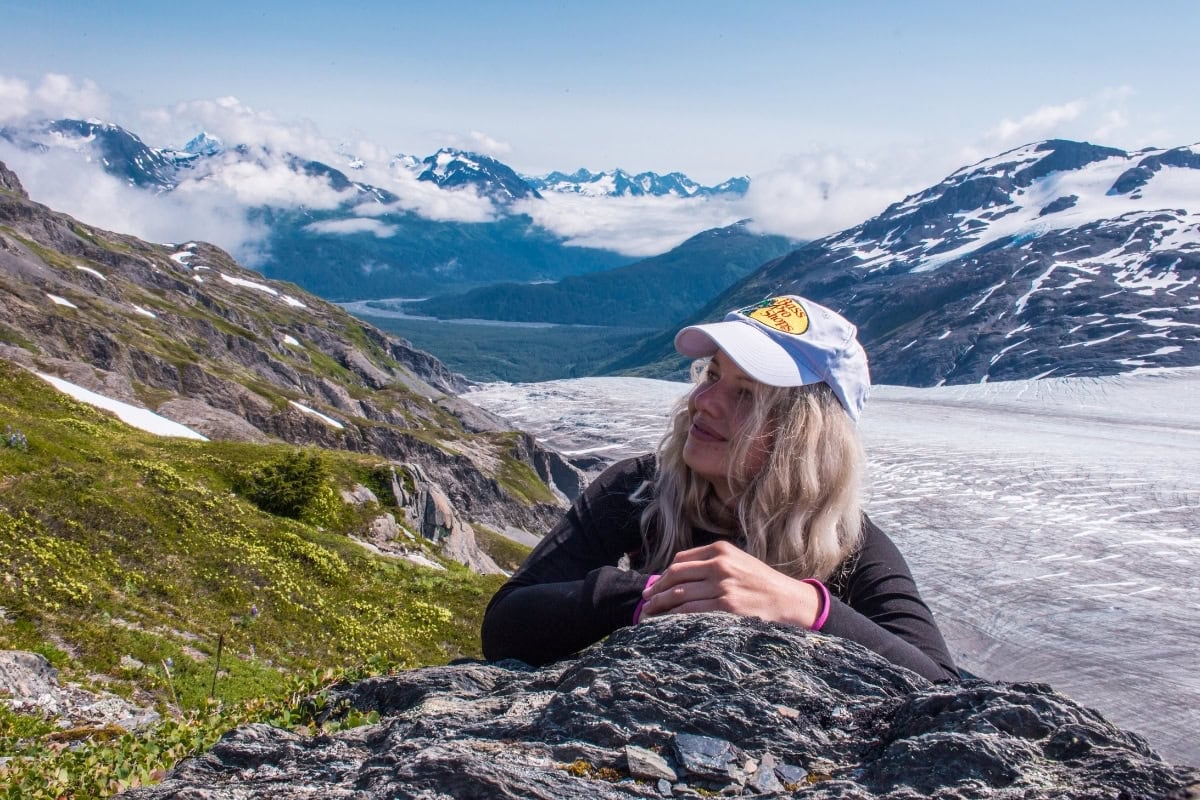
For those who don’t mind heights and are willing to splash out on an absolutely jaw-dropping experience, there are scenic flights from the town of Talkeetna. Small ski-equipped planes whisk you to the base of North America’s highest peak and even land right on a snow-covered glacier. This thrill costs $400–$700, but touching down on glacial ice at 4,000 metres is the kind of moment that leaves you grinning for a solid twenty minutes. We regret not booking it. To this day.
9. AMHS Ferries: A Slow Alternative to Cruise Ships
Commercial cruises are wonderfully comfortable, but if you’re on a tight budget with plenty of time, there’s the state-run Alaska Marine Highway System. Think of it as a massive floating motorway connecting coastal communities. The sailing from Washington State or Canada to Alaska takes several days.
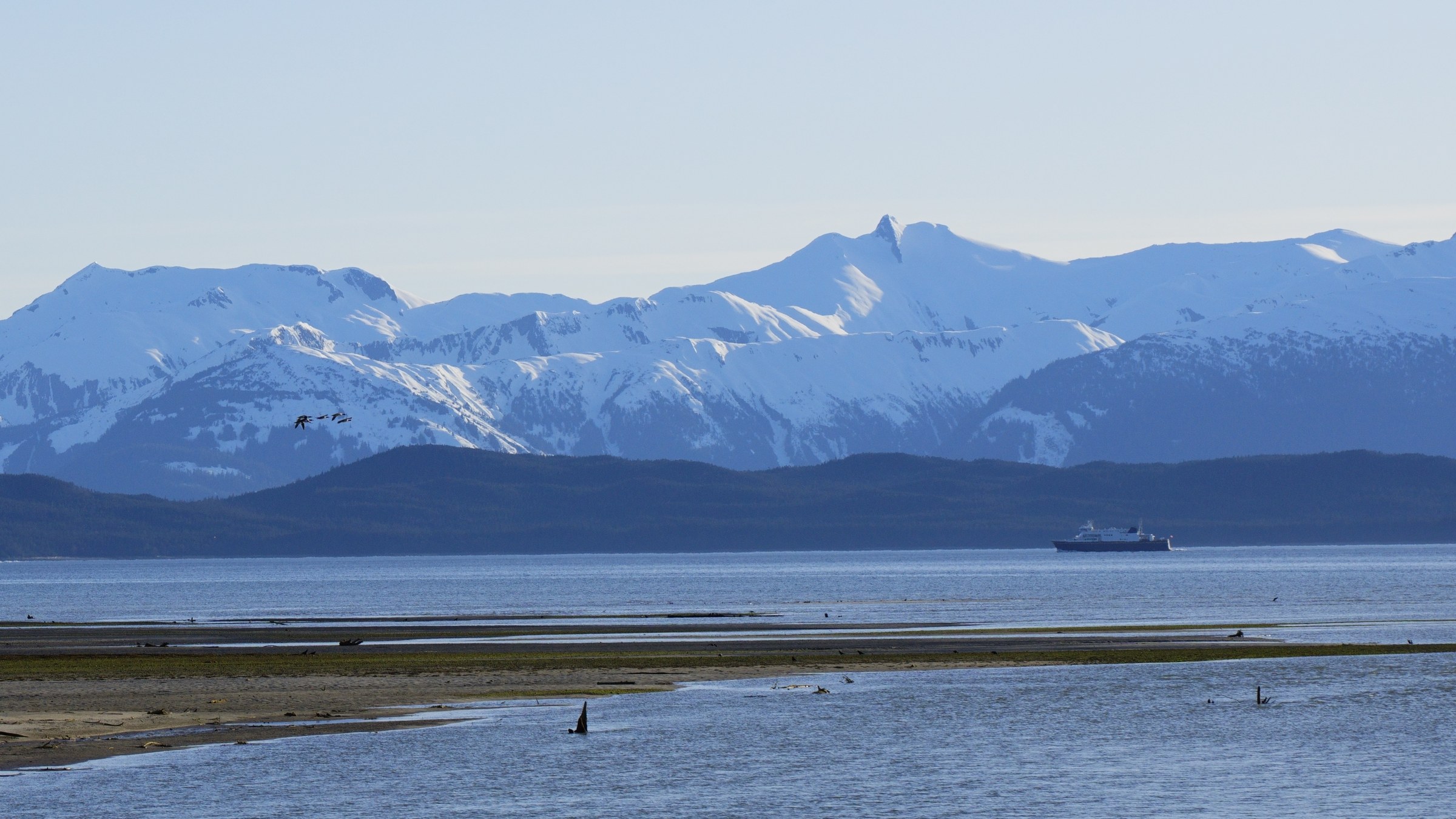
Basic passenger fares work out to a very reasonable $220–$320, which is a huge difference compared to a commercial cruise at $2,000+. There are caveats, though. You pay extra for a vehicle, and a cabin costs additional money on top. The truly adventurous solve this by rolling out a sleeping bag on deck under the heated solarium or pitching a small tent up there. It’s rough, but incredibly authentic.
 🚗 Car rental on the roadVerified rental cars in Alaska
Search with the DiscoverCars comparison engine — it compares prices from dozens of local and international rental companies, and most bookings come with free cancellation.
Compare car prices in Alaska →10. Travel Insurance Is an Absolute Must
If there’s one thing you must not cut corners on, it’s travel insurance for the United States. The American healthcare system is baffling to Europeans and, more importantly, staggeringly expensive. A routine treatment for a sprained ankle can run into tens of thousands of dollars, and if you need a helicopter evacuation from the backcountry, bills can soar toward $100,000.
Without solid cover, you’re essentially risking personal bankruptcy. We have firm rules for our trips. For shorter journeys we go with well-reviewed providers like True Traveller or SafetyWing, and always set the coverage limits as high as they’ll go. Make sure your policy specifically covers the USA and outdoor adventure activities.
11. Hidden Taxes and Tipping Culture
American tipping culture will catch up with you at every turn in Alaska. Coming from the UK, we’re not used to it being quite so pervasive, but staff here genuinely depend on tips for their livelihood. In restaurants, leaving 18–22% on top of the bill is automatically expected. But it doesn’t stop there — taxi drivers get 10%, porters get $2 per bag, and you should tip boat or hiking guides $10–$20 per day for their services.
Although Alaska has no statewide sales tax, don’t celebrate just yet. Individual cities levy their own local taxes. In Anchorage you won’t pay tax on food, but you’ll get hit with a hefty surcharge on accommodation and car hire. In towns like Seward or Homer, expect to add about 7% to every purchase at the till.
12. Unexpected Expense: Bear Spray
Your very first day will present an annoying logistical and financial snag. You simply don’t venture into Alaskan forests without bear spray — it’s your primary safety net in an unexpected encounter. The problem is that the FAA strictly prohibits carrying this spray on aircraft, even in checked luggage.
You can’t bring it from home or from another state. You’ll need to buy one for roughly $50–$60 right after landing, at outdoor shops like REI or at Walmart, and before your return flight you’ll have to toss it or give it away to someone in the airport car park. It’s a frustrating waste of money, but there’s simply no way around it.
13. When to Buy Alaska Flights and Why You Shouldn’t Wait for Sales
We’re often asked whether it’s worth holding out for last-minute flight deals. For Alaska, the answer is a resounding no. The season is so short and aircraft capacity so limited that as summer approaches, prices shoot up and never come back down.
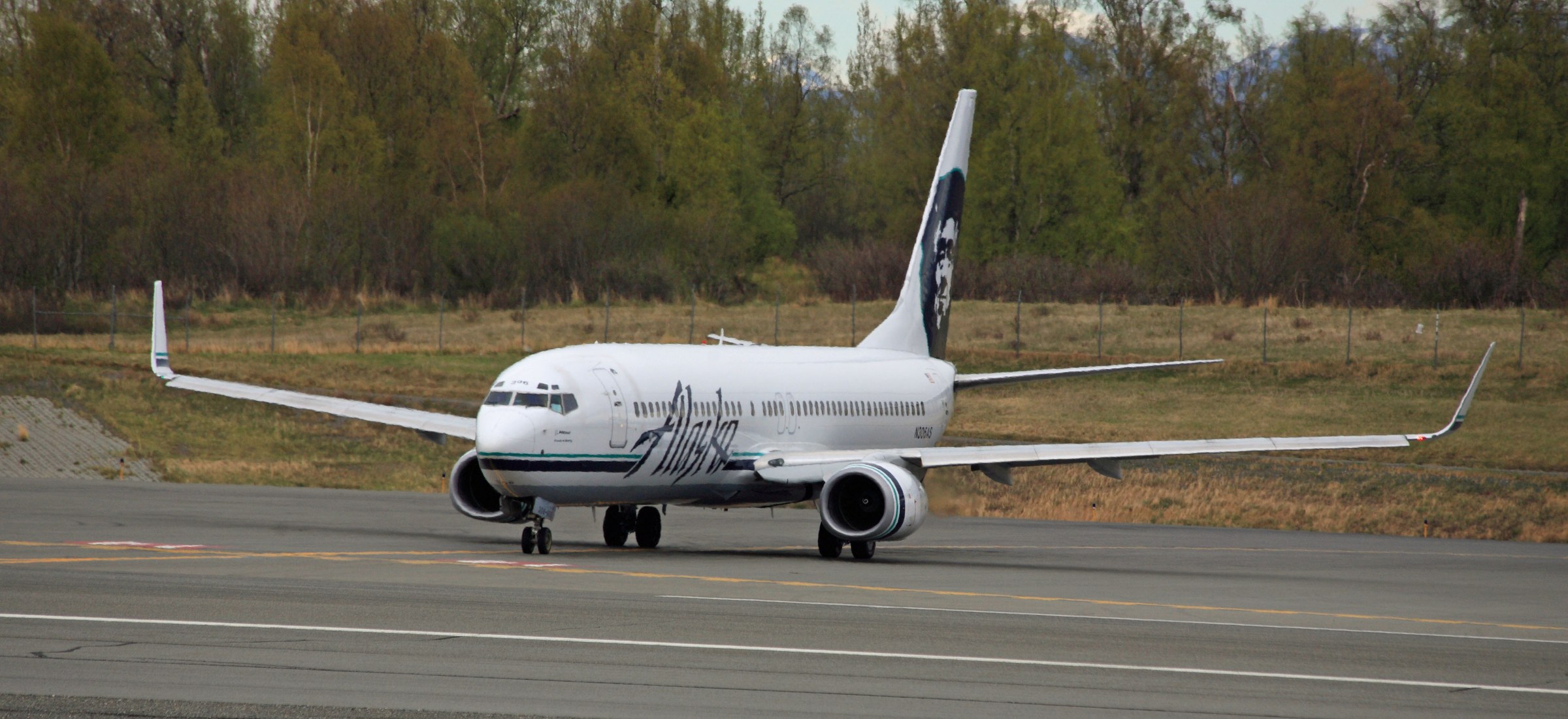
The best time to buy summer flights is between January and March — that’s when you can still snag genuinely good deals with carriers like British Airways, Lufthansa, or Delta Airlines flying via hubs like Seattle. If you put it off until May, you could find yourself staring at fares of £2,000–£2,500+. And that kind of blow will send shockwaves through your entire budget spreadsheet.
14. Clothing and Gear to Bring from Home
One mid-July day, we were caught in a fjord by wind and horizontal rain so fierce I wondered why umbrellas even exist. Alaska will throw this at you three times a day without batting an eye. Outdoor shops there are predictably expensive, so bring everything essential in your suitcase from home.
The key is layering. You need quality base layers, a warm mid-layer (a lightweight down jacket works brilliantly), and a waterproof Gore-Tex shell jacket and trousers on top. On your feet, wear well-broken-in, sturdy hiking boots that can handle miles of muddy terrain. Forget the umbrella — in Alaskan winds it’ll just be a nuisance.
15. Buying Your Own Food Like a Local
As we’ve established, restaurants here are eye-wateringly expensive. So how do you cope if you don’t have a rock star’s budget? We handled it our way: shopping for ingredients at Fred Meyer or Safeway and cooking ourselves. We found that saving $50–$100 a day for two people is entirely doable once you let go of the idea that every meal has to be eaten out.
By making your own breakfast on a portable stove in the morning and getting by on loaded sandwiches at some scenic viewpoint during the day, you can easily pocket that $50–$100 daily saving for two. Also invest in a big thermos for hot tea or coffee — it’ll be an absolute lifesaver on those blustery hikes ☺️.
Food and Drink: Where to Eat Without Going Broke
Restaurant bills in Alaska perfectly mirror the logistical challenges of the entire state. Many visitors arrive with the romantic, naive assumption that they’ll be gorging on cheap salmon and enormous crabs fresh from fishermen from dawn to dusk. Not quite. Most of the best catch is frozen right on the boats and shipped to lucrative markets in the Lower 48 or Asia.
A simple lunch of a burger, chips, and a drink at an average place runs $20–$35 per person. A nicer dinner will cost $40–$65, and if you go for fine dining with a view, expect $120–$200 for the evening.
If you’re in Anchorage, here are a few specific recommendations. For families and pizza lovers, there’s the legendary Moose’s Tooth Pub & Pizzeria. It’s an independent pizzeria with the highest revenues in the US, they brew their own excellent beer, but be prepared to wait up to ninety minutes for a table. You’ll pay a reasonable $20–$40. For a perfect breakfast or brunch, head to Snow City Cafe right in the centre, where we’d recommend the eggs Benedict with Alaskan crab. The crab is pricey, but this morning treat is absolutely worth it.
For view-chasers and luxury seekers, Crow’s Nest on the 20th floor of the Hotel Captain Cook is the spot. They have an incredible wine list and superb halibut, but be prepared to leave a few hundred dollars behind. If you need to save, one of the few decent alternatives to fast food chains is the local Wraps Sandwich Cafe, where you can get a solid meal for under $15. We also became fans of small bakeries in Anchorage, where you can grab an excellent muffin and coffee for a few dollars — the perfect start before a long day on the road.
Frequently Asked Questions (FAQ)
How much does a trip to Alaska cost overall?
A ten-day road trip for two people with mid-range comfort will run you about 10,000 EUR. A fourteen-day luxury stay with premium excursions for a family of four can reach up to 20,000 EUR. The cost is largely influenced by airfare and accommodation type.
When is the best time to visit Alaska?
The main and really only stable season lasts about 100 days from late May to early September. During summer you can expect the best weather, open roads, and all tourist attractions and restaurants in full operation.
How expensive is Alaska compared to the rest of the USA?
Alaska is significantly more expensive than most American states. All goods and supplies have to be shipped in from thousands of miles away. Food, accommodation, and services tend to be 30 to 50% more expensive in summer than in the continental United States.
How long is the flight from Europe to Alaska?
From Prague or Vienna, expect at least one connection, but more often two. Total travel time including airport layovers ranges from 16 to 22 hours depending on your chosen routing through the USA or Canada.
Can I rent an RV in Alaska?
Yes, campervans and RVs (recreational vehicles) are extremely popular because they solve the problem of expensive accommodation and food all at once. Rentals during peak season run about 200 to 400 dollars per day depending on vehicle size.
Is a cruise worth it?
For many people, yes. It combines accommodation, transportation to remote glaciers, and meals into one clear fixed price. If you snag a good deal on a balcony cabin, it can actually work out cheaper than a traditional road trip on land.
Do I need to watch out for bears?
Absolutely. Bear spray is an absolute must, whether you’re going on a long trek into the mountains or just a short walk near town. However, you can’t transport it on a plane, so you’ll need to buy it locally after you arrive.
Tips and Tricks for Your Vacation
Don’t Overpay for Flights
Search for flights on Kayak. It’s our favorite search engine because it scans the websites of all airlines and always finds the cheapest connection.
Book Your Accommodation Smartly
The best experiences we’ve had when looking for accommodation (from Alaska to Morocco) are with Booking.com, where hotels, apartments, and entire houses are usually the cheapest and most widely available.
Don’t Forget Travel Insurance
Good travel insurance will protect you against illness, accidents, theft, or flight cancellations. We’ve had a few hospital visits abroad, so we know how important it is to have proper insurance arranged.
Where we insure ourselves: SafetyWing (simple monthly subscription) and TrueTraveller (for extra-long trips).
Find the Best Experiences
Get Your Guide is a huge online marketplace where you can book guided walks, trips, skip-the-line tickets, tours, and much more. We always find some extra fun there!
More from Alaska
Full guide →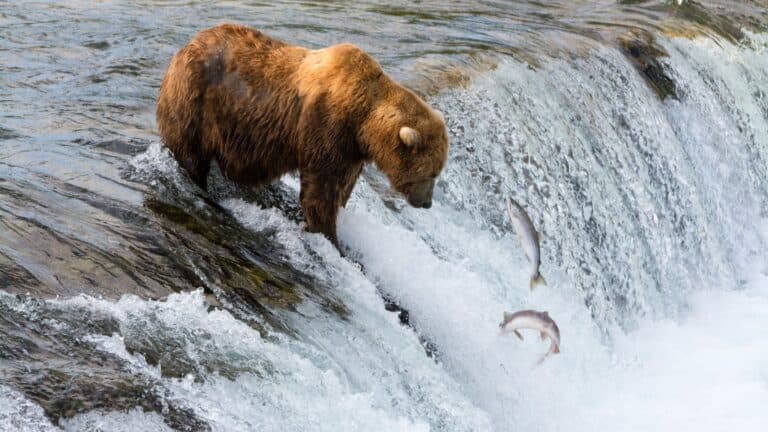 What to see · most readBears in Alaska: Where to See Them & Safety Tips (Complete Guide)
 What to seeWrangell-St. Elias & Matanuska Glacier: Exploring America’s Largest National Park
 What to seeGlacier Bay National Park, Alaska: A UNESCO Gem With No Roads
 What to seeKenai Fjords National Park, Alaska: 12 Tips on What to See and Do
 PricesAlaska Cruise: The Complete 2026 Guide (Inside Passage, Glacier Bay, Prices)


