

Alaska has probably been on your mind for a while now — glaciers calving into the sea, bears scooping salmon out of the river and the northern lights dancing over snowy peaks. But then the practical questions kick in: what does it actually cost, when is it worth going, and should you do it yourself or hand it over to a tour operator? That very uncertainty is what separates a daydream from a flight you’ve actually booked, and we’re here to help you settle it. ☺️
On this page you’ll find three things: up-to-date prices for tours and flights, which we refresh every morning; our tips from our own trips and articles, so you know where it’s really worth heading; and a plan for when and what to book so you don’t overpay needlessly.

What to see and do in Alaska
Alaska is enormous — bigger than Texas, California and Montana combined — so on a single trip you’ll only manage a slice of it. We recommend pairing the accessible “road-trip” south with a wilder excursion by plane. Start in Anchorage, where most routes begin, and head out onto the Kenai Peninsula.
- Denali National Park – North America’s highest peak and tundra teeming with wildlife; the gateway is the charming town of Talkeetna, where the flightseeing flights take off.
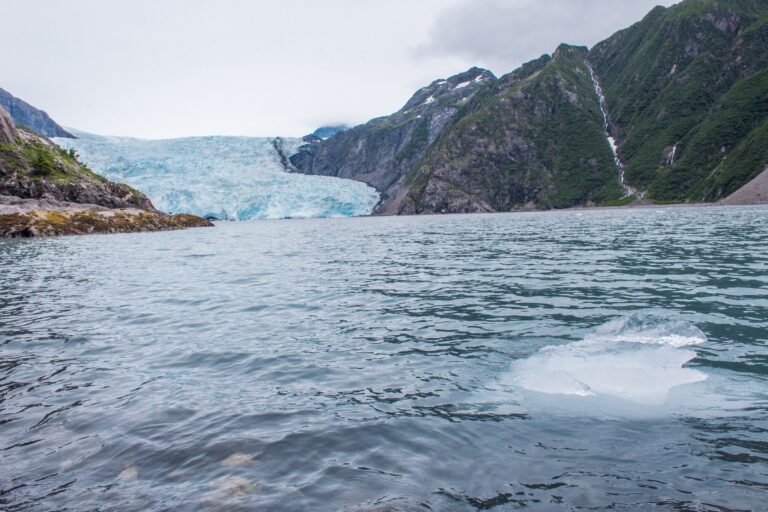
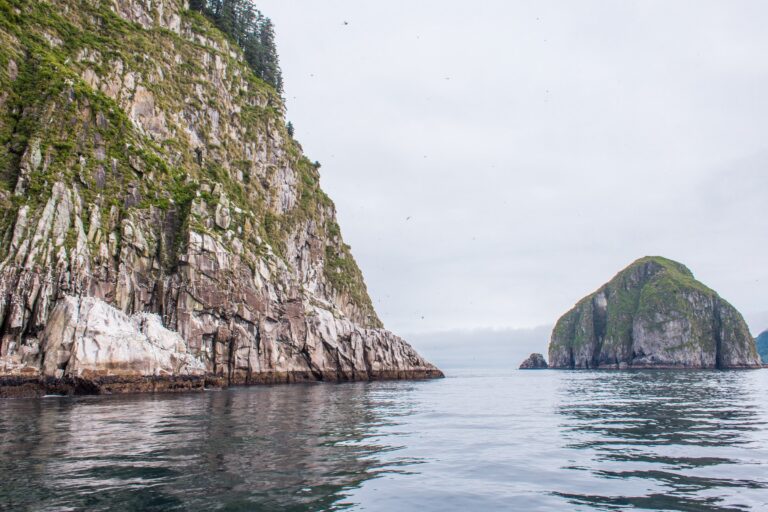
- Kenai Fjords and the port of Seward – boat trips out to glaciers, whales and seabird colonies.
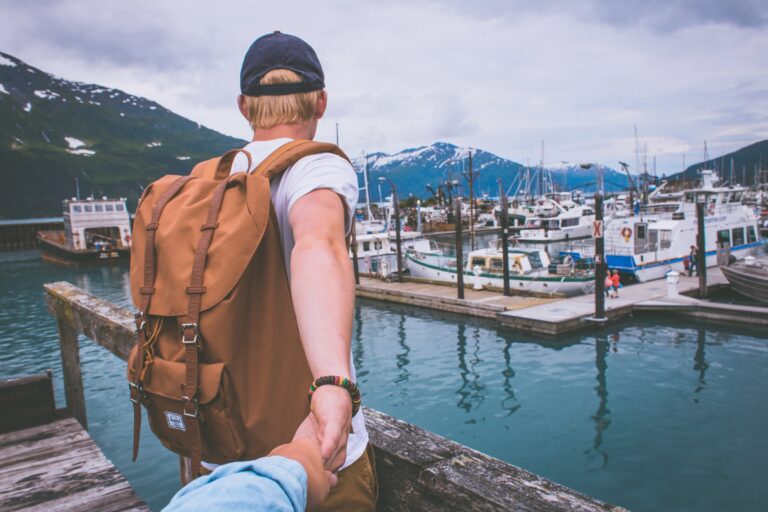
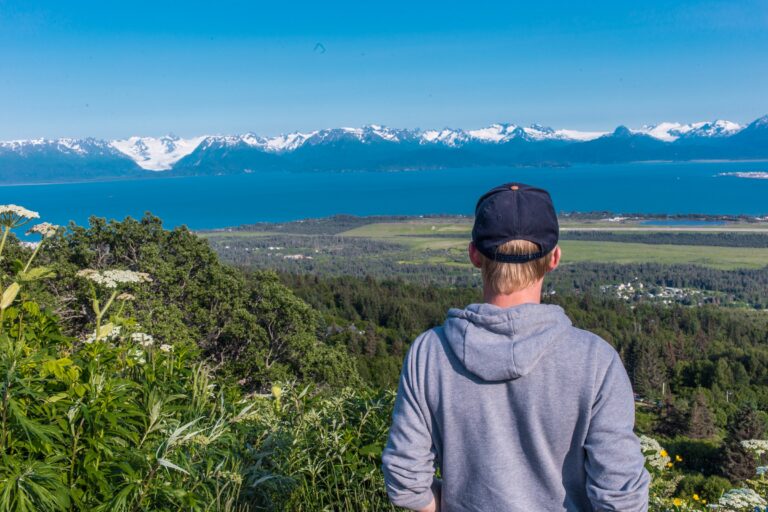
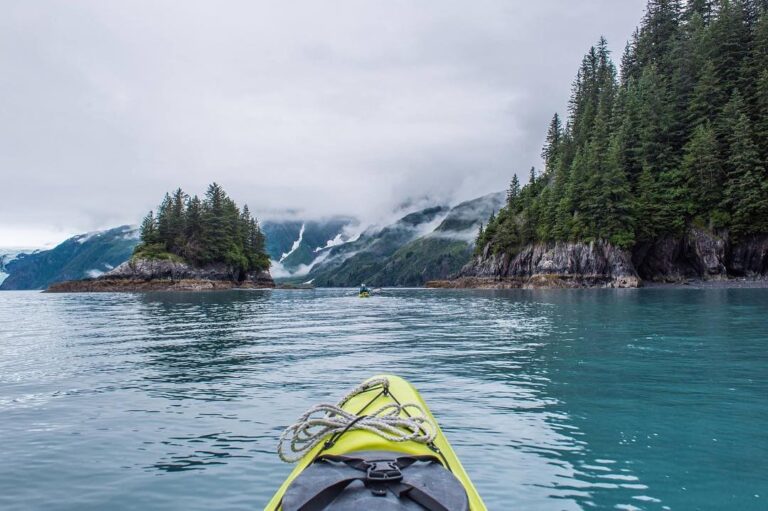
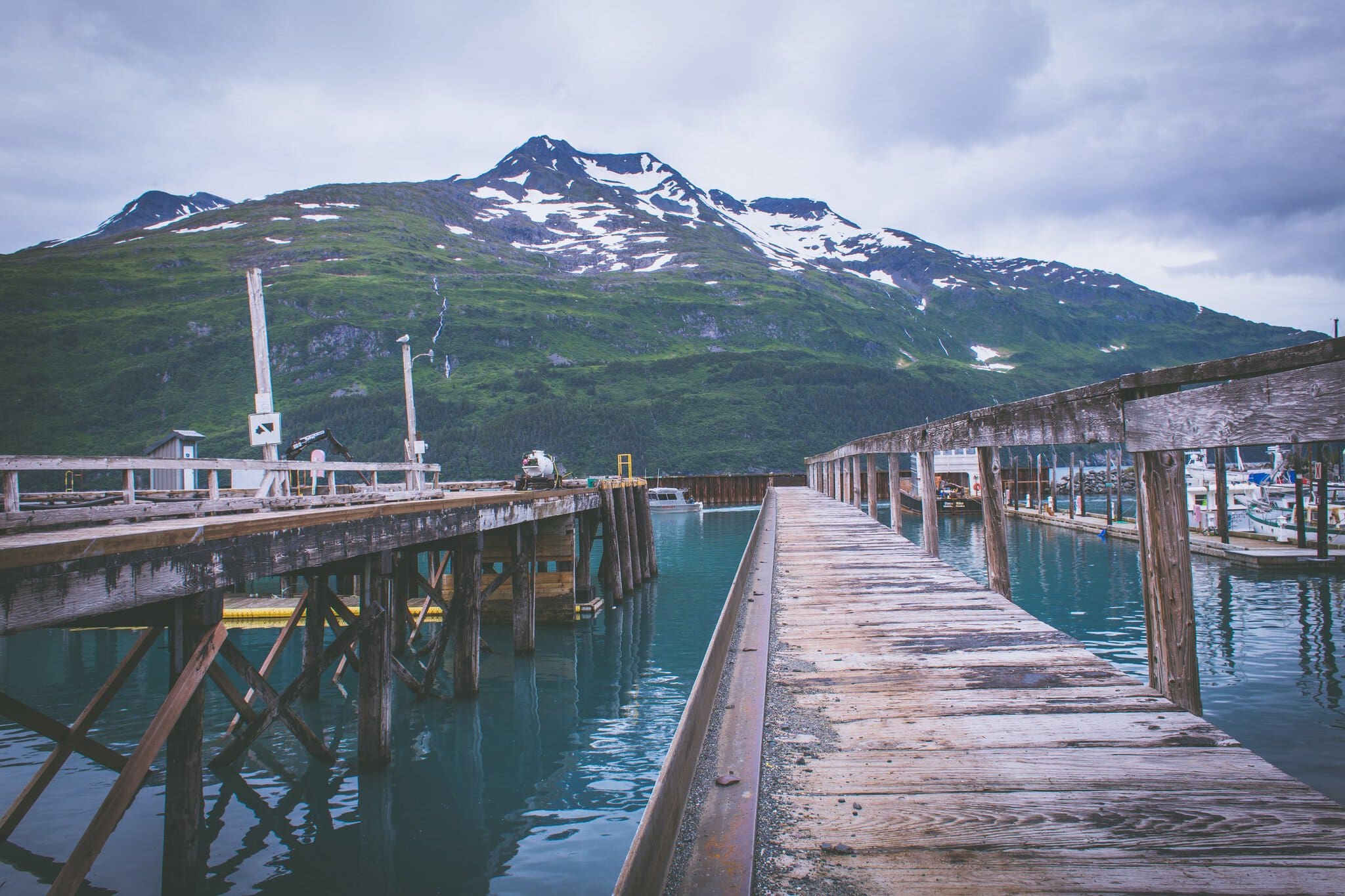
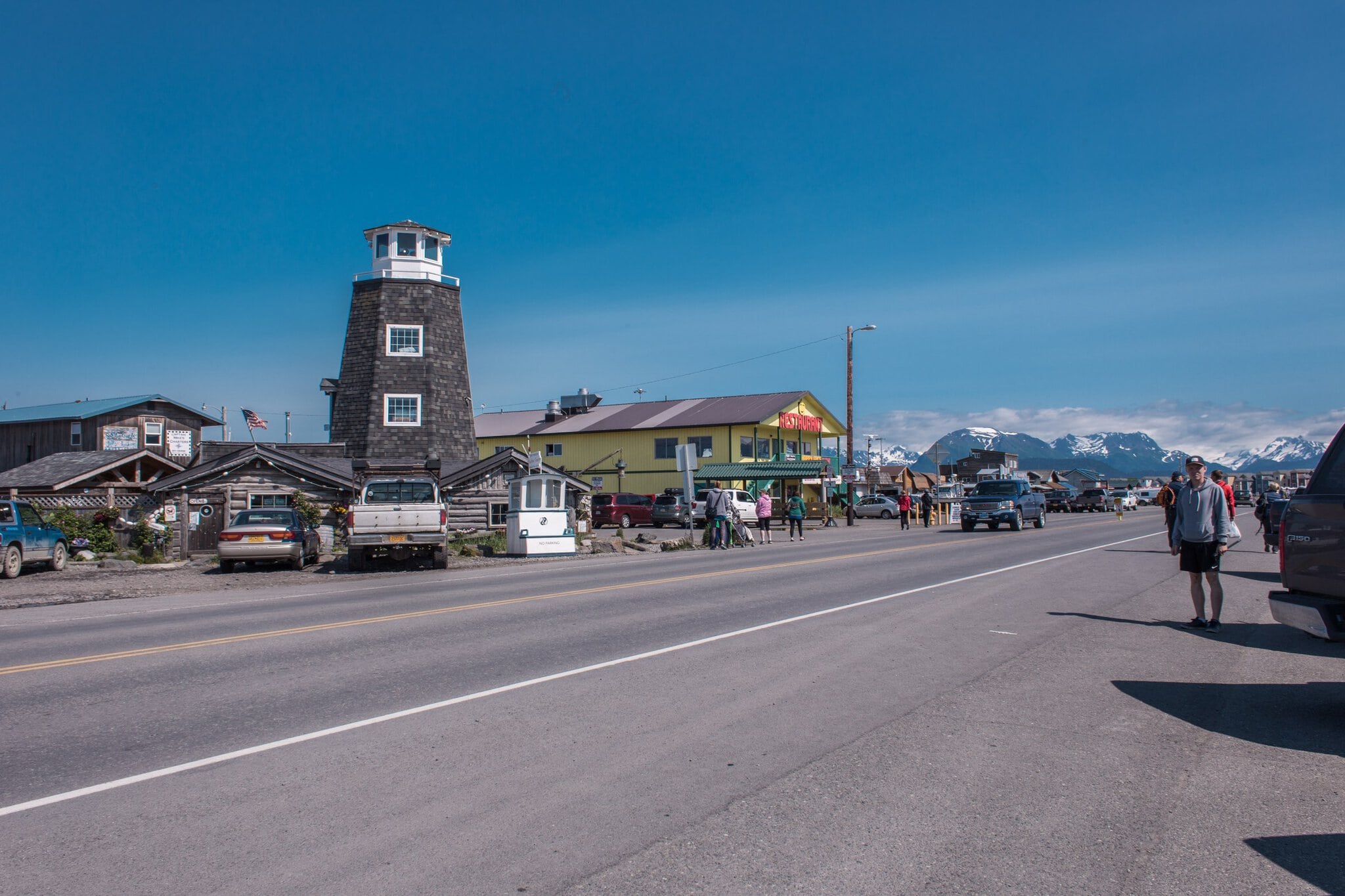
- Homer at the end of the road and neighbouring Whittier and Prince William Sound – fishing, kayaking and glacier-lined bays.
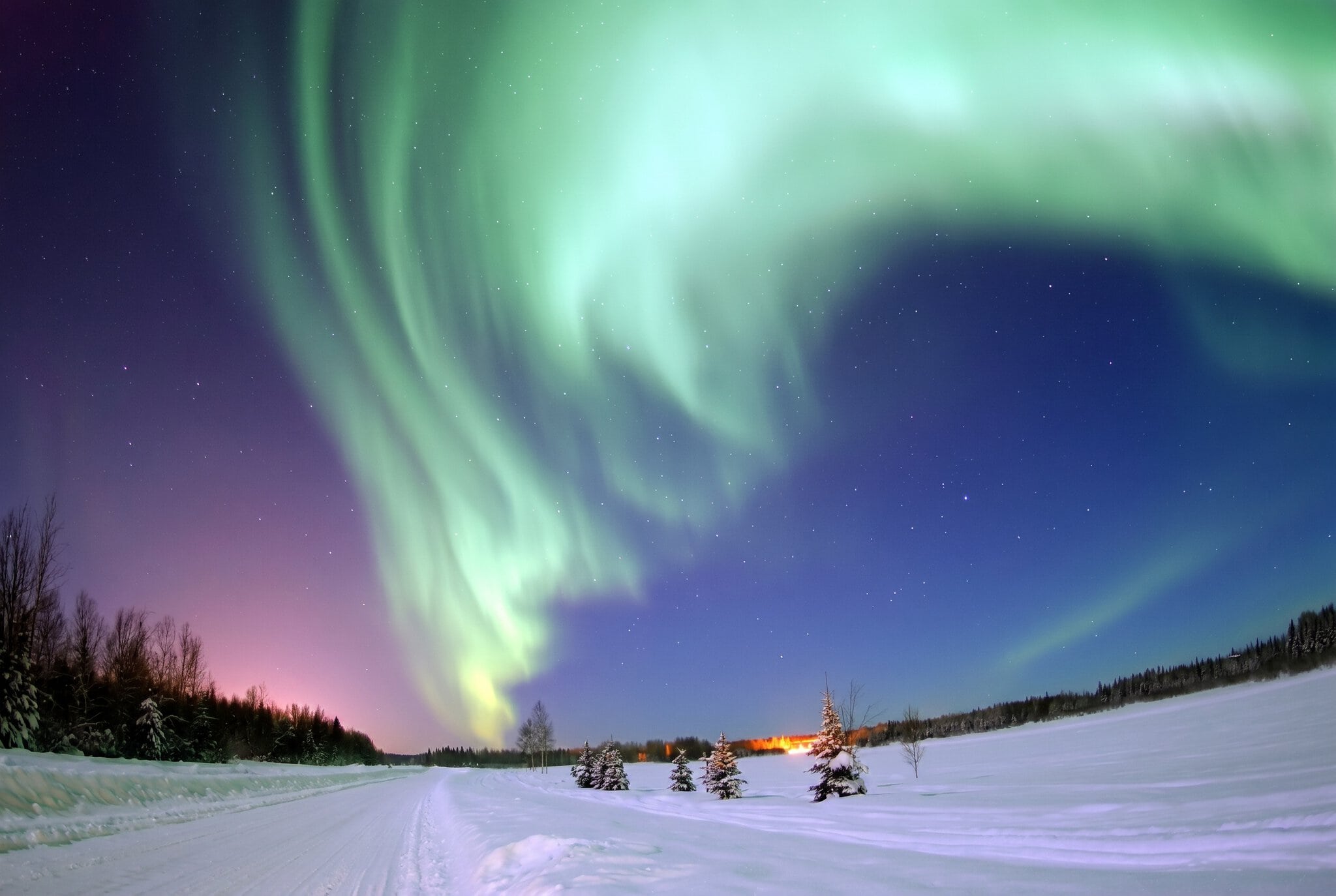
- Fairbanks – the capital of the northern lights and a trip out to Chena Hot Springs.
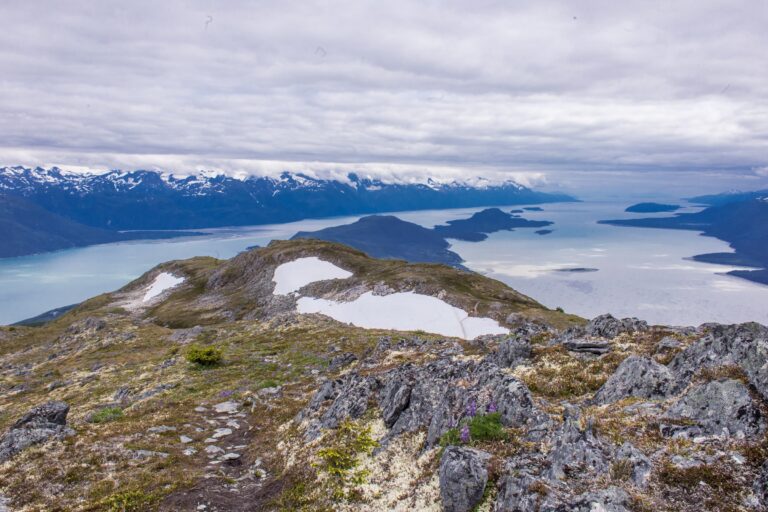
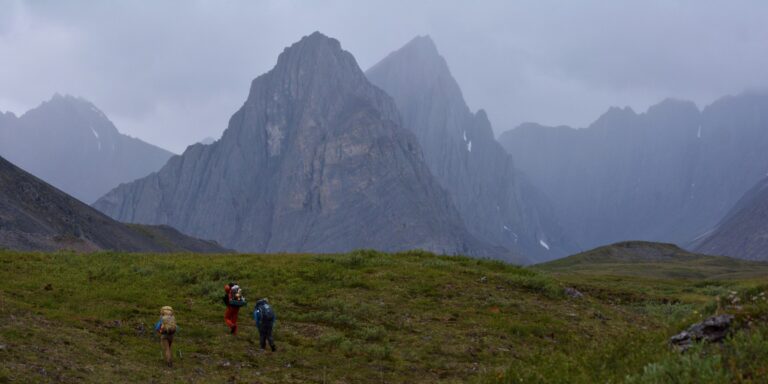
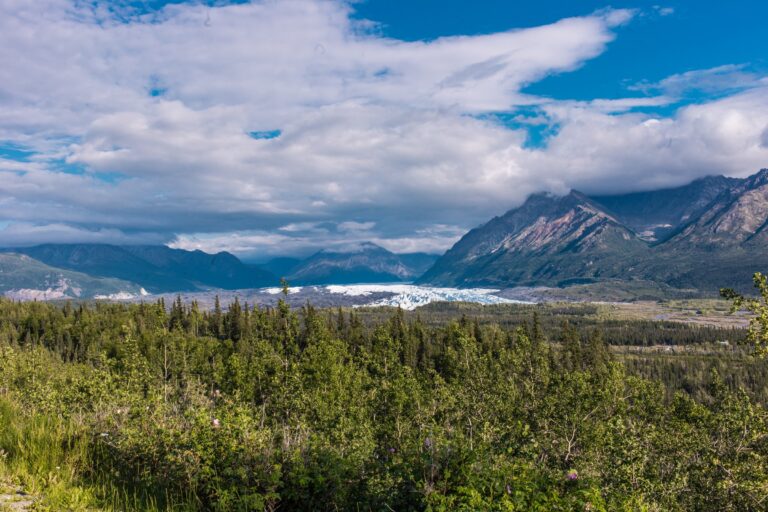
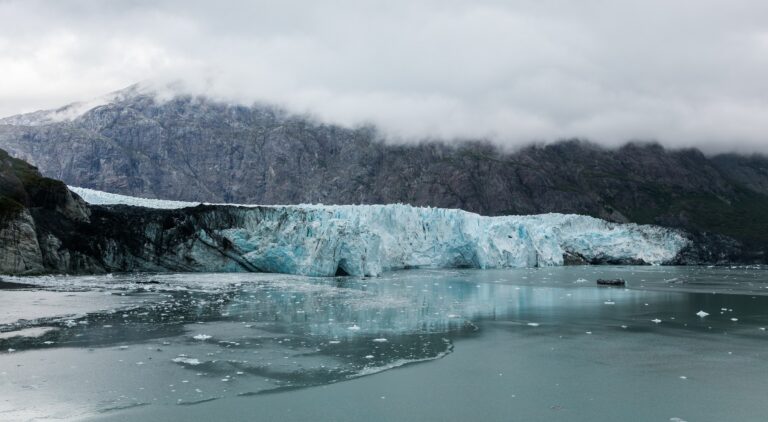
- National parks with no road access: Wrangell-St. Elias (the largest in the US), Gates of the Arctic (the least visited) and UNESCO-listed Glacier Bay.
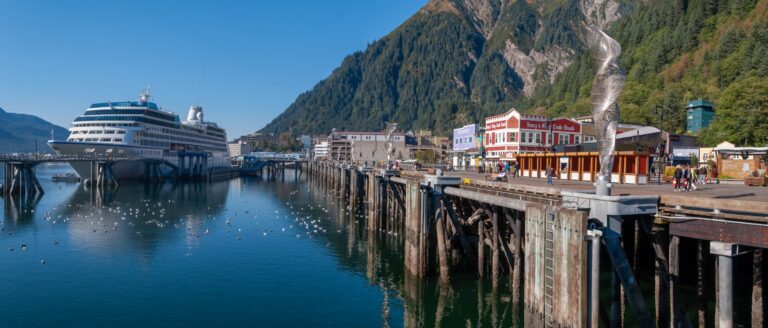
- The Inside Passage: Juneau, Sitka and the duo of Haines and Skagway – best reached by cruise ship.
- Bear watching: Katmai and Brooks Falls with their iconic Fat Bear Week – more in our bear guide.
If you’re still deciding, browse our roundup of what to see in Alaska and our inspiring travelogue from the American north.
When to visit Alaska
Alaska has two completely different seasons, and the month you choose depends on what you want to see. The main summer season runs roughly from mid-June to mid-September – that’s when the boats run, the roads and parks open up, the days are longest and your odds of spotting bears, whales and salmon are highest. The peak is in July, when it’s warmest but also busiest and most expensive.
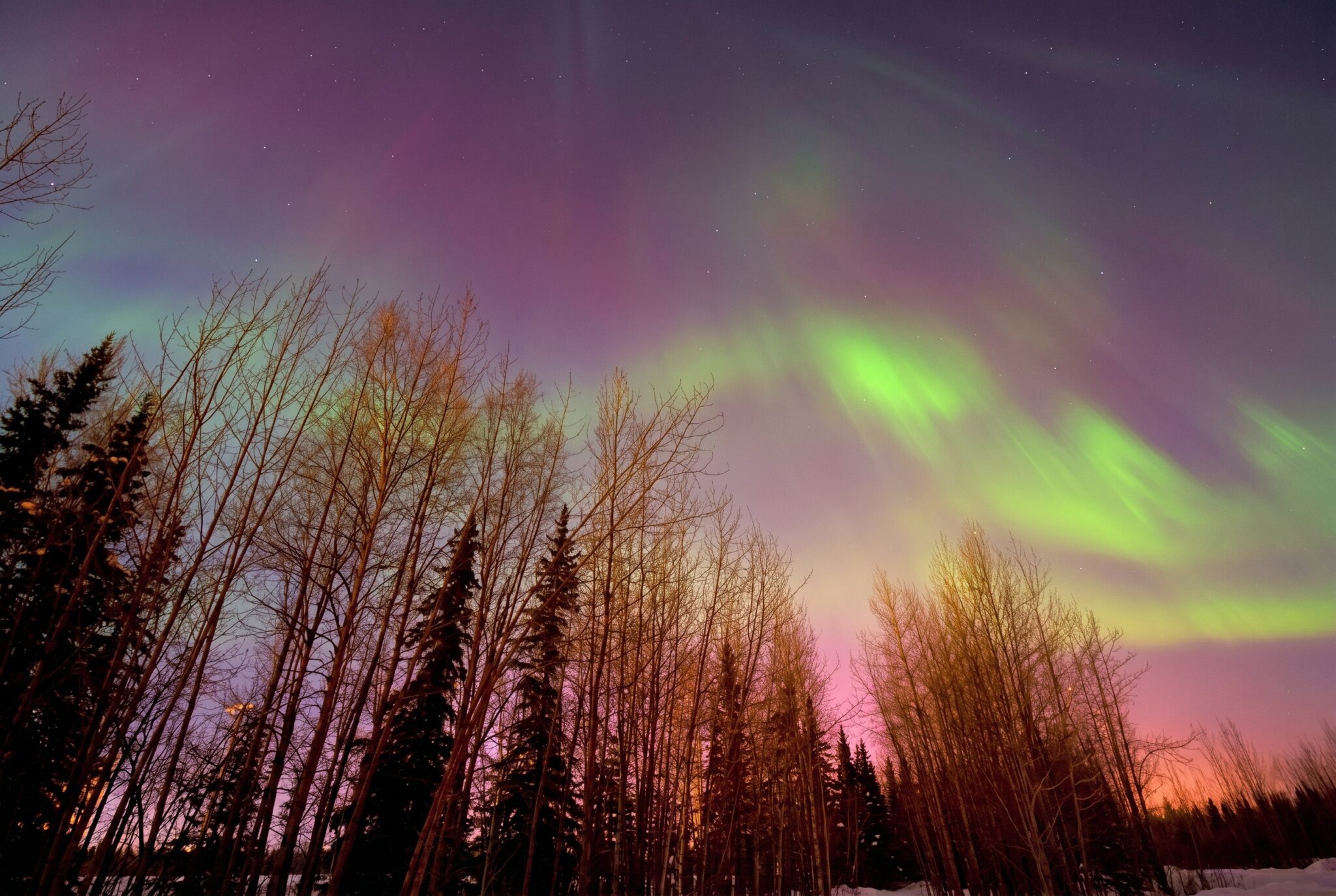
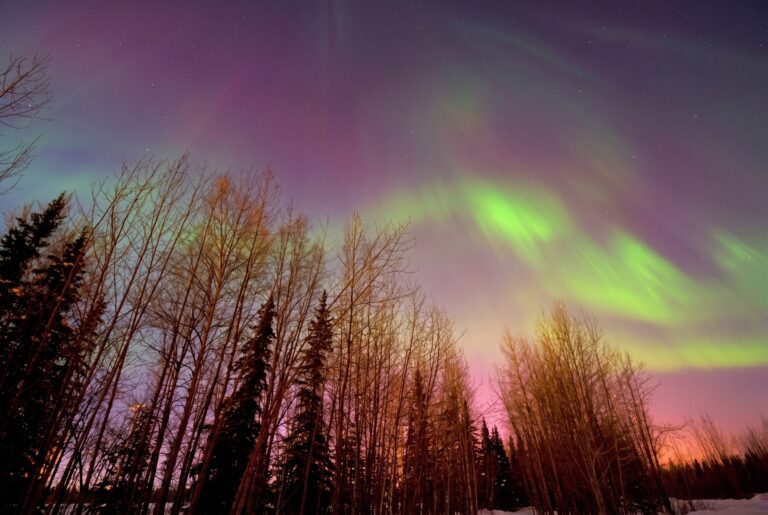
If you’re chasing the northern lights, it’s exactly the opposite – you want darkness and clear skies, ideally between September and April, with the best months around February and March, when the skies tend to be settled. Summer is far too bright for the aurora; in June it’s basically daylight round the clock above the Arctic Circle.
Spring and autumn (May, September) are a compromise – fewer crowds, lower prices, but the weather is fickle and some services may have shut down already. For a detailed month-by-month breakdown, see our article on when to go to Alaska.
How to get to Alaska
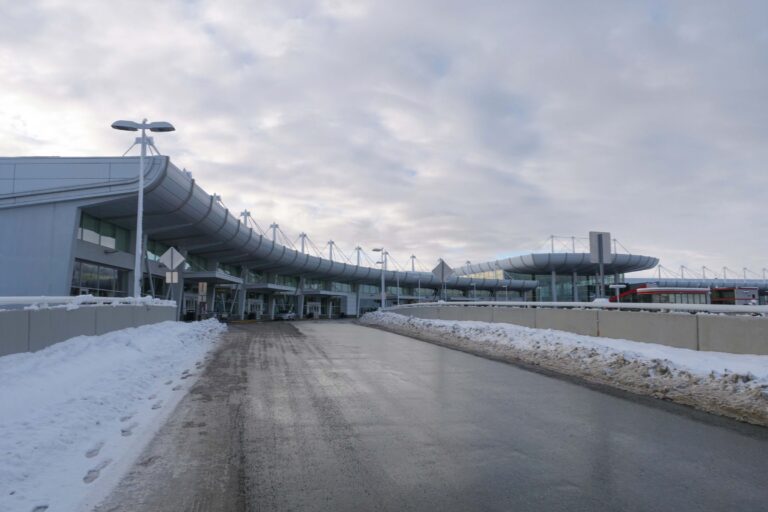
There are no direct flights to Alaska from Czechia – you’ll always change planes, usually via one of the big US airports (Seattle is often the last hub before Alaska). The main gateway is Anchorage (ANC), where most journeys head; for the north and the aurora, Fairbanks is handy. The whole trip from Prague takes around 15–20 hours including connections, so budget a full travel day in each direction.
Don’t forget your ESTA travel authorisation (sort it out online in advance), and bear in mind that some Inside Passage destinations – Juneau or Sitka, for example – have no road links and can only be reached by plane, ferry or ship. We’ve written up all the logistics from Czechia (flights, ESTA, car, money) in our article Getting to Alaska from Czechia.
Renting a car
A car is worth it in Alaska if you want to drive the road-accessible south – a loop through Anchorage, the Kenai Peninsula and Denali gives you the most freedom with a car and often works out cheaper than a string of organised transfers. In the Inside Passage (Juneau, Sitka), on the other hand, or for the remote roadless parks, a car makes no sense – there you’ll be getting around by plane, ferry or ship anyway.
- Book ahead via a comparison site – in season cars and RVs sell out and on-the-spot prices tend to be much higher.
- Watch the insurance and deposit – the card hold can be steep; consider full cover, as gravel roads can scuff up a car.
- Factor in the ferries – the route to Whittier, for instance, runs through a toll tunnel with a timetable, so plan your timing in advance.
Where to stay in Alaska
Accommodation in Alaska is pricier than in the rest of the US and sells out early in season, so book well ahead. For a first trip it makes sense to base yourself in Anchorage and head out on loops from there, or to work your way down the Kenai Peninsula (Seward, Homer).
- Hotels and motels in the towns (Anchorage, Fairbanks) – the safest bet, but pricey in summer.
- Lodges and cabins near the parks and out in the wilderness – atmospheric, often with half board; book way in advance.
- Campsites and RV parks – the cheapest option, ideal if you’re travelling with an RV or a tent.
- B&Bs and apartments in smaller towns – good value and a bit of local connection.
We cover specific areas and accommodation types in our articles on the individual towns too – from Seward to Fairbanks.
Package tour or independent travel?
A tour is worth it when:
- it’s your first trip and you don’t want to wrangle the logistics of distances and bookings,
- you want guaranteed spots on the boats, flights and bear viewing without hunting them down yourself,
- you’re travelling on limited time and want to see as much as possible without planning,
- you’d rather not drive hundreds of kilometres or deal with a car.
Go it alone when:
- you want the freedom to change plans with the weather and your mood,
- you enjoy driving and a road trip through the southern roads,
- you’re after savings and don’t mind spending time planning,
- you want more time in specific places and fewer transfers.
The two of us love the combination best: drive the road-accessible south (Kenai, Denali) yourself, and sort out the wilder bits – bear viewing, flightseeing or the Inside Passage – through organised trips. If you’re torn, take a look at our 7-, 10-, 14- and 21-day itinerary, it makes the decision a lot easier.
Budget: daily costs in Alaska
| Level | Accommodation | Food | Transport & activities | Total/day |
|---|---|---|---|---|
| Backpacker | 40 $–70 $ (campsite, hostel) | 17 $–30 $ | 35 $–60 $ | approx. 90 $–155 $ |
| Standard | 105 $–190 $ (motel, B&B) | 35 $–60 $ | 65 $–150 $ | approx. 200 $–400 $ |
| Comfort | 210 $–380 $ (hotel, lodge) | 60 $–105 $ | 150 $–300 $ | approx. 420 $–790 $ |
Prices are approximate, per person per day, excluding flights and car hire (budget for that separately). Alaska is one of the most expensive destinations in the US — the biggest line items are usually boat trips, flightseeing and bear viewing. You’ll find detailed sample budgets in our article on how much a holiday in Alaska costs.
How to save when planning
- Buy flights 4–7 months ahead – for summer the cheapest seats go early and prices shoot up in the final weeks. Search for flights in our flight finder.
- Book accommodation right after your flight – lodges and cabins near the parks are the first to sell out in season. Our accommodation tips.
- Lock in boat trips, flightseeing and bear viewing in advance – capacity is limited and it’s often sold out on the spot. What to book early.
- Avoid the July peak – shifting your trip to early June or to September saves on both flights and accommodation and lets you dodge the crowds.
- Check tours well ahead – for Alaska, booking early usually pays off more than banking on last-minute deals, which tend to be scarce. Take a look at the current tours on this page.
Practical information
- Language and currency: the language is English and the currency is the US dollar (USD).
- Payments: you can pay by card almost everywhere, with cash handy only for tips and small purchases; reckon on a customary 15–20% tip.
- Connectivity: there’s a signal in towns and along the main roads, but it vanishes in the parks and wilderness – get yourself a US eSIM and download key maps offline.
- Safety: the big topics are bears and the weather – stick to the rules, carry bear spray and keep an eye on the forecast; see our bear safety guide.
Bear in mind that distances are huge and it pays to top up the tank whenever you can – it can easily be a few hundred kilometres to the next gas station between towns. And always take out solid travel insurance, as American healthcare is expensive.


