When you picture Juneau, Alaska, you probably imagine busy highways, traffic jams and endless access roads. Then you actually arrive and discover there’s no road leading here at all. The city is completely cut off from the rest of the world by impassable mountains and glaciers, so the only way in is by boat or plane. That fact alone sounds fascinating — and according to pretty much every traveller, what usually greets you on arrival is a proper downpour 😅.
So what’s waiting for you? A glacier, whales, crab that costs about as much as a small car, and a few tips on how not to mess up the logistics right from the start.
TL;DR
If you’re sitting on the ferry right now and just need a quick hit of inspiration, here are the most important points to keep in the back of your mind:
- A rain jacket is non-negotiable: Juneau sees rain on an average of 230 days a year, an umbrella is useless in the wind, and waterproof boots will reliably save your holiday.
- The Mendenhall Glacier is vanishing before your eyes: From 2026, entry to the visitor centre costs $15, and the famous ice caves have sadly collapsed, so you can no longer reach them on foot.
- A whale-watching paradise: Boats head out from the nearby port of Auke Bay to spot humpback whales, and it’s an experience worth every penny.
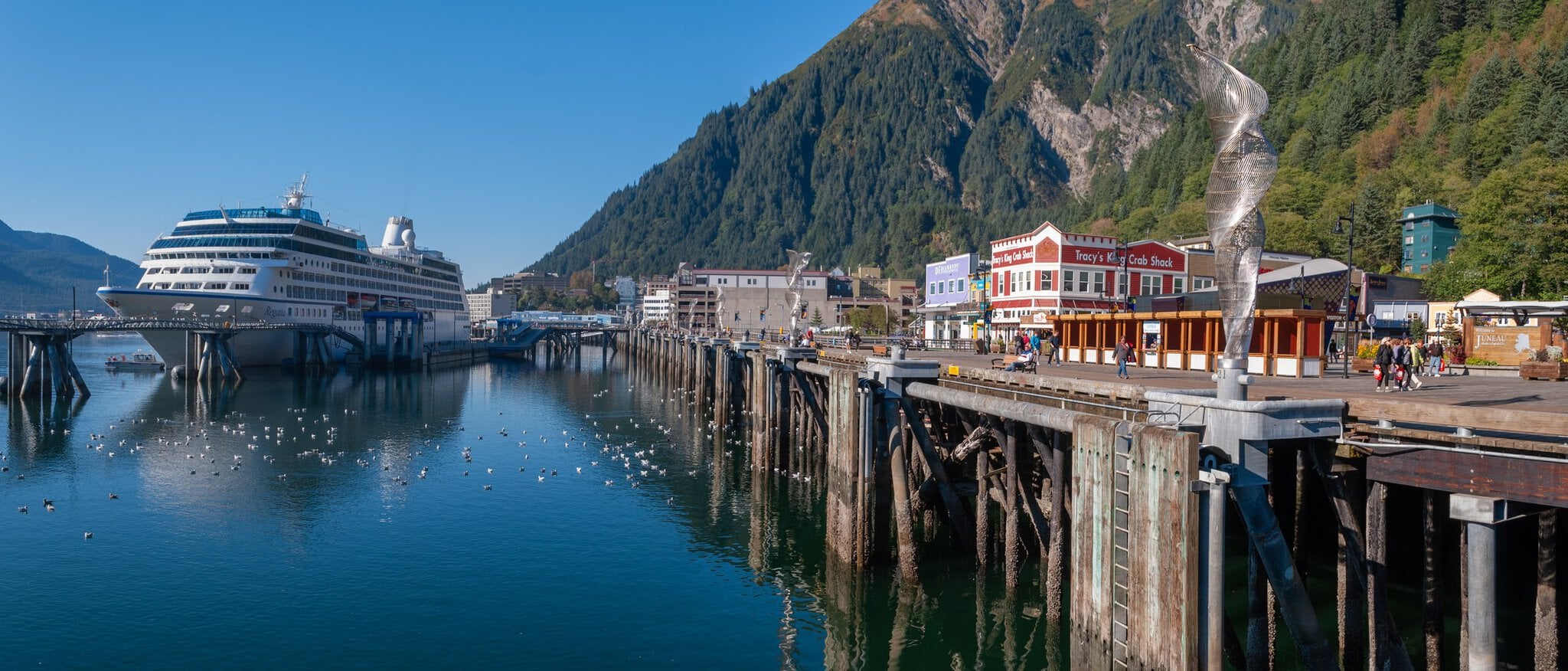
- Think twice about the crab feast: The famous Tracy’s King Crab Shack down by the docks is legendary, but a single crab leg will set you back over $80.
- Ferry travel: The Alaska Marine Highway system is the best way to get here with a car, but tickets sell out at lightning speed months in advance.
The full destination guide: Alaska — guide and what to see
When to Go and How to Reach the City With No Roads
Planning a trip to Juneau, Alaska takes a bit more logistics than your average road trip, simply because you can’t drive here. The high season runs during that short Alaskan summer from May to September, when the city is flooded by over a million passengers from the enormous cruise ships. Personally, I’d recommend going right at the start of June or towards the end of August, when there are at least a few less people around and you have a chance to enjoy the gorgeous local scenery in relative peace.
There are basically only two ways to get to Juneau. The faster option is to fly, landing at the small local Juneau International Airport. For independent travellers like us, though, the far bigger adventure is using the state-run Alaska Marine Highway System ferries. These huge vessels are the absolute backbone of Alaskan transport and connect Juneau with surrounding towns like Skagway or Haines. The crossing from Haines takes just under five hours and a 2026 ticket costs around $49 per person. But be extremely careful with bookings — if you want to bring a car or have a sleeping cabin, you have to reserve everything many months ahead through the state portal.
Where to Stay in Juneau and What It All Costs
Juneau accommodates government officials, backpackers and families all at once, so the choice is pretty decent. Unfortunately, those summer prices really do hurt. Expect to pay anywhere from $200 to $350 a night for an ordinary double room in an average hotel in summer, plus local fees and taxes on top. If you’re planning to head out into nature and don’t need luxury, you can find cheaper options too, but those are the first to disappear.
🏨 Recommended hotels in Juneau
- Luxury: Four Points Sheraton Juneau
- Mid: Westmark Baranof Juneau
- Budget: Driftwood Hotel Juneau
Take a look at all the hotels in Juneau on Booking.com (via our link with affiliate aid 2397601).
For those after a slice of history, the historic Westmark Baranof Hotel is an absolute classic. It opened back in 1939 in a beautiful Art Deco style and plenty of well-known American politicians have slept in its rooms. If you prefer a more modern standard and want everything close by, a great choice is Four Points by Sheraton, strategically positioned right opposite Seadrome Marina — the pier where all those giant cruise ships set off from, so you get a free show straight from your window. If you need to save your budget, you could try the Juneau International Hostel, or the classic Days Inn motel chain.
The absolute one-off for adventurers is the Mendenhall Lake Cabin, a rustic cabin managed directly by the Forest Service. It offers a beautiful, unspoiled view of the glacier, but forget about electricity, running water or any kind of signal. You’re heading into genuine wilderness here, so bring your sleeping bags and supplies, and book at least six months ahead — otherwise you don’t stand a chance.
Juneau, Alaska: 12 Things to See and Do
So here are our tips — and I’ll admit right away that the order is roughly as random as Alaskan weather. We’ll start with the glacier, because there’s really no other way to do it.
1. The Massive Mendenhall Glacier and Visitor Centre
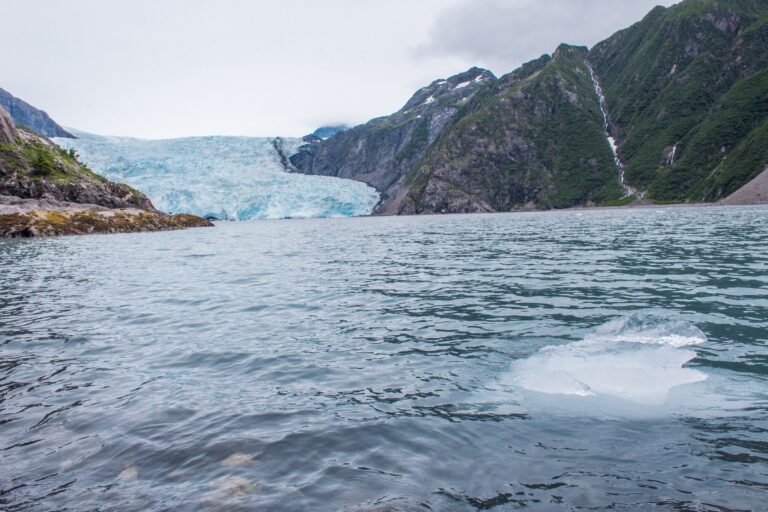
You’ve probably seen Mendenhall in photos a hundred times, but when you step off the shuttle and see it in person for the first time, it still takes your breath away. Twenty-one kilometres of ice creeping straight into the lake. And there you stand, feeling like an absolute ant. It sits just 19 kilometres from the city centre in the Tongass National Forest and is probably the most beautiful natural sight you can reach here without any complicated travel.
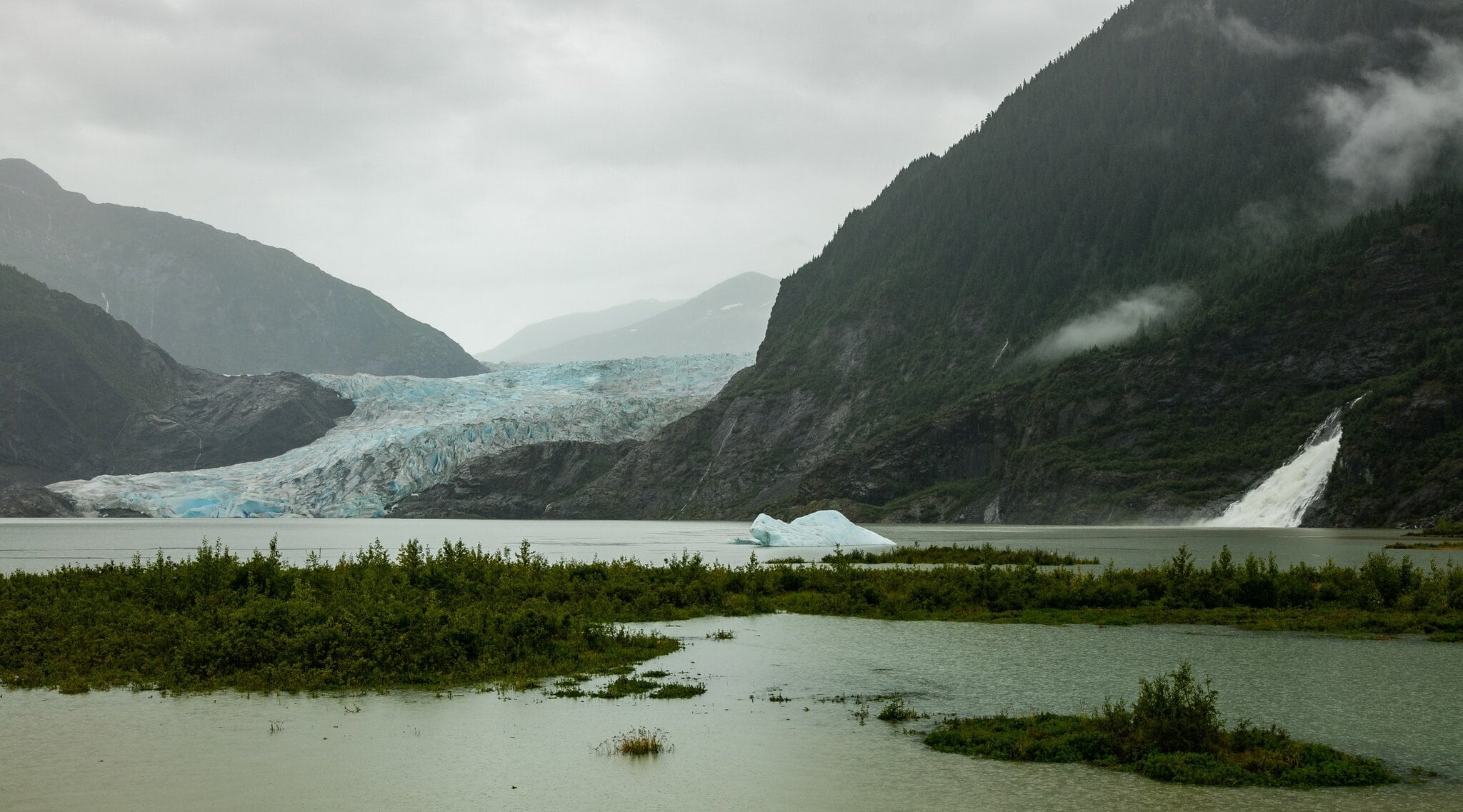
Sadly, you’ll also witness the relentless force of climate change with your own eyes, because the glacier is retreating at an incredible pace. It has pulled back nearly three kilometres since 1929, and scientists even warn that by 2050 it will most likely disappear entirely from view of the visitor centre itself. Entry to that centre rose to $15 per person from the 2026 season, but if you have a nationwide America the Beautiful pass, they’ll happily accept it here.
2. An Easy Walk to Nugget Falls
Right within the Mendenhall Glacier area you’ll find several perfectly maintained trails that even a complete beginner can handle. Our favourite is the route to Nugget Falls, a totally easy, flat walk just over a kilometre each way.
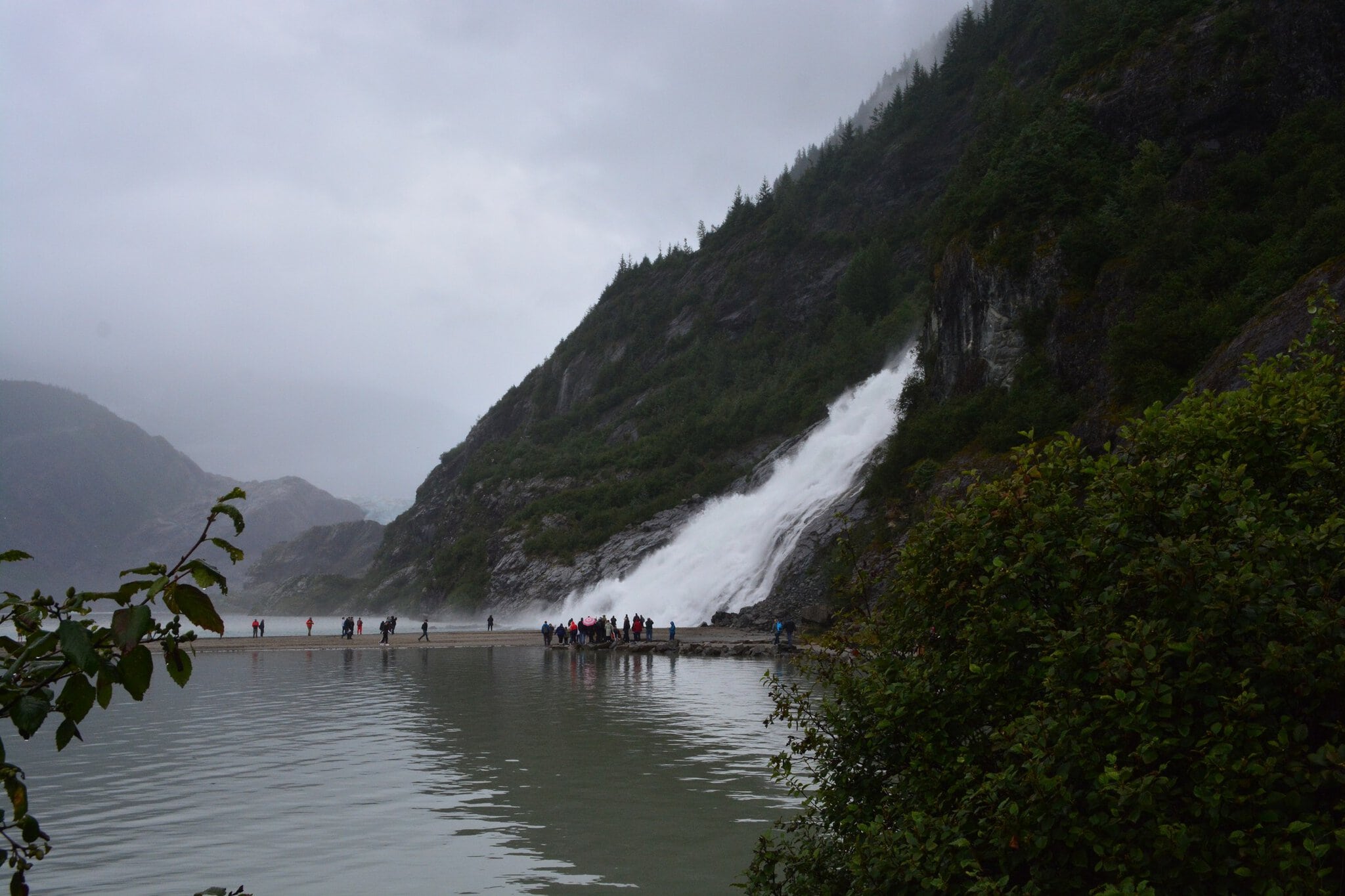
It leads you straight to a massive waterfall that thunders into the lake right beside the glacier’s face, creating the perfect backdrop for photos. If you’ve got a pushchair or someone with limited mobility, I’d recommend the short paved Photo Point Trail, which is just half a kilometre and offers a lovely panoramic view over the whole icy kingdom.
3. The Collapsed Mendenhall Ice Caves
For many years, the stunning blue ice caves were among the biggest draws in all of Juneau, and photos of them went viral across pretty much the entire internet. I do have one very honest warning for you, though, that you sadly won’t read in many older guides. Due to rapid melting, the caves collapsed dramatically over the winter of 2023–2024.
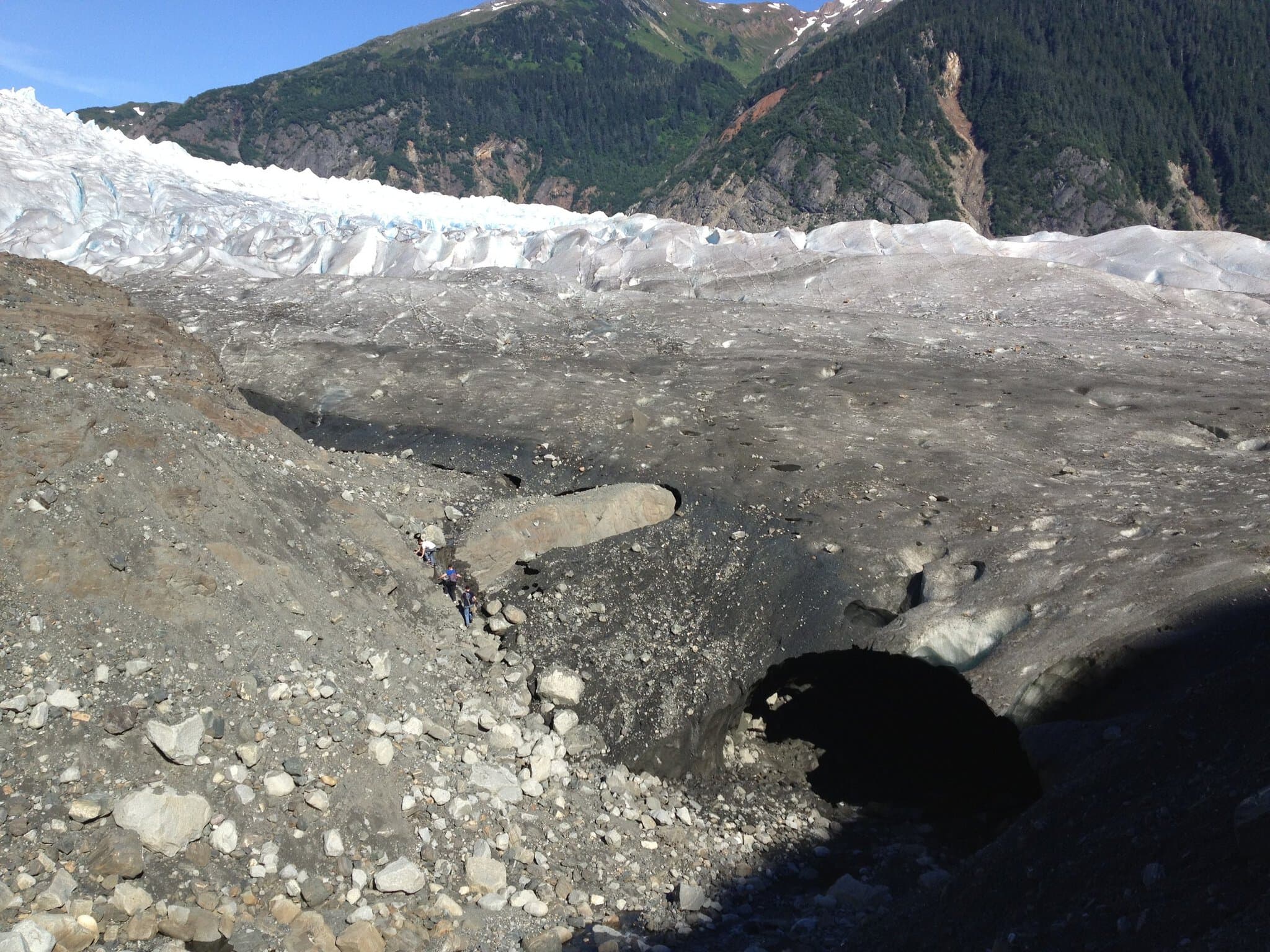
For the 2026 season they’re simply closed and off-limits, and honestly, that makes me sadder than I expected. I’d admired those famous shots of the blue tunnels for years. The only option now is a guided helicopter tour, but brace yourself mentally for the prices. These aerial expeditions typically run between three and five hundred dollars per person.
4. Magical Whale Watching From Auke Bay
Juneau is probably one of the best places in the entire world for watching cetaceans in their natural habitat. The boats operate mainly out of Auke Bay just outside the city, and the main targets are majestic humpback whales and occasionally the black-and-white orcas.
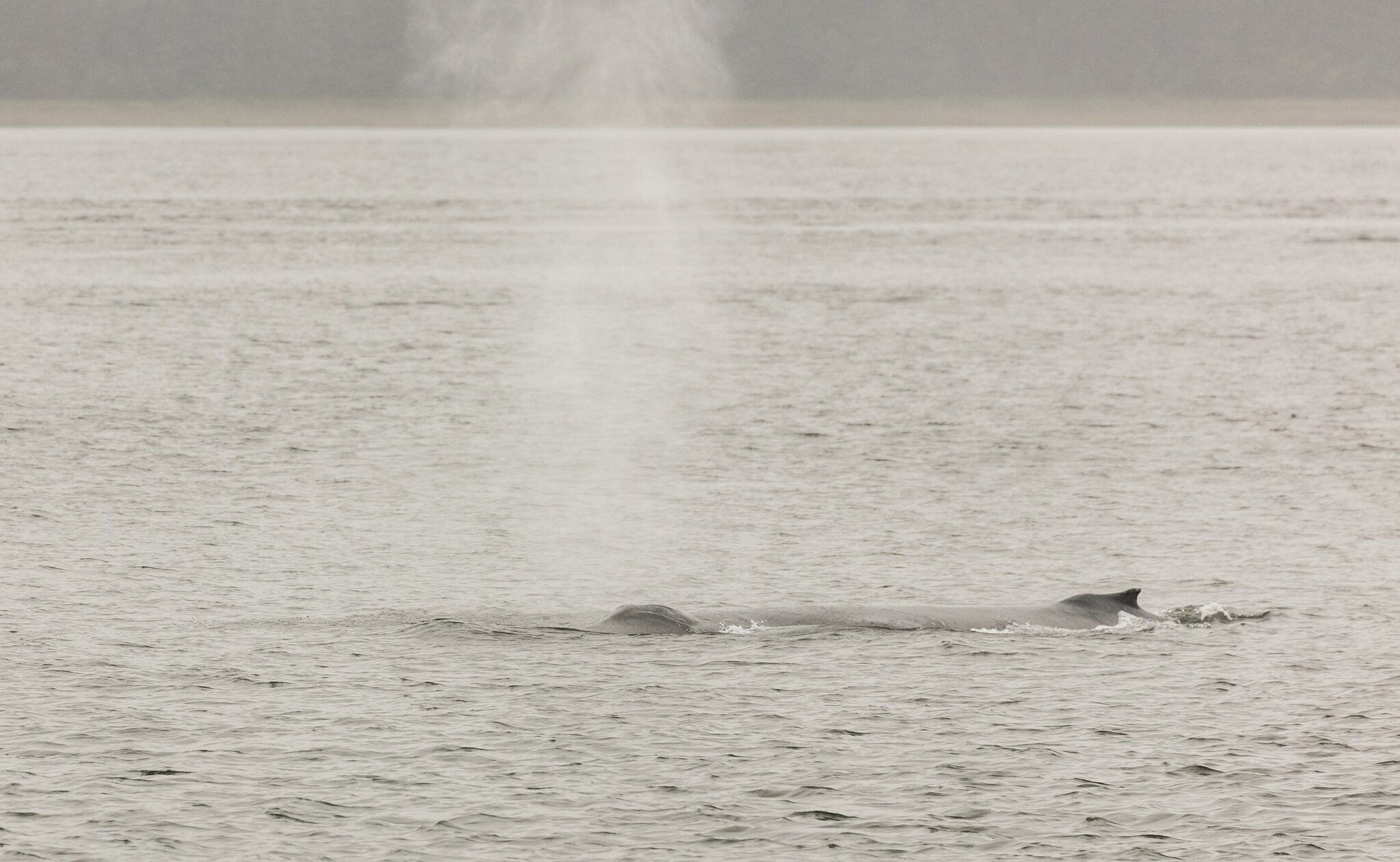
They call it bubble-net feeding. The whales essentially coordinate, herd an entire shoal of fish using a ring of bubbles, and then all surface at once with their mouths wide open right in front of your boat. Seeing it live takes your breath away, even when you know what to expect. The competition between operators here is so fierce that companies routinely guarantee a 100% sighting success rate, and if you happen not to see a whale, they’ll refund the whole amount. Though apparently that almost never happens. A three-hour trip costs an average of around $150 to $250.
5. The Goldbelt Tram up Mount Roberts
Right from the cruise ship docks at sea level, the Goldbelt Tram climbs steeply upwards and, in just six minutes, whisks you to an altitude of 540 metres above sea level. The views over the whole valley, the Gastineau Channel and the rows of cruise ships far below are truly stunning from up here.
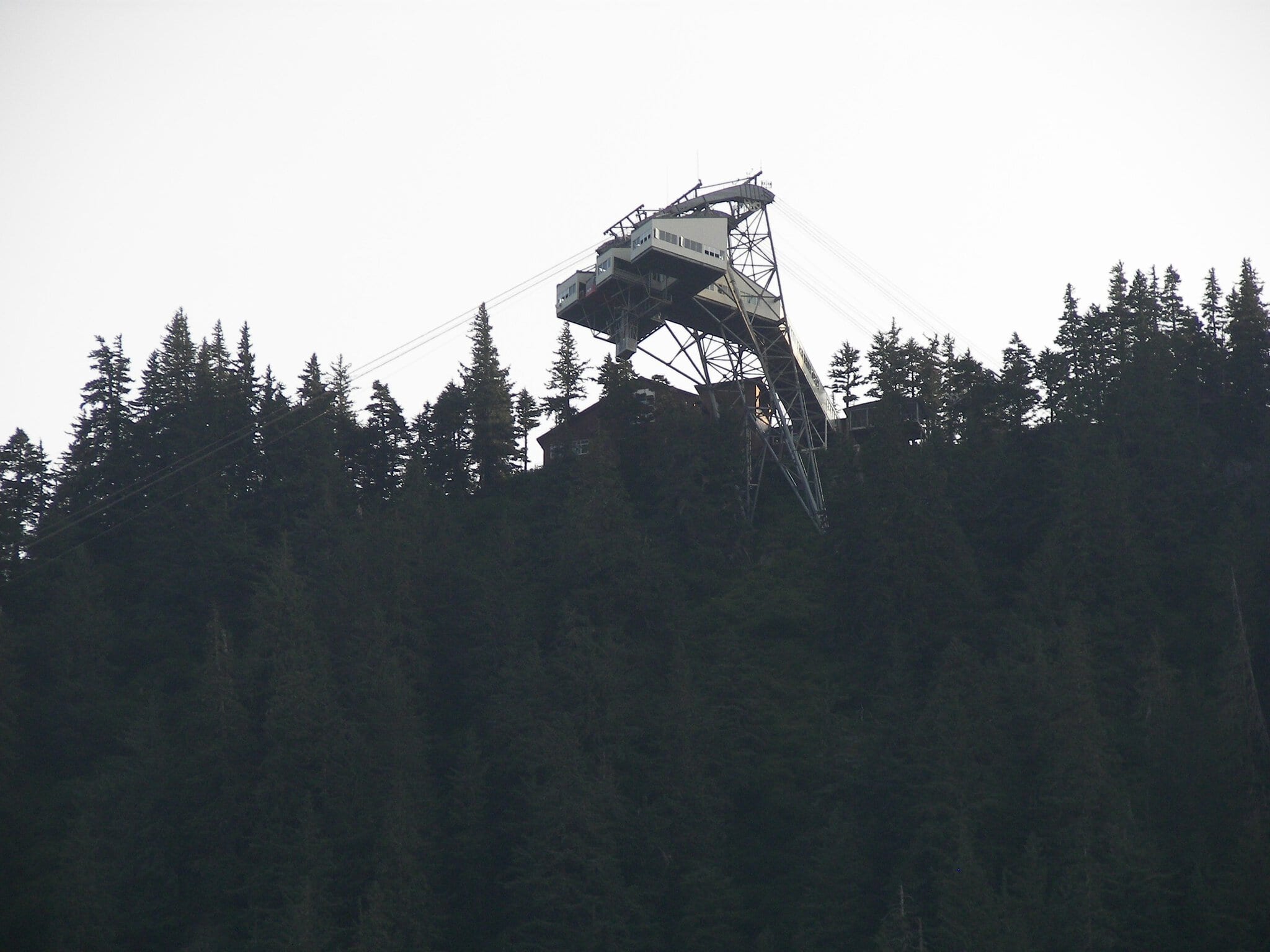
The standard ticket price for 2026 is a rather painful $65, but it’s worth picking up the Alaska TourSaver discount coupons, which get you a second ticket at half price. From the upper station you can set off on further alpine hikes, pop into the local bar or watch a film about the culture of the native tribes. Sadly, you’ll no longer find the popular bald eagle rescue centre, which was closed a few years back.
6. A Boat Expedition Into Tracy Arm Fjord
If you have a whole free day in Juneau and crave untouched wilderness, book a full-day boat expedition into Tracy Arm Fjord, which cuts deep into the mainland south of the city. The cruise usually lasts over eight hours and a ticket with the better companies comes to more than $300, but it’s worth every penny.
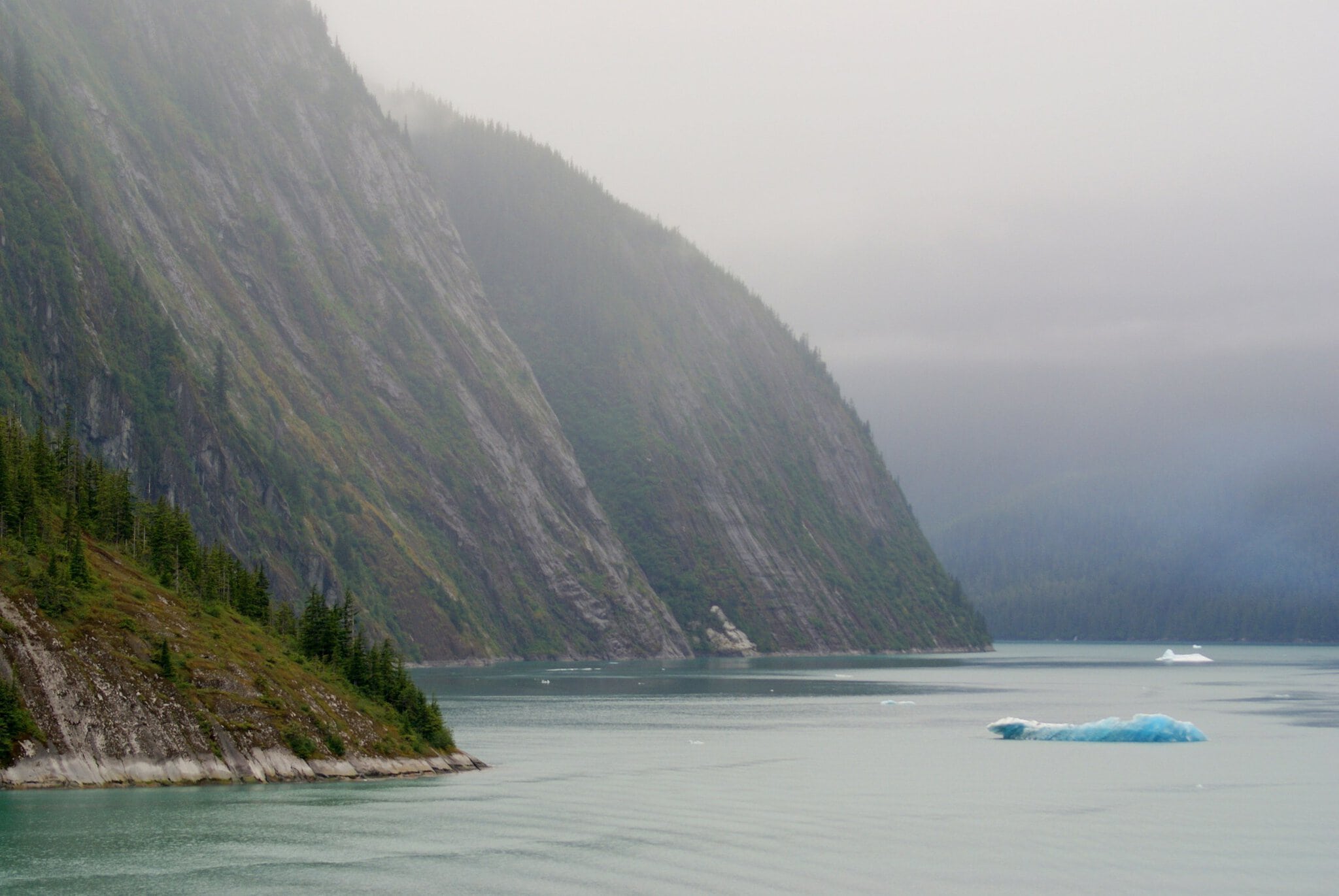
You’ll see a narrow, ice-filled fjord, sheer granite walls and, if you’re lucky, you’ll reach the active Sawyer glaciers, where massive chunks of blue ice break off with an enormous roar straight into the sea. The whole area recently faced major landslides, which mean the huge cruise ships aren’t allowed in — actually a huge advantage for the smaller expedition vessels, since you’ll have far more peace and quiet there.
7. The Historic Perseverance Trail
For history lovers and families with children, the Perseverance Trail is made to measure. It starts right behind the city and runs through the picturesque Gold Creek valley. The route is just under three and a half kilometres long and takes you through places where the history of the Alaskan gold rush was once written.
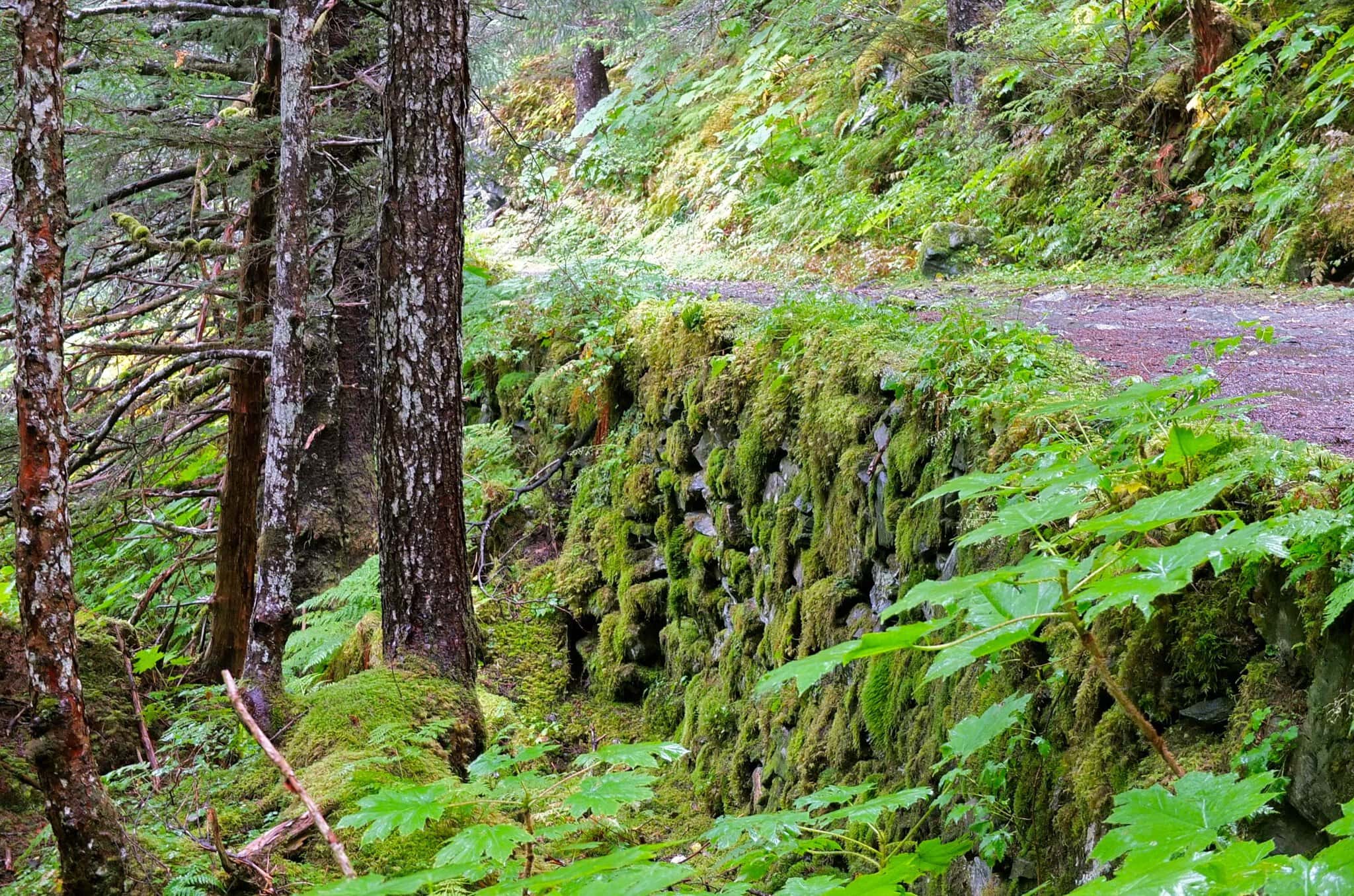
Historically, this is actually the very first road in Alaska, built here by desperate prospectors with enormous effort. Today the trail leads you to the ruins of old gold mines, and in spring beautiful Alaskan wildflowers bloom along the path, so don’t forget to bring a good camera. It’s easy to get stuck here for two hours just photographing every other bush and imagining how those poor gold miners once froze in their canvas tents. It’s a genuinely powerful experience.
8. A Challenge for the Experienced: The Mt Juneau Hike
If you enjoy your legs aching for three days after a hike and you’re looking for a proper physical challenge, the trail to the summit of Mount Juneau is exactly for you. It’s a tough eight-kilometre route with an extreme elevation gain of almost a thousand metres, starting at the end of Basin Road.
The path winds up in brutal switchbacks, and honestly I’d only recommend the climb to those who are genuinely fit and not just paying lip service to being keen hikers. In spring, add in a real avalanche risk on top, so always stop at the info point first and find out what’s currently passable.
9. Black Sand at Sandy Beach
A slightly different take on Alaskan nature is offered by the unique Sandy Beach, lying on Douglas Island just across the bridge. It’s a bit of a geological anomaly, because the whole beach is covered in fine black volcanic sand that contrasts beautifully with the cold ocean water.
An interesting detail is that when a big tide goes out, the sea reveals the old rusted remains of the enormous mining infrastructure that once belonged to the notorious Treadwell mine. It’s a great and very photogenic spot for an afternoon picnic with a cup of hot coffee in hand, and we ended up wandering here right until sunset.
10. Shelter From the Rain at the Alaska State Museum
As already mentioned, it simply rains constantly in Juneau, and when the downpour becomes unbearable, the ideal move is to hide out in a museum. The new and very modern Alaska State Museum building sits right in the city centre and, for fifteen dollars, offers an amazing insight into the history of the whole state.
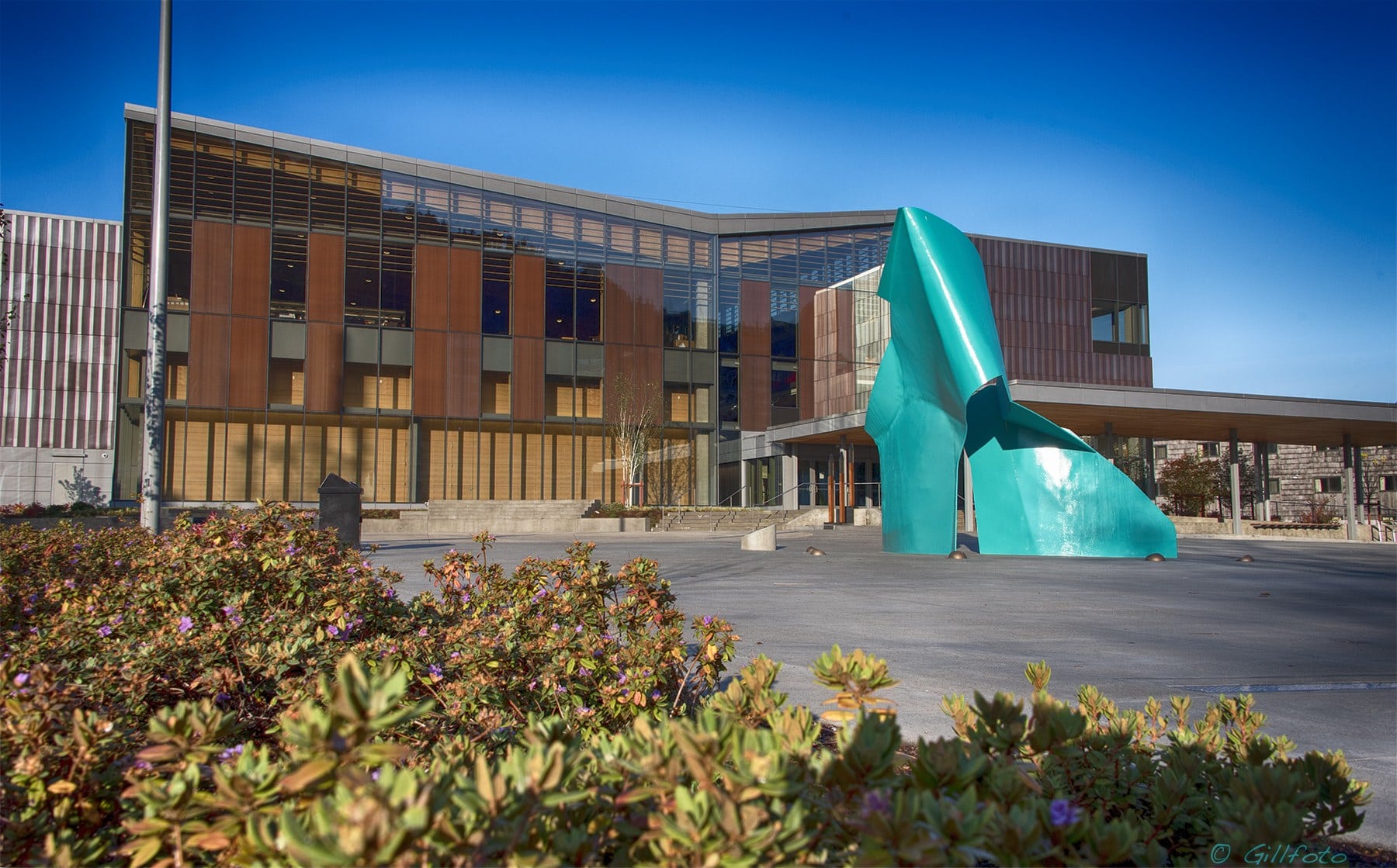
Inside you’ll find carefully curated collections of beautiful artefacts from the native Tlingit, Haida and Aleut peoples. Equally fascinating is the section devoted to the era of Russian America, where you can view valuable historical relics from a time when Alaska didn’t yet belong to the United States.
11. The Authentic Last Chance Mining Museum
A completely different atmosphere awaits at the old mining museum at the end of Basin Road, set in the original, slightly crumbling compressor building of the former Jualin mine. For a ridiculous five-dollar entry fee, you get a raw industrial experience that takes you a century back.
The main attraction here are the absolutely gigantic nineteenth-century air compressors that once powered the pneumatic drills deep underground, and you genuinely won’t be able to work out how they managed to haul them up these steep hills back then without heavy machinery.

12. The Alaska State Capitol Without a Dome
The heart of Alaskan politics sits right in the downtown streets and, unlike almost every other state capitol in the USA, it lacks a dome. They simply didn’t put one on. From the outside the building looks like a slightly oversized brick office, but the entrance hall is surprisingly nice — and free, too.
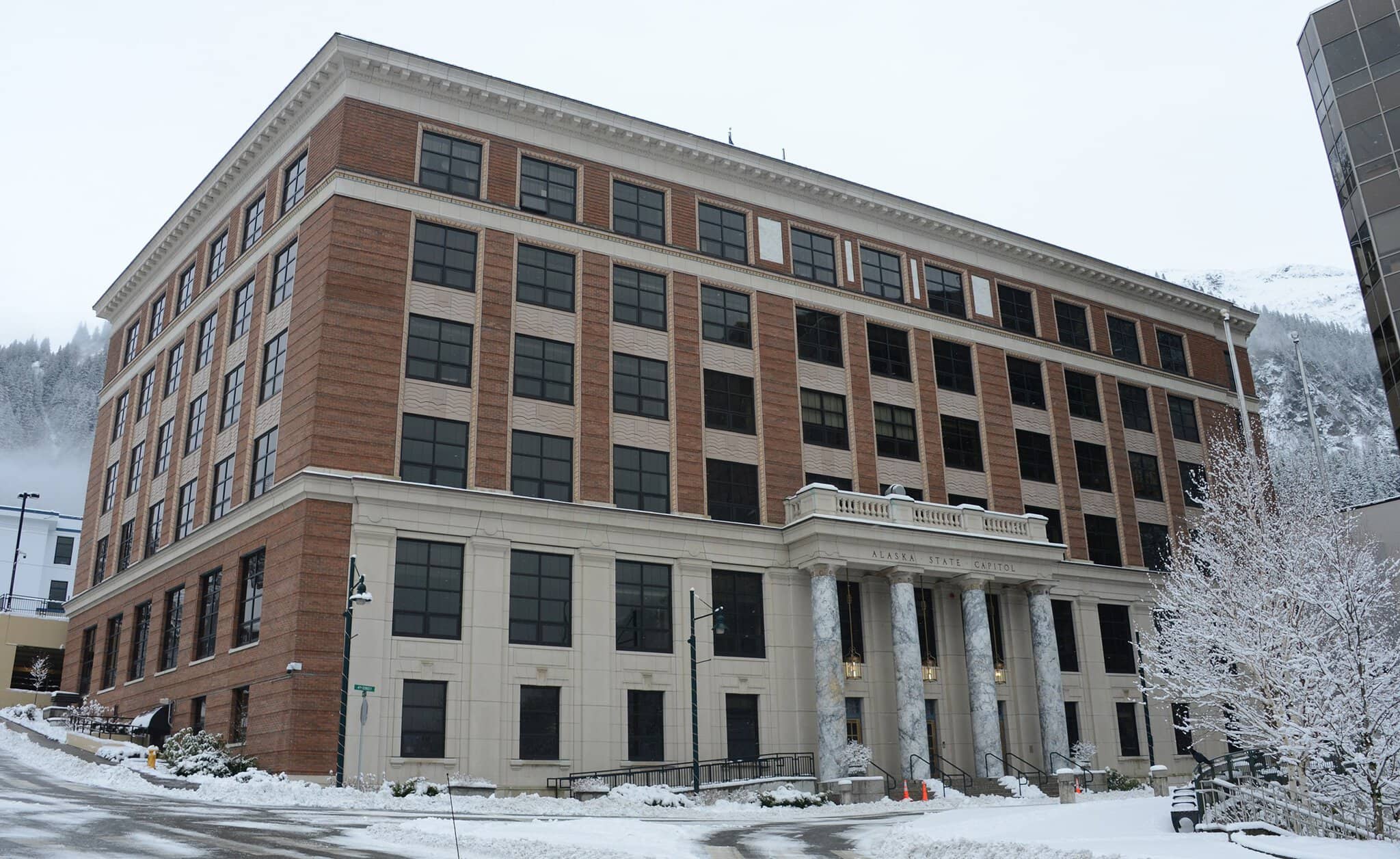
Inside you can take in the interesting decor and historical photographs from the days when Alaska was still fighting for its statehood. If you have a moment and you’re curious where the important laws get made in this remote state, it’s definitely worth at least a peek.
Map of points of interest for your phone
Where to Eat and Drink in Juneau: From Luxury Crab to Soviet Dumplings
The Alaskan food scene can be wonderfully fresh, but also absolutely brutally expensive. The dominant feature of the whole Juneau waterfront is the famous Tracy’s King Crab Shack, founded here by Tracy LaBarge. They specialise in giant king crab and their crab bisque is renowned, but the prices here are genuinely harsh. By 2026, a single crab leg already costs over eighty dollars, and a whole bucket will set you back as much as two hundred. The place teeters right on the edge of being an outright tourist trap, and plenty of locals will confirm that you can find similar quality away from the port for a fraction of the price. It’s worth weighing up whether you’d rather save that money for the tram or a boat trip.
If you’re after an authentic experience that won’t cost you a whole paycheck, head to a small, unassuming spot called Pel’meni in the Merchant’s Wharf arcade. It’s an absolute cult institution that serves nothing but Russian pelmeni dumplings filled with meat or potatoes. Hot pelmeni combined with sour cream and spicy sriracha are exactly what you need after a long, cold day. They’re open into the late hours of the night and tirelessly rescue hungry locals after the bars close.
For lovers of honest American food, I’d recommend the classic McGivney’s Sports Bar with its enormous burgers, or for a traditional hearty breakfast, drop into Donna’s Restaurant in the valley by the Mendenhall Glacier, where you can have a proper stack of pancakes with maple syrup and a bottomless mug of drip coffee from local roaster Heritage Coffee.
Final Tips and Tricks (Not Just) for Your Trip to Juneau
Putting together a great itinerary is one thing, but surviving the rougher Alaskan reality is quite another 😅. Lots of travellers learn on the go and sometimes it really hurts, so I’ve gathered a few purely practical pieces of advice. Whether it’s the endless layering of clothes or hunting down the best flight, with these tips Juneau hopefully won’t catch you out with anything.
What to Pack and What Not to Forget
For Alaska there’s one golden rule: layers, like an onion. Layer up, layer up and layer up again, even if you’re travelling in July. The basics are functional base layers, a proper fleece and an absolutely top-notch waterproof jacket with a hood. Don’t forget quality hiking boots either, because walking across glacial moraine in trainers really isn’t a good idea and soaked feet will ruin your whole day here.
Besides clothing, definitely toss a reliable power bank into your backpack, because in the cold and damp your phone battery drains at lightning speed. We always carry a small thermos for hot tea too, which has saved us more than once on the boat when that typical icy ocean wind was blowing.
Where to Find the Cheapest Flights
You simply can’t get to Juneau without wings or a ferry ticket. From the UK, look for flights via Seattle or Anchorage well in advance — the most common routings go through London Heathrow and then on with carriers like Alaska Airlines or Delta. Kiwi is our absolute favourite portal, where we’ve often come across connections we’d never have thought of ourselves.
Personally, I’d recommend setting up price alerts about six months ahead, because the summer dates get snapped up in a flash. And a little tip from experience: try to leave at least one day’s buffer in your connecting city, because flights to Alaska quite often get delayed thanks to the unpredictable weather.
Hiring a Car
Even though no roads lead into the city, a car is incredibly handy for exploring the surroundings, Douglas Island or the more distant corners near the glacier. We’ve had consistently good experiences with RentalCars, which we use all over the world, and their comparison tool has always shown us the best price so far.
You’ll find the car hire desks mainly by the airport, but be aware that the overall fleet here is fairly limited. If you don’t book a car ahead of time, you may find there simply isn’t one left for you, or you’ll end up with a huge, expensive pick-up that doesn’t actually suit the narrow downtown streets at all.
Don’t Forget Insurance and Connectivity
Travelling around the American north can be unpredictable, whether it’s the weather or potential health issues from getting chilled on a boat. Definitely don’t set off without proper travel insurance from SafetyWing, which protects us even during various outdoor activities far from civilisation.
And so you can send whale photos to family back home right away, sort out your internet in advance with an eSIM. For trips outside Europe we go with Holafly, where we have unlimited data without the hassle of hunting down local operators, and we caught a lovely signal even in fairly remote spots by the water.
 🚗 Car rental on the roadVerified rental cars in Alaska
Search with the DiscoverCars comparison engine — it compares prices from dozens of local and international rental companies, and most bookings come with free cancellation.
Compare car prices in Alaska →FAQ: The Most Common Questions About Juneau and Alaska
Before we first flew off to Alaska, my head was full of worries and questions. What’s the deal with the bears? Will we freeze there in summer? Here are the answers to the most common things you keep asking me, so you can set off with peace of mind.
Is it possible to drive to Juneau by car?
No, there are absolutely no roads leading to Juneau. The city is surrounded by steep mountains, deep fjords, and ice fields, so you can only get here by plane to JNU international airport, or by water via the state-run Alaska Marine Highway System ferries.
What animals live in Alaska and is it safe?
Alaska is synonymous with wilderness and you’ll encounter grizzly bears and black bears, massive moose, wolves, bald eagles, and in the ocean humpback whales or orcas. It’s safe in nature as long as you follow the rules, travel in groups, make noise, and carry bear spray, which is an absolute necessity on hiking trails here.
When is the best time to visit Mendenhall Glacier?
The best time to visit is during the summer season from May to September, when the visitor center is fully operational and temperatures are at least somewhat more bearable. However, keep in mind that July and August are the busiest months, when thousands of tourists from cruise ships crowd around the visitor center.
How do I get from the airport to downtown Juneau?
From the airport, which is located quite far from downtown in the Mendenhall Valley area, you can use local bus service (Capital Transit), which is very cheap but takes longer. Much faster are regular taxis or apps like Uber and Lyft, which work fairly reliably in the city.
Can you walk into the ice caves at Mendenhall?
Currently, walking into the caves is no longer allowed at all for safety reasons. Due to rapid melting, a large portion of the cave complex massively collapsed at the turn of 2023 and 2024, and the terrain is extremely unstable, so the only way to get onto the ice today is through expensive helicopter tours.
How many days do I need to explore Juneau?
If you’re arriving independently and not on a giant cruise ship, I recommend setting aside at least two to three full days for Juneau. Spend one day at Mendenhall Glacier and the museums, the second day go whale watching or take the tramway up, and the third day you can book an amazing full-day cruise to Tracy Arm fjord.
Do I need waterproof clothing in Juneau?
Absolutely essential, no question about it. Juneau can easily get rain 230 days a year, the wind will flip your umbrella inside out before you even open it, and wet boots on day three means a ruined vacation. A quality rain jacket, waterproof pants, and proper Gore-Tex boots will be your best friends throughout your entire stay.
Tips and Tricks for Your Vacation
Don’t Overpay for Flights
Search for flights on Kayak. It’s our favorite search engine because it scans the websites of all airlines and always finds the cheapest connection.
Book Your Accommodation Smartly
The best experiences we’ve had when looking for accommodation (from Alaska to Morocco) are with Booking.com, where hotels, apartments, and entire houses are usually the cheapest and most widely available.
Don’t Forget Travel Insurance
Good travel insurance will protect you against illness, accidents, theft, or flight cancellations. We’ve had a few hospital visits abroad, so we know how important it is to have proper insurance arranged.
Where we insure ourselves: SafetyWing (simple monthly subscription) and TrueTraveller (for extra-long trips).
Find the Best Experiences
Get Your Guide is a huge online marketplace where you can book guided walks, trips, skip-the-line tickets, tours, and much more. We always find some extra fun there!