

When Lukáš and I first started planning when to visit Alaska, I had to laugh at my own naivety. I genuinely thought we’d drive across the whole of Alaska in a fortnight, spot five bears along the way, snap the perfect glacier photo and then romantically watch the northern lights in the evening. Reality set us straight very quickly. Alaska is an enormous, utterly uncompromising wilderness — it’s more than twice the size of the entire UK, with plenty of room to spare.
It’s a place where geography and weather absolutely dictate what you’ll do and how much you’ll pay for it. Whenever someone asks me when to visit Alaska, my first response is always a question back: what is it you actually want to experience there? Because salmon-run and bear-watching season is completely incompatible with northern lights season. It took us hours of googling to work out what opens where and when, how much it costs and what to watch out for. So I’ve written it all up for you — month by month, no sugar-coating. Bottom line: I don’t want you flying home feeling like all you got for your money was fog and mosquitoes. 😅
The full destination guide: Alaska — guide and what to see
TL;DR
If you’re already packing your bags and don’t have time to read the whole article, here are the most important points you absolutely need to know:
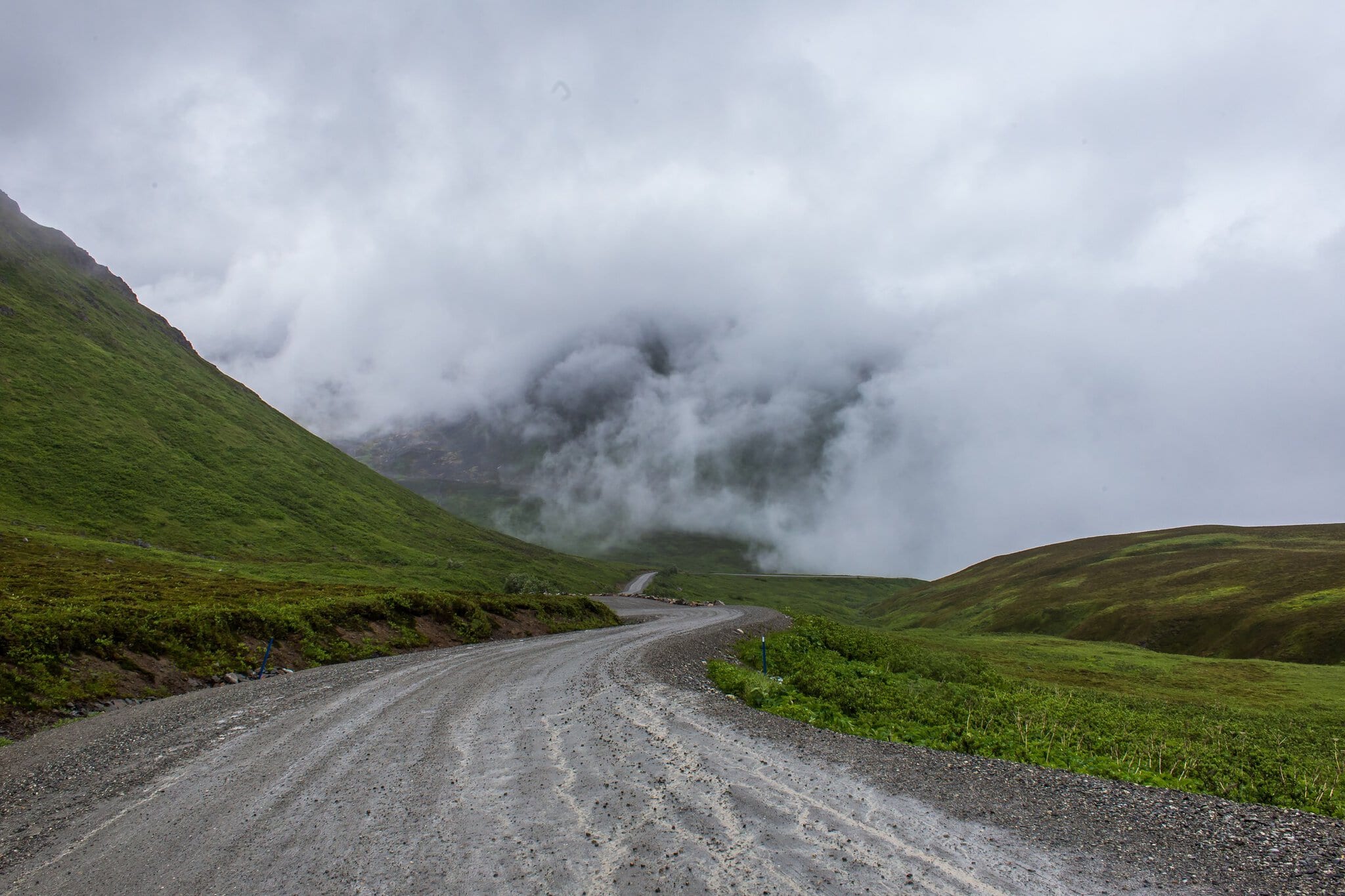
- The main season is extremely short: The tourist season realistically lasts only around 100 days, from June to mid-September.
- Don’t expect a cheap holiday: Hotels in July easily cost $350 to $500 (roughly £275 to £390) a night, and a basic rental car will set you back hundreds.
- You won’t see the northern lights in summer: Thanks to the midnight sun, it stays light even at night in summer, so for the aurora you’ll need to head out in autumn or winter.
- The name confusion (2026): North America’s highest peak was called Denali, then briefly McKinley, then Denali again, and since 2025 federal agencies once more call it McKinley. The national park, however, is still Denali.
- Mosquitoes are pure evil: Don’t even think about heading into the interior in June without repellent containing at least 40% DEET and a head net. Locals call them the state bird, and trust me, they’re not exaggerating.
- Half the national park is closed: Due to a massive landslide, the only road in Denali National Park (the Denali Park Road) is closed at mile 43 for 2026.
When to Visit Alaska and How to Actually Get There
Sorting out your flights and dates is probably the most important step of the whole trip. You can’t just head to Alaska “whenever it suits”. The aerial gateway is almost always Ted Stevens International Airport in Anchorage (ANC), served in peak season by plenty of connections via Seattle or Chicago — but from the UK, brace yourself for a long journey with multiple stops.
Return flights from London in peak summer season tend to run around £900 to £1,100, often via Seattle or another West Coast hub. Hunt for cheaper fares on Kiwi — it’s our go-to portal, where we often stumble across surprisingly good combinations. Let’s take a look at what each month has in store so you can pick the one that’s right for you.
1. May: A Cheaper Start, but Plenty of Mud
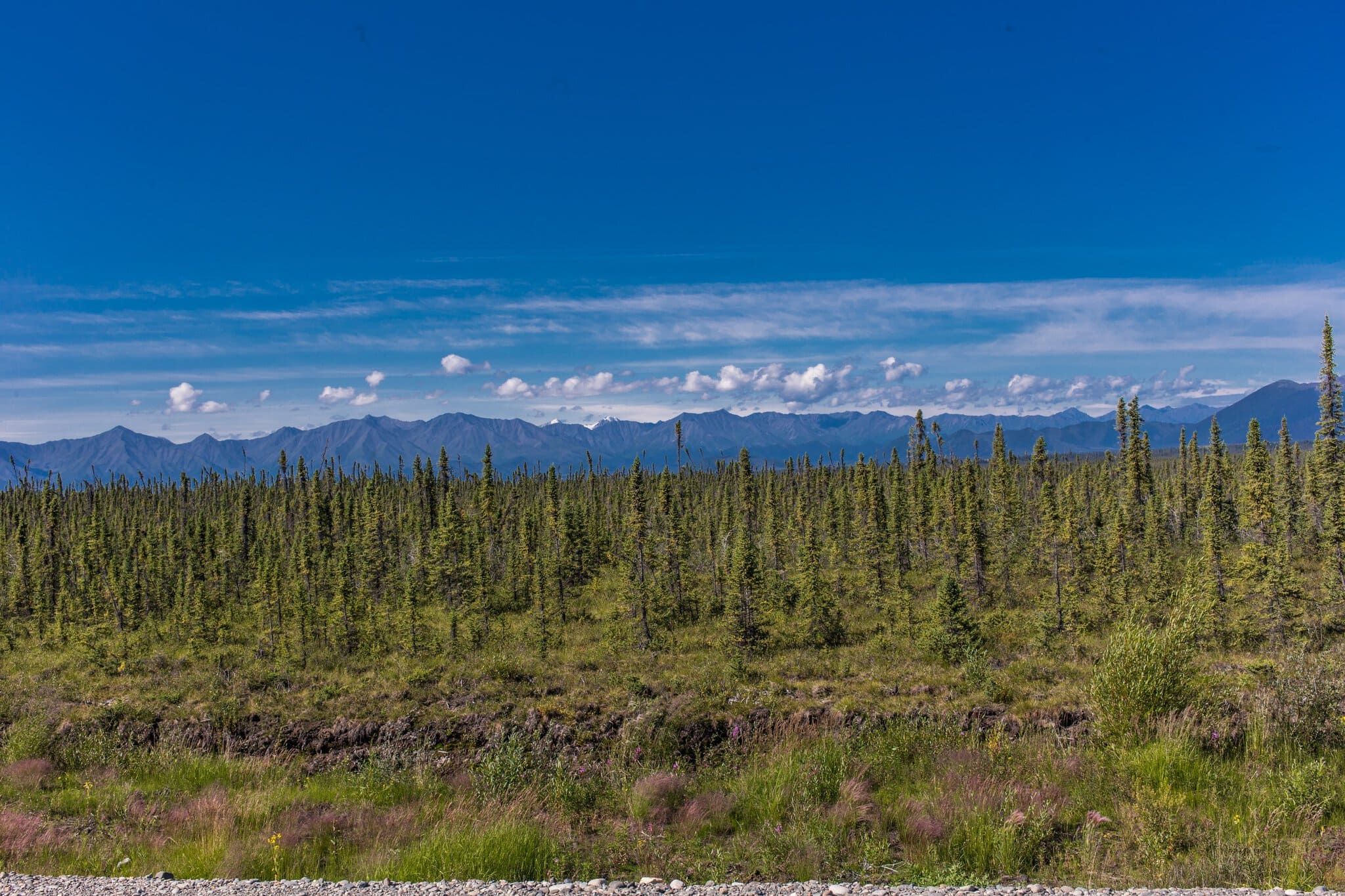
May is a curious shoulder season. There are far fewer tourists and accommodation prices are more bearable, which is a huge plus for your budget. The catch is that many lakes at higher elevations are still covered in a thick layer of ice.
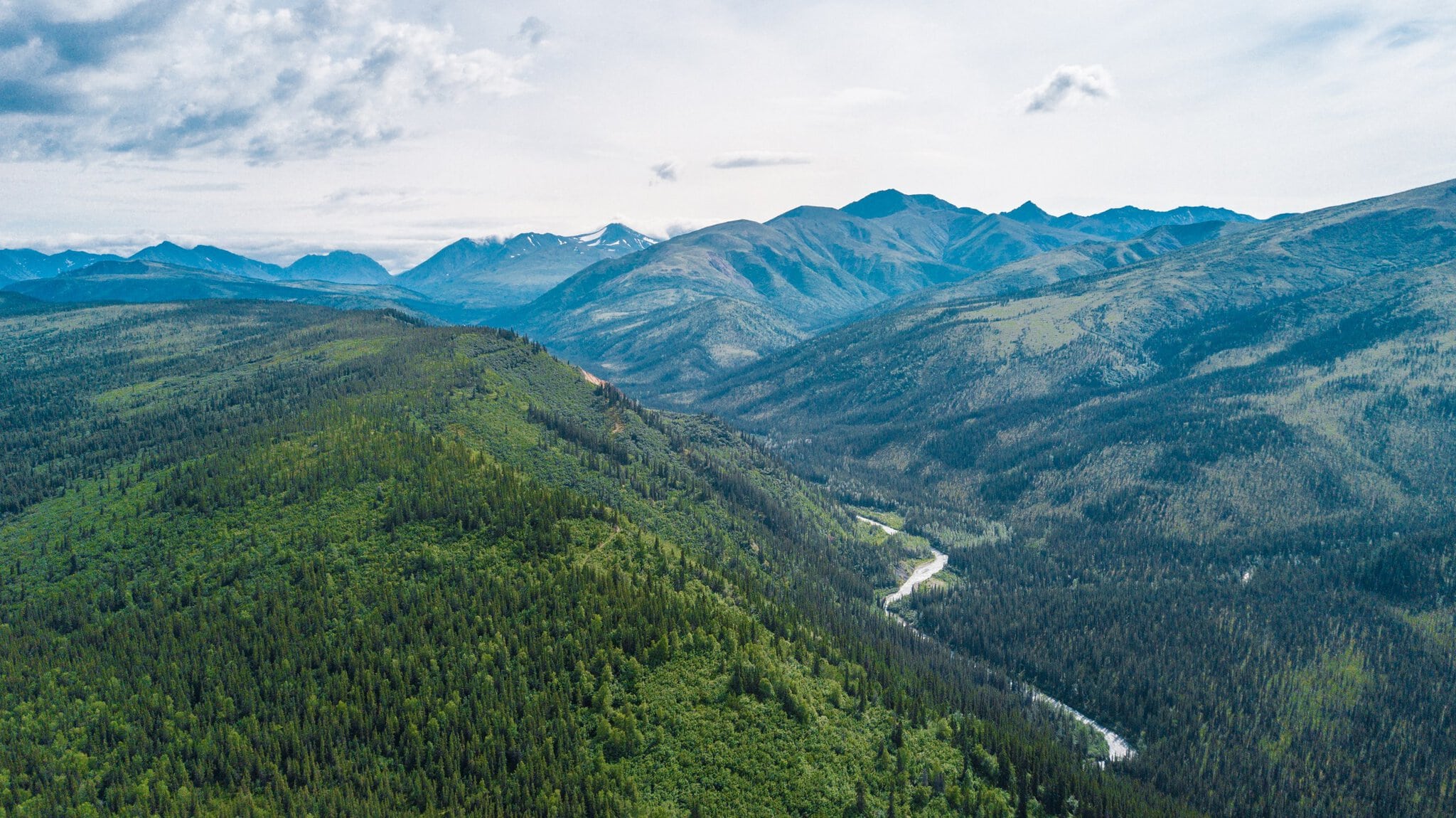
The hiking trails you might be looking forward to are often impassable, buried in melting snow or bottomless mud. It’s really not the ideal month for hiking, but if your main goal is a road trip and watching nature wake up, you can save quite a bit. 😉
2. June: The Midnight Sun and Bloodsucking Dragons
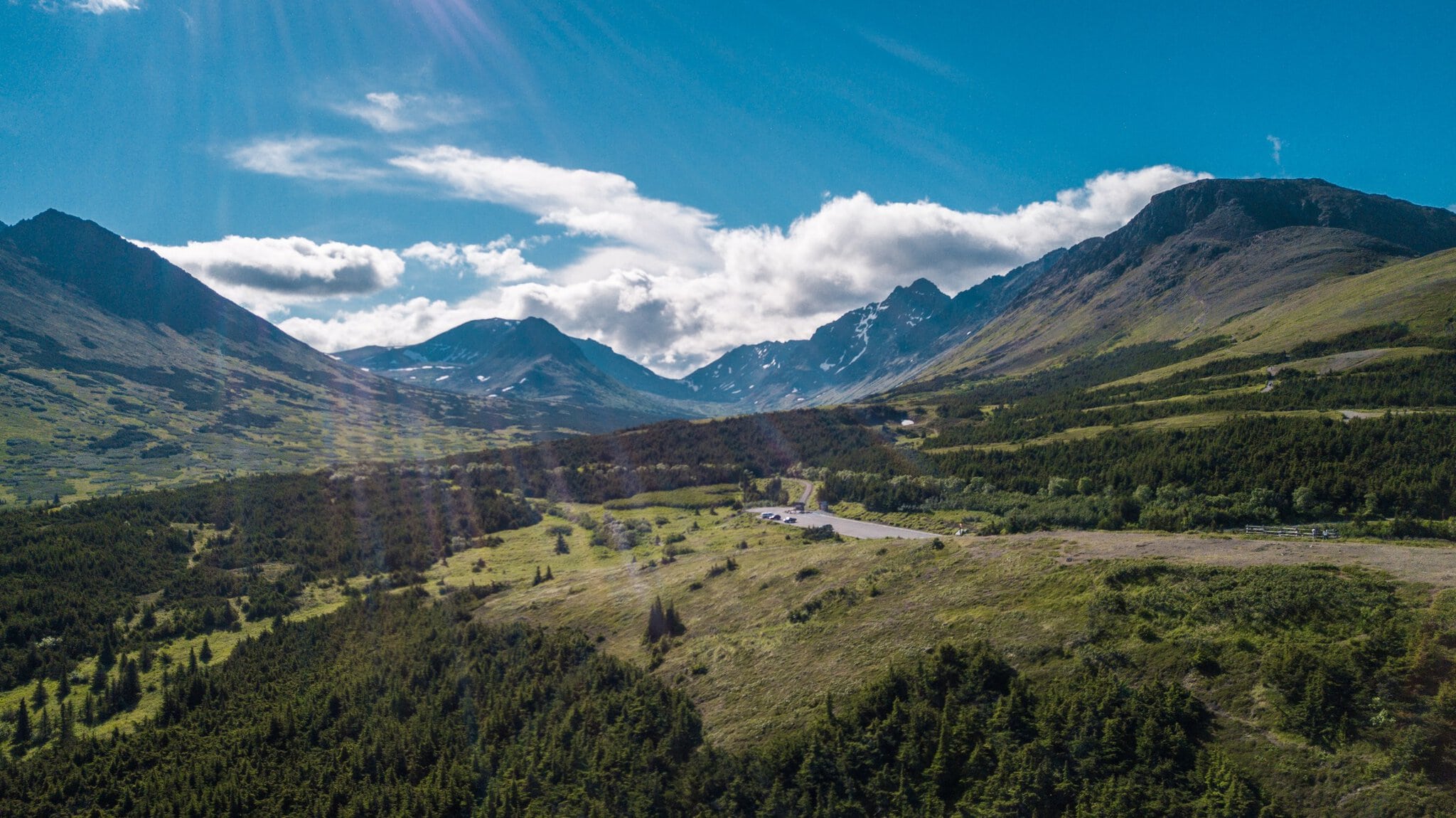
In June Alaska comes alive and the main season kicks off. You’ll experience the fascinating midnight sun, when it’s light all night long — so you can happily set off on a hike at 2am without needing a headtorch. Meadows burst into wildflowers and the animals are highly active.
But then comes the harsh reality of the Alaskan interior: mosquitoes. Locals on Reddit joke that Alaska doesn’t have mosquitoes, it has immortal, never-ending bloodsucking dragons. Trust me, don’t venture into the interior in June without a proper head net, or these little monsters will eat you alive.
3. July and August: Peak Season and the Salmon Run
July is the absolute peak of the season. Everything is open, every tour is running, and this is when the legendary sockeye salmon run begins, drawing dozens of bears down to the rivers. It’s the best time for the famous bear-watching at the waterfalls in Katmai National Park.
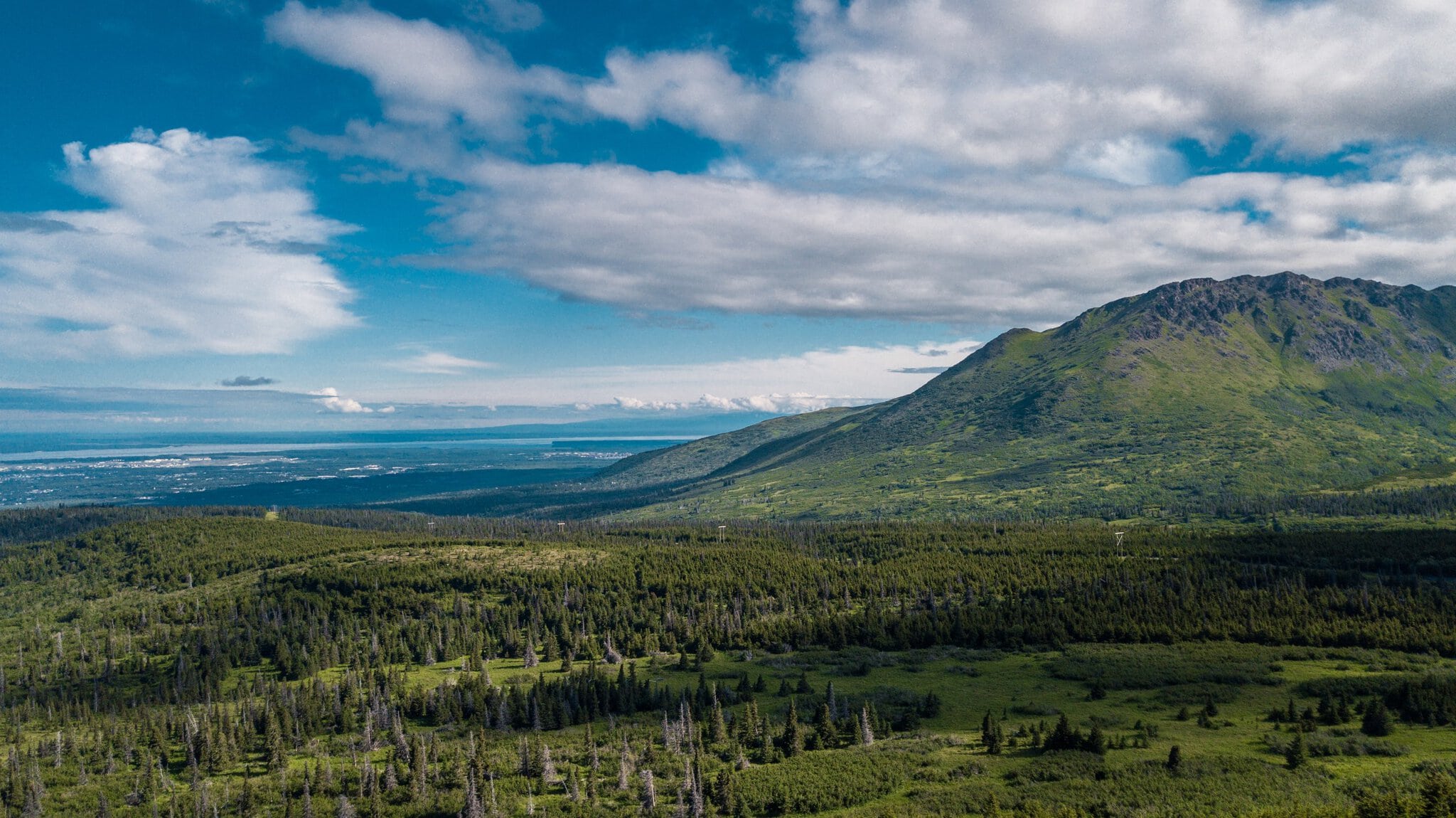
In recent years, though, July has also brought a huge risk of wildfires. If it’s a hot summer, expect the valleys to be shrouded in a yellow haze of smoke, with the mountains completely hidden from view. Then in August the first night frosts arrive, which has one miraculous upside: the cold finally kills off the mosquitoes and breathing gets noticeably easier.
4. September: Autumn Colours and the End of the Fun
For me, September is one of the most beautiful months. The tundra turns unbelievable shades of red, orange and gold, and the air is crisp and sharp. On top of that, as the nights lengthen, the chance to finally catch the northern lights opens up.
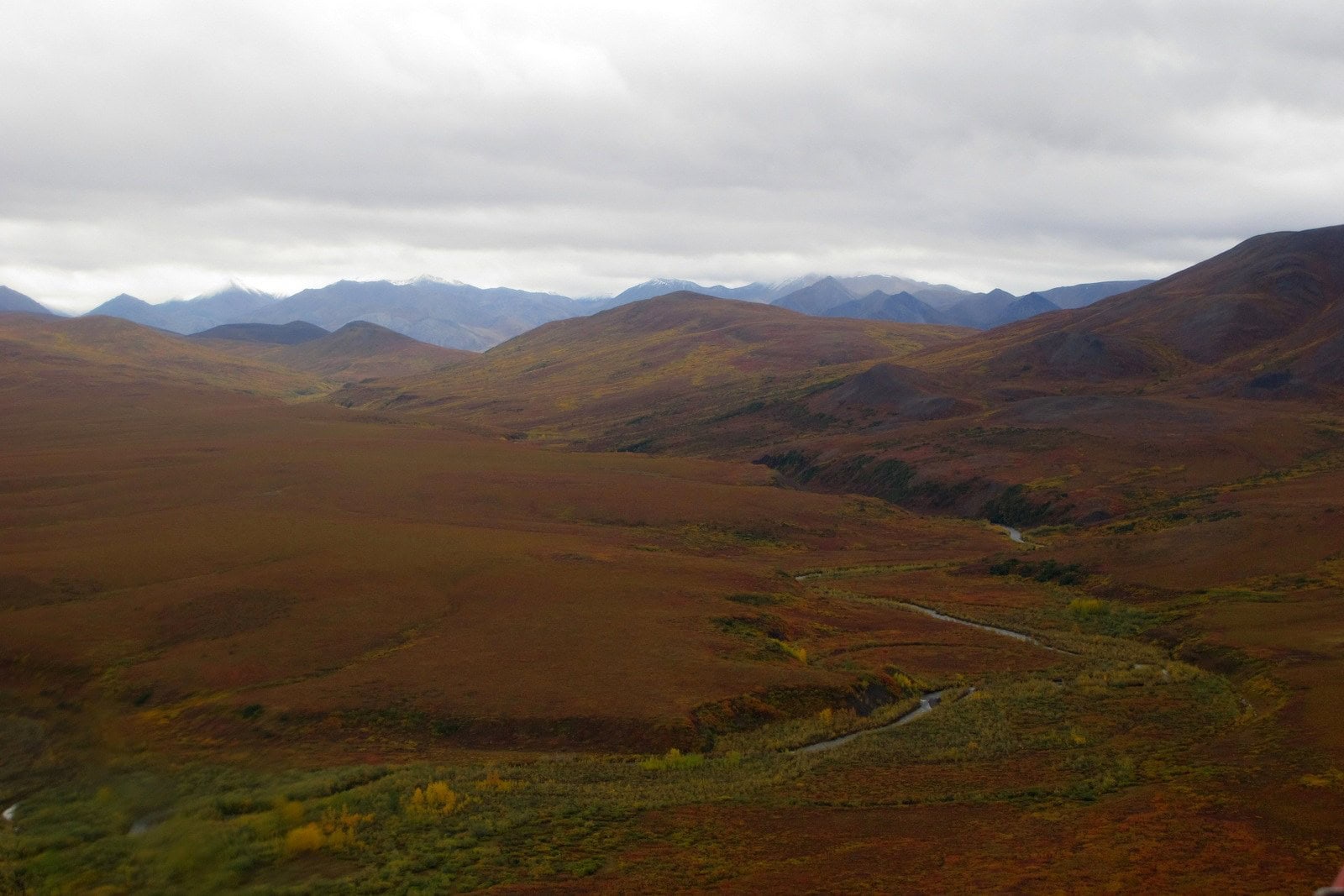
There’s one big catch, though. In mid-September the summer season ends abruptly and without mercy. Most hotels, small guesthouses and restaurants outside the big towns simply shut their doors and stay closed until May.
5. October to March: Winter for the Hardy
From November to March, Alaska is firmly in the grip of a brutal winter. It’s the absolute peak for watching the northern lights, dog sledding, skiing and ice fishing. March also sees the start of the iconic Iditarod race from Anchorage.
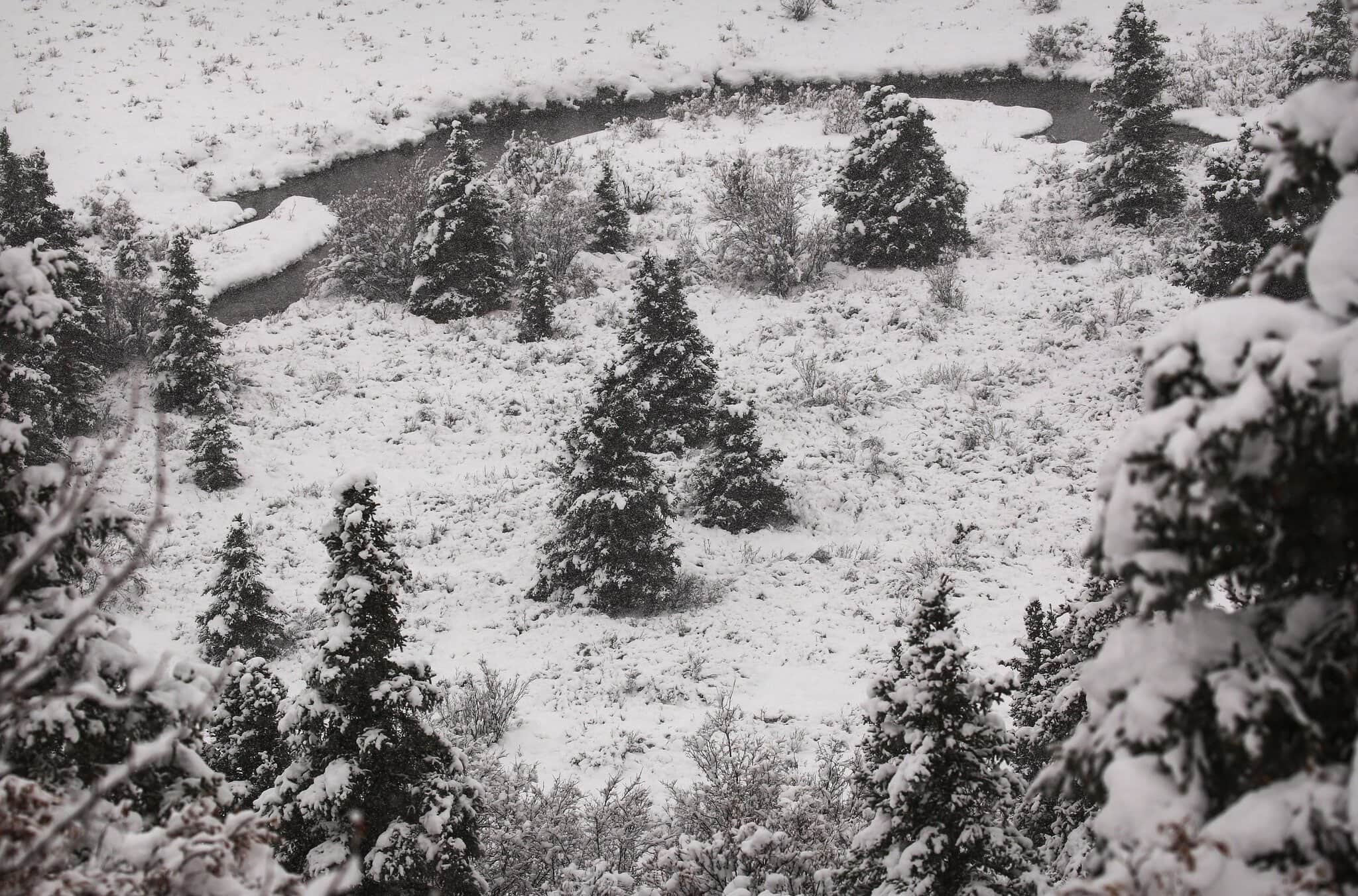
That said, temperatures in the interior routinely drop to -40°C. October and April are the transitional months, known as “mud season”, and of all the months they’re probably the least appealing for travel. Everything is melting and squelching, so you might as well cross this part of the year straight off your planning list.
Where to Stay and What It All Costs
Get your wallet ready, because Alaska really isn’t a cheap destination. Those hundred summer days have to earn the locals enough to live on all year, and that logically shows up on the price tags. Lukáš and I stared at Booking with our mouths hanging open.
While a decent room in Anchorage in February might cost $120 (around £95), in July and August that very same room routinely sells for $350 to $500 (£275 to £390). So book your accommodation many months in advance, ideally through Booking.com, which is our favourite search engine.
Where to Rest Your Head in Anchorage
Most travellers spend both their first and last night in Anchorage, the state’s largest city. It has a fairly industrial feel and is grappling with a sizeable homelessness crisis, but it’s the one place where you can reliably stock up on supplies and gear at normal prices.
A good base is the Hotel Captain Cook — pricier, sure, but it offers stunning views from the upper floors and a fantastic location right in the centre. If you’re after something more affordable, look for smaller B&Bs on the edges of town towards the mountains. We personally love that more personal touch of staying in someone’s home.
Where to Stay on the Way to the National Parks
If you head north to Denali National Park, a great halfway stop is the little town of Talkeetna. It’s a gorgeous, slightly hipster settlement with incredible mountain views, and scenic flights take off from here too. The atmosphere in the local cafés is just perfect.
Right at the park entrance to Denali there are several large hotel complexes built primarily for cruise ship passengers (for example the McKinley Chalet Resort). Expect mass catering and astronomical prices here, but the location is simply priceless — in the morning you can be first in line for the buses.
Alaska in 13 Steps: What You Need to Know Before You Go
Planning an Alaska itinerary is a bit like a logistical nightmare combined with a struggle not to declare personal bankruptcy. Europeans constantly underestimate the distances, and I completely get it — on the map it looks like a hop and a skip.
1. The Name Confusion (Denali versus McKinley)
If you buy a paper map or punch your destination into the GPS, in 2026 you’ll run into absolute chaos over the name of North America’s highest peak. For many years the mountain was called Mount McKinley, after the US president who, incidentally, never once set foot in Alaska. In 2015 the Obama administration restored its original Native name, Denali. We all got used to it.
But at the start of 2025 the US president issued an executive order officially restoring the name McKinley. To make matters worse, the national park is still called Denali National Park & Preserve. In practice this means recently printed physical maps use the name Denali, while newer systems for 2026 will direct you to Mount McKinley. The locals and Native tribes, however, ignore all of this and stubbornly keep calling the mountain Denali. So don’t let it throw you.
2. Renting a Car Will Cost You a Fortune
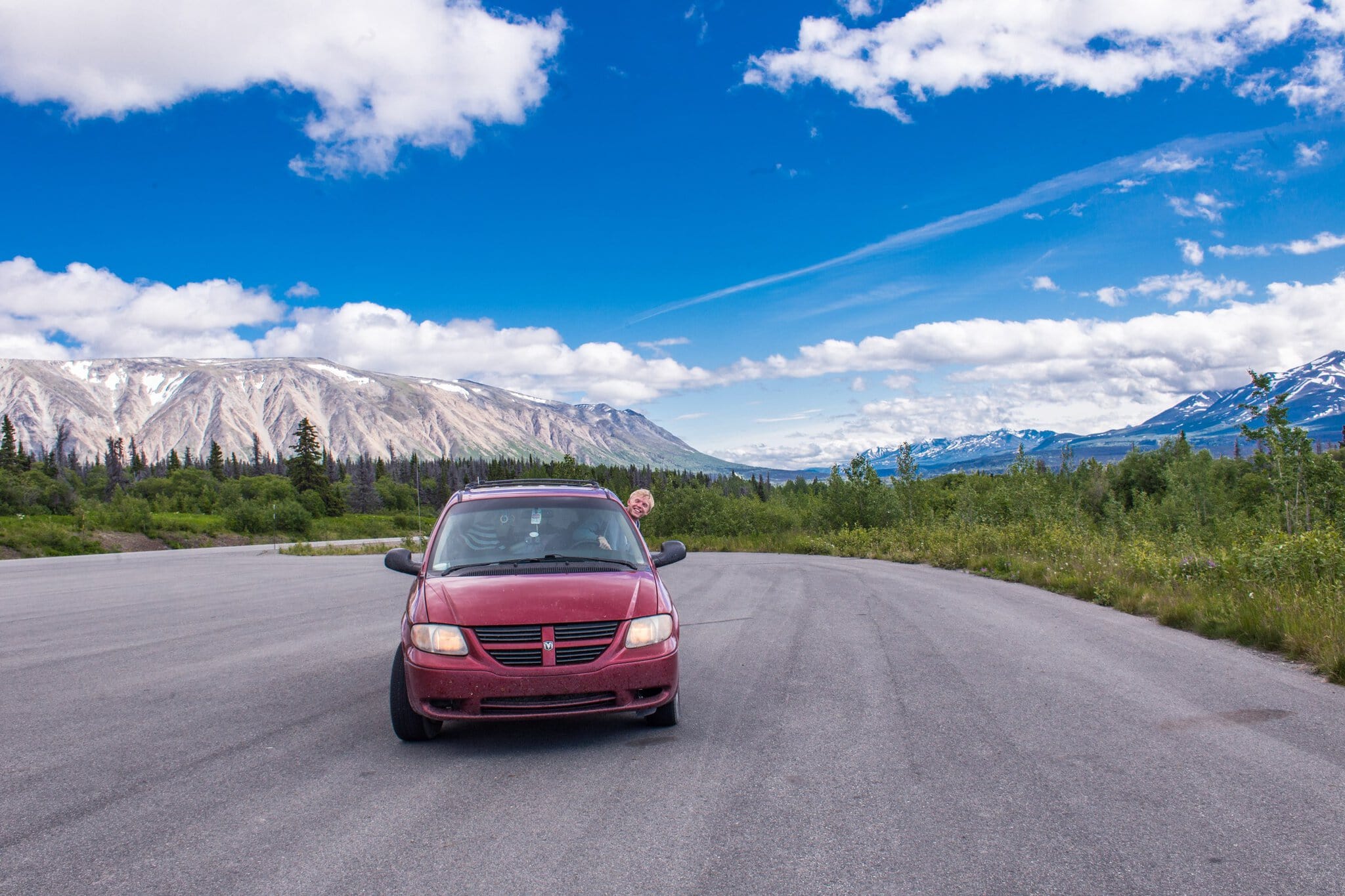
A car is an absolute necessity for exploring Alaska, unless you fancy spending your whole holiday on buses. But the rental prices are brutal. A standard SUV in summer easily runs $150 to $300 (£120 to £235) a day. Campervans start somewhere around $260 a night.
Lukáš and I have long had good experiences with RentalCars, which we use all over the world to compare prices between rental companies. Definitely book your car at least six months ahead, otherwise in summer you’ll be left with nothing but the priciest luxury models.
3. Most Rental Companies Won’t Let You on Gravel Roads
On the map it might look like a normal road, but the moment you turn off the main paved routes you’ll hit a harsh reality. Plenty of fascinating places — like the famous settlement of McCarthy in Wrangell-St. Elias National Park or the iconic Dalton Highway leading north towards the Arctic — are only accessible via dusty, pothole-ridden gravel roads.
Most car rental companies have a strict ban on gravel roads in their terms, and if you break it and get a flat tyre (which happens all the time), you’re looking at several thousand dollars for a tow from the middle of nowhere. So for venturing into the wilderness, look straight away at local firms like Go North, which explicitly allow 4x4s on gravel.
4. The 30% Club in Denali
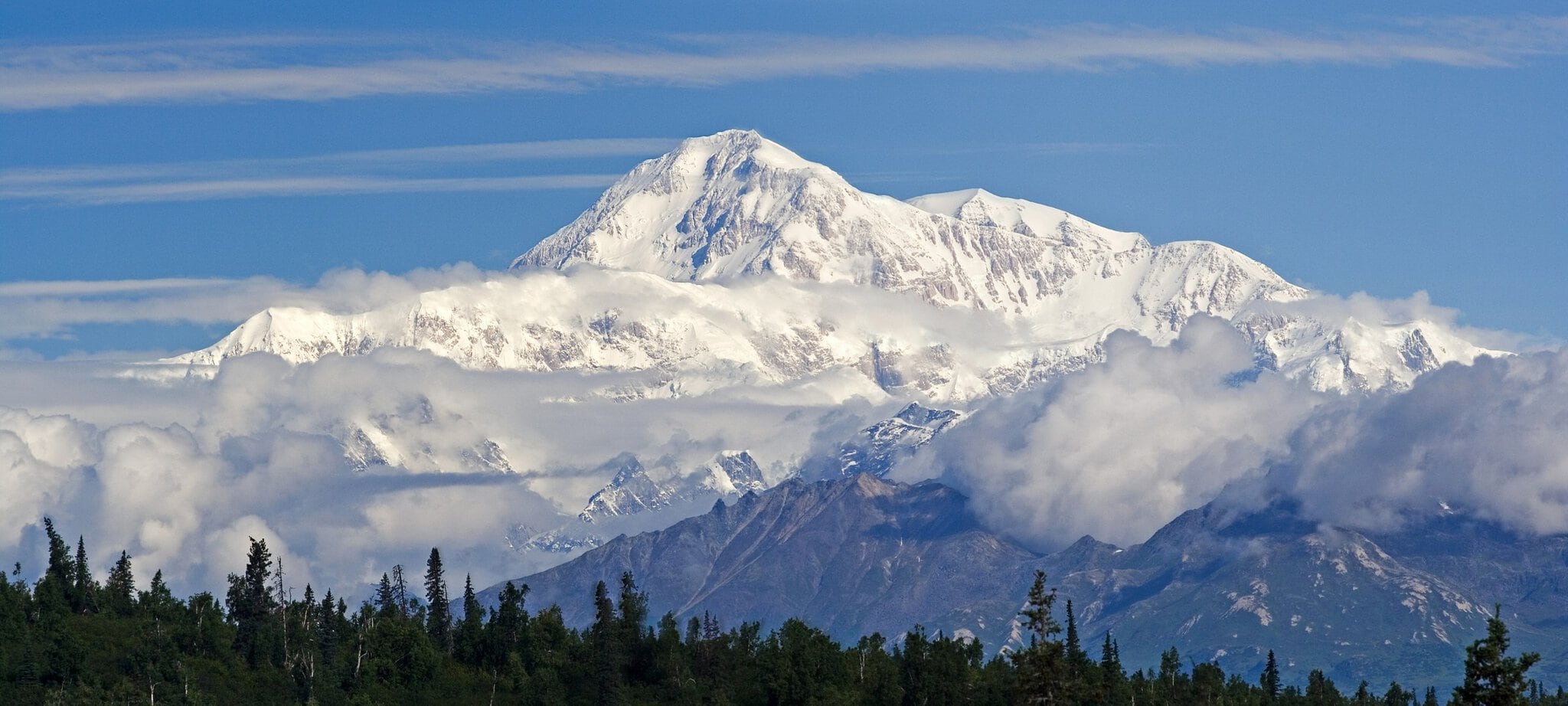
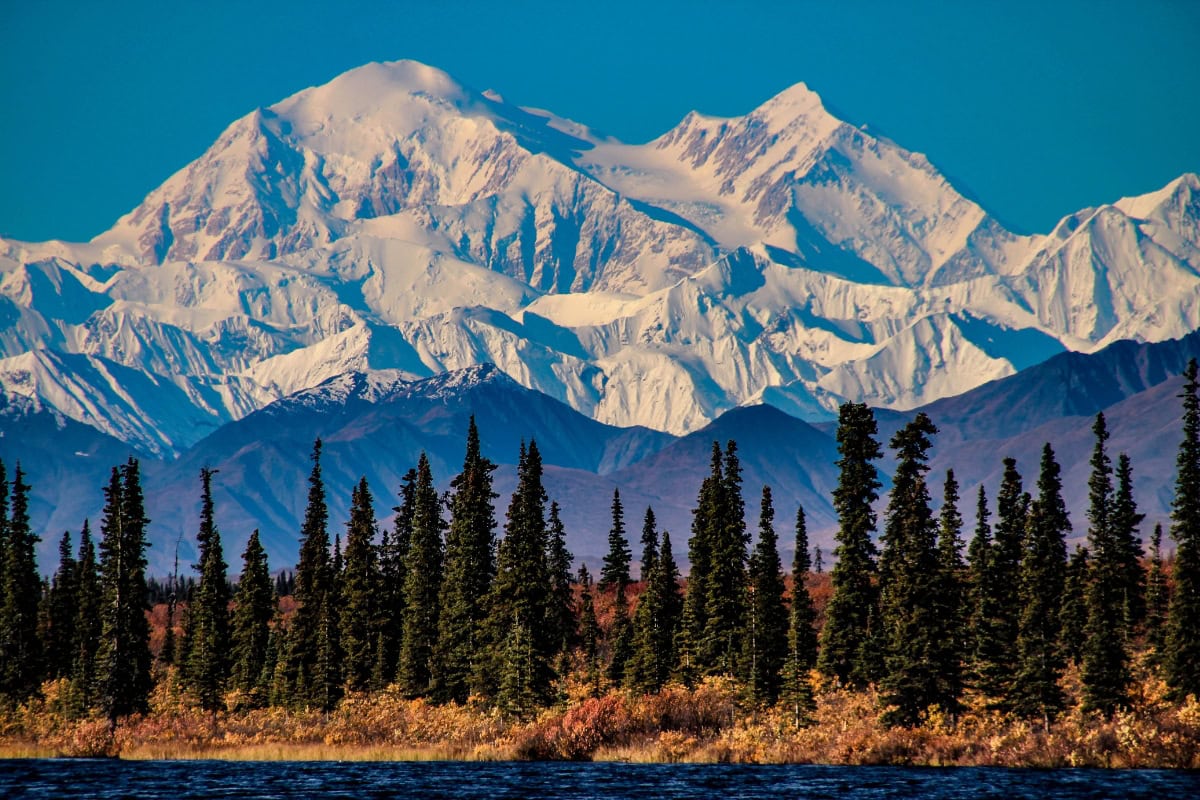
The continent’s highest peak towers up to a respectable 6,190 metres, so you’d think it must be visible from everywhere. The opposite is true. The weather around this gigantic massif is so unpredictable that the mountain constantly creates its own cloud cover.
There’s even a term for it: “The 30% Club”. It means that only around thirty percent of all visitors to the park actually see the mountain in full, free of cloud. The rest just photograph grey fog and leave empty-handed. Even people who work in the park all season sometimes don’t see the mountain for weeks. So definitely don’t allow just a single day for the park — I recommend staying in the area at least two nights to boost your chances.
5. Half of Denali National Park Is Closed
This is absolutely crucial information for planning a trip in 2026. The only road that leads deep into Denali National Park (the Denali Park Road) is currently closed at roughly the halfway point. At mile 43 there’s been a massive landslide caused by melting permafrost (an area known as Pretty Rocks).
This means the popular full-day bus tours that used to carry tourists all the way to the gorgeous Wonder Lake, with its perfect view of the mountain, simply don’t exist at the moment. The buses turn around before the landslide, and full operation of the entire park isn’t expected before the 2027 season.
6. Bear Watching in Katmai Will Cost You a Month’s Wages
When you type Alaska into Google, you’re guaranteed to be hit with photos and videos of huge brown bears standing in a waterfall, catching flying salmon in their jaws. These iconic falls are called Brooks Falls and lie in the remote Katmai National Park in the southwest of the state. But beware — no roads lead here.
To see the bears, you have to fly from Anchorage to the town of King Salmon (return flight around $500) and there transfer to a small floatplane (another $450). Add to that accommodation near the park, which starts at $500 a night. A stay in the iconic and famous Brooks Lodge works out at an insane $1,200 to $1,600 a night. It’s a spectacular experience, but you’ll need to have a seriously fat pile of cash set aside for it.
7. The Inside Passage and Rainy Cruises
The southeastern tip of Alaska (the Southeast region) looks on the map like a shattered jigsaw of islands and deep fjords. There’s no connection to the American highway network here, and you can only reach towns like Juneau (the state capital) or Ketchikan by plane or boat. It’s the main corridor for the enormous cruise ships.
I’ll admit it — I pictured it much the same way too: breaching whales, calving glaciers, sunshine. The reality is a little different. In Juneau, for instance, it rains an average of 230 days a year, and summer temperatures happily drop to 10°C. Experiences from online forums and from friends confirm that it’s quite common to spend an entire cruise in such thick fog that you can’t even see the tip of your own ship. Definitely pack a top-quality waterproof jacket for this part.
8. Don’t Plan More Than 5 Hours of Driving a Day
Alaska is incredibly vast. If you set off on a classic road-trip loop, don’t try to see absolutely everything. From Anchorage to Seward it takes 2.5 hours (about 200 kilometres); from Anchorage to the more distant Fairbanks it’s 6 hours of pure driving time. But that’s talking about driving without stops.
The roads are often clogged with RVs, every now and then you’ll have to slow down for a moose by the roadside, and every few minutes you’ll want to pull over for a photo because the views simply won’t let you sit still. Experienced travellers agree that the moment you write more than four or five hours of driving into your itinerary, your holiday turns into an exhausting driving marathon and you won’t enjoy the beauty at all.
9. Anchorage: Necessary Evil or Great Base?
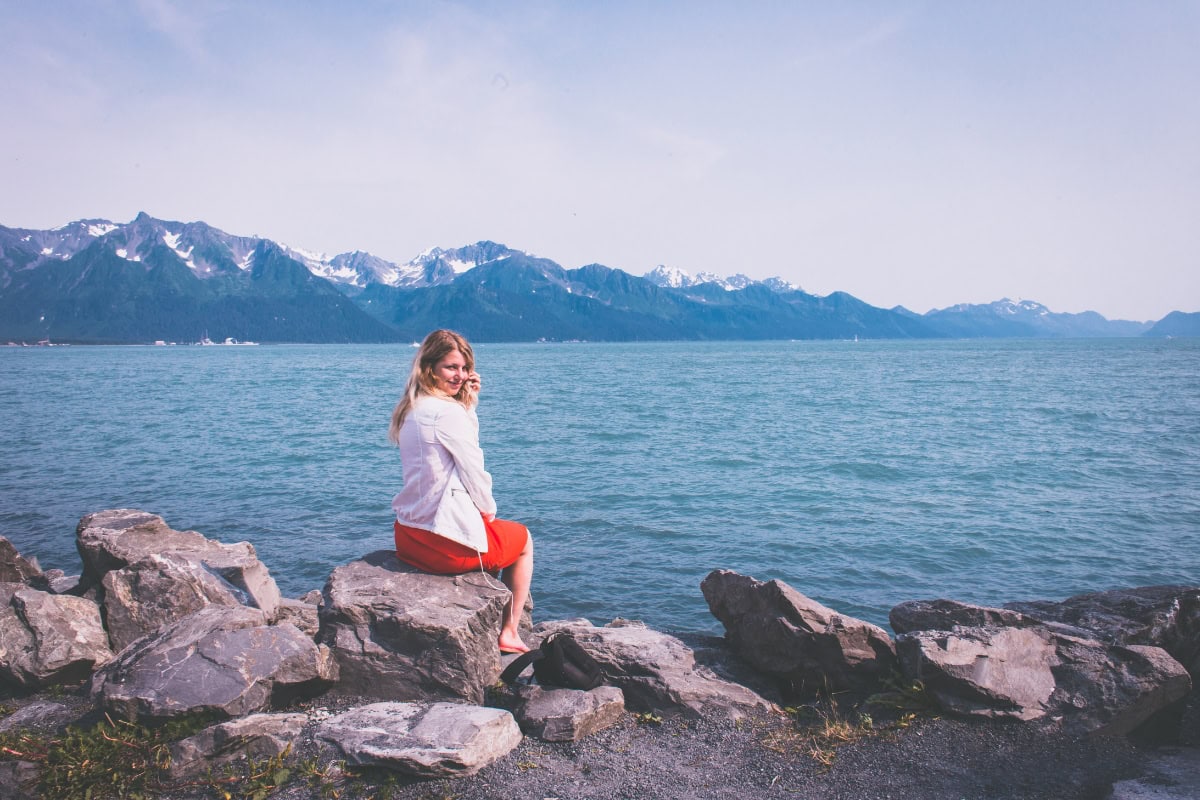
The Anchorage metro area, home to most of the state’s population, is a huge contrast to the surrounding wilderness. Plenty of travellers are tempted to cut the city out of their itinerary entirely and flee straight from the airport into the mountains. Honestly, Anchorage has a pretty rough industrial vibe and you won’t want to spend a whole week here.
On the other hand, it’s the only place with large, perfectly stocked supermarkets. Our advice is to stay at least one night after you arrive. You can top up everything you need, buy a proper can of bear spray (which you’re not allowed to take on the plane), soak up the atmosphere in some local café and recover from the enormous time difference.


10. You’re Wasting Your Time Looking for the Aurora in Summer
It sounds obvious, but loads of people keep making the same mistake. They fly to Alaska in July on their summer holiday and secretly hope to see that beautiful green dance across the sky. They won’t. Alaska lies far to the north, and in summer there’s simply too much light at night.
To see the northern lights, you need a proper dark night. The aurora-hunting season realistically begins only from mid-September, although in October and November you obviously have a far better chance. So if the aurora is your main goal, seriously, don’t book August flights.
11. Pick Your Direction If You Only Have a Week
If you’ve only set aside 7 to 10 days for Alaska, don’t attempt a classic mega road trip. You’ll need to choose one of the two main directions out of Anchorage airport. Either you head north to the mountains (a combination of Anchorage, charming Talkeetna and Denali National Park).
Or instead you head south to the stunning Kenai Peninsula. There you’ll find glaciers tumbling into the sea near the port of Seward, scenic cruises, and the town of Homer, the launch point for plenty of fishing trips. The moment you try to squeeze both north and south into seven days, you’ll spend half your time staring through the windscreen at a strip of tarmac.
12. Don’t Expect European Camping Culture
If you’re planning to save on the astronomically expensive hotels by renting a campervan and sleeping out in nature, get ready for some local quirks. Free camping (boondocking) is tolerated at many pull-offs, but the official state and national campgrounds don’t have European-style luxury.
There are no flushing toilets (just dry pit toilets), you can forget about hot showers, and signal? It’s simply not there, sometimes for several days on end. And then there are the bear rules: fragrant food can’t sit out in front of the car for even a moment. Having seen bears outside our hotel window back in Canada, we were fairly well prepared for this. But according to the locals, the bears here are quite a bit more aggressive.

13. Smoke and Fire Can Ruin Your Holiday
Besides the occasional rain, there’s another summer bogeyman that travel brochures don’t talk about much. In Alaska (and neighbouring Canada), extensive wildfires are completely normal in June and July. Unfortunately, climate change is making things worse, too.
During our trip we saw plenty of disappointed tourists whose satellite apps reported hundreds of fires in the area. The sky was often greyish to yellow with heavy smoke, and visibility of the mountains dropped to zero. It’s something you simply can’t do anything about. In Alaska in summer there’s a simple equation: if it’s warm and clear, you’re breathing wildfire smoke; if it’s grim and cold, you’re grumbling that you didn’t even get to enjoy the holiday.
Where to Eat: Our Food and Drink Tips (Anchorage)
If you’re expecting refined dining on every corner, Alaska will disappoint you a little. Lukáš and I mostly cooked for ourselves. Restaurant prices are noticeably higher than in the rest of the US, and don’t forget to add the obligatory 15 to 20% tip to your bill. Let’s take a look at where to go in the largest city, Anchorage.
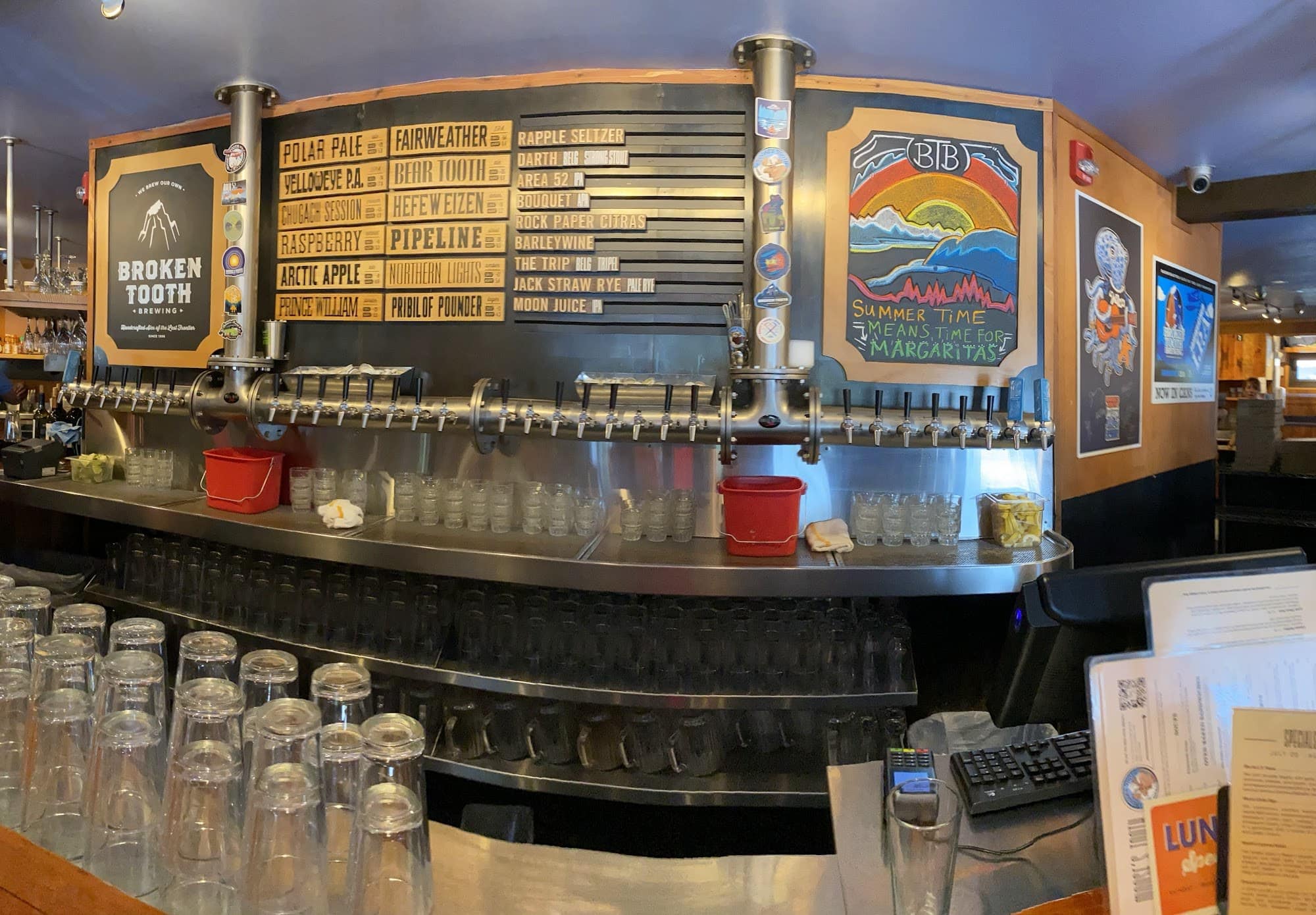
If you’re out with the kids or just fancy something laid-back, an absolute legend is Moose’s Tooth Pub & Pizzeria. It’s the highest-grossing independent pizzeria in the entire US and also runs as a microbrewery. The locals absolutely adore it. They take no reservations and in peak summer season you can easily wait over an hour and a half before being seated. Their giant “Large Avalanche” pizza is iconic. Be warned — inside it’s buzzing and pretty noisy. You’ll pay around $14 for their amazing Smoked Salmon Spread, and they also do excellent large salads.
For a romantic, seriously upmarket dinner for two, go for Crow’s Nest. It sits on the 20th floor of the Hotel Captain Cook, so over dinner you’ll enjoy a fantastic 360-degree view of the mountains and the bay. The menu revolves mainly around fresh King Crab and enormous halibut, and they have a wine list running to an incredible 10,000 bottles. Just bear in mind that dinner for two with wine will easily set you back more than $200 (over £155). They also require a smarter dress code — they won’t let you in wearing hiking boots.
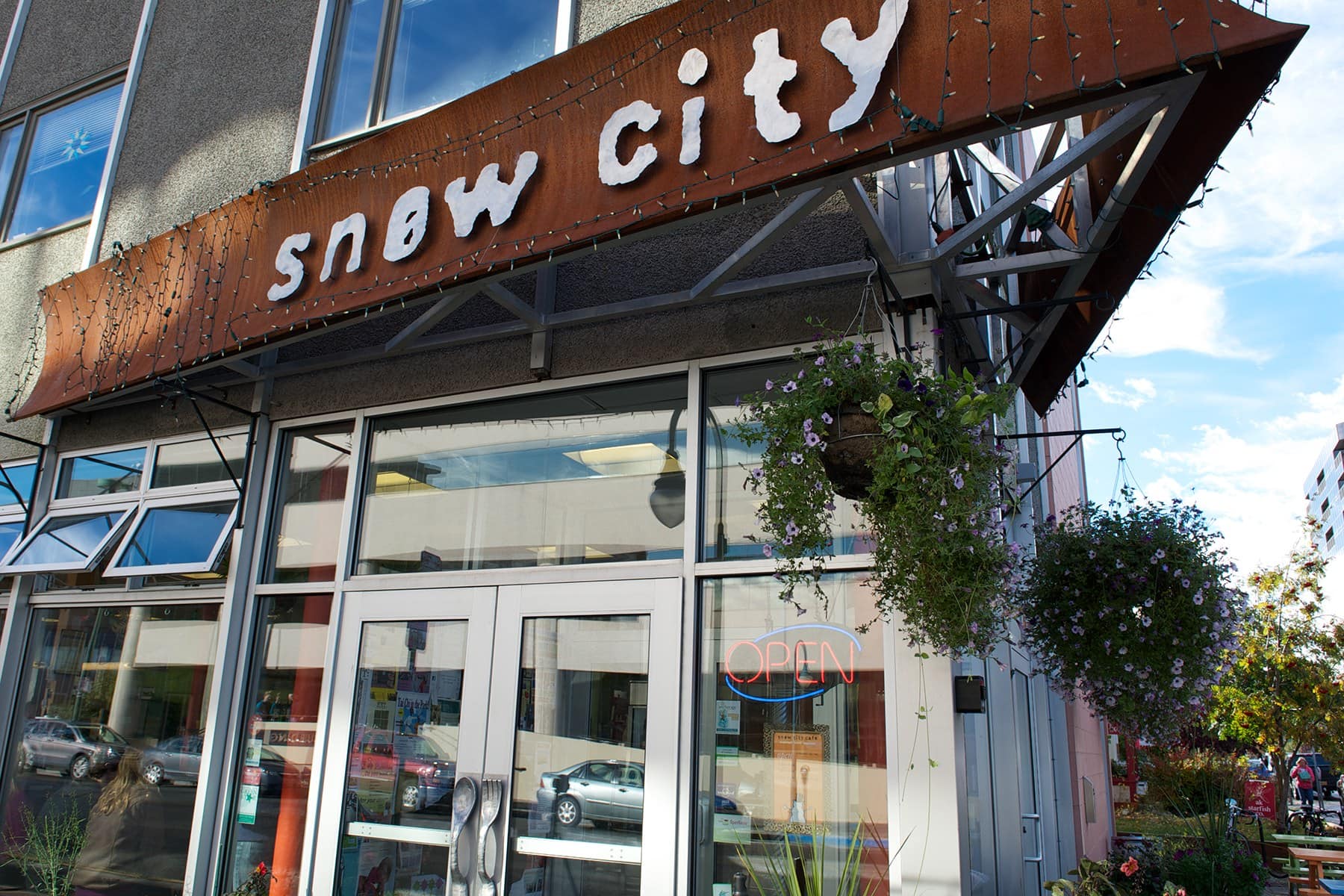
When you’re after a great breakfast, definitely stop by Snow City Cafe right in the centre. It’s quite possibly the most popular café in town (open only until 3pm). The locals flock here for their famous “Deadliest Catch”, which is Eggs Benedict with a generous helping of Alaskan crab.
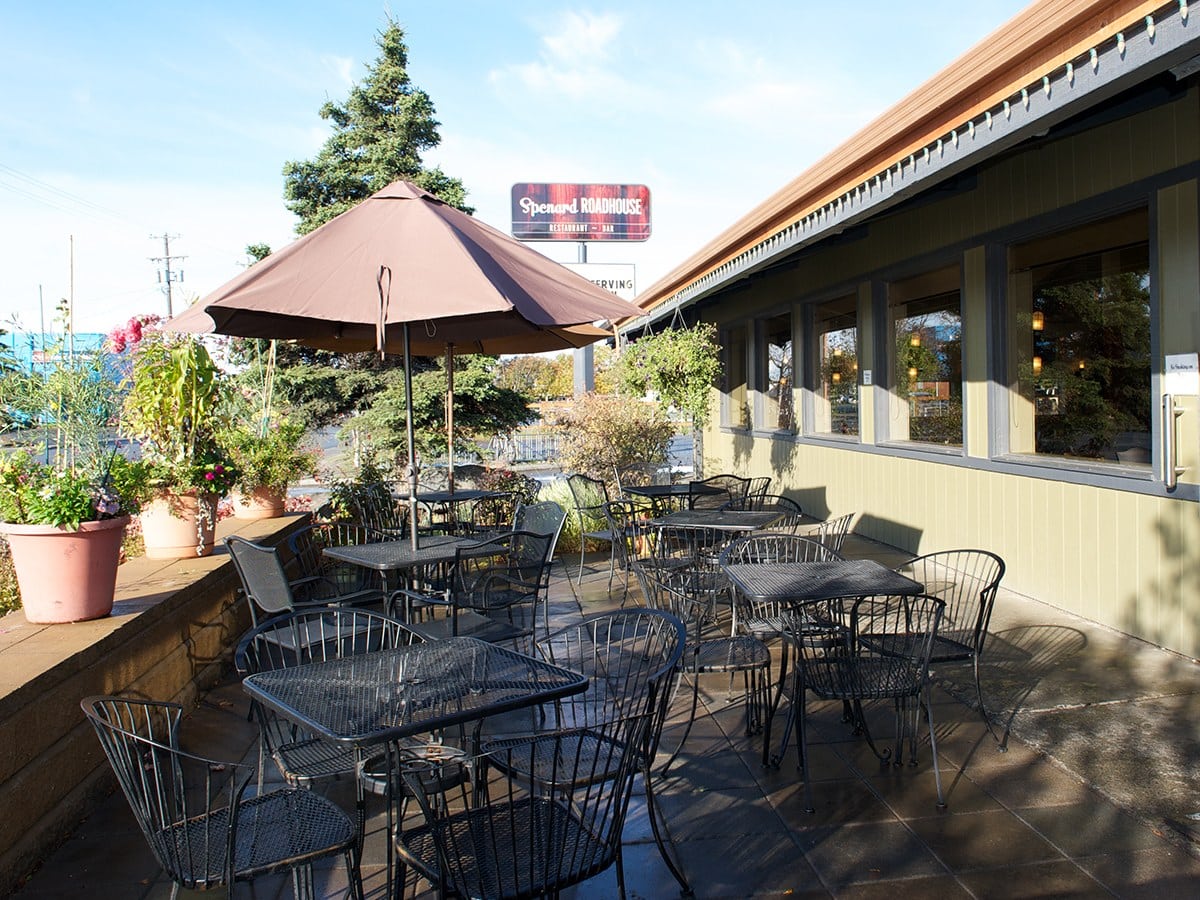
And if you want to try something a little more hipster, I recommend Spenard Roadhouse. Their tater tots drizzled with truffle oil and bacon bits rolled in pecans are an unbelievable, indulgent treat you’ll be remembering for ages. Even more so when you wash it down with a glass from their massive collection of quality bourbons.
Tips and Tricks for Smooth Travel in the US
Travelling around the United States has its own quirks, and in Alaska that goes double. We’ve put together a few practical pointers that will save you plenty of stress and money on the road. From experience, we know that cutting corners on the prep here simply doesn’t pay off.
Before you even pack your bags, focus mainly on safety and connectivity. Here are the three absolute essential pillars you mustn’t forget:
- Insurance: We never fly to America without good insurance — medical bills here can be devastating. For trips around the US, we recommend looking into a quality travel insurance policy.
- eSIM for internet: Alaska sometimes has huge black holes with no signal, but in the towns data comes in handy. Before you sort out expensive US roaming, check out our review of Holafly.
- Hiking: Alaska is full of wet mud, melting snow and streams. Quality gear is essential — a good pair of waterproof hiking boots will get far more use here than you might think right now.
 🚗 Car rental on the roadVerified rental cars in Alaska
Search with the DiscoverCars comparison engine — it compares prices from dozens of local and international rental companies, and most bookings come with free cancellation.
Compare car prices in Alaska →Frequently Asked Questions (FAQ)
When we shared our Alaska plans with our families and friends, we got a whole avalanche of questions. And the same ones kept coming up over and over! So I’ve gathered the most important ones here, so you have everything neatly in one place and don’t have to dig through forums.
When and for how much did America buy Alaska?
The United States purchased Alaska from the Russian Empire in 1867. American Secretary of State William H. Seward negotiated the purchase for approximately 7.2 million dollars. Americans heavily criticized the purchase at the time, calling it “Seward’s Icebox,” until gold was discovered in Alaska and, decades later, enormous oil reserves. Today it’s one of the most profitable investments in history.
How long is it dark in Alaska?
It depends enormously on where exactly you are, as the state is huge. In the northernmost city of Utqiagvik (formerly Barrow), there’s a polar night when the sun doesn’t rise above the horizon for a full 65 days straight, from November to January. In Anchorage, which is much further south, the sun rises every day in winter, but the shortest winter days have only about five and a half hours of daylight.
What’s the temperature in Alaska in winter?
Alaska has five different climate regions. In the south and southeast along the coast (Juneau, Sitka), winters are mild and temperatures stay around freezing or slightly below. But in the interior, for example around the city of Fairbanks and in Denali National Park, temperatures in January and February regularly drop to -30°C to -40°C. It’s truly harsh cold that paralyzes life and even regular equipment.
How expensive is Alaska?
Very. Alaska logistically functions like an island and most supplies have to be imported. A typical daily budget for two people in high season (July), including rental of a regular car, gas, rather basic motel accommodation, and buying food partly at supermarkets and occasionally at restaurants, comes to roughly 400 to 600 USD (€360 to €540) per day. If you’re planning expensive plane excursions, the budget skyrockets.
Is it safe to rent a car in Alaska?
Yes, it’s perfectly fine to drive on the main paved roads. We never once felt like we were taking a risk. The only thing we were really afraid of was moose on the road (and moose reflexes are terrible). But watch out for remote gravel roads without cell signal where few people pass through. Otherwise, the pavement is mostly in very good condition (although every spring road crews patch up huge potholes from the frost).
When’s the best chance to see the Northern Lights?
Definitely from October to March. You need complete darkness, clear skies, and of course a certain amount of solar activity. People most often go to Fairbanks for the aurora in February and March, when it’s not as brutal and crushing cold as in December, but the nights are still sufficiently dark and clear.
Can I see Alaska in a week?
No. In a week you’ll only manage to see a tiny fraction of the state and you’ll have to make very tough compromises. A week-long itinerary typically covers either just the area around Anchorage and the Kenai Peninsula heading south, or you’ll drive north from Anchorage to visit Denali National Park. For a more comprehensive experience of the main sights, you need at least 14 to 21 days.
Tips and Tricks for Your Vacation
Don’t Overpay for Flights
Search for flights on Kayak. It’s our favorite search engine because it scans the websites of all airlines and always finds the cheapest connection.
Book Your Accommodation Smartly
The best experiences we’ve had when looking for accommodation (from Alaska to Morocco) are with Booking.com, where hotels, apartments, and entire houses are usually the cheapest and most widely available.
Don’t Forget Travel Insurance
Good travel insurance will protect you against illness, accidents, theft, or flight cancellations. We’ve had a few hospital visits abroad, so we know how important it is to have proper insurance arranged.
Where we insure ourselves: SafetyWing (simple monthly subscription) and TrueTraveller (for extra-long trips).
Find the Best Experiences
Get Your Guide is a huge online marketplace where you can book guided walks, trips, skip-the-line tickets, tours, and much more. We always find some extra fun there!
More from Alaska
Full guide →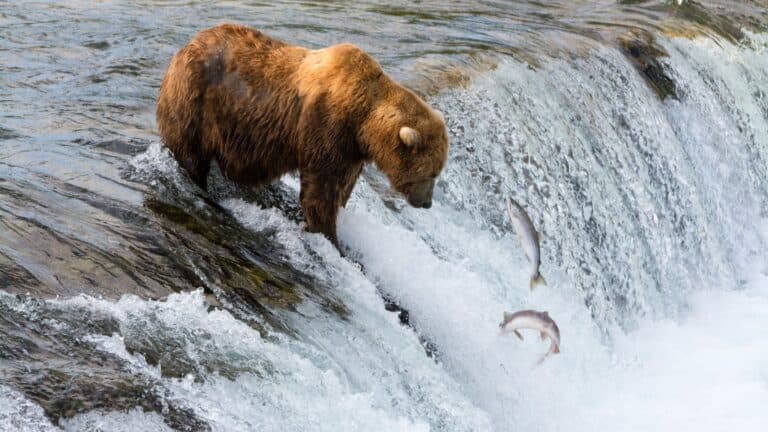 What to see · most readBears in Alaska: Where to See Them & Safety Tips (Complete Guide)
 What to seeAnchorage, Alaska: 15 Tips on What to See and Do in the Land of the Midnight Sun
 What to seeWhittier Alaska & Prince William Sound: 13 Best Things to See and Do
 What to seeTalkeetna, Alaska: 10 Best Things to See and Do (Denali Gateway & Flightseeing)
 What to seeDenali National Park, Alaska: Complete Guide 2026


