

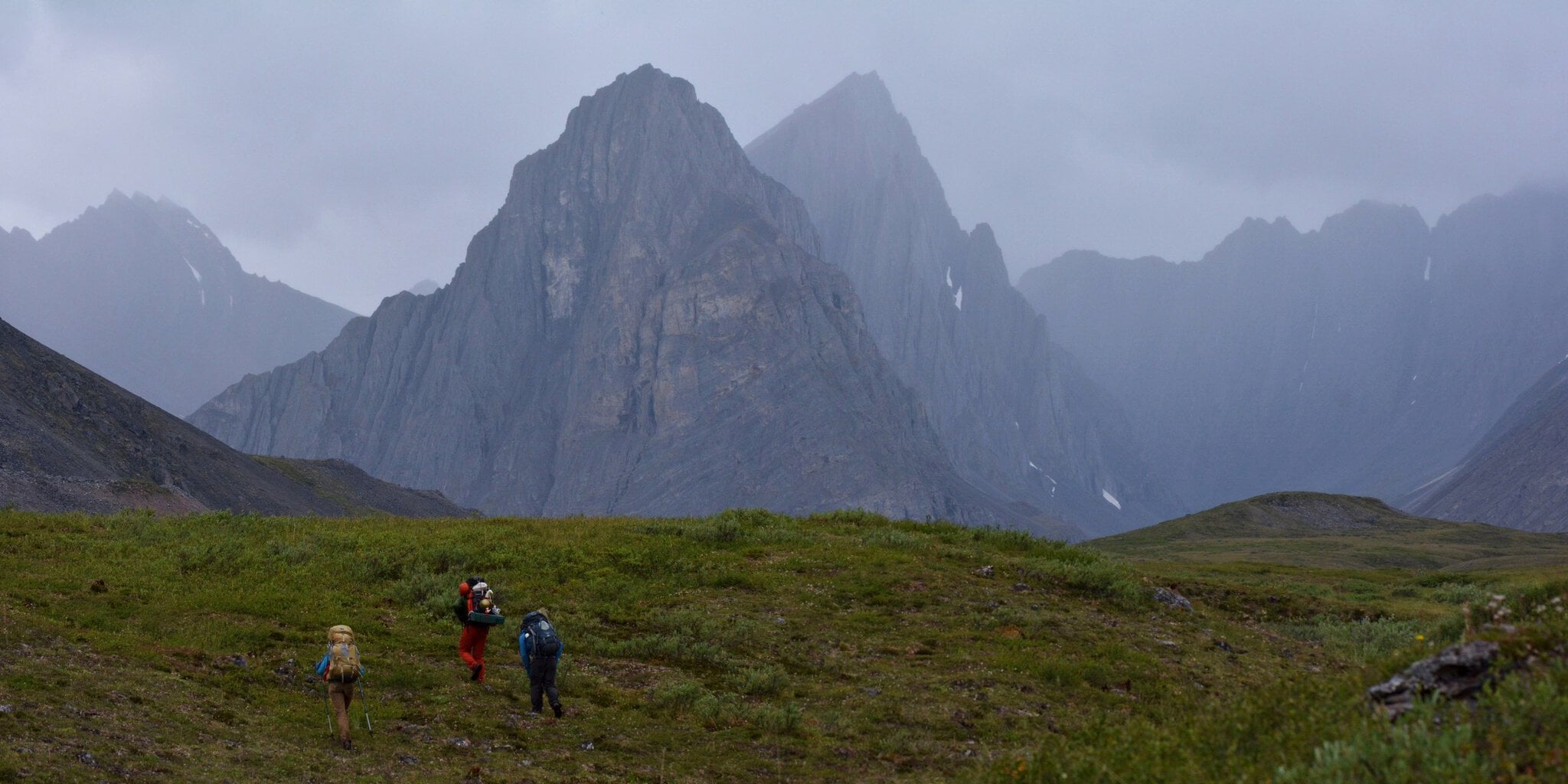
If you’re planning an Alaskan expedition to Gates of the Arctic National Park, brace yourself — this place gives the word “isolation” an entirely new meaning. Gates of the Arctic Alaska is an enormous draw for those seeking untouched nature far from the crowds, but what awaits you here is a genuine extreme. Forget paved paths, forget overpriced coffee stands, and frankly, don’t expect to bump into another soul out there.
This massive chunk of wilderness, stretching entirely beyond the Arctic Circle, is the embodiment of the rawest Alaska you could possibly imagine. In 2023, according to official figures, fewer than 15,000 people visited — making it by far the least visited national park in the United States. And for good reason: there is absolutely zero infrastructure here, and I mean that in the most literal sense. No roads lead in, there are no maintained campgrounds, and if something goes wrong, you’re completely on your own. In this article, you’ll find tips on what to see and do in Gates of the Arctic National Park (or rather, how to actually survive and organise this visit), advice on accommodation in the surrounding settlements, and a realistic look at how much this whole adventure actually costs.
TL;DR
- Total wilderness: There are no roads, trails, or mobile signal in the park. You’re entirely reliant on yourself and your own survival skills.
- How to get there: Most people opt for an air taxi (a small bush plane) that drops you in the middle of nowhere. Access is primarily from the settlements of Bettles or Coldfoot.
- Extremely short season: The ideal time to visit is from mid-June to the end of August. By September, you risk snowstorms and frozen lakes.
- High costs: This isn’t a budget trip. Backcountry flights alone will set you back thousands of dollars unless you share the plane with other adventure-seekers.
- Wildlife comes first: The park is home to enormous caribou herds, grizzly bears, and wolves. You’re just a visitor here, and you need to act accordingly.
- Accommodation nearby: You can stay at the historic Bettles Lodge or at the rugged trucker camp in Coldfoot on the famous Dalton Highway.
The full destination guide: Alaska — guide and what to see
When to Go and Getting Your Bearings at the End of the World
Planning a trip into the Arctic wilderness isn’t like booking a cheap weekend flight to Paris. Nature dictates absolutely everything here, and the window when you can realistically visit without fighting for your life in the cold is frighteningly narrow. Unless you’re a seasoned polar explorer, you’ll need to squeeze your trip into a few summer months and arm yourself with a hefty dose of patience, because the weather here can change your plans from one day to the next.
The only sensible time for a summer visit starts around mid-June and firmly closes with the last day of August. During this period, you’ll also experience the midnight sun, meaning you’ll have daylight even at three in the morning and can explore the landscape virtually non-stop. But once the calendar flips to September, the Brooks Range can show its dark side. Heavy snowstorms roll in, lakes begin to freeze rapidly, and float planes can no longer find anywhere to land — leaving you potentially stranded in the wilderness for a very long time.
How to Actually Get to Gates of the Arctic
This is the single biggest challenge of the entire trip — and the line item most likely to put a serious dent in your wallet. There’s no tarmac road leading into the park, so you have to rely on specialised aviation. Most adventurers use small bush planes equipped with either floats for landing on lake surfaces or oversized tundra tyres that allow them to touch down on gravelly riverbanks. It looks like something out of an action film, and the feeling when the pilot drops you off in the wilderness and flies away is utterly indescribable.
The main jumping-off points are two isolated settlements on the park’s edge: Bettles and Coldfoot. Experienced pilots from companies such as Brooks Range Aviation and Coyote Air Service operate from here. Chartering an entire aircraft runs into the thousands of dollars, so unless you fancy selling a kidney, the smart move is to find other travellers and split the cost. You can find stories online of people who got into the backcountry for around $2,000 per person by sharing a flight. If you want a cheaper option and aren’t set on a multi-day trek, you can book a short twenty-minute scenic flight from Pump Station 5 on the Dalton Highway for roughly $500.
Where to Stay and How Much It All Costs
When I talk about accommodation, you need to understand that there are no hotels or maintained campgrounds inside Gates of the Arctic itself. You either pitch your own tent in the middle of the wilderness, or you stay in the nearby settlements of Bettles and Coldfoot, which serve as the gateway to the park. Prices here don’t reflect luxury — they reflect the fact that every roll of toilet paper and morsel of food has to be flown in or trucked hundreds of miles down a terrifying gravel road.
Budgeting for a trip like this is notoriously difficult because it depends mostly on how deep into the wilderness you want to be flown. But expect to spend no less than $3,000 per person for a few days in northern Alaska — and you won’t be dining in any kind of luxury. Bed prices up here are steep, and groceries in the tiny shops often cost three times what you’d pay in Fairbanks.
Accommodation in Coldfoot and Bettles
In the settlement of Coldfoot, which sits on the legendary Dalton Highway, you can stay at the Inn at Coldfoot Camp. This place has the utterly unique atmosphere of a genuine truck stop, where grizzled truckers rub shoulders with tourists in overpriced outdoor jackets. The rooms are actually converted construction trailers from the pipeline-building era. Don’t expect a TV, Wi-Fi, or mobile signal, but you’ll get a clean bed and a hot shower — which, after returning from the Arctic tundra, is worth its weight in gold. A night here costs a flat $269 (roughly €250) regardless of whether you’re sleeping alone or sharing.
If you fly via the isolated village of Bettles (which, incidentally, has just 12 permanent residents), the centre of everything is the wonderful historic Bettles Lodge from the 1950s. They have older rustic rooms with shared bathrooms as well as a newer Aurora Lodge wing with en-suite facilities and sauna access. Stays are often sold not as individual nights but as all-inclusive experience packages.
Gates of the Arctic: 11 Tips for True Adventurers
Given that the park has no official landmarks or promenades, I’ve put together a list of experiences and places that make this area so magical. Think of it more as inspiration for how to approach this wild and elusive corner of the world.
1. Scenic Flight Over the Brooks Range
If you don’t fancy spending several nights in a tent surrounded by bears, a scenic flight is hands-down the best way to grasp the sheer scale of this park. From the air, you don’t need a map at all. All you see are endless jagged peaks of the Brooks Range, deep turquoise valleys, and meandering rivers stretching into infinity.
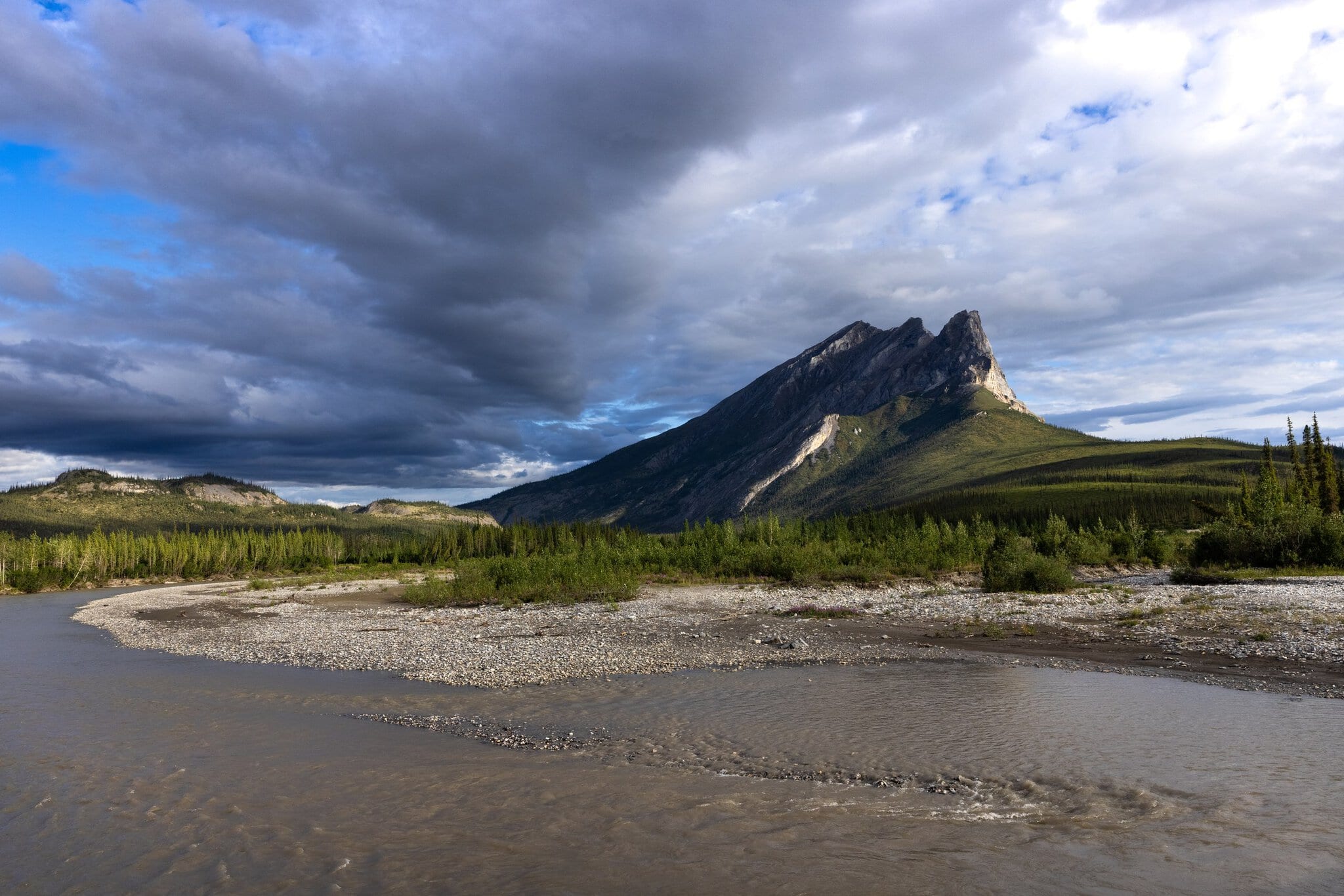
These flights typically depart from Bettles or Coldfoot and last from one to several hours. The pilots are also incredible treasure troves of stories, so you’ll hear plenty of tales about rescue missions and the harsh realities of life in the north. The bonus is that you can admire the park from the comfort of a heated aircraft cabin and enjoy a cold beer back in civilisation by evening.
2. Backpacking in Absolute Wilderness
For the bravest souls, backpacking in Gates of the Arctic is a dream come true — and for the unprepared, a swift nightmare. The rules are simple: a pilot drops you at a lake with an agreed pick-up date, and from that moment on, you’re on your own. There are no marked trails whatsoever, so you bushwhack through tall grass, wade across icy streams, and slog through endless bogs.
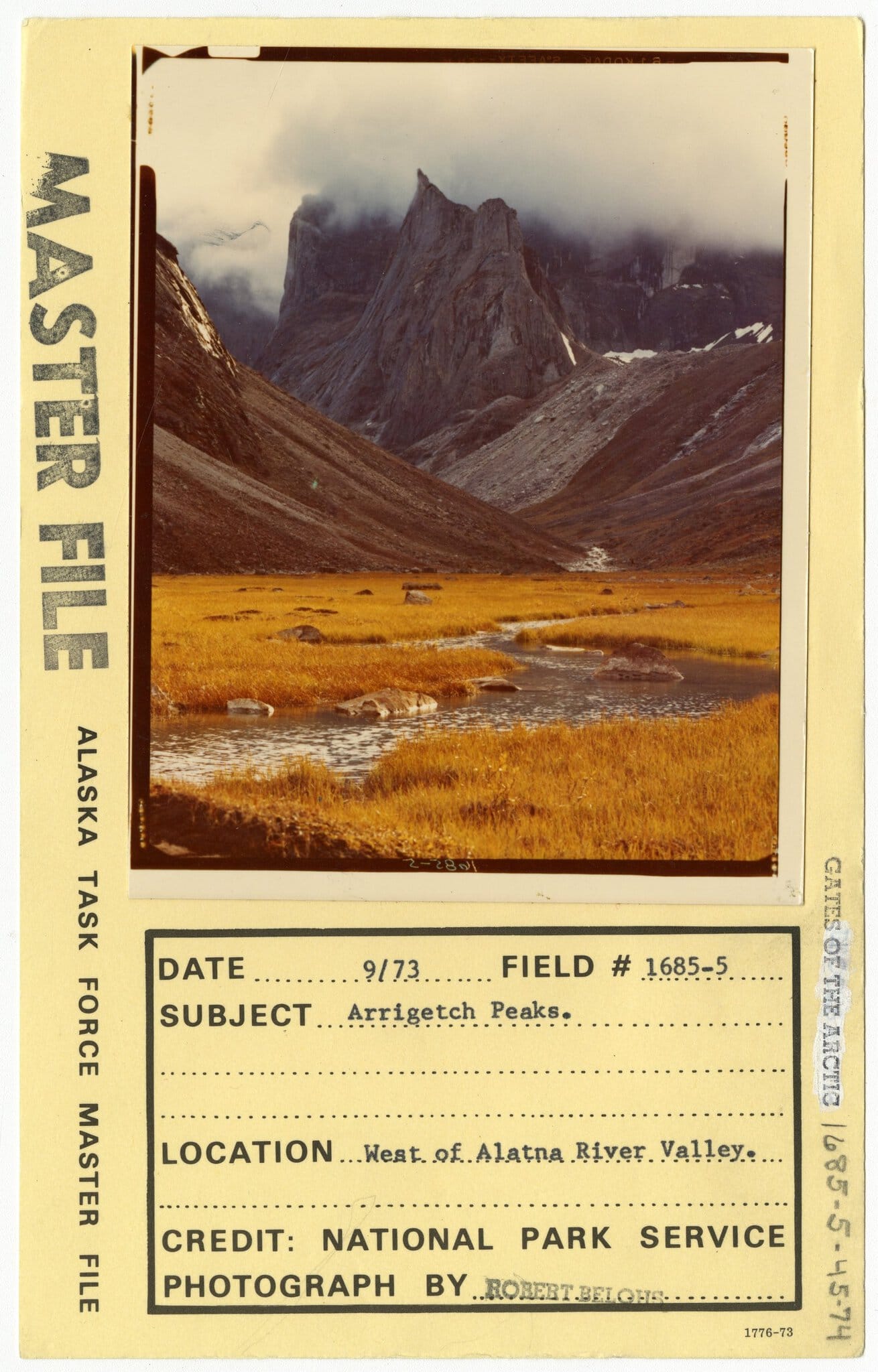
It’s physically gruelling because you’re moving across soft terrain while carrying all your food and gear on your back. But the reward is a sense of absolute freedom that you simply can’t find anywhere in Europe anymore. You drink crystal-clear water straight from the streams and fall asleep under a sky completely free of light pollution.
3. Encountering the Park’s Wildlife
If you’re curious about the animals that call Gates of the Arctic home, you’ve come to the right place — just don’t expect a zoo. This land belongs to the wildlife, and you’re the intruder. The main draw is the Western Arctic Caribou Herd, a massive herd of over 200,000 caribou that migrates through the park each year.
Besides caribou, you’ll fairly regularly encounter grizzly bears — and not always from a safe distance. It’s therefore absolutely essential to carry bear spray and know how to behave in bear country. On steep slopes, you can spot majestic Dall sheep through binoculars, and with a bit of luck, you might come across wolf pack tracks as well.
4. Self-Reliant Survival and Navigation
This might sound trivial, but one of the greatest experiences in this park is the simple fact of not getting lost and staying alive. Electronics fail quickly out here — batteries drain fast, and mobile coverage is nothing but a distant dream. You have to learn to trust a compass again and read a paper map, which in today’s digital age is practically a forgotten art.
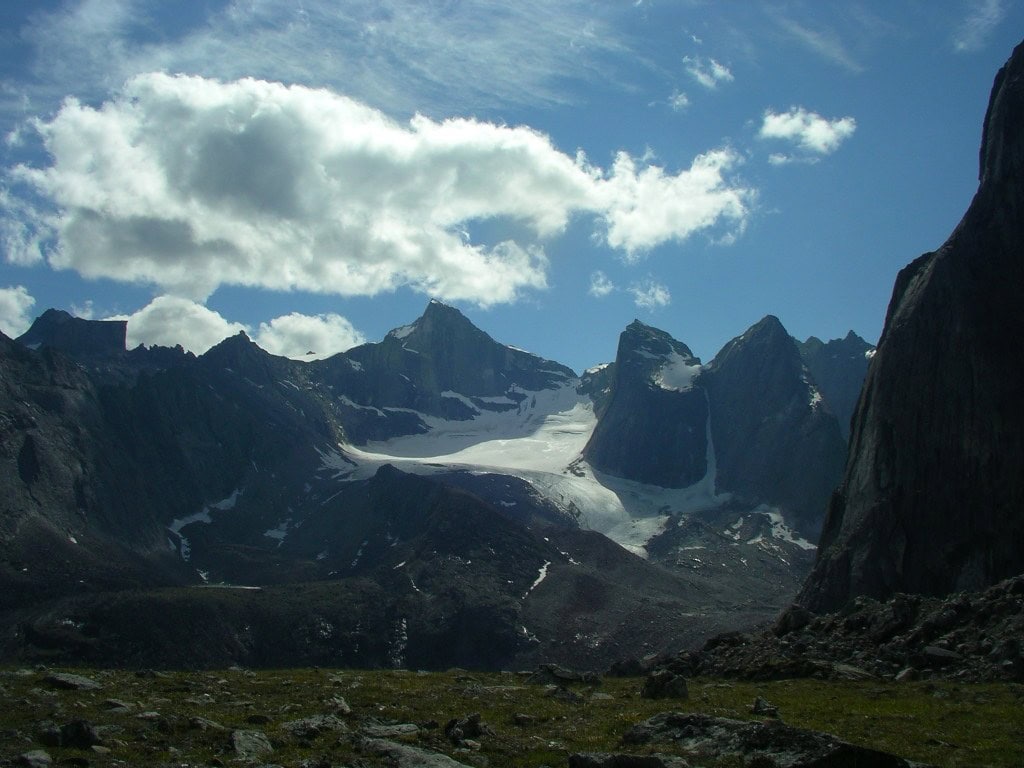
Experienced travellers always recommend carrying a satellite communicator (such as a Garmin inReach), which allows you to call for help in case of a broken leg or other emergency. Trust me, when you’re standing in the middle of the tundra and realise the nearest doctor is hundreds of miles away, you start watching every single step.
5. The Trucker Vibe at Coldfoot Camp
Although it doesn’t sit within the national park boundaries, a stop at Coldfoot Camp is an experience in itself. This place, which sprang up during the construction of the Trans-Alaska Pipeline, has an incredibly rugged vibe. You’ll walk past enormous trucks emblazoned with mining company logos and meet people at reception caked in road dust.
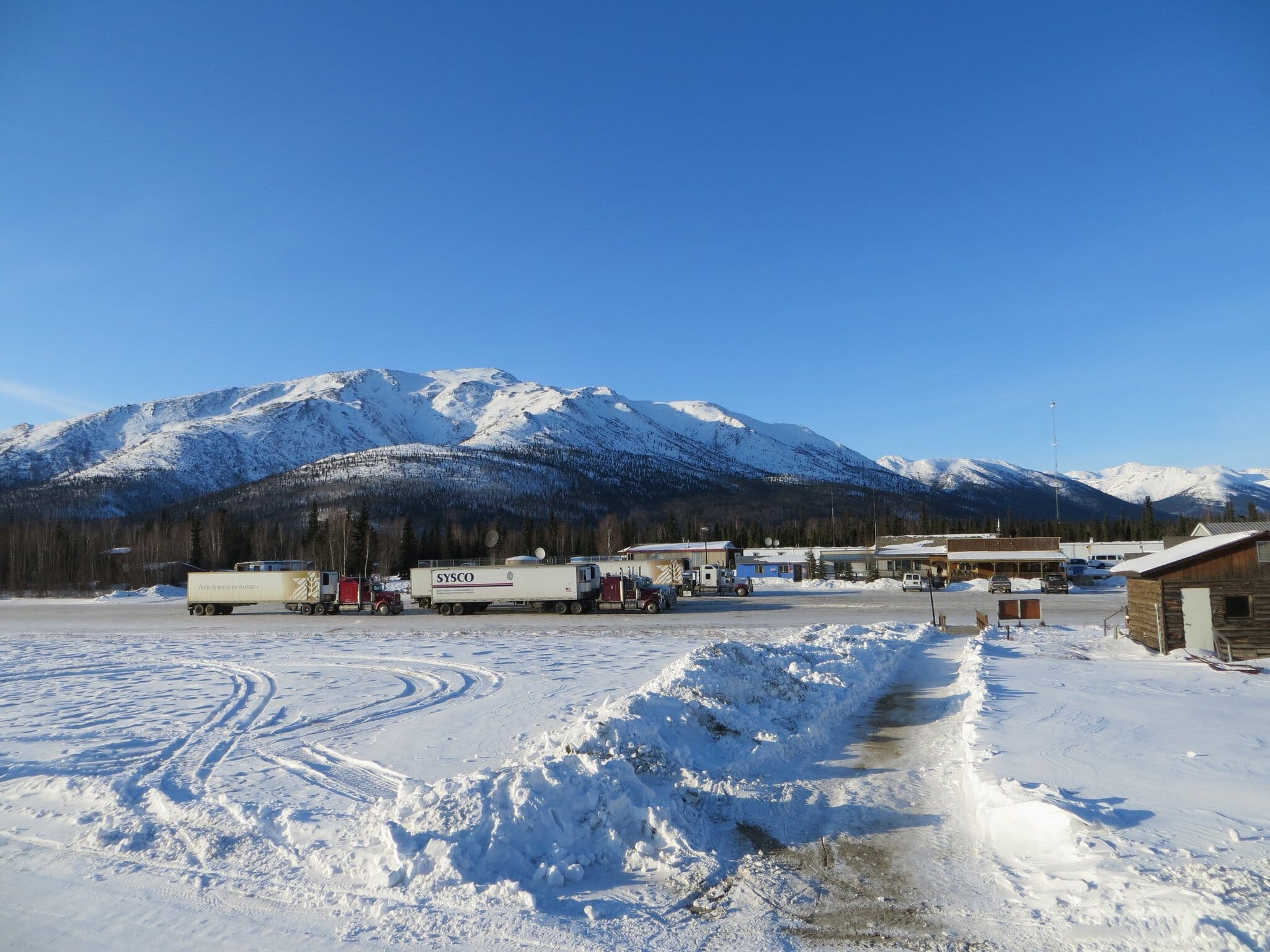
It’s the perfect spot to pick up information from locals or meet other adventurers gearing up to head into the wild. You can pitch your tent here for free, or pay $14 for a hot shower — which sounds like a lot, but believe me, after a week in the tundra you’d happily pay ten times that.
6. Visiting the Historic Settlement of Wiseman
Just north of Coldfoot, about 13 miles up the Dalton Highway, lies the old gold-mining settlement of Wiseman. It’s a living museum of Alaskan history and one of the few surviving villages from the gold rush era in the Brooks Range. Only a handful of permanent residents live here, striving to maintain a traditional way of life.
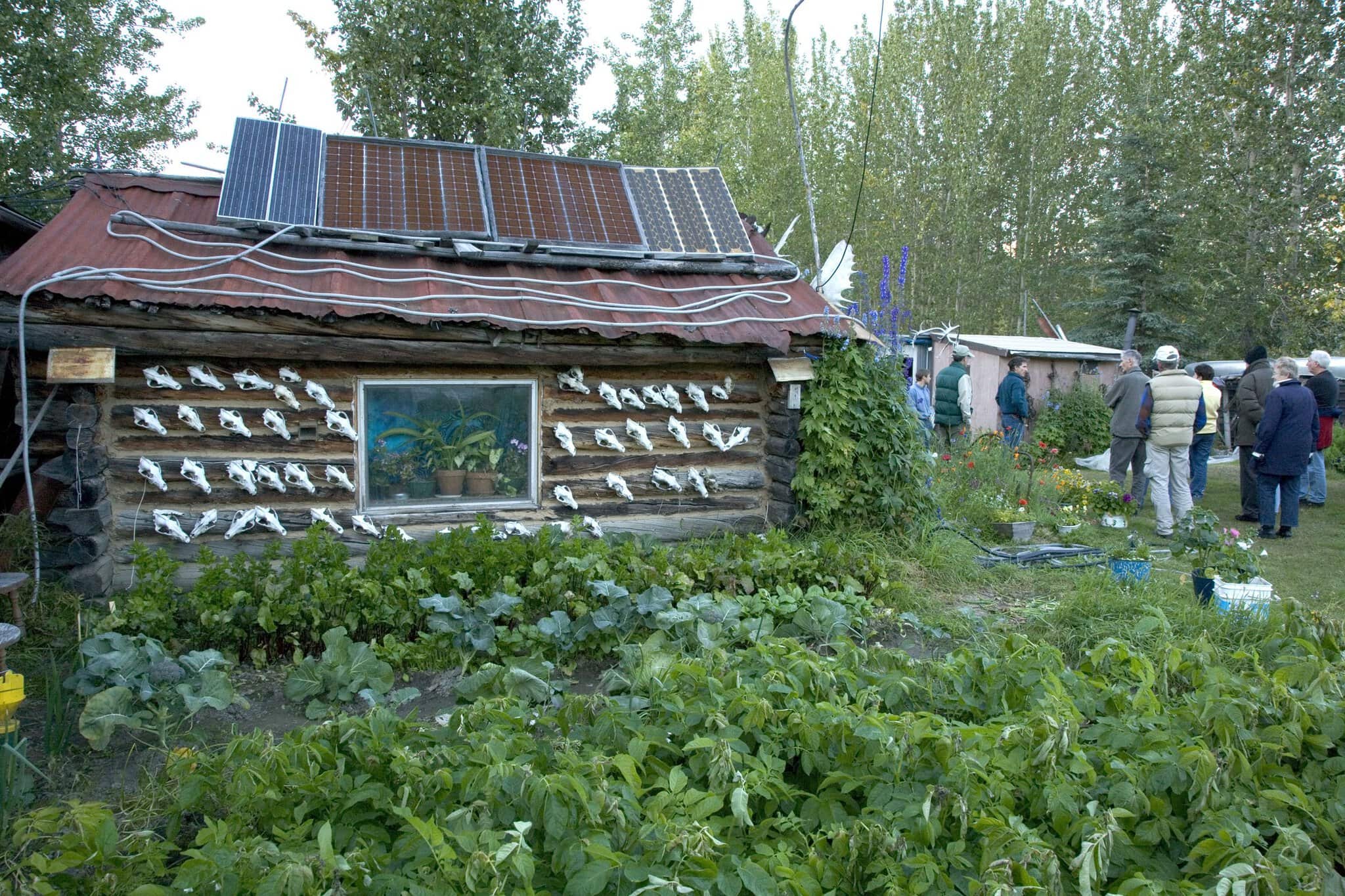
Walking among the old wooden cabins feels like stepping back a hundred years in time. The locals are often wonderfully chatty and happy to tell you what it’s like to survive winters where temperatures plunge to minus fifty and they don’t see the sun for months on end.

7. Finding the Gates of the Arctic Visitor Centre
You might be surprised to learn that if you went looking for a visitor centre inside the park, you’d collapse from exhaustion in the attempt. There simply isn’t one within park boundaries. The official contact points for visitors are cleverly located in Coldfoot (Arctic Interagency Visitor Center) and in Bettles (Bettles Ranger Station).
Stopping in at one of these is absolutely mandatory before heading into the wilderness. Rangers will brief you on current conditions, advise which areas to avoid due to flooded rivers, and you can also borrow certified bear canisters (bear-proof food containers) — without which you really shouldn’t set foot in the park at all.
8. Diving into Alaskan History
Although the park looks like an empty landscape, the history of Gates of the Arctic is remarkably rich. The Nunamiut people nomadically followed caribou herds here for thousands of years, and to this day the territory remains vitally important to local indigenous communities for maintaining their traditional hunting and gathering practices.
While moving through the park, you may occasionally stumble upon old campsites or traces of gold prospecting expeditions from the early twentieth century. All these artefacts are protected, so you can admire them but must never take anything as a souvenir.
9. The Historic Bettles Base and National Park Collecting
If you’ve got money to burn and want to tick off national parks, Bettles Lodge offers an absolutely unique service. They have a package called the National Park Collector Package, which loads you into a small plane and lands you in both Gates of the Arctic and the neighbouring Kobuk Valley National Park — all in a single day.
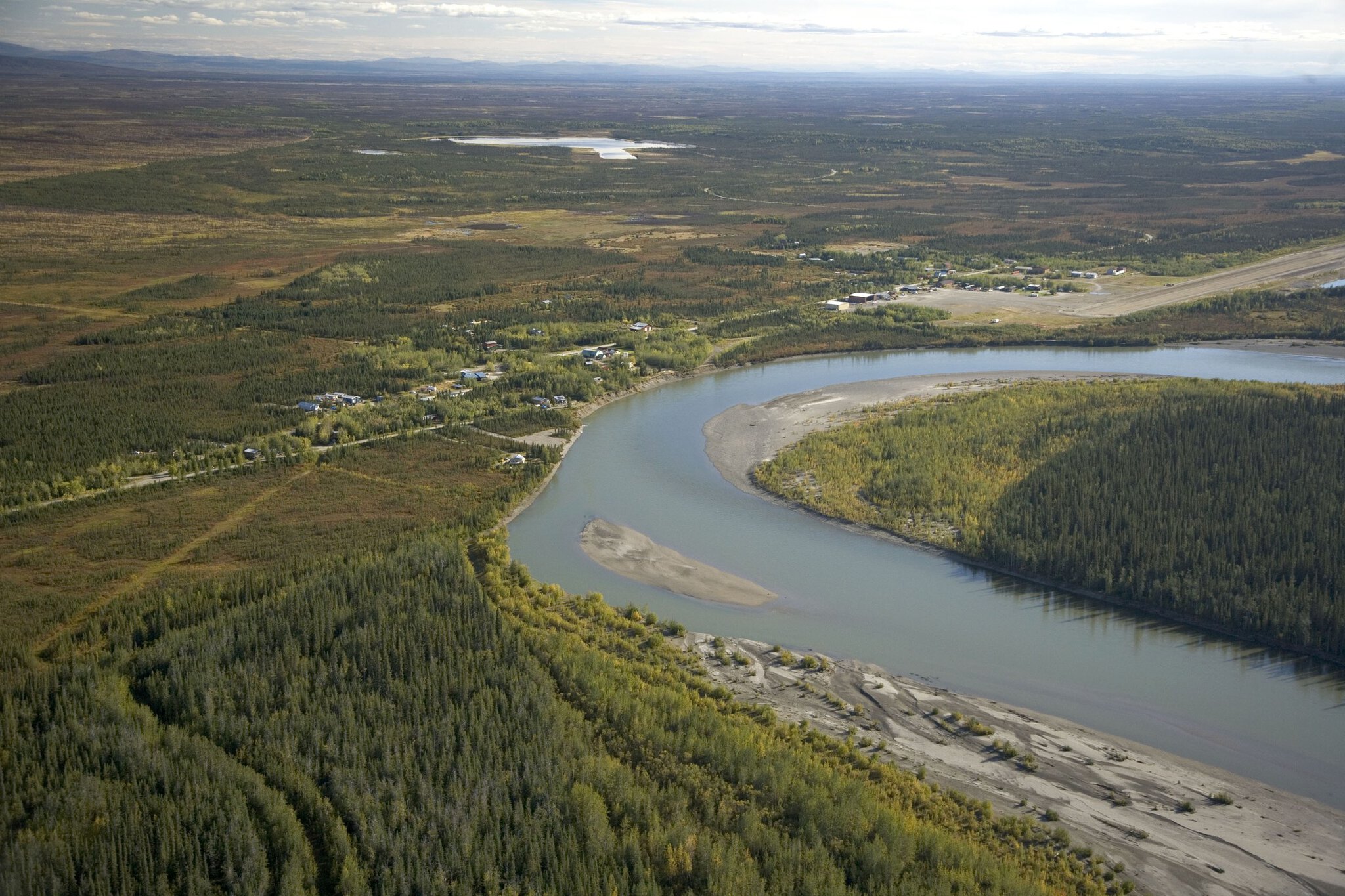
It’s admittedly a bit of a tourist shortcut, but for national park passport stamp collectors, it’s often the only feasible way to check these two most inaccessible locations off the list. Plus, the village of Bettles itself, with its historic wooden bar, has all the charm of the old pioneer days.
10. Chasing the Northern Lights in Winter
While the summer season offers hiking and endless daylight, in winter the area transforms into one of the best places on Earth for viewing the aurora borealis. The village of Bettles in particular — sitting directly beneath the auroral oval and suffering absolutely zero light pollution — draws photographers from around the globe.
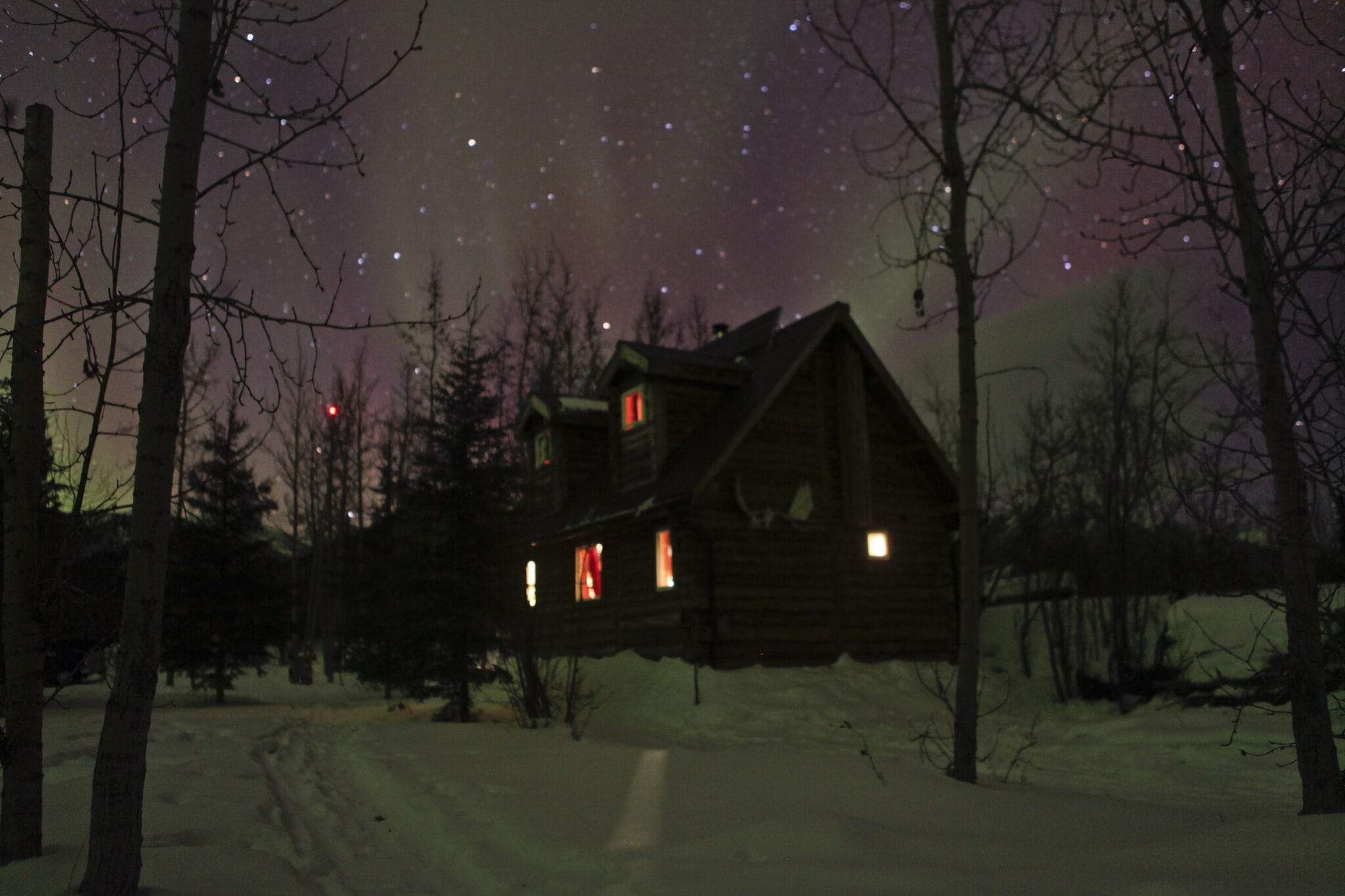
Bettles Lodge runs multi-day winter packages where they lend you specialist Arctic clothing for extreme cold, and you can watch the green spectacle dancing across the sky from an outdoor hot tub. You can’t really do this deep inside the national park itself (where you’d likely freeze to death in winter), but the visual experience from the surrounding area is breathtaking.
11. Photographing Untouched Wilderness
The stunning photos from Gates of the Arctic exist precisely because the landscape bears no trace of human activity. You won’t see any power line towers, no tyre tracks from vehicles — just the raw geological power of the Brooks Range.
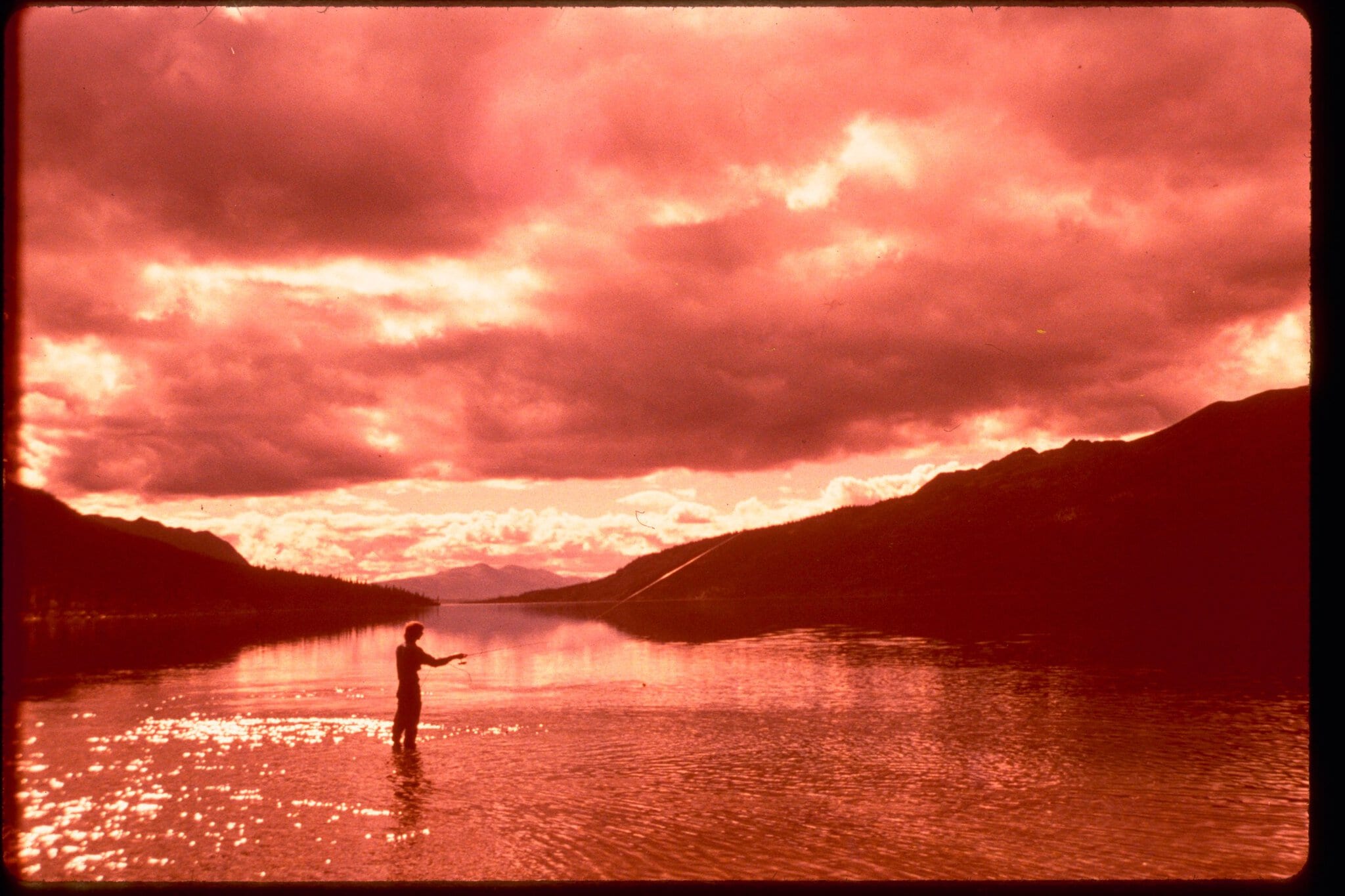
If you’re a photographer, prepare for a battle with gear weight — a tripod and telephoto lens really add up on your back. But the results are worth every ounce, especially if you manage to capture the autumn tundra at the turn of August and September, when it blazes in impossibly rich shades of red and gold while the mountaintops are already dusted with the first snow.
Map of points of interest for your phone
Food and Drink Beyond the Arctic Circle
If you’re expecting fine dining, you’d better stay home. Food in northern Alaska is defined by logistics and the sheer necessity of survival. All supplies must travel enormous distances, which predictably affects both prices and quality. If you venture into the park on a trek, you’ll obviously be eating only what you carry on your back — mostly freeze-dried meals rehydrated with hot river water. On the park’s fringes in civilisation, options are very limited but all the more authentic for it.
The beating heart of Dalton Highway gastronomy is undoubtedly the Trucker’s Cafe at Coldfoot Camp, which operates 24 hours a day, 7 days a week, serving as the main refuelling station for truckers. You sit at the same table as blokes in overalls, tuck into massive portions of burgers, pancakes, or chilli con carne, and wash it all down with proper, strong American coffee. It’s not exactly health food, but after a day in the Arctic cold or a long flight, it’s exactly what your body needs. If you stay at Bettles Lodge, meals are often included in the accommodation package. Food is served in the historic building and has the feel of home cooking. It’s a wonderfully cosy spot where you can have a post-dinner drink at the old bar dating from 1950, play pool, and listen to the unbelievable stories of pilots who’ve just returned from flights over the wilderness.
Practical Tips and Tricks Before Your Trip
Given that this destination is somewhat off the charts, preparation is absolutely key.
- Car hire: If you decide to drive the Dalton Highway to Coldfoot yourself, bear in mind that most standard rental companies prohibit driving on gravel roads. You’ll need to hire a specially equipped vehicle (for example from Arctic Outfitters). For all our regular road trips, we typically use the comparison site DiscoverCars.com.
- Finding flights: Flights from the UK to Alaska (ideally to Fairbanks) aren’t the cheapest. Look for deals on Kiwi — it’s our favourite portal where you can find good connections via Seattle or through major European hubs.
- Don’t forget insurance: This one should go without saying. An air rescue operation in Gates of the Arctic will cost tens of thousands of dollars. For trips to remote areas, we always choose robust insurance and never skimp on it (we’ve had excellent experience with SafetyWing, for example).
- Internet connectivity: There’s no signal in the park, but for driving around Alaska and in the towns, it’s handy to have data. Check out our Holafly eSIM review so you can be online as soon as you land in Anchorage or Fairbanks.
Where Else to Go in Alaska
If you’re already making the long journey north, it would be a shame not to stop at some more accessible yet equally stunning locations. We have several other articles on the blog that will definitely help you plan your Alaska itinerary.
On your way north, you’ll almost certainly pass through the home of ice sculptures and the northern lights. Have a read of our guide on what to see in Fairbanks and the surrounding area.
If you’re keen on chasing that celestial light show and don’t want to freeze unnecessarily, we’ve put together a comprehensive guide on when and where to see the northern lights in Alaska.
Interested in national parks but not quite ready for total trail-free wilderness? Head to Alaska’s most famous park, which we’ve covered in our detailed guide: Denali National Park: hiking tips and accommodation.
 🚗 Car rental on the roadVerified rental cars in Alaska
Search with the DiscoverCars comparison engine — it compares prices from dozens of local and international rental companies, and most bookings come with free cancellation.
Compare car prices in Alaska →Frequently Asked Questions (FAQ)
How do you get to Gates of the Arctic National Park?
There are no roads or established trails leading into the park. The most common way to get there is by chartering a small bush plane from nearby settlements, though you can also hike into the park’s outer areas via a multi-day trek from the Dalton Highway. Visitors arrange flights through local air taxi services.
How much does it cost to visit the park?
Entry to the national park itself is completely free with no fees required. The biggest expense is chartering a plane, which typically ranges from $400 to $1,000 per person. The price depends on the distance, flight duration, and your specific drop-off point in the wilderness.
When is the best time to visit Gates of the Arctic?
The ideal window for visiting is very short, usually from mid-June through the end of August. During this period, temperatures are most pleasant and snow at lower elevations has melted. From September onward, you risk severe freezing temperatures and snowstorms that make both flying and camping unsafe.
Are there campgrounds in the park, and do I need a permit?
You won’t find any developed campgrounds, visitor centers, or marked trails anywhere in the park. Camping is allowed anywhere in the backcountry without needing to obtain special permits. However, visitors must strictly follow Leave No Trace principles and carry a certified bear-resistant canister.
What wildlife can you see in the park?
The area is home to massive caribou herds whose migrations are among the greatest natural spectacles in Alaska. You’ll also commonly encounter grizzly bears, wolves, moose, and Dall sheep. When traveling through the park, it’s essential to carry bear spray and maintain a safe distance from all wildlife.
What’s the difference between starting from Bettles versus Coldfoot?
Coldfoot sits right on the Dalton Highway, so you can drive there, and it serves as a popular base for hiking entries or shorter flights. Bettles is an isolated settlement accessible only by plane from Fairbanks, but it offers a more strategic location for flights deeper into the central and western parts of the park. Both locations have ranger stations where you can get information and rent equipment.
Is there a less extreme alternative to this park?
For travelers looking for more accessible Alaskan wilderness, Denali National Park is ideal. Unlike Gates of the Arctic, it offers partial road infrastructure, organized bus tours, and developed campgrounds. Still, it maintains a rugged character and provides excellent wildlife viewing opportunities.
Tips and Tricks for Your Vacation
Don’t Overpay for Flights
Search for flights on Kayak. It’s our favorite search engine because it scans the websites of all airlines and always finds the cheapest connection.
Book Your Accommodation Smartly
The best experiences we’ve had when looking for accommodation (from Alaska to Morocco) are with Booking.com, where hotels, apartments, and entire houses are usually the cheapest and most widely available.
Don’t Forget Travel Insurance
Good travel insurance will protect you against illness, accidents, theft, or flight cancellations. We’ve had a few hospital visits abroad, so we know how important it is to have proper insurance arranged.
Where we insure ourselves: SafetyWing (simple monthly subscription) and TrueTraveller (for extra-long trips).
Find the Best Experiences
Get Your Guide is a huge online marketplace where you can book guided walks, trips, skip-the-line tickets, tours, and much more. We always find some extra fun there!
More from Alaska
Full guide →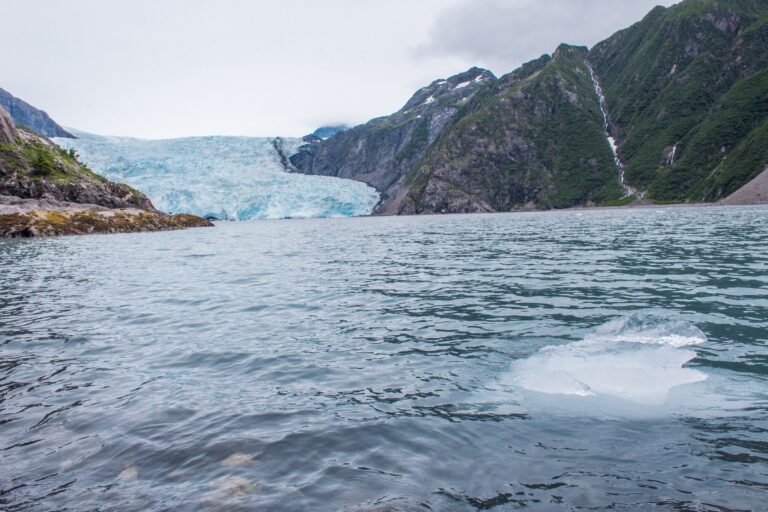 ItineraryAlaska Road Trip: The Best Itinerary for 7, 10, 14 and 21 Days
 When to goWhen to Visit Alaska: The Best Month for Northern Lights and Travel (2026)
 ActivitiesKatmai & Brooks Falls, Alaska: Iconic Bear Viewing (Fat Bear Week)
 PricesHow Much Does an Alaska Vacation Cost: 2026 Budgets
 Getting thereAlaska from the UK: Flights, ESTA, Car Hire & Money (2026 Logistics Guide)


