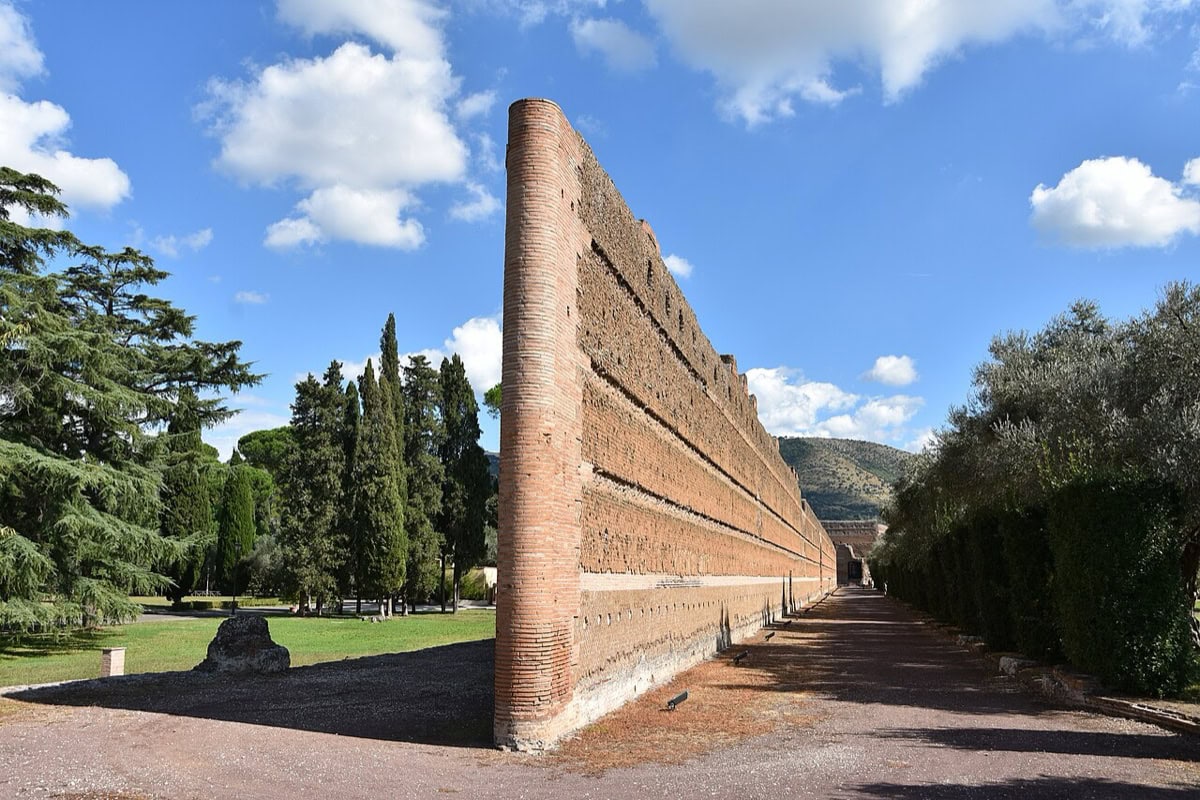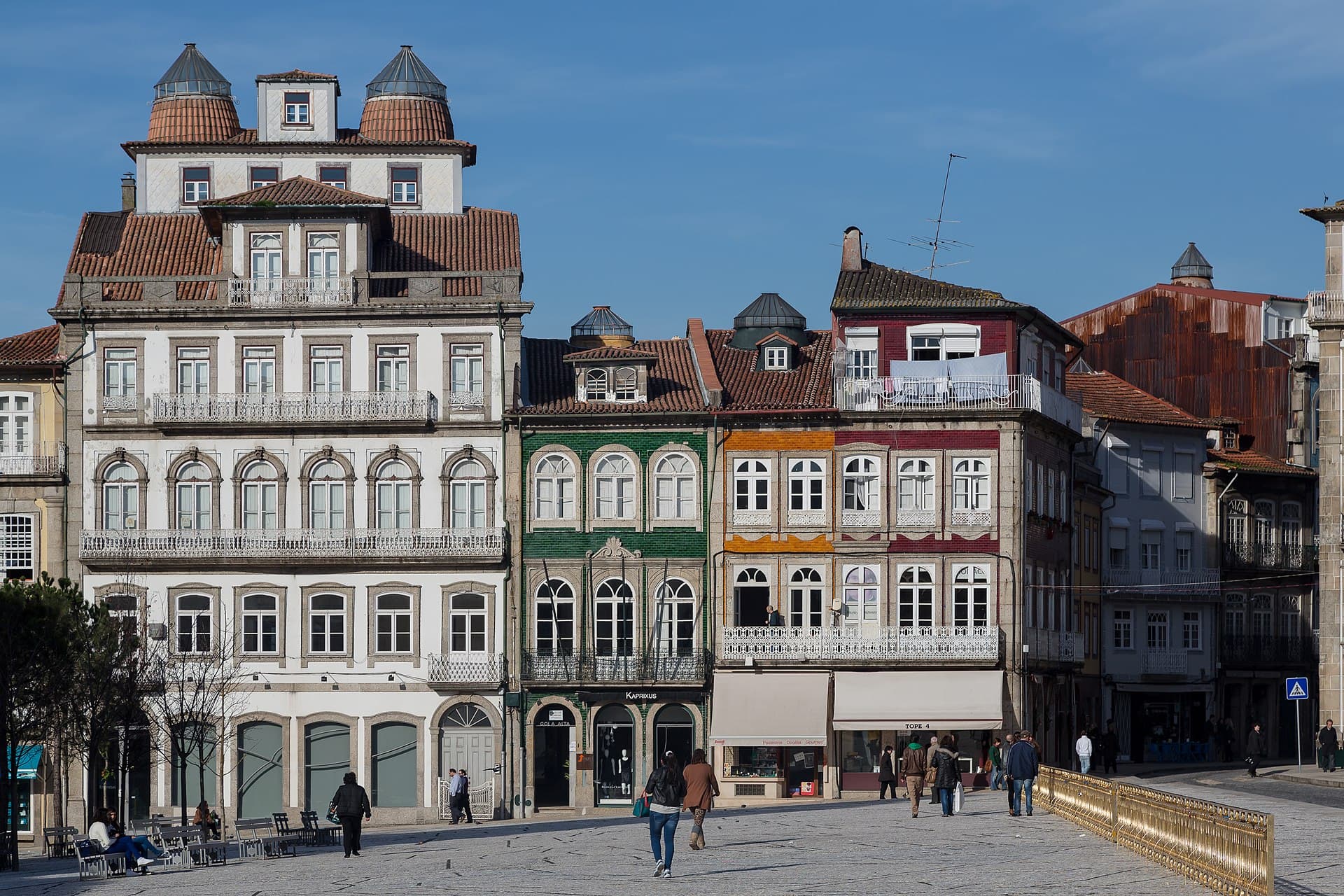
Santiago de Compostela, Spain: 14 Best Things to See & Do

TL;DRSantiago de Compostela, the end point of the Camino de Santiago, is all about the Cathedral of Saint James, with the apostle’s tomb beneath the main altar and the giant Botafumeiro incense burner, which swings at speeds of up to 68 kilometres an hour. Among 14 tips on what to see in the city are Praza do Obradoiro, the UNESCO-listed old town, the Mercado de Abastos food market, the Monastery of San Martiño Pinario, Alameda Park, and a full-day trip out to Cape Finisterre, the so-called end of the world. Give the city itself at least two full days, ideally sometime between May and October. 2026 is the year to go — in 2027 the Holy Year kicks in and pilgrim numbers jump by 50 to 80 percent.

The green northwest of Spain is deceptively different from the rest of the country, and you might be surprised to find that Santiago de Compostela, Spain looks nothing like the sun-scorched plains you’d expect. Instead of parched landscapes and blazing heat, you’re greeted by rolling hills reminiscent of Ireland or the Scottish Highlands, where mist lazily rises from eucalyptus forests and the sound of bagpipes drifts from local taverns. Galicia operates as a world unto itself, with its own rules, deep Celtic roots, and a language far closer to Portuguese than to standard Castilian Spanish. For millions of people around the world, however, this region represents one ultimate destination — because this is where one of the planet’s most famous walking trails comes to an end.

Whether you’ve got hundreds of kilometres in your legs with a rucksack on your back, or you’re arriving comfortably by train while exploring northern Spain, Santiago de Compostela will instantly draw you in with its unmistakable atmosphere. Around the monumental cathedral, a historic centre of granite arcades, narrow lanes, and ancient monasteries has preserved its medieval character beautifully. Even in the rain — very typical for this part of Spain — the city feels utterly magical, as the wet stone glistens under the glow of street lamps, lending the whole place a wonderfully romantic air.

Let’s take a look at everything you absolutely shouldn’t miss in this fascinating city. I’ve put together a detailed guide that will take you from the famous cathedral through bustling markets all the way to day trips to the very end of the world. You’ll also find out when the best time to visit is, and why you really shouldn’t wait too long to start planning your trip.
TL;DR

  • Main attraction: The Cathedral of Saint James is the absolute centrepiece of the city, with the remains of the Apostle James the Great resting beneath its high altar.
  • Best time to visit: Ideally head there in 2026 between May and October, as 2027 is the so-called Holy Year and the city will be bursting at the seams.
  • Historic centre: The entire Santiago de Compostela old town is a UNESCO World Heritage Site, featuring charming granite lanes filled with cafés, tapas bars, and street musicians.
  • Culinary highlights: The city is famous for its markets (Mercado de Abastos) and Galician cuisine, inseparable from the crisp, mineral white wine Albariño.
  • Practical tip: Don’t limit yourself to the city — set aside at least one day for a trip to Cape Finisterre on the coast, nicknamed “the end of the world.”

When to Visit Santiago de Compostela

The weather in Santiago de Compostela, Spain is firmly dictated by the cool Atlantic, so you need to accept that conditions here are far more unpredictable than in southern Spain. Winters are relatively mild temperature-wise, but they tend to be extremely rainy and damp — hardly ideal for sightseeing on foot. The only reliably dry and pleasantly warm window for visiting Galicia stretches roughly from May to the end of October.

If you’re planning to explore the coast and perhaps take a dip in the ocean — which stays refreshingly brisk even in the height of summer — aim for June through September. Bear in mind, though, that August is peak season for both tourists and pilgrims. Accommodation sells out well in advance and prices naturally climb to their highest, so early booking is absolutely essential during this period.

When planning your trip, there’s one hugely important factor to consider. 2027 is a Holy Year (Año Xacobeo), which occurs whenever the Feast of Saint James falls on a Sunday. During a Holy Year, pilgrim numbers traditionally surge by fifty to eighty percent, the Holy Door of the cathedral is opened, and the city experiences absolute pandemonium. That makes 2026 the ideal window for a more peaceful visit, when you can soak up the authentic atmosphere just before the region is engulfed by the extreme crowds that come with the jubilee.

Where to Stay in Santiago de Compostela

💡 Accommodation & experience tip: We usually search for Santiago de Compostela, Spain hotels on Booking.com, which tends to have the best cancellation policies. For tickets, tours, and activities, it’s worth comparing options on GetYourGuide.

Choosing the right location for your stay can make a huge difference to your trip, as the city is compact but quite hilly. The most popular choice is naturally the historic centre itself (Casco Histórico), where you’ll have all the main sights, tapas bars, and romantic narrow lanes literally just steps from your bed. Do expect, however, that accommodation right in the centre tends to be pricier, and early morning deliveries or late-night pilgrim celebrations can occasionally be a bit noisy.

If you’re after somewhere quieter and often more budget-friendly, look at accommodation around the Alameda park or towards the train station. From there, it’s a pleasant ten-to-fifteen-minute stroll to the cathedral, you’ll avoid the biggest crowds, and it’s much more convenient for parking if you’re travelling by hire car. For finding places to stay, we’ve consistently had the best experience with Booking.com, where you’ll find everything from modest guesthouses to luxurious boutique hotels.

  • Luxury experience: For something truly extraordinary — budget permitting — book a stay at the historic Parador de Santiago (Hostal dos Reis Católicos) right on the main square, one of the oldest and most beautiful hotels in the world.
  • Best value: Excellent value for money can be found at Hotel Compostela, set in a stunning historic building just a few minutes’ walk from the cathedral, offering superb comfort.
  • For atmosphere lovers: The boutique San Francisco Hotel Monumento is also hugely popular, housed in a beautifully restored 18th-century Franciscan monastery with an unbeatable sense of place.

14 Best Things to See and Do in Santiago de Compostela, Spain

The city offers far more than just one famous cathedral, though that obviously takes centre stage. Set aside ideally two full days to explore the city itself, giving you enough time not only for the sights but also for unhurried café sessions and soaking up the local atmosphere.

1. Praza do Obradoiro
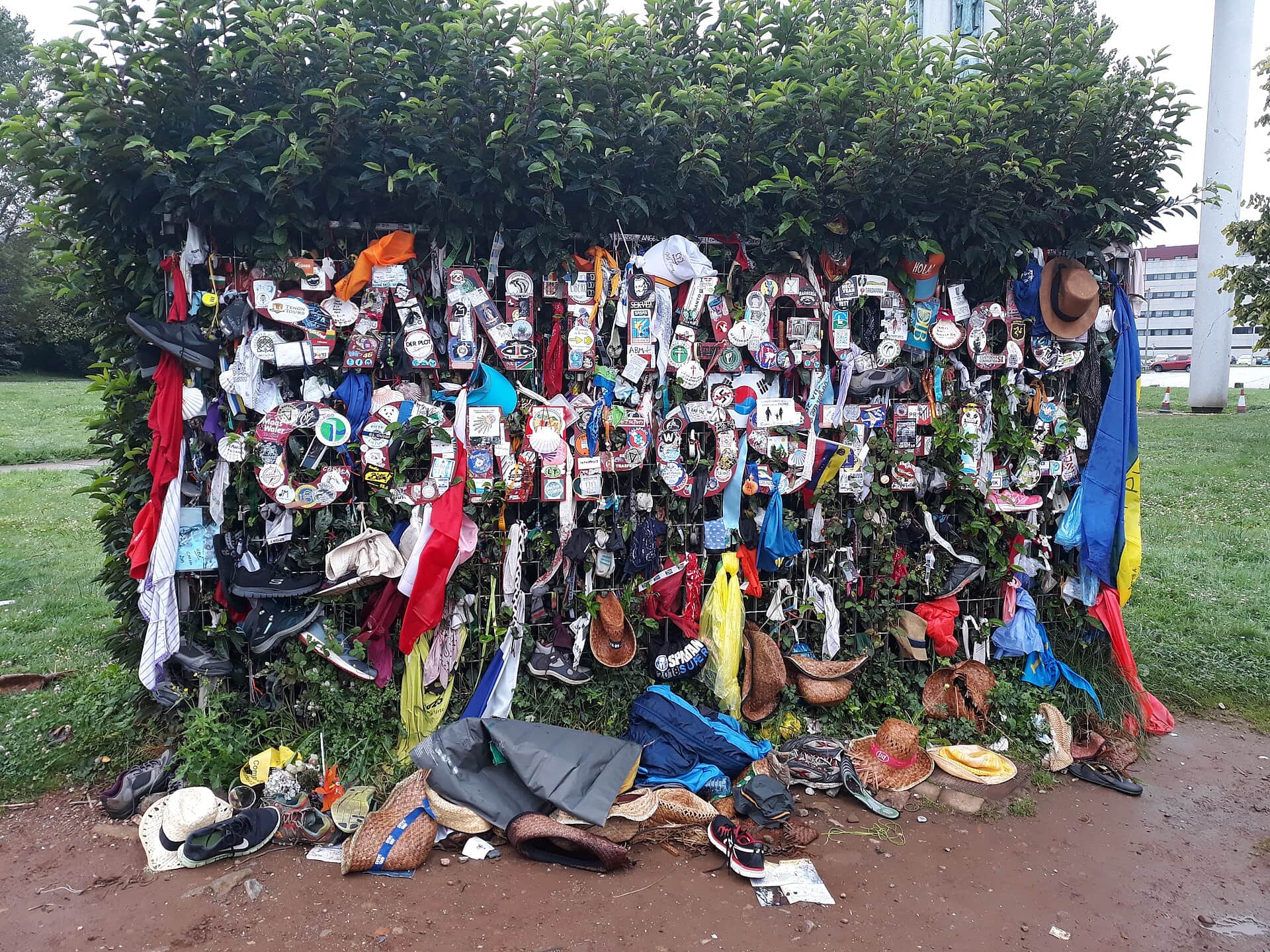
All roads in Galicia lead to this vast square, which forms the true architectural and emotional heart of the city. It’s right here, in front of the cathedral’s monumental Baroque façade, that hundreds of exhausted pilgrims arrive every single day — dusty boots, trekking poles in hand, and many of them openly weeping with emotion.

It’s an incredibly powerful experience to simply sit on the edge of the square and watch people completing their hundreds-of-kilometres-long pilgrimage. The square is flanked on all four sides by significant historic buildings representing four pillars of power: religion (the cathedral), monarchy (the Parador), education (the College of San Jerónimo), and civil governance (the Rajoy Palace, today the city hall).

💡 Local tip: The best light for photographing the cathedral façade from this square comes in the late afternoon, when the setting sun bathes the granite stones in gorgeous golden hues.

2. Cathedral of Saint James and the Tomb
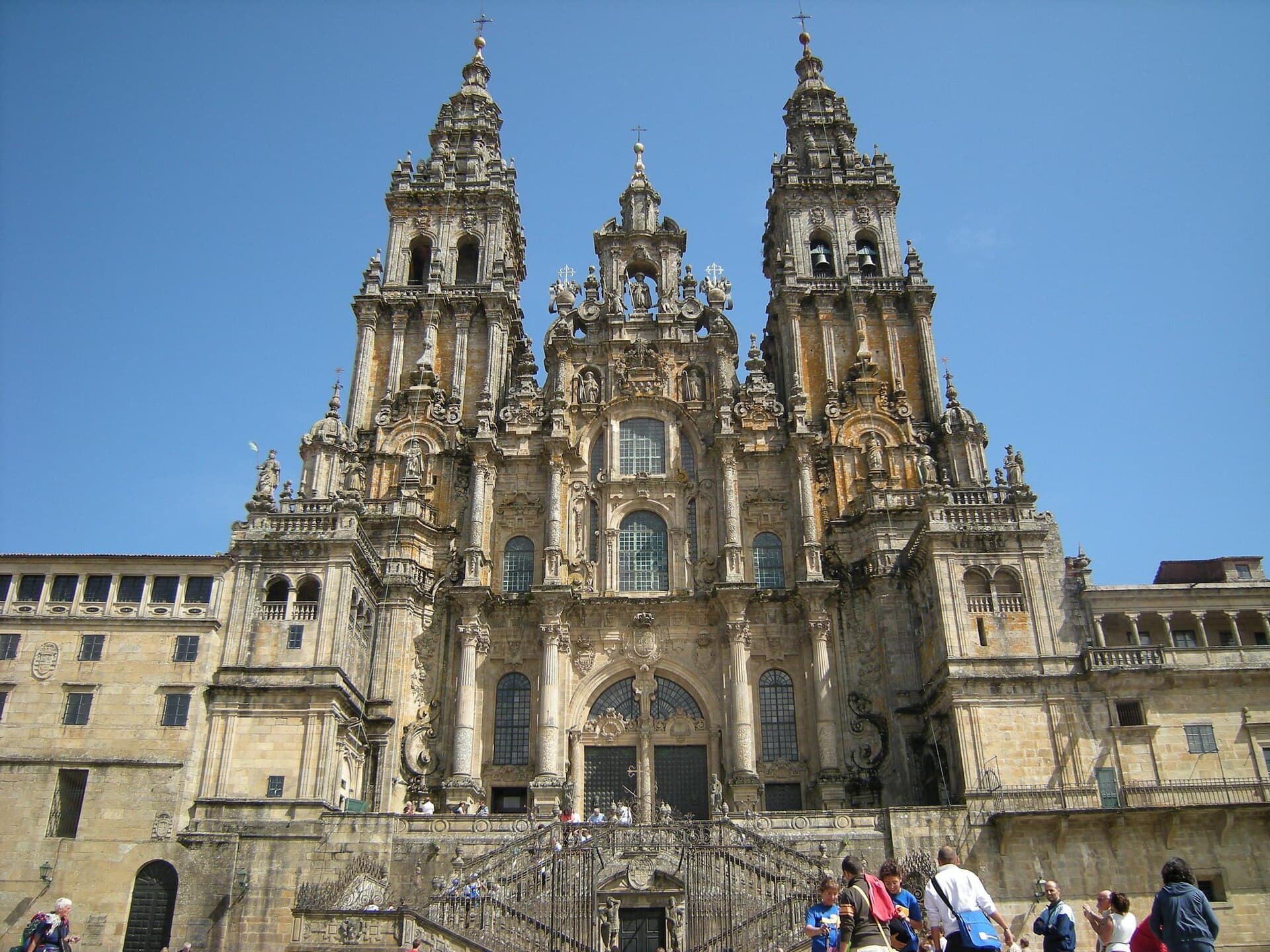
The cathedral itself is a breathtaking architectural masterpiece, its core a majestic Romanesque basilica that builders gradually wrapped in ornate Gothic and Baroque layers over the centuries. According to centuries-old tradition, the crypt beneath the high altar holds the remains of the Apostle James the Great — which is why Santiago de Compostela is important to Christianity and became one of the three foremost pilgrimage destinations in the medieval world, alongside Rome and Jerusalem.

When visiting the interior, don’t miss the magnificent Pórtico de la Gloria (Portico of Glory), a masterwork of Romanesque sculpture by Master Mateo, though you’ll need to purchase a timed-entry ticket in advance. The traditional ritual for all visitors used to be embracing the statue of Saint James at the high altar, although the rules around this have changed frequently in recent years for safety and hygiene reasons.

Entry to the cathedral nave itself is completely free, and it’s open from early morning until evening. However, if you want to visit the museum, the crypt, or walk on the cathedral rooftops, expect to pay admission and book ahead.

3. The Giant Incense Burner: Botafumeiro
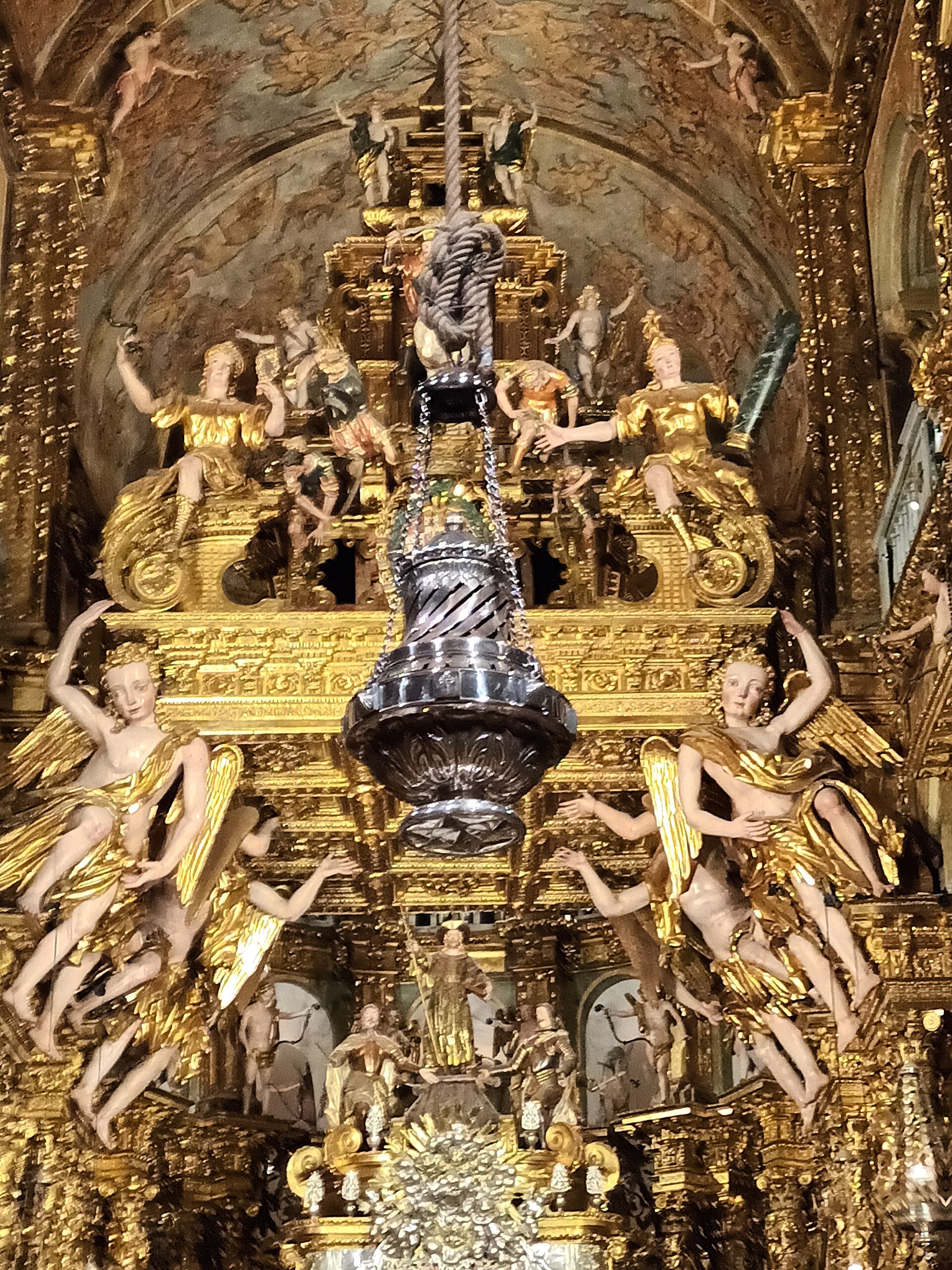
One of the most iconic and most-photographed attractions in the entire cathedral is undoubtedly the Botafumeiro — a massive silver incense burner that hangs on a thick rope directly from the main dome. This extraordinary object weighs over fifty kilograms and stands an impressive metre and a half tall. Its original medieval purpose was to mask the smell of hundreds of unwashed pilgrims who used to sleep inside the cathedral.

When the Botafumeiro is set in motion, it takes eight strong men known as tiraboleiros to swing it up to an incredible speed of 68 kilometres per hour, sending it soaring almost to the ceiling of the transept. It’s an absolutely jaw-dropping spectacle, filling the entire space with the scent of incense and the sound of the rope whistling through the air.

💡 Local tip: Seeing the Botafumeiro in action requires a bit of luck, as it doesn’t fly at every mass. You’re guaranteed to see it during major religious feast days, or if a generous group of pilgrims has paid for a special swinging (which costs several hundred euros).

4. Wandering the Old Town (Casco Histórico)

Once you step out of the cathedral, plunge into the maze of narrow lanes that make up the Santiago de Compostela old town — a UNESCO World Heritage Site in its entirety. The main arteries are Rúa do Franco and Rúa do Vilar, lined with massive granite arcades that once sheltered merchants from the ever-present rain.

While Rúa do Franco is today best known as the main foodie street, packed with tapas bars and restaurants, Rúa do Vilar offers more elegant boutiques, silversmiths, and beautiful historic palaces. Keep your eyes peeled for the details on building façades, gargoyles shaped like fantastical creatures, and tiny hidden squares that appear out of nowhere around every other corner.

The entire old town is a strictly pedestrianised zone, so you can wander safely for hours, soaking up the atmosphere and listening to street musicians who often play traditional Galician bagpipes (gaitas).

5. Mercado de Abastos

If you want to feel the real pulse of the city and see how locals live, you absolutely must visit the main municipal market, Mercado de Abastos. It’s the second most visited spot in the city after the cathedral, set in beautiful stone halls fragrant with fresh herbs, cheese, and flowers.

The biggest buzz is traditionally on Saturday mornings, when the stalls groan under the weight of all manner of cheeses shaped like a woman’s breast (tetilla cheese), fresh vegetables, artisan bread, and a staggering array of seafood. The market is divided into several halls by product type, and the atmosphere is wonderfully lively, noisy, and completely authentic.

💡 Local tip: Right inside the market, you’ll find a small eatery called Mariscomanía, where you can bring the ingredients you’ve just bought from the stalls and they’ll expertly cook and serve them for you for a small fee.

6. Parador Hostal dos Reis Católicos
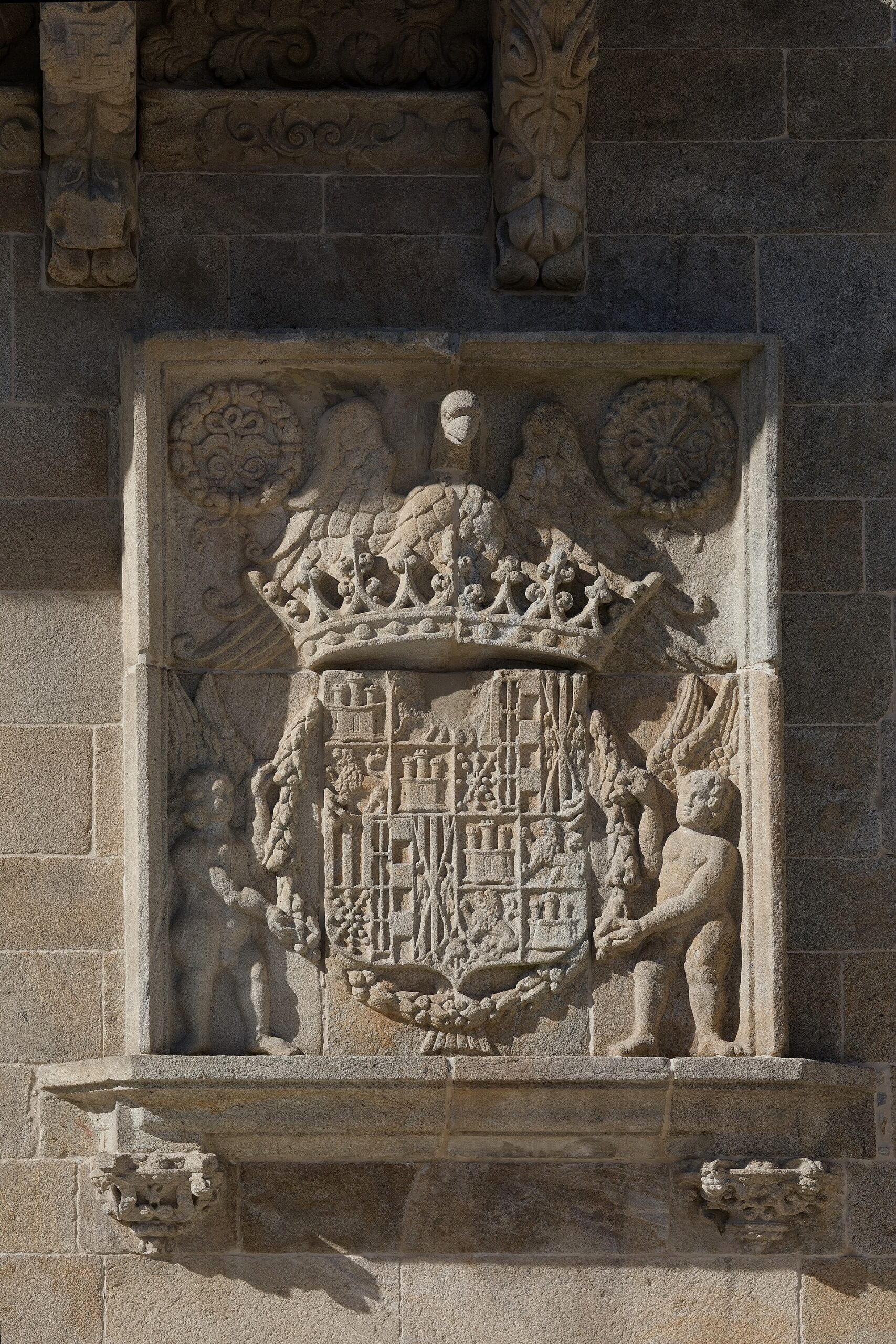
Right on the main square opposite the cathedral stands a magnificent building that holds the title of the oldest continuously operating hotel in the world. It was originally commissioned in the late 15th century by the Catholic Monarchs (Queen Isabella and King Ferdinand) as a lavish royal hospice to provide shelter, care, and medical help to weary pilgrims.

Today this grand edifice operates as a five-star hotel in the Parador chain, but its historical value has been fully preserved. The building conceals four stunning inner courtyards (patios), ornate cloisters, and richly carved stone details reflecting Renaissance and Plateresque styles.

Even if you’re not staying here, you can book a guided tour of the interior, or at the very least pop in for a coffee or a glass of wine at the hotel café to soak up a bit of that stately historic atmosphere.

7. Sweet Treat: Tarta de Santiago

As you wander around the city, you’ll spot bakery windows on every corner proudly displaying round cakes dusted with icing sugar bearing the distinctive silhouette of the Cross of Saint James. This is the famous almond cake Tarta de Santiago, an absolute icon of local pâtisserie and a perfect choice for vegetarians and anyone with a sweet tooth.

This traditional dessert is made exclusively from ground almonds, eggs, and sugar. It contains no flour whatsoever (making it naturally gluten-free) and is often lightly flavoured with lemon zest or a splash of sweet wine. It has a dense, moist texture and tastes absolutely divine alongside a quality espresso or afternoon tea.

💡 Local tip: Don’t buy the cakes from supermarkets or souvenir shops. Instead, head to the traditional convent bakeries where local nuns still bake them following centuries-old secret recipes.

lukas a lucka
Lukáš and Lucie recommend
Where to Stay in Santiago de Compostela
4 accommodations — wellness hotels, hotels and other accommodation options

8. Exploring Traditional Galician Cuisine

Galicia is renowned across Spain for its distinctive and wonderfully rich gastronomy, which differs significantly from what you might know from the south or east of the country. The undisputed queen of the local menu is Galician-style octopus (pulpo a la gallega), boiled in large copper pots until perfectly tender, then served on a wooden board drizzled with olive oil and sprinkled with coarse salt and smoked paprika.

Another extraordinary local speciality is percebes, or goose barnacles — small crustaceans that grow on sharp cliff faces battered by ocean waves. Harvesting them is extremely dangerous, which naturally drives up their price, and locals consider them the ultimate delicacy with the pure taste of the sea. You’ll also commonly encounter empanadas — traditional savoury pies filled with everything from tuna and meat to vegetables.

If you prefer meat-free eating, be sure to try Pimientos de Padrón — small green peppers fried in olive oil and scattered with coarse salt. They’re utterly addictive, and the famous saying goes that “some are hot and some are not,” making every bite a little gastronomic game of roulette. You can read more about the variety of local dishes in our article on typical Spanish food.

9. Tasting Mineral Albariño Wine

Exceptional food naturally calls for exceptional wine, and northwest Spain certainly delivers on that front. Galicia is home to the celebrated Albariño grape, which produces fantastic, refreshing, and highly mineral white wine with delicate notes of peach, apple, and citrus.

The damp, cooler Atlantic influence gives this wine a perfect acidity that makes it an absolutely ideal pairing with local tapas and vegetable dishes. The vines are often grown on special pergolas to protect the grapes from excessive ground moisture and improve air circulation.

Virtually every bar on Rúa do Franco will happily pour you a glass of this local treasure. If you’re keen to dive deeper into the world of wine, ask the bartenders about wines from the Ribeiro or Mencía regions — two more fascinating local appellations that are well worth exploring.

10. Monastery of San Martiño Pinario
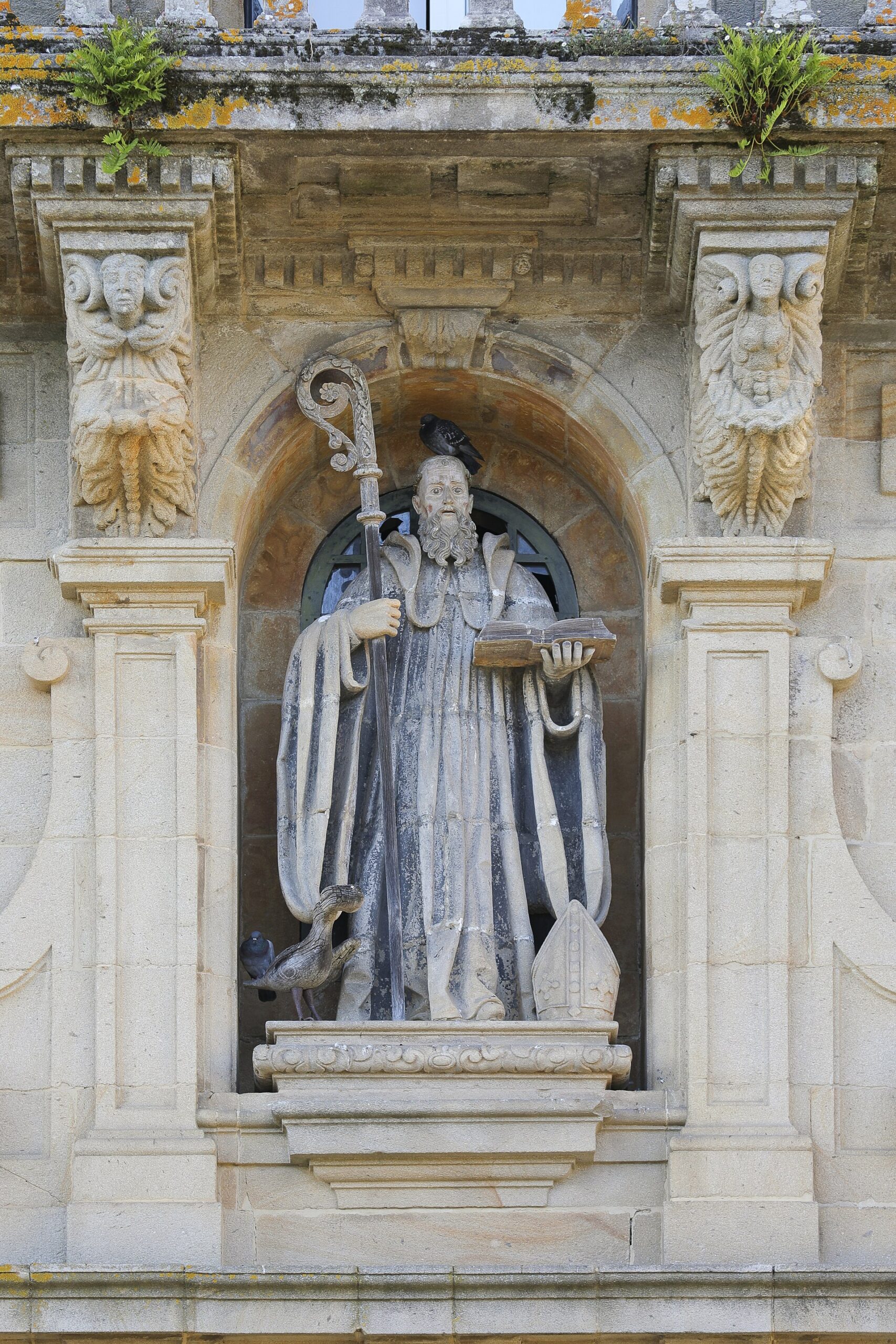
Just opposite the cathedral’s northern façade sprawls another architectural giant that you really shouldn’t miss. The Benedictine Monastery of San Martiño Pinario is the second-largest religious building in all of Spain (after El Escorial Palace near Madrid), and its sheer scale is genuinely staggering.

The monastery church façade is a fine example of Galician Baroque, but the real surprise awaits inside. The incredibly ornate main altarpiece and the breathtaking walnut choir stalls represent the pinnacle of 17th-century woodcarving artistry and will quite literally take your breath away with their intricate detail.

💡 Local tip: Today, part of this vast complex functions as a seminary and student halls, but the church and museum are open to the public for a very modest admission fee that’s absolutely worth paying.

11. Alameda Park and City Viewpoint

When you need a break from the stone lanes and the bustle of the centre, head southwest to Alameda Park. This sprawling and beautifully maintained green space dates back to the 19th century, and locals love it for regular Sunday strolls beneath the shade of mature oaks, chestnuts, and enormous eucalyptus trees.

It’s from this park, specifically from the Paseo da Ferradura promenade, that you get the most beautiful and most iconic view of the cathedral towers — the one you’ve seen on every postcard. It’s especially magical in the early evening as the city starts to light up, making it an incredibly romantic spot.

At the main entrance to the park, don’t forget to say hello to the colourful statue of Las Dos Marías (The Two Marys). This monument honours two real local sisters who became city legends in the mid-20th century. Every day at two o’clock in the afternoon, they would dress up flamboyantly, apply dramatic make-up, and stroll through the park flirting with students — their own quiet act of defiance against the strict Franco regime.

12. Museo das Peregrinacións (Pilgrimage Museum)
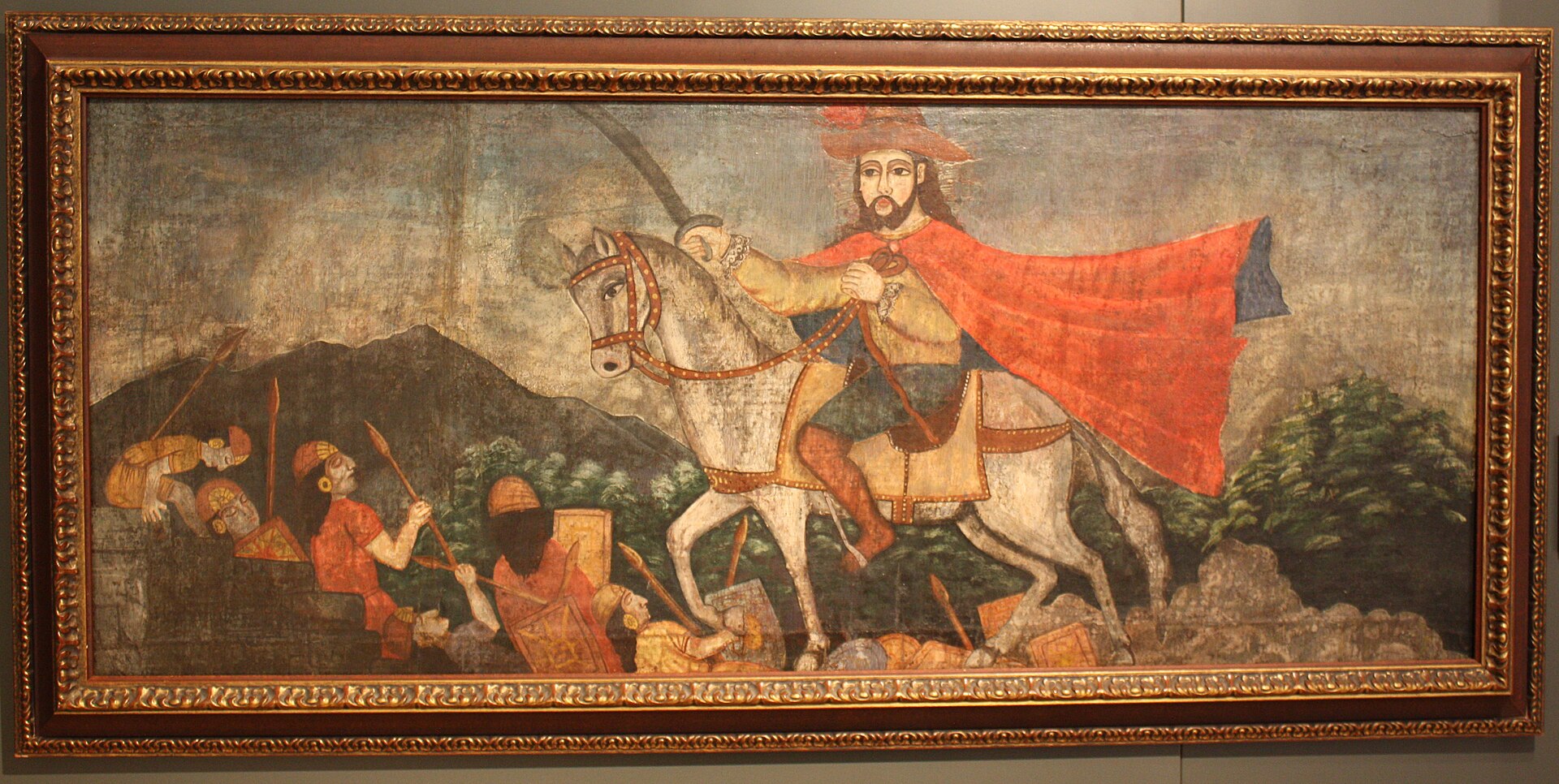
To truly understand the enormous significance and history of the Santiago de Compostela pilgrimage, I’d highly recommend visiting the Pilgrimage Museum, housed in a stylishly renovated building near the cathedral. The exhibits trace the history of pilgrimages from the Middle Ages right through to the present day.

You’ll learn fascinating details about how pilgrims’ motivations have evolved over the centuries, what hardships they once had to endure, and how the very existence of the pilgrimage route shaped the architecture, culture, and economy of an entire continent. You’ll see historical maps, ancient pilgrim badges from various corners of the world, and captivating artworks connected to the cult of Saint James.

From the top floor of the museum, with its large glass windows, you’ll also get an unusual close-up view of the clock tower (Torre de la Berenguela) and part of the cathedral’s rooftops.

13. Day Trip to Cape Finisterre (End of the World)

Limiting your visit to this region to the city of Santiago alone would be a huge mistake, so definitely set aside a day for a trip to the coast. Your destination should be the iconic Cape Finisterre, whose name derives from the Latin Finis Terrae, literally meaning “the end of the world.”

For many pilgrims, the journey doesn’t end at the cathedral — they continue walking for another three to four days to reach this very spot and gaze out over the endless waters of the Atlantic. There was once a tradition where pilgrims would burn their worn-out boots and clothing on the cliffs as a symbol of purification and a fresh start, though this is now strictly forbidden for environmental and safety reasons.

If you don’t have a hire car, no worries. There are plenty of organised coach excursions running daily from the city that will take you not only to the lighthouse on the cliff but also show you the stunning coastline of the Rías Baixas inlets and picturesque fishing villages along the way. You can easily book these full-day trips through local tour offices or on GetYourGuide.

14. Shopping for Souvenirs and Silver Jewellery

To round off your stay, you’ll no doubt want to take home a tangible memento. The traditional souvenir shops around the cathedral offer an endless variety of items, but if you’re after something truly typical and worthwhile, focus on traditional Galician jewellery.

Local artisans have been master silversmiths for centuries, working with a distinctive black stone called azabache (jet) — a rare form of fossilised wood. The most popular motif is naturally the scallop shell (the symbol of Saint James), which you can pick up as delicate earrings, pendants, or elegant bracelets.

💡 Local tip: If you’d like to bring something back for a foodie, great options include quality tinned tuna, tetilla cheese, or a bottle of local Orujo liqueur — a spirit made from pressed grape skins, often infused with herbs or coffee beans.

Where to Go Next from Galicia

If you’re lucky enough to have more time, northern and central Spain offer endless possibilities for further exploration. You could hire a car and drive along the wild northern Atlantic coast eastward into the Basque Country. Stop in the modern city of Bilbao, where the famous Guggenheim Museum will blow you away, then continue to the elegant resort town of San Sebastián, widely regarded as the culinary capital of Europe.

If you’re more drawn to the inland and big-city buzz, hop on a high-speed train that will whisk you to Madrid in just a few hours. From there, you can easily continue to the vibrant east coast and the pulsating city of Barcelona, or explore other stunning destinations like sunny Valencia. The possibilities in Spain are truly endless.

Frequently Asked Questions

How do I get my certificate of completion for the pilgrimage (Compostela)?

To receive the official Latin certificate, you need to walk into Santiago and prove that you’ve completed at least the last 100 kilometers on foot (or 200 kilometers by bike or horse). The proof is your pilgrim’s passport (credencial), which must have at least two stamps per day for the final 100 kilometers. You can collect these stamps at hostels, churches, or cafes along the way.

How many days should I set aside to explore the city itself?

For Santiago de Compostela and its historic center alone, two full days will be plenty. However, if you want to soak up the atmosphere at a more relaxed pace, visit museums, and take a day trip to the ocean at Cape Finisterre, I’d recommend setting aside at least three to four days.

Is Galicia an expensive destination compared to the rest of Spain?

Actually, quite the opposite. Galicia is one of the more budget-friendly regions in Western Europe, largely thanks to its extensive pilgrim infrastructure. While a typical budget traveler in southern Spain might easily spend around 80 euros per day, a more frugal pilgrim in the north can keep daily costs under 50 euros by taking advantage of the set lunch menus (menú del día) at local taverns.

Can I safely drink tap water in Spain?

Yes, tap water throughout northern and northwestern Spain is completely safe, drinkable, and often very tasty. What’s more, since 2022, restaurants are legally required to offer you a jug of free tap water with your meal—just ask for ‘agua del grifo.’

Do I need a car to travel around the region?

If you’re planning to stay in the city or take the high-speed train to larger cities like A Coruña, you won’t need a car. But if you want to discover hidden beaches in the Rías Baixas, remote lighthouses, and tucked-away fishing villages in the countryside, renting a car is absolutely essential, as public transportation in these areas is very limited.

Is the city safe at night?

Santiago de Compostela is one of Spain’s safest cities with very low crime rates. The historic center stays lively well into the night, with streets full of people, students, and pilgrims, so you can walk around after dark without worry. That said, do keep an eye out for pickpockets in areas with high tourist concentrations.

Do people speak Spanish in the region?

Yes, everyone speaks Spanish (Castilian) perfectly, but their primary and beloved language is Galician (galego). You’ll see this language on all road signs, menus, and information boards. It’s very similar to Portuguese, but with basic English and a smile, you’ll have no trouble getting by.

Tips and Tricks for Your Vacation

Don’t Overpay for Flights

Search for flights on Kayak. It’s our favorite search engine because it scans the websites of all airlines and always finds the cheapest connection.

Book Your Accommodation Smartly

The best experiences we’ve had when looking for accommodation (from Alaska to Morocco) are with Booking.com, where hotels, apartments, and entire houses are usually the cheapest and most widely available.

Don’t Forget Travel Insurance

Good travel insurance will protect you against illness, accidents, theft, or flight cancellations. We’ve had a few hospital visits abroad, so we know how important it is to have proper insurance arranged.

Where we insure ourselves: SafetyWing (best for everyone) and TrueTraveller (for extra-long trips).

Why don’t we recommend any Czech insurance company? Because they have too many restrictions. They set limits on the number of days abroad, travel insurance via a credit card often requires you to pay medical expenses only with that card, and they frequently limit the number of returns to the Czech Republic.

Find the Best Experiences

Get Your Guide is a huge online marketplace where you can book guided walks, trips, skip-the-line tickets, tours, and much more. We always find some extra fun there!
Picos de Europa: Mountains by the Ocean in Northern Spain

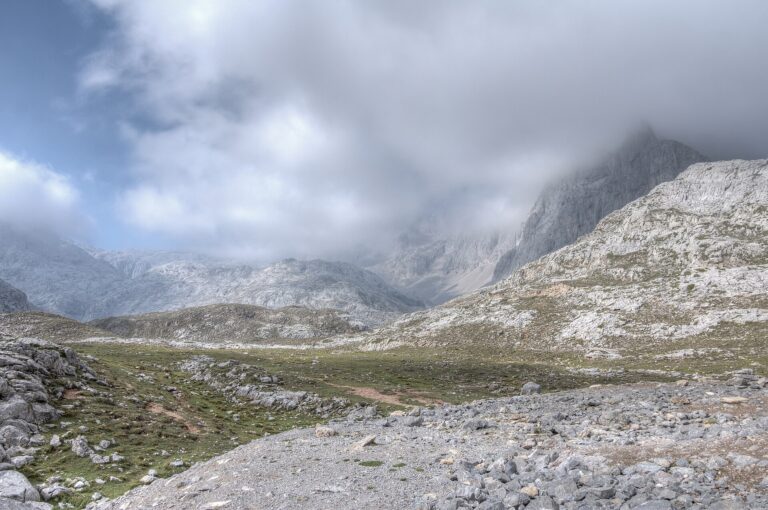
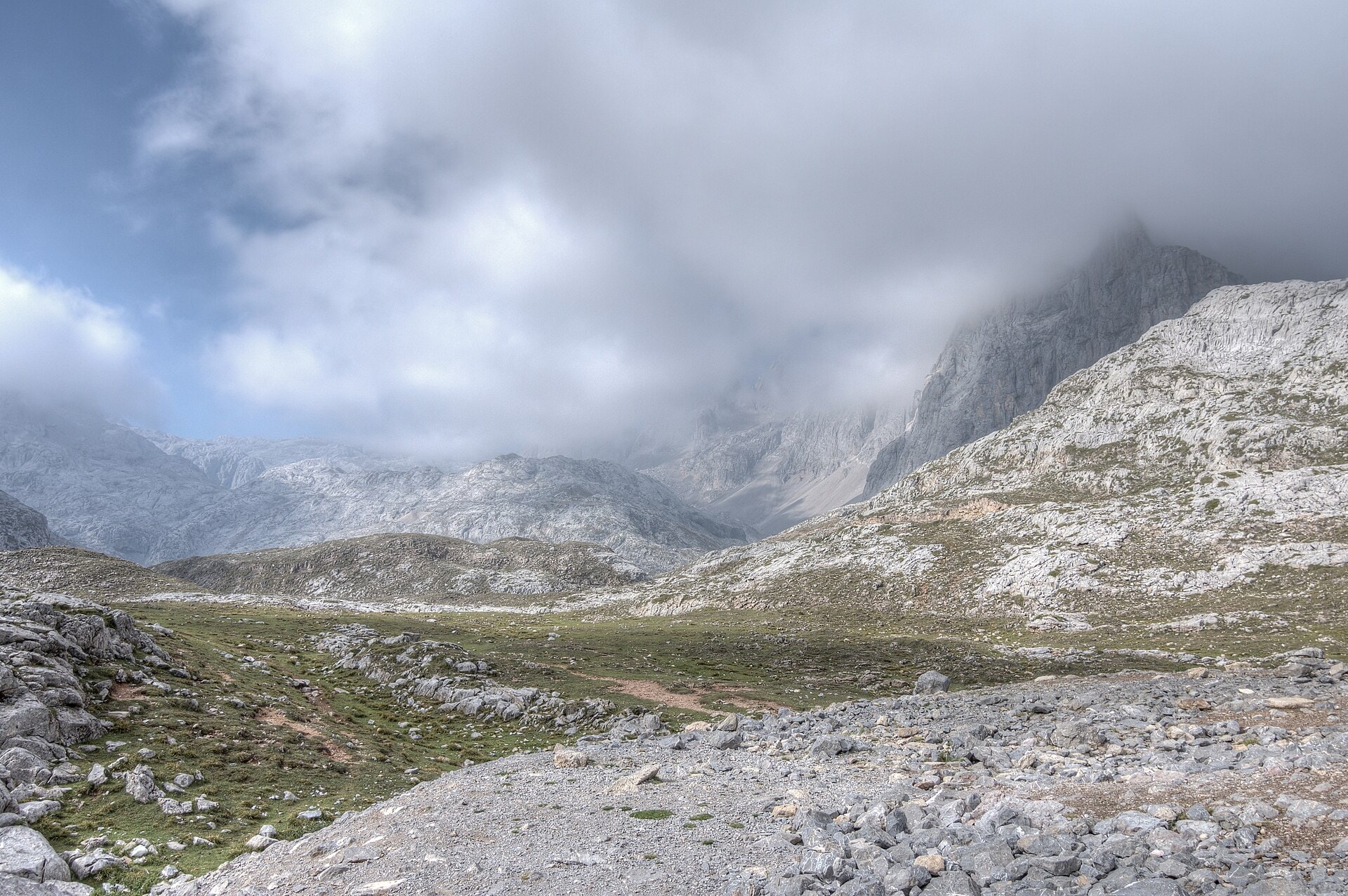
TL;DRPicos de Europa is a mountain range in northern Spain, where limestone peaks drop almost sheer into the Bay of Biscay, with the sea barely thirty minutes’ drive away. The best time to visit is June to September, when temperatures sit around 22–26°C and there’s less risk of rain and fog. Key spots include the Fuente Dé cable car (a return ticket costs about €17), the glacial lakes at Covadonga, the Ruta del Cares gorge, and the mountain towns of Potes and Cangas de Onís, which make the best bases for day trips. Two days is enough for a quick look at the main sights, but five to seven days is better if you want to hike and explore the villages properly — there are 14 specific tips here on what to see and do.

If you’ve been thinking about swapping the scorching beaches of Andalusia for something a bit more dramatic, Picos de Europa Spain will absolutely blow you away. The moment you cross into the region known as Green Spain, the landscape changes radically. The parched plateau gives way to lush greenery, the air thickens with ocean moisture, and towering limestone peaks appear, plunging almost vertically into the waves of the Bay of Biscay.

Picos de Europa National Park (literally “Peaks of Europe”) is a true paradise for mountain lovers, keen drivers and foodies alike. It got its name from sailors returning from America, for whom these summits were the first land they spotted on the horizon. It’s a truly unique corner of Europe where raw mountain wilderness meets the elegance of nearby coastal towns.

In this article, you’ll find 14 detailed tips on what to see and do in Picos de Europa. I’ll help you navigate the logistics around mountain lakes, advise on where to strategically base yourself, and reveal the best time to visit so you can enjoy the mountains without fog and rain.

TL;DR

  • Transport is key: Exploring Picos de Europa is virtually impossible without a hire car – public transport to the mountain passes is extremely limited.
  • Ideal weather: The best window for visiting is June to September, when you’ll avoid heavy rainfall and enjoy pleasant temperatures around 24 °C.
  • Base camps: The towns of Potes in Cantabria and Cangas de Onís in Asturias serve as the best starting points for trips into the national park.
  • Top attractions: The Fuente Dé cable car and Covadonga glacial lakes are absolute must-sees, but in summer expect private car restrictions on the access roads.
  • Hiking for everyone: Head out on the famous Ruta del Cares, which offers breathtaking views into a deep gorge without extreme elevation gain.
  • Local gastronomy: Make sure you try the renowned Cabrales blue cheese, aged in natural limestone caves.
  • Time needed: A quick tour of the highlights takes two days, but to explore the villages and do some serious hiking, allow five to seven days.

When to Visit Picos de Europa

Unlike southern Spain, where summer heatwaves make visiting a bit of a gamble, the northern coast has an entirely different climate rhythm. The proximity of the ocean and the high mountains mean frequent rain, fog and strong winds. But it’s precisely these conditions that keep the entire region so dazzlingly green – it looks more like Scotland than stereotypical Spain.

The only reliable window of relatively dry and sunny weather runs from June to the end of September. Even in the hottest August days, temperatures hover around a very pleasant 22 to 26 °C, creating ideal conditions for hiking. If you’re planning more demanding treks, I’d recommend coming at the turn of August and September, when the biggest rush of domestic tourists has subsided.

Outside the summer season, be prepared for the fact that many mountain roads may be in poor condition and numerous services reduce their operations. Winter in Picos de Europa is harsh – the peaks are blanketed in thick snow and the cable car and lake access roads are often closed. Spring brings highly changeable weather, where sunshine can give way to a torrential downpour within the hour.

Where to Stay in Picos de Europa

💡 Accommodation & experiences tip: We usually search for accommodation on Booking.com, which tends to have the best cancellation policies. For tickets, tours and activities, it’s worth comparing options on GetYourGuide.

The national park spans three regions: Cantabria, Asturias and León. Choosing the right base is absolutely crucial for exploring the mountains, so you don’t waste hours driving along winding mountain roads. Most travellers opt for accommodation on the edges of the park, using it as a hub from which to make day trips in different directions.

On the south-eastern Cantabrian side, the most popular choice is the mountain town of Potes. It’s a gorgeous historic settlement full of cobblestone lanes, offering great amenities, plenty of restaurants and excellent access to the Fuente Dé cable car. A great place to stay is the popular Hotel Valdecoro, which has lovely views of the river and mountains.

If your main goals are the lakes and the northern part of the mountains, I’d recommend the town of Cangas de Onís as your base. Located in Asturias, it has all the amenities you’ll need, including large supermarkets. A great option here is Hotel Los Lagos Nature right in the centre. All accommodation can be easily and securely booked through Booking.com, ideally several months in advance.

14 Best Things to See and Do in Picos de Europa

The national park offers an enormous range of experiences, from easy strolls to high-mountain expeditions. I’ve put together a detailed list of 14 places that should definitely feature on your itinerary if you want to discover the true face of Green Spain.

1. Fuente Dé Cable Car

This is an absolute feat of engineering and probably the biggest draw of the southern massif. The Fuente Dé cable car is the longest single-span cableway in Europe, whisking you in just under four minutes from an altitude of 1,070 metres to the upper station at El Cable, sitting at 1,823 metres. It conquers over 750 metres of elevation without a single support pillar, so the cabin literally hangs in mid-air right in front of a sheer rock face.

The ride itself is truly breathtaking, and the upper viewing platform offers an unforgettable panorama of the entire Liébana Valley. A return ticket costs around 17 euros, and during peak season it’s absolutely essential to buy your tickets online well in advance – otherwise you’ll spend hours queuing.

From the upper station, several stunning hiking trails lead directly into the heart of the central massif. If you enjoy longer hikes, I’d recommend skipping the return ticket and walking down through the valley via the hamlet of Espinama. It’s a full-day descent, but you’ll be rewarded with some of the most spectacular scenery Cantabria has to offer.

2. Covadonga Glacial Lakes

On the opposite, north-western side of the mountain range, you’ll find the iconic glacial lakes of Enol and Ercina, known as the Lagos de Covadonga. Sitting at over 1,000 metres above sea level, the scenery surrounding them is nothing short of magical. Vivid green pastures contrast sharply with grey limestone peaks, and cows graze freely right on the lakeshores, their bells adding to the unique mountain atmosphere.

A narrow, very winding and occasionally steep mountain road leads up to the lakes – a driving experience in its own right. Several easy circular trails loop around the lakes, manageable even without top-end hiking gear. Don’t miss climbing up to the Mirador de Entrelagos viewpoint, where you’ll have both lakes spread out below you like a postcard.

⚠️ Logistics warning: During the summer peak from June to September and on public holidays, the road to the lakes is completely closed to private cars during the day. The only way up is by shuttle bus from the large car parks in the valley near Cangas de Onís. A return bus ticket costs around 9 euros, and I’d strongly recommend catching the first morning service before the valley fills up with day-trippers.

3. The Sacred Sanctuary of Covadonga

On your way up to the lakes, you’ll pass through a place of enormous historical and spiritual significance for all Spaniards. The Sanctuary of Covadonga is carved directly into a steep cliff face above a thundering waterfall. It was here, in 722 AD, that the Visigothic nobleman Pelayo defeated the Moorish army, sparking the Reconquista – the centuries-long campaign to reclaim the Iberian Peninsula.

Inside the small cave of Santa Cueva, you’ll find a chapel with a statue of the Virgin of Covadonga and the tomb of King Pelayo himself. The place feels incredibly mystical, especially when shrouded in the morning mist so typical of the Asturian mountains. A staircase leads up to the cave from the valley, and legend has it that if you climb it, your secret wish will come true.

Right beside the cave stands a majestic basilica built from pink limestone, creating a stunning contrast against the deep green forests behind it. Entry to the entire site is free, but bear in mind that parking nearby is very limited and fills up quickly in season.

4. The Famous Ruta del Cares Gorge

If you could only choose one single trek in the entire national park, it has to be the Ruta del Cares. It’s arguably the most famous and most spectacular hiking trail in all of Spain. The route stretches roughly 11 to 12 kilometres one way, connecting the Asturian village of Poncebos with the León hamlet of Caín.

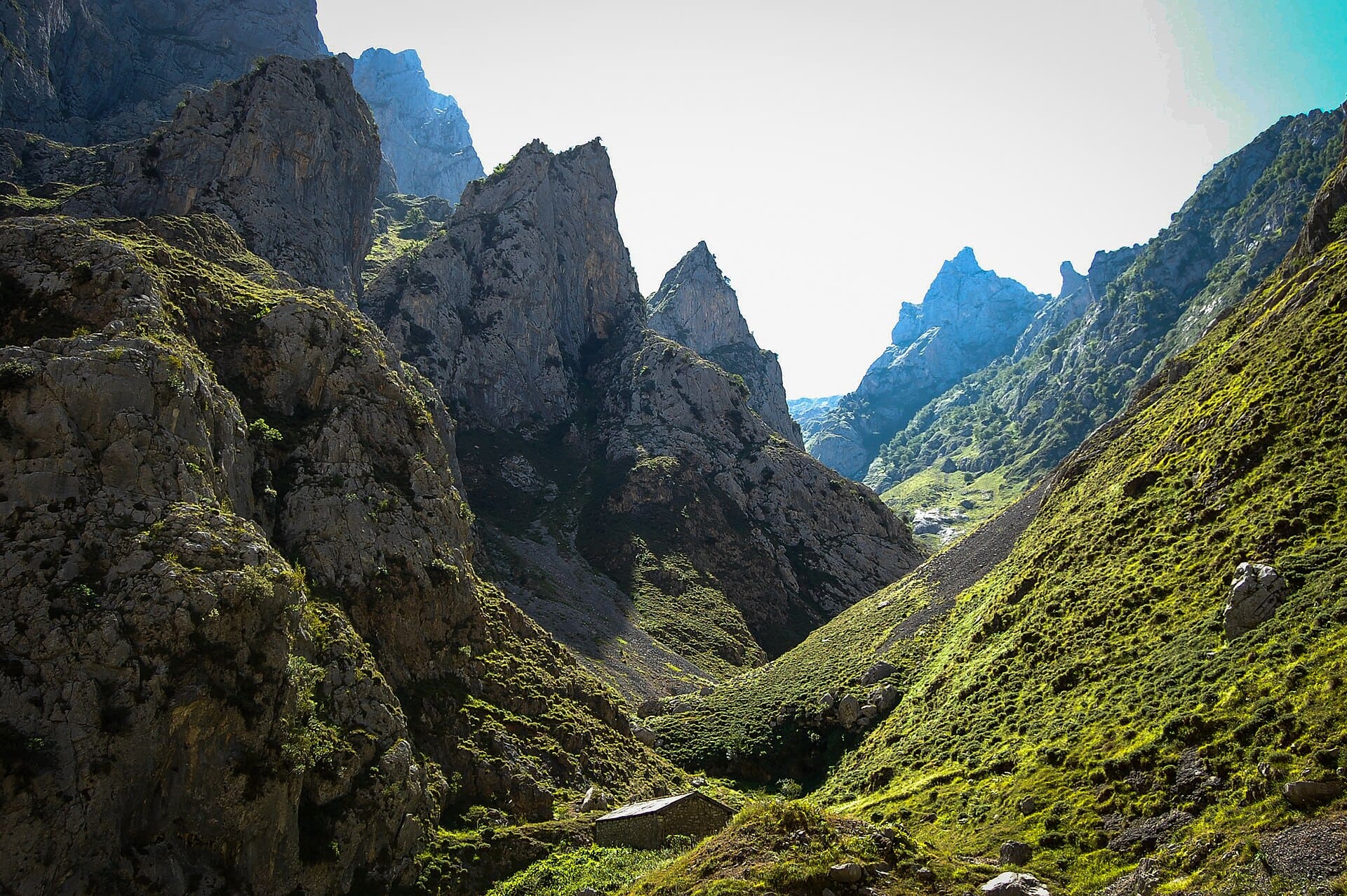
The trail is literally carved into the sheer rock face and follows the River Cares through a deep, narrow gorge nicknamed the Divine Gorge. The views down into the depths and across the vertical limestone cliffs are absolutely jaw-dropping. The huge advantage is that the path follows an old maintenance canal, so there’s virtually no elevation change – making it manageable even for less experienced walkers.

💡 Insider tip: The trail isn’t a loop. Most people walk from Poncebos to Caín, grab lunch at a local taverna, and retrace their steps – totalling over 22 kilometres of walking. I’d recommend setting off really early in the morning, because by midday the narrow gorge gets packed with crowds, and the heat reflecting off the rock walls can be exhausting.

5. The Mountain Town of Potes

Potes is without a doubt one of the most beautiful historic towns in all of Cantabria. It serves as the main gateway to the eastern part of Picos de Europa and is well worth at least a half-day visit in its own right. Sitting at the confluence of several mountain rivers, its old streets are threaded with medieval stone bridges.

The town’s landmark is the massive 15th-century defensive tower, the Torre del Infantado, which offers gorgeous views of the surrounding mountains and the red rooftops below. Potes is known for its traditional architecture, where stone meets dark timber, and the narrow lanes are dotted with dozens of small shops selling local products.

The town is also a great place to stock up before heading into the mountains, with an abundance of restaurants to choose from. In the evenings it really comes alive – the smell of cooking wafts from the bars and locals sit on terraces with views of the majestic peaks. It’s the perfect spot to unwind after a full day’s hiking over a glass of good wine.

6. The Remote Village of Bulnes

Deep in the mountains, in the central massif, lies the tiny village of Bulnes, which has preserved its incredible authenticity to this day. Until 2001, there was no road leading here at all, and the village was only accessible via a demanding hiking trail through the mountains. Even today, there are no cars here and life moves at its own unhurried pace.

Nowadays, you can reach Bulnes via an underground funicular that runs through the rock from the village of Poncebos. The ride takes about seven minutes and a return ticket costs around 22 euros. If you’re reasonably fit, I’d recommend hiking up through the beautiful Canal del Tejo valley instead – it takes just under two hours of fairly steep climbing.

The village itself is split into two parts and offers a glimpse of traditional mountain architecture with its stone cottages. Just above the village there’s a viewpoint that opens up one of the finest views of the famous peak Picu Urriellu. It’s an ideal spot for a moment of peace away from the biggest tourist crowds. ☺️

lukas a lucka
Lukáš and Lucie recommend
Where to stay in Picos de Europa
3 accommodations — hotels and other lodging options

7. Cangas de Onís and the Roman Bridge

While Potes dominates the east, Cangas de Onís is the beating heart of the western Asturian side of the park. This lively town was the very first capital of the Kingdom of Asturias after the victory over the Moors, and it still carries its proud and storied history. It’s a fantastic base if you’re planning to explore the Covadonga lakes.

The town’s most famous landmark is the beautiful stone bridge over the River Sella, known as the Puente Romano. Although its current form dates from the Middle Ages, it stands on original Roman foundations. Hanging from the central arch is a replica of the Cross of Victory (Cruz de la Victoria), the symbol of all Asturias.

On Sunday mornings, don’t miss the traditional market on the main square. Farmers from across the region gather here to sell fresh vegetables, homemade bread, artisan crafts and a huge variety of local cheeses. It’s a wonderful way to soak up the local culture and support small-scale producers.

8. Famous Cabrales Cheese and the Limestone Caves

The Picos de Europa area is world-famous for its unique cheesemaking tradition. The undisputed king of local gastronomy is Cabrales blue cheese, made from a blend of cow’s, sheep’s and goat’s milk. It has a very strong, sharp and pungent flavour and an unmistakable aroma that fills every mountain village.

The secret lies in the ageing process. The cheese matures for several months in natural limestone caves high in the mountains, where humidity stays constant at around 90% and the temperature holds between 8 and 12 °C. It’s the specific Penicillium moulds that occur naturally in these caves that give the cheese its blue veining and intense taste.

The local culinary scene often revolves around hearty mountain dishes that were traditionally meant to sustain shepherds in harsh conditions. In restaurants, you’ll commonly find fabada, a rich bean stew with various types of sausage and smoked meat. For vegetarians, the star of the show is undoubtedly the Cabrales cheese itself, which locals spread on bread or turn into fantastic creamy sauces.

9. The Iconic Peak of Picu Urriellu (Naranjo de Bulnes)

For all climbers and mountain enthusiasts, Picu Urriellu is nothing short of a holy grail. This limestone monolith, standing at 2,519 metres, rises like a giant tooth from the central massif. Although it isn’t the highest peak in the range, its vertical, almost smooth walls – over 500 metres high – make it one of Spain’s most significant alpine challenges.

The name Naranjo de Bulnes (the “Orange Tree of Bulnes”) comes from the distinctive orange hue that the limestone takes on at sunset. The actual summit climb is reserved for experienced mountaineers with proper climbing gear, but the trek to its base is a popular goal for fit hikers.

The finest views of this iconic mountain can be enjoyed from viewpoints near the villages of Sotres, Bulnes, or from the Mirador del Pozo de la Oración near the town of Arenas de Cabrales. If you’re into photography, make sure you wait for the evening light at these viewpoints, when the mountain literally glows.

10. The Futuristic Mirador del Fito

If you fancy a quick break from deep gorges and want to see the landscape from a bird’s-eye perspective, head for the Mirador del Fito. This unique concrete viewing platform from 1927 looks like a flying saucer and perches above a mountain pass in the Sierra del Sueve, just north of the national park boundary.

It’s one of the few places where you can take in both the rugged peaks of Picos de Europa and the endless blue of the Atlantic in a single glance. On a clear day, you’ll see dozens of kilometres of coastline with sandy beaches on one side and a wall of limestone mountains on the other. The contrast between these two worlds is utterly mesmerising.

You can drive right up to the viewpoint, with a car park just a few metres from the platform itself. Bear in mind, however, that the pass often acts as a barrier for ocean clouds, so you might drive up only to find yourself engulfed in thick fog. It’s worth keeping an eye on the weather forecast.

11. The Highest Village: Sotres

For those craving genuine mountain isolation and tranquillity, Sotres is the perfect choice. At an altitude of 1,050 metres, it’s the highest village in all of Asturias. The road up is a dramatically carved route full of hairpin bends that will put your driving skills to the test.

Sotres is an absolute haven for hikers and serves as a starting point for treks into the central massif. From here you can head to the Refugio de Áliva mountain hut, or tackle more demanding ascents towards Picu Urriellu. Unlike bustling Potes or Cangas de Onís, you’ll find just a handful of rustic houses, small guesthouses, and silence broken only by the bleating of sheep.

💡 Insider tip: The village has several small family-run cheesemakers who offer tours of their ageing caves. It’s a far more intimate and authentic experience than visiting the commercial operations down in the valley, and you can buy the cheese directly from the farmer’s hands.

12. Driving Through the Desfiladero de la Hermida Gorge

It’s not just the hiking – the driving itself is an incredible experience in Picos de Europa. The Desfiladero de la Hermida is the longest gorge in Spain, stretching an impressive 21 kilometres and connecting the Cantabrian coast with the mountain town of Potes. It was carved by the erosive power of the River Deva, which cut an astonishingly narrow channel through the limestone.

The N-621 road that runs through the gorge twists beneath sheer rock walls that reach up to 600 metres in places. Due to the narrow valley profile, sunlight only penetrates for a few hours a day. The road is perfectly maintained but very winding, so expect an average speed of around 40 km/h.

Roughly halfway through the gorge, you’ll find the village of La Hermida, famous for its natural thermal springs. The springs bubble directly into the River Deva at a pleasant 60 °C. You can pay for entry to the luxury spa, or hunt out the natural pools beneath the bridge where you can bathe for free.

13. Hiking and Trekking in the Macizo Central

The central massif, also known as the Urrieles massif, is the highest and wildest part of the entire national park. This is where you’ll find the highest peak, Torrecerredo (2,650 m), and the iconic Picu Urriellu. The landscape here resembles a lunar surface, full of sharp limestone karren, deep chasms and steep scree slopes.

For regular hikers, I’d recommend the circuit around the Áliva lakes, which links up beautifully with the Fuente Dé cable car ride. It’s a wide, relatively comfortable path that takes you through expansive pastures where wild horses, sheep and cattle roam. Along the way, you’ll pass several mountain huts (refugios) where you can stop for refreshments.

If you’re looking for a full-day challenge, try the trek to the Refugio Vega de Ario. The route starts at the Covadonga lakes and crosses limestone plateaus to reach the hut, which commands one of the most extraordinary views of the entire central massif. Make sure to carry plenty of water, as surface springs are virtually non-existent in the karst terrain.

14. Visiting the Coast: Where Mountains Meet the Ocean

It would be a huge mistake to visit Picos de Europa and not stop at the stunning coastline, which lies barely thirty minutes’ drive from the mountains. The Cantabrian and Asturian coast is full of dramatic cliffs and hidden sandy coves, forming a perfect contrast to the limestone peaks.

On the Cantabrian side, don’t miss the historic fishing town of San Vicente de la Barquera. It offers an iconic view where, beyond the old stone bridge and the boat-filled bay, you can see the snow-capped summits of Picos de Europa rising in the distance. It’s a scene straight off a postcard that you simply won’t find anywhere else in the world. 😅

In Asturias, I’d recommend visiting the town of Llanes and the phenomenon known as the Bufones de Pría. These are natural sea blowholes where the ocean surf shoots through narrow fissures in the cliffs high into the air. During strong swells, it’s a deafening, majestic natural spectacle.

Where to Go Next from Picos de Europa

While Picos de Europa can keep you busy for many days, the green north of Spain and its neighbouring regions beckon for further exploration. If you have a hire car, the possibilities are endless.

  • Food lovers should definitely head to the Basque Country, specifically San Sebastián and Bilbao, where the stunning Guggenheim Museum and the pintxos culture await.
  • Curious about authentic Spanish food from different regions? Check out our article on Typical Spanish Food.
  • If you want to swap the rainy north for warmth and architecture, consider a flight to Barcelona in Catalonia or the buzzing capital of Madrid.
  • Drawn to the sun-drenched south full of Moorish heritage? Get inspired by our guides to Andalusia, whether it’s Seville, picturesque Córdoba, mystical Granada, or the dramatic cliffside town of Ronda.
  • For adventurers who loved the Cares Gorge, the famous Caminito Del Rey trail in the south makes a fantastic follow-up.
  • Want the full picture of southern Spain? Check out our comprehensive Itinerary and Map of the Most Beautiful Places in Andalusia.

Frequently Asked Questions

How many days do I need for Picos de Europa?

If you only want to ride the Fuente Dé cable car, see the Covadonga lakes, and drive the scenic roads along the edge, two full days will do. But if you’re planning more serious hiking, the trek through the Cares Gorge, or you want to explore the remote mountain villages at a leisurely pace, set aside ideally five to seven days.

Do I have to rent a car?

Yes, exploring this region without your own car is nearly impossible. Public transport between the larger towns (Potes, Cangas de Onís) is limited, and buses often don’t reach the trailheads for hikes into the mountains at all. An EU driving licence is perfectly sufficient, and the state motorways in the north are free.

Do I need to buy tickets for the Fuente Dé cable car in advance?

During the summer months (June to September) and on weekends, buying tickets online is an absolute must. The cable car’s capacity is limited, and if you turn up without a reservation, you risk waiting several hours, or not making it up at all that day.

Is the national park suitable for families with children?

Definitely. Although the mountains are wild, you’ll find plenty of easy-going activities here. The loops around the Covadonga lakes, the Fuente Dé cable car ride, or walks along the river in the Liébana valley are all manageable even for younger kids. The terrain on most trails, however, isn’t suitable for families with strollers.

Is there an entrance fee for the national park?

Entry to the Picos de Europa National Park itself is completely free. You only pay for additional services, such as the Fuente Dé cable car ride, the underground funicular to the village of Bulnes, or the shuttle buses to the Covadonga lakes during the summer season.

What should I pack for the mountains?

The basics are quality waterproof clothing and sturdy hiking boots. Even in summer the weather can change dramatically within an hour, from azure skies to thick fog with pouring rain. Don’t forget plenty of water and sunscreen, because the mountain sun can be very deceptive.

Are the mountain roads safe?

The main routes around the national park are in very good condition, but the roads to the more rugged areas and small villages are narrow, steep, and full of blind bends. They require focused driving and caution, especially when passing oncoming cars or buses.

Tips and Tricks for Your Vacation

Don’t Overpay for Flights

Search for flights on Kayak. It’s our favorite search engine because it scans the websites of all airlines and always finds the cheapest connection.

Book Your Accommodation Smartly

The best experiences we’ve had when looking for accommodation (from Alaska to Morocco) are with Booking.com, where hotels, apartments, and entire houses are usually the cheapest and most widely available.

Don’t Forget Travel Insurance

Good travel insurance will protect you against illness, accidents, theft, or flight cancellations. We’ve had a few hospital visits abroad, so we know how important it is to have proper insurance arranged.

Where we insure ourselves: SafetyWing (best for everyone) and TrueTraveller (for extra-long trips).

Why don’t we recommend any Czech insurance company? Because they have too many restrictions. They set limits on the number of days abroad, travel insurance via a credit card often requires you to pay medical expenses only with that card, and they frequently limit the number of returns to the Czech Republic.

Find the Best Experiences

Get Your Guide is a huge online marketplace where you can book guided walks, trips, skip-the-line tickets, tours, and much more. We always find some extra fun there!
Day Trip to Tivoli from Rome: 12 Things to See and Do

TL;DRTivoli is a popular day trip from Rome, reachable by regional train from Roma Tiburtina station in under an hour for just a few euros. The main draws are three UNESCO sites: the Renaissance Villa d’Este, with hundreds of fountains powered by gravity alone, no pumps involved; the ancient Villa Adriana, with its Canopus and Maritime Theatre; and the romantic Villa Gregoriana, home to a waterfall over a hundred metres high. There are 12 specific ideas here, from wandering the lanes around Rocca Pia castle to vegetarian trattorias near Piazza delle Erbe. The best time to visit is late spring to early autumn, when it’s cooler than Rome and the gardens are either in full bloom or turning gold. It’s worth setting aside a whole day to see the town properly.

After a few days of weaving through the crowds at the Trevi Fountain and dodging oversized selfie sticks at the Colosseum, a perfectly natural urge to escape kicks in. Especially if you’re visiting the Italian capital during summer, when temperatures climb towards 35°C and all those gorgeous ancient stones radiate relentless heat into the streets. We felt exactly the same and desperately needed at least one day to swap the scorching concrete for the shade of trees and the sound of flowing water — which is exactly why Tivoli Italy became our favourite escape from the Eternal City.

The secret to a successful day trip lies in not picking a destination that’s too far away and not trying to cram everything in. So many people make the mistake of planning an unrealistic itinerary that leaves them completely drained — physically and mentally — by evening. Your holiday turns into a military exercise, and nobody wants that 😅.

When Roman nobility, cardinals, and even the popes themselves wanted to escape the summer heat and the ever-present threat of malaria, they fled the swampy lowlands of Rome for the cooler hills to the east of the city. And that’s exactly where the little town of Tivoli sits, home to extraordinary architectural treasures inscribed on the UNESCO World Heritage List. It’s our absolute favourite getaway from the big city — one that will truly take your breath away.

TL;DR

  • Getting there from Rome: The best option is a regional train from Roma Tiburtina station — the journey takes just under an hour and a ticket costs only a few euros. From the UK, you can fly into Rome Fiumicino or Ciampino with carriers like Ryanair, easyJet, or British Airways.
  • Villa d’Este: A breathtaking Renaissance palace with gardens home to hundreds of fountains that still operate purely by gravity, without a single pump.
  • Villa Adriana (Hadrian’s Villa): A vast complex of ancient ruins built by Emperor Hadrian as his private city (be prepared for a lot of walking in the sun).
  • Villa Gregoriana: A gorgeous romantic park filled with wild nature, caves, and massive waterfalls — perfect for shade lovers.
  • Getting around: Hadrian’s Villa lies down in the valley outside the centre; to reach the other sights in central Tivoli, you’ll need to take a local bus (CAT line).
  • Tickets: Especially in summer, buy your tickets for both main villas well in advance online to avoid unnecessary queues.
  • Time needed: Set aside a full day for a proper visit of the town and its sights — you won’t regret it.

When to Visit Tivoli Italy

Tivoli is absolutely charming year-round, but its greatest advantage really shines from late spring to early autumn. If you visit Rome in July or August, when the city is bursting at the seams with tourists and the air literally shimmers with heat, a trip to the hills is nothing short of a lifesaver. Temperatures here are always a few degrees lower, and the constant spray from the fountains cools the air beautifully.

That said, the autumn and spring months bring the most stunning palette of colours to the gardens. In spring, everything blooms wildly and fills the air with fragrance, while in autumn the trees turn golden and the whole atmosphere is much more tranquil. We prefer to visit just outside the peak summer season so we can enjoy the sights without the crowds of organised tour groups.

Winter has its own charm too, but bear in mind that some water features may be switched off for maintenance and the days are very short. If you end up with a rainy day, definitely postpone the trip — most of the beauty is outdoors, and trudging through ruins in a rain jacket isn’t exactly the quintessential Italian experience ☺️.

Where to Stay in Tivoli

For specific accommodation tips, we’ve had great experiences with Hotel Artemide in the central Monti district, the boutique Condotti Boutique Hotel just steps from the Spanish Steps, and the quieter Residenza Cavallini in the Prati neighbourhood near the Vatican. Booking well in advance will get you the best deals.

💡 Tip for accommodation and activities: We always search for accommodation on Booking.com, which tends to have the best cancellation policies. For tickets, tours, and activities, it’s worth comparing options on GetYourGuide.

Although most travellers treat Tivoli as just a day trip from Rome, staying overnight is a brilliant idea in my opinion. In the evening, all the tour buses head back to the capital, and you’ll have those winding medieval lanes with their glowing lanterns practically all to yourself. You can simply sit on a piazza with a glass of wine and soak up the genuine, undisturbed local atmosphere.

If you’re looking for something truly special right in the historic centre, check out accommodation near Piazza Garibaldi. We always use our favourite portal, Booking, when planning trips — it’s great for finding charming smaller guesthouses. The boutique hotel Residenze Gregoriane comes highly rated, offering incredibly romantic rooms and its own little courtyard where an excellent breakfast is served.

For those of you travelling by car who want easier parking, I’d suggest looking for accommodation on the outskirts of town towards Hadrian’s Villa. A great choice is B&B Il Giardino, where birdsong wakes you in the morning and the owners are happy to share their best secret tips on nearby restaurants. Prices per night here are also much more wallet-friendly than in central Rome.

12 Things to See and Do in Tivoli Italy

Let’s dive into the best that this historic little town has to offer. I’ve deliberately put together a mix of famous UNESCO-listed landmarks and smaller hidden gems that most tourists tend to miss.

1. Villa d’Este and Its Renaissance Magic

This sixteenth-century villa, commissioned by Cardinal Ippolito II d’Este, is a perfect showcase of Renaissance luxury and engineering genius. When we first stepped onto the main terrace and looked down into the Tivoli Italy gardens, our jaws literally dropped. The entire complex is built into a steep hillside and threaded with such a web of pathways, staircases, and terraces that you won’t know where to look first.

The Cardinal was a great patron of the arts and wanted to create a place that would compensate for his bitter disappointment at not being elected Pope. The villa’s interiors are adorned with stunning frescoes, but the real show awaits you outside. I’d recommend setting aside at least two hours for your visit so you can calmly explore all the hidden corners and soak up the atmosphere of a time when Italy’s elite strolled through these very gardens.

2. A Fascinating Hydraulic System Without Electricity

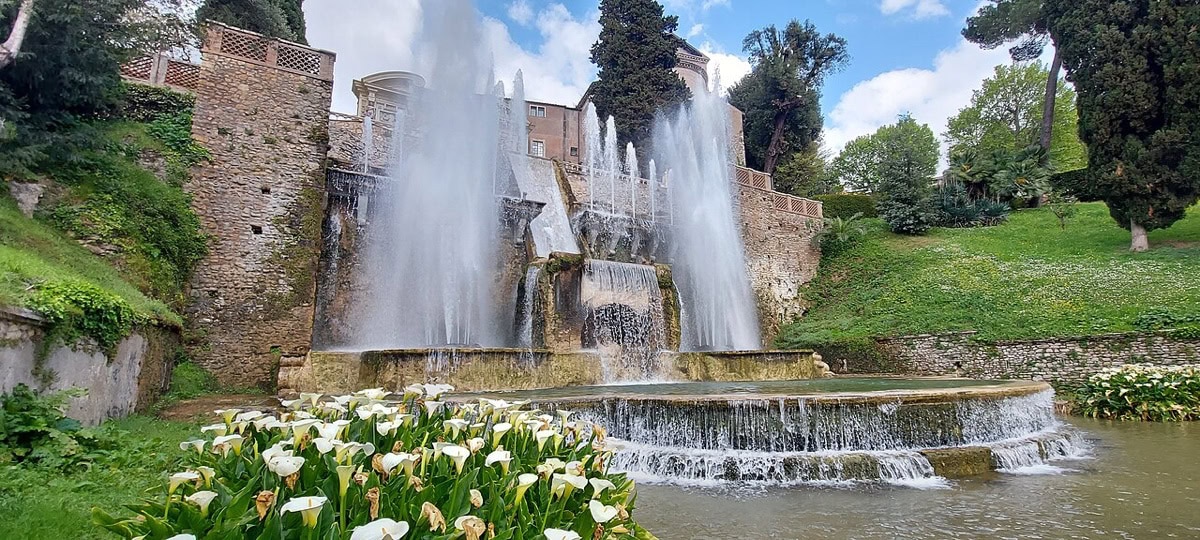
What makes the gardens of Villa d’Este so unique isn’t just their beauty — it’s the way they work. The entire enormous water park, all those cascades, gushing jets, and tranquil pools, has operated for centuries without a single electric pump. Sixteenth-century engineers ingeniously harnessed gravity and water pressure from the nearby River Aniene.

Walking through here and realising that people figured all this out hundreds of years ago using nothing but physics and mathematics is a humbling experience. Water is fed through a complex system of underground channels, and the pressure is calculated precisely so that each fountain shoots to exactly the right height. It’s a perfect symphony of flowing water, green moss, and deep shade that completely draws you in.

3. The Hundred Fountains (Cento Fontane) — Like a Fairytale

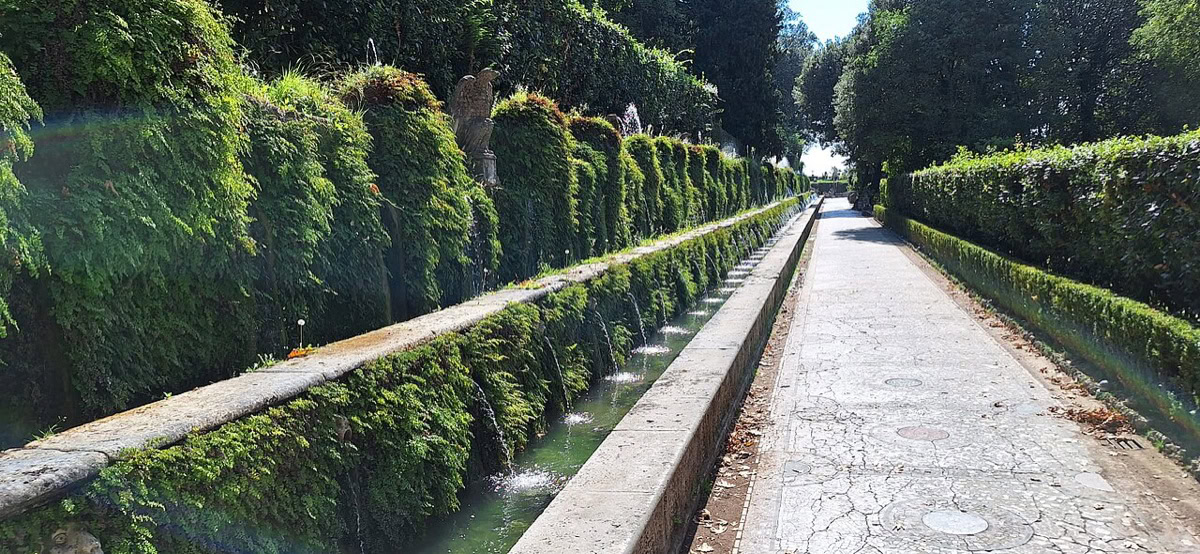
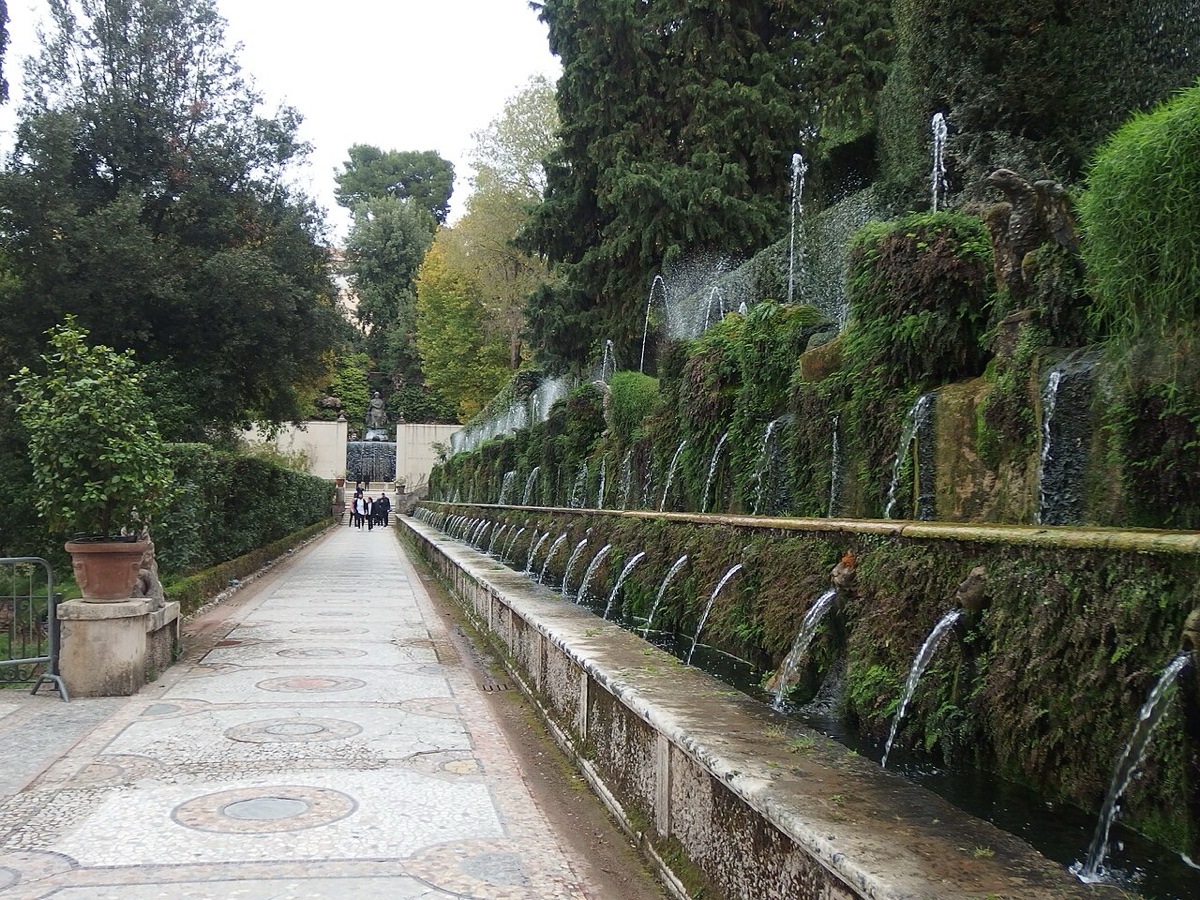
When you mention Villa d’Este, most people immediately picture this iconic section of the gardens. It’s a long promenade lined with an elongated basin featuring a hundred small water spouts. Water jets from all manner of gargoyles shaped like animal heads, mythical creatures, and lilies — the symbol of the d’Este family.

Lukáš and I got stuck here for quite a while because it’s an incredibly photogenic spot. The green moss covering the ancient stone, combined with the constant sound of falling water, has an incredibly soothing effect. 💡 Insider tip: You’ll get the most beautiful photos here in the late afternoon, when the sun starts to dip and its rays illuminate the tiny water droplets hanging in the air.

4. A Musical Performance at the Organ Fountain

The Organ Fountain (Fontana dell’Organo) is arguably the greatest technical marvel of the entire complex. It’s not just an ordinary water feature — it’s a genuine musical instrument. The water mechanism can still compress air into pipes and play musical melodies, which at the time of its creation must have seemed like pure magic to guests.

Regular demonstrations of the mechanism still take place, usually every two hours from 10 AM. Make sure you time your visit to be at the fountain when it plays, because hearing water perform Renaissance melodies is an experience you’ll never forget. A crowd always gathers, so I’d recommend arriving at least ten minutes early to secure a good viewing spot.

5. The Monumental Oval Fountain

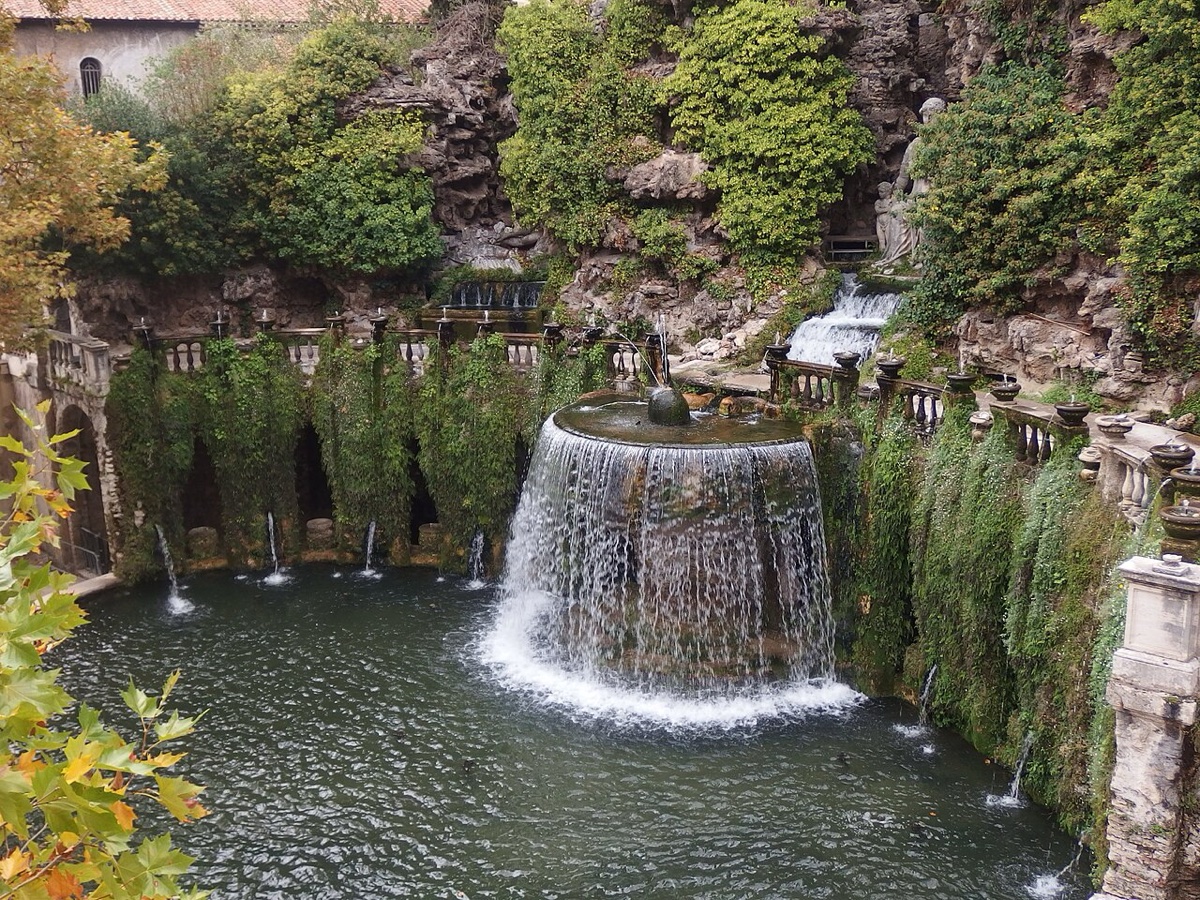
Right after the musical experience, make sure to head over to the Oval Fountain (Fontana dell’Ovato), probably the most photographed spot in the entire park. It’s an enormous pool surrounded by a semicircular arcade that you can actually walk through. Water cascades down in powerful torrents, creating a pleasant cooling mist — something you’ll truly appreciate in summer.

This section of the garden is meant to represent the Tiburtini Mountains and the rivers flowing from them. It’s a spot made for romantic moments away from the bustle of the big city. If you fancy a rest, you’ll find plenty of stone benches in the shade of towering cypresses where you can sit and simply listen to the endless water concert.

lukas a lucka
Lukáš and Lucie recommend
Where to Stay in Tivoli
6 accommodations — hotels and other lodging options

6. Getting to Hadrian’s Villa (Villa Adriana)

While Villa d’Este sits right in the historic centre on the hilltop, the second UNESCO gem lies several kilometres away down in the valley. Emperor Hadrian had a complex built in the second century AD that wasn’t merely a summer residence but more of a private city. Walking along the busy road to get there is genuinely unpleasant and exhausting, so I definitely wouldn’t recommend trying it on foot.

To get from the centre of Tivoli to the ruins, you’ll need to take the local CAT bus number four. Stops are well signposted and you can buy a ticket at any tobacco shop for small change. Trying to fit both villas into a single day is technically doable, but expect aching feet and the need to keep a close eye on local bus timetables, which in Italy sometimes seem to have a life of their own 😅.

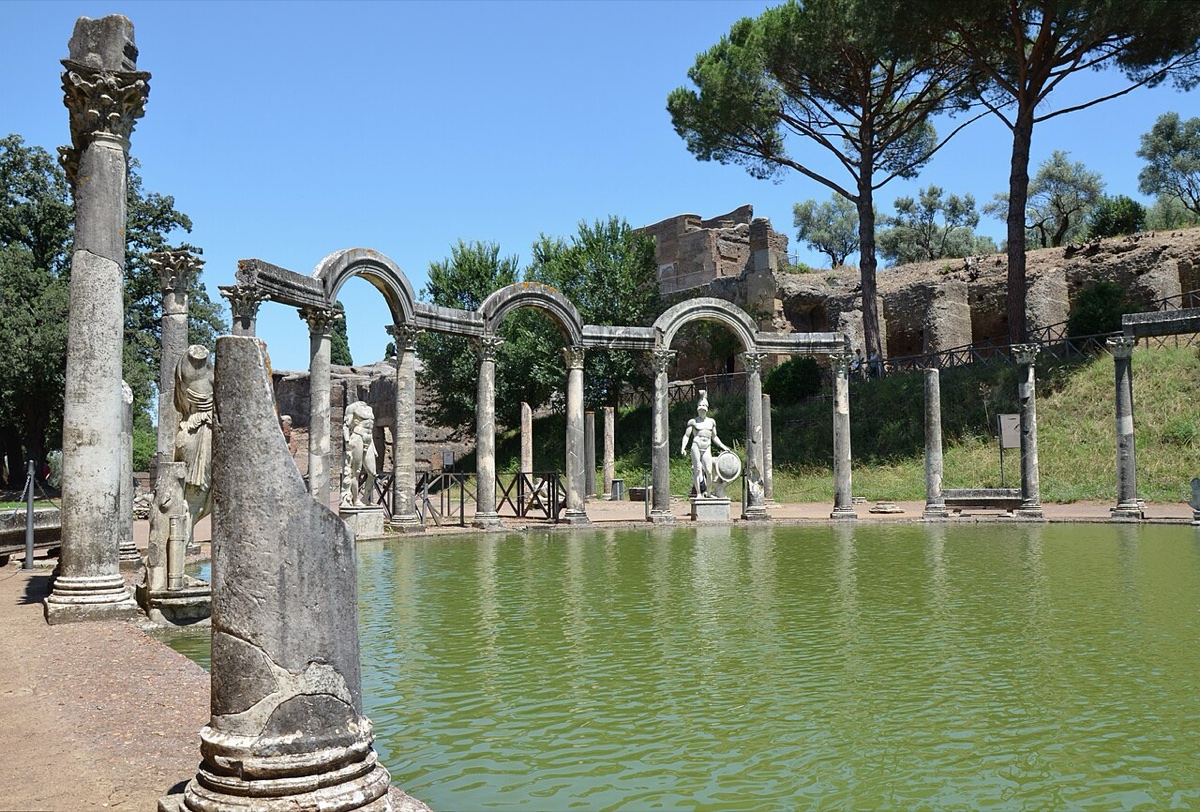
7. Exploring the Ancient Canopus

Once you step inside Hadrian’s Villa, you quickly grasp just how enormous the site really is. The emperor was an avid traveller, and he designed the entire complex as a kind of architectural diary. The most famous and best-preserved section is the Canopus — an elegant elongated pool lined with beautiful statues meant to evoke a branch of the River Nile in Egypt.

Stand at the end of the pool and gaze across the water towards the colonnade, and you can almost feel the weight of history. The spot was used for hosting lavish summer banquets under the open sky. The site is vast, scattered across open countryside, and requires a lot of walking in direct sunlight, so make sure to bring a hat and plenty of drinking water.

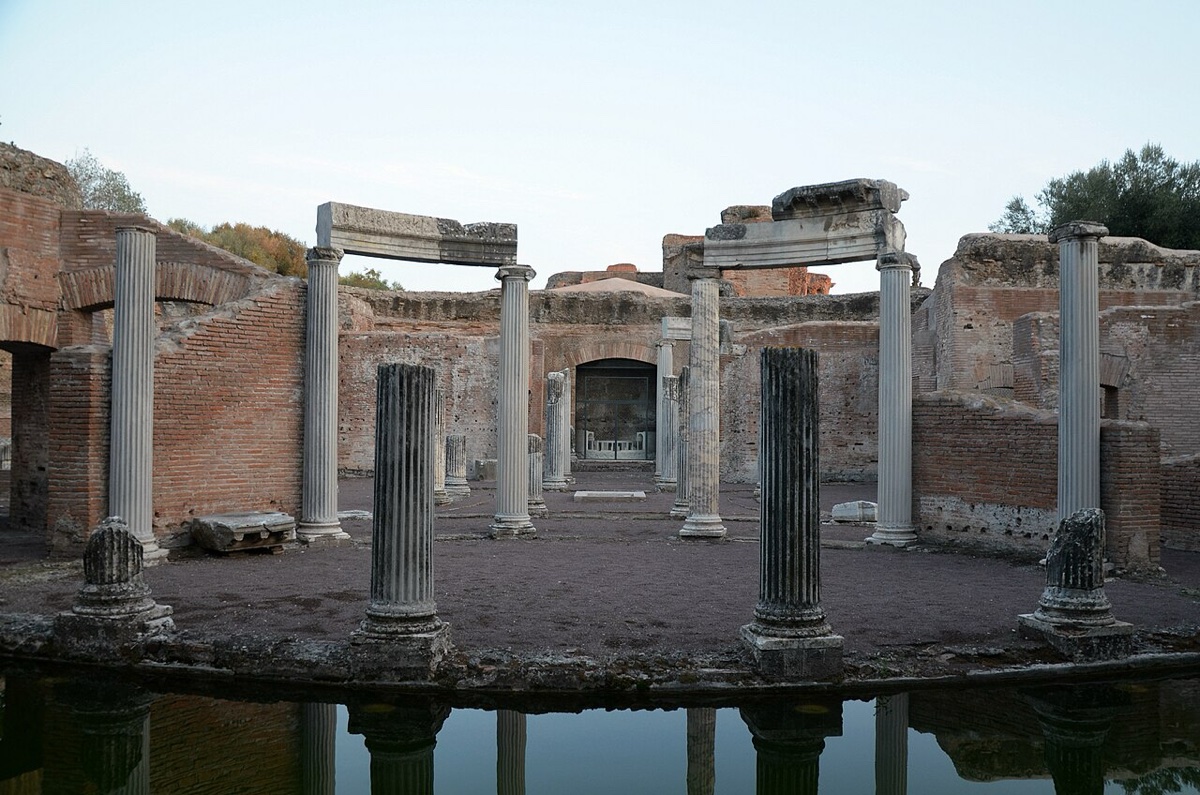
8. The Private Island of Teatro Marittimo

This was the spot that fascinated us the most at Hadrian’s Villa. The so-called Maritime Theatre (Teatro Marittimo) wasn’t actually a theatre at all. It was the emperor’s utterly private circular island surrounded by a water-filled moat and high walls, where he retreated for meditation, painting, and a break from the demands of running an empire.

The island was originally accessible only via wooden drawbridges that Hadrian could raise at any time, cutting himself off from the rest of the world. It’s a wonderful testament to how much powerful people valued their privacy even back then. The remains of marble columns reflected in the water make for one of the most iconic views you’ll take away from here, so have your cameras at the ready.

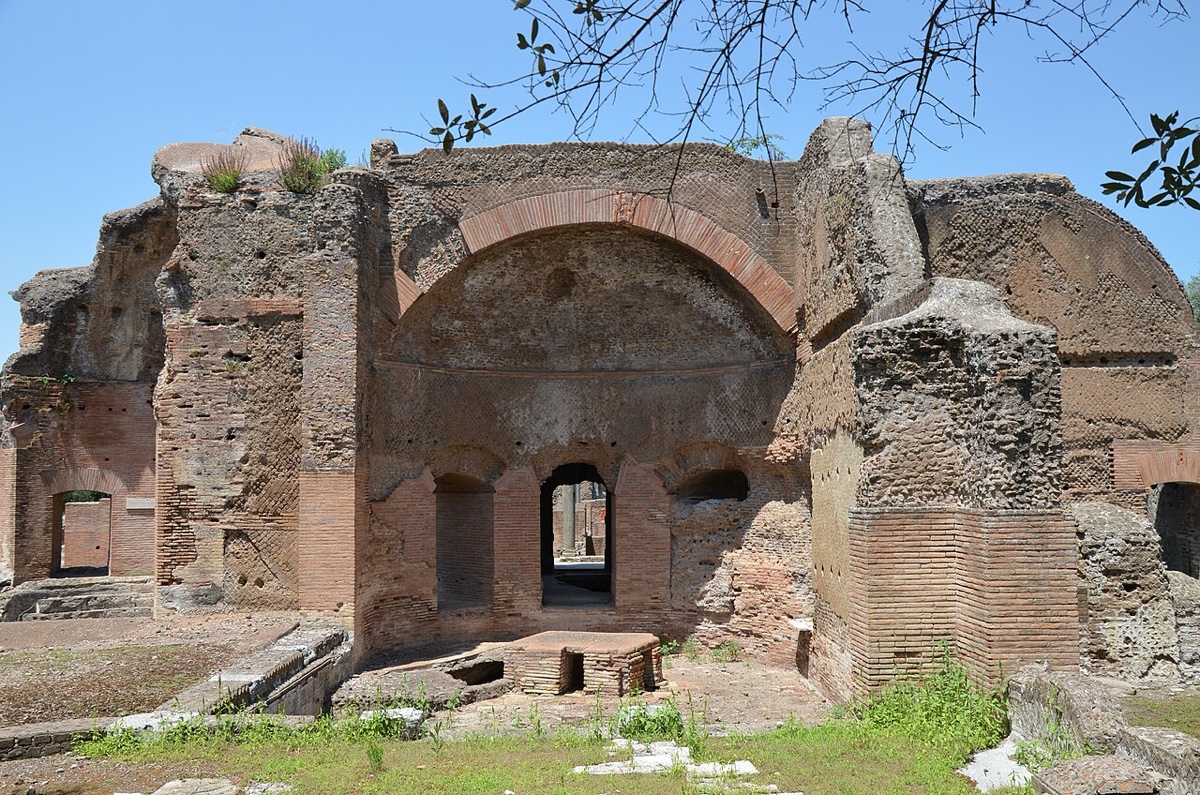
9. Ancient Baths and Underground Tunnels

The Romans loved their baths, and Hadrian’s Villa had several. The Grandi Terme (Great Baths) and Piccole Terme (Small Baths) still reveal just how sophisticated their heating system was. You can see the remains of raised floors and hollow bricks through which hot air from furnaces circulated to warm the pools and the rooms themselves.

What most visitors miss is the invisible network of underground tunnels that threaded through the entire complex. These passages were used by thousands of slaves and servants who kept this enormous estate running, without ever disturbing the emperor and his distinguished guests on the surface. Some sections of this fascinating underground city are now open to the public and are absolutely worth exploring.

10. Wild Nature at Villa Gregoriana

If you’ve had your fill of antiquity and the Renaissance, Tivoli offers a third, completely different villa. Villa Gregoriana isn’t a palace at all — it’s a gorgeous romantic park brimming with wild nature, deep ravines, and caves. It was created by Pope Gregory XVI in the nineteenth century to tame the flooding River Aniene, which frequently threatened the town.

The result is an absolutely breathtaking walk that takes you deep into a wooded valley. The highlight of the trail is the Great Waterfall (Cascata Grande), where water thunders down into a chasm over 100 metres deep. It’s wonderfully cool here, the air smells of ferns, and for nature lovers it’s a blissful balm for the soul after the hot streets of Rome ☺️.

11. Getting Lost in the Alleyways and Rocca Pia Castle

Beyond the famous villas, make sure you set aside time for Tivoli’s town centre itself. The medieval alleyways are incredibly photogenic, full of little shops, flower pots on balconies, and cats basking in the sun. The best approach is to ditch the map and simply wander — you’ll stumble upon beautiful little piazzas and ancient churches that the average tourist never finds.

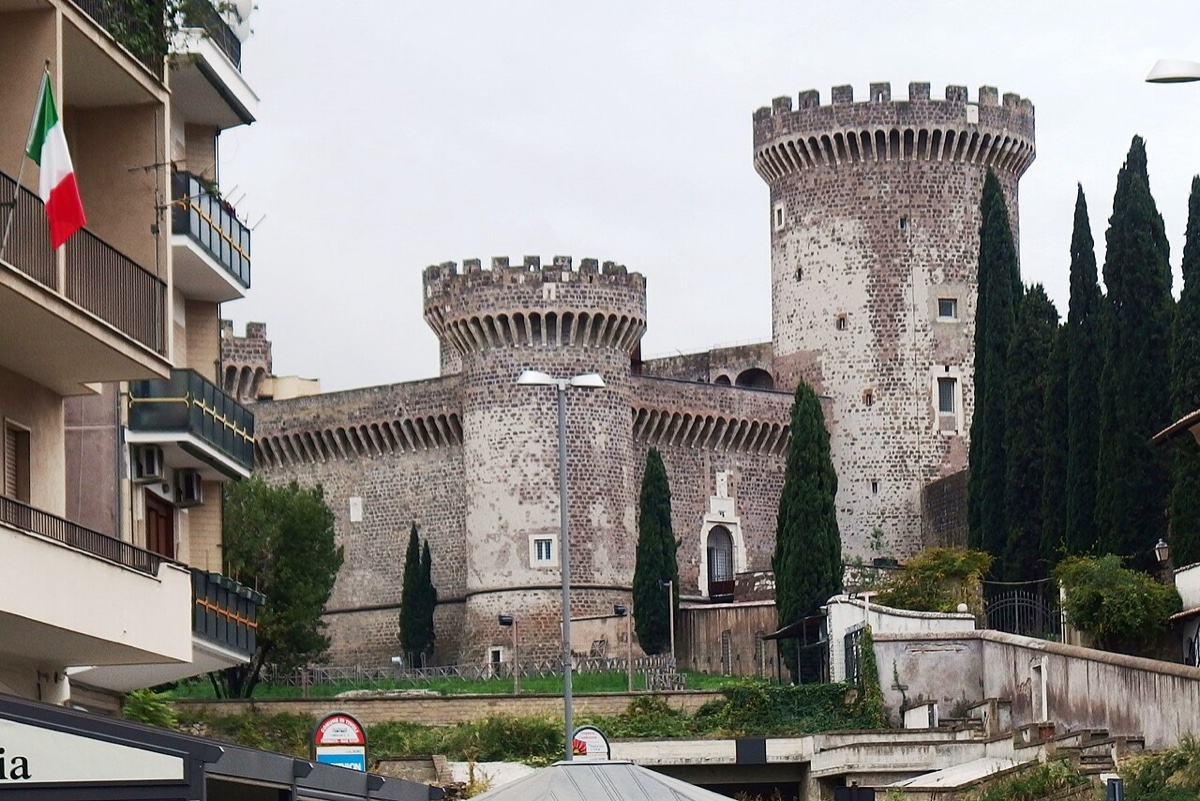
On your way from the train station towards the centre, you can’t miss the majestic Rocca Pia castle. This massive fortress with four round towers was built by Pope Pius II in the fifteenth century. From the outside it looks genuinely impregnable and adds beautifully to the town’s historic skyline, even though the interior is often closed to the public.

12. Where to Find the Best Vegetarian Dinner

As you probably already know, Lukáš and I are vegetarians, so on our travels we always carefully seek out places that serve honest meat-free classics. Tivoli absolutely delighted us in this regard. Compared to the overpriced centre of Rome, you’ll find plenty of authentic family-run trattorias here serving pasta you’ll be dreaming about for a week.

We recommend ducking into the alleyways around Piazza delle Erbe. We’ve had excellent experiences at smaller pizzerias with wood-fired ovens, where the Pizza Margherita tastes exactly as divine as it should in Italy. Another great tip for a quick vegetarian lunch is fresh focaccia stuffed with grilled vegetables and mozzarella, which you can pick up at local bakeries for a fraction of the price you’d pay in the capital.

Where to Go Next from Tivoli

If you’re heading back to the Italian capital for the night, make sure to check out our comprehensive guide What to See in Rome, packed with the best tips for the rest of your stay. If ancient history is your thing and Hadrian’s Villa sparked your imagination, you definitely shouldn’t miss the iconic Colosseum in Rome during your holiday.

For art lovers and fans of awe-inspiring architecture, a visit to the Vatican is an absolute must. And if you don’t mind a slightly longer journey and want to witness a real ancient apocalypse with your own eyes, we have a detailed guide on how to tackle a day trip to the legendary city of Pompeii without any unnecessary stress.

Frequently Asked Questions

Can I use the Roma Pass tourist card for a trip to Tivoli?

Unfortunately not. The Roma Pass won’t help you outside the boundaries of Rome itself. It’s not valid for trains to Tivoli or admission to local attractions. You’ll need to purchase all tickets and passes separately, as the town is located in a different fare zone.

Is it better to go to Tivoli by train or bus?

We definitely recommend the train, specifically from Rome’s Tiburtina station. The journey takes less than an hour, you’ll avoid morning and afternoon traffic jams, and the ride is much more comfortable. The regional Cotral buses are often overcrowded and the journey can drag on unpleasantly due to traffic.

What’s the best way to get between the different villas?

Villa d’Este and Villa Gregoriana are close to each other and within easy walking distance in the town center. To reach Hadrian’s Villa (Villa Adriana), which is several kilometers downhill in the valley, you’ll need to take the local city bus (line CAT) – it’s really not safe to walk along the road.

Should I buy villa tickets online in advance?

During peak summer season (June through September), it’s absolutely essential, especially for Villa d’Este. The lines at the ticket offices can be really long and exhausting. Buying online for a specific time slot will save you tons of energy that you can then spend actually exploring the gardens.

Is Hadrian’s Villa suitable for young children?

The site is huge and essentially one big historical playground, which kids usually enjoy. The problem is the lack of shade and the ever-present heat during summer months. If you’re going with children, definitely head there right when it opens at 9 AM, bring an all-terrain stroller, and pack plenty of snacks.

Which villa should I choose if I only have time for one?

If it’s hot summer weather and you mainly want to relax, definitely go for the shady Villa d’Este with its cooling fountains. However, if you’re a die-hard Roman history buff and don’t mind walking a few kilometers in the sun, Hadrian’s Villa will absolutely captivate you with its ancient ruins.

What can you do in Tivoli when it rains?

If it’s going to rain all day, it’s better to cancel the trip. The beauty of all three villas lies in their outdoor gardens, parks, and water features. Walking in the rain and mud among ancient ruins really isn’t pleasant at all, and you won’t enjoy the trip one bit.

Tips and Tricks for Your Vacation

Don’t Overpay for Flights

Search for flights on Kayak. It’s our favorite search engine because it scans the websites of all airlines and always finds the cheapest connection.

Book Your Accommodation Smartly

The best experiences we’ve had when looking for accommodation (from Alaska to Morocco) are with Booking.com, where hotels, apartments, and entire houses are usually the cheapest and most widely available.

Don’t Forget Travel Insurance

Good travel insurance will protect you against illness, accidents, theft, or flight cancellations. We’ve had a few hospital visits abroad, so we know how important it is to have proper insurance arranged.

Where we insure ourselves: SafetyWing (best for everyone) and TrueTraveller (for extra-long trips).

Why don’t we recommend any Czech insurance company? Because they have too many restrictions. They set limits on the number of days abroad, travel insurance via a credit card often requires you to pay medical expenses only with that card, and they frequently limit the number of returns to the Czech Republic.

Find the Best Experiences

Get Your Guide is a huge online marketplace where you can book guided walks, trips, skip-the-line tickets, tours, and much more. We always find some extra fun there!
Castel Sant’Angelo in Rome: Tickets, History & 12 Tips for What to Do Nearby

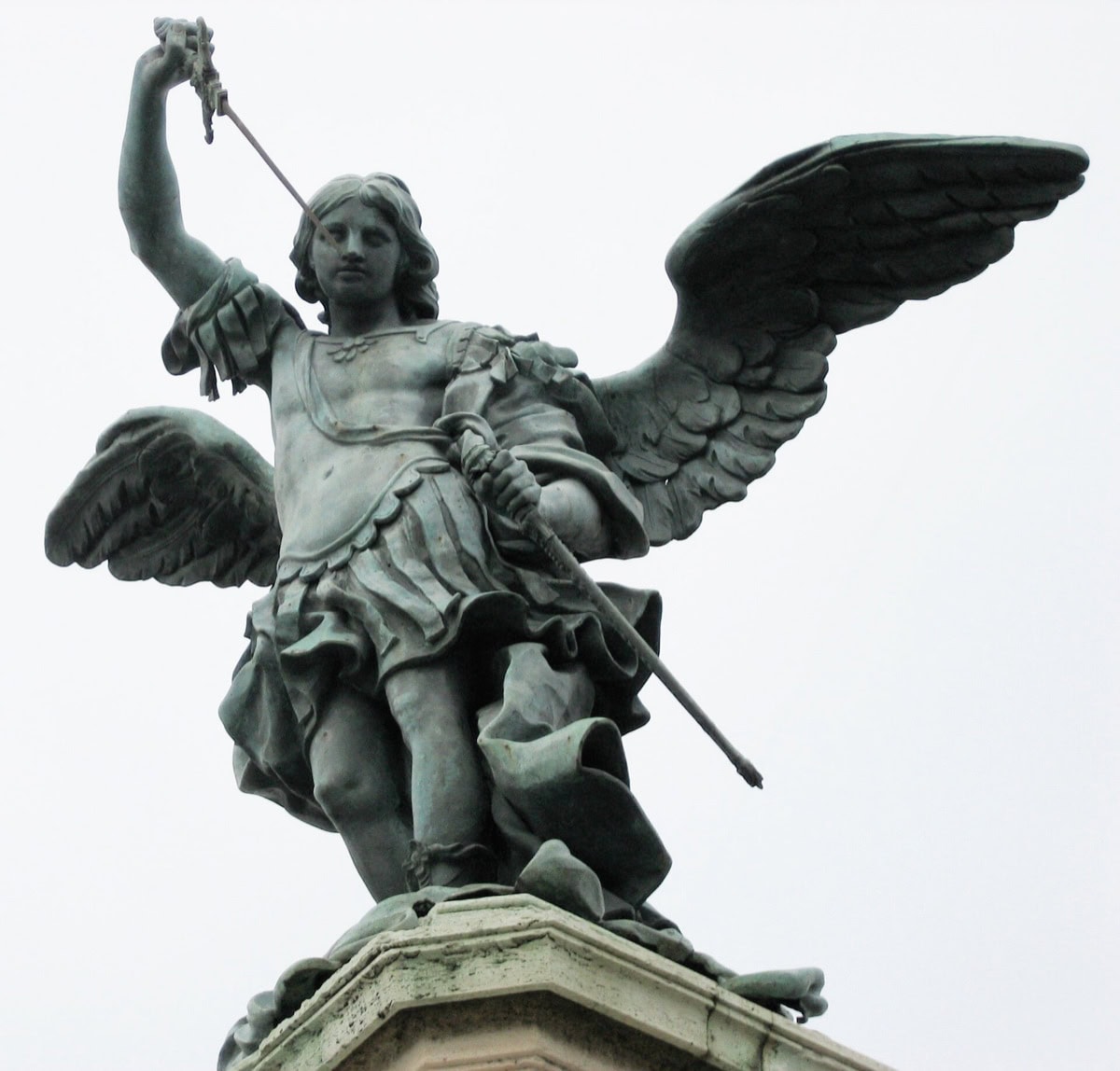
TL;DRCastel Sant’Angelo in Rome started life as Hadrian’s mausoleum in the 2nd century, later becoming a military fortress, a feared prison and a lavish papal residence, complete with frescoes in the Sala Paolina. Tickets run about 13 to 15 euros including the booking fee, the castle’s open daily from 9am to 7:30pm, and seeing it properly, terrace included, takes around two to two and a half hours. It’s just a few minutes’ walk from St Peter’s Square and the Vatican, so it slots neatly into a full day out — ideally with a visit around 4 to 5pm, when the upper terrace below the statue of the Archangel Michael gives you the best sunset view over St Peter’s Basilica. There are 12 tips here, from a stroll across Ponte Sant’Angelo with its Bernini statues to the secret Passetto di Borgo passage and the spots tied to the opera Tosca.

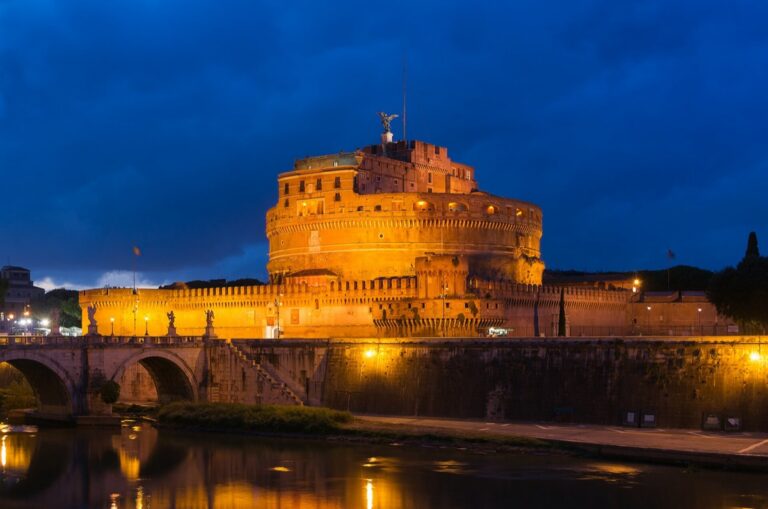
When Lukáš and I first walked from the historic centre of Rome towards the Vatican, the enormous cylindrical silhouette on the banks of the River Tiber drew us in like a magnet. Castel Sant’Angelo is a building that feels almost impossibly massive, and as you approach it across the ancient bridge lined with angel statues, you can feel the incredible weight of two thousand years of history. While most tourists rush headlong towards St Peter’s Square and pass the castle with nothing more than a quick photo from outside, we discovered that inside lies one of the greatest surprises in the entire Eternal City. It’s a place where dark death mingles with Renaissance luxury, and we come back here on almost every trip to Rome, Italy.

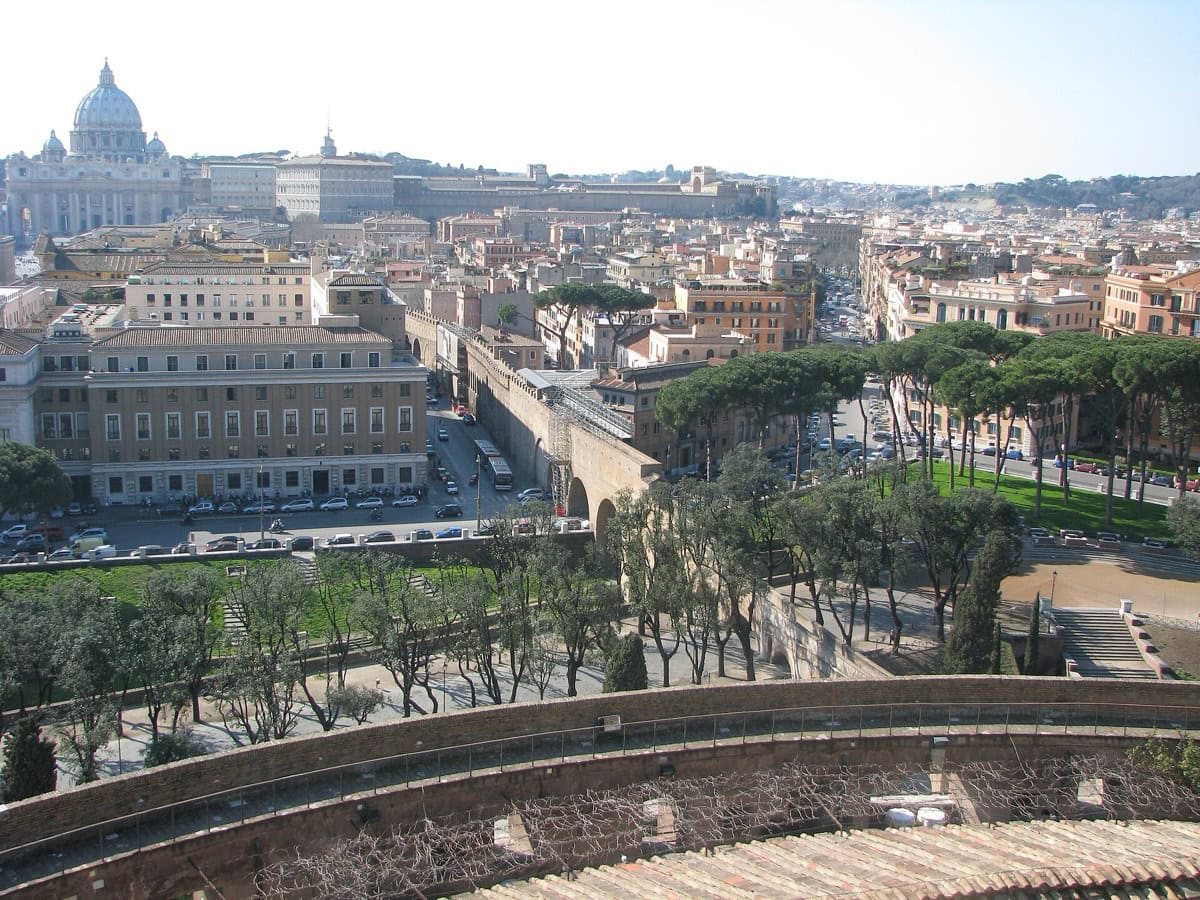
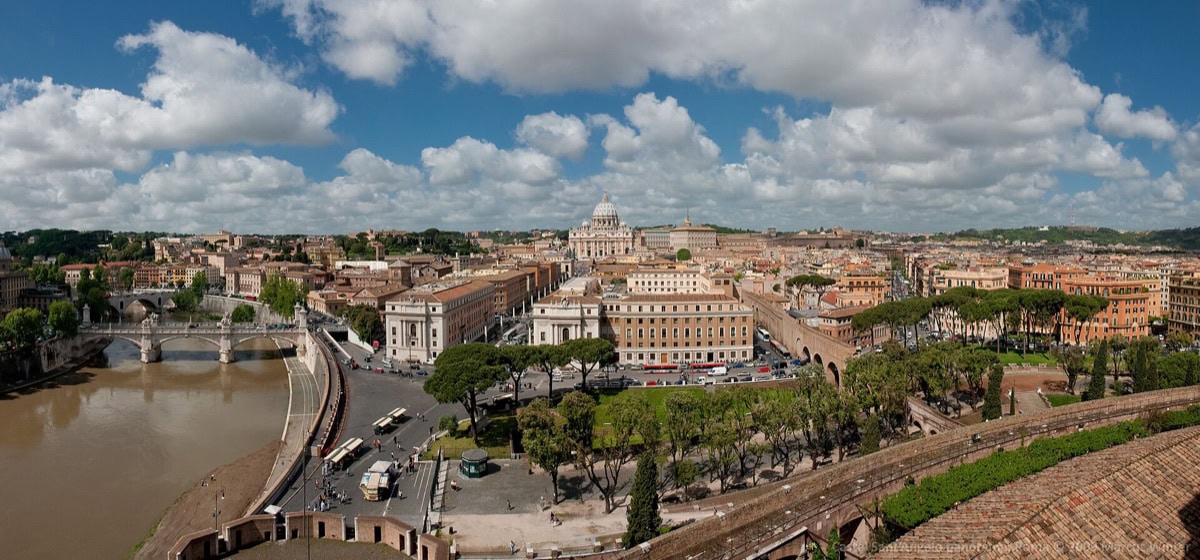
I’ve always been fascinated by how this building has reinvented itself over the centuries, having served as an imperial mausoleum, an impregnable military fortress, a dreaded prison and a stunning papal residence. Rome can be utterly exhausting with its crowds, but when you climb to the upper terrace of Castel Sant’Angelo in the late afternoon, the city below suddenly falls quiet. The wind tousles your hair, the perfectly illuminated dome of St Peter’s Basilica stretches out right before you, and beneath your feet unfolds a labyrinth of alleyways bathed in soft golden light. The experience is so powerful that we promised ourselves we’d put together all our tips so you don’t accidentally skip this fantastic monument when planning your trip.

TL;DR

  • Book tickets online: Tickets cost around €13–15, and queues on site can be brutal during peak season, so buying in advance through official websites or apps will save you a lot of frustration.
  • Best time to visit: Head here in the late afternoon — the Vatican crowds are already thinning out, and the sunset from the upper terrace beneath the angel statue is one of the most beautiful in all of Rome.
  • Perfect combo with the Vatican: Castel Sant’Angelo is just a few minutes’ walk from St Peter’s Square, so it makes perfect sense to combine both sights into one logical full-day itinerary.
  • Watch out for food scams: The immediate surroundings of the castle and the Vatican are packed with the worst tourist traps, so never eat at a restaurant where a waiter is actively luring you in from the street.
  • The secret of Passetto di Borgo: Don’t forget to look out from the battlements for the secret elevated passageway through which popes fled from the Vatican to the safety of the fortress in times of greatest danger.

When to Visit Rome and Castel Sant’Angelo

Every traveller’s fundamental wish sounds perfectly simple — we all want to see Rome bathed in sunshine without being crushed by ten thousand other people. Finding that magical sweet spot is incredibly difficult and requires strategic planning, because the Eternal City doesn’t forgive the unprepared and can physically grind you down. The best months to visit are May, June, September and October, when temperatures drop to a more bearable 22°C and the city takes on that gorgeous autumn glow or fresh spring light. Be prepared, however, for the fact that these months are the absolute peak of so-called shoulder season, meaning hotels are fully booked and the streets around major sights resemble a pulsing anthill.

Summer in Rome — specifically July and August — is a genuine test of your physical and mental endurance. Temperatures regularly soar above 35°C, and the ancient stones soak up the heat during the day, radiating it back like a giant oven long after dark. If you have to visit in summer, your daily routine needs a radical overhaul: tackle the main sights first thing in the morning, then retreat to the shade or your hotel over midday. Schedule your visit to Castel Sant’Angelo for late afternoon, after six o’clock, because the upper terraces offer absolutely no shade and the midday sun would roast you alive up there.

Winter, on the other hand, is the best-kept secret of experienced travellers, as accommodation prices drop to their annual lows from late November through February. 2026 also brings a welcome relief after the madness of the Holy Year, when millions of pilgrims flooded the city — the streets are a touch more breathable now and infrastructure has undergone a massive renovation. Still, don’t be lulled into a false sense of emptiness, because the main tourist icons will always be packed and booking tickets in advance remains an absolute survival necessity.

Where to Stay in Rome

For specific accommodation recommendations, we’ve had great experiences with Hotel Artemide in the central Monti district, the boutique Condotti Boutique Hotel just a stone’s throw from the Spanish Steps, or the quieter Residenza Cavallini in the Prati neighbourhood near the Vatican. Booking well in advance gets you the best rates.

💡 Tip for accommodation and experiences: We love searching for places to stay on Booking.com, which tends to have the best free cancellation policies. For tickets, tours and activities, it’s worth comparing options on GetYourGuide.

Choosing the right neighbourhood will define your entire Rome experience, because the city is huge and commuting for an hour every day on a sweltering bus with no air conditioning will break you. The biggest mistake first-timers make is booking accommodation purely on price without considering logistics, which is why we always recommend choosing your location based on what you actually want to see. If your main goals are the Vatican and Castel Sant’Angelo, the Prati neighbourhood is an unbeatable choice. It’s an elegant, safe and relatively quiet residential area with wide streets, from which you can walk to St Peter’s Basilica in just a few minutes — all without battling the early-morning queues.

On the other hand, if you’re after that cinematic atmosphere, you’ll probably end up in romantic Trastevere or the Monti district right behind the Colosseum. Monti offers the perfect balance between accessibility to sights and an escape from the worst crowds, while Trastevere will charm you with its medieval alleyways and absolutely fantastic local dining scene. We always book our accommodation through Booking.com, because it offers the best free cancellation options — something that’s incredibly handy when planning a trip to unpredictable Italy.

  • Excellent hotel in Prati: We can recommend the lovely Hotel Isa, which is just a short walk from Castel Sant’Angelo and boasts a fantastic rooftop terrace where you can enjoy your morning coffee with views of St Peter’s dome.
  • Calm and elegance: Another great choice is NH Collection Roma Giustiniano, which offers perfect comfort, spacious rooms and a strategic location near the orange metro line, making it easy to reach the historic centre as well.
  • Romance in Monti: If you’d rather stay closer to the ancient monuments, try the charming hotel The Inn At The Roman Forum, where history is literally at your fingertips and you can wander the alleyways full of brilliant local cafés in the evening.

How much does a weekend in Rome cost? A total budget for two people for three nights can be squeezed to roughly €600–720 if you stay in a cheaper guesthouse further from the centre and eat pizza on the go. If you prefer the comfort of a nice hotel and dinners with a bottle of wine in classic restaurants, budget closer to €1,000–1,200 for a couple, as admission prices and food costs have been creeping up in recent years. On top of that, you’ll need to factor in the city tax, which is paid in cash at reception and typically runs €4–7 per person per night depending on the category of your chosen hotel.

12 Tips for What to See and Do at Castel Sant’Angelo and Nearby

Let’s take a look together at twelve specific things that make Castel Sant’Angelo such an extraordinary place — from hidden secret passageways to the most stunning viewpoint in the city. We’ll show you how to save time buying tickets, what to watch out for, and how to squeeze the absolute maximum out of your visit to this fascinating monument.

1. Tickets and Opening Hours 2026

The days when you could just stroll up to Castel Sant’Angelo and be inside within five minutes are, unfortunately, well and truly over. A standard ticket currently costs around €13, plus an additional €2 for the mandatory reservation fee, though prices may vary slightly depending on ongoing exhibitions. The castle is open every day from 9:00 to 19:30, with last admission an hour before closing time. During summer, opening hours are often extended into the late evening, which offers an absolutely magical experience.

The official Italian ticket websites can be confusingly laid out and frequently crash, so many travellers opt for a more convenient route. Lukáš and I have had the best experience buying through reliable third-party platforms, where you can easily download the ticket straight to your phone without worrying about printing or communicating in Italian. Another option is the Roma Pass, which you can use for your first free entry — but even with it, you often need to reserve a time slot in advance to avoid disappointment at the door.

2. Ponte Sant’Angelo and Bernini’s Sculptures

Your visit actually begins long before you pass through the castle gates, because the route across the River Tiber takes you over the famous Ponte Sant’Angelo (Bridge of Angels). This ancient bridge was originally built by Emperor Hadrian himself as a grand ceremonial approach to his tomb, but it acquired its current, breathtaking appearance many centuries later during the Baroque period. The incredibly photogenic atmosphere comes from ten larger-than-life angel statues holding instruments of Christ’s Passion — an open-air gallery you can admire completely free of charge.

Two of these statues were designed by the sculptural genius Gian Lorenzo Bernini himself, though the originals were eventually moved by the Pope into the church of Sant’Andrea delle Fratte to protect them from the weather. Today, only perfect copies stand on the bridge, but the walk across the cobblestones between these flowing marble figures is still utterly captivating, especially when the bridge is shrouded in soft morning mist rising from the river. Just keep a sharp eye out for pickpockets and persistent street vendors, who love to gather on the bridge and take advantage of tourists gazing up at the statues.

3. History: Hadrian’s Mausoleum

When you step into the lowest levels of the castle, you immediately feel a noticeable chill and find yourself in an entirely different world. The original structure was built in the 2nd century AD as a monumental tomb for Emperor Hadrian and his family — a fact that few people realise when they look at today’s fortress. The emperor reportedly drew inspiration from the older Mausoleum of Augustus but wanted to surpass it, so he had an enormous cylinder clad in gleaming white marble constructed, crowned with a garden of trees and topped by a colossal bronze statue of the emperor riding a chariot drawn by four horses.

Today, you can walk up the original ancient spiral ramp that winds slowly and darkly upward into the very heart of the building, towards the former burial chamber. The brick walls here are laid bare and feel incredibly raw, giving you a vivid sense of what masterful builders the ancient Romans truly were. It was into these very chambers that the urns containing the ashes of Roman emperors — up to Caracalla — were placed, before the tomb was plundered by barbarian tribes in the 5th century, who destroyed or stole all the precious decoration.

4. History: From Tomb to Impregnable Fortress

With the fall of the Roman Empire, the city descended into chaos, and this massive building with its ideal strategic position by the river was crying out for a new purpose. The sacred mausoleum gradually transformed into a fearsome military fortress, its thick walls and deep moats protecting the approach to the Vatican from raids by invaders and hostile Roman families alike. The popes invested enormous sums in its conversion, adding massive corner bastions and turning the former tomb into the safest place in the entire city.

It was precisely this military transformation that preserved at least the basic ancient core — otherwise the Romans would have dismantled the structure for building materials, just as they did with the Colosseum. As you walk along the outer ramparts and battlements today, you can clearly see the arrow slits and imposing defensive features that must have struck terror into anyone who dared approach the fortress. It’s a fascinating contrast to the romantic angels on the bridge, because in the Middle Ages, the castle was a genuine machine of war and survival.

5. Passetto di Borgo (The Secret Passage to the Vatican)

This is probably our favourite part of the entire history of Castel Sant’Angelo, because it sounds like something straight out of an adventure film. The Passetto di Borgo is a secret, nearly kilometre-long elevated corridor hidden within the massive medieval walls, connecting the impregnable fortress directly to the Apostolic Palace in the Vatican. From the street, it looks like nothing more than an ordinary old wall, but inside lies a secure corridor through which popes could slip away unnoticed and at lightning speed whenever mortal danger loomed.

The most famous moment in this passageway’s history came in 1527 during the Sack of Rome (Sacco di Roma), when the renegade imperial troops of Charles V attacked the city. Pope Clement VII literally ran for his life through this corridor in disguise, while his brave Swiss Guard laid down their lives at St Peter’s Basilica below to protect him. Today, the Passetto is only open to the public occasionally during special summer tours, but even if you can only see it from a distance atop the castle walls, the image of a fleeing pope with an army on his heels will send shivers down your spine.

lukas a lucka
Lukáš and Lucie recommend
Where to Stay in Rome
6 accommodations — hotels and other lodging options

6. The Dark Past: The Castle as a Dreaded Prison

But it’s not all tales of rescue, because for many centuries Castel Sant’Angelo also served as the most feared and cruellest prison in the entire Papal States. Political opponents, heretics and inconvenient artists ended up in the dark, damp dungeons built within the original ancient walls, where torture and often a very slow death awaited them. The entire lower level of the fortress was designed so there was no escape, and prisoners languished in total darkness with no hope of a fair trial.

Among the most famous inmates was the brilliant Italian philosopher and astronomer Giordano Bruno, who was held here before the Church had him burned at the stake in the nearby Campo de’ Fiori square. Another well-known prisoner was the Renaissance sculptor and hot-head Benvenuto Cellini, who was one of the very few to actually escape from the fortress — though he was eventually recaptured. When you peer into those small, cramped cells today, it sends a chill down your spine, and you’re rather glad the only price of admission is a ticket and you can walk out freely afterwards.

7. The Stunning Papal Apartments

As if the contrasts weren’t stark enough, just a few floors above those damp prison dungeons lies something that will completely take your breath away. During the Renaissance, the popes had incredibly luxurious private apartments built here, retreats they could withdraw to when they needed to hide within the impregnable fortress for extended periods. Naturally, they had no intention of living in austerity, so they summoned the finest artists of their age to transform the austere military walls into a palace worthy of the head of the Catholic Church.

The most beautiful room is undoubtedly the Sala Paolina, commissioned by Pope Paul III, whose walls and ceilings are covered in fantastic colourful frescoes depicting mythological scenes and gilded details. You wander from one lavishly decorated room to the next, with ancient precious floor tiles creaking beneath your feet and masterpieces above your head that wouldn’t look out of place in the Vatican Museums. It’s a thoroughly surreal feeling when you realise that directly beneath all this beauty, prisoners once languished in agony — a fact that tells you pretty much everything about the history of Rome at the time.

8. The Terrace with Views over Rome and St Peter’s Basilica

This is the main reason Lukáš and I keep coming back, and why we send all our friends here. When you finally clamber up the narrow stairs to the very top of the fortress, you’re greeted by what is probably the best 360-degree panorama of the entire city. You stand directly beneath the huge bronze statue of Archangel Michael sheathing his sword, which according to legend symbolises the miraculous end of a plague epidemic in 590 AD through the intercession of Pope Gregory the Great.

From this terrace, the Eternal City is literally spread out at your feet, but the greatest show unfolds to the west. You get a completely unobstructed, jaw-dropping view of St Peter’s Basilica and the Vatican — a sight that never gets old. If you arrive roughly an hour before sunset, you’ll watch the great dome slowly turn pink and gold as the first street lamps flicker on below you, their light reflecting off the surface of the Tiber.

9. In the Footsteps of the Opera Tosca

Castel Sant’Angelo isn’t just a monument for history and architecture buffs — it also holds enormous significance for all fans of classical music and opera. It was in this very setting that the famous Italian composer Giacomo Puccini placed the gripping final act of his phenomenal opera Tosca, one of the most performed works in the world. Music and emotion are tightly interwoven with the architecture here, allowing fans to walk through the actual locations where the story unfolds.

In the story, the protagonist, painter Mario Cavaradossi, is imprisoned in the castle dungeons and sings his famous, heart-wrenching aria “E lucevan le stelle” on the rooftop before his execution. The heroine Tosca herself, in utter despair, then throws herself from the upper battlements of the fortress into the river to escape arrest. Standing on the terrace and peering over the edge of that massive parapet, the dramatic theatrical scene comes alive before your eyes with incredible intensity.

10. How Much Time to Allow and Combining It with the Vatican

One of the most common mistakes when planning a trip to Rome is dashing from one end of the city to the other, needlessly wasting energy and precious time. Castel Sant’Angelo is roughly a ten-minute walk from St Peter’s Square, so it makes perfect sense to combine both sights into one logical full-day itinerary. For the castle tour itself — including a leisurely climb to the terrace, photos and a possible coffee at the rooftop café — allow roughly two to two and a half hours so you don’t have to rush anything.

We recommend planning your day so that you hit the Vatican Museums and St Peter’s Basilica first thing in the morning, when the worst crowds haven’t yet arrived. Leave the Vatican around one or two in the afternoon, have a relaxed lunch somewhere, and head to Castel Sant’Angelo around four or five o’clock, when you can enjoy that fantastic late-afternoon view. This way, you save loads of time, avoid paying for transport across the city, and in the evening you can simply stroll back to the centre across the illuminated Ponte Sant’Angelo.

11. How to Get There (and What to Avoid)

If you’re staying in the historic centre — anywhere around Piazza Navona, the Pantheon or the Trevi Fountain — don’t even bother looking for complicated public transport connections. This part of Rome is best explored on foot, and the walk from the centre to the castle takes a very pleasant 15 to 20 minutes, during which you can soak up the atmosphere of narrow alleyways and savour the authentic Italian vibe. If you’re staying further out, the nearest metro stations on Line A are Lepanto or Ottaviano, from which you can walk to the fortress in about fifteen minutes.

However, we absolutely must give you an honest warning about one particular mode of transport. Avoid the notoriously long-routed bus number 64, which connects the main Termini station with the Vatican and passes right by the castle, because it is the single worst and most infamous pickpocket route in all of Rome. This bus gets so outrageously crowded that you can’t even move, and thieves brazenly rob confused tourists — so if you really must take it, keep your bag clutched firmly to your front. Reliable transport information can always be found on the official ATAC website.

12. Where to Eat Nearby (Without the Tourist Traps)

The area around the Vatican and Castel Sant’Angelo is an absolute breeding ground for the worst tourist traps in Italy, where they’ll serve you defrosted pizza and charge astronomical prices for fish sold by weight. The golden rule is: never — and we really mean never — eat at a restaurant where a waiter is standing outside the door, actively trying to lure you in with a picture menu in five languages. Lukáš and I are both vegetarian, so we always hunt for places that do the best honest Italian meat-free classics without trying to rip us off.

If you want something truly phenomenal, walk a little further from the castle into the Prati neighbourhood to the pizzeria Pizzarium (also known as Bonci), which sells pizza by the slice with pillowy dough and fantastic vegetarian toppings like rosemary potatoes or roasted vegetables. If you fancy classic pasta and don’t mind venturing a bit further, head to the Testaccio neighbourhood for dinner, where they make the absolute best creamy cacio e pepe (just pecorino cheese and black pepper) — a dish you simply must try in Rome. The authentic local restaurants here don’t care about fancy décor, just honest food.

Where to Go Next from Castel Sant’Angelo

Rome is a city you can’t possibly get to know in a single weekend, but planning your route wisely will save you a lot of blisters. Once you’ve soaked in the views from Castel Sant’Angelo, several logical options present themselves for where to head next to make the most of your day.

  • Make sure to check out our comprehensive guide on What to See in Rome, where you’ll find a complete itinerary and more tips on hidden gems that most tourists walk right past.
  • Since it’s right next door, you absolutely can’t miss the Vatican and the breathtaking Vatican Museums — though these require a separate reservation.
  • A pleasant evening stroll across the river will take you to the stunning Piazza Navona, and just a short walk from there you’ll find the ancient Pantheon in Rome.
  • If you want to soak up that lively, slightly noisy and romantic atmosphere, head to the Trastevere neighbourhood for dinner in the evening.
  • And if you have several days in Rome, definitely consider a day trip by high-speed train (look for tickets on Trenitalia) or explore the ancient ruins of Pompeii.

Frequently Asked Questions

Is there an admission fee for Castel Sant’Angelo?

Yes, entry to the castle is paid and a basic ticket usually costs around 15 euros including the booking fee if you buy your tickets in advance online. On the first Sunday of the month, admission is actually free as part of a state initiative by the Ministry of Culture (Ministero della Cultura), but it’s better to avoid those days, because the crowds waiting in hour-long queues are absolutely unbearable.

Is there a dress code like at the Vatican?

Unlike St. Peter’s Basilica or the Pantheon, Castel Sant’Angelo functions as a museum and military monument, so there’s no strict religious dress code here. You can visit without any issues wearing summer shorts and a tank top with bare shoulders, and no one will stop you at the entrance—which is a huge relief in the sweltering Roman summer.

Can I manage the castle with a stroller or wheelchair?

Unfortunately, Castel Sant’Angelo is originally a military fortress and ancient tomb, so accessibility is very limited. There is a small elevator inside that takes you to the middle floors, but the most beautiful papal apartments and upper terrace are only accessible via narrow, steep, and winding stairs that are simply impossible to navigate with a stroller or wheelchair.

Can I bring a large backpack inside?

You won’t be allowed into the castle with a large backpack, suitcase, or bulky luggage for security reasons, and you’ll need to leave them at the cloakroom or at a luggage storage facility in the city. A regular small daypack or handbag that you’d normally carry while sightseeing poses no problem and will pass through security without any issues.

Is there a café on the upper terrace?

Yes, right inside the castle, just below the highest terrace with the angel, there’s a very pleasant café with outdoor seating along the old ramparts. Prices are understandably a bit higher than at a regular street bar, but having an espresso with a view of St. Peter’s dome in such a historic setting is definitely worth the few extra euros.

Can I visit the Passetto di Borgo anytime?

The secret escape passage Passetto di Borgo isn’t part of the regular tour route throughout the year. It only opens occasionally, usually during special night tours or summer cultural events, so you’ll need to check its current accessibility in advance on the monument’s official website or at tourist information centers.

Is the castle suitable for children?

In our experience, Castel Sant’Angelo is often much more fun for kids than the Vatican Museums full of paintings. Children love exploring the old military ramparts, peering into cannon embrasures, discovering dark passageways, and of course the views, so it can be a great way to liven up your family itinerary through ancient ruins.

Tips and Tricks for Your Vacation

Don’t Overpay for Flights

Search for flights on Kayak. It’s our favorite search engine because it scans the websites of all airlines and always finds the cheapest connection.

Book Your Accommodation Smartly

The best experiences we’ve had when looking for accommodation (from Alaska to Morocco) are with Booking.com, where hotels, apartments, and entire houses are usually the cheapest and most widely available.

Don’t Forget Travel Insurance

Good travel insurance will protect you against illness, accidents, theft, or flight cancellations. We’ve had a few hospital visits abroad, so we know how important it is to have proper insurance arranged.

Where we insure ourselves: SafetyWing (best for everyone) and TrueTraveller (for extra-long trips).

Why don’t we recommend any Czech insurance company? Because they have too many restrictions. They set limits on the number of days abroad, travel insurance via a credit card often requires you to pay medical expenses only with that card, and they frequently limit the number of returns to the Czech Republic.

Find the Best Experiences

Get Your Guide is a huge online marketplace where you can book guided walks, trips, skip-the-line tickets, tours, and much more. We always find some extra fun there!
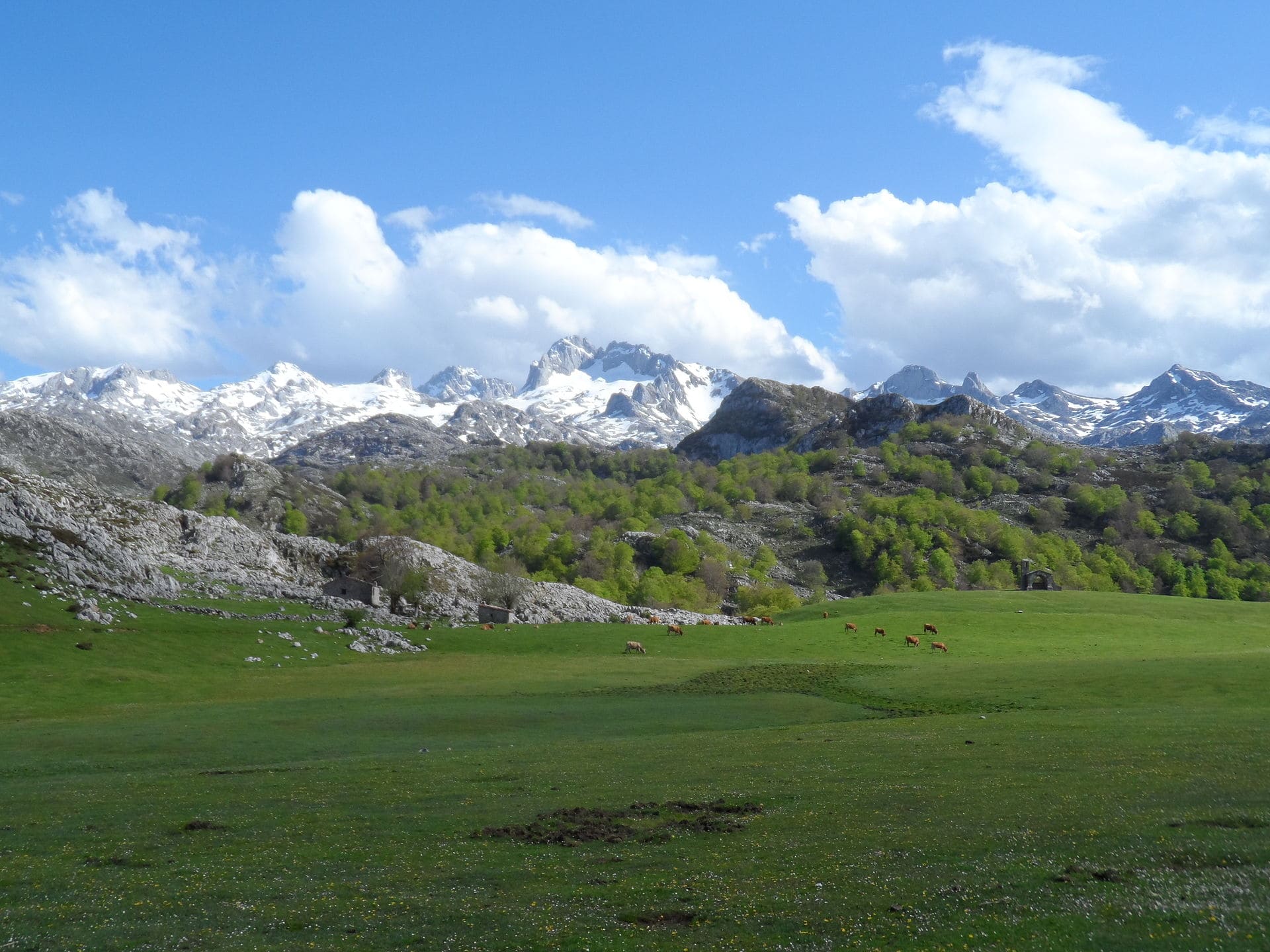
Spanish Steps in Rome: History + 10 Tips for the Area

TL;DRThe Spanish Steps in Rome are 135 travertine steps leading up to the Trinità dei Monti church, open round the clock, but sitting on them is banned and can land you a fine of 250 to 400 euros. There are 10 tips here for the area, including Bernini’s Barcaccia fountain, the designer shopping strip of Via dei Condotti, the Pincio terrace for the best sunset views in Rome, Piazza del Popolo, and the Trevi Fountain, which will charge a 2-euro entry fee from 2026. The best months to come are May, June, September and October, when temperatures sit at a pleasant 22 degrees or so. The nearest metro stop, Spagna, sits right beneath the steps.

Rome doesn’t forgive the unprepared — Lukáš and I learned that lesson the hard way, more than once. The Eternal City can absolutely grind you down before you even get a chance to toss a coin into a fountain, but once it gets under your skin, it never lets go. The Spanish Steps in Rome are exactly the kind of place that looks like a perfect romantic postcard from afar. But when you show up at high noon in the middle of summer, you’ll find yourself battling through thousands of sweaty tourists while fending off vendors pushing overpriced roses.

The secret to conquering Rome isn’t about how many landmarks you can tick off your list at a sprint. It’s about precise timing, strategic planning, and accepting the fact that Rome isn’t just a museum — it’s a pulsating metropolis of three million people. Let’s dive into 10 tips for what to see and do around the Spanish Steps so your visit is truly worth it. I’ll tell you when to go to save your nerves, and I’ll even reveal how much you’ll pay in fines if you get carried away and sit down on the famous marble. 😅

TL;DR

  • Sitting is strictly forbidden: Resting on the Spanish Steps can land you a fine of €250 to €400, enforced by relentless police officers.
  • Trevi Fountain now has an entry fee: From 2026, you’ll pay €2 to access the basin area, and entry is limited to 400 people at a time.
  • The Jubilee is over: The Holy Year 2025 is behind us — the city has removed the scaffolding from monuments and the streets are a bit more breathable.
  • Watch out for scammers: Around the Steps and the luxury Via dei Condotti, vendors aggressively push bracelets and roses on tourists.
  • Drink from the fountains: Don’t buy bottled water — free, ice-cold drinking water flows from cast-iron public fountains (nasoni) all across the city centre.
  • Shoes make or break your day: Rome’s classic cobblestones will destroy unsuitable footwear — quality trainers are an absolute must.

When to Visit Rome, Italy

Every traveller’s dream is simple — we all want to see Rome bathed in sunshine, sit outside with a glass of Aperol, and not be crammed in with ten thousand other people while doing it. Finding that sweet spot, however, is incredibly tricky. News about the Holy Year (Jubilee 2025) probably scared off more than a few would-be visitors, as over 33 million pilgrims flooded the city and the streets were at breaking point. But the Holy Doors were ceremonially closed in January 2026, and 2026 brings a noticeable sense of relief.

The best months to visit are definitely May, June, September, and October. In our experience, October offers the most pleasant conditions for long walks. Temperatures drop to a comfortable 22°C, the air clears up, and the city takes on a beautiful, soft autumn light that’s absolutely perfect for photography. Evenings call for a light jumper, but during the day you can easily clock up fifteen kilometres without feeling like you’ll pass out on the scorching pavement.

Summer in Rome — July and August in particular — is a test of both physical and mental endurance. Temperatures regularly climb above 30°C and the humidity turns narrow alleyways into a stifling greenhouse without a hint of breeze. The ancient stones soak up the heat during the day and radiate it back like a giant oven long after dark. If you absolutely must go in summer, your daily routine needs a radical overhaul: get up at six in the morning and retreat to an air-conditioned restaurant or your hotel around midday.

Winter, from late November through February, is the best-kept secret for budget-conscious travellers. Temperatures hover between 5 and 13°C, there’s the occasional rain shower, and mornings can feel damp and chilly. But you gain something priceless: accommodation prices drop to their annual lows and queues at landmarks shrink to virtually nothing. Winter Rome reveals its melancholic, quiet, and deeply poetic side.

Where to Stay in Rome

For specific accommodation recommendations, we’ve had great experiences with Hotel Artemide in the central Monti neighbourhood, the boutique Condotti Boutique Hotel just a stone’s throw from the Spanish Steps, and the quieter Residenza Cavallini in the Prati district near the Vatican. Booking well in advance gets you the best deals.

💡 Accommodation & experience tip: We love searching for places to stay on Booking.com, which tends to have the best cancellation policies. For tickets, tours, and activities, it’s worth comparing options on GetYourGuide.

Your choice of neighbourhood defines your entire Rome experience and determines whether you’ll collapse on the bed in exhaustion each evening or stroll down to a local trattoria in peace. The biggest rookie mistake is booking accommodation purely based on price, with zero thought given to logistics and commuting. The city is sprawling, and spending an hour every day in a packed bus with no air conditioning will drain you fast.

If you’re after the perfect balance, the Monti neighbourhood just behind the Colosseum is probably our favourite. It offers a fantastic atmosphere, loads of independent cafés, and excellent metro access. Trastevere, on the other hand, is the embodiment of the romantic Italian dream with its winding lanes and brilliant nightlife, but there’s no metro station and it can get incredibly noisy in the evenings. For families with children or travellers seeking tranquillity, we recommend the Prati district north of the Vatican, where you’ll find wide boulevards and flat terrain.

Lukáš and I always book our accommodation through Booking.com, where you can find great apartments and smaller family-run hotels. If you’re on a tight budget, look around the main Termini station — but keep a close eye on your belongings, as pickpockets are rife. Staying right in the historic centre (Centro Storico) near the Spanish Steps is gorgeous, of course, but you’ll pay a sky-high premium and be constantly surrounded by hordes of tourists.

10 Tips for What to See and Do Near the Spanish Steps

Let’s get into the specifics of how to make the most of the Spanish Steps area. I’ll point you towards the best viewpoint, tell you where to escape the afternoon heat, and share how to avoid getting ripped off at local restaurants.

1. 135 Steps and the Church of Trinità dei Monti

When people think of Rome, the image that springs to mind right after the Colosseum is often this elegant cascade. The Spanish Steps (Scalinata di Trinità dei Monti) consist of exactly 135 travertine steps rising from the piazza up to the French church at the top. Their unique butterfly-wing design has drawn visitors since the 18th century, and the spot radiates an incredible visual charm.

Perched at the very top of the staircase is the church of Trinità dei Monti with its twin bell towers, which offers a fantastic view down over the piazza. In front of the church stands one of Rome’s many obelisks, relocated here in the late 18th century. Most tourists stay down by the fountain, so climbing to the top gives you a bit more breathing room.

💡 Tip: Don’t come here in the middle of the day. If you want to experience the true magic of this place without feeling like sardines in a tin, set your alarm early. Around eight in the morning you’ll find only a handful of photographers, and the morning light paints the whole scene in gorgeous pastel tones.

2. The Barcaccia Fountain and Free Drinking Water

Right at the foot of the steps on Piazza di Spagna lies one of the masterpieces of early Baroque art. The Fontana della Barcaccia — which translates to “Fountain of the Ugly Boat” — is the work of the celebrated sculptor Pietro Bernini and his even more famous son, Gian Lorenzo. The fountain is shaped like a half-sunken boat, with water flowing in from all sides.

According to local legend, Bernini was inspired by an actual fishing boat that was washed up here by a massive flood of the River Tiber in the late 16th century. The architect also had to contend with very low water pressure from the local aqueduct, which is why the fountain sits slightly below street level. The result, however, is nothing short of genius and forms the natural centrepiece of the entire piazza.

Along the edges of the fountain, you’ll notice small spouts of drinking water. Rome has around 2,500 cast-iron public drinking fountains scattered across the city, known as nasoni (big noses), which dispense ice-cold, perfectly safe drinking water completely free of charge. Locals know a brilliant trick: simply block the main spout at the bottom with your finger and the water shoots up through a small hole on top of the tap, right into your mouth.

3. The Strict No-Sitting Rule and Fines

From a distance, those wide marble steps look incredibly inviting — especially when you’ve already walked ten kilometres and desperately need a rest. But I have to give you a firm warning: sitting on the Spanish Steps is strictly forbidden. The city introduced this ban to protect the historic marble, which was suffering under the onslaught of millions of tourists, spilled coffees, and discarded chewing gum.

Police officers in yellow hi-vis vests enforce this rule actively and without an ounce of mercy. The moment you so much as crouch down, you’ll instantly hear a sharp blast from a whistle. Officers patrol constantly up and down the steps, and they show no sympathy — not even for tired children or elderly visitors. You simply have to keep standing or keep moving.

If you ignore the warning or start arguing with the officers, you face a fine of around €250. If you’re also caught eating ice cream on the steps or otherwise soiling the monument, the penalty can quickly shoot up to €400. Save that money for a brilliant dinner instead, and head to the nearby park for a well-deserved rest.

4. The Spring Azalea Explosion

If you manage to time your visit to Rome around late April or early May, you’re in for a visual treat you won’t forget in a hurry. During this period, the Spanish Steps transform into a vast blooming garden. Gardeners place hundreds of pots filled with white and pink azaleas across the staircase every year.

This tradition gives the whole place an incredibly romantic feel, making the steps look even more monumental than usual. Naturally, it also brings a surge of Instagram hunters chasing the perfect shot. The floral display typically lasts only around three to four weeks, depending on how sunny and warm the spring days are.

If you love photography, I’d recommend heading about halfway up the staircase and shooting downwards through the blooming flowers towards the Barcaccia Fountain below. Even with the massive crowds, there’s something truly special about this place in spring — the flood of colour contrasting against the pale travertine stone is simply stunning.

lukas a lucka
Lukáš and Lucie recommend
Where to Stay in Rome
4 accommodations — hotels and other lodging options

5. Escape into the Keats-Shelley House

Right at the bottom-right corner of the Spanish Steps (when facing them) stands an unassuming red-brick building that most tourists walk straight past without a second glance. This is the Keats-Shelley House, a museum dedicated to the English Romantic poets who fled to Italy in search of inspiration and a kinder climate.

It was in this very house that the celebrated poet John Keats spent his final months before succumbing to tuberculosis at the age of just twenty-five. Today, inside you’ll find a fascinating collection of manuscripts, paintings, and personal belongings. It’s a little literary shrine tucked away in the midst of Rome’s greatest chaos.

The greatest perk of this museum, though, is its atmosphere. While absolute madness reigns on the piazza outside, inside you’ll find cool air, incredible quiet, and blissful calm. The wooden floorboards creak underfoot and from the first-floor windows you get an exclusive view straight down onto the crowds streaming up and down the steps below. Admission is around €6, and for the respite alone it’s well worth it.

6. Via dei Condotti and Luxury Shopping

Directly opposite the Spanish Steps begins one of the most famous — and most expensive — streets in all of Italy. Via dei Condotti is the ultimate showcase of global luxury, where boutiques from Prada, Gucci, Bulgari, and Dior sit side by side. Even though Lukáš and I aren’t about to buy a handbag worth thousands, the window shopping alone and watching impeccably dressed Italians strut by is an experience in itself.

The street has a gorgeous historic atmosphere and is also home to Antico Caffè Greco, the second-oldest café in Italy, founded in 1760. Casanova, Goethe, and Lord Byron all sipped coffee here. But if you take a seat at a table, be prepared to pay as much as €9 for a cappuccino. The golden Italian rule is this: if you drink your coffee standing at the bar (al banco), it costs a pittance, but the moment you sit down, you’re paying a steep premium for the table and service.

💡 Tip: Keep a sharp eye out for scammers. This is exactly the area — around the luxury street and the piazza — where organised groups operate. They’ll approach you with a big smile, ask where you’re from, and before you know it they’ve tied a woven bracelet around your wrist or pushed a rose into your companion’s hand as a “gift.” Don’t be fooled — moments later, they’ll aggressively demand €10 to €20. The only effective defence is total blanking, a brisk pace, and a firm “No, grazie.”

7. The Best Sunset in Rome at Pincio

Once you’ve taken in the steps from below, head up them to the obelisk and turn left at the church of Trinità dei Monti. You’ll walk along a beautiful, shady promenade called Viale della Trinità dei Monti, pass the majestic Villa Medici, and after about ten minutes of easy strolling you’ll reach the Pincio Terrace (Terrazza del Pincio).

This spacious viewing terrace sits on the edge of the vast Villa Borghese park and offers what we believe to be the most breathtaking sunset in all of Rome. Below you, the enormous Piazza del Popolo spreads out, and on the horizon you’ll see the unmistakable silhouette of St Peter’s Basilica dome in the Vatican.

It’s an incredibly romantic spot, popular even with Romans on date nights. Street musicians often play here and the vibe is far more relaxed than down in the city centre. Stay until the sun paints every Roman rooftop a deep, rich gold, and only then set off to find a spot for dinner. Trust me — the short climb is worth every drop of sweat.

8. Trevi Fountain Under New Rules (2026)

From the Spanish Steps, it’s a mere ten-minute brisk walk through a maze of narrow lanes to the Trevi Fountain. Turning a corner and suddenly standing before that roaring, dazzlingly white wall of travertine is an unforgettable experience. Unfortunately, in the past this magical moment was reduced to a battle for every square centimetre and a sea of elbows, which finally pushed the city council into drastic action.

Since February 2026, completely new and strict rules apply at the fountain. If you want to walk down the steps directly to the basin for the perfect photo and toss a coin over your shoulder, non-residents now pay a €2 fee. This area is newly enclosed with glass panels and access is regulated by turnstiles, capped at a maximum of 400 people at any one time.

If you’d rather not pay or queue for access to the lower zone, you can still admire the fountain for free from the upper level of the piazza. Up there, however, police officers with whistles will constantly move you along so you don’t block the passage. If you do buy a ticket and toss a coin over your left shoulder, know that all the collected money (around €3,000 a day) goes to the local Caritas charity.

9. Piazza del Popolo

From the Pincio viewpoint, you can descend the wide, winding steps straight down to one of Rome’s largest and most impressive squares. Piazza del Popolo — the People’s Square — was for centuries the main entry point into Rome for travellers arriving from the north along the ancient Via Flaminia road.

The space is dominated by a massive Egyptian obelisk over three thousand years old, brought to Rome by Emperor Augustus. On the south side of the square stand two almost identical Baroque churches, between which three main streets fan out to form Rome’s famous trident (Tridente). Architecturally, it’s an incredibly clean and masterfully designed space.

Unlike the cramped surroundings of the Spanish Steps or the Trevi Fountain, here you actually feel like you can take a deep breath. The piazza is huge, open, and frequently hosts concerts or public gatherings. On the edge of the square, you’ll also find the church of Santa Maria del Popolo, which hides two absolutely jaw-dropping (and free-to-view) canvases by the master of chiaroscuro, Caravaggio.

10. Where to Eat Without Getting Ripped Off

The area around the Spanish Steps and the nearby Pantheon is an absolute minefield when it comes to dining. Restaurants with a view of a landmark are classic tourist traps. Reliable red flags include waiters loitering on the pavement, picture menus in five languages, and a menu cover plastered with a giant Italian flag. A genuine Italian trattoria will never actively tout for your custom from the street.

We’re vegetarians, so we tend to seek out places with excellent pizza or pasta, but I must warn you about one particularly sneaky trick. Many restaurants in the centre price fish and seafood “per etto” (per 100 grams). You see an appealing price of €8, but the waiter brings you an enormous fish and the bill suddenly skyrockets into the stratosphere. We’ve heard of cases where tourists paid over €600 for a single lunch because they didn’t check the final weight of the dish.

Lukáš and I prefer grabbing honest pizza al taglio (pizza sold by weight, cut and served by the slice) from small bakeries off the main drag. Try the classic pizza bianca — just olive oil and coarse salt. If you want to sit down, look for tucked-away places where they speak to you in Italian. Order the traditional Roman cacio e pepe pasta (just pecorino cheese and black pepper) and you’ll discover that the greatest beauty lies in simplicity.

Where to Go From Rome

Rome is enormous, and the historic centre around the Spanish Steps is just the beginning. If your itinerary allows for a few more days, make sure to explore other ancient and Renaissance treasures as well. We’ve put together detailed guides to the most fascinating spots:

Frequently Asked Questions

Is there a charge to access the Spanish Steps?

Access to the staircase itself is completely free and open 24 hours a day. You only pay if you break the strict rules, because sitting on the steps carries a fine of 250 euros. If you eat food there on top of that, the amount can climb as high as 400 euros.

How do I get to the Spanish Steps?

Right below the steps is the metro station on line A called Spagna. It’s just three stops from the main Termini station, which takes about five minutes. Most of the historic centre (the Pantheon, Trevi, Navona) is then easily reachable on foot from there.

Can you pay by card everywhere in Rome?

Italy has made a huge leap forward in cashless payments, and these days you can pay by card in restaurants, museums and even for a scoop of ice cream. Even so, we recommend always carrying a few coins, which come in handy for tipping the barista, paying for a public toilet or tossing a coin into a fountain.

Can I fill up water from the street fountains?

Yes, definitely do it! Rome has thousands of cast-iron drinking fountains (nasoni) from which ice-cold, clean and 100% drinkable water flows non-stop. Don’t waste money on overpriced plastic bottles from street vendors, you’ll save both money and the environment.

What to do when it rains in the centre?

Roman storms can be fierce, but they usually pass quickly. The basalt cobblestones (sampietrini) and the travertine Spanish Steps, however, instantly turn into a dangerous skating rink in the rain. Take shelter in the nearby Pantheon and watch the rain fall straight in through the open oculus in the roof.

Is the Holy Year (Jubilee 2025) already over?

Yes, the Holy Year ran from Christmas 2024 and officially ended on 6 January 2026 with the ceremonial sealing of the Holy Doors. The city has finally been freed from the apocalyptic crowds of pilgrims, and the restored monuments are at last free of scaffolding after lengthy renovations.

What is the coperto in restaurants?

The coperto is a fixed charge for setting the table and the basket of bread, which you’ll encounter in the vast majority of traditional restaurants. It’s usually 2 to 4 euros per person. It isn’t a tip for the waiter, it’s simply a legal charge for sitting at the table, and it must always be listed on the menu.

Can I visit the monuments in shorts and a tank top?

It depends on where you’re going. At the ancient ruins (the Colosseum, the Forum), summer clothing is fine. But if you’re heading to any church, including the Pantheon or the Vatican, a strict dress code applies. You have to have your shoulders and knees covered, otherwise security will mercilessly turn you away, even with a valid ticket.

Tips and Tricks for Your Vacation

Don’t Overpay for Flights

Search for flights on Kayak. It’s our favorite search engine because it scans the websites of all airlines and always finds the cheapest connection.

Book Your Accommodation Smartly

The best experiences we’ve had when looking for accommodation (from Alaska to Morocco) are with Booking.com, where hotels, apartments, and entire houses are usually the cheapest and most widely available.

Don’t Forget Travel Insurance

Good travel insurance will protect you against illness, accidents, theft, or flight cancellations. We’ve had a few hospital visits abroad, so we know how important it is to have proper insurance arranged.

Where we insure ourselves: SafetyWing (best for everyone) and TrueTraveller (for extra-long trips).

Why don’t we recommend any Czech insurance company? Because they have too many restrictions. They set limits on the number of days abroad, travel insurance via a credit card often requires you to pay medical expenses only with that card, and they frequently limit the number of returns to the Czech Republic.

Find the Best Experiences

Get Your Guide is a huge online marketplace where you can book guided walks, trips, skip-the-line tickets, tours, and much more. We always find some extra fun there!
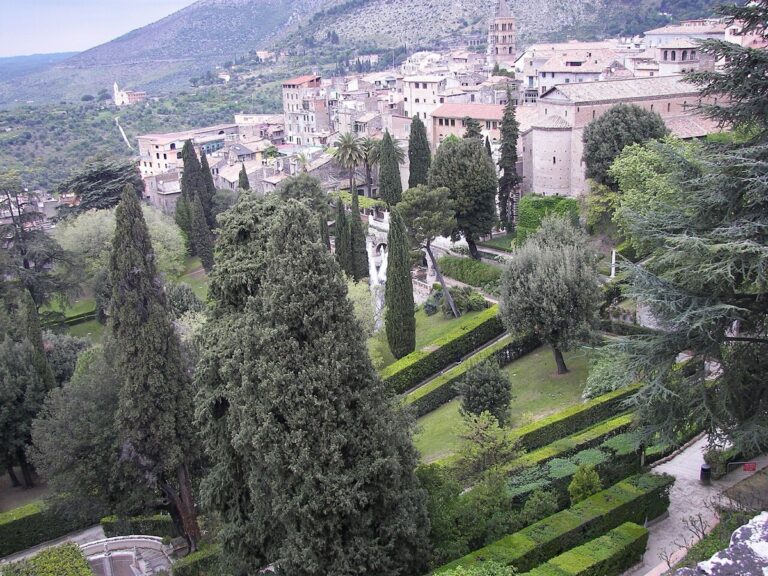
Galleria Borghese: Tickets, Reservations + 12 Tips on What to See

TL;DRYou can’t just turn up at Galleria Borghese in Rome — you need an online booking for a specific day and time slot, as tickets aren’t sold on site and security won’t let you in without one. Visits run in fixed two-hour blocks, basic admission for 2026 is €18 to €20, and you’ll have to leave your bags in the mandatory cloakroom. Inside, don’t miss Bernini’s Apollo and Daphne and The Rape of Proserpina, along with Caravaggio’s canvases and Canova’s Pauline Borghese. The nine o’clock morning slot is your best bet, and early spring or autumn is the ideal time to go. There are 12 tips here on what to see and do, both in the gallery and in the surrounding Villa Borghese park.

When we first arrived in the Eternal City, its sheer majesty took our breath away — but it didn’t take long to realise that roughly 90,000 other people a day shared our excitement. You push through impenetrable crowds, the merciless Italian sun scorches the ancient cobblestones, and traffic noise assaults you from every direction. In moments like these, you start desperately searching for an escape — and that’s exactly what the stunning Villa Borghese and its artistic jewel, the Galleria Borghese, can offer. If you’re already thinking about Galleria Borghese tickets, read on — there’s a lot you need to know before you go.

Seasoned travellers already know that the real magic of Rome often lies just a step away from the biggest crowds. The Galleria Borghese is an absolute masterpiece of Renaissance and Baroque art, where you won’t have to jostle through endless queues like at the Vatican. But there’s one massive catch you need to know about in advance — otherwise you won’t get in at all.

Let’s walk through how to plan a visit to this iconic villa. I’ll show you how not to get caught out by the mandatory reservations, which sculptures and paintings you simply can’t miss, and how to pair your gallery visit with a relaxing afternoon in the sprawling park next door.

TL;DR

  • Reservations are strictly mandatory: You cannot buy tickets at the door — they must be booked weeks in advance for a specific date and time slot.
  • Two-hour limit: You’re allowed exactly two hours inside the gallery, after which security will firmly escort you out to make room for the next group.
  • Master Bernini: You’ll see some of the most mesmerising marble sculptures in the world, especially Apollo and Daphne and The Rape of Proserpina.
  • Dark Caravaggio: The gallery holds one of the largest collections of this brilliant but troubled painter.
  • Admission for 2026: A standard ticket costs around €18–20, but during peak season they sell out incredibly fast.
  • An oasis of calm: Always combine your gallery visit with renting a boat or bike in the enormous adjacent Villa Borghese park.
  • Bags go to the cloakroom: You can’t bring even a small backpack or larger handbag inside — everything must be deposited before entry.

When to Visit the Galleria Borghese

Rome can be brutal for first-timers, especially if you underestimate the weather. In the summer heat, when temperatures regularly hit 35°C, the city turns into an oven and the stone walls radiate heat well into the night. If you can, avoid August altogether — during the Ferragosto holiday, many local businesses shut down as well.

The ideal time to visit Rome and the gallery itself is early spring or autumn, when exploring the city on foot is genuinely pleasant. We personally love October — the sun has lost its sting, but the parks are still beautifully green.

As for the gallery itself, the best time slot is the very first one in the morning at nine o’clock. You’ll walk into a freshly opened and aired building, enjoy the most peace and quiet for photos, and once your two-hour session ends, you can seamlessly continue with a stroll through the park before the midday sun kicks in.

Where to Stay in Rome

💡 Tip for accommodation and experiences: We usually search for places to stay on Booking.com, which tends to have the best cancellation policies. For tickets, tours, and activities, it’s worth comparing options on GetYourGuide.

Choosing the right neighbourhood is absolutely key to a successful trip. Staying near Termini station might be tempting due to the lower prices, but late at night it attracts some dodgy characters and the atmosphere is far from romantic. A much better bet is to pick a strategic spot from which you can walk everywhere.

We swear by the charming Monti neighbourhood, which sits right next to the Colosseum. It has a wonderful local vibe, fantastic bakeries where you can grab fresh focaccia in the morning, and buzzing nightlife on every corner. Another great option is the area around Piazza Navona or the edge of Villa Borghese park itself, which puts you just a few steps from the art.

In terms of specific hotels, we’re big fans of Hotel Artemide, which offers impeccable service and a stunning rooftop terrace. If you’re after something more boutique, check out Boutique Hotel Campo de’ Fiori, which will charm you with its attention to detail and proximity to the markets. We always book through Booking.com for the flexible cancellation policies — an absolute lifesaver these days.

12 Tips on What to See and Do at the Galleria Borghese and Beyond

Let’s take a detailed look at what awaits you in this magnificent villa. We’ve put together these tips so you won’t miss a single essential artwork while also avoiding the unnecessary stress that comes with poor planning.

1. Mandatory Reservations and the Unforgiving Time Limit

This is the single most important rule of your entire visit. Turning up at the entrance today expecting to buy a ticket on the spot is a guaranteed recipe for crushing disappointment. Without a prior online reservation, security simply won’t let you in, because the building’s capacity is strictly limited for both safety and conservation reasons.

Visits are also organised in fixed two-hour blocks. When your time is up, a bell rings and staff unceremoniously usher the entire group out so they can prepare the rooms for the next session. So don’t save the best sculptures for last.

💡 Insider tip: Arrive at the building at least thirty minutes before your time slot. You’ll need to queue to collect your physical tickets, and then queue again at the mandatory cloakroom where all bags must be deposited.

2. Galleria Borghese Tickets for 2026 and Alternative Options

Official tickets are released on the gallery’s website usually one to two months in advance. Standard admission for 2026 is around €18–20, depending on current exhibitions and booking fees. During peak season, however, these tickets vanish within a matter of hours.

If you find the official site hopelessly sold out, don’t panic. Platforms like GetYourGuide can be a lifesaver — you’ll pay a bit more, but you can secure a ticket even on sold-out days, often bundled with a fantastic live guide who provides historical context.

Another option is the Roma Pass tourist card. It grants free entry to selected attractions, but even with this card you still need to reserve a specific time slot for the Galleria Borghese via their booking line or email.

3. How to Get There Without the Stress

The gallery sits in the northern part of the historic centre, surrounded by a vast park. Driving a hire car here is a terrible idea — you’ll end up in a ZTL (limited traffic zone) with strict access restrictions and cop a hefty fine from automatic cameras.

The most scenic route is on foot from the Spanish Steps. Head up towards Villa Medici and enjoy a roughly twenty-minute walk through the pleasant park. If your feet are already aching from Rome’s basalt cobblestones, you can catch a bus running along the edge of the park — but keep a close eye on your belongings.

Rome’s public transport is the traditional hunting ground of some of Europe’s most skilled pickpockets. On a packed bus, you won’t stand a chance of feeling someone unzipping your bag. Keep valuables close to your body under your clothing, and always take your backpack off and hold it firmly in front of you.

4. Bernini’s Miracle: Apollo and Daphne

The moment you step into the ground-floor halls, you’ll understand why this place is so legendary. Gian Lorenzo Bernini created sculptures here that defy the very nature of hard stone. The Apollo and Daphne sculpture will literally leave you speechless at what the human hand can achieve.

The work captures a dramatic moment from Ovid’s Metamorphoses. The god Apollo pursues the nymph Daphne, and at the exact instant he touches her, her body begins transforming into a laurel tree. Before your eyes, marble turns into rough bark, delicate leaves, and roots burrowing into the ground.

You absolutely must walk around this sculpture from every angle. Each viewpoint tells a different part of the story, and the sense of movement is so incredible that you half expect both figures to spring to life and run off the pedestal at any moment.

5. The Rape of Proserpina: Touch Pressed into Marble

In the very next hall, you’re confronted with a work that many art historians consider the finest thing ever carved from marble. Bernini created The Rape of Proserpina when he was just twenty-three years old. It depicts the god of the underworld, Pluto, violently seizing the struggling maiden.

What you need to focus on is the detail of Pluto’s hands. His powerful fingers dig deep into the soft thigh and hip of Proserpina. The illusion of yielding human skin is so utterly convincing that you completely forget you’re looking at cold, hard stone.

Notice, too, the tears streaming down her face and the windswept hair. This striking contrast between raw masculine force and desperate feminine vulnerability leaves a deep impression even on people who normally have no interest in sculpture whatsoever.

6. Bernini’s David: A Self-Portrait in Action

Most people know Michelangelo’s David in Florence — standing calmly, merely preparing for battle. Bernini took an entirely different approach. His David is captured at the most intense split second of action, just before hurling the deadly stone at the giant Goliath.

The body is twisted in extreme tension, muscles bulging, face contorted in fierce concentration. A fascinating detail is that David’s face is actually Bernini’s self-portrait. Legend has it that Cardinal Borghese himself held the mirror while Bernini carved the grimace.

Standing directly in front of the sculpture, you instinctively feel like ducking — because the stone from the sling looks like it’s about to fly straight at you. It’s a masterclass in Baroque theatricality.

lukas a lucka
Lukáš and Lucie recommend
Where to Stay in Rome
3 accommodations — wellness hotels, hotels and other accommodation options

7. Canova’s Pauline Borghese as Venus

On the ground floor, there’s one more sculpture guaranteed to stop you in your tracks. Antonio Canova portrayed Pauline Bonaparte — Napoleon’s sister — who had married into the Borghese family. She chose to be depicted as Venus Victrix, semi-nude and reclining on a luxurious chaise longue.

In its day, this was a colossal scandal. For a noblewoman of such high standing to be carved nearly naked caused an absolute uproar in Roman society. Her husband, Prince Camillo, even locked the sculpture away from public view for years to put an end to the gossip.

Today we can simply marvel at the astonishing craftsmanship. The pillows and mattress on which Pauline rests look so impossibly soft that you’ll feel an irresistible urge to reach out and touch them just to confirm they’re not real fabric.

8. A Room Full of Dark Caravaggio

The Galleria Borghese boasts an extraordinary collection of paintings by an artist whose life was every bit as dramatic as his canvases. Caravaggio was a brawler, a killer, and a fugitive — but also an absolute genius of light and shadow. In a single room here, you’ll find six of his greatest works.

The most riveting is David with the Head of Goliath. From a dark background emerges a young hero holding the giant’s severed head. The chilling detail? The bleeding, decapitated head of Goliath is Caravaggio’s own self-portrait, painted at a time when there was a death sentence hanging over him in Rome.

Don’t miss the Sick Bacchus either — one of his early works. The blue lips and unhealthy complexion of the god of wine likely reflect the painter’s own serious illness at the time he created it.

9. The Picture Gallery Upstairs: Titian and Raphael

While the ground floor belongs to sculpture, the first floor holds the breathtaking picture gallery (Pinacoteca). Many visitors arrive here already quite tired within their two-hour window, which means there’s paradoxically far more space and tranquillity for quiet contemplation.

The crown jewel of this floor is Titian’s Sacred and Profane Love. This symbolism-rich canvas depicts two women at a fountain, and scholars still debate exactly what all the details mean. It’s a dazzling showcase of Venetian Renaissance colour.

Also stop by Raphael’s Deposition. The Borghese family acquired this painting in a rather unorthodox fashion — the Cardinal simply had it stolen from a church in Perugia under cover of darkness because he absolutely had to have it for his collection.

10. Cycling Around Villa Borghese Gardens

Once you’re firmly ushered out of the gallery after your two hours, your visit is far from over. You’ll find yourself in the third-largest public park in Rome. After a full day pounding the hard cobblestones, your feet will be screaming, so it’s time for a different mode of transport.

Just a short walk from the gallery you’ll find rental stands with all sorts of vehicles. We recommend hiring one of the quirky four-wheeled pedal bikes with a canopy (known as surrey bikes). They’re brilliant fun, the canopy shields you from the fierce midday sun, and you can cover a huge stretch of the park with minimal effort.

During your ride, you’ll stumble upon countless fountains, secret gardens, and ancient ruins nestled among the greenery. It’s the perfect moment to pull out a slice of fresh pizza bianca you bought that morning and have a lazy picnic on the grass.

11. Romance on the Boats at the Temple of Aesculapius

In the heart of the park lies the beautiful artificial lake, Laghetto di Villa Borghese. It might sound like a touristy cliché, but renting a wooden rowing boat here is one of the most romantic experiences you can treat yourself to in Rome.

For a few euros you get twenty minutes in a boat to paddle among ducks and turtles. The lake is dominated by a gorgeous miniature temple dedicated to Aesculapius, the god of medicine, perched on a small island. From the water, you’ll get absolutely spectacular photos without any distracting elements.

This is the precise moment when you forget you’re in the middle of a noisy metropolis of three million people. Silence reigns, pine trees scent the air, and you can peacefully absorb all the artistic impressions from the gallery.

12. Sunset from the Terrazza del Pincio

To cap off your afternoon, head to the western edge of the park where you’ll find the famous Pincio viewpoint. This hilltop terrace offers one of the most sweeping and beautiful views across the entire city — completely free of frustrating queues.

It works far better than the famous Aventine Keyhole, where the quiet romance of discovery has long been replaced by fifty-metre queues of people with selfie sticks. At the Pincio, you simply lean against the marble balustrade and gaze directly down at the vast Piazza del Popolo below.

The ideal time comes in the early evening. Watch the sun slowly sink behind the dome of St Peter’s Basilica in the distance as the city below you bathes in golden light. It’s the perfect way to round off a day steeped in art and history.

Where to Go Next from the Galleria Borghese

Rome tempts you into making the classic rookie mistakes. Dashing chaotically from landmark to landmark across the city means you’ll spend half your day on the crowded metro and arrive back at your hotel in a state of delirium. Instead, always cluster your sightseeing geographically and plan logical routes.

From Villa Borghese park, you can easily walk down to the Spanish Steps in Rome — but remember that sitting on them is banned, punishable by a steep fine. From there, it’s just a short stroll to the legendary Trevi Fountain. If you’re into ancient history, head to the fascinating Pantheon in Rome.

Set aside another day for the ancient centre and explore our guide to what to see in Rome along with the iconic Colosseum in Rome. On a third day, logically combine the Vatican, the enormous Vatican Museums, and the nearby Castel Sant’Angelo. For a perfect dinner, cross the river to the enchanting Trastevere neighbourhood. If you have extra days, take a train out of the city — the ancient port of Ostia Antica and the gardens at Tivoli are both superb.

Frequently Asked Questions

Do I really need to book tickets in advance?

Yes, without exception. Galleria Borghese doesn’t sell tickets on-site to walk-in visitors. If you don’t have a valid online reservation for a specific time slot, security won’t even let you through to the ticket desk. During peak season, book your tickets up to a month ahead.

What happens if I’m late for my time slot?

You’re in big trouble. Time slots are strictly enforced. If you arrive half an hour late, staff will most likely refuse you entry and your ticket is forfeited without refund. That’s why we recommend arriving at the entrance thirty minutes early.

Can I bring a backpack or purse inside?

No, security rules here are extremely strict. You’re not allowed to bring any bags inside whatsoever—not even small handbags or tiny backpacks. Everything must be checked for free at the supervised cloakroom in the basement before you enter the exhibition.

Is photography allowed inside the gallery?

Yes, photography for personal use is permitted. However, flash, tripods, and long selfie sticks are strictly prohibited to avoid endangering other visitors or the artworks themselves. Obviously, you shouldn’t block other people’s way while taking photos.

How does visiting with a Roma Pass work?

If you purchase a Roma Pass tourist card, you get free admission to the gallery (as one of your first selected attractions), but you still must reserve a specific time slot in advance! This is done either by phone on a special line or by email according to current instructions on the website.

Is there a restaurant or café inside?

There’s a small café in the basement near the ticket desk where you can grab an espresso or light snack. Prices are pretty steep though. We recommend eating outside instead, or bringing your own food for a picnic in the adjacent Villa Borghese park.

Are restaurants in Italy open all day?

Most good, authentic restaurants outside the tourist traps close their kitchens around 2:00 PM. They reopen in the evening, usually between 7:30 and 8:00 PM. If you get hungry in the afternoon after visiting the gallery, traditional bakeries selling pizza by weight (pizza al taglio) will save the day.

Tips and Tricks for Your Vacation

Don’t Overpay for Flights

Search for flights on Kayak. It’s our favorite search engine because it scans the websites of all airlines and always finds the cheapest connection.

Book Your Accommodation Smartly

The best experiences we’ve had when looking for accommodation (from Alaska to Morocco) are with Booking.com, where hotels, apartments, and entire houses are usually the cheapest and most widely available.

Don’t Forget Travel Insurance

Good travel insurance will protect you against illness, accidents, theft, or flight cancellations. We’ve had a few hospital visits abroad, so we know how important it is to have proper insurance arranged.

Where we insure ourselves: SafetyWing (best for everyone) and TrueTraveller (for extra-long trips).

Why don’t we recommend any Czech insurance company? Because they have too many restrictions. They set limits on the number of days abroad, travel insurance via a credit card often requires you to pay medical expenses only with that card, and they frequently limit the number of returns to the Czech Republic.

Find the Best Experiences

Get Your Guide is a huge online marketplace where you can book guided walks, trips, skip-the-line tickets, tours, and much more. We always find some extra fun there!
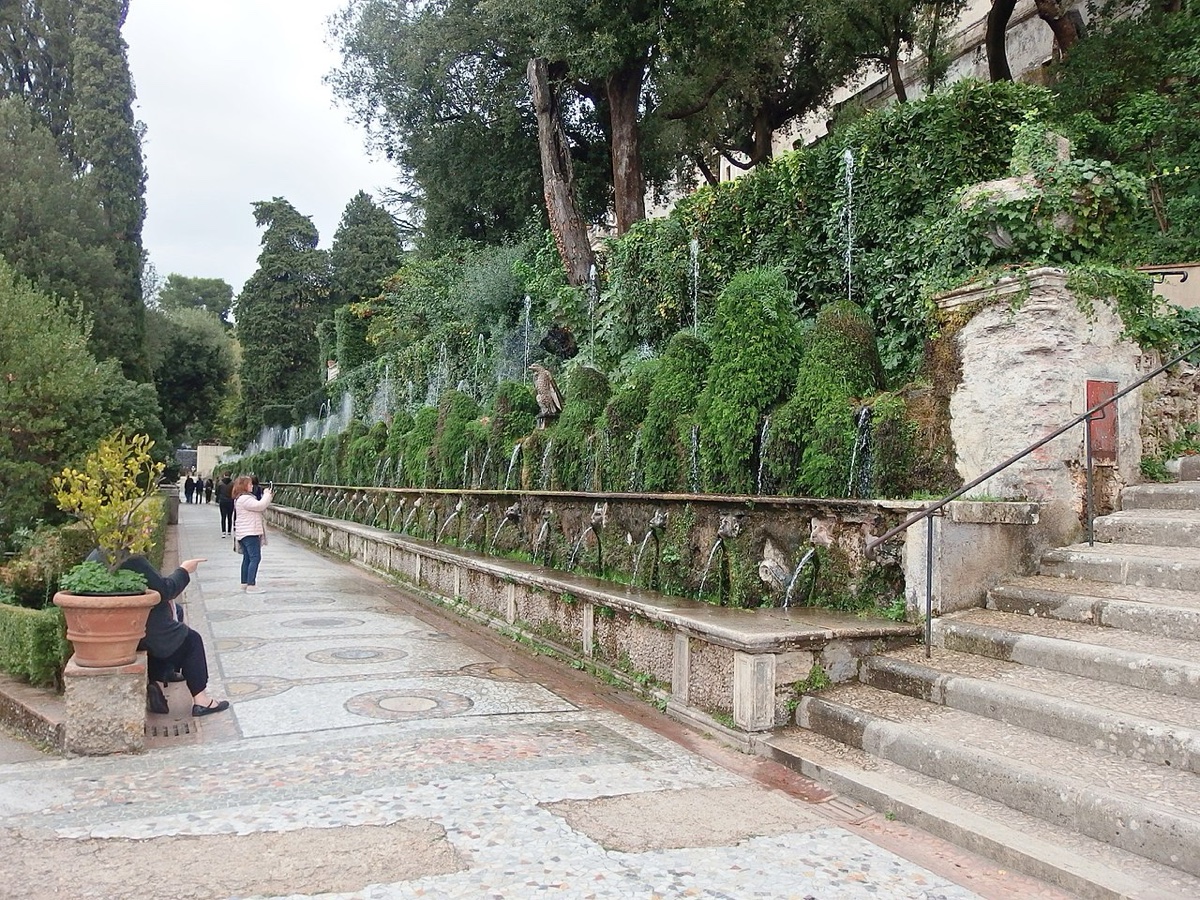
Piazza Navona: 9 Tips on What to See at Rome’s Most Beautiful Square

TL;DRPiazza Navona gets the author’s vote as Rome’s most beautiful square, and the nine tips centre on its three baroque fountains — Bernini’s Fountain of the Four Rivers takes centre stage, flanked by the Moor Fountain and Neptune’s Fountain — plus Borromini’s church of Sant’Agnese in Agone and the ancient remains of Domitian’s Stadium beneath. The square sits right in the historic centre, just a few minutes’ walk from the Pantheon, Campo de’ Fiori and the church of San Luigi dei Francesi with its Caravaggio paintings. May, June, September and October are the best months to visit, and if you want photos without the crowds, get there before eight in the morning. Drink your coffee standing at the bar for around one euro — a table with a view of the square will set you back up to four euros for an espresso — and entry to the Pantheon costs €5.

When Lukáš and I first emerged from the narrow, shady alleyways of the historic centre and this enormous, sun-drenched space suddenly opened up before us, we literally held our breath. Piazza Navona is, in our opinion, the most beautiful place in all of Rome, Italy — and that’s saying something given the fierce competition from all those ancient and Renaissance wonders. Water thunders through three monumental baroque fountains, majestic church domes rise above the terracotta rooftops, and the heavy, irresistible aroma of freshly roasted Italian espresso fills the air.

At the same time, though, I have to be honest and warn you — Rome simply doesn’t forgive the unprepared, and any romantic notions of empty piazzas will be shattered fast. This place is incredibly popular and absolutely packed during peak season, making it all too easy to fall victim to overpriced tourist traps. Waiters in black waistcoats will beckon you towards outdoor tables with a smile, street artists will offer a quick caricature, and hordes of tourists will be jostling for the best selfie. But if you know where to look, where to grab a coffee, and which restaurants to steer well clear of, Piazza Navona will reveal its true, breathtaking baroque face.

TL;DR

  • Rome’s most beautiful baroque square: Its unique elongated shape follows the outline of the ancient Stadium of Domitian, on whose ruins the piazza sits.
  • Three stunning fountains: The centrepiece is Bernini’s Fountain of the Four Rivers, flanked by the Fountain of the Moor and the Fountain of Neptune at each end.
  • Watch out for tourist traps: Eating right on the square is absurdly overpriced — drink your coffee standing at the bar for a fraction of the cost.
  • A legendary rivalry: Directly opposite the main fountain stands a gorgeous church by Borromini, who was locked in a lifelong architectural battle with Bernini.
  • Everything is walkable: The square sits in the heart of the historic centre (Centro Storico), just a few minutes’ walk from the Pantheon and Campo de’ Fiori.
  • Best time for photos: If you want the square to yourself, you’ll need to set the alarm and arrive before eight in the morning.

When to Visit Rome and Piazza Navona

Finding that perfect sweet spot when Rome is pleasantly warm yet you’re not squeezed in with ten thousand other people is incredibly tricky. The best months to visit are May, June, September, and October, with October offering the most comfortable conditions at around 22 °C. The air clears beautifully in autumn, and the city takes on a gorgeous soft light that’s absolutely ideal for photographing the baroque facades on Piazza Navona. The price you pay for this weather comfort is steep, however — during these so-called shoulder seasons, the city is bursting at the seams and hotels are fully booked.

Summer in Rome — and I’m talking specifically about July and August — is a test of both your physical and mental stamina. Temperatures regularly climb to 35 °C and the humidity turns Rome’s streets into a stifling greenhouse without a breath of wind, so the ancient stones heat up like a giant oven during the day. If you must visit in summer, your daily routine needs a radical overhaul — head to the Fountain of the Four Rivers by seven in the morning at the latest. Around midday, retreat into the shade, have a long lunch in an air-conditioned restaurant, and venture out again in the early evening when the shadows lengthen and the square comes alive with its signature nightlife.

If you were worried by reports of an overcrowded Rome during the Holy Year, here’s some good news — the Jubilee 2025 has officially ended and the pilgrim crowds have partly subsided. The Holy Doors were ceremonially closed in January 2026, the city sorted out its infrastructure, and the streets are a touch more breathable. Don’t be lulled into a false sense of emptiness, though, because not much changes at the major tourist landmarks in the historic centre — crowds will always be here. Winter, on the other hand, is Rome’s best-kept secret for a calmer trip: it might rain now and then, but you’ll gain something priceless — your own personal space to admire the monuments.

Where to Stay Near Piazza Navona

For specific accommodation tips, we’ve had great experiences with Hotel Artemide in the central Monti neighbourhood, the boutique Condotti Boutique Hotel just steps from the Spanish Steps, and the quieter Residenza Cavallini in the Prati district near the Vatican. Booking well in advance is the best way to secure a good deal.

💡 Accommodation & experiences tip: We like to search for places to stay on Booking.com, which tends to have the best cancellation policies. For tickets, tours, and activities, it’s worth comparing options on GetYourGuide.

Choosing the right neighbourhood will define your entire Rome experience, because the city is vast and walking on hard cobblestones all day will reliably wear you out. Staying right in the historic centre (Centro Storico) is the dream of many travellers — you throw open the wooden shutters, hear the murmur of fountains, and can walk everywhere. This huge advantage comes at a cost, however: constant noise beneath your window, early-morning restaurant waste collection, and of course the highest price premium for the prime location. If your budget allows a bit of indulgence, booking through Booking.com in this area will land you right in the most picturesque postcard setting.

Right on Piazza Navona or in its immediate vicinity, you’ll find several gorgeous — if pricier — hotels worth considering. The iconic choice is the luxurious Eitch Borromini, housed in a historic palazzo overlooking Bernini’s fountain, with a rooftop terrace offering the best sunset views in the city. If you’re after something tucked behind ivy just around the corner, we’d recommend exploring the renowned Hotel Raphael, which charms guests with its artistic atmosphere and perfect location. For a slightly more affordable option within walking distance, look for accommodation down the quieter lanes around the picturesque Via dei Coronari, where the nights are considerably more peaceful.

If you’re travelling with children or simply crave a quieter night’s sleep, the elegant Prati district on the other side of the river is a brilliant and practical alternative. You won’t find winding medieval alleyways here, but you will get wide, shaded boulevards and flat terrain that’s much kinder to your feet. From Prati, you can reach Piazza Navona via a pleasant stroll across the Ponte Sant’Angelo in about fifteen minutes — plus you’ll be just steps away from the Vatican for an early-morning visit. Another option is the bohemian Monti quarter beyond the Colosseum, which strikes a great balance between easy access to sights, excellent local restaurants, and a friendly neighbourhood vibe without the worst tourist crowds.

10 Things to See and Do at Piazza Navona and Nearby

Let’s take a closer look at the very best this masterpiece of Italian baroque has to offer, and how to enjoy it to the fullest without unnecessary stress. I’ll tell you where to direct your gaze, what details to look for on the sculptures, and where to duck away when the noise of the street performers gets too much.

1. The Fountain of the Four Rivers by the Genius Bernini

The centrepiece of the entire square and its absolute visual magnet is the Fontana dei Quattro Fiumi — the Fountain of the Four Rivers. This masterpiece was created in the mid-seventeenth century by sculptor Gian Lorenzo Bernini, who designed it to dazzle the then-reigning Pope Innocent X. Take a closer look and you’ll see that the four mighty marble male figures represent nothing less than the four continents known at the time, along with their principal rivers. It’s a stunning demonstration of how Bernini could breathe dynamic movement and untamed energy into cold stone.

Each sculpture has its own specific detail that will help you identify it — if you know what to look for. The Ganges, representing Asia, holds a long oar, because the river was thought at the time to be calm and easily navigable. The African Nile, by contrast, has a piece of cloth draped over his head, symbolising the fact that the river’s source was still unknown to Europeans. The European Danube reaches towards the papal coat of arms with its lilies and dove, while the American Río de la Plata sits atop a pile of coins, referencing the imagined vast riches of the New World.

This entire dynamic sculptural group serves as a colossal pedestal for a slender Egyptian obelisk soaring skyward. Bernini created a perfect illusion by deliberately leaving the base beneath the obelisk hollow, so it appears as though the massive block of granite is levitating on nothing but willpower and cascading water. Around the feet of the monumental figures, you’ll also spot carved animals and plants from each continent — from a horse and a lion to a rather curious-looking armadillo. We’d recommend walking around the fountain from every angle, because each vantage point reveals an entirely new, fascinating composition of shapes and falling water.

2. The Church of Sant’Agnese in Agone and a Famous Architectural Rivalry

Directly opposite Bernini’s main fountain rises the gorgeous, concave facade of the church of Sant’Agnese in Agone. This baroque gem was designed by Bernini’s greatest lifelong rival, Francesco Borromini, whose style was far more mathematical and melancholic. The church stands on the exact spot where, according to Christian tradition, Saint Agnes was martyred, and its imposing dome flanked by twin bell towers perfectly frames the western side of the square. Inside, you’ll find beautiful frescoes and, above all, an unexpected stillness that sharply contrasts with the tourist hubbub outside on the cobblestones.

It’s the close proximity of these two masterworks that gave rise to one of Rome’s most beloved urban legends — one that practically every local guide will tell you. The story goes that the statue of the Río de la Plata on Bernini’s fountain raises its hand in horror, unable to bear the sight of Borromini’s supposedly botched church. Another figure, the African Nile, covers his head entirely just to be safe, lest he witness the whole building collapse. It’s a wonderfully mischievous tale of two competing geniuses that Italians absolutely love to pass on.

The truth, however, is far more prosaic, and historians merely shake their heads at this legend. Bernini actually completed his fountain several years before Borromini even began work on the church, so no such reaction carved in stone was ever possible. Still, it’s marvellous to stand in the middle of the square, looking back and forth between the fountain and the church, imagining the enormous tension between two artists who shaped the entire face of baroque Rome. Remember that a strict dress code applies when entering the church — shoulders and knees must be covered.

3. The Secret of the Elongated Shape and the Ancient Stadium of Domitian

When you look at Piazza Navona from above or walk along its perimeter, its highly unusual elongated shape immediately jumps out at you. The square precisely follows the footprint of an ancient Roman stadium that Emperor Domitian had built at the end of the first century AD. While the nearby Colosseum hosted bloody gladiatorial combat, this stadium was primarily used for athletic competitions, foot races, and Greek-style sporting games. The surrounding buildings and palaces actually stand directly on the remains of the original ancient stands, where up to thirty thousand Roman spectators once cheered.

The very name Navona is a linguistic curiosity that evolved from the original Greek word for sporting contests, known as agones. Over the centuries, the name morphed from “in agone” to “nagone” and eventually to today’s “navona”, a reminder of the space’s original purpose that endures to this day. During the Renaissance, the square was even occasionally flooded artificially so that refreshing summer festivities and small boat rides could be held for the entertainment of Roman nobility.

If you want to see the actual ancient foundations, you don’t have to rely on imagination alone — part of them is open to visitors. Beneath the northern edge of the square lies the Stadio di Domiziano visitor circuit, where you can buy a ticket and descend below current street level. You’ll see massive brick arches, original paving, and learn fascinating details about how ancient Roman sport actually worked. It’s a brilliant escape from the noise and summer sun into the cool, quiet underground, where two thousand years of history will wash over you.

4. The Fountain of the Moor and the Fountain of Neptune

While Bernini’s masterpiece steals most of the attention, the square wouldn’t be complete without two smaller yet equally beautiful fountains at its northern and southern ends. At the southern end, you’ll find the Fountain of the Moor (Fontana del Moro), named after the central figure of a man with African features wrestling a large dolphin. The original basin was designed by Giacomo della Porta back in the sixteenth century, but the central figure was added later by none other than Bernini himself. Surrounding the main protagonist, stout tritons spout water, creating a lovely symmetry with the central section of the square.

At the opposite, northern end of the piazza stands the Fountain of Neptune (Fontana del Nettuno), which has a rather interesting backstory. For centuries, it stood in place as nothing more than an empty stone basin without any sculptures at all, serving a mostly practical function for local residents. The elaborate sculptural decoration — dominated by the sea god Neptune battling a giant octopus — wasn’t added until the late nineteenth century. The city council wanted the square to look perfectly balanced, so they held a competition for its embellishment.

From a practical standpoint, these two flanking fountains are a huge advantage if you love photography. While hundreds of people jostle around the Fountain of the Four Rivers with outstretched phones, the Moor and Neptune tend to be considerably quieter and less crowded. You’ll get lovely compositions with water in the foreground and baroque facades in the background, without someone constantly stepping into your frame. Plus, there are low stone bollards strategically placed around them where you can lean for a moment when your feet are screaming after a full day of walking.

5. Atmosphere, Street Artists, and a Café Warning

Piazza Navona isn’t just an open-air museum — it’s above all an incredibly vibrant space that pulses with energy from early morning until the late-night hours. The square is a traditional haven for street artists, portrait sketchers, and musicians who set up their easels and entertain passing tourists. You can have a fun caricature drawn, listen to a classical guitar, or simply sit back and watch the fascinating human buzz. It’s precisely that laid-back Italian atmosphere that keeps people from all over the world coming back time and again.

At the same time, you need to stay on your guard, because the restaurants and cafés lining the square represent the worst of Rome’s tourist traps. If you sit at an outdoor table overlooking the fountains, a simple espresso can set you back four euros or more, since you’re effectively paying for the privilege of renting a seat with a view. The golden rule locals swear by is simple: if you want cheap, excellent coffee, pay around one euro at the till and drink it standing at the bar (al banco). Waiters loitering on the street with picture menus in five languages should be a clear warning sign to keep walking to the next street over.

The sneakiest trick at the surrounding tourist restaurants is charging for fish and seafood “per etto” — that is, per 100 grams rather than per portion. Some unsuspecting tourists have ended up paying over six hundred euros for a single meal, because the waiter brought out a massive fish and slapped on an unauthorised mandatory service charge. Thankfully, Lukáš and I dodge these gastronomic heart attacks thanks to being vegetarian, but even so, we always make a point of avoiding restaurants directly on major squares. Instead, we duck into one of the unassuming side streets, where you’ll find genuine, fairly priced Roman hospitality.

lukas a lucka
Lukáš and Lucie recommend
Where to stay in Piazza Navona, Rome
6 accommodations — wellness hotels, hotels and other lodging options

6. Winter Magic and Christmas Markets on the Square

If you visit Rome in the winter months, you’ll experience Piazza Navona in a completely different, unexpectedly festive atmosphere. From the beginning of December through to the feast of Epiphany, the square transforms into one big Christmas market with a long and deeply rooted Roman tradition. Wooden stalls surround the fountains, selling everything from hand-carved nativity figurines and sparkling ornaments to enormous sticks of candyfloss. The air smells of roasted chestnuts and mulled wine, and the baroque palaces are bathed in soft, festive lighting that lends the whole space a fairytale quality.

The real star of these markets isn’t Father Christmas, though — it’s the traditional Italian figure of a kindly witch named La Befana. According to legend, Befana flies on her broomstick on the night of January 5th to 6th, filling good children’s stockings with sweets and leaving naughty ones with nothing but lumps of coal. On the square, you’ll bump into several people dressed as this iconic character for photo opportunities, and the stalls are packed with Befana figurines in every conceivable size. It’s a wonderful chance to experience Italian Christmas customs, which are far more playful and colourful than what we’re used to in the UK.

I should note, however, that in recent years the markets have drawn criticism from locals, as the original artisanal quality has been fading. Many traditional stalls have unfortunately been replaced by cheap fairground attractions and trinket sellers, which somewhat diminishes the authentic historic charm. Even so, an evening winter stroll through the square with a paper cone of hot roasted chestnuts in hand has an undeniable magic, especially when accompanied by music from traditional Italian bagpipes played by musicians in sheepskins known as zampognari.

7. Pop Over to the Nearby Pantheon

From Piazza Navona, it’s barely a five-minute walk through a maze of narrow lanes to another absolute jewel of Rome — the Pantheon. The best-preserved ancient building in the world will hit you like a wall when you step into its small piazza, with its colossal granite columns shipped all the way from distant Egypt. It has survived two thousand years of looting and earthquakes for one pragmatic reason: it was consecrated as a Christian church in the seventh century. Its enormous, unreinforced concrete dome remains a staggering architectural marvel that baffles even modern engineers to this day.

The most magical feature of the entire building is the nine-metre circular opening at the top of the dome — the oculus — which serves as the sole source of natural light. When it rains in Rome, water falls straight through the oculus onto the gently convex marble floor, where it’s immediately drained away by an ingenious two-thousand-year-old system of discreet channels. Inside, you’ll also find the tomb of Renaissance genius Raphael and Italy’s first king after unification, so history truly seeps from every carved stone.

The days when you could just wander into the Pantheon off the street and shelter for free from a summer downpour are sadly long gone. Admission currently costs €5, and from July 2026 the Italian Ministry of Culture is planning to raise it to €7. You need to secure tickets well in advance through the official portal, because at weekends and on public holidays, an online reservation is an absolute must. If you turn up without one, you’ll face a relentless queue stretching across the entire piazza, often in direct sunlight — enough to ruin your whole afternoon.

8. The Buzz of Campo de’ Fiori Market

In the opposite direction, roughly five minutes’ walk south of Navona, lies Campo de’ Fiori, offering a completely different, far earthier experience. This is the only major square in Rome’s historic centre that doesn’t have a church on it at all, and there’s a dark historical reason for that. Instead of a house of worship, the space is dominated by the brooding statue of philosopher Giordano Bruno in his ominously pulled-down cowl, who was burned at the stake here by the Inquisition in 1600 for heresy. His presence gives the square a slightly melancholic edge, though the surrounding noise quickly overpowers it.

Every morning except Sunday, a bustling outdoor market takes over, with the colours of fresh vegetables, fruit, flowers, and spices mingling under large parasols. Admittedly, the market is quite tourist-oriented these days, with overpriced packets of colourful dried pasta on display, but you can still find stalls where locals come for fresh artichokes and fragrant tomatoes. It’s a great spot to pick up fresh fruit for a snack, soak in the real morning buzz of the city, and snap some wonderfully colourful photos.

💡 Local tip: If hunger strikes on the square, ignore the expensive restaurants and head straight to the legendary bakery Forno Campo de’ Fiori, which has been operating here since 1835. Grab a fresh, crispy pizza bianca — simply perfect dough with olive oil and coarse salt — and eat it right there on the square, straight from the paper. Lukáš and I always stop here because it’s cheap, unbelievably good, and completely vegetarian — fuel that’ll keep you going for hours of walking.

9. Caravaggio’s Masterpieces at San Luigi dei Francesi

Art lovers should absolutely not miss the unassuming French national church of San Luigi dei Francesi, located just one street away from Piazza Navona. From the outside it looks like any other baroque church, but inside it hides a genuine treasure — three brilliant paintings by Caravaggio, the master of chiaroscuro. In the Contarelli Chapel, you’ll find his famous cycle depicting the life of Saint Matthew, and the dramatic intensity, realistic detail, and extraordinary play of light and shadow will leave you mesmerised.

Best of all, unlike the major galleries, entry to the church is completely free — saving you the cost of a pricey Vatican ticket. You will, however, need to have a one-euro coin ready, because the chapel with the paintings is normally plunged into deep darkness. Only when you drop a coin into the small slot machine by the grille do the spotlights flick on, and Caravaggio’s figures literally emerge from the shadows right before your eyes — an incredibly powerful visual experience.

The church is closed over lunchtime (usually between 12:30 and 15:00) for a break, so you’ll need to time your visit for the morning or late afternoon. Once again, strict dress code rules apply — without covered shoulders and knees, the attendants won’t let you in, no matter how much you plead. It’s one of those magical Roman spots where you can experience world-class art in an intimate setting, without crowds pushing you along a corridor like a conveyor belt.

10. Perfect Gelato and Food in the Immediate Vicinity

The area around Piazza Navona is home to several gastronomic gems that would be a crime to skip on a trip to Rome. For the best gelato, head to the legendary Giolitti near the Pantheon, which has been going since 1900 and where the staff still dress in elegant uniforms. You’ll get a gloriously creamy scoop, but be prepared for organised chaos inside — you need to pay at the till first before choosing your flavours at the counter. A great and slightly more modern alternative is the artisan gelateria Fatamorgana, which offers some truly creative and refreshing flavour combinations.

If you’re after a spot for lunch or an evening sit-down, avoid the main thoroughfares and tuck yourself into the little Piazza di Pasquino. You’ll find the superb traditional wine bar Cul de Sac here, boasting a huge selection of wines from across Italy, where you squeeze onto wooden benches and soak up genuine local character. Lukáš and I regularly order their fantastic vegetarian boards loaded with local cheeses, nuts, and honey — paired with a glass of good red wine, it makes the perfect end to a long day.

Another safe bet for a quick bite is a small pizzeria serving pizza al taglio — rectangular slices cut with scissors and sold by weight. It’s the most authentically Roman way to eat on the go, quickly and cheaply, and the system is completely transparent — you can see exactly what you’re paying for. You point at the pizza you fancy, the server snips it off, weighs it, and heats it in the oven, so you avoid the nasty bill surprises that lurk in the classic tourist restaurants on the square.

Where to Go Next from Piazza Navona

Since you’re right in the heart of Rome, the biggest sights are literally within arm’s reach and you can continue exploring on foot.

  • Trevi Fountain: A roughly ten-minute walk east brings you to the world’s most famous fountain, but remember that since February 2026, there’s a new €2 fee to enter the fenced-off zone right next to the basin.
  • The Pantheon: Just five minutes through narrow lanes and you’re standing before the ancient marvel with its colossal concrete dome.
  • Castel Sant’Angelo: Head west, cross the Ponte Sant’Angelo, and explore the massive fortress that originally served as Hadrian’s mausoleum.
  • The Vatican: From Castel Sant’Angelo, it’s just a short stroll along a wide boulevard straight to St. Peter’s Square, the centre of the Christian world.
  • The Colosseum: If you enjoy longer walks, head south past the Roman Forum to the greatest ancient amphitheatre of them all.
  • Also check out our complete guide to What to See in Rome, where you’ll find a detailed itinerary and loads more tips for your trip.

Frequently Asked Questions

Where can I find public toilets near the square?

Public restrooms are few and far between in Rome, and most charge a fee. Your best bet is to pop into any small bar or café on a side street, buy a quick espresso at the counter for about one euro, and politely ask “Dov’è il bagno?” Italian law requires bars to let paying customers use their facilities, which is a much more pleasant and cleaner option than hunting down public stalls.

Can you drink water from the public fountains in the square?

The water in the large baroque fountains isn’t drinkable, and bathing or dipping your feet in them is strictly forbidden with hefty fines. However, around the square and on nearby streets you’ll find small cast-iron fountains called nasoni (big noses) that continuously flow with ice-cold, perfectly clean drinking water for free. The local trick is to plug the bottom spout with your finger, which makes the water shoot out of a small hole on top in a perfect arc straight into your mouth.

What’s the best way to reach Piazza Navona by public transport?

There’s no metro directly to the square or its immediate vicinity, as the historic center simply doesn’t allow it for archaeological reasons. The nearest major transit artery is Corso Vittorio Emanuele II, served by dozens of buses (like lines 46, 62, or 64) connecting Termini station with the Vatican. From the bus stop, it’s only about a three-minute walk to the square.

Is the square and surrounding area safe?

You won’t face any physical danger here, but you need to be extremely careful of organized pickpocket gangs and pushy trinket sellers. Thieves take advantage of moments when you’re gazing up admiringly at the fountains, so always wear your backpack on your front and keep your wallet in a deep zippered pocket. Also ignore street scammers who’ll try to force a rose into your hand or tie a friendship bracelet on your wrist, then aggressively demand twenty euros for it.

Do you have to pay to enter the nearby churches?

Entry to the vast majority of Roman churches, including Sant’Agnese in Agone and San Luigi dei Francesi, is completely free and requires no reservation. However, be prepared for a strict dress code—guards will unceremoniously kick you out if you have bare shoulders or shorts above the knee. In hot summer weather, a light, wide scarf in your backpack is a lifesaver—just drape it over yourself before entering.

Will nearby establishments accept credit cards everywhere?

Italy has made huge strides in recent years, and card payment is now standard in restaurants, shops, and most decent gelaterias. That said, always carry at least a few coins worth ten or twenty euros, as you’ll need them for tipping the barista for your coffee, lighting up paintings in churches, or at small street stalls where the card terminal “coincidentally” happens to be out of order.

When is the square most beautiful for photography?

If you want to capture the true beauty of the baroque fountains without crowds and selfie sticks, you really need to get up early and arrive no later than 8 AM. The morning sun beautifully illuminates the church façades, and you’ll only encounter bakers and garbage collectors on the square. The other magical time is late at night, when the tourist hordes have finally gone to bed, the fountains are dramatically lit, and the square regains its romantic, melancholic atmosphere.

Tips and Tricks for Your Vacation

Don’t Overpay for Flights

Search for flights on Kayak. It’s our favorite search engine because it scans the websites of all airlines and always finds the cheapest connection.

Book Your Accommodation Smartly

The best experiences we’ve had when looking for accommodation (from Alaska to Morocco) are with Booking.com, where hotels, apartments, and entire houses are usually the cheapest and most widely available.

Don’t Forget Travel Insurance

Good travel insurance will protect you against illness, accidents, theft, or flight cancellations. We’ve had a few hospital visits abroad, so we know how important it is to have proper insurance arranged.

Where we insure ourselves: SafetyWing (best for everyone) and TrueTraveller (for extra-long trips).

Why don’t we recommend any Czech insurance company? Because they have too many restrictions. They set limits on the number of days abroad, travel insurance via a credit card often requires you to pay medical expenses only with that card, and they frequently limit the number of returns to the Czech Republic.

Find the Best Experiences

Get Your Guide is a huge online marketplace where you can book guided walks, trips, skip-the-line tickets, tours, and much more. We always find some extra fun there!
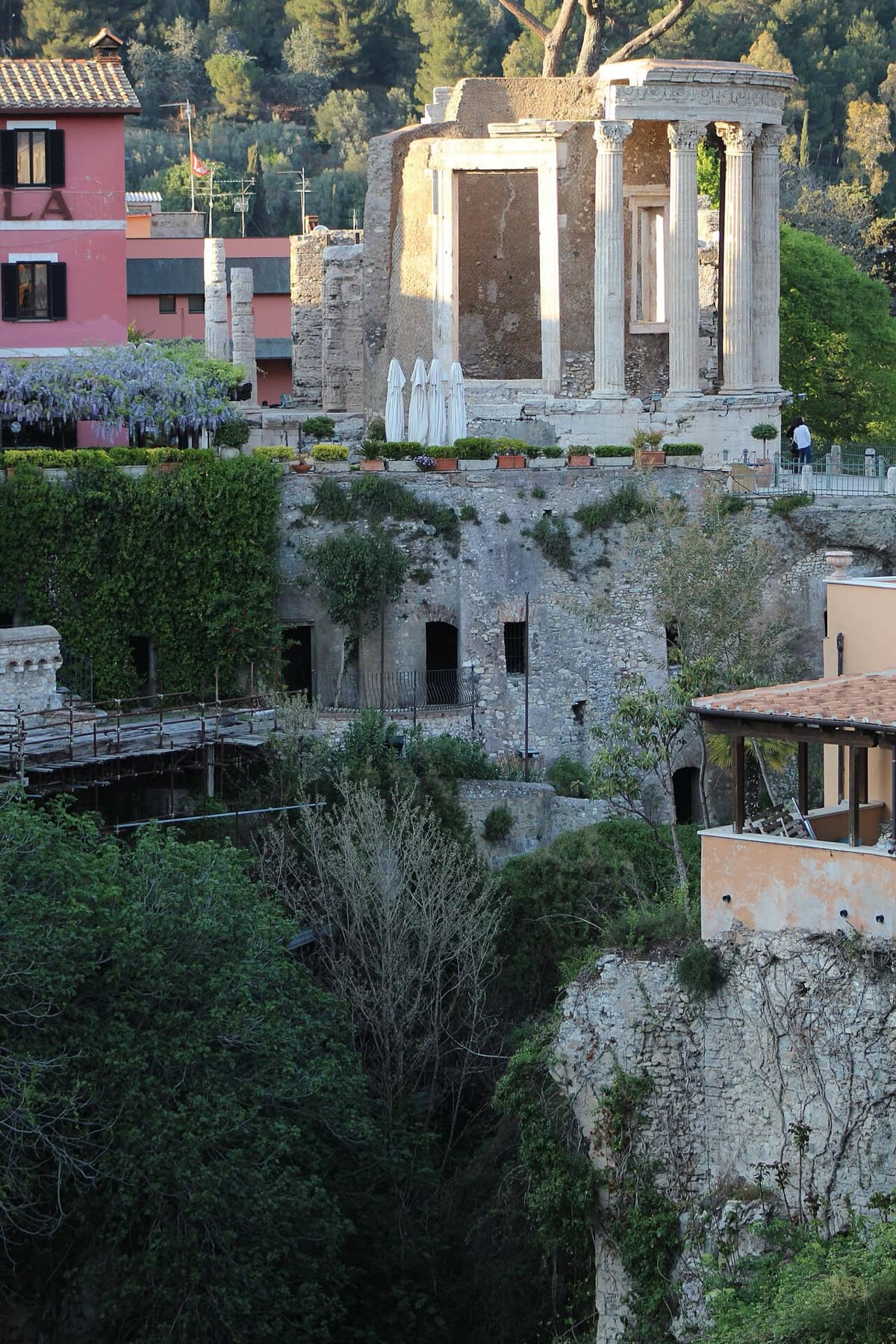
Pantheon in Rome: 9 Tips + Tickets, Opening Hours & History

TL;DRThe Pantheon in Rome is the best-preserved building to survive from antiquity, crowned by the world’s largest unreinforced concrete dome — rain falls straight through the nine-metre oculus onto the marble floor below. Entry used to be free, but now costs €5 (rising to €7 from summer 2026), you’ll need an online booking at weekends, and a visit takes around 20 to 30 minutes. Turn up right at opening, about 8:30–9:00am, ideally in May, June, September or October, when temperatures sit at a comfortable 22°C. As a consecrated Catholic church, it’s shoulders and knees covered only — inside you’ll find the tomb of the painter Raphael, along with those of the Italian kings Victor Emmanuel II and Umberto I. There’s no metro stop nearby, so it’s on foot only, a five- to ten-minute walk from the Trevi Fountain or Piazza Navona.

I remember the exact moment when Lukáš and I first emerged from Rome’s narrow, shady alleys and it suddenly appeared right in front of us. The Pantheon in Rome is enormous, majestic, and seems almost out of place among the surrounding buildings — but that’s precisely what makes it such a jaw-dropping architectural marvel. Rome can easily wear you down with its intensity and endless crowds of tourists, but the moment you stand before those massive granite columns, you forget all about your aching feet and the sun-scorched cobblestones for a while.

In this article I’ll show you how to enjoy a visit to the best-preserved ancient building in the world without unnecessary stress or hours wasted in endless queues. We’ll cover everything about the new entry fee, walk through its fascinating history, and explain why it rains inside through the hole in the roof. I’ll also throw in our tried-and-tested tips on where to base yourself nearby and how to avoid the worst tourist traps lurking around every corner of the historic centre.

TL;DR

  • Tickets and booking: For many years entry was free, but now you’ll pay €5, with a price increase to €7 planned from summer 2026 — and at weekends, online booking is an absolute must.
  • The main draw: Inside, you’ll be amazed by the largest unreinforced concrete dome in the world, with a nine-metre opening in the centre through which rain falls into the temple.
  • When to go: The ideal time to visit is first thing in the morning, around 8:30 or 9:00, when you’ll dodge the organised tour groups and the morning sun creates a magical atmosphere inside.
  • Who lies here: The Pantheon serves as a burial place for notable figures — you’ll find the tomb of Renaissance painter Raphael as well as the first kings of Italy.
  • Dress code: It’s still a consecrated Catholic church, so you must cover your shoulders and knees, otherwise security won’t let you in even with a valid ticket.
  • Getting there: No metro reaches the monument — you have to walk through the narrow streets from the Trevi Fountain or Piazza Navona.

When to visit Rome and the Pantheon

Chasing perfect weather while also escaping the crowds is an incredibly tricky balancing act in the Italian capital. The best months to visit are May, June, September and especially October, when temperatures drop to a bearable 22 °C and the city takes on a gorgeous autumn light. The price for this climate comfort is steep, though, because in these months the city is bursting at the seams and the streets around the Pantheon resemble one giant anthill.

Summer in Rome — July and August in particular — is a test of both physical and mental endurance that I definitely wouldn’t underestimate. Temperatures regularly climb to 31–35 °C and the humidity turns the streets into a stuffy greenhouse with no escape. The ancient stones soak up the heat all day and radiate like a giant oven long after dark, so summer mode means a 6 a.m. wake-up and a long afternoon siesta in an air-conditioned room. August has the added quirk of Ferragosto, the holiday when locals flee to the coast en masse and many family-run businesses simply close for a few weeks.

Winter, on the other hand, is the best-kept secret of budget and solo travellers. From late November to February, accommodation prices drop to their annual lows and the queues at the sights shrink to an absolute minimum, though you’ll have to reckon with temperatures between 5 and 13 °C and the occasional rain. After the chaotic Jubilee Year of 2025, when over 33 million pilgrims poured into the city and the streets ground to a halt, 2026 brings noticeable relief. Don’t be lulled into a false sense of emptiness, though, because at the major icons like the Pantheon there will always be crowds.

Where to stay in Rome

As for specific accommodation tips, we’ve had great experiences with Hotel Artemide in the central Monti district, the boutique Condotti Boutique Hotel just steps from the Spanish Steps, or the quieter Residenza Cavallini in the Prati district near the Vatican. It’s best to book well in advance.

💡 Tip for accommodation and experiences: We prefer searching for accommodation on Booking.com, which tends to have the best cancellation terms. For tickets, tours and activities, it pays to compare options on GetYourGuide.

Choosing your neighbourhood defines your entire experience of the Eternal City, and logistical mistakes here come at a brutal price. The biggest rookie mistake is booking accommodation purely on price, without considering that you’ll be commuting an hour each day on a packed bus with no air conditioning. For finding the best hotels, we’ve long relied on Booking, where we always carefully read the reviews about night-time noise and the real walking distance to the sights.

If you want to stay in the imaginary triangle right by the Pantheon, on Piazza Navona, or near the Spanish Steps, be prepared to pay a hefty premium just for the location in the Centro Storico. Living in this postcard-perfect district is incredibly romantic — you can walk everywhere and have the sights right outside your window (for example at the legendary Albergo del Senato, with a view straight onto the Pantheon) — but you’ll have to put up with constant bustle from early morning until late at night.

A far more balanced choice is the Monti district, strategically located right behind the Colosseum, offering the perfect mix of accessibility and local atmosphere. Monti has excellent transport links thanks to metro line B and comes alive in the evenings at a relaxed pace around the little square of Piazza della Madonna dei Monti, where you’ll find superb small restaurants and vintage shops.

For romantic souls and lovers of great food, there’s Trastevere, which embodies exactly that vision of medieval, ivy-clad alleyways. Trastevere is a paradise for evening strolls and tasting traditional pizza or cacio e pepe pasta, but its huge drawback is the complete absence of a metro and the big crowds around the main squares. If you’re after peace and quiet and travelling with family, consider the elegant residential district of Prati, north of the Vatican, with its wide boulevards and flat terrain.

10 things to see and do at the Pantheon in Rome

Let’s take a look together at the most important things you definitely shouldn’t miss when visiting this architectural gem. You’ll learn which details to focus on, how to avoid the endless waiting, and everything that’s hidden beneath the massive dome.

1. The architecture and the largest concrete dome in the world

When you step inside and look up, you instantly understand why architects from all over the world come here to study. The Pantheon boasts the largest unreinforced concrete dome in the world, a record no one has taken from it for almost two thousand years. The ancient Romans had no modern steel rods to reinforce the concrete, so they had to come up with an absolutely ingenious technological solution.

The secret lies in making the material progressively lighter towards the very top of the roof. While the base of the dome is cast from heavy travertine and tuff, the builders mixed in ever lighter materials as they went up, until at the very centre they used light volcanic pumice. The ceiling is also decorated with five rows of square coffers, which aren’t just for show — they serve to lighten the enormous mass of concrete even further.

The space feels remarkably harmonious thanks to the perfect geometry the Romans loved so much. The diameter of the dome is exactly equal to the height of the entire building (43.3 metres), which means a perfect sphere would fit inside the interior, touching both the walls and the floor. It’s fascinating to stand in the middle and realise that this building has survived earthquakes, plundering, and the fall of an entire empire.

2. The magical oculus and what happens when it rains

In the middle of the dome gapes an enormous, nine-metre circular opening known technically as the oculus (the eye). This opening has never been covered and to this day remains the only source of natural light in the entire massive building, creating a wholly mystical atmosphere. During the day the sunbeam slowly moves across the coffered ceiling and the temple walls, working like a giant sundial connecting Earth with the heavens.

The most common question every visitor asks is what happens when it starts raining in Rome. Water really does fall straight through the oculus onto the marble floor, which is an absolutely fascinating spectacle, especially during Rome’s heavy storms. People often mistakenly assume a huge puddle must form inside, but the ancient builders thought of everything.

The Pantheon’s floor isn’t perfectly flat — it slopes slightly and is gently convex. Right beneath the oculus you’ll find inconspicuous holes and channels in the marble that immediately drain the rainwater into an ingenious underground drainage system. It’s two-thousand-year-old technology that still works flawlessly today, keeping the interior dry.

3. The history and Hadrian’s legacy

When you look at the temple’s façade, you’ll see the huge Latin inscription “M. AGRIPPA L. F. COS. TERTIUM FECIT”, which translates as meaning the building was erected by Marcus Agrippa. This inscription is very misleading, though, because Agrippa’s original temple from 27 BC long ago went up in flames in a devastating fire. The current form we admire today was given to the building by Emperor Hadrian around 126 AD.

Hadrian was a great admirer of Greek architecture and very likely took part in designing this incredible structure himself. Out of respect for the original builder, however, he had Agrippa’s name placed on the façade, which thoroughly confused historians for centuries until archaeologists examined the bricks and discovered their true age. The temple was originally dedicated to all the Olympian gods (from the Greek pan-theos).

Building the portico — that enormous front section with the columns — was a logistical miracle of its time. The Romans had to ship sixteen massive granite columns all the way from quarries in distant Egypt, floating them down the Nile, across the Mediterranean, and finally dragging them upstream along the Tiber. Each column weighs an incredible sixty tonnes and had to be raised with absolute precision.

4. How a temple of the gods became a Christian church

While most of Rome’s ancient monuments (including the nearby Roman Forum) ended up in ruins or served as a cheap source of building material, the Pantheon survived almost intact. Its salvation came down to one extremely pragmatic step in the early 7th century, when the Byzantine Emperor Phocas gave the building to Pope Boniface IV.

The pope had all the pagan statues removed and in 609 solemnly consecrated it as a Christian church dedicated to the Virgin Mary and the martyrs (Santa Maria ad Martyres). It was this consecration that saved the building from being dismantled, since destroying a Christian church was considered a grave sin. Legend even has it that during the consecration, demons who until then had inhabited the pagan temple flew out through the opening in the roof.

Even so, the Pantheon didn’t escape all losses, because in the 17th century Pope Urban VIII of the Barberini family had the bronze cladding stripped from the portico. This rare ancient bronze was used by the brilliant sculptor Bernini to cast the famous baldachin in St Peter’s Basilica, giving rise to the well-known Roman saying that “what the barbarians didn’t do, the Barberini did”.

lukas a lucka
Lukáš and Lucie recommend
Where to Stay in Rome
5 accommodations — hotels and other lodging options

5. The tomb of Renaissance genius Raphael

The Pantheon isn’t just a church and an architectural showcase — it has also become one of the most prestigious cemeteries in all of Italy. The most visited tomb is undoubtedly the final resting place of Raphael Santi, one of the absolute giants of the Italian Renaissance, who died at just thirty-seven in 1520.

Raphael was so captivated by the Pantheon that in his will he expressly wished to be buried beneath its stunning dome. You’ll find his marble sarcophagus in one of the niches on the left-hand side, adorned with a beautiful Latin epitaph by the poet Pietro Bembo, which translates as: “Here lies Raphael, by whom Nature feared to be outdone while he lived, and when he died, feared to die with him.”

Resting just beside the brilliant painter is his fiancée Maria Bibbiena, whom he never got the chance to marry. 💡 Tip: If you set out to find Raphael’s tomb, bring a guide on your phone, because the tomb is fairly inconspicuous and many tourists walk right past it without noticing in that vast space full of statues and niches.

6. The resting place of the Italian kings

Besides Renaissance artists, after the unification of Italy in the 19th century the Pantheon became the final resting place of the royal House of Savoy. Right opposite the entrance you’ll be struck by the imposing tomb of the first king of a united Italy, Victor Emmanuel II, who earned the title Father of the Fatherland (Padre della Patria).

His tomb is constantly guarded by volunteers drawn from Italian veterans and is decorated with a massive bronze eagle. On the opposite side of the temple rests his successor, King Umberto I, who was assassinated in 1900, and beside him lies his wife, the much-loved Queen Margherita, after whom the famous Neapolitan pizza is said to be named.

The presence of the royal tombs lends the place a peculiar, deeply patriotic air, and you’ll often see Italian families bringing flowers here. Interestingly, no other Italian kings were buried here, because after the Second World War Italy abolished the monarchy and the royal family had to go into exile.

7. Piazza della Rotonda and the Renaissance fountain

The square in front of the Pantheon, called Piazza della Rotonda, is a chapter in itself and pulses with life from early morning until late at night. In the centre of the square stands a beautiful Renaissance fountain designed by Giacomo della Porta, from whose middle rises an original Egyptian obelisk dating back to the time of Pharaoh Ramesses II.

The square is surrounded by pastel-coloured palazzi and historic cafés that exude that quintessential, cinematic Italy. I have to warn you, though, about the restaurants right on this square, as they’re a textbook example of tourist traps where you’ll pay astronomical sums for mediocre food and waiters will actively try to lure you in off the street.

If you want to soak up the atmosphere of the place without wrecking your budget, do as the locals do. Grab an excellent coffee at the nearby legendary roastery Tazza d’Oro and drink it standing at the bar, or sit on the fountain steps and simply watch the incredible buzz of people from every corner of the world beneath the watch of the ancient columns.

8. Tickets, booking and the new rules

For decades, you could walk into the Pantheon straight off the street completely free, whenever you fancied, and shelter here from the rain or the summer heat. Since 2023, however, the rules have changed radically and entry now costs €5, with the Italian Ministry of Culture planning a further increase to €7 from 1 July 2026.

You can buy tickets at the box office on site, but be prepared for the queue to stretch right across the square in high season, leaving you standing for tens of minutes in direct sun. At weekends and on public holidays, online booking in advance is also absolutely mandatory through the official ministry portal — otherwise security won’t let you in even if it’s half empty inside.

Young people under 18 still enter free and there are reduced rates for students, but even so they must reserve their free ticket in advance. Introducing the fee is meant to help fund the costly upkeep of this unique building, but it also means visitors now have to plan their schedule in the centre of Rome far more carefully.

9. How to get to the Pantheon and how much time to set aside

Finding your way around Rome’s historic centre, the so-called Centro Storico, can sometimes be tricky for first-timers, because the GPS signal often gets lost in the narrow streets with their tall palazzi. No metro line reaches the Pantheon, and you can’t get here by bus either, because the whole area is reserved for pedestrians and residents with permits.

The best way to get here is simply on foot from the surrounding major squares. From the Trevi Fountain or Piazza Navona it’s roughly a five to ten-minute brisk walk, which makes these three landmarks an ideal combination for a single morning or an early-evening stroll.

You don’t need much time for the visit to the Pantheon itself, as it’s one enormous, open space with no hidden rooms or galleries. You’ll probably spend 20 to 30 minutes inside, calmly looking at the tombs, photographing the oculus and soaking up the overwhelming atmosphere — so you can easily slot this landmark in between longer treks across the city.

10. Practical tips, dress code and free water

A surprising number of tourists underestimate this rule and then end up sorely disappointed. Although it’s an ancient building, the Pantheon is still officially a consecrated Catholic church, which means exactly the same strict dress code applies here as at the Vatican and other Italian basilicas.

Both men and women must absolutely cover their shoulders and knees — no tank tops or short shorts will get you in. The security at the door is uncompromising and will turn you away even with a valid ticket, so in the heat of summer don’t forget to pack a light scarf (a pashmina) to quickly cover your shoulders before entering.

If thirst strikes during your wanderings around the centre, definitely don’t buy overpriced bottled water from the street vendors who’ll constantly cling to you. Around the square you’ll find several public cast-iron drinking fountains called nasoni, from which ice-cold, clean and perfectly drinkable water flows non-stop for free, so all you need is your own empty bottle.

Where to go next from the Pantheon

As I mentioned, the historic centre is compact and the biggest icons lie literally a few hundred metres apart. Right after visiting the Pantheon, head through the narrow streets to Piazza Navona, where you can admire Bernini’s stunning Fountain of the Four Rivers and enjoy the atmosphere full of street performers. Duck into the side streets towards Campo de’ Fiori and have a traditional pizza bianca on the go for lunch, or some superb fried artichokes.

In the opposite direction, just a few minutes’ walk from the Pantheon, the famous Trevi Fountain awaits. Lukáš and I love coming here in the early evening, but be prepared for the fact that from 2026 there’s a new €2 fee for access right down to the fountain’s basin, which is regulated by turnstiles. If you don’t want to pay, you can still admire it for free from the upper level of the square. Not far from there you’ll also find the elegant Spanish Steps, where you should watch out very carefully for scammers with roses and bracelets.

If you’ve ticked off the centre, you can head across the River Tiber over the Sant’Angelo Bridge towards the Vatican, with a stop along the way at the impressive Castel Sant’Angelo, which offers a gorgeous view over the whole city. If antiquity is more your thing, make your way south to the Roman Forum and the Colosseum — though that’s a programme for at least another whole morning.

Frequently asked questions

Do I need to buy Pantheon tickets in advance?

During the week you can buy tickets on-site, but in high season expect very long queues in the sun. On weekends and Italian public holidays, online booking in advance is absolutely mandatory—without it you won’t be allowed into the church at all, so we recommend always buying ahead of time through the official website.

What happens inside the Pantheon when it rains?

Water falls through the nine-meter opening (oculus) in the roof directly into the center of the church onto the marble floor, which is a fascinating sight. But don’t worry about wading through puddles, because the floor is slightly convex and water immediately drains away into a two-thousand-year-old, perfectly functioning underground drainage system.

Is there a dress code required at the Pantheon?

Yes, and it’s very strict. Although it’s an ancient building, the Pantheon is a consecrated Catholic church (of Saint Mary and the Martyrs). All visitors must have their shoulders and knees covered, so no tank tops or short shorts are allowed, or security will turn you away at the entrance.

Can I pay by card at the entrance and nearby?

Italy has made huge strides in cashless payments in recent years and you can pay by card for tickets and coffee at nearby establishments. However, always keep a few small coins worth 10 and 20 cents on you, which come in handy as a tip for the barista or for using public toilets in the center.

How much time should I set aside for the visit?

The Pantheon is one huge open space and has no side galleries or underground areas accessible to the public. The visit itself will take you about 20 to 30 minutes, during which you can comfortably photograph the dome, see Raphael’s tomb, and soak up the incredible atmosphere of ancient Rome.

Can I bring a backpack and water bottle inside?

A regular city backpack or handbag is no problem and you can also bring a water bottle that you’ve filled beforehand at the fountains in the square. However, you won’t be allowed into the church with large backpacks, suitcases, or glass bottles, as there are random security checks at the entrance.

Is the Pantheon wheelchair accessible?

Yes, the entrance from Piazza della Rotonda is barrier-free and doesn’t require navigating any complicated stairs. Inside, the terrain is level (with a slight slope for water drainage), so visitors in wheelchairs and families with strollers can move around without any problems.

Tips and Tricks for Your Vacation

Don’t Overpay for Flights

Search for flights on Kayak. It’s our favorite search engine because it scans the websites of all airlines and always finds the cheapest connection.

Book Your Accommodation Smartly

The best experiences we’ve had when looking for accommodation (from Alaska to Morocco) are with Booking.com, where hotels, apartments, and entire houses are usually the cheapest and most widely available.

Don’t Forget Travel Insurance

Good travel insurance will protect you against illness, accidents, theft, or flight cancellations. We’ve had a few hospital visits abroad, so we know how important it is to have proper insurance arranged.

Where we insure ourselves: SafetyWing (best for everyone) and TrueTraveller (for extra-long trips).

Why don’t we recommend any Czech insurance company? Because they have too many restrictions. They set limits on the number of days abroad, travel insurance via a credit card often requires you to pay medical expenses only with that card, and they frequently limit the number of returns to the Czech Republic.

Find the Best Experiences

Get Your Guide is a huge online marketplace where you can book guided walks, trips, skip-the-line tickets, tours, and much more. We always find some extra fun there!
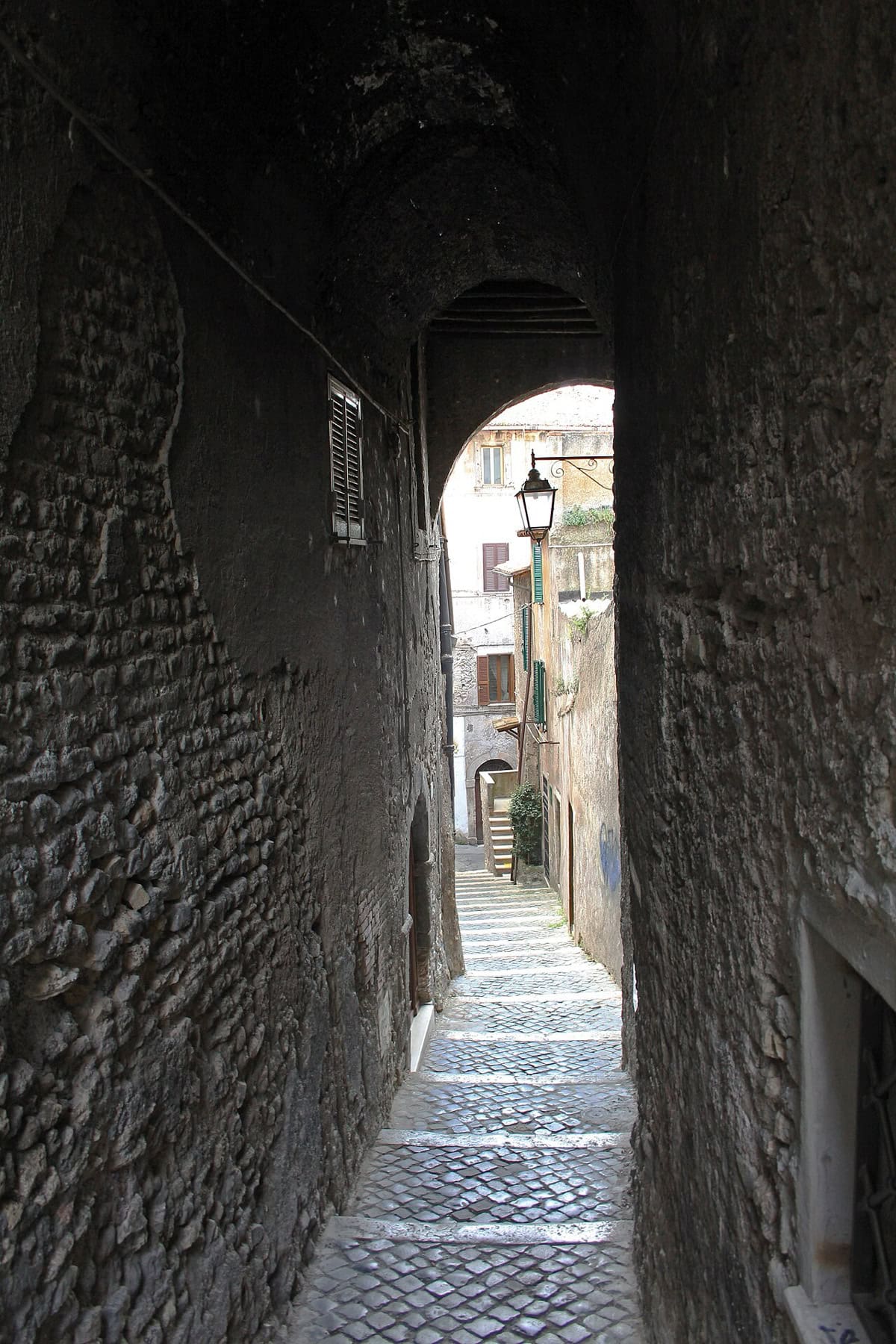
Évora, Portugal: 14 Best Things to See in the Heart of Alentejo

TL;DRÉvora, the historic UNESCO-listed heart of Portugal’s Alentejo region, comes with fourteen top tips for your visit, from the eerie Chapel of Bones, lined with the remains of some five thousand people, to the two-thousand-year-old Roman Temple and the megalithic Cromeleque dos Almendres, older than Stonehenge. You can walk the historic centre in a single day, but it’s worth setting aside two, including a trip out to the village of Monsaraz. The best time to visit is April, May, September or October, when temperatures sit around twenty-five degrees, whereas summer here can push past forty. From Lisbon, buses and trains get you to Évora in about ninety minutes, and entry to the Chapel of Bones costs around €6.

If you’re wondering where to find a truly authentic slice of Portugal, listen up. Once you leave the bustling coastline behind and head inland, you’ll discover a landscape of endless cork oaks, olive groves, and golden plains. Right in the heart of this region known as Alentejo lies Évora Portugal — a city encircled by medieval walls that functions as a vast open-air museum. It’s a place where Roman history intertwines with Moorish influences and mysterious Christian traditions.

Évora isn’t just another pretty town on the map — it proudly holds a place on the UNESCO World Heritage list, making it an absolute must for history lovers and slow travellers. Narrow cobblestone lanes, houses glowing in white and yellow, and surprisingly monumental landmarks await you at every turn — the kind you wouldn’t expect in such a peaceful corner of the country. Compared to the hustle of Lisbon, time moves at a gentler pace here, letting you fully savour the quiet beauty of southern life.

While most visitors only pop in for a quick day trip, this city truly deserves far more of your time. Once the afternoon tour coaches depart, the historic centre empties out and takes on an incredibly romantic atmosphere. Old lanterns flicker to life, the scent of garlic and olive oil drifts from small restaurants, and you’ll have the ancient Roman temple practically to yourself. I’ve put together this detailed guide to walk you through the most fascinating corners of this Alentejo gem.

TL;DR

  • Most famous landmark: The chilling Chapel of Bones (Capela dos Ossos), its walls lined with the remains of thousands of monks.
  • Historical gem: A remarkably preserved 1st-century Roman temple that dominates the city skyline.
  • Best viewpoint: The rooftop of the majestic Gothic Sé Cathedral, offering sweeping views across the golden Alentejo plains.
  • Hidden treasure nearby: The magical Cromeleque dos Almendres megaliths, older than Stonehenge itself.
  • Gastronomy: The region is famous for its full-bodied red wines, sheep’s cheeses, and unique convent desserts.
  • Getting there: From Lisbon, you can get here comfortably by direct bus or train in roughly an hour and a half. From the UK, fly to Lisbon with carriers like Ryanair, easyJet, or TAP from London or other major cities.
  • Weather warning: Summers here bring extreme heat, so spring or autumn is the ideal time to visit.

When to Visit Évora

When planning a trip to the Alentejo region, there’s one absolutely crucial factor you need to consider: the local climate. This inland area acts like a giant oven during the summer months, with no cooling ocean breeze to take the edge off. Throughout July and August, temperatures routinely soar above 40°C. Strolling along sun-scorched cobblestone streets can quickly turn into a survival mission — a desperate search for the nearest air-conditioned café.

The most beautiful time to visit is undoubtedly spring, specifically April and May. The countryside around the city turns green, meadows burst into colourful bloom, and temperatures hover around a very pleasant 25°C. Autumn — September and October — is equally ideal, as the worst of the heat has subsided but the evenings remain warm enough for sitting outside with a glass of wine. Winters are mild but can be rainy and damp, so don’t forget to pack a warmer jumper.

If you absolutely must visit in the middle of summer, adapt to the local rhythm of life. Get up very early, tick off the key sights in the morning, and take a long siesta somewhere in the shade or by the hotel pool around midday. Life here only stirs again at sunset, when the squares fill with people and the city finally starts to breathe.

Where to Stay in Évora

💡 Accommodation & experiences tip: We love searching for accommodation on Booking.com, which usually offers the best cancellation policies. For tickets, tours, and activities, it’s worth comparing options on GetYourGuide.

Choosing the right place to stay largely depends on whether you’re arriving by car or public transport. The historic centre within the old walls is gorgeous and full of atmosphere, but navigating the maze of narrow one-way streets is an absolute nightmare for drivers. Parking spaces inside the walls are extremely limited and often reserved for residents with permits. If you’re driving, I’d recommend looking for hotels just outside the walls, where you can park stress-free and walk into the centre in five minutes.

For those who want real luxury and history rolled into one, an excellent choice is M’AR De AR Aqueduto, a five-star hotel housed in a former 16th-century palace. It offers stunning views of the historic aqueduct, a beautiful garden, and — most importantly — an outdoor pool you’ll be incredibly grateful for on warm days. It’s an oasis of calm just steps from the main tourist action.

If you prefer a cosier, family-run atmosphere right in the thick of things, check out Albergaria Do Calvário, a lovely boutique hotel set in a former olive oil mill. They serve fantastic local breakfasts and the staff are happy to help plan your excursions. For more modern facilities just outside the walls, try Vitória Stone Hotel, which boasts a rooftop pool with city views and hassle-free parking. I’d recommend booking through Booking.com, where you’ll find the widest selection and often flexible cancellation policies.

14 Best Things to See and Do in Évora

Let’s dive into the very best this captivating city has to offer. Évora may be compact, but it hides an incredible wealth of historical treasures. All the main sights are within easy walking distance of each other, so you won’t need any public transport — just wander through the centuries at your own pace.

1. Chapel of Bones (Capela dos Ossos)

This is without a doubt the most famous — and most unsettling — landmark in the entire region. The Chapel of Bones was built by Franciscan monks in the 16th century with a very clear purpose: to remind people of the fleeting nature of human life. Before you even step inside, you’re greeted by the chilling inscription above the door: “Nós ossos que aqui estamos, pelos vossos esperamos” — “We bones that are here, await yours.”

The interior of this small chapel is entirely lined with the skulls and bones of approximately five thousand people. These remains came from dozens of overcrowded medieval cemeteries around the city that had to make way for new construction. The monks carefully arranged the bones into decorative patterns across the walls and columns, creating a fascinating — if somewhat macabre — work of art. The atmosphere inside is profoundly quiet and contemplative.

The visit also includes a small museum on the upper floor, housing a collection of religious art and offering a nice view over the city. Admission is around €6, and I’d recommend heading here first thing in the morning to avoid the large crowds that pour in on organised day trips from Lisbon.

💡 Insider tip: Don’t just buy a ticket for the chapel — go for the combined entry that also covers the adjacent Nativity Scenes Museum. They have a fascinating collection of hundreds of miniature scenes from around the world.

2. Church of St. Francis (Igreja de São Francisco)

Most people make a beeline for the Chapel of Bones and completely overlook the church it belongs to, which is a real shame. This majestic building from the turn of the 15th and 16th centuries is a stunning example of Gothic and Manueline architecture combined. It held great significance in the past, as Portuguese kings and nobility often came here to pray during their stays in the city.

When you step into the main nave, you’ll be immediately struck by its vast, uninterrupted space. There are no supporting columns — an incredible architectural achievement for its time. The gilded main altar contrasts sharply with the dark themes of the adjacent ossuary, showcasing the extraordinary wealth of the Portuguese empire at its peak.

The entire complex recently underwent an extensive and carefully handled restoration, bringing the church back to its full glory. Make sure to look up at the nautical motifs and symbols on the vaulted ceilings — they’re a nod to the era of Portugal’s famous maritime discoveries and global expansion.

3. Roman Temple (Templo Romano)

Often incorrectly called the Temple of Diana, this structure was actually dedicated to Emperor Augustus in the 1st century AD. It’s one of the best-preserved Roman monuments on the entire Iberian Peninsula and the undisputed centrepiece of the city. Standing proudly on an elevated square, its fourteen original granite columns with marble capitals have been defying the elements for two thousand years.

Its remarkable state of preservation is actually down to an extraordinary twist of history. During the Middle Ages, the spaces between the columns were bricked up and the structure was repurposed as a slaughterhouse and armoury. The walls ended up protecting the ancient columns from weathering and destruction. It wasn’t until the 19th century that the later additions were removed, revealing the temple in its original classical beauty.

Today the temple is beautifully illuminated, and the best time to enjoy it is in the evening when the tourist crowds have melted away and the place takes on an incredibly magical atmosphere. Right next to it you’ll find a small park with benches, where you can sit back with a coffee and take in this ancient marvel at your leisure.

4. Sé Cathedral (Sé de Évora)

Just a few steps from the Roman temple rises another monumental structure you simply can’t miss. The Sé Cathedral is the largest medieval cathedral in all of Portugal, and at first glance it looks more like an impregnable military fortress than a place of worship. Construction began back in the 12th century, and its architecture blends elements of rugged Romanesque with more refined Gothic elegance.

Inside, you’ll be greeted by a darker but deeply atmospheric interior, dominated by a beautiful marble altar and a unique statue of a pregnant Virgin Mary. The history of this place is fascinating — it was at this very altar that the flags of Vasco da Gama’s fleet were blessed just before the legendary explorer set off on his groundbreaking voyage to India.

But the best part awaits when you buy a ticket to the rooftop. A narrow spiral staircase takes you right up onto the cathedral’s rooftop terraces, where you’re rewarded with a breathtaking panoramic view across the entire city and the seemingly endless Alentejo plains beyond. On a clear day, you can see for miles.

💡 Insider tip: Don’t miss the inner courtyard (cloisters), a peaceful haven of beautiful Gothic architecture that offers wonderful angles for photographing the cathedral towers.

5. Praça do Giraldo

This elongated, arcaded square has been the beating heart of the city since medieval times. Praça do Giraldo is where everyone converges — local students, families with children, and tourists seeking shade alike. The entire square is lined with cafés and restaurants whose outdoor terraces invite you to linger and watch the world go by.

The northern side is dominated by the Church of Santo Antão and a beautiful marble fountain adorned with animal motifs and eight water spouts. These eight spouts symbolise the eight main streets that radiate from this square to different corners of the city. It’s the perfect landmark to orient yourself by — you’ll probably find yourself returning here several times throughout the day.

Despite its current laid-back atmosphere, the square has a dark past. During the 16th century, this was the very place where the brutal trials of the Portuguese Inquisition and public executions took place. Thankfully, today the only things filling the air are the aroma of coffee and sweet pastries from the celebrated local bakeries.

6. Souvenir Shopping on Rua 5 de Outubro

From the main Giraldo square, the gently sloping Rua 5 de Outubro leads you uphill directly to the cathedral and Roman temple. This charming pedestrianised street is the go-to hub for shops selling traditional handcrafted goods. If you want to bring home something genuinely local and authentic from Portugal, this is the place to do it.

The Alentejo region is the world’s largest producer of cork, so you’ll find absolutely everything made from this material here. Shop windows overflow not only with traditional stoppers and coasters, but also with gorgeous cork handbags, wallets, hats, and even shoes and umbrellas. Cork is incredibly lightweight, eco-friendly, and waterproof.

Beyond cork, you’ll also come across beautiful hand-painted ceramics with vibrant patterns that will brighten up any kitchen. Prices on this main street can be a touch higher than in the quieter back alleys, but the selection is unbeatable and the stroll itself — beneath colourful bunting — is a delight.

lukas a lucka
Lukáš and Lucie recommend
Where to stay in Évora
4 accommodations — wellness hotels, hotels and other accommodation options

7. Historic University (Colégio do Espírito Santo)

Évora has always been a centre of learning, and its university is one of the oldest in the country. Founded by Jesuits back in 1559, it educated the Portuguese elite for centuries. Although it was shut down for a long period in the 18th century on the orders of the powerful Marquis of Pombal, today it’s once again buzzing with life and thousands of students who give the city a youthful energy.

The main building, known as Colégio do Espírito Santo, is freely open to the public and well worth a visit. At its heart lies a beautiful Renaissance courtyard surrounded by marble arcades. But the real treasure is hidden inside the individual historic classrooms, which you can peek into when lectures aren’t in session.

Each old classroom is entirely decorated with traditional blue-and-white azulejo tiles, their themes matching the subject that was taught in that particular room. In the physics classroom, you’ll find scenes related to science, while the theology room features biblical motifs. It’s an incredibly elegant showcase of Portuguese artistry.

💡 Insider tip: If you want to experience genuine student life, pop into the university canteen set within the historic premises for a coffee or a cheap lunch. It’s affordable and wonderfully authentic.

8. Água de Prata Aqueduct

This monumental 16th-century Renaissance aqueduct is an engineering marvel that once channelled drinking water into the city from nearly twenty kilometres away. It was designed by the celebrated architect Francisco de Arruda — the same man who designed the iconic Belém Tower in Lisbon. The aqueduct’s arches sweep majestically through the landscape right up to the city walls.

The most fascinating section, however, is found right inside the city, specifically along Rua do Cano. As the city gradually expanded and space became scarce, residents started building their small white houses directly between the aqueduct’s arches. Today you can see a truly unique street where ancient pillars grow right through the façades of family homes, forming part of their very walls.

If you enjoy longer walks, you can follow a dedicated eco-trail that runs alongside the aqueduct out of the city and into the open countryside. The route is well-marked, flat, and rewards you with lovely views of the surrounding cork oak groves and grazing sheep.

9. Dom Manuel Palace and Public Gardens

When the afternoon sun starts beating down mercilessly, the best refuge is Jardim Público — the main public park on the southern edge of the historic centre. This spacious green area offers dense shade from mature trees, plenty of benches, and refreshingly cool air. You’ll share the space with dozens of freely roaming peacocks who love showing off for visitors.

Within the park, you’ll discover the remains of the once-lavish royal Palácio de Dom Manuel. It was a favoured residence of Portuguese kings, and it’s said that right here Vasco da Gama received command of his famous maritime expedition. What survives today is a handsome pavilion with distinctive Manueline and Moorish windows, now used as a space for occasional exhibitions.

Another charming feature of the park is its romantic faux ruins (Ruínas Fingidas), built in the 19th century using genuine stones and architectural fragments salvaged from demolished city palaces and convents. It’s the perfect spot for an afternoon picnic.

10. Cromeleque dos Almendres Megaliths

This is an experience you absolutely cannot miss, even though it lies about fifteen kilometres outside the city. Cromeleque dos Almendres is the largest megalithic complex on the entire Iberian Peninsula and one of the most significant monuments of its kind in Europe. To put it in perspective, these stones were erected thousands of years before Stonehenge was even a twinkle in anyone’s eye.

The complex consists of nearly a hundred massive oval granite stones arranged in two large ellipses on a hillside amid an idyllic cork oak grove. The site was most likely used by ancient civilisations for astronomical observations and religious rituals tied to the solstices and agriculture.

Access to the megaliths is via a dusty unpaved road, so expect your car to pick up a layer of dust. The most powerful atmosphere here is at sunrise or in the late afternoon, when the long shadows cast by the stones create an incredibly mystical spectacle. Entry is completely free and the site is unfenced.

💡 Insider tip: On your way to the main stone circle, stop at the solitary Menir dos Almendres. This four-metre giant supposedly served as a directional marker pointing towards the main sanctuary.

11. Évora Museum (Museu Nacional Frei Manuel)

If you’re keen on a deeper dive into the region’s history — or simply need to escape the midday heat — head to the main museum, housed in a former bishop’s palace right next to the Roman temple. The collections are surprisingly rich and brilliantly chart the city’s evolution from prehistory to the modern era.

The ground floor’s biggest draw is its superbly preserved Roman and Islamic artefacts, including beautiful classical statues and intricate mosaics unearthed during excavations right here in the city. History practically seeps from every stone.

Upstairs, you’ll find an impressive painting gallery housing valuable Renaissance canvases, including rare works by Flemish masters that the wealthy Portuguese nobility had shipped here during the city’s golden age. The museum is fairly extensive, so set aside at least an hour and a half.

12. Alentejo Gastronomy

Exploring Alentejo without diving into the local food scene would be an absolute travesty. The cuisine here is rustic, hearty, and built on outstanding local ingredients — primarily olive oil, garlic, and fresh herbs. A wonderful vegetarian experience is the traditional açorda alentejana, a thick garlic soup made with soaked country bread, generous amounts of coriander, and a poached egg.

The region is also celebrated for its superb cheeses, particularly the soft sheep’s cheese Queijo de Serpa, which has protected designation of origin status and pairs perfectly with fresh bread and a glass of wine. Locals swear by the various specialities made from black Alentejo pork (porco preto), free-range pigs that roam the cork oak groves feeding exclusively on acorns — producing some of the finest cured meats and sausages you’ll ever taste.

Make sure to leave room for dessert. Convent sweets here are the stuff of legend. Be sure to try Sericaia, a fluffy egg-and-cinnamon pudding traditionally served with sweet candied plums from the nearby town of Elvas.

13. Full-Bodied Red Wine Tastings

Alentejo is one of the most respected wine regions in all of Portugal. Thanks to an abundance of sunshine and the hot climate, grapes ripen to high sugar levels, producing bold, full-bodied, and intensely fruity red wines that regularly scoop medals at international competitions.

If you don’t have the time or a car to tour the rural wine estates (known as herdades), head straight to Rota dos Vinhos do Alentejo in the city centre. This tasting room and information centre offers samples from various regional producers for a very reasonable fee, with knowledgeable staff on hand to walk you through each one.

The white wines from this region are also surprisingly fresh and pair brilliantly with light lunches on scorching summer days. And a bottle of quality Alentejo wine is hands down the best souvenir you can bring home from your trip.

14. Day Trip to the Whitewashed Village of Monsaraz

If you have a car and a bit of extra time, an absolutely unmissable day trip is the medieval village of Monsaraz, roughly an hour’s drive towards the Spanish border. This tiny settlement perches high on a steep hilltop, entirely composed of dazzlingly white houses and narrow slate lanes where cars are not allowed.

At the far end of the village stands an old castle, whose towers and walls you can freely climb. From up there, you’re rewarded with a truly epic and unforgettable view of the vast Alqueva Reservoir — one of the largest artificial lakes in Europe, forming a natural border with Spain.

This entire area is also a designated Dark Sky Reserve, meaning light pollution is minimal. If you stay until after dark, you’ll experience some of the most spectacular stargazing you can find anywhere. It’s the perfect way to cap off your exploration of the Alentejo interior.

Where to Go Next from Évora

The city’s central location in Portugal makes it a perfect stop on a longer road trip through the country. If you’re heading back to the coast for busier city life and more sights, be sure to read our comprehensive Lisbon guide — it’s less than two hours away. Lovers of romantic palaces shouldn’t miss the fairy-tale town of Sintra, either.

If you’re heading straight south from the interior for beaches and dramatic cliffs, check out our tips for the most beautiful spots in Lagos or discover the historic centre of the Algarve’s capital in our Faro guide. For a quieter southern escape, the charming town of Tavira is also an excellent choice.

Frequently Asked Questions

How do I get from Lisbon to Évora?

The journey is very straightforward. Regular buses run from Lisbon (Sete Rios station) operated by Rede Expressos, and the trip takes about an hour and a half. Tickets cost around 12 euros. You can also take comfortable trains from Oriente station, which take about the same time, though there aren’t as many daily connections as with the buses.

How much time do I need to see the city?

One full, packed day is enough to see the main highlights in the historic center. However, if you want to soak up the atmosphere, visit the megaliths outside town, and leisurely sample the local wines, I’d recommend staying at least one night and setting aside two days.

Where’s the best place to park?

Definitely don’t try to drive into the historic center within the walls—the streets are extremely narrow. You’ll find large, often free parking lots just outside the walls near the aqueduct or close to the university. From there, it’s only a five-minute walk to the center.

Is it suitable to travel here with small children?

The city is very safe and has lovely parks (like Jardim Público with its peacocks). However, the historic center is paved with very rough cobblestones, so getting around with a regular stroller can be quite bumpy and tiring. You’ll definitely appreciate a baby carrier instead.

What are the opening hours for monuments?

Most museums and monuments open around nine or ten in the morning. Keep in mind, though, that especially smaller churches and some shops still observe an afternoon siesta and may be closed from around 1:00 PM to 3:00 PM. Many museums are completely closed on Mondays.

Can I pay by card at smaller establishments?

You’ll have no problem paying by card at large hotels and major monuments. However, many small family-run cafés and traditional restaurants still don’t have card terminals or only accept local Multibanco network cards. Always carry some cash with you.

Do I need to reserve a table for dinner?

I’d definitely recommend it during peak summer season and on weekends, especially if you’ve got your eye on one of the better-rated traditional restaurants. These places tend to be small and fill up quickly. Portuguese people dine quite late—restaurants don’t start getting busy until after 8:00 PM.

Tips and Tricks for Your Vacation

Don’t Overpay for Flights

Search for flights on Kayak. It’s our favorite search engine because it scans the websites of all airlines and always finds the cheapest connection.

Book Your Accommodation Smartly

The best experiences we’ve had when looking for accommodation (from Alaska to Morocco) are with Booking.com, where hotels, apartments, and entire houses are usually the cheapest and most widely available.

Don’t Forget Travel Insurance

Good travel insurance will protect you against illness, accidents, theft, or flight cancellations. We’ve had a few hospital visits abroad, so we know how important it is to have proper insurance arranged.

Where we insure ourselves: SafetyWing (best for everyone) and TrueTraveller (for extra-long trips).

Why don’t we recommend any Czech insurance company? Because they have too many restrictions. They set limits on the number of days abroad, travel insurance via a credit card often requires you to pay medical expenses only with that card, and they frequently limit the number of returns to the Czech Republic.

Find the Best Experiences

Get Your Guide is a huge online marketplace where you can book guided walks, trips, skip-the-line tickets, tours, and much more. We always find some extra fun there!
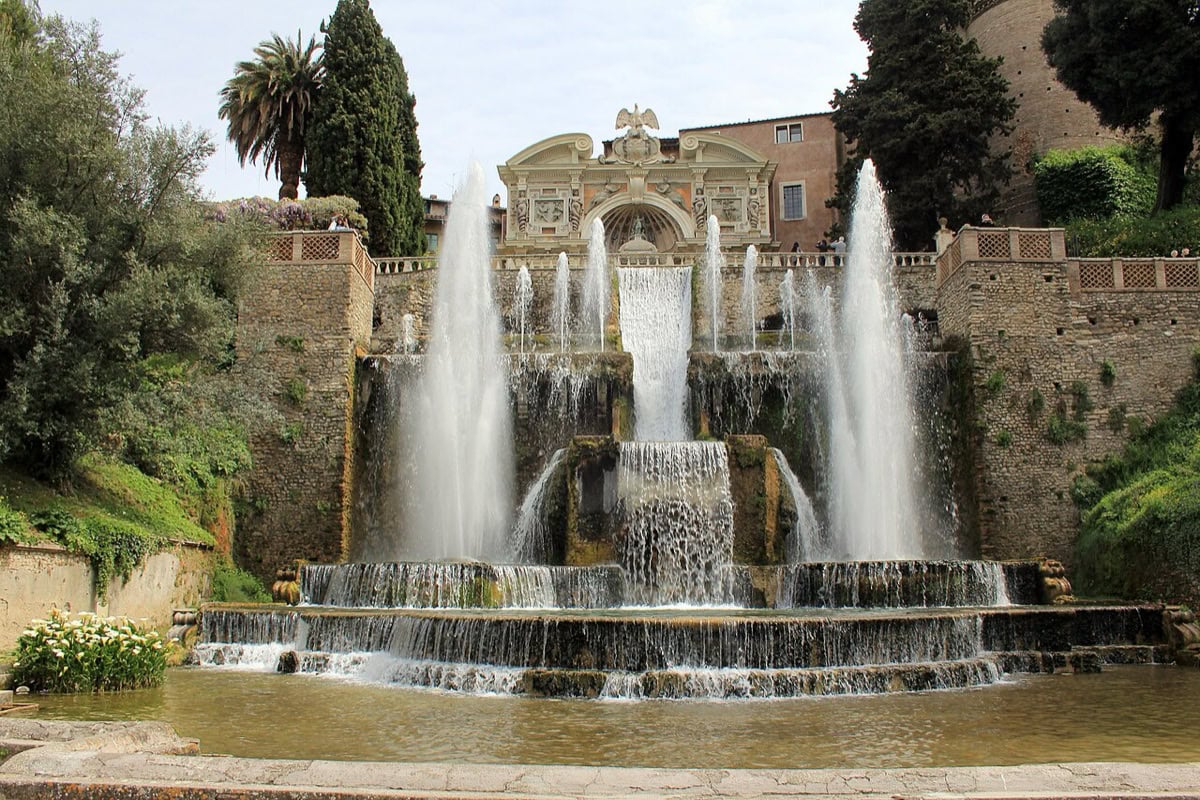
Guimarães, Portugal: 13 Things to See in the Birthplace of a Nation

TL;DRGuimarães is the UNESCO-listed historic centre of northern Portugal, rightly called the birthplace of the Portuguese nation — the country’s first king, Afonso Henriques, was born here — and it’s about an hour by train from Porto. Top picks include Castelo de Guimarães, the Paço dos Duques de Bragança palace, the squares of Largo da Oliveira and Largo do Toural with their famous “Aqui nasceu Portugal” inscription, and a cable car ride up Penha hill. One full day is enough to cover the 13 recommended spots. May, June or September are the best months, with temperatures of 20–25°C, while November to March brings persistent rain. Accommodation carries a tourist tax of 3 euros per person per night, entry to the palace costs around 5 euros, and a return cable car ticket up Penha runs about 7 euros.

When people think of northern Portugal, their minds usually jump straight to famous port wine and the melancholic lanes above the Douro River. But if you’re looking for the very essence of this beautiful country, you need to venture a little further — right into its historical heart. Guimarães Portugal is a proud, ancient, and incredibly photogenic town that’s rightfully known as the birthplace of the entire Portuguese nation. This is where the first kings were born and where the history of a country that once explored the world began to be written.

The historic centre is a UNESCO World Heritage Site, and it’s an utterly enchanting labyrinth of cobbled lanes, medieval houses, and small picturesque squares. Forget the hustle of big cities for a while and let yourself be swept away by the atmosphere of a place where a thousand years of history breathes from every stone. Pack sturdy shoes with good grip, because the traditional cobblestone paving known as calçada can be treacherous, and come explore the most beautiful corners with us. I’ve put together a detailed guide so you won’t miss a thing in this magical town.

TL;DR

  • Birthplace of Portugal: Guimarães is where the first Portuguese king, Afonso Henriques, was born and where the independent Portuguese state was formally established.
  • Easy access from Porto: The town is roughly an hour’s train ride from Porto, making it an absolutely ideal destination for a day trip.
  • Top attractions: Don’t miss the medieval Castelo de Guimarães and the monumental Palace of the Dukes of Braganza (Paço dos Duques de Bragança).
  • Historic centre: A UNESCO World Heritage Site full of medieval houses, narrow lanes, and romantic cafés with outdoor seating.
  • Cable car to Penha: If you fancy a break from the history, take the cable car up to Penha hill for enormous granite boulders and stunning panoramic views.
  • Tourist tax: Budget for a city tax of €3 per person per night, collected on-site by your hotel.
  • Northern weather: Northern Portugal is lush and green — which means more rain. Pack an umbrella even in the spring months.

When to Visit Guimarães

Weather is absolutely crucial when planning a trip to northern Portugal. While the south often battles extreme summer heat, the north is influenced by the Atlantic and significantly wetter. From November to March, ocean fronts sweep in and it can rain for several days straight. The green hills surrounding the town aren’t green by accident, so don’t set off without a waterproof jacket and a decent umbrella during the winter months.

The best time to visit is undoubtedly spring and early autumn. In months like May, June, or September, temperatures hover around a very pleasant 20–25°C, which is perfect for a full day of sightseeing. Mornings can be a little misty, but you’ll enjoy plenty of sunshine during the day without the oppressive heat. July and August, on the other hand, bring excellent sunny weather with minimal rain, but also the biggest tourist crowds and higher accommodation prices.

If you’re planning a trip during the grape harvest season (September to October), you’ll experience a wonderful atmosphere, but from mid-October onwards you need to factor in a higher chance of rain showers. The town has its charm in every season — even in misty November, when it takes on a slightly mystical air. It all comes down to whether you prefer sunny afternoons on café terraces or romantic strolls through an autumnal town.

Where to Stay in Guimarães

💡 Tip for accommodation and experiences: We usually search for places to stay on Booking.com, which tends to have the best cancellation policies. For tickets, tours, and activities, it’s worth comparing options on GetYourGuide.

Guimarães offers plenty of lovely places to rest your head, from luxurious historic buildings to smaller family-run guesthouses. However, overtourism and the housing crisis in Portugal have pushed the government to act, meaning stricter new rules for short-term private apartment rentals came into force from May 2026. The supply of classic Airbnb-style rentals in the historic centre has shrunk and prices have naturally risen, so travellers increasingly opt for traditional hotels or so-called pousadas (heritage hotels).

When looking for the perfect place to stay, I’d recommend using Booking.com, where you can easily filter hotels within walking distance of the centre. Also keep in mind that the town charges a tourist tax of €3 per person per night, which you’ll pay directly at reception (usually in cash or by card at check-in). An excellent choice is the elegant Hotel Toural, which offers spacious rooms and a brilliant location right on the square of the same name.

If you want to treat yourself to something truly special, check out Pousada Mosteiro de Guimarães. This luxury hotel was converted from a 12th-century Augustinian monastery and boasts breathtaking views over the town, beautiful gardens, and top-notch service. Another fantastic option right in the heart of the historic centre is Casa do Juncal, a smaller boutique hotel that blends historical architecture with modern, tasteful design.

13 Things to See and Do in Guimarães

Let’s take a look at the very best this ancient town has to offer — from rugged medieval ramparts and ornate noble palaces to cosy little squares where the aroma of fresh coffee and sweet pastries fills the air. Get your cameras ready, because you’re absolutely going to fall in love with this place.

1. Castelo de Guimarães (The Castle)

Your first steps should lead to the small hilltop above the town, where the landmark of the entire region towers above everything else. Castelo de Guimarães is a robust 10th-century medieval fortress that originally served to defend the local monastery from Moorish and Norman raids. Its raw granite form with imposing battlements and a tall central keep (Torre de Menagem) looks exactly like the impenetrable knights’ castle you’d picture from a fairy tale.

According to historical sources, it was at this very castle in the early 12th century that the first Portuguese king, Afonso Henriques, was born. As you walk along the ancient walls, you’ll be rewarded with gorgeous views over the entire historic centre spread out below. Access to the castle grounds and the ramparts is often free, but you’ll need to purchase a ticket to enter the main keep, which houses a small exhibition on the town’s history.

💡 Insider tip: If you’re planning to visit several attractions in the area, ask at the ticket office about a combined ticket. They often sell a discounted pass that covers both the castle and the neighbouring Palace of the Dukes, saving you a few euros.

2. Paço dos Duques de Bragança (Palace of the Dukes)

Just below the castle, you can’t miss the enormous and highly unusual building with dozens of brick chimneys jutting into the sky. This imposing palace was built in the 15th century by Afonso, the first Duke of Braganza, as his lavish residence. The architecture is heavily influenced by a northern European style that the duke admired during his diplomatic journeys across the continent.

Inside, a fascinating walk through history awaits. The tour takes you through vast halls with wooden ceilings that resemble inverted ship hulls. The walls are adorned with stunning collections of weapons, antique furniture, and enormous tapestries depicting in detail the Portuguese campaigns in North Africa. The atmosphere inside the palace is rather dark and majestic, which only amplifies the sense of the immense power the House of Braganza once wielded.

Don’t forget to peek into the inner courtyard, which is surrounded by Gothic arcades and radiates an incredibly serene feel. Admission to the palace is around €5, and the visit will take you roughly an hour to an hour and a half, depending on how long you linger over the details of the historical tapestries.

3. Igreja de São Miguel do Castelo

Tucked between the castle and the Palace of the Dukes, there’s a small, unassuming Romanesque church that you might walk right past on a quick visit. That would be a huge mistake, though. Igreja de São Miguel do Castelo is, from a historical perspective, one of the most important sacred buildings in all of Portugal. From the outside it looks plain and austere, but its significance lies in what took place inside.

Legend and historical records claim that it was in this little church that the first king, Afonso Henriques, was baptised. Inside, you’ll find the old stone baptismal font believed to have been used for this very purpose. The interior is dark, lit only by narrow windows, and the floor is made up of dozens of tombstones of medieval knights and nobles.

Admission to this small church is free and a visit takes no more than a few minutes. Yet it’s a profoundly moving place where you can truly feel the depth of Portuguese history and the pride that locals hold for their first ruler.

4. Largo da Oliveira Square

Once you descend from the castle hill into the old town, you’ll find yourself on one of the most picturesque squares you’ve ever seen. Largo da Oliveira is the beating heart of the historic centre and a place where history meets the laid-back lifestyle of today’s Portuguese. The square is surrounded on all sides by beautiful old houses with their characteristic wooden balconies and narrow windows.

The square takes its name from the old olive tree (oliveira) that has stood here for centuries. Legend has it that the original tree miraculously sprouted leaves to affirm the significance of this spot. Today, the square is packed with the terraces of cosy cafés and restaurants, where you can sit down, order a coffee or a glass of local wine, and simply watch the world go by.

It’s the perfect spot for a short rest after exploring the castle. Prices at the cafés on the square are admittedly a touch higher than in the hidden back streets, but the view of the historic backdrop is absolutely worth the extra few cents.

5. Padrão do Salado

Right in the middle of Largo da Oliveira, your attention will immediately be drawn to a remarkable Gothic monument. The Padrão do Salado is a unique stone shrine formed by four pointed arches sheltering an old stone cross. This memorial was erected in the 14th century to commemorate the victory of Portuguese and Castilian forces over the Moors at the crucial Battle of Salado.

It’s one of the most photographed landmarks in town and a rare example of Portuguese Gothic architecture in its purest form. If you look closely, you’ll spot delicate stonework details and ancient coats of arms adorning the vault of this open chapel. The monument has stood here for centuries and serves as the perfect gateway to the neighbouring church.

💡 Insider tip: The best photos of the monument can be taken early in the morning or in the late afternoon, when the setting sun paints the granite stones in warm golden tones and the square isn’t yet overrun with tourists.

6. Igreja de Nossa Senhora da Oliveira

Just behind the Gothic monument rises the beautiful church of Nossa Senhora da Oliveira, which dominates the square. This church has a complex history — a monastery originally stood here as far back as the 10th century, but the current structure dates primarily from the 14th century, during the reign of King João I. He had the church rebuilt as a thanksgiving to the Virgin Mary for the victory at the Battle of Aljubarrota.

The exterior features a striking Gothic bell tower and a richly decorated main portal. Inside, you’ll find majestic spaces with magnificent silver altars and intricate woodcarvings. The church is dedicated to Our Lady of the Olive Tree, referencing the legend of the miraculous olive tree on the square outside.

Entry to the main nave is free. If you’re a fan of sacred architecture, be sure to spend a moment exploring the side chapels, where you’ll discover gorgeous examples of traditional blue-and-white azulejo tiles — an essential feature of any significant Portuguese church.

lukas a lucka
Lukáš and Lucie recommend
Where to stay in Guimarães
4 accommodations — wellness hotels, hotels and other lodging options

7. Praça de São Tiago

Just a few steps from Largo da Oliveira, connected by a short passageway under ancient arcades, lies another enchanting little square. In my opinion, Praça de São Tiago is perhaps even more romantic than its larger neighbour. The square is ringed by old houses with overhanging upper floors that lean towards each other as if whispering secrets from ages past.

According to old tradition, it was to this very square that the apostle Saint James (São Tiago) brought a statue of the Virgin Mary, turning the spot into an important stop for pilgrims heading to Santiago de Compostela in Spain. You won’t find many pilgrims here nowadays, but the square comes alive in the evening thanks to a cluster of small bars and bistros.

I’d recommend visiting after dark, when the old lanterns flicker on and their soft light reflects off the polished cobblestones. The atmosphere is absolutely unforgettable, and you’ll easily lose track of time over a glass of fine Portuguese wine.

8. A Stroll Along Rua de Santa Maria

If you want a genuine taste of the Middle Ages, you need to walk along Rua de Santa Maria. It’s one of the oldest streets in the town, connecting the castle complex on the hill with the lower monastery as far back as the 12th century. Today it’s a charming pedestrian zone lined with narrow stone houses, many of which still boast beautifully preserved Renaissance and Baroque façades.

As you stroll, make sure to look up. You’ll see gorgeous wrought-iron balconies overflowing with flowers, ancient coats of arms carved into stone, and wooden shutters that have witnessed centuries. The street is also home to plenty of small shops selling local artisan crafts, galleries, and cosy bakeries where the scent of cinnamon and freshly baked pastry drifts into the air.

Halfway along the street, you’ll come across the lovely Convento de Santa Clara, which now houses the town hall. Pause to admire the façade details — this street is like a living open-air museum that perfectly transports you to the days when Portuguese knights walked these very cobblestones.

9. Cable Car to Penha Hill (Teleférico de Guimarães)

When you’ve had your fill of wandering through historic lanes and fancy a change of scenery, head to the edge of the centre and the lower cable car station. The Teleférico de Guimarães whisks you up in a few minutes, climbing roughly 400 metres to the forested Penha hill that towers high above the town. The ride itself offers superb views and gives your feet a welcome rest.

At the top, a completely different world awaits. The Penha area (Santuário da Penha) is a huge wooded park filled with enormous granite boulders, hidden caves, and shady trails. In the middle of it all stands a modern sanctuary dedicated to Our Lady of Penha, an important pilgrimage site. You’ll also find picnic spots, small cafés, and endless nooks for a peaceful nature walk.

The real draw, though, is the absolutely breathtaking panoramic view. From the viewing terraces, you can see the whole of Guimarães laid out below, and on a clear day you can spot the ocean in the distance. A return cable car ticket costs around €7, and the excursion will take at least two hours.

10. Largo do Toural and the Famous Inscription

Largo do Toural is the largest and most important square in the newer part of the centre. In the past, it served as a cattle market and hosted bullfights; today it’s an elegant, spacious area surrounded by 18th- and 19th-century buildings with uniform façades and beautiful wrought-iron balconies. The square marks the symbolic boundary between the old medieval town and the more modern district.

Right on the edge of this square, on the remains of the old defensive walls at the Torre da Alfândega, you’ll find the most photographed spot in the entire town. A huge white inscription — “Aqui nasceu Portugal” (Portugal was born here) — proclaims the fierce pride locals feel about their history. Getting a photo in front of this sign is practically a rite of passage for every visitor.

The square is a great starting point for shopping or a morning coffee at one of the local pastelarias (pastry shops). Take a moment to admire the decorative pavement of black and white cobblestones, which creates striking geometric patterns underfoot.

11. Museu de Alberto Sampaio

If you love art and history, the Museu de Alberto Sampaio is a must. It’s housed in the former cloister buildings beside the Igreja de Nossa Senhora da Oliveira on Largo da Oliveira. The museum was established back in the 1920s and holds one of the finest collections of sacred art in all of northern Portugal.

The exhibition takes you through old cloister walkways where you can admire unique silver chalices, reliquaries, ancient sculptures, and stunning liturgical vestments embroidered with gold and silver thread. The most prized exhibits are a silver processional cross donated to the town by King João I after the Battle of Aljubarrota, and the tunic allegedly worn by the king during the battle itself.

The museum is wonderfully peaceful and beautifully curated. Admission is around €3, and a visit gives you a deeper insight into the religious and cultural richness of this region through the centuries.

12. Convento de Santo António dos Capuchos

Slightly off the main tourist trail, about a 15-minute walk from the centre, lies a hidden gem — the former Capuchin monastery, Convento de Santo António dos Capuchos. This 17th-century building has undergone a sensitive restoration and now partly serves as a museum and hospital. It looks unassuming from the outside, but inside a real surprise awaits.

The main draw is the stunning inner courtyards and corridors, which are lavishly decorated with traditional blue-and-white azulejo tiles from the 18th century. The tiles depict scenes from the life of Saint Anthony and are preserved in absolutely pristine condition. It’s an incredibly quiet and peaceful spot that only a handful of tourists ever find.

During your visit, you can peek into the historical monastic cells and the old sacristy. If you’re looking to escape the summer crowds and you love Portuguese tile art, a visit to this monastery is an excellent choice.

13. Sampling the Local Food and Wine

No visit to northern Portugal would be complete without exploring the local flavours. The Minho region, where the town is located, is home to the renowned Vinho Verde (green wine). Don’t be fooled by the name — the wine isn’t green in colour, but in age. It’s a young, slightly sparkling, wonderfully refreshing, and mildly tart wine that’s best served well chilled and is absolutely perfect for hot summer days.

Although northern Portugal is famous for hearty meat dishes, there are plenty of great options if you prefer a meat-free diet. Try the excellent local cheeses, olives, or the traditional Caldo Verde soup (just ask the waiter to leave out the ring of chouriço sausage that’s typically added as a garnish). You can also order various vegetarian tapas to go with your wine, such as roasted peppers or fried cheese croquettes.

💡 Insider tip: Make sure you save room for dessert! The town is famous for its convent sweets. Try Tortas de Guimarães (puff pastry filled with almonds and pumpkin jam) or the incredibly sweet Toucinho do Céu (literally “bacon from heaven” — but don’t worry, it’s a dense cake made from egg yolks, sugar, and almonds, with not a scrap of meat in sight). Pop into any pastelaria on the square and treat yourself to a sweet finale.
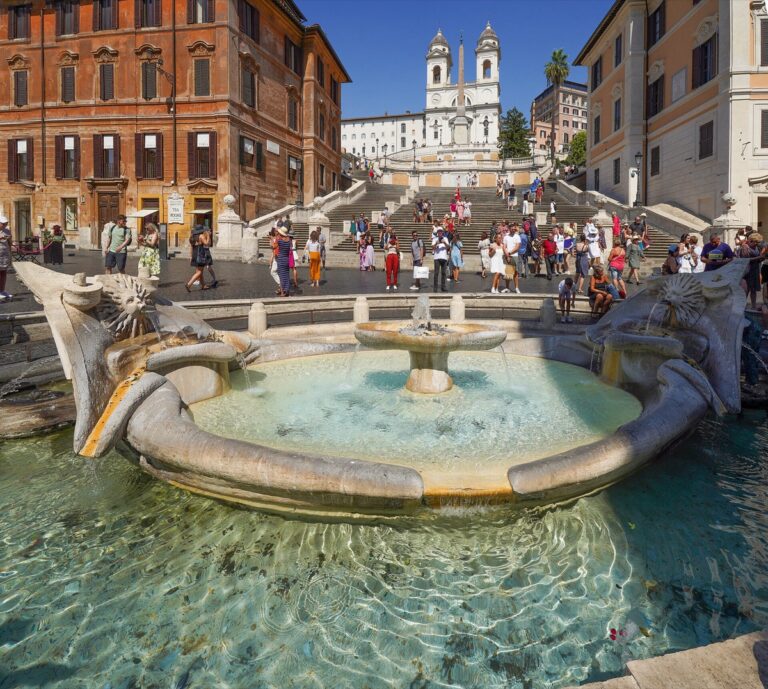
Where to Go from Guimarães

If you have more time in northern Portugal, there are plenty of brilliant options for your next stop. The surrounding region is incredibly rich in both history and natural beauty, and excellent infrastructure means you can get everywhere with ease.

  • Porto: The granite heart of the north and home of port wine is an absolute must. You can be there by train in about an hour, where you can marvel at the iconic Dom Luís I Bridge, take a boat trip along the Douro River, or lose yourself in the lanes of the Ribeira quarter. While Lisbon is sunny and grand, Porto has a rawer, more melancholic atmosphere that you’ll fall in love with.
  • Braga: Just a short hop north lies the so-called “Portuguese Rome.” Braga is a city full of students and churches, with the star attraction being the monumental pilgrimage site of Bom Jesus do Monte and its breathtaking Baroque stairway. It’s even possible to visit both Guimarães and Braga on one very packed day.
  • Douro Valley: If you love wine and nature, take the train from Porto into the Douro Valley. Terraced vineyards plunging steeply towards the river are a UNESCO World Heritage Site and form one of the most dramatic wine-growing landscapes on Earth.
  • Aveiro Portugal: If you’re heading south again, make a stop in Aveiro — often dubbed the “Portuguese Venice.” The town is laced with canals plied by colourful moliceiro boats and is known for the charming striped houses on the nearby Costa Nova beach.
  • Nazaré Portugal: Love the ocean and wild nature? Head to Nazaré, the fishing town that became world-famous for the biggest waves on the planet, surfed only by the bravest souls.

More interested in central Portugal and romantic castles? Read our article about what to see in Sintra, or explore our comprehensive Lisbon Guide for all the practical tips you need to visit the capital.

Frequently Asked Questions

How long does a visit to Guimarães take?

For a relaxed tour of the entire historic centre, the castle, the Palace of the Dukes, and possibly the cable car trip up to Penha hill, one full day will be enough. The town is fairly compact and all the main sights are within comfortable walking distance of one another. If you’re not in a hurry, I recommend staying one night and enjoying the magical evening atmosphere.

How do I get to the town from Porto?

The journey is incredibly easy and cheap. From São Bento station in Porto, regular suburban trains (Urbanos) run directly to the main station in Guimarães. The trip takes roughly an hour and ten minutes and a one-way ticket costs just a little over 3 euros. The station is about a 15-minute pleasant walk from the historic centre.

Is the town very hilly?

It depends on exactly where you go. The historic centre itself (around Largo da Oliveira and Largo do Toural squares) is relatively flat and very easy to walk. A gentle climb awaits you only on the way up from the centre to Castelo de Guimarães and the Palace of the Dukes of Bragança. Be sure to bring comfortable shoes, though, because of the old cobblestones.

Is there an entrance fee for the monuments?

Yes, there’s an entrance fee for the main historic buildings. Entry to the Palace of the Dukes costs around 5 euros, entry to the castle’s main tower about 2 euros. It’s well worth buying a combined ticket, which usually covers the castle, the palace, and the nearby Alberto Sampaio Museum, saving you money. Entry to all the churches in the centre and strolling through the squares is, of course, free.

When are there the fewest tourists in the town?

If you want to enjoy the empty lanes and take beautiful photos without the crowds, head out early in the morning, ideally before 9:30, before the first organised coach tours from Porto arrive. Another great time is the late afternoon and evening, when the day-trippers head back to their hotels on the coast and the town takes on a more intimate, local atmosphere.

What is Vinho Verde?

Vinho Verde (green wine) is a wine typical of northern Portugal. The name doesn’t refer to the colour but to the fact that it’s drunk very young. It’s a light, slightly sparkling, very refreshing and drier wine with a lower alcohol content (usually around 8-10%). Most often you’ll come across white Vinho Verde, which is absolutely perfect for sitting out on a summer terrace.

Can you combine a visit to Guimarães with Braga in one day?

Yes, plenty of travellers do it this way, but you have to expect a very packed schedule. There’s a fairly frequent bus connection between the two towns (the trip takes about 40 minutes). I recommend starting in the morning in Guimarães, seeing the castle and the centre, and after lunch moving on to Braga to tour the Bom Jesus do Monte sanctuary.

Is the destination suitable for travelling with children?

Absolutely! Kids will be thrilled exploring the medieval castle, and a big highlight for them will surely be the cable car ride up to Penha hill, where they can run around among the giant boulders in the forest. What’s more, the centre is largely a car-free pedestrian zone, so getting around the town is very safe. With a stroller, just expect some bumping along the cobblestones.
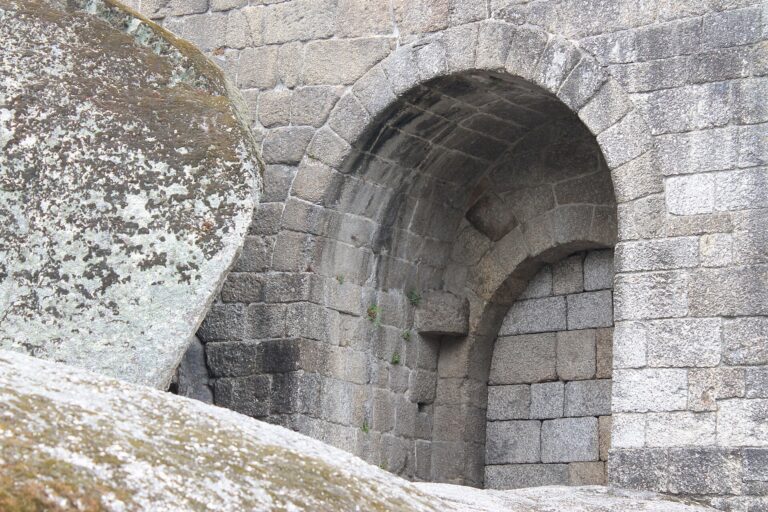
Tips and Tricks for Your Vacation

Don’t Overpay for Flights

Search for flights on Kayak. It’s our favorite search engine because it scans the websites of all airlines and always finds the cheapest connection.

Book Your Accommodation Smartly

The best experiences we’ve had when looking for accommodation (from Alaska to Morocco) are with Booking.com, where hotels, apartments, and entire houses are usually the cheapest and most widely available.

Don’t Forget Travel Insurance

Good travel insurance will protect you against illness, accidents, theft, or flight cancellations. We’ve had a few hospital visits abroad, so we know how important it is to have proper insurance arranged.

Where we insure ourselves: SafetyWing (best for everyone) and TrueTraveller (for extra-long trips).

Why don’t we recommend any Czech insurance company? Because they have too many restrictions. They set limits on the number of days abroad, travel insurance via a credit card often requires you to pay medical expenses only with that card, and they frequently limit the number of returns to the Czech Republic.

Find the Best Experiences

Get Your Guide is a huge online marketplace where you can book guided walks, trips, skip-the-line tickets, tours, and much more. We always find some extra fun there!