

I love measuring everything, everywhere. I’ve cycled through a pile of smartwatches, fitness sensors and chest straps over the years. In fact, I’ve been collecting data about my own health for more than a decade. So when I discovered a brand-new, extremely accurate HRV monitor, I simply had to try it out! 🔥
TL;DR: Elonga is brilliant in its simplicity. One wristband, 3 minutes of measuring every morning, and an app with clear graphs and plain-language recommendations.
🔥 ➡️ TIP: Buy Elonga and you’ll get lifetime use of the app for free. That means no subscription fees down the line. Use the coupon LOUDAVYMKROKEM and get free shipping.
What is Elonga for?
Elonga is a device designed to measure and analyse heart rate variability (HRV).
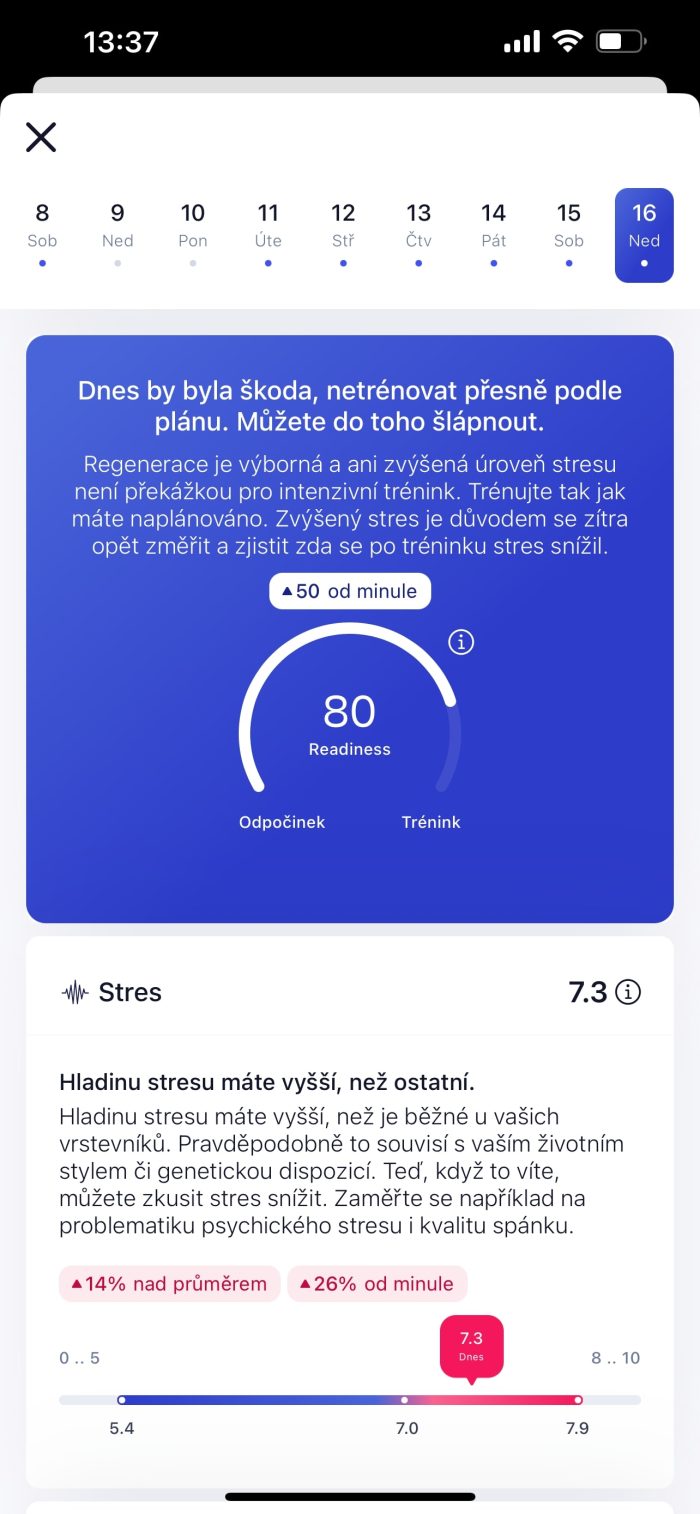
Thanks to HRV measurement, this HRV monitor can track your stress levels, recovery and readiness for physical performance. Each day you’ll get the following metrics:
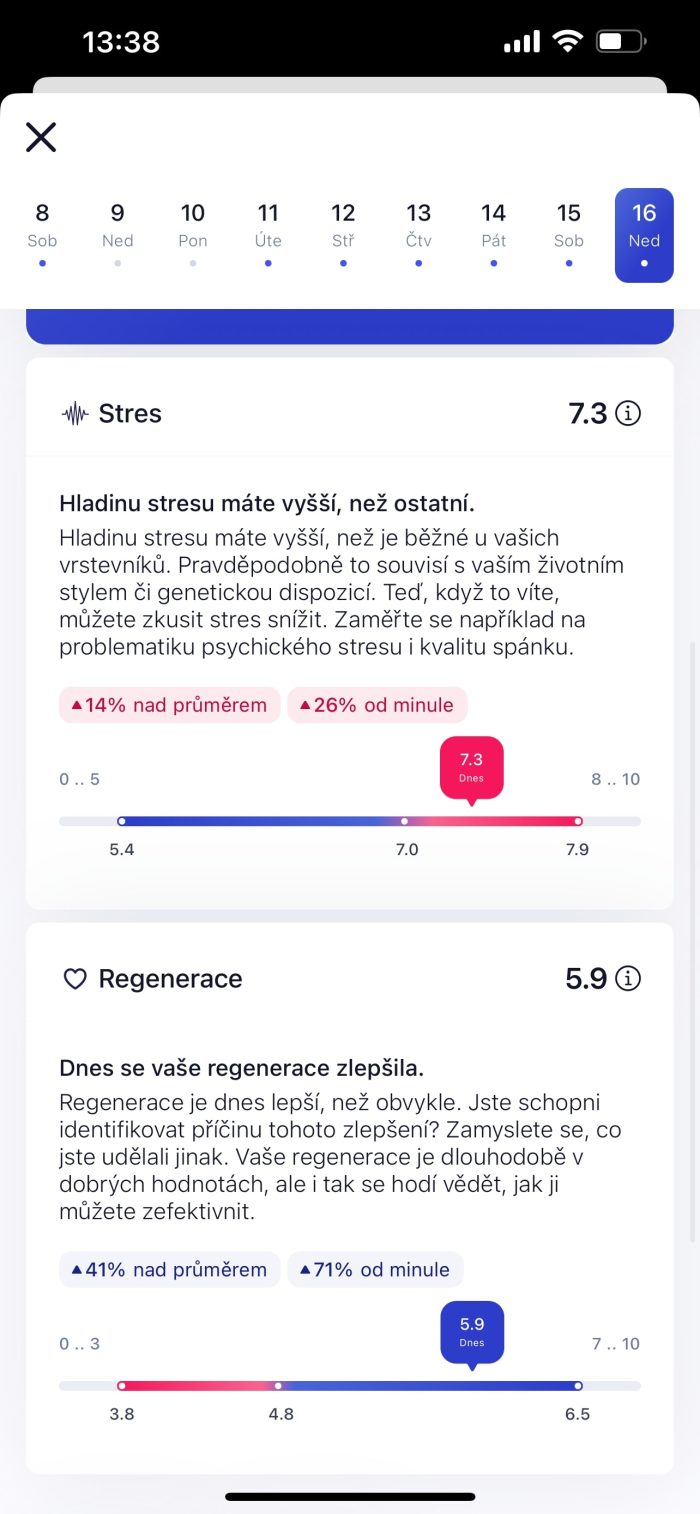
- Stress – on a scale from 0 to 10, Elonga tells you how physically stressed your body currently is. The value is based on sympathetic nervous system activity (the part of your nervous system responsible for mobilising the body during a threat). It can be a reaction to any kind of stress, even one you don’t consciously notice.
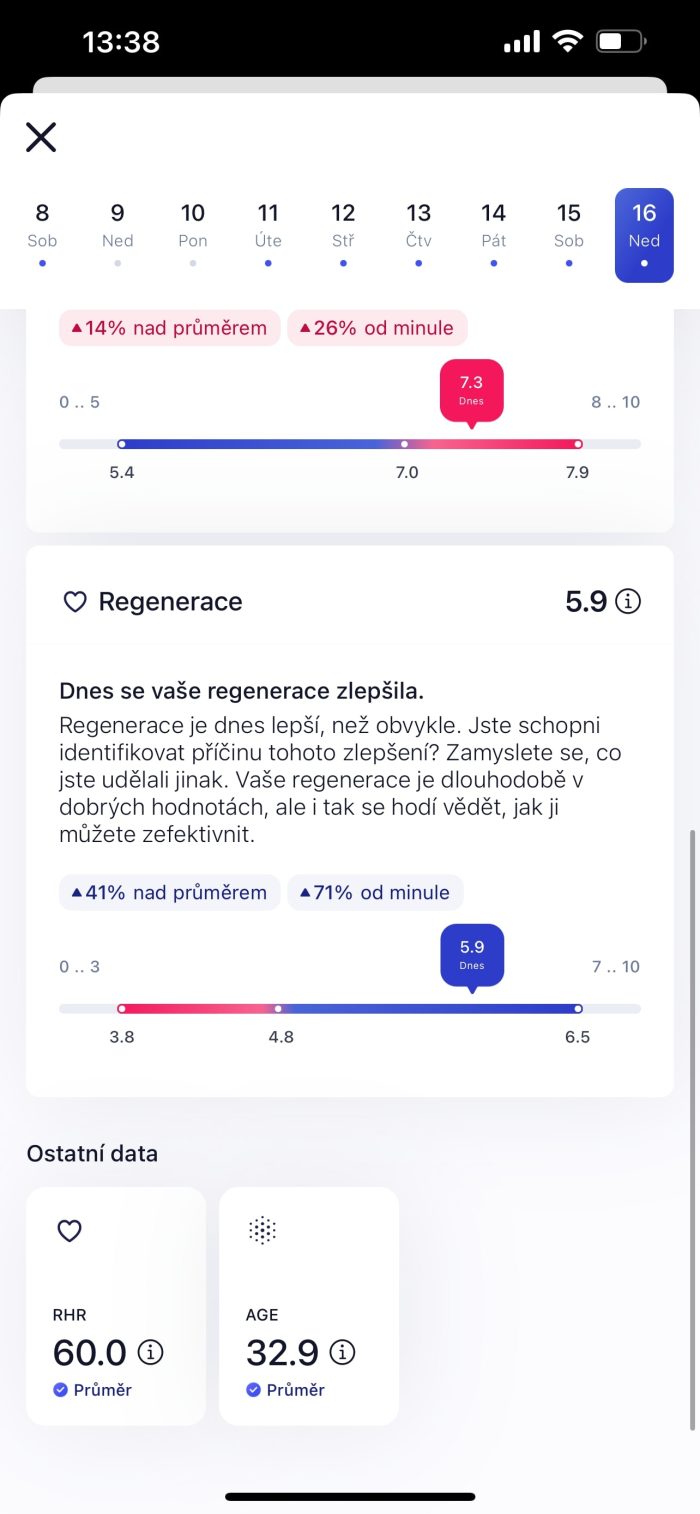
- Recovery – on a scale from 0 to 10, Elonga tells you how well your body is recovering. The value is based on parasympathetic activity (the part of your nervous system that kicks in when you rest, lowering your heart rate, improving digestion, building up energy reserves…).
- Readiness – the key metric, scored from 0 to 100. It combines sympathetic and parasympathetic data and tells you how ready you are for a workload. For each day it recommends the best approach. Should you train, or rest? And if you train, how hard?
- Resting heart rate and functional age are two extra values that Elonga calculates for you every day.
Plain-language feedback on your body’s state
I really like that the app turns the measured data into simple, plain-language recommendations. I’ve owned countless gadgets that just spit out numbers and leave you to figure it all out for yourself.
In a way, Elonga coaches and motivates me.
High Readiness score today? Elonga tells me it would be a shame not to get a proper workout in.
Well recovered today but with high stress values? Elonga suggests I do some exercise and then check the next day whether the workout helped bring my stress down.
Measurement gone completely south and everything glowing red? The app firmly tells me, in bold, to do NOTHING today. Lukáš, relax properly, skip the workout and go to bed early. Tomorrow will be better.
Weekly plans based on your values
Based on your data, Elonga creates ideal training plans, which it then adjusts according to your morning measurement. I’m still getting used to this concept, because even after a few weeks of use I’m still figuring out the best way to make the most of this feature.
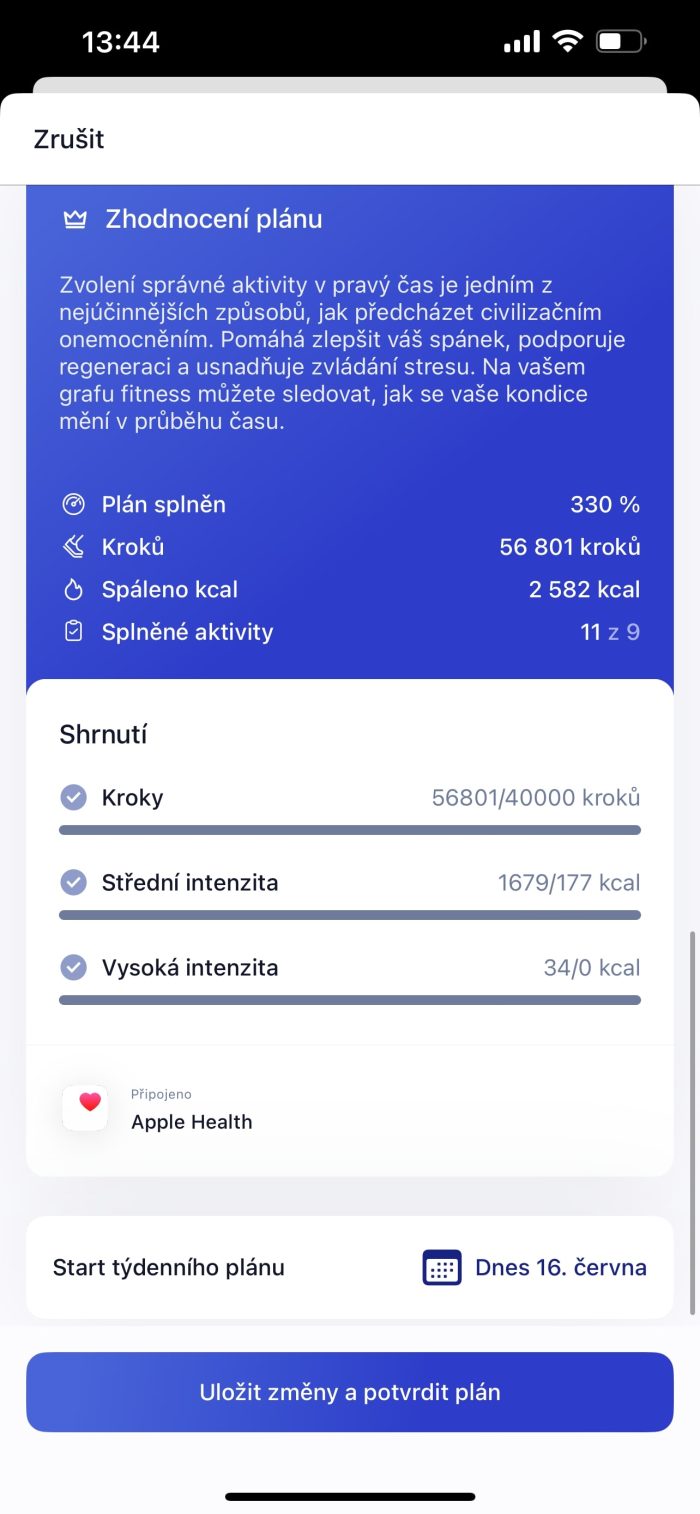
If you use a smartwatch, or measure your workouts and steps in any way, Elonga can pull that data from Apple Health or the Android equivalent and factor it in.
It then builds a plan and works out how many steps are optimal for you to walk each week, and how many minutes you should spend on moderate- and high-intensity training.
My biggest issue with the plans is that I have fixed sessions booked in with a trainer. So when Elonga tells me in the morning that I really shouldn’t train today, it’s hard to cancel and reschedule those sessions… but I get that Elonga is just trying to guide me through an active life as optimally as possible. 😊
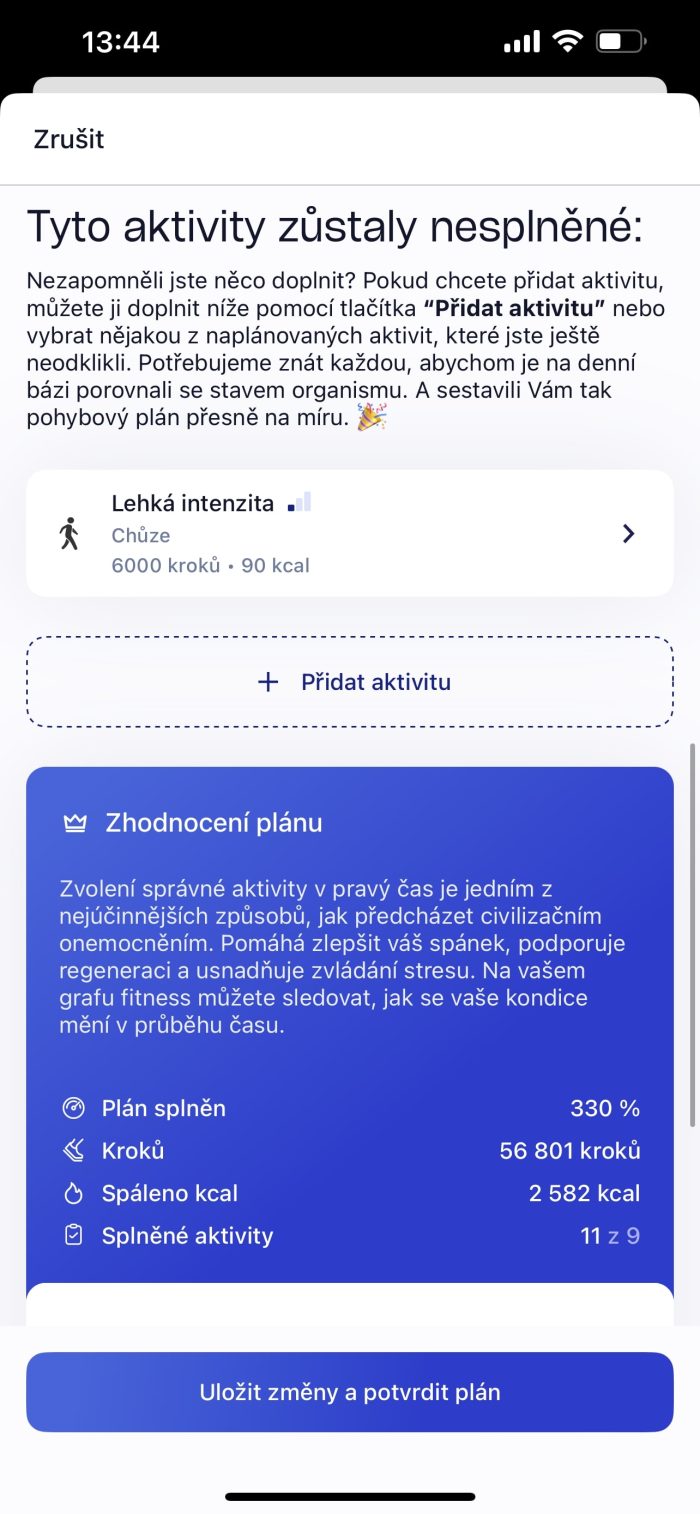
Elonga + a smartwatch = more accurate data and predictions
Elonga works perfectly well on its own, but when you feed it data from a smartwatch it can do far more, and far more accurately. So it makes a great companion to your watch (whether that’s a Garmin HRV monitor or an Apple Watch), putting their data to good use.
Long-term statistics in the Elonga app
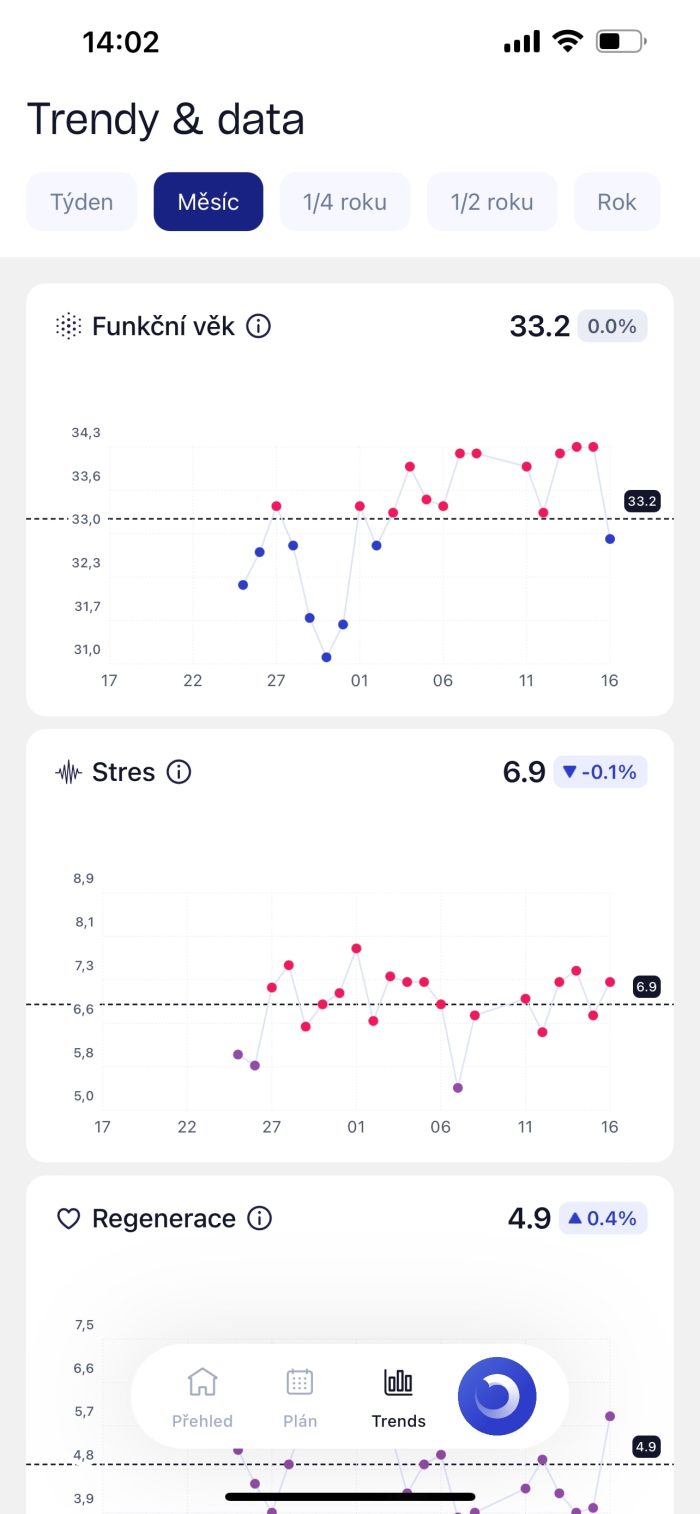
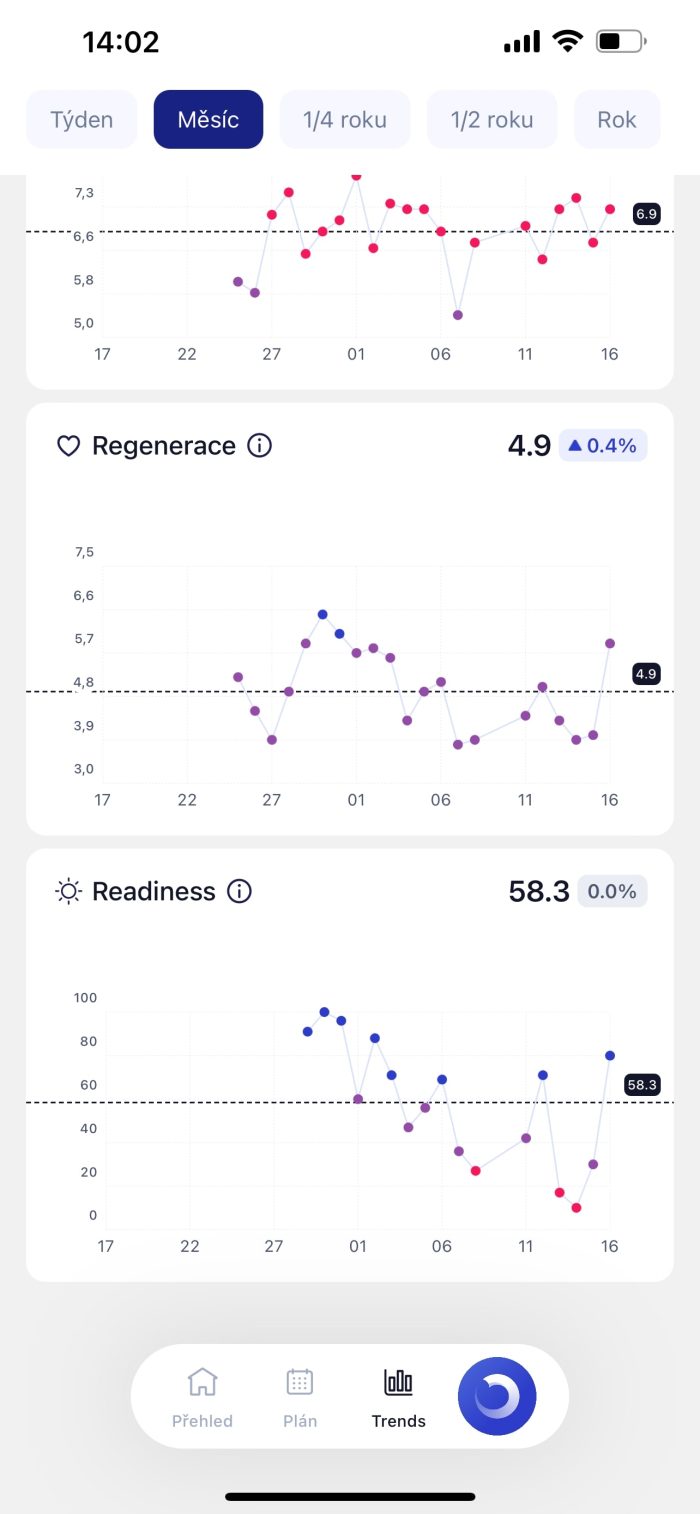
From your measured data, Elonga builds longer time series, from a single week all the way up to a full year. That lets you track how your indicators evolve. This is where you can really start to see how Elonga works and how accurate it is at estimating how you’re doing.
All of a sudden it clicks that, say, during a stretch of low Readiness you were going through a tough patch at work, or had a more demanding race build-up than usual.
Is Elonga the most accurate HRV monitor on the market?
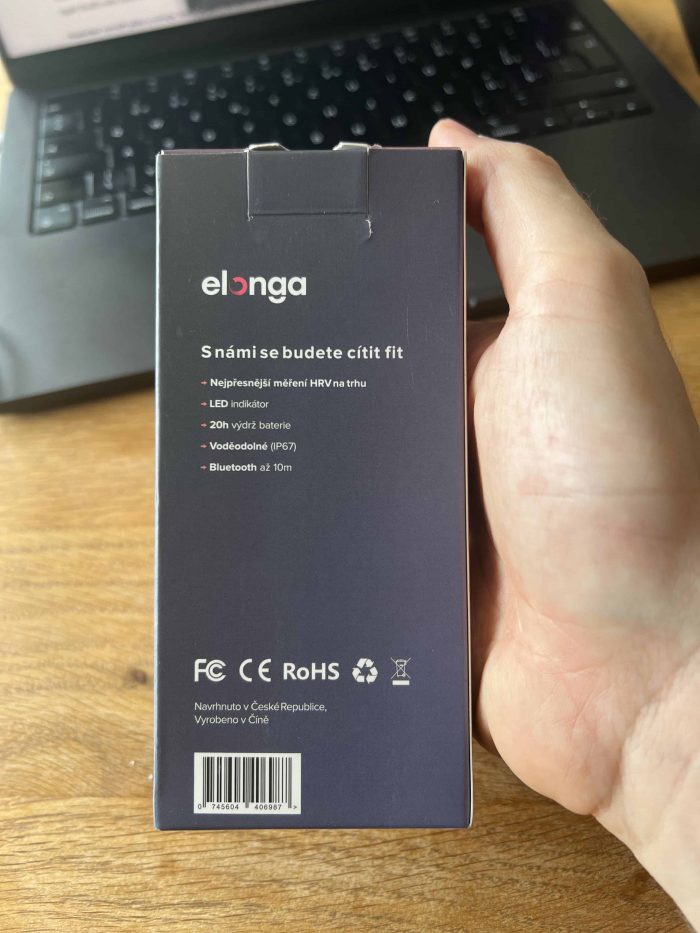
On Elonga’s website (and on the sensor’s packaging) you’ll read that it’s the most accurate HRV monitor on the market. Is that true?
The fact that Elonga is a single-purpose sensor certainly helps. It measures one thing only: HRV. And only in the morning (it won’t let you measure later in the day) and only once a day (it won’t let you do more). The sensor measures over 60 HRV parameters (though, thankfully, the app doesn’t bombard you with all of them 😅).
They’ve been working on the algorithms since 2016, and in that time they’ve gathered 1,000,000 measurements from 40,000 people, so they certainly have plenty of data. For me, though, the most important thing is personal experience. Do the measured values match how I actually feel?
Based purely on my own experience with the wristband, I can say that Elonga delivers consistent results that more or less match how I feel.
➡️ Why more or less? HRV is a merciless metric. You can feel right as rain, yet your body may still be under heavy stress that HRV will reveal.
During testing it happened several times that the day after a tough workout I felt no worse than the day before, yet Elonga told me I was poorly recovered compared with the previous day and not ready for any increased physical activity. My body simply hadn’t yet repaired the tiny tears in the muscles that the workout had caused. Without Elonga I wouldn’t have known, and I’d probably have gone for at least a run, which would only have deepened the stress and left me feeling far from great the next day.
How does Elonga differ from other HRV monitors?
Where Elonga is genuinely unique is in the algorithms that interpret the measured data. I’d assume most of their resources went straight into developing the app and the machine learning system that evaluates all the measured data in real time. While you’re measuring, the data is instantly sent to a server, and that’s where all the magic happens that lets the app tell you everything afterwards.
What don’t I like about Elonga? What could be improved?
Nothing is perfect. 😊 And like a proper reviewer, I’ll tell you everything that doesn’t quite sit right with me about Elonga.
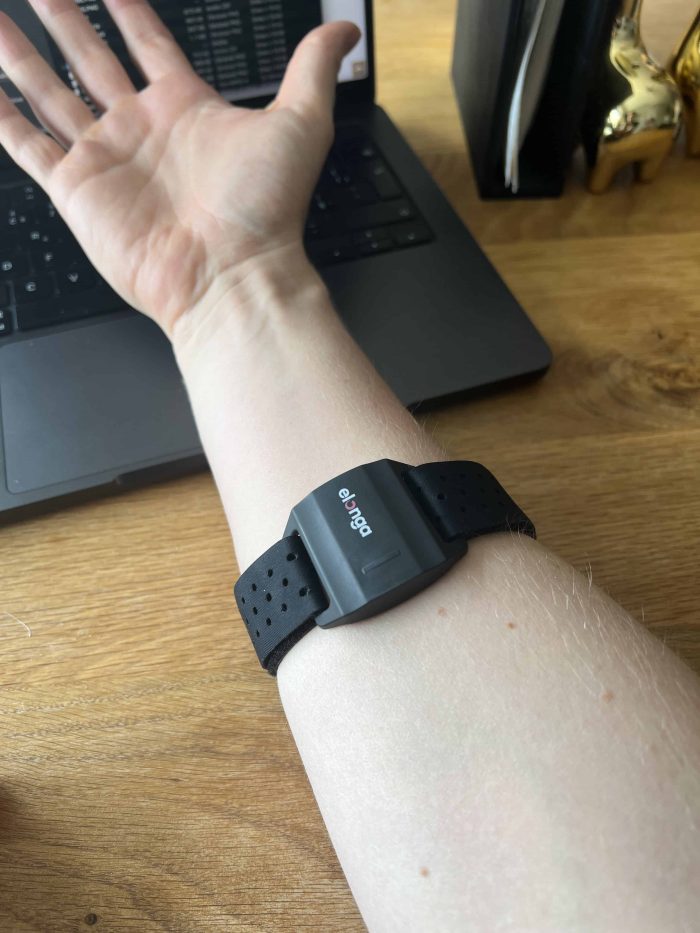
The onboarding process – during setup the app froze and the wristband wouldn’t pair. The app wasn’t prepared for this and I had to go through the whole process again. The instructions tell you to put the band on your forearm in the morning and start measuring – but you’re never told which side of the forearm. I tried both, and only one side works 🙃
No option to repeat a measurement – subjectively, I don’t love that I only get one shot at measuring. But actually, I understand why it’s set up that way. The only reason I’d want to repeat a measurement is if the numbers came out badly and I wanted to “fix” them (“maybe I measured it wrong”). But the monitor doesn’t lie 😛
You need an internet connection to measure – the app sends the data to a server, which processes it. If you don’t have an internet connection, you can’t take a measurement. That’s a shame, as some other devices can record and process data once they regain internet access.
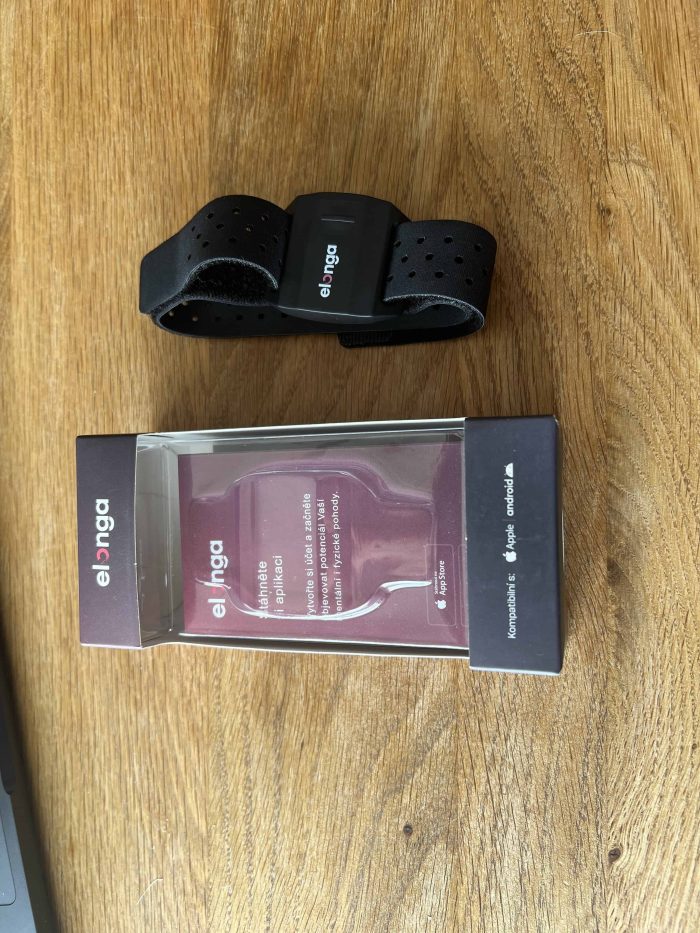
No battery indicator – the packaging tells you the battery lasts up to 20 hours of measuring. But nowhere can you find out how charged your Elonga actually is. If you’re heading off on a longer trip away from home, you absolutely have to charge your Elonga, because you’ve got no idea whether it’ll die in three days’ time.
Elonga review: a great HRV monitor at a good price
Summary
Elonga is a solid HRV monitor with a robust app that works as a great guide to an active life. It gives individual recommendations based on the state your body is in each morning.
Tips and Tricks for Your Vacation
Don’t Overpay for Flights
Search for flights on Kayak. It’s our favorite search engine because it scans the websites of all airlines and always finds the cheapest connection.
Book Your Accommodation Smartly
The best experiences we’ve had when looking for accommodation (from Alaska to Morocco) are with Booking.com, where hotels, apartments, and entire houses are usually the cheapest and most widely available.
Don’t Forget Travel Insurance
Good travel insurance will protect you against illness, accidents, theft, or flight cancellations. We’ve had a few hospital visits abroad, so we know how important it is to have proper insurance arranged.
Where we insure ourselves: SafetyWing (simple monthly subscription) and TrueTraveller (for extra-long trips).
Find the Best Experiences
Get Your Guide is a huge online marketplace where you can book guided walks, trips, skip-the-line tickets, tours, and much more. We always find some extra fun there!


