In under seven hours you climb out of the Oslo fjord, cross the Hardangervidda plateau at 1,222 metres and end up under the umbrellas of Bergen, Norway — and the whole thing can cost less than a pizza and a drink if you know when to buy your ticket. Bergensbanen, the Bergen Railway, regularly tops the lists of the most beautiful train routes in the world, and it’s far from an empty marketing gimmick. Riding this train is a fascinating cross-section of all of Norway’s nature, taking you from a comfortable seat to places no road will ever reach.
A plane can cover the route between Norway’s two largest cities in under an hour, but you’d rob yourself of a monumental experience of the rugged Nordic landscape, deep valleys and glacial plateaus. Here you’ll find everything you need to know: how to grab a cheap ticket, which side to sit on for the best photos, and why you should never underestimate this journey.
TL;DR
- Route length and time: The full route from Oslo to Bergen is 496 kilometres, and the direct train covers it in 6 hours 47 minutes to 7 hours 22 minutes depending on the service.
- Highest point: The train climbs well above the tree line, with the highest station Finse sitting at 1,222 metres above sea level and the track itself peaking at 1,237 metres in a nearby tunnel.
- 2026 ticket prices: The cheapest Lavpris (Lowfare) tickets from operator Vy start at just 249 to 299 NOK (roughly €22–27) if you book well in advance.
- When to buy: Sales open about three months before departure, and in summer the discounted tickets disappear incredibly fast, so it pays not to dawdle.
- Where to sit: For the best views, sit on the left in the direction of travel from Oslo to Myrdal, then switch to the right side from Myrdal to Bergen.
- Transfer to the Flåm Railway: At the mountain station of Myrdal you can easily change to the famous steep railway down to Flåm, which costs an extra around 538 NOK (roughly €48) one way.
- Night train: To save on a hotel, take the overnight service, where you can pay a supplement of 740 NOK (roughly €65) for an entire two-berth compartment with proper beds.
The full destination guide: Norway — guide and what to see
10 Things You Must Know About the Bergensbanen Journey
This legendary line offers far more than a simple transfer from A to B. Before you board and let the Nordic scenery carry you away, it’s worth doing a little prep for the Bergensbanen journey. That way you’ll know where the most breathtaking scenery awaits, how to save cleverly on tickets, and why it pays to plan a stop in the mountains.
Let’s go through it all step by step so you take home the absolute most from Norway.
1. The route and why it’s the most beautiful railway in Europe
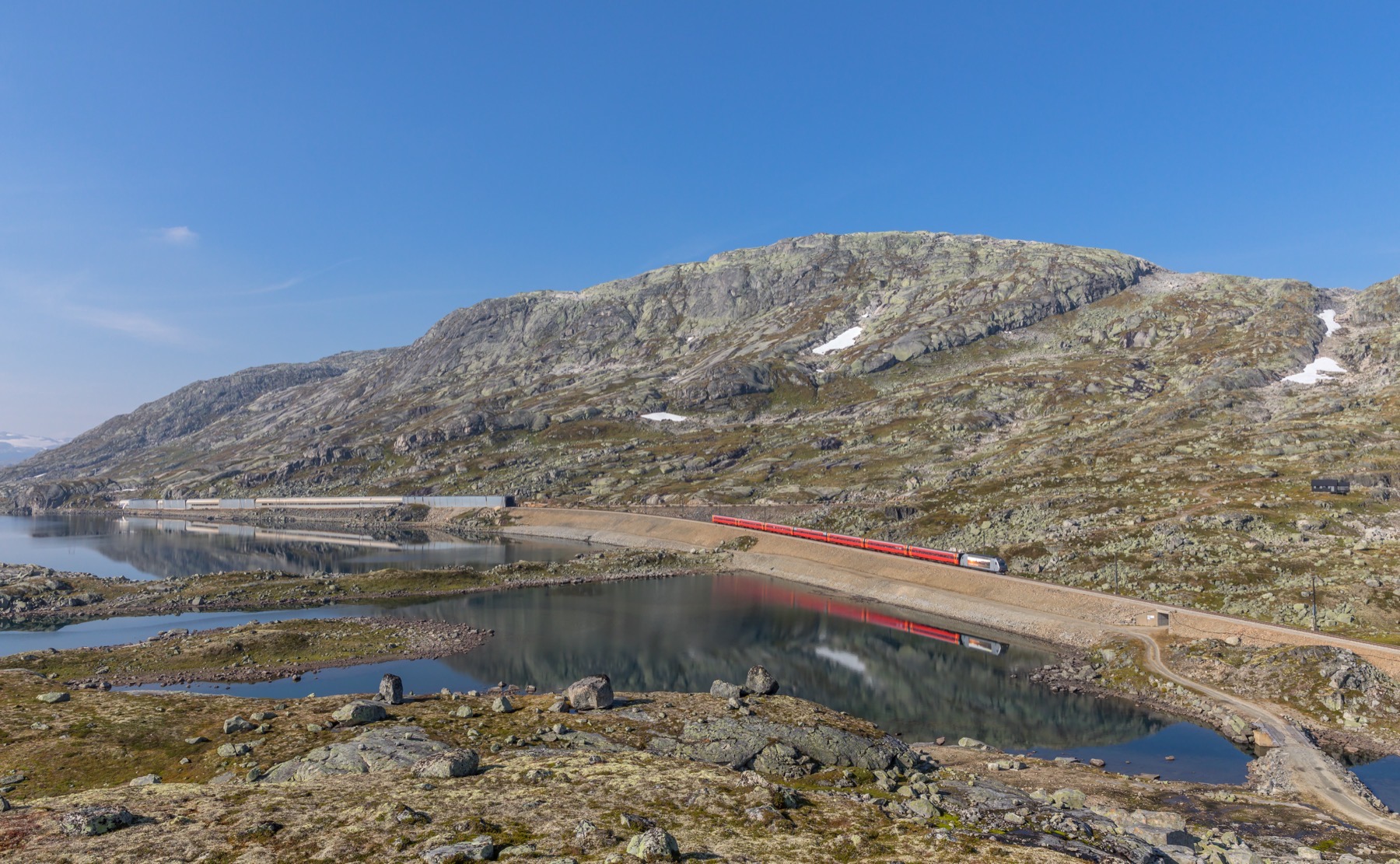
When the Norwegian authorities ceremoniously opened the Bergen Railway in 1909, many engineers considered it a miracle that the project was finished at all. Bergensbanen itself is a respectable 371 kilometres long, while the entire route from Oslo to the west coast carves off a full 496 kilometres from the map. What gets you most, though, is that roughly a hundred kilometres of that runs through rugged terrain high above the tree line. Along the way you pass through twenty-one stations and conquer around two hundred tunnels, easily ruled by the more than ten-kilometre-long Finse Tunnel.
The scenery out the window changes so fast you won’t even pull that book out of your backpack. The journey starts very peacefully in the forested Hallingdal valley, from where the train follows a wild river and deep lakes and gradually climbs onto the largest mountain plateau in Northern Europe. This area is called Hardangervidda and stretches across an incredible eight thousand square kilometres. Here you’ll find breathtaking bare Arctic tundra, frozen lakes and majestic views of Norway’s sixth-largest glacier, Hardangerjøkulen. The dramatic descent that follows through the deep Raundalen gorge towards the fjords and Bergen is the absolute cherry on top.

2. Vy tickets and how to snag a discounted Lavpris
The trains on this line are run by Norway’s national operator Vy, and I recommend buying tickets exclusively through their official website vy.no or the state platform Entur. The key to huge savings is, of course, booking early. The cheapest non-refundable Lavpris tickets start at 249 to 299 NOK (roughly €22–27), though realistically in the peak summer season expect closer to 500 NOK. Leave it to the last minute, however, and the Lavpris tickets are guaranteed to be gone, leaving you to pay the full flexible fare, which in 2026 runs around 1,238 to 1,362 NOK (roughly €110–120).
💡 Tip: Sales usually open about three months before departure, and for the very busy summer months I recommend booking at least six to eight weeks ahead. If you want to make the most of the ride, you can also pay extra for Plus class. It offers much wider seats, more legroom, handy work tables and, best of all, unlimited free coffee and tea for the whole journey. Don’t forget that children under five travel free and seniors over 67 get a 50% discount.
3. Which side of the carriage to sit on for the best photos
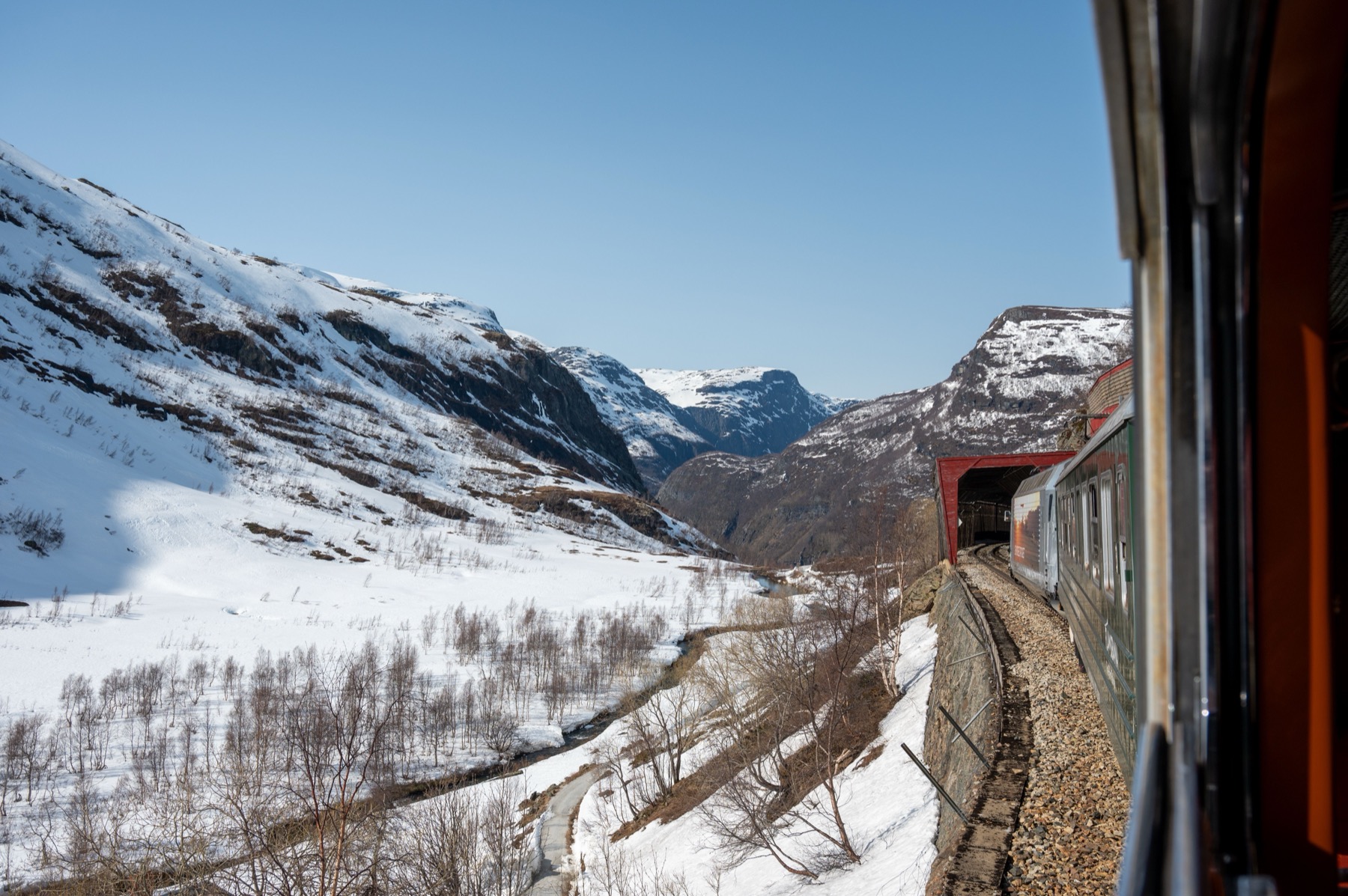
One of the most common questions travellers ask is which seat to pick in the booking system so they don’t miss Norway’s most dramatic scenery. The line twists and turns constantly and offers gorgeous views fairly to both sides, but the general consensus is to sit on the left side in the direction of travel from Oslo to Myrdal. That gives you an unbeatable view of the rushing rivers and mirror-like lakes of the Hallingdal valley, which makes up the first third of the trip. Reserving a specific seat is free with all ticket types, so definitely don’t leave it to chance.
On the Vy website, pick a window seat in the carriage plan — the aisle really robs you of the view. Once the train passes the highest Arctic sections and starts dropping sharply towards the west coast, the whole situation flips. From Myrdal to Bergen it pays to have a seat on the right side, where you’ll see the steepest slopes of the Raundalen valley and, later, the calm surfaces of deep fjords. And if the left side from Oslo doesn’t work out, don’t despair — the right side offers a fantastic view of the Hardangerjøkulen glacier near Finse station.
4. The night train and the magic of a sleeper compartment
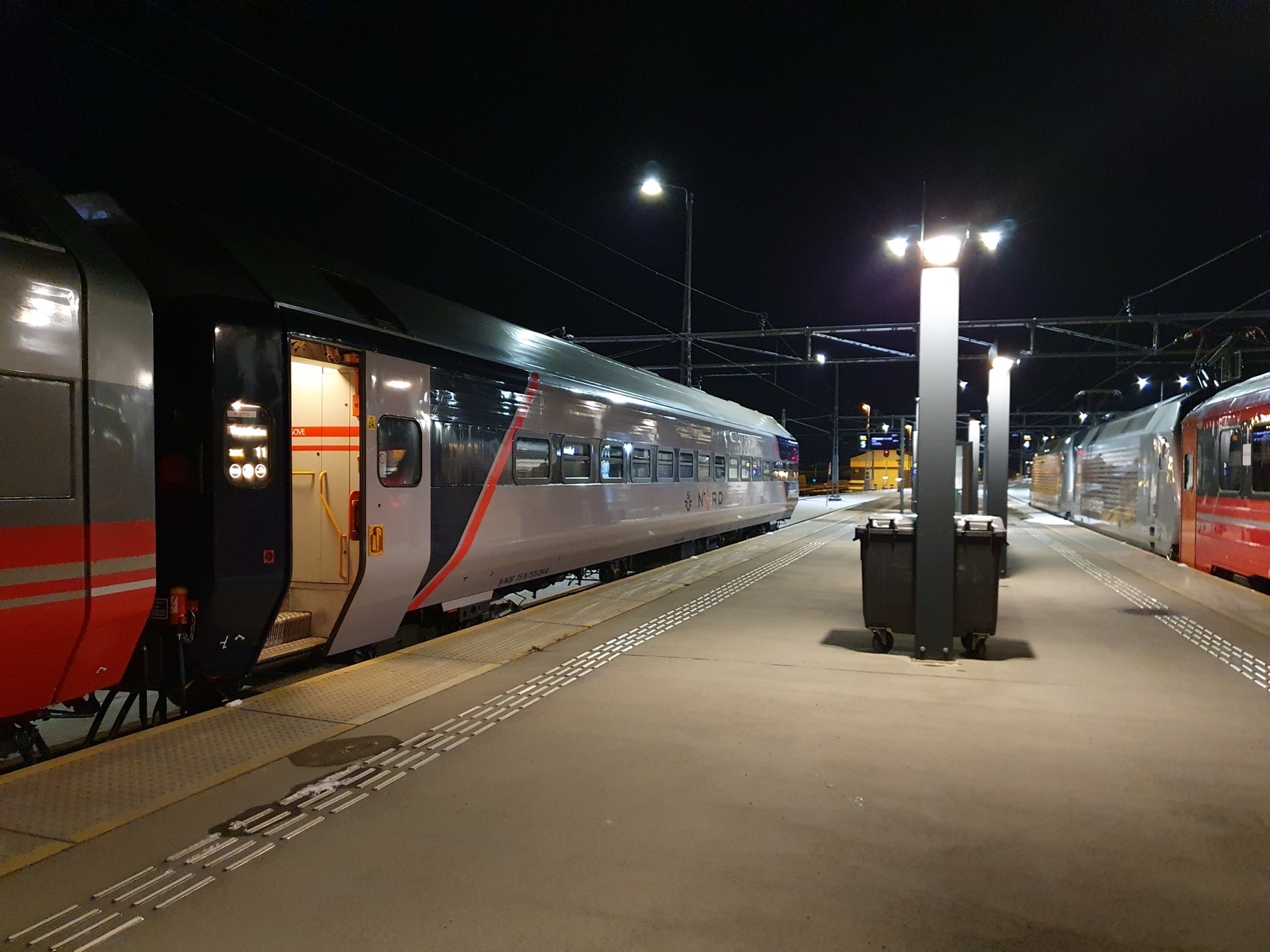
If your itinerary is packed and you want to save both money and precious time on a hotel, Bergensbanen offers very popular overnight services. Those from Oslo usually leave around eleven at night and reach Bergen after six in the morning. A basic ticket for an ordinary seat starts at roughly 479 NOK (roughly €42), but hand on heart, sleeping upright isn’t ideal for everyone. For a small supplement of 130 NOK (roughly €12) you can choose the PlusNight fare, where you get a fully reclining seat, a blanket and bottled water, so you certainly won’t complain about a decent night’s sleep.
A far more interesting option, though, is to book a proper sleeper compartment, which is incredibly worth it especially if you’re travelling as a pair. The supplement for an entire two-berth compartment is 740 NOK (roughly €65), regardless of whether one or two people sleep in it. Inside you’ll find very comfortable beds with clean linen, soft towels and even a small sink for morning freshening up. You pick up the key in the form of a magnetic card from the conductor in the dining car, and in the morning the staff gently wake you just before arrival, so there’s no fear of oversleeping.
5. The cult stop of Finse, like another planet
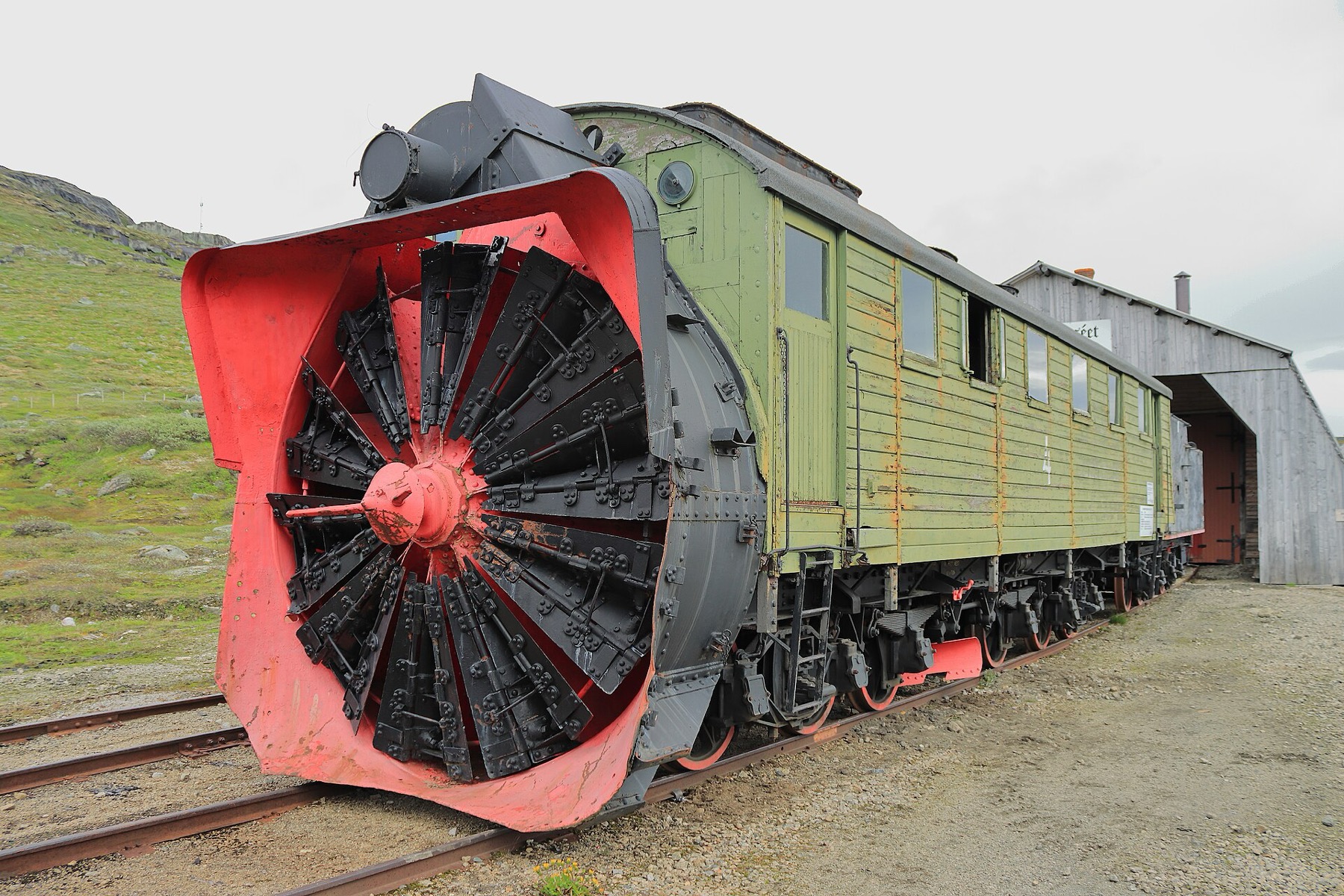
About halfway along you arrive at Finse station, an absolute one-off of the entire Norwegian rail network, and quite possibly all of Europe. It sits at 1,222 metres above sea level and has absolutely no road leading to it, so the train is the only conceivable connection with the surrounding civilization. The place is essentially just a station, the historic hotel Finse 1222 and the small Rallarmuseet museum, which together create the most isolated and rugged combination of high-mountain atmosphere you won’t easily find anywhere else in Europe.
It was these eternally snow-covered plains and the mighty nearby Hardangerjøkulen glacier that Hollywood filmmakers chose in the spring of 1979 to shoot scenes for the ice planet Hoth from the cult film Star Wars: The Empire Strikes Back. For fans of the saga, an ordinary station has thus become a huge pilgrimage site. In summer, the famous Rallarvegen cycling route also starts here, running around eighty kilometres and tracing the old workers’ roads all the way down to the fjord and the little town of Flåm. Bikes can be hired here without any trouble and the experience is said to be absolutely phenomenal.
6. The transfer at Myrdal and the legendary Flåmsbana
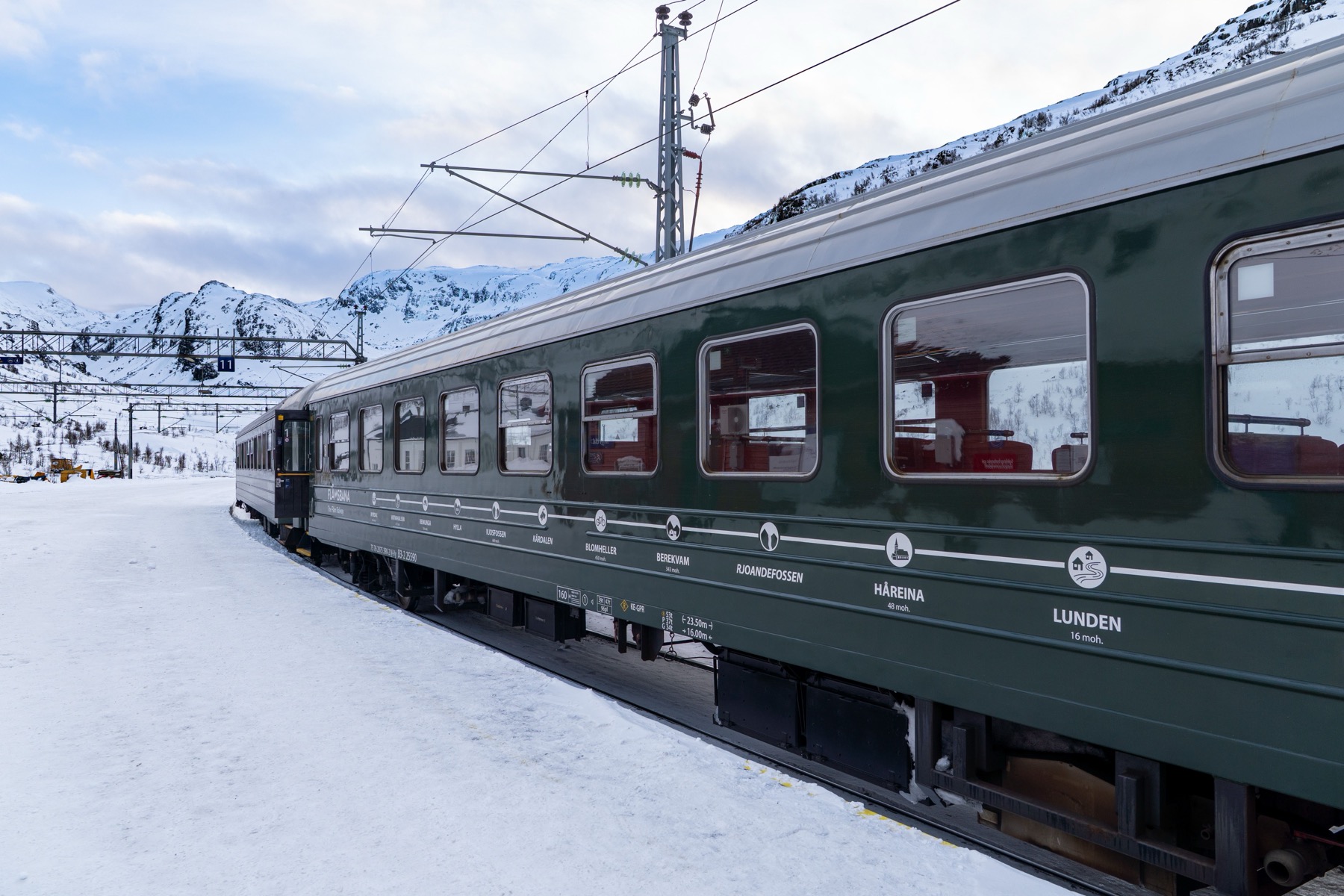
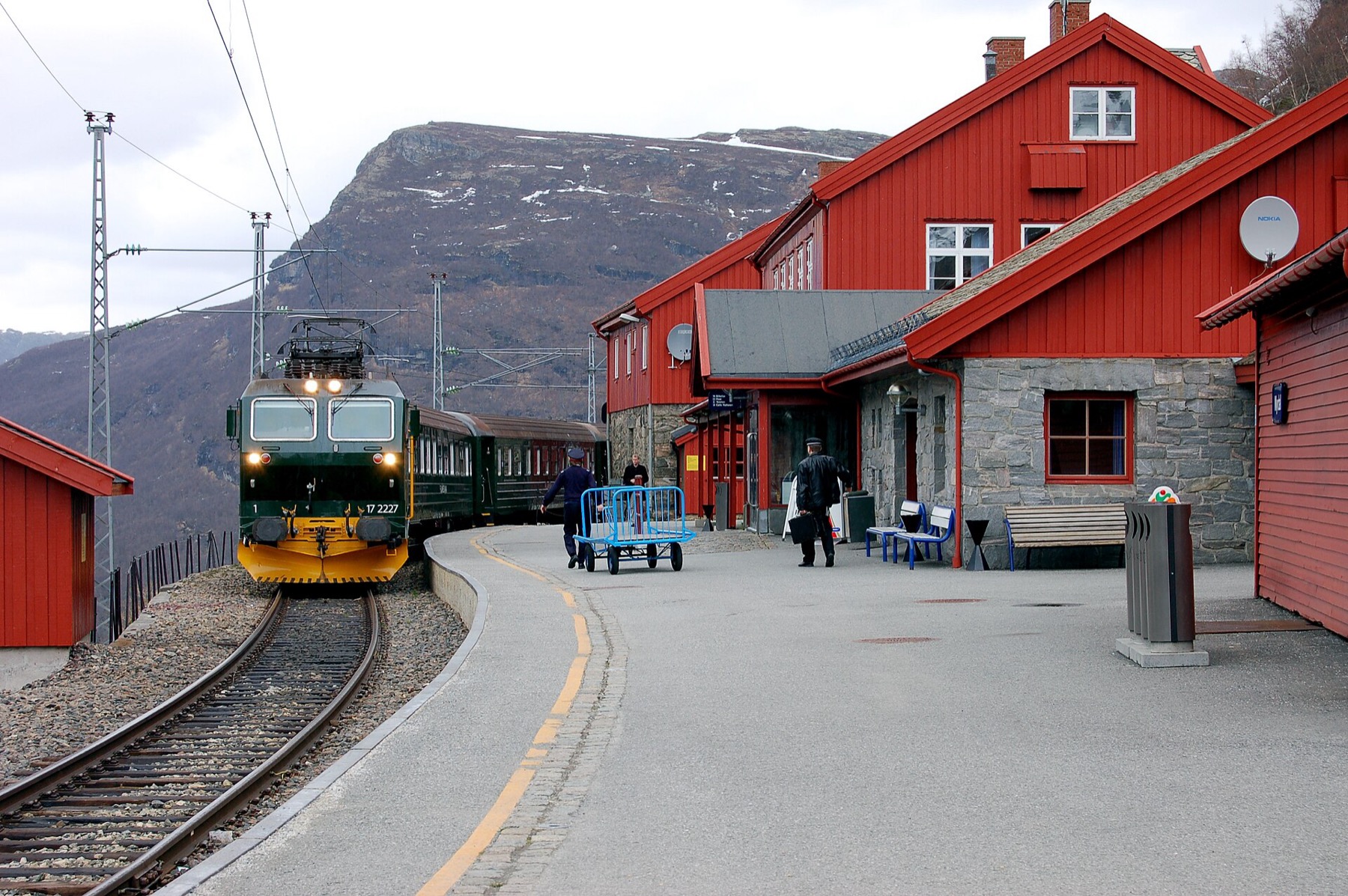
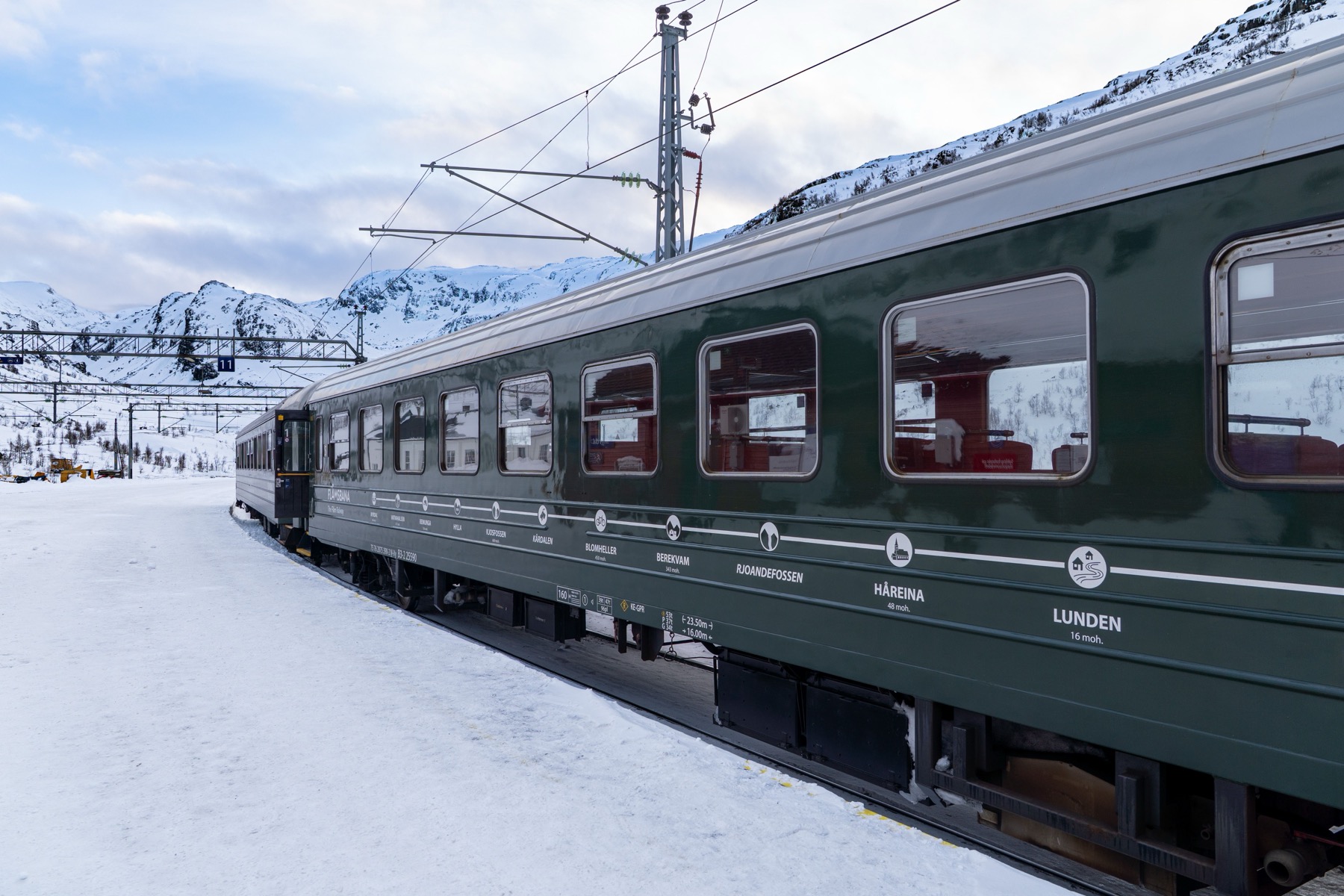
Another mountain station you definitely shouldn’t pass by unnoticed is Myrdal, set at 867 metres above sea level. This is where one of the steepest railways in Europe connects to the main line — the utterly legendary Flåm Railway, or Flåmsbana. Over just twenty kilometres, this green train drops an incredible 860 vertical metres down to the Aurlandsfjord. The average gradient is 5.5% and along the way you pass through twenty tunnels, eighteen of which the workers reportedly had to dig entirely by hand.
💡 Tip: Myrdal station has only two tracks, so the transfer from Bergensbanen is completely hassle-free and really takes only a few seconds. A one-way ticket from Myrdal to Flåm costs from 538 NOK (roughly €48) and you can buy it directly as a connecting service through the Vy system. If you want to go back too, a return ticket costs 900 NOK through the booking site Norway’s Best. During the roughly fifty-minute ride the train even makes a special five-minute photo stop at the stunning Kjosfossen waterfall, which is 93 metres high and where, in summer, the mythical fairy Huldra is said to dance.
7. Voss and why it pays to split the journey
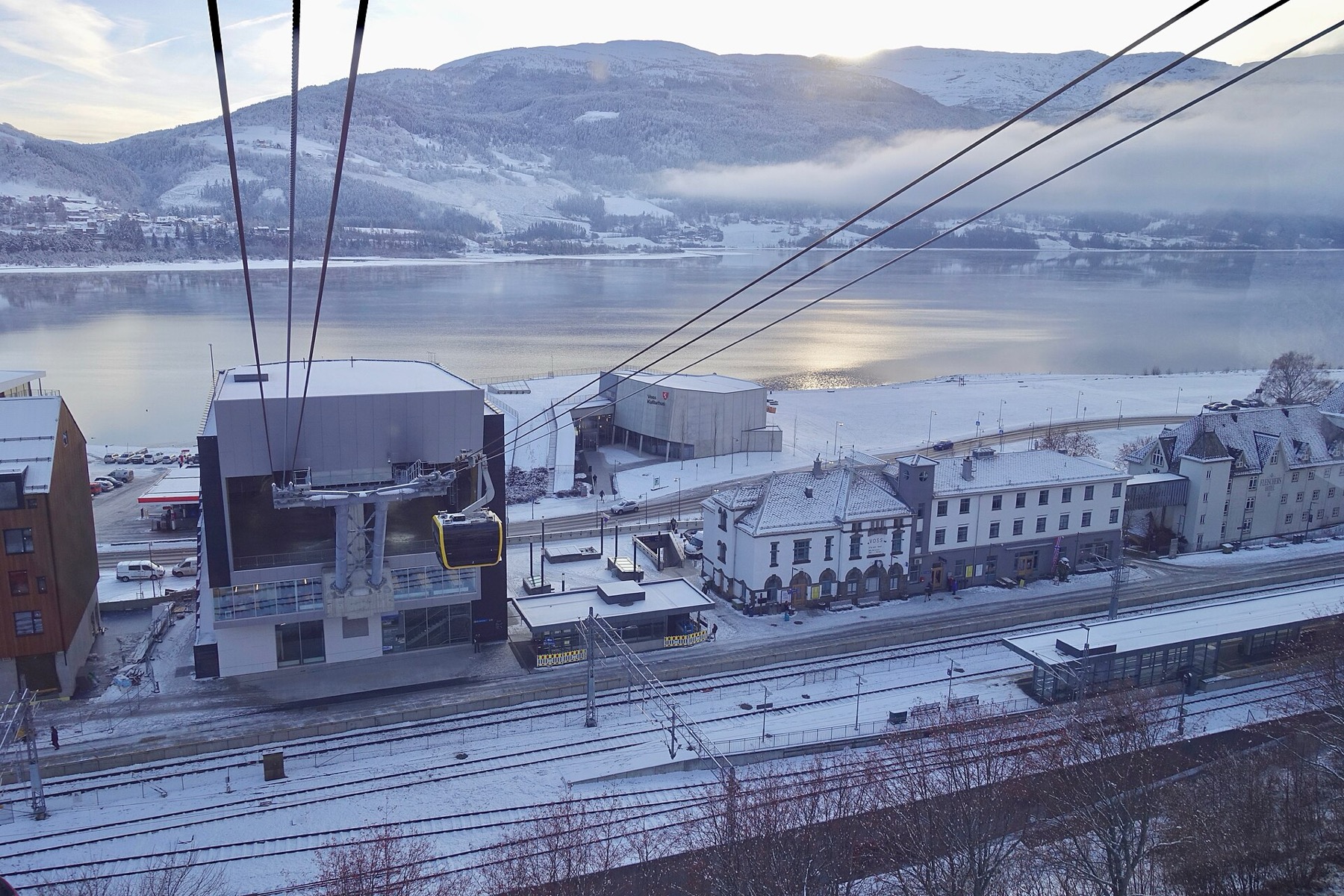
If you’ve set aside more time to explore Norway, I strongly recommend not doing the whole Oslo–Bergen route in one go. You can easily manage the nearly twelve-hour marathon even with the detour to Flåm, but you’ll miss the huge chance to explore the area around the line in more detail. The ideal place to break the journey is the little town of Voss, considered Norway’s outdoor capital, offering something for every adrenaline lover. The train from here to Bergen takes just one hour and ten minutes.
Right from the Voss railway station, the ultramodern Voss Gondol cable car departs and whisks you up to the Hangurstoppen summit at 820 metres in a few minutes. From there open up wonderful views of the surrounding mountains and lakes, where you can grab a coffee and just relax for a while. The whole area is otherwise renowned for absolutely superb conditions for hiking, wild river rafting or paragliding. If you fancy a small bus trip, just outside town the cascading Tvindefossen waterfall tumbles down the cliffs, and this is one spot where a camera really comes in handy.
8. Winter versus summer on the rails
The Bergensbanen experience differs dramatically depending on the season you visit Norway, and according to the locals both versions have huge charm. In summer you can look forward to endlessly long days full of light, richly green valleys, thundering waterfalls and flocks of sheep grazing carefree just beside the track. It’s also by far the best time to combine the train with hiking or cycling, because all the high-mountain trails are open and you can venture on trips deeper into the surroundings.
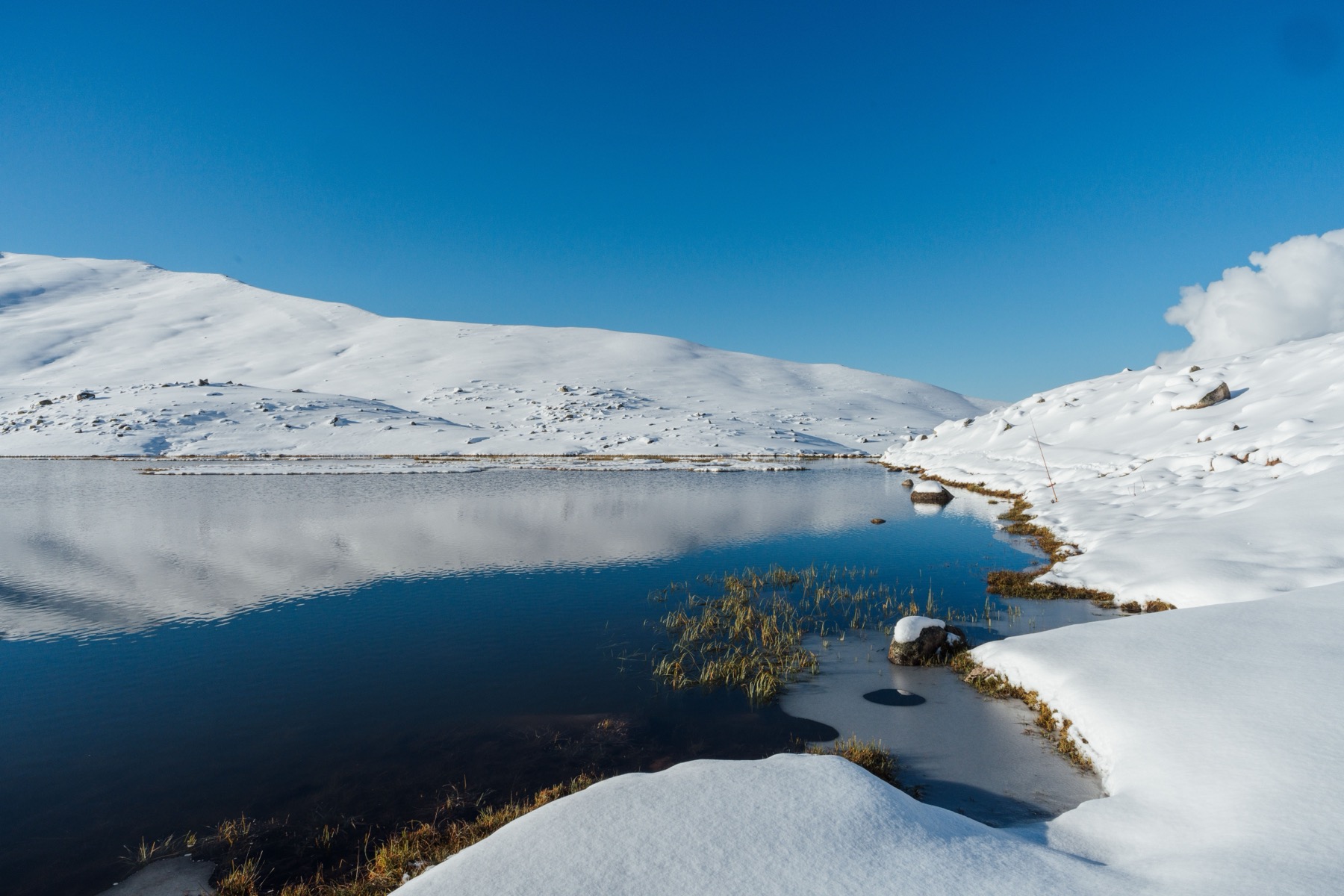
A winter train ride, by contrast, feels like a harsh expedition into the heart of the impenetrable Arctic. The summit sections around Finse station are reliably buried under several metres of snow drifts and the train passes through endless snow galleries that protect the rails from falling avalanches. The winter landscape on the plateau feels incredibly pure and raw. Do plan ahead, though, for the fact that during extreme blizzards the line can run late, or is sometimes closed entirely for a few hours for safety reasons until special ploughs clear the tracks again.


9. On-board facilities: food, bikes and a kids’ play area
Norwegian trains really are a different league — clean, quiet and surprisingly spacious. If you’re travelling with little explorers, definitely pick seats in the special Family car when buying your ticket. It has a truly fabulous kids’ play area, tons of room for prams and a large changing corner, so the long journey passes incomparably faster for children and saves you a lot of stress. In the middle section of every train you’ll always find the Vy Kafé dining car.
The bistro typically serves hot meals for around 100 to 200 NOK, fresh sandwiches, hot coffee and traditional Norwegian waffles. Prices here are naturally quite high, though, so if you’re travelling on a slightly tight budget, definitely pack a hearty snack of your own straight into your backpack. Free Wi-Fi is a given on board, along with very spacious toilets. In summer you can bring a bike on the train for a fee, but spaces must be booked really far in advance because of the huge demand from cyclists heading to the Rallarvegen route. Transporting skis in winter, on the other hand, is completely hassle-free.
10. Train versus plane and car
You might be seriously weighing up whether to rent a car for the trip from Oslo to the west coast, or simply fly instead. The Oslo–Bergen flight is only fifty minutes in the air, but once you add the trip to Gardermoen airport, mandatory security checks and the tedious transfer from Flesland airport into central Bergen, the overall time difference shrinks very quickly. The train also drops you off completely stress-free right in the very heart of both cities, and you save on expensive transfers.
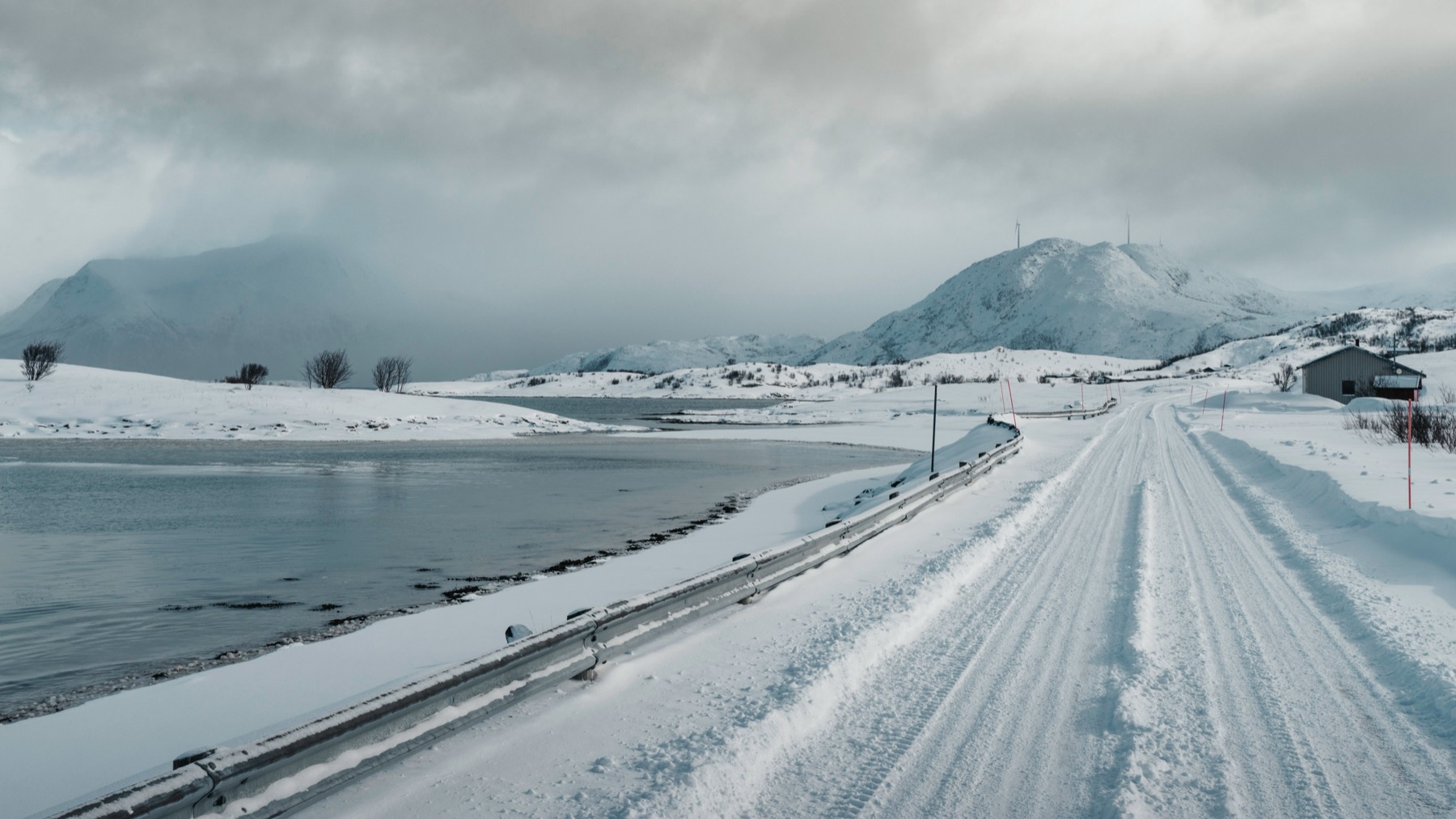
The drive over the mountain passes is undeniably gorgeous, but behind the wheel you won’t enjoy the views nearly as much, because the driver has to concentrate constantly on sharp switchbacks and narrow roads. Even without longer stops the drive takes at least seven to eight hours and you have to reckon with very high costs for fuel and Norwegian toll gates. The train is simply the greenest option, and if you buy your ticket in time, it works out cheaper than the car too.
Practical summary and rough prices for 2026
To make planning easier, here’s an overview of rough prices for the 2026 high season. Exchange rates can of course shift a little, but for a basic idea of your budget this works perfectly (calculated at roughly 1 NOK = €0.09).
- Basic Oslo–Bergen ticket (discounted Lavpris): from 249 to 539 NOK (roughly €22–48)
- Full flexible Oslo–Bergen fare: roughly 1,238 to 1,362 NOK (roughly €110–120)
- Night train (basic seat): from 479 NOK (roughly €42)
- Supplement for an entire two-berth compartment on the night train: 740 NOK (roughly €65)
- Supplement for a premium PlusNight reclining seat: 130 NOK (roughly €12)
- Flåmsbana one way from Myrdal to Flåm (via Vy): from 538 NOK (roughly €48)
- Return ticket for Flåmsbana (Norway’s Best): 900 NOK (roughly €80)

Where to eat
When hunger strikes on your journey through the Norwegian landscape, you have several great options to choose from. Norwegian cuisine offers plenty of local specialities, so don’t settle for just the supplies in your backpack. Here are a few tried-and-tested tips right on the route.

Vy Kafé right on the train
As mentioned above, the dining car itself offers a very decent standard. I especially recommend trying the traditional Norwegian waffles with brown cheese, brunost — an absolute classic that simply belongs to Nordic travel. Wash it down with hot coffee and you’ve got the ideal snack with a view of the glaciers.

A stop in Voss and Bergen
If you break the journey in Voss, the local classic is Vangen Café, with excellent soups and traditional meatballs at reasonable prices; vegetarians will find soups and salads here too. Once you arrive in Bergen, the famous Fisketorget fish market is well worth a stop, where fresh catches are prepared right before visitors’ eyes. It’s a slightly pricier experience, but it’s an inseparable part of Bergen.

Where to stay along the route
💡 Tip for accommodation and experiences: We prefer to look for accommodation on Booking.com, which usually has the best cancellation terms. Tickets, tours and activities are then worth comparing and buying through GetYourGuide.
If you decide not to stick to a one-day crossing and want to soak up that gorgeous Nordic nature to the fullest, I recommend staying overnight right on the route or in the final destination at one of the tried-and-tested accommodations. By splitting the journey into two days you save a lot of stress from any potential delays and, above all, you get to enjoy the most beautiful spots early in the morning, before the crowds of day-trippers from cruise ships arrive. A night in the fjord area is a bit pricier, but that morning calm over the water is one hundred percent worth it.
If you branch off Bergensbanen down to the little town of Flåm, you have several gorgeous options to choose from. The absolute classic is Fretheim Hotel. It’s a historic hotel where the architecture and the glass-walled restaurant with fjord views are worth a stop in themselves, plus it’s a one-minute walk from the station. Right next door you’ll also find the popular Flåmsbrygga hotel, which even has the famous Ægir Viking brewery on its grounds. Anyone looking for a quieter atmosphere can take a bus about ten minutes to neighbouring Aurland and stay at the picturesque Vangsgaarden guesthouse with perfect views over the fjord surface.
For true adventurers there’s a completely unique experience in the form of staying right at the highest station on the line, which has no road to it at all. The mountain hotel Finse 1222 has an incredible high-mountain atmosphere, and in the morning you can set off straight for the Hardangerjøkulen glacier or the famous Rallarvegen cycle path.
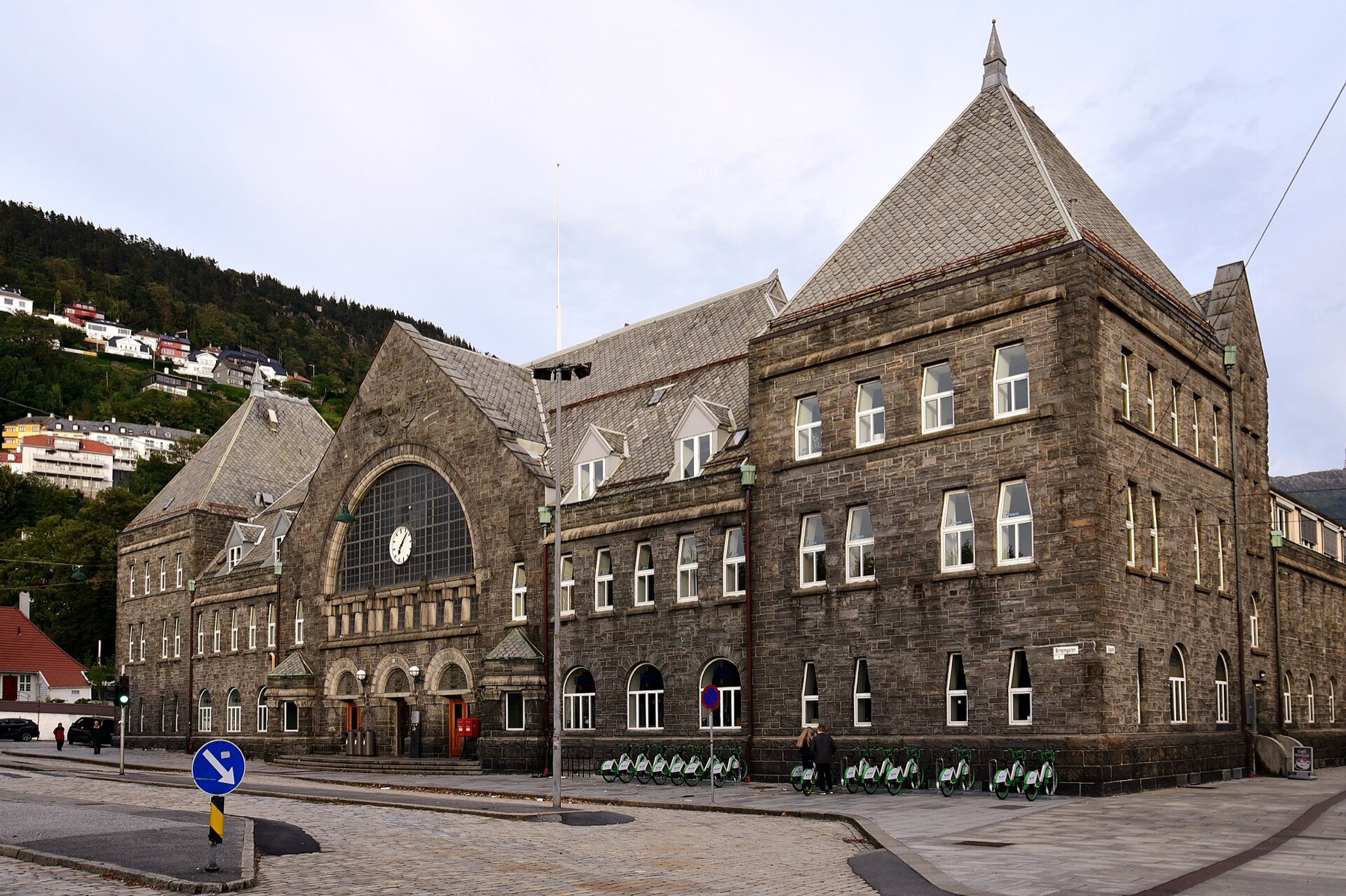
Once you reach your final destination, you’ll definitely appreciate the elegant Grand Hotel Terminus in Bergen. This beautiful hotel sits right across from the main railway station, so after a long journey you won’t have to lug heavy suitcases anywhere. It offers absolutely superb breakfasts and makes the perfect base for exploring the lanes of the historic Bryggen quarter.
Where to go next
From Bergen or the intermediate stations, plenty of other adventures await. Here you’ll find our detailed guides that will come in handy when planning the rest of your Nordic trip.
- Norway in a Nutshell on your own
- The Flåm Railway (Flåmsbana)
- Oslo: what to see
- Bergen: what to see
- Norway: 50 tips on what to see
- When to go to Norway: Norwegian weather
Frequently asked questions
Planning a trip north always brings plenty of practical questions. Here you’ll find answers to the most common ones, which will help you picture the whole ride through the Norwegian mountains much more clearly and make your final preparations easier.
How long does the train from Oslo to Bergen take?
The direct train journey typically takes 6 hours and 47 minutes to 7 hours and 22 minutes, covering a distance of 496 kilometres. The connections are direct and you don’t need to change trains anywhere along the way, unless you decide to take a detour to Flåm. The journey flies by because the scenery outside the window constantly changes from deep forests to Arctic tundra.
How much does the Oslo–Bergen train cost?
The cheapest advance Lavpris tickets can be found when booking several months ahead from 249 to 539 NOK. If you buy your ticket just before departure, you’ll pay the full flexible fare, which runs around 1,240 to 1,360 NOK. Night trains are exceptionally good value because you’ll only pay a fixed supplement of 740 NOK for an entire sleeper compartment for two.
Which side of the train is best to sit on?
For the absolute best photographic opportunities, reserve a seat from Oslo to the mountain station of Myrdal on the left side in the direction of travel, where you’ll see rivers and lakes. Once the train begins descending through the gorge towards Bergen, the most beautiful views shift to the right side. Seat reservations are free with all tickets, so choose your seat early on the carriage plan.
Does the Bergensbanen run in winter?
Yes, the line is in full year-round operation and the winter journey offers absolutely magical Arctic scenery, especially on the snow-covered Hardangervidda plateau near Finse station. During periods of extreme snowstorms, however, you need to expect possible delays or even short-term line closures until special snow ploughs safely clear the tracks again.
Is the night train to Bergen worth it?
The night service is an absolutely brilliant choice if you want to maximise time exploring both cities while also saving a considerable amount of money on one night in a Norwegian hotel. The sleeper compartments are very clean, incredibly comfortable, and waking up in the morning with views of deep fjords just before arriving in Bergen is an experience that’s simply priceless.
Can you take a bicycle or skis on the train?
You can take skis on the train during the winter season quite routinely and without complicated reservation procedures. Transporting bicycles in summer is also possible, but given the enormous popularity of the Rallarvegen cycle path, you must reserve a bike space as a paid supplement to your ticket well in advance, otherwise you won’t get on the train.
Is the Bergensbanen or Flåmsbana better?
It’s a bit like asking whether the sea or the mountains are better. It depends on you, but ideally do both. The Bergensbanen is a monumental crossing of the entire mountain range with Arctic landscape, while the Flåmsbana is a short but incredibly steep descent through a deep green valley straight to the fjord. The ideal option is to combine both railways into one grand trip.
Tips and Tricks for Your Vacation
Don’t Overpay for Flights
Search for flights on Kayak. It’s our favorite search engine because it scans the websites of all airlines and always finds the cheapest connection.
Book Your Accommodation Smartly
The best experiences we’ve had when looking for accommodation (from Alaska to Morocco) are with Booking.com, where hotels, apartments, and entire houses are usually the cheapest and most widely available.
 🚗 Car rental on the roadVerified rental cars in Norway
Search with the DiscoverCars comparison engine — it compares prices from dozens of local and international rental companies, and most bookings come with free cancellation.
Compare car prices in Norway →Don’t Forget Travel Insurance
Good travel insurance will protect you against illness, accidents, theft, or flight cancellations. We’ve had a few hospital visits abroad, so we know how important it is to have proper insurance arranged.
Where we insure ourselves: SafetyWing (simple monthly subscription) and TrueTraveller (for extra-long trips).
Find the Best Experiences
Get Your Guide is a huge online marketplace where you can book guided walks, trips, skip-the-line tickets, tours, and much more. We always find some extra fun there!