If you’re planning tours in Svalbard, Norway, the world you’re allowed to explore on your own ends at the polar bear warning sign on the edge of Longyearbyen. Everything beyond is raw Arctic wilderness that, for safety reasons, you can only enter with an armed guide. That’s exactly why you need to choose your tours wisely and plan ahead. There’s no such thing here as wandering off aimlessly with a backpack on your shoulders, unless you happen to hold a firearms licence and a special permit from the Governor.
If you don’t put your trip together properly, you can easily end up spending a whole week just staring at snowy peaks from your hotel window and paying astronomical prices for dinners. I’ve put together a detailed guide based on what real travellers repeat again and again on forums and in reviews, so you don’t miss the right tour just because you didn’t know where to click.
TL;DR
Here’s a quick overview of the most important things you should know before you go.
- No guide, no go: Outside the zone around the capital, Longyearbyen, you’re not allowed to travel without a firearm and polar bear deterrents. Organised tours are therefore a must.
- High budgets: Expect every activity-packed day to cost something. Six days of tours for two people typically runs around 20,000 NOK (roughly €1,700) on forums.
- Northern lights don’t make sense: Svalbard lies too far north, above the auroral oval. Dedicated northern lights tours have little value here — you’re much better off heading to mainland Tromsø.
- Strict new 2025 rules: Expedition ships in protected areas may carry a maximum of 200 passengers, and landings are only allowed at 43 approved sites. Drones are completely banned.
- The winter hit is the ice cave: Travellers unanimously agree that exploring a glacier ice cave is the absolute highlight of the winter season.
- Booking early is key: The best tours and cruises are usually sold out months in advance during high season from March to August.
The full destination guide: Norway — guide and what to see
When to visit Svalbard in Norway
Timing is absolutely crucial in Svalbard, because each season offers a completely different experience and some activities are mutually exclusive. Winter here lasts from November to mid-February and brings the dark polar night. During this time the sun doesn’t rise above the horizon at all, and you only get a few hours of magical blue twilight around midday. Tourists come in winter mainly for the mysterious atmosphere, but the range of tours is quite limited.
The biggest hit among travellers is the so-called sunny winter, which starts around the turn of February and March and lasts until May. The light returns incredibly fast, and by April you’ll enjoy days when the sun never sets. The spring months are the absolute peak for snowmobile rides, glacier ice cave visits, and dog-sledding expeditions. Just prepare for serious cold, as temperatures in March routinely drop to around minus twenty degrees, and slots with operators vanish at lightning speed.
The polar summer then reigns from June to September, and thanks to the non-stop midnight sun the landscape transforms completely. The snow melts, the frozen fjords open up, and the main season for boat trips and expedition cruises begins. It’s the ideal time to watch walruses, whales, and enormous bird colonies. Bear in mind, though, that the summer Arctic tundra is extremely waterlogged and muddy, so you definitely can’t hike without top-quality waterproof boots.
Where to stay in Longyearbyen
💡 Tip for stays and experiences: We prefer to look for accommodation on Booking.com, which usually has the best cancellation policies. It’s then worth comparing and buying tickets, tours, and activities through GetYourGuide.
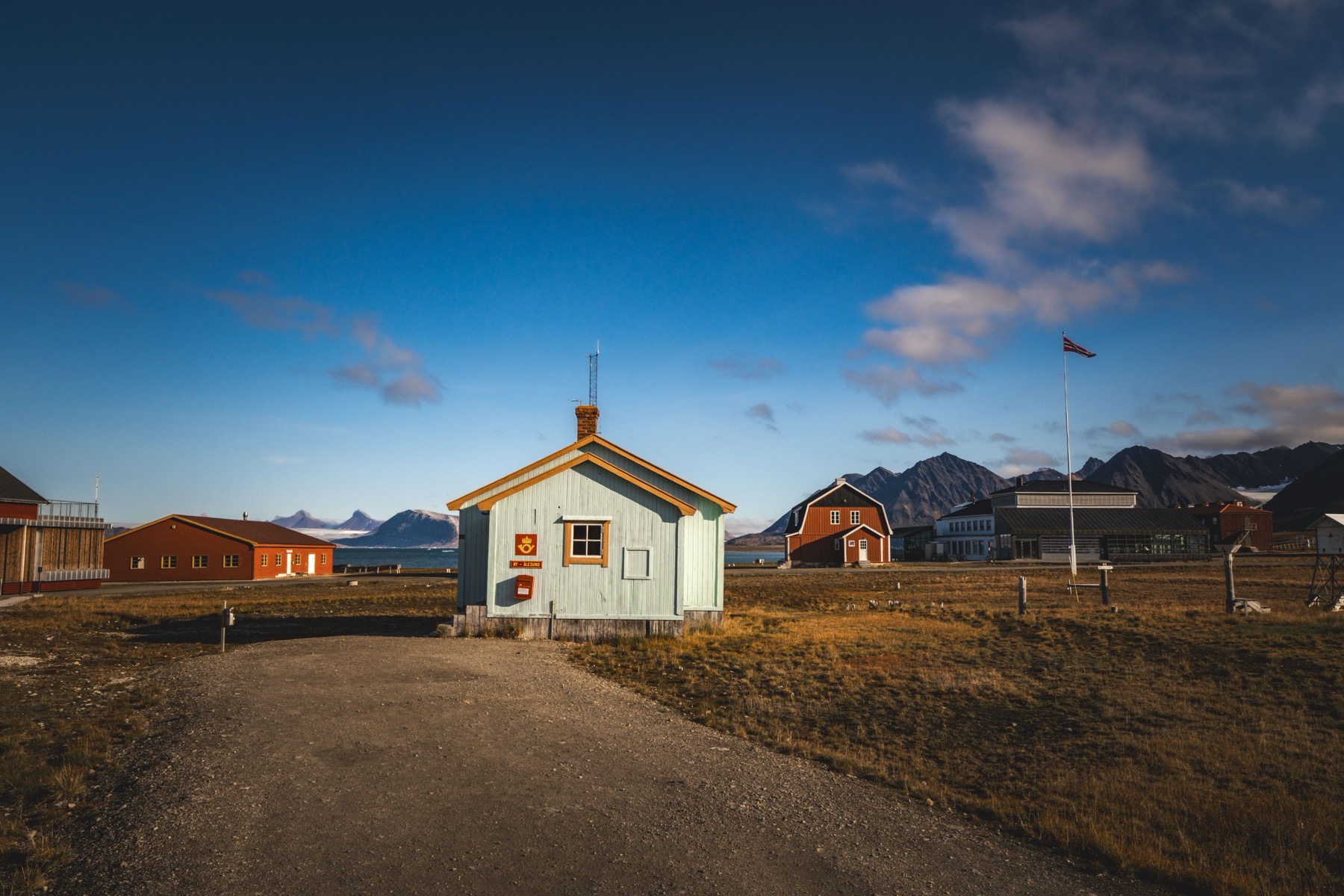
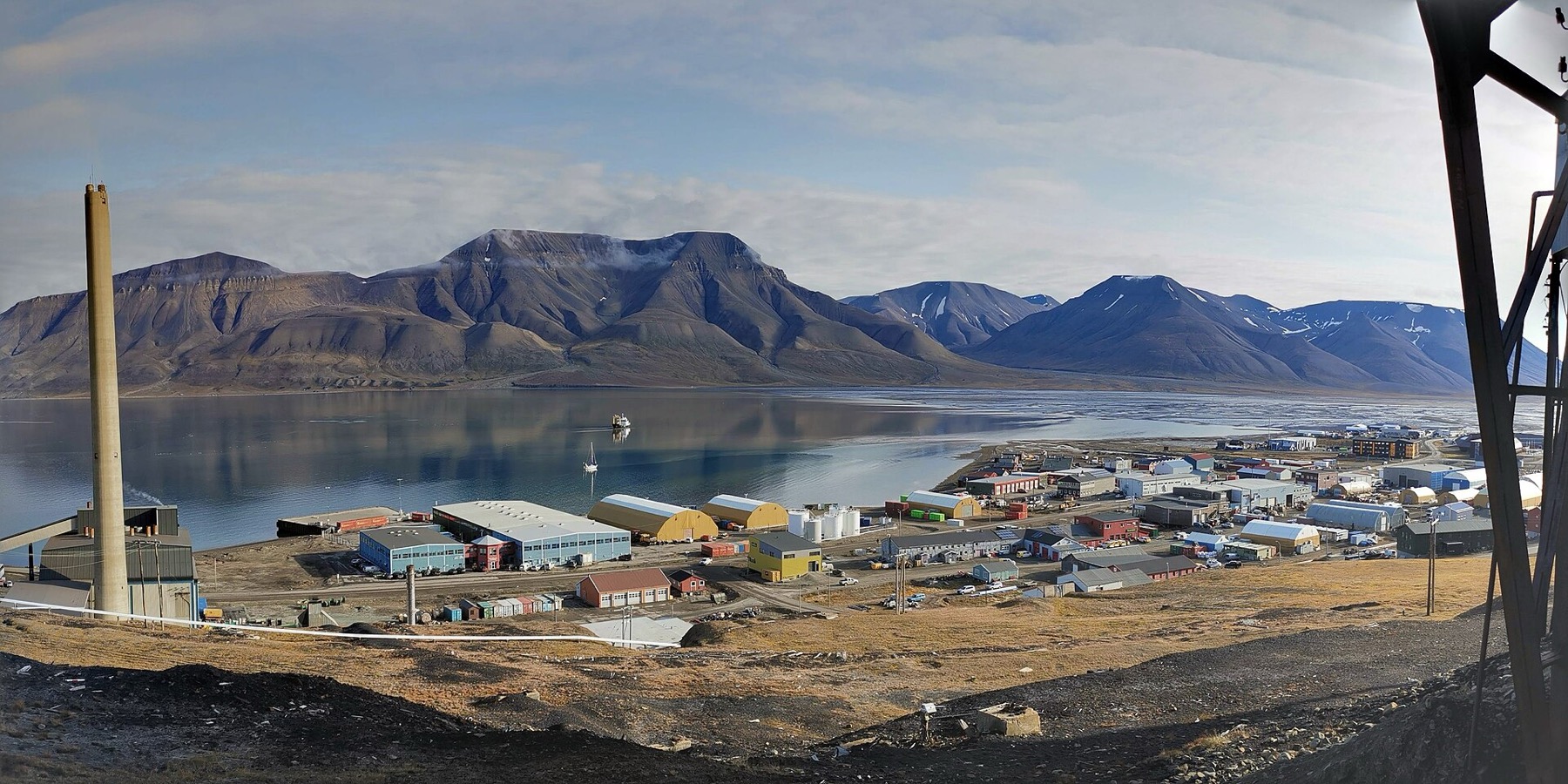
Since you can’t freely camp or roam outside the capital of Longyearbyen, your accommodation choices narrow down to this unique Arctic settlement. The town is fairly small and you can walk everywhere, but in winter blizzards you’ll appreciate a hotel right in the centre. The basic rule is to book your accommodation well in advance, because capacity is limited and the spring season is often hopelessly sold out.
Funken Lodge sits on a hill above town and is a rather exceptional Arctic base, with a fantastic breakfast and a restaurant offering a surprisingly good vegetarian menu. Don’t expect much more in Longyearbyen, but this is more than enough. Also very popular is the Radisson Blu Polar Hotel, which boasts a great location right by the first airport bus stop, and after a freezing tour you can relax in the outdoor hot tubs with a view of the fjord.
For lovers of a more authentic atmosphere, a great choice is the Basecamp Hotel, which inside and out resembles a traditional trapper’s cabin full of wood and hides. Travellers watching their budget then very often choose Gjestehuset 102 in the outlying Nybyen district. It’s a former miners’ hostel with shared bathrooms where you can get a bed for very reasonable money. Just be prepared for one local quirk: in most hotels you have to take off your shoes right at the entrance, and you walk the corridors strictly in socks or slippers.
12 things you need to know about tours in Svalbard, Norway
💡 Tip: You can conveniently book many day tours online in advance through platforms like GetYourGuide. I definitely recommend doing so, because capacity fills up fast on the spot.
1. Why every day is a paid tour
The biggest shock for many visitors is discovering that they can’t put together their own programme in Svalbard. The Governor of the archipelago strictly requires everyone travelling outside so-called Zone 10 (Management Area 10 around Longyearbyen) to carry means of deterring polar bears. As a rule, this means the obligation to carry a powerful firearm and a flare gun.
For the average tourist, this means in practice that every trip out of town requires paying for a professional guide. You can easily walk around Longyearbyen itself in half a day and the museums will take up another day, but without paid activities you’ll start getting very bored in town fast. If you wanted to rent a firearm yourself, you’d need a lengthy permit from the local police or a European firearms passport, which makes no sense for most travellers.
What’s more, the new rules require independent expeditions to take out special insurance covering a possible rescue operation, which may require a financial guarantee of up to 650,000 NOK (over €55,000). Buying an organised tour is thus by far the cheapest and safest way to experience the Arctic wilderness. Also keep in mind that carrying a loaded weapon is strictly banned inside town, and outside the supermarket and the bank you’ll find special lockers for storing rifles.
2. The ice cave is an absolute hit
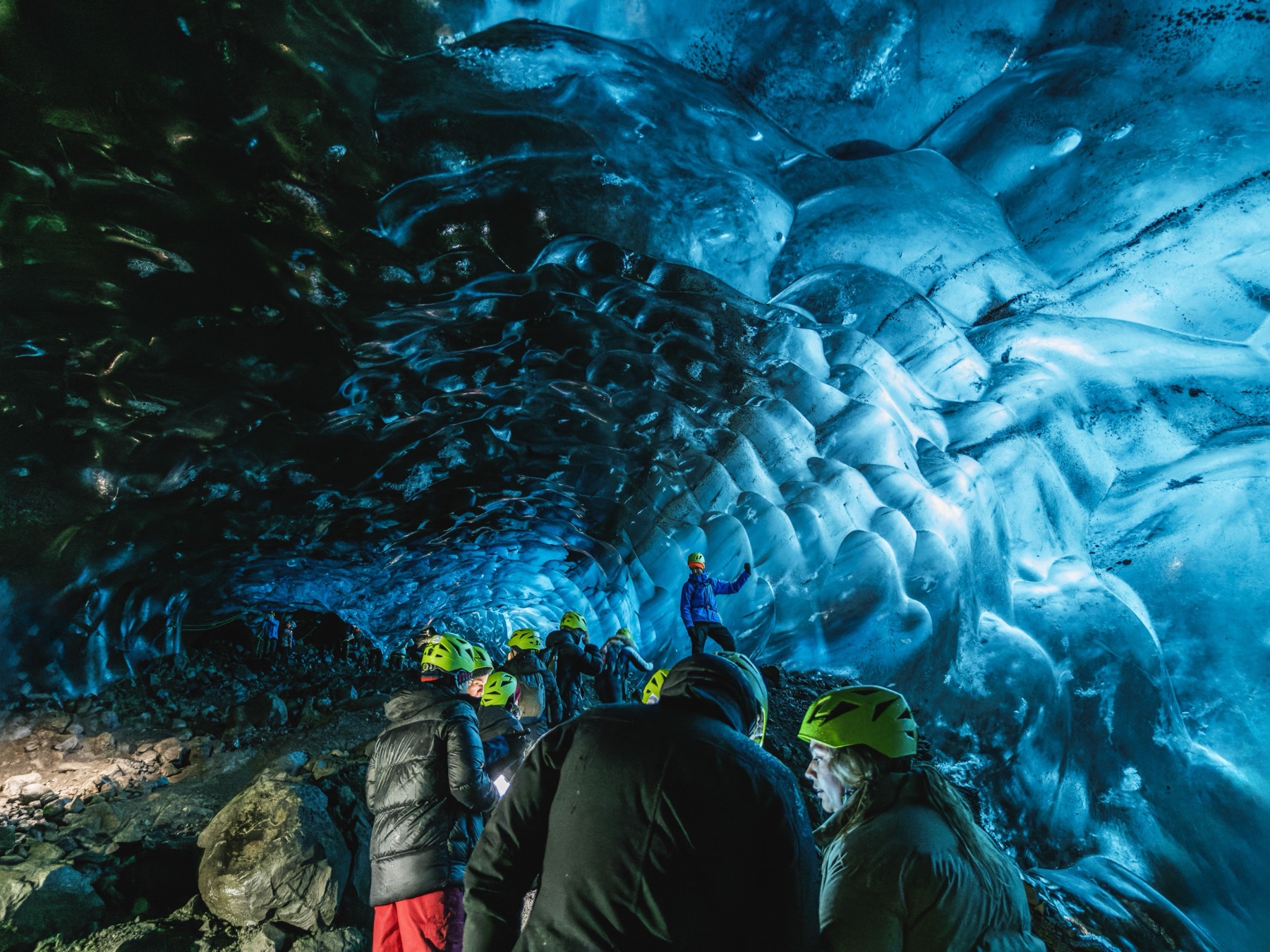
If you arrive in winter or spring, visiting a glacier ice cave should be at the top of your list. Travellers repeatedly rate it as the best experience of the whole trip, and on forums you’ll read that walking through the narrow blue corridors is absolutely breathtaking. Tours usually head to the Longyearbreen or Scott Turnerbreen glaciers, which lie just outside town.
You usually get there in a special tracked vehicle, a so-called snowcat, which is a great experience in itself. Inside, incredible blue ice formations and narrow passages await you, lit only by your own headlamp. The season runs roughly from mid-January to mid-May, with the interior temperature staying steadily around minus fourteen degrees, so warm clothing is an absolute must.
Snowfox Travel offers tours for roughly 1,300 NOK (about €110) per person. For that money you get an experience that simply doesn’t exist in summer, because the cave melts away. April dates are often sold out months in advance, so don’t delay your booking.
3. Snowmobile to Tempelfjorden for beginners
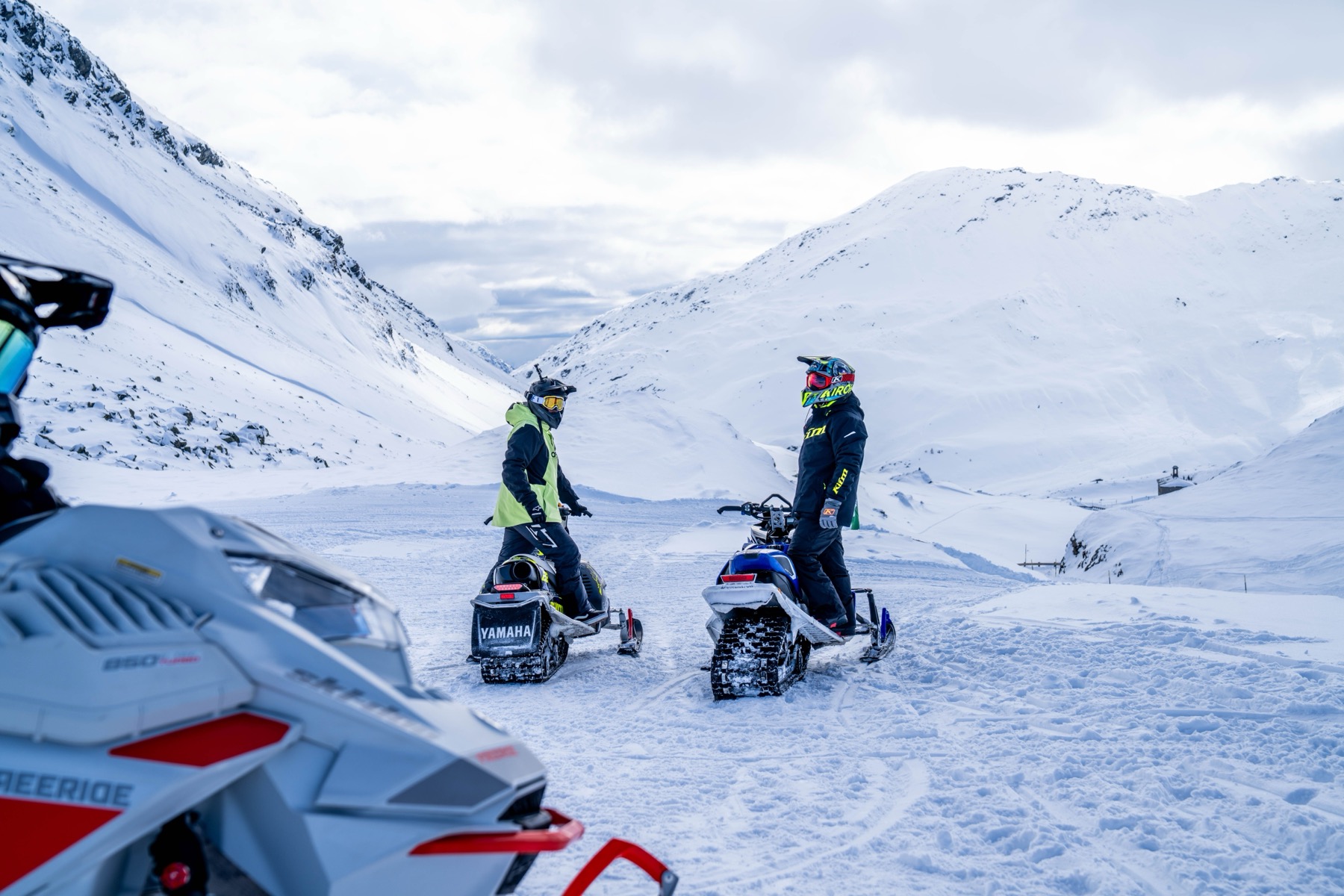
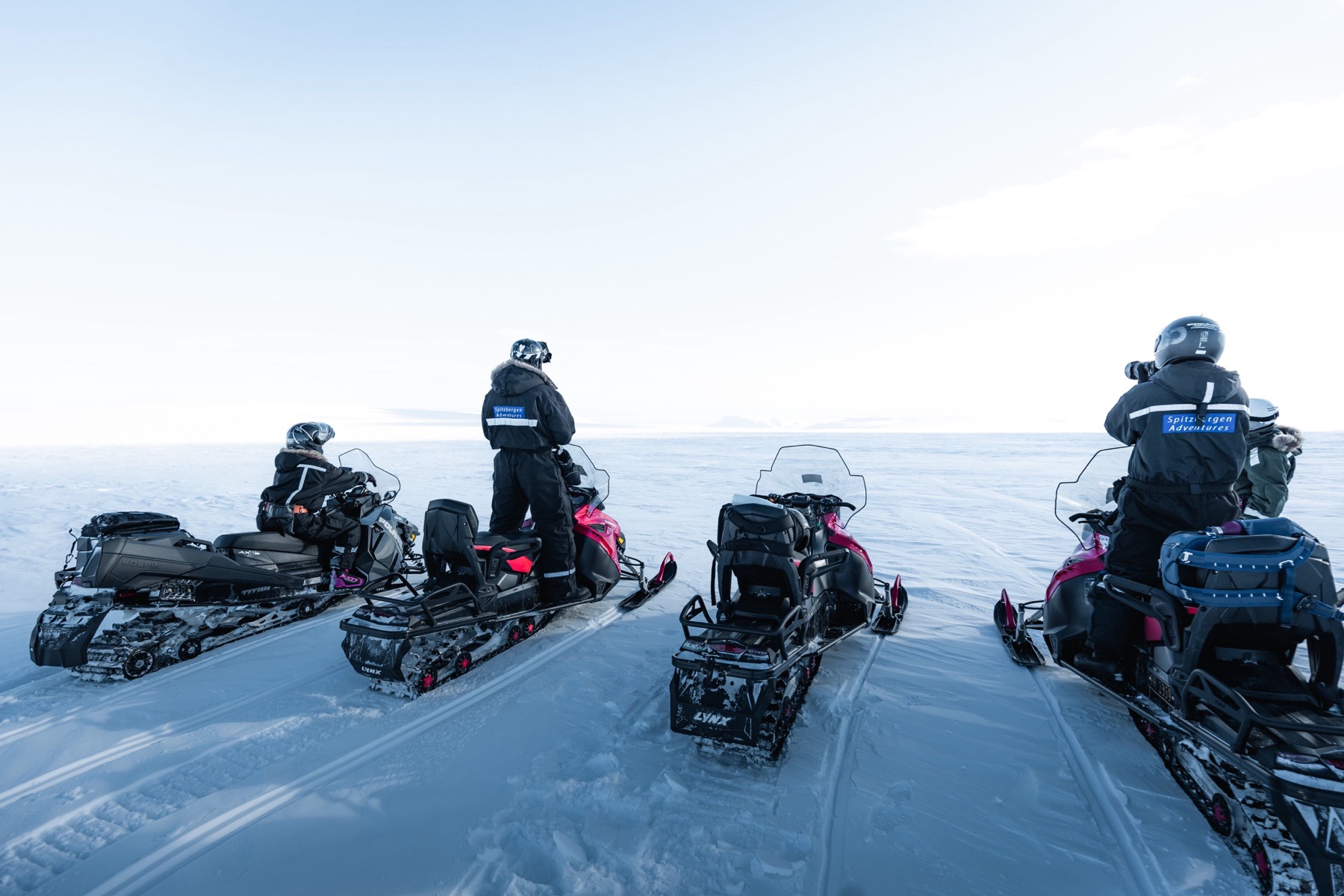
Riding a snowmobile is a perfectly normal way to get around in Svalbard, and there are actually more snowmobiles here than residents. For tourists who’ve never sat on one, the most accessible first choice is a tour to the stunning Tempelfjorden. The route runs through the wide Adventdalen valley and isn’t extremely demanding, so any reasonably fit person with a valid car driving licence can manage it without problems.
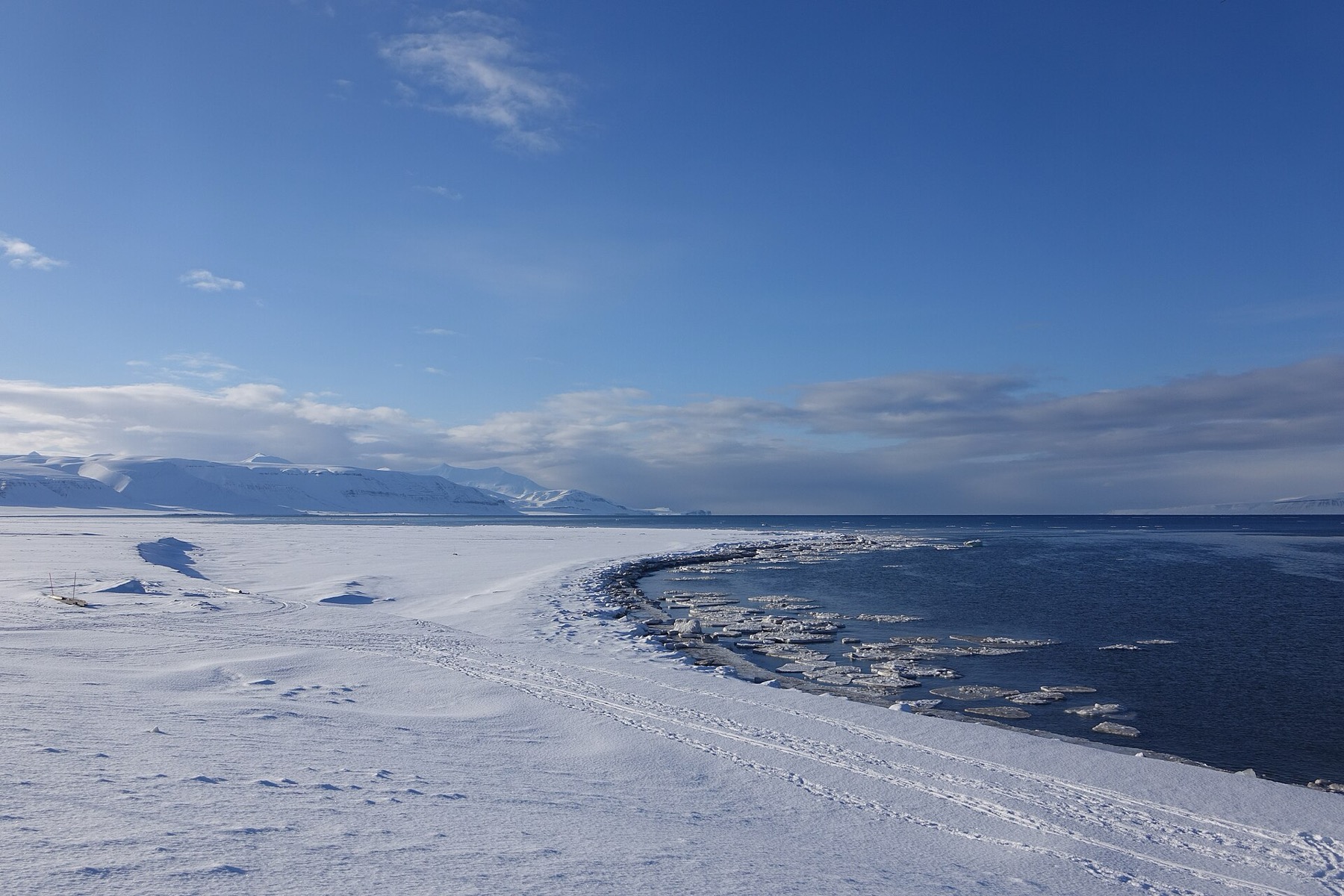
During the ride, you have a huge chance of coming across wild Svalbard reindeer or elusive Arctic foxes. Experienced operators like Hurtigruten Svalbard even offer rides on modern electric snowmobiles, which are beautifully quiet, don’t reek of petrol, and don’t disturb the local wildlife. Since 2025 there’s been a strict ban on driving directly across the fjord’s sea ice after 1 March, but the views of the glacier walls from the shore remain absolutely epic.
Prices depend on whether you drive the snowmobile yourself or ride as a passenger on the back seat. As a driver you’ll pay roughly 3,500 NOK (€300), and as a passenger around 2,100 NOK (€180). With reputable companies the price always includes complete warm gear, from a huge overall to special boots and a helmet, so you certainly won’t be cold.
4. The east coast as a full-day expedition
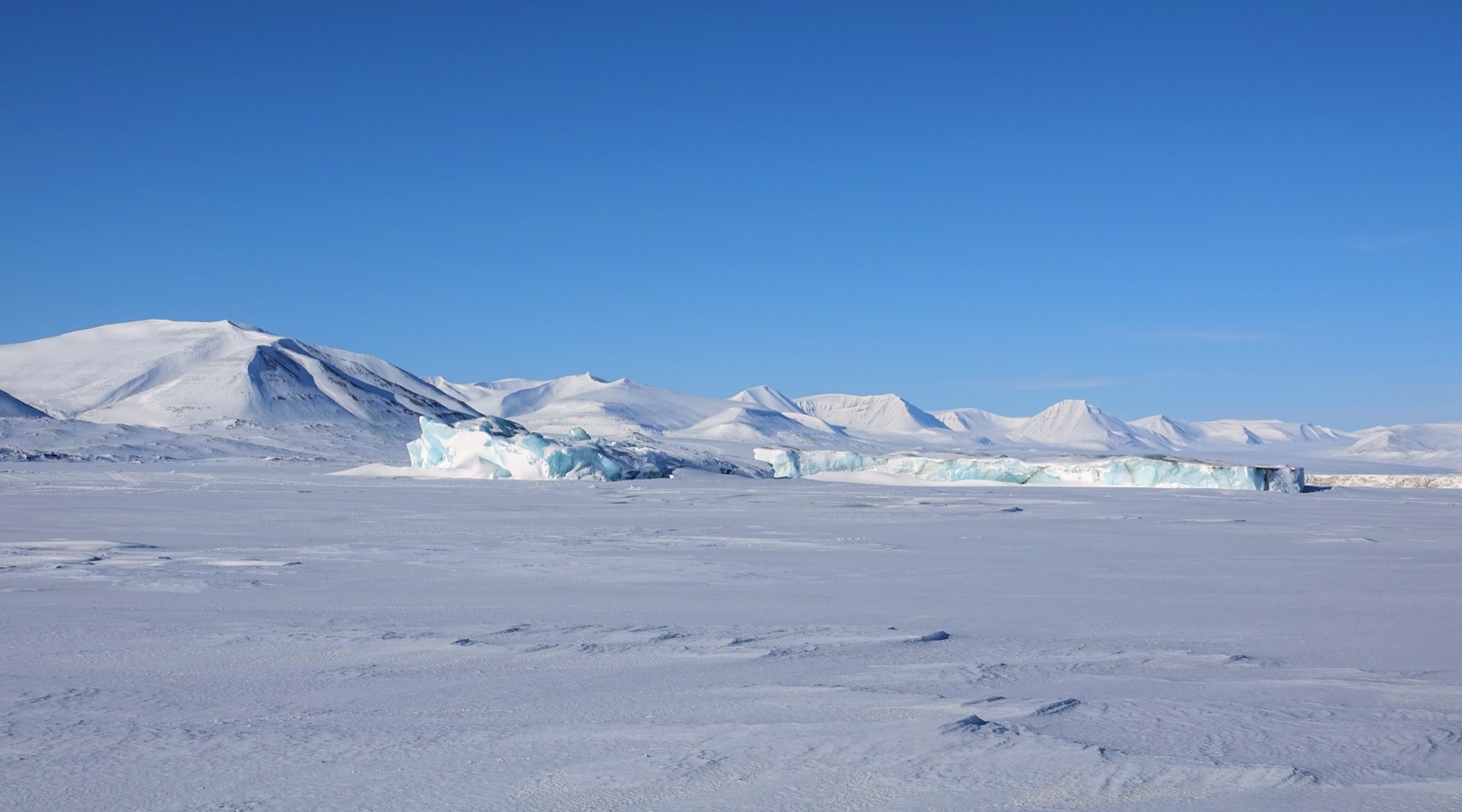
For the bolder and hardier, there’s a considerably longer option: a snowmobile expedition all the way to the remote east coast. This is a demanding full-day expedition lasting up to ten hours, during which you cover over a hundred kilometres of incredibly harsh Arctic landscape. The route often heads to the Agardhbukta area, where endless snowy plains and huge ice floes tumbling into the sea await you.
It’s on the east coast and at the edge of the frozen sea that you have the best chance of spotting a wild polar bear. However, you have to reckon with the strict new nature protection rules, which since 2025 require keeping at least 300 metres from animals, and in spring even half a kilometre. So if you want to get good photos, you can’t do without a decent telephoto lens and binoculars, because on a phone camera you’ll only capture a white dot in the distance.
This tour is physically very demanding and requires really good base layers under the loaned expedition overall, since temperatures can drop far below minus thirty degrees. The price is around 4,000 to 4,500 NOK (€340 to €380) for a driver. I recommend planning this experience for March or April, when there’s already plenty of daylight.
5. Dog sledding in winter and summer
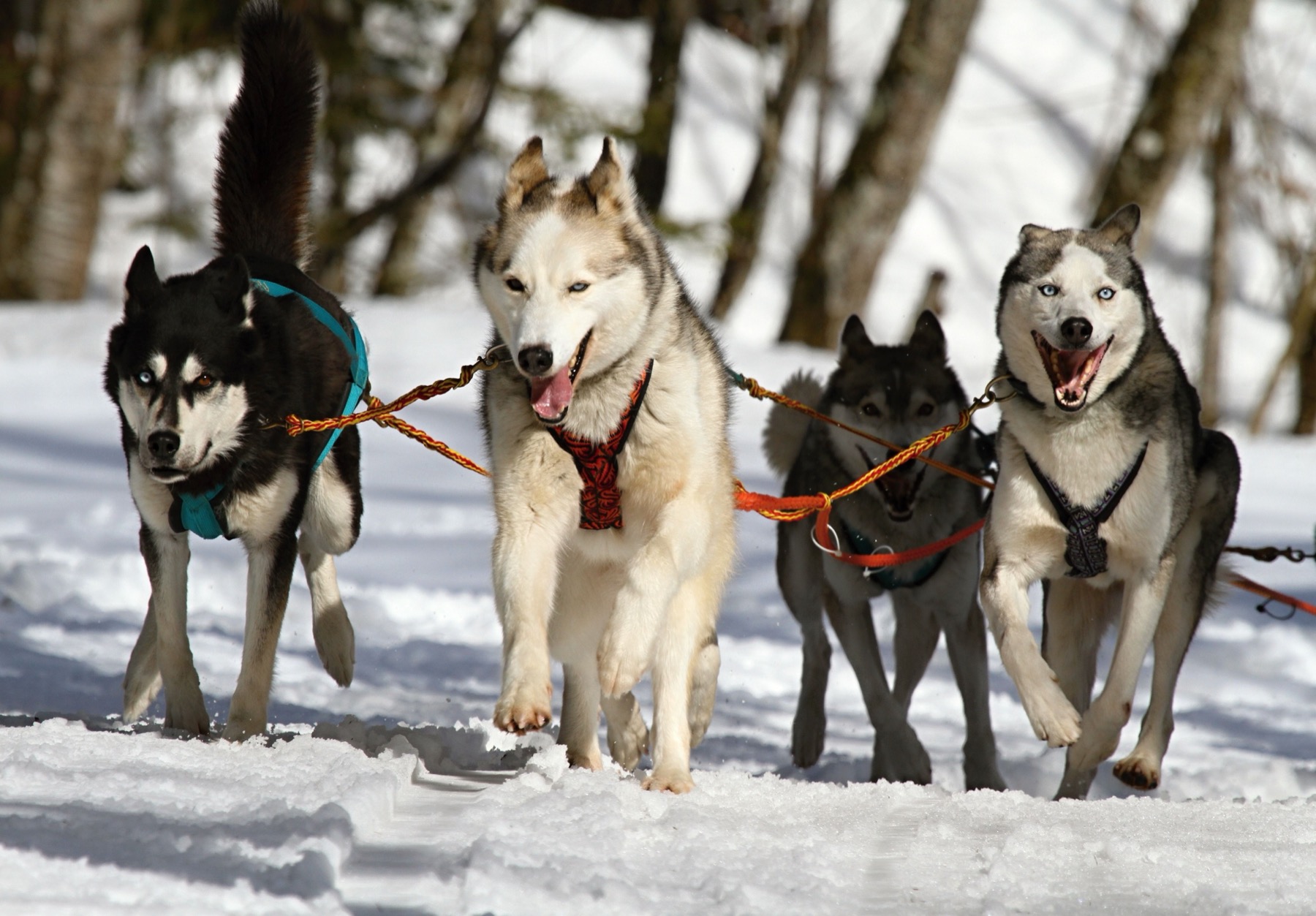
A dog-sledding ride is one of the most authentic ways to discover the Arctic landscape in complete silence. Companies like Green Dog Svalbard or Arctic Husky Travellers offer wonderful tours with Alaskan huskies into the valleys behind Longyearbyen. The packs are incredibly friendly and the dogs love running above all else, which you’ll notice from their huge barking and excitement just before the start.
During the polar night and classic winter, you ride on wooden sleds through snowy valleys. Travellers on forums very often recommend combining dog sledding with a visit to a glacier ice cave, which makes a great full-day programme for roughly €333. It’s also one of the best activities for families, as operators usually allow children as young as six to eight years old on the sled.
And what if you arrive in summer, when the snow completely disappears from the valleys? No problem — sled dogs need to train year-round so they don’t lose fitness. In the summer months the sleds are simply swapped for special wheeled carts, so you won’t miss out on this lovely experience with the furry Arctic athletes even in warmer July or August.

6. Day cruises to the glaciers
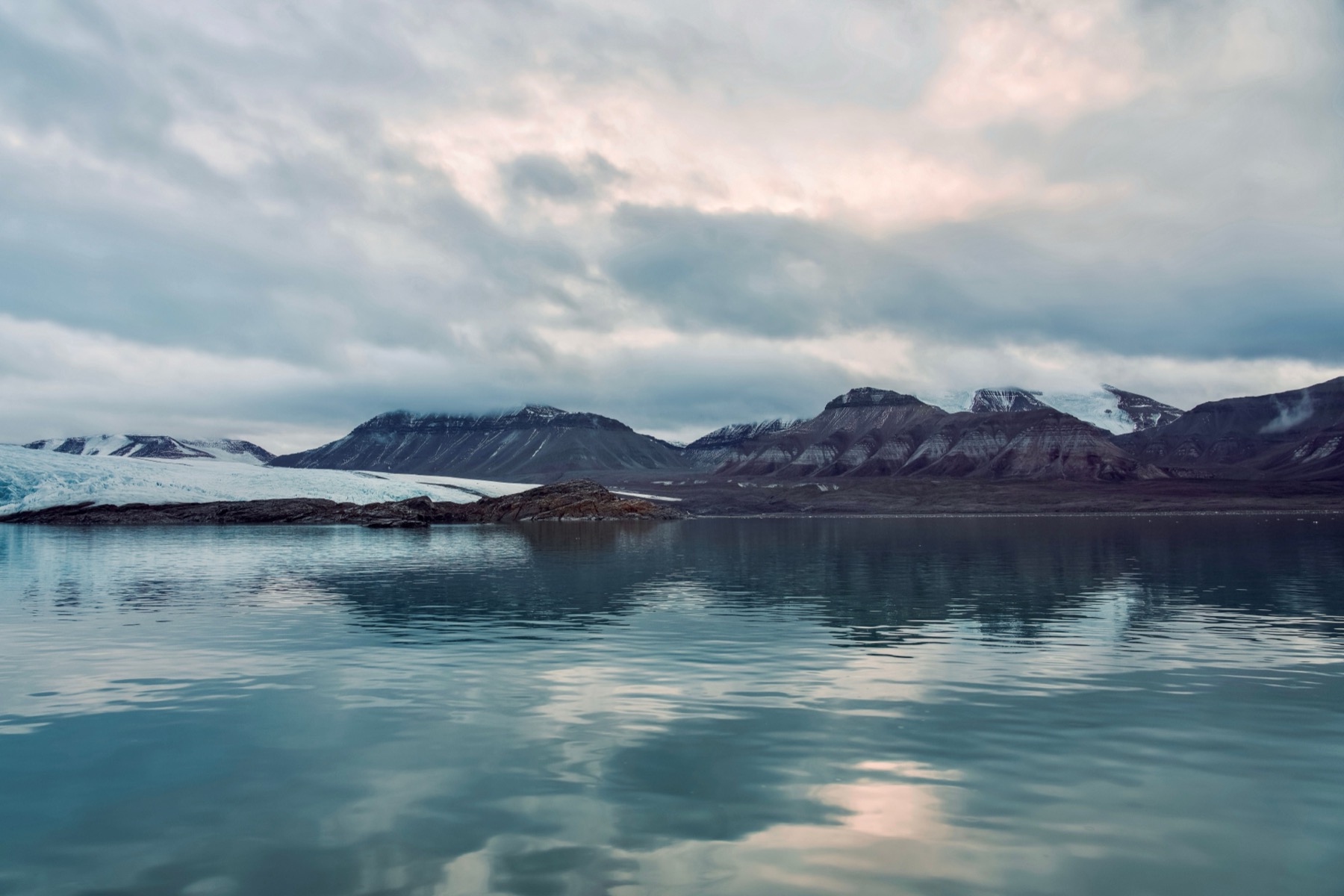
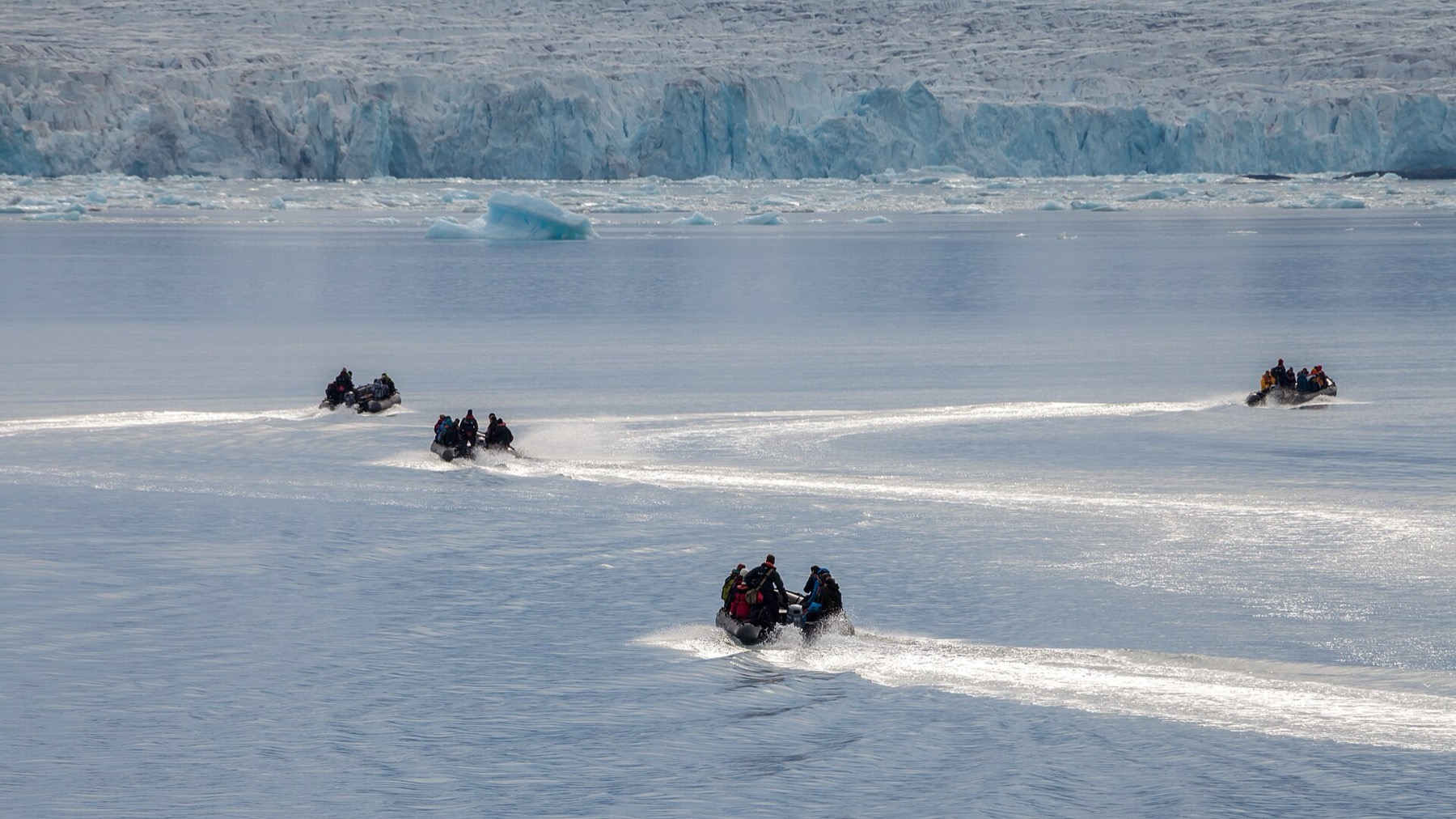
Once the rough ice recedes in May and the main fjords open up, the eagerly awaited boat cruise season begins. The view of jagged glacier fronts right from the water’s surface is absolutely unforgettable, and you’ll often hear the deafening crack as huge chunks of ice crash into the sea. Very popular is the modern hybrid ship Brim Explorer, which sails part of the cruise purely on quiet electric power, so it doesn’t disturb the surrounding nature.
The trip lasts roughly four hours and costs around 2,295 NOK (€195) per adult. On board there’s a heated lounge with a view and a bar, so feel free to pop in for a coffee and warm up — the Arctic wind on deck is properly sharp. The boats most often head to the Billefjord area, to the majestic Nordenskiöldbreen glacier.
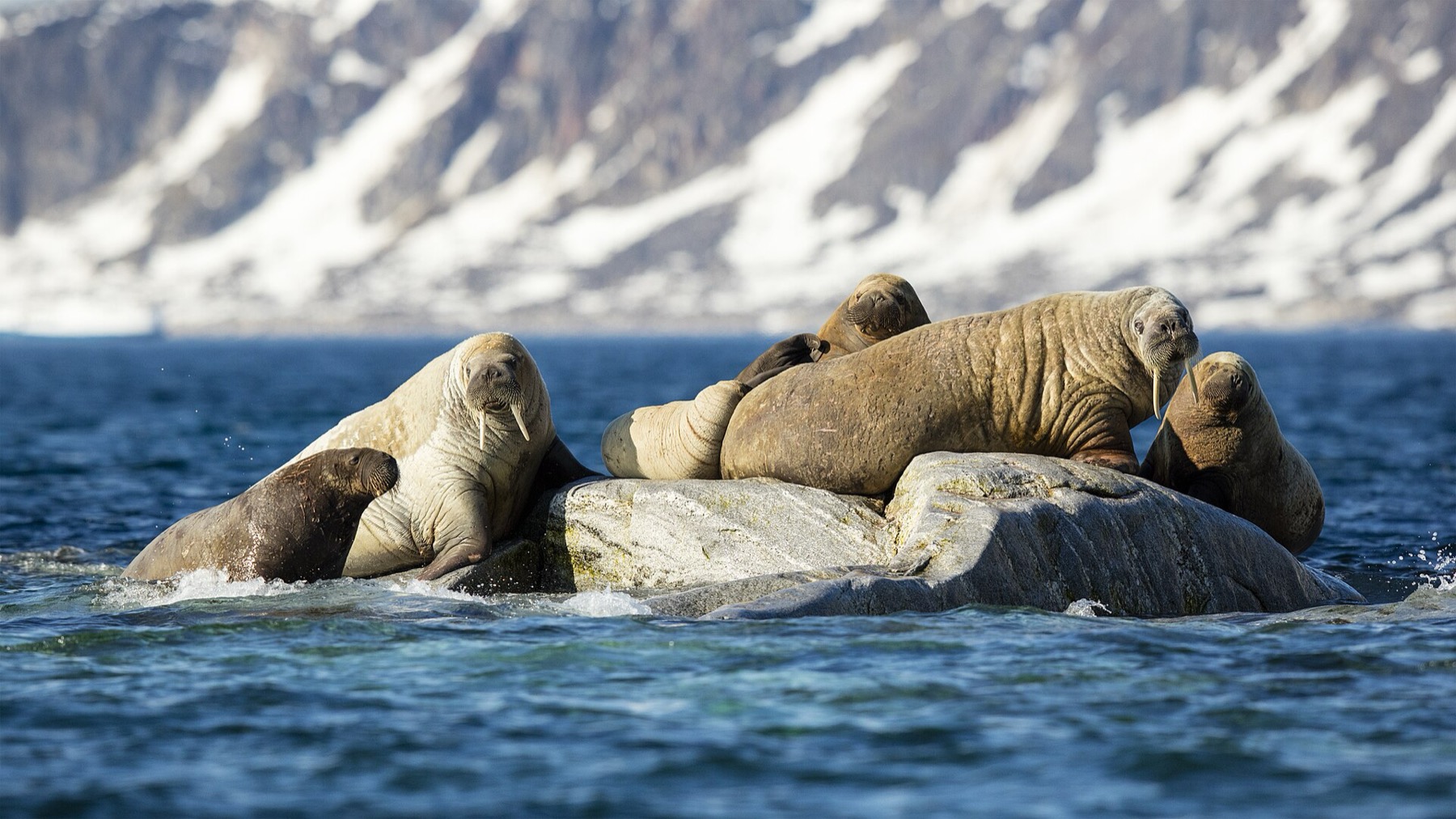
From the deck you can watch enormous masses of ice, and with a bit of luck you’ll even see beluga whales passing by or walruses resting on an ice floe. The new eco rules have capped the size of ships in protected areas at a maximum of 200 passengers, which means the giant cruise behemoths can no longer reach the most beautiful glaciers, and the experience on smaller ships stays far more intimate.
7. The Russian towns of Pyramiden and Barentsburg
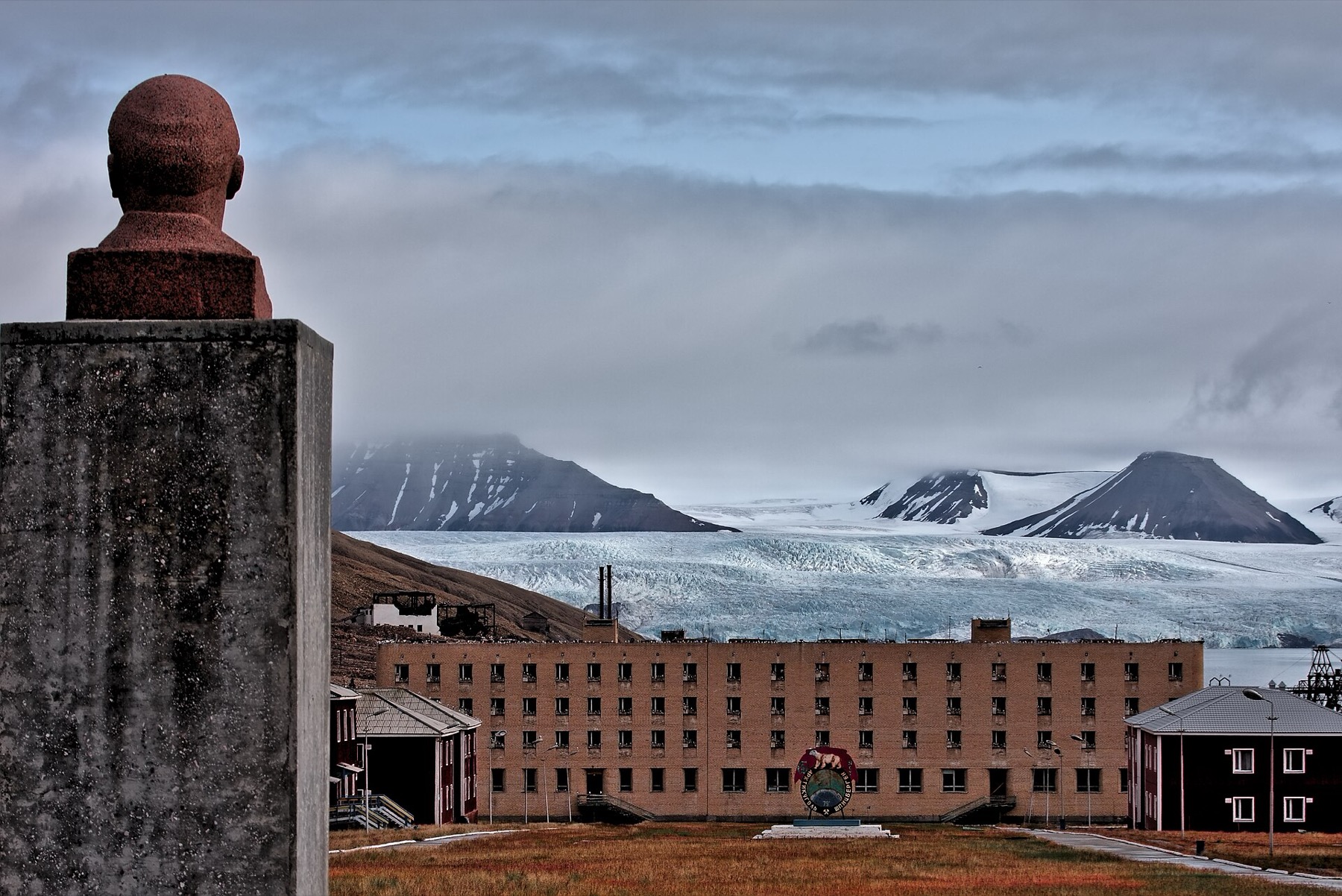
A big and often controversial topic on travel forums is visiting the Russian mining settlements. Pyramiden is a fascinating Soviet ghost town, abandoned overnight in 1998, where the northernmost statue of Lenin in the world and a restored cultural centre still stand today. Barentsburg, on the other hand, is still a living mining settlement with several hundred inhabitants, a working mine, and its own brewery.
Both towns are owned and managed by the Russian state enterprise Trust Arktikugol. After the invasion of Ukraine in 2022, most Norwegian operators decided to boycott cooperation with this Russian state company on ethical grounds. These landing tours have thus practically disappeared from the official tourism centre’s offerings, and the traveller community often argues over whether it’s appropriate to spend your money there.
If you still want to see the area, you can buy a cruise from independent Norwegian companies like Henningsen or Polar Charter. That way you get a beautiful view of the glacier and the town from the boat without spending money on shore — what locals call window shopping. Billefjord itself and the glacier wall are so impressive that the cruise for around 2,800 NOK (about €240) is worth it even without a walk among the Soviet apartment blocks.
8. Multi-day expedition cruises for the demanding
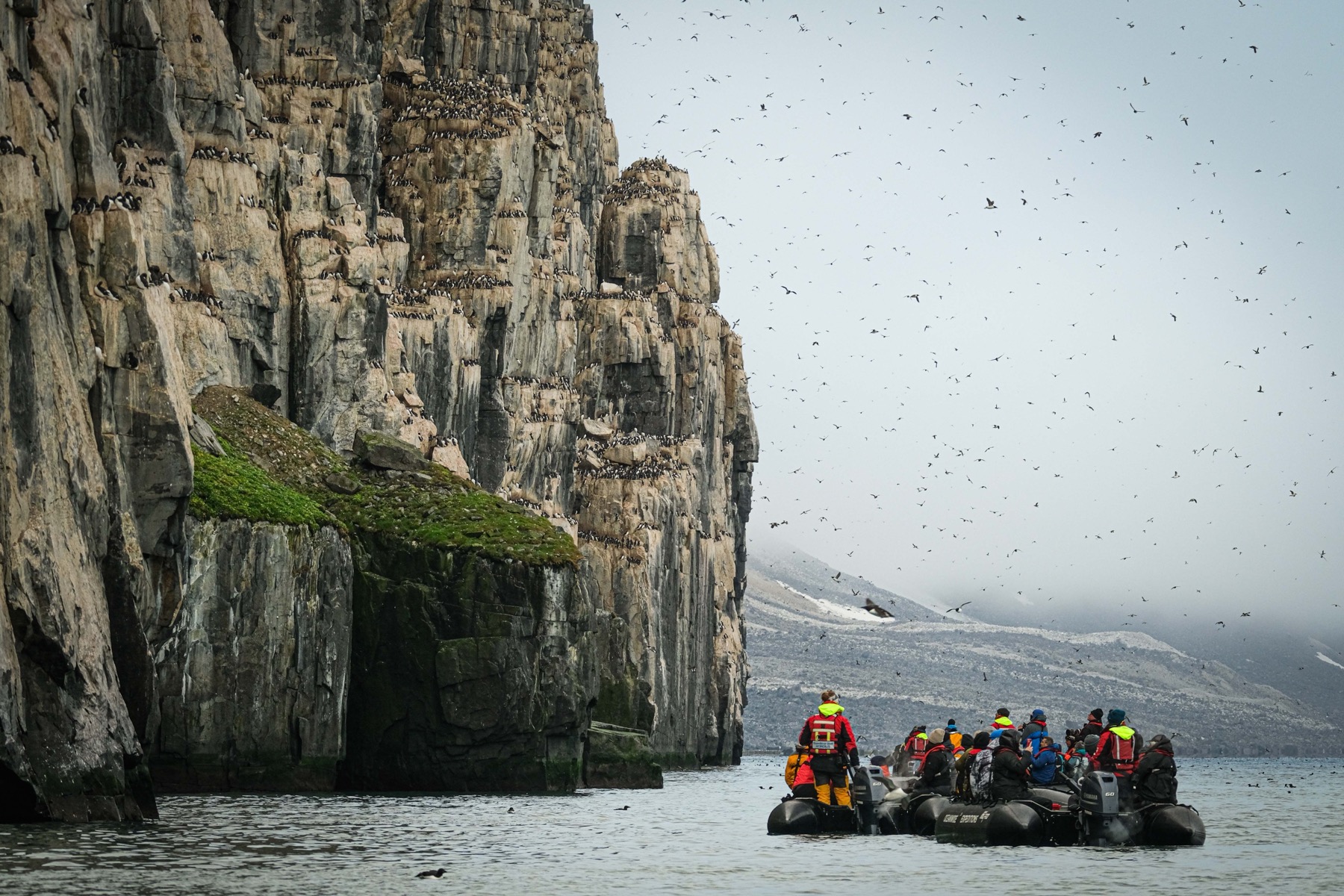
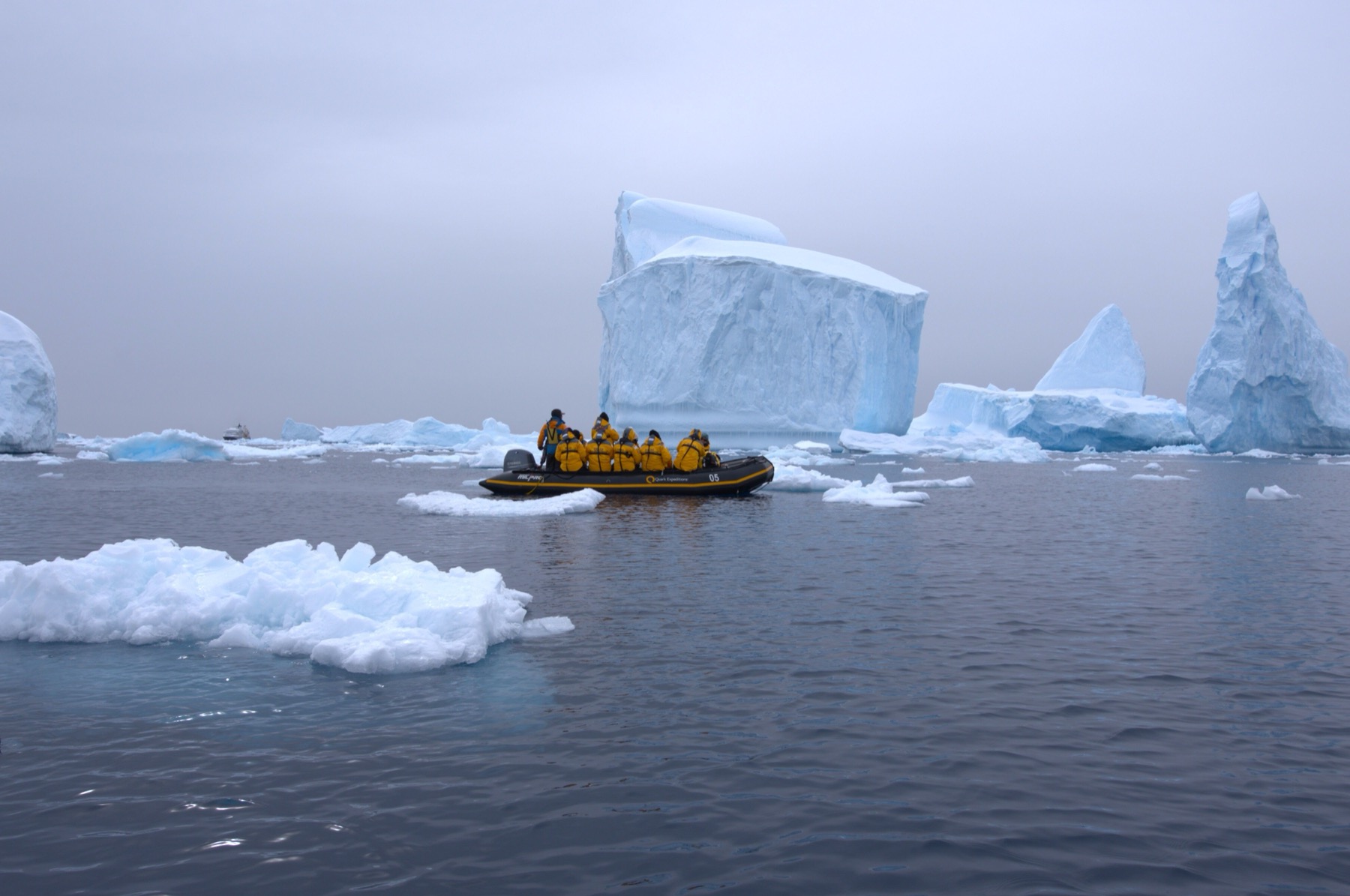
If you really want to get to know the whole archipelago and get away from civilisation, day trips from Longyearbyen simply won’t be enough. The only solution is to board a multi-day expedition cruise. These voyages usually last eight to fourteen days and offer incredible photography opportunities, because they take you to the bird-packed Alkefjellet cliffs or into the Hinlopen Strait.
Experienced travellers swear by smaller expedition ships like the MS Plancius or the HX fleet from Hurtigruten Expeditions. Smaller ships can get deeper into the fjords and land tourists using small rubber Zodiac boats. The best chance of successfully circumnavigating the entire archipelago is in July and August, when the ice recedes furthest north and clears the way.
Prices for these premium cruises are in very high territory. They start at roughly €6,900 for smaller standard ships and can climb to around twelve thousand euros for the more luxurious ones. The price, however, includes full board, accommodation, and all the adventurous landings with expert commentary from biologists and geologists.
9. New rules for cruises from 2025
Since 2025, Norway is serious about nature protection, and Arctic tourism has changed quite fundamentally as a result — for the better. In national parks and nature reserves, only ships with a maximum of 200 passengers may sail. Large conventional cruise ships are thus suddenly restricted to the unprotected surroundings of Isfjorden, and can no longer reach the most beautiful spots.
A major change is also the drastic restriction on tourist movement ashore. In protected areas, commercial ships are now only allowed to land at 43 precisely defined sites, whereas operators previously used over two hundred. This is meant to prevent damage to the sensitive northern tundra and disturbance of nesting birds.
There’s also a total ban on flying drones in all reserves, and strict adherence to distances from animals. Ships must stay at least 150 metres from walruses, slow to five knots near bird colonies, and must not approach polar bears closer than 300 to 500 metres. This is expected to significantly change how tourists photograph wildlife, and a quality pair of binoculars will suddenly be more important than a camera.
10. Camp Barentz and evenings about bears
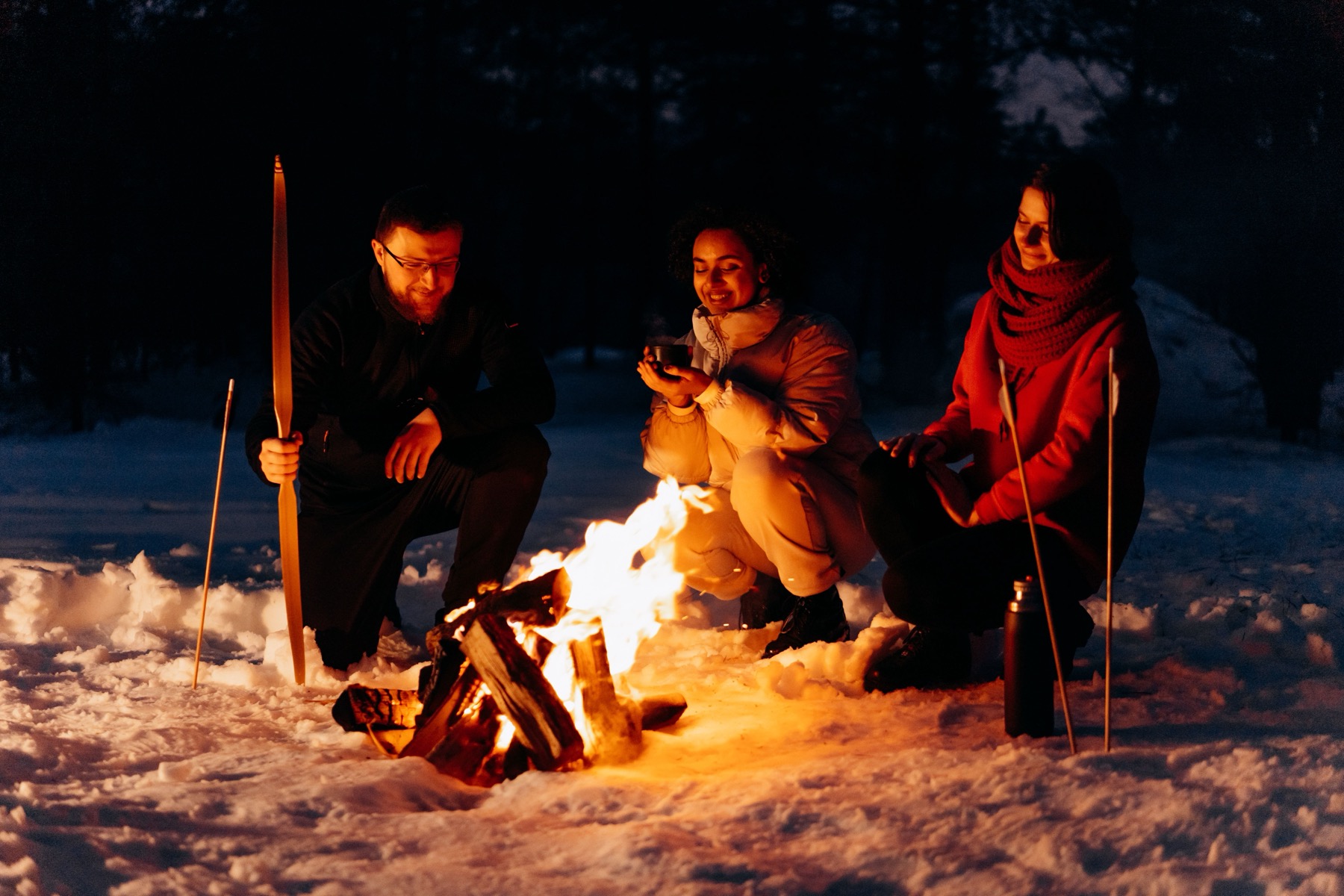
If you’re looking for a quieter but very authentic experience, head to the Camp Barentz cabin. It’s located about ten kilometres beyond Longyearbyen in the deserted Adventdalen valley, far from any light pollution of the town. It’s a beautiful and cosy replica of the historic cabin of the explorer Willem Barents, heated by an open fireplace in the middle of the room.
During the evening, experienced guides will serve you a hearty local dinner, brew coffee right on the fire, and tell you fascinating stories about the lives of polar bears. You’ll learn plenty of interesting facts about polar bear habits and about how everyday coexistence between people and these giant predators works — creatures that aren’t guests here, but lords of the land.
This roughly three-hour programme costs around 1,545 NOK (€130) and is an absolutely ideal activity for your first days or for families with children. In the winter months there’s also a huge chance that on the way out of the valley you’ll glimpse a clear sky studded with stars — and with a lot of luck, even the northern lights right above the cabin.
11. What doesn’t work and what to watch out for
The internet is full of temptations that make no sense at all in the harsh Arctic reality. The biggest myth is commercial northern lights tours. Svalbard lies, paradoxically, too far north, above the auroral oval, so the aurora is often less visible here than in northern Norway. On top of that, there’s no road network you could use to drive hundreds of kilometres in search of a clear sky. You’re better off heading to Tromsø in September or October.
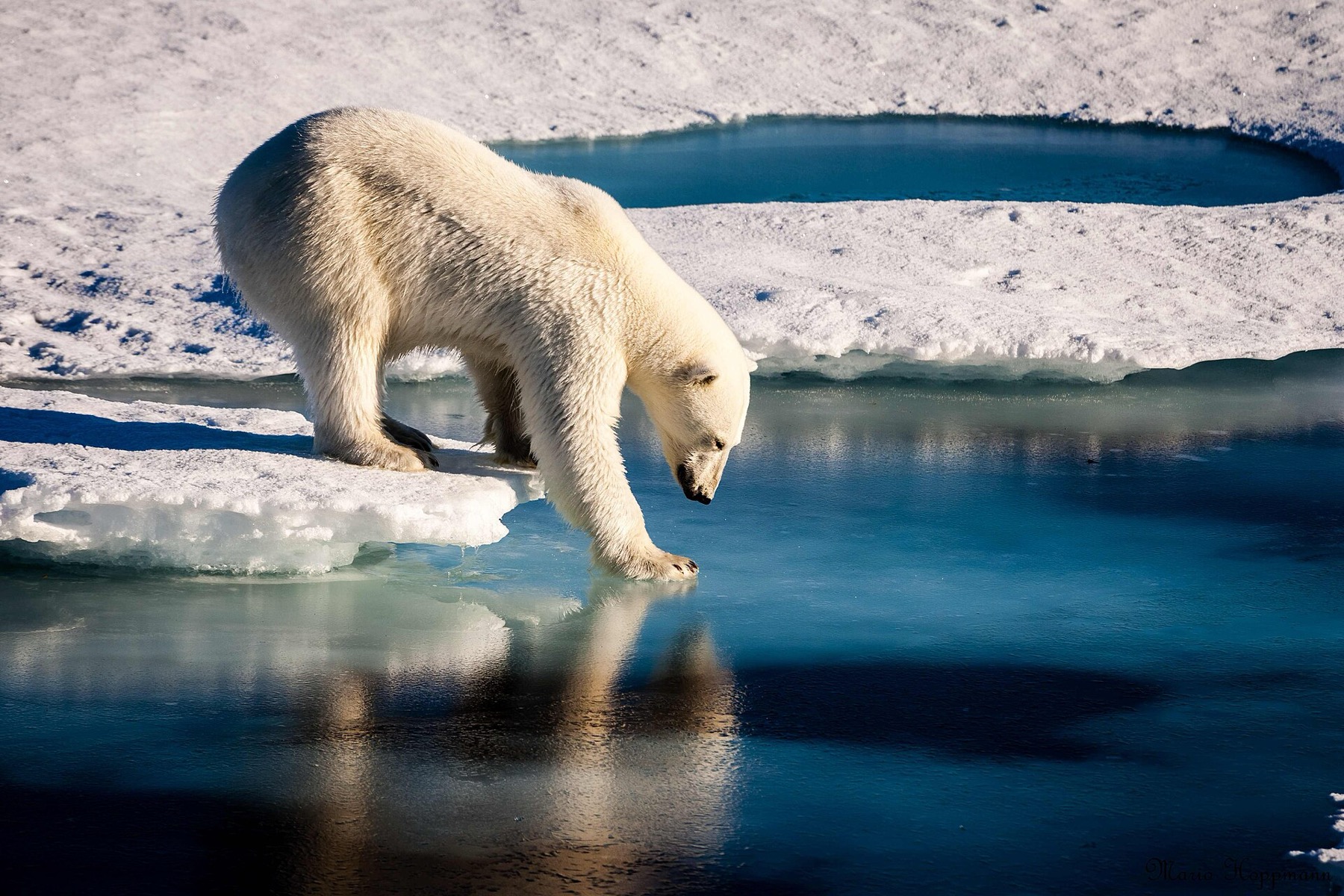
The second absolute nonsense is so-called polar bear tours. Actively chasing and seeking out polar bears is strictly banned by law. No sensible operator will guarantee you’ll see a bear on any tour. On day cruises from town the chance is very small, and a realistic opportunity is only offered by expensive multi-day expedition ships heading to the east of the archipelago.
Also be prepared for the fact that the weather is the absolute master of the situation here. Cancelled tours or delayed flights due to blizzards or fog are perfectly common, so always add at least one free day to your itinerary as a buffer, otherwise you’ll definitely break a sweat over your connection in Oslo.
12. Hiking and summer kayaking
When most of the snow melts in June and the midnight sun period begins, the valleys around Longyearbyen open up for hiking. Of course, the rule again applies that you can only set out with an armed guide. Very popular are the moderately demanding hikes to the peaks of Sarkofagen and Trollsteinen, from where there’s an amazing view of the whole area and the Longyearbreen glacier.
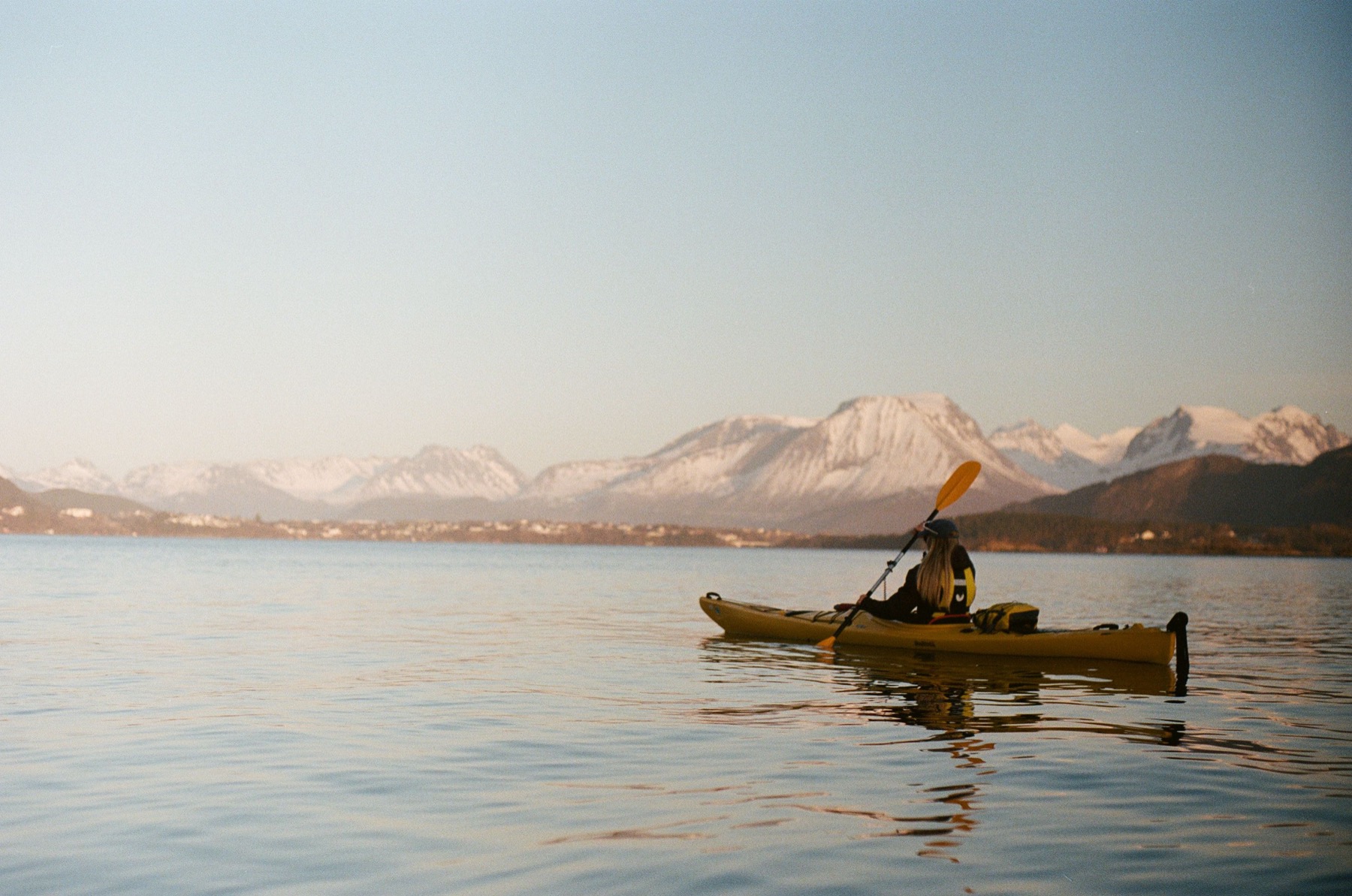
Water lovers can then try sea kayaking in the waters of Isfjorden in summer. Paddling right beside glacier ice floes while watching Arctic birds circling overhead is, for many people, the absolute highlight of the trip. Summer activities usually run from mid-June to the end of September and offer a great escape from the noisy engines of snowmobiles.
Just bear in mind that the summer tundra is extremely waterlogged, spongy, and full of mud. Travellers on forums very strongly recommend bringing top-quality waterproof boots, ideally high trekking boots, because you’re guaranteed to be wading through icy streams and walking across melting snowfields. And if you’re bothered by sleeping in non-stop daylight, definitely pack a good eye mask.
Where to stay, a practical summary, and ballpark prices
When planning your budget, you have to bear in mind that Svalbard is simply an expensive destination. If you approach it wisely, shop at the local Svalbardbutikken supermarket, and carefully choose your activities, your budget won’t kill you, even though Svalbard has a reputation as one of the most expensive destinations in the world. Interestingly, the archipelago functions as a duty-free zone, so many things in the shops are paradoxically cheaper than on the Norwegian mainland — but to buy alcohol in the local Nordpolet section, you’ll have to show your plane ticket at the register.
To give you an idea, a realistic low-cost budget from travellers on forums shows around €870 per person for a four-day stay. This price includes return flights from Europe, cheaper accommodation in a shared room, a boat trip, and a visit to a glacier ice cave.
Where to go next
Read more articles that will help you plan this trip of a lifetime:
- How to get to Svalbard
- Svalbard: what to see and do at the end of the world
- Longyearbyen: what to see
- Pyramiden and Barentsburg
- Tromsø: gateway to the northern lights
- Hurtigruten: cruising the coast of Norway
Frequently asked questions
Here are answers to the most common questions travellers deal with before their trip.
How much do excursions in Svalbard really cost?
Each day on an organized excursion costs on average between 1,300 and 4,500 NOK (approx. €110–410). Shorter activities like hiking or glacier caves are cheaper, while full-day snowmobile expeditions or boat cruises are among the most expensive experiences, but they’re definitely worth every penny.
Can you do anything for free outside Longyearbyen?
Practically no. Unless you have your own firearm, a European Firearms Pass, and have completed special safety training, you cannot leave the town boundaries on your own. Safe movement in the Arctic wilderness requires a paid and certified guide, because the risk of encountering a polar bear is real.
Will I see a polar bear on an excursion?
On day trips from Longyearbyen, the chance is very small—on board a boat it’s only around a few percent. Additionally, actively approaching bears is prohibited. Your only real chance is on long snowmobile trips to the east coast or multi-day expedition cruises.
What’s the best excursion in winter and in summer?
In winter and spring, travelers absolutely recommend exploring glacier caves and snowmobile rides to the frozen Tempelfjorden. In summer, from June to August, day boat cruises to the majestic glaciers of Isfjorden and sea kayaking among the ice floes reign supreme.
Do I need to know how to drive a snowmobile?
Not at all—most basic routes are designed for complete beginners who have never sat on a snowmobile. All you need is a standard car driver’s license. Guides will explain everything thoroughly and calmly before departure, so there’s nothing to worry about.
From what age can children go on snowmobiles or dog sleds?
Companies usually allow children to ride as passengers on snowmobiles from age 8, as the ride can be demanding in the cold. For dog sledding, children can often ride on sleds from age 6, while summer carts typically have a slightly higher age limit. Always check the specific operator’s rules in advance.
What happens if weather cancels a cruise or excursion?
Blizzards, strong winds, or thick fog are completely normal in the Arctic, and the weather can change from minute to minute. In such cases, operators won’t risk safety hazards and will cancel the excursion without hesitation. They usually offer you a full refund or rescheduling to another day.
Tips and Tricks for Your Vacation
Don’t Overpay for Flights
Search for flights on Kayak. It’s our favorite search engine because it scans the websites of all airlines and always finds the cheapest connection.
Book Your Accommodation Smartly
The best experiences we’ve had when looking for accommodation (from Alaska to Morocco) are with Booking.com, where hotels, apartments, and entire houses are usually the cheapest and most widely available.
 🚗 Car rental on the roadVerified rental cars in Norway
Search with the DiscoverCars comparison engine — it compares prices from dozens of local and international rental companies, and most bookings come with free cancellation.
Compare car prices in Norway →Don’t Forget Travel Insurance
Good travel insurance will protect you against illness, accidents, theft, or flight cancellations. We’ve had a few hospital visits abroad, so we know how important it is to have proper insurance arranged.
Where we insure ourselves: SafetyWing (simple monthly subscription) and TrueTraveller (for extra-long trips).
Find the Best Experiences
Get Your Guide is a huge online marketplace where you can book guided walks, trips, skip-the-line tickets, tours, and much more. We always find some extra fun there!