

There is no direct flight to Australia from Europe and the journey takes roughly a full day—a fact you need to accept right from the start when planning your trip to the antipodes. But if you think you can simply book a ticket via the Gulf like a few years ago, I have to stop you. Advice you’ll find in older articles no longer applies in 2026, because global events have reshuffled routes, extended flight times, and unfortunately changed prices as well.
Air travel to Oceania has undergone major changes and relying on old travel wisdom can cost you a lot of money and stress. European carriers are shifting their hubs, aircraft are detouring around vast territories, and what used to be a comfortable journey may look very different today.
This guide will show you how to reach the other side of the world smartly. We’ll cover what the journey will cost and which hub is best for your route, show you which city makes sense to fly into, and most importantly, I’ll advise you on how to survive those twenty-plus hours in the air in good health.
TL;DR
- No direct flights: You can’t reach Australia without a stopover; you’ll always have at least one, but more often two connections.
- Three one-stop routes available: Convenient one-stop journeys are offered by Qatar Airways via Doha, Emirates via Dubai, and Etihad via Abu Dhabi.
- Price increases in 2026: Due to Middle East detours, flight times have lengthened, fuel costs have risen, and long-haul tickets have become more expensive.
- When to book: The ideal booking window is 10 to 18 weeks in advance for off-season and 14 to 22 weeks before departure during peak times.
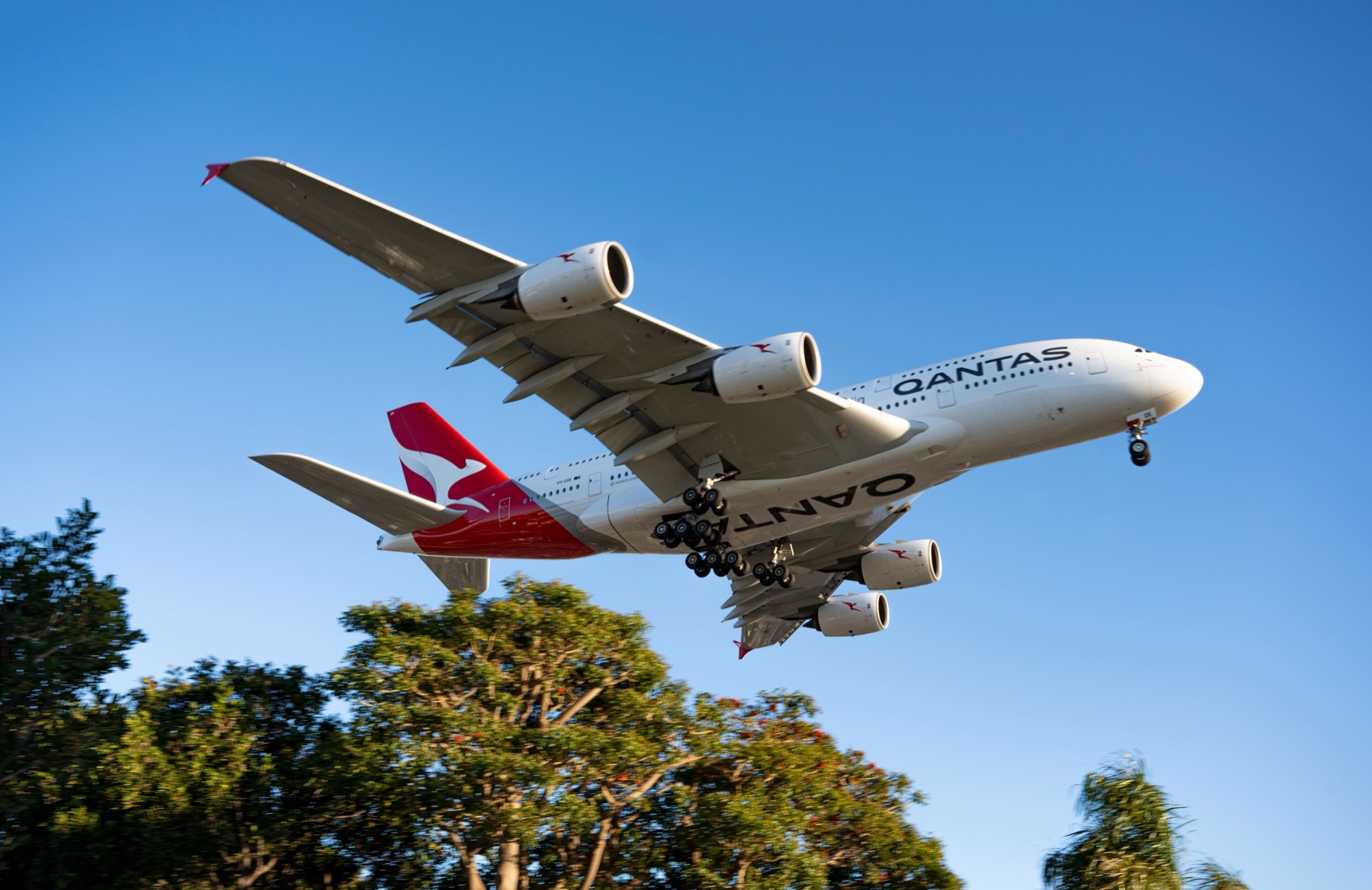
- Perth as the nearest gateway: Geographically, Perth is closest to Europe and Qantas flies there directly from Rome during the season.
- Open-jaw trick: Buy a ticket flying into one city and departing from another, saving you an expensive and lengthy return journey across the entire continent.
- Smart airport transfers: While in Perth the train costs just a few dollars, Sydney charges a high airport surcharge that you can avoid by taking a regular bus.
- Jet lag is worse going there: You’re flying east, which shortens the day, and your body struggles with this more than the return journey.
- Watch baggage on domestic flights: While your long-haul flight allows 30 kilos, Australian low-cost carriers won’t transport anything in the hold for free.
- Arrival declaration form: Declare all food items—according to Australian authorities, you won’t be fined for declaring something, even if they end up confiscating it.
Which Hub to Fly Through: Three One-Stop Options
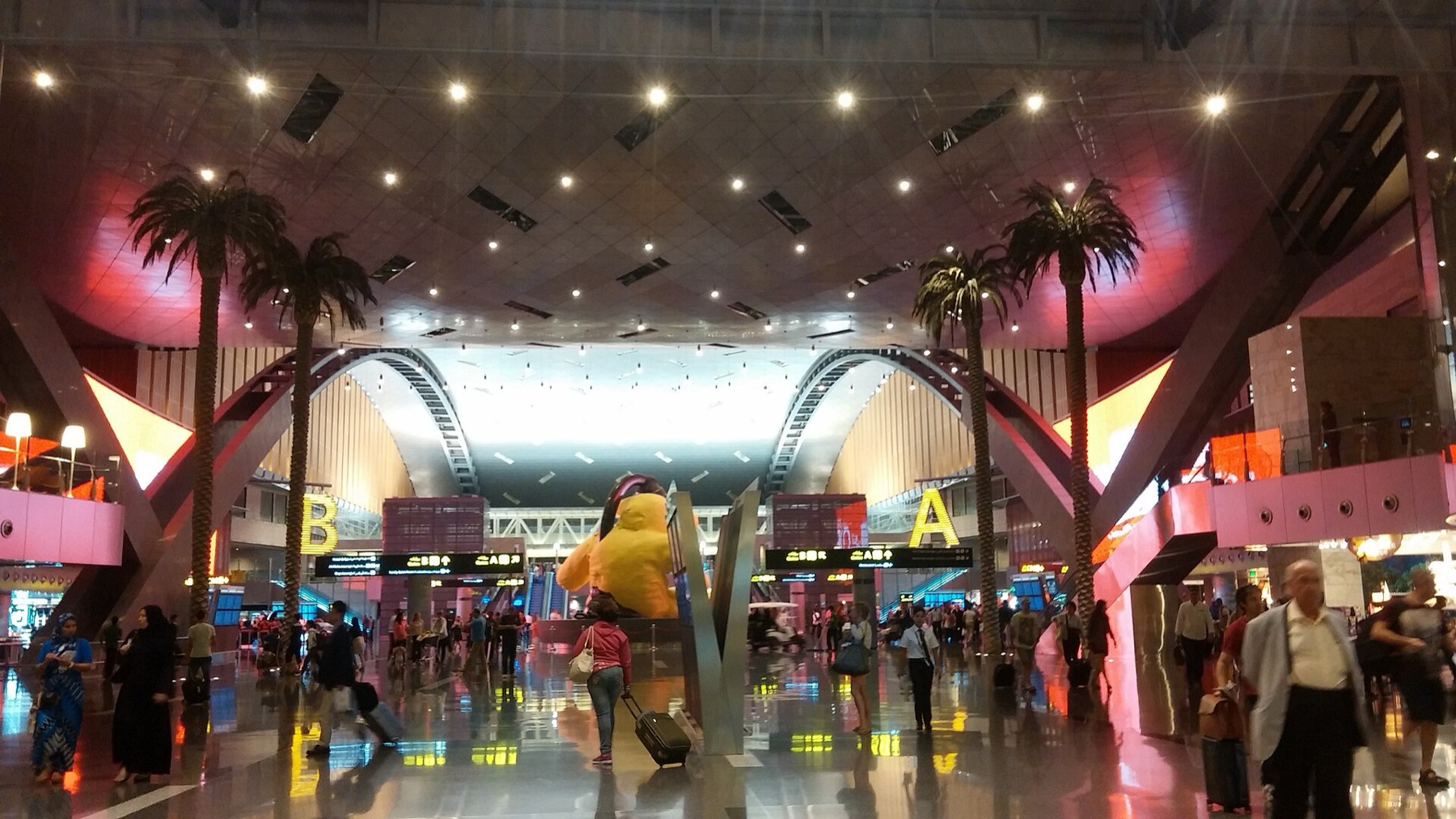
If you’re looking for the most convenient route from Europe, there are essentially only three long-haul connections from major European hubs that you can connect to with a single stopover all the way to Australia. Each additional connection means more risk of delays, lost luggage, and above all enormous fatigue, so one-stop tickets are logically the most sought-after among travelers. You’ll be served by three major Gulf carriers who are the only ones able to compress the journey to a bearable minimum.
| Carrier | Route from Europe | Frequency | Note |
|---|---|---|---|
| :— | :— | :— | :— |
| Qatar Airways | European hubs → Doha | 7× weekly (daily) | Major European carrier with nonstop connections; average flight time 5 h 45 min from Central Europe. |
| Emirates | European hubs → Dubai | 7× weekly (daily) | Flight time approximately 6 h 35 min; flydubai and other carriers also serve this route. |
| Etihad Airways | European hubs → Abu Dhabi | 4× weekly (Mon, Wed, Fri, Sun) | Service from major European cities, Boeing 787-9 (290 seats: 28 business, 262 economy). |
From these three hubs, the network branches out to major Australian cities. Qatar Airways flies very strongly from Doha, sending the giant Airbus A380 to Sydney and flying to Melbourne twice daily with Boeing 777-300ER aircraft. They maintain daily connections to Brisbane and Perth as well, deploying Boeing 777-300ER, while Adelaide receives the modern Airbus A350-900. This dense network of connections means that if you miss your first flight, you have a good chance of catching an alternative connecting flight the same day.
Emirates from Dubai offers an impressive ten daily connections to Australian metropolises, making them a huge player in the market. Their giant Airbus A380s fly to Sydney and Melbourne up to three times daily, and to Brisbane twice daily. They have one daily flight each to Adelaide and Perth, deploying the popular Airbus A350-900 on these routes. With the third carrier, things are currently more complicated, because while Etihad normally serves Sydney, Melbourne, Brisbane, and Perth, in mid-April 2026 they were operating at roughly sixty percent of their pre-conflict capacity. Always carefully verify the current status of their routes and reliability of connecting flights before purchasing.
Everything else that search engines offer means at least two stopovers. The journey typically gets chopped up via Istanbul, Singapore, Bangkok, Kuala Lumpur, Seoul, Taipei, or Hong Kong. Often it looks like you fly on a smaller aircraft to a large European hub like London or Frankfurt, from there on a long-haul flight to Asia, and then you face a third eight-hour hop directly to Australia. For your body, such a fragmented journey is an enormous strain and the entire odyssey can easily stretch to more than thirty hours.
What Changed in 2026 and Why It’s More Expensive
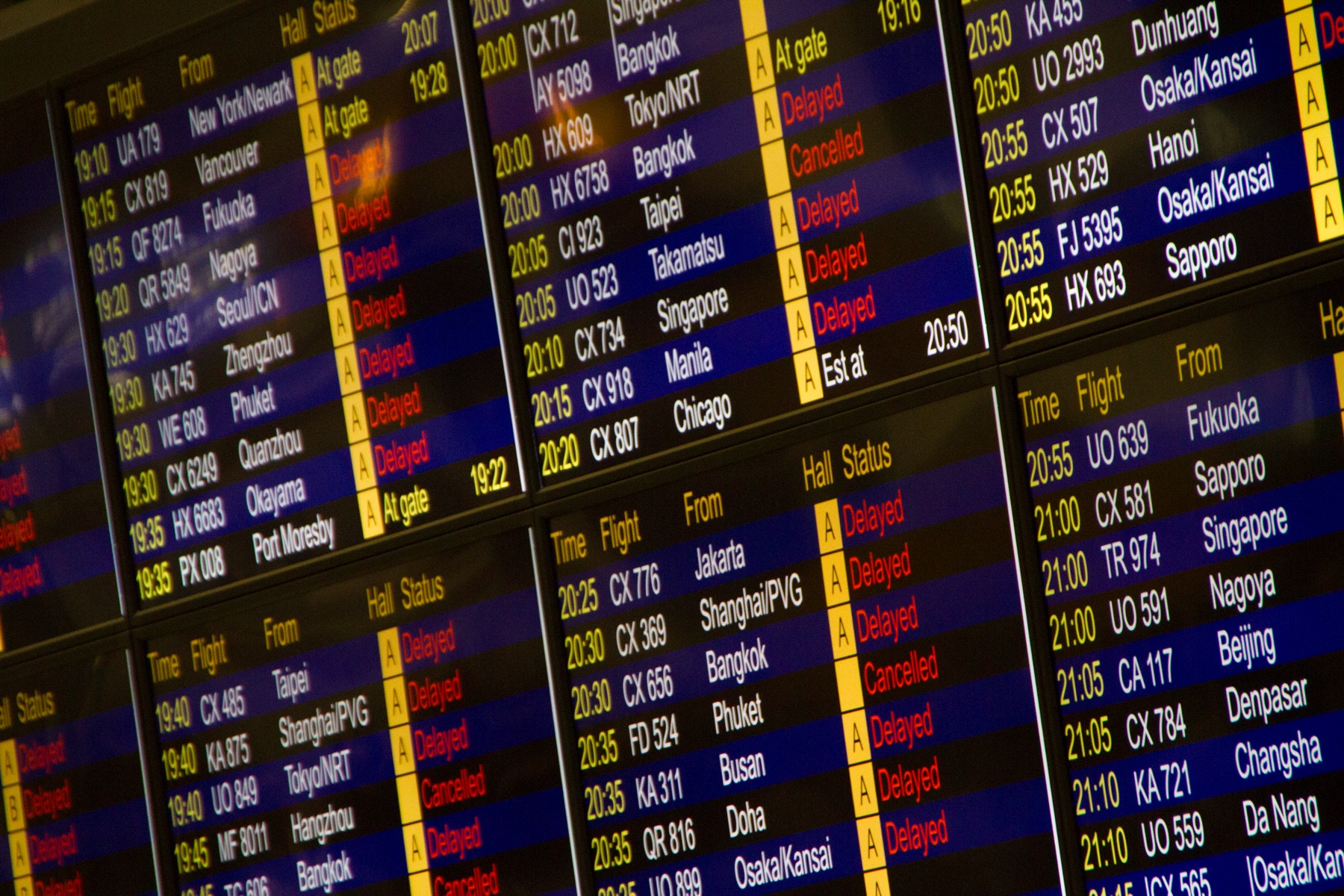
This is the crucial thing you won’t read about in typical guidebooks, but it has a fundamental impact on your planning and budget. On February 28, 2026, following international events, airspace over Iran, Iraq, Kuwait, Bahrain, and Qatar was closed, and operations at Dubai airport were also suspended. Analytics firm Cirium estimated that roughly 870 out of nearly three and a half thousand planned flights were cancelled in the region that day alone, which was a hard blow to global aviation.
For travelers to Australia, it meant a shock because practically overnight, all one-stop routes from Europe were cut off. Emirates, Qatar Airways, and Etihad stopped departures from their bases for a while, and over 300 flights from major European airports were cancelled following the outbreak of conflict. The return to normal was gradual; Qatar Airways resumed flights to Sydney only on April 10, full daily service started May 1, and Adelaide flights didn’t restart until June 16. Although the airspace of the United Arab Emirates was declared normal on May 2, the European Union Aviation Safety Agency (EASA) still issued an updated warning on July 8 recommending detours around parts of the region.
And all of this was reflected directly in ticket prices. According to air traffic control authorities, detouring around the region extends flights by roughly 10 to 20 percent, or one to two hours. Aircraft must choose new northern corridors via the Caucasus, northern Turkey, and the southern Caspian, or alternatively southern routes via Egypt, North Africa, and the Arabian Peninsula. This means higher fuel consumption, and because aviation fuel has become 94 percent more expensive compared to last year’s average—with barrel prices jumping from $85 to $150-200—this simply had to be reflected in prices.
Experts estimate long-haul ticket price increases of 15 to 25 percent. The fuel surcharge alone for a one-way long-haul ticket increased by approximately €25 per person, and during summer 2026, average ticket prices to the Middle East region were fifty percent above pre-conflict levels due to reduced competition. So if you’re comparing prices with what your friends paid a few years ago, accept that the aviation world is simply more expensive today and planning requires more caution.
European Carriers Shift Australia Routes to Asian Hubs
The response to the complicated situation over the Middle East is a shift to Asian hubs. European and Asian airlines have begun building new routes that bypass the risky region. A newcomer to European markets is Taiwanese carrier STARLUX Airlines, which launched service from major European cities to Taipei on August 1, 2026, as its first European destination. They fly three times weekly with Airbus A350-900 aircraft with 306 seats and from October increased frequency to four flights weekly. Together with China Airlines, this means up to six weekly flights from Europe to Taipei, opening new possibilities.
Why mention this in an article about Australia? China Airlines flies directly from Taipei to Sydney, so you can reach the antipodes with a single stopover while avoiding the Middle East. STARLUX has also announced its own direct Taipei-Sydney connection for 2027 with A330neo or A350-900 aircraft. This Asian corridor is becoming a sought-after alternative to traditional Gulf hubs, as confirmed by growing interest in Korean Air routes via Seoul.
Traditional European carriers aren’t staying on the sidelines either. Finnish carrier Finnair is launching a new daily route from Helsinki via Bangkok to Melbourne starting October 25, 2026. The service will operate with Airbus A350-900 under flight numbers AY145 and AY146, bringing over 203,000 seats annually to the market and providing many Europeans with Finnair’s first direct connection to Australia. The Helsinki departure is shortly after midnight, landing in Bangkok at 4:30 PM and arriving in Melbourne at 7:15 AM the following day. British Airways is heading in a similar direction, planning to launch a route from London via Kuala Lumpur to Melbourne starting January 2027.
Turkish Airlines is also strengthening its Asian gateway position. From October 26, 2026, they’re moving their Asian stopover from Kuala Lumpur to Singapore airport. From Istanbul, their Airbus A350-900s will fly to Sydney five times weekly and to Melbourne three times weekly. Although there’s been long-term talk of introducing a nonstop Istanbul-Sydney flight for 2027, for now you can most reliably count on flights with one Asian stopover, as these completely avoid the Middle East.
Where to Fly: Perth Is Closest from Europe
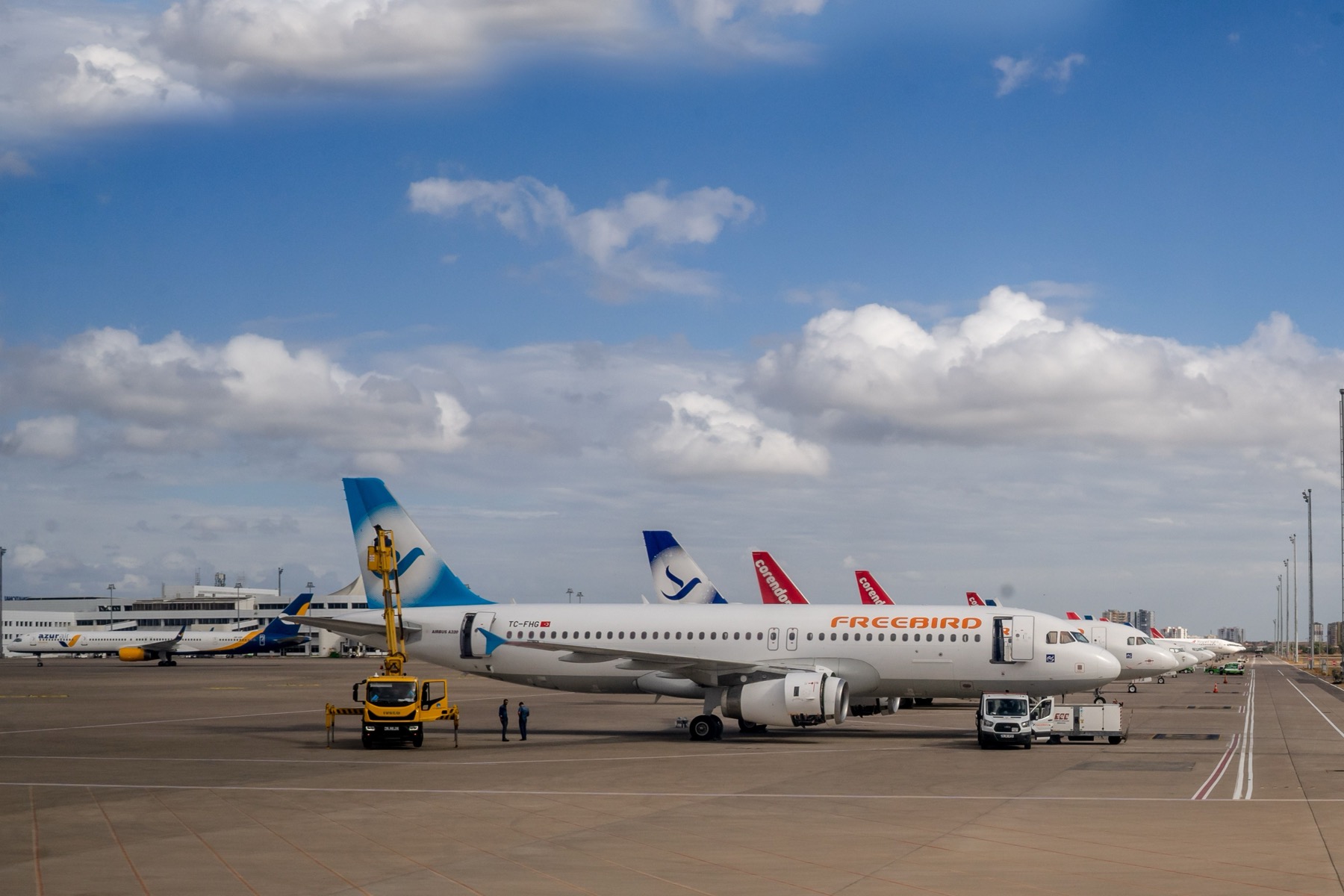
Looking at a map, it’s clear: Perth sits on the western coast and is therefore geographically closest to Europe of all major Australian cities. Australian national carrier Qantas operates a seasonal direct route from Rome, flying from May 3 to October 23. Its peak frequency increased from three to four flights weekly, bringing roughly 10,000 additional seats to the market. This is an advantage if you want to begin exploring the continent on its western coast and save yourself a long flight over the interior.
But 2026 has also affected major routes. Even the flagship nonstop Perth-London route was impacted this year due to detours. The route change added approximately 45 minutes to the flight and the aircraft couldn’t reach Europe without payload restrictions. The westbound direction now flies as flight QF209 with a forced stopover in Singapore. The return flight under designation QF10 remained nonstop because favorable tailwinds assist it. The direct Perth-Paris route ended completely in March 2026 and was redirected via Singapore, although overall capacity to the French capital has paradoxically increased.
However, the Australian national carrier isn’t giving up on ultra-long-haul flight plans. Qantas is planning nonstop Sydney-London service as part of Project Sunrise from October 2027. Ticket sales should start in February 2027 and will use specially modified Airbus A350-1000ULR aircraft with additional fuel tanks. The first of these aircraft, named Vega, is expected to arrive in April 2027, and a July test flight from Toulouse to Melbourne set a range record. Qantas promises journey time reductions of up to four hours compared to regular connecting flights, but don’t count on this for the upcoming season’s bookings.
How Much Tickets Cost and When to Buy
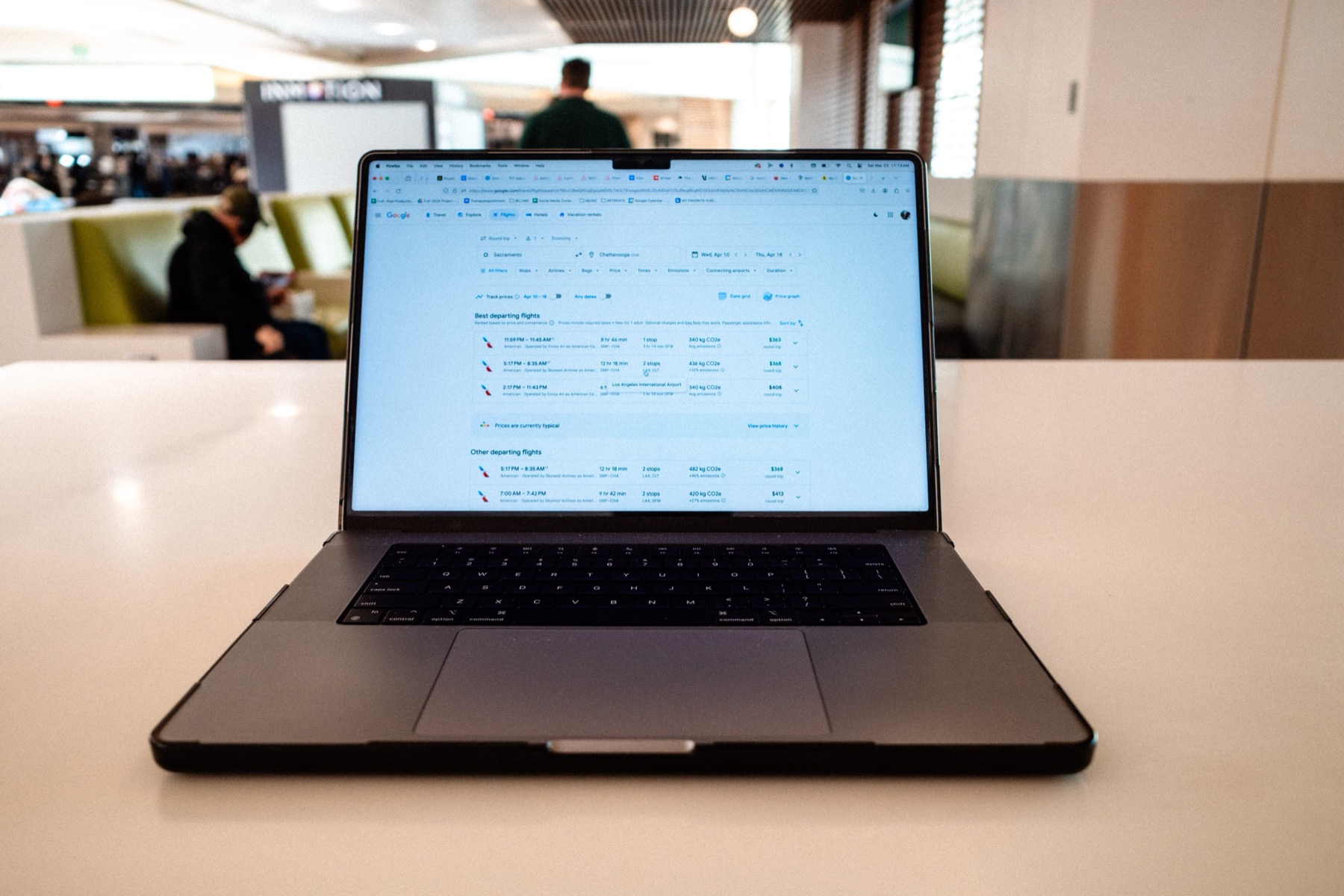
Ticket prices are a frequent topic in travel discussions. Before the 2026 price increases, a return ticket on routes like Europe-Melbourne typically cost €1,000 to €1,250, with good deals found near the €800 mark. Offers to Australian metropolises from major European hubs started around €1,100, and departures from Vienna were often slightly cheaper at around €950. The benchmark from European travel portals showed that under €1,250 with two stops is a good purchase and anything under €1,000 off-season is an excellent price.
Take these figures only as guidance. You now need to add the mentioned 15 to 25 percent to these amounts. The final price depends on specific dates and fuel surcharges will cut approximately €25 off your budget for each one-way leg, which adds up significantly on a return ticket with connections. Regarding purchase timing, the optimal window is between 10 to 18 weeks in advance for off-season and 14 to 22 weeks if flying during peak times. Ideally, set price alerts on search engines three to four months ahead and monitor trends.
But there’s one essential recommendation from foreign affairs authorities. Only buy your ticket once you have an approved Australian visa in hand. Although the electronic eVisitor is often processed within hours, authorities may randomly request additional documents and the process can stretch to weeks. Regarding seasonality, December and January are most expensive when Australian summer peaks and many expats return home. Conversely, Australian winter from June to August is usually cheaper, which according to our weather guide is the best time to visit the tropical north.

Three Tricks That Save Money and Time
Australia is geographically vast and a return ticket to the same city forces you to cross the entire continent back and forth. The Sydney-Perth flight alone takes four to five hours, costing time and extra money. Trick number one is therefore the so-called open-jaw or multi-city ticket. You can, for example, fly into Sydney and depart home from Cairns or Perth. Search engines commonly offer this function under the “multi-city” tab and it often costs similarly to a classic return ticket, while saving you thousands of kilometers of backtracking.
The second rule is to buy domestic flights separately but with sufficient time buffer. Australian low-cost carriers often have attractive prices on domestic routes and you can purchase internal flights after securing your main ticket. However, there’s one catch: with separate bookings, there’s no protection if you miss a connecting flight. If your long-haul flight from the Gulf is delayed and you miss your domestic connection, you’re buying a new ticket out of pocket. Therefore it’s worth leaving at least a day between flights and getting a good night’s sleep in the arrival city.
The third tip is to look beyond your home country when searching. Consider departures from airports like Vienna or Munich, which often prove worthwhile for long-haul flights because there’s greater carrier competition than at smaller hubs. Also remember that one-way long-haul tickets make no financial sense. Return tickets always work out significantly better at these great distances and a one-way flight often costs more than the journey there and back combined.

Stopover: Turn Your Connection into a Second Holiday
When you’re spending a long time at a major transit airport anyway, it’s worth turning it into an advantage and using so-called stopover programs. For example, Emirates’ popular Dubai Connect program provides you with a hotel, meals, transfers, and even a transit visa completely free during long connections. The condition is a layover between 8 and 24 hours for premium classes, with economy class eligibility starting from 10.5 hours of waiting. Importantly, both flights must be operated directly by Emirates on their international routes.
Very generous options are also available with Qatar Stopover in Middle Eastern Doha. You can extend your stopover here for up to 4 days, with partner hotels offered from approximately $23 USD per night in four-star and from $50 in five-star standard. Qatar also has the STPC program, which covers hotel, transfers, and meal vouchers for layovers of 8 to 24 hours, provided no earlier connecting flight exists. For economy class passengers, a three-star hotel is typically allocated in this case.
An interesting alternative on the European fringe remains Turkish Airlines. Their popular Touristanbul program offers a free city tour during layovers of 6 to 24 hours. If you have a layover in Istanbul longer than 20 hours, you can qualify for a free hotel under the Stopover program. However, conditions for all these programs change quite frequently and carriers insert various tariff exceptions, so always carefully read the current rules directly on the selected carrier’s official website before counting on free accommodation.
Baggage: Where It Gets Tricky
Packing for the antipodes has one huge specificity that causes many people to unnecessarily lose money. Gulf carriers on Australian routes typically use a generous weight concept where total weight counts, not the number of bags, and one piece has a 32 kg limit with dimensions totaling 300 cm. With Emirates in economy class, allowances range from roughly 20 kg for Special fare, through 30 kg for Saver, up to 35 kg for Flex Plus. Qatar Airways has economy class limits from 20 kg for Lite fare, through 25 kg for Classic, up to 35 kg for Comfort, while you can take 7 kg into the cabin.
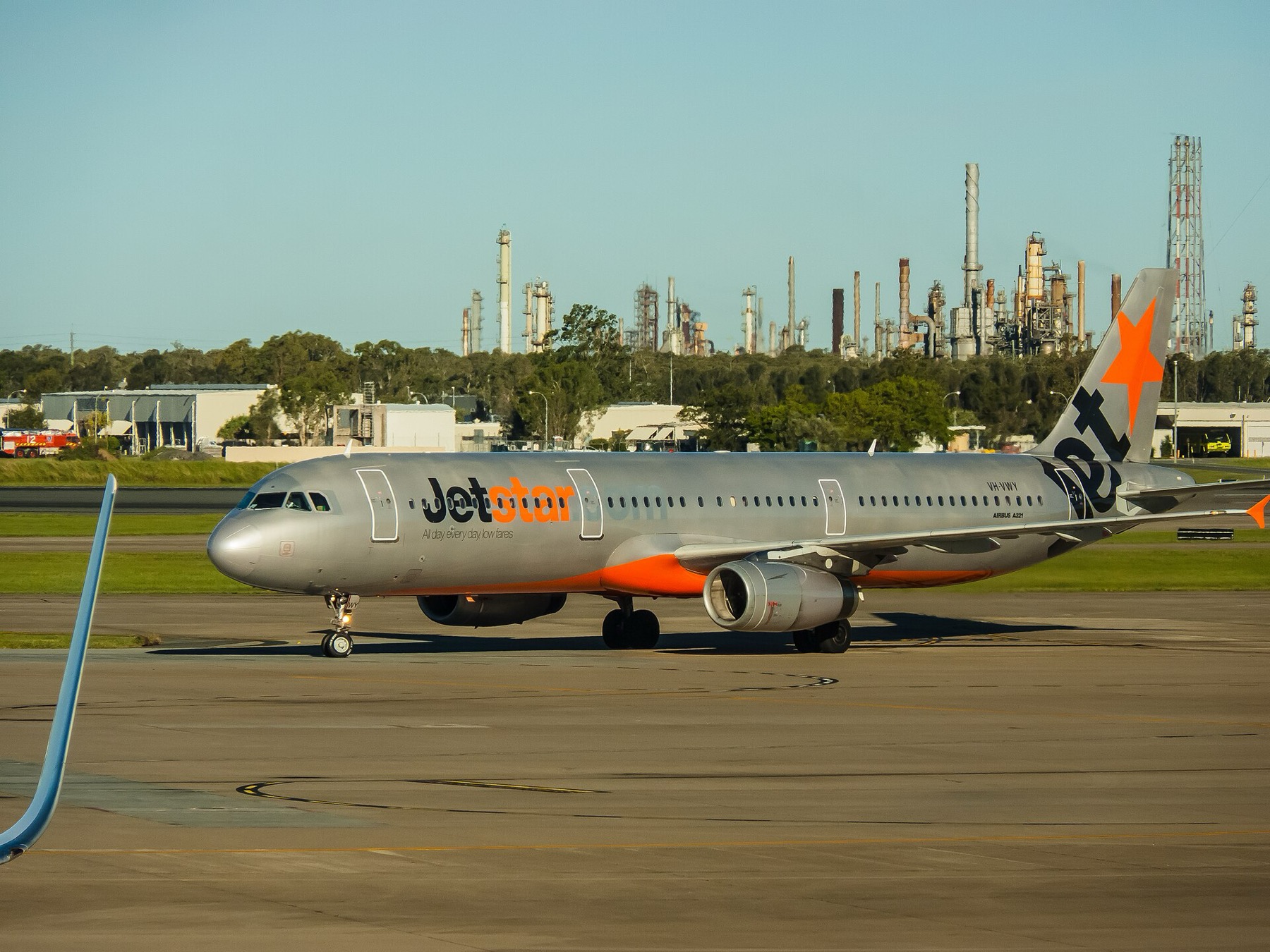
These values are naturally indicative and you must always check your specific fare according to your ticket. The real problem arises when you land and want to connect with a domestic flight. While the long-haul carrier will happily transport 30 kilos, Australian low-cost Jetstar in its cheapest Starter fare has no checked baggage included at all. You can only take a strict 7 kg into the cabin, including personal item, with a higher 14 kg cabin and 20 kg hold limit only offered in much more expensive Plus fares.
Other domestic carriers aren’t much more accommodating to large European suitcases either. Virgin Australia from February 2, 2026, allows only one overhead locker bag up to 8 kg plus a small personal item, and Qantas gives economy class passengers on jet aircraft standard-sized cabin baggage up to 7 kg. If you arrive with a thirty-kilo suitcase and have bought a cheap domestic ticket, it’s worth purchasing a checked baggage package during online booking—at the airport counter they’ll mercilessly charge you absurd amounts.
How to Survive Twenty Hours in a Plane
Spending a whole day in a sealed aluminum tube sounds dreadful, but with good preparation you’ll manage without major suffering. The basic advice is to break up your journey with a longer stopover. Your body will cope much better with such distance if you rest in a hub, shower, or ideally sleep, rather than completing two fourteen-hour flights back-to-back. Seat selection also plays a big role. By the window you can lean against it and nobody will wake you, while the aisle lets you stand up anytime, which is crucial for leg circulation after twenty hours of sitting.
During the flight you must move and above all drink plenty. Walk the aisle regularly and hydrate your body with plain water. Limit alcohol and coffee because the dry cabin air itself dehydrates and these drinks only make it worse. Compression socks are essential for such long flights as they reduce the risk of swelling and deep vein thrombosis. Also pack an extra sweater in your cabin bag—air conditioning can feel cold after a few hours sleeping over the ocean.
For good sleep, don’t forget an eye mask, earplugs or even better headphones with active noise cancellation, and a travel pillow. Your power bank must be kept in cabin baggage—it cannot go in the hold for safety reasons. It’s worth downloading films and music offline because onboard Wi-Fi is sometimes expensive and unstable over the ocean. If you have special dietary requirements, order a vegetarian meal in advance through your booking management—flight attendants serve them first anyway, so you don’t have to wait for the trolley.

Jet Lag: Going There Is Worse Than Coming Back
Time zone shift is the enemy that will reliably knock you down after arriving in Australia. Scientific literature states that body adaptation proceeds at roughly 1.5 hours per day when traveling west and only 1 hour per day when traveling east. Humans have internal biological clocks naturally set to cycles slightly longer than 24 hours. When you fly west, the day lengthens and your body handles this easily, but flying east shortens the day, which your organism fights hard against.
The main lever for aligning biorhythms is proper light dosing at the destination. When traveling east, which is precisely the flight from Europe to the antipodes, seeking morning light is crucial while avoiding it in the evening. If you did the opposite, poorly timed light exposure could worsen your adaptation. When traveling back home westward, the opposite rule applies: evening light is desirable for your body and you should avoid morning light.
What does this mean for you practically? Given that Australian Sydney is eight to ten hours ahead of Europe, acclimatization after arrival will hurt. Don’t plan demanding programs for your first day after arrival—no car rental for long drives across the outback or trips to coral reefs. Give your body time to adjust, otherwise you’ll suffer through the first days of your holiday.
Time Zones and Domestic Flights
Australia is enormous and divided into three basic time zones, which make flight planning quite a puzzle. Western Australia operates in AWST zone, corresponding to UTC+8, South Australia and Northern Territory use ACST with UTC+9:30 offset, and the rest of the east including Queensland, New South Wales, Victoria, and Tasmania runs on AEST, meaning UTC+10. Added to this is chaos with daylight saving time changes.
Daylight saving time is not observed across all of Australia, only in New South Wales, Victoria, Tasmania, ACT, and South Australia. The rest of the territory including Queensland, Western Australia, and Northern Territory has no daylight saving time at all. The season always starts the first Sunday in October—this year October 4, 2026—and ends the first Sunday in April, April 4, 2027. A trap lurks, for example, when traveling between Brisbane and Sydney, where in summer there’s an hour difference despite the cities lying on the same geographical axis. Therefore carefully check times on domestic flight tickets.
Regarding domestic flights themselves, the Sydney-Melbourne journey takes roughly an hour and a half, to Cairns about three hours, and the Sydney-Perth flight takes four to five hours. You can fly with national carrier Qantas and its regional branch QantasLink, with Virgin Australia, low-cost Jetstar, or with regional company Rex. Although Rex emerged from administration in December 2025 under new owner Air T and flies to roughly 45 destinations, in 2026 it cancelled part of its regional routes due to high fuel costs, so even the domestic market demands careful planning.
After Landing: What You Must Declare on the Arrival Form
Upon arrival in the antipodes, you’ll face one of the strictest customs controls in the world. Every traveler must complete an Australian arrival declaration form (Incoming Passenger Card) and honestly declare all food items, plant and animal products on it. The official position of biosecurity authorities is uncompromising but also fair: anyone who declares everything and presents it for inspection won’t be fined, even if that item ultimately cannot be imported. You only risk trouble when you try to conceal something in your luggage.
If caught with undeclared goods, you face a high on-the-spot fine, and if you provided false information, you risk administrative proceedings or even criminal prosecution. According to Australian Border Force, duty-free limits on regular goods are up to 900 AUD value for persons 18 and over and up to 450 AUD for younger travelers. You can bring 2.25 liters of alcohol and 25 grams of tobacco, roughly one pack plus one open. If traveling as a family, you can combine limits, but beware—if you exceed the limit, you’ll pay duty and tax on all items in that category, not just the excess.
A trap little known internationally involves electronic cigarettes and nicotine products. Since January 1, 2024, importing disposable vapes into Australia has been banned, and from March 1, 2024, a ban applies to all non-therapeutic vapes. Exceptions exist only for small quantities intended for documented personal medical use, and nicotine pouches cannot be brought into Australia at all. We cover the airport situation and visa rules in our separate article, so always verify current regulations on official websites before packing your bags.
From Airport to City Center: The First Hour in Australia Can Be Expensive
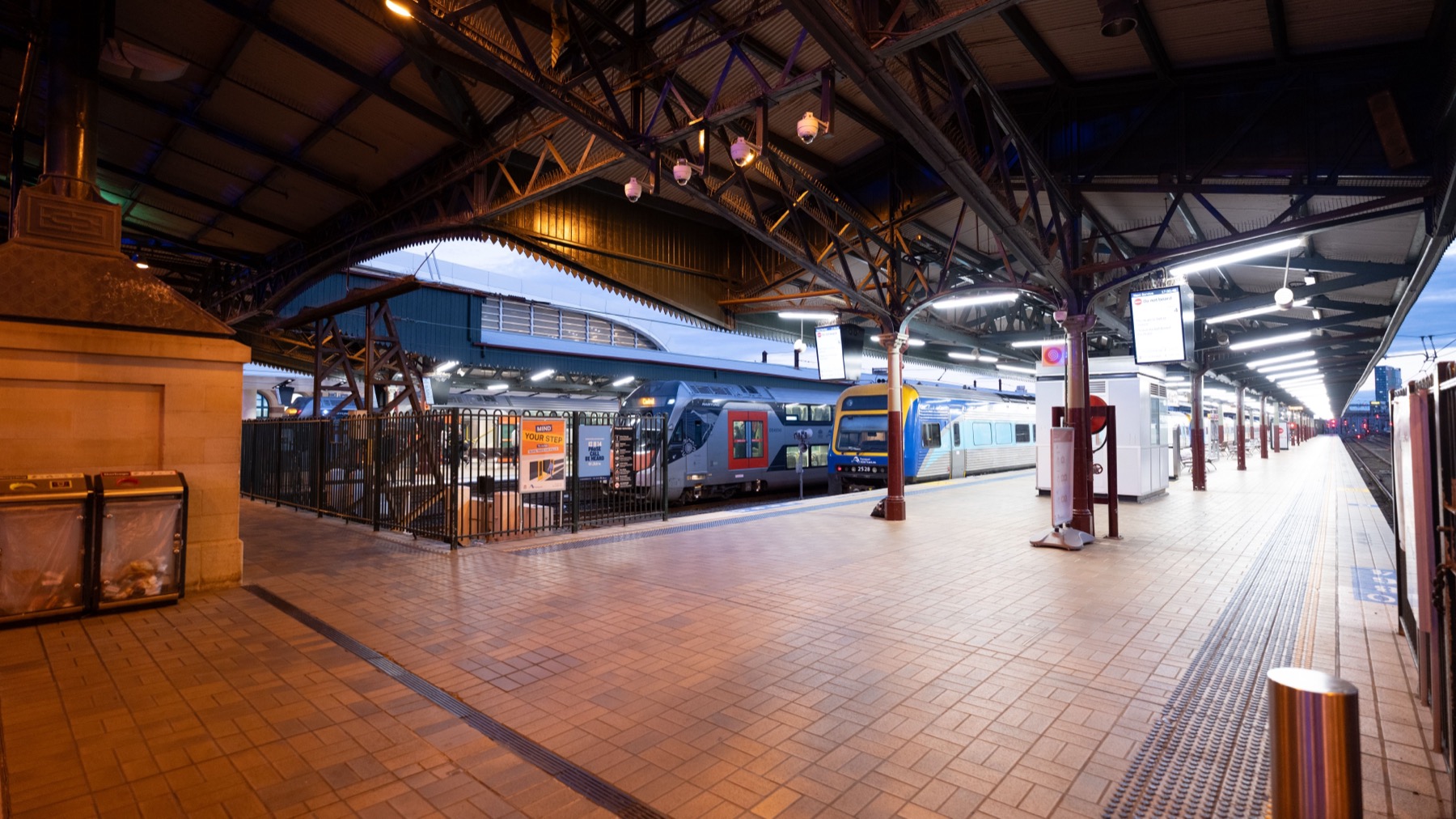
After passing Australian control, the final leg of your journey awaits, which can surprise your wallet in the first minutes. Australian airports have differing pricing policies for city center transport, and what costs a few dollars on the west coast will set you back a tidy sum on the east.
| City | Connection | Price | Note |
|---|---|---|---|
| :— | :— | :— | :— |
| Sydney | Airport Link train | Station access fee 18.61 AUD | Adult price paid on top of regular fare; for child 16.64 AUD. |
| Melbourne | SkyBus City Express | 25.90 AUD one-way | Return 43.40 AUD, child 4–16 years 6.60 AUD; no train from airport. |
| Brisbane | Airtrain | From 17 AUD (group price) | Journey takes 20 minutes, runs every 15 minutes at peak, children free, 15% online discount. |
| Perth | Airport Line | 2.80 AUD with SmartRider card | From Jan 1, 2026, flat “Go Anywhere” fare applies to entire network. |
The strongest contrast is between the continent’s east and west. While in Perth the train costs 2.80 AUD under the flat fare system, in Sydney you’ll pay 18.61 AUD just for station access. This fee, the so-called Station Access Fee, is charged to every adult traveler on top of regular fare and has a weekly cap of 37.75 AUD. If traveling as a family of four, the suburban train ride from Sydney airport to city center becomes quite expensive.
But there’s a way to avoid this fee in Sydney. Simply use the bus, which isn’t subject to the airport surcharge. From the airport, route 350 runs toward Bondi Junction via Mascot and Coogee neighborhoods, route 420 to Burwood, and at night route N20 saves you. You’ll only pay regular Opal card fare, and if you’re staying in neighboring areas like Mascot or Green Square, you’ll save significantly on transport.
Where Next
- Holiday in Australia: 30 Most Beautiful Places + Practical Tips
- Sydney, Australia: 31 Tips on What to See and Do
- Melbourne, Australia: 23 Tips on What to See and Do
- Perth, Australia: 18 Tips on What to See and Do
- Cairns and Daintree: 18 Tips for the Gateway to the Tropics
- Australian Road Trip: Routes, Car Hire, Camps and Budget
- Great Barrier Reef: Tours, Prices and How to Experience It
- Tasmania: 20 Tips on What to See + Itinerary for a Loop
- Flying with Children: How to Handle the Flight Stress-Free
Frequently Asked Questions
Are there direct flights to Australia?
There are no direct flights to Australia from most European cities, and you’ll always need at least one stopover. The most comfortable connections with a single stopover are offered by Gulf carriers such as Qatar Airways via Doha, Emirates via Dubai, or Etihad via Abu Dhabi. Alternatively, you can expect two stopovers via European airports and modern Asian hubs, which are handling an increasing number of routes.
How long does the journey take?
The total journey time from Europe to Australia typically takes around 22 to 25 hours including stopover time. However, due to necessary routing around the Middle East in 2026, flight times have extended by approximately ten to twenty percent, so for long-haul flights through these regions you should expect the upper end of this estimate or even a somewhat longer and more demanding journey.
How much does a ticket cost?
Before the price increase in 2026, return tickets from European hubs to Australia typically cost €1,000 to €1,200, with occasional cheaper deals available from Vienna. Due to extended routes and significantly more expensive aviation fuel, you now need to add approximately 15 to 25 percent to these historical prices and account for higher fuel surcharges, which amount to around €25 per one-way segment.
When is the best time to buy a ticket?
The ideal window for purchasing a long-haul ticket is approximately 10 to 18 weeks before departure outside the main season and 14 to 22 weeks during peak times. However, it’s strongly recommended to purchase tickets only after official approval of your Australian visa, as processing by authorities can be unexpectedly delayed if they request additional documents to verify your trip.
Which hub is best for connections?
Travelers from Europe most frequently choose Doha with Qatar Airways or Dubai with Emirates, as these hubs offer a dense network of direct flights to all major Australian cities. European carriers are also increasingly offering attractive connections via reliable Asian hubs such as Singapore, Bangkok, Seoul, or Taipei, which you can use without concerns about route changes.
Which city should you fly into?
Geographically, the closest metropolis to Europe is Perth on the western coast, where Qantas flies direct from Rome during the season, offering an excellent starting point. However, if you want to save on lengthy and expensive domestic flights, it’s worth buying a multi-city ticket with arrival in, for example, Sydney and a convenient departure home from tropical Cairns.
How much luggage can I take?
Gulf carriers apply a generous weight concept, where you typically have an allowance of 20 to 35 kilos in economy class depending on your specific purchased fare. However, a major problem arises with connecting domestic flights, where low-cost carriers like Jetstar don’t include checked baggage in the base price at all and you must pay dearly for each suitcase.
How long does it take to recover from jet lag?
According to scientific studies, the human body adapts at a rate of approximately one hour per day when flying east and an hour and a half when flying west. Since you’re flying to Australia in the unfavorable eastward direction, your body will adjust considerably slower than on the return journey home, and you should plan for the first days of your vacation to be more restful.
Can I bring food with me?
Any food without exception must be honestly declared on the arrival form you’ll receive while still on the plane. The official rule from Australian authorities is crystal clear: if you declare a food item and present it for inspection, you won’t receive any fine, even if customs officers ultimately confiscate it from you for strict biosecurity reasons.
Do I need a visa even if I’m just transiting?
Transit rules differ depending on the length of your planned stopover and your intentions. However, if you want to leave the airport transit zone, for example as part of an attractive stopover program to see the city and stay in a hotel, you’ll probably need a transit or standard tourist visa, so always verify this with your specific carrier.
Tips and Tricks for Your Vacation
Don’t Overpay for Flights
Search for flights on Kayak. It’s our favorite search engine because it scans the websites of all airlines and always finds the cheapest connection.
Book Your Accommodation Smartly
The best experiences we’ve had when looking for accommodation (from Alaska to Morocco) are with Booking.com, where hotels, apartments, and entire houses are usually the cheapest and most widely available.
Don’t Forget Travel Insurance
Good travel insurance will protect you against illness, accidents, theft, or flight cancellations. We’ve had a few hospital visits abroad, so we know how important it is to have proper insurance arranged.
Where we insure ourselves: SafetyWing (simple monthly subscription) and TrueTraveller (for extra-long trips).
Find the Best Experiences
Get Your Guide is a huge online marketplace where you can book guided walks, trips, skip-the-line tickets, tours, and much more. We always find some extra fun there!


