

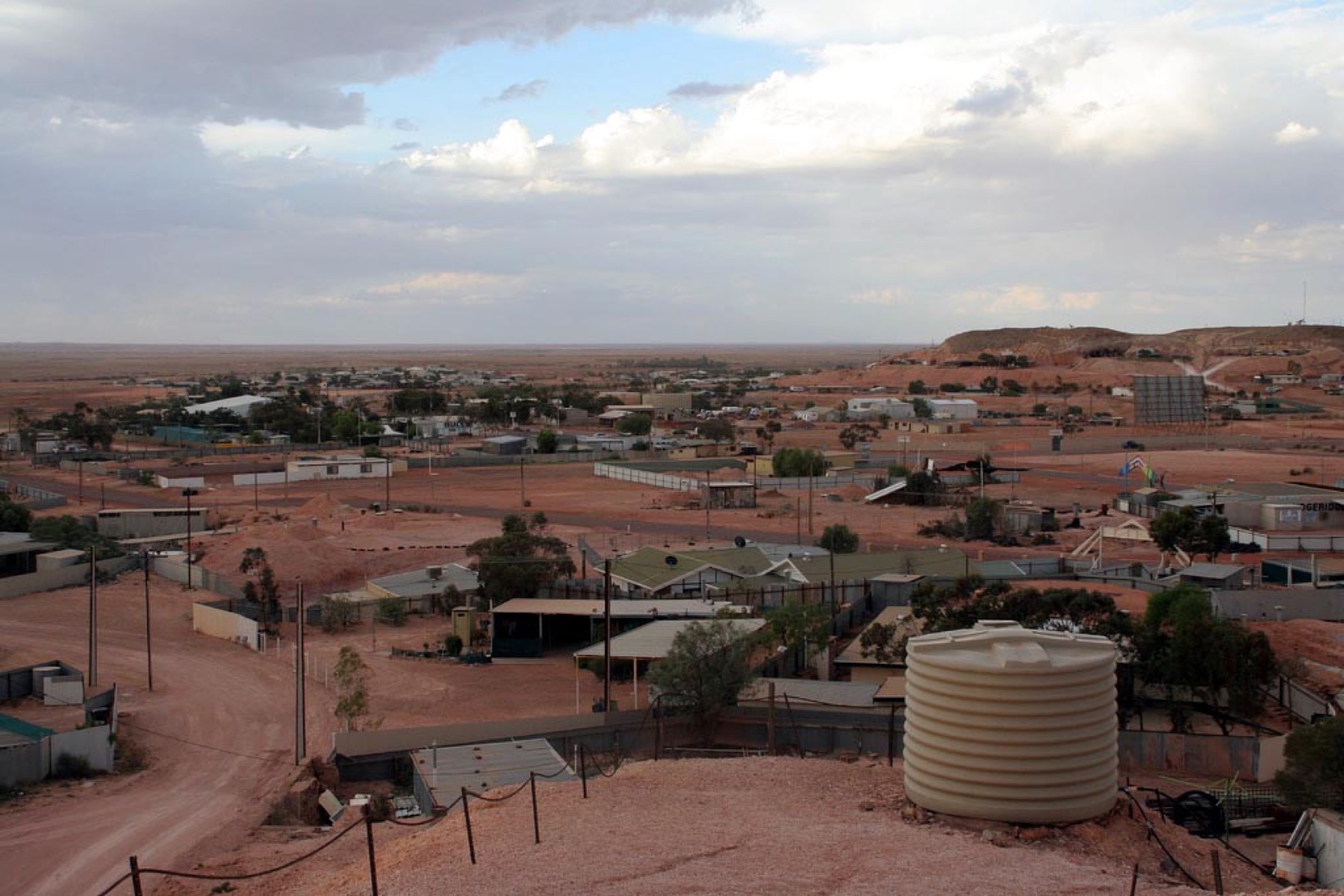
In the middle of the South Australian desert lies Coober Pedy, a unique opal mining town where a large portion of the population lives underground. This isn’t an artificially created tourist attraction but a necessity for survival, because the heat above ground is extreme for much of the year. Carved beneath the surface are churches, museums, and motels, making it a curious stop on the continent.
If you’re planning a trip through central Australia, Australia’s underground town will surprise you with its rugged atmosphere. It’s a dusty outback settlement where everything revolves around mining and searching for opals in the red earth. Legend has it that the name refers to an Aboriginal expression for “white man in a hole,” which perfectly captures the local reality.
At first glance, the town looks like a heap of mining debris and dusty machinery—but the main attraction is hidden a meter below your feet. Let’s go underground: what to see in Coober Pedy, how people live in dugouts, where to stock up on supplies, and what to watch out for in the outback.
TL;DR
- Why live underground: Due to the harsh desert climate, locals dig dwellings called dugouts that naturally maintain a stable temperature year-round.
- What you’ll find here: This is an opal mining town, so the main attractions are historic mines, underground churches, and Aboriginal art galleries.
- Best nature spot: Just outside town lies Kanku-Breakaways Conservation Park, a desert reserve with colorful sandstone formations.
- Where to stay: Most travelers choose underground accommodation in Coober Pedy to experience the silence and darkness without windows for themselves.
- When to visit Coober Pedy: Always during the Australian winter (May to September); summer temperatures in this area are far too high.
- Safety in the area: Never walk off marked paths and never step backward when taking photos due to unsecured mining shafts that dot the desert.
- Driving: Road trains drive along the Stuart Highway, and wildlife collisions are a risk at dusk, so you must adjust your speed accordingly.
Why People Live Underground Here
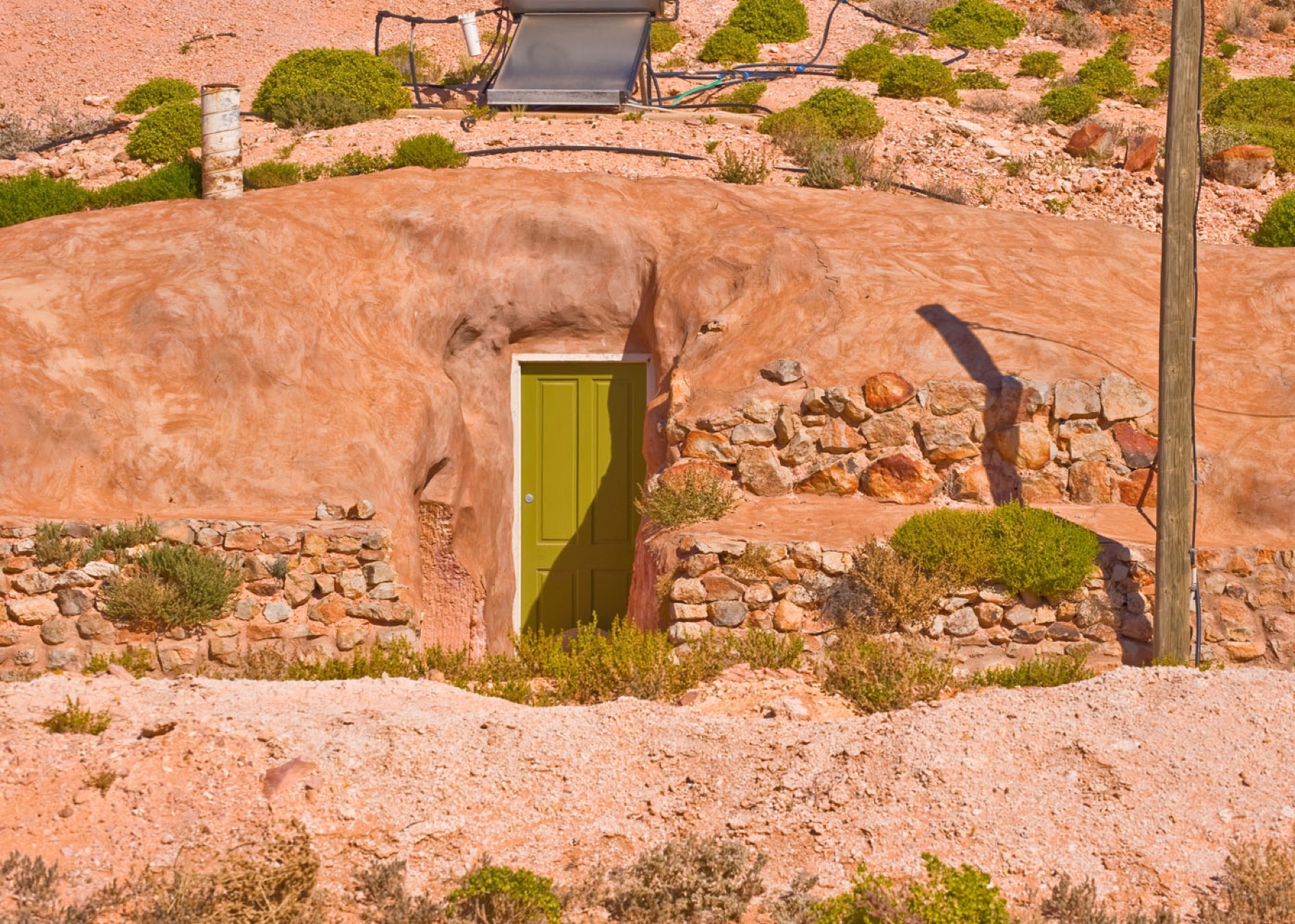
In the Australian outback, summer temperatures regularly exceed 45 °C (113 °F), and the hot, dry desert wind brings no relief even in the shade. No wonder locals looked for solutions elsewhere: specifically, a meter or two below the surface. That’s why a large portion of residents decided to move their lives into excavated dwellings called dugouts. When you arrive in town, at first glance you’ll only see piles of red earth, a few weathered buildings, and ventilation shafts sticking out of the ground. The real underground town of Australia is spread out beneath your feet, hidden in the sandstone rock.
These underground dwellings originally evolved from abandoned mine shafts that miners began expanding and adapting for everyday life. Today, new homes are excavated using specialized heavy machinery, with the sandstone rock being solid enough that ceilings don’t need complex supports. The advantage of these spaces is that they naturally maintain a stable room temperature while the desert heat rages above. People save on air conditioning and can function even during the hottest months.
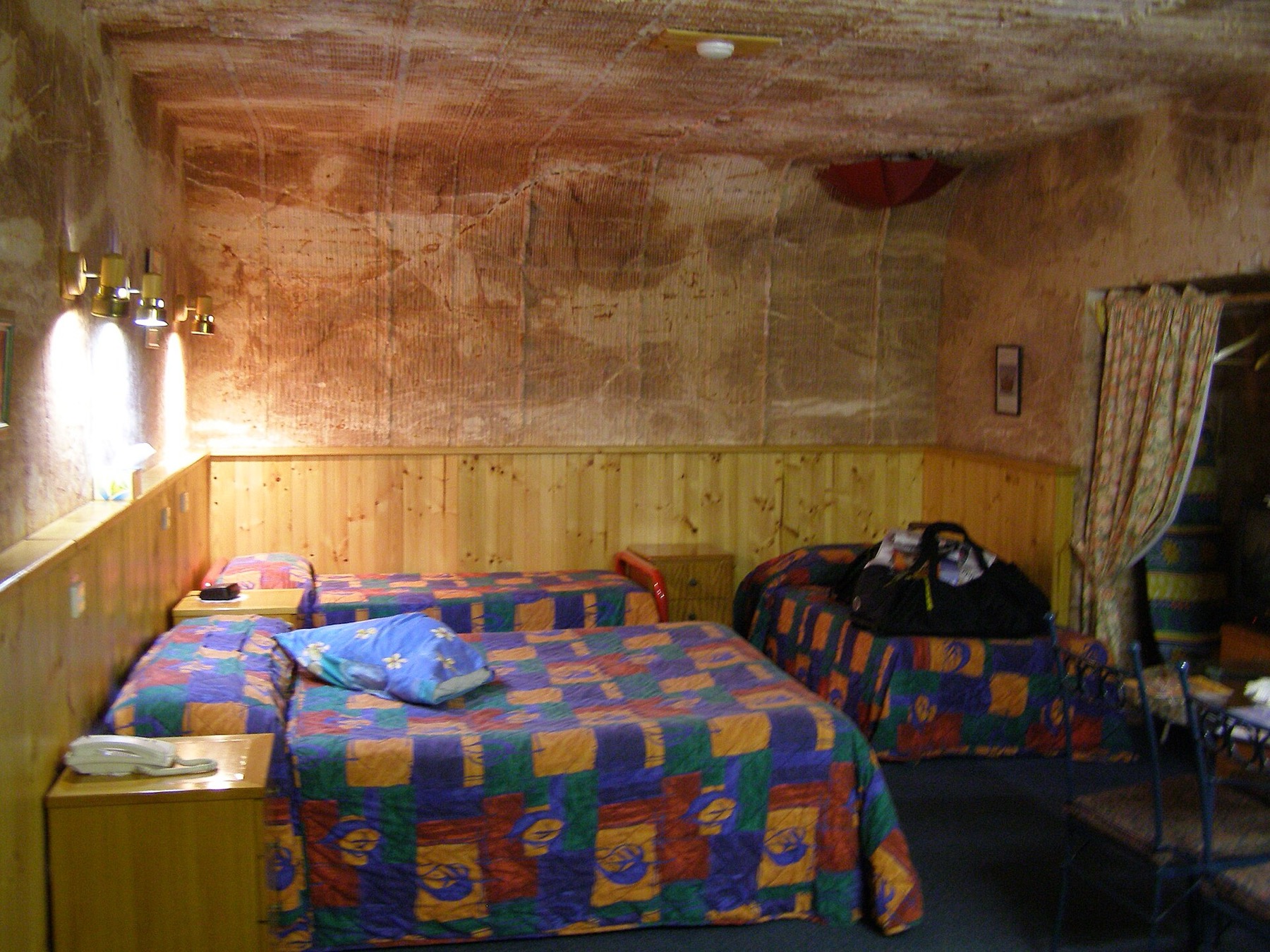
However, living in dugouts has its quirks that Central Europeans need to get used to. Most rooms have no windows, so when you turn off the lights, you’re surrounded by darkness and silence, because the thick layer of rock acts as effective sound insulation. Natural light only penetrates the entrance corridors at most, which can initially feel a bit claustrophobic. For locals, though, this is a standard way of life, and underground they build not just modest studios but spacious family homes with pool rooms and even swimming pools.
In addition to private homes, much of public life has moved below the surface. You’ll find underground churches, motels, souvenir shops, and museums documenting mining history. You can wander through corridors where you still see marks from mining equipment on the walls and realize that this entire infrastructure emerged through human tenacity. The local community had to adapt to harsh conditions to continue searching for gemstones in the red earth.
How to Get Here and When to Visit
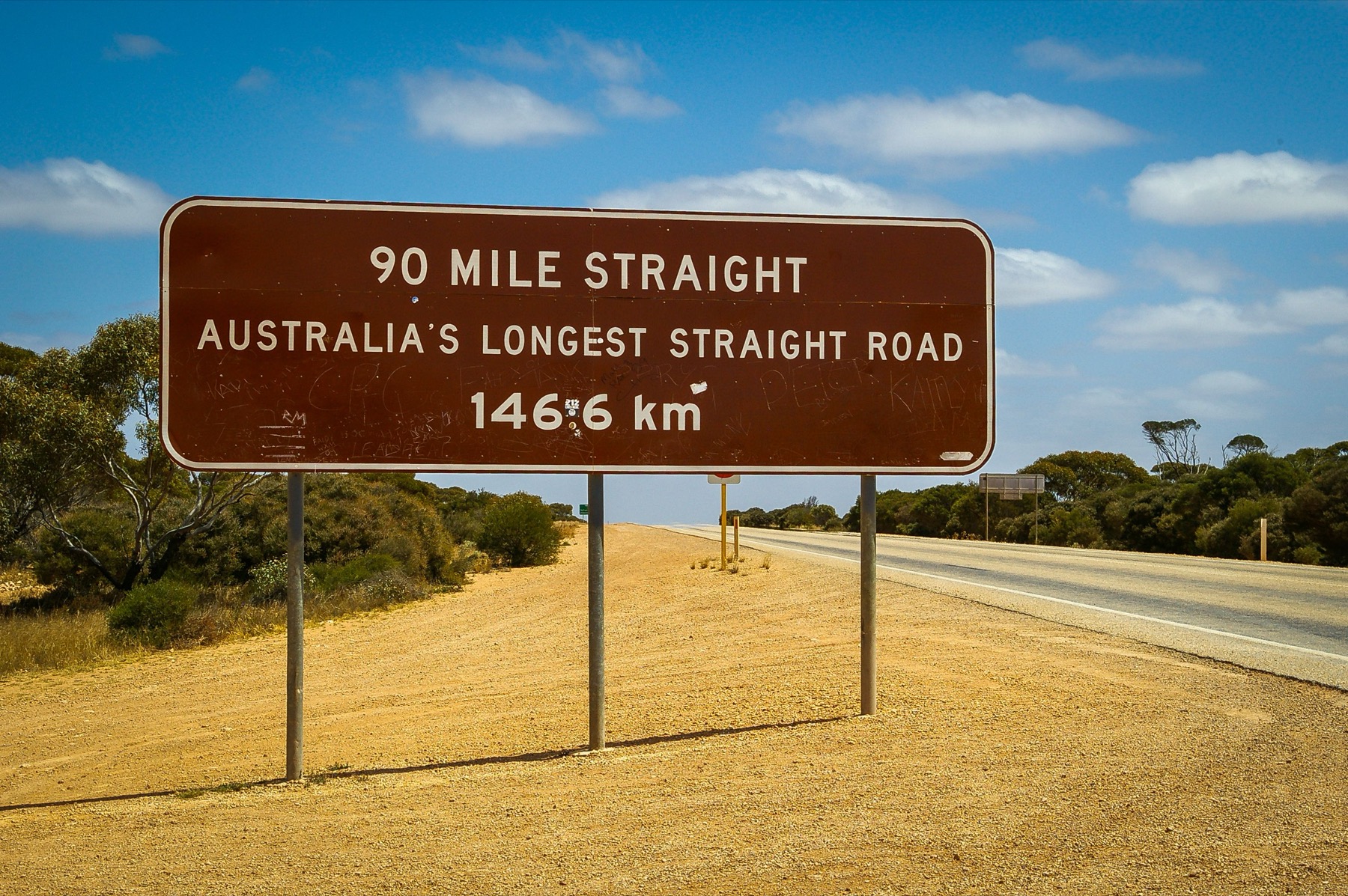
The town sits in South Australia right on the Stuart Highway, the main asphalt artery connecting the south of the continent with the north. Most travelers visit as part of a long road trip when driving between Adelaide and Alice Springs toward Uluru monolith. It’s an ideal stop to stretch your legs, stock up on supplies, and soak in the atmosphere of the harsh Australian interior, which won’t forgive any planning mistakes.
The question of when to visit Coober Pedy is crucial to trip success. Central Australia is best visited during the Australian winter, meaning the months from May to September. During this time, daytime temperatures are bearable, skies are usually clear, and you can safely move around outside. Desert nights can be surprisingly cold, so you’ll want a warm jacket, but daytime weather is pleasant for hiking and long hours behind the wheel.
You should avoid the Australian summer (December to February), when the area turns into a blazing furnace and travel becomes dangerous. To give you an idea of the climate in central Australia, Alice Springs has average daily highs of 35.7 °C (96 °F) in January, while in July they stay at a more comfortable 20.6 °C (69 °F). During summer months, moving through the desert without large water supplies is risky, and many outdoor activities simply can’t be done during the day.
Besides timing your trip, you need to account for the fact that services in the desert are limited. You’ll find one main supermarket, a few gas stations, and several basic motels with restaurants. Local food is tailored to miners’ needs, so vegetarians will have to rely on basic pasta, pizza, or cooking their own meals from grocery store ingredients. Always carry plenty of bottled drinking water, because distances between civilization are considerable along the Stuart Highway and you never know when you might have to make an unplanned stop.
8 Places Worth Visiting in Coober Pedy
If you’re wondering what to see in Coober Pedy, prepare for a very specific mix of mining history and desert curiosities you won’t find anywhere else in the world. The following eight stops will show you what makes Coober Pedy one of the most remarkable places the Australian continent offers, and why it’s worth turning off the highway. Forget polished tourist attractions—here you’ll experience the raw reality of the outback.
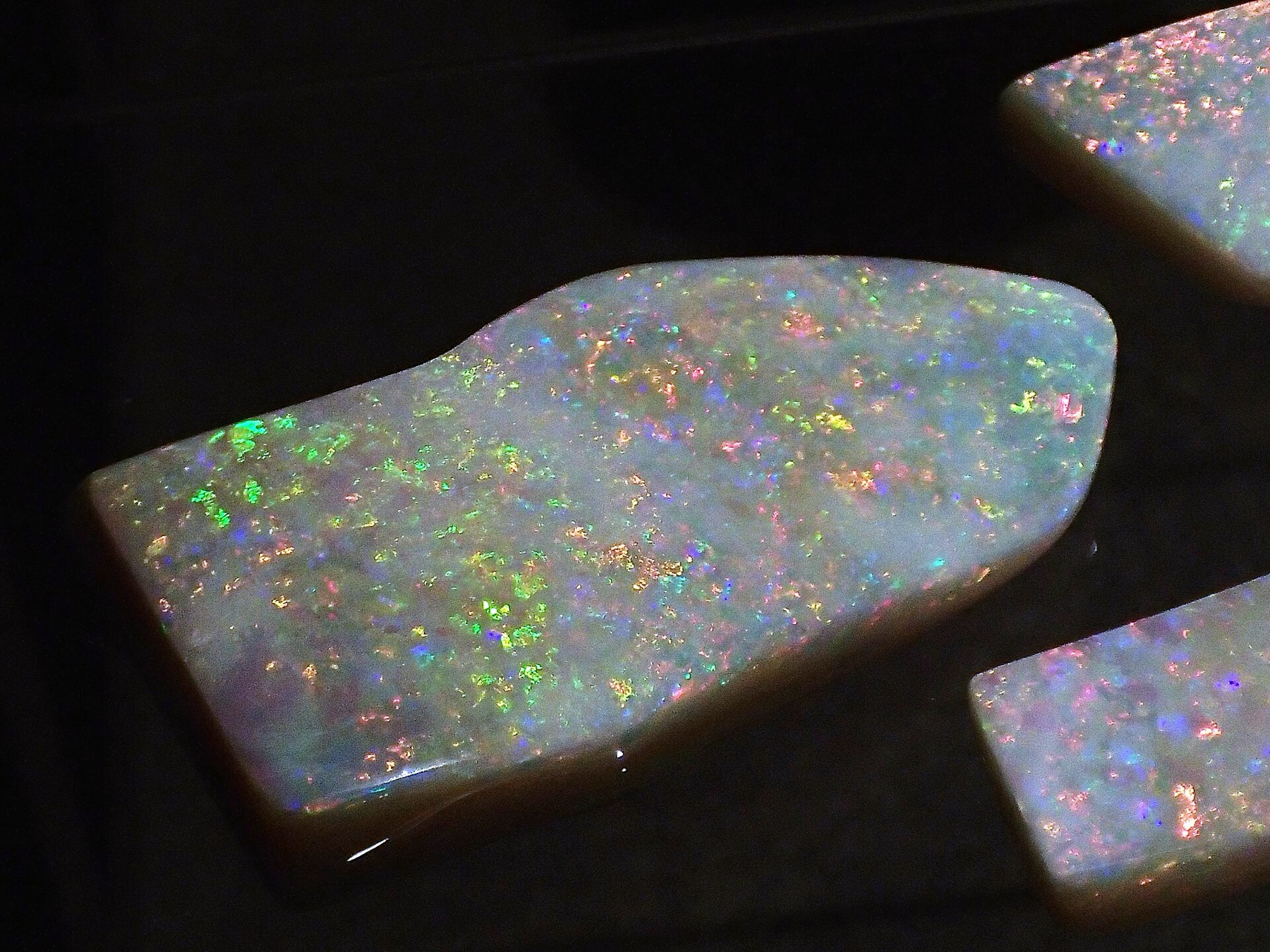
1. Umoona Opal Mine & Museum
One of the most comprehensive stops for understanding local history is Umoona Opal Mine & Museum, which has an excellent Google rating of 4.5 (1,204 reviews). This is a former working mine right in the town center that’s been carefully restored as an extensive museum. You can tour the original underground dwellings and learn how people lived in such conditions in the past and how underground architecture is evolving today.
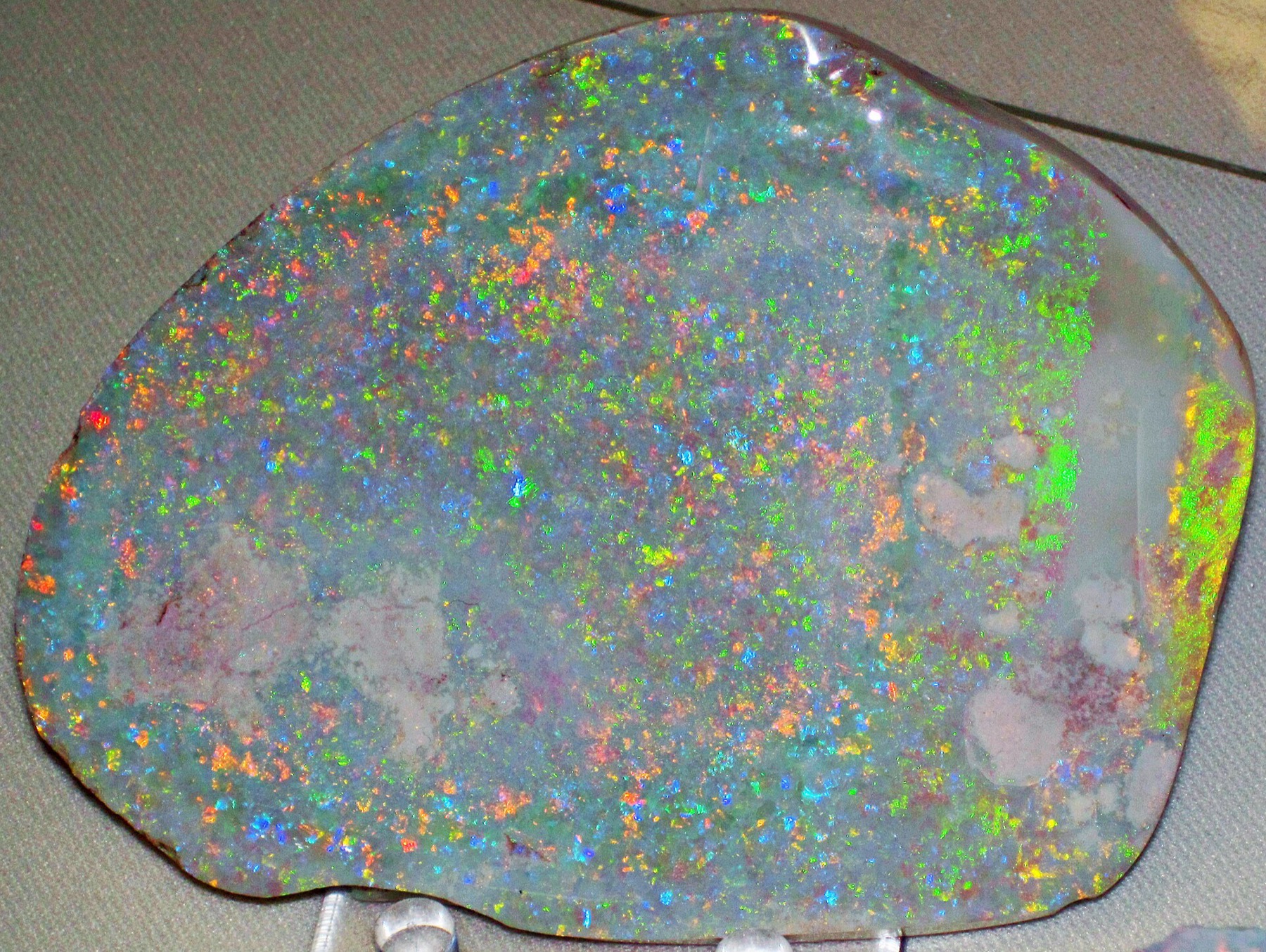
Besides showcasing living conditions, the museum details opal mining history and the geological origins of the entire area. You’ll learn how these gemstones actually form and why this particular part of the Australian desert is so rich in their occurrence. The exhibition also includes fossils from when the entire area was covered by an ancient inland sea.
💡 Tip: The complex also includes an extensive opal shop. If you want to take home a souvenir, you can browse stones of all colors and qualities with certified origin assurance.
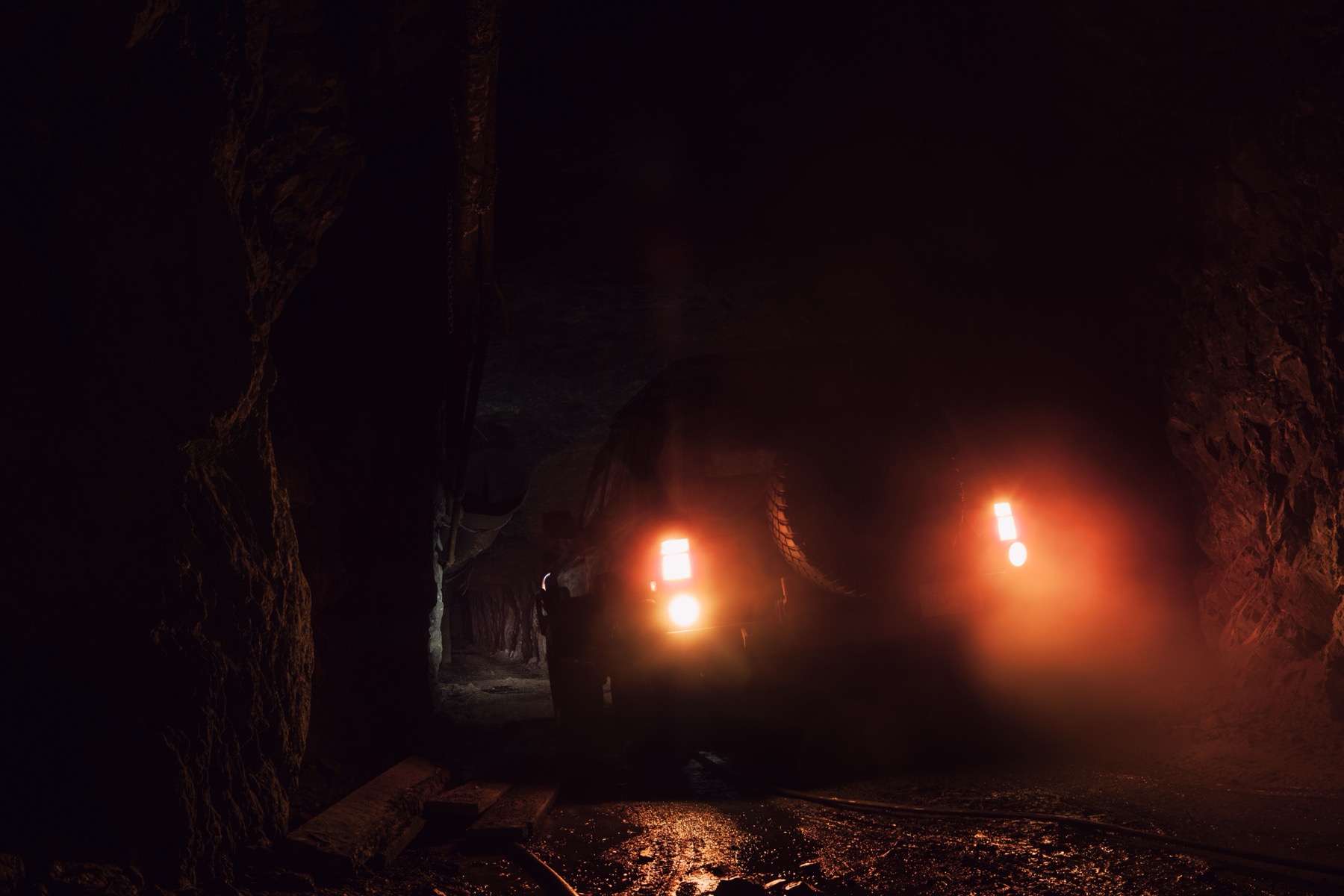
2. Old Timers Mine
If you want an even more authentic mining atmosphere, head to Old Timers Mine, a tourist attraction with a rating of 4.7 (1,050 reviews). According to local legends, this mine was hand-carved as early as the 1920s, later buried, and only discovered decades later when an underground home was being expanded. Today it offers a fascinating glimpse into the harsh reality of the first opal prospectors.
The tour is self-guided, so you’ll get a helmet and can explore the maze of narrow shafts at your own pace. Along the way you’ll see mannequins of miners at work, historic tools, and even veins of opals that the creators deliberately left in the sandstone. It’s an excellent way to imagine the enormous physical labor involved.
💡 Tip: Wear sturdy closed-toe shoes for the tour. The floor can be uneven and dusty, so sandals aren’t ideal for mine tunnels.
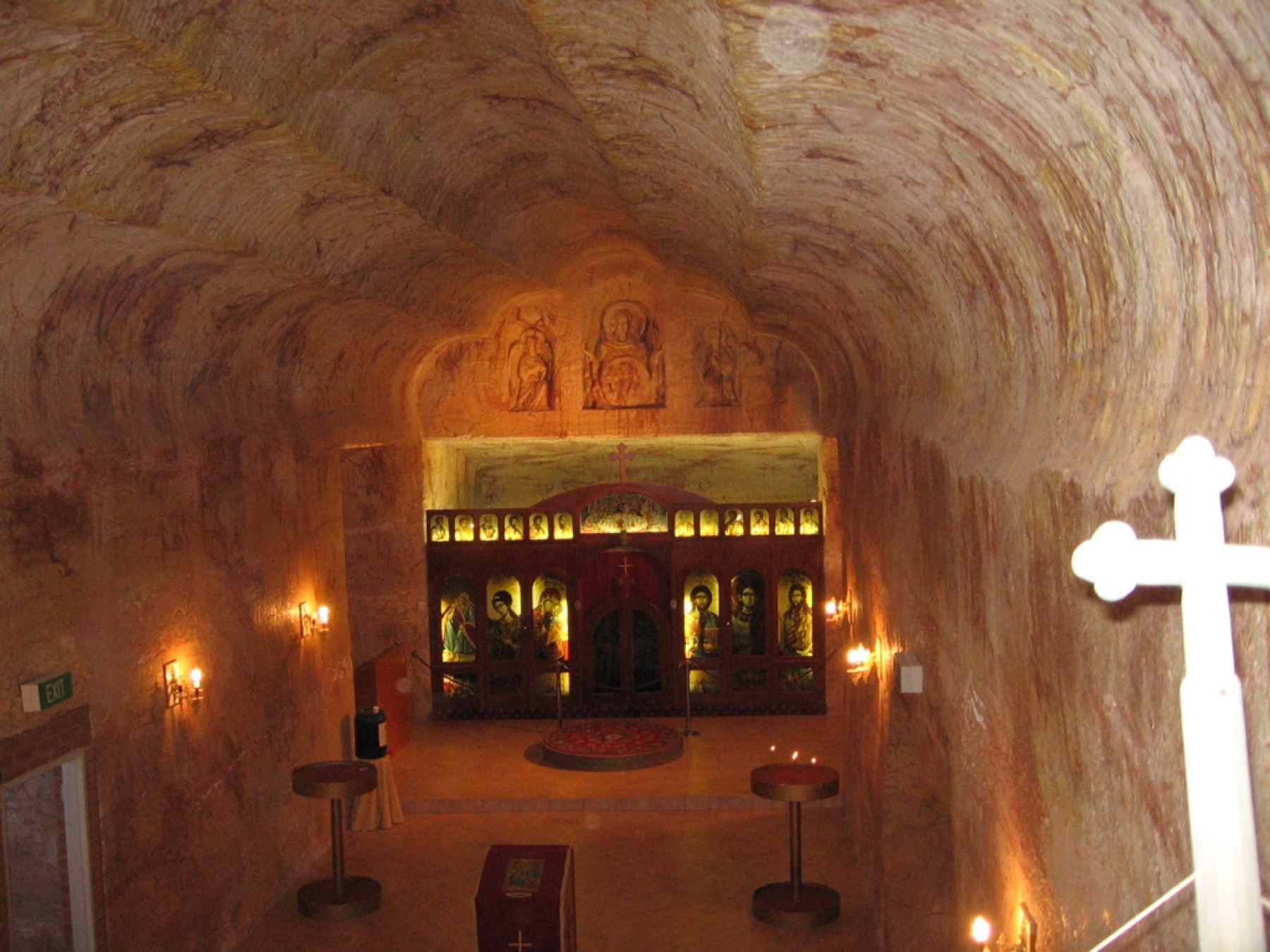
3. Serbian Orthodox Church
An architectural marvel you wouldn’t expect in the desert is the Serbian Orthodox Church Coober Pedy with a rating of 4.6 (481 reviews). This underground Orthodox church is carved into sandstone rock and represents human craftsmanship at its finest. It was built for the community of Serbian miners who came here seeking fortune and wanted their own spiritual sanctuary.
What will catch your attention most is the decorated iconostasis and vaulted ceilings, where you can see marks from mining equipment. The natural texture of the rock combined with religious icons and candles creates a peaceful atmosphere. The church is silent and pleasantly cool, a welcome change after hours spent in the sun.
💡 Tip: Don’t forget to show respect when visiting this religious site. Even though it’s a tourist stop, appropriate clothing and quiet behavior are expected.
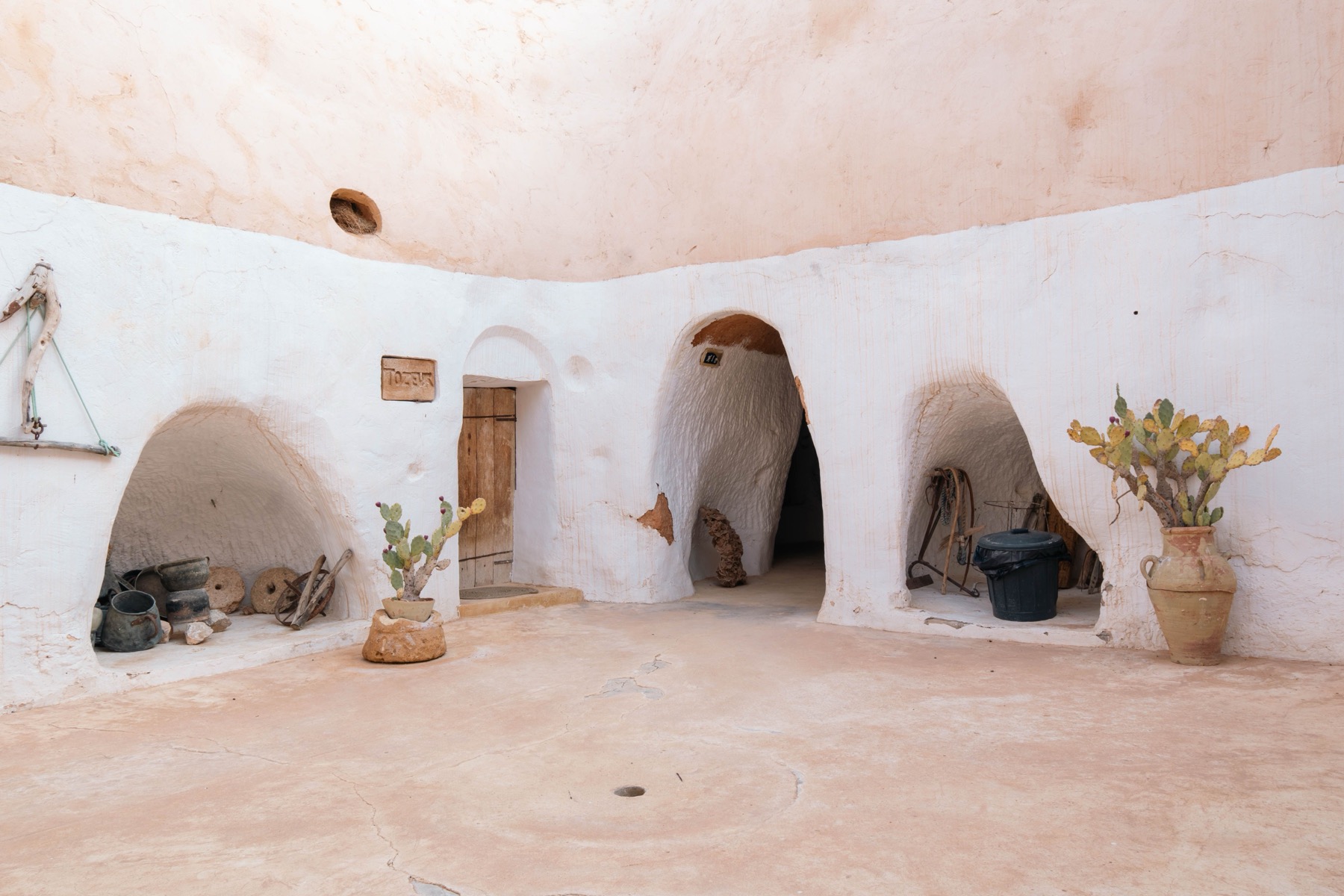
4. Faye’s Underground Home
While most mines show working conditions, Faye’s Underground Home, a museum with a rating of 4.6 (255 reviews), introduces you to actual domestic life underground. This historic dugout is famous for being hand-excavated last century by just three women, which was an unprecedented feat in the harsh, predominantly male mining environment of the time. They used only pickaxes and shovels.
Today you can walk through the house and see how the owners furnished their living room, bedrooms, and even an underground swimming pool. The exhibition is kept in its original retro style, so you’ll feel like you’ve traveled back several decades. The guides who manage the house are also happy to share details about community life during the height of the opal rush.
💡 Tip: Pay attention to the ingenious ventilation system. Proper air circulation through vertical shafts is key to making underground homes breathable.
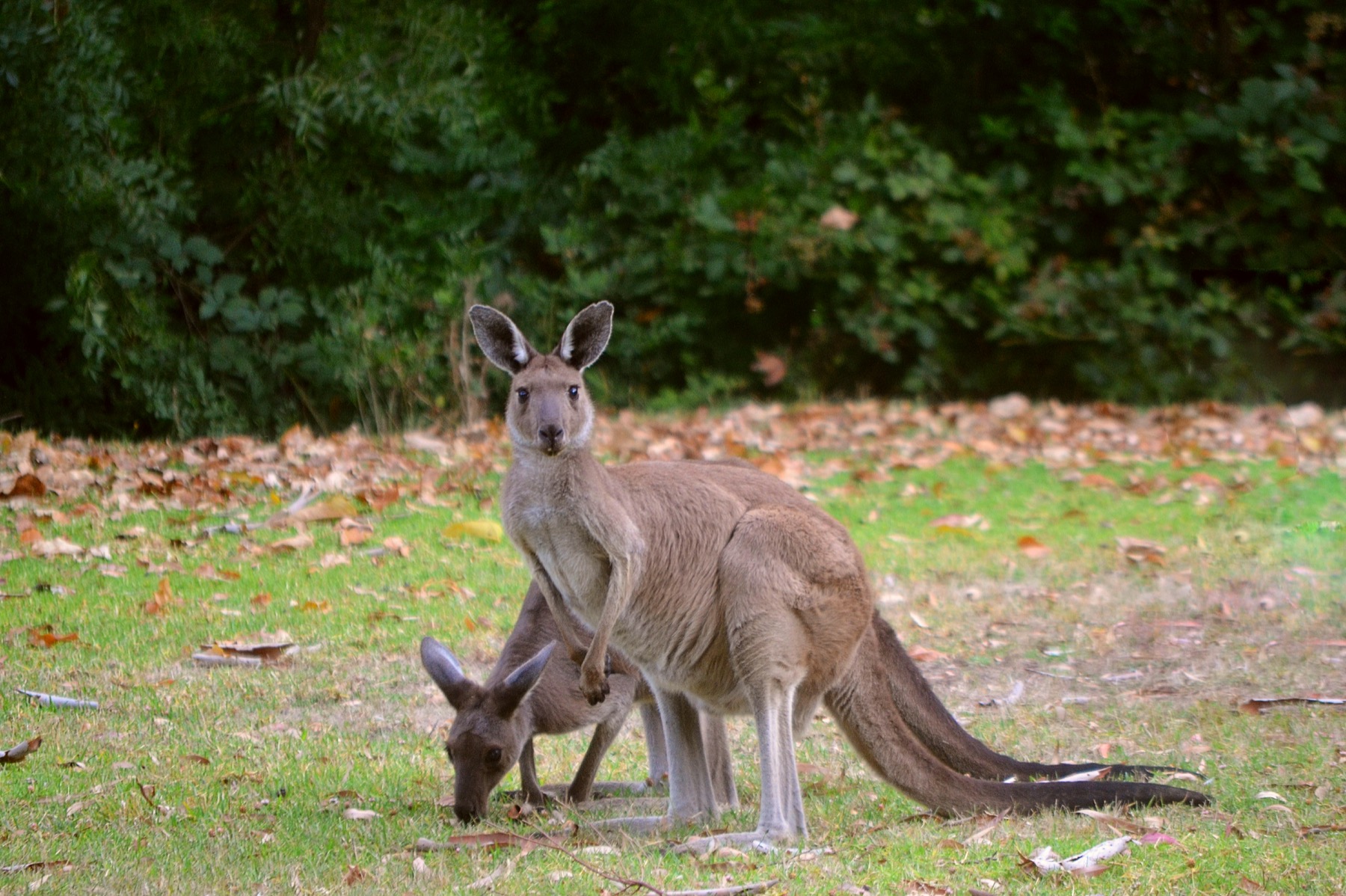
5. Josephine’s Gallery and Kangaroo Orphanage
If you’re interested in Aboriginal art and local wildlife, definitely stop at Josephine’s Gallery and Kangaroo Orphanage, which has a Google score of 4.6 (268 reviews). This unusual concept combines an extensive sales gallery of Aboriginal paintings and artifacts with a sanctuary for orphaned kangaroo joeys, whose mothers most often died in collisions with cars on surrounding highways.
In the gallery you can browse quality works by Aboriginal artists from various parts of central Australia. It’s a great place if you’re looking for an authentic souvenir with a story and don’t want to buy cheap imitations. In the back section of the complex, the owners care for animals, providing them refuge until they’re ready to return to the wild.
💡 Tip: Stop and chat with the owners. They’re often happy to share stories of rescued animals and explain the meaning of various symbols in the displayed Aboriginal paintings.
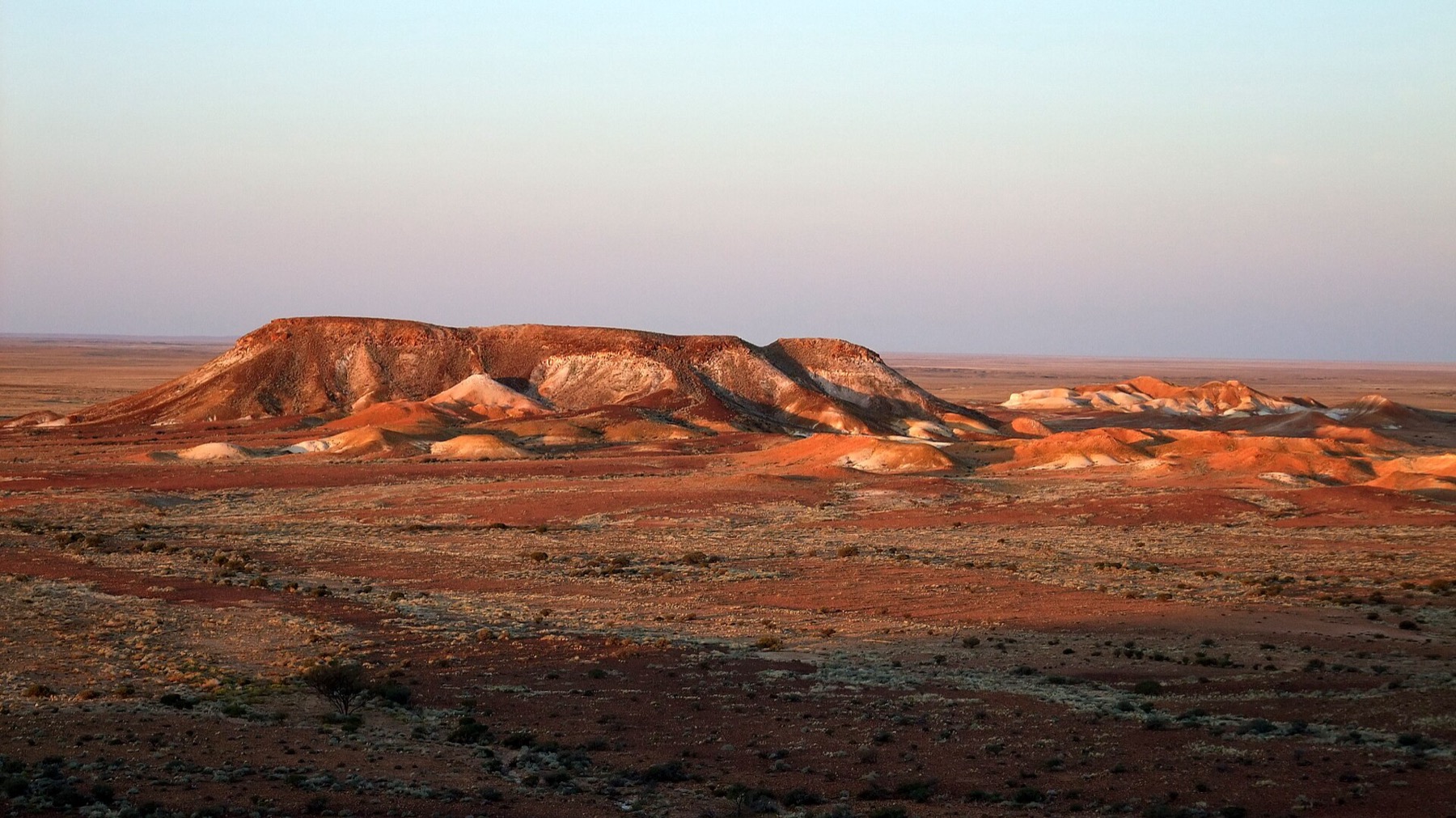
6. Kanku-Breakaways Conservation Park
About thirty kilometers north of town lies Kanku-Breakaways Conservation Park with a rating of 4.8 (675 reviews), making it the highest-rated place in the wider area. This is a natural reserve full of mesas and sandstone formations rising from the otherwise flat desert. The landscape here is so barren you’ll feel like you’re on Mars.
This area has spiritual significance for the local Aboriginal people of the Antakirinja Matu-Yankunytjatjara nation. The colorful hills, ranging from ochre to white, represent an important part of their mythology. The best view is from elevated lookouts, where you can see the entire plain spread out before you.
💡 Tip: Visit the park during sunset. As the sun drops toward the horizon, the rocks change colors and shadows create striking patterns on the ground.
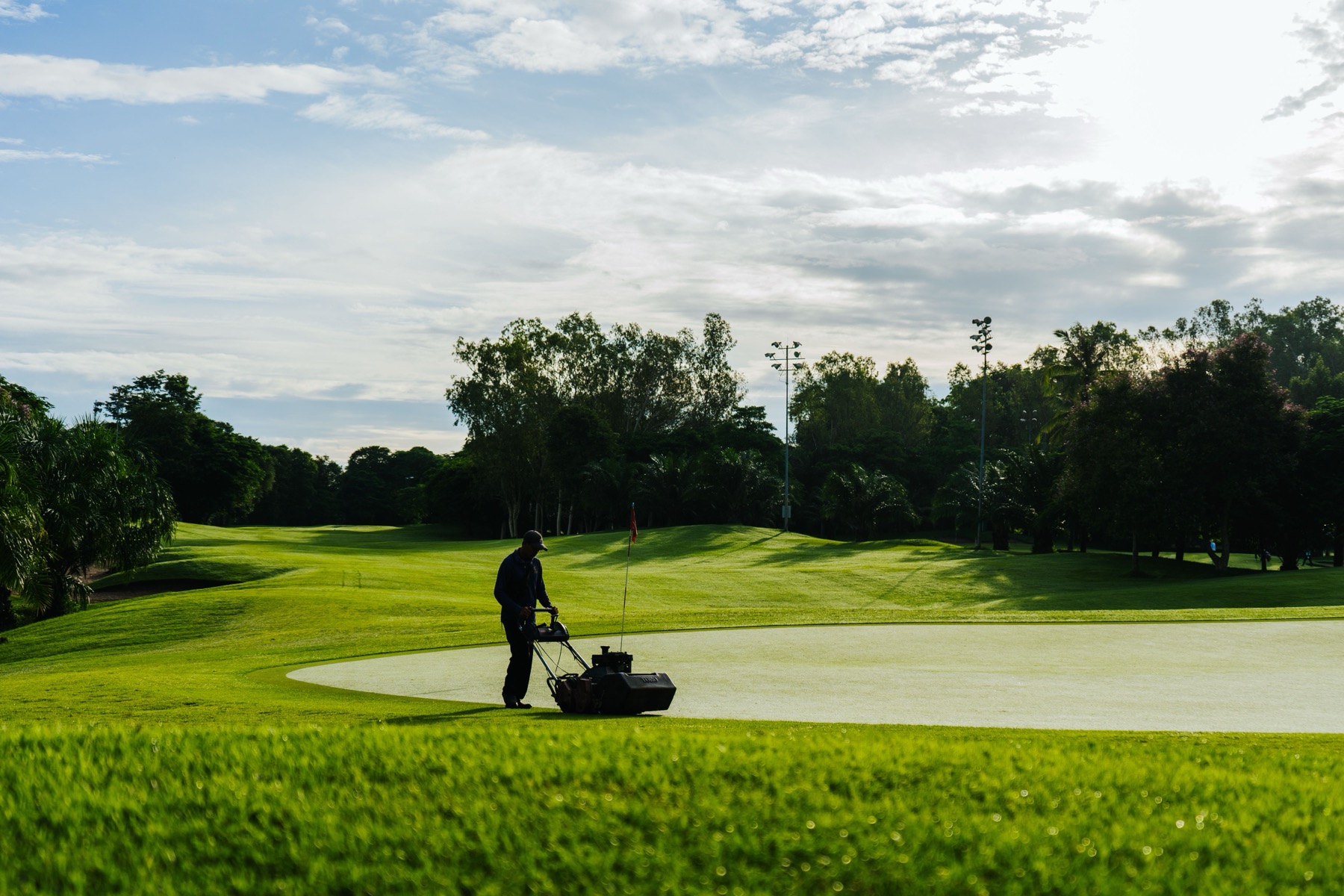
7. Coober Pedy Opal Fields Golf Club
Sports enthusiasts will appreciate Coober Pedy Opal Fields Golf Club, a sports club with a rating of 4.5 (43 reviews). This golf course is a world curiosity because you won’t find a single blade of grass on it. The entire course consists only of compacted desert earth, dust, and oiled sand where you’d expect greens on a regular course.
Players follow specific rules here. To avoid damaging their clubs on hard stones during tee shots, they carry a small piece of artificial turf from which they always tee off. Play usually happens early morning or toward evening, because movement in the sun without tree shade would be unbearable during the day. For golf lovers, this is a curiosity worth trying.
💡 Tip: Even if you don’t plan to play, it’s worth driving here to look around, because the sight of people with golf clubs in the middle of barren moonscape is surreal.
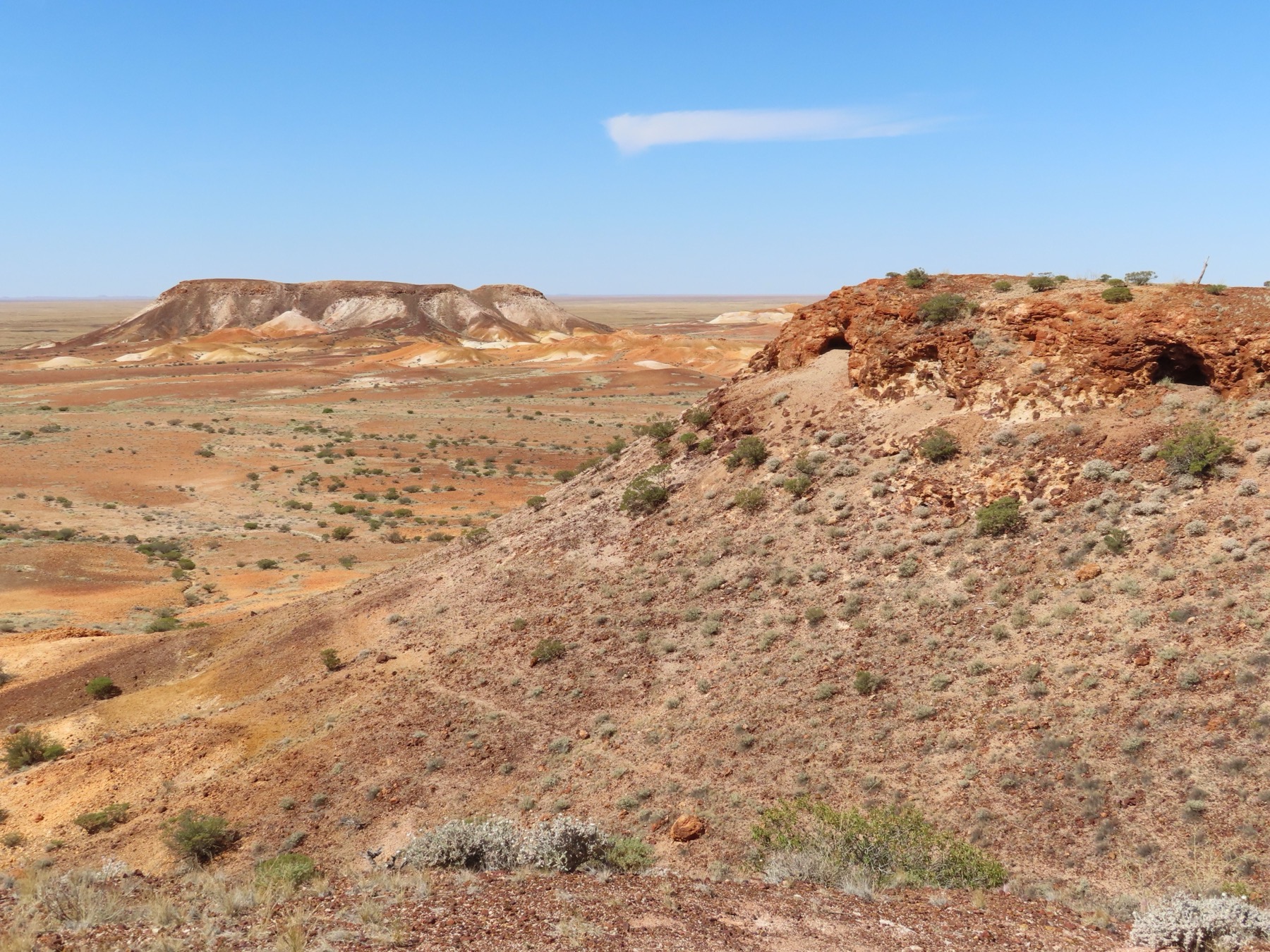
8. Moon Plain and Dog Fence
Beyond the town boundaries stretches Moon Plain, a vast stony plain completely devoid of vegetation. It earned its name deservedly, because the surface dotted with small stones and pieces of gypsum really does resemble the moon’s surface. It’s a place where you’ll fully experience the enormous vastness and isolation of the Australian interior.
Crossing this plain is also the famous Dog Fence (Dingo Fence), one of the longest fences in the world. It was built to protect southern sheep flocks from attacks by wild dingoes from the northern deserts. The fence stretches thousands of kilometers across several states, and its maintenance in such inhospitable terrain is a constant and very demanding battle with nature. These two stops don’t have any traditional tourist facilities, but they’re definitely worth it for the raw atmosphere.

Underground Churches and Homes
Underground architecture is one of the main reasons people visit this corner of Australia at all. These aren’t just practical hideouts from the sun, but full-fledged structures that required considerable planning and physical labor. Serbian Orthodox Church Coober Pedy (4.6 out of 481 reviews) is proof of that. When you descend the stairs into its interior, you’ll be impressed not only by the detailed decoration but also by the fact that someone had to scrape this entire space out of hard rock to create a place for the mining community.
The process of building underground spaces has changed over time. While the first homes were created by hand, as shown at Faye’s Underground Home (4.6 out of 255 reviews), today’s residents use tunnel boring machines that can excavate a room in a few days. Still, every dugout is an original adapted to the hardness of the local sandstone. If you hit harder rock, you simply have to change plans and direct the living room in a different direction than you intended.
One quirk is that most homes suffer from a lack of natural light, which can feel claustrophobic to visitors. To make interiors livable long-term, walls are often painted with sealant or light colors that reflect artificial lighting while also preventing sandstone from dusting into living spaces. Still, for many people, staying underground without windows is initially a strange experience that the body needs to get used to.
When you look at the town from the surface, you’ll see hundreds of white pipes sticking out of the red earth—these are ventilation shafts, without which underground life simply wouldn’t work. Proper ventilation is the alpha and omega of every dugout, and these pipes bring fresh air down into the corridors. Without this system of vertical shafts, homes wouldn’t be breathable and would accumulate damp, stale air. For locals, though, this is a small price to pay for enjoying stable temperatures around 20 °C (68 °F), even when the thermometer above ground shows high readings.
Kanku-Breakaways: A Desert That Looks Like Another Planet
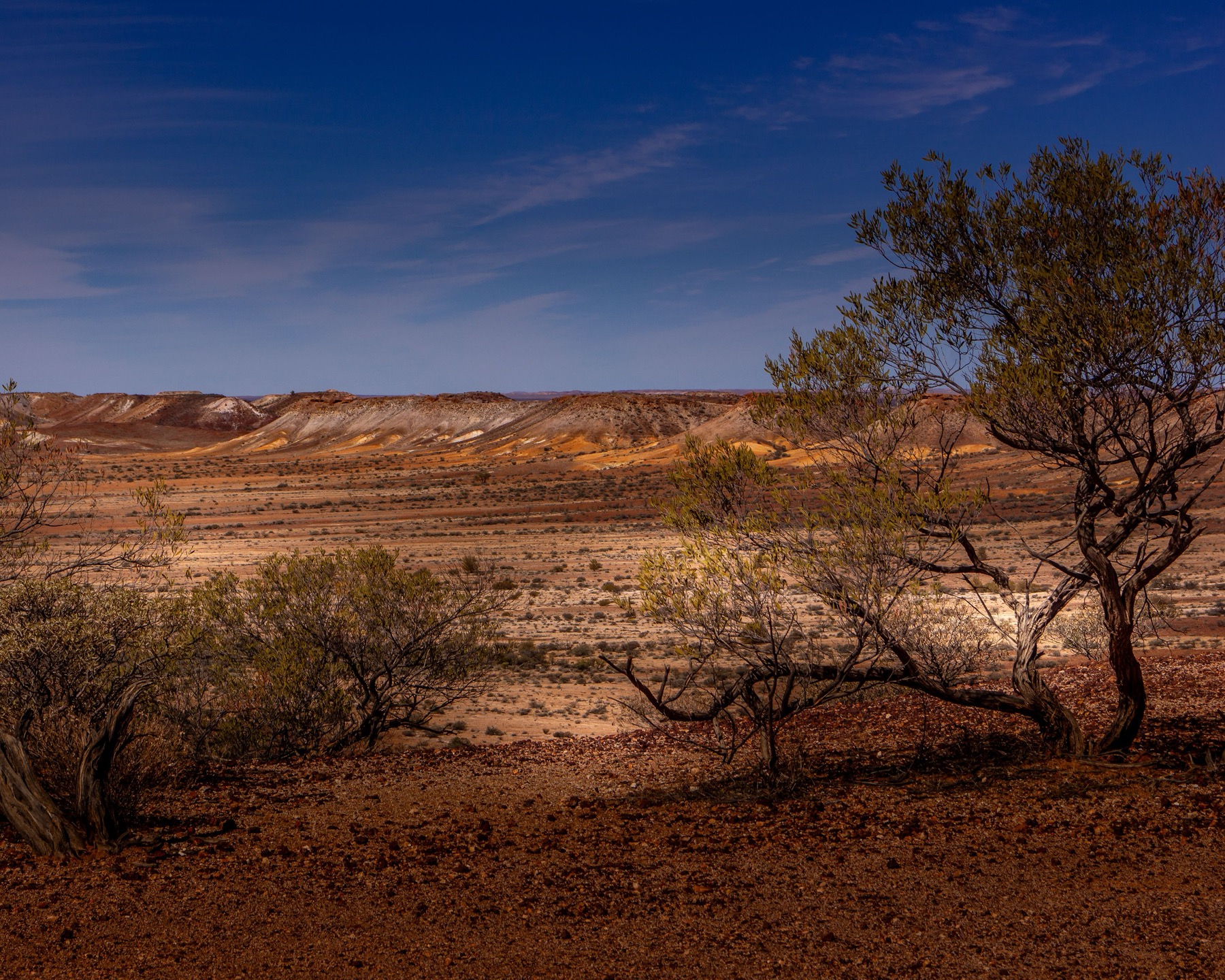
While the town itself resembles an industrial dump full of mining debris and machinery, Kanku-Breakaways Conservation Park (4.8 out of 675 reviews) shows you Australian nature in its raw form. These mesas were formed by millions of years of erosion, when softer rock receded and left behind hard sandstone caps rising above the surrounding plain. The sharp contrast between the flat desert and these colorful formations is the main reason why this place is the highest-rated natural monument in the wider area.
The color palette of rocks here is diverse and looks otherworldly. You can see shades of white, yellow, bright orange through to dark red and brown. These colors constantly change depending on the angle of the sun, making the park a paradise for photographers. This effect is most dramatic just before dusk, when the entire landscape glows with warm colors and long shadows deepen the structure of parched gullies and valleys.
For the Aboriginal people of the Antakirinja Matu-Yankunytjatjara nation, Kanku-Breakaways is a living place, part of Dreamtime stories that have been told here since time immemorial. Information panels throughout the park convey this perspective and are worth reading. Remember that the entire area is strictly protected and movement is only allowed on marked paths, to prevent damage to the fragile desert ecosystem and sacred sites.
You can drive here with your own car, but expect unpaved and dusty roads in the park. While you can get here with a regular car in good weather, always check the current road conditions at the local information center beforehand. After rains, which are rare here but intense, roads turn into impassable mud and the park is often closed to visitors for safety reasons.
Where to Stay
💡 Accommodation and experience tip: We compare accommodation in the area here to see what’s available and at what price. We prefer to look for it on Booking.com, where they usually have the best cancellation terms. For tickets, tours, and activities, it pays to compare and buy through GetYourGuide.
If you’re making the journey to the center of the continent, it would be a shame not to take advantage of sleeping underground. Underground accommodation in Coober Pedy offers several options, from hotels to family guesthouses. Prepare for the fact that sleeping in a dugout is an unusual experience. The darkness and silence without street noise mean most people sleep more hours than they originally planned, because the body loses track of time.
If you’re looking for proven accommodation, there’s Lookout Cave Underground Motel, which maintains a rating of 4.8 (443 reviews) and has rooms carved deep into the rock. Another popular option is Coober Pedy Experience Motel with a rating of 4.6 (349 reviews), which was converted from an old opal mine, giving the complex an authentic character. For those who prefer a more intimate setting, there’s Ali’s Underground Studio (4.6 out of 51 reviews) or the guesthouse Dug Out B&B (5 out of 55 reviews).
If you’re looking for accommodation with a longer tradition, check out rooms at The Underground Motel (4.5 out of 289 reviews) or at Radeka Downunder Motel (4.3 out of 265 reviews). The best-known and largest complex is Desert Cave Hotel (4 out of 669 reviews), which offers both underground and traditional above-ground rooms, plus an underground bar where you can have a cold drink after a full day of driving.
Whatever place you choose, remember that underground infrastructure has its technological limitations. Wi-Fi signal beneath a layer of rock often only works in main corridors or at reception, so you’ll get a break from technology. Most rooms are equipped with basic ventilation that ensures fresh air supply, and thanks to the natural insulation of sandstone, you won’t need air conditioning.
Where to Eat
Dining options in the desert are fairly limited and fully tailored to the needs of local outback miners. Don’t expect any haute cuisine, but rather practical portions that fill you up after a day’s work. Most travelers eat at local motels, which offer proven classics like pizza, pasta, or hearty steaks.
If you prefer to cook for yourself or need to stock up for the next leg of your Stuart Highway journey, you’ll find one main supermarket in town. Vegetarians or people with specific diets should rely on this store and their own cooking, because restaurant meatless options are very limited. Also don’t forget to buy plenty of bottled drinking water, which you simply can’t do without in the outback.
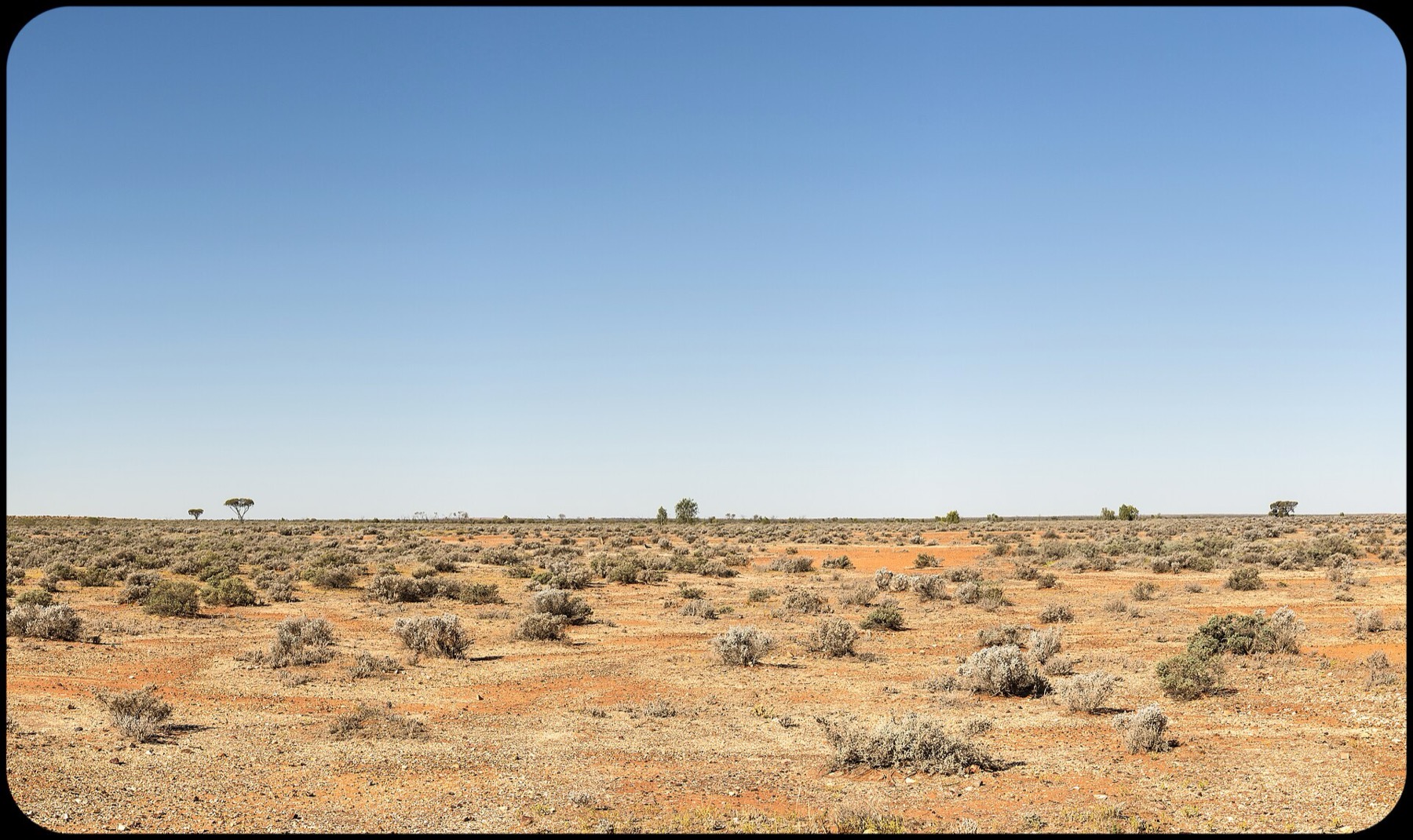
Safety: Holes in the Ground and Desert Travel
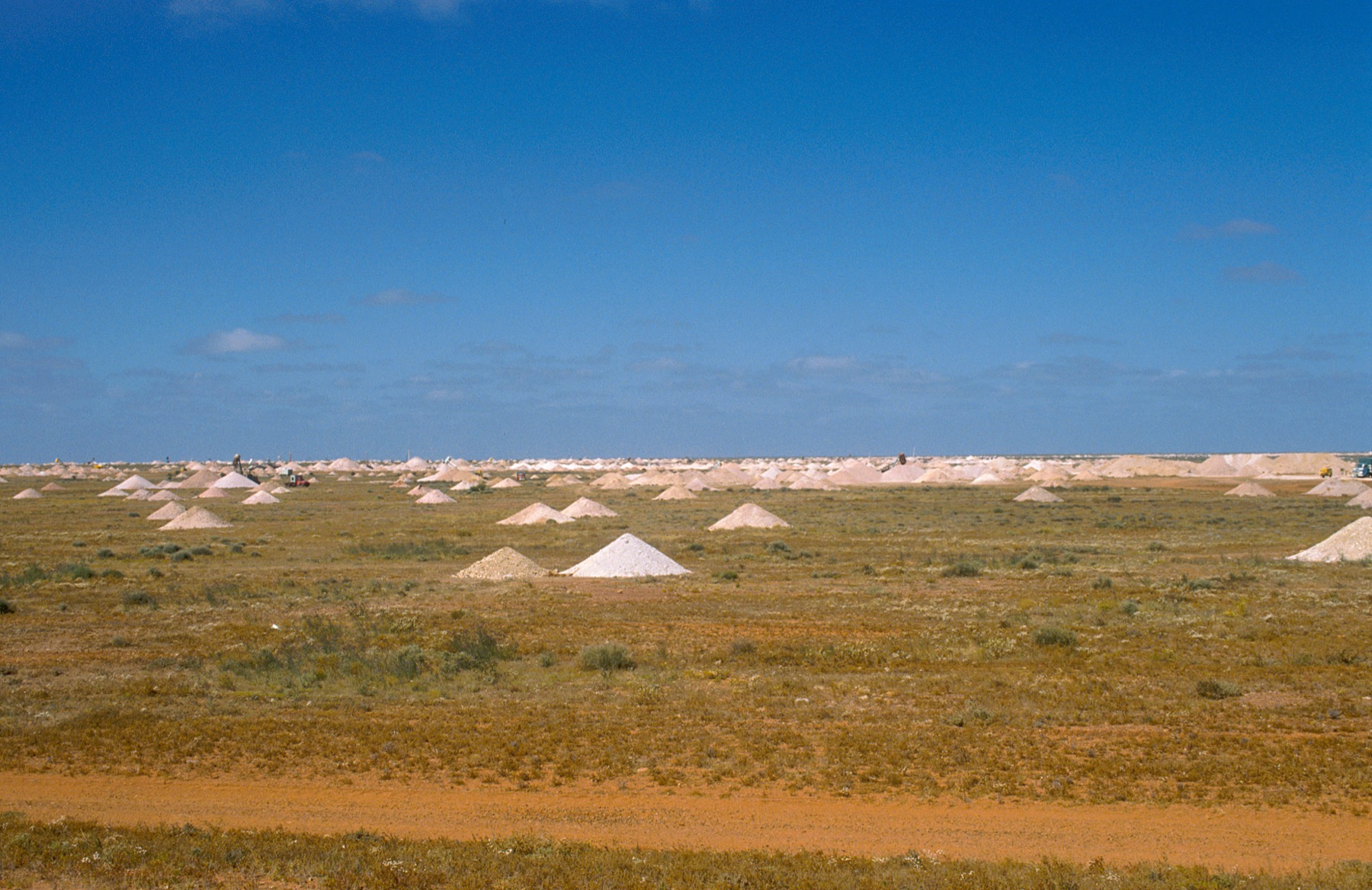
Moving around this area requires common sense and caution. The area around town is dotted with thousands of unsecured mining shafts that look like inconspicuous holes in the ground but can be deep. The essential rule is: never walk off marked trails and never step backward when taking photos. One wrong step off the beaten path and you could fall into an old mine, whose edges easily crumble in the dry earth.
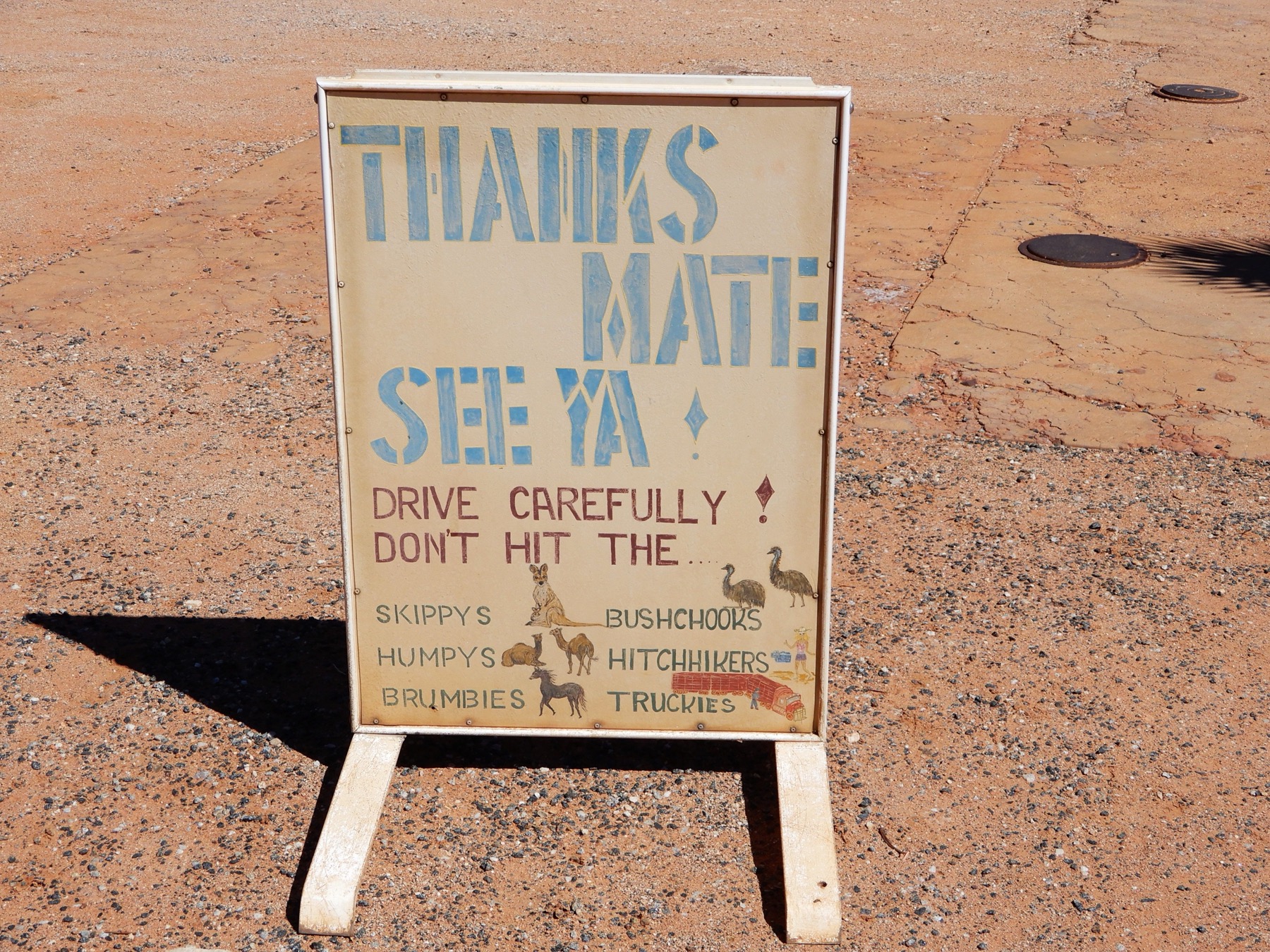
Another risk is outback driving. In Australia you drive on the left, which requires concentration in itself, but the biggest risk on outback roads isn’t traffic—it’s kangaroos and livestock that gather near the asphalt at dusk and night. Drive no faster than 65 km/h (40 mph) in darkness and at dawn. If an animal jumps into your path, the advice is to brake in a straight line and under no circumstances jerk the wheel, because losing control of your car at high speed and rolling into a ditch often has fatal consequences.
On the Stuart Highway you’ll also regularly encounter so-called road trains, which supply the interior. These trucks pull up to 3 trailers, measure over 50 meters long, and have tremendous inertia. Overtaking such a beast requires a straight and clear section up to 2.5 kilometers long. When passing in the opposite direction, expect a strong pressure wave, so always hold the steering wheel firmly with both hands and don’t drive close to the center line.
Logistically, watch your fuel level. Gas stations in the outback are commonly spaced around 300 kilometers apart, so it pays to fill up at every opportunity, even if you still have more than half a tank. You never know when the next station will be closed or without power. The most important rule is: always carry large supplies of drinking water in your car in case you break down and have to wait for help in the middle of the desert.
Where to Next
If you’re interested in exploring the Australian continent, check out more tips and itineraries from our journey:
- Australia Vacation: 30 Most Beautiful Places + Practical Tips
- Road Trip Through Australia: Routes, Car, and Budget
- Uluru and Red Centre: The Complete Guide to Australia’s Red Heart
- Adelaide, Australia: 18 Tips on What to See and Do
- Weather in Australia: When to Visit by Region
- Kangaroo Island: What to See on Kangaroo Island
If you’re continuing on to the Red Centre, Where to Stay Near Uluru: Yulara, Alice Springs, and Kings Canyon will help. Traveling with kids? We have practical tips in the article Australia with Kids: Itinerary, Attractions, and What to Expect. How to get to Australia and what it costs is covered in the article Flights to Australia: Prices, Connections, and How to Survive the Flight.
Frequently Asked Questions
Why do people in Coober Pedy live underground?
People build underground dwellings here called dugouts because of the desert climate on the surface. While it’s scorching hot above ground in summer, the carved-out rooms in the rock naturally maintain a stable temperature year-round without needing air conditioning.
Can you sleep underground?
Yes, the local tourist infrastructure is set up for it. Several underground motels and guesthouses of various categories operate in town, where you can experience sleeping in the darkness and silence that the thick sandstone layer naturally provides.
How much time should I spend here?
For most travelers passing through on the highway, one day and one night is enough to see the main attractions. During that time you’ll be able to visit the opal museum, one of the underground churches, and the nearby Kanku-Breakaways nature reserve.
How do I get here?
The town lies on the Stuart Highway, which cuts across the Australian continent from south to north. Most people drive here by car or campervan as part of a long journey between Adelaide on the southern coast and Alice Springs in the Red Centre, from where you continue on to Uluru.
When is the best time to visit?
You should visit central Australia during the Australian winter, roughly from May to September. During these months the daytime temperatures are bearable and suitable for hiking, while in summer the area experiences extreme heat that makes it impossible to move around outside.
Can you search for opals freely?
Searching for opals, called noodling, is popular among tourists but has strict rules you must follow. You can only try your luck on designated public mullock heaps, called fossicking areas, and you’re not allowed to enter private mining claims.
Is it safe to move around outside town?
You need to be careful because there are lots of old, unfenced mining shafts around town and in the wider desert. It’s not recommended to walk off marked tourist trails, and you shouldn’t walk backwards when taking photos.
Is Coober Pedy worth a detour?
If you’re already driving along the Stuart Highway, it’s worth stopping here for a day. It’s a harsh and unique place that will show you a different side of Australia than what you know from the modern coastal cities.
What is Kanku-Breakaways?
Kanku-Breakaways Conservation Park is an extensive nature reserve just outside town. It offers views of colorful mesas and sandstone formations that contrast with the surrounding flat desert and are most beautiful at sunset.
Is there anywhere to eat?
The options are limited and adapted to the life of miners in the outback. Most travelers eat at local motels, which offer basic meals like pizza or pasta, or they buy supplies at the only larger supermarket and cook their own food.
Tips and Tricks for Your Vacation
Don’t Overpay for Flights
Search for flights on Kayak. It’s our favorite search engine because it scans the websites of all airlines and always finds the cheapest connection.
Book Your Accommodation Smartly
The best experiences we’ve had when looking for accommodation (from Alaska to Morocco) are with Booking.com, where hotels, apartments, and entire houses are usually the cheapest and most widely available.
Don’t Forget Travel Insurance
Good travel insurance will protect you against illness, accidents, theft, or flight cancellations. We’ve had a few hospital visits abroad, so we know how important it is to have proper insurance arranged.
Where we insure ourselves: SafetyWing (simple monthly subscription) and TrueTraveller (for extra-long trips).
Find the Best Experiences
Get Your Guide is a huge online marketplace where you can book guided walks, trips, skip-the-line tickets, tours, and much more. We always find some extra fun there!

