

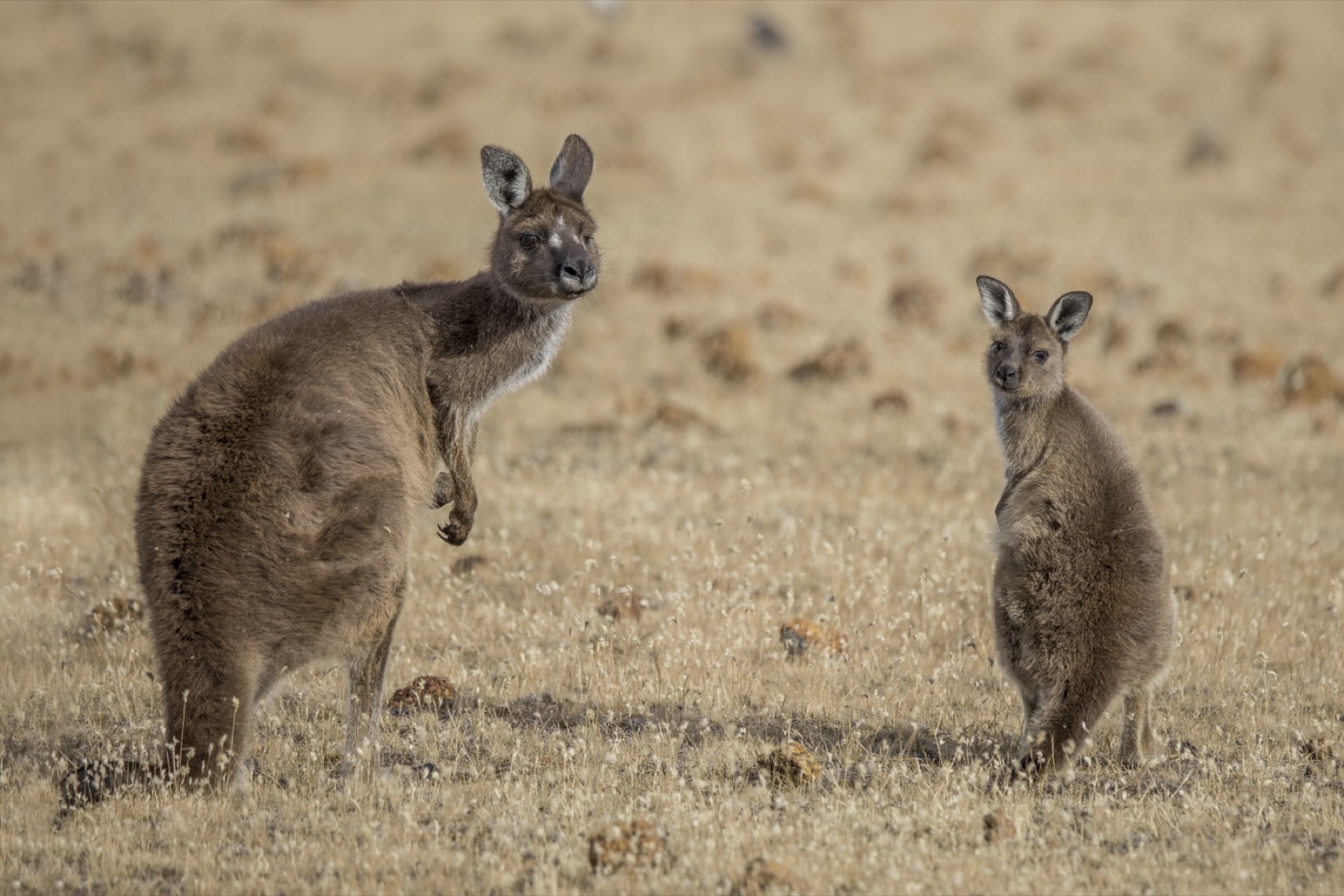
Most tourists heading to Australia seek out wildlife in zoos or reserves where everything is somewhat artificially arranged. On Kangaroo Island, sea lions, kangaroos, and koalas meet naturally in the wild within a relatively small area, making it a unique destination. It would be a shame to view this place as just a quick day trip from the mainland.
This piece of land deserves more attention and works as a full-fledged multi-day stop that will stay with you forever. Let’s walk through what’s worth visiting on Kangaroo Island and how to structure your trip so the island gives you its very best.
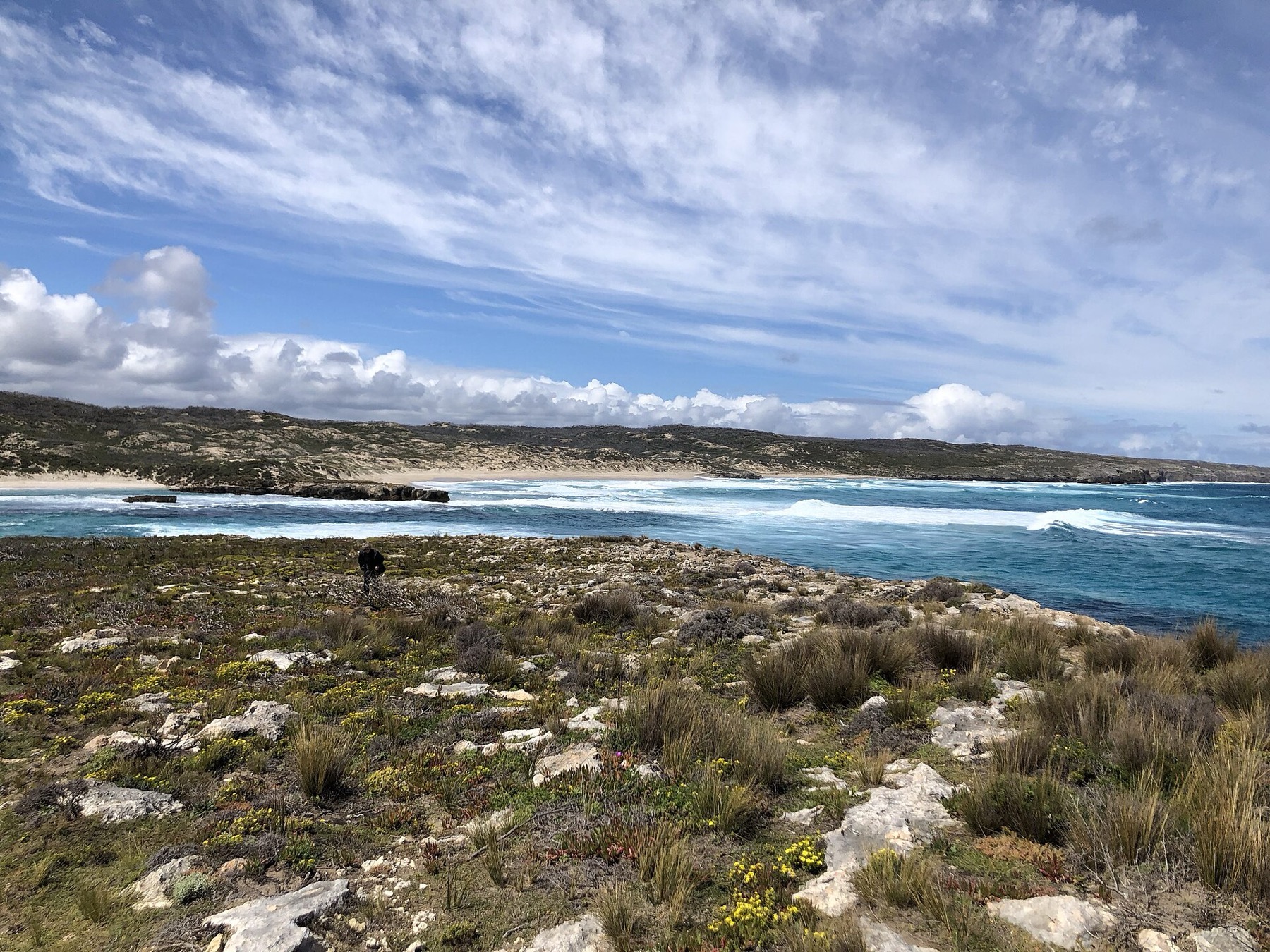
Be prepared for Kangaroo Island to captivate you with its raw landscape and wild coastline. Let’s explore why this corner of southern Australia shouldn’t be missing from your itinerary.
TL;DR
- Why visit: It’s one of the few places in the country where you can observe Australian fauna in its natural habitat without fences or bars.
- How many days to allocate: Ideally two to three full days, so you can explore all the main areas and have time for morning and evening wildlife viewing.
- How to get there: The island has regular ferry service and air connections, always verify specific options in advance.
- Don’t miss: Flinders Chase National Park with the Remarkable Rocks formations and Admirals Arch natural rock arch.
- Main driving warning: Avoid driving after dark due to high risk of wildlife collisions, and if an animal jumps onto the road, never swerve the wheel under any circumstances.
- Nature note: Parts of the island were affected by extensive fires in the past, so nature is still recovering and you need to check current park accessibility before traveling.
Why Kangaroo Island
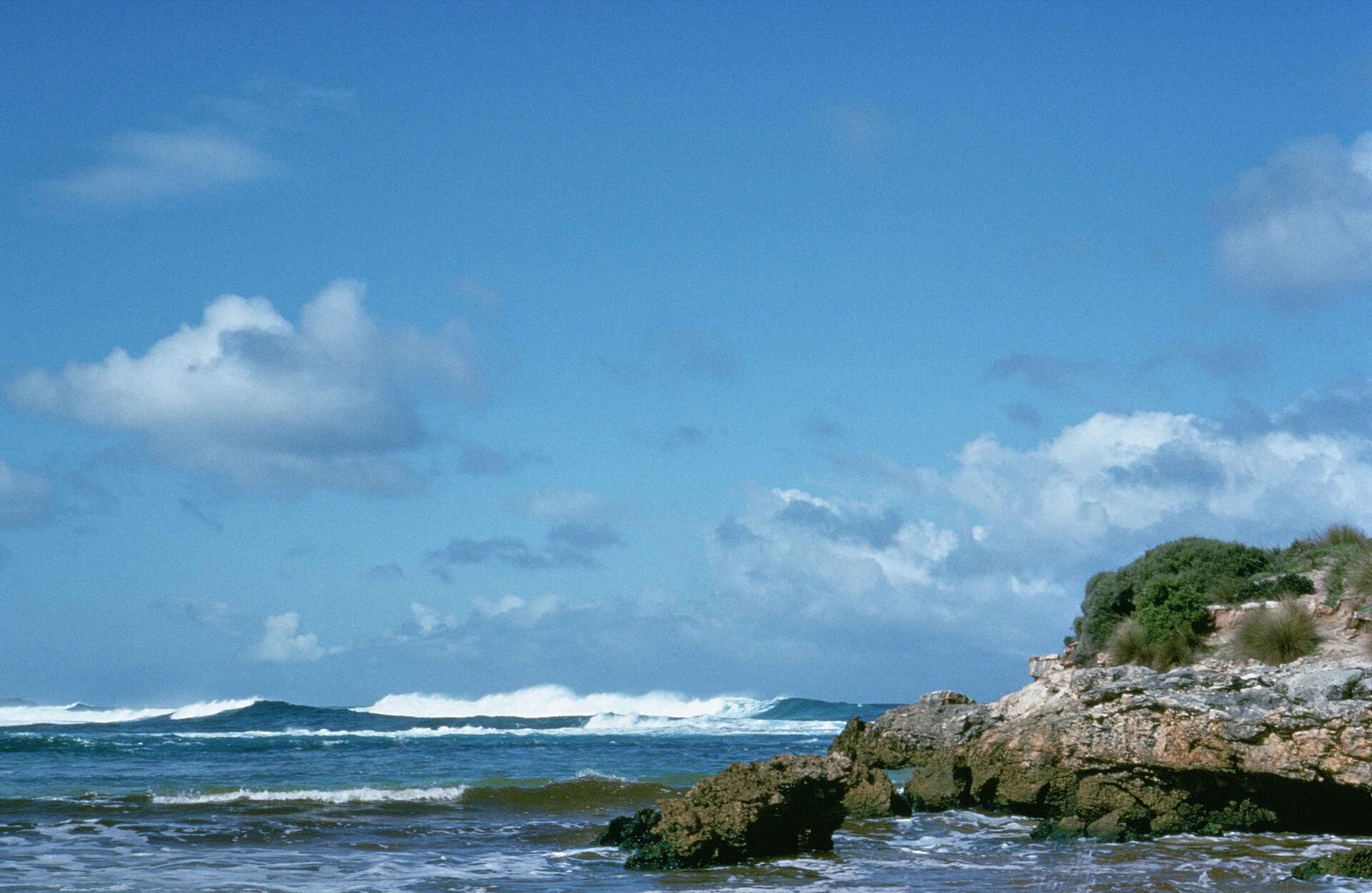
If you’re considering whether to include this island in your plans, the answer is yes. Kangaroo Island itself has a rating of 4.5 out of 799 reviews on Google, showing that travelers love it. It’s not just an ordinary piece of land in the ocean, but a nature reserve where animals dictate the pace of life and humans are merely brief visitors. Forget about traditional zoos with fences and enclosures—here you’re walking directly through the living room of Australian fauna.
The fundamental difference from mainland Australia lies in the peace and sense of isolation that envelops you immediately after arriving from the bustling city. While at the famous Great Ocean Road: 14 zastávek a itinerář you often share viewpoints with crowds of tourists, here you’ll often have beaches and cliffs entirely to yourself. This feeling of freedom is the main reason people return and why they consider the island one of the last wild corners of the civilized world.
However, it’s important to mention something you should know before departure. Parts of the island were affected by extensive natural fires in the past and the local ecosystem went through a trial that transformed the landscape in many places. Nature is recovering quickly, though, and the green shoots pushing through charred black trunks are a powerful experience. Nevertheless, always check the official national parks website to verify which areas are currently open to the public.
Besides nature, the island is also famous for local production and gastronomy. Local honey and artisan cheeses are worth tasting, and I also recommend visiting the local gin distillery, where they use native Australian herbs. If seafood is among your favorite foods, it’s a local specialty offered fresh in most establishments along the coast.
How to Get to the Island and How Many Days to Allocate
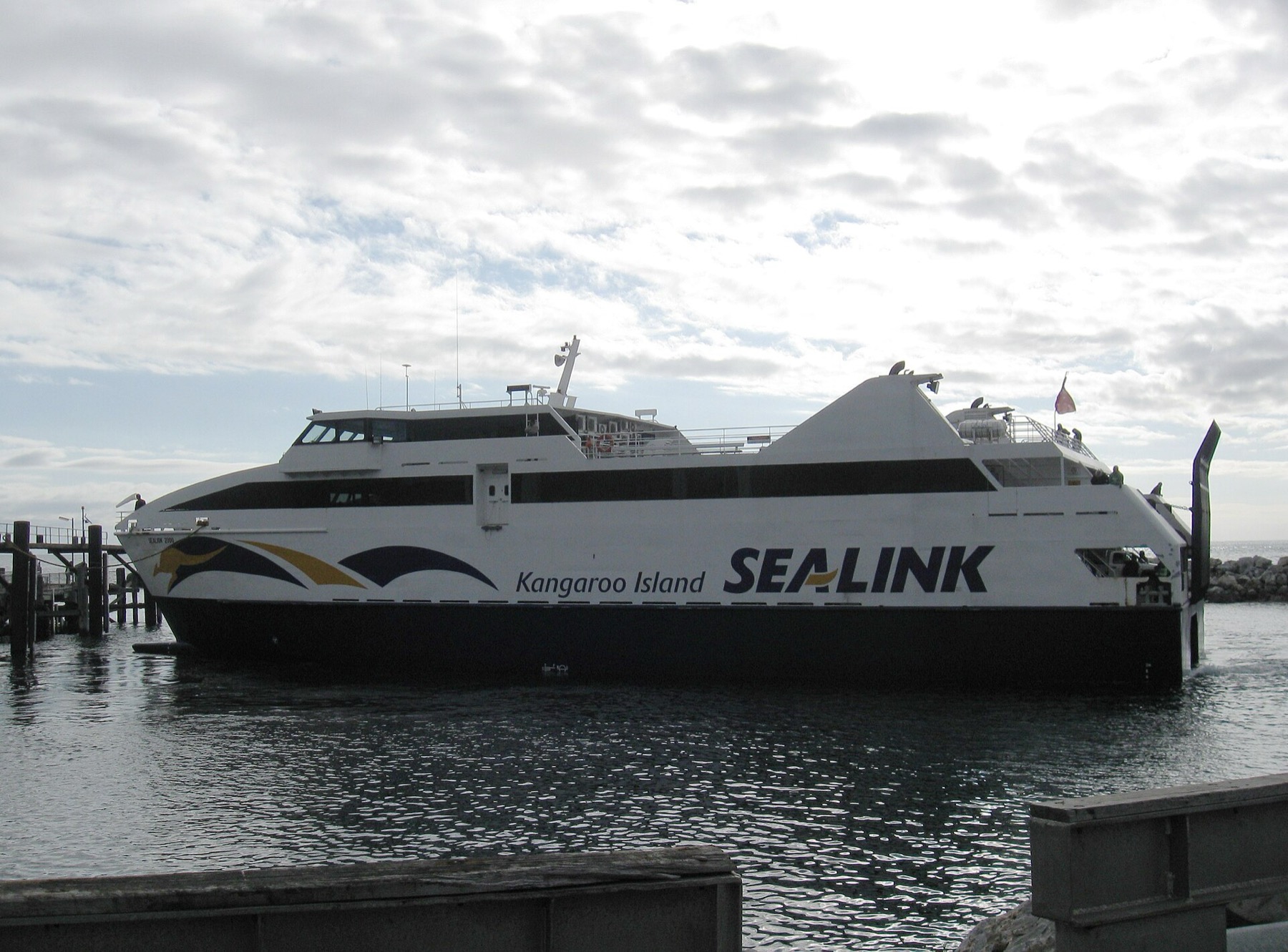
The journey to this remote piece of land is already a small adventure in itself and requires careful planning. You can reach the island either comfortably by ferry across the sea or use air connections that regularly serve the island from the nearby mainland. Because the range of connections, exact departure times, and ticket prices can change dynamically throughout the year, I definitely recommend verifying current options and conditions with individual carriers directly on their official websites before traveling.
Regarding the ideal length of stay, forget about a quick one-day turnaround—that would be a real mistake and waste of money. Allocate at least two to three full days to explore the island, because only then will you have enough space to enjoy all the natural beauty without the unnecessary stress of constantly racing against time. Island distances can be quite deceptive on narrow roads, and constant driving would unnecessarily rob you of that genuine relaxed experience that everyone comes here for.
This recommended timeframe is also absolutely crucial for successfully observing the local adorable fauna. Animals are naturally most active early in the morning and then again in the evening, so if you arrived just for a few hours around midday, you’d most likely see only empty landscape and sleeping kangaroos somewhere deep in the shade under trees. More days simply give you a huge advantage and much better chance for truly unforgettable encounters with wild nature.
You must constantly keep in mind that you’re moving through a fairly remote and isolated location. The range of services on the island is very limited, so it definitely pays to always have enough food supplies and drinking water with you and, most importantly, think about regularly refueling your car whenever you have the opportunity. Don’t expect to find an open restaurant or huge supermarket around every corner, which is why strategic planning of basic supplies is absolutely essential for your peaceful trip away from civilization.
10 Places You Can’t Miss on Kangaroo Island
The island offers a vast array of stunning locations that will literally take your breath away, whether you love wild cliffs or calm bays. I’ve prepared for you a detailed list of ten of the most interesting places that in my opinion absolutely shouldn’t be missing from your island itinerary, and I’ve arranged them to give you the perfect cross-section of the best that this remote corner of Australia offers its visitors.
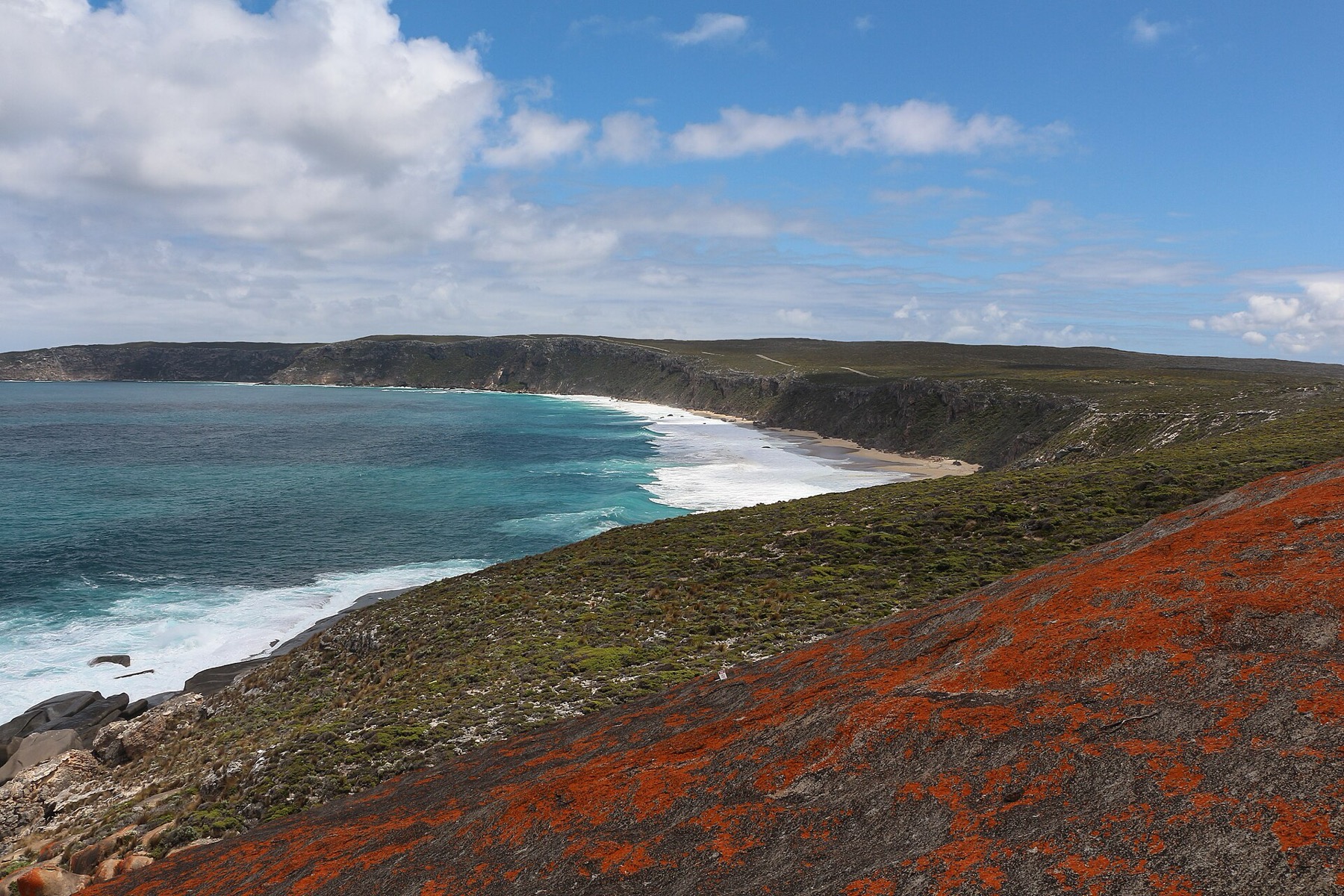
1. Flinders Chase National Park
This enormous national park stretching across the western tip of the island is an absolute gem that boasts an excellent rating of 4.8 out of a respectable 1,126 reviews on Google. It represents the wildest and rawest face of local nature, where dense impenetrable bush dramatically meets the endless turbulent ocean, whose waves constantly and with tremendous force crash into steep cliffs.
Walking through this landscape completely absorbs you and shows you the true essence of untamed Australian wilderness that constantly transforms. It’s the ideal place for lovers of long treks and untouched nature, because the network of carefully maintained trails here takes you to breathtaking viewpoints, from which you’ll feel like you’re standing at the very edge of the world with nothing beyond.
💡 Tip: It’s in this park that several of the island’s iconic attractions are located, so I recommend arriving early in the morning, when the light is absolutely perfect for photography and you’ll meet only a minimum of other travelers on the trails.
2. Remarkable Rocks
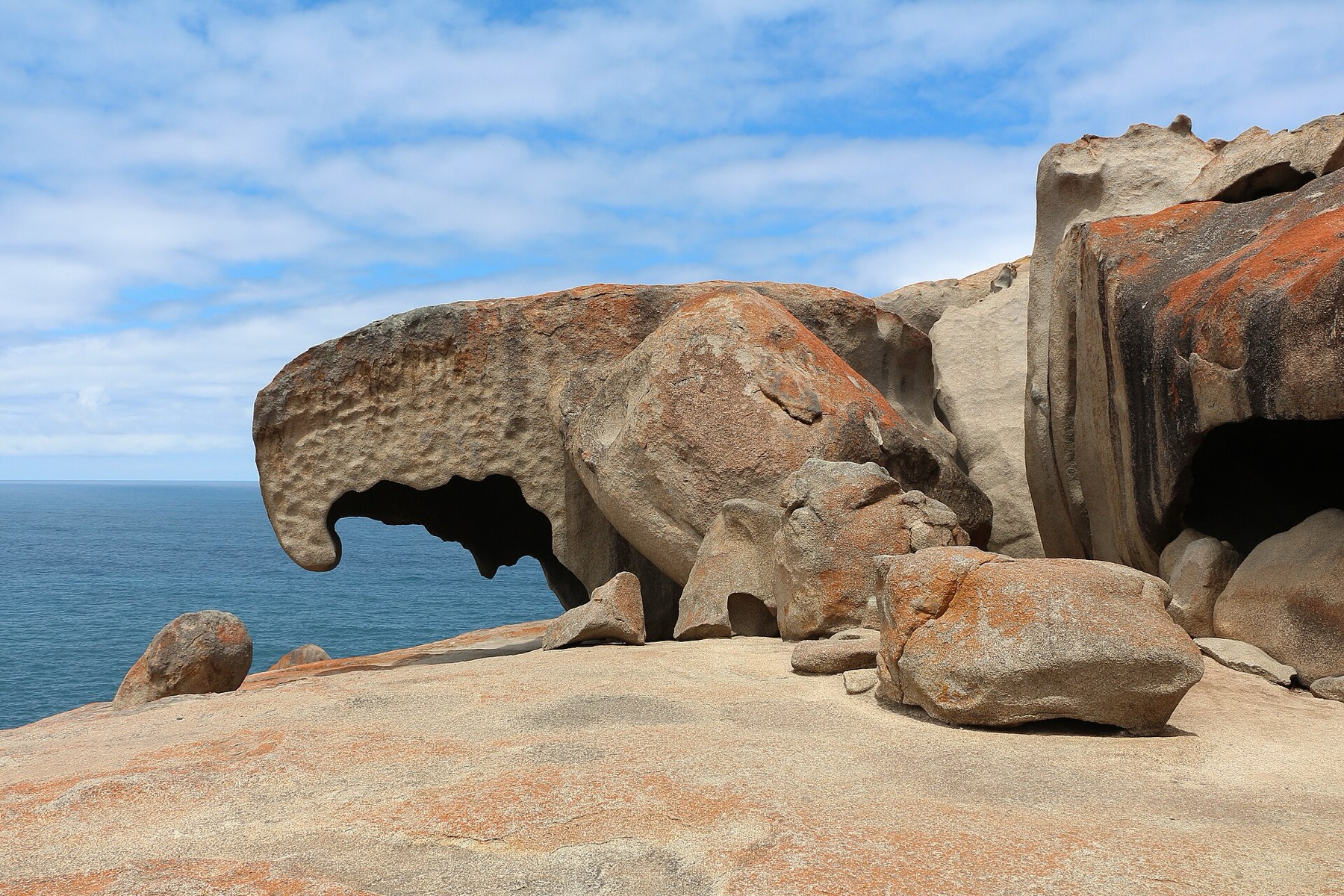
These granite formations balancing on the edge of a high cliff are among the most photographed places and hold a rating of 4.8 out of 1,067 reviews. From a distance, these huge boulders resemble an abstract work of art that someone carelessly left here, but in reality they were shaped over millennia by wind and salty sea spray.
When you approach them along wooden boardwalks protecting the local flora, only then do you appreciate their size and bizarre shapes. The orange lichen covering the rocks shines brightly, and this natural phenomenon appears like a painter’s palette in contrast with the dark blue ocean in the background.
💡 Tip: Plan your visit to these rocks for late afternoon or early evening, because the setting sun can illuminate the orange colors here to vivid shades.
3. Admirals Arch
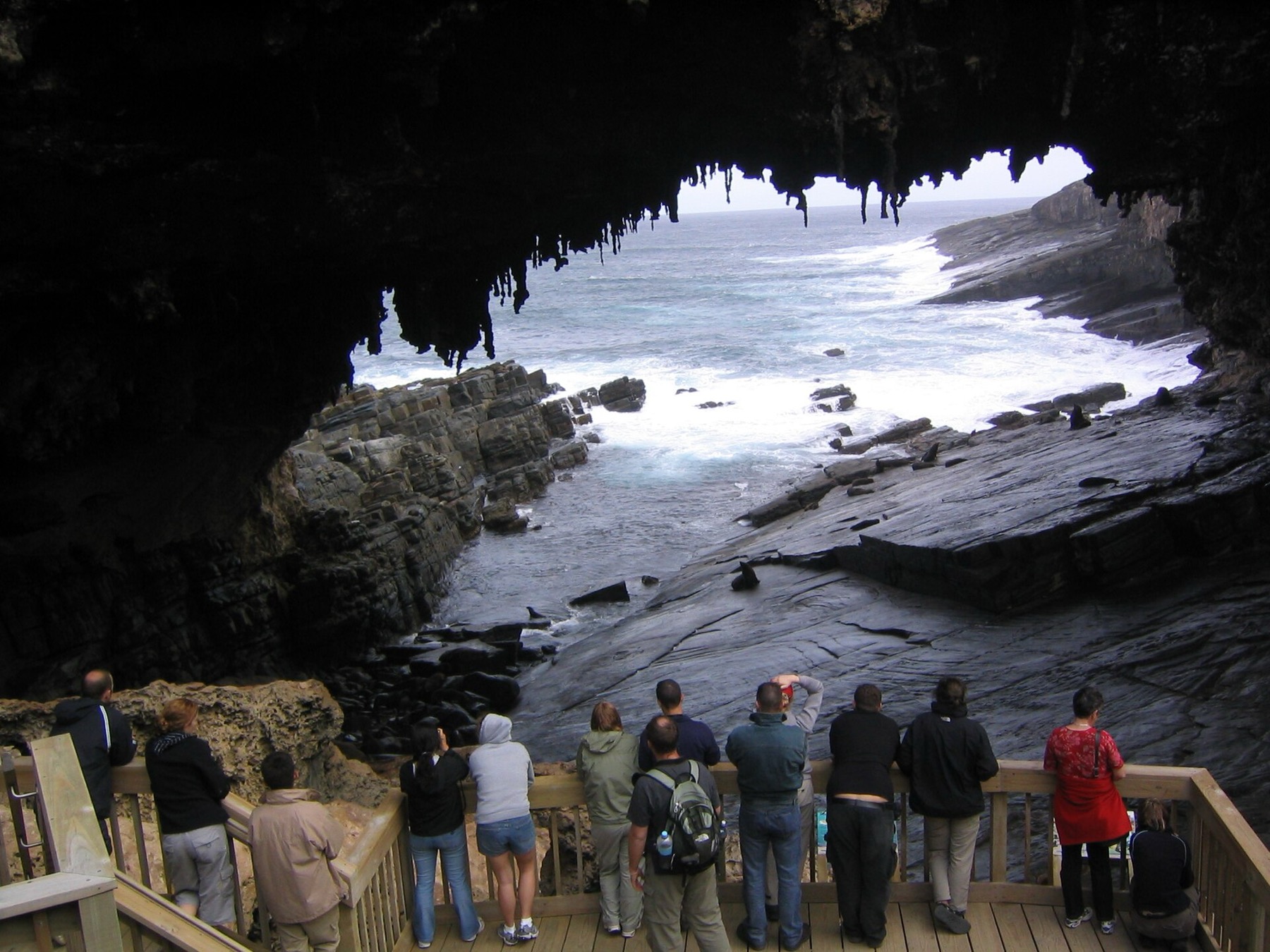
This rock arch is the highest-rated place on the entire island with a score of 4.9 out of 223 reviews. A wooden stairway takes you down from the cliff into a limestone cave, from which you get a view of the turbulent ocean and cliffs where waves crash.
Stalactites hang from the ceiling of this natural window, framing the sea view like a Gothic arch. Besides the geological formation itself, this place is known as a refuge for sea lions, which often bask on the flat rocks below the arch and recharge after hunting.
💡 Tip: Stop for a moment on the viewing platform, close your eyes and listen to the sound of the waves and barking of sea lions echoing from below. It’s one of those moments that simply belong to traveling through Australia.
4. Seal Bay Conservation Park
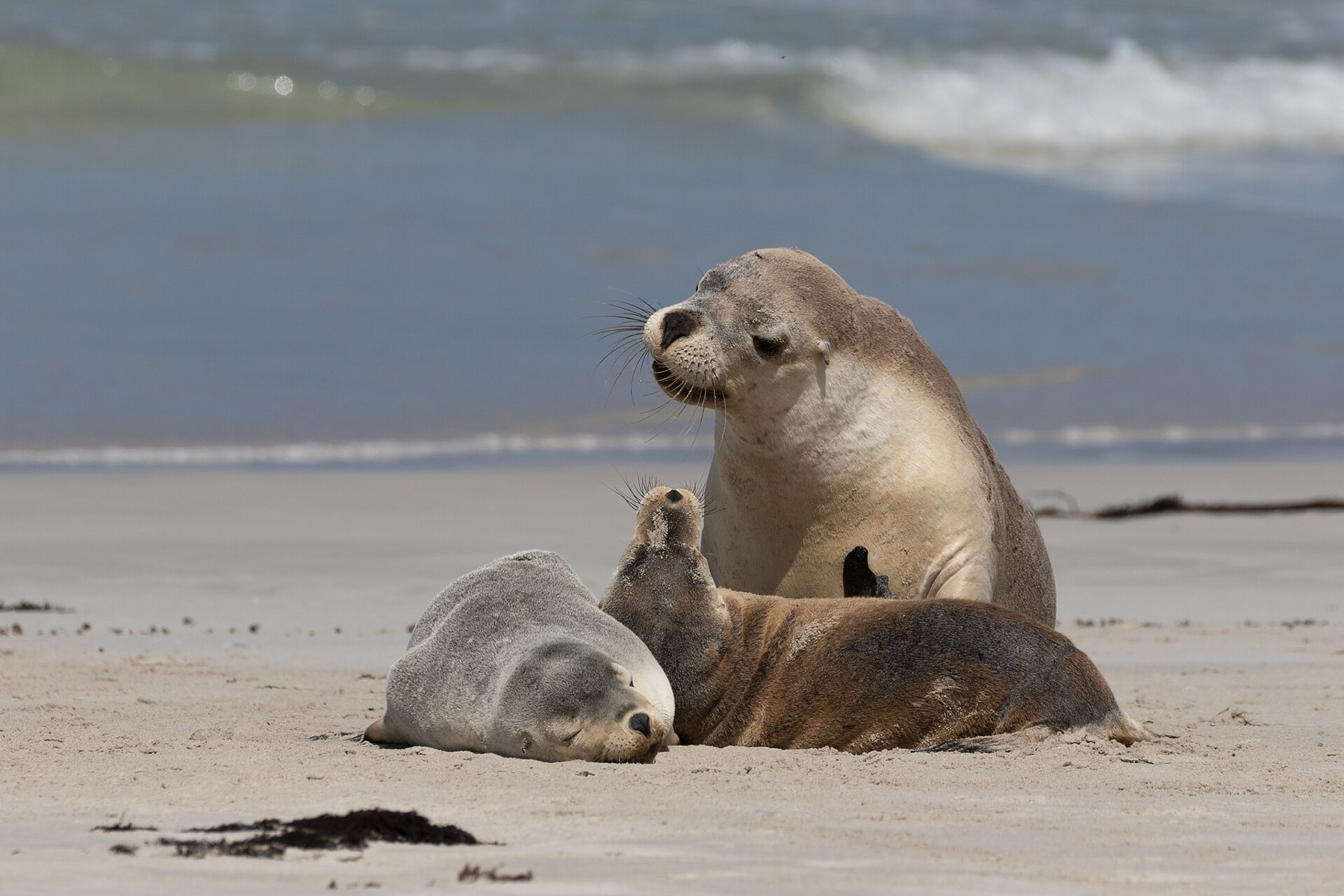
This amazing place with a fantastic rating of 4.6 out of a massive 2,505 reviews is an absolute must for every animal lover. It represents one of the most significant and best-protected sea lion colonies, where you can observe these magnificent marine mammals up close in their natural sandy environment, lazily lounging on the beach or teaching their young to swim.
Protection of the vulnerable nature here is taken extremely seriously and very strict but understandable and necessary rules apply. You walk on the beach among the sea lions exclusively with an official guide and only on clearly marked paths, which ensures that the animals are not disturbed by human presence and can rest peacefully in their home.
💡 Tip: Even if you might have to adapt to an organized group, obediently stay on designated paths and listen to the guide’s explanation, because you’ll learn incredible details about the complex life and behavior of these endangered pinnipeds.
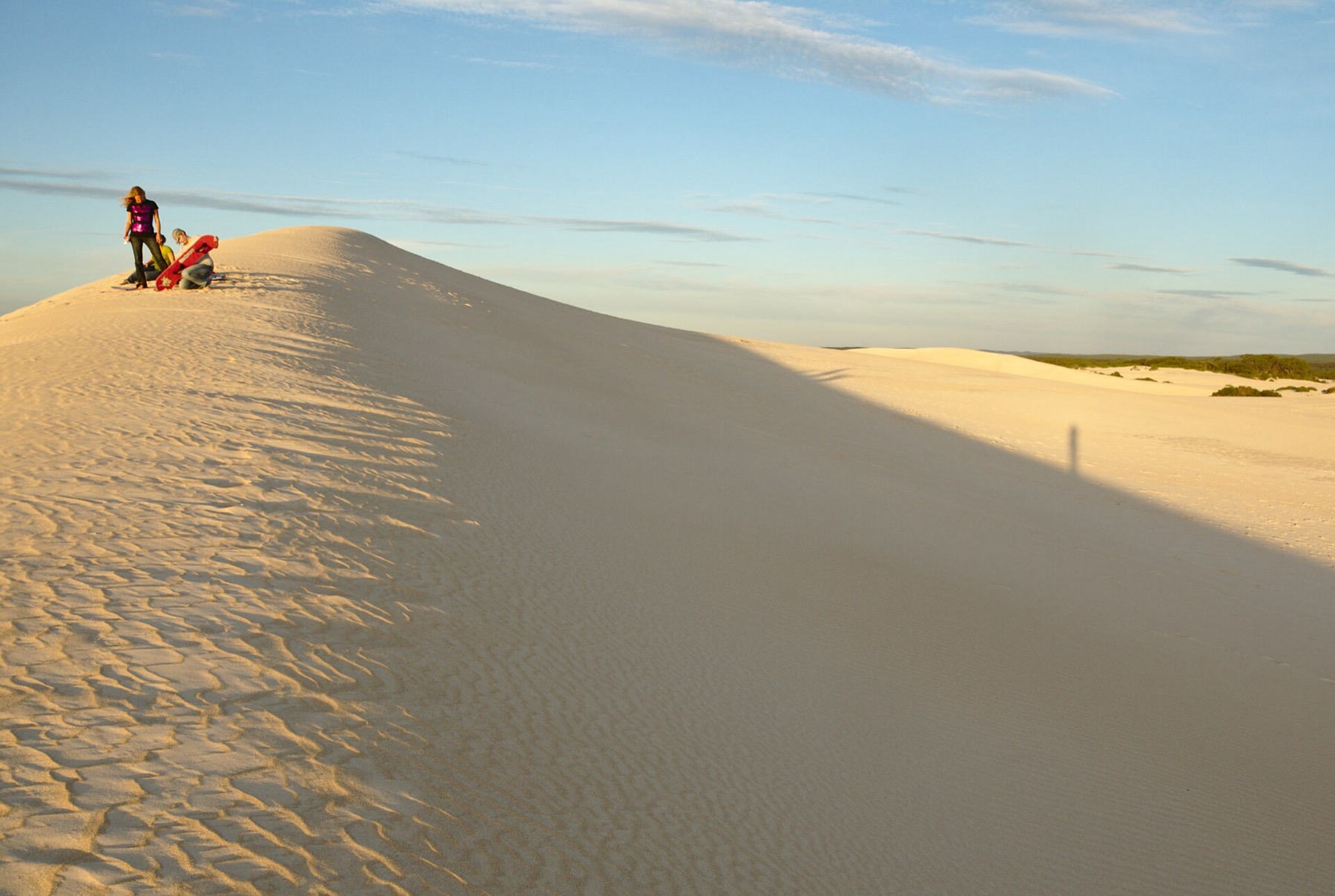
5. Little Sahara
When driving through the green island, you probably wouldn’t expect to encounter sand dunes, but that’s exactly what this location with a rating of 4.7 out of 937 reviews offers. White sand rising from the surrounding bush seems like a mirage and gives the place a surrealistic atmosphere.
This desert landscape doesn’t just serve for photography, but functions primarily as a natural playground for adults and children. Most visitors come here mainly to try sandboarding, sliding down sand hills on modified boards, which is adrenaline-fueled but safe fun.
💡 Tip: Climbing to the top of the dunes can be strenuous in deep sand, so don’t forget to bring plenty of drinking water and be prepared to have sand everywhere after sliding.
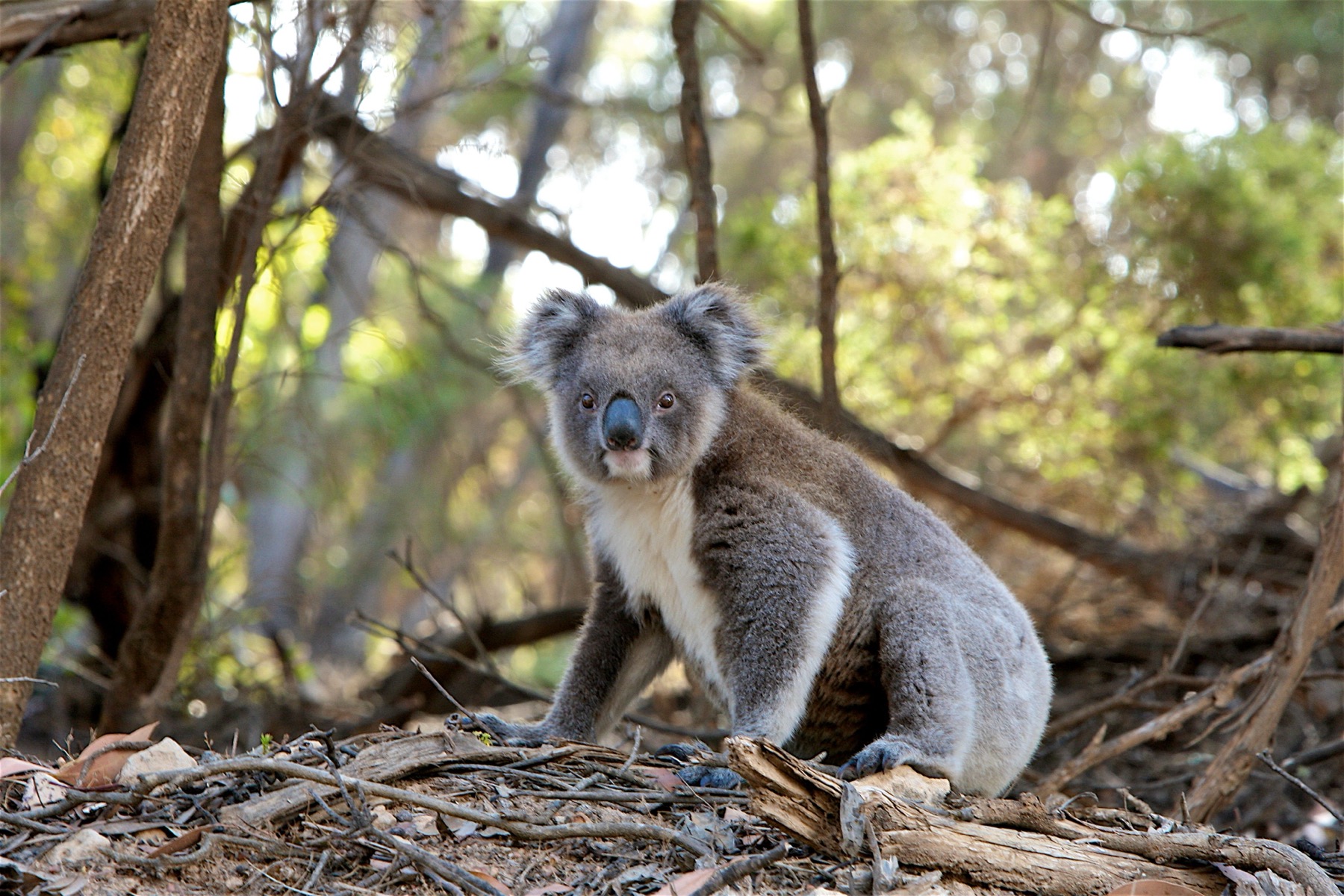
6. Kangaroo Island Wildlife Park
If you don’t have luck with animals in the wild or are pressed for time, this park with a rating of 4.5 out of 1,458 reviews functions as a sure bet. It’s not a regular zoo, but rather a rescue center and sanctuary for injured or orphaned animals receiving expert care here.
You can see koalas up close, feed kangaroos, or admire echidnas in a safe environment. It’s an ideal stop for families with young children, who will take home nice vacation memories from this hands-on and educational experience.
💡 Tip: Buying a ticket directly helps fund rescue programs and veterinary care for island fauna, so your visit has a charitable dimension too.
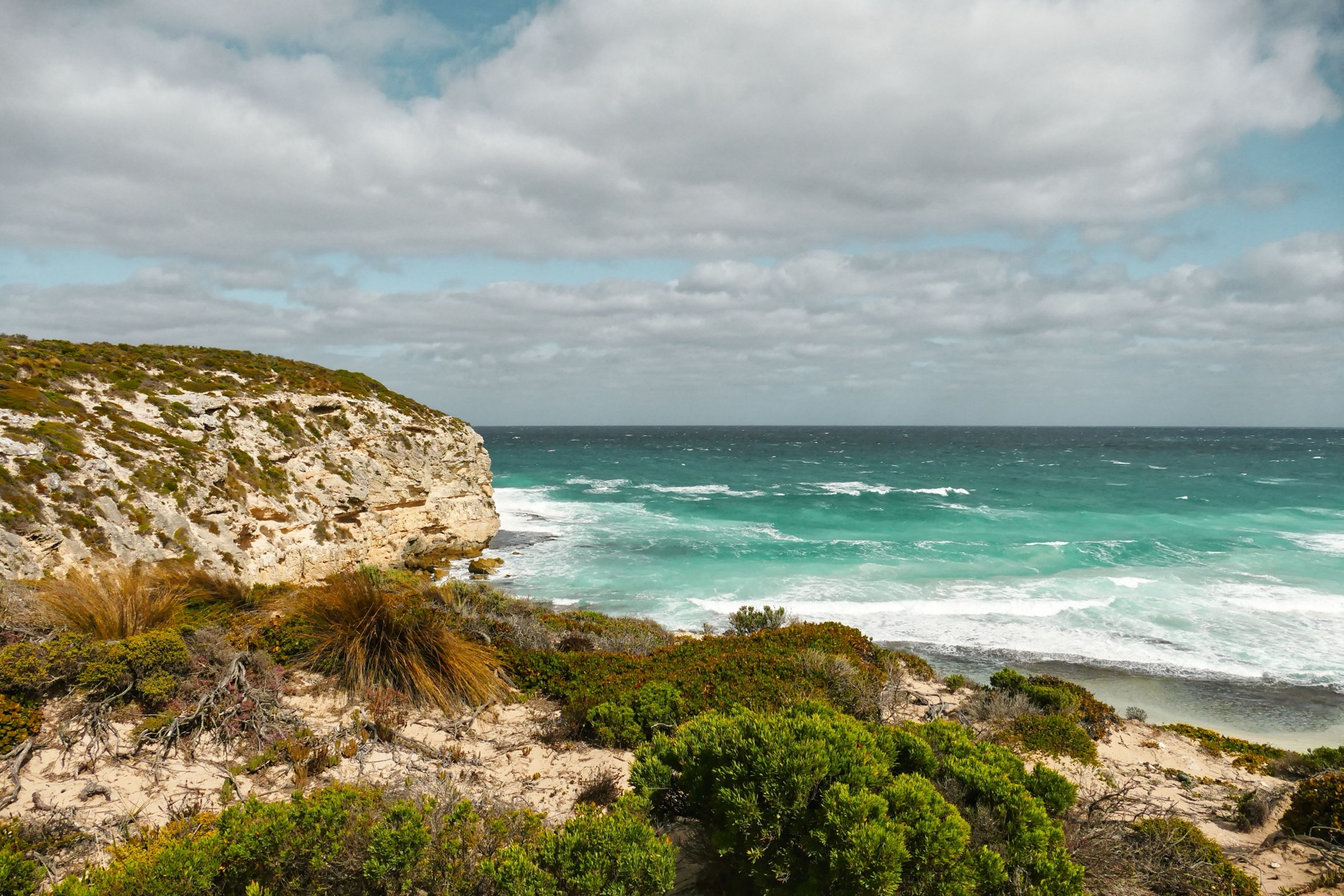
7. Vivonne Bay
This long, beautifully curved bay with sparkling white sand is considered by many travel guides to be among the most photogenic beaches in all of Australia. The turquoise color of the clean water here is so incredibly vivid that at first glance it looks artificially enhanced in a graphics editor, creating an absolutely perfect contrast with the surrounding wild green vegetation.
Unlike crowded city beaches on the mainland, here you’ll enjoy absolute peace and a fantastic feeling of complete detachment from hectic civilization. Long walks along the coast to the sound of the roaring ocean are incredibly calming, and you’ll most likely meet only a few other similarly minded enthusiasts of deserted and untouched nature.
💡 Tip: The water here hugely tempts you to cool off, but be extremely careful, because ocean currents in this area can be very strong and unpredictable, so it’s safer to admire the bay’s beauty from dry land.
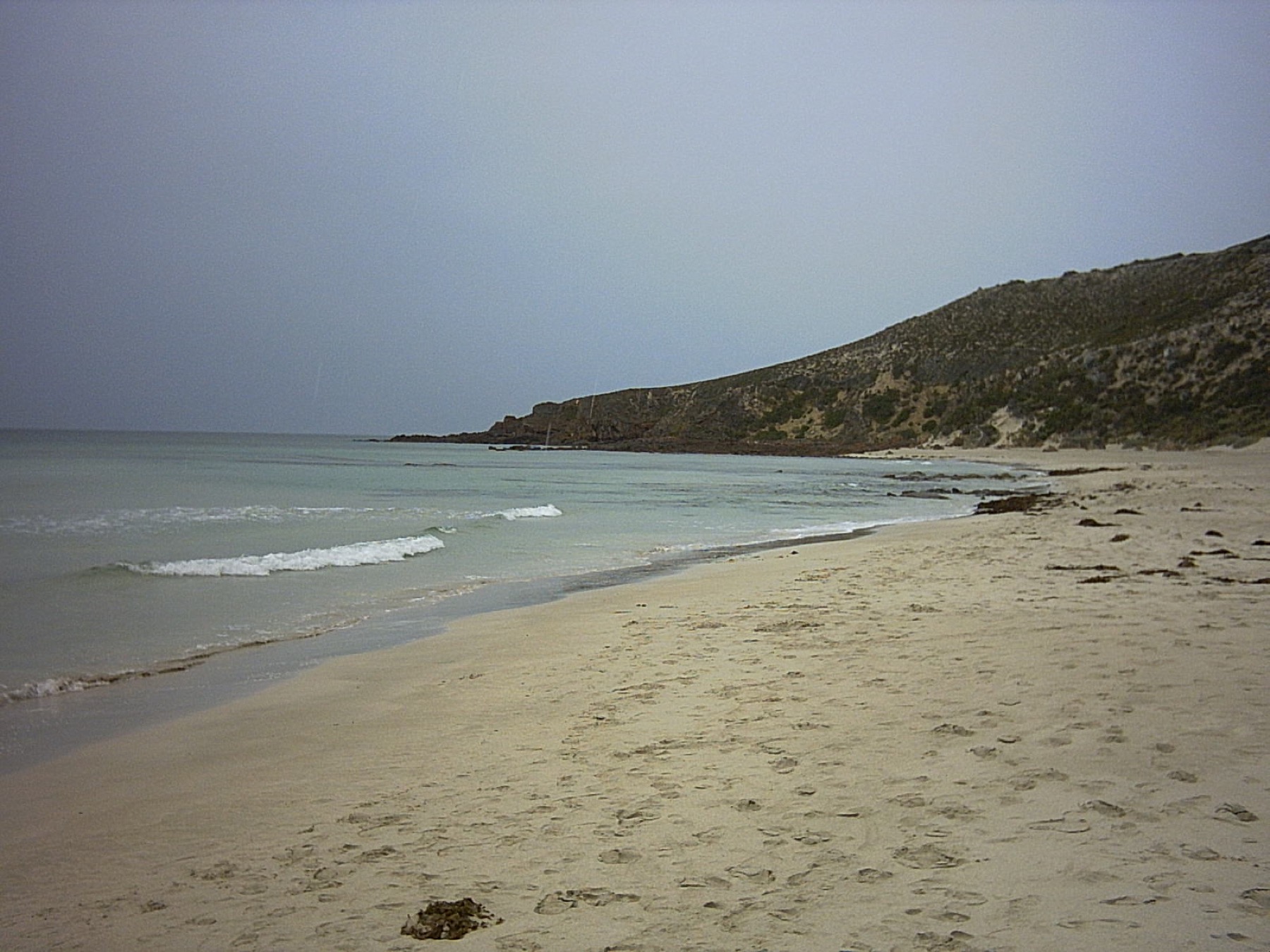
8. Stokes Bay
This hidden beach on the island’s northern coast delights those who love surprises and discoveries. To reach the water itself, you must pass through a natural tunnel in the rocks, which makes the visit an extraordinary experience from the very first steps.
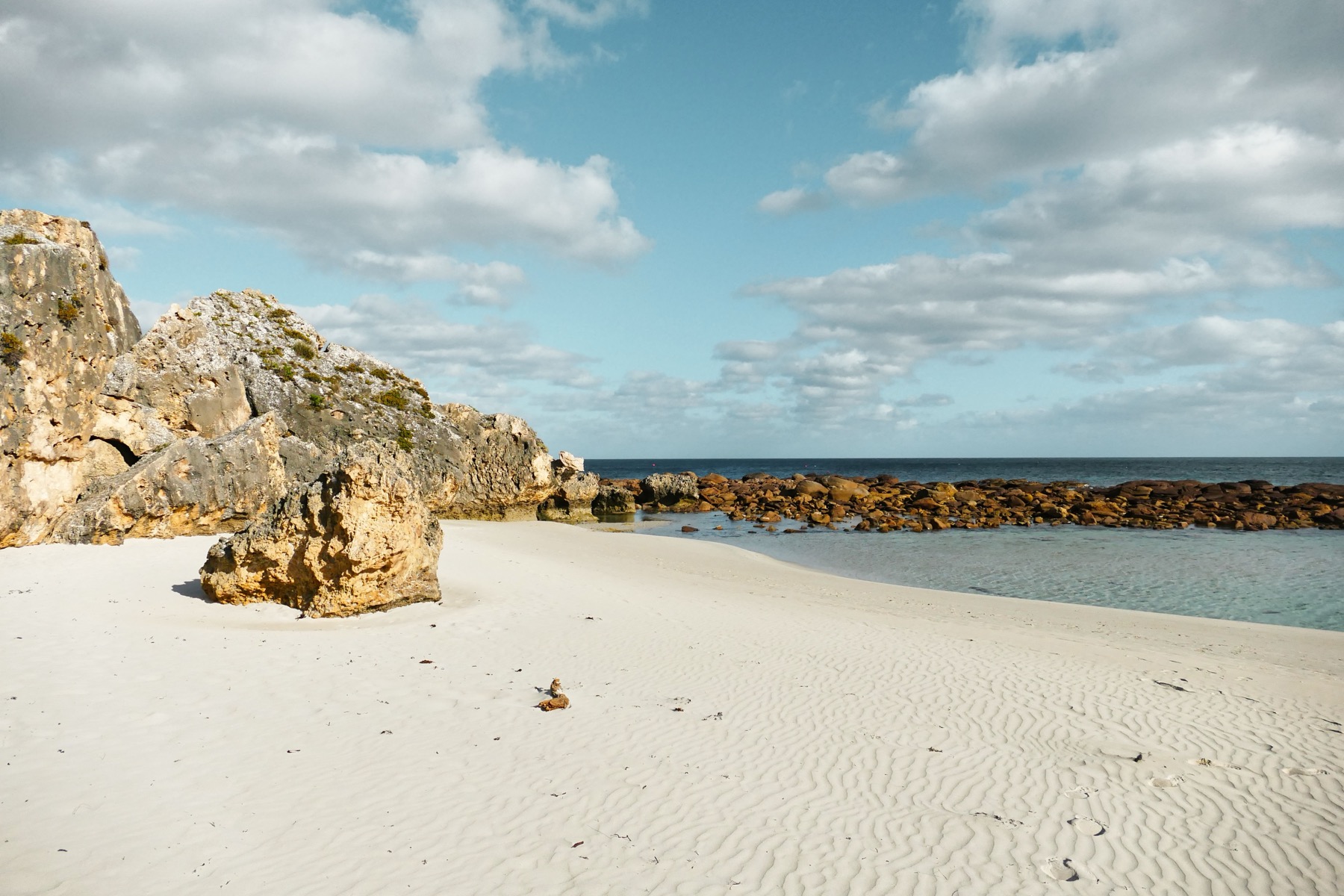
When you emerge from the rock labyrinth, a sandy beach protected from the wind by cliffs opens before you. Thanks to the stone barrier, a calm pool with seawater forms here, ideal for wading and relaxing even on days when the open sea is too wild for regular swimming.
💡 Tip: Passing through the rock gorge requires some agility and you occasionally have to duck, but the feeling of discovery when the beach suddenly appears before you is worth the effort.
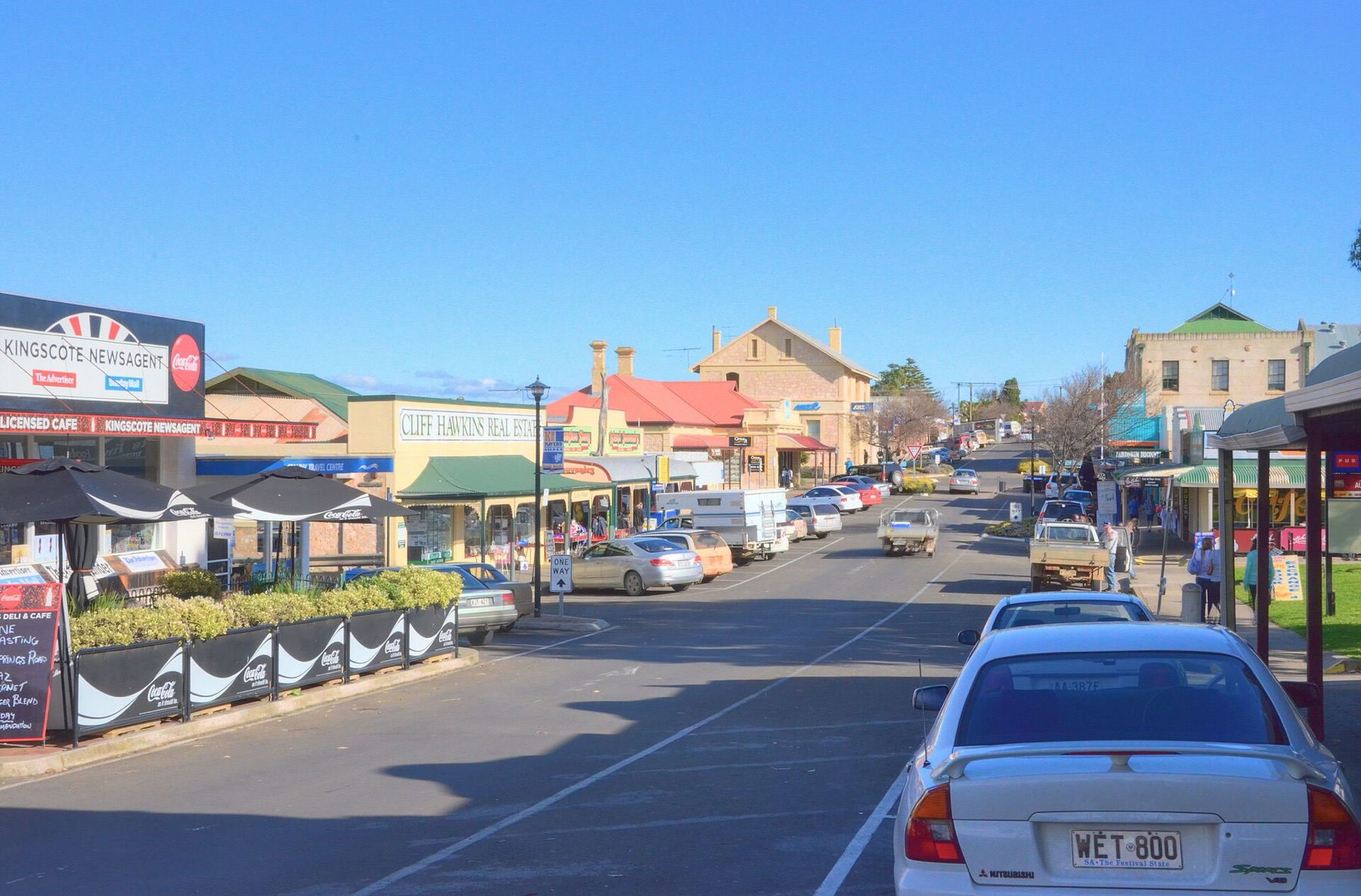
9. Kingscote
As the largest town and center of the island, this place is an important point for every traveler. You’ll find the largest concentration of shops, cafes, and services here, making it an ideal place to stock up on supplies before heading out to more remote corners where you can’t buy anything.
The atmosphere of the coastal town is peaceful, and the well-maintained promenade invites afternoon walks with coffee in hand. Visit the harbor where flocks of pelicans gather, waiting for fish scraps from fishing boats—it’s an interesting sight for the whole family.
💡 Tip: Plan your trip so you shop for everything essential here at the beginning of your stay, because once you head further west into the national parks, food shopping options decrease significantly.
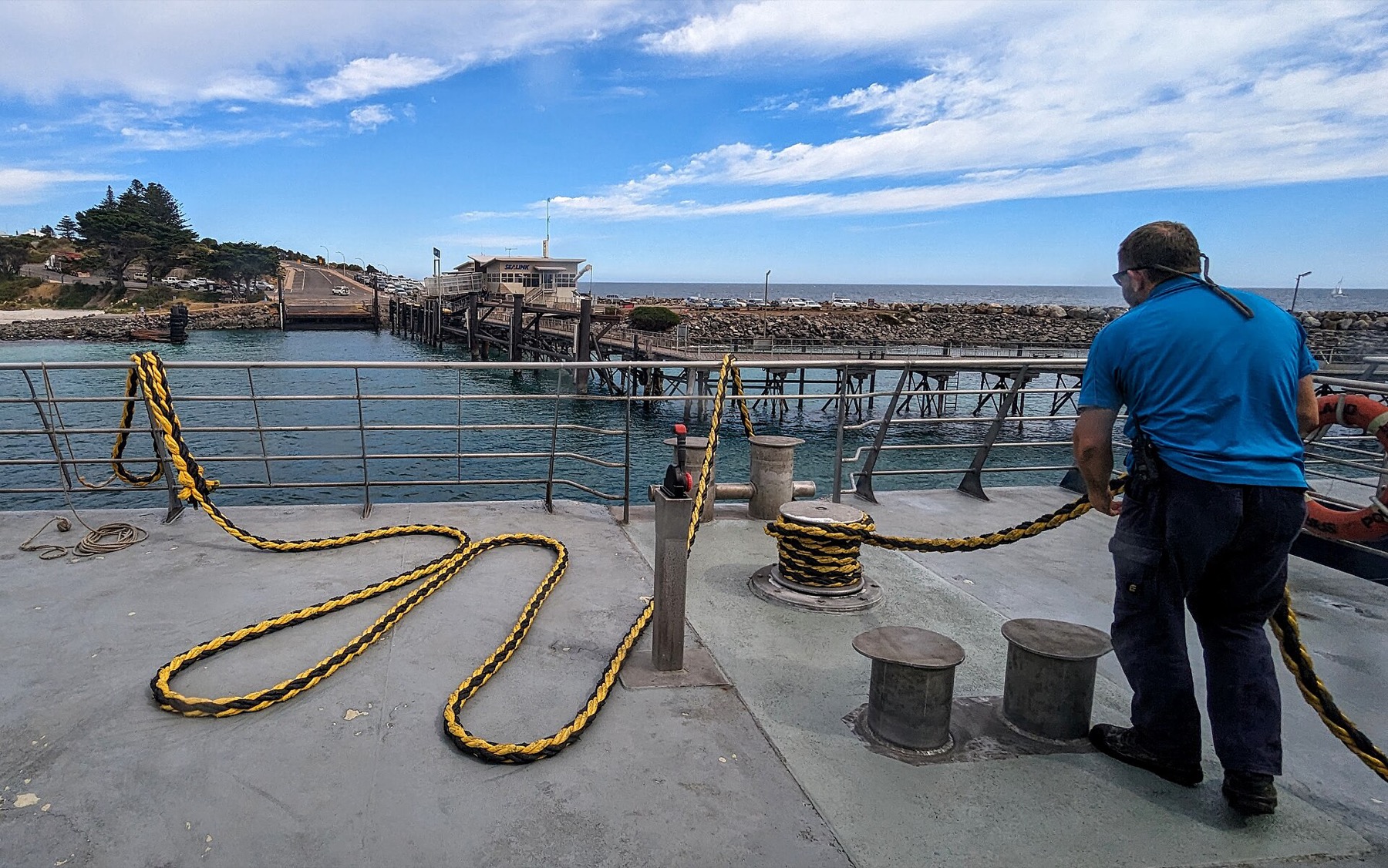

10. Penneshaw
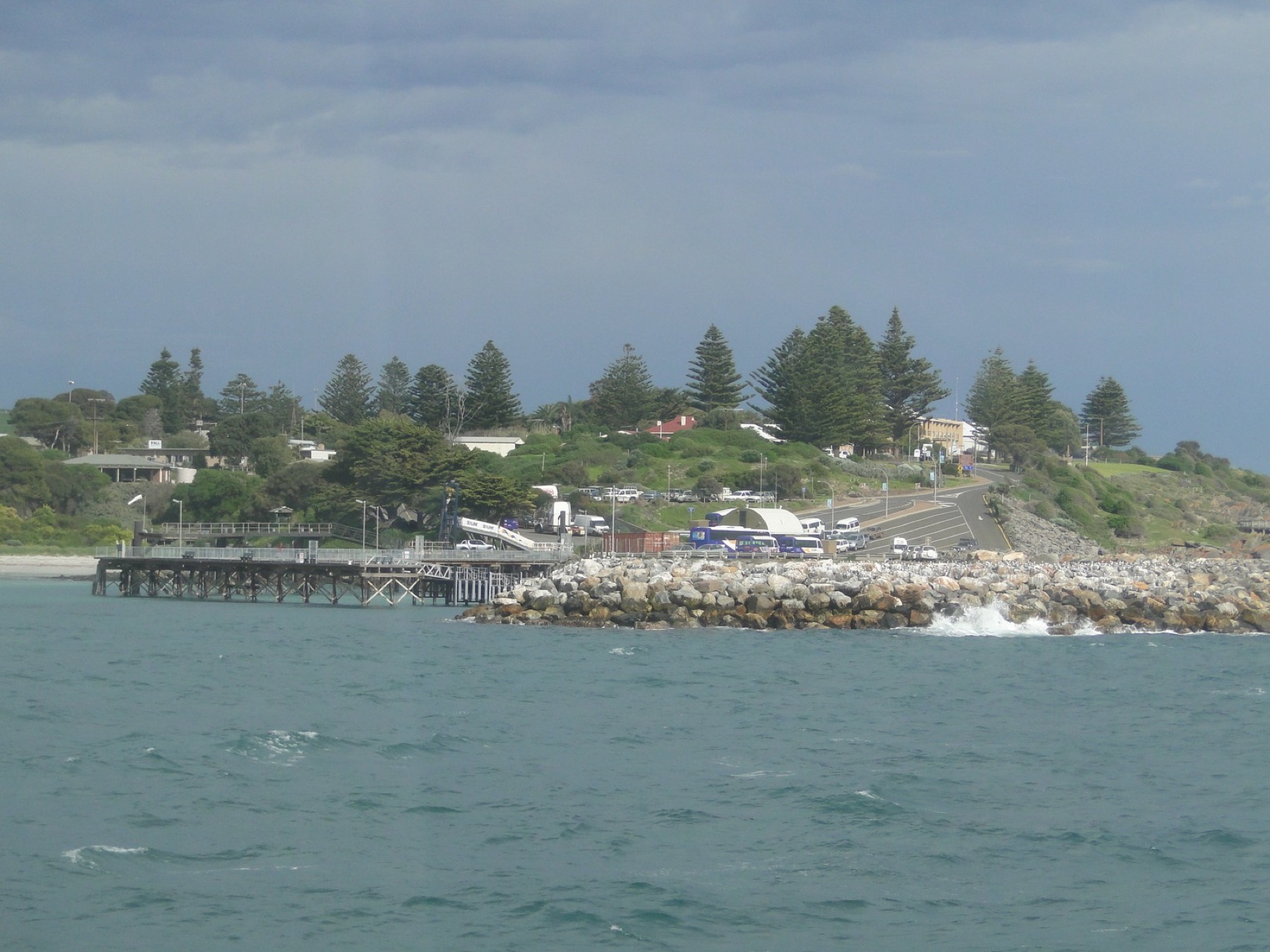
This charming little port town on the eastern tip of the island will most likely be your first and last contact with this island destination. This is where the large ferries from the mainland arrive and welcome eager travelers, from where a beautiful view opens back to the Australian coast quietly lining the distant horizon.
Although it serves mainly as a transport hub and transfer station, this place has its undeniable charm and a very pleasant, slowed-down relaxed atmosphere. Green hills sloping directly to the sea and calm bays with anchored boats create a beautiful scenery that immediately puts you in the right vacation mood and shows you that time flows completely differently here than in the city.
💡 Tip: Instead of jumping straight into your car after disembarking and rushing to discover the parks, stop here for a moment, breathe in the fresh sea air, and enjoy that beautiful feeling that your island adventure is just beginning.
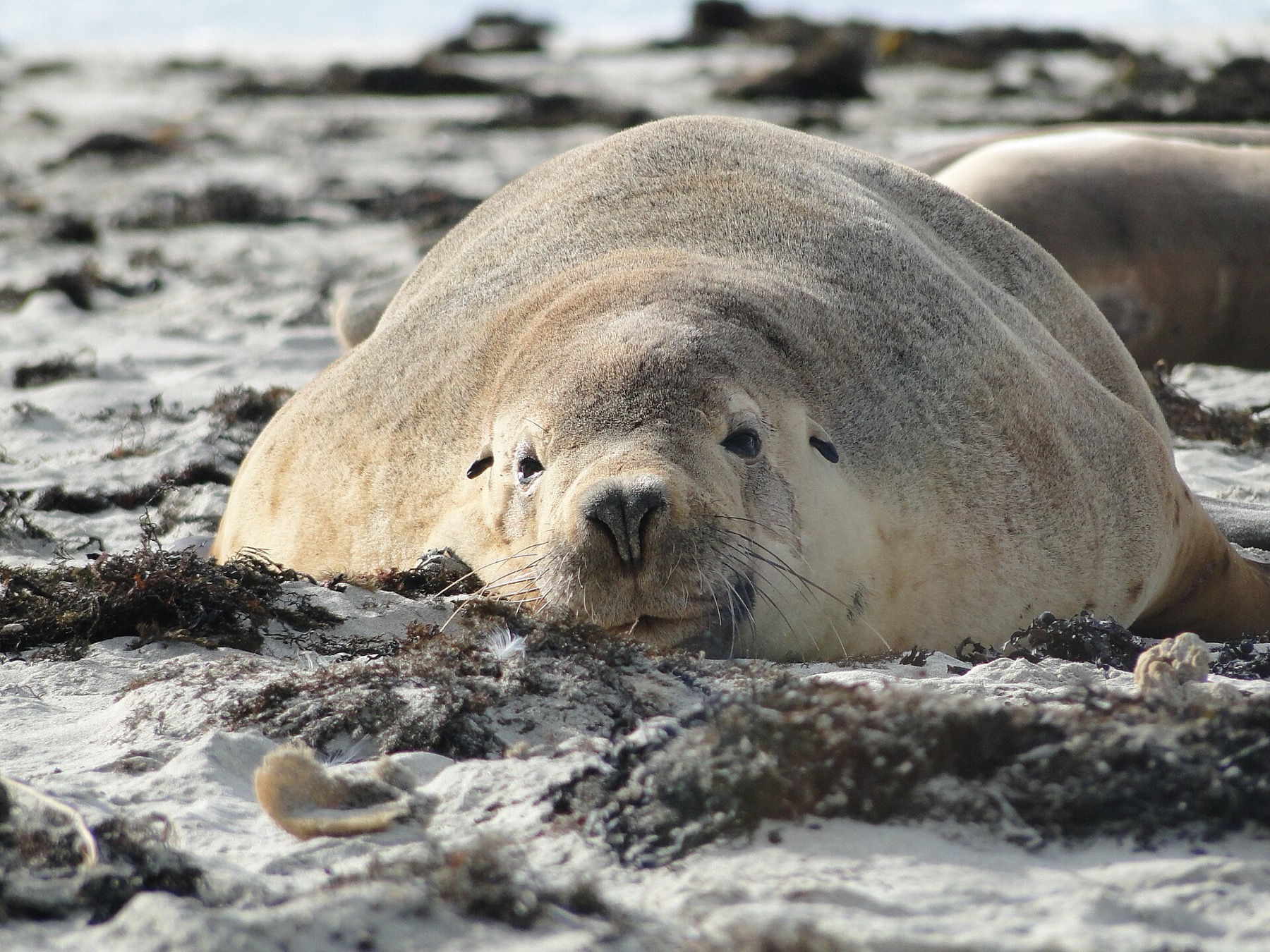
Wildlife: Where You’ll Actually See Them
When you mention Australia and islands, everyone thinks of the opportunity to observe wildlife up close, and this destination truly excels in this regard. One of the most important places for wildlife encounters is Seal Bay Conservation Park with a rating of 4.6 out of 2,505 reviews. As I mentioned above, protection is a priority here, so walking on the beach among sea lions always happens with a guide on a marked path that must not be deviated from.
This organized approach ensures that the colony of marine mammals is not disturbed, and you can enjoy watching mothers care for their young and males resting on the sand without guilt. If you want to see other typical Australian animals and haven’t had luck finding them scattered in the wild, a good alternative is Kangaroo Island Wildlife Park with a rating of 4.5 out of 1,458 reviews, where they care for injured and orphaned individuals from across the island. The environment here is friendly and provides an opportunity to see koalas, echidnas, or smaller kangaroo species up close.
For lovers of marine fauna and more active experiences, there’s one more option. Worth considering are trips with Kangaroo Island Ocean Safari, which have a rating of 4.7 out of 329 reviews, because the view of the rugged coast directly from the ocean surface is worth it. During these boat expeditions, it’s often possible to observe dolphins surfing in the waves around the bow, sea eagles circling above the cliffs, and of course other representatives of local pinnipeds in their natural element.
However, it’s important to realize that we’re still moving through wild nature, not an amusement park with a guaranteed program and animal opening hours. Therefore never rely on promises that you’ll definitely see animals somewhere, because they simply have their own minds and moods. In recommended locations, though, they’re often seen and in greater numbers. It just takes a bit of patience, respect for their living space, and a quiet approach, which increases your chances of observation.
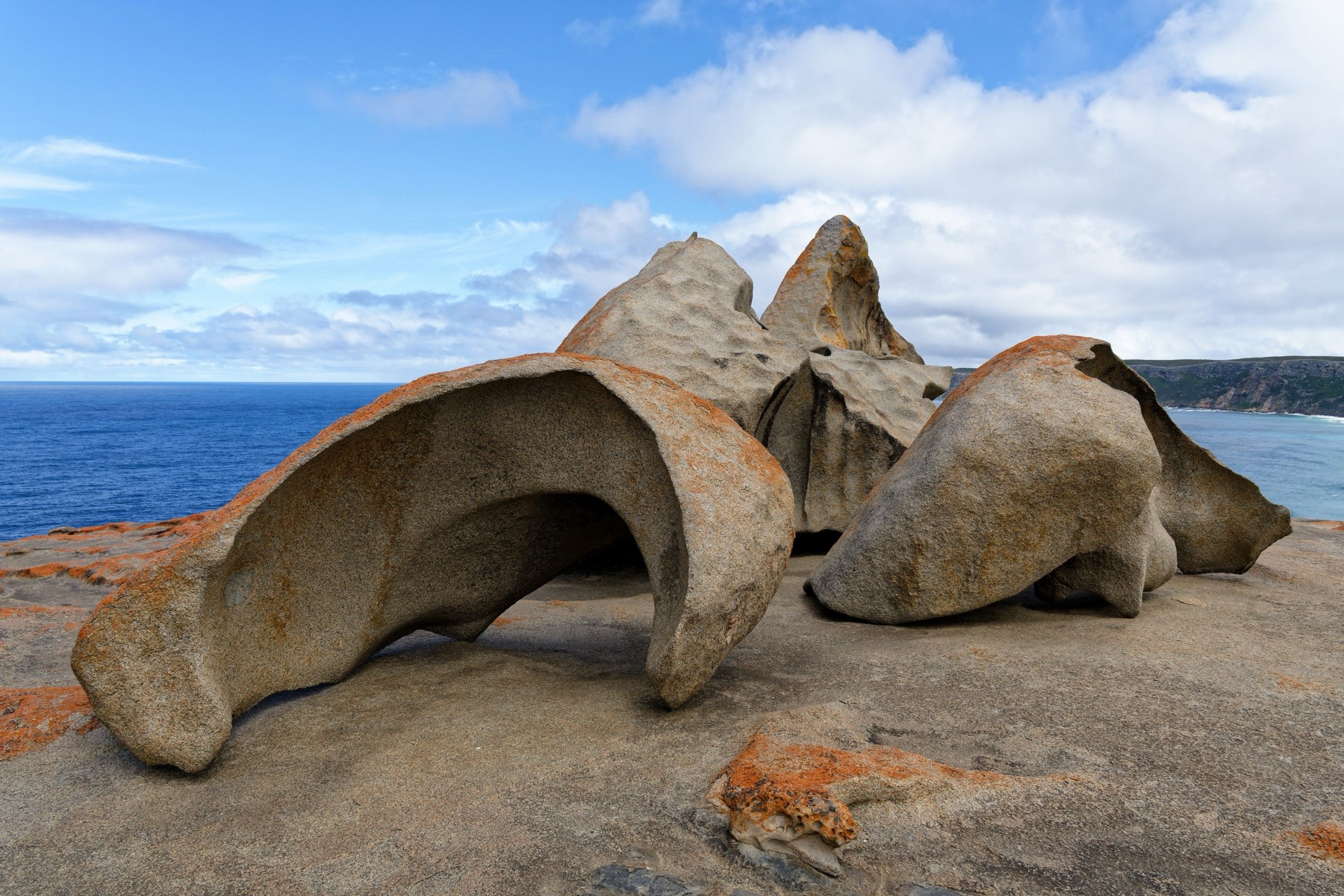
Remarkable Rocks and Admirals Arch
If we had to choose the two most famous geological icons of the island, for which people travel halfway around the world, it would be these two natural wonders. Both are located in Flinders Chase National Park, which holds a rating of 4.8 out of 1,126 reviews, and form the proverbial highlight of the trip to this remote western part of the island. Visiting these two places will show you the power of natural forces that have shaped this rugged coast over millennia into its present form.
The winner in popularity among travelers is Admirals Arch, which with a rating of 4.9 out of 223 reviews represents the highest-rated place on the island. This huge rock bridge covered with stalactites is surrounded by the roaring ocean and offers views into the distance. It’s also a favorite spot for local seals, who often emerge from the waves and seek refuge on the surrounding smooth rocks, giving the whole place a lively atmosphere.
Not far along the coast stand Remarkable Rocks, bizarre granite formations with a rating of 4.8 out of 1,067 reviews, which from a distance look like forgotten toys of some giant. When you approach them along wooden boardwalks protecting the sensitive surrounding vegetation, only then do you appreciate their dimensions and the vivid orange color of the lichens, which contrasts with the blue ocean background. Set aside plenty of time for both these places so you can enjoy them at leisure.
Where to Stay
💡 Accommodation and experiences tip: We compare accommodation in the area here to see what’s available and at what price. We prefer to look for it on Booking.com, where they usually have the best cancellation terms. Tickets, tours, and activities are worth comparing and buying through GetYourGuide.
Choosing the right accommodation on this fairly expansive island is absolutely crucial so you can minimize unnecessary driving and fully enjoy the beauty of the surrounding nature. I’ve decided to divide the best-rated options into several categories so you can choose exactly according to your travel style, budget, and ideas about the ideal vacation far from civilization.
For those of you looking for absolute luxury and perfect fusion with nature at the highest standard, there’s Ecopia Retreat, Kangaroo Island Luxury Accommodation with an absolutely flawless rating of 5 out of 138 reviews, offering charming private villas set directly in the wild bush. Another fantastic choice for very demanding clients is the renowned Southern Ocean Lodge, Beckons, which maintains a beautiful rating of 4.5 out of 122 reviews and boasts breathtaking panoramic views of the wild ocean.
If you prefer a more intimate boutique atmosphere with personal attention from hosts, I warmly recommend the charming Stowaway Kangaroo Island hotel, which also has a perfect rating of 5 out of 72 reviews and guests sing its praises. A great alternative in this romantic category is the amazing Sea Dragon Kangaroo Island with a rating of 4.9 out of 131 reviews, or the very popular rustic Waves & Wildlife Cottages Kangaroo Island boasting a rating of 4.8 out of 79 reviews, where kangaroos will literally be hopping right in front of your veranda.
The golden middle ground and classic hotel amenities with all necessary services are offered by the reliable Mercure Kangaroo Island Lodge with a stable rating of 4.2 out of 448 reviews, which you’ll find tucked away in a quiet bay directly by the water. Very similar standards and exactly the same rating of 4.2 out of 436 reviews are also offered by the popular Seafront Hotel Kangaroo Island, which is strategically located very close to the main port. For more adventurous types and lovers of sleeping under the stars, the well-equipped campground Discovery Parks, Kangaroo Island with an excellent rating of 4.7 out of 394 reviews is absolutely ideal.
Driving on the Island
Traveling by your own or rented car is an absolute necessity for discovering the beauty of this island, but it requires maximum caution from drivers and enormous respect for local rules. The absolute basics are of course driving on the left, which takes some getting used to for someone from Europe, so initially I recommend not rushing and paying good attention especially at intersections or when leaving parking lots. Most rental cars also have automatic transmission, which fortunately at least makes it somewhat easier to concentrate on the actual traffic and orientation on the road.
What’s much more important in this place than which side of the road you drive on, though, is the ever-present wildlife, because the island is extremely sensitive to fatal collisions with animals. For this reason, I very strongly advise you not to drive at all after dark and plan all movements exclusively for daylight hours. If you do find yourself behind the wheel at dusk, when kangaroos are by far most active and like to sit near the warm asphalt, maintain a maximum speed of 65 km/h and keep your eyes constantly on watch.
If the terrible thing happens and an animal unexpectedly jumps from the darkness right under your wheels, one absolutely fundamental rule applies that can save your life. Under no circumstances swerve the wheel, because any sudden evasive maneuver on a narrow and often gravel road almost always ends with the car rolling over and serious injury to the entire crew. Instead, just brake in a straight direction as much as you can, because it’s the absolutely safest possible reaction for you and your passengers.
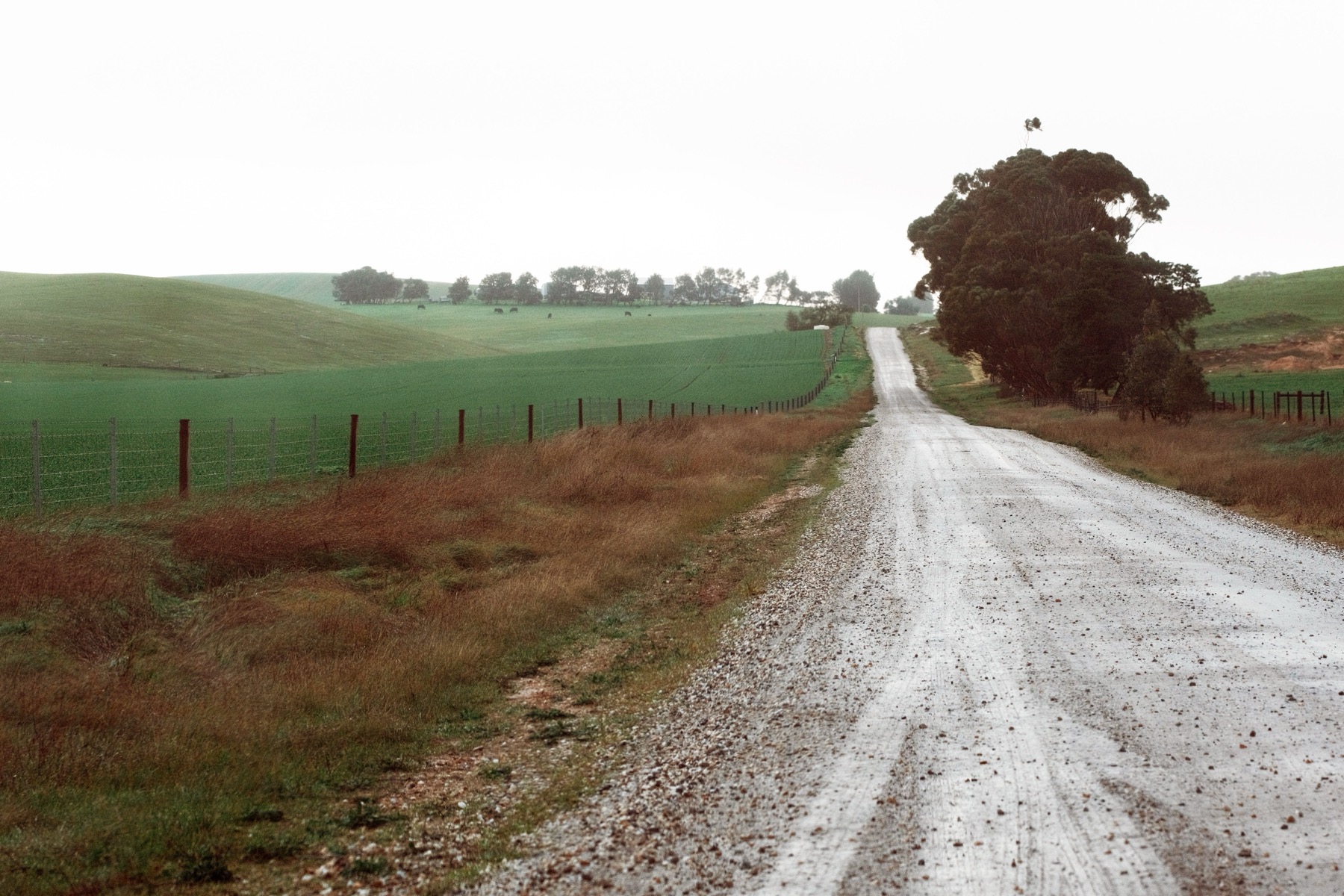
At the same time, definitely prepare for the fact that a substantial part of the island roads consist of unpaved dusty paths that will take you to the most beautiful deserted bays and hidden beaches. Therefore thoroughly check your rental car contract, because basic insurance from many companies usually doesn’t cover these unpaved sections at all. A possible tire puncture or undercarriage damage from flying stones would in that case have to be paid for completely out of your pocket, which could get unpleasantly expensive.
When to Visit Kangaroo Island
Proper timing of your island expedition plays an important role in how much you’ll enjoy your vacation, so it pays not to underestimate preparation. Just to give you an idea about the local climate, nearby Adelaide reports average daily highs around 27.8 °C in January, meaning hot and dry Australian summer. In July, temperatures drop to a cool 14 °C, so don’t forget to pack a warmer sweater for evenings in your suitcase. For more detailed information about seasons across the continent, I recommend reading our article about weather in Australia: when to go by region.
If you’re looking forward to swimming in the ocean and catching some sun on beaches, you need to expect that water in southern Australia isn’t exactly the warmest. The sea near the mainland typically has a temperature around 22.3 °C in the warmest month of February, so it’s a thorough refresher and can be a challenge for more cold-sensitive types. Local hardy swimmers rave about it, but for the average person it’s more for a quick dip than long hours in the waves.
Much more important than water temperature itself is respect for the power of the ocean, which can be treacherous here. Deserted beaches tempt you to jump into the waves, but the hidden danger is strong rip currents, which will inconspicuously pull you far from shore before you realize it. According to statistics, these currents claim more lives than bushfires, floods, cyclones, and shark attacks combined.
For this reason, I advise you to swim at patrolled beaches and monitor current conditions and lifeguard instructions. Follow the rule of swimming only between marked flags, exactly as local residents do, for whom water safety is a priority. If you’re not sure, ask locals—they’ll gladly advise you where water entry is safe and which sections to avoid instead.
Where to Go Next
If this beautiful corner of the world has caught your interest and you’re planning broader exploration of the land down under, you’ll definitely find more tips useful. Before you take the ferry to the island, don’t forget to read our guide for the city of Adelaide, Austrálie: 18 tipů, co vidět a dělat, which serves as the main starting point. For an overall overview of the continent’s biggest attractions, you’ll find our pillar article useful: Dovolená v Austrálii: 30 nejkrásnějších míst + praktické tipy.
Interested in local fauna elsewhere than on islands? Then definitely check out the article Zvířata v Austrálii: kde vidět klokany a koaly. And if you’re planning to drive this huge continent on your own, you can’t miss our detailed guide to Roadtrip po Austrálii: trasy, auto a rozpočet.
A similar island trip, this time from Melbourne, is described in the article Phillip Island, Austrálie: tučňáci a 10 tipů na výlet z Melbourne.
Frequently Asked Questions
How many days should I plan for Kangaroo Island?
I recommend planning at least two to three full days so you can explore the island without stress. Distances between parks are long, and early morning or late afternoon are ideal for wildlife watching.
How do I get to the island?
Travelers most commonly choose the ferry from the mainland, but there’s also the option of using air connections. Check specific options, prices, and operators in advance on official websites.
Will I really see kangaroos there?
The island is ideal for wildlife watching and kangaroos, koalas, and sea lions can often be seen here. But remember you’re moving through wild nature, so no one can give you a 100% guarantee of encounters.
Do I need a car?
Yes, your own or a rental car is essential for exploring the island. Public transport virtually doesn’t exist here and organized tours will rob you of the freedom to stop wherever you like.
When is the best time to visit?
Ideal conditions are offered by Australian spring and autumn, when temperatures are pleasant and nature is colorful. In summer expect dry heat and in winter colder windy weather, so study average temperatures according to your preferences.
Is it safe to drive at night?
Given the amount of wildlife that moves toward roads after sunset, I don’t recommend driving in the dark. The risk of collision is high at night and you’d be endangering not only animals, but primarily yourself.
Is it safe to swim there?
Swimming in the ocean is possible, but the water tends to be cold and you need to watch out for strong rip currents. Therefore swim only at proven spots and follow the rule of swimming only between marked flags.
Where to stay on the island?
The range is wide and depends on your budget and preferences, whether you choose a resort with a view or a campground in nature. But book accommodation in advance because the best options tend to sell out quickly.
Is the island worth the trip?
Absolutely yes, it’s a unique natural location that will show you Australia in its raw form. If you love wild nature and don’t need the hustle and bustle of a big city, this corner of the earth will captivate you.
What about the consequences of the fires?
Part of the island was affected by fires in the past, but Australian nature is resilient and recovers quickly, which is an interesting process to observe. Before your trip, it’s essential to check the current accessibility of national parks.
Tips and Tricks for Your Vacation
Don’t Overpay for Flights
Search for flights on Kayak. It’s our favorite search engine because it scans the websites of all airlines and always finds the cheapest connection.
Book Your Accommodation Smartly
The best experiences we’ve had when looking for accommodation (from Alaska to Morocco) are with Booking.com, where hotels, apartments, and entire houses are usually the cheapest and most widely available.
Don’t Forget Travel Insurance
Good travel insurance will protect you against illness, accidents, theft, or flight cancellations. We’ve had a few hospital visits abroad, so we know how important it is to have proper insurance arranged.
Where we insure ourselves: SafetyWing (simple monthly subscription) and TrueTraveller (for extra-long trips).
Find the Best Experiences
Get Your Guide is a huge online marketplace where you can book guided walks, trips, skip-the-line tickets, tours, and much more. We always find some extra fun there!


