

Most travelers fly to the land down under with the naive expectation that wildlife in Australia is waiting around every corner, kangaroos are hopping right beside the highway, and you’ll cuddle an adorable koala within minutes of landing in any city. The reality that colorful tourist brochures often fail to mention is far more complex, and it depends primarily on which Australian state you happen to be visiting. Did you know, for instance, that holding a koala in your arms is perfectly legal in some parts of the country, while elsewhere it carries fairly strict penalties? These regional differences can seriously complicate travelers’ plans.
Observing Australia’s iconic fauna also requires very precise timing, because most native animals come alive only at dawn or dusk. During the day, they instinctively hide from the relentless sun and high temperatures. Whether you’re hoping to spot a shy platypus in the wild or prefer a safe encounter with a Tasmanian devil at a rescue sanctuary, I’ve prepared a comprehensive guide for you. It draws on detailed research and the experiences of many travelers.
You’ll find verified locations with the best reviews, practical tips for respectful wildlife watching, and definitive debunking of the biggest myths about dangerous creatures. Believe me, good preparation is the key to the most beautiful experiences you can take home from this fascinating country.
TL;DR
- Where you can hold a koala: It’s legal exclusively in Queensland, South Australia, and Western Australia. In New South Wales (Sydney) and Victoria (Melbourne), it’s strictly forbidden.
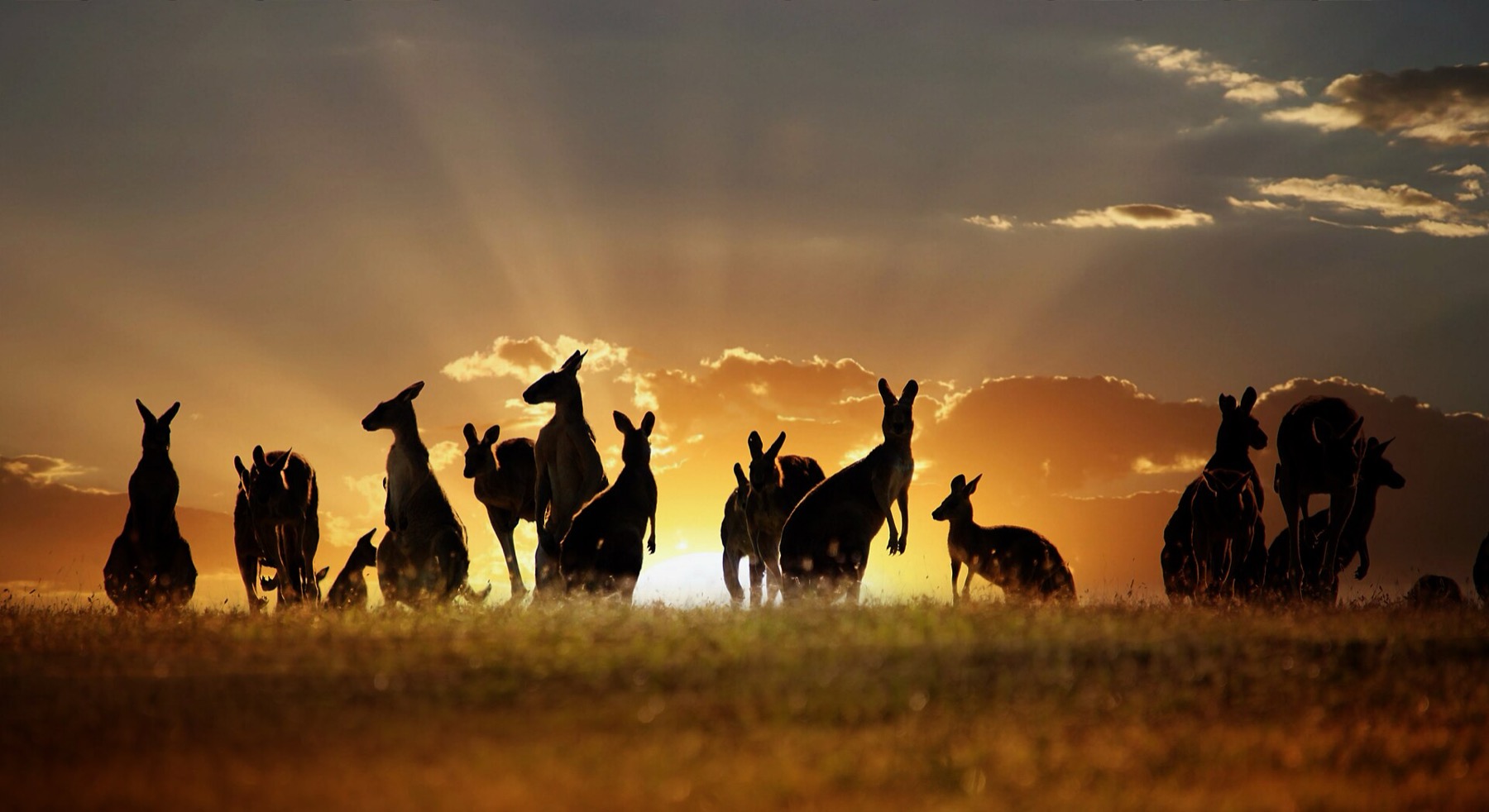
- Kangaroos in the wild: Your best chance of spotting them is at dawn and dusk on open grassy areas or directly in national parks.
- When to go wildlife watching: Most Australian animals are nocturnal or crepuscular, so during the day they’re usually fast asleep and very difficult to find.
- Sanctuary versus wilderness: Rescue sanctuaries give you absolute certainty of encounters and fund conservation work, while the wilderness offers an authentic experience with no guarantees.
- Main safety rule: Statistically, the most dangerous elements in Australia aren’t sharks or crocodiles, but treacherous rip currents in the ocean and the fierce sun.
Where You Can Hold a Koala (and Where It’s Forbidden)
If your big dream is to cuddle a fluffy koala, you need to plan your itinerary very strategically. Holding a koala is legal for legislative reasons only in Queensland, South Australia, and Western Australia. Many tourists fly into Sydney or Melbourne expecting to simply pay for this experience, only to discover that in New South Wales and Victoria it’s completely illegal. Local laws protect the animals from the stress of constant handling, so you can at best photograph them up close or pat them under strict keeper supervision. But you should never fall for claims that there’s only one place in Australia where holding is allowed, because there are several legal options across the three permitted states.
For many years, the most famous place for this experience was the Lone Pine Koala Sanctuary in Brisbane, which is the world’s oldest and largest koala sanctuary, founded way back in 1927. However, Lone Pine permanently ended koala holding on July 1, 2024 and now offers visitors only a so-called “Koala Moment.” This is a paid experience where you stand next to a koala sitting on a branch, can touch it and photograph yourself with it, but everything happens without guarantee and requires advance booking. Regular admission to this massive facility, which you can also reach via the scenic Koala & River Cruises boat trip, currently costs 63 AUD for an adult, 45 AUD for a child, and 193 AUD for a family.
Today, the most accessible place for holding a koala is probably Cleland Wildlife Park near Adelaide in South Australia. Entry to the park itself, full of freely roaming kangaroos, costs 35.80 AUD for an adult, 20 AUD for a child, and 94 AUD for a whole family. For the special “Hold a Koala” experience you’ll pay 89.50 AUD, it lasts thirty minutes and takes place only on Tuesday and Saturday at 2:30 PM for a maximum of four people aged thirteen and over. The park requires strict double check-in, and you must complete the ticket counter check-in by 2:00 PM, otherwise your reservation is forfeited without refund. If you don’t want to pay the extra fee, the basic admission includes a daily “Koala Close-up” between 11:00 AM and noon, which is a patting opportunity. However, the park management immediately cancels this program for safety reasons whenever temperatures exceed 32°C. Cleland also recently opened a brand-new Koala Loft and significantly expanded its experience offerings, so I definitely recommend checking their website for current prices and schedules just before your trip.
Sunny Queensland offers excellent options too. Very popular are the Kuranda Koala Gardens in the north near Cairns, where regular admission costs 24 AUD for an adult and 12 AUD for a child (family for 60 AUD), or you can buy an advantageous combo of three local parks starting at 35.50 AUD. Another option in the tropical north is the sprawling Wildlife Habitat Port Douglas, where an adult ticket costs 50 AUD, a child’s 30 AUD, and a family’s 130 AUD, with the huge advantage being that this ticket is valid for five full days. For around 90 AUD (59 AUD for children) you can even book the popular Breakfast with the Birds & Koalas program here and enjoy vegetarian treats in the immediate presence of these adorable marsupials. If instead you’re longing to see koalas completely free in nature, head to Magnetic Island. About 76 percent of this island’s area is national park, home to hundreds of koalas, and it’s also the northernmost limit of their natural range. A regular ferry runs there from Townsville for around 42 AUD for a return ticket. Another popular wild location is Noosa National Park, which is paradoxically Australia’s most visited national park with over a million visitors annually, or the Kennett River area along the famous Great Ocean Road.
When and How to Search for Animals
To avoid disappointment with Australian nature, you need to completely adapt to the biorhythms of the local fauna. The vast majority of Australian animals are active primarily at dawn and dusk, when temperatures drop to tolerable levels. During the day, animals hide in the shade, rest in burrows, or doze motionless in tree canopies. If you set out on a hike at high noon when the sun is beating down mercilessly, you’ll most likely see absolutely nothing except flying birds and lizards. Searching also requires a specific approach depending on exactly what you want to see. For example, a koala sleeps up to twenty hours a day and blends perfectly with eucalyptus bark, so you need to search by constantly looking up into the branches, while kangaroos usually graze in the evening on large open areas.
The platypus is a chapter unto itself, being extremely shy and predominantly nocturnal. With platypuses, sightings are never guaranteed, even if you sit quietly on a riverbank for hours intently watching tiny ripples on the water surface. This very uncertainty leads many travelers to decide whether to choose the wild for observation or head to a specialized rescue sanctuary instead. It’s always good to realize that a sanctuary gives you one hundred percent certainty of an encounter, you can plan your visit precisely, and the admission fees directly fund rescuing injured animals and maintaining endangered species.
On the other hand, the wilderness offers the most authentic possible experience, but with absolutely no guarantee. The joy when, after two hours of careful stepping through a national park, you finally spot a wild koala in the branches simply cannot be compared to anything. Travelers agree that the ideal approach is to combine both. Visit rescue sanctuaries for animals that are very difficult to find in the wild (like the Tasmanian devil or platypus), and instead go searching for the more common animals in national parks during the cooler morning hours.
12 Most Famous Animals in Australia and Where to See Them
Australia is home to absolutely unique creatures you won’t encounter anywhere else on the planet. Many of them have evolved fascinating survival strategies in the harsh conditions of this continent. I’ve prepared a detailed list of twelve most famous representatives of the local fauna and tips on areas where you have the best chance of spotting them. 😉
Whether you’re longing to see hopping kangaroos, the remarkable platypus, or look a crocodile in the eye from a safe distance, these animals simply must be on your radar. Just remember the golden rule: the best time to observe them is always at dawn and dusk.
1. Kangaroo
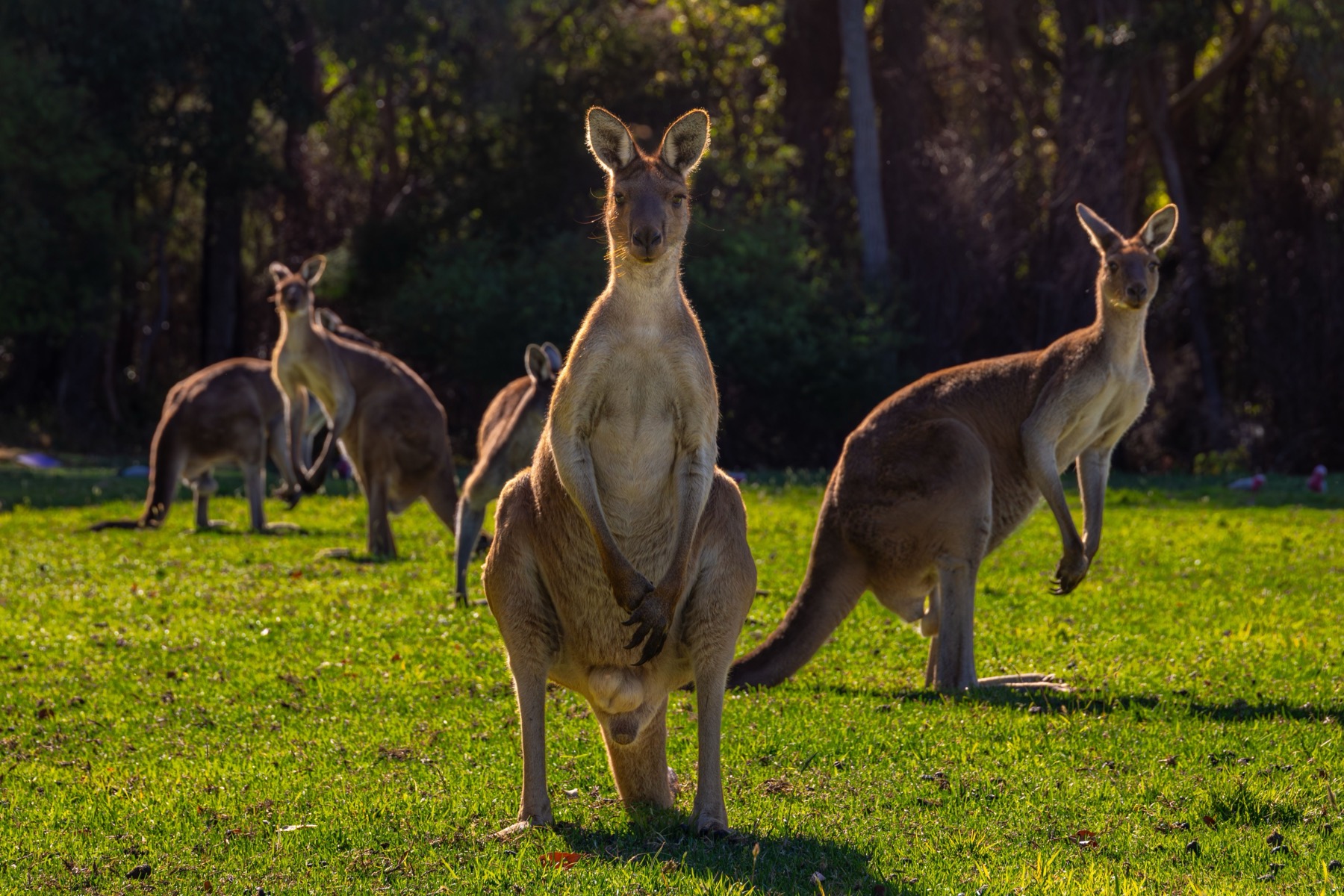
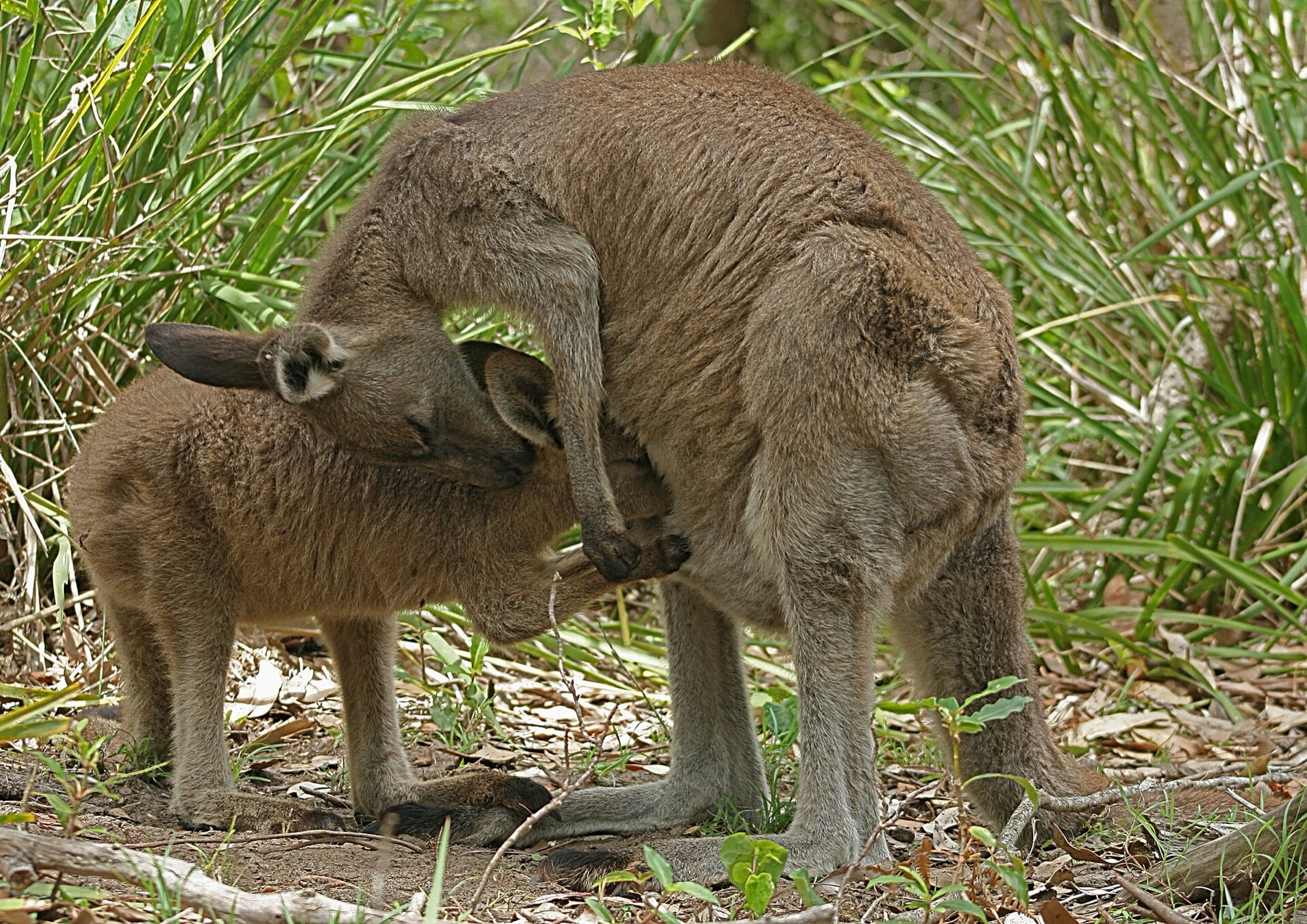
Kangaroos are the ultimate symbol of Australia, and observing them ranks among the most beautiful experiences. They live in organized groups, have incredibly powerful hind legs for long jumps, and like proper marsupials, carry their young in an abdominal pouch. They are predominantly herbivores who spend most of the hot day sleeping in the shade of trees and only become actively grazing when the cooler evening arrives, when they rise and slowly move to open grassy areas.
According to many travelers’ experience, the town of Halls Gap right in the heart of Grampians National Park in Victoria is an absolutely fantastic place to observe them. This location has an excellent Google rating of 4.8 out of more than 4,100 reviews. Kangaroos here graze quite normally and without wariness right in the town on the meadow by the cricket pitch. If you prefer wildlife sanctuaries, Cleland Wildlife Park in South Australia is amazing (rating 4.7 out of 2,737 reviews), where kangaroos and emus roam completely freely throughout the extensive grounds and you can even feed them with special pellets.
💡 Tip: Always set out to see kangaroos either early in the morning or just before sunset. Keep a safe distance from them and remember that although they look very cute, large males can be unpredictable when they feel threatened. When driving, be extremely careful because kangaroos often and unexpectedly cross country roads.
2. Koala
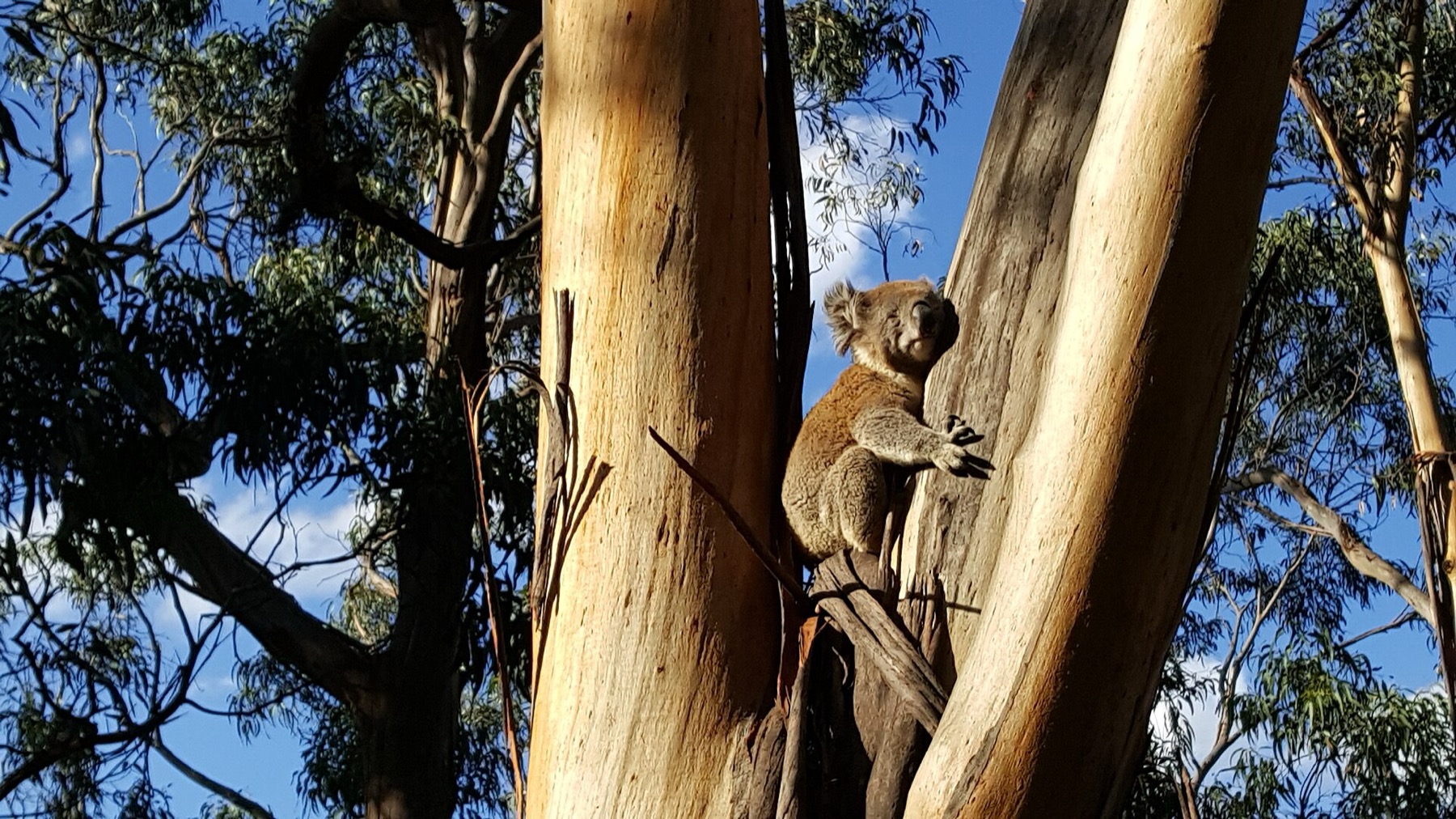
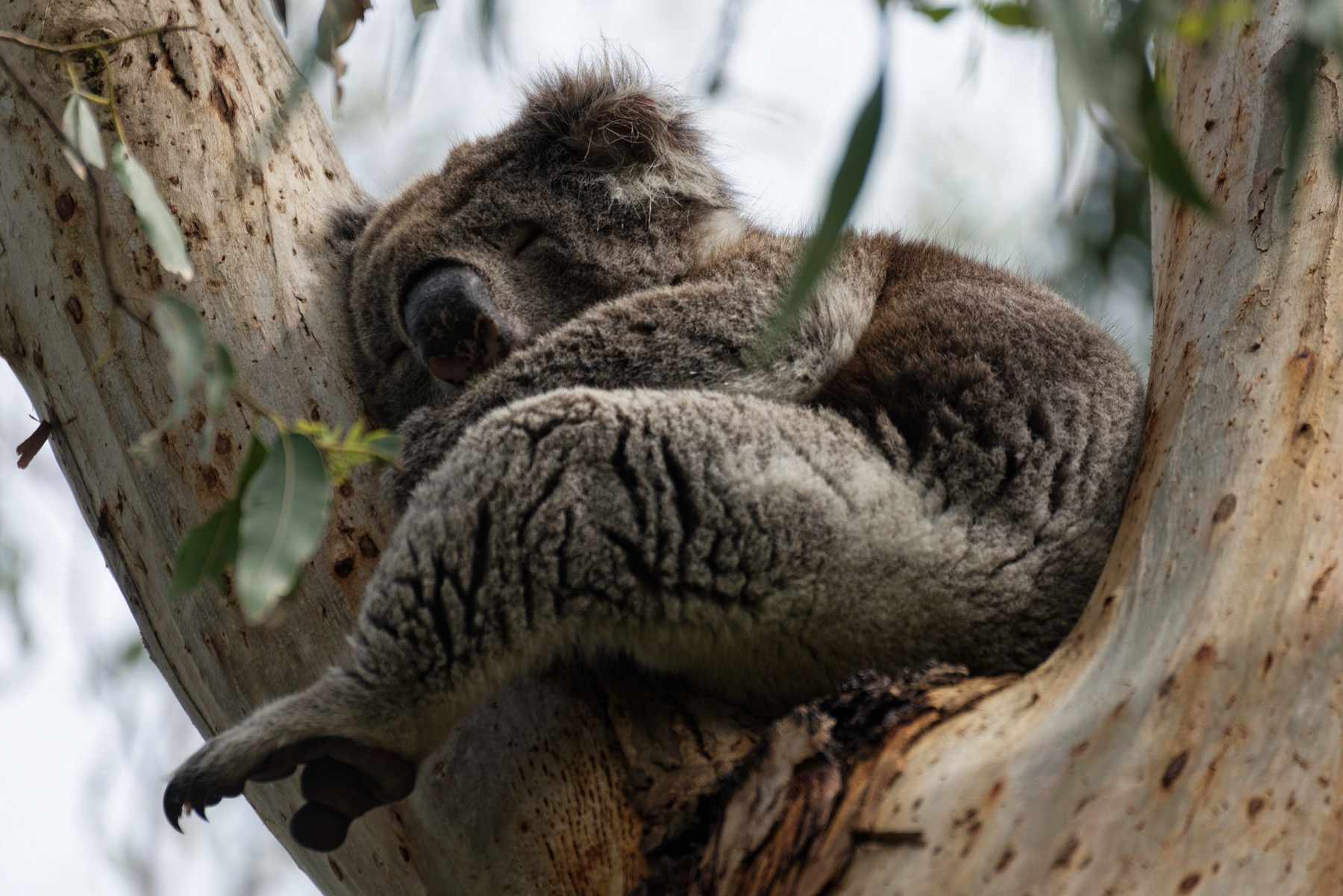
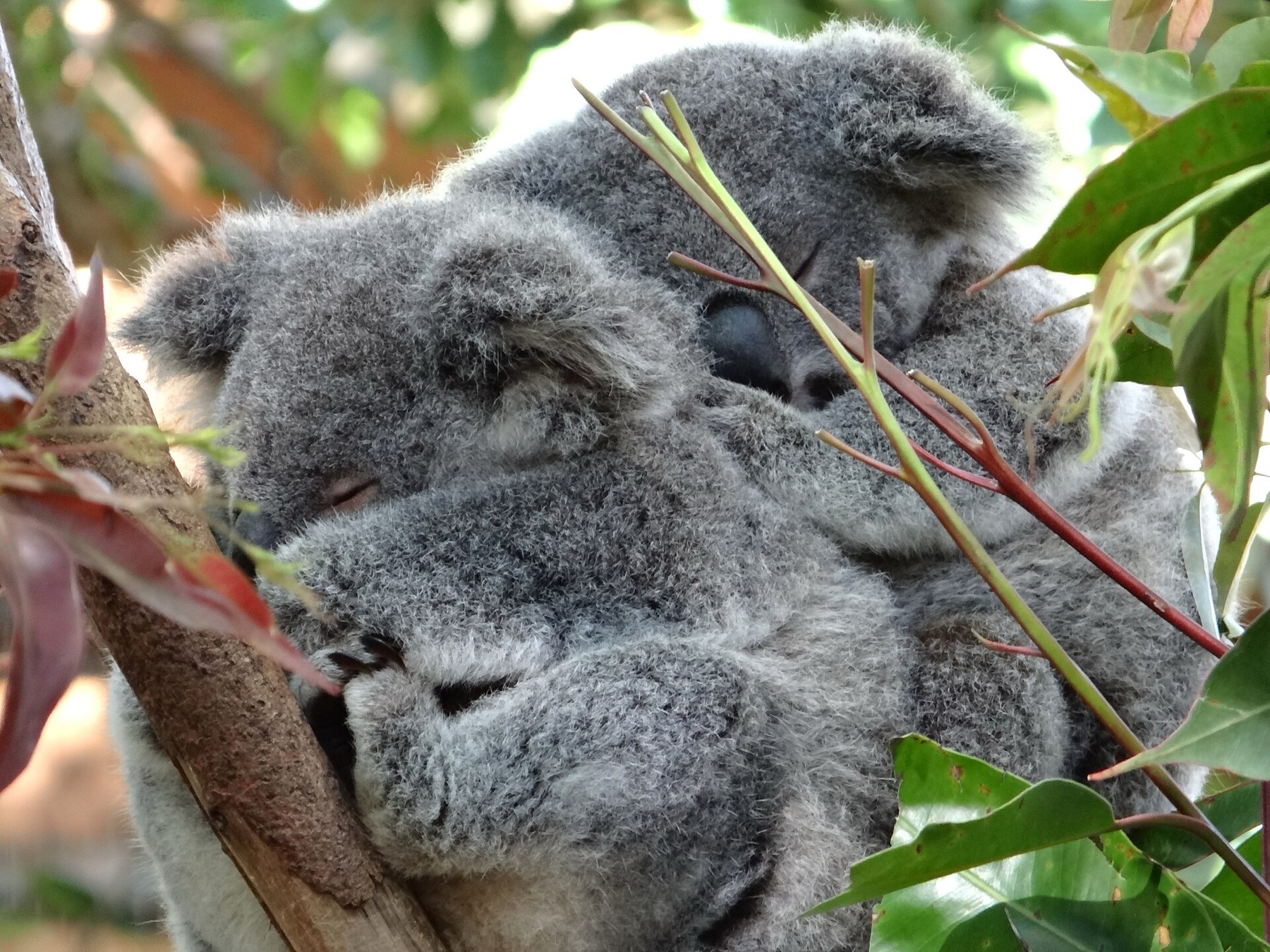
This iconic marsupial spends almost its entire life high in the crowns of eucalyptus trees. Because their diet of eucalyptus leaves is very low in nutrients and difficult to digest, koalas typically sleep eighteen to twenty hours a day to conserve precious energy. They are solitary creatures who communicate with surprisingly deep and loud growls you would never expect from such a small animal.
A very popular and reliable place to search for them in the wild is Magnetic Island in Queensland, where 76 percent of the island consists of protected national park. It’s also the northernmost boundary of their range and you’ll pay roughly 42 AUD for a return ferry from the mainland. Noosa National Park with its beautiful coastal trail also offers excellent accessibility, as does the area around Kennett River Family Caravan Park (rating 4.3 out of 502 reviews) along the Great Ocean Road in Victoria, where they often sit in trees right by the road.
💡 Tip: When searching for koalas you need great patience and must constantly look up at the sky, because they blend perfectly with the grey bark of trees. If you head to Magnetic Island, it’s recommended to go without your own car and rent a cute moke or small scooter on the island for easier mobility.
3. Wombat
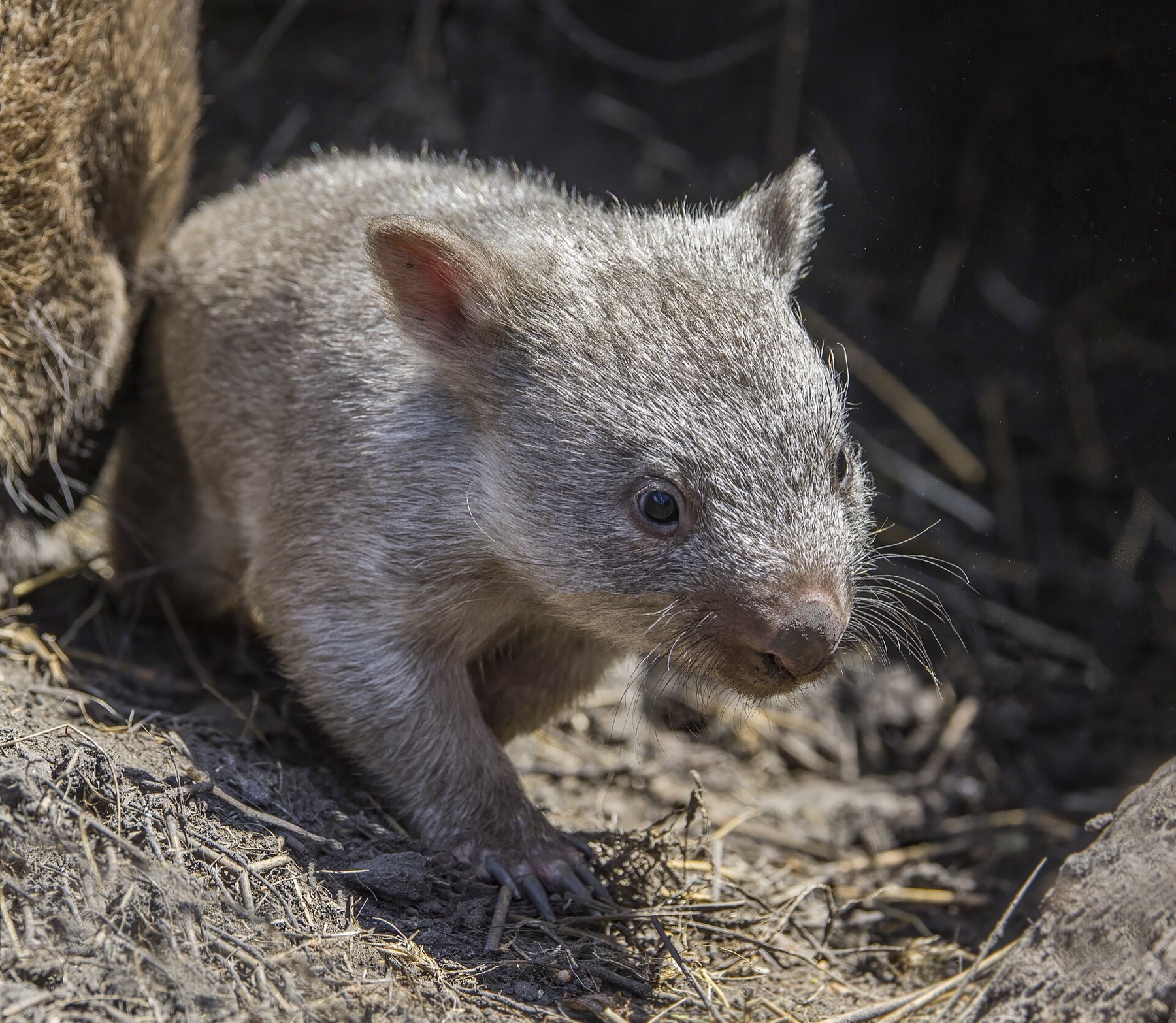
Wombats are incredibly tough and stocky marsupials who most of all resemble a little bear with short legs. They are excellent diggers with enormous claws who build intricate burrow systems. One of their greatest anatomical peculiarities is the fact that they have a backwards-facing pouch so soil doesn’t fall into it when digging, and moreover they produce completely unique cube-shaped droppings.
Tasmania is an absolute paradise for wombat observation. Tourists rave about the location at Ronny Creek (wonderful rating of 5.0 out of 49 reviews) in Cradle Mountain National Park, where wombats are often visible right next to the wooden boardwalks. Equally fantastic is Maria Island (rating 4.8 out of 190 reviews), which functions as a huge nature reserve with fascinating history and wild coastline.
💡 Tip: A regular ferry to Maria Island runs from the town of Triabunna, costing 59 AUD for an adult and 36.50 AUD for a child for a return ticket. The journey takes about thirty minutes and remember that all cars are strictly forbidden on the island, so you’ll move around exclusively on foot or on a rented bicycle.
4. Platypus
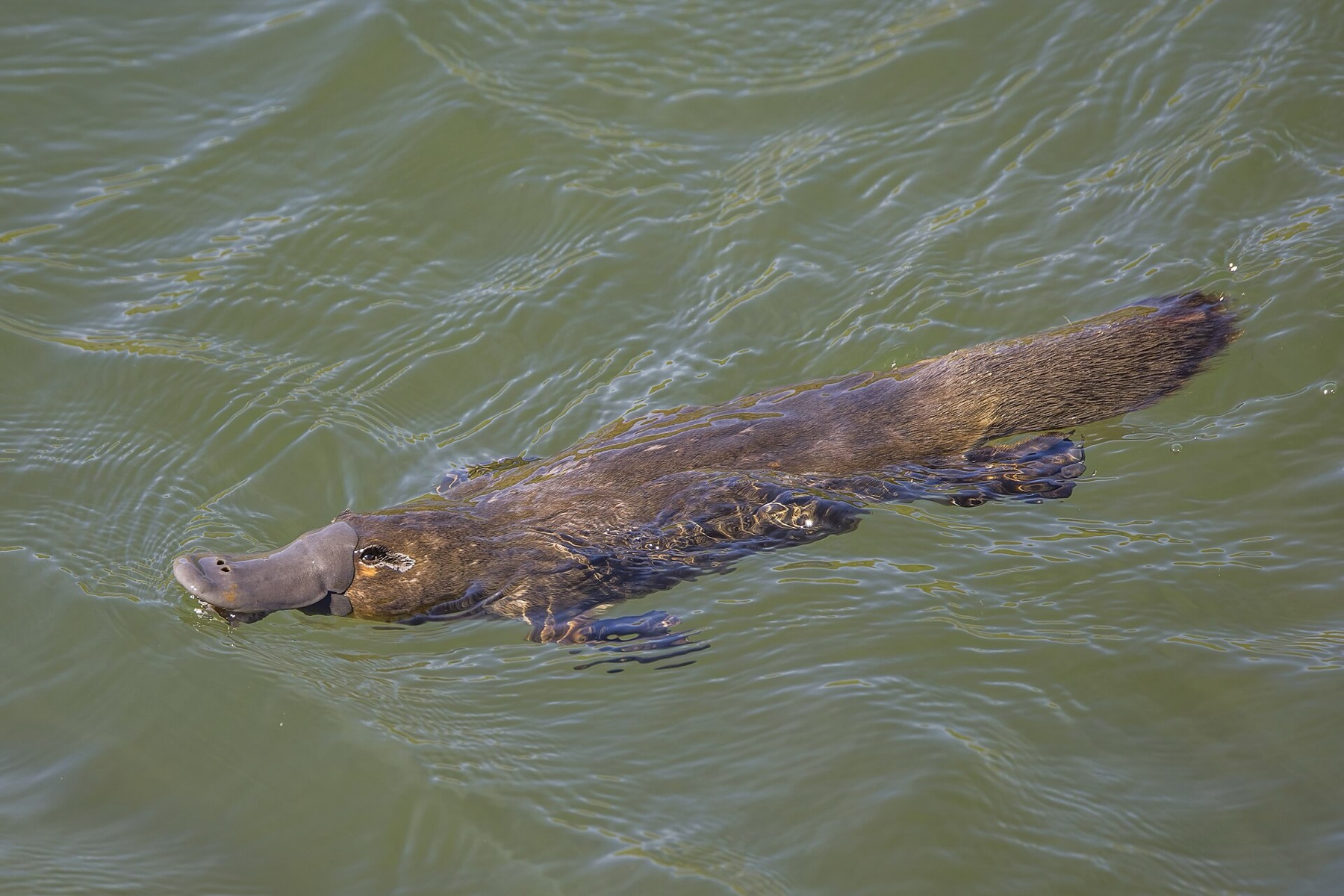
The platypus is one of the most remarkable creatures on our planet because it belongs to the so-called monotremes—mammals that lay eggs. It has a broad duck bill equipped with incredibly sensitive electroreceptors, which allow it to detect tiny movements of its prey underwater with closed eyes. It’s predominantly a nocturnal creature and observing it in the wild requires an enormous amount of luck.
Among the best-known places is Yungaburra Platypus Viewing Platform (rating 4.2 out of 672 reviews) on Peterson Creek in the Atherton Tablelands area of Queensland, where access to the viewing platform is completely free. Another proven location in the south is Bombala Platypus Reserve (rating 4.7 out of 166 reviews) in New South Wales, which offers peaceful riverbanks ideal for quiet and long waiting.
💡 Tip: If you truly want to spot a platypus, you must arrive at the river either at early dawn or just before dusk. The basic rule is absolute silence and stillness, because the platypus is extremely shy and the slightest ground vibration or loud sound will immediately drive it back to the safety of its burrow.
5. Tasmanian Devil
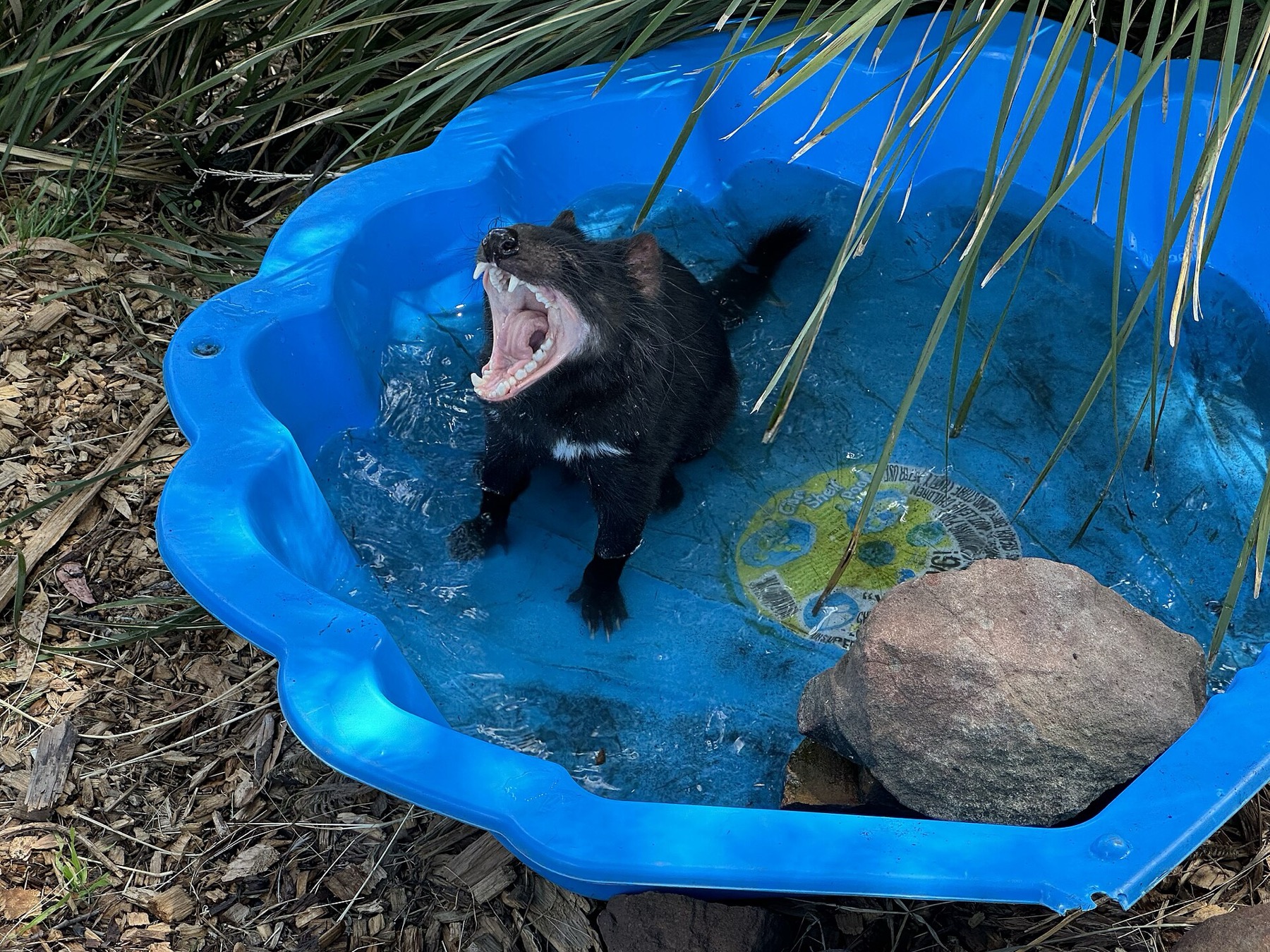
This carnivorous marsupial with enormous jaw bite strength earned its name thanks to the terrifying screeches it emits during fights over food. They are predominantly scavengers who fulfill an incredibly important cleaning role in the Tasmanian ecosystem. Unfortunately, in recent decades their population has been drastically decimated by a specific and highly contagious facial tumor disease, which has made them an endangered species.
Experienced guides agree that you virtually won’t see this creature in the wild anymore, so realistic chances are exclusively at rescue sanctuaries. An excellent choice is Bonorong Wildlife Sanctuary near Hobart (rating 4.7 out of 4,622 reviews), which operates an active rescue service and offers great day and night tours. Another option is the innovative Tasmanian Devil Unzoo (rating 4.4 out of 1,653 reviews) near Port Arthur, which presents itself as a concept without traditional cages.
💡 Tip: When planning a trip to Tasmania, keep in mind that currently the H5N1 avian influenza has been confirmed on the island. Rescue sanctuaries like Bonorong remain open, but check their website in advance for any temporary safety measures and operational changes.
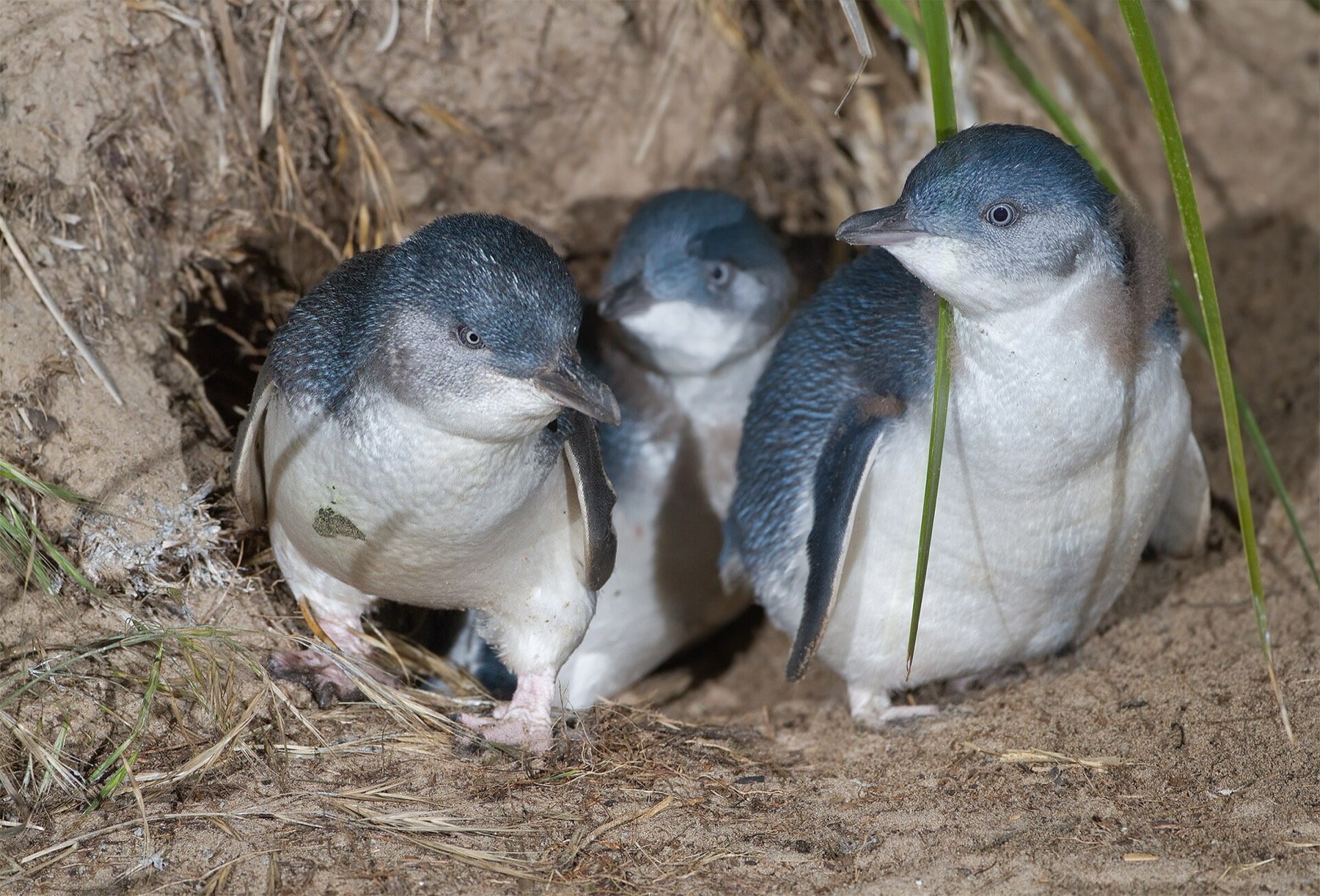
6. Little Penguin
The Little Penguin is the smallest member of its species in the world, growing to a height of just thirty centimeters and weighing barely one kilogram. They spend the entire day hunting small fish in the open sea and return to their burrows on land only under cover of darkness to avoid hungry predators. Watching these tiny creatures waddle en masse from the waves onto the beach is an incredible experience.
The most famous commercial attraction is the legendary Phillip Island Penguin Parade in Victoria (rated 4.4 from over 12,600 reviews), operated by an organization managing over 1,980 hectares of beaches and bushland in the region. A great alternative is the harbor pier in the Melbourne suburb of St Kilda, where a wild urban colony lives and where viewing is completely free. However, you should cross off Granite Island in South Australia from older recommendations, as the penguins have sadly completely disappeared from there.
💡 Tip: While penguin watching in Melbourne’s St Kilda remains free, a free online reservation has been mandatory since December 2024 through the official portal, with new slots opening every Tuesday. Wherever you go, remember that it is absolutely forbidden to use any flash when taking photos, as it would permanently damage the penguins’ eyesight.
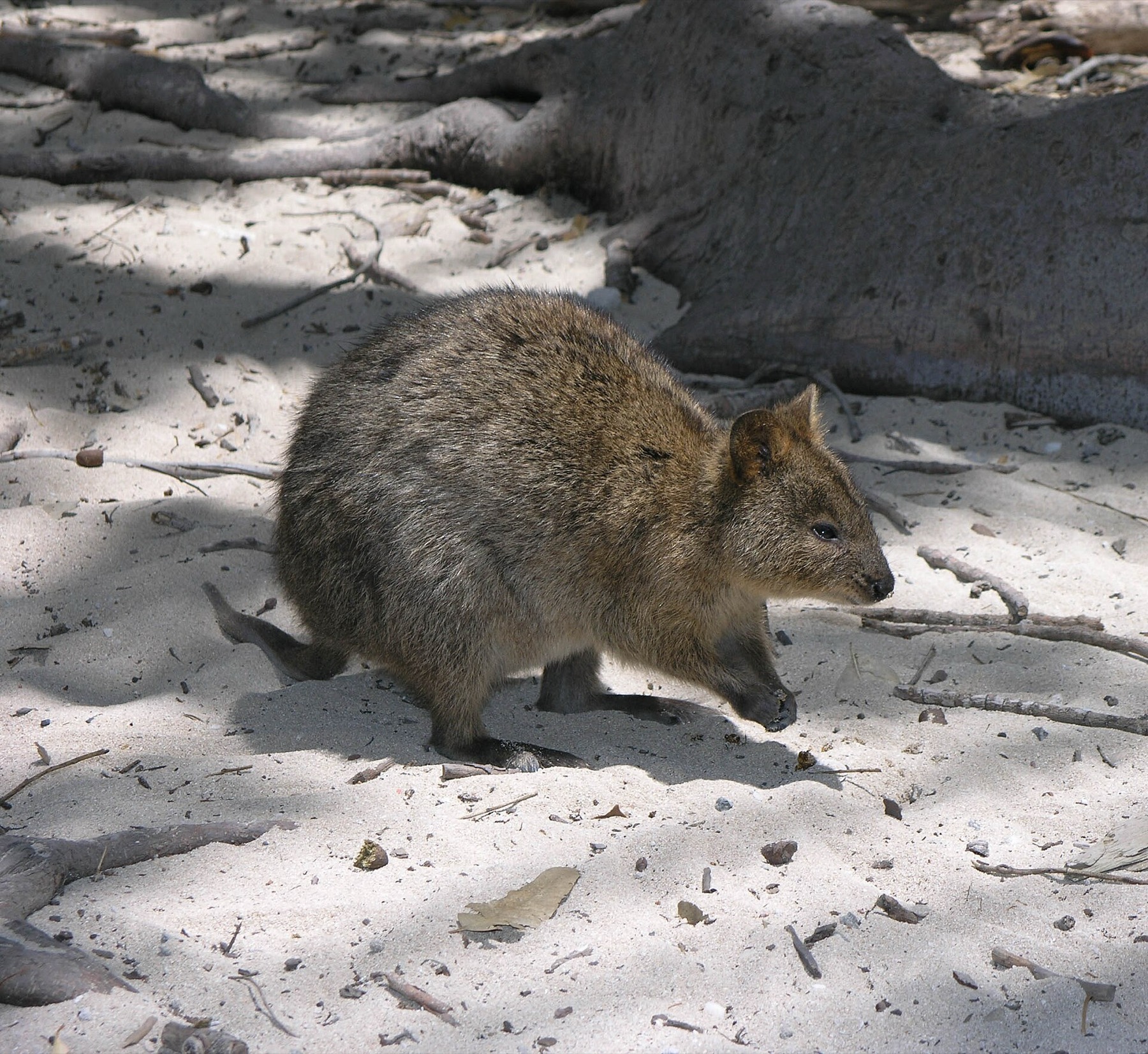
7. Quokka
This small, stocky marsupial the size of a domestic cat has earned the nickname “the happiest animal in the world” thanks to its specific jaw structure, which creates a perpetual and very photogenic smile. Quokkas are extremely curious, friendly, and unlike many other Australian animals, they have virtually no fear of humans, so they often approach you with great interest.
Their home and absolutely undisputed center of their population is Rottnest Island, a picturesque island located just off the coast of Western Australia near Perth. This island is a protected reserve with no car traffic, where you’ll encounter quokkas at nearly every turn, whether you’re exploring remote bays by bike or simply sitting down for coffee at the main visitor center by the harbor.
💡 Tip: While quokkas are very cute and accustomed to human presence, they are still wild animals. It is strictly forbidden to feed them anything, as human food causes them serious health problems, and you should not touch them at all. On the island, hefty fines apply for violating these rules.
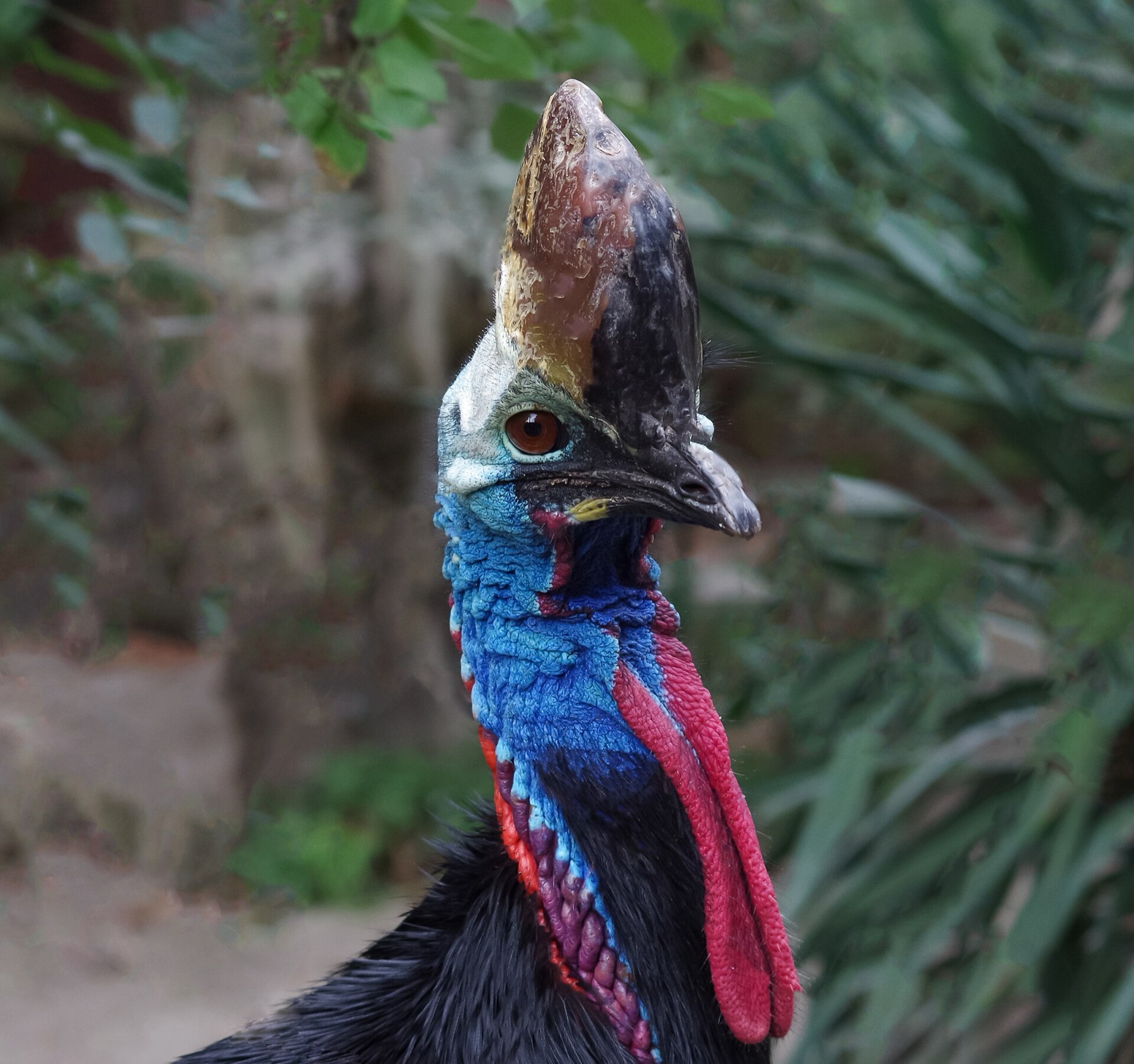
8. Cassowary
The Southern Cassowary simply looks like a living dinosaur. This enormous flightless bird, which can weigh up to sixty kilograms, has a distinctive bony casque on its head, a bright blue neck, and deadly dagger-like claws on its feet. It’s a solitary rainforest dweller that plays a crucial role in dispersing seeds of large tropical trees that other animals cannot swallow.
Your best chance of encountering this majestic bird is in the dense rainforests of northern Queensland, specifically in the wider Daintree area, where scientists estimate around 1,500 to 2,500 individuals live. They often appear unexpectedly at the edges of rainforest roads or while wandering around the beaches at Cape Tribulation, where the dense tropical rainforest descends directly to the edge of the Coral Sea.
💡 Tip: Cassowaries can be incredibly aggressive when they feel threatened and can defend themselves very fiercely. The fundamental rule is never to feed the animals and never approach their young, as adult birds protect them with tremendous fervor. If you encounter a cassowary, slowly and calmly back away.
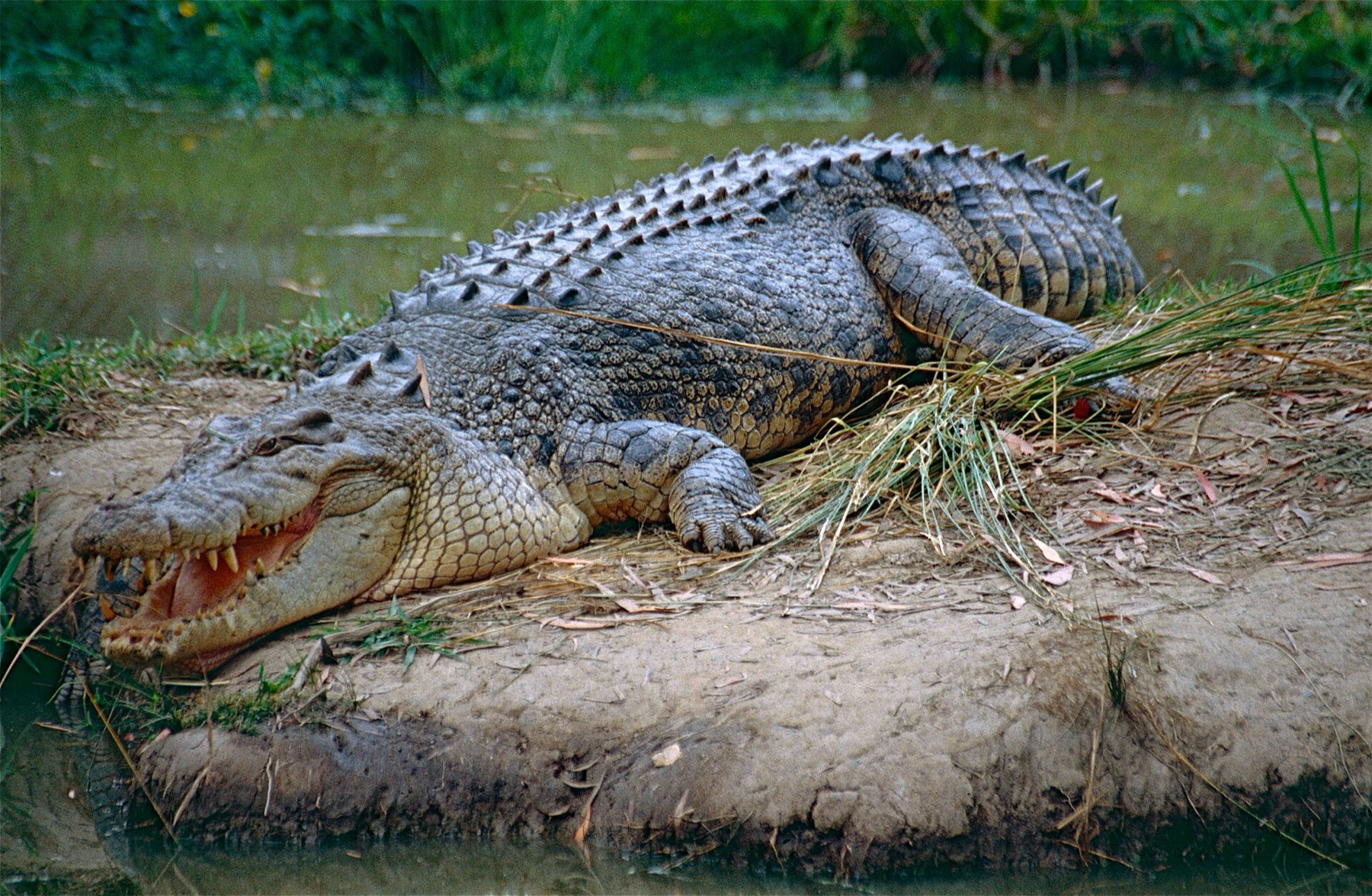
9. Saltwater Crocodile
The Saltwater Crocodile, called simply “saltie” in Australia, is the largest and most massive reptile on our planet, capable of growing over six meters long. It’s a perfect and very patient predator that can wait motionless underwater for hours and attack with explosive speed. It can live both in saltwater at river mouths and deep inland in freshwater swamps.
If you want to observe these giants safely in the wild, head out on a river cruise in Kakadu National Park in the Northern Territory (rated 4.5 from 1,556 reviews), which is home to thousands of individuals. For those who prefer the safety of solid barriers, the legendary Australia Zoo in Queensland (rated 4.7 from 25,684 reviews), made famous by Steve Irwin, is an excellent choice. General admission costs 76.95 AUD for adults and 51.95 AUD for children (family ticket 229.25 AUD), and you should definitely set aside a full day for your visit, as the crocodile show in the giant arena is truly spectacular.
💡 Tip: In northern Australia, strictly follow the government’s Be Crocwise safety program. Never swim in unmarked rivers or wetlands and carefully respect all warning signs near water. These are predators that don’t negotiate.
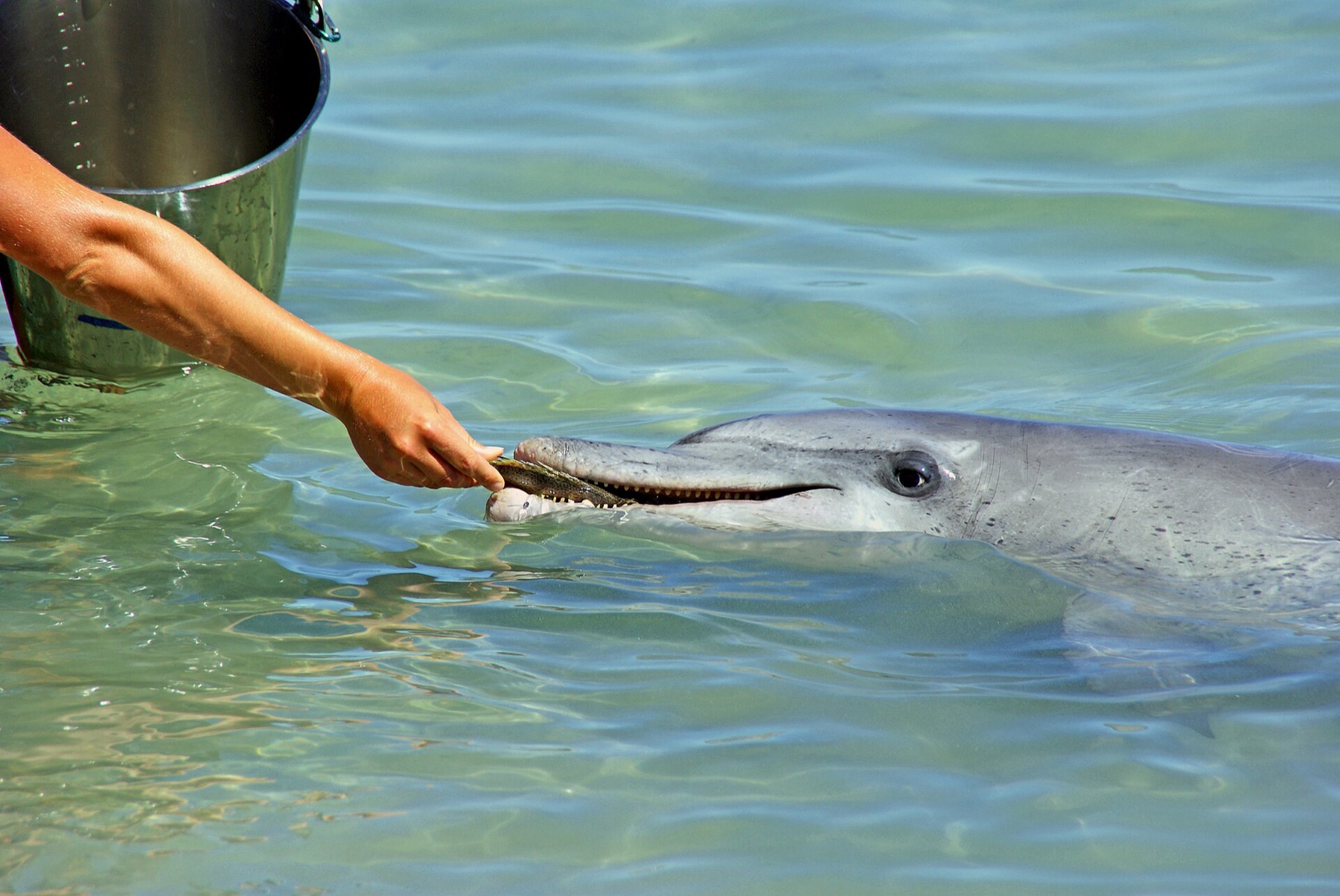
10. Dolphin
Bottlenose dolphins are among the most beloved marine mammals, and the Australian coast is their great home. They are incredibly intelligent, playful, and often joyfully race alongside boats or surf in waves close to shore. They live in complex social groups, and their communication continues to fascinate marine biologists from around the world.
A unique location is the Adelaide Dolphin Sanctuary, which is the world’s first urban dolphin sanctuary spanning 118 square kilometers. You can head out with Port River Cruises, with tours costing around 55 AUD. Amazing experiences are also offered by Temptation Sailing in nearby Glenelg, where a classic Dolphin Watch costs from 92 AUD and active swimming with wild dolphins from 154 AUD. The visitor center at Monkey Mia in Western Australia is also well-known (rated 4.2 from 3,062 reviews).
💡 Tip: If you’re planning to visit Monkey Mia, be very careful with your planning. The evening feeding of wild dolphins at sunset is reserved ONLY for hotel guests. Day visitors must leave the area around four in the afternoon, so if you want to experience this, you must stay overnight at the local resort.
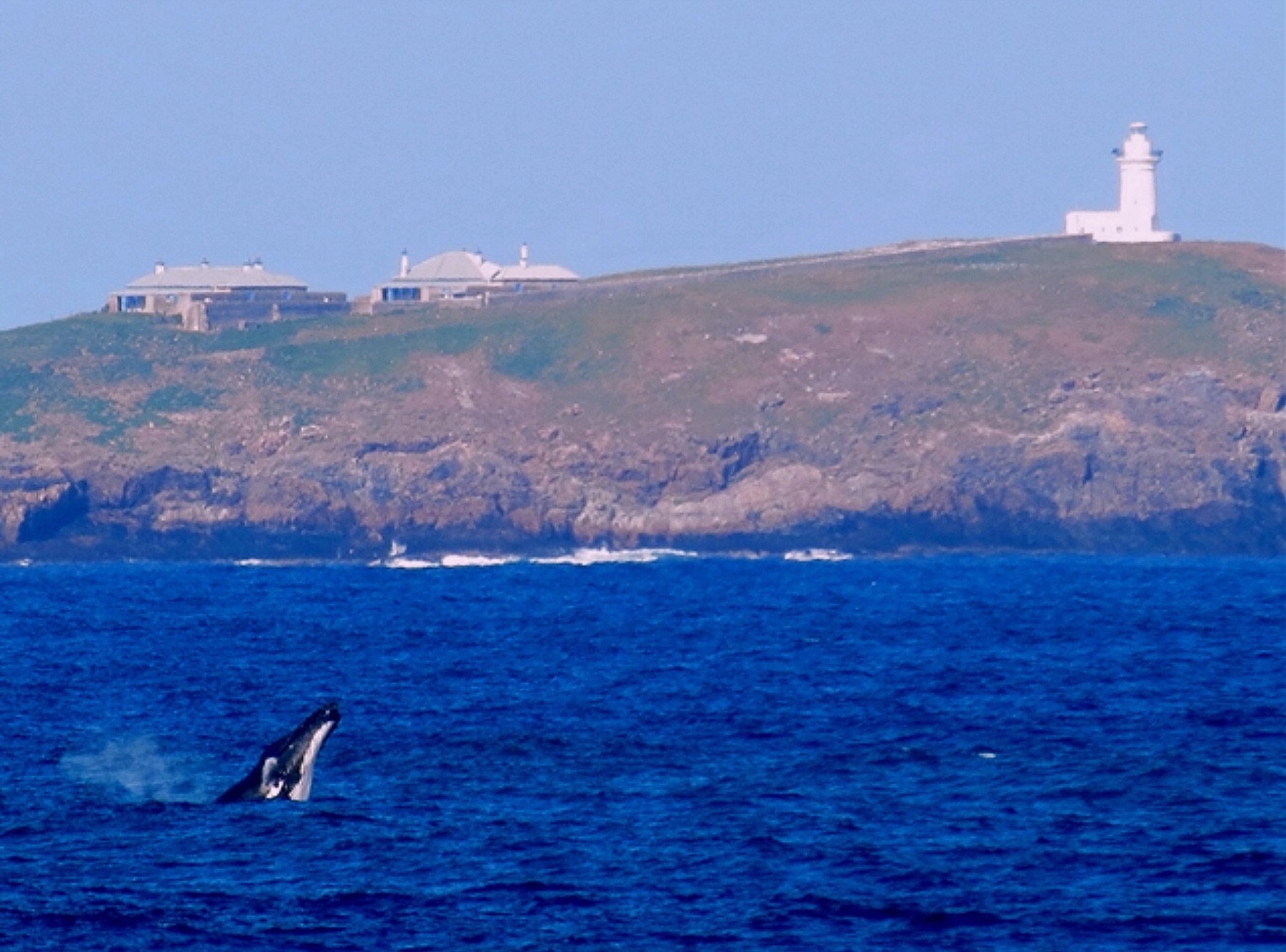
11. Whale
Whale migration along the Australian coast is one of the most breathtaking natural spectacles. The southern coast is home to massive Southern Right Whales, which swim here from the icy waters of Antarctica to give birth to calves and regain their strength in protected bays. Conversely, the warmer waters further north attract smaller but equally fascinating species.
You can best observe Southern Right Whales from the high cliffs on the southern mainland coast during the period from June to September. If you’re after something truly exclusive, head to the Great Barrier Reef for Dwarf Minke Whales. They appear here only during a brief window in June and July, and while this area is the most famous place in the world for snorkeling with them, it’s certainly not the only location. Operators in Western Australia offer excellent facilities, such as Kings Ningaloo Reef Tours (perfect rating of 5.0 from 346 reviews) or Ningaloo Discovery (rated 4.9 from 633 reviews).
💡 Tip: Whale watching is always highly dependent on weather and ocean currents. If you suffer from seasickness, book a tour on a larger and more stable catamaran and take preventive medication well in advance while still on land.
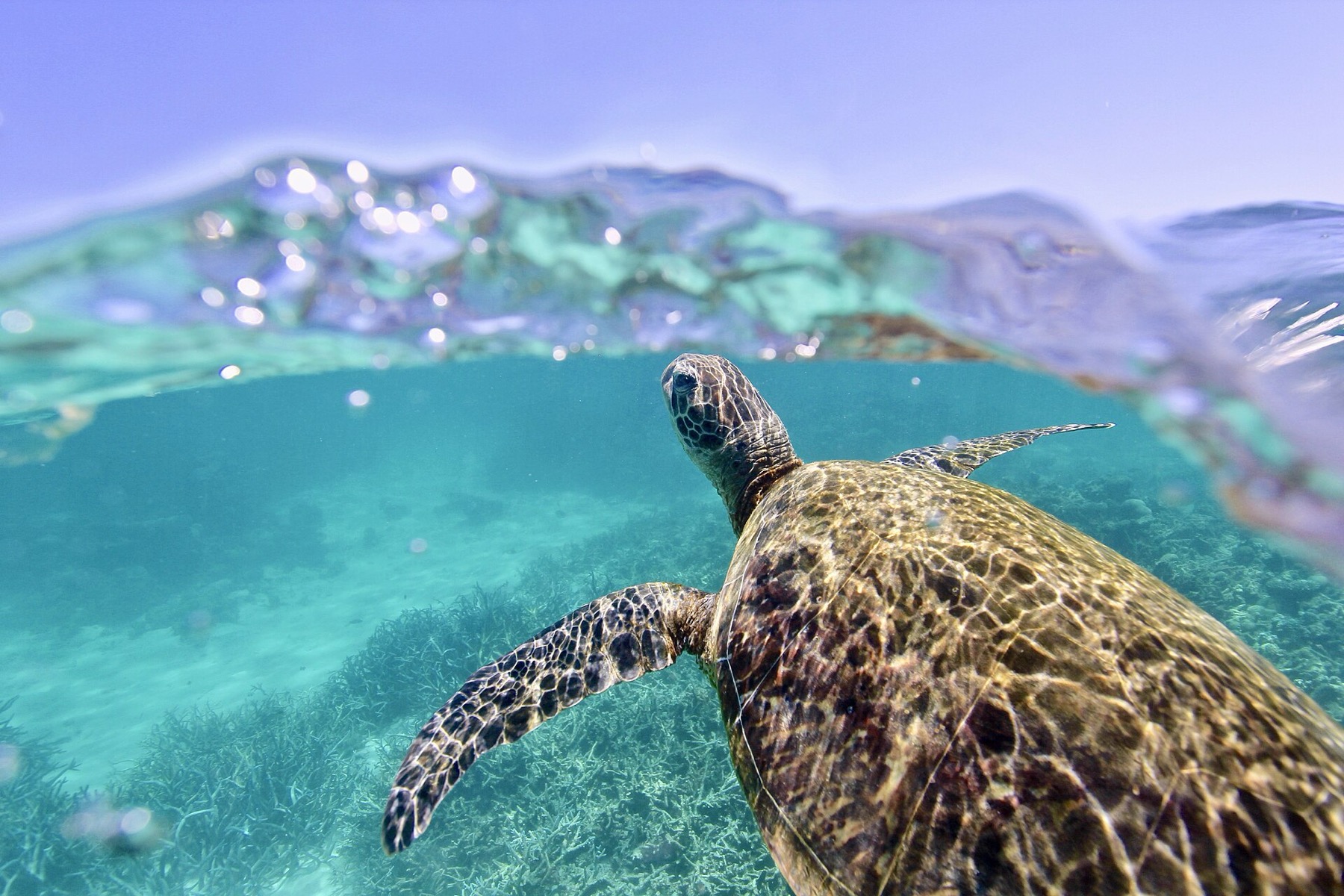
12. Sea Turtle
Loggerhead sea turtles and other species of marine turtles are ancient inhabitants of the world’s oceans that return to Australian beaches with unerring precision. Females are able to swim back after many years to the exact same beach where they themselves were born to lay dozens of fragile leathery eggs deep in the sand, from which tiny hatchlings emerge after several weeks.
The tropical islands on the southern edge of the Great Barrier Reef offer fantastic conditions for safely observing them, particularly Heron Island and Lady Elliot Island. The actual nesting and egg-laying takes place from November to March, while the moving hatching of baby turtles can be observed from January to May. These islands function as strictly protected eco-resorts with maximum emphasis on nature conservation.
💡 Tip: When observing turtles in the evening, absolutely uncompromising rules apply. You must maintain a safe distance of at least 10 metres, it is strictly forbidden to use any torches or camera flashes, and under no circumstances should you touch freshly hatched hatchlings that instinctively find their way to the ocean.
Reserves and Parks Worth a Detour
If you want to be truly certain of encountering local fauna, I’ve prepared a comprehensive table of the best-rated places across the states.
| Place | State | Google Rating | What to Go For |
|---|---|---|---|
| Australia Zoo | Queensland (QLD) | 4.7 (25,684 reviews) | Steve Irwin’s legacy, giant crocodile shows, rescue hospital |
| Lone Pine Koala Sanctuary | Queensland (QLD) | 4.6 (13,322 reviews) | World’s oldest koala sanctuary with enormous tradition |
| Cleland Wildlife Park | South Australia (SA) | 4.7 (2,737 reviews) | Free-roaming kangaroos and legal koala holding |
| Bonorong Wildlife Sanctuary | Tasmania (TAS) | 4.7 (4,622 reviews) | Rescue of endangered Tasmanian devils and nocturnal feeding |
| Phillip Island Penguin Parade | Victoria (VIC) | 4.4 (12,661 reviews) | Evening viewing of little penguin colony |
| Caversham Wildlife Park | Western Australia (WA) | 4.6 (9,411 reviews) | Face-to-face animal encounters and brilliant farm shows |
| Kakadu National Park | Northern Territory (NT) | 4.5 (1,556 reviews) | Observing giant saltwater crocodiles in wild rivers |
| Grampians National Park | Victoria (VIC) | 4.8 (4,154 reviews) | Wild kangaroos grazing right by the town of Halls Gap |
Dangerous Wildlife in Australia: What’s Myth and What’s Not
Australia has a worldwide reputation as a continent where seemingly every spider and snake is trying to kill you, but the actual reality is far more sober and full of unnecessary myths. Take the feared saltwater crocodile, for example. Its range is clearly defined and stretches from the town of Broome in the west, through the entire Northern Territory to the town of Gladstone in Queensland. In these areas the government’s Be Crocwise programme applies, which states clearly: don’t swim in rivers, estuaries or unexplored wetlands. However, if you head to crater lakes like Eacham and Barrine, you can swim there without worry because they have no inflow and crocodiles simply can’t get into them. Crocodiles command enormous respect, but statistically they’re responsible for only about 1 to 2 fatal attacks per year across the entire country. For interest, I’ll add that the famous giant crocodile Cassius, who lived in captivity on Green Island for many years, sadly died in October 2024.
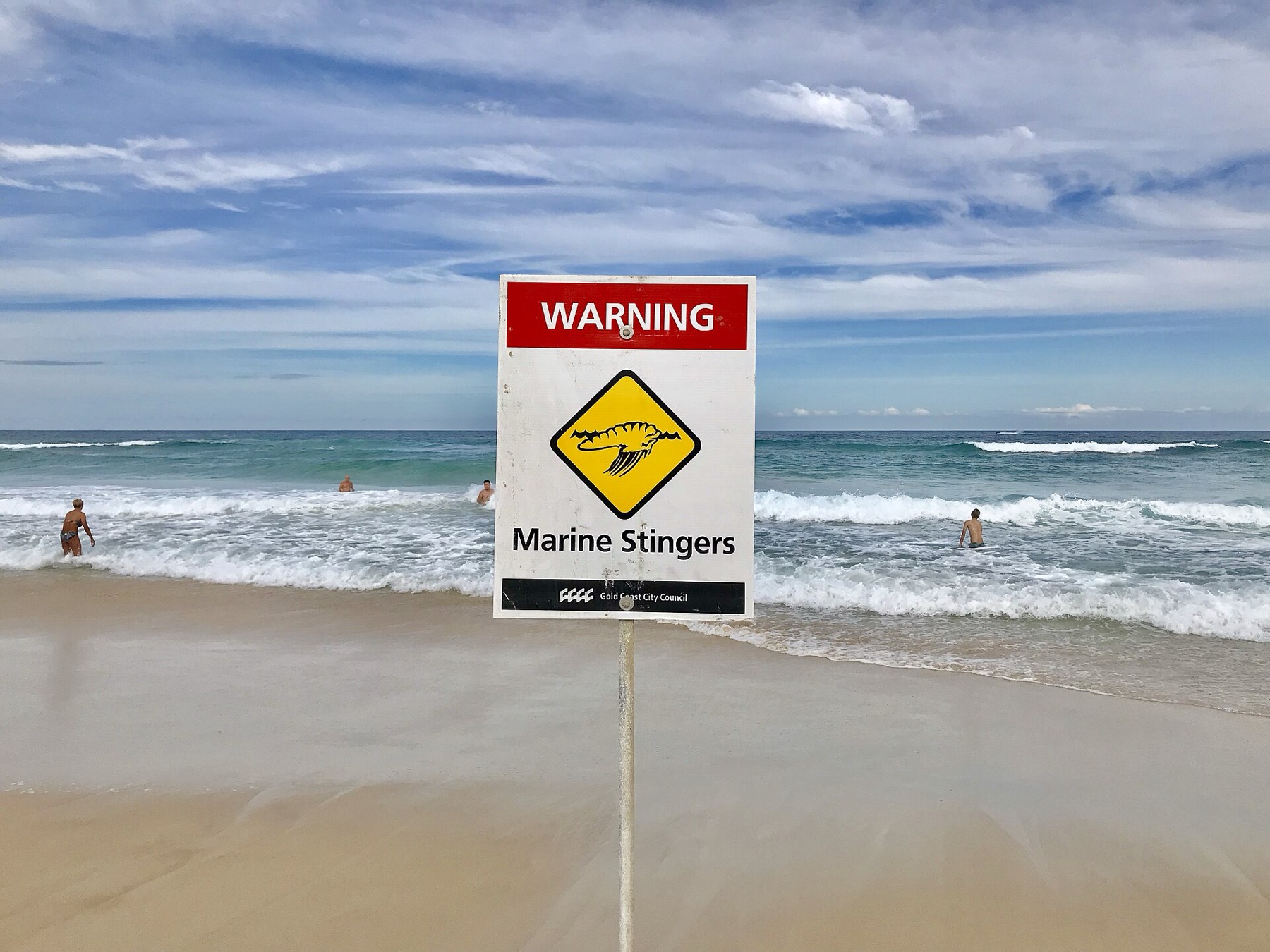
Another major scare is venomous jellyfish, specifically the deadly box jellyfish and the tiny irukandji. Many guides will frighten you with the so-called “stinger season”, which runs roughly from October to May, but the fact is that this season doesn’t apply uniformly to the entire coast. While at northern Fitzroy Island you need to be very careful, the more southerly Lady Musgrave Island doesn’t have a jellyfish season at all, and agencies like Cruise Whitsundays will lend you a protective suit year-round just to be safe. If a sting does occur, basic first aid is immediate dousing of the wound with ordinary vinegar, which stops the release of further toxins. Remember though that for a sting from the tiny irukandji jellyfish, no antivenin exists yet.
There’s also a lot of talk about the perfectly camouflaged stonefish, which you can accidentally step on in shallow waters, which is why sturdy water shoes are always recommended. Here too the first aid is quite surprising – you must immerse the wound in hot water at a temperature of at least 45 °C, which breaks down the protein venom. Despite this fish’s terrifying reputation though, there are only 2 documented deaths in Australian history, from 1915 and 2010. Similarly, reef sharks (whitetip and blacktip) are practically harmless to divers. You know what the real and biggest killer is? Guides and lifeguards agree that treacherous rip currents in the ocean kill far more people in Australia than bushfires, floods, cyclones and sharks combined. If you’re unexpectedly caught by such a current, the essential rule is don’t panic and always swim parallel to the shore, never try to fight the force of the water towards the beach.
Wildlife on the Roads
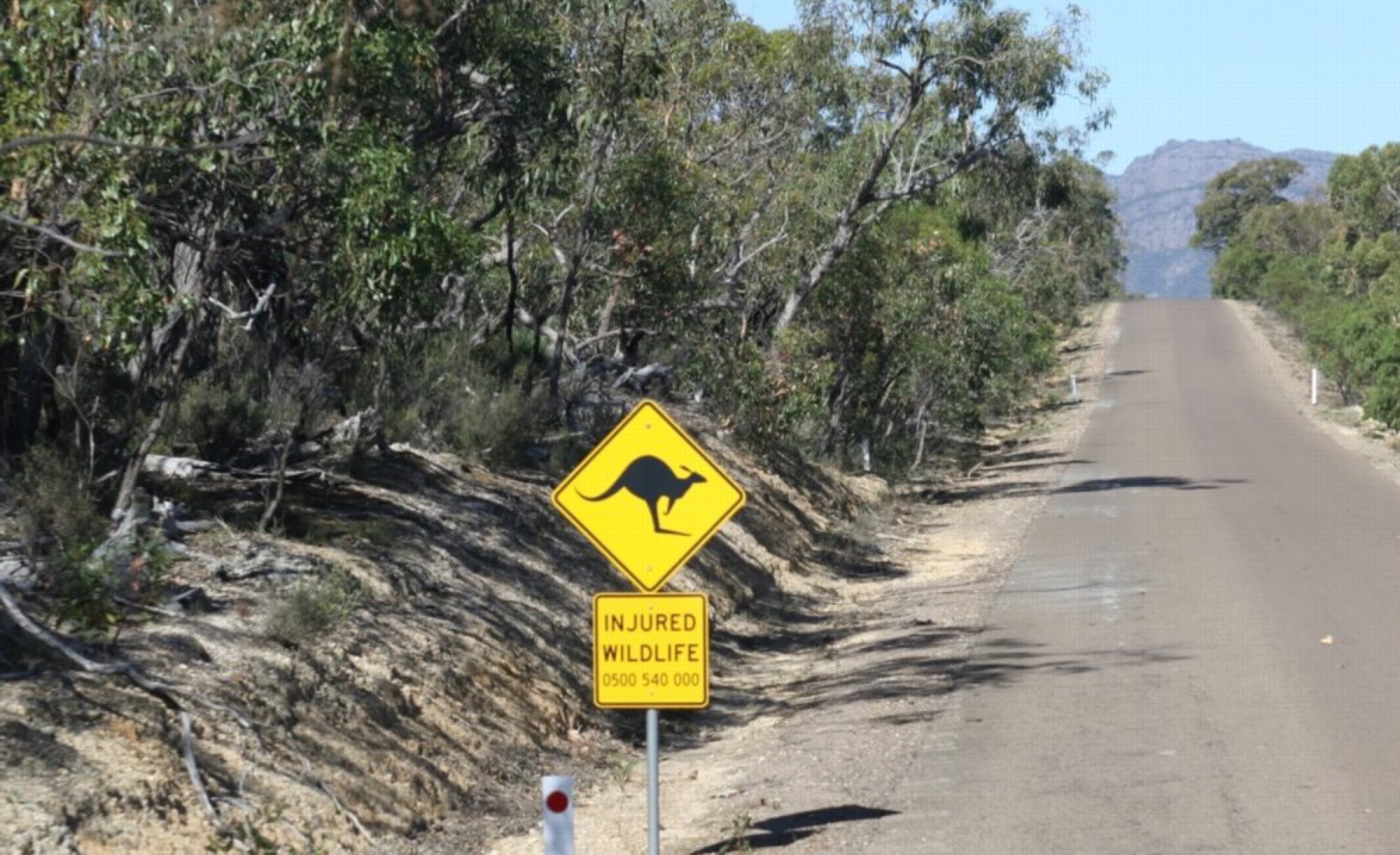
Driving in Australia, especially outside major cities, requires enormous caution and understanding of wildlife behaviour. As I’ve mentioned, animals like kangaroos and wombats are most active at dawn, dusk and in the middle of the night. At precisely these times they pose an enormous danger on rural roads because they’re dazzled by car headlights and often jump completely unexpectedly under the wheels. If you’re heading into the remote outback, driving after dark is strongly discouraged because a collision with a large animal away from civilisation can have fatal consequences not only for the car but also for the passengers.


