

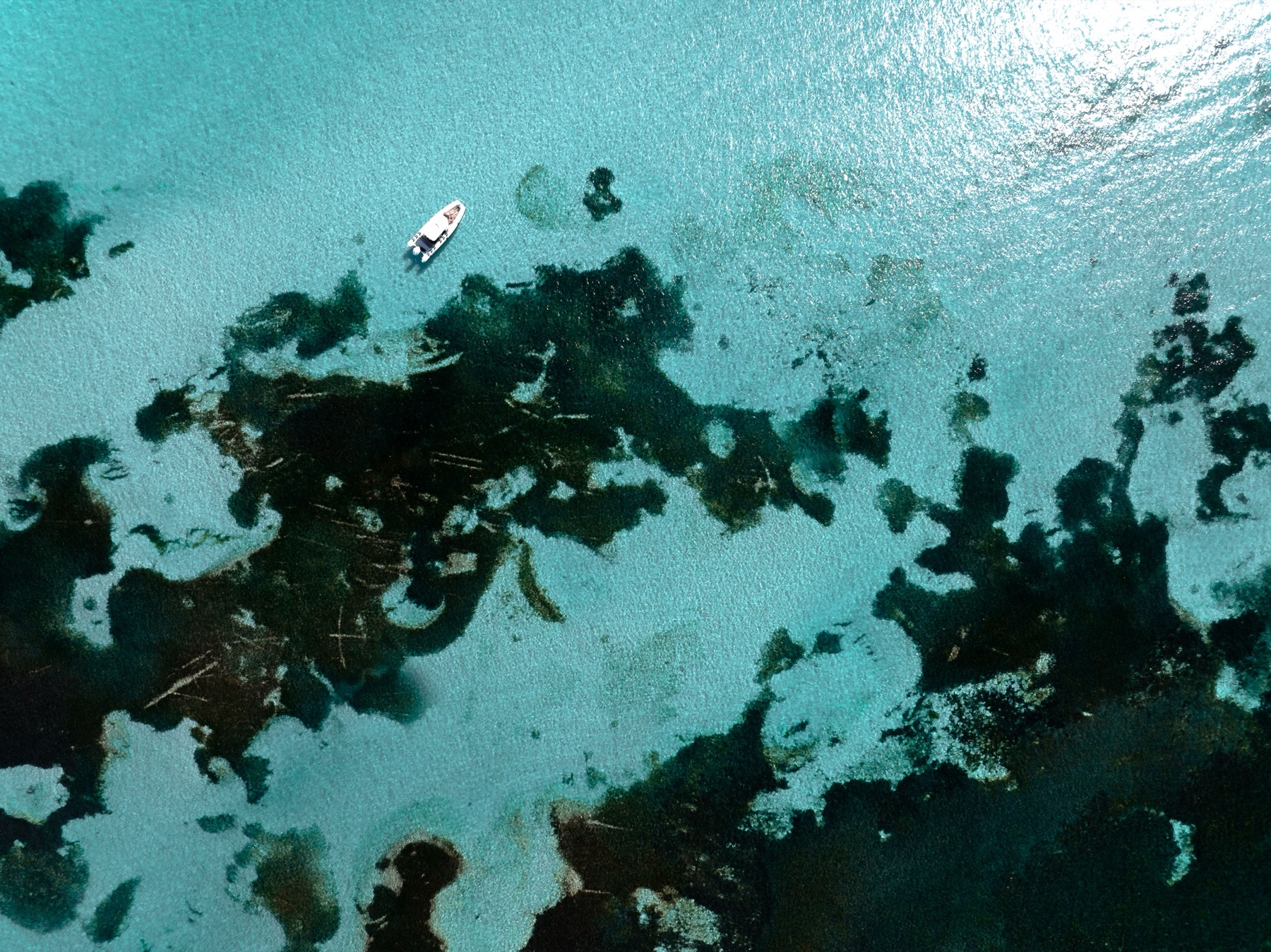
About half an hour by ferry from the busy port of Fremantle lies an island where cars are banned, around 10,000 quokkas roam, and beach photos have taken over the internet. Rottnest Island, Australia, is an escape from everyday life for people in nearby Perth, where time is measured by ferry departures and distances by how many pedal strokes it takes to get there. Dutch captain Willem de Vlamingh spent six days here in 1696 and mistakenly thought the quokkas were oversized rats; today, the island is synonymous with turquoise coves and carefree cycling.
The island also has another name, Wadjemup, tied to a much darker story that you won’t find on the usual postcards. Between 1838 and 1931, it was a prison for Aboriginal boys and men, making it a place of profound historical and cultural significance. As you explore, it’s important to acknowledge both sides of the island’s story and respect the Traditional Owners of this land.
In this guide, we’ll look at how to plan your trip and make the most of your visit. We’ll cover how to get to the island and what it costs, compare ferry fares, explain the best ways to get around, and share the most important rule for encounters with the island’s wildlife. You’ll also find out when conditions are best for swimming and where to go snorkelling.
TL;DR
- The cheapest ferries depart from Fremantle; travelling from central Perth costs considerably more and takes longer.
- The island admission fee is always charged separately and is usually included in the final price of your ferry ticket.
- Children aged 4–12 travel free with Rottnest Express through the Quokka Club; you only pay their island admission fee.
- Private cars are not allowed on the island; get around by rental bike, tourist bus or on foot.
- Touching or feeding quokkas is strictly prohibited, and breaking the rules can result in hefty fines.
- The best swimming conditions are from December to April, when the ocean is at its most pleasant.
- Helmets are compulsory when cycling in Western Australia; rental shops on the island include one with your bike.
- Wadjemup has a complex history, and you can visit the original prison buildings and explore the extensive Wadjemup Bidi walking trail network.
How to get to Rottnest Island and what it costs
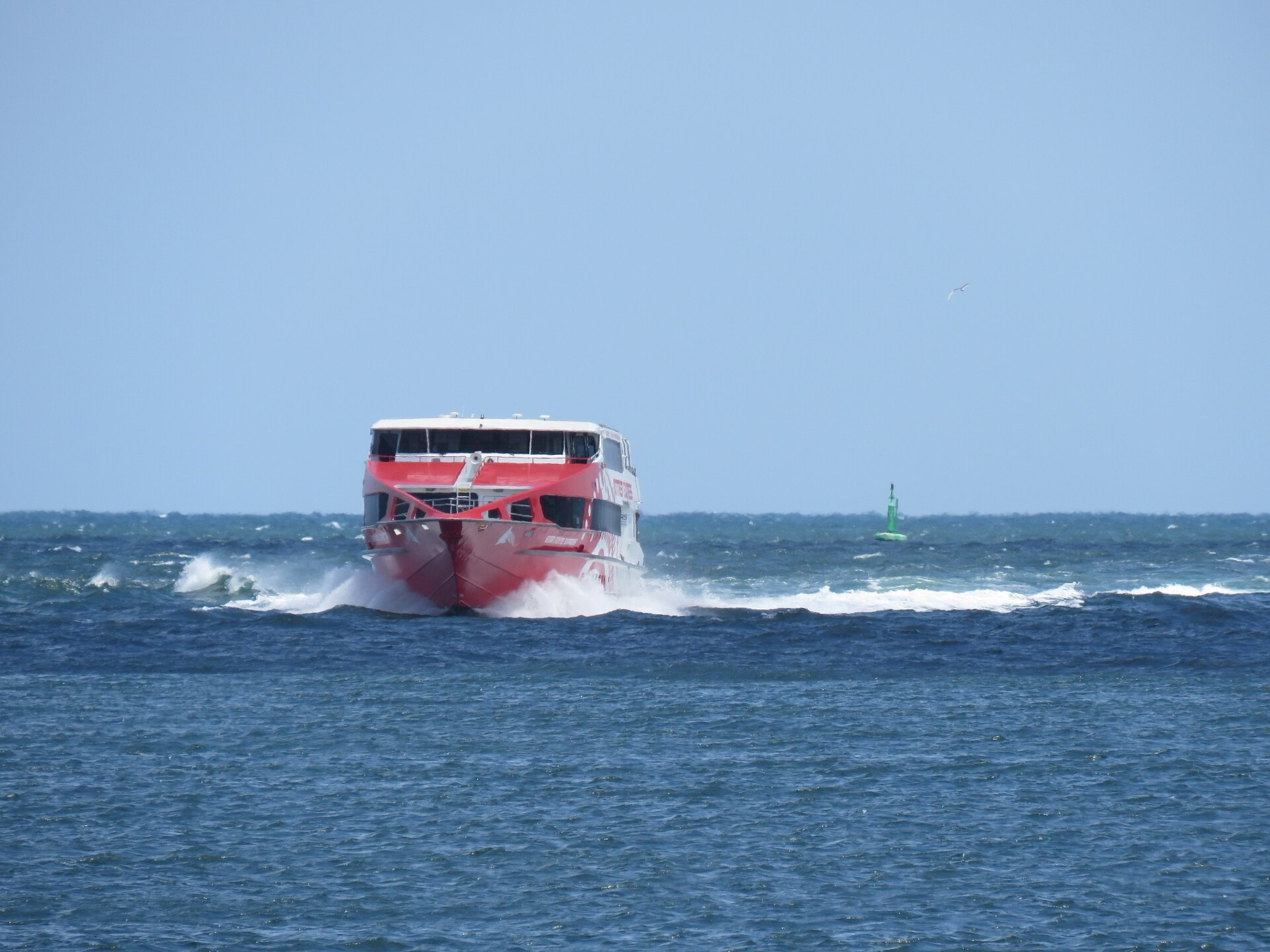
If you’re planning a trip from the mainland, choosing the right departure port is one of the first things to consider. The fastest and cheapest option is to depart from Fremantle (from either the B-Shed or Northport terminals), with the crossing taking about 30 minutes. Leaving from central Perth (Barrack Street Jetty or Elizabeth Quay) is convenient because you don’t need to travel to Fremantle, but the journey along the Swan River takes considerably longer and costs more than an extra AUD 40 per person. A third option is Hillarys Boat Harbour to the north, from where the crossing takes around 45 minutes.
A common budgeting mistake is to look only at the ferry ticket price. The Rottnest Island Admission Fee is charged separately and is compulsory for every visitor. When you buy a ticket through a ferry operator, the fee is usually added automatically to the total, but it’s useful to know what you’re paying for. The fee for a day visit is AUD 21.50 per adult; if you stay overnight, it rises to AUD 28.50. The good news is that there’s no additional admission fee when you leave the island.
There’s good news for families looking to keep costs down. Rottnest Express offers the Quokka Club, which lets children aged 4–12 travel by ferry for free. You’ll still pay the mandatory island admission fee of AUD 11.00 for each child, but the ferry fare itself costs nothing. The table below is based on Rottnest Express’s official fare information at the time of our research. Treat the prices as a guide and check the operator’s website before travelling, as fares may change.
| Same-day return from Fremantle | Ferry fare | Admission fee | Total |
|---|---|---|---|
| :— | :— | :— | :— |
| Adult | AUD 64.00 | AUD 21.50 | AUD 85.50 |
| Youth aged 13–16 | AUD 60.50 | AUD 11.00 | AUD 71.50 |
| Child aged 4–12 | AUD 33.50 | AUD 11.00 | AUD 44.50 |
| Child aged 4–12 in the Quokka Club | Free | AUD 11.00 | AUD 11.00 |
| Family (2 adults + 2 children) | AUD 175.00 | AUD 57.00 | AUD 232.00 |
For comparison, a return adult ticket from Perth costs AUD 108.00 plus the AUD 21.50 admission fee, bringing the total to AUD 129.50. If you stay overnight and choose an Extended Return ticket, prices vary slightly because of the higher island fee. An adult travelling from Fremantle and staying overnight pays AUD 92.50 in total (AUD 64.00 fare + AUD 28.50 fee), while the total from Perth is AUD 136.50. If you’re buying a one-way ticket to the island, expect to pay AUD 70.50 per adult from Fremantle. The return journey from the island costs AUD 56.00, as it doesn’t include an admission fee.
Getting around by bike, bus or on foot
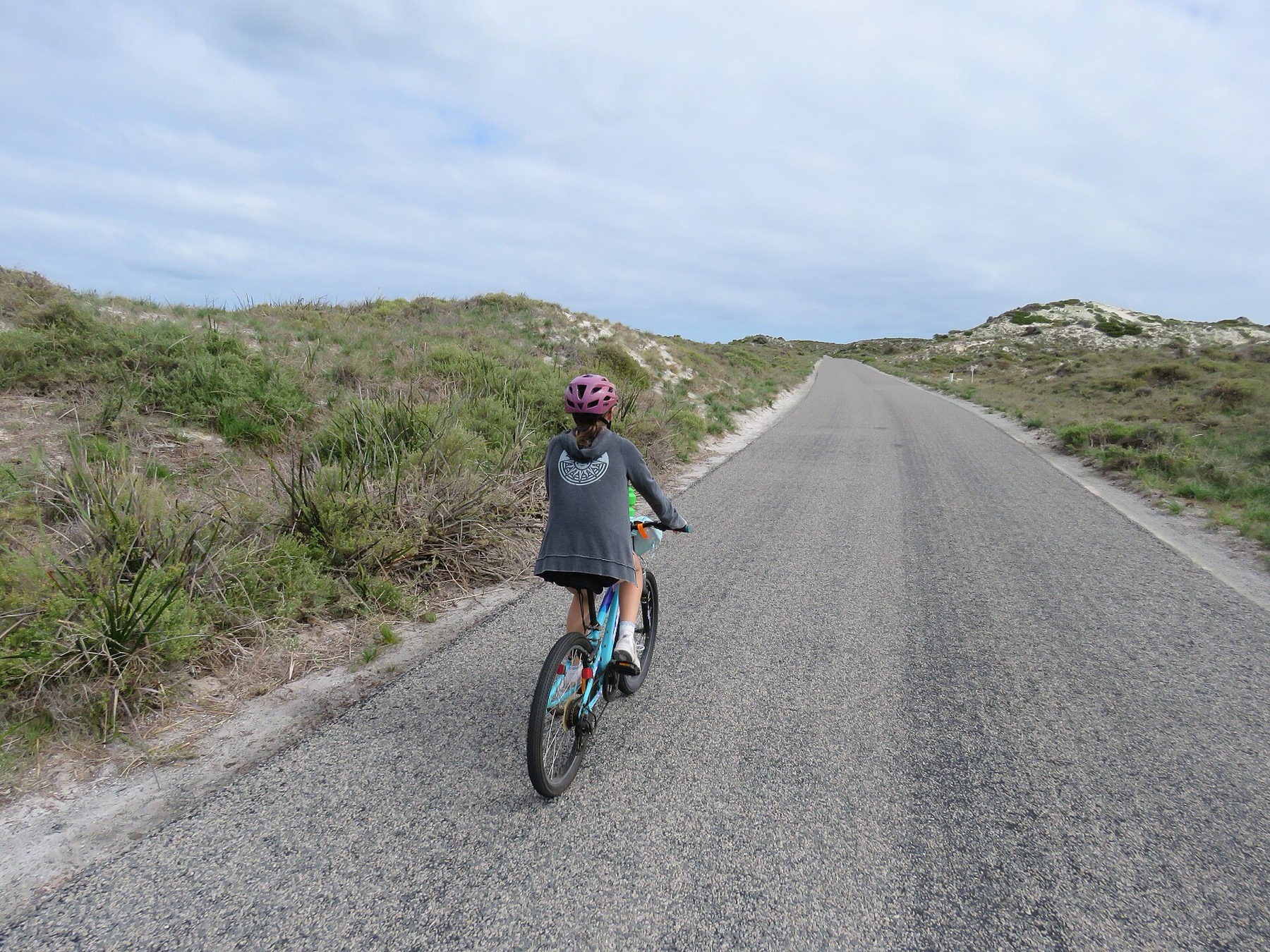
As soon as you step off the ferry at Thomson Bay Settlement, you’ll notice one important thing: private cars are strictly prohibited across the island, creating a peaceful and safe atmosphere for visitors. The island covers 19 square kilometres and is criss-crossed by sealed roads used mainly by cyclists and pedestrians. You’ll occasionally see an island bus or a service vehicle, too. The most popular way to get around is by rental bike, which gives you the freedom to stop at any cove whenever you feel like it.
The main bike rental shop is Pedal & Flipper, where you can choose from standard bikes, e-bikes and child trailers. A standard adult bike costs AUD 35 for 24 hours, while an e-bike costs AUD 83; you’ll also need to leave a refundable deposit (AUD 50 for a standard bike and AUD 200 for an e-bike). Helmets are legally required when cycling in Western Australia, so the shop includes a helmet and a lock in the rental price. If you want to save money and plan to spend the morning exploring the settlement on foot, rentals after 1 pm are considerably cheaper: an adult bike costs just AUD 20 and an e-bike AUD 50.
| Equipment (approximate Pedal & Flipper prices) | Deposit | 1 day / 24 hours | Additional day | After 1 pm |
|---|---|---|---|---|
| :— | :— | :— | :— | :— |
| Adult bike (geared) | AUD 50 | AUD 35 | AUD 21 | AUD 20 |
| Bike with child seat | AUD 50 | AUD 47 | AUD 29 | AUD 26 |
| E-bike (18+ only) | AUD 200 | AUD 83 | AUD 59 | AUD 50 |
| Electric scooter (18+ only) | AUD 200 | AUD 79 | — | AUD 44 |
| Children’s bike (12"–24") | AUD 50 | AUD 22 | AUD 14 | AUD 13 |
| Bike trailer (for a child or luggage) | AUD 100 | AUD 27 | AUD 17 | AUD 15 |
| Adult / child snorkel set | AUD 25 | AUD 23 / 17 | AUD 14 / 11 | AUD 13 / 10 |
| Beach wheelchair | AUD 100 | Free |
If you don’t fancy pedalling all day, the Island Explorer bus is a handy way to get around. This hop-on hop-off service covers the island, and an adult day pass costs AUD 35.00; concession fares are AUD 31.00 and children’s fares AUD 25.00. (From April, a temporary fuel surcharge of AUD 1 per person is usually added.) If you expect to visit often, you could consider the Rottnest Seasonal Transport Pass for adults, which costs AUD 130 and covers 12 trips over 24 months. The bus will take you comfortably to even the most distant beaches on the island’s western end, which would be a long, hot ride on a standard bike.
If you prefer walking and want to get closer to nature, the Wadjemup Bidi trail network crosses the island. The 45-kilometre network is divided into five separate sections, each taking you through a different landscape. Walk the one-way 9.4 km Ngank Yira Bidi to Bickley Battery, circle the salt lakes on the 9.7 km Gabbi Karniny Bidi, explore Salmon Bay along the 10 km Wardan Nara Bidi, follow the northern beaches on the 5.9 km Karlinyah Bidi, or head to the rugged West End on the Ngank Wen Bidi. The island also caters for visitors with reduced mobility: a beach wheelchair is available to borrow free of charge from the rental shop.
Rottnest Island quokkas: what you can and can’t do
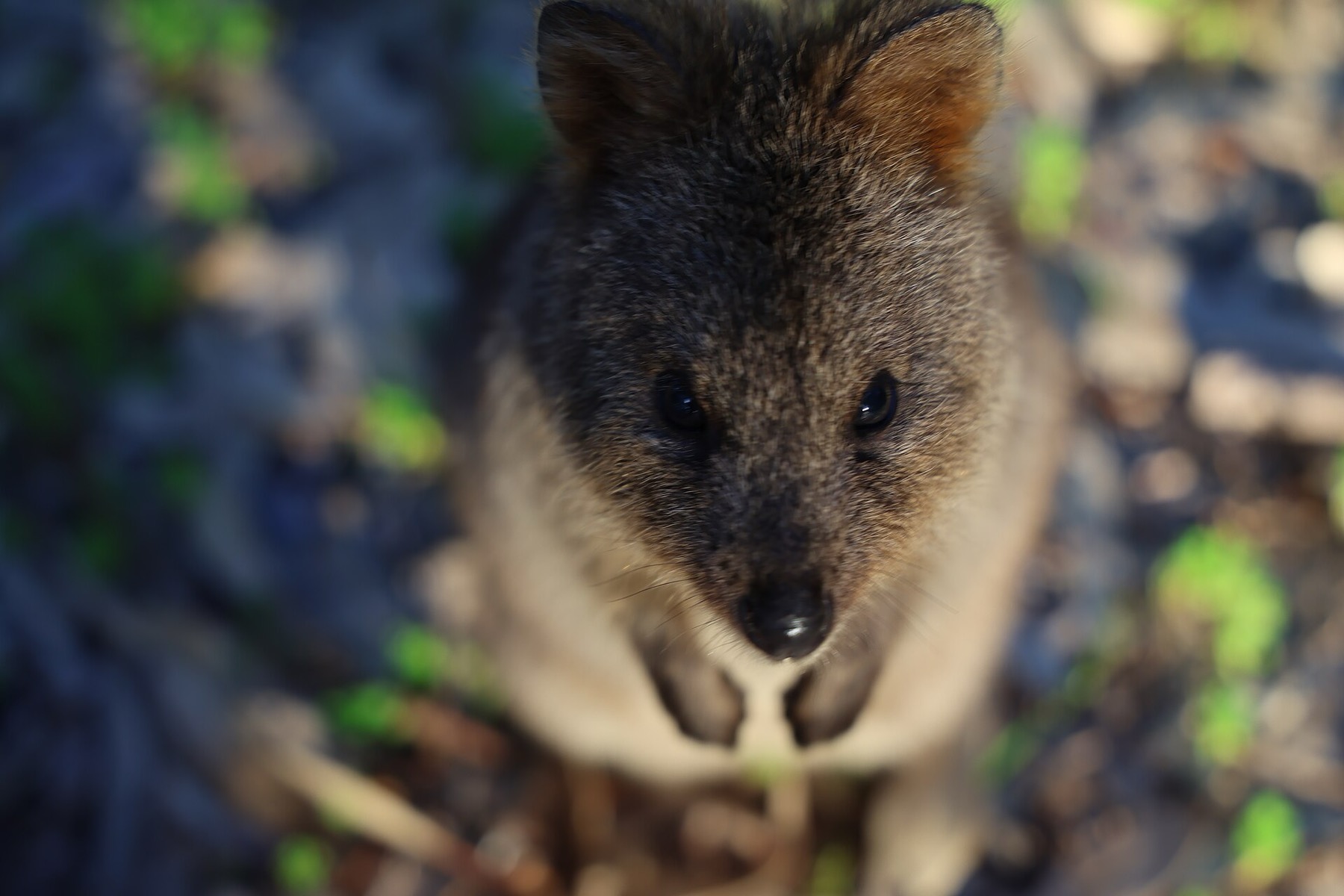
Quokkas are the reason travellers come to this island from all over the world. Around 10,000 of these small marsupials live on the island, compared with just a few remaining in the wild on the mainland. Despite their numbers here, quokkas are officially listed as vulnerable and their protection is taken seriously. Thousands of smiling photos may circulate online, but encounters with these animals are subject to strict rules. Signs across the island spell it out clearly: look, but don’t touch.
Many people mistakenly assume that because quokkas are used to people, they can be petted like domestic animals. Touching a quokka or offering it any human food is prohibited and punishable by a fine. The standard fine is often quoted as AUD 150, and one tourist identified by island rangers through an Instagram photo was fined AUD 200. You can take a selfie with a quokka, but keep a safe distance, don’t lure it closer and let it approach you out of curiosity if it chooses to.
These rules aren’t meant to spoil visitors’ fun; they’re based on biology. Human food can harm a quokka’s digestive system, and physical contact may pass diseases on to the animals. The most serious concern, though, involves their young. If a mother detects a human scent on her offspring, stress may cause her to abandon it. To spot quokkas at a quiet time, head to the area around Thomson Bay Settlement in the early evening, when they gather beneath the trees. Remember that they are wild animals, so there’s no guarantee you’ll find them in a particular place.
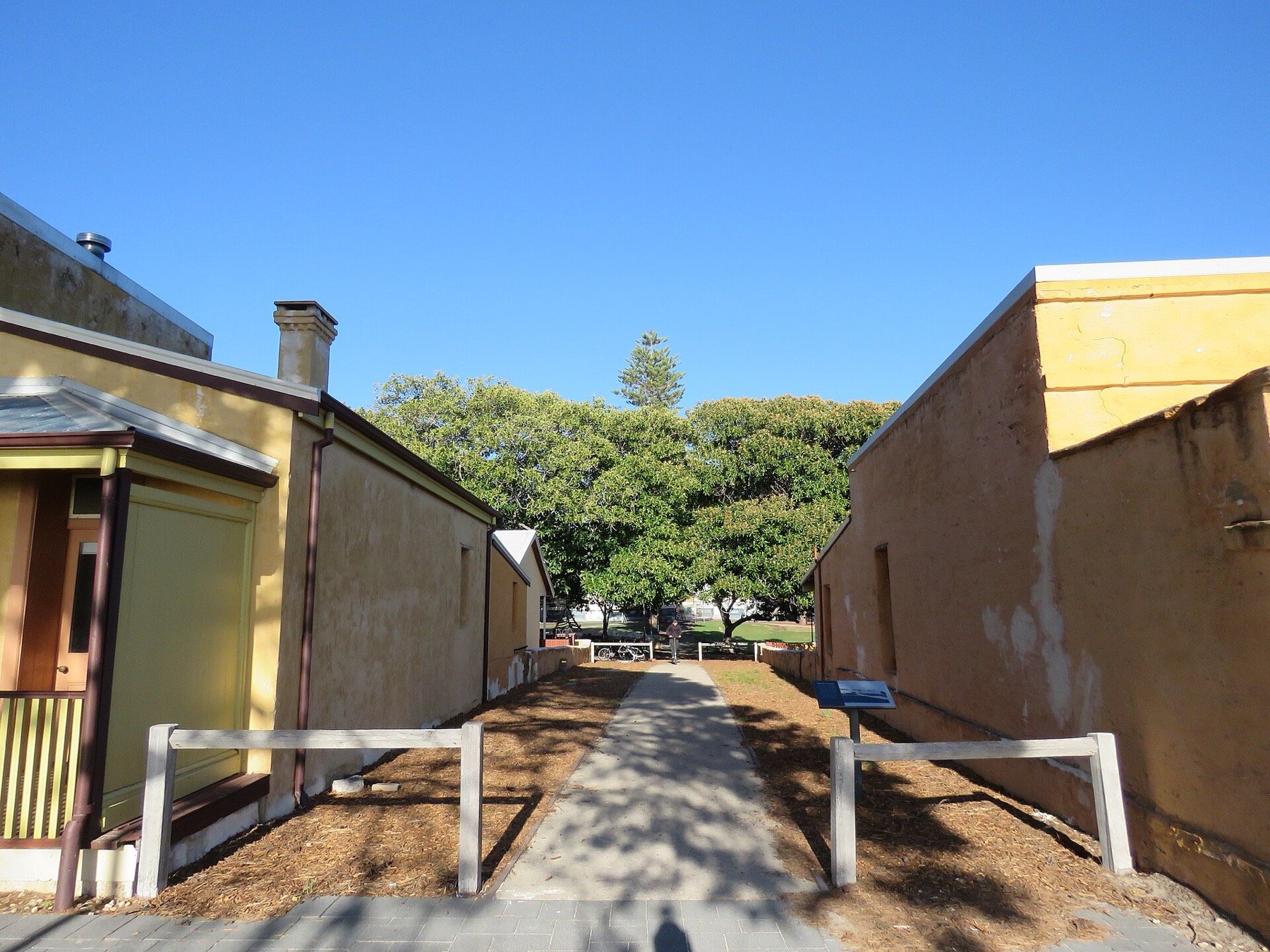
Wadjemup: the island’s other name and a story missing from the postcards
It’s easy to get swept up in the island’s white-sand beaches and forget that this land has a deeper, more complex history. The island’s original name in the Noongar language is Wadjemup, and the Whadjuk Noongar people are the Traditional Owners of this land. The word “bidi”, which you’ll see in the names of local walking trails, means path or track in their traditional language. This island holds spiritual significance for Aboriginal people, a connection that came into conflict with colonial plans in the nineteenth century.
This dark chapter began in 1838 and continued until 1931. For nearly a century, the island served as a prison for Aboriginal boys and men brought here from across Western Australia. They weren’t all adults: historical records show that boys as young as eight were imprisoned alongside men in their seventies, often community leaders and custodians of law. According to ABC News in November 2024, almost 4,000 prisoners passed through the island and at least 373 died here. In 1994, the state officially acknowledged this history and identified Wadjemup as the site with the highest number of Aboriginal deaths in custody in Australia.
The focal point of this history is the building known as the Quod, which served as the main prison block. It housed hotel accommodation until 2018; this has since closed, and plans are being prepared to turn the building into a memorial and museum. During hotel construction in the 1990s, the original burial ground (Wadjemup Aboriginal Burial Ground) was discovered and is now protected. The Wadjemup Project, led by Aboriginal communities, is underway and focuses on truth-telling, ceremony and memorialisation. Around 250 Aboriginal delegates gathered here in November 2024, when Western Australian Premier Roger Cook issued a formal apology on behalf of the state’s people.
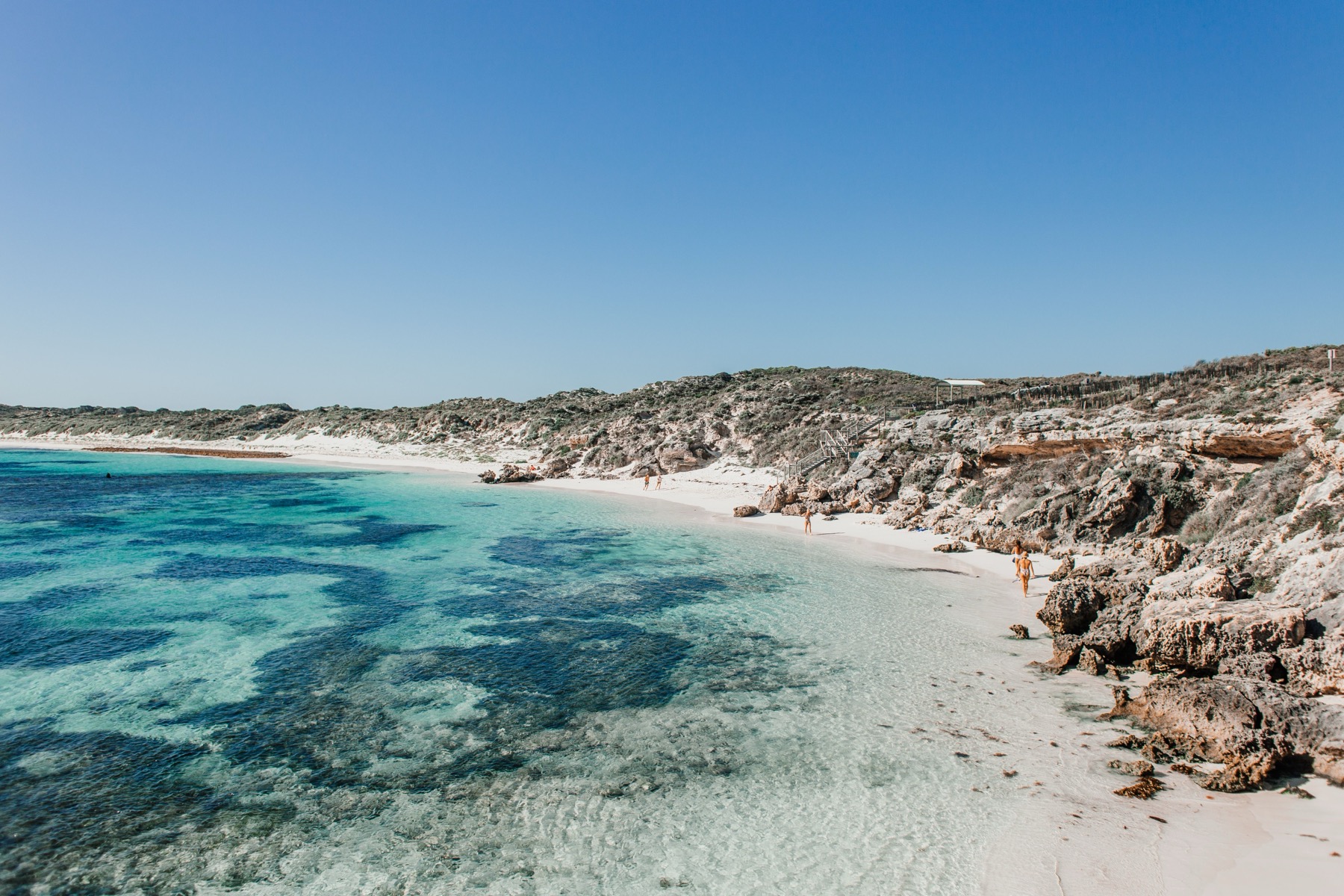
12 best places to visit on Rottnest Island
The island has 63 beaches and 20 bays, so choosing the best places for your itinerary can be tricky. I’ve put together a list of 12 spots you shouldn’t miss, from popular swimming areas near the harbour to the island’s wild western tip.
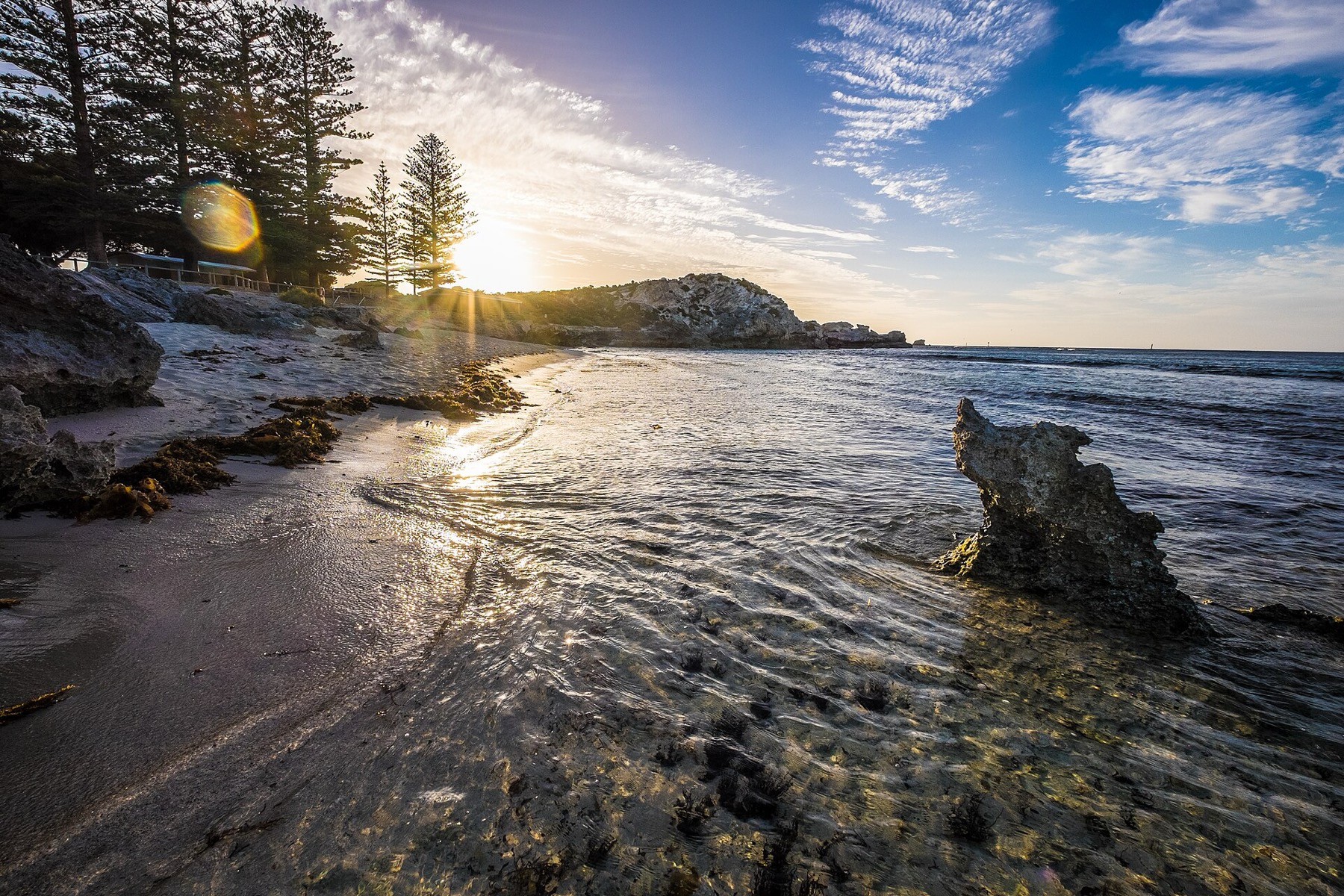
1. The Basin
If you’re looking for the island’s best-known and most accessible swimming spot, mark The Basin on your map. It’s a favourite with families. The beach has shallow, clear water, making it ideal for a gentle dip and suitable even if you’re not a confident swimmer. It has a Google rating of 4.7 from 609 reviews, and one of its biggest advantages is its location a short distance from the main settlement. You can easily walk or cycle there in a few minutes.
There are public toilets and basic facilities here, making The Basin a convenient first stop after arriving by ferry. Thanks to easy access and the sheltered bay, you can spend hours watching the shallow seabed. The beach can get busy in summer, though, so arrive early for a better choice of spot on the sand—and a little more of the ocean to yourself.
💡 TIP: The water is so clear that you don’t even need a snorkel to spot little schools of fish darting around your feet.
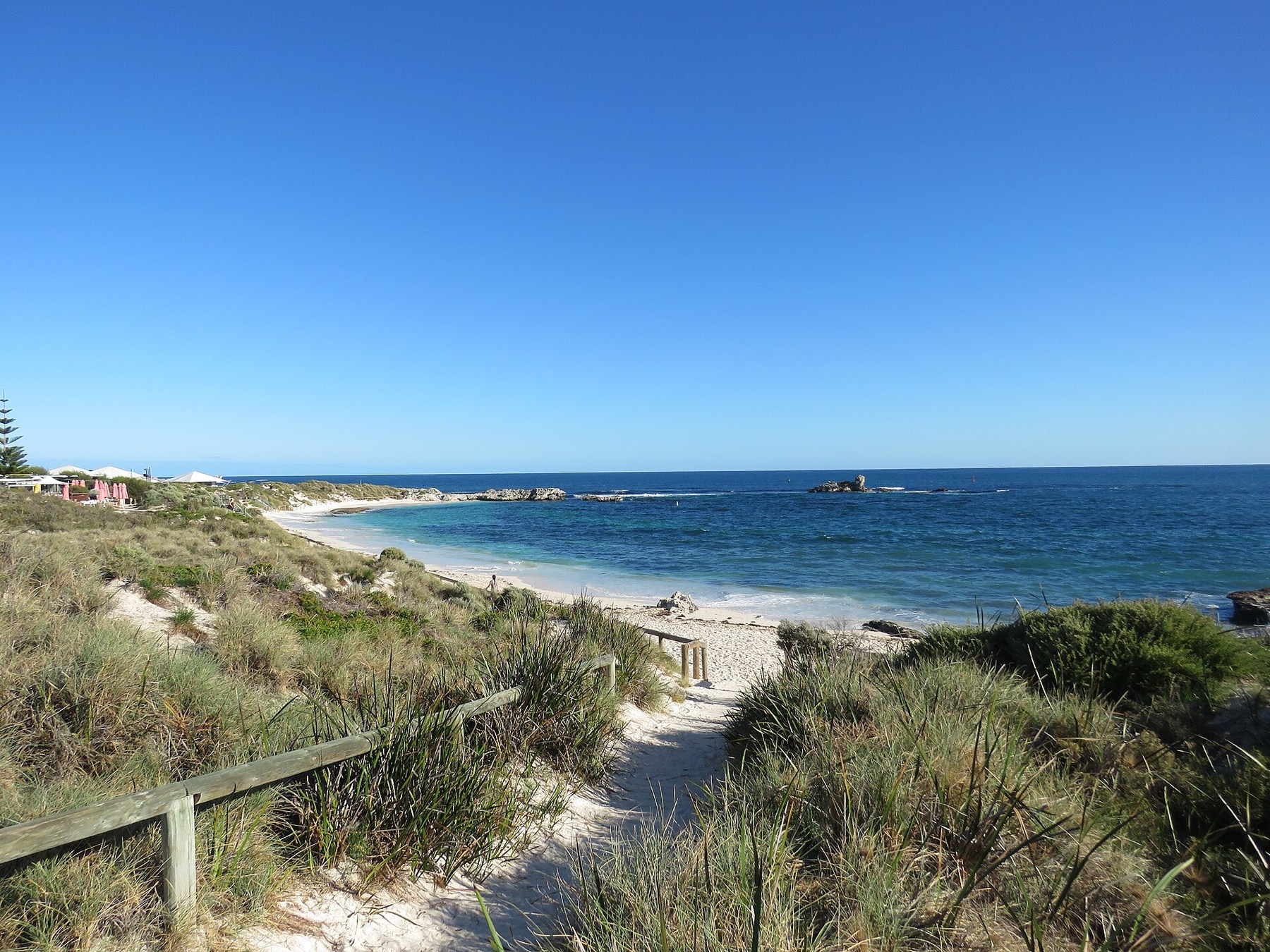
2. Pinky Beach and Bathurst Lighthouse
Next to popular The Basin is the equally lovely Pinky Beach, with historic Bathurst Lighthouse rising photogenically above it. The beach is known not only for excellent snorkelling close to shore, but also for its unforgettable views, especially in the early evening when the sky turns shades of pink. It has a rating of 4.7 from 563 reviews, and the romantic lighthouse in the background makes it one of the island’s most photographed spots.
The water is more exposed than in the neighbouring sheltered bay, so you’ll find more interesting rock formations below the surface. If you’re lucky, you’ll spot colourful schools of reef fish hiding in the shallows between the rocks. It’s a great choice if you like combining a relaxing stretch on soft sand with a little marine-life spotting. You can also get here from the main settlement on foot or by bike without much effort.
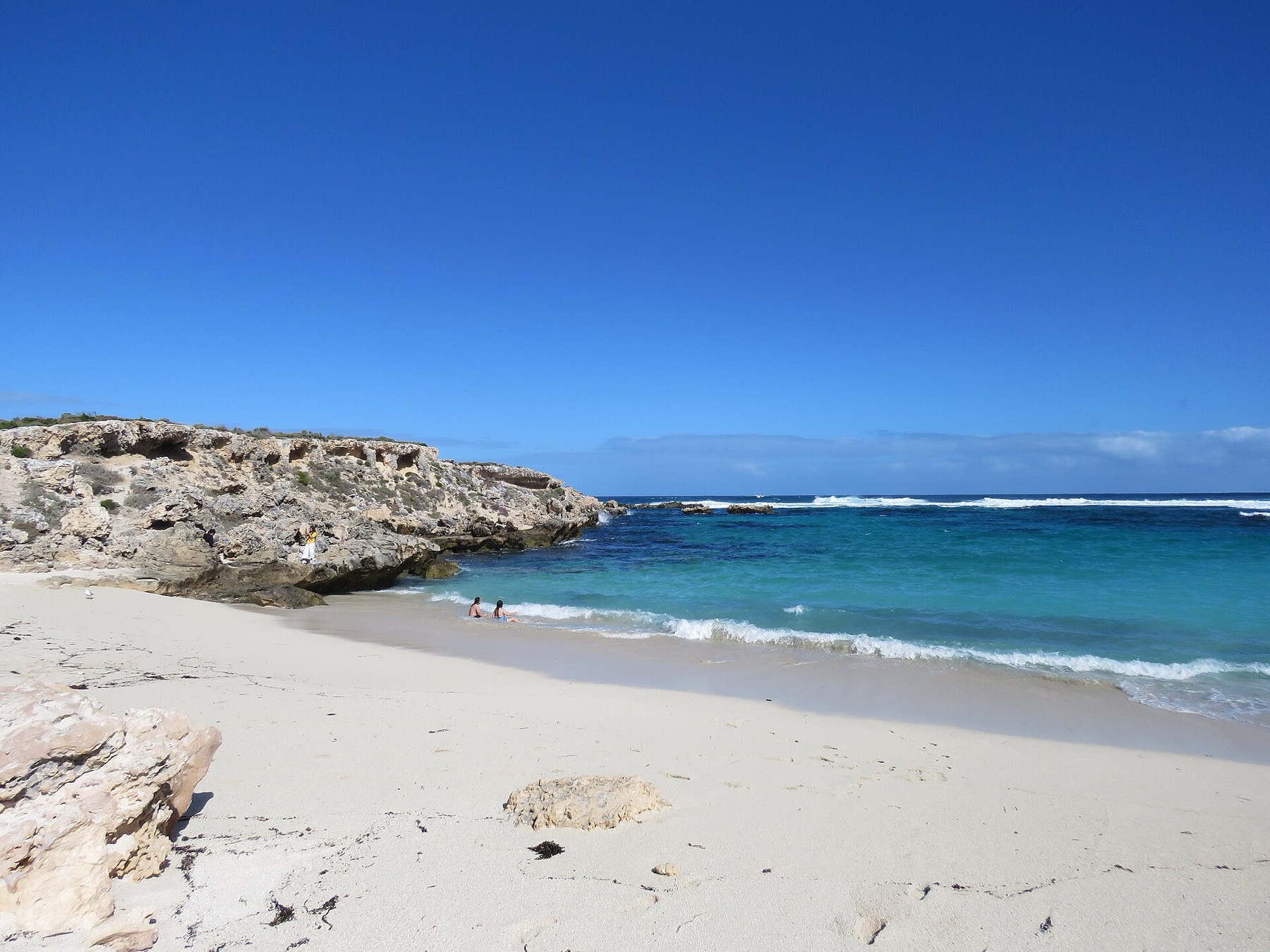
3. Little Salmon Bay and the snorkel trail
On the island’s southern side, you’ll find Little Salmon Bay, one of its prettiest little coves. The main attraction is an underwater snorkel trail, where signs placed beneath the surface introduce you to the local marine life. With a rating of 4.8 from 1,208 reviews, it’s one of the island’s highest-rated spots—and with good reason.
The bay is well sheltered from strong winds, with white sand contrasting against turquoise water and a rich marine ecosystem to explore below the surface. The trail is designed to be informative and fun for beginner snorkellers, too, introducing you to local fish and coral species as you go. It takes longer to reach by bike than the beaches near the settlement, but the sight of the calm water in this little bay makes the ride worthwhile.
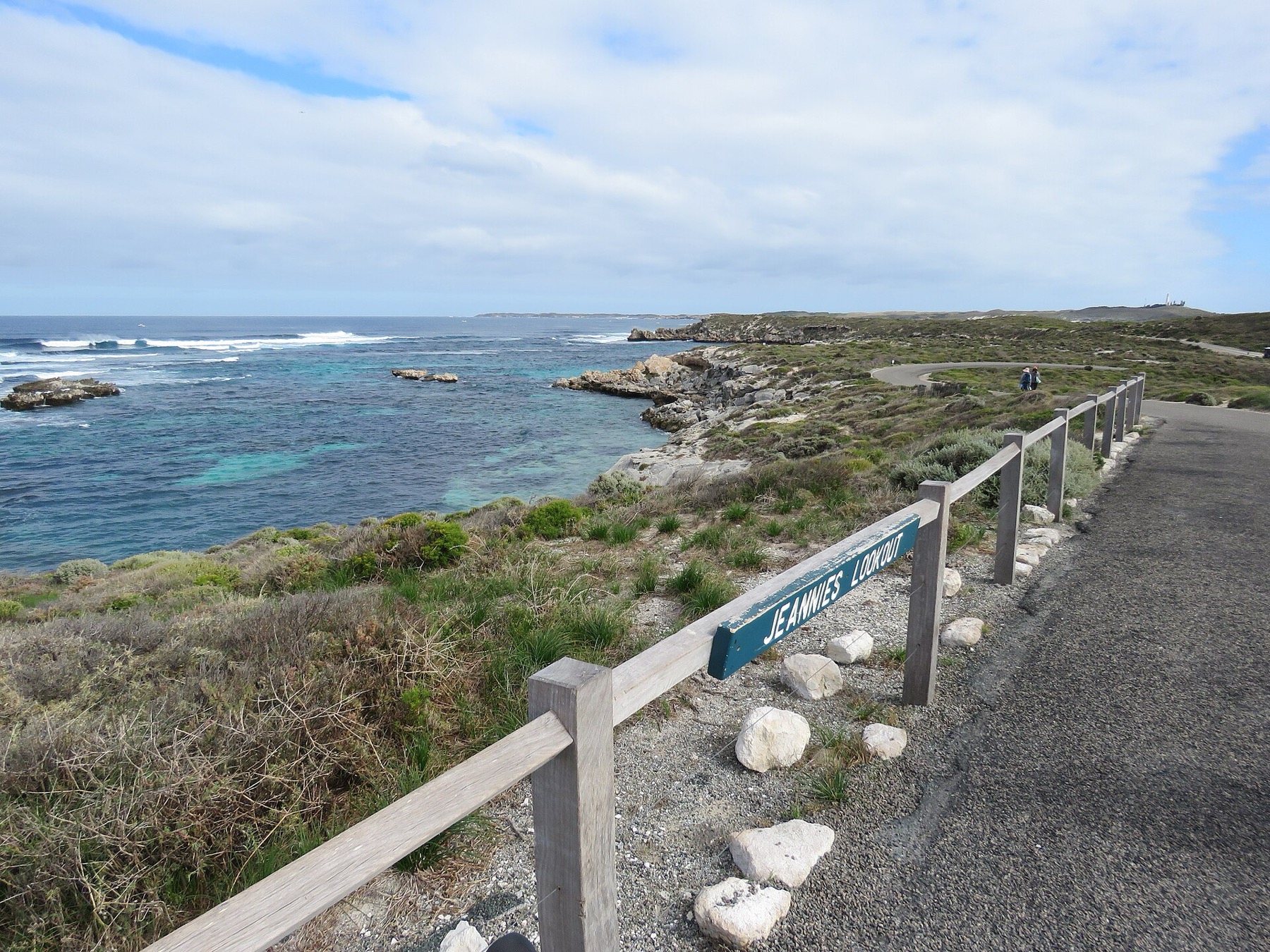
4. Parker Point
While exploring the south coast, continue a little farther to Parker Point. The lookout offers views over a stretch of white beaches and reefs extending far below, with the ocean glowing a vivid turquoise. The spot has a rating of 4.8 from 520 reviews. Along with the cliff-top views, there’s another snorkel trail here, though it’s a little more challenging than the one at Little Salmon Bay.
Long wooden steps lead down to the beach, adding to the spot’s photogenic appeal. The less accessible beach is also quieter than those near the main settlement. Snorkelling here is rewarding, but the stronger currents and deeper water make it better suited to confident swimmers.
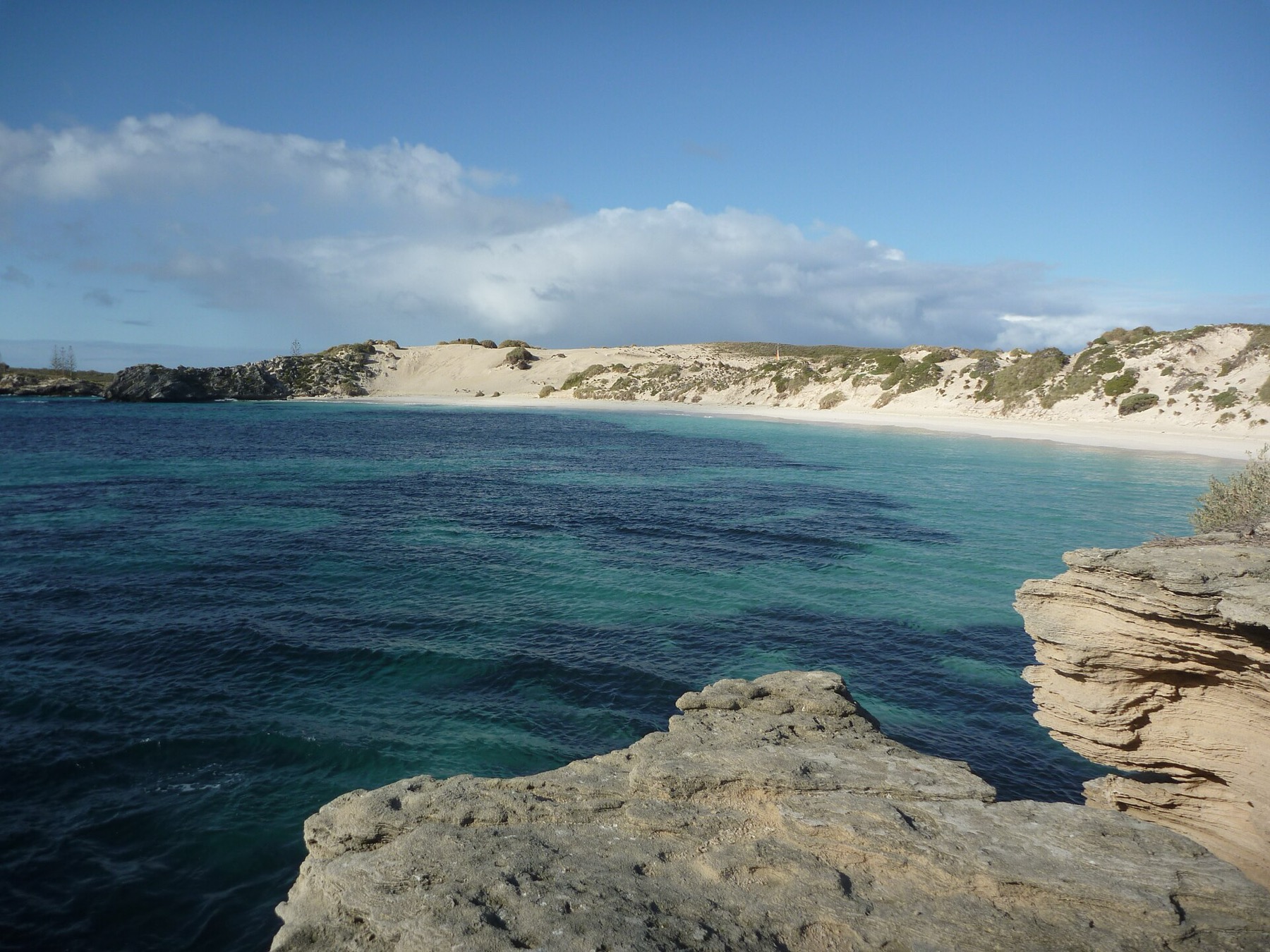
5. Little Parakeet Bay
If you’re after some peace and quiet, head to the sheltered Little Parakeet Bay on the island’s north side. With a rating of 4.9 from 244 reviews, it’s a great spot for an early-morning or late-afternoon snorkel, when the surface is usually calmer and underwater visibility is at its best. Rocks form a natural pool protected from the big swells of the open ocean, making it suitable for less experienced swimmers, too.
It takes a little longer to reach by bike from the settlement, but that means you’re less likely to find crowds. Enjoy the pale sand and clear water with a little more privacy. The cliffs provide shade, and at low tide there are plenty of little rock pools to explore and spot marine life in.
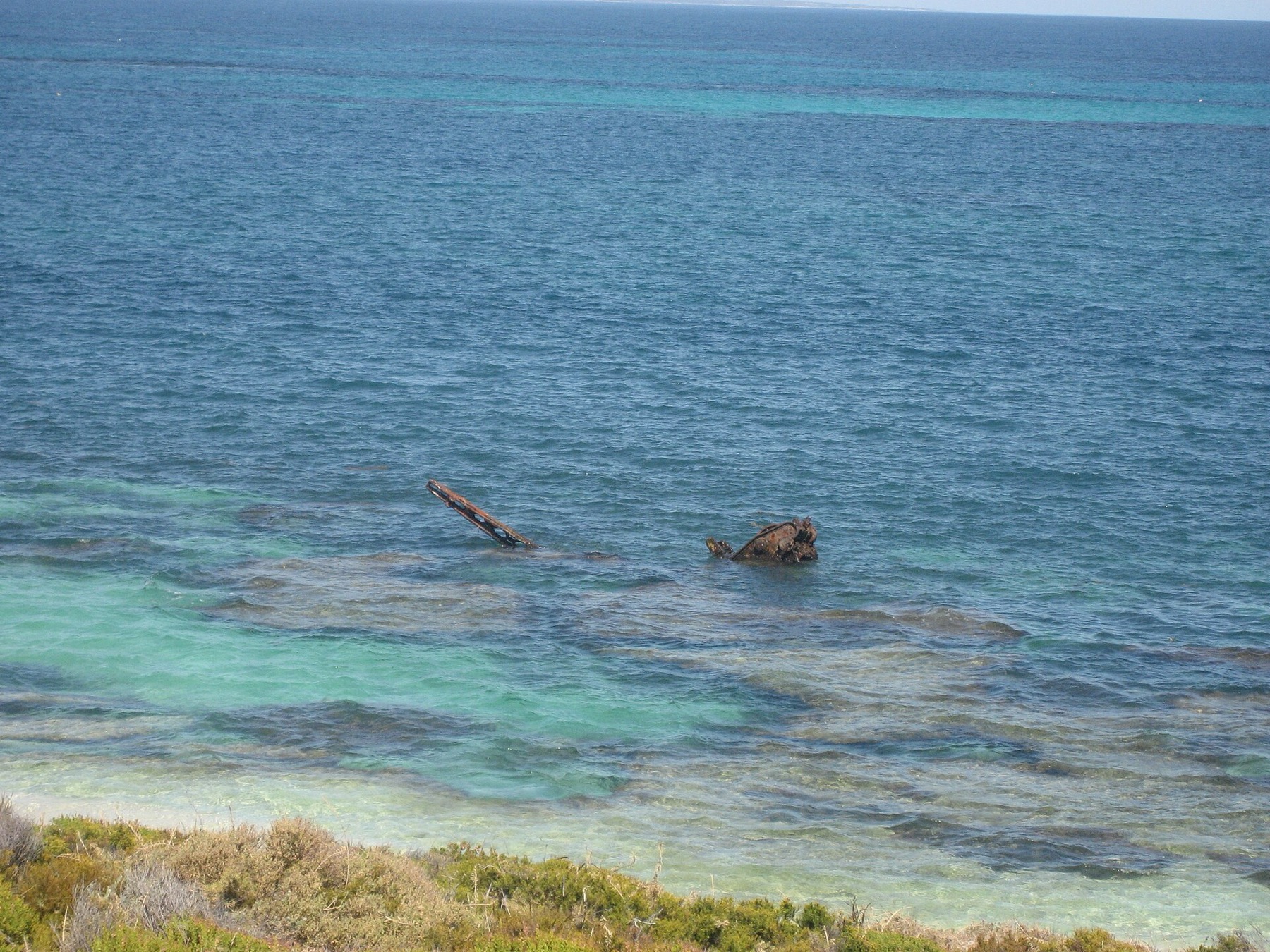

6. Henrietta Rocks
For history and shipwreck enthusiasts, Henrietta Rocks makes a welcome stop on an island tour. A shipwreck lies just off the shore of this relatively quiet beach; it’s clearly visible at low tide and offers a unique chance to explore underwater. The spot has a rating of 4.8 from 577 reviews and is ideal if you want to see something unusual while snorkelling.
The beach is quite exposed to the ocean, so it’s best to visit when the wind is light. That makes it safer to swim around the rusting remains of the ship and enjoy better visibility. The beach itself is usually quiet, so after snorkelling you can stretch out on the sand and listen to waves breaking against the nearby reefs.
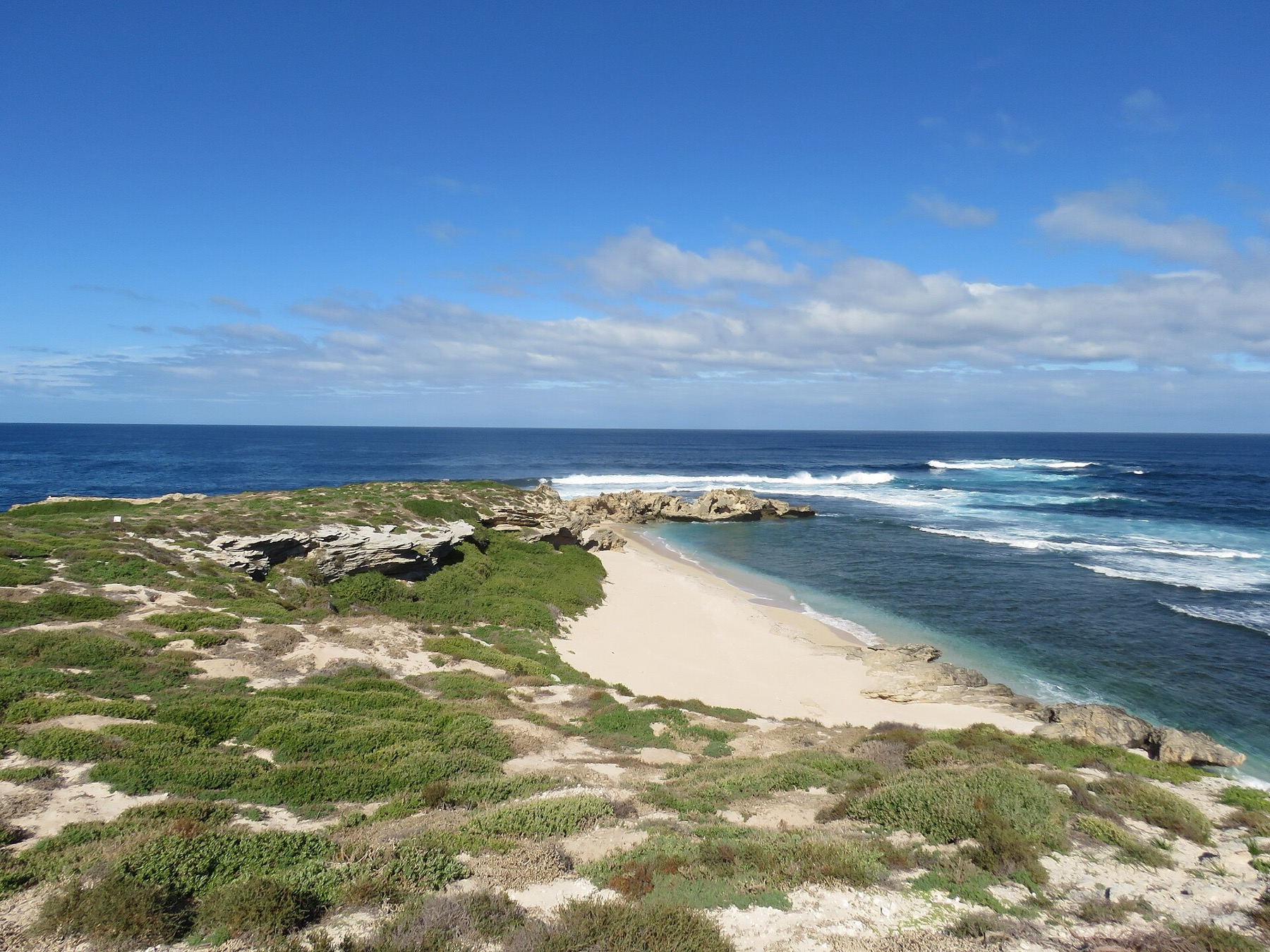
7. Cape Vlamingh and West End
The island’s westernmost point, known as West End, reveals a wilder side of its landscape. The Cape Vlamingh Viewing Platform looks out over the rugged Indian Ocean, and if you’re lucky, you might spot seals or pods of dolphins passing by from the paved track. The spot has a rating of 4.8 from 617 reviews and feels like the edge of the world, where land gives way to a vast expanse of ocean.
The ride here is fairly long and crosses rolling terrain with no shade, so many visitors prefer to take the island bus. If you do make it all the way to the island’s end by bike, the effort is worth it. In spring and autumn, you may also be lucky enough to spot migrating whales from these cliffs as they travel along the Australian coast.
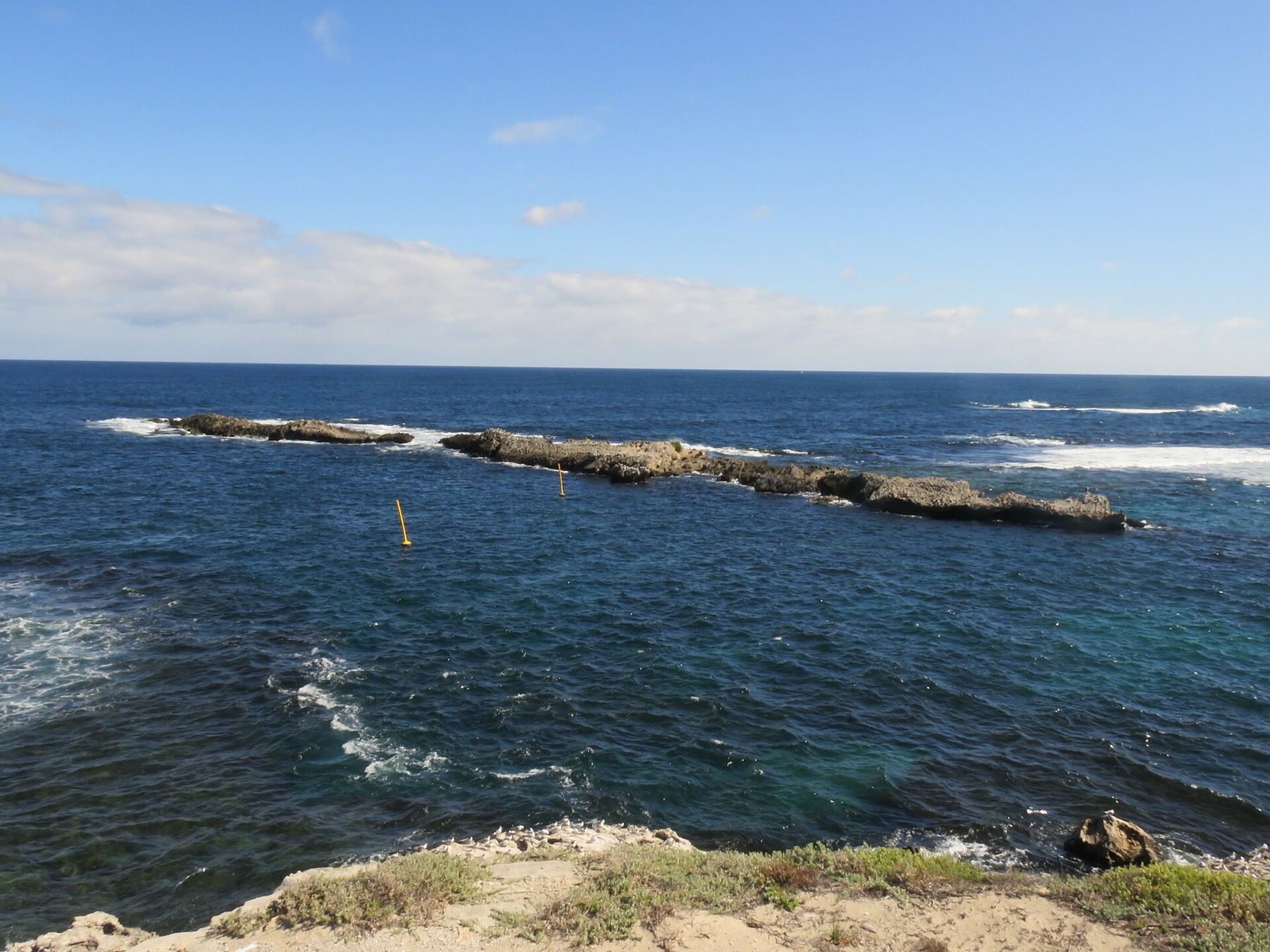
8. Cathedral Rocks and sea lions
Just beyond Cape Vlamingh is another stop you shouldn’t miss on the island’s western tip. The Cathedral Rocks Viewing Platform overlooks a resident colony of New Zealand sea lions, which you can watch from a safe distance as they bask on the rocks or hunt in the waves. Its rating of 4.8 from 395 reviews shows just how popular this wildlife encounter is.
The wooden viewing platform is designed to give you a clear view of the rocks below without disturbing the animals. That’s important for protecting local wildlife, which needs space and quiet. You could easily spend a long time watching the sea lions swim between the reefs.
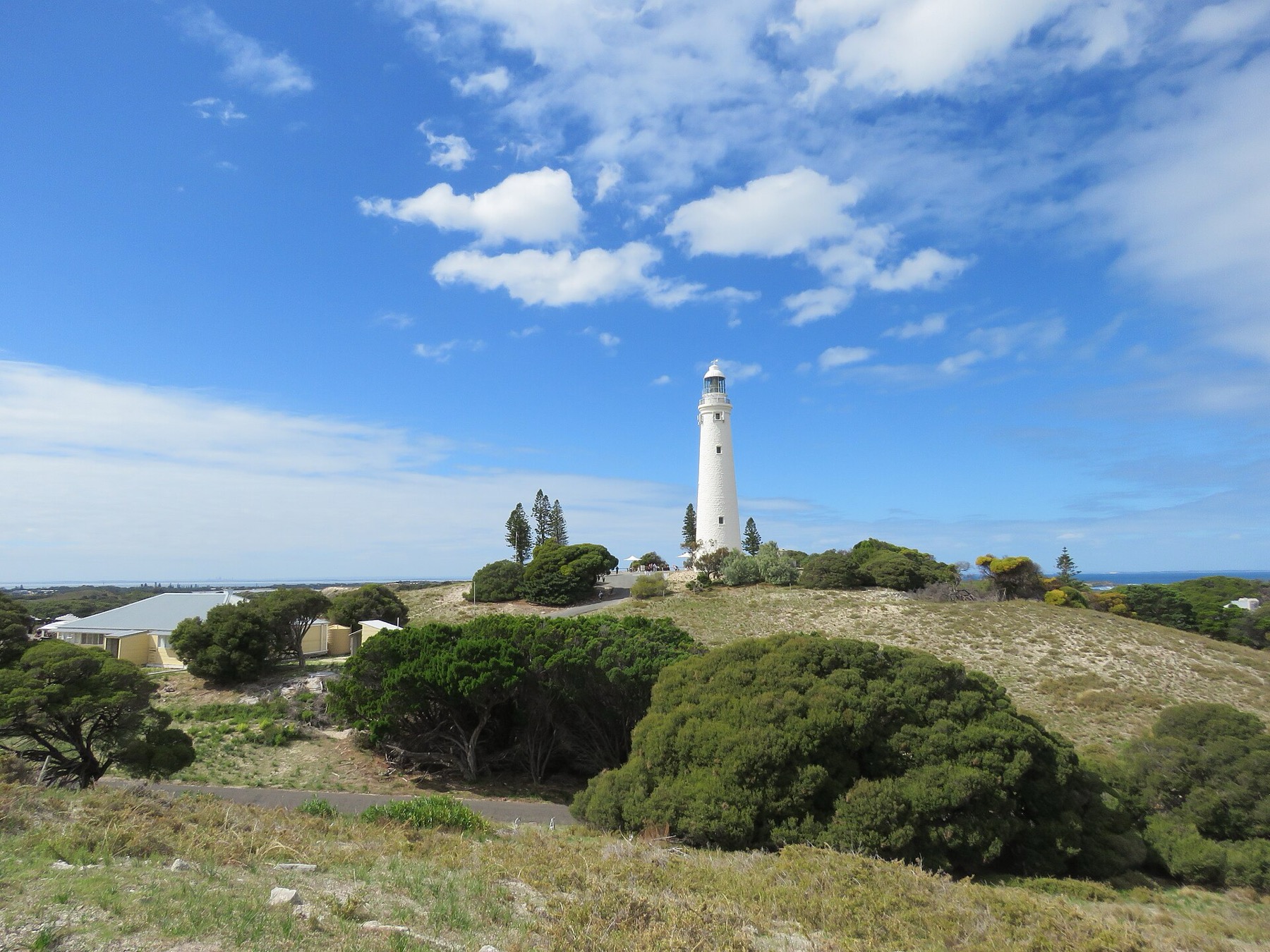
9. Wadjemup Lighthouse
About four kilometres from Thomson Bay Settlement, the iconic Wadjemup Lighthouse stands proudly on the island’s highest hill. This substantial stone lighthouse was built in 1896 and stands 38 metres tall, making it an unmistakable landmark visible from many parts of the island. It has a rating of 4.5 from 1,006 reviews and is one of the island’s most significant historic sites to see up close.
The good news is that the grounds around the lighthouse are included in the island admission fee. The uphill ride to the lighthouse takes some effort, but the panoramic view across the island and turquoise ocean is well worth it. It’s the perfect place to take some sweeping photos of your trip.
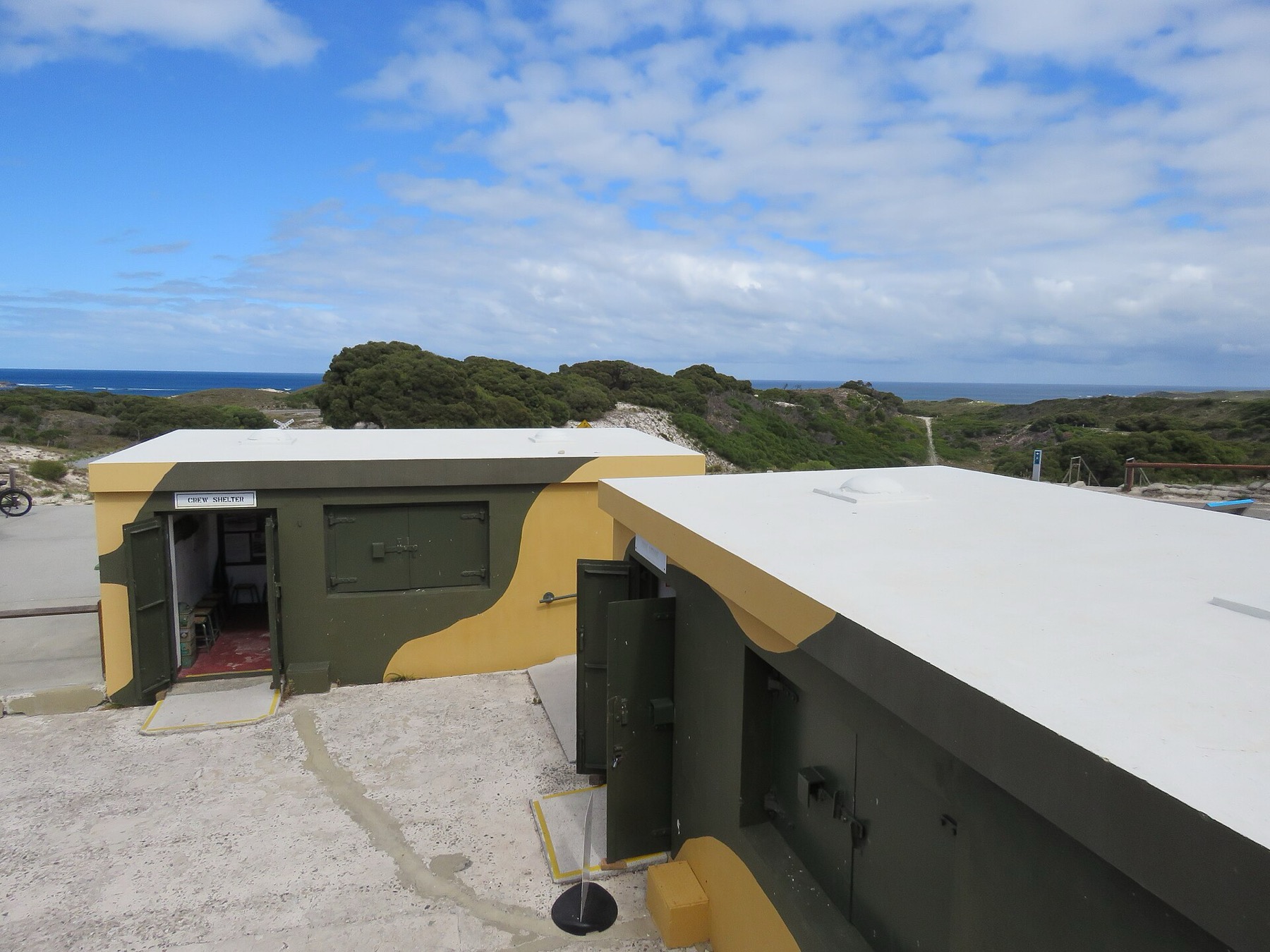
10. Oliver Hill: guns, tunnels and a vintage train
If you’re interested in military history, plan a stop at Oliver Hill, which played an important role in the island’s defences during the Second World War. The tour takes you to the massive 9.2-inch guns and through the underground tunnels; tours run daily between 10 am and 2 pm. Allow about 45 minutes for the tour, during which you’ll walk roughly 700 metres.
You’ll need a reasonable level of fitness, as there are more than 240 uneven steps—about the same as climbing to the eighth floor. You can also reach Oliver Hill on the historic Captain Hussey train, which departs from the station in the settlement (about a five-minute walk from the Visitor Centre) at 10:30 am, 11:30 am, 12:30 pm and 1:30 pm. It’s a fun excursion for military history enthusiasts and families with older children who’ll enjoy the vintage train ride.
11. Salt lakes and the Gabbi Karniny Bidi loop
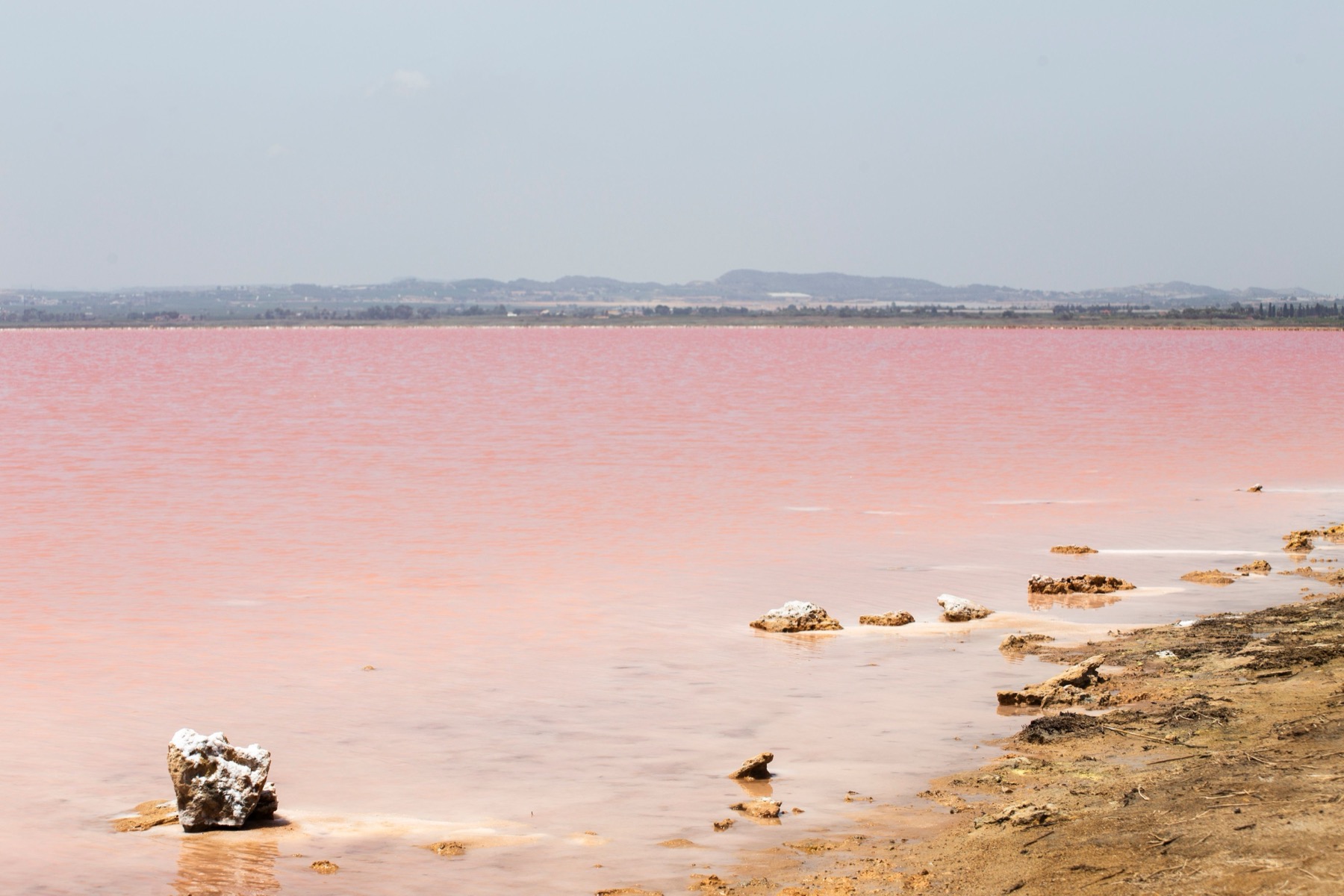
Head inland from the settlement and the landscape soon changes, with a series of salt lakes covering a large part of the island. The best way to explore this area is on the Gabbi Karniny Bidi walking loop, which circles the lakes along a 9.7-kilometre route. It’s a peaceful part of the island, where you’ll encounter fewer cyclists than on the coastal paths.
In summer, the lakes often dry out, leaving behind a white crust of salt that glitters in the sun. In cooler months, they fill with water and attract a variety of bird species, making this a great destination for wildlife watchers. The loop offers a different perspective on the island’s ecosystem and is a good alternative on windy days when the beaches are less inviting.
12. Thomson Bay Settlement
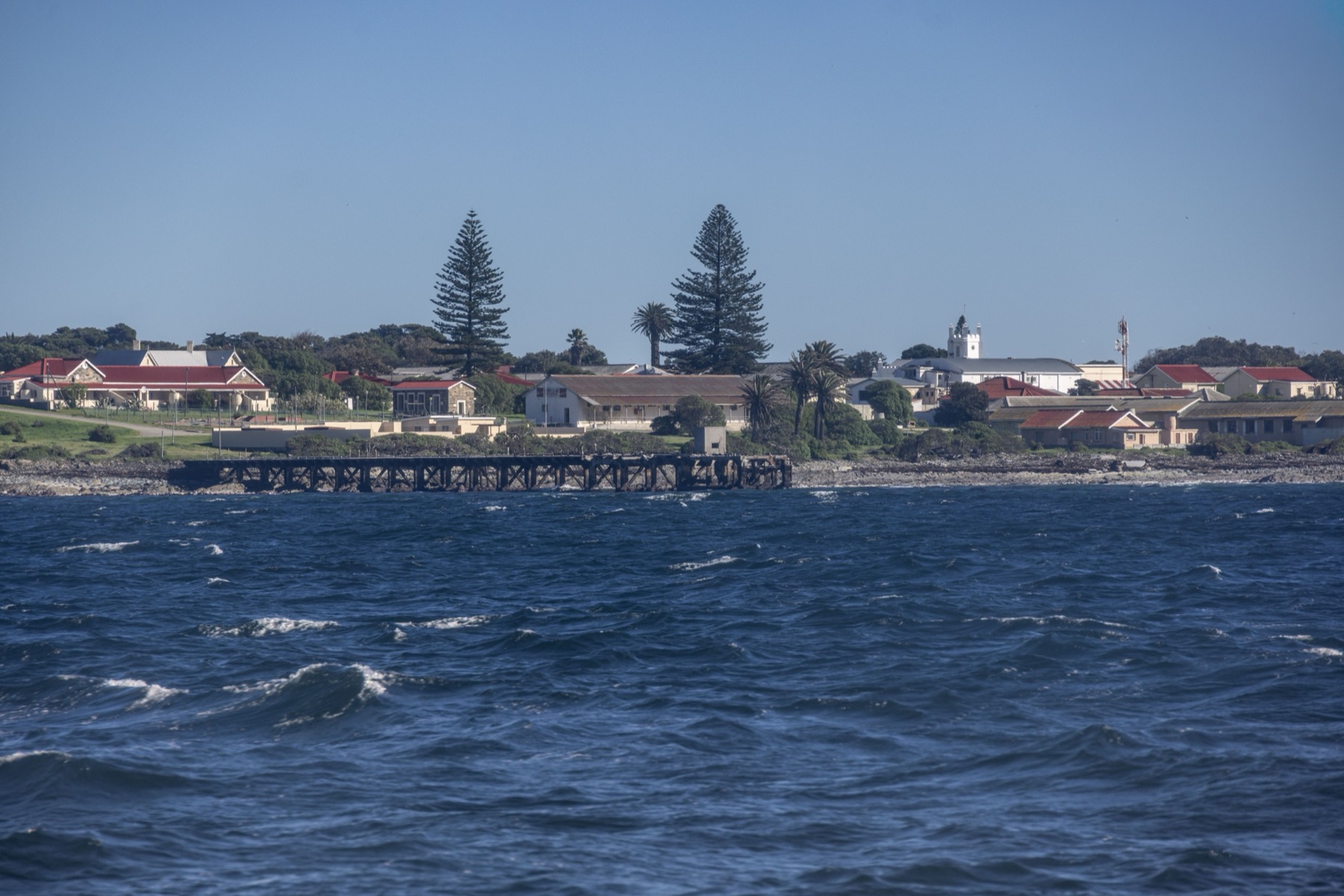
Your trip will almost certainly begin and end at Thomson Bay Settlement, the island’s main hub. This is where you’ll find the Visitor Centre, rated 4.6 from 1,989 reviews, the large Pedal & Flipper bike rental shop and the main island bus stop. The settlement is filled with historic buildings made from pale limestone and is the only place to pick up supplies or sit down for a coffee.
There’s a General Store, a bakery and several restaurants near the harbour. In the early evening, once the last day-trippers have caught their ferries and the streets have quietened down, the grassy areas around the cottages are the best place to watch grazing quokkas calmly and respectfully. At this time, the animals emerge from beneath the trees and wander freely among the old buildings.
When to visit Rottnest Island
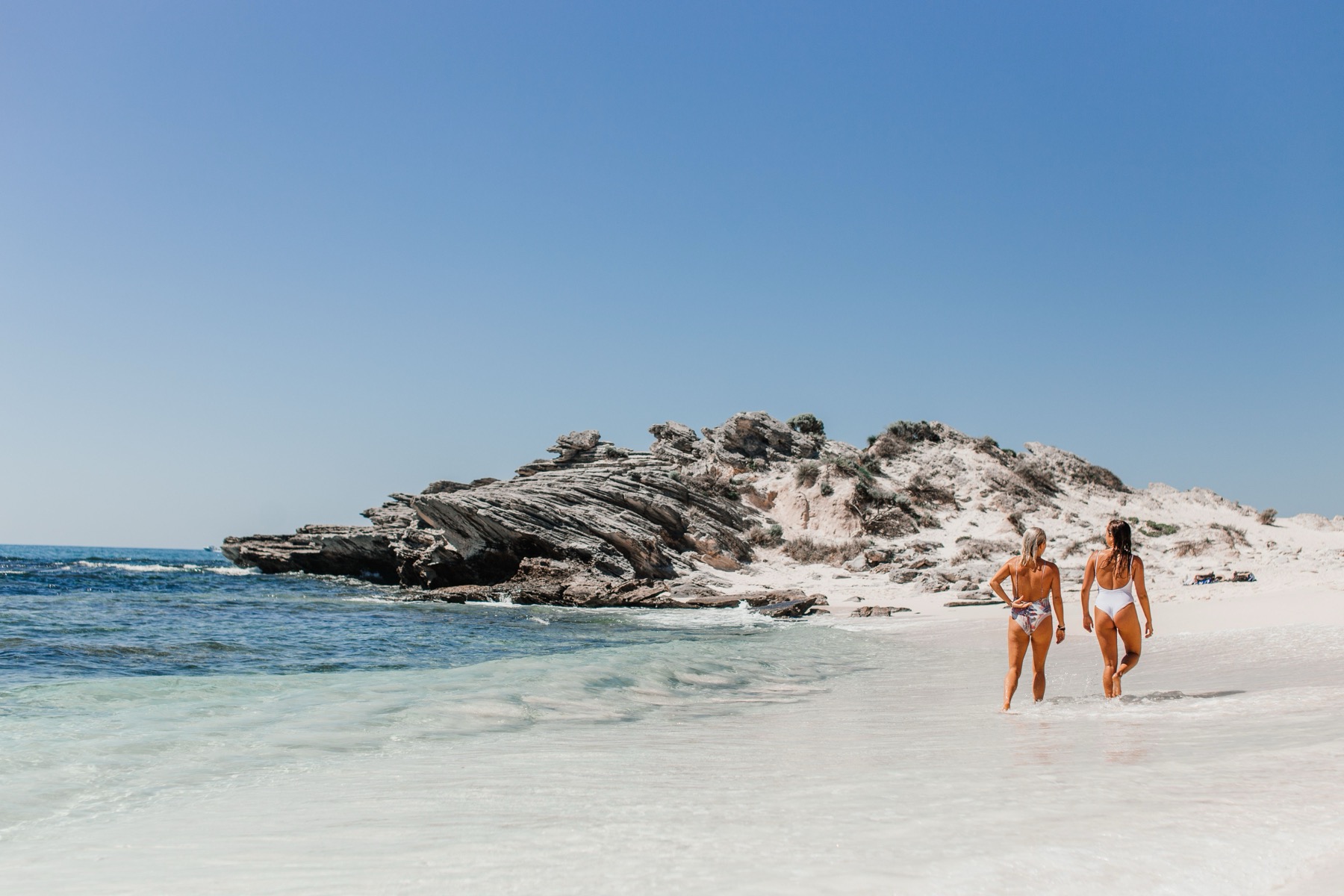
Choosing the right time to visit is important, especially depending on what you hope to do. The figures in the table below come from the ERA5 weather model. Keep in mind that these are long-term historical averages based mainly on Perth. Rottnest lies 19 kilometres from the mainland and has a distinct microclimate, with stronger ocean winds that can make exposed beaches feel cooler. The table shows average air and sea temperatures and monthly rainfall.
| Month | Air (°C) | Sea (°C) | Rainfall (mm) |
|---|---|---|---|
| :— | :— | :— | :— |
| January | 29.9 | 23.5 | 23 |
| February | 30.2 | 23.6 | 22 |
| March | 28.3 | 22.8 | 40 |
| April | 24.5 | 21.1 | 40 |
| May | 21.2 | 20.2 | 78 |
| June | 18.4 | 18.8 | 104 |
| July | 17.4 | 17.6 | 118 |
| August | 17.5 | 17.7 | 106 |
| September | 19.3 | 18.3 | 44 |
| October | 21.7 | 19.3 | 38 |
| November | 25.3 | 20.6 | 21 |
| December | 28.5 | 22.4 | 9 |
The figures show that February is the hottest month, with an average air temperature of 30.2 °C and sea temperature of 23.6 °C. Australian winter is cooler and wetter, with July receiving the most rain—an average of 118 mm. In July and August, the ocean cools to around 17.6 °C, which is chilly for a long snorkel without a wetsuit. Rainfall is lowest in December, as summer gets underway.
If swimming and exploring underwater are your priorities, plan your trip between December and April, when the water is most pleasant. If you’d rather avoid the hottest weather and spend your time cycling or walking the trails, spring and autumn (September to November) bring comfortable temperatures. As a bonus, you may be able to spot migrating whales from the island’s western tip during this period.
Where to stay on Rottnest Island
💡 Accommodation and experiences: Compare accommodation here to see what’s available and at what price. We prefer to look for places on Booking.com, which often has the best cancellation policies. Compare and book tickets, tours and activities on GetYourGuide.
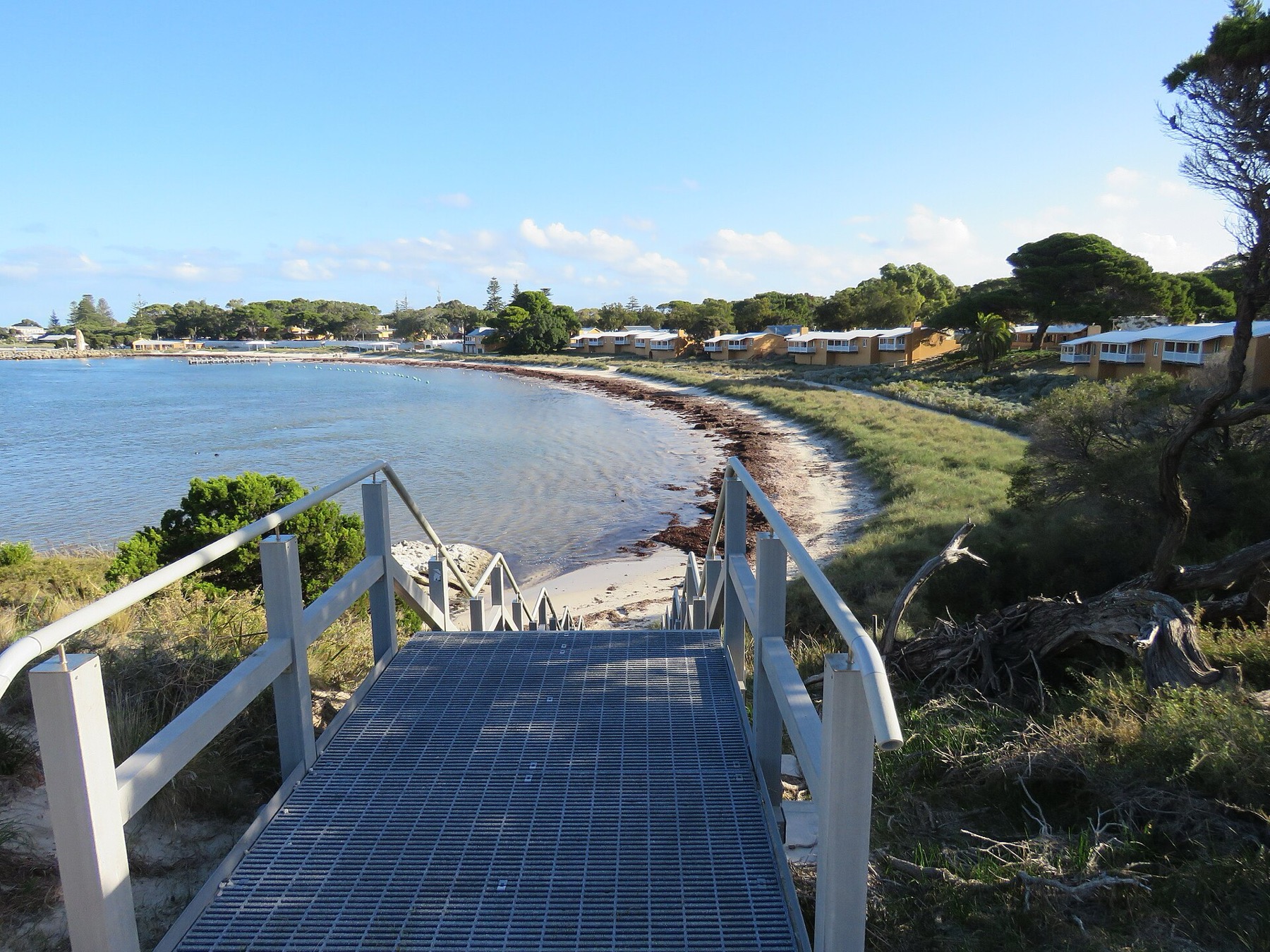
Staying overnight after the day-trippers leave in the afternoon is a special experience, but it takes planning well in advance. Most self-catering cottages and cabins are managed directly by the Rottnest Island Authority rather than standard booking platforms. As a result, accommodation is limited and summer dates book up early. If you want somewhere that’s easier to search and book online, there are several options in and around Thomson Bay Settlement.
If you enjoy hotel comforts and service, consider Samphire Rottnest, rated 4.3 from 695 Google reviews and located at the corner of Parker Point Rd and McCallum Ave. For a stay surrounded by nature, try the glamping tents at Discovery Resorts – Rottnest Island on Strue Rd. They’re rated 4.2 by more than 500 guests and offer a closer connection to the island surroundings.
Another option for families and couples is The Lodge Wadjemup (4.3 from 121 reviews), on quieter Boreham Wy, or Stay Rottnest, rated 4.1. Budget travellers can stay at the hostel Kingstown Barracks (3.9 from 196 reviews), housed in a former barracks. It offers basic facilities, and reviews commonly mention an extra charge for bed linen. Still, the quiet beaches in the evening make the effort of booking worthwhile.

Where to eat
The island’s dining scene is naturally limited and centred entirely around Thomson Bay Settlement. You’ll find only a handful of places to eat, a popular local bakery and one general store, so lunch options are limited and prices are understandably much higher than on the mainland. If you’re planning a full day cycling to more remote beaches, I recommend packing a substantial lunch in Fremantle and bringing plenty of drinking water. You won’t find supplies outside the settlement, and relying on the restaurants near the harbour could slow you down on a sunny day. The bakery is a great place to grab a coffee and vegetarian pastries in the morning, but it’s best to bring your own provisions for the rest of the day.
Where to next
- Perth, Australia: 18 things to see and do
- Western Australia: what to see from Perth to the Kimberley
- Australia holidays: 30 beautiful places and practical tips
- Australia road trip: routes, cars, campsites and budget
- Sydney, Australia: 31 things to see and do
- Melbourne, Australia: 23 things to see and do
- Great Barrier Reef: tours, prices and how to experience it
Frequently asked questions
How do you get to Rottnest?
The cheapest and fastest option is the ferry from Fremantle port, where the crossing takes about thirty minutes. There are also services directly from Perth city center or Hillarys port, but the trip from Perth is significantly more expensive (over 40 AUD more) and more time-consuming due to the long journey down the Swan River.
How much does a trip cost?
A return ticket from Fremantle with Rottnest Express costs around 85.50 AUD for an adult, while from Perth it’s 129.50 AUD. Children aged 4 to 12 pay only the island admission fee of 11 AUD thanks to the Quokka Club program, with the ferry crossing itself free.
Do you pay to enter the island?
Yes, the Admission Fee is compulsory and is usually included in the total ferry ticket price. For a day visit it’s 21.50 AUD per adult, but if you decide to stay overnight on the island, the fee increases to 28.50 AUD.
Can I bring a car?
No, private vehicles are banned from the island. You can explore the entire island exclusively by hired bike, on foot along the marked Wadjemup Bidi trails, or using the hop-on hop-off Island Explorer bus.
How long does it take to cycle around the island?
The island covers 19 square kilometers and has a network of paved roads. If you wanted to cycle around the whole thing without long stops, it would take you roughly three to four hours, but given swimming, snorkeling and photographing quokkas, it’s really more of an all-day activity.
Will I see a quokka?
Around ten thousand quokkas live on the island, so the chance of an encounter is high, though no one can guarantee it. They’re most often found in the shade of trees around the Thomson Bay settlement and are most active in the early evening hours.
Can I pet a quokka?
No. Touching quokkas or feeding them human food is prohibited and carries heavy fines (reported at 150 to 200 AUD). You can take a selfie with them, but you must keep a safe distance and let them come to you on their own.
When is the best time?
For swimming and snorkeling, the best period is from December to April, when the water is at its most pleasant (averaging 23.6 °C in February). For cycling and hiking, the autumn months from September to November are ideal, whereas in July it rains and blows the most.
Can you stay overnight there?
Yes, the island has several accommodation options ranging from the Samphire hotel to glamping tents to more affordable hostels and self-catering cottages. Capacity is limited, though, and in the summer season you need to book accommodation in advance.
Is it worth going for more than one day?
Yes. Once the last ferries carrying day-trippers leave in the afternoon, the island quiets down. You’ll have more time to explore the more remote beaches, the western tip and the Wadjemup Bidi walking trails without rushing or crowds.
Tips and Tricks for Your Vacation
Don’t Overpay for Flights
Search for flights on Kayak. It’s our favorite search engine because it scans the websites of all airlines and always finds the cheapest connection.
Book Your Accommodation Smartly
The best experiences we’ve had when looking for accommodation (from Alaska to Morocco) are with Booking.com, where hotels, apartments, and entire houses are usually the cheapest and most widely available.
Don’t Forget Travel Insurance
Good travel insurance will protect you against illness, accidents, theft, or flight cancellations. We’ve had a few hospital visits abroad, so we know how important it is to have proper insurance arranged.
Where we insure ourselves: SafetyWing (simple monthly subscription) and TrueTraveller (for extra-long trips).
Find the Best Experiences
Get Your Guide is a huge online marketplace where you can book guided walks, trips, skip-the-line tickets, tours, and much more. We always find some extra fun there!


