

Most people make one critical mistake when planning a trip along the Great Ocean Road. They hop on a tour bus in Melbourne, rush through the entire route in a frenzy, and arrive at the Twelve Apostles exactly at noon when crowds of other day-trippers are packed in. By evening they’re back in the city, exhausted, with nothing to show for all that beauty except a few photos full of strangers’ heads.
Yet this iconic route offers so much more than just one famous viewpoint. It’s a road that makes sense in itself, and if you decide to stay overnight at least once, you’ll have a completely different experience. You’ll see dramatic coastline bathed in the colours of the setting sun and enjoy empty beaches in the morning before the first buses arrive.
If you rent a car and set out on your own, endless side roads will open up to you, hidden coves and ancient rainforests. And that’s exactly what this guide will help you arrange: where it makes sense to stop, how to split the route into two days, and why it’s worth it.
TL;DR
- One day isn’t enough: A lightning-fast trip from Melbourne is exhausting. If you stay overnight on the route, you’ll see the most beautiful cliffs without the tourist crowds.
- Choose the right direction: Always head west from Melbourne via Torquay. Driving on the left means you’ll have all the lookouts and the ocean directly on your side of the road.
- Best places to stay: The ideal base midway along the route is the laid-back town of Apollo Bay, or the livelier Lorne, or strategically located Port Campbell.
- It’s not just cliffs: The route takes you into the interior of Great Otway National Park’s rainforest, where giant ferns and centuries-old trees tower above.
- Wildlife: Around Kennett River, wild koalas are often visible – you just need to look up into the eucalyptus canopy.
- Careful behind the wheel: The road is extremely winding and wildlife commonly crosses at dusk. Never jerk the steering wheel, just brake smoothly.
- Save the Twelve Apostles for morning: If you arrive at the viewpoints right after sunrise, you’ll avoid the main wave of day tours.
Which Direction to Drive and Why It Matters
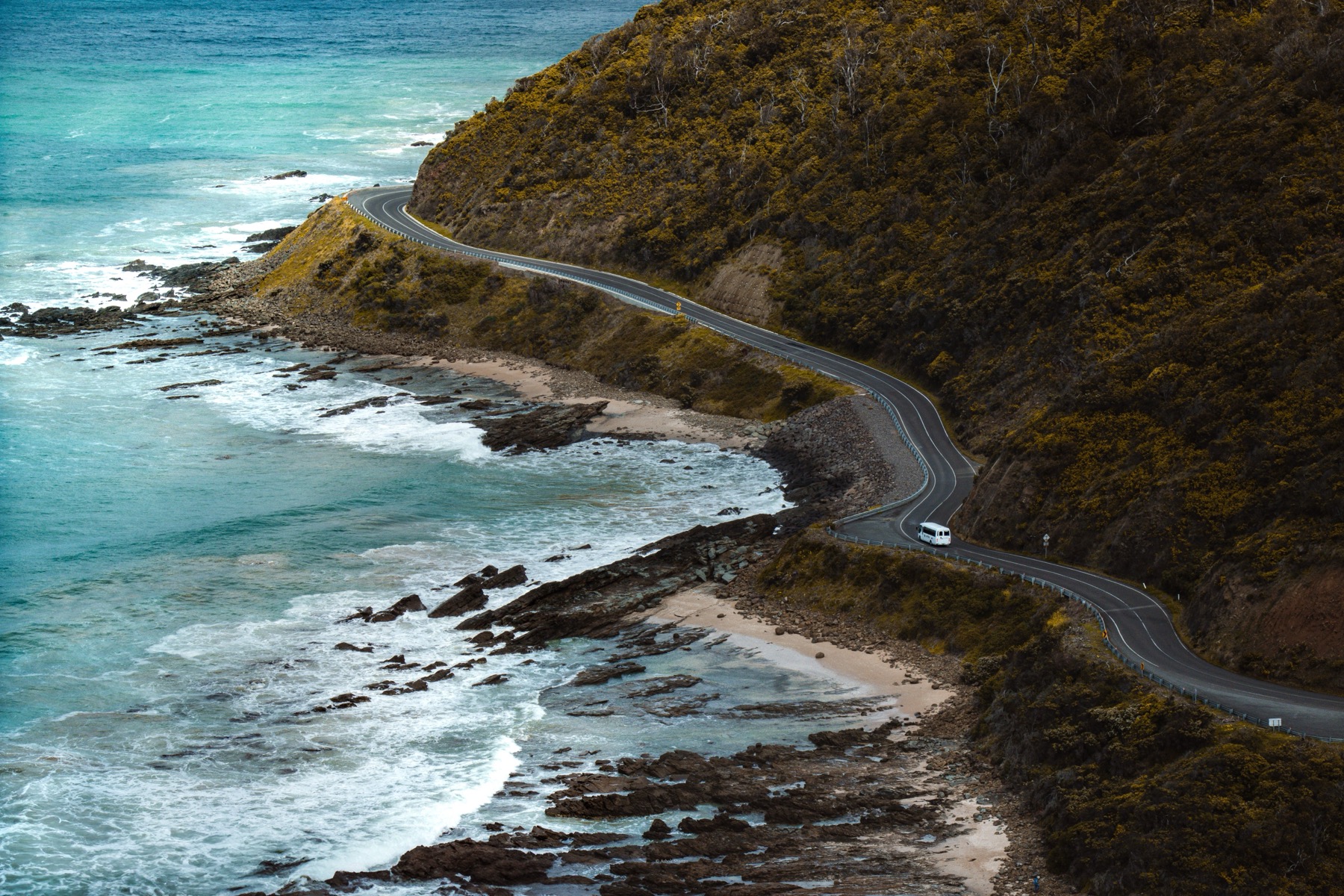
When you look at a map, you might think the route could be driven from either direction. But one rule applies without exception. It’s always better to head west from Melbourne, through the surf town of Torquay, and continue along the coast. This direction will save you a lot of stress behind the wheel and ensure a smoother journey.
Australians drive on the left, which in itself requires heightened attention from European drivers. If you drive from east to west, your car stays in the left lane, which is glued right to the edge of the cliffs above the ocean. This gives you the best view from the passenger window without having to look across oncoming traffic. The entire time you’re also on the outer edge of the road, so you can enjoy the view of the local landscape.
But even more important is actually stopping at car parks. Most viewpoints and rest areas are logically located on the ocean side. When you drive in the right direction, you can smoothly turn left into them any time. If you were going the opposite way, you’d have to cross oncoming traffic in blind curves, which is dangerous in heavy summer traffic. The local road is carved into cliffs and there isn’t much room to manoeuvre.
Driving in the right direction simply ensures a safer and more relaxed road trip. You won’t have to wait for gaps in columns of oncoming cars and every photo stop will be stress-free. A few hours in the car from the city transforms into the joy of cruising along the coast. Before you set out, check the distances on maps and then keep the ocean on your left the whole way.
One Day or Two?
This is probably the most important decision you’ll make before your journey along the southern coast. A day trip from Melbourne is technically possible, but in practice it means spending most of your time locked in the car cabin. It’s a few hours’ drive from the city to the first cliffs, so to turn it around in one day, you’ll have to skip a lot of interesting places. Plus you’ll end up at the Twelve Apostles at precisely the time when it’s packed with tour buses and the viewing platforms are bursting at the seams.
If you dedicate two days to the Great Ocean Road, the journey suddenly becomes completely different. You gain time for long walks on empty sandy beaches, you can sit down for a relaxed coffee in one of the coastal towns, and most importantly, you’ll enjoy the best light conditions. Sunset or sunrise over the limestone cliffs is a sight that day-trippers simply don’t have a chance to experience, because by then they’re already sitting on a bus back to the city.
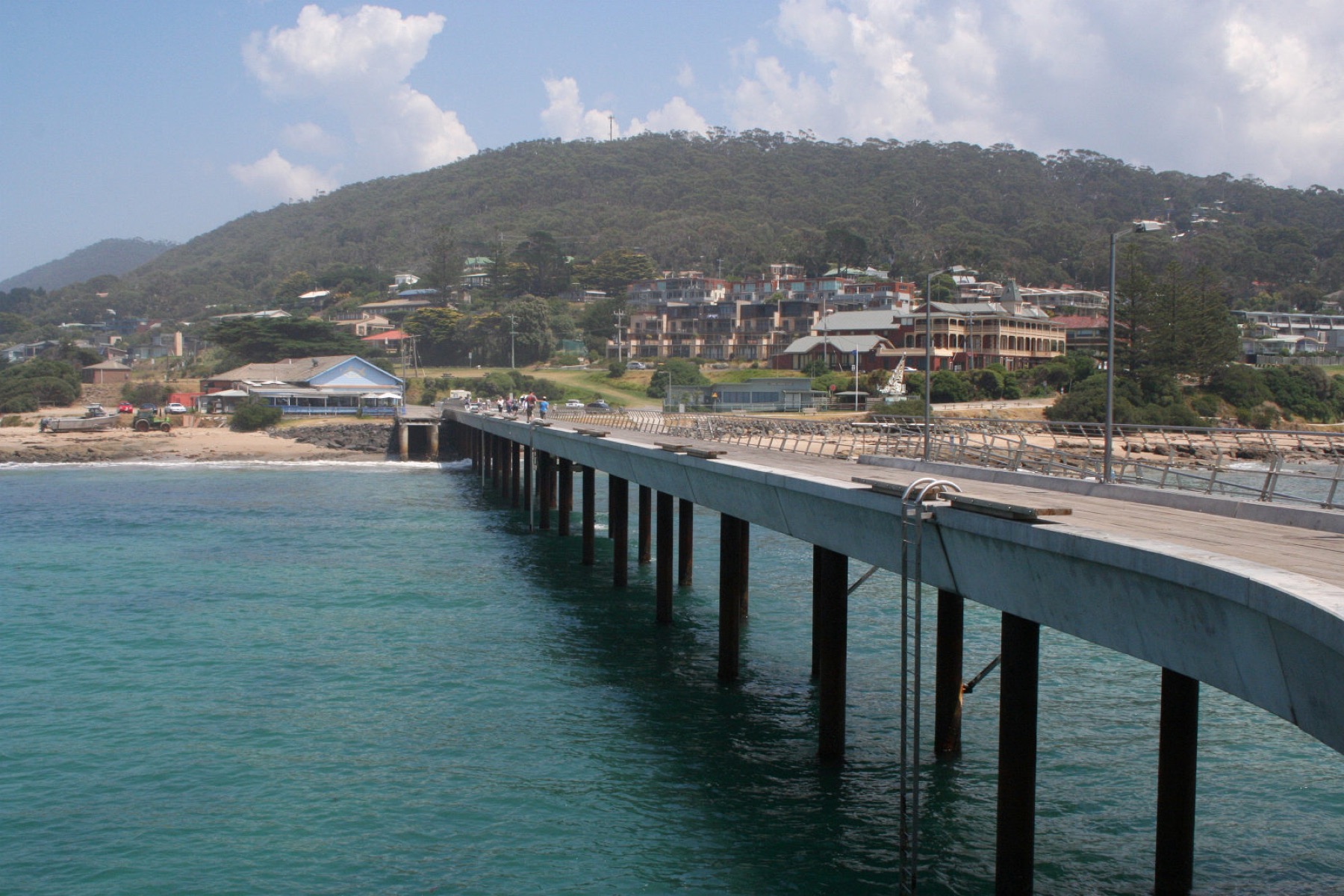
Splitting the route also allows you to explore the inland rainforests, which you’d otherwise have to skip for time reasons. There are several strategic places to stay overnight along the way. The seaside town of Lorne is full of life and great cafés, so if you’re looking for evening entertainment and buzz, it’s the ideal choice. Stopping here will nicely split your entire route and give you energy for more driving.
Another option is the relaxed Apollo Bay, which lies roughly halfway along the coastal section. From here you’re close to both the ocean and the national parks. If photographing rock formations in the morning is your priority, consider staying in Port Campbell. This small town sits just around the corner from the cliffs themselves, and from here you’ll reach the main tourist centre (Twelve Apostles Visitor Facility) in just a few minutes’ drive.
14 Stops on the Great Ocean Road
This iconic road offers a wealth of natural wonders, and if you’re going for the first time, it can be hard to orient yourself. Here’s a list of the 14 best places worth including in your itinerary, ordered from Melbourne heading west. To make sure you’re choosing the best, each place includes a Google Maps rating so you know what other travellers rave about.
1. Torquay and Its Beaches
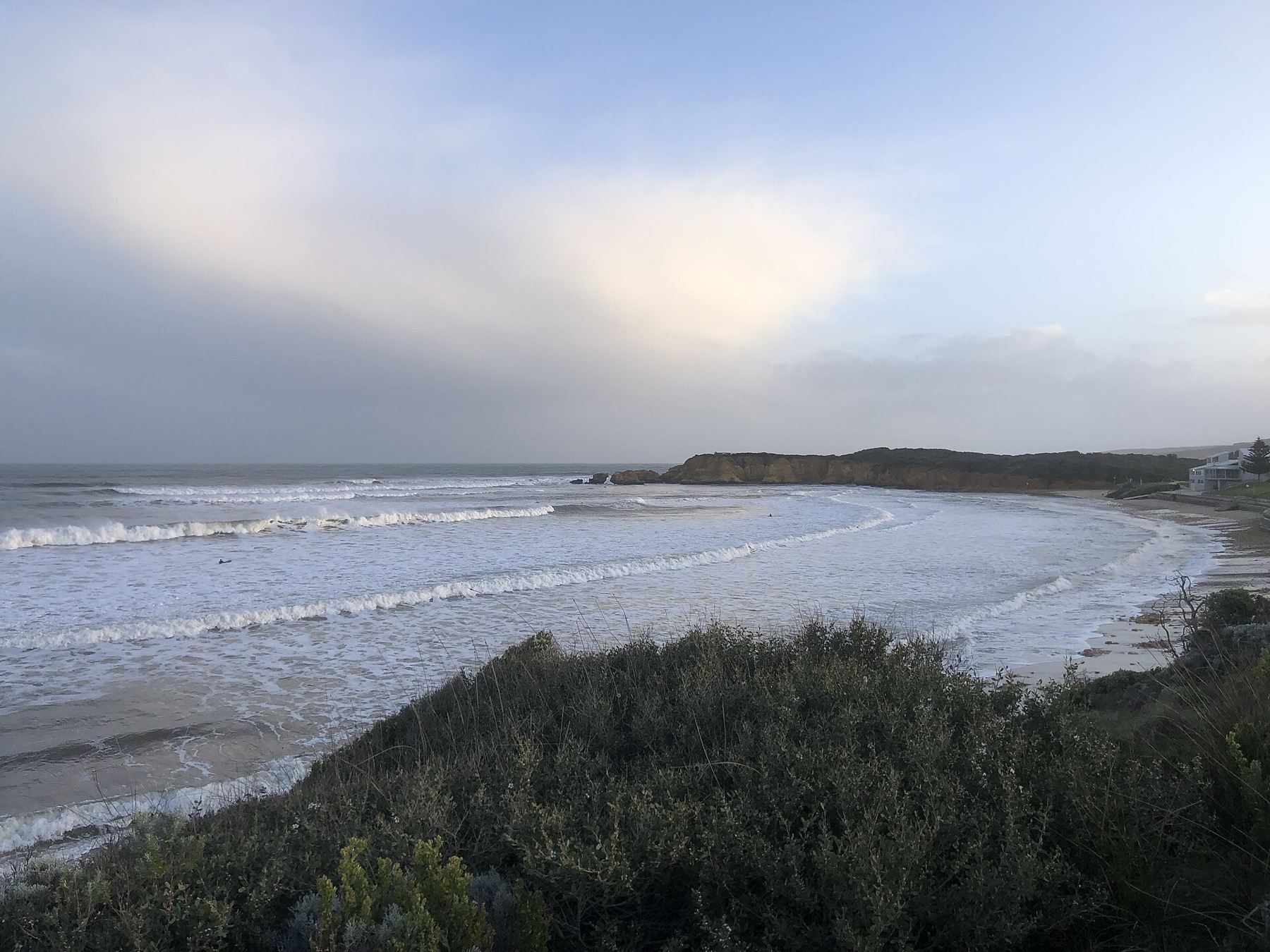
This is where it all begins – Torquay is the official gateway to the Great Ocean Road. This town lives and breathes surf culture, and as soon as you arrive, you’ll feel that typical Australian laid-back vibe. It’s the perfect place to grab a morning coffee and breathe in the salty ocean air before you head off on your coastal journey.
Stop at Torquay Front Beach, which has a Google rating of 4.8 from 696 reviews. This beach is more sheltered and offers calmer waters, ideal for a morning stroll on the sand. Right next door you’ll find the wilder Torquay Surf Beach (4.7 from 475 reviews), where you can safely watch the first surfers from the shore battling the waves of the Southern Ocean.
Just beyond the town lies Bells Beach, which belongs to Torquay and is world-famous among surfers. Its high cliffs form a dramatic backdrop for some of the best waves in the area. 💡 Tip: You don’t necessarily have to go all the way down to the water – the view from the top of the cliffs over the roaring mass of water will get your heart racing and set the mood for the rest of your journey.
2. Memorial Arch at Eastern View
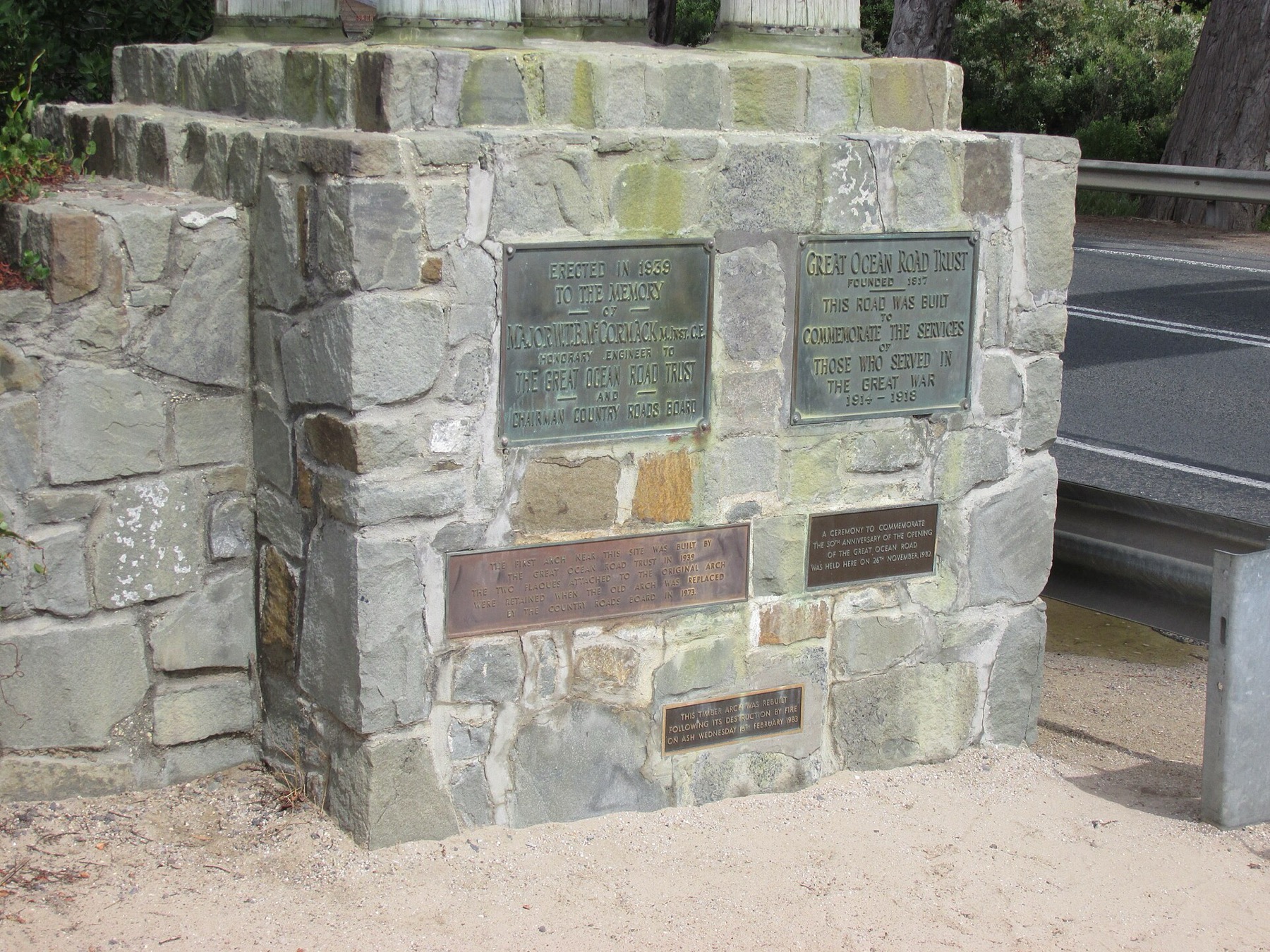
Once you leave Torquay, after a while you’ll come across a massive wooden arch spanning the road. This spot, officially known as Memorial Arch at Eastern View, holds a rating of 4.5 from 5,332 reviews on Google. It’s not just a photogenic spot, but above all an important historical reminder for the entire region.
The entire Great Ocean Road was built by returning soldiers from World War I. The arch serves as a memorial to their labour, when they carved a path by hand into the steep rocky cliffs that today connects previously isolated coastal towns. There’s a small car park by the arch, so you can safely stop your car.
💡 Tip: Take a quick photo break here, but pay close attention to the surrounding traffic. Lots of people try to photograph right in the middle of the road, which is dangerous given the blind curves and fast-passing cars. Your photo from a safe spot by the roadside will look just as good.
3. Split Point Lookout and the Lighthouse at Aireys Inlet
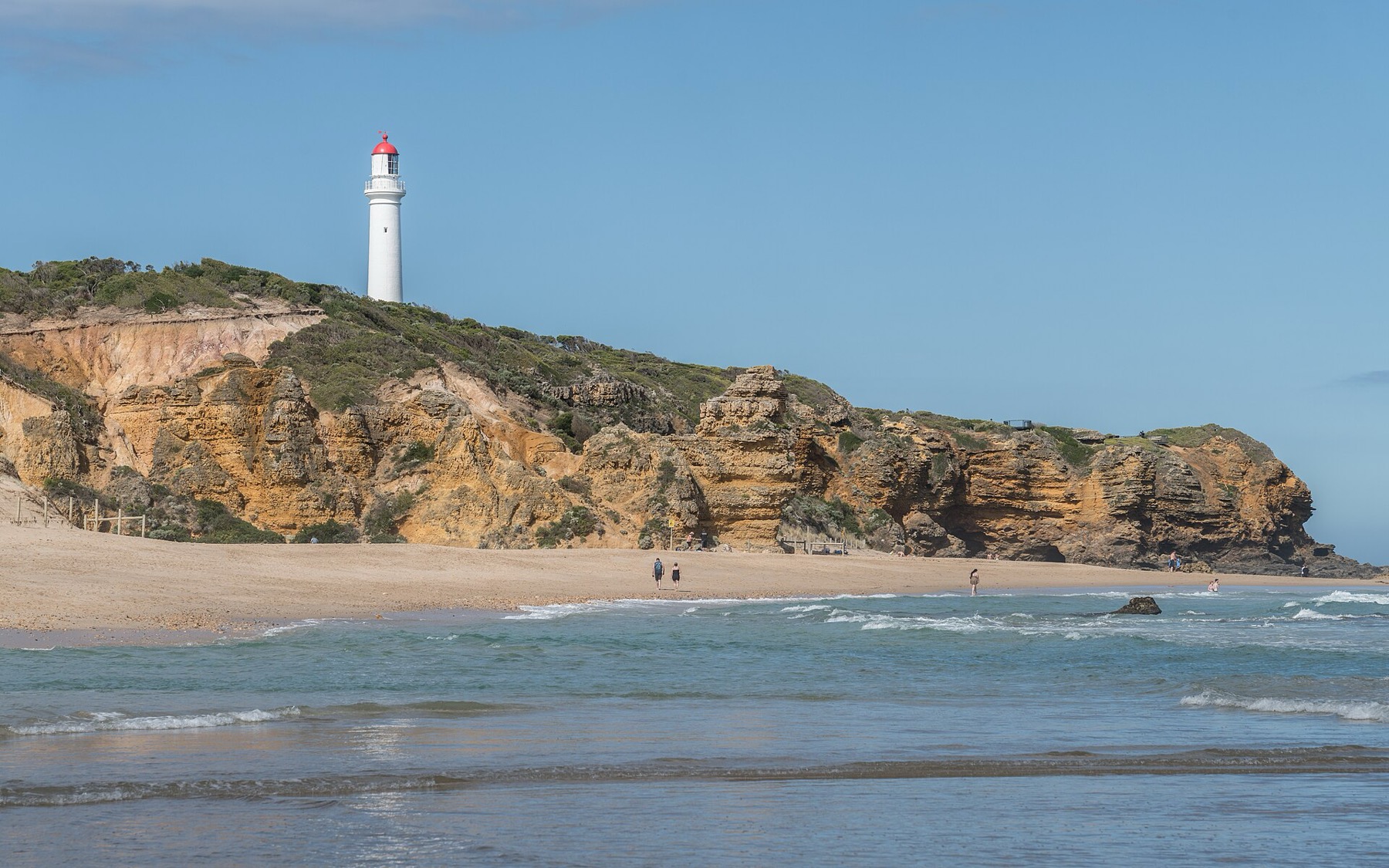
Your next stop is the little town of Aireys Inlet, dominated by a lighthouse with a red cap. Head straight to Split Point Lookout (4.7 from 645 reviews), where you’ll find panoramic views of the rugged coastline with waves crashing into sharp rocks below.
If you’re interested in maritime history, you can join the organised Split Point Lighthouse Tours (4.6 from 1,433 reviews). The commentary from local guides is engaging, and from the upper gallery of the lighthouse you can see even further out to sea. The area around the lighthouse is also criss-crossed with short dirt trails that lead you to more hidden viewpoints.
💡 Tip: This spot is perfect for a quick leg-stretch break. The sea breeze here is usually strong, so even in the middle of summer you’ll often appreciate a light jacket. The views of the Eagle Rock Marine Sanctuary cliffs directly below the lighthouse are worth a few minutes of your time.
4. Lorne Beach
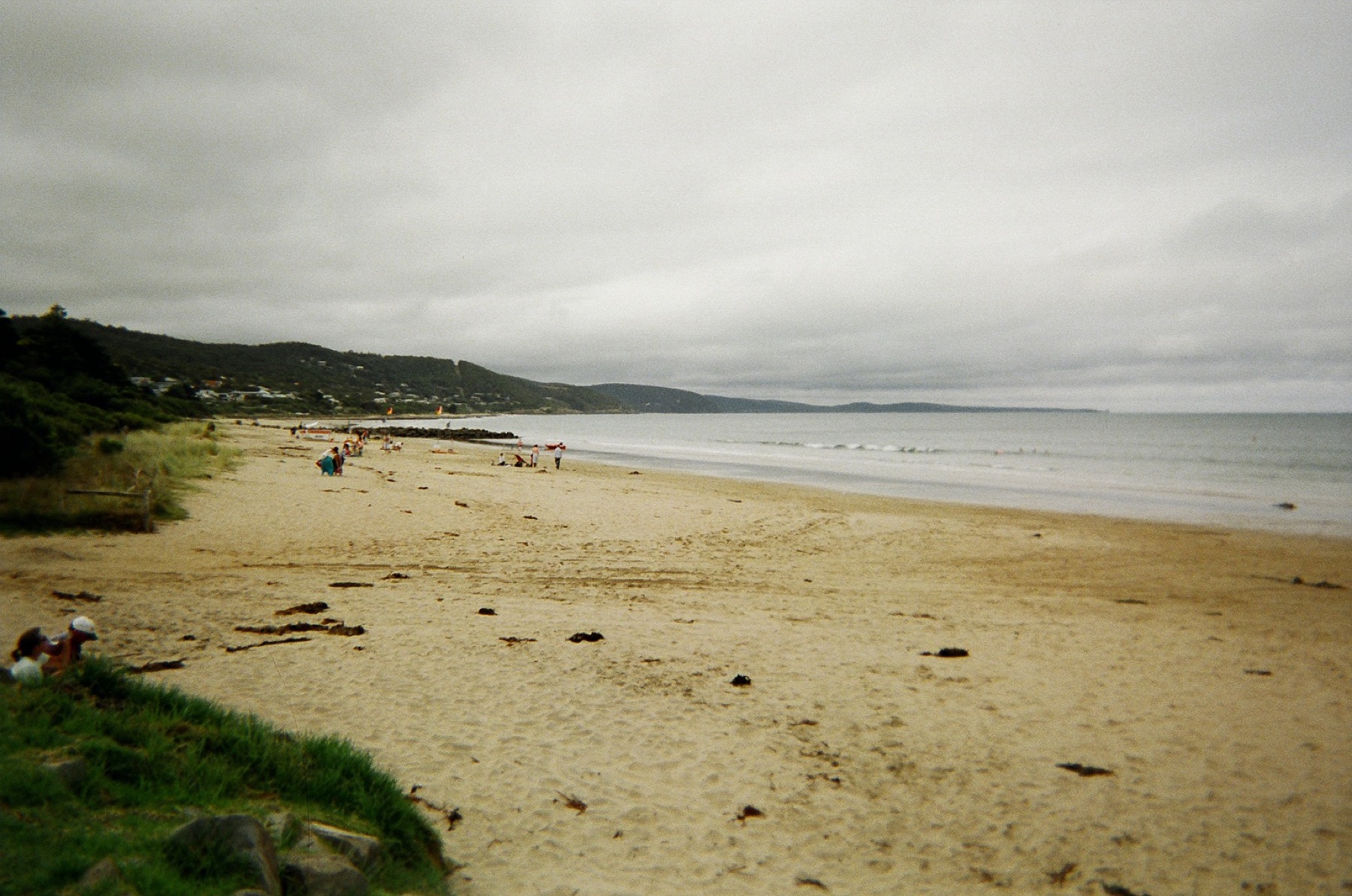
Lorne is one of the most popular towns along the entire route. Its main tourist draw is Lorne Beach, which holds a rating of 4.7 from 3,906 reviews. A wide stretch of fine sand borders a calm bay, making it an ideal spot for a longer rest or a quick picnic right on the beach.
The town itself is lined with well-kept grassy areas dotted with trees, perfect for lazy afternoons in the shade. The main street is full of bakeries and cafés where they’ll happily prepare vegetarian breakfasts or fresh specialty coffee. For meat eaters, the local classic is traditional fish and chips, which visitors often take away in paper straight to the water’s edge.
💡 Tip: If you’re not planning to stay overnight, stop in Lorne at least for lunch. The atmosphere is relaxed and it’s a good place to recharge before the road starts winding high above the cliffs again.
5. Erskine Falls
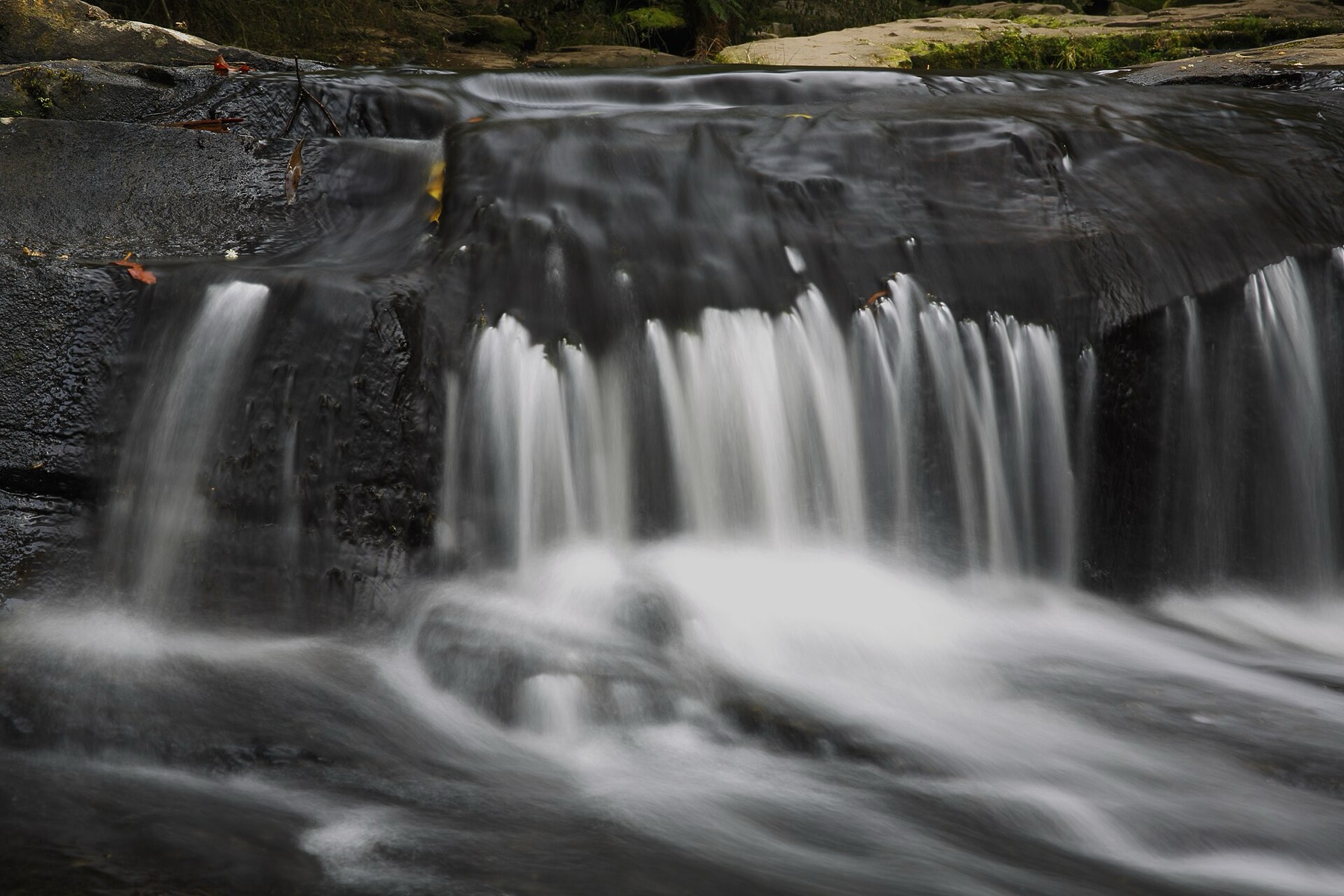
From Lorne, it’s worth making a short detour inland. The road takes you into green rainforest where you’ll find Erskine Falls (4.6 from 3,783 reviews). It’s a contrast to the sun-drenched ocean coastline – suddenly you’re in the pleasant shade of large ferns and trees.
A well-maintained trail leads to the waterfall itself, with views opening up of water cascading into a deep green valley. The air here is humid and cool, which you’ll especially appreciate during hot summer days. From the main coastal road it’s just a short drive, but the character of the landscape changes completely.
💡 Tip: The first upper viewpoint is just a short walk from the car park, but if you want to get down to the pool at the base of the waterfall, be prepared for a somewhat steeper descent. Your reward will be a view of the falling water from a different perspective, surrounded by Australian nature.
6. Kennett River
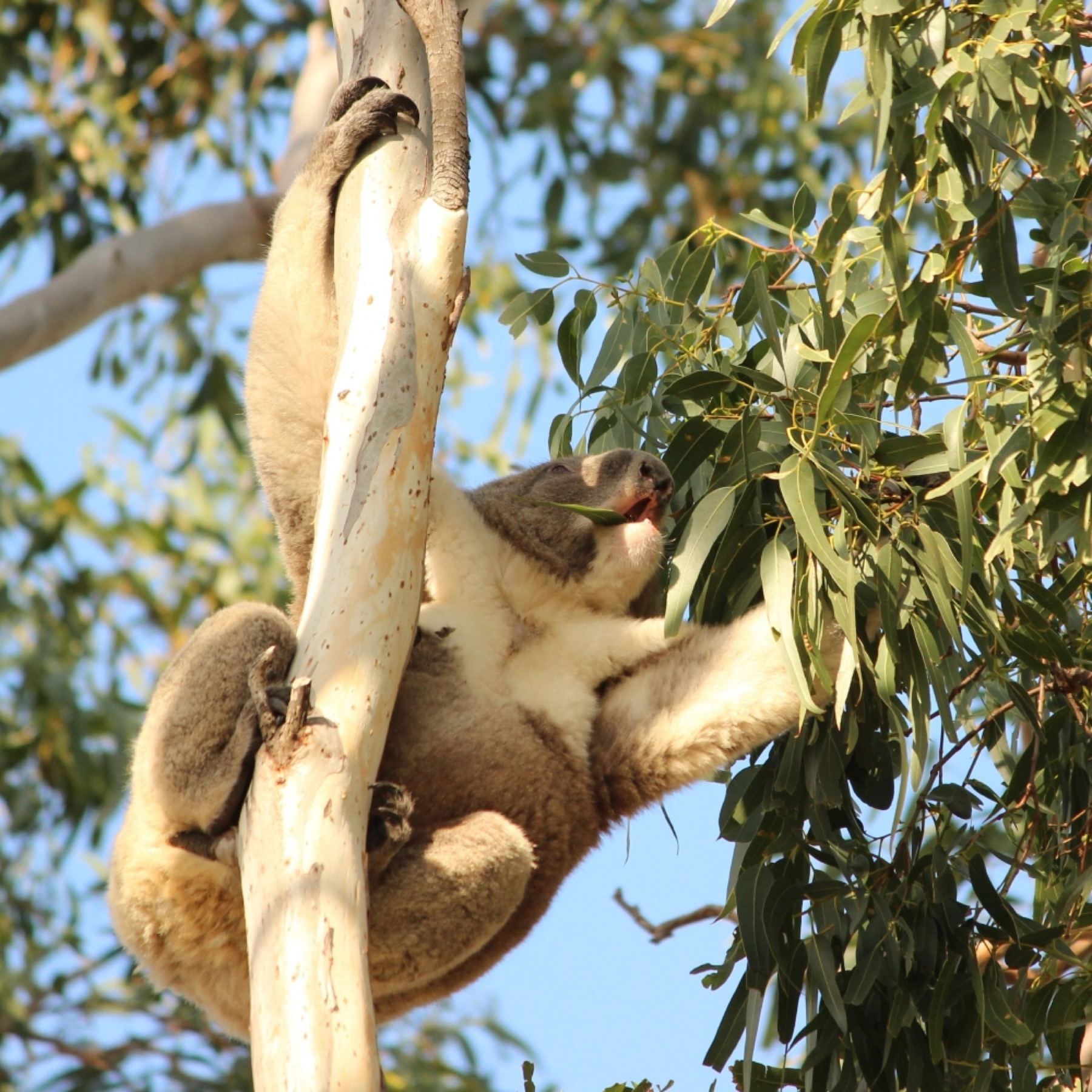
If you want to see wildlife in Australia, this is your chance. The area around Kennett River is known for its koala population. Stop at the campground Kennett River Family Caravan Park (4.3 from 502 reviews) and take a walk along the dusty road lined with tall eucalyptus trees.
Koalas can often be spotted here – just scan the tree canopy, as they’re usually dozing curled up in the forks of branches and from below look like grey furry bundles. When you find one, there’ll probably already be a cluster of people with cameras pointed up into the foliage.
You’ll also often see colourful parrots and other birds flying around, accustomed to human presence. It’s an interesting stop that doesn’t take much time but gives you an encounter with Australian fauna right beside the road.
7. Apollo Bay
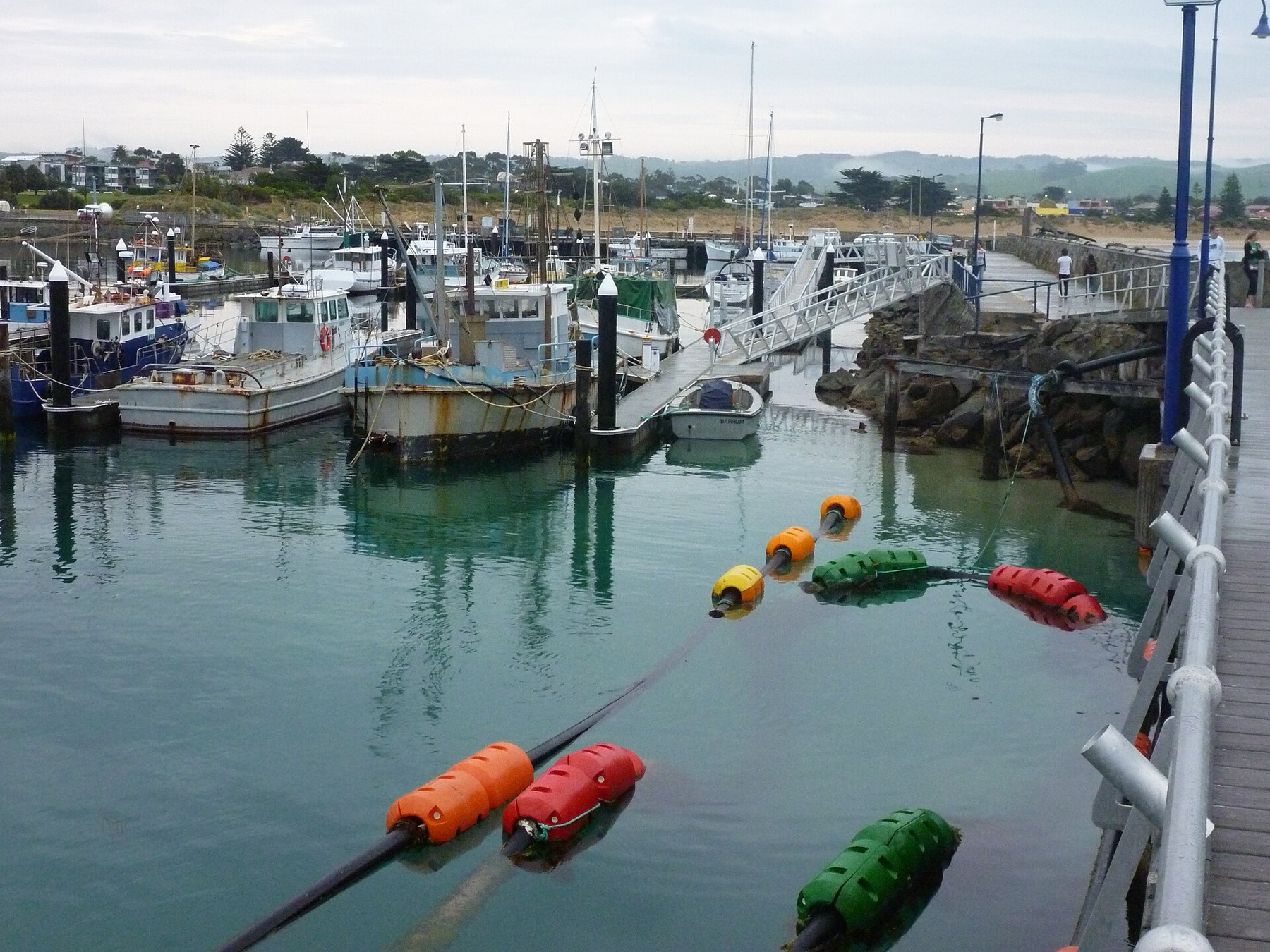
The town of Apollo Bay sits about halfway along the Great Ocean Road. It’s a quieter alternative to the busier Lorne, and many travellers choose it as their base for the first night. It’s bordered by the ocean on one side and surrounded by green hills on the other, creating a pleasant natural backdrop for your stay.
You’ll find a wide beach perfect for long walks and a promenade full of smaller local shops. Local cafés offer plenty of options for a good meal, and the evening atmosphere is peaceful. If you want a break from driving, Apollo Bay is a good place for it.
💡 Tip: Take a stroll around the small local harbour where fishing boats bob on the water. Especially at sunset, the bay is bathed in golden light and the whole area looks photogenic and tranquil.
8. Great Otway National Park
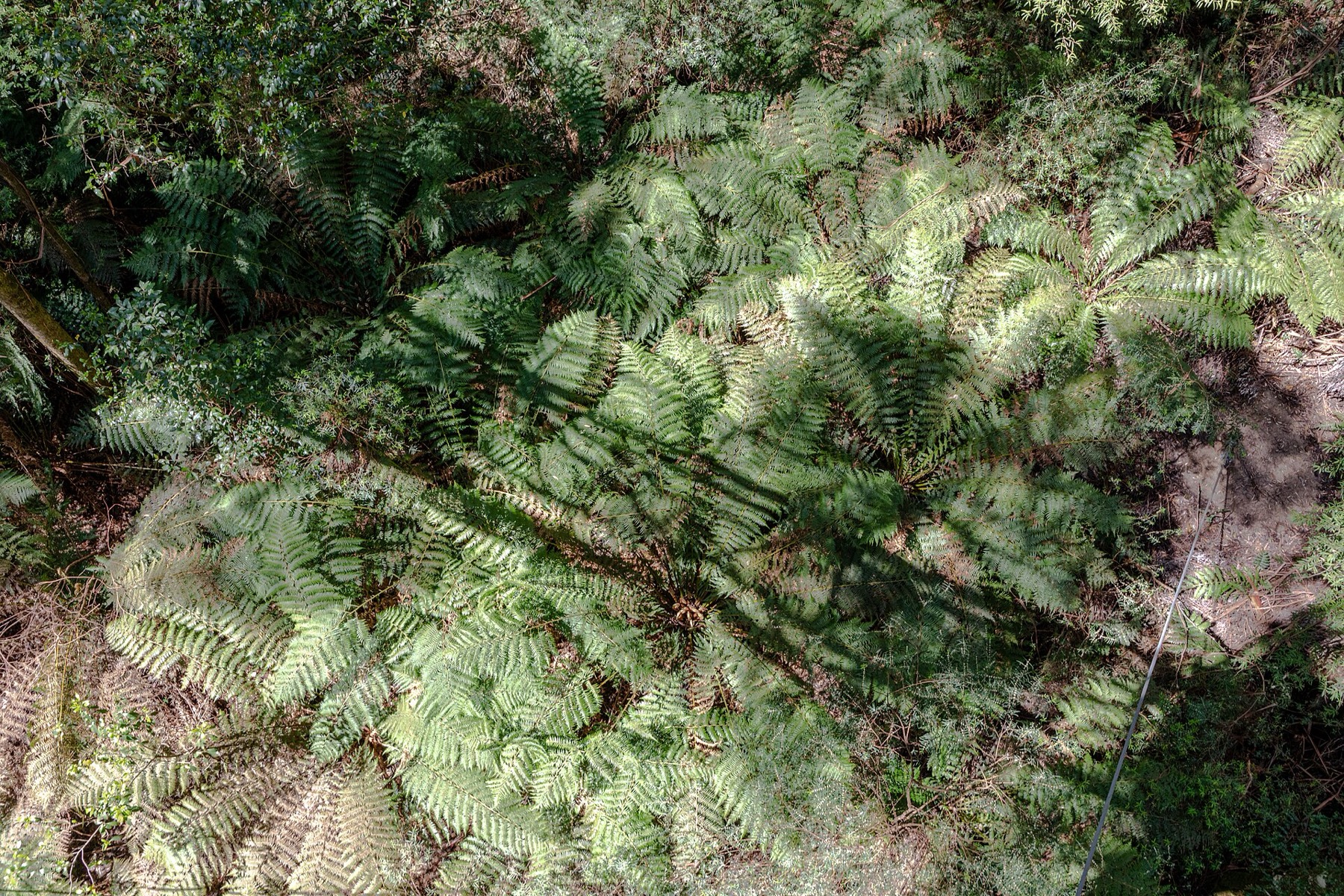
Beyond Apollo Bay, the road temporarily leaves the coast and plunges into dense forest. Great Otway National Park (4.7 from 1,981 reviews) is a world of tall eucalyptus, misty valleys and tree ferns that look like something from the age of dinosaurs. This section offers a dramatic change of scenery.
While the coast is windy and sun-scorched, the rainforest is suddenly quiet, dim and damp. The road winds in sharp bends here, so driving requires your full attention. Worth mentioning is the nearby turn-off to the Cape Otway Lightstation, which guards this stretch of coast from a high cliff.
The national park area is criss-crossed with a number of shorter walking trails that lead you to hidden streams and more waterfalls. It’s a good spot for those who love the scent of forest and want a break from ocean views.
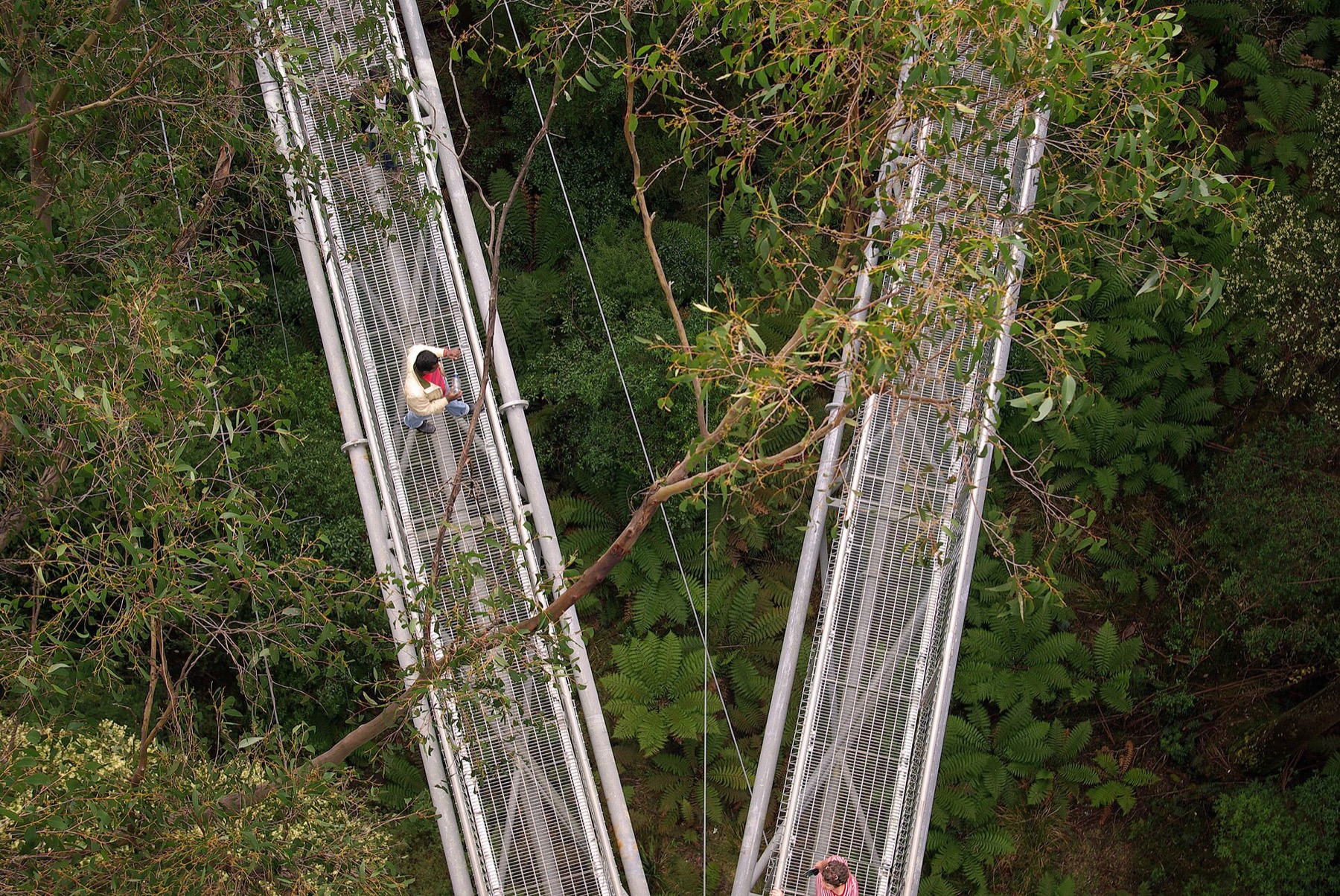
9. Otway Fly Treetop Adventures
Hidden in the middle of the rainforest is an attraction that appeals to those not afraid of heights. Otway Fly Treetop Adventures holds a rating of 4.4 from 3,033 reviews on Google. It’s a tourist structure that takes you right into the rainforest canopy.
Walking on steel walkways high above the ground offers a new perspective on how the rainforest ecosystem works. You can observe the structure of branches up close, epiphytic plants, and with a bit of luck the birds that usually move only in the upper layers of the forest. It’s an interesting experience for adults and older children.
💡 Tip: Since you’re in a rainforest, keep a waterproof jacket handy. The weather can change quickly here and the metal walkways can be slippery after rain.
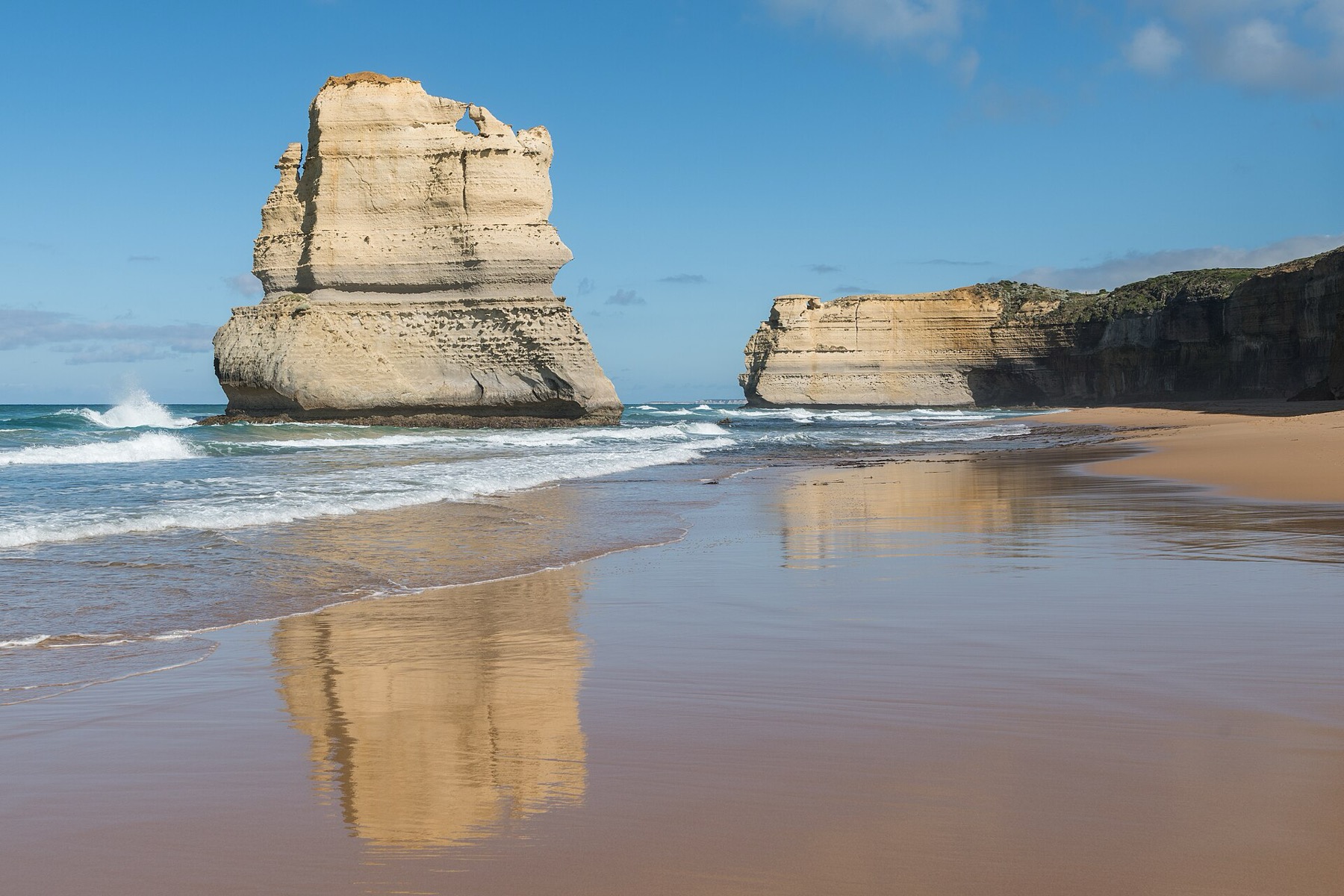
10. Gibson Steps
Once you emerge from the rainforest back to the ocean, the most dramatic part of the coastline begins. Gibson Steps (4.8 from 3,740 reviews) is where hand-carved steps lead from the edge of a high cliff down to a sandy beach.
When you’re standing down on the sand, you’ll truly understand the scale of these natural formations. Right at the shore, two limestone pillars rise from the water, surrounded by pounding waves. It’s one of the best photography spots on the Great Ocean Road.
💡 Tip: Beach access is sometimes closed for safety reasons depending on sea conditions and the current tide. If the gate is open, head down, but don’t get too close to the waves – ocean currents here are strong and unpredictable.
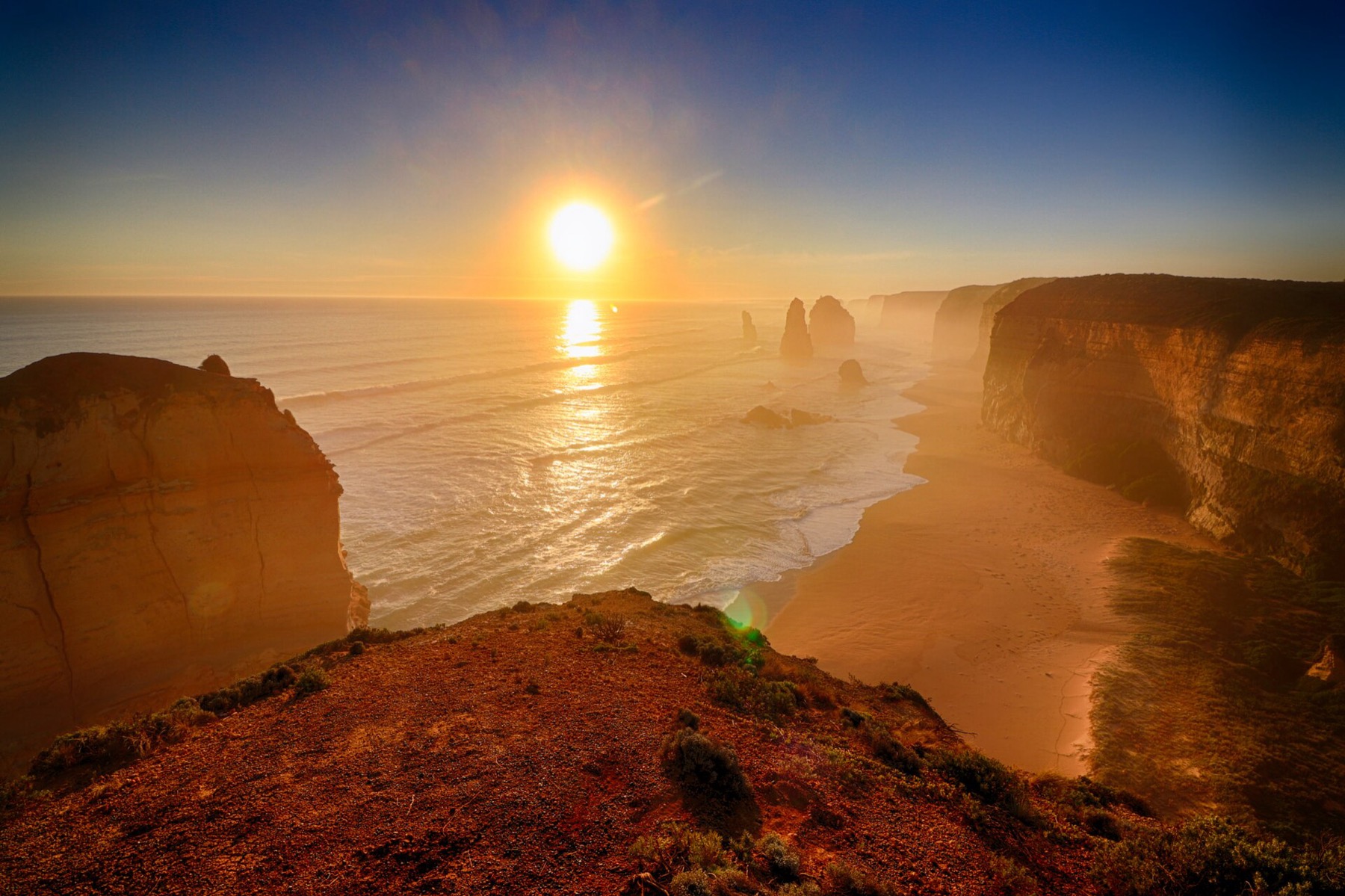
11. Twelve Apostles
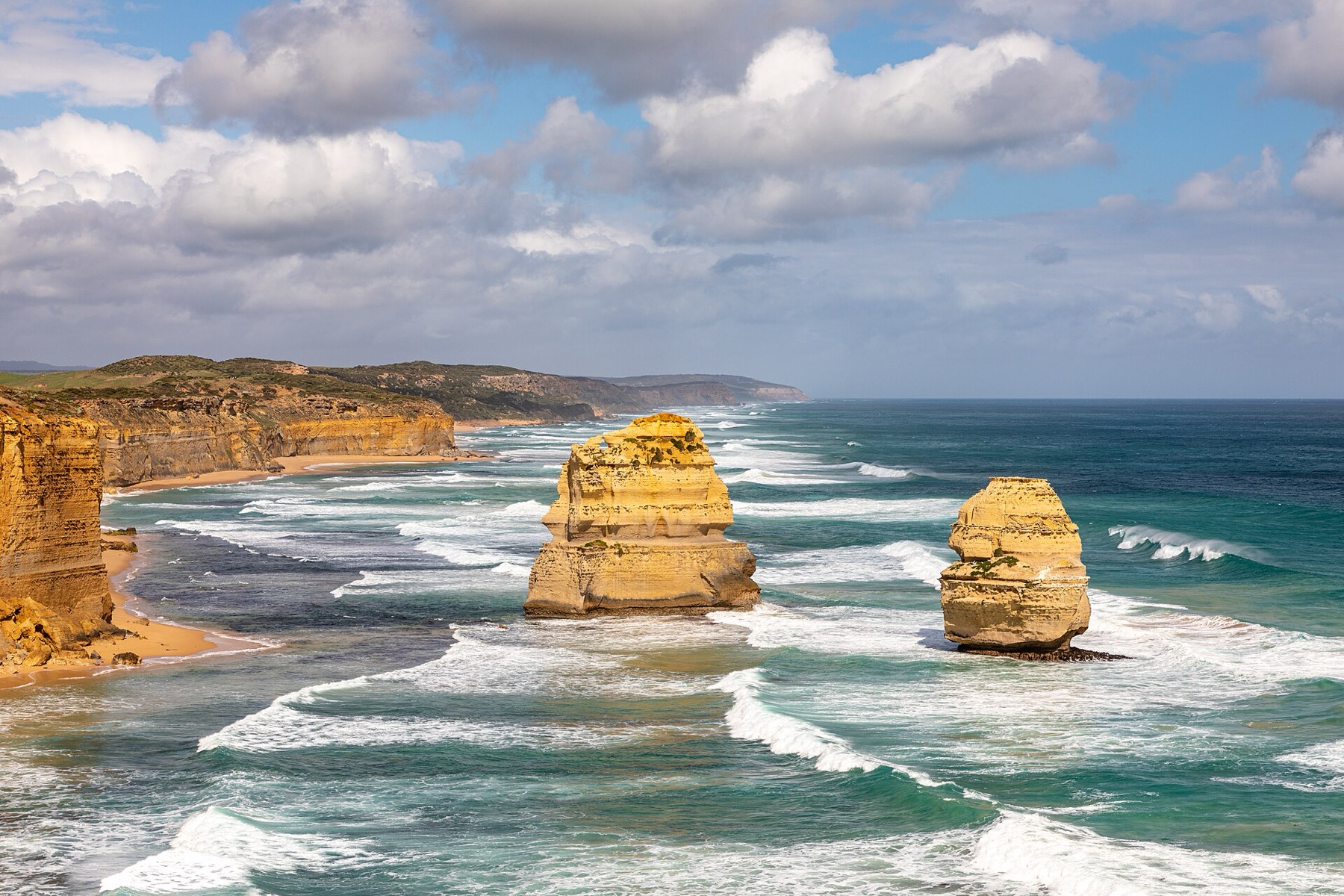
This is the iconic point of the entire route and the main reason people come here from around the world. The main viewpoint of the Twelve Apostles has collected 19,324 reviews with an average of 4.7. From well-maintained wooden boardwalks you’ll see a group of limestone towers standing firm against the force of the Southern Ocean.
The entire area falls within the protected Twelve Apostles Marine National Park (4.7 from 1,315 reviews) and is set up to handle large numbers of visitors. There’s a Twelve Apostles – Visitor Facility (4.4 from 166 reviews) with a large car park, information and toilets. From different angles you can view the rocks from Twelve Apostles Viewpoint (4.8 from 475 reviews).
The rock formations themselves, marked on maps as Twelve Apostles (4.8 from 3,040 reviews), change colour depending on how the sun hits them. They’re most striking early in the morning or late afternoon, when the limestone walls glow in shades of orange and gold.
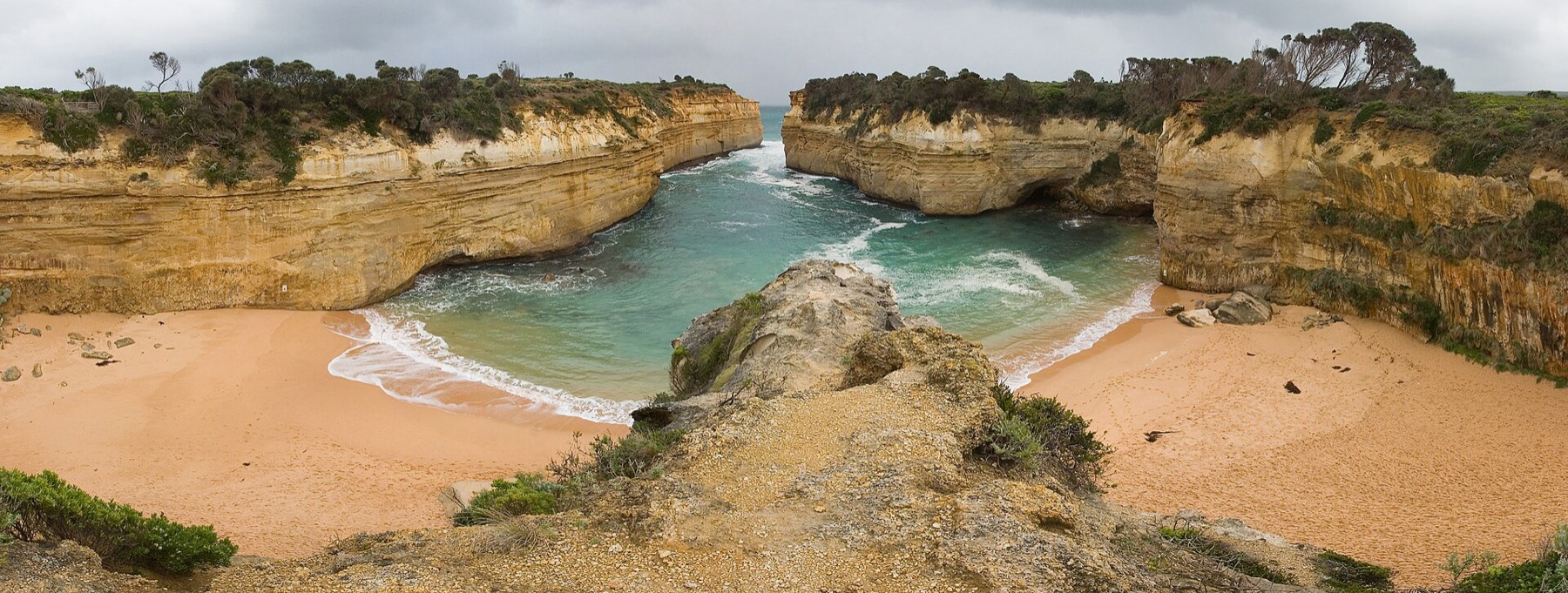

12. Loch Ard Gorge
Just a few minutes from the Apostles lies a spot that ranks among the other famous stops. Loch Ard Gorge has a rating of 4.8 from 7,247 reviews. It’s a deep turquoise bay squeezed between steep cliffs, where the ocean enters only through a narrow channel.
Around the bay, there’s a network of walkways and viewpoints from which you can observe the power of natural erosion. Wooden stairs lead down to a sandy beach hidden in the gorge. When you stand down by the water and look around, the height of the surrounding walls becomes even more impressive.
💡 Tip: Set aside plenty of time for this spot. It’s not just about one viewpoint—the Loch Ard Gorge area offers several sceneries and geological formations that are worth a more thorough exploration.
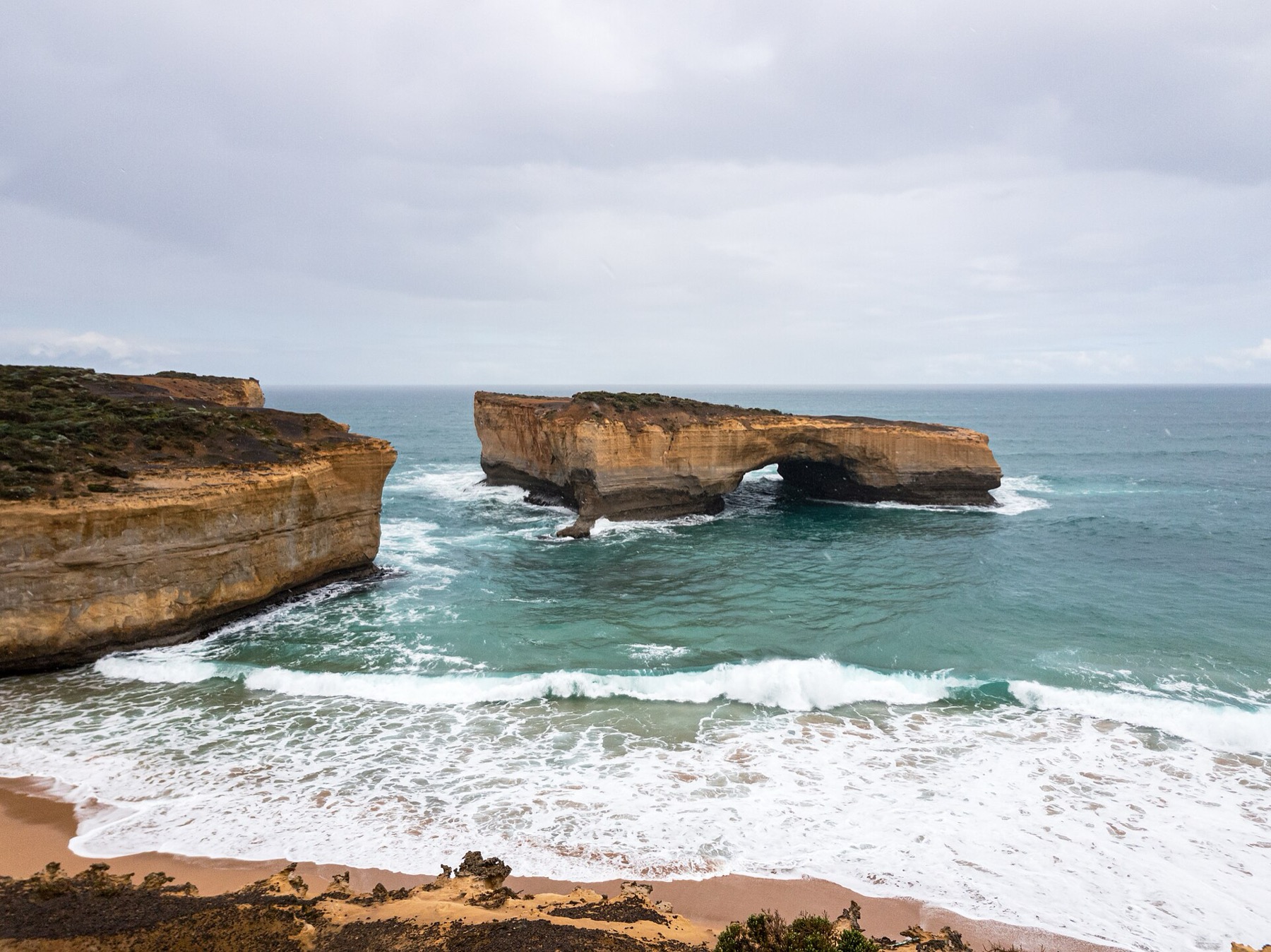
13. London Bridge
The road continues on to another creation of nature. The viewpoint at London Bridge (4.7 from 2,663 reviews) shows you a rock arch rising from the ocean. This limestone formation was once connected to the mainland and you could walk across it, but today it stands alone in the sea, resisting the waves.
Watching the waves crash against the pillars of this natural bridge is impressive. From the built viewing platforms, you have a view of the entire preserved structure and the surrounding coastline. The area is also home to little penguins, which you might spot with a bit of luck after sunset.
💡 Tip: The viewpoints are accessed by a short paved path directly from the car park, making this an easily accessible and undemanding stop even for those who are already tired from a full day of running around the cliffs.
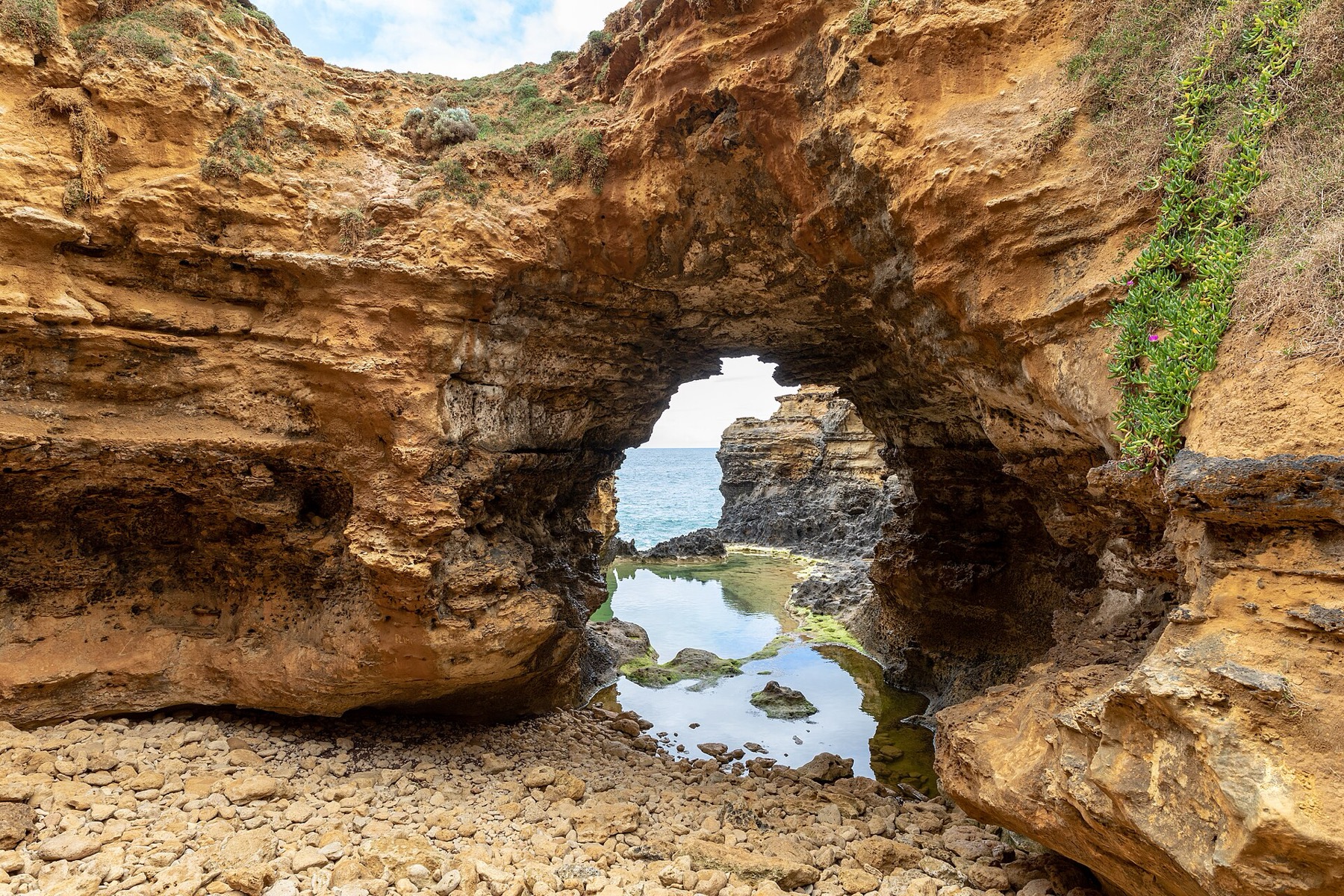
14. The Grotto
The final stop on our list is a place that feels unconventional. The Grotto (4.7 from 2,519 reviews) is part cave, part sinkhole, and part natural window with a view of the ocean.
You descend wooden stairs down to sea level, where a rock window framed by limestone opens before you. Through it, you can watch the pool in the foreground and the ocean waves in the background. It’s one of the quieter spots on the coast, especially if you arrive in the late afternoon.
💡 Tip: Watch the road signs carefully—the turn-off to The Grotto can easily be missed if you’re driving quickly. That would be a shame, because this view through the rock frame is one of the most photographed sights along the entire Great Ocean Road.
Twelve Apostles: How to See Them Without the Crowds
The Twelve Apostles are the tourist magnet of the entire route and the reason people come here. The main viewpoint has a rating of 4.7 from 19,324 reviews, which in itself clearly speaks to its popularity. The price you pay for this beauty, however, is crowds of people. If you arrive roughly between 11 a.m. and 3 p.m., you’ll almost have to fight for a spot at the wooden railing with passengers from tour buses who’ve arrived from Melbourne.
The key to enjoying the cluster of limestone towers in peace is proper timing. Morning hours are key to a tranquil experience. When you arrive at the cliffs right after sunrise, you’ll have the wooden walkways almost to yourself. Morning light also gives the cool rocks soft pastel colours, and the entire place feels majestic without the noise.
The second option is to plan your visit for late afternoon. Regular one-day bus tours are long gone back to the city by then, and the viewpoints finally empty out. You can also try walking to the less frequented Twelve Apostles Viewpoint (4.8 from 475 reviews), which offers a more intimate atmosphere than the main platform. The rocks light up in deep orange at sunset, and long shadows start stretching across the foaming ocean.
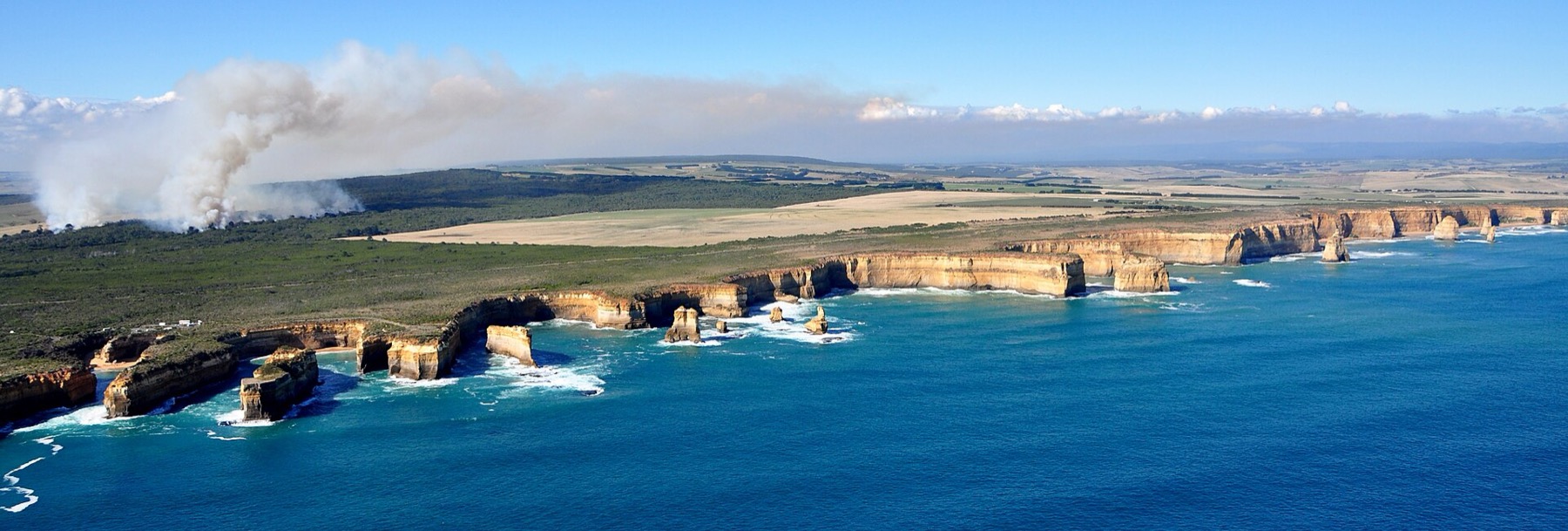
If you want to enhance your Apostles experience and avoid people completely, a bird’s-eye view is worth considering. The service 12 Apostles Helicopters (4.6 from 1,740 reviews) offers scenic flights directly over the cliffs. From the helicopter window, you’ll fully appreciate the extent of natural erosion and the isolation of these rock pillars in the ocean.
On Foot and From Above: Walks and Scenic Flights
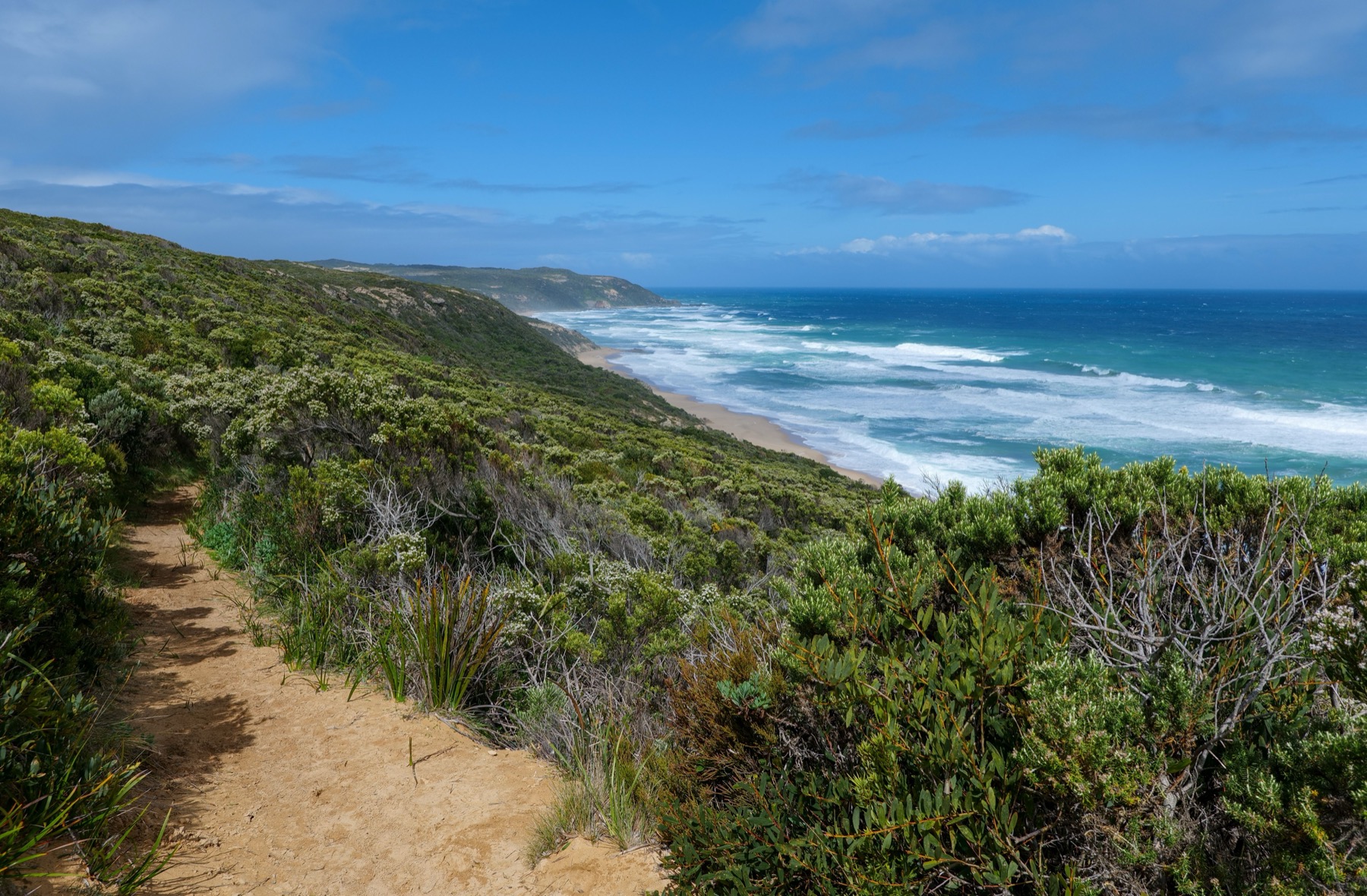
If you don’t enjoy just sitting locked in a car and moving from one concrete viewpoint to the next, the area offers plenty of ways to immerse yourself more deeply in the local nature. The main destination for long-distance hiking lovers is the Great Ocean Walk. This walking trail has a Google rating of 4.8 from 800 reviews and runs along steep sections of coast where you can’t reach by car at all.
You don’t have to complete the whole thing, of course—just pick a shorter section and set off for a few hours with a backpack on foot. Walking along the cliffs will give you a sense of freedom and adventure. You’ll feel the salty wind in your hair, hear the crashing of waves below you, and reach isolated viewpoints that no road leads to.
Another place to stretch your legs is inland Great Otway National Park (4.7 from 1,981 reviews). Walking trails here take you under tree canopies where sunlight barely penetrates. It’s a pleasant remedy for driving fatigue and an opportunity to experience Australia from its greener and cooler side. Before setting off on a longer trail, though, stop by the Great Ocean Road Visitor Information Centre (4.5 from 487 reviews) for current maps and advice from local rangers.
Where to Stay
💡 Accommodation and experiences tip: We compare local accommodation here to see what’s available and at what price. We prefer to look for it on Booking.com, where cancellation terms are usually best. Tickets, tours, and activities are worth comparing and buying through GetYourGuide.
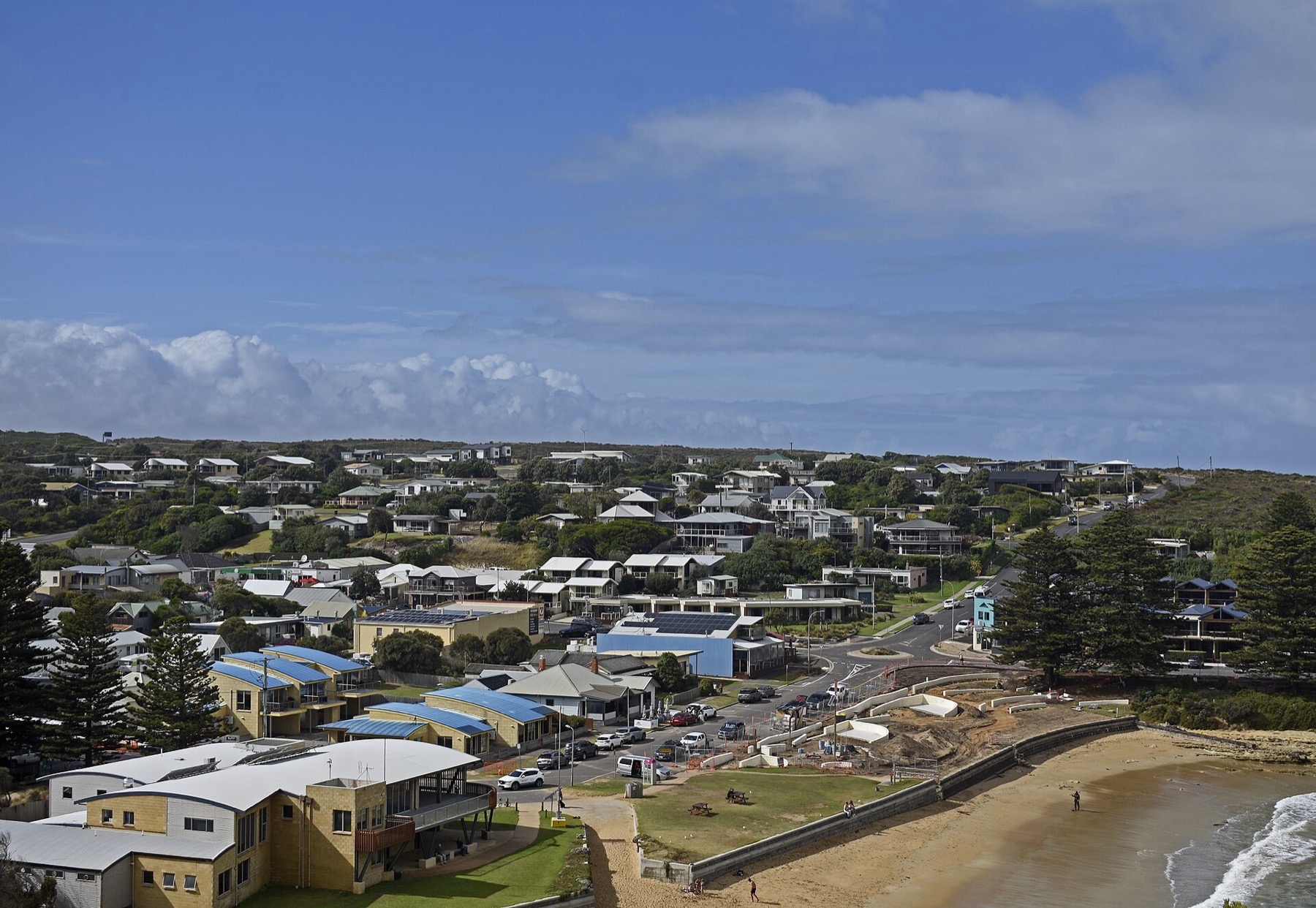
Your choice of accommodation mainly depends on how you want to spread out the route time-wise. If you’re looking for a livelier atmosphere right at the start of the journey, the town of Lorne offers plenty of options. Popular is the Mantra Lorne complex (Google 4 from 2,119 reviews) or Cumberland Lorne Resort (4.3 from 602 reviews). For a quieter stay, boutique La Perouse Lorne (4.8 from 63 reviews) or Lorne Surf Apartments (4.6 from 175 reviews) are suitable.
A frequent stop roughly halfway along the route is Apollo Bay. Right here you’ll find one of the best-rated accommodations on the route, Captain’s at the Bay (4.9 from 293 reviews), which offers comfortable facilities. Popular and affordable are also local motels, such as Beachcomber Motel (4.5 from 299 reviews), Apollo Bay Motel (4.4 from 376 reviews), or Sandpiper Motel Apollo Bay (4.3 from 397 reviews).
If your goal is to see the Twelve Apostles early in the morning or at sunset, Port Campbell will be a suitable base. It’s only a few minutes’ drive from the cliffs and viewpoints. You can stay at Port Campbell Motor Inn (4.6 from 342 reviews) or the The Port O Call hotel (4.6 from 182 reviews). Also well-rated are the motels Loch Ard Motor Inn (4.5 from 343 reviews) and Southern Ocean Motor Inn (4.2 from 451 reviews), from which it’s just a few steps to the ocean.
Where to Eat
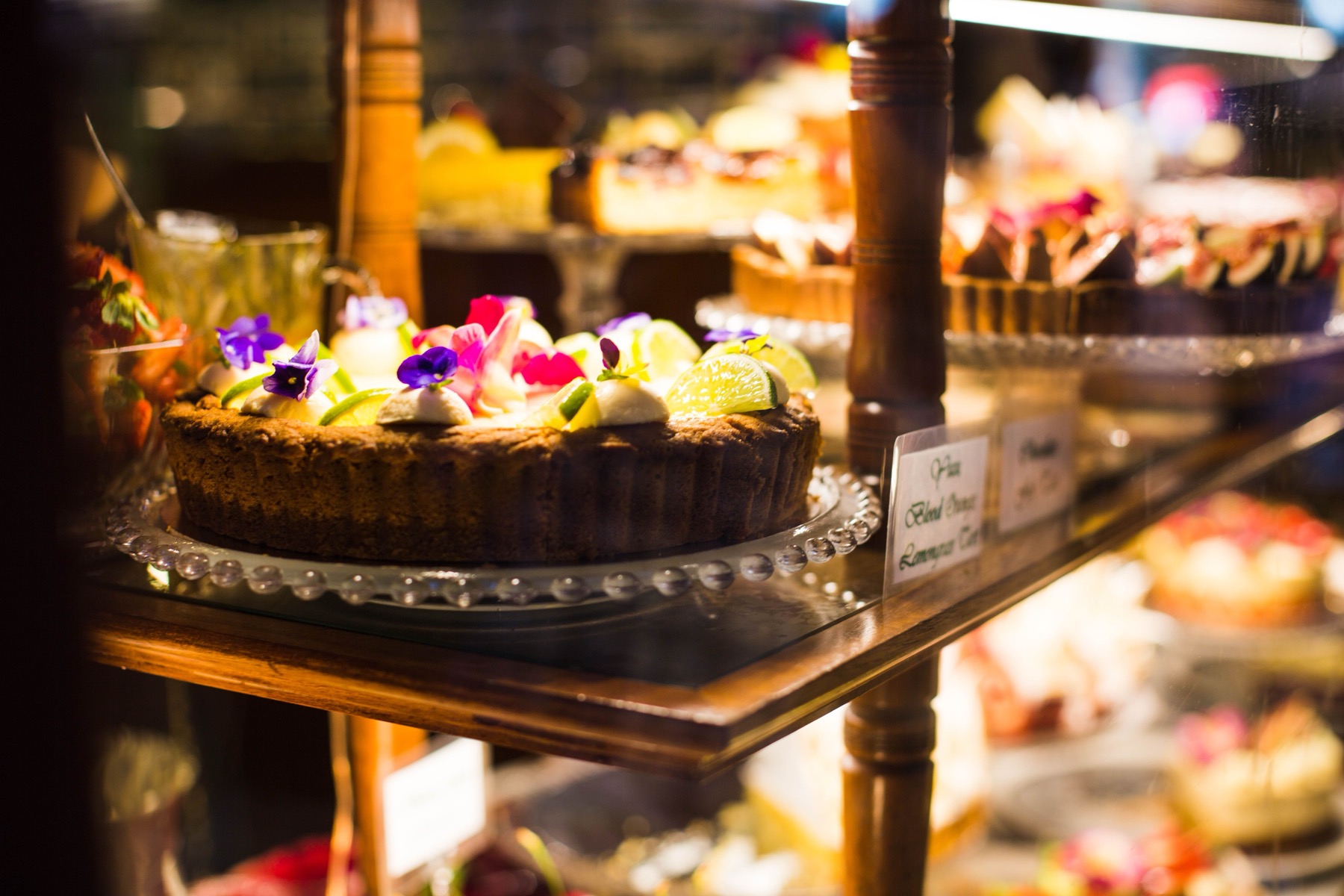
Sooner or later hunger will strike on the road, and good food is an inseparable part of such a road trip. If you’re looking for quick energy during the day, most small towns along the coast have traditional bakeries—a good choice is fresh pastry, a pie, or a proper coffee. Local classics are meat pies and fish and chips, which almost everyone here reaches for.
But be very careful with confusing names: establishments like Lorne Hotel or Grand Pacific Hotel Lorne sound to a Central European like accommodation, but they’re actually great local pubs and restaurants, not hotels with beds. It’s precisely these kinds of places that make sense to drop into in the evening, have a draught beer, and enjoy the relaxed Australian atmosphere after a demanding day behind the wheel.
Behind the Wheel: What Will Surprise You on This Road
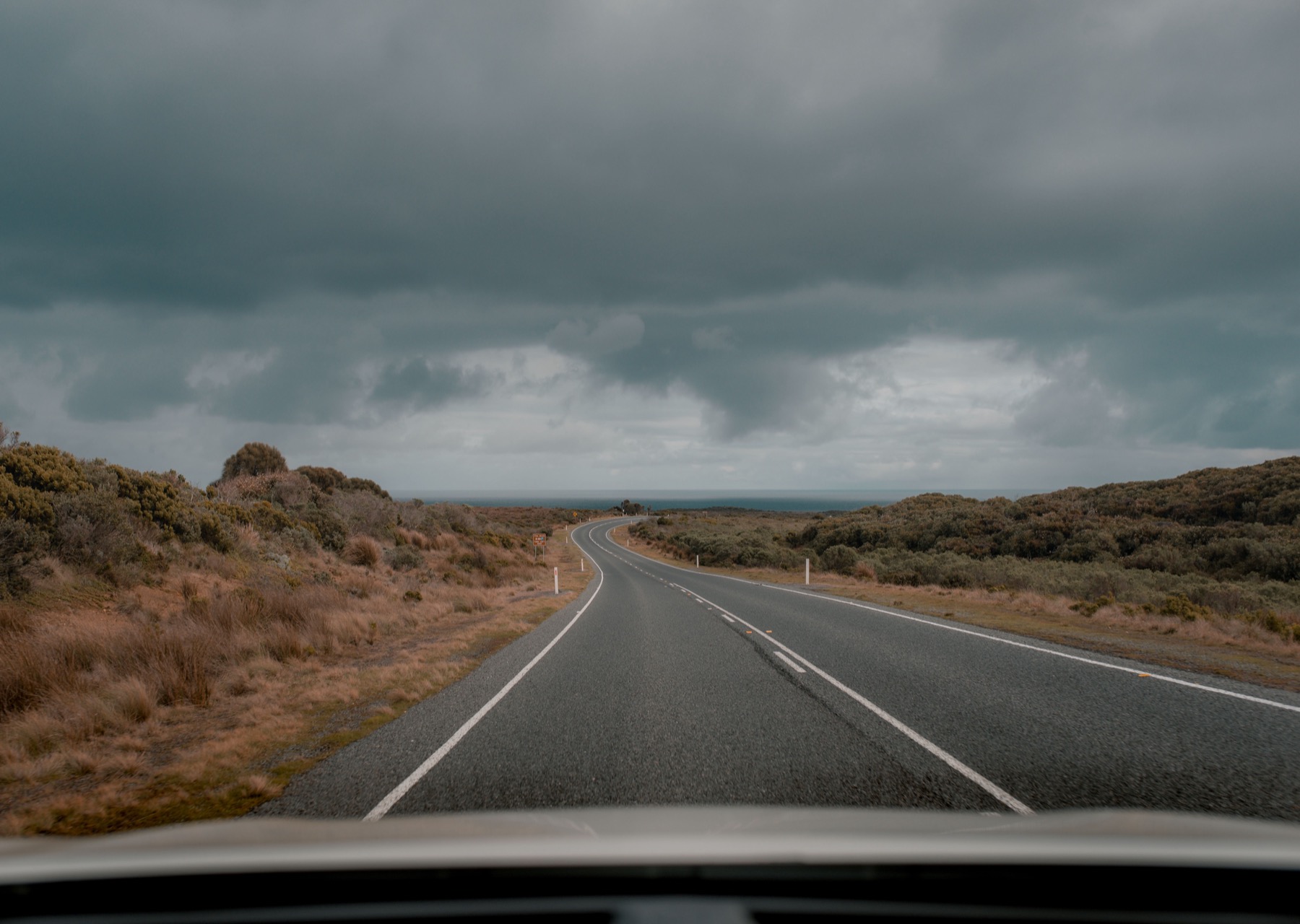
Driving the Great Ocean Road is an experience, but it demands respect for local conditions. The biggest adjustment for many international visitors is, of course, driving on the left. Especially when exiting parking lots, at intersections, or in the morning when you first get behind the wheel after waking up, you need to constantly remind yourself which lane you should actually be in. Confusion in parking lots at viewpoints tends to be the most common source of minor collisions.
The road itself is narrow and winding in places. In some sections it’s carved right into the cliffs and twists up and down along the coast. Because of this, average speeds are lower than people expect when planning their trip. Don’t let it throw you off if an impatient local appears behind you—just pull over at the nearest safe spot so you can continue enjoying the drive in peace.
A characteristic of all of Australia is wildlife on the roads, most active at dawn, dusk, and at night. Kangaroos or koalas can wander onto the road at any time, and the rule is clear: after dark, drive no faster than 65 km/h. If an animal unexpectedly jumps into your path, never jerk the wheel to the side. Swerving abruptly at the edge of a cliff ends worse than a collision—brake smoothly in a straight line.
Be careful even after parking when you leave your car. If you go for a swim in the ocean, remember that invisible rip currents kill more people in Australia than bushfires, floods, cyclones, and sharks combined. Swim only at patrolled beaches and exclusively between the red-and-yellow flags, and before you head out, check Parks Victoria to see if there are any fire warnings—the Australian wilderness does what it wants in summer.
When to Visit the Great Ocean Road
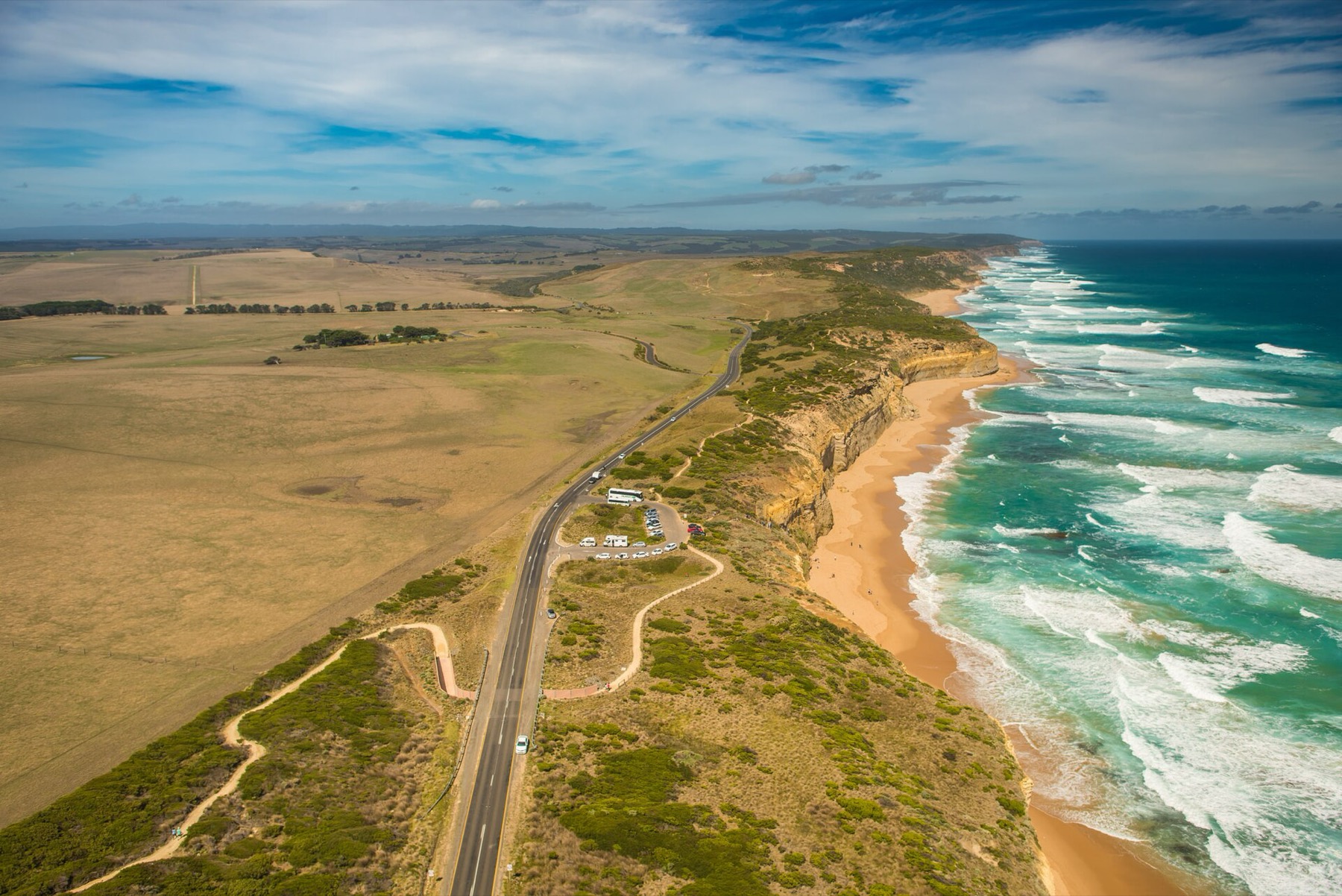
The weather on Australia’s southern coast does what it wants—and will significantly influence whether you’ll be admiring the cliffs or huddling under a raincoat. Most visitors come during the Australian summer, roughly from December to February. According to long-term statistics, January daytime highs in nearby Melbourne hover around 26.4 °C, which are ideal conditions for exploring the cliffs and sitting in coastal cafés.
During the summer months, however, you need to accept that the ocean here will never be as warm as in the tropics. Even in the warmest month of February, the sea near the coast is only around 19.6 °C, so swimming is more for hardy souls, and surfers routinely wear wetsuits. The Australian winter, which runs from June to August, brings cold and windy days, with July daytime highs dropping to around 13.2 °C. On the other hand, the rough winter ocean with giant waves gives the cliffs a more dramatic appearance.
If you want a chance at stable sunny weather but also want to avoid the summer crowds at viewpoints, Australian spring or autumn offers the ideal compromise. For more detailed information about what temperatures and rainfall you can expect in each season, read our article about weather in Australia.
Where to Go Next
If you’re planning your entire Australian holiday, the Great Ocean Road is just one piece of the puzzle. You’ll find inspiration for other destinations on the continent in our other guides:
- Melbourne, Australia: 23 Tips on What to See and Do
- Holiday in Australia: 30 Most Beautiful Places + Practical Tips
- Road Trip in Australia: Routes, Car, and Budget
- Weather in Australia: When to Go by Region
- Animals in Australia: Where to See Kangaroos and Koalas
- Tasmania: 20 Tips on What to See + Round Trip Itinerary
Frequently Asked Questions
Planning a trip to the other side of the world naturally brings plenty of questions. Here’s an overview of what you ask most often about the Great Ocean Road.
Is one day enough for the Great Ocean Road?
Technically you can do it in one day from Melbourne, but you’ll spend most of your time in the car and arrive at the cliffs precisely when the crowds are biggest. For a more relaxed experience and morning photography without tour buses, I recommend splitting the route over two days.
Which direction is better to drive?
It’s best to head from Melbourne westward through Torquay. Thanks to driving on the left in Australia, you’ll have the ocean and all the lookouts on your side the whole time and won’t have to cross oncoming traffic when turning off.
Where’s the best place to stay overnight along the way?
It depends on your pace. Lorne is a livelier town with cafés, Apollo Bay offers peace and lies right at the midpoint of the route. If you want to be as close as possible to the Twelve Apostles in the morning, stay in Port Campbell.
When are there the fewest people at the Twelve Apostles?
Avoid midday and early afternoon when day tours arrive. You’ll experience good light and minimal crowds early in the morning after sunrise or alternatively in the late afternoon.
Will I see koalas along the route?
The area around Kennett River is known for koalas often being visible in the wild in the tree canopy. The chances are quite high—you just need to look carefully into the eucalyptus branches or follow clusters of other tourists who’ve already spotted an animal.
Can you do it without a car?
Without a car you’re limited to organized bus tours from Melbourne. These will take you to the main viewpoints, but you’ll lose the freedom to stop wherever you like and avoid the busiest times.
When is the best time to visit?
It’s warmest during the Australian summer (December to February) when temperatures climb over 26 °C. In winter (June to August) it’s cold and windy, but the stormy ocean crashing against the cliffs also has its own distinctive atmosphere.
Is it worth flying over the cliffs by helicopter?
Travelers agree that the bird’s-eye view of the isolated limestone towers in the ocean is exceptional. Flights are offered by companies like 12 Apostles Helicopters and you’ll see the coastline from a different perspective.
Is it safe to swim in the ocean?
The Southern Ocean is wild and hides treacherous rip currents. Always swim only at official beaches and exclusively between the red-and-yellow flags where local lifeguards supervise safety.
What to do if it rains?
The weather on the coast changes quickly. If it’s raining, it’s a good time to explore the inland rainforest in Great Otway National Park, where the tree canopy catches a lot of water and fog gives the place a distinctive atmosphere.
Tips and Tricks for Your Vacation
Don’t Overpay for Flights
Search for flights on Kayak. It’s our favorite search engine because it scans the websites of all airlines and always finds the cheapest connection.
Book Your Accommodation Smartly
The best experiences we’ve had when looking for accommodation (from Alaska to Morocco) are with Booking.com, where hotels, apartments, and entire houses are usually the cheapest and most widely available.
Don’t Forget Travel Insurance
Good travel insurance will protect you against illness, accidents, theft, or flight cancellations. We’ve had a few hospital visits abroad, so we know how important it is to have proper insurance arranged.
Where we insure ourselves: SafetyWing (simple monthly subscription) and TrueTraveller (for extra-long trips).
Find the Best Experiences
Get Your Guide is a huge online marketplace where you can book guided walks, trips, skip-the-line tickets, tours, and much more. We always find some extra fun there!


