

If Australia with children is your dream, what puts families off most about the trip to the land down under is the journey itself, because the flight takes roughly a day and a half and there’s simply no direct connection from Europe. But once you overcome this logistical challenge and land at your destination, you’ll discover something pleasant. Australia is one of the easiest countries in the world to travel with children.
The infrastructure for families is well thought out, whether it’s changing tables, stroller-friendly access or children’s playgrounds. Local people are welcoming to children, so you won’t feel out of place even when your little one isn’t having their best day.
So if you’re considering heading to the Antipodes, you’ll be surprised by how much fun can be had here. From feeding kangaroos to massive aquariums that even adults won’t want to leave. So let’s dive in – Australia awaits, and it’s worth a bit of advance planning.
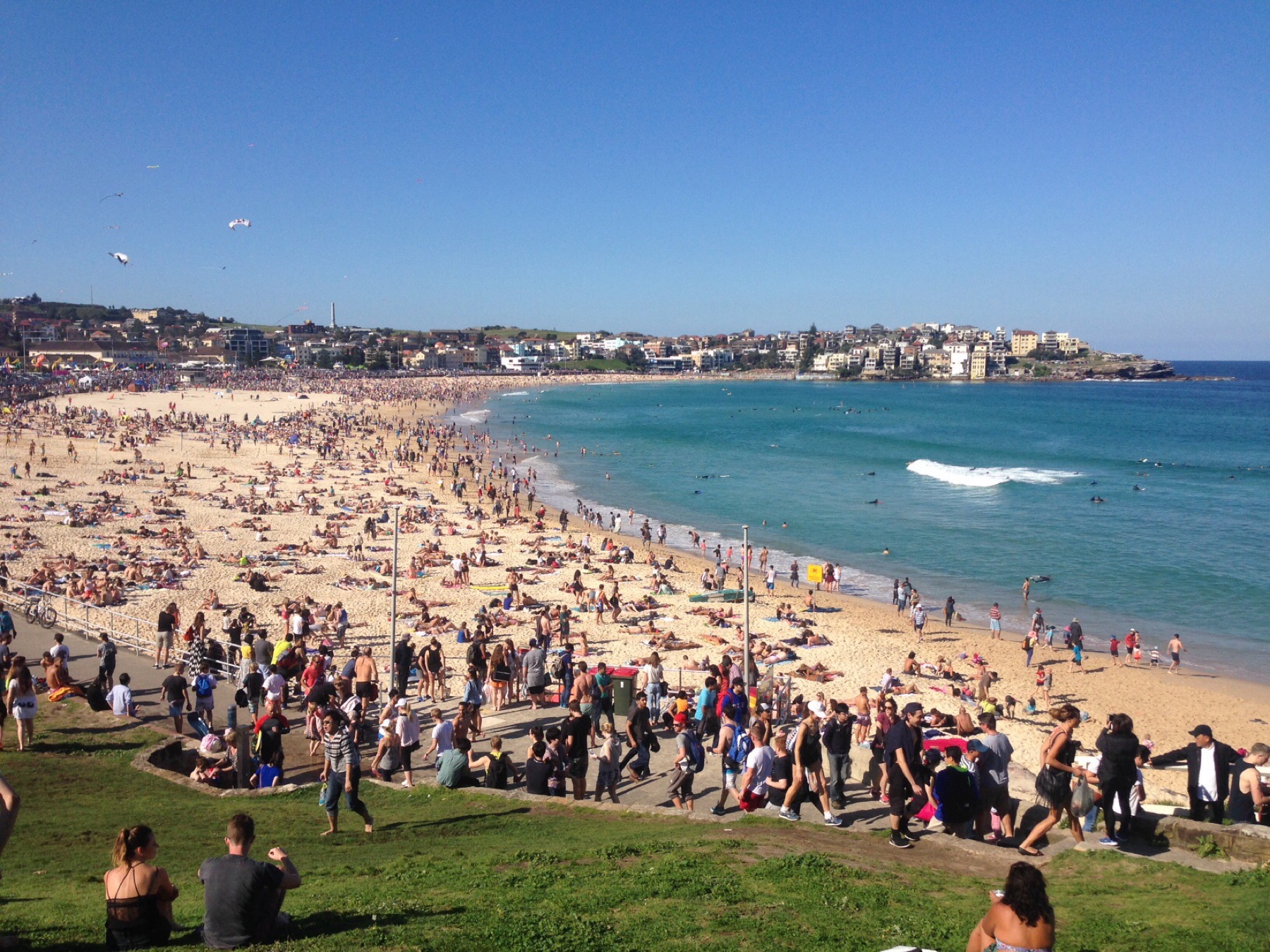
Summary for those who don’t have time to read the whole article
- The journey takes roughly a day and a half, because there are no direct flights from major European hubs, so you need to count on one or two stopovers.
- Allow at least three weeks to manage acclimatization, sort out jet lag and maintain a relaxed pace.
- For a first trip, Sydney and Queensland make the most sense, where you’ll find a good combination of urban attractions, nature and beaches.
- Domestic flights are worth it because of the vast distances, as road trips would take days and children would get bored with long stretches of sitting.
- On beaches, swim strictly only between the flags, because rip currents are the biggest real risk from all of Australian nature.
- Cuddling a koala is only legal in some states, so you need to plan this activity well in advance.
- Even small children need a visa, but for international visitors it’s free and processed online.
Australia with children: how to split the long flight
When you look at a map, it’s clear that the journey to the Antipodes will be long and logistically demanding. There simply are no direct flights from major European cities, so you have to accept that you’ll fly with at least one or more commonly two stopovers. In total, the journey will take roughly a day and a half of pure travel time, which sounds like a proper nightmare with small children, but it can be managed with smart planning and the right mindset.
For families with younger children, by far the most comfortable option is to split this enormous distance into two more manageable parts. It’s ideal to make a stopover of several days in Asia, where the whole family can rest, you can adjust to the time difference a bit, and the children can finally run around properly in the fresh air. Singapore or Dubai are excellent choices, where you’ll find plenty of perfect family hotels, huge aquariums and amusement parks right near the airport.
If you do decide to fly straight through and want to get the journey over with as quickly as possible, you’ll be pleased to know that the range of connections keeps improving. Finnair offers a Helsinki–Melbourne route via Bangkok from 26 October 2026, which could be a very interesting and relatively smooth alternative for flights from Europe. Whatever route you choose, check out our detailed article on flying with children, where you’ll find plenty of tried-and-tested tips for keeping restless little legs entertained on board.
Layered clothing, snack supplies that the children haven’t memorized yet, and above all plenty of patience – these are your three best friends on board. Don’t be afraid to use airport lounges during long layovers, where you can shower in peace, eat without stress, and children often enjoy nice play areas. Once you finally land in Australia after all that and see the beauty around you, that long flight will suddenly stop seeming like such a tragedy.
💡 Tip: Pack a completely new toy or book in the children’s hand luggage that they’ll only see on the plane. The surprise effect can reliably work for several hours and will save you when classic cartoons on the tablet stop working.
Distances: why fly with children, not drive
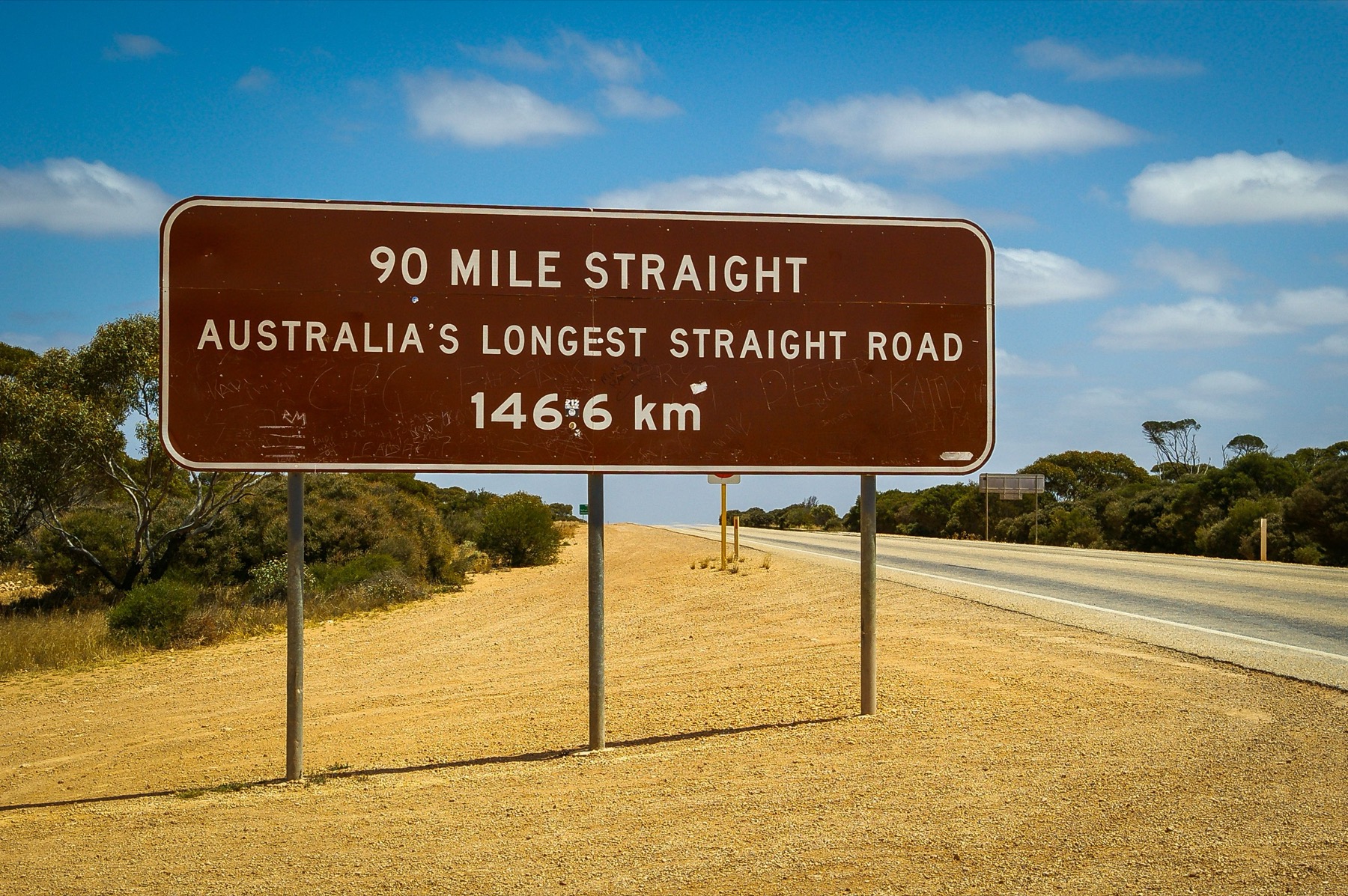
Australia isn’t just a big country, it’s a huge continent, which people from Europe often don’t realize when looking at a map. The route from Sydney to tropical Cairns is roughly the same as from London to Moscow as the crow flies. If you decided to do this route by car, you’re looking at hours of staring at the highway and you’d realistically need four to seven days of pure time for such a journey.
| Route by car | Distance | Pure driving time |
|---|---|---|
| :— | :— | :— |
| Sydney – Brisbane | approx. 928 km | approx. 10 hours |
| Brisbane – Cairns | approx. 1,696 km | approx. 22 hours |
| Sydney – Cairns | approx. 2,416 km | approx. 27 hours |
| Sydney – Melbourne | approx. 877 km | approx. 9 hours |
Long-distance car travel with children strapped in the back seat is nonsense, because they’d be bored to tears and you’d lose your nerves. Much smarter is to choose domestic flights, which will move you between major tourist points quickly, safely and painlessly. Local airlines operate more like buses, fly frequently, and check-in at domestic terminals is usually quick and stress-free.
From a logistical perspective, what makes the most sense for families with children is to create two or three fixed base camps and then take day trips from them to the surrounding area. This way you avoid daily packing of suitcases and moving from hotel to hotel, which is an exhausting process with children. From one well-chosen base you can explore nearby beaches, national parks and animal attractions at leisure, without spending half the day locked in a car.
If you still want to enjoy the atmosphere of an Australian road trip, save it for shorter and more manageable stretches. Rent a car only for exploring the area around your base, for example for day trips out of the city or a slow drive along the coast within one region. The children will be happier, you won’t be worn out from driving, and you’ll ultimately see more in a good mood.
💡 Tip: Buy domestic flight tickets in advance, because last-minute prices can jump dramatically. If you’re traveling with a stroller, Australian airlines will usually check it free of charge right at the aircraft door.
How much time to allow and where to go first
When you’re making the long flight to the other side of the world and investing substantial money in plane tickets, there’s no point flying there for just a short while. I recommend allowing at least three weeks for the whole trip, so you have enough space for acclimatization and dealing with jet lag. The first few days you and the children will probably be functioning in a strange nocturnal mode, so it’s important not to rush anywhere and not plan demanding excursions right away.
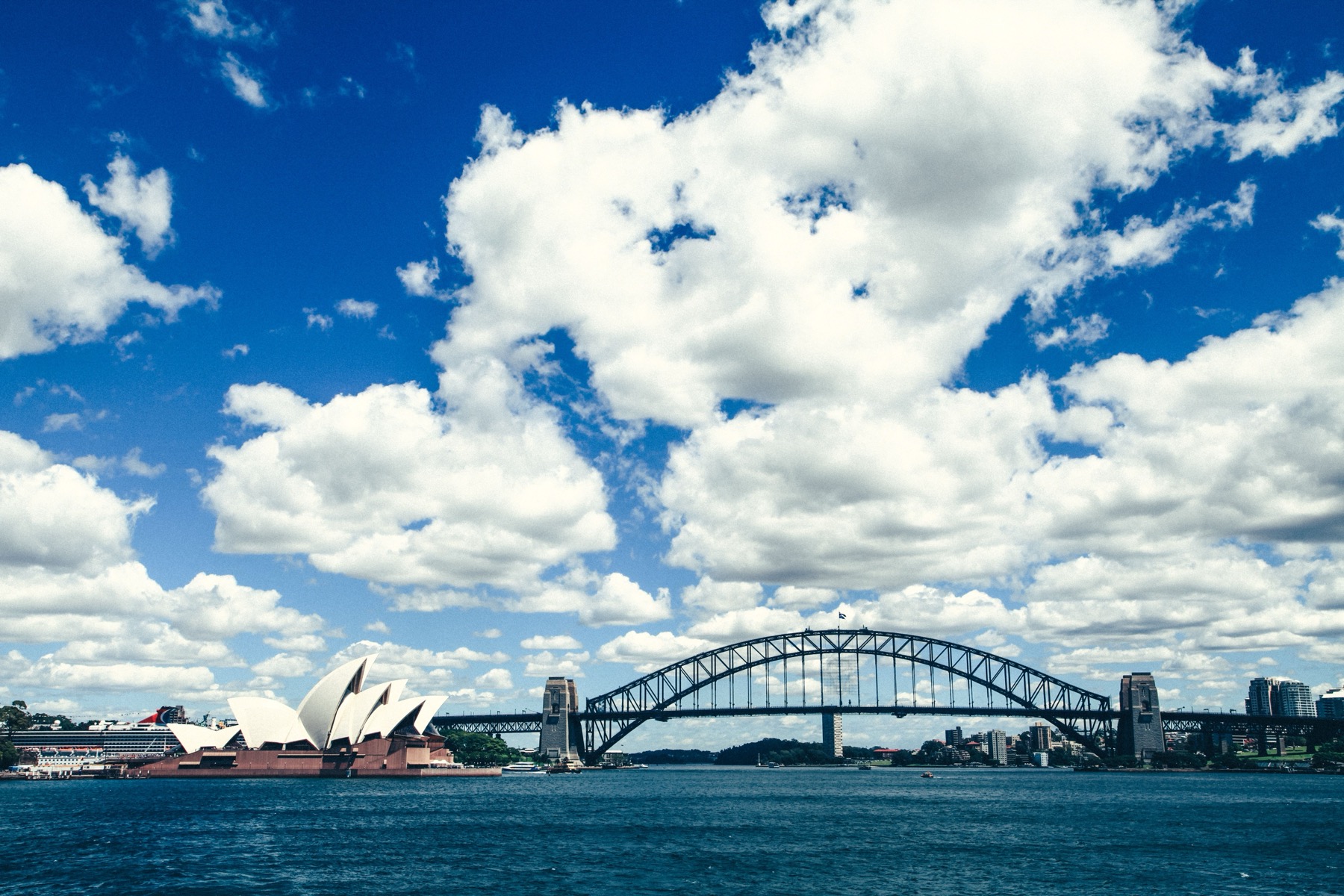
For a first family holiday in the Antipodes, the combination of Sydney and Queensland makes the most sense both logistically and experientially. In Sydney you’ll find reliable urban infrastructure, harbors, landmarks and plenty of green parks where children can safely run around right after arrival. It’s the ideal place for a so-called soft landing after the long flight, because you have everything at hand and can easily buy missing children’s supplies.
Queensland in the north will then offer you wild Australian nature, tropical climate and sandy beaches. You can explore rainforests together and admire coral reefs, which is an experience for children that until then they’ve only known from television documentaries. Plus this area has a high concentration of wildlife parks and nature reserves where you can get close to the local fauna.
Dividing your time between these two different areas will ensure a varied program that won’t be boring for adults or the youngest travelers. Don’t forget to include empty days in your itinerary when you’ll do nothing but lounge by the pool or build sand castles. Trust me, children will appreciate this just as much as expensive zoos.
💡 Tip: Jet lag in children sorts itself out at roughly one hour per day. Count on the first three to four nights being disrupted and children potentially waking up at three in the morning hungry and wanting to play.
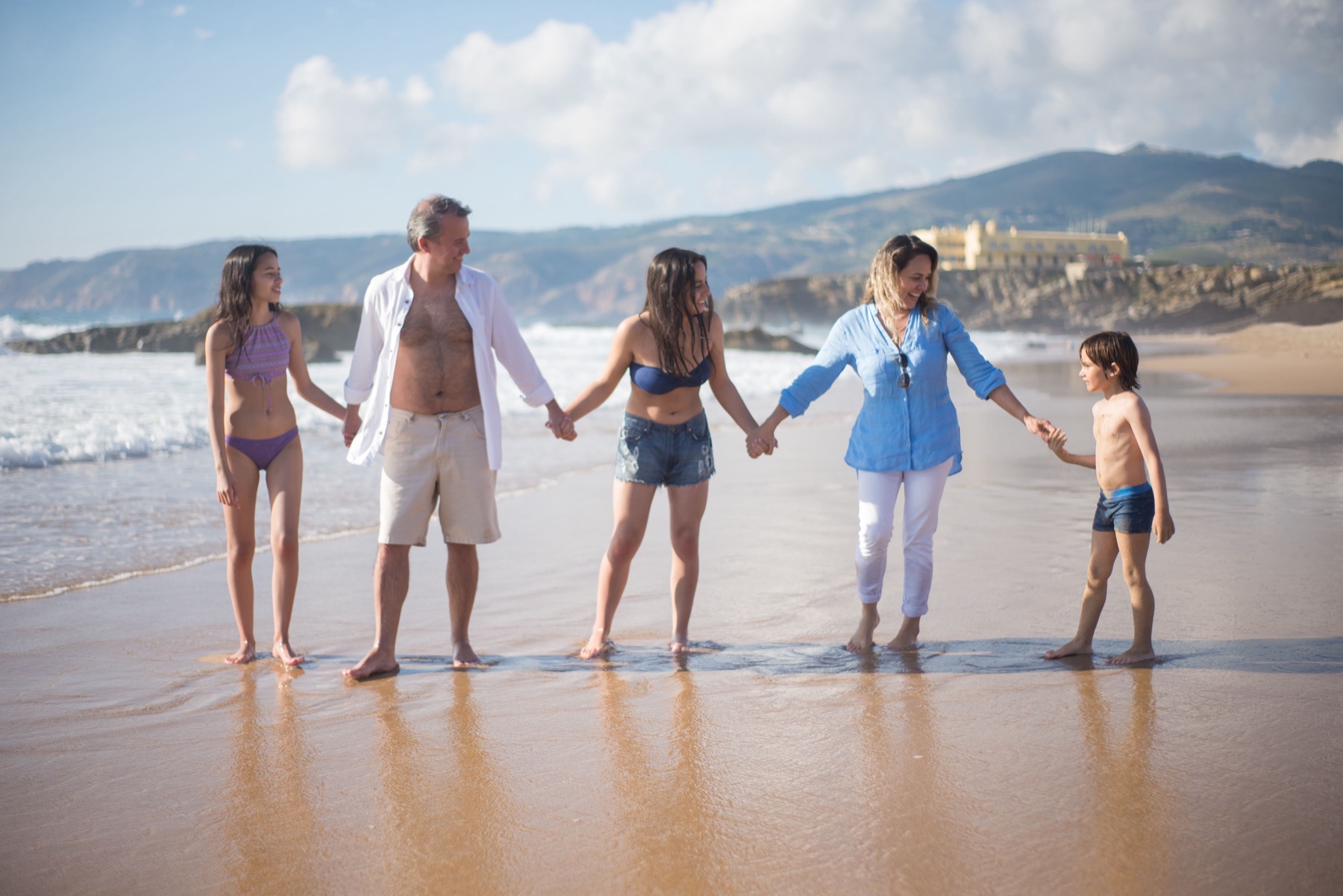
12 places children enjoy in Australia
Putting together a program that entertains the whole family takes a bit of thought. Fortunately Australia offers plenty of choice. I’ve selected twelve excellent places that have long-term enormous success with families. The ratings given come directly from Google reviews, so you have an idea of how satisfied visitors are.
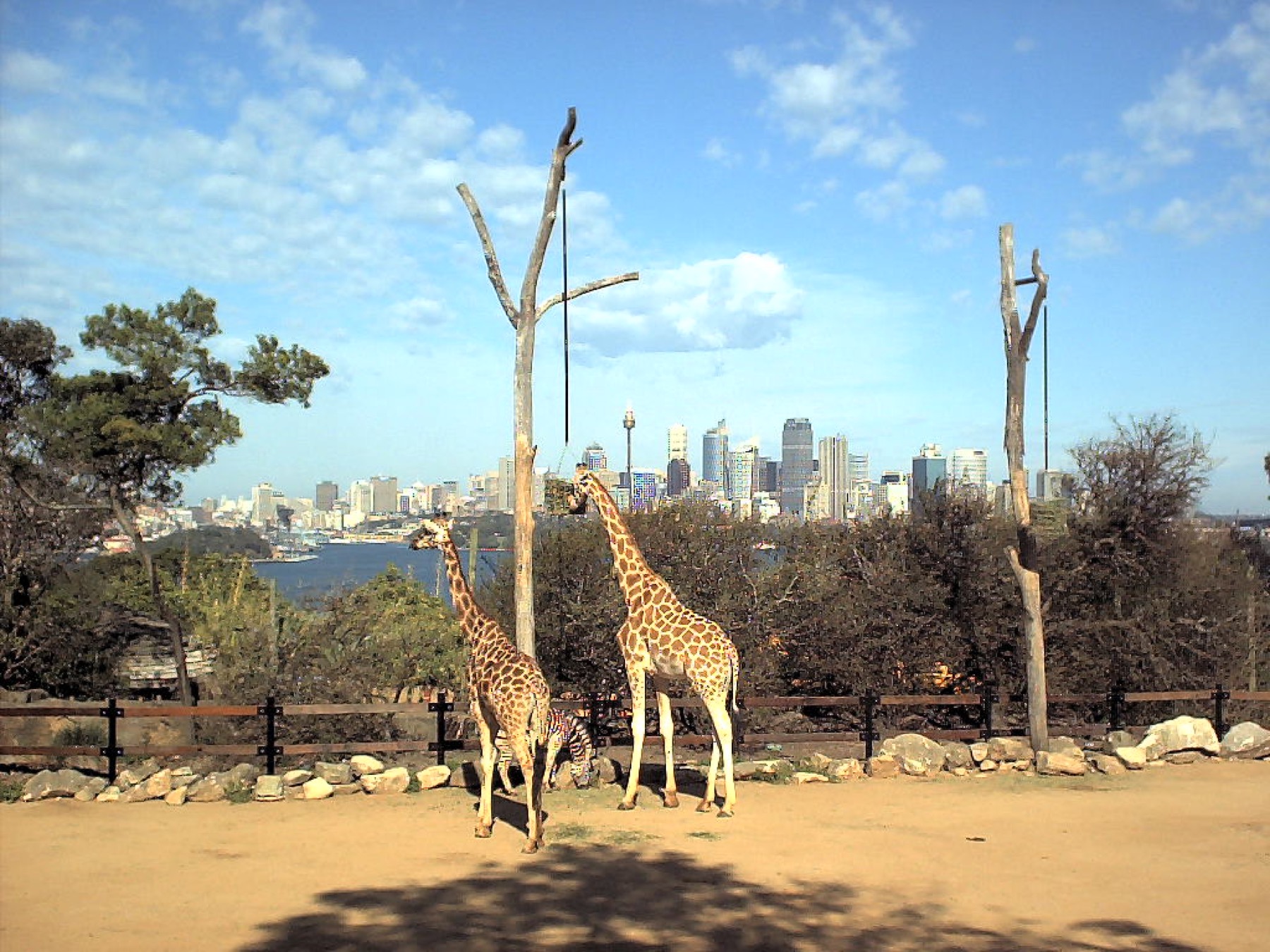
1. Taronga Zoo Sydney
One of the most beautifully situated zoos in the world offers not only animals but also stunning views of the famous Opera House. It has an excellent rating of 4.5 from a whopping 36,171 reviews, which speaks for itself. The zoo spreads across a hill directly above the bay and the journey itself by public ferry from the city center is a huge adventure for younger children.
The grounds are quite extensive and rather hilly in places, but wonderfully adapted for strollers, so you don’t need to worry about difficult terrain. You’ll find plenty of shaded rest areas, interactive play zones for the youngest, and of course a huge number of Australian and exotic animals. Children will be thrilled by the cleverly designed enclosures that are arranged so you feel really close to the animals.
💡 Tip: Head to nearby cafés for lunch. Good coffee is plentiful here and if you’re looking for something lighter, plant-based options are standard. Alternatively pack a picnic and eat with a view of the harbor.
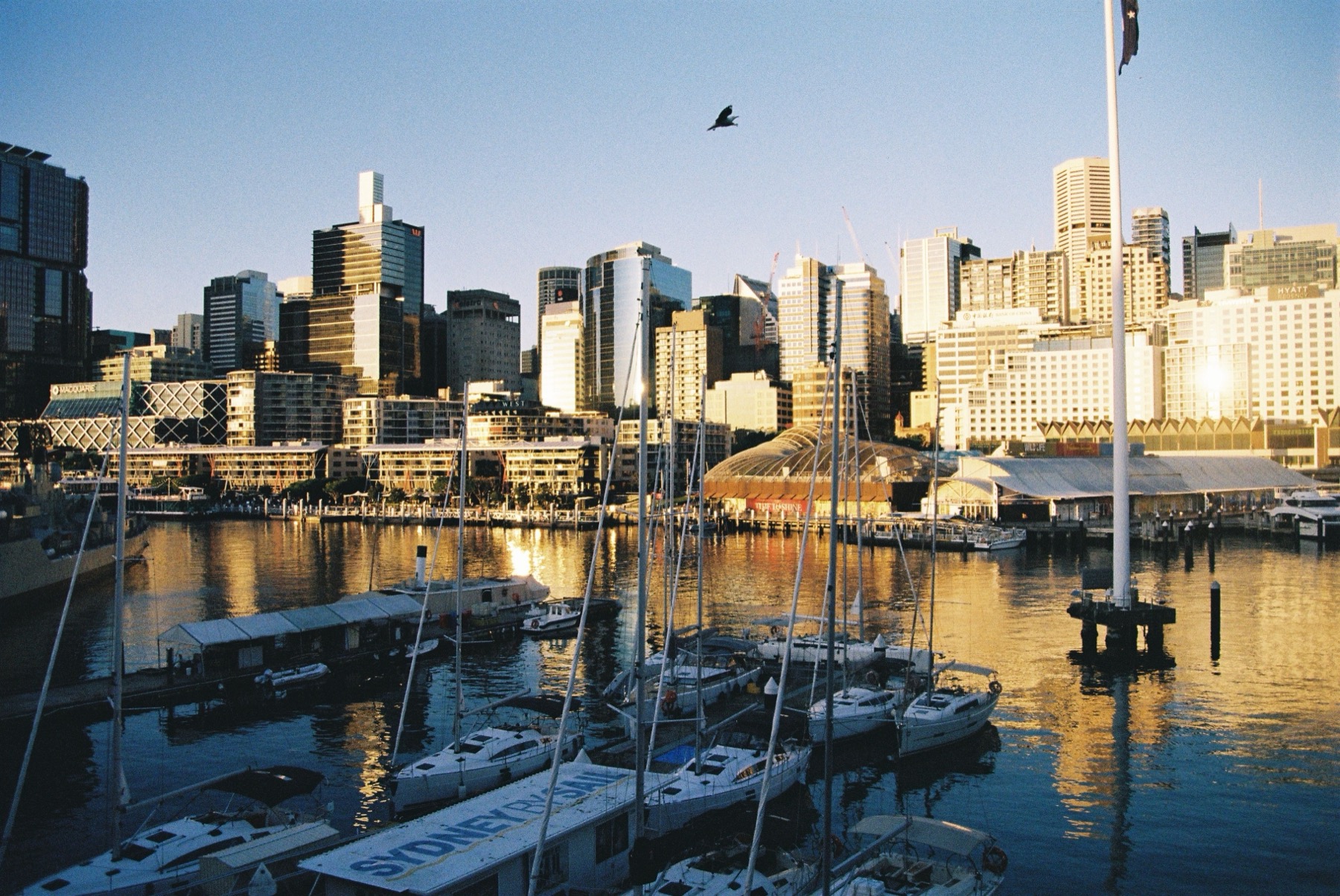
2. Darling Harbour
This bustling harbor district right in the heart of Sydney is an absolute paradise for families with children of all ages. It boasts an amazing rating of 4.7 from an incredible 65,110 reviews, making it one of the most popular stops in the entire city. The whole zone is completely pedestrian, so you can let children run around freely without any fear of traffic.
The main attraction here is the huge outdoor playground equipped with water features, long flying fox ziplines and giant climbing frames. On warm summer days children will reliably entertain themselves here for hours, they just need swimwear or spare clothes and you can sit nearby with your coffee in peace. A wide and flat promenade runs around the water, ideal for comfortable stroller rides or children’s scooters.
💡 Tip: The district is full of excellent restaurants. Cafés here serve great morning brunch, there are ice cream shops on every corner, and fish and chips don’t disappoint either. Traditional fish and chips right by the water has its charm.
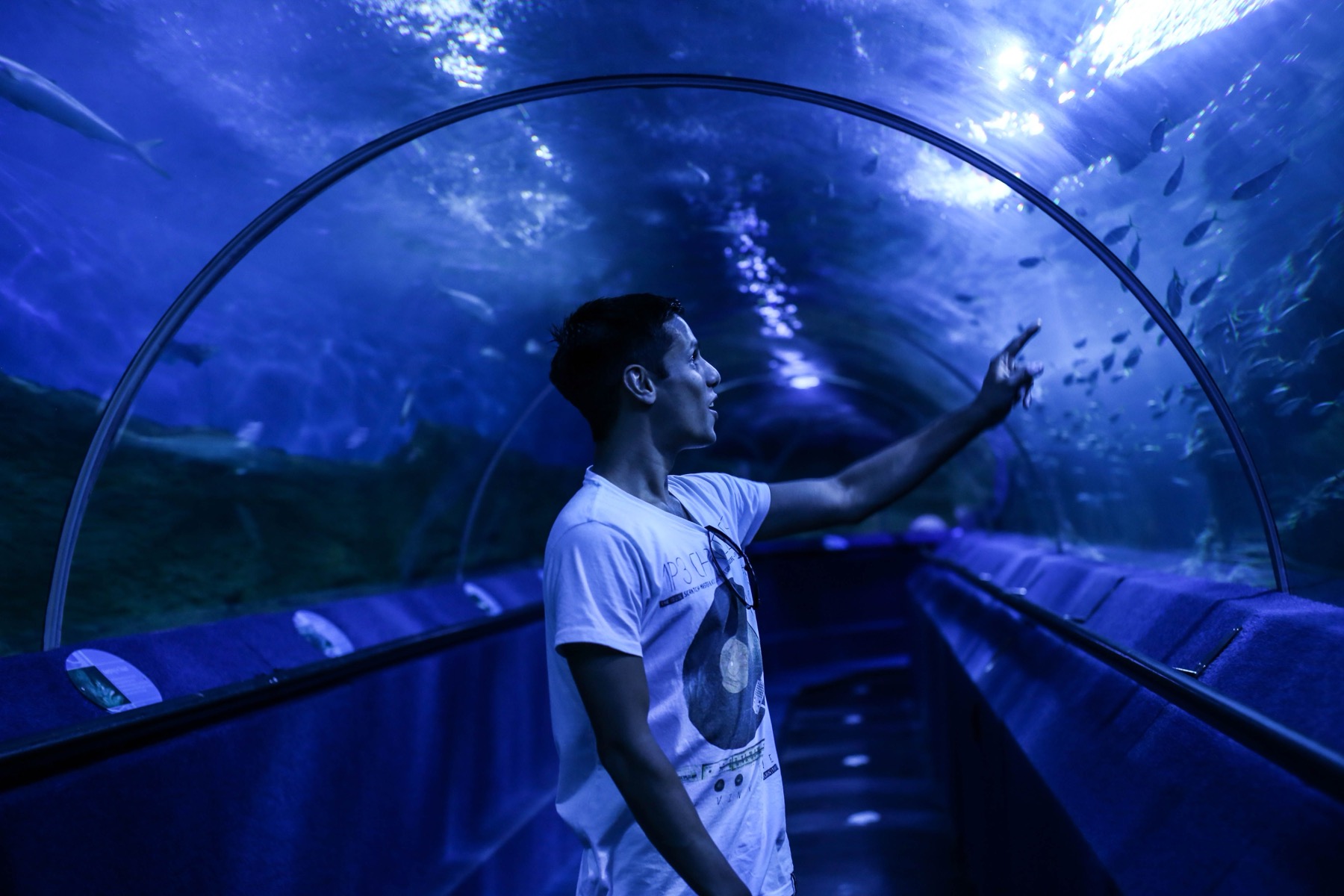
3. SEA LIFE Sydney Aquarium
When it’s raining in the city or you need to escape the harsh midday sun, this aquarium is the obvious choice. It maintains a solid rating of 4.3 from 23,036 reviews and is one of the largest facilities of its kind in the world. It’s located right in the Darling Harbour area, so you can easily combine it with a visit to the outdoor playgrounds.
The biggest hit here are the glass underwater tunnels you walk through with stingrays and sharks swimming directly above your head. Children are usually fascinated by the coral reef exhibition, which plays with all colors and resembles scenes from Finding Nemo. The aquarium focuses on ocean conservation and explains many things to children in a playful way.
💡 Tip: The tour will take you roughly two to three hours, so it’s an ideal morning program. You’ll navigate the marked route with a stroller without problems, just be prepared that it gets crowded on weekends.
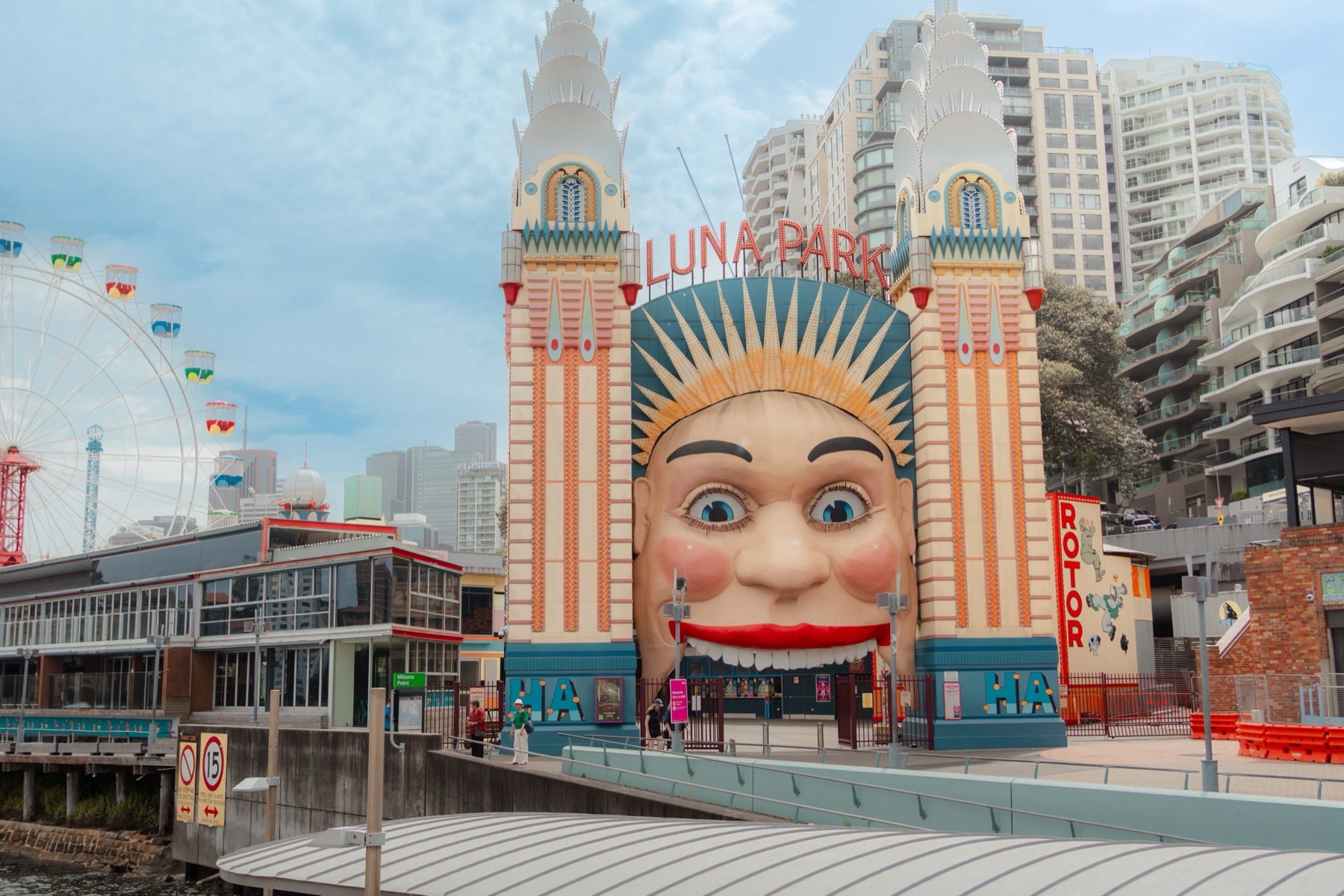
4. Luna Park Sydney
If you love nostalgia and traditional fairground atmosphere, this historic amusement park will delight you. It has a rating of 4.1 from 17,027 reviews and its iconic entrance gate in the form of a giant smiling face is an experience for children in itself. The park sits right by the water in the bay and offers views of the Harbour Bridge.
The rides here are mixed so that both little ones and older children seeking adrenaline can choose. You’ll find a historic carousel with wooden horses, a tall Ferris wheel and roller coasters (an ideal mix for toddlers and thrill seekers) and the whole place has a retro atmosphere that pleasantly transports you to old times.
💡 Tip: Even if you don’t plan to go into the park for paid rides, it’s worth walking along the promenade around it. The place is illuminated in the evening and the atmosphere by the water is pleasant, ideal for a calm walk with children before bed.
5. Featherdale Sydney Wildlife Park
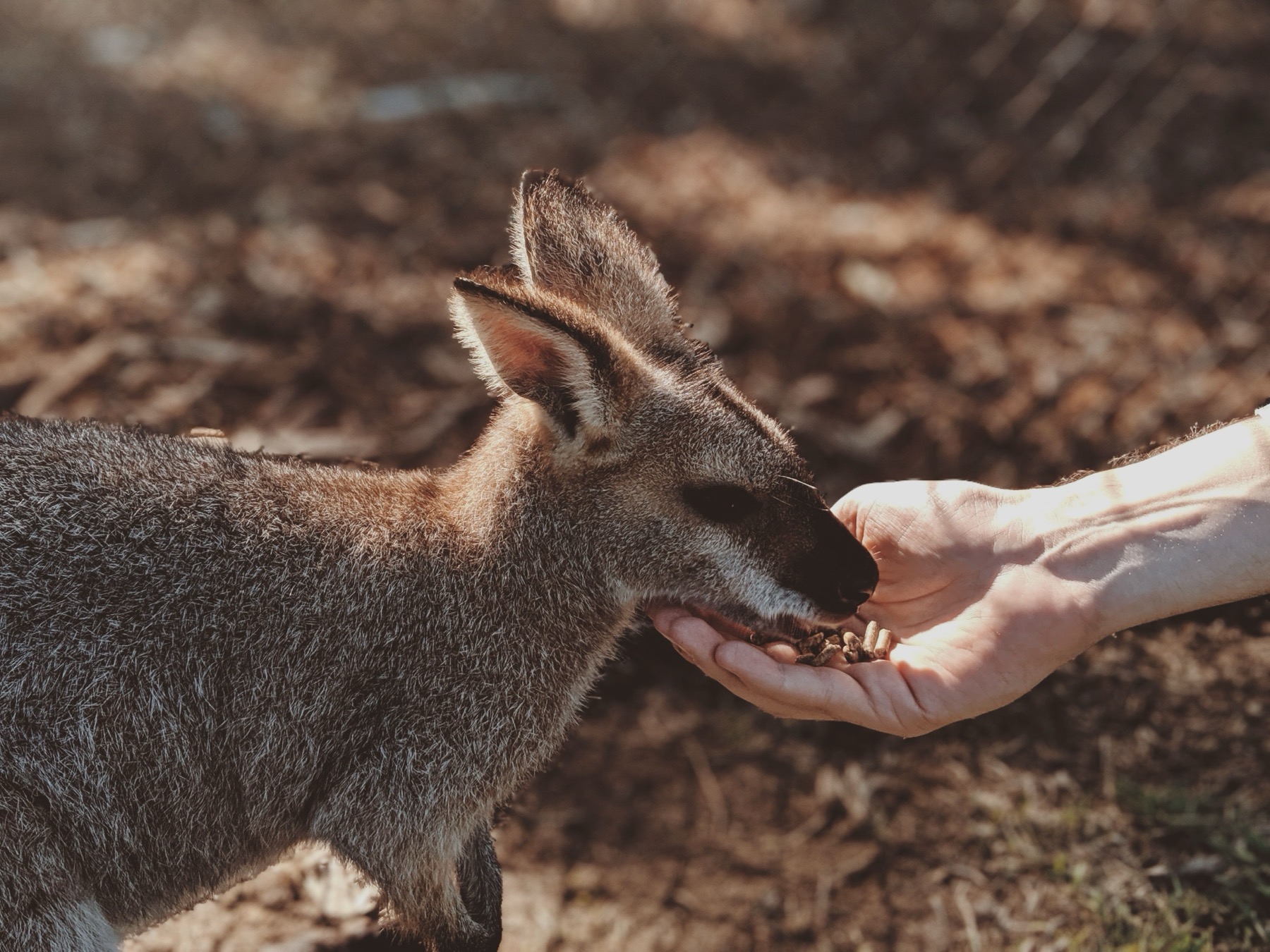
For many travelers, this peaceful place is the best choice if you want to see Australian wildlife really up close. The park maintains an excellent rating of 4.5 from 13,062 reviews and lies a bit further from the busy center, giving it a much calmer atmosphere. It’s more of an intimate nature reserve than a classic huge zoo.
The enclosures here are arranged so you have an intense feeling of immediate contact, and children can observe many animals from literally just a few centimeters away. You can meet kangaroos here, adorable wombats, echidnas and lots of colorful parrots flying all around you. The park places great emphasis on public education and protection of critically endangered species.
💡 Tip: The environment is very shaded and flat, so moving around with small children is much better and easier than in large and hilly zoos. It’s an ideal half-day trip that leaves plenty of energy for further exploration of the area.
6. Wendy Whiteley’s Secret Garden
This place is a hidden treasure that many tourists don’t know about at all, yet it’s an oasis of calm in the middle of the city. It has the highest rating of 4.8 from 3,684 reviews of all the mentioned places, and yet almost nobody knows about it. The garden arose from an abandoned plot and today it’s a green labyrinth full of giant ferns and old trees.
For children it’s an ideal place for hide-and-seek and discovering narrow paths, while you finally sit on a bench and breathe out. And by the way, the views of the water from here are stunning.
💡 Tip: Take a blanket and something tasty to eat with you. It’s an ideal spot for a family picnic where children can safely explore nature while you soak up the relaxed atmosphere.
7. Australia Zoo
Steve Irwin’s park in Queensland is the main reason many families visit this tropical region. It earned a rating of 4.7 from 25,681 reviews and its scale and professional approach are top-notch. It focuses primarily on animal conservation and education, so children will learn lots of interesting facts about nature here.
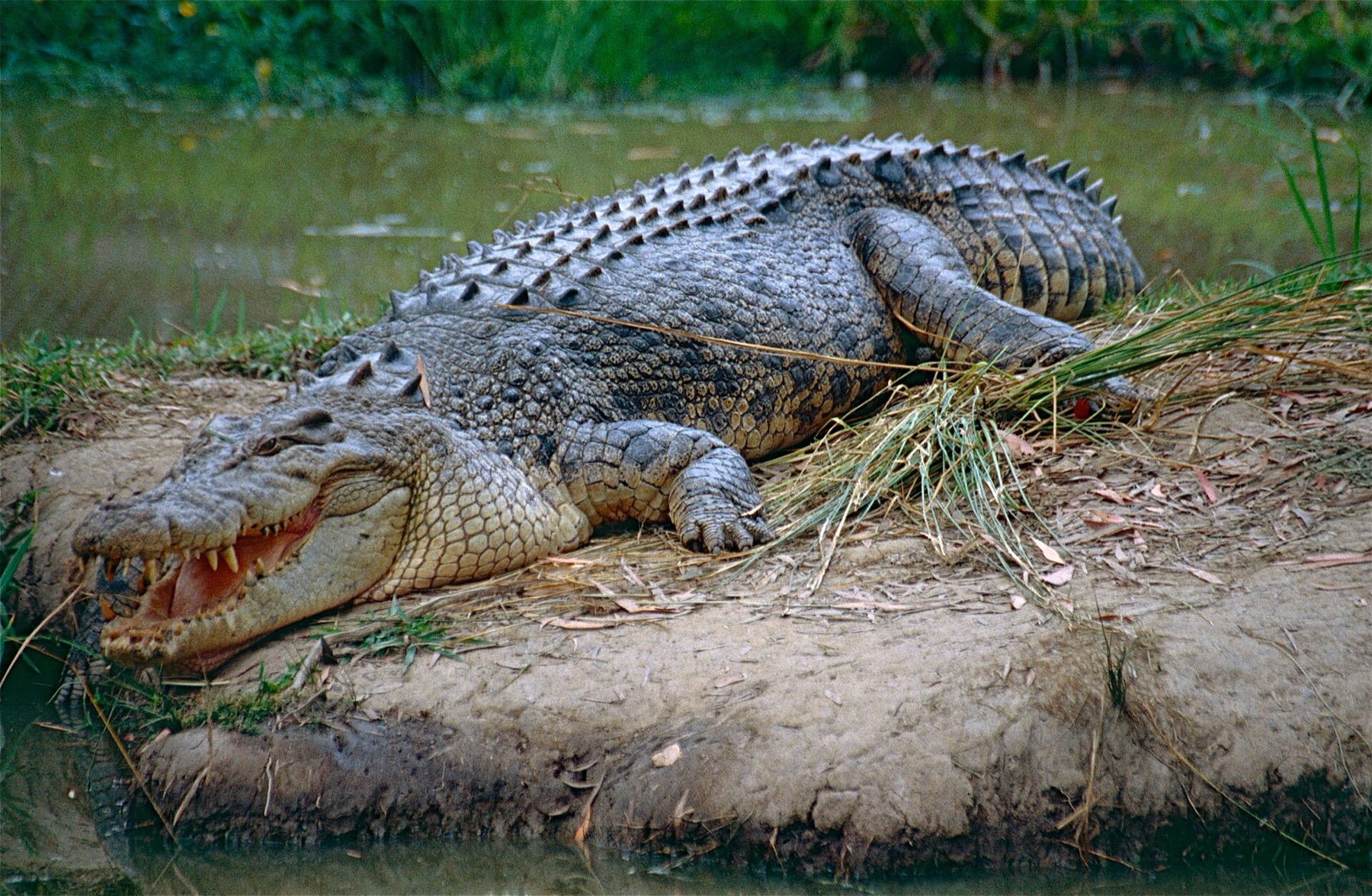
The whole grounds are spaciously designed, animals have extensive enclosures and there’s a palpable respect for nature. You can see crocodiles, dingoes, Tasmanian devils and freely roaming lizards. The paths are wide, maintained, and shuttle transport operates throughout the grounds to save you steps with children.
💡 Tip: Set aside a whole day for the visit, because the grounds are extensive and it would be a shame to just rush through. Around midday find a shady spot and eat properly, because the grounds are vast and you’ll need the energy.
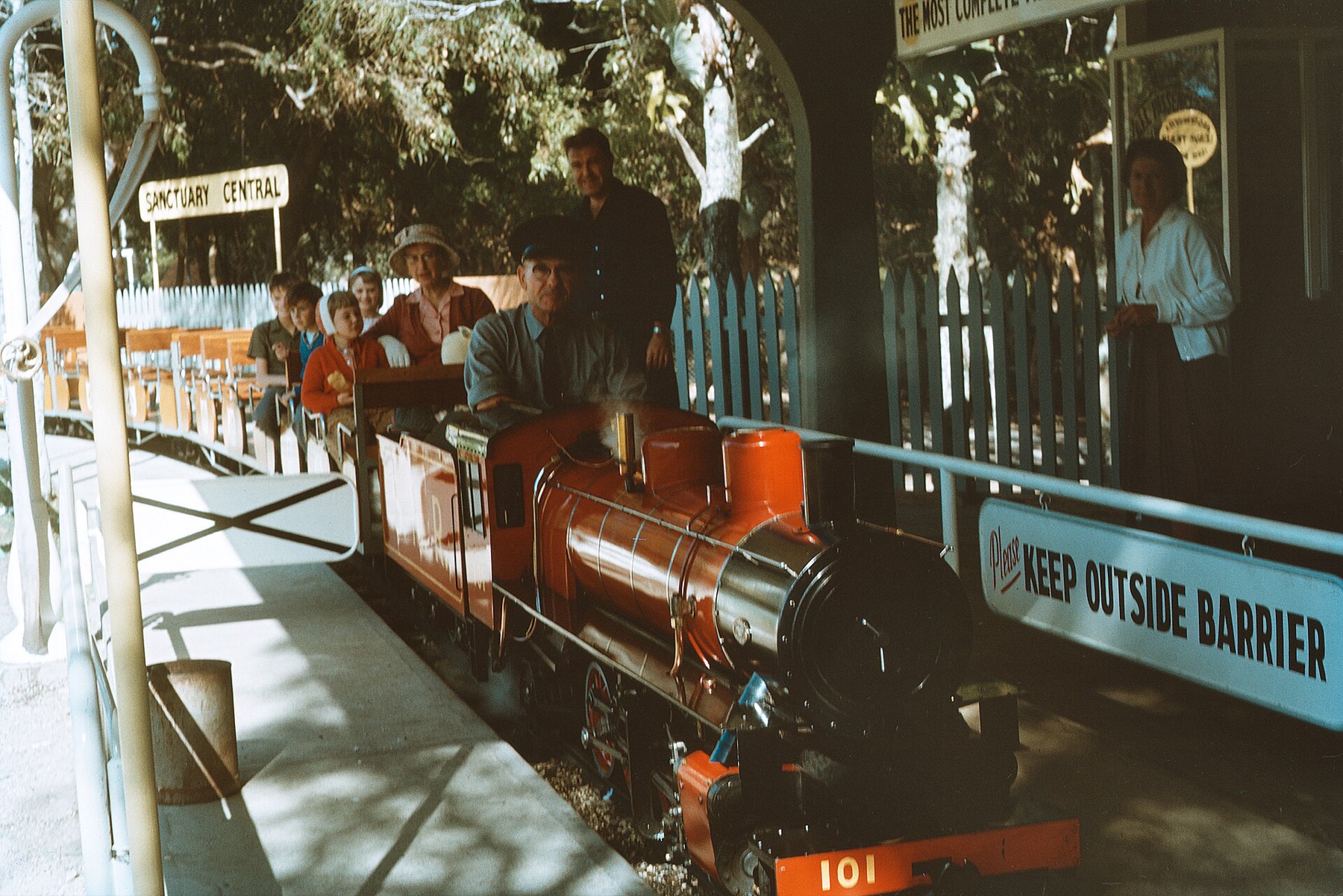
8. Currumbin Wildlife Sanctuary
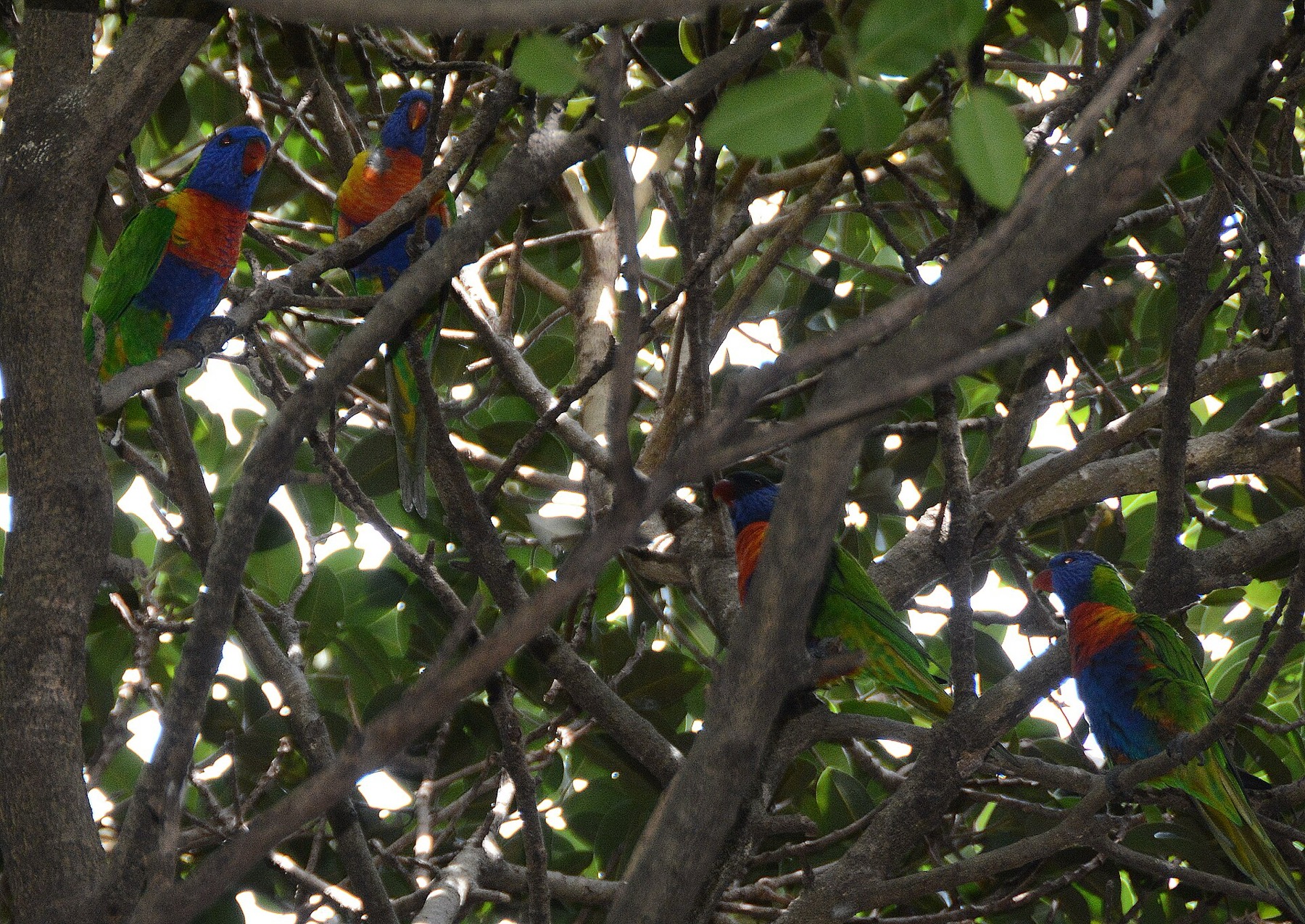
Another nature reserve in Queensland that combines indigenous culture with wildlife observation. The rating of 4.6 from 13,756 reviews shows visitors leave satisfied. This park is known primarily for flocks of wild lorikeets that fly in twice daily making quite a racket.
The whole park sits in the forest, so even in the greatest heat you breathe in pleasant shade. A small train runs for children connecting different parts of the park, which you’ll appreciate when they don’t want to walk anymore. You’ll also find a large outdoor playground where children can let off steam.
💡 Tip: The park focuses on rescuing injured animals and has a veterinary hospital right on the grounds. Through glass you can observe how doctors care for animal patients, which is an educational experience for children.
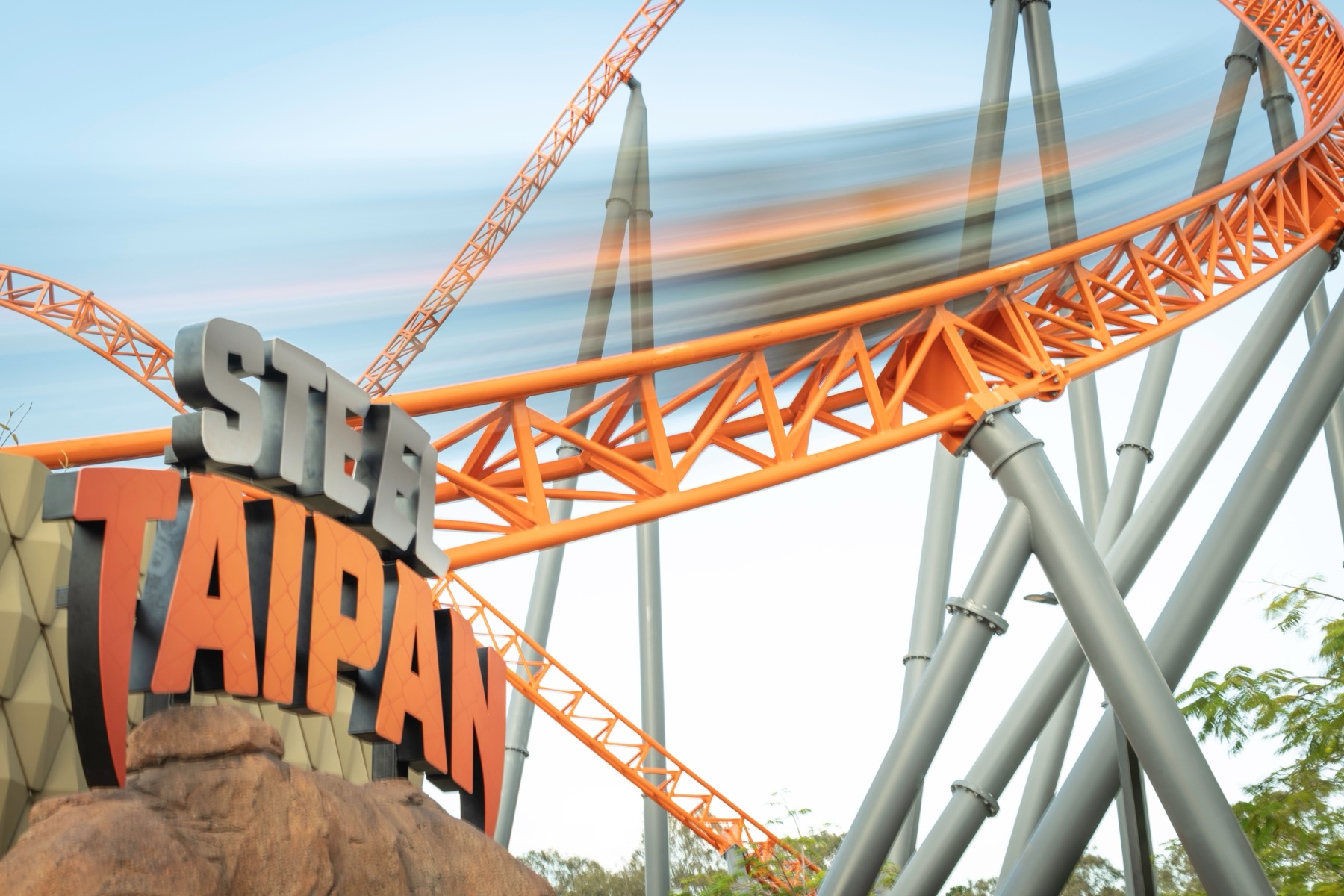
9. Dreamworld
If you have slightly older children at home or enthusiastic thrill seekers, you can’t miss this huge amusement park on the Gold Coast. With a rating of 4.4 from 23,344 reviews it’s one of the biggest draws in the entire region. But it’s not just about roller coasters, the park cleverly combines classic fairground rides with interesting animal exhibits.
For younger children there’s a huge zone inspired by famous fairy tales and children’s TV shows, where everything is colorful and maximally safe. Older children on the other hand will fully appreciate the giant roller coasters and wild water rides where they can cool off perfectly in the hot Queensland weather. The whole complex is very loud and visually striking, so you need to have plenty of energy at hand.
💡 Tip: Definitely don’t forget to bring dry spare clothes and a good mood for this trip. Try to arrive as early as possible after morning opening to avoid the absolute biggest crowds and enjoy the most popular rides without long queues.
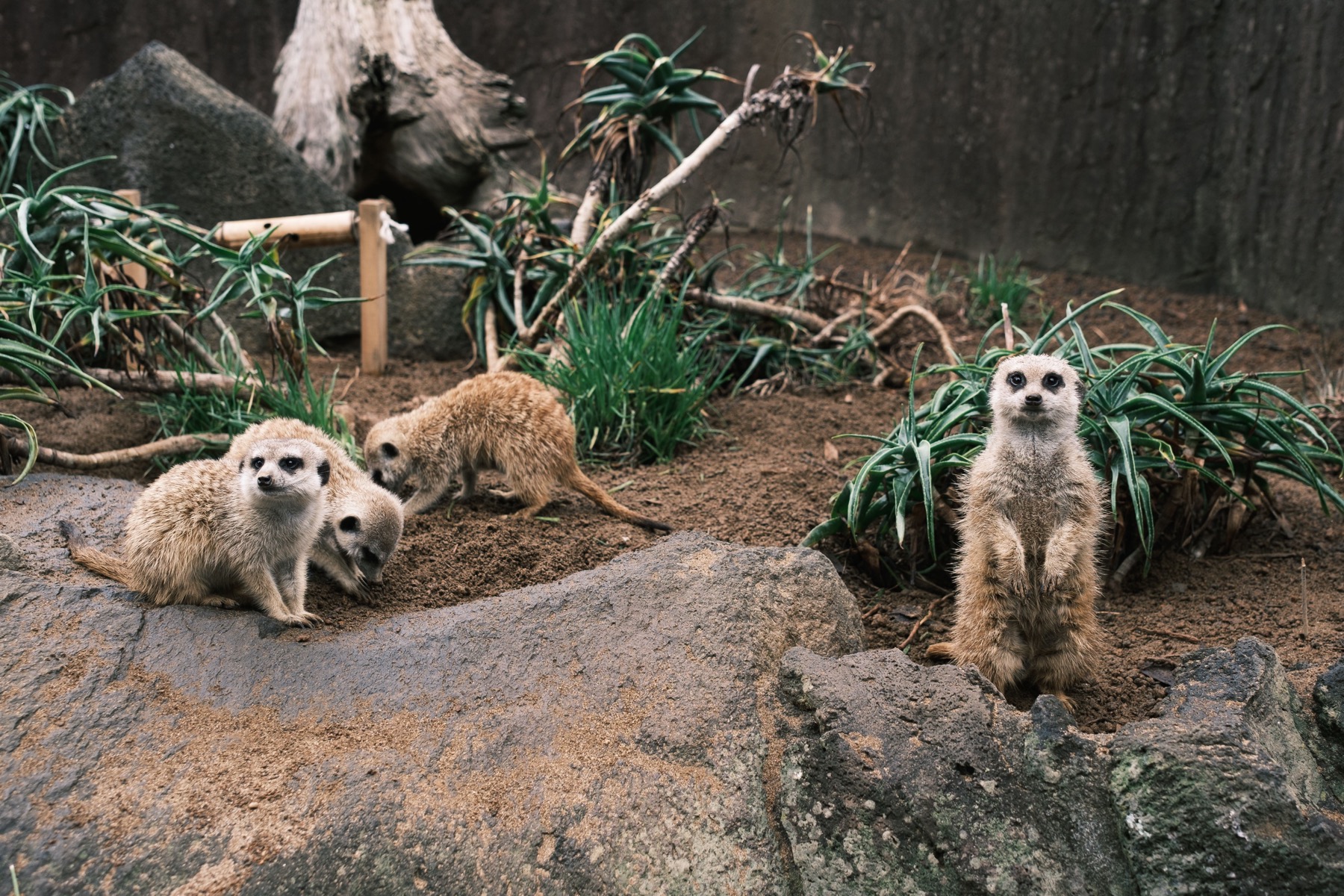
10. Melbourne Zoo
Although the city of Melbourne is better known for coffee culture and art, the local zoo is a big attraction for families. It maintains a rating of 4.3 from 7,250 reviews and is one of the oldest zoos in the country. It’s designed as a botanical park, so the walk here is calm and pleasant.
The enclosures are arranged by continent and children will appreciate the glass observation areas that are often positioned at their eye level. You can walk through a bamboo forest here or view the butterfly exhibit, which is usually a powerful experience for the youngest visitors. Moreover, the zoo is compact and flat, ideal for stroller walks.
💡 Tip: Don’t forget to visit the indoor play areas and educational zones with children, where they can touch many things themselves. It’s a practical shelter if Melbourne’s changeable weather surprises you, which is typical for the city.
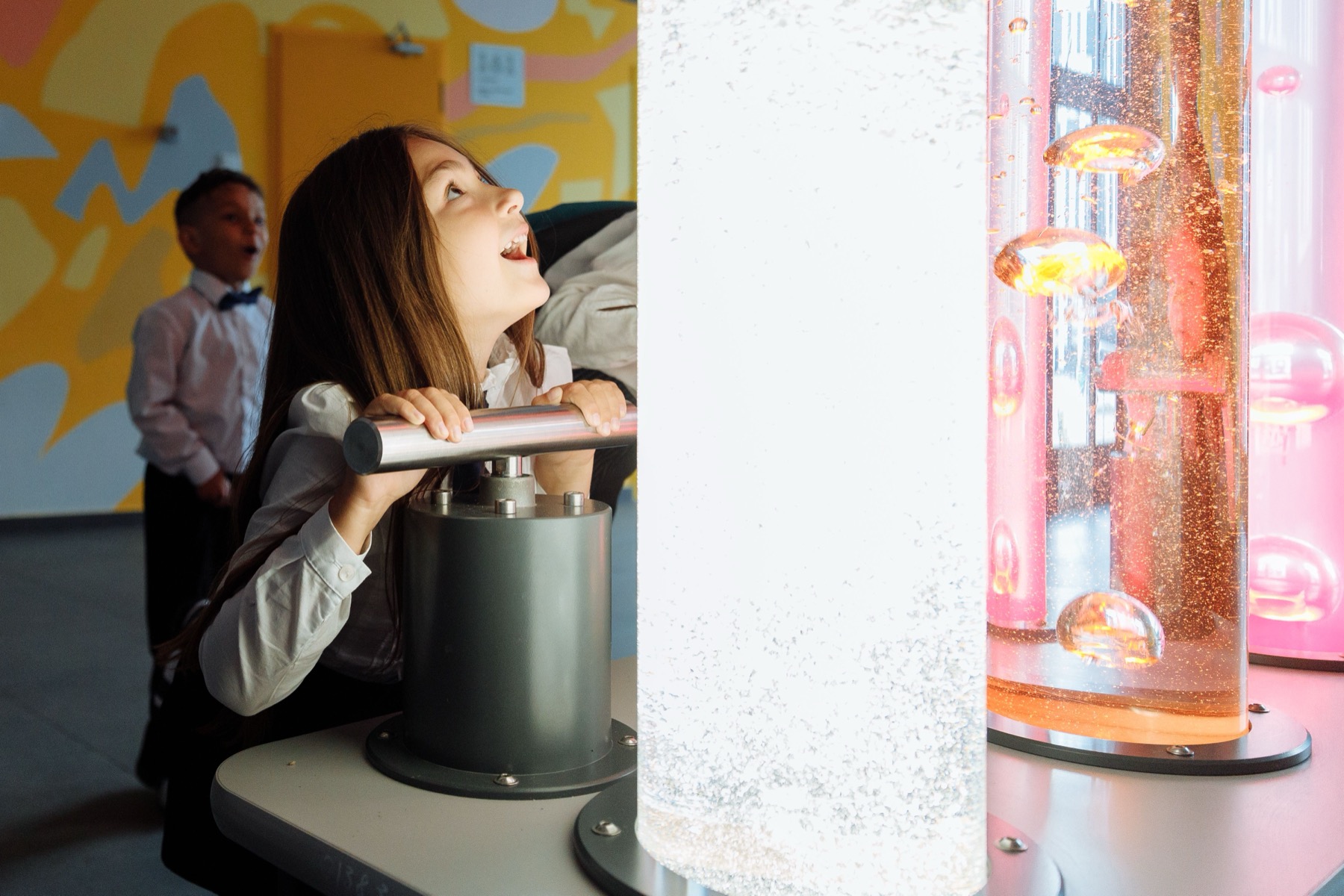

11. Scienceworks
This interactive museum in Melbourne will delight curious children and their adult companions. It has a rating of 4.4 from 7,435 reviews and explains in a playful way how the world around us works. From the basics of physics through the human body to space, everything is designed so you can try things out firsthand.
The exhibits are spacious and interactive, so the rule “don’t touch” doesn’t apply here. Children can race virtual athletes, build smart cities of the future or explore how weather works. The museum also includes a digital planetarium where you can settle into a seat and let yourself be carried away by the starry sky.
💡 Tip: Count on getting stuck here for at least half a day, children simply won’t leave and honestly, you won’t want to much either.

12. Questacon
If your journey takes you to the capital Canberra, you shouldn’t miss this national science and technology center. With a rating of 4.7 from 7,865 reviews it ranks among the best things you can do with children. It’s a multi-story building full of experiments that are so fun you won’t even realize you’re actually learning.
You can experience an earthquake simulation firsthand here, observe artificial lightning up close, or try building your own invention in the creative laboratory. Each floor focuses on a different scientific topic and everything is hands-on, so children are constantly pressing, pulling and investigating. At the end of the tour, the brave ones can slide down a giant slide in free fall.
💡 Tip: People often visit Canberra as part of a longer road trip, so Questacon is an ideal stop for stretching your legs. The center has excellent facilities for families, including changing rooms and quiet zones for rest.
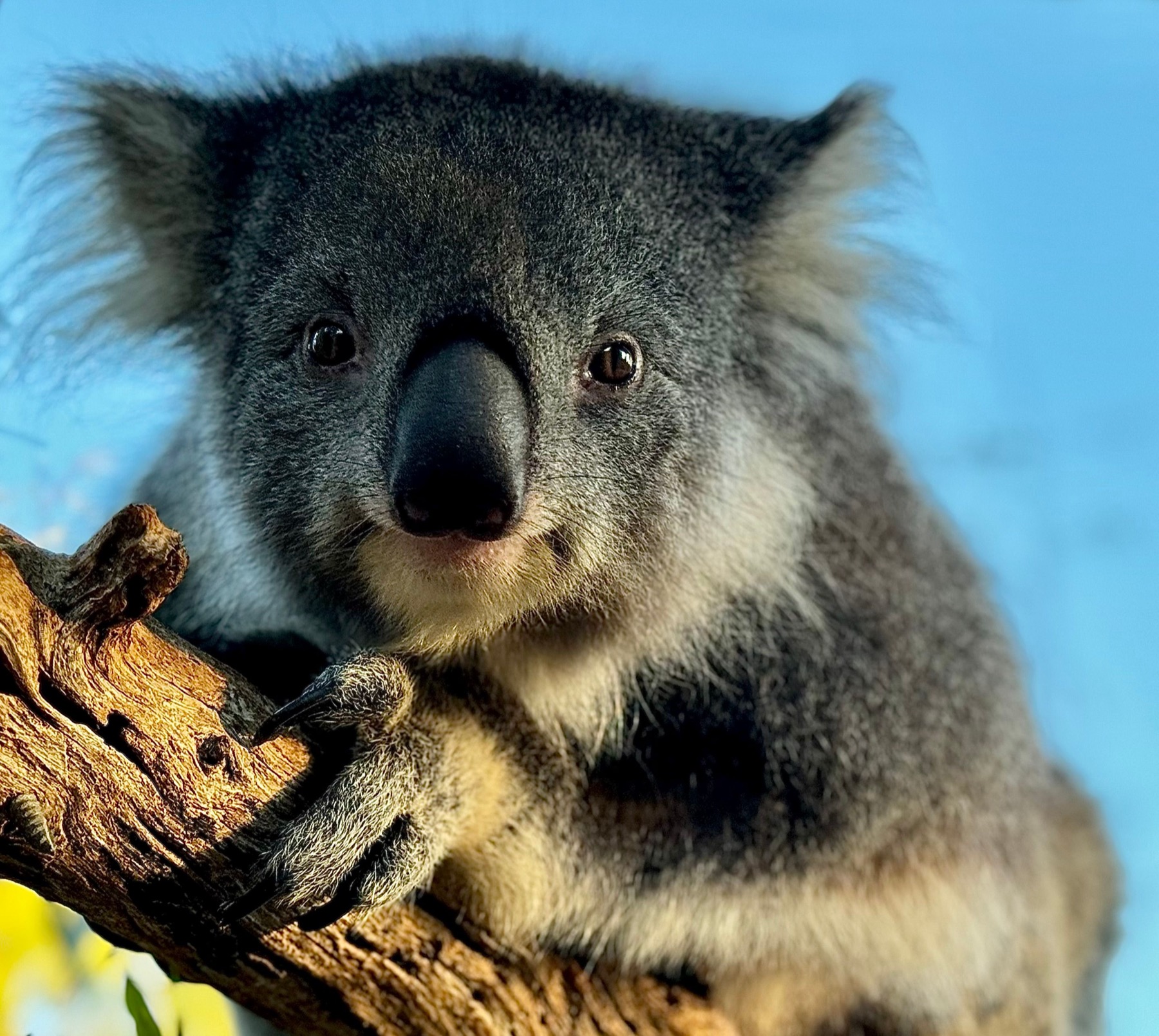
Where children can cuddle a koala
A photo with a koala in your arms is probably every traveler’s dream, but with children it has strict rules and restrictions that many people don’t know about and then end up disappointed on site. Remember that to protect the animals’ welfare, holding a koala is only legal in Queensland, South Australia and Western Australia. So if you’re planning a holiday around the biggest cities, you’re in for a wake-up call, because in New South Wales (Sydney) and Victoria (Melbourne) this contact is prohibited by law.
Another complication is that even in states where it’s legal, the rules are tightening with respect to animal welfare. The famous Lone Pine park in Brisbane definitively stopped koala holding on 1 July 2024 to give the animals more peace and reduce their stress. Cleland Wildlife Park near Adelaide with a 4.7 rating from 2,737 reviews is now the most accessible option still offering this experience, as they’ve opened a new Koala Loft for this purpose.
Even if you can’t end up holding a koala directly in your arms, in most certified parks you can get close to them, photograph them and watch them sleeping or chewing eucalyptus. For children, just observing these animals is a big experience without having to hold them. Always verify current conditions online before visiting your chosen park, though, because rules can change and encounter capacity is often limited.
💡 Tip: If you’re heading to a park that still offers koala petting or photos, book this experience on their website even a month in advance. These slots are usually sold out on site and the children would be disappointed.
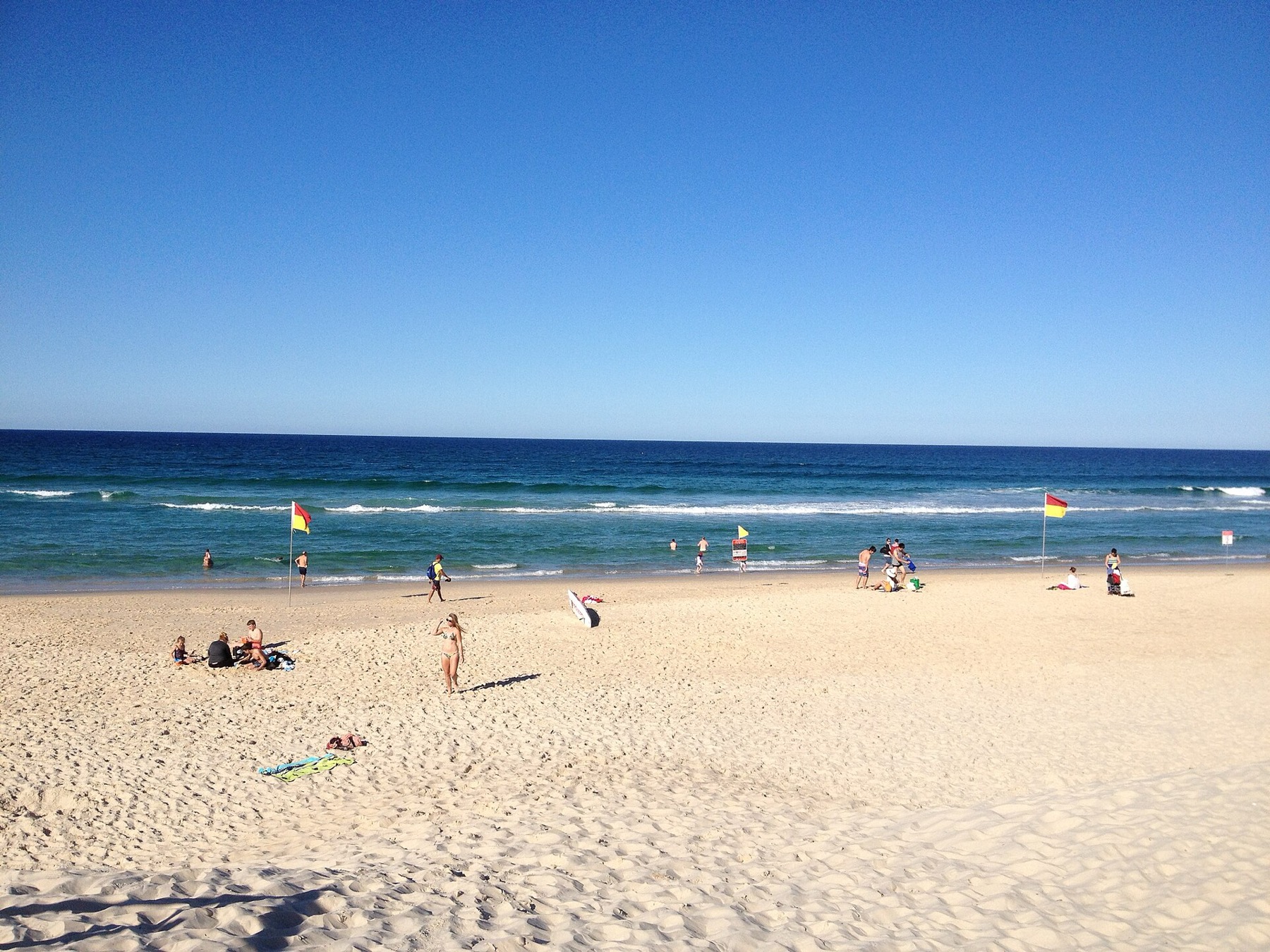
Water, sun and animals: what’s a risk and what’s a myth
Australia has an undeserved reputation worldwide as a country where everything wants to kill you, which understandably causes parents considerable worry and stress. Reality is fortunately much more mundane and the very biggest dangers often lurk where you wouldn’t expect them at first glance. It’s enough to follow basic rules, listen to local warnings and use common sense.
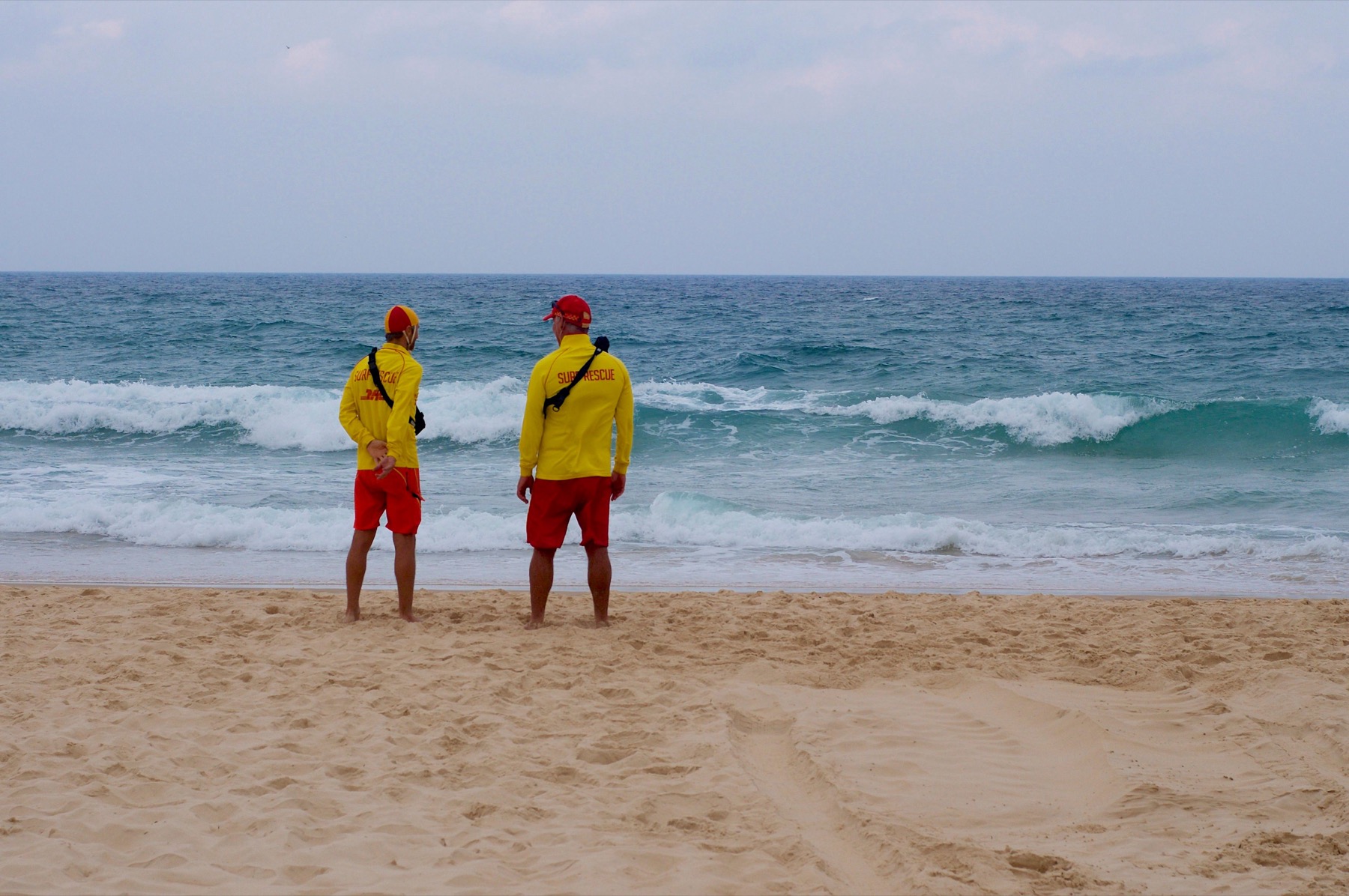
Rip currents and flags
You might be afraid of sharks or venomous snakes in the grass like most tourists, but the truth is that rip currents kill more people in Australia than bushfires, floods, cyclones and sharks combined. These strong ocean currents can carry swimmers unnoticed and quickly far out to open sea at a speed that not even an Olympic swimmer can overcome. With children it’s therefore crucial to only swim at patrolled beaches.
Rule number one that you must instill in children is absolutely clear. Swimming is only safe between the red and yellow flags, where experienced lifeguards are watching over you. If you don’t see these flags on the beach or lifeguards have closed the beach due to poor conditions, don’t go in the water with children, even if it seems calm at first glance. Lifeguards know how to read treacherous currents from the water colour and move the flags according to current safety.
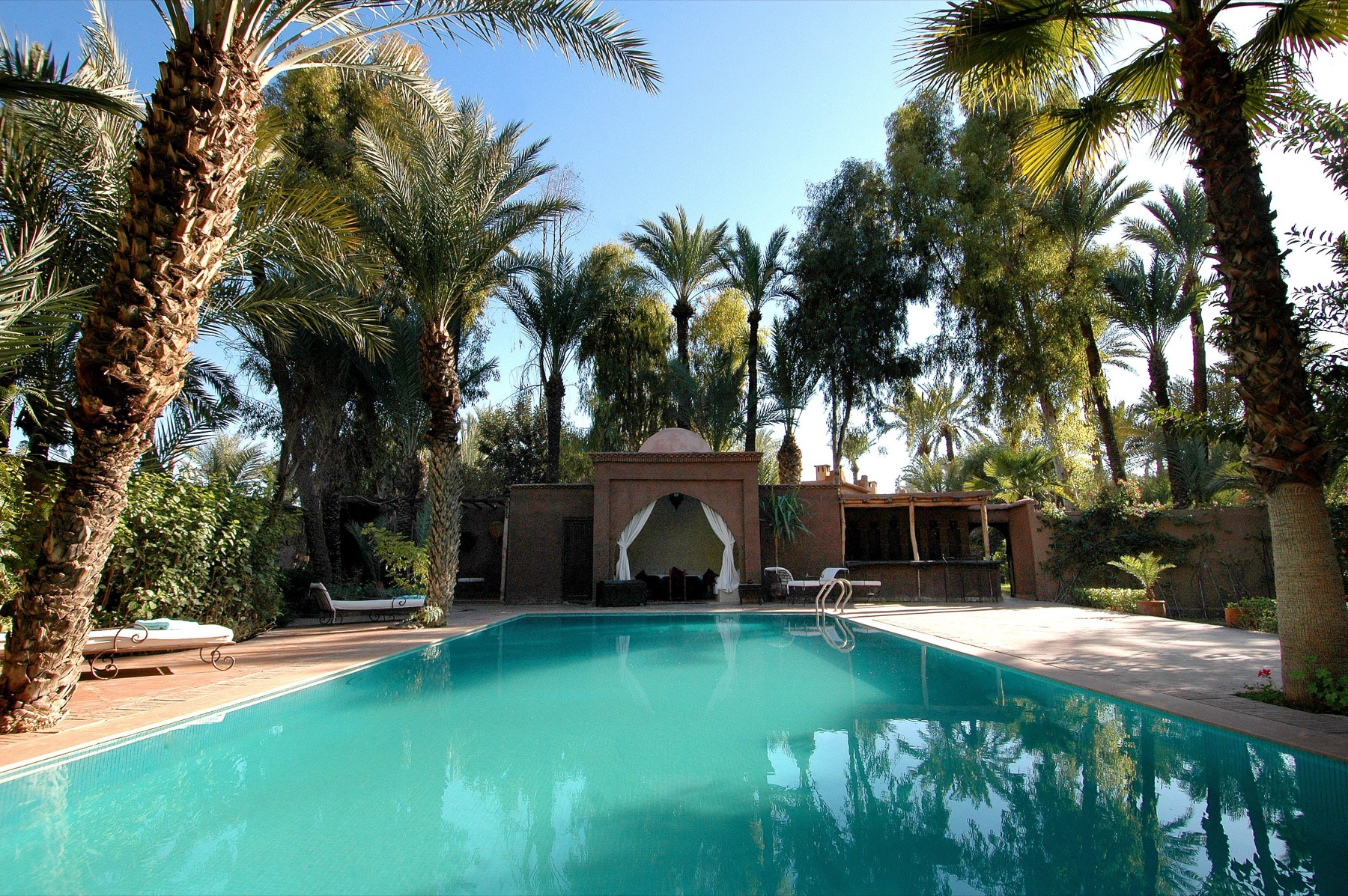
Tropics: why a pool is a necessity
If you’re heading to northern Queensland, you need to get used to a different and more restricted swimming regime. In the tropics you don’t normally go from the beach into the ocean because there’s a risk of encountering crocodiles and especially stinging jellyfish (so-called stingers). A pool at your accommodation there isn’t a luxury but a necessity for surviving the heat in good spirits.
The greatest risk of jellyfish stings, the so-called stinger season, runs roughly from November to May. During this time you can only swim safely in the ocean inside protective nets, which you’ll find for example on beaches at Palm Cove, Trinity, Yorkeys or Kewarra. But watch out for the popular Ellis Beach, which is NOT safe outside the nets, not even at the water’s edge, so watch the children like a hawk there.
Sun and wildlife on the roads
The Australian sun is aggressive due to the thinner ozone layer and you can get burned even during cooler months when it’s cloudy. Sunscreen with a high SPF, a hat protecting the neck and quality sunglasses are a must for the whole family, even for an ordinary hour-long walk through the city. Local children commonly wear long-sleeved swim shirts in the water. It’s worth getting them for yours too, you’ll save yourself the worry of constant reapplication.
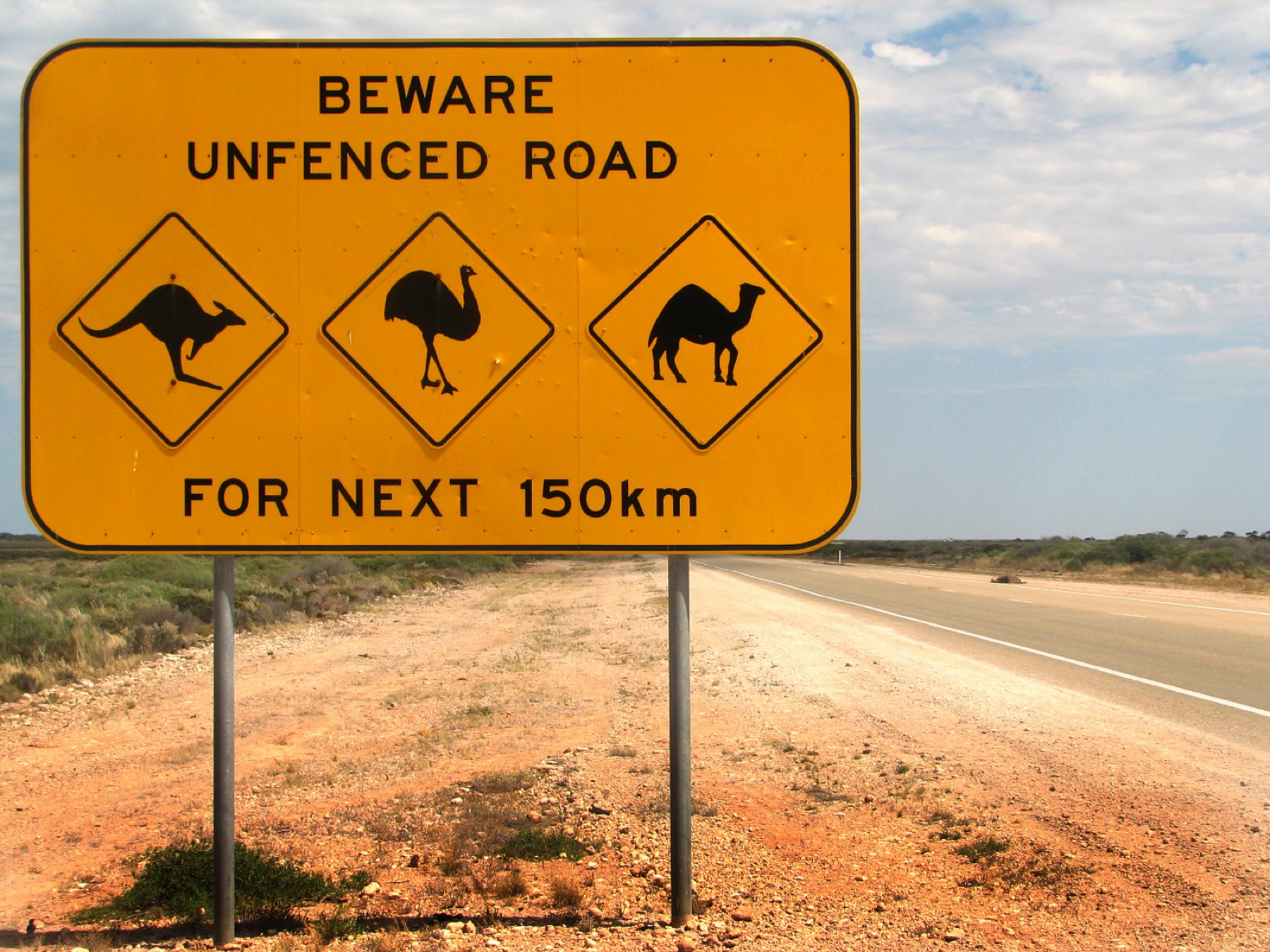
Another underestimated risk is driving a rental car outside cities, especially at dawn, dusk and at night, when the local wildlife is most active and gathers near roads. Kangaroos are unpredictable, become confused by headlights and jump straight under car wheels. Therefore drive at maximum 65 km/h in the dark and remember above all that you MUST NOT JERK THE STEERING WHEEL if an animal unexpectedly runs into your path, because a sharp evasive manoeuvre and subsequent rollover is more dangerous for the car’s occupants than the impact itself.
Visa for children too
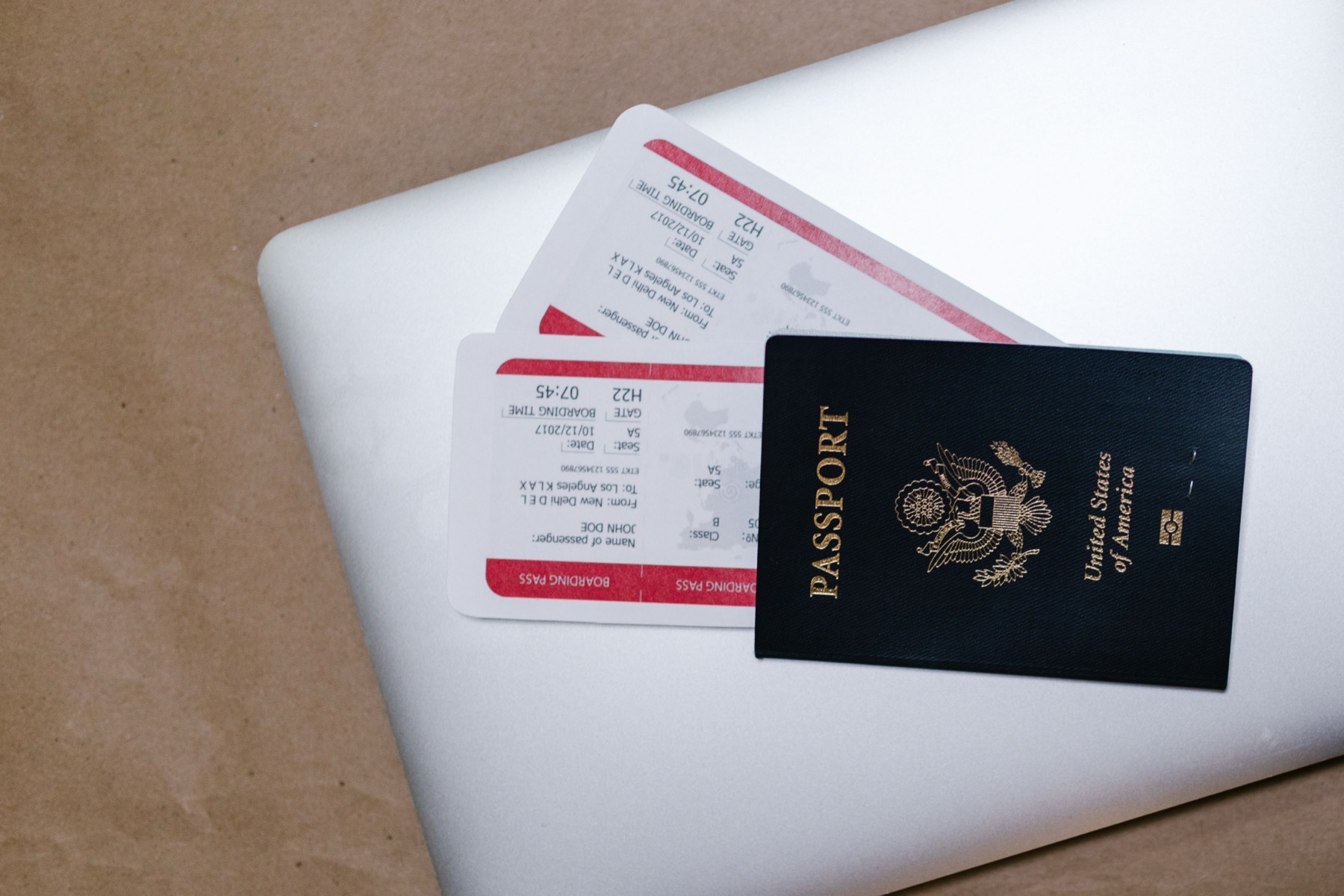
Paperwork before traveling to the land down under fortunately isn’t complicated, but you mustn’t forget it amid the flood of other worries. Every traveler without exception, including infants, must have a valid visa arranged before departure. The most common tourist visa eVisitor (subclass 651) is FREE for holders of European passports and allows you to stay in the country for up to three months per entry, which is enough for a family holiday.
The entire application process takes place online through the Australian government portal and approval usually comes within a few hours or days. But remember: children also need a visa and a separate application must be submitted linked to their own valid passport. No group or family visa exists, each member of your expedition is assessed by immigration separately.
Before departure I recommend verifying current conditions and any additional requirements for traveling with minor children on the website immi.homeaffairs.gov.au. The good news for parents is that no mandatory vaccination is required for entry to the country, so you’ll avoid stress at travel medicine clinics and dealing with possible reactions in children.
💡 Tip: Even though the visa is electronically linked to your passport, print out the confirmation of its grant (the so-called grant notice) to be safe. During airport confusion during transfers, paper in hand is useful for speeding up communication with staff.
When to go with children
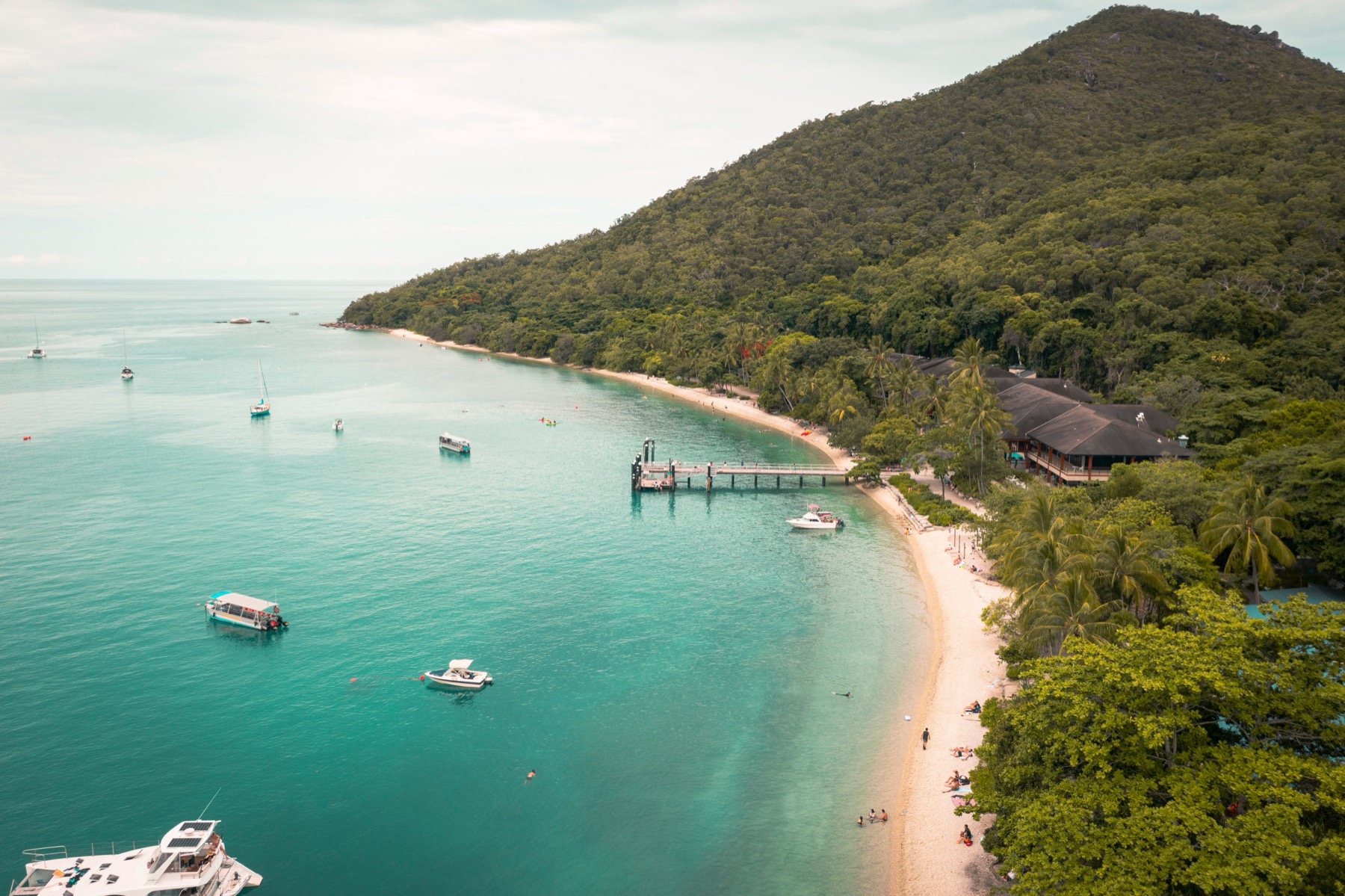
Choosing when to travel with children depends mainly on which part of the continent you’re heading to. If you’re going to the tropical north, remember that cyclone season runs from 1 November to 30 April and around 10 cyclones appear in this area annually on average, of which 3 to 4 hit the mainland. Northern Queensland and the area around Cairns has its coolest weather from June to August, when temperatures stay between 23.9 to 24.5 °C and it’s also the dry season, which is ideal timing for families with children to the tropics.
In the south the situation is different and resembles European seasons, just mirrored opposite to us. In Sydney expect average temperatures around 26.8 °C in January, while in July they drop to 16.8 °C and the sea is warmest for swimming usually in February, when it’s around 23.4 °C. It’s similar in Melbourne, where January temperatures reach 26.4 °C and July ones drop to 13.2 °C, when you’ll need jackets for the children.
If you want to combine south and north during one trip, the transitional months like October, November or March and April are usually best for families. During these periods the south is already pleasantly warm and the north isn’t yet muggy, which children would tolerate poorly. Read a detailed breakdown of individual regions in our weather article, which will help you plan your itinerary.
💡 Tip: If you’re going primarily for ocean swimming near Sydney, avoid our summer (Australian winter). The water in July and August has a temperature that only cold-water swimmers or surfers in wetsuits will enter, and children wouldn’t last long in it.
Where to stay
💡 Accommodation and activity tip: We compare local accommodation here to see what’s available and for how much. We prefer to look for it on Booking.com, where they usually have the best cancellation terms. Tickets, tours and activities are worth comparing and buying through GetYourGuide.
An apartment with its own fully equipped kitchen is a thousand times better than a regular hotel room, and almost anyone who’s traveled with children will tell you that. You can calmly prepare breakfast, cook what the children like and know from home, and mainly you don’t have to stress in expensive restaurants when the little ones are tired and grumpy in the evening.
Another absolutely key factor when choosing is location and the complex’s specific amenities. A pool with children is always a huge lifesaver, and if you’re going north to the tropics, it’s an absolute necessity due to limited and sometimes dangerous ocean swimming. Ideally look for a place within walking distance of the beach or public transport stop — parking in Australian cities is expensive and time-consuming and you won’t feel like it with children.
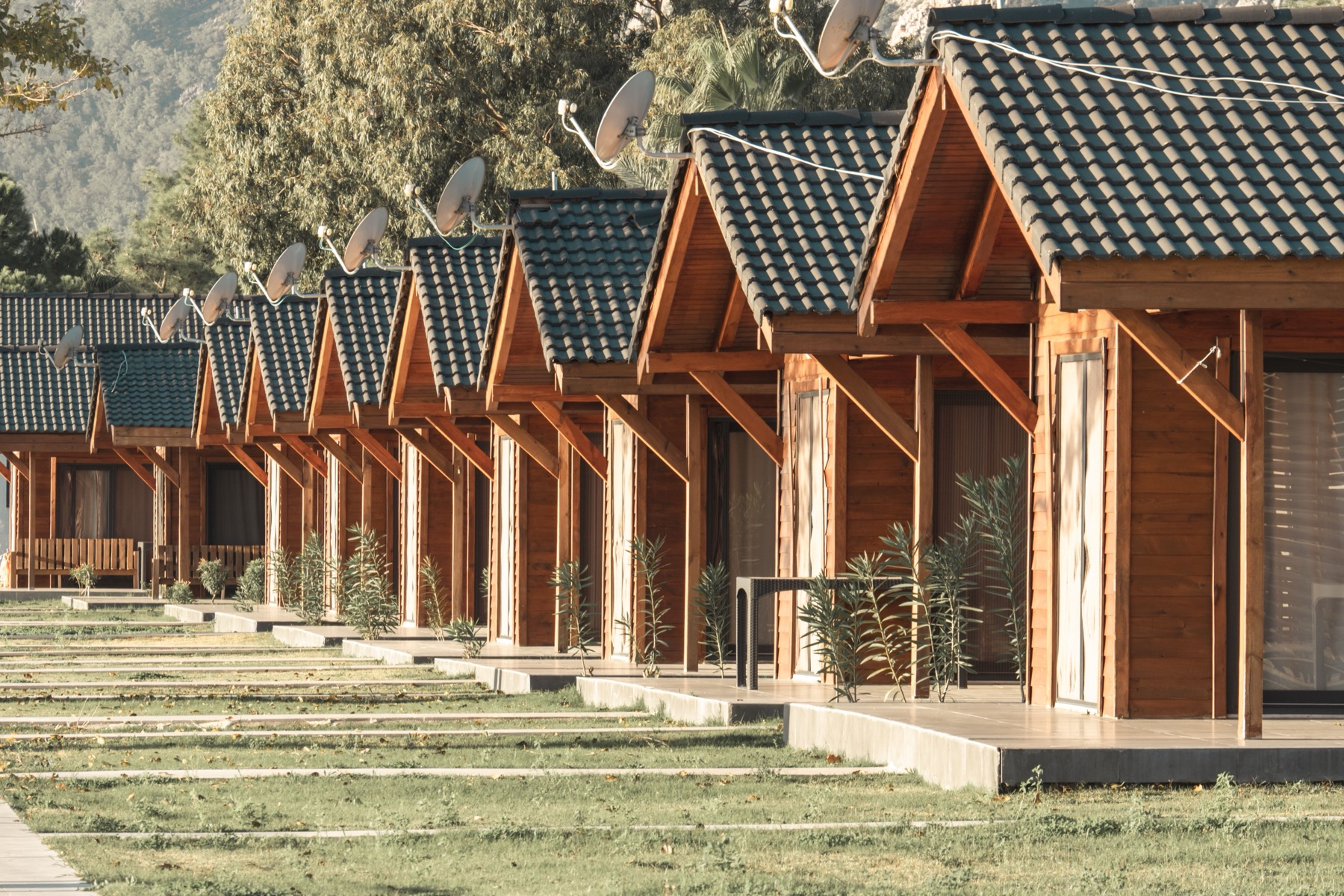
Australia offers accommodation for all tastes and budgets, from campsites where children sleep under the stars, through family resorts with kids’ clubs to beach houses where you have the ocean right outside your door. I recommend you compare offers on Booking.com well in advance because the best and most affordable family apartments disappear incredibly quickly, especially during Australian school holidays. Focus particularly on reviews from other families, which will best tell you how baby-friendly a place really is.
💡 Tip: For a three-week trip, choose accommodation that has its own washing machine in the room, or at least has a public laundry room available in the building. You’ll save a huge amount of suitcase space because you won’t need to pack clothes for children for every separate day.
Where to eat
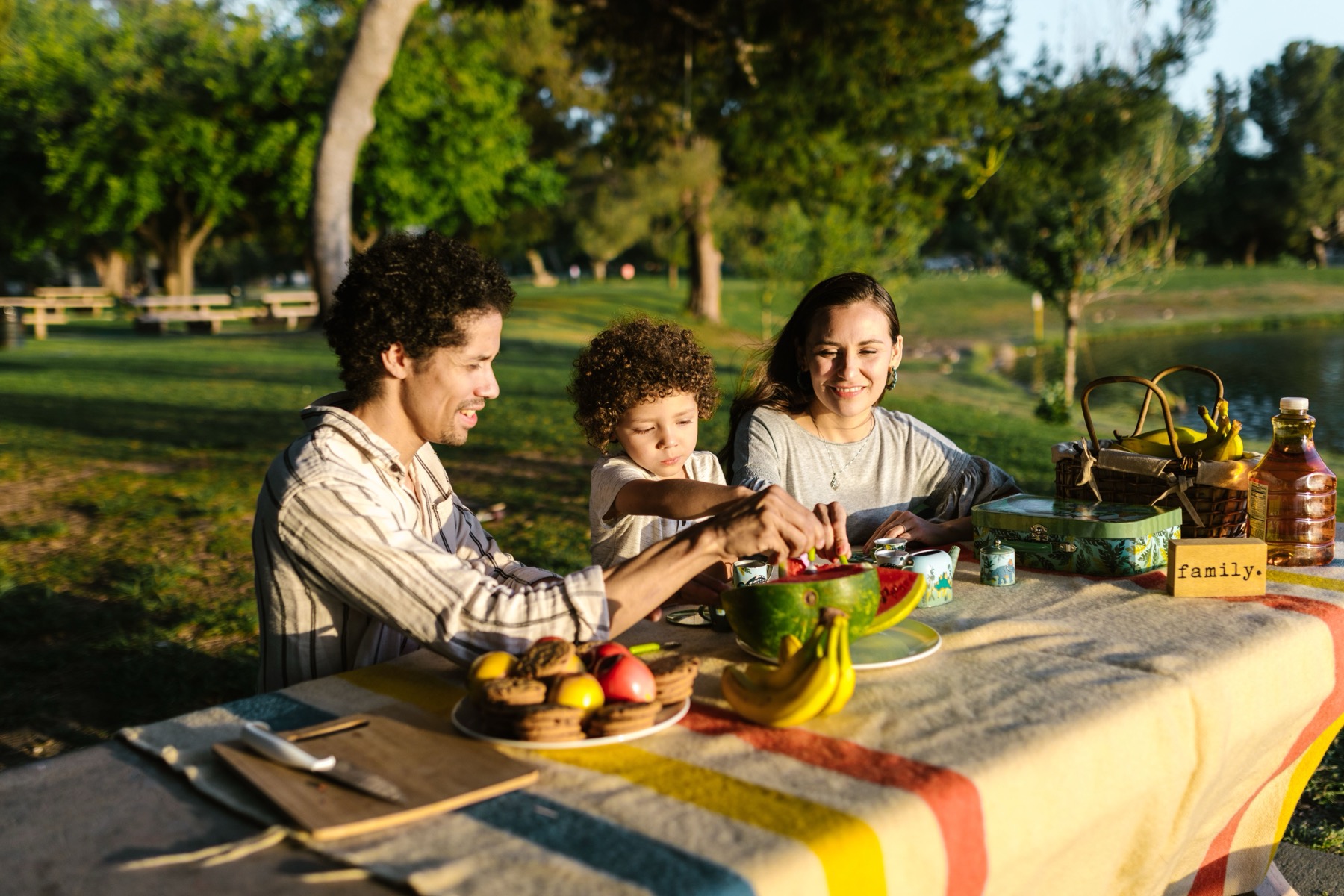
Dining with children while traveling can sometimes be challenging, but in Australia you fortunately don’t have to worry about going hungry. The local food scene is huge, diverse and mainly very relaxed. You can head to most ordinary restaurants and cafés even with young children without anyone looking at you disapprovingly. A great lifesaver is the so-called food courts in large shopping centres, where each family member chooses their own dish, from Asian noodles to classic pasta, and you have food on the table in a few minutes.
If you want to save money and also enjoy the local atmosphere, use the public electric barbecues you’ll find in many parks and by beaches for free. Just buy vegetables, cheese or corn on the cob at the supermarket and make your own barbecue with the children. An Australian classic that almost everyone reaches for here is fish and chips wrapped in paper right on some bench by the ocean.
Where next
If you’re interested in more information for trip planning, definitely check out our other detailed articles that will help you put together the best family itinerary:
- Holiday in Australia: 30 most beautiful places + practical tips
- Sydney, Australia: 31 tips on what to see and do
- Melbourne, Australia: 23 tips on what to see and do
- Animals in Australia: where to see kangaroos and koalas
- Australia’s East Coast: 2 to 4 week itinerary
- Weather in Australia: when to go by region
- Visas to Australia: eVisitor step by step
Which Sydney beaches are patrolled, you’ll find in the article Beaches in Sydney: 12 best and which is for whom. The evening penguin parade has its own article Phillip Island, Australia: penguins and 10 tips for a trip from Melbourne. How to handle the long flight and what tickets cost, you’ll find in the article Flight tickets to Australia in the year: prices, connections and how to survive the flight.
Frequently asked questions
How long does the journey to Australia take?
There are no direct flights from most European cities, so with one or two stopovers you can expect the journey to take roughly a day and a half of actual travel time. With children, it’s recommended to break up this demanding flight with a multi-day stopover somewhere in Asia so they can adjust to the time difference.
Is Australia safe with children?
Yes, it’s one of the safest and best-equipped countries for families. The biggest real risk in nature isn’t sharks or snakes, but treacherous rip currents in the ocean, jellyfish in the north, and strong sun.
How much time should you allow?
For a stress-free family holiday, allow at least three weeks. The journey is long, acclimatization and adjusting sleep schedules takes a while, and the large distances between interesting places also take up quite a bit of time.
Does a child need their own visa?
Yes, every family member including the smallest babies needs a visa and must have their own valid passport. The eVisitor visa is free for eligible European and other nationalities and can be easily arranged online.
Where can children pet a koala?
Holding koalas is legally permitted only in Queensland, Western Australia, and South Australia. Around Sydney and Melbourne it’s illegal, so you can visit places like Cleland Wildlife Park near Adelaide for this experience.
Can you swim in Australia with children?
In the south and east, only swim at patrolled beaches between the red and yellow flags due to strong currents. In the tropical north, it’s better to rely on pools due to the presence of jellyfish and crocodiles.
When is the best time?
It depends on the region. For the tropical north (Cairns), the best time is their dry season (roughly May to October), when it’s warm and dry. For the south (Sydney, Melbourne), it’s ideal to visit during their summer (December to February).
Is it worth renting a car?
For shorter trips around your base, definitely yes, but for covering long distances between cities it makes more sense with children to use domestic flights so you don’t spend days on the highway.
Is Australia with children expensive?
Generally, it’s a financially demanding destination. However, you can save money by renting an apartment with a kitchen and cooking for yourselves, or by using public playgrounds and parks, which are available for free.
Where should you go for the first time?
For a first trip with children, the ideal combination is Sydney and the state of Queensland. In Sydney you’ll enjoy good infrastructure and large aquariums, while in Queensland you’ll find tropical nature, beaches, and animal sanctuaries.
Tips and Tricks for Your Vacation
Don’t Overpay for Flights
Search for flights on Kayak. It’s our favorite search engine because it scans the websites of all airlines and always finds the cheapest connection.
Book Your Accommodation Smartly
The best experiences we’ve had when looking for accommodation (from Alaska to Morocco) are with Booking.com, where hotels, apartments, and entire houses are usually the cheapest and most widely available.
Don’t Forget Travel Insurance
Good travel insurance will protect you against illness, accidents, theft, or flight cancellations. We’ve had a few hospital visits abroad, so we know how important it is to have proper insurance arranged.
Where we insure ourselves: SafetyWing (simple monthly subscription) and TrueTraveller (for extra-long trips).
Find the Best Experiences
Get Your Guide is a huge online marketplace where you can book guided walks, trips, skip-the-line tickets, tours, and much more. We always find some extra fun there!


