

If you’re planning a road trip along the East Coast of Australia, be aware that Sydney to Cairns is 2,416 kilometres if you take the shortest possible route, which is roughly the equivalent of flying from London to Moscow as the crow flies. Pure driving time without a single coffee stop comes to an incredible twenty-seven hours. That’s why any plan along the lines of “five Australian cities in twelve days” simply doesn’t add up mathematically, and it’s much better to carve out a smaller chunk of the continent and explore it properly.
Australian distances are simply impossible to imagine until you get behind the wheel yourself, and we’re telling you this upfront so the GPS doesn’t catch you by surprise. If you try to rush the entire route, you’ll spend most of your dream vacation staring at highway asphalt and constantly packing suitcases. The East Coast isn’t just about getting from point A to point B, but about little detours to hidden beaches and rainforests.
Twelve stops that make this route unforgettable, from Sydney all the way to the tropical north, are neatly listed below. You’ll also learn when to go, how to plan your time, and what to really watch out for on Australian roads. Get ready for a journey that will completely change your perspective on what the word distance means.
TL;DR
- Ideal travel time: Set aside ideally three to four weeks to drive the entire route from Sydney to Cairns; if you only have fourteen days, choose a shorter section.
- Best season: A compromise for the entire route is roughly May to September, when you avoid the worst tropical downpours in the north.
- Deceptive distances: Transfers are extremely long and you should always add twenty to forty percent to the pure GPS time to be safe.
- Transportation options: You can choose car rental, a campervan for greater freedom, long-distance buses, or domestic flights to save time.
- Top attractions: The route features the stunning sand island K’gari, tropical Whitsundays, and of course the iconic Great Barrier Reef.
- Safety rules: Watch out for driving on the left, dangerous wildlife at dawn and dusk, and very strict rules regarding wild dingoes.
- Route restrictions: The road to Cape Tribulation in the far north is currently under repair, which will last approximately until 2027.
How Much Time to Set Aside for the East Coast
The most common mistake you can make when planning an Australian road trip is blind faith in the times your mobile GPS shows. The distance from Sydney to Brisbane is roughly 928 kilometres, which can be driven in pure time in about ten hours. But there are so many attractions, national parks, and beautiful surf towns along the route that most travellers spread this section over at least four to seven days.
If you continue north from Brisbane, even more brutal stretches of kilometres await you. The section from Brisbane to Cairns measures approximately 1,696 kilometres and pure driving time here climbs to twenty-two hours. The total route from Sydney to Cairns covers those 2,416 kilometres and 27 hours of driving, which can only be done in four to seven days as an absolutely exhausting transfer. For real exploration of the East Coast’s beauty, you’ll need much more time.
Many people also consider travelling southeast, where the route from Sydney to Melbourne measures 877 kilometres and takes about nine hours via the inland Hume Highway. But if you chose the much more scenic coastal route along Princes Highway, the distance grows to 1,032 kilometres and about 13 hours of pure driving. Every detour from the main highway to the coast simply eats up precious time that you need to factor into your itinerary in advance.
The golden rule of Australian road trips: always add twenty to forty percent extra to the time shown by your GPS. You need to account for inevitable stops for fuel, rest, stretching your legs, but also slowdowns due to heavy traffic around major cities. Significant delays are also often caused by caravans and slow-moving oversized loads that are very difficult to overtake on many sections.
Never plan daily transfers longer than three to four hundred kilometres; driver fatigue is a huge topic in Australia and monotonous landscapes can put drivers to sleep surprisingly quickly, so constant schedule stress is exactly what you don’t want on vacation. A holiday isn’t about breaking long-distance records in a sweaty T-shirt on the seat of a rental car, remember that when you’re putting together your itinerary.
When to Visit the East Coast
Choosing ideal weather for the entire route is a bit tricky because you’ll be driving through several completely different climate zones. In the far north around Cairns and the Whitsundays, the dry season runs roughly from May to October, which is the ideal time to visit. Conversely, the wet season, lasting from December to April, brings extreme heat, enormous humidity, and the risk of tropical cyclones.
In the southern part of the route around Sydney and Byron Bay, the situation is different because summer from December to February is the warmest, which attracts huge crowds. The problem with this summer period in the south, however, is astronomical accommodation prices, overcrowded beaches, and an absolutely hopeless parking situation. Experienced travellers therefore recommend finding a compromise so you don’t get washed away by monsoons in the north and aren’t freezing in the south.
This ideal compromise for the entire route is roughly May to September, when the north has beautiful dry and sunny weather while the south enjoys pleasant and bearable temperatures. During these months, whale migration also occurs in the south, which will add another unforgettable dimension to your road trip. You’ll avoid the worst tropical downpours in the north and the biggest tourist madness during Australian summer holidays in the south.
When planning, you need to keep in mind two very specific Australian safety warnings. The first is the so-called stinger season, which runs from October or November to May, when life-threatening deadly venomous jellyfish occur in tropical northern waters. The second risk is cyclone season officially running from November 1 to April 30, with its absolute peak and greatest danger usually occurring between January and March.
How to Get Around the Coast
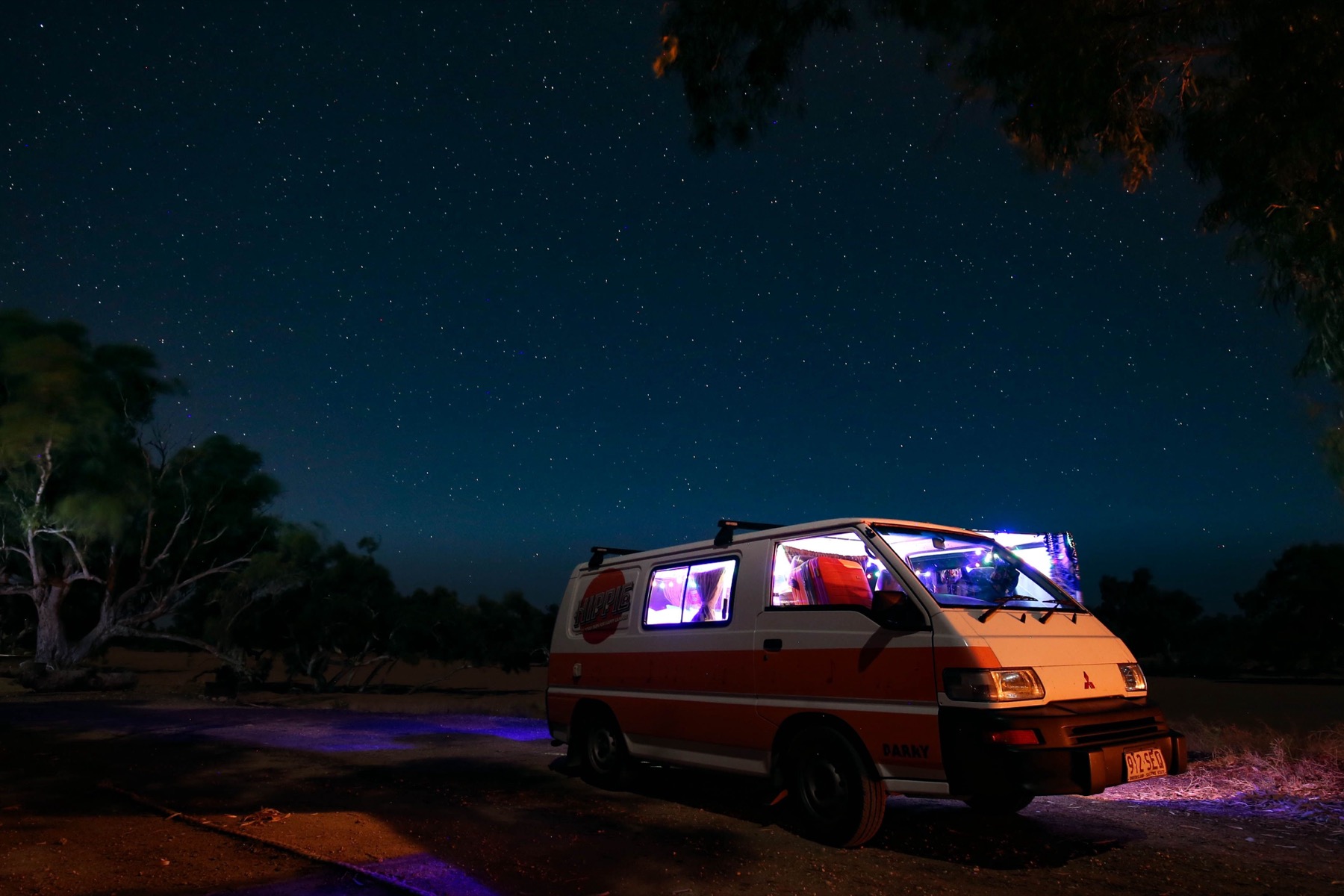
There are several transport options and each has its distinct specifics and target audience. The most popular classic is renting a car or campervan, which gives you absolute freedom in route planning and the ability to stop wherever you like. The disadvantage of this choice is the need to drive thousands of kilometres and deal with complicated parking in major cities, where garage rates tend to be very high.
If you don’t want to spend days behind the wheel, there’s a network of long-distance buses that regularly travel along the entire East Coast. You can choose various hop-on hop-off passes that allow you to get off and on anywhere along the route, which is very popular especially among backpackers. A third option is domestic flights, which can be cleverly used to skip lengthy or less interesting sections, for example from Brisbane straight to Cairns.
Rental, flight, and bus prices are constantly changing, so always compare them on comparison portals just before departure; last year’s numbers won’t help you here. Generally speaking, bus transport tends to be the cheapest, while the fastest and most comfortable for covering huge distances is naturally air travel. Car rental can become more expensive if you return the car in a different city than where you picked it up.
The basic and absolutely crucial rule for drivers is driving on the left, which most Europeans get used to in about one to two days. As for documents, your Czech driving licence alone won’t be enough because it lacks an English translation. As recommended security, always arrange an international driving permit or official translation before your trip; in the Northern Territory and New South Wales (NSW), a foreign licence is valid for a maximum of three months.
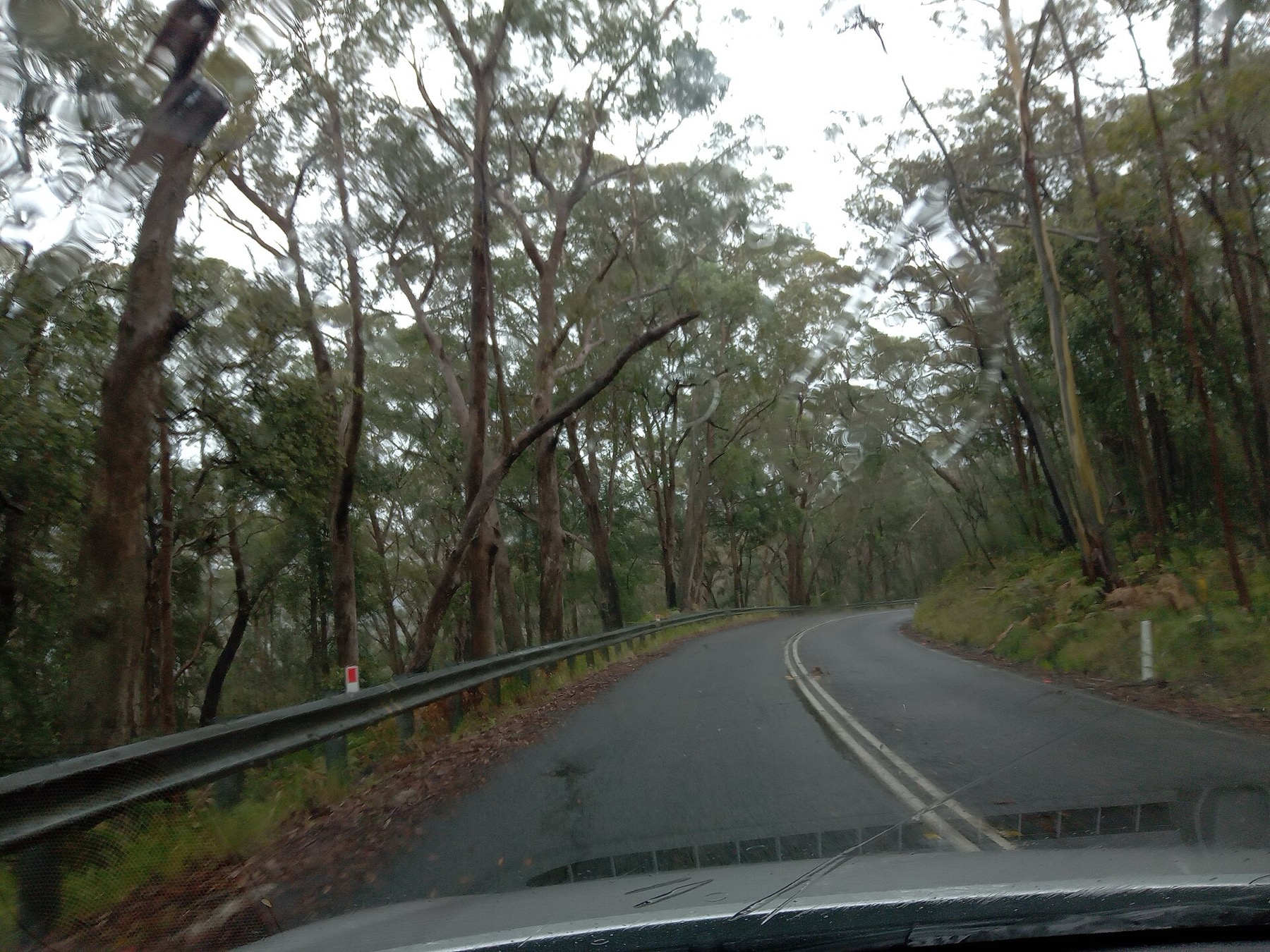
Driving outside cities has its strict rules, especially due to the danger of colliding with wildlife at dawn and dusk, when kangaroos are most active. If an animal jumps into your path, the basic rule is not to jerk the steering wheel but only brake hard to avoid ending up somersaulting off the road. Another specific feature of Australian roads are giant trucks called road trains, which can be up to 50 metres long and overtaking them takes up to 2.5 kilometres of clear visibility.
12 Stops from Sydney to Cairns
Australia’s East Coast is dotted with incredible natural scenery and vibrant cities that demand your attention. Here are twelve places that in our opinion are worth every kilometre driven — arranged logically from south to north, exactly how most travellers cover the route.
1. Sydney
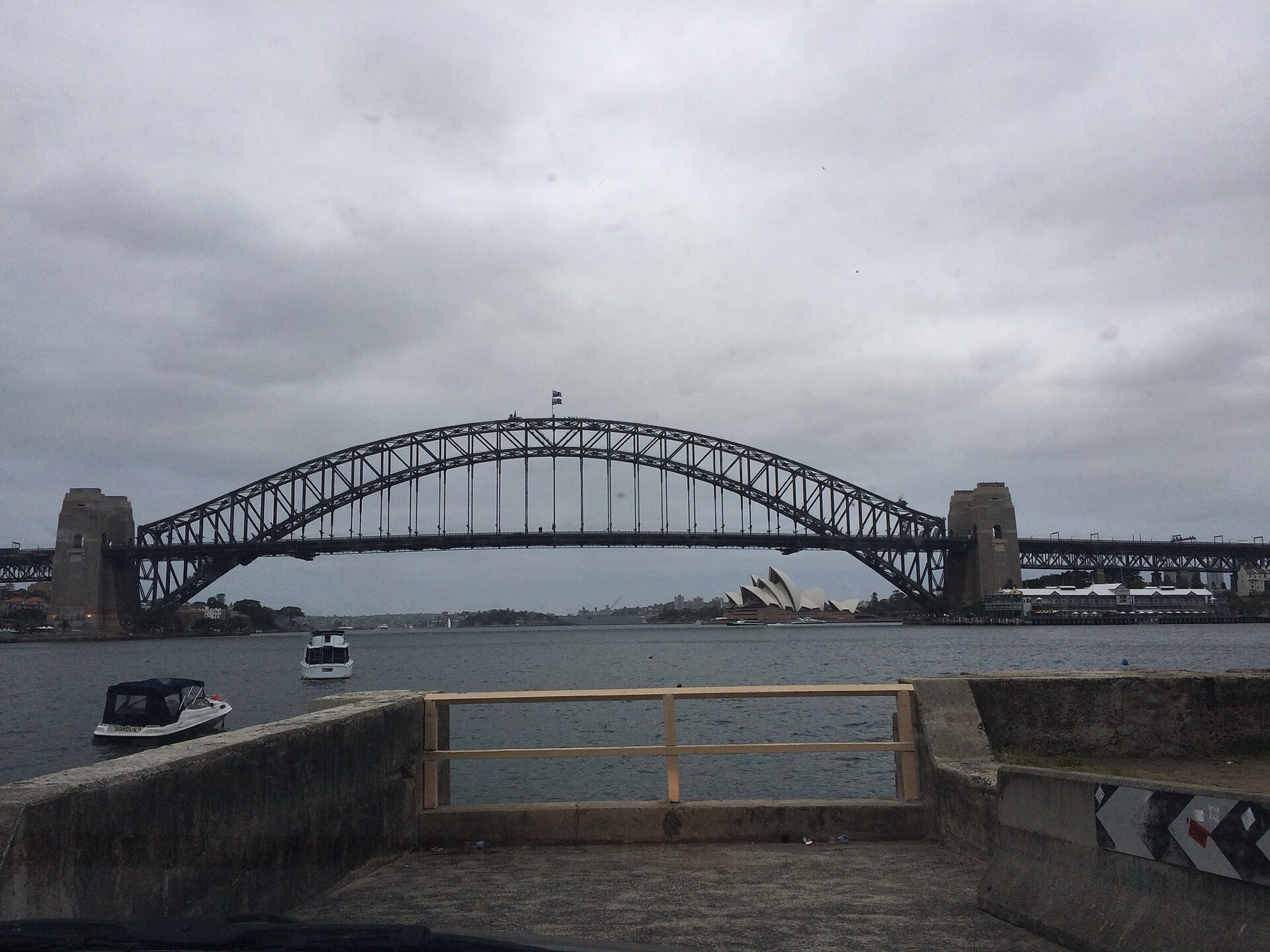
Your grand Australian adventure will most likely kick off in Sydney, which is the main air hub for the entire continent. The city with its iconic Opera House and massive Harbour Bridge is an absolutely ideal place where you can shake off jet lag in peace. Set aside at least three to four full days before you even consider picking up a rental car.
If you want to avoid unnecessary stress, only rent a car when you’re ready to leave the metropolis for good. Sydney is notorious for its complex one-way systems and parking in the centre can cost a fortune, so it’s much easier to use the excellently functioning public transport network. From the city you can then easily connect to the main routes heading to the northern beaches and national parks.
💡 Tip: If you’re not sure how to organize your time in the city, check out our detailed article where you’ll find all the information about what to see and do in Sydney.
2. Blue Mountains
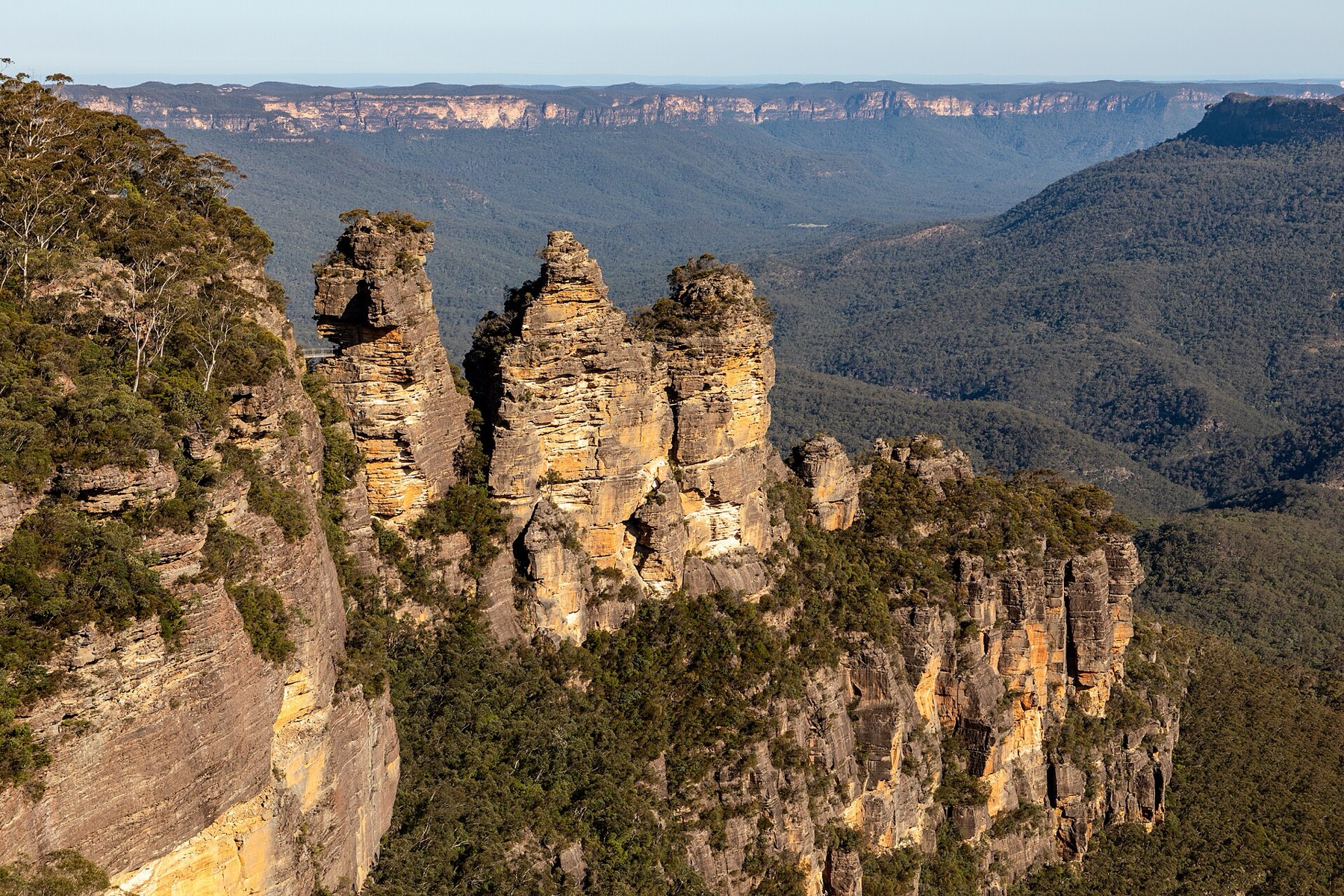
The very first major detour from the coastal route takes you to the Blue Mountains, which lie roughly two hours’ drive west of Sydney. The area is famous for its deep forested valleys and the delicate blue haze that constantly hovers above the eucalyptus forest canopy. You should ideally spend one to two days here to have enough time for hiking and exploring the breathtaking viewpoints.
The absolute centrepiece of the entire national park is the town of Katoomba, from which the most beautiful views into the Jamison Valley open up. The most visited viewpoint in the area is the iconic sandstone formation Three Sisters, which has an incredible Google rating of 4.6 from over 25,464 reviews. These three rock towers are closely linked to ancient Aboriginal legends, which you can read about on information boards.
💡 Tip: When looking for inspiration online, be very careful because rock formations called “Three Sisters” also exist in Canada. Always carefully verify that you’re looking at photos from the Australian state of New South Wales.
3. Port Stephens
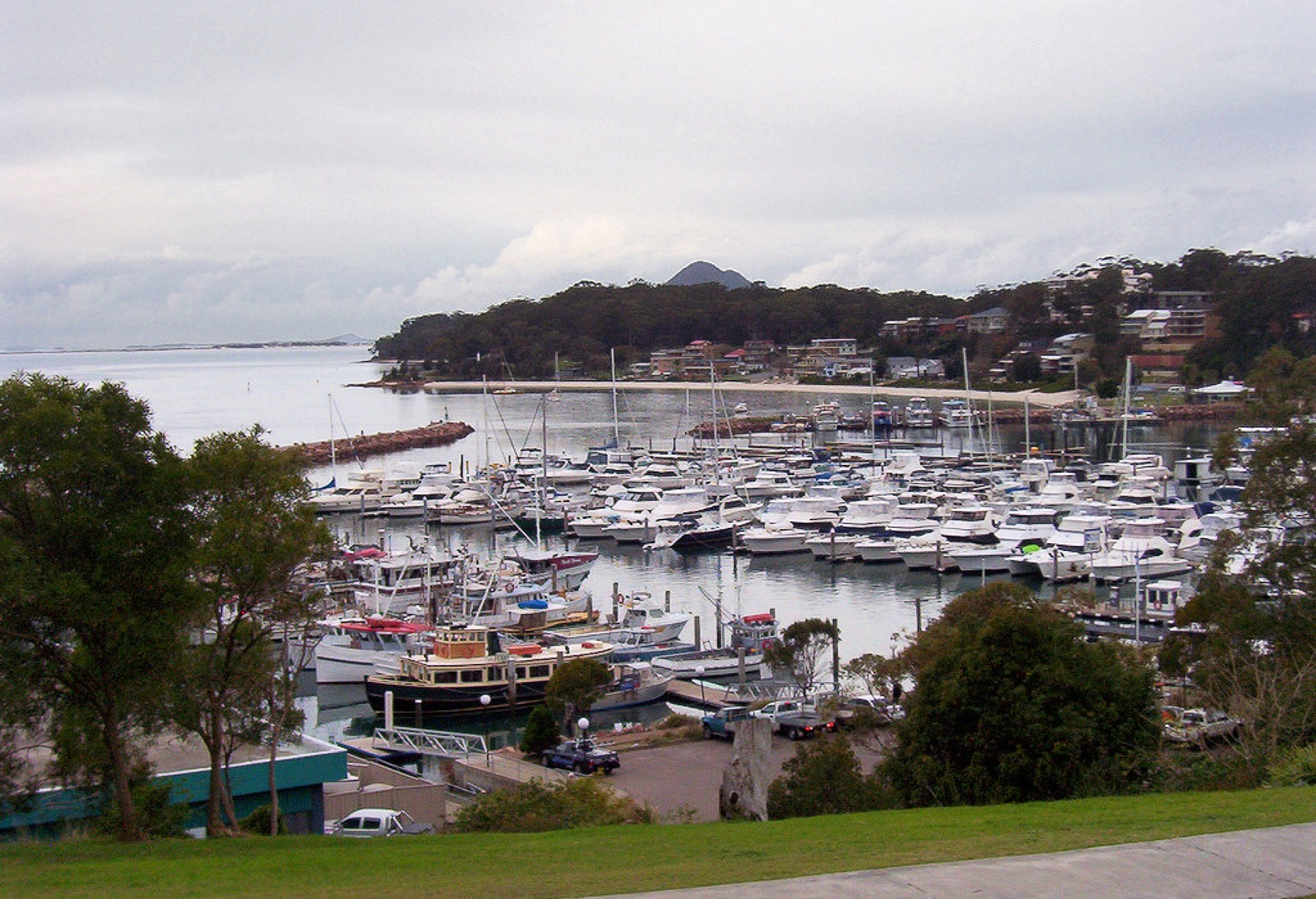
When you return to the coast and head north from Sydney, after roughly two and a half hours of driving you’ll reach Port Stephens bay. This picturesque area is known for its enormous sand dunes where you can go sandboarding, and gorgeous bays with turquoise water. To explore the bay and surrounding beaches you’ll need roughly one very active day before moving further north towards Byron Bay.
The main attraction of this area is undoubtedly the rich marine life, as the bay is home to a huge resident population of wild bottlenose dolphins. Numerous tour boats head out on the water daily and excellent reviews go to dolphin cruises from Moonshadow-TQC Cruises, which maintains an excellent Google score of 4.6 from 833 reviews. Watching these intelligent creatures frolicking in the boat’s bow wave is something you’ll be remembering with a smile for a long time to come.
💡 Tip: If you enjoy unconventional experiences, try sandboarding on the enormous sand dunes in the Stockton Bight area, which resemble a little Australian Sahara.
4. Byron Bay
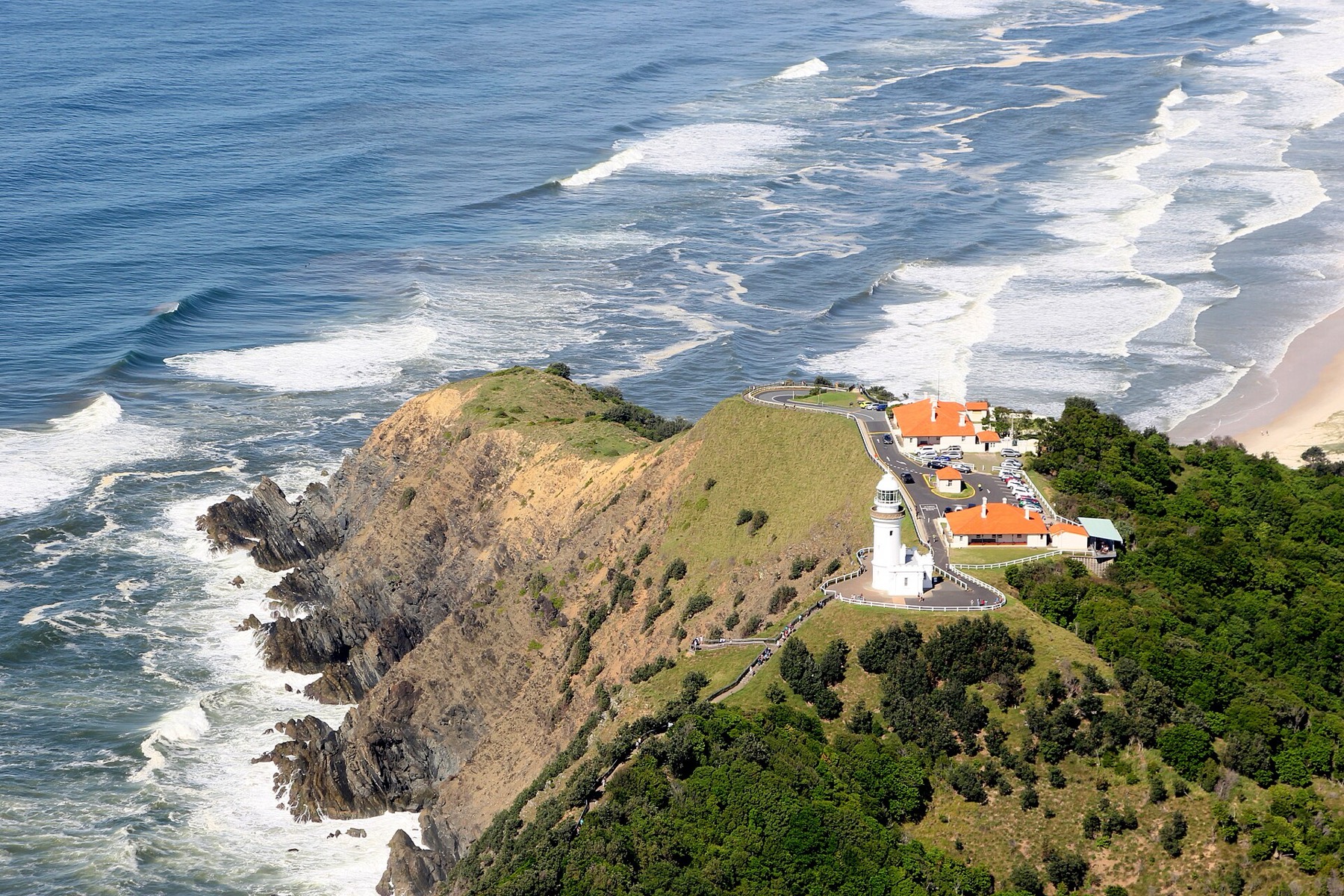
Roughly seven hundred kilometres north of Sydney lies the town of Byron Bay, which boasts the title of easternmost point of mainland Australia. The local icon is the snow-white Cape Byron lighthouse, which has stood here guiding mariners since 1 December 1901. This historic gem (Google 4.7 from 9,545 reviews) is the brightest lighthouse in the southern hemisphere and driving all the way to it will cost you 10 AUD per hour.
The roughly 70 beaches here have drone shark monitoring running from dawn to dusk, about which the useful SharkSmart app informs you. Surfers most often head to The Pass beach with waves over 200 metres long, while beginners and longboard lovers prefer the gentler Wategos bay. Set aside at least two days here, but bear in mind that parking in the centre on weekends and from November to February is practically impossible.
💡 Tip: Be prepared that Byron is no longer the cheap hippie town it once was: the median house price here hovers around an astronomical three million dollars. Expect huge crowds of tourists and significantly higher prices in cafés and restaurants.
5. Gold Coast and Surfers Paradise
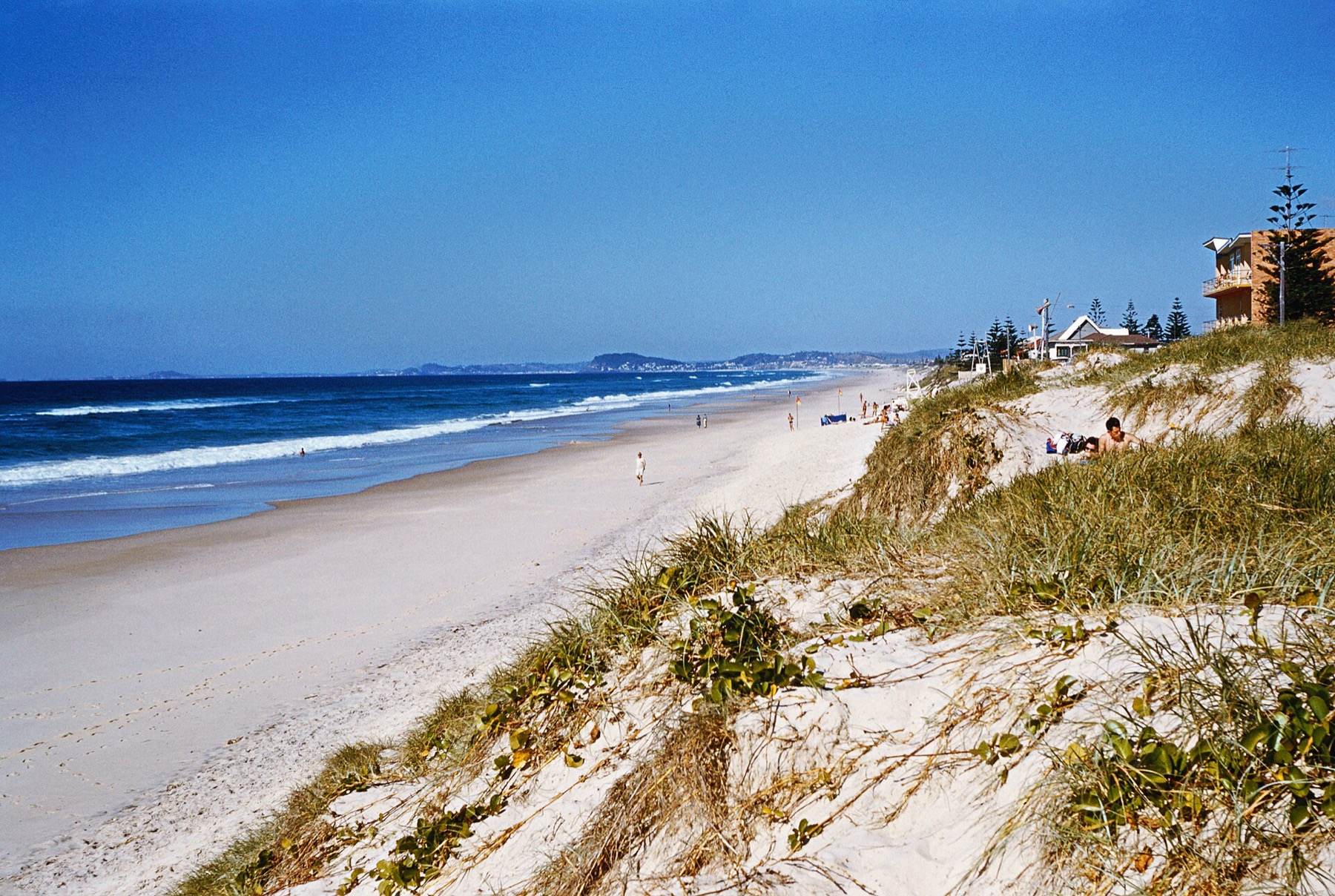
Another hour’s drive north will greet you with the dazzling panorama of skyscrapers rising directly above the beach, which is the unmistakable silhouette of the Gold Coast region. The heart of the entire region is the famous Surfers Paradise Beach (Google 4.7 from 1,755 reviews), which is properly patrolled by lifeguards, but always make sure you swim exclusively between the marked flags. You can easily spend three days here, especially if you’re drawn to the mix of nightlife and giant waves.
The best view of the entire coast is offered by the observation deck at SkyPoint in the Q1 building, which sits 230 metres above ground. Standard tickets start at 33 AUD, and for the brave there’s the outdoor SkyPoint Climb priced from 89 AUD (2026 prices). The area is also full of theme parks, with entry to Dreamworld available from 99 AUD, Sea World costing around 105 AUD, and a good-value multi-pass starting at 119 AUD.
💡 Tip: Escape the big-city bustle to the green inland area called the Hinterland, where you’ll find Lamington National Park, listed as a UNESCO site since 1986. Here you’ll find the beautiful O’Reilly’s Treetop Walk with nine suspension bridges in the tree canopy, which is completely free. Head to SkyPoint around 3:00 PM, because by 5:30 PM it gets absolutely packed due to sunset.
6. Brisbane
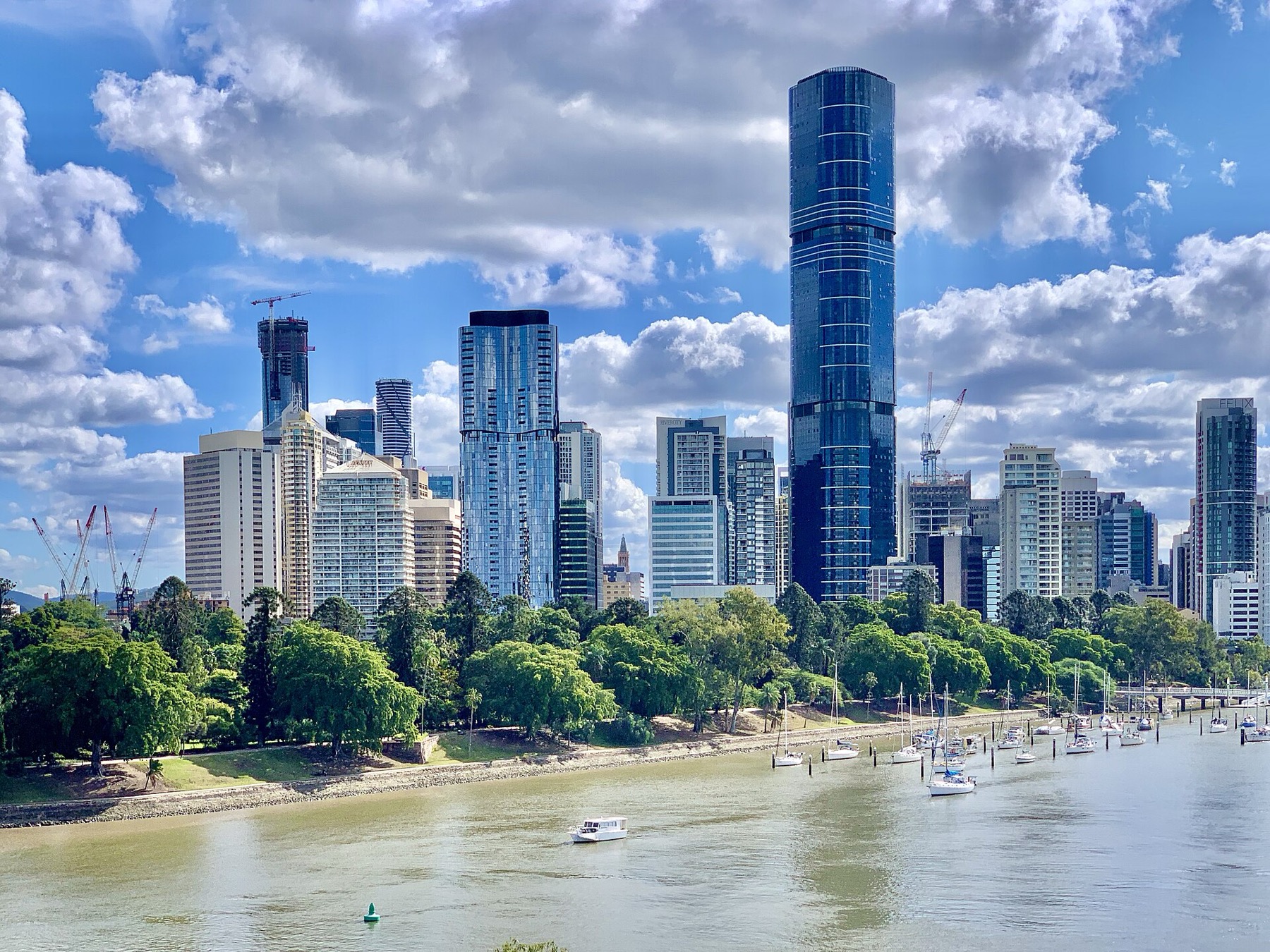
The capital of Queensland state represents a completely natural dividing point on your long journey and serves as a huge transport and air hub. While Brisbane doesn’t have its own ocean beach unlike Sydney or the Gold Coast, it more than makes up for this small shortcoming with an artificial lagoon right in the centre on the riverbank. To recharge before continuing north we recommend setting aside approximately two full days for the city.
The city is characterized by a very relaxed atmosphere, excellent coffee culture, and a huge number of sunny parks with views of skyscrapers. From a logistics perspective, it’s also an ideal place where you can end your road trip if you only have fourteen days’ holiday. Brisbane Airport offers excellent and frequent domestic connections to all other parts of Australia.
💡 Tip: If you want to read details about the local culture, transport and best parks, study our separate article with tips on what to see and do in Brisbane.
7. Noosa and Sunshine Coast
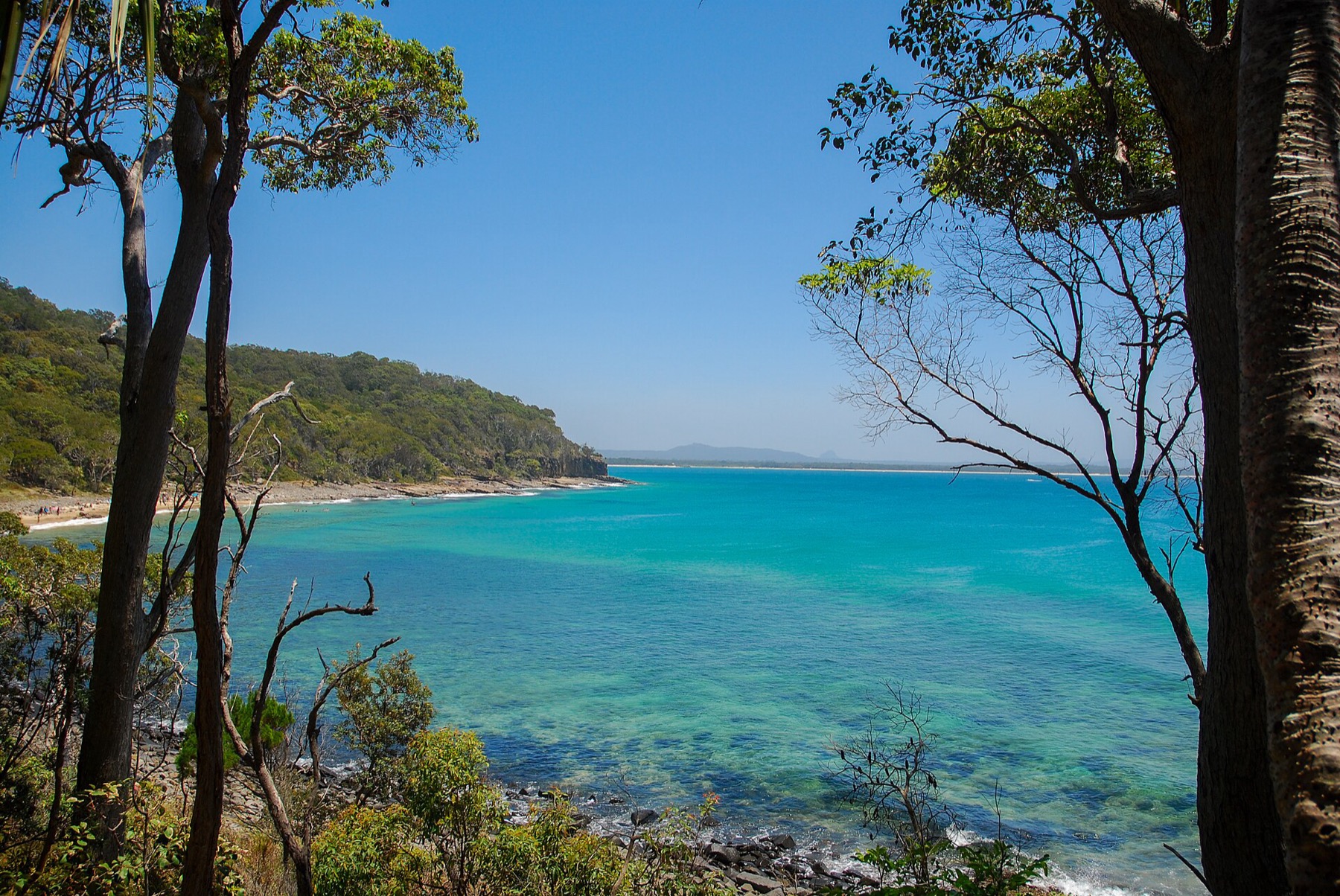
Just under two hours north of Brisbane lies the elegant Sunshine Coast area, crowned by the gorgeous town of Noosa. The heart of beach life here is the beautiful Noosa Heads Main Beach (Google rating 4.7 from 5,280 reviews), which thanks to its north-facing orientation offers calmer waves suitable even for families with children. Set aside at least two to three days to explore this more luxurious corner of Queensland.
An absolute must is the walk along the Noosa NP Coastal Track, which measures 5.4 kilometers one way and is Australia’s most visited national park with over a million visitors annually. Early in the morning you can spot koalas in the wild here, and for the return trip to the town center you can conveniently take bus number 627 from Sunshine Beach. Animal lovers can also visit the famous Australia Zoo (the park founded by Steve Irwin), where admission costs 76.95 AUD.
💡 Tip: Beaches located deeper inside the national park, such as the picturesque Alexandria Bay, are not patrolled by lifeguards and often have very strong and dangerous currents, so think carefully before swimming there.
8. Hervey Bay
The peaceful coastal town of Hervey Bay, about two and a half hours’ drive from Noosa, serves primarily as a key gateway. All travelers planning to visit the massive sand island of K’gari come here, so you’ll likely be stopping for at least one to two nights. The town has a very long esplanade full of cafés and calm waters that are ideal for relaxing after a long drive.
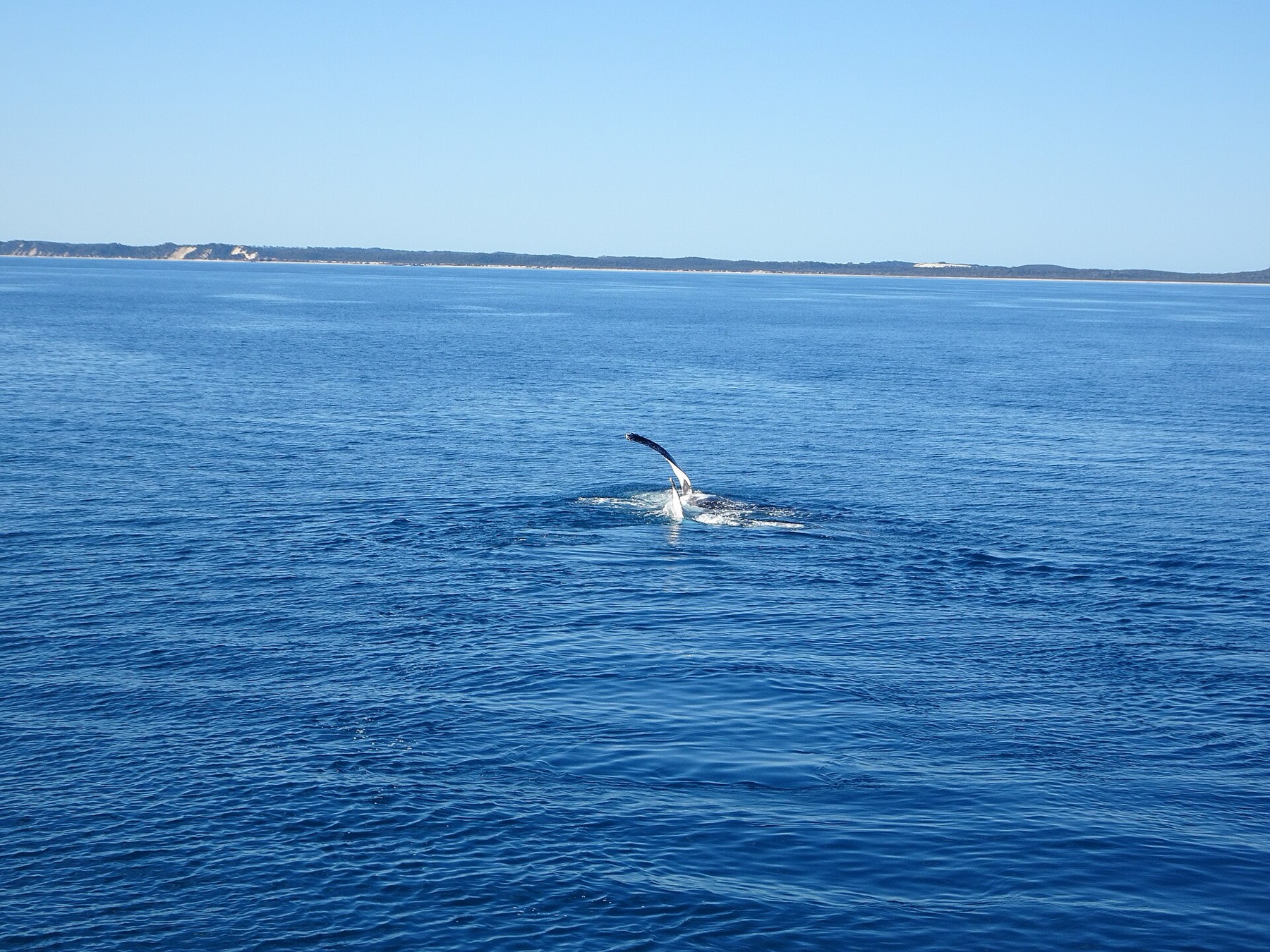
Hervey Bay is world-famous as one of the absolute best centers for whale watching during their annual migration. The local waters are sheltered and whales often rest here with their calves, which you can see thanks to companies like Whalesong Cruises (Google 4.9 from 1,113 reviews), Spirit of Hervey Bay (4.8 from 569), or Tasman Venture (4.9 from 606). Always confirm the exact tour season in advance directly with the specific operator on their website.
💡 Tip: Always book island tours and boat tickets well in advance, as Hervey Bay tends to be a very busy transit point during peak tourist season.
9. K’gari (formerly Fraser Island)
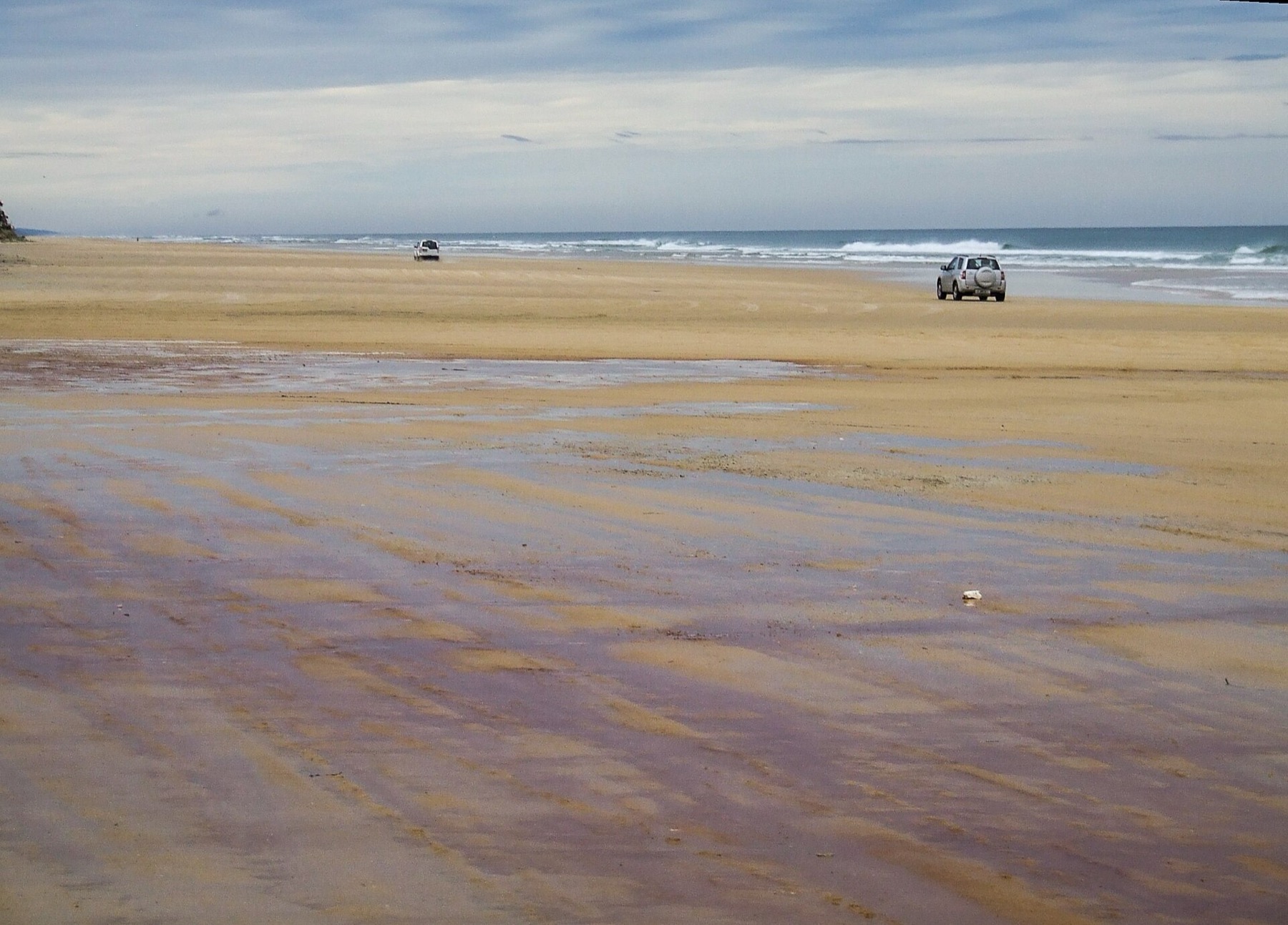
Off the coast lies the world’s largest sand island, stretching 122 kilometers in length and inscribed on the UNESCO list since 1992. Remember that since 2023 the island officially bears the name K’gari (Fraser Island is now only used as a historical designation in parentheses). You’ll need at least two to three days to explore this sandy wonder, and you can get here by ferry from River Heads (about 45 minutes, ~123 AUD one way per vehicle) or from Inskip Point (10 minutes, ~140 AUD return).
The main artery for getting around the island is the famous 75 Mile Beach, where an 80 km/h speed limit applies and which also functions as an aircraft landing strip, to which cars must always yield. The interior hides crystal-clear lakes, the most famous being Lake McKenzie (Boorangoora) boasting water with no inflow and shores made of 98% silica sand. Only 4WD vehicles are allowed on the island and you need a special Vehicle Access Permit for approximately 58 to 62 AUD per month.
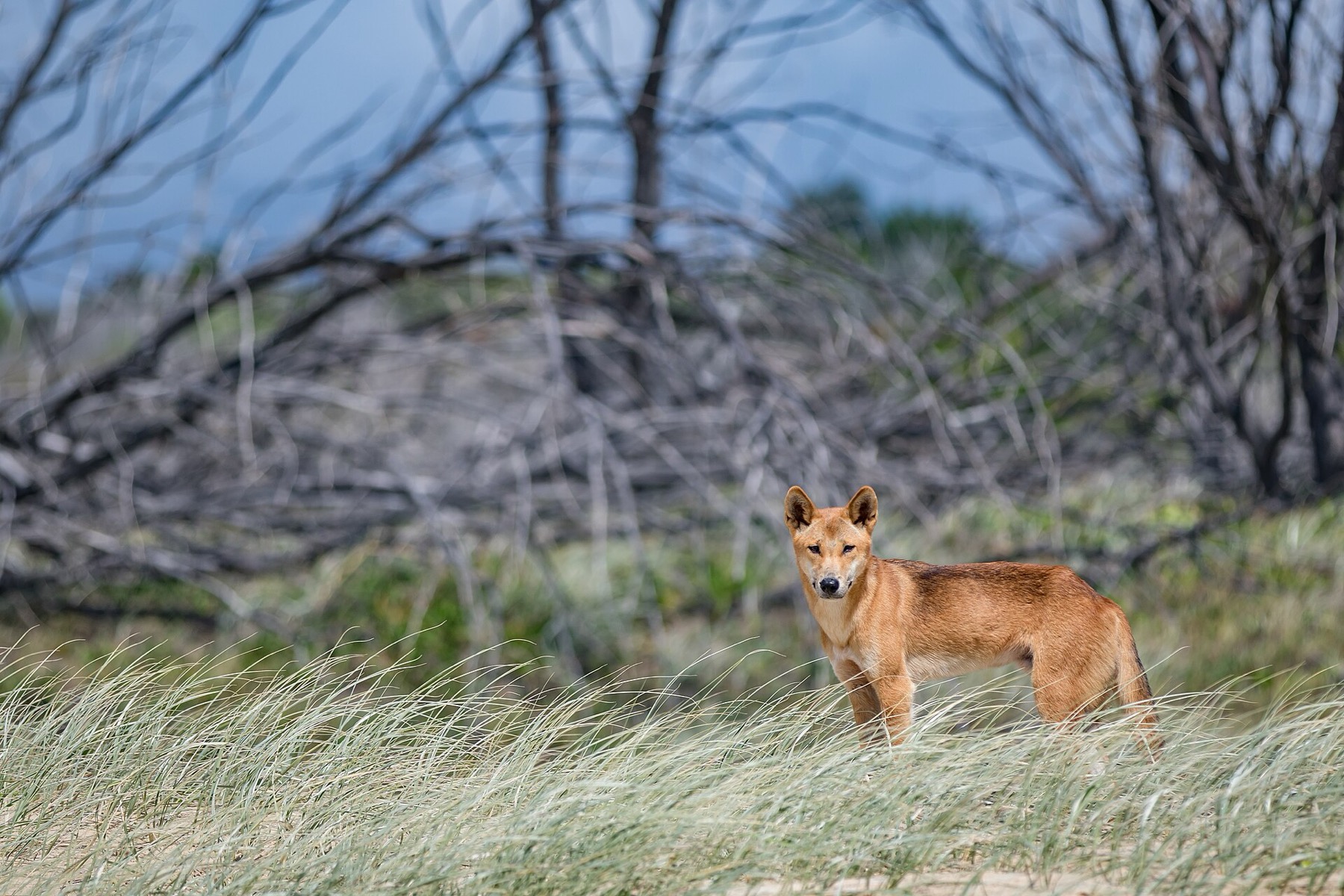
💡 Tip: Head to Lake McKenzie early in the morning, and apply sunscreen before you arrive so you don’t unnecessarily pollute the uniquely clean water. There is an absolute ban on feeding wild dingoes across the entire island; fines climb as high as 28,495 AUD! Keep at least 20 meters away from them, keep children within arm’s reach, and never run away from them.
10. Whitsundays and Airlie Beach
The journey from Hervey Bay further north to Airlie Beach represents a massive drive of nearly nine hundred kilometers, so you’ll likely split it into two days. Airlie Beach itself is a bustling departure point for cruises to the tropical Whitsundays archipelago, with boats leaving from places like Port of Airlie (Google 4.5 from 1,263 reviews) or Coral Sea Marina (4.6 from 1,259). It’s ideal to plan a stop here for about three days so you have time for full-day island excursions.
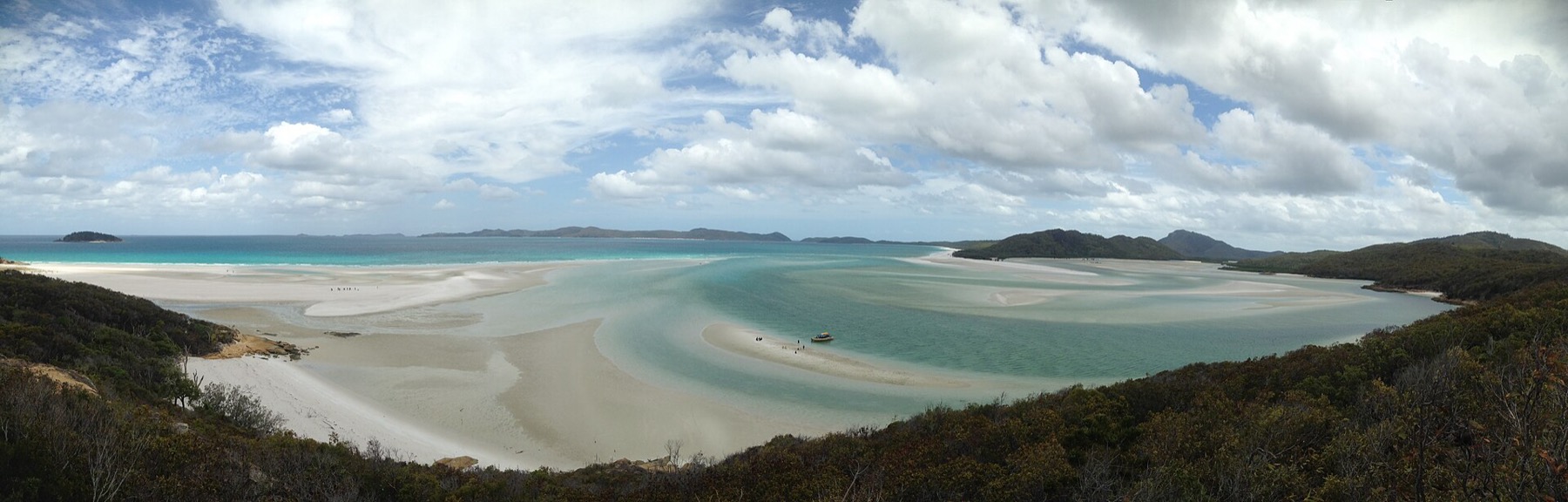
The area’s greatest jewel is the famous Whitehaven Beach, whose sand is composed of 98 to 98.9% pure silica, thanks to which it doesn’t retain heat at all and won’t burn your feet even at high noon. A day cruise from Airlie will cost you around 230 AUD, while a multi-day adventure of 2 to 3 days runs about 629 to 895 AUD (2026 prices). Don’t forget that from October or November through May, the dangerous stinger season prevails in this area.
💡 Tip: If you want to see the famous marbled colors at Hill Inlet lookout, remember that these unique sand patterns are most dramatic around 2 hours either side of low tide. The famous heart-shaped reef, Heart Reef, can only be seen from a scenic flight, as you absolutely cannot reach it by boat.
11. Magnetic Island and Townsville
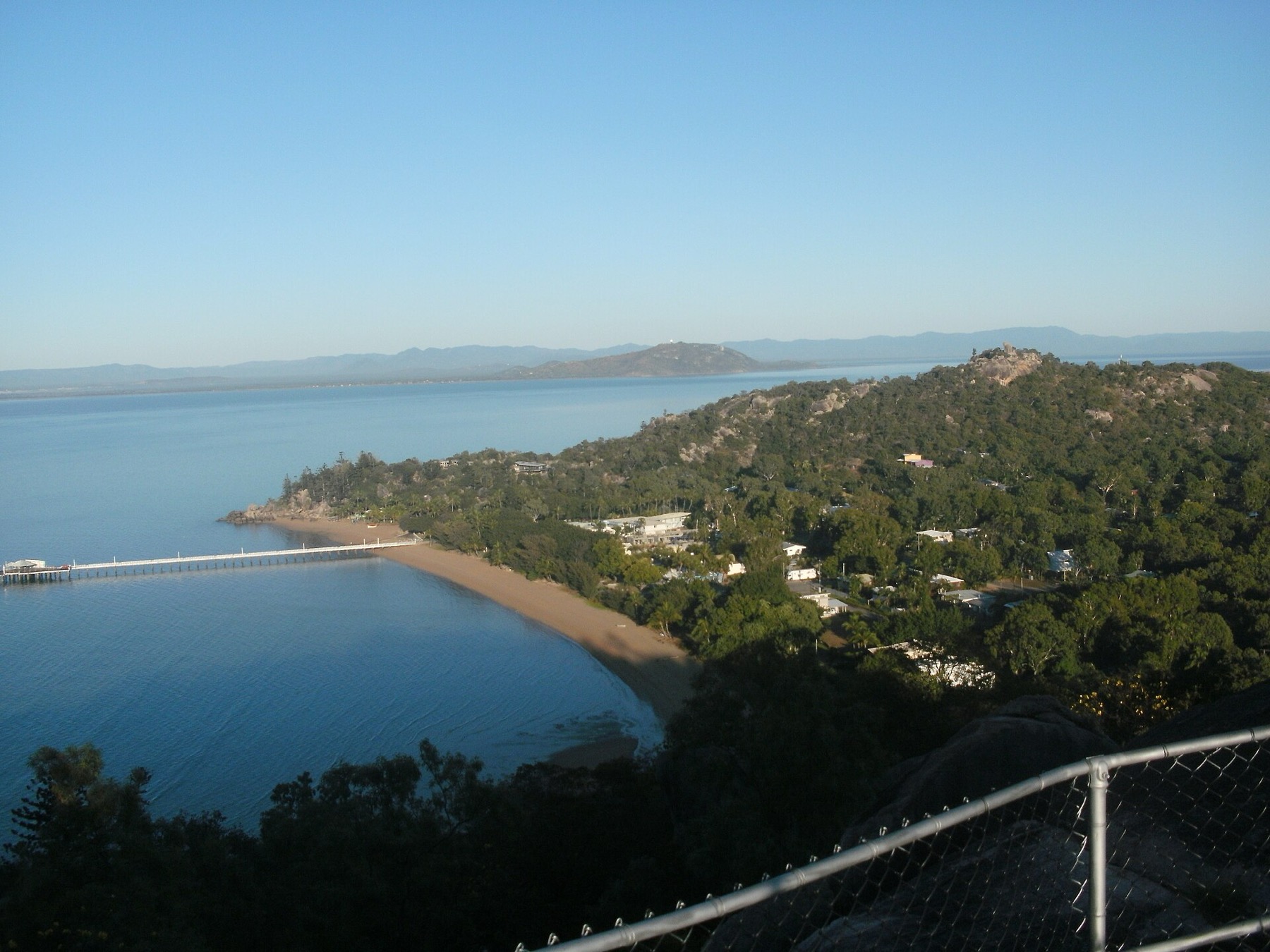
Continuing north, approximately three hours past Airlie Beach, you’ll reach the city of Townsville, which guards the bay across from Magnetic Island. This island lies just 8 kilometers from the mainland, the ferry takes a swift 20 to 25 minutes, and a return ticket will cost you around 42 AUD. We recommend setting aside one to two relaxed days to explore this granite island, during which you can have a great break from long highway drives.
The island is a paradise for nature lovers, as an impressive 76 percent of its area is protected national park, home to hundreds of freely roaming koalas. This is the northernmost limit of their natural range on the entire east coast, and spotting them in the eucalyptus forests here is fairly common. If you head here, explore the island’s bays and hidden lookouts offering undisturbed views of the Coral Sea.
💡 Tip: Leave your heavy vehicle on the mainland, take the ferry light, and rent an iconic beach buggy or scooter on site for a stylish way to get around. In Townsville itself, keep in mind that the popular Reef HQ aquarium is unfortunately closed for extensive renovations that will last at least until 2029.
12. Cairns and Daintree
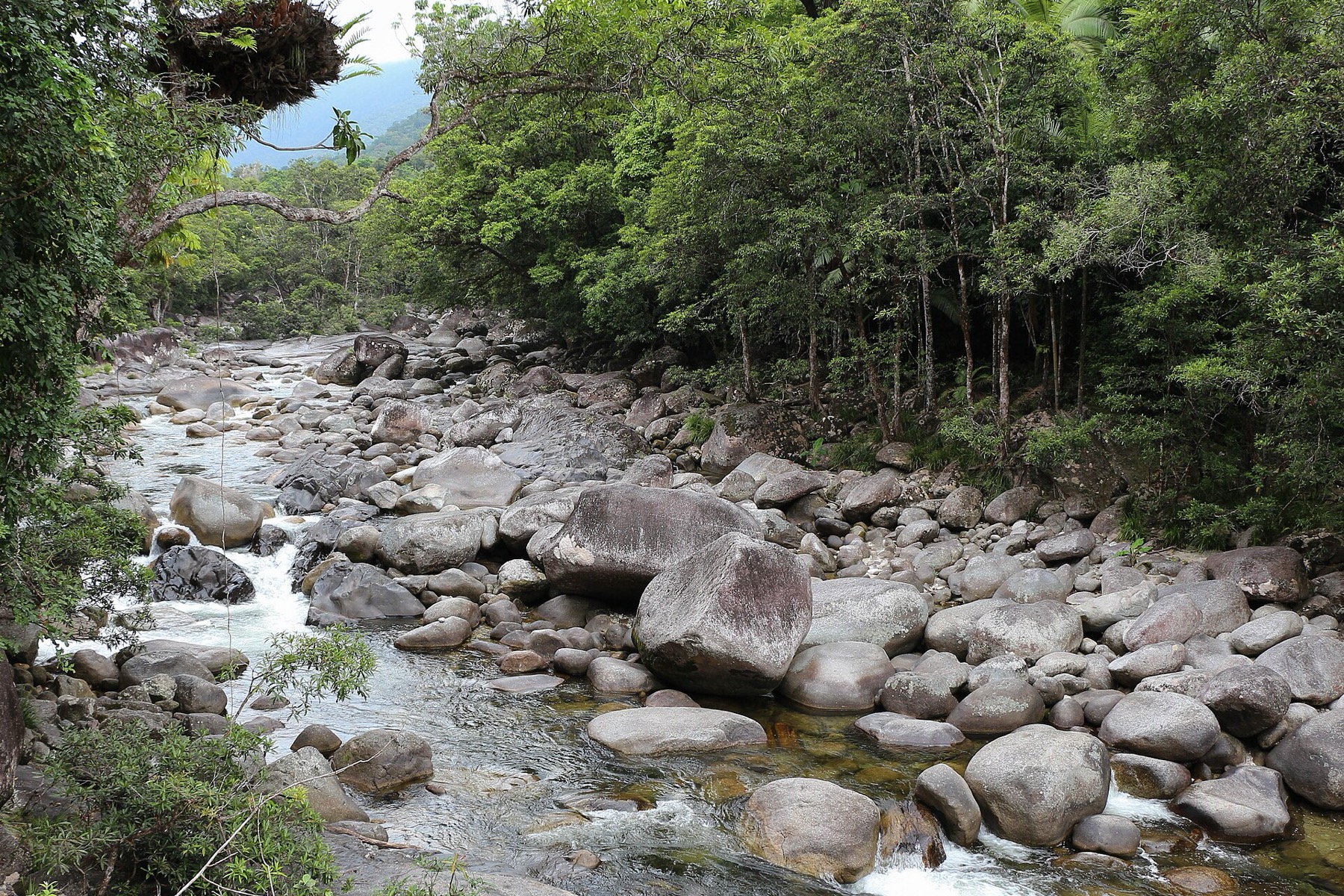
Your epic journey ends in the tropical city of Cairns, which after thousands of kilometers is the well-deserved finale of the entire road trip. From here the gateway opens to the Great Barrier Reef and also to the world’s oldest tropical rainforest, Daintree. Stay here for at least three to five days so you can soak up the true atmosphere of the hot north and take excursions to the reefs.
On the way between Townsville and Cairns you can still stop around Mission Beach, an area where the rainforest meets the ocean and which serves as the main gateway for spotting endangered cassowaries. In the vast Daintree rainforest area and around Mission Beach, only about 1,500 to 2,500 individuals of this giant bird remain in the wild. The cardinal rule is: never feed cassowaries and under no circumstances approach their young.
💡 Tip: If you’re planning to drive all the way to the remote Cape Tribulation north of Daintree, be aware that the access road is currently undergoing massive repairs that will last until approximately 2027. For more details on what not to miss in this tropical gateway, see our article with tips on what to see in Cairns.
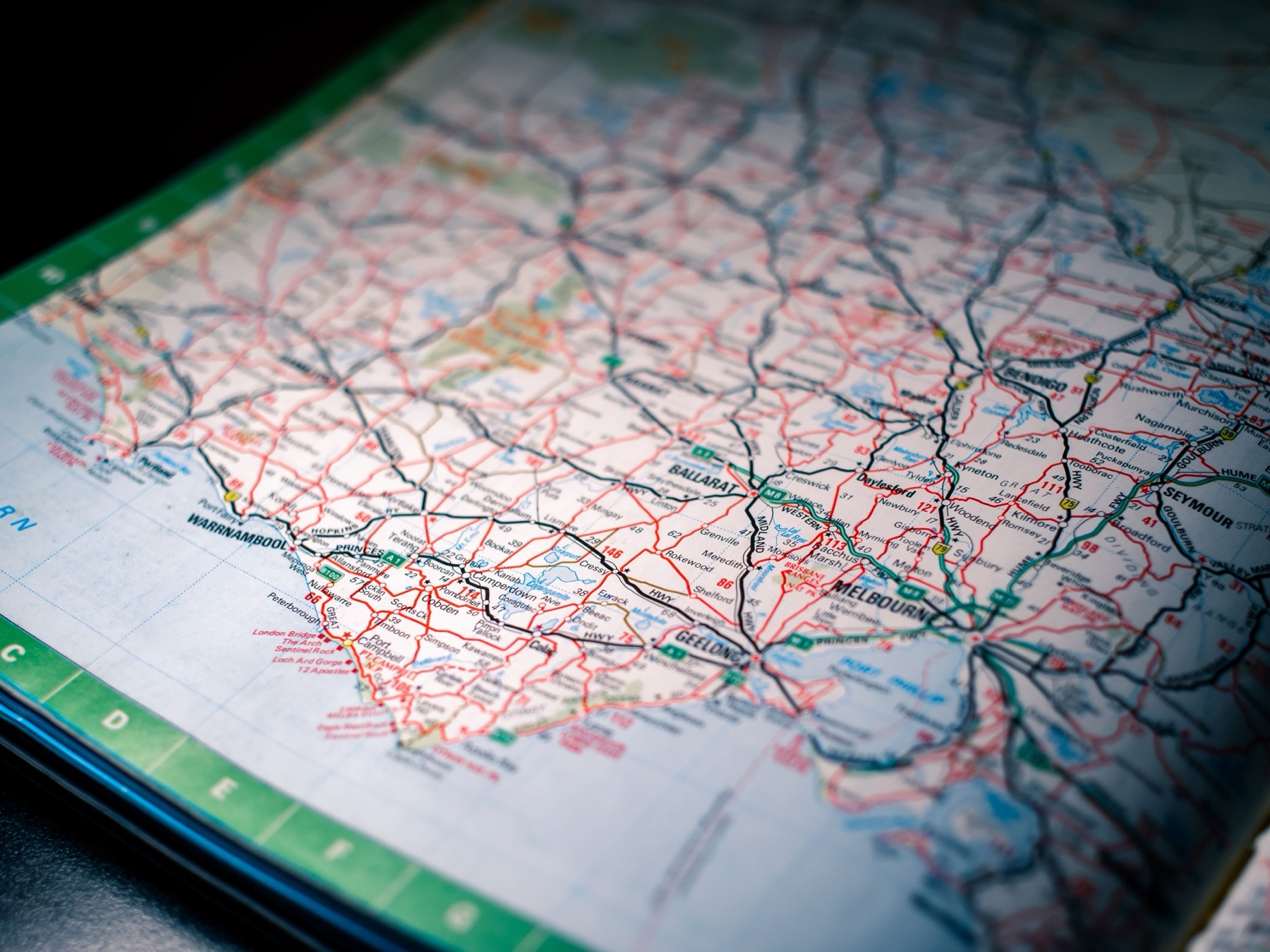
Where to Stay
💡 Accommodation and Experience Tips: We prefer to look for accommodation on Booking.com, where you’ll find the best cancellation policies. For tickets, tours, and activities, it pays to compare and book through GetYourGuide.
We recommend sorting out accommodation on the east coast well in advance, especially if you’re traveling during high season. Whether you plan to sleep in a campervan at a campsite or prefer traditional hotels, capacity at the most popular attractions fills up incredibly fast, and leaving it to the last minute absolutely doesn’t pay off here.
You’ll find everything from budget hostels and affordable roadside motels to luxury ocean-view apartments. The tourist camp networks work brilliantly here, offering both dedicated spots for your caravan and fully equipped cozy cabins. We recommend relying mainly on current reviews on popular booking platforms and keeping a close eye on cancellation policies.
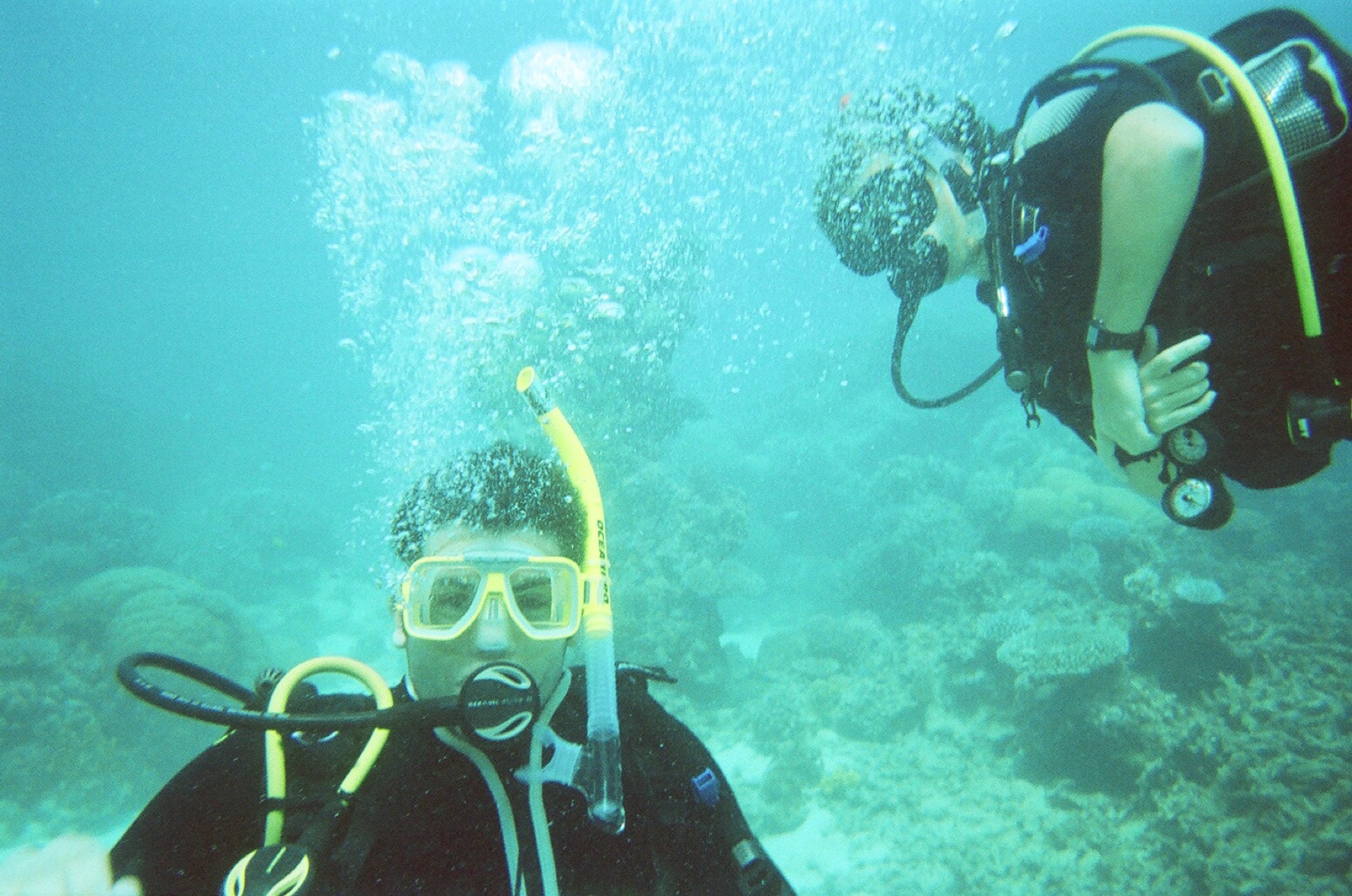
For key stops, we have detailed accommodation guides: where to stay in Sydney by neighborhood, where to stay in Cairns and Port Douglas, and where to sleep right on the Great Barrier Reef islands if you want to enjoy the reef without crowds.
Where to Eat
When it comes to food, the Australian coast is simply paradise for all lovers of fresh ingredients. In every major town you’ll easily find excellent cafés serving that famous Australian flat white and superb hearty avocado breakfasts that’ll fuel you for the entire day.
In the evening you can choose from a huge range of Asian cuisine, which is exceptionally diverse and authentic here thanks to immigration, and in coastal towns you’ll find plenty of vegetarian bistros too. Local classics include fish and chips and so-called meat pies from bakeries—savory pastry pies filled with meat. Your safest bet is usually to head where lots of locals are sitting.
Three Ready-Made Itineraries
How much you can realistically fit in depends mainly on how many days you have available, so we’re offering three ready-made options to get you started. If you have just 2 weeks for Australia, forget about driving the entire route and focus only on the southern section. Ideally start in Sydney, drive to picturesque Byron Bay, continue to the skyscrapers of Gold Coast, and end your trip in Brisbane or at the peaceful beaches in Noosa. An alternative for a two-week trip is to fly from Sydney straight to Cairns and devote all your time exclusively to exploring the tropical north and snorkeling.
If you have a very decent 3 weeks available, your options expand dramatically and you can include more remote natural gems in your plan. Following the route from Sydney through Brisbane and Noosa, you can add the fantastic sandy island of K’gari and then cut out a long highway drive north. Your reward will be visiting the stunning Whitsundays archipelago and iconic Whitehaven Beach, from where you can reach your final destination in Cairns quite easily.
For travelers who can afford the luxury of a full 4 weeks, the possibility opens up to drive the entire gigantic route from Sydney to Cairns at a fairly relaxed pace. You’ll have plenty of time for multi-day stops, explore Magnetic Island, fit in treks in national parks and whale-watching trips, without feeling exhausted. We always recommend driving from south to north because once you reach Cairns, the absolute best tropical finale of the entire journey awaits you.
Great Barrier Reef on the Route
The Great Barrier Reef—that’s why lots of people go there, and honestly, we completely understand. Tours depart mainly from Cairns and Port Douglas, with advertised base prices often around 300 AUD per person. However, the real price of a full-day trip from Cairns includes additional fees and actually climbs to 360–410 AUD (including environmental levy of 7–8.50 AUD, fuel surcharge from April 2026, stinger suit rental and other equipment).
If a trip to the outer reef is too expensive for you, there are also cheaper alternatives in the form of trips to closer coral islands that also offer excellent snorkeling. A ferry to Magnetic Island will cost you around 59 AUD, a trip to the green and forested Green Island costs between 90–115 AUD, and a boat ticket to popular Fitzroy Island you can get for about 119 AUD. These island trips are also much more suitable for people who suffer from seasickness on the open ocean.
The golden window for diving and snorkeling on the reef opens in the months of June and July, when the water visibility is absolutely fantastic, there’s no danger from stinging jellyfish, and the water temperature stays at a pleasant 23–24 °C. According to official data from AIMS institute from August 2026, the reef is also beginning to recover after previous bleaching, with coral cover in the north increasing from 30 to 35.1% and in the central section from 28.6 to 31.6%.
What to Watch Out For
Australian coastlines are beautiful, but they have their own rules, and some of them are genuinely different from what we’re used to in Europe. So remember a few things in advance. If you head to the sandy island of K’gari, never under any circumstances feed the local wild dingoes, because fines for this offense can reach astronomical 28,495 AUD. The animals are beautiful but still very dangerous, so always maintain a safe distance from them of at least twenty meters.
On K’gari also be extremely careful when driving, because access to the island is permitted exclusively to 4WD vehicles and you need a special Vehicle Access Permit for it. The local beach highway 75 Mile Beach is also a legitimate aircraft landing strip, so constantly watch the sky, and if you see a descending plane, as a driver you must absolutely give it right of way. Speed limits on the beach are also mercilessly measured and enforced.
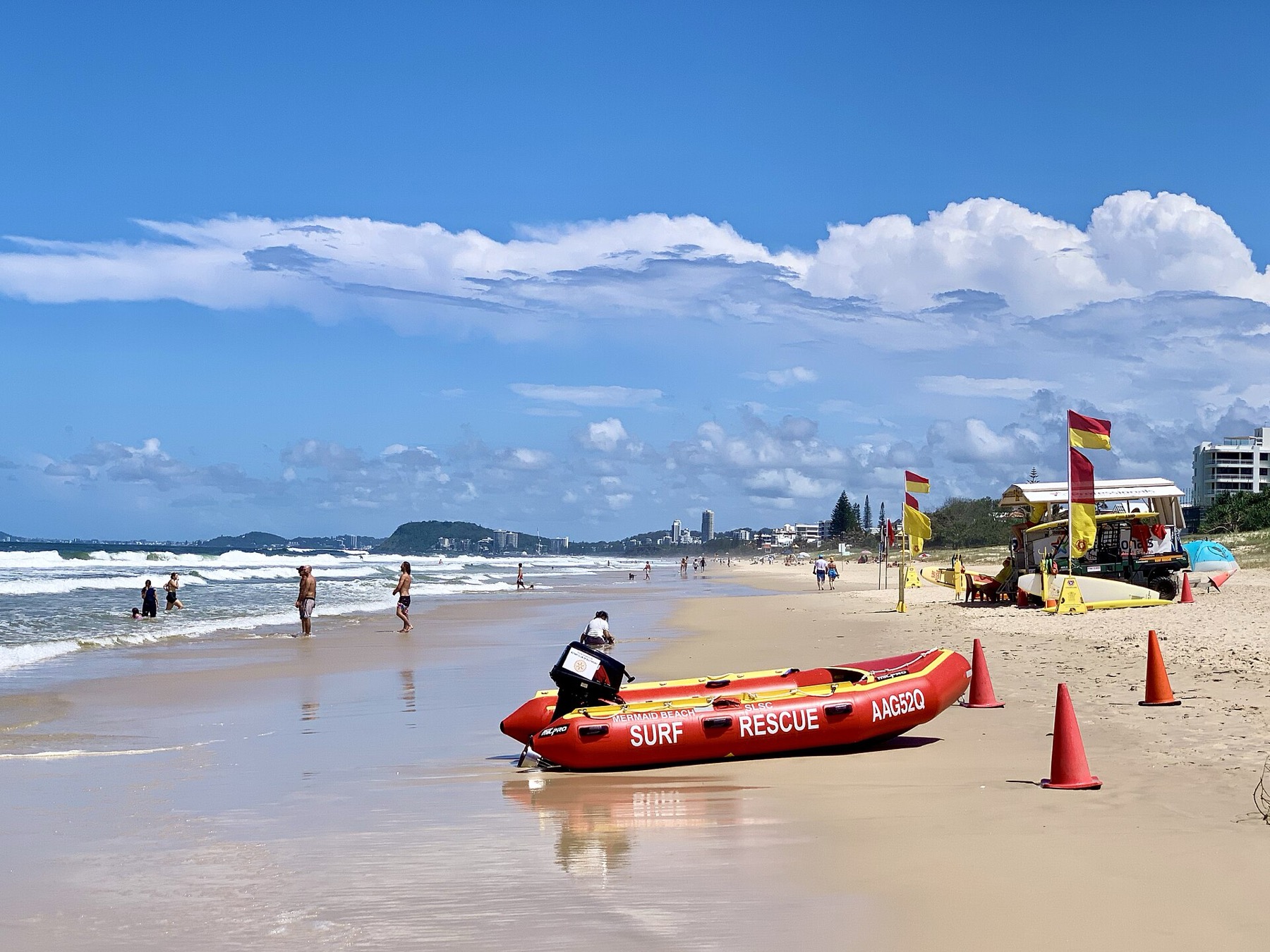
When it comes to safe ocean swimming, the golden rule is to enter the water always and only between the red-and-yellow flags, where professional lifeguards are watching over you. Be aware that remote beaches inside national parks, such as in the Noosa NP area, are not patrolled and often develop deadly dangerous rip currents. Finally, don’t forget about local closures, the most significant being the closed Reef HQ aquarium in Townsville until 2029 and the road under repair to Cape Tribulation with an estimated completion date around 2027.
Where Next
If planning your Australian adventure has captivated you and you want to go even deeper, check out our other detailed guides.
- Holiday in Australia: 30 Most Beautiful Places + Practical Tips
- Sydney, Australia: 31 Tips for What to See and Do
- Brisbane, Australia: 20 Tips for What to See and Do
- Cairns and Daintree: 18 Tips for What to See in the Gateway to the Tropics
- Great Barrier Reef: Tours, Prices and How to Experience It
We examine one of the stops in detail in the article Whitsundays in 2026: 14 Things You Should Know. A popular stop on the route is described in the article Byron Bay: 12 Tips for What to Do + Lighthouse and Best Beaches. Before you start planning your route, check out Flights to Australia in 2026: Prices, Connections and How to Survive the Flight.
Frequently Asked Questions
Planning such a long journey naturally brings plenty of uncertainties. Here we’ve put together answers to what you ask most often about Australia’s east coast.
How many days should I allocate for Australia’s east coast?
To explore the entire route from Sydney to Cairns, we recommend allocating at least three, but ideally a full four weeks. The distance measures over 2,400 kilometers, and less time would mean you’d spend most of your holiday just stressed-out driving without the chance to explore detours.
Is it better to travel from Sydney to Cairns, or the opposite direction?
The vast majority of travelers agree that the direction from Sydney north to Cairns is much better. You’re heading toward better weather, gradually entering the tropical climate, and finishing the entire journey at the Great Barrier Reef is the best possible finale.
Should I choose a car, bus, or plane?
If you crave absolute freedom to stop anywhere along the route, rent a car or campervan. Long-distance buses are a great and cheaper option for backpackers, while domestic flights are worthwhile if you have limited time and need to skip the more boring highway sections.
When is the best time to travel along the coast?
The best compromise for such a long route across different climate zones appears to be the months from May to September. You’ll avoid the extreme summer heat and crowds in the south, while also dodging the dangerous tropical monsoons in the north around Cairns.
Can the east coast be done in 2 weeks?
The entire route can be managed in fourteen days only as an absolutely exhausting driving marathon, which we definitely don’t recommend. If you only have two weeks, focus either solely on the section between Sydney and Brisbane, or fly straight north to the reef.
Do I need a 4WD vehicle for the trip?
For the overwhelming majority of the classic east coast along paved highways, a regular passenger car with two-wheel drive will work just fine. The exception, however, is the sand island K’gari, where entry is permitted exclusively to vehicles with proper four-wheel drive (4WD).
Is it worth visiting K’gari island?
According to reviews and feedback, K’gari island is one of the best and most breathtaking stops on the entire Australian route. This world’s largest sand island offers crystal-clear lakes, shipwrecks on the beach, and absolutely unique wildlife that you won’t find anywhere else.
Where’s the best chance to see whales?
In the winter months, the east coast is a fantastic place for observing migrating cetaceans. The renowned center from which most organized boat tours depart is the bay near the town of Hervey Bay, but you can often spot whales directly from the lighthouse at Byron Bay as well.
How much does a trip to the Great Barrier Reef cost approximately?
If you’re planning a full-day cruise to the outer reef from Cairns, prepare roughly 360 to 410 AUD per person, taking into account all fuel and environmental surcharges. A cheaper option is ferries to closer islands, which will cost you approximately 60 to 120 AUD.
Is driving in Australia safe?
Driving is safe if you adapt to local specifics, such as driving on the left and extreme distances between towns. The most critical point is driving at dawn and dusk, when wildlife moves toward the roads; during those hours, it’s recommended not to get behind the wheel at all.
Tips and Tricks for Your Vacation
Don’t Overpay for Flights
Search for flights on Kayak. It’s our favorite search engine because it scans the websites of all airlines and always finds the cheapest connection.
Book Your Accommodation Smartly
The best experiences we’ve had when looking for accommodation (from Alaska to Morocco) are with Booking.com, where hotels, apartments, and entire houses are usually the cheapest and most widely available.
Don’t Forget Travel Insurance
Good travel insurance will protect you against illness, accidents, theft, or flight cancellations. We’ve had a few hospital visits abroad, so we know how important it is to have proper insurance arranged.
Where we insure ourselves: SafetyWing (simple monthly subscription) and TrueTraveller (for extra-long trips).
Find the Best Experiences
Get Your Guide is a huge online marketplace where you can book guided walks, trips, skip-the-line tickets, tours, and much more. We always find some extra fun there!


