

Most English-language guides direct travelers applying for an Australia visa to the ETA system, where you can’t avoid an application fee. If you hold a passport from an eligible European country, however, you’re entitled to the so-called eVisitor, which you can apply for from the comfort of home completely free of charge. Anyone who confuses these two systems ends up paying unnecessarily. Navigating the immigration rules of foreign countries can sometimes be quite a puzzle, so in this article I’ll try to explain everything as clearly and comprehensibly as possible.
Entry requirements can change from one day to the next, so it’s absolutely essential to verify current information on official websites before you travel. I always recommend following the Australian Department of Home Affairs website at immi.homeaffairs.gov.au and naturally also checking your own government’s travel advisory pages. This way you’ll avoid any very unpleasant surprises waiting for you at the airport.
The process itself fortunately isn’t complicated at all, as long as you know exactly where to click and which form to choose. So grab your travel documents, make yourself a coffee, and let’s take a look together at how to handle all the bureaucracy smoothly and stress-free before your dream trip. ☺️
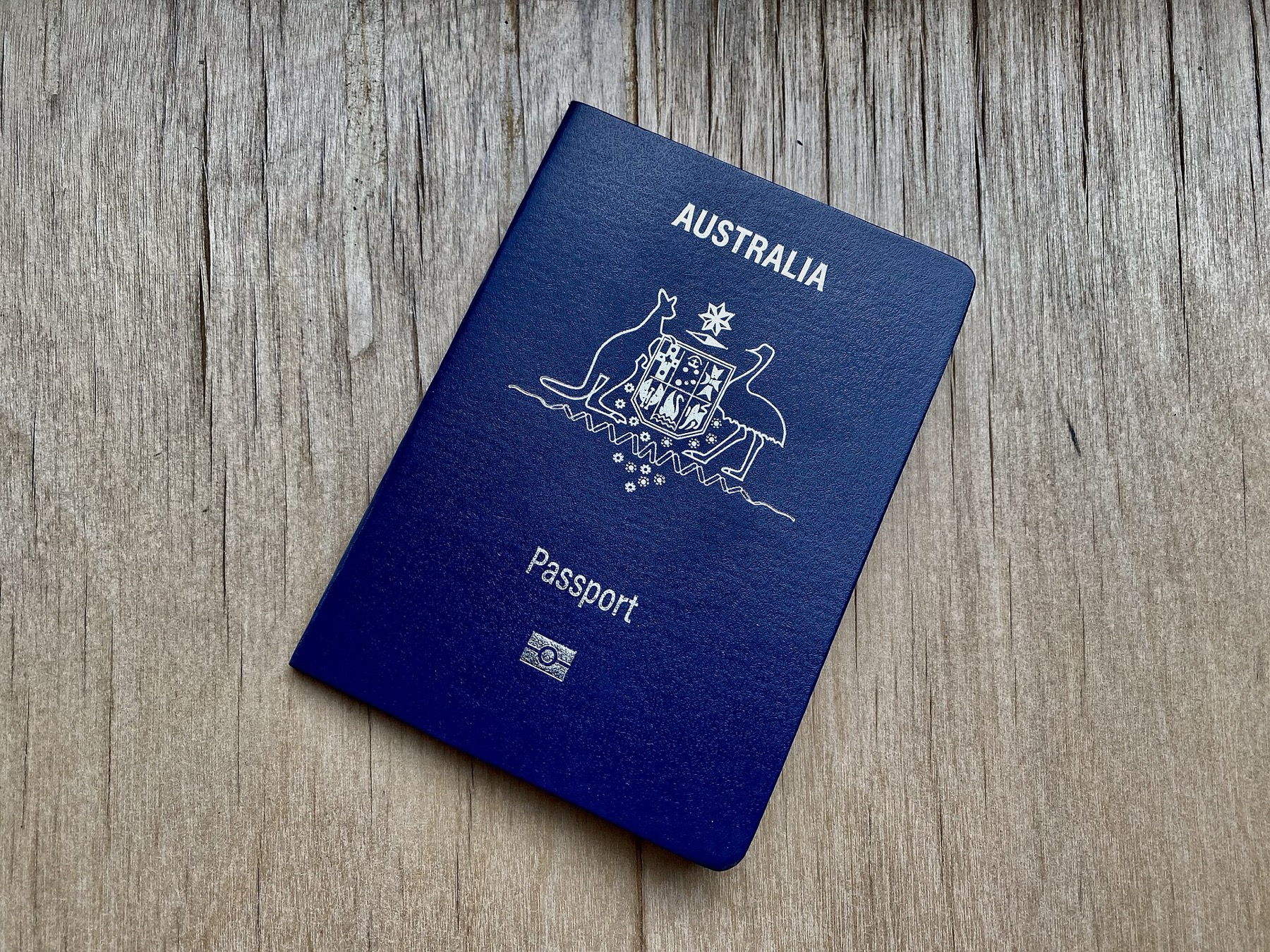
Quick Summary
- Eligible travelers need eVisitor (subclass 651): This visa is designed for passport holders from eligible European countries and the application is completely free.
- Don’t pay for ETA (subclass 601): The ETA application requires a 20 AUD fee and for eligible tourists this process is unnecessary.
- Length of stay: Both visas mentioned above allow you to stay in Australia for up to 3 months per entry.
- Processing is usually fast: Approval often arrives by email within minutes to hours, but authorities may request additional documents.
- The golden rule for flights: Travel advisories strongly recommend buying flight tickets only once you have proof of visa approval.
- Transit rules: If you don’t exceed 8 hours, don’t leave the airport, and have a connecting ticket, you don’t need a transit visa.
- Longer stays: For stays over 3 months, you need to apply for the paid Visitor Visa (subclass 600).
eVisitor or ETA? A Difference That Costs Money
This is probably the most important piece of information in the entire article, because it can save you money right at the start of planning your trip. Many foreign blogs and unfortunately even some websites that mindlessly copy from them will direct you to apply for the ETA (subclass 601) visa. According to the Australian Department of Home Affairs, however, this type of visa comes with a fee, specifically a service charge of 20 AUD for using the Australian ETA application.
For holders of eligible European passports, there’s a much better and cheaper option: the eVisitor (subclass 651). As official government sources confirm, this most common type of visa for short-term tourist and non-remunerated business travel is applied for completely free online. So don’t be misled by English guides that are often written for citizens of other countries with different conditions.
Both of these visas – the paid ETA and the free eVisitor for eligible travelers – allow you essentially the same thing. They entitle you to stay in Australia for up to 3 months per entry. So there’s absolutely no reason to pay application fees when the Australian government offers you an equivalent option free of charge directly through its official web portal.
If you’re traveling in a group or with family, the savings can really add up, so be very careful which link you click when filling out your application. Always make sure you’re filling out the form for subclass 651, so you don’t unnecessarily subsidize a system that isn’t meant for you at all. 😅

How to Apply for eVisitor Step by Step
The application process itself is fairly straightforward and takes place exclusively online. You need to carefully fill out an online form on the official Australian Department of Home Affairs website. Once you submit all your details, all that’s left is to wait for a decision, which will then arrive by email.
In most routine cases, the system is very fast and processing takes just a few minutes to hours. However, it can happen that Australian immigration authorities notice something and may request additional documents from you. This will naturally extend the assessment process and you’ll have to wait considerably longer for final approval.
For this reason, there’s one absolutely crucial rule that official travel advisories emphasize, and you should take it to heart. It’s strongly recommended to secure your visa well before departure and only buy your flight ticket after approval arrives in your email. If you buy a non-refundable ticket and authorities decide to examine your application in more detail, you could very easily lose your money on the flight.
If you’re not one hundred percent sure which category you fall into, Australian authorities offer a very useful tool on their website. It’s called Visa Finder and after entering your nationality and purpose of travel, it will show you exactly which type of visa is right for you. It’s a great resource that will direct you straight to the form for the free eVisitor.

What If You Want to Stay Longer Than Three Months
Sometimes three months just isn’t enough to explore such a huge continent and you’ll need more time. For tourism, family visits, or business trips exceeding 3 months (up to one year), the eVisitor won’t be sufficient and you’ll need to apply for a Visitor Visa (subclass 600).
The Australian Department of Home Affairs describes this visa type as the ideal solution for tourists and visits with the possibility of staying for 3, 6, or 12 months. Unlike the eVisitor, however, you need to be prepared that this option is definitely not free. Authorities charge fees for assessing the application and granting this longer-term visa, which you must pay upon submission.
It’s important to know that the fee amount varies depending on the requested length of stay and also on whether you’re applying from within Australia or from abroad. Specific amounts can change over time, so it’s absolutely essential to check the current price list on the official Australian Department of Home Affairs website before submitting your application.
Keep in mind that with these longer-term visas, the approval process tends to be somewhat stricter and more detailed. Authorities will likely want to see evidence that you have sufficient financial means for such a long stay, and may also require additional supporting documents explaining the purpose of your extended trip.

Transit Through Australia
Many travelers use Australian airports only as a stopover when traveling to New Zealand or the Pacific. The good news is that under certain very specific conditions, a transit visa is not required. To avoid problems, however, you must simultaneously meet four fairly strict criteria according to the rules.
First, you must have a pre-booked ticket for your onward flight from Australia, and second, you must not under any circumstances leave the airport transit area. Third, your connecting departure must take place within 8 hours of your arrival, and fourth, you must have all documents and visas in order as required for entry to your final destination.
If your layover is longer, however, the situation changes fundamentally. If your stay in the transit area exceeds 8 hours, the visa requirement applies to you and you must obtain the appropriate permission in advance. In this case, you’ll need a Transit Visa (subclass 771), which is applied for electronically and fortunately is granted completely free of charge.
This transit visa, according to information from Home Affairs, entitles you to stay on Australian territory for a maximum of 72 hours. If you know you’ll be at the airport for more than 8 hours, or want to take a short two-day city tour between flights, subclass 771 is exactly what you need. Another alternative is of course to apply directly for the standard free eVisitor, if you meet its conditions.

What Else You Need Besides a Visa
Besides the approved visa itself, you’ll need a valid passport to successfully cross the border. Without it, you’re obviously not going anywhere, so before buying your flights, carefully check that your passport isn’t damaged and that its validity won’t expire earlier than the authorities would like.
Upon arrival at major international airports, you’ll probably be pleased to have the option of using the so-called SmartGates. These automatic electronic gates significantly speed up the passport control process and holders of biometric passports can routinely use them. You’ll save yourself standing in long queues after a demanding flight.
However, using these smart gates has clearly defined rules that you must meet. A condition for passing through SmartGates is a minimum age of 16 years and a height of at least 110 centimeters. If you’re traveling with younger children, you’ll need to head to the traditional desk with an immigration officer who will check your documents personally.
Travelers also often ask about health requirements and various vaccinations. The good news is that no mandatory vaccinations are required for entry to Australia and customs officials won’t ask you for a vaccination certificate. Nevertheless, it’s always sensible to have your routine travel vaccinations checked before any major trip according to your doctor’s recommendations.

Driving in Australia
Australia is made for road trips and renting a car is an absolute necessity for most travelers. If you plan to drive during your short-term tourist stay, you’ll get by with an international driving permit, or your national driver’s license accompanied by an official English translation. Interestingly, authorities also recognize a valid New Zealand driver’s license without problems.
However, things get complicated when you plan to stay in the country for a longer period, which applies to participants in Working Holiday programs, for example. During a long-term stay, after a certain time limit expires, you’re required to apply for a driver’s license from the relevant Australian state where you’re currently located.
This time limit can vary across the continent, but for example in Queensland and New South Wales this limit is set at 3 months. Once you exceed this period, your international permit ceases to be valid and you must complete local theory and practical driving tests to obtain local driving authorization.
If you find yourself in difficulties and need advice about driver’s licenses, don’t count on help from your consular services. Official sources explicitly state that consular offices do not issue driver’s licenses nor facilitate them in any way. You’ll have to sort out all driving-related matters at the local authorities entirely on your own.
VEVO: Why You Don’t Have a Stamp in Your Passport
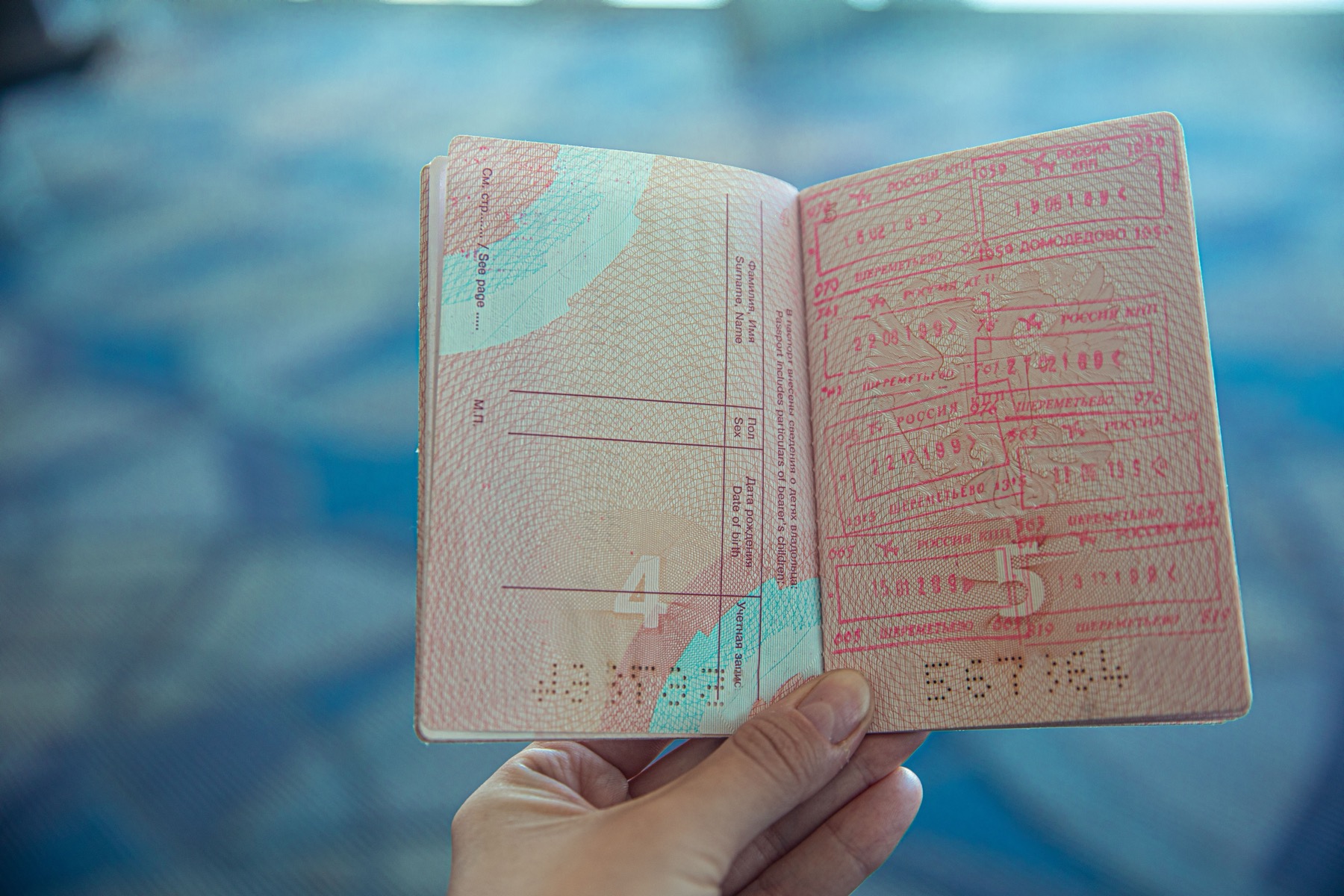
You might be surprised that after visa approval and even after arriving in the country, you often won’t receive any traditional stamp or sticker in your passport. Australian authorities switched to a modern digital system years ago and visas are usually not marked in passports at all. Everything runs electronically in the background.
Your entry and stay authorization in the country is securely registered in an electronic system called VEVO (Visa Entitlement Verification Online). This smart portal allows officials, airlines, and travelers themselves to check the current status of visa entitlements in real time at any moment.
As a visa holder, you can check the VEVO system yourself at any time through secure access. You can easily verify your stay status, exact date of issue, and current validity of your visa. With the full implementation of this system, authorities also definitively discontinued issuing the paper document known by the acronym CERS.
So don’t be alarmed at all when passport control returns your document without any new trace of your journey. Remember one important rule: a missing stamp in your passport doesn’t mean you don’t have a visa. Everything is linked to your passport number in the database, so as long as you have a valid passport and approved eVisitor, you can be completely at ease. 😉

Other Visa Types in Brief
If your trip doesn’t fit into the short vacation category, Australia offers a wide range of other visa categories. For example, with student and work visas, the situation is so complex that official sources recommend entrusting their processing to specialized agents, travel agencies, or directly to your future Australian employer, because it always depends on very individual aspects of each application.
Very popular among young people is the Work and Holiday visa (subclass 462), which authorities describe as an option for young adults who want to finance a longer holiday with casual work. The good news is that in October 2017, the Czech Republic and Australia signed an agreement for a pilot program for precisely this category.
This program allows you to work legally during a one-year stay and under certain specific conditions this visa can even be extended. You’ll find all the details, current requirements, and rules for this program thoroughly explained on official government travel advisory websites, which you should definitely check out if you’re considering this life experience.
If you’re dealing with even more specific situations, such as partner visas or long-term residence applications, it’s best to go straight to the source. Complete and always up-to-date information on these complex immigration processes can be found exclusively on the official website of the Australian Department of Home Affairs.
Where Next
If you’ve already sorted out the paperwork or want a break from it for a while, come get inspired by everything you can experience down under. We’ve prepared several detailed guides to help you with planning. ☺️
- If you want an overview of the best from across the entire continent, definitely read our article Holiday in Australia: 30 Most Beautiful Places + Practical Tips.
- Does the freedom behind the wheel appeal to you? Then our guide Road Trip Around Australia: Visas, Routes, Prices is perfect for you.
- Explore with us the iconic city with the opera house in the article Sydney, Australia: 31 Tips on What to See and Do.
- Head out for café culture and street art using the guide Melbourne, Australia: 23 Tips on What to See and Do.
- And if you love snorkeling, don’t miss The Great Barrier Reef: Tours, Prices, and How to Experience It.
Frequently Asked Questions
Do I need a visa for Australia?
Yes, you need a valid passport and a valid visa to enter the country. For standard short-term tourist stays, the eVisitor electronic visa (subclass 651) is the most suitable option.
How much does the eVisitor cost?
The eVisitor visa (subclass 651) is processed online and is completely free of charge. Be careful with the ETA system (subclass 601), where an application service fee applies.
How long does processing take?
In most cases, the process is very fast and approval arrives by email within minutes to hours. However, Australian authorities may request additional documents, which will extend the processing time.
When should I apply for the visa?
It is strongly recommended to apply for the visa well in advance of your planned departure. You should only buy tickets once you have confirmed visa approval.
What if I’m just transiting?
You don’t need a transit visa if you meet four conditions: you have an onward ticket, you don’t leave the transit area, your departure is within 8 hours of arrival, and you have documents for your destination country. For longer waits, you must have a Transit visa (subclass 771).
How long can I stay?
The free eVisitor visa (subclass 651) entitles you to stay in the country for up to 3 months per entry. If you need to stay longer, you must apply for the paid Visitor Visa (subclass 600).
Do I need a stamp in my passport?
You don’t. Australian authorities usually don’t stamp visas in passports. Your entry permission is stored electronically in the VEVO system, where you can verify your stay status and visa validity yourself at any time.
What about my driver’s license?
For a short-term stay, an international driving permit is sufficient, or your home country license with an official English translation. For longer stays (e.g., over 3 months in Queensland), you must obtain a local license and pass exams.
Do I need vaccinations?
There are currently no mandatory vaccinations required to enter Australia, and customs officials will not require you to present a vaccination certificate.
Tips and Tricks for Your Vacation
Don’t Overpay for Flights
Search for flights on Kayak. It’s our favorite search engine because it scans the websites of all airlines and always finds the cheapest connection.
Book Your Accommodation Smartly
The best experiences we’ve had when looking for accommodation (from Alaska to Morocco) are with Booking.com, where hotels, apartments, and entire houses are usually the cheapest and most widely available.
Don’t Forget Travel Insurance
Good travel insurance will protect you against illness, accidents, theft, or flight cancellations. We’ve had a few hospital visits abroad, so we know how important it is to have proper insurance arranged.
Where we insure ourselves: SafetyWing (simple monthly subscription) and TrueTraveller (for extra-long trips).
Find the Best Experiences
Get Your Guide is a huge online marketplace where you can book guided walks, trips, skip-the-line tickets, tours, and much more. We always find some extra fun there!


