Sweden is the third-largest country in the European Union, but many people make one fundamental mistake when planning their first trip. They try to squeeze this enormous country into a single-week itinerary. The distance from southern Malmö to northern Kiruna is roughly the same as the distance from Paris to Madrid. In practical terms, the country is divided into two completely different destinations that simply cannot be covered in one ordinary holiday.
While the green, densely populated south is perfect for laid-back summer road trips, islands and design-focused cities, the rugged north offers raw Arctic adventure. This is where people head in winter for the northern lights and snowmobiles. If you are considering a trip, you will have plenty of room to breathe: despite growing interest, classic mass tourism with overcrowded beaches is practically nonexistent here.
Be prepared, though, for a country that runs according to slightly different rules. Cash is now almost irrelevant, time seems to stop reverently for coffee every afternoon, and you simply cannot buy alcohol at the weekend in an ordinary supermarket. Travellers, however, absolutely love the local calm, the fact that English is spoken everywhere, and the nature that — thanks to the unique right of public access — lets you go almost anywhere.
A quick summary for anyone who does not have time to read the whole article
- South versus north: Decide right at the beginning. The south (Skåne, Gothenburg, Stockholm) is ideal for summer road trips. The north (Lapland) is Arctic exotica, visited in winter for the northern lights and freezing temperatures.
- The cashless trap: Sweden is almost completely cashless. You will have little use for banknotes; everything is paid for by card. Locals love the Swish app, but unfortunately you cannot get it as a foreign visitor.
- Alcohol monopoly: Anything above 3.5% ABV can only be bought in state-run Systembolaget shops. On Saturdays they close as early as 3 p.m., and on Sundays they are firmly closed.
- Transport and tolls: Motorways are free for passenger cars. You only pay to enter the centres of Stockholm and Gothenburg and to cross major bridges. The good news is that Ryanair now flies directly to Stockholm’s main airport, Arlanda, from major European hubs.
- Eat smart: Do not want to spend a fortune in restaurants? Look for signs saying dagens lunch at lunchtime. For about 120 to 150 SEK (€11–14), you get a main course, a generous salad buffet, coffee and bread.
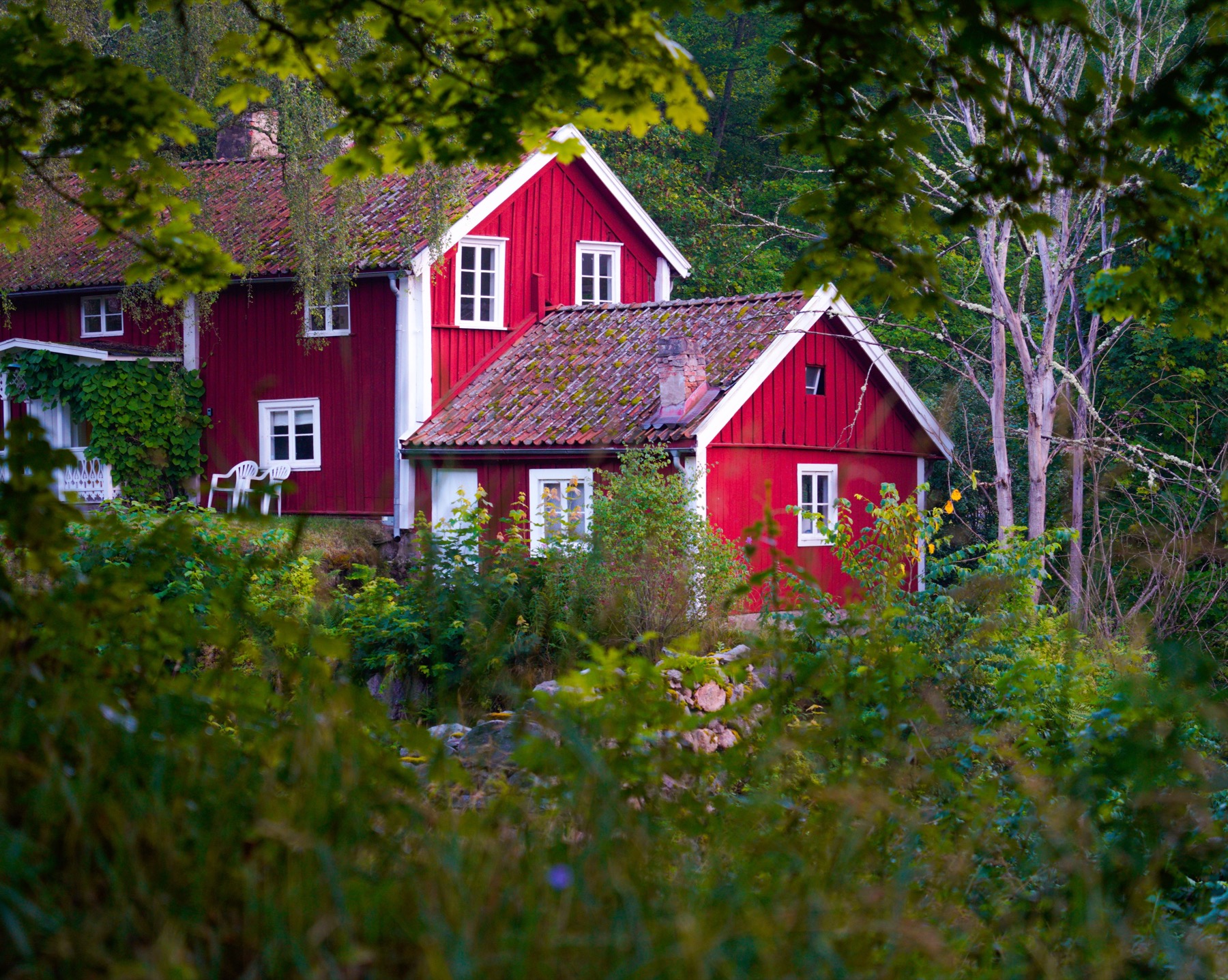
- The stuga phenomenon: Renting a typical red wooden cottage by a lake is the best and most authentic way to spend a summer holiday in the country.
- Watch out for the summer holidays: In July, most Swedes take what is known as industrisemester. Cities empty out and many smaller businesses may close for an entire month.
The full destination guide: Sweden — guide and what to see
When to visit Sweden
Choosing the right month is absolutely crucial, because expectations often collide with harsh reality here. Questions about the best time to visit fill travel forums every day. Summer attracts visitors with incredibly long days, but temperatures in Stockholm average only around 21°C in July. Evenings by the water can be seriously chilly, so a warm sweater comes in handy even in midsummer. July also brings industrisemester, when many locals pack up and head to their holiday cottages. That means half-empty cities, but hopelessly crowded campsites and ferries.
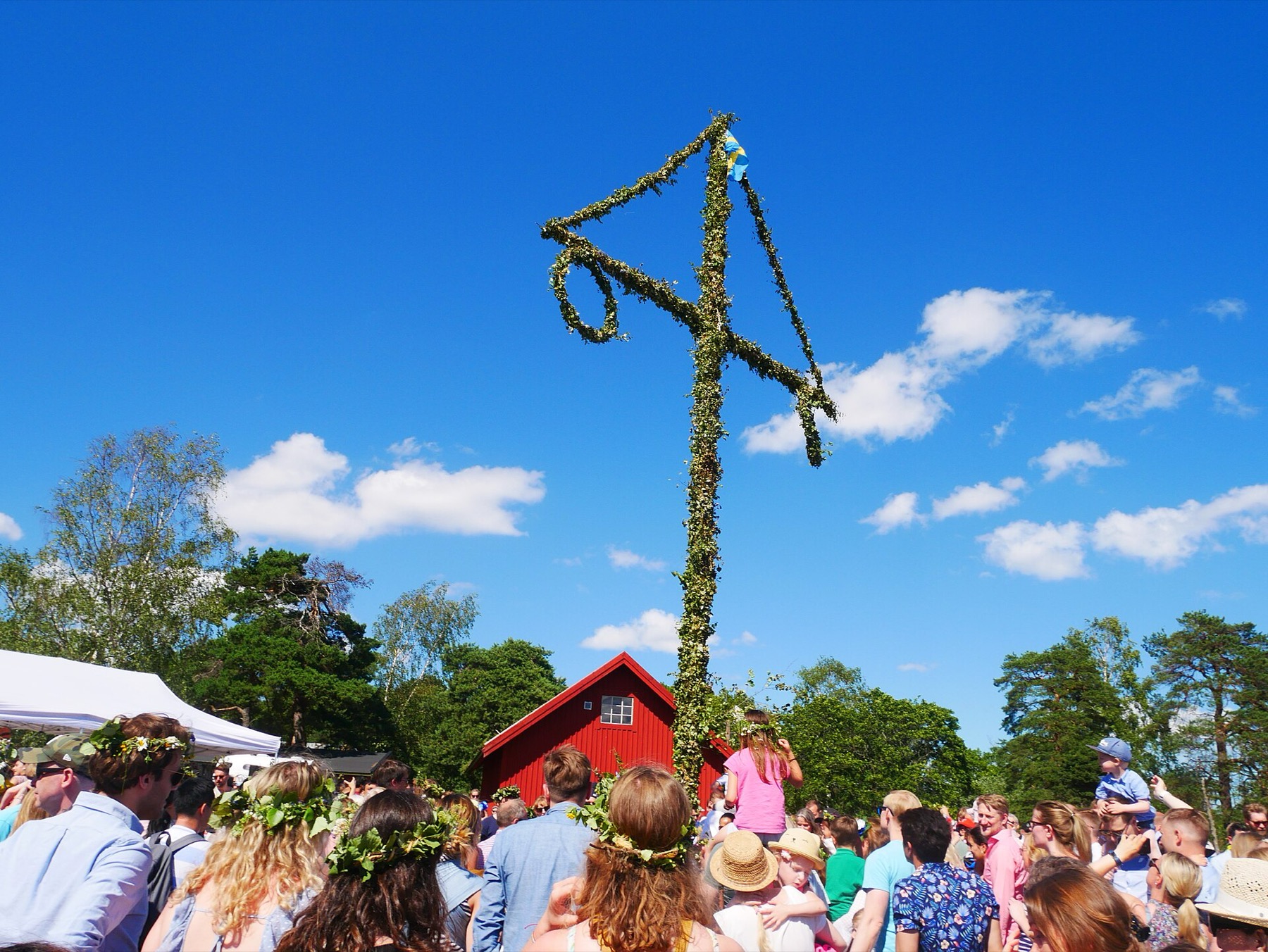
Swedish Midsummer, or the celebration of the summer solstice, is a chapter of its own. It takes place on the Friday between 19 and 24 June and is the most magical holiday of the year. Locals put up a decorated maypole (klädd stång), make flower crowns and dance the traditional, slightly absurd Little Frogs dance. There is one huge catch, though. The country simply shuts down without compromise. Restaurants, shops and cafés do not operate, and public transport switches to holiday schedules. If you want to experience these traditions for yourself, you need to head to the countryside or Stockholm’s open-air museum, Skansen; otherwise, you may find yourself hungry in an deserted city.
Mosquitoes and tiny biting midges known as knott are the great scourge of summer in the north and inland areas. From mid-June to mid-August, they can turn marshes and lakes into absolute torture, so a strong local insect repellent is essential. Experienced travellers therefore often recommend September for summer trips. Nature begins to glow with stunning autumn colours, mosquitoes disappear after the first frosts, and in the north you already have an excellent chance of seeing the first northern lights, beautifully reflected in lakes that have not yet frozen over.
If you are heading to the far north, prepare for a game of light and darkness. Above the Arctic Circle, you will experience the midnight sun from late May to mid-July, when daylight never disappears and a sleep mask becomes your best friend. In December and January, the opposite is true: the polar night takes over. The sun does not appear at all, and the landscape is bathed in magical blue twilight for only a few hours each day. For winter activities and aurora hunting, February and March are statistically much more pleasant, as the cold is usually less severe and the days are getting longer quickly.
Where to stay in Sweden
💡 Accommodation and activities tip: We prefer to look for accommodation on Booking.com, where cancellation policies tend to be the most flexible. It is then worth comparing and booking tickets, tours and activities through GetYourGuide.
Accommodation is not the cheapest part of your budget, but the standard is genuinely excellent. An ordinary double room in a good hotel costs around €100 to €145 per night. Luxuriously equipped campsites or traditional red cottage rentals (stuga) are a great alternative for families and groups. Having your own kitchenette can save you a huge amount on meals in expensive restaurants.
If you are planning to explore the capital and its surroundings, choose a strategic location right in the centre near the main railway station. The stylish Downtown Camper by Scandic on Brunkebergstorg is just a few minutes’ walk from the historic centre, and after a full day of sightseeing, you will really appreciate its rooftop pool with city views. 😌 If your budget is a little tighter, the nearby Hobo Hotel is a great choice. It scores points for its relaxed hipster atmosphere, smaller practical rooms and excellent local café right in the lobby.
In the south of the country, especially if you are arriving by car from Denmark across the Öresund Bridge, Malmö is an ideal base. Try the famous Clarion Hotel Malmö Live, which rises high above the city as a modern landmark. The upper floors offer breathtaking views over the strait and the shores of Copenhagen. It is also just a short walk from the beautiful sustainable district of Västra Hamnen and close to the railway station.
And if your dream trip takes you north to the frozen landscapes of Lapland, Kiruna is the most logical base. The family-friendly Camp Ripan is very popular. Instead of staying in a huge concrete block, you sleep in cosy individual cabins scattered through a birch grove. The resort has its own award-winning Arctic spa, and its slight distance from the town centre means you can watch the northern lights right from the property. You do not need to pay for expensive night tours in search of silence and darkness.
Aurora hunters often choose STF Abisko Turiststation, 100 kilometres farther on, directly beneath Mount Nuolja. You stay in simple rooms or cabins run by the Swedish Tourist Association for a fraction of the price of Arctic lodges. The cable car to Aurora Sky Station is just minutes away, and most importantly, you are right beneath the famous Blue Hole, where the sky can clear even when the weather is poor elsewhere. Book well in advance: capacity is limited and the place fills up months ahead during the season.
Summer accommodation in the south is a completely different story. On Öland, Böda Sand is Sweden’s largest campsite, with 1,350 pitches, 125 cabins, its own bakery and kilometres of white sandy beach you would never expect to find on the Baltic. A cabin for four costs less than a double room in Stockholm, and you have your own kitchenette, saving money on food too. STF hostels (vandrarhem) work in a similar way and are scattered throughout the country, including the archipelago islands. A clean room with a shared kitchen costs roughly €25 to €35 per night.
30 tips for what to see and do in Sweden
Whether you are planning a quick long weekend in Stockholm or a three-week summer road trip with a car packed to the roof, this country will keep surprising you. The following thirty tips take you from the flat south all the way to the Arctic north, so feel free to choose only the half that fits your season.
1. Stockholm’s Gamla Stan: Picture-postcard beauty
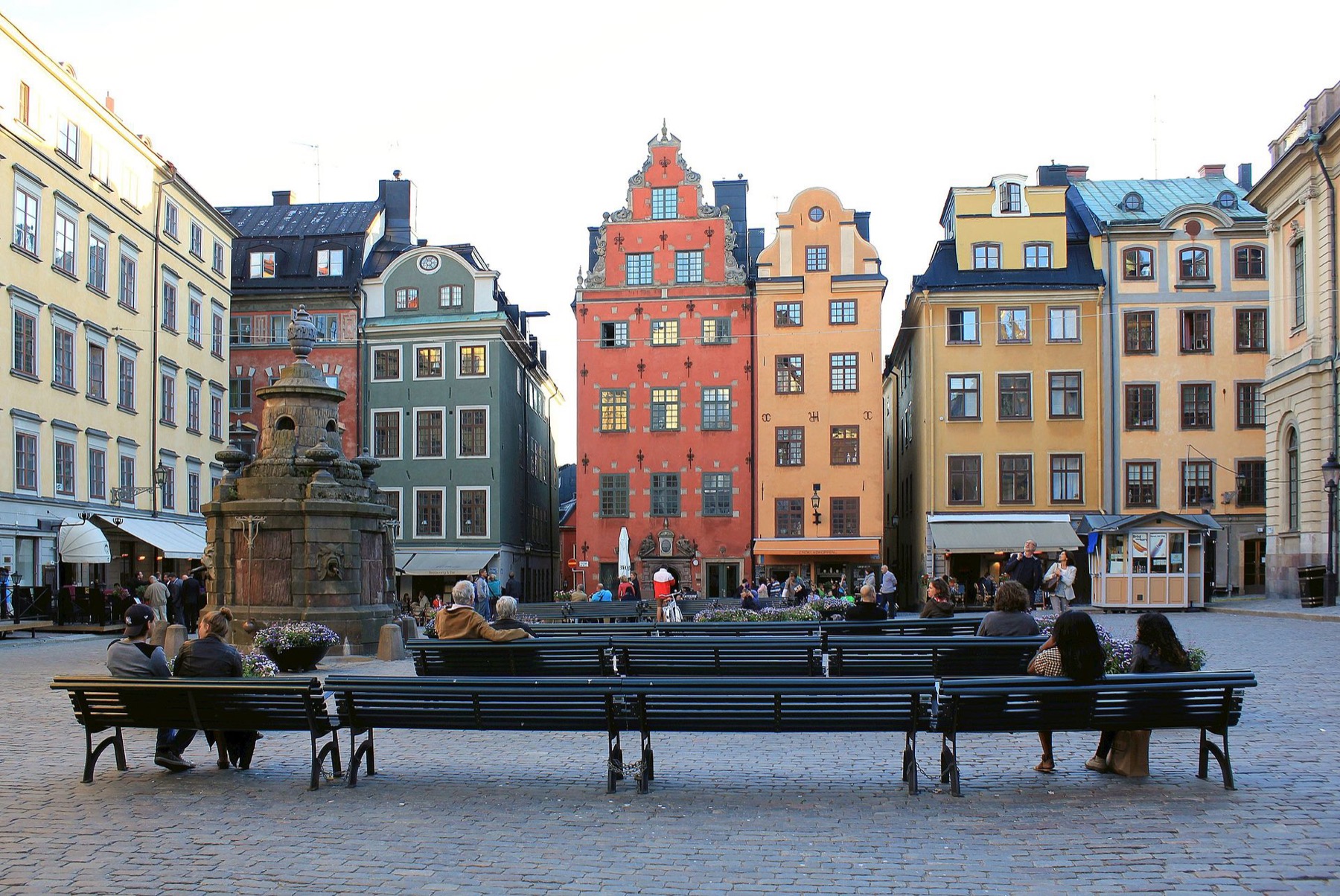
Stockholm’s historic heart stretches across the island of Stadsholmen and is a perfect magnet for visitors. It consists of a network of cobbled lanes, ochre façades and Stortorget square with its colourful houses. This is also where you will find the Royal Palace, whose regular changing-of-the-guard ceremony becomes a major event during the summer months.
Gamla Stan is especially enchanting early in the morning, before the cruise-ship crowds spill into the streets. It is best to avoid the main thoroughfare, Västerlånggatan, though: it is a classic tourist trap with overpriced food. Just turn down one of the lanes towards the water and you will immediately find quieter bistros. Local cafés are a great choice for vegetarians, serving excellent sandwiches and hearty soups for lunch.
💡 Tip: Try to find Mårten Trotzigs gränd. At just 90 centimetres wide, it is the narrowest lane in the city and looks absolutely fantastic in photos.
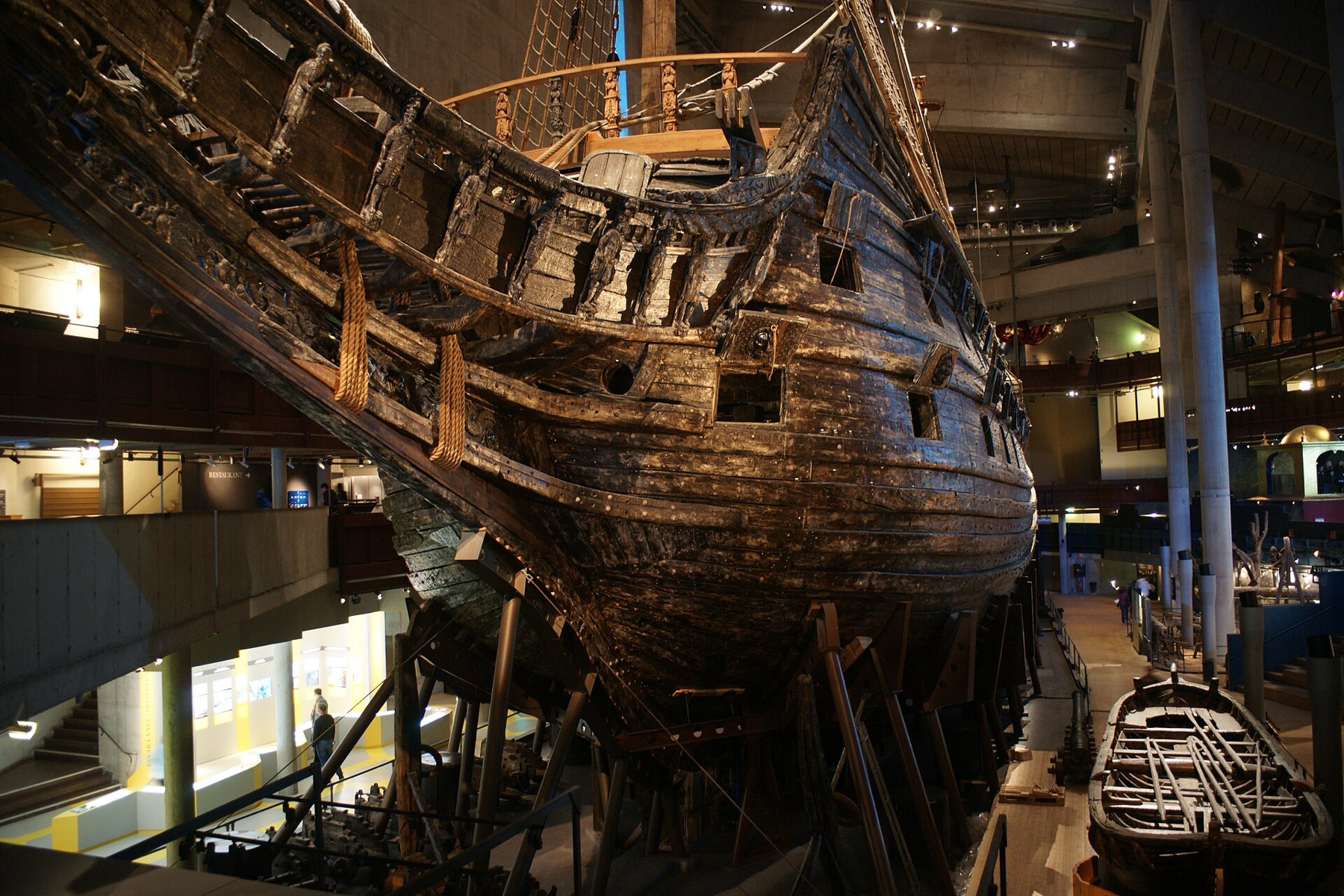
2. The Vasa Museum: History’s most famous mishap
On the green island of Djurgården, you will find a museum that welcomes more than 1.3 million visitors every year and is considered the most visited museum in all of Scandinavia. The Vasa lies inside a huge, darkened hall. This 17th-century warship was meant to be the pride of King Gustavus Adolphus, but too many cannons and a poor centre of gravity caused it to sink in 1628 after sailing just 1,300 metres on its maiden voyage.
It spent 333 long years on the bottom of the harbour. Engineers raised it to the surface in 1961, and thanks to the Baltic Sea’s low salinity, the wood survived in almost perfect condition. Today, a colossal ship made of 98% original oak stands before you, and the view takes your breath away. You will feel as though you have wandered onto the set of a Pirates of the Caribbean film.
💡 Tip: The museum uses dynamic pricing (240 SEK / about €20 in summer, 195 SEK / about €16 in winter) and is completely cashless. Leave your banknotes in your wallet. Admission is also completely free for children and young people under 18.
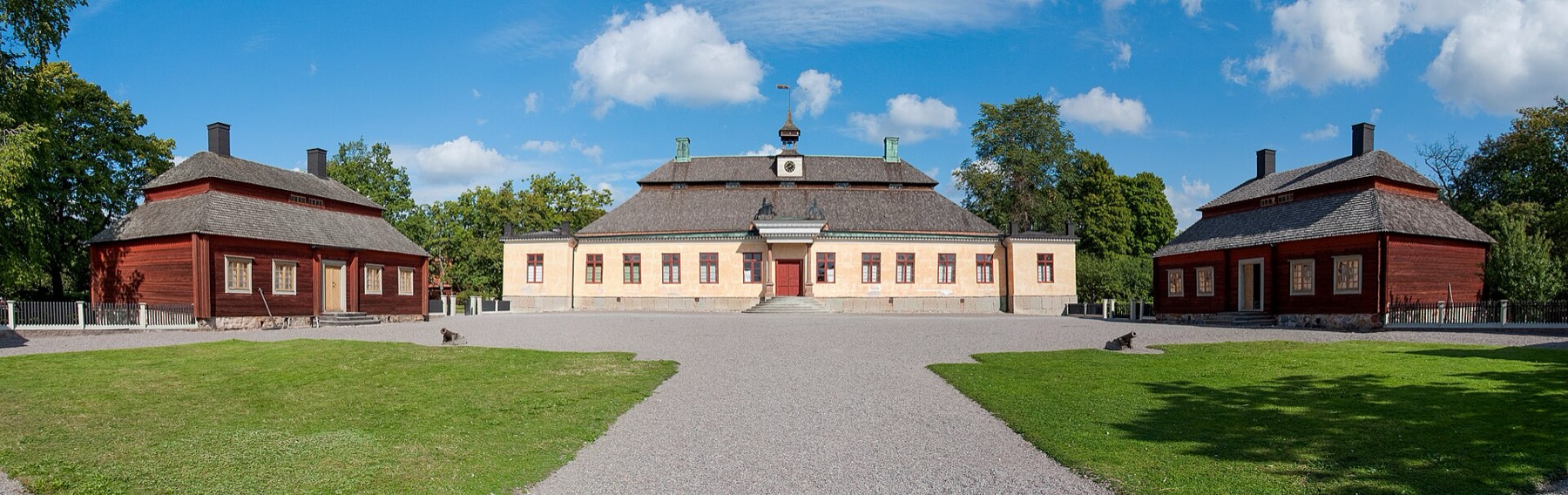
3. Djurgården island: Skansen and ABBA around the world
Djurgården once served as a royal hunting ground, but today it is Stockholm’s huge museum hub. The biggest draw is Skansen, the world’s oldest open-air museum, founded in 1891. It is much more than a few wooden cottages: it is a gigantic park filled with historic buildings from across the country and a Nordic zoo where you can see moose, bears and wolverines. Children enter free, but you still need to “purchase” a zero-price ticket for them online.
Music fans must not miss the fully interactive ABBA The Museum. Its slogan is “Walk in, dance out”, and visitors rave about it, even though admission (around 250 SEK / about €21) is not cheap. You can sing in a hologram studio with the band or pick up a special telephone whose number is known only to the group’s four members. Apparently, they occasionally call.
💡 Tip: Tickets for the Vasa Museum, ABBA The Museum and Skansen can be bought online in advance, for example through GetYourGuide. In July and August, this lets you skip the ticket-office queues. In the low season, you can easily buy tickets on site, as the price is usually the same.
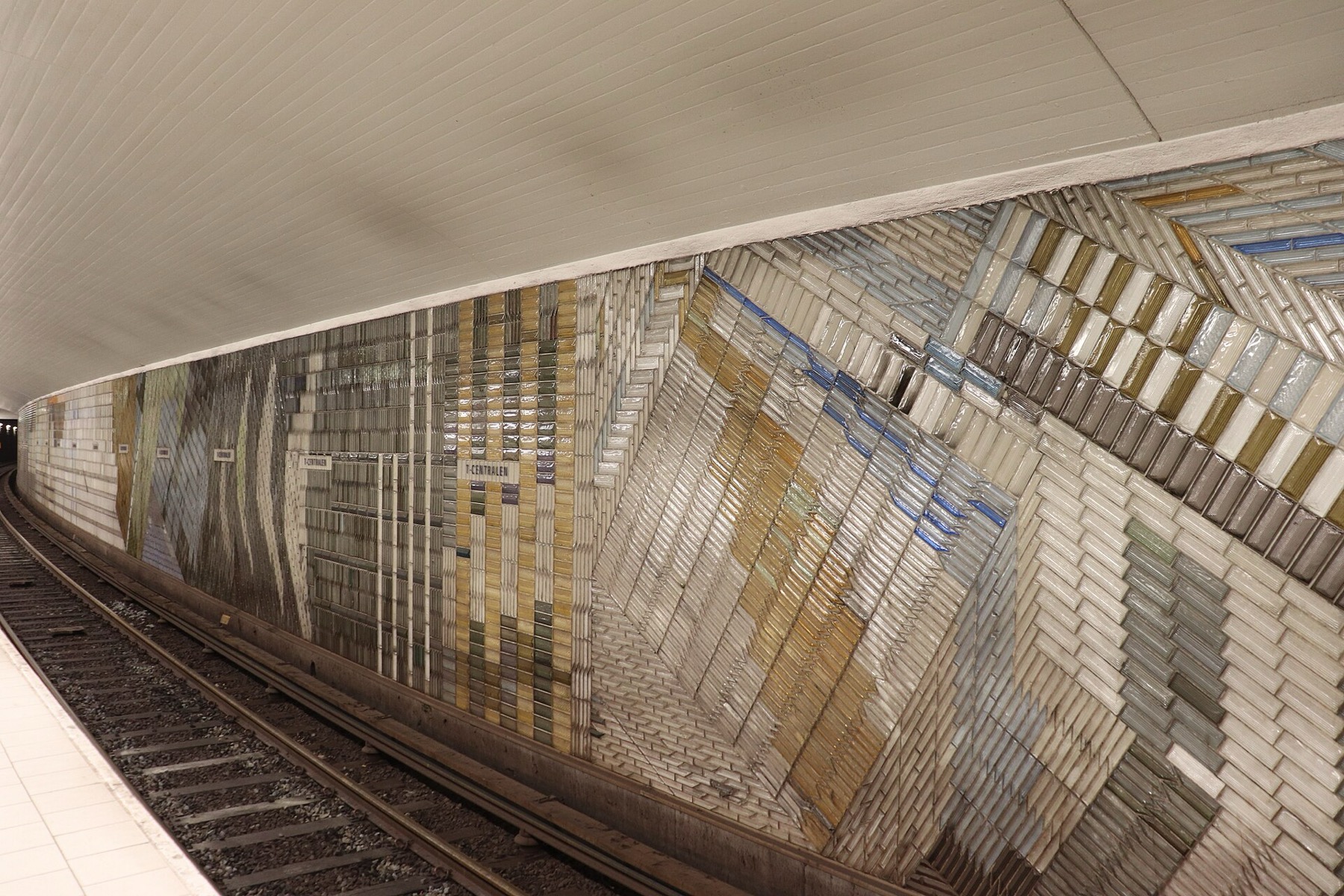
4. Stockholm’s metro: The world’s longest art gallery
An ordinary public-transport journey in Stockholm becomes a cultural experience. The city’s Tunnelbana holds the title of the world’s longest art gallery. Around 90 of its 100 stations have been decorated by artists with sculptures, incredible mosaics and three-dimensional installations. All you need to explore them is a regular ticket costing 42 SEK (about €4), valid for 75 minutes and allowing unlimited transfers.
The blue line is easily the most photogenic. T-Centralen surrounds you with soothing blue vines painted directly onto the raw rock of an underground cave. Solna Centrum station, meanwhile, takes your breath away with its bright red ceiling, evoking an evening sky above an endless green spruce forest. Try to go on a weekend morning, when the underground is not packed with commuters, and you will get the best photos.
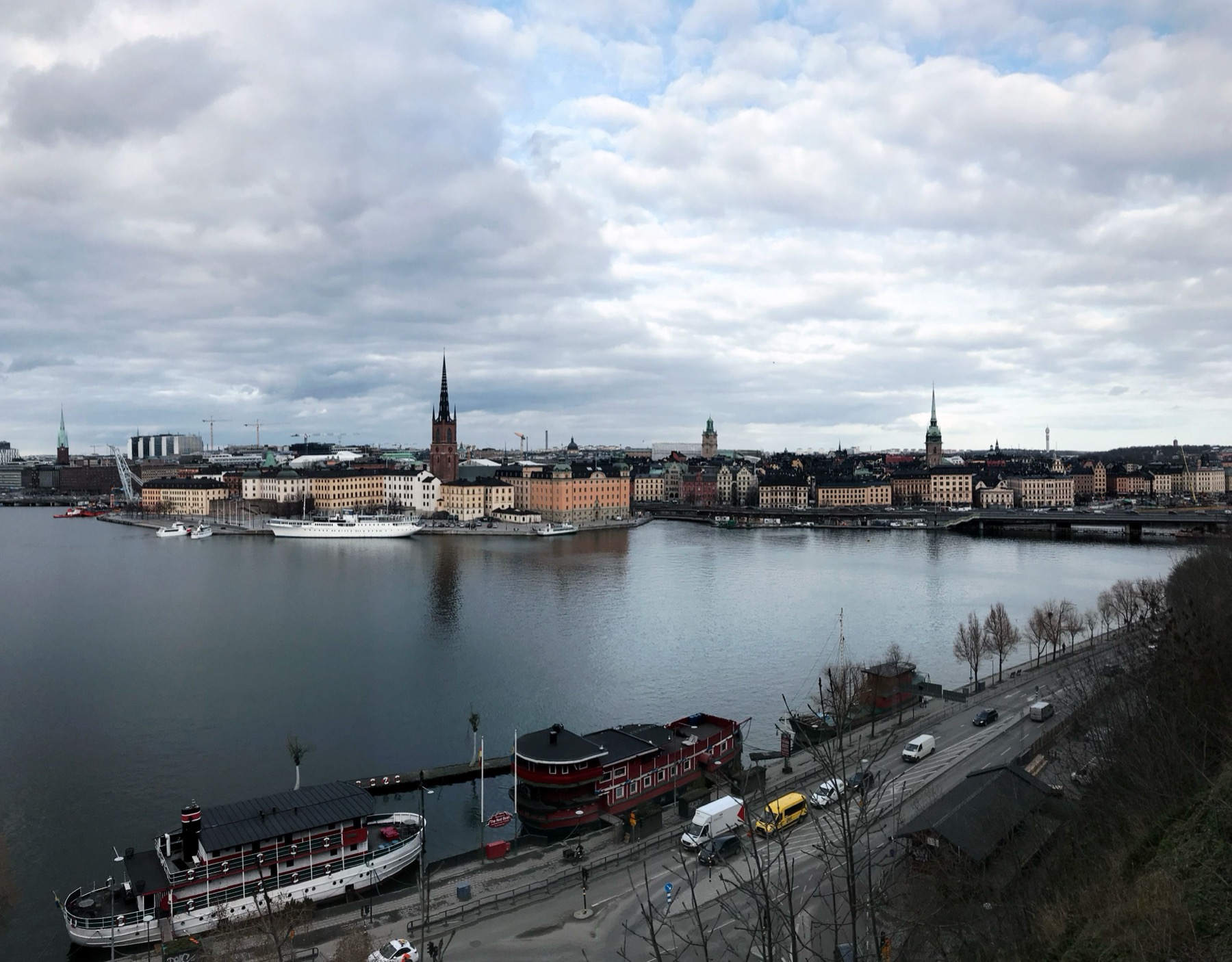
5. Waterfront viewpoints: Monteliusvägen and Fjällgatan
Stockholm is spread across fourteen islands, so there is no shortage of fantastic views over the water. The very best can be found on Södermalm, which rises steeply above the surrounding city. Once a working-class district, it has become the coolest address in town. Head to the SoFo area, packed with independent cafés and excellent vintage shops.
When you are ready for wonderful photos, seek out the Monteliusvägen promenade. This narrow, roughly half-kilometre-long path is cut directly into the rock, giving you a perfect view of historic Gamla Stan and the magnificent City Hall. Another excellent option is historic Fjällgatan on the eastern side of the island. For dinner, head down to Vasastan and Rörstrandsgatan, where you will find excellent bistros with plenty of vegetarian dishes.
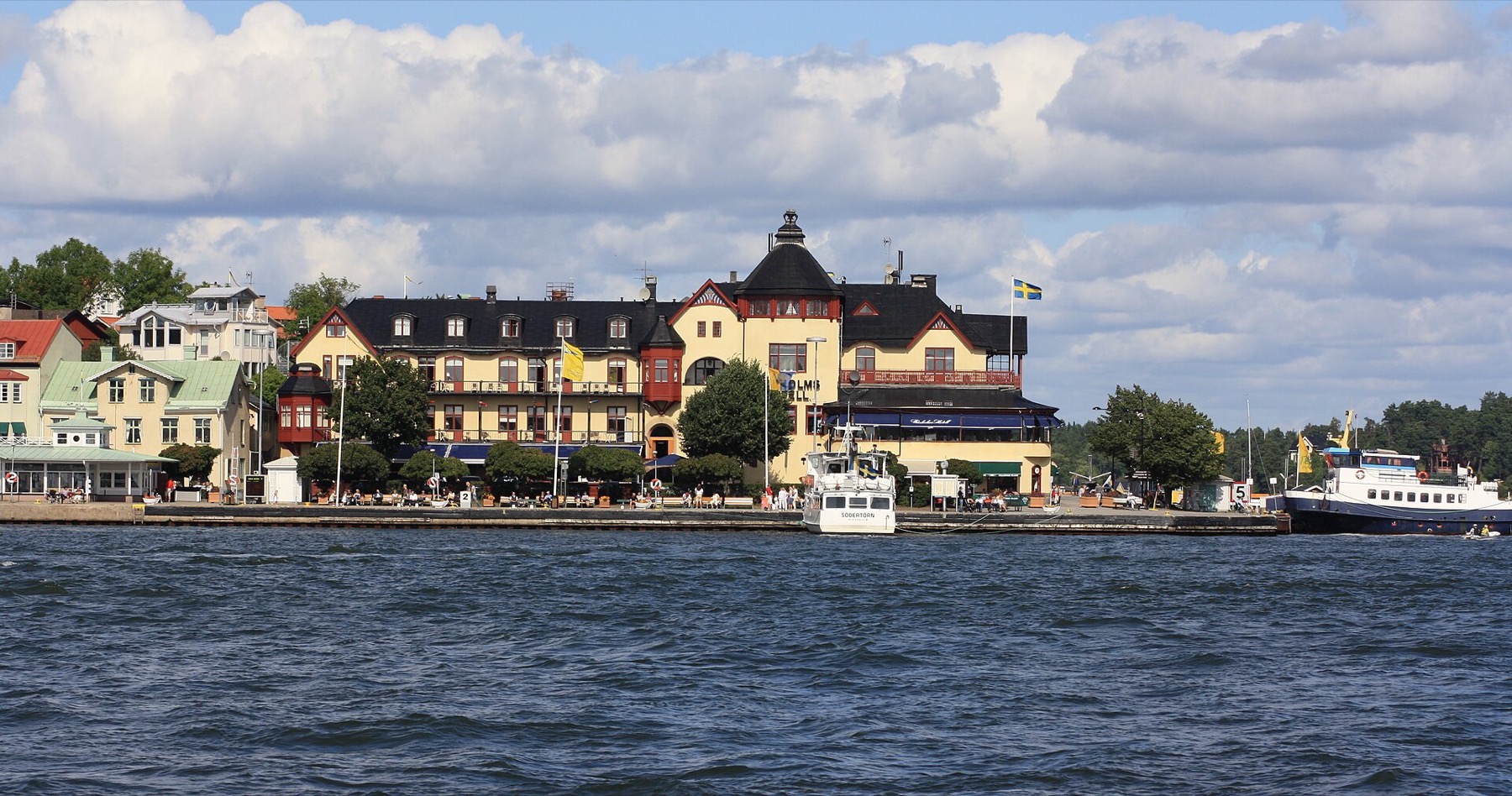
6. Stockholm archipelago: Thirty thousand islands
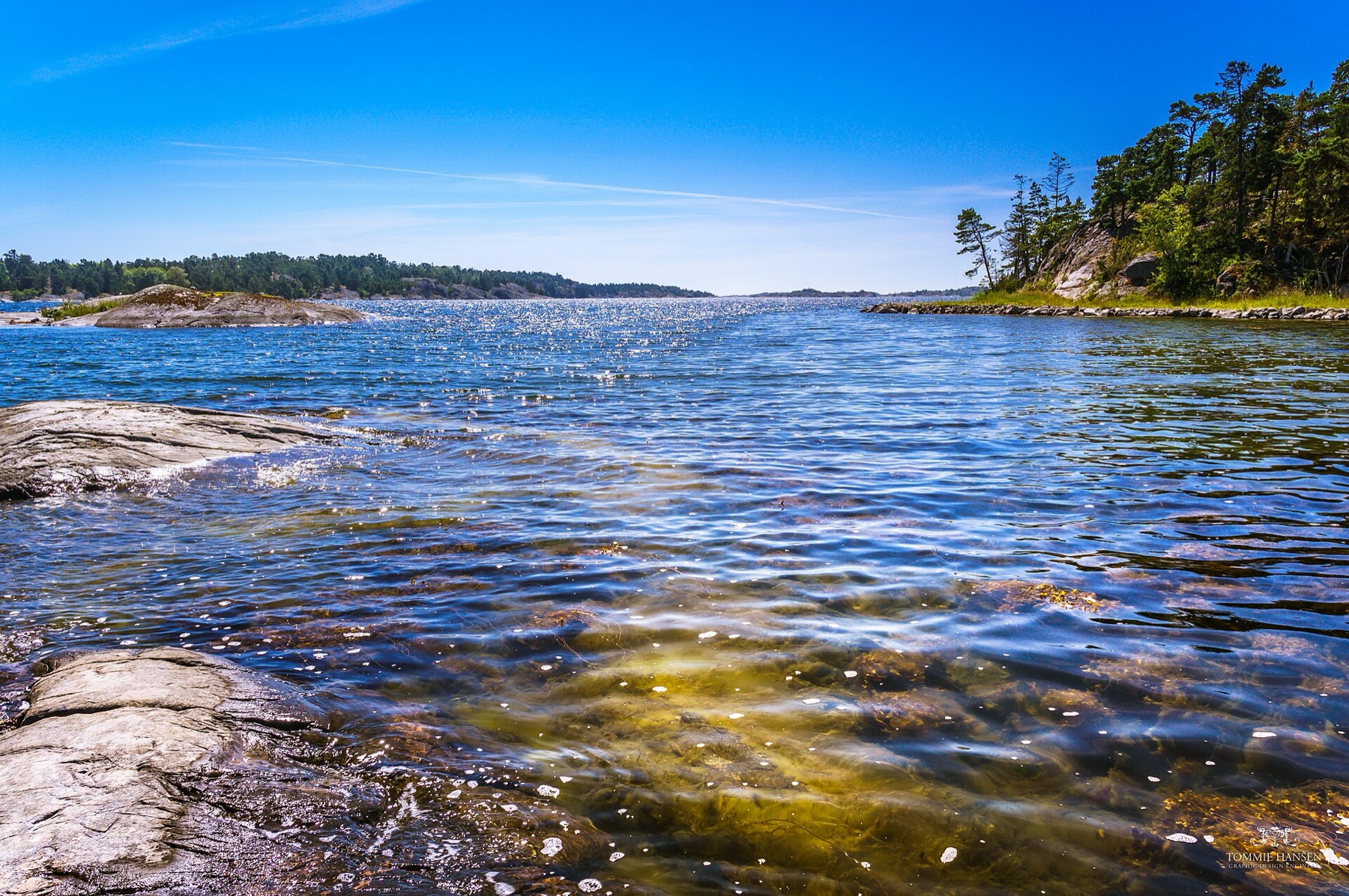
Just an hour by boat from central Stockholm lies a completely different world. The local archipelago (skärgården) is not made up of a handful of islets, but a gigantic labyrinth of 30,000 islands, rocks and skerries. Every piece of land has its own character. Families and visitors looking for a quick trip should choose Vaxholm, with its historic fortress and many cafés. Fans of the open sea and sailing, on the other hand, head for more distant Sandhamn.
A major recent development for travellers was the designation of Nämdöskärgården National Park in September 2025. It is the first marine national park in the Baltic Sea. It offers incredibly clear water and perfect conditions for kayaking, and entry is completely free. The best way to get around the islands is on the white boats of Waxholmsbolaget; it is worth buying a Båtluffarkort island pass.
💡 Tip: If you plan to explore the more remote islands during the summer season, always check the departure time of the last boat back to the city carefully. You will practically never find accommodation on the islands without booking ahead.
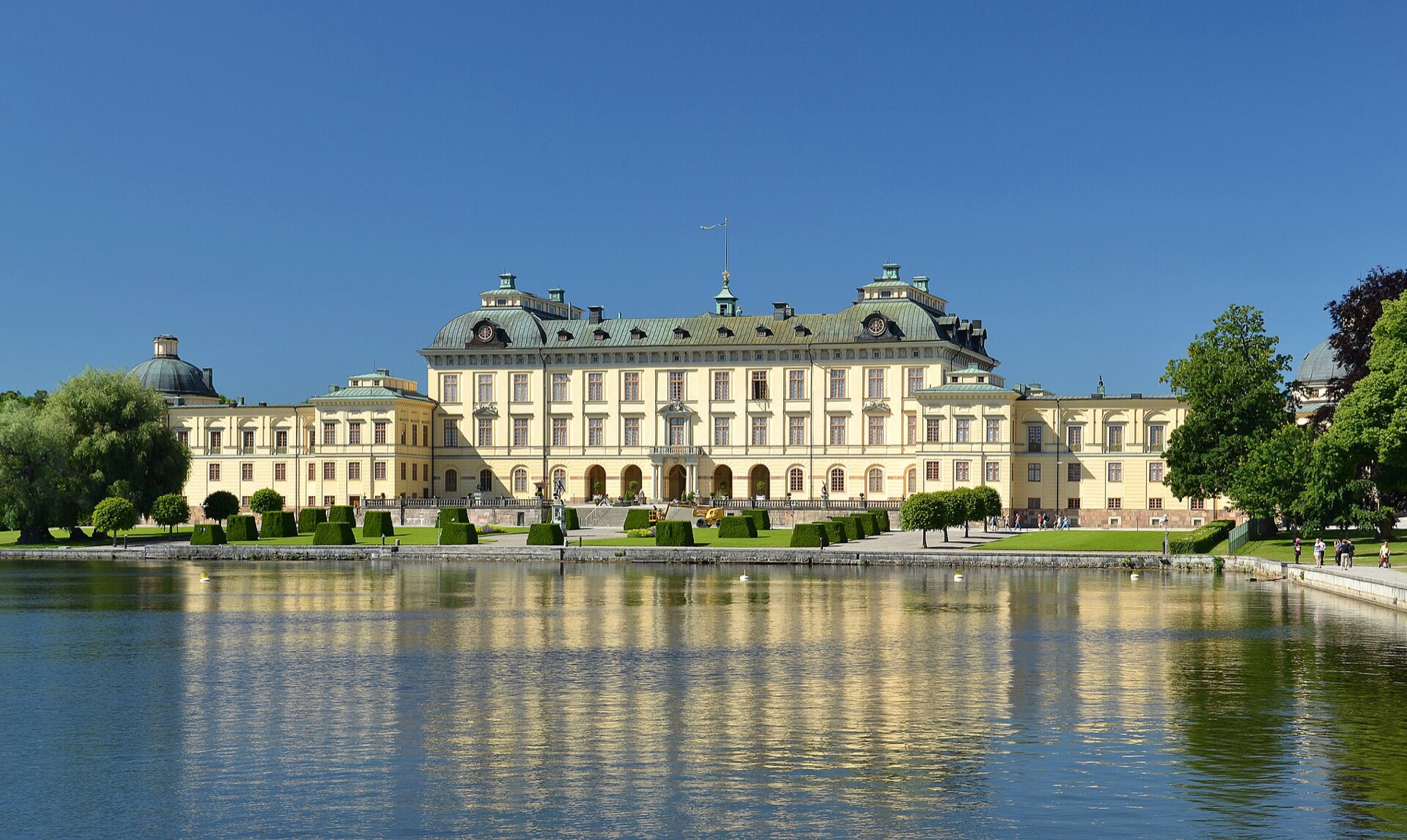
7. Drottningholm Palace: A royal residence
Often nicknamed the Swedish Versailles, Drottningholm lies a short distance from central Stockholm on Lovön island. This magnificent 17th-century complex is the permanent residence of the Swedish royal family and is rightly listed as a UNESCO World Heritage Site. While the southern wing remains strictly private, the rest of the palace is open to the public and will impress you with its excellent state of preservation.
Alongside the beautiful interiors, you will be completely captivated by the huge baroque gardens with their maze and the expansive English park, which is ideal for an afternoon picnic. The grounds also include the unique court theatre (Slottsteater), preserved in its original condition with functioning 18th-century stage machinery. The scenery moves exactly as baroque engineers designed it to, which is a little magical. The most stylish way to reach the palace is by water: historic steamers leave directly from Stockholm City Hall, and the cruise itself is a memorable experience.
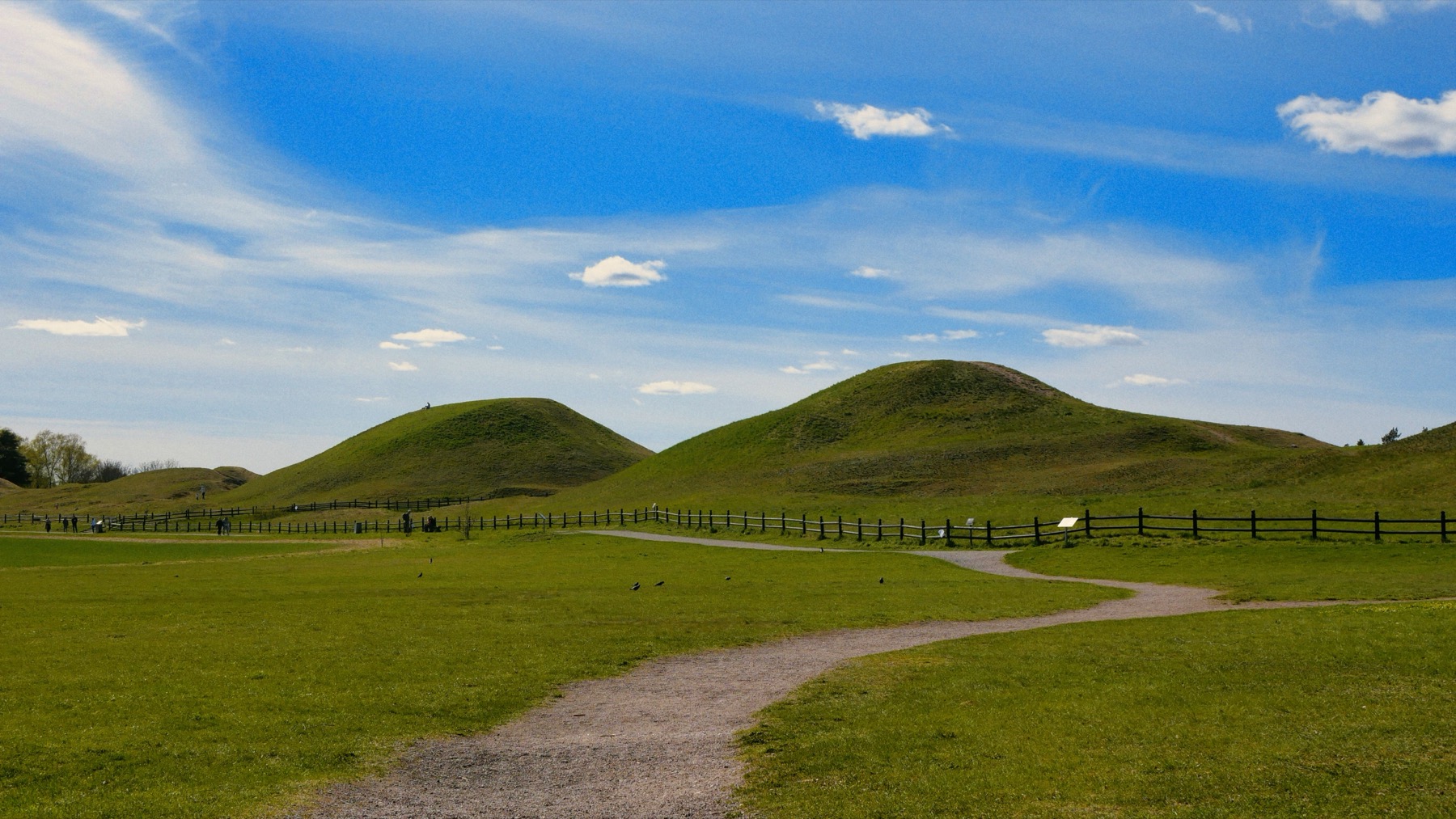
8. Uppsala and Gamla Uppsala: Viking burial mounds
Uppsala lies about 70 kilometres north of Stockholm and is the perfect day trip for history lovers. The city is dominated by Scandinavia’s largest cathedral, where the legendary King Gustav Vasa is buried. It is also home to Sweden’s oldest university, founded as early as 1477. The streets are full of students, bicycles and cosy cafés, giving the city a wonderfully lively atmosphere.
Just outside the city lies Gamla Uppsala (Old Uppsala). It was once the most important political and religious centre of the pagan north. Today, you will find fascinating royal burial mounds from the 6th century, where the first Swedish kings are said to have been buried. The excellent local museum explains everything about the harsh Viking rituals. As you explore the surrounding area, you are also certain to come across freestanding runestones.
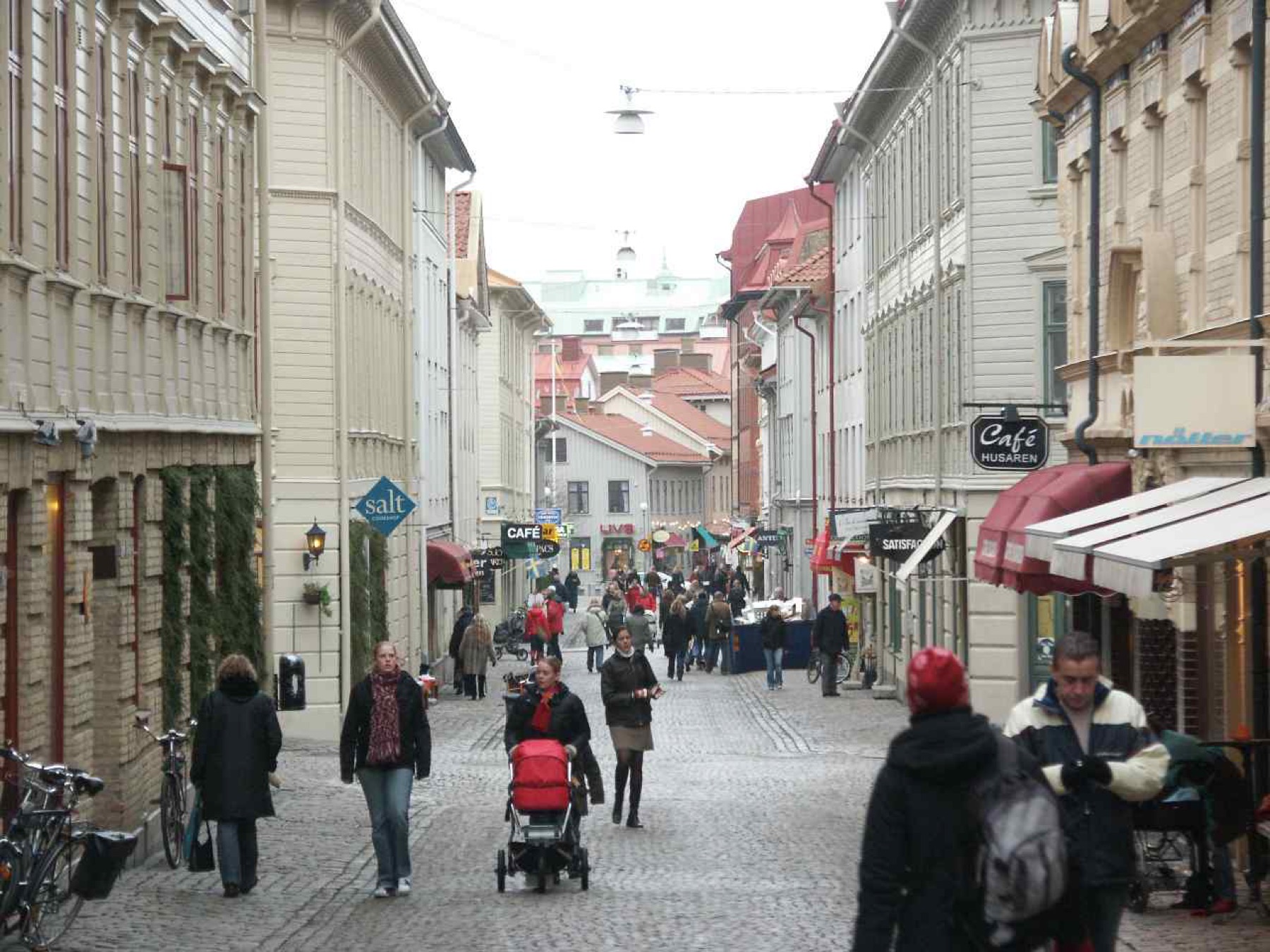
9. Gothenburg: The second city and giant cinnamon buns
Gothenburg on the west coast has a much more relaxed, slightly industrial and working-class atmosphere than elegant Stockholm. Life moves more slowly here, and the ever-present sea air instantly gives you an energy boost. Former industrial docks where ships were once built have become home to galleries, restaurants and a brand-new district, so walking along the harbour can make you feel as though you have somehow wandered into Copenhagen. The city’s skyline has recently been transformed by the brand-new Karlatornet skyscraper. At 246 metres, with its observation deck, it is currently the tallest building in Scandinavia.
The heart of the old town is Haga, with cobbled streets and well-preserved wooden houses. Here, you absolutely have to enjoy a fika at Café Husaren, where they bake legendary cinnamon buns the size of dinner plates. Families with children head to Liseberg, Scandinavia’s largest amusement park. Admission starts at 95 SEK (about €8), and the park is preparing a major expansion with the Oceana water world, scheduled to open in 2027 after a recent fire.
💡 Tip: You can buy tickets for Liseberg and places on cruises along the west coast in advance, for example through GetYourGuide, which is especially useful during the school holidays. For smaller fishing trips and Seafood Safaris in Bohuslän, however, it is often cheaper to arrange things directly at the harbour, so compare both prices.
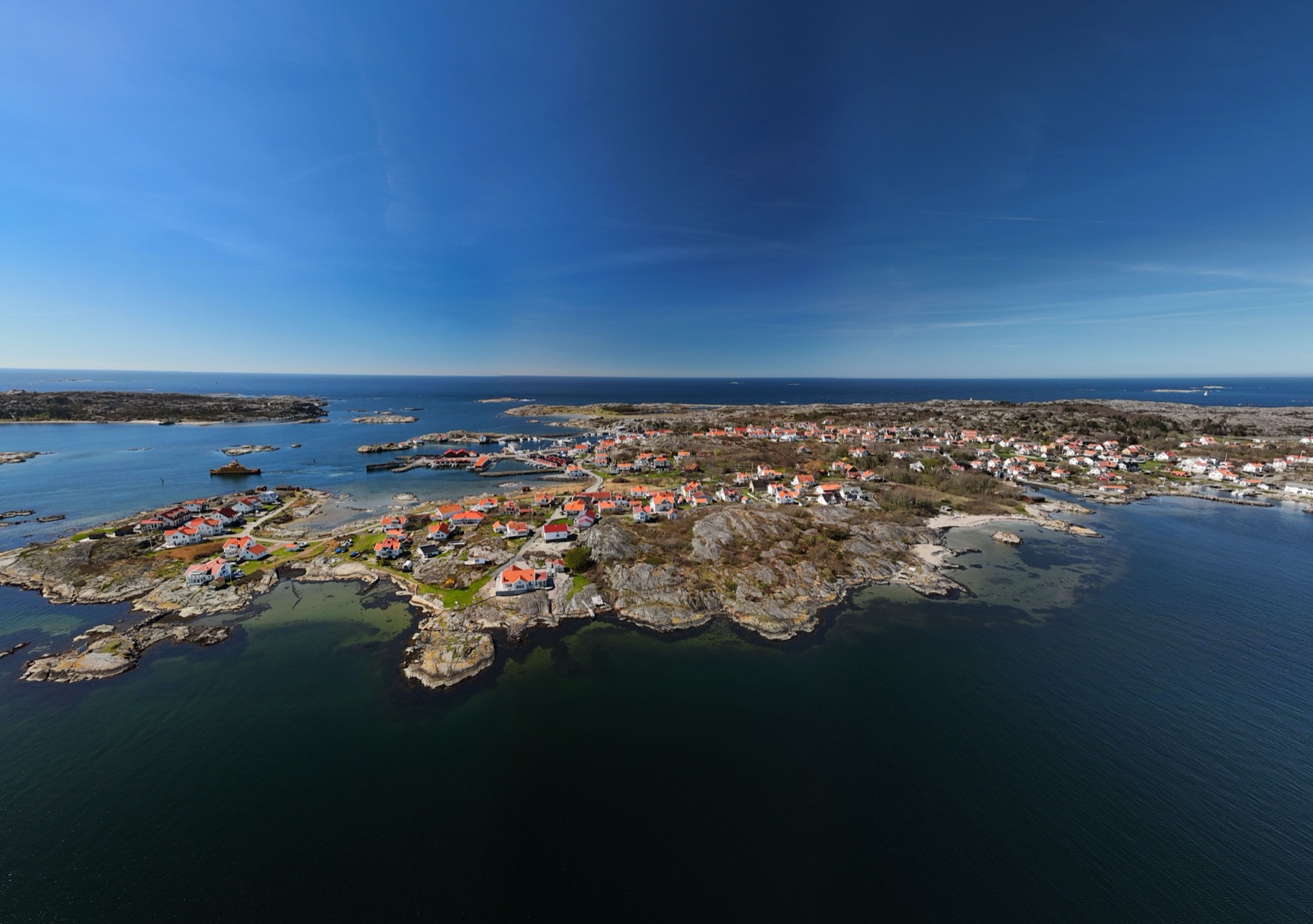
10. Göteborg’s Southern Archipelago: Oysters and Tranquillity
Just beyond the gates of Göteborg lies the southern archipelago (Södra skärgården), which many international visitors have never even heard of. It consists of dozens of granite islands where cars are completely forbidden. Locals get around exclusively on foot, by bicycle or on special cargo mopeds. Getting here is incredibly easy: simply take tram number 11 and change at Saltholmen harbour for a ferry using an ordinary public transport ticket.
Stop on the island of Styrsö for romantic walks among wooden villas, or travel as far as the remote island of Vrångö, with its sandy beaches and absolute peace and quiet. The entire region is also famous for its fantastic seafood. In autumn, lobster fever takes over, and local fishermen organise the popular Seafood Safari. The fishermen look forward to this season all year and eat their lobster with such serious concentration that you’d better not comment on what’s on their plate. 😄
💡 Tip: Head to the islands during the week. On sunny weekends, half of Göteborg escapes here, and the ferries can get pretty crowded.
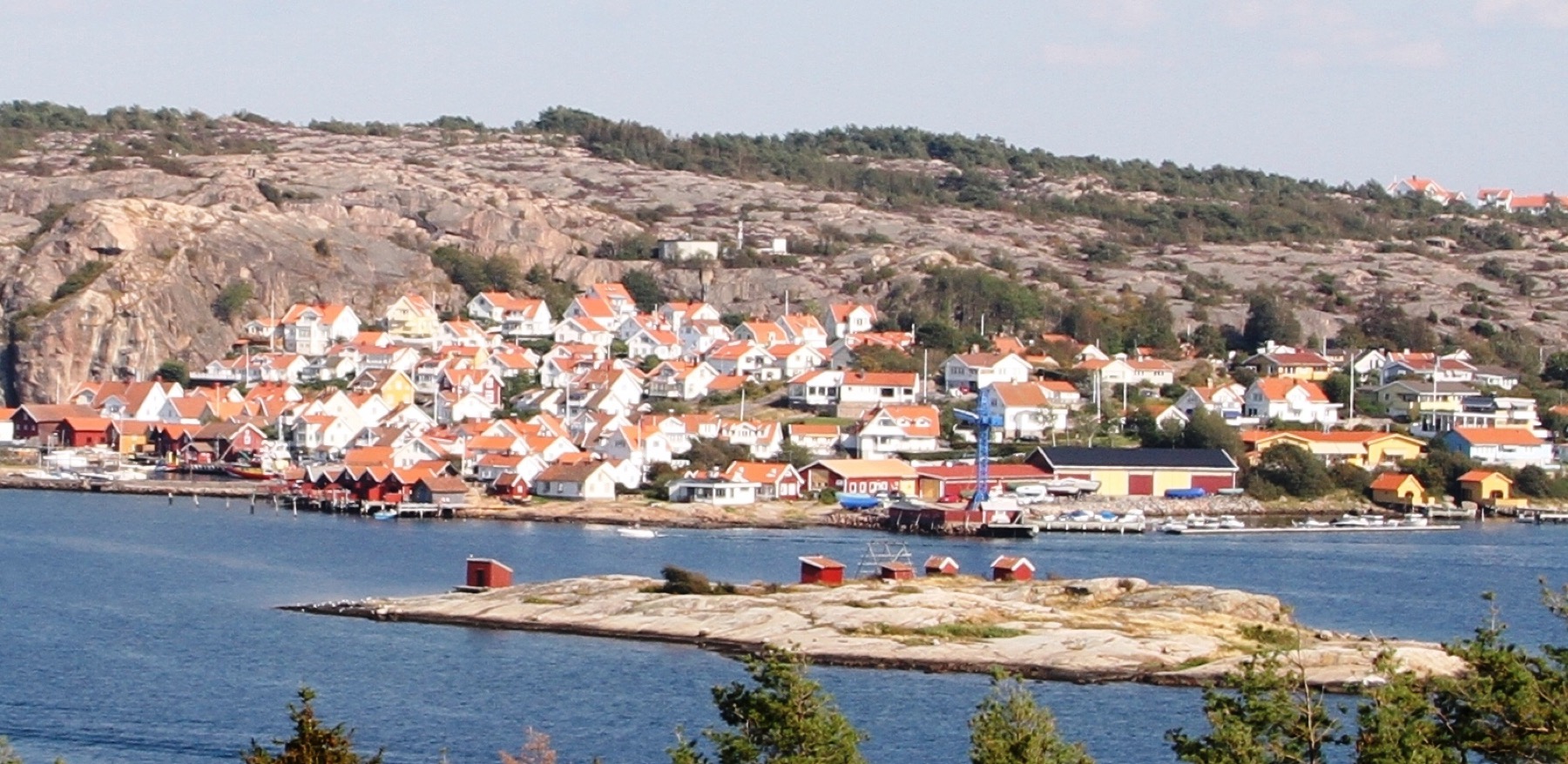
11. Bohuslän and Fjällbacka: In the Footsteps of Camilla Läckberg
As soon as you head north from Göteborg towards the Norwegian border, you’ll be welcomed by a landscape of smooth, pinkish granite islets and deep-blue sea. The Bohuslän coast is dotted with picturesque fishing villages filled with typical red and white houses. Set aside at least three days for this road trip, because the area is utterly enchanting and you won’t want to leave.
You absolutely have to stop in Fjällbacka, which is a mecca for fans of Nordic crime fiction. This is where author Camilla Läckberg sets her blood-soaked novels. In reality, the town is incredibly peaceful and safe. Walk through the narrow rocky Kungsklyftan gorge, which also appeared in the film about Ronja, the Robber’s Daughter. Then head down to the harbour, watched over by a bronze bust of actress Ingrid Bergman, who spent many summers here.
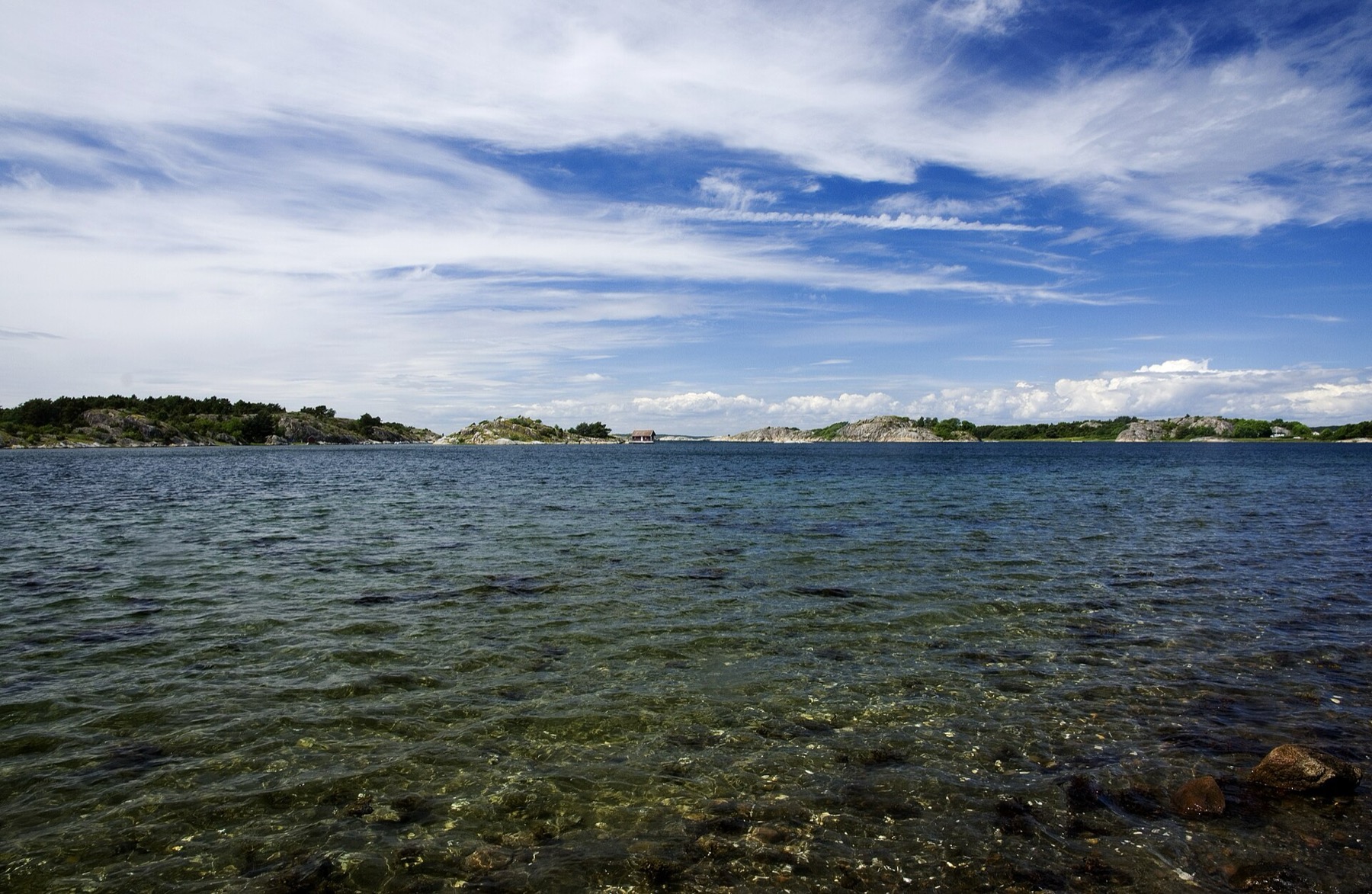
12. Kosterhavet National Park: An Underwater Paradise
Right by the Norwegian border, the west coast culminates in Kosterhavet National Park. Established in 2009, it was the country’s very first marine national park. Most of it lies below the surface, where the clean, cold currents from the North Sea support more than 6,000 animal species, including rare cold-water corals.
The park’s centre is formed by the islands of Nordkoster and Sydkoster, which you can reach by ferry from the town of Strömstad. Cars aren’t allowed here, so you can rent a bicycle at the harbour and pedal between pastures, heathlands and small coves where an incredible sense of peace awaits. The water is exceptionally clear and tempts even the youngest travellers to swim in summer. Just remember that camping rules are stricter inside the national park.
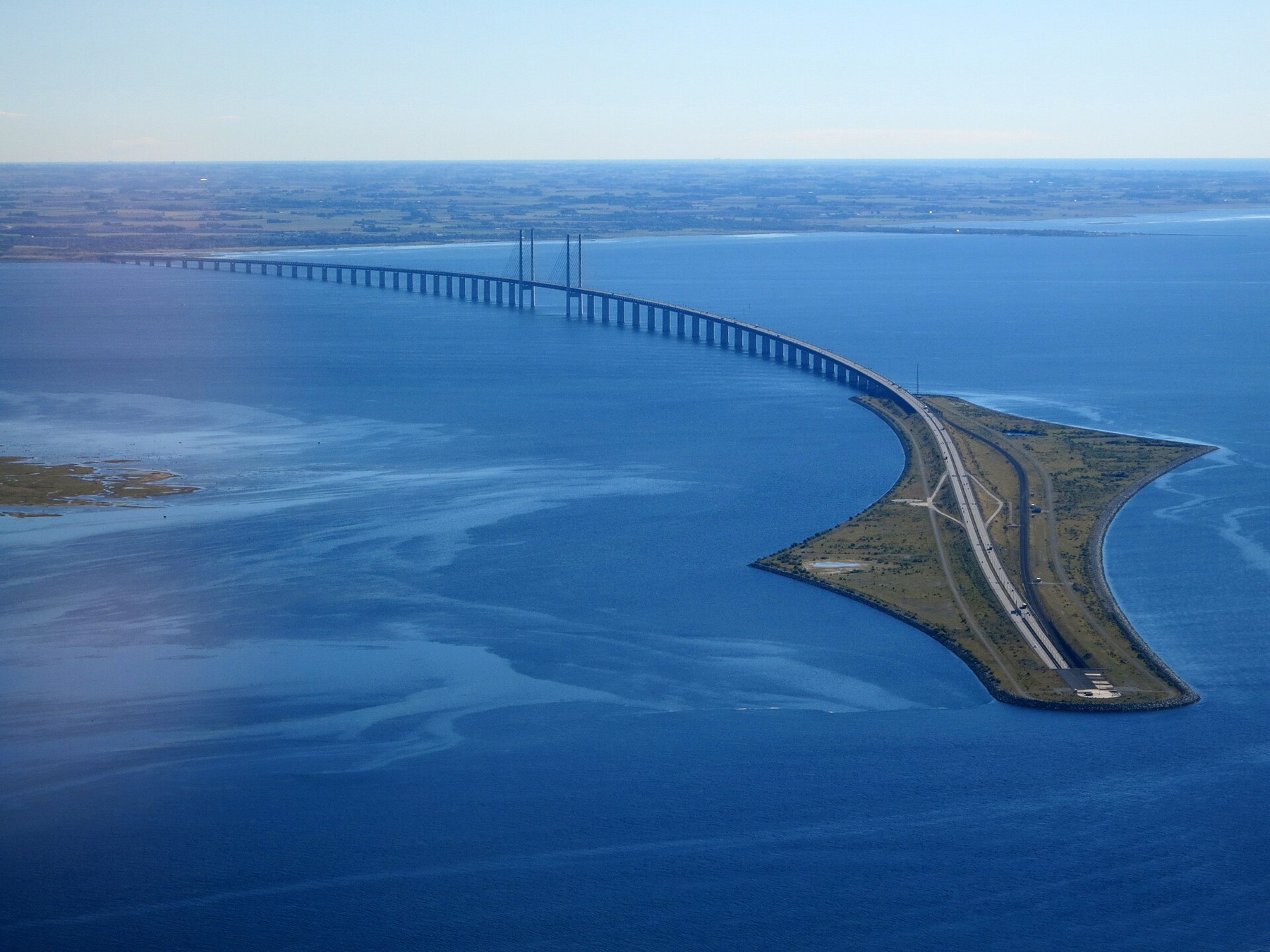
13. Öresund Bridge: An Engineering Marvel
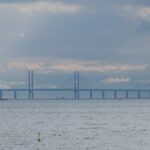
For many travellers heading north by car, the famous Öresund Bridge is the dream highlight of their journey. This 16-kilometre engineering marvel, made famous by the dark crime series The Bridge, connects Copenhagen in Denmark with Malmö in Sweden. Part of the route takes you through a tunnel beneath the sea before you emerge on the artificial island of Peberholm and continue high above the waves. It’s a truly monumental experience.
It is, however, an experience that comes at a considerable price. The standard one-way toll for a passenger car costs approximately €65–70. Sweden has also extended random checks at its Schengen borders until at least November 2026. Before driving onto the bridge, always check that everyone in the car has a valid passport or national ID card; the checks tend to be very thorough.
💡 Tip: If you’re planning to cross the bridge in both directions, buy an ØresundGO online subscription in advance. You’ll pay an annual fee, but the price of the actual crossing drops enough for the investment to pay off on your very first return trip.
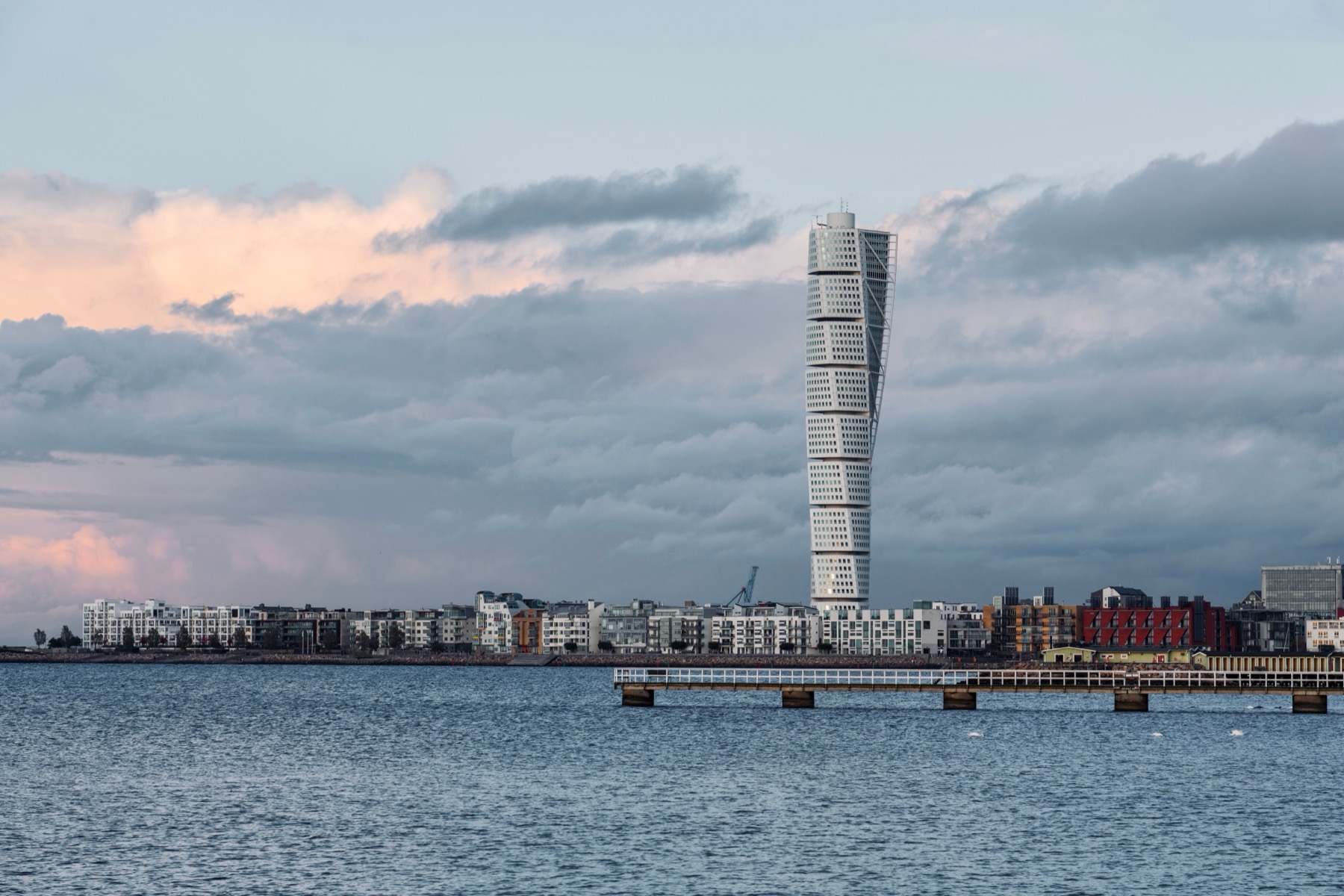
14. Malmö: Falafel and a Sustainable Future
Malmö is Sweden’s third-largest city and has something of an underdog reputation among tourists. But the former heavy-industrial port has become an incredibly dynamic and multicultural centre. The symbol of this transformation is the Turning Torso skyscraper, rising above the eco-friendly Västra Hamnen district like a giant white corkscrew. People live inside it, so there is no public observation deck, but a walk along the wooden piers beneath it is well worth it.
People from 180 countries have made their home in the city, and this diversity has left a brilliant mark on the local food scene. You simply have to head to Möllevången for Malmö’s famous falafel. It’s a genuine cultural institution, where you can buy a huge portion of delicious vegetarian food for around 50–70 SEK (approximately €5–7), making it a hit even with the most carefully managed budgets. Stories about dangerous gang areas concern outlying suburbs. The historic centres, landmarks and tourist areas of Stockholm, Göteborg and Malmö are peaceful both during the day and at night.
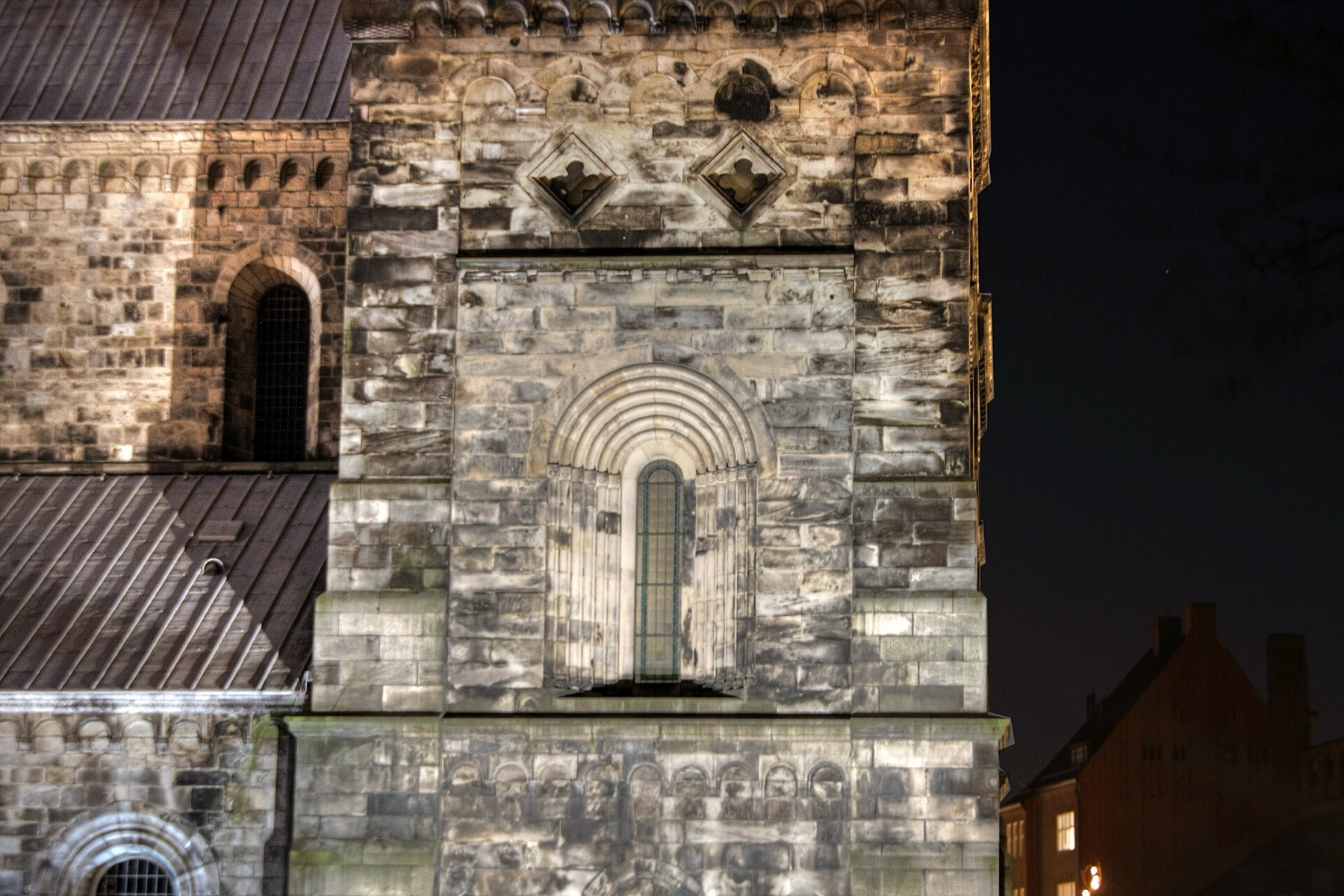
15. Lund: Cathedral and Students
While Malmö feels energetic and modern, Lund lies just 20 minutes away by train and is its complete opposite. This ancient academic city with a prestigious university belongs to students and bicycles. Ivy-covered brick houses line the cobbled lanes, and a wonderfully calm historic atmosphere fills the streets. It’s the perfect destination for a half-day escape from the bustle of the big city.
The highlight is the majestic 12th-century Romanesque Lund Cathedral, home to a fascinating 15th-century astronomical clock. Twice a day, it puts on a show featuring wooden knights engaged in battle, while the dark crypt beneath the church draws visitors who come to see the petrified giant Finn, who, according to legend, tried to destroy the building.
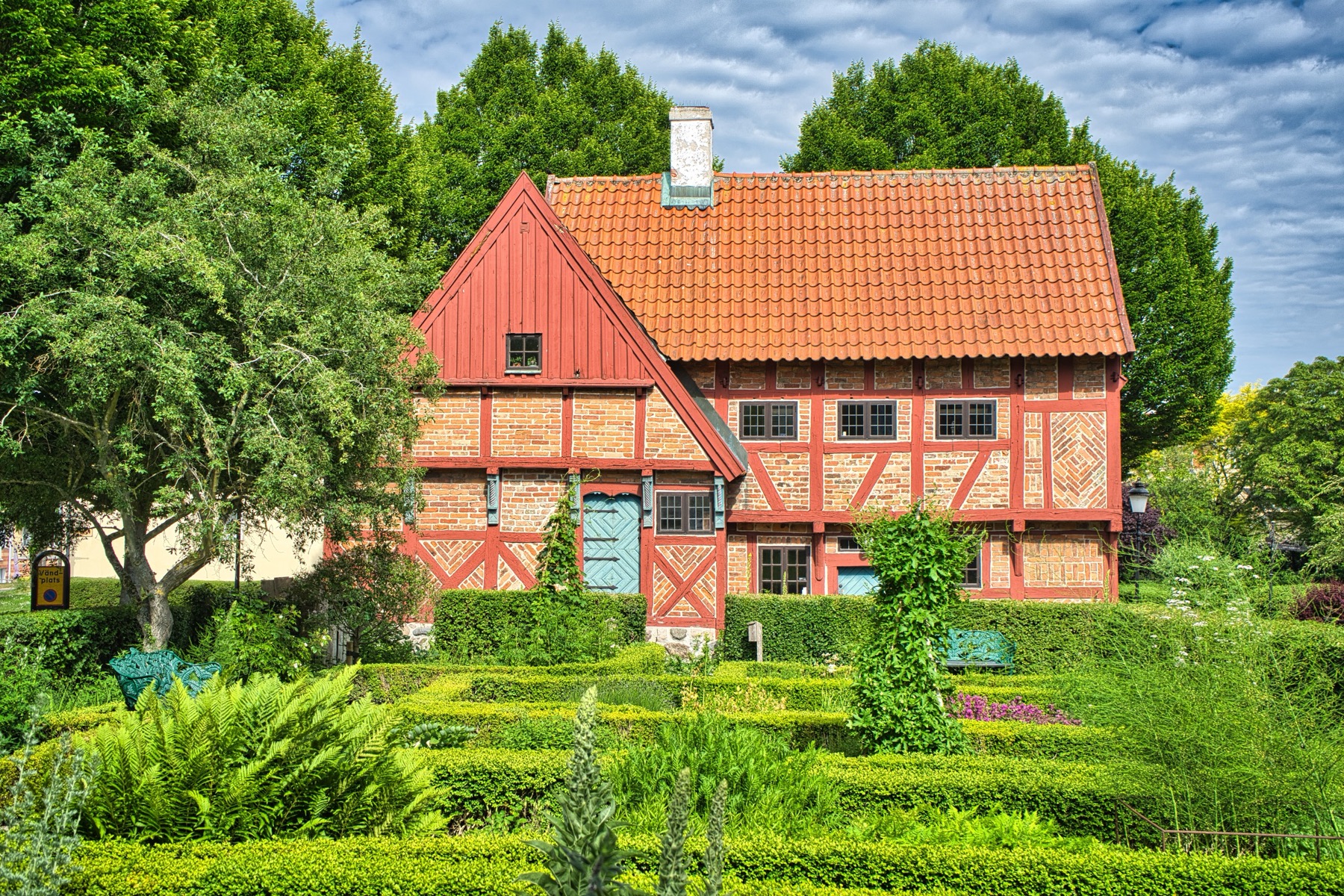

16. Ystad and the Southern Loop: Skanör’s White Beaches
The province of Skåne in Sweden’s far south reliably shatters all the myths about dark Nordic forests. You’ll find rolling green plains, leafy beech forests and an incredibly beautiful coastline. Stop on the Falsterbo peninsula, where kilometres of brilliantly white sand are lined with tiny pastel-coloured beach huts. In summer, it looks like the Swedish Hamptons, and the sea practically begs you to swim.
A short distance further east lies the picturesque town of Ystad. Its historic centre is criss-crossed by lanes lined with perfectly preserved half-timbered houses, but its global fame comes from the fictional detective Kurt Wallander. The tourist centre will be happy to give you a map showing locations from Henning Mankell’s popular books, after which you can enjoy coffee at Detective Wallander’s favourite café, Fridolfs konditori.
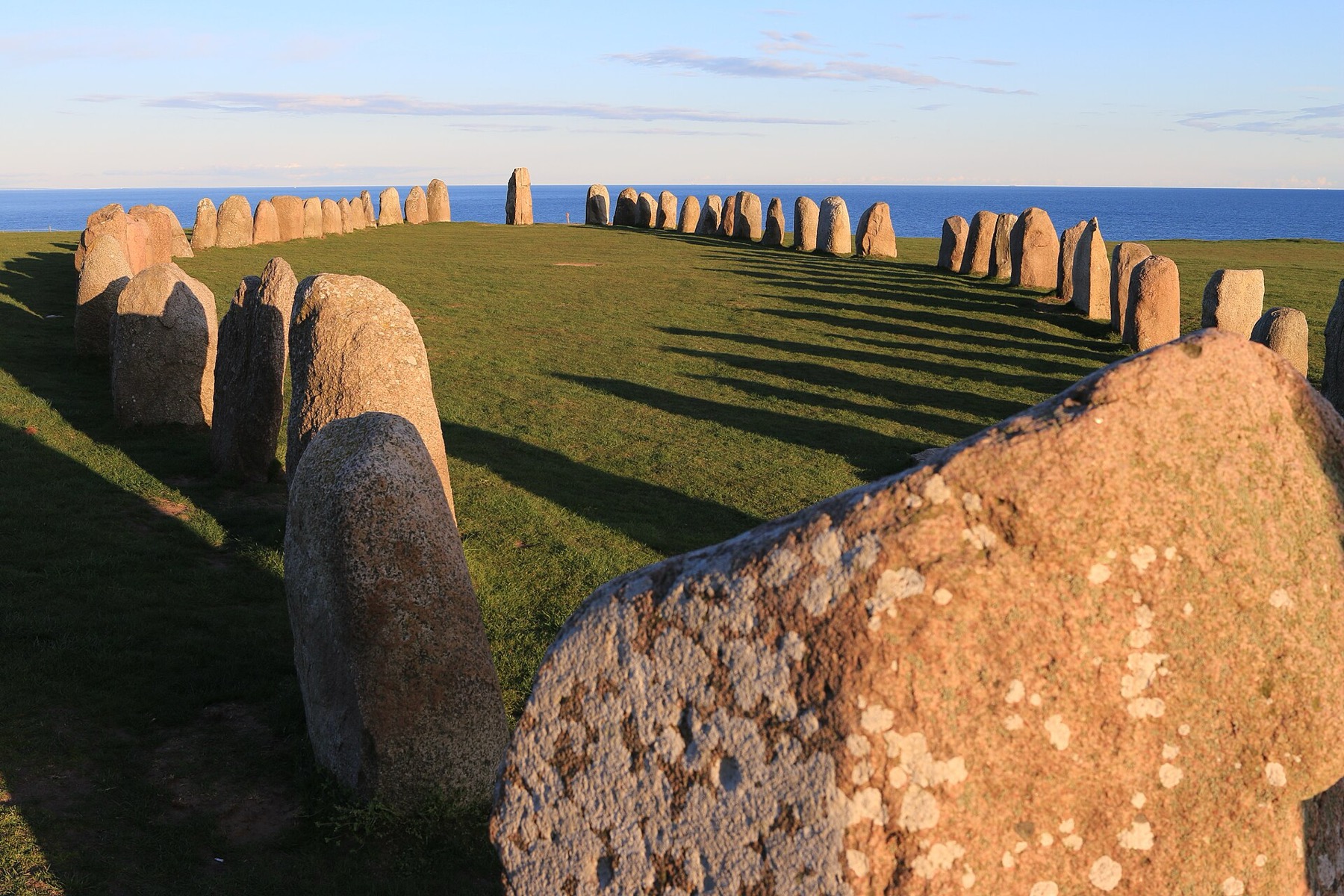
17. Ales stenar: Sweden’s Stonehenge
About 20 kilometres east of Ystad, one of Scandinavia’s most magical places rises on a high grassy cliff directly above the waves of the Baltic Sea. Ales stenar consists of 59 enormous stones arranged in the striking shape of a ship measuring just under 70 metres in length. The setting is genuinely mystical.
This megalithic monument dates from the Iron Age, around the year 600 AD, and probably served as a solar calendar or burial site. The hike from the small car park in the harbour at Kåseberga up to the cliff takes only about 15 minutes. At the top, you’ll find an incredible atmosphere enhanced by the roar of the sea and powerful winds. If you’re spending time in the south, don’t miss this stop; the photos from here are phenomenal.
18. Öland: Limestone Savanna and Summer Bliss
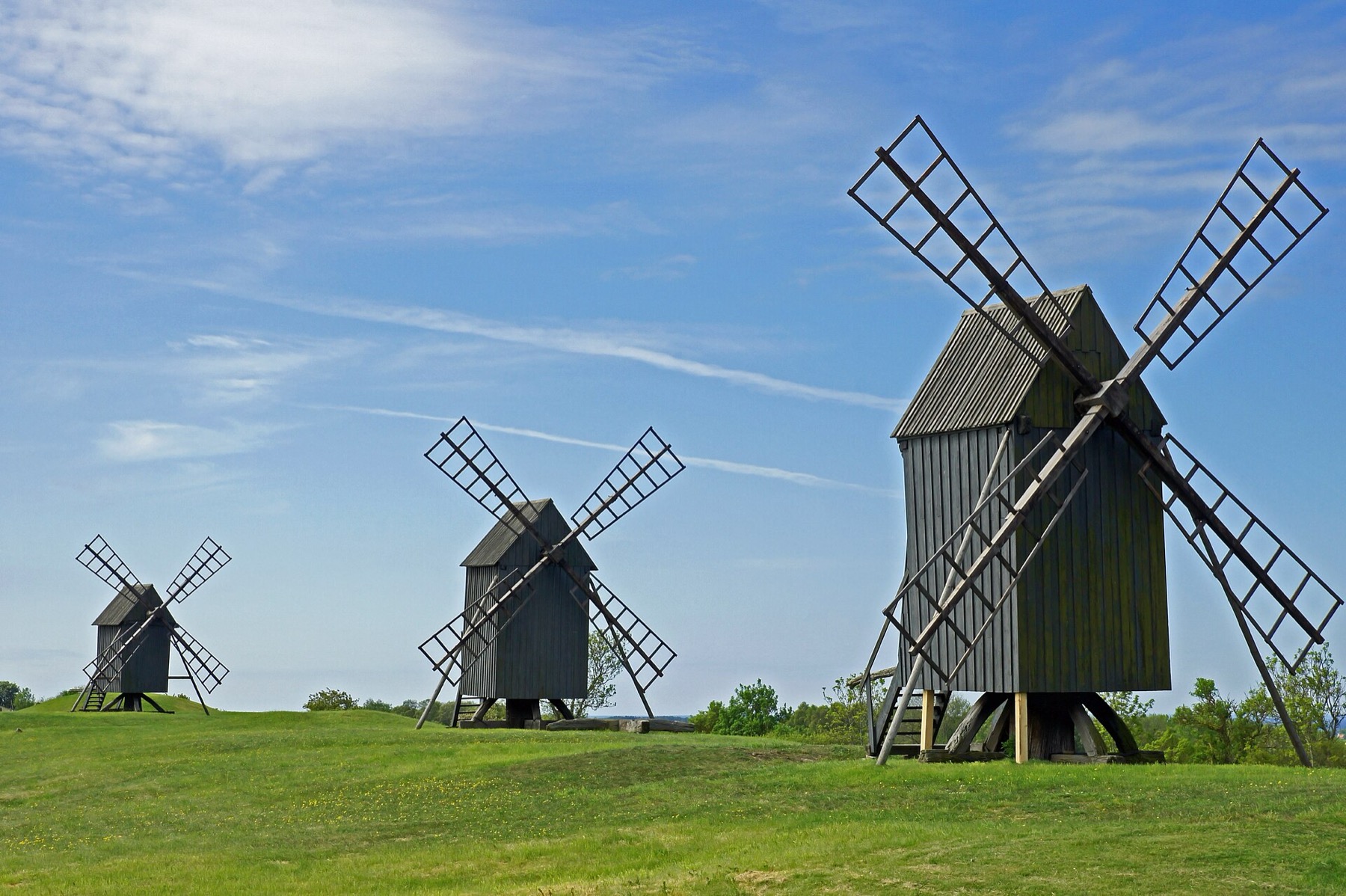
The island of Öland is connected to the mainland by a free six-kilometre bridge from Kalmar and is considered the ultimate Swedish summer destination. It’s a narrow, completely flat strip of land that boasts the highest number of sunshine hours in the country. You’ll find huge campsites such as the famous Böda Sand, with Caribbean-white beaches, and hundreds of historic wooden windmills lining the roads.
The landscape is surprisingly rugged and distinctive, however. The southern half of the island is covered by Stora Alvaret, a vast limestone steppe listed as a UNESCO World Heritage Site, often nicknamed the Swedish savanna. The soil is so thin that trees cannot survive, but dozens of wild orchid species thrive here in May and June. On the west of the island, don’t miss the magnificent Borgholm Castle ruins and the neighbouring Solliden gardens, which serve as the royal family’s summer residence.
19. Kalmar: A Renaissance Gateway
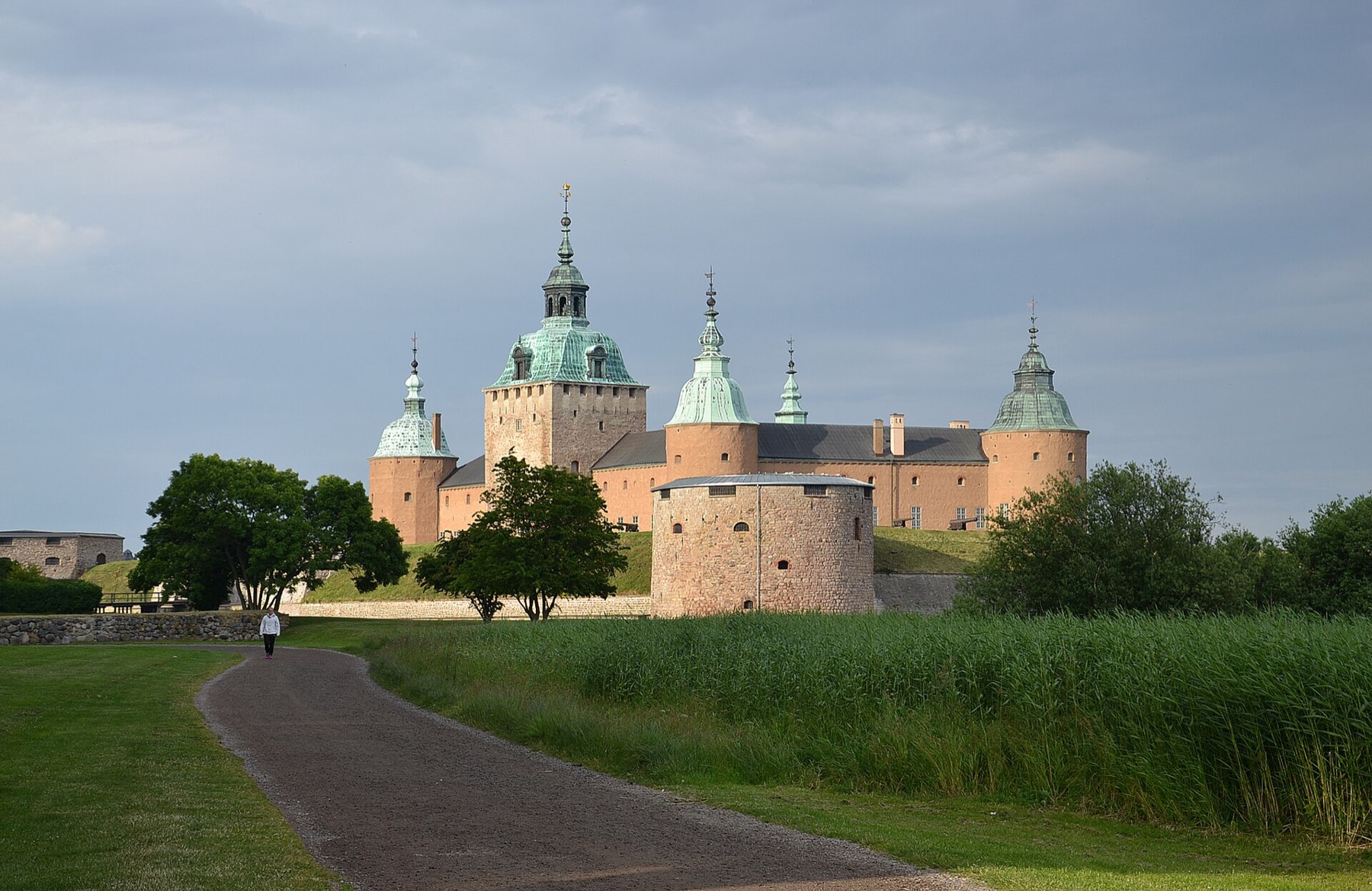
Before crossing the bridge to Öland, be sure to stop in historic Kalmar. For centuries, the city served as an important military stronghold on what was then the border with Denmark, and its main attraction is Kalmar Castle, easily the best-preserved Renaissance castle in Scandinavia. The famous Kalmar Union, which united Sweden, Denmark and Norway under one crown for more than a century, was signed here in 1397.
Today, the castle offers beautiful interiors and excellent interactive tours that entertain both adults and children. Kalmar also boasts a lovely old town (Gamla stan) with narrow lanes and a lively marina packed with cafés, where you can sip coffee while watching boats head out onto the open Baltic. It’s the perfect place for a lunch break.
20. Glasriket: The Kingdom of Glass in the Forests
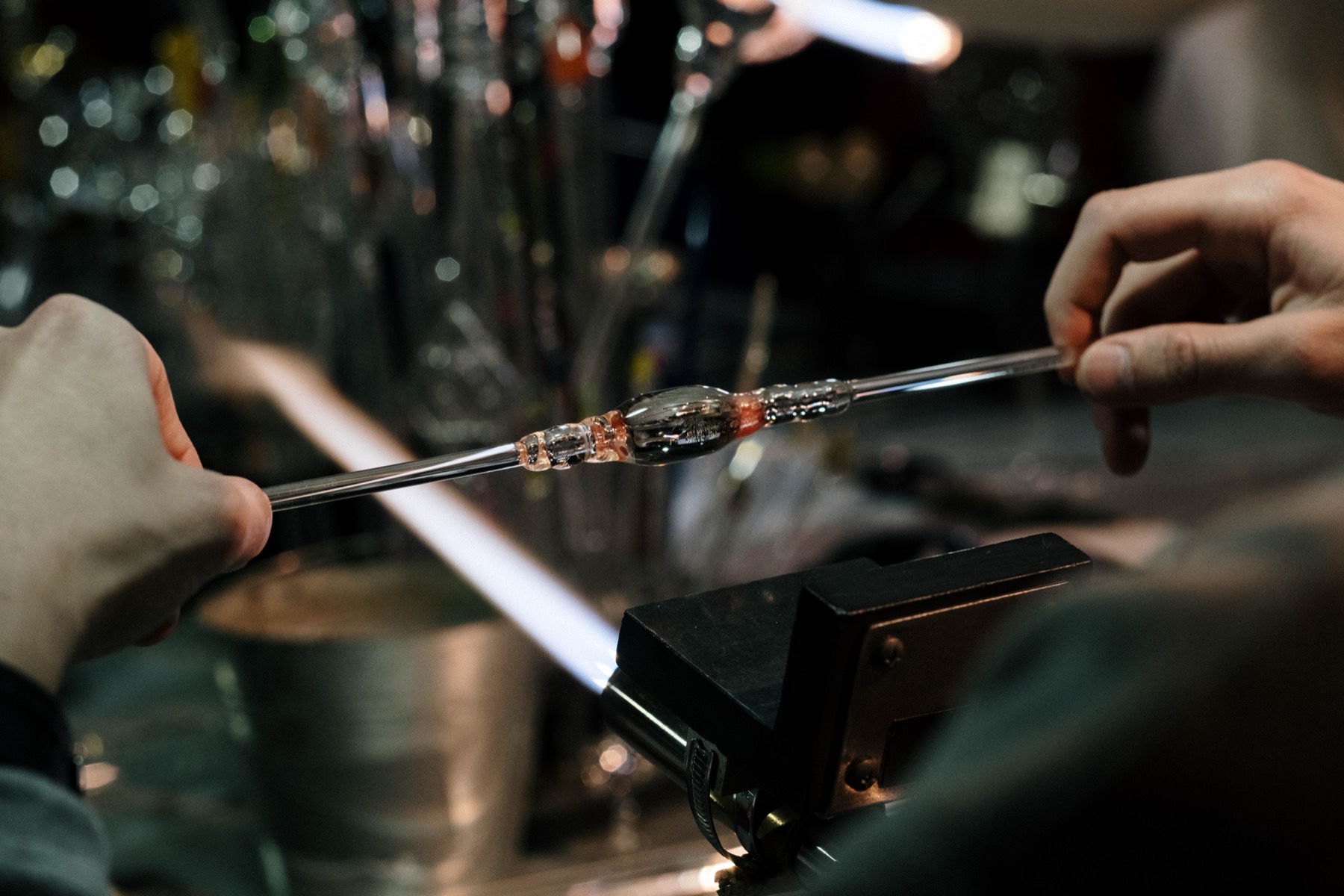
In the middle of Småland’s deep forests lies Glasriket, or the Kingdom of Glass. Since the 18th century, dozens of glassworks operated here, fuelled by the seemingly endless supply of timber. Only a few remain today, but they focus even more on creating memorable experiences. At glassworks such as the famous Kosta Boda, founded in 1742, you can watch master glassblowers at work from close up and shop for designer pieces in local outlets.
The tradition known as hyttsill is completely unique. In the past, impoverished glassblowers gathered around cooling furnaces to warm themselves and bake food. Today, the custom comes back to life on summer evenings, when you sit down at long tables inside the glassworks. Traditional baked potatoes with lingonberries for vegetarians and salted herring for fish lovers arrive at the tables while live music plays.
💡 Tip: Hyttsill evenings take place only on selected summer dates, and places disappear fast, so booking well in advance is essential.
21. Vimmerby and Astrid Lindgren: A Return to Childhood
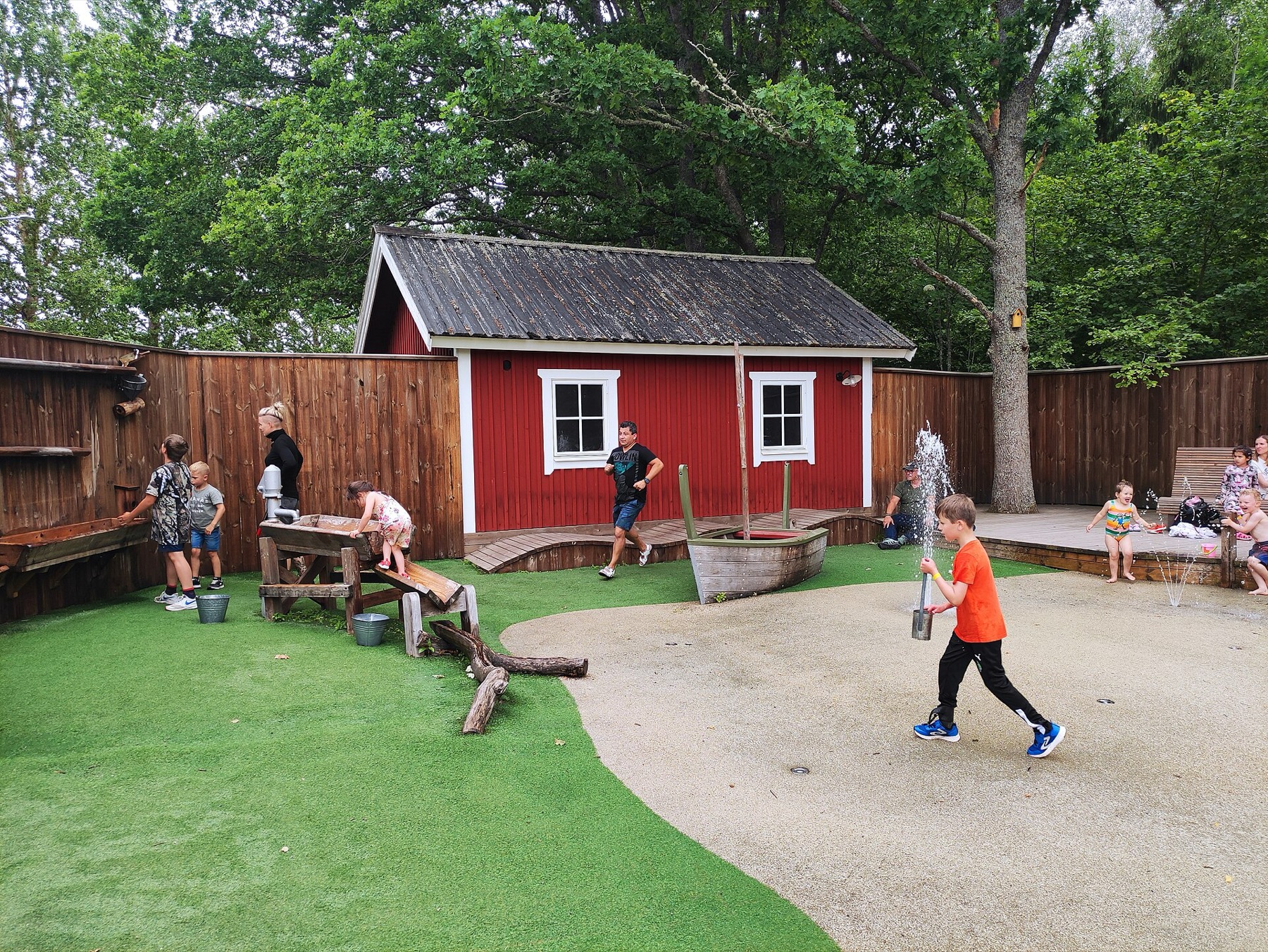
This is an absolute must for every family and fan of Nordic literature. The town of Vimmerby in Småland was the birthplace of the famous author and is home to the huge Astrid Lindgren’s World theatre park. Don’t expect flashing rides or noisy roller coasters. Children run freely between perfectly recreated settings, climb through Villa Villekulla and explore the majestic Matt’s Castle.
Live performances featuring Pippi Longstocking and Emil take place throughout the park, and the actors actively involve the children once the shows are over. Admission is dynamic and fairly expensive in summer, but the experience is phenomenal. A short distance from the park lies the real village of Gibberyd, where the legendary TV series about Emil of Lönneberga was filmed in the 1970s. The Katthult film farm is still standing, and you can even visit Emil’s famous woodshed.
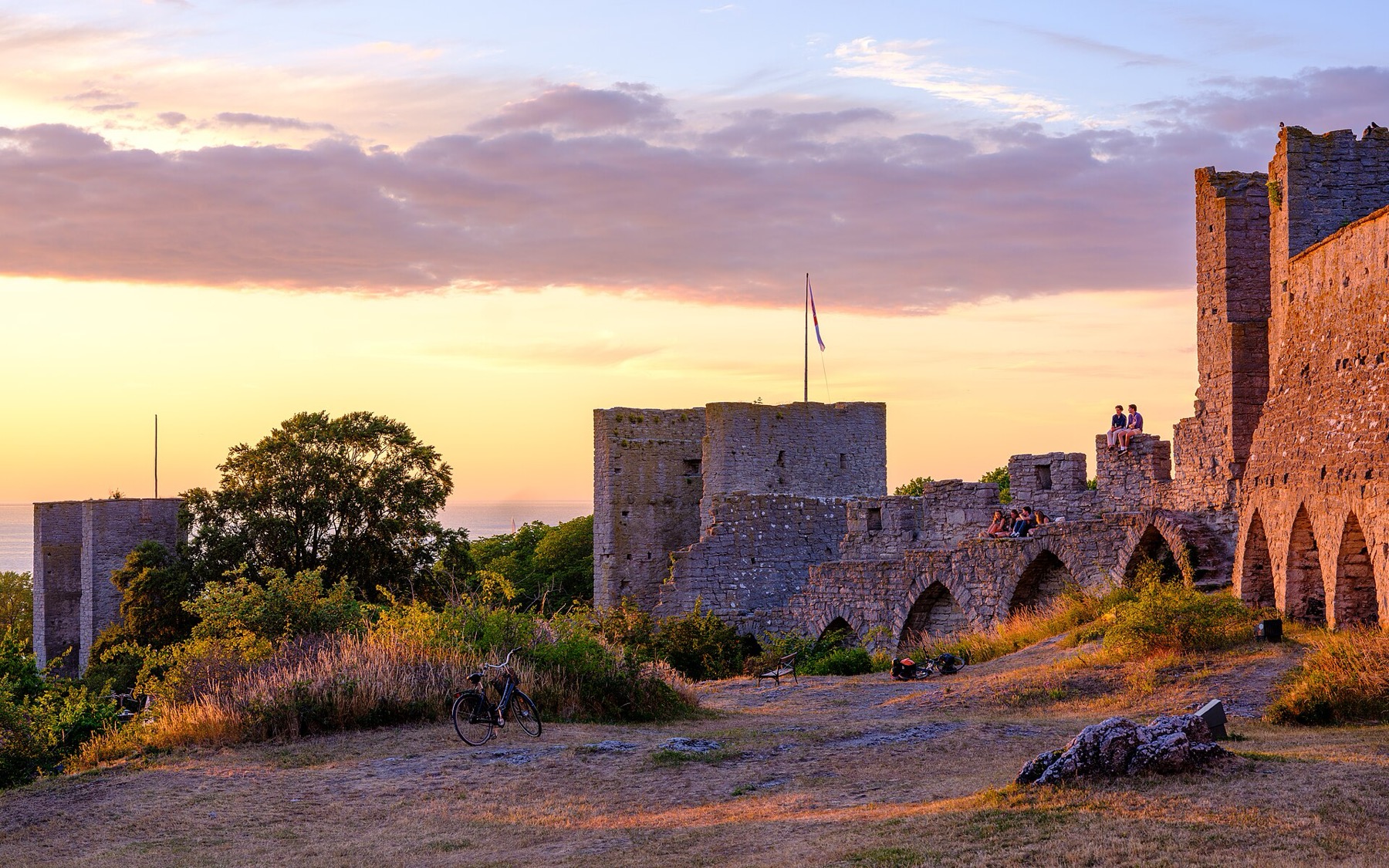
22. Gotland and Visby: A City of Roses and Ruins
The largest island in the Baltic Sea is a great favourite among Germans and Stockholmers, while many international travellers still overlook it. Visby, the capital, is a UNESCO World Heritage Site and welcomes you with a mighty 3.4-kilometre-long stone wall featuring 44 towers. Inside, cobbled lanes wind between low pastel-coloured houses that disappear beneath roses from spring until autumn. Rent a bicycle and explore the island, which hides an astonishing 92 medieval churches.
Across the city, you’ll come across the remains of grand medieval buildings abandoned after outbreaks of plague. At the beginning of August, however, the peaceful city turns into a wild frenzy when Medeltidsveckan begins. More than 40,000 people in perfect historical costumes arrive for Northern Europe’s largest medieval festival. You’ll need to arrange accommodation and ferries from Nynäshamn for this week as much as a year in advance.
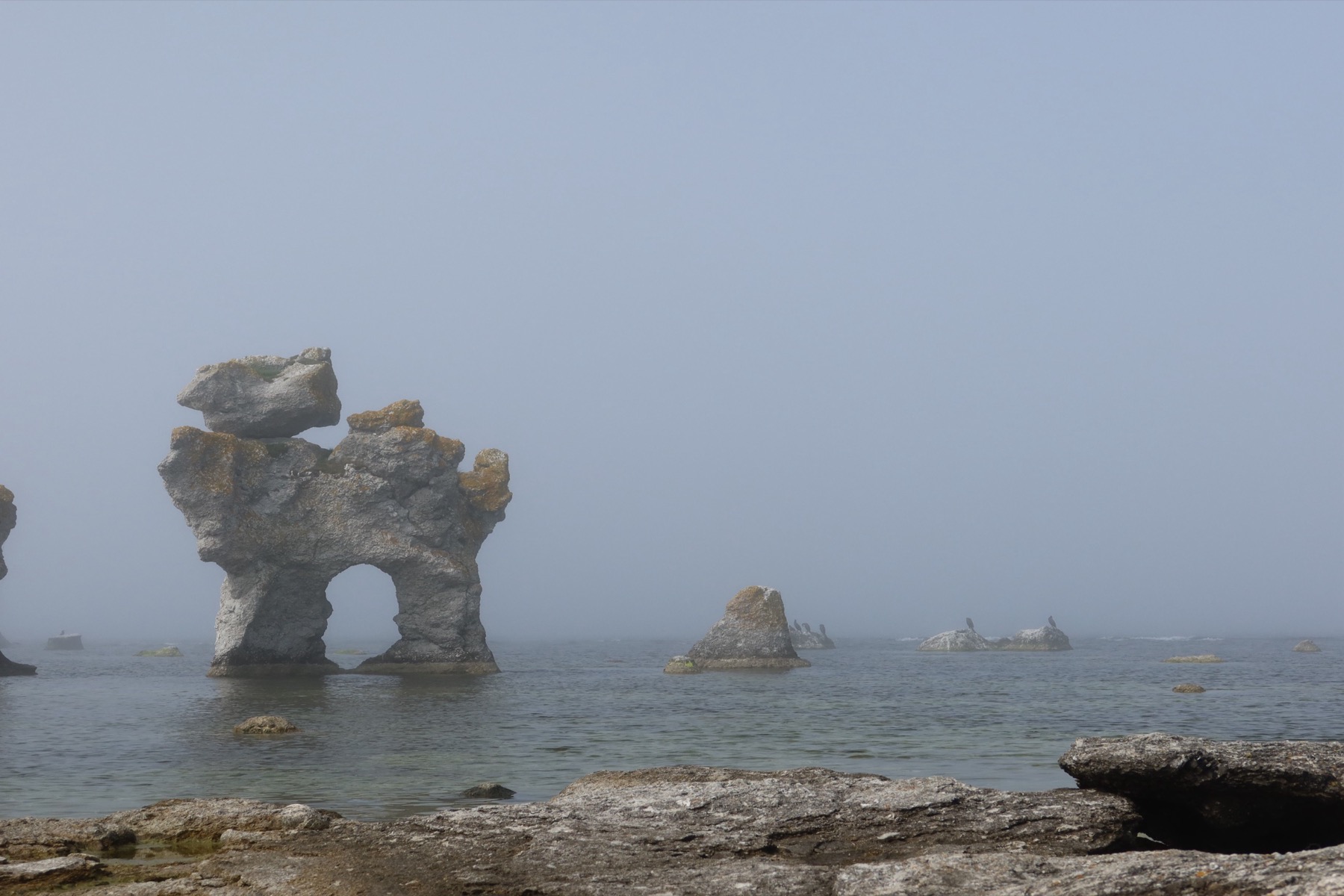
23. Fårö: A Lunar Landscape and Ingmar Bergman
Just off the northern tip of Gotland lies the small island of Fårö, reached by a small yellow ferry that takes ten minutes and is free of charge. It feels like a wilder, more remote and more melancholic planet. Local sheep with curly grey wool are everywhere, but the main attraction is the so-called rauks: giant limestone pillars rising from the sea and beaches, shaped over millions of years by sharp winds and sea salt. The best-known formations are in the Langhammars nature reserve.
Walking among stone giants up to ten metres high, often resembling fossilised troll faces, is a deeply mystical experience. This raw beauty captivated legendary Swedish director Ingmar Bergman. He lived on the island, filmed his famous movies there and was eventually buried in a small cemetery here. Film fans now gather at the Bergman Centre, which explores his fascinating life in detail.
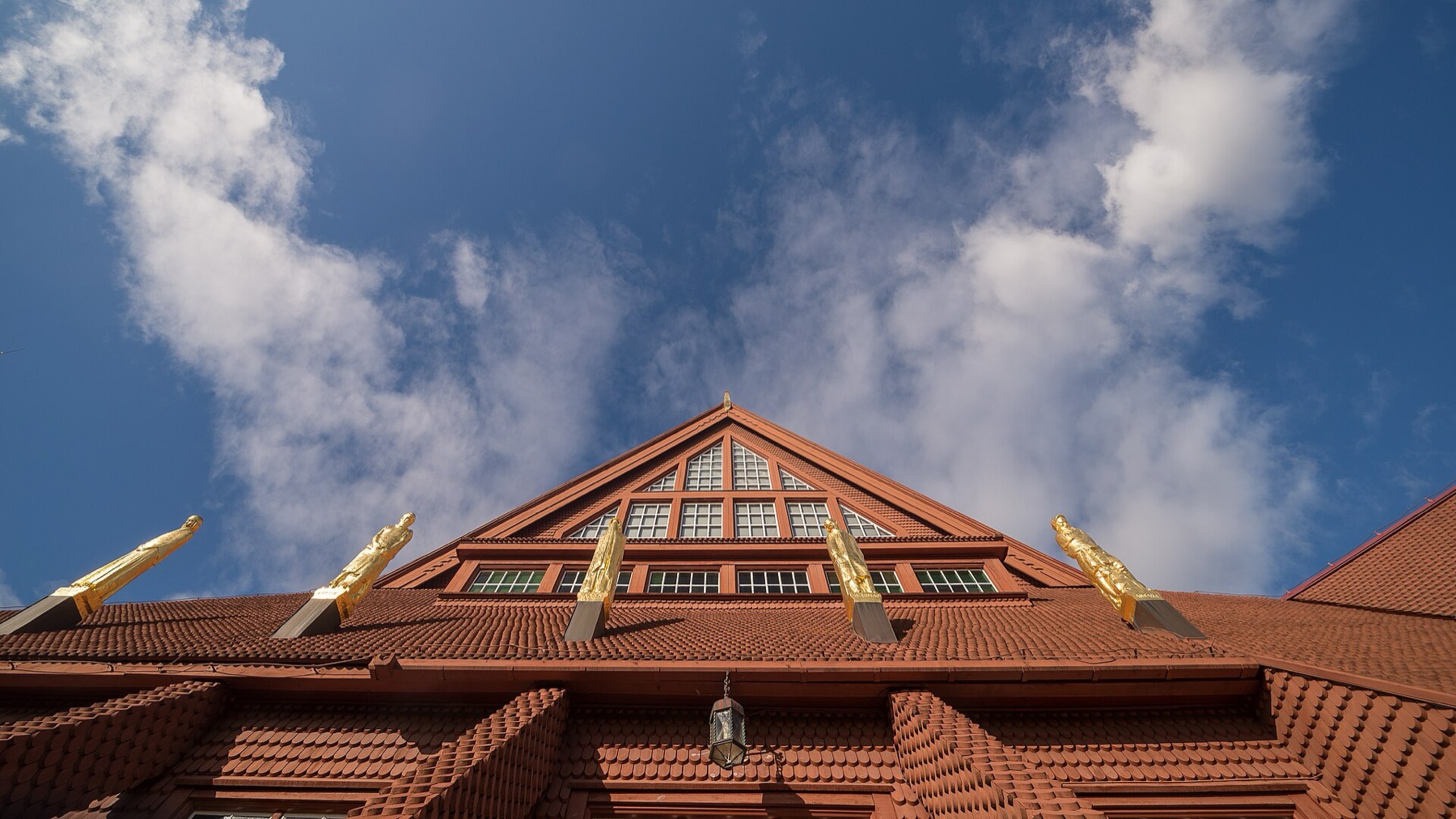
24. Kiruna: The City That Is Moving
If you head to the far north in winter, you’ll probably land in Kiruna. This town has an extraordinary fate: it lies above a huge iron-ore deposit, and mining by LKAB has undermined it so extensively that the city was at risk of collapsing. Sweden therefore decided to move the entire centre three kilometres away. The relocation of a whole city is being watched around the world because nothing similar has ever been attempted elsewhere, and in August 2025 workers successfully moved the enormous, more than 100-year-old wooden church in one piece.
Kiruna is the perfect gateway to the Arctic, where dozens of companies offer winter activities and dog-sledding safaris. The town itself suffers from considerable light pollution, however, so to hunt for the northern lights you’ll need to travel with an agency just beyond the built-up area or go farther into the national parks.
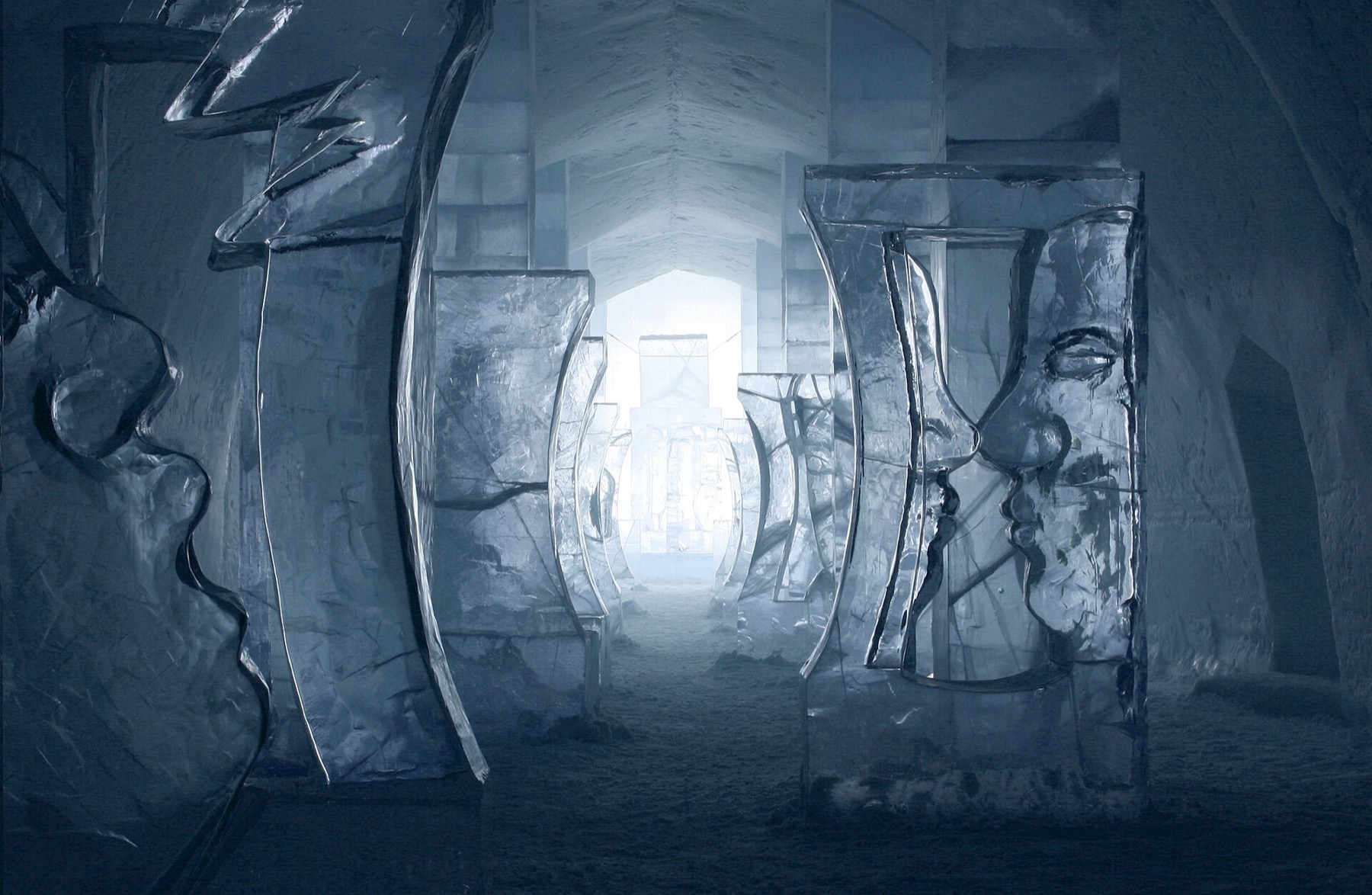
25. Icehotel Jukkasjärvi: A Night in the Freezer
About 20 minutes by car from Kiruna lies the phenomenon that defined winter tourism in the north. The ICEHOTEL is rebuilt every winter from blocks of ice taken from the Torne River, then melts back into the water in spring. Sleeping in an ice room at a constant temperature of -5 °C in a special expedition sleeping bag is an unforgettable experience, although it comes at a price: rates start at around €535 for a single night.
Travellers often recommend paying for exactly one night on the ice and spending the rest of your stay in the warm, traditional cabins that the complex also offers. In reality, you won’t fully appreciate more nights in freezing temperatures. If sleeping on ice is too extreme for you, you can simply buy a day ticket to the ice gallery (325 SEK / approximately €30), admire the incredibly illuminated sculptures and enjoy a drink from an ice glass in the local bar.
💡 Tip: Thanks to solar panels, the ICEHOTEL 365 section is open year-round, so you can visit in the middle of a hot summer without it melting.
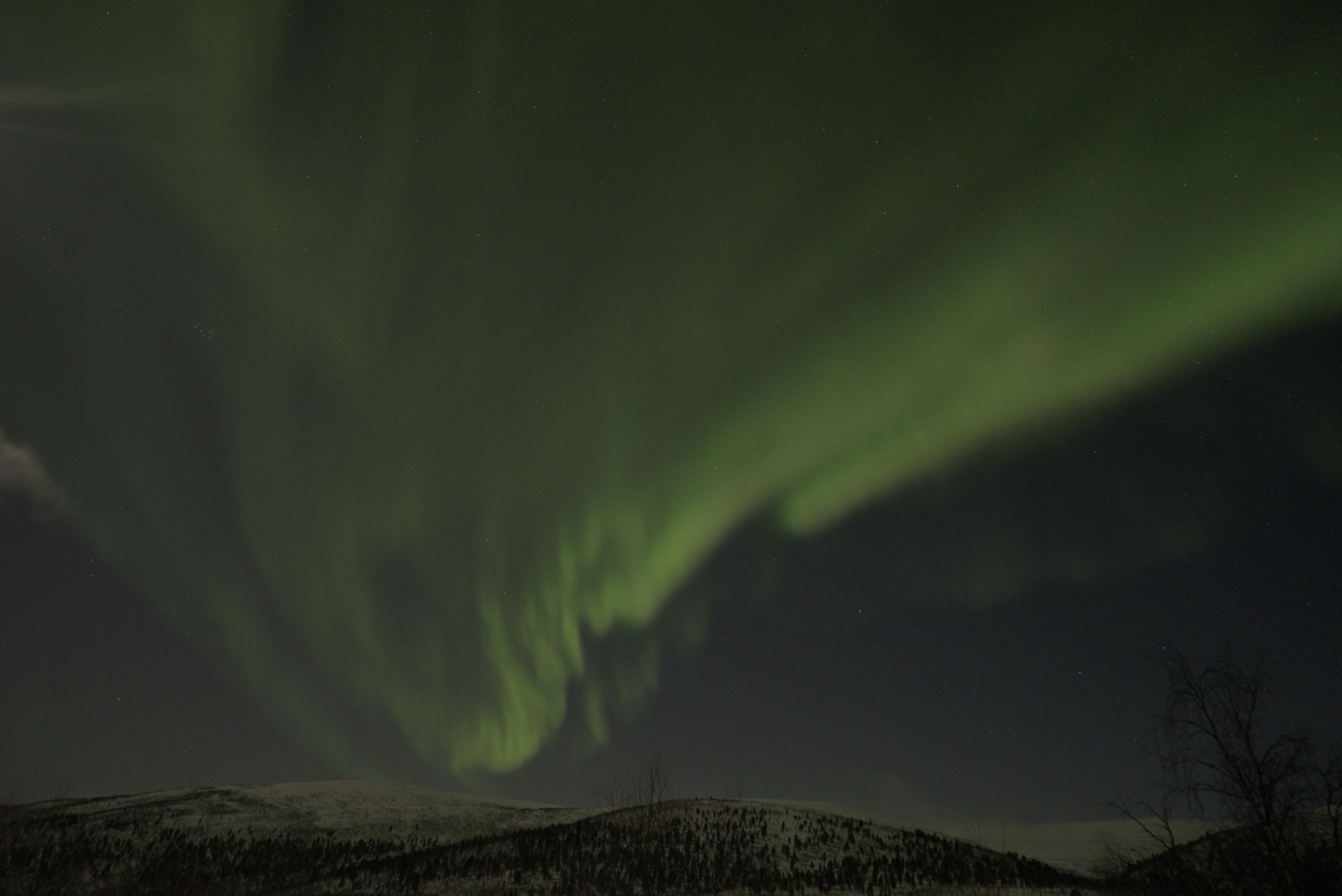
26. Abisko and the Northern Lights: A Blue Hole in the Sky
While Kiruna is great for shopping and activities, people travel to Abisko, 100 kilometres away, to see the northern lights. This village on the shore of a huge lake benefits from a phenomenon known as the “blue hole”. Thanks to the rain shadow created by the surrounding mountains, the clouds often break up here even when the rest of Lapland lies beneath a blanket of cloud. Statistically, this makes Abisko one of the most successful places to see the aurora, with a reported success rate of up to 70% of clear nights.
The biggest attraction here is the Aurora Sky Station, reached by a chairlift that carries you into complete darkness, although tickets can be quite expensive (around 750–900 SEK / approximately €70–85). Don’t forget the golden rule of three to four nights. The northern lights don’t work to order, and one cloudy evening could ruin your entire holiday. Local cloud models are much more important than geomagnetic indices. For fantastic photos, visit as early as September, when the lights are also reflected in the surfaces of the lakes.
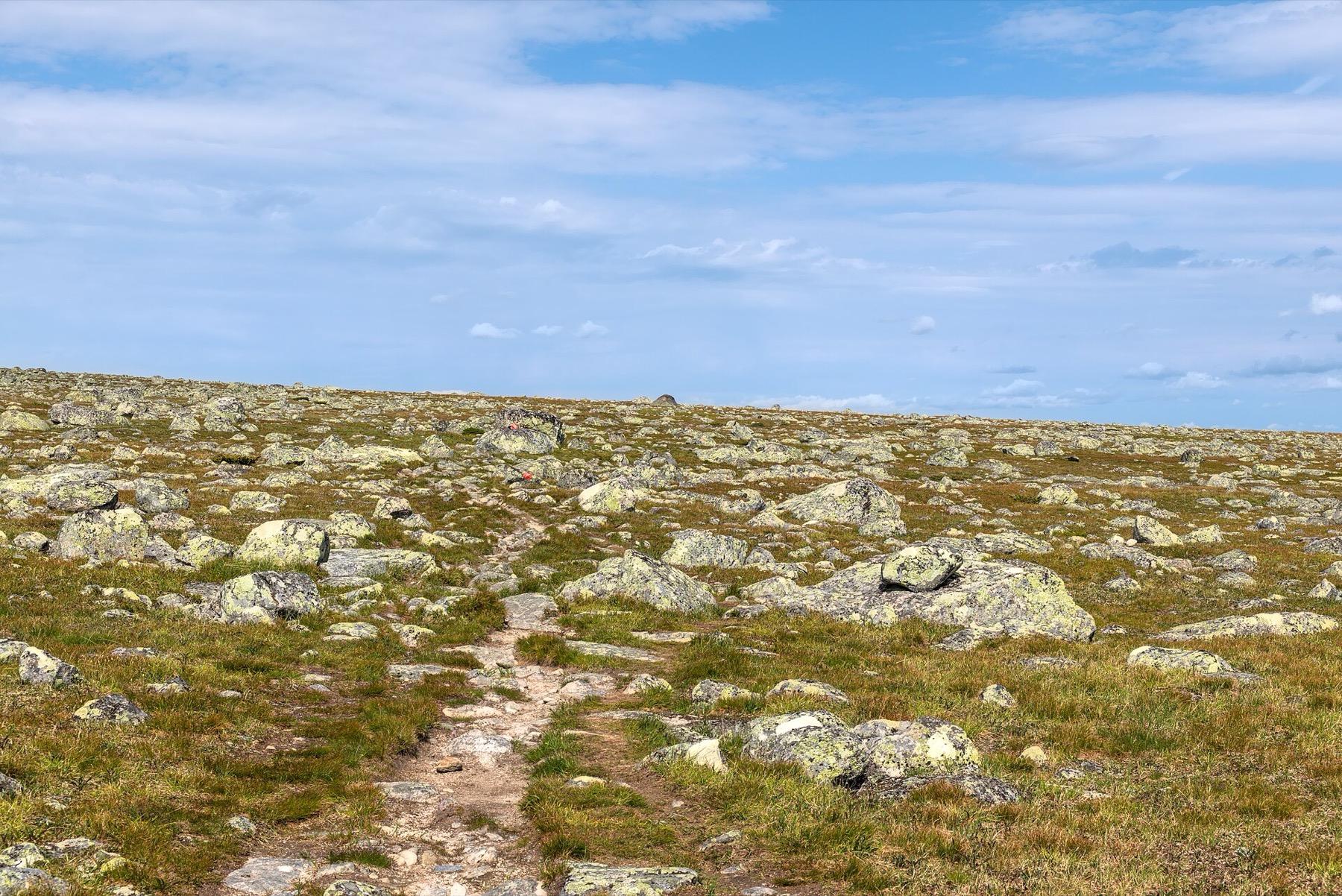
27. Kungsleden and Höga Kusten: Royal Trails
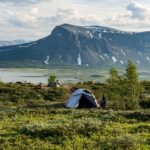
Kungsleden, or the King’s Trail, stretches for an impressive 440 kilometres, but most trekkers head straight for the popular 108-kilometre northern section between Abisko and Nikkaluokta—the one pictured on all the posters. The route, which an average hiker can complete in just under a week, is lined with practical wooden cabins run by the Swedish Tourist Association (STF). A night for members costs around 470 SEK (approximately €45), so you don’t have to carry a heavy tent or enough food for the entire trek.
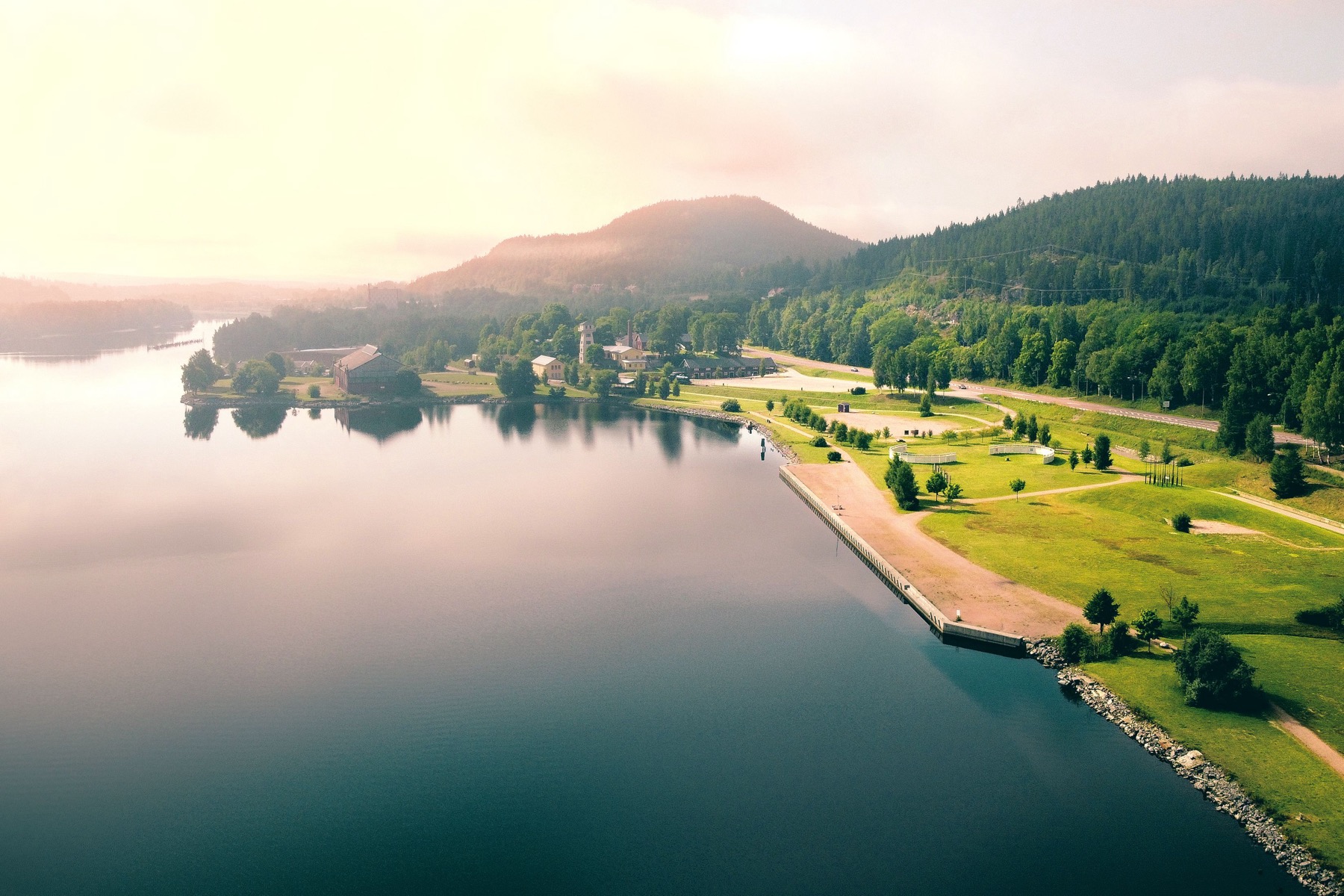
If you don’t want to travel all the way to the far north, an excellent alternative is Höga Kusten (the High Coast), located directly along the E4 motorway. The coastline here has risen by almost 300 metres since the Ice Age, making it a UNESCO World Heritage Site. You’ll find dramatic red cliffs, the majestic Högakustenbron bridge and Skuleskogen National Park, with its impressive Slåttdalsskrevan rock gorge. It’s an easily accessible northern experience for anyone travelling by car and wanting to see mountains without complicated logistics.
💡 Tip: In July and August, the Kungsleden mountains are full of people and mosquitoes. Travellers recommend setting out in the second half of September, when nature turns fiery shades and night frosts reliably kill off the insects.
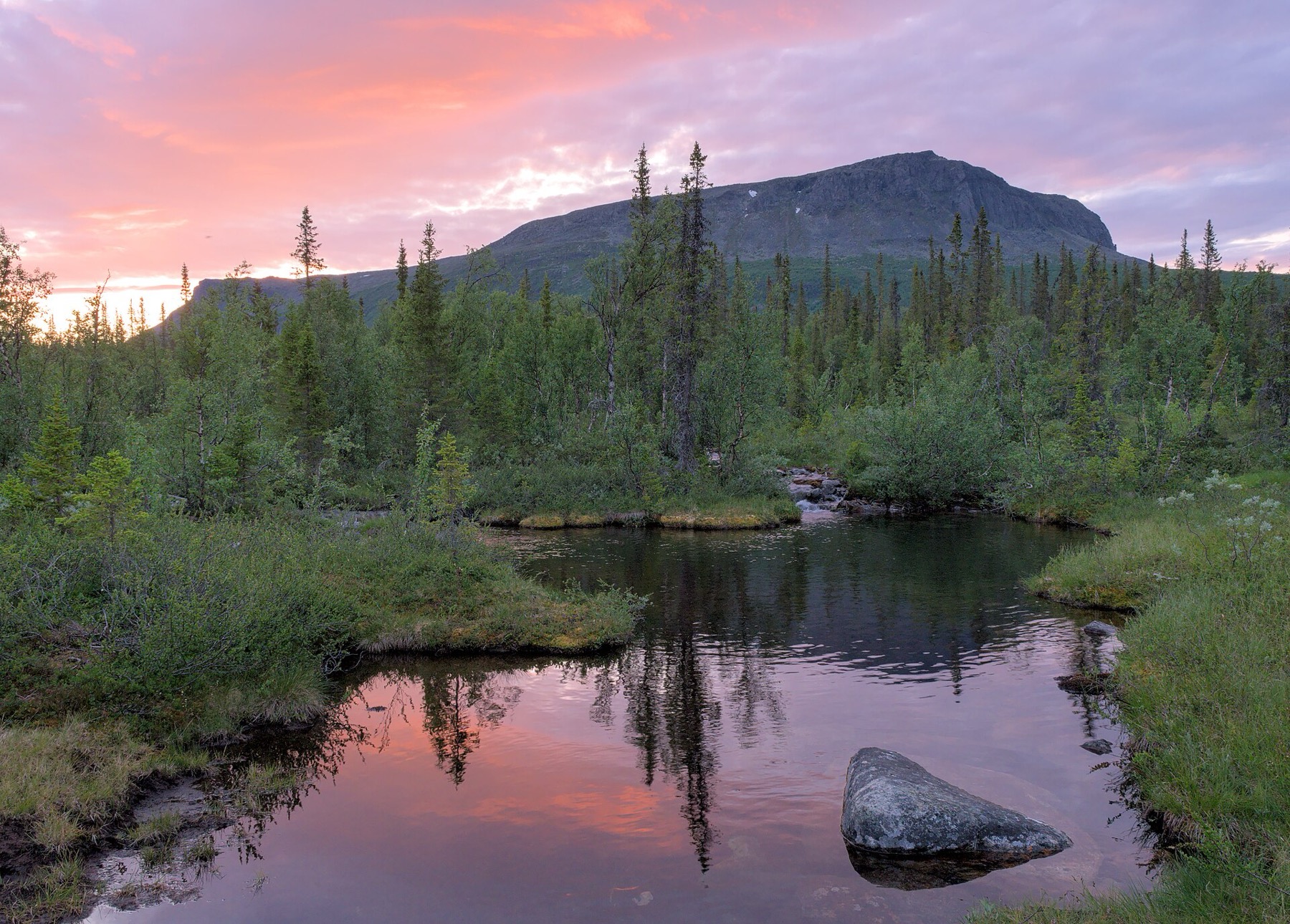
28. Sarek: Europe’s Last Wilderness
If Kungsleden is a backpacker motorway, Sarek National Park resembles an impenetrable jungle. It is often rightly labelled Europe’s last great wilderness because there are no marked trails, tourist cabins or bridges over its fast-flowing glacial rivers. You are completely cut off from mobile phone reception.
This is a place reserved exclusively for experts and solo adventurers looking for a complete break from civilisation. It’s just you, a compass, a map and a backpack that can easily weigh more than 25 kilos at the start. Wading through icy rivers genuinely tests the limits of your physical and mental endurance, so enter Sarek only with extensive experience of multi-day treks carrying full gear. Otherwise, stick to the much safer Kungsleden.
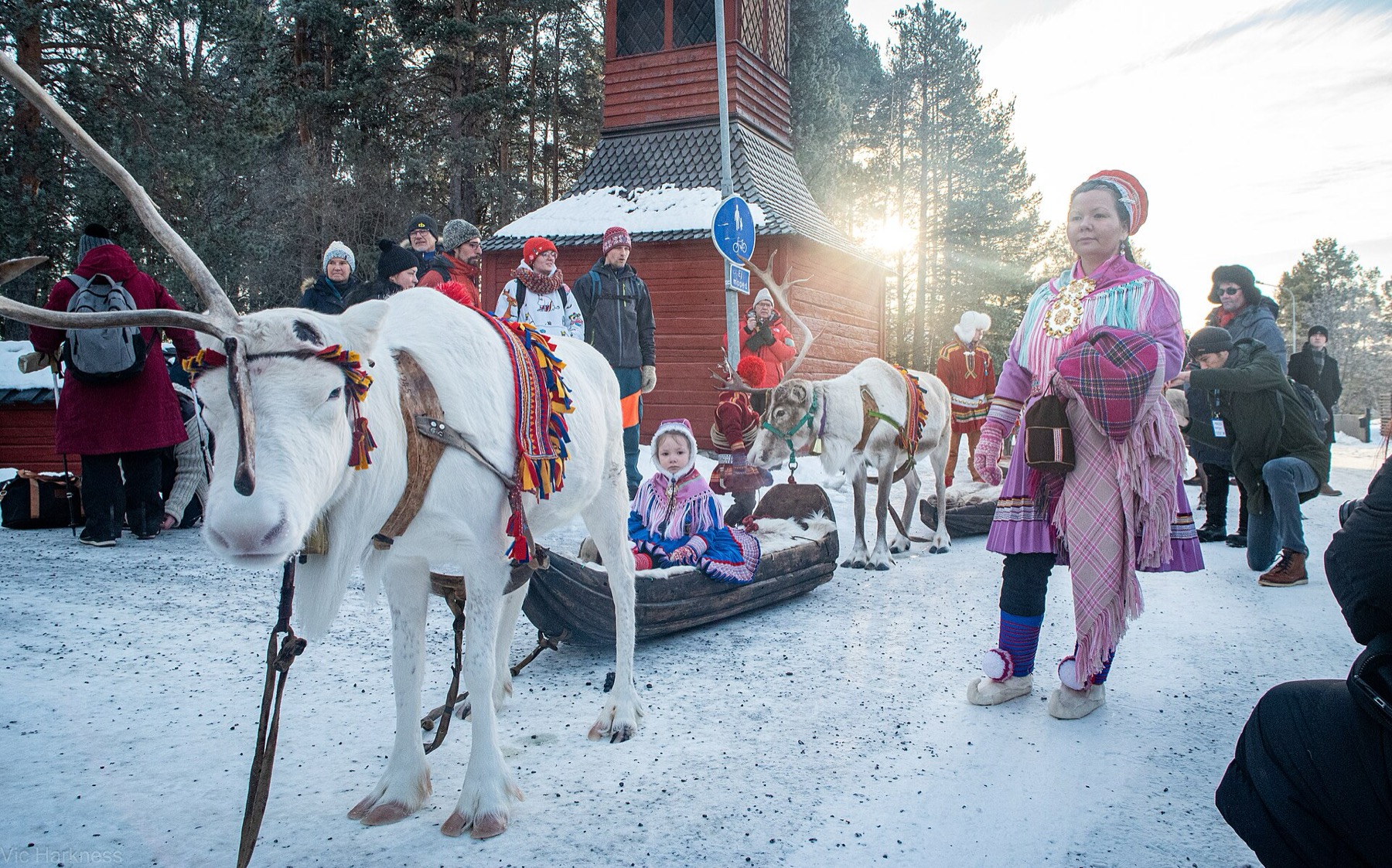
29. Jokkmokk: Sámi Culture and Moose Safaris
The Sámi are the only recognised Indigenous people in the European Union, and Swedish Lapland is their homeland. If you want to experience their living culture up close and respectfully, avoid commercialised traps and look for operators run directly by local people, such as Nutti Sámi Siida. You’ll learn all about reindeer herding and sit inside a traditional lávvu tent. At the beginning of February, the small town of Jokkmokk transforms into an incredible frenzy. It hosts a traditional winter market with more than 400 years of history, attracting tens of thousands of visitors.
The north isn’t only about reindeer, though: the undisputed king of the forests is the moose (älg). Around 300,000 live in Sweden, and after dark they pose a huge risk to drivers, which explains the warning signs everywhere. If you want to see and photograph Europe’s largest mammal safely, go on an organised moose safari. You can choose evening trips into the wilderness with a guide or visit safe moose parks, such as Smålandet Markaryd in the south, where you can even feed these majestic animals up close.
30. Stuga and Allemansrätten: The Art of Slowing Down
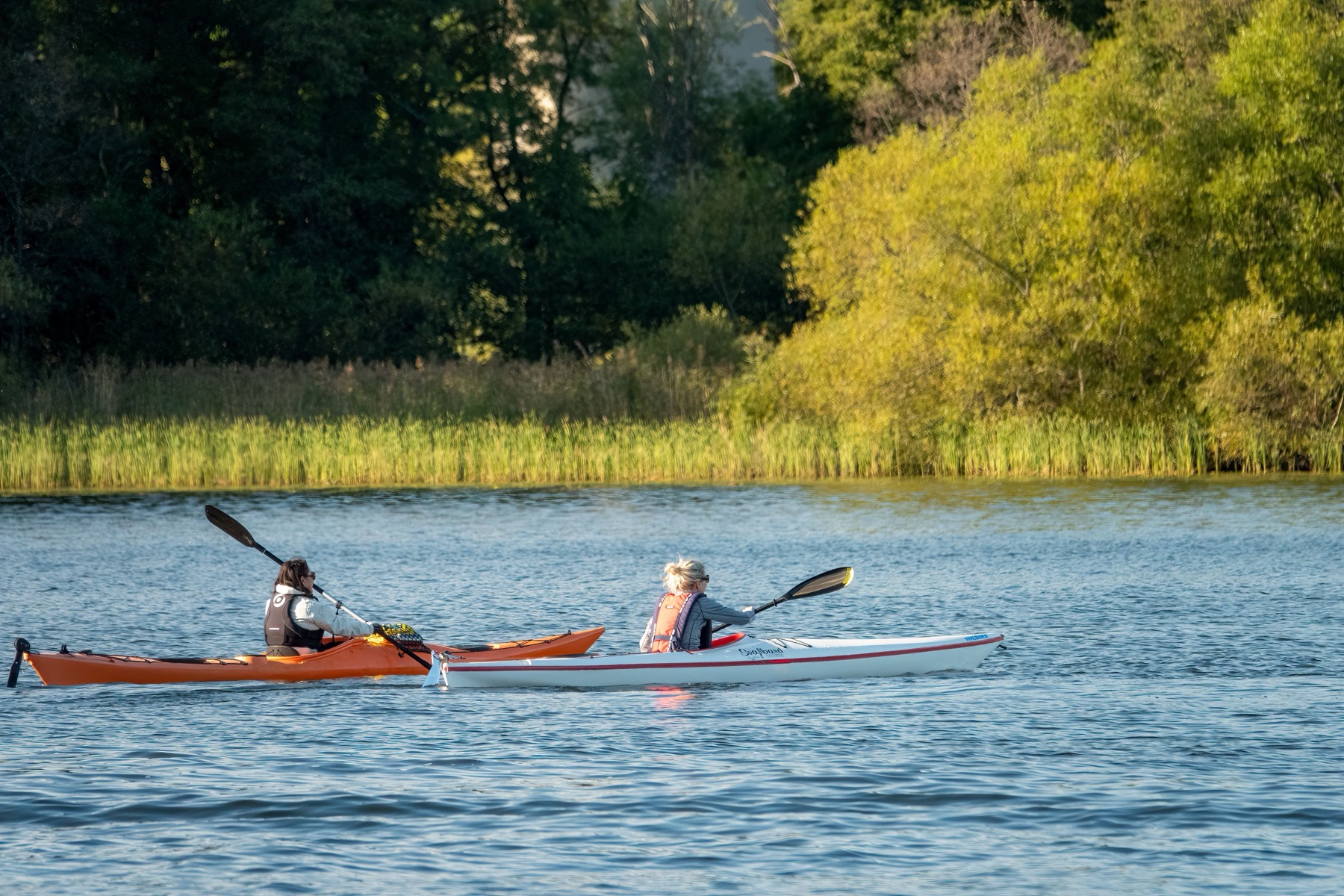
The most memorable experience you’ll take home from Sweden isn’t a city or a museum. It looks more like a little dark-red wooden cabin (stuga) on the shore of a lake, hidden somewhere deep in the forest. Renting one with its own sauna and an aluminium boat moored at the jetty is one of the most authentic ways to experience the country. In summer, prices range from 5,000 to 12,000 SEK (around €450–€1,100) per week. Just remember to check whether the cabin has a flush toilet or a traditional outdoor dry toilet (mulltoa), and bring your own bed linen.
This kind of outdoor adventure is made possible by allemansrätten, Sweden’s unique right of public access. It allows you to roam freely in nature, pick blueberries and pitch a tent for one or two nights almost anywhere that’s out of sight of homes (roughly 150 metres away). There’s one important misconception to clear up, though: this right applies exclusively to people travelling on foot or by other non-motorised means. You can’t drive a car or campervan onto a meadow or beach; you must use official parking areas or campsites.
What to Eat in Sweden (and What Is Fika?)
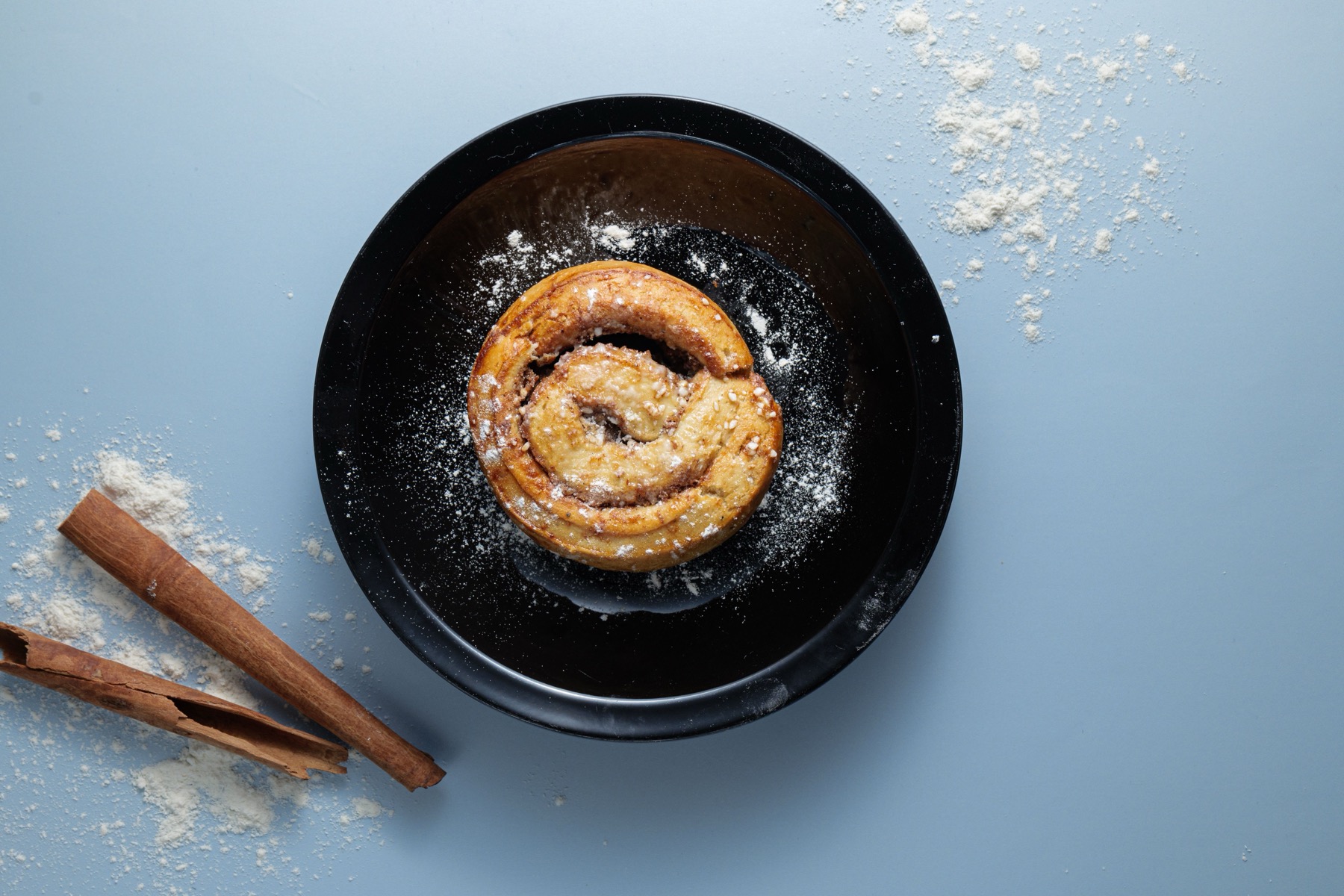
Swedish culture doesn’t revolve around long three-course lunches. Instead, it centres on the sacred ritual known as fika. It’s more than just a coffee break: it’s a moment to pause work and let time stand still, sit down with friends and enjoy something sweet. The star of fika is the kanelbulle (cinnamon bun), or its more spiced-up cousin, the kardemummabulle (cardamom bun). Coffee and a pastry in a café (known locally as a fik or konditori) will set you back around 65–100 SEK (€6–€9). Swedes take their sweet treats so seriously that cinnamon buns even have their own national day on 4 October.
If you visit Sweden in winter or spring, you’re sure to come across semla: a fluffy cardamom bun filled with almond paste and topped with a generous swirl of whipped cream. Another classic dessert is prinsesstårta (princess cake). You’ll recognise it from afar by its bright green marzipan coating, hiding layers of sponge cake, vanilla cream and raspberries underneath. In the forest, keep an eye out for the northern gold, cloudberries (hjortron), which make an excellent jam, as well as lingonberries, found everywhere. For breakfast or a quick snack, crisp knäckebröd (crispbread) is a great choice.
Eating out can put a serious strain on your budget, but there’s a brilliant way to keep costs down. Look for signs outside restaurants advertising dagens lunch (lunch of the day). For a very reasonable 120–150 SEK (€11–€14), you’ll get a main course as well as access to a generous salad buffet, bread and butter, water, and coffee afterwards. It’s the best-value way to eat in Sweden, and for vegetarians like us, those buffets are an absolute lifesaver. If you’re in Malmö in the south, don’t miss the huge, fantastic falafel sold at street stalls for just a few euros.
When it comes to animal products, Sweden’s classic dishes are well known. Traditional meatballs (köttbullar) are served with mashed potatoes and plenty of lingonberries, while pickled herring (sill) is a staple at both Midsummer and Christmas. On the west coast, you’ll find premium lobster and gravad lax, dill-cured salmon. And then there’s the infamous surströmming. This fermented herring in a tin has a legendary smell that scares tourists from miles away. It’s opened outdoors and wrapped in thin bread with a huge amount of onion to soften its sharp flavour.
Where to Eat Well in Sweden
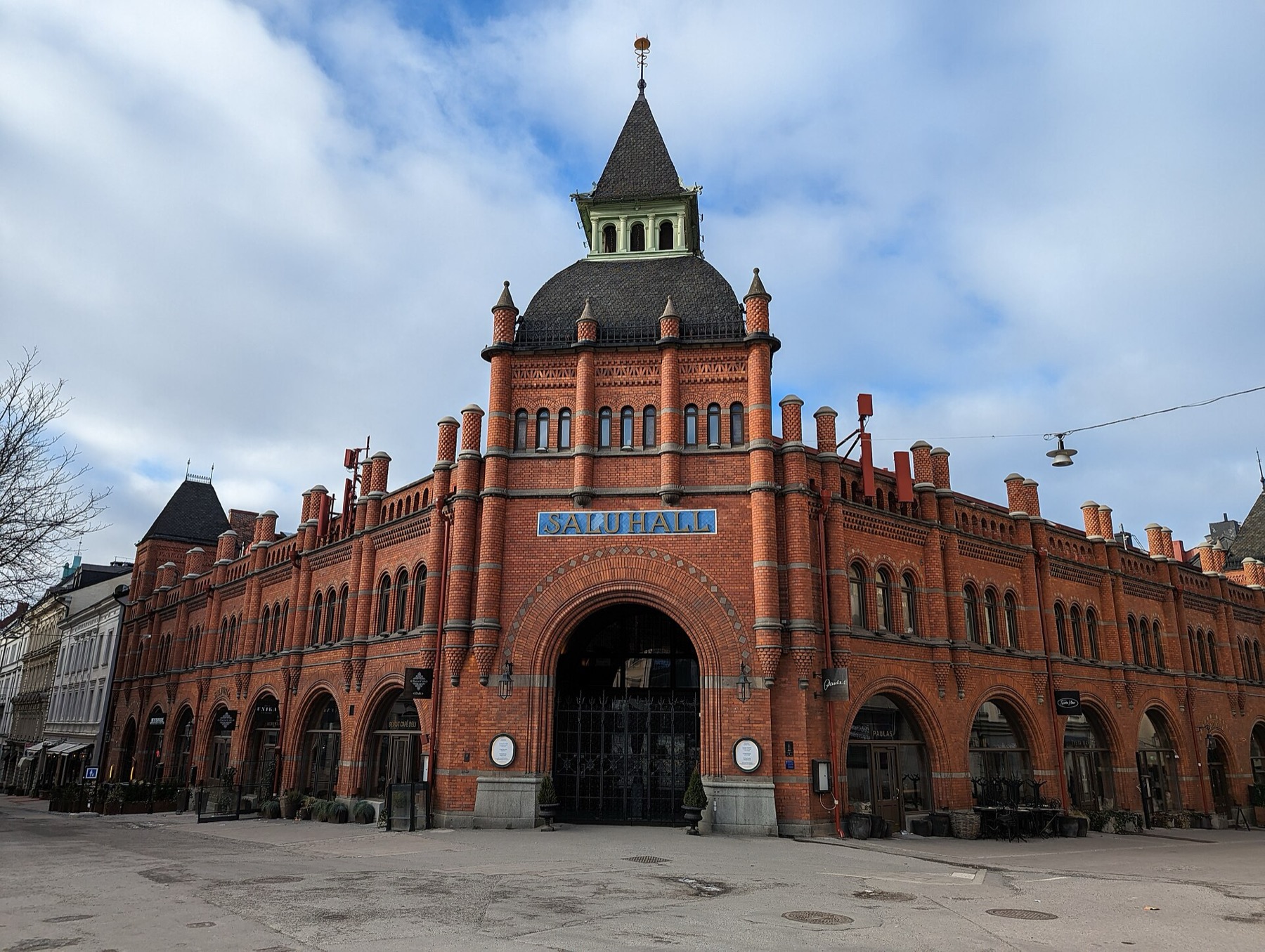
In Stockholm, don’t miss the historic Östermalmshallen food hall, which dates back to 1888. Under its Art Nouveau roof, you’ll find stalls selling pastries, cheese, olives and coffee. The restaurant Lisa Elmqvist is a local institution, popular for its fish dishes, while nearby stalls serve salad buffets and soups. For a classic fika, head to Vete-Katten café on Kungsgatan, where they bake using recipes dating back to 1928. Vegetarians in Södermalm should try Meatballs for the People, which serves pea- and mushroom-based versions alongside the traditional meatballs.
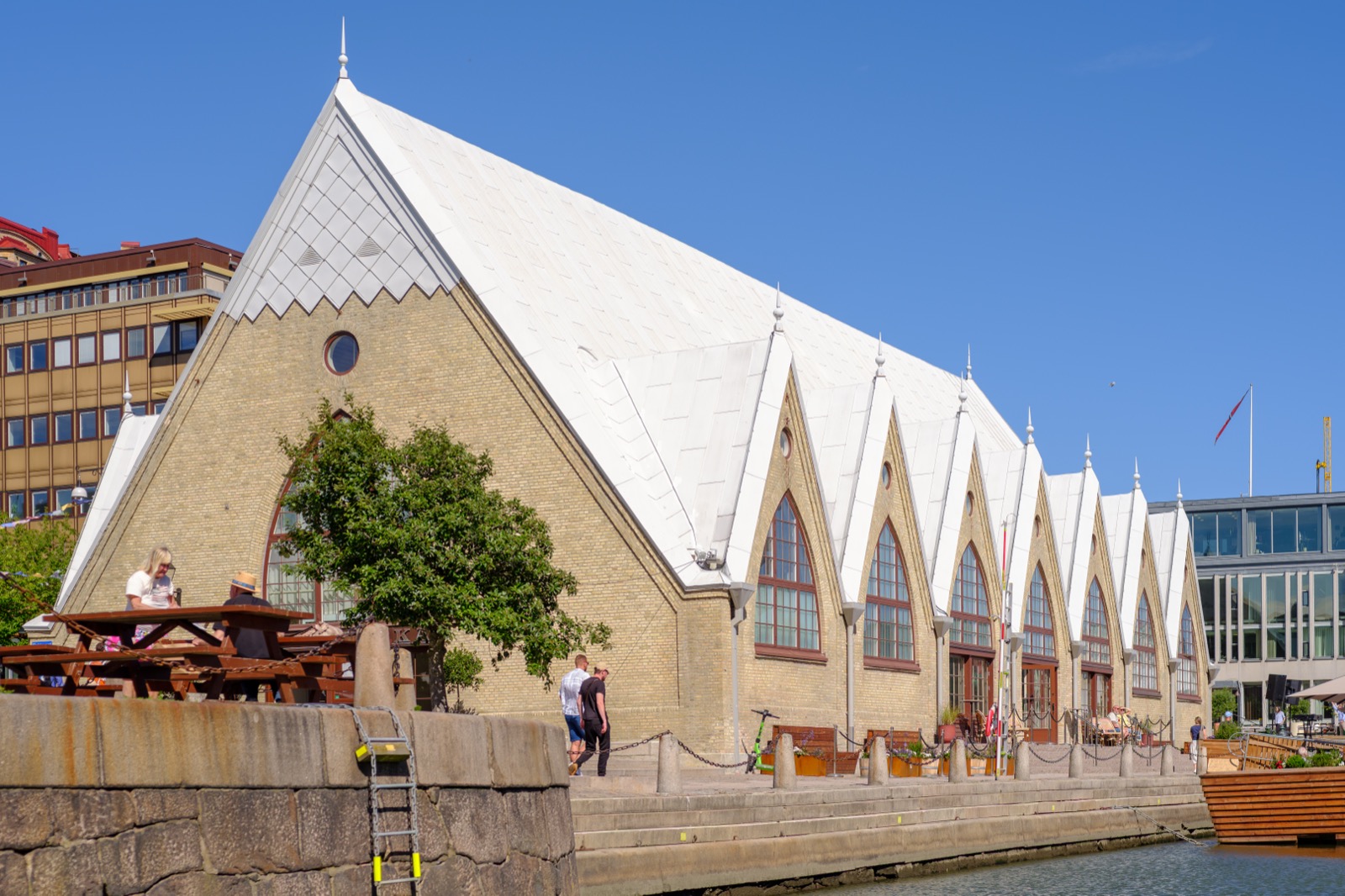
In Gothenburg, stop by Feskekôrka, a historic fish market housed in a building that resembles a church. Locals come here for gravad lax and räksmörgås (prawn sandwiches). A little further away in Haga, try the legendary cinnamon bun at Café Husaren—it’s the size of a dinner plate. In southern Sweden, head to Malmö’s Möllevångstorget, where street stalls sell famous falafel for just a few euros and the surrounding area is full of affordable cafés and Middle Eastern eateries.
And finally, an important warning about alcohol. Regular supermarkets only sell beer with an alcohol content of up to 3.5%. Anything stronger is controlled by the state monopoly and sold exclusively in Systembolaget stores. If you’re planning a weekend celebration at your cabin, make sure you shop in time. There are no exceptions, so if you don’t stock up on Friday or Saturday morning, you’ll be left with water or low-strength beer for your weekend barbecue.
Where to Go Next from Sweden
The Nordic region is vast and practically begs to be explored further. If you’ve travelled south to the Öresund Bridge, Copenhagen is just a short train ride across the border. Find out what to see and do in our guide to Copenhagen: 25+ Things to See and Do. From Sweden’s east coast, you can also take a convenient overnight ferry to Finland and plan which of the sights in Helsinki: 15 Things to See and Do in the Finnish Capital to add to your itinerary.
If you’ve fallen for the rugged Nordic landscapes and are thinking of travelling further north, take a look at our guide to Lapland: 20 Things to See and Do. Many travellers also cross the mountain border, so our detailed guide to Norway: 50 Things to See may come in handy. And if you’re still wondering when and where to go for the ultimate winter spectacle, take a look at our overview of the Northern Lights: Where and When to See Them.
We’ve put together detailed standalone guides to three topics from this article. If you’re drawn to the capital, our article Stockholm: 25 Things to See and Do also covers practical details about getting around and budgeting. Our guide to Kiruna: 18 Things to See and Do in the City That’s Being Relocated explores a trip to the Arctic north. And if you’re planning to arrive by car via Denmark, read the Öresund Bridge: Tolls, Trains and How to Cross It first, so you won’t be caught off guard by tolls or additional billing.
More detailed guides are being added all the time. Our article on Gotland and Visby: 20 Things to See on the Hanseatic Island explores the walled Hanseatic island, while Swedish Lapland: 20 Things to Do Above the Arctic Circle covers the entire Arctic north. Sweden’s second-largest city has its own guide too: Gothenburg: 20 Things to See in Sweden’s Second City. For everything food-related, see our guide to Swedish Cuisine: 18 Dishes You Have to Try.
Frequently Asked Questions
Sweden is enormous, and many things work differently here than elsewhere in Europe, so it’s natural to have plenty of questions before your first trip. The most common ones are about prices, alcohol, wild camping and safety.
So I’ve gathered the questions travellers ask most in one place. Whether you’re wondering about the Northern Lights or whether you can buy beer at a supermarket for an evening barbecue, you’ll find clear answers here. 😉
How many days do I need to visit Sweden?
It depends on the region you choose. For a long weekend (3–4 days), Stockholm or Göteborg will be perfect, easily accessible by direct flight. If you want to take a summer road trip through the flat south via Skåne, Småland, and the island of Öland, plan for at least 7 to 10 days. Winter Lapland and northern lights hunting ideally require 4 to 5 nights so that bad weather and clouds don’t catch you off guard. But forget about traveling from the south to the far north in one trip—the driving distances are absolutely exhausting.
Is Sweden really that expensive?
Stockholm is currently the cheapest Nordic capital, which pleasantly surprises many visitors. Accommodation and petrol cost about the same as in Germany or Austria. However, services, restaurants, and especially alcohol in bars are considerably more expensive. In supermarkets, expect prices roughly two to three times higher than what you might be used to back home. You can easily reduce overall costs by cooking in a rented lakeside cottage and taking advantage of great-value lunch menus (dagens lunch), which include coffee and an all-you-can-eat salad buffet.
Do I need cash when traveling to Sweden?
Absolutely not—Sweden functions as an almost completely cashless society. You won’t actually use paper kronor, and many places, including the famous Vasa Museum, don’t accept them at all. Everywhere, even at public toilets, you can pay with a regular payment card. Smaller vendors or farmers often only accept Swish, a Swedish payment app, which you can’t install as a tourist without a local bank account. Having a few small coins as backup might be useful only in the deep wilderness.
Is it safe to travel to Malmö and other cities?
Yes, Sweden and its major cities are completely safe for ordinary tourists. The dramatic articles about gang wars and explosions that fill the media concern remote suburban housing estates (so-called vulnerable areas). You have absolutely no reason to wander there as a visitor. Historic centers, landmarks, and tourist zones in Stockholm, Göteborg, and Malmö are calm both day and night. The biggest things to watch out for are pickpockets in crowds and overpriced “rogue” taxi drivers at the airport.
Can I camp wild with a car or motorhome?
No, the famous right of public access to nature (allemansrätten) does not apply to motor vehicles. With a motorhome, camper van, or car, you simply cannot leave the road and drive onto meadows, beaches, or into forests outside marked routes. You can sleep in your car at public roadside parking areas, official rest stops, paid caravan pitches (ställplats), or in perfectly equipped campsites.
How does alcohol sales work in Sweden?
Regular supermarkets only sell so-called folköl, which is weak beer with an alcohol content up to 3.5%. All stronger alcohol and wine for your evening barbecue must be purchased exclusively at state-run Systembolaget stores. Remember that this monopoly has very strict opening hours: on weekdays it closes early in the evening, on Saturday the shutters come down at 3:00 PM, and on Sunday they’re uncompromisingly closed all day. You always need to plan your purchases ahead.
When is the best chance to see the northern lights?
The season in the far north runs from September to early April. Your biggest enemy isn’t weak solar activity but clouds, which is why most hunters head to the Abisko area, where there’s a rain shadow. Travelers and photographers recommend heading out in late September or October, when temperatures haven’t dropped to extremes yet, mosquitoes are gone, and the aurora beautifully reflects on unfrozen lake surfaces. The absolute winter classic with plenty of snow for dog sledding activities is February and March.
What’s the best driving route from abroad?
Two main routes are most popular with travelers. The first goes through Germany (port of Rostock) by ferry to Danish Gedser, then across the famous Öresund Bridge directly into Malmö. The second, slightly more relaxing option is to cross through Poland and board the long, often overnight ferry from Świnoujście directly to Swedish Ystad or Trelleborg. This saves drivers a lot of fatigue, and you wake up in the morning already in Sweden.
Tips and Tricks for Your Vacation
Don’t Overpay for Flights
Search for flights on Kayak. It’s our favorite search engine because it scans the websites of all airlines and always finds the cheapest connection.
Book Your Accommodation Smartly
The best experiences we’ve had when looking for accommodation (from Alaska to Morocco) are with Booking.com, where hotels, apartments, and entire houses are usually the cheapest and most widely available.
Don’t Forget Travel Insurance
Good travel insurance will protect you against illness, accidents, theft, or flight cancellations. We’ve had a few hospital visits abroad, so we know how important it is to have proper insurance arranged.
Where we insure ourselves: SafetyWing (best for everyone) and TrueTraveller (for extra-long trips).
Why don’t we recommend any Czech insurance company? Because they have too many restrictions. They set limits on the number of days abroad, travel insurance via a credit card often requires you to pay medical expenses only with that card, and they frequently limit the number of returns to the Czech Republic.
Find the Best Experiences
Get Your Guide is a huge online marketplace where you can book guided walks, trips, skip-the-line tickets, tours, and much more. We always find some extra fun there!