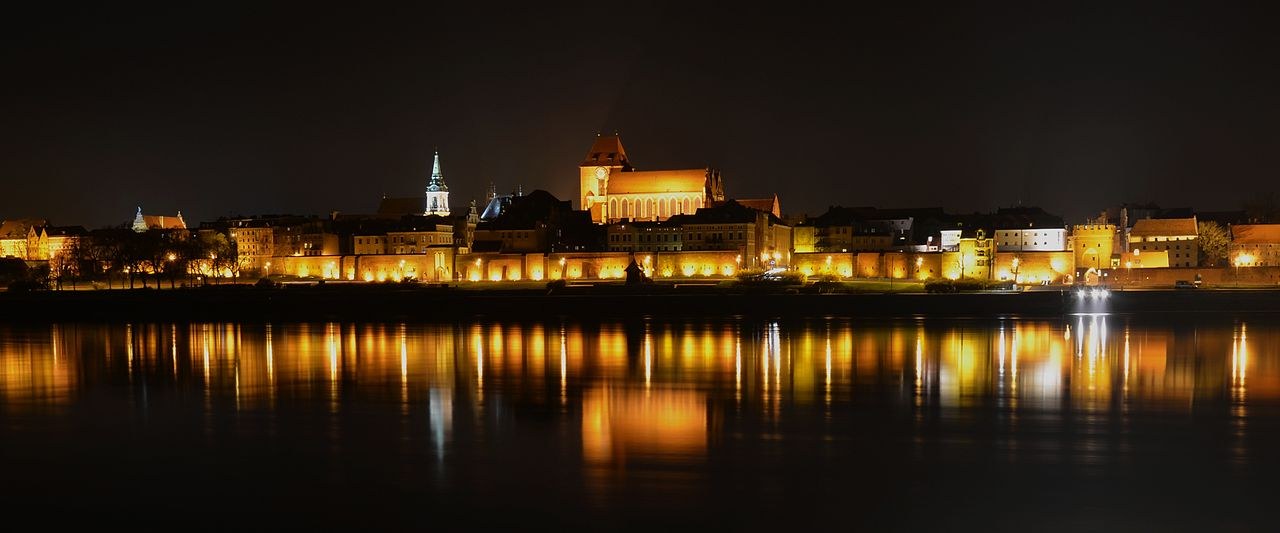
Białowieża, Poland: 10 Best Things to See and Do in Europe’s Last Primeval Forest 2026

TL;DRBiałowieża is Europe’s last true lowland primeval forest, right on the Belarusian border, UNESCO-listed and home to roughly a thousand wild European bison. The article rounds up 10 things to see and do – from the Strictly Protected Reserve (just 6 tickets a day, with a certified guide) to the Bison Show Reserve, a wooden village, the Palace Park and St Nicholas’s Church. May to September are the best months to visit, though photographers also love the fringe rutting season in autumn. Park entry costs 12 PLN, the strict reserve around 70 PLN, and a guesthouse room runs 250–400 PLN a night. Plan on at least three days there.

When you spot the name Białowieża on a map of Poland, it sounds more like a location from Lord of the Rings than an actual European destination. This mysterious name refers to a vast ancient woodland straddling the border with Belarus — one that still holds a fascinating and utterly unique title. Białowieża Poland is home to the last true lowland primeval forest in Europe.

Imagine a place where time has stood still, where trees have witnessed entire millennia, and where enormous European bison stride majestically through the morning mist between ferns. A place where mass tourism thankfully hasn’t yet arrived in enough force to destroy its raw soul. And that’s precisely why this destination deserves more than just a few lines — there’s plenty of information floating around, but it’s rarely all in one place and clearly laid out.

This primeval forest demands more than a quick list of tips and tricks, so I’ve put together everything you need to know: how to get here, where to sleep, how to gain access to the most strictly protected corners, and above all, where to find those legendary forest giants.
TL;DR

  • Where is it: Eastern Poland, right on the border with Belarus.
  • Main draw: A UNESCO-listed primeval forest and free-roaming European bison.
  • How to visit: Part of the national park is freely accessible, but to enter the so-called Strict Reserve you need a certified guide, and capacity is extremely limited.
  • Bison: The surest way to see them up close and safely is a visit to the European Bison Show Reserve.
  • Important warning: You’re on the outer border of the European Union. The Belarusian part of the forest is currently completely off-limits to tourists, and approaching the actual border line is strictly forbidden.
  • Pets: Dogs are not allowed in the national park to protect the wildlife.

What exactly is Białowieża and why should you visit?

When someone says “primeval forest,” most of us automatically picture the Amazon jungle or tropical regions of equatorial Africa. Few people realise that one of the world’s most precious forest ecosystems is just a short flight away from London. Białowieża Forest is a remnant of the enormous ancient woodland that once covered the entire European lowlands.

And here’s the beautiful irony of history: precisely because the area served as a royal — and later tsarist — hunting ground from the 14th century onwards, ordinary people were forbidden from entering, and nature was left to do as it pleased. In 1979, the area was inscribed on the UNESCO World Heritage List, and today it functions as a vast biosphere reserve.

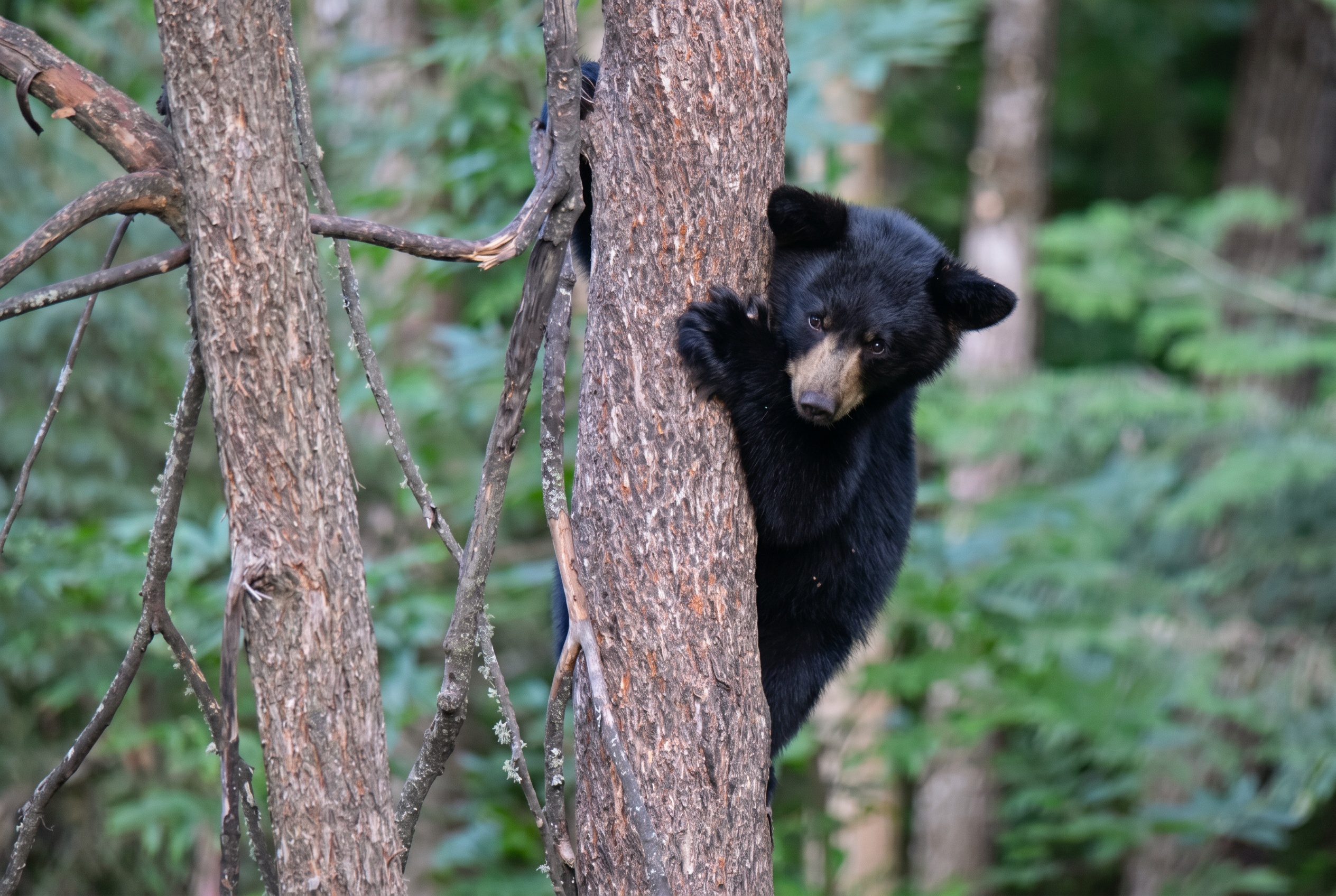
Interestingly, the forest is split into two parts. The Polish side makes up roughly a third of the total area, while the remaining two-thirds lie in Belarus. On the Polish side, you’ll find approximately 12,500 hectares of forest where you can roam relatively freely, plus a special zone of nearly 5,000 hectares where you can’t take a single step without a guide. It’s this raw, untouched-by-human-hands wilderness that draws biologists, photographers, and nature lovers from around the globe. This is the last stronghold of the European bison population, which was saved from complete extinction here by the skin of its teeth after World War I. Today, around a thousand of them roam free in the wild, and the sight of them is absolutely breathtaking.

When to visit and how to get there

Planning a trip to eastern Poland requires a bit more thought than a weekend city break to Kraków. The area has a distinctly continental climate, meaning colder winters and warmer summers, and each season offers an entirely different experience.

Best time to visit Białowieża Forest

If you want the best chance of pleasant weather and long walks, the ideal window is May to September. The summer months are naturally the most popular, so you’ll need to accept that you won’t have the forest to yourself and accommodation should be sorted well in advance. Spring is absolutely magical — nature is waking up and you’ll spot newborn calves in the bison herds.

Many wildlife photographers swear that autumn is the best time of all. That’s when the deer and bison rutting season takes place, the forests blaze with colour, and morning mists create an incredibly mystical atmosphere. The forest under snow looks like a scene from Narnia, and local guides run special winter safaris where you can track wolves and bison across frozen plains. If you visit in late summer, expect pleasant sunshine but also mosquitoes — a decent repellent for evenings on the terrace is a must.

Getting to Białowieża from the UK

The easiest way to reach Białowieża from the UK is to fly into Warsaw. Budget airlines like Ryanair and Wizz Air operate regular direct flights from London, Manchester, Edinburgh, and other UK airports, with flight times around two and a half hours. From Warsaw, it’s roughly three hours by car to the forest.

If you fancy a road trip, it makes perfect sense to combine a visit to the primeval forest with a few days exploring Poland’s capital. From Warsaw, the drive east takes you through increasingly flat and rural landscapes — the final stretches are on smaller country roads where it pays not to rush. We’ve had consistently great experiences with DiscoverCars, which we use all over the world, so if you don’t have your own wheels, definitely check out their offers. Alternatively, if you prefer public transport, you can take a Flixbus or train to Białystok, the nearest major city about 70 kilometres from the national park. From Białystok, local buses run directly to the village of Białowieża, or you can arrange a private transfer.

Where to stay and how much a holiday costs

The area around the forest isn’t exactly packed with huge hotel resorts — and honestly, we’re grateful for that. Accommodation options are limited and tend to focus on charming guesthouses, renovated old buildings, or peaceful agritourism. If you search for a białowieża hotel, you’ll find that availability thins out months before the summer season.

I’d recommend looking for accommodation either directly in the main village of Białowieża or in the nearby larger town of Hajnówka, about 15 kilometres to the west, which serves as a gateway to the whole area. The widest selection of guesthouses, apartments, and hotels near the forest can be found on Booking.com — I recommend filtering by rating and booking with free cancellation.

Best accommodation for every budget

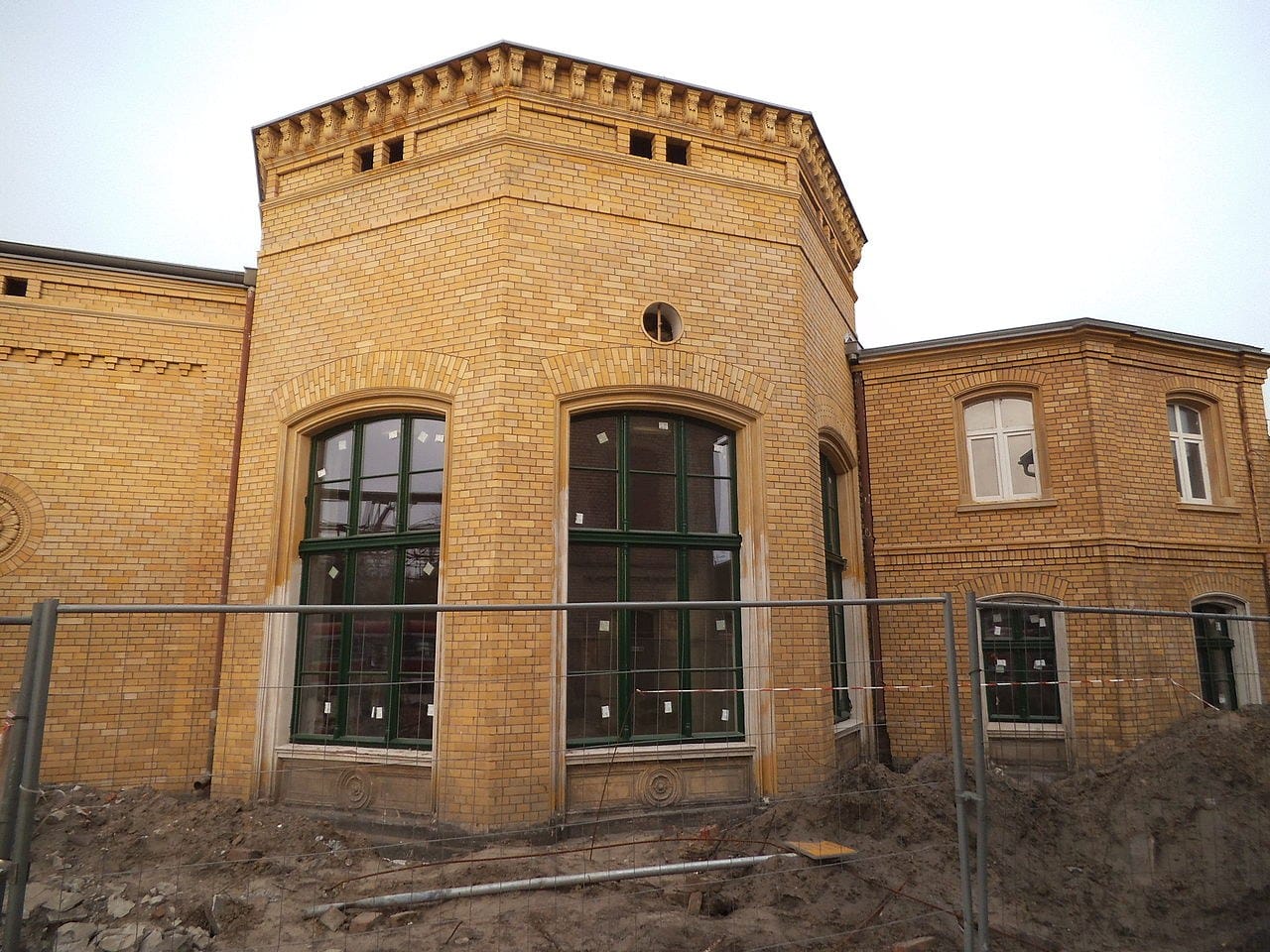
If you want to treat yourself to true luxury with a massive slice of history, take a look at Hotel Carska. This boutique hotel occupies a beautifully restored historic building — the former tsarist railway station — and offers an incredible experience filled with period furniture and first-class service. They also have one of the best restaurants in the wider area. For those seeking a homely, warm atmosphere at a friendlier price, B&B Pod Dębem is an excellent choice. The owners are wonderfully welcoming, happy to help plan excursions, and mornings bring fantastic local breakfasts.

Price-wise, a holiday in this area is remarkably affordable. A quality double room in a nice guesthouse averages around 60–95 € per night. Restaurant meals are comparable to UK pub food prices — often even cheaper. The biggest chunk of your budget will likely go towards fees for certified guides if you decide to venture deeper into the protected zones. Small family-run guesthouses are a brilliant option here — after a full day trekking through the forest, you’ll sit on the porch in the evening listening to nothing but nature, which suits this destination far better than any hotel resort.

10 best things to see and do in Białowieża

Getting your head around what you can actually see in the forest and where you’re allowed to go can be a bit confusing for first-timers. So I’ve put together the most important and most beautiful highlights you absolutely shouldn’t miss on your trip. I’ve included both the most strictly protected sites and attractions you can reach without any hassle at all.

1. The Strict Reserve
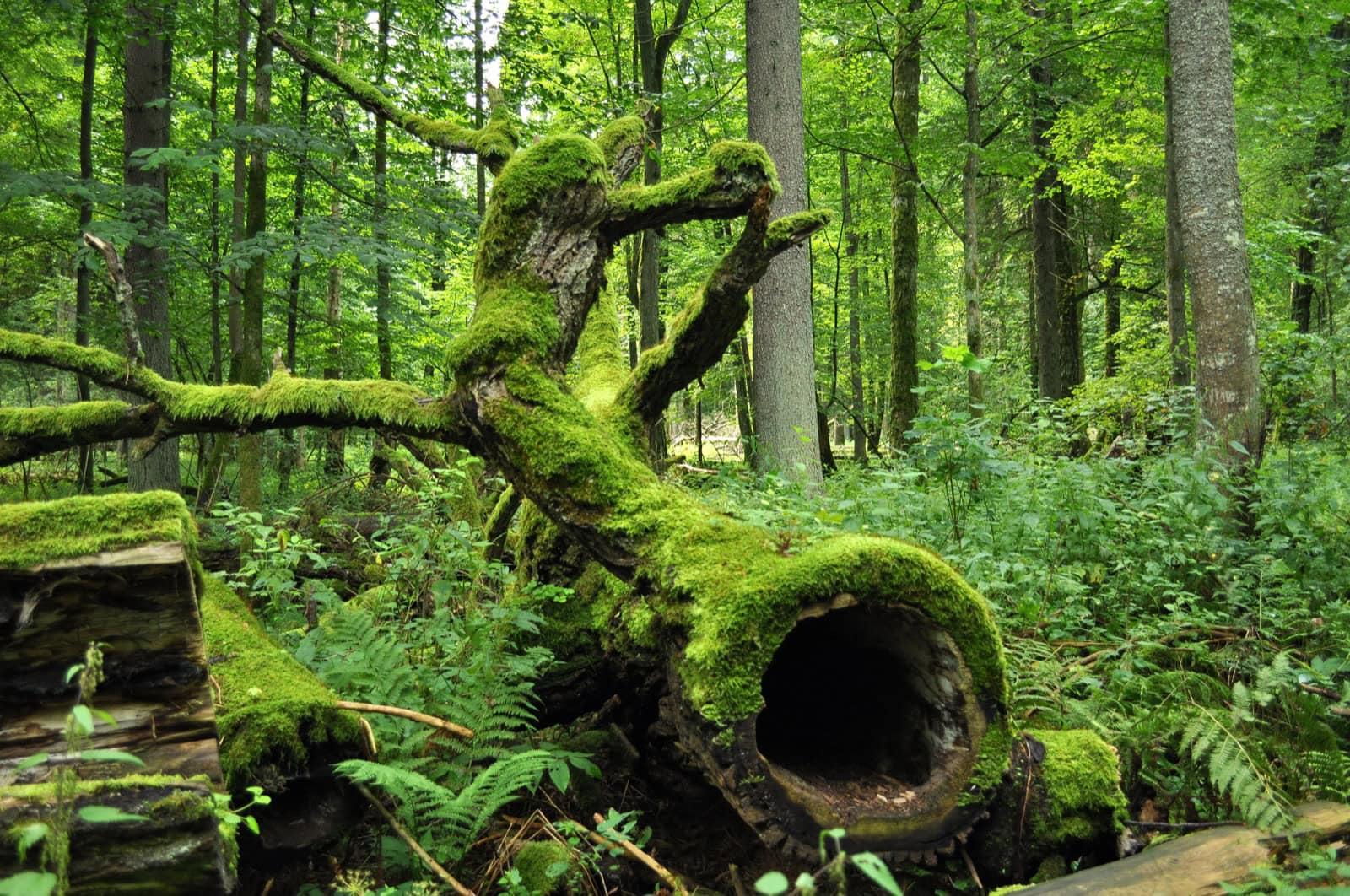
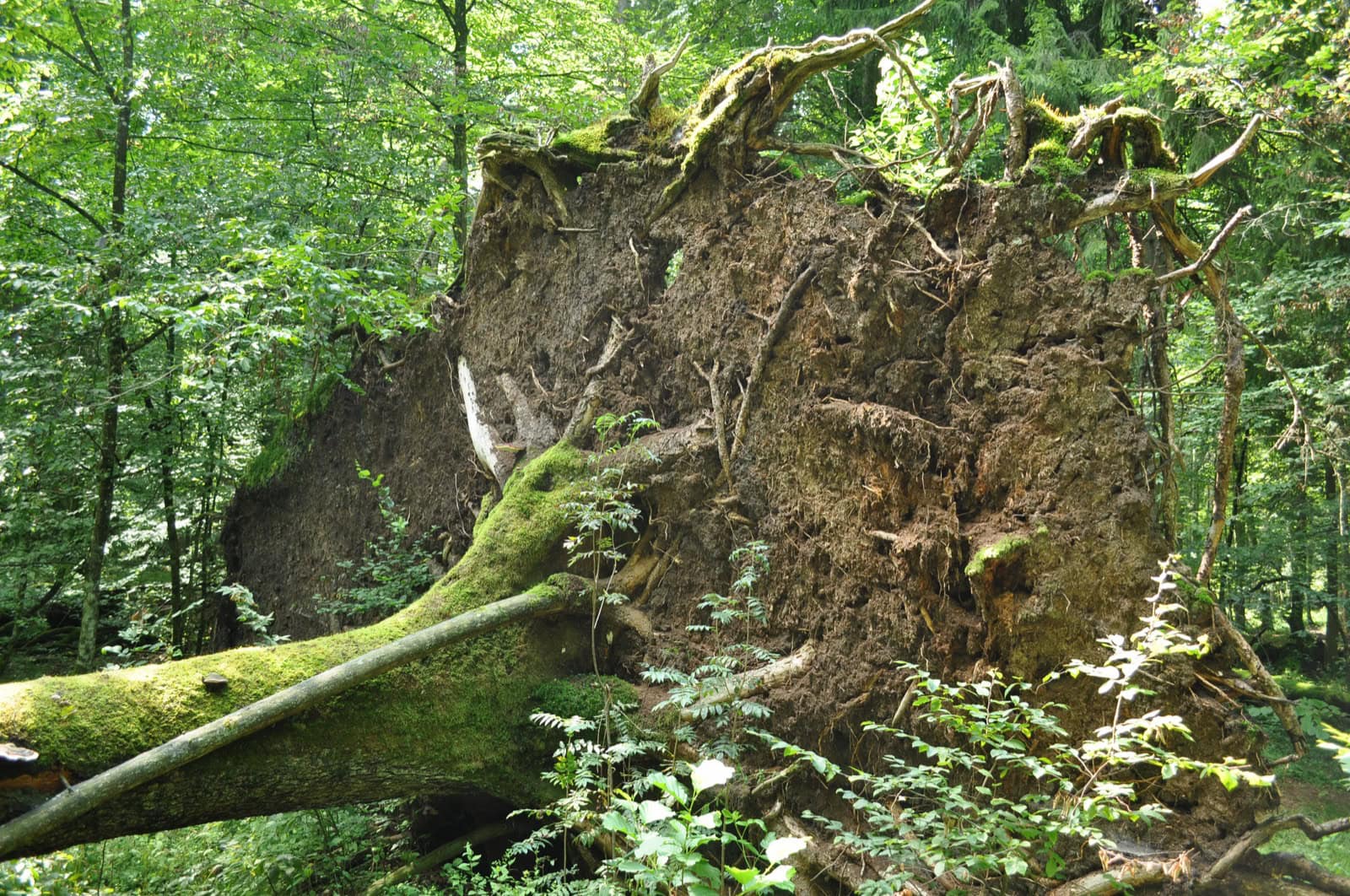
This is the absolute holy grail of the entire forest and the reason it earned its UNESCO inscription. It’s the oldest and best-preserved section of the primeval forest, where nothing has been felled, planted, or cleared for decades. Fallen trees are left to decompose naturally, and nature functions here exactly as it has for thousands of years. It’s a magical place brimming with fungi, mosses, and incredible biodiversity.

And here comes the reality check: you cannot enter without a certified national park guide — not a single step. What’s more, only 6 tickets per day are issued for individual tourists, entry is through a special gate, and the tour takes several hours. If you want to see this gem with your own eyes, you need to book ideally months in advance through the official park website.

2. European Bison Show Reserve (Zagroda Żubrów)
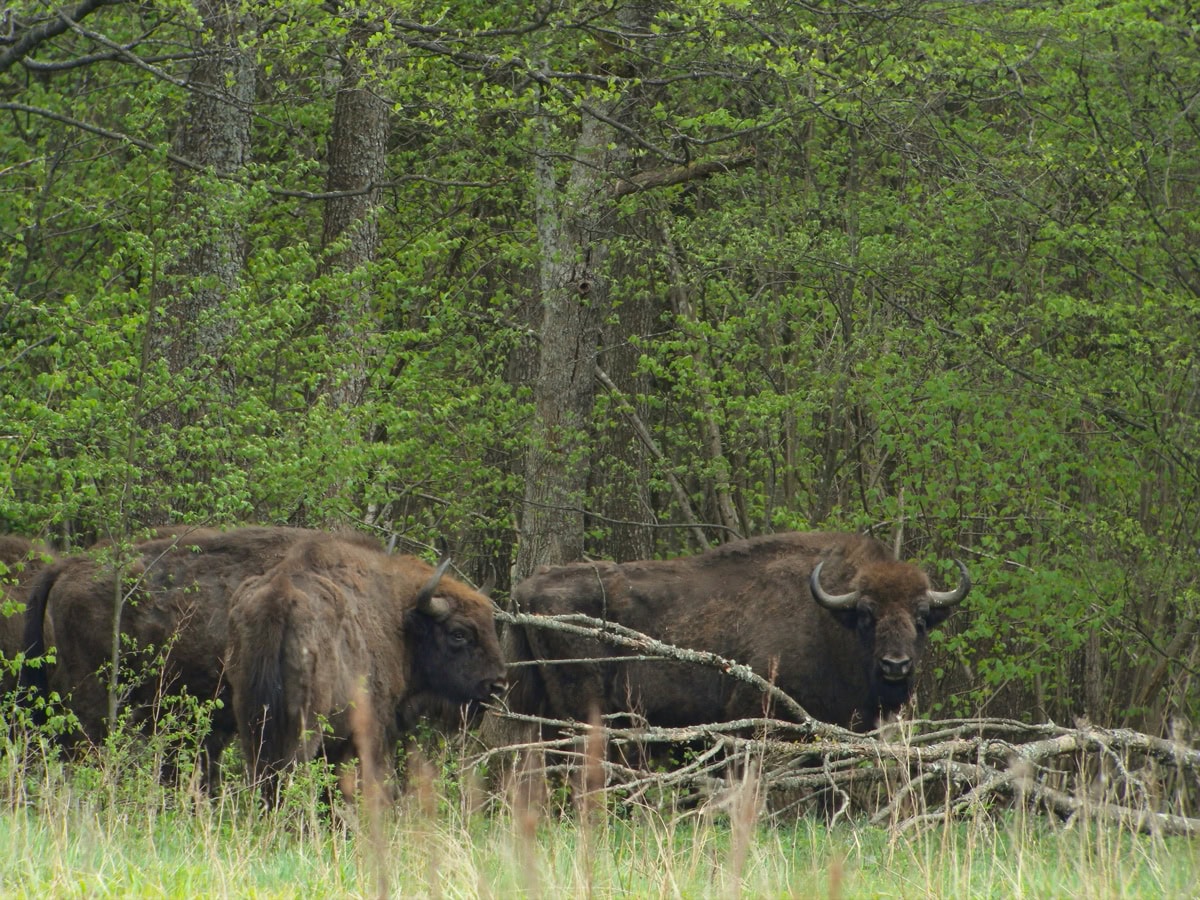
If you don’t have time to spend entire days tracking wild herds through deep forests, this is the place you simply must visit. This demonstration breeding reserve lies just outside the village and features enormous natural enclosures where you can observe bison up close — and trust me, when you’re standing in front of an animal the size of a small Volkswagen, it’s a pretty intense experience. ☺️

These giant ungulates, which can weigh over a tonne, are essentially a living miracle. After World War I, they were completely wiped out in the wild, and the entire current population descends from just a handful of individuals saved in zoos. Today, this reserve also serves as a breeding centre, and you’ll see Polish Konik horses, wolves, lynx, and wild boar here too.

3. The wooden village and tsarist hunting lodges
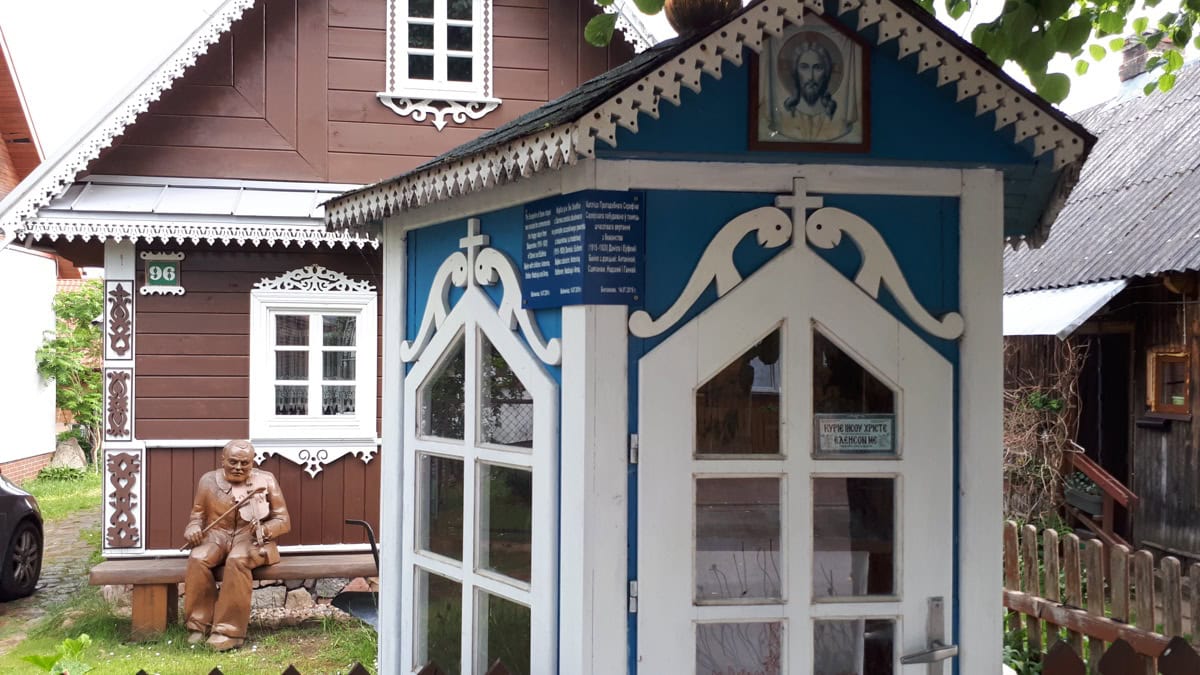
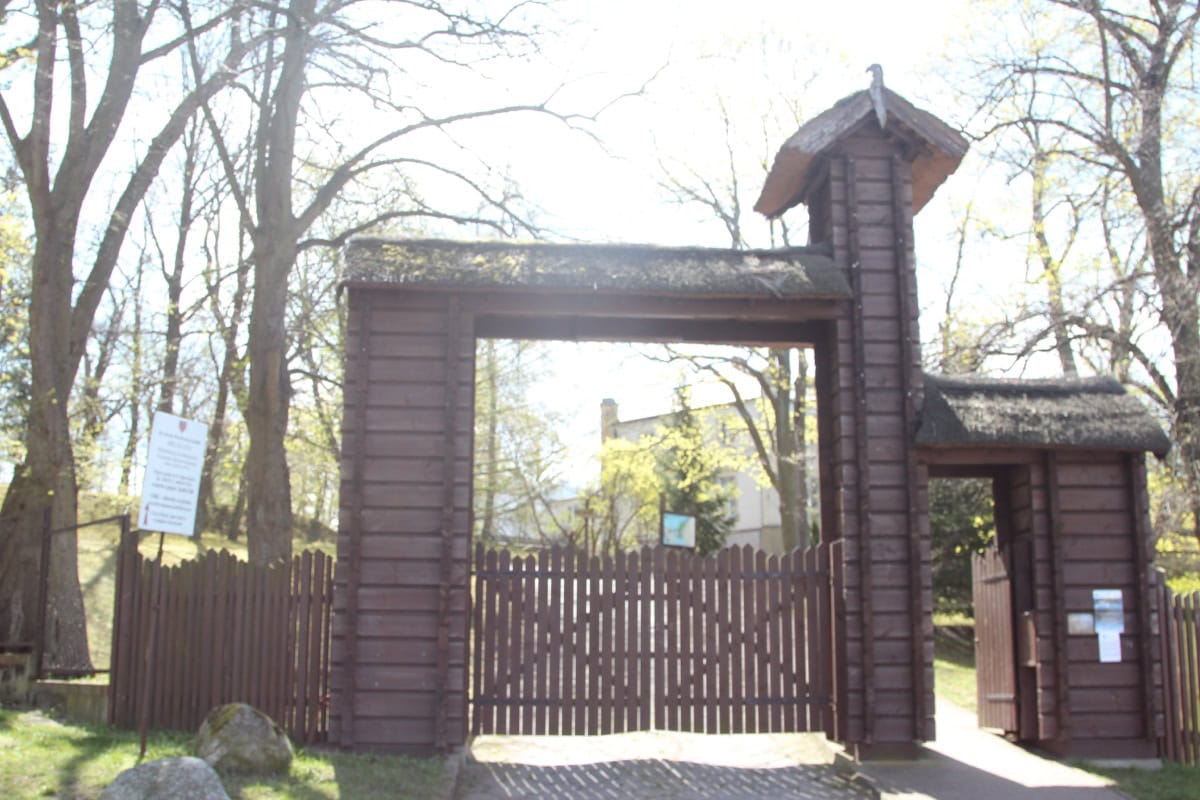
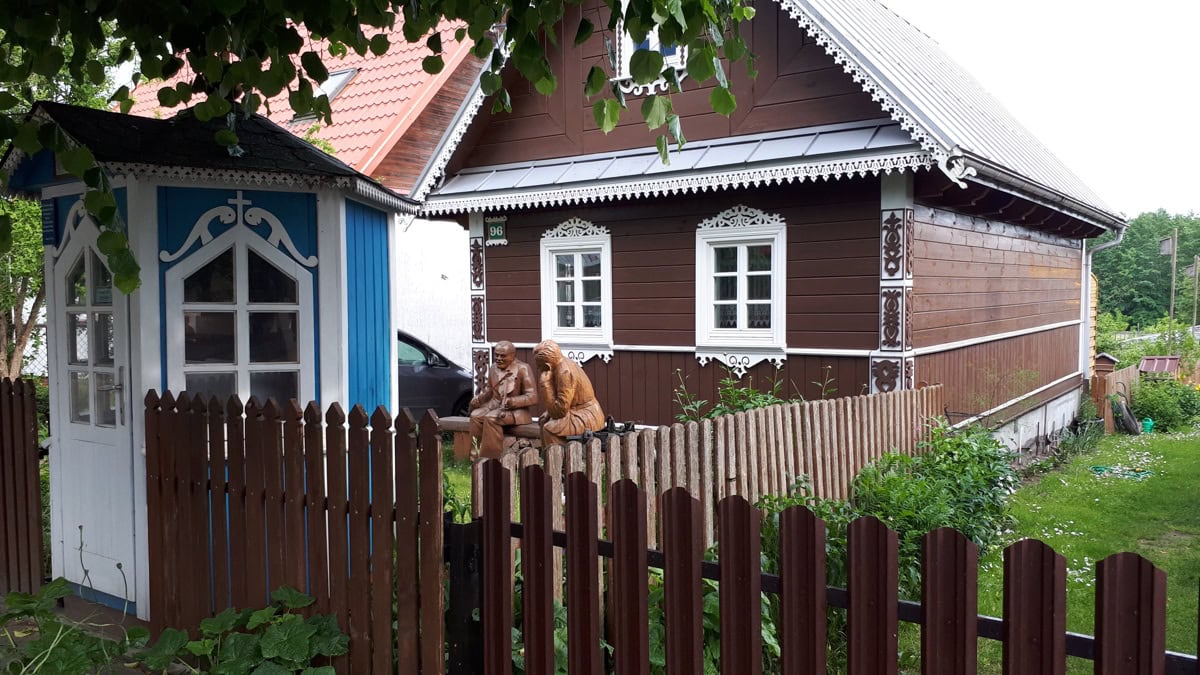
When someone mentions the village of Białowieża, don’t picture a typical concrete settlement. It’s a gorgeous cluster of traditional wooden houses with roots stretching back to the 14th century. The whole village breathes the wonderful atmosphere of the eastern Polish-Belarusian borderlands, and a stroll through its lanes is an experience in itself.

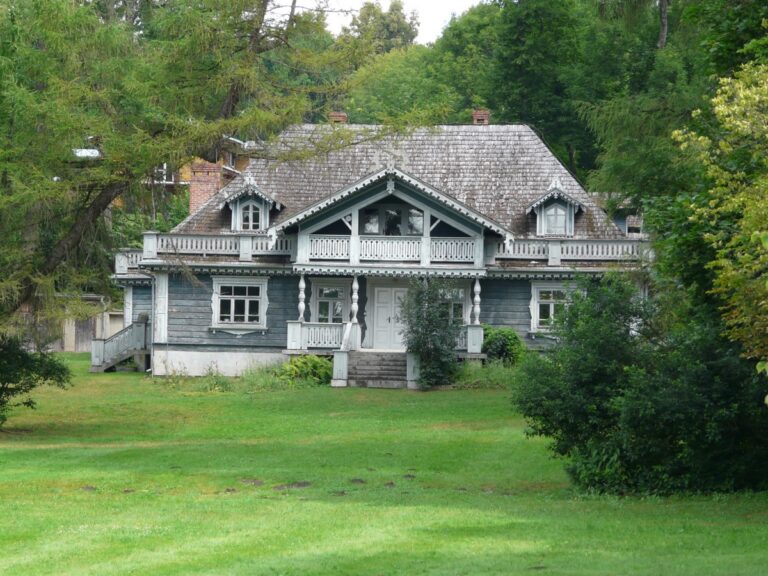
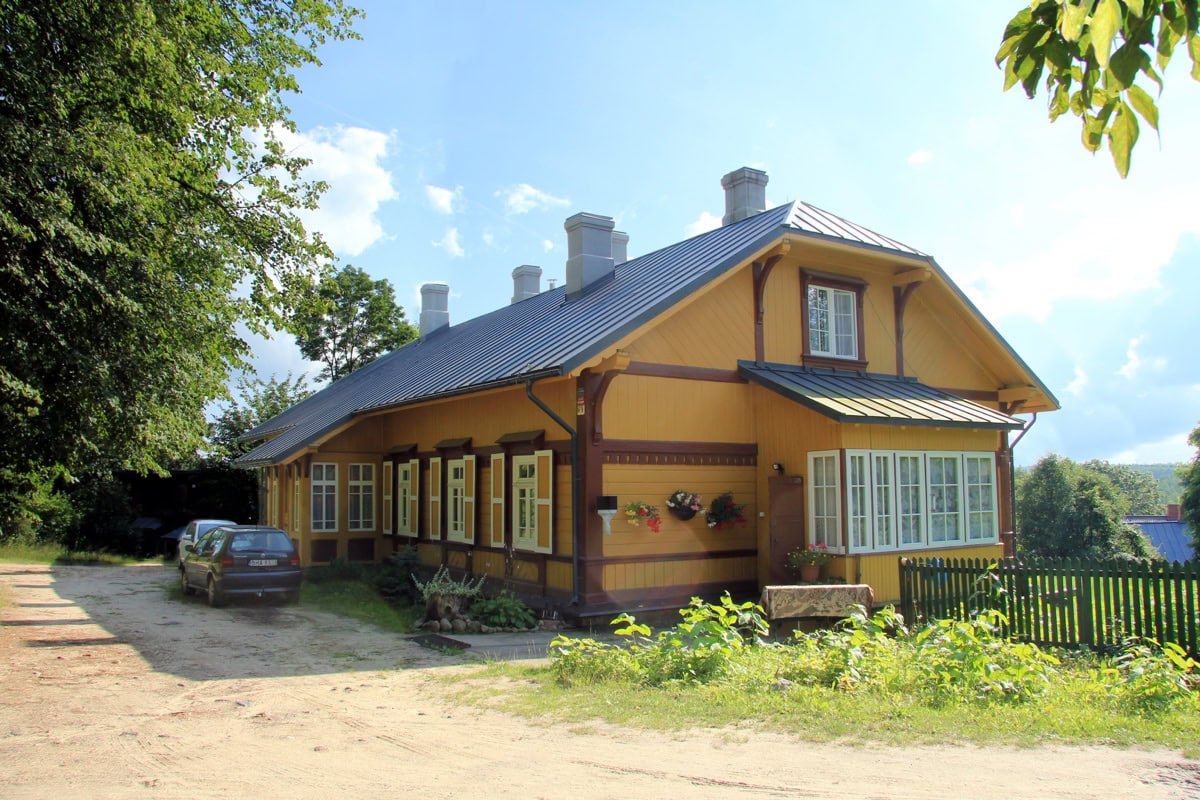
As you wander, you’ll stumble upon remnants of the era when Russian tsars came here for grand hunts. These old hunting lodges and administrative buildings — dark timber with carved window shutters — are carefully maintained and give the place an incredible charm. I highly recommend simply getting lost in the alleyways and letting it all soak in — you can easily spend an hour here without even noticing. It’s worth peeking into courtyards and admiring the painted shutters, which look like something from an old fairytale.

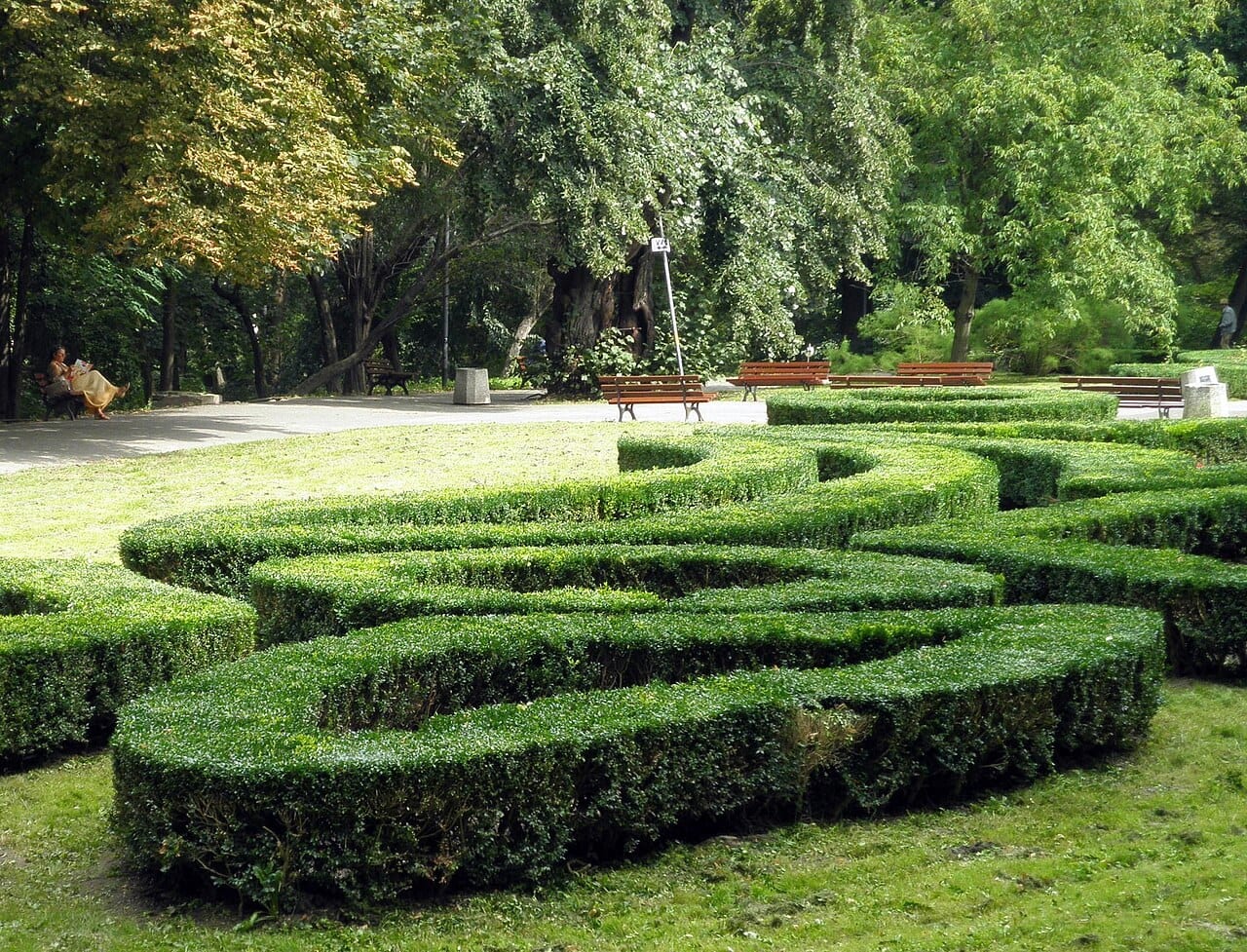
4. Palace Park (Park Pałacowy)
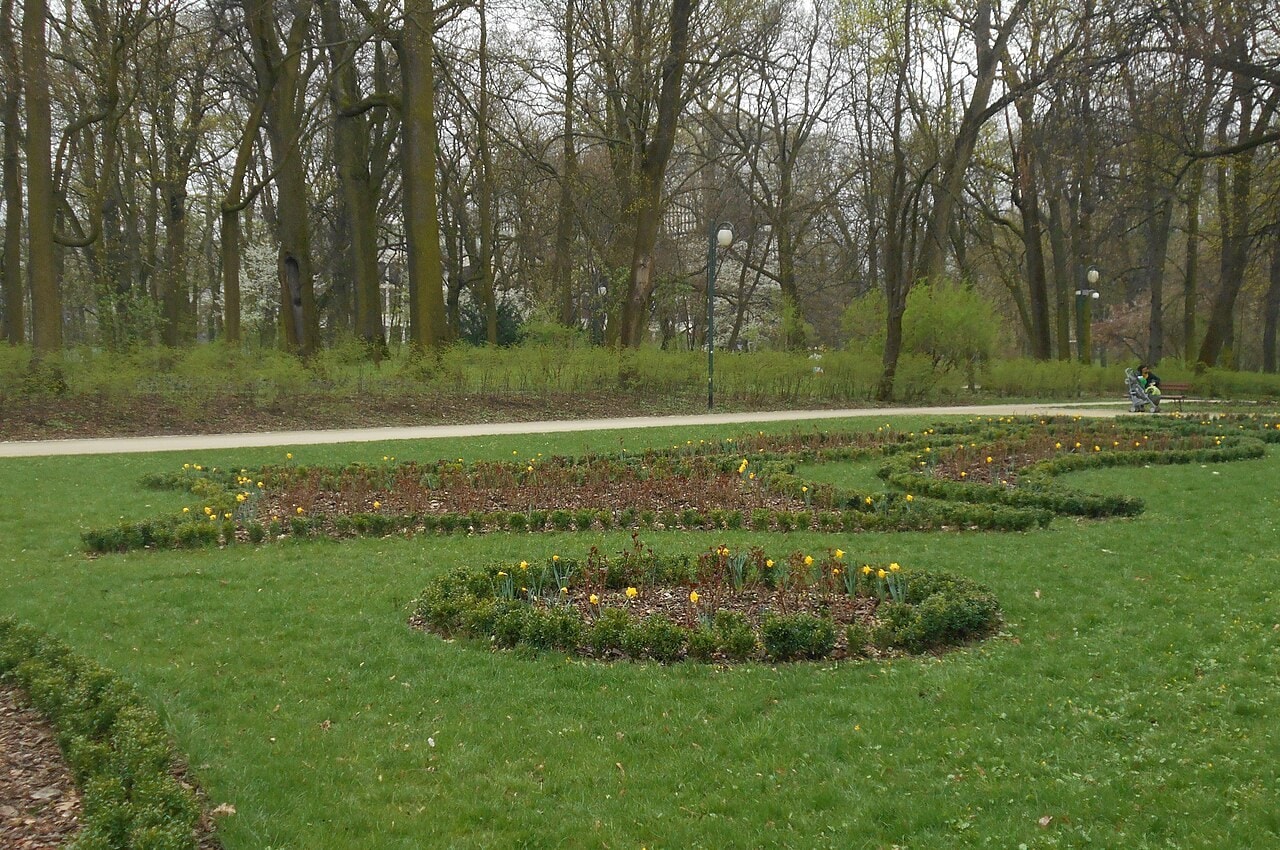
In the centre of the village, you’ll find a sprawling 19th-century park designed in the traditional English landscape style around the former tsarist palace. The palace itself is no longer standing (it was destroyed during the wars), but the park has been preserved in wonderful condition.

It’s the perfect spot for an afternoon picnic or a peaceful stroll. You’ll discover the oldest building in the village, beautiful wooden bridges over water channels, and numerous rare tree species that tsarist gardeners once brought from around the world. There’s no entrance fee, and you can walk through from dawn to dusk. Photographers can easily get stuck for half an hour at a single ancient oak, while everyone else simply sits on a bench and soaks up the extraordinary tranquility.

5. BPN Nature and Education Centre
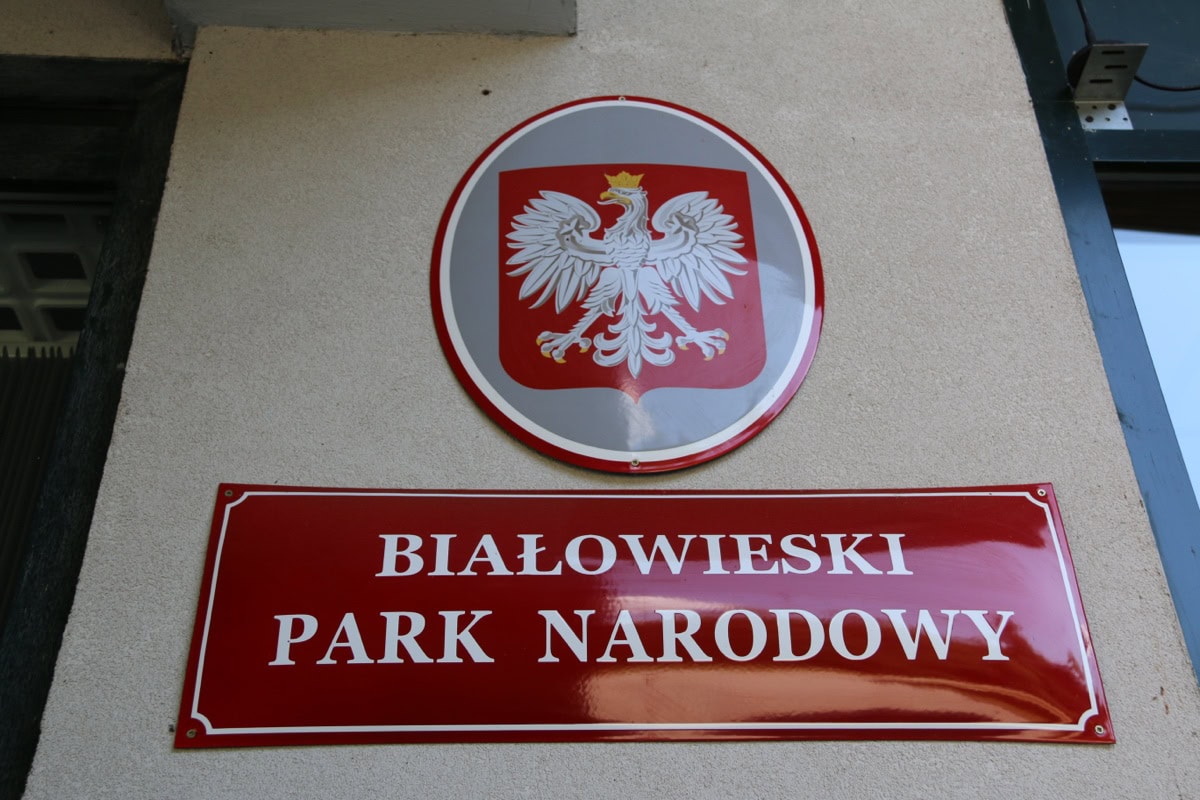
If you want to learn more about the forest beyond the basic tourist spiel, definitely visit the modern natural history museum run by the national park. You’ll often see it listed as the Białowieski Park Narodowy museum. It’s a brilliantly put-together stop on any trip through northeastern Poland.

You’ll be surprised how well it’s all done — interactive exhibits take you through the forest’s evolution from the Palaeozoic era right up to the present day. It’s great fun for adults and children alike, with plenty of hands-on displays for the little ones. And when one of those unexpected summer storms catches you mid-hike, this museum is the most worthwhile shelter you could duck into.

6. Cycling through the forest trails
While the Strict Reserve is accessible only on foot with a guide, a huge portion of the Białowieża Forest is laced with well-maintained forest roads that are absolutely perfect for cycling. The park’s tourist map shows dozens of kilometres of marked cycle routes that lead you deep into the shadows of ancient oaks.

You can hire a bike from several rental shops right in the village, and it’s probably the most enjoyable way to breathe in the forest air and explore the wider area. The routes are flat, so even occasional cyclists will manage them with ease. If you’re very lucky — and very quiet — you might even spot some wildlife from the path. Even the basic hire bikes here have a certain charm — this effortless pedalling along flat tracks between ancient oaks is a completely different experience from mountain terrain.

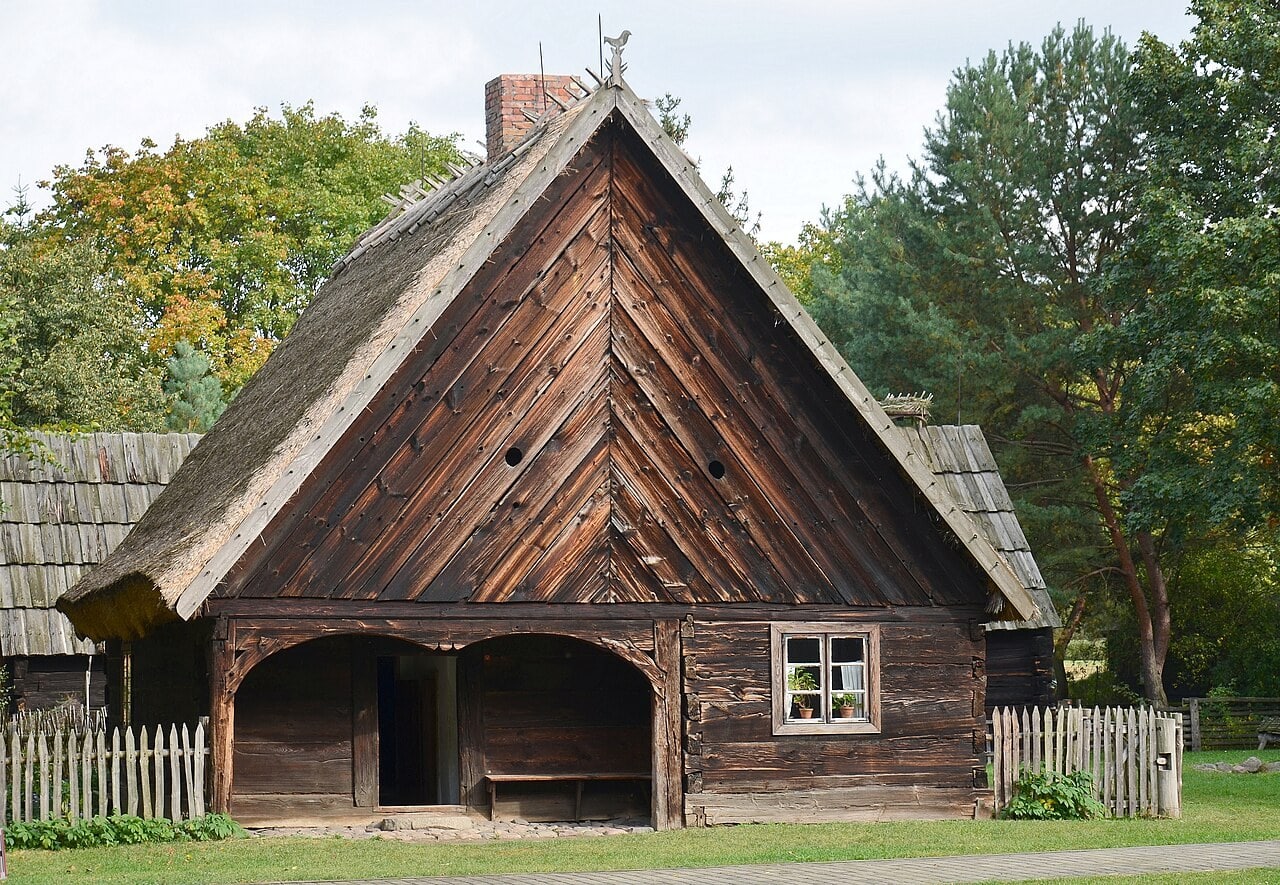
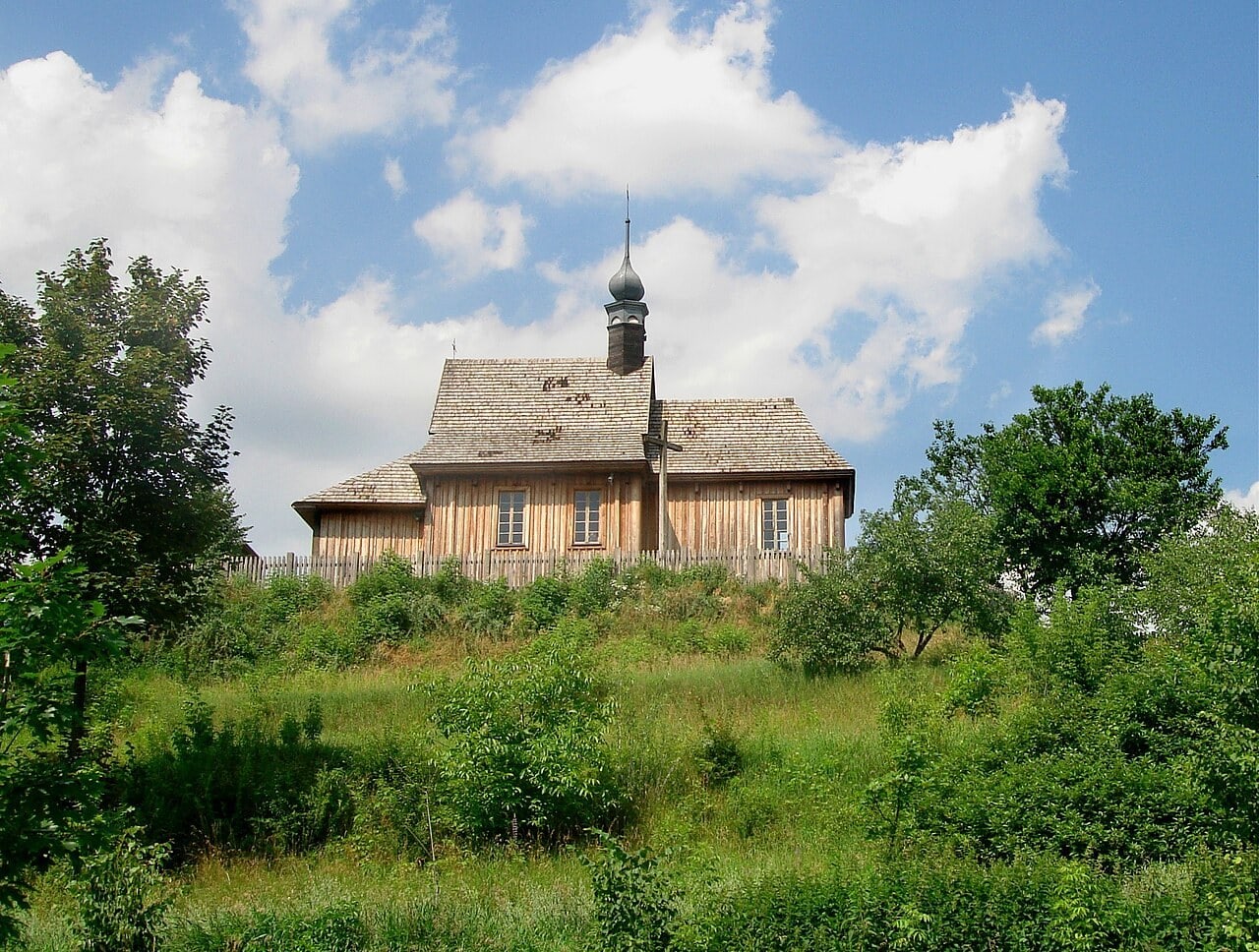
7. Open-air architecture museum
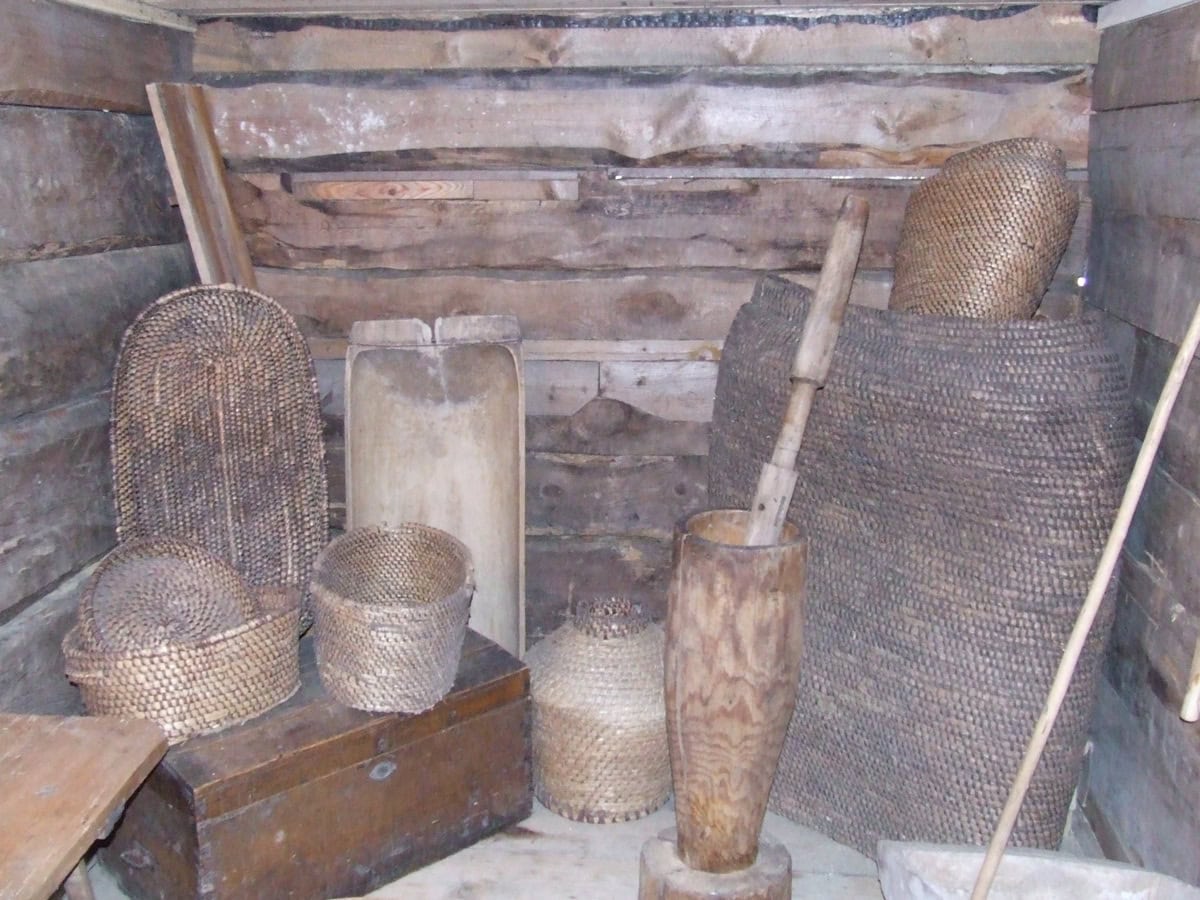
On the edge of the village sits a small but utterly charming open-air museum showcasing the traditional wooden architecture of the Rusyn population from the Podlasie region. You’ll find traditional cottages with thatched roofs, old windmills, and farm buildings that were relocated here from endangered surrounding villages.

A visit won’t take more than an hour or two, but it beautifully completes the picture of how tough — yet deeply connected to nature — life was for local people in centuries past. It’s one of the most photogenic spots in the entire area. Those thatched roofs look wonderfully raw and authentic in photos, especially when evening mist starts rolling in along the horizon.

8. The wooden Orthodox church of St. Nicholas
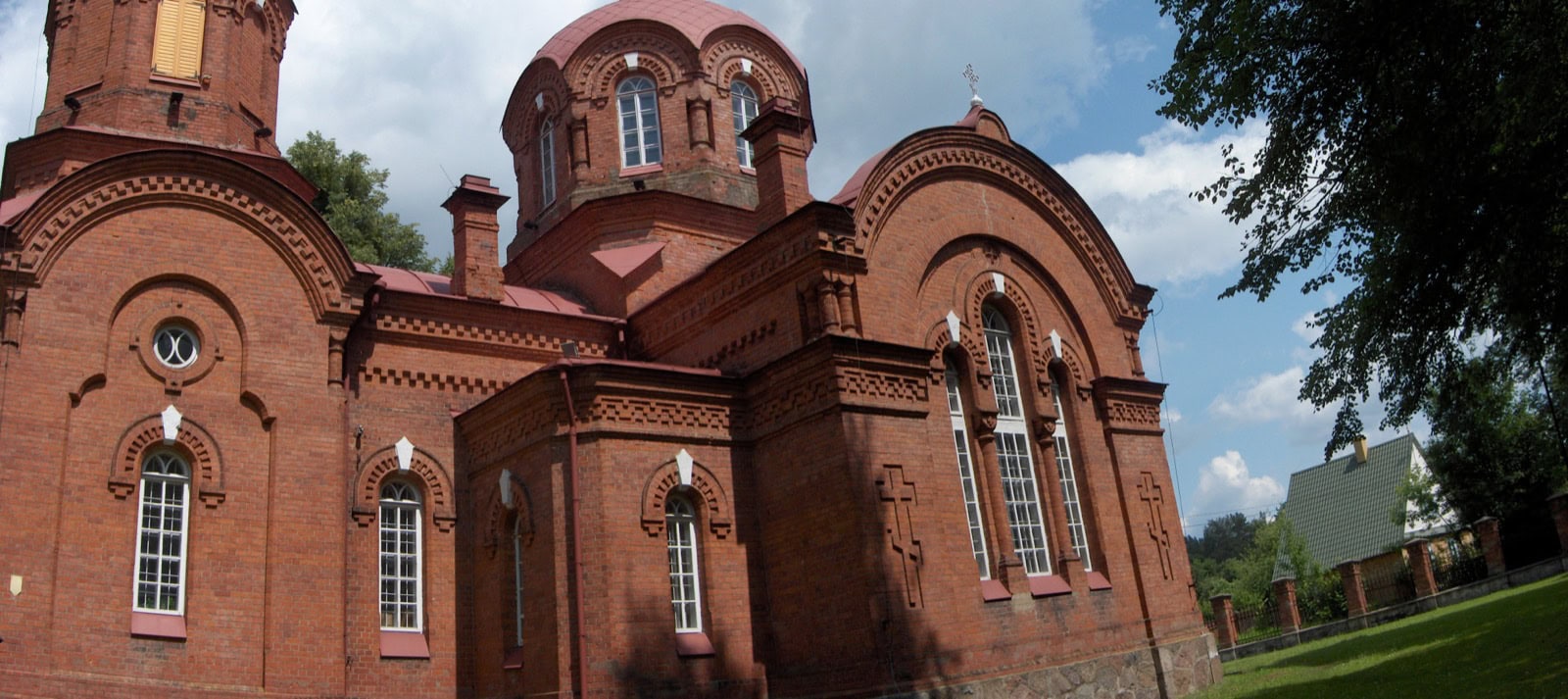
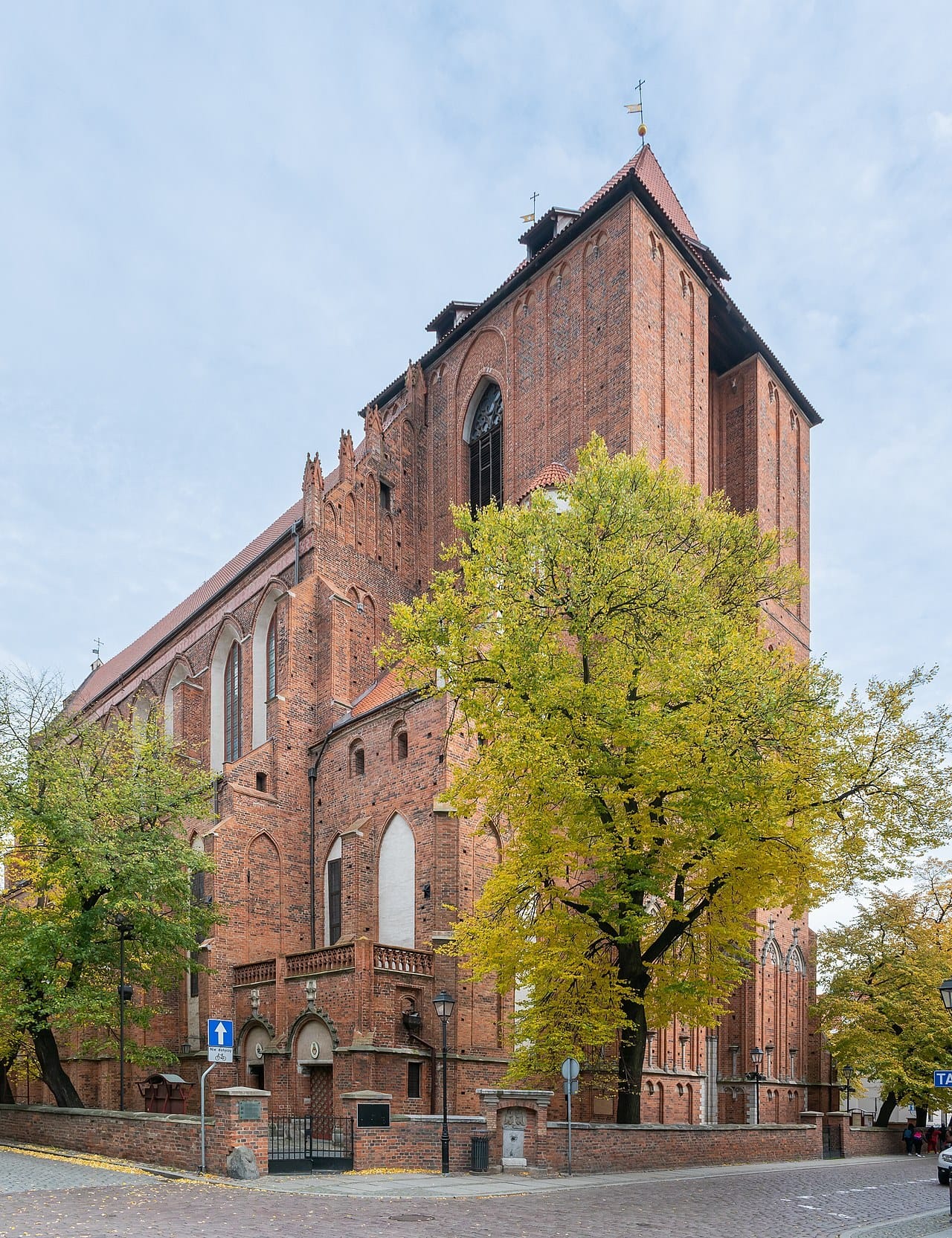
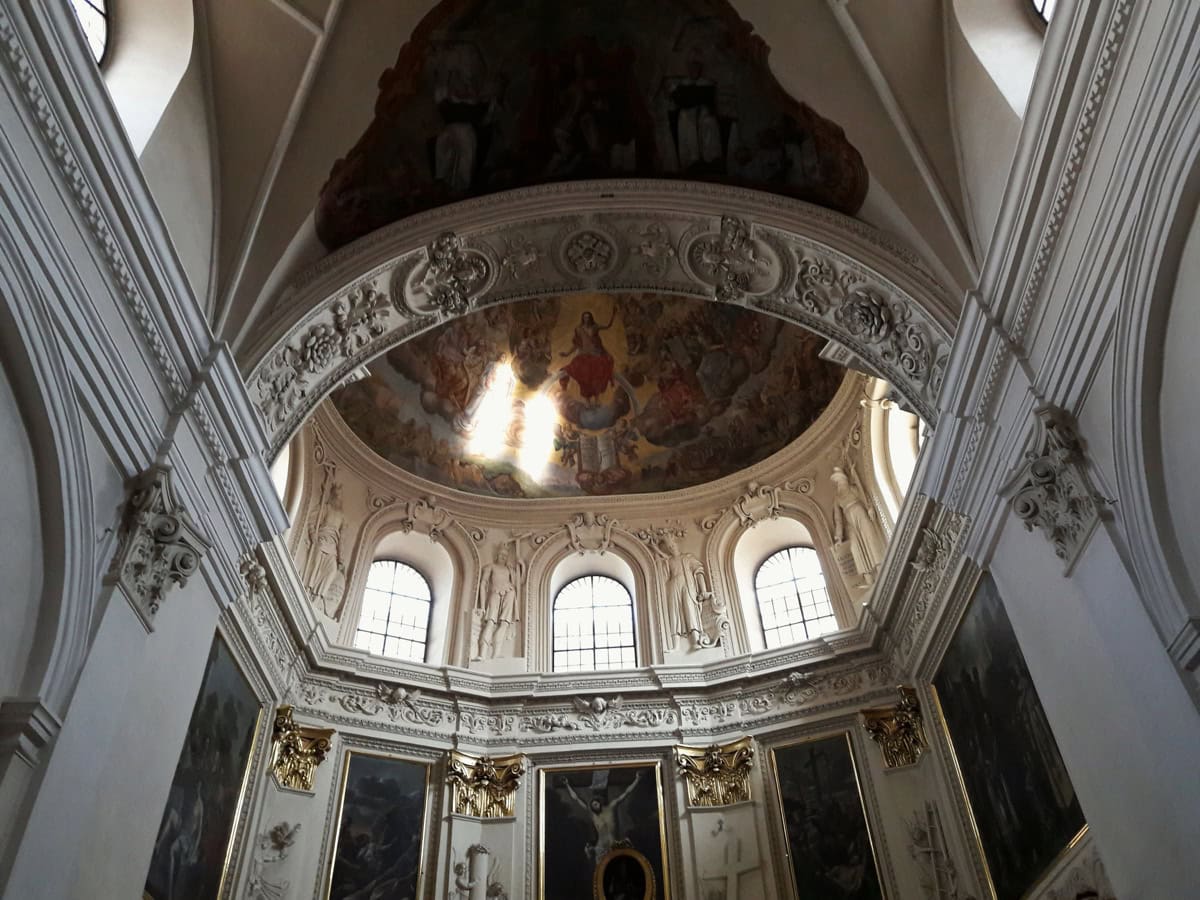
Eastern Poland is a region where Catholicism and Orthodox Christianity are deeply intertwined, and the village of Białowieża is no exception. The main landmark of the village is a stunning brick Orthodox church from the late 19th century, its dark red walls creating a striking contrast against the green of the surrounding park.

Even more fascinating is the fact that inside you’ll find a unique ceramic iconostasis — the only one of its kind in all of Poland. The church was commissioned by Tsar Alexander III himself, who was deeply fond of the area. If you get a chance to peek inside, absolutely do — the stillness and the scent of incense are magical. Even standing before it on the outside, you can feel the enormous weight of history that has washed back and forth across these borderlands for centuries.

9. Food and local cuisine

The regional cuisine of eastern Poland is hearty and honest. Local specialities include pierogi stuffed with mushrooms foraged straight from the forest, potato pancakes, wild mushrooms prepared a dozen different ways, and game meat that locals absolutely swear by. Vegetarians will love the fantastic wild mushroom soups, pierogi with cheese or mushrooms, and local cheeses from nearby farms.

Local breweries also serve up an excellent selection of craft beers, perfect alongside a plate of pickled cheeses or baked potatoes with cottage cheese and herbs. Dieting in this part of Europe? Forget about it — here you eat with gusto. And if you visit in the cooler months, a warming drop of something stronger is practically mandatory. 😅

10. The border zone with Belarus (From a distance only!)

This isn’t so much a sightseeing tip as a very important warning. The forest naturally continues into Belarus, and there was once a special pedestrian border crossing for tourists with permits. However, times have changed, and for geopolitical reasons the border is currently sealed shut.

The Belarusian part of the forest (Belovezhskaya Pushcha) is completely inaccessible to tourists, and the border zone is heavily guarded by military and border patrol. Under no circumstances should you try to approach the border line out of curiosity, or — heaven forbid — attempt to climb over any barriers. Even with a camera in hand, it’s best not to go a single metre further than permitted. Nobody wants to have a chat with armed border guards.

With kids and dogs: Is the forest suitable for families?

Travelling with young children in the primeval forest has its quirks, so here’s an honest overview of what is and isn’t realistic for families.

lukas a lucka
Lukáš and Lucie recommend
Where to stay in Białowieża
3 accommodations — wellness hotels, hotels and other accommodation options

Białowieża activities for children

If you’re looking for kid-friendly activities, you’re in luck — most of the accessible parts of the forest are absolutely ideal for families. The European Bison Show Reserve is perfect for children from about four years old. The enclosures are spacious, the animals are often clearly visible, and the entire site is navigable even with an off-road pushchair. Cycling along the paved forest roads is another great option, since the terrain is flat and undemanding.

On the other hand, I definitely wouldn’t recommend taking small children on a guided tour of the Strict Reserve. The terrain is wild, you’ll be clambering over fallen trunks, the pace is set by the guide, and the route is fairly long. For younger kids, it tends to be needlessly exhausting, and after a while they get bored — understandably, since the wildlife sensibly keeps its distance from groups of humans.

Can I bring my dog to the national park?

I have to be absolutely unequivocal here. Dogs are strictly forbidden throughout the entire national park and all protected zones. The reason is purely practical — the whole area is a breeding ground and home to bison, wolves, and other endangered wildlife.

A dog, even on a lead, creates stress for wild animals and leaves a scent trail behind. If you’re travelling with your four-legged friend, you’ll need to stick to walks around the village and the unprotected surrounding meadows. That said, there are still plenty of lovely spots for walkies out there, so dog owners don’t need to write the whole trip off just yet.

Practical info: Prices, rules, and safety

Before you definitively pack your rucksack and set your satnav for the far east of Poland, let’s run through a few purely practical matters that’ll save you a lot of hassle on the ground.

Entry fees and parking

Poland remains a destination that won’t break the bank. Entry to the standard sections of Białowieski Park Narodowy costs a very reasonable 12 PLN per person (roughly 3 €). If you manage to snag a spot in the Strict Reserve, you’ll pay around 70 PLN per person (about 16 €), which already includes the compulsory fee for a professional guide.

Parking at the main attractions typically costs a flat daily rate of around 10 PLN (about 2.30 €). I’d recommend always carrying some loose change, as the card machines at smaller forest car parks can be temperamental and you might find yourself stuck without a ticket.

Strict drone ban

If you’re a keen drone pilot dreaming of capturing the forest from a bird’s-eye view, leave your gadget at home. There is an absolute ban on drone flights over the entire national park and across the wide border zone.

Firstly, it disturbs the rare wildlife. Secondly, given the proximity of the EU’s external border, security forces are extremely sensitive to any flying objects. The fines for violations are eye-watering and your equipment will be confiscated on the spot, so seriously — leave the quadcopter at home.

Safety and what to do if you encounter a bison

Białowieża primeval forest is genuine wilderness, which means an encounter with a free-roaming bison is both incredible luck and a moment that demands common sense. Bison aren’t naturally aggressive and will usually give humans a wide berth, but they are enormous and incredibly powerful animals.

If you come across a bison while walking, don’t panic — and definitely don’t creep closer for a better Instagram photo. Keep a safe distance of at least 50 metres, avoid sudden movements, never feed the animals, and quietly walk away with respect. When you see one of these colossal creatures in the flesh, that respect comes entirely naturally.

Where else to go in Poland?

Once you’ve made the long journey to the northeast, it would be a shame not to explore more of Poland’s magical corners. We’ve criss-crossed our way through the country with Lukáš and I can guarantee there’s always more to discover.

If you love nature and water, you absolutely must head northwest. We’ve written an extensive article with tips on what to see at the Masurian Lakes — a stunning lake district ideal for boating, cycling, and lakeside camping.

On your way there or back, definitely stop in the capital city that rose from the ashes like a phoenix. Check out our guide to Warsaw, where you’ll find a mix of modern skyscrapers and sensitively reconstructed historic centre. And if you want to see a bit of everything and plan a proper holiday, have a look at our detailed Poland road trip itinerary, which takes you through the country’s most beautiful spots from south to north.

Final tips and tricks

Planning a trip to this part of the world might sound daunting, but with a bit of preparation there’s really nothing to worry about. Here are some of my tried-and-tested tips and links that regularly save us on our travels and make everything much smoother.

Finding flights

While we usually drive to Poland, if you’re flying from the UK, look for cheap flights on Skyscanner or Google Flights. There are plenty of direct flights from London, Manchester, and other UK airports to Warsaw, getting you there in around two and a half hours.

From the airport, you can jump straight into a hire car and head east. If you’d rather avoid a multi-day drive across the continent, this fly-and-drive option is by far the most efficient way to reach the forest.

Car hire

Getting around eastern Poland without a car is tricky, especially for remote spots. We’ve had consistently great experiences with DiscoverCars, which we use all over the world. They offer solid insurance options and we’ve never had an issue.

Picking up a car at Warsaw airport is usually quick and hassle-free, and crucially, you won’t have to rely on the rather sparse bus connections to the smaller villages near the forest.

Booking accommodation

Especially in national park areas, accommodation is limited and gets snapped up at lightning speed. Booking.com is our go-to hotel search engine — I recommend booking everything with free cancellation ideally several months ahead.

If you leave it to the last minute, you’ll often end up paying significantly more for a less appealing option. First come, first served — especially this close to the border.

Don’t forget travel insurance

Whether you’re heading to Warsaw for a weekend or into the depths of the primeval forest, never travel without proper travel insurance. We’ve been doing it for years and it’s paid off more than once.

For shorter trips we use AXA, and for longer journeys or more adventurous expeditions we swear by True Traveller. Travelling with our little one, we wouldn’t dream of crossing a border without proper cover.

Frequently asked questions (FAQ)

I get asked about trips to the primeval forest all the time on Instagram and by email, so I’ve decided to compile the most common questions in one place. Here are clear, concise answers so you can head to Poland fully prepared.

What is there to see in Białowieża?

The main attraction is the Strict Nature Reserve of the primeval forest, which you can only visit with a guide. You’re free to explore the European Bison Show Reserve, the Palace Park, historic tsarist hunting lodges, or cycle along the well-maintained forest trails. I’d recommend setting aside at least three days for all of this, so you don’t have to rush through everything and can really soak up that special melancholic atmosphere I’ve been writing about.

How much does entry to Puszcza Białowieska cost?

Basic entry to Białowieski Park Narodowy is 12 PLN (around €2.70). If you want to visit the strictly protected zone, tickets cost around 70 PLN (about €16), as this includes the fee for the mandatory professional guide. Budget for additional small expenses like parking and possibly entry to some museums. Overall though, this trip is very budget-friendly and your wallet will thank you.

Is Białowieża worth visiting?

Absolutely! It’s a completely unique place on the map of Europe. Nowhere else will you see such a well-preserved, original lowland primeval forest or encounter so many wild European bison in one place. It’s the perfect destination for nature lovers and those seeking peace and quiet. Once you experience one misty morning here, you’ll be completely captivated and forget all about work stress.

When should I visit Białowieża?

Most people visit in summer from May to August, when the weather is pleasant for long hikes. For photographers and wildlife enthusiasts though, autumn is the most beautiful time during the bison rut and morning mists, or spring when new calves are born. Winter under snow is magical too. It really depends on your preferences and what you’re hoping to get from the trip, because each season has its own completely unique character here.

Is it safe in the primeval forest?

The Polish part of the national park is completely safe. The only important thing is to follow park rules and not get unnecessarily close to wild animals, even though your camera might tempt you. Absolutely respect the ban on entering the guarded border zone with Belarus. If you stick to marked trails, there’s no risk whatsoever.

Do I need to book a guide in advance?

If you want to visit the Strict Reserve, booking well in advance is absolutely essential, as only a limited number of tickets are issued daily for individuals. For other parts of the park and the European Bison Show Reserve, you can buy tickets on-site at the ticket window. Waiting times aren’t long even in peak season, so you can manage that without much stress.

Is the area suitable for trips with a pushchair?

Yes, a large part of the maintained paths around the village and Palace Park are suitable for pushchairs. You can easily navigate the European Bison Show Reserve area too, so don’t worry about a family outing. For deeper forest exploration though, you’ll want a good quality baby carrier, as you’d quickly hit obstacles with wheels. With a carrier you can get much further and it’s an absolute lifesaver for most walks.

Tips and Tricks for Your Vacation

Don’t Overpay for Flights

Search for flights on Kayak. It’s our favorite search engine because it scans the websites of all airlines and always finds the cheapest connection.

Book Your Accommodation Smartly

The best experiences we’ve had when looking for accommodation (from Alaska to Morocco) are with Booking.com, where hotels, apartments, and entire houses are usually the cheapest and most widely available.

Don’t Forget Travel Insurance

Good travel insurance will protect you against illness, accidents, theft, or flight cancellations. We’ve had a few hospital visits abroad, so we know how important it is to have proper insurance arranged.

Where we insure ourselves: SafetyWing (best for everyone) and TrueTraveller (for extra-long trips).

Why don’t we recommend any Czech insurance company? Because they have too many restrictions. They set limits on the number of days abroad, travel insurance via a credit card often requires you to pay medical expenses only with that card, and they frequently limit the number of returns to the Czech Republic.

Find the Best Experiences

Get Your Guide is a huge online marketplace where you can book guided walks, trips, skip-the-line tickets, tours, and much more. We always find some extra fun there!
Polish Food: 15 Tips on Pierogi, Bar Mleczny, Vodka & Everything You Must Try

TL;DRPolish food is all about pierogi in dozens of varieties, sour żurek soup served in a hollowed-out loaf, hearty bigos and the enormous pork cutlet kotlet schabowy — backed up by 15 concrete tips covering everything from dumplings to vodka. A retro bar mleczny canteen will do you a traditional lunch for 10 to 15 zloty (elsewhere it’s 15 to 60 PLN), and Kraków and Wrocław have the best vegetarian and vegan scenes. Polish vodka — think Wyborowa, Żubrówka or Soplica — gets drunk neat, ice-cold and downed in one with a toast of “Na zdrowie”, never mixed with anything. Tipping in restaurants runs to around 10%, and drinking on the street is banned across Poland. For something sweet, go for pączki or kremówka papieska, the cream cake made famous by Pope John Paul II in Wadowice.

Polish food and pierogi are simply a lifelong love affair. ☺️ I totally understand why some people travel to Poland purely to eat. Polish cuisine was a hit even with our kids, and a surprising number of restaurants are dog-friendly too.

Polish gastronomy is incredibly rich, blending German, Jewish and Ukrainian culinary influences. And while traditional Polish food is hearty and filling, the modern scene is bursting with hipster coffee shops and vegetarian bistros. So here’s everything we’ve tasted over the years — what we loved and what didn’t quite work out. Everything from pierogi to vodka, and from milk bars to vegetarian bistros that left Lukáš and me completely gobsmacked. 😅

TL;DR for those short on time:

  • Pierogi (dumplings) are the absolute staple and come in dozens of varieties. Try the classic “ruskie” with potato and cheese, or the sweet strawberry ones that kids go wild for.
  • Bar mleczny (milk bar) is a relic of socialism where you can still eat incredibly well and cheaply. A traditional lunch costs just 2–4 € here.
  • The soups will sort you right out. Especially the sour żurek served in a bread bowl or a hearty Sunday rosół (broth).
  • Vegetarians won’t go hungry. Kraków and Wrocław have some of the best vegetarian and vegan scenes in all of Europe.
  • Vodka-drinking rules are sacred. It’s drunk neat, ice-cold, downed in one, and never diluted.
  • Tipping in restaurants is around 10%, and be aware that drinking alcohol in public is strictly forbidden.

What to expect from Polish cuisine and why we love it

Before we dive into specific dishes, let’s set the scene for what awaits you on the plate. Polish cuisine is exactly the kind of food that makes you want to throw your watch away and just sit. It’s hearty, warming, and historically designed to properly fill you up — not just tease you. You’ll find plenty of potatoes, cabbage, mushrooms, root vegetables and quality meat, largely the result of a long history where different cultures converged on Polish soil.

Today, though, Poland is experiencing a massive culinary revolution. Alongside traditional grandma-style taverns, modern fine dining restaurants and artisan bakeries with specialty coffee are popping up everywhere, and Polish cities regularly feature in Michelin guides. Places like Kraków’s Bottiglieria 1881 or Warsaw’s Nolita are the kind of spots where you book months in advance — we haven’t managed to get in yet, unfortunately. But it’s on the list. 😅

Where to stay in Poland and how much it costs

If you’re heading to Poland primarily for the food, I’d recommend choosing accommodation right in the city centre so you can happily roll back to bed after a heavy dinner and a few shots of vodka.

A lovely boutique hotel in central Kraków or Wrocław will set you back around 60–100 € per night, and the breakfasts are absolutely epic — seriously. Pickled cucumbers, cold cuts, fresh bread, loads of everything. Lukáš and I really savour this kind of morning after a big gastronomic evening. 😁 In Kraków, we were thrilled with Hotel Puro in Kazimierz — it’s right next to the best bistros. In Warsaw, we always go for the reliable Motel One directly opposite the Chopin Museum. It’s a stone’s throw from brilliant bakeries where we grab our morning coffee. If you’re driving like we did on our 7-day Poland road trip, always check whether your hotel has its own parking, as parking zones in Polish cities can be quite strict.

Pierogi as a national treasure: 6 types of Polish food dumplings you must try

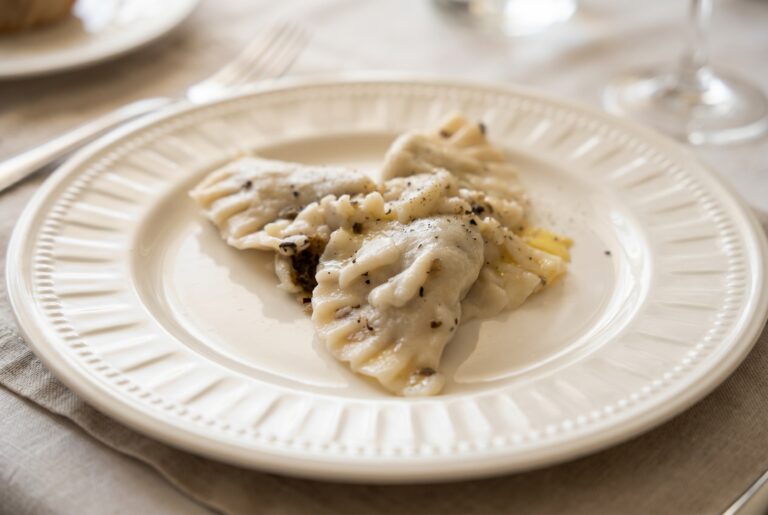
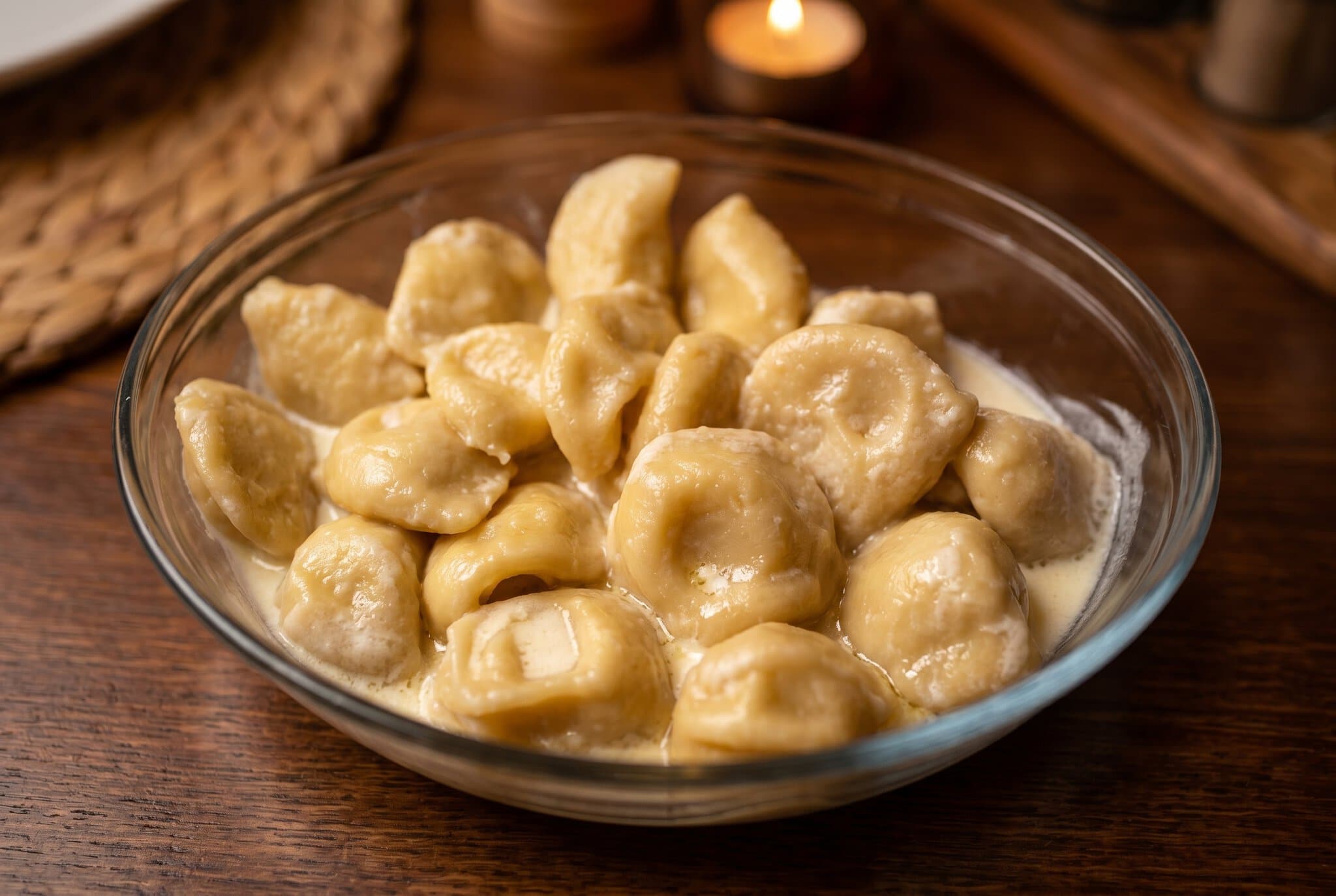
When someone says Polish food, pierogi are probably the very first thing that springs to mind. They’re essentially stuffed dumplings made from thin dough, either boiled in water or lightly pan-fried in lard with onions after boiling so they get beautifully crispy.

In so-called “pierogarnie” — specialist pierogi restaurants — you’ll easily find over ten different fillings. Our little boy Jonášek once refused to leave until he’d tried at least four of them. 😁 This year, he practically ate himself to bursting point.

1. Pierogi ruskie (potato and cheese)

Despite what the name suggests, these dumplings actually originate from the Galicia region and are an absolute classic. The filling is a mix of boiled potatoes, cottage cheese and fried onion, typically served topped with crackling and more onion.

They’re beautifully soft, slightly buttery, and utterly moreish. This is probably our favourite variety when we fancy something filling but meat-free. We usually share one big portion between us so we’ve got room for more courses — but we still end up fighting over that last piece on the plate.

2. Pierogi z mięsem (with meat)

If you eat meat, this variety is probably the most popular among tourists. The dumplings are stuffed with minced meat — usually beef or pork — seasoned with garlic, marjoram and pepper, and served either boiled or pan-fried until golden. The two of us don’t eat meat, so we always generously leave these for everyone else at the pierogi house, but it’s undoubtedly a Polish classic that almost everyone tries.

Meat pierogi are traditionally served with a spoonful of sour cream on the side, which beautifully mellows out the bold seasoning. It’s the kind of dish that has most pierogi house visitors rolling their eyes in bliss — so if you do eat meat, definitely don’t skip it.

3. Pierogi z kapustą i grzybami (sauerkraut and mushrooms)

This is a traditional Christmas and holiday dish, but you’ll find it in restaurants year-round. The filling combines sauerkraut and wild mushrooms, creating a beautifully balanced sour-earthy flavour. If you visit Poland in autumn, definitely don’t miss this variety.

We first stumbled upon these pierogi in a completely tucked-away little tavern in the countryside, and I have to say the combination absolutely blew me away. Lukáš isn’t usually a big mushroom fan, but he made an exception here and admitted that the sauerkraut gives them just the right kick.

4. Sweet pierogi (z truskawkami or borówkami)

Poles are masters at stuffing fruit into pierogi and turning them into a full-blown summer lunch. In summer, you’ll find pierogi z truskawkami (with strawberries) or z borówkami (with blueberries) everywhere. They’re served with melted butter, sugar and a generous helping of sweet cream.

For us, these work best as a big dessert plonked in the middle of the table. The last time we had them in Gdańsk, Jonášek was scooping them up with his bare hands and the blueberry juice wouldn’t wash out for about a week. Worth it for the look of pure happiness on his face, of course.

Bar mleczny: Eat for a few euros and soak up the retro vibes

Milk bars, or “bary mleczne”, are a fascinating Polish phenomenon. Originally state-subsidised socialist canteens designed to provide cheap meals based mainly on dairy products and eggs (to save on meat), these establishments still exist today. The state still partially subsidises them, and they’ve become beloved hipster and student haunts where you’ll spot grandmas with wheeled shopping bags sitting right next to suited-up office workers.

You typically order at a counter window from a no-nonsense lady who’ll bellow your name in Polish when your food is ready. The interiors look like they’re stuck somewhere in the 1980s, but that’s precisely the atmosphere you come for. A main course typically costs 2–5 €, making them some of the best-value traditional Polish food restaurants anywhere. If you’re visiting Wrocław, be sure to check out the legendary Bar Miś, and in Kraków, don’t miss Bar mleczny Pod Temidą.

Polish soups that warm you up and cure hangovers

Soup, or “zupa” in Polish, is sacred to the Poles, and they rarely skip lunch without one. They’re thick, bursting with flavour, and often so filling you’ll need to ask for a doggy bag for your main course.

5. Żurek (sour rye soup)

This is an absolute gem of Polish cuisine. Żurek is a soup made from fermented rye flour, with a distinctive sour taste. The traditional version features hard-boiled eggs and a generous portion of white sausage. Fortunately, we can almost always order a vegetarian version (often with mushrooms), so we happily have this soup in place of a main course. Many restaurants also serve it in a hollowed-out bread loaf, from which you tear off chunks to dip into the broth. Pure perfection.

Lukáš reckons you can judge a good żurek by whether the spoon stands up in it. We love it most on damp, chilly days — nothing warms you up after a long city walk quite as quickly and reliably as this smoky, garlicky marvel.

6. Rosół (hearty broth)

While chicken broth is common enough in the UK, in Poland the Sunday rosół is practically sacred. It’s a strong, golden chicken or beef broth with homemade noodles, carrots and parsley that fills every Polish household with its aroma all Sunday long. For locals, it’s a cure for every ailment and an absolute lifesaver if the previous evening’s vodka tasting got slightly out of hand.

When we stayed in the countryside near the Tatras, our landlady cooked it in a huge pot on Sunday and the smell drifted through the entire house. We don’t eat meat broth ourselves, but those hand-pulled noodles — nearly as long as spaghetti — and the whole Sunday table ritual are quintessentially Polish. Unlike most soups, a vegetarian version of rosół is harder to find, so we usually go for żurek or beetroot barszcz instead.

7. Krupnik and Barszcz

Krupnik is a thick soup made from barley groats, root vegetables and meat that’s guaranteed to warm you through in winter. And then there’s barszcz — traditional Polish borscht, which differs from its Ukrainian cousin. In Poland, you’ll most often encounter the clear, ruby-red beetroot broth called “barszcz czysty”, which is often sipped straight from a cup alongside small stuffed dumplings called “uszka”.

The clear beetroot broth took me by surprise at first — I was expecting a thick, chunky soup — but I fell in love with it from the very first sip. It has a wonderful earthy sweetness gently cut through by acidity, and those little mushroom dumplings are like tiny surprises waiting at the bottom.

Bigos, schnitzels and mains that won’t leave you hungry

When we think of Polish main courses, enormous portions and lots of meat immediately spring to mind. If you’re watching your diet, you might struggle in a traditional Polish tavern — but calories don’t count on holiday, right? 😁

8. Bigos (hunter’s stew)

This dish is the stuff of legend. Bigos is essentially a thick hunter’s stew cooked from sauerkraut and fresh cabbage, several types of meat, sausages, dried mushrooms and prunes. The secret to great bigos lies in cooking it slowly — ideally over several days, reheating and resting it repeatedly so the flavours meld beautifully.

Locals swear by bigos and insist the more times you reheat it, the better it gets. We skip the classic meaty version ourselves, but the good news is that plenty of modern bistros now make an excellent vegetarian bigos using just mushrooms and several types of cabbage. And we’ll admit that this meat-free version, served in an authentic wooden mountain hut, blew us away just as much.

9. Kotlet schabowy and Gołąbki

Kotlet schabowy is essentially a breaded pork schnitzel, but in Poland they make them truly enormous — often hanging over the edge of the plate — and serve them with mashed potatoes and braised cabbage. Gołąbki (literally “little pigeons”) are cabbage-leaf rolls stuffed with minced meat and rice, slow-cooked and served with a delicious tomato or mushroom sauce.

Both gołąbki and the schnitzel are quintessential Polish comfort food, and in any traditional tavern you’ll spot them on practically every table around you. We don’t eat meat, so we usually go for the mashed potatoes — which in Poland are generously loaded with butter — and a hearty portion of braised cabbage. The good news is that plant-based versions of the schnitzel, made from celeriac or cauliflower, are popping up on more and more Polish bistro menus.

Vegetarian Poland: A surprise you won’t expect

Although it might not seem like it after reading the sections above, Poland is actually a vegetarian and vegan paradise. We were utterly gobsmacked when we discovered just how huge and sophisticated the scene is. Especially if you head to beautiful Kraków or Wrocław, you’ll find some of the best plant-based restaurants in all of Europe.

The cities are mad for all kinds of vegan burgers, and the famous Veganistanowi Burgers works such wonders that you’d swear you were eating the juiciest meat — even though it’s entirely plant-based. In Wrocław, we recommend the legendary Vega, the first and oldest fully vegan restaurant in the entire country, which has been running since the late 1980s. They offer superb plant-based versions of traditional Polish dishes, so you can enjoy pierogi or kotlet schabowy even if you don’t eat meat.

Polish vodka and the rules of drinking it (and how to survive)

When you visit Poland, tasting the local vodka is practically a social obligation. I mentioned it in our Kraków guide too. The bars there stock over a hundred varieties and it would be almost criminal not to try at least one. Poles take their vodka very seriously, and there are fairly strict rules about how to drink it properly so you don’t offend your host.

10. Rules of the Polish “Na zdrowie”

First of all, vodka is drunk neat and ice-cold — pulled straight from the freezer. You never, ever dilute quality Polish vodka with water or juice in the glass. It’s drunk from small shot glasses and always downed in one — no sipping allowed. Before each shot, everyone proclaims a resounding “Na zdrowie!” (to your health). And a little survival tip: chase it with a pickled gherkin. Trust me, it works wonders.

Our first tasting session with locals was a bit wild. Before we’d even properly settled in, we had three shots inside us and realised that the pace here really doesn’t slow down. So my personal advice is: always drink after a proper, very hearty lunch — otherwise it’ll catch up with you fast.

11. What exactly to try

Among classic clear vodkas, Wyborowa is a perennial favourite. But the flavoured vodkas are far more interesting, with the absolute classic being Żubrówka, also known as bison grass vodka. It’s a slightly yellowish vodka with a blade of grass from the Białowieża Forest inside the bottle, and exceptionally it’s often drunk mixed with apple juice — a cocktail called “szarlotka” (apple pie). Soplica is also excellent, coming in dozens of fruity flavours — we’re particularly fond of the hazelnut and the sour cherry.

The hazelnut Soplica tastes more like a liquid nutty dessert. We bought two bottles to take home and love having it after a heavier dinner with friends — it always turns into a little trip down memory lane. And the szarlotka cocktail is an absolutely brilliant summer drink for cooling off.

Polish beer: From classics to the craft revolution

We Czechs may be a beer-loving nation, but Poland holds its own for hop enthusiasts too. Every pub will offer you the big traditional brands like Tyskie, Żywiec or Lech — perfectly drinkable pale lagers that pair nicely with a heavy meal. But we prefer seeking out smaller breweries, and there are more and more of them in Poland.

Since 2010, Poland has been riding a massive craft beer wave. Whenever we explored cities in the evening on our road trip, we’d hunt for pubs with local brews, and the Polish IPA scene is genuinely world-class. Look out for names like Browar Pinta (their Atak Chmielu is legendary), AleBrowar or Browary Trzech Koron. If you’re in Kraków, definitely head to Plac Nowy 1 for dinner. It’s right in the heart of Kazimierz, where most visitors stay anyway. They serve excellent pizza and some of the best local beer in town.

Sweet finish: Pączki, sernik and the papal kremówka

You absolutely can’t forget about desserts in Poland. Polish cake shops (cukiernie) are on every corner and the display cases are positively bursting with creams and curd cheese creations.

lukas a lucka
Lukáš and Lucie recommend
Where to stay in Poland
3 accommodations — hotels and other lodging options

12. Pączki (doughnuts like no other)

Polish pączki may resemble British jam doughnuts, but they’re far richer — the dough is denser and the fillings are absolutely incredible. Traditionally, they’re filled with rosehip jam and topped with sugar glaze and candied orange peel. Poles devour the most of them on Tłusty Czwartek (Fat Thursday) before Lent, when queues outside renowned bakeries can last several hours.

We once queued like that in Kraków and I thought Lukáš was going to lose his patience. But the moment we got our hands on that warm, jam-oozing beauty, we both agreed we’d happily queue all over again. It’s a calorie bomb, but an absolutely heavenly one.

13. Sernik and Kremówka

If you love cheesecake, Polish sernik will delight you. It’s a traditional curd cheesecake made from proper Polish “twaróg” — drier than standard cream cheese — which makes the cake wonderfully light and airy, often finished with raisins or a chocolate glaze. Another famous treat is the Kremówka papieska, the favourite pastry of Pope John Paul II: two layers of puff pastry filled with an enormous cloud of vanilla custard.

When we visited Wadowice, the Pope’s birthplace, these kremówki were in practically every shop window. I’m obsessed with puff pastry, and when it’s paired with real vanilla custard that melts on your tongue, there’s simply no resisting it.

Best Polish cities for food: Our top picks

Over the years, we’ve visited quite a few, so here are the places we keep coming back to for the food.

14. Kraków and Warsaw

Kraków is an absolute paradise. The Kazimierz district is packed with brilliant bistros and traditional Jewish restaurants, plus you’ll find the famous zapiekanki (toasted baguettes with mushrooms and cheese) right on the street. Warsaw, on the other hand, blends history with a cutting-edge fine dining scene and has loads of fantastic third-wave coffee shops serving exquisite brews from local roasters.

Of the two cities, Kraków feels closer to our hearts — we have so many memories there from our very first trips. But I have to admit that Warsaw amazes us every time with how rapidly its food scene evolves and pushes forward.

15. Gdańsk and Wrocław

If you head north, the port city of Gdańsk specialises in fresh fish and Baltic herring, prepared in dozens of ways. And Wrocław — we love it and I’ve written a whole article about it — just eat everywhere there. The milk bars and the vegan spots are absolutely brilliant.

In Gdańsk, I’d recommend heading down to the waterfront in the evening and grabbing a seat at one of the harbour bistros. We sat there one evening as the sun was setting over a plate of crispy pan-fried pierogi and a glass of wine, and cliché as it sounds, it was one of those perfect holiday evenings you simply never forget.

Practical tips, tipping and restaurant etiquette

Finally, a few pointers so you know how to behave in Polish restaurants and avoid any faux pas.

  • Tipping (napiwek): It’s customary to leave around 10% of the total bill if you’re happy with the service. In nicer restaurants, a service charge is sometimes already included — always check your bill.
  • Paying: If you’re dining in a larger group, Poles aren’t big fans of splitting the bill item by item at the table. Usually the whole bill is paid together and people settle up amongst themselves — though in bigger cities, splitting is gradually becoming more accepted.
  • Alcohol ban: Keep in mind that drinking alcohol on the street and in public spaces is strictly prohibited in Poland (unless you’re on a restaurant terrace). Fines can be hefty, so stick to the pub with your beer.

Read more

If all this food talk has your mouth watering and you’re planning a trip, be sure to check out our other Poland articles:

Travel tips and tricks

Before you head off to explore all those amazing Polish bistros and milk bars, here are a few quick practical tips. Whether you’re driving or flying, it pays to be a little prepared. 😉

Lukáš and I have been using these tried-and-tested services for years — they save us loads of money and hassle. Here’s an overview of what’s worked best for us on the road.

Finding cheap flights or transport

If you’re not driving to Poland, search for cheap flights or buses to Polish cities on Kiwi — it’s our go-to booking platform. From the UK, budget airlines like Ryanair, Wizz Air and easyJet operate frequent routes from London, Manchester, Edinburgh and other cities to Kraków, Warsaw, Gdańsk and Wrocław.

When we first flew with little Jonášek, the search tool made life so much easier because we could instantly see the shortest, most comfortable connections without unnecessary layovers. And with a small child, every minute saved really counts.

Car hire

We regularly use the comparison site DiscoverCars — Lukáš and I have had consistently great experiences with it and use it all over the world.

A car is especially handy in Poland when you want to get out of the cities and explore the countryside or head up north to the coast. The comparison tool always helps us snag the best prices, and everything’s neatly insured in one place.

Don’t forget travel insurance

We always get insured before every trip. For shorter trips we go with travel insurance providers offering good European cover, and for longer trips or travel outside Europe, we love SafetyWing. While the UK GHIC card gives you access to state healthcare in Poland, a proper travel insurance policy covers so much more — repatriation, lost baggage and trip cancellation.

Especially now that our little one travels with us, we really don’t leave anything to chance. Insurance costs just a few pounds but the peace of mind — knowing you can see a doctor anytime without worrying about the bill — is truly priceless.

Internet on the go

While your UK mobile plan may include European roaming, if you need backup data, we swear by a travel eSIM from Holafly.

It’s a brilliant safety net for when your carrier signal drops out or when you’ve burned through all your data downloading cartoons in the car. You activate it in seconds before you leave and you’re sorted.

FAQ: Frequently asked questions about Polish food

What are Polish pierogi?

Polish pierogi are traditional filled dumplings that are boiled in water and often pan-fried afterwards. They come with a wide variety of fillings, from potatoes with cheese (ruskie), to ground meat, sauerkraut with mushrooms, and even sweet summer fruit versions with strawberries or blueberries.

What is typical Polish food?

Besides pierogi, quintessentially Polish dishes include żurek soup (made from rye sourdough with sausage and egg), the hearty hunter’s stew bigos made with cabbage and several types of meat, and a large breaded pork cutlet called kotlet schabowy. Polish cuisine is very hearty, full of potatoes, cabbage, and meat.

How do you make pierogi dough?

Classic Polish pierogi dough is very simple. It’s made with just all-purpose flour, hot water, a pinch of salt, and often a bit of melted butter or oil is added to make the dough more pliable. Some people add an egg, but traditional recipes work fine without it—the hot water makes the dough beautifully soft and elastic.

What country are pierogi from?

Although several Eastern and Central European countries claim them as their own, and you’ll find variations in Ukraine, Russia, and Slovakia, pierogi in this specific form and name are considered Poland’s national dish, where they have the strongest tradition and widest variety of fillings.

How much does lunch cost in Poland?

It depends on where you go. At classic retro milk bars, you can easily eat for 15 to 25 PLN (around €3.50 to €6). At regular restaurants, expect to pay around 40 to 60 PLN (approximately €9 to €14) for a main course, and at fine dining establishments you’ll obviously pay more.

Is Polish cuisine suitable for vegetarians?

Surprisingly, yes. Although traditional Polish cuisine is meat-heavy, Polish cities like Krakow, Warsaw, and Wroclaw are experiencing a huge boom in vegan and vegetarian dining. You’ll commonly find fully plant-based restaurants offering vegan burgers and even meatless versions of traditional Polish dishes.

How do you drink vodka in Poland?

Polish vodka is drunk neat, ice-cold from small shot glasses, and always downed in one go. It’s never mixed with juice or water, and before each shot, Poles clink glasses together and say “Na zdrowie!” Pickles or pieces of bread with lard are often served alongside to help pace the drinking.

Tips and Tricks for Your Vacation

Don’t Overpay for Flights

Search for flights on Kayak. It’s our favorite search engine because it scans the websites of all airlines and always finds the cheapest connection.

Book Your Accommodation Smartly

The best experiences we’ve had when looking for accommodation (from Alaska to Morocco) are with Booking.com, where hotels, apartments, and entire houses are usually the cheapest and most widely available.

Don’t Forget Travel Insurance

Good travel insurance will protect you against illness, accidents, theft, or flight cancellations. We’ve had a few hospital visits abroad, so we know how important it is to have proper insurance arranged.

Where we insure ourselves: SafetyWing (best for everyone) and TrueTraveller (for extra-long trips).

Why don’t we recommend any Czech insurance company? Because they have too many restrictions. They set limits on the number of days abroad, travel insurance via a credit card often requires you to pay medical expenses only with that card, and they frequently limit the number of returns to the Czech Republic.

Find the Best Experiences

Get Your Guide is a huge online marketplace where you can book guided walks, trips, skip-the-line tickets, tours, and much more. We always find some extra fun there!

Maligne Lake and Spirit Island: 10 Things to See and Do

TL;DRMaligne Lake is the largest natural lake in the Canadian Rockies, stretching 22 kilometres, and the only way to reach its iconic Spirit Island is on a ninety-minute boat trip with Brewster Adventures, costing 75 to 95 Canadian dollars. You can’t actually set foot on the island itself, though — it’s a sacred site for the Stoney Nakoda Nation. The drive from Jasper along Maligne Lake Road takes around 45 minutes (48 kilometres), and the best time to visit runs from late May to early October, with the turn of August and September being the sweet spot. The ten tips in the article cover the boat trip along with a walk through Maligne Canyon, hikes up the Bald Hills Trail or Opal Hills Trail, kayaking on the lake, and the winter Ice Walk along the frozen canyon.

Maligne Lake is hands down one of the most iconic places we’ve ever discovered in Canada — and honestly, it deserves a spot on everyone’s itinerary. When Lukáš and I lived and worked in Banff National Park back in 2016 and 2017, we spent every single day off exploring the Rockies. Even though it meant driving hundreds of kilometres, we kept coming back to neighbouring Jasper again and again.

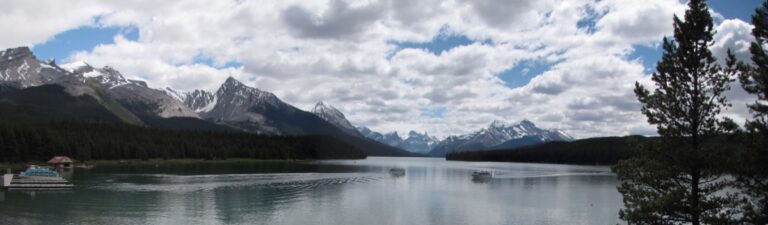
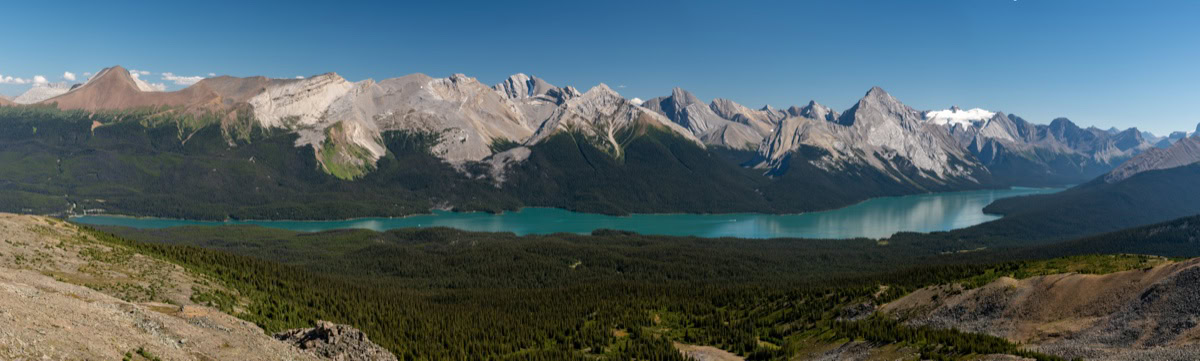
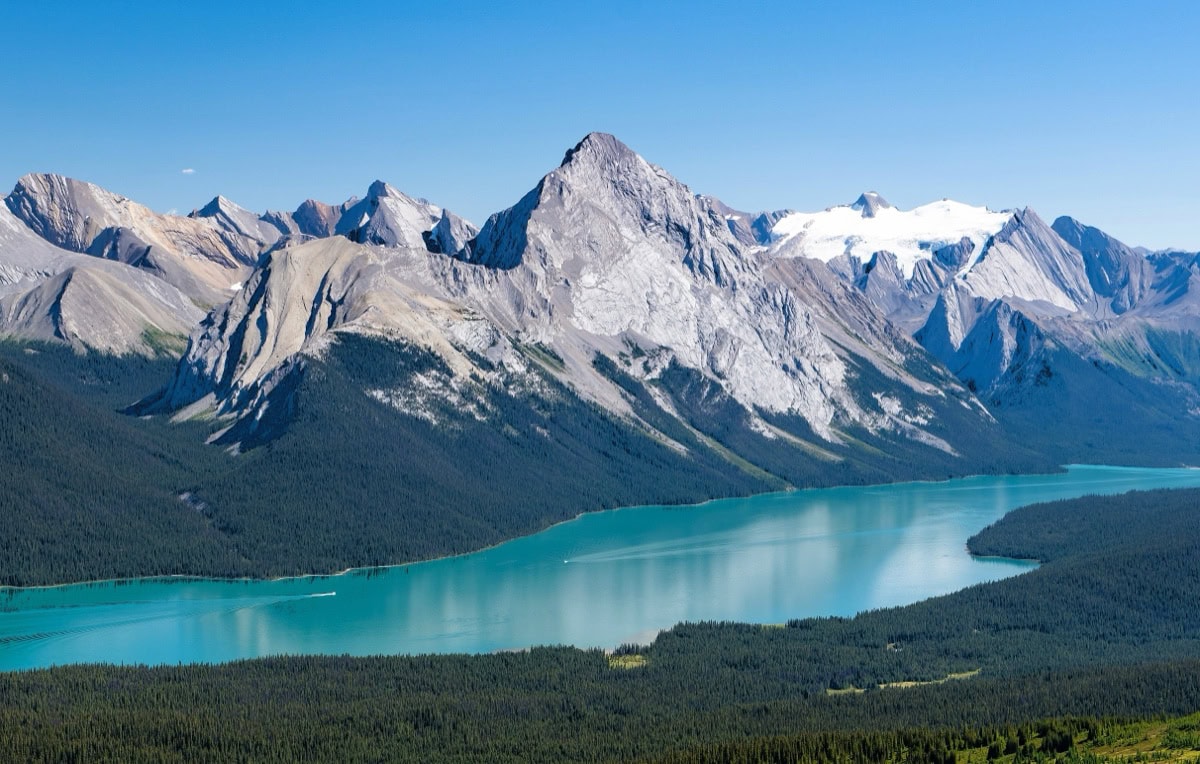
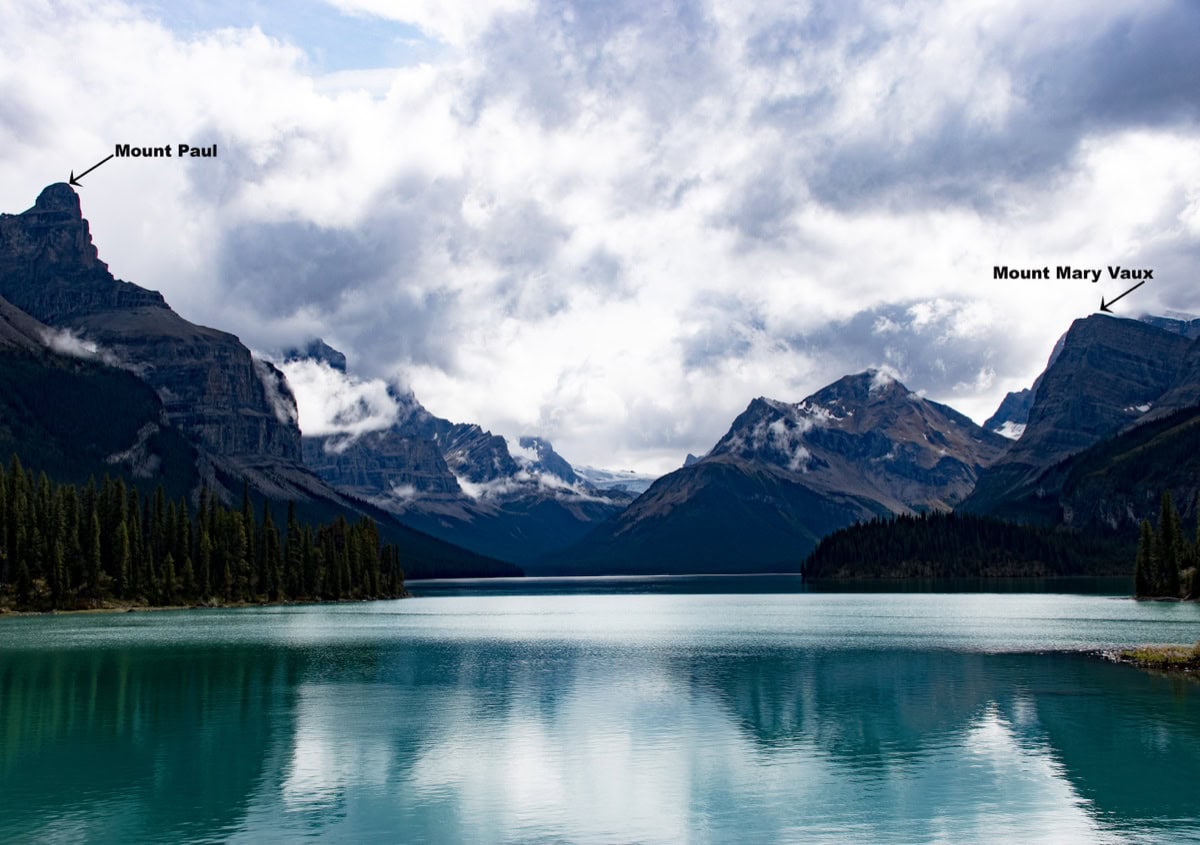
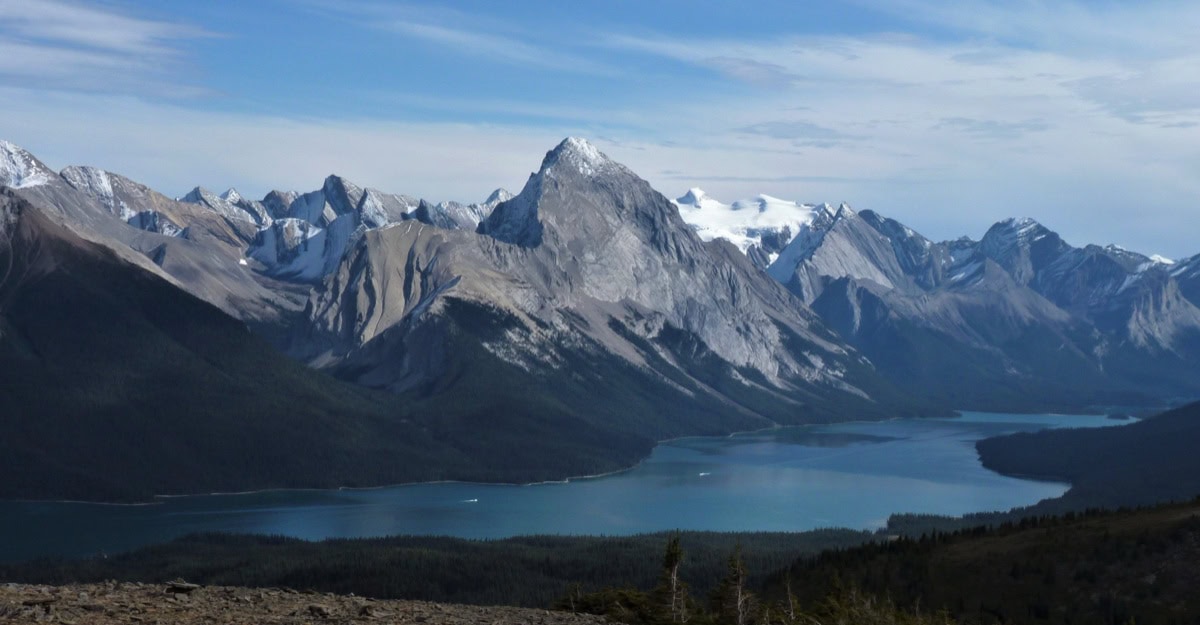
This stunning lake — the largest natural lake in the Canadian Rockies — stretches an incredible twenty-two kilometres in length, and its glacial water is so brilliantly turquoise you’ll swear someone’s slapped a polarising filter over your eyes.

Spirit Island, that tiny islet that appears on every other Canadian postcard? Yep, we’ve been there. And I’m going to tell you exactly what to book right now so you’re not left standing on the shore watching the boat leave without you 😅.

TL;DR

  • Book early: The Maligne Lake cruise to Spirit Island sells out weeks in advance during summer, so grab your tickets from Brewster Adventures as soon as you know your travel dates.
  • Getting there: A dead-end scenic road called Maligne Lake Road leads from the town of Jasper to the lake. The drive takes just under 45 minutes and is essentially a wildlife safari — you’ll very likely spot bears and moose along the way.
  • Magical Medicine Lake: On the way, you’ll pass Medicine Lake, which acts like a giant geological bathtub — every winter, all its water mysteriously vanishes through underground channels.
  • Winter vs. summer: In summer, crowds flock here for boat tours and turquoise water; in winter, the lake freezes over and the main attraction is the incredible Maligne Canyon Ice Walk.
  • Respect the rules: Spirit Island is a sacred site of the Indigenous Stoney Nakoda people — you must never set foot on it under any circumstances. Drones are also strictly banned throughout the national park, with hefty fines.

When to Visit and How to Get There

Planning a visit to Canada’s national parks is always a bit of a balancing act — the weather in the mountains does whatever it pleases, and the summer season is incredibly short. We always enjoyed late August and early September the most: it’s not too hot for long hikes, the mosquitoes have finally calmed down, and the morning mist hovering over the lake makes for absolutely magical photos. That said, if you’re visiting during the peak summer months, brace yourself for serious crowds.

Best Time to Visit

If your main goal is the Maligne Lake cruise to Spirit Island, you’ll need to plan your trip between late May and early October — outside this window, the boats simply don’t run and the lake gradually freezes over. During July and August, expect the area around Maligne Lake to be absolutely heaving. Temperatures can climb above 30°C, though the lake water remains freezing cold. Autumn is utterly enchanting thanks to the golden larches colouring the surrounding hillsides, while in winter the road is kept open all the way to the lake, but facilities and restaurants on site are closed.

We’ve visited even in the middle of a rainy summer and it still had its charm. Just don’t forget to pack a waterproof jacket — the weather by the lake can turn on a sixpence, going from blue skies to a downpour in under ten minutes.

Getting There from Jasper

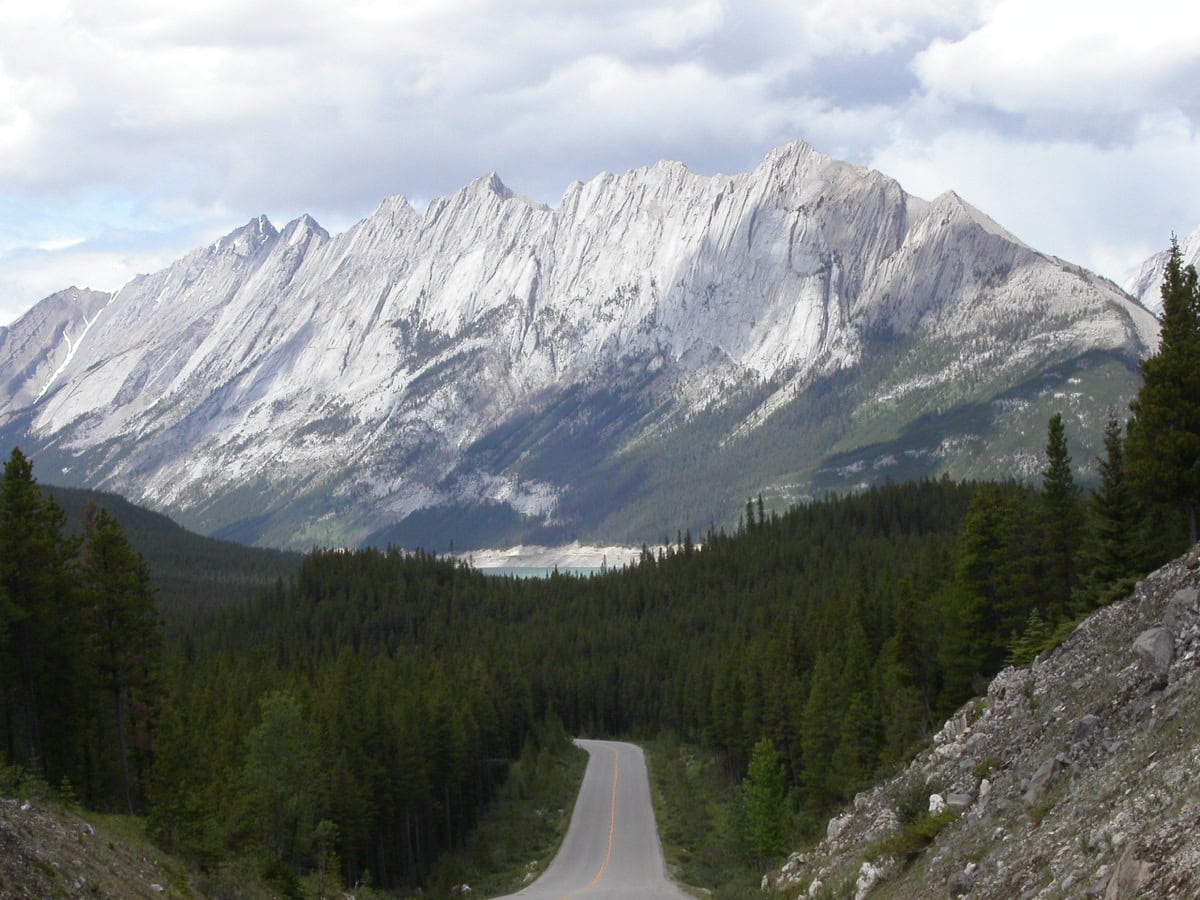
The drive from Jasper to Maligne Lake is completely straightforward, and in my opinion it’s one of the most beautiful scenic roads in Alberta. Simply head out of the town of Jasper on Highway 16 towards Edmonton, turn right after a few kilometres onto Maligne Lake Road, and enjoy roughly 48 kilometres of jaw-dropping natural beauty. The drive takes about 45 minutes, but I’d recommend allowing at least an hour and a half — you’ll be constantly pulling over to snap photos or to let wildlife cross the road.

Lukáš and I have had great experiences with DiscoverCars for years, and we’d strongly recommend picking up your hire car at Calgary or Edmonton airport. If you’d rather not drive, there’s also a Jasper to Maligne Lake shuttle — a bus service that departs from the centre of Jasper and drops you right at the boat dock. Most visitors flying from the UK will find direct flights to Calgary with airlines like Air Transat or WestJet, or you can connect via major hubs.

Where to Stay in Jasper and Budget Tips

There are no hotels directly at Maligne Lake — there’s a historic boathouse, but it doesn’t offer accommodation, so the town of Jasper will be your base. Accommodation in Canada’s national parks doesn’t come cheap, and prices have rocketed in recent years. Expect to pay upwards of €200 per night for a basic motel room in peak season, and nicer hotels? Best not to even think about it 😅.

I’d definitely recommend looking for somewhere as close to central Jasper as possible — after a full day exploring the mountains, you’ll really appreciate being able to stroll to a pizza and a beer without getting back behind the wheel.

One of the most popular and reasonably priced options is the Best Western Jasper Inn & Suites, which has a lovely indoor pool and generous family rooms. If you’re after something truly special and don’t mind splashing out, there’s the legendary Fairmont Jasper Park Lodge — a luxurious complex of cabins set around Lac Beauvert, where you might spot elk right outside your window and the whole place oozes history. We usually went for the budget option and camped instead, as there are several excellent national park campgrounds around Jasper — for example, Whistlers Campground, which has been recently renovated and offers great facilities including hot showers at a fraction of the cost of a hotel.

Maligne Lake and Surrounds: 10 Things to See and Do

This whole region honestly won’t let you go easily — we planned one day and ended up staying for three. Here are ten things worth doing, from pure relaxation to proper full-on hikes.

1. Maligne Lake Cruise to Spirit Island

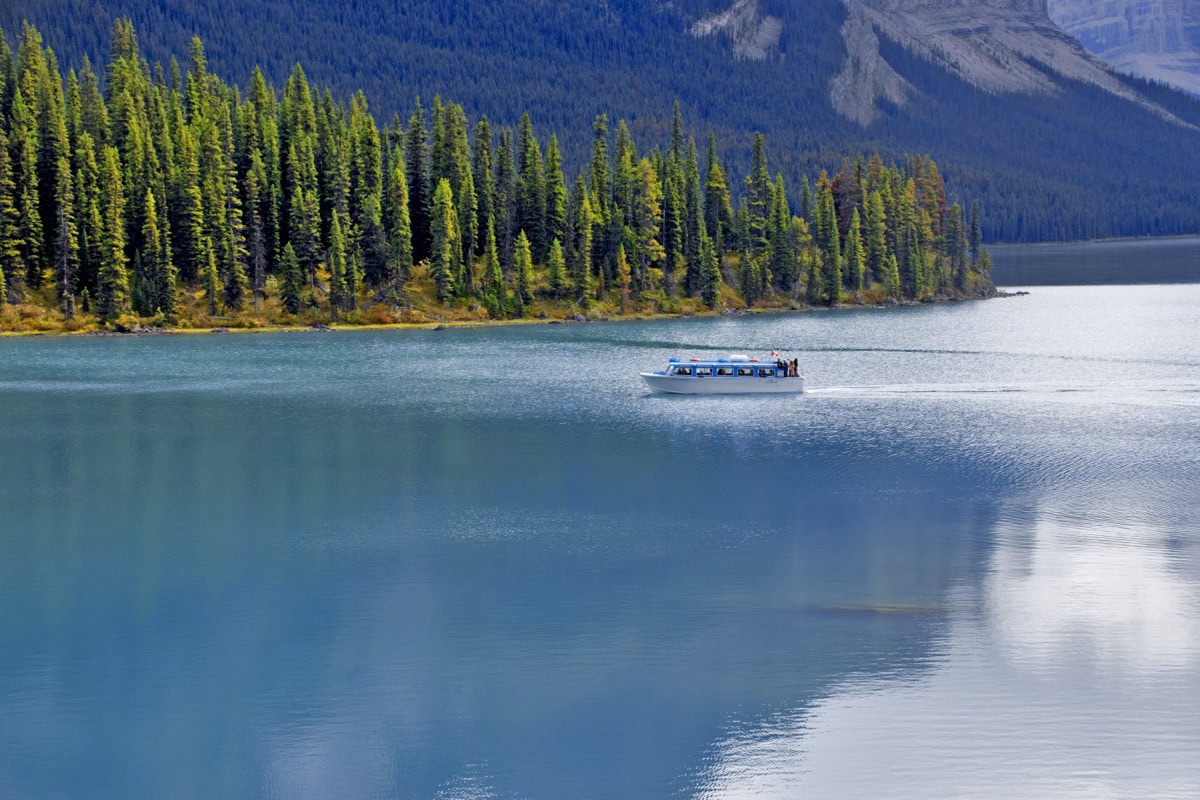
This is the absolute classic — a visit to Jasper practically doesn’t count without it, though I’ll admit the price stung a little. The cruises are run exclusively by Brewster Adventures, and the ninety-minute trip costs roughly 75 to 95 Canadian dollars per person depending on the time slot you choose. The ride on a modern glass-enclosed boat with a local guide narrating is gorgeous — you glide through a narrow channel, and after about forty minutes a hidden bay opens up before you, revealing the iconic islet ringed by towering glacial peaks.

We recommend booking your Maligne Lake cruise through the official Brewster Adventures website well in advance. Try to snag an early morning slot — the lake is still perfectly calm and you’ll dodge the worst of the tour bus crowds.

2. The Iconic Spirit Island Photo

When you arrive at Spirit Island, the boat docks at a small wooden pier and you’ll have roughly fifteen minutes to capture those famous photographs you’ve seen in every Canada guidebook. A short viewpoint trail leads slightly uphill, giving you the perfect angle — the spruce-covered islet sits dead centre in the frame, surrounded by turquoise water with mountains towering behind. It always makes me laugh how the entire boat empties in seconds as everyone scatters with phones and cameras, only to queue up again for re-boarding ten minutes later.

If you want just the islet in your shot without dozens of other heads, my tip is to be the first off the boat and make a beeline for the viewpoint. It’s not exactly the most romantic approach, but that photo you’ll frame and hang on your wall back home is absolutely worth a bit of early-morning cardio 😉.

3. The Easy Mary Schäffer Loop

If the boat cruise doesn’t fit your budget, or you’ve got little kids and fancy a gentle stroll rather than a steep climb, this trail is perfect. The route is just over three kilometres long, starts right at the main car park by the lake, and follows a well-maintained paved path along the shoreline with lovely views the entire way. It’s named after the first woman who mapped this area back in 1875 and introduced it to the outside world — you can read all about her story on the interpretive panels dotted along the path.

There are plenty of benches along the way, and Lukáš and I always love to stop for a little snack while gazing out across the water. Curious squirrels often scurry around the trail too, so even the kids tend to be absolutely delighted by this easy walk.

4. The Dramatic Maligne Canyon

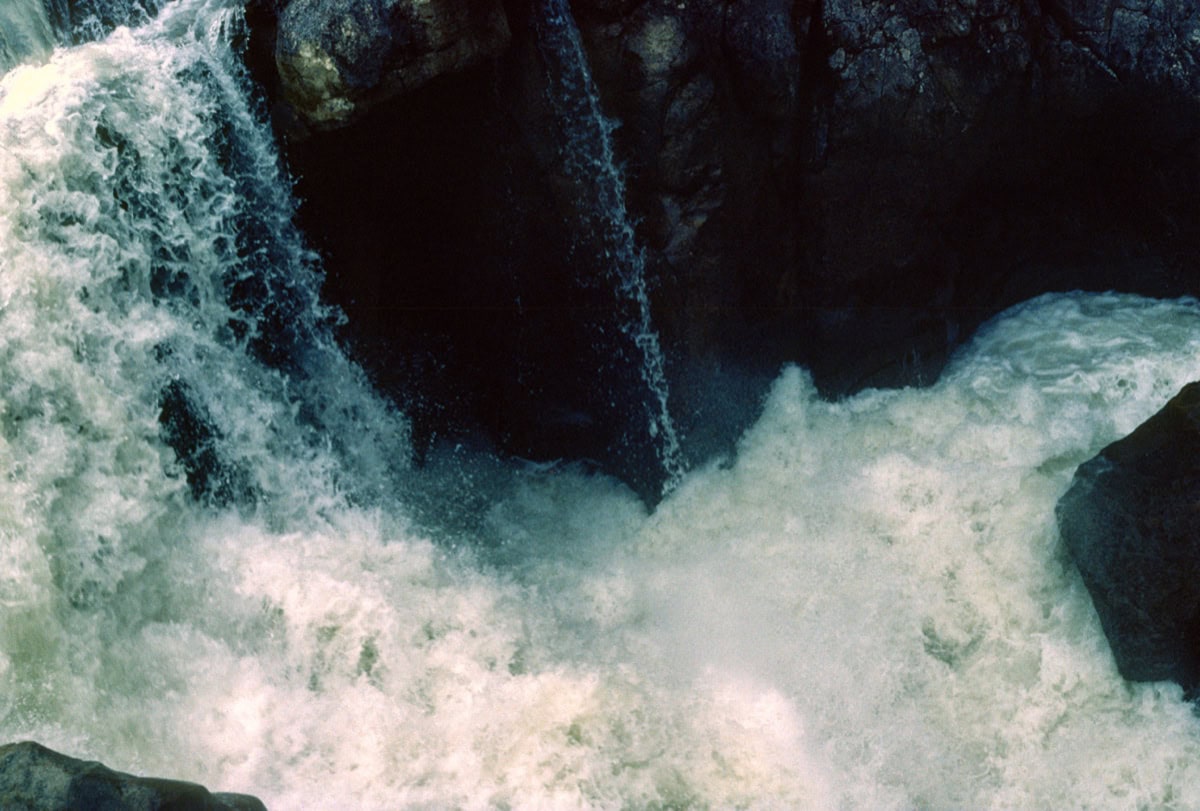
Before you even reach Maligne Lake itself, make sure you stop at Maligne Canyon, located just about four kilometres from the town of Jasper. It’s an incredible geological spectacle where a wild river has carved through limestone rock to create a gorge up to fifty metres deep. The trail takes you across several stone and steel bridges directly above the roaring water. The first two bridges are pushchair-friendly and take only twenty minutes, though we’d always recommend walking at least to the fifth bridge, where the crowds thin out considerably.

The canyon is managed by Jasper National Park and you’ll find plenty of information boards along the route. It can be slippery even in summer thanks to all the moisture, so wear sturdy shoes unless you fancy ending up on the ground before you’ve even reached the first viewpoint.

5. Winter Adventure: Maligne Canyon Ice Walk

This is an experience we absolutely swear by if you’re visiting the Rockies during the winter months when everything is blanketed in thick snow. The water in Maligne Canyon freezes solid and creates breathtaking ice falls. Local outfitters run guided winter tours for around ninety Canadian dollars — you’ll be kitted out with ice cleats and a warm helmet before heading down to walk along the frozen canyon floor. It’s a completely surreal experience that’ll make you feel like you’ve wandered onto a Game of Thrones set.

The gear is typically provided by the tour operators themselves — for example, Maligne Adventures, which organises these winter walks. Just make sure you dress in proper layers, because down in the canyon it’s often several degrees colder than up in the car park.

6. The Mysterious Medicine Lake

About halfway along the road, you’ll come across Medicine Lake, which has one of the strangest geological features in the world — and it has fascinated us every single time. In summer, it looks like a perfectly normal, vast lake filled with glacial meltwater. But as autumn arrives, something bizarre happens: the water simply disappears, as if someone’s pulled the plug on a bathtub. And that’s essentially what’s going on — beneath the lake lies an enormous cave system of holes and channels that drain the water away. It resurfaces about twenty kilometres downstream, right at Maligne Canyon.

By autumn, it looks more like a lunar landscape of mud and trickles. This remarkable phenomenon makes it a popular stop not just for tourists like us, but also for researchers who are still mapping the vast underground system.

7. Hiking the Bald Hills Trail

If you’re craving the best panoramic views of the entire twenty-two-kilometre-long lake and don’t mind breaking a sweat, head for the Bald Hills Trail. The route is just over five kilometres one way with about 480 metres of elevation gain, and once you emerge above the treeline, the view will quite literally take your breath away 😅. It’s a fairly popular trail, so you won’t be completely alone in peak season. We’d strongly recommend good hiking boots though, because the path is rocky and the upper sections can get treacherously slippery.

Bring plenty of water and don’t forget sunscreen — above the treeline, there’s absolutely zero shade. The climb proper gave us a workout and I was gasping for air at the top, but the view of the bay and the mountain ridges made every single step worth it.

8. The Tougher Opal Hills Trail

We’d recommend this one for those who already have some hiking under their belt and want to escape the crowds milling around the boat dock. It’s an eight-kilometre loop that begins with a relentlessly steep climb through forest — the kind where you wonder if it will ever end — but the reward is absolutely worth it. At the top, you reach gorgeous alpine meadows bursting with wildflowers in summer. We’d suggest setting off really early in the morning to beat the afternoon heat and increase your chances of spotting wildlife.

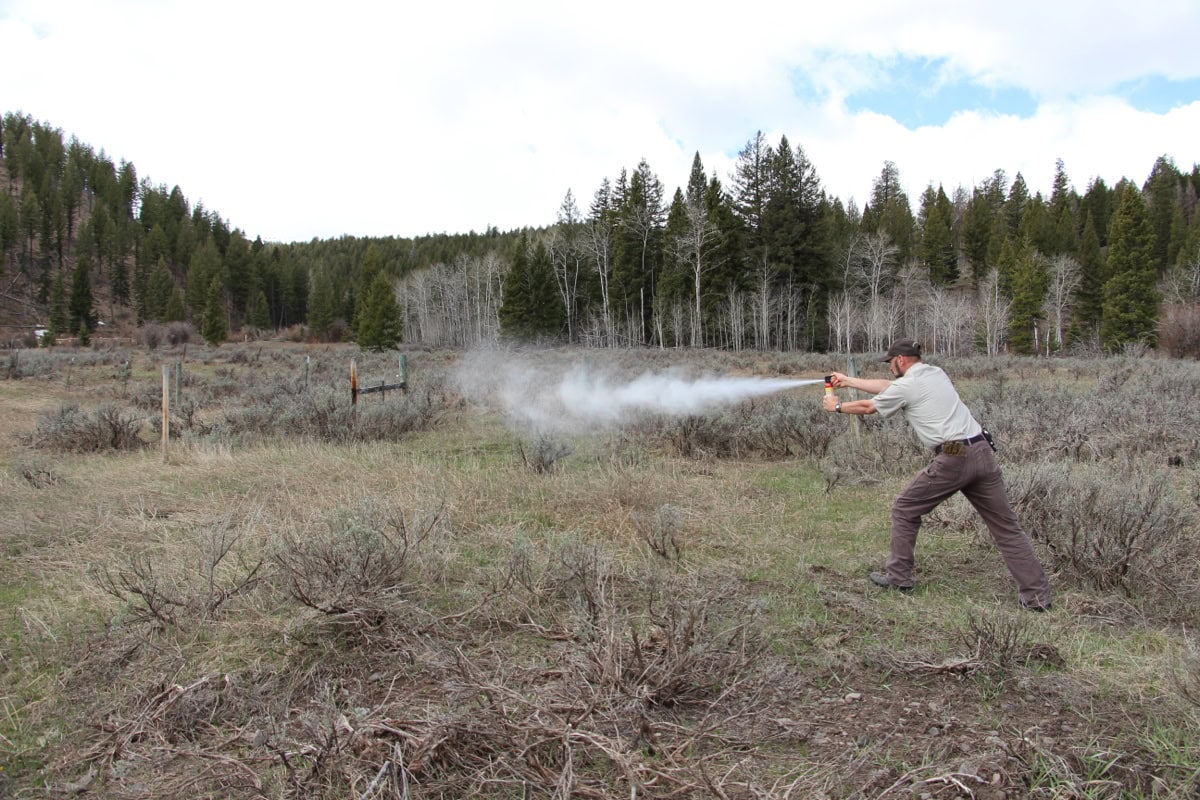
Pay close attention to your surroundings, though, because this trail runs through prime bear territory. We always keep bear spray clipped to our belts and chat away fairly loudly to avoid surprising any furry friends mid-berry-snack.

9. Kayaking or Canoeing on the Lake

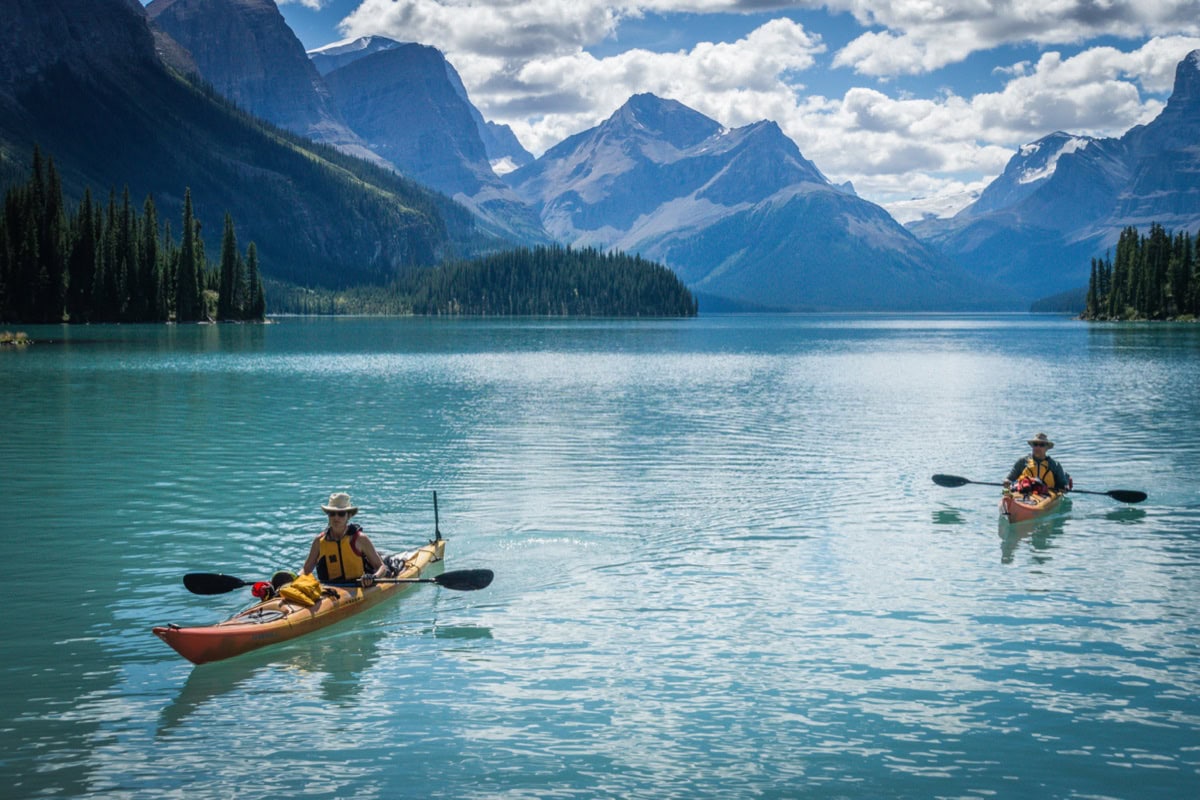
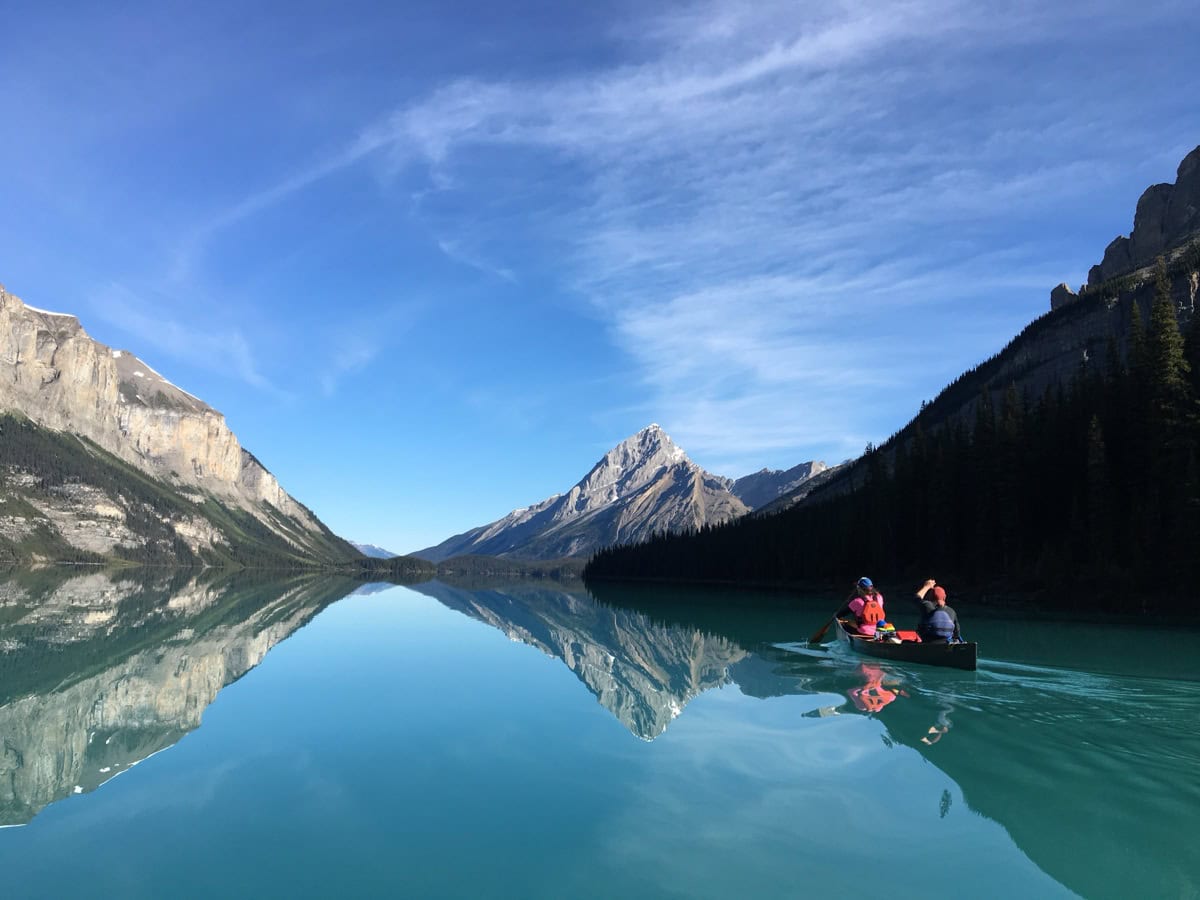
Not many people realise you don’t have to buy an expensive ticket for the motorised cruise to get out on the water — there’s a canoe and kayak rental right at the boathouse run by Maligne Adventures. It’s a much quieter and more romantic way to explore the lake’s shores, though you probably won’t paddle all the way to Spirit Island — it’s simply too far for a casual day trip and the water can turn treacherous with sudden gusts of wind. If you do go for it, make sure to bring an extra warm layer, because even in July the wind on the water can cut right through you.

You’ll easily spot the rental at the iconic boathouse on the shore. You can check the latest prices and opening hours on the operator’s official website. We hired a red canoe for two hours and it was impossibly romantic — though my arms were absolutely killing me by the evening.

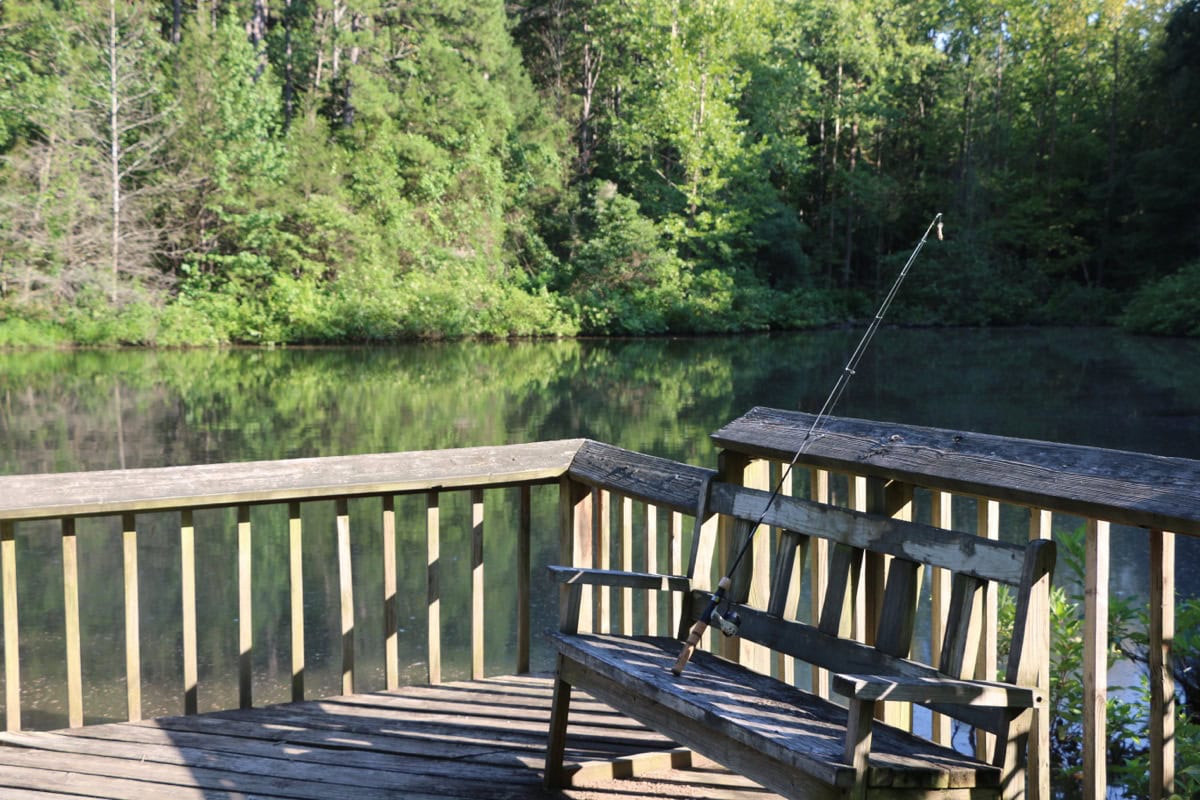
10. Fishing for Enthusiasts

Maligne Lake is renowned across Canada for its massive trout, and fishing here has a long tradition stretching back to the days of explorer Mary Schäffer, who caught fish for dinner on these shores. Today, of course, there are strict rules — to cast a line, you’ll need a special fishing licence valid for Canada’s national parks, which you can pick up at the Visitor Centre in Jasper. Regulations change every season to protect local ecosystems, so always double-check in advance exactly where you’re allowed to fish and which lures are strictly prohibited.

You’ll find all the current permit rules on the official Parks Canada website — it’s well worth reading up before you even cast your rod. Fishing isn’t really my thing — I was quite happy reading a book on the shore — but the local anglers here regularly pull out truly impressive catches.

lukas a lucka
Lukáš and Lucie recommend
Where to Stay near Maligne Lake and Jasper
4 accommodations — wellness hotels, campgrounds and other lodging options

Spirit Island: Why It’s Sacred and Off-Limits

When we first found out that after arriving at Spirit Island by boat you’re actually not allowed to set foot on the islet itself, it seemed strange — but the reason is absolutely valid and deeply rooted in the history of this region. This small piece of land surrounded by glacial water is a sacred site of the Stoney Nakoda people, who believe the spirits of their ancestors dwell here.

For the local Indigenous communities, this was never just a tourist attraction with a pretty backdrop for Instagram — it’s a place of spiritual rest and sacred ceremonies, held in the deepest respect. For this reason, Parks Canada has imposed a strict ban on setting foot on the island. All visitors can only admire it from the purpose-built viewpoint on shore or from the deck of the boat — which honestly doesn’t matter at all, because the best view and photo come from a respectful distance anyway.

Wildlife on the Road and Basic Rules

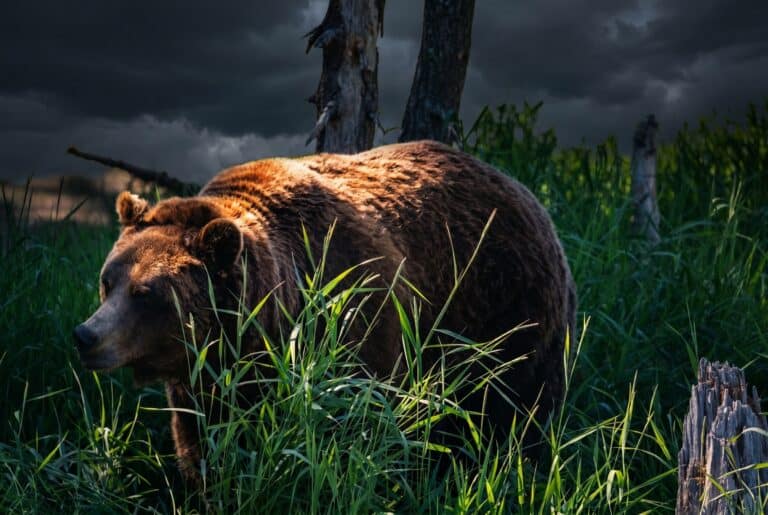
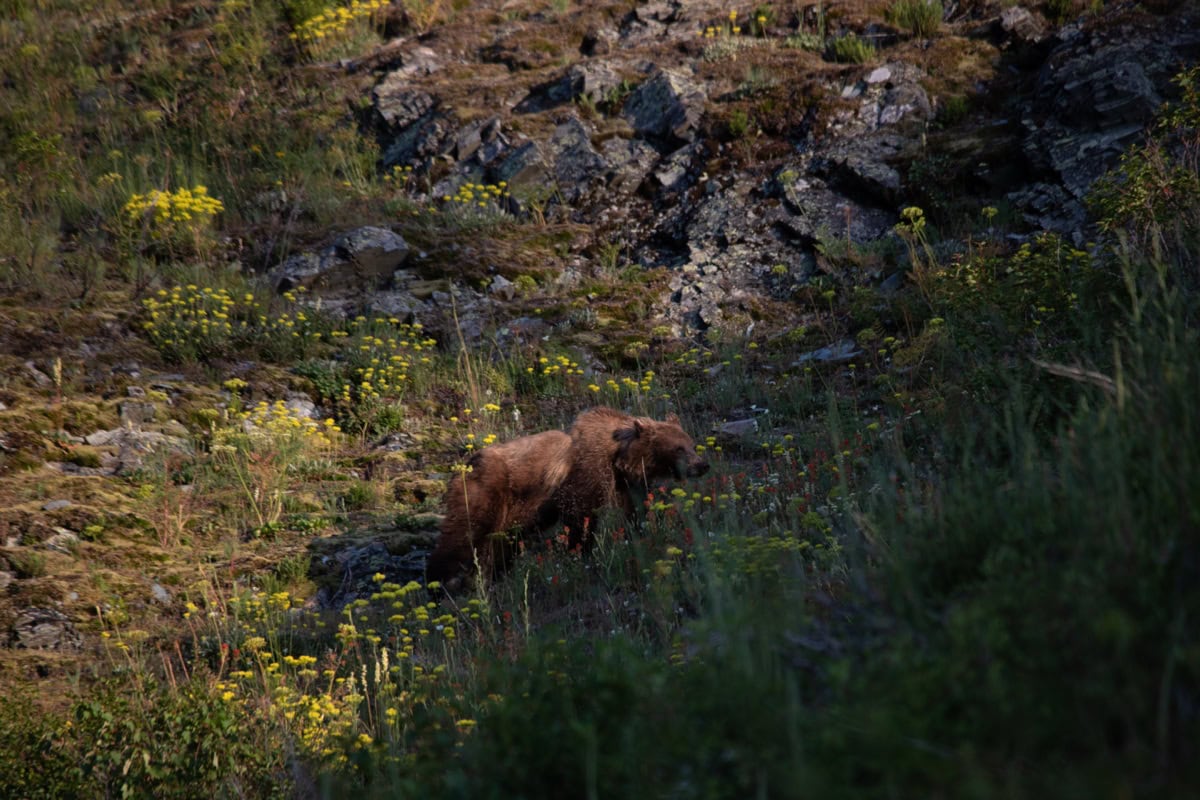
The road to Maligne Lake is known as one of the best wildlife-watching spots in all of Alberta — you could call it a Canadian safari without too much exaggeration. During our trips, we’ve spotted countless moose standing in the shallows of Medicine Lake calmly munching on aquatic plants, enormous elk, adorable mountain goats balancing on cliff edges, and of course majestic grizzly bears and black bears casually foraging for berries right by the roadside.

When you do spot an animal, it’s absolutely crucial to follow the national park’s safety rules to protect both yourself and them. Canadian park rangers take this very seriously and dish out stiff fines for violations. Always stay in your car — do not get out for a photo. If you encounter wildlife on a hiking trail, maintain a mandatory distance of at least thirty metres from smaller animals and a non-negotiable one hundred metres from bears. Never, ever feed the animals — as the saying goes, “a fed bear is a dead bear” (a bear that gets used to human food loses its fear and eventually has to be put down by park management).

Where to Eat in Jasper

Right by the lake, you’ll find The View restaurant, which serves decent sandwiches and excellent coffee with a lakeside panorama. But the really interesting spots are down in town, where you’ll happily return ravenous after a day of hiking. Jasper has a wonderfully laid-back, almost village-like atmosphere that’s much warmer and less pretentious than snobbier Banff.

If you just want a quick bite to grab and go, or a packed lunch for the trail, definitely pop into Patricia Street Deli — they make the best, most generously stuffed baguettes and sandwiches for miles around at very fair prices. For top-notch coffee and fresh pastries, Lukáš and I swear by The Other Paw Bakery Cafe, a cosy spot where locals come for their morning paper and a chat. And when you fancy something truly special, head to the restaurant at the Fairmont Jasper Park Lodge for a steak you’ll still be dreaming about on the flight home 😉.

Practical Info for 2026: What You Need to Know

A few things I’ve learned — sometimes the hard way, unfortunately — that will save you hassle on the ground:

Upon entering the park, you must purchase a mandatory Park Pass, currently around 11 Canadian dollars per adult per day. If you’re travelling by car with two or more people, it’s worth getting the family or annual Discovery Pass, which you display visibly on your windscreen. I have to strongly warn you about drones — they are completely, absolutely banned in Canadian national parks. If you’re caught flying one, the fine can reach a staggering 25,000 Canadian dollars, so just leave it at home. Given the high bear population, carrying bear spray on every hike should be an absolute given. You can easily buy or rent one at outdoor shops in Jasper — and it needs to be clipped to your belt, not buried at the bottom of your backpack.

Where to Go Next from Jasper

Most people visiting Jasper are travelling a wider loop through the Canadian Rockies, so our other articles with detailed tips from the surrounding areas might come in handy.

If you head south from Jasper, one of the world’s most spectacular drives awaits — and we’ve written a dedicated article about it: Icefields Parkway: What to See Along One of the World’s Most Beautiful Roads. From there, you’ll naturally arrive at the heart of the mountains, where you definitely shouldn’t miss our tips on what to see in Banff National Park, along with our detailed guide to another iconic spot: the turquoise Moraine Lake. We’ve also written a full guide about the town itself and nearby hikes in our article on Jasper, Canada.

Tips and Tricks Before Travelling to Canada

Canada is enormous, and its national parks have their own quirks that can catch you off guard if you’re not prepared. Lukáš and I have figured all this logistical stuff out through good old trial and error — and it sometimes cost us unnecessary stress and money.

So here are a few practical things you really shouldn’t overlook, whether you’re sorting out flights, insurance, or mobile data in the middle of nowhere. A bit of planning goes a long way, and the whole Canadian adventure will run smoothly without any unnecessary headaches.

How to Save on Flights

Canada isn’t the cheapest destination, but flights to Calgary or Edmonton can be found at reasonable prices if you start searching well in advance. From the UK, look for deals with airlines like WestJet, Air Transat, or connecting flights via Iceland with Icelandair. Midweek departures are often significantly cheaper than weekend flights.

When we last booked flights to Alberta, we saved quite a bit simply by flying midweek instead of at the weekend. Set up price alerts and don’t be afraid of flights with a quick stopover — they’re often far kinder on the wallet.

Hiring a Car

Getting around the national parks without a car is extremely difficult — you’d be stuck relying on expensive shuttle buses. Lukáš and I have had great long-term experience with DiscoverCars, which we use all over the world.

Book your car well in advance — ideally as soon as you’ve bought your flights — because demand goes through the roof in summer. We always go for a slightly bigger SUV, as it just feels safer and more comfortable on those mountain roads.

Booking Accommodation

The town of Jasper has limited capacity and in summer it can sell out months in advance. Booking.com is our go-to hotel search engine, and we’d recommend reserving your accommodation straight after buying your flights.

If everything’s sold out, try looking at campgrounds nearby — though even those now have a strict reservation system. In the end, we actually enjoyed camping in Jasper far more than any pricey hotel. That morning dew and the scent of pine needles? Absolutely priceless.

Don’t Forget Travel Insurance

Canadian healthcare is extremely expensive, and heading into the mountains without insurance could end up costing you a small fortune. For shorter trips we tend to go with a comprehensive policy from a UK provider, and for longer trips we recommend True Traveller or SafetyWing.

Most importantly, please double-check that your policy covers high-altitude hiking and potential helicopter rescue. You never know when your foot might slip on a wet rock, and believe me — dealing with medical bills on top of that would be a proper nightmare.

Mobile Data on the Road

Having navigation and access to online maps is something we’d recommend to absolutely everyone, even though signal does drop out in the mountains occasionally. Instead of expensive roaming charges, we recommend getting an eSIM from Holafly, which you can activate before you even board your flight.

It’s dead simple — just scan the QR code and you’re online the moment you land. Lukáš even managed to fire off a few urgent emails from the lake car park, though personally I’d rather he kept his phone switched off for the entire holiday 😅.

FAQ: Frequently Asked Questions

Will Maligne Lake be open in 2026?

Yes, the lake is accessible to tourists year-round, but services like ticket offices and boat cruises only operate during the summer season from late May through October.

What makes Maligne Lake so special?

Honestly? It’s hard to describe without sounding like I’m exaggerating. It’s the largest natural lake in the entire Canadian Rockies, the water has this color like someone painted it turquoise, and right in the middle sits this tiny island called Spirit Island that every photographer in the world dreams of visiting. Lukáš stood there speechless for a good three minutes, and that’s a record for him 😁.

Can you drive directly to the lake?

Yes, you can drive right to the lake and main boathouse from the town of Jasper along the paved scenic road called Maligne Lake Road. There’s a huge parking lot at the lake, and it’s free.

Is Maligne Canyon in Jasper closed during winter?

Not at all—it’s actually incredible in winter. The canyon freezes over, ice falls form, and you can book a guided Ice Walk where you literally walk along the bottom of this massive frozen canyon. We love it in both summer and winter, but the winter version has something truly magical about it.

Is it possible to swim in the lake?

Swimming isn’t technically prohibited by law, but people don’t do it because the water comes directly from melting glaciers and the temperature rarely exceeds five degrees Celsius even on the warmest summer days, so you’d risk serious hypothermia.

Do I absolutely need a reservation for the boat cruise?

Definitely yes if you’re going during peak season in July or August. Boat tickets are often completely sold out a month in advance, and you’ll have almost no chance of getting one on-site.

Where can I buy bear spray in Jasper?

You can buy bear spray at almost any outdoor shop on the main street, Patricia Street, in Jasper. Alternatively, you can also rent it at gas stations or at the national park information center.

Tips and Tricks for Your Vacation

Don’t Overpay for Flights

Search for flights on Kayak. It’s our favorite search engine because it scans the websites of all airlines and always finds the cheapest connection.

Book Your Accommodation Smartly

The best experiences we’ve had when looking for accommodation (from Alaska to Morocco) are with Booking.com, where hotels, apartments, and entire houses are usually the cheapest and most widely available.

Don’t Forget Travel Insurance

Good travel insurance will protect you against illness, accidents, theft, or flight cancellations. We’ve had a few hospital visits abroad, so we know how important it is to have proper insurance arranged.

Where we insure ourselves: SafetyWing (best for everyone) and TrueTraveller (for extra-long trips).

Why don’t we recommend any Czech insurance company? Because they have too many restrictions. They set limits on the number of days abroad, travel insurance via a credit card often requires you to pay medical expenses only with that card, and they frequently limit the number of returns to the Czech Republic.

Find the Best Experiences

Get Your Guide is a huge online marketplace where you can book guided walks, trips, skip-the-line tickets, tours, and much more. We always find some extra fun there!
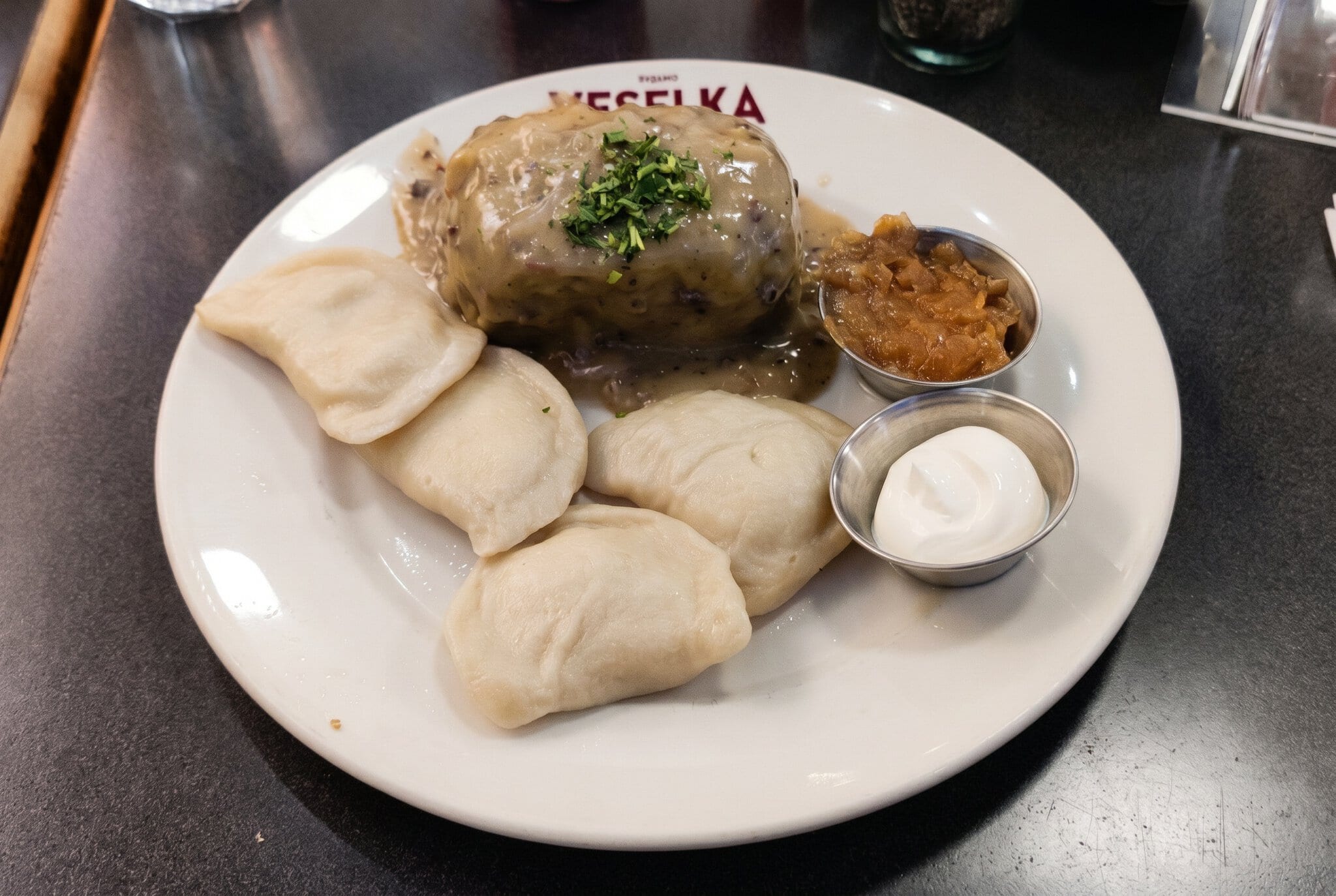
Bears in Canada: Complete Safety Guide (Bear Spray, Behaviour, What to Do During an Encounter)

TL;DRCanada is home to three types of bear – grizzlies, black bears and, up in the north, polar bears – and safety comes down to two rules: keep at least 100 metres away, and carry bear spray, which is compulsory in parks like Banff and Jasper. It costs around 60 CAD to buy or 5 CAD a day to hire. If you run into a grizzly, playing dead is the advice, whereas with a black bear you’re better off fighting back. Breaking the rules – getting out of your car near wildlife, say – can cost you a 200 CAD fine, rising to 25,000 CAD for more serious disturbances. Bears have killed roughly 80 people in Canada over the last 100 years, mostly down to ignoring basic safety rules.

Since we spent some time working as mountain guides and one of our tours included a talk on what to do during a bear encounter, I probably know more about bears in Canada than I ever wanted to.

We’ve watched countless tourists try to get within a few metres of a grizzly just for an Instagram photo, and trust me, the local park wardens were tearing their hair out. This guide is the result of actually living inside the park, spending endless hours on the trails, and a few very close encounters that I’ll tell you all about.

I’ll walk you through how to stay safe on the trail, explain the crucial difference between defending yourself against a grizzly and a black bear, show you how to properly use bear spray, and point you towards where to stay and eat in this stunning but wild landscape. Let’s get into it!

TL;DR

Here’s our little survival cheat sheet — perfect if you’re already on the trail and just need a quick refresher on the essentials:

  • Golden rule: Never, ever surprise a bear. On the trail you need to make noise — talk loudly, clap, or sing (bear bells often aren’t enough).
  • Grizzly vs. black bear: If a grizzly attacks, play dead. If a black bear attacks, fight for your life with everything you’ve got.
  • Bear spray is a must: In national parks like Banff or Jasper, carrying bear spray is absolutely essential. It costs around 40 € to buy or roughly 3.50 € per day to rent.
  • Distance: Keep at least 100 metres from any bear. If you break this rule or get out of your car at a roadside sighting, you risk a fine of around 135 €, and for serious wildlife disturbance up to an eye-watering 17,000 €.
  • The statistics speak for themselves: Over the past 100 years, bears have killed roughly 80 people in Canada. The vast majority of these incidents happened because people ignored basic rules — walking silently alone in the woods or ignoring trail closures.

Three species of bears in Canada you might encounter

Canada has one of the highest bear populations in the world, and encountering one is a very real possibility that you need to factor into your trip planning. In the popular provinces of Alberta and British Columbia, you’ll primarily come across two species (grizzly and black bear), while the polar bear rules the far north.

We learned to tell them apart fairly quickly, because how you react depends entirely on which bear is standing in front of you.

1. Grizzly bear (Ursus arctos horribilis)

The grizzly is the undisputed king of these mountains and commands enormous respect. Alberta alone is home to around 1,500 of them, and British Columbia has roughly 15,000. You can spot one fairly easily by the distinctive muscular hump between its shoulder blades, which gives it incredible digging power. Grizzlies also have a concave (dish-shaped) facial profile and small, rounded ears.

Don’t be fooled by the name — grizzlies can range in colour from light blonde through brown to nearly black. They’re enormous, and if you encounter one, you must stay absolutely calm, as they’re highly territorial and usually attack out of feeling threatened. If you’d like more details on their habits, check out the official Parks Canada website — we used to read it almost every evening before the season started.

2. Black bear (American black bear)

The black bear is far more common — Alberta’s population alone is estimated at an impressive 40,000. You’ll often spot them right in campsites or near roads. Unlike the grizzly, they lack that characteristic shoulder hump, their facial profile is straighter (more like a dog’s snout), and their ears are longer and more pointed.

Once again, colour isn’t a reliable indicator — a black bear can actually be brown, cinnamon, or even white (the so-called spirit bear in BC). Black bears are generally shyer and would rather climb a tree, but if they do attack, it’s often a predatory attack, which is why aggressive defence is recommended. You’ll find loads of preventive tips on the WildSafeBC website as well.

3. Polar bears and Kodiak bears

You won’t encounter these giants in typical tourist destinations like Banff or Jasper. Polar bears in Canada live in the far north — for example, in the town of Churchill, Manitoba, which is famous for special polar bear expeditions — and along the Arctic coastline.

The Kodiak bear is a specific subspecies of brown bear found on the island of the same name in Alaska and a few other Pacific island areas. For a standard Canadian road trip, you only really need to know about grizzlies and black bears, so you can put your mind at ease on that front.

When are bears most active

Honestly, this was one of the first things we learned the hard way in Banff: bears aren’t everywhere all the time. Their activity is driven by food and the season, which dramatically affects how grumpy they happen to be. Understanding their annual calendar will help you plan better hikes and avoid dangerous situations.

Lukáš and I always spotted the most bears in early summer, when they come down into the valleys looking for food.

1. Spring and early summer: Post-hibernation hunger

When bears wake from their winter sleep in spring (usually April to May), they’re absolutely ravenous and have lost a huge portion of their body weight. They tend to stay at lower elevations and near roads, because that’s where the snow melts first and the first green grass and dandelions appear.

During this period, they’re intensely focused on food, and you need to be extra vigilant in valleys where hikers typically walk. Seriously — keep your eyes peeled even on the outskirts of smaller towns during these months.

2. Late summer: Cubs in action

By July and August, the snow has melted even at higher elevations and bears move uphill in search of berries and wild fruit. During summer, mothers also bring out their cubs and teach them to forage in the wild.

For hikers, this is a tricky period because you can run into them on popular alpine trails — and a mother with cubs is hands down the most dangerous combination you can encounter.

3. Autumn: The hyperphagia phase

Autumn is a particularly sensitive time from a safety standpoint. Bears enter a state called hyperphagia — a period of frenzied eating where they desperately try to pack on as much fat as possible before the approaching winter.

During this phase, they can consume tens of thousands of calories a day and don’t want to be disturbed. They’re extremely territorial about their food sources, and if you stumble upon them at a carcass or a bush full of berries, they may react very aggressively.

4. Winter: Hibernation time

From November through to March (sometimes into April), bears are usually asleep in their dens and the risk of an encounter is virtually zero. Cubs are born during winter, and bears survive entirely on their fat reserves.

Occasionally, an older or sick bear that didn’t put on enough fat will skip hibernation and roam the landscape, but these are very rare exceptions. So if you’re visiting Canada in winter, you really don’t need to worry about bears and can enjoy skiing or snowshoeing in peace.

Bear encounter rules (or how to survive)

This is the single most important section of the entire article. Knowing bear safety protocols is absolutely crucial if you’re planning any walk or hike in Canada’s national parks. When we worked in Banff, we had to go through safety training, and believe me — once you learn to respect these rules, fear transforms into healthy respect.

Let’s take a detailed look at what you need to do, step by step, if that moment actually comes.

1. Prevention is everything

The best bear encounter is no encounter at all. Most attacks happen because hikers surprise a bear at close range — around a bend or over a ridge, for example. On the trail, you need to make noise constantly. Lukáš and I talk loudly, and when we’re passing through areas with limited visibility or near a roaring river, we clap and occasionally shout our favourite “Hey bear!”.

Bear bells are sold everywhere, but local rangers will tell you they’re next to useless — the sound doesn’t carry well through the forest and sounds like a bird. Always use your human voice, avoid hitting the trail at dawn or dusk when wildlife is most active, and — I really mean this one — never go into the woods completely alone.

2. What to do during a grizzly encounter

If you come face to face with a bear and it knows you’re there, the key is absolute calm. You must not run — bears can sprint at up to 50 km/h, and running triggers their chase instinct. If it’s a grizzly, stand your ground, speak in a deep, calm voice (so it recognises you as a human, not prey), and slowly back away.

If the grizzly charges (which is usually a defensive attack because you’ve startled it or it’s protecting its territory), use your bear spray. If it makes physical contact despite the spray, drop to the ground face down, protect the back of your neck with your hands, spread your legs wide (so it can’t easily flip you onto your back), and play dead. Once the grizzly decides you’re no longer a threat, it will almost always lose interest and walk away.

3. What to do during a black bear encounter

An encounter with a black bear starts the same way — stay calm and talk to it. Black bears are generally more timid. Try to make yourself look bigger: raise your arms, open your jacket wide. The critical difference, however, comes if the black bear actually attacks.

Unlike a grizzly, a black bear often attacks for predatory reasons — it sees you as food. If a black bear charges at you, never play dead. Fight for your life. Use sticks, rocks, your fists — kick, scream, aim for its eyes and snout. You need to convince it that you’re far too dangerous and not worth the effort.

4. Bear spray and how to use it properly

Bear spray (a capsaicin-based pepper spray designed for bears) is your primary and most effective weapon — in Banff and Jasper, it’s an absolute must for every hiker. Always carry it on your belt or chest harness (never buried in your backpack, because you only have seconds to react). The spray has an effective range of roughly 4 to 5 metres and shoots a wide cloud.

If a bear charges towards you, flip off the safety, press the trigger for 2 to 3 seconds (the whole canister only lasts about 7 to 8 seconds), and aim slightly towards the ground so the pepper cloud creates a wall between you and the animal. Watch the wind direction so you don’t spray yourself in the eyes. Remember that the canister is single-use and is not a repellent — never spray it on your tent or clothing!

5. What to do if you encounter cubs

Watching adorable little bear cubs play in a meadow might seem like an amazing experience, but it’s actually the most dangerous situation you can find yourself in. Where there are cubs, there is absolutely, 100% a fiercely protective mother nearby.

Up to 99% of grizzly attacks are triggered by a mother defending her young. If you spot cubs, you must never, under any circumstances, get between them and their mother. Immediately but very slowly retreat the way you came, keep your eyes on the area (but don’t stare the mother bear in the eyes), and have your bear spray ready.

6. A hungry bear before winter

This is a relatively rare but very real scenario in late autumn (October and November). Bears suffering from hyperphagia before hibernation need to eat more than ever.

If you encounter a bear during this period that’s watching you, shows no signs of fear, and persistently follows you even as you back away, it’s likely predatory behaviour. In this case, stop, make yourself as big as possible, shout aggressively (no calm talking here), throw rocks, get your spray ready, and make it absolutely clear that you are not prey.

7. Bear spray absolutely cannot go on a plane

Here’s a very practical tip that many people don’t know: you cannot bring bear spray on a flight, and you can’t fly home with it either. It’s a pressurised container with a highly irritant substance, and it’s strictly prohibited in both carry-on and checked luggage.

You’ll need to buy your bear spray once you arrive in Canada. Pick one up at outdoor shops like Mountain Equipment Co-op (MEC) or Canadian Tire for around 40 € (note: it expires after 4 years). A great eco-friendly option for shorter trips is to rent one — for instance, at visitor centres, where it costs roughly 3.50 € per day.

8. Bear-safe camping rules

Camping in bear territory is a beautiful experience, but it demands strict discipline. The golden rule is that absolutely nothing with a scent goes inside your tent. And that doesn’t just mean food — it includes toothpaste, deodorant, sunscreen, empty food wrappers, and even clothes you were wearing while roasting sausages over the campfire.

All these items need to be locked in your car overnight (if you’re car camping), or stored in the special metal bear-proof containers that are mandatory at every campsite in Canada’s national parks. If you’re backcountry camping, you’ll need to carry your own portable container and hang your food from trees well away from your tent.

9. Wildlife jams: Traffic jams caused by animals

When driving through Canada’s parks, you’ll almost certainly experience a “wildlife jam” or “bear jam” — a line of dozens of cars suddenly stopped in the middle of the road because someone spotted a bear on the verge. Remember that when observing wildlife from your car, you should maintain a speed of at least 15 km/h if traffic allows. Coming to a complete stop creates very dangerous situations.

And here’s the crucial part: never get out of your car. You’ll regularly see people standing with cameras two metres from a bear, but it’s not only extremely dangerous — it’s also illegal, and rangers hand out on-the-spot fines of 135 € and more.

lukas a lucka
Lukáš and Lucie recommend
Where to Stay in Canada
5 accommodations — resorts, hotels and other lodging options

10. Trail safety with children

Travelling with kids into the wilderness is wonderful, but it requires even greater caution. Children are smaller, often move quickly and unpredictably, and can look like easier prey to predators. The rule in Canada is clear: children under 12 should always walk in the middle of the group between adults on trails and must never run ahead or lag behind.

Teach children to make noise — have them recite rhymes or sing songs every 30 seconds. If you encounter a bear, immediately pick up smaller children (which prevents them from running away in panic) and follow the standard retreat procedures.

11. What to do if a bear attacks your tent

This is probably the ultimate nightmare scenario, and thankfully it’s extremely rare — especially if you follow the food storage rules above. But if a bear does surprise you in your tent at night, trying to get inside, tearing at the fabric, or stomping on the tent, do not play dead under any circumstances.

Wrapped up in a sleeping bag, you’d be completely defenceless and would probably only survive by sheer luck. Get out of the tent immediately, spray the bear, scream at the top of your lungs, and hit it with anything you can get your hands on — this is a purely predatory attack and your life literally depends on it.

12. Important emergency numbers

If something unexpected happens, or you see a very aggressive bear (or spot other tourists breaking the rules and feeding wildlife), it’s good to know who to call. In all national parks, the standard emergency number 911 works and will connect you to the Royal Canadian Mounted Police (RCMP).

On top of that, it’s wise to save the direct numbers for local park warden dispatch, who deal specifically with wildlife issues. In Banff, call 403-762-1470 and in Jasper 780-852-6155. Save these numbers on your phone, even though mobile signal is often non-existent in remote backcountry areas.

Where to stay in bear country and a note on dogs

When planning a trip to the Canadian Rockies, you’ll most likely be choosing accommodation in one of the three main hubs: Banff, Jasper, or Canmore. All of these towns sit right in the heart of the wilderness. Prices during the summer season are steep — expect to pay roughly 130 to 260 € per night for two people on average. Campsites are cheaper (around 20 to 40 €), but you’ll need to book them up to six months in advance. For the best deals, search and compare options on Booking.com.

And one important note about pets — don’t bring a dog to Canada’s national parks if you can avoid it. Dogs are a massive attractant for bears (they perceive them as an annoying coyote or wolf). Many attacks have started when a dog ran off into the forest, provoked a bear, and then panicked back to its owners with the bear in hot pursuit. On top of that, dogs are completely banned from many of the most popular trails to protect the wildlife.

Banff and Canmore: the tourism heartland

Banff is a gorgeous little town packed with restaurants and shops, where bears regularly wander the outer streets. Both towns enforce strict rubbish rules — those special bear-proof bins aren’t there for decoration. Bears can crack open a regular bin in five minutes flat, and I’m speaking from personal experience 😁

In Banff, we fell in love with the cosy Moose Hotel & Suites, which has amazing rooftop outdoor pools. If you’re after something more laid-back and a bit easier on the wallet, Canmore Rocky Mountain Inn just outside the park gates is a great shout.

Jasper: the wilder north

Jasper, located several hundred kilometres further north along the famous Icefields Parkway, has a much more relaxed and wilder atmosphere than the more commercialised Banff. The landscape is vast, and the populations of both bears and majestic moose and elk are incredibly dense.

If you want to experience true log-cabin romance, check out the Fairmont Jasper Park Lodge, where wildlife literally wanders past your window and you feel like you’re living inside a National Geographic documentary. A more affordable and very pleasant alternative is Whistler’s Inn, right in the centre of town. You can also browse unique local experiences and tours through GetYourGuide.

Frequently asked questions (FAQ)

This is probably the single most common question that lands in our inbox from across the entire blog, so I’ll do my best to give it a thorough answer — along with a few other things people regularly ask us when they’re packing their bags for Canada.

What kind of bears live in Canada?

There are three main species of bears in Canada. The most common is the black bear, which you’ll encounter almost everywhere. In the mountain regions of western Canada (Alberta, British Columbia), you’ll find the massive and more territorial grizzly bear. In the far north and Arctic regions, there are polar bears. Lukáš and I primarily encountered the first two species, since seeing polar bears requires quite specific and challenging Arctic expeditions.

What should I watch out for in Canada?

When visiting the Canadian wilderness, you need to be careful primarily around wildlife (bears, moose, cougars), from which you must maintain a safe distance—that’s 100 meters from bears and 30 meters from other wildlife. Also, don’t underestimate rapidly changing mountain weather, zero cell phone signal on most trails, and draconian fines for breaking nature protection rules, which local rangers hand out without any compromise whatsoever.

What should I do if I encounter a bear in the forest?

Stop and stay calm. Don’t run—bears are much faster and running will only encourage them to chase. Speak to the animal in a calm, deep voice and slowly back away. If the bear attacks, it depends on the species. With a grizzly, play dead and protect your neck; with a black bear, fight back actively and aggressively. In both cases, have your bear spray ready and unlocked in your hand.

Which bear is the most dangerous?

In Canada’s tourist areas, a female grizzly with cubs is considered the most dangerous to humans, as she attacks extremely aggressively out of protective instinct and with tremendous force. In terms of overall predatory aggression, the polar bear is probably the most dangerous, as it normally views humans as food. However, you definitely won’t encounter polar bears in the southern national parks and typical tourist destinations.

Can I bring my own bear spray on a plane?

No, it’s strictly forbidden. Bear spray falls under the category of pressurized and toxic containers and you cannot pack it in your carry-on or any checked luggage. You simply have to buy it (around €50) or rent it (around €4 per day) once you’re in Canada, and before your flight home, return it or give it to someone.

How many people do bears kill in Canada each year?

While attacks get a lot of media attention and look terrifying, they’re actually quite rare. Over the past 100 years, bears have killed roughly 80 people in Canada—that’s less than one person per year. The vast majority of these tragedies happened because people ignored safety rules, went alone, moved quietly, or carelessly camped with fragrant food in their tent.

What are wildlife jams (bear jams)?

These are dangerous traffic jams caused by tourists suddenly stopping their cars in the middle of the road to photograph a bear or deer right by the roadside. In Canada, it’s strictly forbidden to get out of your car in these situations, and you can face a hefty fine. The correct procedure is to slow down briefly to 15 km/h, take a photo through a slightly opened window, and smoothly continue driving so you don’t stress the animal or hold up traffic.

Tips and Tricks for Your Vacation

Don’t Overpay for Flights

Search for flights on Kayak. It’s our favorite search engine because it scans the websites of all airlines and always finds the cheapest connection.

Book Your Accommodation Smartly

The best experiences we’ve had when looking for accommodation (from Alaska to Morocco) are with Booking.com, where hotels, apartments, and entire houses are usually the cheapest and most widely available.

Don’t Forget Travel Insurance

Good travel insurance will protect you against illness, accidents, theft, or flight cancellations. We’ve had a few hospital visits abroad, so we know how important it is to have proper insurance arranged.

Where we insure ourselves: SafetyWing (best for everyone) and TrueTraveller (for extra-long trips).

Why don’t we recommend any Czech insurance company? Because they have too many restrictions. They set limits on the number of days abroad, travel insurance via a credit card often requires you to pay medical expenses only with that card, and they frequently limit the number of returns to the Czech Republic.

Find the Best Experiences

Get Your Guide is a huge online marketplace where you can book guided walks, trips, skip-the-line tickets, tours, and much more. We always find some extra fun there!
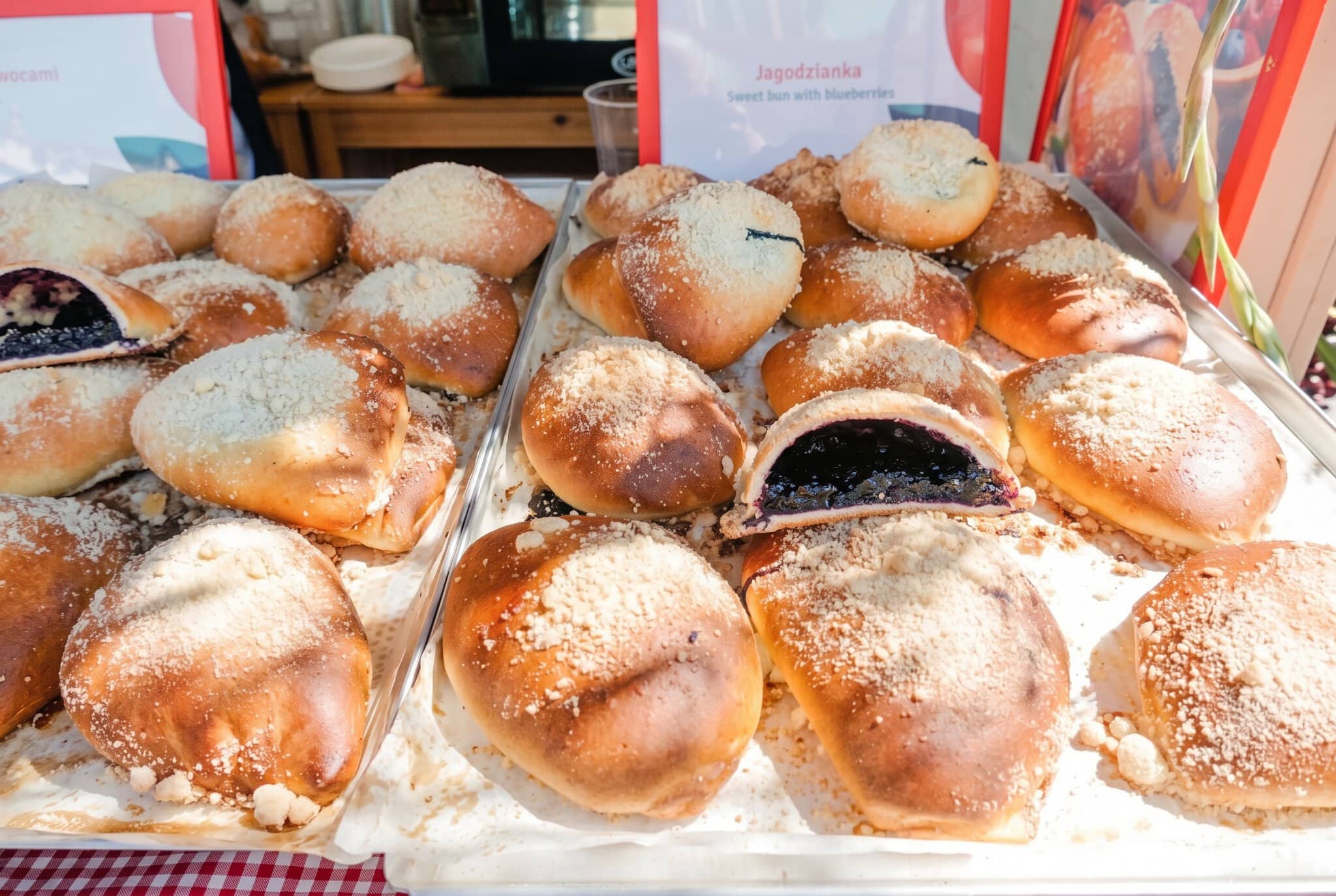
Whittier Alaska & Prince William Sound: 13 Best Things to See and Do

TL;DRWhittier is the easiest gateway to Prince William Sound in Alaska, reached only through the 4.1-kilometre one-way Anton Anderson Tunnel (toll $13), about 96 kilometres from Anchorage. Among 13 tips, the standout is the 26 Glaciers Cruise (from $219), along with sea kayaking between ice floes, a trek to Byron Glacier, and a stop at Beluga Point to watch the Bore Tide phenomenon. The best time to visit is mid-May to mid-September, when boat tours are running. You can walk round the town centre itself in ten minutes, and only about 270 people live here — 85% of them in a single building, Begich Towers. One day is enough for the glacier cruise and a look round town, but staying longer is worth it if you fancy hiking and kayaking.

When Lukáš and I talk about the places that shocked us the most on our travels, Whittier Alaska always comes out on top. Picture this: you’re driving through stunning Alaskan wilderness, then you have to pass through a dark, 2.5-mile-long tunnel blasted through a massive mountain — a tunnel you share with trains, no less. And when you finally emerge into daylight, there’s no charming little Alaskan town of log cabins waiting for you. Instead, you’re greeted by a hulking concrete tower block and an eerie, abandoned military building. It’s bizarre, a little unsettling, often rainy and windswept — but the moment you hop on a boat and head out into Prince William Sound, it all suddenly makes perfect sense.

Whittier is the most accessible gateway to a world where majestic glaciers calve directly into the ocean and orcas glide past your boat. It’s a place of stark contrasts. One moment you feel like you’re in a post-apocalyptic film, the next you’re in a National Geographic documentary. And while I probably wouldn’t recommend spending a whole week in the town itself, skipping it altogether would be a huge mistake.

So — a tunnel, glaciers, orcas, and an abandoned tower block in the middle of nowhere. Join us as we break down how it all works, why the 26 Glaciers Cruise is worth every penny, and whether it’s even worth staying overnight. ☺️

TL;DR

  • Top highlight: The 26 Glaciers Cruise or a sea kayaking trip among floating icebergs in Prince William Sound.
  • When to go: Mid-May to mid-September. Be prepared — Whittier gets a lot of rain and overcast skies.
  • Access: The city of Whittier Alaska is reached via a single one-way tunnel (Anton Anderson Memorial Tunnel), which operates on a timed schedule with a $13 toll.
  • Where to stay: Most people visit on a day trip from Anchorage, but if you want to stay, the best option is the Inn at Whittier right on the water.
  • A city under one roof: Nearly the entire Whittier Alaska population lives in a single building — Begich Towers — which also houses the post office and police station.
  • Don’t miss on the way: Stop at Turnagain Arm to spot beluga whales, and explore Portage Valley for easy glacier hikes.

When to Visit Whittier Alaska and How to Get There

If you’re planning a trip to this corner of the world, there’s one crucial thing to understand. Alaska has a very short summer season, and Whittier is notorious for its rather specific microclimate. Let me show you how to time it right so you don’t waste hours waiting at the staging area in the rain. 😅

Best Time to Visit

Honestly? Go in summer. Boat tour operators run from roughly mid-May to mid-September, and outside that window, the place is essentially a ghost town. July and August are the warmest months, but even then, brace yourself — Whittier is one of the rainiest spots in all of Alaska. Summer temperatures typically hover between 10 and 15°C (50–59°F). We experienced days when the fog was so thick you couldn’t see a thing, and the very next day the sun came out and we were slathering on sunscreen on the boat deck. 😅 Layering up and packing a solid waterproof jacket are absolute essentials.

How to Get from Anchorage to Whittier

The drive from Whittier Alaska to Anchorage is roughly 60 miles (96 km), which takes about an hour and a half along the incredibly scenic Seward Highway. We’ve had consistently great experiences with DiscoverCars, which we use all over the world, and we’d definitely recommend picking up a car right at Anchorage airport. The route takes you along the shoreline of Turnagain Arm and through Portage Valley — places where you’ll want to pull over for photos roughly every five minutes.

The Whittier Alaska Tunnel: A Test of Nerves

The real adventure kicks in about 15 minutes before you arrive. The only land access to the city leads through the Anton Anderson Memorial Tunnel — at 2.5 miles, the longest highway tunnel in North America. And to make things even more interesting, it’s a single narrow bore shared by both cars and trains. Traffic runs strictly on a timed alternating schedule.

Vehicles heading into Whittier go at the half hour (for example, 10:30 to 10:45), and the toll is $13 (around €12) per car. The return trip from Whittier runs on the hour and is free. If you miss your window, you simply sit at the staging area in the mountains and wait a full hour for the next one. It’s basically a mini adrenaline rush before you’ve even laid eyes on a glacier. 😁

Where to Stay in Whittier Alaska and How Much It Costs

Finding a Whittier Alaska hotel can be quite a challenge. This town really isn’t built for mass tourism, and demand in the summer months far outstrips supply. Most people therefore visit on day trips from nearby Anchorage or Girdwood. But if you want to experience that peculiar, isolated evening atmosphere once the cruise ship crowds have left, it’s well worth spending the night.

Alaska is an expensive destination overall, and Whittier is no exception. For a double room in peak season, expect to pay anywhere from $250 to $450 (roughly €230–€415) per night, plus local taxes on top. If you’re travelling on a tighter budget, it makes far more sense to base yourself in Anchorage, where there’s a much wider selection, and just do a day trip to Whittier. That’s exactly what we did, and we put the money we saved toward tickets for the glacier cruise instead.

Where to Lay Your Head in Whittier and Surrounds

Finding accommodation in a town this small has its quirks. Right by the harbour, you only have a handful of options, but they’re all within a five-minute walk of the tunnel exit. If you want the best Whittier has to offer, book a room at The Inn at Whittier. This iconic wooden building stands on stilts right over the water, offering stunning views of the harbour and snow-capped peaks from your bed. It’s the perfect romantic retreat, but I’d recommend booking well in advance — rooms sell out at lightning speed.

A solid mid-range alternative is the Anchor Inn Whittier. The views from the windows won’t take your breath away, but the rooms are spotless, cosy, and the staff are incredibly friendly. Plus, they have a lovely café downstairs serving great breakfasts — a real lifesaver when you need to be up early for a day on the water. For a comfortable night’s sleep at a reasonable price, it’s a very reliable pick.

But if you’re after something truly unique and don’t mind roughing it a bit, you have to try Begich Towers Inn. Whittier has fewer than 300 residents, and the vast majority of them live in this single enormous building — a former military block. Staying here means experiencing authentic local life in all its glory, because under one roof you’ll find the post office, a shop, and even a government office. The rooms are very much a budget option with a retro vibe, but the bizarre and fascinating experience of sleeping in “the city under one roof” adds a truly adventurous edge to your Alaska trip.

Whittier Alaska: 13 Best Things to See and Do

Even though you can walk across the town centre in about ten minutes, the surrounding nature offers so much that you could easily spend several days here and never run out of things to do. Here are our top tips for making the most of the area — from the drive to the tunnel all the way to cruising among ice floes.

1. Stop at Beluga Point and the Bore Tide Phenomenon

The drive from Anchorage along Seward Highway is an incredible experience in itself. Before you even reach the tunnel, you’ll pass Turnagain Arm — a narrow inlet flanked by mountains. This spot is famous for a phenomenon called the “bore tide”: a massive tidal wave that can reach up to three metres in height and races upstream at 15 mph (24 km/h). It forms thanks to an extreme tidal range that needs to be nearly 8 metres (26 feet).

The best viewpoint for this natural spectacle is Beluga Point. The wave typically arrives about four hours after the lowest tide in Anchorage, so check the tide tables in advance and save yourself the disappointment. And then there are the beluga whales — Lukáš and I stood at that pullover for so long watching them that our coffee nearly went cold.

2. MV Ptarmigan Cruise to Portage Glacier

When you turn off Seward Highway toward the Whittier tunnel, you’ll drive through the gorgeous Portage Valley. At the very end, just before the vehicle staging area, you’ll reach the glacial Portage Lake. The Portage Glacier once extended all the way to the visitor centre, but due to warming it has retreated so far that you can no longer see it from shore at all.

The only way to get close today is to hop on the MV Ptarmigan. This one-hour cruise is relatively affordable (around $50 / €46) and takes you within just 300 metres (1,000 feet) of the glacier face. It’s a fantastic alternative if you don’t have the time or budget for the big five-hour cruises out of Whittier. Hearing the ice crack and groan up close is simply priceless.

3. Cycling or Walking the Trail of Blue Ice

For those who want to explore Portage Valley a bit more actively, there’s the fantastic paved Trail of Blue Ice. It stretches about 5 miles (8 km), is nearly flat, and connects the Moose Flats area with Portage Lake. It’s absolutely perfect for a leisurely bike ride or a relaxed afternoon stroll.

Along the way, you’ll be treated to jaw-dropping views of the hanging glaciers Explorer, Middle, and Byron. Every now and then, a chunk of ice breaks off from high above and you hear the thunderous rumble echoing through the entire valley. It’s one of those hikes that catches you off guard and stays with you long after — especially when the sun is shining.

4. Hike to Byron Glacier (Byron Glacier Trail)

This is probably our favourite short hike in the entire area, and it’s genuinely suitable for everyone. The trail starts near Portage Lake and is just over 1.2 miles (2 km) one way. It leads you through a little valley along a rushing river, you scramble over a few boulders here and there, and at the end you find yourself right at the foot of Byron Glacier.

The beauty of this trail is that you can get really close to the ice, and it’s relatively hidden from the masses of tourists who just zip through by bus to catch a boat. Do watch your step though — especially in spring and early summer, there’s a risk of avalanches from the surrounding steep slopes. And of course, keep bear spray handy — we are in Alaska, after all. ☺️

5. Driving Through the Unique Anton Anderson Tunnel

It might sound mundane, but the experience of driving through the Whittier Alaska tunnel is something you won’t forget. The Anton Anderson Memorial Tunnel stretches 2.5 miles and looks like something straight out of a mining horror film. When the light turns green and you drive in, you’re rolling directly over railway tracks (embedded in concrete) with nothing but rough-hewn rock around you, lit by dim overhead lights.

A touch of claustrophobia is completely normal here. The speed limit is low and stopping is strictly forbidden. I always get a kick out of the thought that if a train were approaching, there’d be absolutely nowhere to go. But don’t worry — the operators have it down to a science. Just make sure you arrive at the staging area at least 15 minutes before your time window to guarantee your spot.

6. The Whittier Alaska Begich Towers: A City Under One Roof

Welcome to Whittier! The moment you exit the tunnel, your eyes are drawn to a massive 14-storey concrete tower block that looks completely out of place against the stunning surrounding scenery. Begich Towers Condominium was built by the military in the 1950s, and today an incredible 85% of the city’s roughly 270 residents call it home. It’s essentially an entire town crammed under a single roof.

Residents have a completely self-contained ecosystem here. On the ground floor and in the basement levels, you’ll find a post office, police station, small shop, a church, and even a medical clinic. During the harsh Alaskan winters, when wind speeds can top 60 mph (100 km/h), locals often don’t step outside at all. Tourists can’t wander the residential corridors, but you can explore the ground floor, pop into the post office, and soak up the strange, slightly claustrophobic atmosphere.

lukas a lucka
Lukáš and Lucie recommend
Where to Stay in Whittier and Prince William Sound
4 accommodations — hotels and other lodging options

7. The Abandoned Whittier Alaska Buckner Building

Right across from the “city in a tower block” looms an even more haunting monument: the Buckner Building. Once the pride of the US military, also built in the 1950s, it was abandoned back in 1966. Today it’s a massive, dark ruin with smashed-out windows that looks like a set piece from a post-apocalyptic video game.

Officially, entering the Whittier Alaska Buckner Building is strictly forbidden and genuinely dangerous due to asbestos and collapsing floors. I’d recommend admiring it from the outside only — snap a few photos and move on. Still, it’s an utterly fascinating Cold War relic that leaves a heavy impression, made all the more striking by the contrast with the gorgeous snow-capped mountains rising behind it.

8. The 26 Glaciers Cruise (An Absolute Must!)

This is the main reason everyone comes to Whittier. If you’re only going to do one cruise in Alaska, make it the 26 Glaciers Cruise by Phillips Cruises — it’s worth every single penny. Fast, modern catamarans whisk you through more than 135 miles (220 km) of College Fjord and Harriman Fjord in just under six hours.

The boat is lovely and warm with large panoramic windows. The captain navigates so close to the massive glacier walls that you can physically feel the cold radiating off the ice. ⚠️ As amazing as it is, I should warn you — it doesn’t come cheap. The 2026 price starts at $219 (around €200) per person plus taxes, but it includes a hearty hot lunch and you avoid the open ocean entirely, so if you’re prone to seasickness, you’ll only encounter the calm sheltered waters of the sound.

9. Sea Kayaking Among Ice Floes

If you’d rather not spend your time on a big boat with hundreds of other people, there’s a far more intimate way to explore the sound. Sea kayaking trips run by companies like Sound Eco Adventures are, in my opinion, one of the most intense experiences you can take home from Alaska.

Imagine it: you’re sitting low on the water, paddle in hand, small icebergs bobbing lazily around you, and there’s absolute silence — broken only by the occasional whale exhaling or ice cracking. No need to worry — you’ll typically head deeper into the sound by motorboat first and only switch to kayaks in the safest and most scenic coves. It’s a bit more physically demanding, but utterly mesmerising.

10. Wildlife Watching: Whales and Sea Otters

Prince William Sound acts like a giant buffet for Alaskan wildlife. The waters are criss-crossed by enormous humpback whales that migrate here in summer to feed, and you’ll often spot majestic orcas as well. Watching a huge whale tail slip beneath the surface with a glacier looming in the background is a sight that simply never gets old.

My personal favourites, though, are the sea otters. You’ll regularly see them floating lazily on their backs, often holding paws so they don’t drift apart, cracking shellfish open on their bellies. On the rocks along the shoreline, with a bit of luck you’ll spot basking sea lions, and overhead you’ll see bald eagles circling above. It’s a genuine safari on the water.

11. Brilliant Blue Ice Up Close

You might be wondering — why are glaciers actually so blue? Before our first visit, I assumed the photos in guidebooks were heavily filtered. But no! The sound near Whittier offers some of the best conditions for seeing “tidewater glaciers” — glaciers that flow directly into the sea.

Under immense pressure, the ice becomes so dense that it absorbs every colour of the light spectrum except blue, which it reflects back. When you sail up close to one of these colossal walls and a house-sized chunk of ice breaks off and crashes into the water, it creates a wave and a boom that sounds like a cannon shot. This phenomenon is called “calving,” and it’s an incredible spectacle that makes you realise just how small you are in the face of nature.

12. Side Trip: Valdez and the Exxon Valdez Legacy

If you have more time and Whittier has whetted your appetite, roughly 90 miles to the east across the sound (or a very long drive around by road) lies Valdez. This town is a bit more charming than concrete-clad Whittier and is forever linked to one of the worst environmental disasters in US history: the Exxon Valdez oil tanker spill of 1989. Excellent exhibits here still document the impact on the sound and the gradual recovery of an ecosystem that, thankfully, showed a remarkable ability to heal.

Valdez is also the terminus of the 800-mile Trans-Alaska Pipeline, through which Alaska’s “black gold” flows from the far north. The town has the distinctive atmosphere of a rugged fishing and oil port set against a backdrop of stunning mountains often dubbed “Alaska’s Switzerland.”

13. Worthington Glacier: A Glacier Right by the Road

If you drive to Valdez along the Richardson Highway, don’t skip a stop at Worthington Glacier. It’s one of the most accessible glaciers in all of Alaska, located just off Thompson Pass. Parking is only $5 (around €4.50), and from the car park it’s less than 650 yards (600 m) along an easy trail to the glacier’s face — even wheelchair accessible.

Most people stop at the viewing platform, snap some photos, and move on. But if you want a truly unforgettable experience, I’d recommend booking a guided trip (e.g., with Alaska Guide Co.), where they kit you out with crampons and ice axes and take you trekking right on the glacier’s surface. Prices aren’t exactly budget-friendly (between $165 and $325, roughly €150–€300), but walking across a blue glacier that’s over 22,000 years old and drinking crystal-clear water straight from a glacial crevasse — that’s the kind of thing Lukáš and I still reminisce about to this day.

Where to Eat in Whittier

Don’t be fooled by the town’s rough exterior — you can actually eat very well here after a long day on the water. The selection is small and revolves almost exclusively around fresh catches from the sea, but that’s precisely what makes it so authentic and enjoyable. Prices are predictably “Alaskan,” so expect to drop a fair few dollars on a proper dinner, but the fish is absolutely worth it.

Here are our top picks for satisfying your hunger:

Inn at Whittier Dining: This is the clear choice if you’re after the best in town and don’t mind paying a premium. White tablecloths, wide windows overlooking the harbour — it’s a proper dining experience. The fresh seafood here is outstanding. After a whole day shivering outdoors, it feels like a well-deserved reward. Their beef steak is excellent too.

Swiftwater Seafood Cafe: This is where the locals and fishing boat crews go. No frills whatsoever — just a classic waterfront seafood joint serving up what matters most: fresh halibut or salmon in crispy batter with chips (proper fish and chips!). It’s laid-back, a bit noisy, and the food is seriously good. 😅

Lazy Otter Charters & Café: The ideal stop for breakfast or a quick lunch. They make surprisingly decent coffee (by American standards) and sell great sandwiches and fresh pastries. We always popped in here to grab supplies before boarding a boat or heading out kayaking. Very kid-friendly too.

Wild Catch Café: A lifesaver for your wallet. If you don’t fancy splashing out on plated fish, swing by here for a solid burger or a piping hot clam chowder that’ll warm you right through.

Where to Go Next in Alaska

Alaska is immense, and after visiting Whittier your adventure is only just getting started. So where to next?

We’d definitely recommend heading a bit further south along the Kenai Peninsula to the town of Seward, which offers wilder ocean waters and the renowned Kenai Fjords National Park (check out our article on Seward and surrounds). If you’re craving urban amenities and need to restock, head back to Anchorage (here are our 15 tips for things to do in Anchorage). And if the boat trips have truly captured your heart, don’t miss our complete Alaska Cruise guide, where we break down exactly how to choose the right sailing for you.

If you’re still in the planning stages for this trip of a lifetime, don’t forget to search for cheap flights on Kiwi — it’s our go-to platform. And definitely don’t leave home without solid travel insurance; for longer trips we often go with SafetyWing, or True Traveller for UK-based travellers. Make sure you pack proper hiking boots too, because Alaskan mud is treacherous — and grab an eSIM from Holafly so you’ve got data the moment you land and can start posting those glacier shots straight away. 😉

Frequently Asked Questions (FAQ)

How do you get to Whittier, Alaska?

The only land access to Whittier is through the Anton Anderson Memorial Tunnel. This unique one-way road runs through the mountain and is shared with the railroad. You’ll need to pay a toll before entering, which costs around 13 USD for a standard passenger vehicle.

When is the Whittier tunnel open?

The tunnel operates on a strict schedule since the single lane alternates between cars traveling in both directions and trains. During summer, the Whittier-bound direction typically opens on the half-hour (e.g., 10:30 AM), while the outbound direction opens on the hour (e.g., 11:00 AM). You’ll need to arrive at the staging area at least 15 minutes early.

Is the 26 Glaciers Cruise worth it?

Absolutely! It’s one of the best ways to explore Prince William Sound and see calving ice up close. The five-hour cruise on a fast catamaran costs adults around 200 to 250 USD. The price typically includes a hot meal and a guarantee that you won’t suffer from seasickness thanks to the bay’s very calm waters.

How many people live in the Begich Towers building in Whittier?

The fourteen-story Begich Towers houses approximately 80% of the town’s entire population, which is around 220 to 270 people. This Cold War-era structure functions as a city under one roof. Residents have access to a post office, grocery store, laundromat, clinic, and even a school, which is reached through an underground tunnel.

How many days do you need to visit Whittier?

One full day is plenty to explore the town itself and take the main glacier cruise. Most travelers arrive in the morning from Anchorage, spend the day on the boat, and continue on to the Kenai Peninsula in the evening. If you’re planning longer sea kayaking trips or hiking excursions to the glaciers, it’s worth staying overnight.

Can you drive to Whittier?

Yes, you can easily reach Whittier by regular car or RV. The drive from Anchorage takes about an hour and a half along the very scenic Seward Highway. The only obstacle is passing through the Anton Anderson Tunnel, where you’ll need to follow the schedule and pay the toll.

What’s the weather typically like in Whittier?

Whittier is officially the rainiest town in Alaska, with an average annual rainfall exceeding 5,000 mm (nearly 200 inches). Visitors should be prepared for frequent fog, strong winds, and rain even in the middle of summer. Quality waterproof clothing is absolutely essential here, but the dramatic weather adds a unique and mysterious atmosphere to the surrounding glaciers.

Tips and Tricks for Your Vacation

Don’t Overpay for Flights

Search for flights on Kayak. It’s our favorite search engine because it scans the websites of all airlines and always finds the cheapest connection.

Book Your Accommodation Smartly

The best experiences we’ve had when looking for accommodation (from Alaska to Morocco) are with Booking.com, where hotels, apartments, and entire houses are usually the cheapest and most widely available.

Don’t Forget Travel Insurance

Good travel insurance will protect you against illness, accidents, theft, or flight cancellations. We’ve had a few hospital visits abroad, so we know how important it is to have proper insurance arranged.

Where we insure ourselves: SafetyWing (best for everyone) and TrueTraveller (for extra-long trips).

Why don’t we recommend any Czech insurance company? Because they have too many restrictions. They set limits on the number of days abroad, travel insurance via a credit card often requires you to pay medical expenses only with that card, and they frequently limit the number of returns to the Czech Republic.

Find the Best Experiences

Get Your Guide is a huge online marketplace where you can book guided walks, trips, skip-the-line tickets, tours, and much more. We always find some extra fun there!
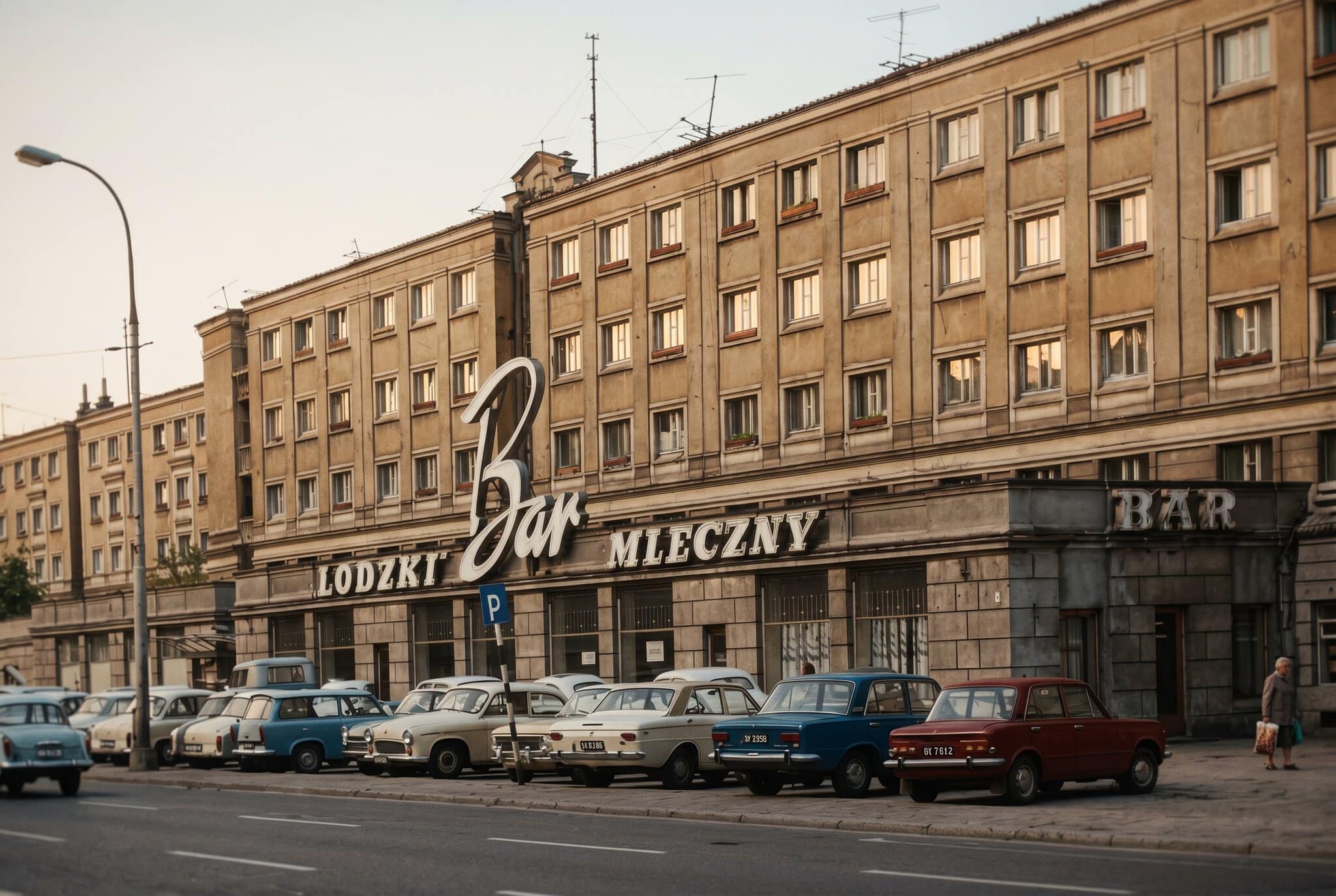
Alaska Road Trip: The Best Itinerary for 7, 10, 14 and 21 Days

TL;DRThere are four solid options for an Alaska road trip: 7 days for a quick taste (Anchorage, Talkeetna, Denali National Park, Seward, a cruise to the Kenai Fjords glaciers), 10 days adding Homer and Exit Glacier, 14 days covering Fairbanks, Chena Hot Springs and Matanuska Glacier, and 21 days pushing up the Dalton Highway beyond the Arctic Circle to Wrangell-St. Elias National Park. Peak season runs mid-June to mid-August, with temperatures of 15–20°C, while the Northern Lights are best seen in winter, when it’s around -30°C. Budgets range from $800–1200 per person for a modest week to $6000+ for a three-week trip, and the Denali park road beyond mile 43 stays closed until 2027 because of the Pretty Rocks landslide.

If you’re thinking about heading to Alaska, I need to warn you about something right off the bat. It’s completely addictive — wilderness in its purest form — and once you’re back home, you’ll ache for those endless forests and glaciers. ☺️ An Alaska road trip is one of those once-in-a-lifetime experiences that changes you. We drove through Alaska back in 2017 during our three-month road trip. We travelled from Calgary, Canada, across the whole of Alaska all the way down to San Francisco in our beloved van we called Chiquita.

We made over a hundred stops along the way, and because we were travelling for so long, we had a very strict budget. Our daily limit was 50 dollars a day for both of us, which meant we ate a lot of pasta with sauce, wild camped everywhere and thought three times before paying for any activity. 😅 Even so, it was an absolutely incredible experience that we still look back on with enormous nostalgia. We explored Anchorage, discovered Whittier and Hatcher Pass, spent three wonderful days in Homer, cruised past glaciers in Kenai Fjords, marvelled at Worthington Glacier and Matanuska Glacier, and made it all the way to Valdez and Haines.

In this article, you’ll find a detailed Alaska road trip itinerary — actually four versions for different trip lengths. I’ve put together plans for 7, 10, 14 and 21 days, designed so that families with children, couples, keen hikers and photographers can all find something that works. I’ll tell you when the best time to go is, what to watch out for when planning, and roughly how much the whole thing will cost.

TL;DR

  • Distances are enormous: Alaska doesn’t forgive planning mistakes. Minimise days spent just behind the wheel and explore fewer places properly instead.
  • Major restriction in Denali: Until 2027, the road in Denali National Park is closed beyond mile 43 due to a massive landslide (Pretty Rocks). Factor this into your trip planning.
  • Northern lights: The years 2024 to 2026 coincide with the solar maximum. If you visit in winter or early spring, you have a fantastic chance of seeing breathtaking aurora borealis.
  • Book well in advance: Campsites, hotels and key activities (like Denali buses or glacier cruises) sell out up to six months ahead. Book early.
  • Safety first: Buy bear spray on your very first day (around $50). You can’t bring it on a plane, so you’ll need to purchase it once you arrive.
  • Accommodation and campsites: If you’re going by RV, I recommend Riley Creek campground in Denali, Williwaw in Portage or Russian River on the Kenai Peninsula.

When to Visit Alaska and Getting Oriented

Let’s look at when the best time to head north actually is. Alaska has very distinct seasons, and what you’ll experience in July is completely different from what you’d get in March.

The main tourist season runs from mid-June to mid-August. This is when it’s warmest, with average temperatures between 15 and 20°C (59–68°F), and the days are incredibly long. In the interior around Fairbanks, the sun barely sets at all. It’s the ideal time for hiking, bear watching and glacier cruises. On the flip side, this is peak season — expect the biggest crowds, highest prices and mosquitoes that can be genuinely maddening.

May and September are the shoulder seasons, and personally, we love these months. In May, nature is just waking up, mountaintops are still blanketed in snow and the roads are peaceful. In September, the tundra turns incredible shades of yellow and red, the mosquitoes have vanished and the northern lights start appearing in the night sky. You do need to keep an eye on opening times, though, as many tour operators and visitor centres close in early September. You can find more details in our dedicated article on when to visit Alaska.

If your dream is to see the dancing green sky, you need to go in winter. Temperatures plunge well below freezing (routinely dropping to -30°C in Fairbanks), but the experience of dog sledding and watching the night sky makes it absolutely worth it. We’ve written about this in detail in our guide on how to see the northern lights in Alaska.

Logistics and Practical Information

Before diving into the actual itinerary, you need to sort out the basic logistics. A trip to Alaska requires a bit more planning than a typical holiday in Europe.

Most flights arrive in Anchorage, which is the state’s main transport hub. The majority of flights from Europe connect through Seattle or via a US hub. From the UK, you can fly with airlines like British Airways, Condor or Icelandair (via Reykjavik) to reach the West Coast, then connect onward to Anchorage. As a British passport holder, you’ll need an ESTA (Electronic System for Travel Authorization) before flying to the US. Bear in mind that if you’re renting a car in Canada and driving across the border (or have a layover in Canada), you’ll also need a Canadian eTA.

As for getting around once you’re there, you essentially have two options: a regular car with hotel or motel stays, or an RV (campervan). We absolutely swore by camping in our Chiquita. It gives you incredible freedom — you can cook your own meals (which massively saves money) and sleep in the middle of stunning wilderness. Some of our favourite spots were Riley Creek campground right at the entrance to Denali, the beautiful Williwaw Campground in the Portage Valley, and the campsite at Russian River on the Kenai Peninsula, where you can watch fishermen (and the occasional bear) catching salmon right from your tent.

An interesting alternative to endless driving is the Alaska Marine Highway System (AMHS) ferry network. It’s a brilliant way to reach places that aren’t connected by road, and the journey itself is an experience. You’ll find full details on transport and car hire in our guide to Alaska travel logistics.

Alaska Itinerary 7 Days: A Quick Taste (Couples and Families)

This seven-day Alaska itinerary is ideal if you’re short on time but want to see the absolute essentials. We’ll focus on the classic route from Anchorage north to Denali National Park, then south to the glaciers on the Kenai Peninsula. It’s a well-balanced mix of mountains, wildlife and ocean.

This route is particularly great for families and couples, as it doesn’t involve extremely long drives and sticks to well-maintained main roads. In a week, you’ll see the highest mountain in North America (weather permitting) and experience a cruise among icebergs where enormous chunks of ice thunder into the sea.

DayRouteKm / TimeHighlightsWhere to Sleep
1Anchorage0 kmArrival, stock up on supplies, acclimatiseAnchorage Marriott Downtown
2Anchorage → Talkeetna180 km / 2 hFlightseeing over Denali, Nagley’s StoreTalkeetna Alaskan Lodge
3Talkeetna → Denali NP245 km / 2.5 hDrive north, visitor centre, evening relaxationHolland America Denali Lodge
4Denali NP → Anchorage380 km / 4 hDenali Bus Tour, Eklutna Lake on the way backThe Hotel Captain Cook
5Anchorage → Seward205 km / 2.5 hSeward Highway, Alaska SeaLife CenterSeward Windsong Lodge
6Seward0 kmKenai Fjords cruise (Aialik Bay), marine wildlifeHarbor 360 Hotel Seward
7Seward → Anchorage205 km / 2.5 hReturn to airport and fly home

Day 1: Arrival in Anchorage and Preparations

Dedicate the first day entirely to acclimatising and getting sorted. After picking up your rental car or RV, head straight to a supermarket (Fred Meyer or Walmart) and stock up on supplies for the coming days. Food prices inside the national parks are astronomical. The single most important task for today is buying bear spray. It costs around $50 (about €45) and I hope you’ll never have to use it, but don’t venture outside the city without it.

If you have time and energy left, take a walk along the Tony Knowles Coastal Trail, where you might spot moose grazing freely on your very first day. For dinner, head downtown — we love Moose’s Tooth Pub and Pizzeria, which has excellent craft beer and a great atmosphere. For accommodation, try the Anchorage Marriott Downtown, which offers comfy beds after a long flight.

Day 2: Drive to Talkeetna and a Flightseeing Tour

In the morning, head north along the Parks Highway. Your destination is the charming little town of Talkeetna, home to fewer than a thousand residents and the main base camp for mountaineers heading up Denali. The town has an amazing, slightly hipster and wonderfully laid-back vibe. In the centre, don’t miss the historic Nagley’s General Store. Not only do they serve great coffee, but you might also meet the town’s mayor. It’s not a person, though — it’s a cat named Aurora who holds court right from the counter. 😁

The highlight of the day should be a flightseeing tour. Talkeetna Air Taxi offers jaw-dropping flights around the Denali massif. Yes, it’s not cheap — an hour-long flight costs over $300 (around €275) — but the views of endless glaciers and razor-sharp mountain peaks are absolutely worth every penny. For a late lunch or dinner, stop at the West Rib Pub & Grill, a favourite haunt of local bush pilots and mountaineers, where they serve Ice Axe Ale on tap. Spend the night at the lovely Talkeetna Alaskan Lodge, which has direct views of the highest peak on a clear day.

Day 3: To the Gates of Denali National Park

After breakfast (I highly recommend the giant cinnamon rolls at Talkeetna Roadhouse), you’ve got roughly a two-and-a-half-hour drive to the commercial zone known as Glitter Gulch, which sits right at the entrance to Denali National Park. The drive itself is gorgeous — the Alaska Range unfolds on your left with sweeping views the whole way.

Spend the afternoon at the visitor centre, where you can grab maps and get up-to-date information on wildlife movements. If you fancy a short walk, try the Horseshoe Lake Trail. It’s an easy 3.5-kilometre loop that’s great for families with kids, and at the end you can spot an active beaver dam. For accommodation in this area, I’d recommend the sprawling Holland America Denali Lodge, which even has lovely fire pits for evening gatherings.

Day 4: Denali Bus Tour and Heading South

Today calls for an early start and the main highlight of your time in the park. I have to be upfront about the current situation, though. Due to a massive landslide at Pretty Rocks, the park road is completely closed beyond mile 43, and will remain so until at least 2027. Buses used to run all the way to Wonder Lake; now they turn around roughly at the halfway point. Even so, it’s still well worth doing.

You can choose between the green Transit Bus (cheaper, essentially a shuttle for hikers) and the narrated Tundra Wilderness Tour. Both end at exactly the same point, so if you want to save money and don’t mind the lack of a guide, the green bus is the way to go. Keep your eyes peeled during the ride — the chances of spotting grizzly bears, moose and caribou herds are huge. After returning from the park, jump in your car and head south back to Anchorage. On the way, make a quick detour to Eklutna Lake, a gorgeous glacial lake with stunning turquoise water. Overnight in Anchorage, perhaps at the iconic The Hotel Captain Cook.

Day 5: Seward Highway and the Ocean

This morning you’ll leave Anchorage and set off along one of the most beautiful roads in the world — the Seward Highway — heading to the Kenai Peninsula. The road hugs Turnagain Arm and the views of mountains plunging straight into the ocean are genuinely breathtaking. Stop at the Beluga Point lookout; with a bit of luck, you’ll spot white beluga whales.

In the afternoon, you’ll arrive in the port town of Seward. If you’re travelling with kids, or if it happens to be raining, definitely visit the Alaska SeaLife Center. It’s a fantastic marine animal rescue centre where you can see seals, sea lions and puffins up close. For dinner, try the Apollo Restaurant, which does wonderfully prepared fresh seafood. Rest your head at the comfortable Seward Windsong Lodge, tucked away in a peaceful wooded valley just outside town.

Day 6: Kenai Fjords and Calving Glaciers

Today you’ll spend on the water. A cruise into Kenai Fjords National Park is an absolute must. Companies like Major Marine Tours offer full-day cruises to Aialik Bay. You’ll witness enormous glaciers calving — massive chunks of ice breaking off and crashing into the sea with a thunderous roar.

Here’s a very practical tip from personal experience. When we sailed out of the calm waters of Resurrection Bay into the open ocean towards Aialik Bay, the waves tossed us around so badly that half the boat turned green. Seasickness tablets are an absolute necessity here — trust me. 😅 And don’t forget to dress warmly; it’s bitterly cold near the glaciers even in July. For your last night, I’d recommend staying right by the harbour at the Harbor 360 Hotel Seward.

Day 7: Return and Departure

On your last day, it’s simply the drive back along Seward Highway to the international airport in Anchorage. Leave plenty of time for returning the car and checking in.

Alaska Itinerary 10 Days: The Best of Both Worlds

This ten-day plan is probably the best compromise if you want to see both the inland wilderness and the coastal beauty of Alaska without completely running yourself ragged. We’re adding some interior exploration and also my personal favourite — the town of Homer at the very tip of the Kenai Peninsula.

It’s an ideal choice for active couples and families with older kids who don’t mind the occasional longer drive. In ten days, you’ll soak up the true Alaskan atmosphere, taste the best halibut of your life and walk up to a retreating glacier.

DayRouteKm / TimeHighlightsWhere to Sleep
1-3Anchorage → Denali380 kmFlightseeing, Talkeetna, arrival at DenaliDenali Bluffs Hotel
4Denali NP0 kmPark bus tour, wildlife watchingDenali Bluffs Hotel
5Denali → Anchorage380 km / 4 hLong drive south, historic village of HopeThe Hotel Captain Cook
6Anchorage → Seward205 km / 2.5 hSeward Hwy, Exit Glacier hikeSeward Windsong Lodge
7Seward → Homer270 km / 3 hKenai Fjords cruise, evening drive to HomerLand’s End Resort
8Homer0 kmHomer Spit, Salty Dawg Saloon, beachBest Western Bidarka Inn
9Homer0 kmHalibut fishing or Kachemak Bay State Park hikeBest Western Bidarka Inn
10Homer → Anchorage350 km / 4.5 hReturn to airport and fly home

Days 1–4: Northern Loop to Denali

The first four days mirror the beginning of the seven-day itinerary. After arriving in Anchorage and stocking up on supplies, you’ll head through the community of Talkeetna all the way to the gates of Denali National Park. You’ll enjoy a flightseeing tour, have a pint with the locals and take the green bus ride deep into the park. For accommodation in the Glitter Gulch area, try the Denali Bluffs Hotel, which sits on a hillside and offers lovely views over the valley.

Day 5: Long Drive South and the Charm of Hope Village

Day five involves quite a bit of driving as you head from the interior back south towards the coast. Once you’ve passed through Anchorage and joined the Seward Highway, I recommend a detour to the historic gold-rush village of Hope. Barely 160 people live here permanently, and time seems to have genuinely stood still. It sits on the shore of Turnagain Arm and is an incredibly photogenic spot. If you’re after a bit of adrenaline, nearby Six Mile Creek offers some seriously wild whitewater rafting. In the evening, base yourself in Anchorage, or if you’ve got the energy, push on closer to Seward.

Day 6: Seward and Face-to-Face with a Glacier

You’ll arrive in Seward in the morning. Before heading into town, turn off towards Exit Glacier. It’s one of the most accessible glaciers in Alaska — you can reach it on an easy walk from the car park. Along the path, signs mark the years showing how far the glacier once extended. It’s a sobering sight, as the glacier is retreating at an alarming rate of 13 to 15 metres per year.

If you’re feeling fit, tackle the Harding Icefield Trail. It’s a demanding full-day hike (nearly 1,000 metres of elevation gain) that takes you above the glacier to a vast ice field. It’s tough going, but the views from the top are unforgettable. Afterwards, soothe those aching muscles at the comfortable Seward Windsong Lodge.

Day 7: Cruise and Drive to the End of the World

In the morning, take the whale and glacier cruise in Kenai Fjords National Park (and don’t forget those seasickness tablets!). After returning to the harbour, get in the car and head along the Sterling Highway to the southwestern tip of the Kenai Peninsula. Your destination is the town of Homer. The drive takes about three hours and passes through stunning scenery with views of volcanoes across Cook Inlet. You can stay right at the tip of the spit at the iconic Land’s End Resort.

Days 8–9: Kicking Back in Homer

We spent a full three days in Homer and absolutely fell in love with it. The main attraction is Homer Spit — a narrow gravel bar stretching over seven kilometres out into the sea, packed with colourful little buildings, coffee shops and fishing outfitters. You absolutely must not miss the Salty Dawg Saloon. It’s an original log cabin from 1897, and inside, every wall and the ceiling are plastered with thousands of signed dollar bills. We had a beer there and, of course, left one of our own signed notes behind. ☺️

Homer is the self-proclaimed halibut fishing capital of the world. If you enjoy fishing, book a full-day charter (around $400–$500 per person, roughly €360–€450). If fishing isn’t your thing, take a water taxi across the bay to Kachemak Bay State Park, where you can do a beautiful and easy trek to Grewingk Glacier Lake. For a brilliant breakfast with enormous cinnamon rolls, head to Two Sisters Bakery near Bishop’s Beach. As a quieter base in town, I’d recommend the Best Western Bidarka Inn.

Day 10: Back to Reality

Your final day means a long drive — around four and a half hours — from Homer back to the international airport in Anchorage.

lukas a lucka
Lukáš and Lucie recommend
Where to Stay in Alaska
6 accommodations — hotels and other lodging options

2 Week Alaska Road Trip Itinerary: Deep into the Interior

A two-week Alaska itinerary is the standard and probably the most popular option for first-time visitors who want enough time to really explore. To the Kenai Peninsula and Denali, we’re adding the rugged interior, the city of Fairbanks and a visit to Matanuska Glacier, where you can walk across the ice wearing crampons.

This plan is brilliant for photographers and lovers of deep wilderness. The drives are longer, you’ll cruise along the iconic Glenn Highway and soak up the atmosphere of places where people live in extreme conditions.

DayRouteKm / TimeHighlightsWhere to Sleep
1-5South (Anchorage, Seward, Homer)Kenai Fjords, Homer Spit, Exit GlacierLand’s End Resort
6-7Talkeetna and DenaliDrive north, flightseeing, Denali bus tourGrande Denali Lodge
8Denali → Fairbanks200 km / 2.5 hDrive through the interior, evening in FairbanksPike’s Waterfront Lodge
9-10Fairbanks0 kmMuseum of the North, Riverboat, Northern LightsSophie Station Suites
11Fairbanks → Chena Hot Springs90 km / 1.5 hHot springs bathing, relaxationChena Hot Springs Resort
12Chena → Matanuska Glacier480 km / 6 hLong drive via Richardson Hwy, glacier walkSheep Mountain Lodge
13Matanuska → Anchorage160 km / 2 hGlenn Highway views, arrival in the cityHotel Alyeska
14Anchorage0 kmSouvenir shopping, departure

Days 1–7: Southern Coast and Denali National Park

The first week of this itinerary combines the best of southern and central Alaska. You’ll start by exploring Seward and Homer, feasting your eyes on ocean and glacier views. Then you’ll head north through Talkeetna to Denali National Park. Everything I described in the previous plans applies here too. In Denali, I’d recommend the lovely Grande Denali Lodge, perched high on a hill with an excellent restaurant.

Day 8: Drive to the Golden Heart of Alaska

From Denali, you’ll continue north along the Parks Highway to Fairbanks. The city has only around 31,000 residents, but for the vast interior it’s the absolute centre of civilisation. It sits just 315 kilometres south of the Arctic Circle. Along the way, you’ll notice the landscape changing — the trees shrink and the forests thin out. In the evening, treat yourself to a great steak at the stylish Pump House Restaurant, decorated in gold rush-era style. You can stay right on the riverbank at the popular Pike’s Waterfront Lodge.

Days 9–10: Fairbanks and the Northern Lights

Fairbanks is a city of extremes. In summer, the sun never sets; in winter, it’s bitter cold. Don’t miss the Museum of the North on the local university campus (admission around $22 / €20). They have a fantastic exhibit on Indigenous peoples and even a mummified bison from the Ice Age. In the afternoon, you can take a cruise on the sternwheeler Riverboat Discovery along the Chena River, which includes a stop at a sled dog kennel.

If you’re travelling from late August onwards, you’ve got a fantastic chance of seeing the northern lights. Thanks to the solar maximum in 2024–2026, solar activity is at its peak. Drive out of town at night — Murphy Dome viewpoint is a good shout — to escape light pollution, and wait for the show. As a base for the next few days, try the spacious Sophie Station Suites.

Day 11: Chena Hot Springs

Time for a bit of a breather. About 90 kilometres east of Fairbanks lies the Chena Hot Springs Resort. They have an outdoor thermal pool heated to 41°C (106°F). Soaking in the hot water while the air is chilly around you is a perfect experience. I have to be honest, though — the resort itself has seen better days, and the changing rooms and facilities sometimes receive justified criticism from visitors. Definitely bring your own flip-flops. Even so, the relaxation alone is worth the trip. You can spend the night on-site at Chena Hot Springs Resort.

Day 12: Long Drive South and Matanuska Glacier

Today means a lot of driving along the Richardson and then Glenn Highway back south. Your destination is Matanuska Glacier. Unlike the glaciers we’ve seen from a boat, you can actually walk on this one! The glacier stretches over 40 kilometres and is accessible only with a licensed guide (such as NOVA Alaska Guides). For around $170 (about €155), you get a helmet, crampons and a three-hour guided walk right between blue crevasses and towers of ice. It’s a completely different experience from admiring a glacier from a distance. You’ll find accommodation near the glacier, for instance at the charming Sheep Mountain Lodge, where you can spot Dall sheep through binoculars from the terrace.

Days 13–14: Back to Civilisation

On the penultimate day, you’ll wind your way back along the gorgeous Glenn Highway, which twists between mountains, back into Anchorage. Here you can pick up last-minute souvenirs, enjoy a good coffee and get ready for your flight home. If you want to treat yourself before departing, book a night at the Hotel Alyeska in nearby Girdwood, which has a fantastic spa and a cable car up the mountain.

Alaska Itinerary 21 Days: The Complete Exploration

This is the itinerary for true adventurers who want to experience Alaska in all its glory. Three weeks will allow you to reach places the vast majority of tourists never see. We’re adding a drive beyond the Arctic Circle on the legendary Dalton Highway and the enormous, wild Wrangell-St. Elias National Park.

I wouldn’t recommend this plan for families with young children, as you’ll spend hours bouncing along rough gravel roads. But for hikers, lovers of remote places and anyone craving a real “Into the Wild” experience, this is the ultimate adventure.

DayRouteKm / TimeHighlightsWhere to Sleep
1-9South and DenaliAnchorage, Homer, Seward, Talkeetna, DenaliDenali Bluffs Hotel
10-12FairbanksFairbanks area, museums, relaxationPike’s Waterfront Lodge
13Fairbanks → Arctic Circle315 km / 5 hDalton Highway (Haul Road), Arctic Circle SignColdfoot Camp
14Coldfoot → Fairbanks410 km / 6 hReturn from the Arctic, Wiseman villageSophie Station Suites
15Fairbanks → McCarthy500 km / 7 hChallenging drive to Wrangell-St. Elias, McCarthy RoadMa Johnson’s Hotel
16Wrangell-St. Elias (Kennecott)0 kmKennecott copper mine tour, Bonanza Mine TrailKennecott Glacier Lodge
17McCarthy → Valdez280 km / 5 hDrive to the coast, Worthington GlacierBest Western Valdez Harbor Inn
18Valdez0 kmExxon Valdez history, Mineral Creek TrailTotem Hotel and Suites
19-21Valdez → Anchorage480 km / 6 hDrive back, Matanuska Glacier, departureAnchorage Marriott Downtown

Days 1–12: Classic Alaska

The first twelve days are spent thoroughly exploring the south (Kenai Peninsula) and the main artery through Denali up to Fairbanks. You already know all these stops from the previous itineraries, but with 21 days, you won’t have to rush anywhere at all.

Day 13: Dalton Highway and Driving to the Arctic Circle

This is a day for the bold. From Fairbanks, you’ll head north on the iconic Dalton Highway, nicknamed the “Haul Road.” It’s primarily a supply road for the oil pipeline infrastructure up north, and you’ll share it with enormous trucks that barrel past in clouds of dust and gravel. The goal is to reach at least the sign marking the Arctic Circle at mile 115. It’s a raw, gritty experience, but standing beyond the Arctic Circle is simply priceless. If you’re game and have a vehicle that’s cleared for gravel roads (most standard rental companies prohibit it — you’ll need a specialist 4×4 hire), spend the night at the wonderfully rugged Coldfoot Camp.

Day 14: The Coldest Place and the Return

In the morning, drive the short distance to the historic village of Wiseman, just beyond Coldfoot. It was here in 1971 that the lowest temperature ever recorded in the United States was measured: an unbelievable -62°C (-80°F)! Then it’s the long, dusty road back to civilisation in Fairbanks. Treat yourself to a hot shower that evening — you’ll need it. Stay at the comfortable Sophie Station Suites.

Day 15: Into America’s Largest National Park

Today you’ll drive to Wrangell-St. Elias National Park. It’s the largest national park in the United States — six Yellowstones could fit inside it. From the town of Chitina, a 96-kilometre unpaved and bone-rattling McCarthy Road leads to the park’s heart. It was built on the remnants of an old railway and you can still occasionally spot old railroad spikes poking through the surface. The road ends at a river, which you cross on a footbridge, and from there a shuttle takes you to the settlement of McCarthy, population roughly 28. It’s the real Wild West. You can stay at the historic Ma Johnson’s Hotel, which looks like a living museum.

Day 16: The Ghost Town of Kennecott

From McCarthy, you’ll continue a bit further to the abandoned Kennecott copper mine. The enormous red-painted wooden buildings clinging to the mountainside next to a glacier look utterly surreal. For fit hikers, there’s an extreme challenge — the Bonanza Mine Trail. It’s 15 kilometres return with a punishing 1,000+ metres of elevation gain, but it takes you right up to the ruins of the old mine high in the mountains. If your budget allows, splash out on a flightseeing tour over Bagley Icefield — it’s truly something else. For the night, the lovely Kennecott Glacier Lodge is a wonderful choice.

Days 17–18: Valdez and Worthington Glacier

From McCarthy, you’ll return to paved roads and head south towards the coastal port of Valdez. Along the way, you’ll drive through Thompson Pass and stop at Worthington Glacier. We stopped here ourselves and it’s an incredible feeling to walk practically right up to the glacier’s face straight from the roadside.

In Valdez, make sure to visit the local museum. They have a powerful exhibition on the Exxon Valdez tanker disaster of 1989, when millions of gallons of oil spilled into the sea — the ecological consequences are still visible today. If you fancy a lovely outing, head to the Mineral Creek Trail leading to an abandoned stamp mill. In Valdez, I’d recommend the Best Western Valdez Harbor Inn with views over the harbour full of fishing boats.

Days 19–21: Return via Richardson and Glenn Highway

Spend your final days on the drive back to Anchorage. Stop at Matanuska Glacier, take a walk on the ice, stock up on salmon jerky as a last souvenir, and — full of experiences you’ll still be processing long after you get home — head to the airport.

How Much Does It All Cost? (Budget)

Alaska is expensive — there’s no getting around it. Our punk-rock budget of $50 a day for two from 2017 is virtually impossible today unless you want to live on plain rice and hitchhike. Here’s a rough estimate per person (excluding flights from Europe):

  • 7 days (budget, camping, self-catering): approx. $800–$1,200 (€730–€1,100)
  • 7 days (hotels, restaurants, Denali flightseeing): approx. $2,000–$3,000 (€1,800–€2,750)
  • 14 days (mid-range, car + motels): approx. $3,500–$4,500 (€3,200–€4,100)
  • 21 days (deep exploration with off-road vehicle hire): approx. $6,000+ (€5,500+)

The biggest expense will always be car or RV hire (often over $200/day in peak season, around €180) and accommodation. A decent motel in summer typically runs $150–$300 per night (€135–€275). Excursions are pricey too — a Kenai Fjords cruise costs around $200 (€180), and a Denali flightseeing tour over $300 (€275). For a detailed price breakdown and money-saving tips, check out our article on how much an Alaska holiday costs.

What to Pack for Alaska

The weather in Alaska is unpredictable. Even in July, you might wake to a frosty morning and be walking around in a t-shirt by afternoon. Layering is key.

  • Quality waterproof jacket (Gore-Tex) and trousers: Alaska can be seriously rainy, especially along the coast.
  • Merino wool: Base layers, long johns and socks in merino keep you warm even when sweating, and they don’t get smelly.
  • Sturdy, broken-in hiking boots: The terrain is often boggy and rocky.
  • Binoculars: Absolutely essential for spotting bears, whales and mountains from a safe distance.
  • Insect repellent and a head net: Alaskan mosquitoes are legendary, especially in the interior in June and July. Products with a high DEET concentration are a must.
  • Bear spray can only be purchased once you arrive — pick it up at a supermarket or outdoor shop!

Where Next: Travelling Around North America

If you’re planning a longer road trip or other northern destinations are calling, definitely check out our articles on Canada. From Alaska, you can easily drive through the Yukon all the way to British Columbia and Alberta:

FAQ — Frequently Asked Questions About an Alaska Road Trip

I’ve gathered the most common questions I get from readers planning an Alaska road trip. If there’s anything I haven’t covered, feel free to drop me a message.

How many days do I need for a proper Alaska road trip?

The minimum is 7 days for a “quick taste” (Anchorage → Denali → Seward). Ideally, plan for 10–14 days so you can include Hatcher Pass, Homer, and a cruise in Kenai Fjords without rushing. If you have 21 days, you can add Valdez, Wrangell-St. Elias, and the Alaskan interior. Anything more than 3 weeks would mean retracing the same routes.

When’s the best time to visit Alaska?

Peak tourist season runs from mid-June through mid-August — warmest days, long daylight hours, everything’s open, but also the most crowds and mosquitoes. May and September are shoulder seasons with beautiful scenery and fewer people. If you want to see the northern lights, you’ll need to come in winter (December through March), when temperatures can drop to -22°F (-30°C).

Do I need an ESTA or eTA?

To enter the USA, you’ll need an ESTA (about €19, apply online). If you have a layover in Canada or cross the Canadian border by car (for example, coming from Yukon), you’ll also need a Canadian eTA (€6). Apply for both at least 72 hours before departure.

Can I drive into Denali National Park?

Only for a limited distance. Until 2027, the road in Denali NP is closed beyond mile 43 due to a massive landslide (Pretty Rocks Landslide). To go deeper into the park, you’ll need to take park buses (Tundra Wilderness Tour or Transit Bus), which should be booked 4–6 months in advance.

How much will the whole road trip cost?

It depends on your travel style. A budget 7-day trip with camping and cooking runs €750–1,100 per person (excluding flights). A 14-day mid-range trip with motels and car rental costs €3,200–4,200. A 21-day in-depth exploration runs €5,600+. The biggest expenses: car/RV rental (over €185/day) and accommodation (€140–280/night).

What should I do if I encounter a bear?

As soon as you arrive, buy bear spray at a supermarket — you can’t bring it on the plane. In the wilderness, make noise, travel in groups, and store all food and scented items in bear-resistant containers or hang them high in a tree. If you encounter a bear, never run — back away slowly and speak in a calm voice.

Is it better to rent a car or an RV?

An RV/campervan gives you incredible freedom — you can sleep in the middle of nature, cook your own meals, and save on hotels. But it’s more expensive to rent (€280+/day) and burns a lot of gas. A regular car plus motels is more flexible in town centers, but you lose the magic of “sleeping under the stars.” For a 7-day trip, we recommend a car; for 14+ days, go with an RV.

Will I have cell phone signal on the route?

No, not for much of the journey. Anchorage, Seward, Homer, and Fairbanks have signal including 4G/5G. Outside major towns — Denali Highway, the interior, most of the Kenai Peninsula outside of towns — expect zero signal. Download offline maps (Maps.me, Google Maps offline) and plan your rough itinerary in advance.

Tips and Tricks for Your Vacation

Don’t Overpay for Flights

Search for flights on Kayak. It’s our favorite search engine because it scans the websites of all airlines and always finds the cheapest connection.

Book Your Accommodation Smartly

The best experiences we’ve had when looking for accommodation (from Alaska to Morocco) are with Booking.com, where hotels, apartments, and entire houses are usually the cheapest and most widely available.

Don’t Forget Travel Insurance

Good travel insurance will protect you against illness, accidents, theft, or flight cancellations. We’ve had a few hospital visits abroad, so we know how important it is to have proper insurance arranged.

Where we insure ourselves: SafetyWing (best for everyone) and TrueTraveller (for extra-long trips).

Why don’t we recommend any Czech insurance company? Because they have too many restrictions. They set limits on the number of days abroad, travel insurance via a credit card often requires you to pay medical expenses only with that card, and they frequently limit the number of returns to the Czech Republic.

Find the Best Experiences

Get Your Guide is a huge online marketplace where you can book guided walks, trips, skip-the-line tickets, tours, and much more. We always find some extra fun there!

Toruń, Poland: 12 Best Things to See and Do (UNESCO, Gingerbread, Copernicus)

TL;DRToruń, in Poland’s Kuyavian-Pomeranian Voivodeship, is a Gothic Hanseatic town on the Vistula and the birthplace of astronomer Nicolaus Copernicus, with a historic centre on the UNESCO list. One or two days is enough to see it, and the best time to go is May to September, or December for the Christmas markets. Among the 12 tips on what to see and do are the Old Town Market Square with its town hall, the leaning Leaning Tower, Copernicus’s birth house (entry around 25 PLN), and the interactive Living Museum of Gingerbread (entry around 28 PLN), where you get to bake your own traditional Toruń gingerbread. The nearest airport is in Bydgoszcz, 50 kilometres away.

If you’ve been following travel trends for a while, you’ll know that Toruń Poland is an absolute gem and Poland in general deserves far more love than it gets. So many travellers keep returning to this country so often they could practically apply for citizenship 😅. Most visitors automatically head to historic Kraków or modern Warsaw, largely overlooking the north. But if you drive towards the Masurian Lakes or the Baltic coast, you’ll stumble upon one of the country’s best-kept secrets.

Toruń is a place that wraps you in the scent of cinnamon, honey, and cloves the moment you arrive. Whether you’re wandering down tucked-away alleyways or standing right in the main square, the air is thick with the aroma of freshly baked gingerbread. That fragrance carries through even the most hidden cobblestoned lanes, and even when it’s lightly drizzling, you feel as though you’re walking inside a giant oven full of sweet treats. This is also where the famous astronomer Nicolaus Copernicus was born, and this medieval town on the banks of the Vistula will steal your heart on the very first visit. It was mercifully left almost untouched during World War II, so when you stroll through the old centre, you’re breathing in genuine history stretching back hundreds of years — no concrete eyesores wedged between Gothic vaults.

But hold that thought, because the best is yet to come: in this guide you’ll find out where to get the best gingerbread (and where not to waste your money on tourist tat), how to choose accommodation strategically, and why you’ll drive home with a car perfumed by cinnamon. We’ll walk through the most important sights, share tips on tickets, and show you the spots where you can simply sit on a bench and watch the world go by.

TL;DR

If you’re already packing your bags and can’t face the full article, here’s everything you need to know in a nutshell:

  • Ideal length of visit: One to two leisurely days is plenty for the city itself. It’s a perfect weekend destination, or an idyllic stop-off if you’re transiting through Poland on your way to the Baltic coast for the summer holidays.
  • Top highlights: The entire stunning historic centre is proudly inscribed as a UNESCO World Heritage Site. At every turn you’ll pass gorgeous buildings, the most famous being the birthplace of Nicolaus Copernicus and the hugely popular Leaning Tower.
  • Must-do experience: The interactive Living Museum of Gingerbread, no question. They’ll kit you out in an apron and you’ll mix, mould, and bake a traditional souvenir following centuries-old recipes — one you’ll probably secretly scoff in the car on the way home.
  • Accommodation: Always look for hotels right in the Old Town or the immediately adjacent New Town. You’ll walk everywhere, soak up the incredible calm of the evening streets, and save a huge amount of time you’d otherwise spend waiting for buses.
  • Getting there: From London, you can fly to nearby Bydgoszcz with budget airlines like Ryanair or Wizz Air, then it’s just a short train or taxi ride to Toruń. Alternatively, fly into Gdańsk or Warsaw and take a comfortable Polish intercity train.

What exactly is Toruń and why should you visit

Toruń isn’t just any old city in the Polish flatlands. It’s a proud medieval centre with nearly 200,000 inhabitants that once belonged to the powerful Hanseatic League. Trade along the Vistula brought incredible wealth, and with it came those magnificent brick Gothic buildings we still admire today — and honestly, the sheer opulence will leave you wide-eyed, because it’s all still standing and practically oozing history.

Beyond the fact that the genius astronomer Nicolaus Copernicus was born on these very streets in 1473, today’s city is a vibrant organism buzzing with students and modern energy. The university gives everything that fresh, youthful edge, so while you’re marvelling at medieval grandeur, you’ll spot groups of young people clutching coffees on every corner, lounging by the river or filling the evening bistros.

There’s nothing quite like arriving in a city like this, dumping your bags in your room, and heading out into the centre with no map and no plan. Toruń was made for this kind of unscripted freedom, because you genuinely can’t get lost. Everywhere you turn, a beautiful church, a statue, an ivy-clad café, or simply a view of the slow-flowing Vistula pops into sight.

When to visit and how to get to Toruń

Good news: planning a trip to Poland is refreshingly straightforward. Bad news: pick the wrong month and you’ll either be wilting in the heat or soaked to the bone. Let’s break it down.

Best time to visit

As with most European cities, the best weather in Toruń runs from May through to the end of September. Spring is beautifully fresh and the days get noticeably longer, so the evening chill won’t chase you back to the hotel early — leaving plenty of time for long, romantic strolls along the river. If you visit in August, you can also catch the enormous Bella Skyway Festival, when the facades of old buildings are transformed into canvases for stunning light installations, giving the city an incredibly magical energy.

There’s also a lot to love about a classic Polish autumn. The city often hosts a traditional gingerbread festival during this season, and cosy little cafés open up in hidden alleyways, luring passers-by with hot chocolate laced with cinnamon. In December, the Christmas markets are wonderfully photogenic. They’re much smaller than the massive ones in Wrocław, but many people actually prefer these more intimate affairs — no jostling through crowds, just mulled wine with a view of the beautifully lit town hall.

How to get to Toruń

From the UK, you have several comfortable and well-tested options for packing your bags and heading off on a long weekend without any unnecessary stress.

By air: This is often the easiest route from Britain. There are no regular flights directly to Toruń, but the nearest international airport is in neighbouring Bydgoszcz, just fifty kilometres from the heart of gingerbread city. Ryanair and Wizz Air frequently offer routes from London to Bydgoszcz or nearby Gdańsk, and from either airport it’s a quick hop on a local Polish train or taxi. The best and cheapest flights are worth hunting down through Kiwi, which sometimes unearths connections you wouldn’t have known existed.

By train once in Poland: If you fly into Warsaw or Gdańsk, Polish intercity trains are an excellent way to reach Toruń. The journey from Warsaw takes around two and a half to three hours, and the comfort is superb — stretch out, grab a coffee from the dining car, and arrive completely refreshed. Poland’s rail network has improved enormously and offers great value.

By car: If you’ve already flown into Poland and fancy the freedom of the open road, hiring a car is a brilliant option. Driving across Poland’s modern motorways is a pleasure, and having your own wheels means you can plan stops exactly how you like — perhaps a proper meal at a classic Polish roadside restaurant, soaking up that travel mood you simply don’t get at an airport. A tried-and-tested platform for car hire is DiscoverCars, where you can pick up something reliable for a long weekend.

By bus: For those travelling on a budget, the ever-present Flixbus is predictably the cheapest option. You’ll need a dose of patience, though, as the road journey with multiple stops takes noticeably longer, and after a few hours the comfort levels start to dip.

Where to stay and how much it all costs

Because Toruń is a surprisingly compact city, the key to success is finding a hotel right in the epicentre of the action so you never once have to worry about public transport. Prices across Poland remain incredibly friendly compared to Western Europe, and although they’ve crept up slightly over the past two years, you still get far more luxury for your money here than in most other European capitals.

When we say the best location, we naturally mean the Old Town (Stare Miasto). Narrow romantic lanes and the immediate proximity of the town hall mean you just run down the stairs, step out the door, and instantly feel that unmistakable buzz. For those seeking luxury with a river view, Hotel Bulwar is an ideal choice. A superb middle ground right in the historic Old Town is the beautifully renovated Hotel 1231, offering excellent value for money. If you’re watching the budget, the cosy and affordable Hotel Petite Fleur does the job brilliantly.

If you prefer quieter corners where you’ll mostly bump into local artists and students, definitely have a look at accommodation in the adjoining New Town quarter (Nowe Miasto). It sits right next to the old walls but has a noticeably more alternative and informal vibe, packed with cosy little bistros and slightly cheaper spacious apartments. It’s a fantastic area for whiling away an afternoon in an unassuming café with an excellent raspberry cake.

As for the overall cost of a weekend like this, Poland still holds its status as a budget-friendly country. You pay in Polish złoty (PLN), and at the time of writing one pound buys you roughly five złoty. A lovely double room in a solid hotel right by the square will set you back around €35–60 per night depending on the season. A generous dinner for two with a full table of food, wine, and beer will comfortably come in at around 150 złoty (roughly €35), which by tourist-centre standards is very pleasant indeed. The only snag is parking — you can’t park directly in the historic core, and the surrounding car parks typically charge around 7 złoty (about €1.60) per hour, so we strongly recommend finding accommodation that includes some tucked-away private parking.

12 best things to see and do in Toruń Poland

When putting together a walking plan, it’s clear you need to cherry-pick the very best of Toruń’s landmarks and attractions without it all feeling like a dreary school trip. We’ll take it step by step, and you’ll see for yourself that exploring this brick-built gem is an absolute blast.

1. Old Town Square and the Town Hall

All roads eventually converge on the grand square known as Stary Rynek. You can simply settle onto one of the hefty wooden benches, slowly sip a fragrant coffee, and watch tourists scurry past with their cameras. At the centre of it all stands the fantastic Gothic Town Hall (Ratusz Staromiejski), whose tall clock tower completely dominates the surroundings. Pay the modest entrance fee, don’t give up halfway on those many winding stairs, and your reward is a simply divine view of the red rooftops and cobbled squares from a bird’s-eye perspective.

If you look more closely at the Town Hall, you’ll notice one enormous curiosity: a highly unconventional sundial that doesn’t show time by the standard cardinal directions. Standing there with a map in hand, it takes a moment to realise that things here are simply done a little differently. The square also hides the iconic bronze statue of Nicolaus Copernicus himself — sooner or later you’ll pose for a cheerful photo with him and his little comet, because without that, a visit hardly counts.

2. The Leaning Tower (Krzywa Wieża)

If there’s one spot that represents this city on social media, it’s without a doubt the Leaning Tower. No need to travel all the way to Pisa when Toruń has its own wonky architectural marvel, complete with queues of people trying the peculiar optical illusion for themselves. Originally a normal defensive tower, it started slipping and tilting due to sandy foundations until it settled with an astonishing deviation of nearly a metre and a half.

The locals love to tell the legend of a knight who broke the rules of his order and was forced to build the tower as punishment — it leaned exactly as crooked as his character. While you’re there, you can try the old test of a clear conscience: stand with your back against the tilted wall, heels and backside touching it, and try to keep your balance. Many step up brimming with confidence, but of course they’re pulled forward within seconds, which guarantees enormous laughs.

3. Copernicus Birthplace (Dom Kopernika)

A stroll through the centre will soon bring you to a street named after the city’s most famous son, where you’ll discover a fairy-tale two-storey red brick house with a tall Gothic gable. Admission is around 25 złoty (about €6) and the interior will impress you with how cleverly ancient architecture has been blended with modern educational displays.

As you wander through the exhibitions in Dom Kopernika, you won’t be able to tear your eyes from the superb 3D models of the solar system, interactive screens, and beautifully lit replicas of period instruments. Paradoxically, though, what leaves the deepest impression is the preserved rooms of the wealthy family themselves — with their stunning wooden beams and original ceilings, it’s easy to imagine the young scientist eating his dinner and gazing out of the window at the night sky for the first time, sensing that everything was somehow fundamentally different from what people believed.

4. Living Museum of Gingerbread (Żywe Muzeum Piernika)

I’ll be completely honest — this is the absolute highlight of the entire trip, and if you miss it, you might as well not have come. At first it looks like a fairly standard exhibition, but it turns into such a fantastic show that words really can’t do it justice — you simply have to experience it for yourself. I’d recommend booking tickets in advance directly on the Living Museum of Gingerbread website, because demand is enormous and tickets vanish at lightning speed.

The moment you step into the room and the doors close behind you, you’re transported deep into a medieval bakery where actors in period costumes start baking alongside you with incredible humour. You’re handed balls of dough reeking of honey and a mountain of spices, then you have to press them into carved wooden moulds — which only half works, leaving you completely sticky. They hand you the freshly baked souvenirs while they’re still warm, and that gorgeous sweet aroma will reliably perfume your suitcase the entire journey home.

5. Cathedral of Saints John the Baptist and John the Evangelist

When you encounter this massive brick colossus, the austere, almost fortress-like facade might put you off at first glance. Inside, however, the Cathedral of Saints John the Baptist and John the Evangelist opens up to an incredible height, offering views of the most exquisite organ details and ribbed vaults that skilled craftsmen worked on for centuries — the cool air inside is instantly replaced by a sense of overwhelming awe.

The most significant artefact inside is the Gothic baptismal font in which Copernicus himself was supposedly christened — standing next to it feels utterly surreal. If you love viewpoints and don’t mind a staircase, climb up to the enormous bell tower where the famous Tuba Dei (Trumpet of God) hangs. It’s one of the largest medieval bells in all of Poland, dating back to 1500, and even after all these centuries of hanging there faithfully, it still commands immense respect.

6. Vistula Riverfront and Bulwar Filadelfijski

Once you’ve had your fill of history and your feet are aching from the hard cobblestones, the best remedy hides just below the city walls. Bulwar Filadelfijski stretches out in long green strips and serves as the local chill-out zone — grab a takeaway coffee, sit on the grass, and let the setting sun warm your face.

It’s an incredibly positive place. You’ll see dog walkers, people with pushchairs, and pleasure boats gliding slowly along the river with music drifting across the water. On a summer evening the atmosphere is so relaxed you barely notice time passing, and the city lit by evening lanterns from the riverbank reveals yet another layer of its endless charm.

7. Teutonic Castle Ruins (Zamek Krzyżacki)

Right next to the river you’ll come across the stunning remains of a fortress that once symbolised the crushing dominance of the Teutonic Knights — an order the local merchants were anything but fond of. Eventually the pressure became too much to bear, so the townspeople razed the castle to the ground in 1454, leaving us with a magnificent space to explore vaulted cellars and defensive passages hidden in the grass.

During your visit you can let your imagination run wild — what must it have been like sleeping here in winter without proper fireplaces? Definitely pay the small admission fee for the underground passages, where you’ll occasionally bump into historical re-enactment groups practising sword fights, turning these ancient walls into a proper, no-holds-barred medieval spectacle.

8. Panoramic views from the Vistula bridge

If you’re after picture-perfect photos that’ll make your mates back home green with envy, you need to take a short walk away from the centre. On the left bank of the Vistula, on the Kępa Bazarowa peninsula, there’s a panoramic viewpoint from which you can see the entire long line of walls and churches from exactly the angle you know from every map and postcard — honestly, it’s impossible to take a bad photo from here.

This trip across the admittedly rather ugly steel bridge is best made just before dusk. The moment the sun dips behind the river, the sky turns purple, and the first golden glow of streetlamps reflects off the water, the whole scene becomes pure magic. You can easily spend an hour just staring, while the wind off the river gets steadily chillier — so a jumper definitely comes in handy.

9. Rapacki Square and St James’s Church

Plac Rapackiego works as a beautiful oasis in the middle of the hustle and bustle. Huge spouting fountains were deliberately installed here — after dark they light up with colourful effects, surrounded by gorgeous flower beds. You can sit there for ages just appreciating how remarkably Poland has stepped up its park game over the years.

Wander one street further and you’ll discover the kind of quiet treasure that the big tour groups walk straight past without noticing. The mighty brick St James’s Church (Kościół św. Jakuba) has a Gothic interior with narrow, soaring windows that exude an immense calm. You pop in for just a moment and are instantly struck by the reverence of the place — the only sounds are crackling candles and the rustle of your own footsteps on the ancient floor.

10. Toruń Planetarium

If there’s one city in Poland where you simply cannot ignore anything connected to the sky and the stars, it’s surely the birthplace of Copernicus. The Toruń Planetarium is fantastically housed in a former industrial brick building from the 19th century, whose architecture alone evokes a Victorian gasworks with its raw industrial vibe.

Beyond being a perfect shelter from an unexpected downpour, they offer a huge variety of shows for absolutely everyone — from little ones to passionate adult astronomers. In the auditorium you get super-comfy seats, they hand you headphones with an excellent English translation, and you simply stretch out your weary legs and let yourself drift through infinite galactic space above your head — which, in the dimness, does occasionally tempt you into a cheeky nap. 😅

lukas a lucka
Lukáš and Lucie recommend
Where to stay in Toruń
4 accommodations — wellness hotels, hotels and other lodging options

11. Centre for Contemporary Art (CSW)

These architectural paradoxes are absolutely fascinating, and I’m sure you’ll fall in love with the striking contrast of a modern steel-and-glass building standing directly opposite centuries-old city walls. That was precisely the intention when they opened CSW Znaki Czasu. This modern visual arts centre is a massive injection of fresh ideas if you’ve had your fill of knights and old brick bastions and need a breath of contemporary creativity.

Outstanding exhibitions by international artists rotate regularly, and it’s worth going not just for the art but to discover the fantastic little bookshop dedicated to design and graphics. On top of all that, they have a rooftop panoramic terrace where you can grab a perfect espresso and suddenly view all that medieval splendour through an entirely new, lighter lens.

12. Ethnographic Museum and open-air skansen

Right on the edge of the narrowest lanes of the centre you’ll find a complex that feels as though you’ve stepped through a portal from a medieval metropolis into the deep Polish countryside of the 19th century. Tucked away in the park is the Ethnographic Museum, enriched by a truly unique open-air skansen where cats roam the lawns and thatched roofs nestle between birch trees.

It’s an enormous balm for the soul, full of beautiful wooden mills and cosy little cottages with tiny windows where everything inside smells wonderfully of old smoke and herbs that were once dried here. On a warm day, sit on a bench surrounded by old beehives and wooden fences, and you’ll forget you’re still just a few hundred metres from the incredibly busy main square.

Toruń with kids and navigating with a pushchair

When planning trips abroad with children, you need to think about cities from a completely different practical angle. The good news is that this whole area is extremely family- and pushchair-friendly. The historic centre is blissfully flat with no inclines to speak of, although the ever-present rough cobblestones may rattle the little ones around so much they’re asleep within five minutes — which, let’s be honest, is sometimes a very welcome bonus.

The undisputed number-one attraction for any child is, of course, the repeatedly-mentioned fragrant gingerbread museum, where kids can shamelessly plunge their hands into sticky dough with no one telling them off. For slightly older children (five and up), we heartily recommend the planetarium’s sky programme, which is guaranteed to spark a million questions. If you’re travelling with four-legged friends, it’s better to let them rest in the apartment during the day and take them for an evening walk along the Vistula 😄. Whether you’re travelling with tiny humans or tiny dogs, boredom simply isn’t on the agenda.

Where to eat: Polish food you absolutely must try

Let’s not pretend Polish cuisine plays in the low-calorie league — it’s hearty, filling, and decidedly heavy peasant fare, and all the more worth looking forward to because of it. In Toruń there’s one golden rule: eat as much gingerbread as you can physically manage. And I’m not just talking about boxes of chocolate-coated bonbons — I mean fresh gingerbread ice cream and incredible coffee spiked with a generous spoonful of fresh cinnamon.

While some visitors rave about the various sweet blueberry pierogi drenched in butter, you absolutely must try the savoury ones too — the absolute classics being pierogi ruskie (filled with cheese and potato) or the version with cabbage and mushrooms (kapusta i grzyby). Add a hearty soup (zupa) like traditional żurek (often available in a meatless version) or a clear borscht, and a well-chilled jug of light Polish beer. Around the old walls you’ll also find excellent bakeries and cafés. For a truly authentic and budget-friendly experience among regular Polish students, head to a so-called Milk Bar (Bar Mleczny), where you load up a tray with the most honest sauces and stews for just a few złoty. For a romantic evening, we’d suggest sitting on the terrace at the Stary Bursztyn restaurant and opening a good bottle of white wine under the stars.

What to watch out for: Safety and local scams

Having travelled around Poland extensively, we can say with a clear conscience that you’ll feel remarkably safe in Polish cities — streets are clean, well-kept, and nobody hassles you by the river in the evening. Even so, a few annoyances specifically target confused tourists with open wallets, and it pays to be aware of them from the start.

A major nuisance is the eye-catching blue-and-yellow Euronet cash machines scattered all over the Old Town, which try to push an extremely unfavourable dynamic currency conversion (DCC) on foreign visitors. Always — and with ice-cold composure — select the small “without conversion” option and let your own bank back home handle the exchange rate. If you opt for a traditional bureau de change (kantor), check the rate carefully. Some right in the centre have very poor margins or charge hidden fees.

Likewise, ignore the clusters of dodgy-looking drivers touting for business right outside the main train station. Not only will their prices be wildly inflated, but you won’t know exactly which route they’re taking you. Instead, download a ride-hailing app ahead of time — reliable Uber or its rival Bolt both work brilliantly here. The huge advantage is that you see the final price with no surcharges locked in on your screen before you even confirm the ride, and nobody argues with you about payment details.

Where next in Poland?

As mentioned at the very beginning, Poland is a vast and incredibly diverse country that’s long since outgrown its reputation for cheap cross-border shopping. It offers amazing places that are ideal for extending your trip into one epic road trip across multiple regions. Here are some more popular suggestions:

Final tips and tricks for a stress-free trip

We’re slowly reaching the end of our comprehensive guide to the streets of Copernicus’s city. But from our own experience we know all too well that even the most thorough list of beautiful sights isn’t always enough for a worry-free trip. So here are a few tried-and-tested practical nuggets that will save you heaps of precious time and unexpected expenses on the road.

When planning your first trip, there’s always a bit of learning on the fly — trial and error — and the odd totally avoidable rookie mistake involving parking or rain. To make sure your Polish holiday runs smoothly from the moment you excitedly slam your front door shut to the joyful return home with bags bursting at the seams under the weight of traditional fragrant gingerbread, check out these road-tested hacks so you can truly make the most of the experience.

What to pack

Northern Poland can be surprisingly windy even in the middle of summer — it’s often underestimated and regretted — so a light jacket or jumper in your day bag is a must at all times. And comfortable shoes are absolutely essential; those cobblestones will make short work of anything remotely flimsy.

If you want even more reassurance about what to definitely not forget when heading off by car or flying with just hand luggage across Europe, there’s a comprehensive guide. Check out our full packing list here, which goes into minute detail about tricks for folding shirts and choosing the right toiletries for a weekend city break, saving you unnecessary excess weight.

Where to find cheap flights

If you’re the type of traveller who’d rather skip eating sandwiches in the car at sweltering motorway services and instead fly in comfort to nearby Bydgoszcz (or other connecting hubs like Gdańsk or Warsaw), then definitely dive into the world of online flight search engines. It’s well worth spending time diligently tracking deals through the highly reliable Kiwi, which has a unique way of combining flights that often unearths incredible prices no one even knows about on standard airline websites.

This way of travelling by air pays off especially when you opt for a longer weekend of exploring with no fixed calendar limit and don’t fancy spending long hours tired and bored behind the wheel. Simply check your bag, drink an overpriced but ceremoniously satisfying coffee from a paper cup at the airport, board the plane, sail through the clouds, and within a few relaxing moments you’re sitting in a Polish café with a huge grin on your face.

Car hire

There are times and places where getting around in your own vehicle just isn’t practical, and it’s far easier to fly in and then sign the papers and hop into a hire car right at the airport. In those situations, the long-trusted platform DiscoverCars has proven itself time and again — their enormous worldwide network works brilliantly whether you’re heading to a scorching sandy coast or a frosty northern city.

The huge advantage — and the reason this platform is so popular — isn’t just the wide selection of vetted local agencies and cars ranging from nippy city runabouts to big motorway cruisers, but above all their fantastic full insurance with friendly, responsive customer support. If someone carelessly scrapes your door in a foreign car park, the right pre-paid coverage means you won’t have to stress about astronomical fees for a simple respray — and that peace of mind is worth its weight in gold.

Booking accommodation

Few city trips make sense if, after dozens of kilometres walked, you collapse into a tiny, grubby room with a squeaky bed. For finding the very best, cosiest, and most highly-reviewed spacious apartments or stylish luxury hotels, the go-to has always been Booking.com, where you’ll find countless wonderful places to stay and can happily browse through apartments tucked into the most hidden corners of the Old Town.

One golden rule applies here: if you book far enough in advance — ideally several months before your dream departure — and preferably with free cancellation in case of sudden changes, you can snap up the most charming historic buildings with old brick cellars at a fraction of the usual inflated seasonal price. And the feeling of waking up to a perfect Polish breakfast with the scent of coffee right inside a medieval vault? Absolutely priceless, trust me.

Don’t forget travel insurance

However close and accessible Poland might feel — practically just a hop across Europe — it’s never worth heading abroad without proper travel insurance that covers unexpected injuries or stolen documents. For short, comfortable trips around the European continent, a good option for British travellers is a reliable insurer like True Traveller or World Nomads, where you can quickly and easily get comprehensive cover for a long weekend.

If you’re looking for coverage for much longer trips without a fixed end date, many travellers swear by the flexibility offered by platforms with a monthly subscription model, which is covered in detail here: SafetyWing review. Especially for those of you who work remotely with a laptop in a café, this handy little monthly insurance companion has always proven to be the very best travel buddy — packed with health and property guarantees, particularly when your family has a reputation for clumsy mishaps and twisted ankles.

Data and internet on the go

A huge lifesaver for all European weekends with smartphones is the wonderful fact that Poland is in the EU, so if your UK mobile plan includes an EU roaming allowance (many still do), your data should work seamlessly with only minor hiccups in rural areas. However, since Brexit, it’s worth double-checking your provider’s roaming policy to avoid nasty bill surprises. Many UK networks still offer inclusive EU roaming, but data caps and fair-use limits vary.

If your work demands a lot more stable megabytes for frequent online meetings and evening emails from the hotel room, or if you spend a lot of time in a hire car streaming music and relying on data-hungry sat-nav, a tried-and-tested solution that works brilliantly worldwide is the popular eSIM from Holafly. You install unlimited data on your phone by simply scanning a quick code, and you’re up and running instantly — no faffing around hunting for local Polish corner shops with overpriced plastic SIM cards and their incomprehensible contracts.

FAQ: Frequently asked questions

How long does it take to explore Toruń?

One to two days is plenty of time to see the historic center and visit the Gingerbread Museum. It’s the perfect destination for a relaxing long weekend.

Where can I park in Toruń?

Access to the historic center is restricted, but you’ll find plenty of paid parking lots around its perimeter. Expect to pay around seven zloty per hour. Your best bet is to check in advance whether your hotel offers private parking.

Is the city worth visiting in winter?

Absolutely! In December, the main square hosts a beautiful Christmas market. Plus, the Gothic architecture covered in snow gives the city an amazing fairytale atmosphere.

How much do attraction tickets cost in Toruń?

Admission prices in Poland are generally very reasonable. Entry to Copernicus’ birthplace costs around 25 PLN and the interactive Living Gingerbread Museum runs about 28 PLN. Walking along the city walls and seeing the Leaning Tower is completely free, of course.

Can I pay by card in Toruń?

Yes, Poland is very advanced when it comes to contactless payments. You can pay by card or smartwatch at cafes, bakeries, and even parking lots. You’ll really only need cash in Polish zloty (PLN) for tips or at smaller market stalls.

How does transportation work in Toruń?

The historic center is very compact and easy to explore on foot. If you want to give your feet a rest, you can use NextBike bike-sharing or the reliable local tram network.

Where can I buy authentic Toruń gingerbread?

You can buy traditional gingerbread from the famous Kopernik factory at many official shops right in the center. But the best experience is at the Living Gingerbread Museum, where you can bake your own fragrant souvenir.

Tips and Tricks for Your Vacation

Don’t Overpay for Flights

Search for flights on Kayak. It’s our favorite search engine because it scans the websites of all airlines and always finds the cheapest connection.

Book Your Accommodation Smartly

The best experiences we’ve had when looking for accommodation (from Alaska to Morocco) are with Booking.com, where hotels, apartments, and entire houses are usually the cheapest and most widely available.

Don’t Forget Travel Insurance

Good travel insurance will protect you against illness, accidents, theft, or flight cancellations. We’ve had a few hospital visits abroad, so we know how important it is to have proper insurance arranged.

Where we insure ourselves: SafetyWing (best for everyone) and TrueTraveller (for extra-long trips).

Why don’t we recommend any Czech insurance company? Because they have too many restrictions. They set limits on the number of days abroad, travel insurance via a credit card often requires you to pay medical expenses only with that card, and they frequently limit the number of returns to the Czech Republic.

Find the Best Experiences

Get Your Guide is a huge online marketplace where you can book guided walks, trips, skip-the-line tickets, tours, and much more. We always find some extra fun there!

Kenai Fjords National Park, Alaska: 12 Tips on What to See and Do

TL;DRKenai Fjords National Park in Alaska has 12 ways to get close to the wildlife around Seward. The highlight is a full-day boat cruise (6–8 hours, $200–$300) out to Aialik Glacier or Holgate, with whales, puffins and sea lions along the way. On land, walk the Edge of Glacier Trail to Exit Glacier, or tackle the tough full-day Harding Icefield Trail (around 13km, with roughly 1,000m of climbing). Getting into the park is free, and the season runs from late May to early September — July and August are your best bet. Seward makes a good base, about 2.5–3 hours from Anchorage along the Seward Highway, with rooms running $250–$400 a night. Round things off with a visit to the Alaska SeaLife Center, Lowell Point, Seward Boat Harbor, or a hike up Mt Marathon.

When Lukáš and I were road-tripping across Alaska back in 2017, we knew that Kenai Fjords Alaska was one destination we simply couldn’t skip. I still remember the bone-rattling boat ride that was so wild I couldn’t help but laugh out loud, and then our frantic dash back from the kayaks when our guide spotted a bear swimming straight toward us. It was a once-in-a-lifetime experience and worth every single penny. 😅

The brilliant blue face of Aialik Glacier stood majestically before us, and when a massive chunk of ice broke off with a deafening crack and plunged into the ocean, we completely forgot that we couldn’t feel our toes. This national park is raw, wild, and unbelievably photogenic — and even though it’s one of the smallest in Alaska, the memories you’ll take away will stay with you for the rest of your life.

If you’re reading this and wondering whether braving the cold on a boat is really worth it — trust me, it absolutely is. I’ll walk you through which cruise to pick, where to stay in Seward, what to wear, and how much this whole Alaskan adventure actually costs. 😉

TL;DR

  • Main base: The gateway to the park is the harbour town of Seward, easily reached by car from Anchorage along the scenic Seward Highway.
  • Best experience: A full-day Kenai Fjords National Park cruise toward the Aialik or Holgate glaciers. You’ll see calving ice, whales, puffins, and sea lions.
  • Driving access: Exit Glacier is the only part of the park you can reach by road. A short walk takes you right up to the glacier’s base, but be prepared — it’s retreating rapidly.
  • For hikers: If you’re fit and don’t mind serious elevation gain, tackle the Harding Icefield Trail — one of the most beautiful and challenging day hikes in Alaska.
  • Practical tip: Bring warm layers and seasickness tablets for the boat, because the waters of the Gulf of Alaska can be seriously unforgiving. 😉

When to Visit Kenai Fjords National Park and How to Get There

Planning a trip to Alaska requires a bit of strategic thinking, since the tourist season is incredibly short and the weather does whatever it pleases. We visited in mid-July, which turned out to be an ideal choice — though I should warn you that accommodation prices during this period reach astronomical heights.

How to Get to Seward and the National Park

The logistics are thankfully simpler than you’d expect. Most visitors fly into Anchorage — there are direct and connecting flights from London with carriers like British Airways, Condor, or Icelandair (via Reykjavik). From Anchorage, it’s a straight, stunningly scenic drive south along the famous Seward Highway. The journey takes roughly two and a half to three hours of pure driving time, though I’d bet you’ll take much longer because you’ll keep pulling over at viewpoints to photograph the jaw-dropping scenery. The town of Seward sits at the very end of this highway and serves as the main port and gateway to the national park. You can also get here from Anchorage on the scenic Alaska Railroad, which is an experience in its own right — albeit a pricier one than renting a car. Once you’re in Seward, Exit Glacier is just a short drive away, but the rest of the national park is only accessible by boat or floatplane.

Best Time to Visit Kenai Fjords Alaska

Alaska’s main season runs from late May to early September. If you want the best chance of spotting whales and having all boat tours in operation, aim for July or August. Just bear in mind that during these months, huge cruise ships descend on Seward, dumping thousands of tourists into this tiny town all at once. May and September offer a quieter vibe, but you risk worse weather conditions at sea, and some restaurants or smaller tour operators may already be closed for the season.

Where to Stay in Seward and How Much It Costs

Seward is a fairly small town, but since it’s the only access point to the park, accommodation prices during summer skyrocket. I’d recommend booking a good six months in advance — the decent hotels at reasonable prices vanish before you can say “glacier.” Lodging here doesn’t come cheap, with an average mid-range hotel in peak season easily running between $250 and $400 (roughly £200–£320) per night for two.

If you’re after premium accommodation and don’t mind paying a bit extra, a great option is Seward Windsong Lodge, set in peaceful, wooded surroundings right by the turn-off onto Exit Glacier Road. You’ll be close to the glacier while still being a short hop from town. Another excellent choice is Harbor 360 Hotel, located right in the harbour — you can watch the boats from your room window and you’re just steps from the tour terminals.

For mid-range travellers, Lukáš and I can recommend the popular Holiday Inn Express Seward or Best Western Plus — those reliable staples where you won’t get any surprises but no disappointments either, and in Alaska, that counts for a lot. If you’re trying to save money, look into smaller family-run motels like Murphy’s Alaskan Inn. Those of you travelling in an RV have several great campgrounds in Seward — we’d suggest trying Forest Acres or Seward City RV Park right by the bay. For searching and comparing hotels, we always use Booking.com and recommend booking with free cancellation well in advance.

Kenai Fjords National Park: 12 Places to Visit and Things to Do

Kenai Fjords National Park was declared a national monument by President Jimmy Carter in 1978 and granted full national park status two years later, but the icefield and glaciers that define it have been slumbering here since the last Ice Age. Let’s dive into the best this wild landscape has to offer — from glacier cruises to rugged mountain treks.

1. Glacier Cruise: An Absolute Must-Do

The most popular reason people come here is the iconic Kenai Fjords National Park cruise. Several companies operate out of Seward Boat Harbor, with the most well-known being Major Marine Tours and Kenai Fjords Tours. Their catamarans take you deep into the bay on trips lasting six to eight hours. Expect to pay around $200–$300 (roughly £160–£240) per person — not exactly pocket change, but the things you’ll see are beyond belief. I’d strongly recommend buying tickets well in advance, especially if you’re visiting in July.

From personal experience, I’d say go for a smaller vessel — even though the big catamarans offer better stability for sensitive stomachs. The advantage of the smaller boats is that they can get much closer to the cliffs and wildlife. We spent most of our time glued to the railing at the bow for the best views, even though icy spray kept hitting us. Plus, there’s usually a ranger from the official national park visitor centre on board, sharing fascinating stories about everything you see around you over the loudspeaker.

2. Aialik Glacier and Calving Blue Ice: A Breathtaking Spectacle

The crown jewel of any longer cruise is Aialik Bay and its namesake glacier — probably the most photographed spot in the entire park. Aialik Glacier is what’s called a tidewater glacier, meaning it terminates directly in the ocean. This is where you have an incredible chance of witnessing “calving” — when enormous blocks of brilliantly blue ice crack off the glacier face with a thunderous boom and crash into the waves. Ever wondered why the ice is such an intense shade of blue? Apparently, millennia of pressure compress the ice so densely that it absorbs every colour of light except blue — at least that’s what our guide told us, and we happily believed him because it looked absolutely magical. The boats usually cut their engines here, and you just stand on deck, listening to the cracking and staring open-mouthed.

The sound that accompanies this natural process is almost impossible to describe. First you hear a long, drawn-out crack, like someone snapping a giant tree trunk, and then chunks of ice the size of a small car plunge into the water with an enormous splash. All you can do is watch as the wave rolls toward you.

3. Whale Watching and Wildlife: An Alaskan Safari

If you’re into wildlife (and Lukáš and I definitely are), Kenai Fjords will blow you away. The sheer amount of fauna here is staggering — we lost count of species somewhere around the third whale. During our cruise through Resurrection Bay and beyond, we spotted a family of orcas, watched majestic humpbacks breaching out of the water, and chuckled at chubby harbour seals lounging lazily on ice floes. There were also sea otters floating on their backs and rocky cliffs teeming with crowds of adorable puffins with their colourful beaks. Don’t forget to bring a good pair of binoculars or a lens with a decent zoom.

The puffins made me the happiest — I’d been dreaming of seeing them for years — but there were also loads of orcas. The captain explained that they come here to feed because these cold waters are packed with nutrients. When a dorsal fin suddenly surfaced about ten metres from our boat, I forgot to breathe for a moment.

4. Exit Glacier: A Symbol of a Changing Climate

This is the only glacier in the entire park that you can reach by paved road. A roughly 13-kilometre road leads directly from Seward, ending at a nice visitor centre. The best part is the easily accessible Edge of Glacier Trail — a loop of just under three kilometres that takes you almost to the very foot of the glacier itself. What’s both sobering and chilling is seeing the markers along the path showing where the glacier’s edge used to be in past decades. Exit Glacier is retreating at an alarming rate of roughly fifteen metres per year, which is exactly why then-President Barack Obama visited in person in 2015 to draw attention to climate change.

As you walk the trail, definitely take the time to read all the interpretive panels. We ended up chatting with a local ranger who told us that just a few decades ago, the glacier extended all the way to where the car park is today. It’s a powerful experience that really grounds you. The walk itself is easy enough for families with children, and you’ll get some brilliant photos along the way.

5. Harding Icefield Trail: A Trek for the Toughest

If you love a challenge and a short stroll just won’t cut it, get ready for the absolute best the park has to offer for serious hikers. The Harding Icefield Trail starts near Exit Glacier and is a truly spectacular but brutally demanding hike. The route covers about thirteen kilometres round trip, but what really gets you is the punishing elevation gain — close to a thousand metres — and you’ll feel every bit of it. You start in dense forest and gradually push through alpine meadows until you reach the very edge of a seemingly infinite icefield. Allow six to eight hours, and keep in mind there’s no water or toilets on the trail. It’s also prime bear territory, so don’t even think about heading up without bear spray.

It’s certainly not the easiest trail out there, but every drop of sweat is absolutely worth it. When you finally crest the top after hours of climbing, a literally endless white expanse stretches out before you as far as the eye can see. Lukáš was jumping around with excitement at the top while I had to sit on a rock for five minutes and just catch my breath. Pack plenty of snacks, hot tea in a thermos, and definitely your camera — the views down into the valley are nothing short of epic.

6. Brace Yourself for the Cold and Seasickness: An Honest Warning

Let me give you one very practical warning from personal experience. As soon as the boat leaves the sheltered waters of the bay and heads out onto the open ocean (the Gulf of Alaska), things get seriously rough. And when I say rough, I mean even the hardiest souls can feel pretty awful. If you’re prone to seasickness, definitely take tablets beforehand, or opt for the shorter cruises that stay within the calmer waters of Resurrection Bay. And don’t underestimate your clothing. The microclimate right by the glacier can drop temperatures close to freezing, and when you add the biting wind, you’ll be incredibly grateful for that warm beanie, waterproof jacket, and gloves.

7. History of the National Park: A Bit of Context

You might also be curious about a bit of Kenai Fjords National Park history. Although this stunning landscape, shaped by millennia of glacial activity, has existed for ages, the area had no federal protection for the longest time. It wasn’t until the late 1970s that President Jimmy Carter stepped in and declared the territory a national monument to prevent reckless land grabs. Today the park protects over 600,000 acres of wilderness that, frankly, only bears are likely to set foot in. And paradoxically, that’s exactly what makes it so appealing.

Getting here wasn’t easy at first — there were fierce political battles over preserving this area in its natural state. Local residents feared losing their hunting and fishing rights, so finding a compromise took years. Thankfully, today it’s a well-functioning balance. As you walk past the small informational signs, you realise just how much effort people before us had to put in so that we can enjoy this rugged beauty today.

8. Alaska SeaLife Center: A Perfect Rainy-Day Plan

If the weather doesn’t cooperate in Alaska (which happens roughly fifty percent of the time), duck into the Alaska SeaLife Center right in Seward. It’s not just an ordinary aquarium — it’s actually the only permanent rehabilitation centre for marine mammals in all of Alaska. You’ll see massive tanks with sea lions and playful otters rescued from the wild. Adult admission is around thirty dollars (about £24), and for families with kids, it’s a fantastic way to spend a rainy afternoon.

For us, it was a brilliant stop during one particularly soggy morning. The exhibits are incredibly interactive, and you’ll learn fascinating facts about the rescue of injured puffins or baby sea lions that lost their mothers. You can even watch feeding sessions and veterinary care in action. For current opening hours, check the official Alaska SeaLife Center website, as they sometimes close outside the summer season.

9. Mt. Marathon Race: The Madness You Need to See

Towering directly above Seward is the sharp peak of Mt. Marathon, home to one of the most extreme and dangerous mountain races in the world. It takes place every year on the Fourth of July (American Independence Day), and runners cover just under a mile and a half while tackling a mind-boggling 900 metres of elevation gain through mud and shale. It’s absolute madness. You can, of course, hike the mountain at your own pace on any regular summer day, but even then, expect a serious workout.

We unfortunately weren’t in Seward on the Fourth of July, but from videos and stories from locals, it sounds like absolute chaos. Runners scramble up the steep rock face often on all fours, and on the way down they essentially slide in a controlled fall through scree and mud. If you go outside of race day, approach it sensibly and wear sturdy hiking boots. Two trails lead to the top — the race route is steeper and more dangerous, while the “hiker’s” route winds through the forest and is much kinder on your knees.

lukas a lucka
Lukáš and Lucie recommend
Where to stay in Seward
6 accommodations — campgrounds, hotels and other lodging options

10. Lowell Point and Caines Head: Escape the Crowds

During peak season, Seward is bursting at the seams as cruise ships from Canada bring wave after wave of visitors. If you need a break from the buzz, drive a few minutes past town to Lowell Point. You’ll find beautiful, much quieter black sand beaches and stunning coastal trails in Caines Head State Park, where you can stroll in peace, collect shells, and gaze across the bay without having to dodge hundreds of camera-toting tourists.

11. Seward Boat Harbor: The Heart of the Fishing Town

Take a stroll along the wooden docks of Seward Boat Harbor — the pulsing heart of this little town. In the morning, you can watch small fishing boats getting ready to head out, and in the afternoon, see local pros and enthusiastic tourists alike unloading their giant catches. Lukáš and I stood there completely transfixed as one fisherman filleted a halibut the size of me in under two minutes. It smelled of salt and fish and was absolutely wonderful — if perhaps not for sensitive noses. 😅

Beyond the fishing boats, you’ll also find plenty of little cafés and souvenir shops. We went there every morning for fresh coffee and watched the early bustle as boats headed out to sea one by one. It’s a brilliant spot to soak up the true atmosphere of this town, and you can pick up a small handmade memento crafted by local artists.

12. Photography in the National Park: How to Get the Best Shots

If you want to bring home photos that truly capture the atmosphere, I’d recommend going with a smaller boat operator. We were lucky to book with a smaller outfit like Seward Ocean Excursions, who only take about six passengers on board — meaning you can get closer and shoot without strangers’ heads in every frame. The ideal light in the deep fjords is usually between 9 a.m. and 3 p.m., when the sun manages to cut through the mist and the mountain shadows aren’t too long.

If you’re not a professional photographer, don’t stress about capturing every single moment. The most stunning image — a glacier crashing into the water — will ultimately be stored in your own memory anyway. Still, don’t forget to bring a spare battery and a large enough memory card, because you’ll be clicking away at one animal after another. If you’re lucky enough to book with a smaller operator like Seward Ocean Excursions, the captain is always happy to point out the best angles for photos.

Where to Eat Well in Seward (and What to Try)

After a full day of freezing on a boat or a gruelling hike to the glacier, you’re guaranteed to be starving. Alaska is a paradise for seafood lovers, and Seward absolutely delivers. Every menu revolves around freshly caught salmon, excellent white halibut meat, or the popular rockfish.

Probably the best harbour views combined with great food can be found at Ray’s Waterfront, though you’ll pay a slight premium for overlooking the anchored fleet. Neighbouring Chinook’s is equally good, serving fantastic fish specialities. A true gem is Apollo, a classic restaurant offering a wonderful “ocean-to-table” service. Here’s how it works: if you catch your own fish on a morning trip, you bring it to them and their chefs will turn your catch into an absolute masterpiece that you’ll still be dreaming about the next day.

For families with children, I’d recommend the spacious Highliner Restaurant or the lovely Resurrection Roadhouse, which sits a little further from the centre toward the glacier and offers gorgeous sunset views over the river valley in the evening.

But if you’re after a raw, authentic, no-frills Alaskan experience, you need to hit the proper local dive bars like Tony’s Bar or Yukon Bar. These are exactly the kind of places where weary fishermen gather over cheap beers after a long day, the music plays a bit too loud, but you’ll get the most honest slice of Alaska there is. And if you’re travelling on a budget and want massive portions at a fair price, try the cosy Sourdough Cafe.

Where Else to Go in Alaska

If you’re planning a bigger road trip, be sure to check out our other articles from this incredible state that we put together from our travels:

Final Tips and Tricks for Your Trip

When packing for Alaska, you’ll quickly realise that one jacket is never enough and that planning ahead is worth its weight in gold. To make sure you’re not caught off guard, I’ve put together a summary of the most important things you should sort out before you set off.

Lukáš and I made plenty of mistakes during our road trip, but we learned from every one of them. Here are our best tried-and-tested practical tips that will save you time, money, and a whole lot of stress on the ground.

What to Pack

Alaska doesn’t forgive gear mistakes, so the foundation is layering — from thermal base layers all the way up to a proper waterproof jacket and beanie, even in July. For tougher hikes, pack sturdy boots and bear spray — the rangers at Harding Icefield simply won’t let you through without it.

Finding Flights

From the UK, you’ll typically fly into Anchorage with a connection in the US or via Iceland. Airlines like British Airways, Icelandair, and Condor offer various routes. Look for deals well in advance — summer flights to Alaska fill up fast and prices climb steeply the closer you get to departure.

Renting a Car

Without a car, you’re pretty much stuck in Alaska (except for the train, which doesn’t go everywhere). Lukáš and I have had consistently good experiences with DiscoverCars, which we use all over the world, and we’d strongly recommend booking your car months in advance.

Experiences & tickets: Kenai Fjords
traveler-rated · GetYourGuide
Soldotna: Guided Salmon Fishing on Kenai and Kasilof Rivers
★★★★★ 4.0 · 1 reviews
from €279
I want this experience →
🔗 These are affiliate links — they don't change your price and help us create content. · All experiences →

FAQ — Frequently Asked Questions About Kenai Fjords National Park

I’ve gathered the most common questions I get from readers planning a trip to Kenai Fjords. If anything’s missing, feel free to drop me a message.

What’s so special about Kenai Fjords National Park?

It’s a vast wilderness shaped by a slumbering ice age. You’ll find the largest icefield entirely within U.S. territory (Harding Icefield), from which massive glaciers flow directly into the sea. It’s one of the few places in the world where you can comfortably watch the phenomenon of calving from a boat—chunks of glacier breaking off—and observe an incredible abundance of marine wildlife, from whales to sea otters.

How many days do you need for Kenai Fjords National Park?

Two full days is the ideal minimum. One full day will be taken up by a long boat cruise to see glaciers and whales. The second day you can dedicate to visiting the Exit Glacier area and either take shorter trails at the base of the glacier or tackle the all-day hike to Harding Icefield.

What’s the closest town to Kenai Fjords National Park?

The closest and really the only gateway town to the park is Seward on the southern Kenai Peninsula. From Anchorage, you can drive there in just under three hours.

Are there grizzly bears in Kenai Fjords National Park?

Yes, both black bears and brown bears (grizzlies) live in and around the park. Especially when hiking the Harding Icefield Trail or camping outside of town, you need to stay constantly alert, make noise, and always carry bear spray with you.

How much does it cost to enter the national park?

The great news is that entry to Kenai Fjords National Park itself is completely free. There’s not even a parking fee at the popular Exit Glacier. However, you will need to open your wallet if you want to take a boat cruise to the more distant glaciers—a full-day cruise costs around 200 USD per person.

When’s the best time to visit Kenai Fjords?

Definitely the Alaskan summer, which runs from late May through early September. Temperatures are relatively bearable, the days are extremely long, and most tour boats and visitor centers are in full operation. In winter, many roads are impassable and access to the park is significantly limited.

Can I handle a glacier cruise if I get seasick?

It can be challenging. The route from Resurrection Bay toward Aialik Bay crosses the open waters of the Gulf of Alaska, where the waves can really toss you around. Definitely bring strong motion sickness medication, or as an alternative, choose a shorter cruise that stays within the protected waters of the bay.

Tips and Tricks for Your Vacation

Don’t Overpay for Flights

Search for flights on Kayak. It’s our favorite search engine because it scans the websites of all airlines and always finds the cheapest connection.

Book Your Accommodation Smartly

The best experiences we’ve had when looking for accommodation (from Alaska to Morocco) are with Booking.com, where hotels, apartments, and entire houses are usually the cheapest and most widely available.

Don’t Forget Travel Insurance

Good travel insurance will protect you against illness, accidents, theft, or flight cancellations. We’ve had a few hospital visits abroad, so we know how important it is to have proper insurance arranged.

Where we insure ourselves: SafetyWing (best for everyone) and TrueTraveller (for extra-long trips).

Why don’t we recommend any Czech insurance company? Because they have too many restrictions. They set limits on the number of days abroad, travel insurance via a credit card often requires you to pay medical expenses only with that card, and they frequently limit the number of returns to the Czech Republic.

Find the Best Experiences

Get Your Guide is a huge online marketplace where you can book guided walks, trips, skip-the-line tickets, tours, and much more. We always find some extra fun there!

Międzyzdroje, Poland: 15 Things to Do on the Polish Riviera & Wolin Island

TL;DRMiędzyzdroje, known as the Polish Riviera, packs 15 ideas for trips around Wolin Island into one guide — from the nearly four-kilometre pier and the Avenue of Stars (Aleja Gwiazd), to the bison reserve in Wolin National Park, a Viking village near the town of Wolin, and a day trip to Świnoujście, 15 kilometres away. Expect about 700 kilometres and a seven- to eight-hour drive to get there. July and August are best for swimming (the water sits at 18 to 21 degrees), while May, June or September suit walks with a dog or pushchair better. A room in high season runs 2,500 to 4,000 CZK a night, and entry to Wolin National Park costs around 6 zloty.

If you’ve been following our blog for a while, you’ll know we’re head over heels for the Polish coast — and Międzyzdroje Poland is one of our favourite Baltic destinations. Every time we return, we’re amazed at how much these seaside resorts have evolved in recent years. After exploring nearby Międzywodzie, the natural next step was to head to the very heart of Wolin Island — the resort town of Międzyzdroje, rightfully nicknamed the Polish Riviera.

It’s a place where 19th-century elegance blends with modern attractions, wide sandy beaches, and the stunning nature of Wolin National Park, which wraps tightly around the town. Whether you’re visiting with a dog to seek out quieter stretches of coastline off-season, pushing a buggy along the perfectly maintained promenades, or enjoying the romantic atmosphere of this spa town as a couple, Międzyzdroje will win you over.

TL;DR

  • Where is it: Międzyzdroje sits on the western stretch of Poland’s Baltic coast on Wolin Island, close to the German border and the well-known port town of Świnoujście.
  • Main highlights: A nearly four-kilometre-long iconic pier, wide beaches with fine sand, the Walk of Fame (Aleja Gwiazd), and the neighbouring Wolin National Park with its European bison reserve.
  • Who is it for: Everyone — and we genuinely mean it. The resort works brilliantly for couples, families with buggies, and travellers with dogs.
  • When to go: For swimming, July and August are best. For walks with dogs or buggies, we’d recommend May, June, or magical September when the crowds thin out.
  • What to try: Traditional fried and smoked fish (halibut, herring), Polish waffles known as gofry on the promenade, and to warm you up — the excellent amber soup.

Międzyzdroje: The Polish Riviera with a Rich History

Let’s take a look at what makes this little town of just five thousand people one of the most sought-after resorts in all of Poland. Międzyzdroje isn’t just an ordinary beach destination — it’s a place steeped in tradition that seeps from every historic villa lining the promenade.

High society has been flocking here since the mid-19th century, and honestly, once you stroll past those gorgeous villa facades, you completely understand why. We’d have happily spent summers here in 1890 ourselves. 😁 Today, while only around five thousand people live here year-round, the town transforms into a buzzing resort in summer, particularly popular with German tourists who are just a stone’s throw away. It’s this combination of elegant spa heritage and the wild nature of Wolin National Park that makes Międzyzdroje a destination that won’t bore you — even when the sun ducks behind the clouds.

When to Visit and How to Get to Międzyzdroje

Planning a trip to the Polish Baltic has its own quirks, and it always depends on what you’re hoping to get out of your holiday. From the UK, getting to Międzyzdroje is surprisingly straightforward — with good flight connections and onward travel by car or public transport, this resort makes a brilliant alternative to the sometimes exhausting journeys to southern Europe.

Best Time to Visit

Peak season runs from June through the end of August, when the Baltic is at its warmest and the town buzzes with festivals and events. If you’re specifically after sunbathing and swimming, August is your safest bet — though you’ll need to accept that the promenade and restaurants will be seriously busy. Personally, we prefer the shoulder months for Baltic trips — May, June, and September — when the weather is pleasant but you’re not fighting through crowds of tourists and can enjoy your morning coffee with a sea view in peace.

The winter months have their own entirely different, slightly melancholic charm, when the sea is wild, the air is full of iodine, and you can retreat to the local spas or saunas after a bracing beach walk. It’s worth checking the weather forecast before you go, as conditions by the sea can change quickly and layering your clothes is absolutely essential here. While people often search for 14-day forecasts, in our experience you can only really trust the next three days or so.

Getting There by Car, Train and Bus

The most convenient way to reach Międzyzdroje from the UK is to fly into Szczecin (Goleniów Airport), which is about 80 kilometres from the resort. Ryanair operates seasonal flights from London Stansted, and from there you can easily hire a car or arrange a transfer. Polish motorways are constantly improving, and the drive from Szczecin heads smoothly north to the coast. Just bear in mind that in peak season, roads near the coast can get congested.

Public transport is another excellent option. You can take Polish trains (PKP Intercity), which are often impressively modern and comfortable, or use FlixBus coaches for budget-friendly connections. If you’re flying into Berlin instead, it’s roughly a three-hour drive to Międzyzdroje, making it a viable gateway too. We’ve had consistently great experiences with DiscoverCars, which we use all over the world whenever we need to pick up a car at the airport. For cheap flights, we always start our search on Kiwi — our go-to comparison site for snagging the best deals.

Where to Stay in Międzyzdroje and How Much It Costs

Look for the sweet spot — walking distance to the beach but tucked away in a slightly quieter corner for proper rest. Międzyzdroje has a genuinely lovely range of options, from spa hotels by the pier to forest apartments on the other side of town.

Price-wise, Międzyzdroje is comparable to other upmarket Polish resorts. During the peak summer season, expect to pay around €60–100 per night for a decent double room with breakfast, while off-season prices can drop to roughly half that. The local currency is the Polish złoty (PLN), and at the time of writing, one euro gets you about 4.3 złoty. If you’re travelling with a dog, it’s worth choosing accommodation closer to the forest — morning walks through the pines are an absolute dream.

Recommended Hotels in Międzyzdroje

If you want to compare all the latest deals, check out all hotels in Międzyzdroje on Booking.com via our partner link (it won’t cost you any extra, but it helps us keep writing guides like this).

  • Luxury by the pier: Aquarius Spa — the best wellness hotel right on the promenade, complete with its own water park and saunas.
  • Mid-range family pick: Amber Baltic Hotel — an iconic beachfront hotel with a pool and kids’ club.
  • Quiet forest apartment: Forest Apartments — newly renovated apartments in the wooded part of town, ideal for families with dogs or children.

💡 Tip: During peak summer (July–August), book at least 3–4 months in advance, otherwise you’ll be left picking from a handful of overbooked rooms.

If you love your creature comforts, the popular Golden Tulip Międzyzdroje Residence is a fantastic option, offering spacious, modern apartments with its own wellness facilities, just a short walk from a quieter stretch of beach. For those who prefer to be surrounded by nature — especially if you’ve got a four-legged companion in tow — we can heartily recommend Forest Camp Międzyzdroje, a charming spot tucked away in the greenery where you’ll have total peace and quiet, yet be on the promenade within minutes. The Westend district is packed with gorgeous new apartment complexes featuring large terraces, while the older centre near the pier offers classic hotels with that authentic spa-town atmosphere.

15 Things to See and Do in Międzyzdroje and Beyond

Right, this is where things get really exciting. I’ve arranged the tips in a logical order so you can tackle them day by day — starting with the absolute must-dos, followed by the extras that’ll take your holiday to the next level.

1. Walk the Iconic Pier

The pier is the beating heart of Międzyzdroje, and you absolutely must head there on your very first day to soak up that genuine seaside atmosphere. It’s the third-longest pier in all of Poland (after Sopot and Westerplatte) and stretches an incredible distance out over the waves. It’s arguably most beautiful at sunset, when the sky turns orange and you can watch fishing boats bobbing in the distance. Pop a few coins in your pocket, because you’ll find stalls at the top selling freshly roasted nuts that smell so good you won’t be able to resist. It’s best to visit in the early evening, when the biggest crowds have thinned and gulls start swooping low over the water.

Entry to the pier is free, and you’ll find plenty of benches and small cafés where you can grab a hot chocolate when that sharp Baltic wind picks up. At the very end, you’re rewarded with a stunning view back over the entire town and the coastline framed by the forested hills of Wolin National Park.

2. Take a Dip on the Endless Beach

The local beach is exactly what you’d picture when someone says “perfect Baltic summer day.” It’s incredibly wide, the sand is so fine it feels like flour, and the water entry is beautifully gradual — an absolute lifesaver for families with small children. The cliffs sheltering it from behind mean the biting Baltic wind is noticeably less fierce here compared to places like the Hel Peninsula — making it particularly great if you’ve got a buggy. You can build sandcastles all day long because the sand holds together perfectly with barely a pebble in sight.

In summer it does get busy, and you’ll see plenty of those classic Polish windbreaks that locals use to stake out their territory on the sand. But if you wander a bit further towards the cliffs, you’ll always find a spot where you can spread out in peace with your book.

3. Experience Poland’s Walk of Fame — Aleja Gwiazd

Międzyzdroje has one standout claim to fame that sets it apart across Poland — its own version of the Hollywood Walk of Fame. Since 1996, the biggest names in Polish film, theatre, and music have been coming here to press their handprints into bronze casts embedded right into the pavement along the promenade. Some handprints are surprisingly dainty, while others look like they belonged to giants. Kids love trying them out for size, and it always gets a good laugh.

Even if you don’t recognise every Polish celebrity (some names have even us scratching our heads 😅), the walk itself has a wonderfully elegant atmosphere. The entire street is lined with beautiful old trees, and on summer evenings it’s beautifully lit up, making it the perfect route for a romantic after-dinner stroll.

4. Visit the Fascinating Oceanarium Międzyzdroje

If the weather’s let you down and you need somewhere to shelter from the rain — or you’re simply travelling with kids — the Oceanarium Międzyzdroje is a real gem. Honestly, I didn’t expect much going in, but it’s really nicely done inside and you can easily spend a couple of hours here. With a small child, plans change at the drop of a hat, so having a backup like this is always handy. The highlight that caught us off guard was the long underwater tunnel with sharks gliding right above your head.

Inside you’ll find a fascinating underwater world with numerous huge aquariums housing sharks, rays, colourful coral reef fish, and adorable clownfish. There’s also a brilliant interactive section for children, so they won’t leave with just photos of fish — they’ll pick up some proper knowledge too. It’s no wonder the oceanarium is considered a go-to for cloudy days in Międzyzdroje.

5. Say Hello to the Bison in Wolin National Park

This is the experience that makes Międzyzdroje truly unique compared to other coastal resorts like Kołobrzeg. The town directly borders Wolin National Park, which is home to free-roaming European bison. There’s a dedicated bison show reserve that you can easily reach on foot from the town centre via a pleasant woodland walk — perfectly manageable with a buggy, too. We also discovered some lovely forest shortcuts that were blissfully quiet and traffic-free.

Besides the bison — which are massive and genuinely awe-inspiring — the reserve is also home to wild boar and white-tailed eagles. Entry to the national park and the reserve is very affordable (around 6 złoty, roughly €1.40), making it an excellent budget-friendly half-day trip where you’ll breathe in gorgeous fresh pine-scented air.

Bonus Tip: Oceanarium Międzyzdroje

If you’re not in the mood for a woodland trek, the modern Oceanarium Międzyzdroje sits right on the promenade, housing over 70 aquariums with rays, sharks, exotic fish, and amphibians. It’s the perfect rainy-day activity — admission is around 60 złoty (roughly €14) and a full visit takes about 1.5 hours.

6. Hike Up to Kawcza Góra

If you love a good viewpoint, make time for a walk up Kawcza Góra. The trail winds through the beautifully wooded national park, and one route follows the coastal cliffs, which are incredibly photogenic — especially in the morning mist, with a distinctly Scandinavian feel to them.

At the top there’s a small viewing platform with sweeping views over the entire beach and sea — the perfect spot for those panoramic holiday photos. The climb isn’t overly strenuous, but if you’ve got very young babies, a carrier is a better bet than a buggy, as there are some roots and steps near the end.

7. Marvel at the Views from Gosań Hill

Even higher and more dramatic than Kawcza Góra is the nearby summit of Gosań, which rises roughly 95 metres above sea level and is actually the highest point on Poland’s entire coastline. The view from here is absolutely breathtaking — an endless expanse of water opens up before you, and on a clear day you can see all the way to the German resort of Ahlbeck.

There’s a fantastic wooden viewing platform at the top, reached by a short walk from a nearby car park. If you’re into photography, time your visit for golden hour just before sunset — the light is nothing short of magical, and the surrounding forests seem to glow in every shade of green and gold.

8. Have a Splash at the Aqua Park

In our separate article about Polish aqua parks we tend to recommend the mega complexes in the south of the country, but the coast has its own watery fun too. Baltic Park Molo Aquapark nearby is a modern complex with loads of water slides, a lazy river, and a generous relaxation zone with hot tubs.

It’s the ideal option for families with kids on days when a biting northerly wind is blowing and nobody fancies the sea. While the little ones wear themselves out on slides and under artificial waterfalls, adults can find a hot pool or sauna and relax in blissful peace.

9. Step Back in Time at the Viking Village

For history buffs and Norse saga fans, we’ve got a special tip just outside town. The Centrum Słowian i Wikingów in Wolin is an open-air museum reconstructing an early medieval settlement. And this isn’t some dull walk through empty huts — the whole village is alive with people in period costumes baking bread, weaving cloth, and forging weapons.

If you’re lucky enough to visit during summer, you might catch the massive Viking festival, when hundreds of re-enactors from across Europe descend on the site for epic historical battles while wooden longships sail out onto the river. It’s a mesmerising spectacle that genuinely entertains every generation.

10. Take a Day Trip to Świnoujście

Just about 15 kilometres west of Międzyzdroje lies the town of Świnoujście, which sprawls across several islands. You can get there by car, bike, or even by train — it’s a very short trip. In Świnoujście you’ll find the tallest lighthouse on the entire Baltic coast, which you can climb (over 300 steps, but the view is well worth the burn), along with majestic 19th-century fortifications.

One of the town’s highlights is the free ferry across the Świna River — worth riding just for the experience alone. The ferry is quite an event in itself, as it carries cars too and the crossing takes only a few minutes, so nobody has time to get bored. From Świnoujście, a lovely cycle path and promenade lead all the way into the German spa resorts on Usedom Island, meaning you could easily have Polish waffles and a German currywurst in the same afternoon.

11. Discover the Tranquil Village of Międzywodzie

Speaking of day trips, about ten kilometres to the east you’ll find the resort of Międzywodzie, which we’ve already written about on our blog. It’s a much smaller and more intimate town than Międzyzdroje, so if you fancy a day away from the promenade bustle, it’s the perfect escape.

You’ll discover beautiful quiet beaches that slope down from pine forests, and the shallow Kamieński Lagoon, which is hugely popular with kitesurfers. You can also hire a boat or pedalo and spend a chilled-out afternoon on the water.

lukas a lucka
Lukáš and Lucie recommend
Where to stay in Międzyzdroje
6 accommodations — wellness hotels, campsites and other lodging options

12. Soak Up the Atmosphere of the July Star Festival

If you love cultural events and don’t mind crowds, time your visit for early July, when the town hosts the famous Festiwal Gwiazd (Star Festival). During this period, the town comes alive with theatre performances, open-air concerts, autograph sessions, and film screenings.

You’ll bump into famous faces everywhere (and no shortage of paparazzi 😅), and the whole atmosphere is wonderfully festive yet relaxed. Just be warned that accommodation during the festival disappears at lightning speed and prices are noticeably higher, so you’ll need to book well in advance.

13. Pop into the Wax Figure Museum

It might sound like a classic tourist trap, but the Gabinet Figur Woskowych (Wax Figure Museum) in Międzyzdroje is actually surprisingly entertaining, especially if you’ve got teenagers in tow who are notoriously hard to please. They’ve got wax figures of both Polish and international celebrities, from actors to politicians and sports stars.

The quality of the figures is occasionally a bit questionable, and you’ll sometimes need to read the signs to be sure who exactly you’re posing with — but that’s half the fun. It’s another solid pick for a rainy morning when venturing out for long explorations just isn’t on the cards.

14. Sand Dunes on Poland’s Little Sahara

Did you know that Poland has its very own little Sahara? The main shifting dunes are at Wydma Czołpińska (and Wydma Łącka in Słowiński National Park), but even right here on Wolin Island, around Bydlowa Góra and the surrounding lakes, you’ll find gorgeous sand dunes and formations that transport you to another world entirely.

They’re not quite as vast as the dunes at Łeba, but you’ll barely see another soul, and you can wander through pine groves that gradually give way to pure sand and mysterious forest pools — like the Turquoise Lake in nearby Wapnica, whose chalky bottom gives the water an almost unreal, vivid colour.

15. Explore the Island on Its Cycle Trails

If you’re into active holidays, definitely bring your bikes or hire them from one of the dozens of rental shops in town. Wolin Island and the area around Międzyzdroje are absolutely brilliant for cycling, crisscrossed by loads of well-signposted routes (known as the Wolin cycle trail).

Most of the trails are flat or gently undulating, so even children in a bike seat will handle them easily. Beautiful forests, quaint little villages, and no fighting over parking spaces. A win all round.

Międzyzdroje for Families with Children

Once you become a parent, your destination priorities get completely rewritten — instead of the best cocktail bar and most Instagrammable spots, you’re suddenly all about promenade width, buggy-friendly beach access, and peace and quiet. In Międzyzdroje, we were genuinely delighted by how incredibly family-friendly the town is.

The pier is wide, flat, and smooth. The beachfront promenade lined with cafés is perfectly pushable. And beach access points are fitted with wooden boardwalks in many places, so you don’t have to wrestle your buggy through deep sand. For little ones, the beach itself is ideal with its gentle water entry, while older kids will love the bison reserve in Wolin National Park or the aqua park. The trails to viewpoints and through the reserve are well-surfaced, and most restaurants have high chairs and children’s menus as a matter of course.

Visiting Międzyzdroje with Dogs

Travelling with dogs to Poland is generally a real joy — we genuinely feel the Poles adore animals. Międzyzdroje even has its own official dog beach, located in the western part of the resort (marked on maps as the designated dog sector), where pooches can splash about year-round without any restrictions.

Outside peak season (usually from June to the end of September), dogs are also welcome on the main central beaches, where your four-legged friends can enjoy endless autumn sprints through the waves. In the national park, dogs must be kept on a lead — which makes perfect sense given the bison and other wildlife. Most restaurants automatically have water bowls out front, so don’t hesitate to bring your furry companion along to dinner.

What to Eat in Międzyzdroje

Polish coastal gastronomy is wonderfully distinctive, and we absolutely love it — this isn’t your typical resort strip of pizza and pasta for tourists. The cooking here is hearty and honest, portions are often enormous, and prices are very reasonable.

  • Fried and smoked fish: This is the absolute must-have of any Polish coastal holiday. Stop by the popular Smażalnia Ryb u Rybaka or Port on the promenade and tuck into fried halibut, cod, or plaice with chips and a classic Polish cabbage salad. If you fancy bolder flavours, try the excellent smoked herring, which is served in all sorts of delicious ways.
  • Amber soup (zupa bursztynowa): A local fish speciality that will put you right even on the most miserable rainy day. It’s a rich, thick broth packed with chunks of fresh fish, vegetables, and spices, served with crusty garlic bread.
  • Gofry and zapiekanki: You simply cannot walk past the gofry (Polish waffles) on the promenade — we love Cafe Molo — topped with a frankly absurd 😅 amount of whipped cream, fresh fruit, and drizzled sauce. For a quick savoury bite on the go, grab a zapiekanka — a large toasted baguette loaded with mushrooms, cheese, and ketchup — from the stalls on practically every corner.
  • Baltic beer: After a long day, there’s nothing better than sitting on a terrace and ordering a draught from a local microbrewery — or trying the classic Polish beer with raspberry syrup, served with a straw. It’s a bit quirky, but the locals absolutely swear by it.

Practical Information Before You Go

A few things we learned the hard way and would have liked to know from the start. Passing them on so you don’t make the same mistakes.

  • Currency and payments: Poland uses the Polish złoty (PLN). Most hotels, restaurants, and larger shops accept cards without issue. However, for buying fish from a beachside stall, using public toilets, or grabbing waffles on the go, it’s definitely worth having some cash on you. ATMs are plentiful and offer decent exchange rates.
  • Parking: Parking can be a real challenge in summer. There are pay zones throughout the town, and expect to pay between 5 and 10 PLN (€1–2.30) per hour near the beach. Fortunately, many accommodation options offer their own reserved parking — always check before booking.
  • National park entry: You need to buy a ticket for Wolin National Park, currently around 6 PLN (about €1.40) per adult. You can purchase it online to avoid hunting for a ticket office in the woods.
  • Wi-Fi and connectivity: Free public Wi-Fi works pretty well along the promenade and in town. As an EU member state, your UK phone plan should work here — but watch out for potential roaming charges depending on your provider. If you’re heading further afield beyond the EU and need affordable data, we recommend downloading an eSIM from Holafly.

Tips and Tricks for a Smooth Holiday

Every time we plan a new trip — whether it’s to neighbouring Poland or the other side of the world — we rely on a handful of tried-and-tested services that save us both time and stress.

  • Finding flights: If you’re flying into Szczecin or planning any other trip by air, we always start our search on Kiwi — it’s an unbeatable comparison tool and our go-to flight portal. We’ve scored flights to Oslo for next to nothing through it, so we’re loyal fans.
  • Hiring a car: If you’re arriving in Poland without your own wheels and want to stay mobile, we’ve been using DiscoverCars.com for years to find the best deals with full insurance from both local and international agencies. We once got a car in Iceland cheaper through them than booking directly at the airport — so we’ve stuck with them ever since.
  • Booking accommodation: For accommodation, Booking.com is still our absolute favourite, mainly because of the flexible cancellation policies. When you’re travelling with a small child and plans change from one day to the next, being able to cancel with one click and no penalty is priceless.
  • Don’t forget travel insurance: Never skimp on health cover, even when you’re “just” popping across the Channel. For short European trips, we usually go with a good travel insurance provider — look for comprehensive cover that includes medical emergencies. For longer trips or working remotely abroad, True Traveller or SafetyWing are excellent options. We always pay a bit extra for peace of mind — when we had to deal with an ear infection in Spain, insurance was an absolute lifesaver.

Where to Go Next?

Poland is huge and brimming with gorgeous destinations that deserve your attention. If Międzyzdroje has caught your eye, check out our other Baltic resort guides to find the one that best matches your travel style.

FAQ: Frequently Asked Questions

What are the best day trips from Międzyzdroje?

Definitely head to the bison reserve in the nearby Woliński National Park, or take the forest trail up to the Kawcza Góra viewpoint. Another great half-day trip is visiting the Viking open-air museum near the town of Wolin.

Is the swimming good in Międzyzdroje?

Absolutely! The local beaches have very fine sand and the entry into the sea is gradual, making it safe for swimming even with small children. In summer, the Baltic water reaches a pleasant 18 to 21 degrees Celsius, which is perfect for a refreshing dip.

How much does accommodation cost at this resort?

During high season (July and August), you’ll pay between 100 and 160 EUR per night for a nice room with breakfast for two people. In spring or autumn, you can easily find luxury apartments for half that price.

Can we bring our dog to the beach?

Yes, Międzyzdroje has a large designated dog beach west of town (sector L). Outside the main season, roughly from October to May, you can walk and run with your dogs on practically the entire beach.

How far is it from Prague and what’s the best route?

The route from Prague is about 700 kilometers, and most commonly goes through Germany, or through Poland via Poznań and Szczecin. The journey takes a comfortable seven to eight hours by car.

Can we get to town by train?

Yes, there are direct trains to town operated by the Polish carrier PKP Intercity from many Polish cities, with connections from Szczecin, which you can reach by train from Prague via Berlin or by direct Flixbus.

Is it stroller-friendly?

Absolutely. The pier, promenade, beach access—you can get everywhere with a stroller without any hassle. It’s one of the most stroller-friendly resorts on the Polish coast.

Tips and Tricks for Your Vacation

Don’t Overpay for Flights

Search for flights on Kayak. It’s our favorite search engine because it scans the websites of all airlines and always finds the cheapest connection.

Book Your Accommodation Smartly

The best experiences we’ve had when looking for accommodation (from Alaska to Morocco) are with Booking.com, where hotels, apartments, and entire houses are usually the cheapest and most widely available.

Don’t Forget Travel Insurance

Good travel insurance will protect you against illness, accidents, theft, or flight cancellations. We’ve had a few hospital visits abroad, so we know how important it is to have proper insurance arranged.

Where we insure ourselves: SafetyWing (best for everyone) and TrueTraveller (for extra-long trips).

Why don’t we recommend any Czech insurance company? Because they have too many restrictions. They set limits on the number of days abroad, travel insurance via a credit card often requires you to pay medical expenses only with that card, and they frequently limit the number of returns to the Czech Republic.

Find the Best Experiences

Get Your Guide is a huge online marketplace where you can book guided walks, trips, skip-the-line tickets, tours, and much more. We always find some extra fun there!
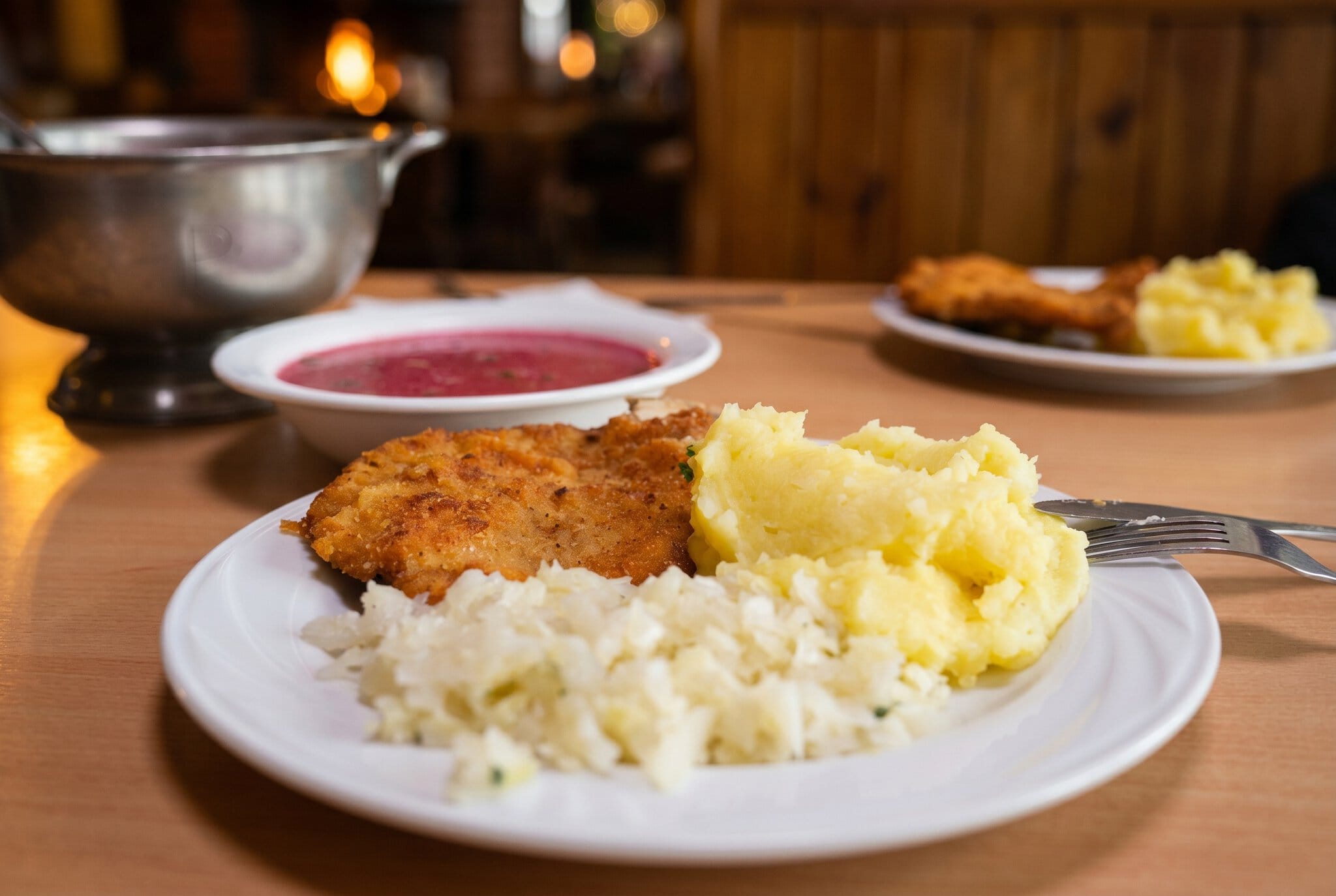
Lublin, Poland: 15 Best Things to See and Do in This Multicultural Gem

TL;DRLublin, in eastern Poland, comes with 15 ideas for what to see, from Lublin Castle (Zamek Lubelski) with its extraordinary Holy Trinity Chapel to the colourful Old Town, the Kraków Gate and the Trinitarian Tower. One day is enough for the centre, plus half a day for the former Majdanek concentration camp, 5 kilometres outside the city, which is free to visit. The best time to go is May to September, or August for the Jagiellonian Fair. There’s no direct train, so you’ll need to change in Warsaw or Kraków. A room in the centre costs 1200 to 2000 Kč a night — you’ll pay in Polish złoty — and the local speciality to try is cebularz lubelski, an onion flatbread with protected designation of origin status.

Lublin Poland is a hidden gem that truly deserves a spot on your travel radar. While most visitors to Poland automatically head for the beauty of Krakow or the modern buzz of Warsaw, it’s well worth venturing off the beaten path. And that’s exactly where Lublin comes in. It’s the largest city in eastern Poland, and it’s surprising how little attention it gets from international travellers.

This place is brimming with history that tugs at your heartstrings, and an Old Town so picturesque I had my phone out on every single corner. It’s wonderfully colourful and packed with brilliant restaurants, yet you won’t encounter the same tourist crowds as in other Polish cities. Historically, it was a true cultural crossroads — Christians, Jews, Orthodox believers, and Tatars lived side by side here for centuries. Here’s everything you need to know before you pack your bags. 😉

TL;DR

Here’s a quick overview of the essentials you should know before your trip. If you’re in a hurry, this should give you a solid starting point:

  • How long do you need: One full day is plenty for the historic centre itself, but I’d recommend adding at least half a day for a visit to Majdanek.
  • Where to stay: The most romantic option is right in the Old Town, though it’s a touch pricier. For a cheaper and quieter stay, look for accommodation in the Wielicka district.
  • Top highlights: Don’t miss Lublin Castle (Zamek Lubelski) with its unique Trinity Chapel, the colourful lanes of the Old Town, and the remnants of the city walls crowned by the Kraków Gate.
  • What to taste: You absolutely must try the local speciality with a protected designation of origin — an onion flatbread called cebularz lubelski.
  • Transport and money: The currency is the Polish złoty (PLN), and cards are accepted virtually everywhere. For public transport, I recommend downloading the mPay app.
  • Majdanek: The former concentration camp lies just 5 kilometres from the city centre. Entry is free, but the exhibition is emotionally very intense and definitely not recommended for children under 14.

What Is Lublin and Why Should You Visit

If you pull up a map and search for Lublin Poland, you’ll see it sits relatively close to the Ukrainian border and serves as the capital of the Lublin Voivodeship. It’s often nicknamed the “gateway to the East” and was once one of the most important trading cities in the entire region.

It was once a major cultural hub where, before World War II, Jewish residents made up around seventy percent of the population. The demographics have obviously changed dramatically since then, but the historical imprint of Jewish, Christian, and Orthodox culture is visible at every turn. Today, Lublin has around 340,000 inhabitants and is largely a university city, which means it’s full of young people, lovely little cafés, and a relaxed, easygoing atmosphere. It’s no wonder people keep coming back — it’s considerably cheaper and more peaceful than western Poland.

When to Visit and How to Get to Lublin

Planning a trip to eastern Poland is fairly straightforward, though logistically it takes a bit more effort than, say, a weekend in Wrocław or Krakow. Let’s look at the best time to visit and which transport option will make your journey as comfortable as possible.

Best Time to Visit

Lublin is at its finest from May to September, when the streets come alive with outdoor terraces and the summer air has that perfect laid-back feel. If you love festivals, plan your visit for August when the famous Jagiellonian Fair fills the city with music and art.

Although autumn can be drizzly — and we always check the Lublin Poland weather forecast beforehand, since it can spring quite a surprise — the city shrouded in mist has a wonderfully mystical atmosphere. In winter, you’ll find beautiful Lublin Poland Christmas markets that feel far more authentic than the big commercial ones in major cities.

How to Get to Eastern Poland

If you’re travelling from the UK, one of the most convenient options is to fly. There are regular flights from London to Lublin Poland operated by Wizz Air, landing at Lublin Airport (Poland’s handy regional hub). From there, you can also look into connecting flights from London to Lublin Poland via Warsaw on LOT Polish Airlines if the direct route doesn’t suit your schedule. Once you’re in Poland, a road trip across Poland is one of the best ways to really get to know the country — and we’ve done it ourselves many times.

FlixBus is also a popular and affordable option if you’re already in Poland, connecting Lublin with Warsaw and Krakow. There’s no direct train from the UK, of course, but once you reach Warsaw by air, regular trains and buses will get you to Lublin in around 2.5 hours.

Where to Stay and How Much Does Lublin Cost

Finding accommodation in Lublin is a real pleasure, because prices here don’t reach the heights of the capital and you get genuinely luxurious service for very reasonable money. It simply depends on whether you want to stay right in the historic centre with everything on your doorstep, or whether you prefer modern hotels in the business district.

If you’re after romance and don’t mind a slightly higher price tag, look for hotels and apartments in the Stare Miasto (Old Town) quarter. The atmosphere is gorgeous — in the evening you just step out of your hotel and sit straight down at one of the excellent restaurants. The area around the Dominican Basilica is particularly lovely. It can get a bit noisy at night from the street buzz, but the views are well worth it. A wonderfully romantic choice is Hotel Alter, which has an amazing wellness spa right in the cellar of a historic building. If you’re driving or looking for a cheaper, quieter alternative, check out the Wielicka district — it’s a bit further from the absolute centre but still very well connected, and parking is much easier and cheaper. Here I’d recommend the modern apartments at Focus Hotel Premium, where you’ll find peace and a luxurious breakfast. Lublin is generally very affordable — a beautiful double room in the centre costs around 45–75 € per night, which is an absolute dream compared to western Europe. Use Booking.com to find the best deals.

15 Best Things to See and Do in Lublin

When you arrive in Lublin, you’ll immediately realise it’s a city made for walking. Most of the main sights are concentrated in a compact area within the beautifully preserved historic core, so you won’t need to worry much about public transport. Just be prepared to do a lot of walking. That said, these are the places you absolutely shouldn’t miss.

1. Lublin Castle (Zamek Lubelski) and Its Iconic Views

You simply can’t miss this castle — it rises majestically on a hill right next to the Old Town and is arguably the most striking landmark in all of Lublin. While the current appearance dates mostly from the nineteenth century, when the building served as a much-feared prison, inside you’ll find absolutely breathtaking spaces and an excellent museum covering the history of the entire region.

It’s well worth taking a lovely stroll around the castle walls, where you’ll also get beautiful views over the rest of the city. For details, check out the official museum website for current opening hours and ticket prices.

2. The Holy Trinity Chapel (Trinity Chapel)

Although the chapel is physically part of the Lublin Castle complex, it deserves its own entry because it’s the main reason to visit. Inside, you’ll find unique Byzantine-Renaissance frescoes from the early fifteenth century that have no equal in Central Europe and are connected to the UNESCO heritage lists. The contrast between Western Gothic architecture and Eastern Orthodox paintings is simply fascinating — and this is precisely what makes Lublin a true crossroads of cultures.

Make sure you buy your tickets in advance, as only a limited number of visitors are allowed inside at a time. I’m usually not one for historical paintings, but here my jaw genuinely dropped — the atmosphere is simply indescribable.

3. A Stroll Through the Colourful Old Town

Lublin’s Old Town is incredibly photogenic, made up of small, winding lanes filled with beautifully restored and brightly coloured townhouses. There are no massive boulevards here — just narrow passageways and cobblestone squares where centuries of history seem to breathe from every wall. You can simply wander, photograph details of old windows and doors, or sit down at one of the many outdoor terraces and soak up the pleasant bustle.

The best time to explore the side streets is early morning, before the other tourists emerge. You’ll easily stumble upon a hidden courtyard draped in ivy that looks like something straight out of an Italian film.

4. Brama Krakowska: The Symbol of the City

This gate is the only major remnant of the original fourteenth-century city walls and today serves as the symbolic entrance to the historic centre. It houses a small history museum, but above all, it’s the spot where everyone gathers and snaps photos. The moment you pass under its arch, you’re transported into an entirely different world, far from the modern rush of the city.

In the evening, the gate is beautifully illuminated and you’ll often encounter street musicians here. You can soak up the wonderful evening atmosphere and appreciate how, despite its historical significance, this place is very much alive and thriving in the present.

5. Plac po Farze Square and Its Ruins

Venture deeper into the centre and you’ll come across a very peculiar and beautiful spot — Plac po Farze. A massive Church of St Michael the Archangel once stood here, but it was demolished in the nineteenth century and only the foundations remain today. People sit casually on the low walls, and from the edge of the square there’s a gorgeous view straight towards Lublin Castle, making it the perfect spot for your travel photos ☺️.

It’s a large grassy area right in the middle of the stone-built city, which creates a wonderfully calming effect. Locals bring their coffee here and read books, so if you need a moment to recharge, you’d be hard-pressed to find a better place.

6. Climbing the Trinitarian Tower (Wieża Trynitarska)

If you love views from above as much as we do, definitely pay the entrance fee to climb the Trinitarian Tower, which serves as the bell tower of Lublin Cathedral. Be prepared to tackle quite a few steps — the climb up the old wooden staircases is a bit of a workout — but the panoramic view over the entire Old Town is absolutely worth it.

It can be quite breezy at the top, so don’t forget to bring a light jacket even in summer. But the sight of those red rooftops and spires will quickly make up for any huffing and puffing on the way up.

7. Centre for the Meeting of Cultures (Centrum Spotkania Kultur)

Just so you don’t think Lublin is all about history, head over to the modern building of the Centre for the Meeting of Cultures. Architecturally, it’s a striking contrast to the historic centre — all glass and concrete — and inside you’ll find contemporary art exhibitions, theatre performances, and concerts.

There are regularly rotating photography exhibitions and other events. It’s great to see that Lublin isn’t just a museum piece frozen in time. I’d recommend checking the official website and picking something from their rich programme.

8. Dominican Basilica of St Stanislaus

Just a stone’s throw from the main action you’ll find the Basilica of St Stanislaus (Bazylika oo. Dominikanów), one of the most important churches in the city. From the outside, it may not look as grandiose as Italian cathedrals, but the interior is incredibly rich — filled with gilding, altars, and chapels. Even if you’re not religious, the tranquil atmosphere and jaw-dropping stucco decoration will probably make you sit down for a few minutes and just stare in awe.

Local legend has it that fragments of the Holy Cross were once kept here, which drew pilgrims from all across Europe. What we loved most was the quiet majesty of the place — a perfect retreat from the summer sun at any time of day.

9. Relaxing in the Saxon Garden (Ogród Saski) by the Bystrzyca River

When you’ve had your fill of sightseeing, I’d suggest grabbing a takeaway coffee and heading to the Saxon Garden (Ogród Saski), which lies near the Bystrzyca River. It’s one of the oldest city parks in all of Poland and the locals absolutely adore it. If you’re travelling with dogs like we often travel with our girls Kája and Baby, this is exactly the kind of place where they can take a break from the city pavement while you sit on a bench in the shade of ancient trees.

The paths are beautifully maintained, and you might even spot free-roaming peacocks strutting about proudly. Kája and Baby were absolutely gobsmacked at first, but eventually it became their favourite entertainment of the trip.

10. Lublin Open-Air Museum (Muzeum Wsi Lubelskiej)

About twenty minutes by bus from the centre, you’ll find Muzeum Wsi Lubelskiej — a huge open-air museum and one of the most beautiful of its kind in Poland. You’ll walk among dozens of traditional wooden cottages, see old windmills, and get a feel for what life was like for Polish farmers hundreds of years ago. For families with children, I think this is one of the best day trips in the area.

I’d recommend setting aside at least three hours for the museum — the sheer size of the grounds is easy to underestimate. You’ll find more information and a map on the museum’s website, which will help you navigate the site.

11. The Union of Lublin Monument and Plac Litewski

While exploring the city, you’ll come across the large and historically significant Monument to the Union of Lublin. It was right here in Lublin that the 1569 agreement was signed, uniting Poland and Lithuania into one vast and powerful state known as the Rzeczpospolita. The square around the monument was recently renovated — in summer the fountains are in full flow, and in the evening the whole area comes alive.

There are plenty of modern benches and wide promenades around the square. It’s exactly the kind of spot where we love to stop with a cone of local ice cream and simply watch the world go by.

12. Cathedral of St John the Baptist and the Acoustic Sacristy

From the outside, Lublin’s cathedral rather blends in with its surroundings, but inside it’s a stunning showcase of Baroque art. Most visitors look around the main nave and leave, but make sure you ask for access to the acoustic sacristy. The vaults are so ingeniously constructed that when someone whispers in one corner, you can hear them crystal clear in the opposite one — it’s a brilliant experience, and kids especially love it.

Testing the unique acoustics is such a fun experience that you’ll easily lose track of time. The cathedral interior also features stunning illusionistic frescoes that make the ceiling appear much higher than it actually is.

lukas a lucka
Lukáš and Lucie recommend
Where to stay in Lublin
3 accommodations — hotels and other lodging options

13. Local Shopping at the Plac Wolności Market

We love visiting local markets and watching everyday life unfold, so we always seek out bazaars — and in Lublin, it’s all about the market at Plac Wolności. You’ll find the freshest raspberries, blackberries, homemade cheeses, and baked goods straight from farmers in the surrounding villages. It’s not a tourist attraction — it’s a real, functioning market with incredible energy.

Try to arrive as early as possible in the morning, when the selection is at its best and the stall owners are in the cheeriest mood. You can take home some fantastic sausages that’ll disappear in record time.

14. Jewish History in the Streets and the Ghetto Memorial

Since Lublin was once one of the centres of European Jewry, you shouldn’t overlook the places that commemorate this history. Walk through the old Jewish streets and stop at the memorial on the edge of the former Jewish ghetto, which the Nazis established here during the war. It’s a very quiet but important reminder of how dramatically the city changed in the twentieth century and how many people lost their lives here.

Along the way, you’ll likely come across the Yeshiva Chachmei Lublin, which was once one of the largest Talmudic academies in the world. These unassuming historical layers give the city an extraordinary depth that’s difficult to put into words.

15. Visiting the Majdanek Concentration Camp

Although it’s not exactly a cheerful topic, visiting the former concentration camp of Majdanek is an absolutely essential part of understanding this region’s history. It sits on the very edge of the city and is easily reached by bus, but because it’s a truly powerful and emotionally draining experience, I’ve given it its own detailed section below.

This is a place that everyone who wants to fully understand Poland’s twentieth-century history should visit. You’ll find the details about this stop in the next chapter.

A Dark but Important Shadow: Majdanek

When travelling, it’s worth not shying away from difficult topics and places that serve as reminders of Europe’s dark history. Much like visiting Auschwitz, the former concentration camp of Majdanek on the outskirts of Lublin leaves visitors with a deeply harrowing feeling.

Majdanek lies roughly 5 kilometres from the centre and you can get there easily on bus number 153 or 158. Before your visit, check the Majdanek memorial website for maps of the entire grounds. Perhaps the most shocking thing about this place is that the camp isn’t hidden deep in some forest — it’s visible from many of Lublin’s residential areas, which feels profoundly unsettling. The camp has been largely preserved as the Nazis left it when they fled at the end of the war, so you’ll see the original wooden barracks, watchtowers, and a massive memorial mausoleum containing the ashes of the victims.

Entry is free, and you should allow at least two to three hours for the visit — though honestly, I spent even longer. I just couldn’t bring myself to leave quickly. Please don’t bring small children. The exhibitions inside the barracks are raw, displaying real belongings of the victims, and the museum’s official recommendation is that children under 14 should not visit. This isn’t a tourist attraction — it’s a memorial that truly makes you re-evaluate many things in your own life.

What to Eat in Lublin and Where to Dine

Polish cuisine is hearty and filling — packed with meat and potatoes — so if you love a good meal, you’ll be in seventh heaven in Lublin. If you want to try something truly authentic from this city, look for bakeries selling cebularz lubelski. It’s a traditional yeasted flatbread topped generously with onion and poppy seeds, originally invented by the local Jewish community and now even protected by the European Union. I managed to devour two in a row and then regretted not being hungrier. 😅 It’s a brilliant and cheap snack to grab on the go while exploring the sights. And of course, you can’t skip the classic pierogi (stuffed dumplings), which come in countless varieties here — sweet with fruit, or savoury with potato and cheese.

When it comes to choosing restaurants, definitely book a table at Restauracja Mandragora. It’s a wonderful traditional Jewish restaurant right on the Old Town square, the atmosphere is absolutely enchanting, and they serve excellent dishes based on old recipes. For speciality coffee lovers, we’d recommend Cafe Kawka — a modern classic where local students and laptop nomads hang out. They serve not only great coffee but also superb homemade cakes. And if you fancy a taste of old-school, slightly communist-era nostalgia, seek out a local Bar Mleczny (Milk Bar), where for just a couple of euros you’ll get a massive portion of honest, home-cooked food served by lovely Polish ladies.

Lublin with Kids and Dogs

If we decided to bring our little one Jonášek here this year, I honestly think it would make a lovely family holiday. Lublin’s Old Town is fairly compact, many spots are free of awkward steps, and while the historic lanes are sometimes cobbled, you’ll manage just fine with a decent pushchair. For older kids, there’s the recently opened MUS — a modern, highly interactive museum where they can touch and try everything. The Saxon Garden also has large playgrounds and lovely walking paths.

As for travelling with dogs — as you know, we take our girls Kája and Baby almost everywhere, though we tend not to go into the very centre of cities with them, because crowds and hot pavement in summer aren’t great for dogs. In Lublin, a shorter walk outside peak season would probably be fine. Poles are generally a very dog-friendly nation and at many restaurant terraces they’ll cheerfully bring out a bowl of water. Just remember that dogs aren’t allowed at the open-air museum or Majdanek, so you’ll need to plan your logistics accordingly.

Practical Information and Useful Details

Before your trip, it’s handy to know a few practical things. Poland doesn’t use the euro — the currency is the Polish złoty (PLN). That said, we rarely carry cash because you can pay by card everywhere, even in the tiniest bakery. If you need to use public transport, download the Polish mPay app, which lets you quickly buy bus tickets or pay for parking without hunting for ticket machines.

Did you know that Lublin once had a Daewoo van factory? Fascinating, right? 😅 Today, hardly anything remains of the industrial era. The city is also home to the Motor Lublin sports club, which fans of football or speedway will appreciate. In short, Lublin is a city full of surprises, and if you’re looking for something fresh and off the beaten track, it’s an absolute winner.

Tips and Tricks for Travelling to Poland

To help you plan your trip as smoothly as possible, here are some tried-and-tested services we recommend:

Where to Find Affordable Accommodation

No matter where we go, we most often use Booking.com, where you can find beautiful, well-reviewed apartments with ratings from real travellers.

We often hunt for last-minute deals there, and it’s never let us down — so definitely have a look before your trip.

Renting a Car for a Road Trip

If you’re not driving your own car and plan to hire one on the spot, a great option is the DiscoverCars platform, which works reliably across the world.

They have an excellent comparison of offers from various companies, so you can easily pick the one that suits your needs and budget best.

Where to Search for Connections

Search for cheap flights on Kiwi. It’s our favourite portal, and while getting to Lublin is more commonly done overland, it’s still a great comparison tool for all types of connections.

You can sometimes find really interesting train and bus combinations there, which comes in particularly handy when travelling to eastern Poland.

Don’t Forget Travel Insurance

Even though Poland is just a short hop away, don’t underestimate the importance of travel insurance.

For shorter European trips, we go with AXA (if you book through us, you get a 50% discount), and if you’re considering a longer nomadic journey, check out our SafetyWing review.

Where to Go from Lublin

If you’re already in eastern Poland and have time for a longer trip, don’t miss some of the other beautiful Polish cities. We warmly recommend:

FAQ: Frequently Asked Questions About Lublin

To wrap up, we’ve put together answers to the most common questions you might have about visiting Lublin.

What is there to see in Lublin?

The main attractions include Lublin Castle with the Chapel of the Holy Trinity, the colorful Old Town, Krakowska Gate, and for history enthusiasts, the nearby former Majdanek concentration camp and the open-air museum of folk architecture. It’s up to you what pace you choose, but we recommend not overpacking your itinerary so you can also enjoy the atmosphere of the streets themselves.

What is the population of Lublin?

Lublin currently has a population of approximately 340,000. This makes it the largest city in eastern Poland and the ninth most populous city in the country.

Can you pay in euros in Lublin?

Unfortunately not—the official currency throughout Poland is the Polish złoty (PLN). However, you can pay by card almost everywhere, including at markets, so there’s no need to exchange large amounts of cash.

Is Lublin suitable for families with children?

Absolutely! The historic center is stroller-friendly, and kids will enjoy the interactive MUS museum, the huge playgrounds in Saska Kępa park, and the traditional wooden cottages at the Lublin open-air museum. However, it’s best to avoid Majdanek with younger children—it’s too intense and would unnecessarily expose them to stress.
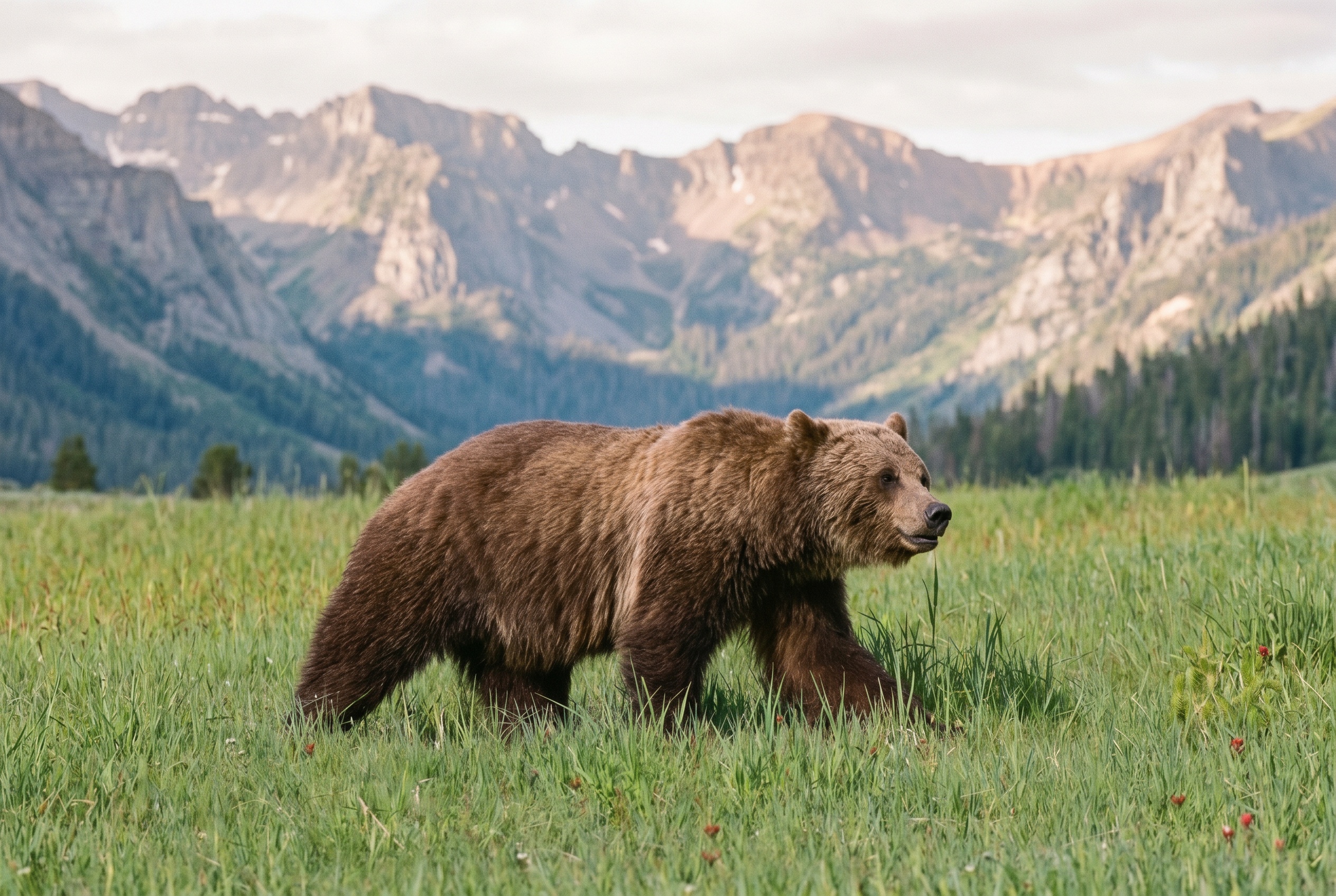
How do you get from Majdanek to the city center?

The connection is very straightforward—just take city buses 153 or 158. They run fairly frequently and will take you from the camp site directly back to Lublin’s historic center in about fifteen minutes.

Is entry to Majdanek concentration camp free?

Yes, entry to the memorial site is completely free. You only pay if you book an organized tour with an official guide, which is worth arranging well in advance.

What is cebularz lubelski and where can you buy it?

Cebularz lubelski is a traditional Jewish leavened flatbread generously topped with roasted onions and poppy seeds, which even has protected geographical indication status. You can buy it at basically any decent bakery right in the city center, so definitely don’t miss trying it for a snack.

Tips and Tricks for Your Vacation

Don’t Overpay for Flights

Search for flights on Kayak. It’s our favorite search engine because it scans the websites of all airlines and always finds the cheapest connection.

Book Your Accommodation Smartly

The best experiences we’ve had when looking for accommodation (from Alaska to Morocco) are with Booking.com, where hotels, apartments, and entire houses are usually the cheapest and most widely available.

Don’t Forget Travel Insurance

Good travel insurance will protect you against illness, accidents, theft, or flight cancellations. We’ve had a few hospital visits abroad, so we know how important it is to have proper insurance arranged.

Where we insure ourselves: SafetyWing (best for everyone) and TrueTraveller (for extra-long trips).

Why don’t we recommend any Czech insurance company? Because they have too many restrictions. They set limits on the number of days abroad, travel insurance via a credit card often requires you to pay medical expenses only with that card, and they frequently limit the number of returns to the Czech Republic.

Find the Best Experiences

Get Your Guide is a huge online marketplace where you can book guided walks, trips, skip-the-line tickets, tours, and much more. We always find some extra fun there!