

When you spot the name Białowieża on a map of Poland, it sounds more like a location from Lord of the Rings than an actual European destination. This mysterious name refers to a vast ancient woodland straddling the border with Belarus — one that still holds a fascinating and utterly unique title. Białowieża Poland is home to the last true lowland primeval forest in Europe.
Imagine a place where time has stood still, where trees have witnessed entire millennia, and where enormous European bison stride majestically through the morning mist between ferns. A place where mass tourism thankfully hasn’t yet arrived in enough force to destroy its raw soul. And that’s precisely why this destination deserves more than just a few lines — there’s plenty of information floating around, but it’s rarely all in one place and clearly laid out.
This primeval forest demands more than a quick list of tips and tricks, so I’ve put together everything you need to know: how to get here, where to sleep, how to gain access to the most strictly protected corners, and above all, where to find those legendary forest giants.
TL;DR
- Where is it: Eastern Poland, right on the border with Belarus.
- Main draw: A UNESCO-listed primeval forest and free-roaming European bison.
- How to visit: Part of the national park is freely accessible, but to enter the so-called Strict Reserve you need a certified guide, and capacity is extremely limited.
- Bison: The surest way to see them up close and safely is a visit to the European Bison Show Reserve.
- Important warning: You’re on the outer border of the European Union. The Belarusian part of the forest is currently completely off-limits to tourists, and approaching the actual border line is strictly forbidden.
- Pets: Dogs are not allowed in the national park to protect the wildlife.
The full destination guide: Poland — guide and what to see
What exactly is Białowieża and why should you visit?
When someone says “primeval forest,” most of us automatically picture the Amazon jungle or tropical regions of equatorial Africa. Few people realise that one of the world’s most precious forest ecosystems is just a short flight away from London. Białowieża Forest is a remnant of the enormous ancient woodland that once covered the entire European lowlands.
And here’s the beautiful irony of history: precisely because the area served as a royal — and later tsarist — hunting ground from the 14th century onwards, ordinary people were forbidden from entering, and nature was left to do as it pleased. In 1979, the area was inscribed on the UNESCO World Heritage List, and today it functions as a vast biosphere reserve.
Interestingly, the forest is split into two parts. The Polish side makes up roughly a third of the total area, while the remaining two-thirds lie in Belarus. On the Polish side, you’ll find approximately 12,500 hectares of forest where you can roam relatively freely, plus a special zone of nearly 5,000 hectares where you can’t take a single step without a guide. It’s this raw, untouched-by-human-hands wilderness that draws biologists, photographers, and nature lovers from around the globe. This is the last stronghold of the European bison population, which was saved from complete extinction here by the skin of its teeth after World War I. Today, around a thousand of them roam free in the wild, and the sight of them is absolutely breathtaking.
When to visit and how to get there
Planning a trip to eastern Poland requires a bit more thought than a weekend city break to Kraków. The area has a distinctly continental climate, meaning colder winters and warmer summers, and each season offers an entirely different experience.
Best time to visit Białowieża Forest
If you want the best chance of pleasant weather and long walks, the ideal window is May to September. The summer months are naturally the most popular, so you’ll need to accept that you won’t have the forest to yourself and accommodation should be sorted well in advance. Spring is absolutely magical — nature is waking up and you’ll spot newborn calves in the bison herds.
Many wildlife photographers swear that autumn is the best time of all. That’s when the deer and bison rutting season takes place, the forests blaze with colour, and morning mists create an incredibly mystical atmosphere. The forest under snow looks like a scene from Narnia, and local guides run special winter safaris where you can track wolves and bison across frozen plains. If you visit in late summer, expect pleasant sunshine but also mosquitoes — a decent repellent for evenings on the terrace is a must.
Getting to Białowieża from the UK
The easiest way to reach Białowieża from the UK is to fly into Warsaw. Budget airlines like Ryanair and Wizz Air operate regular direct flights from London, Manchester, Edinburgh, and other UK airports, with flight times around two and a half hours. From Warsaw, it’s roughly three hours by car to the forest.
If you fancy a road trip, it makes perfect sense to combine a visit to the primeval forest with a few days exploring Poland’s capital. From Warsaw, the drive east takes you through increasingly flat and rural landscapes — the final stretches are on smaller country roads where it pays not to rush. We’ve had consistently great experiences with DiscoverCars, which we use all over the world, so if you don’t have your own wheels, definitely check out their offers. Alternatively, if you prefer public transport, you can take a Flixbus or train to Białystok, the nearest major city about 70 kilometres from the national park. From Białystok, local buses run directly to the village of Białowieża, or you can arrange a private transfer.
Where to stay and how much a holiday costs
The area around the forest isn’t exactly packed with huge hotel resorts — and honestly, we’re grateful for that. Accommodation options are limited and tend to focus on charming guesthouses, renovated old buildings, or peaceful agritourism. If you search for a białowieża hotel, you’ll find that availability thins out months before the summer season.
I’d recommend looking for accommodation either directly in the main village of Białowieża or in the nearby larger town of Hajnówka, about 15 kilometres to the west, which serves as a gateway to the whole area. The widest selection of guesthouses, apartments, and hotels near the forest can be found on Booking.com — I recommend filtering by rating and booking with free cancellation.
Best accommodation for every budget
If you want to treat yourself to true luxury with a massive slice of history, take a look at Hotel Carska. This boutique hotel occupies a beautifully restored historic building — the former tsarist railway station — and offers an incredible experience filled with period furniture and first-class service. They also have one of the best restaurants in the wider area. For those seeking a homely, warm atmosphere at a friendlier price, B&B Pod Dębem is an excellent choice. The owners are wonderfully welcoming, happy to help plan excursions, and mornings bring fantastic local breakfasts.
Price-wise, a holiday in this area is remarkably affordable. A quality double room in a nice guesthouse averages around 60–95 € per night. Restaurant meals are comparable to UK pub food prices — often even cheaper. The biggest chunk of your budget will likely go towards fees for certified guides if you decide to venture deeper into the protected zones. Small family-run guesthouses are a brilliant option here — after a full day trekking through the forest, you’ll sit on the porch in the evening listening to nothing but nature, which suits this destination far better than any hotel resort.
10 best things to see and do in Białowieża
Getting your head around what you can actually see in the forest and where you’re allowed to go can be a bit confusing for first-timers. So I’ve put together the most important and most beautiful highlights you absolutely shouldn’t miss on your trip. I’ve included both the most strictly protected sites and attractions you can reach without any hassle at all.
1. The Strict Reserve
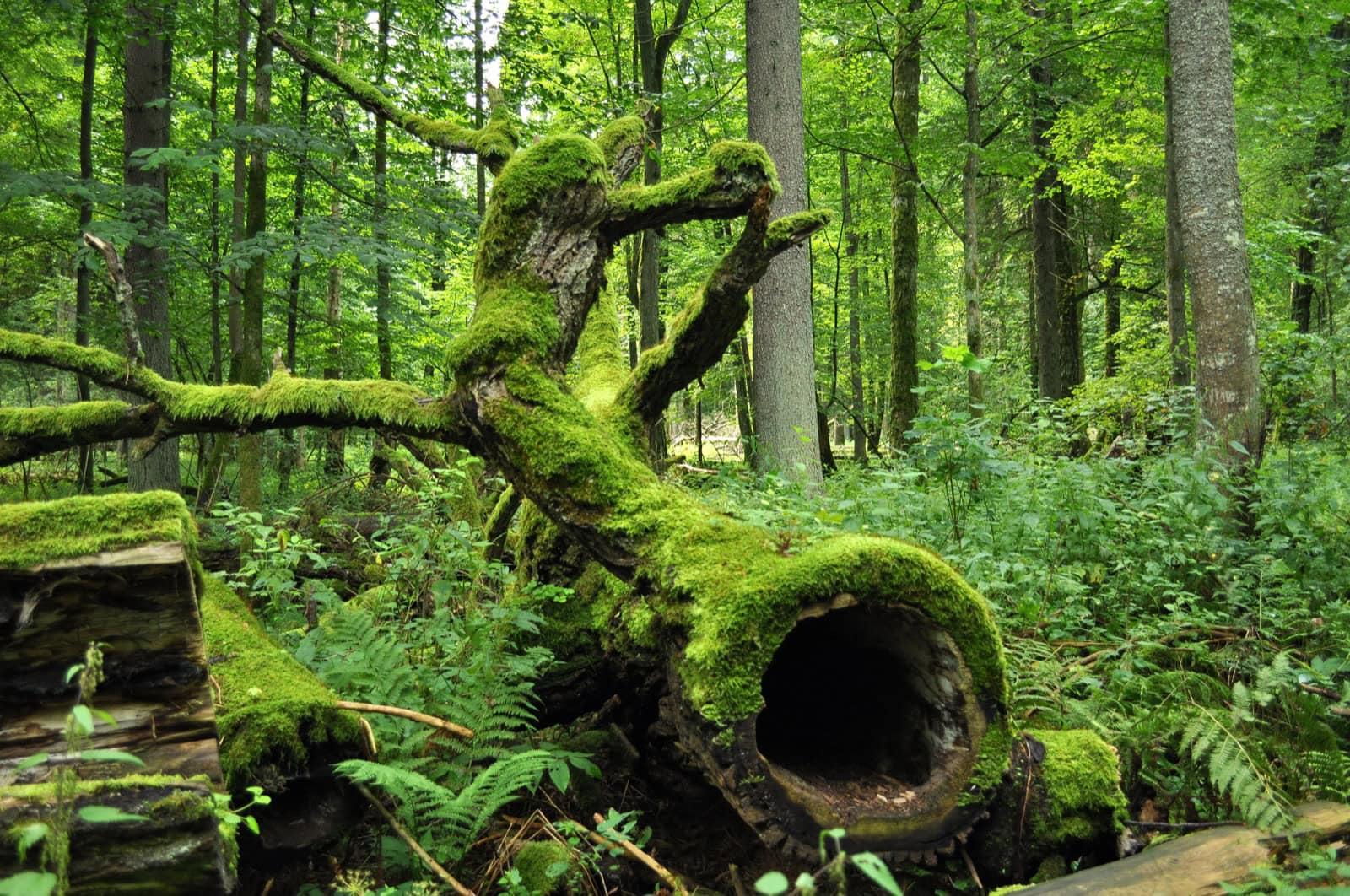
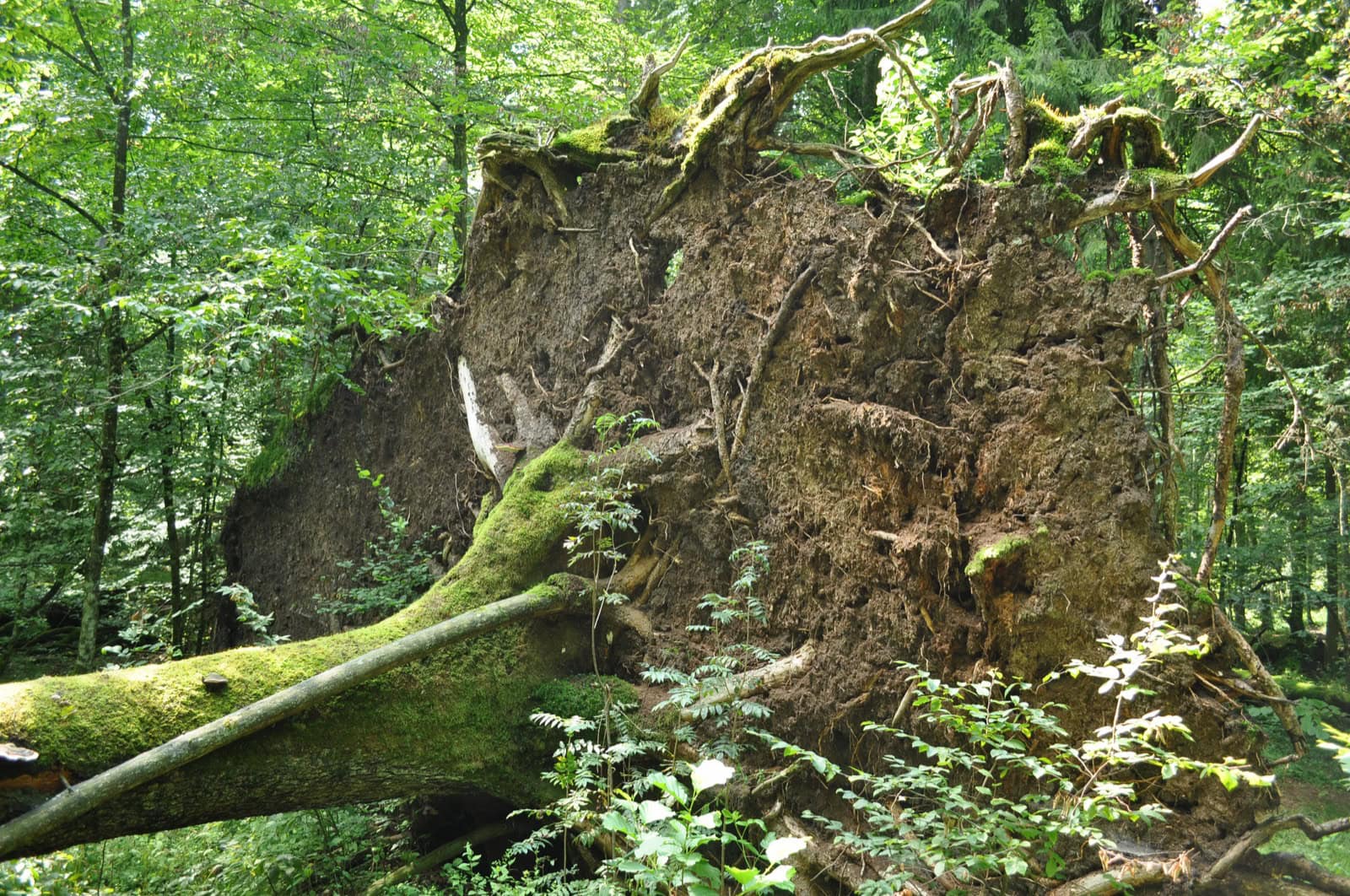
This is the absolute holy grail of the entire forest and the reason it earned its UNESCO inscription. It’s the oldest and best-preserved section of the primeval forest, where nothing has been felled, planted, or cleared for decades. Fallen trees are left to decompose naturally, and nature functions here exactly as it has for thousands of years. It’s a magical place brimming with fungi, mosses, and incredible biodiversity.
And here comes the reality check: you cannot enter without a certified national park guide — not a single step. What’s more, only 6 tickets per day are issued for individual tourists, entry is through a special gate, and the tour takes several hours. If you want to see this gem with your own eyes, you need to book ideally months in advance through the official park website.
2. European Bison Show Reserve (Zagroda Żubrów)
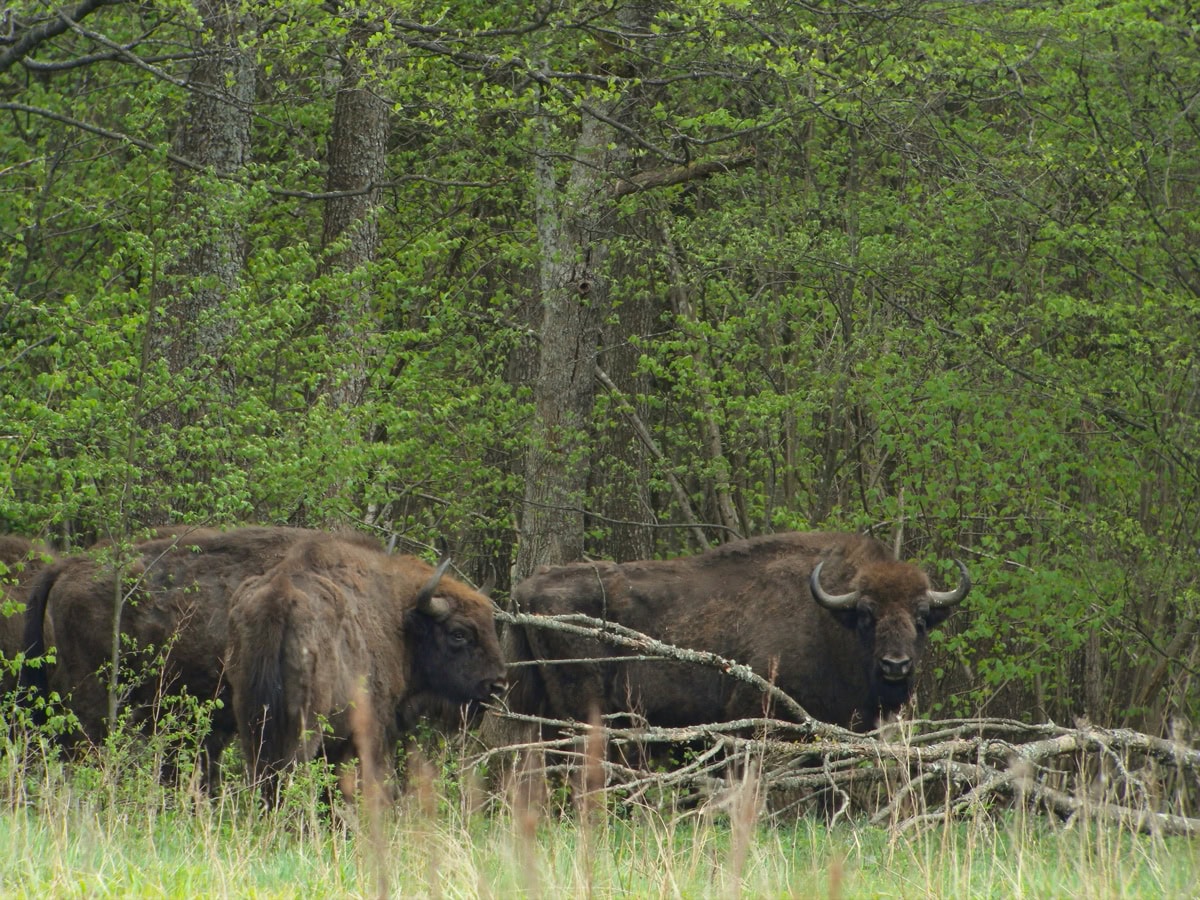
If you don’t have time to spend entire days tracking wild herds through deep forests, this is the place you simply must visit. This demonstration breeding reserve lies just outside the village and features enormous natural enclosures where you can observe bison up close — and trust me, when you’re standing in front of an animal the size of a small Volkswagen, it’s a pretty intense experience. ☺️
These giant ungulates, which can weigh over a tonne, are essentially a living miracle. After World War I, they were completely wiped out in the wild, and the entire current population descends from just a handful of individuals saved in zoos. Today, this reserve also serves as a breeding centre, and you’ll see Polish Konik horses, wolves, lynx, and wild boar here too.
3. The wooden village and tsarist hunting lodges
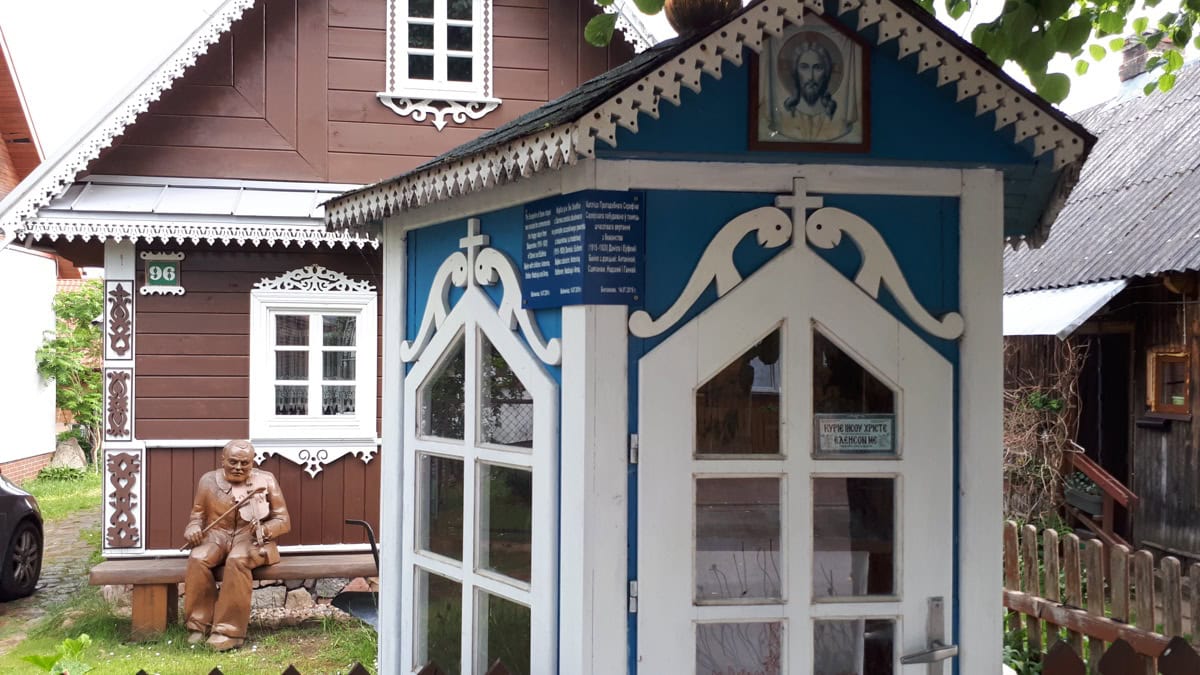
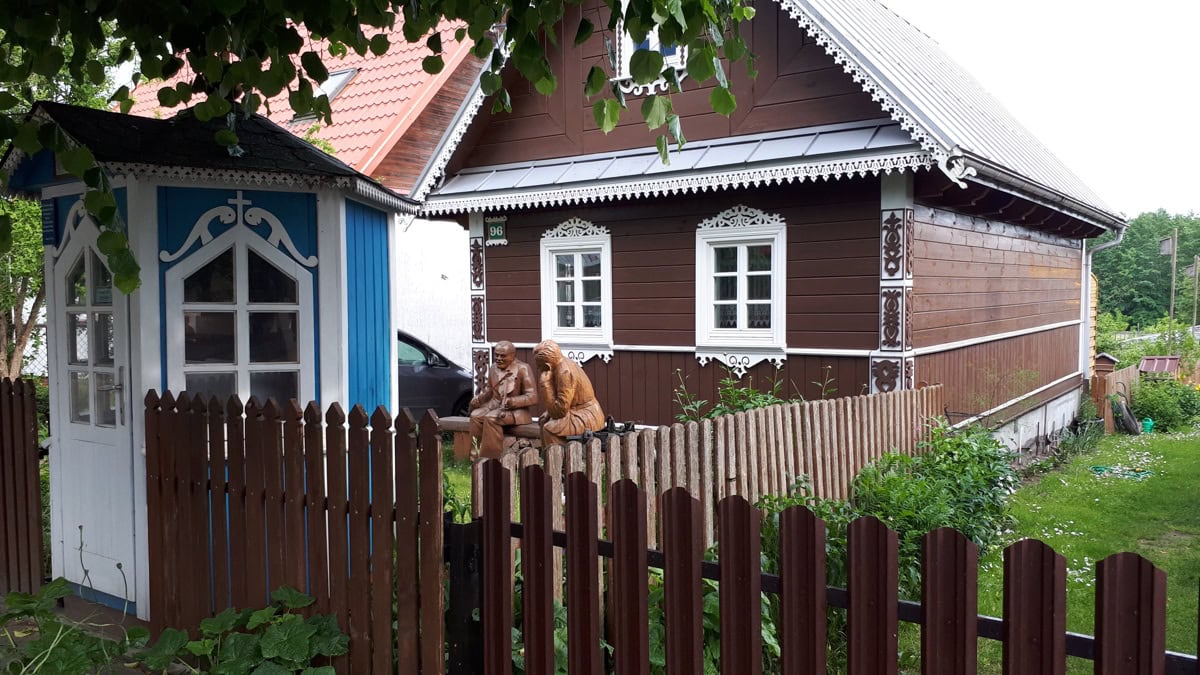
When someone mentions the village of Białowieża, don’t picture a typical concrete settlement. It’s a gorgeous cluster of traditional wooden houses with roots stretching back to the 14th century. The whole village breathes the wonderful atmosphere of the eastern Polish-Belarusian borderlands, and a stroll through its lanes is an experience in itself.
As you wander, you’ll stumble upon remnants of the era when Russian tsars came here for grand hunts. These old hunting lodges and administrative buildings — dark timber with carved window shutters — are carefully maintained and give the place an incredible charm. I highly recommend simply getting lost in the alleyways and letting it all soak in — you can easily spend an hour here without even noticing. It’s worth peeking into courtyards and admiring the painted shutters, which look like something from an old fairytale.
4. Palace Park (Park Pałacowy)
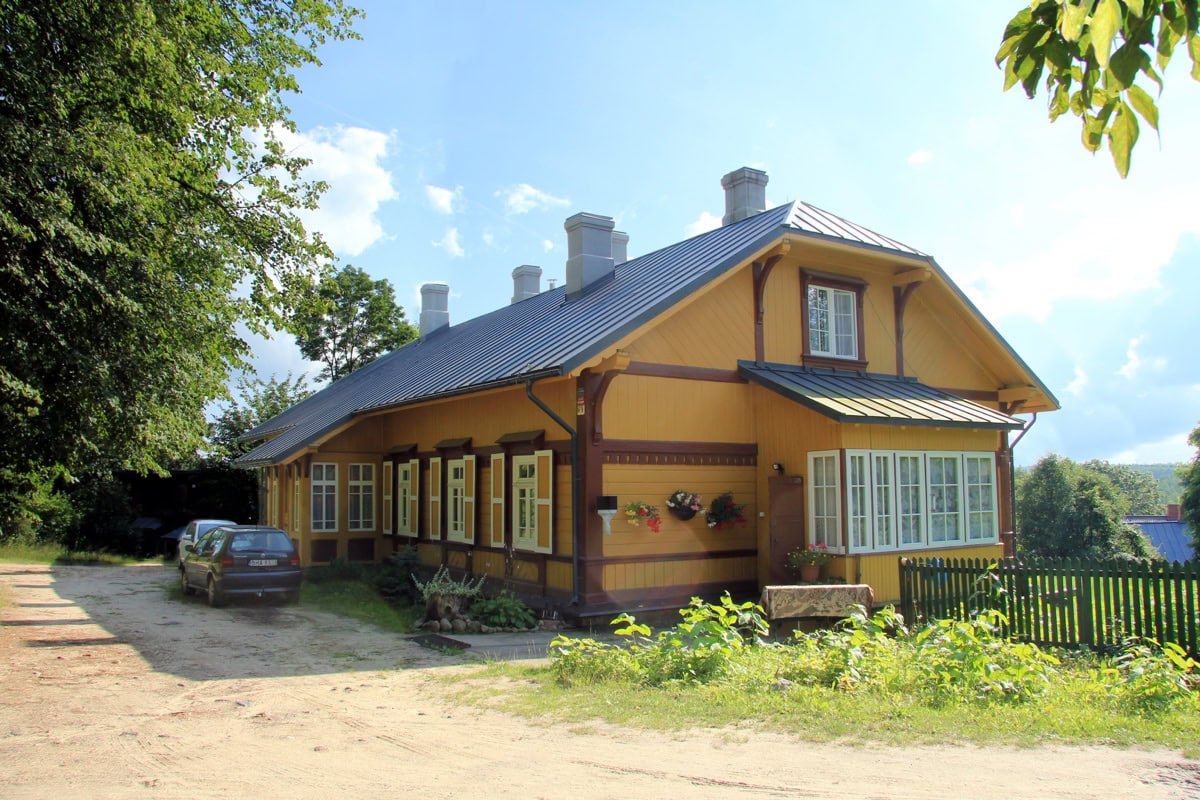
In the centre of the village, you’ll find a sprawling 19th-century park designed in the traditional English landscape style around the former tsarist palace. The palace itself is no longer standing (it was destroyed during the wars), but the park has been preserved in wonderful condition.
It’s the perfect spot for an afternoon picnic or a peaceful stroll. You’ll discover the oldest building in the village, beautiful wooden bridges over water channels, and numerous rare tree species that tsarist gardeners once brought from around the world. There’s no entrance fee, and you can walk through from dawn to dusk. Photographers can easily get stuck for half an hour at a single ancient oak, while everyone else simply sits on a bench and soaks up the extraordinary tranquility.
5. BPN Nature and Education Centre
If you want to learn more about the forest beyond the basic tourist spiel, definitely visit the modern natural history museum run by the national park. You’ll often see it listed as the Białowieski Park Narodowy museum. It’s a brilliantly put-together stop on any trip through northeastern Poland.
You’ll be surprised how well it’s all done — interactive exhibits take you through the forest’s evolution from the Palaeozoic era right up to the present day. It’s great fun for adults and children alike, with plenty of hands-on displays for the little ones. And when one of those unexpected summer storms catches you mid-hike, this museum is the most worthwhile shelter you could duck into.
6. Cycling through the forest trails
While the Strict Reserve is accessible only on foot with a guide, a huge portion of the Białowieża Forest is laced with well-maintained forest roads that are absolutely perfect for cycling. The park’s tourist map shows dozens of kilometres of marked cycle routes that lead you deep into the shadows of ancient oaks.
You can hire a bike from several rental shops right in the village, and it’s probably the most enjoyable way to breathe in the forest air and explore the wider area. The routes are flat, so even occasional cyclists will manage them with ease. If you’re very lucky — and very quiet — you might even spot some wildlife from the path. Even the basic hire bikes here have a certain charm — this effortless pedalling along flat tracks between ancient oaks is a completely different experience from mountain terrain.
7. Open-air architecture museum
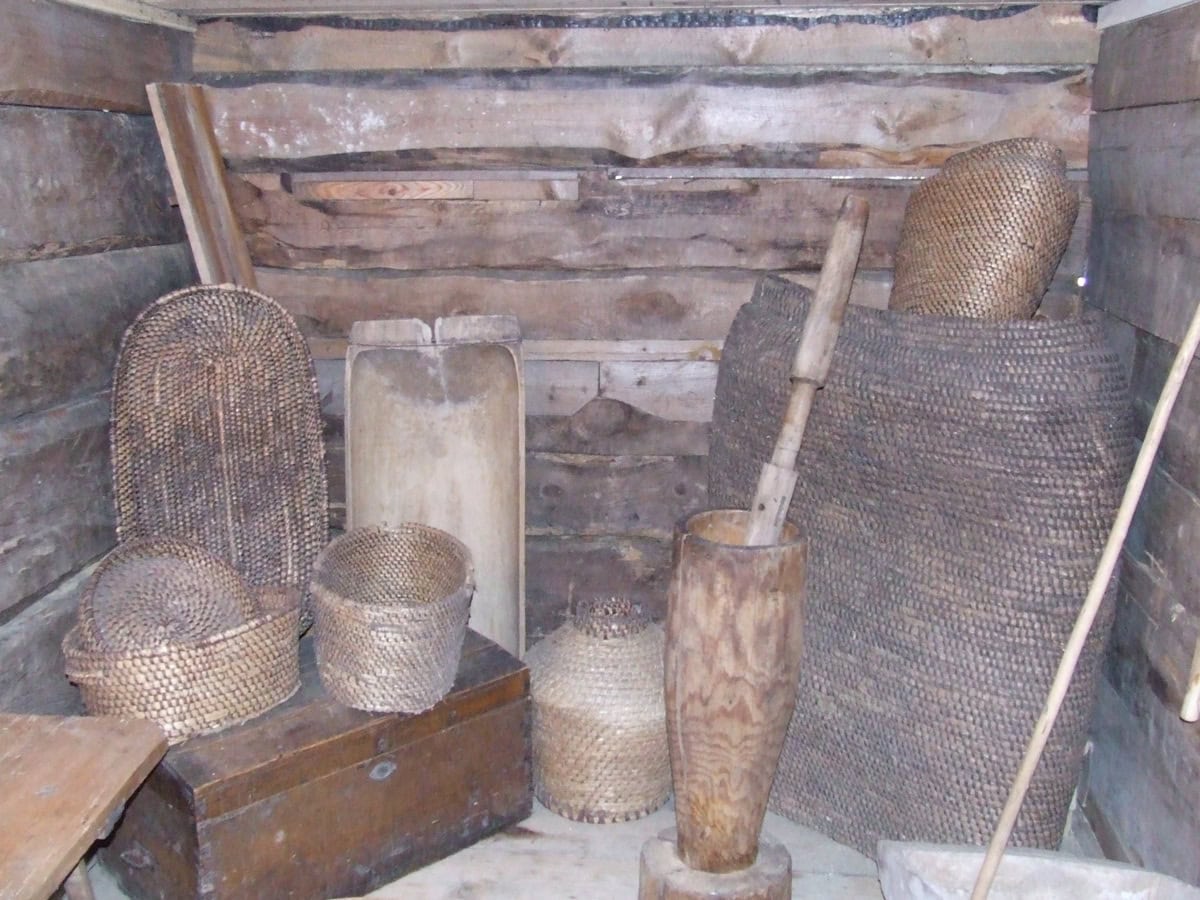
On the edge of the village sits a small but utterly charming open-air museum showcasing the traditional wooden architecture of the Rusyn population from the Podlasie region. You’ll find traditional cottages with thatched roofs, old windmills, and farm buildings that were relocated here from endangered surrounding villages.
A visit won’t take more than an hour or two, but it beautifully completes the picture of how tough — yet deeply connected to nature — life was for local people in centuries past. It’s one of the most photogenic spots in the entire area. Those thatched roofs look wonderfully raw and authentic in photos, especially when evening mist starts rolling in along the horizon.
8. The wooden Orthodox church of St. Nicholas
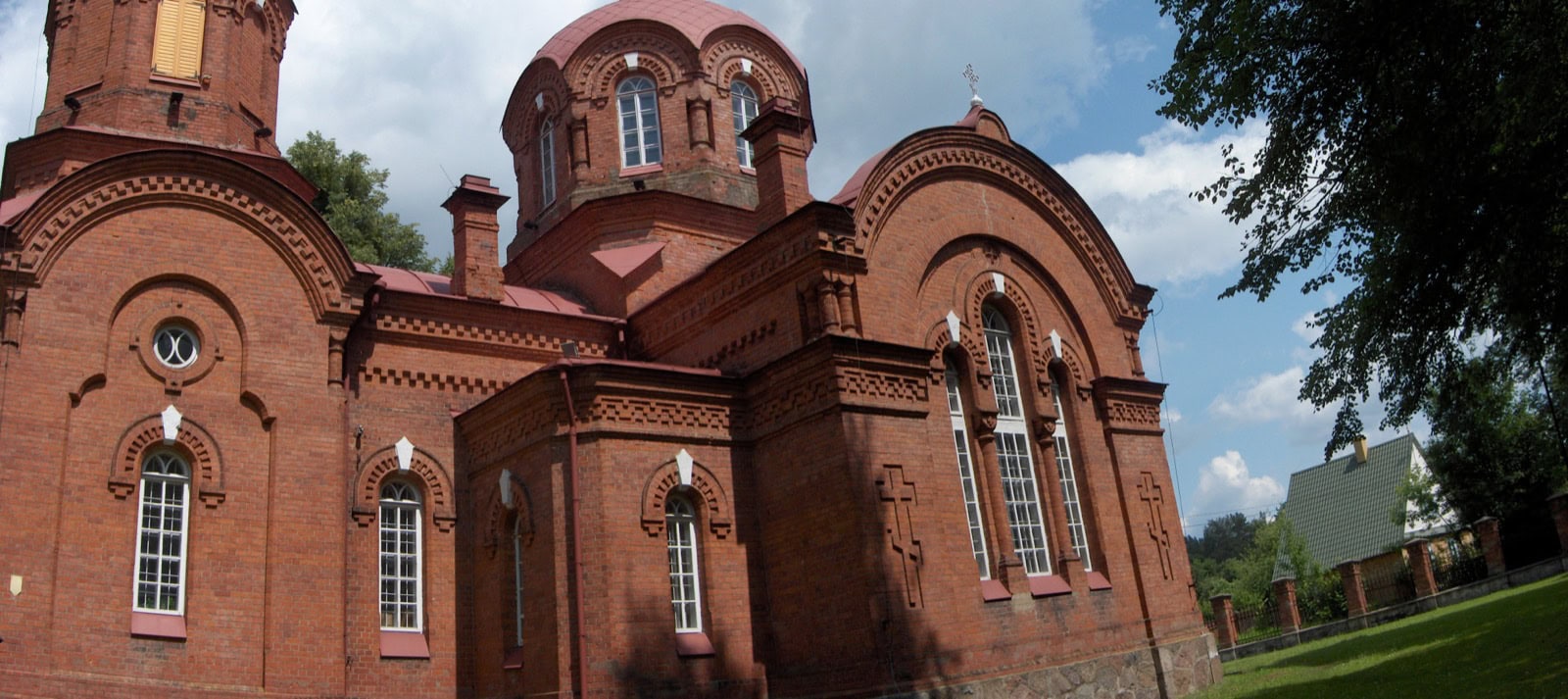
Eastern Poland is a region where Catholicism and Orthodox Christianity are deeply intertwined, and the village of Białowieża is no exception. The main landmark of the village is a stunning brick Orthodox church from the late 19th century, its dark red walls creating a striking contrast against the green of the surrounding park.
Even more fascinating is the fact that inside you’ll find a unique ceramic iconostasis — the only one of its kind in all of Poland. The church was commissioned by Tsar Alexander III himself, who was deeply fond of the area. If you get a chance to peek inside, absolutely do — the stillness and the scent of incense are magical. Even standing before it on the outside, you can feel the enormous weight of history that has washed back and forth across these borderlands for centuries.
9. Food and local cuisine

The regional cuisine of eastern Poland is hearty and honest. Local specialities include pierogi stuffed with mushrooms foraged straight from the forest, potato pancakes, wild mushrooms prepared a dozen different ways, and game meat that locals absolutely swear by. Vegetarians will love the fantastic wild mushroom soups, pierogi with cheese or mushrooms, and local cheeses from nearby farms.
Local breweries also serve up an excellent selection of craft beers, perfect alongside a plate of pickled cheeses or baked potatoes with cottage cheese and herbs. Dieting in this part of Europe? Forget about it — here you eat with gusto. And if you visit in the cooler months, a warming drop of something stronger is practically mandatory. 😅
10. The border zone with Belarus (From a distance only!)
This isn’t so much a sightseeing tip as a very important warning. The forest naturally continues into Belarus, and there was once a special pedestrian border crossing for tourists with permits. However, times have changed, and for geopolitical reasons the border is currently sealed shut.
The Belarusian part of the forest (Belovezhskaya Pushcha) is completely inaccessible to tourists, and the border zone is heavily guarded by military and border patrol. Under no circumstances should you try to approach the border line out of curiosity, or — heaven forbid — attempt to climb over any barriers. Even with a camera in hand, it’s best not to go a single metre further than permitted. Nobody wants to have a chat with armed border guards.
Map of points of interest for your phone
With kids and dogs: Is the forest suitable for families?
Travelling with young children in the primeval forest has its quirks, so here’s an honest overview of what is and isn’t realistic for families.

Białowieża activities for children
If you’re looking for kid-friendly activities, you’re in luck — most of the accessible parts of the forest are absolutely ideal for families. The European Bison Show Reserve is perfect for children from about four years old. The enclosures are spacious, the animals are often clearly visible, and the entire site is navigable even with an off-road pushchair. Cycling along the paved forest roads is another great option, since the terrain is flat and undemanding.
On the other hand, I definitely wouldn’t recommend taking small children on a guided tour of the Strict Reserve. The terrain is wild, you’ll be clambering over fallen trunks, the pace is set by the guide, and the route is fairly long. For younger kids, it tends to be needlessly exhausting, and after a while they get bored — understandably, since the wildlife sensibly keeps its distance from groups of humans.
Can I bring my dog to the national park?
I have to be absolutely unequivocal here. Dogs are strictly forbidden throughout the entire national park and all protected zones. The reason is purely practical — the whole area is a breeding ground and home to bison, wolves, and other endangered wildlife.
A dog, even on a lead, creates stress for wild animals and leaves a scent trail behind. If you’re travelling with your four-legged friend, you’ll need to stick to walks around the village and the unprotected surrounding meadows. That said, there are still plenty of lovely spots for walkies out there, so dog owners don’t need to write the whole trip off just yet.
Practical info: Prices, rules, and safety
Before you definitively pack your rucksack and set your satnav for the far east of Poland, let’s run through a few purely practical matters that’ll save you a lot of hassle on the ground.
Entry fees and parking
Poland remains a destination that won’t break the bank. Entry to the standard sections of Białowieski Park Narodowy costs a very reasonable 12 PLN per person (roughly 3 €). If you manage to snag a spot in the Strict Reserve, you’ll pay around 70 PLN per person (about 16 €), which already includes the compulsory fee for a professional guide.
Parking at the main attractions typically costs a flat daily rate of around 10 PLN (about 2.30 €). I’d recommend always carrying some loose change, as the card machines at smaller forest car parks can be temperamental and you might find yourself stuck without a ticket.
Strict drone ban
If you’re a keen drone pilot dreaming of capturing the forest from a bird’s-eye view, leave your gadget at home. There is an absolute ban on drone flights over the entire national park and across the wide border zone.
Firstly, it disturbs the rare wildlife. Secondly, given the proximity of the EU’s external border, security forces are extremely sensitive to any flying objects. The fines for violations are eye-watering and your equipment will be confiscated on the spot, so seriously — leave the quadcopter at home.
Safety and what to do if you encounter a bison
Białowieża primeval forest is genuine wilderness, which means an encounter with a free-roaming bison is both incredible luck and a moment that demands common sense. Bison aren’t naturally aggressive and will usually give humans a wide berth, but they are enormous and incredibly powerful animals.
If you come across a bison while walking, don’t panic — and definitely don’t creep closer for a better Instagram photo. Keep a safe distance of at least 50 metres, avoid sudden movements, never feed the animals, and quietly walk away with respect. When you see one of these colossal creatures in the flesh, that respect comes entirely naturally.
Where else to go in Poland?
Once you’ve made the long journey to the northeast, it would be a shame not to explore more of Poland’s magical corners. We’ve criss-crossed our way through the country with Lukáš and I can guarantee there’s always more to discover.
If you love nature and water, you absolutely must head northwest. We’ve written an extensive article with tips on what to see at the Masurian Lakes — a stunning lake district ideal for boating, cycling, and lakeside camping.
On your way there or back, definitely stop in the capital city that rose from the ashes like a phoenix. Check out our guide to Warsaw, where you’ll find a mix of modern skyscrapers and sensitively reconstructed historic centre. And if you want to see a bit of everything and plan a proper holiday, have a look at our detailed Poland road trip itinerary, which takes you through the country’s most beautiful spots from south to north.
Final tips and tricks
Planning a trip to this part of the world might sound daunting, but with a bit of preparation there’s really nothing to worry about. Here are some of my tried-and-tested tips and links that regularly save us on our travels and make everything much smoother.
Finding flights
While we usually drive to Poland, if you’re flying from the UK, look for cheap flights on Skyscanner or Google Flights. There are plenty of direct flights from London, Manchester, and other UK airports to Warsaw, getting you there in around two and a half hours.
From the airport, you can jump straight into a hire car and head east. If you’d rather avoid a multi-day drive across the continent, this fly-and-drive option is by far the most efficient way to reach the forest.
Car hire
Getting around eastern Poland without a car is tricky, especially for remote spots. We’ve had consistently great experiences with DiscoverCars, which we use all over the world. They offer solid insurance options and we’ve never had an issue.
Picking up a car at Warsaw airport is usually quick and hassle-free, and crucially, you won’t have to rely on the rather sparse bus connections to the smaller villages near the forest.
Booking accommodation
Especially in national park areas, accommodation is limited and gets snapped up at lightning speed. Booking.com is our go-to hotel search engine — I recommend booking everything with free cancellation ideally several months ahead.
If you leave it to the last minute, you’ll often end up paying significantly more for a less appealing option. First come, first served — especially this close to the border.
 🚗 Car rental on the roadVerified rental cars in Poland
Search with the DiscoverCars comparison engine — it compares prices from dozens of local and international rental companies, and most bookings come with free cancellation.
Compare car prices in Poland →Don’t forget travel insurance
Whether you’re heading to Warsaw for a weekend or into the depths of the primeval forest, never travel without proper travel insurance. We’ve been doing it for years and it’s paid off more than once.
For shorter trips we use AXA, and for longer journeys or more adventurous expeditions we swear by True Traveller. Travelling with our little one, we wouldn’t dream of crossing a border without proper cover.
Frequently asked questions (FAQ)
I get asked about trips to the primeval forest all the time on Instagram and by email, so I’ve decided to compile the most common questions in one place. Here are clear, concise answers so you can head to Poland fully prepared.
What is there to see in Białowieża?
The main attraction is the Strict Nature Reserve of the primeval forest, which you can only visit with a guide. You’re free to explore the European Bison Show Reserve, the Palace Park, historic tsarist hunting lodges, or cycle along the well-maintained forest trails. I’d recommend setting aside at least three days for all of this, so you don’t have to rush through everything and can really soak up that special melancholic atmosphere I’ve been writing about.
How much does entry to Puszcza Białowieska cost?
Basic entry to Białowieski Park Narodowy is 12 PLN (around €2.70). If you want to visit the strictly protected zone, tickets cost around 70 PLN (about €16), as this includes the fee for the mandatory professional guide. Budget for additional small expenses like parking and possibly entry to some museums. Overall though, this trip is very budget-friendly and your wallet will thank you.
Is Białowieża worth visiting?
Absolutely! It’s a completely unique place on the map of Europe. Nowhere else will you see such a well-preserved, original lowland primeval forest or encounter so many wild European bison in one place. It’s the perfect destination for nature lovers and those seeking peace and quiet. Once you experience one misty morning here, you’ll be completely captivated and forget all about work stress.
When should I visit Białowieża?
Most people visit in summer from May to August, when the weather is pleasant for long hikes. For photographers and wildlife enthusiasts though, autumn is the most beautiful time during the bison rut and morning mists, or spring when new calves are born. Winter under snow is magical too. It really depends on your preferences and what you’re hoping to get from the trip, because each season has its own completely unique character here.
Is it safe in the primeval forest?
The Polish part of the national park is completely safe. The only important thing is to follow park rules and not get unnecessarily close to wild animals, even though your camera might tempt you. Absolutely respect the ban on entering the guarded border zone with Belarus. If you stick to marked trails, there’s no risk whatsoever.
Do I need to book a guide in advance?
If you want to visit the Strict Reserve, booking well in advance is absolutely essential, as only a limited number of tickets are issued daily for individuals. For other parts of the park and the European Bison Show Reserve, you can buy tickets on-site at the ticket window. Waiting times aren’t long even in peak season, so you can manage that without much stress.
Is the area suitable for trips with a pushchair?
Yes, a large part of the maintained paths around the village and Palace Park are suitable for pushchairs. You can easily navigate the European Bison Show Reserve area too, so don’t worry about a family outing. For deeper forest exploration though, you’ll want a good quality baby carrier, as you’d quickly hit obstacles with wheels. With a carrier you can get much further and it’s an absolute lifesaver for most walks.
Tips and Tricks for Your Vacation
Don’t Overpay for Flights
Search for flights on Kayak. It’s our favorite search engine because it scans the websites of all airlines and always finds the cheapest connection.
Book Your Accommodation Smartly
The best experiences we’ve had when looking for accommodation (from Alaska to Morocco) are with Booking.com, where hotels, apartments, and entire houses are usually the cheapest and most widely available.
Don’t Forget Travel Insurance
Good travel insurance will protect you against illness, accidents, theft, or flight cancellations. We’ve had a few hospital visits abroad, so we know how important it is to have proper insurance arranged.
Where we insure ourselves: SafetyWing (simple monthly subscription) and TrueTraveller (for extra-long trips).
Find the Best Experiences
Get Your Guide is a huge online marketplace where you can book guided walks, trips, skip-the-line tickets, tours, and much more. We always find some extra fun there!
More from Poland
Full guide → With kids · most readPoland: 11 Best Places for Your Holiday
 When to goKrakow Christmas Markets 2026 – Dates, Opening Hours & Programme
 Where to stayPoland: 15 Best Places for Your Holiday
 FoodPolish Food: 15 Tips on Pierogi, Bar Mleczny, Vodka & Everything You Must Try
 PricesPoland: Your Complete Guide to Driving – Tolls, Prices, Routes, Speed Limits, and Insurance


