Burgundy, France: 13 Tips for Wine and Sights in 2026

TL;DRBurgundy packs in 13 essential tips, centred on Beaune and Dijon, the famous Route des Grands Crus wine road (60 kilometres from Dijon to Santenay), and landmarks like the Hospices de Beaune, the Palace of the Dukes of Burgundy and Cluny Abbey. May, June and September are the best months to visit, when the grape harvest is in full swing; August is best avoided, as wineries shut up shop and traffic grinds to a halt. You’ll need to book winery tastings online in advance — prices run from €15–€30 at smaller producers, rising to €50 or more at the prestigious houses. The TER train between Dijon and Beaune takes 20 minutes and costs €8, and if you’re driving into cities like Dijon, you’ll need a Crit’Air emissions sticker, which costs €5.11.

If French wine is on your travel bucket list, you’ll soon discover that Bordeaux is a little too flat and Provence is often unbearably hot in summer. The real heart of France’s wine heritage lies to the east. Burgundy, France is the very essence of the French countryside, where time is measured in vintages and where the rarest wines on the planet are born. But it’s not just about the alcohol, because this region offers deep historic cellars, majestic abbeys and proud villages steeped in ducal history.

In this article you’ll find exactly 13 tips on what to see and do in Burgundy. I’ll show you how to plan a trip along the famous Route des Grands Crus wine trail, why you should stop in Dijon for the mustard, and where to admire those iconic glazed roofs in Beaune. You’ll also learn detailed information about when is the best time to go, how to avoid frustration when booking tastings, and roughly how much the whole trip costs.
TL;DR

  • Beaune is the heart of the region: This small town hides the famous medieval hospital of the Hospices de Beaune and miles of cellars right beneath the historic centre.
  • The wine trail: The Route des Grands Crus runs for 60 kilometres and links the most famous vineyards in the world, from Dijon to Santenay.
  • Booking ahead is a must: If you want to taste wine straight from the producers, in 2026 simply knocking on the door no longer works — everything has to be booked online weeks in advance.
  • Dijon is more than mustard: The former seat of the powerful Dukes of Burgundy offers a magnificent palace and charming alleys full of history.
  • Watch out with your car in 2026: To enter big cities like Dijon you need a Crit’Air environmental sticker, or you risk a hefty fine.
  • Travelling without a car: Regular local TER trains run between Dijon and Beaune, and the journey takes just 20 minutes.
When to visit the Burgundy wine region in France and how to get there

The ideal time to visit the Burgundy wine region of France is, without a doubt, May, June or September. In September you’ll also experience the authentic bustle of the grape harvest, when tractors block the narrow roads, the smell of fermenting must hangs everywhere and the region shows its most natural face. The exact harvest date is announced each year depending on how ripe the grapes are, but it usually falls in the first half of the month. On the other hand, give August a wide berth — the French take their mass holidays then and the main A6 motorway sees the so-called black days, full of enormous traffic jams. Paradoxically, many small family wineries are actually closed during this summer month, so you could end up rather disappointed by the lack of tastings. The Advent season here is fairly chilly but draws big crowds heading for the Christmas markets in neighbouring Alsace, which unfortunately tends to push up hotel prices in Burgundy itself too.

From the UK, this strip of eastern France is most conveniently reached by flying. The nearest practical airport is Lyon–Saint-Exupéry, served by easyJet and British Airways from London, with Dijon roughly a 1.5-hour drive away. Alternatively, you can take the Eurostar from London to Paris and then hop on a TGV. If you drive over from the UK via the Channel Tunnel or ferry, French motorways are tolled at the péage gates, where you should budget around €9.50 for every 100 kilometres. Pay close attention to the modern Free-Flow system on stretches such as the A79 or A13. Here you’ll no longer find the classic barriers — cameras scan your number plate and you then have to pay the toll online within 72 hours. If you forget, the fine will reliably catch up with you.

A major change for drivers in 2026 is the strict enforcement of low-emission zones (ZFE) in cities with over 150,000 inhabitants. To enter Dijon you absolutely need a Crit’Air environmental sticker, which also applies to UK-registered cars. I recommend ordering it well in advance online from the official French website for €5.11, because without it you risk a fine ranging from €68 up to €375. If you’d rather leave the car behind, TGV high-speed trains get you from Paris to Dijon in an hour and a half, but buy your tickets as early as possible, because they work much like plane tickets and gradually get more expensive. Burgundy itself is hard to explore without a car, but you’ll be saved by the regional TER trains, which connect Dijon with Beaune in just 20 minutes for an affordable €8.
Where to stay in Burgundy

💡 Tip for accommodation and experiences: We like to look for places to stay on Booking.com, which usually has the best cancellation terms. Tickets, day trips and activities are then worth comparing and buying through GetYourGuide.

Choosing the right base camp is absolutely crucial for comfortably exploring the whole region. Most often travellers decide between two main hubs — the historic towns of Dijon and Beaune. Each offers a completely different atmosphere and suits a slightly different style of travel, so it really comes down to your own preferences and whether you arrive by car or prefer to use the comfortable French trains.

Dijon is a classic big city with excellent TGV high-speed rail connections, a lively evening scene and a huge number of cultural landmarks. It’s an absolutely ideal choice if you want to have dozens of restaurants and bars to choose from in the evening without having to travel anywhere. You could stay, for example, at the more upmarket Grand Hotel La Cloche, or opt for more affordable apartments right in the historic centre. Bear in mind, though, that Dijon can sometimes feel more like a busy metropolis than a romantic wine-country village. Parking in the centre’s winding lanes tends to be quite pricey, and don’t forget that you absolutely need a Crit’Air environmental sticker to drive here.

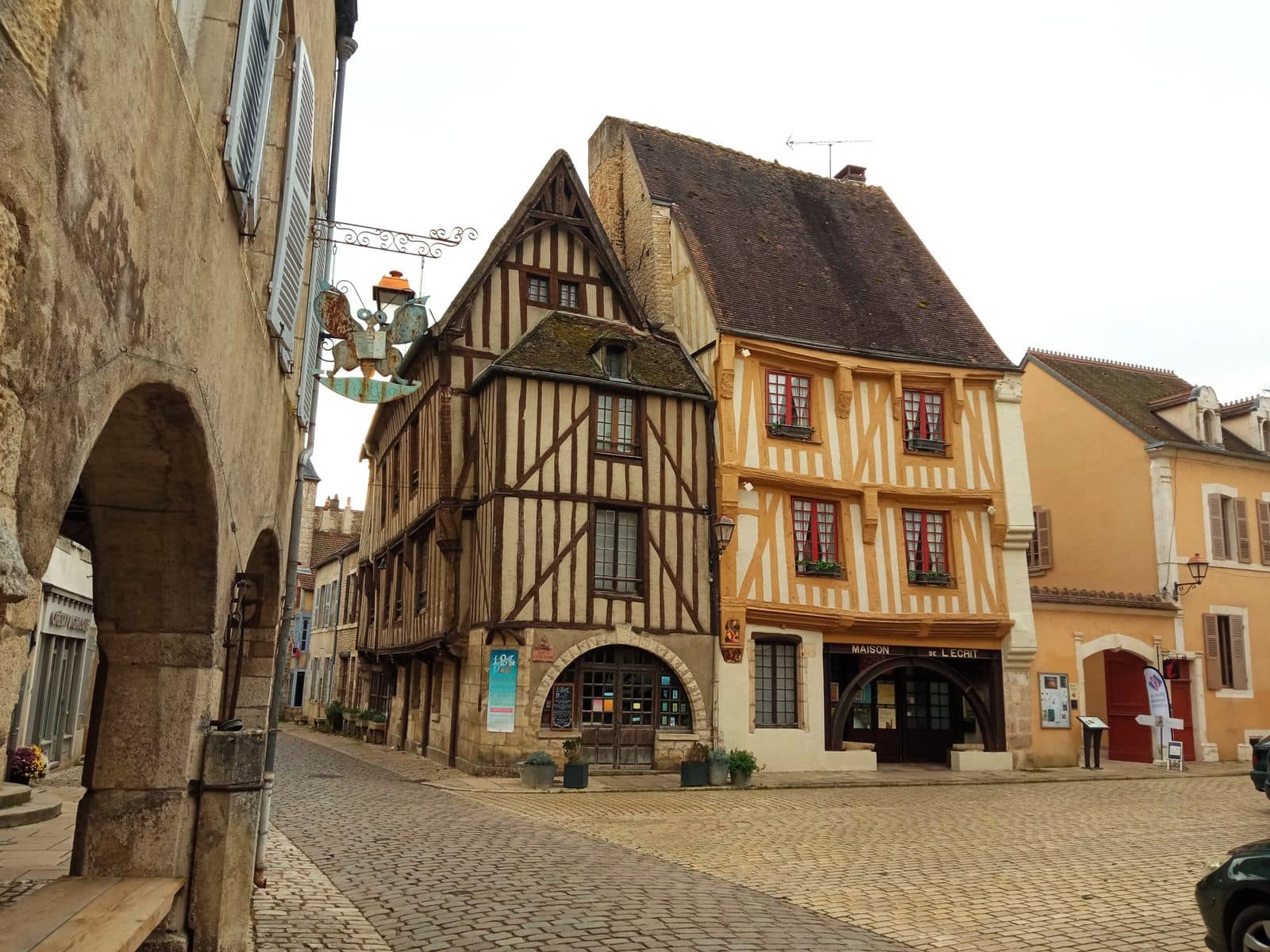
Beaune, by contrast, is the absolute epicentre of Burgundy wine and offers a much more intimate, deeply authentic experience. The town has an incredibly compact centre where you can walk everywhere, and it sits literally in the middle of the most famous vineyards. A great choice for the perfect relaxation after a day full of tastings is, for example, Hostellerie Cèdre & Spa, which even has a beautiful garden. But I have to give you a firm warning — Beaune tends to sell out very quickly during the main summer season and the autumn wine auctions, and accommodation prices shoot sharply upwards. If you’re planning to come in November, book your room a full year in advance.

An interesting and very unconventional alternative for true romantics is renting a houseboat on the Burgundy canals, which is an experience in itself. You don’t need any captain’s licence at all. After a short briefing, all you have to do is slowly drift through the old locks and, in the evening, simply moor the boat by the bank right next to some picturesque village pub, where you can enjoy a glass of local wine and a fresh baguette with cheese.

13 things to do in Burgundy, France

Let’s take a look together at the very best this fascinating region has to offer. From world-famous vineyards through Gothic palaces to inconspicuous villages that wrote the history of France.
1. Beaune and the hospital with the glazed roof

The heart of wine-growing Burgundy isn’t a big city but the intimate little town of Beaune, utterly steeped in wine. Beneath the cobbled streets of its historic centre lie miles of old interconnected cellars full of ageing oak barrels. They give the whole town a distinctive earthy aroma you’ll notice the moment you step off the train or out of the car. Everything here simply revolves around top-class gastronomy and a deep wine culture.

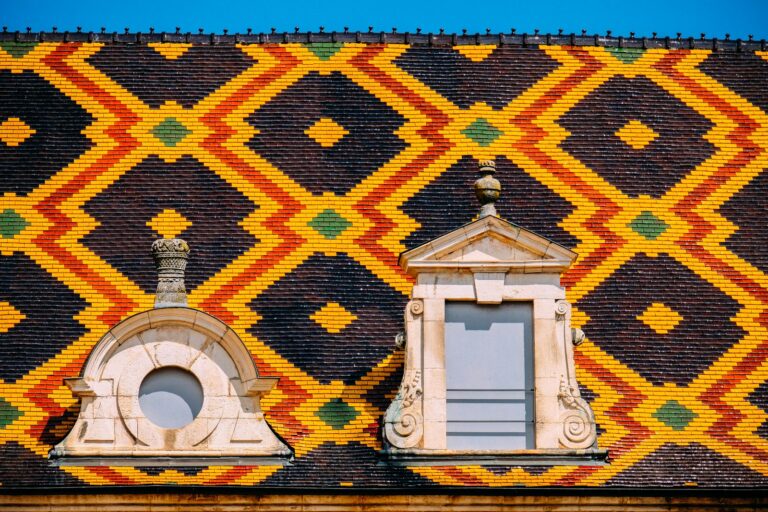
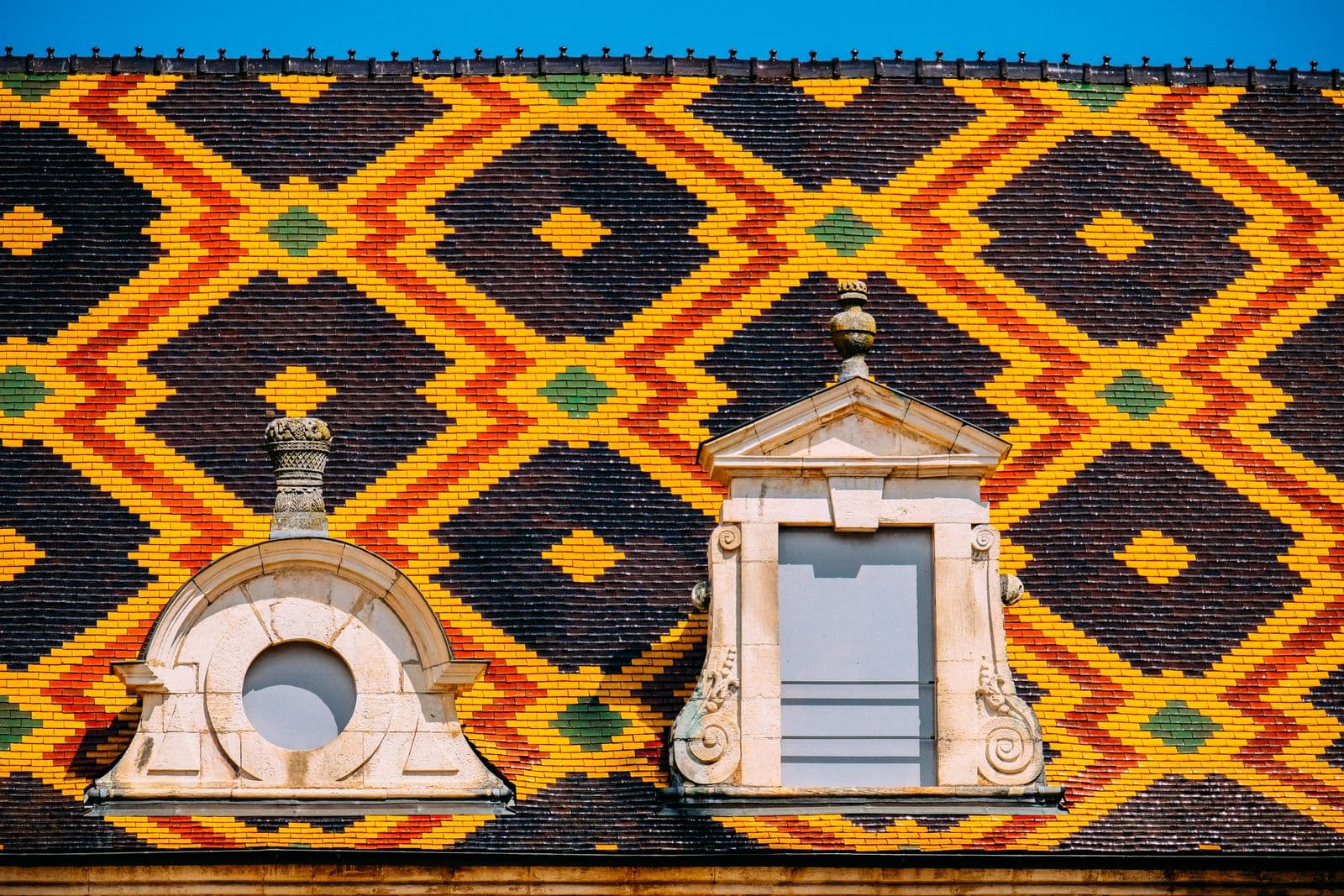
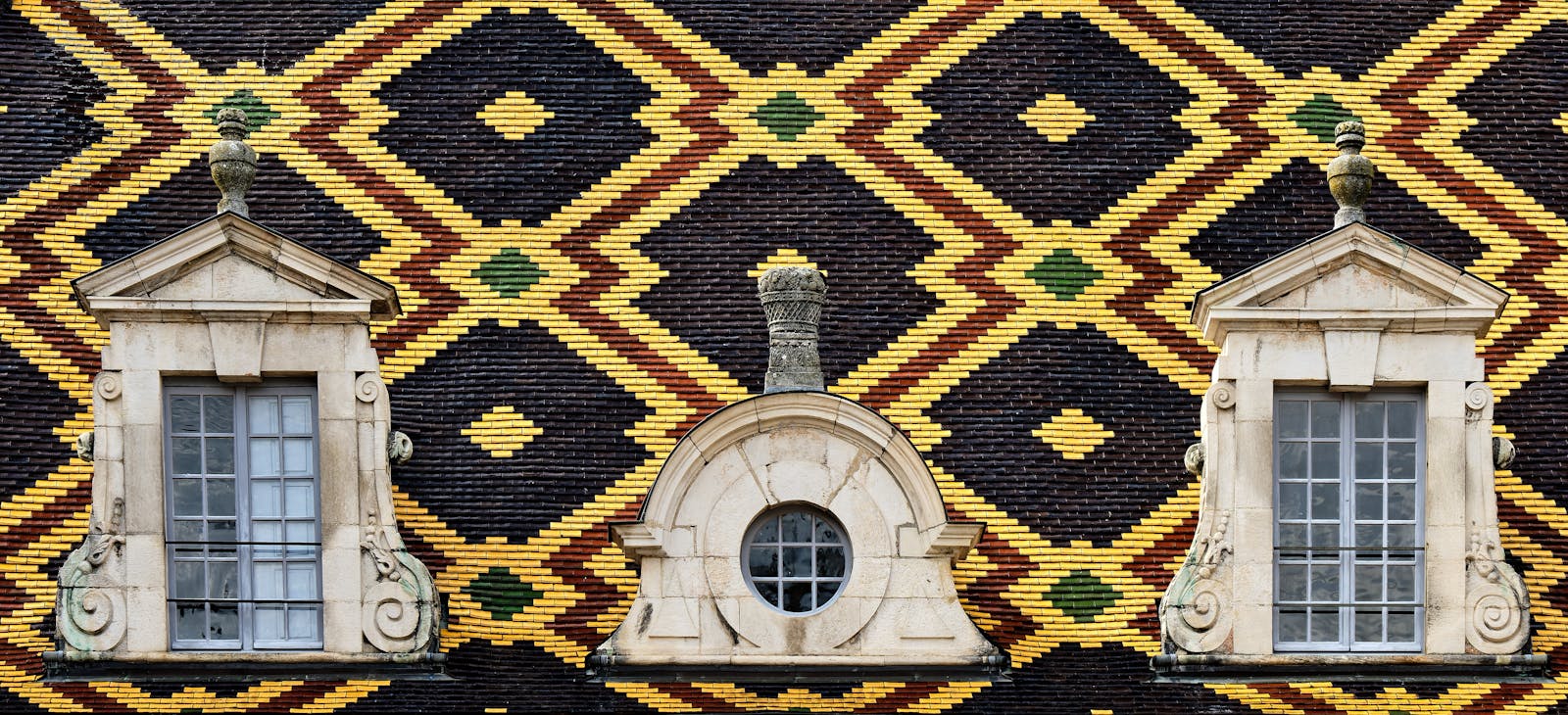
The town’s main magnet, however, is the Hospices de Beaune, a magnificent medieval almshouse from the 15th century. This majestic building (also known as the Hôtel-Dieu) immediately catches your eye with its roof, which is covered in intricate geometric patterns of brightly coloured glazed tiles. It’s this striking visual feature that has become the absolutely iconic image of the whole of Burgundy, and you’ll find it on most local postcards and souvenirs.

Inside the complex you’ll find a breathtaking ward for the sick with original beds lined with red canopies, where the order’s nuns lovingly cared for the poorest patients. The tour also includes a stunning masterpiece of the Northern Renaissance — the polyptych of the Last Judgement by the famous painter Rogier van der Weyden. The intricate detail of this altarpiece will literally root you to the spot.

💡 Tip: In high season, buy your tickets for the Hospices online several days in advance, because the queues on site can eat up more than an hour of your precious time.
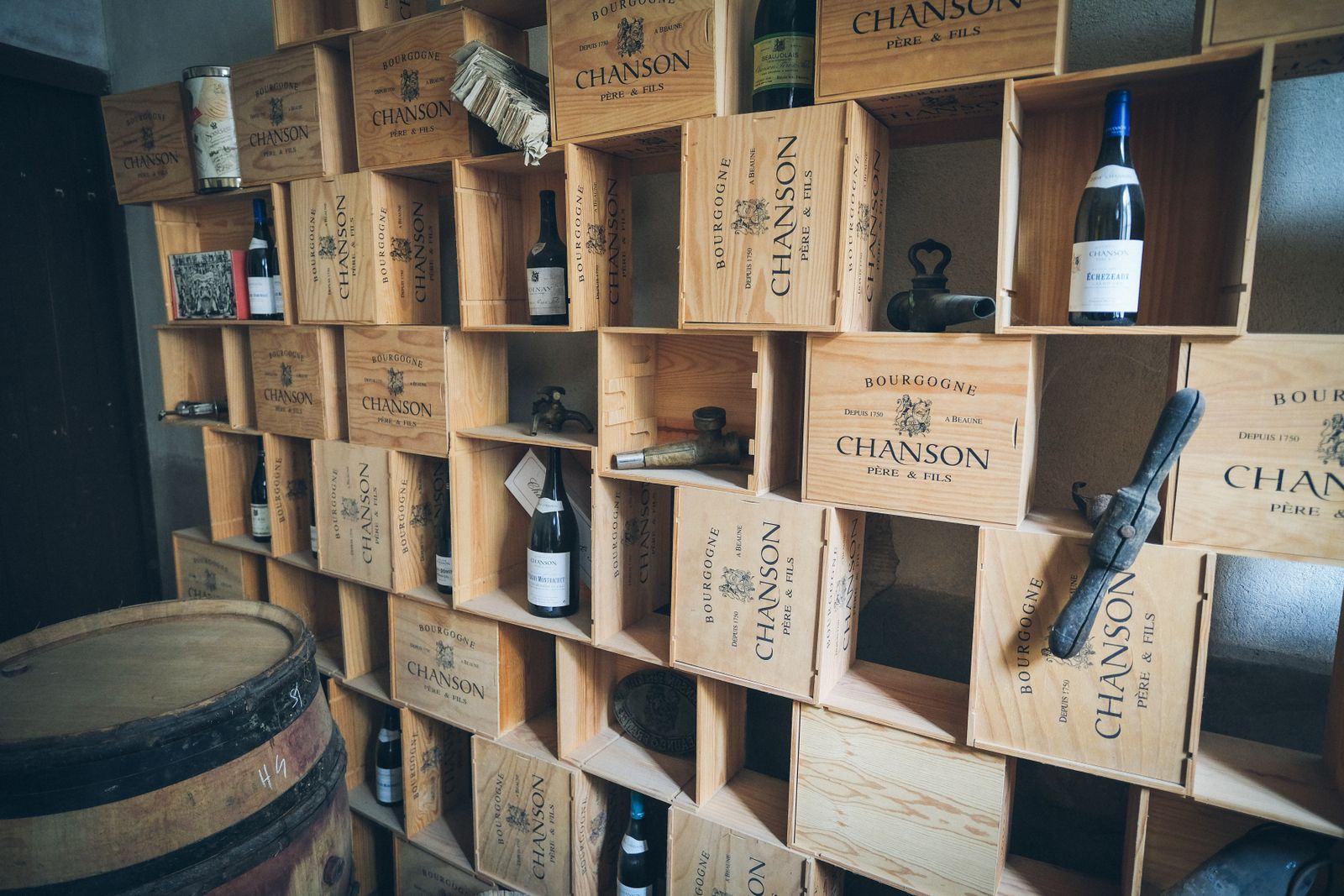
2. The famous wine auction in Beaune

The Hospices de Beaune isn’t just a beautiful museum with a rich history — for centuries it has also owned top-tier vineyards. They were gradually bequeathed to it by wealthy patients as an expression of deep gratitude for the care they received. These exceptionally rare grapes are turned into wine that is auctioned each year at the most famous charity wine auction in the world. It’s a huge social event that draws wealthy buyers from across the planet.

In 2026 the exact date of this famous auction falls on Sunday 15 November. It’s the absolute climax of the whole festive weekend known as the Trois Glorieuses, or Three Glorious Days. At that moment Beaune is literally bursting at the seams — the packed streets ring with non-stop tasting and singing, while global buyers bid on barrels of young wine for astronomical sums. Every euro spent then goes to support modern hospitals and medical research.

If you’d like to experience this incredible, pulsating atmosphere for yourself, you have to plan the whole trip a very long way ahead. Accommodation in Beaune and the wider area for this particular November weekend sells out a full year in advance. The prices of the last remaining hotel rooms shoot sharply upwards, so a spontaneous last-minute trip really doesn’t pay off here.
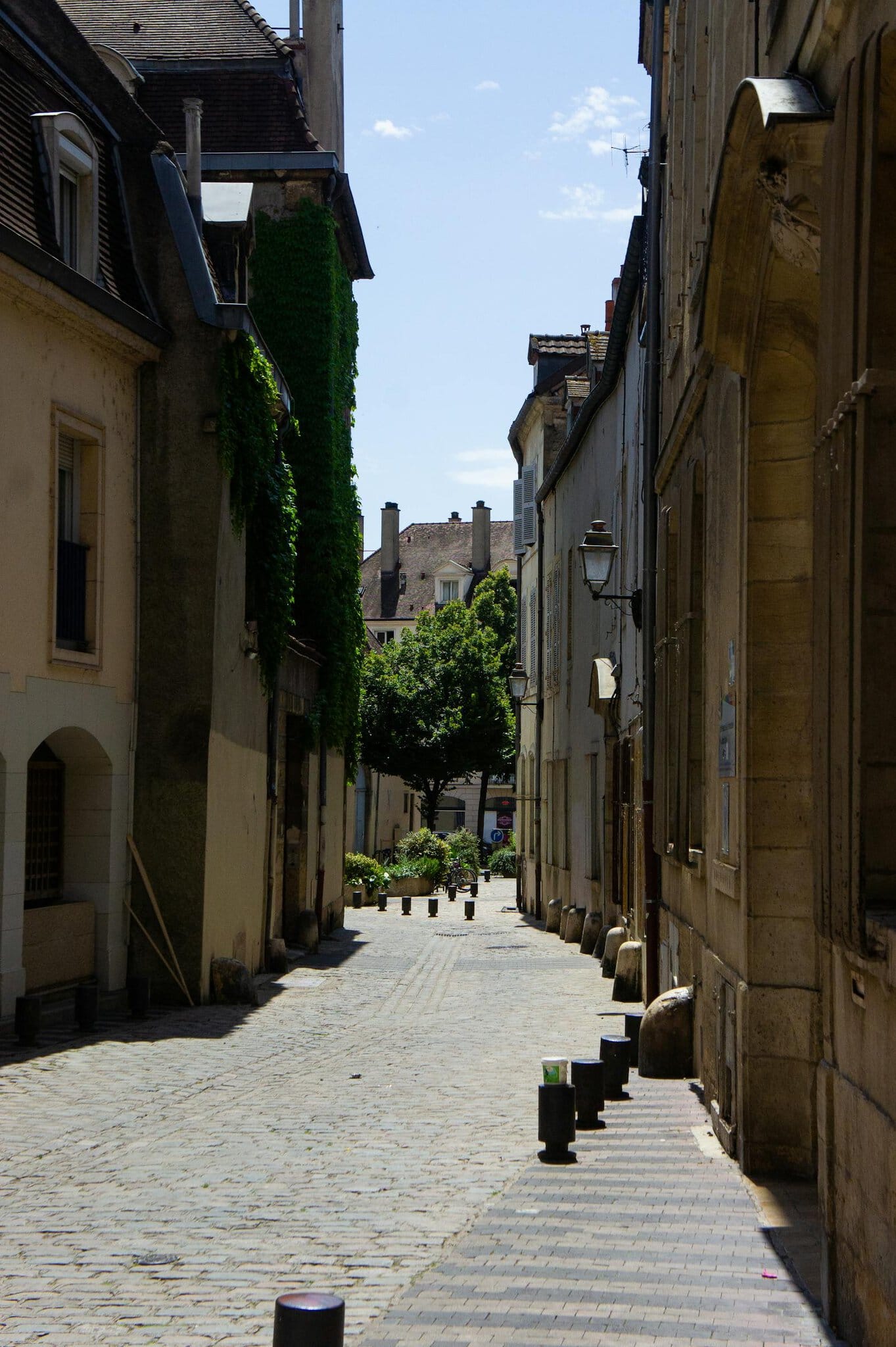
3. Dijon and the Palace of the Dukes of Burgundy

At the northern end of the famous wine trail lies Dijon, a large and vibrant city that was once the proud seat of the powerful Dukes of Burgundy. In the 14th and 15th centuries these ambitious rulers controlled a vast territory stretching as far as today’s Netherlands. With their immense wealth and influence they often reliably overshadowed even the kings of France themselves, something still very tangible in the city’s elegant streets today.

The centre of all the action is the imposing Palace of the Dukes of Burgundy, which today serves partly as a majestic town hall and partly as an excellent art museum. I definitely recommend visiting the Musée des Beaux-Arts, which recently underwent an extensive and costly renovation. It offers a fascinating glimpse into the old ducal tombs of Philip the Bold and John the Fearless, with incredibly detailed alabaster statues of mourning monks.

While strolling through the old town, don’t forget to watch your step and look out for the small brass owls set into the pavement. The owl is the city’s historic symbol and will safely guide you to the original little stone carving on the outer wall of the Notre-Dame church. Don’t forget to stroke it for luck with your left hand only, exactly as the local centuries-old tradition demands.

4. Real Dijon mustard, no compromises

Say “Dijon” and most people around the world immediately picture its renowned sharp mustard. Although a large share of the global production under this name is now made in giant factories elsewhere — and, surprisingly often, from Canadian seeds — right in the city you’ll still find authentic places keeping the original craft alive. Real Dijon mustard is a gastronomic experience you simply can’t buy in an ordinary supermarket.

Stop by the family-run Moutarderie Fallot, one of the last traditional producers in the whole region. They still proudly use ancient stone mills, which prevent the seeds from heating up unintentionally during grinding. This gentle process preserves the mustard’s characteristically sharp and perfectly clean flavour. You can take a very interesting tour here and discover the incredibly complex process hidden behind this iconic yellow paste.

In their fragrant boutique you can then taste and buy varieties you probably never even dreamed of. Mustard with fresh tarragon, blackcurrant, delicate honey or crunchy nuts will completely change the way you think about what you usually spread on your bread. It’s also an absolutely perfect and very affordable souvenir to bring home for your friends.
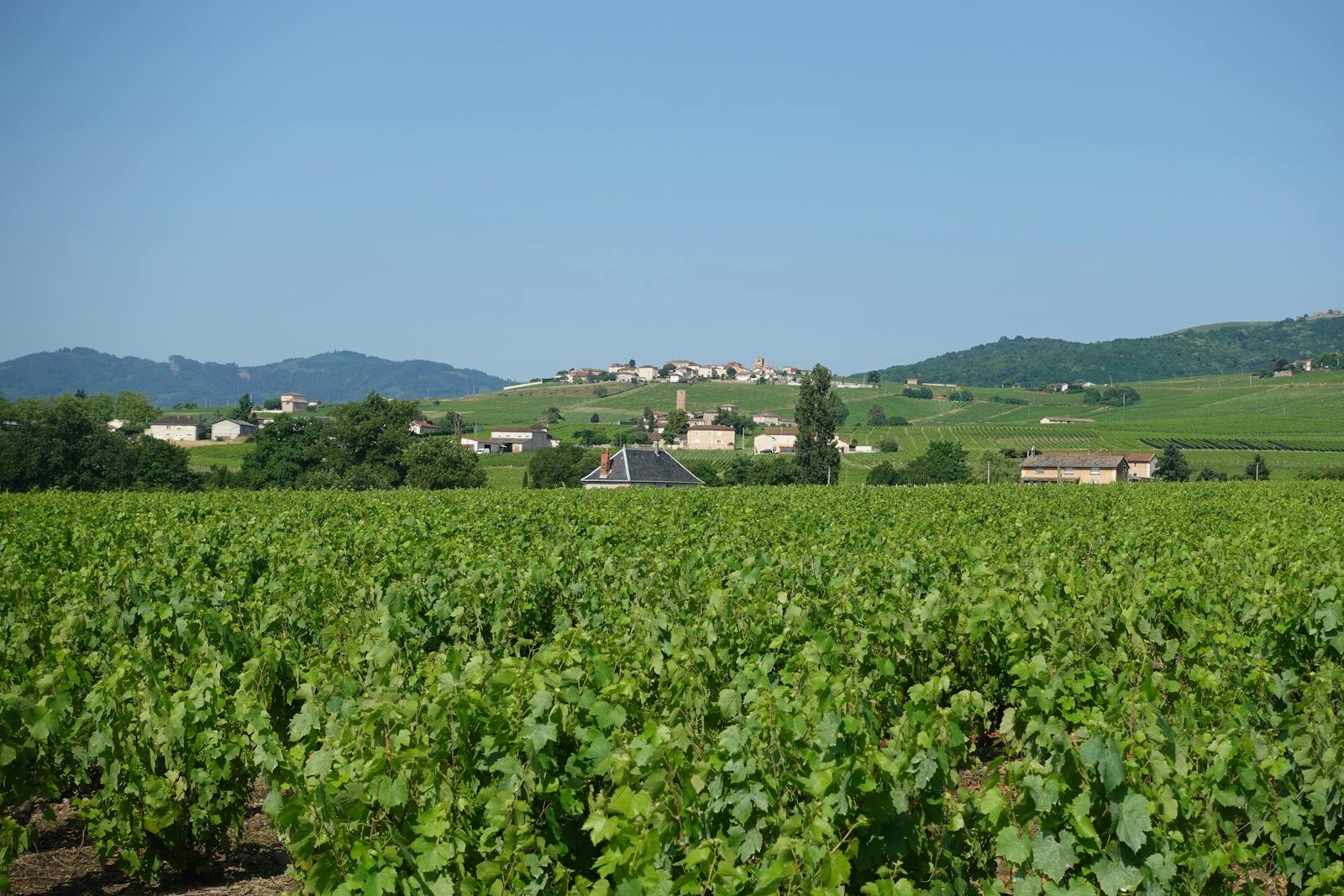
5. Route des Grands Crus: the wine highway

The best possible way to truly understand Burgundy and soak up its unmistakable atmosphere is to drive the famous Route des Grands Crus. This iconic wine trail, sometimes grandly nicknamed the Champs-Élysées of Burgundy, was marked out back in 1937. It’s only 60 kilometres long, yet it concentrates the absolute most precious things French winemaking has ever given the world.

It runs from Dijon in the north all the way down to Santenay in the south, passing through exactly 37 wonderfully picturesque villages. This is where the most expensive and rarest wines on our planet are born. Driving slowly by car, you’ll pass old stone walls and inconspicuous historic gateways bearing the names of famous estates that quite literally take a wine lover’s breath away and that sommeliers study all over the world.

💡 Tip: Driving is nice, but it’s far better to rent a bike and head out along the cycle path called the Voie des Vignes. It runs a fine 23 kilometres and winds right between the perfectly trimmed rows of vines. That way you’ll be far enough from the busy car traffic and can enjoy the landscape in complete peace.
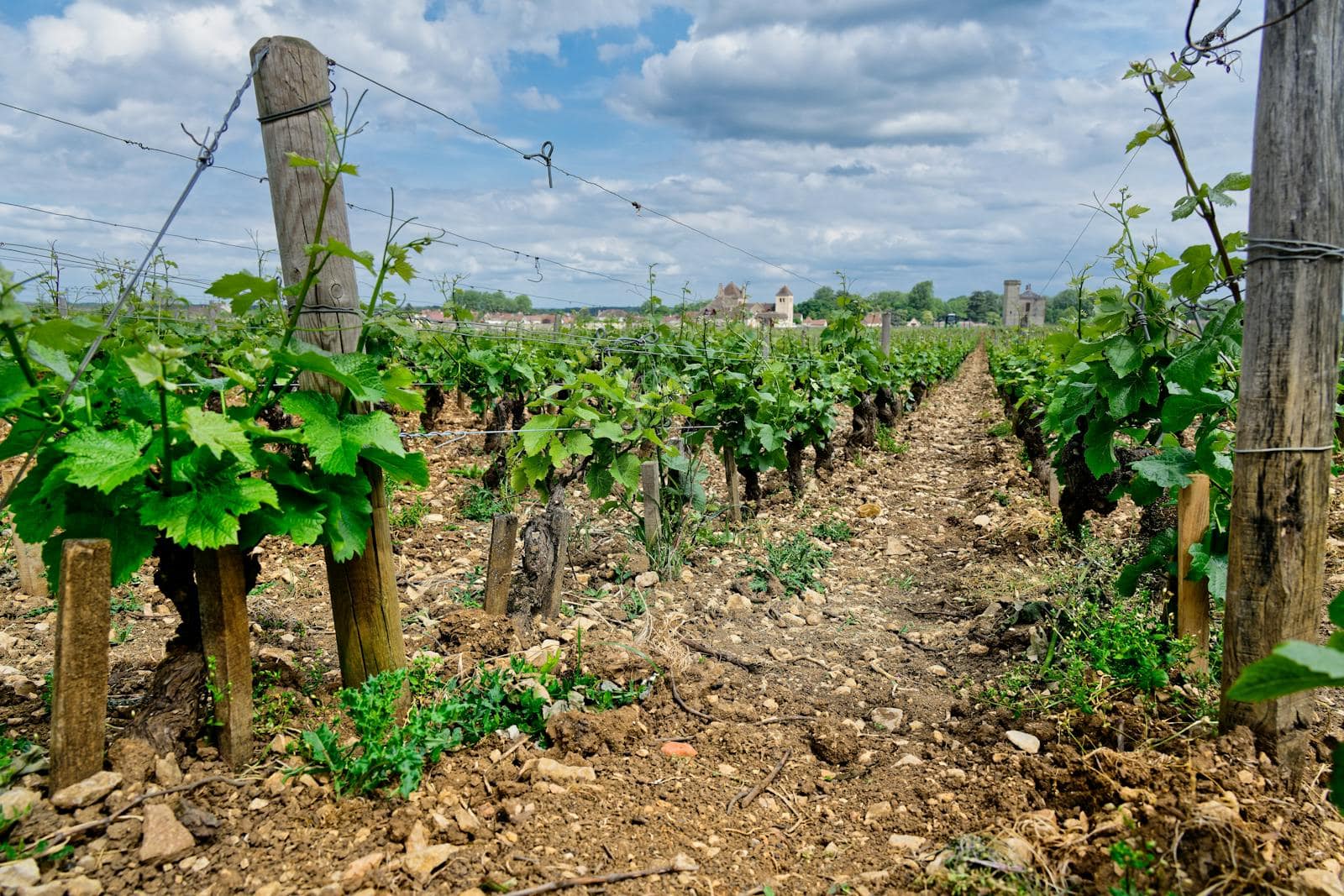
6. Côte de Nuits: the kingdom of Pinot Noir

The northern half of the famous Route des Grands Crus bears the resonant name Côte de Nuits and is the uncrowned kingdom of red wine. If you love the Pinot Noir grape, this is its absolute homeland and epicentre. The local slopes, which the locals fondly call climats, sit on a distinctive limestone bedrock. This gives the red wines incredible elegance and admirable longevity.

Driving through famous villages like Gevrey-Chambertin or Nuits-Saint-Georges, you’ll come across vineyards often only a few dozen square metres in size. Yet their names are spoken with reverence by the entire wine world. The local terroir is so utterly unique and historically valuable that it rightly earned its own listing on the prestigious UNESCO cultural heritage list.

The most famous stop here is undoubtedly the unassuming stone wall surrounding the sacred Romanée-Conti vineyard. From this small patch of soil comes the most expensive wine in the world, where the price of a single bottle routinely runs into tens of thousands of euros. An ordinary mortal won’t get to taste it, but the simple walk past these legendary vines has its own enormous, almost mystical charm.
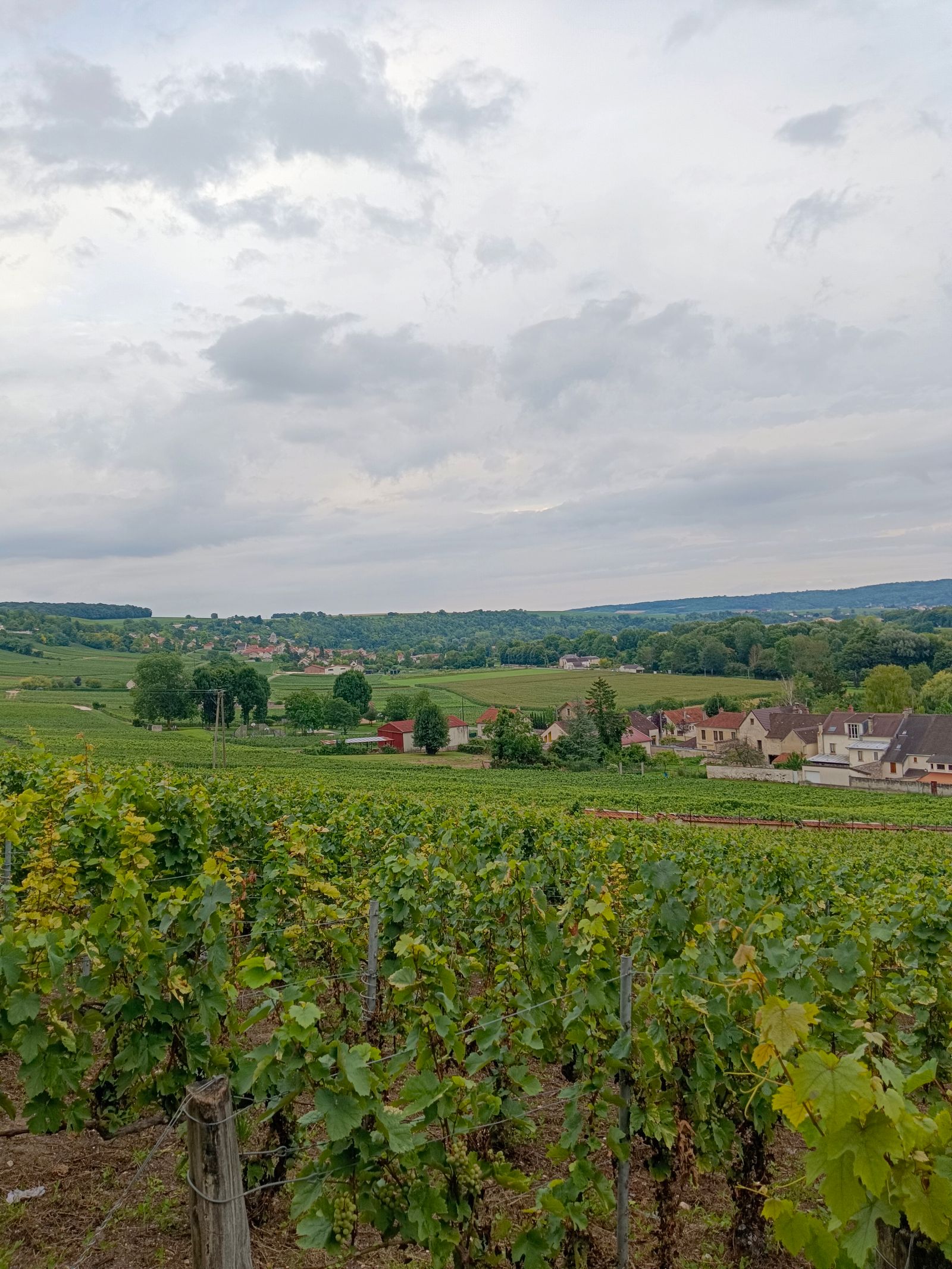

lukas a lucka
Lukáš and Lucie recommend
Where to stay in Burgundy
3 accommodations — wellness hotels and other lodging options

7. Côte de Beaune: home of perfect Chardonnay

As soon as you pass the town of Beaune and head further south, the landscape changes slightly and you smoothly enter the area known as the Côte de Beaune. Although excellent reds are made here too, this sun-drenched area is world-famous above all for its white wines, here ruled entirely and unreservedly by the beloved Chardonnay grape.

The local whites from prestigious villages such as Meursault, Puligny-Montrachet or Chassagne-Montrachet define the world standard for how top-class Chardonnay should actually taste. They are rich, very often with characteristic notes of melted butter, nuts and delicate vanilla thanks to careful ageing in oak barrels. Wines from these sunny slopes tend to be fuller and more complex in flavour than those from the cooler areas further north.

The villages in this southern part are perhaps even more picturesque and sleepy than in the north. I definitely recommend stopping in the village of Pommard or Volnay, parking your car somewhere on the edge and setting off on foot along the dusty tracks straight up the steep slopes. From here you’ll be treated to gorgeous views over the flat valley of the river Saône and you’ll clear your head completely.
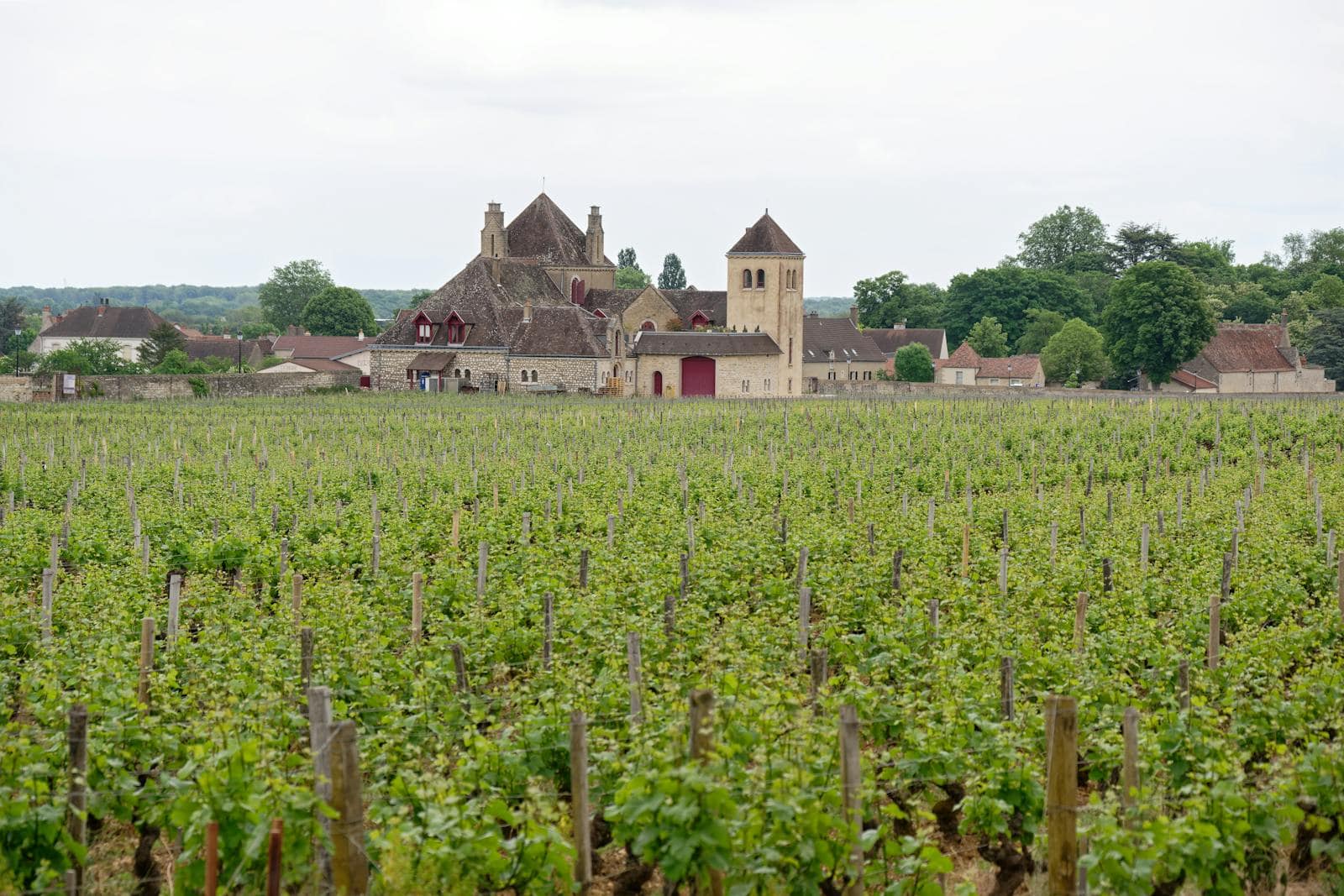
8. Château du Clos de Vougeot

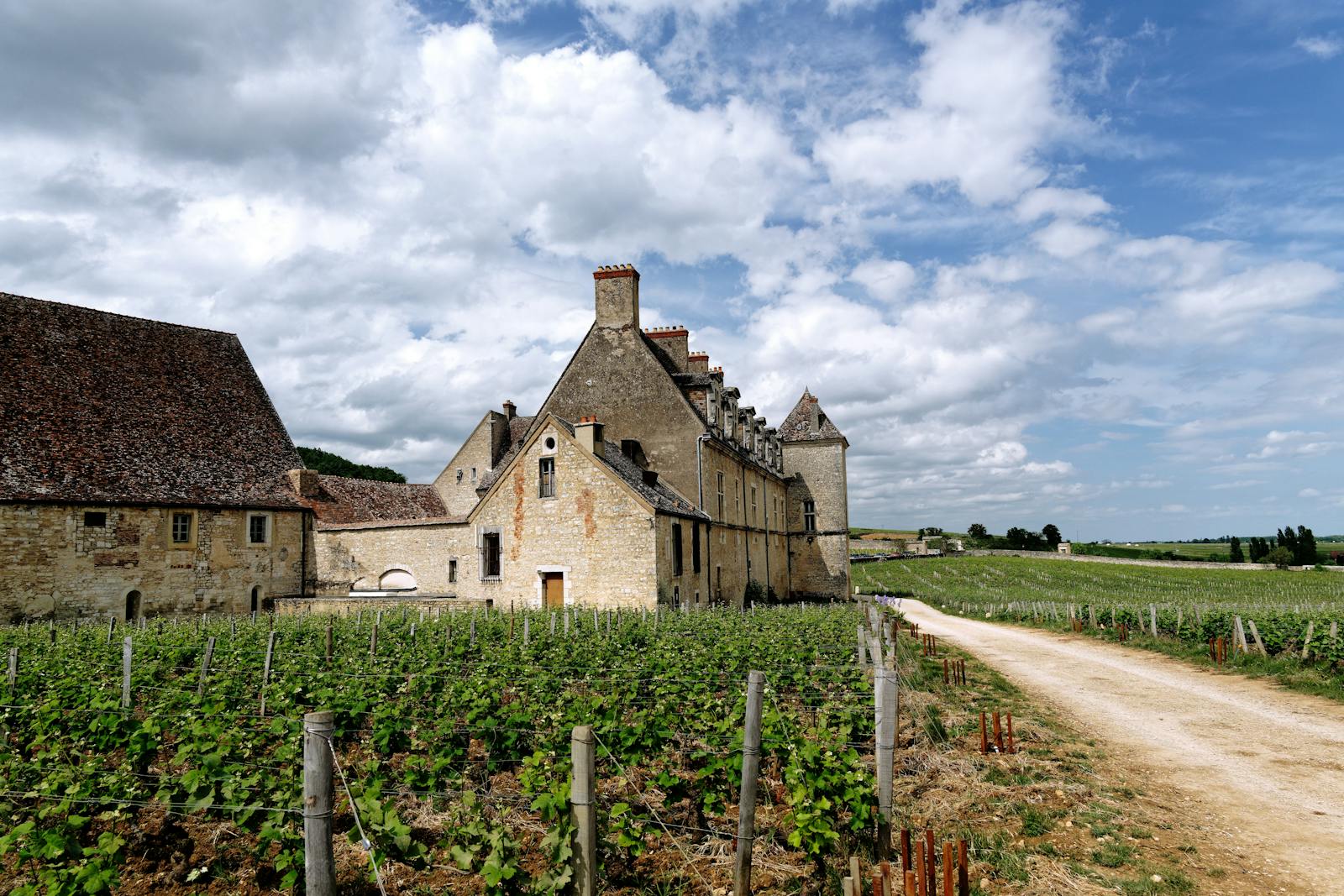
On your journey along the Burgundy wine trail you absolutely mustn’t miss the Château du Clos de Vougeot. This mighty Renaissance château, exceptionally picturesquely surrounded by an endless sea of vineyards, represents an absolutely pivotal historic milestone for the whole region. It was founded by the immensely hard-working Cistercian monks back in the 12th century, and they laid the very foundations of modern French winemaking here.

It was precisely these meticulous monks who had enough time and endless patience to become the first to systematically study the diversity of the soil. They figured out why grapes from the slope taste completely different from those from the valley. It was they who mapped the Burgundy slopes in detail and precisely defined the complex concept of terroir, on which the entire French wine philosophy and classification system still firmly rests today.

Today the château no longer makes its own wine, but it serves as a fascinating museum open to the general public. Inside you can see the huge historic wine presses, terrifying in their dimensions, and the original cold cellar spaces where the monks toiled for centuries. It’s a very photogenic place that perfectly bridges ancient history with a living wine tradition.

9. Tasting without the frustration: how to do the cellars

If you naively imagine that in Burgundy you’ll simply roll into a village, knock on a winemaker’s wooden door and he’ll instantly invite you into the cellar with a smile, you’re probably in for a rude awakening. The romantic notion of permanently open doors is long gone. Everything here runs on a strict system, and booking your tastings is an absolute and unavoidable necessity in 2026.

Local family wineries are often hopelessly booked out weeks in advance and tastings are strictly paid. Prices typically range between €15 and €30 per person at smaller producers, while at the famous, renowned houses you could easily pay €50 or more. If you want to save yourself the stress and the tricky negotiating in French, use booking websites or find organised tours, which can be very easily reserved through GetYourGuide.

💡 Tip: If you buy at least a few bottles of wine to take home from a small family producer at the end of the tour, they’ll very often kindly deduct the tasting fee from your bill. At the big commercial houses in Épernay or Beaune, though, don’t count on this generous gesture at all — there the rules are strictly fixed.
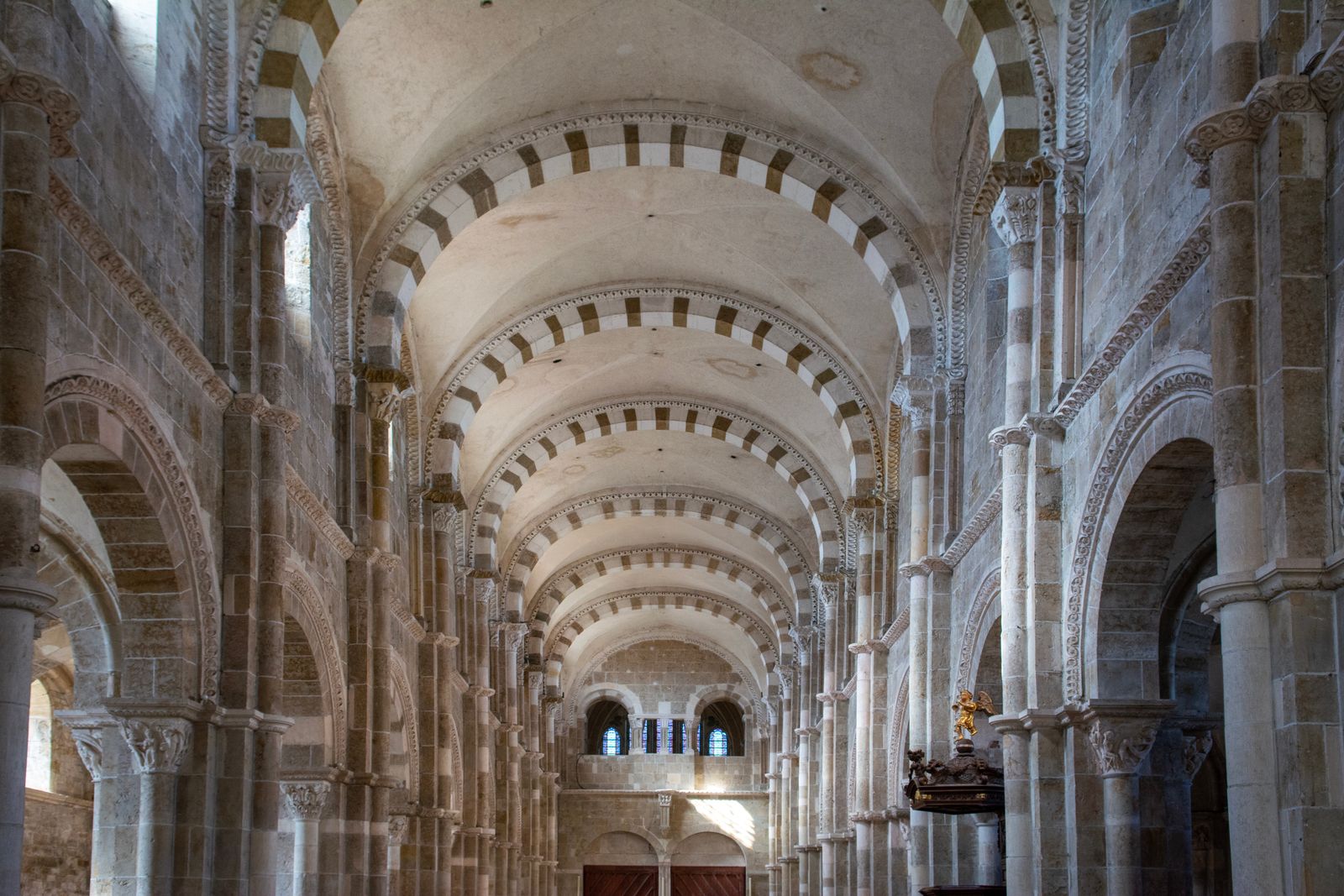
10. Vézelay and the Basilica of Mary Magdalene

Burgundy is enormously vast and certainly doesn’t offer only the main wine axis around Dijon. About an hour and a half’s drive west, on a lonely hill, lies the beautiful village of Vézelay. Its unmissable landmark is the Basilica of Sainte-Marie-Madeleine, a stunning masterpiece of Romanesque architecture on the UNESCO list.

In the Middle Ages it was one of the most important and busiest places of pilgrimage in all of Europe. The precious relics of Mary Magdalene are said to be kept here, and it was from here, among other things, that the Crusades set off in great pomp. One of the main French routes to Santiago de Compostela in Spain also began here. The atmosphere within the old stone walls is still very mystical and quiet to this day.

The greatest curiosity is an architectural wonder linked to the movement of the sun. The light that pours into the basilica’s main nave precisely on the day of the summer solstice creates a perfect line of light spots down the middle of the floor, leading straight to the main altar. The village around the basilica is also full of small romantic cafés and art galleries where you can take a wonderful rest.
11. Monastic life and the powerful Abbey of Cluny

Besides the ever-present wine, the history of Burgundy was also shaped by immense church power. In the very south of the region you’ll come across the stunning remains of Cluny Abbey, which in its golden age was the very largest and most influential church in the entire Christian world. It proudly held this distinction for several centuries, until it was eventually surpassed architecturally by the enormous Basilica of St Peter in the Vatican.

Sadly, a large part of this amazing monastery was irreversibly destroyed during the turbulent French Revolution, when the complex sadly served as an ordinary quarry. Yet even the little that has survived to this day commands enormous respect for the original dimensions of the entire breathtaking structure. The tour is now cleverly enhanced with modern augmented-reality technology. On special screens you’ll see exactly how majestically the complex looked at the height of its glory.

A stop at Cluny will reliably help you understand that medieval Burgundy wasn’t run only by the wealthy dukes of Dijon. Enormous political and economic power was firmly held here by the monks. It was they who owned the best land and shaped the character of the local landscape into the form we admire today.
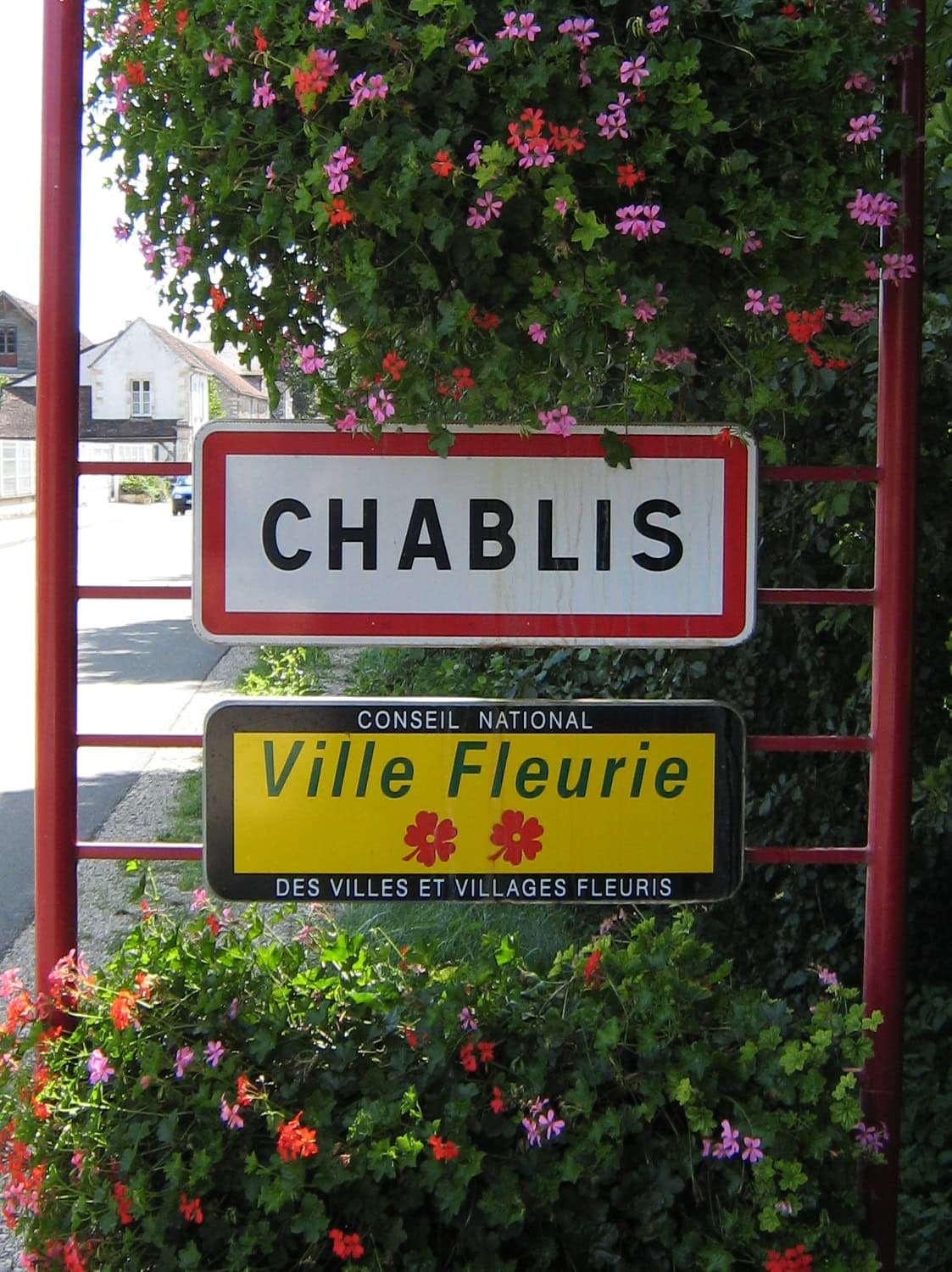
12. Chablis and Mâcon: gems on the edges

If you’re a keen white-wine lover, you definitely shouldn’t overlook two regions that lie a little off to the side, on the edges of Burgundy’s main territory. Right in the northwest sits the well-known Chablis area. The local Chardonnay grows on a distinctive Kimmeridgian soil full of prehistoric fossils of marine creatures, which gives the wine a unique steely, mineral flavour with a very sharp acidity.

In the deep south of Burgundy, by contrast, lies the sunny Mâconnais area. The local microclimate already takes on a slightly southern feel and the sun bakes here noticeably stronger than in the north. Wines from Mâcon, likewise built on the dominant Chardonnay grape, are therefore rounder, full of ripe fruit and far kinder to the wallet than the famous and often overpriced bottles from the prestigious Côte de Beaune.

Both of these picturesque areas offer an absolutely brilliant alternative for travellers who want to escape the biggest crowds on the main route. The landscape around Chablis is gently hilly and beautifully calm, while around Mâcon you can already feel that warm breath of the approaching Mediterranean south and a more relaxed atmosphere.

13. Burgundian gastronomy and cheeses

France is synonymous around the world with great food, and Burgundy is right at the very top in this respect. The traditional cuisine here is admittedly very rich and hearty. The local icon is beef Burgundy style, or boeuf bourguignon, slowly braised in red wine — but if you’re looking for vegetarian alternatives, this fertile region definitely won’t leave you hungry.

An absolute must-taste are the famous gougères. These small, incredibly fluffy buns of choux pastry, generously mixed with Gruyère or Comté cheese, are served here with practically every glass of wine. Also wonderful are the traditional sauces based on sharp Dijon mustard, which in their meat-free version go superbly with roast potatoes or fresh seasonal vegetables from the local markets.

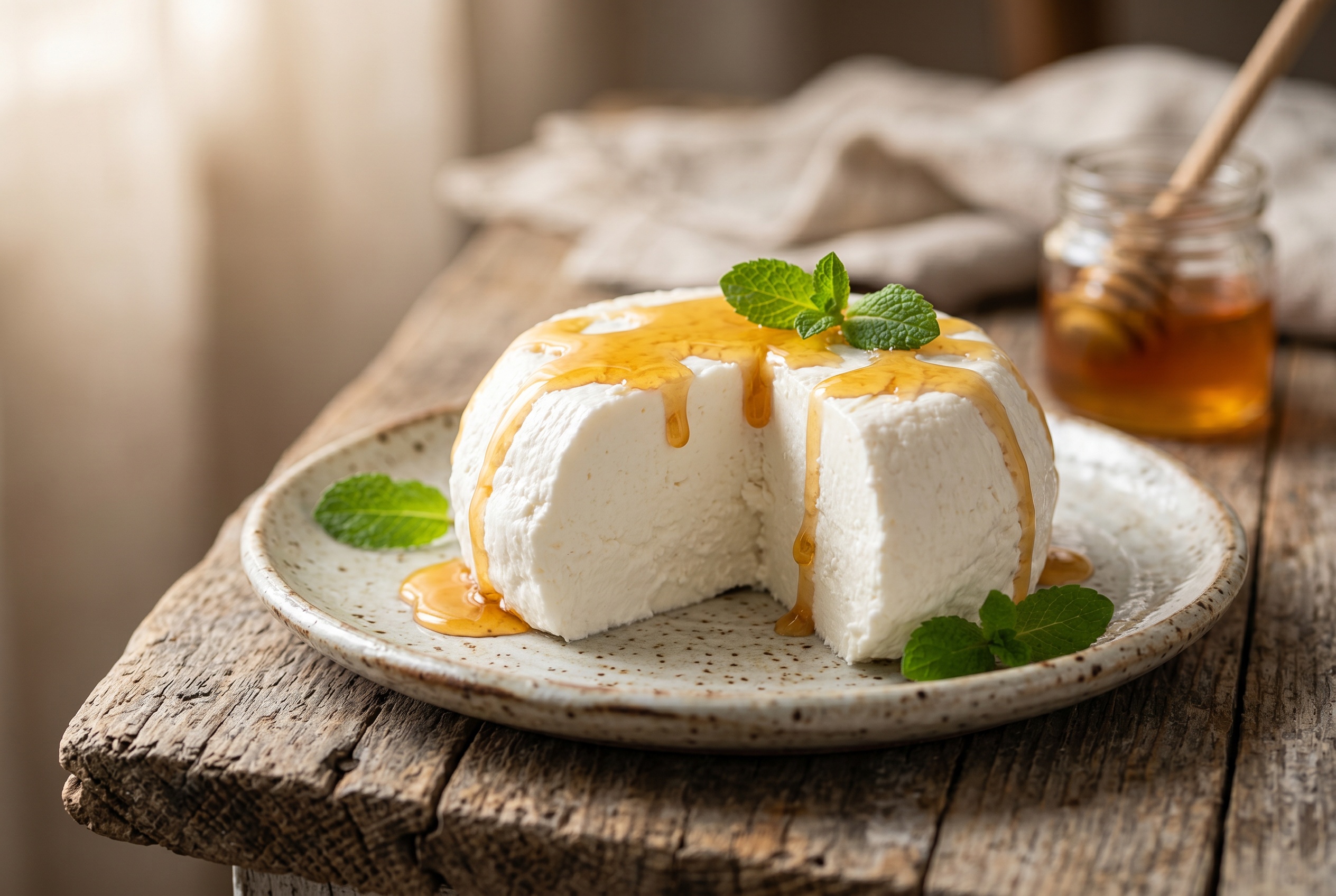
And you definitely mustn’t skip the lavish cheese counters either. The true king of Burgundian cheeses is Époisses, an incredibly aromatic washed-rind cheese that is aged for a long time in the local grape-pomace spirit known as marc. Especially when it’s fully ripe, its creamy consistency literally oozes onto the plate. With a fresh, crusty French baguette it makes for an absolutely unforgettable gastronomic experience you’ll want to come back for.

Where to go next from Burgundy

If you have more time for your trip and want to explore other corners of eastern France, several great options present themselves. Burgundy borders directly on the Jura region, where you can taste a wholly distinctive yellow wine.

But if you fancy slightly different architecture and a different style of wine, head northeast. About three hours’ drive from Beaune lies the picturesque town of Colmar, which looks like something straight out of a fairytale. From there you can then set off to explore the famous Alsace Wine Route, which, unlike Burgundy, focuses on fragrant white wines such as Riesling and Gewürztraminer.

Frequently asked questions

How much does the toll cost on the way to Burgundy?

When traveling by car from Czechia through Germany and on to France, expect French motorway tolls. These are paid via toll gates and in 2026 they come to roughly €9.50 per 100 kilometers driven. Don’t forget to carefully watch for sections with the modern Free-Flow system (for example, motorways A79 and A13), where you pay online within 72 hours of passing through, as you won’t find traditional barriers there.

Do I need an environmental sticker for Burgundy?

Yes, the Crit’Air ecological sticker is mandatory for large cities like Dijon. You’re not allowed to enter the ZFE zone without it and you risk a fine from €68 to €375. The sticker costs exactly €5.11 and I recommend ordering it online on the official website well in advance, as it will be sent by post to your Czech address. It’s then valid for the entire lifetime of the vehicle.

Can you travel Burgundy without a car?

Getting around completely without a car is tricky, but the railway reliably connects the key points. Regular TER regional trains run between Dijon and Beaune, the journey takes just 20 minutes and costs a reasonable €8. To explore the smaller villages right on the wine trail, you can easily rent a bike and head out on the beautiful Voie des Vignes cycle path, which stretches for 23 kilometers.

What exactly does the word terroir mean?

Terroir is a French winemaking concept that encompasses all the natural influences affecting a vineyard. It includes soil composition, altitude, slope gradient, sun exposure, and microclimate. It’s precisely the terroir that makes Burgundy wines so unique, because each parcel tastes completely different, even when planted with the same grape variety.

How much does a regular wine tasting cost?

The days of free tastings are mostly gone in France. At smaller wineries you’ll pay 15 to 30 € for a tasting, while big and famous houses easily charge 50 € or more, and advance booking is absolutely essential these days. However, if you end up buying a few bottles to take home, small winemakers will very often kindly waive the tasting fee.

When is the best time to see the grape harvest?

The exact date of the wine harvest is determined anew each year based on the current ripeness of the grapes, but it usually falls in the first half of September. During this time, the region is absolutely at its liveliest, the smell of fermenting must is everywhere, and you’ll encounter tractors carrying grapes on the roads. At the same time, however, it’s very crowded everywhere and you need to sort out accommodation well in advance.

Will I eat well in Burgundy even without meat?

Although the local cuisine is famous for meat dishes like beef bourguignon, vegetarians definitely won’t go hungry here. French gastronomy offers great cheese specialties, cheese puffs gougères, vegetable quiche, onion soup in vegetable broth, or excellent desserts like apple tarte tatin.

What is the auction at Hospices de Beaune?

This is the world’s most famous charity wine auction, held every year during the so-called Three Glorious Days. Barrels of young wine from vineyards belonging to the historic hospice are auctioned off, with proceeds going to charity and hospital support. In 2026, this huge social event falls precisely on Sunday, November 15th.

Tips and Tricks for Your Vacation

Don’t Overpay for Flights

Search for flights on Kayak. It’s our favorite search engine because it scans the websites of all airlines and always finds the cheapest connection.

Book Your Accommodation Smartly

The best experiences we’ve had when looking for accommodation (from Alaska to Morocco) are with Booking.com, where hotels, apartments, and entire houses are usually the cheapest and most widely available.

Don’t Forget Travel Insurance

Good travel insurance will protect you against illness, accidents, theft, or flight cancellations. We’ve had a few hospital visits abroad, so we know how important it is to have proper insurance arranged.

Where we insure ourselves: SafetyWing (best for everyone) and TrueTraveller (for extra-long trips).

Why don’t we recommend any Czech insurance company? Because they have too many restrictions. They set limits on the number of days abroad, travel insurance via a credit card often requires you to pay medical expenses only with that card, and they frequently limit the number of returns to the Czech Republic.

Find the Best Experiences

Get Your Guide is a huge online marketplace where you can book guided walks, trips, skip-the-line tickets, tours, and much more. We always find some extra fun there!
Corte and Inland Corsica: 10 Mountain Tips for 2026

TL;DRCorsica’s mountainous interior comes with 10 essential tips for hiking trips: the Restonica Gorge with its glacial lakes Melo and Capitello, the Tavignano canyon, the chestnut country of Castagniccia, the Vizzavona pass with its Cascade des Anglais waterfalls, and the historic U Trinighellu train for 10 euros. The best months to visit are May, June and September, when temperatures sit around 20 to 25 degrees, while August is worth skipping thanks to crowds and ferry prices that can climb to around 1000 euros. A room in Corte costs 120 to 200 euros a night, and entry to the Musée de la Corse is 6 euros. Don’t leave without trying brocciu cheese and the local Fiadone dessert.

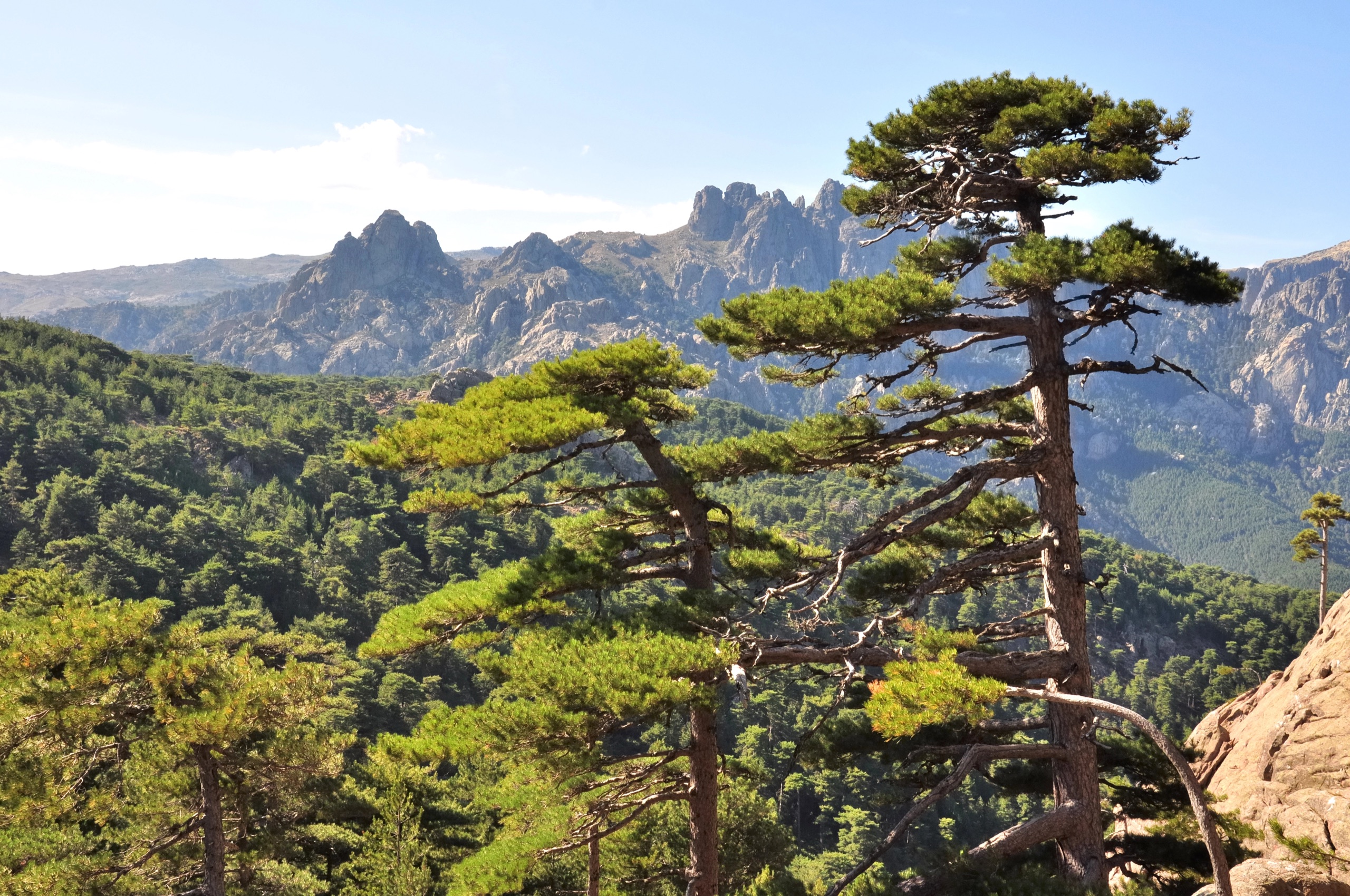
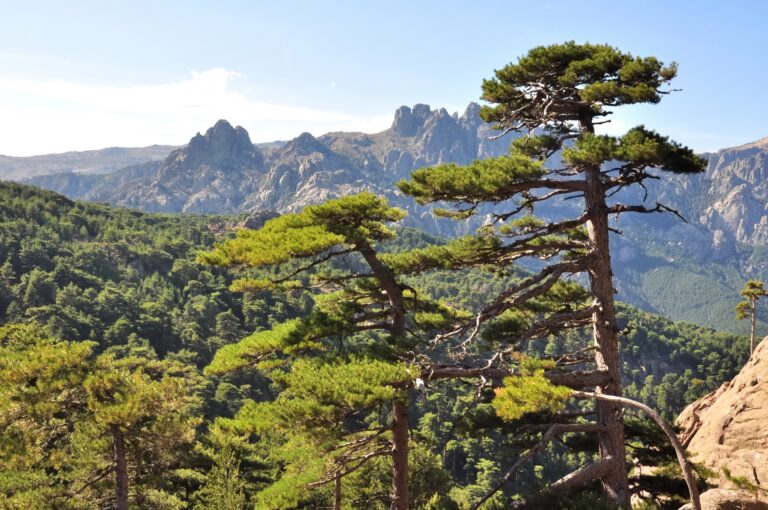
Take a deep breath and you’ll feel it instantly. A heady mix of wild thyme, rosemary, myrtle and sun-baked earth that the locals proudly call the maquis follows you with every step. While most visitors to Corsica, France head straight for the dazzling white beaches and turquoise sea, the island’s real soul is hidden high up in the mountains. In this article we’ll head into Corte and the surrounding interior together, where deep canyons, icy mountain lakes and centuries-old chestnut forests are waiting for you.

Be warned: the Corsican mountains are rugged, steep and unforgiving, but they’ll reward you with views you’ll never forget. Anyone who hasn’t seen the interior has barely seen the Isle of Beauty at all. The roads here twist above sheer drops and nature will push your physical limits to the very edge.

I’ll tell you when the best time to visit is and where to find the most magical places to stay. You’ll also learn exactly what you need to experience in this vertical world and how to dodge the biggest crowds. Let’s dive into the very best of Corsica’s mountainous heart.

TL;DR

  • Corte is the historic heart of Corsica and makes the perfect base for exploring the central mountain massif.
  • The Restonica gorge offers breathtaking scenery and acts as the main gateway to the popular mountain lakes of Melo and Capitello.
  • The U Trinighellu mountain train safely carries you through the most inaccessible mountains and deepest valleys.
  • The Castagniccia chestnut region is an oasis of calm with picturesque stone villages that feel completely untouched by time.
  • Avoid August, when the narrow mountain roads are bursting at the seams and accommodation prices skyrocket.
  • The local brocciu cheese is an absolute culinary marvel you simply can’t skip in any traditional mountain restaurant.

When to Visit Inland Corsica

If you’re planning a trip into the Corsican mountains, timing is absolutely everything and will make or break your whole experience. The high-altitude areas have a completely different climate than the scorching coast around Porto-Vecchio or Bonifacio. While you can already happily swim in the sea in May, the peaks often still hold snow and many hiking trails remain impassable. The mountain weather is also notoriously treacherous, with afternoon storms rolling in fast and without mercy. That’s why you should start any demanding hike early in the morning, when the skies are usually clear and the air cool.

The ideal months for visiting the mountains are May, June and September, when there’s no longer any snow cover and daytime temperatures hover around a very pleasant 20 to 25 degrees. Spring is utterly magical thanks to the blooming maquis and waterfalls swollen with meltwater. Autumn, in turn, paints the chestnut forests in gorgeous golden hues and the mountain air is incredibly clean and fresh. These months also bring more favourable ferry prices, since you won’t have to pay sky-high peak-season surcharges.

Getting to the island is a chapter all of its own, and without your own car you’re essentially stuck in Corsica. The fastest ferry from Nice in France to Bastia takes roughly six to seven hours, while the crossing from Toulon runs around eight to ten hours. If you want to save money, the cheapest ferries have historically been from the Italian ports. A foot passenger pays between 40 and 100 euros, but once you add a car the price climbs rapidly. From the UK, the easiest approach is to fly into a mainland airport such as Nice or Marseille (direct flights run from London and other major cities) and pick up a hire car before catching the ferry.

One crucial warning applies to all of Corsica. Whatever you do, avoid August at all costs. During this month the French and Italians descend on the island en masse for their national holidays, and there can be up to three times more people than in July. The narrow mountain roads turn into impassable car parks and ferry tickets for two people with a car can shoot up to around 1,000 euros. For 2026, bear in mind that during peak season many valleys may have capacity limits in place to protect the environment.

Where to Stay in Corte and the Surrounding Area

💡 Tip for accommodation and experiences: We love searching for places to stay on Booking.com, which usually has the best cancellation policies. For tickets, tours and activities, it pays to compare and book through GetYourGuide.

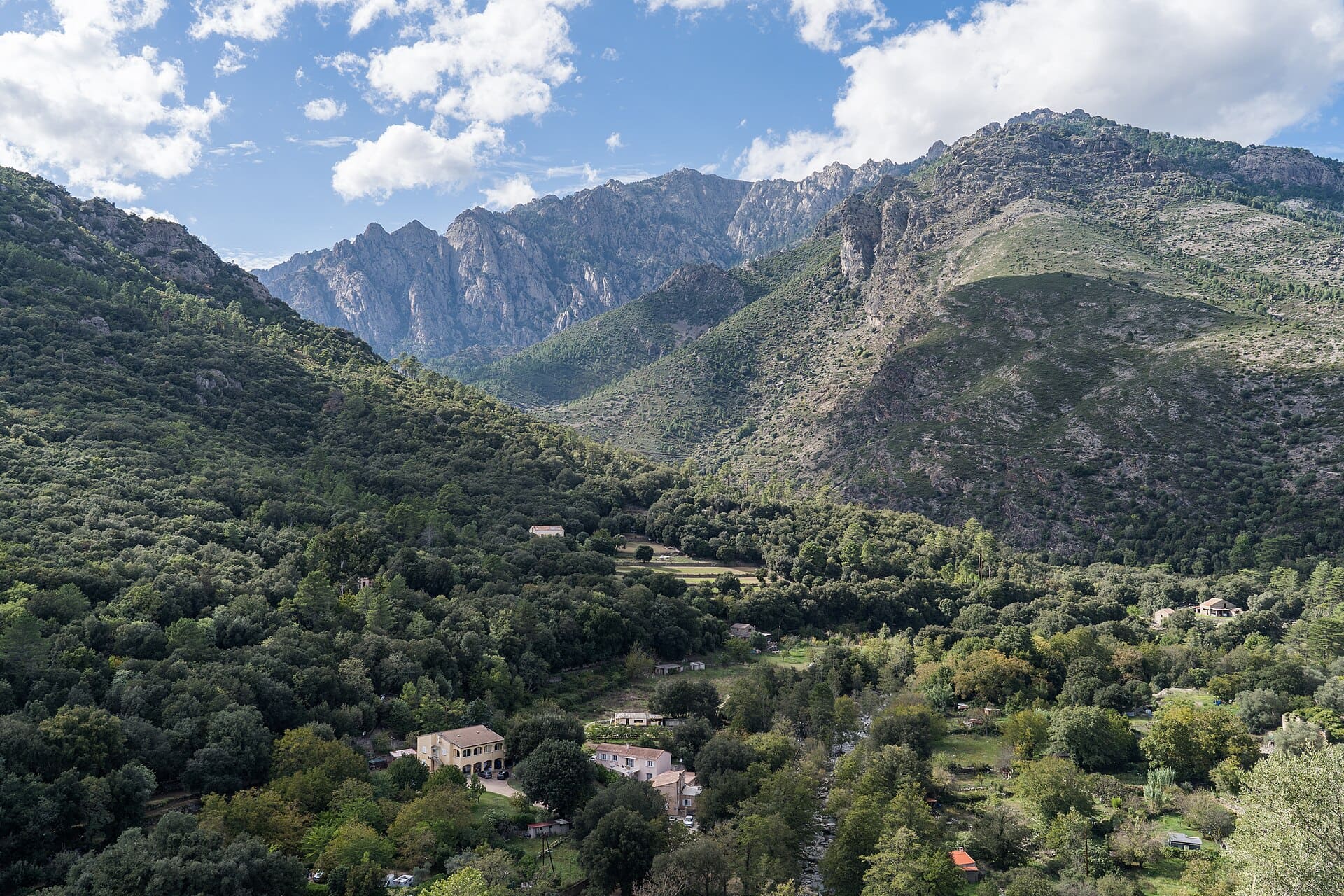
The town of Corte sits at the natural heart of the island and is hands down the best strategic base for your mountain adventures. You’ll find all the infrastructure you need here, from supermarkets and outdoor shops to brilliant traditional bakeries and restaurants. Because it’s a university town, there’s a lively, authentic buzz all year round that tempts you to wander its winding lanes after dark. From Corte you can easily reach the most famous valleys and the trailheads of the most popular mountain hikes.

When planning where to sleep, keep in mind that wild camping is strictly forbidden across all of Corsica and rangers hand out hefty fines. If you’re planning multi-day mountain crossings or tackling the famous GR20 trek, you must stay exclusively at the mountain huts known as refuges. These huts operate roughly from late May to early October, and thanks to enormous demand from hikers worldwide it’s absolutely essential to book a bed or tent pitch several months in advance.

If you want to stay right in the thick of things and enjoy evening strolls through the historic lanes, a fantastic choice is Hôtel Duc de Padoue. It sits just a few steps from the main square and offers beautifully renovated rooms with views over the old town. A double room in season runs around 120 to 150 euros a night. The bonus is that from here you can easily nip out for a morning coffee among the local students and soak up the true Corsican mood.

For nature lovers who crave total peace and quiet, I recommend staying right at the entrance to the famous Restonica valley. The gorgeous Hotel Dominique Colonna lies right on the bank of a mountain river and offers luxurious rest surrounded by pines and granite cliffs. Waking up to the sound of rushing water and having breakfast on the terrace above the river is a priceless experience, even if it costs you around 200 euros a night. Capacity in the mountain areas is very limited and the best spots are often sold out half a year ahead.

10 Things to See and Do in Corte and Inland Corsica

Let’s take a closer look at the most fascinating sights that central Corsica has to offer. From historic landmarks and deep canyons to picturesque villages tucked away in the forests. You’ll see for yourself that one week is nowhere near enough to explore this region.

1. The Citadel in Corte: An Eagle’s Nest Above the Town

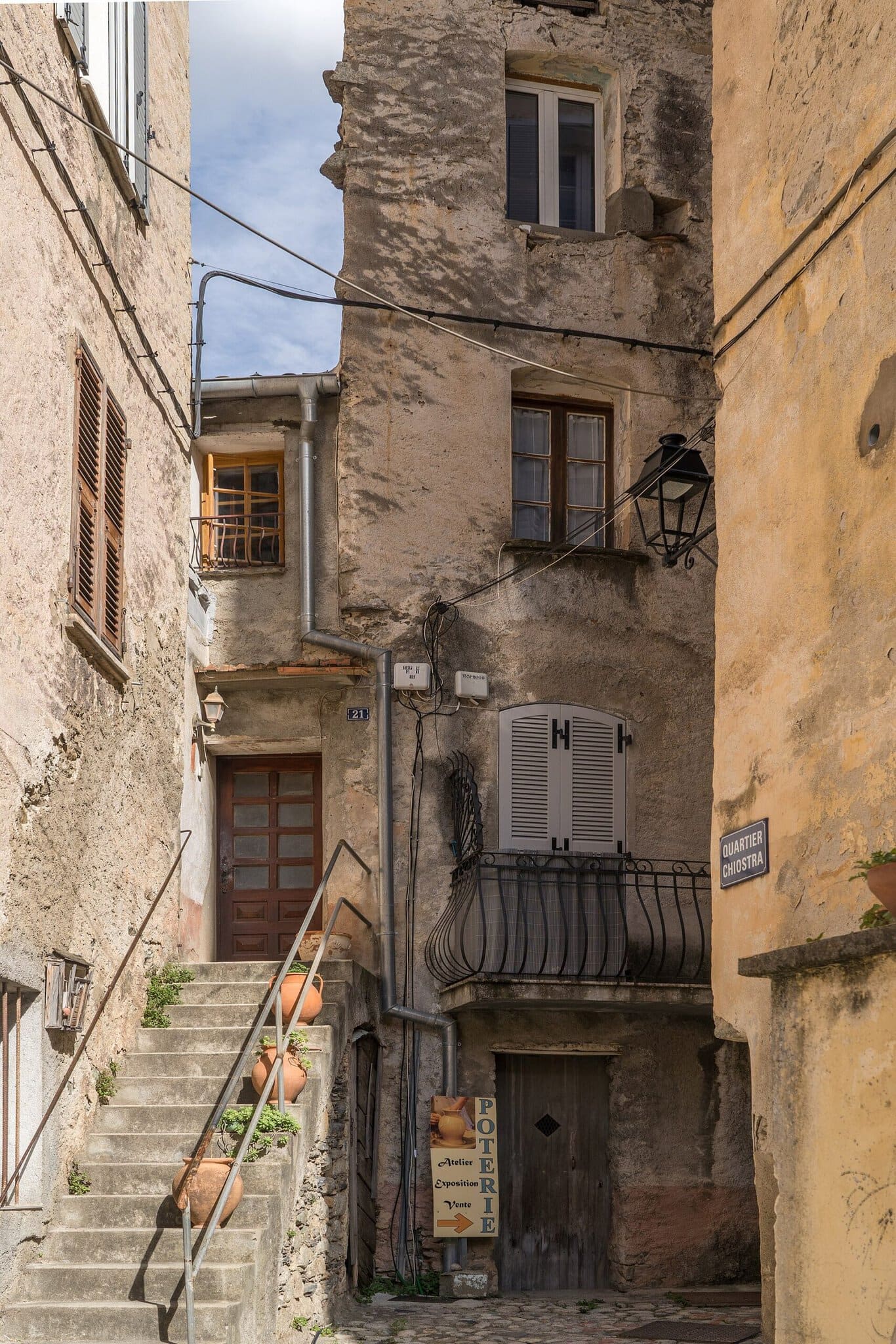
The moment you arrive in Corte, your eyes are drawn to the majestic citadel that utterly dominates the surroundings. This fortress rises on a steep rocky spur and looks like a genuine eagle’s nest balancing high above the rooftops. What’s remarkable is that it’s the only military citadel in all of Corsica not located on the coast — instead it was built deep inland as a strategic defensive point from which the entire island could be controlled.

The history of this place is firmly tied to Corsica’s fight for independence, and the locals are immensely proud of it. In the 18th century the famous leader Pasquale Paoli chose Corte as the capital of the newly formed independent republic and established the very first Corsican government here. As you stroll along the old ramparts, you’ll feel the indomitable pride of the locals, who fiercely resisted foreign rule and fought to keep the freedom they’d struggled so hard to win.

💡 Tip: The climb up to the citadel leads through steep cobbled lanes from Place Paoli. I’d suggest going either early in the morning or right before sunset. The view over the surrounding jagged peaks and the confluence of the Tavignano and Restonica rivers is absolutely breathtaking in the soft evening light, and well worth conquering those few dozen steep steps.

2. Musée de la Corse and the Local University

Right inside the historic citadel complex you’ll find the Museum of Corsica, which no visitor keen to understand the island more deeply should miss. It’s the best place to grasp the tangled history and unique culture that formed in harsh mountain conditions far from civilisation. The exhibitions take you engagingly through everything from traditional farming and shepherding to modern history and the relentless efforts to preserve the Corsican language, of which the locals are rightly proud.

Admission to the museum is around 6 euros and a relaxed visit takes roughly two hours. The institution has a very modern feel and brilliantly combines historic artefacts with interactive audio elements, so even younger travellers won’t get bored. Buying a ticket also gives you exclusive access to the amazing viewing terraces within the fortress complex — areas you normally can’t reach and from which you’ll snap the best photos of the town.

Corte is also home to the island’s only university, founded by the same visionary Pasquale Paoli to educate a new generation of independent Corsicans. Thanks to thousands of students, the town never sleeps and never feels like a mere open-air museum for passing tourists. In the evening the local cafés and bars fill with young people, the streets come alive with loud music, and you can fully enjoy a wonderfully authentic and lively Corsican night.

3. The Restonica Valley and Gorge

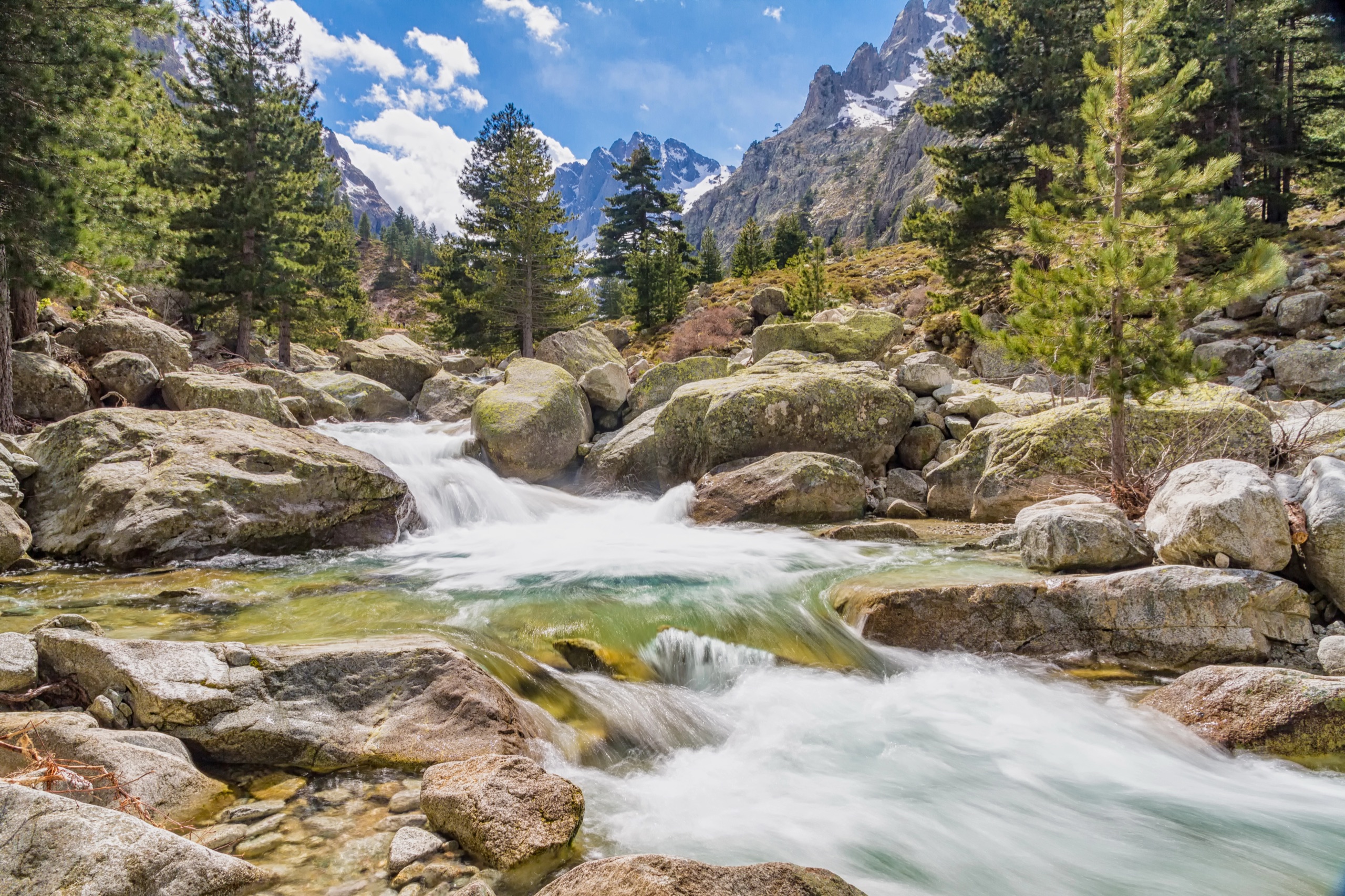
The Restonica gorge is, without exaggeration, one of the most beautiful natural wonders in Europe and a true jewel of the island’s interior. The deep valley is flanked by jagged granite peaks and at its bottom a crystal-clear mountain river tirelessly babbles among huge boulders and natural pools. The scenery changes with every kilometre you drive, ever more dramatic views of the surrounding summits open up, and the air is thick with the scent of sun-warmed pines.

The drive into the valley is an experience all of its own and will reliably test any driver’s nerves. The road is extremely narrow and often has no barriers at all, so passing oncoming cars or larger vans right on the edge of the abyss demands plenty of patience and skill. In the summer months traffic is also strictly regulated, and there’s a fee of around 10 euros to drive up to the final car park.

💡 Tip: After recent fierce storms, part of the road was permanently damaged, so an organised shuttle service currently runs in the upper part of the valley. Definitely don’t drive up here in a large camper van — instead, use the local buses. They’ll get you stress-free right to the trailheads for high-mountain hiking, without you having to grit your teeth at every blind corner.

4. The Mountain Lakes Melo and Capitello

At the very end of the Restonica valley begins one of the most iconic hikes in all of Corsica, drawing crowds of eager hill walkers every summer. The trek to the glacial lakes of Melo and Capitello is fairly demanding, but it offers the most stunning high-mountain scenery you can imagine. The first section to Lake Melo is manageable even for an average hiker with kids, takes about an hour and a half, and winds through gorgeous countryside full of gnarled pines and huge granite rocks.

Lake Melo lies at an altitude of over 1,700 metres and its calm surface mirrors the lush green meadows around it like something from a fairy tale. If you’ve got the energy left, definitely keep going a little higher to the icy Lake Capitello. This section is considerably steeper, though, requiring you to scramble up smooth granite slabs with the help of sturdy steel chains and iron ladders — to some extent it echoes the difficulty of the famous GR20 trek.

Lake Capitello is the deepest lake on the island, and its dark blue water contrasts sharply with the sheer rock walls that hem it in on all sides. Don’t forget to bring really sturdy hiking boots and plenty of drinking water for this trek. The weather here changes minute by minute and the afternoon storms can be merciless, so always set off early in the morning under clear skies.

Experiences & tickets
traveler-rated · GetYourGuide
Corte Region: Fun Canyoning Verghellu
★★★★★ 4.7 · 102 reviews
from €60
I want this experience →
🔗 These are affiliate links — they don't change your price and help us create content. · All experiences →
lukas a lucka
Lukáš and Lucie recommend
Where to stay in Corte and inland Corsica
3 accommodations — wellness hotels, hotels and other lodging options

5. The Tavignano Hiking Gorge

While neighbouring Restonica draws enormous crowds because you can drive fairly high up by car, the Tavignano valley offers a completely different experience. No road leads into this gorge at all, and the only way to explore it is to lace up sturdy hiking boots and set off on foot. Thanks to this natural barrier, the area has retained an incredible calm, untouched wildness and a true mountain atmosphere with no annoying engine noise.

The old shepherds’ trail starts right above the historic centre of Corte and slowly climbs high above the bed of the wild mountain river. The path is cut directly into the steep rock walls and opens up fantastic, undisturbed views down into the deep canyon below. After roughly two hours of steady walking and gentle climbing, you’ll reach the picturesque Passerelle de Rossolino bridge, where you can finally rest and recover your strength.

💡 Tip: Right beneath this bridge you’ll find the best natural swimming pools on the whole route. The water is crystal clear and perfectly refreshing after a tough climb in the blazing Corsican sun. So don’t forget to pack your swimwear, a towel and a light picnic, because you’ll happily spend a whole long afternoon in this forgotten paradise.

6. Castagniccia: Villages and Centuries-Old Chestnut Trees

If you want to experience Corsica exactly as it was more than a hundred years ago, head to the forgotten region of Castagniccia. This forested area northeast of Corte is an absolute oasis of calm, reached by only a tiny fraction of all the island’s tourists. Its name comes from the vast, deep chestnut forests that sustained the local people for centuries, providing them with a livelihood and forming the very basis of their survival.

The narrow lanes wind endlessly here beneath a canopy of green leaves, linking dozens of small stone villages dramatically carved into the hillsides. The region’s standout feature is its beautiful baroque churches with surprisingly tall bell towers that often peek unexpectedly out of the dense forest. Be sure not to miss the village of Piedicroce with its imposing church of Saints Peter and Paul, well worth a short stop and a look around.

This remote corner is absolutely perfect for slow, mindful travel away from the main crowds. Stop at a tucked-away local café, order a strong espresso and watch the older gents playing pétanque on a small shady village square. Autumn is especially magical here, because that’s when the chestnuts are gathered and the whole wide valley is heady with the smell of smoke from the traditional drying houses and roasteries running at full tilt.

7. Traditional Corsican Cuisine and Brocciu Cheese

Corsican cuisine in the mountain areas is hearty, honest and packed with fantastic local ingredients that have slowly ripened under the hot island sun. The locals swear by their cured meats from semi-wild pigs, but even without meat you’ll feast on some genuinely unique local specialities. The undisputed king of mountain cooking is fresh brocciu cheese, made from sheep’s or goat’s milk and the rightful pride of every farmer.

This incredibly delicate cheese, which faintly resembles the more familiar Italian ricotta, is added to just about everything that lands on your plate in Corsica. I warmly recommend trying the delicious mint omelette with brocciu, savoury pies stuffed with wild herbs, or the thick vegetable soups known as soupe paysanne, which will reliably put you back on your feet after a full day of hiking. The best fresh brocciu is in season from winter to early summer.

💡 Tip: An absolute culinary must is to try the traditional dessert Fiadone. It’s a light lemon cake baked from brocciu cheese that literally melts on your tongue. Another speciality is pulenda, a dense porridge made from chestnut flour, traditionally served sliced with a thin thread. And to go with a great vegetarian meal, don’t forget to order the excellent local Pietra beer, brewed with added chestnut extract.

8. The Vizzavona Forest and Mountain Pass

When you drive from the Corte area south towards the capital, Ajaccio, the road takes you into the cool mountain pass of Vizzavona. This gorgeous area is covered in majestic beech and pine forests that provide wonderful shade and much-needed cool even on the hottest summer days. It’s no wonder, then, that around the turn of the nineteenth and twentieth centuries this was a regular retreat for the English upper crust.

The area’s biggest draw is the magical cascade of waterfalls known as the Cascade des Anglais, reached by a pleasant, easy walk. Crystal-clear water from melting mountain snow forms dozens of natural pools here, where you can take a dip and cool your tired feet after a long journey. The water is more for hardy cold-water swimmers, but after a walk through the deep forest it’s an incredibly refreshing experience you’ll appreciate.

The starting point for excursions is the train station of the same name, around which you’ll find several pleasant mountain lodges with traditional restaurants. Vizzavona pass is, after all, an important crossroads for hikers tackling the legendary and extremely demanding GR20 trek. You can grab a great meal here and watch the exhausted but happy hill walkers with their enormous backpacks passing through with respect on their three-week expedition across the island.

9. A Ride on the Historic U Trinighellu Train

One of the most beautiful ways to discover inland Corsica without the needless stress of being behind the wheel and the constant fear of collisions is a ride on the legendary U Trinighellu train. This narrow-gauge railway links the port of Bastia in the north with Ajaccio in the south and passes right through the most rugged central mountains and the town of Corte. It’s a genuine engineering marvel, full of tall stone viaducts and long dark tunnels carved into the rock.

The train journey itself is a fascinating and utterly unforgettable experience for the whole family that you shouldn’t miss. The train slowly and steadily climbs steep slopes, passes through deep ravines and opens up views of pristine nature you couldn’t otherwise reach by car or even on foot. The carriages are also fitted with huge panoramic windows, so you can comfortably and safely photograph all that wild mountain beauty right from your cushioned seat.

💡 Tip: You can simply buy your tickets right at the train station in Corte just before departure — there’s no need to book weeks ahead. A great day out is to catch the morning service straight to the Vizzavona pass, walk through the shady forest to the English waterfalls, and then take the afternoon train calmly back for dinner. The journey takes about an hour and costs a very reasonable 10 euros each way.

10. Wild Swimming in Mountain Rivers

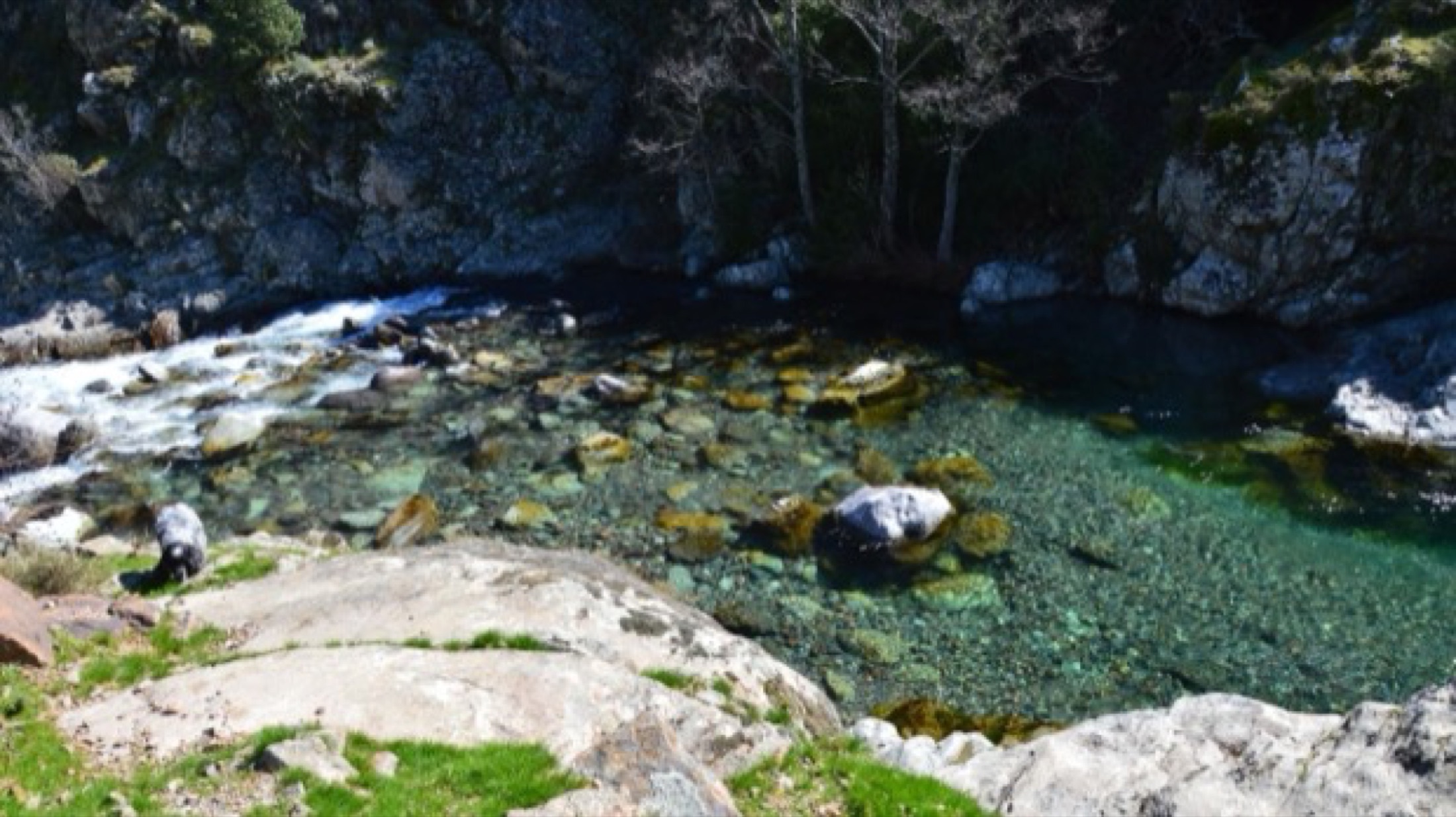
In its mountainous interior, Corsica is literally laced with countless icy mountain streams and wild rivers that, on their long journey to the sea, form amazing natural pools in smooth granite rock. Swimming in cool fresh water amid untouched nature is one of the highlights of any mountain visit. Unlike the crowded sandy beaches down on the coast, here you’ll very often find a gorgeous spot with a pool all to yourself.

Beyond the most famous valleys, like Restonica and Tavignano, the smaller, unassuming rivers in the immediate vicinity of Corte are well worth exploring too. The water here is so incredibly clear that you’ll easily spot tiny trout swimming and make out every pebble on the bottom. But be very careful of the extremely slippery, algae-covered rocks, and never dive in head first until you’ve thoroughly and personally checked the actual depth.

Always keep the basic safety rules in mind and treat the mountains with the utmost respect. If dark storm clouds start gathering over the surrounding peaks, leave the riverbed immediately and seek safety higher up the slope. The level of a mountain stream can rise dangerously by several metres in just a few minutes during a sudden cloudburst. A flash flood could easily cut off your only route back to safety, which is why caution and keeping an eye on the weather forecast always come first.

Where to Go Next from Inland Corsica

Once you’ve had your fill of mountain air, you can set off to discover more of this incredible island. If the mountains have captivated you and you count yourself among the very experienced and physically fit hikers, you can get inspired by our detailed guide to the famous GR20 trek. It’s the toughest long-distance trail in all of Europe, crossing the island from end to end and guaranteed to test both your physical and mental limits. Over sixteen days you’ll climb more than twelve thousand metres in elevation and tackle technical sections with chains.

For those of you already longing for salty air and fine white sand, I warmly recommend dropping down from the mountains to the east coast near Porto-Vecchio. The contrast between the rugged interior and the perfect Caribbean-like beaches such as Palombaggia or Santa Giulia is absolutely fascinating. You’ll find all the practical information for planning a coastal trip — including tips on the prettiest bays, the hard-to-reach Scandola reserve and the historic towns — in our big article Corsica: A Guide.

Frequently Asked Questions

Do I absolutely need a car to visit the mountains?

Yes, without your own car you’re very limited in the interior, as local buses run only a few times a day and often don’t connect with other services. A car gives you absolute freedom to stop at viewpoints and visit remote villages where public transport doesn’t go at all. The only exception is comfortable train travel between major cities.

Are mountain roads safe?

The roads in Corsica are extremely narrow, full of sharp bends, very often without guardrails and balanced on the edge of deep precipices. Fortunately, the asphalt is mostly in good condition. Slow and extremely careful driving is required here, constant monitoring of mirrors in blind sections and a large dose of consideration for oncoming cars and buses.

Is it safe to drink water from mountain springs?

Even though the water in mountain rivers looks crystal clear and tempting to drink, never drink it without thorough filtering first. Higher up in the mountains, large herds of semi-wild pigs, goats and cows roam freely, which can easily contaminate the water. The only safe sources for you are officially marked springs in individual villages.

How much does an inland vacation cost?

For 2026, count on roughly 120 to 150 euros per night in a decent hotel for two people, as wild camping is strictly forbidden and fined on the island. A hearty dinner in a traditional restaurant will set you back around 25 to 35 euros per person. Prices here are slightly lower than on the luxury coast, but in August everything shoots up sharply.

Can children handle the hikes in the Restonica Valley?

“`html
The first section to Lake Melo is relatively manageable and active children from about seven years old can handle it without problems with a little help from their parents. However, the route to the higher Lake Capitello is very steep, requires proper rock climbing using steel chains and is downright dangerous for smaller children.
“`

Do I need to book restaurants in advance?

In the high season from mid-June to mid-September, booking a table for dinner at popular restaurants in Corte is an absolute must. The establishments are usually packed to the rafters and without a prior reservation you risk not getting into a good restaurant at all and having to make do with ordinary food from the supermarket.

Is there cell phone signal in the mountains?

In cities like Corte and in larger villages, the signal is excellent and completely reliable. However, as soon as you head into deep canyons like Restonica or on remote hikes in the area, the signal disappears very quickly. Therefore, always download maps directly to your phone for offline use before hikes and don’t rely on data.

Tips and Tricks for Your Vacation

Don’t Overpay for Flights

Search for flights on Kayak. It’s our favorite search engine because it scans the websites of all airlines and always finds the cheapest connection.

Book Your Accommodation Smartly

The best experiences we’ve had when looking for accommodation (from Alaska to Morocco) are with Booking.com, where hotels, apartments, and entire houses are usually the cheapest and most widely available.

Don’t Forget Travel Insurance

Good travel insurance will protect you against illness, accidents, theft, or flight cancellations. We’ve had a few hospital visits abroad, so we know how important it is to have proper insurance arranged.

Where we insure ourselves: SafetyWing (best for everyone) and TrueTraveller (for extra-long trips).

Why don’t we recommend any Czech insurance company? Because they have too many restrictions. They set limits on the number of days abroad, travel insurance via a credit card often requires you to pay medical expenses only with that card, and they frequently limit the number of returns to the Czech Republic.

Find the Best Experiences

Get Your Guide is a huge online marketplace where you can book guided walks, trips, skip-the-line tickets, tours, and much more. We always find some extra fun there!
Saily eSIM Review: How Does the New Service from NordVPN’s Creators Hold Up?

TL;DRSaily eSIM, from the team behind NordVPN, scored 4.5 out of 5 in our review and works in more than 200 countries, with activation taking just 1–2 minutes in the app. It’s cheaper than rival Airalo – 10GB in Thailand costs $10.99 with Saily against $11 with Airalo, while in the US it’s $22.99 versus $26. The perks are one eSIM covering every destination, security features like ad and malicious URL blocking, and 24/7 support. On the downside, signal can drop out in more remote spots such as Sri Lanka, and you’ll need Wi-Fi to activate it once you land. User ratings sit around 4.7 out of 5 on Trustpilot and in the app stores.

Looking for a reliable eSIM service for travel without expensive roaming charges? Saily eSIM, an app from the creators of NordVPN, promises easy activation, a stable connection and affordable prices across more than 200 countries. Read our review and find out whether the Saily eSIM service really delivers in practice.

TL;DR

  • Saily is an eSIM app from the creators of NordVPN, with coverage in 200+ countries and no physical SIM card needed
  • Pros:
    • Cheaper than Airalo
    • One eSIM for all countries
    • Activation in 1–2 minutes
    • Security features (ad blocking)
    • 24/7 support
  • Cons:
    • Occasional dropouts in exotic destinations
    • Sometimes you need Wi-Fi to activate

Read also: Drimsim eSIM Review

What is Saily eSIM and why is it worth your attention?

Saily is a modern travel eSIM app developed by Nord Security – the same company behind the popular VPN service NordVPN. That background brings not only credibility but also a strong focus on security and privacy when using mobile data abroad.

The app works simply: you download it to your phone, choose a destination and a data plan, and within a few minutes you’re connected to the internet. No physical SIM cards, no queues at the airport, and no nasty surprises from roaming fees.

The main strengths of Saily eSIM:

  • coverage in more than 200 countries worldwide,
  • more affordable than the competition (especially Airalo),
  • one eSIM for all destinations – no need to install a new profile for each country,
  • 24/7 customer support,
  • security features such as blocking malicious links and saving data.

How does the Saily eSIM service work in practice?

Activation is genuinely fast and intuitive. After downloading the app, you choose a data plan to suit your needs – from one-day tariffs with 1 GB right up to six-month plans with 100 GB. The eSIM activates automatically as soon as you arrive at your destination, or no later than 30 days after purchase.

Saily has a clear, easy-to-use interface and lets you track your data usage in real time. When your credit starts running low (over 80% used), Saily sends you an alert so you can top up your plan in good time.

Real-world experience: Most travellers praise the stable connection, especially across Europe, the USA and popular Asian destinations such as Thailand or Vietnam. Internet speeds tend to sit around 100 Mbps, which is more than enough for everyday use, including video calls.

Price comparison: Saily eSIM vs. Airalo

One of Saily’s biggest selling points is its affordable pricing. Take a look at how it stacks up against the most popular eSIM competitor:

DestinationSaily 1 GBSaily 10 GBAiralo 1 GBAiralo 10 GB
USA$3.99$22.99$4.50$26.00
Thailand$2.99$10.99$4.50$11.00
Japan$3.99$17.99$4.50$18.00
Turkey$3.99$15.99$4.50$18.00

Saily is almost always cheaper, particularly with larger data plans. The differences may look small, but if you travel often, the savings add up fast.

The benefits of being linked to NordVPN

The fact that Saily is backed by Nord Security isn’t just a marketing gimmick. It brings real, tangible benefits:

  • Data security: blocking malicious URLs and protection against phishing.
  • Data saving: built-in ad blocking cuts data usage by up to 30%.
  • Virtual locations: the option to use 115+ virtual locations for extra privacy.
  • Solid backing: customer support is on par with premium services.

If you already use Nord products (VPN, password manager, cloud), Saily slots naturally into that ecosystem.

Saily eSIM review

Let’s move on to the review of the Saily eSIM itself.

✅ The positives

  • Ease of use: Activation took me literally a couple of minutes. I didn’t have to fiddle with any complicated settings – I just picked a plan, scanned the QR code, and that was it. When I landed at my destination, the internet connected on its own. No hunting for airport Wi-Fi, no queues at SIM card kiosks.
  • Reliability: I tested Saily in several European countries and I have to say the connection was absolutely fine. I had fast internet with no dropouts. It even handled video calls without a hitch. On top of that, plenty of users confirm in their reviews that Saily works brilliantly in popular destinations like Thailand or the USA.
  • Value for money: I saved a real chunk with Saily. The plans are transparent – you see exactly what you’re paying, with no hidden surcharges to catch you out. It’s simply fair.

⚠️ What could be better:

  • Occasional dropouts: I’ve read reviews from people who had signal problems in places like Sri Lanka or more remote parts of Asia. Personally I didn’t run into this, since I was travelling to more mainstream destinations, but it’s good to know if you’re planning a trip off the beaten track.
  • Wi-Fi needed to activate: This caught me off guard – in some cases you need an internet connection just to activate the data plan. If you arrive somewhere without Wi-Fi, that can be a hassle. Luckily most airports have public Wi-Fi available, but it’s not ideal.
  • Customer support: The support chat responds quickly, but when I needed help with a technical issue, the guides were a bit generic. For less tech-savvy users, more detailed video tutorials or a clear step-by-step walkthrough would come in handy.

TIP: Read our Holafly review

Who is the Saily eSIM service ideal for?

Saily is especially well suited to:

  • frequent travellers who’ll appreciate one eSIM for every destination,
  • digital nomads after a stable connection without the admin,
  • families and couples wanting to save on roaming charges,
  • NordVPN users who value the security features.

Less suitable for:

  • travellers heading to very remote locations, where coverage can be patchy,
  • long-term stays – in those cases a local physical SIM may work out better.

How to install the Saily eSIM

  1. Download the Saily app (iOS/Android).
  2. Choose your destination and data plan to suit your needs.
  3. Scan the QR code or activate the eSIM automatically in the app.
  4. Connect automatically once you land in your destination country.

The whole process takes just a few minutes and even a complete beginner can manage it.

How it compares to the alternatives

For a quick overview, we’ve lined Saily up against its most common rivals. This is a rough comparison – prices vary by destination and current deals, so treat it as a guide.

ServiceCoverageData typePrice from (approx.)HotspotEnglish support
Saily (NordVPN)200+ countriesData plans (unlimited with fair-use)~$3.99/GBYes✅ App in English
Airalo200+ countriesData plans~€3.50/GBYes✅ Yes
Holafly200+ countriesMainly unlimited dataHigher (unlimited)Limited✅ Yes
Nomad190+ countriesData plans~$3.50/GBYes✅ Yes
lk-sim.com (ours)200+ countriesData plansfrom €3Yes✅ Yes
A rough comparison of eSIM providers. Always check current prices directly in the relevant app.

Let’s take a closer look at how Saily measures up against the competition.

Saily vs. Airalo

  • Price: Saily is cheaper in almost every case.
  • Profile management: Saily = one eSIM for all countries, Airalo = a new eSIM for each destination.
  • Coverage: Airalo has a wider offering in exotic locations.
  • Security: Saily offers more security features.

Saily vs. roaming with your home network

  • Price: Saily is significantly cheaper.
  • Flexibility: you choose data plans to fit exactly what you need.
  • Control: you can keep an eye on your usage in real time.

You might also like: Maya Mobile eSIM

What users say about Saily

We went through hundreds of reviews on Trustpilot, the App Store, Google Play and forums (Reddit, nomad groups). The sentiment is largely positive – aggregate ratings stay high (roughly around 4.7/5 on Trustpilot and in the app stores). Criticism centres on a handful of recurring themes rather than any widespread dissatisfaction.

What people praise most often:

  • Low prices and good value for money – Saily tends to be a touch cheaper than Airalo.
  • Fast installation and activation – you can set it up in a few minutes before you even fly out.
  • One eSIM for multiple countries – regional and global plans.
  • Security features from the creators of NordVPN – built-in ad blocker, web protection, Virtual Location.
  • Helpful chat support and an easy-to-use app in English.

The most common complaints:

  • Prices in dollars – once converted, they work out pricier than people expect.
  • Activation without internet on arrival – anyone without Wi-Fi struggles to finish the setup.
  • Data sometimes “won’t flow” despite a full signal – manually selecting the network or tweaking the APN usually helps.
  • Fair-use limit on unlimited plans – after roughly 5 GB/day the speed drops and upload gets weaker.
  • Refunds only as in-app credit, not back to your account.

💡 Tip: install and activate your eSIM before you fly out, while you still have Wi-Fi. And bear in mind the prices are in dollars – convert them in advance so the amount doesn’t catch you off guard.

Final verdict

Saily is a modern, reliable eSIM service that combines affordable prices, ease of use and the security backing of the NordVPN team. For most travellers heading to popular destinations, it’s an excellent choice that saves both money and time.

Ratings by category:

  • Ease of use: ⭐⭐⭐⭐
  • Value for money: ⭐⭐⭐⭐
  • Connection stability: ⭐⭐⭐⭐
  • Customer support: ⭐⭐⭐
  • Overall rating: 4.5/5

If you’re after a cheap, reliable way to stay online while travelling, the Saily eSIM service is definitely worth a try.

Prices, coverage and terms for eSIM services change often. The figures in this article are approximate and were verified in June 2026 – always check the current offer directly in the provider’s app before buying.

Frequently asked questions

Is Saily a safe service?

Yes, Saily is backed by Nord Security, a renowned company specializing in online security. Your data is protected by encryption and the app offers features like blocking malicious URLs.

Does Saily work in the Czech Republic?

Saily is primarily intended for traveling abroad. For everyday use in the Czech Republic, we recommend a standard mobile plan.

Can I use Saily on multiple devices?

One eSIM is tied to one device. If you need data for multiple phones, purchase a separate plan for each device.

What if I run out of data?

The app will notify you at 80% data usage. You can top up your plan anytime directly in the app, even when you’re abroad.

Tips and Tricks for Your Vacation

Don’t Overpay for Flights

Search for flights on Kayak. It’s our favorite search engine because it scans the websites of all airlines and always finds the cheapest connection.

Book Your Accommodation Smartly

The best experiences we’ve had when looking for accommodation (from Alaska to Morocco) are with Booking.com, where hotels, apartments, and entire houses are usually the cheapest and most widely available.

Don’t Forget Travel Insurance

Good travel insurance will protect you against illness, accidents, theft, or flight cancellations. We’ve had a few hospital visits abroad, so we know how important it is to have proper insurance arranged.

Where we insure ourselves: SafetyWing (best for everyone) and TrueTraveller (for extra-long trips).

Why don’t we recommend any Czech insurance company? Because they have too many restrictions. They set limits on the number of days abroad, travel insurance via a credit card often requires you to pay medical expenses only with that card, and they frequently limit the number of returns to the Czech Republic.

Find the Best Experiences

Get Your Guide is a huge online marketplace where you can book guided walks, trips, skip-the-line tickets, tours, and much more. We always find some extra fun there!
Yucatan Peninsula Mexico Itinerary: 2–3 Weeks Road Trip

TL;DRThe ideal Yucatán itinerary is a 2–3 week road trip, starting in Cancún and running through Playa del Carmen, Tulum, Bacalar lagoon, Xpujil, Campeche, Uxmal and Mérida to Valladolid, finishing up on the island of Holbox. The best weather is December to April, though watch out for spring break in March and peak prices over Christmas and Easter. Don’t skip Chichén Itzá (gates open at 8am), the far quieter Calakmul ruins with their 55-metre pyramid, and cenotes like Suytún or Dos Ojos, where entry runs 250–350 pesos. Give Holbox at least 3 days — it’s a 3.5-hour journey from Cancún — and from mid-May to September you can swim alongside whale sharks there.

In spring, Lukáš and I moved to Mexico for several months. First we lived on the Yucatan Peninsula, Mexico, and then we moved on to Guanajuato. Today we’re bringing you a detailed itinerary we put together for our trip around the Yucatan Peninsula. You’ll find out where to go, where to eat and what you definitely shouldn’t miss.

TL;DR

  • Trip length: Give yourself 2–3 weeks for the full Yucatan loop, ideally as a road trip with your own car from Cancún via Bacalar and Campeche back to Mérida.
  • When to go: The best weather runs from December to April; watch out for the American spring break in March, the highest prices at Christmas and Easter, and for sargassum, which plagues the Caribbean beaches in summer.
  • Transport: Besides a car, the ADO long-distance buses (longer routes $25–40) and local colectivos come in handy; never drive at night and factor in mandatory car insurance (TPL), which your credit card won’t cover.
  • Main stops: Cancún, Playa del Carmen with a trip to Cozumel, Tulum, the lagoon of seven colours in Bacalar, colonial Campeche and Mérida, plus Valladolid with cenotes nearby.
  • Mayan ruins: Don’t skip Chichén Itzá (opens at 8:00, avoid Sundays when Mexicans enter for free) or the smaller and quieter Ek Balam, where you can still climb the acropolis.
  • Cenotes and swimming: Suytún, Dos Ojos or the authentic Homún cluster are among the unforgettable experiences – entrance fees are usually 250–350 pesos and regular sunscreens are banned to protect the water.
  • Holbox and the whale shark: This car-free island is a beautiful finale to the trip, and from mid-May to September you can swim with the whale shark here under strict rules (snorkel only, two people in the water).
  • Money and practical tips: Pay in pesos and decline DCC (an 8–9% surcharge), keep cash for markets and colectivos, drink only bottled water and don’t forget travel insurance (EHIC doesn’t work in Mexico).

How long should you spend on the Yucatan Peninsula?

If you’re flying in from Europe, we recommend giving yourself at least 14 days. Bear in mind you’ll need a few days to acclimatise to the time difference and the new surroundings.

But if you have more time off, you’ll be glad to set off for three weeks. The extra time lets you explore less touristy spots and spend a few days in the cenotes and on the beach. And it is worth it!

Before planning your trip, we recommend checking whether the invasive seaweed sargassum is currently running wild (track it in real time here). In recent years the beaches have suffered from it more and more often. That doesn’t mean you should stay away – just plan your trip so you spend more time in the cenotes and less time on the beaches.

On your own or with a tour operator?

Travelling around Mexico on your own is fairly easy, but if you want to avoid tourist scams, it’s worth knowing at least the basics of Spanish. Mexicans aren’t fond of “Gringos” (what they call Americans).

In five months in Mexico we never had a problem, so we see no reason not to head out independently. If you’d still rather not organise everything yourself, booking a car and a few day tours in advance is the easiest hybrid – you keep your freedom without the hassle.

Tren Maya: the new railway across Yucatan (2026)

A game-changer for travel around the peninsula: the Tren Maya, a long-distance train opening in stages since the end of 2023. It links the main spots on this itinerary – Cancún airport, Playa del Carmen, Tulum airport, Valladolid, Mérida, Campeche and on to Palenque in Chiapas. If you don’t want to deal with a rental car and mandatory insurance (TPL), it’s a comfortable and cheaper alternative for hopping between stops.

💡 Tip: Keep in mind that stations are often a fair way out of town (you’ll need a taxi or colectivo to reach the centre) and that the project is still fairly new, so timetables and prices change – check current connections and buy your ticket in advance on the official Tren Maya website. For total freedom (cenotes, small villages, ruins off the route), a car is still best, ideally combined with the train for the long transfers.

Route map: the Yucatan Peninsula

Yucatan Peninsula Mexico itinerary: a 2–3 week road trip

The Yucatan Peninsula is one of the most beautiful places in Mexico. If you’re planning a trip around Yucatan, we’ve put together the road trip we did ourselves. You can copy it entirely or just use it for inspiration. ☺️

Arrival in Cancún (1–3 nights)

Cancún is Mexico’s Caribbean party town, where most tourists head mainly for a “lie-on-the-beach” holiday. But it offers so much more. Set aside at least one full day for the gorgeous Isla Mujeres island, where you shouldn’t forget to rent a golf cart (read the article What to do on Isla Mujeres).

We also recommend a snorkelling trip to the MUSA underwater museum. We spent more than a week in Cancún, and among the restaurants we’re happy to recommend the hidden gem Gory Tacos. From Cancún it’s also not far to the most famous Mayan ruins, Chichén Itzá.

For more tips, read our article about Cancún, where you’ll learn plenty more.

Best hotel tips: where to stay in Cancún

Among the best hotels in Cancún are Home’s Jungle 15 and of course the worldwide classic Hyatt Ziva Cancun.

Playa del Carmen and Cozumel (2–3 nights)

An hour’s drive south of Cancún you’ll reach Playa del Carmen. Besides endless beaches, bars and fried churros treats, Playa del Carmen is the starting point for a whole range of trips. From the local port you can get to the gorgeous island of Cozumel (completely different from Isla Mujeres), and there are also plenty of beautiful cenotes around town.

You can easily reach all the cenotes with the Colectivo minibuses, which run practically every minute along the main roads.

We especially recommend Jardin del Eden, Cenote Azul and Cenote Xunan-ha. Head to Cozumel for at least one full day. Wander around the little town, go snorkelling, or just laze on the beach (we recommend Playa El Cielo and Playa Azul).

Another advantage of Cozumel is that we never had a problem with seaweed there, unlike in Playa del Carmen. You can easily get there by ferry from Playa del Carmen – book your ferry tickets in advance on GetYourGuide so you don’t wait in a queue.

If you have kids, also check out the Xcaret theme park, which is on the way to Tulum. You’ll need a whole day for it, but don’t worry about getting bored – the park keeps both kids and adults entertained.

For tips on good restaurants or a beach where you can swim with turtles, read our article What to do in Playa del Carmen? 10 things you must experience.

Where to stay in Playa del Carmen

If you book early, you may find availability at Suites Cielo y Mar, which is in a quiet spot within walking distance of the beach and has absolutely amazing views from the rooms.

You can also try Aloft Playa del Carmen, which has a superb location and excellent breakfasts.

Tulum (1 night)

Less than an hour’s drive from Playa del Carmen lies the most popular and most “Insta-friendly” town on Mexico’s Yucatan Peninsula.

Tulum’s hotel zone is a boho-style paradise where you can do yoga on the beach, grab excellent specialty coffee and even vegan ice cream. It’s also one of the most expensive destinations – you’ll find premium restaurants and hotels here that influencers flock to.

It isn’t typical Mexico, but it’s definitely worth strolling through the hotel zone, seeing the beaches and exploring the local Mayan ruins.

You’ll find everything important in our article What to do in Tulum.

Where to stay in Tulum?

Tulum is one of the most sought-after and most expensive spots, so it’s a good idea to book your stay early to snag a good deal. A great hotel at a fair price is Trece Lunas Tulum.

If you want a bit more luxury with a private beach, try to see whether Nerea Tulum has availability.

Bacalar (2 nights)

Two hours’ drive from Tulum you’ll find yourself in a paradise for people who aren’t into mass tourism. The peaceful little town of Bacalar sits on the shore of a crystal-clear freshwater lagoon.

If I ever wanted to head somewhere for a proper lie-on-the-beach holiday, this would probably be it. I’d go to the cheap little local beach (around €0.10 to get in), swim in the freshwater lagoon and go kayaking. And in the evening I’d sit in the best pizzeria in Mexico. One day in Bacalar is technically enough, but most people end up regretting they didn’t stay at least a week.

Before you book a hotel, take a look at our article: Bacalar Lagoon: 8 things to do + where to eat.

Where to stay in Bacalar: the best hotels

In Bacalar you’ll find quite a few beautiful hotels, and among the best is Blue Palm Bacalar. If you have Genius discounts on Booking.com, you can even snag the utterly luxurious Khaban Bacalar Hotel Boutique at a good price.

Xpujil, Campeche (2 nights)

If you’re as fascinated by Mayan civilisation as we are, you’ll love the next two days. On the way to Xpujil you’ll visit the Kohunlich ruins in the middle of the jungle in the south of Mexico’s Quintana Roo province, which lie 9 km from the nearest paved road. The drive will take you at least an hour, and reckon on spending another hour or so exploring.

If you have more time, you can visit the remains of a Mayan city – the Becan ruins. They’re right by the road, a short way past Xpujil.

On the second day, head to Calakmul, one of the largest urban complexes. It’s a 1.5–2 hour drive through the jungle, but it is worth it. Calakmul is little-visited but a gigantic Mayan city that was once hugely important. You can still climb the majestic pyramids, including the second-tallest pyramid ever discovered, standing at 55 metres.

During our visit we met only a handful of tourists, and we had most of the views entirely to ourselves. Because of that, you might even spot families of howler monkeys (extremely loud primates) while you explore. Spend another night in Xpujil – a longer transfer awaits you in the morning.

Where to stay in Xpujil

Xpujil isn’t much of a tourist town, so expect simpler accommodation and restaurants.

We drove all over town and can recommend just one little hotel with a clear conscience: Casa Kaan Calakmul.

San Francisco de Campeche (1–2 nights)

A town we came to for one night and stayed three. We expected nothing from San Francisco de Campeche, but we discovered a Yucatan gem. This laid-back, colourful town is full of cafés and restaurants, has a relaxed atmosphere and gave us one of the most beautiful sunsets we’ve ever seen.

If Mayan civilisation caught your interest, definitely head to the Museo de La Arquitectura Maya. The museum is small, but you’ll learn a lot there. Nobody in Campeche should skip Calle 59, the most colourful street in town, where you’ll find plenty of lovely cafés and little shops. In the evening, head to the local promenade and go see the light show.

More tips on nearby beaches, trips and restaurants can be found in our article about San Francisco de Campeche.

Where to stay: the best hotels

If there’s availability, we definitely recommend Bajo las Hojas – it’s a very pleasant place with a pool and breakfast, and in a superb location too.

lukas a lucka
Lukáš and Lucie recommend
Where to Stay in Yucatán
6 accommodations — wellness hotels, hotels and other accommodation options

Mérida (1–2 nights)

On the way to Mérida, the capital of Yucatan, stop at the Uxmal ruins – ruins built exclusively in the Mayan Puuc style. It pays to arrive very early in the morning (ideally by 8:00) so you’re not wandering Uxmal in the crazy heat. Uxmal is 2 hours from Campeche and temperatures here really are considerably higher.

Mérida has been chosen several times as the North American Capital of Culture, making it the best place to soak up Mexican atmosphere. Something is happening in the centre every single day, whether it’s festivals, dance performances or reenactments of the Mayan ball game Tlachtli.

Stroll through the historic centre, and if you speak English or Spanish, treat yourself to a guided tour. Don’t forget to visit the local boulevard, the Paseo de Montejo promenade, where you’ll get a taste of Mexican colonial history. Along the promenade you’ll find a string of luxurious villas and haciendas, many of which have kept their original appearance to this day.

If you’d like to know what else to visit in Mérida, or where to head on a day trip, take a look at our article about Mérida.

Where to stay in Mérida

One of the best places to stay in Mérida, Mexico is Hotel Santa Ana, which is cheap, clean and in a great spot. On hot summer days you’ll also appreciate having an outdoor pool at your disposal.

Valladolid (1–3 nights)

On the way to Valladolid, stop in the yellow town of Izamal, often nicknamed the “town of three cultures”. If horse-drawn carriage rides appeal to you, this is the place to get them at a great price.

Valladolid itself is a very charming, colourful town that makes a great base for a range of trips into the surrounding area. You can take a day trip to the pink lakes of Las Coloradas, or explore the most famous Mayan ruins of Chichén Itzá. But the area around Valladolid is also home to the most beautiful cenotes on the Yucatan Peninsula: Zaci and Suytún.

If you’d like more tips and want to find out where to go for the best-quality hammock in Yucatan, read our article: What to do in Valladolid?

Where to stay in Valladolid

In Valladolid there’s a brand-new hotel, Olbil Hotel Boutique, which is absolutely perfect: beautiful design, great breakfasts and wonderful staff. If it’s free for your dates, don’t hesitate.

Paradise on earth: the island of Holbox (2–3 nights)

Before you head to Holbox, return your car in Cancún. It’s easier to get to Holbox by bus, because you can’t bring a car onto the island anyway – you’d only be paying for parking and risking that your car gets broken into or, more likely, scratched up. From Holbox you can then head straight to the airport.

We think it’s the ideal way to wrap up a trip around Yucatan: gorgeous white beaches, glowing plankton and swimming with the whale shark. Give yourself at least 3 days – the journey from Cancún takes 3.5 hours.

You can read how to get to Holbox and what to do there in our detailed article what to do on Holbox.

Where to stay on Holbox

In recent years plenty of beautiful hotels have sprung up on Holbox, and among the best are Villas Caracol, or, if you’re travelling without kids, we can recommend Hotel Para Ti – Adults Only.

Safety on the Yucatan Peninsula in Mexico

If you’ve just been watching the series Narcos: Mexico, you probably get chills thinking about the drug cartels. The truth is that the cartels, whether drug or fuel ones, are still very much present in Mexico and clashes between them are a daily occurrence. But tourists aren’t the target of attacks, and Yucatan is the safest place in Mexico.

Thefts on the Yucatan Peninsula aren’t common, but still stay alert in busy places. You never know. Muggings almost never happen here, but if someone were to mug you, it’s better to hand over your valuables than to resist. It’s quite likely the offender could be armed. As in the US, gun ownership here is by no means rare.

Where to next?

If Mexico interests you, take a look at our other articles about Mexico that we wrote about this beautiful country during our stay. We’d love your feedback, which you can leave for us in the comments.

Where to next when planning your Yucatan trip

Our detailed guides to the individual spots will come in handy alongside this itinerary:

Frequently asked questions

How to find cheap flights to Yucatán in Mexico?

From Europe, flights go primarily to Cancún, which is where we flew to as well. Cheap return tickets can be found from around €400. It often pays off to fly from Vienna, Berlin, Munich or other major European hubs. If you want to know how to find the best tickets, read our detailed guide how to find cheap flights.

When to visit Yucatán?

It depends on what you’re planning to do in Yucatán. The best weather is from December to April. Watch out for March and early April, when it’s “spring break” in the USA, and lots of Americans head to Mexico.

Prices are highest during Christmas and Easter. If you’re planning to swim with whale sharks, their season is from June to September, with the most sightings in July and August.

In summer, Mexico gets incredibly hot, humid, it rains often, and from June to November is hurricane season.

How to save money on a Yucatán holiday?

As we mentioned above, prices are highest during Christmas and Easter. Last-minute deals don’t work very well in Mexico either, so it’s better to book accommodation in advance. What you shouldn’t skimp on is car insurance. Rent your car through Rental Cars
and insure it directly with them.

Experiences & tickets
traveler-rated · GetYourGuide
Yucatán Colors Tour: Pink Lakes, Cenote & Beach From Merida
★★★★★ 4.8 · 10 reviews
from €77
I want this experience →
🔗 These are affiliate links — they don't change your price and help us create content. · All experiences →

Tips and Tricks for Your Vacation

Don’t Overpay for Flights

Search for flights on Kayak. It’s our favorite search engine because it scans the websites of all airlines and always finds the cheapest connection.

Book Your Accommodation Smartly

The best experiences we’ve had when looking for accommodation (from Alaska to Morocco) are with Booking.com, where hotels, apartments, and entire houses are usually the cheapest and most widely available.

Don’t Forget Travel Insurance

Good travel insurance will protect you against illness, accidents, theft, or flight cancellations. We’ve had a few hospital visits abroad, so we know how important it is to have proper insurance arranged.

Where we insure ourselves: SafetyWing (best for everyone) and TrueTraveller (for extra-long trips).

Why don’t we recommend any Czech insurance company? Because they have too many restrictions. They set limits on the number of days abroad, travel insurance via a credit card often requires you to pay medical expenses only with that card, and they frequently limit the number of returns to the Czech Republic.

Find the Best Experiences

Get Your Guide is a huge online marketplace where you can book guided walks, trips, skip-the-line tickets, tours, and much more. We always find some extra fun there!
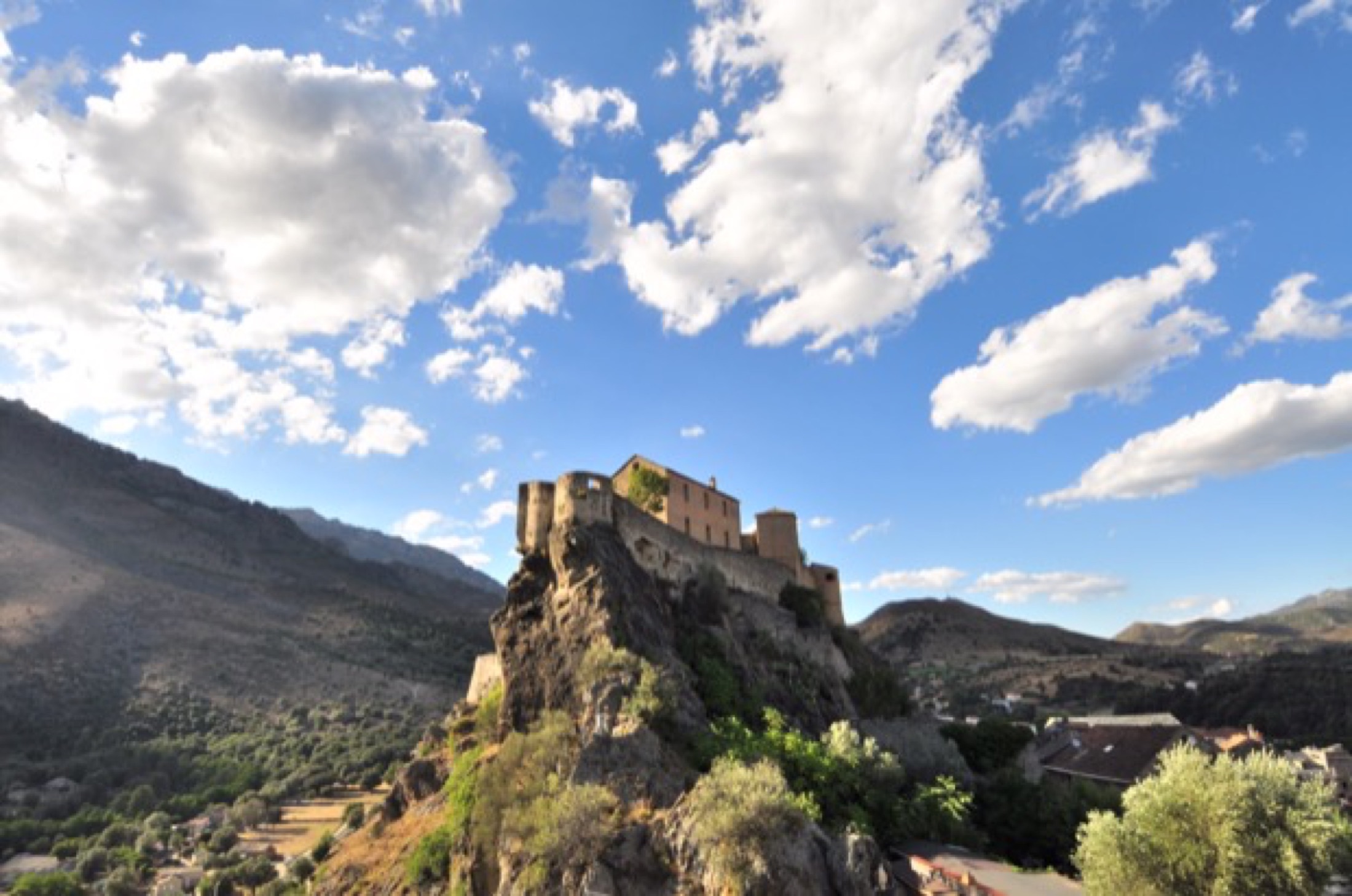
10 tips on what to do in San Francisco de Campeche

TL;DRSan Francisco de Campeche, the colonial city on Yucatán’s coast and a UNESCO World Heritage Site, is packed with things to see. Here are 11 ideas, from the old colonial fortifications to the colourful lane of La Calle 59, the Catedral de la Purísima, the Museo de Arquitectura Maya (entry 55 pesos), the Fuerte de San Miguel fort, a tourist train (100 pesos) and the malecón promenade with its evening light show. Playa Bonita beach is just a short hop from the centre (about 20 minutes), the ruins of Edzná are an hour away, and Uxmal is just under two hours. One or two days is enough for the centre. Campeche state is one of the safest in Mexico, and there are food tips too — try the Postre de Chicozapote for dessert.
One of the most pleasant towns in the Yucatán is definitely the colorful San Francisco de Campeche (Campeche for short). Although it is a UNESCO World Heritage Site , many tourists miss it. And that’s a big mistake. This colourful town is full of beautiful streets, pleasant cafes and restaurants.

1) Visit the colonial fortifications

View of the city of Campeche from the fortifications
Campeche is one of the few cities on the North American continent where the city’s fortifications have been preserved. You can climb it in several places, but although some bloggers write that you can walk around the whole city, this is not true. We suspect they’ve never been to Campeche. 🙂 So be careful if you catch such information somewhere.

2) Museo de La Arquitectura Maya

A death mask in the Mayan Museum in Campeche
If you are interested in the history of the Mayan civilization, you should definitely not miss this tiny museum in Campeche. Entrance costs 55 pesos (about 65 CZK) and it hides real treasures, such as the death mask of a prominent ruler or well-preserved beautifully decorated columns.

3) La Calle 59

Campeche is full of colourful streets and cute cafes and restaurants
Your visit will not be complete without a tour of the city’s most colourful street . It’s full of stylish restaurants, cafes and shops.

4) Visit the beautiful Catedral de la Purisma

City landmark Catedral de la Purisma
One of the Campeche’s most dominant building is the Catedral de la Purisima, which took on its Baroque-Classical appearance in the early 18th century. century. This is one of the best examples of colonial architecture to be found in Campeche.

5) Take a ride on the tourist train

There is a tourist train that runs through the city, which costs 100 pesos (120 CZK) for adults and 40 pesos (50 CZK) for children and takes you on a 45-60 minute tour of the city. The tour is in both Spanish and English and you will learn many interesting facts about the pirate history of the city.

6) Enjoy the sunset on the “malecon” promenade

We experienced one of the most beautiful sunsets in Mexico right here in Campeche
Campeche is right next to the sea, although you won’t find any beaches here. It’s not that the water is dangerous, just outside the town is Playa Bonita, but there is simply no entrance to the sea. Instead, locals walk the ‘malecon’ promenade which stretches for miles. The most beautiful walks are of course at sunset, which is admired by dozens of tourists and locals every day from the promenade.

7) Light show on the main street

Have you ever been to the Signal Festival in Prague? You can experience something similar in Campeche, every day at 8am. Take a look at video.

8) Go to Playa Bonita

A short walk from Campeche is Playa Bonita beach
Want to take a bath and don’t know where? 20 minutes from Campeche is the beautiful Playa Bonita beach, where you can spend a few hours or even a whole day.

9) Visit the ruins of Edzná or Uxmal

Two hours from Campeche is Uxmal
If you’re heading to Merida from here, your next stop will definitely be the Uxmal Ruins, which are less than two hours away. Those with more time in Campeche can head to the lesser-known ruins of Edzná, only an hour away.

10) Taste local specialities

Vegetarians don't have it easy here, but there's always something
Vegetarians don’t have it easy here, but there’s always something
At Campeche you can taste dishes you won’t find elsewhere in the Yucatán. Those who, unlike us, eat meat can try, for example, shrimp in coconut, shark or have traditional octopus with garlic and pickled onions. We tasted here vegetarian enmoladas with egg. The traditional dessert is Postre de Chicozapote, which is made from the fruit of the same name. It grows on the tree from which the Mayans made chewing gum. The dessert is very sweet and has the same consistency as crème brulée.

Where to eat in Campeche

Koko Sushi If you’ve had enough of Mexican cuisine, try Koko Sushi . Mexico isn’t known for quality sushi restaurants, but this one is an exception. For Mexico, the rolls are tasty and they have nice prices. Café Sotavento Vegans and vegetarians will appreciate the offer Cafe Sotavento where there is a really nice selection of vegan dishes. The menu includes Mexican chilaquiles, waffles and burgers. Nice place to work. Chocol´Ha Pleasant café with a wide range of drinks and food. Plus, if you love chocolate, you’ll definitely find it here. Like most places in Campeche, wifi is a given.  

Where to stay in Campeche

[lgc_column grid=”33″ tablet_grid=”33″ mobile_grid=”100″ last=”false”]

Price/Performance

Casa Mazejuwi, accommodation in Campeche, Mexico

Casa Mazejuwi

One of top rated accommodation at a great price. It is right in the historic center and the price includes breakfast. [/lgc_column] [lgc_column grid=”33″ tablet_grid=”33″ mobile_grid=”100″ last=”false”]

Apartment

Las Puertas apartment accommodation in Campeche, Mexico

Las Puertas la Ria

If you are planning to cook and want something cheaper, we recommend the Depto Las Puertas La Ria apartments. However, you pay for a very reasonable price with a greater distance from the centre. [/lgc_column] [lgc_column grid=”33″ tablet_grid=”33″ mobile_grid=”100″ last=”true”]

Luxury hotel

Hacienda Puertas accommodation in Campeche, Mexico

Hacienda Puerta Campeche

Those with a taste for luxury will probably reach for this magnificent hotel from the 17th century. Century, which has its own spa and indoor and outdoor pool. It is located in historic centre and breakfast is included in price. [/lgc_column]

Tips and tricks for travelling in the Yucatán

What to pack

Take a look at our travel packing guide to help you prepare . Choose the right travel backpack, check out the travel gadgets and don’t forget anything important at home.

Where to get tickets

Search for cheap airline tickets at Kiwi , they’re our favourite portal. Be sure to read our instructions how to get cheap airline tickets.

Car rental

We commonly use a grader DiscoverCars.com to help us choose a car provider.

Reservation of accommodation

Booking.com is our most popular hotel search engine. We always compare hotels to for local apartments and rooms on Airbnb ( 725 CZK discount ). Read, how we find cheap accommodation .

Don’t forget about insurance

Travel insurance is an absolute must. For shorter journeys, choose AXA ( 50% discount ) and for longer journeys the British insurer True Traveller . Take a look at  comparison of all insurance companies  and choose the one that suits you best.

Recommended Lonely Planet Yucatanguide

 
lukas a lucka
Lukáš and Lucie recommend
Where to stay in San Francisco de Campeche
4 accommodations — wellness hotels, hotels and other accommodation options

More articles about Mexico that you may find interesting

Playa del Carmen City Guide

What to do in Tulum? 12 things to do there

Chichen Itza: Mayan Ruins and Mexican Wonder of the World

Laguna Bacalar: 8 things to do there + where to eat


Tips and Tricks for Your Vacation

Don’t Overpay for Flights

Search for flights on Kayak. It’s our favorite search engine because it scans the websites of all airlines and always finds the cheapest connection.

Book Your Accommodation Smartly

The best experiences we’ve had when looking for accommodation (from Alaska to Morocco) are with Booking.com, where hotels, apartments, and entire houses are usually the cheapest and most widely available.

Don’t Forget Travel Insurance

Good travel insurance will protect you against illness, accidents, theft, or flight cancellations. We’ve had a few hospital visits abroad, so we know how important it is to have proper insurance arranged.

Where we insure ourselves: SafetyWing (best for everyone) and TrueTraveller (for extra-long trips).

Why don’t we recommend any Czech insurance company? Because they have too many restrictions. They set limits on the number of days abroad, travel insurance via a credit card often requires you to pay medical expenses only with that card, and they frequently limit the number of returns to the Czech Republic.

Find the Best Experiences

Get Your Guide is a huge online marketplace where you can book guided walks, trips, skip-the-line tickets, tours, and much more. We always find some extra fun there!
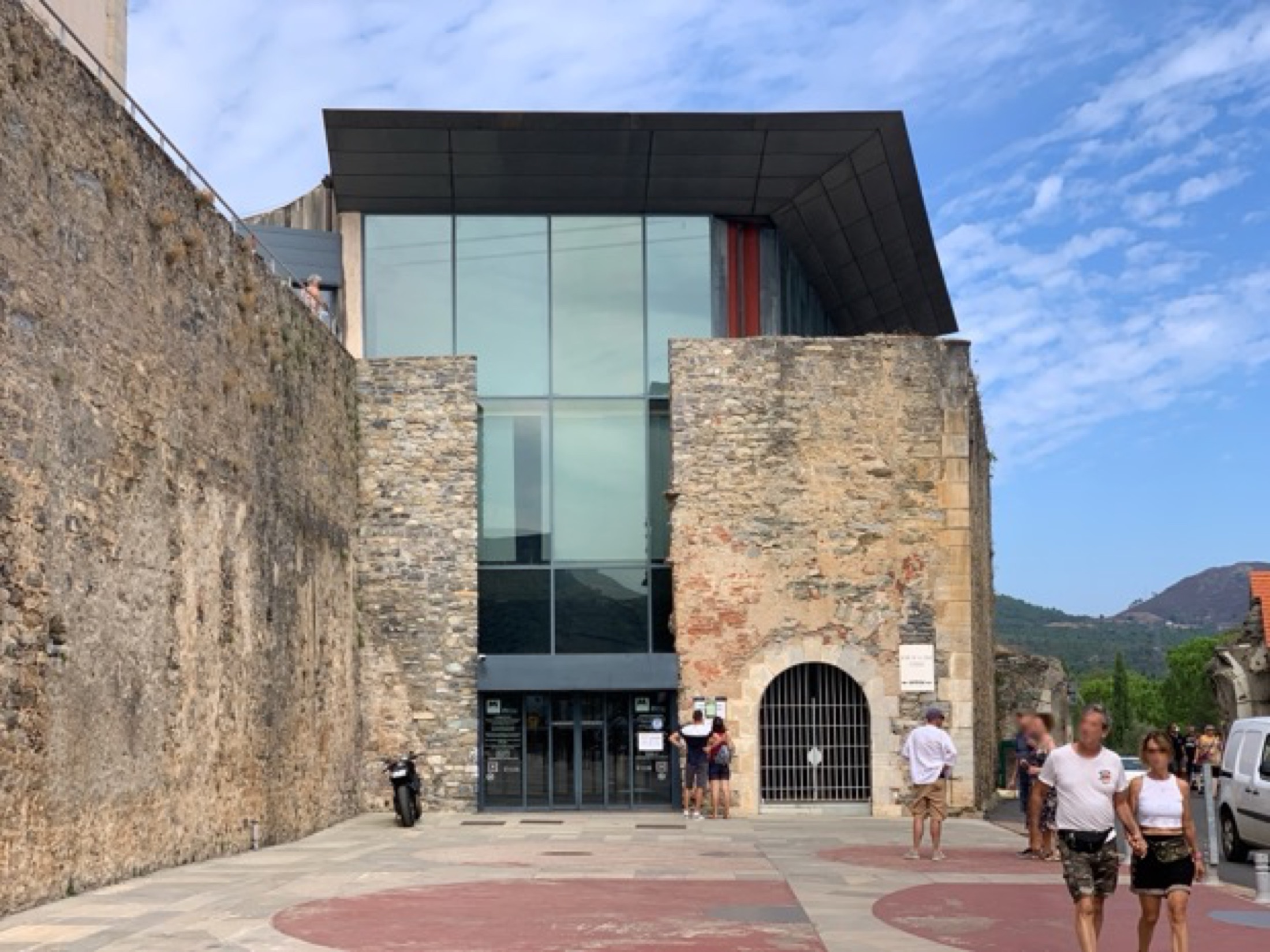
Mayan Ruins: the best of the Mexican Yucatán

TL;DRThe best Mayan ruins on Mexico’s Yucatán Peninsula start with Chichén Itzá (the busiest site, entry around 700 pesos), Tulum with its clifftop beach over the Caribbean 130 km from Cancún (entry around 100 pesos), the quieter Cobá with its 42-metre Ixmoja pyramid, and Uxmal, with its Puuc-style architecture near Mérida. If you’re after adventure, head deep into the jungle in southern Campeche to the remote sites of Calakmul (a 45-metre pyramid), Becán and Kohunlich, where you’ll barely see another tourist. Ek Balam and Calakmul are among the rare sites where you’re still allowed to climb the pyramids. Sites are generally open from 8am to 5pm, and you’ll pay entry in pesos, cash only. Give yourself at least 14 days to cover the main Mayan sites properly — November to March is the best time to go.
The ruins of the ancient Mayan civilization can be found all over the Yucatán and are the most interesting thing to experience on the Mexican peninsula. Follow the footsteps of the Mayans with us.

Mayan civilization on the Yucatán Peninsula

The Mayan civilization was one of the most advanced cultures in the Western Hemisphere, at least until Europeans discovered North America. The Maya had their greatest heyday between 300 and 900 AD and their empire extended over what is now southern Mexico, Guatemala, Honduras and northern Belize. In all, there were more than 40 city states, and those that survived under the jungle cover are now designated World Heritage Sites. Mayan cities are full of stone temples, pyramids, playgrounds and residential quarters. Cities primarily served as home to local leaders, kings and for religious activities. The Mays are known especially for their excellent knowledge of mathematics and astronomy. These sciences were firmly linked to the worship of the Mayan gods. Let’s take a look together at seven large Mayan cities that are still preserved and can be visited today. If you are going to the Yucatán and plan to follow in the footsteps of the Maya, we recommend booking at least 14 days.

Chichen Itza – the new wonder of the world

Pyramid of El Castillo in the Mayan city of Chichen itza
Pyramida El Castillo
Chichen Itza is the most visited and the most expensive ruins in the entire Yucatán, but there’s a reason for that. There are a total of 18 restored buildings, the most famous of which is the Kukulcan pyramid. On the days of the equinoxes (March 21 and September 21), the setting sun creates a perfect shadow that forms the silhouette of a serpent descending on the steps of the pyramid. Under the pyramid there is also a cave with an underground lake, but unfortunately you can’t go there. In the town complex you will find one of the best preserved areas where the famous religious ball game Tlachtli was played. Apparently, after the game was over, either the captain or one entire team was sacrificed to the gods in a nearby cenote. Another interesting building is the so-called Observatory, whose roof is dome-shaped and not fully enclosed. It was probably used by Mayan astrologers for stargazing.
Chichen Itza information
  • Admission: 480 pesos / 577 CZK
  • Nearest town: Valladolid, Playa del Carmen, Cancún
  • Opening hours: 9:00 – 17:00, night show from 19:00 or 20:00 depending on the season
  • Website: Zona Arqueológica de Chichén Itzá

Tulum – port city with beach

Tulum Ruins
Tulum Ruins
The Mayan city on the site of today’s Tulum (130 kilometres south of Cancún) was a seaport with its own extensive beach and a defensive wall that encircles the city on three sides. The buildings here are very well preserved, but unlike in less visited cities, they are not in the jungle. Therefore, we recommend that you start your tour early in the morning, before the intense heat sets in.
Tulum information
  • Admission: 70 pesos / 84 CZK
  • Nearest town: Tulum, Playa del Carmen, Cancún
  • Opening hours: 8:00 – 17:00, evening/night tours possible
  • Website: Zona Arqueológica de Tulum

Coba – accessible ruins without tourists

small pyramid in the Mayan ruins of Coba
He recommends renting a bike, you’ll save yourself a lot of time
Archaeologists believe that the city of Coba used to be extremely important to the Maya, but has not yet become much of a tourist destination. That’s why it’s possible to climb the highest pyramid and enjoy many of the buildings in solitude. In addition to the iconic Ixmoja pyramid, which measures 42 metres, there are several well-preserved playgrounds and smaller buildings. Most of the city is still inaccessible and covered in dense jungle.
Coba information
  • Admission: 75 pesos / 100 CZK
  • Nearest town: Tulum, Playa del Carmen, Valladolid
  • Opening hours: 8:00 – 17:00
  • Website: Zona Arqueológica de Coba

Uxmal – unique ruins near Merida

{%ALT_TEXT%}
{%CAPTION%}
The city of Uxmal (pronounced Oshmal) was one of the most important Mayan cities. It was built during the fifth and sixth centuries, but excavations show that the site was inhabited as early as the eighth century BC. Interestingly, the city was built entirely in the Mayan Puuc style. This is strange because the smaller towns in the area show signs of several styles as local cultures influenced each other. The most prominent building is the Pyramid of the Magician, which has a total of four annexes.
Uxmal information

Calakmul – a jewel in the middle of the jungle

Structure 1, one of the two central pyramids
Calakmul is one of the city complexes that are really hard to reach for the average tourist. It lies 60 km from the nearest tarmac road and is a three-hour drive from the nearest major cities. But all the more so has it retained its old atmosphere. This Mayan city is huge, so make a day of it. In addition to countless smaller buildings in the jungle, there are also two gigantic pyramids, one of which is the second largest Mayan pyramid ever discovered. It measures 55 metres in height and of course you can climb it. During our visit, we shared the entire complex with only thirty tourists, so we enjoyed most of the views all by ourselves. Only two families of howler monkeys (extremely loud monkeys) kept us company.
Calakmul information

Becan – ruins right by the road

ruiny becan
View of the Becan ruins near Xpujil
The town of Becan was only discovered in 1934 and most of the buildings still lie deep beneath centuries of earth. Although you can see the main pyramid directly from the busy road, few people stop here. We walked among more than 20 exposed buildings and pyramids all alone, only a Mexican old man appeared and took us in his arms and showed us around the city in Spanish. Becan is built in the style of the Río Bec (Bec River) and was once the political, economic, military and religious capital of the entire province of Río Bec. The city is unique for the moat that surrounds the city centre, where several pyramids and important buildings stand.
Becan information

Kohunlich

Mayan ruins of Kohunlich
Stairs to the highest building of the Mayan ruins of Kohunlich
The last ruins we visited, and definitely worth a visit, are again in the middle of the jungle in the south of the Mexican province of Quintana Roo and are only 9 km from the nearest asphalt road. The town of Kohunlich was probably founded around 200 BC, but most of the important buildings were not built until between the third and sixth centuries. On the site you will find a total of 8 large groups of buildings that served as administrative centres, spiritual places, palaces and residential areas. The fact that the entire city is deep in the jungle directly invites you to explore the wide surroundings. All-day shade allows you to spend long hours in the ruins.
Kohunlich information

Map of the location of the Mayan ruins in Yucatán

Tips and tricks for travelling in Mexico

What to pack

Take a look at our travel packing guide to help you prepare. Choose the right travel backpack, check out the travel gadgets and don’t forget anything important at home.

Where to get tickets

Search for cheap airline tickets at Kiwi , they’re our favourite portal. Be sure to read our instructions how to get cheap airline tickets.

Car rental

We commonly use a grader DiscoverCars.com to help us choose a car provider.

Reservation of accommodation

Booking.com is our most popular hotel search engine. We always compare hotels with local apartments and rooms on Airbnb ( 725 CZK discount ). Read, how we find cheap accommodation .

Don’t forget about insurance

Travel insurance is an absolute must. For shorter journeys, choose AXA ( 50% discount ) and for longer journeys the British insurer True Traveller . Take a look at comparison of all insurance companies and choose the one that suits you best.

Recommended Lonely Planet Yucatanguide


Tips and Tricks for Your Vacation

Don’t Overpay for Flights

Search for flights on Kayak. It’s our favorite search engine because it scans the websites of all airlines and always finds the cheapest connection.

Book Your Accommodation Smartly

The best experiences we’ve had when looking for accommodation (from Alaska to Morocco) are with Booking.com, where hotels, apartments, and entire houses are usually the cheapest and most widely available.

Don’t Forget Travel Insurance

Good travel insurance will protect you against illness, accidents, theft, or flight cancellations. We’ve had a few hospital visits abroad, so we know how important it is to have proper insurance arranged.

Where we insure ourselves: SafetyWing (best for everyone) and TrueTraveller (for extra-long trips).

Why don’t we recommend any Czech insurance company? Because they have too many restrictions. They set limits on the number of days abroad, travel insurance via a credit card often requires you to pay medical expenses only with that card, and they frequently limit the number of returns to the Czech Republic.

Find the Best Experiences

Get Your Guide is a huge online marketplace where you can book guided walks, trips, skip-the-line tickets, tours, and much more. We always find some extra fun there!
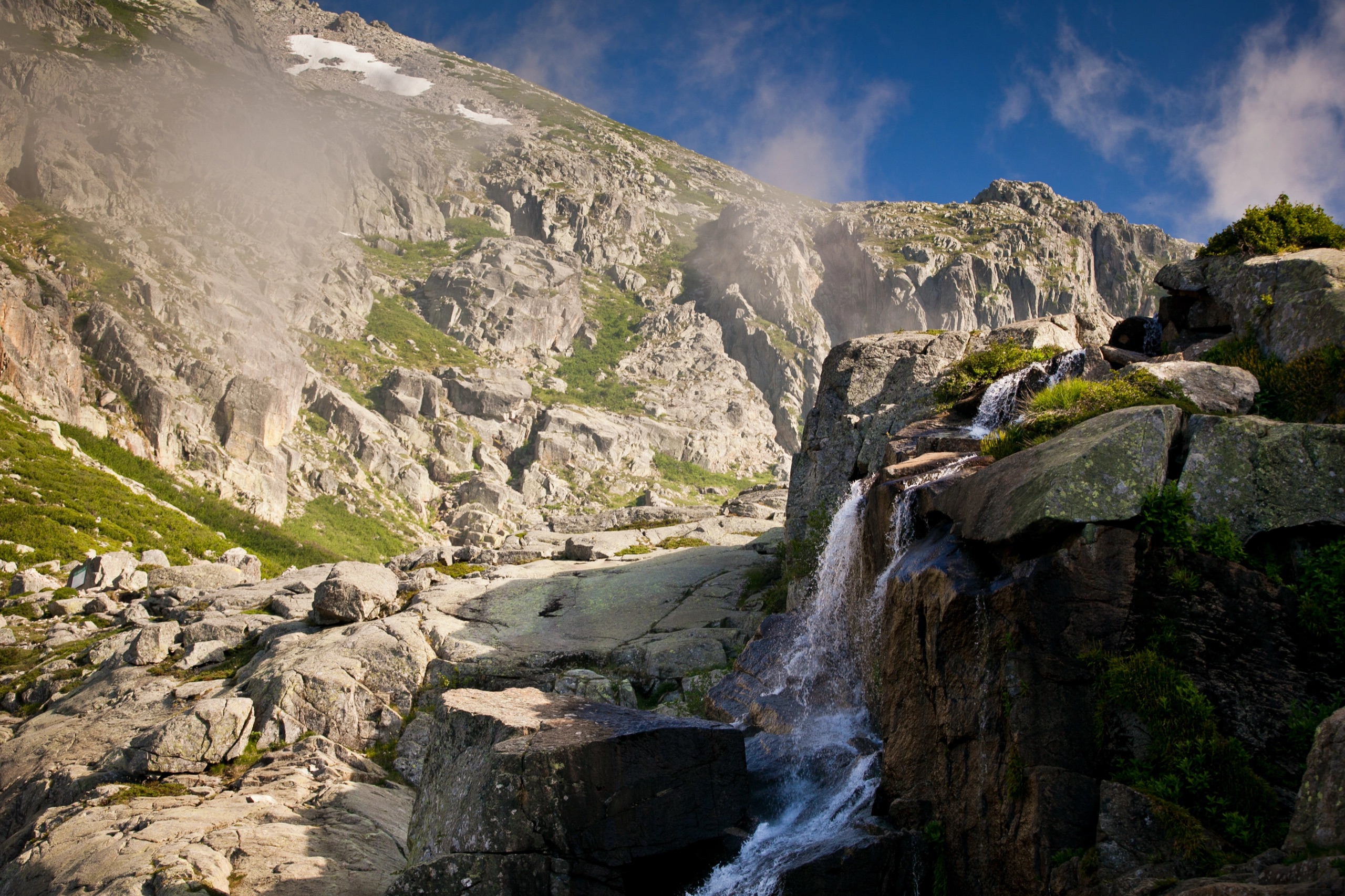
Calakmul: Mayan Ruins in the Mexican Jungle

TL;DRCalakmul is a vast ancient Maya city hidden in the jungle of southern Yucatán, part of the UNESCO biosphere reserve of the same name, sitting 60 km from the nearest paved road and nearly on the border with Guatemala. Unlike Chichén Itzá, you’re allowed to climb the pyramids here, including the 45-metre Structure II, the second-largest Maya pyramid ever found. At its peak the city was home to as many as 50,000 people, with over 6,700 structures spread across 70 km² and 117 surviving stone stelae. Plan on a few hours to explore the site, and it’s best to stay overnight nearby in Xpujil — Hotel Villa Calakmul is a good bet, at around 500 MXN a night, and makes a handy base for a side trip to the ruins at Becán.
Calakmul is an ancient Mayan city located in the middle of an impenetrable jungle in the heart of Mexico’s Yucatán Peninsula. Only a handful of tourists and adventurers venture here, and the more you take away from the experience, the more you will enjoy it. The city lies in a UNESCO-protected biosphere and Calakmul itself is a UNESCO World Heritage Site.

The road to the ruins of Calakmul

It is not easy to explore this vast city. The ruins lie 60 kilometres from the nearest tarmac road and the journey from the nearest town, Xpujil, takes over two hours. Xpujil itself is six hours south of Cancun, so only those who choose to circumnavigate the peninsula go to Calakmul. The ruins lie almost on the border of Mexico and Guatemala.
cesta skrze dzungli
There are paths through the jungle like this

The ancient city of Calakmul

It is estimated that as many as 50,000 Maya lived in this central city of the region at the height of its glory. Since there are really only a minimum of tourists, there are almost no restrictions in the complex. You are allowed to climb all the structures you discover, including the two giant pyramids. The larger one measures 45 metres in height and is the second largest Mayan pyramid ever discovered. In the area you will find 117 so-called. stelae, which are large pieces of stone worked into a standing block on which important events and rulers are depicted. Some even still have the original red colour!

History of Calakmul

{%ALT_TEXT%}
Structure 1, the second largest Maya pyramid discovered to date
The city existed for twelve centuries, from 500 BC to 900 AD. It was part of a coalition of four cities, of which it was the most important. The coalition was constantly at war with its southern neighbours, most of whose raids were carried out by the city of Tikal. During its full operation, there were over 6,700 buildings in the city and its immediate surroundings, covering an area of 70 square kilometres. The kingdom of Calakmul (under the influence of the ruler of Calakmul) included 20 other urban centres, which had a total population of about 200,000.

What you will see in the ruins of Calakmul

Structure 2, the second largest Maya pyramid discovered to date
Structure 1, one of the two central pyramids
These ruins are the most extensive in the entire Yucatán and you can easily spend several hours here. In the core of the city, which covers about two square kilometres, we find the remains of about 1,000 different structures. This is also the only area that is open to the public. The rest still lie under jungle deposits, although the locations of all 6,200 structures have been mapped in detail. The water reservoirs around Calakmul are huge. There is the largest artificial Mayan water reservoir yet discovered. It measures 242 metres in width and 212 metres in length. Structure 1, as the first of the two major pyramids is unoriginally called, is built on a slight hill and at first glance appears to be higher than the second pyramid, although this is not true. Structure 2 is the largest Maya pyramid ever discovered. The base measures 120 square metres and 45 metres in height. Like the other pyramids found, this was originally a small pyramid, which the rulers gradually completed to its present form. The Mayan sacbes stone roads were important transport arteries and there are eight of them in the Calakmul area. Two of them have been mapped, three are half-exposed and the rest are known only through ground imaging. These roads led throughout the kingdom, but also connected Calakmul with its enemies. The longest documented road connecting the town of Calakmul with El Mirador and El Tintal is 68 kilometres long. For a more detailed description of the history we recommend a foreign source Loco Gringo .
struktury v ruinach calakmul
Moving around the pyramids is not easy, they are massive structures

Where to stay near Calakmul

The ruins are far away from everywhere, so we recommend to spend the night in the nearest sleepy town Xpujil and the next day visit the ruins of Becan, which is about ten minutes away. We’ve been all over the city and we can only recommend one hotel with a calm heart. Hotel Villa Calakmul costs around 500 CZK a night and the owner is a very helpful gentleman. The rooms are clean, coffee is available at the reception and the internet works well. From what we have seen, this cannot be said of the other accommodations in Xpujil.

Map of Calakmul ruins

calakmul mapa
Map of Calakmul

Tips and tricks for travelling in Mexico

What to pack

Take a look at our travel packing guide to help you prepare. Choose the right travel backpack, check out the travel gadgets and don’t forget anything important at home.

Where to get tickets

Search for cheap airline tickets at Kiwi , they’re our favourite portal. Be sure to read our instructions how to get cheap airline tickets.

Car rental

We commonly use a grader DiscoverCars.com to help us choose a car provider. In Playa del Carmen try writing to the web everythingplayadelcarmen.org , Sergio will take care of you.

Reservation of accommodation

Booking.com is our most popular hotel search engine. We always compare hotels with local apartments and rooms on Airbnb ( 725 CZK discount ). Read, how we find cheap accommodation .

Don’t forget about insurance

Travel insurance is an absolute must. For shorter journeys, choose AXA ( 50% discount ) and for longer journeys the British insurer True Traveller . Take a look at comparison of all insurance companies and choose the one that suits you best.

Recommended Lonely Planet Yucatanguide

lukas a lucka
Lukáš and Lucie recommend
Where to stay near Calakmul
2 accommodations — hotels and other lodging options

More articles about Yucatán that you may find interesting

Coba: discovering Mayan ruins in Yucatán

Playa del Carmen City Guide

What to do in Tulum? 12 things to do there

Chichen Itza: Mayan Ruins and Mexican Wonder of the World

Laguna Bacalar: 8 things to do there + where to eat

10 tips on what to do in San Francisco de Campeche, Mexico

Tips and Tricks for Your Vacation

Don’t Overpay for Flights

Search for flights on Kayak. It’s our favorite search engine because it scans the websites of all airlines and always finds the cheapest connection.

Book Your Accommodation Smartly

The best experiences we’ve had when looking for accommodation (from Alaska to Morocco) are with Booking.com, where hotels, apartments, and entire houses are usually the cheapest and most widely available.

Don’t Forget Travel Insurance

Good travel insurance will protect you against illness, accidents, theft, or flight cancellations. We’ve had a few hospital visits abroad, so we know how important it is to have proper insurance arranged.

Where we insure ourselves: SafetyWing (best for everyone) and TrueTraveller (for extra-long trips).

Why don’t we recommend any Czech insurance company? Because they have too many restrictions. They set limits on the number of days abroad, travel insurance via a credit card often requires you to pay medical expenses only with that card, and they frequently limit the number of returns to the Czech Republic.

Find the Best Experiences

Get Your Guide is a huge online marketplace where you can book guided walks, trips, skip-the-line tickets, tours, and much more. We always find some extra fun there!
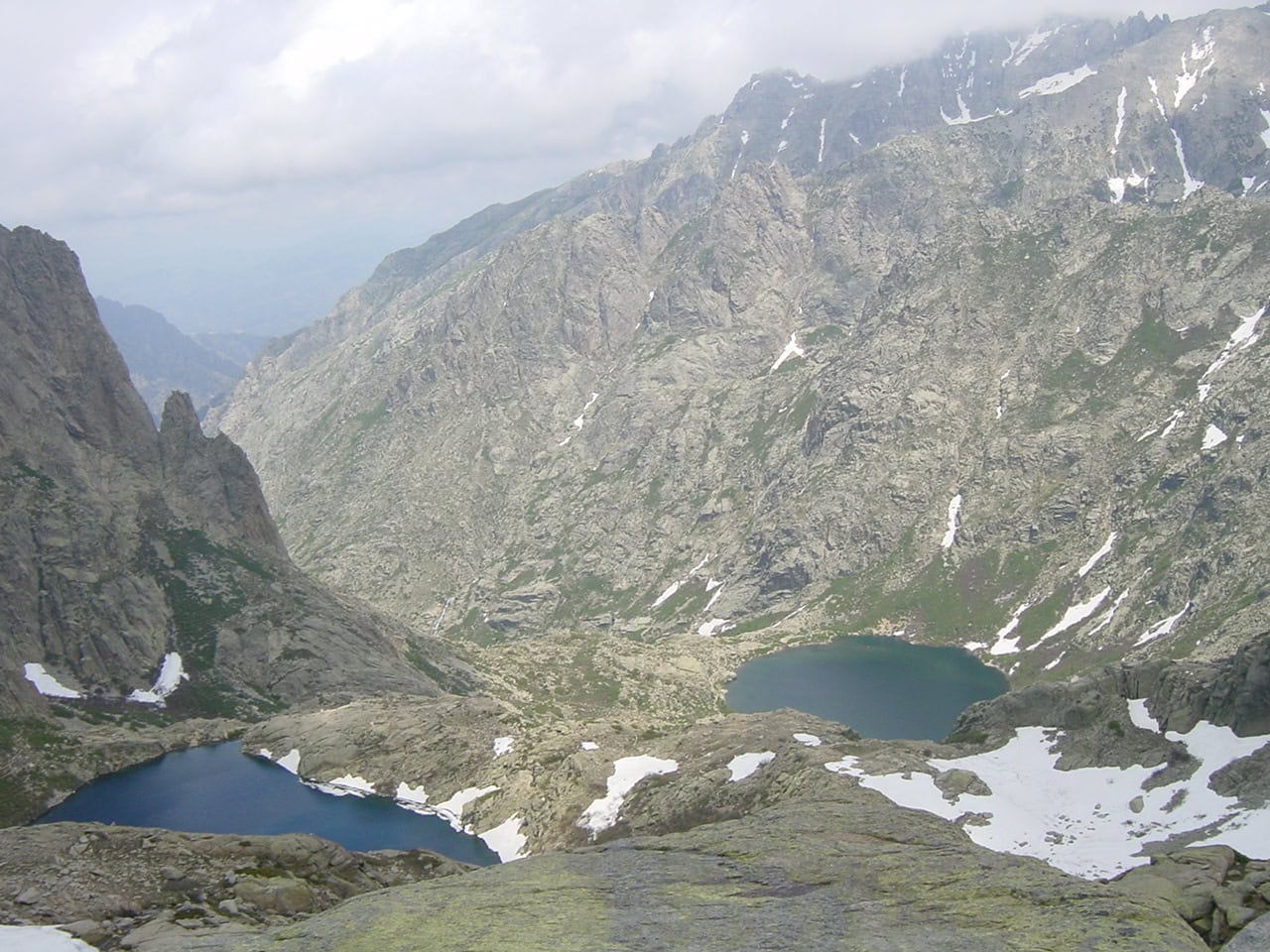
Coba: discovering Mayan ruins in Yucatán

TL;DRThe Coba ruins sit in the jungle about 44 kilometres (a 40-minute drive) from Tulum and 110 kilometres from Playa del Carmen, and they’re a much quieter alternative to Chichén Itzá. The main draw is Nohoch Mul (Ixmoja), the tallest pyramid here at 42 metres with roughly 120 steps — climbing was banned for six years, but you can go up again from 8 December 2025, now via a new wooden staircase, in groups of 15 between 8am and 3.30pm. The site is huge, so it’s worth renting a bike at the entrance for 50 pesos and setting aside around two hours, with plenty of water on hand. Nearby you’ll find three cenotes (Choo-Ha, Tamcach-Ha and Multun-Ha), each costing 55 pesos to enter — perfect for cooling off afterwards. Go early in the morning or late afternoon to dodge the crowds and the worst of the heat.
From the top of the highest pyramid of the Coba complex, the jungle looks like a living carpet. The ruins of Coba are a great compromise for those who find Chichen Itza too touristy, but don’t want to venture further than two hours from their hotel on the Riviera Maya. Archaeologists believe that the ruins of the Mayan city of Coba were extremely important to the Mayans themselves, but due to its location further inland, not as many tourist buses come here. Thanks to this, it is still possible to climb the ruins and enjoy many of the buildings completely alone.

Discovering the Mayan ruins of Coba

Tunnel in the Mayan city of Coba
One of the religious tunnels in the ruins of Coba
The city of Coba is famous for the largest network of stone sacbes roads. Of the fifty, sixteen have been uncovered and opened to the public, the rest are still under the jungle. These elevated paths connect the various residential districts to the Nohoch Mul area. They also lead to smaller lakes (cenotes) that served as a source of water. Although we have evidence of a dense network of transport arteries, it is still a mystery how the Maya transported water and goods. There is no record of them using a bicycle. Due to the size of the town, we recommend renting a bike on site, which costs 50 pesos. But if you like to explore, take a tour on foot. Most of the city is still hidden in the jungle, and no one will stop you from exploring the jungle properly.
{%ALT_TEXT%}
{%CAPTION%}

Climbing the pyramid

The largest pyramid in the Coba area is called Ixmoja, it measures 42 metres in height and is open to the public. There are 120 steep steps leading to the top, which are much easier to climb up. So be prepared to climb back down on all fours. A rope is stretched from the top of the pyramid, which you can hold on to while climbing. But it’s worth it. The top of the pyramid rises high above the jungle, and from the top you can see the jungle stretching into the distance. It is already clear that it won’t be long before the authorities ban climbing this pyramid as well, just as they did with the more touristy sites.
the main pyramid of the Mayan ruins of Coba
The main pyramid in Coba can still be climbed

History of the ruins of Coba

The Mayan city of Coba was founded around 100 AD and was abandoned around 1550 when Spanish invaders invaded the Yucatán Peninsula. It is believed that the town of Coba was inhabited by up to 50,000 people at its peak. While exploring the area, you will come across many stelae, stone monuments on which the Maya depicted their rulers and important events.
Playground for the ancient Mayan game of tachtli in the Mayan city of Coba
A pitch for a ball game of chatter
In the jungle here you will come across two well-preserved playgrounds where the traditional Mayan ball game of Tlachtli was played. The rules of the game have changed over the centuries, in short it was about players trying to use their hips to throw the ball through the hoop. According to some sources and conjectures, one of the teams, or at least its captain, was sacrificed to the gods.

Swimming in the adjacent cenotes

A visit to the ruins of Coba is not without a dip in one of the adjacent cenotes. Cenotes are natural underground reservoirs of fresh water that are popular places to spend a sultry afternoon.

There are three cenotes around Coba

Cenote Choo-Ha is a shallow cenote with crystal blue water and stalactites hanging from the ceiling. Cenote Tamcach-Ha is a deep cenote with two platforms (5 and 10 meters) for jumping into the water. Cenote Multun-Ha is deeper in the jungle. Entrance to each of the mentioned cenotes should be 55 pesos (66 CZK). A great description of all the cenotes, including photos and instructions on how to get to them, can be found in this foreign article .

Where to stay near Coba

The ruins are not far from the cities of Tulum, Playa del Carmen and Valladolid, with Tulum being the closest (40 minutes away). [lgc_column grid=”33″ tablet_grid=”50″ mobile_grid=”100″ last=”false”]

Cheap accommodation

Hostel Bambu Gran Palas

Hostel Bambu Grand

Hostel right in the hotel zone in Tulum, which has its own cenote and restaurant with affordable prices. That’s almost a miracle in a hotel zone.[/lgc_column] [lgc_column grid=”33″ tablet_grid=”50″ mobile_grid=”100″ last=”false”]

Medium expensive

Zamunda Garden View Apartments

Zamunda Garden View

Zamunda Garden View Apartments may not be right on the beach in the hotel zone, but you get a great apartment at a great price. Accommodation is located in the city center.[/lgc_column] [lgc_column grid=”33″ tablet_grid=”50″ mobile_grid=”100″ last=”true”]

Luxury

Nomade tulum

Nomade Tulum

One of the most stylish hotels in all of Mexico.[/lgc_column]

Tips for visiting the ruins of Coba

  • Coba is 44 kilometres (40 minutes) from Tulum and 110 kilometres (90 minutes) from Playa del Carmen
  • In addition to cars, the ruins can also be reached by ADO buses and cheap Colectivos minibuses
  • Rent bikes on site for 50 pesos
  • Take plenty of water with you, you will spend up to two hours on site
  • As always, it’s best to visit the ruins first thing in the morning or later in the afternoon to avoid the peak tourist times

Tips and tricks for travelling in Mexico

What to pack

Take a look at our travel packing guide to help you prepare. Choose the right travel backpack, check out the travel gadgets and don’t forget anything important at home.

Where to get tickets

Search for cheap airline tickets at Kiwi , they’re our favourite portal. Be sure to read our instructions how to get cheap airline tickets.

Car rental

We commonly use a grader DiscoverCars.com to help us choose a car provider. In Playa del Carmen try writing to the web everythingplayadelcarmen.org , Sergio will take care of you.

Reservation of accommodation

Booking.com is our most popular hotel search engine. We always compare hotels with local apartments and rooms on Airbnb ( 725 CZK discount ). Read, how we find cheap accommodation .

Don’t forget about insurance

Travel insurance is an absolute must. For shorter journeys, choose AXA ( 50% discount ) and for longer journeys the British insurer True Traveller . Take a look at comparison of all insurance companies and choose the one that suits you best.

Recommended Lonely Planet Yucatanguide

lukas a lucka
Lukáš and Lucie recommend
Where to stay near Coba
4 accommodations — wellness hotels and other lodging options

More articles about Yucatán that you may find interesting

Playa del Carmen City Guide

What to do in Tulum? 12 things to do there

Chichen Itza: Mayan Ruins and Mexican Wonder of the World

Laguna Bacalar: 8 things to do there + where to eat

10 tips on what to do in San Francisco de Campeche, Mexico

Tips and Tricks for Your Vacation

Don’t Overpay for Flights

Search for flights on Kayak. It’s our favorite search engine because it scans the websites of all airlines and always finds the cheapest connection.

Book Your Accommodation Smartly

The best experiences we’ve had when looking for accommodation (from Alaska to Morocco) are with Booking.com, where hotels, apartments, and entire houses are usually the cheapest and most widely available.

Don’t Forget Travel Insurance

Good travel insurance will protect you against illness, accidents, theft, or flight cancellations. We’ve had a few hospital visits abroad, so we know how important it is to have proper insurance arranged.

Where we insure ourselves: SafetyWing (best for everyone) and TrueTraveller (for extra-long trips).

Why don’t we recommend any Czech insurance company? Because they have too many restrictions. They set limits on the number of days abroad, travel insurance via a credit card often requires you to pay medical expenses only with that card, and they frequently limit the number of returns to the Czech Republic.

Find the Best Experiences

Get Your Guide is a huge online marketplace where you can book guided walks, trips, skip-the-line tickets, tours, and much more. We always find some extra fun there!
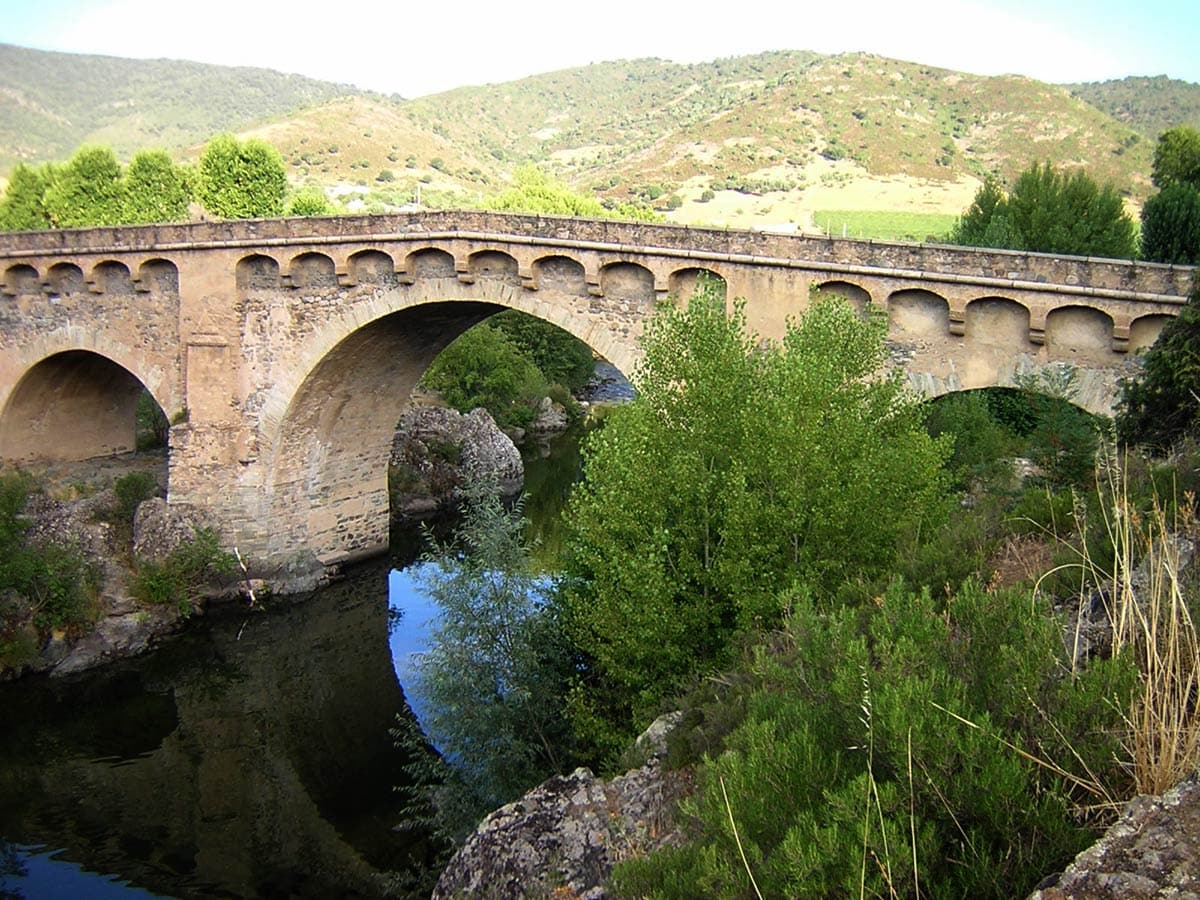
Chichen Itza: Mayan Ruins and Mexican Wonder of the World

TL;DRChichén Itzá is Mexico’s most visited Mayan site, a UNESCO World Heritage spot and one of the New Seven Wonders of the World. It sits on the Yucatán Peninsula, not far from Cancún, dominated by the stepped pyramid El Castillo (Temple of Kukulcán). Entry is paid in two parts, and the best plan is to arrive right when it opens, so you dodge the heat and the crowds — bring water and a hat. You’ll need 2–3 hours to walk the whole site. This guide covers ticket prices, how to get there, the best time to come and what to see first.

The ancient Mayan city of Chichen Itza has an amazing history of over a thousand years. It is the second most visited archaeological site in Mexico, a UNESCO World Heritage Site and one of the Seven New Wonders of the World.

Chichen Itza is located on Mexico’s Yucatán Peninsula, not far from Cancún, and that’s one of the reasons why millions of people visit these Mayan ruins every year.

History of Chichen Itza

Not much is known about the history of the town, but one thing is certain. When the first Spanish explorers arrived on the Yucatán Peninsula in the fifteenth century, the town of Chichen Itza had long been abandoned. Historians have come up with several theories as to why this was so. Chichen Itza is not the only city from which its inhabitants have disappeared. The entire Mayan civilization died in a similar fashion.

One theory is that the Maya were simply too numerous and exhausted the available natural resources. There could also have been a catastrophe in the form of a major drought or epidemic.

Moreover, the various city-states were in constant competition with each other – Mayan cities are full of scenes of wars and bloody battles. In any case, Chichen Itza is one of the best preserved cities left from the Mayan civilization.

Pyramid of Kukulkan – El Castillo

The most famous and most photographed structure of the complex is the Pyramid of Kukulkan, which shows signs of highly sophisticated builders who used advanced mathematics. The pyramid is built on a square plan, 91 steps lead to the top and on the days of the equinox the setting sun casts a shadow that makes the snake statues on the pyramid seem to come to life. Their shadows crawl vertically down the pyramid, creating the illusion of snakes.

One staircase leads from each side to the top and each staircase represents one side of the world. There are 365 steps on the pyramid, the same number of days on the Mayan solar calendar.

Thanks to 3D scanning technology, archaeologists have discovered that there are two more pyramids inside. So the new rulers probably had a new pyramid built on top of the old one.

Temple of the Warrior

The Temple of the Warriors is a large building, of which only about 200 columns remain, which probably supported the roof, which was made of a different material. The temple is also known as the Hall of the Thousand Columns and was probably an area for religious gatherings or a marketplace.

Along the staircase you will see statues holding bowls, which were probably used in religious rituals. The Mayans could fill them with tobacco, tortillas, or whatever was appropriate to sacrifice to the gods.

Playground at Tlachtli

To the left of the main pyramid you will find the Mayan ball game field Tlachtli, which is the largest Mayan ball field found in the world so far.

According to engravings and other fragments, it is believed that two teams played against each other and their task was to throw a rubber ball through a hoop placed high above their heads.

This would be no big deal if they weren’t forbidden to use their hands and feet.

The game itself is over 3,500 years old and has been played in various variations for many centuries. In the case of the Maya, it was a religious ritual where the captain or the entire team (it is not clear whether the winners or the losers) were sacrificed to the gods in a nearby natural well – the cenote – at the end of the game.

Well of Sacrifice – Cenote De Los Sacrificios

Natural wells used to be the only available source of drinking water, and the Maya held them in sacred respect. Many historians believe that the city of Chichen Itza was built here because of the existence of the Well of Sacrifice.

During long dry periods, the Maya would throw many objects into the well, including the remains of sacrificed Maya, to curry favor with the rain god Chac.

While exploring the underground lake, divers discovered thousands of artifacts made of gold, copper and kidney stone, and of course a number of human skeletons showing signs of decapitation.

Observatory – El Caracol

Another interesting building is the so-called. Observatory, whose roof is dome-shaped and not fully enclosed. It was probably used by Mayan astrologers for stargazing.

But the Maya had no glass, so they did not own any telescopes and made all their discoveries with the naked eye.

Tzompantli – wall of skulls

This platform, surrounded by skulls, was used to pile decapitated heads into large piles. The victims were enemies defeated in battle or prisoners sacrificed to the gods.

The adjacent House of the Eagles building, which depicts eagles and jaguars clutching human hearts, has a similar motif.

Swimming in the surrounding Cenotes

You can’t swim directly in Chichen Itza, but you can go to one of the adjacent cenotes.

The nearest is cenote Ik Kil , but count on a high number of tourists, because agencies often offer to visit Chichen Itza and Ik Kil together. We therefore recommend heading towards the city of Valladolid and trying one of the lesser known cenotes: Zaci or Dzitnup.

Tips for visiting Chichen Itza

  • The entrance fee will cost you about 600 CZK, please bring enough cash (only part of the price can be paid by card)
  • Arrive as soon as possible, buses full of tourists start arriving at 9:30
  • Equip yourself with a good quality sunscreen, hat and water for the tour
  • Ignore the trekking vendors, they offer overpriced souvenirs that you can buy in any major city for half the price, but if you forget your headgear, invest in a hat instead
  • Every guidebook says something a little different, so take the information with a grain of salt, generally speaking, not much is really known about the Maya and the detailed descriptions of religious ceremonies are more of a fairy tale for tourists
  • The restaurants around the entrance are overpriced and not worth it, take a snack with you and go to the village of Piste or the town of Valladolid for lunch
  • Don’t park along the road, park directly in the reserved parking lot in front of the entrance, it is guarded and you don’t have to worry about your rental car being scraped off.

Excursions to Chichen Itza

If you prefer to go with a group and don’t want to worry about anything, we recommend going on a day trip with one of the local companies. They usually pick you up at the hotel

Map of Chichen Itza

How to get to Chichen Itza

By car

If you’re planning to rent a car, there are some tips on where to go to get one at the end of this article. Here are the distances to the nearest towns where you are likely to stay.

  • CANCUN – Chichen Itza is 197 km (two and a half hours) from Cancun by car.
  • PLAYA DEL CARMEN Chichen Itza is 181 km (2 hours) from Playa del Carmen by car.
  • MERIDA – Chichen Itza is 119 km (one and a half hours) from Merida by car.
  • VALLADOLID – Chichen Itza is 45 km (45 minutes) from Valladolid by car.

By bus

Mexican buses ADO will take you from Cancun in three hours and one trip will cost you 336 pesos (405 CZK). ADO also runs from Valladolid, the journey takes 50 minutes and you pay around 100 CZK one way.

Colectivos

A cheaper option are the Colectivos minibuses, which leave every ten minutes from Cancún and Valladolid. In most cases, you’ll pay about half the price of an ADO bus ticket.

Tips and tricks for travelling in the Yucatán

What to pack

Take a look at our travel packing guide to help you prepare. Choose the right travel backpack, check out the travel gadgets and don’t forget anything important at home.

Where to get tickets

Search for cheap airline tickets at Kiwi , they’re our favourite portal. Be sure to read our instructions how to get cheap airline tickets.

Car rental

We commonly use a grader DiscoverCars.com to help us choose a car provider. In Playa del Carmen try writing to the web everythingplayadelcarmen.org , Sergio will take care of you.

Reservation of accommodation

Booking.com is our most popular hotel search engine. We always compare hotels with local apartments and rooms on Airbnb ( 725 CZK discount ). Read, how we find cheap accommodation .

Don’t forget about insurance

Travel insurance is an absolute must. For shorter journeys, choose AXA ( 50% discount ) and for longer journeys the British insurer True Traveller . Take a look at comparison of all insurance companies and choose the one that suits you best.

Recommended Lonely Planet Yucatanguide

Tips and Tricks for Your Vacation

Don’t Overpay for Flights

Search for flights on Kayak. It’s our favorite search engine because it scans the websites of all airlines and always finds the cheapest connection.

Book Your Accommodation Smartly

The best experiences we’ve had when looking for accommodation (from Alaska to Morocco) are with Booking.com, where hotels, apartments, and entire houses are usually the cheapest and most widely available.

Don’t Forget Travel Insurance

Good travel insurance will protect you against illness, accidents, theft, or flight cancellations. We’ve had a few hospital visits abroad, so we know how important it is to have proper insurance arranged.

Where we insure ourselves: SafetyWing (best for everyone) and TrueTraveller (for extra-long trips).

Why don’t we recommend any Czech insurance company? Because they have too many restrictions. They set limits on the number of days abroad, travel insurance via a credit card often requires you to pay medical expenses only with that card, and they frequently limit the number of returns to the Czech Republic.

Find the Best Experiences

Get Your Guide is a huge online marketplace where you can book guided walks, trips, skip-the-line tickets, tours, and much more. We always find some extra fun there!
Guanajuato, Mexico: 22 Best Things to Do and See

TL;DRGuanajuato is a colourful colonial city in central Mexico, sitting over 2,000 metres above sea level and listed by UNESCO, built on the wealth of a silver rush. It now offers 24 reasons to visit, from the El Pípila viewpoint (reachable by cable car for around 40 pesos) to the Museo de las Momias with its mummies. Highlights include the romantic Callejón del Beso alley, underground tunnels that double as roads, the Valenciana silver mines and Diego Rivera’s birthplace. Two to three days covers the main sights, though two to three weeks is ideal. The dry season, November to April, is the best time to come. The historic centre is safe and cheaper than nearby San Miguel de Allende.

The city of Guanajuato is called the most beautiful and colorful city in all of Mexico. We spent almost two months there and can only agree. In this guide I will share with you Guanajuato, Mexico: 22 Best Things to Do and See. Guanajuato is a paradise for all digital nomads and experienced travelers.

Guanajuato is located in the higher regions of central Mexico, which adds to its beauty and appeal. Colorful houses and architecture contrast with the arid surroundings, and constant festivals, interesting history, and a variety of good restaurants and cafes together create an experience you won’t tire of even after several weeks.

What You should Know about Guanajuato

The original settlement on the site of today’s city was transformed into a prominent mining town during the silver rush. It is from this period that the colonial architecture originates, permeating all of Guanajuato and found almost at every turn.

In the 18th century, Guanajuato was a world leader in silver mining and has retained its architectural elements from that time to this day (for example, a complex of underground streets).

The historic center and adjacent silver mines are listed as UNESCO World Heritage Sites (along with 34 other sites in Mexico), and the local Baroque and Neoclassical buildings have inspired architects throughout Mexico for centuries.

Guanajuato is not very well known among foreign tourists, but it is all the more popular with Mexican visitors, whose numbers literally fill the streets during the season. Even outside of peak season, we met tourists, but only a handful of them were from the USA and Europe.

Safety in Guanajuato City

The city of Guanajuato is located in the state of the same name (Mexico is a federal state), which was considered relatively dangerous in 2019. The reason is clashes between local gangs and government forces trying to suppress them.

However, the city itself is unusually safe, and we felt safest here out of all of Mexico. Guanajuato is a university city, so you’ll commonly encounter groups of students in cafes or pubs.

Additionally, there is a large community of Americans living here who run the Facebook group Guanajuato Travelers.

We recommend joining the group; they’ll be happy to help you with everything, from interesting places to visit to buying a house.

How Long to Visit Guanajuato

If Guanajuato is just one stop on your trip, book at least two to three nights to have enough time to explore all the main attractions and activities we’re writing about here.

However, we strongly recommend a longer stay (even 2-3 weeks), as that’s the only way you’ll be able to experience and taste everything we write about in this guide.

Best Activities in Guanajuato City

The city was not originally planned, so you might find it difficult to navigate. Therefore, we’ve created an interactive map for you that you can save to your phone and refer to anytime.

Also, be prepared to walk a lot uphill and downhill. There’s almost no flat ground in the city.

All the places we write about can be found on this map:

1) a Walk through the Historic Center

Start exploring the city in the historic center with a proper walk. The city center is a labyrinth of colorful alleys filled with small shops, restaurants, and cafes. You’ll discover something new around every corner!

Also, try walking through one of the underground tunnels. Previously, the tunnels served for water drainage during heavy rains; today, most vehicular traffic is routed through them.

The tunnels have pedestrian walkways, and sometimes you can use them to shorten your route across the city.

2) Visit the Mummy Museum

Yes, you read that right. Guanajuato has its own museum full of mummies, the Museo de las Momias. In the 19th century, a cholera epidemic broke out in the city, and many people lost their lives then, all being laid to rest in hastily dug graves.

Decades later, the cemetery administration decided to impose a tax on relatives for grave maintenance. And whoever didn’t pay, their deceased would be exhumed. Some people indeed refused to pay, so the city exhumed many remains.

It turned out that thanks to the unique geological subsoil, an almost perfect mummification process occurred, and the bodies were nearly intact. More and more people came to see this curiosity, and later a museum was built for the mummies.

If the thought of mummies doesn’t make you sick, take a look at photos from the museum here before you go. Maybe it’ll deter you 😉

Informace o muzeu

3) Visit the Grand Basílica City Church

Basílica de Nuestra Señora is a church on the main promenade where church weddings are often held. The church was built in the 17th century and, like the surrounding buildings, is bursting with colors.

If you like visiting churches, come here on Sunday for a local mass.

4) Visit one of the Silver Mines

Visiting a silver mine is almost a must, although we resisted these dark depths. We recommend visiting the El Nopal Mina mine, where local engineering students conduct tours. This mine is not as frequently visited, so expect a shorter waiting time until enough interested visitors gather for a tour.

The Valenciana Mines is more popular, but it’s 5 kilometers from the center, so you’ll need to use public transport.

Guided tours of the mines are in Spanish.

Informace o dolech v Guanajuato
  • El Nopal Mina Opening Hours: 10:00 AM – 6:00 PM
  • Admission fee: 25 pesos
  • Valenciana Mines Opening Hours: 10:00 AM – 6:00 PM
  • Admission fee: 35 pesos

5) Funicular Ride

From the city center, you can reach the central viewpoint of the Pipila Monument either on foot or by the red funicular. We recommend paying for the ride up and walking down through the winding streets.

The steep funicular ride is 102 meters long, overcomes an elevation of 76 meters, and takes only a few minutes. However, it offers some of the best views of the city you’ll find in the area.

6) City View from the Pipila Monument

The Pipila Monument is visible from almost every corner of the historic center. At the top of the hill is a huge statue overlooking the city below. A funicular leads to the monument, and the reason is simple. It offers the best view of the historic center and a significant part of the entire city.

Only here will you be able to soak in the city’s colorful atmosphere and discover that even the rooftops of houses often burst with color.

7) Traditional Kiss at Callejón Del Beso

The local alley, Callejón del Beso, is the alleged setting of a tragic story. A girl from a wealthy family fell in love with a boy of working-class origin here, and her parents disapproved.

So the boy rented a room across from his girlfriend’s house so they could kiss across the balconies at night. The story ends tragically: the boy climbed into the girl’s room, and her father caught them. For an incomprehensible reason, he stabbed his daughter in a rage, and the boy killed himself falling from the balcony while trying to escape.

There’s probably not much truth to the story, but the balconies are indeed very close here, and homeowners allow visitors, for a small fee, to go onto the balconies and take a picture while kissing.

8) Go for a Trek to La Bufa

Although it seems unlikely, you’ll find opportunities for trekking even around Guanajuato. The hike to the La Bufa viewpoint isn’t marked anywhere, and you can only join the trail outside the city center, but it’s definitely worth it.

On the way to the viewpoint, you’ll pass several waterfalls (they are often dry), and at the end, a steep ascent awaits you to a smaller mountain with a metal cross at the summit.

The entire trek takes about three hours, including breaks for photos and snacks.

Informace k treku La Bufa

How to get to the trek: start at the ISSSTE hospital, then join the unmarked dirt road (not the asphalt road) behind it and continue to the rock formation Cueva de San Ignacio de Loyola. The dirt road ends there, and only a footpath continues, which will lead you to your destination.

9) Explore the Local University

The local university is no small school. Over 30,000 students attend here, which is why the campus is spread almost throughout the entire city center. You won’t distinguish most university buildings from others, but you definitely won’t miss the main building.

The iconic staircase leading to the university’s main entrance is a popular spot for student gatherings and romantic dates. There are also beautiful views of the city from here.

10) Visit Local History and Art Museums

In Guanajuato, you’ll find a variety of museums where you could easily get lost for days. We visited three (the best ones, in our opinion) and highly recommend them to you.

Diego Rivera Museum (Diego Rivera Museum)

The most famous Mexican painter, Diego Rivera (Frida Kahlo’s husband), was born in Guanajuato. The local museum is the artist’s birthplace and shows how he spent his childhood. Of course, you’ll also find many of his paintings here.

  • ($25 pesos, 10:00 AM – 6:30 PM)

Museo De Iconografico

This museum was built in honor of Spain’s most famous literary character, Don Quijote. The museum’s owner fell in love with him and collects art objects and paintings on this theme from all over the world.

  • ($65 pesos, 10:00 AM – 5:30 PM)

11) Explore (and Visit) Teatro Juarez

The Juarez Theater was built in the 19th century and is one of the more European-style buildings. Throughout the year, a variety of plays and musical performances are held here. If you have the time and inclination, definitely go see something. You can also visit the theater during the day; you’ll just pay a small entrance fee.

12) Boats on Presa De La Olla Lake

A bit outside the center, you’ll find a relatively forgotten beautiful park with a small reservoir, Presa de la Olla. For a few pesos, boats are available for rent here, and we definitely recommend taking one out.

In the immediate vicinity, there are several local restaurants and pubs, including a small tower from which you can get yet another view of the city.

13) Trip to Hacienda San Gabriel De Barrera

This opulent 17th-century estate consists of several grand buildings and a huge garden. It is one of the remnants of silver mining – the hacienda was built by the owners of one of Guanajuato’s significant mines.

This former colonial home is now a meticulously maintained museum with a beautiful mature garden and a unique display of the luxurious life of that era.

14) Visit Hidalgo Market

Mercado Hidalgo is a huge market with fruits, vegetables, meats, clothes, trinkets, and many other interesting things. Definitely go check out the market, even if you don’t want to buy anything. It’s definitely worth a visit, and you can combine it with lunch.

In the back of the market, you’ll find a variety of stalls where locals go for a quick meal. Tacos, soups, and many traditional dishes here cost literally a few pesos and taste better than in many tourist restaurants.

Best Culinary Experiences in Guanajuato

What kind of article would this be if we didn’t mention our favorite Guanajuato restaurants and food spots?

15) La Esquinita – Divine Vegetarian Tacos

This tiny restaurant, La Esquinita, with just a few tables, offers the best tacos we’ve tasted in all of Mexico. They also have a wide range of vegetarian options. For lunch, we recommend buying 4-5 tacos; have two with mushrooms and three with pastor de soya.

The tacos are always made by the same lady, who is also the waitress and cashier. She simply owns and takes care of the business herself. You can’t miss the restaurant; it’s right on the corner of the street and has garage-like doors.

16) Delica Mitsu Campanero

If you like Thai cuisine or sushi and get tired of Mexican food, head to the Japanese restaurant Delica Mitsu Campanero in the center. It’s one of the few Asian restaurants you’ll find in Guanajuato (if not the only one), but their food is absolutely luxurious.

We especially recommend the Thai green curry and the desserts (with seaweed) from the display case, which they prepare fresh several times a day.

17) Habibti Falafel Guanajuato Centro

Do you like falafel? We’re crazy about it, which is why we were regulars at Habibti. Try the falafel balls with vegetables wrapped in a tortilla. You definitely won’t go there for the last time.

18) Ice Cream at La Garrafa Nieves

While walking around the city center, you’ll surely come across one of the branches of the local ice cream maker La Garrafa Nieves. They make their own ice cream and offer a wide range of unique flavors you’ve never had before.

We stuck to the conservative strawberry and chocolate, but the adventurous can opt for chili, tequila, or cheese flavors.

19) Street Food

Buying and consuming food directly on the street is common in Guanajuato. On every corner, you’ll find a stall with tacos, gorditas, or esquites (cups with corn and cheese).

Definitely try everything you like. And choose stalls where there are longer lines, or where locals are also buying. That’s how you’ll recognize true quality.

Best Coffee in Guanajuato

We lived and worked in Guanajuato, so we needed to find cafes with good coffee. And we succeeded!

20) Vivo Café

The only European-style cafe in Guanajuato is Vivo Café, located in a secluded alley in the city center. They have luxurious coffee, a great giant table perfect for working on a computer. You’ll especially appreciate the cafe on hot days, as it offers pleasant dimness and coolness.

21) Aguamiel Café

This restaurant is hidden on an upper floor of one of the local hostels, and few people visit it. Yet, Aguamiel Café offers absolutely luxurious seating by open windows and excellent sandwiches and burgers you won’t find elsewhere.

22) Cafe Tal

Our absolute favorite. Cafe Tal has two branches and is an absolutely amazing cafe. Coffee costs around 20 CZK, and you can get free refills all day.

The cafe has a total of three buildings and spaces adapted for laptop work – smaller tables, power outlets, and soft lighting from lamps. Simply amazing. The location outside the city center also offers seating on a rooftop terrace!
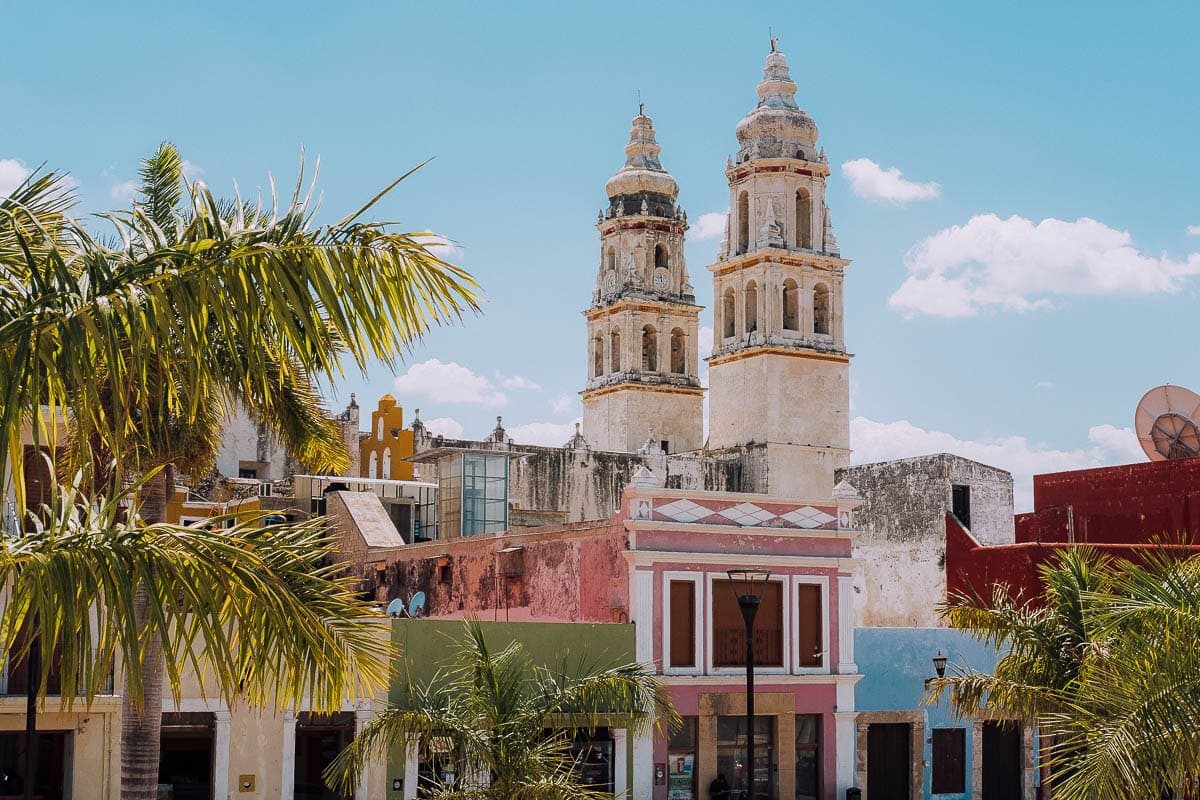
Where to Stay in Guanajuato

If you’re only visiting Guanajuato for a few days, it’s best to stay near the city center. There’s a wide selection of hotels, hostels, and luxurious apartments and villas available.

However, if you’re moving to Guanajuato for a while, consider Airbnb, where you can find cheaper monthly rentals (mostly with locals).

Booking.com (function(d, sc, u) { var s = d.createElement(sc), p = d.getElementsByTagName(sc)[0]; s.type = ‘text/javascript’; s.async = true; s.src = u + ‘?v=’ + (+new Date()); p.parentNode.insertBefore(s,p); })(document, ‘script’, ‘//aff.bstatic.com/static/affiliate_base/js/flexiproduct.js’);

Recommended Hostels in Guanajuato

  • Casa de Dante – a renowned hostel with clean rooms and excellent breakfast, where you can stay for around 20 USD per night
  • La Fuente – a hostel in the historic center with a view from the rooftop seating area

Recommended Hotels in Guanajuato

  • Casa de Pita – Great location right in the center for 30 USD per night with breakfast
  • Hotel de la Paz – Hotel in the very center of the city with large, elegantly furnished rooms

Guanajuato, Mexico: 22 Best Things to Do and See

What to pack

Check out our travel packing guide to help you prepare. Choose the right travel backpack, explore travel gadgets, and don’t forget anything important at home.

Where to find flights

Look for cheap flights on Kiwi, our favorite portal. Be sure to read our guide on how to find cheap flights.

Car rental

We commonly use the comparison tool DiscoverCars.com, which helps us choose a car rental provider.

Accommodation booking

Booking.com is our favorite hotel search engine. We always compare hotels with local apartment and room listings on Airbnb (725 CZK discount). Read how we find cheap accommodation.

Don’t forget insurance

Travel insurance is an absolute must. For shorter trips, we choose AXA (50% discount), and for longer trips, the British insurance company True Traveller. Check out  a comparison of all insurance companies and choose the one that suits you best.

Tips and Tricks for Your Vacation

Don’t Overpay for Flights

Search for flights on Kayak. It’s our favorite search engine because it scans the websites of all airlines and always finds the cheapest connection.

Book Your Accommodation Smartly

The best experiences we’ve had when looking for accommodation (from Alaska to Morocco) are with Booking.com, where hotels, apartments, and entire houses are usually the cheapest and most widely available.

Don’t Forget Travel Insurance

Good travel insurance will protect you against illness, accidents, theft, or flight cancellations. We’ve had a few hospital visits abroad, so we know how important it is to have proper insurance arranged.

Where we insure ourselves: SafetyWing (best for everyone) and TrueTraveller (for extra-long trips).

Why don’t we recommend any Czech insurance company? Because they have too many restrictions. They set limits on the number of days abroad, travel insurance via a credit card often requires you to pay medical expenses only with that card, and they frequently limit the number of returns to the Czech Republic.

Find the Best Experiences

Get Your Guide is a huge online marketplace where you can book guided walks, trips, skip-the-line tickets, tours, and much more. We always find some extra fun there!