You might think the Nordic wilderness ends somewhere around Iceland or northern Norway. Wrong. A thousand kilometres beyond the famous Nordkapp lies an archipelago where roughly as many polar bears live as people. Svalbard in Norway (Spitsbergen) is exactly the kind of destination that sounds like something out of an unreachable National Geographic documentary — yet a plane from Oslo will get you there in just three hours. It is probably the most accessible Arctic wilderness you can visit without any major logistical headaches.
At the same time, let’s be honest: this is not a destination for low-cost backpackers who like to roam the mountains on their own. Practically every trip outside the capital of Longyearbyen means a paid excursion, because the ever-present risk of encountering a polar bear means you simply cannot head into the wild without an armed guide. But if you factor that into your budget, you’re in for an absolutely incredible Arctic weekend full of blue ice, majestic glaciers and untouched Nordic nature.
I’ve put together a big guide for you — from accommodation and the best trips to what the whole thing will cost. Read on, it is worth it. You’ll discover that Svalbard has excellent restaurants and luxury hotels, but also strict nature protection rules that became significantly tougher in 2025. Let’s take a look together at the very best this icy archipelago has to offer.
TL;DR
- Getting there: SAS and Norwegian fly here year-round, direct from Oslo or via Tromsø, with a flight of just under three hours.
- Safety: Outside the so-called Zone 10 (around Longyearbyen) you’re required to carry means of scaring off a bear, and tourists get around exclusively via paid trips with an armed guide.
- Documents: Svalbard is not in the Schengen area, so you must have a passport, but on the other hand you don’t need any visa.
- Insurance: The standard European EHIC card is not valid here — good commercial travel insurance is a must.
- When to go: For winter activities (snowmobiles, dogs, ice caves) March and April are ideal, while for boat trips the summer months of June to August are best.
- Budget: Prepare for high prices — as a rough guide, four days will cost you €1,650 to €2,700 per person depending on how many activities you buy.
The full destination guide: Norway — guide and what to see
When to visit Svalbard: weather and seasons
Planning a trip to Svalbard revolves primarily around light, because here the seasons are defined by the position of the sun. From mid-November to the end of January the archipelago is ruled by the dark polar night, when the sun never rises above the horizon and activities are very limited. Travellers agree that unless you’re coming specifically for the extreme experience of total darkness, it’s far better to choose the slightly brighter months, when you’ll see more of the Arctic landscape than just the outlines of mountains.
The absolute winner for winter fun is April, when the landscape is still under deep snow but the days are already beautifully long and full of sunshine. From around the end of February comes the so-called blue period, which photographers absolutely love for its incredible pastel colours shifting from deep blue to pink. Average temperatures in these months hover around minus fourteen degrees, but with the ever-present wind the feels-like temperature can easily drop to thirty below zero. April gives you the best conditions for snowmobiles, dog sledding and exploring glacier caves, so be prepared that hotels and trips tend to sell out well in advance.
If you’re more drawn to boat trips, whale and walrus watching or long hikes, you need to go in the summer season. The midnight sun shines non-stop here from 20 April to 23 August, so you have a full 24 hours a day to explore. The summer months of June to August offer more bearable temperatures of around five to eight degrees above zero, but bear in mind that melting snow and permafrost turn the tundra into fairly muddy terrain. So don’t forget to pack really good waterproof boots for wading across little streams and a good sleep mask, because the constant sun leaves your body incredibly exhausted after a few days.
A golden middle ground can be the turn of August and September, because at this time the darkness slowly returns and the tundra turns amazing autumn shades. Boats are still sailing, the terrain is at its driest after summer, and the crowds have noticeably thinned, so you can enjoy Arctic nature in much greater peace.
Where to stay in Longyearbyen
💡 Tip for accommodation and experiences: We prefer to look for accommodation on Booking.com, which usually has the best cancellation terms. Tickets, trips and activities are then worth comparing and booking through GetYourGuide.
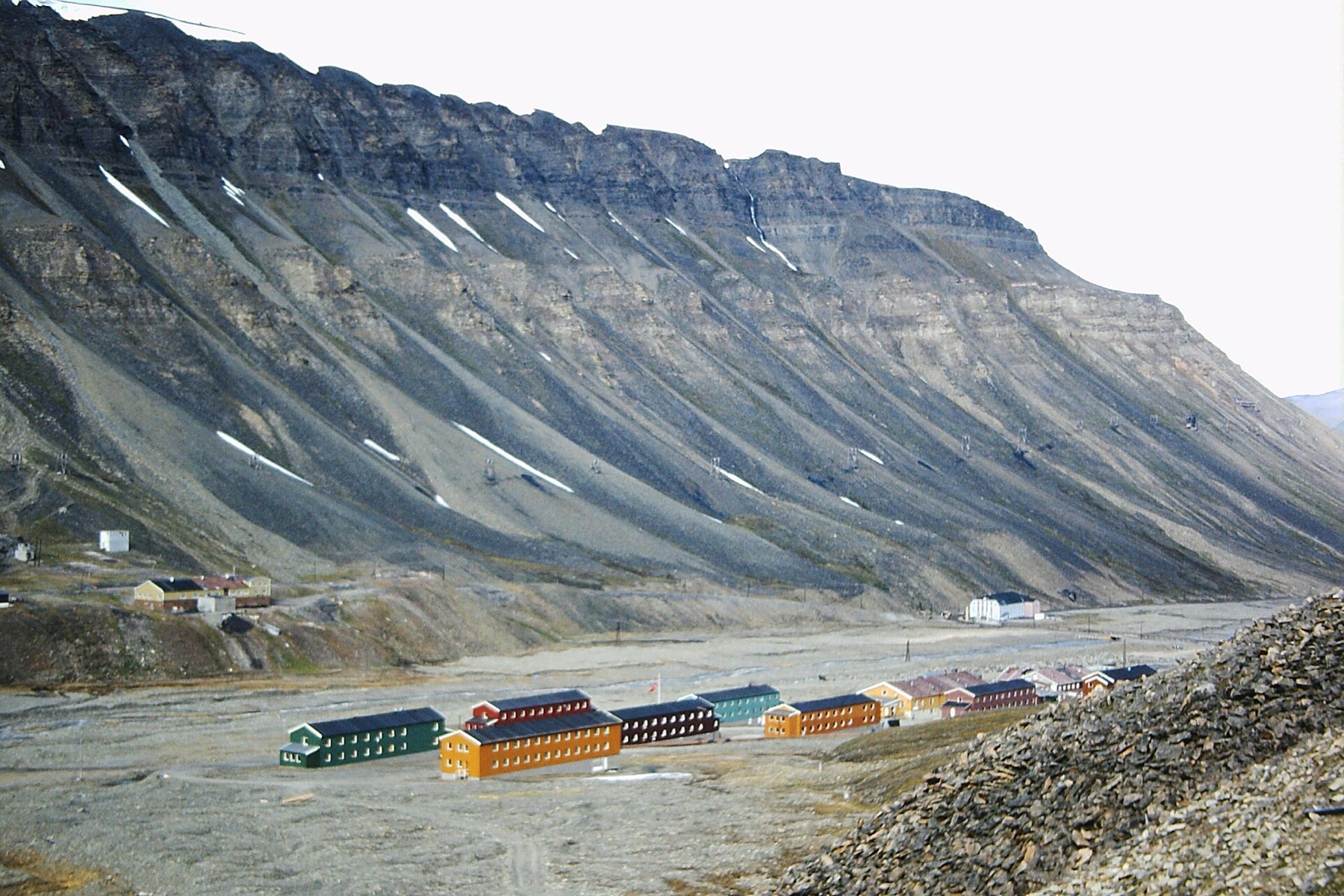
The capital of Longyearbyen is fairly small, and the vast majority of accommodation is either right in the centre or in the quieter nearby district of Nybyen. A huge advantage is that the airport bus stops at all the main hotels and guesthouses, so after landing you don’t have to deal with any complicated transfers dragging suitcases through the snow. A return ticket costs 170 Norwegian kroner (roughly €15) and the bus reliably connects to all arrivals and departures. But really don’t wait to book your accommodation: in April hotels and guesthouses simply fill up overnight.
If you’re looking for the most budget-friendly option, travellers very often recommend Gjestehuset 102 in the Nybyen area. It’s a simple but clean guesthouse with an excellent breakfast, where a bed in a shared room goes for roughly €60 a night. It’s about a thirty-minute walk into the centre from here, which is manageable without any problems, but in a winter blizzard it can be quite an adventure. Right next door you’ll find the very popular Coal Miners’ Cabins (from €120 a night), housed in carefully restored historic cabins of the original miners, offering a truly beautiful, authentic atmosphere.
For those who love more comfort right in the town centre, an absolutely great choice is the Basecamp Hotel (from €450 a night), which enchants you at first glance with its luxurious trapper design full of solid wood and seal skins. Also very popular is the modern Radisson Blu Polar Hotel Spitsbergen (from €290 a night), in a strategic spot just a short walk from the main supermarket, and after a whole day of frost you’ll appreciate its luxurious outdoor hot tubs. If you’re after something really unconventional, try Mary-Ann’s Polarrigg (from €160 a night), an incredibly quirky guesthouse built in a former miners’ barracks with an absolutely unique restaurant. And for those who want real boutique luxury and don’t mind a slight hill, I warmly recommend the elegant Funken Lodge, which boasts fantastic cuisine and a great view over the whole snowy valley.
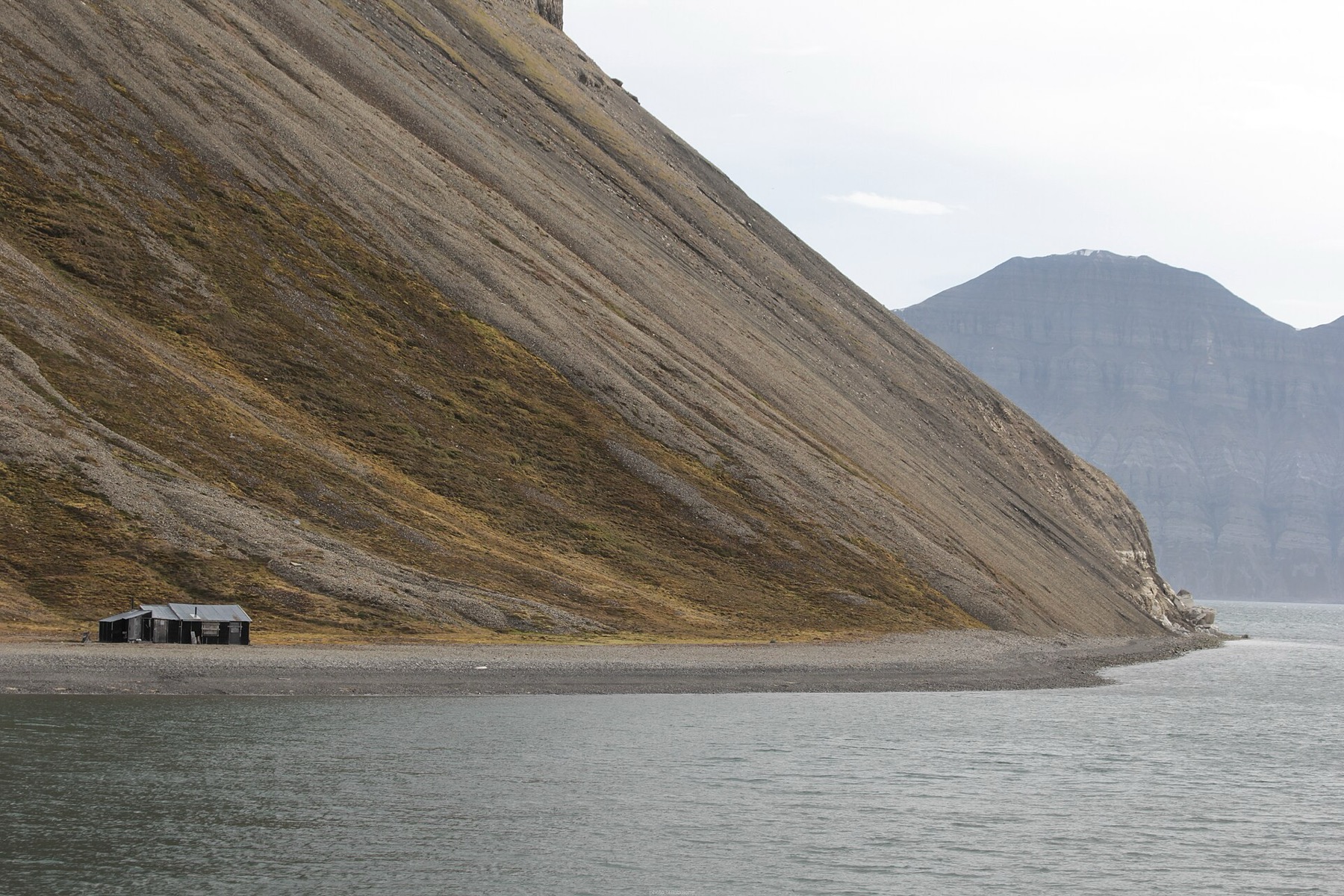
15 things to see and do in Svalbard, Norway
Whether you go for a snowy winter fairytale or summer exploration of green fjords, Svalbard definitely has something to offer in every season. Here are my fifteen tips — from the must-dos to a few hidden gems you’ll only stumble upon if you know where to look.
1. Soak up the atmosphere of Longyearbyen
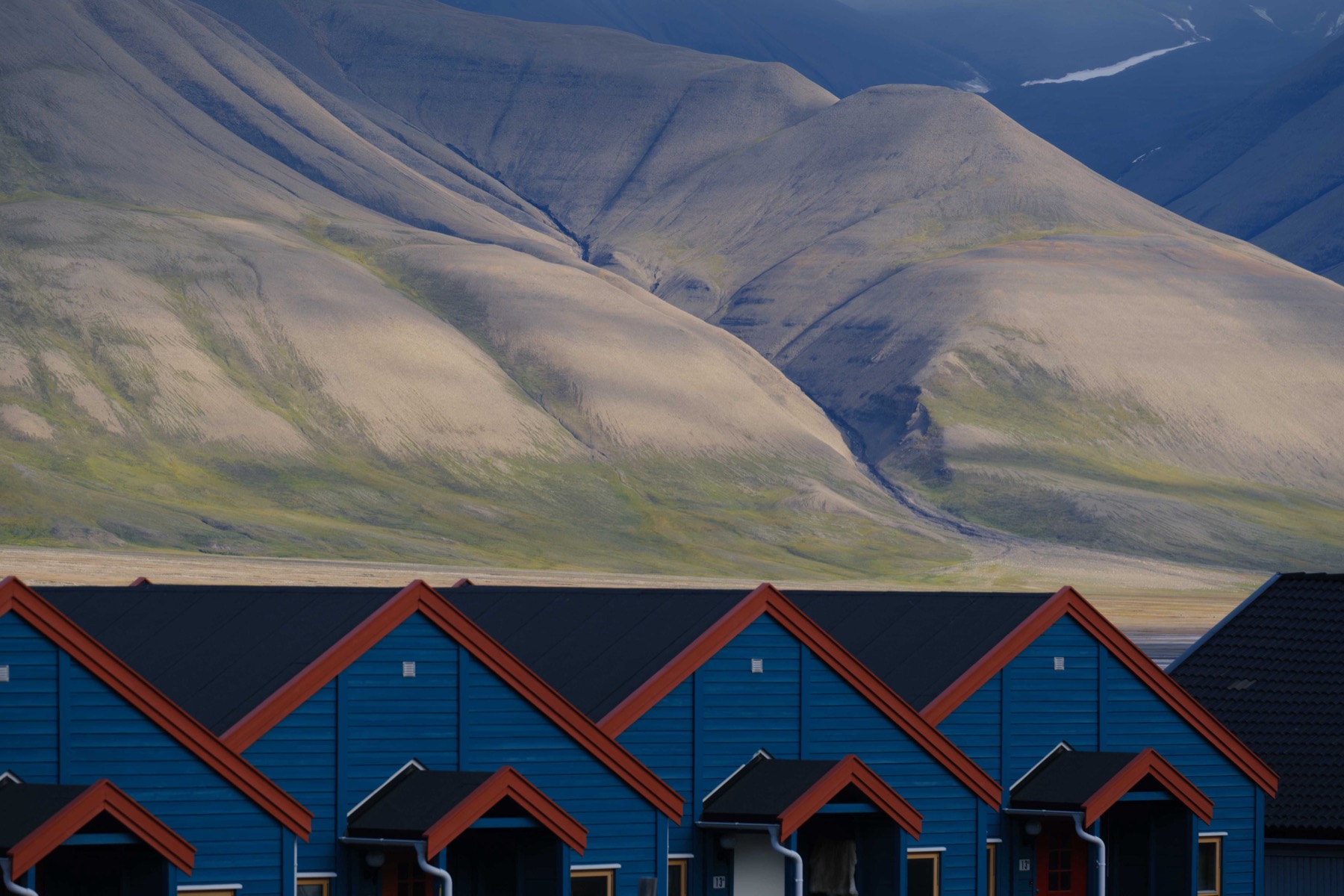
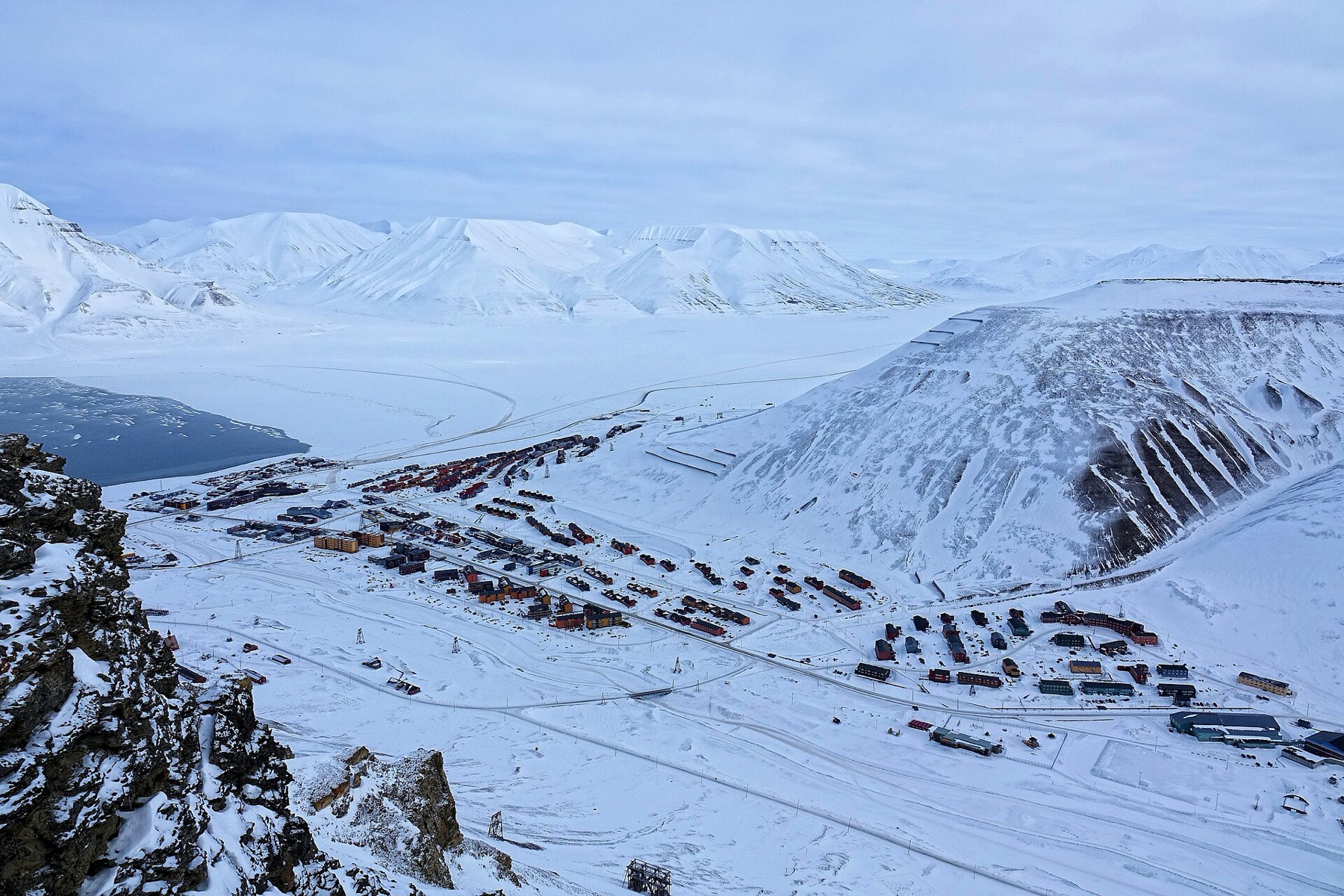
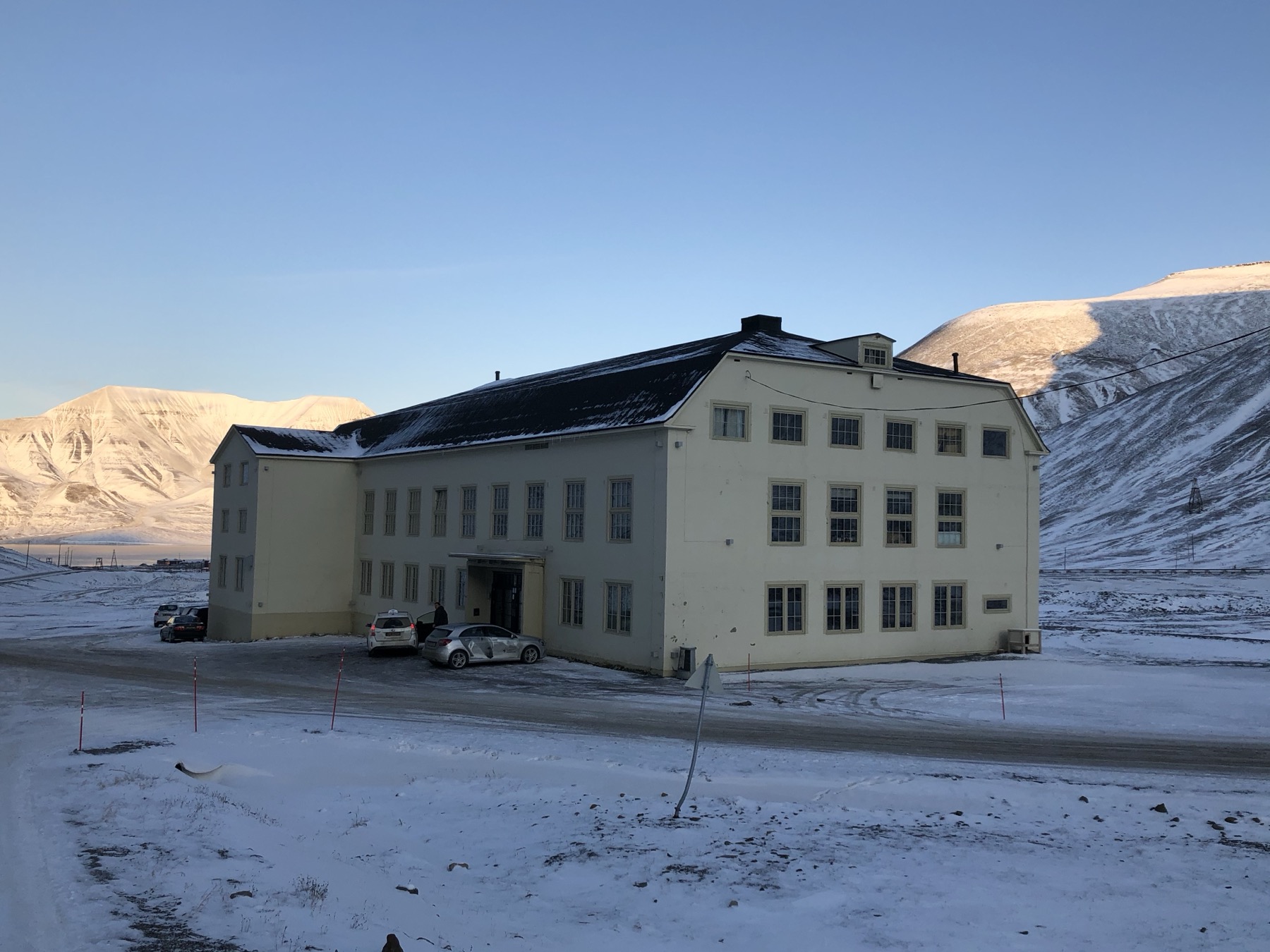
The world’s northernmost town with regular air service is a fascinating place in itself, and you can walk through it in a single afternoon. Around two and a half thousand people from more than fifty countries live here, which in the middle of the icy wilderness creates an incredibly cosmopolitan and friendly community. Stroll among the brightly coloured wooden houses, which sharply contrast with the harsh Arctic landscape, and don’t forget to take a photo by the famous polar bear road sign, whose “Gjelder hele Svalbard” warning means the danger applies to the entire archipelago. You’ll find the sign right at the edge of town heading into the Adventdalen valley — and beyond it you can’t go without a firearm.
A particular feature of the town is its strong link to its mining past, reflected in one custom that’s very surprising to tourists. People take their shoes off practically everywhere here — not just in your hotel, but also in the museum, at the university and in the tourist information centre. This custom arose in the days when miners carried the ubiquitous coal dust on their soles, and it’s still strictly observed today, so definitely pack some warm wool socks. In contrast to this homely cosiness are the ever-present rifles, for which you’ll find special lockable storage lockers outside the local supermarket and bank.
💡 Tip: Another absolute curiosity is the fact that it’s officially forbidden to die and to be born on the islands. Because of the permafrost, which would push bodies back to the surface, the cemetery hasn’t accepted new burials for decades, and pregnant women must fly to a maternity ward on the mainland several weeks before their due date.
2. Explore the Arctic museums and northernmost church
If a snowstorm is raging outside or you simply want to rest after a demanding all-day trip, it’s the ideal time to take shelter in the warmth of the local museums. The main and most important one is the beautifully crafted Svalbard Museum, housed in the modern university centre building right by the fjord. Its interactive exhibition takes you through the complete history of the archipelago, from the first explorers and rugged trappers through the coal mines to modern research on melting permafrost. The entrance fee is 160 Norwegian kroner (roughly €14), children under eighteen get in completely free, and it’s usually open every day from ten to five.
A second gem for history lovers is the North Pole Expedition Museum, which focuses in detail on the fascinating and often tragic attempts to conquer the North Pole. Here you’ll learn absolutely everything about the huge airships Norge and Italia, with which Roald Amundsen and Umberto Nobile tried to fly across the ice plains. Entrance costs roughly a hundred Norwegian kroner, and together the two museums make for a pleasant half-day.
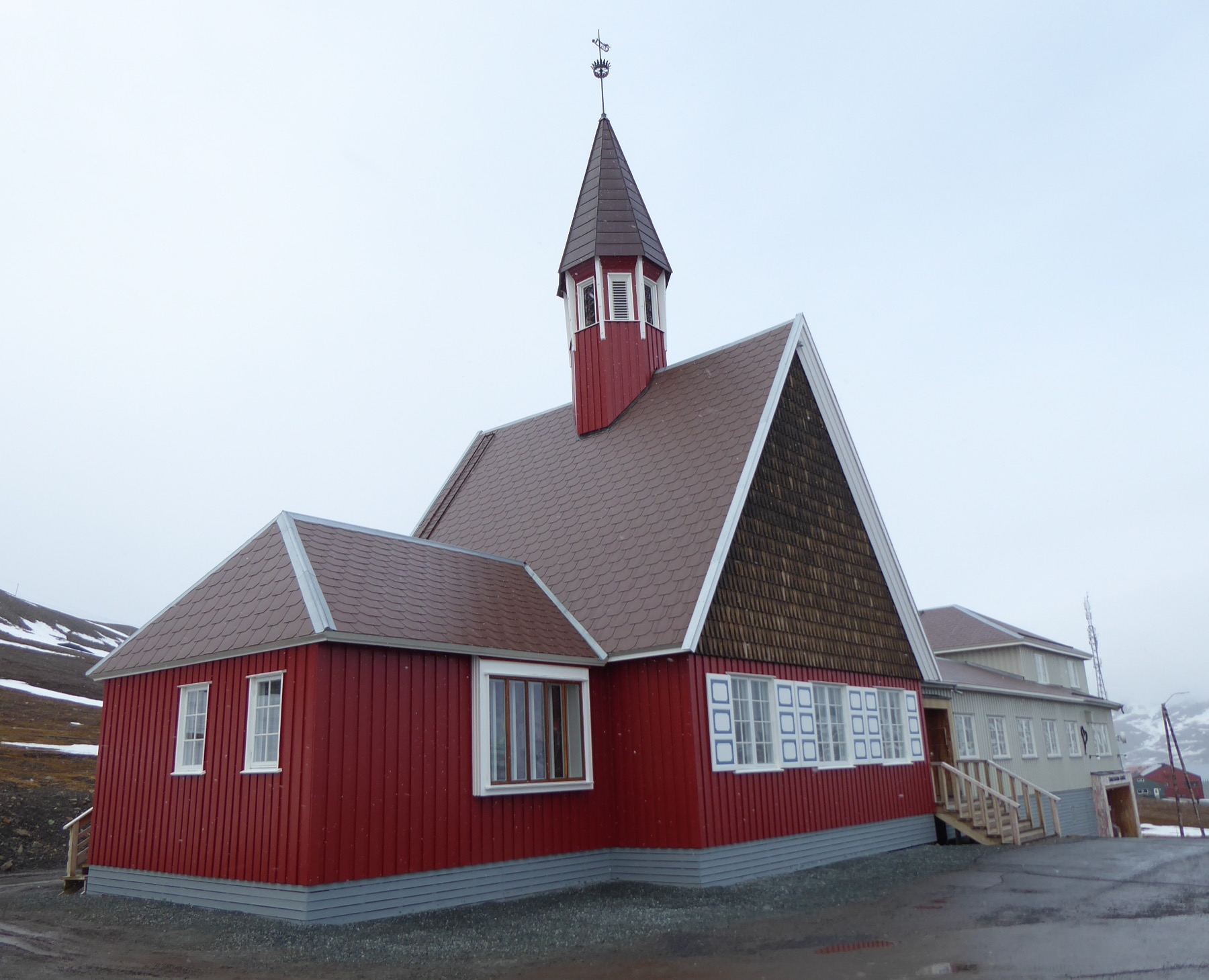
💡 Tip: During your walk through town, definitely don’t miss a visit to Svalbard Kirke. It’s the northernmost church in the world, which functions as a community centre and is open around the clock, 24 hours a day. Inside you can sit down in peace, warm up and even help yourself to free hot coffee or tea.
3. Stop by the Svalbard Global Seed Vault (the doomsday vault)
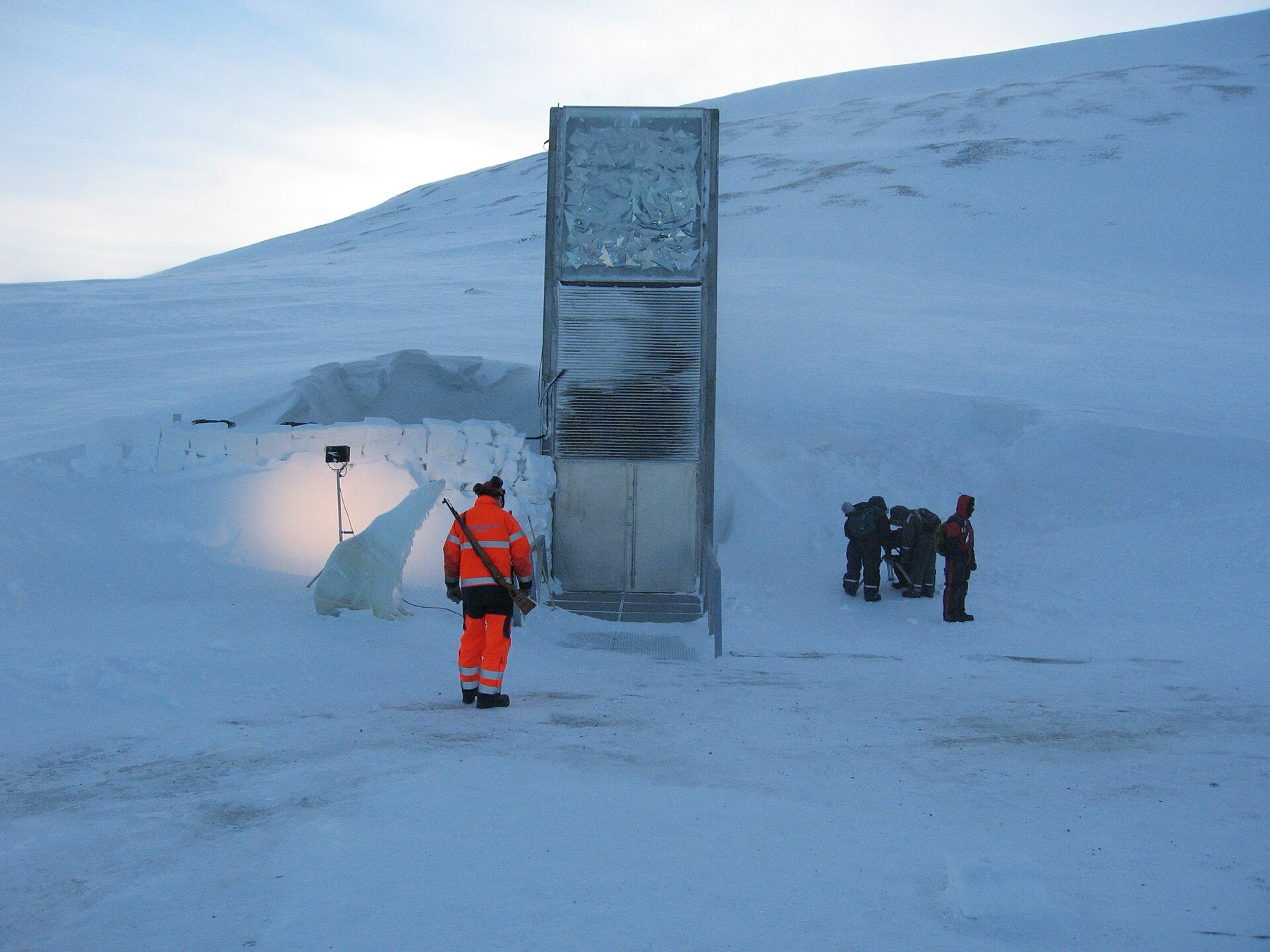
The Global Seed Vault, known around the world as the Svalbard Global Seed Vault, is without doubt one of the most interesting and important projects on our planet. This huge vault is driven 120 metres deep into the rock in permanently frozen ground just above the airport, and serves as the ultimate backup in case of a worldwide natural or wartime catastrophe. According to 2026 figures, it currently holds more than 1.4 million seed samples of agricultural crops from all over the world, safely sleeping here at temperatures far below freezing.
Unfortunately you won’t get to look inside: the vault is strictly closed to the public, and in the past it also had problems with water seeping in from melting permafrost, so the whole entrance tunnel was waterproofed. But a regular road runs past the portal, and the iconic concrete structure with its turquoise-glowing light installation on the roof is worth every step.
💡 Tip: It’s quite a long way from the town centre on foot, and uphill. But most town sightseeing tours will comfortably take you to the vault — for example the very popular Kalo Sightseeing minibus tour, which for 385 Norwegian kroner offers a great two-hour introduction to the secrets of Longyearbyen.
4. Descend into the heart of a glacier ice cave
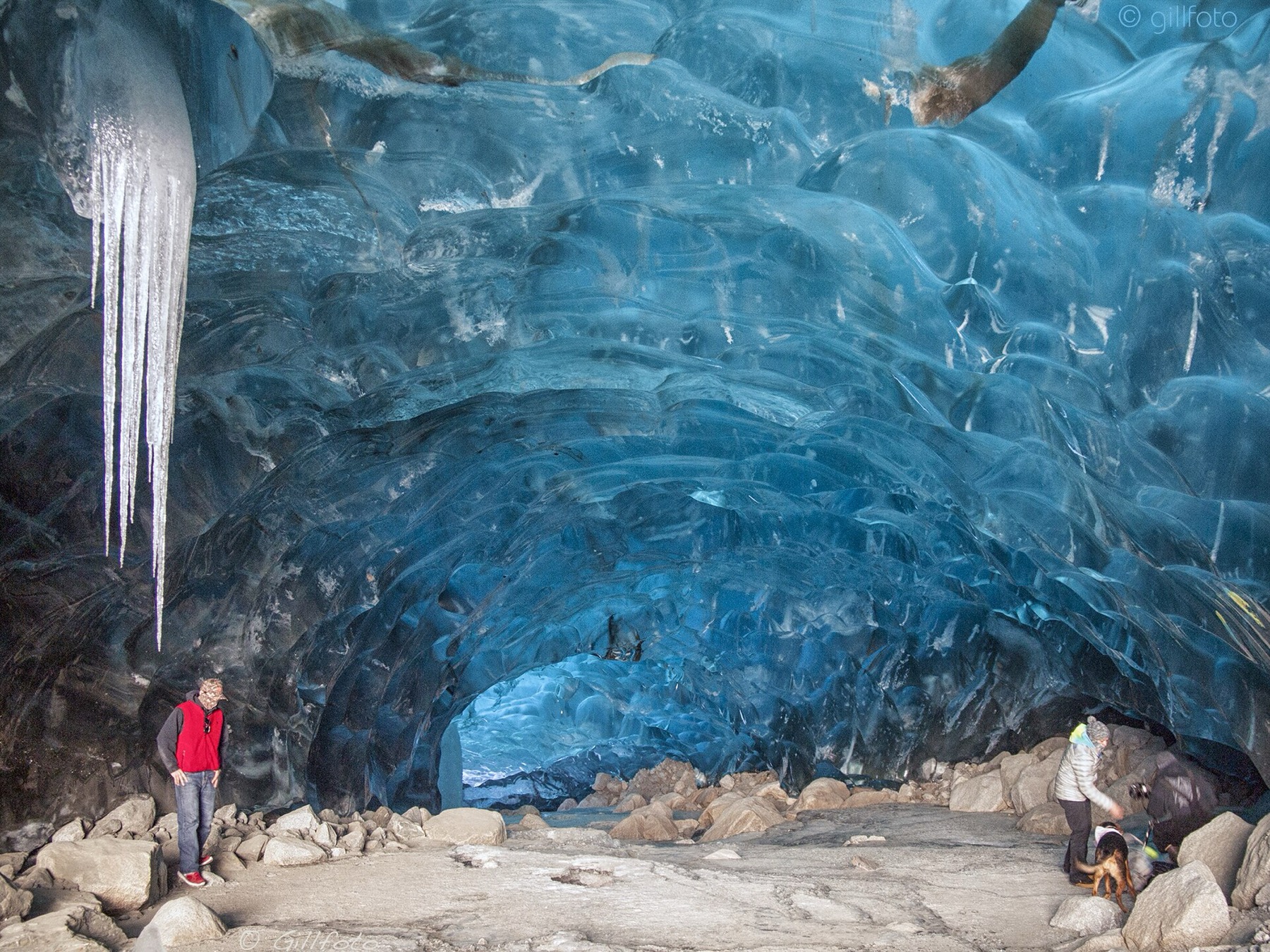
According to many enthusiastic travellers on the forums, this is the absolute highlight of a winter visit to Svalbard and an experience you’ll never forget. During the short summer melt, water carves deep channels in the glaciers, which freeze over again in winter and create fascinating, sparkling caves full of blue ice. These popular trips typically run from late January to mid-May and most often lead to the nearby Longyearbreen glacier, which rises majestically in the valley just outside town.
Getting to the cave itself is an adventure in its own right, because you’ll be taken there by a special tracked vehicle called a snowcat. At the entrance to the glacier you’ll get a helmet with a headlamp, and you’ll squeeze through narrow ice corridors with your guide, glowing in every possible shade of blue and white. Some passages require a bit of crawling and sliding, but anyone of average fitness can manage. A three-hour trip with an agency like Snowfox Travel costs roughly 1,300 Norwegian kroner (about €115), and that view of thousand-year-old ice is worth every penny.
5. Experience the silence of dog sledding
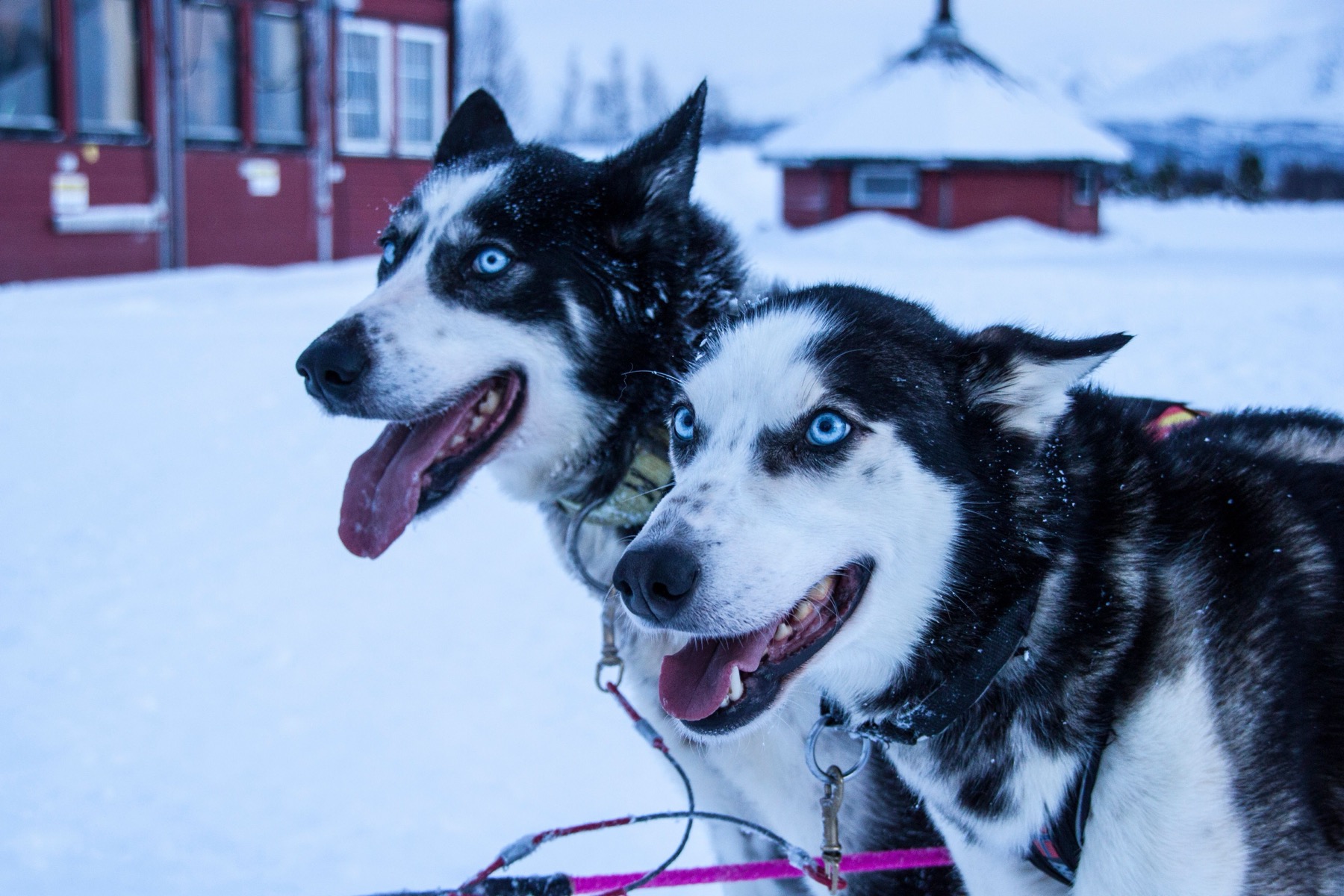
While snowmobiles make an enormous racket and reek of petrol, riding a sled pulled by a pack of eager huskies lets you experience Arctic nature the way you can’t from a snowmobile cabin or a boat deck: in absolute silence, just you and the pack. Dog sledding is one of the most popular winter activities, and you can choose anything from shorter three-hour rides into the Adventdalen valley to demanding multi-day expeditions. Travellers on the forums really praise the approach of local family farms like Green Dog Svalbard or Arctic Husky Travellers, where you can see at first glance that the dogs are true partners to the owners and the animals are superbly cared for. A half-day trip will cost you roughly two to three thousand Norwegian kroner.
The good news is that you won’t miss out on this authentic experience even if you come in the snowless summer months. In summer the operators harness the dogs to special wheeled carts, which is great summer training for the animals and an equally thrilling adventure for you. The dogs absolutely love both winter and running, and their loud, excited barking before the start will instantly charge you with energy. What’s more, it’s one of the few outdoor activities that makes enormous sense even during the deep polar night, when around noon you can at least faintly make out the surrounding snowy hills.
6. Ride a snowmobile to a glacier
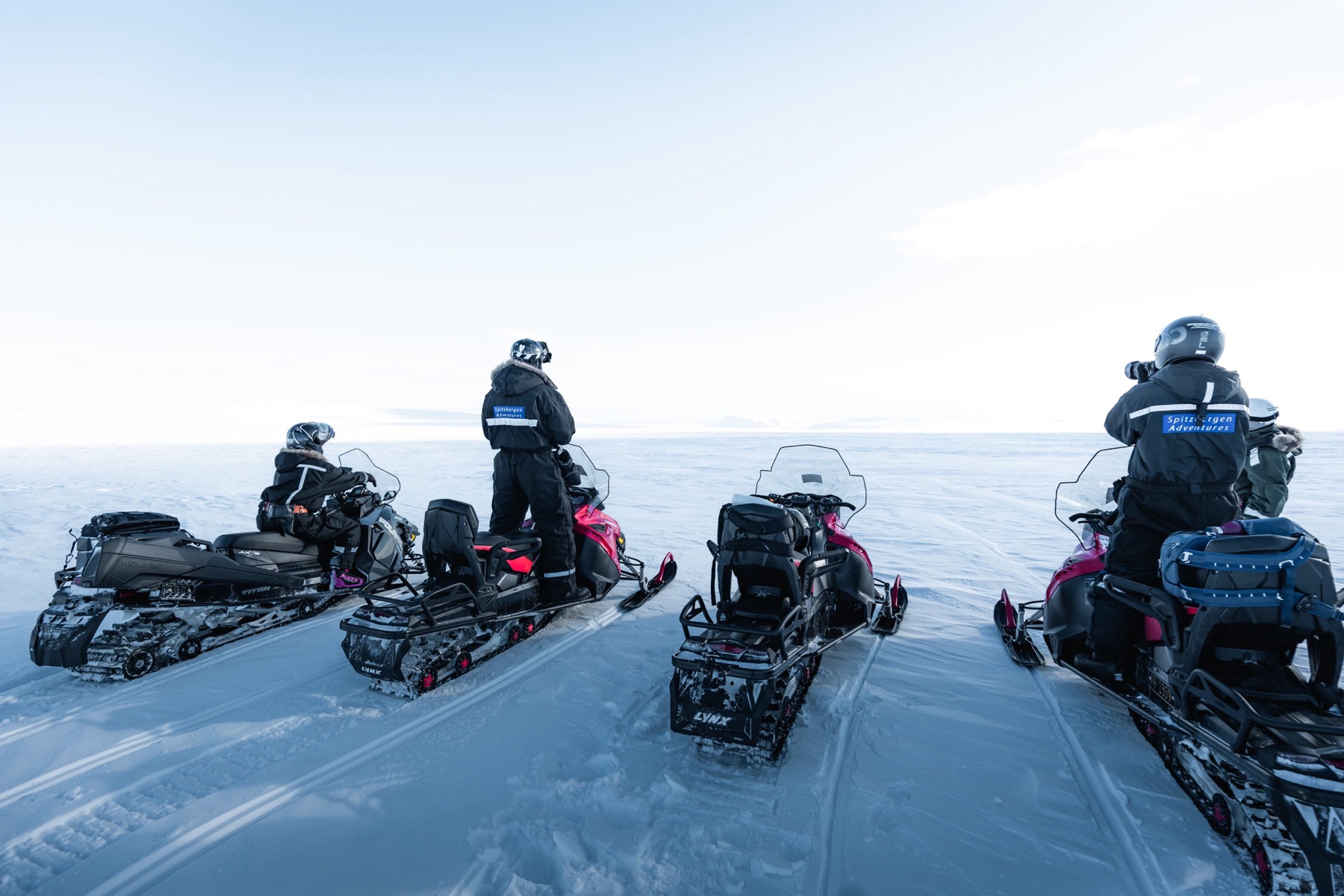
There are slightly more snowmobiles registered in Longyearbyen than there are inhabitants, and in the winter months they’re the main means of transport for the locals. The most popular full-day trip takes you to the frozen Tempelfjorden, where after a few dozen kilometres the breathtaking wall of the Tunabreen glacier opens up before you. These trips are an absolutely ideal choice for your first taste of driving a snowmobile, and are run by, for example, Hurtigruten Svalbard, which has recently even started offering quiet electric snowmobiles.
For more experienced and daring individuals there’s the long crossing to the remote east coast, where you have a much greater chance of spotting the king of the Arctic in the distance. But be prepared to spend easily eight hours in a row on the snowmobile, and the Arctic frost combined with the speed of the ride can be truly relentless even through a rented overall. Since 2025 there’s also a strict ban on driving snowmobiles onto the sea ice in protected fjords after 1 March, so tourists don’t disturb bears hunting seals.
💡 Tip: The trip to Tempelfjorden costs roughly 3,500 Norwegian kroner for the driver (about €310). But if you don’t have any driving experience or want to save, don’t be afraid to sign up as a passenger, who usually pays only around 2,100 Norwegian kroner and can calmly admire the passing landscape the whole way.
7. Sail through an icy fjord by boat
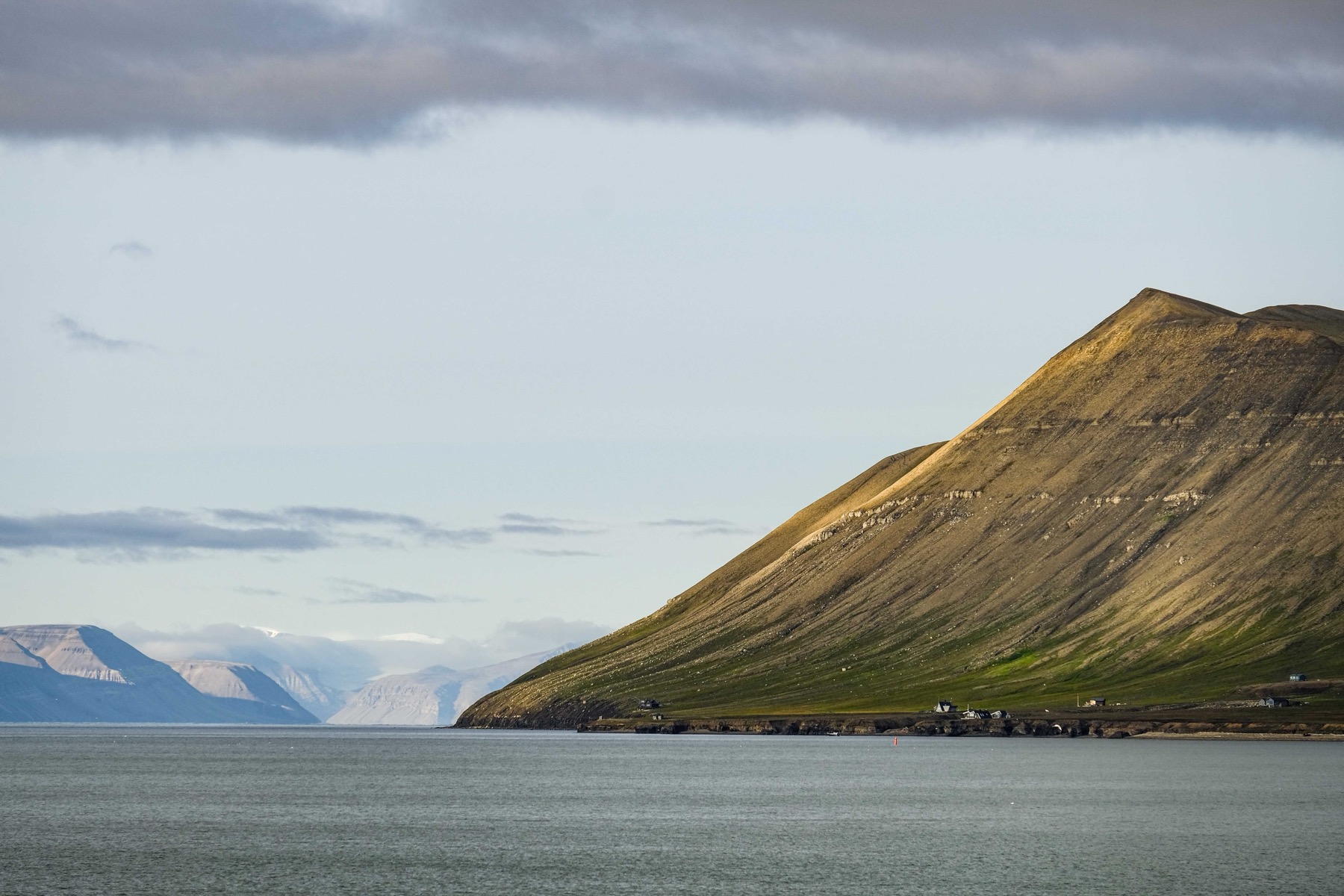
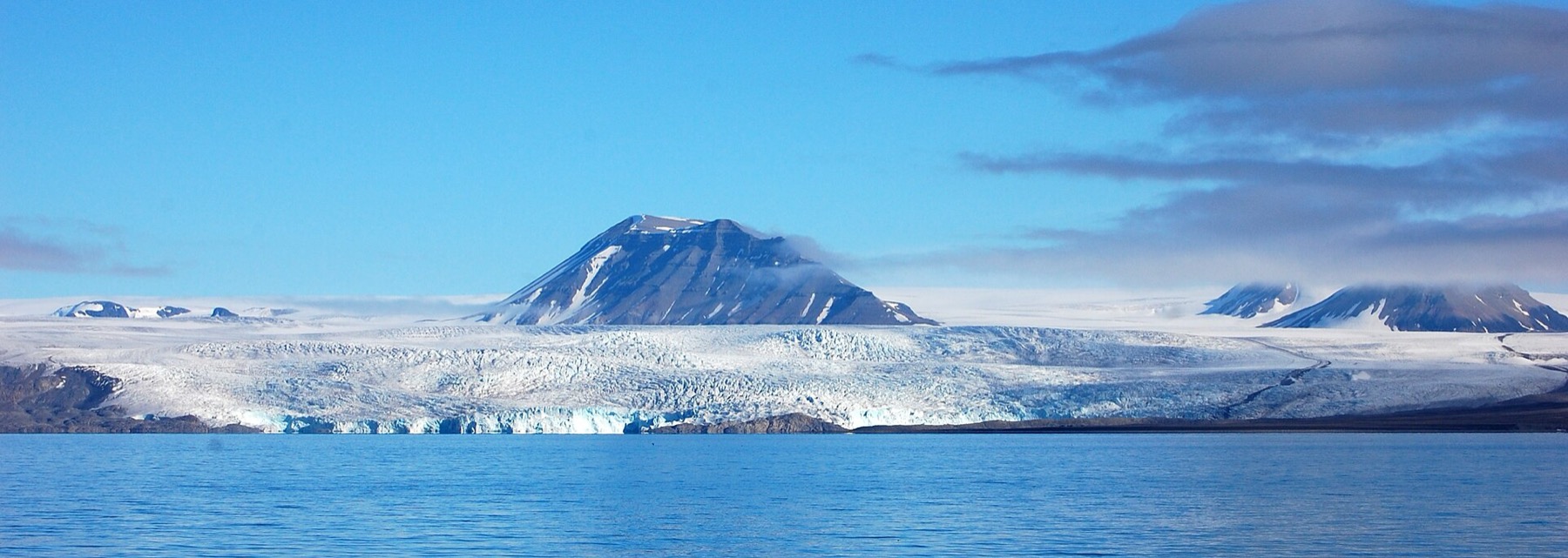
In the summer season from mid-May to October the snow melts and the main action shifts from land to water. Isfjorden is a huge system of fjords that, thanks to the influence of the warm Gulf Stream, remains free of solid ice for most of the year. One of the most pleasant and eco-friendly ways to explore it is on the modern hybrid electric Brim Explorer boats, which offer a completely silent ride and huge panoramic windows. A four-hour cruise costs roughly 2,295 Norwegian kroner and takes you to gorgeous bird cliffs.
During the cruise you’ll get up close to the majestic fronts of glaciers, from which huge chunks of blue ice thunder off straight into the sea. There’s great comfort on board — you can have a hot coffee or tea in the warm lounge and dash out onto the open deck only when something interesting to photograph appears. But keep in mind that since 2025 new protection rules have come into force, under which boats with a capacity over 200 passengers may not sail into protected national parks, and the captain must maintain a mandatory distance from polar bears of a full 300 to 500 metres.
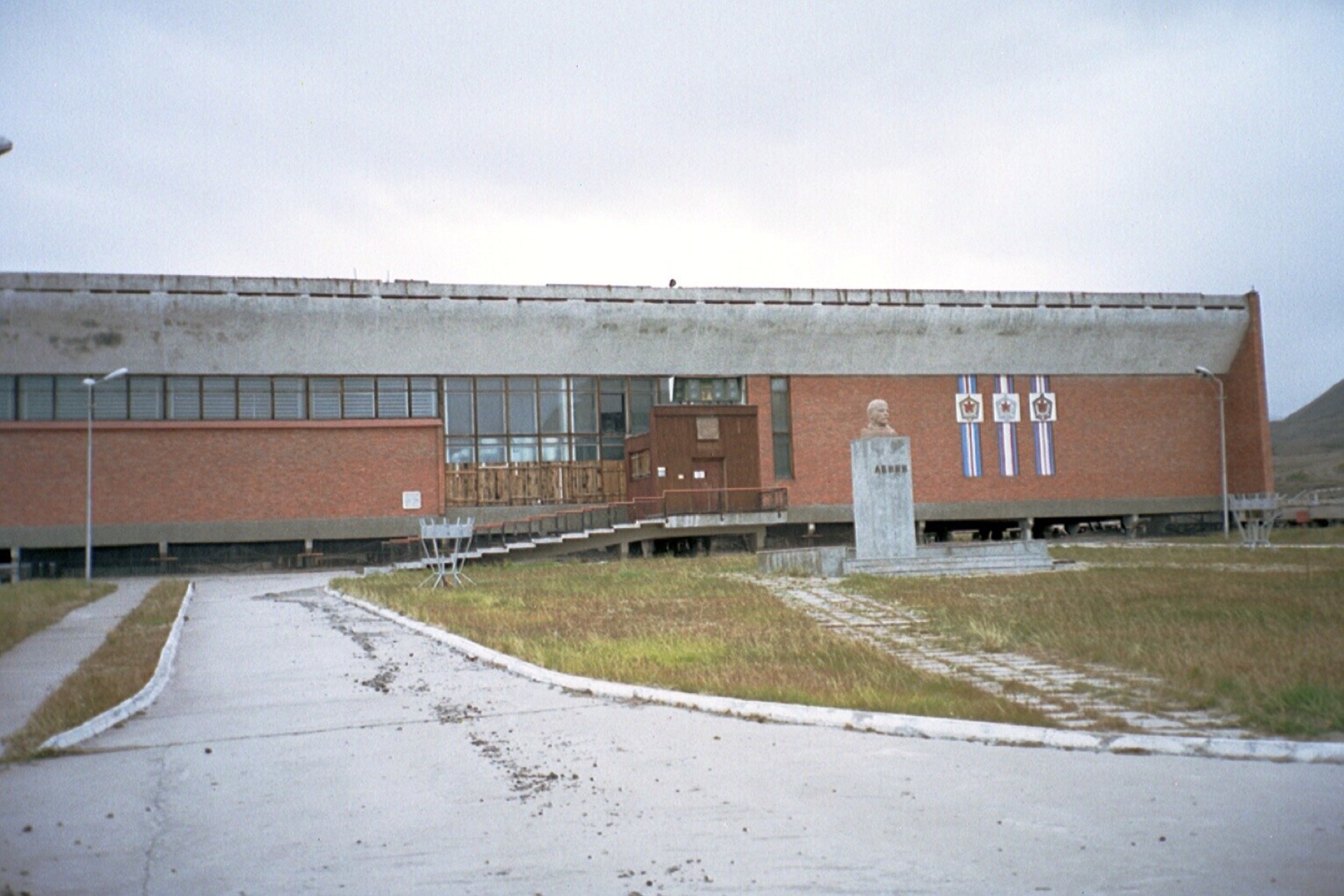

8. Discover the Soviet ghost town of Pyramiden
A visit to the settlement of Pyramiden is like a fascinating trip in a time machine back to the days of the deep Soviet Union. This former mining pride, still administered by the Russian state company Trust Arktikugol, was completely abandoned in 1998, just two years after a tragic plane crash that killed 141 local residents. Thanks to the Arctic frost the settlement has remained perfectly preserved, and today only around ten to twenty people live here, looking after its maintenance. You get here in summer by boat on a full-day trip for roughly 2,800 Norwegian kroner.
Walking among the empty apartment blocks, you’ll feel a really strange, slightly eerie atmosphere. There’s a surprisingly well-preserved cultural house to see, an old swimming pool, empty canteens and also the northernmost statue of Lenin in the world, which looks down from the square onto the majestic Nordenskiöldbreen glacier. Because this is an abandoned area without permanent bear patrols, and bears occasionally wander right between the houses, the walk through town takes place strictly in a tight group with an armed guide, and you must not stray from the group even a step — and honestly, in a place where bears walk right between the houses, nobody really minds.
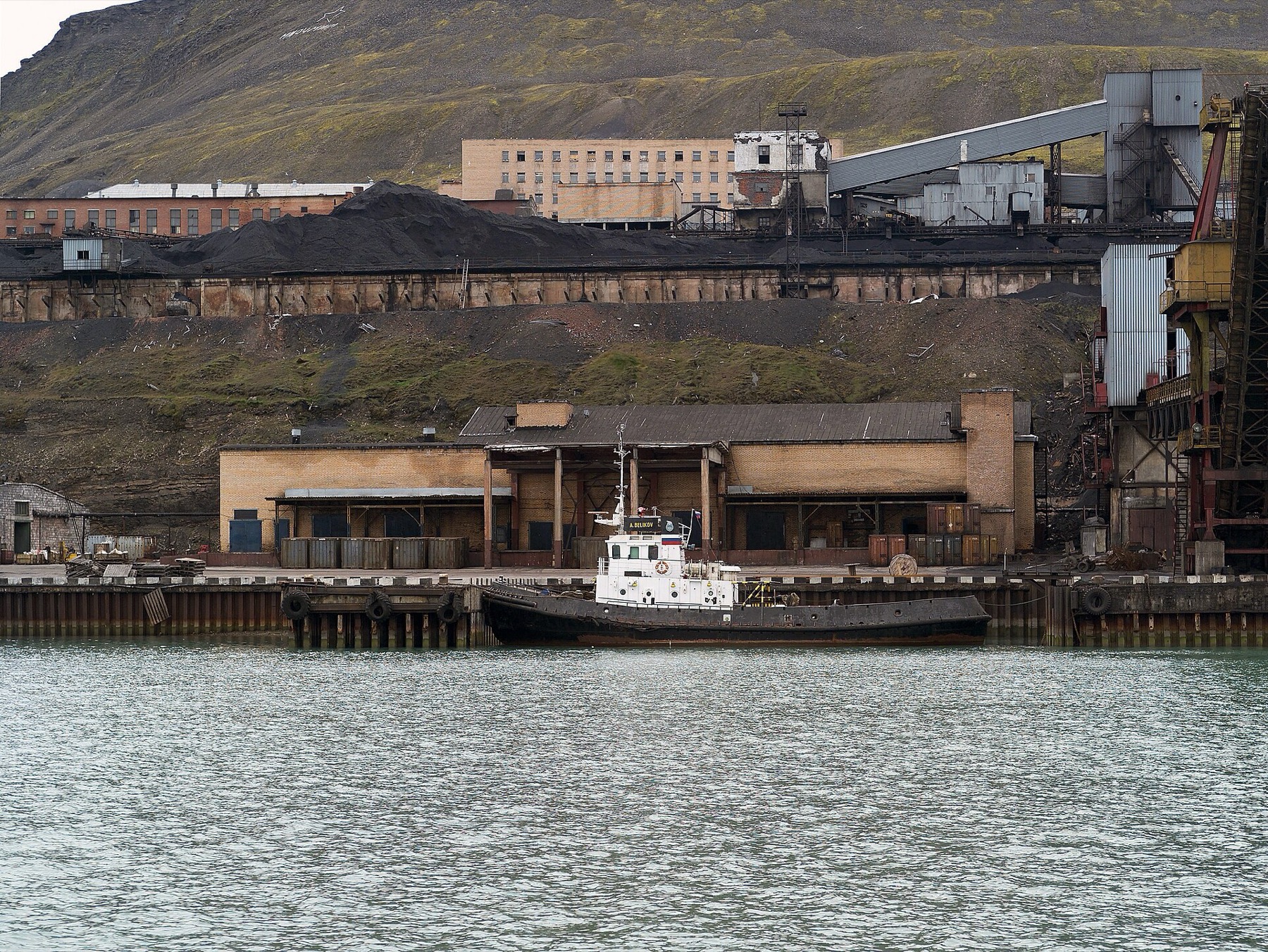
9. Take a peek into Russian Barentsburg
Unlike Pyramiden, Barentsburg is still an active mining settlement, home to around four hundred Russian and Ukrainian miners, and it still extracts around a hundred thousand tonnes of coal a year. Most of the buildings date from the 1970s and 1980s, and you’ll find a working school, an Orthodox chapel and the unique Red Bear brewery (Krasny Medved), where local beer is brewed in Arctic conditions. People commonly travel to Barentsburg by boat on half-day trips, or by snowmobile in winter.
It’s necessary, though, to mention the complex current political context that affects visiting options. After the invasion of Ukraine, the local Norwegian tourist board Visit Svalbard called for a boycott of the Russian state company Trust Arktikugol, which runs both Barentsburg and Pyramiden. For that reason most Norwegian boats, such as Polar Charter, offer for roughly 2,300 Norwegian kroner only a cruise into the fjord with a view of the town and so-called “window shopping”. Alternatively, you can walk through the settlement without spending any money on services and thus supporting the Russian state enterprise.
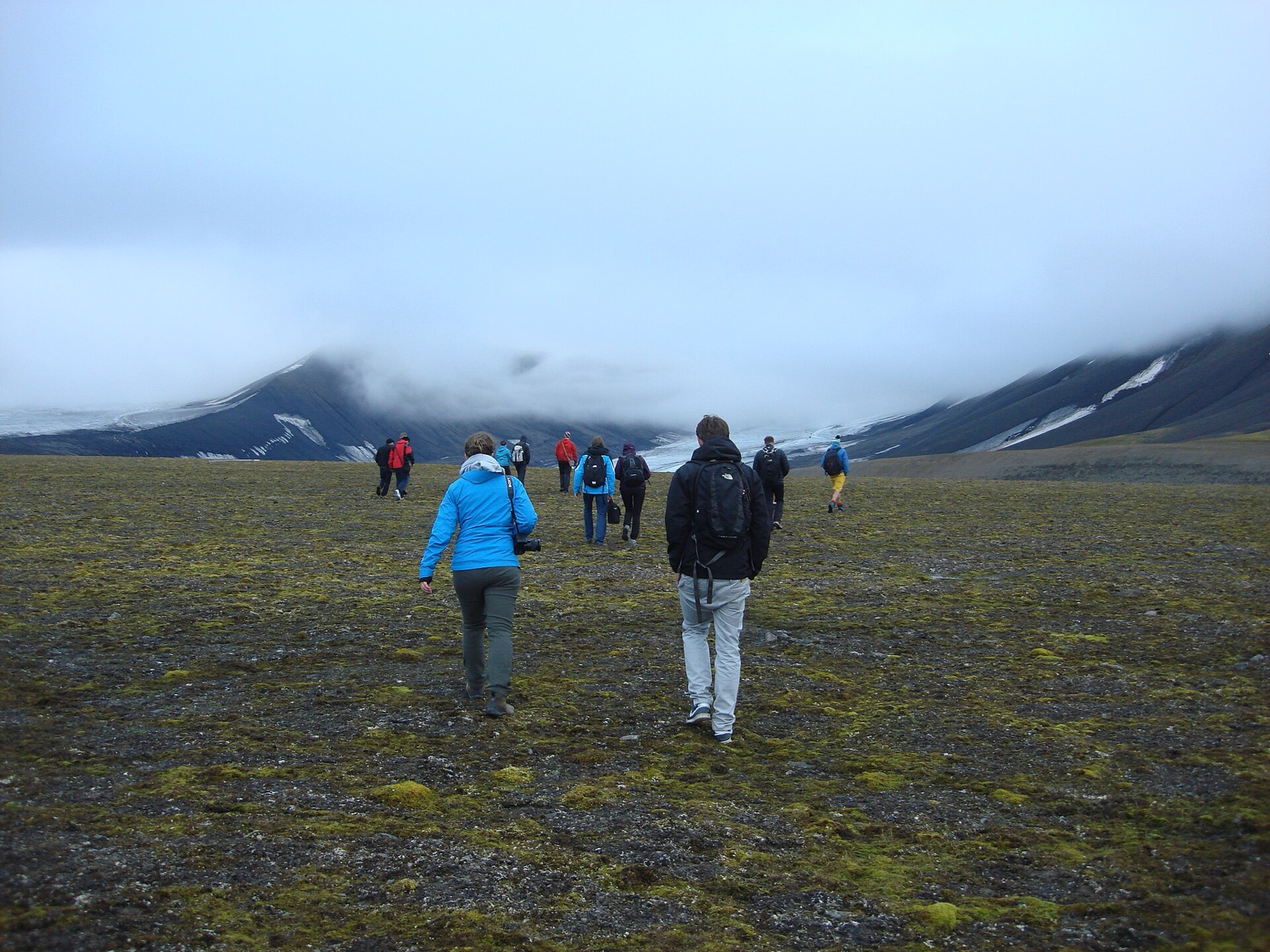
10. Set out on a hike with an armed guide
Svalbard offers wonderful options for hiking, but as you already know from the introduction, outside town beyond the bear sign you can’t take a single step without a loaded rifle. For individual trips outside the so-called Zone 10 you even need special insurance and permission from the governor. Local agencies therefore organise great guided hikes to the surrounding peaks, which you can safely manage even with average fitness, and the guide takes care of all the safety. Very popular is the climb up Mount Trollsteinen or Sarkofagen, from which there’s a fantastic view of two neighbouring glaciers.
A shorter and easier option is the evening hike up the plateau mountain Platåberget right above Longyearbyen, offered for example by Svalbard Wildlife Expeditions for 870 Norwegian kroner (around €75) and highly praised by travellers. Along the way the guides look after not only your safety but also tell fascinating stories about geology, coal mining and Arctic fauna.
💡 Tip: If you set out on a summer hike, be prepared for the melted permafrost to turn the landscape into a giant sponge. You’ll be wading through mud and stepping across icy little streams, so high, one hundred percent waterproof boots are an absolute necessity, otherwise your feet will be soaking wet after five minutes.
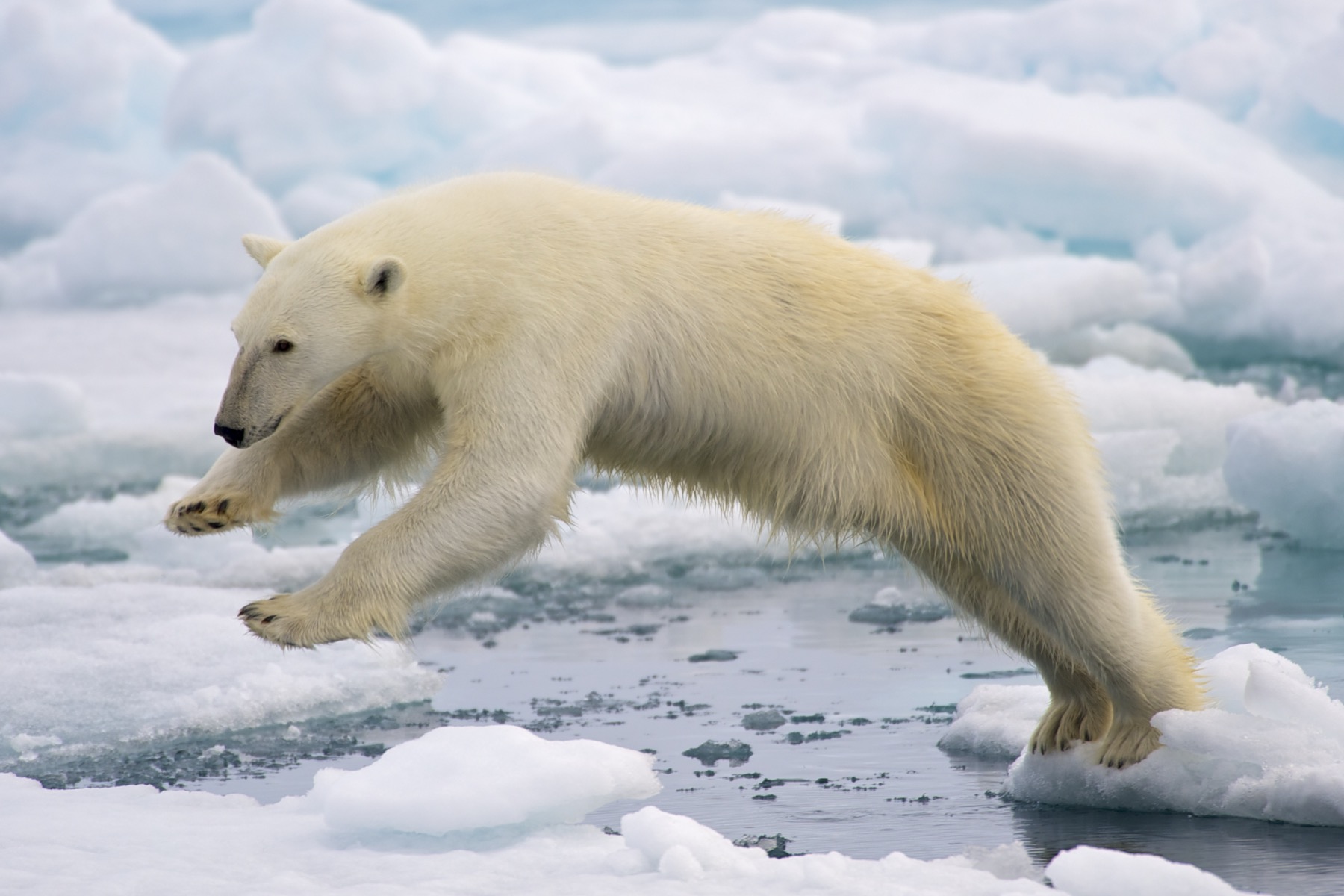
11. Watch the unique Arctic wildlife
Although you won’t easily spot a polar bear up close, there’s an enormous amount of wildlife to see and Arctic nature is surprisingly lively. Practically everywhere around town you’ll come across adorable Svalbard reindeer, of which over twenty-two thousand live on the islands. Due to their adaptation to winter they have surprisingly short legs and a barrel-shaped little body, so rather than a majestic Nordic animal they resemble a shaggy pony. They have no natural enemy, so they’re not afraid of people at all and will let you get within a few metres — just please don’t stress them out needlessly with close-up photos.
Around bird cliffs like the famous Alkefjellet area, nimble Arctic foxes in both blue and white fur variants often roam, searching for fallen eggs in summer. In the fjords you can commonly spot huge walruses resting on the beaches from the boat, for example at the popular Poolepynten stop. But remember that since 2025 strict rules apply and boats must keep a distance of at least 150 metres from walrus colonies. And if you’d like to go on a trip specifically to see bears, know that no commercial “polar bear tours” officially exist here, because actively tracking bears is strictly forbidden and punishable by a fine.
12. Celebrate the return of the sun at Solfest
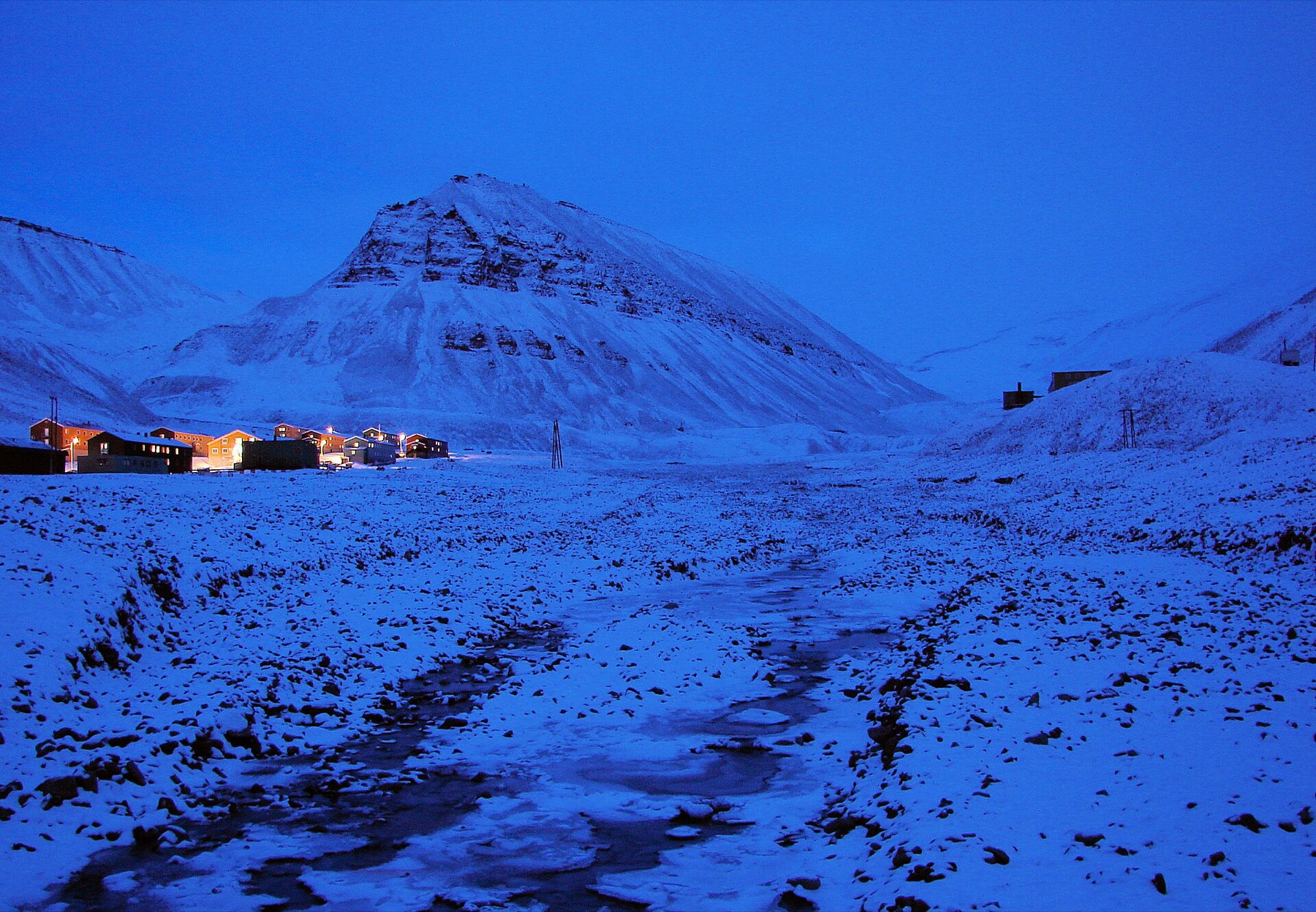
The end of the polar night is an absolutely crucial event of the year in Svalbard, one that all the inhabitants look forward to incredibly after long months of total darkness. The sun does climb above the horizon in mid-February, but because of the high mountains that hem Longyearbyen in on all sides, the first rays fall directly into town only exactly on 8 March. This day is celebrated with the grand Solfest festival, when the whole community gathers on the steps of the old hospital and welcomes the sun back with enormous enthusiasm. The period just before this date, the so-called blue hour, is considered the most photographically rewarding part of the year.
From 20 April the sun no longer sets below the horizon at all, and the period of the midnight sun begins, lasting continuously until 23 August. It’s an enormous strain on your biorhythm, because at three in the morning the sun shines outside with exactly the same intensity as at three in the afternoon, which confuses your body. If you come here in summer, I definitely recommend packing a really good sleep mask. Many travellers confide on the forums that after a week of constant sunshine they were absolutely exhausted, because in a brightly lit hotel room they simply couldn’t get a proper night’s sleep.
13. Circumnavigate the archipelago on an expedition ship
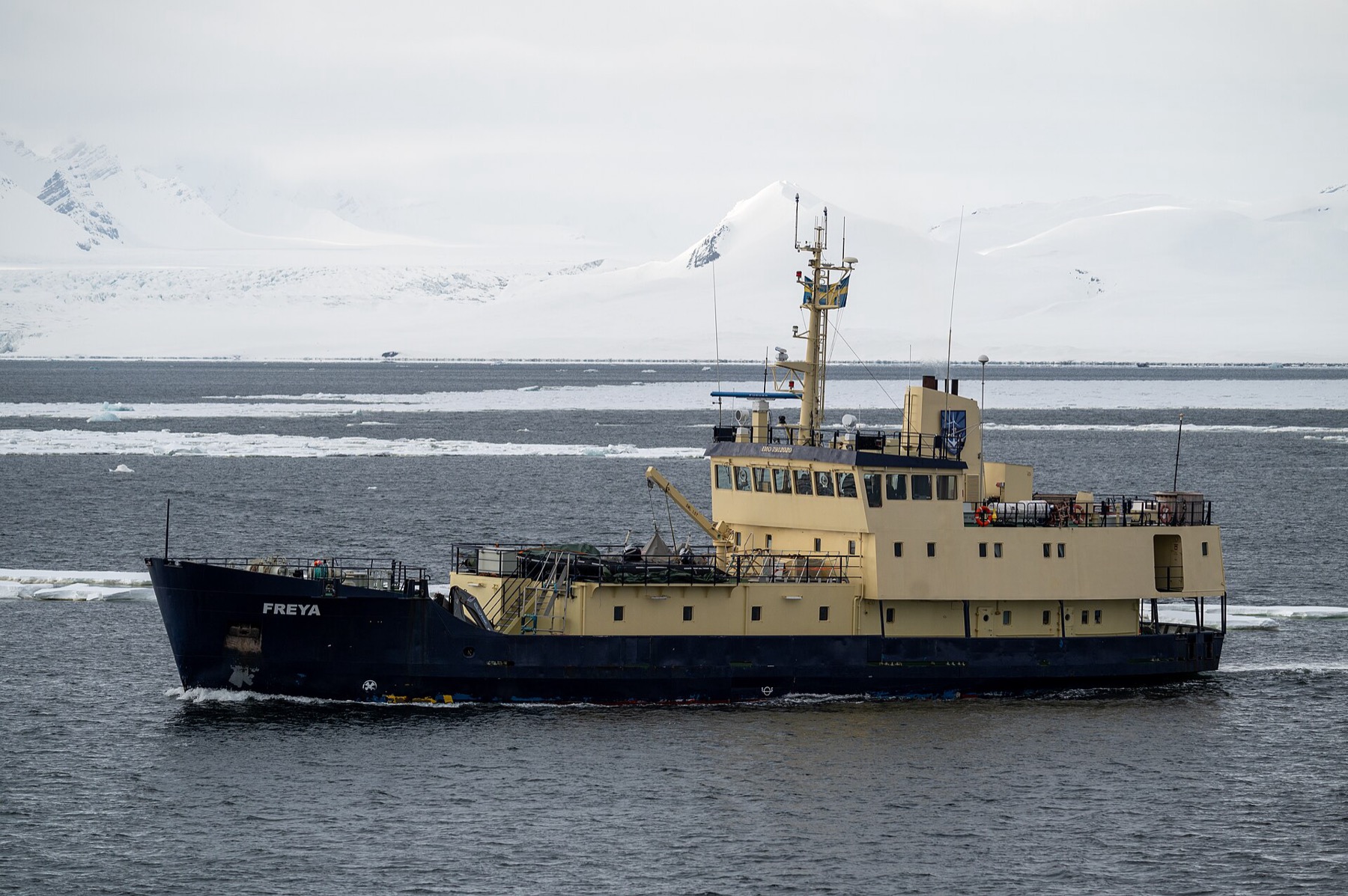
If you have a more generous budget and want to see the absolute best of the wild Arctic, a multi-day expedition cruise is simply a different league — and unfortunately the price reflects that too. Traditionally people sail to the west coast to Magdalenefjord, or in July and August, when the ice on the east coast melts, they undertake a complete circumnavigation of the whole archipelago. A ten- to fourteen-day cruise like this will cost you roughly €7,000 to €12,000. On smaller ships you’ll reach places where tourists rarely set foot, and it’s precisely from here that you have by far the greatest chance of safely observing polar bears hunting on the ice floes.
But pay enormous attention to the new rules in force since the start of 2025. Norway has radically tightened nature protection, so only ships with a capacity of up to 200 passengers may enter protected areas and national parks. Landing ashore via inflatable Zodiac boats is moreover permitted at only 43 pre-selected sites instead of the original hundreds of locations. On board and on land there’s also now an absolute ban on flying drones, so you can forget straight away about those beloved aerial shots of glaciers — the fines for breaking the rules are astronomical.
14. Don’t fall for the northern lights myth
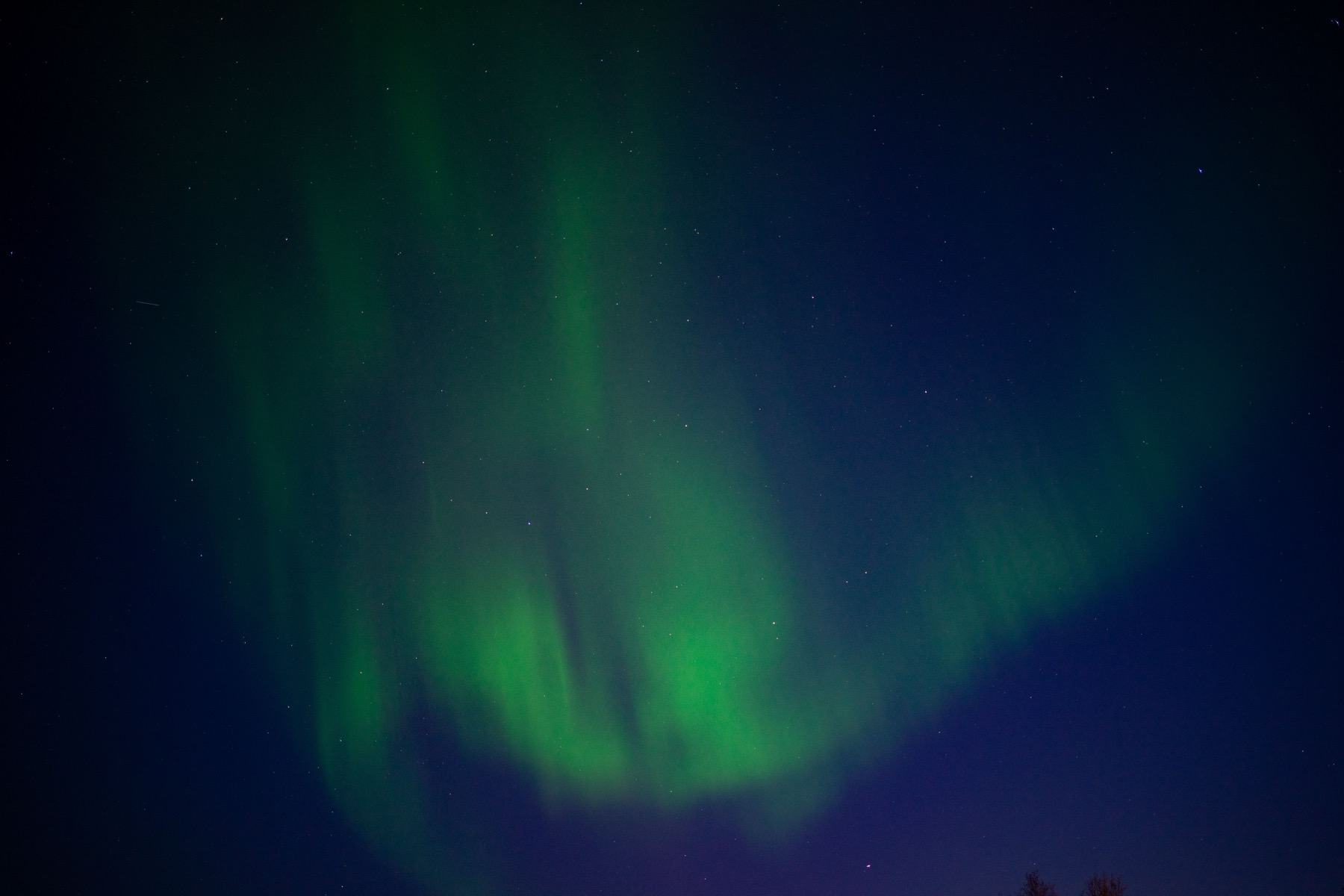
Lots of travellers buy expensive flights to Svalbard in the depths of winter thinking they’ll see the best and brightest northern lights in the world. But the truth is harsh for many: Svalbard lies, paradoxically, too far north and often sits outside the so-called auroral oval, which stretches further south across mainland Scandinavia. Local guides and experienced travellers on the forums unanimously agree that if your main goal is the dancing aurora borealis, you’ll do much better heading to the Norwegian mainland to Tromsø or the Lofoten Islands.
Yet Svalbard still has one huge rarity you won’t experience anywhere else in the world. Given that during the polar night from November to the end of January there’s total darkness even in the daytime, it’s the only inhabited place on earth where you can observe the northern lights quite happily at twelve o’clock noon. It’s called the “daytime aurora” and reportedly has a slightly different shade than the night-time one. If you’re missing evening activities through the dark winter, I highly recommend a visit to the Camp Barentz cabin just outside town, where for roughly 1,545 Norwegian kroner you’ll get a great warm dinner by the fire and an engaging lecture about the life of polar bears.
15. Discover top Arctic gastronomy and a brewery
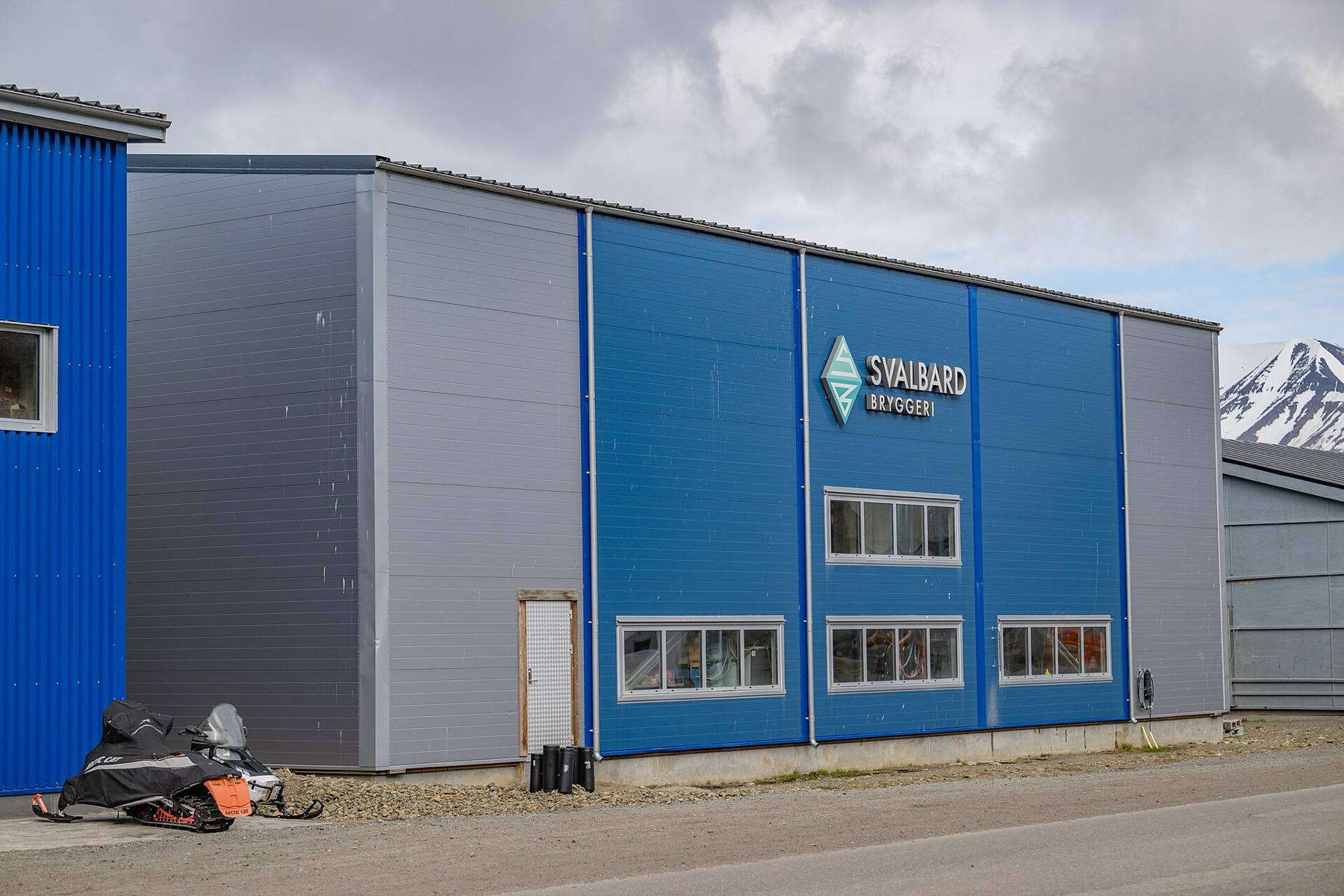
For how small and extremely remote Longyearbyen is, it offers a surprisingly fantastic food scene that can hold its own against major European cities. Flying in fresh ingredients is admittedly extremely expensive, but the local chefs work real magic with them. For an exceptional evening, head to the cult restaurant Huset, which offers first-class fine dining and boasts an incredible wine cellar with more than 15,000 bottles, making it one of the largest cellars in all of Scandinavia. Another local rarity is the world’s northernmost brewery, Svalbard Bryggeri, where you can go on a tour and taste beer brewed from old glacier water.
For a relaxed lunch or dinner the legendary restaurant Kroa is a great fit, where they make excellent pizza (expect a price of around €13), as does the modern gastropub Svalbar, famous for its hearty burgers. Excellent coffee and chocolate pralines you’ll find in the world’s northernmost café, Fruene. For those who don’t eat meat, it’s good to know that you can manage here quite fine — an excellent vegetarian menu is offered, for example, at the restaurant in Funken Lodge. The local meat specialities described on the menus revolve exclusively around reindeer, whale and seal, which is definitely not for everyone.
💡 Tip: Alcohol is sold on the islands under a duty-free regime, so it’s cheaper than on the Norwegian mainland, but buying it has its very strict historical rules. Local residents have monthly quotas, and you as a tourist must show your boarding pass at the checkout in the Nordpolet shop or your return ticket, otherwise they won’t sell you even a single beer or wine at all.
Where to go next from Svalbard
Your Arctic adventure definitely doesn’t have to end here. Air connections via mainland Norway offer a great opportunity to combine a visit to the icy archipelago with other Nordic beauties.
- For getting to know the town in more detail I recommend the article Longyearbyen: what to see in the world’s northernmost town.
- If you’re interested in the logistics of the trip, read How to get to Svalbard: flights, documents and when to go.
- You’ll find more trip tips in the guide Trips and cruises in Svalbard.
- If you’re considering the northern lights and have found that Svalbard isn’t ideal, check out Tromsø: gateway to the northern lights.
- Plenty of inspiration for the mainland is offered by our big overview Norway: 50 things to see.
Frequently asked questions
Planning a trip beyond the Arctic Circle brings with it a whole host of specifics you don’t have to deal with on an ordinary holiday in Europe. So I’ve picked out the most frequent questions I get about Svalbard and prepared clear answers to them, so nothing catches you off guard before your trip.
Tips and Tricks for Your Vacation
Don’t Overpay for Flights
Search for flights on Kayak. It’s our favorite search engine because it scans the websites of all airlines and always finds the cheapest connection.
Book Your Accommodation Smartly
The best experiences we’ve had when looking for accommodation (from Alaska to Morocco) are with Booking.com, where hotels, apartments, and entire houses are usually the cheapest and most widely available.
 🚗 Car rental on the roadVerified rental cars in Norway
Search with the DiscoverCars comparison engine — it compares prices from dozens of local and international rental companies, and most bookings come with free cancellation.
Compare car prices in Norway →Don’t Forget Travel Insurance
Good travel insurance will protect you against illness, accidents, theft, or flight cancellations. We’ve had a few hospital visits abroad, so we know how important it is to have proper insurance arranged.
Where we insure ourselves: SafetyWing (simple monthly subscription) and TrueTraveller (for extra-long trips).
Find the Best Experiences
Get Your Guide is a huge online marketplace where you can book guided walks, trips, skip-the-line tickets, tours, and much more. We always find some extra fun there!