Lake Skadar: 10 Tips for the National Park, Pelicans and Wineries 2026

TL;DRSkadar Lake, the Balkans’ largest lake straddling the border between Montenegro and Albania, comes with ten essential tips for exploring the national park: boat trips out to the Dalmatian pelicans and water-lily fields, the viewpoint at Pavlova Strana, and wine tasting in the village of Godinje, home to the local Vranac grape. Park entry costs €5 a day, and the main gateway town is Virpazar, reachable from Podgorica by train for €1.20 in 30 minutes. Spring is the best time to come, specifically April to June, when the lilies bloom and the pelicans nest — or aim for September and October if you want to catch the grape harvest. It’s worth staying at least one or two nights, at somewhere like Hotel De’Andros in Virpazar, and booking boat trips online in advance to dodge the touts.

If you’re looking for an escape from Montenegro’s overcrowded coast, Lake Skadar is an absolute oasis of calm that you really shouldn’t miss. While most tourists are packed onto the beaches of Budva, you can glide along in a little boat through endless fields of white water lilies, sipping a glass of fantastic local wine.

It’s the largest lake in the whole Balkans, shared by Montenegro and neighbouring Albania, and its natural riches are breathtaking. Locals often say this is where the true green heart of their country beats, a place where time flows much more slowly and instead of thumping nightclubs you’ll hear nothing but birdsong.

In this article I’m bringing you 10 tips on what to see and do at Lake Skadar so you can get the most out of your visit to the national park. I’ll show you how to avoid the touts pushing boat trips, where to taste the best cheese with honey and when you have the best chance of spotting the rare Dalmatian pelicans.

TL;DR

  • Entry to the national park costs €5 per day and is paid separately, even if you’re taking a boat trip.
  • Virpazar is the main gateway, reachable from Podgorica by train for just €1.20 in half an hour.
  • Watch out for the touts in Virpazar who’ll push you into overpriced boat trips — it’s better to book everything in advance online.
  • The best view of the river’s meanders is from the Pavlova Strana viewpoint, ideally early in the morning.
  • Dalmatian pelicans can be seen on the lake all year round, but your best chance is in spring when they’re nesting.
  • Taste the Vranac wine in the historic stone village of Godinje, where local wineries serve it with superb homemade cheese.
  • The water lily fields are in full bloom from May to July; in summer, head out onto the lake exclusively in the morning to avoid the brutal heat.

When to visit Lake Skadar

If you want to experience the lake at its most beautiful, spring is the ideal time to visit — specifically April through June. Temperatures hover in a pleasant range of 20 to 26 degrees, the water level is nice and high, and most importantly, the enormous water lily fields start to bloom, looking like something out of the Amazon delta.

In the summer months of July and August, brace yourself for serious heat, with the thermometer regularly hitting 38 degrees. The water level drops noticeably and being out on a boat during the day becomes unbearable, so if you come during the school holidays, plan all your trips for early morning, before nine o’clock.

September and October, on the other hand, are fantastic for food lovers, because temperatures drop to a bearable 25 degrees and the grape harvest is in full swing. The autumn bird migration also draws huge numbers of feathered visitors, making it — along with spring — the best time for wildlife watching without the crowds.

Where to stay at Lake Skadar

💡 Tip for accommodation and experiences: We love finding places to stay on Booking.com, which usually has the best cancellation terms. Tickets, tours and activities are worth comparing and buying through GetYourGuide.

Although plenty of people only nip over from the coast for a quick visit, I’d really recommend staying at least one or two nights. That way you get the chance to head out on the water early in the morning, when the surface is mirror-still and the pelicans are at their most active. Rooms sell out fast, so don’t leave your Booking reservation until the last minute.

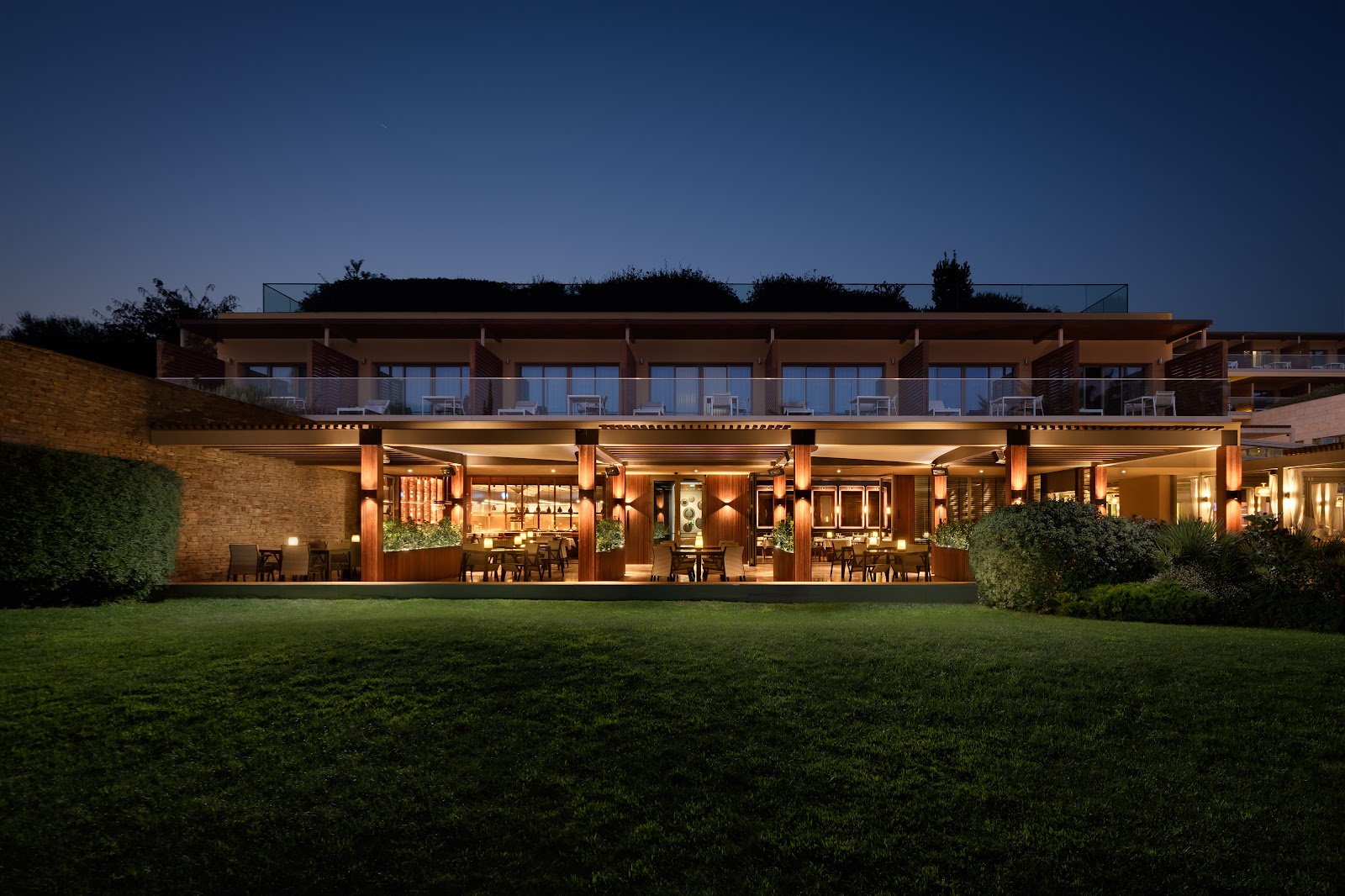
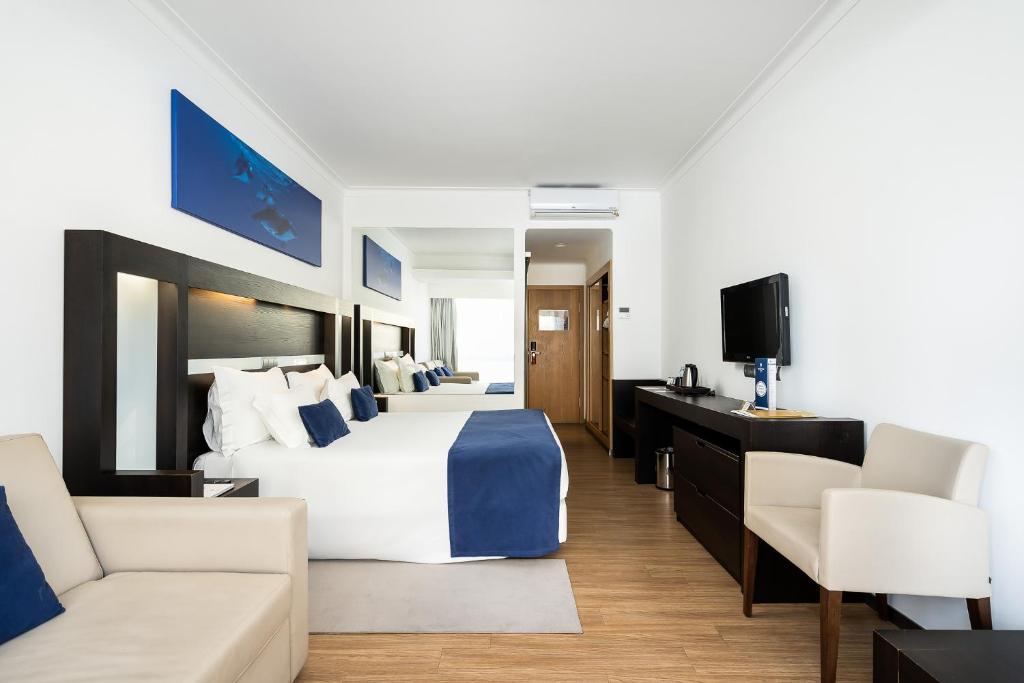
The most strategic location is the little town of Virpazar, home to the excellent Hotel De’Andros, rated the best in the area. It offers modern rooms, a lovely rooftop pool overlooking the lake and its own car park, which is an absolute lifesaver in those narrow streets.

If you’re after something more authentic and peaceful, try the family-run Guesthouse Skadar Lake – Raičević, just a short way from Virpazar. The owners are incredibly friendly, they have a wonderful garden with mountain views, and they’ll happily let you sample their own homemade wine and cheese.

A very popular and quiet alternative is to stay right in the historic village of Rijeka Crnojevića, for example in the beautifully renovated Guest House Perjanik. You’ll be just steps from the iconic old bridge and only a five-minute drive from the famous Pavlova Strana viewpoint.

10 tips on what to see and do at Lake Skadar

Let’s take a look together at the best the national park has to offer. You’ll discover that Lake Skadar is far from being just about a boat ride — it hides gorgeous stone villages, ancient monasteries on tiny islands and first-class wineries to delight any lover of good food and drink.

1. Virpazar and the lake Skadar boat trips

The tiny fishing town of Virpazar is the main gateway into the national park, and getting there is incredibly easy by train from Podgorica. The journey takes just half an hour and a ticket costs a ridiculous €1.20, with the train stopping only a few minutes’ walk from the harbour jetty.

Right at the entrance to town, though, you need to be very wary of the aggressive touts who’ll try to manoeuvre you into overpriced cruises. They often promise free parking, only to then pile on the pressure to buy a ticket for their boat — which can put a damper on your mood right at the start of the trip. 😅

💡 Tip: The best defence is to book your boat trip in advance online, for example on GetYourGuide or with established companies like Kingfisher. A classic two-hour group trip costs around €15 to €25, and you always have to add €5 for entry to the national park, which is paid separately.

2. Pavlova Strana viewpoint

You’ve almost certainly seen this spot in photos, because it’s the most famous scene in all of Montenegro. Here the river carves a perfect horseshoe-shaped green meander, and the view from above of the turquoise water hemmed in by steep hills is simply magical.

You can reach the viewpoint by car in about half an hour from Virpazar or Cetinje, but be prepared for a very narrow, winding road where two cars can barely pass each other. Right at the top by the road there’s a small car park and a restaurant, where you can soak up this spectacular view with a coffee in hand.

If you want to capture the best photos, definitely come first thing in the morning, between seven and nine. The light at that time is beautifully soft and reflects off the water’s surface, whereas at midday the contrast tends to be too harsh and the colours wash out a little.

3. The town of Rijeka Crnojevića

When you descend from the Pavlova Strana viewpoint down to the water, you’ll discover the historic stone town of Rijeka Crnojevića. It was once an important seat of rulers, but today it greets you with an incredibly calm, lazy atmosphere, where time seems to have stopped a hundred years ago.

The town’s greatest pride is its photogenic arched stone bridge from the Ottoman period, which connects the two banks of the slow-flowing green river. You can stroll across it, take some lovely photos, and then drop into one of the local taverns right on the waterfront.

The traditional konobas here serve plenty of the local speciality, a freshwater carp known as krap. For us vegetarians, though, it’s far more interesting to taste the fresh homemade cheese and the excellent priganice — fried balls of dough generously drizzled with local honey, which go perfectly with a local coffee. ☺️

4. Spotting Dalmatian pelicans

Lake Skadar is one of the last refuges of the Dalmatian pelican in all of Europe, and seeing this majestic bird in the wild is an enormous thrill. Around 280 bird species live on the lake year-round, so every birdwatching enthusiast will be in their element.

Although the pelicans don’t migrate and are here all the time, your best chance of spotting them is in April and May, when they’re nesting and more active. During the hot summer they hide in the reeds, so you’ll have to look for them early in the morning before the sun starts beating down at full strength.

Don’t expect miracles, though, and don’t count on the pelicans landing right on your boat. Always choose licensed guides who know where the birds are currently hanging out and who’ll only approach them at a safe distance, so as not to disturb them in their natural habitat.

lukas a lucka
Lukáš and Lucie recommend
Where to Stay at Lake Skadar
4 accommodations — hotels and other lodging options

5. Cruising through the water lily fields

One of the most beautiful experiences on the lake is drifting through endless carpets of aquatic plants, which sometimes feel more like an impenetrable jungle than a European body of water. It’s precisely because of these that Lake Skadar is sometimes nicknamed the Amazon delta of the Balkans.

The green leaves cover the surface completely, and from May to August thousands of white and yellow flowers burst out of them — a sight you won’t easily forget. The flowers open with the morning sun and close again around five in the afternoon, so an evening cruise won’t be quite as colourful.

Only traditional wooden boats called čun, with a very shallow draught, can reach the densest fields, slipping through the narrow channels. These boats also have less noisy engines, so you can enjoy the cruise in complete silence and harmony with nature.

6. Island monasteries

On longer boat trips you’re sure to come across little islands hiding ancient Orthodox monasteries from the fourteenth and fifteenth centuries. They feel incredibly isolated and breathe a mysterious atmosphere of long-gone times.

A very popular stop is the island of Beška, home to two gorgeous medieval churches. If you pay for a three- or four-hour cruise, you’ll probably moor at Kom Monastery, which is surrounded by water and offers fantastic views across the countryside.

The monasteries are still inhabited by monks who tend the gardens and often sell tourists fantastic homemade honey right on the jetty, full of nectar from the surrounding flowers and herbs. It’s a great souvenir that also supports these remote communities.

7. The Grmožur and Lesendro fortresses

The lake’s history is full of battles and defensive structures, the most fascinating of which is undoubtedly the ruined Grmožur. This former Ottoman fortress sits on a small rocky island and, thanks to its dark past, has earned the nickname the Montenegrin Alcatraz, because it later served as a prison from which there was no escape.

From Virpazar you can reach it by boat in a few dozen minutes and explore the ruins for free. The climb to the top of the fortress takes only a moment and rewards you with a panoramic view over the entire southern arm of the lake, with the majestic Albanian mountains in the background.

Another famous ruin is the Lesendro fortress, which you’ll see right from the train or car window as you arrive along the causeway from Podgorica. It originally stood on an island, but after the road and railway were built it became part of the mainland, and today you can easily reach it even by kayak.

8. The Crmnica wine region and the village of Godinje

The landscape west of the lake is called Crmnica, and it’s the historic heart of Montenegrin winemaking, where the famous indigenous Vranac variety is grown above all. You have to taste this deep red, full-bodied wine, even if you normally consider yourself more of a beer drinker. 😁

The absolute jewel of the region is the ancient village of Godinje, which is over a thousand years old and where all the stone houses have wine cellars built right into their foundations. It lies about eight kilometres from Virpazar, and the road to it winds along a very narrow, twisty lane — but the experience is well worth a little stress behind the wheel.

I’d definitely recommend booking a spot at the family-run Garnet winery, where the thirteenth generation of owners will take care of you. They’ll prepare a generous tasting of four wines along with an unbelievably abundant platter of local cheeses, homemade bread and olives — for us vegetarians, it’s quite literally gastronomic heaven.

9. Swimming at Murići beach

While everyone else heads for the sea, you can take a dip in the lake’s fresh, beautifully clear water. The best-known swimming spot is Murići beach, which lies about an hour’s drive from Virpazar towards the Albanian border.

The beach is a mix of pebbles and sand, the water here is incredibly warm in summer and the view of the mountains on the opposite shore is simply breathtaking. You can rent sun loungers and umbrellas, and the usual national park entry fee applies here, which you may already have paid for the boats.

I do have to warn you about the journey, though, because the road down to the beach is very narrow, full of blind bends and hairpin turns, so it’s definitely not suitable for nervous drivers. In the high summer season the beach also gets pretty crowded with locals, so it’s best to arrive in the morning while you can still park easily.

10. Hidden gems and exploring by kayak

If you want to avoid the group boat trips and you love an active break, rent a kayak in Virpazar and head out on the water on your own. For a whole day you’ll pay around thirty to fifty euros, and you’ll gain absolute freedom of movement.

The brilliant thing about a kayak is that it lets you reach even the narrowest water lily channels, where motorboats aren’t allowed, and you won’t scare off the birds with engine noise. It’s the very best way to soak up the true atmosphere of the national park in complete silence.

Also worth exploring is the little village of Vranjina, sometimes nicknamed the Montenegrin Venice, because it’s surrounded by water on three sides. Most tourists just drive past it without a second glance along the main road, but inside you’ll find authentic local life and lovely views of the Lesendro fortress.

Where to go next from Lake Skadar

Once you’ve thoroughly explored the national park and the water lily fields, definitely carry on discovering more corners of this gorgeous Balkan country. Lake Skadar is a great base both for heading south to the sea and for trips into the mountains up north.

If you’re wondering exactly where to head next, which towns are worth visiting and where to find the most beautiful beaches or, on the contrary, dramatic mountain peaks, I’ve put together a comprehensive guide for you. Read the article Holiday in Montenegro: 15 tips for the coast and the mountains, where you’ll find everything you need for the rest of your road trip.

Frequently asked questions

How to get to Lake Skadar without a car?

The easiest and by far the cheapest way is by train from Podgorica directly to Virpazar station. The journey takes just 31 minutes and the ticket costs only €1.20, with the train stopping a stone’s throw from the harbour pier. Buses also run here, but the train is much more comfortable.

Is a boat trip on the lake necessary?

Definitely yes. From a car or train you’ll see only a tiny fraction of the national park’s beauty. You can reach the monasteries, water lily fields and pelicans exclusively by water, so a boat trip is an absolutely essential experience, without which there’s no point in visiting the lake.

When do water lilies bloom on Lake Skadar?

Beautiful white water lilies begin to bloom in May and last on the surface until approximately September, with the greatest profusion of flowers visible in June and July. Remember though, that the flowers only open in the morning and close again in the afternoon.

Are there beaches on Lake Skadar?

Yes, you’ll find freshwater beaches here, with the most famous and popular being the pebble beach Murići. The water is beautifully warm and clean in summer, but the road to the beach leads along a challenging and narrow road full of sharp switchbacks.

How to defend yourself against aggressive boat tour sellers in Virpazar?

The best tactic is to book the trip in advance online with companies like Kingfisher or through the GetYourGuide portal. On-site, you can then politely tell the pushy vendors that you already have a paid reservation and walk calmly to the harbor.

Are Lake Skadar and the coast easy to combine?

Perfektně. From coastal towns like Budva or Kotor you’ll reach the lake in about 45 to 60 minutes, so it’s an ideal destination for a day trip if you want a break from the salty sea and crowded beaches.

Where to buy Vranac wine directly from the source?

For the best wine you must head to the historic stone village of Godinje, which lies about eight kilometers from Virpazar. In the local family cellars, such as the Garnet winery, they’ll offer you fantastic cheeses and homemade honey for tasting.

Tips and Tricks for Your Vacation

Don’t Overpay for Flights

Search for flights on Kayak. It’s our favorite search engine because it scans the websites of all airlines and always finds the cheapest connection.

Book Your Accommodation Smartly

The best experiences we’ve had when looking for accommodation (from Alaska to Morocco) are with Booking.com, where hotels, apartments, and entire houses are usually the cheapest and most widely available.

Don’t Forget Travel Insurance

Good travel insurance will protect you against illness, accidents, theft, or flight cancellations. We’ve had a few hospital visits abroad, so we know how important it is to have proper insurance arranged.

Where we insure ourselves: SafetyWing (best for everyone) and TrueTraveller (for extra-long trips).

Why don’t we recommend any Czech insurance company? Because they have too many restrictions. They set limits on the number of days abroad, travel insurance via a credit card often requires you to pay medical expenses only with that card, and they frequently limit the number of returns to the Czech Republic.

Find the Best Experiences

Get Your Guide is a huge online marketplace where you can book guided walks, trips, skip-the-line tickets, tours, and much more. We always find some extra fun there!
Alsace Wine Route, France: 12 Most Beautiful Villages in 2026

TL;DRThe Alsace Wine Route runs 170 kilometres from Marlenheim to Thann and is one of France’s oldest, and the article picks out 12 of its prettiest stops – Strasbourg, Colmar, Eguisheim, Riquewihr, Ribeauvillé, Kaysersberg, Haut-Koenigsbourg castle, Obernai, Turckheim, Hunawihr, Bergheim and Dambach-la-Ville. The best time to go is September and October for the grape harvest, or Advent from late November to the end of December, when the Christmas markets fill Strasbourg and Colmar. The markets themselves are free to enter, while Haut-Koenigsbourg castle costs €16 for adults and €12 concessions. Three to five days is enough for a relaxed look round the region, and it’s about six and a half hours’ drive from London to Strasbourg.

Welcome to a region that looks as if someone accidentally cut it out of a Brothers Grimm fairy tale and planted it in eastern France. The Alsace wine route in France is pure visual overload, the result of centuries of French charm blending with German precision to create something entirely unique. You’ll find dozens of historic half-timbered houses painted in every colour imaginable, with storks clattering confidently on their chimneys. Windows here can barely stay on their hinges under the enormous weight of geraniums, and the crooked little lanes practically beg you to get lost forever.

While the rest of France usually breakfasts on a croissant and sips a light wine, here you’ll discover hearty country cooking that the locals love to wash down with an excellent, mineral-rich Riesling. People travel here from all over the world for two main reasons. The first is the legendary Alsace wine route, lined with the sun-drenched slopes of the Vosges mountains. The second is the magical Advent season, when the whole region flips into incredible Christmas madness and the air smells of cinnamon. In this article I’ll point you to the prettiest stops so you take home the very best of Alsace.

TL;DR

  • Alsace wine route: Around 170 kilometres long, it’s one of the oldest in France and offers breathtaking views over the vineyards and medieval villages.
  • Christmas markets: From late November through December, Strasbourg and Colmar host some of the most beautiful and oldest markets in all of Europe.
  • Fairy-tale architecture: You’ll enjoy the colourful half-timbered façades most in Eguisheim, Riquewihr or romantic Kaysersberg.
  • Haut-Koenigsbourg: A majestic 12th-century mountain castle that dominates the region and offers an unforgettable view all the way to the Swiss Alps.
  • Vegetarian treats: Be sure to try the traditional, aromatic Munster cheese or the popular crispy Tarte Flambée in its meat-free version.
  • Book accommodation early: If you’re visiting during the busy Advent period, reserve your hotel at least six months in advance.

When to visit Alsace, France

Alsace has two main seasons that draw huge crowds from across the globe, and each has its own very specific magic. The first peak is undoubtedly autumn — September and October in particular — when the traditional grape harvest kicks into full swing and the whole valley buzzes with unusual energy. The leaves on the endless vineyards turn gorgeous shades of gold and red, and the settled weather is perfect for long walks and easy cycling. The Vosges mountains reliably hold back the rain clouds rolling in from the Atlantic, so this is one of the driest microclimates in all of France, with temperatures absolutely ideal for tasting young wine straight from the local growers.

The second — and perhaps even more famous — period is the magical Advent season, which usually begins in the last week of November and runs right up to Christmas. Alsace doesn’t hold back here, rolling out the heavy artillery: millions of fairy lights, the scent of mulled wine, and ancient historic markets with no rivals in Europe. Just be ready, mentally, for the fact that at weekends the lanes of the best-known towns turn into a slow-moving river of excited people, and finding a quiet spot becomes a real challenge. If you’d love to experience this winter wonderland, pencil in late November to late December 2026, when the towns shine their brightest.

From the UK, Alsace is surprisingly easy to reach. The closest airport is Strasbourg (via EuroAirport Basel-Mulhouse, which serves both France and Switzerland), with easyJet flying from London and other UK cities to Basel year-round. From there it’s a short drive or train hop into the heart of wine country. If you’d rather make a road trip of it, the high-speed TGV connects Paris and Strasbourg in under two hours — pair it with the Eurostar from London and you’ve got a seamless rail journey. For those who want more peace and quiet and don’t mind missing the Christmas markets or the September harvest, come in spring or early summer, when you can soak up sunny days strolling between the vineyards completely free of crowds.

Where to stay in Alsace

💡 Tip for stays and experiences: We love searching for accommodation on Booking.com, where you usually get the best cancellation policies. For tickets, tours and activities, it pays to compare and book through GetYourGuide.

Choosing the ideal base camp depends mainly on the kind of holiday you prefer and whether you’re driving or relying on public transport. If the Alsace wine route is your main draw, I’d suggest staying right in one of the smaller villages, like picturesque Kaysersberg or livelier Ribeauvillé. You’ll get a wonderfully authentic atmosphere with historic landmarks right on your doorstep, and every evening you can walk to a nearby tasting cellar. The village setting is perfect for anyone who wants to hop on a bike first thing in the morning and head out onto the paved cycle paths that wind between the endless rows of vines.

For those who want to combine fairy-tale villages with more services and quality restaurants, the town of Colmar is the ideal choice. It sits strategically at the southern edge of the wine route and makes a great base for day trips around the whole area without much driving. Look for accommodation right next to the Petite Venise quarter, where you’ll find plenty of lovely boutique hotels tucked into historic half-timbered houses, easily booked through Booking.com. Colmar is a touch busier than the surrounding villages, but it offers the perfect setting for evening strolls along the floodlit canals.

If, on the other hand, you prefer big-city buzz and grand architecture, make Strasbourg your main base. The city has excellent TGV connections from Paris and a great park-and-ride system on its outskirts, so you can leave the car parked safely. Bear in mind, though, that in December accommodation vanishes at rocket speed and prices across the region soar to astronomical heights. For an Advent trip, secure your room ideally six months ahead, or you’ll be stuck with a hotel out in the suburbs or commuting in from the German side of the border.

12 best things to see and do on the Alsace wine route, France

The Alsace wine route winds for 170 kilometres and hides dozens of enchanting places competing for your attention. I’ve picked out the 12 most beautiful stops you really shouldn’t miss as you travel through this region. If you’d rather not worry about driving, you can book an organised tour through the vineyards via GetYourGuide.

1. Strasbourg and its majestic cathedral

Strasbourg serves as an important administrative centre of Europe and, at the same time, the proud beating heart of all Alsace. The entire historic centre, known as the Grande Île, is rightly listed by UNESCO and ringed by the picturesque River Ill, with everything comfortably reachable on foot or by bike. Getting your bearings is surprisingly easy, because the Notre-Dame cathedral works like a giant Gothic compass. Inside, don’t miss the fascinating astronomical clock, where every day at exactly half past noon a complex mechanism of apostles and the figure of Death springs into motion.

The most photographed part of the city is, without any debate, the Petite France quarter, once the domain of tanners and millers. Here the river splits into several smaller canals, with a fantastic view over them from the historic Vauban Dam near the Ponts Couverts covered bridges. Centuries-old half-timbered houses with steep roofs lean over the water, their ground floors now home to cosy traditional taverns called winstubs.

If you’re heading here in December, brace yourself for a huge event, because the city officially claims the title of Capital of Christmas. The local markets have been running since 1570 and in 2026 will take place from late November to late December, with more than three hundred wooden stalls. At the heart of it all stands a giant, lavishly decorated Christmas tree on the central Place Kléber, where the air is thick with the scent of mulled wine and roasted almonds.

💡 Tip: Head to the markets first thing in the morning so you can browse all the stalls in peace before the lanes fill up with crowds in the afternoon.

2. Colmar and the romantic Petite Venise quarter

If Strasbourg is grand and overwhelming, Colmar is the concentrated essence of pure prettiness. It’s much smaller, more compact, and its historic centre looks so unbelievably perfect that you half expect it to be locked away in a glass display case at night. Colmar sits at the southern edge of the Alsace wine route, and visiting it is an absolute must on any trip through the region, because here you’ll feel that genuine, warm countryside atmosphere combined with urban elegance.

The biggest magnet for visitors is undoubtedly the Petite Venise (Little Venice) quarter. Pastel-coloured houses line the narrow canal of the River Lauch and create a scene straight off a postcard. Their colours once reliably indicated the owner’s trade — blue belonged to fishermen, yellow to bakers. Today you can rent a little boat and glide slowly along the canal, which is admittedly a tourist cliché, but the flower boxes on the façades simply look their absolute best from the water.

The centre of Colmar is a tangled labyrinth of cobbled lanes that lead you to the most beautiful architectural gems. Stop by the gorgeous Maison Pfister from 1537, whose oriels and wooden galleries make it look more like a Renaissance château than an ordinary townhouse. A short walk away stands the imposing Koïfhus building, an old customs house with a typical Alsatian roof made up of colourful tiles.

The Christmas markets in Colmar have a completely different, far more intimate feel than the enormous ones in Strasbourg. The town hosts six separate markets, sensitively set within the tight backdrops of medieval lanes and squares such as the charming Place des Dominicains. The 2026 dates are planned roughly from 23 November until the end of December, so you’ll have plenty of time to soak up the unique atmosphere beside the fairy-tale-lit canals.

3. Eguisheim, the village of concentric circles

Just a few kilometres south of Colmar lies tiny Eguisheim, which will charm you at first sight with its unusual layout. Look at it from above and you’ll see that it’s built in three concentric circles around a central square with a castle. The lanes here are forever curving, so you never gaze off into the distance, and around every corner a new, even more crooked colourful façade appears — practically inviting you to wander aimlessly forever.

The village boasts a rich history and regularly ranks at the top of polls for the most beautiful village in France — entirely understandable when you see its lanes. It’s even the birthplace of Pope Leo IX, whose majestic statue stands right in the middle of the main historic square. In summer the façades all but disappear under enormous cascades of blooming geraniums, creating an utterly perfect backdrop for romantic photos and slow strolls.

As you explore the village you’ll come across plenty of small family wineries inviting you in for a pleasant tasting in their cool stone cellars. Try the local mineral dry Riesling, grown with enormous care on the surrounding sun-soaked slopes and among the very best in the entire region. Eguisheim is very compact, and you’ll comfortably walk the whole village in about an hour and a half.

💡 Tip: Try visiting the village in the late afternoon, once most of the tour buses have left and the setting sun beautifully lights up the warm pastel colours of the façades.

4. Riquewihr, surviving medieval charm among the vines

Riquewihr is often described by guidebooks as the absolute pearl of the Alsatian vineyards — and that’s no exaggeration at all. This enchanting place had incredible historic luck, escaping almost entirely unscathed through both world wars and keeping its original face. As a result, you’ll find some forty stunning historic landmarks packed into an area you can stroll across, without rushing, in just fifteen minutes.

The landmark and guardian of the whole village is the famous Dolder, a mighty 13th-century defensive tower that forms the town’s majestic upper gate and rises high above the surrounding rooftops. Riquewihr lives mainly off tourism and quality wine, so in every other house you’ll find a so-called caveau — a traditional open tasting cellar. The local winemakers are delighted to let you sample their wares and will explain, with huge enthusiasm, all the intricate differences between the varieties grown on the surrounding hills.

Strolling along the main street, you’ll spot plenty of picturesque little shops offering traditional Alsatian specialities and handmade crafts. Although the local cuisine is full of hearty meat dishes, you can pop into one of the bakeries for delicious salty pretzels or a huge slab of sweet gingerbread, which is inseparable from Alsace. Take it to a bench just outside the ramparts and enjoy the soothing view over the endless rows of vines that hug the village tightly from every conceivable side.

5. Ribeauvillé with breathtaking views over the stork nests

Neighbouring Ribeauvillé is a touch larger, more spread out, and feels far livelier than the surrounding smaller villages. The main street, the Grand Rue, runs the length of the town and is flanked on both sides by gorgeous Renaissance fountains and historic houses with richly decorated façades. One striking feature is the huge number of stork nests, which locals lovingly maintain high on the roofs of their houses and churches, since the stork is the sacred symbol of the whole region.

If you enjoy more active relaxation and don’t mind a bit of a climb, Ribeauvillé offers a brilliant hiking experience. Above the village rise the ruins of three castles, reached by a very well-marked and maintained forest trail. The climb to the Château de Saint-Ulrich, Girsberg and Haut-Ribeaupierre castles takes about an hour and a half and rewards you not only with fresh air but also the chance to explore the old ramparts.

Once you reach the highest ruin, the best possible reward for your physical effort awaits. A breathtaking panoramic view opens up over the entire broad plain of Alsace, reaching as far as the German Black Forest on a clear day. Back down in the village, you’ll have well and truly earned a rest in one of the local cafés over a great coffee and a slice of traditional crumbly fruit tart.

lukas a lucka
Lukáš and Lucie recommend
Where to stay in Alsace
1 accommodation — hotels and other accommodation options

6. Kaysersberg, the French favourite

Kaysersberg, whose grand name translates as “Emperor’s Mountain,” holds a place of honour in the hearts of the French themselves. This picturesque village often, and deservedly, wins nationwide TV competitions for the country’s favourite village — and the moment you step in, you immediately understand why. Unlike flatter Eguisheim, Kaysersberg burrows dramatically into the wooded valley of the wild River Weiss, giving it a unique mountain character and a wonderfully fresh climate.

The town is proudly dominated by a beautiful fortified stone bridge dating from the 16th century, beneath which the river rushes wildly to create a gorgeous soundtrack. It’s also the proud birthplace of Albert Schweitzer, the famous doctor and Nobel Peace Prize laureate, whose legacy the locals carefully commemorate in a small but engaging museum. High above the town keeps watch the majestic ruin of the old imperial castle, reached by a short but fairly steep path lined with carefully tended vineyards. The view from the ramparts over the river valley and endless hills is well worth the bit of physical effort and will leave a strong impression.

If you’re after the ideal spot for a romantic dinner, Kaysersberg has an excellent concentration of quality eateries with a traditional Alsatian atmosphere. The local speciality here is aromatic Munster cheese, which has such a strong, pungent aroma you’ll probably smell it from a distance. Don’t let the distinctive whiff put you off, though, because the flavour of this washed-rind cow’s-milk cheese is surprisingly mild and beautifully creamy. Order it in a local tavern melted over hot boiled potatoes with crushed caraway and fresh bread, and you’ll experience vegetarian heaven — perfectly complemented, of course, by a glass of spicy local wine.

7. Haut-Koenigsbourg, the eagle’s nest above the Rhine

As you drive along the wine route, sooner or later you’re guaranteed to spot this majestic landmark. Haut-Koenigsbourg castle rises on a rocky spur at an altitude of 757 metres and, from a distance, really does look like the impregnable fortress of some dark lord. The original 12th-century structure was sadly burned and razed to the ground by Swedish troops during the Thirty Years’ War, after which it quietly decayed for two hundred years, overgrown by deep forest.

The turning point came in the early 20th century, when the nearby town of Sélestat gifted the abandoned ruin to the German Emperor Wilhelm II. He decided to turn the castle into a grand symbol of his power and the German presence in Alsace, and had it completely rebuilt from the ground up. While some puritanical historians often criticise this costly reconstruction for being overly romanticised, the overall visual result will simply take your breath away the moment you step into the main courtyard.

During your visit you’ll cross massive drawbridges, admire mighty defensive bastions and marvel at lavishly furnished chambers with rich wood panelling and beautiful tiled stoves. The view from the main Great Bastion is absolutely phenomenal: on a clear day you’ll see the entire Alsatian plain, the German Black Forest opposite, and even the snow-capped peaks of the Swiss Alps on the horizon. Admission for 2026 is set at €16 for adults and €12 for a concession ticket.

💡 Tip: A winding mountain road leads up to the castle, and in summer or at weekends roadside parking gets very tight, so set off right when it opens in the morning.

8. Obernai and its enchanting market atmosphere

The little town of Obernai lies at the northern end of the wine route and is a perfect example of a thriving Alsatian market town. Unlike the smaller villages, it has kept a very lively character, because it doesn’t sit on a purely tourist route but serves as an important natural hub for the wider area. Here you’ll find the gorgeous Place du Marché, where popular morning markets regularly overflow with fresh vegetables and fragrant local cheeses.

Dominating the whole square is a tall clock belfry called the Kappelturm, which in the past served as both an important watchtower and a small chapel. Take a walk along the perfectly preserved medieval ramparts, which still largely encircle the town and create an incredibly pleasant promenade in the shade of mighty old trees. The architecture of the houses in the centre, meanwhile, boasts richly decorated oriels and masterfully worked timber that speaks of the wealth of the local merchants.

Obernai is also an excellent starting point for a trip to the nearby Mont Sainte-Odile, home to a famous pilgrimage monastery with a gorgeous view. If you’re peckish after your walk, drop into a local winstub and order the traditional Alsatian dish Tarte Flambée, also known as Flammekueche. It looks a bit like a pizza, but the dough is extremely thin and crispy. In the luxurious vegetarian version it’s generously spread with thick crème fraîche, scattered with coarsely chopped onion and lovely cheese, then baked in a blazing wood-fired oven for just a few minutes until the edges start to char slightly. You eat it with your hands, and with a glass of wine it’s absolute perfection.

9. Turckheim and the traditional night watchman

Turckheim lies just a short hop from bustling Colmar, yet many tourists unjustly skip it on their wine-route journey — a huge shame. The town is encircled by mighty historic ramparts, entered to this day through three stunning, beautifully preserved stone gates. The most famous of them, the Porte de France, greets you the moment you arrive and makes it clear you’re stepping into a place with an immensely rich and protected history.

Turckheim’s greatest tourist curiosity is the ancient tradition of the night watchman, which has been kept up continuously here for centuries. Every summer evening, on the stroke of ten, the watchman sets off into the darkened lanes dressed in a historic costume, carrying a lit lantern and a halberd. On his rounds he sings a traditional Alsatian song and wishes all the townsfolk a peaceful night — and as a visitor you can easily, and completely free of charge, join him and walk the whole hushed town at his side.

During Advent, Turckheim turns into an utterly magical and peaceful place thanks to a giant Advent calendar set up right on the historic square. Each December evening one window is ceremonially opened, accompanied by the joyful presence of children and locals, creating an unforgettable atmosphere. It’s a very touching, intimate spectacle that contrasts beautifully with the crowded, noisy markets in the nearby big towns.

10. Hunawihr, the perfect refuge for storks

Tucked between its more famous and busier neighbours lies the unassuming village of Hunawihr, which offers all visitors a far calmer, more contemplative atmosphere. Its main, unmissable landmark is the mighty fortified Church of St James, standing proudly on a gentle hill amid the endless vineyards. This unique 14th-century church served in times of danger as a safe refuge for all the village’s inhabitants, who hid behind its unusually thick walls along with their supplies.

But Hunawihr is famous for one other very specific and lovely thing, which families with small children especially adore. Here you’ll find a sprawling rescue park for storks and otters called NaturOparC, which played an absolutely key historical role in saving the endangered white stork across Alsace. In the 1970s, storks had all but vanished from this region, and it was thanks to the enormous efforts of this specialist centre that their population was, thankfully, successfully restored.

On a leisurely stroll through the village you’ll fully enjoy the sight of the gorgeous old winemakers’ houses, built mostly in the 16th and 17th centuries. There may not be huge crowds of tourists with cameras here, but that only makes the place’s genuine, authentic character shine all the more. I’d suggest buying a fresh, crusty baguette and a piece of good cheese from the little local bakery and having an unforgettable little picnic right among the vines, with a view of the ancient church.

11. Bergheim and its preserved town walls

Bergheim is an absolutely fascinating medieval town and one of the very few to have preserved its complete fortifications almost intact to this day. Here you can take a leisurely walk along the entire ring of town walls, lined on the outside by a very pleasant moat and old defensive towers. This easy stroll takes you barely an hour and offers a truly unique look at the rear sections of the historic half-timbered houses and the romantic hidden private gardens of the locals.

Bergheim’s history also has its rather dark and disturbing side, which you’ll learn about in more detail at the town’s fascinating museum. In the 16th and 17th centuries the town was the scene of cruel witch trials, during which several dozen entirely innocent women were burned at the stake after rigged trials. Today this is solemnly commemorated by a small exhibition, the Maison des Sorcières, which seeks to map this shadowy and painful chapter of history objectively and with the utmost sensitivity for future generations.

After this historic walk you’ll surely appreciate the soothing atmosphere of the local square with its beautiful stone fountain. Try dropping into one of the traditional local winstubs, incredibly cosy Alsatian taverns with solid wood panelling. Order a well-earned glass of the local spicy Gewürztraminer, intoxicatingly fragrant with sweet lychee and exotic spices, and enjoy a relaxed afternoon completely stress-free.

12. Dambach-la-Ville and its rich winemaking history

We’ll wrap up our journey through the most beautiful places in enchanting Dambach-la-Ville, a little town surrounded by some of the very best vineyards in the whole area. What makes this place special is its unique granite bedrock, which gives the local white wines an utterly distinctive character and a highly prized, delicate minerality. This is the home of the famous prestige-category Grand Cru wine called Frankstein, traditionally bottled in the typical tall, slender bottles known as flûtes d’Alsace — a wine no enthusiast should miss.

The moment you enter the town you’ll pass through one of the stunning medieval stone gates that once carefully guarded the safety of all the inhabitants. All around you’ll see perfectly preserved half-timbered houses, many of which proudly bear on their colourful façades the old guild emblems of bakers, blacksmiths or skilled coopers. The square itself is dominated by a beautiful Renaissance town hall, and the whole atmosphere here flows at a much slower, more relaxed pace than in bustling Strasbourg or Colmar.

Dambach-la-Ville is thus the perfect place for anyone wanting to discover the true soul of Alsatian winemaking and steer clear of the commercial scene. The local family wineries here are often passed down through many generations, and their owners will tell you, with enormous passion, all about the demanding year-round work in the vineyard. It’s the best possible finishing touch to a journey through a region whose colours, wonderful flavours and fairy-tale architecture are guaranteed to win you over for life.

Where to go next from Alsace

Fancy exploring more beautiful places or learning more about the towns here? Be sure not to miss our detailed article on everything romantic Colmar has to offer. And if you’re planning a winter trip to France and love the festive atmosphere, our practical guide to the Strasbourg Christmas markets will come in incredibly handy.

Frequently asked questions

How long is the Alsace Wine Route?

This famous route measures approximately 170 kilometers and stretches from Marlenheim in the north all the way to Thann in the very south. It’s actually the oldest wine route in all of France, having been officially opened to tourists back in 1953, and since then it has been attracting wine lovers from around the world with its breathtaking views of the Vosges.

How many days do I need to visit Alsace?

If you want to see the most beautiful places in peace and without rushing, ideally set aside three to five days. During a long weekend, you’ll have time to visit both main cities, Strasbourg and Colmar, and explore several of the most famous wine villages such as Eguisheim, Riquewihr, or the romantic Kaysersberg.

When do the Christmas markets in Alsace start?

For the Advent season in 2026, dates are scheduled roughly from November 23rd in smaller Colmar and from November 27th in magnificent Strasbourg. The markets then typically end just after the Christmas holidays. The cities naturally experience the biggest influx of tourists during Advent weekends, so it’s worth heading out to browse the stalls on a weekday morning instead.

Is Alsace suitable for cycling?

Yes, Alsace undoubtedly ranks among the very best cycling regions in all of France. Right through the vineyards winds a huge number of excellently maintained and safe paved cycle paths. The elevation gain in the valleys is also absolutely minimal and the distances between individual villages are very short, so the route can easily be managed even by occasional cyclists or families with children.

What to taste from Alsatian gastronomy as a vegetarian?

The locals may love their traditional choucroute filled with various cured meats above all else, but you should definitely order the popular Tarte Flambée or Flammekueche in its vegetarian version with cheese and onion at the restaurant. Another excellent meat-free choice is the famous and very aromatic cow’s milk cheese Munster, which is traditionally served melted with warm potatoes and crushed caraway seeds.

Where to park at Haut-Koenigsbourg Castle?

Parking is available primarily along the winding mountain access road directly in front of the castle itself. However, during peak summer season and on weekends, these spots fill up very quickly with tourists, so it’s absolutely best to head to the castle right at opening time in the morning to avoid lengthy searches for a free spot and unnecessary stress.

How much does admission to the Christmas markets cost?

Entry to all Christmas markets in Strasbourg, Colmar, and all the surrounding smaller villages is completely free, and there’s no general admission fee. On site, you only pay for what you actually buy at the wooden stalls – food, cups of mulled wine, or beautiful handcrafted souvenirs.

Tips and Tricks for Your Vacation

Don’t Overpay for Flights

Search for flights on Kayak. It’s our favorite search engine because it scans the websites of all airlines and always finds the cheapest connection.

Book Your Accommodation Smartly

The best experiences we’ve had when looking for accommodation (from Alaska to Morocco) are with Booking.com, where hotels, apartments, and entire houses are usually the cheapest and most widely available.

Don’t Forget Travel Insurance

Good travel insurance will protect you against illness, accidents, theft, or flight cancellations. We’ve had a few hospital visits abroad, so we know how important it is to have proper insurance arranged.

Where we insure ourselves: SafetyWing (best for everyone) and TrueTraveller (for extra-long trips).

Why don’t we recommend any Czech insurance company? Because they have too many restrictions. They set limits on the number of days abroad, travel insurance via a credit card often requires you to pay medical expenses only with that card, and they frequently limit the number of returns to the Czech Republic.

Find the Best Experiences

Get Your Guide is a huge online marketplace where you can book guided walks, trips, skip-the-line tickets, tours, and much more. We always find some extra fun there!
Switzerland Roadtrip: 7–10 Day Itinerary by Car 2026

TL;DRSwitzerland by road is best tackled as a loop taking in Rheinfall, Lucerne, the Jungfrau region with Lauterbrunnen, Bern, Lake Geneva with Montreux and Lavaux, Zermatt and the Matterhorn, the Furka Pass and cobbled Tremola road, then Lugano and the Engadin with St Moritz — the whole round trip works out at 2,600 to 2,900 kilometres. Mid-June to early October is the best window, when the mountain passes are open. Budget £2,600–£4,000 for a couple over 10 days, or £1,900–£2,800 for 7 days. Never drive into Zermatt, Wengen or Mürren — they’re car-free zones, so leave the car in the valley and hop on the train or cable car instead.

One unpleasant truth right at the start: a Swiss speed camera will happily send a fine all the way home to you in the UK even for being just five kilometres an hour over the limit. And now the good news: if you stick to the rules, you’re in for what is probably the most beautiful network of roads in all of Europe. On a Switzerland roadtrip, passes like the Furka or the old cobbled Tremola twist between glaciers so dramatically that you’ll be pulling over to take photos every few kilometres.

I’ve put together a 10-day loop by your own car that doesn’t skip a single major Swiss icon. You’ll pass Europe’s largest waterfall, explore the Jungfrau region, stop by Lake Geneva and climb the most legendary mountain passes. I’ll also show you how to avoid the expensive tourist traps and where to base yourself strategically to cut your accommodation costs in half.

TL;DR

  • Total route length: A loop from the UK and back comes to roughly 4,300 to 4,700 kilometres, depending on your specific detours and your chosen Channel crossing.
  • Best time to go: From mid-June to early October, when all the high-altitude passes are reliably open.
  • What to look forward to: Epic roads like the Furkapass, views of the Matterhorn, turquoise Alpine lakes and picturesque historic towns.
  • Top tip: Never try to drive all the way into Zermatt or Wengen — they’re car-free zones and you’ll have to park down in the valley.
  • Recommended budget: For a couple over 10 days, count on around £2,600 to £4,000 if you shop smartly in supermarkets.
  • Shorter version: If you’ve only got a week, skip Bern and Lake Geneva and focus purely on the central and southern Alps.

When to take this trip

Timing your Switzerland roadtrip is absolutely crucial, because a large part of our route runs over high mountains. The ideal window for the complete loop opens only in mid-June and lasts roughly until early October. If you set off earlier, you’ll most likely run into closed barriers and have to make awkward detours through tunnels or rely on car-carrying trains. The legendary Furka and Grimsel passes, for example, don’t open until 29 May 2026 — and at exactly nine o’clock in the morning.

Even trickier is the popular Sustenpass, which usually opens dead last. For 2026 the official opening date for the Sustenpass is set for 12 June, so if you’re planning a June trip, definitely factor this in. It’s a similar story with the historic Tremola road on the Gotthard, which typically wakes up from its winter slumber only during June. Always double-check the current road conditions just before you leave on the official portal alpen-paesse.ch.

According to seasoned travellers, the most beautiful experiences await you at the end of June or during September. In June the mountain meadows are incredibly lush with flowers, the peaks are still dusted with leftover snow and the roads aren’t as crowded. September, in turn, offers very stable weather and gorgeous autumn colours. July and August are a safe bet when it comes to open roads, but you’ll have to put up with huge crowds of tourists, the highest accommodation prices and hellish tailbacks at the major tunnels.

Practical info: car, transport and budget

Before you put your foot down, you’ll need to sort out a motorway vignette. Switzerland has no weekly or monthly option — it sells only an annual vignette for CHF 40 (around £36). The good news is that it’s valid for a full 14 months. Buy it conveniently online as an e-vignette, but be extremely careful of scam websites. The only official and safe portal with no surcharges is via.admin.ch, where you simply link it to your number plate. Note that you’ll cross several countries on the way, so check the toll and vignette rules for France, Germany and Austria too if your route passes through them.

Speed limits are a chapter all of their own, and the cameras forgive absolutely nothing. The measurement tolerance is just 3 to 7 kilometres per hour. If you exceed the limit in a built-up area by a mere 5 km/h, get ready to pay CHF 40 (about £36). Going 11 to 15 km/h over will already cost you CHF 250 (around £225), and the fines reliably reach you back home in the UK. On travel forums you’ll find cautionary tales of people who got a bill for $500 at home for minor overspeeds and rental-company fees. Drive strictly by the book.

What will pleasantly surprise you, on the other hand, is the cost of fuel. Switzerland has a lower fuel duty, so petrol is cheaper here than in neighbouring Germany. You’ll pay roughly CHF 1.90 per litre, which is brilliant news for your budget. The practical advice is clear: fill up the tank before crossing into the Alps, breeze through Germany, and top up again once you’re near the Swiss border.

Parking takes a bit of planning, because you’re not allowed to drive into many mountain resorts at all. Famous Zermatt, iconic Wengen and picturesque Mürren are completely car-free. If you’re heading to the Matterhorn, you’ll have to leave the car in the huge terminal in Täsch for CHF 17 a day and continue by shuttle train. It works similarly in Lauterbrunnen, where the car park costs CHF 18 for 24 hours and a cable car or rack railway takes you up to the surrounding villages.

Along the way you may run into situations where a car-carrying train comes in handy. It’s a great experience and saves you hours of detours. The car train under the Furka pass runs from Realp to Oberwald for CHF 33 and the trip takes just 15 minutes. Another very useful link is the Lötschberg between Kandersteg and Goppenstein, which for around CHF 28 quickly whisks you from the Bernese Alps straight into the Valais. I’d recommend buying tickets through the official website sbb.ch.

The budget for a trip like this isn’t the smallest, but it can be cleverly optimised. If you travel as a couple, a 10-day roadtrip will set you back roughly CHF 3,000 to 4,500. The biggest expense, surprisingly, isn’t petrol but cable cars and accommodation. A trip to the big summits like Gornergrat or Jungfraujoch can easily cost CHF 100 to 250 per person. You’ll save a huge amount on food by shopping at Coop or Migros supermarkets, where you’ll find excellent ready meals and self-service restaurants with menus around CHF 15.

Day-by-day itinerary

This itinerary is designed so that you see all the essential highlights without backtracking the same way. If you’ve only got 7 days, you can easily skip Bern and Lake Geneva. From the Jungfrau region you simply hop on the Lötschberg car train straight to Zermatt and save yourself a lot of kilometres.

Day 1: Arrival → Rheinfall → Lucerne

The first day is mostly about getting there. Coming from the UK, the easiest way is a Channel crossing (Eurotunnel or a ferry from Dover) and then driving east through France and Germany — many travellers split this into an overnight stop along the way. Once you reach the German–Swiss border area, your first fantastic stop is the Rheinfall near Schaffhausen, the largest waterfall in all of Europe.

💡 Tip: Stop here for an hour or two, walk along the viewing platforms and let yourself be awed by the enormous mass of thundering water. If you enjoy boat trips, I’d recommend hopping on one of the little boats that takes you right up to the rock in the middle of the falls.

In the afternoon there’s just a short hop of barely 100 kilometres to gorgeous Lucerne. This town sits right on the shore of a vast lake and is ringed by Alpine peaks. In the evening, take a stroll to the iconic wooden Kapellbrücke bridge, which is beautifully lit up, and soak in the laid-back atmosphere by the water.

Day 2: Lucerne → Jungfrau region

Give yourself the morning to explore Lucerne’s old town. Don’t miss the famous Lion Monument, carved straight into the sandstone cliff, said to be the saddest piece of stone in the world. Then get back in the car and set off on the roughly 70-kilometre drive over the scenic Brünigpass towards Interlaken.

💡 Tip: The route takes you past the gorgeous turquoise lakes of Lungern and Brienz. Stop at one of the many viewpoints, because the colour of the water here looks like someone tipped a bucket of paint into it. Around midday you’ll reach the Lauterbrunnen valley, which is quite rightly nicknamed the valley of 72 waterfalls.

Base yourself right in the valley, leave the car in the car park and head off to admire the enormous Staubbach waterfall, which plunges nearly 300 metres right above the village. If you get hungry along the way, stop for lunch — I’d recommend trying the traditional rösti with cheese, a delicious potato dish that will reliably keep you going for the rest of the afternoon.

Day 3: Jungfrau region (no car)

Today your car gets a rest and you head off to discover the mountains on foot and by rail. The whole Jungfrau region is woven together with a perfect network of rack railways and cable cars. Lauterbrunnen makes the perfect base for trips up to the surrounding villages of Wengen or Mürren, which you simply can’t reach by car.

💡 Tip: If you’ve got a generous budget, take the rack railway up to the famous Jungfraujoch, the highest railway station in Europe. It’s a fairly pricey treat, but the view of the longest Alpine glacier, the Aletschgletscher, is said to be more than worth it. You can easily sort tickets through resellers too, for example on GetYourGuide.

For those who want to save, there’s a gorgeous walk from Mürren to Gimmelwald. Along the way you’ll have the famous Eiger, Mönch and Jungfrau peaks constantly in view. Towards the evening, head back down to the valley and treat yourself to a proper cheese fondue, an inseparable part of any stay in the Swiss mountains and one that absolutely everyone can enjoy, even without meat.

Day 4: Lauterbrunnen → Bern → Montreux/Lavaux

In the morning you say goodbye to the high mountains and set off on the roughly hour-long drive to the capital. Bern is a surprisingly small and incredibly picturesque city whose historic centre is a UNESCO World Heritage Site. Park on the edge and go admire the famous Zytglogge clock tower and the six kilometres of historic arcades.

💡 Tip: For lunch I warmly recommend visiting the legendary Tibits restaurant. It’s a wonderful vegetarian and vegan buffet where you serve yourself and pay by weight. They have dozens of salads, hot dishes and absolutely brilliant desserts, so there really is something for everyone.

In the afternoon you’ll head to the sprawling Lake Geneva, about an hour’s drive away. The landscape changes dramatically — palm trees appear and you’ll feel an almost Mediterranean atmosphere. Stop in Montreux, walk along the gorgeous flower-lined promenade and get a photo by the statue of Freddie Mercury, who lived and worked here for many years.

Day 5: Montreux → Lavaux → Täsch

Spend the morning exploring the iconic water castle of Chillon, which sits just a short way from Montreux right on the surface of the lake. Straight afterwards, head off to the nearby Lavaux region. These are terraced vineyards tumbling steeply down to the lake, UNESCO-protected and offering the most romantic views in the entire country.

💡 Tip: Wander the narrow paths between the vineyards and stop at one of the local wine cellars. Here you can sample superb local wines paired with excellent regional cheeses — the perfect light lunch before the next leg of the journey.

In the afternoon you get back in the car and head up the Rhône valley towards the Matterhorn. The drive to the village of Täsch takes about two hours. Bear in mind that Zermatt is closed to car traffic, so you’ll have to leave the car in the giant Matterhorn Terminal car park. You’ll pay CHF 17 a day here and right next door you hop on the red train that takes you straight into the centre of Zermatt in twelve minutes.

Day 6: Zermatt and the Matterhorn

Today is dedicated entirely to one of the most famous mountains in the world. The Matterhorn with its crooked pyramid is the one you know from the Toblerone wrapper, but in real life it feels far more imposing than you’d expect. You don’t need a car in Zermatt — you can get everywhere on foot or by the brilliantly run cable cars and rack railways.

💡 Tip: You’ll get the best view of the Matterhorn by taking the rack railway up to the Gornergrat summit. The ride takes about half an hour and at the top you’re rewarded with an incredible panorama of dozens of 4,000-metre peaks and enormous glaciers. The ticket costs quite a bit, but the experience is absolutely priceless.

If you prefer hiking, ride the cable car up to Sunnegga and set off on the famous Five Lakes trail. In good weather, the Matterhorn reflects so perfectly in the surface of Lake Stellisee that you won’t want to stop taking photos. In the evening you can simply take the shuttle train back to Täsch, where your accommodation is cheaper, and save yourself a fair bit of money.

Experiences & tickets
traveler-rated · GetYourGuide
Swiss Travel Pass: Unlimited Travel on Train, Bus & Boat
★★★★★ 4.8 · 1 832 reviews
from €276
I want this experience →
🔗 These are affiliate links — they don't change your price and help us create content. · All experiences →
lukas a lucka
Lukáš and Lucie recommend
Where to Stay in Switzerland
6 accommodations — hotels and other lodging options

Day 7: Täsch → Furkapass → Tremola → Lugano

Get ready for the very best. Today you’ve got roughly 230 kilometres of absolute driving heaven ahead of you. From Täsch you head up the valley and soon start climbing the famous Furkapass. This road shot to fame in a James Bond film and offers perfect hairpins with a view of the Rhône Glacier. Make sure you stop at the iconic Belvédère hotel.

💡 Tip: From Andermatt, don’t carry on along the new road — instead turn off onto the historic Tremola road. It’s more than 11 kilometres of cobbled road from the 19th century that twists through dozens of tight bends towards the Gotthard pass. Drive very carefully, ideally 20 to 30 km/h, but you mustn’t miss this experience. You’ll also avoid the hellish queues that routinely clog the Gotthard tunnel for hours.

Once you’ve conquered the passes, you’ll drop down into the canton of Ticino, where you’re instantly hit by an Italian vibe. The architecture changes, palm trees grow everywhere and people speak Italian. In the evening you’ll arrive in the town of Lugano, set on the shore of the lake of the same name and offering wonderful Mediterranean ease.

Day 8: Lugano and surroundings

Today, take a break from the long drives and enjoy the south. Lugano is an immensely elegant town, often nicknamed the Swiss Monte Carlo. Stroll along the long lakeside promenade, enjoy a great Italian espresso and simply watch the boats drifting across the lake.

💡 Tip: Take the funicular up to the top of Monte Brè or San Salvatore. From both hills there’s a fantastic view of the whole lake and the surrounding mountains. In the afternoon, definitely take a boat trip to the picturesque fishing village of Gandria.

As for food, here in Ticino you’re in Italian-cuisine heaven. I’d recommend popping into a cosy local pizzeria for a proper vegetarian pizza or fresh pasta. The quality of the food here is absolutely on par with Italy — you’ll just pay the typical Swiss premium for it.

Day 9: Lugano → Engadin (St. Moritz)

After breakfast you head east into the canton of Graubünden. There are roughly 120 kilometres of driving ahead, which you can shorten by cutting through a sliver of Italy past the little town of Chiavenna and then over the Maloja pass. Alternatively you can take the more northerly route over the San Bernardino pass.

💡 Tip: Around midday you’ll reach the Engadin region, which is famous for its gorgeous lakes Sils and Silvaplana. It’s a paradise for windsurfers and kitesurfers, as a strong wind called the Maloja regularly blows here.

St. Moritz itself is a very luxurious and expensive resort, so feel free to just stroll through it and photograph the pricey boutiques and grand hotels. For accommodation and a calmer atmosphere it’s far better to choose one of the smaller villages nearby, such as Zuoz or Samedan, where you’ll find traditional houses decorated with the wonderful sgraffito technique.

Day 10: St. Moritz → Albulapass → home

The last day of your roadtrip means saying goodbye to the Alps and a long journey home. From St. Moritz you set off over the stunning Albulapass, which is far calmer and wilder than the other well-known roads. Along the way you’ll pass the imposing stone viaducts of the Rhaetian Railway, which are UNESCO-protected.

💡 Tip: According to information from the portal myswitzerland.com, construction work will be taking place on the Albula pass throughout 2026, so expect minor delays at the traffic lights. Once you’ve come down from the mountains, you’ll join the Austrian motorways near Landeck and then head back across Germany and France towards your Channel crossing home.

The full drive home is a long one — well over 1,000 kilometres back to the Channel — so it’s worth planning at least one relaxed overnight stop somewhere in Germany or France so you arrive home nicely rested rather than exhausted.

Where to stay along the route

💡 Accommodation and experiences tip: We like to look for accommodation on Booking.com, where the cancellation policies tend to be the best. For tickets, tours and activities, it then pays to compare and book through GetYourGuide.

Accommodation in Switzerland makes up a huge part of the budget, but there’s a simple trick for saving a small fortune. Never sleep right in the luxury mountain resorts or in the centres of the famous cities. Just move a few kilometres into the neighbouring valley and the prices immediately drop by half. Instead of pricey Zermatt, sleep in Täsch; instead of Montreux, pick the smaller villages above the lake. Apartments with a kitchenette also bring big savings, letting you cook for yourself with cheaper supermarket ingredients. In summer it’s an absolute must to book everything well in advance through Booking.

In Lucerne, a great choice is the solid Hotel Waldstätterhof, which sits just 100 metres from the station and the famous bridge, putting the whole city right at your fingertips. If you’re heading to the Jungfrau region and looking for great value for money, book the Valley Hostel in Lauterbrunnen. It’s an absolute budget legend, with clean rooms, a handy kitchenette and parking. For those who want a touch more romance, I’d recommend the Hotel Staubbach, a beautiful historic hotel with a direct view of the thundering waterfall.

When you move on to the Matterhorn, the smartest base is the Hotel Täscherhof right in the village of Täsch. It stands next to the terminal, so you leave the car parked and twelve minutes later you’re by train in the heart of Zermatt, all while paying a fraction of the price for your room. By Lake Geneva you’ll love the Hôtel du Léman near Vevey, set among the Lavaux vineyards and offering, as a huge bonus, free parking — a rarity in this area. And finally, for the Ticino region, go for the budget-friendly ibis budget Lugano, which offers simple, clean rooms a short way from the lake at an unbeatable price.

StopNightsRecommended baseWhy
Lucerne1 nightHotel WaldstätterhofPerfect location right in the centre by the iconic bridge and the station.
Jungfrau region2 nightsValley HostelGreat price, a shared kitchenette to save money and close to the cable cars.
Jungfrau region2 nightsHotel StaubbachA romantic option with an amazing view straight onto the Staubbach waterfall.
Zermatt and around2 nightsHotel TäscherhofA smart base in Täsch with parking, just 12 minutes by train from Zermatt.
Lake Geneva1 nightHôtel du LémanBeautiful lake views, a spot among the vineyards and free parking.
Ticino / Lugano1-2 nightsibis budget LuganoThe cheapest sensible accommodation in pricey Lugano, ideal for an overnight stay.

Where to go next

If you’re tempted by more adventures in this amazing country, be sure to read our big guide Switzerland Holiday: 19 tips on where to go and what to see. For detailed planning of the stop by the famous summit, the article Zermatt and the Matterhorn: what to see and do will come in handy.

More interested in glaciers and mountain valleys? Then don’t miss our tips for Interlaken and Jungfraujoch or our detailed guides to Grindelwald and the fairytale Lauterbrunnen. And if you prefer cities, read up on everything Bern has to offer and the lovely Lucerne. If you’d like to swap Switzerland for a slightly cheaper neighbour, check out our Austria Roadtrip: a 7-day itinerary.

Frequently asked questions

Do I need a highway vignette in Switzerland?

Yes, you really can’t do without it on the highways. It’s sold only as an annual variant for 40 CHF, which is valid for 14 months (for example, from December 1, 2025 to January 31, 2027). Buy it exclusively as an e-vignette on the official Swiss customs administration portal to avoid overpriced resellers. If you get caught on the highway without a vignette, you’ll pay a fine of 200 CHF and you’ll still have to buy it anyway.

How much does a road trip through Switzerland cost?

For a couple traveling by their own car from Czechia, budget around €2,200 to €3,200 for 7 days. If you go for a full 10 days, the budget will climb to €3,000 to €4,600. Accommodation and expensive cable cars will eat up most of your money, but you can save a ton by buying groceries and ready-made meals in Coop or Migros supermarkets.

When are the mountain passes open?

The reliable window for all passes is from mid-June to early October. In 2026, the famous Furka and Grimsel passes open on May 29th, but the treacherous Sustenpass not until June 12th. Road conditions can be complicated at any time by fresh snow, so always check the current status on the official websites.

Can you drive to Zermatt?

It’s not possible, Zermatt is a strictly protected car-free zone. You must leave your vehicle in the huge parking terminal in the village of Täsch, where you’ll pay 17 CHF per day. From there, a shuttle train runs every 20 minutes, taking you comfortably to the center of Zermatt in twelve minutes. It works similarly in Wengen and Mürren as well.

How strict are speeding fines?

They are absolutely uncompromising and speed cameras have almost zero tolerance (just 3–7 km/h). Exceeding the limit by a mere 5 km/h in town will cost you 40 CHF, if you go 11 km/h over, you’ll pay 250 CHF already. Cameras are everywhere, they work automatically and fines reliably arrive by post even to the Czech Republic, so really don’t push the pedal.

Is gasoline more expensive in Switzerland than here?

Compared to the Czech Republic, it’s somewhat more expensive, a liter costs around 1.90 CHF, which is about €2. Paradoxically though, petrol in Switzerland is cheaper than in Germany, thanks to lower excise duty. So the strategy is clear: don’t refuel at all on your way through Germany and calmly fill up your tank once you’re in the Swiss Alps.

Do I have to queue at the Gotthard Tunnel?

You definitely don’t have to! The Gotthard Tunnel gets congested up to 100 days a year and queues can stretch for hours. During the summer months, a much more elegant solution is to exit the motorway and cross over the pass itself. You can even choose the breathtaking old cobbled Tremola road, which is an incredible driving experience that will also save you from tedious waiting in traffic jams.

Is 7 days enough for the circuit?

You can definitely do a shortened version. You can cover the route Lucerne, Jungfrau, Zermatt and Ticino, but you’ll have to skip Bern and Lake Geneva. If you want to see all the main highlights at a relaxed pace and not spend long hours in the car every day, I recommend setting aside a full 10 days – the experience is absolutely worth it.

Tips and Tricks for Your Vacation

Don’t Overpay for Flights

Search for flights on Kayak. It’s our favorite search engine because it scans the websites of all airlines and always finds the cheapest connection.

Book Your Accommodation Smartly

The best experiences we’ve had when looking for accommodation (from Alaska to Morocco) are with Booking.com, where hotels, apartments, and entire houses are usually the cheapest and most widely available.

Don’t Forget Travel Insurance

Good travel insurance will protect you against illness, accidents, theft, or flight cancellations. We’ve had a few hospital visits abroad, so we know how important it is to have proper insurance arranged.

Where we insure ourselves: SafetyWing (best for everyone) and TrueTraveller (for extra-long trips).

Why don’t we recommend any Czech insurance company? Because they have too many restrictions. They set limits on the number of days abroad, travel insurance via a credit card often requires you to pay medical expenses only with that card, and they frequently limit the number of returns to the Czech Republic.

Find the Best Experiences

Get Your Guide is a huge online marketplace where you can book guided walks, trips, skip-the-line tickets, tours, and much more. We always find some extra fun there!
Brussels, Belgium: 19 Best Things to Do in 2026

TL;DRBrussels comes with 19 solid tips on what to see and do, from the Grand-Place with its 96-metre town hall tower to the iconic Atomium (102 metres, admission around 17 EUR), plus the neighbouring Mini-Europe park with its miniature landmarks. Two full days cover the historic centre, but if you add day trips to Bruges (about an hour by train, return ticket around 17.60 EUR) or Ghent (30 minutes), plan on 4 to 5 days instead. The best time to visit is May to September, with temperatures around 21 degrees, and September tends to be the sweet spot. There’s plenty on the food front too, from pralines at the family-run Neuhaus to Belgian waffles and a taste of lambic beer, along with practical tips on getting from Zaventem airport (BRU) into the centre by train in around 20 minutes.

Brussels might not pull you in at first glance the way Paris or Rome do, but trust me — the capital of Belgium has several huge aces up its sleeve. Beyond the stunning architecture and the EU institutions, Brussels, Belgium is an absolute paradise for anyone who loves good food, especially if you have a sweet tooth.

If you’ve ever dreamed of a place where they make the best pralines in the world, where beer flows freely and the smell of freshly baked waffles drifts out of every other street, you’ve just found it. The Belgian capital is also surprisingly compact, so you can easily explore it on foot over one long weekend.

In this article we’ll look together at 19 things to do in Brussels and explore the most beautiful spots, from the famous Atomium to hidden Art Nouveau backstreets. I’ll also tell you where to stay strategically, how the local transport works, and what to watch out for on the streets.

TL;DR

  • Main square: Grand-Place is the heart of the city, and a short walk away you’ll find the famous Manneken Pis statue.
  • City icon: The Atomium from Expo 58 offers great views, and right next to it lies the Mini-Europe theme park.
  • Food: Taste Belgian pralines and hot waffles, sign up for a chocolate workshop, or explore an endless variety of beers.
  • Culture and art: Don’t miss the Magritte Museum, the Art Nouveau buildings by architect Horta, and the comic-book murals everywhere.
  • European Quarter: Visit the free Parlamentarium and take a break on the Václav Havel bench.
  • Day trips: Brussels is the perfect base for train trips to romantic Bruges or historic Ghent.

When to Visit Brussels and How to Prepare

Belgian weather is a bit of a lottery, and the mild oceanic climate brings roughly 200 rainy days a year. An umbrella or a decent raincoat should be an absolute essential in your bag, no matter which month you travel in.

The best time to visit is from May to September, when the days are longer and temperatures hover around a pleasant 21 °C. September is usually the ideal month, as it tends to bring slightly more stable weather and less rain than the rest of the year.

If you love flowers, plan your trip for mid-August in an even-numbered year (such as 2026), when the main square is covered by the famous Flower Carpet made of half a million begonias. In winter, the city comes alive with a wonderful festive atmosphere, and the local Plaisirs d’Hiver markets are regularly ranked among the best Christmas markets in Europe.

The local transport is very straightforward and easy to navigate. A single metro or tram ticket costs €2.40, but if you pay with a contactless card directly on board, your daily spend is capped at €8.40. From the main Zaventem airport (BRU) you can reach the centre by train in about 20 minutes, while from the low-cost Charleroi airport (CRL) you’ll need to take a bus that takes around an hour. There are direct flights to Brussels from most major UK airports such as London Heathrow, Gatwick and Manchester with carriers like Brussels Airlines, British Airways and Ryanair, and the journey takes just over an hour.

Where to Stay in Brussels (and What to Avoid)

💡 Tip for accommodation and experiences: We like to search for places to stay on Booking.com, which usually has the best cancellation terms. For tickets, tours and activities, it pays to compare and book through GetYourGuide.

Choosing the right neighbourhood is absolutely key to your overall impression of the city. While the centre around Grand-Place is enchanting and everything is within walking distance, the area around Bruxelles-Midi station (where Eurostar trains stop) is notorious for pickpockets and feels far from safe at night.

If you’re after quieter areas full of great restaurants, focus on the Sainte-Catherine district or the elegant Louise area. Around the European Quarter you’ll find modern hotels that are surprisingly affordable at weekends, once the office crowd has left town.

I recommend booking your accommodation well in advance through Booking, because Brussels hosts plenty of international conferences and hotels often sell out. Here are a few specific tips across different price ranges:

  • Luxury experience: Rocco Forte Hotel Amigo sits right by the main square and offers first-class five-star service and beautiful rooms with a historic touch.
  • Boutique style: Hotel des Galeries is tucked away inside the famous shopping arcade, so you’ll sleep literally a few steps from the best chocolate shops.
  • Happy medium: NH Collection Brussels Centre is a popular hotel with a fantastic rooftop terrace and a great location for exploring the city on foot.
  • Modern budget: Motel One Brussels offers a lovely design interior at very reasonable prices and sits just a short walk from the Royal Palace.
  • For backpackers: If you’re looking for a clean and cheap hostel, great options are the popular 2GO4 Quality Hostel or the modern Sleep Well Youth Hostel.

19 Best Things to Do in Brussels in 2026

Let’s take a look together at 19 specific places and experiences you definitely shouldn’t miss during your visit. I’ve included both the most famous landmarks and a few smaller tips for lovers of art and good food.

1. Grand-Place Square (Grote Markt)

The main square is, without exaggeration, one of the most beautiful in all of Europe and is listed as a UNESCO site. On every side you’re surrounded by stunning Baroque guild houses with golden details that glitter beautifully in the sun.

The most striking building is undoubtedly the Gothic town hall with its 96-metre-high tower, topped by a statue of Saint Michael. The square is free to enter, and I recommend coming here twice — once in daylight and once after dark, when the whole space is magically lit up.

💡 Tip: If you love flowers, plan your visit for mid-August in an even-numbered year, when the entire square is covered by a gigantic flower carpet made of brightly coloured begonias.

2. The Peeing Boy (Manneken Pis)

Just a few streets from the main square you’ll find the most iconic statue in all of Belgium. The bronze little boy Manneken Pis draws crowds of tourists every day, though a small surprise probably awaits you on the spot.

I have to be honest and warn you that the statue is really tiny, measuring just 55 centimetres. People often walk away slightly disappointed, so it’s good to be aware of those modest dimensions in advance and not expect a monumental work of art.

The little boy is often dressed in various costumes depending on which holiday or anniversary happens to be celebrated. If you’re curious about his complete wardrobe, you can visit the free GardeRobe museum, where you can see hundreds of his miniature outfits.

3. The Iconic Atomium

This enormous steel structure was built in 1958 for the international Expo exhibition and was originally meant to stand in the park for just a few months. Today the Atomium is an inseparable symbol of the city and represents a model of an iron crystal lattice magnified 165 billion times.

The structure is 102 metres tall and houses nine spheres in total, some of which serve as exhibition spaces while the highest one works as a panoramic viewpoint. Admission costs around €17 and it’s open every day from 10 a.m. to 6 p.m.

💡 Tip: You can easily reach the Atomium by metro to Heysel station, but I recommend coming here early in the morning. It’s also better to buy your tickets online in advance through GetYourGuide to avoid unnecessarily long queues at the box office.

4. Mini-Europe Theme Park

Right next to the Atomium lies a very popular park of miniatures, which is an absolutely ideal stop for families with children. In one place you can see scaled-down replicas of Europe’s most famous landmarks at a 1:25 ratio.

You’ll find everything from the Paris Eiffel Tower to London’s Big Ben, and many of the models are interactive and spring into motion at the push of a button. A standalone ticket costs around €21.70, but it’s well worth buying a combined ticket with the Atomium for roughly €35.

5. Royal Palace (Palais Royal)

Although the Belgian royal family lives on the edge of the city in Laeken, this majestic palace in the centre is used for official state purposes. Its sprawling courtyard and richly decorated façade make a beautiful backdrop for your photos all year round.

The most interesting part, though, is hidden inside — specifically in the famous Mirror Room, whose ceiling is covered with more than a million wing cases of Asian jewel beetles. This unique greenish work was created by artist Jan Fabre and looks absolutely incredible.

💡 Tip: The palace opens to the public completely free of charge only in summer, usually from late July to late August. If you come during this period, don’t forget to arrange a free booking online in advance (it’s traditionally closed on Mondays).

6. The View from the Mont des Arts Garden

Right between the Royal Palace and the historic centre lies the so-called Hill of the Arts, which offers one of the most beautiful views of the whole city. The geometrically arranged garden is full of benches and perfectly trimmed hedges.

From the upper terrace you’ll get a lovely direct view of the tall tower of the historic town hall on Grand-Place, and on a clear day you can even see all the way to the shiny spheres of the Atomium. This space is also free to enter and is an ideal spot to relax.

Locals often come here to spend their late afternoons, and the view is at its most magical at sunset, when the city is bathed in warm orange light. It can get quite busy, but that relaxed atmosphere is definitely worth it.

7. Magritte Museum

If you love surrealism and art, this museum should be an absolute priority on your list. It’s located right on Place Royale and holds the largest collection of works by René Magritte in the entire world.

During your tour you’ll see his famous paintings full of mysterious bowler hats, pipes and floating clouds that force you to think about reality. A standalone ticket costs €13, or you can get a combined ticket to all the adjacent Royal Museums for €20.

💡 Tip: Try to plan your visit for the first Wednesday of the month, because entry to the museum is completely free from 1 p.m. Just remember that many galleries across the city have their closing day on Mondays.

8. Musical Instruments Museum (MIM)

This museum will likely impress you from the outside, as it’s housed in the absolutely stunning Art Nouveau Old England building from 1899. Its façade of wrought iron and glass is incredibly photogenic and ranks among the city’s architectural gems.

Inside there’s a huge collection of more than 8,000 musical instruments from around the world and across various historical eras. Admission starts at €15, and a huge advantage is that you’re given headphones for the tour, which automatically play the sound of whichever instrument you walk up to.

lukas a lucka
Lukáš and Lucie recommend
Where to Stay in Brussels
6 accommodations — wellness hotels, hotels and other lodging options

9. Galeries Royales Saint-Hubert Shopping Arcade

This gorgeous glass-roofed shopping arcade dates back to 1847 and boasts the title of the oldest glazed gallery in Europe. It’s an architectural treasure full of elegant arches, marble and natural light.

Inside you’ll find the most luxurious boutiques, cafés and, above all, chocolate shops, tempting you with beautifully arranged window displays. It was right here that the famous Jean Neuhaus opened his shop — more on him in the section about sweets.

The gallery is freely accessible and makes a great, elegant shelter when a typical Belgian rain shower catches you out on the streets. Prices in the local cafés are admittedly higher, but having a coffee here and watching the bustle around you has its own great charm.

10. St. Michael and St. Gudula Cathedral

Although from the outside it may slightly resemble the Notre-Dame in Paris, this enormous Brabantine Gothic cathedral has its own unique character. It’s the country’s main religious church and the traditional venue for all royal weddings and funerals.

The interior will impress you above all with its beautiful, detailed stained-glass windows, which let gorgeous coloured light into the main nave. Entry to the nave itself is completely free for all visitors; there’s only a small charge for a tour of the archaeological excavations in the crypt.

11. The Sablon District and Grand Sablon Square

If you’re looking for an oasis of calm full of elegance, head to the charming Sablon district. Its landmark is the beautiful Gothic church of Notre-Dame du Sablon, around which lies an area renowned for its luxury antique shops.

This spot is also a true paradise for chocolate lovers, as it’s home to the absolute top brands like Wittamer and Pierre Marcolini. Their pralines resemble works of art more than ordinary sweets, and the prices, unfortunately, often reflect that.

💡 Tip: Come here on a weekend morning, when the square regularly hosts a traditional antiques market. There’s a great atmosphere and you might discover some truly unexpected historical treasures.

12. Parc du Cinquantenaire

This huge park on the edge of the European Quarter was built to celebrate the fiftieth anniversary of Belgium’s independence. Its unmissable landmark is a massive triumphal arch reminiscent of those in Berlin or Paris.

The park itself is ideal for picnics and entry is free; you can easily get here by metro to Mérode station. Around the arch you’ll also find several very interesting museums, including the famous Autoworld full of historic cars.

One curiosity is the local Military Museum, from which you can walk out onto the terraces right at the top of the arch, offering a great panoramic view of the modern part of the city.

13. The Comic Strip Center and Street Murals

Belgians live and breathe comics, and this is where characters like Tintin and the Smurfs were born. The main comic strip museum is housed in a beautiful Art Nouveau building designed by Victor Horta, so you’ll enjoy not only the drawings but the architecture itself (admission is around €12).

But comic art isn’t locked away behind gallery walls — you’ll find it scattered all across the city. On the façades of houses there are more than 80 enormous comic-strip murals, which form a special walking trail that is, of course, free to follow.

14. The European Quarter and the Parlamentarium

Whether you’re interested in politics or not, the European Quarter with its modern glass skyscrapers is worth at least a short walk. The local buildings look enormous in contrast to the historic centre and show a completely different face of Brussels.

The interactive Parlamentarium visitor centre is definitely worth a visit, where you’ll learn all about how the European Parliament works in a very engaging way. Entry here, just like to the nearby House of European History, is completely free for all visitors.

💡 Tip: In the nearby Leopold Park, don’t forget to stop by a small memorial. This is where you’ll find the Václav Havel Bench, designed by the renowned Czech designer Bořek Šípek — it consists of two chairs joined by a round table with a tree growing through it, a quiet tribute to the late Czech president and playwright.

15. Beer, Lambic and Belgian Beer World

Belgian beer culture is so unique that it earned a place on UNESCO’s intangible heritage list. In the historic Bourse (stock exchange) building, a huge experiential museum called Belgian Beer World recently opened, where for around €21.50 you’ll learn all about brewing and the price includes a tasting right on the rooftop terrace.

The true Brussels speciality, though, is the so-called lambic and gueuze beers, which ferment spontaneously using wild yeasts floating in the air. If the process interests you, head to Brasserie Cantillon, the very last working lambic brewery right in the city centre, which also serves as a museum.

You can also drop by the renowned Delirium Café (you’ll recognise it by the pink elephant), which holds the record for offering more than 3,000 kinds of beer. It’s very touristy here, though, so for a quieter tasting locals recommend the more authentic Moeder Lambic.

16. The Lively Place Sainte-Catherine

This area once served as a bustling fishing district and to this day it has kept its reputation as the best place for lovers of quality food. The square is lined with plenty of great restaurants, and the smell of freshly prepared fish drifts out of them.

It’s right here that locals usually taste the traditional national dish moules-frites, mussels served with crispy fries. During winter, the largest part of the Brussels Christmas markets takes place on this square, and you’ll find an ice rink and a giant Ferris wheel here too.

17. The Art Nouveau Gem: Horta Museum

Architect Victor Horta left an indelible mark on Brussels, and his houses are listed as a UNESCO site. If you want to see Art Nouveau in its purest form, head to the Saint-Gilles district, where his original private home and studio are located.

The interior will impress you with its wonderfully flowing lines, a spiral staircase of wrought iron and detailed mosaics on the floor. Admission is €14, and I must warn you that photography is strictly forbidden inside, so you’ll have to store all that beauty in your own memory.

18. Flea Market on Place du Jeu de Balle

If you like soaking up local atmosphere with no frills, head to the working-class Marolles district (best reached by metro to Porte de Hal). Every morning, a huge and very authentic flea market sets up on the square — one that has been running since 1919.

You’ll find more than 300 stalls selling absolutely everything — from old books and vinyl records to vintage clothes and antique furniture. The market runs daily from 6 a.m. to around 2 p.m., and the rule is that you’ll bag the best finds early in the morning, while before noon the traders start dropping their prices significantly.

19. Tasting Belgian Waffles and Chocolate

Belgium is an absolute paradise for vegetarians and anyone with a sweet tooth. Did you know that the first praline in the world was invented right here in Brussels? It happened in 1912 at the family firm Neuhaus, whose boutiques you’ll now find all over the city, and their chocolate is a real treat. A great option is to book an interactive chocolate workshop through GetYourGuide, where you can try making them yourself.

Belgian waffles are equally important, and you should know there are two essential kinds. The light, crispy Brussels waffle has a perfectly rectangular shape, while the Liège waffle is denser, sweeter, and contains chunks of caramelised pearl sugar. The best ones are made at the famous Maison Dandoy, which has been baking since 1829.

⚠️ Important warning for vegetarians about fries: Although Belgian double-fried fries (for example at the famous Maison Antoine or Frit’Flagey stalls) are absolutely fantastic, they are traditionally fried in beef tallow. If you don’t eat meat, you must always ask the staff in advance whether they use vegetable oil (“huile végétale?”), otherwise you could be in for an unpleasant surprise.

Where to Go Next from Brussels: The Best Day Trips

Brussels is an absolutely ideal starting point for exploring the rest of the country, because trains run in every direction from the local stations and the distances are minimal. If you love travelling by rail, you can try heading to the sea by train all the way to the coastal resort of Ostend.

  • Bruges: One of the most romantic cities in Europe, nicknamed the Venice of the North. The train journey takes about an hour and a return ticket costs around €17.60 (cheaper at weekends). Read our detailed article Bruges: what to see and do.
  • Ghent: It’s often said that Ghent is a more authentic and lively alternative to Bruges. It’s just a 30-minute train ride from Brussels, with a stunning medieval centre full of students waiting for you.
  • Antwerp: This port city lies about 45 minutes away and will impress you the moment you arrive — the local Antwerpen-Centraal station is considered one of the most beautiful in the world.
  • Waterloo: For history lovers, this is an absolute must. The battlefield where Napoleon was finally defeated in 1815 lies just outside the city, and the climb up the Lion’s Mound’s 226 steps is well worth it.

Frequently Asked Questions

How many days do I need to visit Brussels?

“`html
For the historical center itself and the main sights, 2 full days will easily be enough. However, if you’re also planning trips to nearby cities like Bruges or Ghent, I recommend setting aside at least 4 to 5 days for the whole trip.
“`

Is Brussels a safe city?

Most tourist areas and the city center are absolutely safe during the day. However, be extra careful around the Brussels-Midi (Zuid) train station, where there are really lots of pickpockets operating, and after dark this neighborhood isn’t particularly pleasant for walks.

What’s the difference between a Brussels waffle and a Liège waffle?

# Translated HTML

Brussels waffle (gaufre de Bruxelles) is lighter, airy, crispy and has a perfectly rectangular shape. Liège waffle (gaufre de Liège), on the other hand, is denser, has rounded irregular edges and contains baked-in pieces of pearl sugar, making it much sweeter on its own.

What exactly does lambic-style beer mean?

Lambic is a specific type of Belgian beer that is typical exclusively of the Brussels region. Unlike regular beers, it ferments spontaneously thanks to wild yeasts floating in the air, which gives it a very specific, earthy-sour and refreshing taste.

What’s the best way to get from the airport to the city center?

If you fly into the main Zaventem Airport (BRU), the fastest option is to take the train, which will get you to the central station in under 20 minutes for around €12. If you’re flying budget to Charleroi Airport (CRL), you’ll need to use Flibco buses, which take about an hour and cost around €19.

Is it worth buying a day pass for public transport?

“`html
You can explore most of the center on foot and you’ll only need the metro to get to the Atomium or the Marolles district. For this reason, a classic day ticket often isn’t worth it. It’s much better to pay with a contactless card directly on the tram or metro, as the system automatically caps your spending at €8.40 per day.
“`

Can I get by with English in Brussels?

Yes, Brussels is a very cosmopolitan city full of officials from all over Europe, so you won’t have the slightest problem with English in hotels, museums or restaurants. Otherwise, the official languages here are French and Dutch (Flemish), with French clearly dominating in the streets.

Tips and Tricks for Your Vacation

Don’t Overpay for Flights

Search for flights on Kayak. It’s our favorite search engine because it scans the websites of all airlines and always finds the cheapest connection.

Book Your Accommodation Smartly

The best experiences we’ve had when looking for accommodation (from Alaska to Morocco) are with Booking.com, where hotels, apartments, and entire houses are usually the cheapest and most widely available.

Don’t Forget Travel Insurance

Good travel insurance will protect you against illness, accidents, theft, or flight cancellations. We’ve had a few hospital visits abroad, so we know how important it is to have proper insurance arranged.

Where we insure ourselves: SafetyWing (best for everyone) and TrueTraveller (for extra-long trips).

Why don’t we recommend any Czech insurance company? Because they have too many restrictions. They set limits on the number of days abroad, travel insurance via a credit card often requires you to pay medical expenses only with that card, and they frequently limit the number of returns to the Czech Republic.

Find the Best Experiences

Get Your Guide is a huge online marketplace where you can book guided walks, trips, skip-the-line tickets, tours, and much more. We always find some extra fun there!
Best Waterparks in Germany: 11 Spots to Visit in 2026

TL;DRGermany’s best waterparks include Therme Erding near Munich, with 28 slides including the 365-metre Magic Eye, Tropical Islands in a former hangar near Berlin with its own tropical rainforest, and Rulantica near Rust, boasting more than 50 Nordic-themed slides. Also worth a visit are Badeparadies Schwarzwald, Miramar Weinheim, and the border-adjacent Mariba Neustadt and Elypso Deggendorf — the latter about an hour and a quarter’s drive from Folmava. A full-day ticket runs from 9 euros at smaller sites up to 40–60 euros for big complexes like Erding or Rulantica. The best time to visit is November to March, on weekdays outside German school holidays.

If you’re dreaming of an escape to warmth and water-based fun, but the sea feels a long way off right now, Germany has the perfect solution. The best waterparks in Germany rank among the finest in Europe, whether you’re chasing the adrenaline of giant slides or total relaxation beneath the palm trees.

Before you dive into planning, it’s worth getting your head around the local terminology, because in Germany not every waterpark is the same. A typical fun pool with slides is usually called an Erlebnisbad or Spaßbad. The word Therme, on the other hand, refers to sprawling thermal spas — they often include a wild family zone, but their main focus is wellness.

At the bigger German Therme you may also be surprised by the extensive sauna area, which is strictly swimwear-free (FKK). So if you’re heading there purely to unwind, I’d recommend checking in advance which zones children can access and where the strict nude rules apply. Let’s take a look at the most interesting places that are genuinely worth a visit.

TL;DR

  • Therme Erding: Reportedly the largest thermal complex in the world, near Munich, with a huge slide world.
  • Tropical Islands: An iconic tropical paradise inside a former hangar just outside Berlin.
  • Rulantica: A Nordic water world with dozens of attractions, part of Europa-Park.
  • Badeparadies Schwarzwald: A gorgeous palm oasis and the adrenaline-packed Galaxy zone in the Black Forest.
  • Miramar Weinheim: A great balance of family fun and thermal relaxation near Heidelberg.
  • Therme Bad Wörishofen: South Seas design and healing thermal water in Bavaria.
  • Aqualand Köln: An adventure park in Cologne with its famous indoor looping slide.
  • Aquana Würselen: A smaller but much-loved park with wild slides near Aachen.
  • Mariba Neustadt: An affordable Caribbean world near Dresden, easy to reach from the east.
  • Elypso Deggendorf: Excellent value for money in Bavaria, close to the Czech border.
  • Lausitzbad Hoyerswerda: A thermal spa and sauna world in Saxony.

When to visit a German waterpark

German water worlds are, for the most part, a year-round affair. Indoor halls with air temperatures around thirty degrees will reliably warm you up even in the depths of winter. In fact, the period from November to March is the most magical, because while it’s freezing outside, you’re bathing under the palms.

If you want to enjoy quieter pools and avoid long queues for the slides, definitely go on a weekday. Weekends and public holidays tend to be hopelessly packed at the most famous parks. You’ll often even pay a special surcharge for weekend entry.

Keep a close eye on the dates of German school holidays, which vary by federal state. Bavarian or Saxon holidays luckily don’t always line up with UK school breaks, so with a little planning you can visit while the local kids are still in class.

Where to stay near German waterparks

If you’re heading to the biggest parks, a single day probably won’t be enough. The best water worlds offer their own themed accommodation, which takes the whole experience to another level. You can book it very easily through Booking.com.

Inside the giant hall just outside Berlin you’ll find the enchanting Woodland Homes at the Tropical Islands resort, where you literally sleep in the middle of a tropical rainforest with pool access already included in the price. Over in Bavarian Erding, travellers warmly recommend the Hotel Victory Therme Erding, which resembles a luxury ocean liner — you can walk straight from your room to the wave pool in your bathrobe.

For thrill-seekers heading to the Nordic world of Rulantica, the four-star Erlebnishotel Krønasår is the obvious choice. It sits right across from the waterpark, offers direct pool access and stylish rooms inspired by a natural history museum. For the smaller waterparks, you just need to find any well-rated guesthouse nearby.

A waterpark, or a calm Therme instead? While this article focuses on slides and water-based fun, we have a different guide for lovers of peace and quiet. If you’re after healing water and total tranquillity without the splashing kids, check out our pick of wellness hotels in Germany.

11 of the best waterparks in Germany

Germany is enormous, and the choice of water-based fun here is almost endless. To make things easier, we’ve split the parks into three categories. We’ll start with the absolute biggest water worlds, which feel more like vast cities under one roof.

1. Therme Erding

This gigantic complex lies roughly thirty-five kilometres from Munich and frequently claims the title of the largest thermal park in the world. With direct flights from London to Munich, it’s one of the most accessible mega waterparks in southern Germany, and the airport itself is just a short transfer from Erding.

The complex is divided into several sections, and the biggest draw for families is the Galaxy slide world with an incredible twenty-eight slides. Among them you’ll find the famous Magic Eye, which at 365 metres is reportedly the longest tube slide in the world. Add in a huge wave pool and virtual reality on some of the slides.

For adults, there are thirty-five different saunas and an enormous quiet zone with healing thermal water. The prices match the scale: a basic two-hour ticket starts at around €25, while an all-day pass to every zone will set you back more than €50.

💡 Tip: On weekends and public holidays the park charges a surcharge of roughly €5, so it really pays to plan your trip for a weekday.

👉 Accommodation nearby (Erding)

2. Tropical Islands

Probably the most iconic German waterpark sits in Krausnick, about sixty kilometres south of Berlin. The entire park is hidden inside a former airship hangar, which is so vast that the Statue of Liberty would fit inside it standing upright.

Inside, a steady temperature of around twenty-six degrees awaits, along with the world’s largest indoor rainforest with real palm trees. Swimming takes place in two main lagoons with white sand, and anyone craving a thrill can head up the impressive twenty-seven-metre slide tower.

The basic all-day ticket, called Tropen pur, costs around €35 when bought online in advance, though buying on the spot is significantly pricier. The park also has a seasonal outdoor area called Amazonia and the enormous Tropino Kids world, so you could easily spend several days here.

💡 Tip: If you buy your tickets online well in advance, you can save up to half the price compared to buying at the box office on arrival day.

3. Rulantica

This relatively new water world is in the town of Rust, near the French border, and belongs to the renowned Europa-Park. The theme of the whole place is strictly Nordic, so forget the palm trees and prepare for a mystical atmosphere full of glaciers, trolls and Scandinavian legends.

Spread across more than thirty thousand square metres, there are over fifty different slides and a huge number of attractions. From a lazy river to wave pools and dedicated kids’ zones, Rulantica is simply a dream come true for any water-fun lover. Don’t expect thermal water here, though — this is purely an adventure park.

Ticket prices here are dynamic and depend on the season, with all-day entry costing roughly €38 to €54. What’s more, if you stay at one of the official Europa-Park hotels, you can enter the park an hour before regular visitors.

💡 Tip: The ideal move is to combine a visit to Rulantica with Europa-Park and make it a long weekend full of roller coasters and slides.

👉 Accommodation nearby (Rust)

4. Badeparadies Schwarzwald

In the heart of the beautiful Black Forest, near Lake Titisee, lies a park that perfectly blends wild fun with total relaxation. Badeparadies is divided into three completely different worlds, between which you can drift depending on your mood, soaking up the best of both extremes.

Families with children head straight for the Galaxy zone, where twenty-three modern slides await, including a near-vertical drop and a giant half-pipe. Those seeking peace can slip into the Palmenoase, a stunning glass hall full of living palms, blue lagoons and bars serving excellent vegetarian snacks right in the water.

Entry works a little differently here: booking is exclusively online and you always reserve a specific sun lounger at the same time. All-day entry to the Galaxy slide area starts at €23, with a small extra charge for the palm oasis.

💡 Tip: If you stay in the region and get the Hochschwarzwald Card tourist pass, you’ll receive a nice discount on waterpark entry.

👉 Accommodation nearby (Titisee)

More tried-and-tested waterparks and Therme

Don’t fancy the most famous and busiest mega parks? Germany has dozens of other top-tier options up its sleeve that may not get the same media attention, but match the giants in quality and cleanliness.

5. Miramar Weinheim

Just outside the romantic town of Heidelberg, you’ll find a great compromise for families who can’t agree on whether they want to splash about or relax. Miramar offers healing thermal salt water at a pleasant thirty-six degrees that warms you right down to the bone.

At the same time, they’ve built a fantastic adventure section. There are ten great slides here, with the racing Aquaracer and the wild Typhoon being the biggest hits. Under the huge glass dome they also regularly switch on an artificial wave pool.

The sauna area offers eleven different sweat rooms, so adults are well catered for too. Ticket prices change often, so according to local reviews it’s best to check the current family packages directly on their official website.

👉 Accommodation nearby (Weinheim)

lukas a lucka
Lukáš and Lucie recommend
Where to stay in Germany
4 accommodations — resorts, hotels and other lodging options

6. Therme Bad Wörishofen

In Bavaria’s Allgäu region you’ll find a thermal spa that nails the illusion of a holiday in the southern seas. Warm, healing water containing sulphur and iodine is surrounded by hundreds of living palms, and the overall atmosphere is incredibly laid-back.

While the park is primarily aimed at adults and couples, they haven’t forgotten about kids’ fun in the separate Blue Fun zone. There you’ll find family pools and several entertaining slides — plenty to fill an afternoon of letting off steam.

For the biggest relaxation lovers, there are twelve luxurious sauna cabins. All-day entry prices tend to be on the higher side, and many people visit as part of weekend packages with a stay in the nearby spa hotels, which start at around €130.

👉 Accommodation nearby (Bad Wörishofen)

7. Aqualand Köln

If you’re heading to North Rhine-Westphalia and planning a visit to Cologne, this waterpark shouldn’t slip past you. Aqualand is best known for its adrenaline focus, although it also has a lovely sauna zone for relaxation.

The main attraction is nine cleverly designed slides, including a unique indoor looping slide. The ride starts with a roughly ten-metre free fall, after which you pick up enough speed to be flung through a closed loop. An experience that reportedly gets even the toughest hearts racing.

A basic ticket to the pool area costs around €18. If you want to add the sauna world, you can take advantage of frequent combo deals that come in at roughly €25 for the whole day.

👉 Accommodation nearby (Cologne)

8. Aquana Würselen

This smaller but much-loved waterpark sits just outside Aachen, close to the Belgian and Dutch borders. It’s not a giant thermal complex, but rather a genuine, honest fun pool where local families come to spend their weekends.

The biggest attraction here is the seventy-five-metre Black Hole slide, packed with light effects and open to those aged eight and up. There’s a quality sauna area for the parents too, while the kids run wild in the water.

It’s a great choice if you’re after pleasant fun without huge crowds of tourists. According to travellers’ experiences, all-day entry including the saunas hovers around a friendly €25.

👉 Accommodation nearby (Würselen)

Just across the eastern border

Don’t fancy spending hours in the car but still keen to try the quality of German waterparks? Several very pleasant parks sit just a few kilometres from the Czech border in eastern Germany, making them perfect for a day trip if you happen to be exploring the region.

9. Mariba Freizeitwelt Neustadt

This Caribbean dream sits in Neustadt in Saxony, roughly thirty-five kilometres from Dresden, which makes it an ideal stop if you’re touring eastern Germany. The air here stays at thirty degrees all year round and you’ll find plenty of palm trees.

The main draw for younger visitors is an eighty-metre slide and a brilliant artificial wave pool. Adults, meanwhile, will appreciate the sprawling sauna world covering more than three thousand square metres, where sauna ceremonies are held regularly.

The biggest advantage of this park is its affordability. Basic adult entry starts at a very appealing €6.50, an all-day ticket with sauna comes in under €30, and the youngest children get in completely free.

👉 Accommodation nearby (Neustadt)

10. Elypso Deggendorf

In Lower Bavaria, only a little over an hour from the border, you’ll find the Elypso complex. Travellers often praise this park for its unbeatable value for money, which puts even some pricier waterparks to shame.

The adventure hall offers two large slides, the longer of which is an impressive one hundred metres, plus whirlpools, kids’ attractions and, in summer, outdoor pools. Add in a very peaceful wellness zone and you’ve got the perfect family outing.

The prices here are genuinely more than friendly. An all-day family ticket costs around €21, which for such a well-equipped and spotless German park is an absolutely brilliant deal.

👉 Accommodation nearby (Deggendorf)

11. Lausitzbad Hoyerswerda

Our last tip near the border is the spa in Hoyerswerda, Saxony. This park leans on a combination of warm thermal water and calmer family fun, so don’t expect wild attractions — think more of a pleasant Sunday afternoon.

You’ll find one classic slide, diving boards and a popular kids’ pirate ship. The water in every pool sits at a comfortable thirty-one to thirty-four degrees, so no one will get cold even after several hours.

💡 Tip: If it’s a little out of your way, a great alternative right on the border is Trixi Park Großschönau, which offers whirlpools and a salt cave.

👉 Accommodation nearby (Hoyerswerda)

Practical tips before you visit

German bathing and sauna culture has its own quirks. Remember that you enter the sauna zones (FKK) strictly without swimwear, and if you walk into a sauna in wet swimwear, the locals will quickly send you packing. You must always have a large towel beneath you so no water drips onto the wood.

Most modern waterparks have switched to dynamic pricing. Almost always buy your tickets online and well in advance — you’ll save not only money but also long waits at the box office, which can be gruelling at weekends.

Also bear in mind that the price of food and drink inside German parks tends to be on the higher side. That said, you’ll usually find a varied menu, from a classic Margherita pizza and chips to fresh salads and vegetarian wraps, so you certainly won’t go hungry.

Where to go next

If Germany’s water worlds have won you over but you’re after something with a different vibe, take a look at our big roundup of the best waterparks in the Czech Republic. You’ll find plenty of tips for fantastic slides without crossing too far afield.

Another excellent option, often a touch cheaper than Germany, lies to the northeast. We’ve put together a guide to Polish waterparks near the border, where you’ll discover amazing modern parks with both saltwater pools and wild attractions.

Looking for more water-based fun ideas? Check out our big hub of the best waterparks and thermal spas in Europe, where you’ll find icons across countries plus a selection based on exactly what you’re after.

Frequently asked questions

Which water park in Germany is the largest?

Behind the biggest complex in Germany and supposedly even in the world is considered Therme Erding just outside Munich. It offers an incredible forty pools, thirty-five saunas and a gigantic slide world Galaxy with almost thirty slides, including the longest tube Magic Eye.

What exactly are Tropical Islands?

It’s a massive artificial tropical hall built in a former airship hangar just outside Berlin. Year-round you’ll find white sand beaches, a rainforest with real palm trees, giant lagoons with warm water, and also the tallest water slide tower in all of Germany.

Which German water parks are closest to the Czech border?

The closest ones will be the Saxon resort Mariba Neustadt near Dresden or Trixi Park near Varnsdorf. If you’re coming from South Bohemia, the Bavarian Elypso Deggendorf is a great choice, which you can reach in about an hour and fifteen minutes from the Folmava border crossing.

How much does admission to a German water park cost on average?

No HTML tags were provided in the input text. The input appears to be plain Czech text without any HTML markup.

Since there are no HTML tags to preserve, I’ll provide the English translation of the plain text:

Prices vary greatly depending on the size of the facility. While smaller cross-border aquaparks like Elypso offer full-day admission from as little as nine euros, giant water worlds like Erding or Rulantica will cost you around forty to sixty euros for a full day.

What’s the difference between an aquapark and a Therme?

While a classic aquapark (Erlebnisbad) is a noisier place full of slides and attractions for families, the word Therme in Germany refers to thermal baths. These are primarily intended for quiet relaxation, wellness treatments and usually include a clothing-optional sauna area.

Which ski resorts are best for families with children?

Travelers with children most frequently choose Tropical Islands or Bavarian Therme Erding, because both complexes offer an endless amount of slides and children’s pools. Among the cheaper options near the border, families swear by Mariba Neustadt and Elypso Deggendorf.

When is the best time to go to avoid waiting in lines?

It’s absolutely crucial to go on a weekday and, most importantly, check the dates of German school holidays in advance. Weekends and public holidays tend to be hopelessly crowded at the best facilities, and waiting times for popular water slides can really drag on.

Tips and Tricks for Your Vacation

Don’t Overpay for Flights

Search for flights on Kayak. It’s our favorite search engine because it scans the websites of all airlines and always finds the cheapest connection.

Book Your Accommodation Smartly

The best experiences we’ve had when looking for accommodation (from Alaska to Morocco) are with Booking.com, where hotels, apartments, and entire houses are usually the cheapest and most widely available.

Don’t Forget Travel Insurance

Good travel insurance will protect you against illness, accidents, theft, or flight cancellations. We’ve had a few hospital visits abroad, so we know how important it is to have proper insurance arranged.

Where we insure ourselves: SafetyWing (best for everyone) and TrueTraveller (for extra-long trips).

Why don’t we recommend any Czech insurance company? Because they have too many restrictions. They set limits on the number of days abroad, travel insurance via a credit card often requires you to pay medical expenses only with that card, and they frequently limit the number of returns to the Czech Republic.

Find the Best Experiences

Get Your Guide is a huge online marketplace where you can book guided walks, trips, skip-the-line tickets, tours, and much more. We always find some extra fun there!
The Best Thermal Baths in Poland: 8 Tips Near the Border and in the Tatras for 2026

TL;DRThe best Polish thermal spas cluster around the Tatras and Podhale, just over the border — think Termy Chochołowskie, Terma Bania in Białka Tatrzańska, the plush Termy Bukovina, the natural Termy Gorący Potok, the indoor Termy Zakopiańskie, Termy Cieplickie near Jelenia Góra just across the border, the huge Termy Maltańskie complex in Poznań, and the budget-friendly Termy Mszczonów near Warsaw. Pool temperatures run from 26 to 40°C, and entry costs anywhere from 7 to 279 PLN depending on the venue and ticket type. Termy Cieplickie, near the Karkonosze mountains, is the closest option if you’re coming from the west. Winter is the best time to go — soaking outdoors in the frosty air is unforgettable — just try to avoid Poland’s spring half-term, which runs from mid-January to the end of February.

Did you know that for a top-class thermal soak you don’t have to travel halfway across Europe? Some of the best thermal baths in Poland are practically just around the corner. Over the past few years, Poland has turned into a true powerhouse of hot springs, boasting some of the most modern complexes in Central Europe. The Polish Tatras and the Podhale region in particular hide enormous resorts where you can warm up perfectly even in the harshest frosts.

Whether you’re flying in from London or driving over from elsewhere in the UK, Poland’s thermal baths will completely win you over with their cleanliness and fantastic facilities. There are direct flights from London Stansted and Luton to Kraków with the likes of Ryanair and Wizz Air, and from there the southern resorts in the mountains are just a short drive away.

The combination of a full day skiing on perfectly groomed slopes followed by a soak in an outdoor pool with views of snow-capped peaks sounds like the ultimate winter dream. I’ve put together a detailed guide to the very best places that are absolutely worth a visit for a proper dose of rest and recovery.

TL;DR: the best Polish thermal baths in a nutshell

  • Termy Chochołowskie: The largest and most popular complex in Podhale, with sprawling outdoor pools and healing sulphur water.
  • Terma Bania: The ideal family resort in Białka Tatrzańska, linked directly to the popular Kotelnica ski area.
  • Termy Bukovina: A gorgeous luxury resort with endless views of the Tatra peaks straight from the hot water.
  • Termy Gorący Potok: A natural complex in the village of Szaflary, full of timber nooks with unfiltered sulphur water for fans of the rustic style.
  • Termy Zakopiańskie: A great year-round indoor option right in the centre of popular Zakopane.
  • Termy Cieplickie: Tucked just over the border near the Giant Mountains in Jelenia Góra.
  • Termy Maltańskie Poznań: A huge brine water world that’s perfect for a stop on the way north to the Baltic Sea.
  • Termy Mszczonów: A very budget-friendly complex near Warsaw with hot water under the open sky.

When to visit the thermal baths in Poland

Honestly, I’d recommend planning your visit primarily for the winter months, when these resorts take on an utterly magical atmosphere. There’s nothing better than sitting in hot water at around thirty-eight degrees while snowflakes settle on your head and thick steam swirls all around you.

The winter season has its downsides too, and you’ll need to expect bigger crowds, especially during the Polish winter school holidays known as ferie. These usually run from mid-January to the end of February, when Polish families head en masse to the Tatras for snow and bathing.

If you want quieter pools and a bit more peace, steer clear of weekends and aim for a weekday, arriving first thing in the morning right after opening. The summer months obviously offer great swimming too, with all the outdoor zones running at full tilt, but you can only experience that proper contrast of hot water and freezing air in winter.

Where to stay near Poland’s thermal baths

Choosing the right accommodation can take your holiday to a whole new level, because strolling straight from your room to the pool in a bathrobe is simply priceless. If you’re after total comfort right at the source, Polish resorts offer genuinely top-tier hotel facilities with excellent food.

In the Białka Tatrzańska area I warmly recommend the Bania Hotel & SPA, which sits literally a few steps from the thermal baths of the same name and offers perfect facilities for families with children. The ski slope is right around the corner too, so you can jump straight from your skis into a heated hot tub.

For a more luxurious experience and a romantic getaway for two, go for Hotel Bukovina or the nearby designer Hotel Harnaś in Bukowina Tatrzańska. These hotels offer stunning views over the landscape and direct access to a vast sauna world where you can switch off completely.

If you’re only heading just over the border to the Jelenia Góra area, a great base is the Mercure Jelenia Góra, just a short hop from the local aquapark. Always book your accommodation through Booking well in advance, because the best places vanish remarkably quickly during the winter season.

8 tips for the best thermal baths in Poland

Let’s take a closer look at the specific spots you absolutely shouldn’t miss, whether you’re after wild slides or quiet relaxation with views of majestic mountains. I’ve ordered the resorts from the most beautiful in the Tatras down to the closest ones near the Czech border.

1. Termy Chochołowskie

This enormous complex near Zakopane is the absolute number one in all of Podhale and ranks among the most sought-after in the whole of Poland. Waiting for you here are over thirty pools and tubs filled with healing sulphur water at around 36 °C and a unique brine-iodine water.

The resort is open year-round, and bathing in the outdoor section during a hard frost is an utterly unforgettable experience. There’s also a huge sauna area with views, a modern spa zone, a swimming pool for sporty types and several slides for the braver among you.

Prices range roughly from 75 PLN (around €17) for a three-hour weekday entry up to about 169 PLN (around €39) for a full-day weekend ticket. Either way, you’re looking at very reasonable sums for first-class facilities.

From Kraków you can reach it comfortably in about an hour and a half, which makes Chochołów an ideal destination even for a long weekend. Since the complex doesn’t have its own hotel, I’d recommend looking for accommodation in the neighbouring village of Witów or in famous Zakopane itself.

💡 Tip: Once you’ve worked up an appetite after your soak, be sure to try the traditional Polish oscypek cheese with cranberries at a local restaurant, or proper pierogi ruskie — fantastic dumplings filled with potato and curd cheese.

👉 Accommodation nearby (Chochołów)

2. Terma Bania

If you’re heading off on holiday with the whole family, Terma Bania in the village of Białka Tatrzańska will be your absolute best choice. This popular complex cleverly splits its visitors into several zones, so there’s something for little ones and adults craving peace and quiet alike.

The noisiest is naturally the Strefa Zabawy, where you’ll find wild slides, water carousels and fountains that will reliably keep the kids entertained for hours. By contrast, the Strefa Relaksu and the excellent sauna world (open from age sixteen) offer the longed-for calm and hot geothermal water reaching up to 38 °C.

The biggest advantage is the direct link to the popular Kotelnica ski area, so you can carve the slopes in the morning and warm your tired muscles in the afternoon. The whole resort is open year-round from morning until ten in the evening.

Definitely buy your tickets online in advance, as you can easily save 40 PLN (around €9) and, more importantly, skip the long queues at the ticket desks. Online prices start at roughly 83 PLN (around €19) for just under three hours, while a full-day entry comes in at about 117 PLN (around €27).

👉 Accommodation nearby (Białka Tatrzańska)

3. Termy Bukovina

This luxury resort in Bukowina Tatrzańska is a byword for perfect relaxation with the most beautiful panoramas you can imagine. The water here is drawn from an impressive depth of 2,400 metres and offers an ideal temperature of 30 to 38 °C.

You’ll find an incredible twenty thermal pools, eight different saunas and a perfectly equipped children’s zone with smaller slides. But the biggest draw, without doubt, are the outdoor pools with breathtaking views of the snowy Tatras — where you’ll snap your best photos.

The resort runs all year and, thanks to its sheer size, never feels overcrowded, even in the busiest winter months. A basic three-hour entry will set you back around 119 PLN (around €27), and a full day of relaxation costs roughly 165 PLN (around €38).

If you’re coming with children, be sure to take advantage of the discounted family ticket, which works out at around 279 PLN (around €64) for two adults and one child. The most convenient option is of course to stay right at the adjacent Hotel Bukovina, from where you can simply pop down to the pools in your bathrobe.

👉 Accommodation nearby (Bukowina Tatrzańska)

4. Termy Gorący Potok

Don’t be thrown by the various names you’ll see online — Termy Gorący Potok and the thermal baths in the village of Szaflary are one and the same place, sitting halfway between Nowy Targ and Zakopane. This resort stands out markedly from the rest with its natural, decidedly rustic appearance.

Instead of the usual tiled pools, here you’ll find more than twenty outdoor pool basins and ponds clad in wood and stone. The water is natural sulphur water, in some sections deliberately left unfiltered, and reaches lovely temperatures of up to 40 °C.

Bathing outdoors in the middle of a freezing winter, when thick steam hangs over the water and you’re sitting in a hot spring, has an incredible charm. Alongside pools with geysers and fountains, you’ll also find several slides, a sauna world and the popular mud and sulphur baths.

Admission prices here change fairly often depending on the day of the week and the season, so I’d recommend checking the current rates directly on their official website, goracypotok.pl. Accommodation is easy to find in plenty of pleasant guesthouses right in Szaflary or in neighbouring Nowy Targ.

👉 Accommodation nearby (Szaflary)

lukas a lucka
Lukáš and Lucie recommend
Where to stay in Poland
5 accommodations — wellness hotels, hotels and other accommodation options

5. Termy Zakopiańskie

If you’re spending your holiday right in the capital of the Polish mountains, the Termy Zakopiańskie thermal baths are the easiest choice for a quick rest after a demanding hike or a day on the slopes. This modern indoor complex sits right in town, so you can easily walk there after a stroll down the famous Krupówki street.

The resort is fully year-round and offers a great refuge on days when the Tatra weather isn’t kind to outdoor activities. Watch out for the common mix-up with the Polana Szymoszkowa complex, which is also in Zakopane but operates only as an outdoor pool during the summer months.

The pool water is pleasantly geothermal, and there are plenty of fun water features and smaller slides ready for the kids. Always double-check the current prices on the termy-zakopianskie.pl website, as different rates apply here for weekdays and weekends too.

Since you’re right in the heart of the action, you’ll have a huge range of hotels and apartments across all price brackets to choose from. Zakopane is magical in winter, but bear in mind that the streets — and the baths themselves — tend to be packed with tourists from all over the world.

👉 Accommodation nearby (Zakopane)

6. Termy Cieplickie

This modern aquapark in Jelenia Góra is an ideal choice if you’re approaching from the west, as it sits just a short hop over the border near the Giant Mountains (Karkonosze). It’s well within reach if you’re driving across southern Poland and don’t fancy the longer haul to the Tatras.

The local thermal fluoride-silica water reaches an incredible 89 °C at the source, though in the pools it’s of course cooled to a comfortable 27 to 36 °C. You’ll find a classic sports pool, a recreational area, a children’s paddling pool and, best of all, two wonderful outdoor thermal pools.

You swim out to those outdoor sections comfortably from inside, and they run year-round from eight in the morning until ten at night. Admission here is a touch friendlier than at the Tatra giants, starting at 35 PLN (around €8) per hour on a weekday, while a full-day weekend ticket costs a round 100 PLN (around €23).

💡 Tip: You can perfectly combine a trip to the Cieplice baths with a visit to the nearby mountain resort of Karpacz or the beautiful Szklarska Poręba.

👉 Accommodation nearby (Jelenia Góra)

7. Termy Maltańskie Poznań

Although it isn’t in the mountains, I have to mention this enormous water world in Poznań as a great bonus tip for anyone just passing through Poland. If you’re heading for a holiday on the Baltic Sea or travelling through the western part of the country, definitely plan a stop here.

It’s the largest Polish complex, with eighteen pools and a total water surface of an incredible five thousand square metres. The geothermal brine here reaches a perfect 40 °C, which, combined with the vast sauna world, guarantees complete relaxation after a long drive.

The kids can let off steam in the wave pool or on a tangle of long slides while you unwind in a hot bath. A full-day ticket comes in at a friendly 89 PLN (around €20), and the discounted version costs 78 PLN (around €18).

👉 Accommodation nearby (Poznań)

8. Termy Mszczonów

As a final off-the-beaten-track tip, I’ve got this smaller but very pleasant complex located roughly forty kilometres from Warsaw. Termy Mszczonów stands out above all for its incredible affordability, which is genuinely unique by today’s standards.

The water in the two year-round thermal pools, including the outdoor one, ranges between 26 and 34 °C. The outdoor mineralised pool at 34 °C stays open even in the depths of winter, so you can enjoy a similar atmosphere to the far pricier mountain resorts.

Admission prices start at just 7 PLN (around €1.60) per hour on weekdays, and at the weekend you’ll still only pay a ridiculous 14 PLN (around €3.20). If you find yourself in the area around the Polish capital, this place is absolutely worth a quick stop.

👉 Accommodation nearby (Mszczonów)

Where to go next

If you’re interested in other watery fun close to the border, be sure to read our article on Polish aquaparks near the border. You’ll find out where to take the family for the best slides and artificial waves.

If you’d rather head east, take a look at our overview of which thermal baths in Slovakia are worth a visit. Our neighbours have an enormous and very high-quality offering in this department too.

When planning a trip to the Tatras, our detailed guide to Zakopane will come in handy, packed with plenty of other activities beyond the water. And if you’d rather not cross the border at all, explore the best thermal baths in the Czech Republic.

Practical tips

So that you can enjoy your stay with our neighbours to the full and without any needless stress, I’ve got a few tried-and-tested tips worth keeping in mind before you set off.

💡 Tip: Buy your tickets to the biggest complexes exclusively online and in advance. Not only will you save a fair bit of money, but above all you’ll breeze proudly past those endless queues at the ticket desks.

💡 Tip: If you’re heading out primarily for outdoor bathing in the frost, don’t forget to pack a warm winter hat. The water may be 38 °C, but your head will get cold very quickly out in the open.

💡 Tip: Definitely bring a decent pair of rubber flip-flops for walking between the pools, plus a waterproof phone case — because you’ll absolutely want to capture those gorgeous snowy panoramas.

Looking for more tips on watery fun? Check out our big hub of the best aquaparks and thermal baths in Europe, where you’ll find icons across different countries and a selection based on exactly what you’re after.

Frequently asked questions

Which Polish thermal baths are closest to the Czech Republic?

“`html
From northern Bohemia, you’re closest to Termy Cieplickie near Jelenia Góra by the Krkonoše Mountains. If you’re traveling from Moravia, the shortest route will be to Chochołowskie or to the Bania complex, which you can reach in about two and a half hours.
“`

Should I choose Chochołowskie or rather the Bania resort?

It depends on what exactly you’re looking for. Chochołowskie is the largest and offers much more peace and quiet along with a huge sauna world, while Bania is more family-oriented and lies right next to the slopes. If your main priority is the views, I’d rather recommend Bukovina.

Are the facilities open in winter and do people swim outside?

Yes, the outdoor pools are fully operational all year round and maintain a beautiful 34 to 38 °C. Swimming outdoors in freezing temperatures is offered at Chochołowskie, Bania, Bukovina, Gorący Potok and the cross-border Cieplice.

How much does entry to Polish thermal baths cost?

In the Tatra complexes you’ll usually pay from 75 to 170 PLN (approximately €17 to €40) depending on the length of your stay and the season. The border town of Cieplice is a bit cheaper, starting at just 35 PLN per hour.

What is the water temperature in the pools?

“`html
The temperature of thermal water most commonly ranges between 30 and 40 °C. This is high-quality geothermal water, which in many cases is additionally enriched with beneficial sulphur or various salts.
“`

Can the visit be combined with skiing?

Absolutely perfect. The Białka Tatrzańska resort offers the Bania area directly connected to the Kotelnica slopes. It’s similarly easy in Bukowina or Chochołów, which is just a few minutes’ drive from the nearest slopes.

Are these complexes suitable for families with children?

“`html
Very much so. Especially Terma Bania and Bukovina have excellently equipped children’s zones, plenty of safe slides and water attractions. Children under three years old also have completely free entry to most facilities.
“`

Tips and Tricks for Your Vacation

Don’t Overpay for Flights

Search for flights on Kayak. It’s our favorite search engine because it scans the websites of all airlines and always finds the cheapest connection.

Book Your Accommodation Smartly

The best experiences we’ve had when looking for accommodation (from Alaska to Morocco) are with Booking.com, where hotels, apartments, and entire houses are usually the cheapest and most widely available.

Don’t Forget Travel Insurance

Good travel insurance will protect you against illness, accidents, theft, or flight cancellations. We’ve had a few hospital visits abroad, so we know how important it is to have proper insurance arranged.

Where we insure ourselves: SafetyWing (best for everyone) and TrueTraveller (for extra-long trips).

Why don’t we recommend any Czech insurance company? Because they have too many restrictions. They set limits on the number of days abroad, travel insurance via a credit card often requires you to pay medical expenses only with that card, and they frequently limit the number of returns to the Czech Republic.

Find the Best Experiences

Get Your Guide is a huge online marketplace where you can book guided walks, trips, skip-the-line tickets, tours, and much more. We always find some extra fun there!
Vilamoura, Portugal: 15 Things to See & Do + Where to Stay

TL;DRVilamoura is a smart Algarve resort town built around the Marina de Vilamoura, Portugal’s biggest marina, with the 6km Praia da Falésia beach and five championship golf courses, including the Old Course. There are 15 tips here for things to see and do, from dolphin-watching trips to the Benagil sea cave, the Cerro da Vila Roman ruins and a walk along the Percurso das Falésias trail, plus recommendations for resorts like Tivoli Marina Vilamoura, Anantara Vilamoura and Hilton As Cascatas. It’s about 30 minutes’ drive from Faro Airport, and spring and autumn (May, June, September, October) are the best times to visit, with fewer crowds and pleasant temperatures. Vilamoura is one of the pricier spots on the Algarve — expect to pay 17 to 20 euros for a main course — though you’ll eat cheaper a street or two back from the marina.

Even though Lukáš and I spend every winter in the Algarve, with our hearts really beating for the wild cliffs and surf beaches around Lagos, Vilamoura in Portugal is a completely different world that’s well worth seeing. Whenever we drive along the coast towards Faro airport, we sometimes stop here for a coffee, and we’re always amazed at just how much this place differs from the rest of southern Portugal.

It’s a sort of little Monaco of the Algarve, where instead of crumbling fishermen’s shacks you’ll find luxury hotels rising up, and million-euro yachts bobbing in the harbour. You won’t find a traditional historic centre full of tiles here, but rather a perfectly planned resort that grew up around Portugal’s largest marina and its top-class golf courses.

If you’re looking for a place to enjoy a bit of luxury, excellent service and gorgeously long beaches, you’ve come to exactly the right spot. In this article I’ll show you 15 tips for the very best things to experience here, plus some practical advice on where to stay and how to save on food.

TL;DR

  • The heart of the resort is the Marina de Vilamoura, around which all the nightlife, restaurants and boutiques are concentrated.
  • Right by the town begins the gorgeous Praia da Falésia, offering 6 kilometres of golden sand and orange cliffs.
  • Vilamoura is one of the best golf destinations in Europe, with 5 championship courses including the famous Old Course.
  • It’s one of the pricier spots in the Algarve, but if you head one street back from the marina for a meal, the prices drop noticeably.
  • It has no classic historic centre — it was designed as a modern resort, so for a more authentic experience you’ll need to head to neighbouring Quarteira.
  • From Faro airport you can be here in roughly 30 minutes, and within the resort itself you don’t really need a car.

When to visit Vilamoura

The best time to visit depends mainly on what you expect from your holiday. If you’re coming purely for swimming and sunbathing, the warmest weather runs from June to September. Just bear in mind that in July and August the resort is bursting at the seams and accommodation prices shoot right up.

For Lukáš and me, spring and autumn are the loveliest times in the Algarve. Months like May, June or September and October still offer gorgeous weather, but you’ll dodge the biggest crowds. Autumn in particular is absolutely ideal for golfers, since the temperatures are pleasant and green fees often work out better than in peak season.

Winter in Vilamoura is very quiet, even sleepy. While we’re out surfing on the west coast even in January, here plenty of venues close up for the winter and life slows right down to a minimum. That said, it’s still beautifully sunny for long walks along the beach.

Where to stay in Vilamoura

💡 Tip for accommodation and experiences: We love searching for places to stay on Booking.com, which usually has the best cancellation terms. For tickets, tours and activities, it’s worth comparing and booking through GetYourGuide.

Vilamoura was built with a clear goal: to give visitors maximum comfort and top-notch service. You won’t find many small family-run guesthouses here — the scene is dominated by large, superbly equipped resorts that are easy to book through Booking.

If you want to be right in the thick of things by the marina and a short walk from the beach, the Tivoli Marina Vilamoura Algarve Resort is an absolute classic. It’s a luxury five-star hotel with gorgeous views over the yachts, and home to the renowned Purobeach beach club, a wonderful spa and outdoor pools.

For families with children and golf lovers, the Anantara Vilamoura Algarve Resort is a great choice. It sits a little further from the beach, but offers five pools (including one just for adults), excellent kids’ clubs and, best of all, a free shuttle bus straight to the Victoria and Dom Pedro golf courses.

Another huge draw is the Hilton Vilamoura As Cascatas Golf Resort & Spa, which boasts the largest wellness centre in all of Portugal. You’ll be won over by its gorgeous cascading pools and easy access to Falésia beach, making it the ideal compromise for both couples and families.

15 things to see and do in Vilamoura

Let’s take a look at the very best this resort has to offer. I’ll tell you where to head out for nature, where to enjoy a luxurious dinner and which excursions you absolutely mustn’t skip.

1. Stroll around the Marina de Vilamoura

The harbour is the absolute heart and soul of the whole town. With more than a thousand berths, it’s the largest marina in all of Portugal, and this is exactly where you’ll understand why Vilamoura is nicknamed the Monaco of the Algarve.

It’s lined with dozens of restaurants, luxury boutiques and cafés. We always love just wandering around here, gazing at those enormous gleaming yachts and soaking up that elegant seaside atmosphere. The whole promenade will happily take you half an hour of slow walking.

💡 Tip: Prices at the restaurants right on the waterfront are, understandably, the highest. If you want to save, just head one street back from the marina, where you’ll find picturesque little squares with equally good food but at far more reasonable prices.

2. Relax on Praia da Falésia

This is, without exaggeration, one of the most iconic beaches in all of Portugal. It stretches an incredible 6 kilometres from Vilamoura to the town of Olhos d’Água, and its defining feature is the towering orange and red cliffs of limestone and clay.

In places the cliffs reach up to 40 metres high and form an incredible contrast with the turquoise ocean. The beach regularly earns the Blue Flag award for cleanliness, the sand here is beautifully fine, and thanks to its length you’ll always find a little spot just for yourself.

From the centre of Vilamoura you can walk here in roughly 20 minutes, or you can grab an Uber. The car park right at the foot of the cliffs only has a few dozen spaces, so in summer I’d recommend setting off really early in the morning if you want any chance of parking.

3. Try the town beach Praia da Marina

If you don’t fancy walking far, the main town beach, Praia da Marina, lies right on the eastern side of the harbour. It’s a very modern, fashionable beach where you’ll find complete beach service, including sun loungers and parasols.

Compared to the wild Falésia, this beach is much more organised and polished. The water here is fairly calm and the entry into the sea is gentle, which families with younger children will especially appreciate.

It’s exactly the kind of place you can nip down to from your hotel in flip-flops, enjoy a cocktail at the beach bar in the afternoon, and in the evening you’re just a few steps back into the buzz of the resort.

4. Hop on a dolphin-watching boat trip

The Algarve is famous for the fact that you can watch dolphins in the wild here. Several companies set sail from the Vilamoura harbour every day, and it’s an experience that thrills not only children but adults too.

Trips usually last around two hours and prices range from €42 to €47 per person. The boat crews are highly experienced and know exactly where the dolphins tend to hang out, so the success rate for sightings is said to be around an incredible 90 percent.

💡 Tip: I’d recommend booking tickets for these trips online in advance, for instance through the popular GetYourGuide platform. In peak summer season the boats can easily sell out several days ahead.

5. Discover the famous Benagil cave

Once you’re on the boat, it would be a huge shame not to visit Portugal’s most famous sea cave. From Vilamoura there are combined trips that pair dolphin watching with a cruise to Algar de Benagil.

This cave is unique because it has a huge circular opening in its ceiling, through which sunbeams pour in and light up the small sandy beach inside. It’s a truly magical sight that you simply can’t see from land.

These extended trips take roughly two and a half hours and start from €53. Again, it’s best to reserve your spot on the boat well in advance online, because the Benagil cave is probably the most sought-after attraction on the entire south coast.

6. Play world-class golf

For golfers, Vilamoura is something of a Mecca. You’ll find five top-class 18-hole championship courses here, ranking among the very best in all of Europe. The first course was built here as far back as the late 1960s.

The most prestigious is the historic Old Course from 1969, designed by the renowned architect Frank Pennink. If you follow professional tournaments, you’ll certainly recognise the Victoria course too, designed by Arnold Palmer, which regularly hosts European Tour events.

Bear in mind that golf here isn’t exactly a cheap affair. Indicative green fees at courses like Millennium or Laguna start at around €120, while a round on the famous Old Course can easily set you back over €200.

7. Dive into history at Cerro da Vila

You might not expect it in such a modern resort, but just a short walk from the luxury marina lie the precious Roman ruins of Cerro da Vila. It’s a fascinating contrast to those modern yachts nearby.

These are the remains of an ancient Roman seaside villa dating from the first to fifth centuries AD. You’ll see the foundations of the old baths, courtyards and beautiful mosaics, proving that wealthy people were already coming here to relax two thousand years ago.

The site also includes a small museum whose exhibition traces five thousand years of the region’s history. Admission for an adult is just €4, and the site is usually open Monday to Friday.

lukas a lucka
Lukáš and Lucie recommend
Where to stay in Vilamoura
4 accommodations — wellness hotels, hotels and other accommodation options

8. Try your luck at Casino Vilamoura

If you’re after evening entertainment in a slightly more elegant style, Casino Vilamoura is the only casino for miles around. You’ll find it in an impressive building a short distance from the harbour, and it’s exactly the sort of place where people come to see and be seen.

Besides the classic slot machines, you can try your luck at roulette, poker or blackjack. The casino is also renowned for its evening cabarets and so-called dinner shows, which cost around €40 per person and offer a great music and dance programme.

It’s open every day from three in the afternoon until three in the morning. Don’t forget to bring a valid photo ID — without an ID card or passport they unfortunately won’t let you in.

9. Let loose at Aquashow Park

If you’re travelling with children, this is one place you definitely shouldn’t keep from them. Just about a five-minute drive away in neighbouring Quarteira lies the huge Aquashow water park, which ranks among the best in all of Portugal.

Waiting for you here are more than 20 outdoor attractions, from wild slides to massive water roller coasters that are guaranteed to get your adrenaline pumping. There are also calmer pools and a huge children’s zone, so everyone of every age can have a blast.

Tickets start at around €24, and a big bonus is that parking is completely free. And if the weather doesn’t cooperate, the park has a newer covered section too, so you won’t miss out on the fun even on cooler days.

10. Soak up the atmosphere in the fishing town of Quarteira

While Vilamoura is an artificially built luxury resort, Quarteira right next door is its complete opposite. It’s an original old fishing town where you’ll feel that genuine, slightly weathered Portuguese authenticity.

The two towns are connected by a lovely coastal promenade, so you can enjoy a pleasant walk between them. Quarteira is far more ordinary — you won’t find luxury boutiques here, but you will come across a classic local market and plenty of small, family-run eateries.

It’s a great place if you want a break from the marina’s glossy glitter and a glimpse of how ordinary locals live. What’s more, the prices of food and coffee here are noticeably friendlier.

11. Get active at the Vilamoura Tennis Academy

Beyond golf, the resort is superbly equipped for other sports too. The Vilamoura Tennis Academy is a huge sports complex that draws enthusiasts from all over Europe.

As well as the classic tennis courts, you’ll also find padel courts — a sport that’s currently booming in Portugal. It’s something between tennis and squash, and trust me, it’ll hook you the very first time.

The academy also has a professional equipment shop, and you can even book private lessons with a coach, whether you’re a complete beginner or just want to polish your technique.

12. Set off on a horseback ride

If you love animals, the Vilamoura Equestrian Centre offers another fantastic way to spend your free time. This sprawling riding centre sits just outside town and regularly hosts international show-jumping competitions.

For ordinary tourists, they offer organised horseback rides through the surrounding countryside. It’s a gorgeous way to explore the pine groves and quieter parts of the Algarve, away from the biggest tourist bustle.

The horses have wonderfully calm temperaments, so there’s nothing to fear even if it’s your very first time in the saddle. The instructors are very patient and will calmly explain everything.

13. Enjoy the nightlife and bars

Albufeira is said to be the main party town, but Vilamoura offers far more sophisticated evening entertainment. You won’t run into crowds of noisy drunken youths here — the atmosphere is more relaxed and elegant.

As soon as the sun sets, the marina lights up with thousands of tiny lights and comes alive with music. You’ll find plenty of stylish lounge bars serving up great cocktails, and the restaurants stay open late into the night.

Street performers and live music often appear here, so all you have to do is take a seat on a terrace, order a drink and soak up that wonderful southern vibe.

14. Where to eat well (not just for vegetarians)

Vilamoura is one of the pricier destinations, so a main course will typically cost you €17 to €20 here. If you go for a two-course meal with drinks for two, reckon on spending around €35 to €55. The local speciality is, of course, fresh grilled fish, which is offered almost everywhere.

As vegetarians, though, Lukáš and I don’t tend to visit the traditional seafood restaurants much. Our safe bet is the Mourapão restaurant, which sits a little away from the priciest part of the marina. They serve great vegan breakfasts, salads and amazing plant-based burgers, all in a far more authentic atmosphere.

If you enjoy Asian cuisine, we can warmly recommend United Kitchens of India. Indian restaurants around the harbour are generally a safe bet, and you can get an excellent vegetarian curry here from around €7.50 — which, by local standards, is a real bargain.

15. Walk the Percurso das Falésias cliff trail

I’ve saved a tip for hiking lovers for last. Straight from the resort you can set off on the trail known as Percurso das Falésias, which runs along the tops of those enormous orange cliffs above the beach.

It’s a fairly easy walk that rewards you with absolutely breathtaking ocean views. Especially in the early evening, when the sun is setting and the cliffs take on that rich, deep-red hue, it’s a sight you’ll never forget.

💡 Tip: The trail isn’t shaded at all, so in the summer months be sure to bring plenty of water and something to cover your head. And be careful near the cliff edges — the ground here can sometimes be treacherous and crumbly.

Where to go next from Vilamoura

If you’ve got a hire car in the Algarve, it would be a shame to stick to just one place. The whole coast is dotted with gorgeous little towns and natural wonders.

Be sure to pop over to historic Loulé, which lies a short way inland and gives you a completely different take on traditional Portuguese life. Also worth a visit is the nearby regional capital of Faro, which plenty of tourists simply drive past on their way from the airport.

If you’re after wilder nature and the loveliest coves, take a look at our article on the most beautiful beaches in the Algarve. And if you want to really get to know the coast in depth, take some inspiration from our 7-day Algarve road trip.

Once you’ve had your fill of the marina’s shine, head out to discover the wilder face of the Algarve. We adore the dramatic cliffs of Ponta da Piedade near Lagos, along with the fairy-tale Praia da Marinha — in our view the most beautiful beach in the whole region.

Looking for the right hotel for your holiday too? Take a look at our roundup of the best hotels in the Algarve, sorted by holiday type.

Frequently asked questions

Is Vilamoura expensive?

Yes, it’s one of the most expensive resorts in the Algarve. You’ll typically pay 17 to 20 euros for a main course and a beer at the marina can cost up to 6 euros. You can save money by heading to the streets just behind the harbor, where prices are significantly more reasonable.

Is Vilamoura or Albufeira better?

It depends on what you’re looking for. Vilamoura is elegant, quieter and more expensive, ideal for couples and families. Albufeira, on the other hand, is famous for its wild party scene, is much livelier and generally a bit cheaper.

Does the city have a historic center?

No, you won’t find a classic historic square with a little church in the city. This is a planned modern resort from the 1960s, whose absolute focal point and figurative center is the luxury marina.

How do I get here from Faro airport?

The airport is only about 25 kilometers away, so the drive takes roughly half an hour. Your best bet is to use a private or shared transfer, which starts at 15 euros, or alternatively Uber. Local buses are time-consuming and we don’t recommend them.

Do I need a rental car for my stay?

If you’re planning to just lie on the beach and spend evenings at the marina, you don’t need a car at all, you can walk everywhere. But if you want to discover typical Portuguese food in remote villages or drive to more distant cliffs, a car is definitely worth it.

Does Falésia Beach have a Blue Flag?

Yes, this magnificent six-kilometer beach has been awarded the Blue Flag repeatedly. This means it has excellent water quality, is clean, and offers good facilities including lifeguards and toilets.

Is the city worth visiting?

Absolutely yes. Even though we prefer the wilder west, this area offers top-notch services, a beautiful beach and excellent golf. It’s an ideal spot for a relaxing and more luxurious holiday.

Tips and Tricks for Your Vacation

Don’t Overpay for Flights

Search for flights on Kayak. It’s our favorite search engine because it scans the websites of all airlines and always finds the cheapest connection.

Book Your Accommodation Smartly

The best experiences we’ve had when looking for accommodation (from Alaska to Morocco) are with Booking.com, where hotels, apartments, and entire houses are usually the cheapest and most widely available.

Don’t Forget Travel Insurance

Good travel insurance will protect you against illness, accidents, theft, or flight cancellations. We’ve had a few hospital visits abroad, so we know how important it is to have proper insurance arranged.

Where we insure ourselves: SafetyWing (best for everyone) and TrueTraveller (for extra-long trips).

Why don’t we recommend any Czech insurance company? Because they have too many restrictions. They set limits on the number of days abroad, travel insurance via a credit card often requires you to pay medical expenses only with that card, and they frequently limit the number of returns to the Czech Republic.

Find the Best Experiences

Get Your Guide is a huge online marketplace where you can book guided walks, trips, skip-the-line tickets, tours, and much more. We always find some extra fun there!
Dordogne France: 15 Best Things to See & Do in 2026

TL;DRDordogne and the Périgord region offers 15 tips centred around the historic base of Sarlat-la-Canéda, your gateway to the rival castles of Beynac and Castelnaud, the prehistoric caves of Lascaux in the Vézère valley, the vertical village of Rocamadour with its 216 steps, and the Gouffre de Padirac chasm (entry €22.50, opening 28 March 2026). May, June and September are the best months to visit, and you’ll want 5 to 7 days to do the region justice. Driving is by far the easiest way to get around — it’s 2.5 hours from Bordeaux or Toulouse airport to the centre, while the drive from London takes around 12–13 hours. Kayaking the Dordogne from Vitrac to Beynac, a 16-kilometre stretch, is a brilliant way to see the valley.

Picture the scent of an ancient oak forest and morning mist rising over a lazily flowing river. Welcome to the Dordogne region in France, a breathtaking corner of the southwest that instantly forces you to slow down. This area, historically known as Périgord, is exactly the kind of romantic, peaceful France you dream about.

Forget the hectic buzz of the Riviera or the rush of Paris — here, time flows in an entirely different way. Stunning limestone cliffs, majestic medieval castles and deep underground caves hiding prehistoric secrets all await you. You’ll also be charmed by endless walnut orchards and gorgeous countryside at every turn.

If you’re looking for the perfect destination to relax, you’ve just found your next travel goal. Around every corner, rich history blends with enchanting landscapes. Quite simply, behind every bend a postcard-worthy view peeks out at you.

TL;DR

  • Base in Sarlat: The historic town of Sarlat-la-Canéda is the absolute ideal starting point for exploring the whole region.
  • Medieval castles: The Dordogne valley is dominated by the castles of Beynac and Castelnaud, which still stare at each other across the river as they did during the Hundred Years’ War.
  • Prehistoric art: The Lascaux caves in the Vézère valley offer a truly unique glimpse of paintings tens of thousands of years old.
  • On the water: A kayak trip from Vitrac to Beynac is probably the best way to soak up views of the surrounding landmarks in complete peace.
  • A miracle on the rock: The vertical village of Rocamadour and the nearby Gouffre de Padirac chasm make the perfect day-trip destination.
  • Book ahead: Always buy tickets for the caves and main attractions online well in advance, as they tend to sell out hopelessly on site during the season.
  • Getting around: You can hardly manage in this rural region without your own or a rental car — public transport here is very limited.

When to Visit the Dordogne and Périgord

If you’re thinking about a summer holiday in July or August, I have to warn you in advance — these months are a real trial by fire in the Dordogne. Temperatures regularly climb well above 30°C, the narrow lanes along the river fill up with caravans, and long queues form at the most famous landmarks. The French absolutely adore this region and spend their long summer holidays here, so you’ll need to arm yourself with an enormous dose of patience. By far the worst situation is around the first of August during the so-called chassé-croisé, when the July and August holidaymakers swap en masse and the roads turn into one giant car park.

The ideal time to visit is therefore clearly late spring or early autumn. May, June and September offer very pleasant, stable weather that’s perfect for hiking, kayaking and exploring the picturesque villages without the suffocating crowds. In October, the surrounding oak forests turn beautiful autumn shades and the mushroom and truffle season kicks off in full swing, though you should bear in mind that mornings are already fairly cool and damp. During the winter months, roughly from November to Easter, the region settles into hibernation and a large number of landmarks and rural restaurants close their doors.

As for getting there, you have two main options. The most comfortable is to take a direct flight to Bordeaux or Toulouse — both well served from the UK by the likes of British Airways, easyJet and Ryanair — and simply pick up a rental car at the airport, reaching the heart of the region in a comfortable two and a half hours. If you’d rather drive your own car, bear in mind that France has fairly pricey motorway tolls, working out at roughly under 10 € per 100 kilometres, plus the long haul across the Channel.

Where to Stay in the Dordogne and Périgord

💡 Tip for accommodation and experiences: We like to look for places to stay on Booking.com, which usually has the best cancellation terms. For tickets, tours and activities, it pays to compare and book through GetYourGuide.

Choosing the right base is absolutely crucial in this rather sprawling region, so you don’t spend hours pointlessly driving around and constantly repacking your bags. The best strategic location is around the town of Sarlat-la-Canéda, from where you can easily reach both the castles on the Dordogne river and the prehistoric caves in the Vézère valley. The centre of Sarlat itself is gorgeous, but fairly noisy in season and with very limited parking options.

If you’re after total peace and quiet, it’s worth seeking out a gîte (a traditional rural holiday home) or a chambre d’hôtes (the French version of a bed and breakfast) in one of the smaller villages within about fifteen kilometres of Sarlat. Great choices include the picturesque villages of Vézac, Vitrac or Saint-Cybranet, where you can park without any trouble, enjoy your morning coffee with a view over the countryside, and reach the heart of the action in just ten minutes.

Accommodation prices for the 2026 season naturally vary depending on whether you head out in the middle of the summer holidays or off-peak. A night in a very nice rural guesthouse for two will set you back roughly 100 to 150 €, while more luxurious hotels with a pool start at around 200 € per night. Always search for your favourite place well in advance on Booking.com, because the most beautiful stone cottages vanish as early as spring.

If you’re after specific accommodation tips, in the very centre of Sarlat the popular Hôtel Plaza Madeleine offers great comfort and a pool right in the historic core. For lovers of rural romance, I can recommend the wonderful Domaine de Rochebois, located just outside town, where you’ll enjoy perfect peace surrounded by nature with absolutely fantastic service. If you want to stay right by the river, check out the boutique hotels in the village of La Roque-Gageac.

15 Best Things to See and Do in the Dordogne and Périgord

Let’s take a look together at the most interesting things this magical region has to offer. From medieval fortresses to mysterious underground worlds, there’s truly something here for every traveller who loves history, nature and a slow pace of discovery.

1. Sarlat-la-Canéda and Its Alleys

The town of Sarlat acts as the stone heart of the whole Périgord, and you simply can’t skip a visit. The town boasts the highest density of historic monuments per square metre in all of Europe, so you’ll feel like you’re walking through a perfectly preserved film set. The historic centre is so frozen in time that filmmakers shooting period dramas don’t even need to build artificial sets — they just temporarily unscrew a few road signs. A stroll between the honey-coloured limestone houses, topped with heavy stone tiles called lauzes, is a real treat for the soul.

The town is at its most magical after dark, when the narrow cobbled lanes are gently lit by old-fashioned gas lamps, creating a truly one-of-a-kind, mysterious atmosphere. If you want to enjoy the local cuisine during the day, remember that in France lunch is served strictly between noon and 2 p.m. Turn up at a restaurant at quarter past two and the kitchen will most likely be uncompromisingly closed. The set lunch menu (menu du jour) will cost you roughly 15 to 25 € and will reliably fill you up for the rest of the day.

💡 Tip: If you want to photograph Sarlat without the crowds, you’ll need to get up early and head into the centre by around 8 a.m., when the honeyed façades on the Place de la Liberté are bathed in morning sun and you’ll meet only the bakers hurrying to work.

2. Traditional Markets in Sarlat

On Wednesday and Saturday mornings, the historic centre of Sarlat transforms into a buzzing, wonderfully fragrant market that is the main social event of the entire week. This is no artificial tourist attraction created for visitors with cameras — locals genuinely come here to buy fresh vegetables, crusty bread and regional specialities from farmers across the area. The atmosphere is utterly captivating and loud, exactly as it should be in proper French countryside.

While the Wednesday market is a bit more intimate and focuses primarily on food, the Saturday one takes over practically the whole town, and you’ll find everything here from lavender soaps to ceramics to handcrafted goods. The local stalls literally bow under the weight of huge wheels of sheep’s cheese, fresh walnuts, artisan sausages and, of course, the ever-present jams and preserves. The vendors will happily let you taste their products and are often glad to chat with you, even if you only speak broken French.

💡 Tip: Head to the market on an empty stomach and pick up a fresh baguette, a piece of ripe cheese and a delicious walnut tart, which will make the best possible picnic by the river for just a few euros.

3. Beynac Fortress High Above the River

Beynac Castle is the embodiment of austere medieval military architecture, towering on a steep limestone cliff right on the right bank of the Dordogne river. During the drawn-out Hundred Years’ War, this imposing French fortress guarded the natural border and constantly faced English attacks from the hill opposite. To this day it makes an immensely majestic, impregnable impression, because you’ll find no needless decoration on it — just a pure, cold defensive function.

When you climb the steep cobbled lanes of the village all the way up to the castle courtyard, a truly breathtaking view over the valley opens up before you — dotted with sprawling walnut orchards and small, tidy fields. The castle interiors are admittedly fairly bare, so don’t expect any ornate furniture, but the rough stone walls, enormous fireplaces and well-preserved kitchen give you a very clear idea of just how harsh and uncompromising life must once have been for the castle garrison.

💡 Tip: Leave your car parked down by the river and walk up on foot, because the lanes below the castle are full of little cafés and craft shops you’d completely miss if you drove straight up.

4. Castelnaud Castle and the Museum of Warfare

Right opposite Beynac, on the left bank of the river, sits its eternal English rival, the mighty Castelnaud castle. This gorgeous fortress was in the hands of the English crown for centuries, and the two castles still glare at each other across the deep valley in silent tension. Today this beautifully restored monument houses an utterly fascinating museum of medieval warfare, where you can see working, life-size replicas of enormous siege engines.

If you’re travelling with kids, this place is guaranteed to thrill them and you could easily spend a whole afternoon here. Visitors can handle various types of weapons, feel the weight of knights’ swords and clearly understand exactly how the huge catapults and trebuchets hurling heavy stones at enemy walls actually worked. From the upper ramparts you also get a stunning panoramic view straight at rival Beynac, making it easy to imagine the atmosphere of those long-ago battles.

💡 Tip: Try to arrive right at opening time, because the museum is very interactive and fairly large crowds gather around the most popular exhibits in the afternoon, especially during the summer holidays.

5. La Roque-Gageac Clinging to the Cliff

The village of La Roque-Gageac is literally wedged into an extremely narrow strip of land between the lazily flowing river and a sheer limestone wall, which undoubtedly makes it one of the most photogenic spots in all of France. Thanks to the specific southern orientation of the cliff, which warms up during the day and releases heat at night, the village enjoys a unique microclimate strongly reminiscent of the Mediterranean. On a stroll, you’ll quite routinely come across tall palm trees, banana plants and huge fig trees lining the ochre façades of the houses.

A walk along the river is immensely calming, even if looking up makes you realise that this beautiful spot has exacted a very cruel toll in the past. In 1957, a huge section of the limestone cliff collapsed and destroyed several houses lying directly beneath it. Today the cliff is, of course, carefully monitored and reinforced with steel nets, so you can enjoy the exotic atmosphere of this little piece of paradise without any worries.

💡 Tip: Look for the small botanical trail that runs just below the rock overhang, because from there you’ll get the absolute best photos of the village with the river in the background, while avoiding the crowds on the main promenade.

6. A Cruise on a Traditional Gabare Boat

From the little harbour in picturesque La Roque-Gageac, traditional flat-bottomed wooden boats called gabares set sail regularly throughout the day, taking you on a very pleasant and historically enlightening sightseeing cruise. These wide, stable boats once carried precious wine and oak timber down the river all the way to distant Bordeaux; today, however, they serve purely to delight visitors and rank among the most popular experiences in the whole region.

The roughly one-hour cruise with commentary is absolutely perfect for a lazy afternoon, when you’ve already got the demanding climbs up to the castles behind you and just want to sit back and watch the passing scenery from an entirely new perspective. During the smooth ride, the guides tell fascinating stories about the hard lives of the local boatmen and point out architectural details of the castles and hidden spots you’d never notice from the bank.

💡 Tip: You can very conveniently secure tickets for these popular cruises through GetYourGuide, which in the summer months saves you a long wait in the queue at the sun-baked wooden ticket booth on the bank.

7. Domme, the Balcony of the Périgord

Unlike the previous villages, Domme doesn’t sit down by the water — it’s a so-called bastide, a carefully fortified town with a strictly rectangular layout, founded in 1281 by the French king Philip III the Bold. The town was strategically built high on a hill, and from its main viewing terrace on the edge of the cliff you get probably the most beautiful panoramic view of all over the entire valley and its dramatic meanders, from where you can easily see all the way to the castles of Beynac and La Roque-Gageac.

But the town has one more big and very unexpected secret. Hidden directly beneath its main square is an extensive system of natural underground caves, which in times of unrest and devastating wars served the locals as an immensely safe and spacious refuge. You can head down the steps and, accompanied by a guide, admire beautiful limestone stalactites just a few metres below the bustling cafés where tourists sip their afternoon coffee.

💡 Tip: If you want to avoid the fairly expensive and often hopelessly full car park right in town, leave the car at the overflow lot below the hill and head up on foot — the views during the climb are absolutely worth the effort.

lukas a lucka
Lukáš and Lucie recommend
Where to Stay in Dordogne and Périgord
3 accommodations — resorts, hotels and other lodging options

8. Kayaking on the Dordogne River

If you want to experience this region from the very best perspective and stretch your body a little, you simply have to get out on the water. The Dordogne river is very calm in the summer months, the water is beautifully clean, and the gentle current makes the trip more of a relaxing experience than a demanding sporting feat. The visually most attractive route by far is the stretch from Vitrac to Beynac, which measures around sixteen kilometres and is easily managed even by complete beginners or families with kids.

There’s a huge number of boat rentals along the river and the system works perfectly. In the morning they simply drive you upstream by van, kit you out with a life jacket, paddles and a waterproof barrel for your things, and the rest of the day is up to you. While paddling, you can stop at any time on a pebble beach, take a refreshing dip and savour the sight of the majestic castles towering high above your heads, which look even more monumental from the surface of the river.

💡 Tip: Don’t rush anywhere — set aside the whole day for this roughly three-to-four-hour stretch, because a picnic with fresh baguette and cheese on the riverbank is one of the biggest highlights of the entire holiday.

9. The Lascaux IV Caves and Modern Technology

The neighbouring Vézère river valley is literally dotted with prehistoric monuments, but the absolute pinnacle is undoubtedly the Lascaux cave, often called the Sistine Chapel of prehistory. It was discovered by chance by four boys in 1940, but because the carbon dioxide and humidity from crowds of tourists began rapidly destroying the precious paintings, the original was strictly closed in 1963. To save this heritage, the Lascaux IV exhibition was created — a perfect, millimetre-accurate replica made using 3D scanning and hand-painting with natural pigments.

This modern architectural building, discreetly sunk into the hillside, will amaze you not only with the paintings themselves in the exact copy of the cave, but also with its huge interactive section. Here you can examine the prehistoric art in detail, up close on digital screens, light up individual details and grasp the historical context. A great advantage of this international centre is that tours are regularly held in English too, which is by no means a given in this region.

💡 Tip: Inside the replica, a constant cave temperature of around 13°C is maintained, so even in the heat of August, don’t forget to pack a light jumper or hoodie — otherwise you’ll be very cold during the tour.

10. Lascaux II for the More Adventurous

If you crave a slightly rawer, more intimate experience than the one offered by the modern museum complex, you can visit the older Lascaux II replica from the golden 1980s. It’s located in the same hill, just a few hundred metres from the original, and shows about ninety percent of the most famous paintings, including the celebrated Hall of the Bulls. Its huge and quite unique advantage is the atmosphere, because the tour takes place in a small group lit only by small torches, lending the whole place an incredible magic.

When the guide switches off the main electric lights and shadows begin to dance wildly across the uneven walls, you suddenly understand exactly how prehistoric hunters perceived these animals more than twenty thousand years ago. The horses and deer on the walls seem to move and breathe thanks to the flickering light and the natural ridges of the rock — a fascinating visual experience. It should be noted, though, that tours here are conducted primarily in French, and English slots are rather rare.

💡 Tip: Whichever version of the cave you choose, booking tickets through the official website lascaux.fr several weeks in advance is an absolute must — you won’t get tickets on site during the season.

11. The Marqueyssac Gardens and Their Peacock Residents

As you wander the region, you definitely mustn’t miss the hanging gardens of Marqueyssac, which rightly rank among the most romantic spots in all of France. This sprawling, carefully tended park is famous for its tens of thousands of hand-trimmed boxwoods, which form incredible rounded, fluffy shapes resembling flocks of grazing sheep on a perfect green carpet. Maintaining this labyrinth requires a whole team of gardeners who trim everything by hand without any noisy machinery.

The gardens spread out high on a rocky promontory and offer fantastic panoramic views over the entire Dordogne river valley, while proud and occasionally very loud peacocks wander completely freely around your feet. A walk through the labyrinth of green paths is immensely calming, and in the shade of the tall oaks you’ll find a pleasant refuge even on the hottest summer days, when it’s unbearable down by the water.

💡 Tip: During the summer holidays, the so-called candlelit nights are held here every Thursday evening, when the whole gardens are lit by thousands of tiny lights, creating an absolutely fairy-tale, unforgettable atmosphere.

12. The Vertical Village of Rocamadour

Although Rocamadour technically lies in the neighbouring department of Lot, it’s so close that it would be a huge sin not to visit it. This breathtaking village literally defies all laws of gravity, as it’s glued to a sheer rock wall on several levels, with its individual terraces rising high above the deep canyon of the Alzou river. The town’s three levels once corresponded exactly to medieval society — the working folk lived at the bottom, the clergy in the middle, and the nobility resided at the very top.

The place has served as an immensely important pilgrimage site since the twelfth century, where kings and peasants alike made their way to honour the famous Black Madonna. You too can tackle the demanding climb up the historic staircase of 216 steps, which pilgrims once climbed on their knees. The architecture of the sanctuaries carved straight into the rock is fascinating, and a spiritual atmosphere radiates from every stone — even if in the summer months it’s sadly often diluted by huge crowds of tourists.

💡 Tip: Rocamadour is one of the most visited landmarks in France, so ideally arrive right at 9 a.m., or stay overnight here, so you can enjoy the empty evening lanes in complete silence.

13. A Journey to the Centre of the Earth at Gouffre de Padirac

Just a short distance from Rocamadour lies another absolute one-off — the enormous circular chasm of Gouffre de Padirac, with a diameter of thirty-three metres, which looks as if hell itself caved in straight into the depths of the earth. It’s the most visited underground system in France by far, into which you descend via a tangle of historic steel stairs designed by Gustave Eiffel himself, down to a respectable depth of seventy-five metres below the surface.

Down below, a real adventure straight out of a Jules Verne novel awaits you, as you board a little boat with a ferryman and sail along a crystal-clear underground river surrounded by silence and falling drops of water. The cruise is followed by a walking loop, the highlight of which is the fascinating Great Dome Hall with its astonishing ceiling at a height of ninety-four metres. For the 2026 season, the chasm opens its gates on 28 March, and admission for an adult costs 22.50 €, with booking an exact time slot being an absolute must.

💡 Tip: If you suffer from vertigo or have knee problems, you don’t have to go down the grated stairs — you can very conveniently use a series of modern lifts that take you all the way down to the bottom of the chasm to the boats.

14. Local Cuisine and Walnut Orchards

Although this region is world-famous for its rich meaty specialities, such as duck confit or the renowned foie gras — which form a deeply rooted part of the cultural heritage, and the locals prepare them exclusively in goose fat — lovers of meat-free food will, surprisingly, also do brilliantly here. The valley is largely full of beautiful walnut orchards, and walnuts are an absolute culinary treasure. You’ll find them in fabulous tarts (tarte aux noix), in the local cheese, and in the form of a strong walnut oil that’s an absolute joy to dip your fresh morning bread into.

Another huge phenomenon is the precious black truffles, which are gathered in the local oak forests primarily from December to March using specially trained dogs, since pigs are no longer used much these days. The winter truffles give the local dishes that proper earthy, unmistakable flavour that the summer varieties sadly can’t fully imitate. Don’t forget to also try the local cheeses baked with honey and the fresh vegetables from the morning markets.

💡 Tip: Try to seek out a so-called ferme auberge, a small rural restaurant right on a farm, where they’ll prepare fantastic honest food made exclusively from local ingredients. A service charge is already automatically included in the price, so you only need to leave a few coins.

15. Discovering the Most Beautiful Villages

The Dordogne boasts an enormous number of villages that have earned the prestigious Les Plus Beaux Villages de France (The Most Beautiful Villages of France) certification, and freely exploring them without a map and without stress is a huge joy. You don’t need any precise plan — just hop in the car, turn off the busy main roads and let the narrow country lanes guide you to the most enchanting, authentic spots in the whole region.

Villages like Carennac, Autoire or Loubressac, which technically lie on the border with the neighbouring department, offer quiet cobbled squares with fountains, old stone churches and above all huge tranquillity with no onslaught of mass tourism. Stop at the little local bakery for a crusty croissant, have a strong coffee on a sunny terrace, and simply watch the slow-flowing country life that, surprisingly, has changed little here over the past centuries.

💡 Tip: When driving on these small roads, be very careful and don’t rush, because they often have no centre line, and on blind bends you’ll quite routinely come face to face with huge tractors or slow-moving caravans.

Where to Go Next from the Dordogne and Périgord

If you have more time to explore France, the region offers great options for onward trips. Your first and very logical step should be a more detailed visit to the breathtaking pilgrimage site of Rocamadour, which, for its unique atmosphere, definitely deserves more than just a fleeting stop. If, on the other hand, after all the rural calm you’re drawn to the bustle of a big city and crave a tasting of top-class wines, head west to elegant Bordeaux, which you can comfortably reach by car in under three hours.

Frequently Asked Questions

How many days do I need to visit Dordogne?

To truly enjoy the region and not spend your entire holiday just constantly driving, I recommend setting aside five to seven days. During this time, you can easily explore the main castles, go kayaking down the river, visit the prehistoric caves in the Vézère valley, and soak up the proper slow-paced atmosphere of the local weekend markets without any unnecessary stress.

Is the region suitable for traveling with children?

Absolutely yes, Dordogne is a fantastic choice for families with children, as it offers a perfect mix of history and nature. Kids will be absolutely thrilled by the giant siege catapults at Castelnaud Castle, enjoy a boat ride in the mysterious underground of Gouffre de Padirac, and easy paddling on the river.

Can you manage Dordogne without a car?

Honestly speaking, traveling without a car is a huge problem here, because public transport primarily only connects larger cities. Getting to majestic castles, remote caves, or the most picturesque villages by bus is very difficult and often involves several tedious transfers, so a car is practically a necessity here.

When does Gouffre de Padirac open in 2026?

For the 2026 season, the gates of this breathtaking underground system open precisely on March 28th. Admission during high season is 22.50 euros for an adult, and you absolutely must book tickets for a specific time slot online well in advance—at least a month ahead—otherwise you unfortunately won’t get in at all.

Should I choose Lascaux II or Lascaux IV?

If you prefer modern technology, cutting-edge interactive museum exhibitions and clear explanations in English, choose the large Lascaux IV replica. But if you’re looking for a more intimate, raw and adventurous experience by flickering torchlight and don’t mind French commentary, head to the older Lascaux II.

When are the famous markets held in Sarlat?

Markets in the historic centre of Sarlat take place regularly twice a week, on Wednesday and Saturday mornings. The Saturday market is considerably larger, occupying a large part of the town, and in addition to excellent local food, cheeses and nuts, you can also buy various souvenirs and beautiful handicrafts.

Do you need to buy tickets for attractions in advance?

I need to translate Czech text to English in a travel blog tone, preserve all HTML tags exactly, and convert CZK to EUR where applicable.

Looking at the text, there are no HTML tags present in this snippet – it’s just plain text. There are also no CZK amounts to convert.

I’ll translate the Czech text to English in a natural travel blog tone.

During the summer months, from June to August, buying tickets online in advance is absolutely critical, especially for the Lascaux caves and the Gouffre de Padirac chasm. Capacity is strictly limited here to protect the sites, and tickets are typically completely sold out on-site several weeks in advance.

Tips and Tricks for Your Vacation

Don’t Overpay for Flights

Search for flights on Kayak. It’s our favorite search engine because it scans the websites of all airlines and always finds the cheapest connection.

Book Your Accommodation Smartly

The best experiences we’ve had when looking for accommodation (from Alaska to Morocco) are with Booking.com, where hotels, apartments, and entire houses are usually the cheapest and most widely available.

Don’t Forget Travel Insurance

Good travel insurance will protect you against illness, accidents, theft, or flight cancellations. We’ve had a few hospital visits abroad, so we know how important it is to have proper insurance arranged.

Where we insure ourselves: SafetyWing (best for everyone) and TrueTraveller (for extra-long trips).

Why don’t we recommend any Czech insurance company? Because they have too many restrictions. They set limits on the number of days abroad, travel insurance via a credit card often requires you to pay medical expenses only with that card, and they frequently limit the number of returns to the Czech Republic.

Find the Best Experiences

Get Your Guide is a huge online marketplace where you can book guided walks, trips, skip-the-line tickets, tours, and much more. We always find some extra fun there!
Slovenia Holiday: 22 Best Things to See and Do (Most Beautiful Places)

TL;DRSlovenia packs four distinct landscapes into a tiny area, and the standout spots include Lake Bled with its hilltop castle, the wilder Lake Bohinj, the Vintgar Gorge, the Vršič Pass with its 50 hairpin bends, the UNESCO-listed Škocjan Caves, and the seaside town of Piran. Five to seven days is plenty for a loop covering the mountains, caves and coast, and the best time to go is late June to mid-September — August draws the biggest crowds to the sea, when the water hits 25°C. Driving from London takes around 13 to 14 hours, and you’ll need an electronic motorway vignette costing €16 for a week. Other highlights worth building into your trip include Ljubljana, Predjama Castle, the Postojna Cave, the Lipica stud farm, and the Terme Čatež thermal spa.

Slovenia is living proof that the best things come in small packages. It packs an incredible four different worlds into one single country that is barely bigger than Wales. Within a single hour’s drive you can swap the snowy peaks of the Julian Alps for deep karst caves, and a moment later find yourself swimming in the waves of the Adriatic.

Lukáš and I drove through Slovenia on our way to the sea and we were absolutely blown away by how compact and varied this place is. Crystal-clear lakes, wild rivers, deep forests and charming historic towns make this destination an absolute paradise for nature lovers and foodies alike. We stopped at every turn, because behind every bend a new breathtaking panorama appeared.

We’ve put together 22 of the best things to see and do in Slovenia so you can make the most of your trip. I’ll tell you when the ideal time to go is, how much the electronic motorway vignette costs and where to base yourself strategically so all the natural beauty is within easy reach.

TL;DR

  • Most beautiful places: Don’t miss the iconic Lake Bled, the wilder Lake Bohinj, the majestic Vintgar Gorge and the huge underground Škocjan Caves.
  • When to go: For mountain hiking and lake swimming, late June to mid-September is best; you can visit the thermal spas year-round without a second thought.
  • Currency and documents: The euro is used here and, since the country is in both the EU and the Schengen Area, all you need to cross the border is a valid passport.
  • E-vignette: Slovenia has a purely electronic motorway vignette; for a car the weekly version costs €16. There is no one-day vignette, so even for a quick drive-through you have to buy the weekly one.
  • How many days you need: For a nice loop covering the Alps, the karst caves and the short coastline, set aside ideally five to seven days.
  • Top tip: Always head to Lake Bled, the gorges and the mountain passes early in the morning to avoid the biggest crowds and parking headaches.

When to Visit Slovenia

If you plan to explore the mountain regions, gorges and high-altitude roads, the best time to visit is from late June to mid-September. During this period you have the greatest chance of stable weather and all the hiking trails are safely passable. Bear in mind, though, that the Vršič Pass is usually completely closed in winter due to snow and only opens around the end of April.

Lake Bled draws tourists from all over the world during the summer holidays. If you come in July or August, I recommend getting up early and heading to the water at dawn. By around nine in the morning the peaceful atmosphere is gone and the battle for parking spaces begins. If you can, plan your Bled visit for June or late September, when it’s considerably quieter and the weather is still very pleasant.

The Slovenian coast is busiest from June to September. The sea is warmest during August, when the water temperature reaches a comfortable 25 °C. If, on the other hand, you’re drawn to Slovenia’s thermal spas, they make an absolutely ideal year-round destination. There’s simply something magical about soaking in hot springs in winter.

Getting there is easy. The most popular hassle-free option for travellers from the UK is to fly to Ljubljana — there are seasonal direct flights from London, and year-round connections via Munich, Vienna or Frankfurt. From the airport, picking up a hire car is the most convenient way to explore. Don’t forget to buy the electronic motorway vignette, which costs €16 a week or €32 a month for a car. You can buy it easily online on the official evinjeta.dars.si website. Also note that passing through the Karawanks Tunnel is not included in the Slovenian vignette and is paid separately at just under €9 per direction.

If you’d rather not deal with the long drive at all, the easiest approach is to fly into Ljubljana directly, or alternatively into nearby Venice or Klagenfurt in Austria and pick up a car there. Trieste airport in Italy is another handy gateway right on the Slovenian doorstep. To get around once you arrive, you can compare deals here:

Where to Stay in Slovenia

Slovenia is fairly small, so you can choose one or two strategic bases and take day trips out from there. For exploring the Julian Alps, the area around Lake Bled or Bohinj is absolutely ideal. Accommodation near Bled is a little pricier and busier, while Bohinj offers a calmer atmosphere and closer contact with the wild nature of Triglav National Park.

If you’re heading mainly for the water and rafting, choose accommodation in the town of Bovec in the Soča Valley. For lovers of city sightseeing and anyone who wants every spot in the country within an hour’s drive, the capital Ljubljana is a great choice. On the coast itself you can pick the romantic historic Piran or the livelier resort of Portorož with its sandy beaches.

We very often use Booking to find accommodation, where you can discover real gems. At Lake Bled we can recommend the gorgeous Adora Luxury Hotel, which offers stunning views right onto the lake and impeccable service. If you prefer nature and quiet a little further from the main promenade, take a look at Ribno Alpine Resort, where you’ll find utterly charming glamping cabins hidden in the forest.

Right by Lake Bohinj, a great choice is the Bohinj Eco Hotel, which also has its own water park — something you’ll appreciate enormously after a full day’s hike in the mountains. For a stay by the sea in picturesque Piran, definitely check out Hotel Piran. It sits right on the waterfront a short walk from the main square, and breakfast on their rooftop terrace overlooking the Adriatic is an experience in itself.

The Julian Alps and Alpine Lakes

The most visited and arguably most beautiful part of the entire country is in the northwest. And here are the very best things the Julian Alps and the surrounding nature have to offer.

1. Lake Bled

This lake is simply the most iconic symbol of all Slovenia. Lukáš and I arrived first thing in the morning and the sight of the calm water with the little island in the middle completely won us over. The biggest draw is the traditional wooden boat called a pletna, which will take you out to the island with its picturesque little church for around €20 per person. Exactly 99 stone steps lead up to it, and inside you can ring the wishing bell.

Above the lake, on a steep 130-metre-high cliff, towers the monumental Bled Castle. Admission costs €19 and it offers the absolute best panoramic view over the whole area. We walked up to it and, although it was quite a climb, those views from the top were definitely worth the effort.

💡 Tip: After a stroll around the lake, be sure to stop for a local speciality. The famous Bled cream cake (blejska kremšnita), a fluffy custard slice, was created here in 1953 at the local Park Hotel and today a piece will set you back around €6.50.

2. Lake Bohinj

While Bled looks like a perfect postcard, Lake Bohinj reveals the wild, untamed soul of nature. It lies right inside Triglav National Park and is considerably bigger, quieter and less affected by mass tourism. We enjoyed wonderful peace here on a long walk along the shore and even went for a swim, because unlike at Bled, swimming is completely normal and permitted in many spots.

A short distance from the lake you’ll find the Vogel cable car station, which whisks you high into the mountains. A return ticket costs around €33 and the views of Triglav, the highest peak, from the top station are breathtaking. A whole range of hiking trails of varying difficulty starts up here, so families with children and seasoned mountaineers alike will find something to enjoy.

💡 Tip: Take the roughly half-hour walk up the stone steps to the nearby Savica Waterfall. It’s one of Slovenia’s most famous waterfalls and the water plunges into a mesmerising emerald pool.

3. Vintgar Gorge (Blejski vintgar)

This place absolutely captivated us. Vintgar Gorge offers a 1.6-kilometre trail along wooden walkways bolted directly onto the steep cliffs above the roaring turquoise Radovna River. The whole route ends at the photogenic Šum Waterfall, and the entire time you won’t know where to point your camera first.

Admission currently costs €15 for an adult and €5 for children. The gorge is only open from April to October and demand is huge in peak summer season. The full loop takes around two to three hours of easy walking, returning via a forest path with lovely views into the valley.

💡 Tip: Booking a specific time slot online is practically obligatory these days. To avoid parking problems right at the entrance, use the shuttle bus from the park-and-ride car parks, which runs very reliably.

4. Triglav National Park and Mount Triglav

This is the only national park in all of Slovenia and represents the true heart of the country’s nature. Its centrepiece is the highest mountain, Triglav, at 2,864 metres, which even appears on the national flag and coat of arms. Locals like to say that you only become a true Slovenian once you’ve climbed to this summit at least once in your life.

On the very summit stands the iconic metal Aljaž Tower, where seemingly every successful climber poses for a photo. Climbing Triglav usually takes two days with an overnight stay in a mountain hut, so it’s definitely not an afternoon outing. The routes to the top include more demanding secured sections and via ferratas.

💡 Tip: If you don’t have experience with high-mountain hiking, definitely don’t attempt the summit on your own. Better to pay for a local certified guide and don’t forget quality gear, including a helmet and harness.

5. Kranjska Gora and Lake Jasna

Kranjska Gora is a renowned mountain resort that comes alive mainly in winter thanks to the alpine skiing World Cup. Not far away you’ll also find the famous ski-jumping hills in Planica. In summer, though, the town transforms into a perfect base for mountain hikes and cycling trips around the wider area.

Just outside town, towards the mountain pass, you’ll come across the emerald Lake Jasna. It’s probably the most photogenic stop in the entire Julian Alps, where the surrounding limestone peaks are mirrored right on the surface. By the water stands the famous bronze statue of the Zlatorog ibex, which you simply have to photograph.

💡 Tip: Comfortable wooden walkways have been built around Lake Jasna and you’ll also find several pleasant cafés here. Swimming in the lake is permitted, but the water is incredibly icy even in the middle of summer.

6. Vršič Pass (1,611 m)

The road over the Vršič Pass is the highest road link in all of Slovenia. Be prepared for exactly 50 numbered hairpin bends that will thoroughly test your driving skills and your car’s brakes. Interestingly, the northern ascent from Kranjska Gora is still cobbled with the original stones on many of its bends.

Just after the eighth bend, be sure to stop at the picturesque wooden Russian Chapel. This beautiful structure was built here by Russian prisoners of war in 1916–1917 in memory of their comrades who died in an avalanche during the construction of this strategic military road.

💡 Tip: The road over Vršič is completely closed all winter due to heaps of snow. In summer, set off as early in the morning as possible, because the narrow bends quickly clog up with caravans and slow cyclists.

7. The Soča Valley

The Soča River is often called one of the most beautiful rivers in Europe. We drove through this valley and the emerald-turquoise colour of the water completely astonished us. The hub of the whole valley is the sporty little town of Bovec, where adrenaline lovers gather from all over the world for the superb rafting and kayaking. Nearby you’ll also find one of the largest zipline parks in Europe.

As you travel through the valley, don’t skip a stop at Velika korita. It’s a narrow, deep rocky canyon through which the wild river forces its way with tremendous power. You can walk across the suspended footbridges for free and watch the incredible force of nature up close from a safe height.

💡 Tip: Swimming in the Soča is an experience only for the truly hardy. The water temperature rarely exceeds 15 °C even on the hottest summer days, so most people just dip their feet in.

8. Kobarid and the Kozjak Waterfall

The little town of Kobarid went down in history above all during the First World War, when the bloody Isonzo Front ran through here. Today you’ll find an award-winning First World War museum that vividly maps the brutal mountain battles of the time. The atmosphere of this place, incidentally, also inspired the famous writer Ernest Hemingway.

From the historic Napoleon Bridge, take an easy half-hour walk along the maintained walkways to the Kozjak Waterfall. The water tumbles into a mysterious semi-open rock chamber, at the bottom of which a gorgeous turquoise pool forms. It feels like a scene from a fantasy film.

💡 Tip: Wear sturdy footwear for the walk to Kozjak Waterfall. The path runs partly over slippery stones and the rock chamber with the waterfall itself tends to be very damp and cold.

Karst, Caves and Castles

The southwestern part of the country is riddled with kilometres of underground passages and karst formations. And this is where things get really interesting, both deep underground and high up on the cliffs.

9. Postojna Cave

This place is an absolute world first. Postojna Cave is home to the only double-track underground railway in the world. The sightseeing train takes you an impressive 3.5 kilometres deep underground, where the walking tour itself only begins — full of enormous stalactites in all manner of shapes and colours.

The biggest curiosity here, though, is the olm, affectionately nicknamed the “human fish”. This blind amphibian can survive for several years without food and commonly lives to over a hundred years old. Admission to the cave costs €27.90 off-season, while in the peak summer months from June to September you’ll pay €30.90.

💡 Tip: Even when it’s scorching outside, the temperature in the cave stays steady at around 10 °C. Definitely pack a warm hoodie or a light jacket, otherwise you’ll be cold during the train ride.

10. Predjama Castle

A short distance from Postojna you’ll find a structure that defies belief. According to the Guinness Book of Records, Predjama Castle is the largest cave castle in the world. It is literally set into a 123-metre-high sheer rock face and from a distance it looks as if it’s growing straight out of the cliff. Separate admission costs €21.50.

The castle is linked to the famous legend of the robber knight Erazem, who managed to withstand a year-long siege by the imperial army thanks to secret underground passages. If you plan to visit both the cave and the castle in one day, it’s worth buying a combined ticket for €47.50.

💡 Tip: The drive between Postojna Cave and the castle takes about 15 minutes. In summer season a free shuttle bus runs between the two attractions, so you don’t have to worry about driving over and finding another car park.

11. Škocjan Caves

While Postojna feels more like a giant funfair with a train, the Škocjan Caves have preserved their utterly raw and wild character. These caves are on the UNESCO list and visiting them genuinely gave us goosebumps. You walk the whole route on foot, discovering an enormous underground canyon carved out by the wild Reka River.

The biggest adrenaline rush comes when you cross a narrow bridge suspended 45 metres above the roaring river. The experience is absolutely incredible and feels like a journey to the centre of the earth. Admission ranges from €16 to €20 depending on the season, and the queues here tend to be considerably shorter than at neighbouring Postojna.

💡 Tip: Unlike most other tourist attractions, photography is strictly forbidden inside the Škocjan Caves. Soak up that magical space with your own eyes — the memories you take home will be all the stronger for it.

12. Lipica

All horse lovers should unquestionably head to the little village of Lipica. This is home to the oldest continuously operating stud farm in Europe, founded by the Habsburgs back in 1580. The famous white Lipizzaner horses are bred here and travel from here even to the renowned Spanish Riding School in Vienna.

Interestingly, Lipizzaner foals are born completely dark and only gradually acquire their characteristic white colour as they grow up. Basic admission to the grounds costs €16, €20 or €23 depending on the season. You can wander freely among the pastures full of these noble animals.

💡 Tip: If you want to see the horses in their full glory during dressage, time your visit to catch the main performance, which is held here almost every day at 3 p.m. on the dot.

Experiences & tickets
traveler-rated · GetYourGuide
Stavanger: Electric Fjord Cruise to Lysefjord & Preikestolen
★★★★★ 4.6 · 9 095 reviews
from €65
I want this experience →
🔗 These are affiliate links — they don't change your price and help us create content. · All experiences →
lukas a lucka
Lukáš and Lucie recommend
Where to Stay in Slovenia
5 accommodations — resorts, hotels and other lodging options

13. Štanjel

This picturesque stone karst village sits perched on a hill right above the fertile Vipava Valley. It’s among the oldest settlements in the entire karst region and its narrow cobbled lanes instantly transport you several centuries back. It’s an ideal place for a quiet afternoon stop with a coffee or a glass of local wine.

The greatest jewel of the whole village is the terraced Ferrari Garden, designed by the celebrated architect Maks Fabiani. You’ll find gorgeous stone arches, small pools and romantic little bridges, from which an absolutely stunning view opens up over the surrounding countryside.

💡 Tip: An incredible calm and peace reigns throughout Štanjel, because the historic centre is practically car-free. You have to leave your car in the designated car park just before the entrance to the old town.

The Slovenian Coast: 47 km of Adriatic

Slovenia boasts one of the shortest coastlines in the world, measuring just under 47 kilometres. Even so, you’ll find beautiful ancient towns and pleasant resorts here.

14. Piran

Piran is without doubt the best preserved and most beautiful town on the entire Slovenian coast. Its narrow lanes and colourful houses strongly recall Venice in Italy, which is no coincidence, as the town was under Venetian rule for centuries. The heart of the town is the oval Tartini Square with a large statue of the famous violinist Giuseppe Tartini.

For the very best view, head a little way up the hill to the old town walls. For a symbolic €3 entry fee, you’ll be treated to the most beautiful view of the town’s red rooftops contrasting with the blue surface of the sea. In the early evening I recommend a walk to the lighthouse, which has the most beautiful sunsets.

💡 Tip: Non-residents are strictly forbidden from driving into Piran’s historic centre. You have to leave your car in the huge Fornače multi-storey car park outside town, and from there you can reach the centre either on foot or by free bus.

15. Portorož and Strunjan

Portorož is the complete opposite of historic Piran. It’s the largest and liveliest spa resort in the country, where you’ll find a big promenade, luxury hotels and the only truly sandy beach on the Slovenian coast. The place is also renowned for its wellness treatments using mud and salt from the nearby Sečovlje Salt Pans.

If you’re looking for peace and wild nature instead, head to neighbouring Strunjan. Here rise the highest flysch cliffs on the whole Adriatic, reaching up to 80 metres. Hidden beneath them is the gorgeous Moon Bay with its pebble beach, accessible only on foot via a steeper trail.

💡 Tip: At Strunjan, forget about sun loungers and beach bars. It’s a protected nature reserve, so don’t forget to bring your own water supplies and ideally water shoes for the stony entry into the sea.

Cities, Wine and Thermal Spas

Besides the mountains and the sea, Slovenia has plenty of other attractions. From a cosy capital to wine-covered hills and hot thermal springs.

16. Ljubljana

Ljubljana is one of the smallest and greenest capitals in Europe, and we instantly fell in love with its laid-back atmosphere. Its appearance was significantly shaped by the famous architect Jože Plečnik, who left behind an incredible number of beautiful buildings. Perhaps the best known are his Triple Bridge (Tromostovje), which connects the modern part of the city with the historic centre across the Ljubljanica River.

As you stroll through the city, don’t miss the famous Dragon Bridge, guarded by four fearsome-looking bronze dragons. From the centre you can take the funicular up to Ljubljana Castle, or relax in the sprawling, beautifully landscaped Tivoli Park. We also stopped at the riverside market, where local farmers sell fresh vegetables and cheeses.

💡 Tip: If you like alternative culture and street art, definitely head out in the evening to the Metelkova district. The former military barracks here have been transformed into an incredibly vibrant art and music hub.

17. Maribor

Maribor is Slovenia’s second largest city and lies in the east, not far from the Austrian border. It’s above all an important gateway to the wine region and the Pohorje mountains, where people go for skiing and summer hikes. The city has a very pleasant, relaxed atmosphere that you’ll best savour on a walk along the banks of the Drava River.

The city’s greatest pride is the old historic Lent district, where the Stara trta grows. It’s officially the oldest still-fruiting grapevine in the world, more than 400 years old and even listed in the Guinness Book of Records. You can visit a museum dedicated to this unique plant.

💡 Tip: The area around Maribor is home to a huge number of excellent wineries. Set off along one of the local wine routes and sample the superb white wines for which this Styrian region is famous.

18. Ptuj

On your wanderings through eastern Slovenia, you shouldn’t miss Ptuj, because it’s the oldest town in the country. Its roots reach all the way back to ancient Rome, when an important military camp called Poetovio stood here. The town is dominated by a mighty 12th-century castle, from which there’s a wonderful view of the red rooftops of the old town and the nearby lake.

The town is known across Europe for its unique carnival called Kurentovanje. During it, spooky kurenti parade through the town — figures dressed in sheepskins with giant bells, whose job is to chase away winter. This fascinating tradition is even inscribed on the UNESCO list of intangible heritage.

💡 Tip: Right on the edge of town are the large thermal baths Terme Ptuj. After sightseeing you can relax beautifully here in the outdoor and indoor pools filled with healing thermal water.

19. Logar Valley and the Solčava Panoramic Road

This place is often called one of the most beautiful alpine glacial valleys in all of Europe. The Logar Valley has the typical U-shape and offers a perfect harmony of green pastures and steep rocky peaks of the Kamnik–Savinja Alps. At the very end of the valley you’ll find the gorgeous, roughly 90-metre-high Rinka Waterfall, reached by a short, easy walk through the forest.

Driving into the valley costs €7 off-season and €10 in summer. If you come on foot, by bike or in an electric car, however, entry is completely free. You can take the valley experience up a notch with a drive along the Solčava Panoramic Road, a roughly 32-kilometre scenic route high above the valley with the very best views.

💡 Tip: Several traditional farmsteads still operate in the valley to this day. Stop at one of the farms and try their homemade cheeses, yoghurts and fresh bread.

20. Velika Planina

If you want to experience the authentic atmosphere of old alpine pastures, Velika Planina is an absolute must. It’s home to one of the largest preserved herders’ settlements in Europe, where traditional wooden huts with their characteristic sloping roofs of pine shingles still stand today. It’s an incredibly easy and visually rewarding high-mountain experience just above the town of Kamnik.

You don’t have to scramble up in any complicated way — a large cable car comfortably whisks you up there for around €27 to €29. At the top, sprawling green meadows full of cows await you, along with the jingle of bells and gorgeous views of the surrounding mountain peaks.

💡 Tip: In summer the shepherds here make a special hard cheese called Trnič, shaped like a woman’s breast. In the old days, lovestruck shepherds gave them to each other as a symbol of fidelity, and today you can take one home as a lovely and tasty souvenir.

21. Goriška Brda

This picturesque hilly region on the border with Italy has thoroughly earned its nickname, the Slovenian Tuscany. Goriška Brda is dotted with endless vineyards, olive groves, cypresses and small historic villages on the hilltops. The most beautiful medieval village in the area is the fortified Šmartno, where several historical films have been shot.

The whole area is world-renowned for wine production, and it’s considered the cradle of so-called orange wines. The local flagship is the ancient Rebula variety. You’ll get the best overview of the entire region from the modern 23-metre-high Gonjače viewing tower, from which you can see across the vineyards all the way to the sea.

💡 Tip: Stop at one of the family wineries and arrange a tasting. The local winemakers are incredibly hospitable and always serve up plenty of homemade nibbles to go with the wine.

22. Thermal Spas

Thermal spas are practically a national sport in Slovenia, and for good reason. Thermal spas are a huge Slovenian speciality and are scattered mainly across the eastern part of the country. For families with children the biggest draw is probably Terme Čatež, which is essentially a gigantic water park with an enormous range of attractions.

If you’re after quieter relaxation and modern architecture, head to the more upmarket Terme Olimia or Thermana Laško with its gorgeous glass dome. Soaking in hot thermal water is an ideal plan for winter or cooler days outside the main summer season, when you need to warm up properly after a walk.

💡 Tip: Most thermal complexes also offer excellent sauna worlds. Slovenians take saunas very seriously, so you can look forward to professional sauna ceremonies and perfect relaxation.

What to Try from Slovenian Cuisine

Slovenian cuisine is a wonderful mix of Italian, Austrian and Balkan influences. Lukáš and I eat meat-free and I have to say we ate absolutely brilliantly here. Our biggest sweet favourite is hands down the blejska kremšnita, the perfect custard slice with puff pastry. Coffee also pairs beautifully with prekmurska gibanica, a layered cake filled with poppy seeds, curd cheese, walnuts and apples, or the traditional rolled cake called potica.

From the main meat-free dishes, definitely try ajdovi žganci, a hearty buckwheat porridge that you can also have as a sweet dish with honey and milk. We also often had the excellent štruklji, traditional rolled dumplings filled with curd cheese, cheese or mushrooms. The idrijski žlikrofi are also very popular — small potato dumplings you’ll adore with a creamy or mushroom sauce (just watch out for the meat-based bakalca sauce). The hearty bean soup jota is excellent too — just always ask for the meat-free version in the restaurant.

For meat lovers (which we aren’t, but the locals rave about it), an absolute classic is the famous Carniolan sausage or the air-dried Karst ham and pršut. And of course great local wine goes with all of it. Try the white varieties Zelen and Šipon from the Vipava and Styria regions, or pluck up the courage for the unique orange wine Rebula from the Goriška Brda region. In the evening, locals like to round things off with a stronger plum, blueberry or Williams pear brandy.

Where to Next: More Articles About Slovenia

If this green alpine country has captured your heart and you want to dive into planning in more detail, definitely check out our other guides. I’ve prepared a detailed article, Slovenia: 15 Things to Do in Bled and at Lake Bohinj, where you’ll find specific spots for the best photos and parking at both legendary lakes.

For those of you who love to travel by car, we’ve put together the complete Slovenia Road Trip: A 7-Day Itinerary. There you’ll find a precise day-by-day route plan. If you have more time off and want to do it really thoroughly from the mountains to the coast, make use of our longer Slovenia Road Trip: A 14-Day Itinerary.

If you’re heading south as far as Croatia and want to combine the trip with the best of Slovenia, take a look at our article Slovenia and Croatia: A Journey Through the Julian Alps and Plitvice Lakes to Zadar. And if, on the other hand, you’re travelling purely for relaxation and hot springs, you’ll find inspiration in our roundup Wellness Hotels in Slovenia and Croatia: 12 Thermal Gems.

Frequently Asked Questions

When is the best time to travel to Slovenia?

“`html
For high mountain hiking, river rafting and swimming in lakes, the best time is from late June to mid-September, when the weather is stable. Vršič Pass is usually closed during winter due to snow. Head to the sea ideally in August, and you can visit the popular thermal spas year-round without worry.
“`

How many days is enough for Slovenia?

For the ideal circuit, during which you’ll manage to see alpine lakes, caves and a bit of the sea, set aside five to seven days. Thanks to the country being relatively small, you won’t spend that much time on transfers. If you want to go on longer hikes or leisurely enjoy the coast, I recommend 10 to 14 days.

Do I need a highway vignette in Slovenia and how much does it cost?

“`html
Yes, you’ll need an electronic motorway vignette (e-vignette), which is linked to your license plate. For a car, the weekly vignette costs €16. Slovenia unfortunately doesn’t offer a one-day vignette, so even if you’re just passing through the country to Croatia, you’ll need to buy the weekly version. You can easily purchase it online.
“`

Is Slovenia expensive?

Slovenia is generally a bit more expensive than the Czech Republic, but it’s still cheaper than neighboring Austria or Italy. A meal at a restaurant will typically cost you 11 to 15 € per person and a half-liter of beer costs around 3 to 4.5 €. Entrance fees to major attractions such as caves or castles usually run around 20 €.

Is Lake Bled or Bohinj better?

It depends on what exactly you’re looking for. Bled is an iconic and breathtaking postcard with a castle and a little church on an island, but in summer there tend to be huge crowds of tourists here. Bohinj, on the other hand, is bigger, considerably wilder, and offers more peace and quiet as well as better options for hassle-free swimming in nature.

Postojna or Škocjan Caves — which one to choose?

“`html
Postojna Cave offers an underground train ride and the chance to see the rare olm, making it ideal for families with children. Škocjan Caves are a UNESCO World Heritage site, the tour is on foot and offers a massive, absolutely breathtaking underground canyon with an abyss. They are considerably more authentic and less crowded.
“`

What to taste from Slovenian cuisine?

“`html
For vegetarians, Slovenia is an absolute paradise. Try the sweet Bled cream cake kremšnita, the layered cake gibanica, buckwheat porridge ajdovi žganci, or the dumplings štruklji filled with cottage cheese and mushrooms. Among meat dishes, the most famous is the traditional Carniolan sausage or air-dried prosciutto pršut.
“`

What is the Slovenian sea like and can you swim in it?

Slovenia has just under 47 kilometers of coastline, but swimming here is very pleasant. The beaches are mostly pebbly, rocky, or made up of concrete platforms with steps. The only classic sandy beach can be found in the busier spa resort of Portorož.

How to get to Slovenia from the Czech Republic?

The fastest and most comfortable route is by car through Austria (Linz, Salzburg and Villach) and the Karavanke Tunnel, taking about 6 to 7.5 hours from both Prague and Brno. Direct flights from Prague to Ljubljana are currently not operating, so another convenient alternative is the direct FlixBus coach service.

Is Slovenia suitable with children?

Absolutely! It’s a very safe and compact country where transfers don’t take long. Kids will be thrilled by the underground train ride in Postojna Cave, boat trips on Lake Bled, easy walks around the lakes, and huge water parks with slides, such as Terme Čatež or Terme Ptuj.

Tips and Tricks for Your Vacation

Don’t Overpay for Flights

Search for flights on Kayak. It’s our favorite search engine because it scans the websites of all airlines and always finds the cheapest connection.

Book Your Accommodation Smartly

The best experiences we’ve had when looking for accommodation (from Alaska to Morocco) are with Booking.com, where hotels, apartments, and entire houses are usually the cheapest and most widely available.

Don’t Forget Travel Insurance

Good travel insurance will protect you against illness, accidents, theft, or flight cancellations. We’ve had a few hospital visits abroad, so we know how important it is to have proper insurance arranged.

Where we insure ourselves: SafetyWing (best for everyone) and TrueTraveller (for extra-long trips).

Why don’t we recommend any Czech insurance company? Because they have too many restrictions. They set limits on the number of days abroad, travel insurance via a credit card often requires you to pay medical expenses only with that card, and they frequently limit the number of returns to the Czech Republic.

Find the Best Experiences

Get Your Guide is a huge online marketplace where you can book guided walks, trips, skip-the-line tickets, tours, and much more. We always find some extra fun there!
Slovakia: 15 Best Places for Your Holiday

TL;DRThanks to its geothermal activity, Slovakia is one of Europe’s best destinations for thermal spas, and it’s an easy trip from the UK. The mineral-rich springs are worth visiting all year round, though spring and autumn are best, and winter has its own charm thanks to the contrast between hot water and freezing air. Favourites include Bešeňová, Aquacity Poprad, Thermal Corvinus and Podhájska. Pack your swimsuit, robe, towel and flip-flops, and book wellness packages ahead of time. The guide rounds up 15 ideas for the best thermal spas and water parks, for adults and families alike.

Did you know that Slovakia is home to some of the best thermal spas in Europe? Slovakia is located in a geothermally active area, meaning there are hot water springs rich in minerals underground. For us from the Czech Republic, it’s also a short trip. In this guide I will share with you Slovakia: 15 Best Places for Your Holiday, focusing on the best thermal spas. So, let’s explore the best thermal spas Slovakia has to offer.

Thermal Spas in Slovakia: when to Visit and What to Bring

You can visit Slovak thermal springs all year round, but the best time to visit is spring and autumn, when it’s neither too hot nor too cold. Winter, however, has its own charm due to the contrast between the hot water and the cold air.

For thermal spas, I recommend packing a swimsuit, bathrobe, towel, and slippers. Some spas also offer special wellness packages that are worth booking in advance.

TIP: 28 Best Wellness Stays in the Czech Republic

Slovakia: 15 Best Places for Your Holiday

If you’re looking for a vacation full of relaxation, fun, and regeneration, read on. I’ve put together 15 tips for the best thermal spas in Slovakia for you. So feel free to draw inspiration.

Most Slovak thermal spas are easily accessible by both car and public transport. You’ll also find a variety of accommodation options near the spas, from hotels to smaller guesthouses.

You might also like: 15 Tips for the Best Wellness Hotels in Poland.

1) Piešťany Spa

One of the most famous thermal complexes in Slovakia is Piešťany Spa. Piešťany is known for its mud baths and healing mineral springs with sulfur content at a temperature of 67 – 69 °C. If you have problems with your musculoskeletal system or rheumatic diseases, Piešťany is an ideal place for you.

The spa town of Piešťany will pleasantly surprise you, as it offers plenty of cultural activities and other entertainment. For example, walk across the Colonnade Bridge and stop by the symbol of Piešťany, the famous statue of the Crutch Breaker. Visit also the House of Art or the Balneological Museum. Don’t forget to stroll through the beautiful park along the Váh River and taste the local mineral water.

You can stay at the Ensana Splendid hotel, which is part of the modern Balnea wellness center with an outdoor and indoor pool and various therapeutic procedures, or at the Thermia Palace hotel.

Piešťany Spa
Piešťany Spa

2) Podhájska Thermal Spa

Another gem in Slovakia is the village of Podhájska. The water in Podhájska has a composition similar to the Dead Sea, which is ideal for people with skin problems, breathing difficulties, or thyroid issues. In Podhájska, I recommend visiting the Podhájska thermal swimming pool (especially if you’re traveling with children), or the Roman Baths. You can stay near the thermal baths in the RELAX Podhájska apartments or Ubytovanie Agate.

3) Bojnice Thermal Spa

Another spa town can be found in Bojnice, Slovakia. The thermal springs here emerge from nine sources, and the water has a temperature of around 30 °C. After bathing in the thermal waters, be sure to visit the famous Bojnice Castle, where, for example, ‘The Incredibly Sad Princess’ was filmed, and the local Zoo, which is the oldest in Slovakia.

As for accommodation, I recommend Hotel pod Zámkom or Penzion Termal.

4) Trenčianske Teplice

The city of Trenčín lies a short distance from our borders, and right nearby you’ll come across the spa town of Trenčianske Teplice. Here, a truly extraordinary experience awaits you. You’ll find six pools filled with healing thermal water rich in sulfur and the unique Oriental Hammam baths.

Sulphate water and mineral mud are particularly beneficial for people suffering from musculoskeletal problems, rheumatism, or skin, nervous, or gynecological issues. Indulge in sulfur mud wraps, compresses, and massages.

After the procedures, visit the town center or go for a hike; the local nature is breathtaking. In summer, festivals such as Hudební léto (Music Summer) or the International Film Festival Trenčianske Teplice are also held here.

Accommodation in the center of Trenčianske Teplice near the spa is offered by Hotel Vila Anna or Hotel Most Slávy.

5) Rajecké Teplice – Aphrodite Spa

If you are looking for peace and relaxation, Rajecké Teplice with its thermal pools and Aphrodite wellness center is a perfect choice. Here you can relax in indoor and outdoor pools with healing water that reaches temperatures of up to 38 °C and contains beneficial calcium and magnesium ions. These minerals have a beneficial effect on musculoskeletal problems, injuries, the nervous system, and anxiety. As a result, these spas are frequently sought out not only by Slovak celebrities and athletes but also by foreign footballers.

The wellness center also offers massages, wraps, electrotherapy, paraffin therapies, and inhalation. Don’t forget to visit the sauna world, where sauna rituals take place.

I recommend staying at Aphrodite Palace right next to the Aphrodite wellness center.

6) Bešeňová

If you plan to go to the spa with children, then I recommend visiting Bešeňová Water Park, in the village of the same name. The thermal springs here have a long tradition dating back to the Celts. However, the spa complex has undergone significant modernization in recent years and is now among the most sought-after thermal spas with an aquapark in Slovakia.

Bešeňová therefore offers not only thermal spas but also water attractions such as slides, water massages, and a wild river. In summer, you can enjoy the outdoor pools, while in winter, the warm thermal water will keep you warm.

Accommodation Tip: Hotel Galeria Thermal Bešeňová or Grand Hotel Starý Smokovec

Bešeňová
Bešeňová

7) Aquapark Tatralandia

Among the best aquaparks with thermal water is Aquapark Tatralandia, a short distance from Liptovský Mikuláš. The healing mineral water, which springs from a depth of 2,500 meters here, has positive effects not only on the musculoskeletal system but also on the respiratory system.

The aquapark is open year-round and offers 14 pools, 28 slides and toboggans, a variety of fun attractions, a tropical paradise, and a Celtic sauna world. There is also a wellness & spa center that provides a wide range of spa procedures. In two special pools, Tropical Pool and White Lagoon, you’ll find seawater with a high content of minerals typical of the Mediterranean Sea, which has beneficial effects on the skin and is also suitable for young children.

If you plan a longer stay, I recommend staying in the Holiday Village Tatralandia cottages near the aquapark with a discount on admission to the water park.

8) Turčianske Teplice

Another tip for thermal spas is Turčianske Teplice, which were already popular with significant rulers and nobles, such as Emperor Maximilian Habsburg or King Sigismund of Luxembourg. The thermal springs here emerge from seven sources and are ideal for treating musculoskeletal diseases, digestive tract issues, skin conditions, urological problems, and women’s health issues. In addition, they have rejuvenating effects and provide energy.

The town itself will provide entertainment. You can visit various theater performances or concerts. You can also stroll through the city park and admire benches of bizarre shapes. Furthermore, Turčianske Teplice is surrounded by beautiful nature that you can explore on hiking or cycling trips.

Accommodation in the center with spa services is provided by Royal Palace or VEĽKÁ FATRA kúpele Turčianske Teplice.

Turčianske Teplice
Turčianske Teplice

9) Dudince Spa

In the south of Slovakia, you’ll come across the smaller, quieter Dudince Spa. Here you can enjoy relaxation in a modern environment – whether at the Dudinka summer swimming pool with thermal water, within the spa premises, or in the Wellnea vital world.

The thermal water here contains up to six important mineral elements that support the treatment of the musculoskeletal system, rheumatic diseases, and the cardiovascular system. In the vital world, you’ll find a whirlpool and a sauna world with two dry and two steam saunas. In the morning, you can participate in exercises and water gymnastics, which will help you improve your fitness.

To be close to the thermal spas, you can stay at Penzion U Mlynárky.

10) Nimnica Spa

Among the youngest spas in Slovakia are the Nimnica thermal baths. During the construction of the Nosice water reservoir in 1952, workers discovered a local thermal spring here. Today, you can enjoy the effects of mineral water rich in potassium, magnesium, chlorine, iodine, sodium, and other trace elements, which help in the treatment of the musculoskeletal, digestive, circulatory, and respiratory systems.

Nimnica Spa is an ideal place not only for relaxation but also for rehabilitation. Hydrotherapy procedures include bathing in pools and whirlpools, with therapy often combined with water exercises, which helps strengthen muscles and joints. You can also combine your therapeutic stay with walks along the reservoir.

Accommodation Tip: Hotel Gino Park Palace

Nimnica Spa
Nimnica Spa

11) Dunajská Streda Thermal Spa

Another tip for thermal spas is Dunajská Streda, where you can especially visit Thermalpark. The complex features 10 pools, a large sauna world, steam and solarium cabins, and a massage center. The healing water here is drawn from a depth of 1600 meters at a temperature of up to 57 °C.

Dunajská Streda is a popular destination for families with children due to its many pools and water attractions. After bathing in the thermal waters, you can go for a cycling trip through the landscape of Žitný ostrov (Rye Island).

I recommend staying at the Thermalpark hotel, which offers free entry to the indoor and outdoor thermal pools of the Dunajská Streda aquapark.

Dunajská Streda Thermal Spa

12) AquaCity Poprad

In the heart of Poprad, beneath the High Tatras, the popular aquapark AquaCity Poprad awaits you. This modern complex offers outdoor and indoor pools with water temperatures ranging from 28 to 38 °C, fed by natural thermal water springing from a depth of 1,300 meters. The water contains over 20 different minerals that have beneficial health effects. It helps with musculoskeletal problems, respiratory issues, circulatory system problems, nervous system disorders, and even has positive effects on the skin.

You’ll find 13 healing and relaxation pools, slides, whirlpools, saunas, and over 350 different water attractions that will delight not only children but also adults. In the evening, you can look forward to a light show when the pools are illuminated.

I recommend visiting during the winter months, when you can enjoy the combination of mountains and warm healing water.

Choose accommodation at Hotel AquaCity Seasons or AquaCity Mountain View, which are part of the complex.

AquaCity Poprad
AquaCity Poprad

13) Thermal Park CORVINUS Veľký Meder

If you head to the south of Slovakia, then definitely don’t miss visiting the peaceful thermal spa Thermal Park CORVINUS in the village of Veľký Meder. The thermal springs here emerge from a depth of 1.5 kilometers, with one of the boreholes reaching a natural temperature of over 76 °C. However, the water in all 13 pools is adjusted to a more pleasant temperature, ranging from 25 to 38 °C. It primarily treats the muscular system, chronic fatigue, joints, and spine.

The complex has 13 indoor and outdoor pools and is ideal for visiting in both summer and winter. For children, there are kids’ pools, slides, and playgrounds available.

Accommodation Tip: Spa & Wellness Hotel Orchidea

Thermal Park CORVINUS Veľký Meder

14) Malé Bielice Thermal Spa

If you are looking for peace and a less-known place, Malé Bielice, a short distance from Trenčín, is a great choice for you. The spa offers a peaceful atmosphere and pleasant thermal pools for relaxation. You’ll find five year-round pools with mineral thermal water here. In addition, you can also visit the sauna world or get a massage. You can stay in the Termály Malé Bielice apartments.

Malé Bielice Thermal Spa

15) Vadaš Thermal Spa, Štúrovo

The Vadaš Thermal Complex in Štúrovo is popular mainly in summer, when various events and festivals are held here. The healing thermal water spring reaches temperatures of up to 40 °C and is cooled to varying degrees for use in indoor and outdoor pools. The springs have healing effects, especially for the musculoskeletal system.

Not far from the spa lies the town of Štúrovo, which is located directly on the southern border between Slovakia and Hungary. Hungary, as you surely know, is another country rich in thermal spas, so you can take a trip there as well.

After bathing and relaxing, I recommend walking across the bridge over the Danube and visiting the Hungarian city of Esztergom. You can stay at Wellness Hotel Thermal.

Experiences & tickets
traveler-rated · GetYourGuide
From Bratislava: Northern Slovakia Guided Day Tour
★★★★★ 4.6 · 84 reviews
from €157
I want this experience →
🔗 These are affiliate links — they don't change your price and help us create content. · All experiences →
lukas a lucka
Lukáš and Lucie recommend
Where to stay in Slovakia
6 accommodations — wellness hotels, hotels and other accommodation options

Frequently Asked Questions:

When is the best time to visit Slovak thermal spas?

The best time to visit is spring and autumn, but the spas are accessible year-round.

Are Slovak thermal spas suitable for families with children?

Yes, many thermal spas, such as Tatralandia, offer attractions for children and entire families.

What are the healing effects of thermal springs?

Thermal water has a positive effect on the musculoskeletal system, respiratory tracts, and skin problems.

What are the average admission prices for thermal spas?

Admission ranges from 10 to 30 euros, with possible discounts for families, students, and seniors.

Who are thermal spas suitable for?

Thermal spas are suitable for a wide range of people – from seniors seeking pain relief, to families with children, to athletes who need regeneration after physical exertion.

Why visit Slovak thermal springs?

One of the greatest advantages of thermal springs is their healing effect. Thermal water is rich in minerals and helps in the treatment of rheumatic diseases, skin problems, and respiratory issues. Furthermore, bathing in thermal springs is extremely pleasant and relaxing, and it also promotes muscle regeneration.

Tips and Tricks for Your Vacation

Don’t Overpay for Flights

Search for flights on Kayak. It’s our favorite search engine because it scans the websites of all airlines and always finds the cheapest connection.

Book Your Accommodation Smartly

The best experiences we’ve had when looking for accommodation (from Alaska to Morocco) are with Booking.com, where hotels, apartments, and entire houses are usually the cheapest and most widely available.

Don’t Forget Travel Insurance

Good travel insurance will protect you against illness, accidents, theft, or flight cancellations. We’ve had a few hospital visits abroad, so we know how important it is to have proper insurance arranged.

Where we insure ourselves: SafetyWing (best for everyone) and TrueTraveller (for extra-long trips).

Why don’t we recommend any Czech insurance company? Because they have too many restrictions. They set limits on the number of days abroad, travel insurance via a credit card often requires you to pay medical expenses only with that card, and they frequently limit the number of returns to the Czech Republic.

Find the Best Experiences

Get Your Guide is a huge online marketplace where you can book guided walks, trips, skip-the-line tickets, tours, and much more. We always find some extra fun there!