

Estonia is probably on your radar as that smaller, Nordic, slightly mysterious Baltic country — medieval Tallinn, misty coastlines, saunas, and a digital nation where you can sort your ID online. But how do you turn that dream into an actual trip? When to go so it’s not dark by 3 PM, how much it all costs, and whether to book a package tour or head out on your own with flights from Prague for a few thousand crowns?
You’ll find everything important here: current tour and flight prices that we update daily; tips from our own travels around Estonia; and a plan for when and what to book so you don’t overpay unnecessarily.

What to see and do in Estonia
Estonia is small, so you can pack in a surprising amount in a week — from medieval alleyways to islands to spas. Here’s what makes it worth the trip:
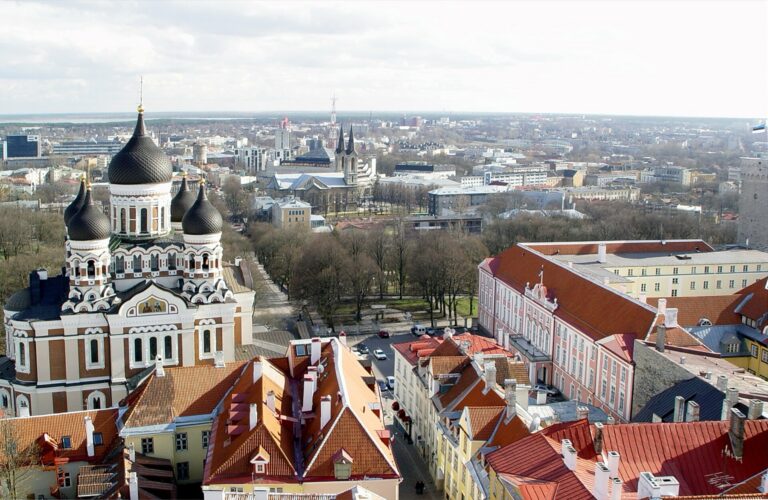
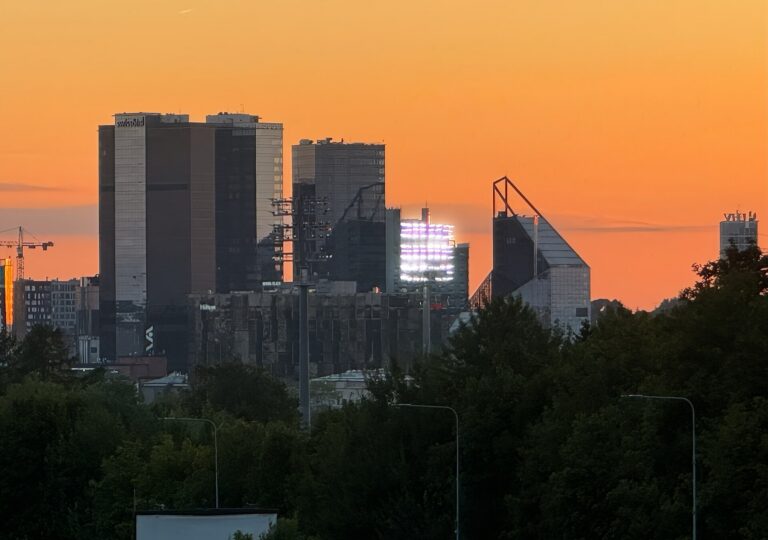
- Tallinn — the best-preserved medieval Old Town in northern Europe, complete with ramparts, towers, and modern districts like Telliskivi. If you only have a few days, check out our weekend itinerary.
- Tartu — the student and intellectual heart of the country, calmer and cheaper than Tallinn, with a beautiful university and vibrant café scene.
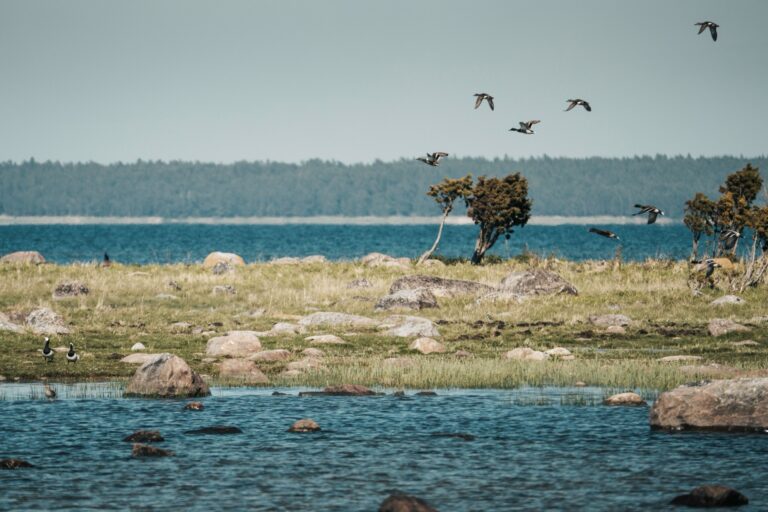
- Estonian islands — Saaremaa, Hiiumaa, Muhu, and Kihnu. Windmills, lighthouses, slow time, and the feeling you’re at the edge of Europe.
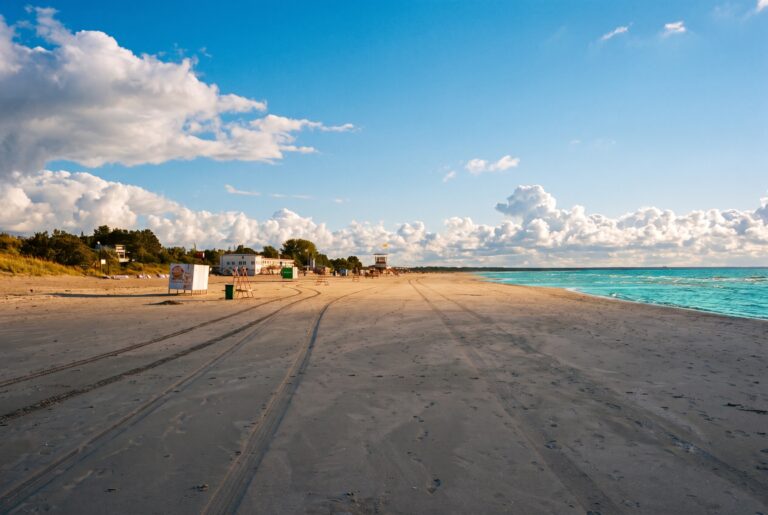
- Pärnu — the summer capital with a sandy beach, promenade, and spa-town atmosphere.
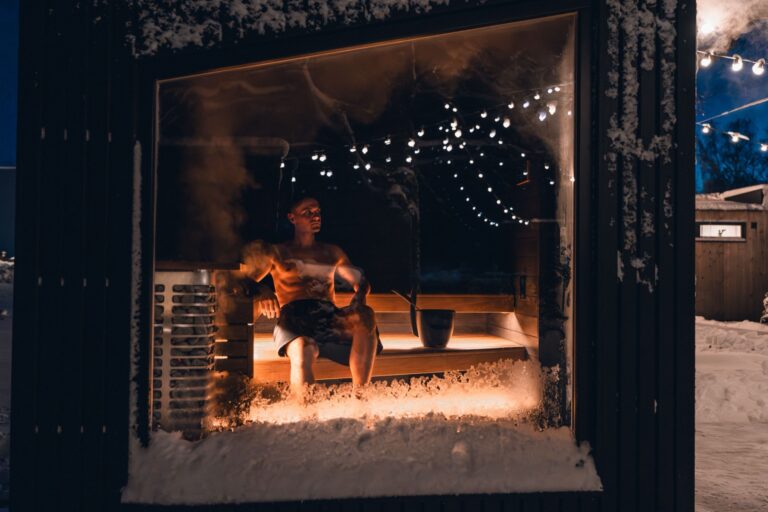
- Estonian saunas and spas — sauna bathing is a national sport here, from smoke saunas to modern spas.
- Tallinn Christmas markets — some of the prettiest in Europe, on Raekoja plats square under the lit-up tree.
If you want to see the most in one trip, we’ve got 25 tips across Estonia, and if you’re combining the whole Baltic region, our 10-day itinerary through Estonia, Latvia, and Lithuania will help.
When to visit Estonia
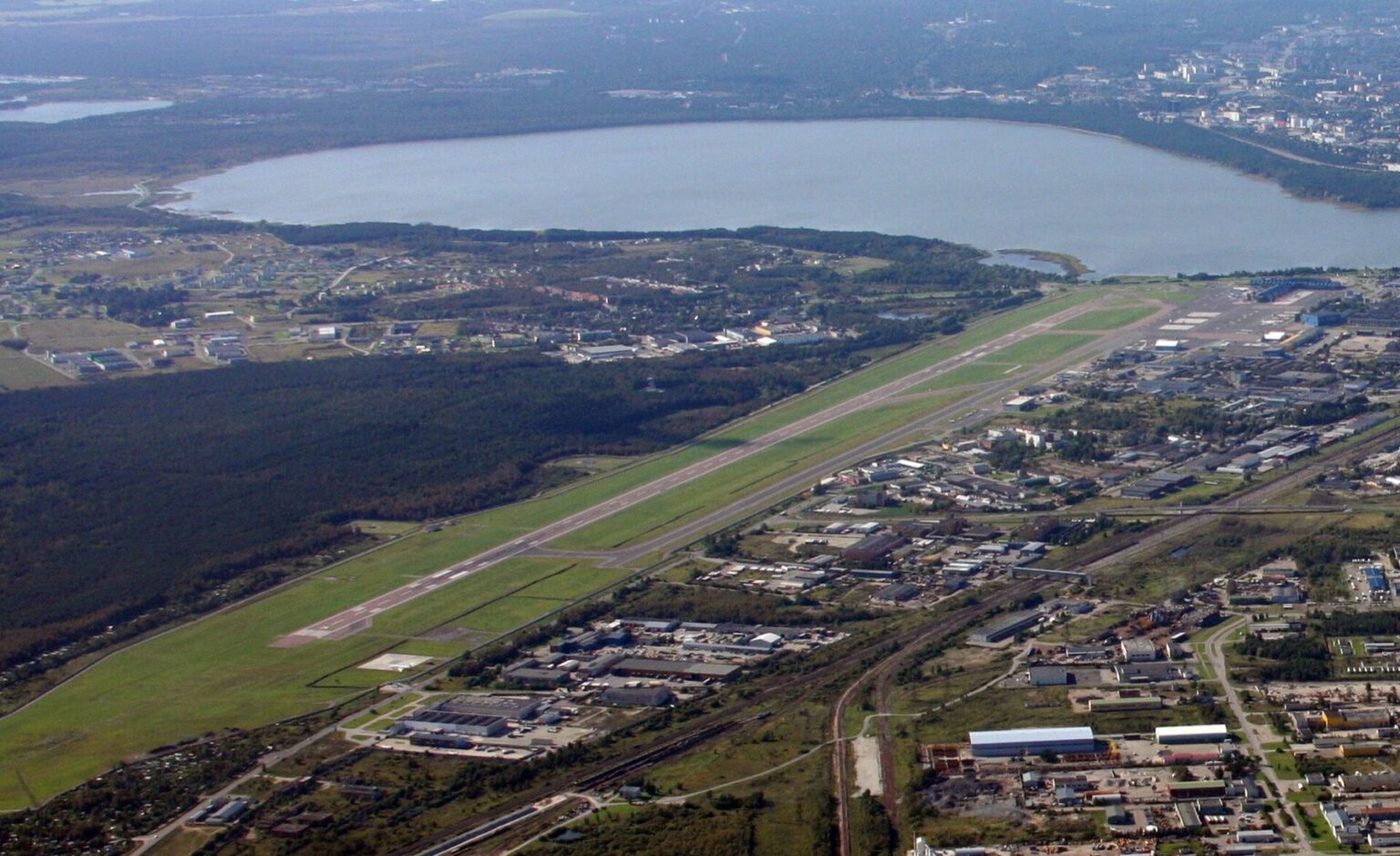
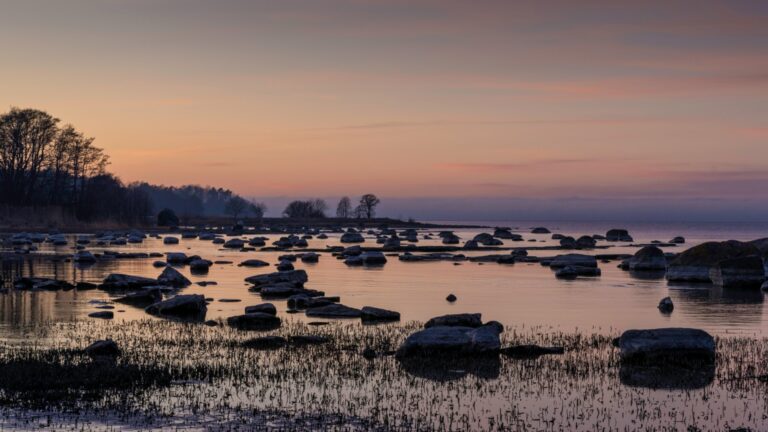
The most pleasant time is June through August, when daylight lasts long (around Midsummer it barely gets dark), temperatures hover around 18–22 °C, and the islands and beaches in Pärnu come alive. It’s also peak season, so accommodation is pricier and ferries to the islands should be booked ahead.
May and September are our favorite compromise — nature is beautiful, fewer tourists, and gentler prices. Expect changeable weather and pack layers. Autumn tends to be rainy and days shorten quickly.
Winter has its own charm, especially with the Christmas markets — Tallinn under snow is a fairy tale, but daylight lasts only a few hours and it’s freezing. For a detailed month-by-month weather breakdown, see our article When to Go to Estonia.


How to get to Estonia
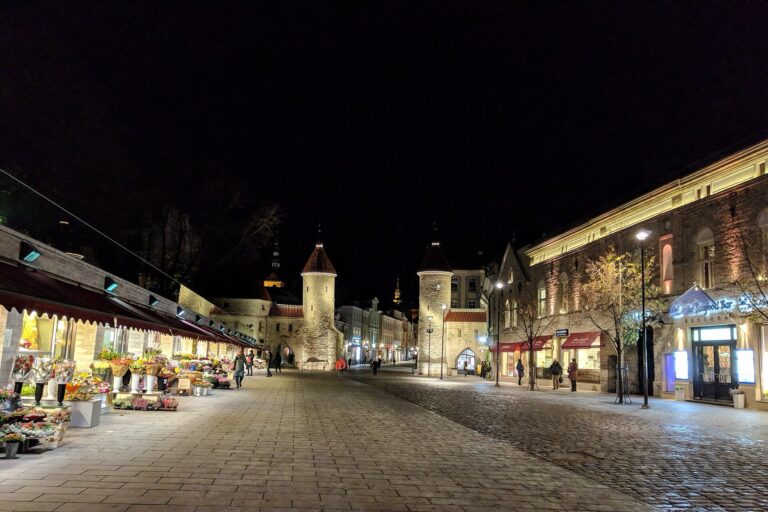
The fastest way to Estonia is by air — direct and connecting flights from Prague land in Tallinn in about 2 hours of actual flying time. Direct flights aren’t daily, so connections are common (via Riga or Nordic hubs, for example). We break down all options and prices in our article How to Get to Estonia.
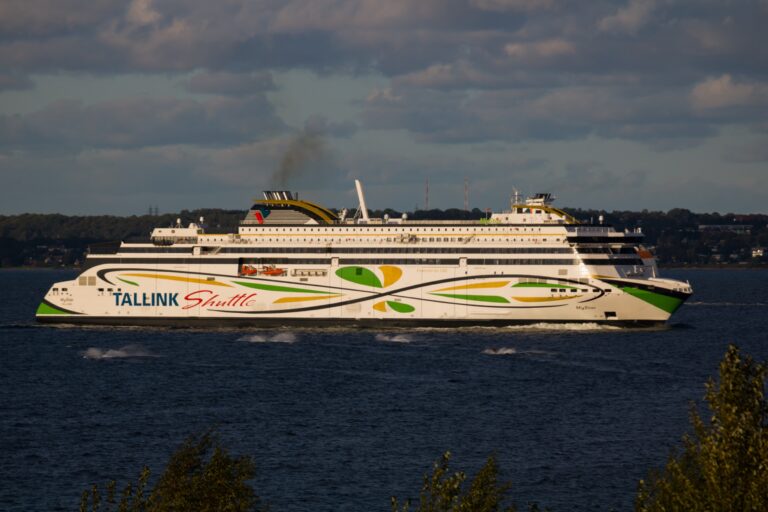
A popular combo is flying into Helsinki and taking the ferry — the crossing takes just around 2 hours and there are plenty of departures; read our guide Helsinki–Tallinn Ferry for how to choose and save. Driving from Czechia is a long haul through Poland and the Baltics (roughly 1,500 km to Tallinn), which makes most sense as part of a road trip through the whole Baltic region.
Renting a car
You don’t need a car in Estonia if you’re just visiting Tallinn or connecting major cities by train and bus — public transport is cheap and reliable. But it pays off when you want to explore the islands, countryside, and places off the main routes that are otherwise hard to reach.
- Where to book — use comparison sites and book ahead; in season, prices and availability on the spot are worse.
- Insurance and deposit — watch the excess; paying extra for full coverage saves nerves, and deposits are blocked on your credit card.
- Island ferries — with a car, book your spot on the ferry to Saaremaa or Hiiumaa in advance.
- Roads are in good condition and quiet; you don’t need to worry about tolls in Estonia.
Where to stay in Estonia
Most trips start and end in Tallinn, and a simple rule applies here: the closer to the Old Town, the pricier. Which neighborhoods are worth it and where to find better value, we cover in our article Where to Stay in Tallinn.
- Old Town (Vanalinn) — romantic and everything on foot, but highest prices and crowded in season.
- Telliskivi and Kalamaja — hipster quarter with cafés, a short walk from the center and somewhat cheaper.
- Tartu and Pärnu — outside the capital you’ll save money and enjoy a calmer vibe; on the islands, try guesthouses and bed-and-breakfasts.
- Apartment vs. hotel — for longer stays, an apartment with a kitchen works out cheaper since you save on food.
Package tour or independent travel?
A package tour makes sense when:
- you want transport, accommodation, and itinerary sorted for you and don’t want to spend time planning;
- it’s your first time in the Baltics and you want the security of a guide;
- you value convenience without juggling ferries and connections.
Go independent when:
- you want your own pace — sleep on an island, linger longer in Tartu, hit the sauna without rushing;
- you’re hunting for the best price and can track flights and accommodation yourself;
- you enjoy discovering places off the standard circuit.
We mostly travel Estonia independently — it’s small, safe, English gets you by, and transport is easy, so even less experienced travelers can manage. A package tour makes more sense when combining the whole Baltic region or when you simply want peace of mind and everything arranged.
Budget: daily costs in Estonia
Estonia is cheaper than the Nordic countries but pricier than the rest of the Baltics. The following numbers are rough daily budgets per person (excluding flights):
| Level | Accommodation | Food | Transport & activities | Total/day |
|---|---|---|---|---|
| Backpacker | 400–600 Kč (hostel) | 250–350 Kč | 150–250 Kč | approx. 900–1,200 Kč |
| Standard | 1,000–1,600 Kč (3* hotel/apartment) | 500–800 Kč | 300–500 Kč | approx. 1,800–2,900 Kč |
| Comfort | 2,500 Kč+ (4* & spas) | 1,200 Kč+ | 800 Kč+ | approx. 4,500 Kč+ |
In Tallinn you can grab lunch for around 6–8 euros or blow a fortune at a Michelin restaurant — we’ll point you to the right spots in our article Where to Eat in Tallinn.
How to save when planning
- Flights ideally buy 2–4 months ahead; for summer and Christmas markets, even earlier — prices spike in the final weeks before departure. Search for flights in our flight finder.
- Accommodation in Tallinn during summer and before Christmas should be booked in advance; the cheapest options disappear first. Our accommodation tips.
- Ferries to the islands and Helsinki are cheaper when you buy ahead and avoid peak times — last-minute in high season you’ll overpay. What to book early.
- Package tours watch in two waves: early bird in spring for better prices and selection, or last minute if you’re flexible on dates. Current tours.
- Where you overpay most: food right on the main square and taxis from the airport — the tram into central Tallinn costs a couple of euros.
Practical information
- Currency and payments — the currency is the euro and Estonia is extremely cashless. You can pay by card almost everywhere; you’ll barely need cash.
- Language — the official language is Estonian (related to Finnish, completely indecipherable to us), but young people and service staff commonly speak English.
- Connectivity — Estonia is a digital powerhouse with excellent coverage. As EU citizens you have roaming at no extra charge; for longer stays outside EU limits, an eSIM comes in handy.
- Safety — it’s one of the safest countries in Europe; standard city precautions are enough.
- Fun facts — before you go, check out our 20 facts about Estonia so you’re not completely in the dark.


