The internet is full of lists of the supposedly most beautiful towns in Tuscany, Italy, and honestly, every traveller can add whatever happens to catch their eye. In Italy, though, they do it a little differently, because there are two official certifications you can use to choose completely objectively.
Tuscany is a region that tempts you at first glance to hop from one iconic spot to the next, but then you miss the best bits. While some places are bursting at the seams under the crush of tourists, others still keep their sleepy, authentic atmosphere, which you often won’t find in any guidebook at all.
The result is 22 places that passed through a strict filter — and now we’ll tell you everything you need to know before you set off. We’ll look at where to base yourself strategically, which local dishes you absolutely must try, and why it pays to visit in autumn rather than in the heat of high summer.
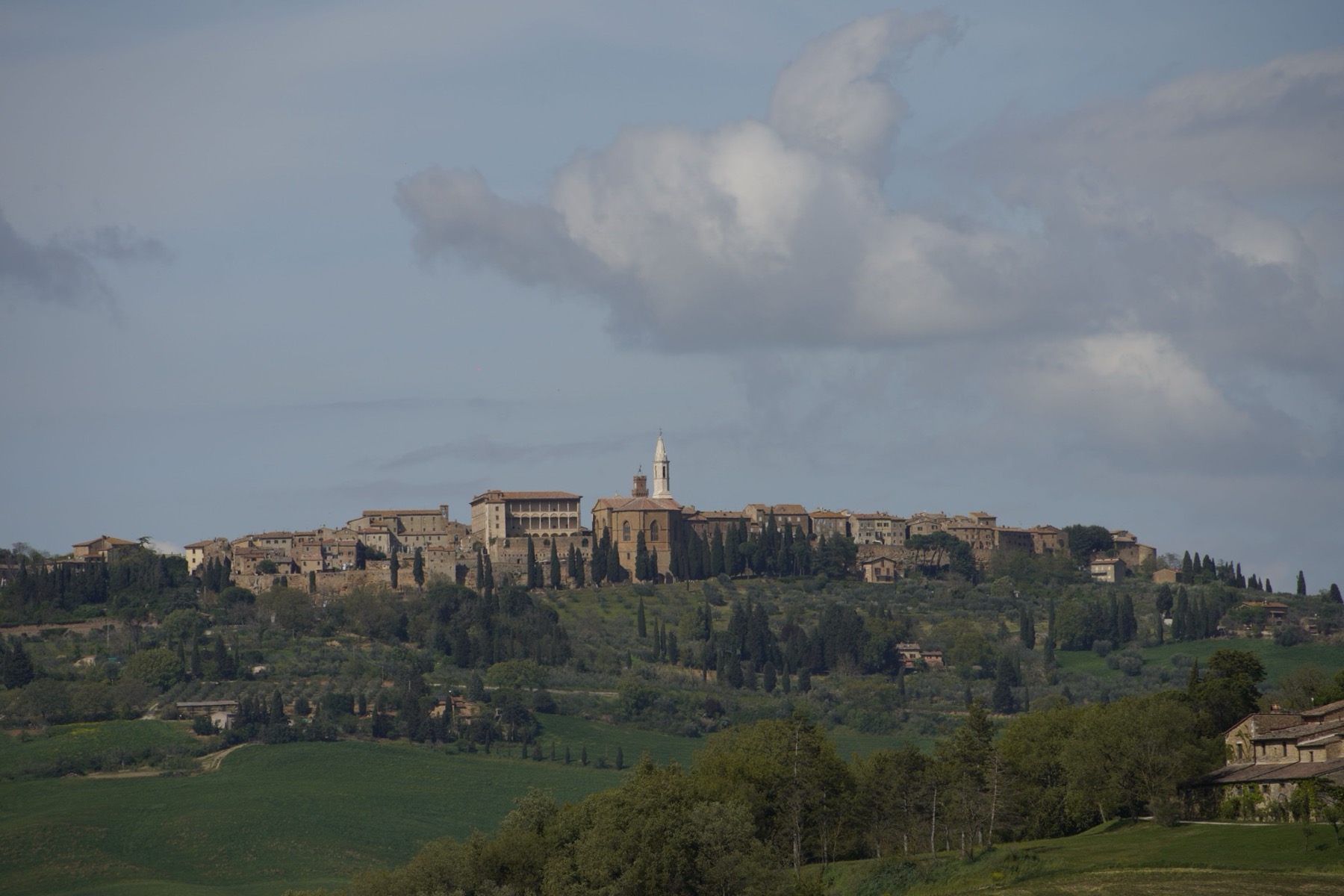
TL;DR
- Two official certifications: In Italy, the quality of historic settlements is measured by the I Borghi più belli d’Italia association and the Bandiere Arancioni (Orange Flags).
- Tuscany tops the rankings: This region has roughly 24 certified towns in the first association and a full 45 Orange Flags, which puts it right at the very top.
- How much you can manage: In a single day I’d recommend visiting no more than two towns, so you can soak up the local atmosphere at a relaxed pace and never feel rushed.
- Access restrictions: Almost all historic centres have so-called ZTL zones, so you’ll always have to leave the car in a car park below the walls.
- Best time to visit: The ideal time is spring or autumn, when you avoid the summer heat and can also experience the traditional chestnut festivals.
- Travelling without a car: Most places are only reachable by your own vehicle, but there are exceptions like Barga or Poppi, which you can reach by train or bus.
- Where to find peace and quiet: If you long for spots with barely any tourists, head to the mountain villages in the Casentino or Garfagnana areas in the north of the region.
The full destination guide: Tuscany — guide and what to see
Two official marks of quality you can rely on
If you want to be sure your dream destination is worth the trip, you can rely on the I Borghi più belli d’Italia association, which was set up on the initiative of ANCI, the union of Italian municipalities. This isn’t some random online vote among friends — the certification follows the ISO 9001 standard and assesses both the preservation of historic heritage and the quality of services. So it really carries weight. 😉
At the start of 2023 this association had 382 certified towns across the whole of Italy, and Tuscany, with around 24 members, ranks among the regions with by far the highest number. This list shifts slightly year to year, so you can always check the current status on the borghipiubelliditalia.it website, but Tuscany’s dominance has stayed unchanged for the long haul.
The second hugely important seal is the prestigious Bandiere Arancioni, awarded regularly by the Touring Club Italiano to selected inland towns. Here the assessors focus above all on the quality of the environment, the standard of hospitality and local gastronomy, which is absolutely key for us travellers.
In this respect Tuscany leads the national ranking with 45 certified locations, and in July 2023 another gorgeous village, Sassetta, was even added to the list. So for the vast majority of the tips in this article there is an official quality stamp that you can look up yourself and that guarantees an out-of-the-ordinary travel experience.
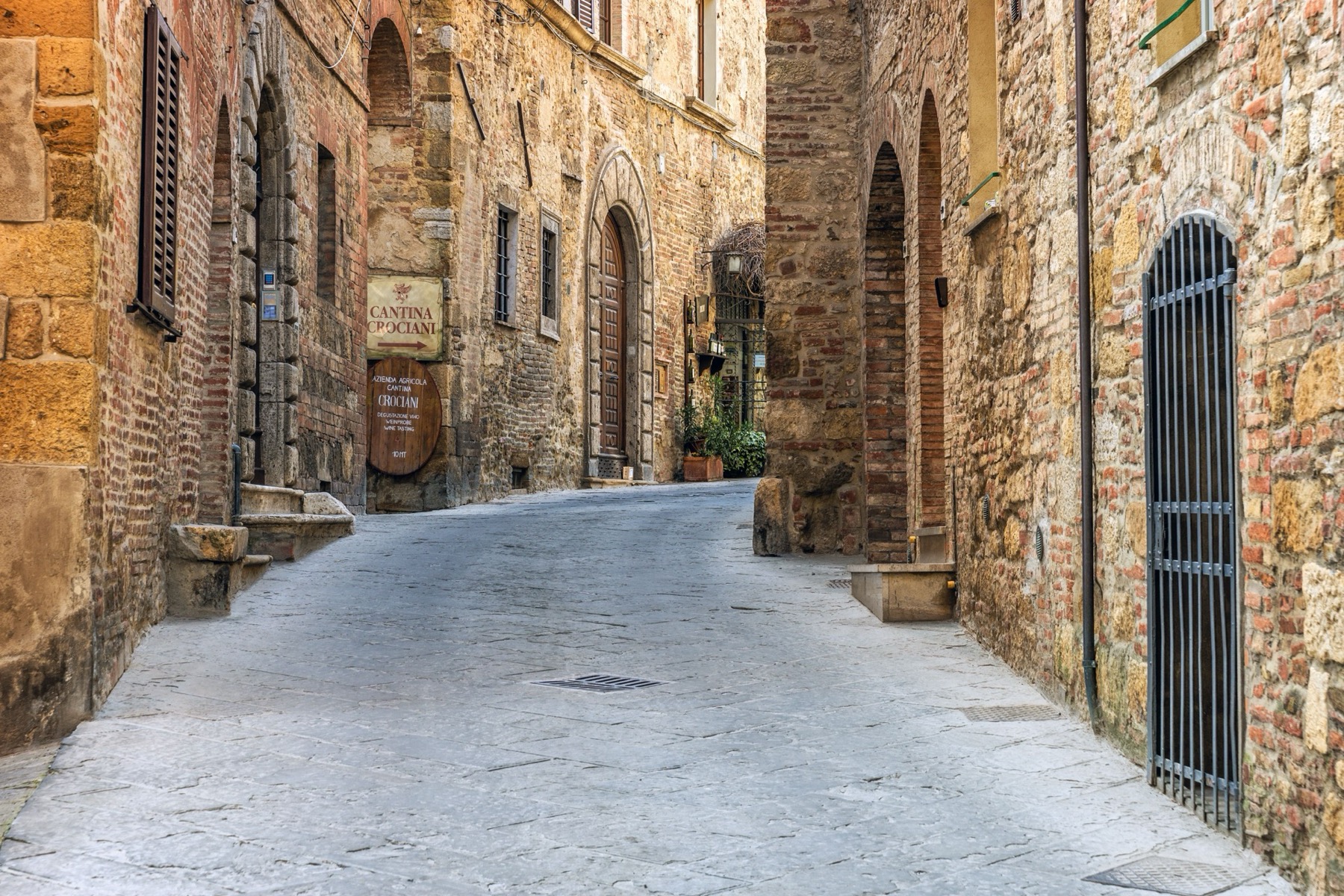
Where to find which towns
Planning a trip through the Tuscan countryside can be quite a puzzle, because distances on the winding roads are often deceptive and drives take longer than you’d expect from the map. I’ve put together a clear breakdown into seven logical circuits to help you pick the best base for your daily excursions around the area.
| Circuit | Towns included | Recommended base for accommodation |
|---|---|---|
| Tuff towns of the south | Pitigliano, Sovana, Montemerano | Saturnia or Manciano |
| Casentino and Valdarno | Poppi, Raggiolo, Loro Ciuffenna, Anghiari | Arezzo and the wider area |
| Garfagnana and the north | Barga, Castiglione di Garfagnana, Coreglia Antelminelli | Lucca |
| The heart of Chianti | Montefioralle, San Donato in Poggio | Greve in Chianti |
| Costa degli Etruschi | Suvereto, Campiglia Marittima, Populonia, Sassetta | The Val di Cornia valley |
| Between Siena and Val d’Orcia | Buonconvento, Monteriggioni | Siena |
| Argentario and the islands | Capalbio, Porto Ercole, Giglio Castello | The Monte Argentario peninsula |
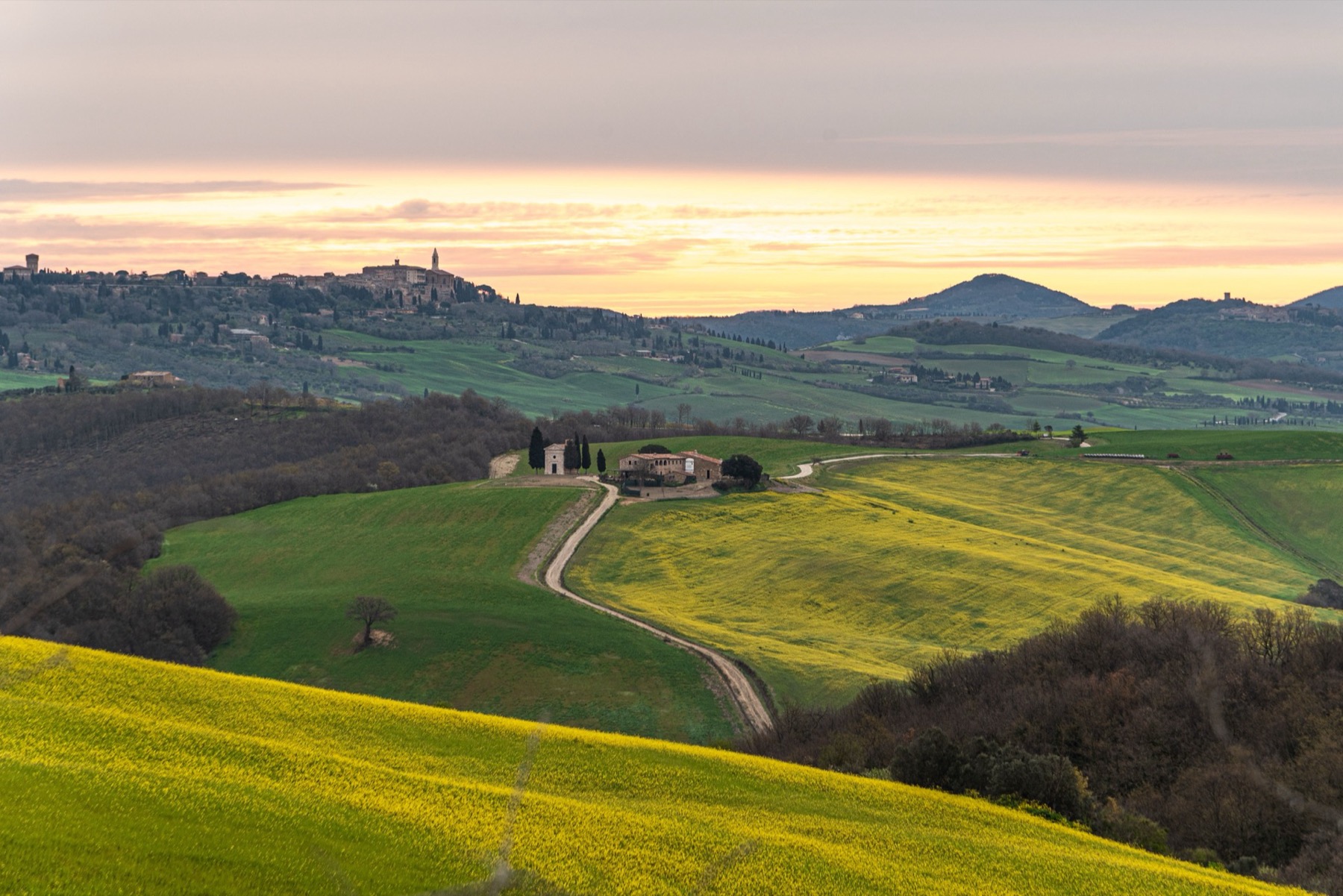
The 22 most beautiful towns in Tuscany, Italy
Let’s dive together into the tangle of stone lanes and discover the most enchanting spots from both official lists, grouped by geographic area to make things easier. Don’t forget to also fit famous places like San Gimignano, Siena or Volterra into your itinerary — we’ve covered those in more detail in our separate guides, so we won’t repeat ourselves here.
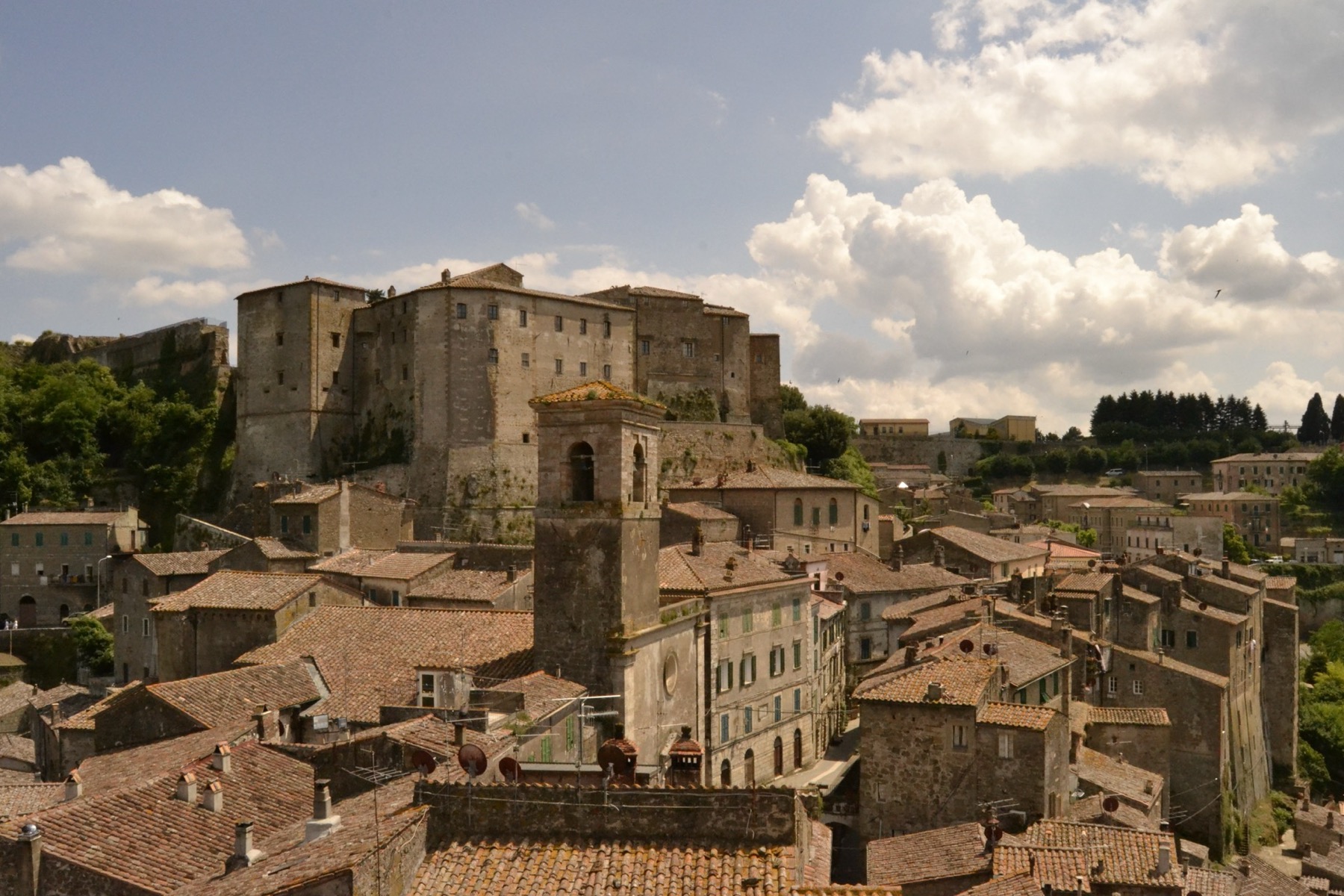
The tuff towns of the Maremma in the south
This part of the region near the border with Lazio feels incredibly wild and hides settlements carved straight into the volcanic rock, built here centuries ago by the ancient Etruscans. If you’re after truly dramatic views and a mysterious atmosphere, southern Tuscany won’t let you down.
1. Pitigliano
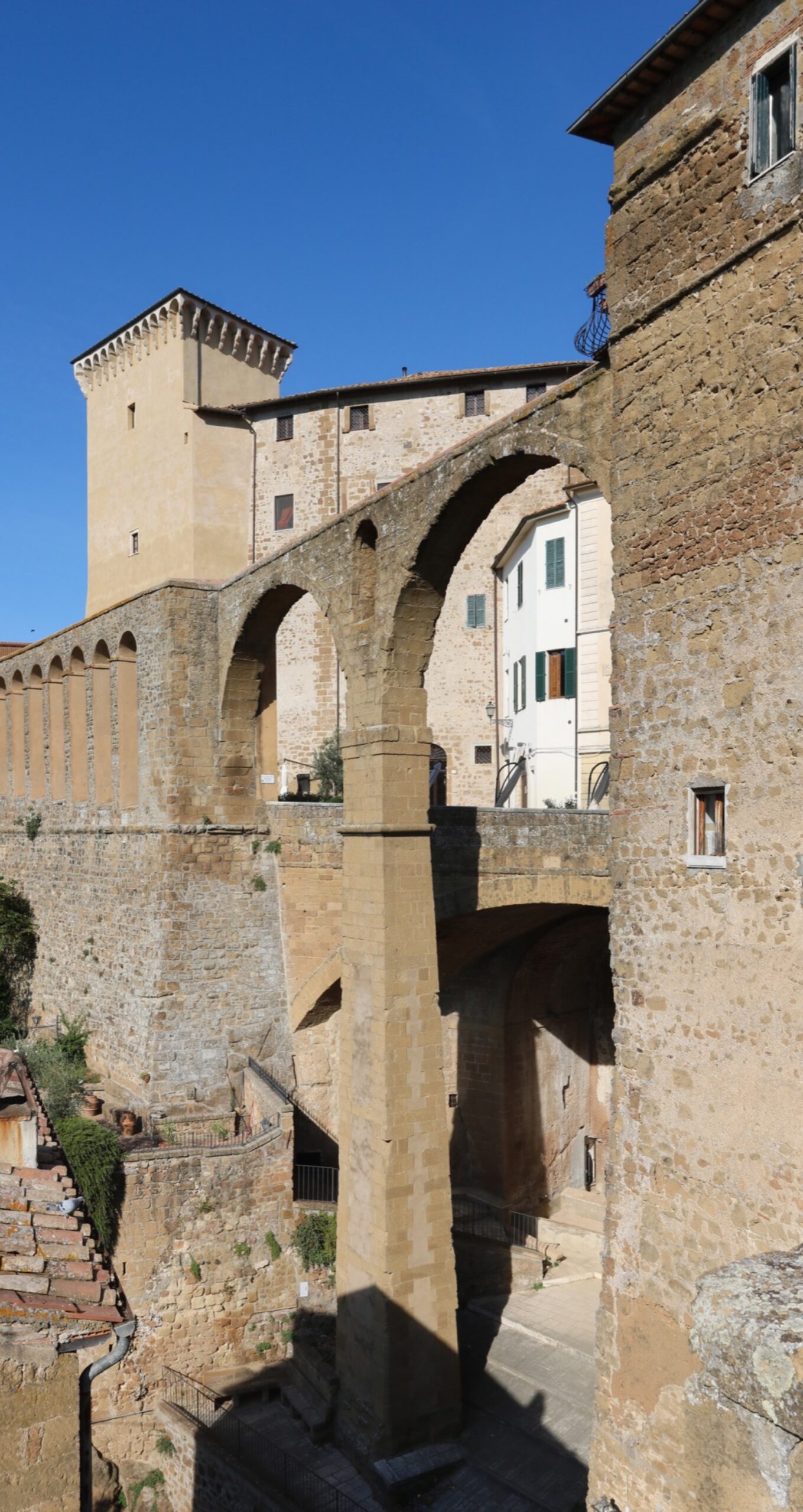
This utterly breathtaking place is often nicknamed Little Jerusalem, because a sizeable Jewish community once settled here and gave the lanes their unmistakable character. The town seems to grow straight out of a huge block of tuff rock, so from a distance you can’t tell where the natural stone ends and human dwellings begin.
Strolling through the historic centre, you’ll come across an ancient underground synagogue, kosher bakeries and an intricate maze of passages carved deep beneath the houses. This isolated position once served as perfect defence against enemies, and today it creates one of the most photogenic panoramas in all of Italy.
I recommend leaving your car in the car park below the town and bracing yourself for a proper climb up the steep steps — it’s well worth it. The most beautiful light for photographing the whole complex is from the viewpoint by the main road just before sunset, when the rock turns a rich shade of orange.
2. Sovana
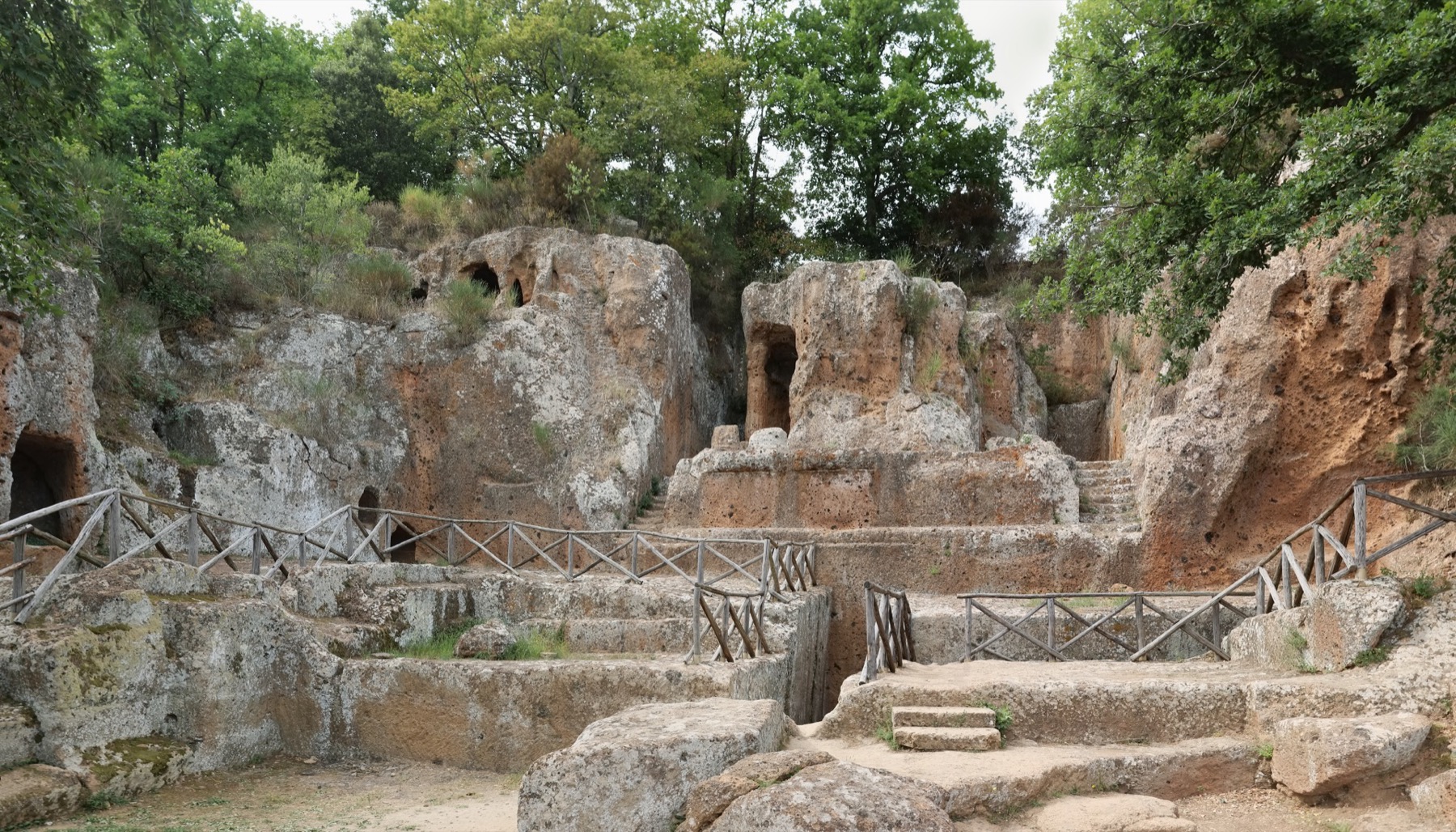
Just a short drive from Pitigliano lies the understated but historically hugely significant Sovana, known above all as an ancient Etruscan settlement. The centre itself is essentially just one main street with beautifully preserved paving, lined with stunning Romanesque and medieval buildings made of the local golden stone.
The area’s biggest draw is the extensive archaeological park just beyond the walls, where you can admire monumental Etruscan tombs carved straight into the rock faces. These ancient necropolises are connected by the so-called Vie Cave — deep, mysterious paths cut into the tuff bedrock, once walked by the original inhabitants.
A visit to Sovana won’t take you more than two hours, so you can easily combine it with exploring other nearby spots over a single afternoon. It’s an incredibly peaceful place where you can fully savour the slow pace of the Tuscan countryside, far from the noisy tourist crowds.
3. Montemerano
If you love perfect medieval illusions, Montemerano will win you over instantly with its labyrinth of narrow lanes and picturesque little squares full of flowers. This settlement is among the very best-preserved historic complexes in the province of Grosseto and boasts wonderful views of the surrounding olive groves and rolling hills.
The heart of the whole village is the fairytale Piazza del Castello, which you reach through a passage under a mighty stone arch that once served as the castle gate. The houses here stand so close together that they create pleasant shade even on the most scorching summer days, which you’ll appreciate over an afternoon coffee.
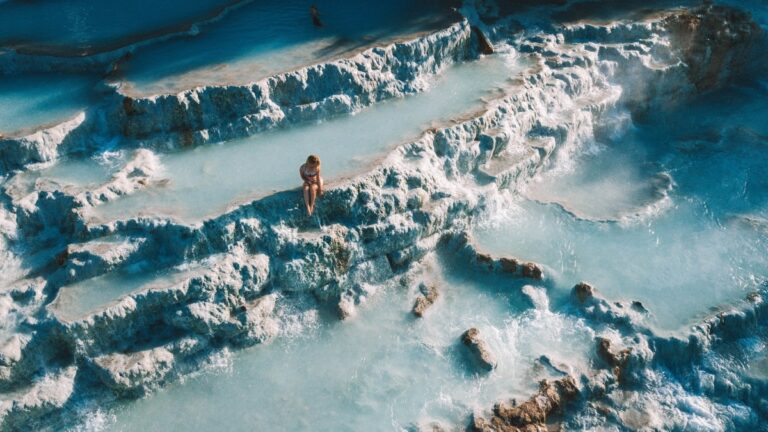
A huge advantage of this spot is how close it is to the famous thermal springs in Saturnia, just a few minutes’ drive away. You can plan a morning dip in the warm cascading river and spend the afternoon on a romantic stroll among the ancient walls of this certified gem.
Casentino and Valdarno in the province of Arezzo
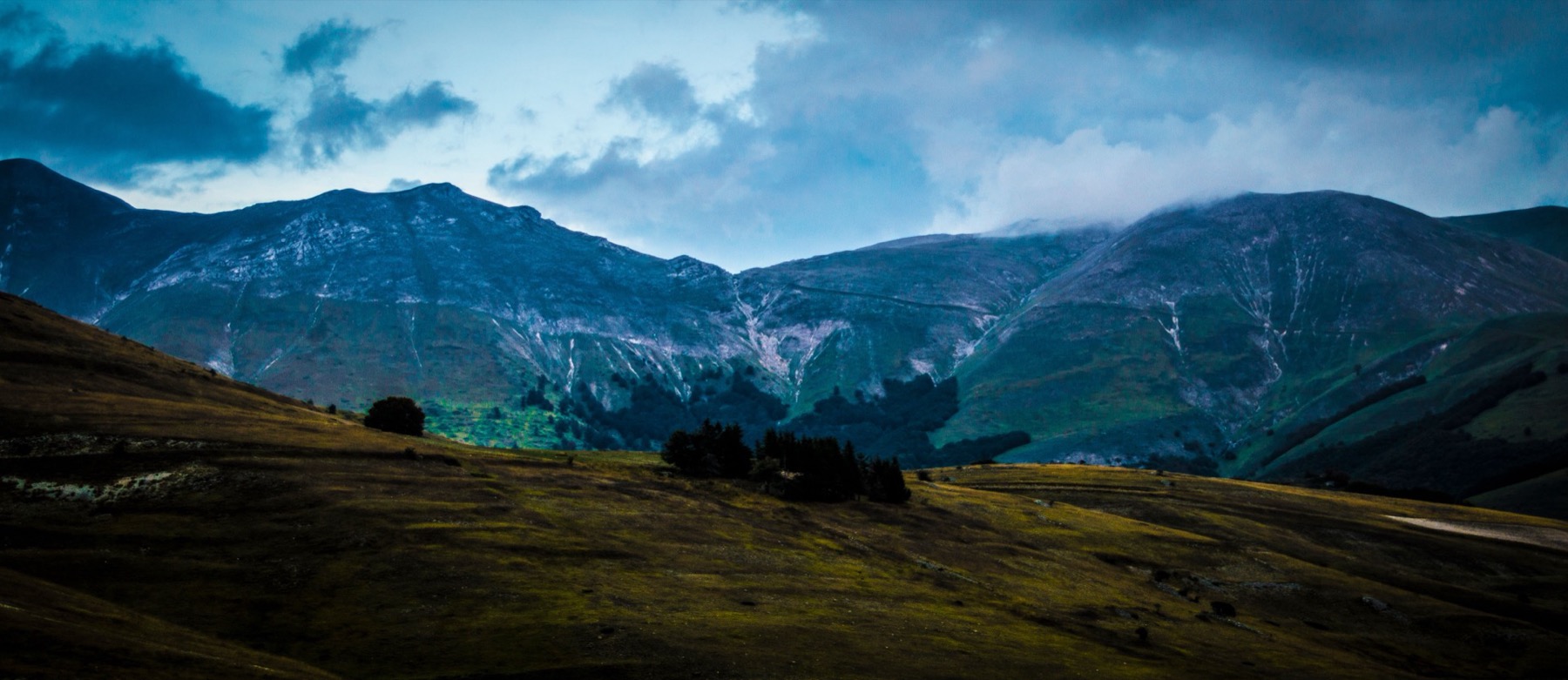
This forested, mountainous area in the east of the region remains a big unknown for many international visitors, even though it hides the most authentic villages. It’s the place where the River Arno rises and where you’ll find deep, quiet forests that drew medieval monks and pilgrims to contemplation long ago.
4. Poppi
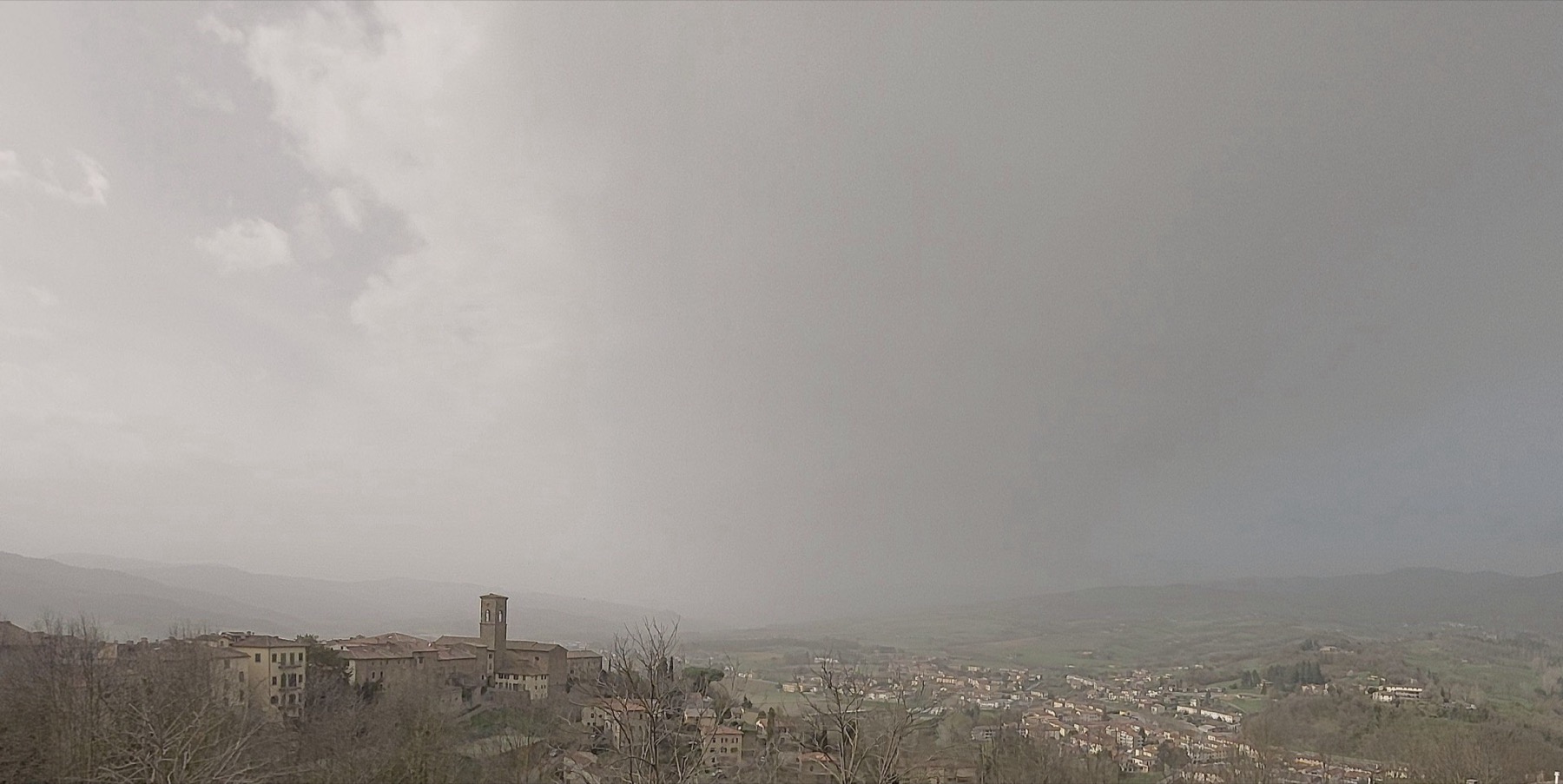
The landmark of the entire Casentino valley is the monumental Castello dei Conti Guidi, which rises majestically above the town of Poppi that shares its name. This castle complex is wonderfully preserved and offers a tour of an ancient library and a chapel adorned with beautiful frescoes that whisk you back centuries in time.
The historic centre below the castle is ringed by its original walls and made up of picturesque arcaded lanes, where busy markets once took place. Poppi is also one of the few places on our list that you can reach fairly easily by local train from the nearby town of Arezzo.
From the castle tower you’ll enjoy a breathtaking view over the whole forested valley, which feels far wilder than the classic postcard Tuscany full of cypress trees. The lanes here are surprisingly peaceful, and you’re more likely to bump into locals sipping their morning espresso than into crowds with cameras.
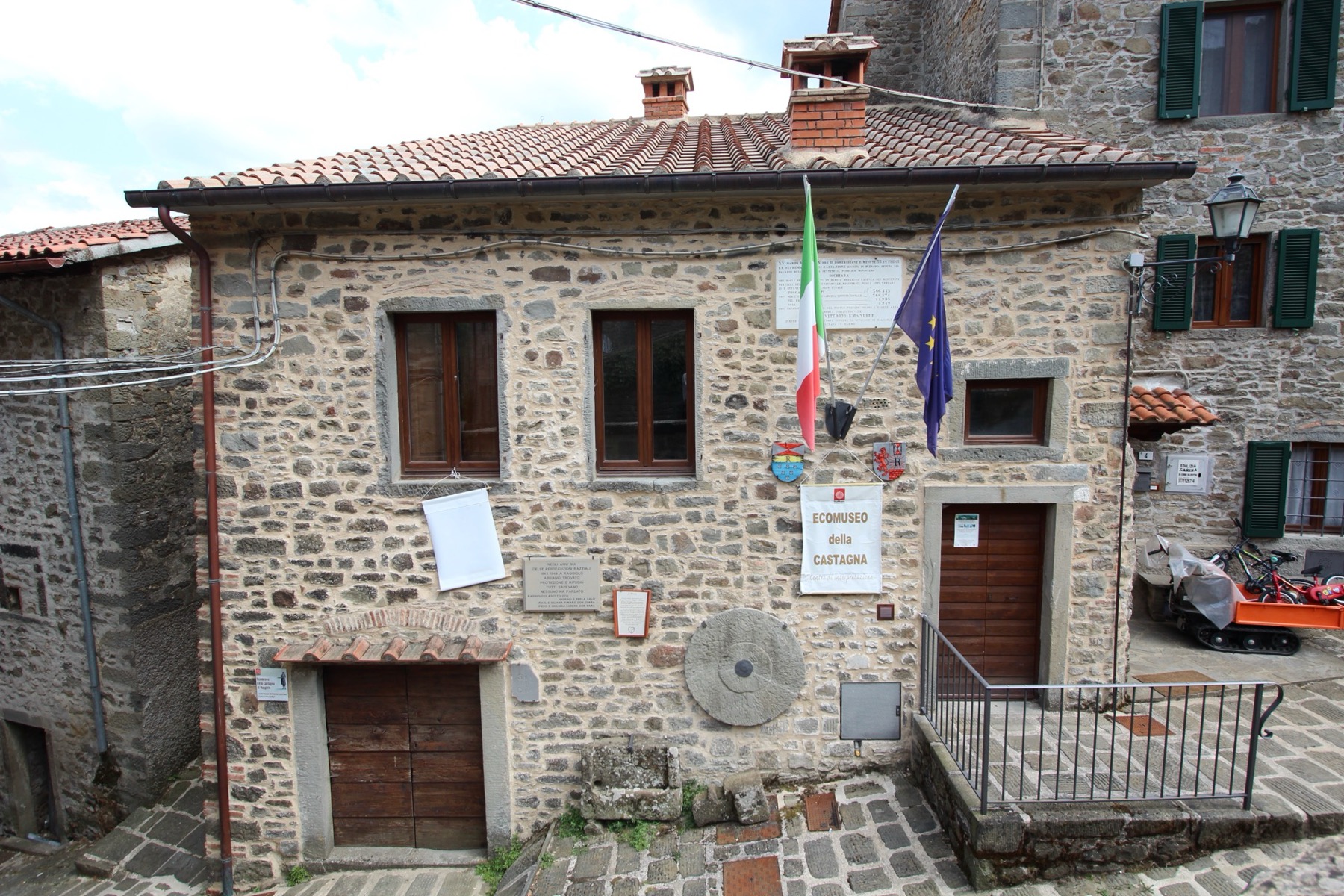
5. Raggiolo
If you’re looking for a spot that’s completely untouched by mass tourism, the mountain village of Raggiolo will be a real find for you. This tiny settlement clings high on the slopes of Mount Pratomagno and its stone cottages disappear entirely into the dense chestnut forests that surround it on every side.
Raggiolo has a rugged history tied to timber and iron working, which is reflected in its austere architecture. Cars aren’t allowed inside, so you’ll get around only on steep cobbled paths, for which comfortable shoes and a bit of fitness come in handy.
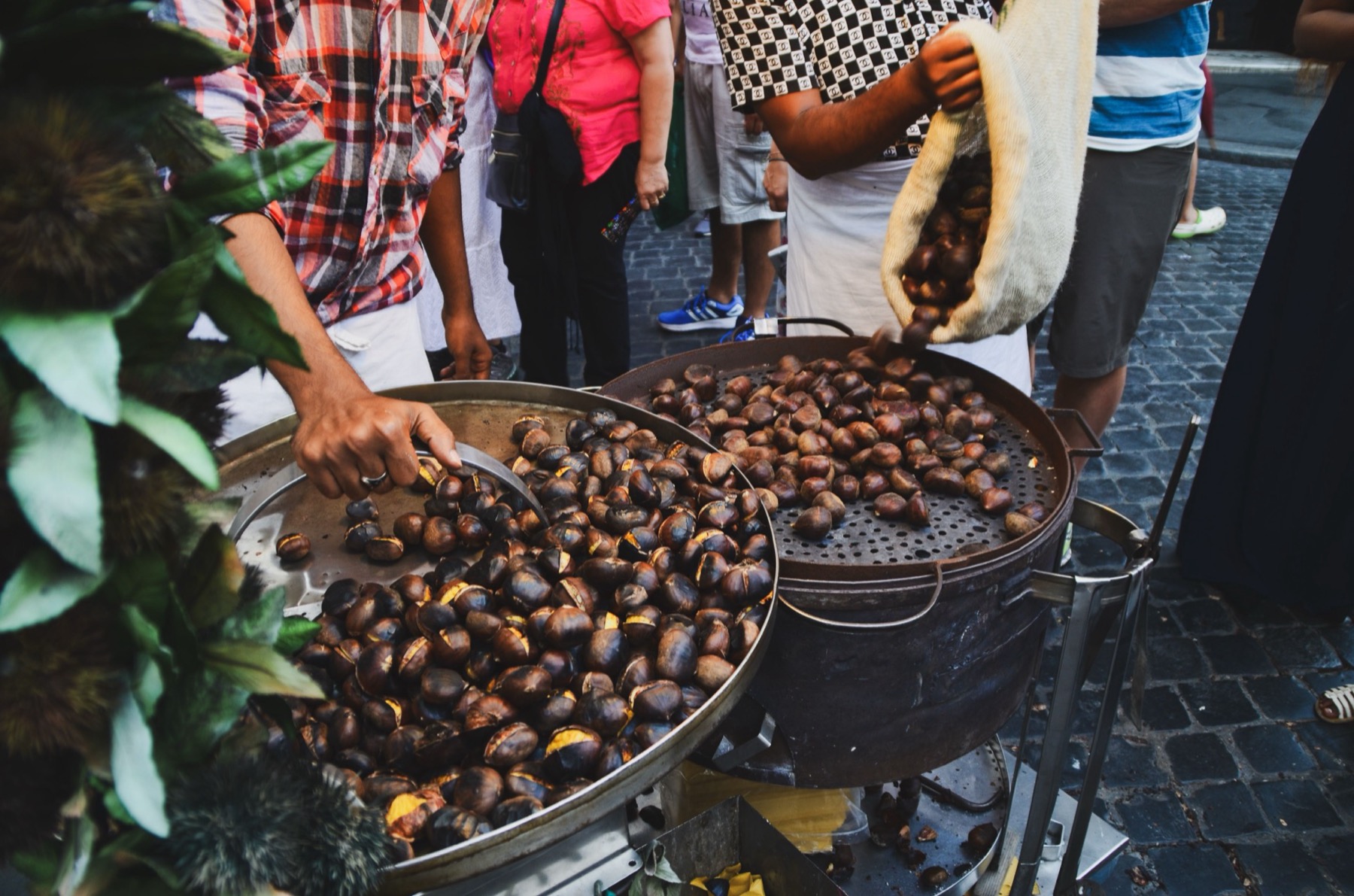
The atmosphere here is utterly quiet and meditative, so come mainly for relaxation and an escape from the modern world. An autumn visit is especially magical, because the whole area fills with the scent of roasted chestnuts and the locals hold traditional festivals devoted to this typical mountain crop.
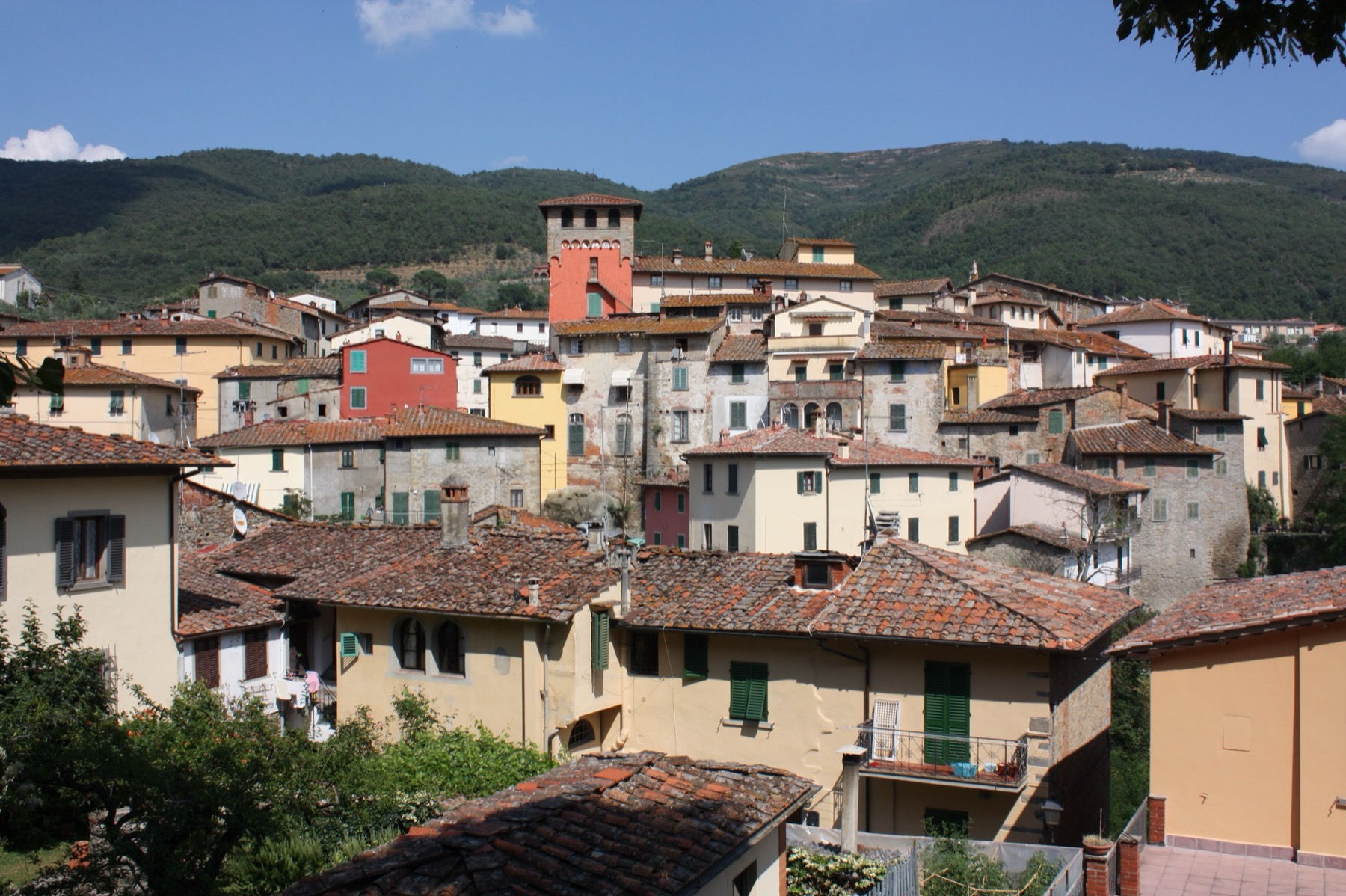
6. Loro Ciuffenna
This captivating spot sits on the very edge of the Valdarno valley, and its houses balance on the rim of a deep river gorge carved out by the wild water. To this day Loro Ciuffenna preserves strong milling traditions, and one of the oldest water mills in the whole region still works here.
A walk across the old stone bridge above the roaring river offers the best view of the ancient buildings, which look as if they’ve been casually stuck to the cliff. The narrow passages between the houses lead you to little squares and hidden viewpoints, where you fully grasp the dramatic setting of the whole town.
The area around the town is famous for producing excellent olive oil and growing beans, which form the base of many local vegetarian dishes. You can set off on pleasant walks along the river or explore the surrounding hills, dotted with smaller medieval parish churches.
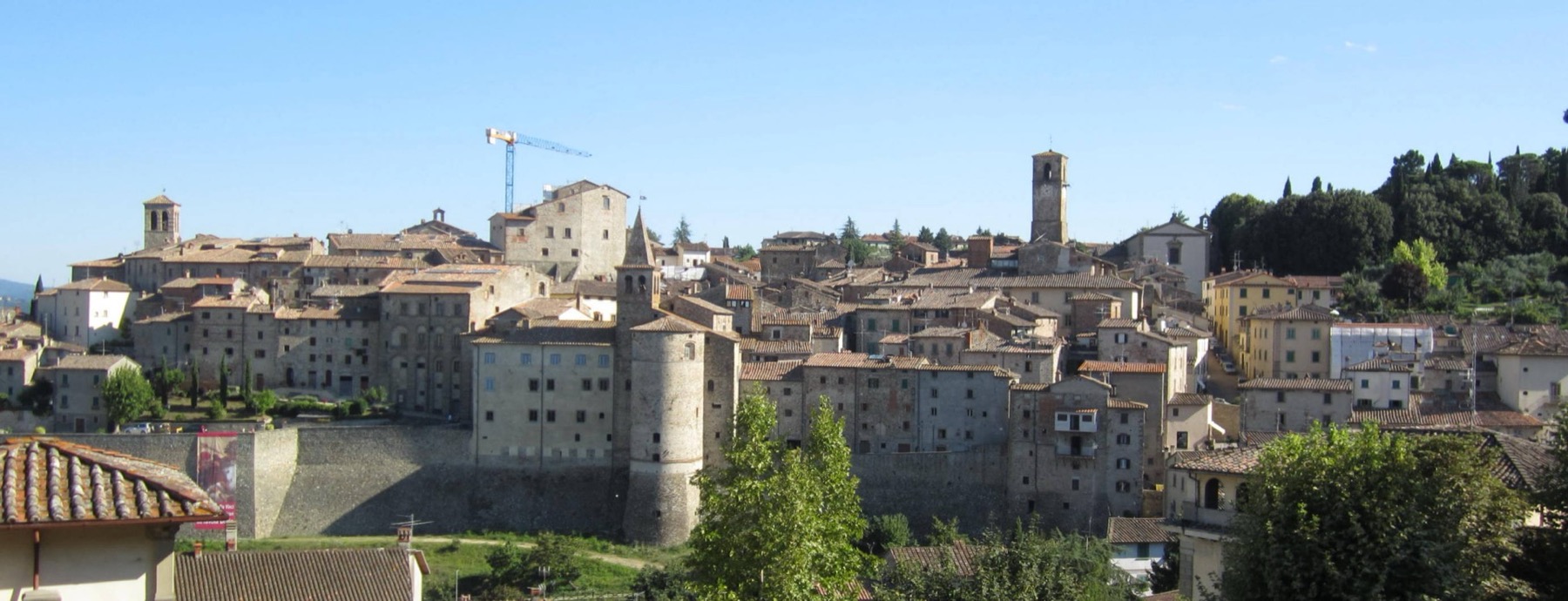
7. Anghiari
This proud little town perched high above the Tiber valley went down in history for the famous Battle of Anghiari, which Leonardo da Vinci later tried to capture in his lost fresco. The road to the main gate is as straight as a ruler, and the walls on either side stare at you as if you were arriving for an inspection. It’s a slightly unusual sight for a Tuscan town. 😅
Inside the fortifications you’ll find an absolutely stunning tangle of steep lanes, staircases and stone houses with wooden shutters. Anghiari has kept its reputation as a town of craftspeople, and on your walk you’ll come across plenty of small workshops still dedicated to traditional woodwork, ceramics and textiles.
It’s worth coming here in the late afternoon, when the setting sun beautifully lights up the whole valley below the walls. The local cafés fill up around this time, and you can enjoy a glass of local wine looking out over a landscape that looks almost the same as it did in Renaissance days.
8. Lucignano
One of Tuscany’s most fascinating urban gems is undoubtedly Lucignano, which became famous for its unique concentric, or rather elliptical, layout. The streets here don’t run in a classic grid but spiral around the central hilltop, something you won’t see to this extent anywhere else in the region.
This clever medieval design was meant to give the inhabitants perfect defence, since would-be attackers would quickly get lost in the circular lanes. Today it’s a huge advantage for visitors instead, who can wander the picturesque passages endlessly and always find their way safely back to the main square.
The local museum houses the famous Golden Tree, or Tree of Love, an incredibly intricate reliquary that couples in love still travel to see. Lucignano is very compact and easy to walk through in an hour, making it an ideal stop when driving between Arezzo and Siena.
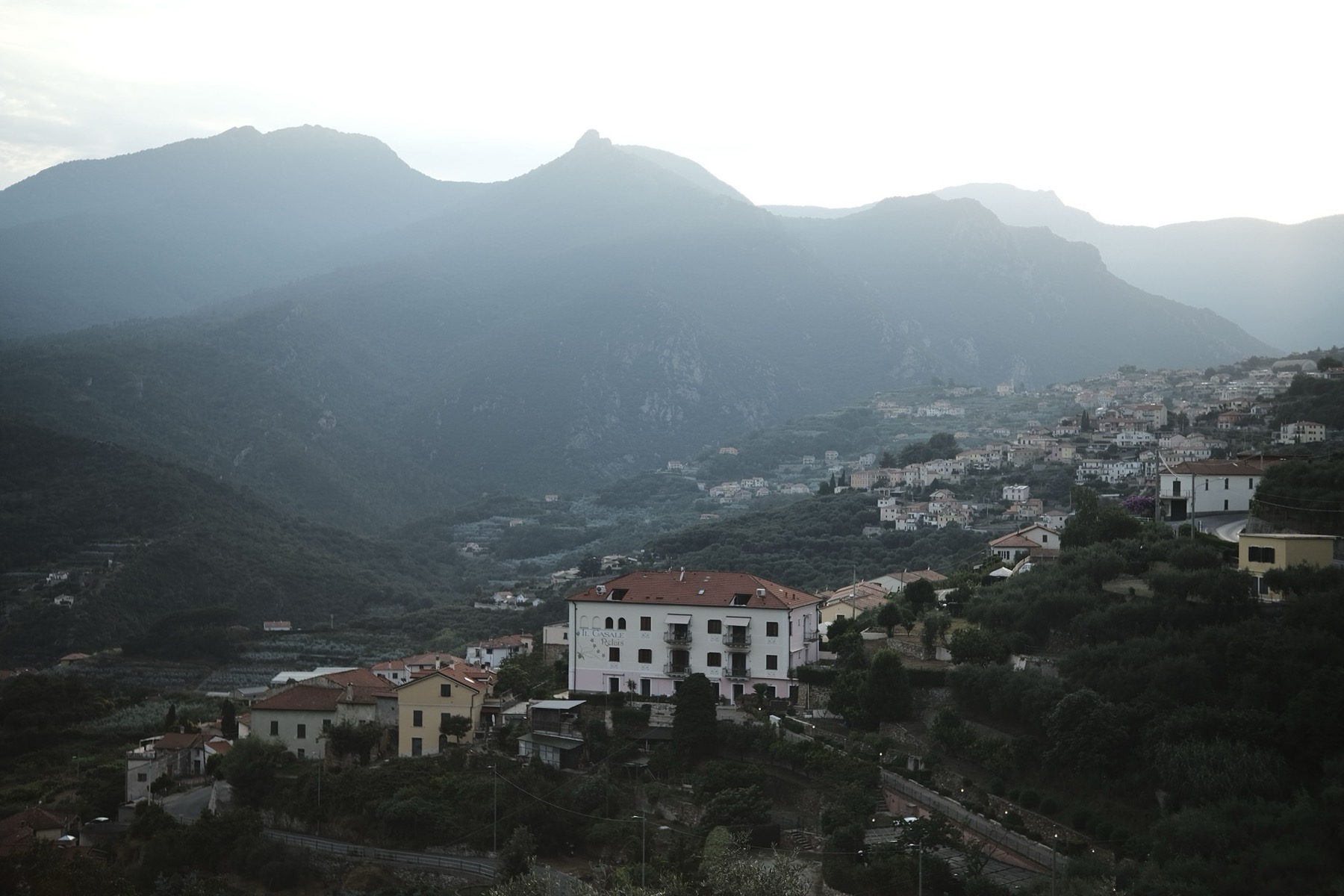
Garfagnana and the northern mountains near Lucca
While the south of the region is sun-soaked and full of olive trees, the northern part called Garfagnana is squeezed between the Apuan Alps and the Apennines. This area stands out for its deep valleys, harsher climate and distinctive culture, which differs greatly from elegant Florence.
9. Barga
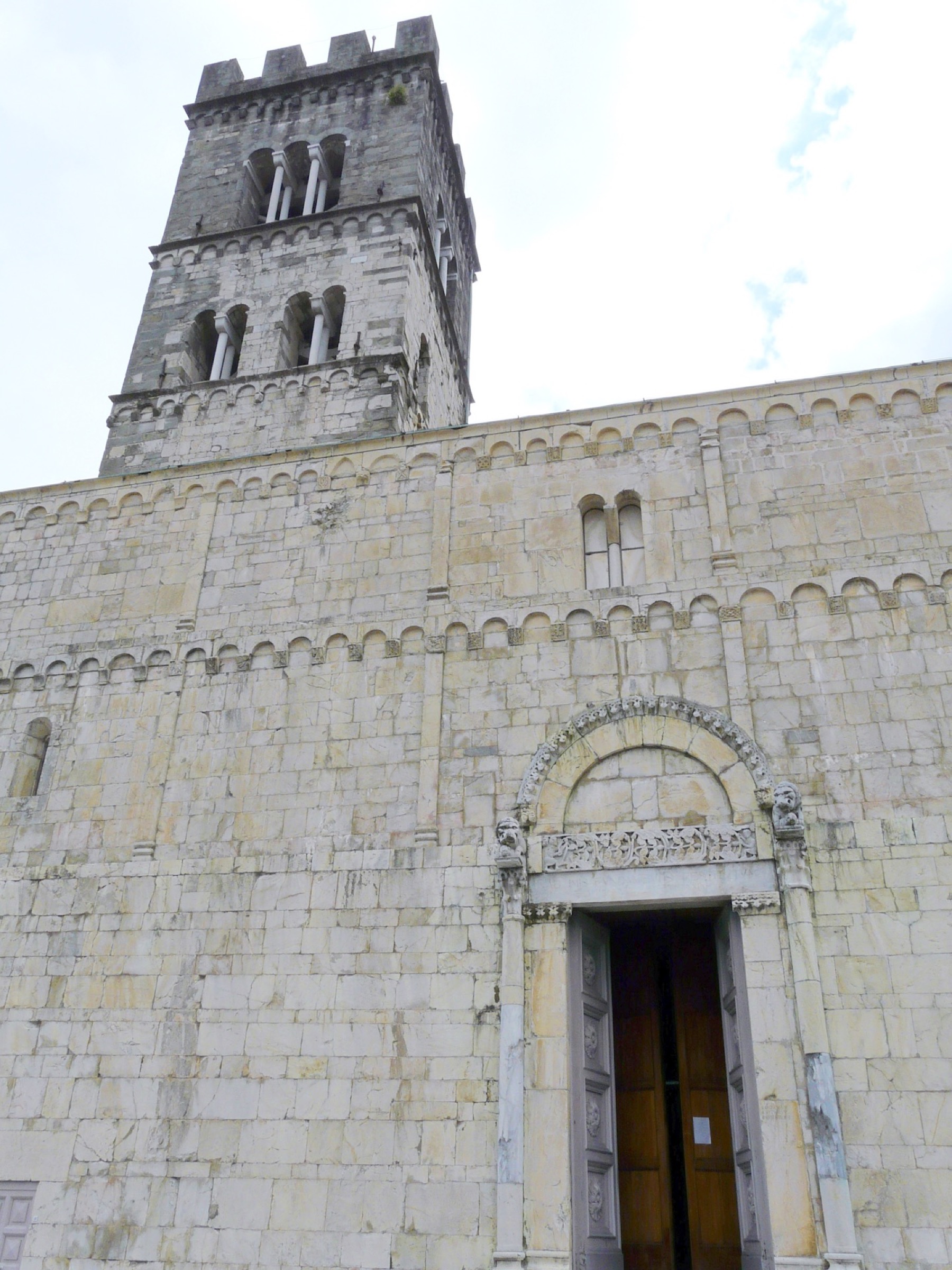
Barga is the undisputed cultural and historic centre of the whole of Garfagnana and boasts unexpectedly elegant Renaissance architecture that speaks of its ancient wealth. The town was long under the protection of Florence, and its palaces and villas contrast sharply with the surrounding rugged mountains that form a dramatic backdrop behind it.
The highest point of the town is the beautiful Romanesque cathedral, the Duomo di San Cristoforo, from which a fantastic panoramic view of the whole range opens up. Barga is fairly accessible by local standards, and there’s a regular bus service from Lucca, with the journey taking a pleasant 70 minutes.
Interestingly, many of the locals once emigrated to Scotland and later came back, so you’ll occasionally hear English spoken with a Scottish accent, and in summer they even hold festivals with bagpipers. The local restaurants serve superb dishes made from chestnut flour and fresh porcini mushrooms, which are utterly typical of this mountain area.
10. Castiglione di Garfagnana
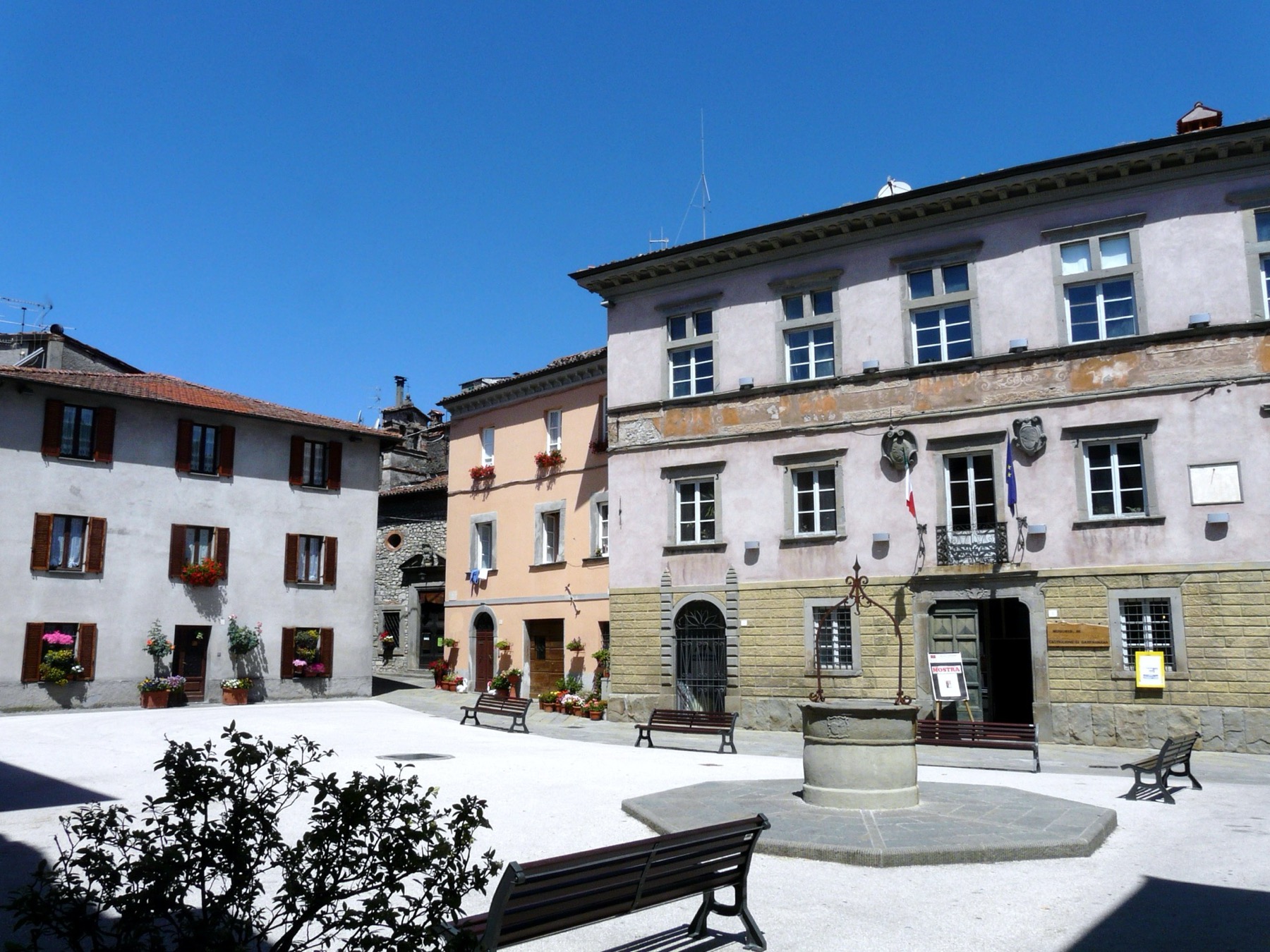
This fortified settlement grew up as a strategic military stronghold guarding access to the valley, and its mighty stone walls command respect even today. Castiglione di Garfagnana has kept its strictly medieval military character, with hefty towers and narrow passages through which the guards once moved.
From the rampart walkway you can feast your eyes on views of the green mountain slopes, dotted with small isolated homesteads and endless forests. Life here flows very slowly, and on the main square you’ll often meet just a handful of old-timers who keep a close eye on every newly arrived visitor.
If you like active holidays, this place is an ideal starting point for treks into the Apuan Alps, with hundreds of kilometres of marked trails — and in the evening you can warm up nicely in a small family trattoria over a hearty soup made from local pulses.
11. Coreglia Antelminelli
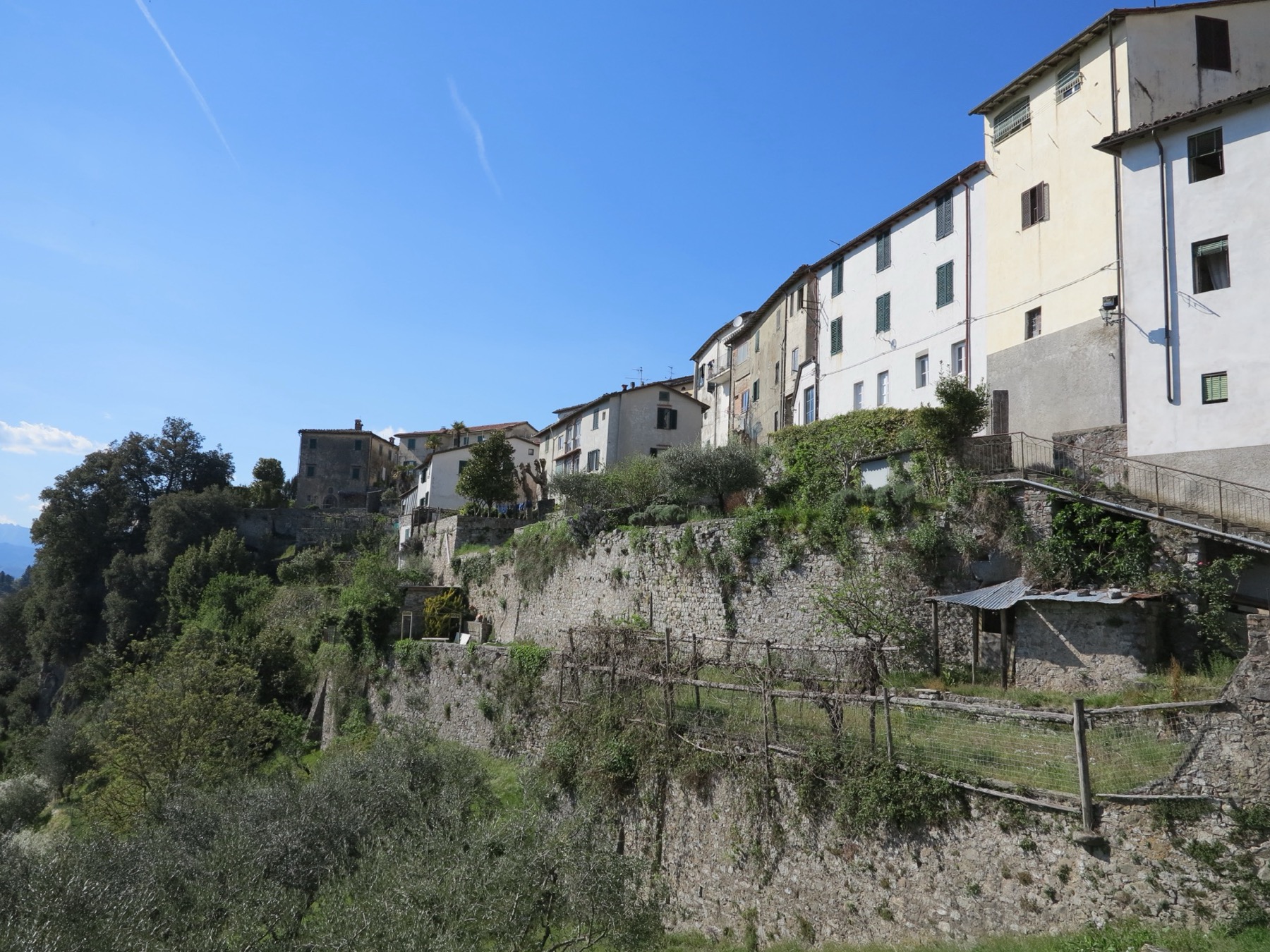
Another jewel high in the mountains above the Serchio river valley will win you over with its steep lanes and beautifully preserved patrician houses. Coreglia Antelminelli is surrounded by deep chestnut groves, which for centuries gave the locals their main source of income in the form of nourishing chestnut flour.
The town became famous worldwide for its unique production of plaster figurines, to which a fascinating museum documenting this unusual craft is even dedicated. Craftspeople once left here to travel the whole world, selling their plaster statuettes and spreading the name of this small village far beyond Italy’s borders.
The road up is full of hairpin bends and calls for careful driving, but your reward is complete peace and fantastically clean mountain air. It’s an ideal place to escape the summer heatwaves, since temperatures here tend to be markedly more pleasant than in the baking valleys to the south.
The heart of the Chianti area
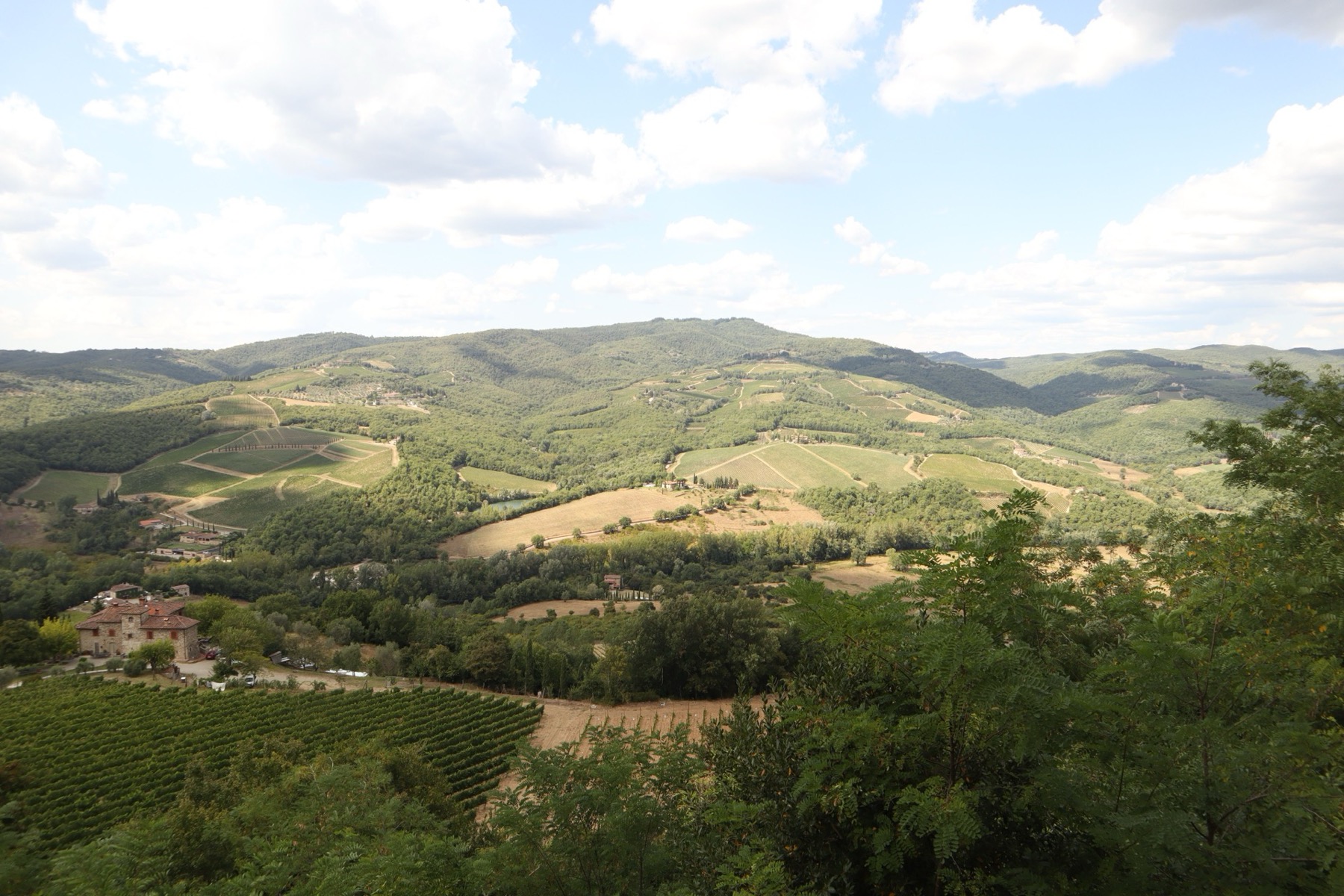
The landscape between Florence and Siena is world-famous for its rolling hills, endless vineyards and the symbol of the black rooster. The towns here, often ending in the word “in Chianti”, are an absolute paradise for lovers of good food and wine and offer a perfect harmony between nature and human labour.
12. Montefioralle
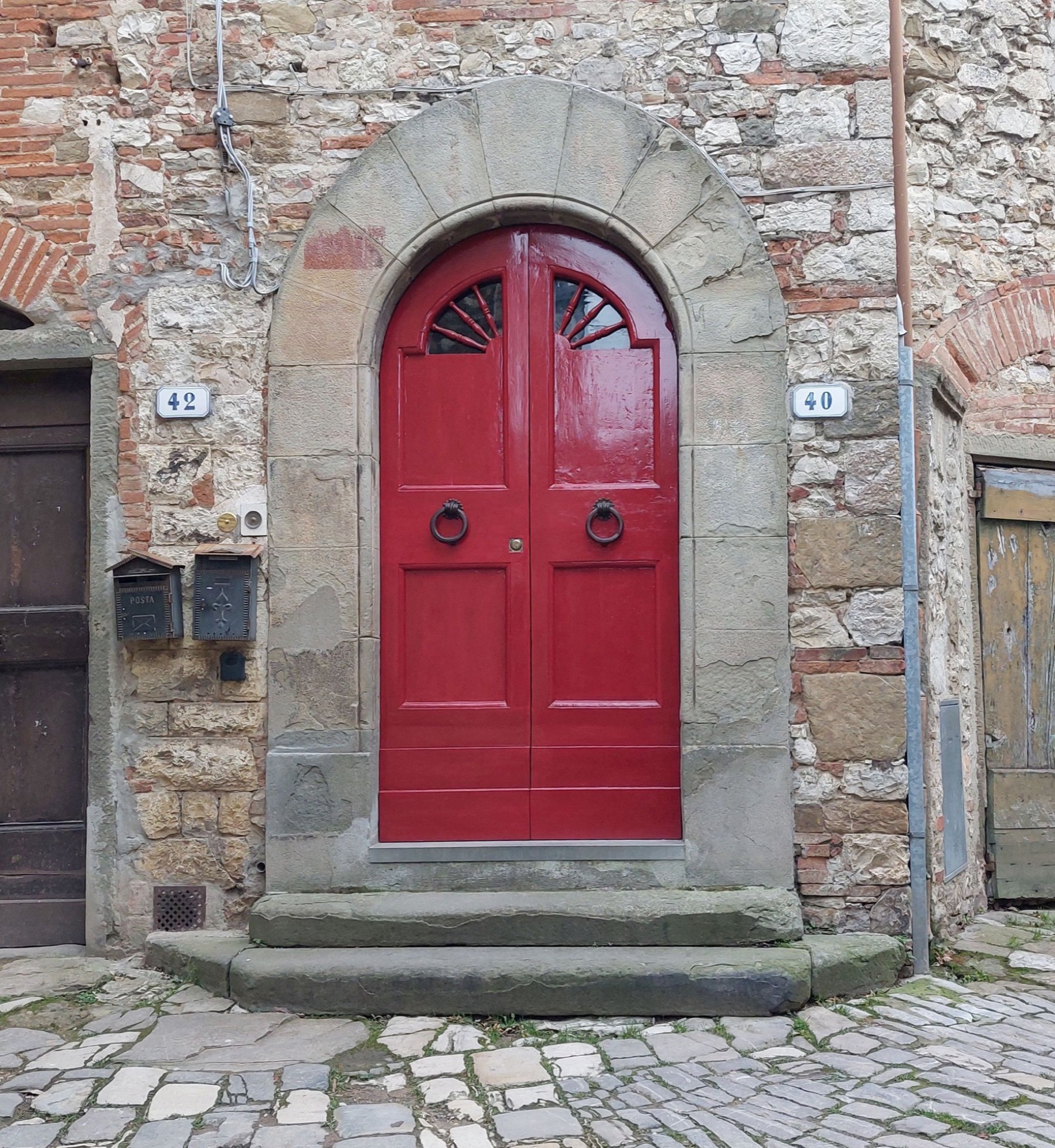
This tiny fortified village sits on a hill just a short way above the well-known centre of Greve in Chianti and is one of the oldest inhabited spots in the area. Montefioralle has an almost perfect elliptical shape following the original walls, and the whole village is essentially just one main circular street lined with stone houses.
According to local tradition, the famous Vespucci family came from here — the name later borne by the explorer Amerigo Vespucci — and their coat of arms can still be found above the door of one of the houses. The village is beautifully decorated with troughs of geraniums and climbing plants, making it an incredibly romantic and photogenic place.
Given its size, you’ll walk through it easily in fifteen minutes, but it’s worth lingering, sitting on a stone wall and enjoying the views of the surrounding vineyards. Parking is available on a small lot right below the walls, but in high season it fills up quickly, so I’d recommend arriving early in the morning.
13. San Donato in Poggio
Another of the certified borghi in the heart of Chianti has kept much of its original fortifications, including a watchtower and an imposing entrance gate. San Donato in Poggio was once an important stop on the trade routes, and its lanes are still lined with grand Renaissance palaces that testify to its former wealth.
In the centre you’ll find a lovely little square with an old well and a parish church, where local farmers’ markets and cultural events are often held. The atmosphere here is very friendly and homely, with a whole host of excellent wine bars and restaurants serving the best of the local harvest and vegetarian specialities.
It lies exactly halfway between Florence and Siena, so if you want a base for exploring the whole of Chianti, you’ll struggle to find a more practical location. From here you can set off on cycling trips through the surrounding vineyards or visit nearby castles combined with olive oil tastings.

Costa degli Etruschi and the coastal hills
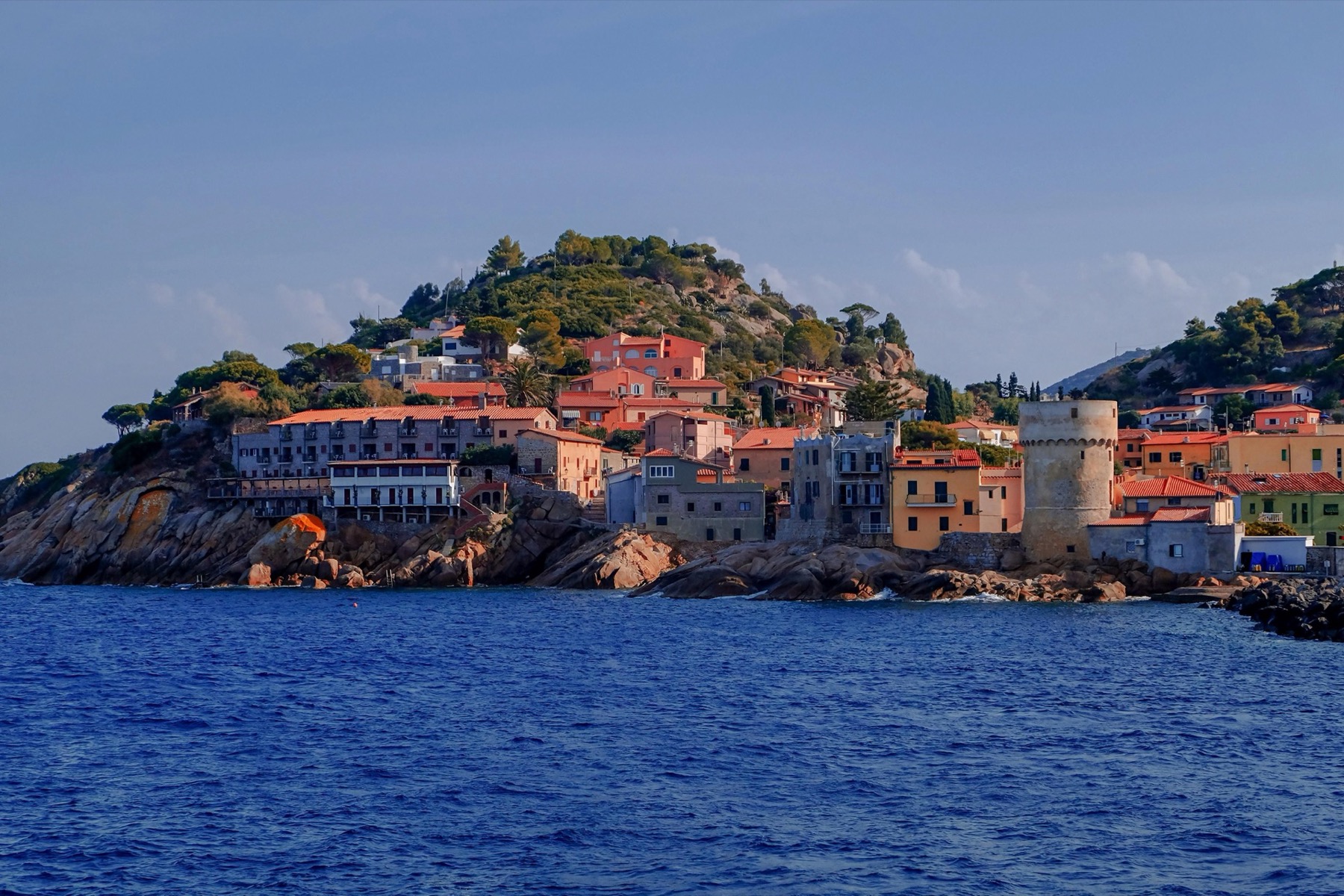
The strip running along the Tyrrhenian Sea coast combines the scent of pine groves with salty sea air and rich Etruscan history. The towns here don’t sit right on the beach but look down on the sea from the surrounding hills, which gives them an unmistakable charm and a strategic outlook.
14. Suvereto
This stunning medieval borgo lies surrounded by cork oaks, after which it takes its name, in the gentle hills above the Val di Cornia valley. Suvereto is enclosed within well-preserved pentagon-shaped walls, and its landmark is the ancient town hall with a distinctive clock tower that dominates the main square.
The lanes here are paved with irregular stones and hide plenty of old little churches, artisan workshops and small shops selling local produce. The local community is very active, and throughout summer and autumn countless historic festivals and events take place that bring the whole centre to life.
Around the town you’ll find some of the finest Tuscan wineries, producing strong, full-bodied reds that pair superbly with autumn mushroom dishes. Parking is provided on spacious lots right in front of the gates, so getting into the historic heart is completely hassle-free.
15. Campiglia Marittima
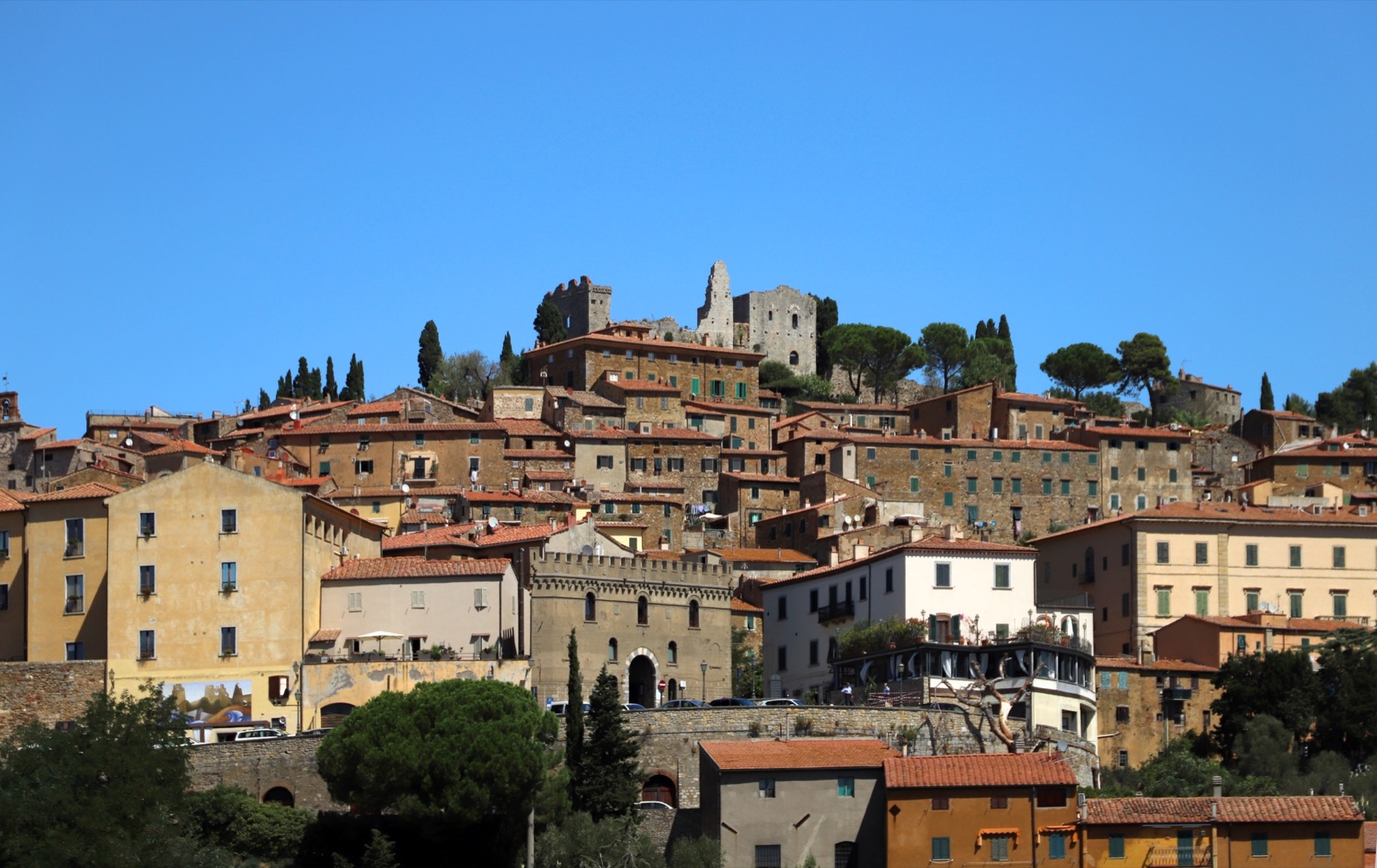
Another gem not far from the coast boasts a fantastic view of the sea and the islands of the Tuscan Archipelago, which are clearly visible in fine weather. Campiglia Marittima is built on a steep hill, and its lanes form an intricate network of staircases and passages, topped by the ruins of an old castle.
The history of this place is closely tied to the mining of precious metals and minerals, which you can revisit in the vast nearby San Silvestro mining park. The town itself feels very clean and well cared for, with lots of small cafés where you can rest after the demanding climb up to the castle tower.
I’d recommend coming here in the early evening, when the stonework of the houses turns to warm tones and the aroma of fresh herbs starts drifting from the restaurants. It’s a great spot if you want to combine a swim in the sea with an afternoon of history, since the beaches are only a twenty-minute drive away.
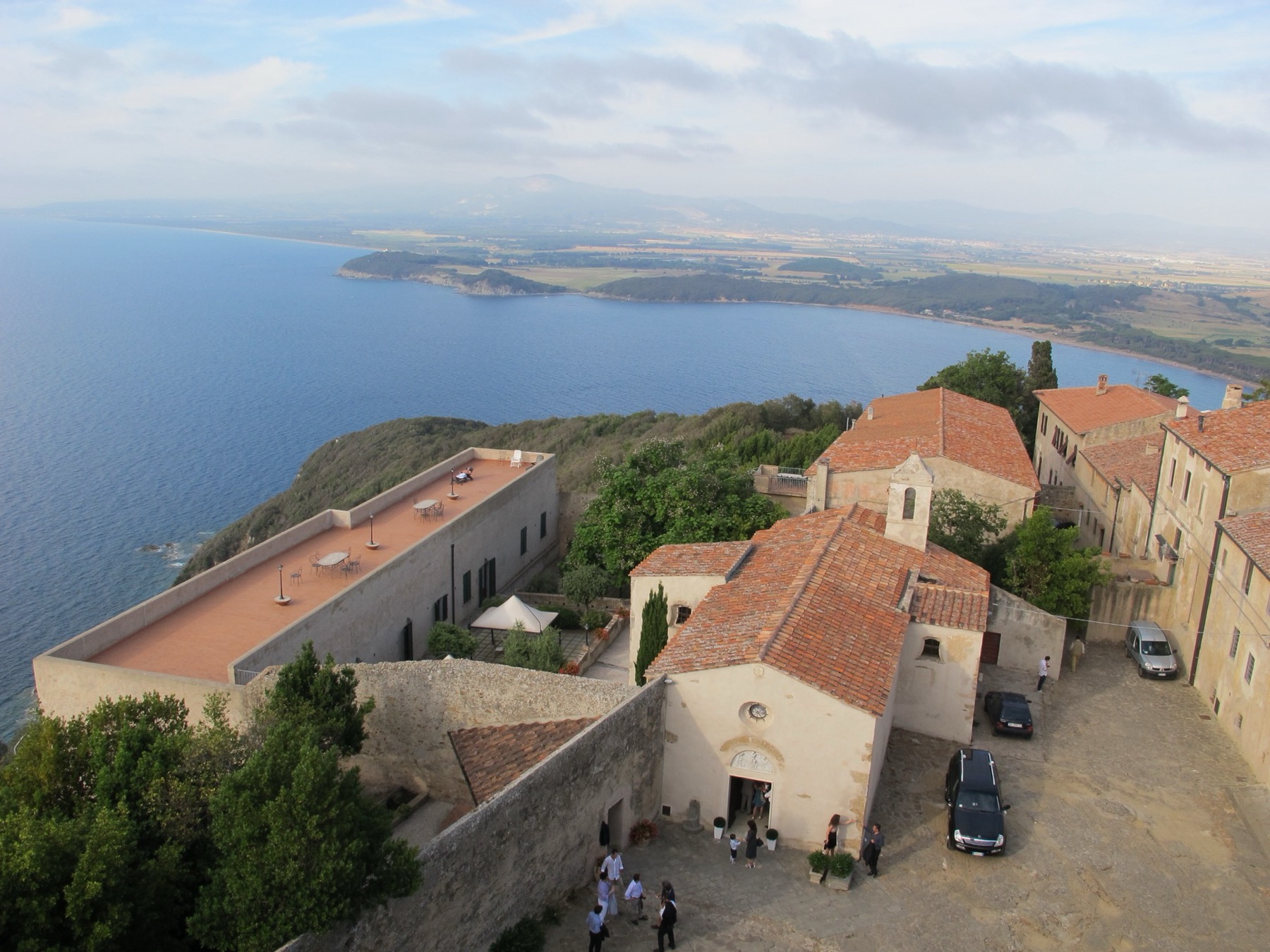
16. Populonia
This location is completely unique, because it’s the only Etruscan town built right on the coast, looking down from a cliff onto the gorgeous Baratti bay. Populonia functioned as a key industrial centre of antiquity, where iron ore shipped from the nearby island of Elba was processed on a large scale.
Today, all that remains of its former glory is a small but immensely charming fortified village with a 15th-century castle, lined with little shops selling ceramics and souvenirs. The main attraction, though, is the sprawling archaeological park below the hill, full of monumental Etruscan tombs hidden in the dense Mediterranean forest.
The view from the castle tower in Populonia is among the very finest on the entire Tuscan coast, especially when the sun catches the blue waters of the bay. The access road up is fairly narrow, and the car park in front of the walls fills up quickly in the summer months, so it’s ideal to arrive first thing in the morning.
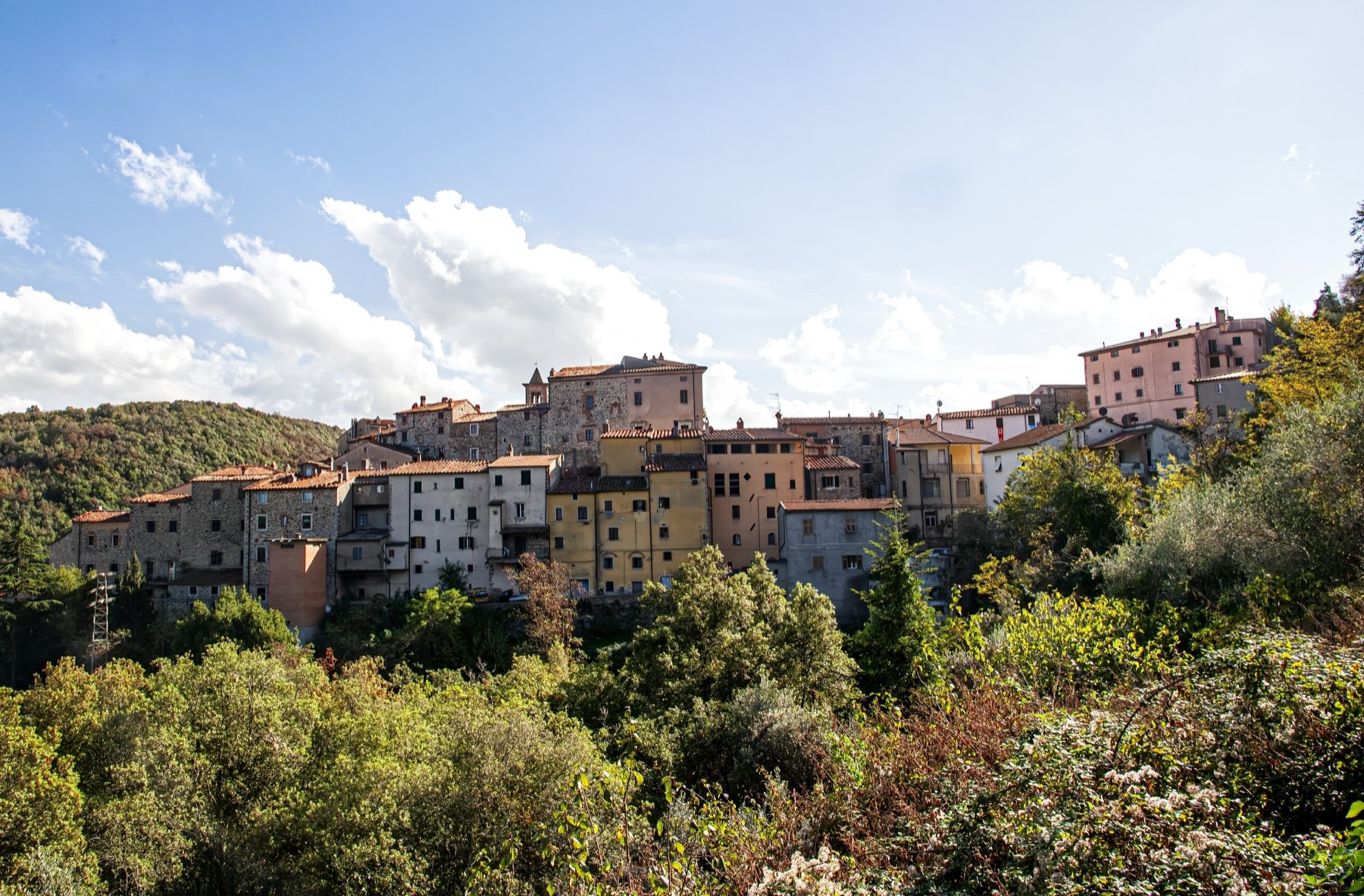
17. Sassetta
The newest addition to the Orange Flags list, which only earned this certification in July 2023, is tucked deep in the forests of the Val di Cornia valley. Sassetta is a small, unassuming village built of bare stone that lives at its own tranquil pace, far from the bustle of the beach.
This town became famous above all for its wonderful natural thermal springs, which rise in the surrounding forests and offer perfect relaxation amid pristine nature. The village lanes themselves are lined with modern sculptures carved from the local red marble, placed here each year by artists from all over the world during summer symposia.
If you’re looking for a place where time has stood still and utter peace reigns, Sassetta will surely delight you with its unpretentious warmth and the friendliness of the locals. A dense network of trekking trails also runs around the village, leading you through thick oak forests and offering unexpected views over the valley.
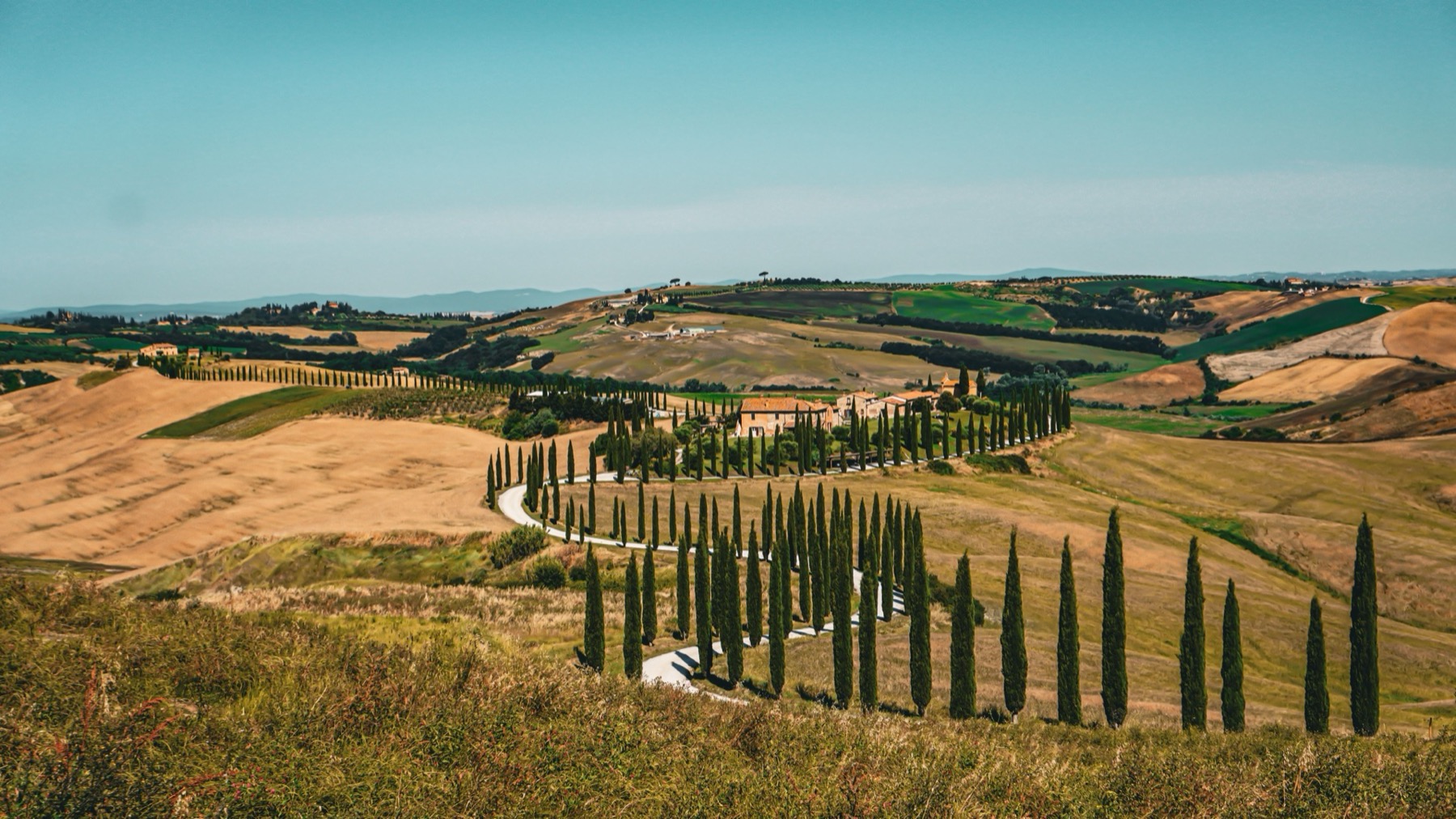
Between Siena and Val d’Orcia
The area south of Florence, towards Siena and the famous Val d’Orcia valley, is the embodiment of the Tuscan landscape from postcards and cinema screens. These towns lived off trade and religious pilgrimages, which gave them a unique architectural character and a rich culture.
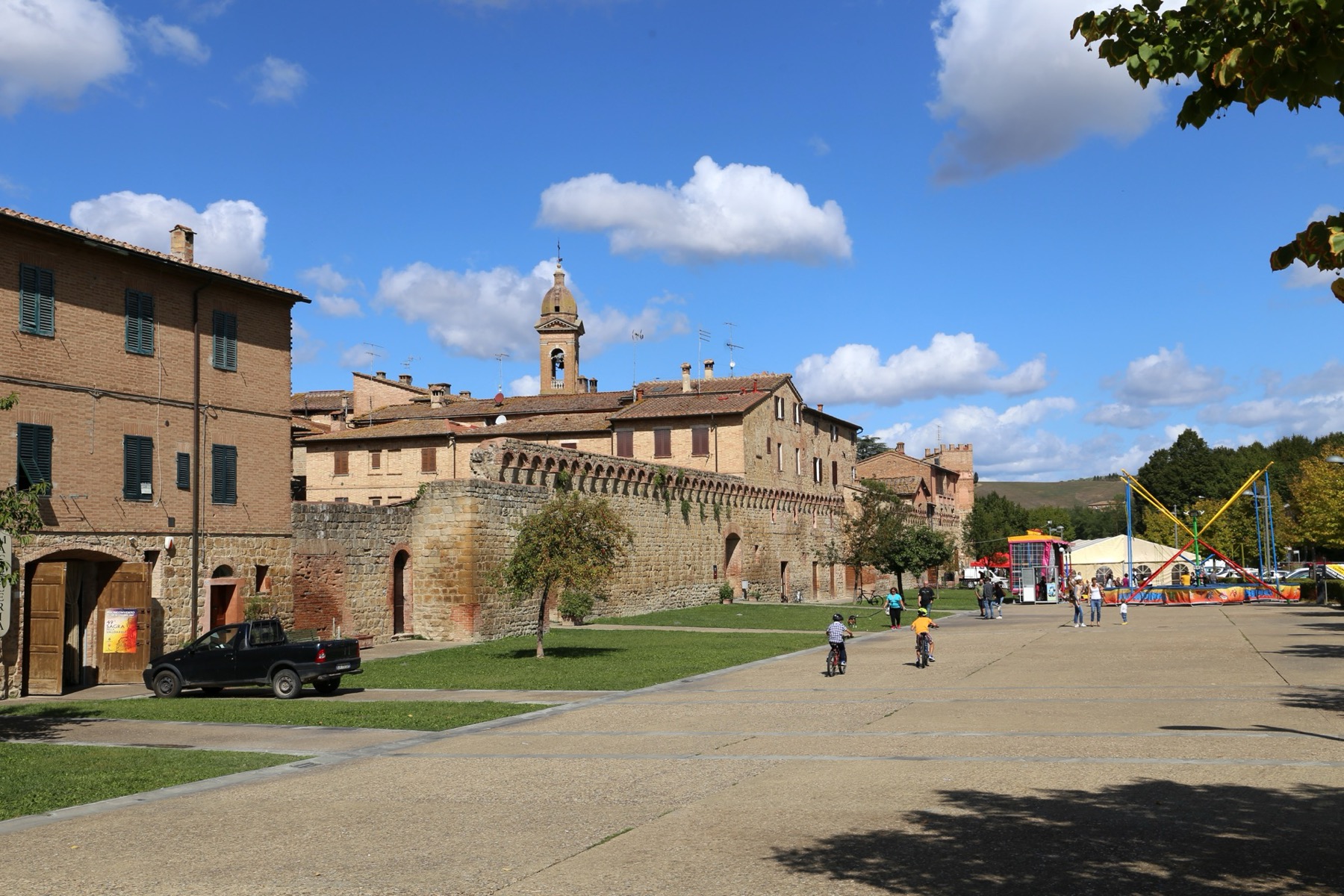
18. Buonconvento
This town, whose name translates as “happy place”, unusually lies on completely flat ground in the valley of the River Ombrone south of majestic Siena. Buonconvento was an immensely important stop on the medieval pilgrimage route Via Francigena, along which crowds of the faithful streamed from northern Europe all the way to Rome.
The entire historic core is perfectly enclosed within well-preserved brick walls with two main gates, which still keep their original defensive character. Inside you’ll find pleasant, level lanes with brick palaces and a museum of sacred art, which holds rare works of the Sienese school of painting.
A huge advantage of this place is that, unlike most Tuscan villages, you can reach it comfortably by train, since it lies right on a regional railway line. It’s an ideal starting point for cycling trips through the flat surroundings, where you don’t have to struggle with demanding climbs up steep hills.
19. Monteriggioni
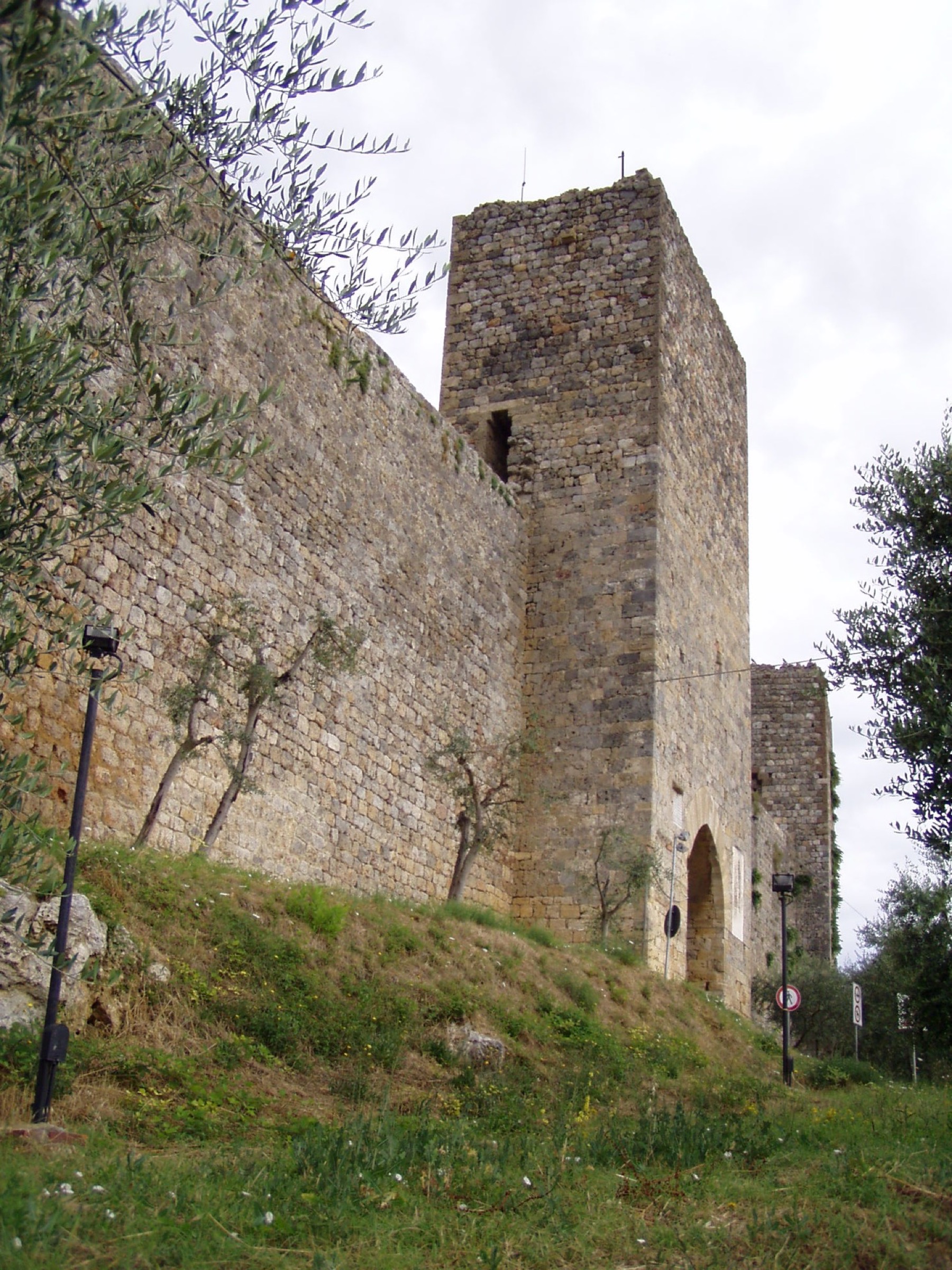
As you approach Monteriggioni, you’ll feel as though a perfect film set had sprung up in front of you, because its circular walls with fourteen towers look utterly unreal. This fortress town was built by the Sienese state as a military outpost against its age-old rival, Florence.
Its walls were so imposing in their day that the great poet Dante Alighieri, in his Divine Comedy, compared them to giants standing on the edge of the abyss of hell. Inside the fortifications you’ll find just one main little square, a small church and a few houses, so touring the centre itself will take you barely half an hour.
I definitely recommend paying to walk the rampart walkway, though, from where you get an unforgettable view over the surrounding landscape full of cypress avenues and vineyards. Monteriggioni tends to get heavily crowded with tourists during the day, so it’s best to visit either early in the morning or, conversely, towards evening, when it takes on a wonderfully mystical atmosphere.
The peninsula and islands in the south
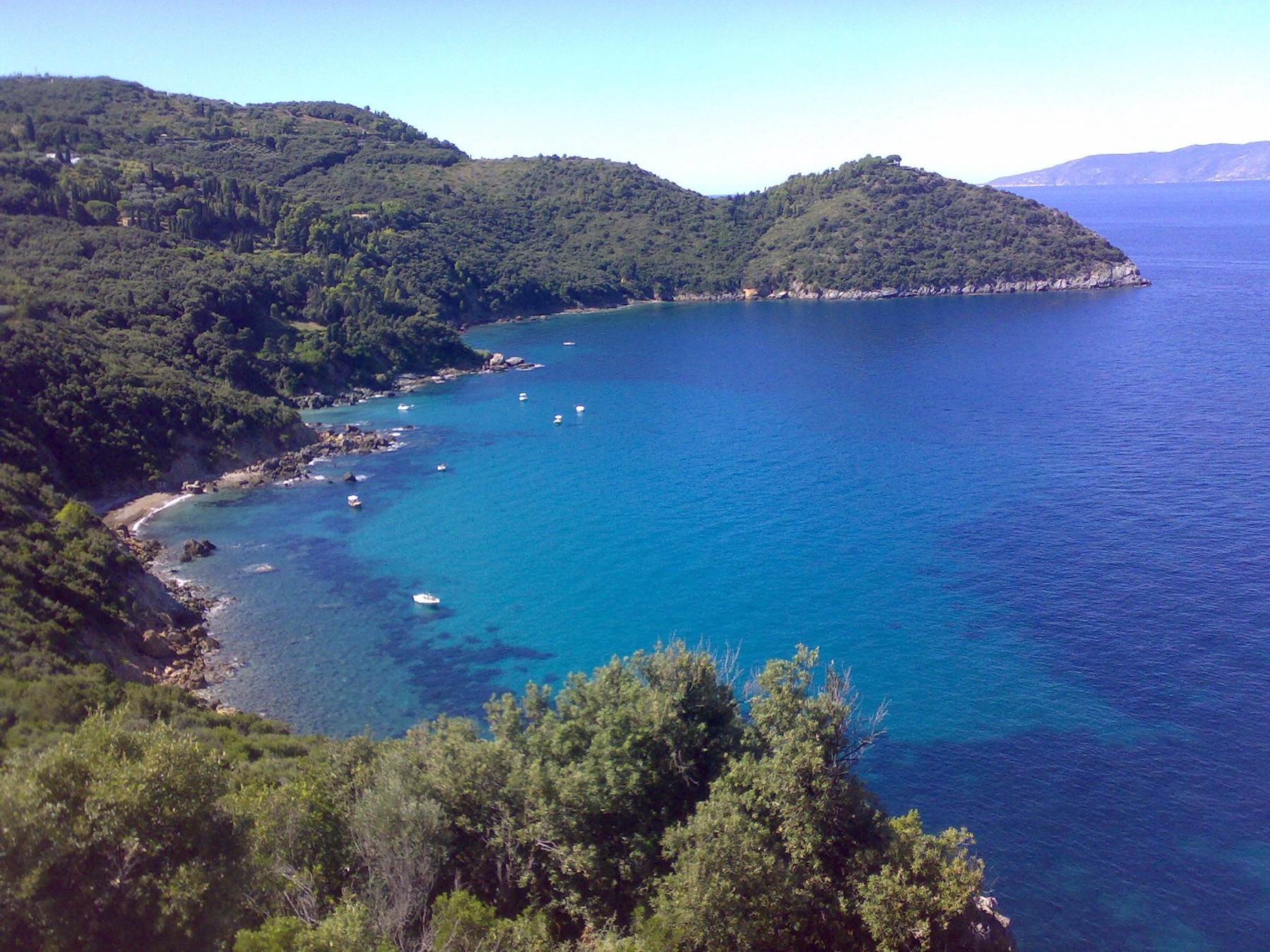
This area in the province of Grosseto is closely tied to the sea, lagoons and maritime history, and offers a completely different take on Tuscany from the one you know inland. The combination of fortresses, harbours and wild nature makes it an immensely attractive destination for both summer and autumn exploring.
20. Capalbio
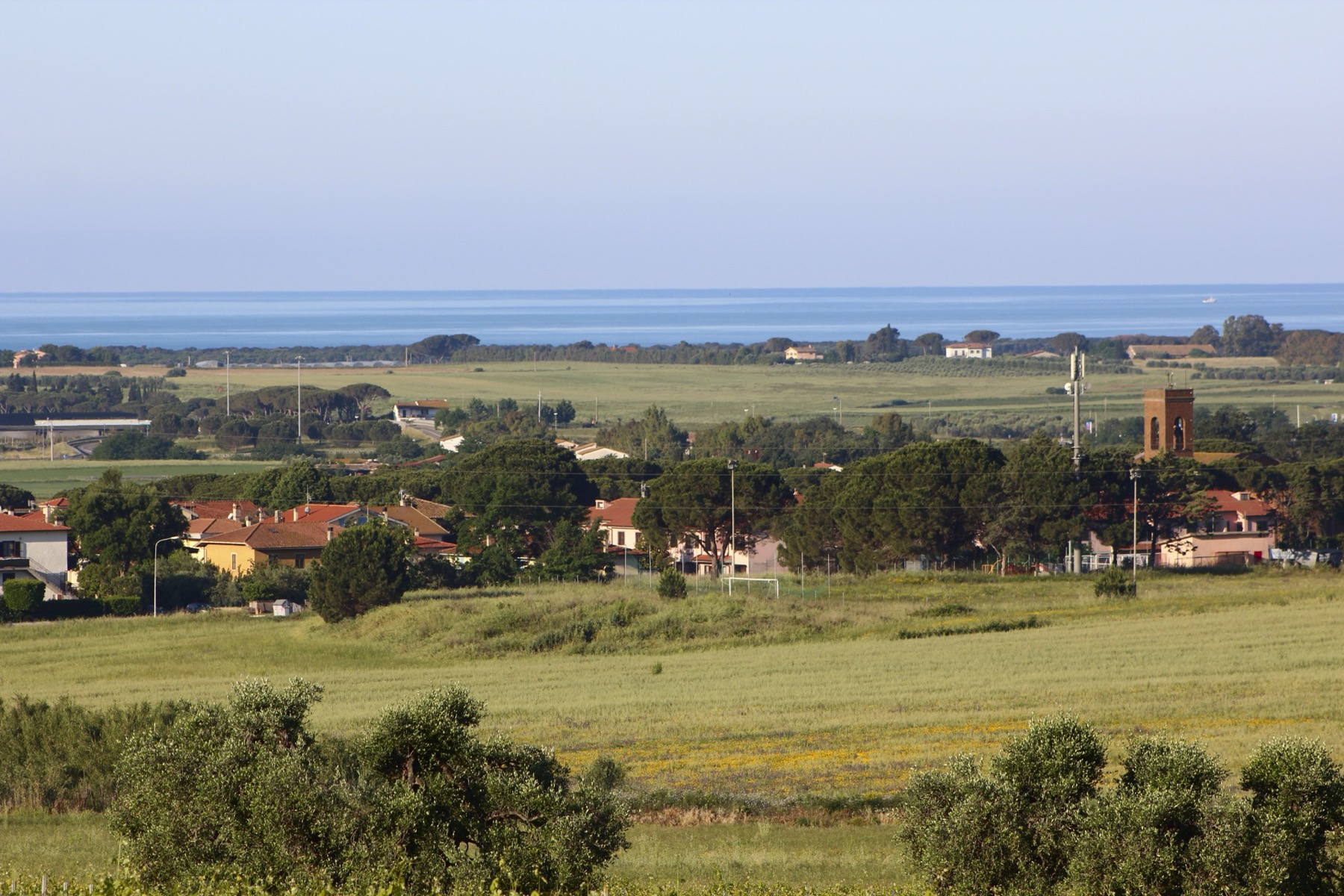
At the very southern tip of the region, just a short way from the border with Lazio, Capalbio rises on a hill, nicknamed Little Athens for its historic and artistic importance. The town is ringed by a double belt of walls that you can comfortably stroll along, enjoying views all the way to the nearby coast and the vast Orbetello lagoon.
In the maze of narrow lanes you’ll find the mighty Rocca Aldobrandesca fortress and ancient churches, witnesses to the long and turbulent history of this borderland. The atmosphere here is popular among the Italian intelligentsia and artists, who come to spend the summer months here, far from the crowded resorts.
Not far from the centre lies the famous and hugely eye-catching Tarot Garden, created by the French artist Niki de Saint Phalle and full of colourful mosaic sculptures. Medieval lanes in the morning, a wild beach in the afternoon. For a long weekend that doesn’t sound bad at all. 😁
21. Porto Ercole
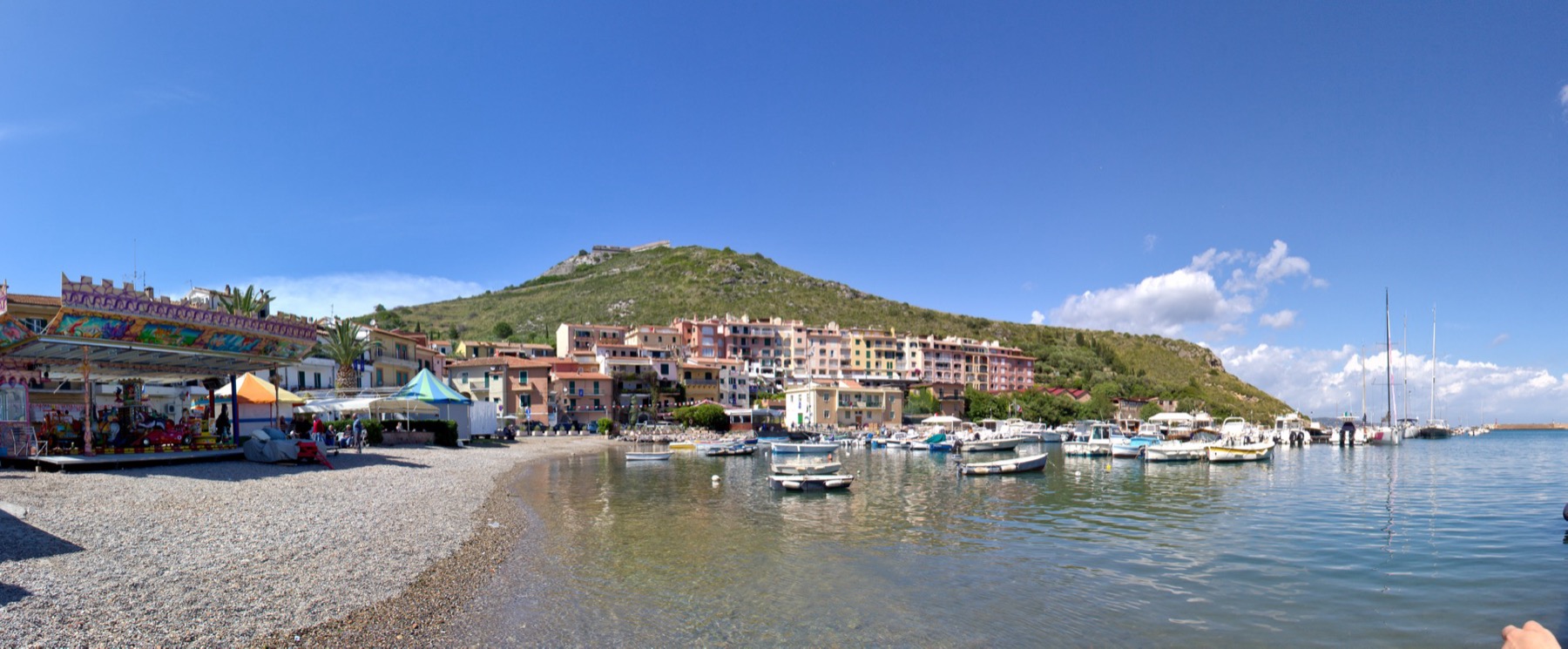
This picturesque fishing village lies on the eastern coast of the fascinating Monte Argentario peninsula, which was once an island before sand dunes joined it to the mainland. Porto Ercole spreads across a sheltered bay and is surrounded by three mighty Spanish fortresses, which protected the harbour from pirate raids.
A walk along the harbour promenade takes you past luxury yachts and old fishing boats alike, while the historic centre climbs steeply up the hill above the water. The lanes here are full of colourful houses and flowers, and at every turn you come across superb little cafés, where the locals enjoy their afternoon peace.
Interestingly, the famous painter Caravaggio spent his final days in this town, arriving here exhausted and ill while on the run from the law. The peninsula is easy to reach by car across the causeway, and if you love dramatic coastal scenery, be sure to drive the whole scenic road around the cliffs.
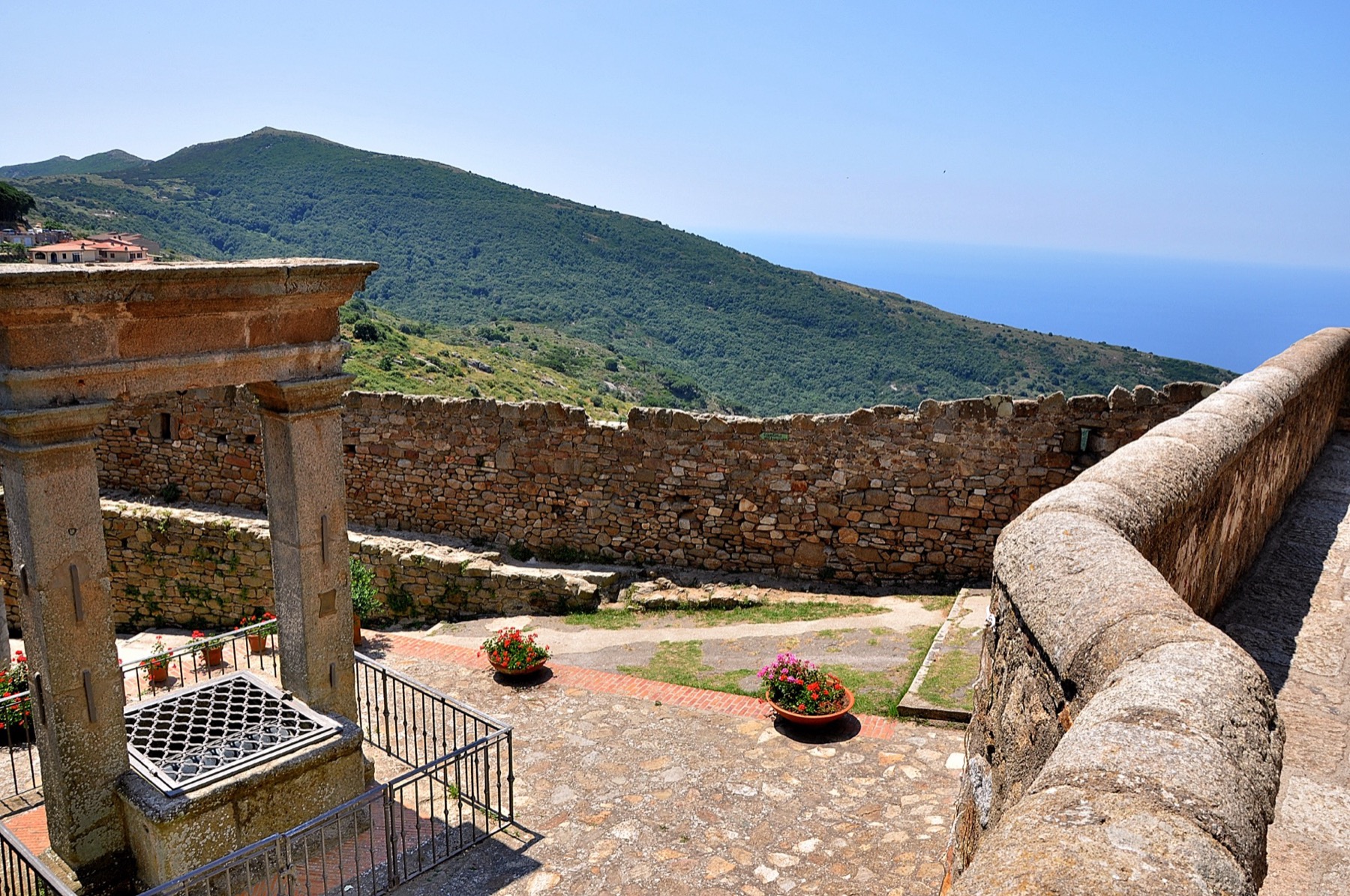
22. Giglio Castello
The last certified gem is Giglio Castello, which sits enthroned at the very summit of the island of Giglio in the Tuscan Archipelago. This impregnable settlement is completely enclosed by massive walls with defensive towers, which in the past successfully protected it from the frequent attacks of Saracen corsairs.
Inside, a fascinating network of dark lanes, staircases and unexpected passages beneath the houses awaits you, where you’ll happily get lost for hours. From the highest points of the village a breathtaking panoramic view over the endless blue sea opens up, and on a clear day you can see all the way to the neighbouring island of Elba.
To get here you have to take the regular ferry from the port of Porto Santo Stefano and then climb the winding road by bus or car up to the top of the island. It’s a destination for true lovers of peace and island romance, one that will completely disarm you with its isolated beauty.
How to put together a trip
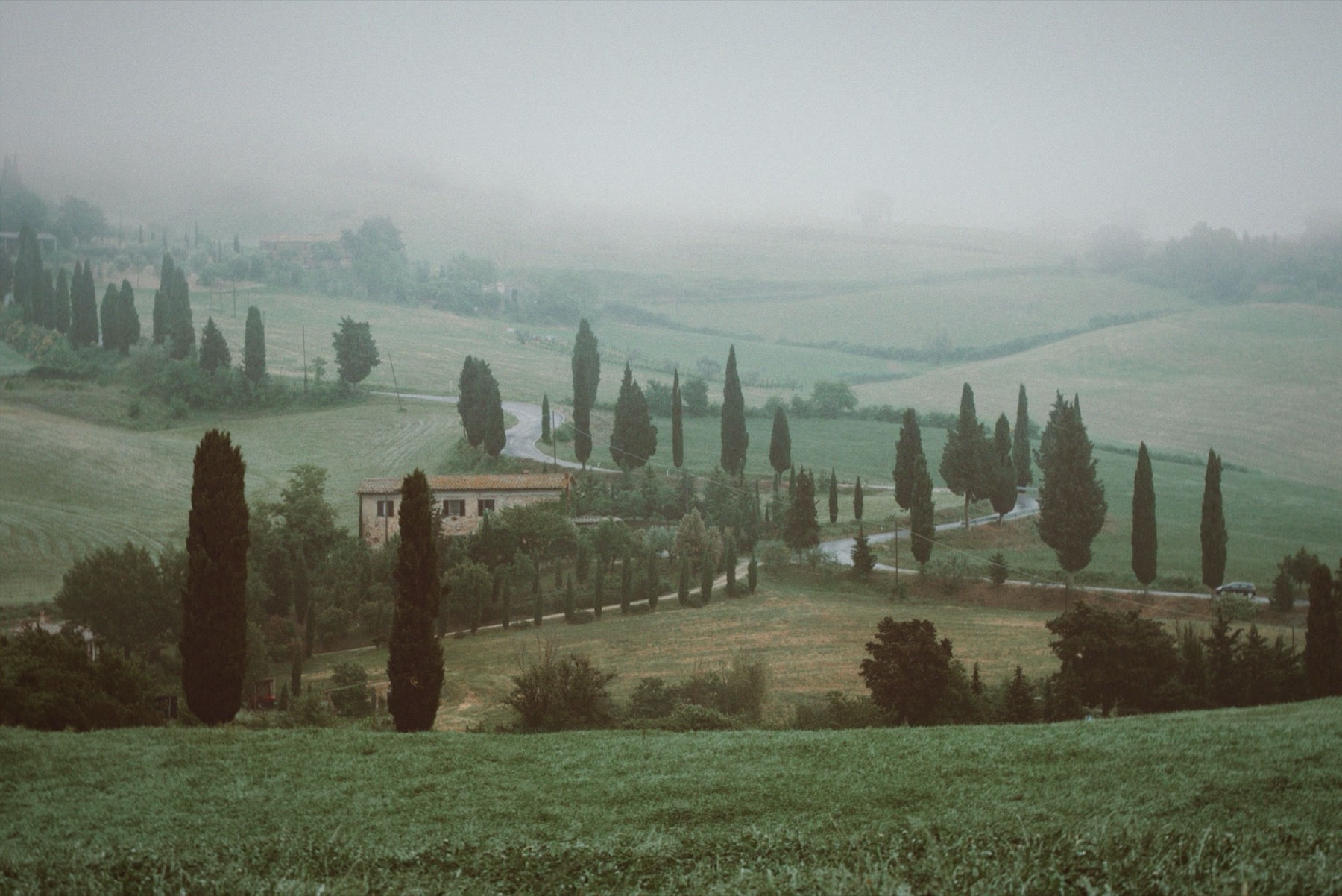
If you’re planning a road trip through these picturesque places, the golden rule is: don’t rush and don’t put more than two towns a day in your itinerary. Drives along Tuscany’s back roads are slow and full of bends, so your real average speed is very low and you’ll spend a lot of time just hunting for parking.
Bear in mind that almost all historic centres have so-called ZTL zones (Zona Traffico Limitato), where entry without a permit is strictly forbidden and monitored by cameras. You always have to leave the car in the marked car parks below the walls, which often means a subsequent climb up a steep hill with a backpack on your shoulders.
For the best experience, set off exploring early in the morning or, conversely, late in the afternoon, when the stone lanes have the loveliest soft light ideal for photography. Around midday, everything in the small towns tends to be closed for siesta, so it’s better to find some shade at that time and enjoy a long Italian lunch at your leisure.
When to go
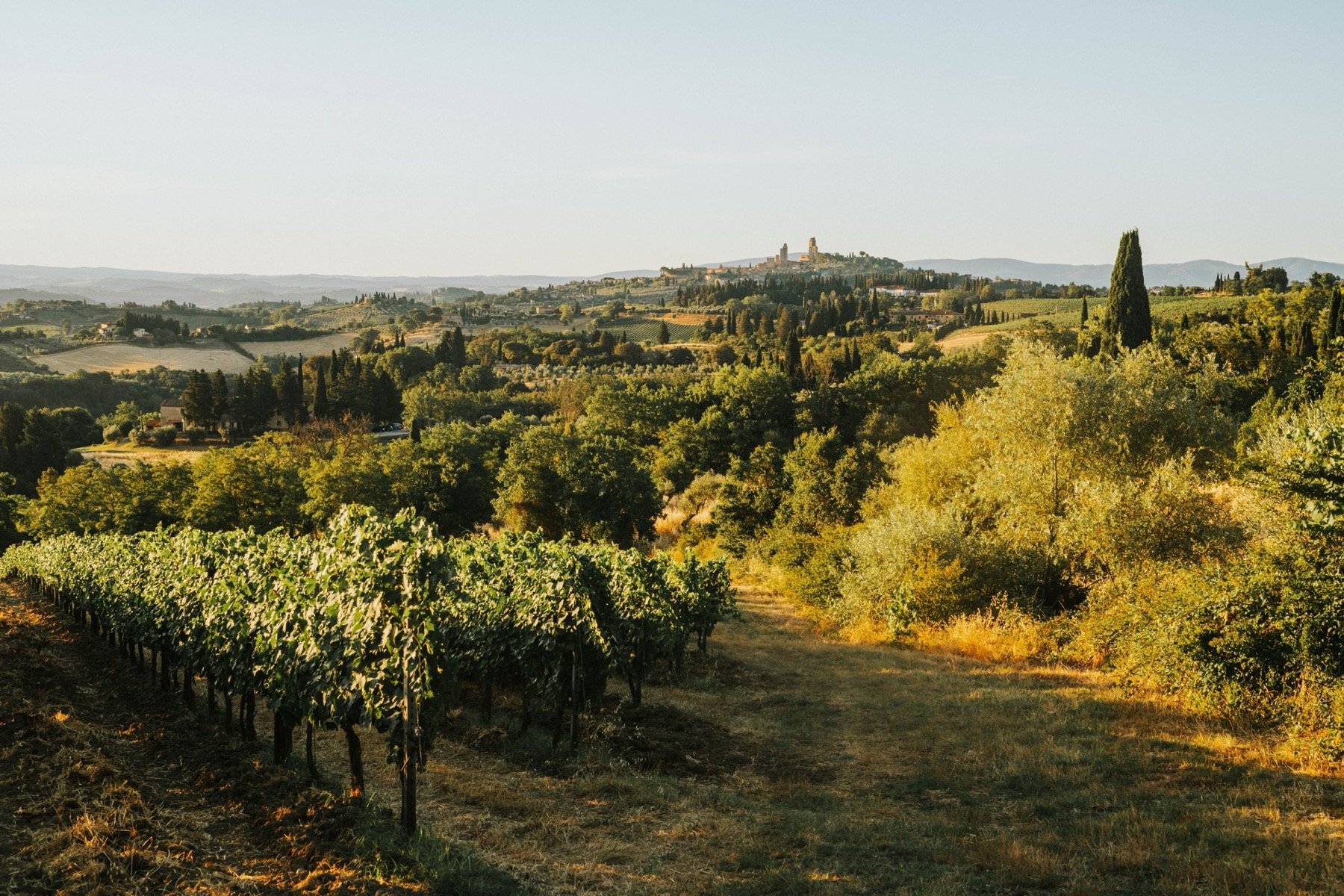
Although Italy is a popular summer destination, for visiting inland historic towns the months of July and August are the worst possible choice, because an unbearable, stuffy heat lingers in the stone streets. The ideal time is April to June, when the whole landscape blooms beautifully and temperatures are very pleasant for a full day of walking along walls and around monuments.
An absolutely magical time is autumn, specifically September and October, when the vineyards turn red and the grape and olive harvests are under way. Especially in the Casentino and Garfagnana areas, this is when traditional mushroom and chestnut festivals take place, giving the villages an incredibly authentic and festive atmosphere.
Where to stay
💡 Tip for accommodation and experiences: We prefer to look for accommodation on Booking.com, where the cancellation terms tend to be the best. For tickets, tours and activities it then pays to compare and book through GetYourGuide.
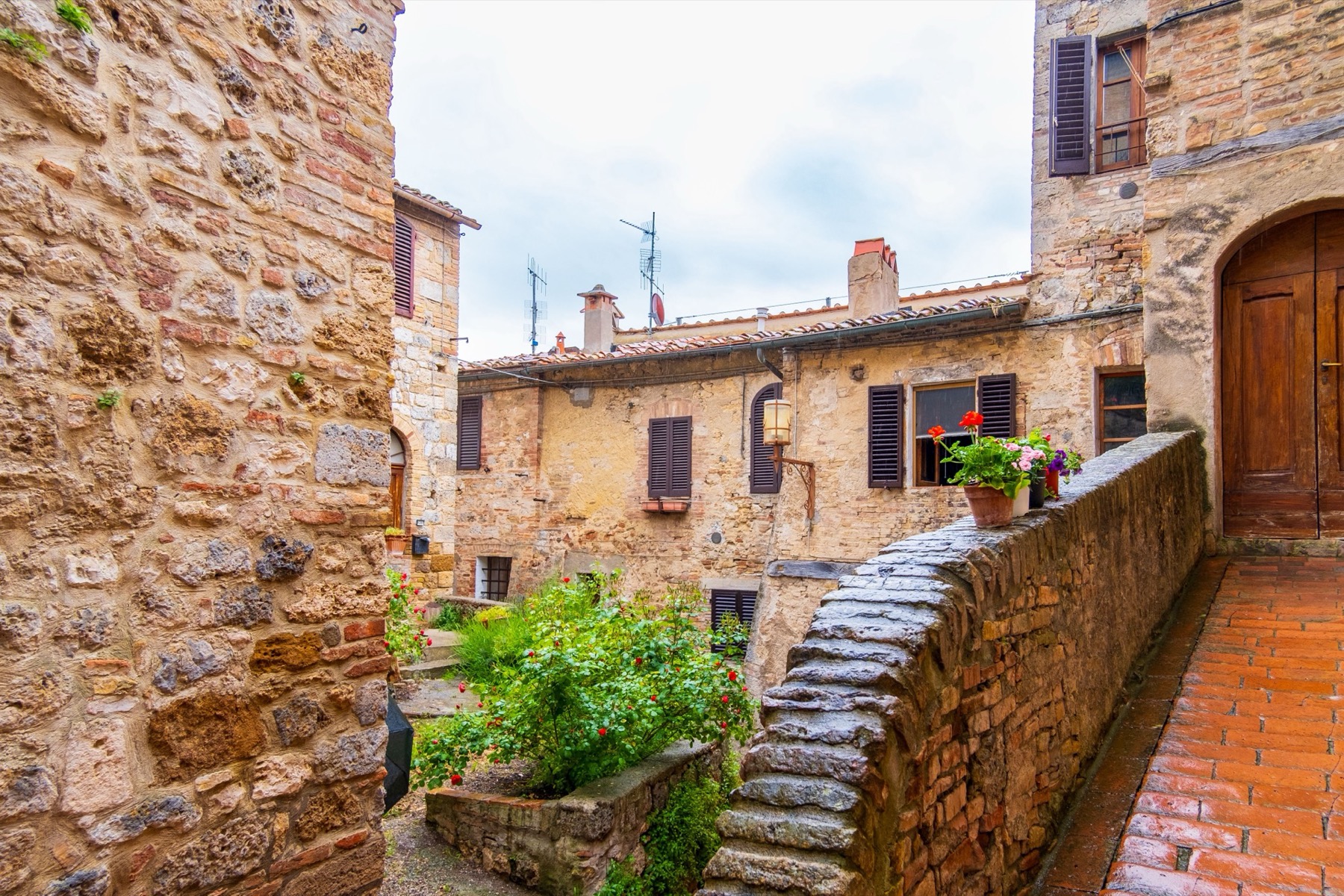
Choosing the right base is key to exploring Tuscany, so I’d recommend picking accommodation somewhere out in the countryside, from which you can make day trips in a star pattern. If you’re heading to the Chianti area, the town of Greve in Chianti is a strategic choice, while for exploring the south and the tuff towns the area around the thermal springs in Saturnia or Manciano is ideal.
For the northern mountainous areas of Garfagnana it’s best to base yourself right in Lucca, from where you have easy access to the mountains and the motorway, and for exploring the surroundings of Siena and Val d’Orcia, look for a place to stay somewhere south of Monteriggioni. Tuscany is renowned for its wonderful country estates and renovated farmhouses, which often offer a far better experience than classic city hotels. For the Chianti area, a great choice is Hotel Belvedere in Greve in Chianti, which offers a fantastic view of the vineyards. If you’re exploring the tuff towns in the south, try Relais Ciavatta a short drive from Montemerano, where you’ll enjoy the true Tuscan countryside. And for northern Garfagnana, Locanda Al Colle near Lucca fits the bill wonderfully.
If you’re not sure how to choose the right agriturismo (and there are plenty of traps here 😅), we’ve written a detailed guide for you with specific tips and rough prices. If you’re travelling in a larger group of friends or with extended family, consider renting a whole property, for which our overview of villas with a pool will come in handy — in summer they provide absolutely perfect privacy and comfort.
Where to eat and what to try
Tuscan cuisine is famous for its meaty dishes, led by the giant Florentine bistecca steak and wild boar products, but Lukáš and I prefer the local plant-based specialities, of which there’s thankfully an endless supply here. The absolute basics are quality first-press olive oil, drizzled generously over pretty much everything, and excellent pecorino sheep’s cheese, which matures in many different forms and stages.
Wandering the lanes, you’re sure to come across traditional peasant soups like ribollita, made with black cabbage and beans, or the thick bread-based pappa al pomodoro with tomatoes and garlic. It’s best to ask in the restaurant straight away — stock gets added in different ways here, and finding out halfway through your bowl is a classic. 😅 If you’re after specific spots, they make fantastic ribollita, for example, at Osteria delle Catene in San Gimignano.
In the southern parts of the region don’t miss the homemade pici pasta, which resembles thick spaghetti and tastes superb with just a simple garlic and tomato sauce — they do great pici, for instance, at La Cantina in Greve in Chianti. Meanwhile, the refreshing bread salad panzanella is an ideal choice for hot summer days. Up north in the mountainous Garfagnana area, you then simply must try the sweets made from chestnut flour, above all the traditional necci pancakes filled with fresh ricotta sheep’s curd, often prepared during the autumn festivals.
Where to go next
- Tuscany: the 30 most beautiful places and a 7-day itinerary
- Tuscany by car: a 7-day itinerary
- Volterra: 18 tips on what to see in the Etruscan alabaster town
- Siena and San Gimignano: 8 tips on what to see
- Weather in Tuscany: temperatures by month and when to go
- Lucca: 22 tips on what to see and why to cycle the walls
Frequently asked questions
Planning a trip through the Tuscan countryside comes with plenty of practical questions. So you don’t have to trawl through various forums and discussions, I’ve summed up the answers to the most common queries about these towns.
Which Tuscan town is the most beautiful?
Rating beauty is of course very subjective, but thanks to certifications like I Borghi più belli d’Italia you have a guarantee of quality. Tuscany boasts the highest number of award-winning municipalities in all of Italy, so whether you choose breathtaking Pitigliano or picturesque Anghiari, you definitely won’t go wrong.
How many towns can I fit into one day?
Realistically, I recommend planning a maximum of two places per day, so you have enough time for a relaxed visit and lunch. Journeys on country roads tend to be slow, the roads wind quite a bit, and you also need to factor in time spent looking for parking below the town walls.
Is it possible to travel around Tuscany without a car?
Unfortunately, most smaller historic towns are difficult to reach without your own vehicle. However, there are pleasant exceptions like Barga, which you can reach by bus from Lucca, or the towns of Buonconvento and Poppi, which are located directly on train lines and are thus great destinations for travellers relying on public transport.
Where should I park near the towns?
Almost all historic centres in the region have strict limited traffic zones (ZTL), where only residents are allowed. In most cases, you’ll have to leave your car in designated parking areas located outside the walls, and walk the rest of the way uphill on foot.
Which place is the least affected by tourism?
If you crave absolute peace and want to avoid the crowds, head to the mountainous areas in the north and east of the region. Remote settlements like Raggiolo, Montescudaio or Palazzuolo sul Senio still retain their sleepy and authentic atmosphere, which you can only dream of in overrun San Gimignano.
What exactly does the Bandiera Arancione certification mean?
It’s a prestigious award granted by the Italian Touring Club to selected inland municipalities as a guarantee of high quality. The assessors evaluate not only the preservation of historical heritage and care for the environment, but also the standard of local gastronomy and overall hospitality towards visitors.
When is the best time to visit Tuscany?
For exploring the stone towns, spring (April to June) and autumn (September and October) are ideal, when the temperatures are very pleasant and nature displays all its colours. In July and August, on the other hand, expect oppressive heat and crowds of tourists, which can make walks through the narrow streets considerably less pleasant.
Tips and Tricks for Your Vacation
Don’t Overpay for Flights
Search for flights on Kayak. It’s our favorite search engine because it scans the websites of all airlines and always finds the cheapest connection.
Book Your Accommodation Smartly
The best experiences we’ve had when looking for accommodation (from Alaska to Morocco) are with Booking.com, where hotels, apartments, and entire houses are usually the cheapest and most widely available.
 🚗 Car rental on the roadVerified car rentals in Tuscany
Search with the DiscoverCars comparison engine — it compares prices from dozens of local and international rental companies, and most bookings come with free cancellation.
Compare car prices in Tuscany →Don’t Forget Travel Insurance
Good travel insurance will protect you against illness, accidents, theft, or flight cancellations. We’ve had a few hospital visits abroad, so we know how important it is to have proper insurance arranged.
Where we insure ourselves: SafetyWing (simple monthly subscription) and TrueTraveller (for extra-long trips).
Find the Best Experiences
Get Your Guide is a huge online marketplace where you can book guided walks, trips, skip-the-line tickets, tours, and much more. We always find some extra fun there!