If you’re looking for a European capital without tourist crowds, Vilnius will definitely captivate you. The historic center of Vilnius has been listed as a UNESCO site since 1994 and is one of the largest preserved old towns in Eastern Europe.
Although the beauty of the local baroque streets easily rivals Prague or nearby Krakow, crowds are fortunately absent here. Even on the warmest August days, you’ll regularly find yourself photographing empty squares without a single person, which is quite a luxury in Europe these days. ☺️
On top of that, it’s one of the most affordable Baltic capitals for food and accommodation, so you can enjoy a wonderful long weekend without breaking the bank. Let’s dive into a detailed guide full of interesting places so you won’t miss any of the most beautiful corners.
Summary for those who don’t have time to read the entire article
- Best view: Definitely from Gediminas Hill, which you can reach by funicular, and the panoramic view of the city itself is completely free.
- Biggest curiosity: The independent bohemian republic of Užupis, which has its own flag and constitution displayed on the wall in multiple languages, including Czech.
- Most powerful experience: Visiting the Museum of Occupations and Freedom Fights, which is housed in the former dreaded KGB building.
- Money and payment: Lithuania has been using the regular euro since 2015, so you don’t need to worry about currency exchange or complicated rate calculations.
- Local cuisine: You absolutely must try the famous meatless soup šaltibarščiai, which has a bright pink color.
The full destination guide: Europe — guide and what to see
When to visit Vilnius
The city offers the most beautiful atmosphere and warmest weather from May to the end of September, when all the outdoor terraces come to life and numerous cultural festivals take place. During summer, the weather is most pleasant for long evening walks, as temperatures stay at very comfortable levels and the sun sets late in the evening. Even so, you may occasionally be surprised by quick showers, so packing a small umbrella or light raincoat in your backpack will definitely pay off. These months are also the ideal time for exploring the surrounding nature and outdoor markets.
If you love winter and mulled wine instead, head here in December for the stunning Christmas markets. The local massive Christmas tree is regularly ranked among the most photogenic in all of Europe, and the festively lit Cathedral Square has an unforgettable magical charm under a thick layer of snow. It’s the ideal period for those of you seeking genuine holiday romance without the commercial pressure of Western capitals. Winter here is harsh, but the city is well prepared for it with plenty of cozy cafés.
The months from January to March are the most affordable price-wise, but you need to expect proper cold weather in the north and very early darkness. During this freezing period, I recommend packing really warm functional clothing and planning more visits to interesting indoor exhibitions. On the other hand, you’ll have all the famous museums and stunning galleries practically to yourself, which will be appreciated especially by lovers of peace and slow travel.
Where to stay in Vilnius
The city is very compact and you can get from the nearby airport to the center really quickly, so the best choice is to stay right in the historic core. This way you can easily explore all the main sights on foot and won’t waste time or money on public transport. Accommodation here is also much more affordable than in Western Europe, so you can treat yourself to a somewhat more luxurious hotel without guilt than you might choose elsewhere.
For lovers of refined design and history, the Artagonist Art Hotel is an excellent choice, located right on the main bustling pedestrian zone and boasting beautiful interiors full of contemporary art. If you’re looking for luxury in a historic palace instead, definitely check out the prestigious Hotel Pacai, which offers first-class services in the very heart of the old town. This five-star gem is housed in a baroque building and offers an exemplary harmony of history and modern comfort.
If you’re looking for a compromise between price and comfort, go for the Courtyard by Marriott Vilnius City Center, even though it’s a bit across the river. It offers beautiful views of the hill and excellent breakfasts. 💡 Tip: Don’t delay booking through Booking, as the best hotels tend to get fully booked very quickly during the summer season. More detailed information and tips can be found in our separate article about Where to stay in Vilnius.
💡 On this map you can compare what’s currently available — you’ll immediately see how much the price changes just a few blocks away.
22 things to see and do in Vilnius
Let’s take a look at the places you absolutely shouldn’t miss in Vilnius. I’ve prepared a very detailed list of 22 tips for you, from mysterious historic churches and modern glass galleries to hidden street corners.
1. Vilnius Cathedral and Cathedral Square
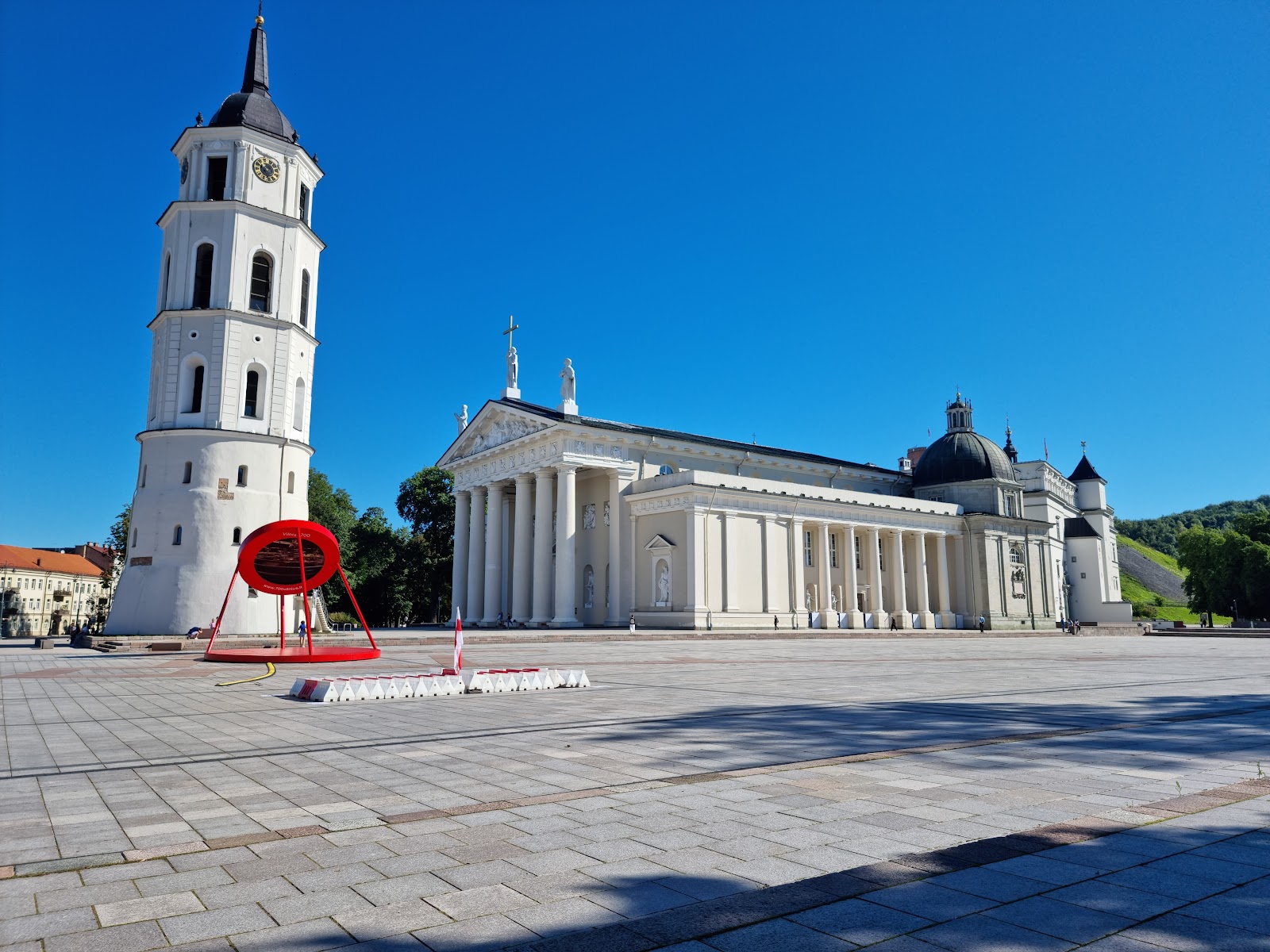
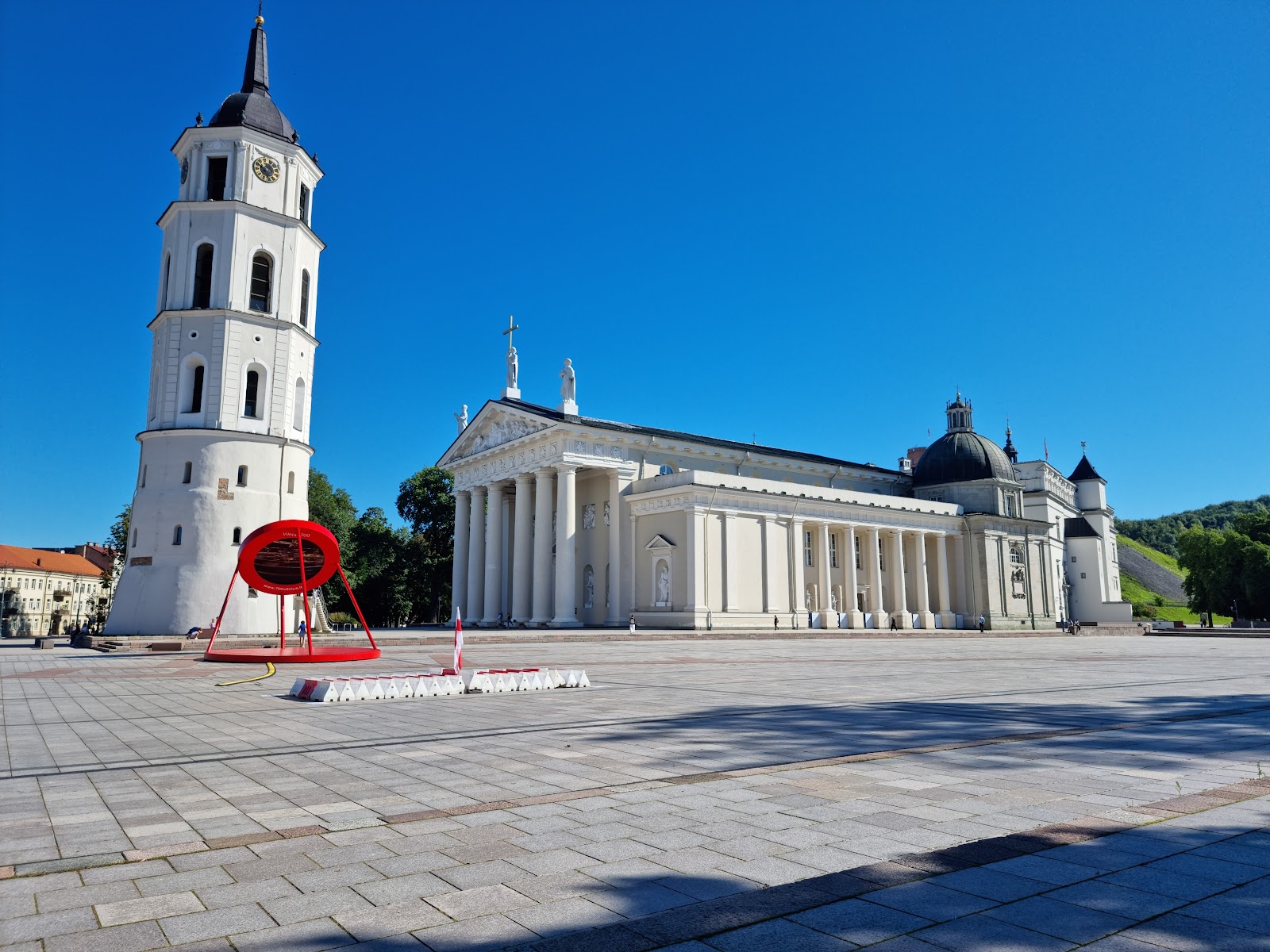
While walking through the old town, you simply can’t miss this massive neoclassical temple, which at first glance looks more like an ancient Greek temple than a traditional Catholic building. With an excellent score of 4.8 out of over 17,766 reviews on Google, it’s by far the highest-rated place in the entire city and the natural center of all activity. This is exactly where locals arrange to meet and where all life flows through.
Right in front of the majestic cathedral is a magical little tile called stebuklas (meaning miracle). It’s a very important reminder of the so-called Baltic Way from 1989, when more than two million people held hands to create a living human chain across the entire Baltic territory in protest against Soviet occupation. This event still evokes tremendous respect today, and the tile serves as a beautiful symbol of hope.
💡 Tip: Find this miraculous tile, step directly on it, spin around, and make a wish, because locals say it will definitely come true. Cathedral Square itself also has an excellent Google rating of 4.8 and is the ideal starting point for discovering all the other charming corners of this Baltic capital.
2. Cathedral bell tower and mysterious underground
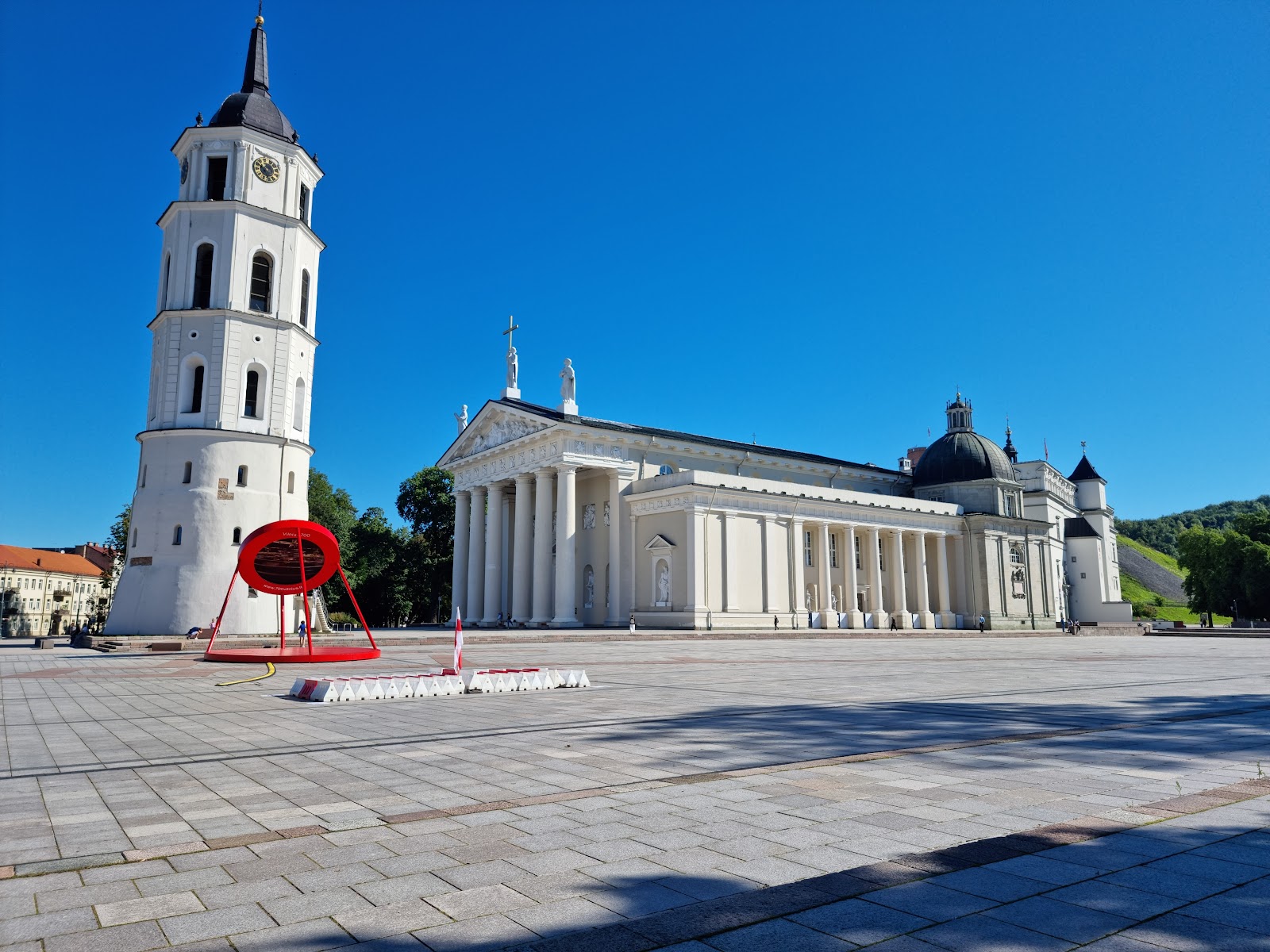
Right next to the main entrance to the temple stands a separate snow-white bell tower, which interestingly originally served as part of the city’s medieval defensive fortifications. You can climb the stairs all the way to the top and see the historic bells up close as well as a beautiful view of the entire adjacent square. Its unusual separation from the main building gives the whole space a very photogenic and unique appearance.
Even more interesting, however, are the ancient crypts hidden directly beneath the cathedral, where the most prominent Lithuanian rulers rest in silence. Although they have only a small sample of reviews online so far (around 4.9 out of barely twenty reviews), they definitely belong among the most mysterious places in the center. These fascinating underground spaces can only be visited with an organized tour, so it’s better to secure your tickets well in advance online.
3. Gediminas Tower and Hill
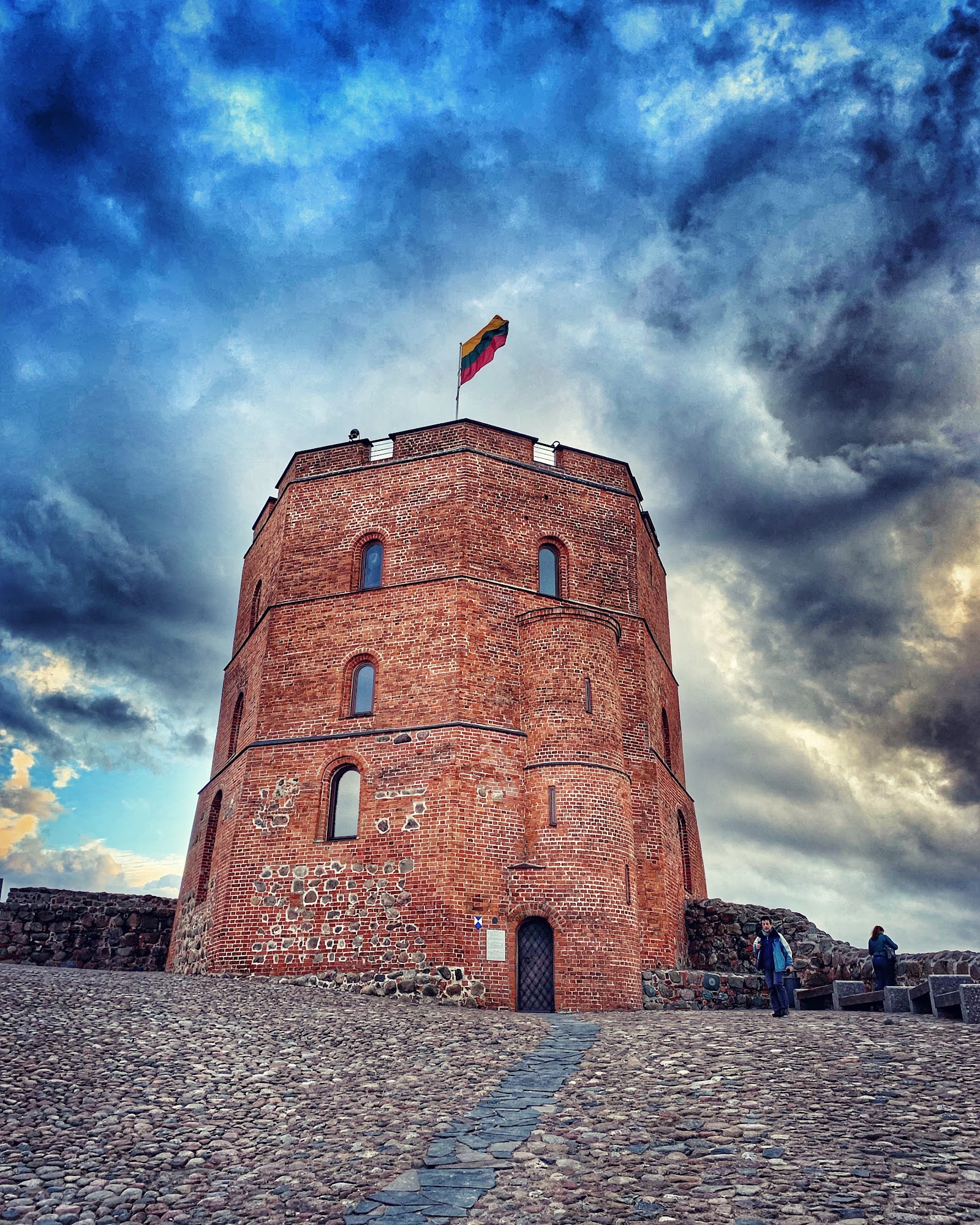
This iconic historic brick structure is the main and most famous symbol of the city, proudly towering high above the entire historic center and boasting a 4.7 rating. The hill has enormous historical significance because according to legend, Grand Duke Gediminas dreamed of an iron wolf here, which led him to establish the future Vilnius at this strategic location.
You can get to the top very comfortably via a modern funicular for €3 return or €2 one-way, which runs reliably daily from 10:00 to 20:00. Preschoolers, some students, and people with disabilities also have completely free funicular rides, which is a very nice bonus. If you want to save a bit and don’t mind a small hill, you can also walk to the top via an improved path.
The panoramic view from the hill over the entire city is completely free, which is great news for all travelers on a tighter budget. You only pay for entry to the historic tower itself, which costs a reasonable €8. Inside you’ll find a very interesting historical exhibition, and from the very top platform you’ll get that magnificent circular view far into the surroundings. 💡 Tip: Head here just before sunset, when the light is simply magical.
4. Palace of the Grand Dukes of Lithuania (Valdovų rūmai)
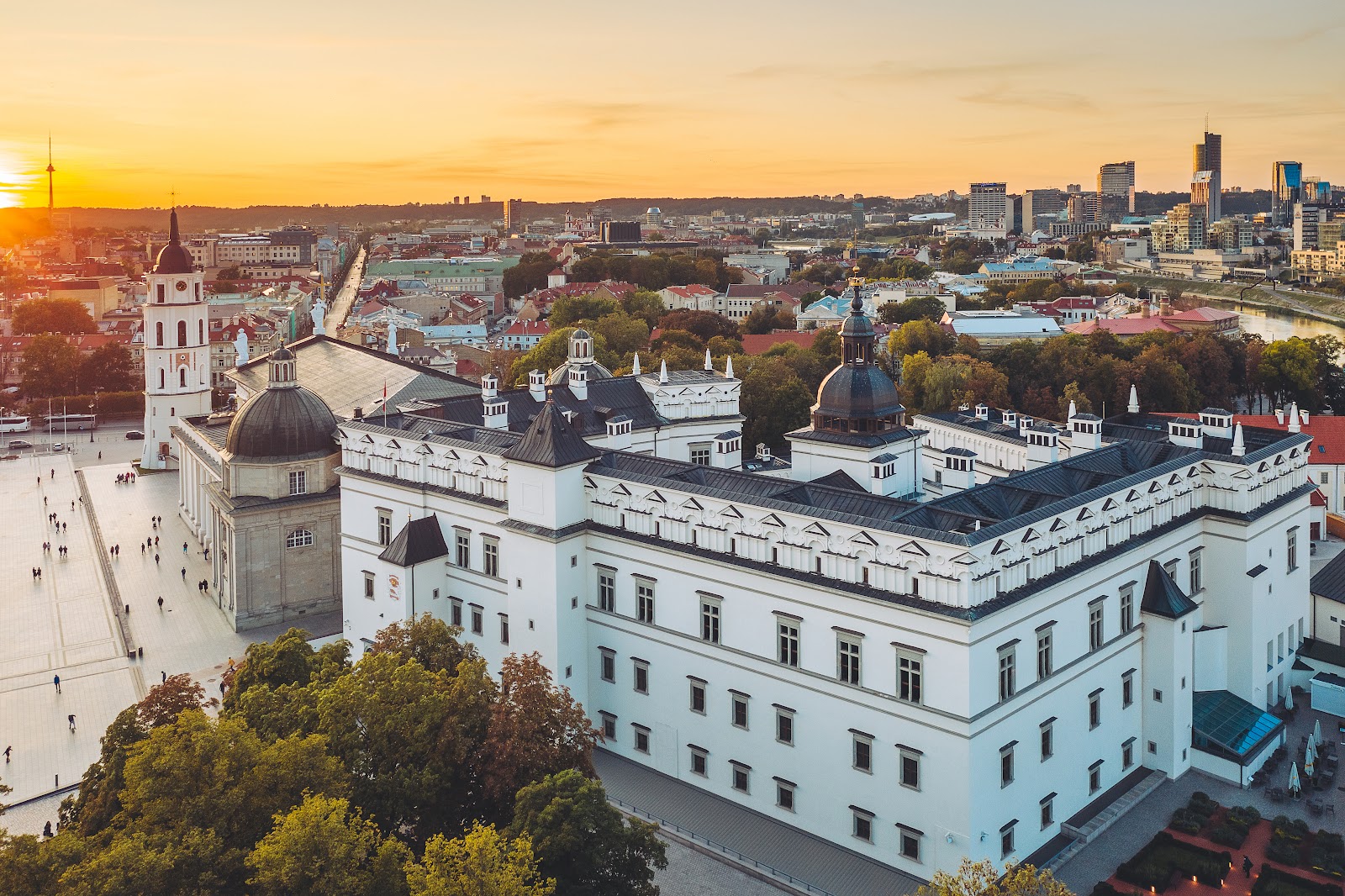
Right at the foot of the green Gediminas Hill stands this sprawling, meticulously reconstructed Renaissance palace that takes you on a captivating journey through the rich history of the Lithuanian state. With an excellent rating of 4.7 from nearly eight thousand visitors, it’s one of the best historical stops in the city. Adult tickets cost approximately 10 to 12 euros, but prices may vary slightly, so it’s always best to check the official website before your trip.
Families with children will definitely appreciate the discounted family admission, which works out to around 7 euros for one adult and 12 euros for two adults. Students and seniors pay a pleasant 3 to 4 euros, while the youngest children aged 3 to 7 cost just over one euro. Thanks to this pricing structure, exploring the huge complex definitely won’t break your wallet.
The most fascinating part of the entire palace complex is the basement, where you can explore the fascinating exposed archaeological layers of the original medieval settlement. It will take you at least two hours of pure time, so plan your visit well and calmly so you don’t have to rush through the exhibition unnecessarily.
5. St. Anne’s Church
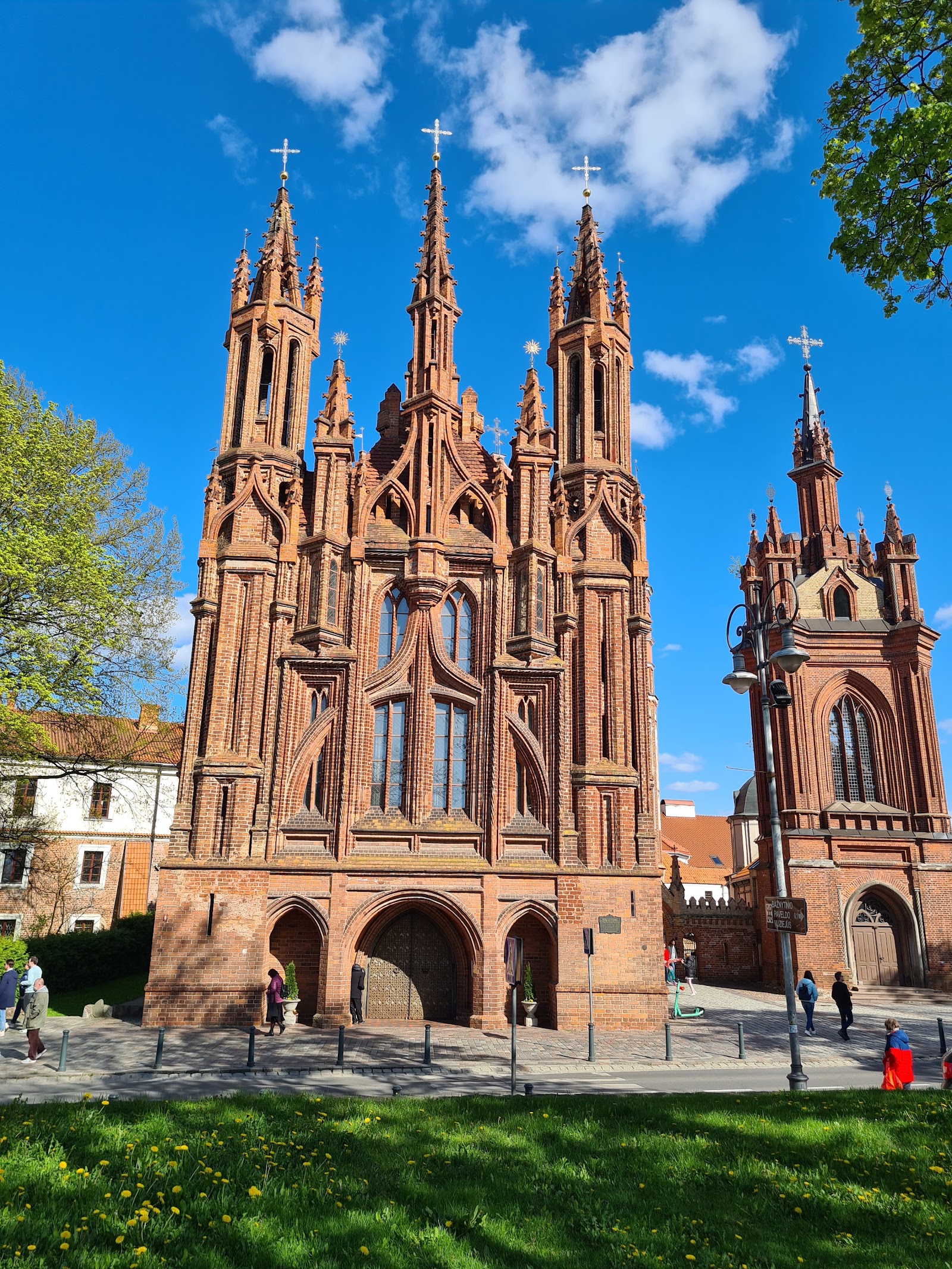
This breathtaking example of masterful Flamboyant Gothic architecture is built from 33 different types of red bricks and creates a very delicate and intricate impression. On Google it holds a fantastic rating of 4.8 from nearly five thousand reviews. It’s exactly the kind of sublime place where you’ll be gasping for breath and enthusiastically snapping one photo after another, because the facade details are stunning. The church’s construction took several decades, and its delicate lace-like patterns have been preserved in remarkably good condition.
A very famous legend is associated with the building: during his devastating campaign to Russia, Napoleon Bonaparte was so enchanted by the church that he allegedly wanted to carry it back to Paris in the palm of his hand. Although it’s only a romantic tale and not a documented historical fact, it adds tremendous appeal to the place, and local guides love to tell this story with great color and enthusiasm. 😉
6. Church of St. Francis of Assisi (Bernardines)
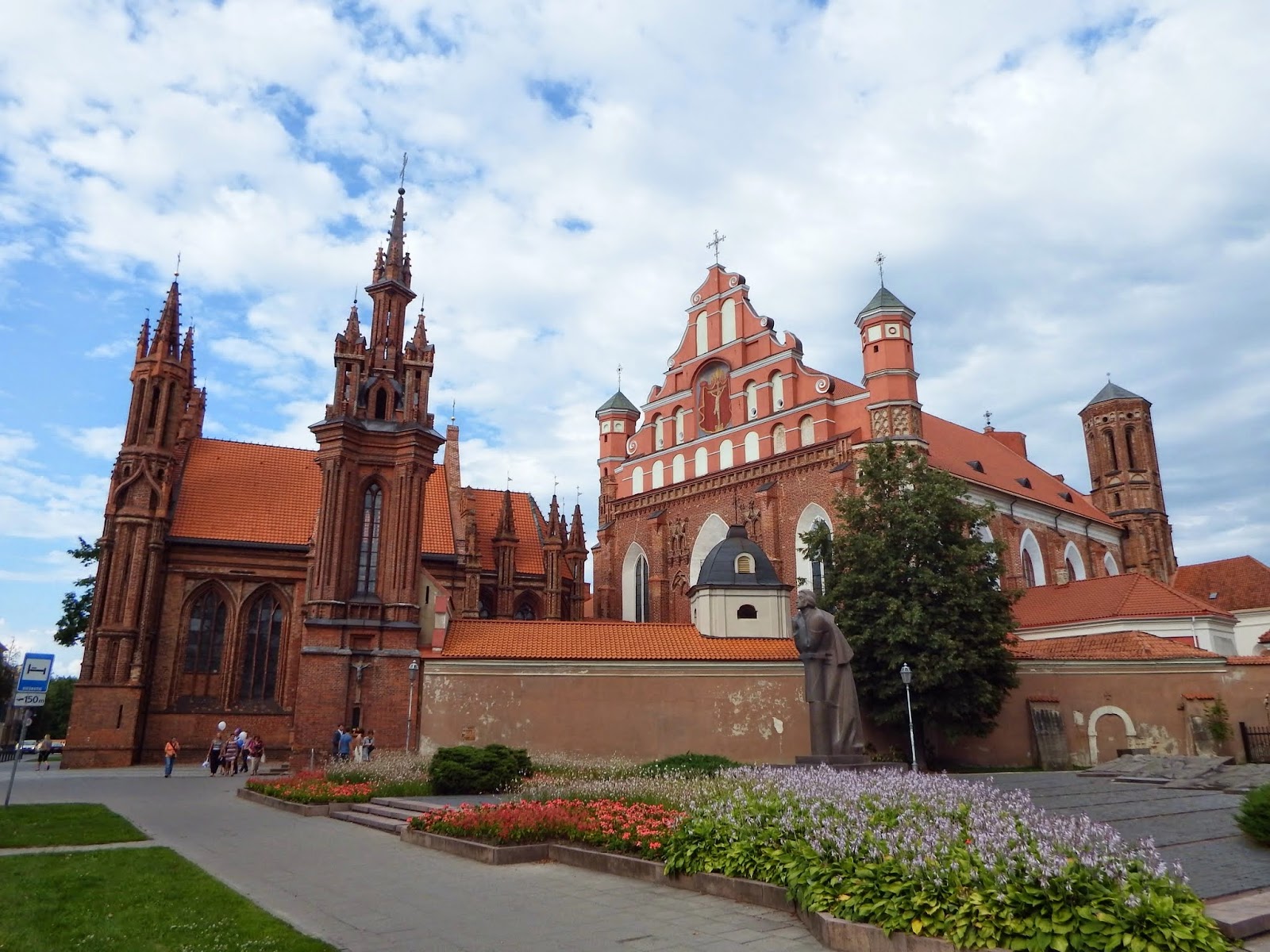
Right next to the delicate St. Anne’s Church, you’ll find this massive sprawling Gothic complex, which forms a beautiful architectural contrast with it and achieves a rating of 4.7 stars. Inside are unique and recently uncovered medieval frescoes that remember the very earliest history of the city and are definitely worth closer examination.
While the exterior looks rather austere and massive like some impregnable fortress, the interior spaces will surprise you with their calm and quiet atmosphere. You can sit for a moment in the wooden pews and enjoy the wonderful peace far from the main tourist trails. I definitely recommend combining a visit to both of these beautiful neighboring churches into one pleasant afternoon walk.
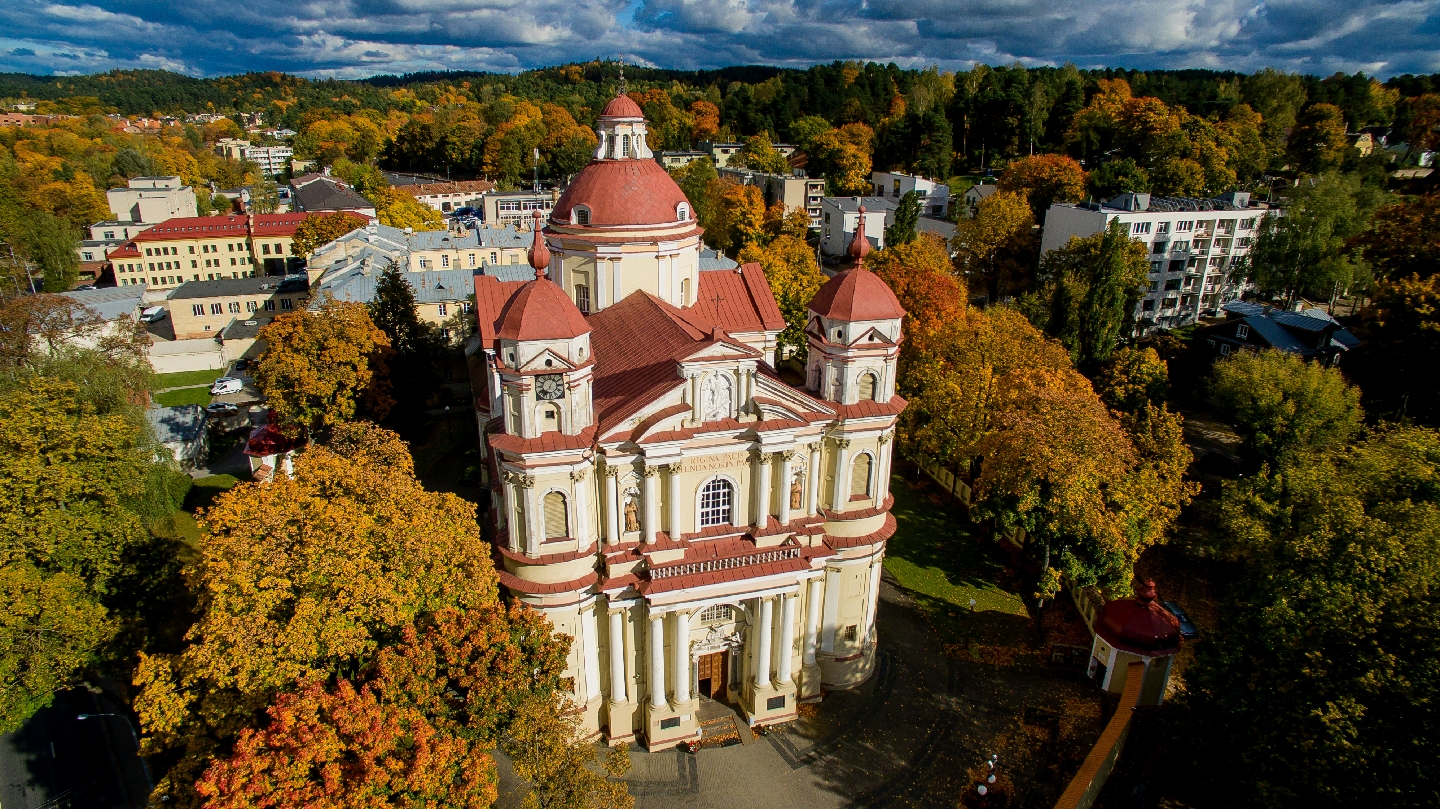
7. Church of Saints Peter and Paul (Antakalnis)
Although from the outside this Baroque church in the Antakalnis district looks quite ordinary and unassuming, its detailed interior will immediately take your breath away. You’ll find over two thousand masterful snow-white stucco figures that richly decorate almost every conceivable inch of the walls and ceilings. The entire space feels almost otherworldly.
Thanks to this unique decoration, the church has rightfully earned an excellent rating of 4.8 from more than five thousand enthusiastic visitors. Take plenty of time to examine the individual small details, because each statue tells its own biblical story. It’s worth making the trip here even though it lies a bit further from the absolute historic center of the city.
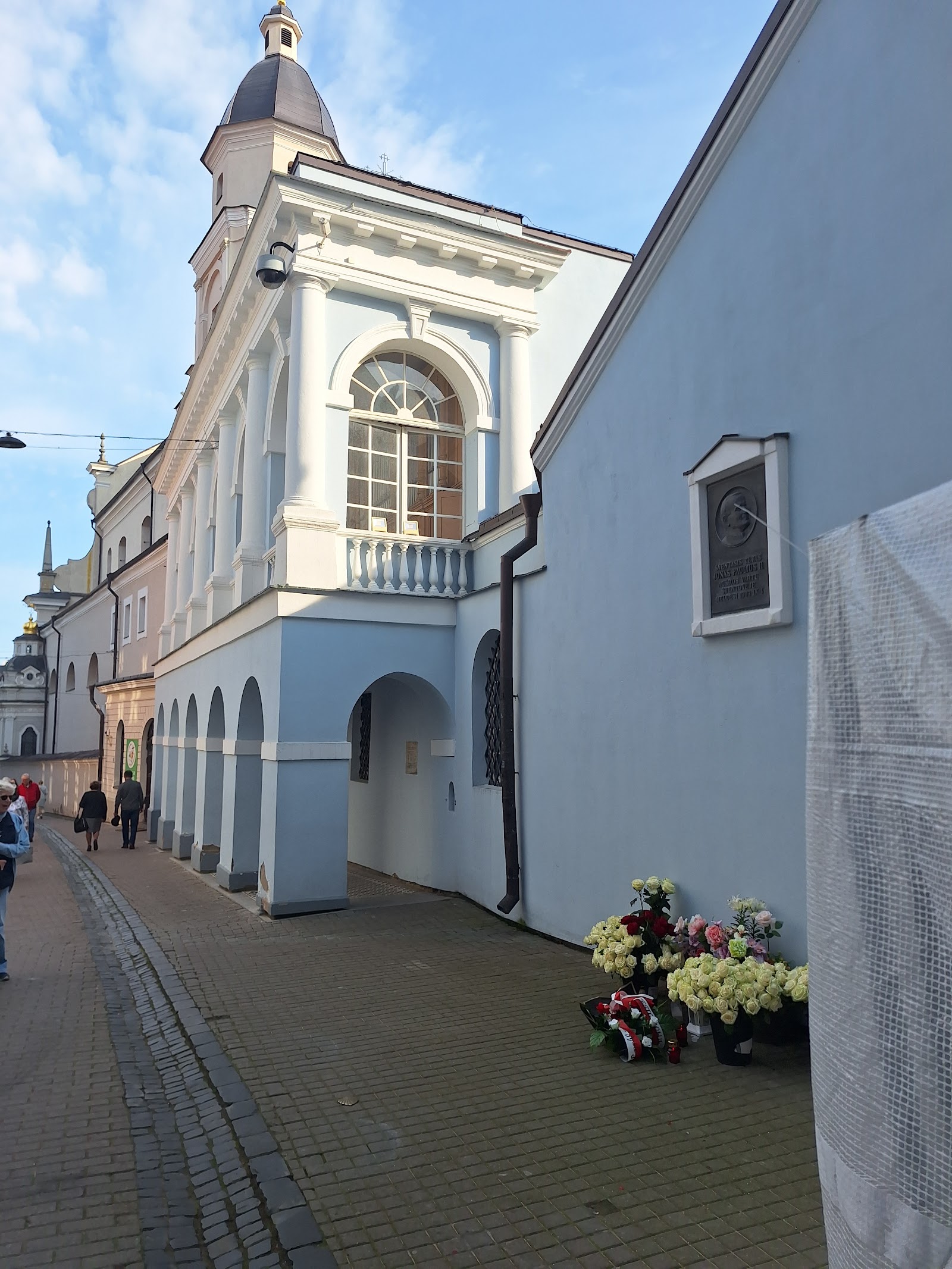
8. Gate of Dawn (Aušros vartai)
This is the only surviving gate of the original nine city gates that once protected the main entrance to medieval Vilnius. Today this site holds a strong rating of 4.7 and is primarily a very significant pilgrimage site for Lithuanians and neighboring Poles, who come here in large numbers from the surrounding area to honor the memory of this holy place.
In the small upper floor of the gate is a beautiful chapel of Our Lady of the Gate of Dawn, where the famous silver image venerated for its alleged miraculous powers is carefully preserved. The atmosphere here is very peaceful and deeply spiritual, so when visiting please fully respect the praying faithful and choose more conservative clothing so as not to disturb the character of this important pilgrimage destination.
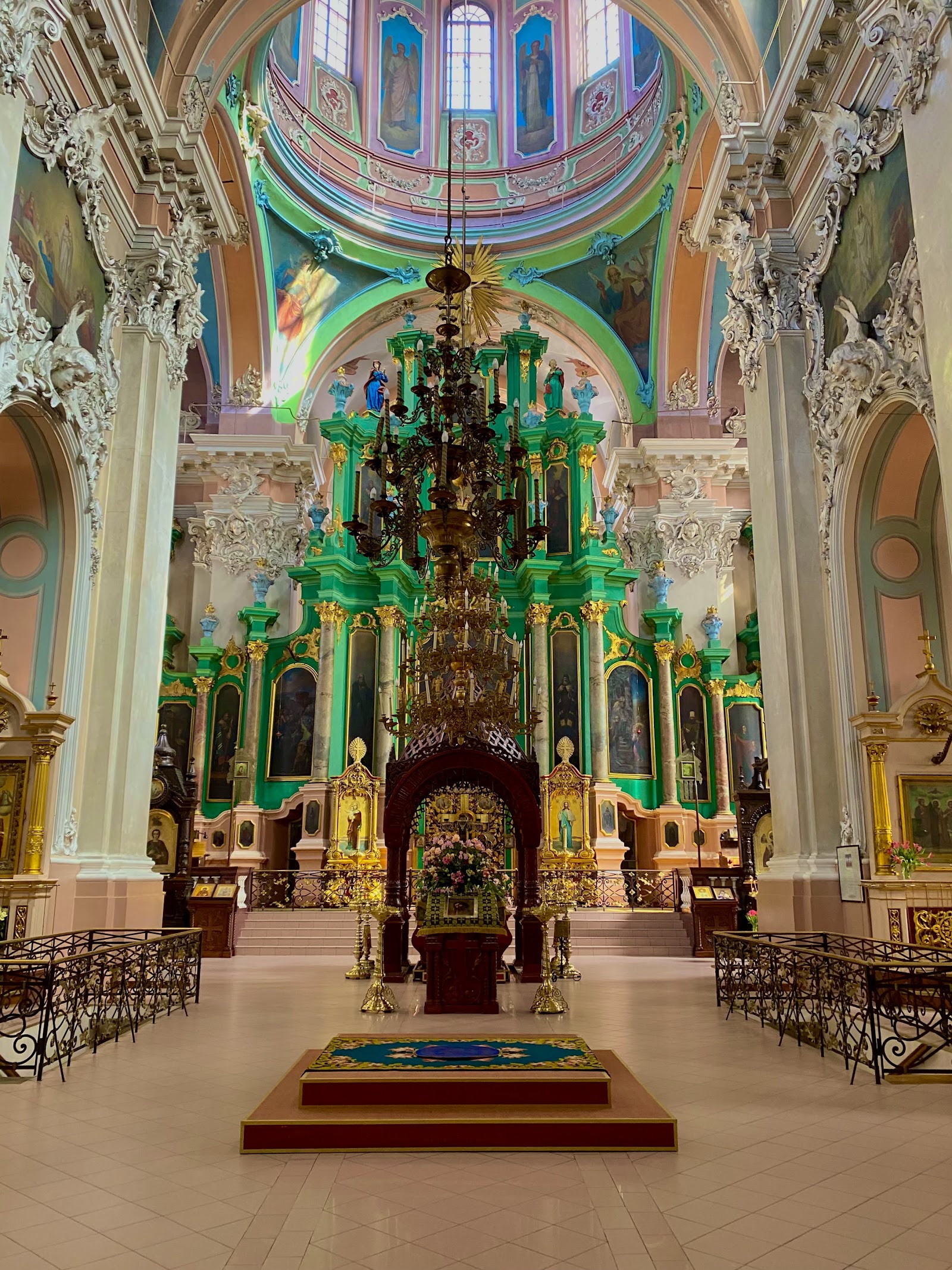
9. Church of the Holy Spirit (Orthodox)
This beautiful pink sanctuary holds clear first place as the best-rated church in the entire city, having achieved a beautiful 4.9 stars on Google. You’ll find it tucked away in the quiet streets not far from the Gate of Dawn, and you definitely shouldn’t skip its visit during your wanderings, because it offers a completely different visual experience than the Catholic churches.
The rich interior is adorned with a beautiful carved wooden iconostasis, and right in the center of the church lie the sacred relics of three Vilnius martyrs. The traditional Orthodox liturgy has its specific and very mysterious ancient charm that immediately transports you to a completely different world full of the heavy scent of incense and deep chanting.
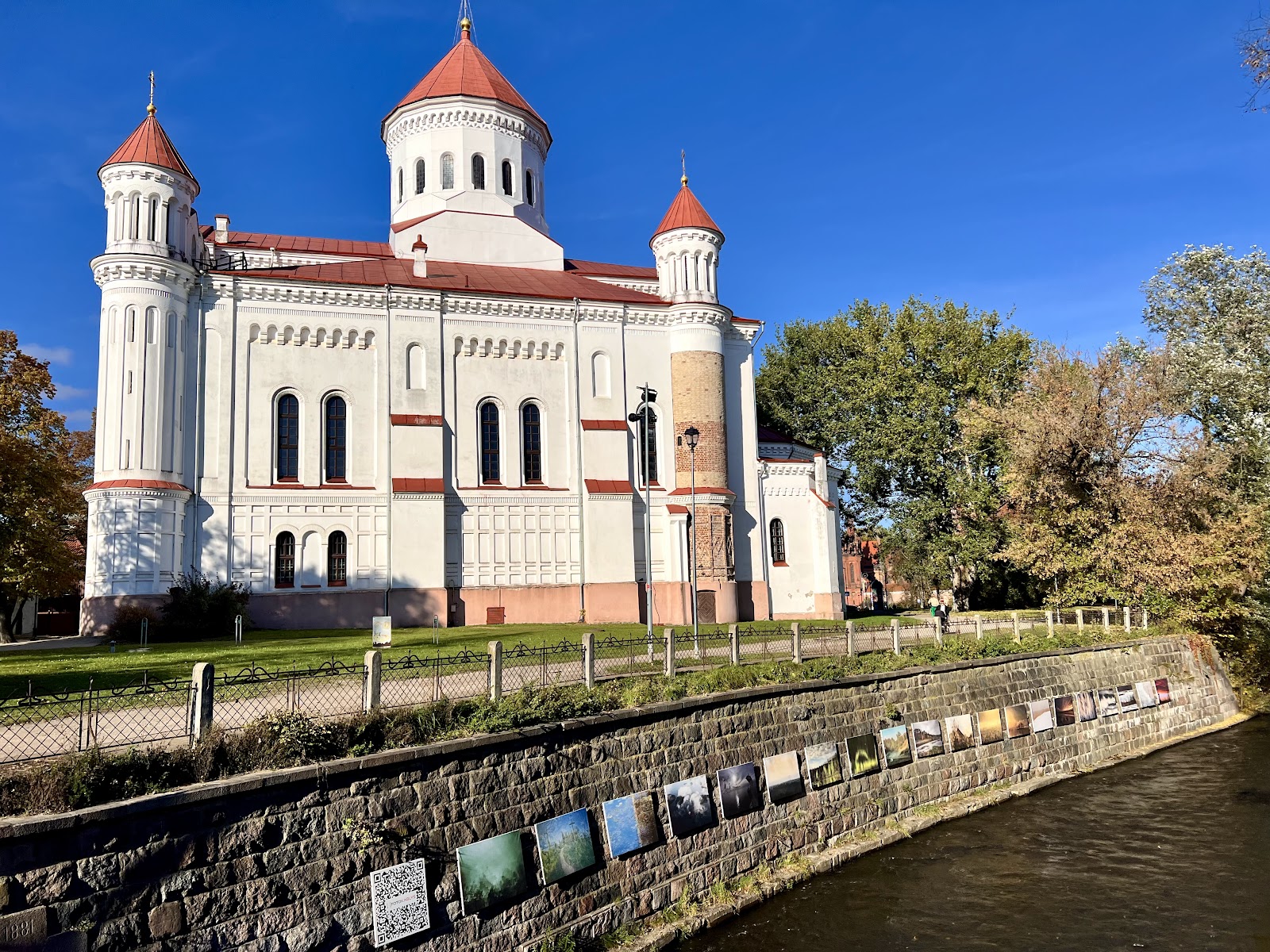
10. Orthodox Cathedral of the Dormition of the Mother of God
Walking along the same historic street, you’ll also come across this impressive Orthodox cathedral, which is guaranteed to catch your attention at first sight and boasts a rating of 4.8. It’s one of the very oldest Christian buildings in the city, and its mighty towers form an unmistakable part of the Vilnius panorama that you’ll love photographing from various viewpoints.
Inside, you’ll immediately be surrounded by the strong scent of incense and the rich golden decoration typical of Eastern Christianity. Entry is completely free and the doors are open to all visitors, but I definitely recommend dressing with sufficient respect for local traditions, which for both genders means covered shoulders and knees.
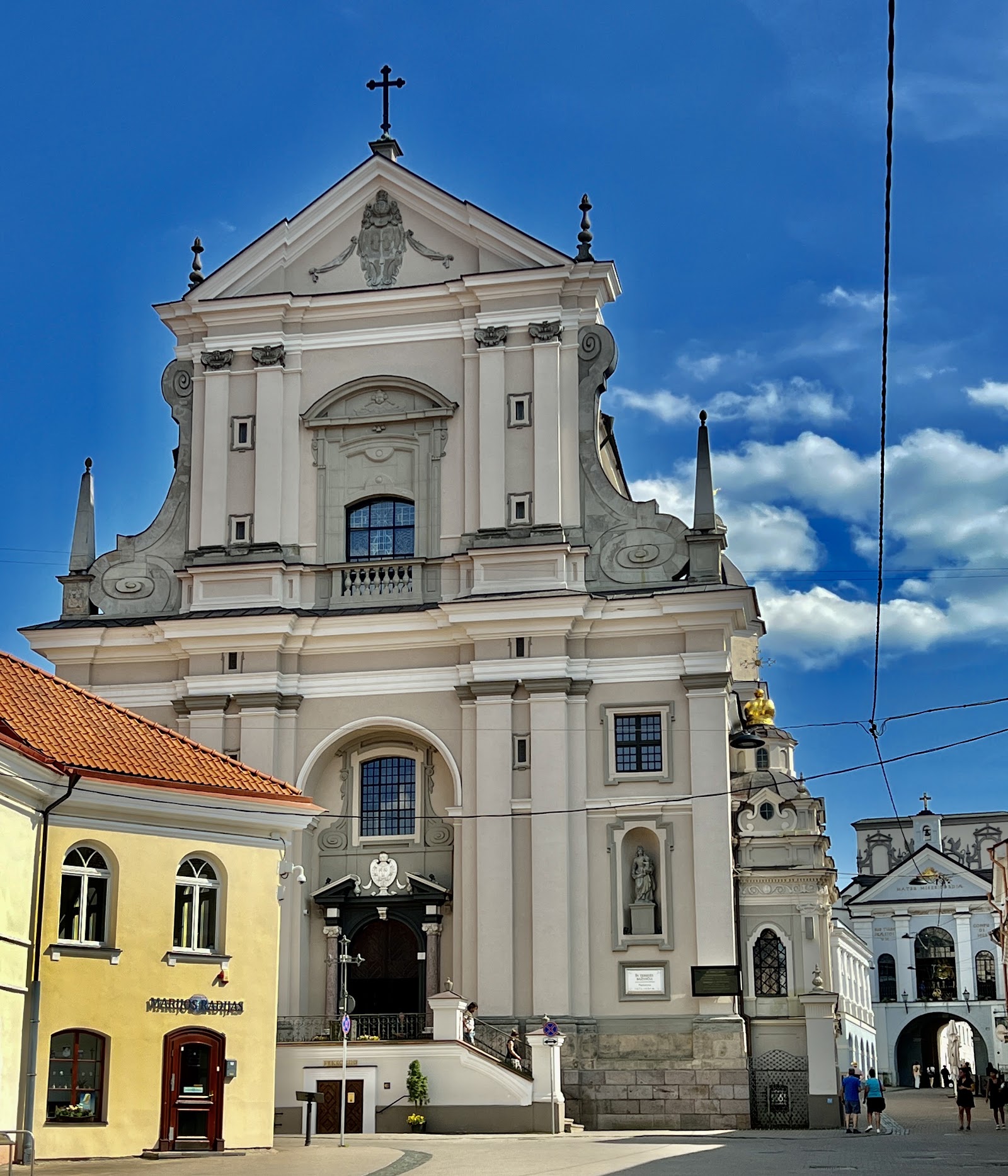
11. Church of St. Theresa
Right next to the Gate of Dawn stands another beautiful Baroque gem that consistently maintains an excellent score of 4.8 from many hundreds of reviews and fits perfectly into a tour of this part of the city. Its main facade is interestingly built of black marble and sandstone, which represents quite a rarity in Lithuanian lands and immediately catches your attention at first glance.
The church flows very smoothly into the adjacent Discalced Carmelite monastery, and quiet, peaceful services often take place here during the day. Stop here for at least a few minutes, sit in the dark pews, and soak up the beautifully peaceful atmosphere in the midst of an otherwise quite bustling historic center full of tourists and street performers.
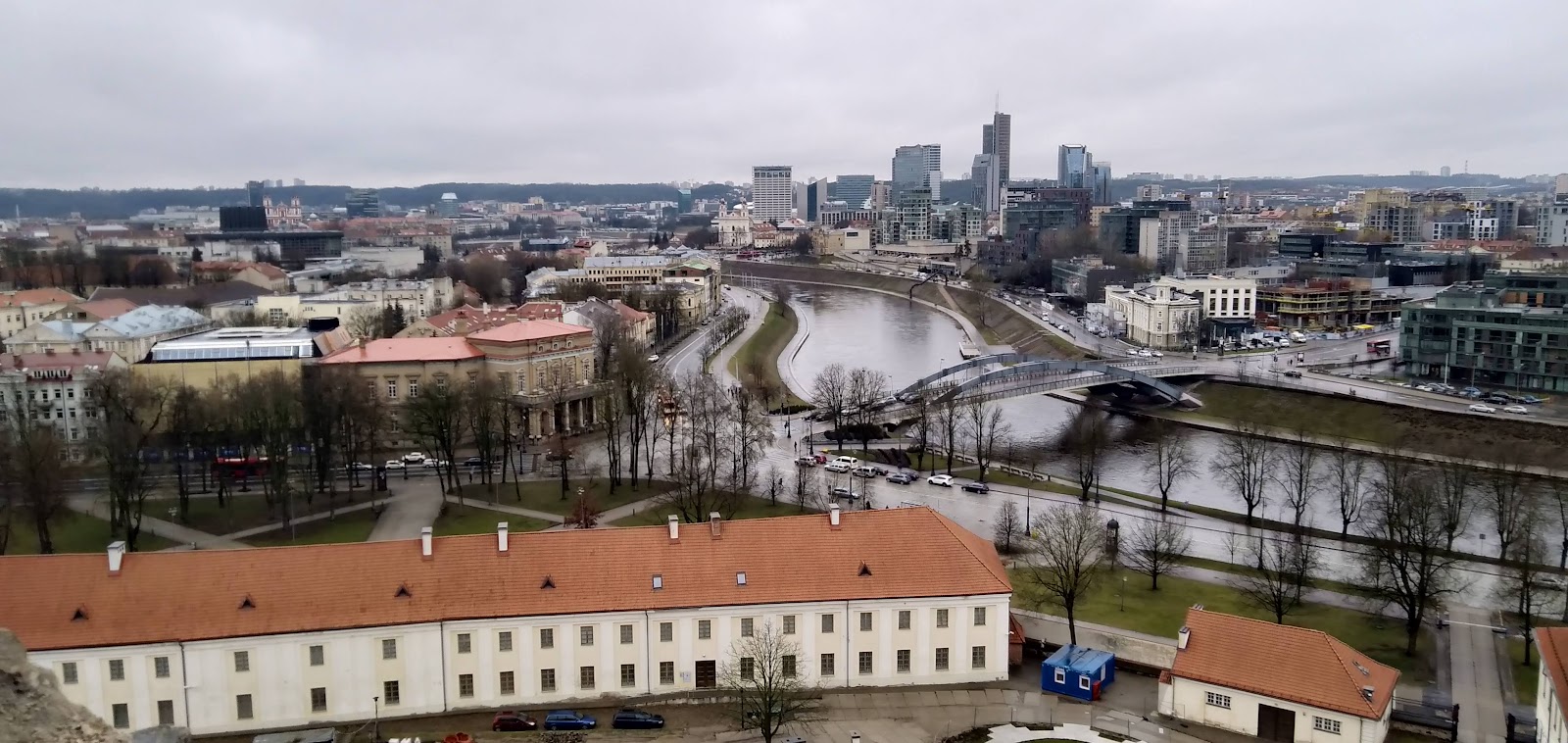
12. Town Hall Square (Rotušės aikštė)
This wide and spacious square is the natural social heart of the entire Old Town and is elegantly dominated by the large neoclassical building of the historic town hall (with a rating of 4.7). From the square flows the main pedestrian artery Pilies Street, which is full of charming cafes, restaurants, and small shops with traditional Lithuanian souvenirs.
In the warm summer months, you’ll find plenty of blooming outdoor seating areas and terraces where you can calmly enjoy coffee and spend hours watching the surrounding bustle. 💡 Tip: Definitely watch out for the occasional overpriced tourist traps and choose restaurants more in the adjacent quieter side streets, where prices are much more favorable and food quality is usually higher.
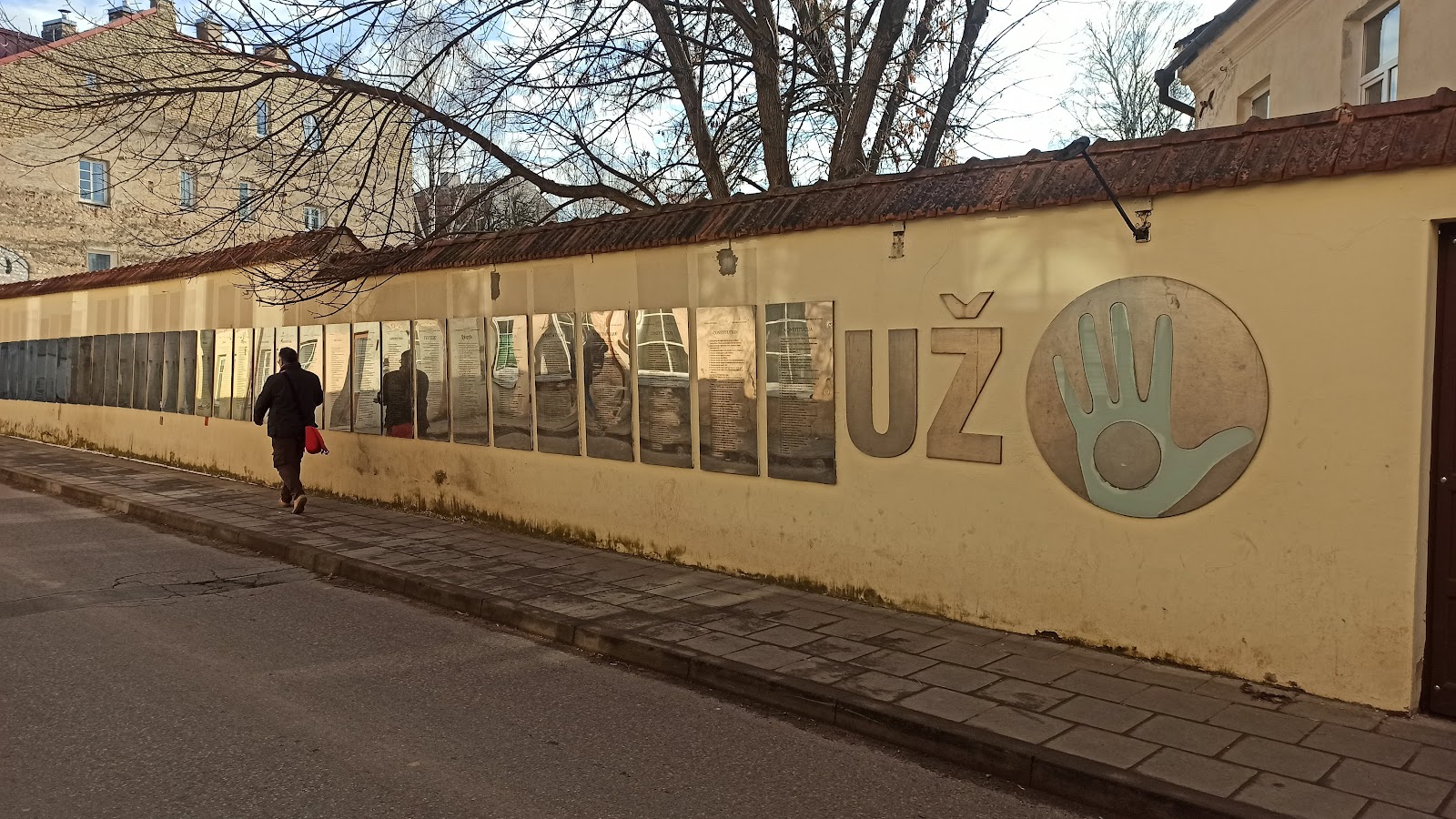

13. Užupis Republic and its constitution
When you cross the small, unassuming bridge over the Vilnia River, you find yourself in a unique district that somewhat jokingly declared its independence in 1997. This bohemian place has its own flag, president, and anthem, and a beautiful bronze angel statue stands proudly in the main square. Incidentally, it replaced the original makeshift sculpture of a giant egg. The whole area has an excellent 4.6 rating on Google and has a very relaxed, slightly hipster atmosphere.
The biggest draw, however, is the local constitution displayed on a wall, which keeps being translated into more and more languages and today has over 40 versions on mirrored plaques, including Czech. The constitution has 41 articles in total and is guaranteed to amuse you with funny rules like Everyone has the right to be happy, Everyone has the right to be unhappy, or the very best rule of all: A dog has the right to be a dog.😁 Interestingly, the constitution also remembers stray cats, mentioning them in two separate provisions.
If you visit on April 1st, you’ll experience grand celebrations of the local national holiday, when special commemorative passport stamps are even issued at the border bridge for your collection. All around you’ll find dusty art galleries and interesting creative workshops that give the district its unique artistic flair.
14. Museum of Occupations and Freedom Fights (former KGB)
This massive building has a very dark past, as it housed the Gestapo during World War II and later the feared Soviet KGB. Today it contains an extensive museum (rated 4.6 stars) that delivers the most powerful and chilling experience in all of Vilnius and will make you reflect deeply on freedom.
In the basement you can examine up close the original preserved cells and the horrifying execution chamber, which will leave a truly deep impression on you and at times send shivers down your spine. The cells here are visible largely in exactly the state they were left in by officers at the beginning of the 1990s. You’ll also learn plenty about the so-called forest brothers, who were brave Lithuanian partisans organizing long-term resistance against Soviet rule from hideouts in dense forests.
The entire tour takes about two hours and helps you perfectly understand the complex and painful history of the entire Baltic region. It’s a place full of well-deserved respect and quiet reflection that no lover of modern history should miss. While the exhibits are handled extremely sensitively, I strongly recommend considering carefully before visiting with young children.
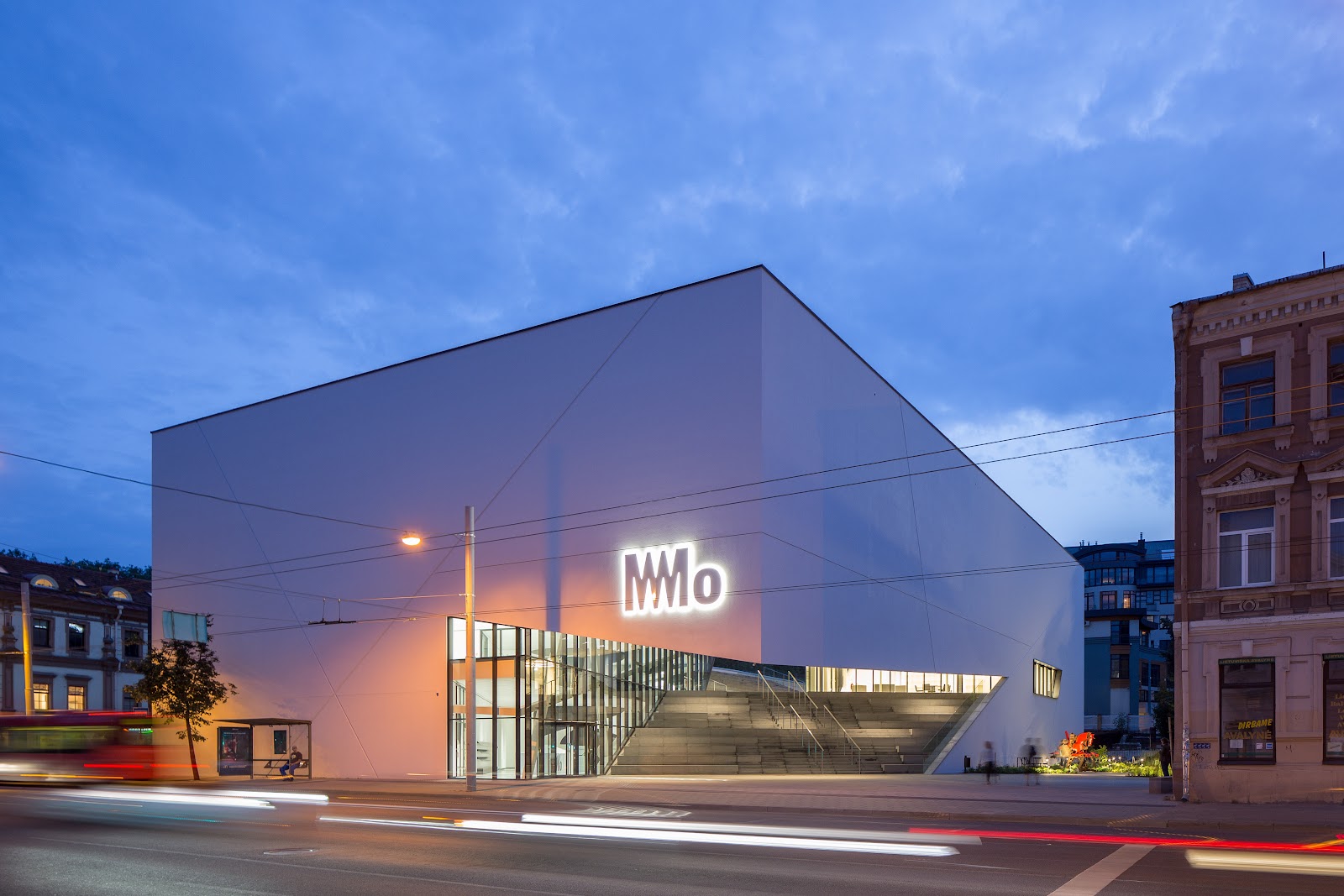
15. MO Museum (MO muziejus)
If you need a bit of a break after the heavy history, head to the MO Museum (MO muziejus) for modern Lithuanian art. This fantastic bright gallery maintains an excellent 4.5 rating. The building itself is a masterpiece designed by world-renowned architect Daniel Libeskind and represents the best contemporary architecture you can see in the city.
The collections contain thousands of beautiful works from the 1950s to the present, and the individual exhibitions rotate very regularly and dynamically, so even on repeat visits you’ll always discover something new. In the spacious ground floor you’ll also find an excellent café and a renowned design shop where you can pick up the most stylish gifts for your loved ones.
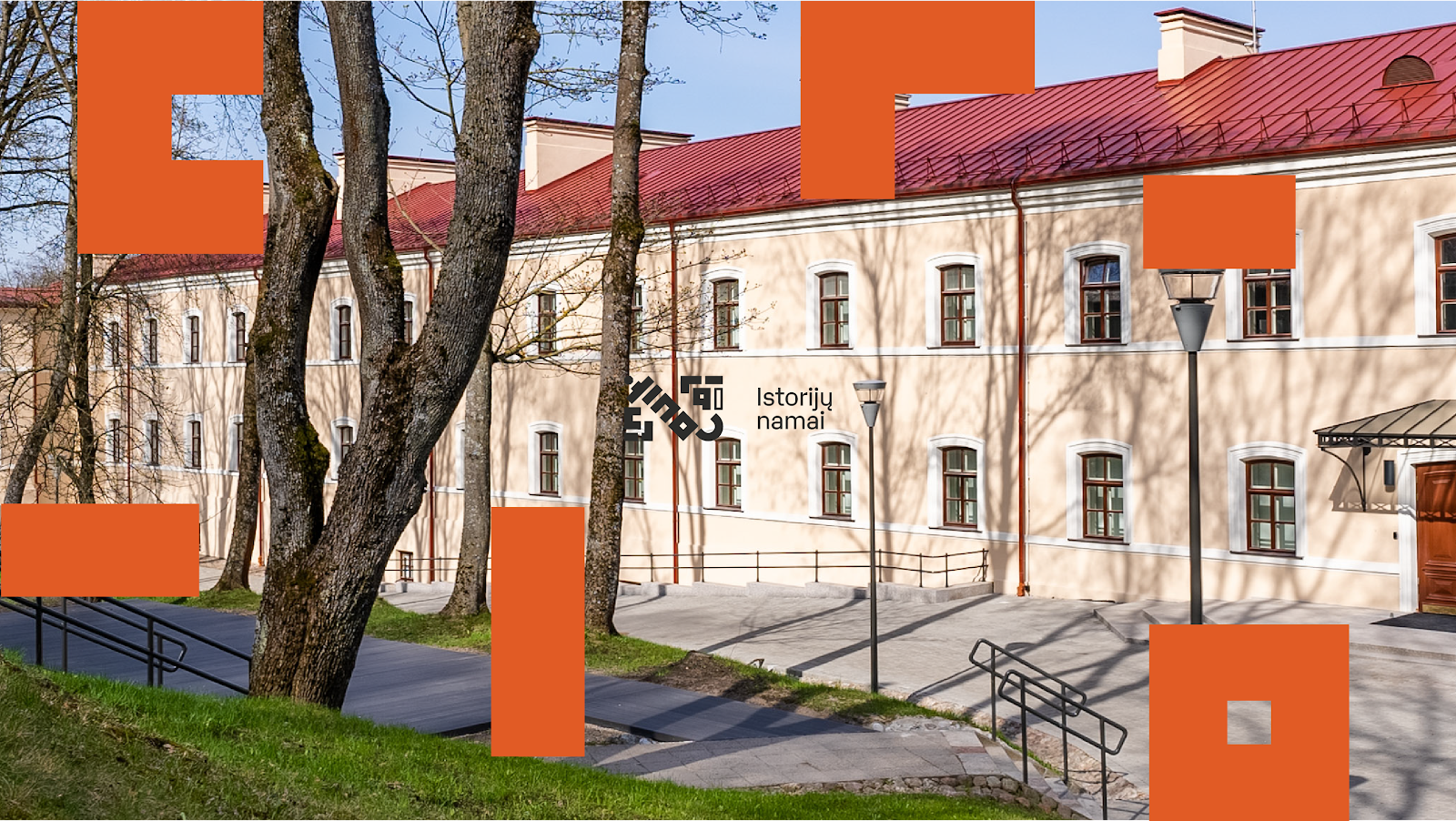
16. House of Histories (Istorijų namai)
This relatively new modern institution has quickly won visitors’ hearts and boasts a truly excellent 4.8 rating on Google. It’s a modernly conceived museum of Lithuanian history that tells old stories in an incredibly engaging and interactive way, so you definitely won’t face just boring dusty display cases.
The extensive exhibits guide you from the earliest times to the recent past and show you the evolution of the entire society in a much broader context. It’s a really great alternative to more traditional dusty museums, where younger travelers definitely won’t get bored either, because the exhibits cleverly engage all the senses.
17. Museum of Church Heritage
You’ll find this fascinating golden treasury (rated 4.7 stars) hidden in the premises of the former Church of St. Michael, just a short walk from the Gothic St. Anne’s. Here you can examine up close the precious treasure of Vilnius Cathedral, which was long considered irretrievably lost and was only discovered relatively recently.
In addition to beautiful golden and silver monstrances, you’ll see masterpieces by ancient Lithuanian jewelers that take your breath away with their great precision and detailed craftsmanship. The very atmosphere of the deconsecrated church gives the entire exhibition a very specific and slightly mysterious air that makes the visit an extraordinary experience.
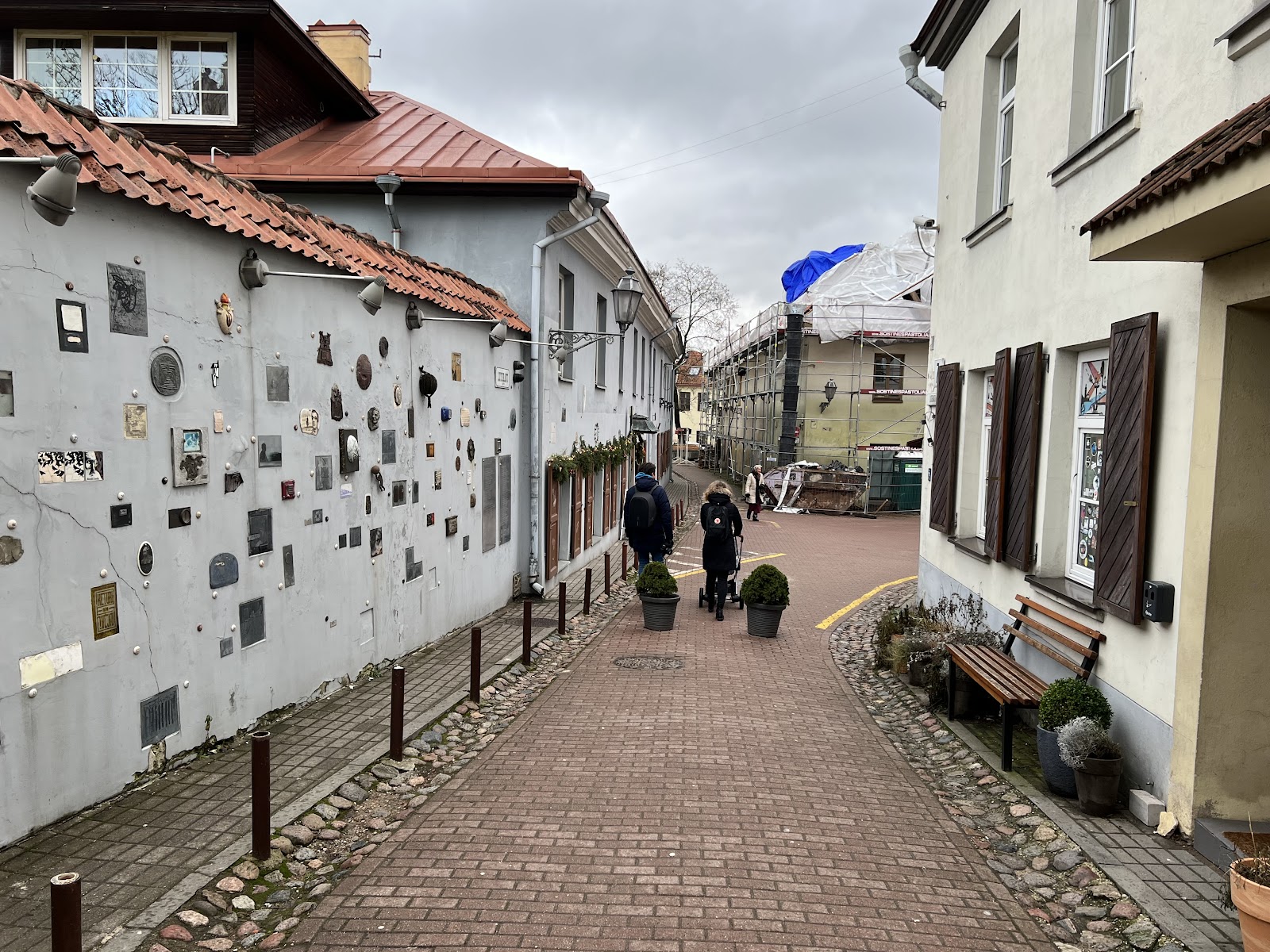
18. Literatų Street
This narrow and at first glance quite unassuming little street hides one of the most beautiful art projects in the entire city. Its old walls are dotted with hundreds of small artworks, where each little piece of metal, ceramic, or wood commemorates one specific writer connected to Lithuania. The whole concept feels like a huge outdoor gallery under the open sky.
It’s a great place for literature lovers and hunters of photogenic corners, because you can easily spend a full hour examining the individual details and still keep discovering new curiosities. 💡 Tip: Come here ideally early in the morning, when the morning sun hits the alley and the colors of all those little plaques on the walls beautifully stand out in your photos.
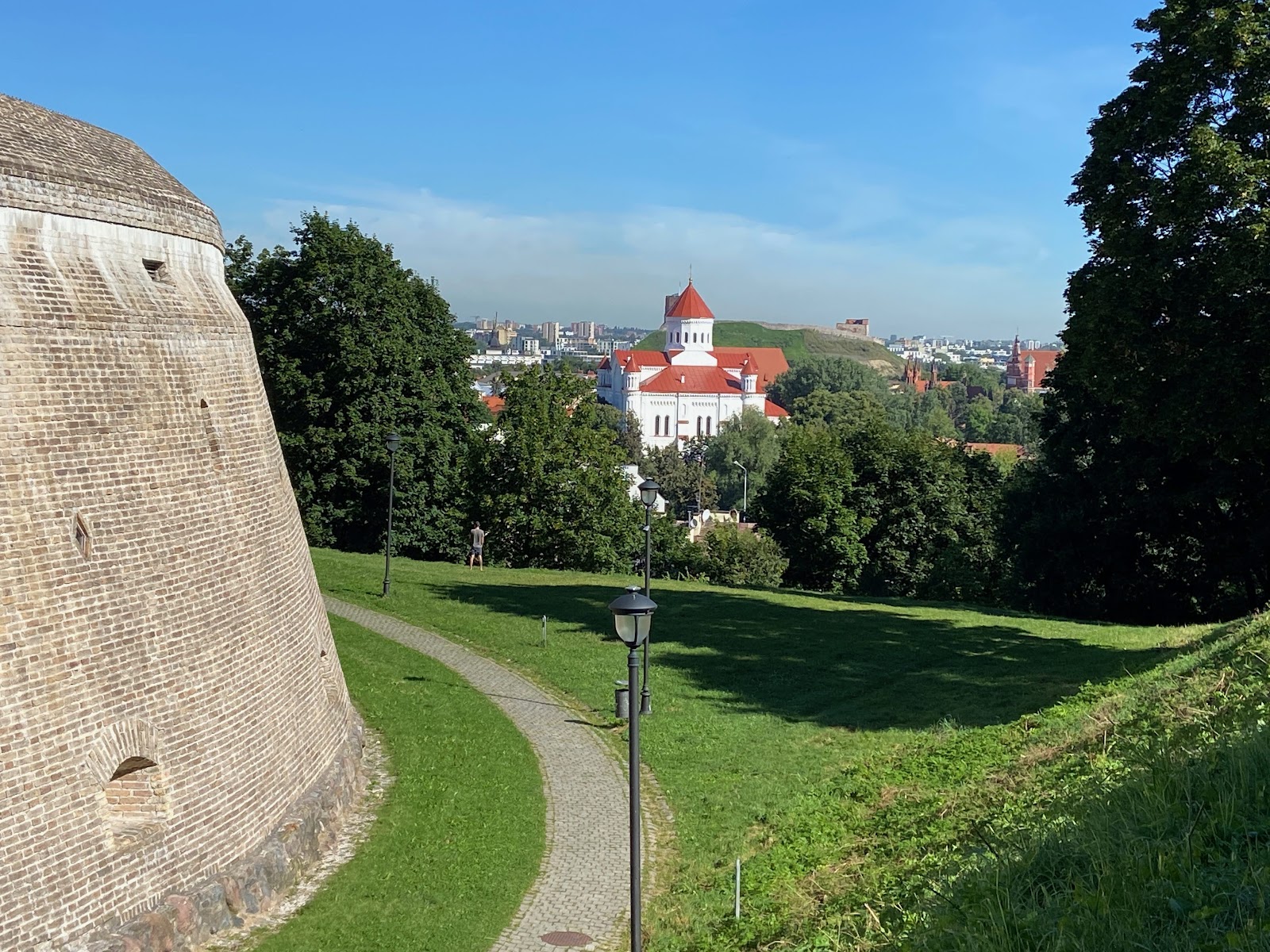
19. Bastion of Vilnius walls (Bastėja)
From the original mighty fortifications of the city, fortunately this massive artillery bastion has survived to the present day, standing proudly on a hill a short distance from the center. Inside you’ll find a very interesting exhibition of old weapons and armor that will reliably please enthusiasts of military history and old defensive architecture in particular.
The biggest draw, however, is the outdoor panoramic viewing terrace, from which you have the entire old town beautifully laid out before you. The surrounding green slopes are also a very popular spot for summer picnics and relaxation, so feel free to bring coffee, sit down in the grass, and enjoy the beautiful view without needing to push through crowds.
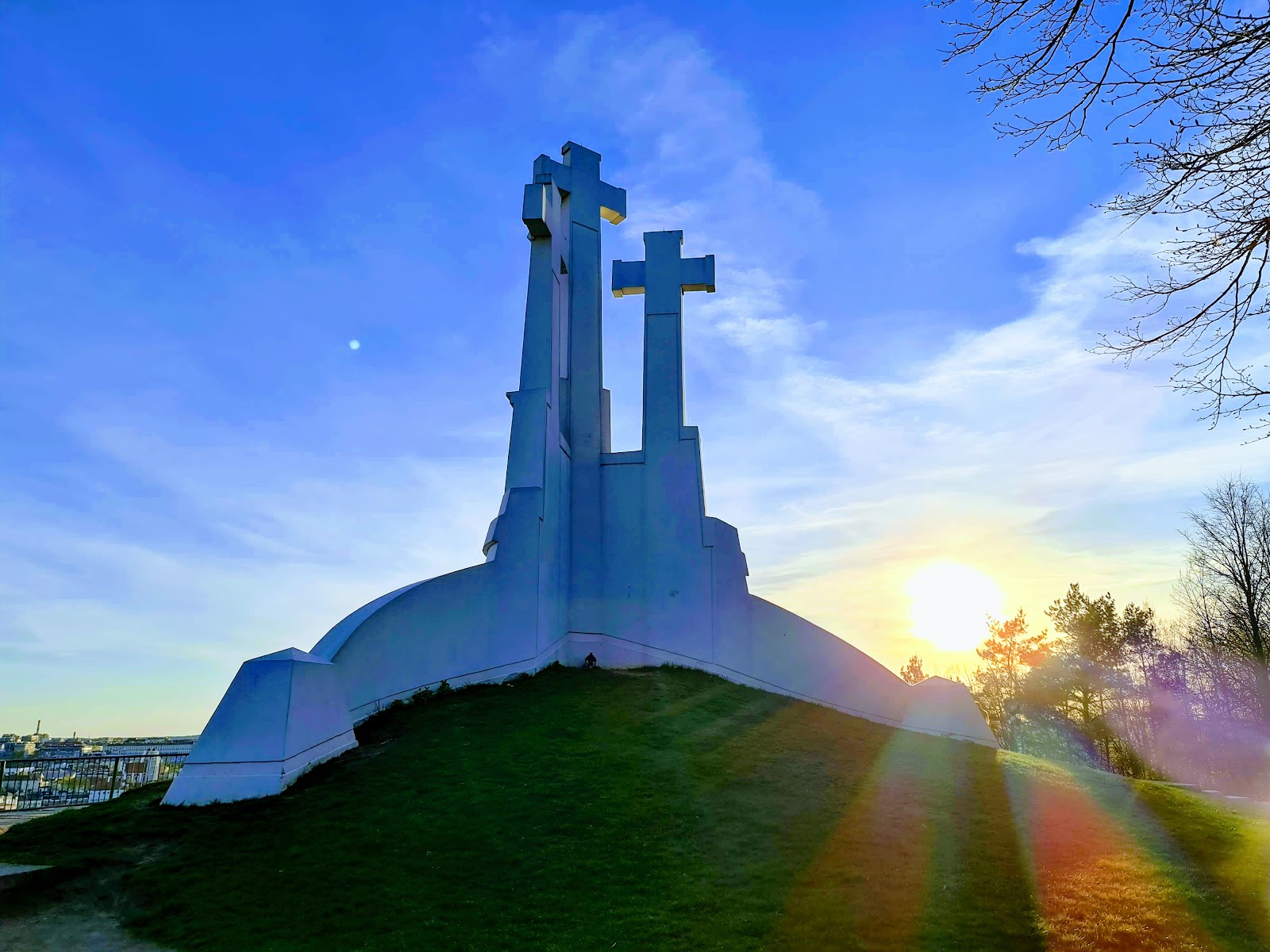
20. Hill of Three Crosses (Trijų kryžių kalnas)
Three huge bright white crosses tower high above the bohemian Užupis district and form one of the most distinctive landmarks of all Vilnius, visible from far away. The climb up the stairs will admittedly work your thighs a bit and you’ll get out of breath, but the amazing view is definitely worth the small effort.
I recommend heading here just after dusk, when the sun slowly sets behind the historic center and the sky turns gorgeous romantic shades of orange and purple. The whole experience is completely free and you usually won’t encounter tourist crowds here, making it a perfect quiet place to rest after a full day of running around monuments.
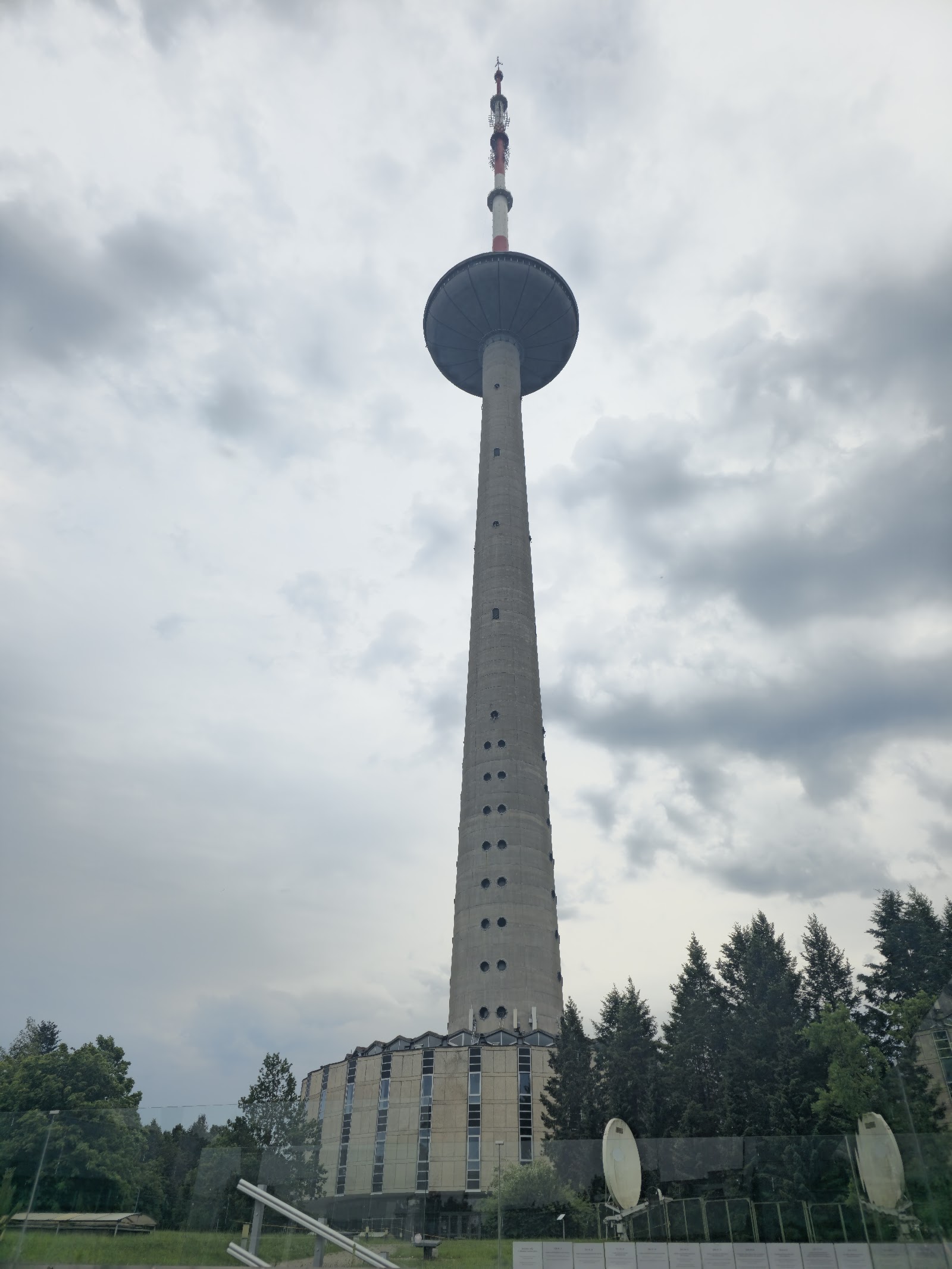
21. Vilnius TV Tower
At an impressive height of 326 meters, this is the tallest structure in the entire country, which you’ll easily spot from far away regardless of which part of the city you’re currently in. The observation deck is located at 165 meters and in good weather you can see up to 50 kilometers away. The tower offers not only a great view high in the clouds, but also a very stylish revolving restaurant where you can enjoy a drink with views of the entire surroundings.
At the same time, this is a hugely important site of Lithuanian memory, as tragic and heroic battles for independence from the collapsing Soviet Union took place here in January 1991. If you have enough time, definitely hop on a city bus and make a short trip outside the narrowest historic center to experience this more modern and important part of the city as well.
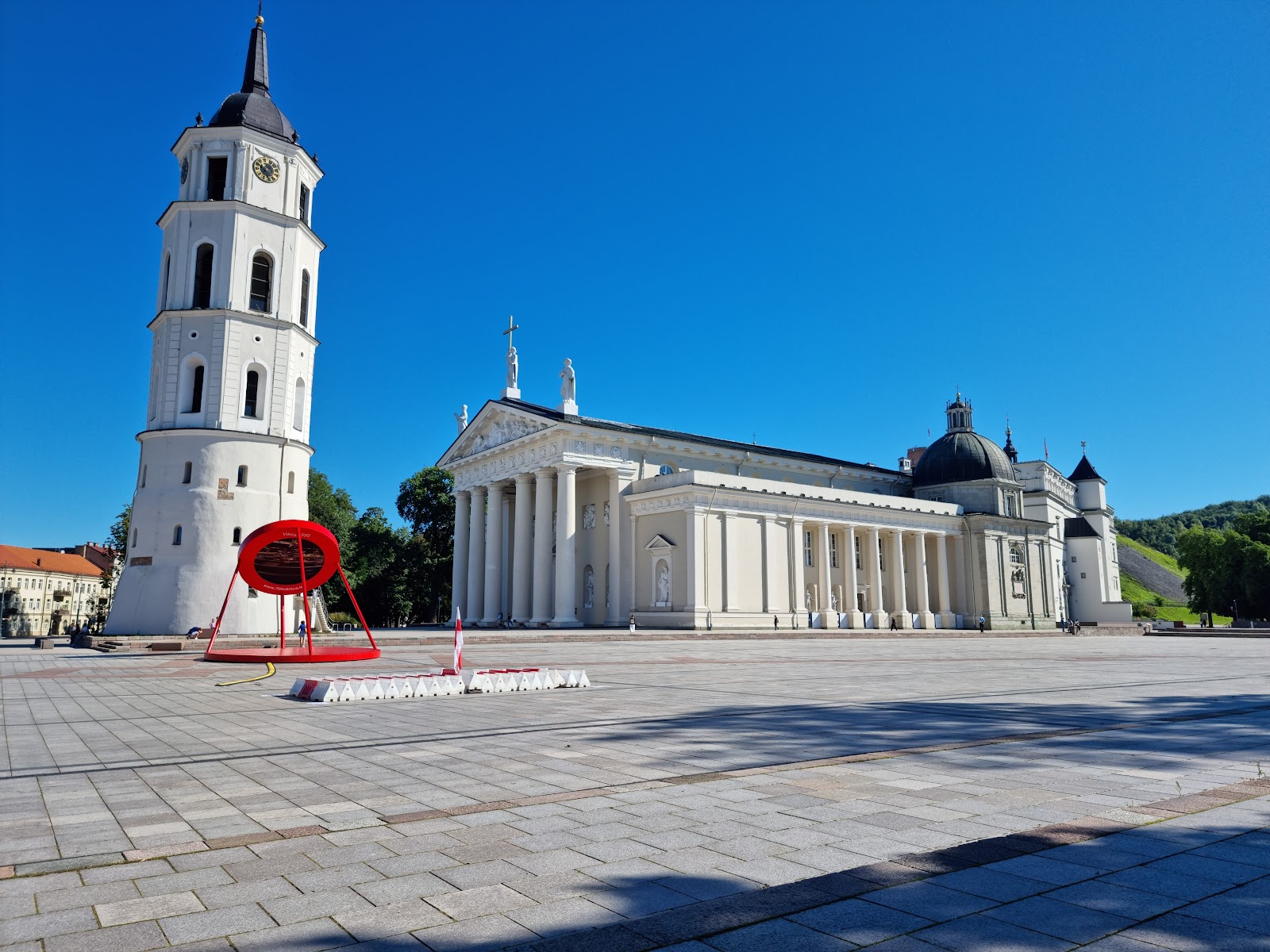
22. Christmas Cathedral and giant tree
If you visit Vilnius during the magical winter period, definitely don’t miss the fantastically lit Cathedral Square, which transforms into a true winter fairy tale after dark. The local giant Christmas tree is regularly ranked among the most photogenic in Europe and its magnificent decorations are completely different every year and always stunning.
Traditional Christmas markets spread around the entire square, where you can warm up with hot mulled wine, taste local sweets and buy beautiful handcrafted gifts. Although it can be really freezing outside and temperatures drop well below zero, this unique festive atmosphere will surely warm your heart and create the most beautiful memories from your trip.
Where to go from Vilnius and day trip ideas
Once you’ve thoroughly explored the entire Old Town and all the interesting monuments, definitely set aside time for trips to the immediate surroundings. Lithuania is full of beautiful nature and fascinating historical sites that are located just a short distance from the capital.
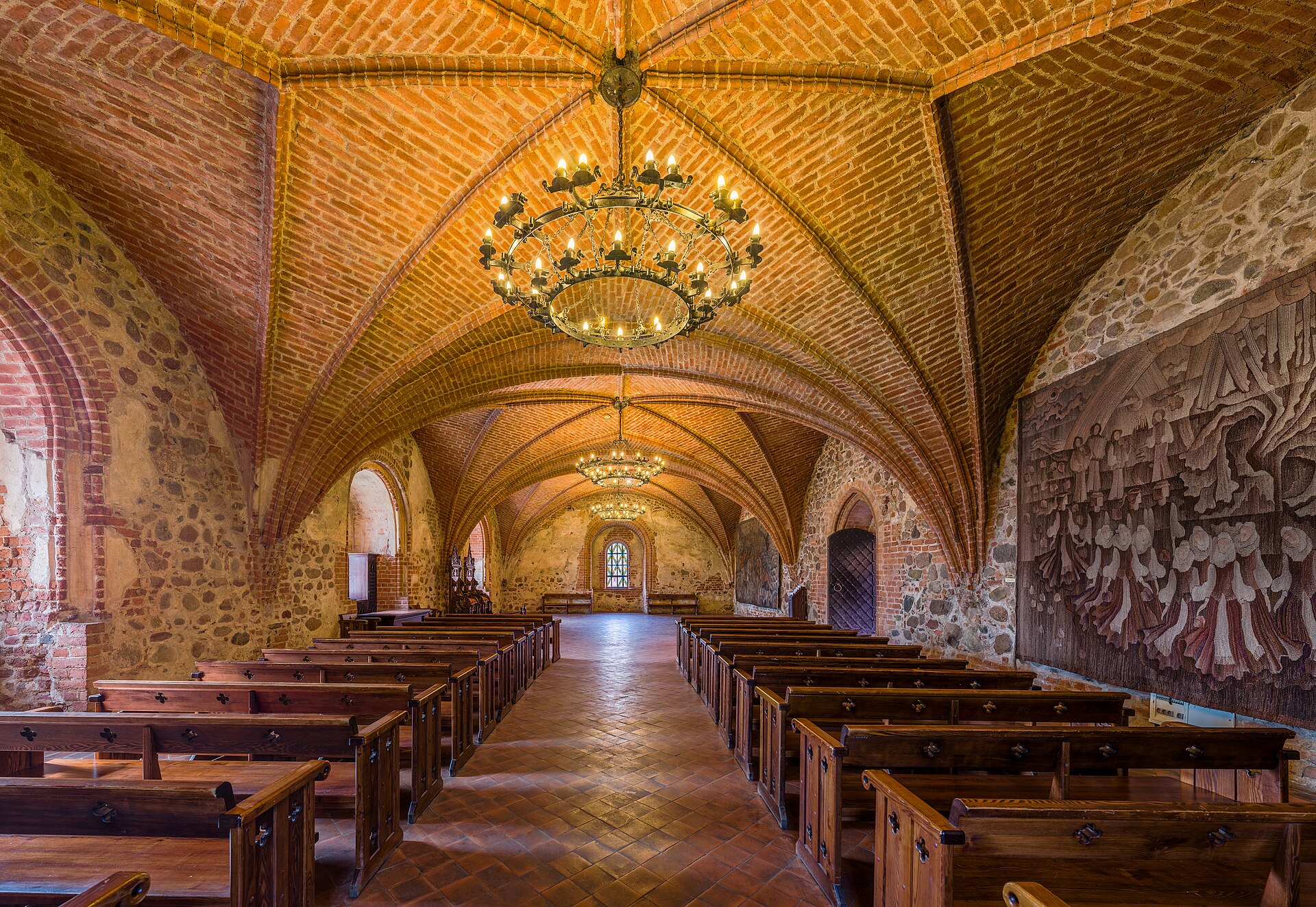
Fairytale Trakai Castle
This is the most photographed building in all of Lithuania, and when you see Trakai Castle with your own eyes, you’ll immediately understand why. The beautiful red brick castle sits on a romantic island in the middle of a huge lake and is located just about 30 kilometres from Vilnius. Visiting it feels like stepping into a medieval fairy tale.
You can get here very easily and quickly by suburban train or bus, so you can make a beautiful and relaxing half-day trip without needing to rent a car. In summer you can rent a rowing boat or pedal boat and see the castle from the water, which is an unforgettable experience and gives you the best angles for your photos. While you’re here, definitely don’t miss tasting the local speciality called kibinai. These are delicious filled pastries that were brought to Lithuania by the Karaites, a Turkic minority whom Prince Vytautas himself invited here in the 14th century to defend the castle.
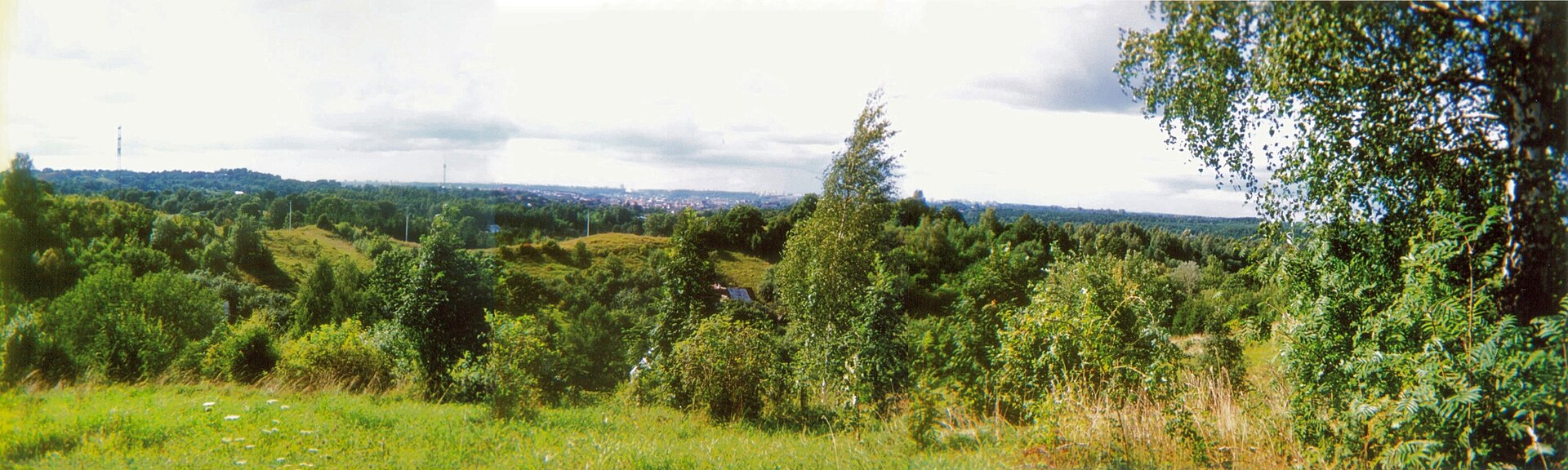
Belmontas and Pavilniai Park
If you’re longing for a quick escape into nature, head to this beautiful green area located just 20 minutes from the bustling city centre. You’ll find a lovely rushing waterfall and endless kilometres of maintained forest trails that are perfect for a relaxing afternoon walk and completely clearing your head.
The entire Belmontas complex is also a perfectly restored old mill full of excellent restaurants, so after your walk you can grab something delicious to eat. It’s the easiest escape into peace and greenery when you want to rest from the city bustle but don’t want to spend hours travelling.
💡 Tip: If you’re considering a longer trip around the entire Baltics, definitely get inspired by our detailed article Baltics in 10 Days: Itinerary. If you’re planning a longer trip and will frequently move from place to place, also check out how to pack efficiently for travel so you don’t drag yourself around with a heavy backpack unnecessarily. And for peace of mind, you’ll definitely find our guide on how to choose reliable travel insurance useful.
Where to eat: Gastronomy and what to taste (not just for vegetarians)
Lithuania has a very specific and hearty cuisine, but vegetarians can also find plenty to enjoy if they know exactly what to look for. The biggest culinary star and photogenic dish is the meatless cold soup šaltibarščiai, which will amaze you at first sight with its bright pink colour and amazing taste.
This refreshing summer soup is made from pickled beetroot and kefir and is traditionally served with a bowl of warm boiled potatoes sprinkled with fresh dill. It’s a true culinary gem that you absolutely must try when visiting Vilnius because it tastes fantastic. It’s especially refreshing on hot summer days.
Another huge hit is the popular potato dumplings cepelinai, which traditionally contain a meat filling, but you can very commonly find a fantastic version with cottage cheese (varškė) or delicious mushrooms. Also great is the traditional fried garlic bread called kepta duona, which is often served with cheese sauce and is an ideal meatless treat with beer. On the other hand, popular local specialities like skilandis and vėdarai are full of meat, so it’s best to avoid those.
If you’re looking for purely vegetarian and vegan restaurants, Vilnius offers a surprisingly large number of them at a very high standard. Try the excellently rated Pirmas Blynas (4.9 stars) with their great pancakes, the cosy Bistro PAN (4.9 stars) or the popular RoseHip Vegan Bistro (4.7 stars), where you can enjoy modern plant-based street food. Lovers of Indian cuisine will certainly appreciate Radharanė (4.5 stars) with their diverse selection of spiced dishes.
For local produce, definitely head to the historic Halės turgus market, which has been operating since 1906. You can buy the best Lithuanian cheeses and traditional dark bread here, but at the same time you’ll also find plenty of modern stalls with great street food from around the world, so there’s truly something for everyone.
Frequently asked questions
What currency is used in Lithuania?
Lithuania has used the euro as its official currency since 2015. You won’t need to deal with any currency exchange offices or complicated rate calculations, and you can pay by card without any problems in almost every restaurant and even the smallest souvenir shop.
How many days do I need to explore Vilnius?
Two days will be more than enough for a relaxed exploration of the historic center and the bohemian district of Užupis. If you also want to take a trip to Trakai Castle and visit some of the larger museums, set aside three full days so you don’t have to rush anywhere and can enjoy the city at your own pace.
Is the view from Gediminas Hill paid?
No, the panoramic view from the top of the hill itself is completely free and you can enjoy it for as long as you like. You only pay for the funicular ride (€3 return) and entry to the historic tower itself, which costs €8.
Is the KGB museum suitable for children?
The exhibition at the Museum of Occupations and Freedom Fights is handled very sensitively, but it shows horrifying historical realities including an execution chamber. I strongly recommend considering carefully before visiting with small children, for whom these dark spaces might be too distressing.
What language can I use to communicate in Vilnius?
The official language is Lithuanian, but you’ll get by with English without any problems everywhere in the city center, in restaurants, and at hotels. Given the historical context and current situation, it’s better not to use Russian at all unless absolutely necessary.
Does Vilnius have good connections from the airport?
Yes, the airport is pleasantly close, so you can get to the center very quickly by city bus or train. This makes Vilnius a great option for a short weekend trip when you don’t want to spend half the day traveling from the airport.
Where can I find the best restaurants?
Most restaurants are located on the main artery of Pilies gatvė, but the best and most affordable places can be found in the adjacent side streets. For fresh local produce and modern street food, I definitely recommend visiting the historic Halės turgus market hall.
Tips and Tricks for Your Vacation
Don’t Overpay for Flights
Search for flights on Kayak. It’s our favorite search engine because it scans the websites of all airlines and always finds the cheapest connection.
Book Your Accommodation Smartly
The best experiences we’ve had when looking for accommodation (from Alaska to Morocco) are with Booking.com, where hotels, apartments, and entire houses are usually the cheapest and most widely available.
Don’t Forget Travel Insurance
Good travel insurance will protect you against illness, accidents, theft, or flight cancellations. We’ve had a few hospital visits abroad, so we know how important it is to have proper insurance arranged.
Where we insure ourselves: SafetyWing (simple monthly subscription) and TrueTraveller (for extra-long trips).
Find the Best Experiences
Get Your Guide is a huge online marketplace where you can book guided walks, trips, skip-the-line tickets, tours, and much more. We always find some extra fun there!